
Applied Case: Nord Stream
The gas had stopped. The future had not.
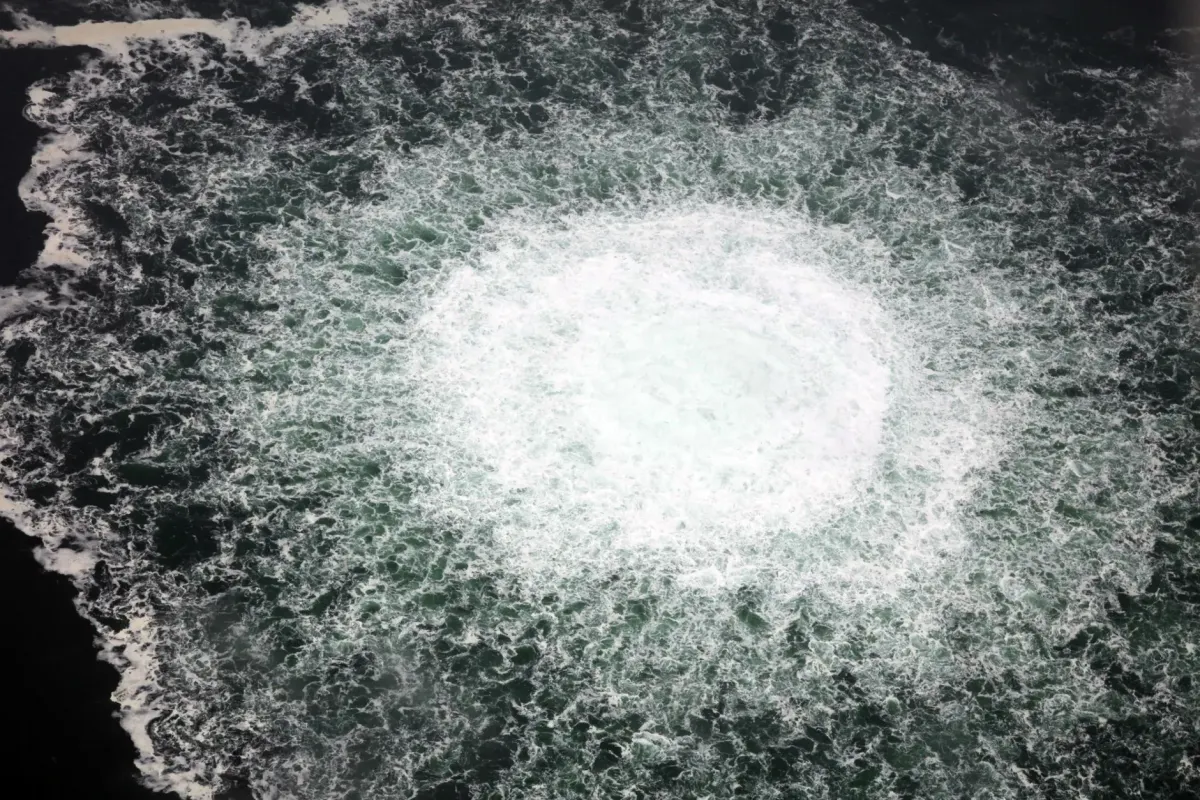
On August 19, 2026, German prosecutors announced that a Ukrainian man identified as Vladimir Z. had been arrested in Pula, Croatia.
They describe him as a trained scuba diver.
They allege that he belonged to the group that planted explosives on the Nord Stream 1 and Nord Stream 2 gas pipelines beneath the Baltic Sea in September 2022. Another Ukrainian suspect, former army officer Serhii K., had already been charged in Germany. Prosecutors allege that Serhii K. helped organize the operation while acting on behalf of Ukrainian state entities. He denies involvement. Vladimir Z. has not been convicted, and a Croatian court still has to handle the German transfer request.
The investigation has therefore reached a much more serious place than the early collection of competing theories, suspicious yachts and governments accusing one another across the Baltic.
- Germany has suspects.
- Germany has an alleged operational structure.
- Germany has also supplied an alleged motive.
According to federal prosecutors, the purpose of the operation was to permanently stop gas deliveries through Nord Stream so Russia could no longer use revenue from those sales to help finance its war against Ukraine.
That allegation has not been proved.
For this article, we are going to make the case harder anyway.
Assume Germany is basically right.
Then run the pipe all the way back.
The Peace Pipe.
Nord Stream began long before Nord Stream.
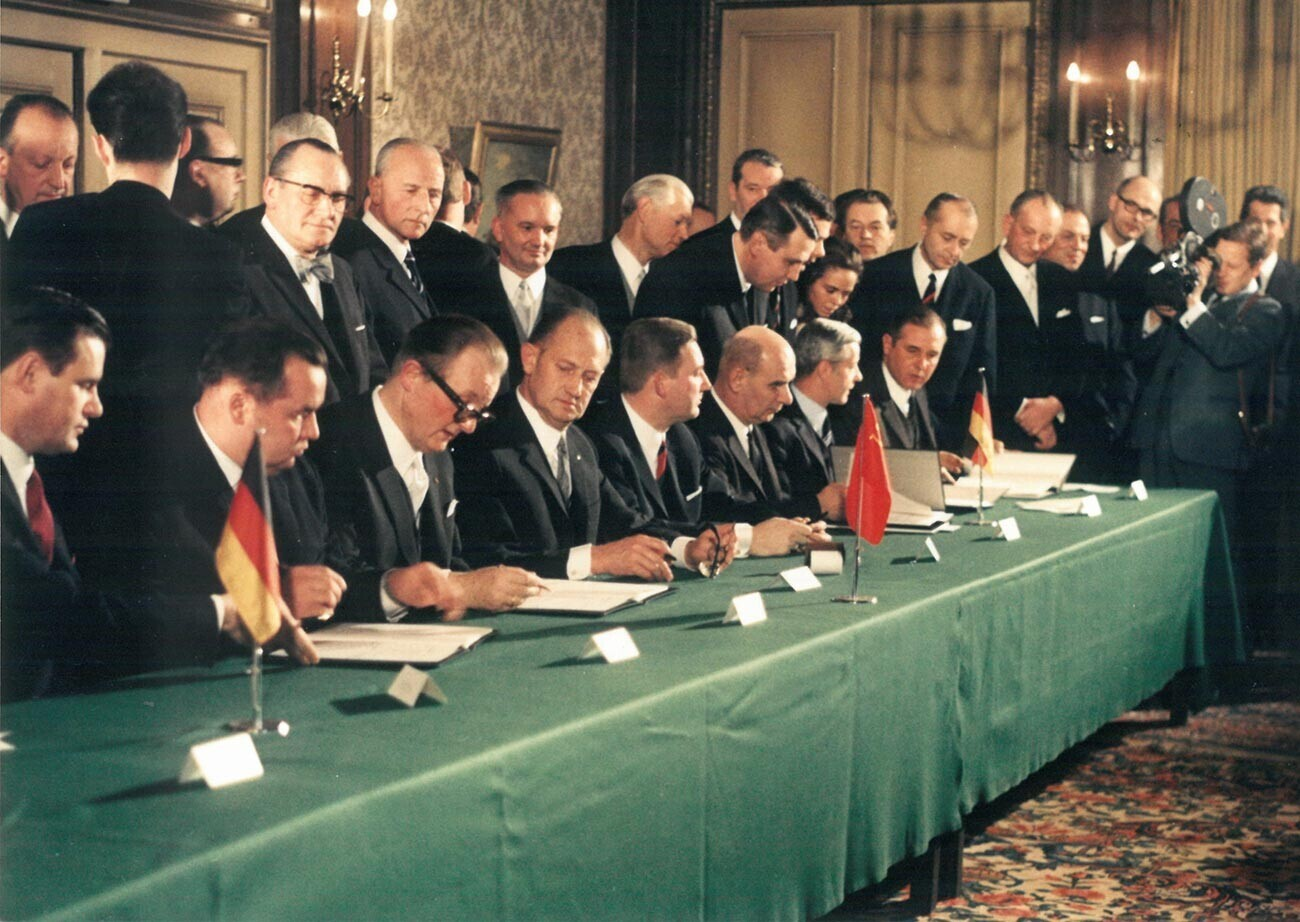
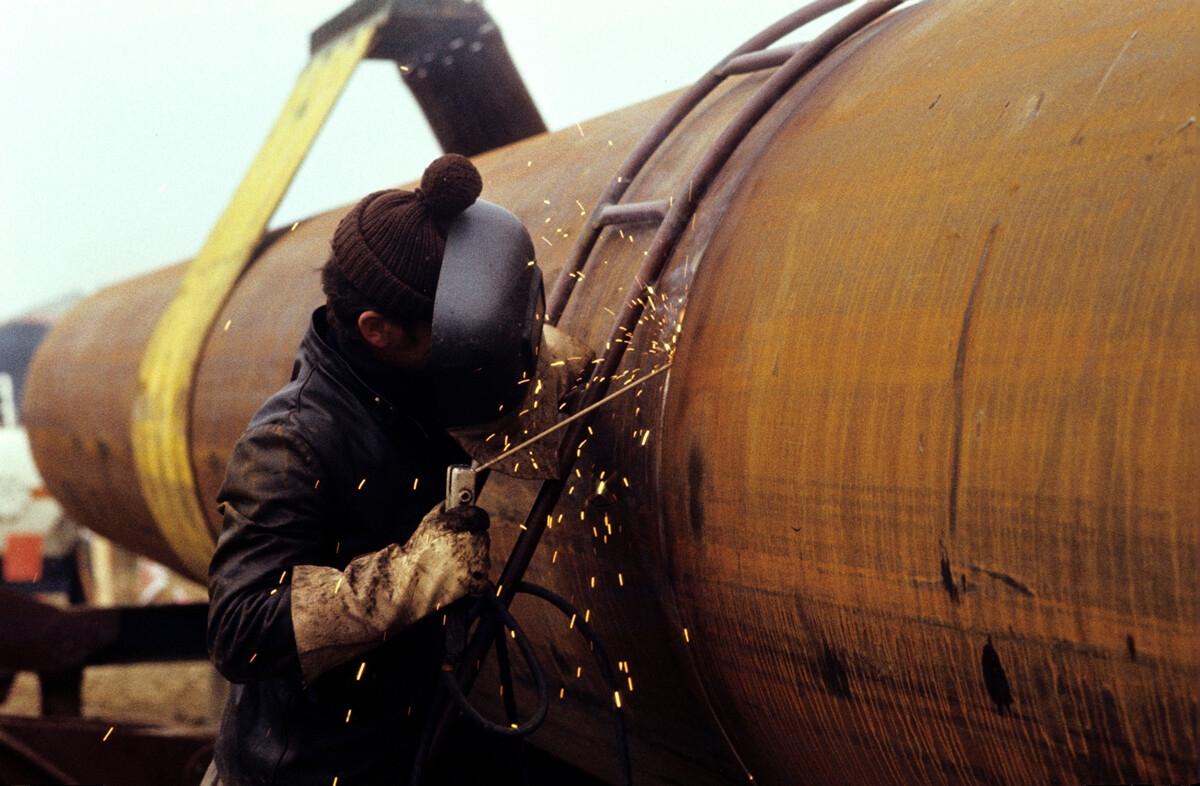
In 1970, West Germany and the Soviet Union entered the first major West German gas-for-pipes arrangement. West German companies supplied large-diameter steel pipe and related industrial capacity. Soviet gas would eventually move west through the infrastructure those deals helped make possible.
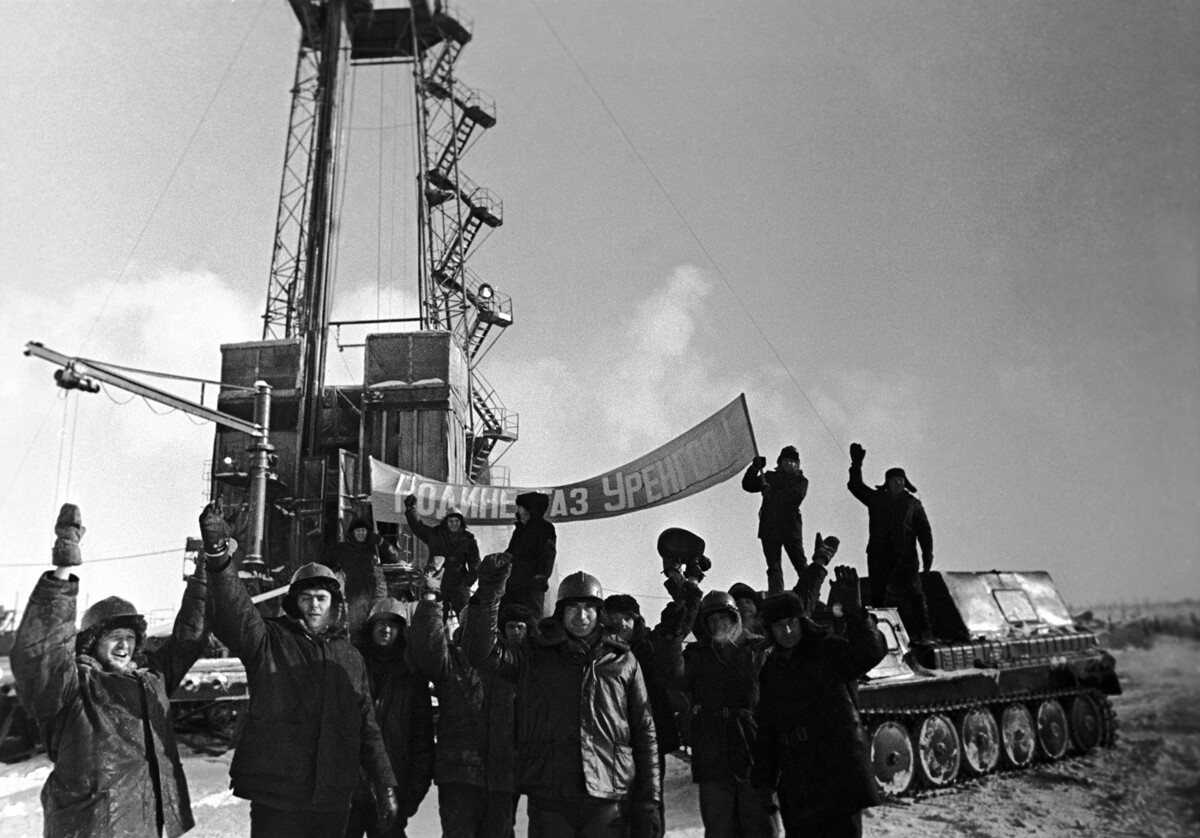
Siberian gas began reaching West Germany in 1973.
This was commerce.
This was also a security theory.
The developing Ostpolitik of the era treated material relationship as one path through a divided Europe. The pipeline arrangements created long-term cooperation and, at the same time, long-term mutual dependence. West Germany gained another energy source. Soviet producers gained Western customers, hard currency and industrial connection. German firms gained enormous contracts. The relationship acquired steel.
The wager was attractive.
If both sides needed the relationship, destroying the relationship would become more expensive.
That wager survived quite a lot.
Soviet gas continued moving west through Cold War crises. West Germany deepened its dependence over the following decades. By the end of the 1980s, Soviet supplies were covering roughly half of West German gas demand.
The Soviet Union eventually disappeared.
The gas relationship survived it.
Then geography became the problem.
Much of the Russian gas reaching European customers moved through transit states, especially Ukraine. This made a commercial flow part of several political relations at once.
- Russia wanted to sell.
- European customers wanted to buy.
- Ukraine carried part of the route.
That arrangement gave Ukraine revenue and made Ukrainian infrastructure materially difficult to remove from the Russian-European energy relationship.
It also created transit risk.
The danger became impossible to ignore during repeated Russia-Ukraine gas disputes. In January 2009, the interruption became severe enough that the European Union described the shutdown of Russian gas through Ukraine as unprecedented. Several European states were hit hard, and the crisis became a major argument for greater energy security and route diversification.
There were several possible lessons.
- Europe could diversify suppliers.
- Europe could expand storage.
- Europe could build better interconnection among its own members.
- Russia and Ukraine could build a more durable transit settlement.
- Or Russia and its largest Western European customer could reduce the number of countries standing between them.
Nord Stream went under the sea.
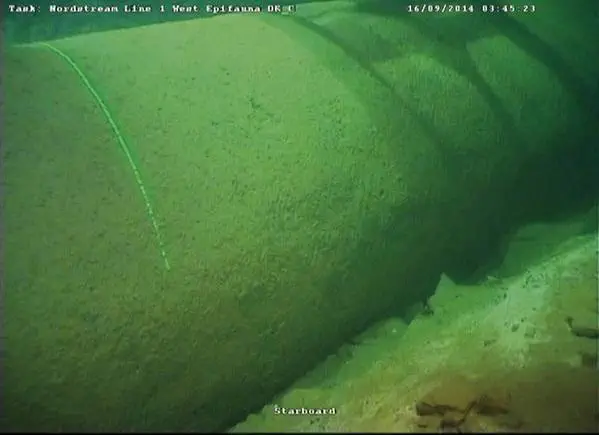
The first Nord Stream line entered service in November 2011. A second followed in 2012. Together they could carry roughly 55 billion cubic metres of gas each year directly from Russia to Germany. Angela Merkel presented the project as a major European energy partnership and a contribution to secure supply.
The engineering solved a real problem. A Russian-Ukrainian transit dispute no longer had to interrupt every Russian gas molecule headed toward Germany.
The same engineering changed the map.
The route gave Germany and Russia something each could plausibly call security.
It gave Ukraine, Poland and other states farther east reasons to call the same achievement exposure.
Nord Stream 2 widened that argument.
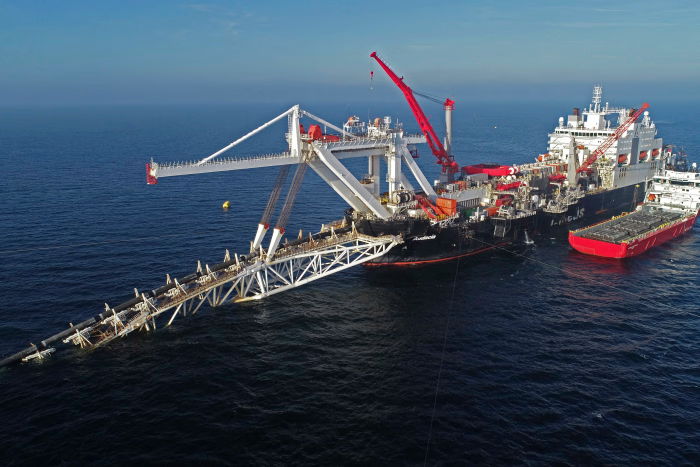
Launched in 2015, it proposed another pair of lines along roughly the same Baltic route, adding another 55 billion cubic metres of annual capacity. Its supporters cited declining European gas production and the value of a direct, modern supply route. Its opponents warned that the project would deepen Russian energy power while allowing Moscow to reduce its dependence on Ukrainian transit. The European Parliament's own 2021 briefing captured both the commercial case and the geopolitical objection.
Ukraine could lose billions in transit revenue.
More important, Russia could maintain a vast gas relationship with Western Europe while needing Ukraine less.
The bypass was therefore doing two things at once.
- For Germany, another route could mean resilience.
- For Ukraine, that same resilience could mean becoming strategically easier to isolate.
After Russia seized Crimea in 2014 and war began in the Donbas, this became much harder to describe as an abstract disagreement over energy policy.
Germany continued with Nord Stream 2 anyway.
The pipeline was physically completed in 2021.
It still needed German certification.
In November of that year, the Bundesnetzagentur suspended the certification process because the operator had not yet met German legal requirements. The steel existed. German law still stood between the steel and commercial operation.
Then Russia escalated against Ukraine.
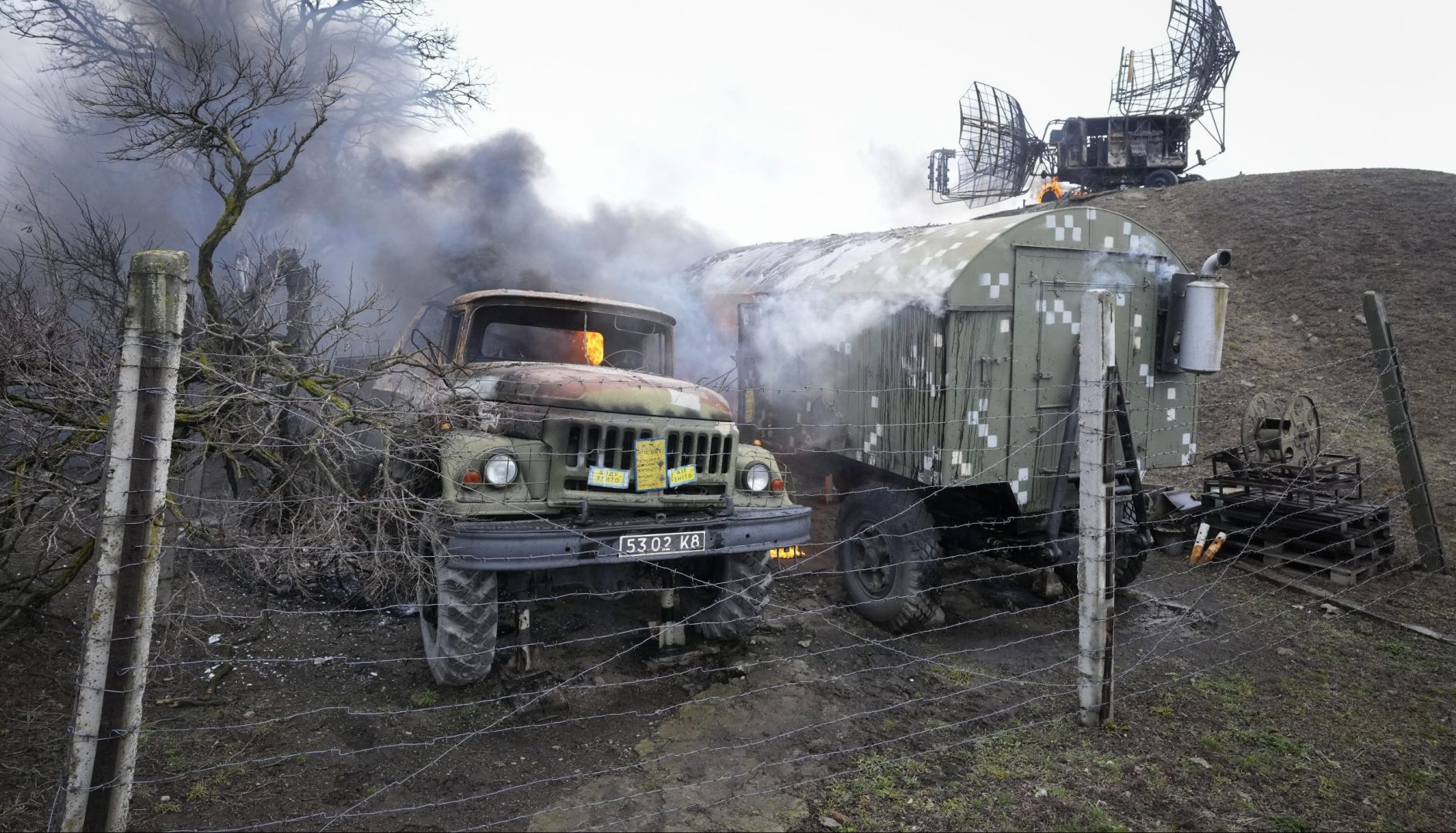
On February 22, 2022, after Vladimir Putin recognized the Russian-backed separatist entities in Donetsk and Luhansk, the German government halted the Nord Stream 2 certification process and withdrew the security-of-supply assessment needed for approval. Two days later, Russia launched its full-scale invasion.
Nord Stream 2 had been completed.
It had never delivered commercial gas.
Nord Stream 1 continued operating for several months while the European energy field came apart. Russia progressively reduced deliveries. European governments accused Moscow of using energy supply as political leverage and prepared for further disruption. In July, European Union governments agreed to reduce gas demand by 15 percent specifically in preparation for Russian supply cuts, describing Russia as continuously using energy supplies as a weapon.
By early September, Nord Stream 1 flows had reached zero.
Nord Stream 2 remained unopened.
The fifty-year experiment had reached a strange condition.
- One route had been closed through Russian supply decisions.
- The other had been closed through German political and regulatory decisions.
The gas had stopped.
The pipes remained.
The Pipeline Carrying Nothing.
On September 26, 2022, the Baltic started shaking.
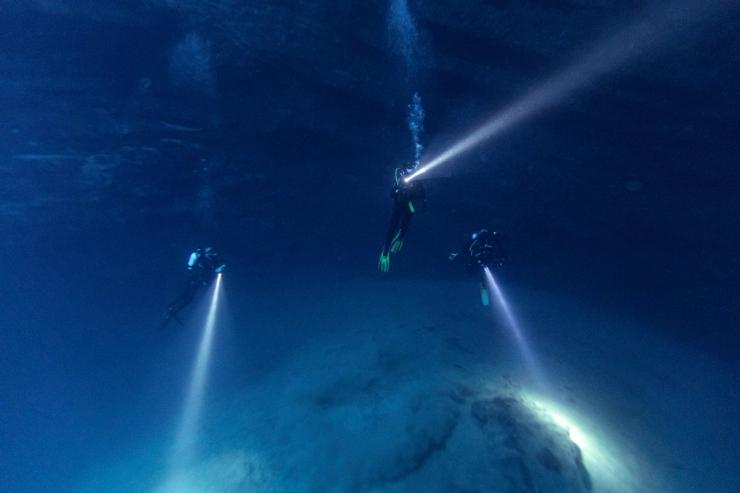
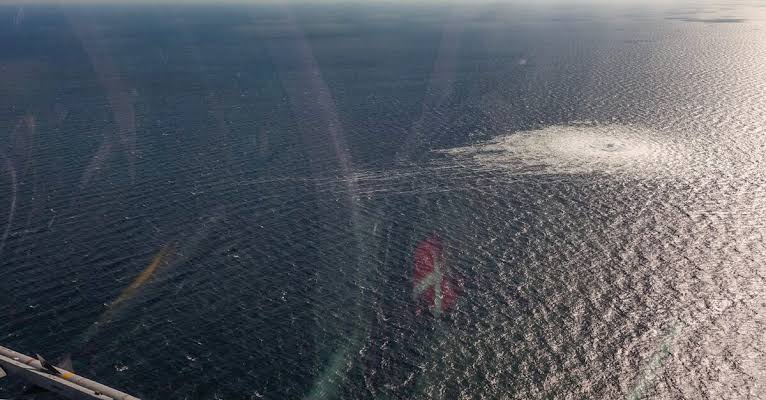
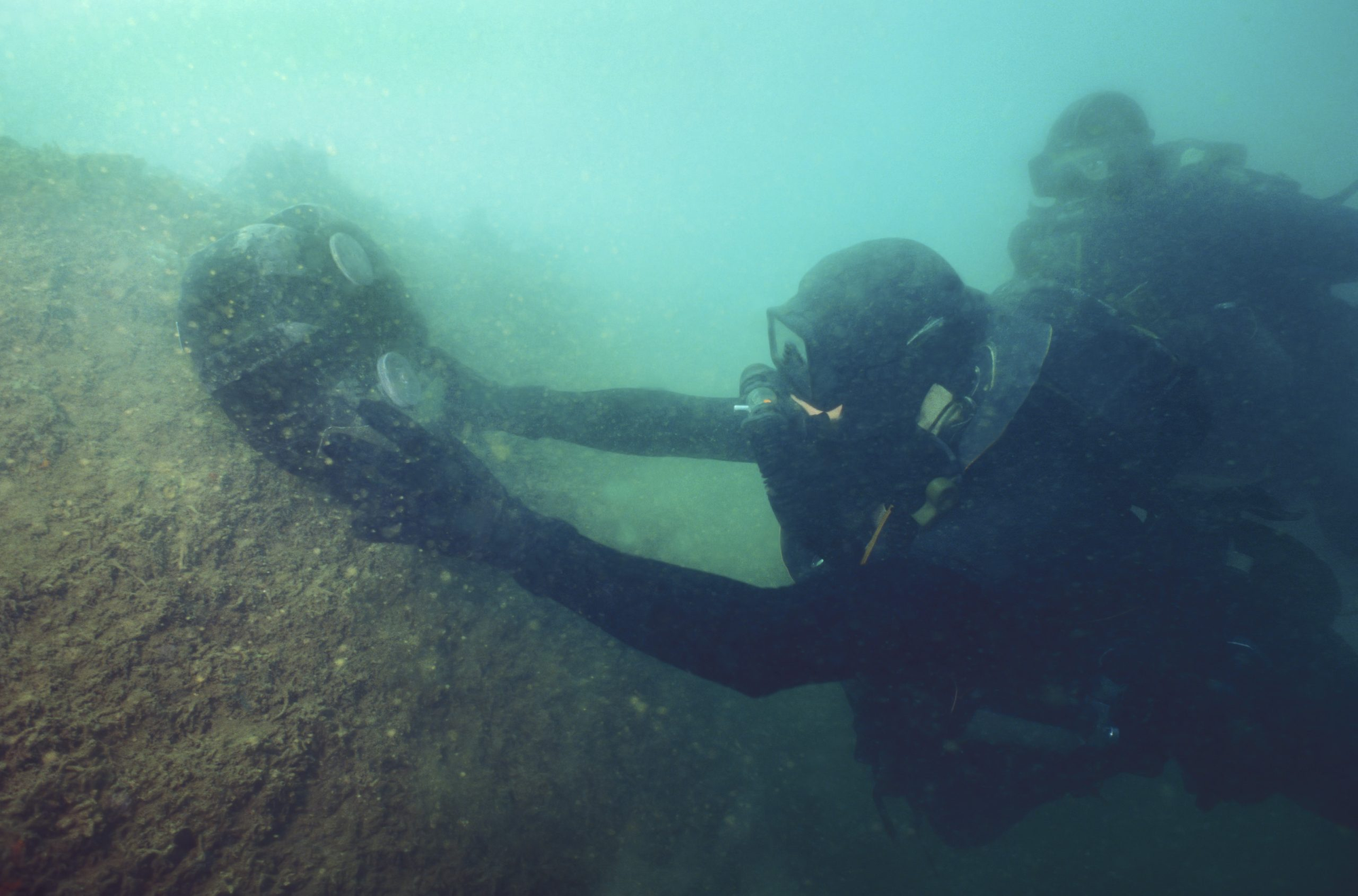
Danish seismic monitors registered events at 2:03 in the morning and 7:03 that evening near Bornholm. The signals corresponded with the Nord Stream leak sites and were identified as non-natural seismic events associated with the underwater explosions.
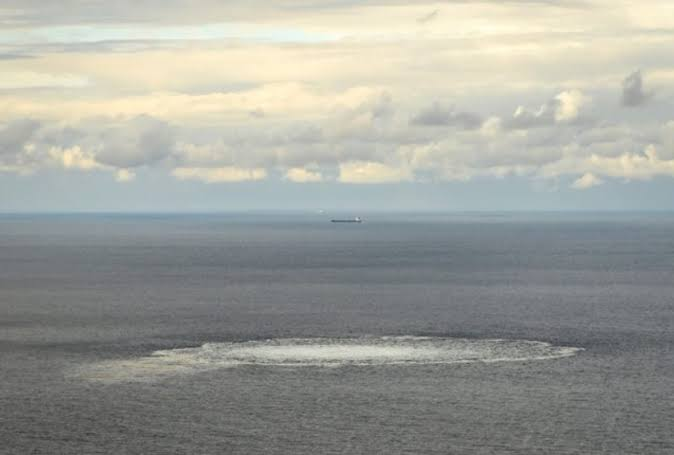
Gas rose through the Baltic.
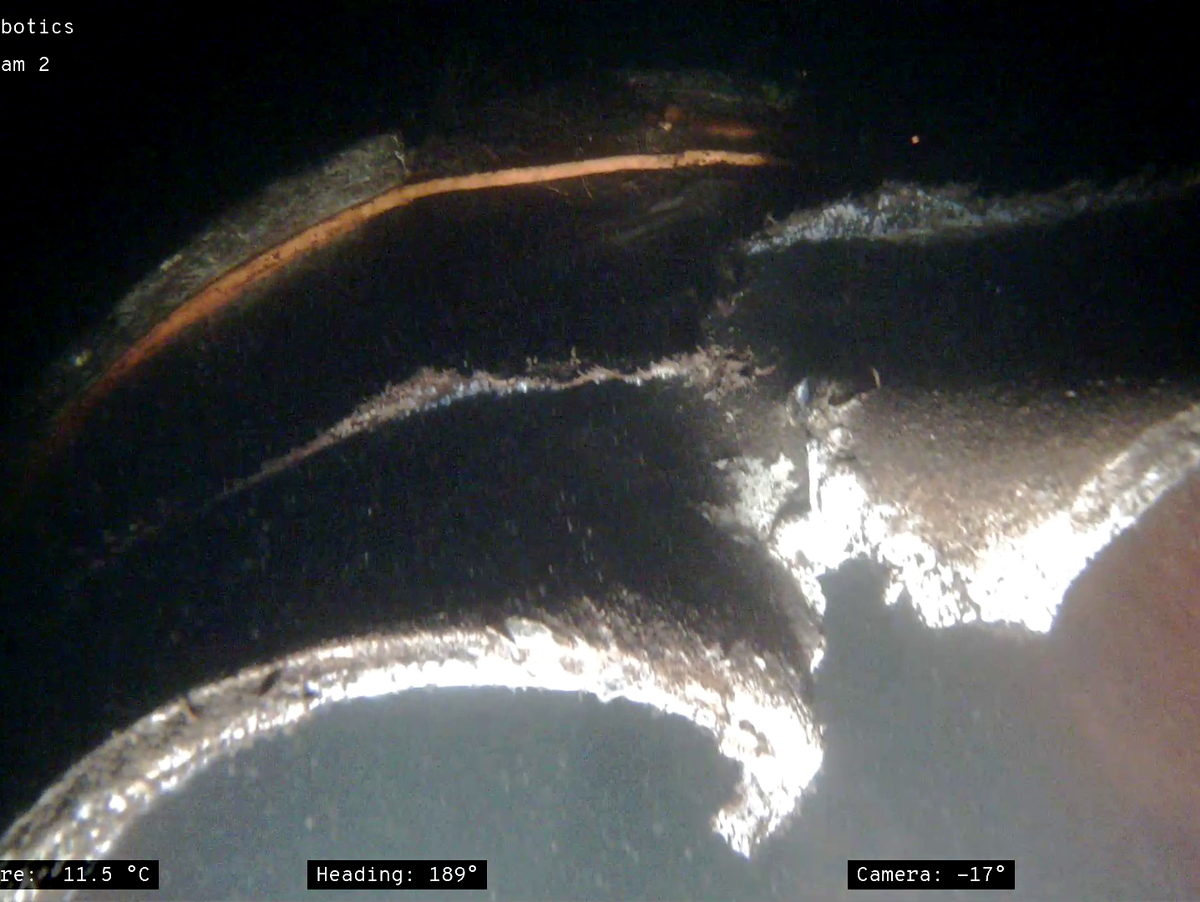
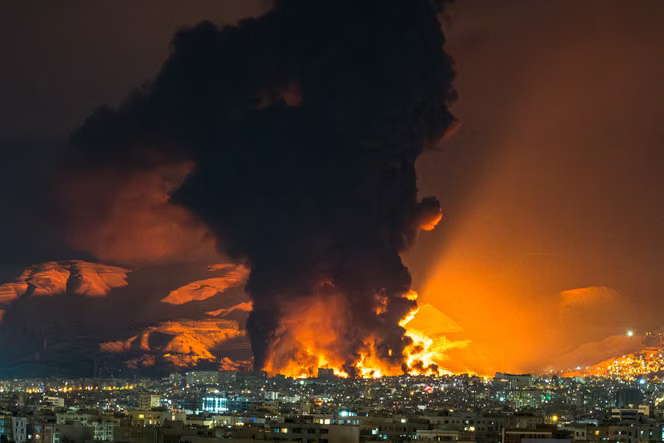
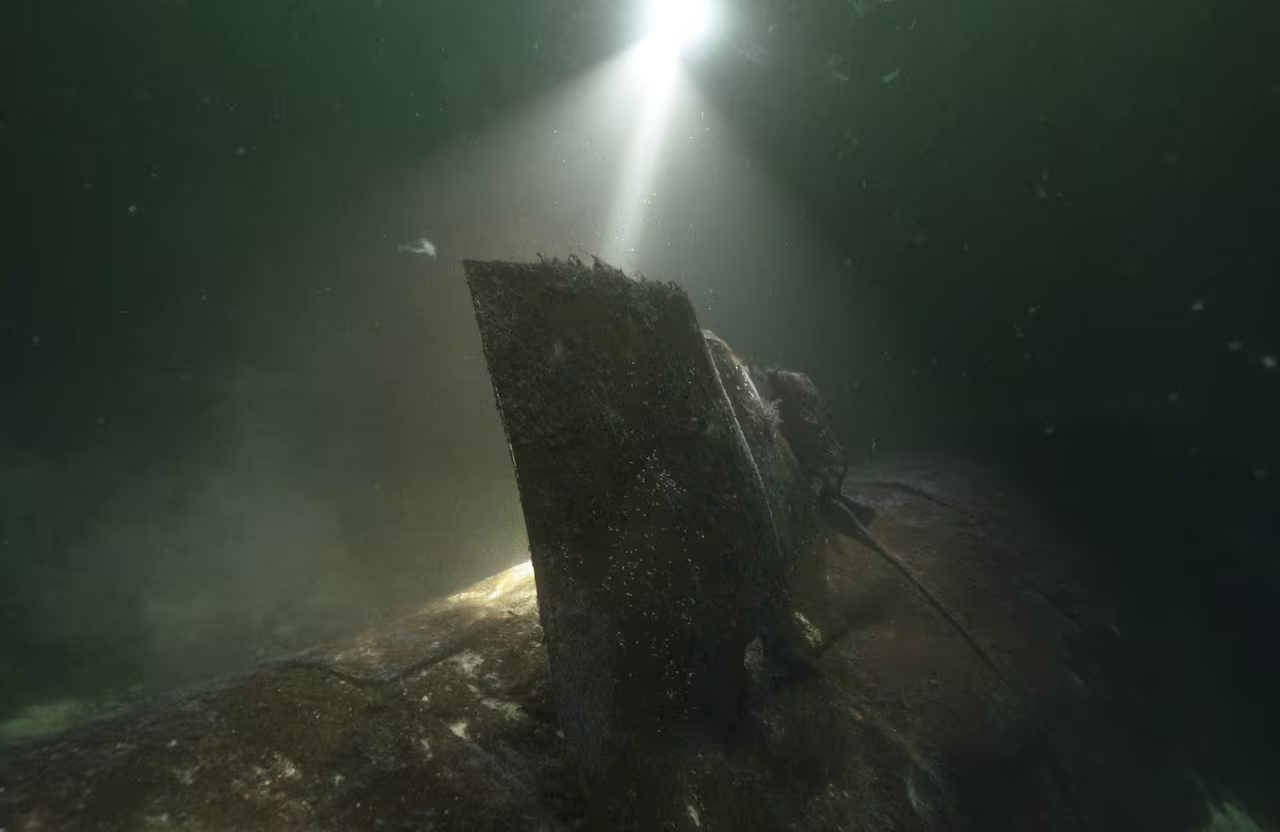
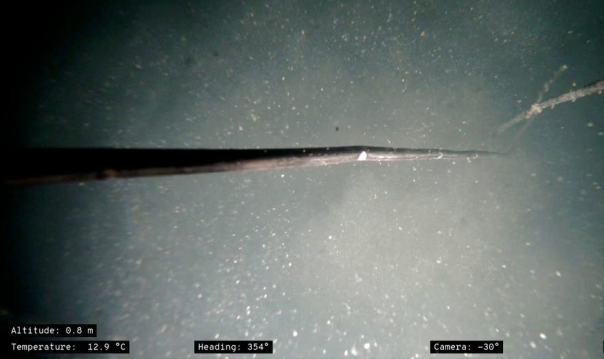
The leaks eventually corresponded to four explosion sites across three of the four Nord Stream pipeline strings. Both Nord Stream 1 lines were damaged. One of Nord Stream 2's two lines was damaged.
One Nord Stream 2 line survived.
The pipelines were idle. They were not empty.
They remained filled with pressurized natural gas.
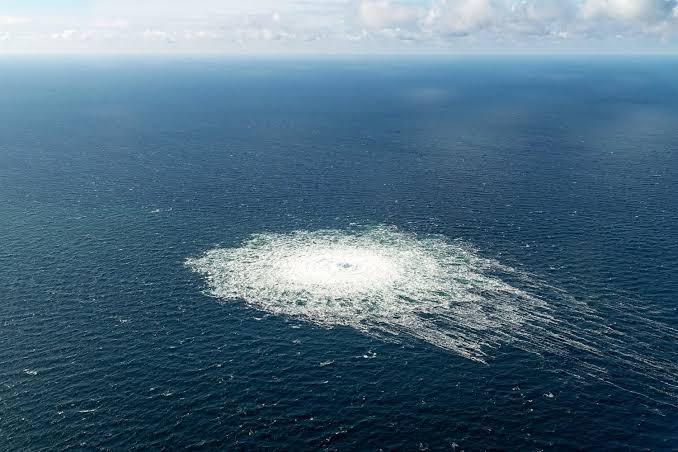
Later research estimated that roughly 443,000 to 486,000 tonnes of methane escaped from the damaged pipelines. Methane spread widely through the Baltic water column; modelling found concentrations at least five times normal background levels across roughly 14 percent of the Baltic Sea. A large share eventually entered the atmosphere.
The Baltic did not care whether the pipe represented Ostpolitik, Russian revenue, German energy policy or Ukrainian vulnerability.
It just received the rupture.
Then came the strange part.
Germany's regulator later noted that the explosions caused no additional immediate loss of German gas supply.
- Nord Stream 1 had already stopped delivering.
- Nord Stream 2 had never started.
- Nobody needed to blow up Nord Stream on September 26 to stop gas moving through Nord Stream on September 26.
It was already stopped. So what changed?
- A valve can be reopened.
- A certification can be resumed.
- A government can change policy.
- A company can abandon a project.
- A sanction can be lifted.
- A buyer can keep refusing.
- A seller can offer again.
Before the explosions, anyone who wanted Nord Stream permanently closed still had to keep winning the argument through whichever institutions possessed the authority to reopen it.
After the explosions, reopening three of the four lines first required repairing an underwater industrial system somebody had physically destroyed.
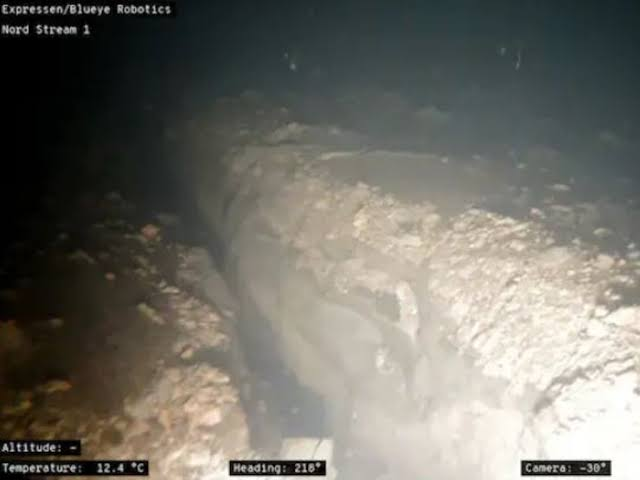
That is a different kind of closure.
The explosion entered every later decision as added resistance.
The target was the route back.
Assume Germany Is Right.
Now give the alleged attackers their strongest case.
- Russia had invaded Ukraine.
- Ukraine was fighting for state survival against a much larger power.
- Russian energy exports were deeply connected to Russian state capacity. Oil- and gas-related taxes and export tariffs accounted for roughly 45 percent of Russian federal budget revenues in January 2022.
- European consumption of Russian energy therefore entered the war even where the immediate object remained commercial.
- Reducing that revenue could reduce Russian capacity.
- European consumption of Russian energy therefore entered the war even where the immediate object remained commercial.
European dependence mattered in another way.
By mid-2022, governments across the European Union were openly preparing for Russia to use gas supply as leverage. High energy prices threatened households and industry. Energy shortage could alter domestic politics. A future Russian offer of cheap gas might produce arguments for accommodation inside states whose continued support Ukraine needed.
Nord Stream also carried the old bypass wound.
For years, Ukraine had warned that direct Russia-Germany pipelines reduced Ukrainian transit revenue and reduced Russia's need to account for Ukrainian geography in its relationship with Western Europe. European parliamentary analysis recorded that concern long before the explosions.
Put the alleged planners in September 2022.
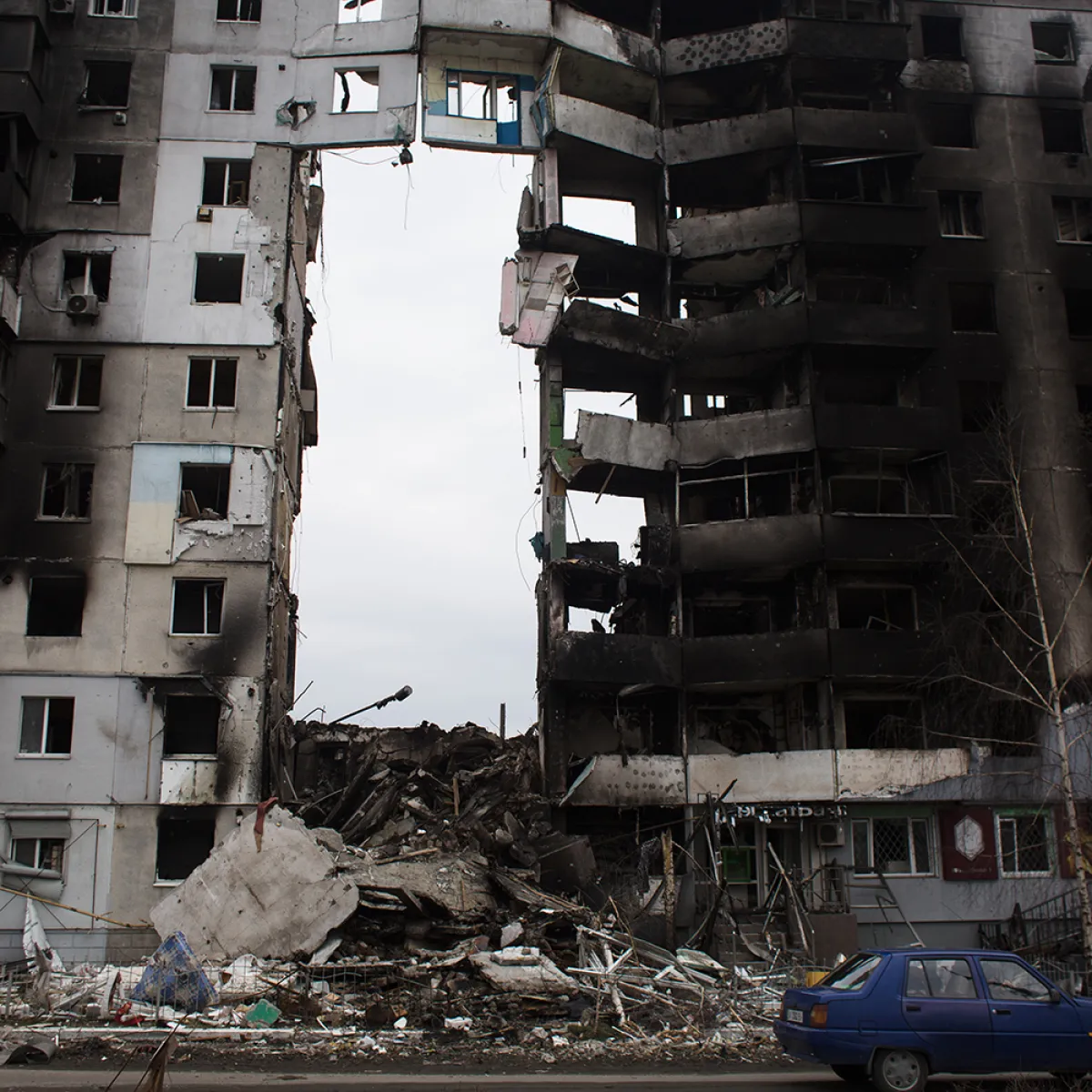
- Russia is attacking your country.
- Russian fossil-fuel exports help finance the state conducting the attack.
- European energy dependence can weaken the coalition supporting you.
- Nord Stream connects Russia directly to Germany.
- The lines are presently closed.
- Their physical capacity remains.
- Germany can change its mind.
- Russia can offer gas again.
- A future political settlement can alter the whole field.
If you believe the route itself is dangerous, the strategic logic becomes clear:
Do not wait for the capability to become active again. Remove the capability.
That is a serious argument.
The fact that the pipeline was idle does not defeat it.
Military action often concerns future capacity.
- Aircraft are attacked before takeoff.
- Ammunition is destroyed before use.
- Bridges can be disabled before the force arrives.
- A dormant system can still be dangerous because of what it enables next.
According to German prosecutors, the alleged Nord Stream team appears to have reasoned along exactly that axis: permanently remove the pipeline route so Russian gas revenue could not return through it to support the war.
Do not weaken this.
Ukraine had a real security interest in Nord Stream.
That is what makes the case worth doing.
What Exactly Was the Target?
Keep the steel where it is.
Move around it.
- From Kyiv, Nord Stream can be a dormant Russian strategic route.
- It bypasses Ukraine.
- It can restore Russian export revenue.
- It can create leverage over European states whose support affects Ukrainian survival.
That description catches something real.
- From Moscow, the pipe is an enormous export corridor.
- It connects Russian producers to European demand.
- The bypass reduces Russian dependence on transit states.
That description also catches something real.
- From Berlin, the pipeline is an energy route whose future use enters German regulatory and political authority.
- Nord Stream 2 had already demonstrated this.
- The physical project was complete.
- Germany still had the power to prevent its operation.
- From Poland and the Baltic states, the same pipeline has long looked like a rearrangement of regional security.
- A direct Russia-Germany route lets the two endpoints need less from the states between them.
- Germany receives redundancy.
- The countries being bypassed receive a different strategic geometry.
- A direct Russia-Germany route lets the two endpoints need less from the states between them.
- From the commercial field, Nord Stream was also more complicated than the phrase "Russian pipeline" suggests.
- Nord Stream 1 was built through a consortium involving Gazprom and several Western European energy companies.
- Nord Stream 2 was Gazprom-controlled while major European energy firms participated in financing the project.
- That commercial structure does not immunize an asset from attack.
- It establishes that more than one relation was physically embedded in the project.
Then there is the Baltic Sea.
- The alleged planners could intend to remove Russian war capacity.
- Physics still delivered methane into water, atmosphere and protected marine environments across a much wider field.
None of these descriptions cancels the others.
That is the problem.
War creates enormous pressure to compress an object quickly enough to act on it.
- Enemy logistics.
- Civilian infrastructure.
- Economic capacity.
- Energy security.
- War-sustaining asset.
- Property.
- Target.
 Aidan Lawson
Every label catches something.
Every label can also erase what sits beyond the task that needed the label.
Once Nord Stream becomes Russian war infrastructure, German future agency becomes easy to lose.
Once it becomes European civilian energy infrastructure, Ukrainian survival becomes easy to lose.
Once it becomes private property, Russian state capacity can disappear behind the corporate form.
Once it becomes energy security, the Ukrainian and Polish security fields can disappear behind German supply.
The targeter has to simplify.
But the target does not become simple.
 Aidan Lawson
So grant the Ukrainian case again.
- Suppose Nord Stream threatened Ukraine.
- Suppose reopening it would strengthen Russia.
- Suppose European dependence really could weaken resistance to Russian aggression.
- Suppose destroying it reduced a capability available to the aggressor.
The next inference still requires examination:
Nord Stream performs a function that threatens us.
Therefore:
The whole physical object falls within our jurisdiction to destroy.
- The first statement identifies a relation.
- The second allocates authority.
That is the hinge.
The Buffer Wound Turns Around.
Modal Path Ethics has already run this argument from Moscow.
 Aidan Lawson
Russia and the Buffer Wound treated Russian security concerns as real enough to take seriously. NATO posture, missile range, military infrastructure, exercises, warning time and neighboring alliances all affect Russian security.
The article still refused the title claim.
Its ruling was:
Russia's security wound is real.
That wound creates a claim to negotiation.
It does not create jurisdiction over Ukraine.
Ukraine's choices affect Russian security. Russia's choices affect Ukrainian security. The relationship contains standing loci rather than one stronger state's title deed.
Nord Stream turns the instrument around.
Ukraine's security wound is real too.
- Russian energy capacity affects Ukraine.
- German energy choices affect Ukraine.
- European political cohesion affects Ukraine.
- Ukraine therefore has standing.
Standing means the threat is yours to raise.
You are entitled to demand that another actor acknowledge the exposure its choices create for you.
You may have claims to sanctions, redesign, verification, defensive preparation, negotiation, interdiction or force.
The dangerous promotion comes when standing becomes strategic title:
Your future affects my security.
Therefore:
Your future belongs partly to my jurisdiction.
This is where the comparison with Russia has to stay exact.
Russia's invasion of Ukraine and the alleged Nord Stream operation are wildly different acts.
- One is a full-scale invasion involving occupation, mass killing, displacement, annexation attempts and an effort to subordinate another state's political future.
- The other, on Germany's account, was a covert wartime operation against infrastructure beneath the Baltic.
The comparison is not the scale of the acts.
It is the rule used to move from exposure into jurisdiction.
Russia cannot say:
- Ukraine's alliance choices affect Russian security,
- so Russia gets to decide which Ukrainian choices remain available.
Ukraine does not automatically receive the inverse rule:
- Germany's future energy choices affect Ukrainian security,
- so Ukraine gets to decide which German energy choices remain physically available.
The complication is that force sometimes really is justified.
 Aidan Lawson
A threatened state is not required to leave every dangerous object untouched because another government owns it or regulates it.
That is why Nord Stream cannot be solved through sovereignty language alone.
Germany and Poland have already demonstrated the classification problem.
German prosecutors have charged Serhii K. with, among other offenses, co-perpetrating a war crime involving an attack on civilian objects. Germany is therefore treating the alleged Nord Stream operation through a field in which the pipelines retained civilian protection.
A Polish court took a dramatically different view in 2025 when Germany sought another Nord Stream suspect.
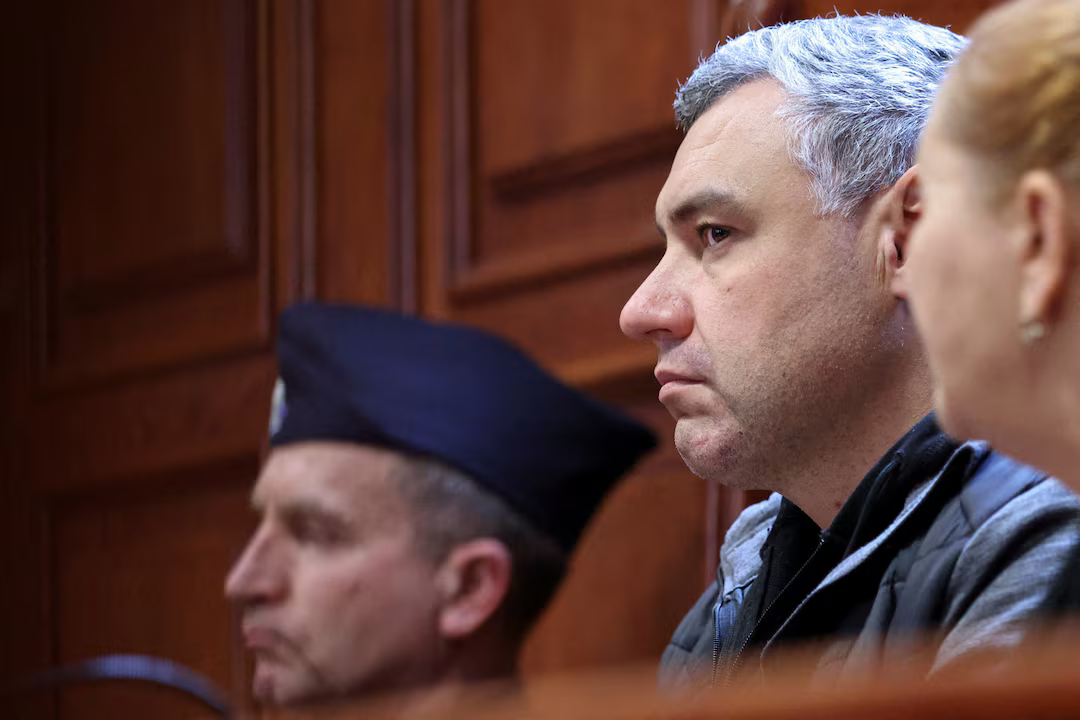
The Warsaw court refused extradition and ordered the Ukrainian suspect released. Judge Dariusz Lubowski characterized the alleged attack as a military action occurring in Ukraine's defensive war and questioned German jurisdiction over the case. Polish Prime Minister Donald Tusk had already summarized Warsaw's political position rather less delicately: Europe's problem was that Nord Stream had been built, not that it had been blown up.
- Same explosions.
- Same alleged operation.
- Two allied states.
- Two descriptions of the target.
International humanitarian law itself places a demanding test between those descriptions. Article 52 of Additional Protocol I protects civilian objects unless, by nature, location, purpose or use, they make an effective contribution to military action and their destruction, capture or neutralization offers a definite military advantage under the circumstances at the time.
That test does real work here.
- Nord Stream was civilian energy infrastructure.
- It was idle.
- Its future operation could generate Russian revenue.
- Russian energy revenue could help sustain the Russian state and its war.
- European dependence could have strategic effects.
- It was idle.
Exactly how far that chain carries an object toward military targetability is disputed, especially for economic infrastructure whose contribution to combat is indirect. United States military doctrine has historically taken a broader view of some war-supporting or war-sustaining economic objects than more restrictive readings of Article 52.
We do not need to settle that entire dispute here.
Assume, for the hardest possible case, that Nord Stream could satisfy the relevant military-objective test.
We still have an action to audit.
Targetability creates an available category.
It does not tell us whether this attack, at this time, through this method, against this larger field, was the least-closing reachable move.
And the pipelines were already closed.
Germany had already prevented Nord Stream 2 from operating.
Nord Stream 1 was already at zero flow.
If the alleged planners feared that Germany might someday make the wrong decision, they were fearing a real future.
Germany had deepened Russian energy relations after Crimea. German governments had persisted with Nord Stream 2 despite years of Ukrainian and Eastern European objections. Distrust had evidence behind it.
Then comes the large jurisdictional move:
- Germany might choose wrongly later,
- therefore somebody else may remove Germany's ability to make that choice.
Security becomes dangerous when it can generate title over every possible future decision that could expose us.
 Aidan Lawson
- Every neighboring port can become mine because you might let an enemy use it.
- Every road can become mine because an army might cross it.
- Every communications system can become mine because hostile traffic might pass through.
- Every election can become mine because the wrong government might change your alignment.
Every state contains possible futures somebody outside it has reason to fear.
Security cannot automatically hand those futures to whoever fears them most.
The Fourth Line.
The explosions left one unusually useful piece of evidence behind.
One Nord Stream 2 line survived.
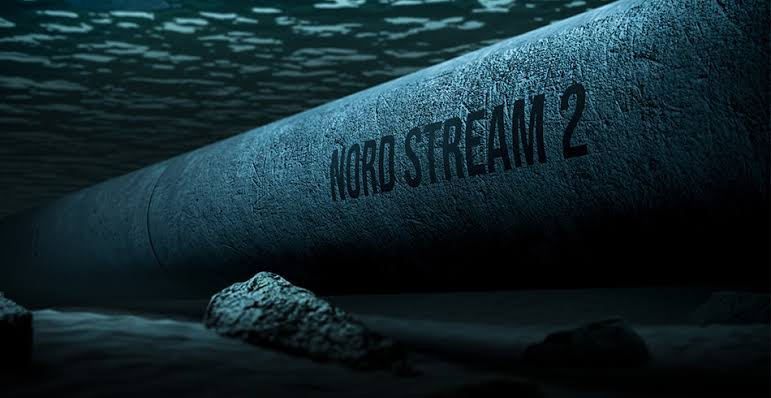
Four years later, Vladimir Putin was still making offers through it.
In June 2026, Putin publicly said Russia was ready to resume gas deliveries to Germany through the intact Nord Stream line and placed the decision on Berlin. He said the remaining capacity could deliver as much as 28 billion cubic metres annually. Germany, European law and United States sanctions remained obvious obstacles.
The offer did not reopen anything.
It demonstrated that the fourth line still carried a decision.
Europe answered through another kind of closure.
In January 2026, the Council of the European Union gave final approval to a binding phaseout of Russian natural gas imports. The regulation prohibits Russian pipeline gas and liquefied natural gas on a staged timetable, with pipeline imports scheduled for full prohibition from autumn 2027 after transition periods for existing contracts.
The European Union did not send another diving team into the Baltic.
It just closed the commercial route through law.
Then the pipeline answered again.
Nord Stream 2 AG brought an action before the European Union's General Court seeking annulment of the phaseout regulation.
The case is pending.
The pipe has, in a literal legal sense, filed an appeal.
This is almost offensively useful.
- Russia says the gas can move.
- Europe says Russian gas is being prohibited.
- The pipeline owner says the prohibition is unlawful.
A court now gets a turn.
- Ukraine can object.
- Poland can object.
- Germany can refuse.
- Future governments inherit the record.
None of this shit guarantees a good decision.
Preserving an option does not make the option good.
Modal Path Ethics does not worship optionality.
Europe may be entirely right to keep Russian pipeline gas out.
A future German government could make a catastrophically bad choice.
A court could reach a bad ruling.
A regulation can become captured.
A reversible decision can still cause irreversible damage.
The difference lies in where correction remains reachable and who carries the burden of reopening the path.
Nord Stream has now experienced several forms of closure.
- Russia can stop supply.
- Germany can stop certification.
- The European Union can prohibit market access.
- Explosives can rupture steel.
All four can produce the same photograph:
No gas is moving.
They do not produce the same future.
- A government can reconsider policy.
- A regulator can reopen a proceeding.
- A legislature can change law.
- A court can review an action.
- None of those guarantees reversal.
Physical destruction places another gate in front of every later decision:
- repair the pipe first.
That additional resistance was imposed by whoever destroyed it.
Three lines entered that state.
The fourth did not. So the fourth line became a control case.
- Russia could come back four years later and make exactly the kind of offer the alleged attackers may have feared.
- Europe could still say no.
It turned out it did not need the pipeline to be destroyed in order to refuse the future carried through it.
The Ruling.
Nord Stream began as a theory that interdependence could help stabilize conflict.
It then became a route around transit states.
It then became revenue.
It then became dependence.
It then became leverage.
It then became exposure.
Then, according to German prosecutors, Ukrainian personnel treated that exposure as sufficient reason to destroy most of the physical route.
Ukraine had a serious security claim.
That is where this case begins instead of where it ends.
A weak ruling could call Nord Stream civilian infrastructure and stop.
Another weak ruling could call it Russian war infrastructure and stop in the opposite direction.
This pipe carried too many fields for either label to own it.
- Russia had capacity attached to it.
- Germany had political agency attached to it.
- Ukraine had survival interests attached to it.
- Poland and the Baltic states had security attached to it.
- European companies had economic interests attached to it.
- European institutions had legal jurisdiction attached to it.
- The Baltic carried the material consequences.
No description erased the others.
That leaves the narrow rule:
Security exposure creates standing. It does not automatically create strategic title.
Standing can become powerful.
It can justify demanding that another field change.
It can justify sanctions or hard defensive preparation.
Under sufficiently severe conditions, it can justify attacking something another actor owns.
The security claim still has to survive contact with the full transition.
- What capability is being removed?
- What harm does removal prevent?
- What alternatives are reachable?
- Whose agency does the move foreclose?
- What burden is exported?
- What happens if the threatened actor is correct about the danger and wrong about the jurisdiction?
Nord Stream was already closed politically.
The alleged operation converted much of that closure into physical damage.
One line survived. Four years later, Russia offered to use it.
Europe refused through policy and law.
The owner challenged the refusal. The argument remained active.
That is no guarantee of wisdom. It preserves something smaller and indispensable:
the threatened actor can be protected without automatically inheriting ownership over every future that frightens it.
Sometimes that will not be enough.
Sometimes the weapon is already moving.
Sometimes the danger cannot wait for another election, another court, another negotiation or another promise that the dangerous instrument will remain unused.
Sometimes somebody really does have to intercept it.
Sometimes somebody really does have to destroy the transformer.
Then security receives its hardest test.
The shield has entered the field.
It still has to learn how to leave.

Comments ()