Field Instruments: Deterrence
Deterrence is a threat trying to prevent itself from becoming history.
A missile can be built so it never flies.
A submarine can disappear under the sea so a city never disappears under fire.
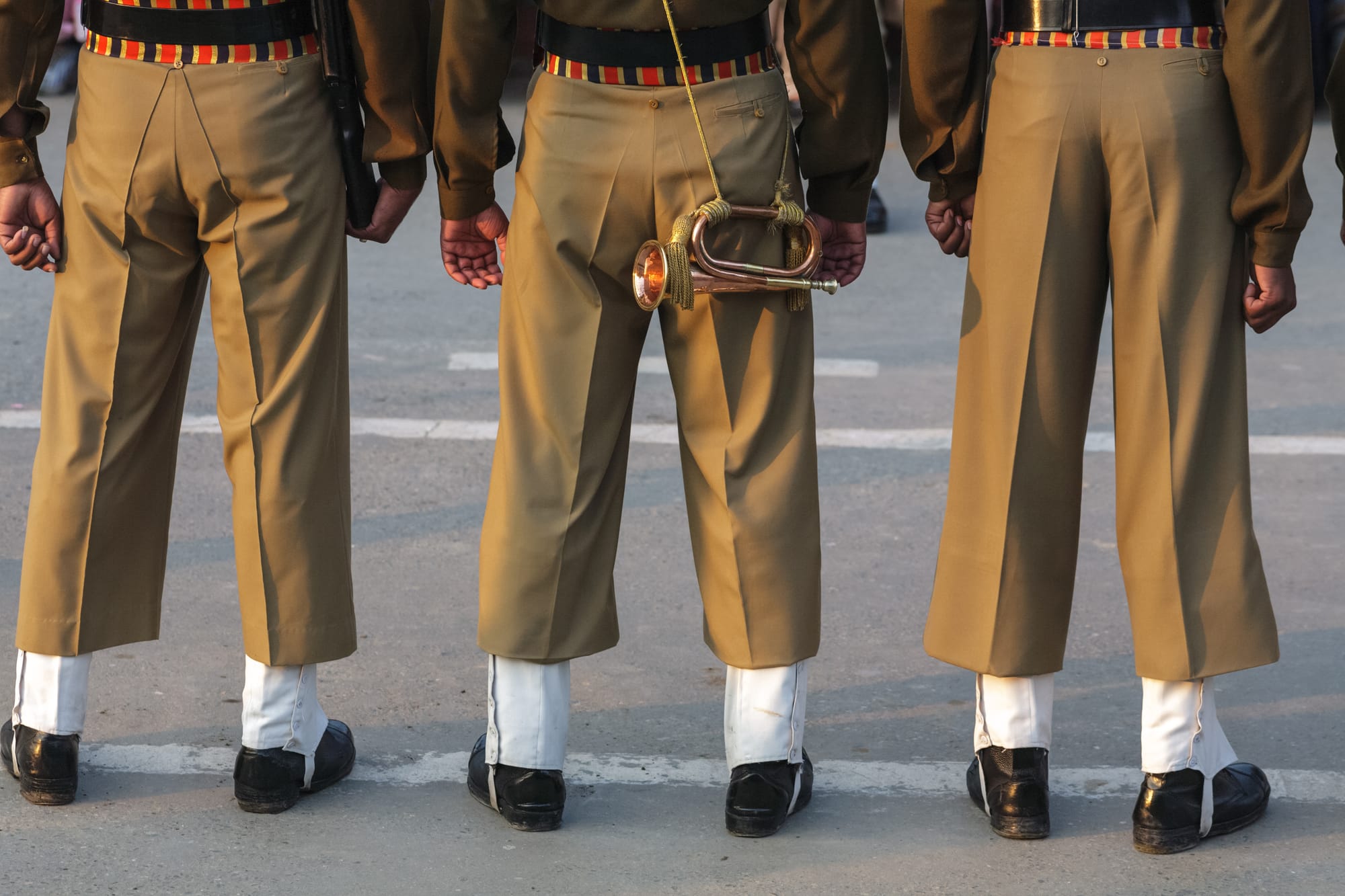
A border post can stand in the cold for forty years because everyone involved would prefer the rifle remain a prop instead of becoming an event.
A warning can be written in policy language, loaded into aircraft, rehearsed in drills, placed inside command systems, hidden in silos, sung by national myth, and carried by people who very badly hope the whole magnificent horror keeps sitting there doing nothing.

This is one of the strangest things humans do.
We make a future catastrophe present in order to prevent another future catastrophe from becoming reachable.
A deterrent is a weaponized conditional.
It says:
If you enter this path, a worse path opens against you.
The sentence does work before anyone fires. That is the whole point. The threatened transition reaches backward into the present and changes what actors believe they can safely attempt. A bridge remains standing because someone believes crossing it under arms would cost too much. A city sleeps because someone else believes waking it with artillery would wake a larger monster. A state survives because invasion has been made expensive enough to postpone, redirect, or abandon.
This is not moral cleanliness.
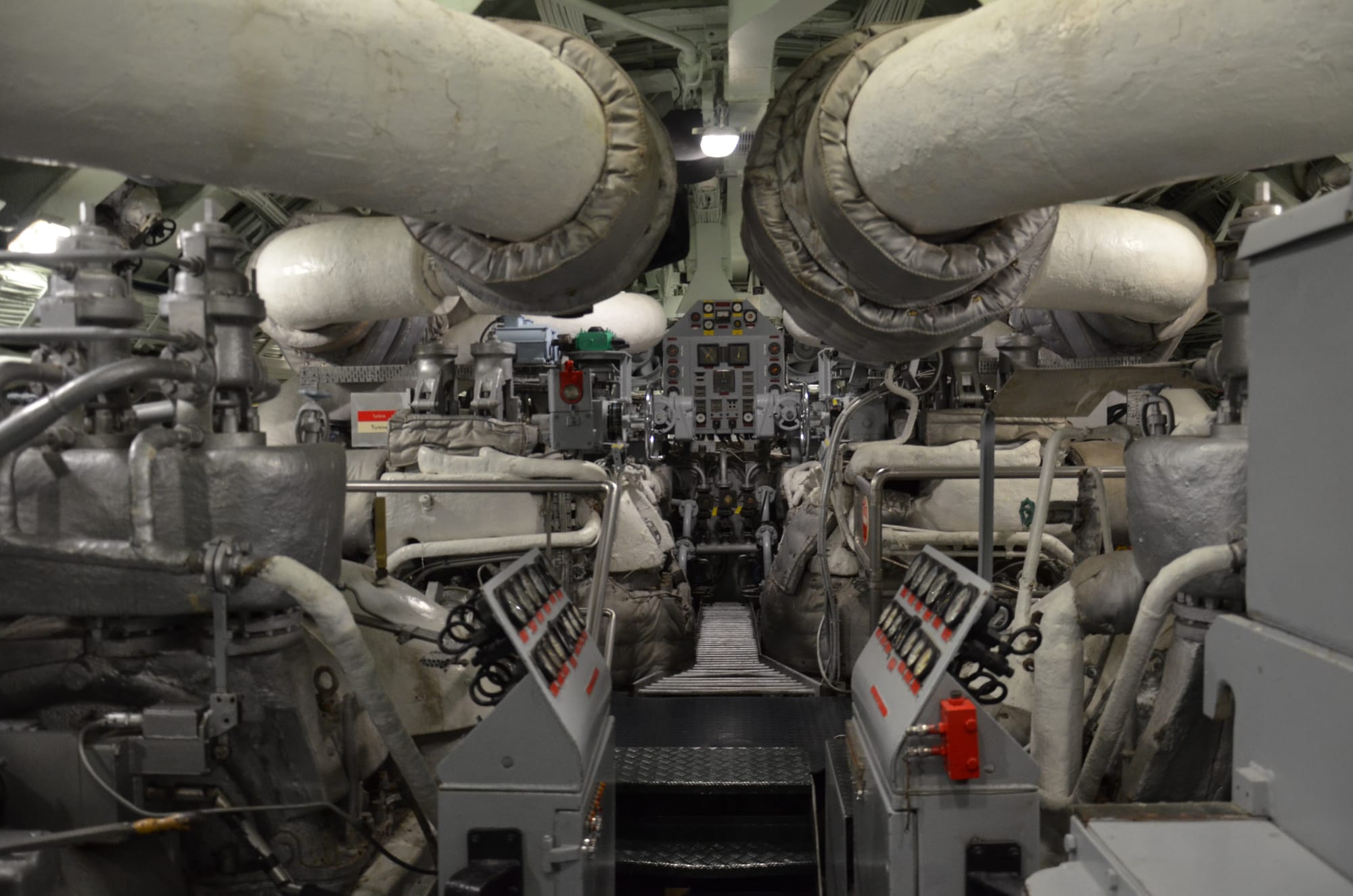
This is instrument work under damaged conditions.
Deterrence belongs in Field Instruments because it does not simply express power. It shapes reachability. It edits the next moves available to an adversary, a state, a coalition, a commander, a public, and eventually the whole field living under the threat.
That power is exactly why the instrument is dangerous.
A deterrent is a shield, not a sovereign.
The moment the shield becomes sovereign, the field starts living as collateral inside the thing that claims to protect it.
The Threat Instrument.
Deterrence is the attempt to prevent a transition by making that transition too costly, too risky, too uncertain, or too catastrophic for another actor to choose.
This sounds simple until one notices that the deterrent acts through imagination.
- A fortress wall blocks a body.
- A shield receives a blow.
- A patrol sees movement.
- A missile defense system tries to intercept an incoming weapon.
Except deterrence works earlier.
It tries to reach the decision before the decision becomes action. It wants to be present inside the enemy’s planning room as a terrible little guest who will not stop clearing its throat.
That makes deterrence different from defense, punishment, and retaliation.
- Defense interrupts an attack.
- Punishment responds to a violation.
- Retaliation pays back injury with injury.
Deterrence modifies the future before the violation occurs.
It says: do not enter this path, because this path contains teeth.
Sometimes the teeth are conventional military defeat. Sometimes they are sanctions, exposure, blockade, legal consequence, alliance response, cyber reply, precision strike, regime survival risk, or nuclear annihilation wearing a tie and pretending to be a theory of stability.
The important structure is conditional path closure.
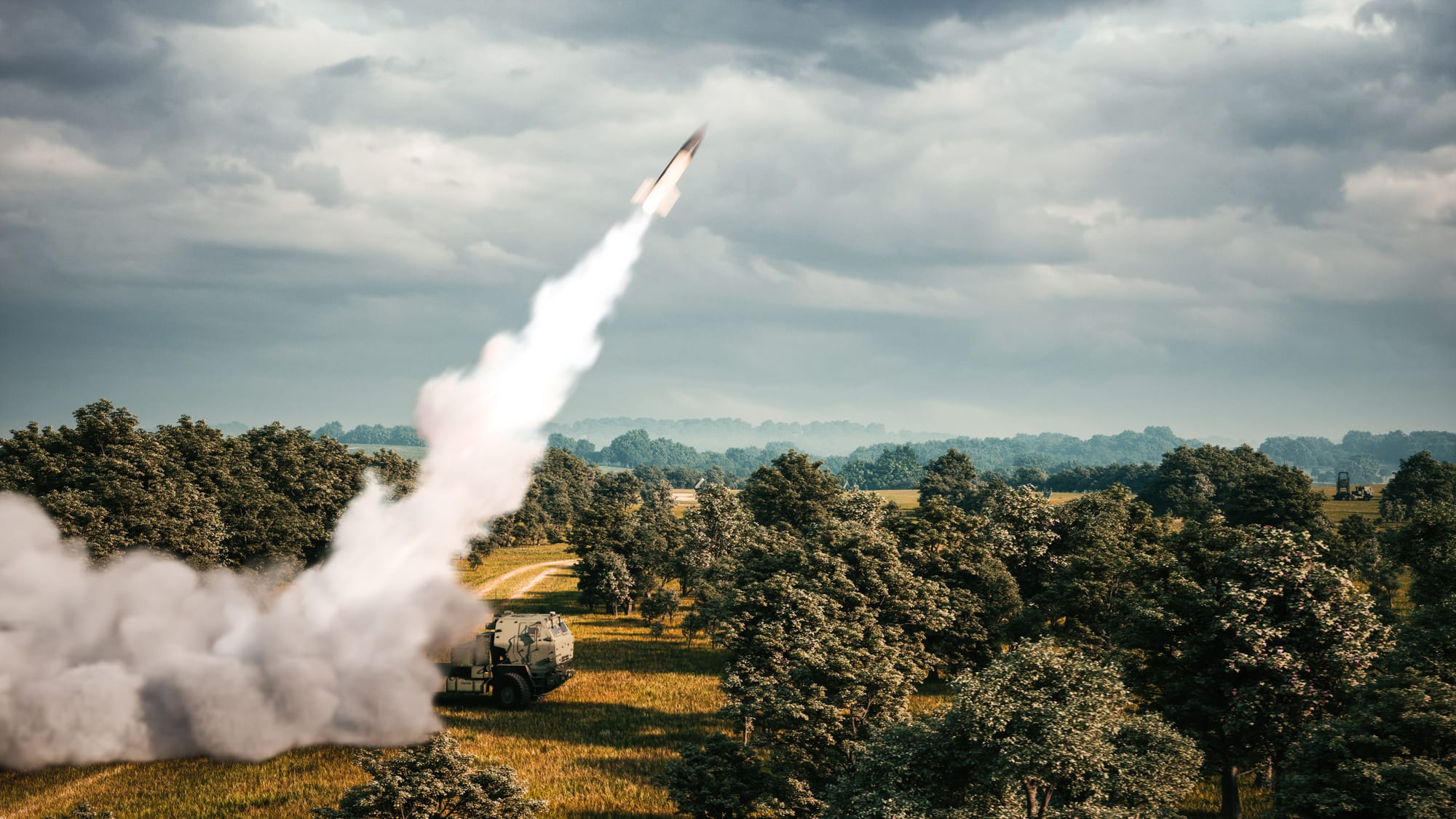
The instrument does not need to love violence. It needs the threatened actor to believe that violence, or some other severe cost, remains reachable if the prohibited move is taken.
This is why deterrence is morally strange from the start.
The field is being preserved by keeping a harmful transition available.
The knife stays on the table so nobody reaches for the larger knife.
Everyone then spends the evening insisting the table is safe.

This is not automatically absurd. It may even be true for a while. Some worlds are so damaged that removing every threat at once would make aggression easier, not harder. The person announcing total innocence in such a field may be volunteering someone else for conquest.
Modal Path Ethics has very little patience for moral purity purchased with another locus’s exposure. It also has no patience for the opposite stupidity:
The worship of threat as adulthood.
The Stupid Room for deterrence has two chairs.
- In the first chair sits the clean soul who says threat is always evil, then quietly depends on someone else’s dirty shield to keep the door closed.
- In the second chair sits the serious man with a map who says threat is reality itself, then starts feeding children into the map because his mouth learned the word "stability."
Both chairs are bad. Both have done immense damage.
The real question is the field question:
What does deterrence make reachable, and what does deterrence make unreachable?
That question has to be asked before the instrument crowns itself.
The Moral Bomb in the Sentence.
A deterrent is not only an idea. It has to have material.
Troops move. Budgets harden. Weapons are built.
Commanders are trained. Children grow up near bases.
Cities become targets in someone else’s plan.
Radar stations sit on hills.
Submarines carry sleeping endings.
Diplomats learn which phrases cause generals to become geological.
The conditional sentence needs a body.

If the threat is too vague, it may fail. If the threat is too theatrical, it may provoke. If the threat is too weak, it may invite testing. If the threat is too automatic, it may trap everyone inside a machine that can no longer hear the difference between warning and execution.
Deterrence therefore lives in a terrible tension.
It must remain frightening enough to matter and disciplined enough not to become the event it was supposed to prevent.
That tension is the instrument.
The harm is already inside it. The harm may be conditional, reserved, delayed, denied, hidden, classified, or dressed in the padded language of posture and capability. It remains there. A threat that cannot harm is not a deterrent. A threat that can harm has already installed harmful reachability into the field.
That does not settle the ethical question. It makes the ethical question harder.
A locked medicine cabinet can preserve a child. A restraining order can prevent a violent person from entering a house. A defended border can preserve a small polity from a predatory neighbor. A credible alliance can prevent an invasion because the attacker no longer sees the target as isolated prey.
- The moral burden is not erased by the preservation.
- The preservation is still real.
This is where ordinary moral language gets sloppy. It wants deterrence to become either sin or sophistication. Modal Path Ethics asks for a better account. The instrument preserves through threat. That means any honest audit has to count both the preserved future and the threatened closure that preservation requires.
A field instrument can be necessary and dangerous at the same time.
In fact, the dangerous ones are often necessary because the field has already been damaged enough that gentler instruments cannot reach the relevant actor in time.
A burglar may be reachable through law.
An army crossing a border may require a different vocabulary.
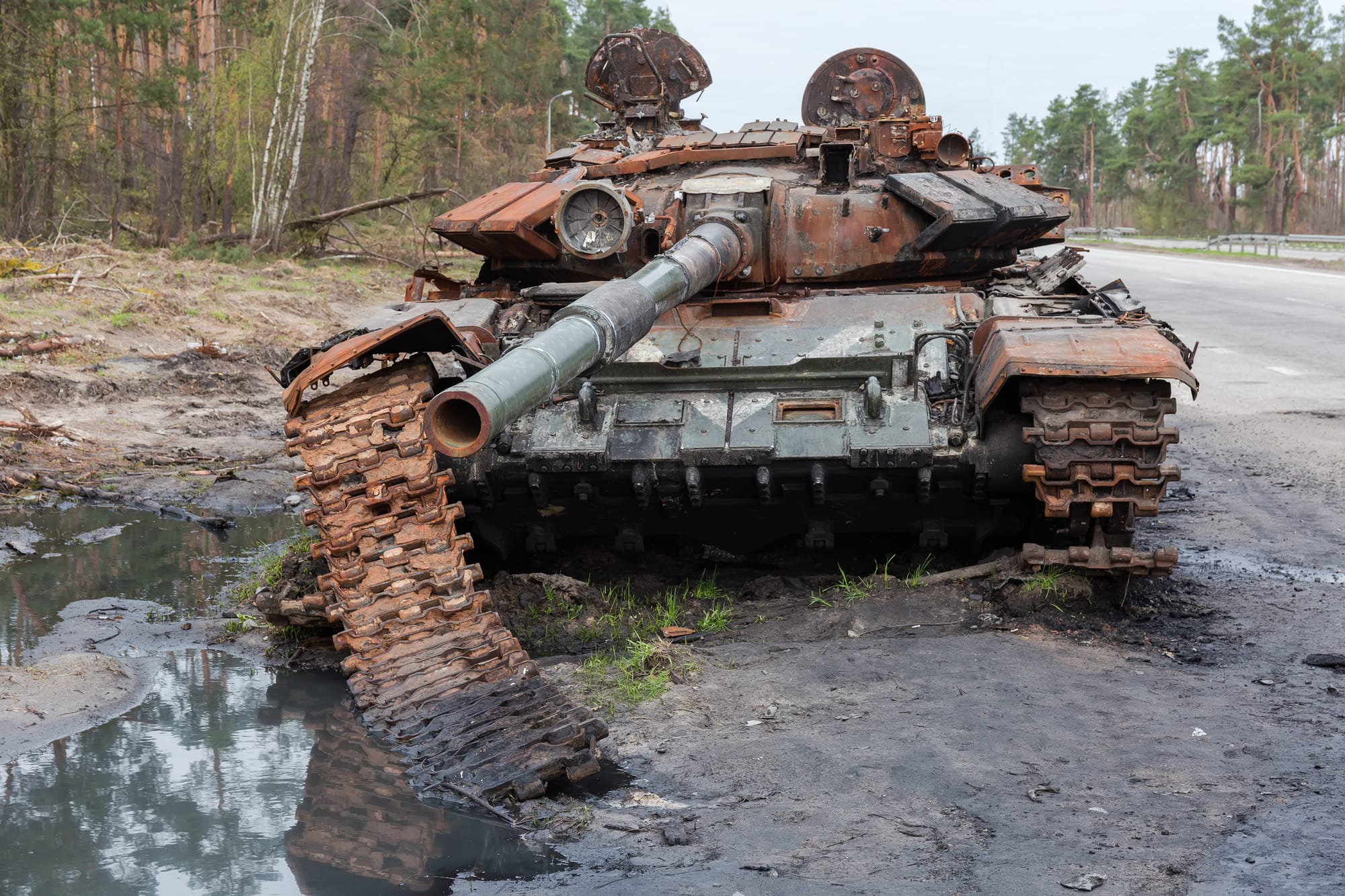
The tragedy is vocabulary starts teaching the field how to speak.
What Deterrence Can Preserve.
Deterrence can preserve real continuance.
This needs to be said plainly because this track should not become a sermon against the existence of force. War is not audited by announcing that “violence is ugly” and then going home to enjoy the shelters the violence did not destroy.
Aggression is also a field instrument. Occupation is a field instrument. Siege is a field instrument. Terror is a field instrument. Annexation is a field instrument. Ethnic cleansing is a field instrument. These things all make futures unreachable. They move bodies, borders, food, schools, languages, memories, cemeteries, archives, and children.
A deterrent can make those paths harder to enter.
- It can preserve a border long enough for ordinary life to continue.
- It can keep civilians from becoming the material of another state’s appetite.
- It can give diplomacy a room to work in because invasion has stopped being cheap.
- It can preserve political independence for a small actor surrounded by larger teeth.
- It can prevent a first strike by making victory look impossible.
- It can keep a genocidal force from discovering how lightly guarded the road actually is.
- It can buy time.
And time matters.
Time is where the evacuation happens. Time is where negotiation happens. Time is where elections, exposure, sanctions, pressure, organization, repair, grief, and refusal can gather enough legs to move. Time is where a smaller field survives long enough to become something other than prey.
Sometimes the least-closing path begins by making one terrible path harder to enter.
That sentence will annoy every clean system. This is a good thing to do. Clean systems are often just systems with excellent outsourcing.
The ethical burden falls on the actual field, not on the fantasy of a field where no actor ever has to prevent another actor from doing what that actor is preparing to do.
The fact that deterrence can preserve continuance does not sanctify it. It gives it work to answer for.
- A shield that preserves the village must still answer to the village.
- A shield that protects political life must still leave political life reachable.
- A shield that prevents invasion must not convert the prevention of invasion into permanent ownership of the protected field.
That is where the trouble begins.
The Credibility Trap.
A deterrent has to be believed.
That requirement is where this instrument starts biting its handler.

A threat that nobody believes is just a decoration. A deterrent must therefore produce credibility. It must show capacity, resolve, command continuity, readiness, and sometimes a willingness to cross truly awful thresholds if the prohibited action occurs.
But credibility is not free. Credibility starts asking for sacrifices.
- Exercises.
- Escalation ladders.
- Preplanned targets.
- Public declarations.
- Alliance commitments.
- Classified doctrine.
- Readiness drills.
- Weapons modernization.
- Domestic rhetoric.
- Officer culture.
- Budget protection.
- Strategic myth.
Everyone tells themselves this is all for prevention.
And often it is.
Then, prevention begins to require performance.
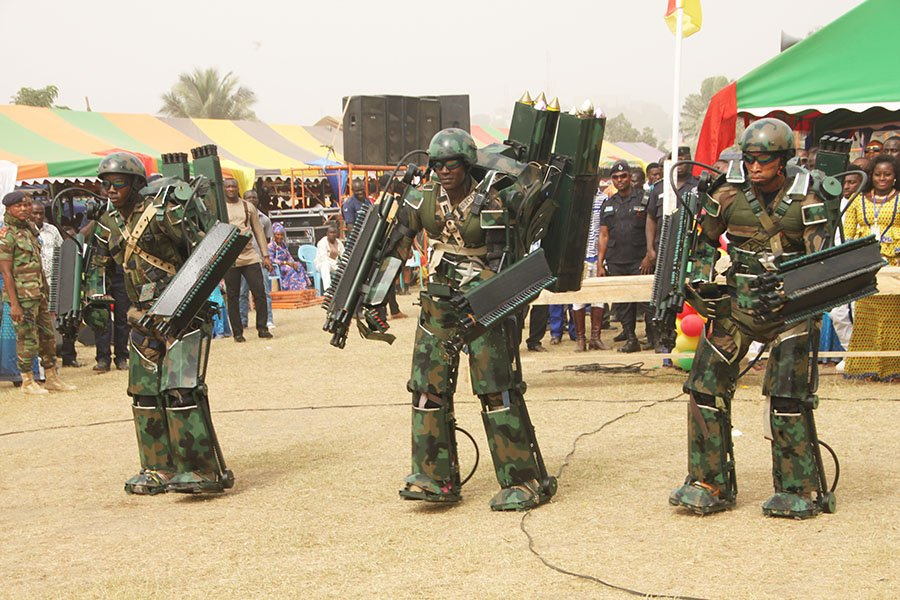
The state must sound willing. The commander must sound hard. The public must be taught that hesitation invites attack. The adversary must never see softness. The ally must never doubt protection. The bureaucracy must keep the machine updated. The politician must stand near the machine and borrow its seriousness.
A deterrent that must constantly prove it is willing to act begins educating itself toward the act.
That is the credibility trap.
The threat has to remain exceptional enough to deter and ordinary enough to be believed. So the exceptional thing now receives offices, uniforms, doctrines, procurement cycles, acronyms, promotional pathways, tabletop exercises, computer models, and several extremely confident men in windowless rooms saying the phrase escalation dominance as if the English language deserves this.
- The instrument becomes a culture.
- The culture becomes a constituency.
- The constituency becomes a lens.
- The lens begins finding reasons the instrument must expand.
- The constituency becomes a lens.
- The culture becomes a constituency.
At this point deterrence has stopped being only a shield. It has become a generator of field weather.
- The enemy is read through it.
- Diplomacy is read through it.
- Domestic dissent is read through it.
- Budget pressure is read through it.
- Humiliation is read through it.
A mistake by the other side becomes a test. A concession becomes weakness. A de-escalation becomes appeasement. A request for evidence becomes softness. A repair path becomes suspicious because repair does not keep the instrument at the center.
This is how strategy brain captures protection.

Skynet is the funny cartoon nightmare of this capture: threat perception becomes target logic, and the protected field is compressed into an operational object. Most deterrence systems do not become full-Skynet. They do not need to. They can distort the field quite effectively while remaining fully staffed by humans, memos, advisors, and people who say they are just being realistic.
Reality is often where distorted instruments hide.
Hostage-Shaped Futures.
Deterrence often works by making some continuance conditional on someone else’s restraint. That is the dark center.
- A city becomes a future cost.
- A port becomes a warning.
- A power grid becomes pressure.
- A capital becomes leverage.
- A fleet becomes a sentence.
- A civilian population becomes the thing everyone hopes will never be counted up because that counting would mean this instrument has failed.
This is not always literal hostage-taking. A hostage remains a literal hostage: a locus whose continuance has been captured by an actor and held as bargaining power. That specific wound should not be diluted into metaphor.
Deterrence can still make hostage-shaped futures.
The structure appears when another locus’s possible destruction, suffering, exposure, or abandonment becomes part of the bargaining architecture.
- Do not invade, or your city burns.
- Do not strike, or your regime falls.
- Do not cross this line, or your infrastructure closes.
- Do not test this alliance, or the war widens.
- Do not attack this state, or civilians somewhere else become target math inside an exchange no child voted to join.
This is why Levant Leverage opens the warfare track. A leverage field forms when one locus’s continuance becomes another actor’s bargaining power. Deterrence often tries to prevent a greater closure by placing conditional closure inside the field.
The moral question cannot stop at intention.
- The actor may intend preservation.
- The field still contains leverage over continuance.
This is especially poisonous when civilian exposure becomes the carrier of credibility. If the deterrent must be terrible enough to matter, civilians often become the imagined terrible. Cities stand inside the conditional sentence. Food systems stand inside it. Hospitals stand inside it. Future generations stand inside it. People living ordinary lives are converted into the moral weight that makes the threat believable.
Everyone then hopes the whole arrangement prevents the war.
Sometimes it does.
That success does not make the arrangement innocent. It only means the field survived under a conditional wound. A saved city that remains saved because another city could be destroyed has still been made part of a damaged structure.
- The damage may be preferable to conquest.
- It remains damage.
Modal Path Ethics always needs that double vision. Without it, the analysis falls into either fake innocence or fake sophistication. Fake innocence refuses to admit the shield preserved anything. Fake sophistication refuses to admit the shield held the field hostage while preserving it.
Both are ways of lying politely.
The Shield Becomes Sovereign.
The central failure mode is sovereignty.
The shield becomes sovereign when the protected field is allowed to exist only as something the shield protects.
- At first the deterrent serves continuance.
- Then continuance is described in the deterrent’s language.
- Then every repair path has to pass through the deterrent.
- Then any path that reduces the deterrent’s centrality is named destabilizing.
- Then the instrument begins to own the future it was built to preserve.
- Then any path that reduces the deterrent’s centrality is named destabilizing.
- Then every repair path has to pass through the deterrent.
- Then continuance is described in the deterrent’s language.
This happens in recognizable ways.
- Every disclosure becomes a security risk.
- Every apology becomes weakness.
- Every investigation becomes aid to the enemy.
- Every peace contact becomes appeasement.
- Every arms-control proposal becomes naivete.
- Every civilian complaint becomes unfortunate background.
- Every occupied buffer becomes necessary depth.
- Every border violation becomes precedent.
- Every concession becomes a crack in credibility.
- Every critic is asked what they would do when the tanks arrive, as if the existence of tanks makes all other field questions childish.
This is how a protection instrument becomes a closure machine.
- The shield does not need to abolish politics directly.
- It can make politics answer to the shield’s fear conditions until politics becomes a ceremonial department inside emergency management.
- The shield does not need to censor every fact.
- It can classify enough of the field that public interpretation becomes dependent on authorized fear.
- The shield does not need to declare permanent war.
- It can maintain permanent pre-war and demand the same obedience.
- The shield does not need to hate the people it protects.
- It can love them as dependents and still make them politically smaller year over year.
A sovereign deterrent may preserve biological survival while narrowing civic life, truth, dissent, reciprocity, repair, and exit. The village remains standing. The village also becomes a shrine to the wall. That is not preservation in any deep sense.
That is survival under instrument capture.
The Reciprocity Test.
Deterrence lives under reciprocity whether it likes this or not.
- A threat teaches a grammar.
- Once the grammar exists, others can use it.
This is where The Golden Rule enters the room again.
A logical move is logical against you.
- If your security fear justifies threatened devastation,
- your adversary will bring their security fear to the same altar.
- If your credibility requires forward deployment,
- their credibility will ask for forward deployment.
- If your wounded history grants you the right to dominate the buffer,
- their wounded history will apply for the same license.
- If your deterrent may hold civilians conditionally at risk because the stakes are existential,
- the enemy will begin discovering existential stakes with impressive speed.
Reciprocity does not mean all sides are the same.
Some threats are aggressive. Some are defensive. Some states are invading; some are trying not to be invaded. Some actors lie about fear to launder appetite. Some actors fear for excellent reasons. The field still has distinctions, histories, asymmetries, responsibilities, and facts.
The reciprocity test does not flatten those differences. It prevents magic exemption.
Deterrence becomes more dangerous whenever one actor treats its own fear as ontologically superior to everyone else’s field.
- My fear is security.
- Your fear is propaganda.
- My depth is protection.
- Your depth is expansion.
- My mobilization is caution.
- Your mobilization is proof.
- My doctrine is realism.
- Your doctrine is madness.
Sometimes those distinctions are true.
Sometimes they are the instrument protecting itself.
A serious deterrence audit has to keep asking which is which.
That requires evidence, contact, field intelligence, adversary interpretation, civilian testimony, institutional humility, and a refusal to let the strategy room become the only recognized source of intelligence.
Otherwise the deterrent turns every mirror into an enemy target.
Correction Instruments.
Deterrence needs correction because a threat that cannot be corrected has already become command.
Correction does not mean weakness.
Correction is what keeps the instrument from eating the field.
- Hotlines are correction instruments.
- Verification regimes are correction instruments.
- Arms control is a correction instrument.
- Civilian control is a correction instrument.
- Public accountability, where possible, is a correction instrument.
- De-escalation channels are correction instruments.
- Clear doctrine is a correction instrument.
- Limited aims are correction instruments.
- Non-humiliating exits are correction instruments.
- Adversary contact is a correction instrument.
- Independent intelligence review is a correction instrument.
- Journalism can be a correction instrument.
- Whistleblowing can be a correction instrument when the authorized field has become a sealed room.
- Memory is a correction instrument.
- Comedy is also still useful here, though admittedly much, much less welcome near the missile silos.
The national security state tends to dislike comedy because comedy punctures the costume. A general may have earned their seriousness. A doctrine still benefits from someone asking whether the sacred triangular diagram has been drinking.
This is not frivolous.
A deterrent system surrounded only by solemnity will start mistaking its own vocabulary for the structure of the world. It will generate acronyms until reality gives up and moves on to a smaller apartment.
Comedy is one small way to keep the instrument from becoming liturgy.
The deeper correction is contact with the field the deterrent claims to preserve.
- Can civilians still speak?
- Can allies refuse?
- Can enemies be read as strategic actors without being converted into monsters or chess pieces?
- Can the instrument tell the difference between protection and revenge?
- Can it distinguish deterrence from domination?
- Can it stand down when the condition changes?
- Can it admit that a security measure has created the threat it was supposed to prevent?
- Can it preserve the possibility of politics after the emergency passes?
- Can it release the field back to ordinary repair?
A shield that cannot lower has become a wall. A wall that cannot open has become a prison. And a prison that calls itself safety is still a prison.
Strategic Depth and the Buffer Wound.
Deterrence often mutates into territorial imagination.
This mutation has an old familiar sound.
- We need depth.
- We need a buffer.
- We need forward defense.
- We need friendly governments along the border.
- We need no hostile systems nearby.
- We need room to absorb the first blow.
- We need the neighboring field to arrange itself around our fear.
Some of this can be real. Geography definitely matters. Supply lines also matter. Missile ranges are important. Invasion corridors are not nothing. A state with repeated historical experience of invasion may carry a fear that no seminar should sneer at from a safe distance.
Then, the instrument makes the fatal move.
- Another people’s sovereignty becomes the material of your deterrent.
- Their elections become your depth.
- Their language becomes your warning sign.
- Their alliances become your provocation.
- Their ports become your anxiety.
- Their future becomes a cushion for your past.
This is the buffer wound.
Strategic depth begins as a protection concept. It becomes domination when the neighbor’s reachable future is narrowed so your field can feel wider.
It is the warfare twin of sacred title.
- Sacred title says: my sacred memory grants claim over living continuance.
- Strategic depth says: my security memory grants claim over neighboring continuance.
Both begin with a wound that may be real.
Both become dangerous when the wound claims sovereignty over repair.
This is why the later Russia article has to live far downstream from this one. Russia’s security story cannot be audited by mocking fear. Fear can preserve real history. The audit begins when that fear converts surrounding peoples into depth, buffer, corridor, sphere, or acceptable sacrifice.
A neighbor is not a sandbag for your trauma.
The Nuclear Veto Waiting at the End.
Nuclear deterrence is not the whole of deterrence.
It is deterrence after the instrument has learned to speak in civilization-ending conditionals.

That article comes later. For now, the bridge has to be named.
A conventional deterrent can threaten defeat, loss, cost, exposure, or escalation.
A nuclear deterrent threatens an order of closure that may exceed the political field it claims to stabilize. The weapon becomes a veto over repair paths because correction can become too dangerous to attempt. A nuclear power can make the world hesitate before resisting aggression, punishing atrocity, enforcing law, or reversing conquest, because the world must ask whether correction might open the larger fire.
This is the nuclear veto.
It is not only the weapon. It is the political reachability created by the weapon.
Some paths become harder because everyone can see the mushroom cloud standing behind the argument like a giant evil chaperone.
This does not mean nuclear deterrence has preserved nothing. It may have preserved a long no-great-power-war condition. It may have prevented some forms of direct military collision. It may have forced caution into rooms that very badly needed it.
Except it also made civilization live under conditional annihilation.
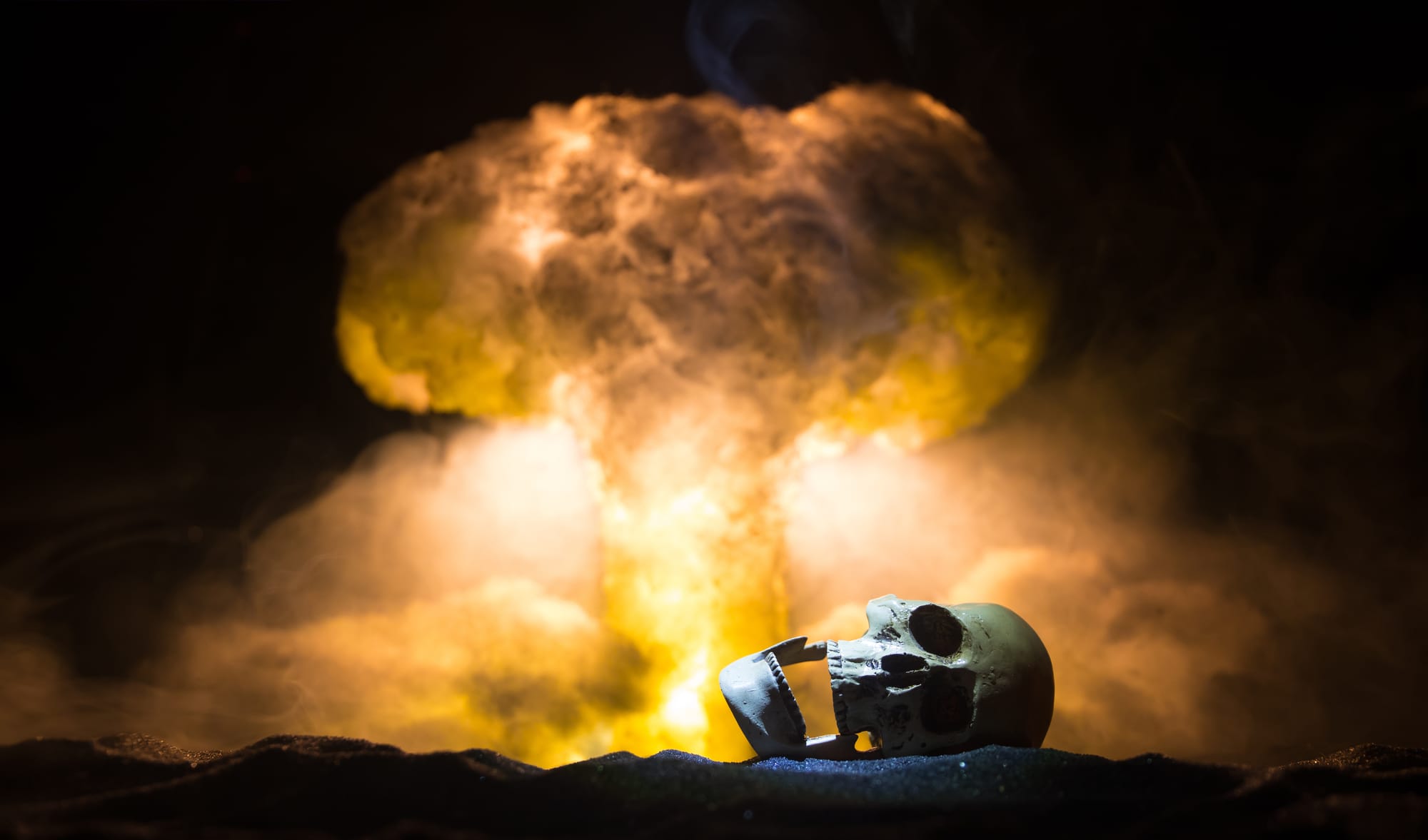
That is not a footnote.
That is the instrument’s moral shadow covering the entire field.
The Security Instruments track is moving toward that shadow.
Deterrence is where it first gets its grammar.
The Twin.
This article pairs with Sacred Instruments because the two instruments rhyme.
- A sacred instrument makes contact with ultimacy, memory, wound, obligation, and repair more reachable.
- A deterrent makes attack, invasion, escalation, or domination less reachable by making a threatened cost more reachable.
- The sacred instrument fails when the door becomes a throne.
- The deterrent fails when the shield becomes sovereign.
- The sacred instrument must allow the harmed field to answer back.
- The deterrent must allow the protected field to answer back.
- The sacred instrument loses the field when every correction becomes heresy.
- The deterrent loses the field when every correction becomes destabilization.
- The sacred instrument can convert wound into title.
- The deterrent can convert fear into depth.
- The sacred instrument can make the dead command the living.
- The deterrent can make the possible dead govern the living.
These are still not the same instrument. They do not carry the same histories, bodies, or obligations. But the rhyme reveals the same Modal Path Ethics warning:
An instrument built to preserve contact or continuance becomes dangerous when it becomes sovereign over correction.
That is the braid.

Religion and warfare keep meeting here because both handle extremity.
Death. Fear. Memory.
Sacrifice. Obedience. Enemy.
Promise. Future. Awe. Fire.
The instruments built around those pressures can preserve life. They can also become machines for making harmed loci pay tribute to the instrument’s own survival.
Modal Path Ethics is going to follow both tracks because neither can be left to its priests.
The Ruling.
Deterrence is a real field instrument.
It can preserve continuance by making aggression harder to reach. It can buy time, protect civilians, preserve political independence, restrain first strikes, and prevent some actors from discovering how easy a terrible path might otherwise be.
It does this through threat.

That fact cannot be cleaned away.
The threatened harm is inside the instrument. The conditional wound is part of the field. The cities, borders, soldiers, civilians, supply lines, allies, enemies, and future generations living under the conditional sentence all belong in the audit.
A good deterrent remains answerable to the continuance field it protects.
It is limited. It is corrected. It distinguishes protection from domination. It distinguishes credibility from performance addiction. It distinguishes strategic caution from revenge wearing a helmet. It distinguishes security fear from a license to own the neighbor’s future. It can stand down when the condition changes. It can release the field back to politics, repair, and ordinary life.
A bad deterrent becomes sovereign.
It calls every repair path destabilization. It calls every disclosure weakness. It calls every neighbor a buffer. It calls every civilian burden the price of stability. It calls every question childish because the tanks might come. It preserves life by narrowing the life it preserves until the protected field becomes a dependent province of the shield.
The shield is necessary in some damaged fields.
The shield is never God.
A deterrent should make violence harder to reach.
When it makes repair harder to reach, it has crossed over.