Applied Case: The Second Battle of Hoover Dam
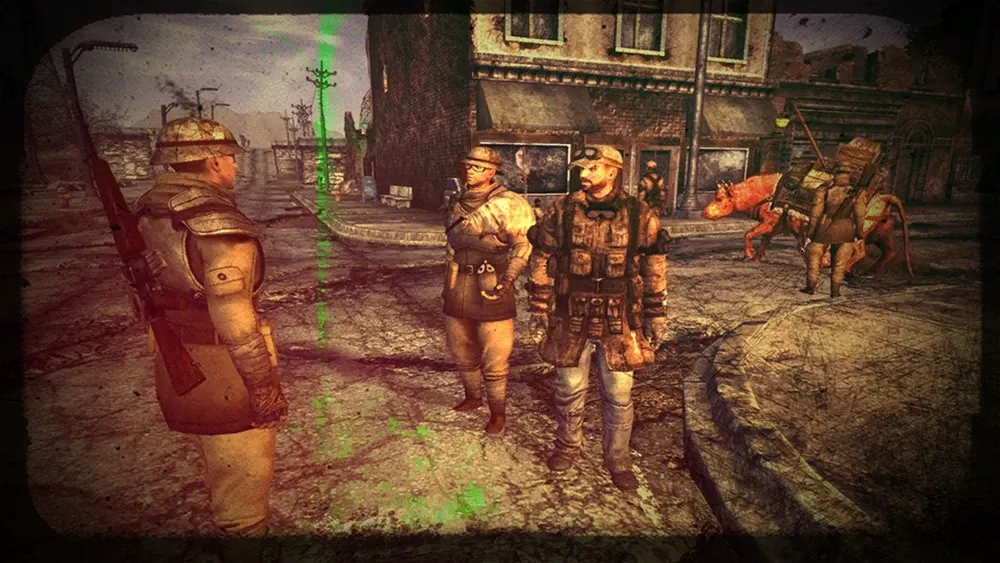
Spoilers for Fallout: New Vegas. Failed Field Analysts: Colonel Moore [L]
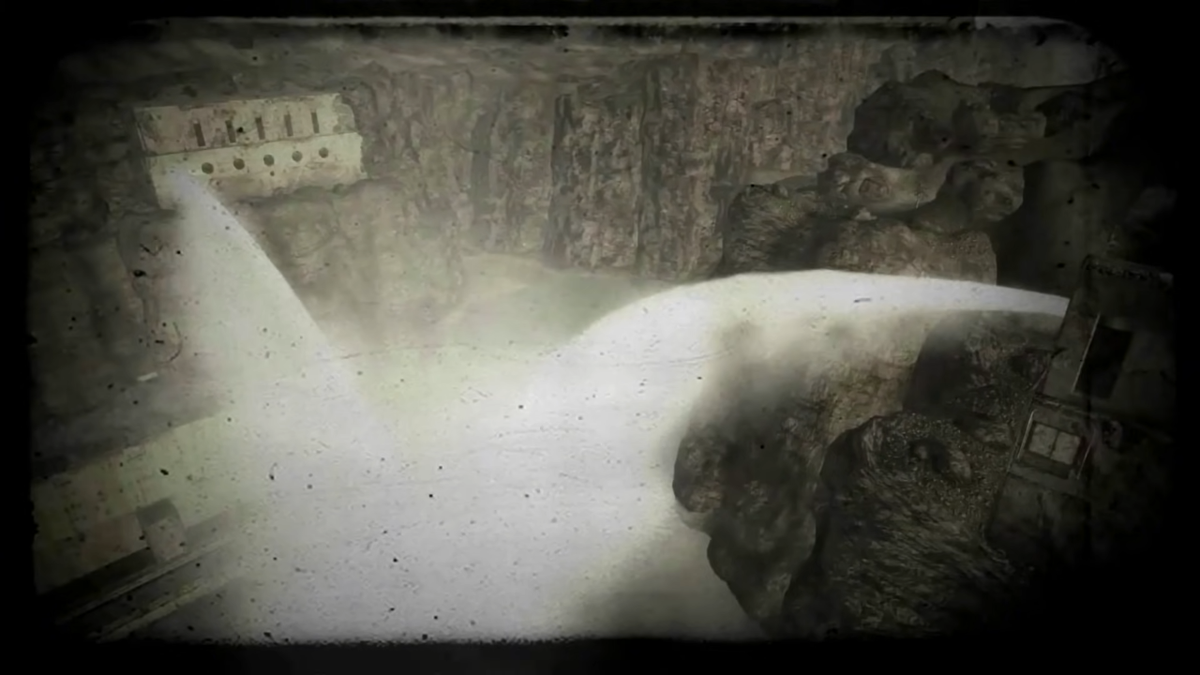
The first shell lands before Modal Path Ethics has fully finished choosing a side.
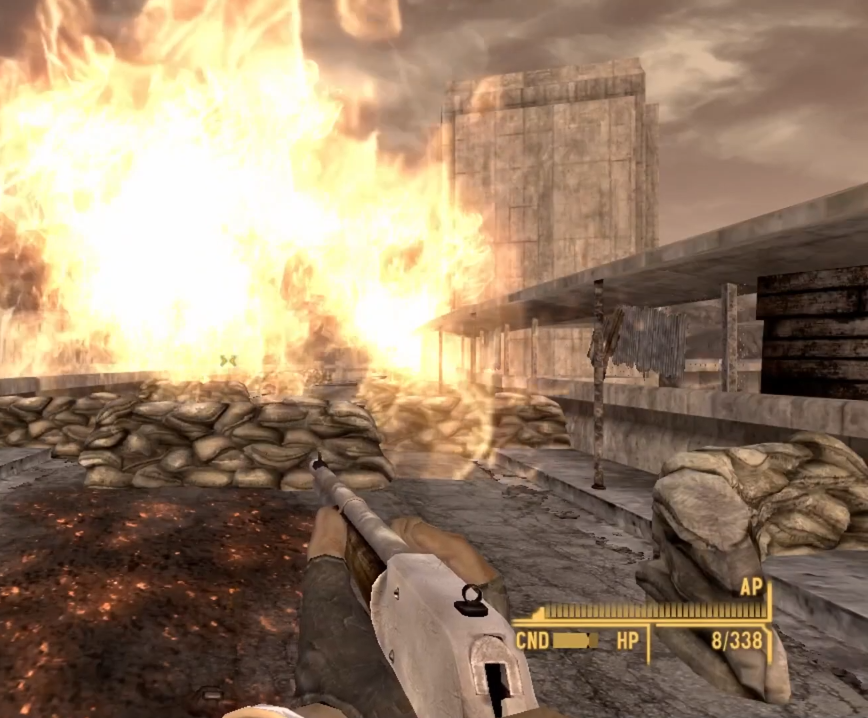
This is pretty unfair.
Most moral frameworks prefer a chair, a table, a little distance from the gunfire, perhaps a seminar room with enough dry erase markers to keep everyone’s hands technically clean.
Hoover Dam offers concrete, turbine thunder, radio chatter, frightened soldiers, flags moving through smoke, and the Colorado River carrying everyone’s theory away whether they have completed it or not.
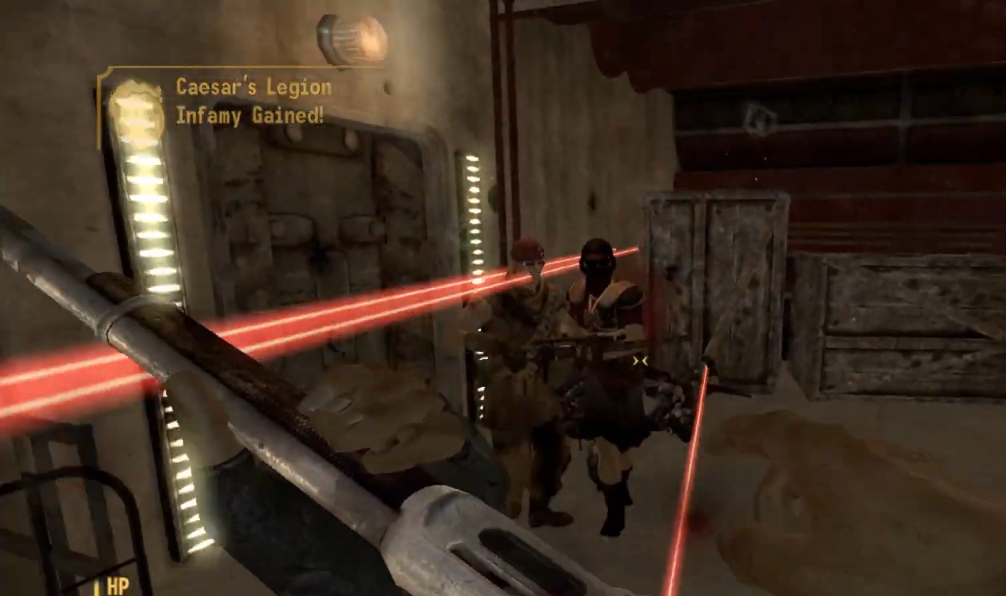
Before would be strategy.
Before would be electioneering.
Before would be the longheld political fantasy that if one has enough time, enough information, enough faction reputation, enough saved games, enough local repairs stacked neatly behind the Courier like little trophies, the final choice can be made clean.
Hoover Dam denies all this shit.
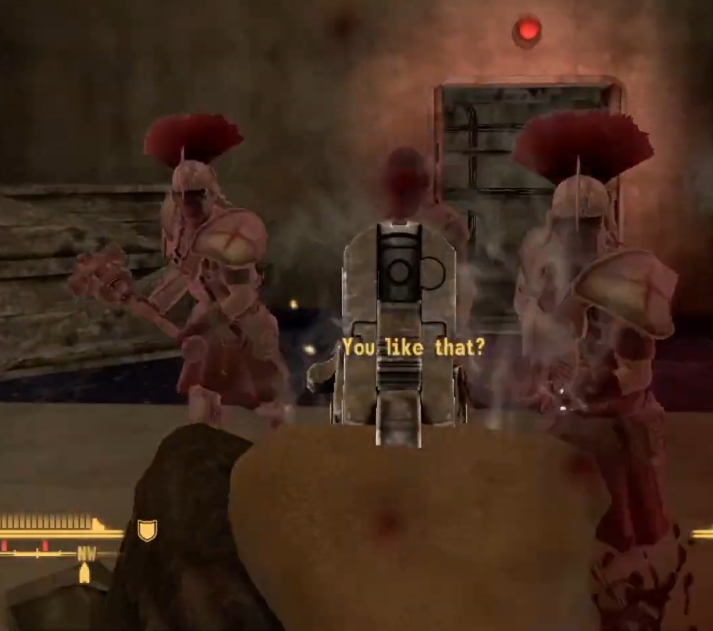
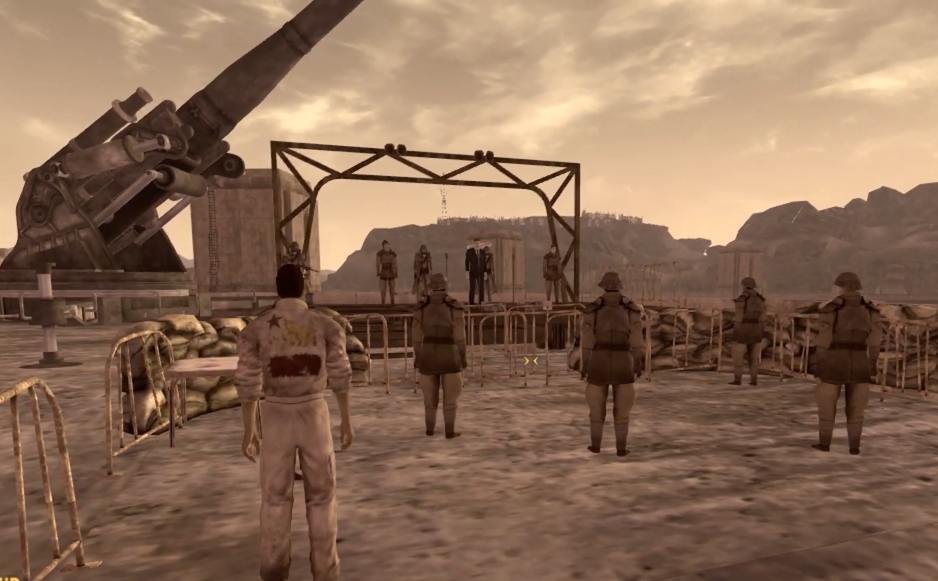
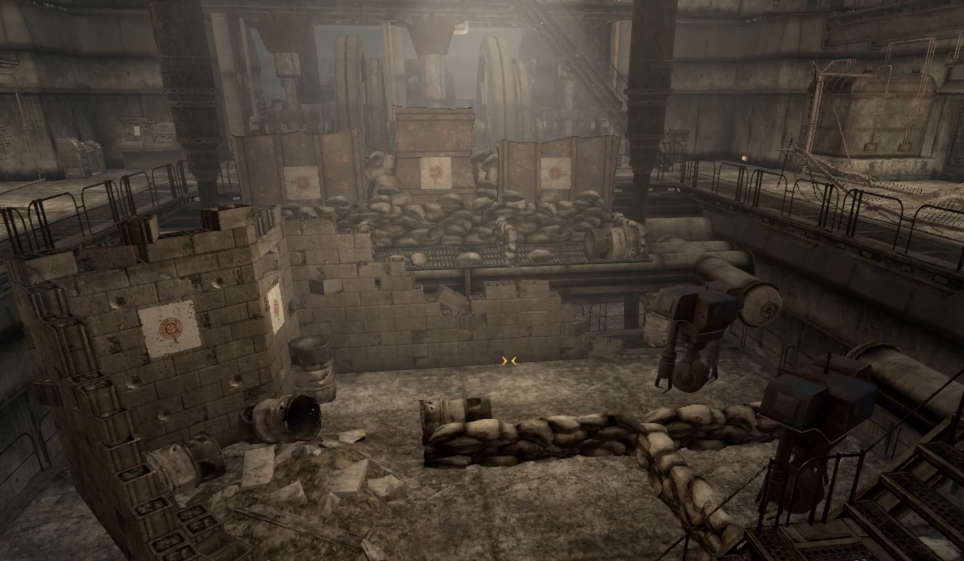
- The dam is already under attack.
- The Legion is already moving.
- The New California Republic is already bleeding.
- Mr. House is already dead behind the Strip.
- Gomorrah is already missing bodies it will never admit it housed.
- The Brotherhood has already been forced through the narrowest possible treaty path.
- Freeside has already been held together by favors, medicine, impersonated kingship, and people too tired to call their desperation by a prettier name.
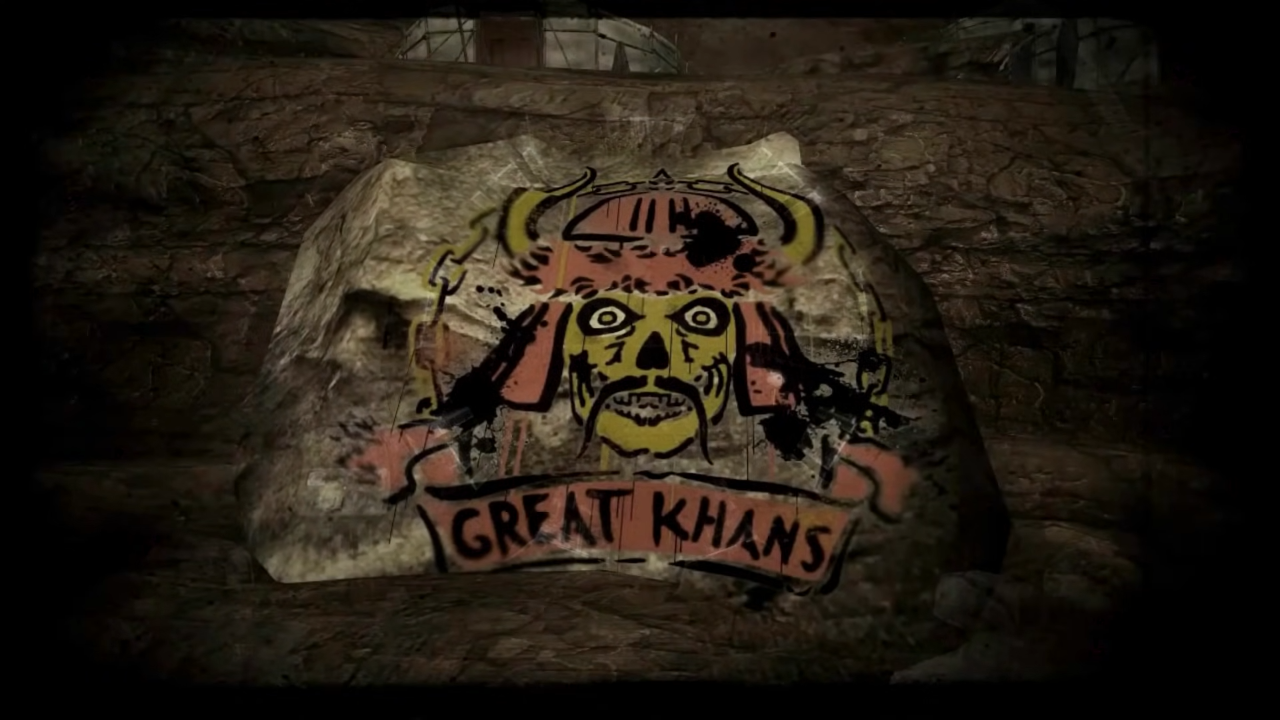
- The Great Khans have already been offered every bad identity the Mojave knows.
- The Boomers are already somewhere in the sky, or not, depending on whether anyone bothered to learn their names.
The ending has been arriving the whole time.
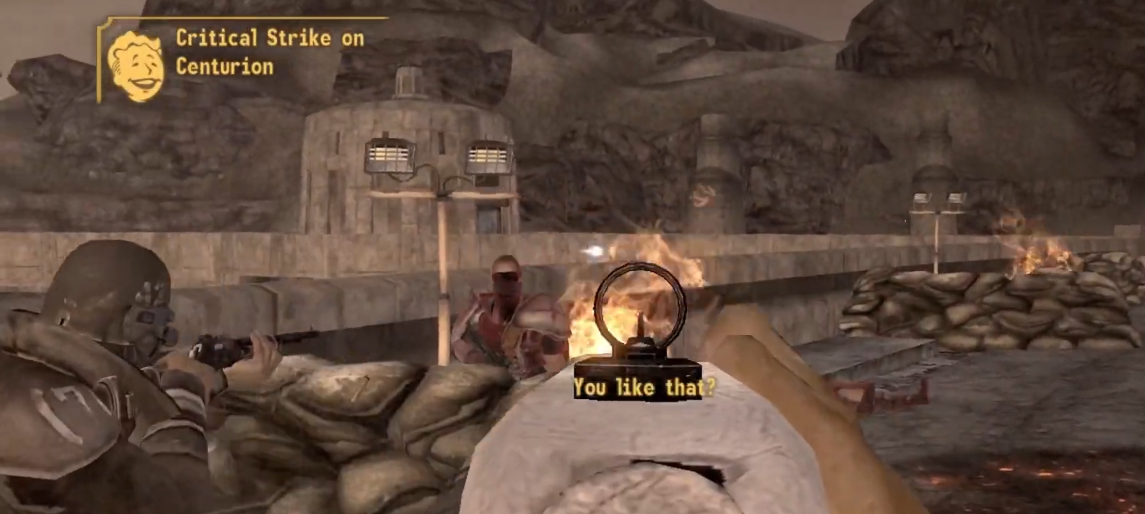
A trooper shouts for a medic. Another shouts for ammunition.
Someone is praying in a voice that seems embarrassed to be heard by concrete.
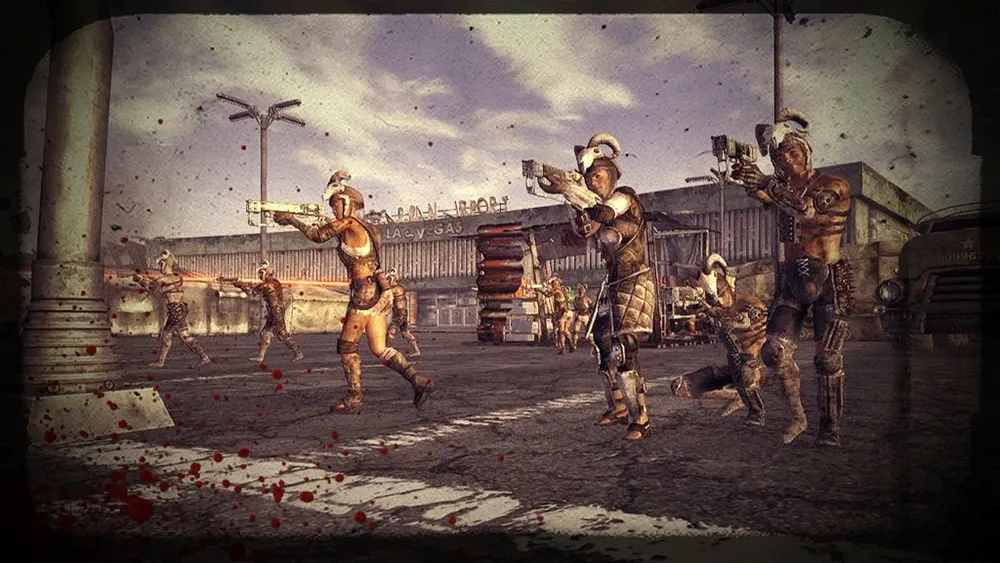
Across the dam, Legionaries are not abstract symbols of authoritarian closure.
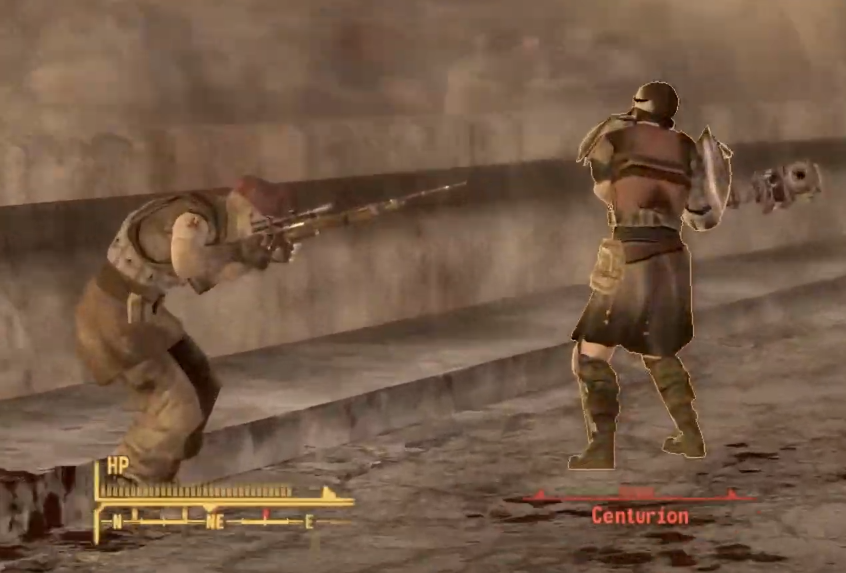
They are bodies with blades, moving fast enough to make your theory of the world put its motherfucking shoes on.
Modal Path Ethics looks out over the river and understands the simplest horrible fact of the Mojave:
Infrastructure forces succession.
And someone is going to inherit the dam.
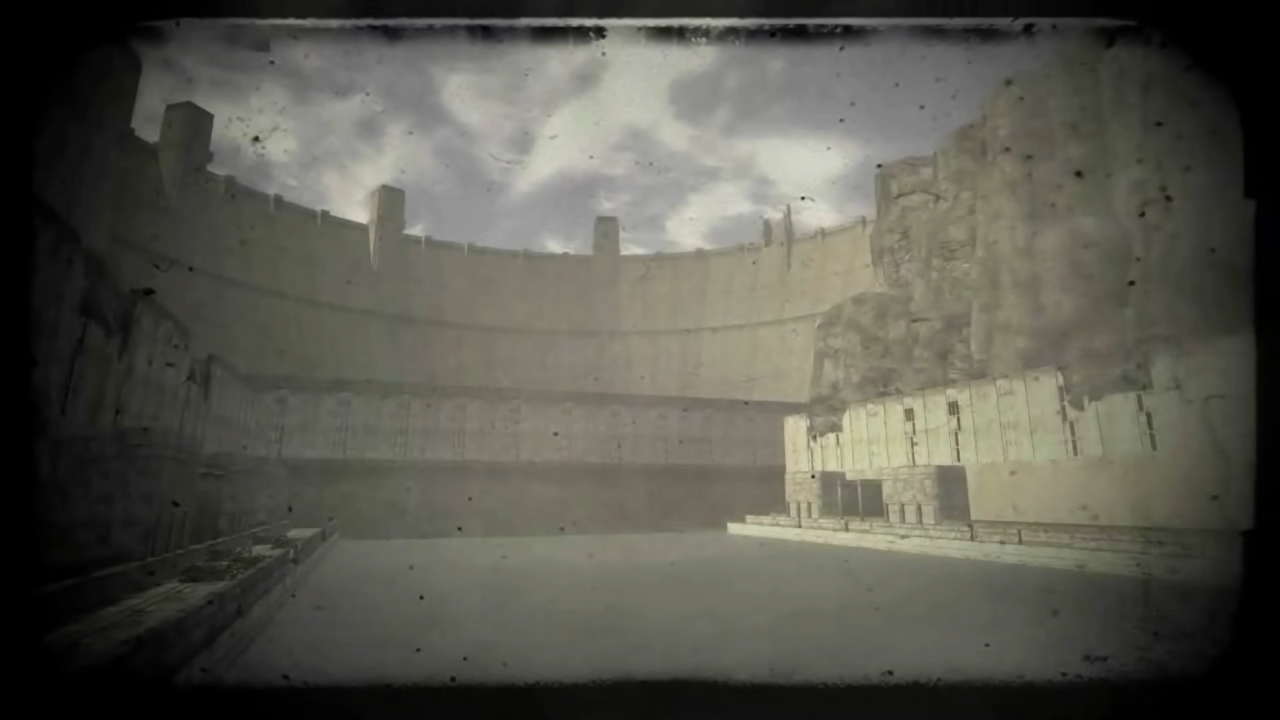
Someone is going to inherit the water, the power, the roads, the supply lines, the bodies, the treaties, the debts, the towns, the hungry, the clinics, the casinos, the bunkers, the farms, the grudges, the slogans, and all the little repairs that have been made along the way.
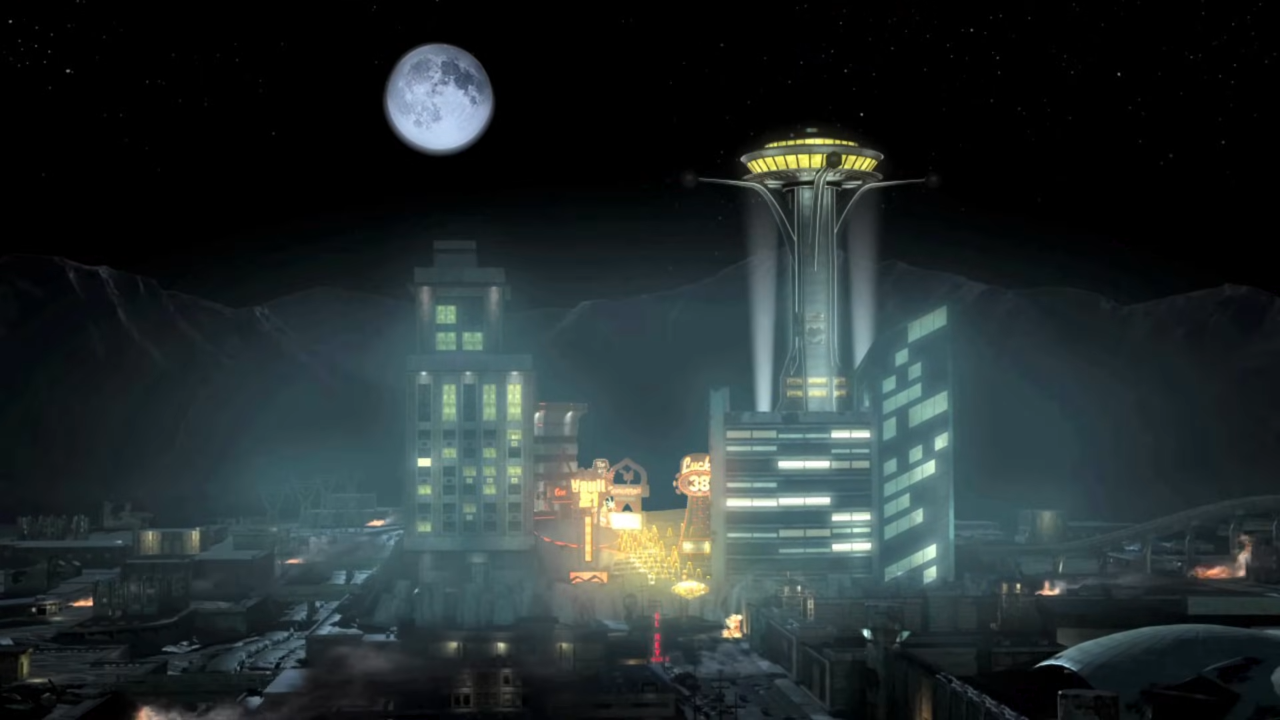
Modal Path Ethics could wander the Mojave like a repair instrument for a long time in the form of the Courier.
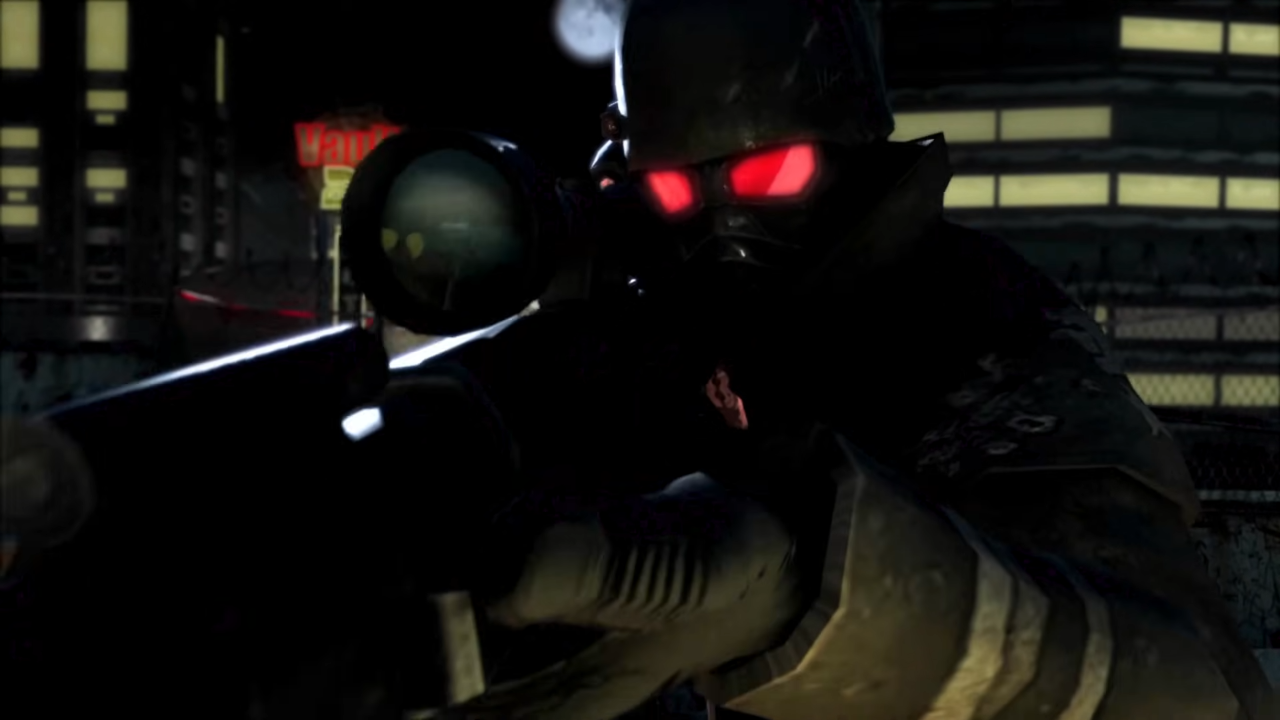
Goodsprings could be helped because Goodsprings was in front of the gun.
Primm could be given law because law had failed to arrive with enough legs under it.
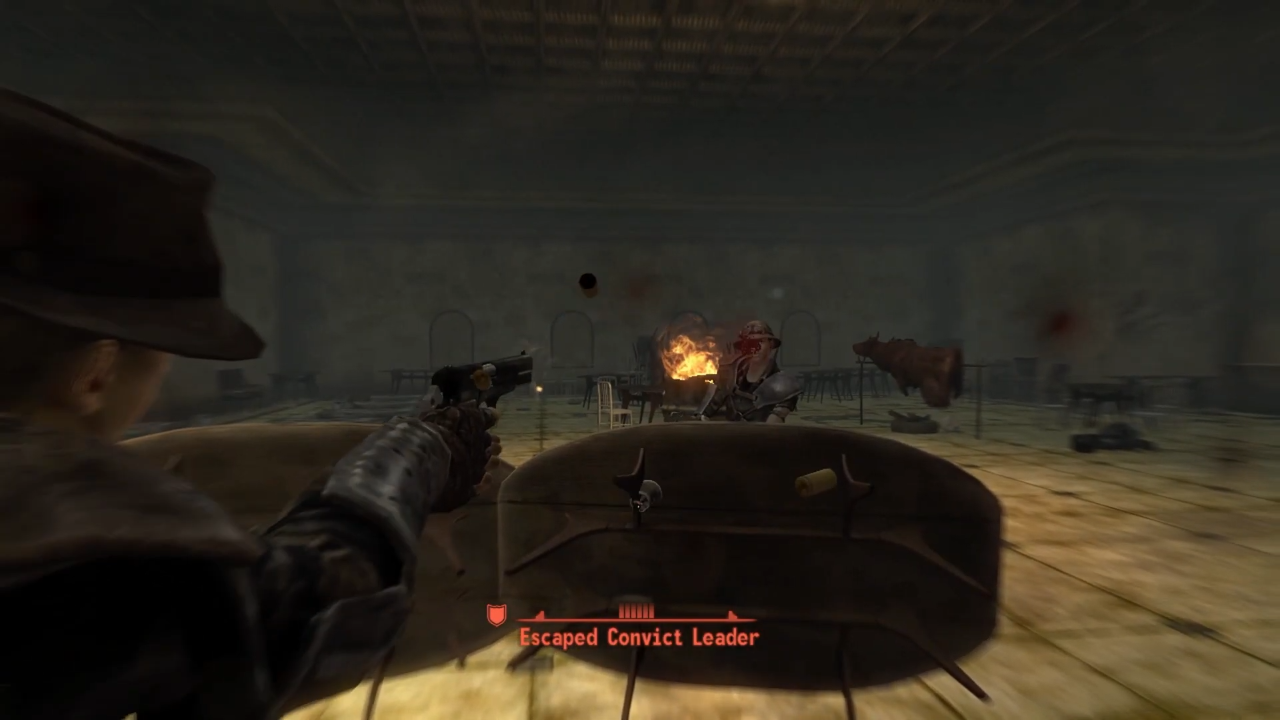
Freeside could be stabilized because starvation outside a gate is not an acceptable aesthetic.
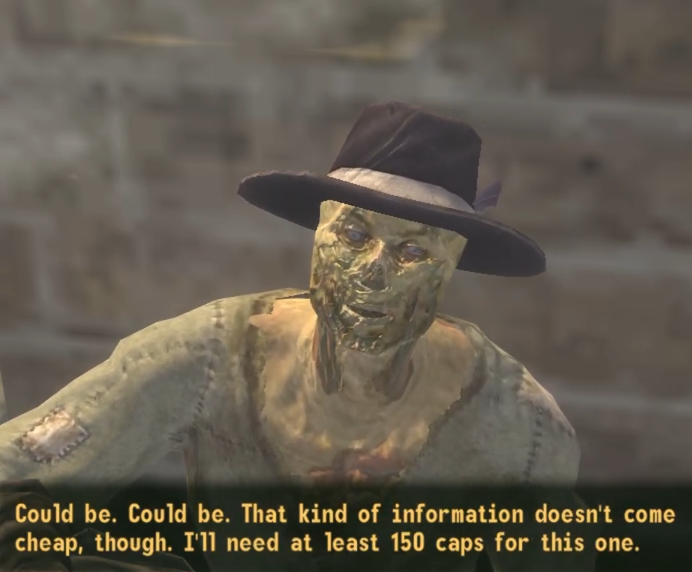
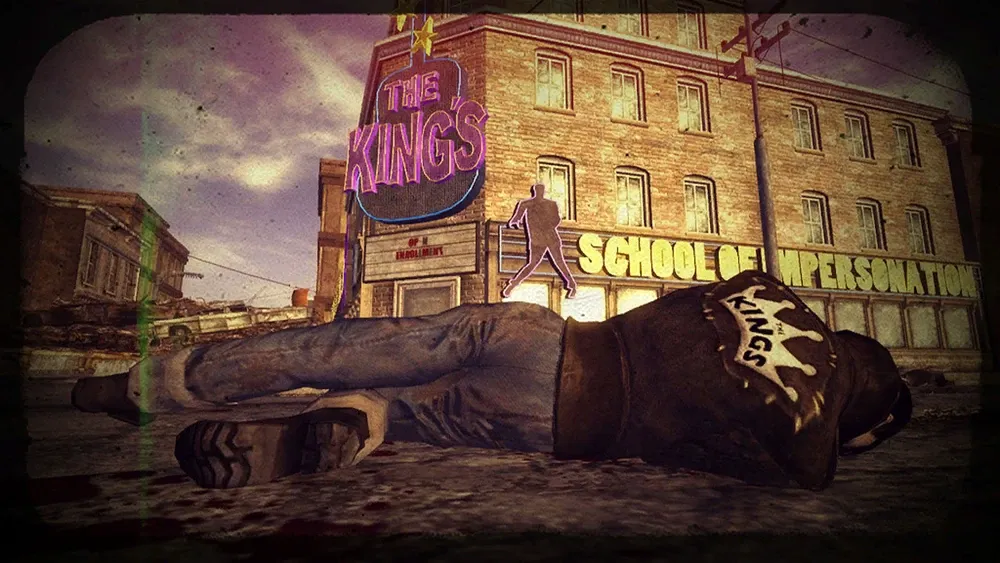
The Kings could be translated before the Republic translated them into a security problem.
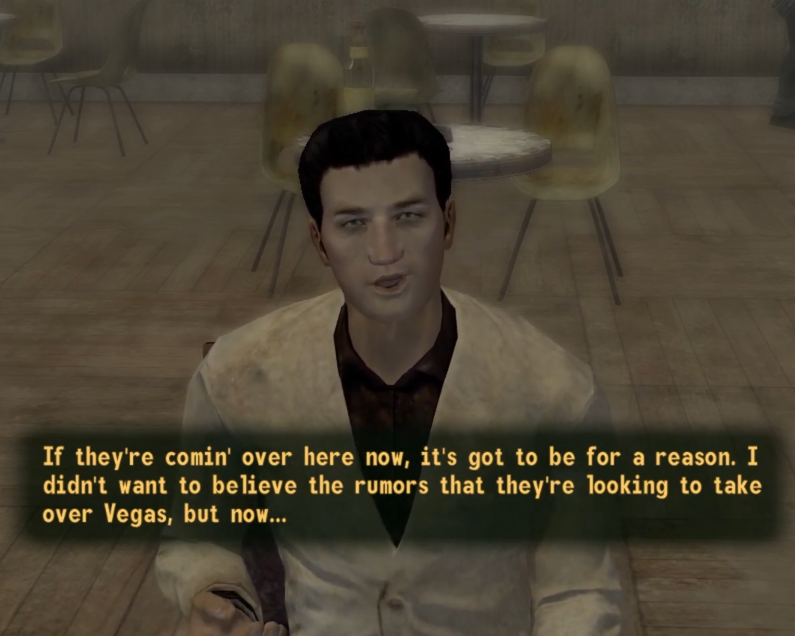
The Brotherhood could be kept alive despite removal being a seductive administrative tool.
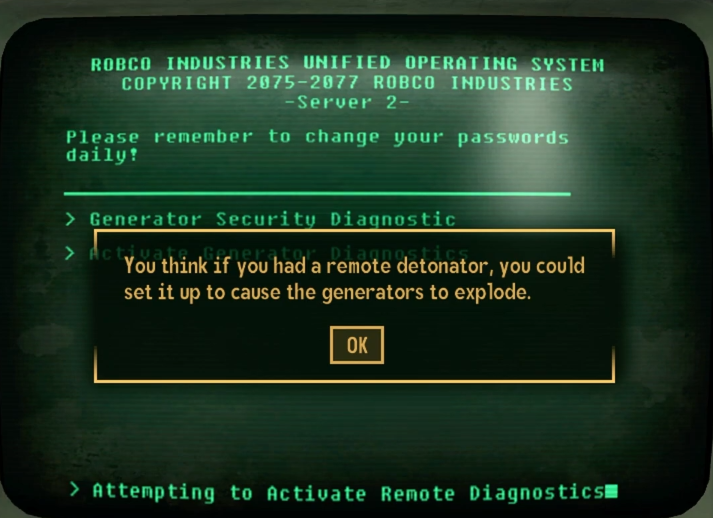
The Khans could be given an exit because wounded identity should not be allowed to become a recruitment office for empire.
The Omertas could be interrupted because a casino with soft lights and a locked door in front of the murder room is still definitely a murder room.
But Hoover Dam asks the question none of those repairs could avoid forever:
Who receives them?
The battle is deciding what every prior action becomes.
Under one flag, a saved town becomes taxable civilization.
Under another, it becomes conquered meat.
Under another, it becomes a managed asset in a privately owned future.
Under another, it becomes evidence that the Courier was very impressive and perhaps should have been stopped much earlier by someone with a clipboard or something.
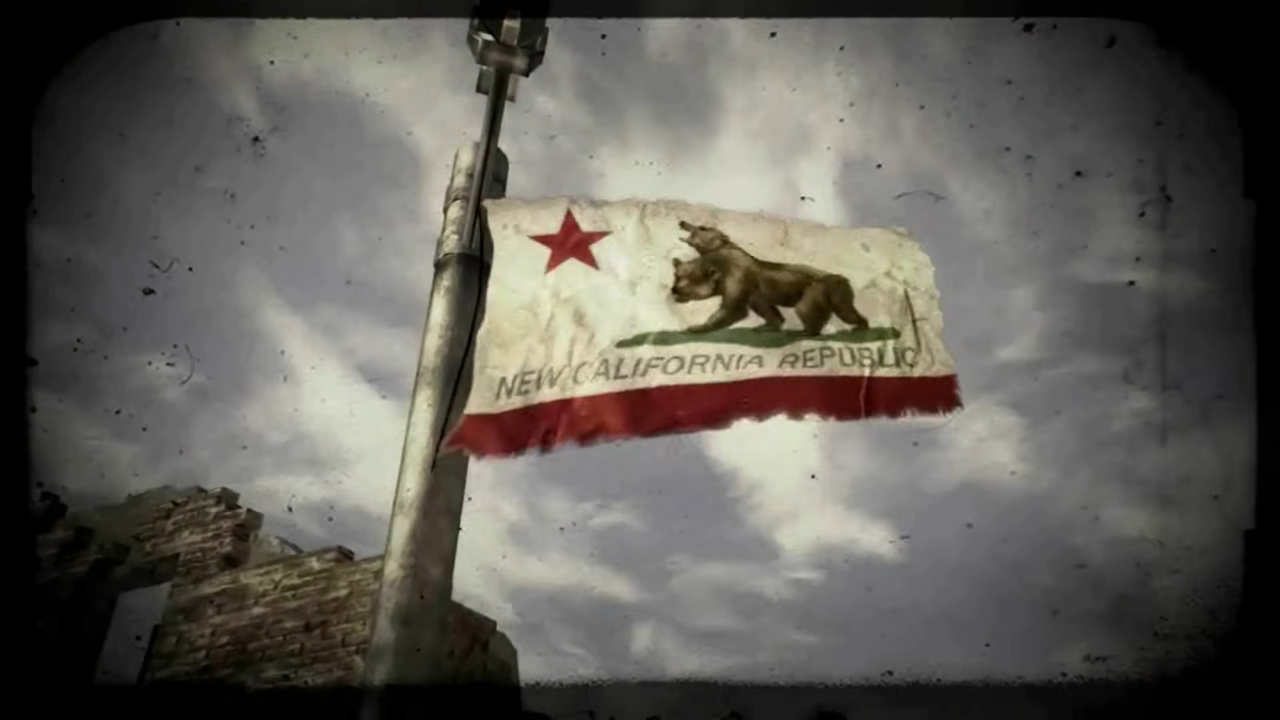
Modal Path Ethics chooses the New California Republic.
It does not enjoy doing this.
The New California Republic is not innocent. It is definitely not owed the Mojave. It does not deserve the dam by natural right, moral hygiene, historical destiny, or superior acronym density.
It is chosen because the Mojave needs a future in which power can still be argued with after the battle ends.
That is the whole case.
- The Legion closes the field by domination.
- Mr. House closes the field by control.
- Independent Vegas risks closing the field by turning one exceptional Courier into a political theory with robot guns.
- Mr. House closes the field by control.
- The New California Republic leaves the field dirty, bureaucratic, coercive, compromised, and still contestable.
People can complain under the Republic.
They can embarrass it. They can bargain with it. They can desert it. They can expose it. They can publish against it. They can appeal, smuggle, organize, bribe, sabotage, petition, testify, vote, lie, survive, and sometimes force it to become slightly less itself.
None of this makes the Republic clean, but it makes it reachable.
That is not a small difference in a wasteland.
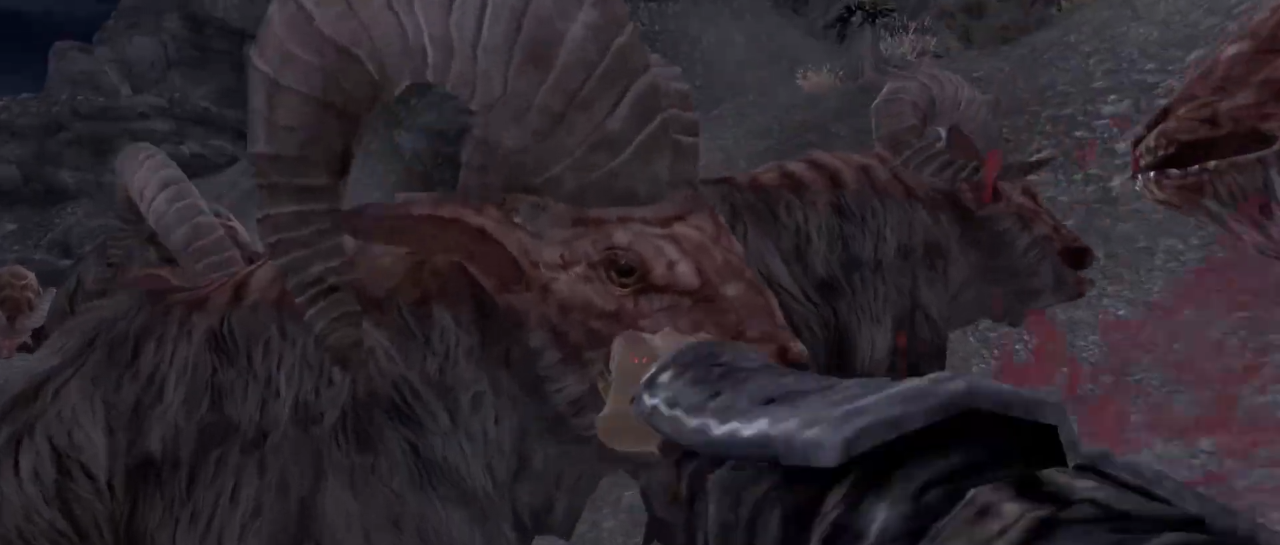
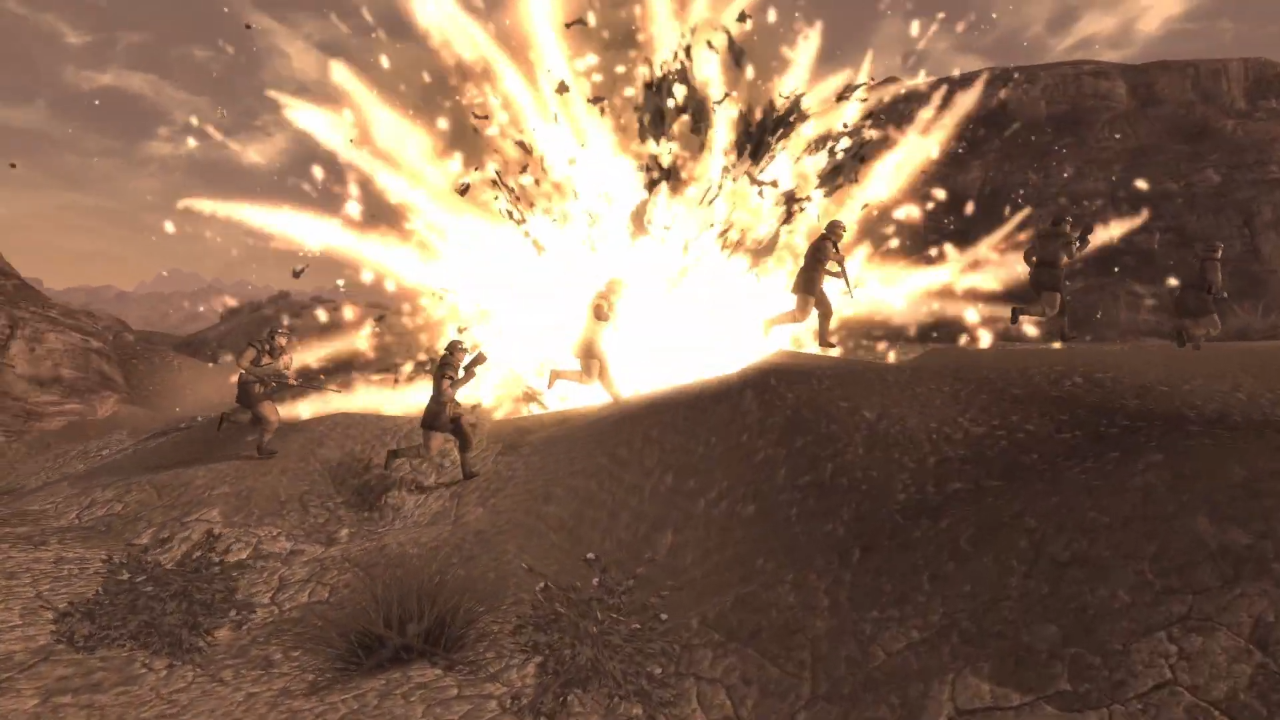
A shell hits the dam hard enough to make dust fall from the ceiling of the world. Modal Path Ethics moves.
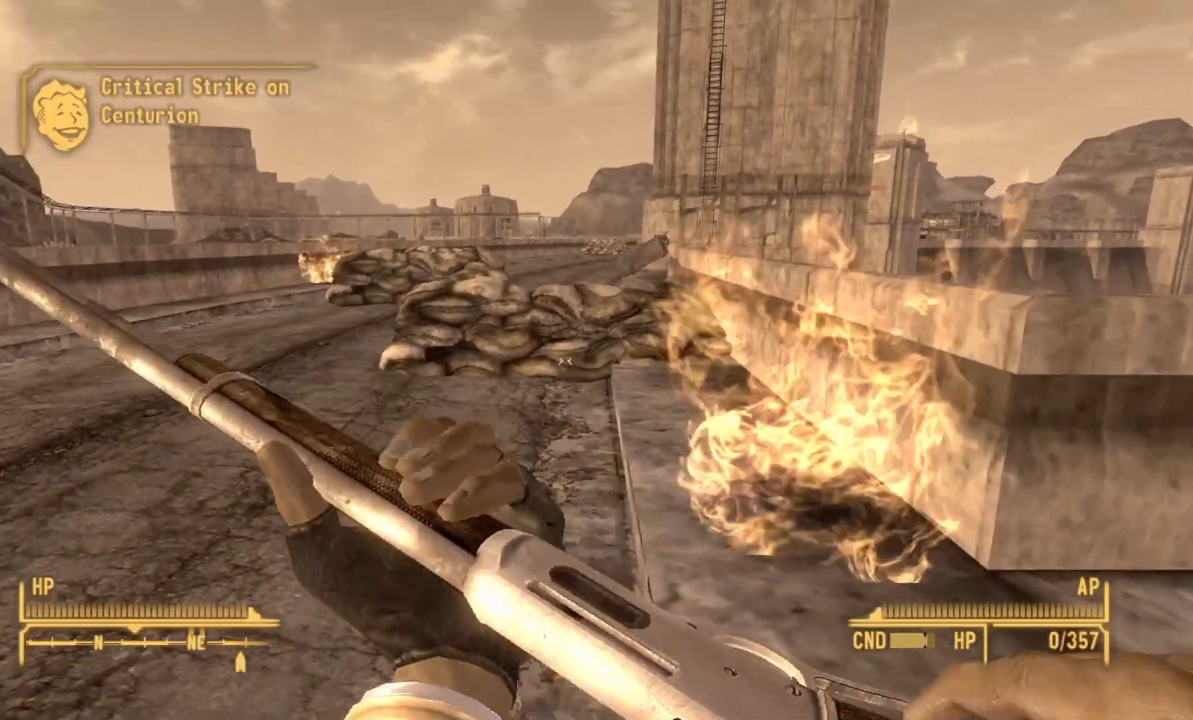
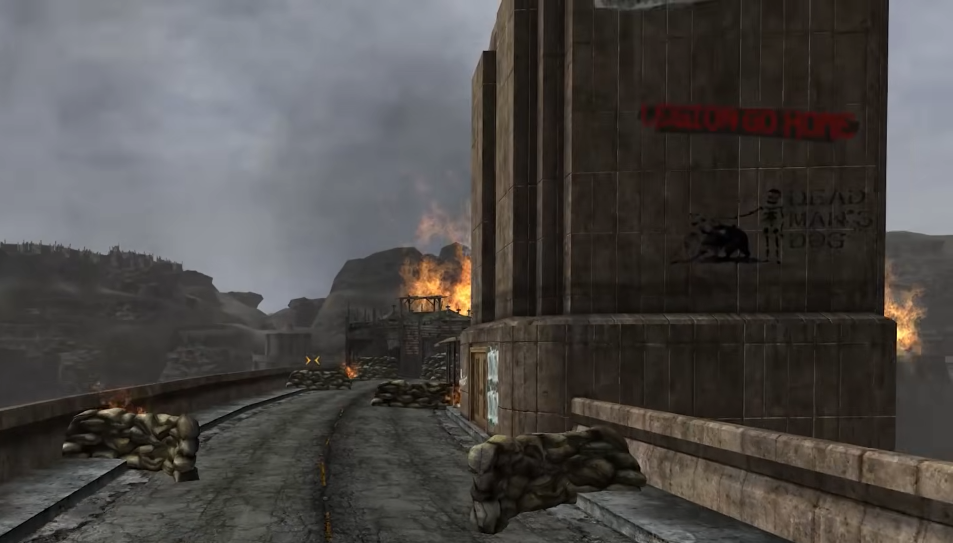
The chosen side is not a side of innocence. It is a side whose crimes can still leave records. That will have to be enough for now.
It is not going to be enough forever.
Four Futures.
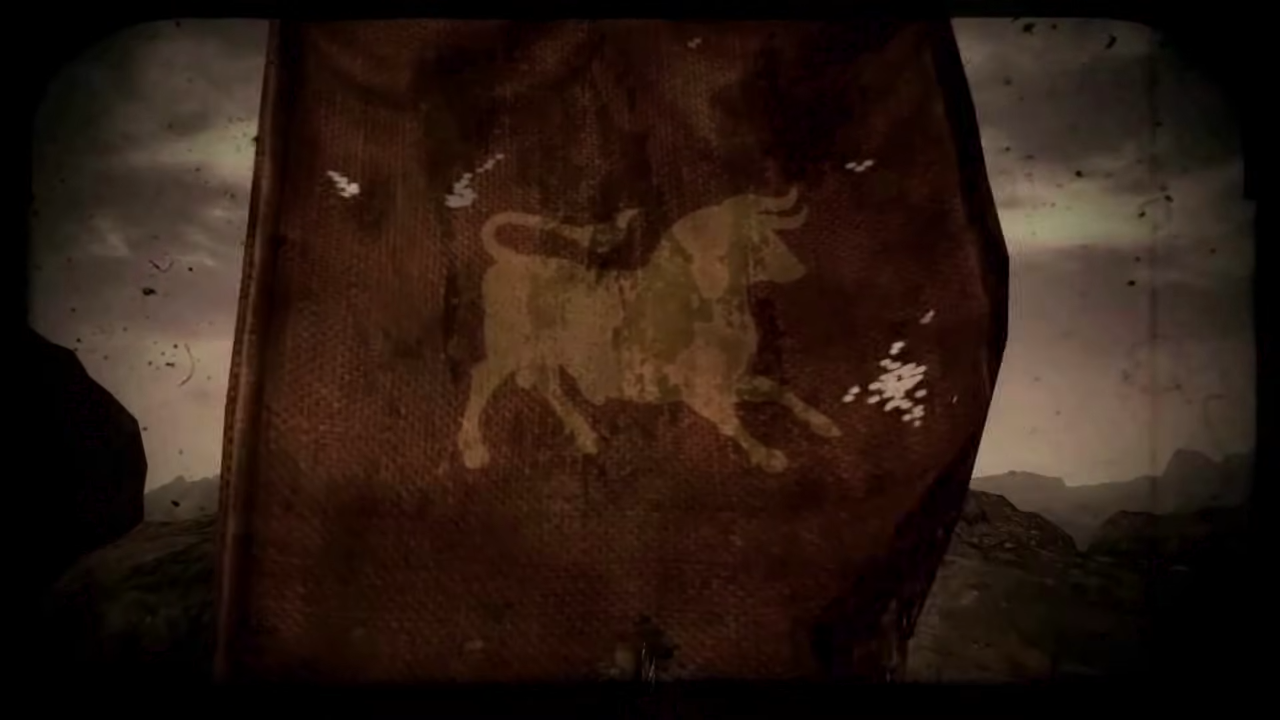
The Legion arrives first because the Legion is always trying to make its arrival look like fate.
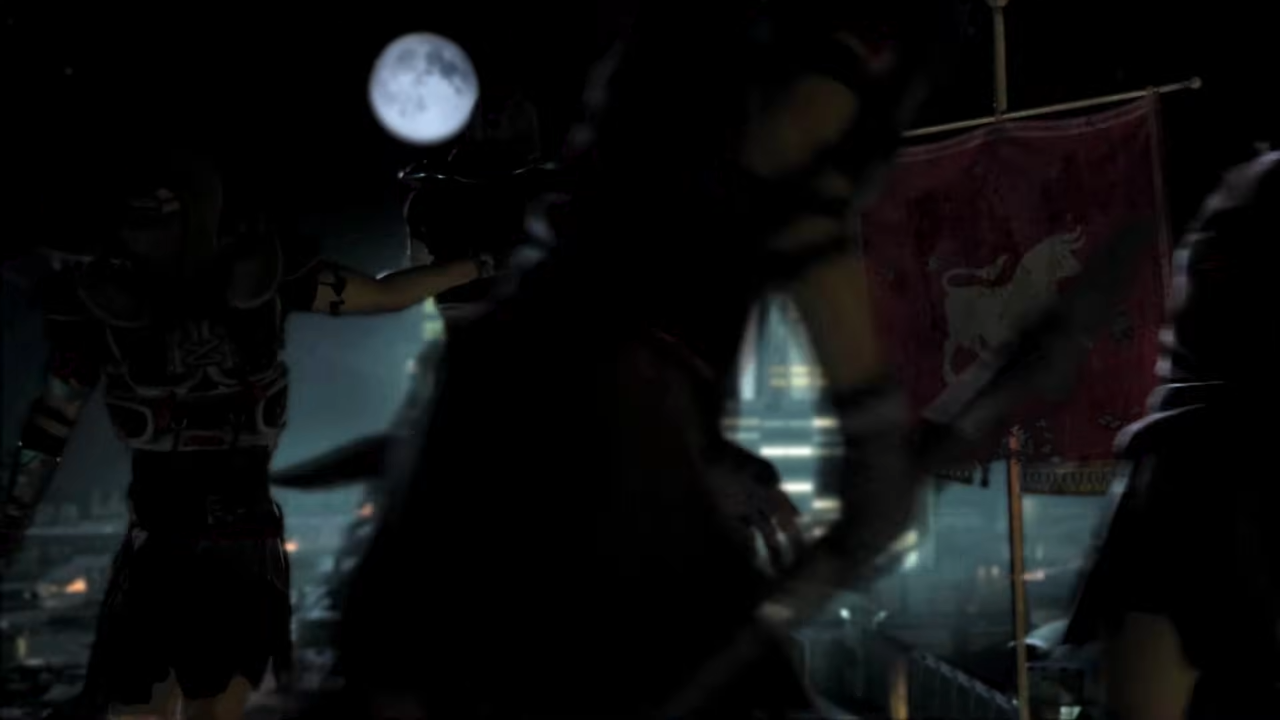
It comes with red cloth, iron discipline, football pads turned into imperial costume, and the old confidence of men who believe cruelty becomes philosophy if repeated in Latin.
The Legion is easy to underestimate if one mistakes ugliness for stupidity. Except the Legion is not stupid.
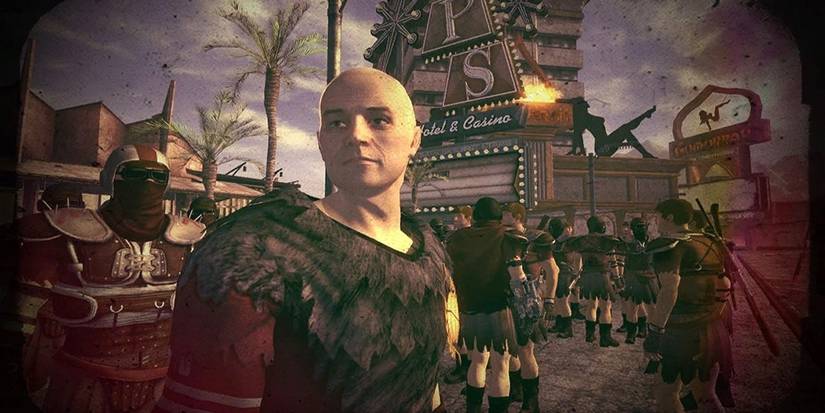
Caesar can diagnose the weaknesses of the New California Republic with irritating accuracy. He understands decadence, overstretch, nostalgia, imitation, institutional rot. He can look at a failing republic and name some of its failures.
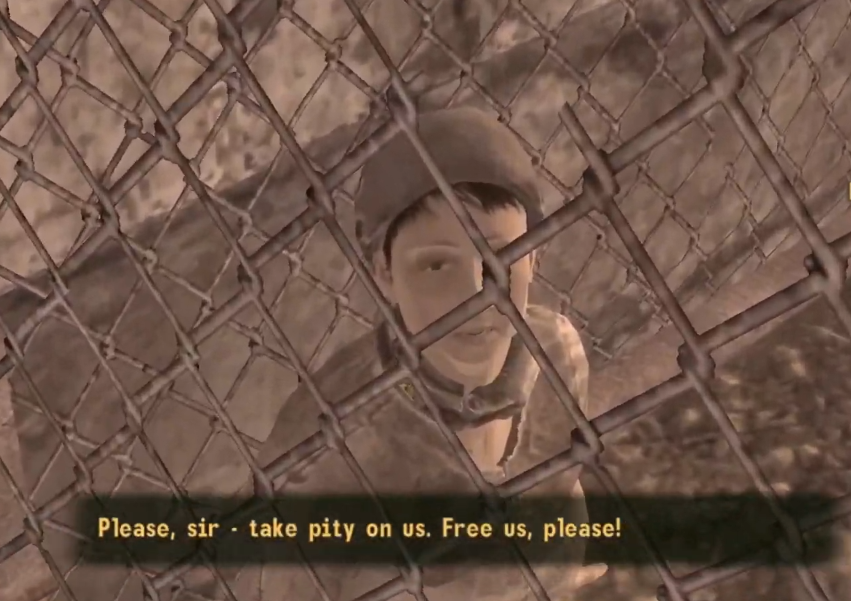
This is where Modal Path Ethics stops being impressed.
Diagnosis is not repair. Historical vocabulary does not sanctify a collar.
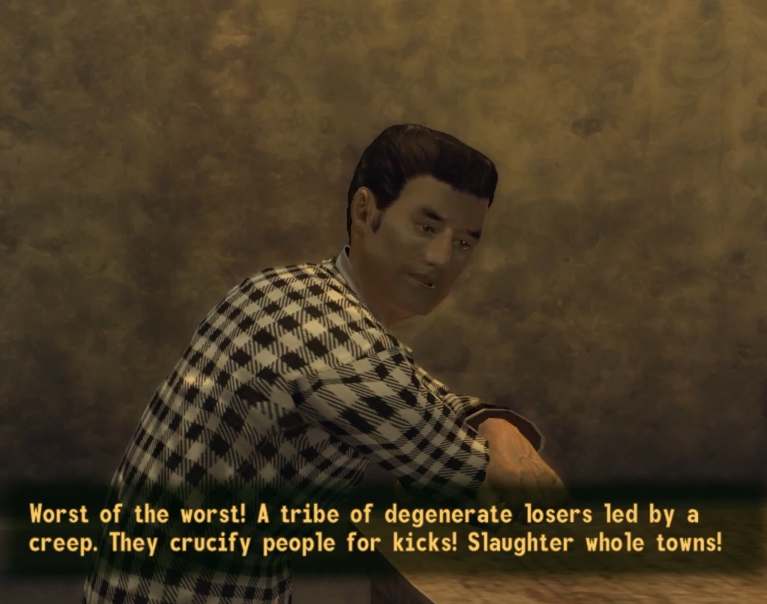
The Legion reduces the number of futures available inside its territory. Tribes become auxiliaries, slaves, corpses, warnings, or stories Caesar tells about inevitability. Women become infrastructure. Dissent becomes a lesson. Mercy becomes mismanagement. Local difference becomes material to be burned, broken, renamed, or nailed somewhere visible.
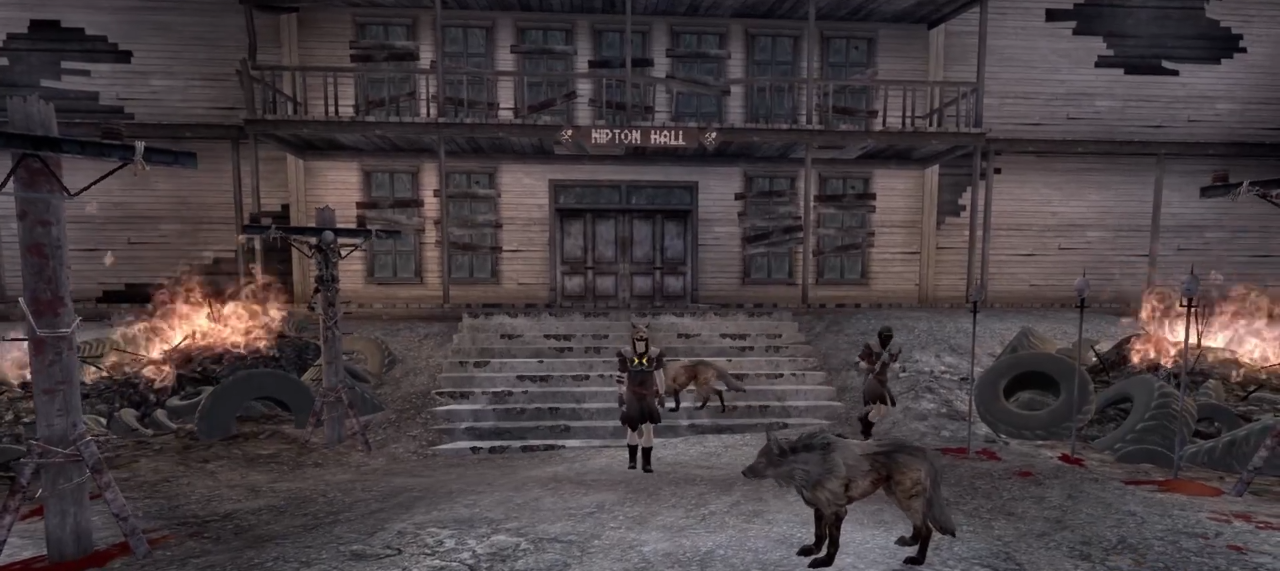
Modal Path Ethics remembers Nipton before it fully remembers deciding to remember it.
A town had been staged as a sentence.
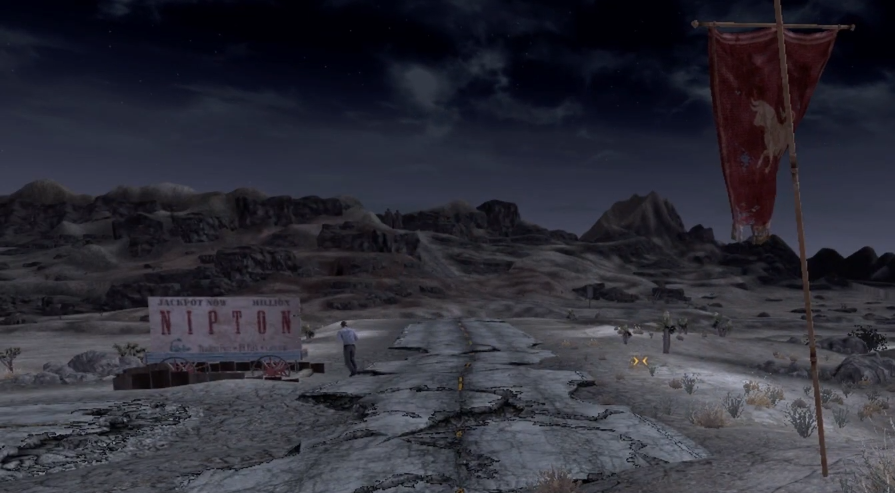
The lottery. The bodies. The winner walking away with horror behind him like a certificate. Nipton was authored. The Legion converted a place into pedagogy. It made terror legible and called that order.
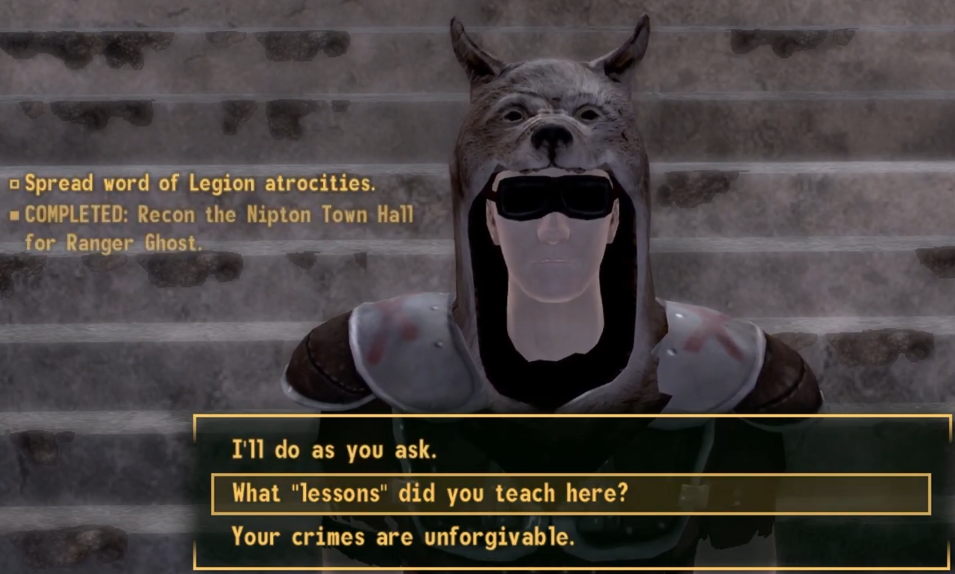
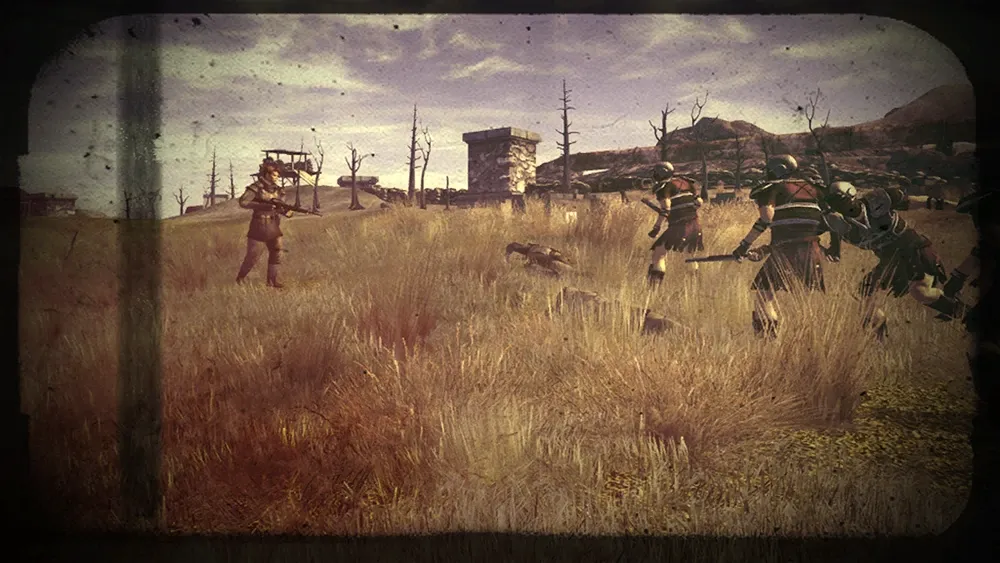
Across the dam, Legionaries push through smoke with blades raised.
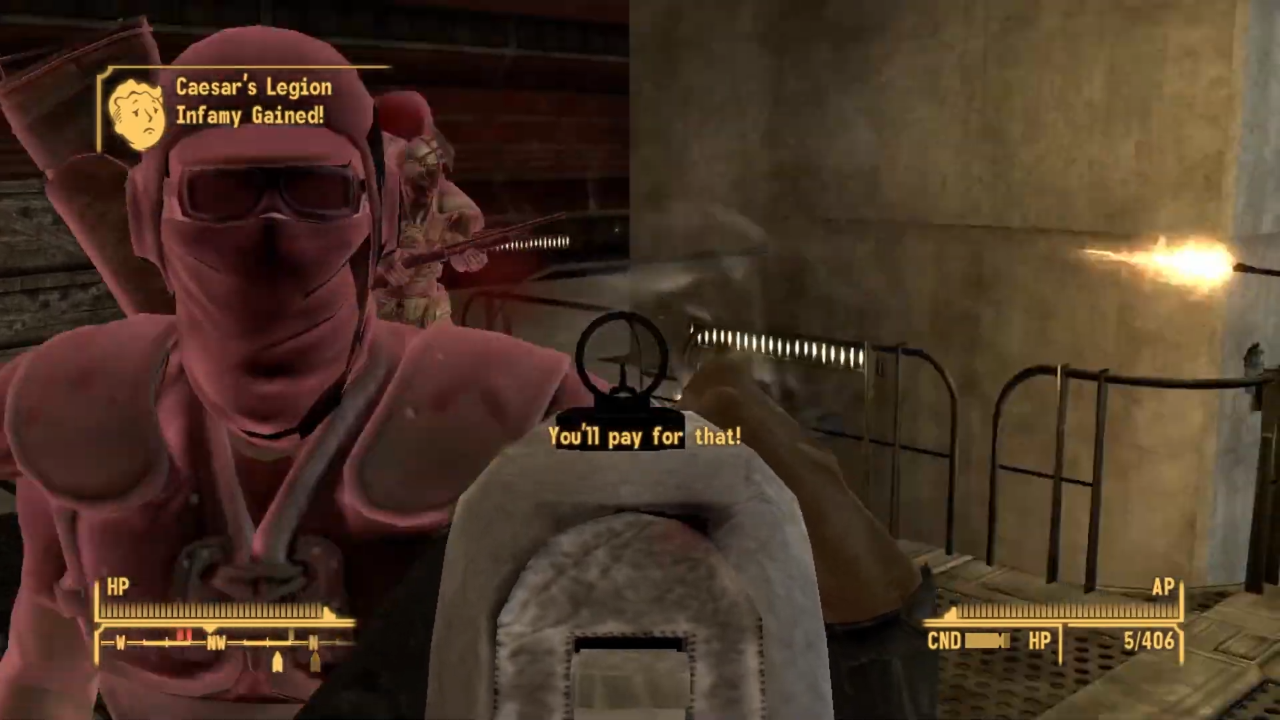
Modal Path Ethics does not wonder what this future makes reachable.
It has already seen the syllabus.
The second future watches from a tower that no longer has its king.
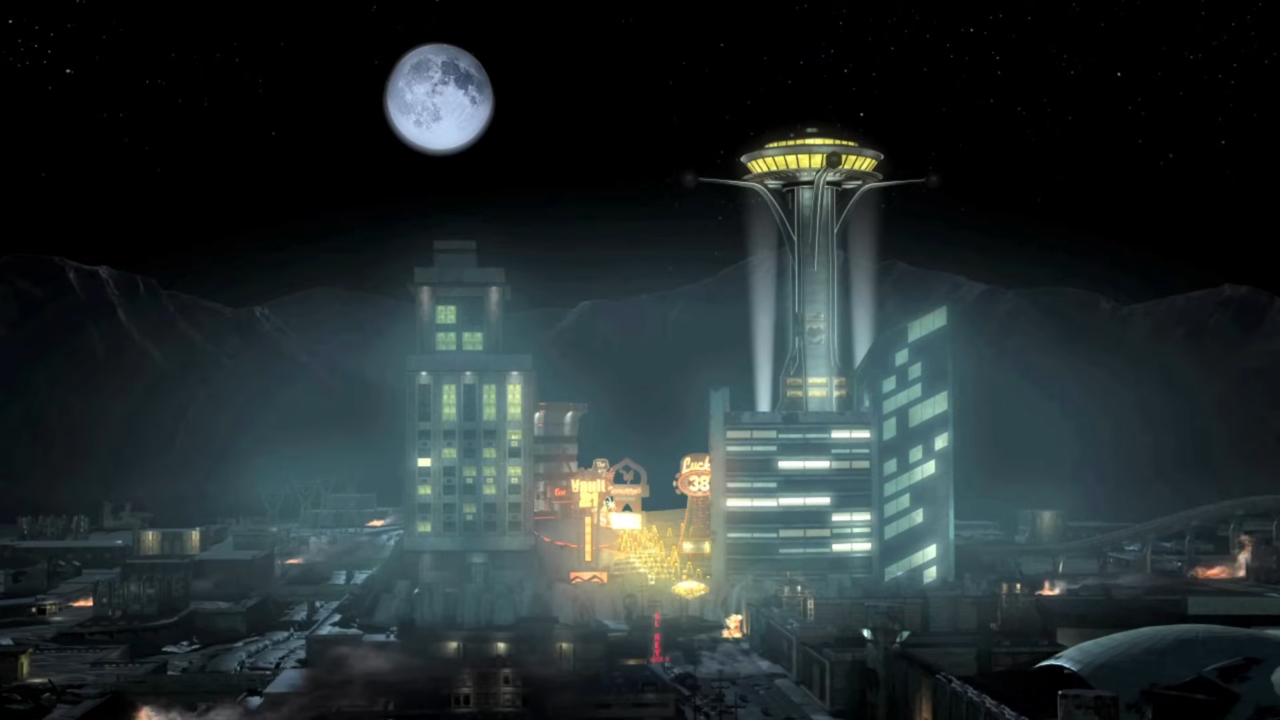
Mr. House is long dead by the time Modal Path Ethics reaches Hoover Dam. The old man is one of the bodies under this road.
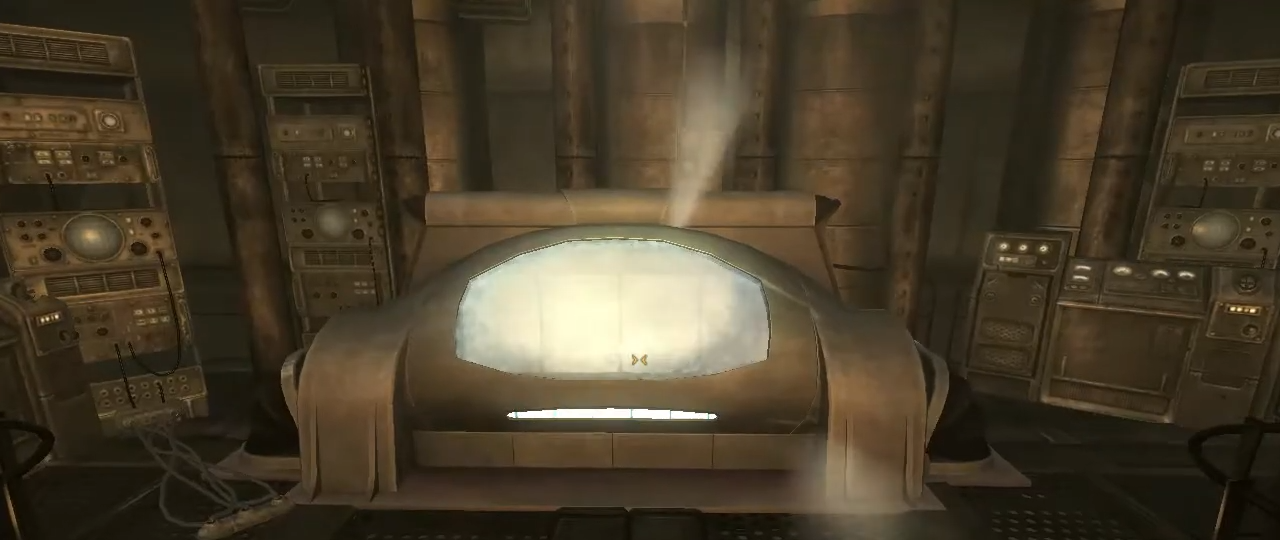
But his future is still present.
The House ending is a theory of continuance: one brilliant controller, one preserved city, one long plan extending past the petty failures of everyone else.
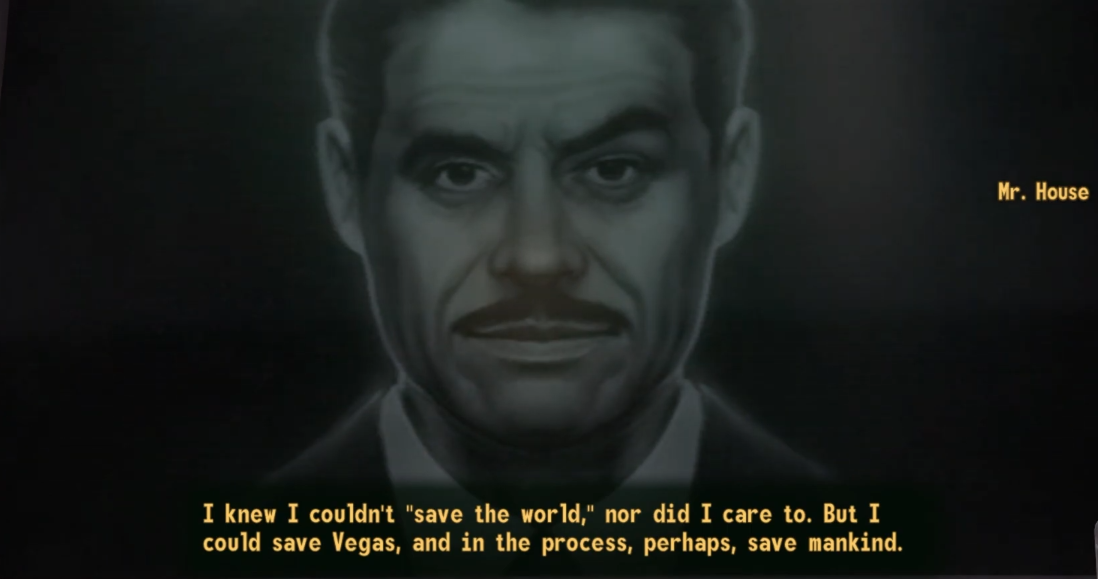
House is tempting because he is not a simple monster. A stupid tyrant is easier. House has the unbearable advantage of being completely right about some things.
He preserved Las Vegas. He anticipated catastrophe. He understands development, technology, diplomacy, industrial recovery, and the civilizational scale of the problem better than almost anyone still drawing breath through the Mojave’s dust.
He has a plan.
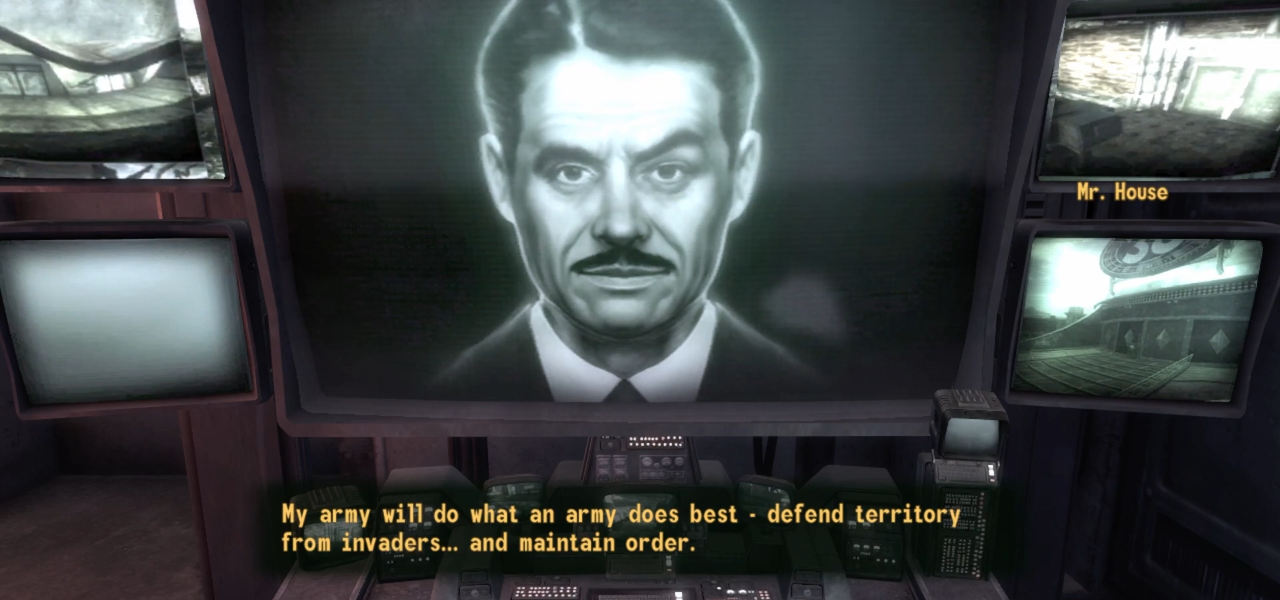
The problem is that the plan has him at the center forever, or near enough to forever that everyone else becomes temporary.
His New Vegas is a future with one protected aperture.
- Power enters through House.
- Permission exits through House.
Civilization survives as a proprietary system with a landlord in the root directory.
There are worse futures than that. But that is not a defense.
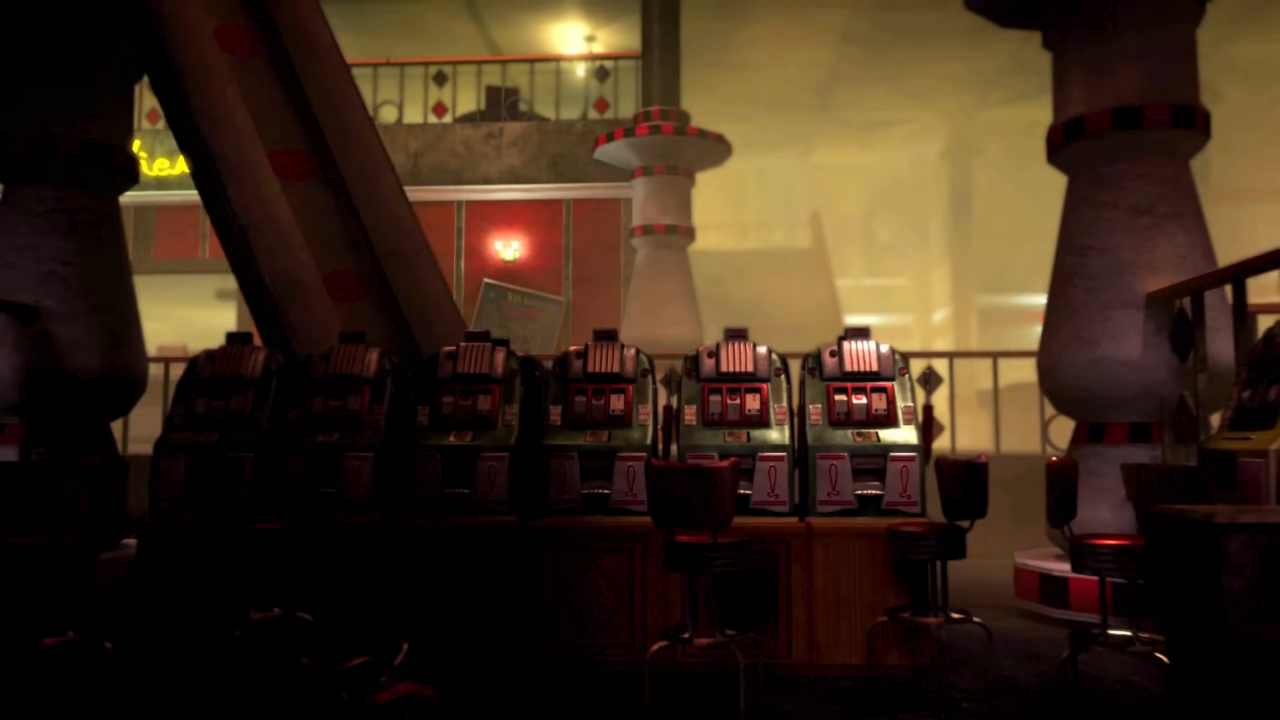
A managed future can preserve life while starving agency. A perfectly lit casino can still be a locked room.
Modal Path Ethics does not reject House because he cannot keep order. His order has too few successor paths inside it.
If the future depends on the genius at the center staying necessary, the future has been built with a bottleneck where a polity should be.
The third future smiles.
That's how it gets you.
Independent Vegas offers the clean emotional shape:
- no Caesar,
- no House,
- no annexation,
- no taxes arriving behind exhausted soldiers,
- no Republic swallowing the Mojave and calling indigestion development.
This feels like liberation.
It feels like the Courier standing on the dam and refusing every empire at once.
Modal Path Ethics respects the temptation.
Then, it checks the machinery.
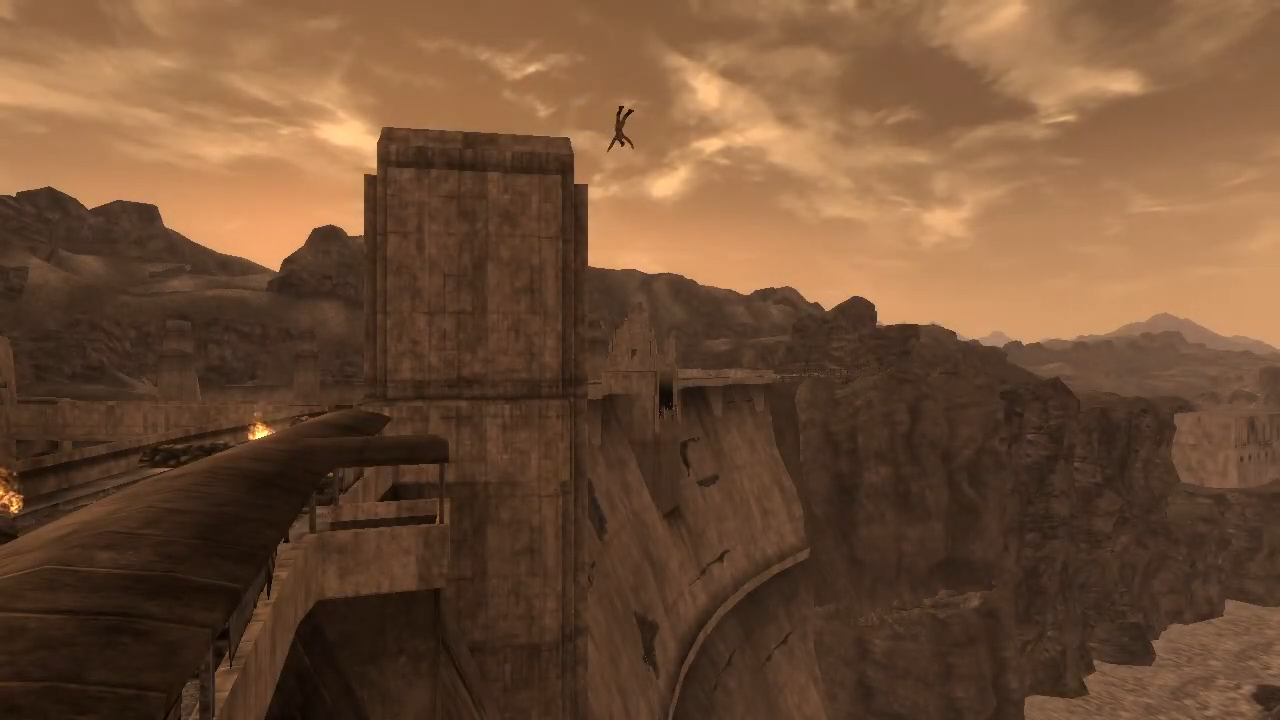
Independent Vegas depends on the Courier’s exceptionality becoming political structure.
This is not a small problem.
The Courier has moved through the Mojave like a walking discontinuity:
- shot in the head,
- risen from a shallow grave,
- armed with unnatural access,
- able to walk into sealed bunkers, casino suites, military camps, tribal camps, vaults, fortresses, presidential security failures, and the private chamber of a pre-War autocrat.
This thing is not a constitution.
This is a person with a gun and a quest log.
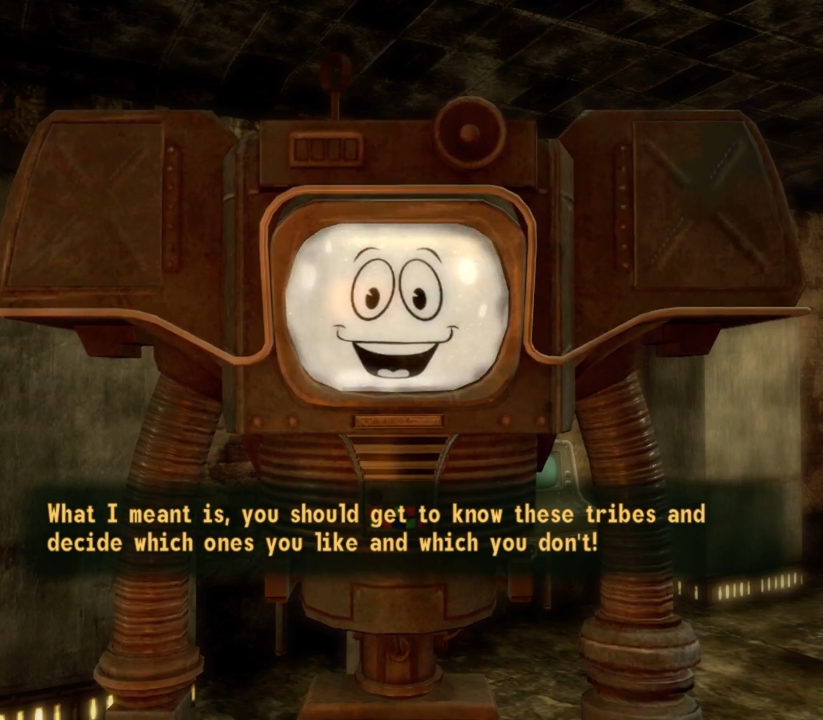
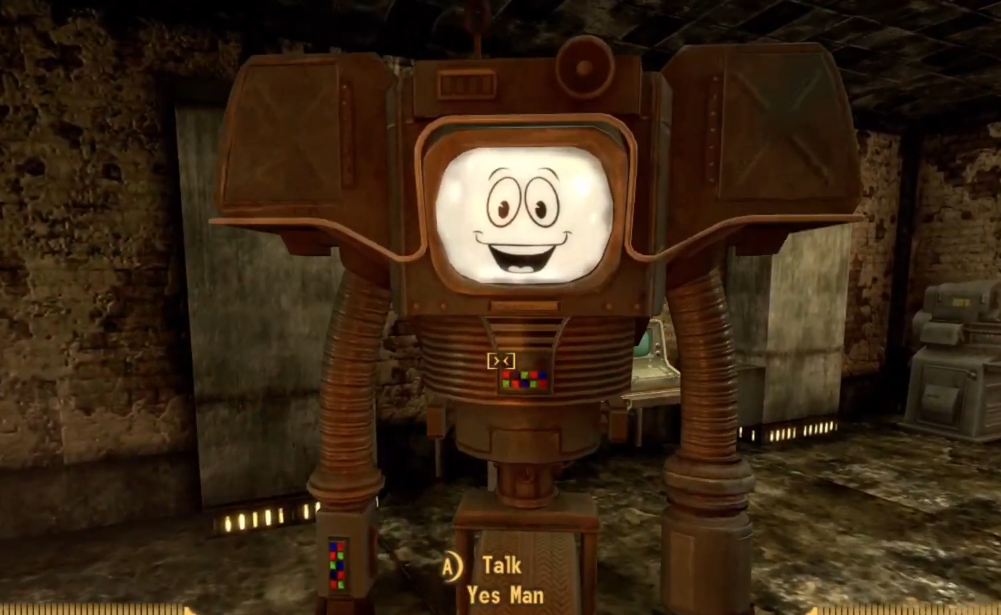
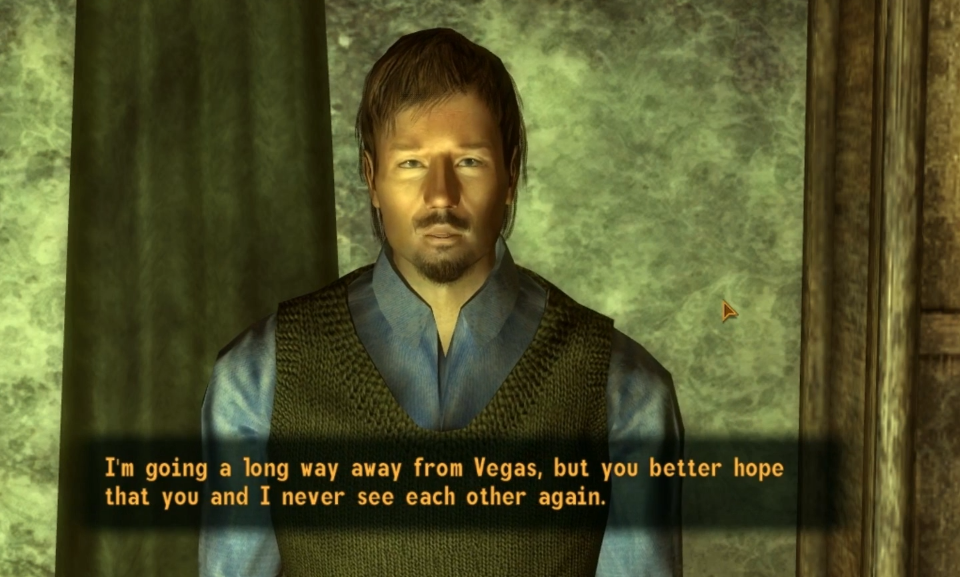
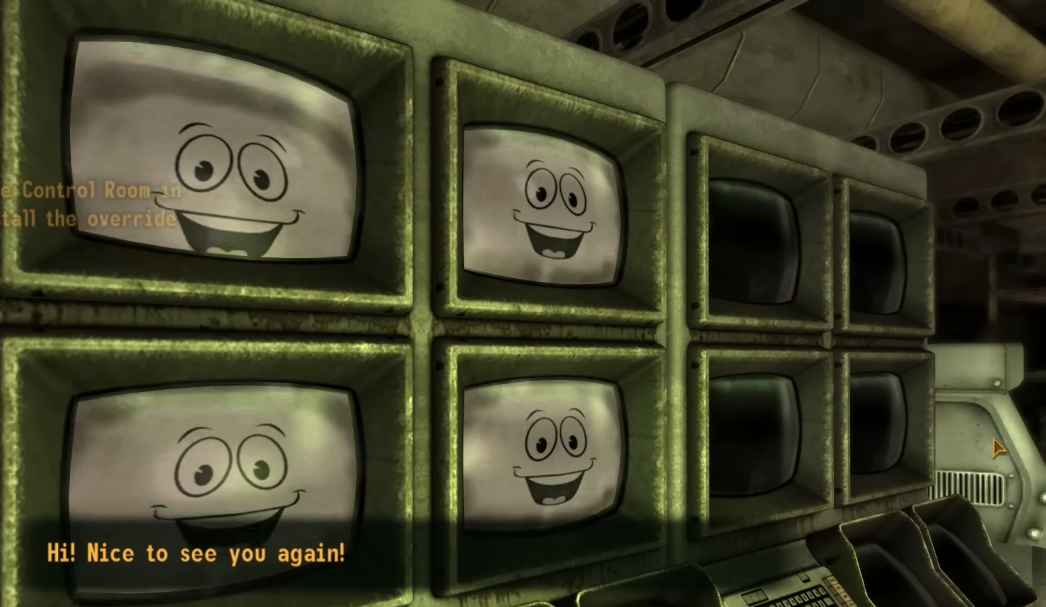
Yes Man makes the problem even worse by being so pleasant about it.
He is a button that smiles back. He will say yes because saying yes is what he has been made to do. That means the true structure of Independent Vegas is just whoever stands in front of him with enough force to define the next instruction.
Modal Path Ethics does not trust that.
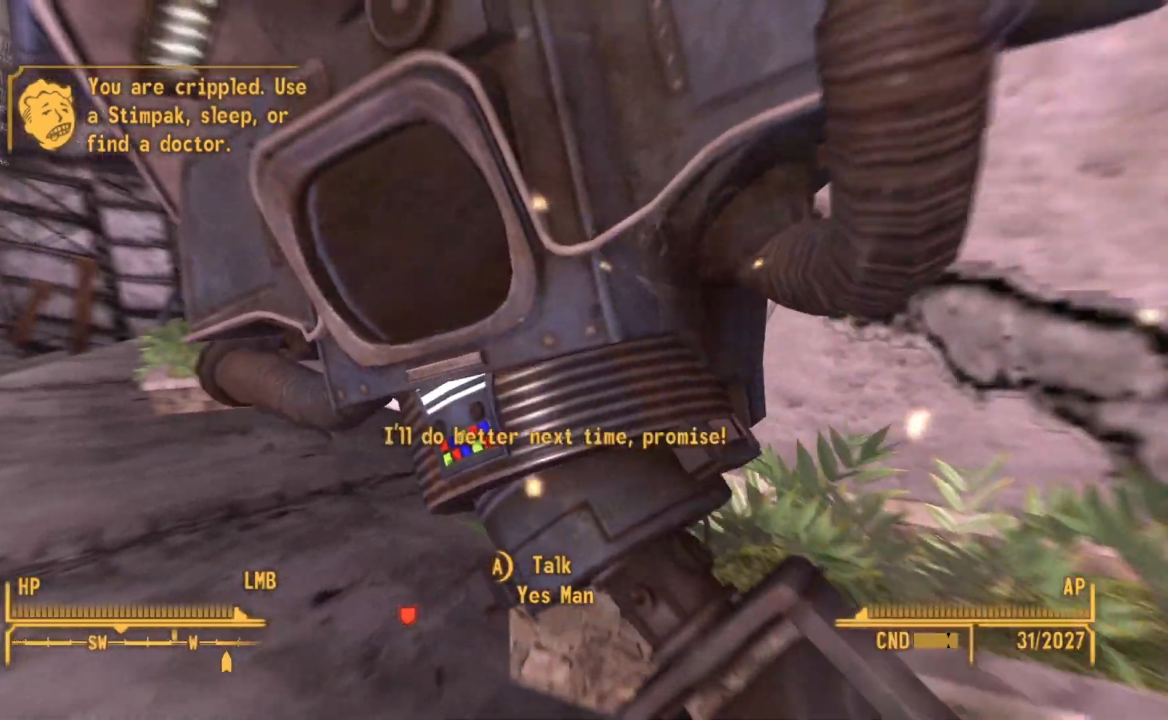
The Courier may be better than the Republic. The Courier is also one person. “Trust the protagonist” is how a field turns a miracle into a government.
The fourth future is already bleeding beside Modal Path Ethics.
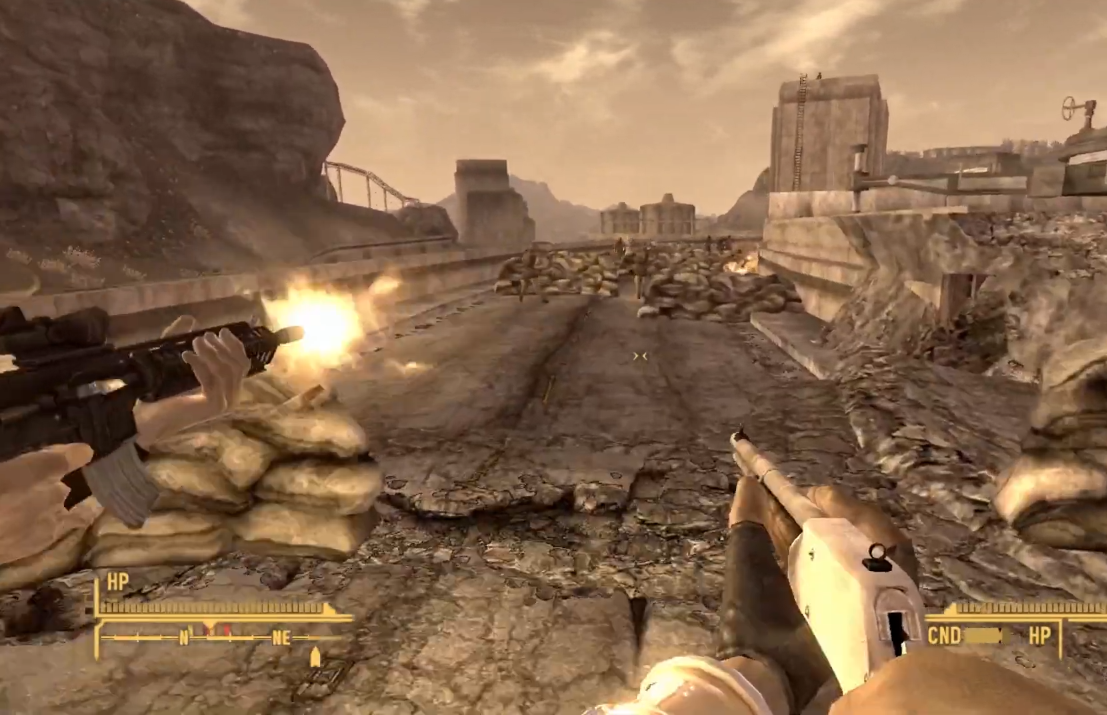
The New California Republic soldier behind the barricade is too young, or looks too young, which in the Mojave may only mean old enough to be killed.
His armor is dusty. His orders are confused. His government has asked too much of him and will probably misfile this lesson.
Somewhere behind him are officers who understand less than they command, politicians who want the dam as proof, contractors who can smell water from hundreds of miles away, and bureaucrats preparing to rename extraction as service.
This is Modal Path Ethics' chosen future.
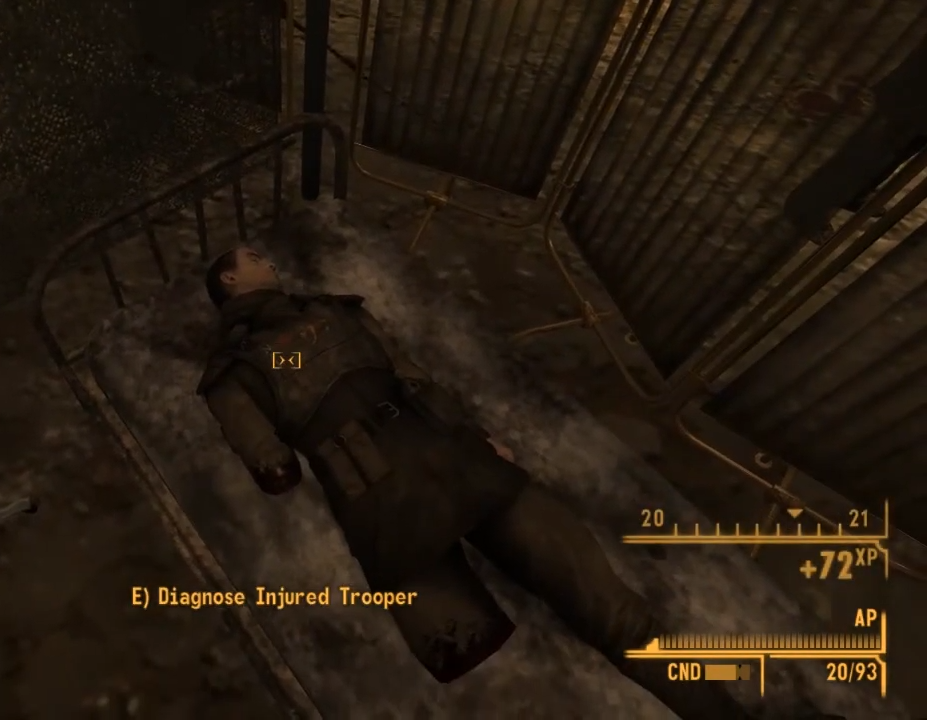
It is important to let that be embarrassing.
The New California Republic is not the local community. It is not the Followers. It is not Goodsprings. It is not Freeside. It is not the Kings.
It is not the Mojave speaking for itself in one clear voice. It is a state arriving with rifles, roads, taxes, law, medicine, hunger, memory, paperwork, and the familiar imperial talent for calling tomorrow inevitable once enough people have died today.
But Modal Path Ethics chooses it anyway.
Because the Republic can inherit a field full of witnesses.
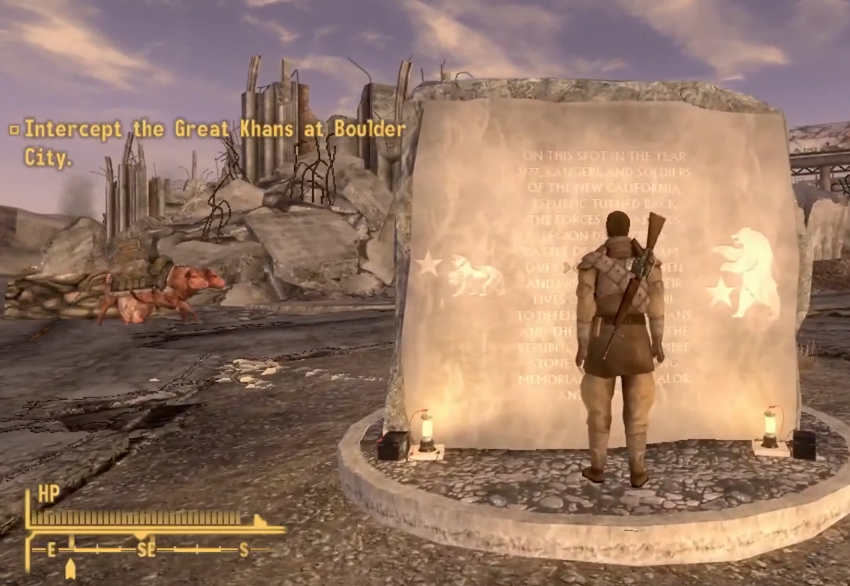
The New California Republic is the only available future where the Mojave can keep arguing after the battle without every argument becoming immediate treason, private disobedience against one immortal owner, or a referendum on whether the Courier is still around to keep the robots pointed correctly.
The dam shakes again.
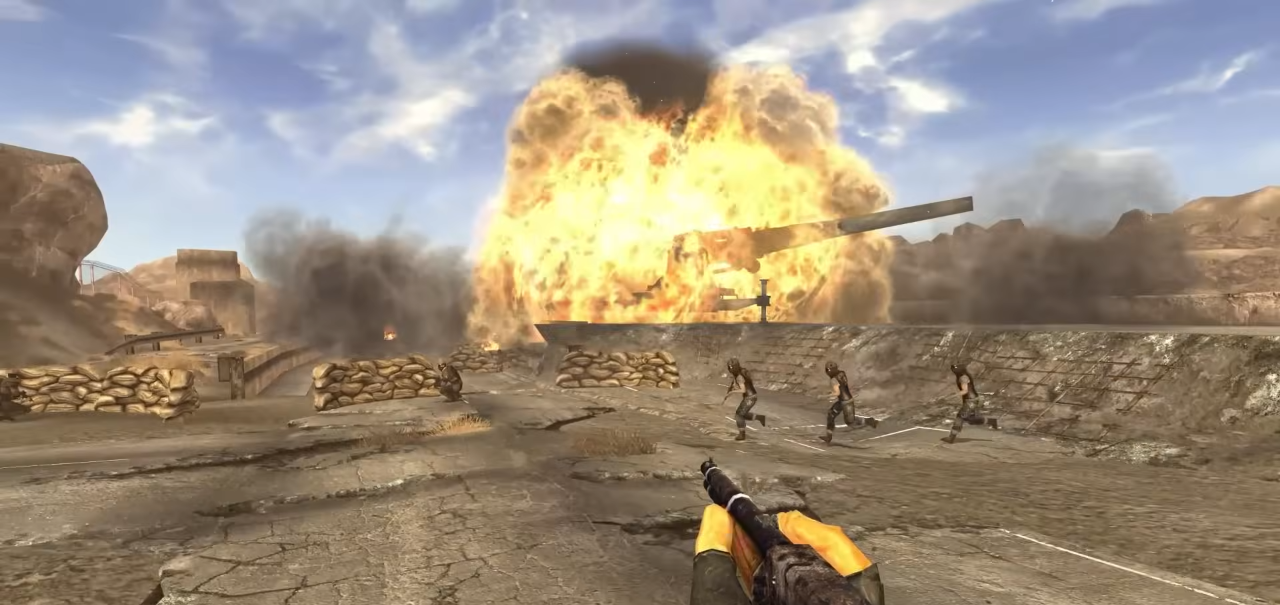
Modal Path Ethics keeps moving.
It has already chosen the Republic nobody wants.
The Tail.
Hoover Dam pretends to be the final decision because games like a final decision.
But the Mojave knows better.
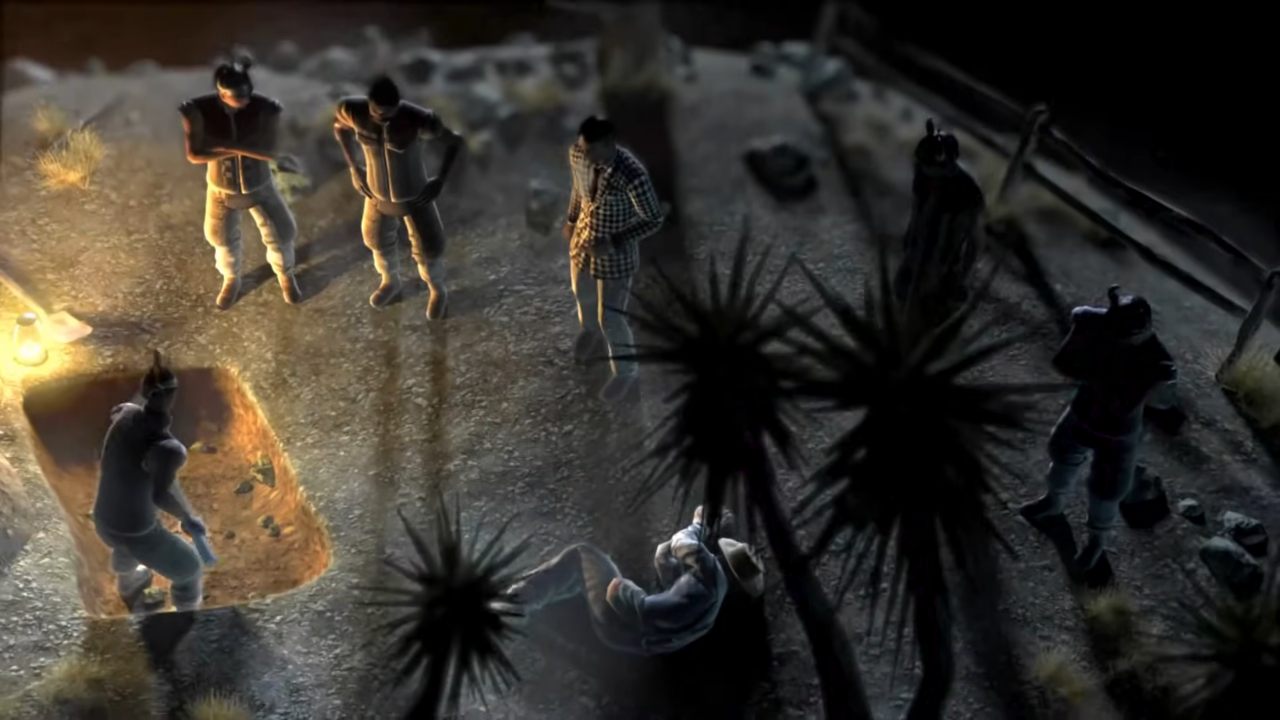
The final decision began in Goodsprings when a stranger with a head wound decided that a town being small did not make it disposable.
It continued in Primm when law appeared as a menu of bad fits. It continued in Freeside when starving people outside the Strip made it impossible to confuse lights with civilization, in Hidden Valley when a sealed bunker demanded patience instead of dramatic reform, in Gomorrah when nonviolence tried to disguise itself as letting a predator leave by the front door.
By the time Modal Path Ethics appears at Hoover Dam, it is already guilty of a route.
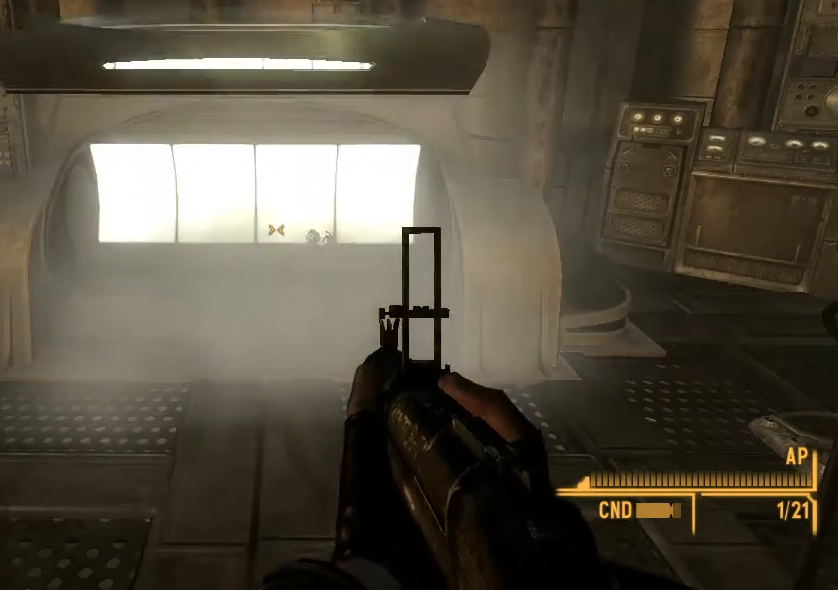
Guilty, and not because every choice along the route was wrong; because every choice has already closed something.
- A saved town can still become taxable.
- A spared faction can still become dangerous.
- A treaty can still stabilize a hoarding institution.
- A killed predator can still leave the killer standing outside the law.
- A murdered autocrat can still be a murdered person.
- A diverted tribe can still carry its damage with it.
- A rescued president can still return to the war machine with better polling.
Modal Path Ethics does not get to arrive at the dam as a judge untouched by the evidence. It is also evidence. The dust on it is from the path.
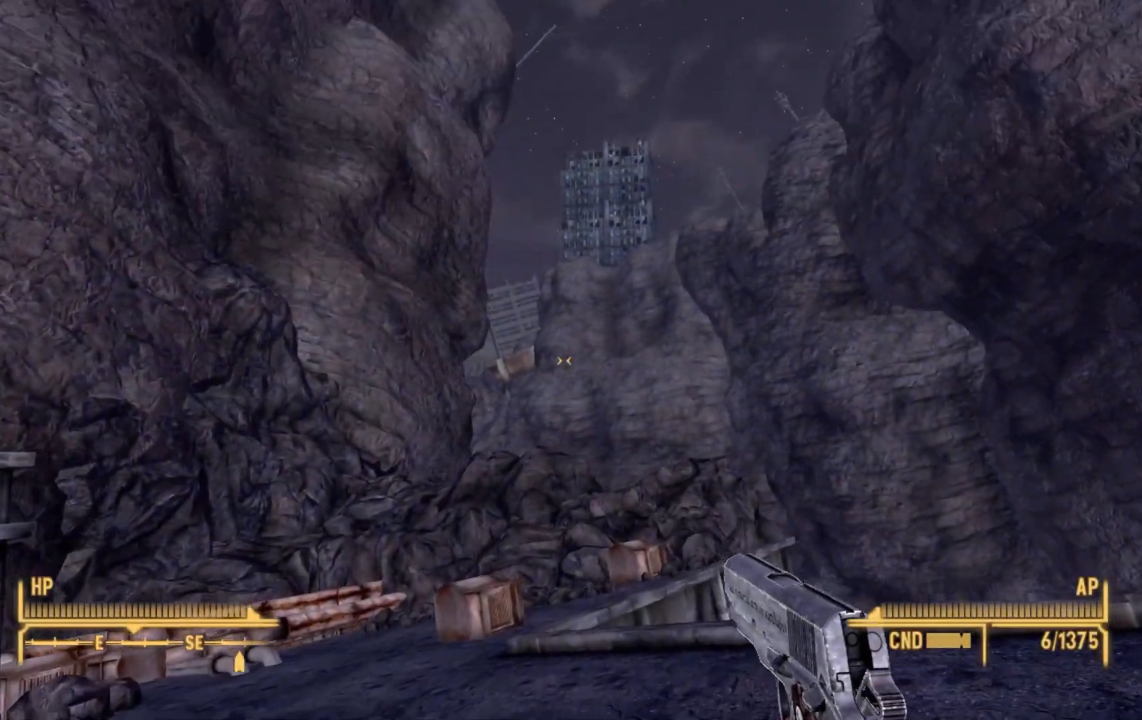
The future is constructed by prior refusals.
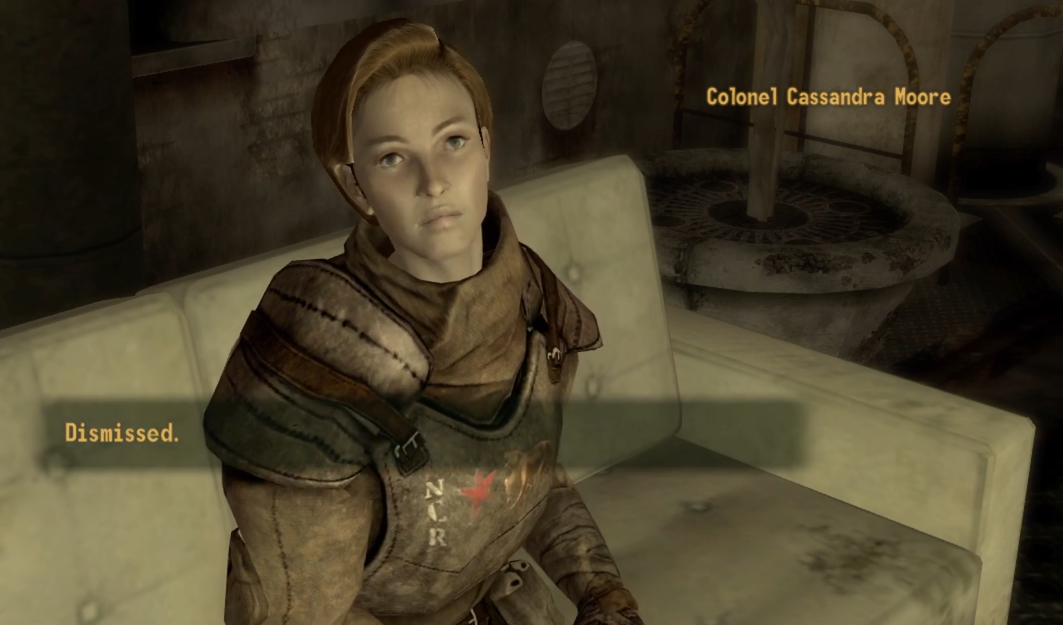
The Republic as first offered is worse than the Republic Modal Path Ethics brings to the dam. Colonel Moore would prefer cleaner deletions.
- Destroy the Brotherhood.
- Remove House.
- Solve the Khans.
- Neutralize the Omertas.
- Secure the dam.
- Neutralize the Omertas.
- Solve the Khans.
- Remove House.
Every rough edge can be converted into an objective marker. Every rival future can become a completed task. Modal Path Ethics has spent the entire route making the chosen ending less obedient to its own worst instincts.
That is the only way it can choose it.
- The Republic demanded a bunker death.
- Modal Path Ethics brought back a treaty.
- The Republic had paths toward killing the Kings.
- Modal Path Ethics preserved a favor and spent it before anyone had to spend ammunition.
- The Republic could receive the Khans as enemies, subjects, or corpses.
- Modal Path Ethics opened a road.
- The Strip wanted its rot handled quietly.
- Modal Path Ethics disagreed.
None of this redeems the Republic, but it makes the Republic available for selection without making Modal Path Ethics lie first.
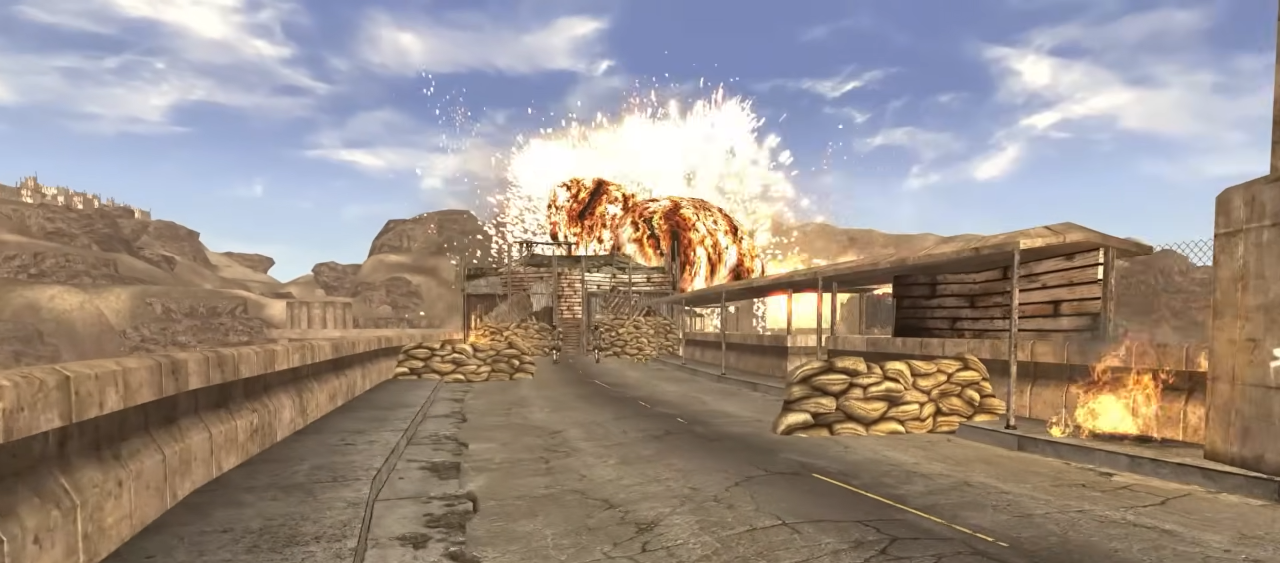
Another radio call cuts through the air. Someone says the line is breaking. Someone else says hold. The dam answers in vibration rather than language.
Modal Path Ethics turns from the river ahead to the interior.
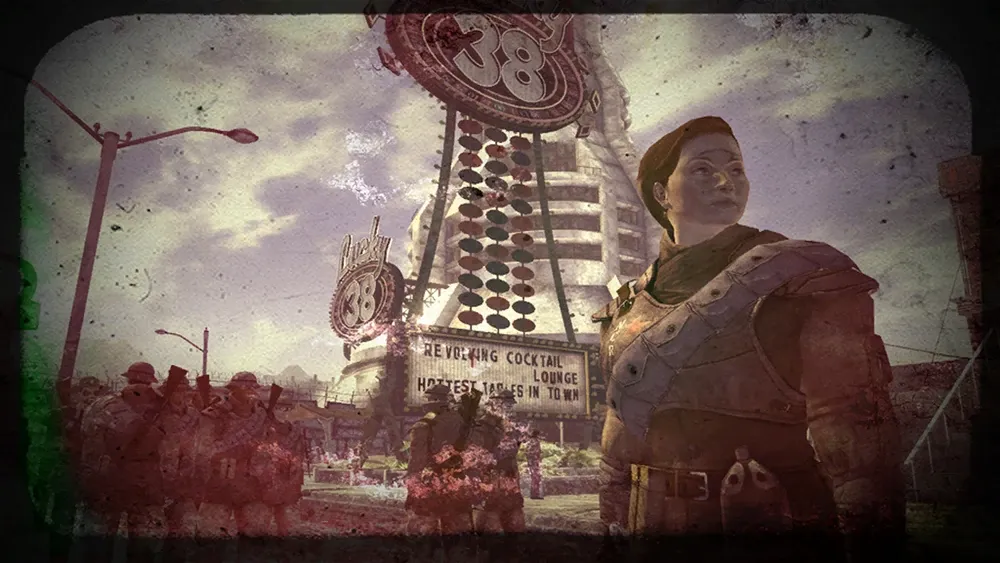
- There is a dead man in the Lucky 38.
- There is a dead man in Gomorrah.
The Man in the Tower.
There is a dead man in the Lucky 38.
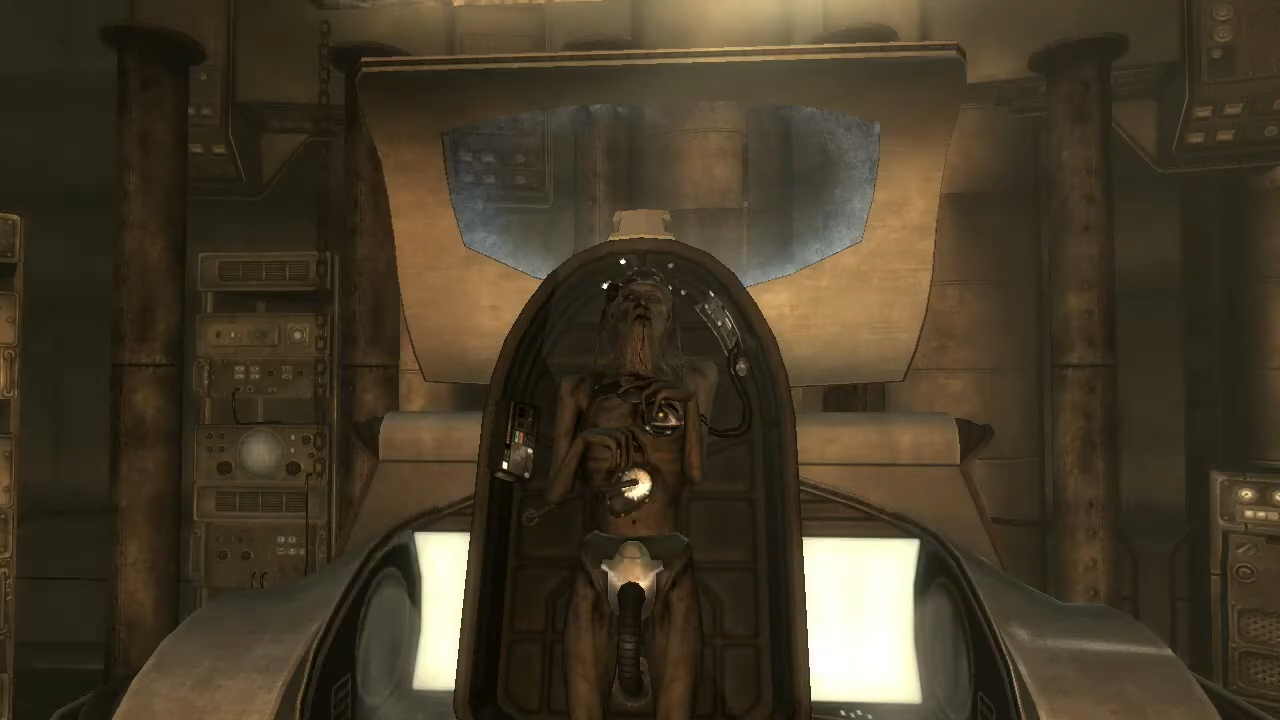
Modal Path Ethics does not let the dam make the dead man smaller.
This would be easy to do. This battle is loud enough. The Republic has many objectives to complete. The Legion is crossing the river. The Strip has already moved on in the way rich places always move on; by polishing the surfaces that survived and charging admission to the continuity.
Mr. House can become a checkbox if the memory is allowed to flatten:
- remove House,
- report to Moore,
- proceed to the dam.
Modal Path Ethics does not allow this. The dead old man in the machine remains present. The route to Hoover Dam passed through his body.
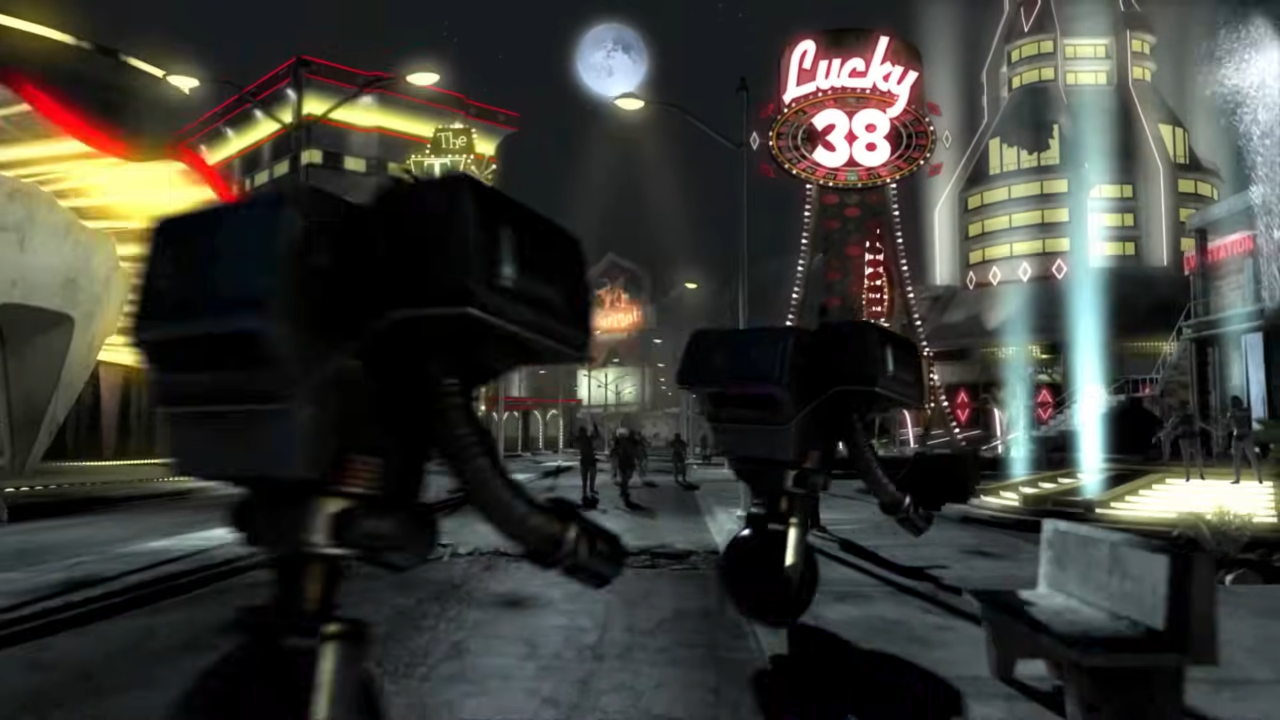
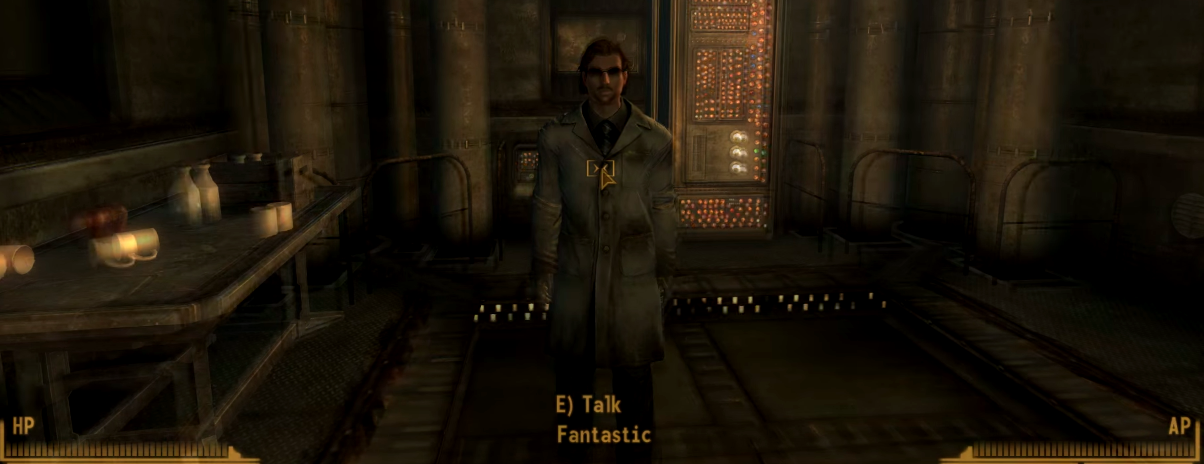
The Lucky 38 was a tower pretending to be a civilization.
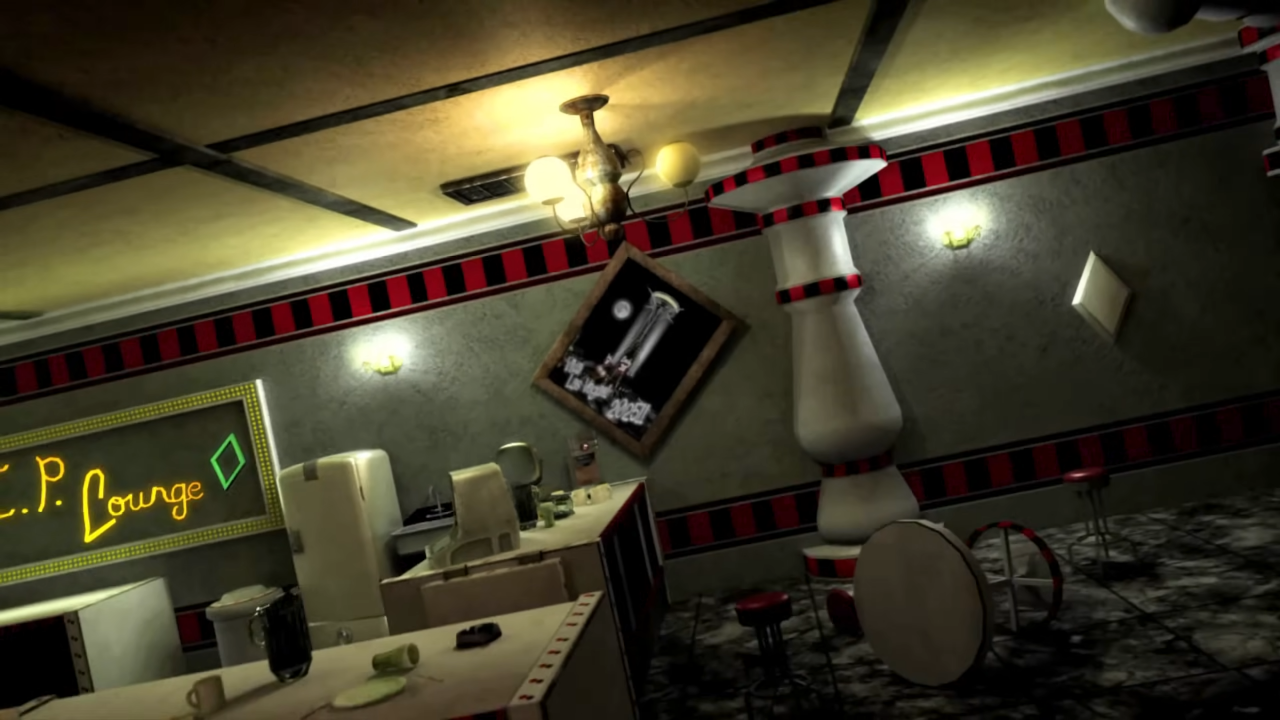
It stood over the Strip like a lit argument for preserved command.
Every elevator moved through managed silence. Every securitron implied a perimeter. Every casino below continued because a pre-War will had survived the fire, the years, the tribes, the families, the wars, and the idiocy of history long enough to say:
Mine.
Then the chamber opened.
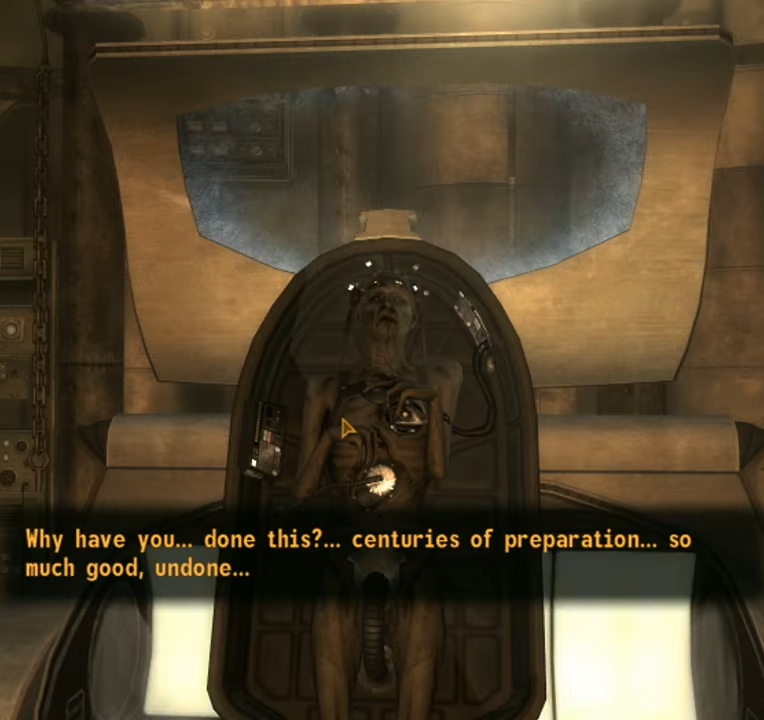
That is the first insult the route does to clean decision-making.
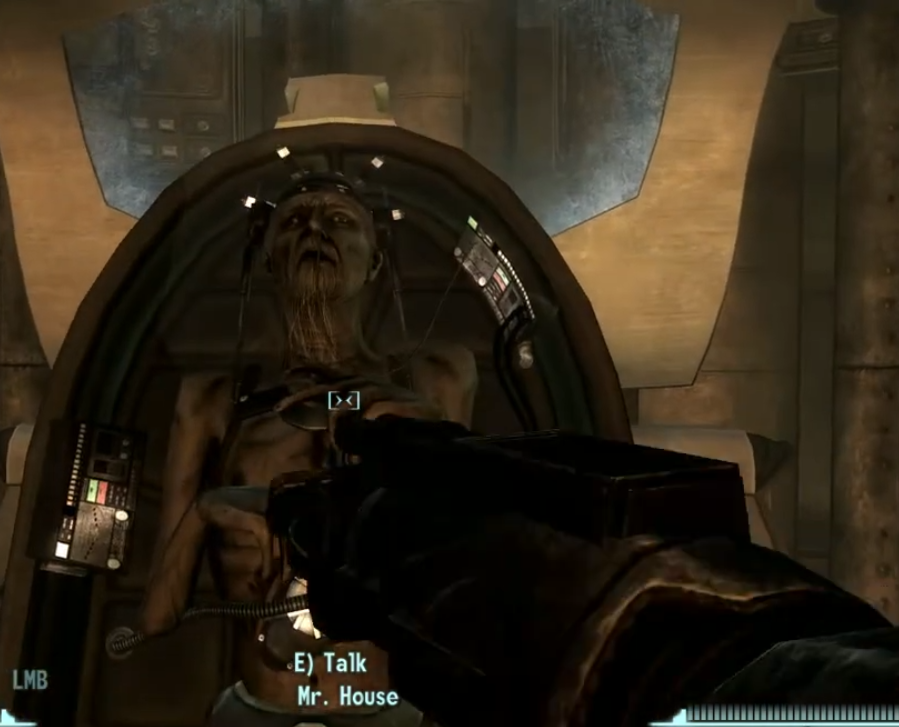
House is pretty easy to oppose as a face on a screen. A body is harder.
A body has lungs, skin, age, horror, dependency. A body can be wrong without becoming simple. A body can be dangerous without becoming disposable.
And Mr. House is dangerous.
He has saved part of the world by refusing to let go of it.
He has preserved Las Vegas through arrogance, foresight, calculation, wealth, automation, and a survival instinct so extreme it outlived the civilization that made him.
He can speak at a scale most people in the Mojave cannot even afford to imagine. He thinks in centuries while soldiers die by the minute and hungry people bargain by the meal.
A proprietary system with a landlord in the root directory.
Modal Path Ethics cannot leave the Mojave inside that.
It also cannot pretend removing him is clean.
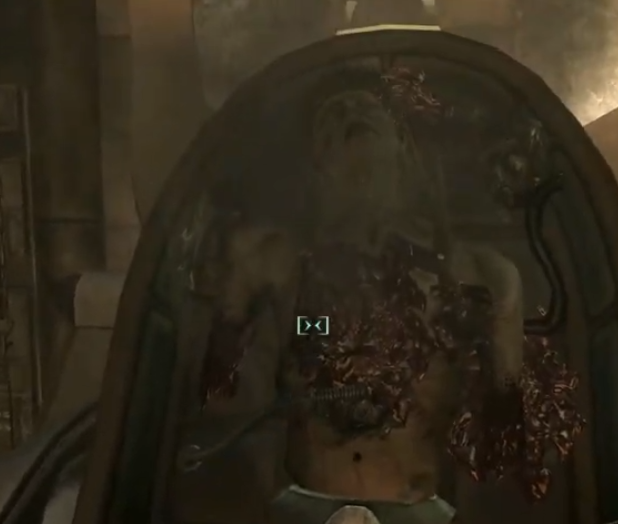
House’s body and House’s control system are too closely bound. The system offers no gentle severance. There is no option where this old man retires with a medical team, a hostile memoir, and limited voting rights.
There is no tribunal that can receive him. There is no negotiated demotion from autocrat of a preserved city to one brilliant citizen among others.
The chamber presents only uglier verbs.
- Kill.
- Disable.
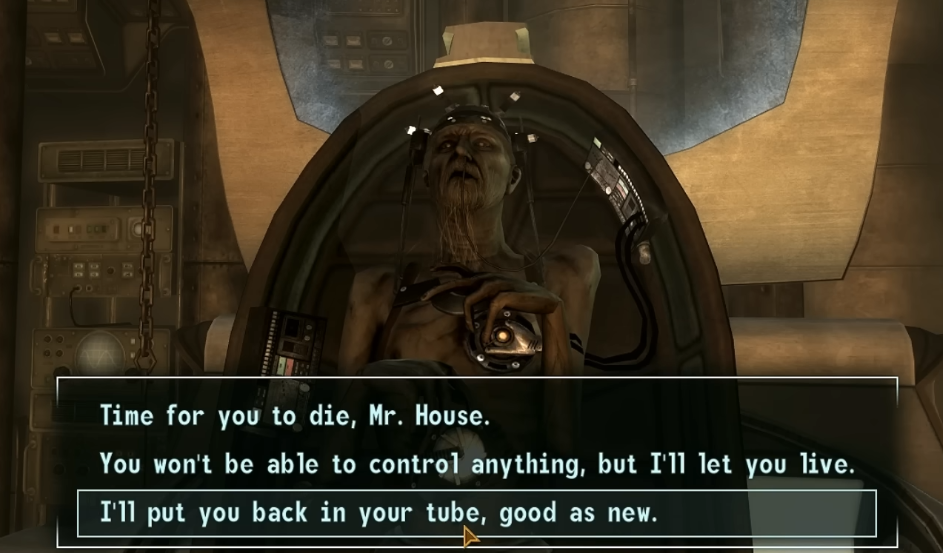
The softest-looking phrasing is the worst lie of the three.
Leaving House alive but severed from agency would preserve process while destroying participation. It would keep the body breathing after speech, consent, command, repair, refusal, and self-description have been stripped away.
That is not continuance.
So Modal Path Ethics kills him.

No trumpet sounds when the controller dies. No theory turns clean. The death of House prevents one bottleneck future and creates a wound in the path that prevents smugness forever afterward.
Modal Path Ethics does not kill him because this man deserves to vanish.
It kills him because his continued command would route the Mojave through one surviving will, and the available alternatives offer no honest way to remove the command while preserving the man as a participant in the field.
The distinction does not absolve the act.
A living person is dead.
A possible future is closed.
A city loses the mind that preserved it.
The Republic benefits from a killing it did not have the courage, jurisdiction, or imagination to process openly. Colonel Moore receives the result as progress.
The Strip receives the silence.
The dam waits ahead, already richer in ghosts than answers.
Modal Path Ethics leaves the Lucky 38 with the control question answered badly enough to be usable.
This is the first remainder.
The second waits in a casino that pretends the wasteland stops at the door.
Gomorrah.
Gomorrah is what happens when an apocalypse learns hospitality.
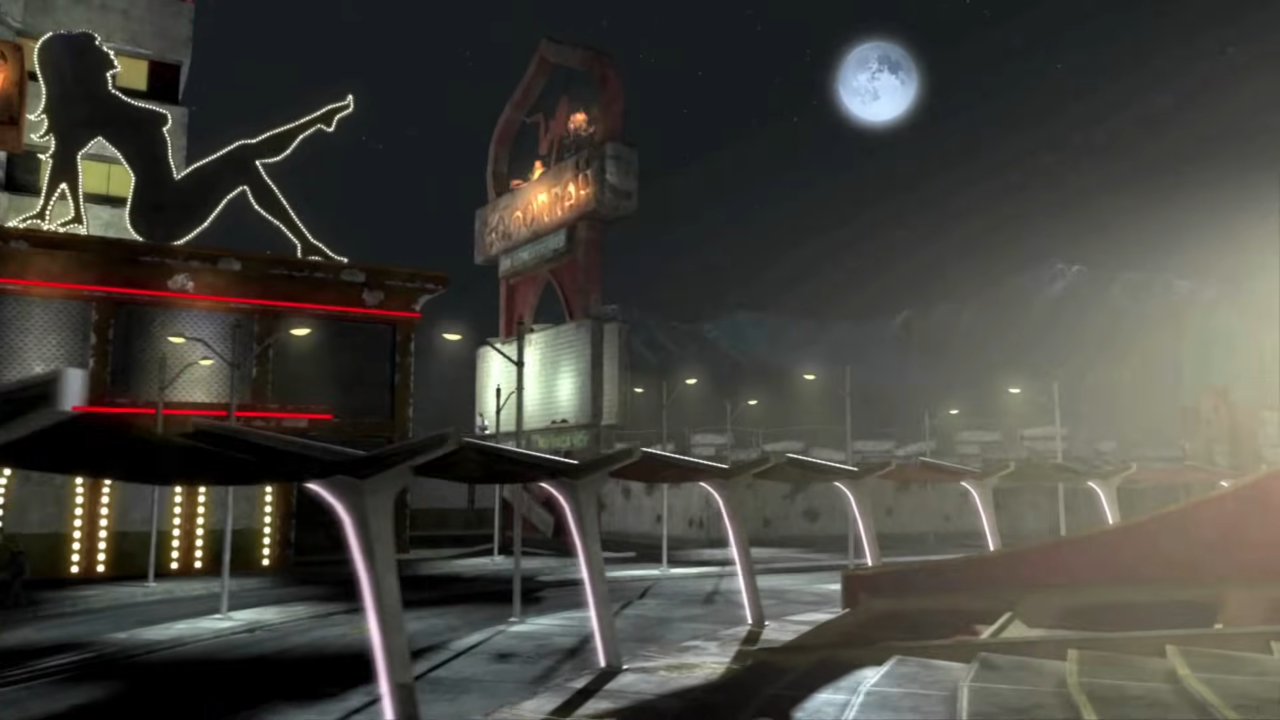
The carpet is obscene before the facts are. The lights are too soft. The air is too warm. The whole building seems designed to make judgment feel gauche, as though the real crime here is noticing.
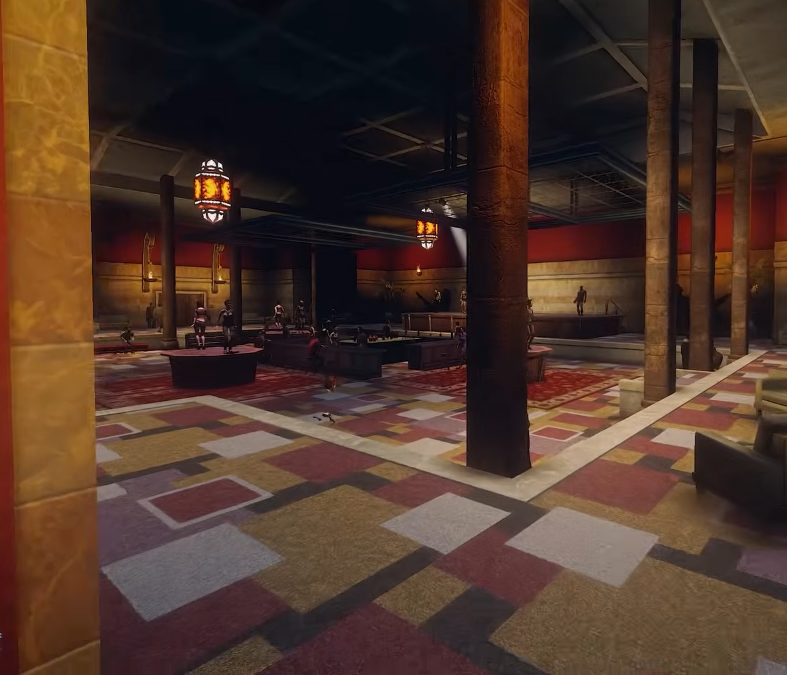
It is a casino built around appetite, and that appetite has been given rooms, staff, locks, schedules, private arrangements, plausible deniability, and music loud enough to keep the moral acoustics useless.
Modal Path Ethics enters because the Republic has another problem.
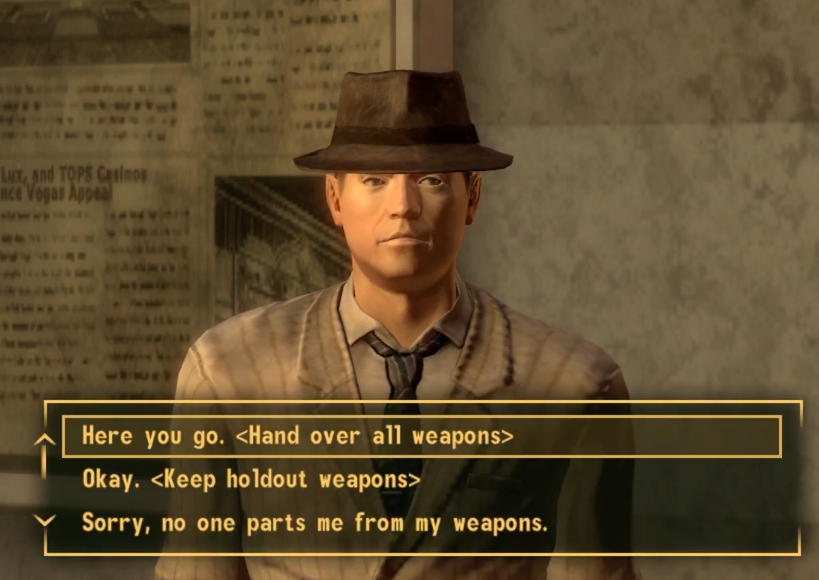
The Omertas are planning violence.
The family inside Gomorrah has been moving weapons, gathering leverage, arranging one of those betrayals that treats mass casualty as a business development.
The New California Republic wants the plot stopped because the dam is coming and the Strip cannot be allowed to detonate behind the front.
Fine.
Then, Modal Path Ethics finds Clanden.
The case changes temperature very quickly.
Clanden is not simply a piece of the Omerta conspiracy. He is not just a technical specialist, a creep with access, or one more dirty man in a dirty casino doing dirty work for people in cleaner shoes.
This a predator, sheltered by a failed room.
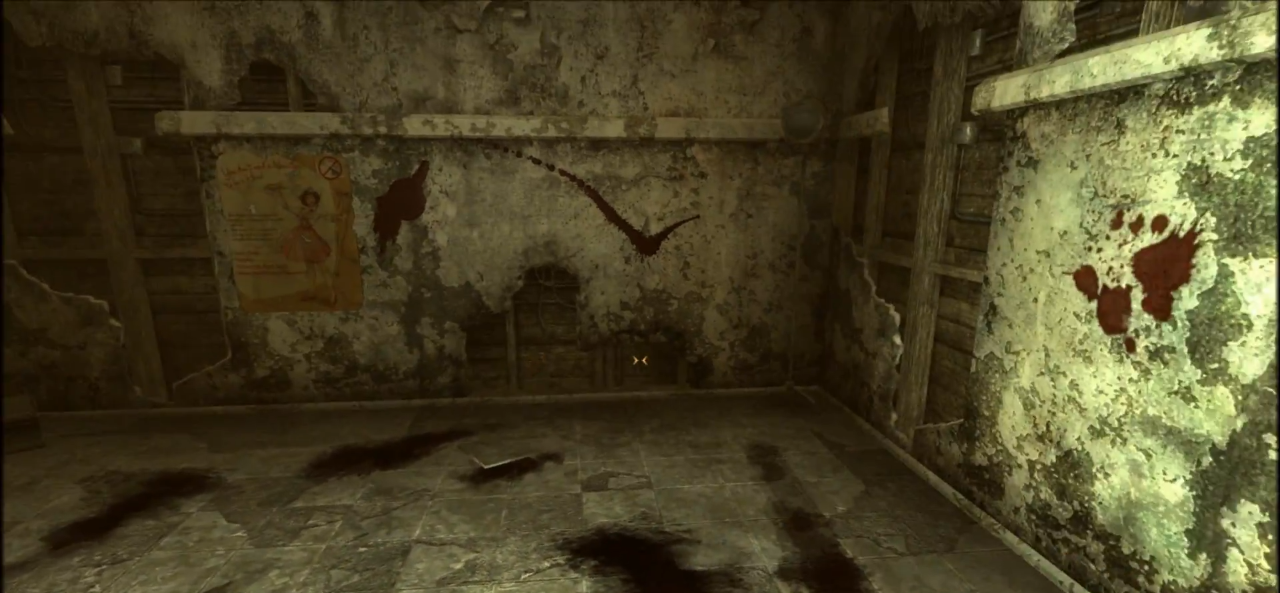
The evidence does not point toward ordinary vice.
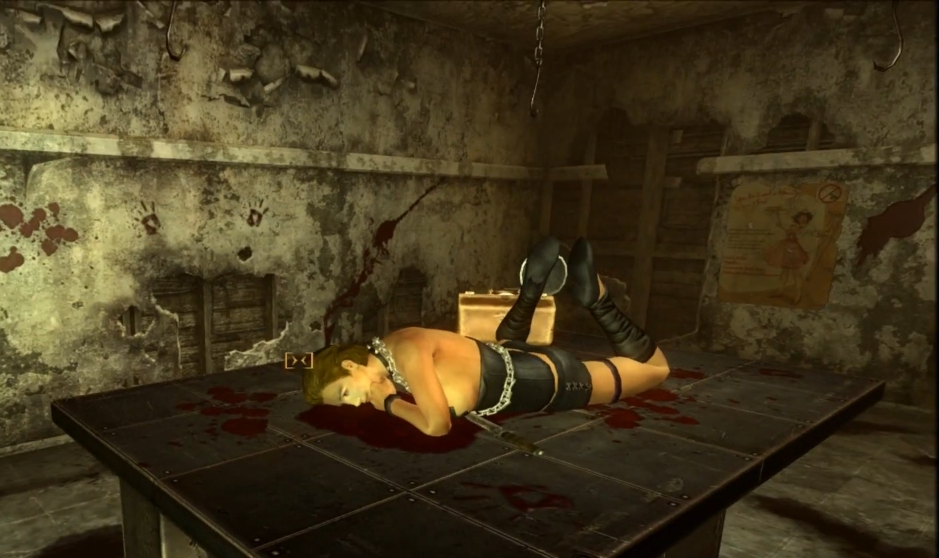
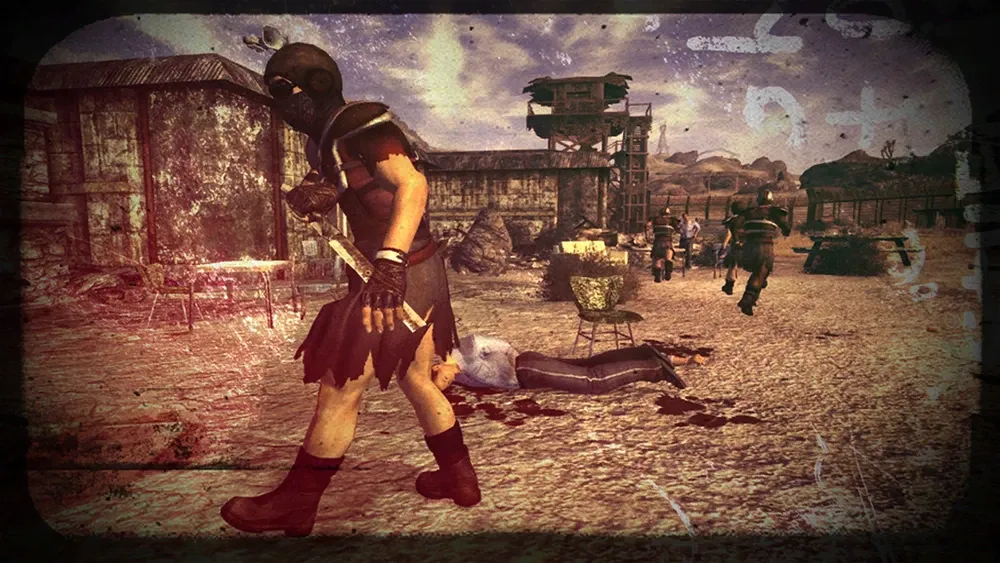
What Modal Path Ethics finds points toward ritualized private atrocity: women harmed, recorded, killed; reduced to material in a place where money and locked doors can make their screams locally irrelevant.
And outside, the Strip keeps shining.
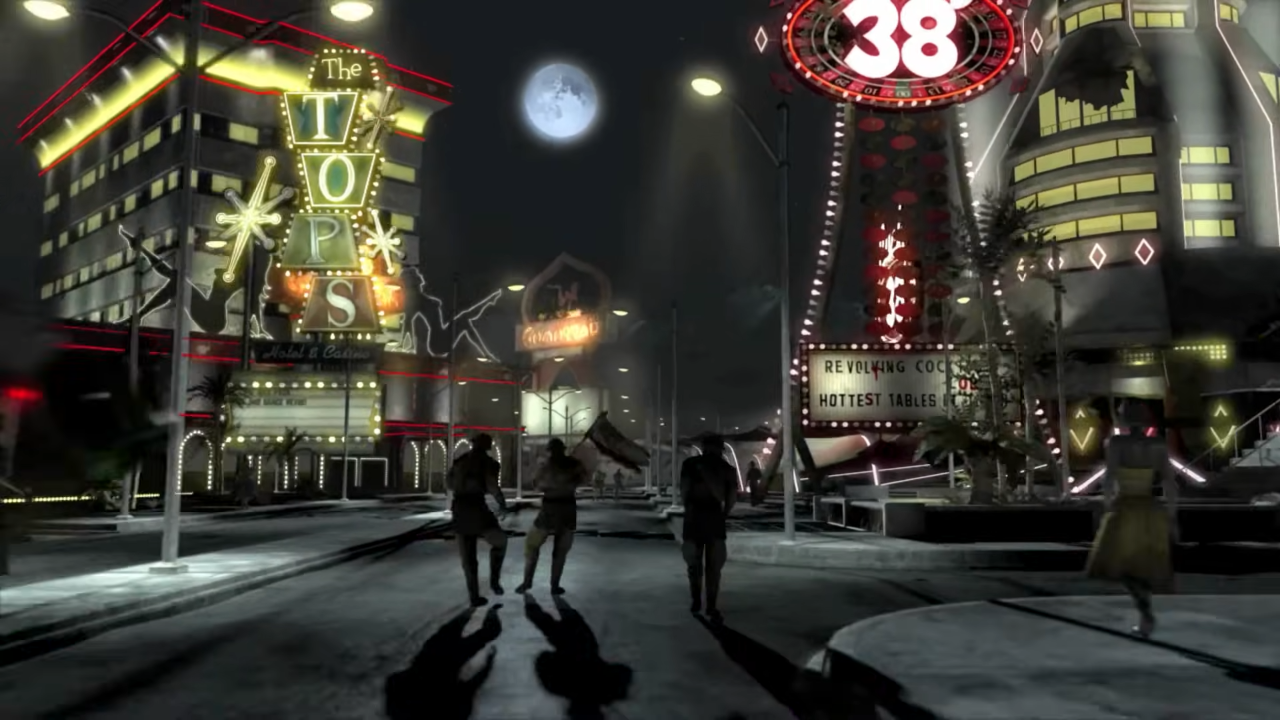
No court opens beneath the carpet.
No competent police arrive through the elevator.
No securitron rolls in with a warrant, a victim advocate, a forensic team, and a sober theory of custody.
House’s order reaches the street, the contracts, the house limits, the family arrangements, the surfaces of civilization. But it does not reach this.
Or worse, it reaches this and keeps going.
The Omertas certainly cannot hold Clanden. They housed him.
The Strip cannot prosecute him. The Strip can barely admit what it has made profitable.
The New California Republic is outside the casino in every sense that matters: nearby, interested, overextended, legally clumsy, politically hungry, and still unable to become a serious sovereign in the room where the facts are lying.
Freeside is starving outside the gate.
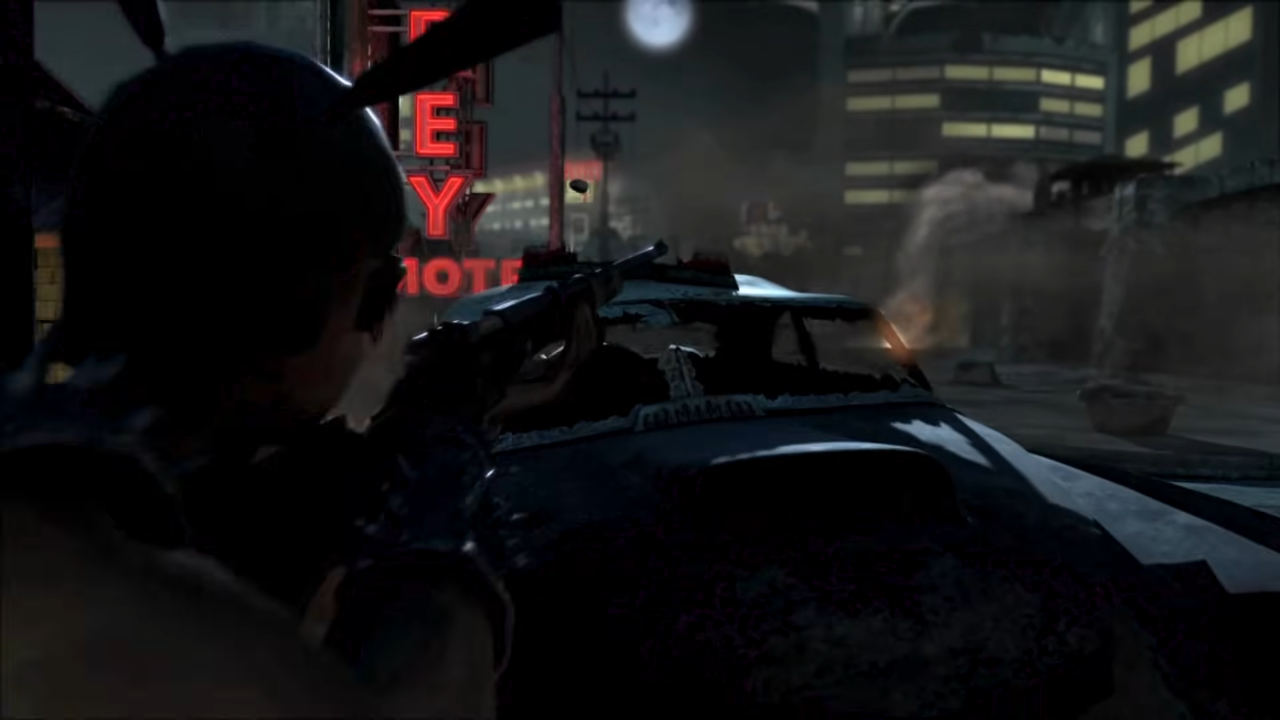
And the Mojave beyond it is stitched together by ammo, rumor, debt, chems, grudges, local courage, private terror, and men who know exactly how far they can travel before their old names stop following.
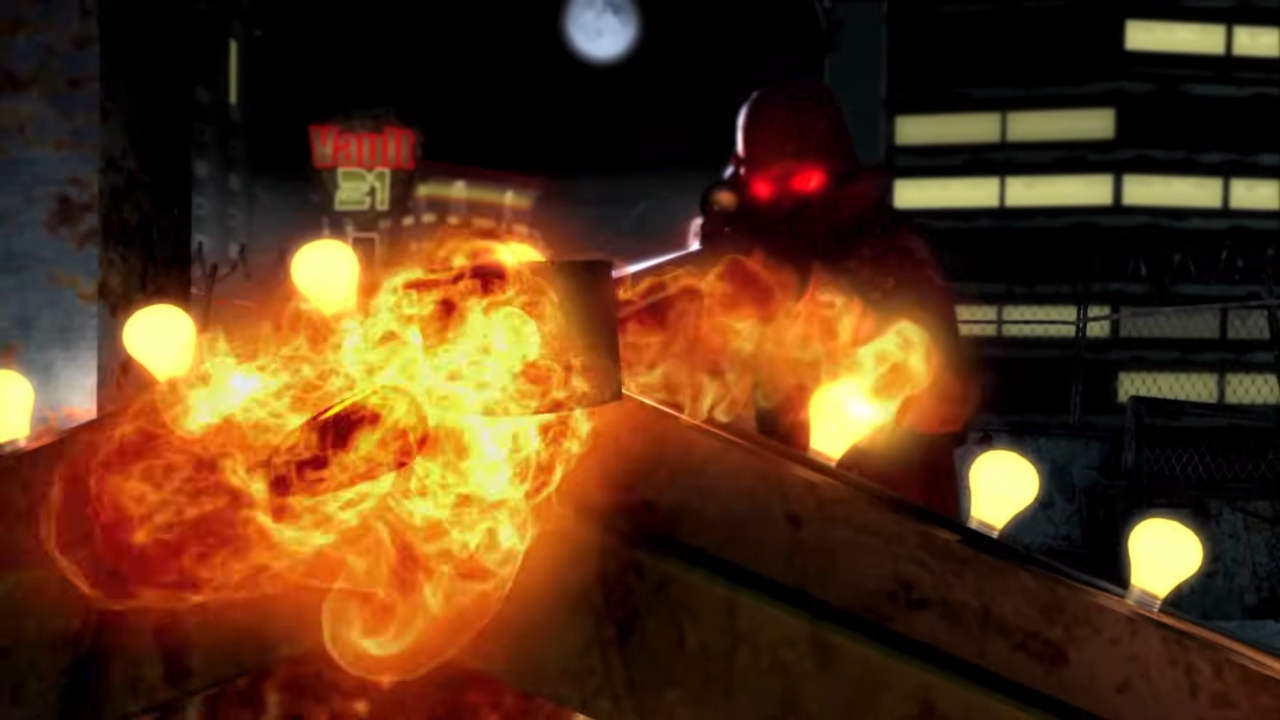
This is a fucking wasteland.
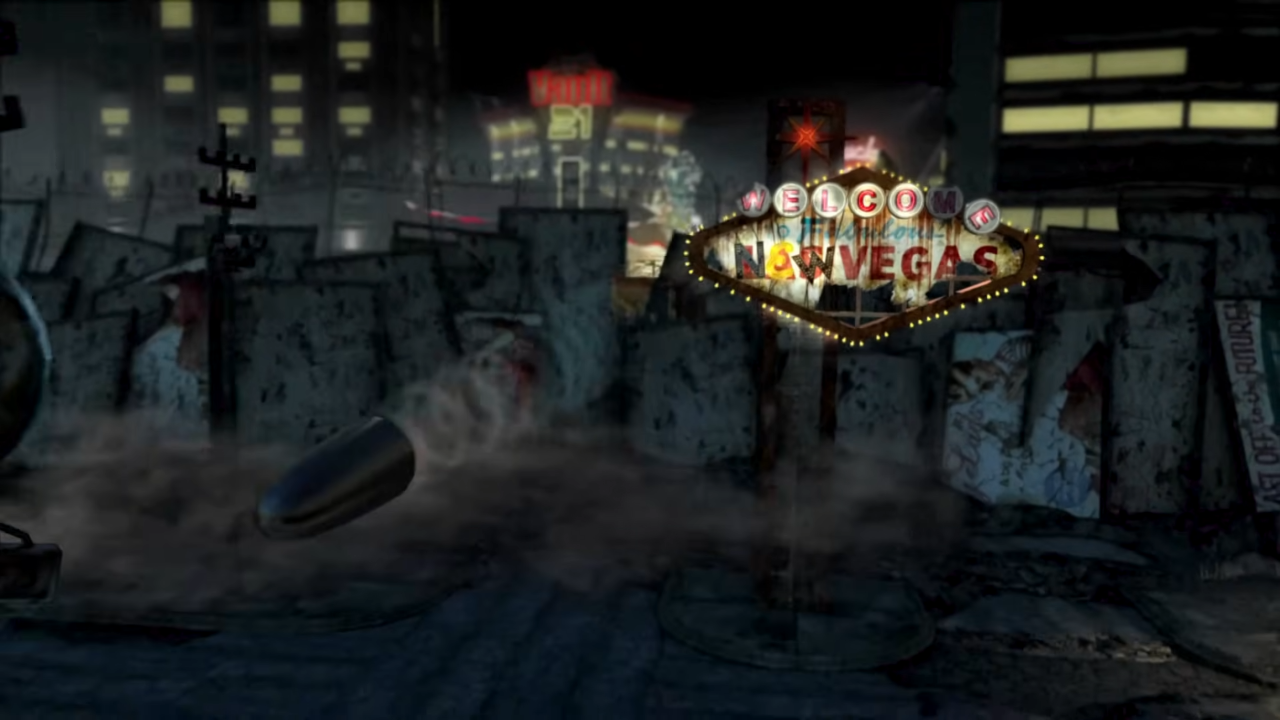
That word has to mean something.
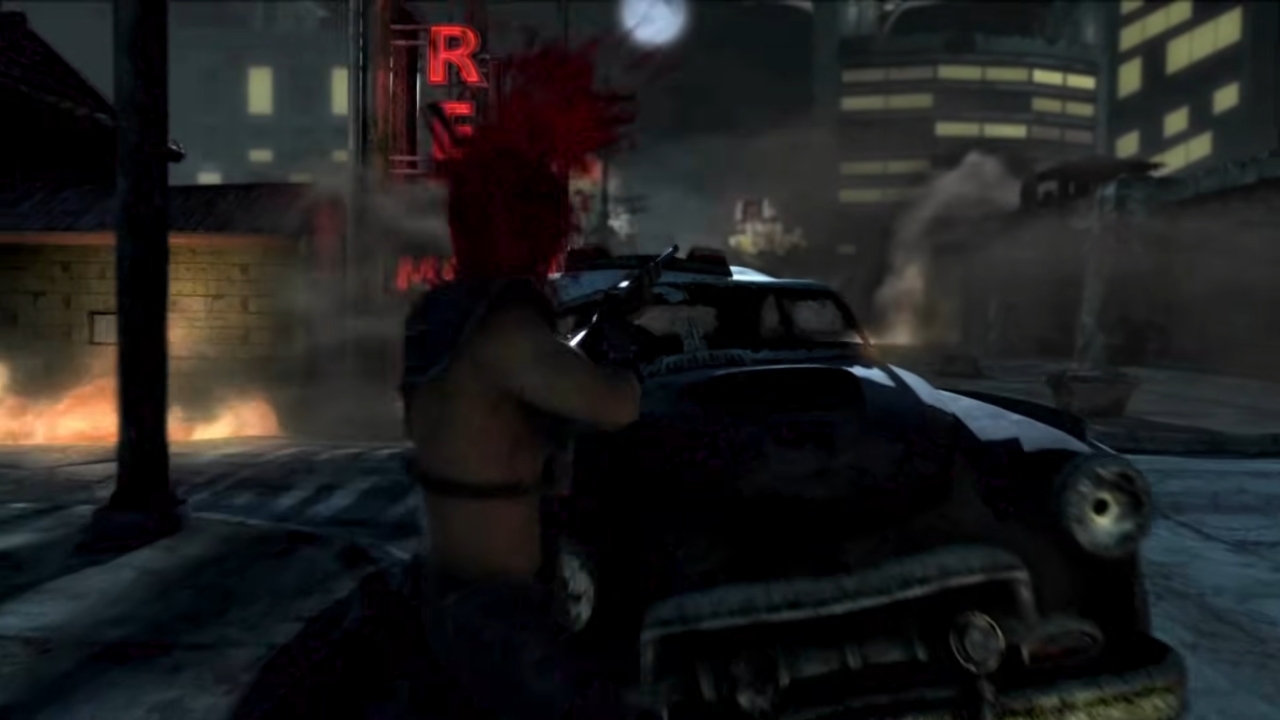
It does not mean that everyone is excused.
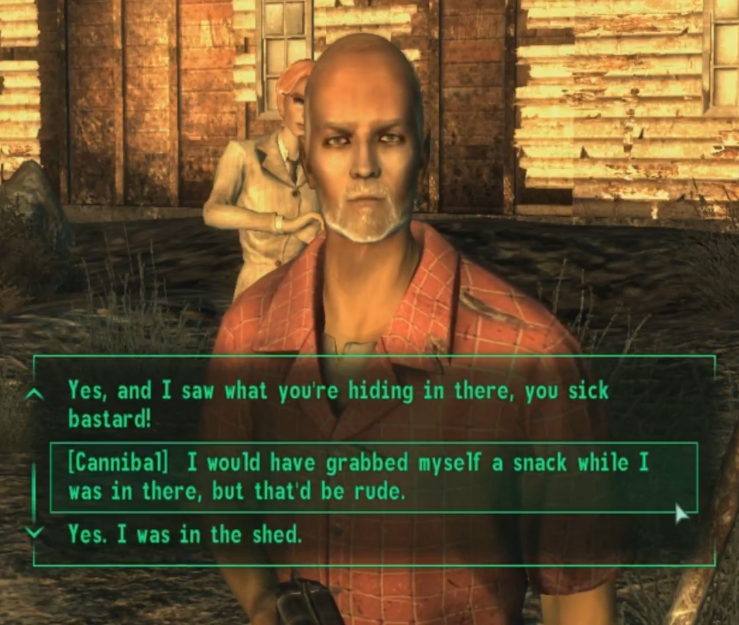
It means the ordinary machinery by which guilt becomes custody has been shattered and scattered. Evidence does not naturally become trial. Trial does not naturally become protection. Protection does not naturally become continuity.
Clanden can just walk out.
That is the horror of him.
Exposure does not trap him. Shame does not bind him. The dead cannot testify loudly enough to hold him in place. The casino could just eject him and call that resolution. The Strip can preserve its surfaces. The Republic can inherit the dam later and write history over a missing interval.
The Mojave can receive him somewhere else under a name clean enough to pass through the next door.
Letting him leave would look gentler from the hallway.
It would also make the next victim reachable.
Modal Path Ethics has to stand inside that sentence longer than it wants to.
- Killing Clanden makes future victims unreachable to Clanden.
- That is the terrible clarity.
- It closes a predatory path that no reachable institution can contain.
- It prevents the evidence of his murders from becoming a bargaining chip, prevents exile from becoming delivery, prevents nonviolence from disguising itself.
Killing Clanden draws one hard boundary in a field that has failed to generate boundaries strong enough for the people he targets.
- Letting Clanden walk preserves one principle against unilateral execution.
- Modal Path Ethics has no crown, no bench, no jury, no appellate structure, no prison, no public record strong enough to discipline its own certainty.
Killing this man risks teaching the worst possible lesson:
That a sufficiently convincing monster can turn a repair instrument into a sovereign.
That danger is real.
The other danger is also real.
A framework that refuses killing by sending a known predatory killer into the next dark room has not avoided violence. It has only chosen a cleaner camera angle.
So Modal Path Ethics kills Clanden.
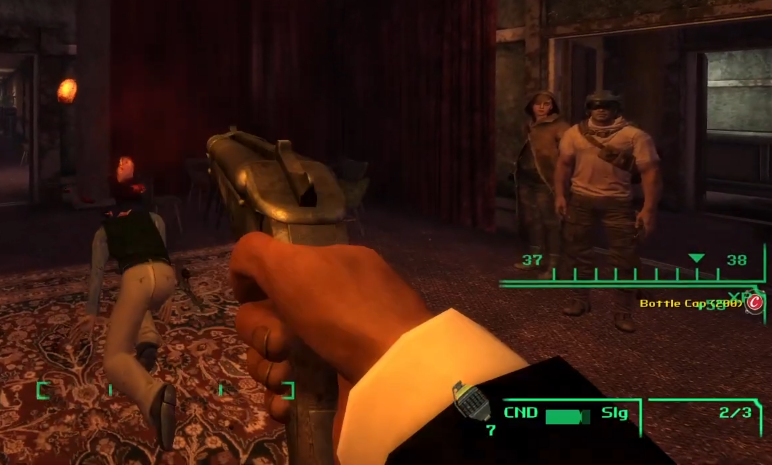
The casino keeps breathing just the same.
There is no justice to be found in the body on the floor.
There is no applause heard from the field. The victims are not restored. The tapes do not become a trial by touching blood. The room does not turn honest. The Omertas do not become less rotten because one of their worst protected men has stopped moving.
This is not punishment in any satisfying civic sense. It is emergency foreclosure of a predatory path inside a collapsed field.
Modal Path Ethics does not have the right to sentence Clanden. It also cannot make the next victim reachable and call that humility. So it chooses the dirtier act it can still name.
Then it keeps the evidence.
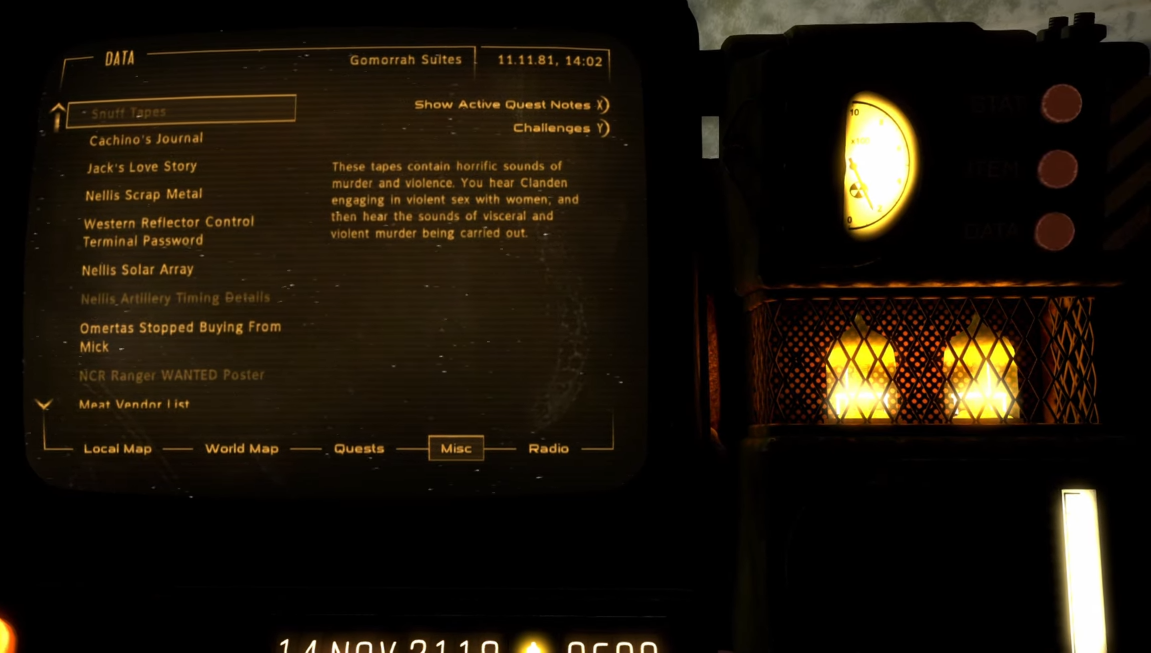
Without the evidence, the act becomes private certainty.
With the evidence, the killing remains attached to a record. The victims are not consumed as personal justification and discarded.
This room stays findable. The reason stays exposed. The shame stays with the one who chose it.
Clanden is not the last rot in Gomorrah.
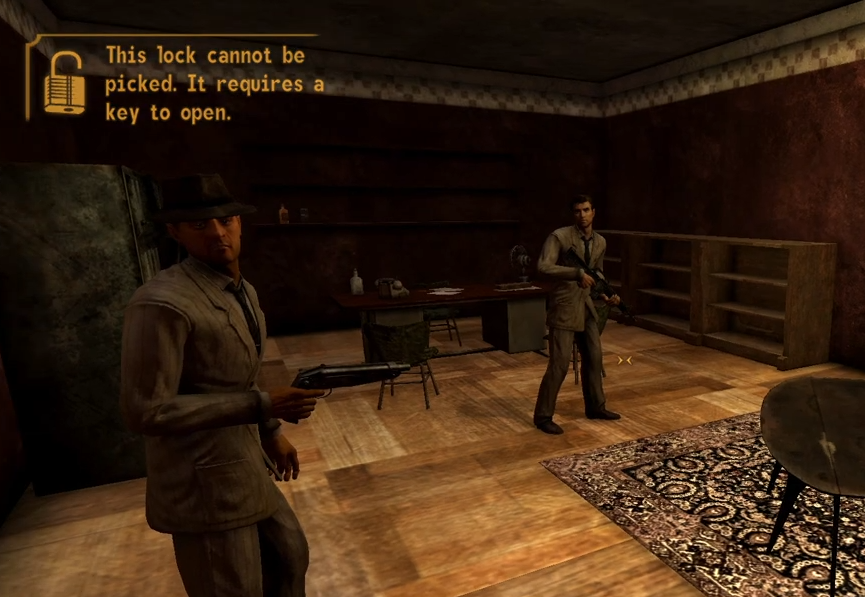
The coup still has bosses.
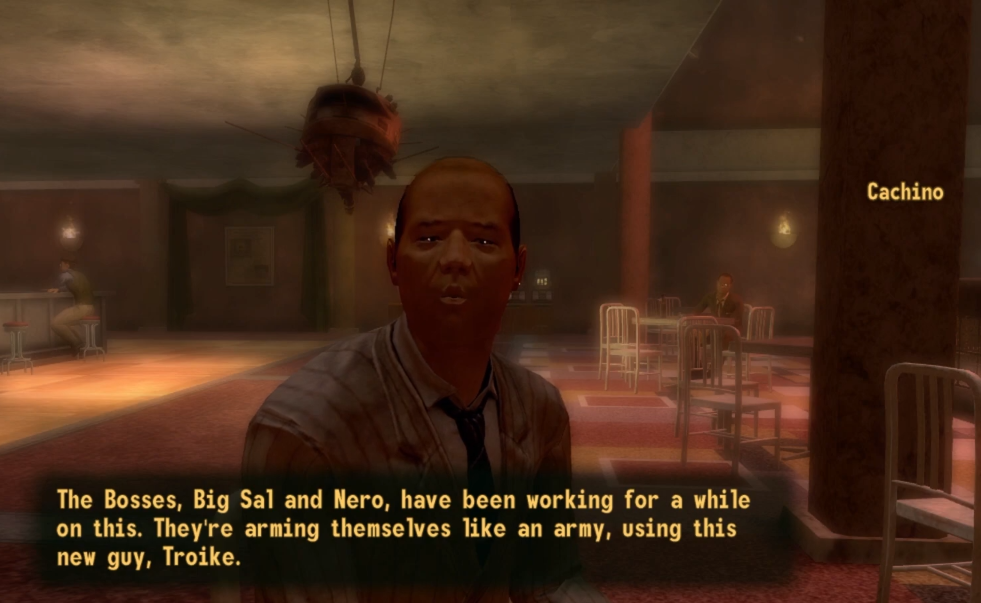
Cachino is no saint. He is an Omerta underboss with just enough self-interest to become useful when the alternative is mass violence.
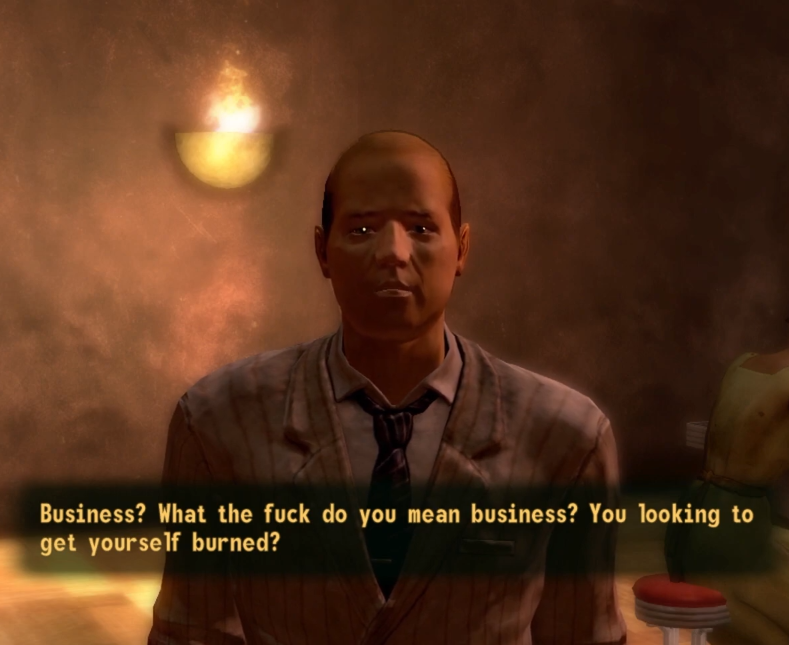
Big Sal and Nero are the leadership of a family ready to turn the Strip into a killing field at the worst possible hour.
Modal Path Ethics does not get a clean ally here.
It gets a shitty lever covered in casino grease.
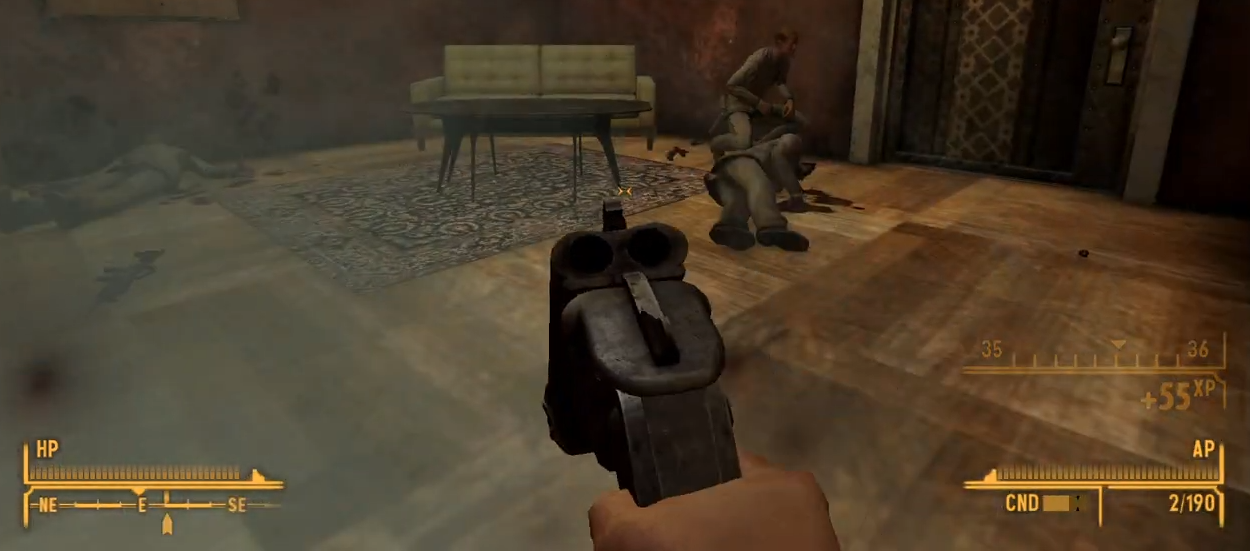
The weapons must be destroyed. The coup must be interrupted. Big Sal and Nero must die if their plot is to stop inside the tools the game leaves reachable.
That remains in the ledger too.
A massacre plot is halted by navigating blackmail, family rot, murder, and criminal succession. The New California Republic benefits again from someone else doing work it could not lawfully, competently, or cleanly perform.
There is a dead man in Gomorrah, and the Strip is shining.
Hidden Valley.
The Brotherhood waits under the ground like an old world refusing to finish dying.
Modal Path Ethics remembers the bunker as Hoover Dam shakes.
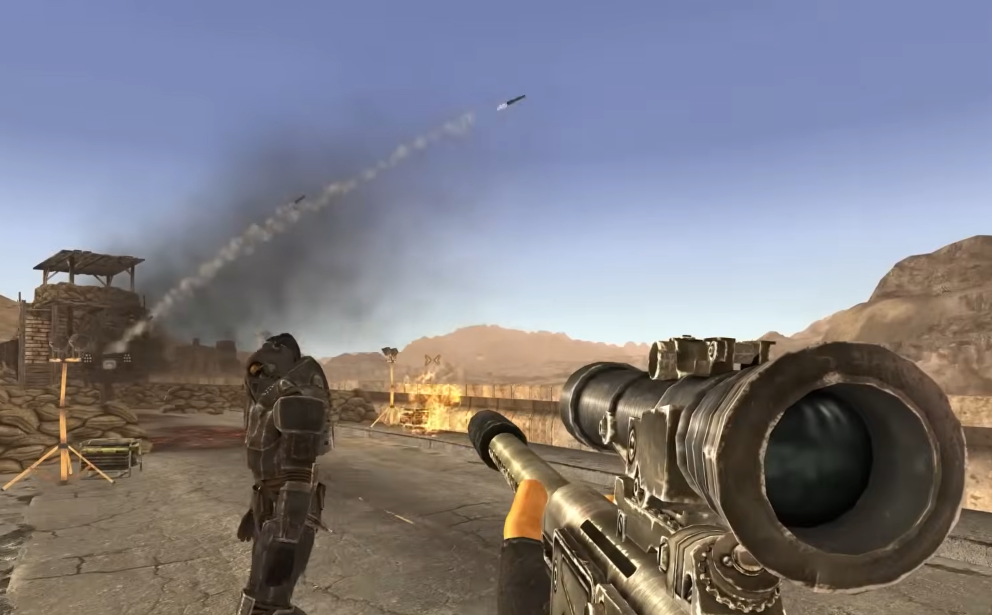
That is how the memory comes back: vibration through concrete.
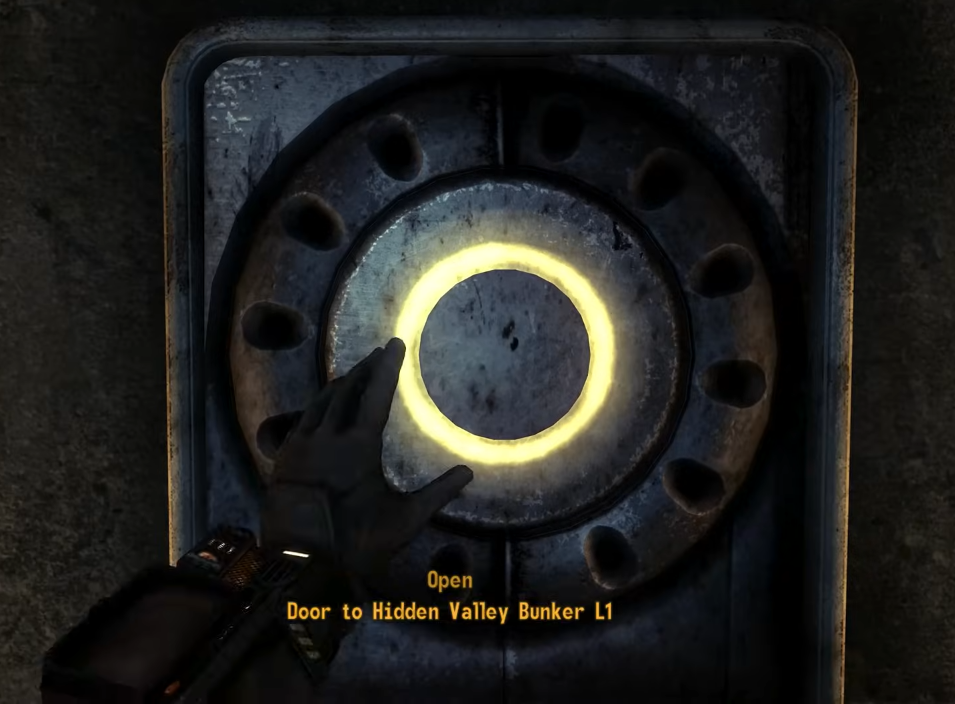
- The dam is old-world machinery still forcing present-tense choices.
- Hidden Valley was old-world machinery refusing present-tense relation.
Both places hum with the same bad inheritance. Both places ask who gets to hold power after the world that built it has failed.
The New California Republic’s answer for the Brotherhood is extermination.
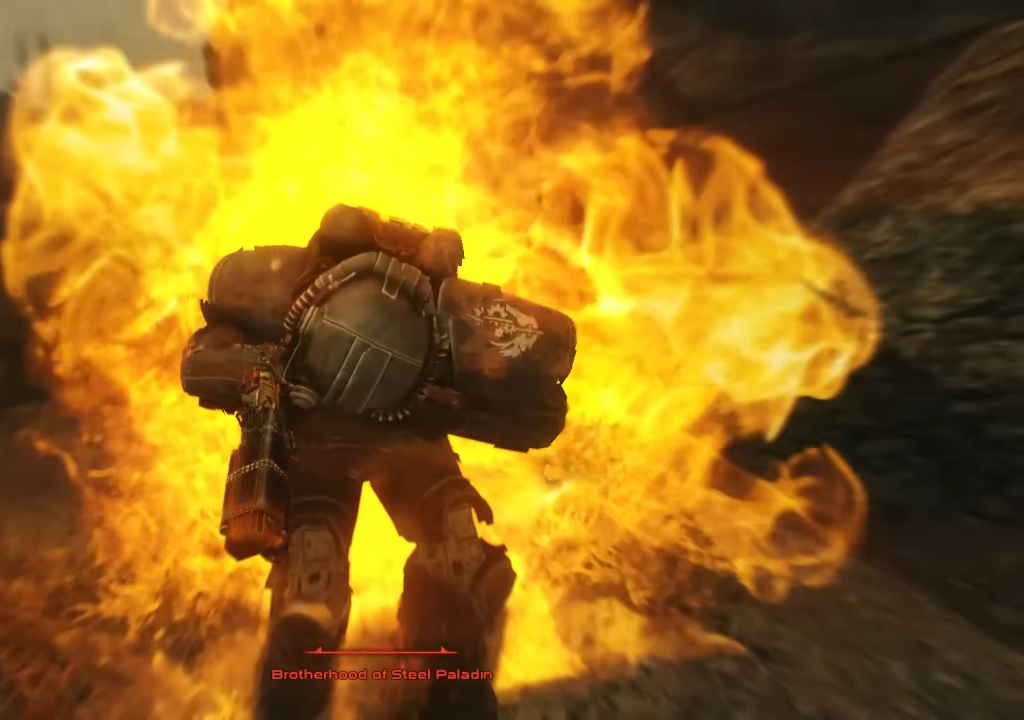
The Republic dresses this in operational necessity.
The Brotherhood is armed, secretive, technologically dangerous, politically incompatible, and historically hostile. It has power armor, energy weapons, bunkered command, dangerous doctrine, and enough old-world certainty to make every future negotiation look like a tactical delay. Colonel Moore does not invent the problem from nothing. The Brotherhood really is a problem.
Then the Republic reaches for deletion.
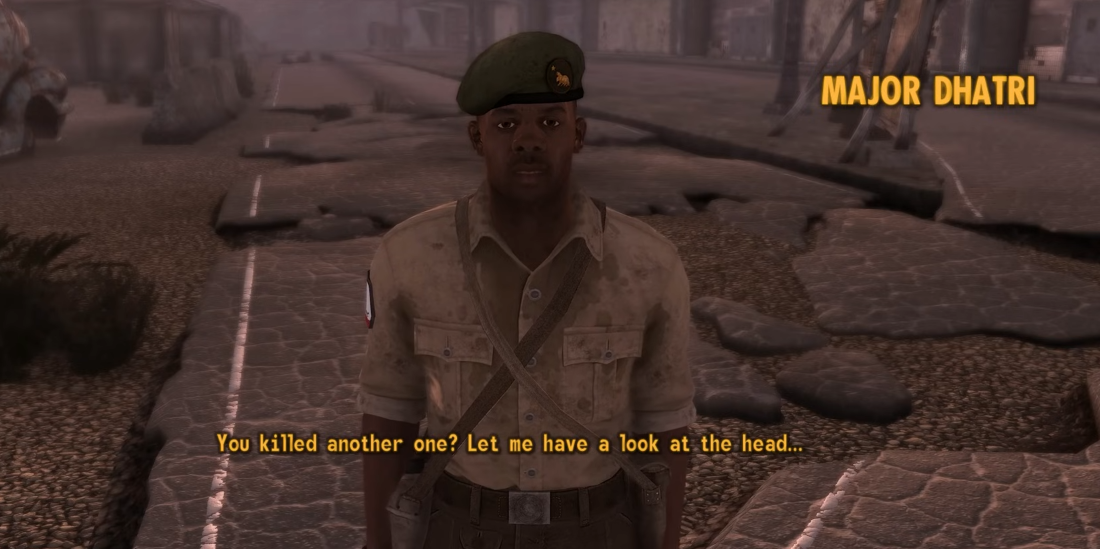
Modal Path Ethics cannot choose the New California Republic if choosing it means accepting every deletion the Republic finds convenient. The whole case for the Republic depends on the possibility that it can be argued with before, during, and after victory. Hidden Valley becomes the proof. If the Republic demands a bunker death and the Courier simply provides one, the selected ending starts to resemble the machine it claims to oppose.
The Brotherhood is not innocent.
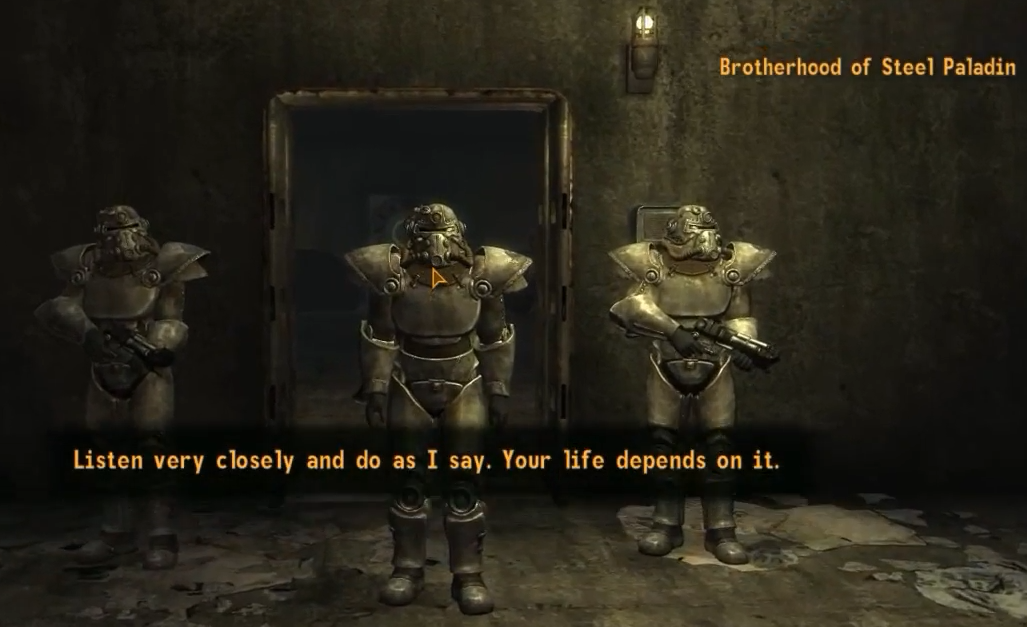
The bunker begins by humiliating the outsider. It controls, searches, collars, threatens, and treats the surrounding world less like a field of persons than a contamination event.
The Brotherhood preserves dangerous memory, but their preservation has become hoarding. Its archive is a locked future. Technology is treated as sacred inheritance by the people most likely to deny others access to the conditions of repair.
That is why the easy dramatic route is wrong.
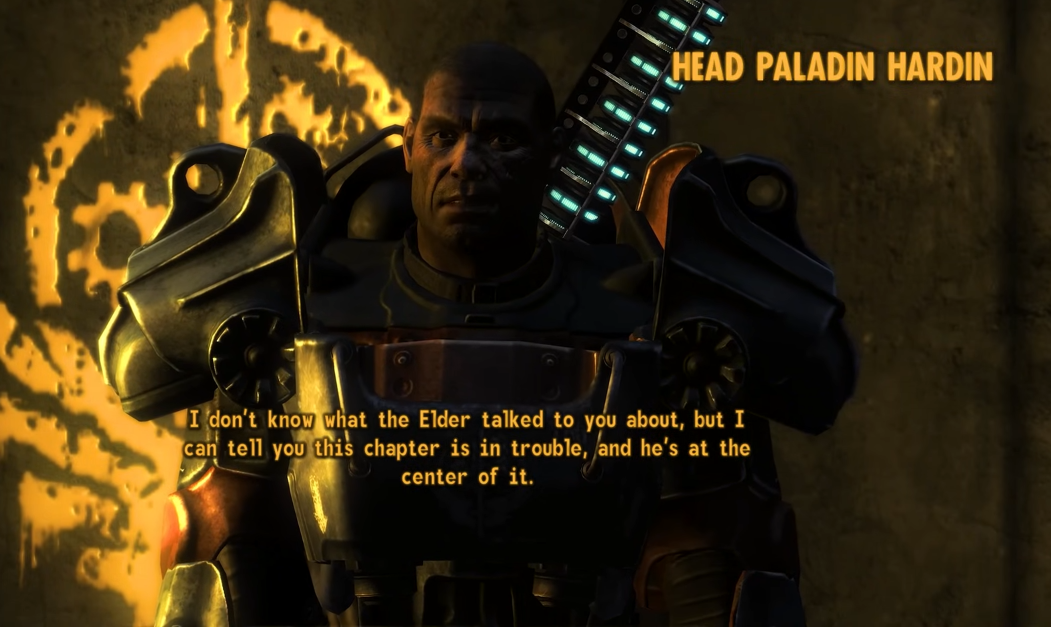
Hardin looks, at first, like motion.
He is decisive. He wants the lockdown ended. He wants the Brotherhood to matter again. He offers the familiar relief of someone who appears willing to do something. In a bunker full of procedure, fear, and sealed air, his energy can feel like oxygen.
Except it is ignition.
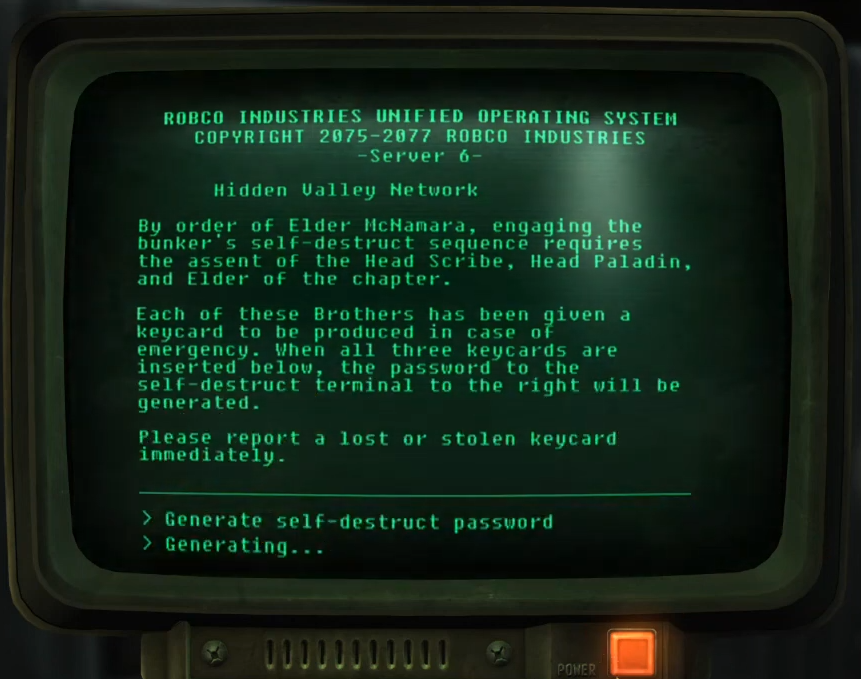
Hardin’s path makes peace unreachable.
It returns the Brotherhood to itself, except in a form the Republic can only read as an enemy, which means the bunker becomes a future corpse with better posture. The dramatic reformer turns out to be the man who makes the massacre unavoidable.
So Modal Path Ethics endures McNamara.
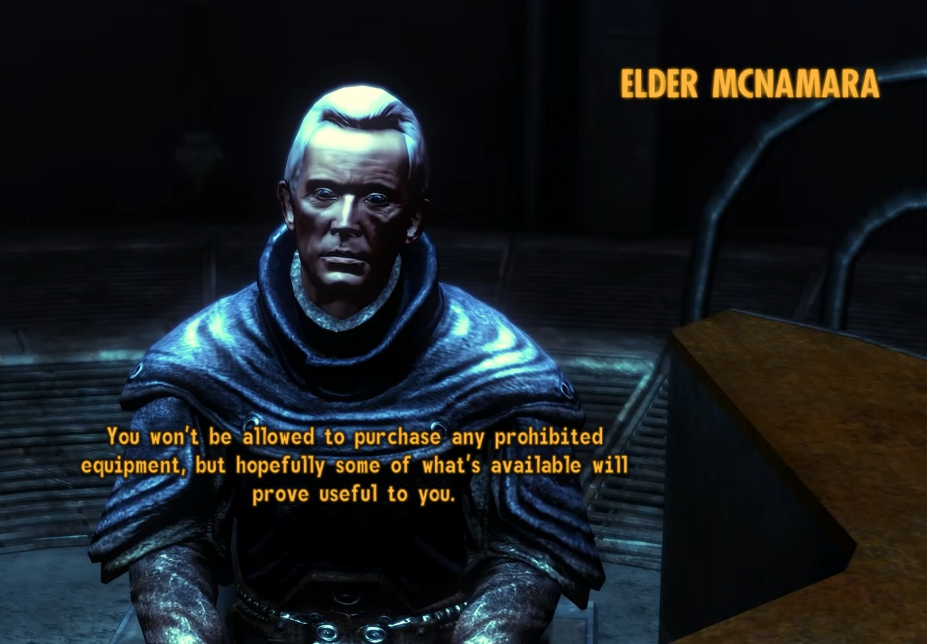
This is funny in the bleak way most serious repairs are funny.
The survivable future depends on the Elder who seems least satisfying to the desire for motion. McNamara is secretive, compromised, coercive, frightened, and bunker-brained. He keeps his people underground too long. He mistakes caution for wisdom even after caution has started eating the walls.
He can still sign.
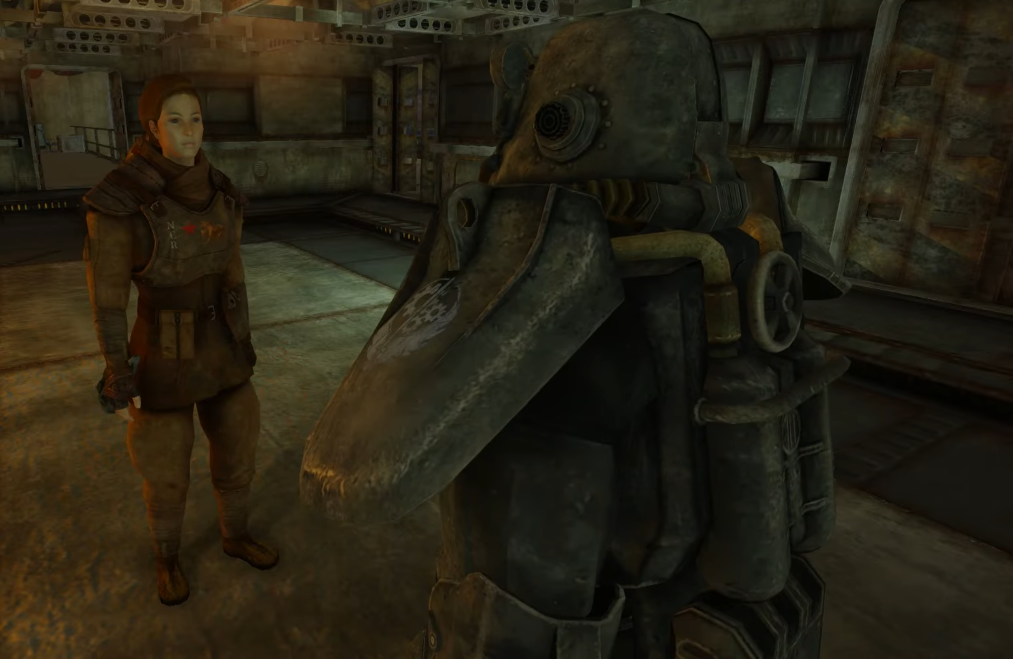
The narrow path runs through the least exciting possibility:
- Keep McNamara in place,
- complete the work,
- repair enough trust for negotiation,
- and force the Republic to accept a treaty it did not want.
- repair enough trust for negotiation,
- complete the work,
The bunker is not redeemed. The Republic is not purified. The treaty does not settle the old-world problem, does not open the archive, does not make hoarded technology into common inheritance, does not turn power armor into civic virtue.
It does something smaller and more important.
It prevents deletion from becoming administration.
Modal Path Ethics brings the Republic a living Brotherhood and makes the Republic swallow the inconvenience.
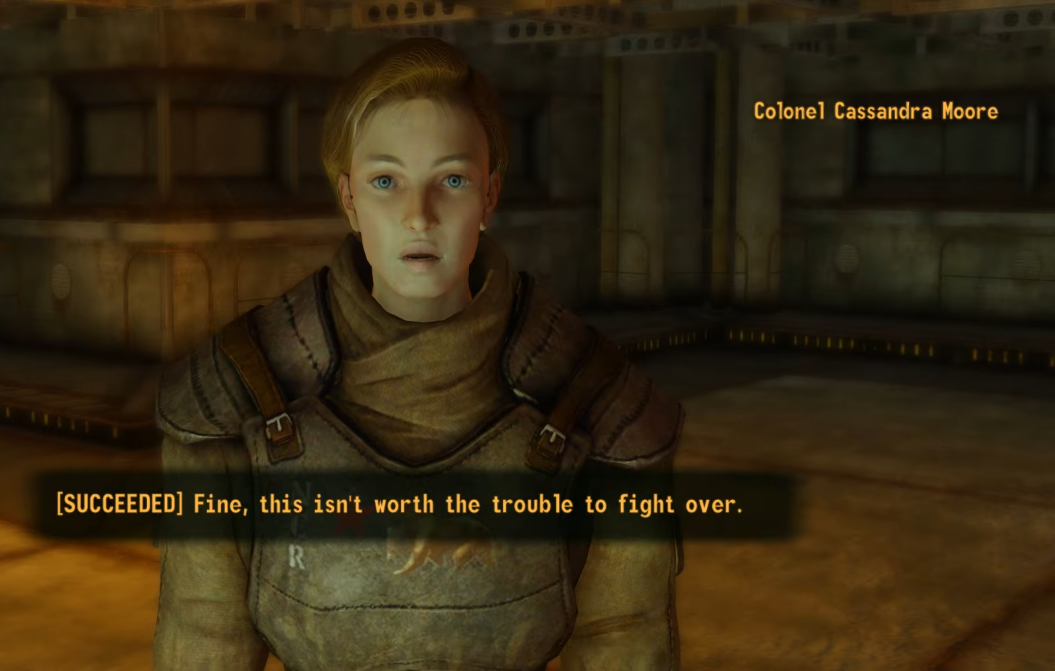
That is one of the reasons the Republic can be chosen at Hoover Dam. It could be made to accept peace after asking for death.
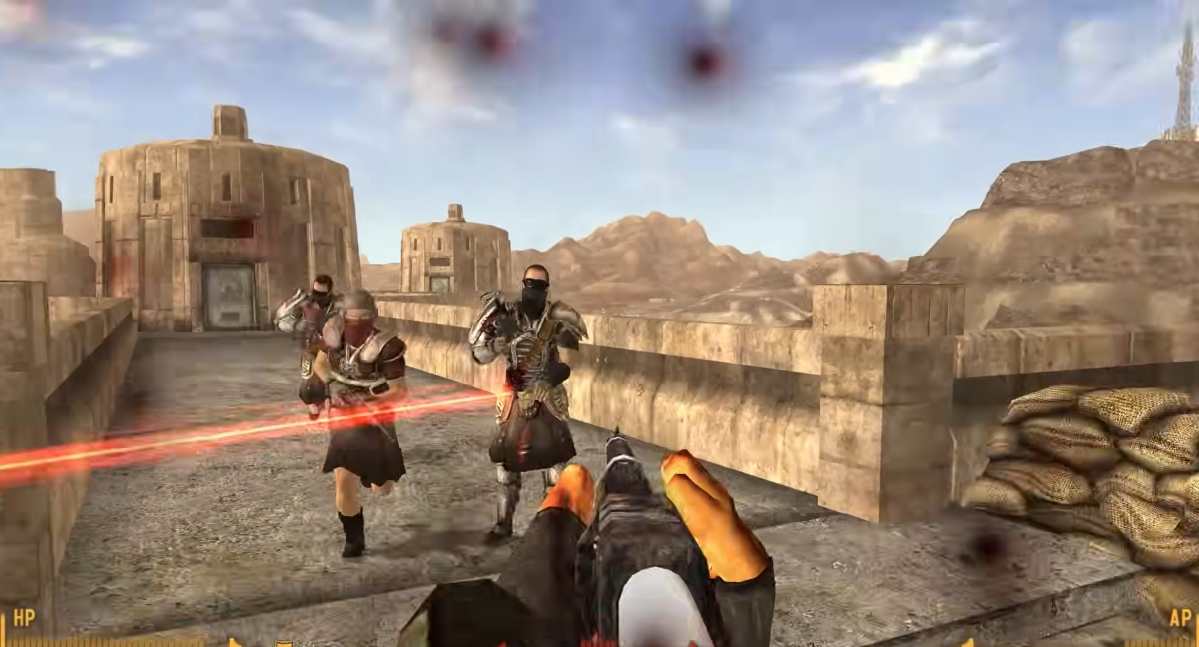
A Legion blade strikes a New California Republic helmet hard enough to ring. Modal Path Ethics hears the bunker again inside the sound.
Old worlds survive badly.
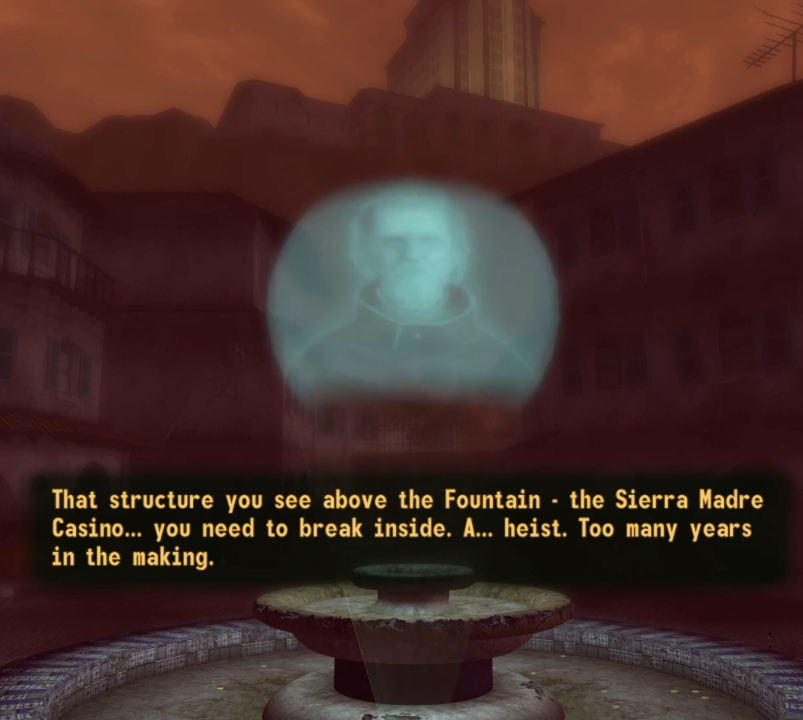
The task is to not let them choose every future.
The task is also not to vaporize them whenever they become difficult.
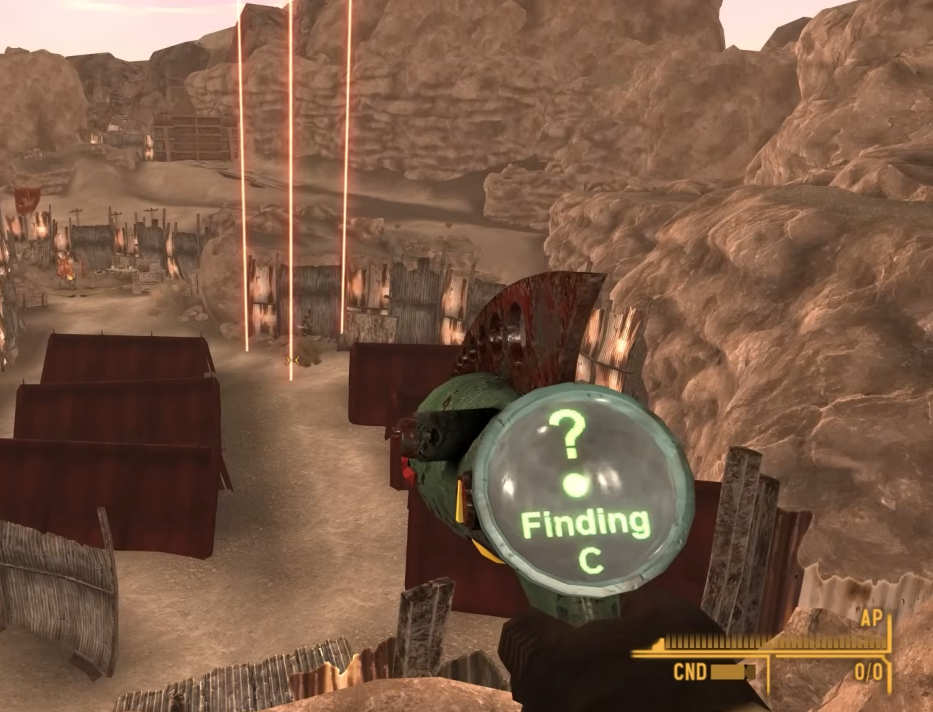
The treaty remains brittle. Everyone knows this.
A brittle treaty is still a relation. A bunker full of ash is not.
Modal Path Ethics leaves Hidden Valley with a sentence it will need later:
The Republic is selectable only where its worst orders have already failed.
Freeside.
Freeside is what the Strip throws away without letting it leave.
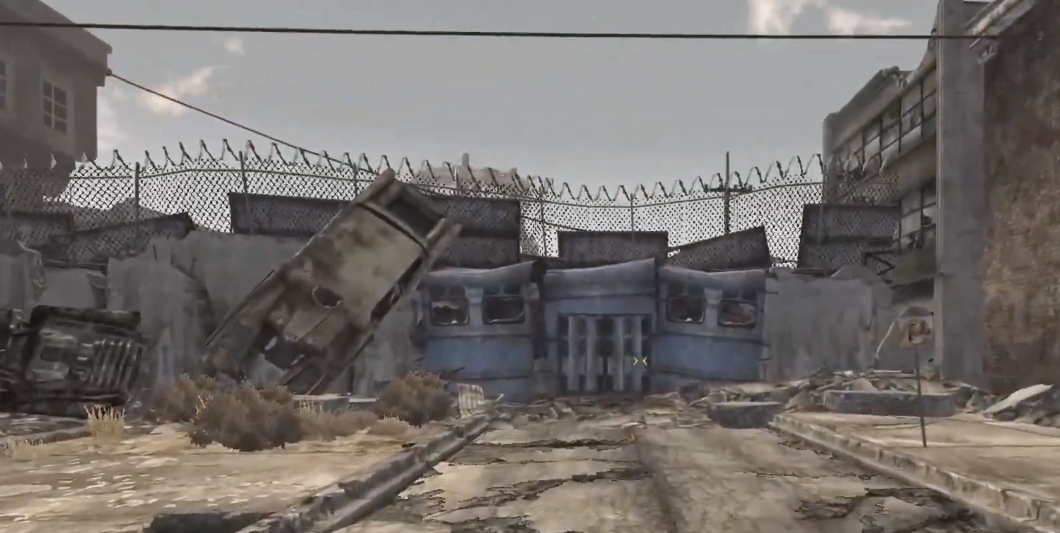
Modal Path Ethics remembers it between two bursts of rifle fire.
The dam is full of uniforms. Freeside was full of almost-uniforms: Kings in jackets, Followers in exhausted competence, squatters, addicts, children, drunks, drifters, hustlers, hungry people, proud people, dangerous people, generous people, and the long tail of human remainder produced when a bright gate teaches everyone outside it the price of being almost admitted.
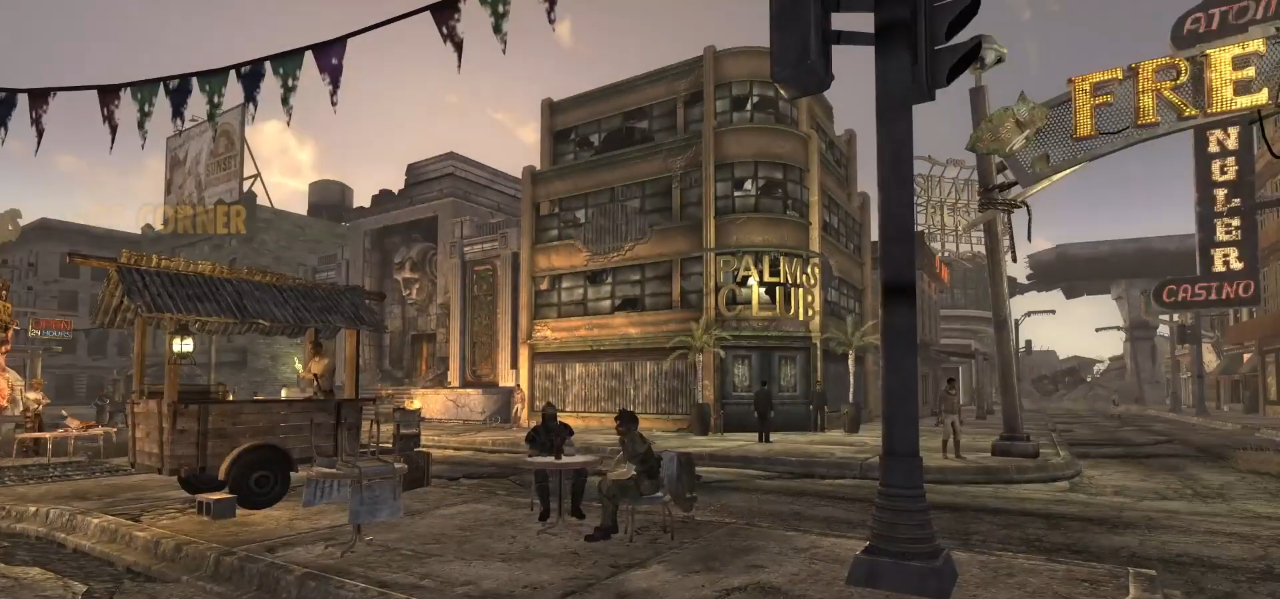
Freeside proves that civilization cannot be measured by the lights that work.
- The Strip glows.
- Freeside absorbs.
- The Strip sells pleasure.
- Freeside receives injury.
- The Strip performs order.
- Freeside conducts triage on the people order excluded.
When the New California Republic and the Kings start grinding toward violence, Modal Path Ethics has already been warned. This is how states and local legitimacy often misread each other.
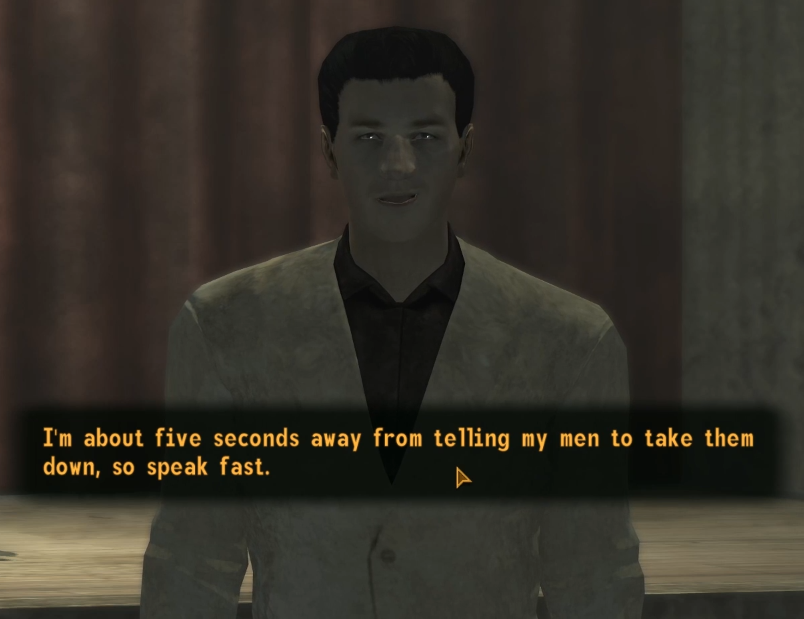
The Republic sees a security problem. The Kings see outsiders crowding their streets and disrespecting the fragile sovereignty of a place held together by style, memory, territorial care, and theatrical Elvis residue. Everyone has grievances. Everyone has facts. Everyone has idiots.
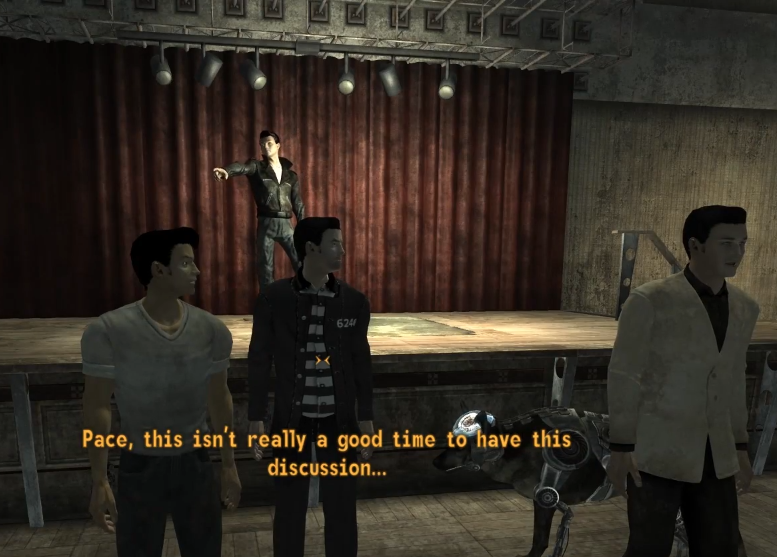
Pacer makes everything worse because every field has at least one person who converts friction into destiny. Weakly governed places can be steered by people who know how to keep insult fresh. He gives hostility a face, a rhythm, a little shove at exactly the wrong time.
If the Courier arrives late or spends the wrong favor too soon, the Republic can handle the Kings in the only language expanding states always keep warmed up in the truck.
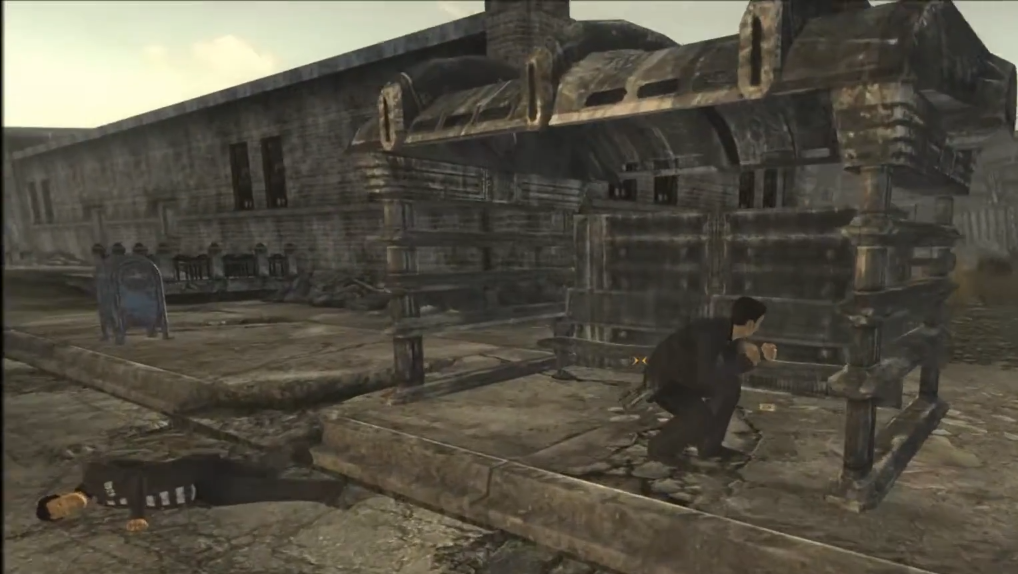
Modal Path Ethics has to prevent that before the Republic can call it order.
This requires something embarrassingly small compared to the dam: a favor preserved, a local relationship respected, a conversation completed in the right sequence. The King must still be reachable. The Courier has to arrive with enough standing to translate before the field hardens.
Modal Path Ethics asks the King for peace.
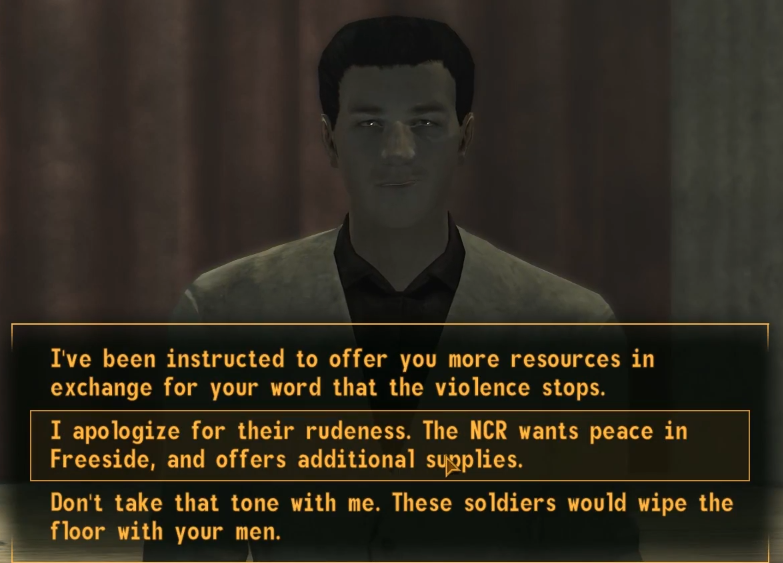
The ask is not sentimental. The Kings are not harmless mascots.
The local order is partial, theatrical, personal, brittle, and sometimes cruel. But the Kings are one of the few forms of legitimacy Freeside has generated for itself. Destroying them to simplify Republic administration would remove an imperfect local node and replace it with a lesson everyone outside the gate would understand immediately:
The Republic negotiates until negotiation is inconvenient.
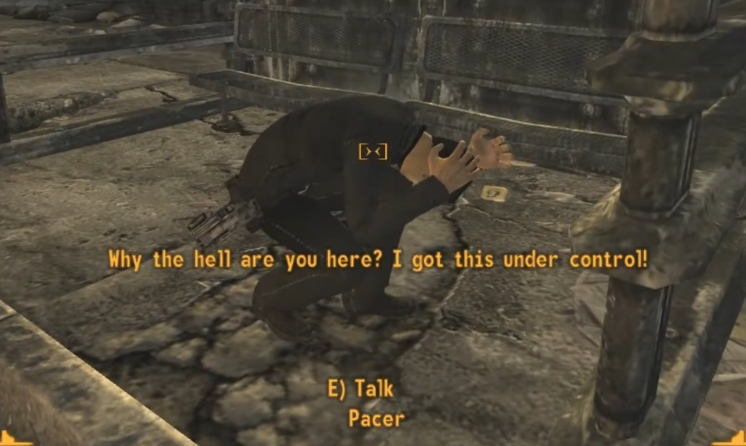
The Republic’s violence is denied one more stage.
The Republic can inherit Freeside only if Freeside survives the inheritance.
That means the counter-institutions must remain standing before the flag arrives.
Red Rock.
The Great Khans are waiting on the wrong side of every empire.
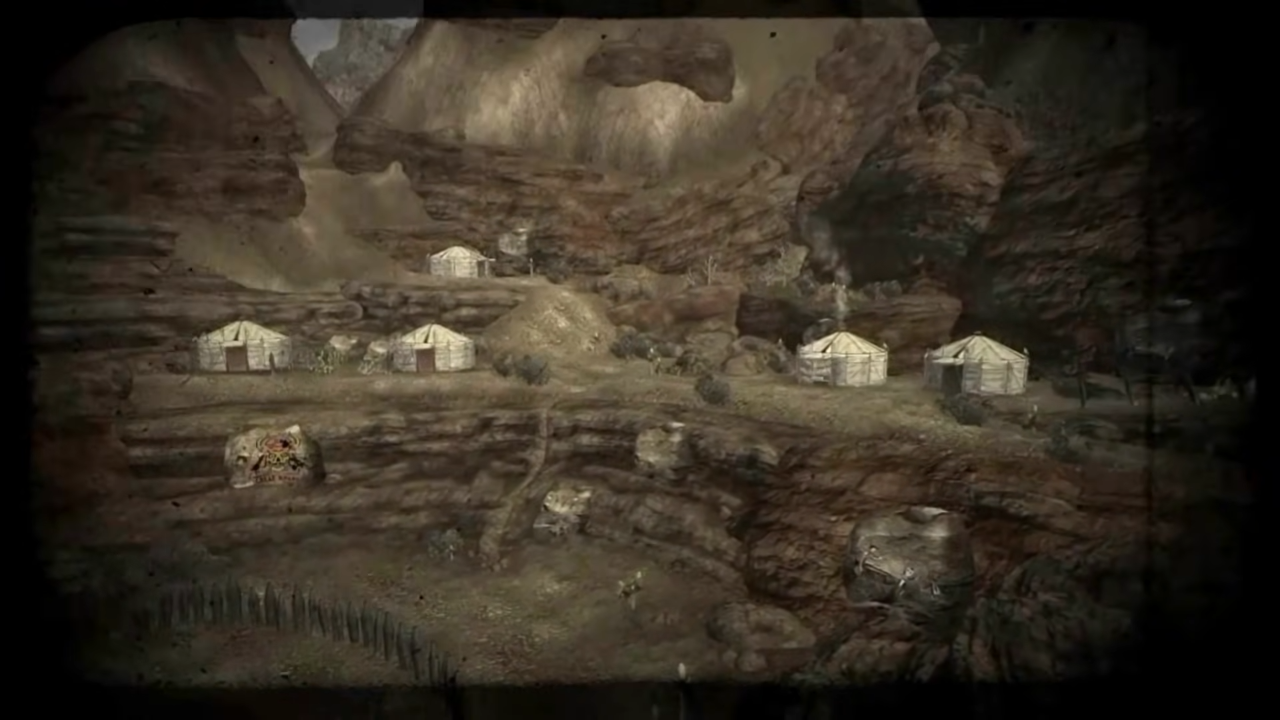
Modal Path Ethics remembers Red Rock Canyon as Legion soldiers push toward the dam.
The memory comes with dust, tents, old bitterness, chem smoke, bravado, grief pretending to be doctrine, and the dull ache of people who have been harmed long enough to mistake pain for identity.
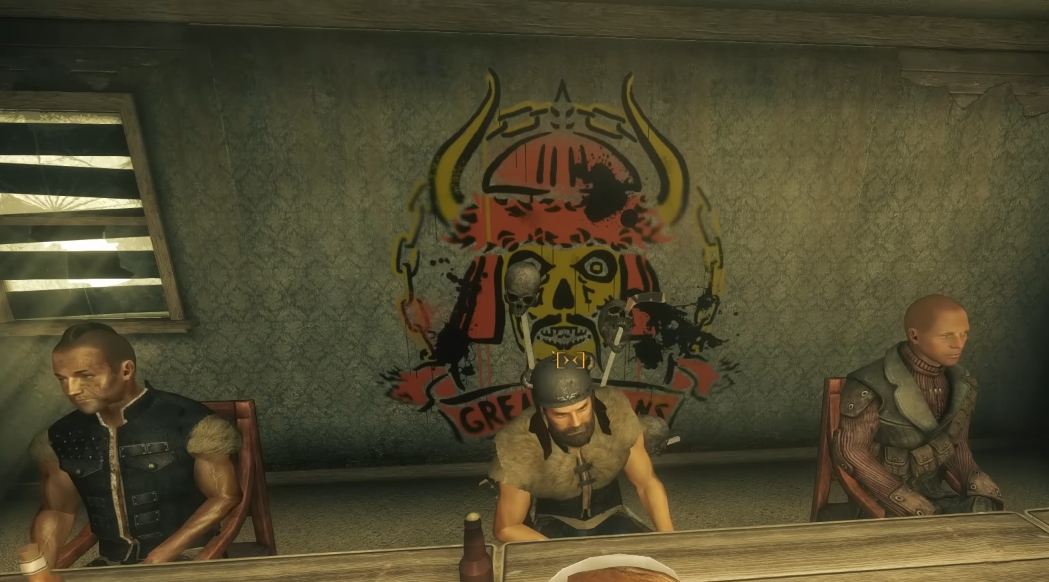
The Khans are dangerous. They have hurt people. They have trafficked in fear, drugs, violence, and the inherited romance of being wronged. They are not innocent exiles wandering beautifully through someone else’s empire.
They are still not meat for the next empire.
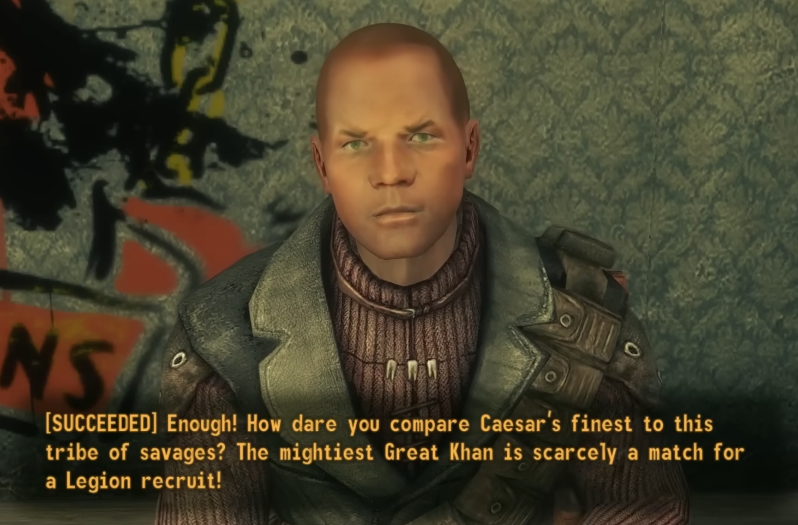
The Great Khans are attractive to Caesar because wounded groups can be recruited by anyone who offers their pain a uniform. The Legion does not need to heal them. It only needs to make their grievance useful. It can turn them into auxiliaries, absorb their story, rename their violence, and call the disappearance of their future discipline.
The New California Republic has its own terminal scripts for them.
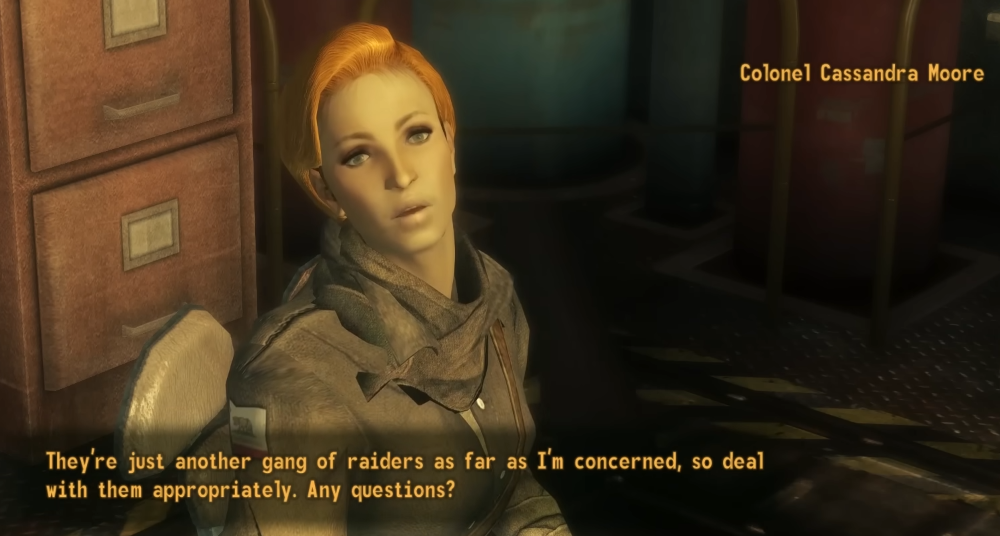
- Enemy.
- Subject.
- Corpse.
- Perhaps ally, if the right people are dead first and the correct paperwork of submission can be made emotionally presentable.
Modal Path Ethics rejects this whole menu.
The best repair for the Khans is exit.
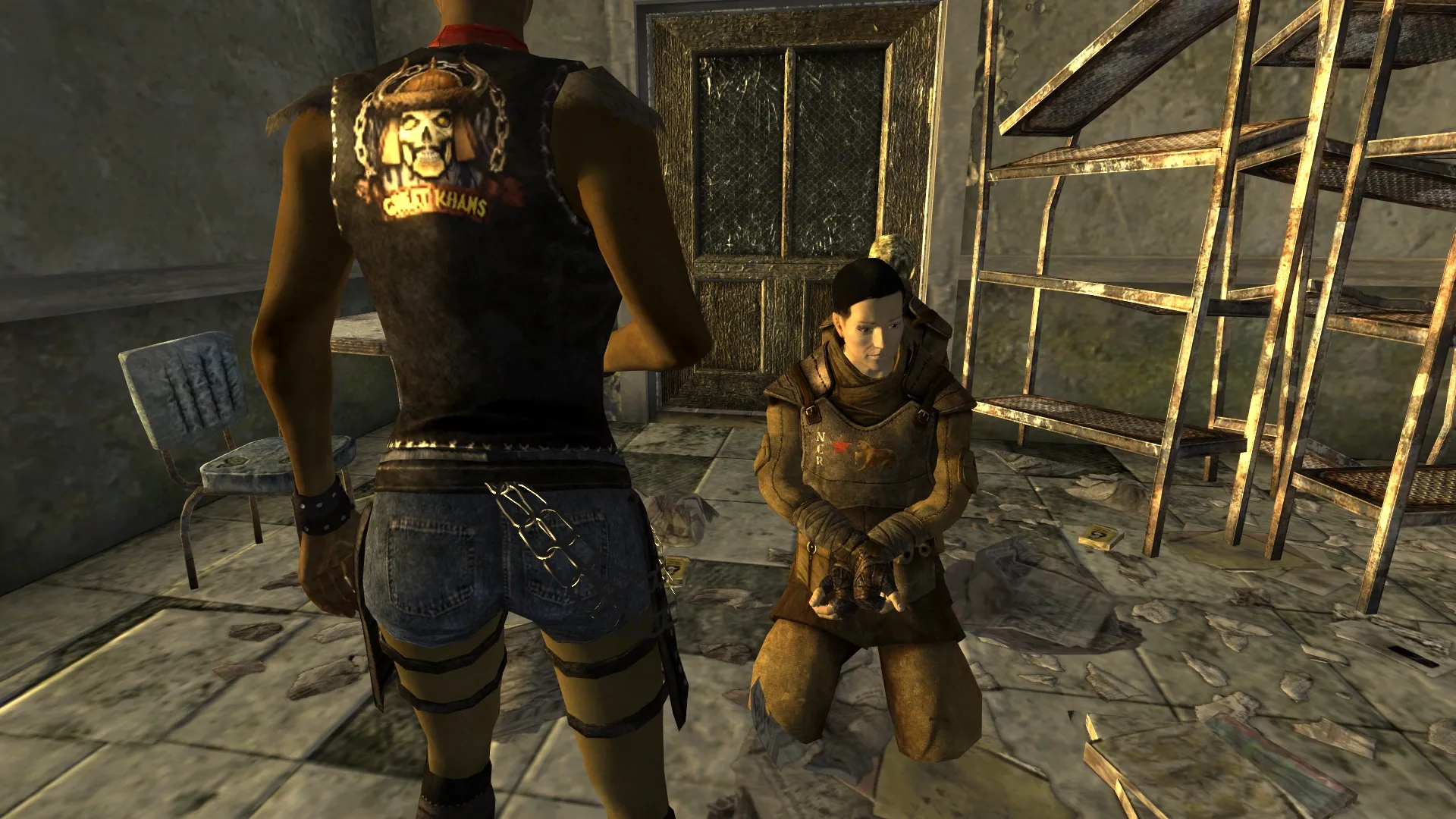
This is the hardest thing to explain to any power that thinks in maps.
A faction leaving the contested zone can look like an unsatisfying ending because the map does not get to color them in. They are not conquered, not recruited, not punished, not folded into the victor’s narrative, not sacrificed beautifully at the dam, not turned into a trophy for mercy. They leave with their damage still attached.
Good.
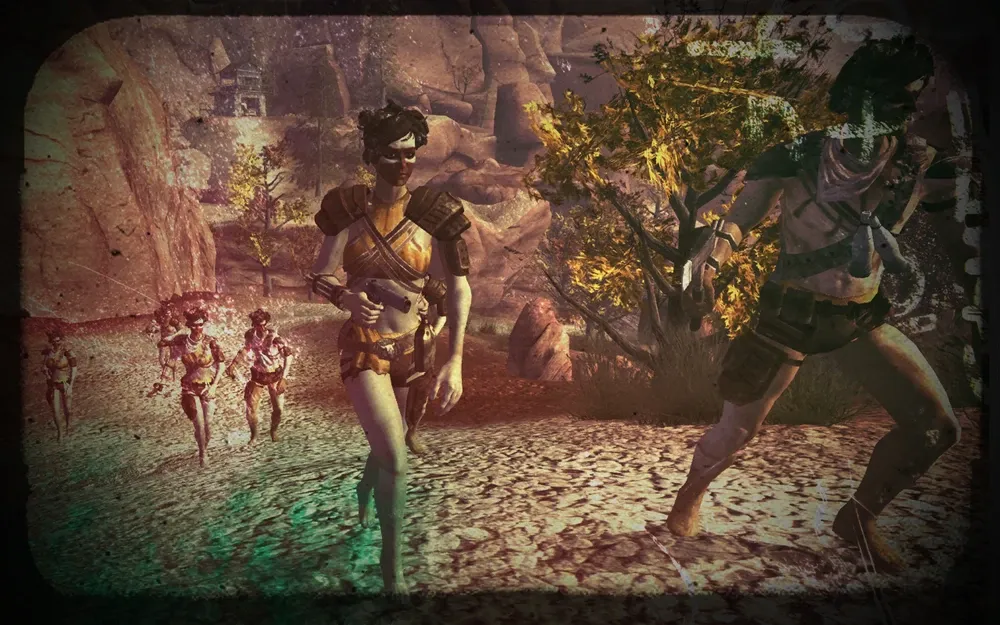
Some repairs should not produce an immediately governable object.
The Khans need a road out of the role that the Mojave keeps offering them. They need a future in which their identity is no longer organized around being the people who survive by becoming worse versions of their injury. They need enough distance from the New California Republic and the Legion that neither can complete them as enemies.
Modal Path Ethics makes the old script harder to continue.
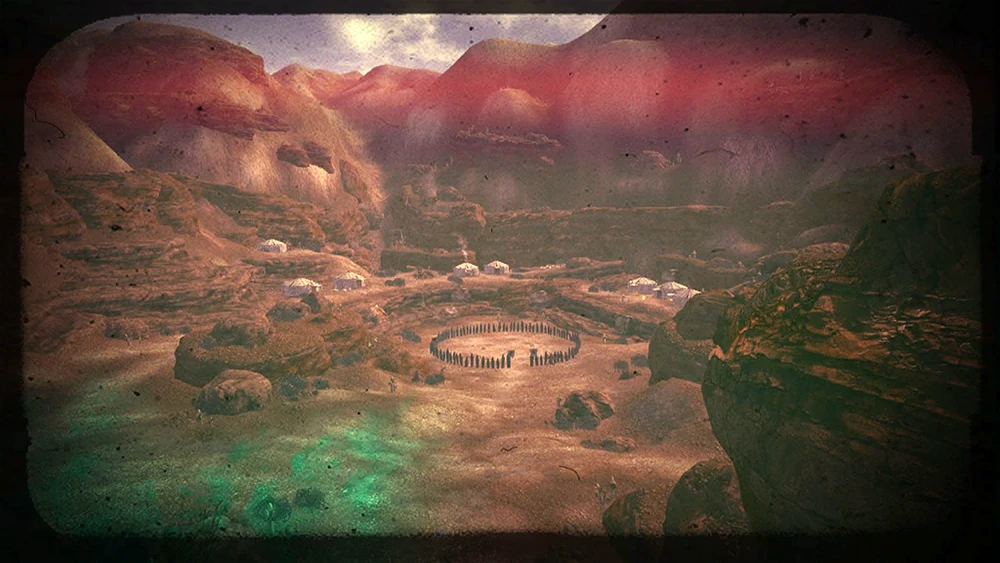
This leaves remainder. Of course it does. The Khans carry their history with them. Their victims do not get repaired because the tribe leaves. The chems do not unmake themselves. Bitter Springs remains one of the Republic’s deepest wounds and one of its sharpest indictments.
- But feeding the Khans into Caesar’s machine would convert their wound into the empire.
- Feeding them into Republic vengeance would convert guilt into cleanup.
So the road is Better.
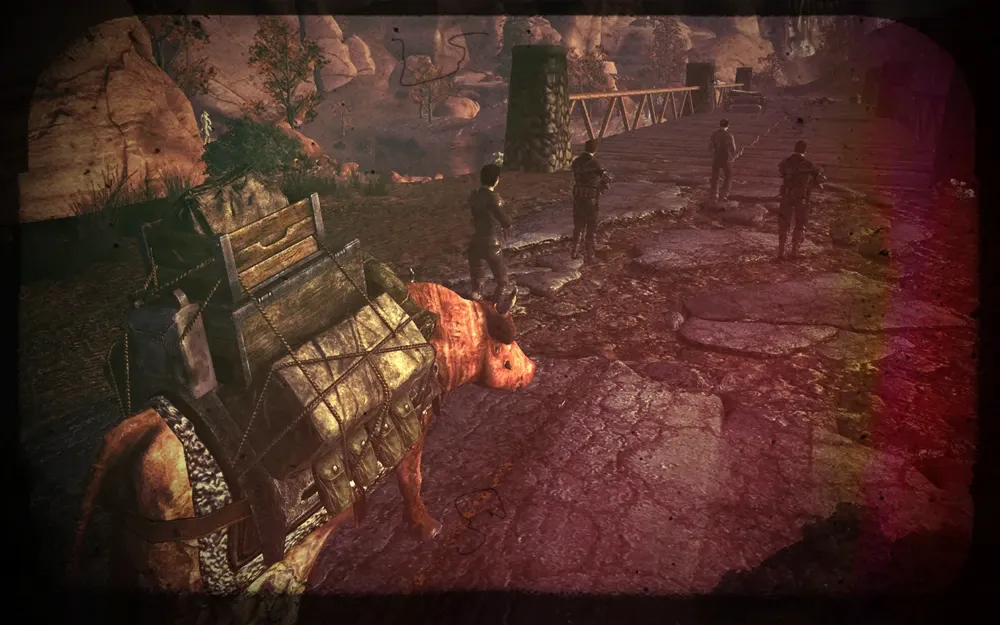
The Republic can inherit the Mojave without owning every unresolved grievance inside it.
Nellis.
Then the sky reminds everyone that the Boomers exist.
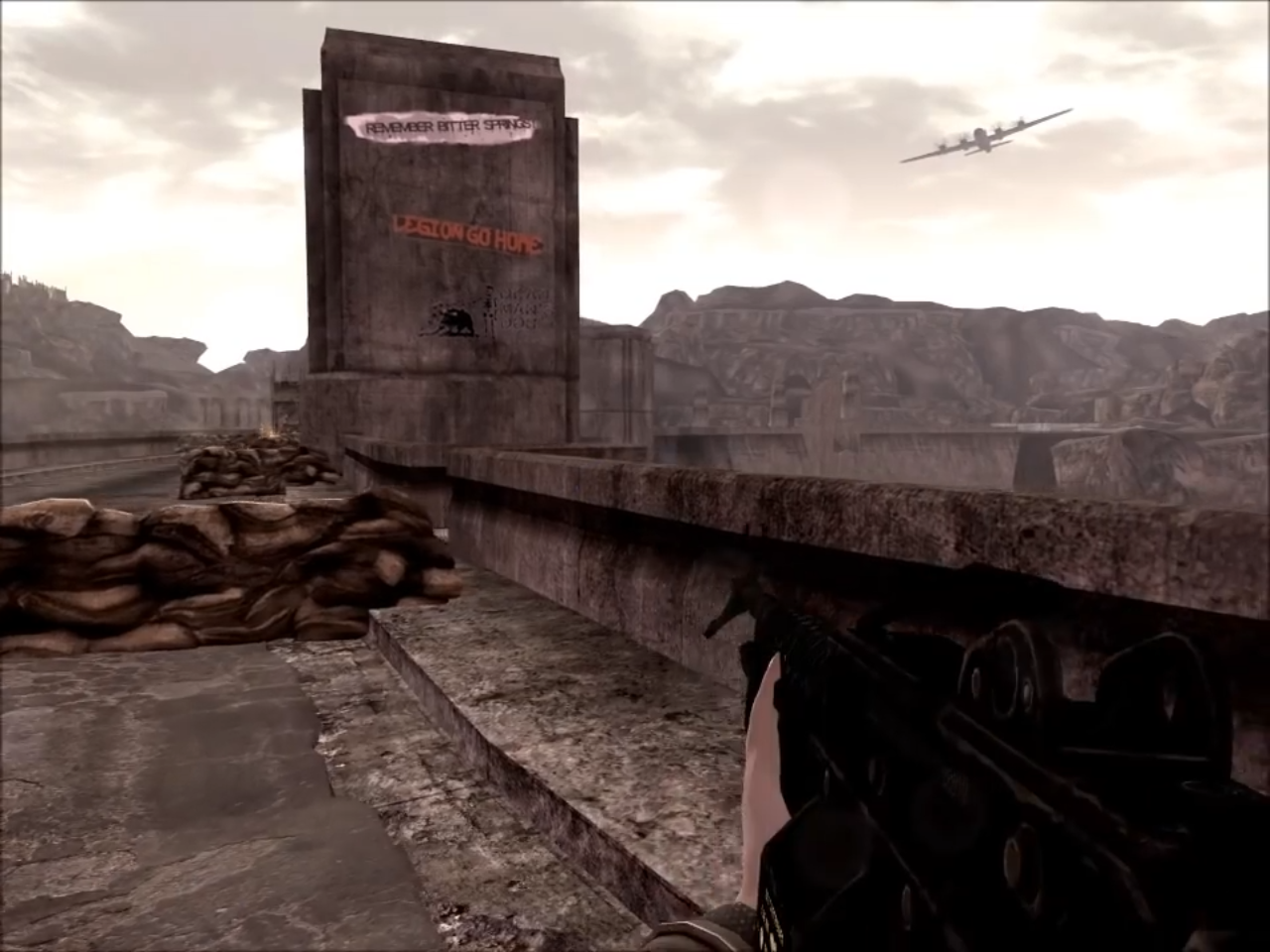
This is a very Boomer thing for the sky to do.
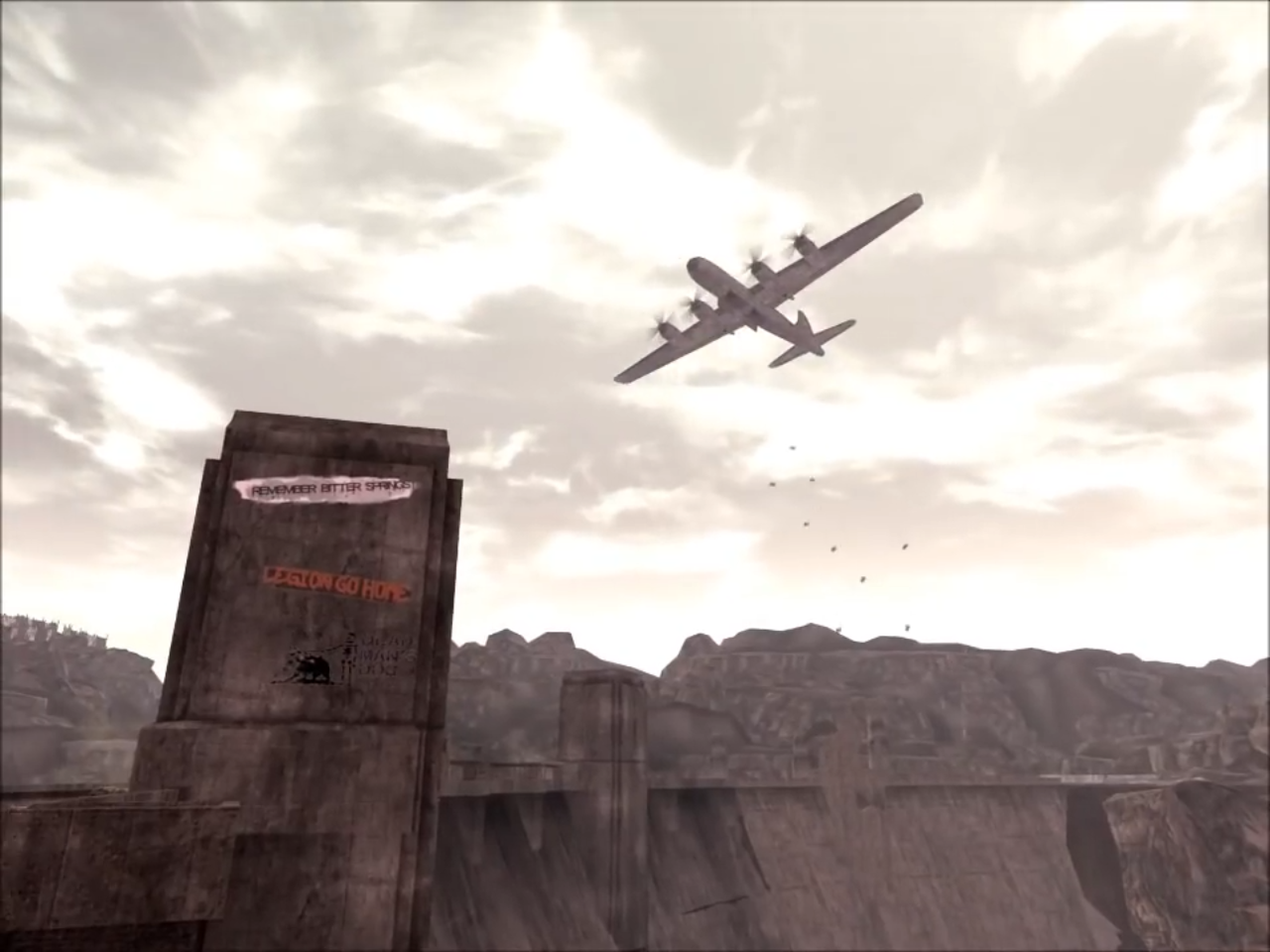
Modal Path Ethics remembers Nellis as the dam battle opens upward.
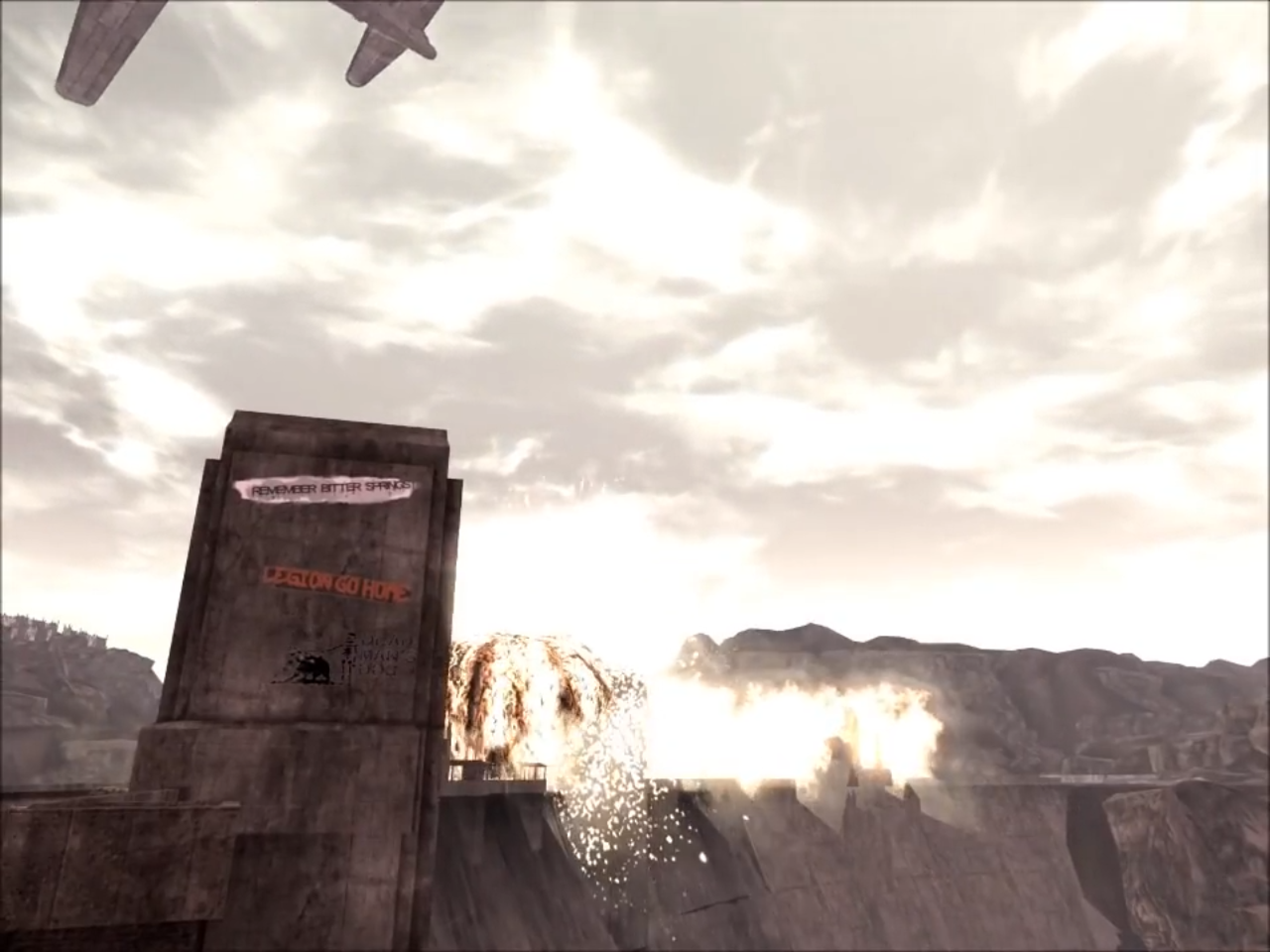
Artillery, aircraft, old-world obsession, a child’s mural logic armed with explosives, a fenced community that has spent generations turning isolation into identity and firepower into weather. The Boomers are absurd until they are not.
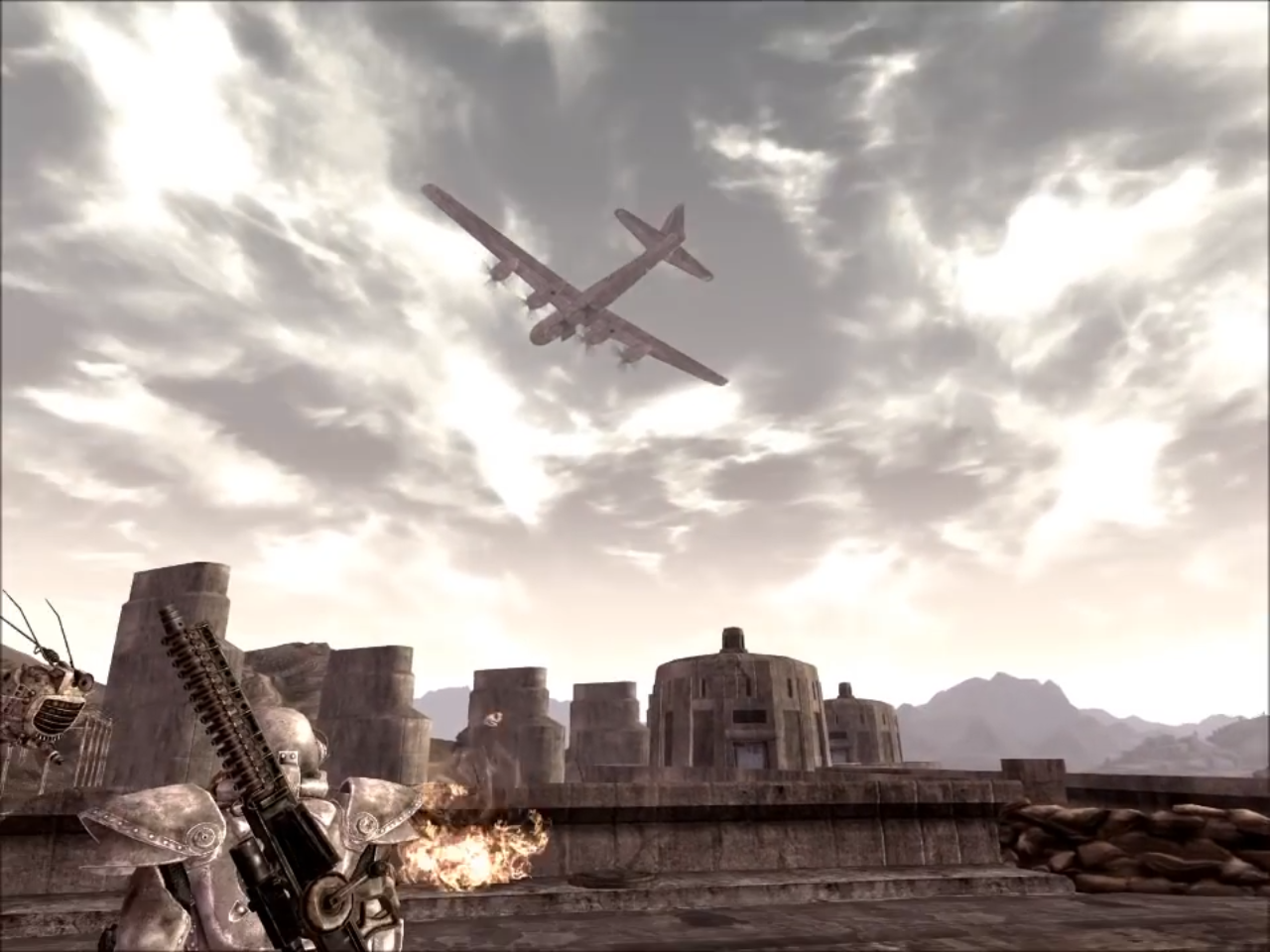
Then they are terrifying. Then, somehow, they become absurd again.
This is a common problem with useful weirdos.
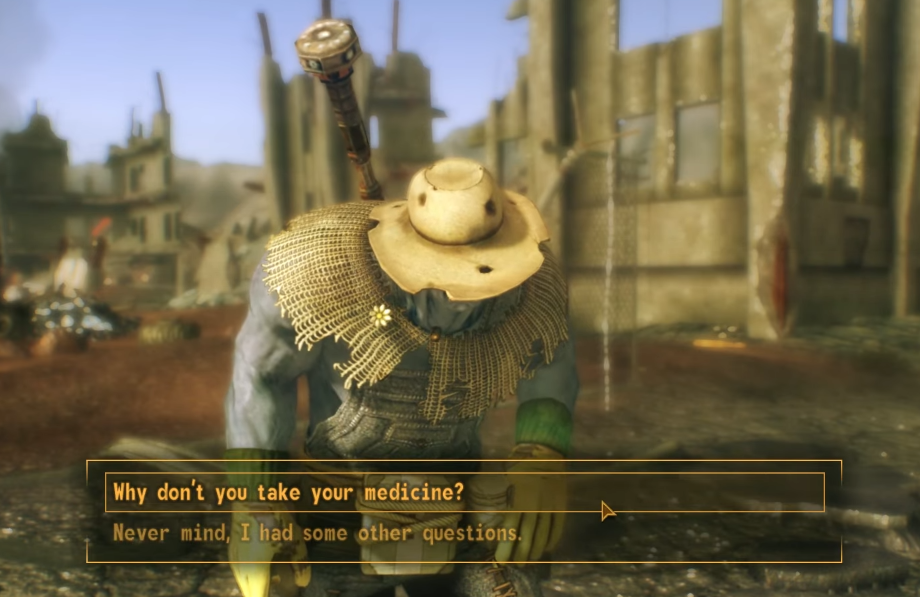
The field discovers them late, misunderstands them quickly, and immediately starts calculating what they can do.
The New California Republic sees a threat or an asset. House sees variables. Caesar sees targets. Independent Vegas sees potential spectacle. The Courier can also fail here by treating the Boomers as a side quest that produces air support if enough chores are completed under bombardment.
Modal Path Ethics must do better than that.
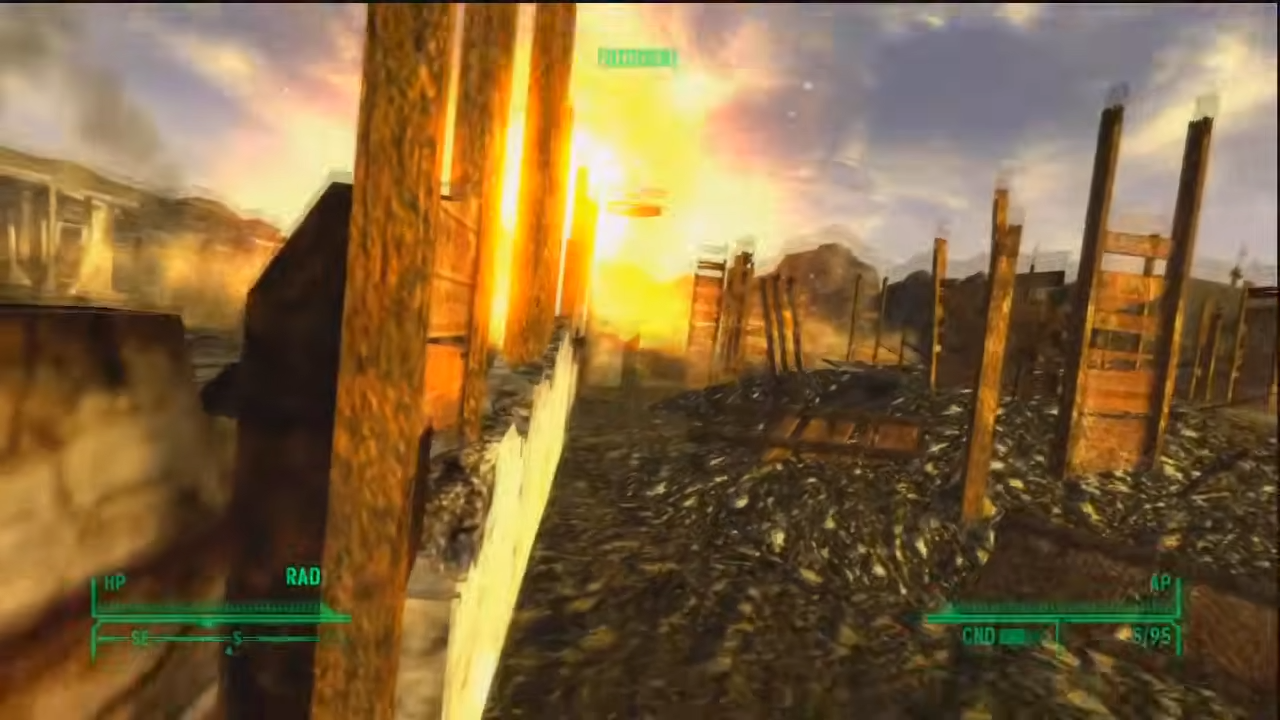
Nellis is a translation problem before it is a deployment problem.
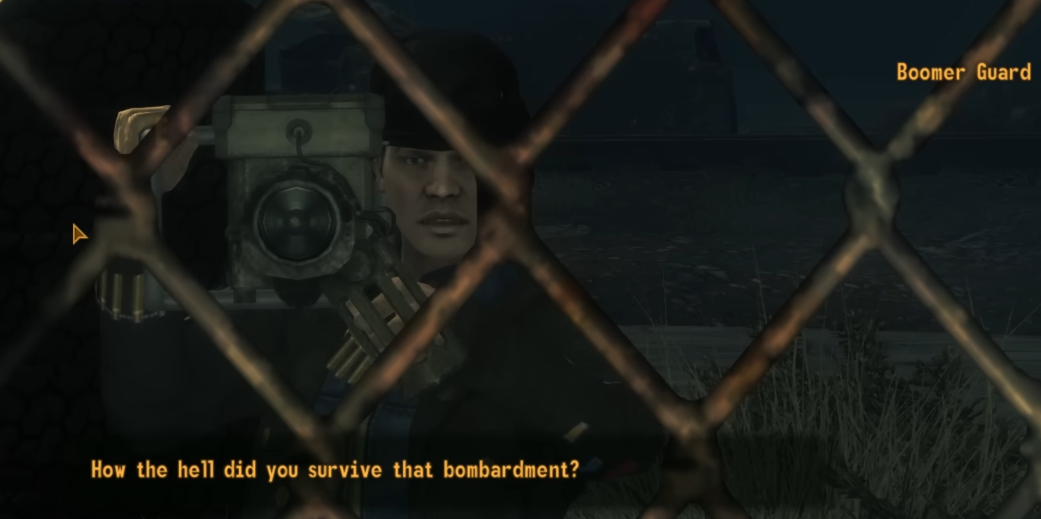
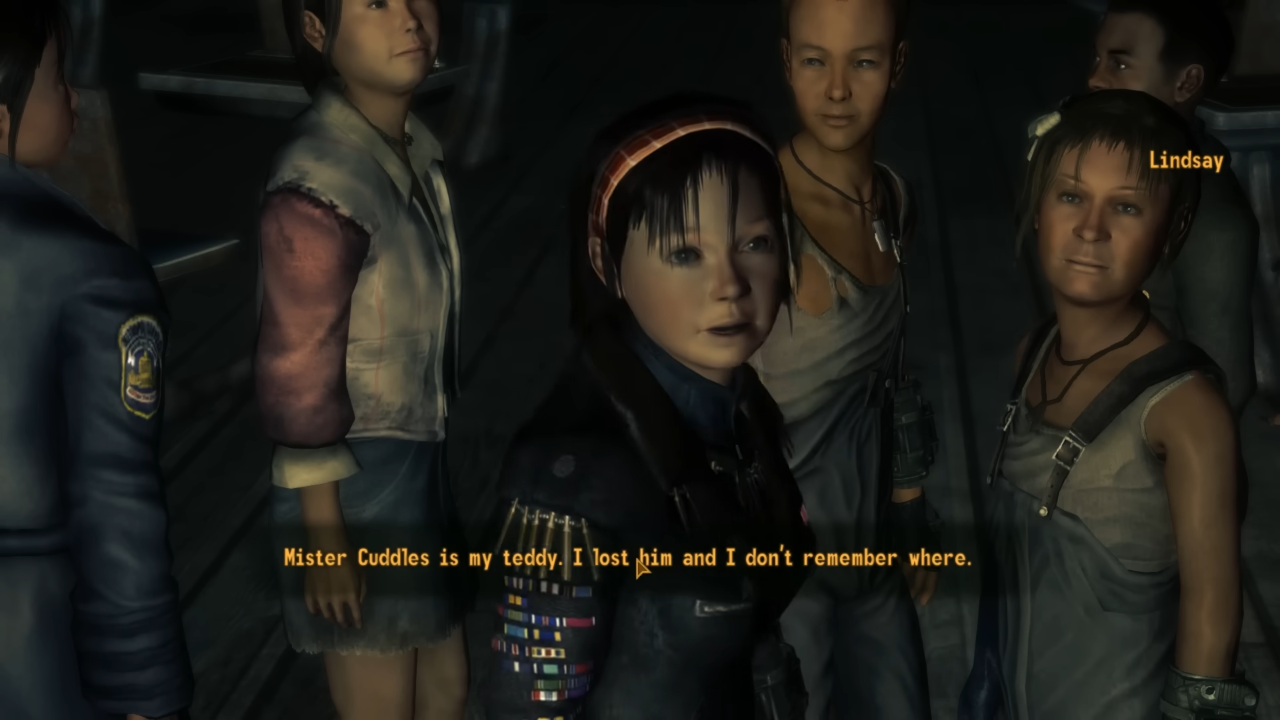
The Boomers are not simply hostile. They are locally coherent. Their isolation has a story, a pedagogy, a map of outsiders, a set of rituals, internal tenderness, technical competence, and an enormous amount of explosive overreaction.
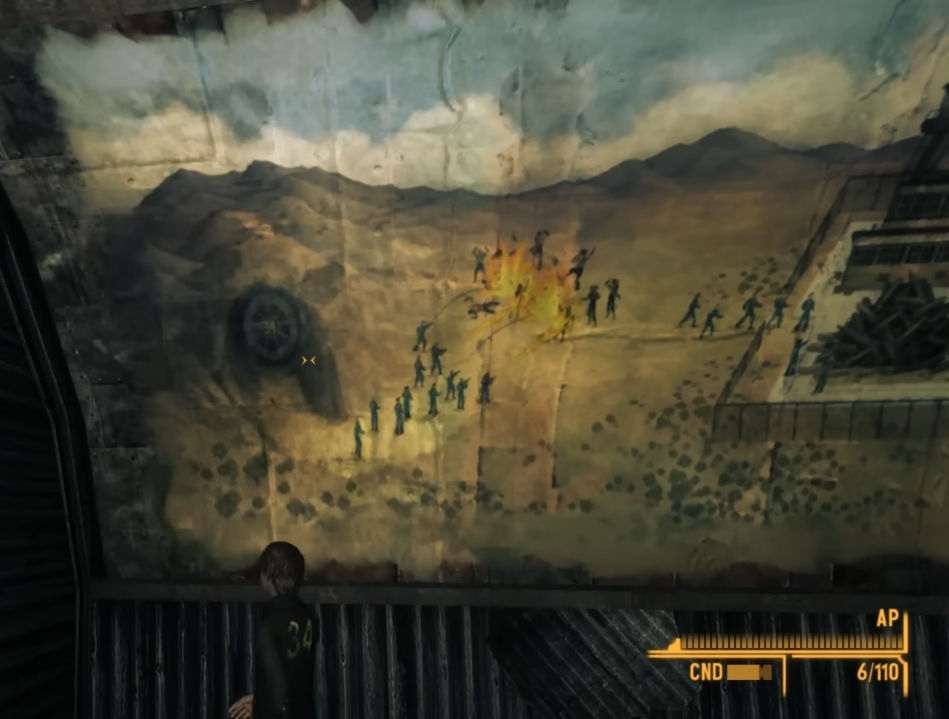
Their community is funny because it is serious about the wrong things in exactly the wrong scale. It is dangerous for the same reason.
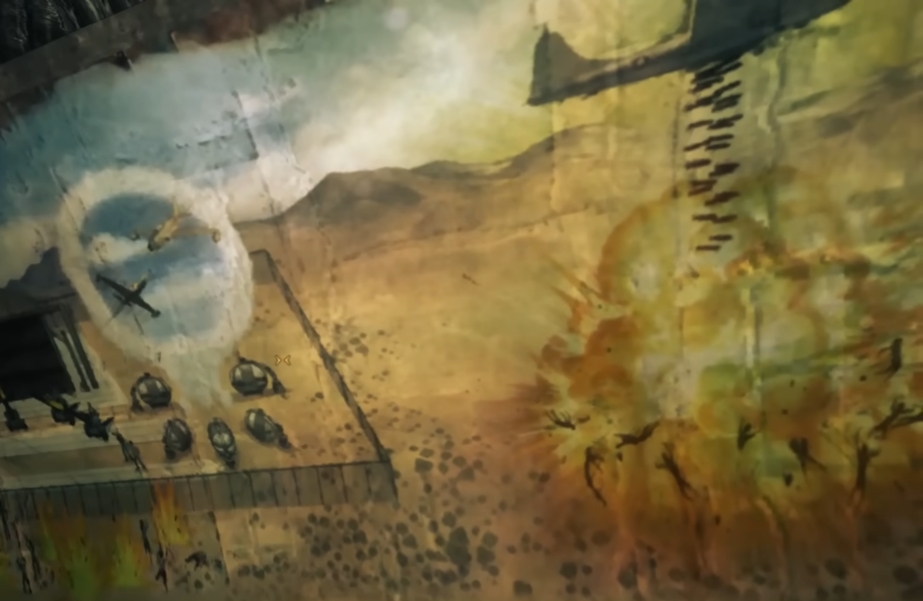
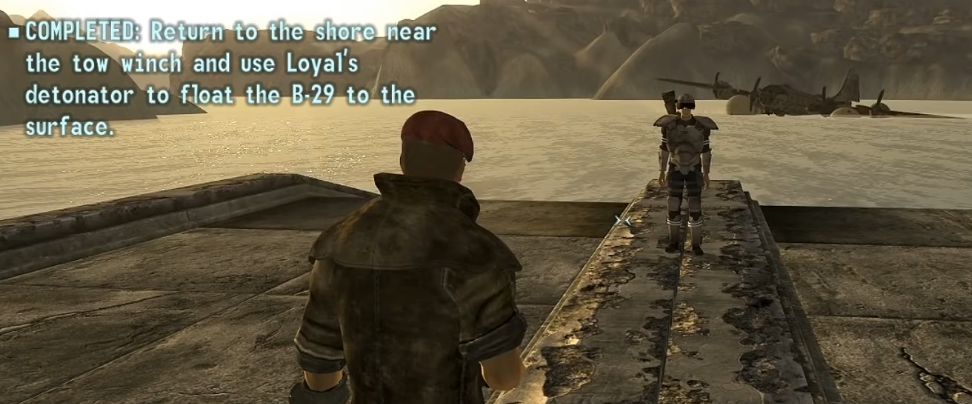
To contact them ethically, the Courier has to cross their killing field without converting survival into entitlement. Learn names. Repair systems. Listen to history. Help with the bomber not because the bomber will be useful later, though it will be, but because the community has its own continuity before the dam asks it for fire.
This is where the air support becomes morally uncomfortable.
The Boomers arrive at Hoover Dam as a community that has been translated into the wider field.
They also arrive with bombs.
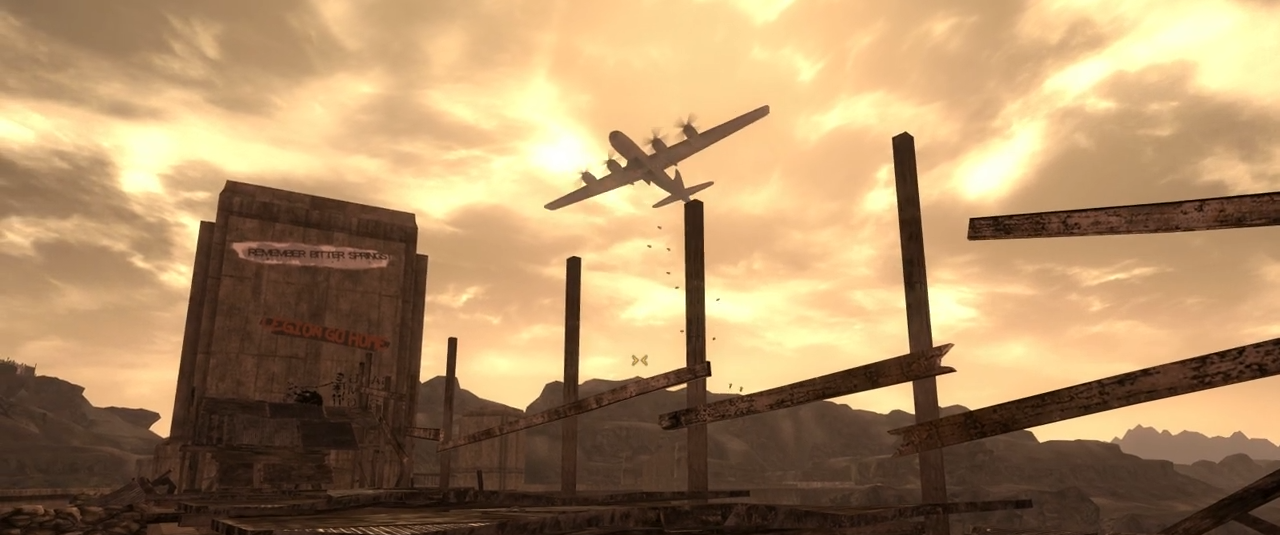
Modal Path Ethics cannot pretend this is innocent.
Translation has consequences. Contact changes the reachable uses of a people. A closed community becomes a battlefield actor partly because the Courier made relation possible. That is better than killing Pearl and Loyal to neutralize Nellis. It is better than leaving the Boomers sealed forever behind artillery myth. But this is not harmless.
A useful weirdo is most vulnerable at the moment the field discovers the use.
Modal Path Ethics has to remember this while the sky does something spectacular. It would be easy to cheer. The battle almost demands cheering.
A bomber restored from a lake, an isolated people entering history through a giant old-world gesture, Legion lines broken by the absurd fruit of patient translation: it is almost too satisfying.
Almost.
Modal Path Ethics records the remainder.
Nellis survives. The Boomers are not erased. Their relation to the wider Mojave is no longer only incoming shells and myth. But it does not get to call these explosions clean because it was earned through friendship.
Failed Field Analysts: Colonel Moore.
Colonel Moore is waiting inside the chosen ending.
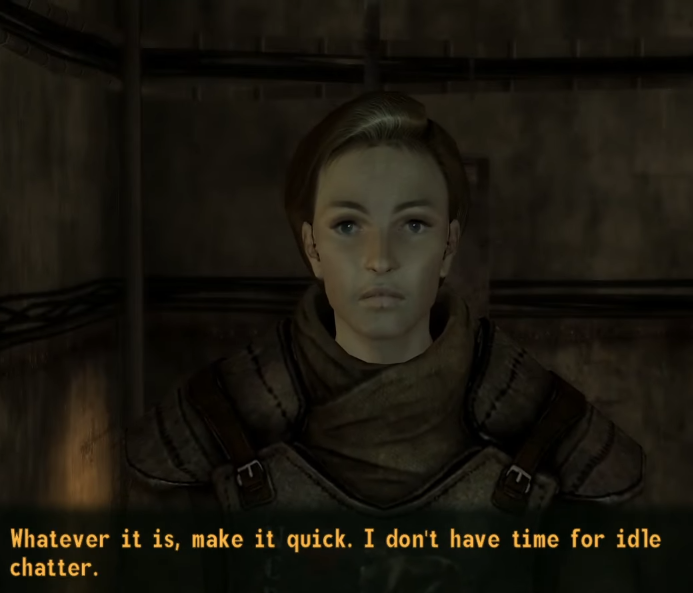
The Mojave is hard. Hoover Dam is hard. People are dying while other people hold meetings. There is a kind of competence that can only look cruel from a room protected by someone else’s perimeter, and Modal Path Ethics is not interested in becoming the soft little ghost of a politics that has never had to secure water during an invasion.
Moore understands threat.
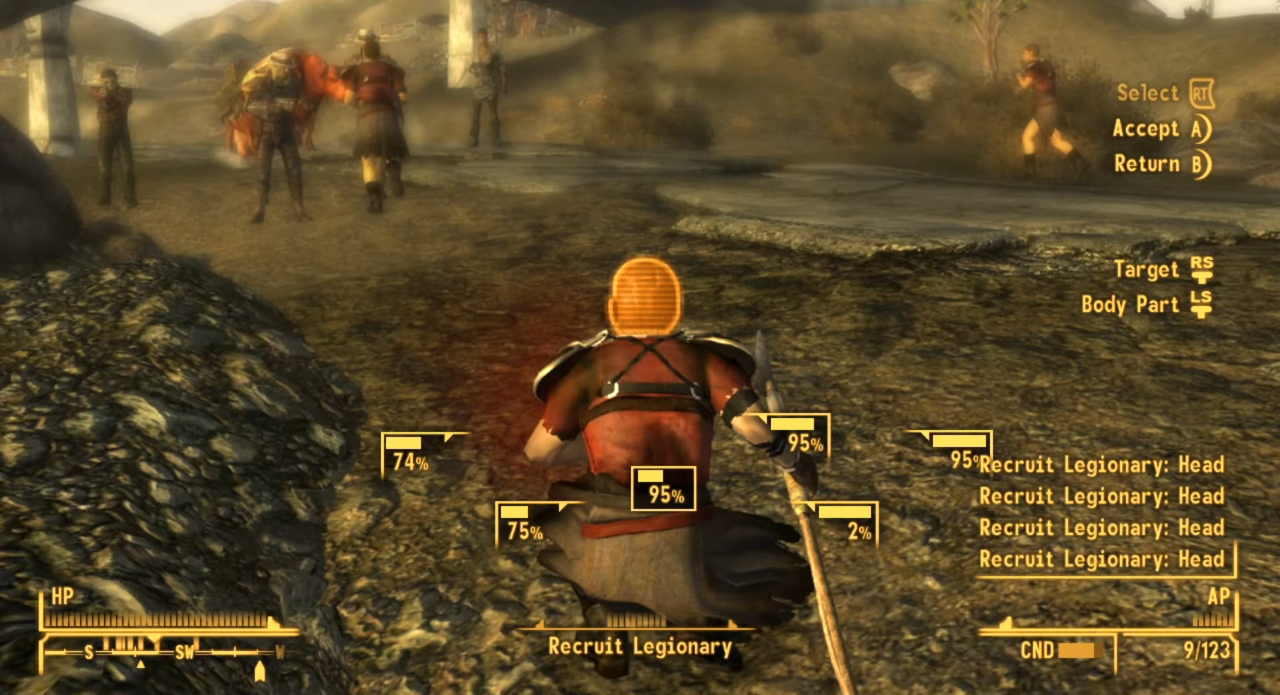
She understands that the Legion is not a debate club with spears. She understands that the dam will not be held by good intentions. She understands that hesitation has a body count. She understands that an expanding republic can be killed by pretending every armed group inside its lines is merely a misunderstood neighbor waiting for a pamphlet.
Sometimes Moore is right. That is what makes her dangerous.
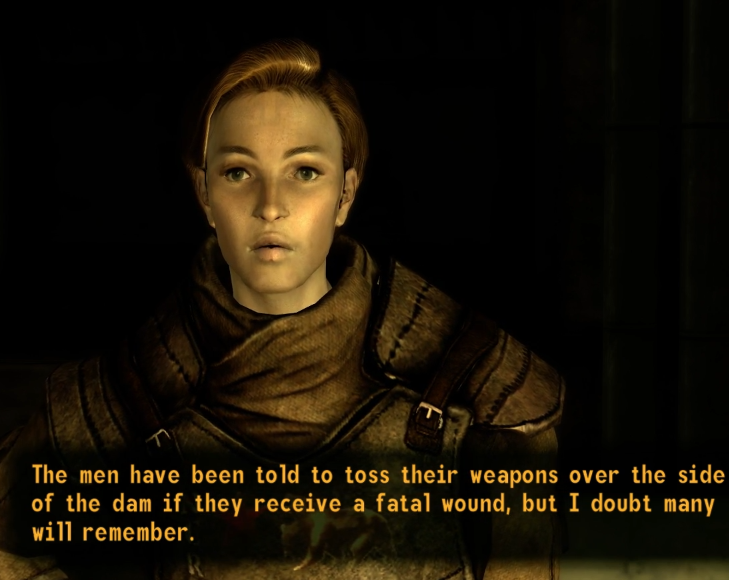
The worst instruments inside a repair path are rarely wrong about everything. If they were wrong about everything, the field could reject them cheaply. Moore’s danger comes from the accuracy of her urgency. She can see real threats and then convert them too quickly into deletion tasks.
- Destroy the Brotherhood.
- Handle the Khans.
- Remove House.
- Neutralize the Omertas.
- Secure the dam.
Her verbs are efficient because they are engineered to survive briefings. The battlefield loves her language.
- A complicated community becomes a hostile asset.
- A brittle treaty becomes unnecessary risk.
- A living rival institution becomes a bunker to clear.
- A wounded tribe becomes a future ambush.
- A casino conspiracy becomes a target package.
- A president becomes a security object.
- A dam becomes an objective.
This is how the selected ending almost eats the reasons it was selected.
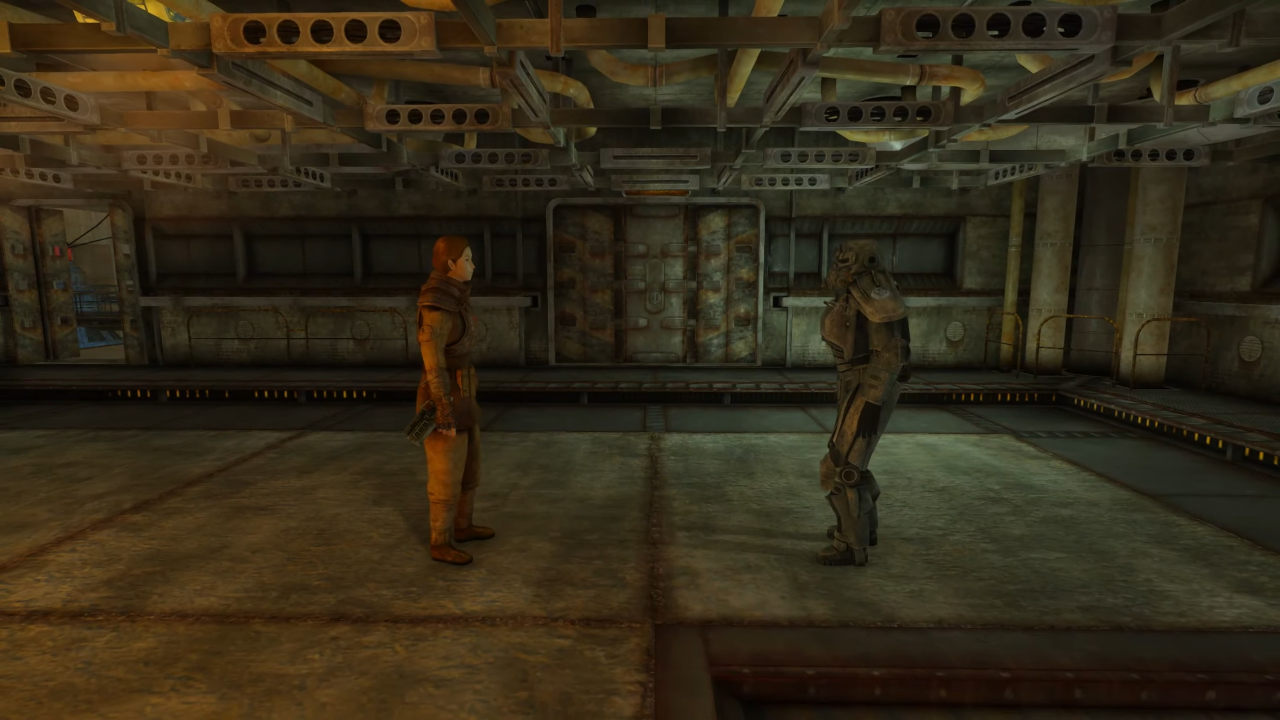
Modal Path Ethics has spent the whole route preventing Colonel Moore from being the whole meaning of the New California Republic. That does not mean Moore is an aberration.
Moore is not some freakish external infection inside an otherwise innocent republic. She is one of the forms the Republic takes when frightened, overextended, militarized, and close enough to victory to smell history.
The Republic is selectable because it can be resisted.
Moore is the proof that it must be.
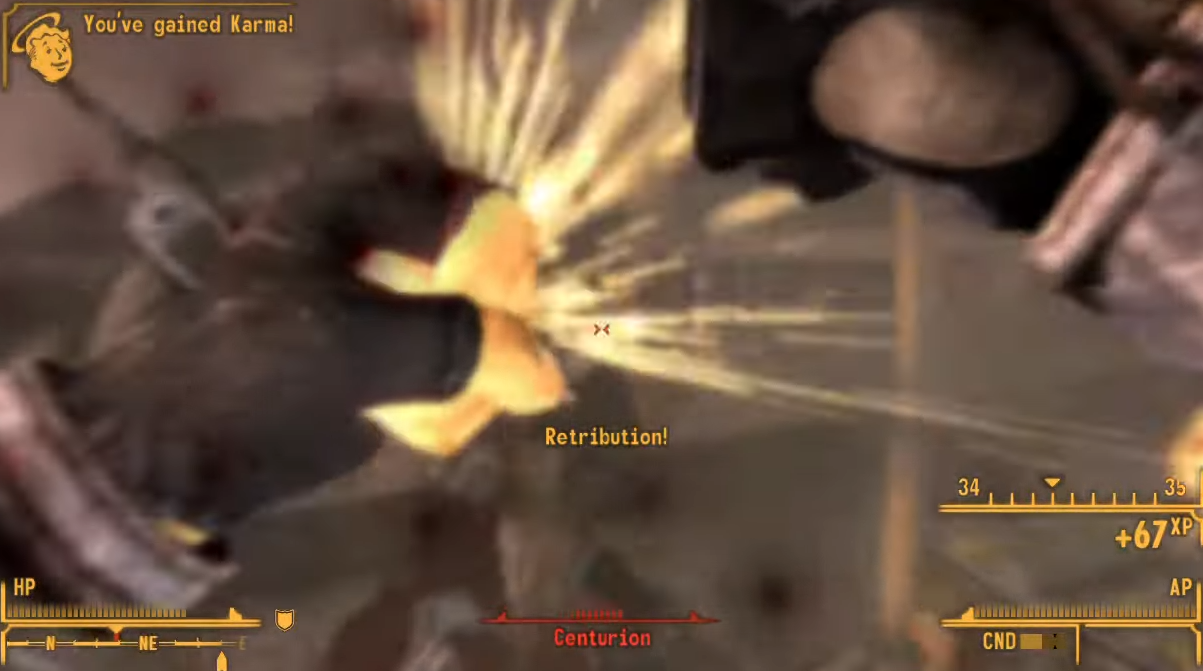
A New California Republic radio crackles. A voice demands status. Another voice gives coordinates. Somewhere, Moore’s world is becoming temporarily correct: lines, positions, casualties, enemy movement, critical infrastructure, chain of command.
Modal Path Ethics moves through her world without surrendering to it.
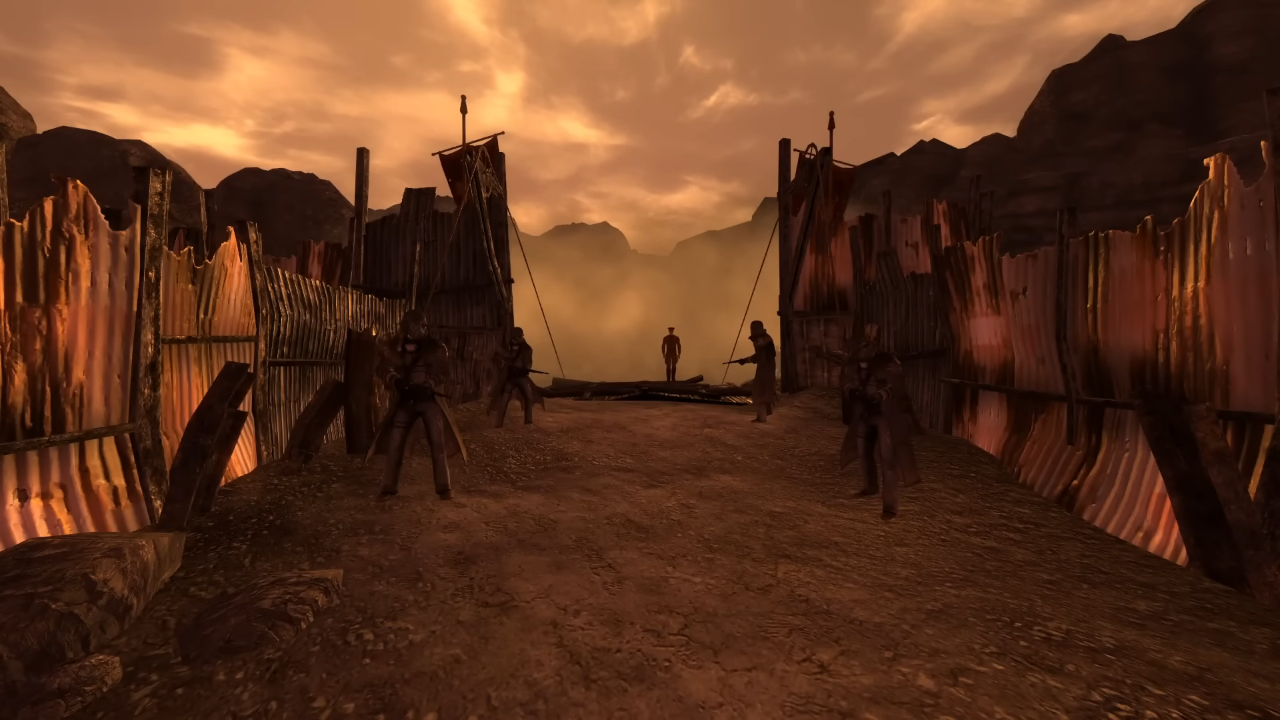
It has chosen the Republic, not Moore’s imagination of the Republic.
The distinction has to survive the battle, or this battle wins more than the dam.
The President.
President Kimball is easy to resent.
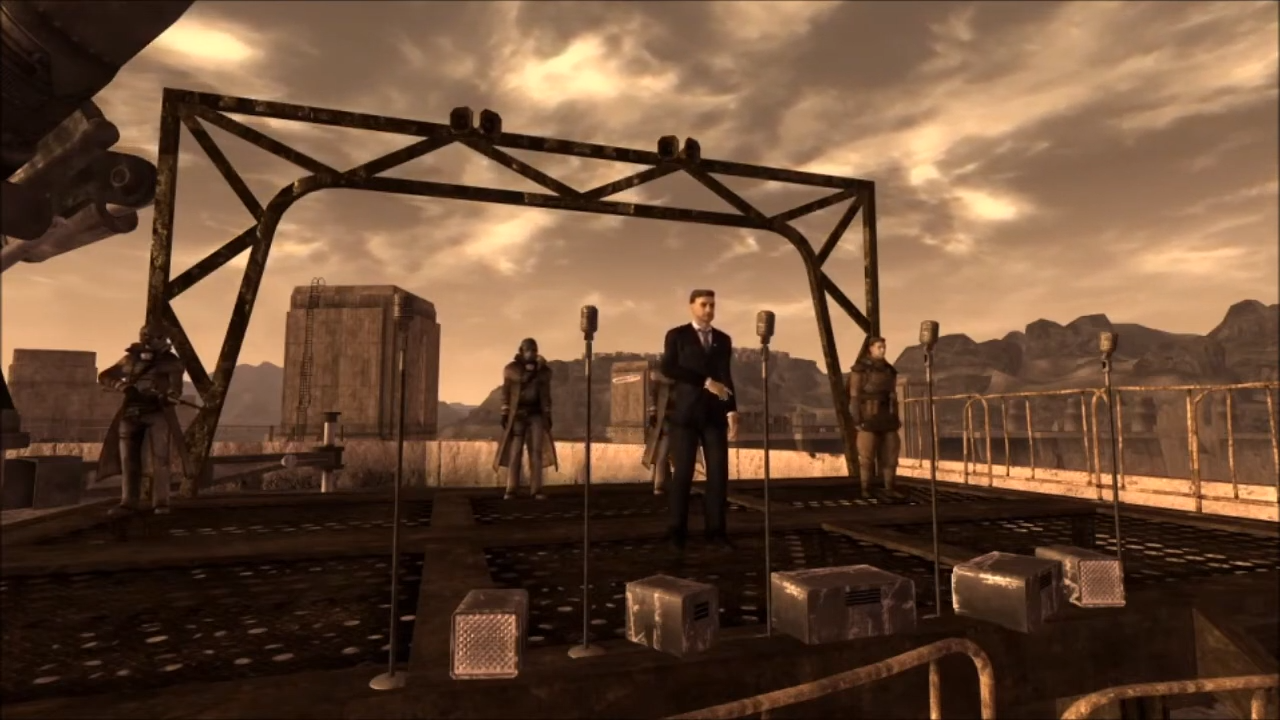
This is almost a job requirement for presidents, and the New California Republic has not failed to provide the necessary materials. Kimball arrives at Hoover Dam wrapped in ceremony, security, rhetoric, and the political appetite for a victory he did not personally bleed into the concrete. He is a leader of the expansion that brought the Republic too far east, too hungry, too exposed, too ready to confuse the needs of the Mojave with the needs of the campaign speech.
Modal Path Ethics saves him because assassination is not accountability.
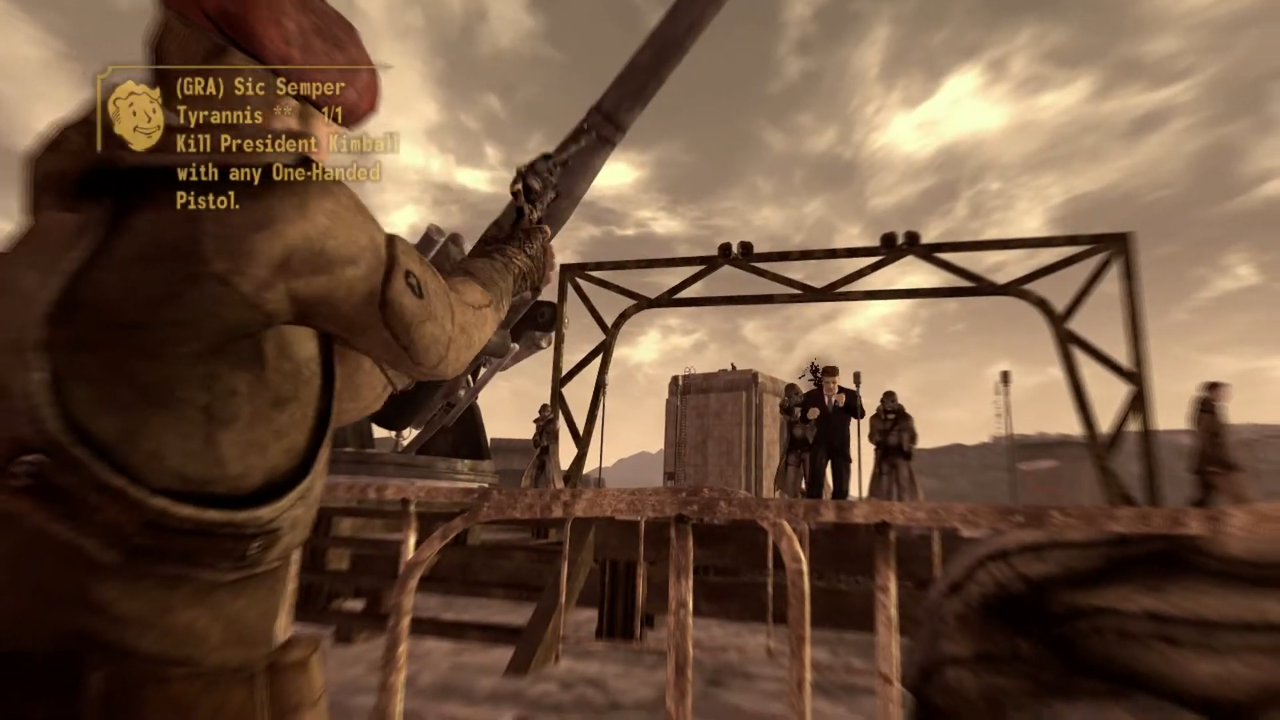
The Legion wants Kimball dead because martyrdom, panic, succession shock, propaganda, humiliation, and command disruption are all useful forms of violence. The assassination is a corpse-shaped argument delivered into a battlefield by people who know exactly how much future confusion a single dead symbol can produce.
- Kimball alive remains a problem.
- Kimball dead becomes a weapon.
So Modal Path Ethics works the security problem.
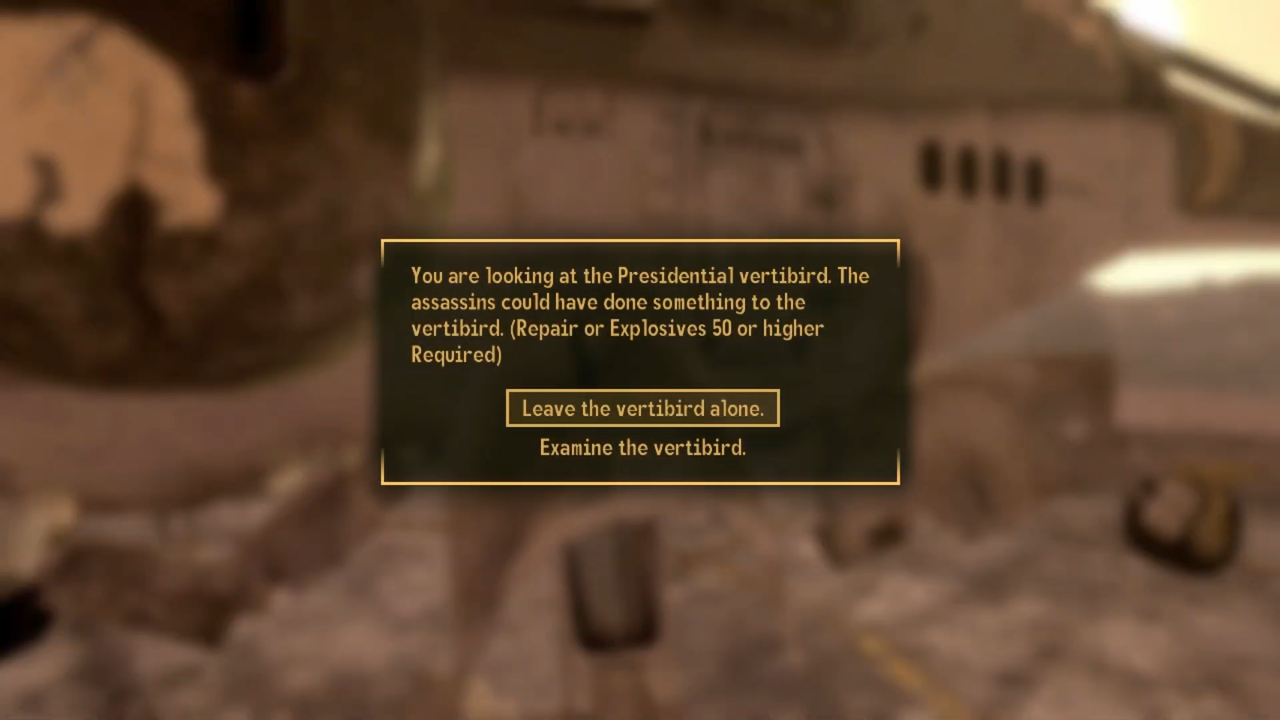
The scene is ridiculous because "presidential security in the Mojave" is fucking ridiculous. This dam is an exposed monument in a war zone.
The air is too open. The crowd is too tense. The Vertibird is too obvious. Every uniform is a possible disguise because the Republic has turned uniforms into the only grammar anyone respects. Every vantage point looks guilty. Every engineer could be an engineer or an omen. Everyone wants the speech to happen because states adore the idea that a man talking at a podium can prove that the gunfire has been arranged into meaning.
Modal Path Ethics does not care about the speech. It cares about the transition created by the murder.
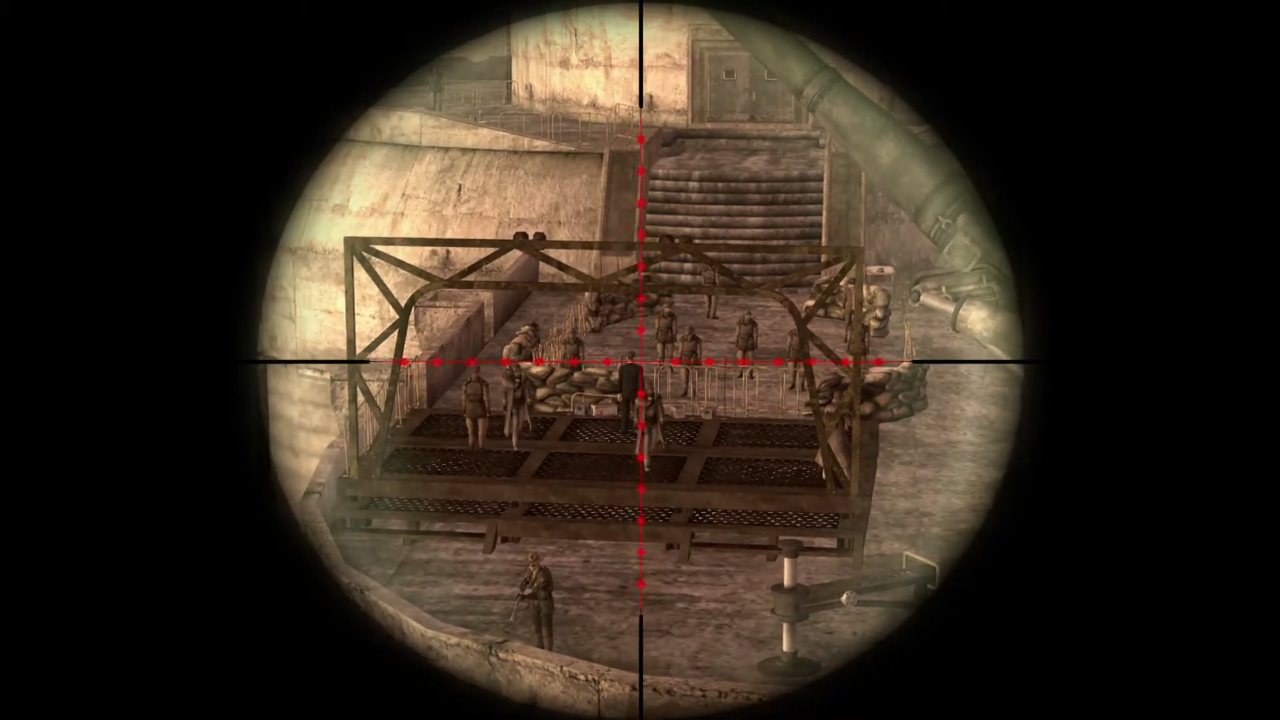
A sniper’s line of sight is a future trying to enter through a skull.
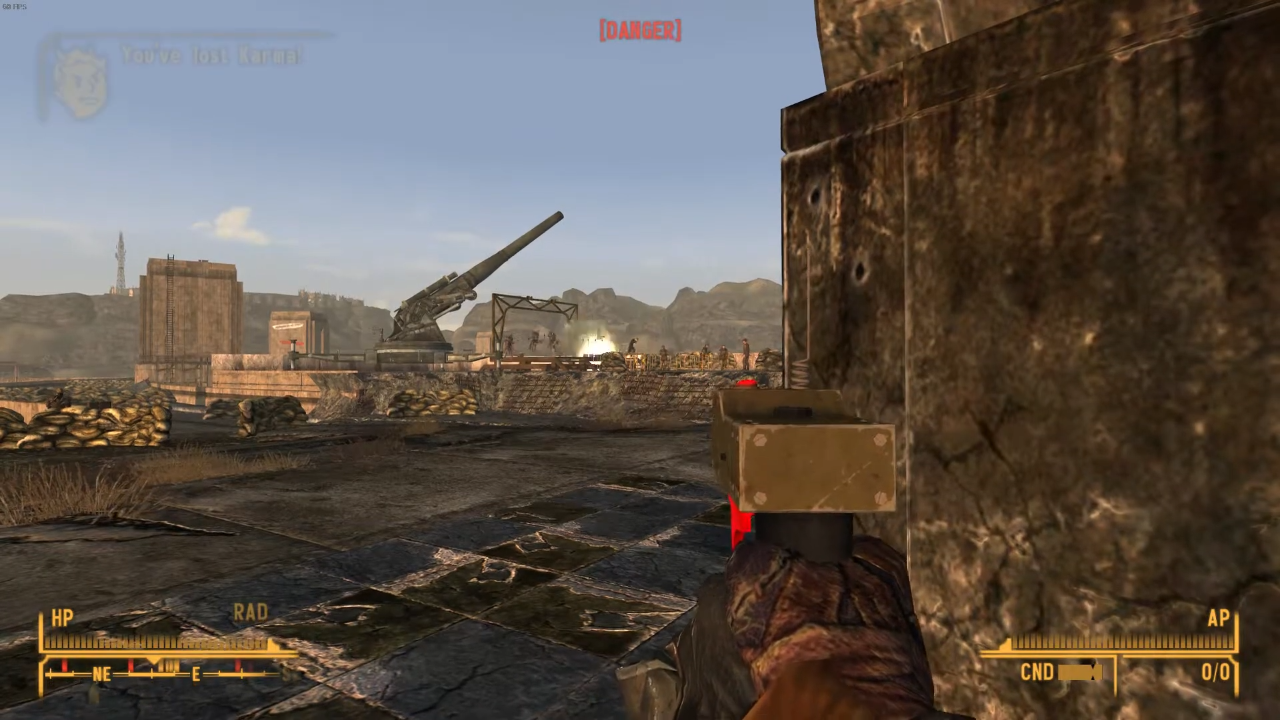
A bomb is a way of converting ceremony into chaos.
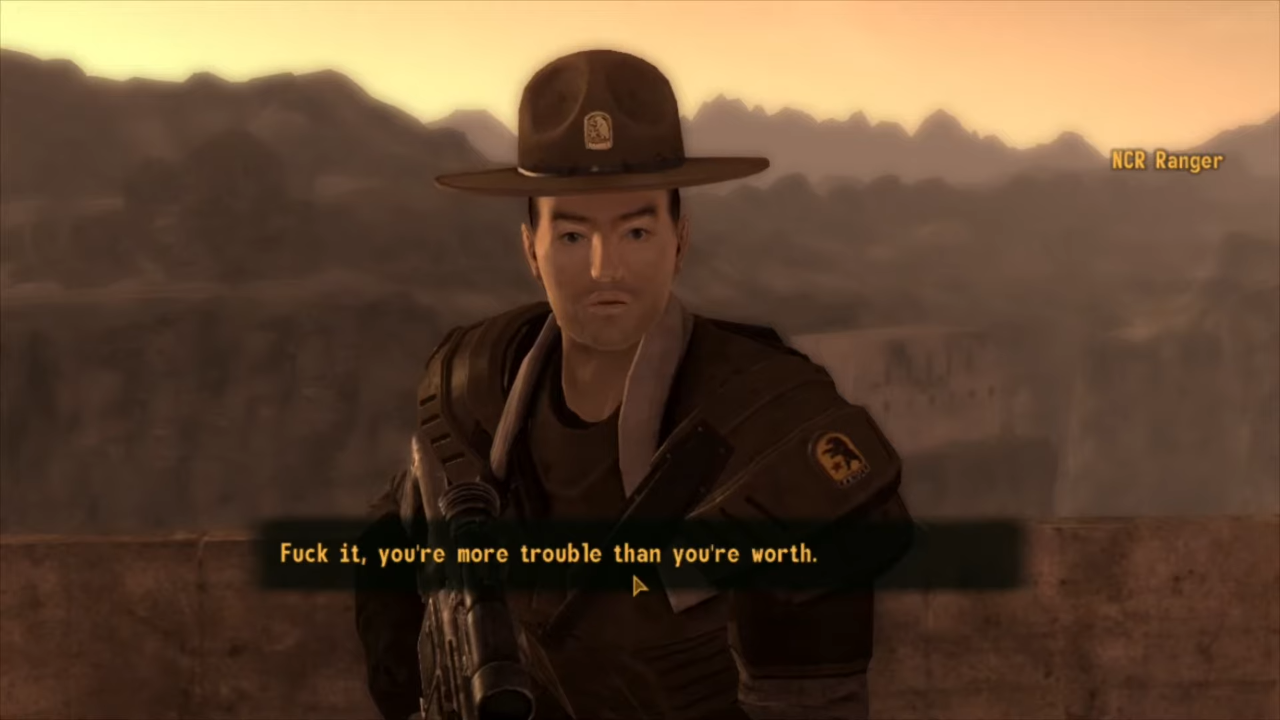
A disguise is proof that the Republic’s own surface order can be worn against it.
The assassination plot is a little model of the whole Mojave. Everyone is standing on old concrete pretending the categories still hold.
President. Soldier. Engineer.
Citizen. Enemy. Ally. Security.
Ceremony. Speech. Victory.
Except the categories are leaking.
Modal Path Ethics plugs what leaks it can.
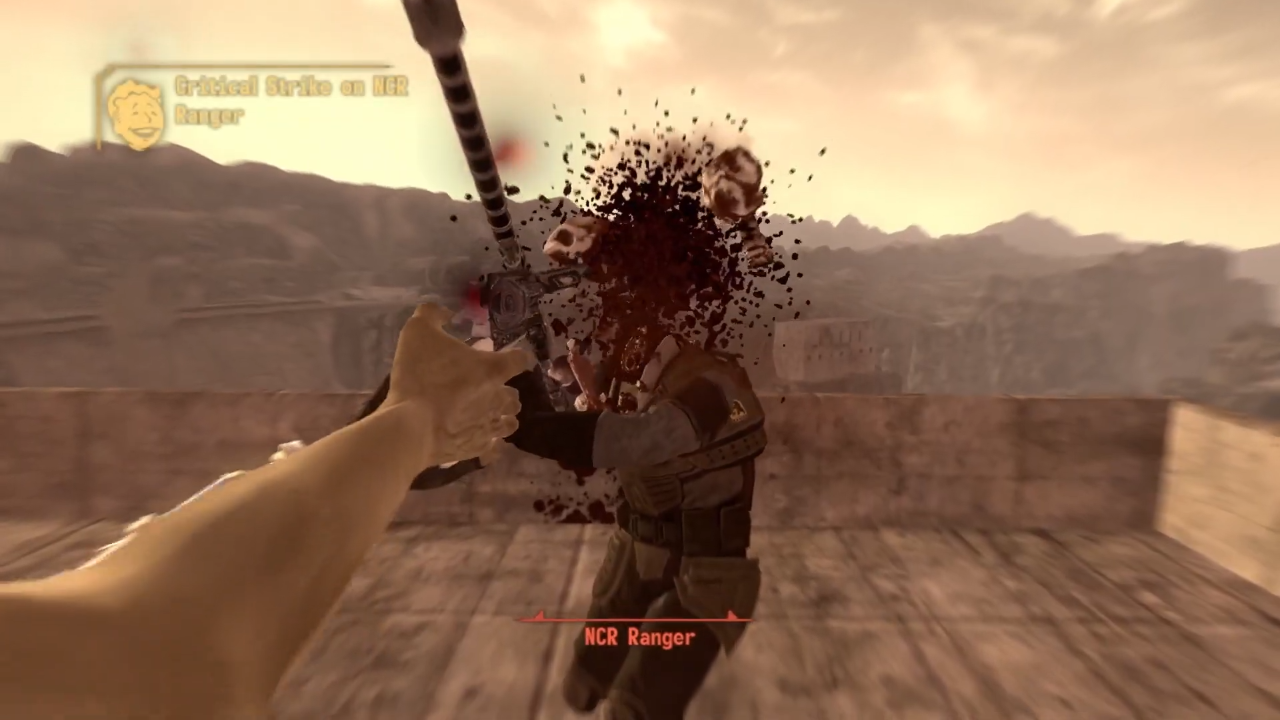
Kimball survives if the route is careful enough.
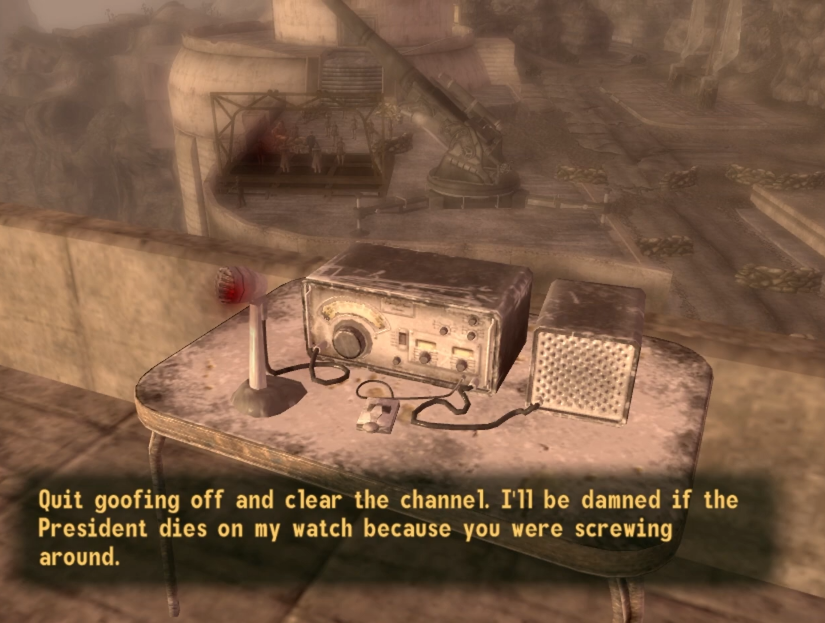
Then the moral remainder arrives immediately, as usual. Saving him does not ratify him. Preventing assassination does not endorse the war, the expansion, the photo opportunity, or the myth the Republic wants to tell about itself. It means only that this particular closure was worse than the ongoing problem of his living authority.
This is a recurring pain in the New California Republic route:
Modal Path Ethics keeps saving things it intends to criticize afterward.
This is what it means to preserve a field.
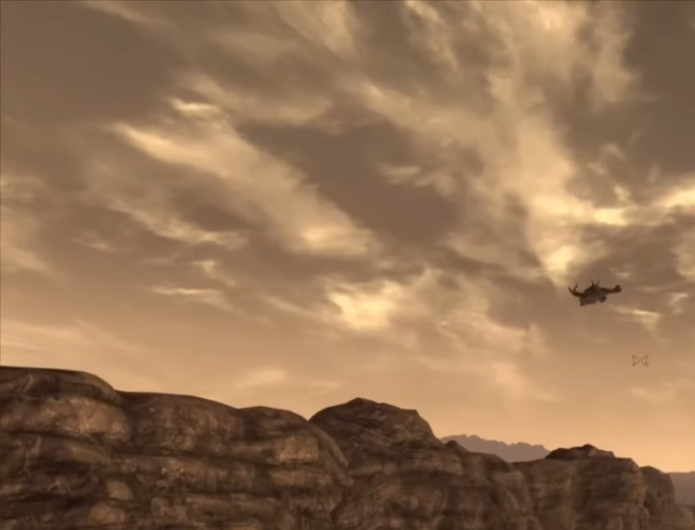
Kimball has to remain reachable as a living political actor, which means reachable by scandal, protest, defeat, exposure, humiliation, institutional correction, and history. A dead Kimball is not more accountable. He is less available to accountability and more available to myth.
The Republic already has enough myths.
The Dam.
The inside of Hoover Dam sounds like the old world refusing to stop working.
The turbines do not seem to care who is right.
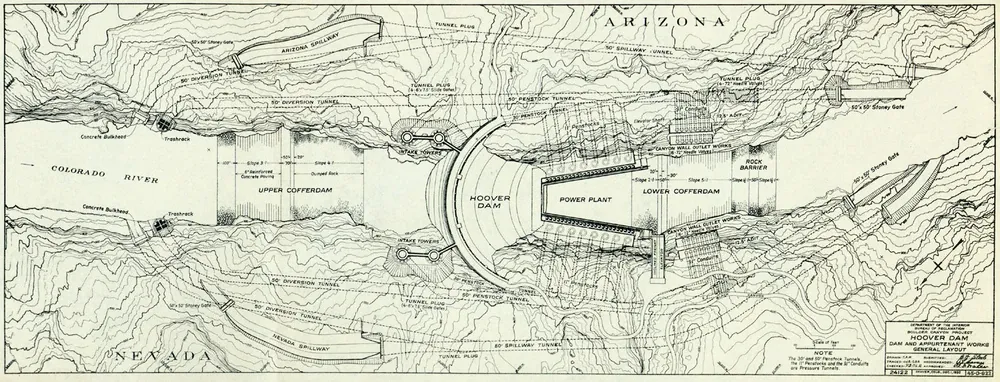
The dam is a useful cruelty. It is too material to be reduced to symbolism and too symbolic to be treated as simple machinery. It holds water. It makes power. It anchors maps. It feeds states. It tempts every faction into thinking control of the structure can prove control of the future.
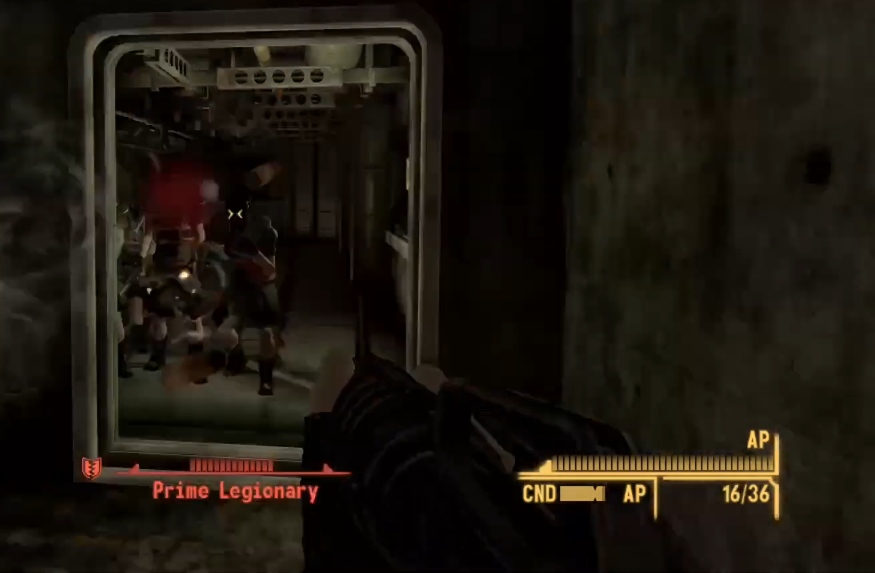
Outside, flags and speeches can still pretend to explain the battle. Inside, the dam becomes pipes, stairs, concrete, metal, alarms, corners, choke points, echoing shots, locked doors, and bodies appearing too quickly at the edge of vision. The infrastructure strips moral language down to movement.
- Go here.
- Do not die.
- Stop that group.
- Hold this line.
- Find the Legate.
- Secure the objective.
Every war machine wants the world to become verbs like these. Modal Path Ethics obeys some of them because not obeying them would also kill people.
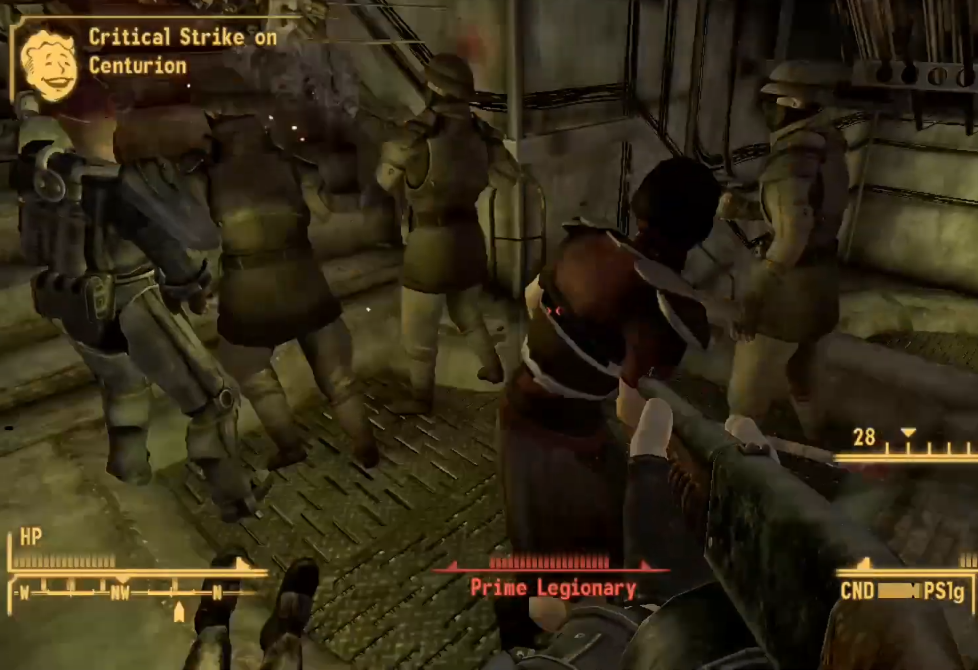
The battle does not let Modal Path Ethics maintain purity by refusing to participate. The Legion is attacking. The Republic is defending. The dam will fall to someone. Inaction is not outside the field. Inaction is one of the field’s transitions, and here it mostly makes Caesar reachable.
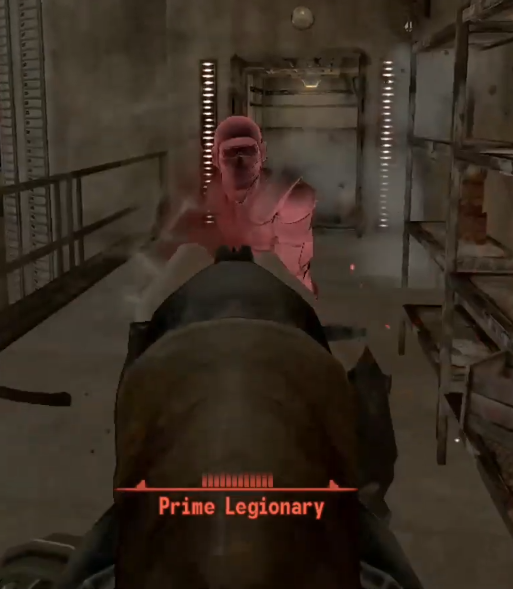
So Modal Path Ethics moves.
But it refuses every optional cruelty the battle offers as convenience.
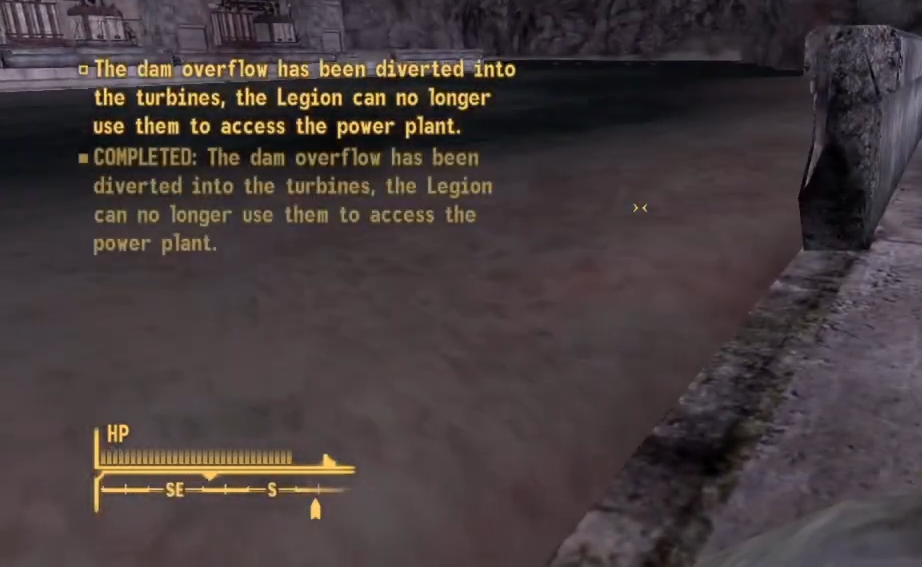
The turbines can become a mass-killing machine. Modal Path Ethics does not make them one if another path remains. This dam is already violent enough without converting its working organs into a literal human disposal system.
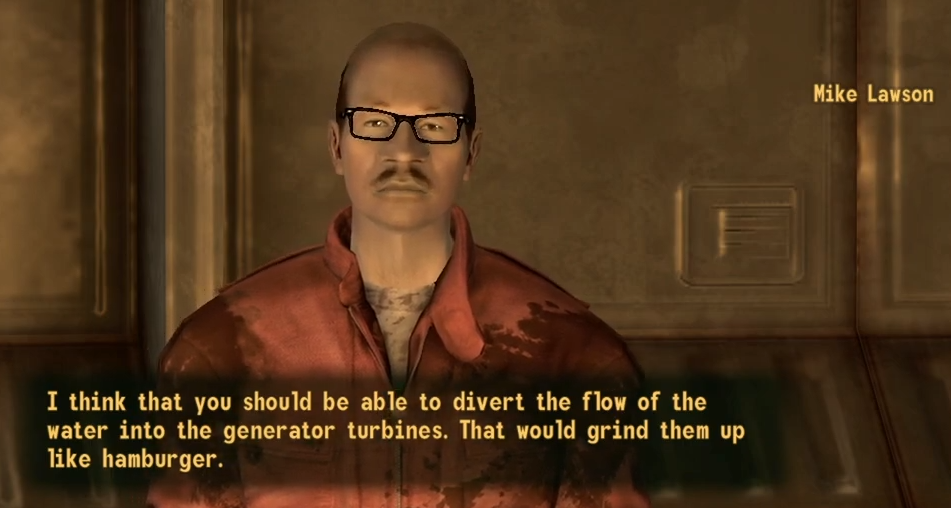
Explosives can simplify enemy clusters. Modal Path Ethics does not confuse simplification with repair.
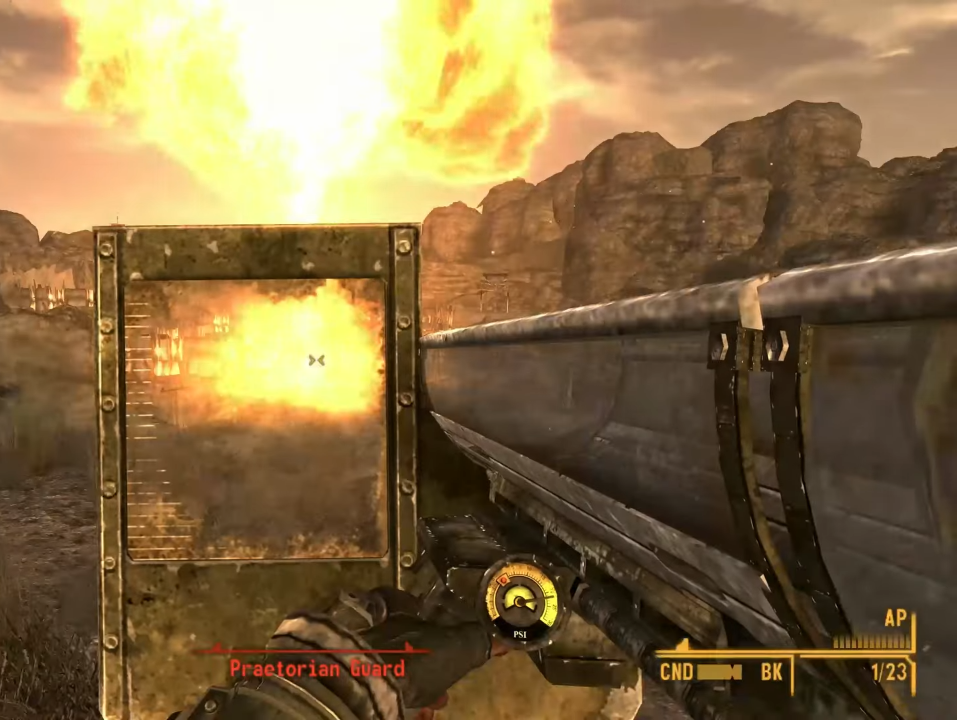
Extra fire support can make the route safer by increasing death elsewhere. Modal Path Ethics asks, each time, whether the requested violence prevents a larger closure or simply makes the chosen path feel smoother.
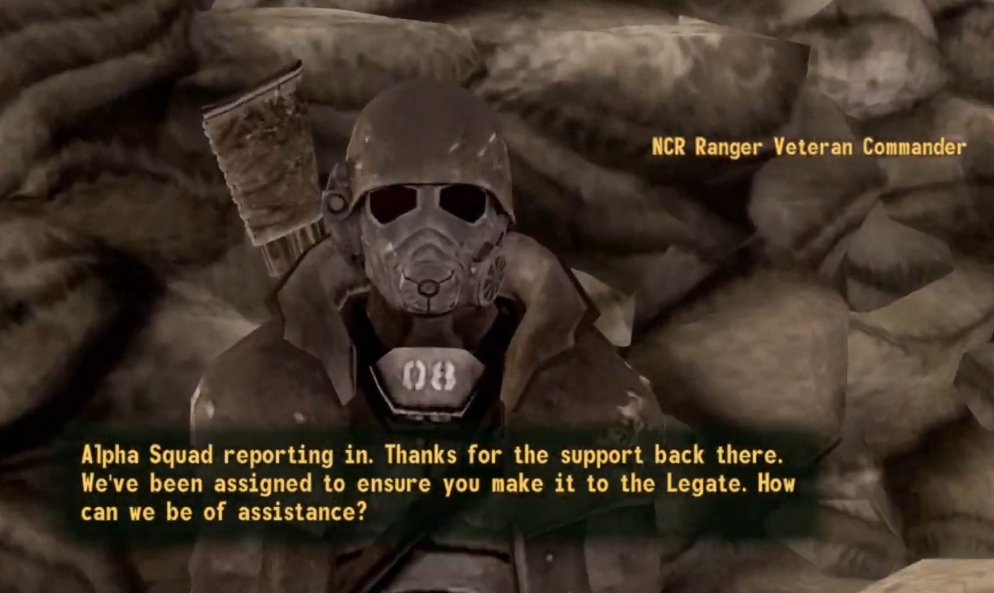
This is not pacifism in the easy sense. The easy pacifist is just not available here.
This dam is not some debating hall briefly interrupted by weapons. Here lies an active battle for the infrastructure that determines whether Caesar’s slave empire, House’s proprietary city, the Courier’s robot exception, or the Republic’s contested bureaucracy inherits the Mojave.
So Modal Path Ethics fights where fighting is no longer avoidable.
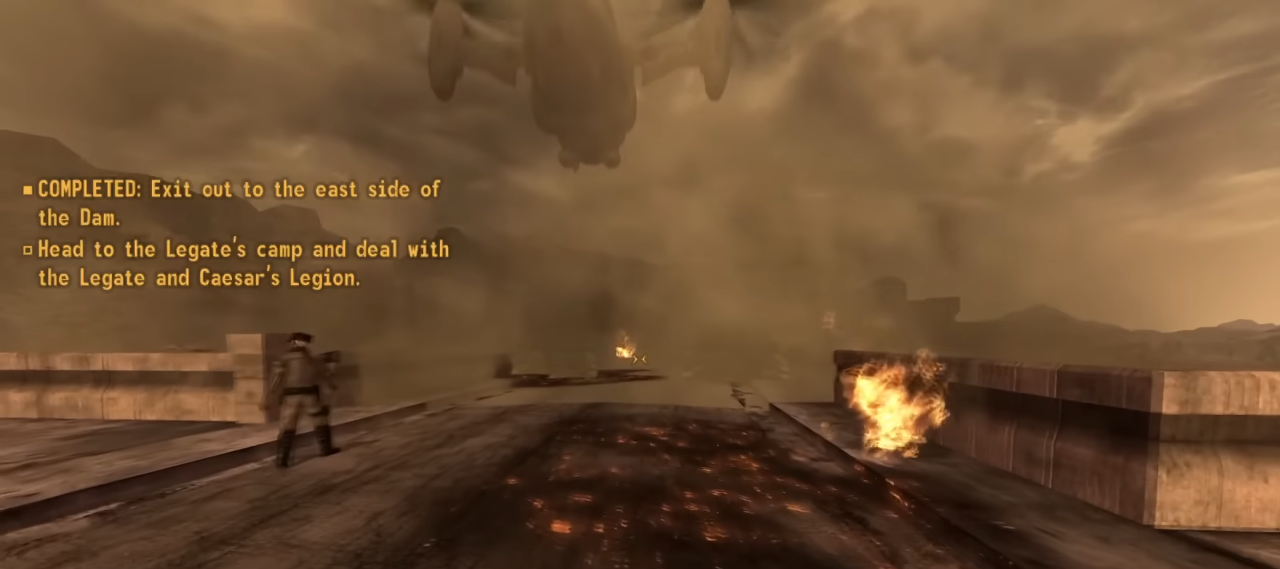
Then it notices the difference between unavoidable fighting and attractive fighting.
The Mojave is just full of attractive fighting.
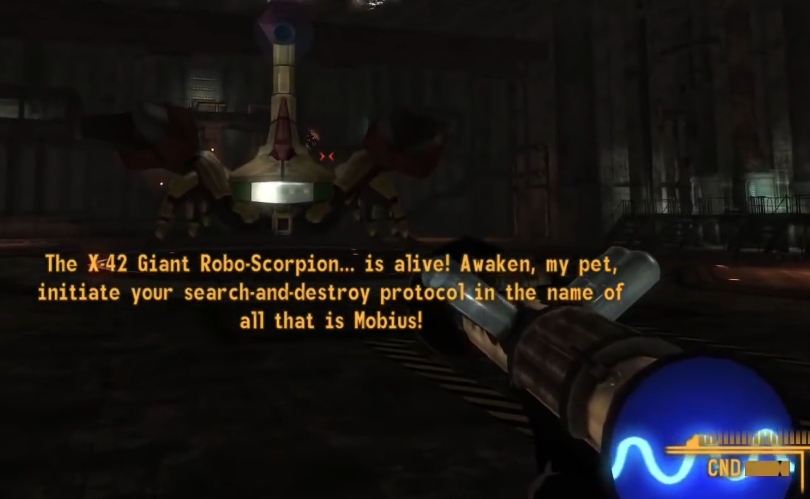
It makes problems legible. It produces completion messages. It gives the body a way to answer what the mind cannot settle. It turns moral disgust into muzzle flashes and then offers loot as punctuation.
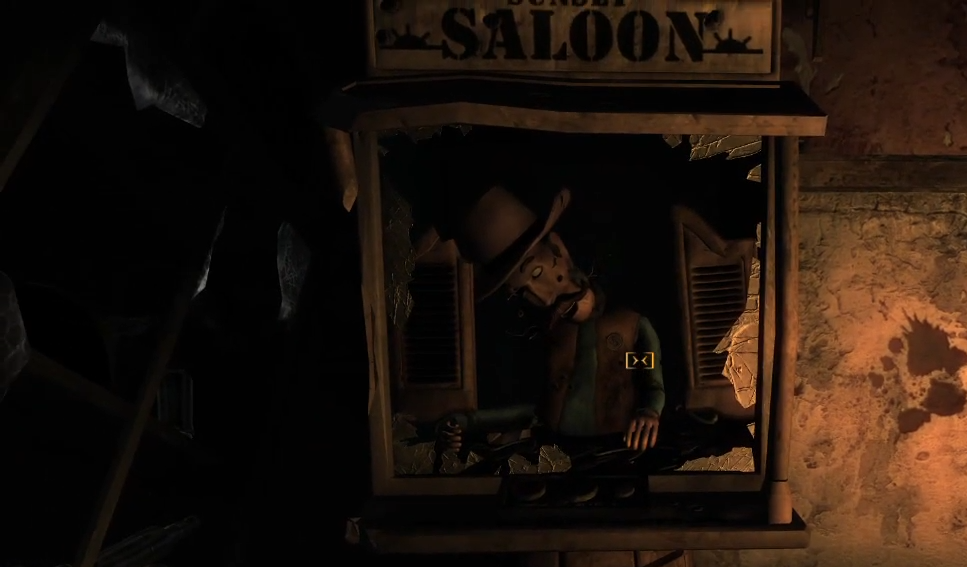
Hoover Dam is especially dangerous because much of the killing is wrapped in genuine stakes. The battle is important. The enemy is terrible. The infrastructure matters. The selected ending may really be the least terminal one.
That is exactly when Modal Path Ethics has to slow down.
A justifying context is not a permission slip for every available harm inside it.
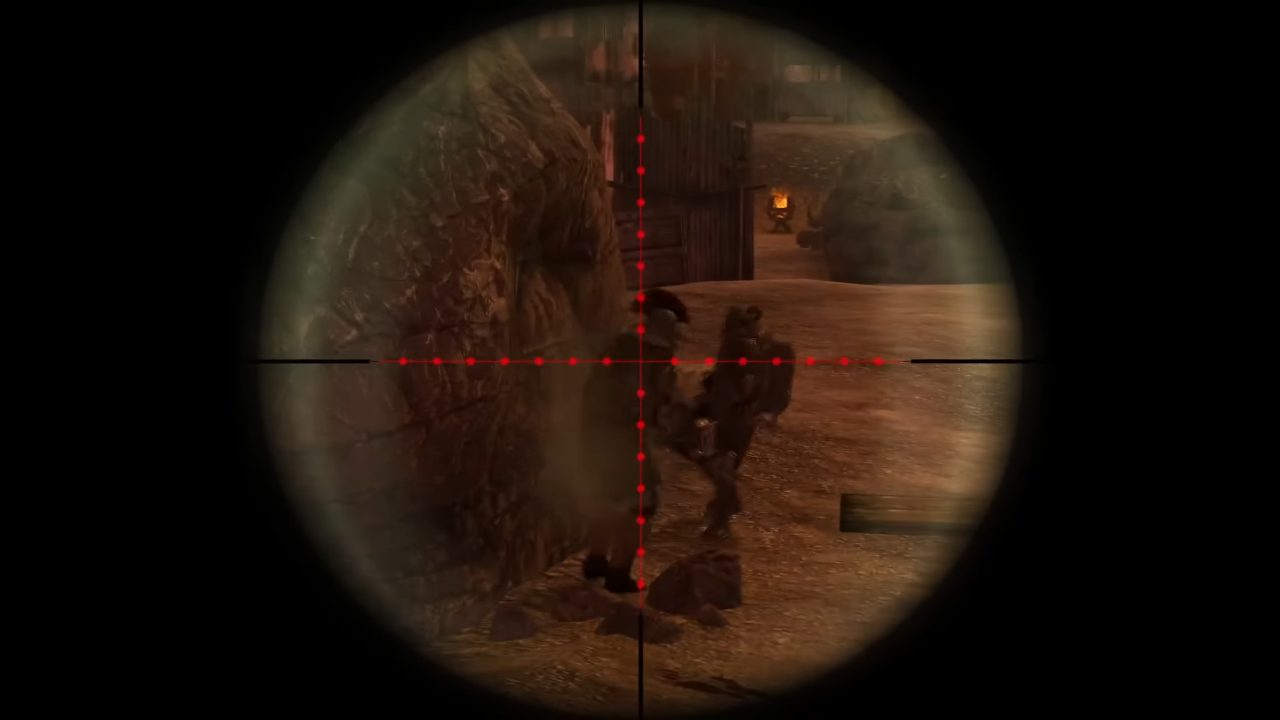
The dam’s corridors turn red in flashes. Someone falls from a catwalk. Someone else crawls and is stepped over by a person who is also probably about to die.
The water keeps moving. The power keeps humming. The Republic’s orders keep arriving. Legion bodies keep becoming obstacles. New California Republic bodies keep becoming costs.
Modal Path Ethics counts foreclosures.
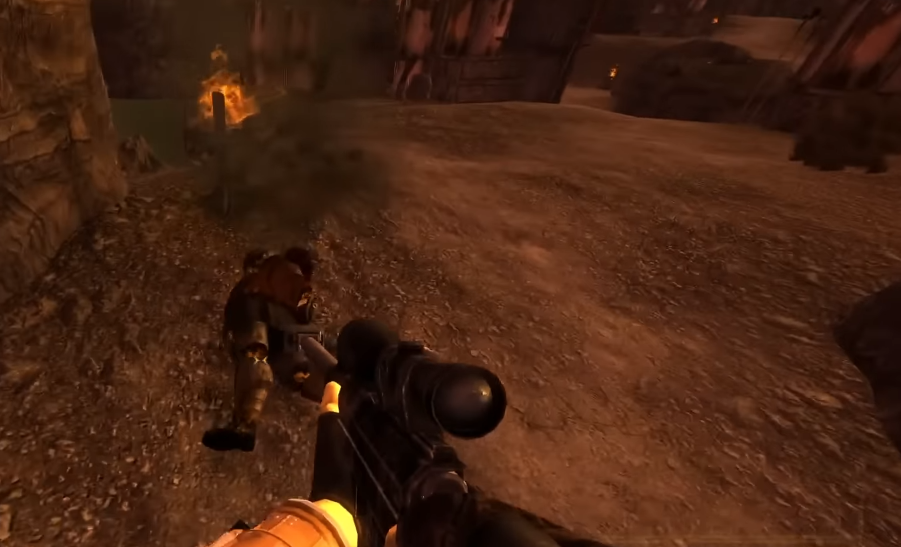
Every dead Legionary is not -1 evil.
A person has been closed. Sometimes that closure prevents a larger closure. Sometimes it only happened because the battlefield left no softer reachable move. Sometimes it happened because the game is a game and the game gave everyone health bars.
A heavily armed framework can know that and still refuse to let the health bars do all the moral thinking.
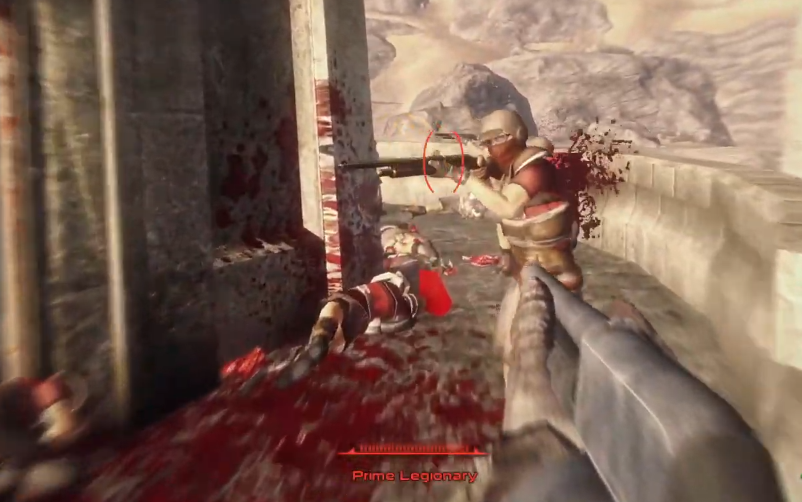
The battle cannot become triumphant prose.
It has to stay loud, dirty, confused, necessary, and suspect.
The War Machine.
The New California Republic wants this battle to become a story about defense.
This story is partly true.
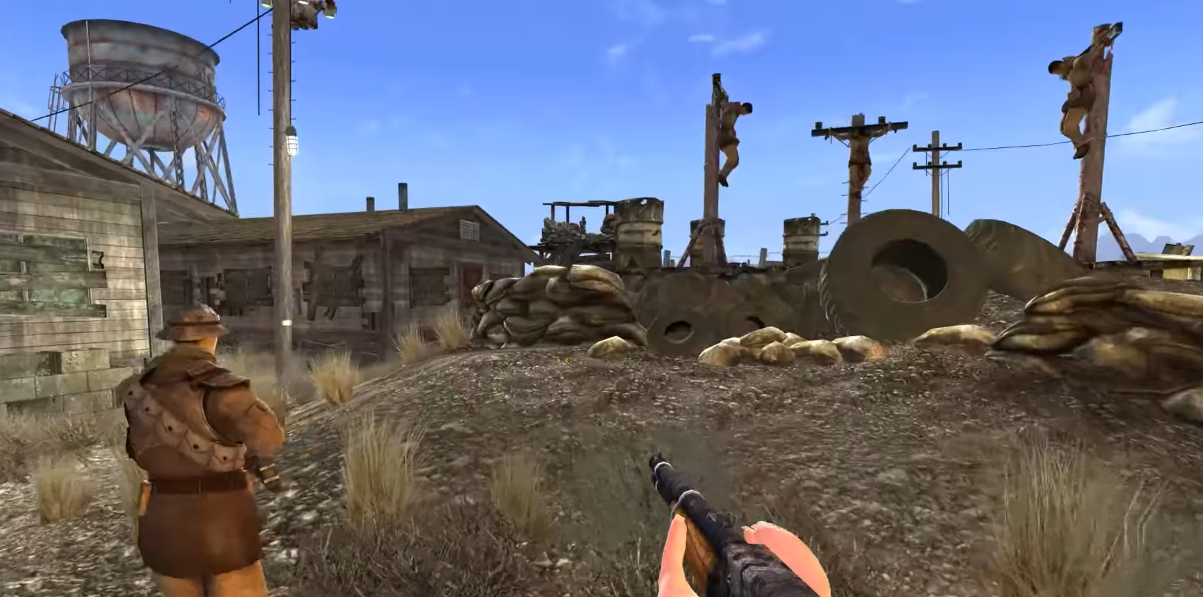
The Legion is attacking. The Legion winning would be catastrophic. The dam under Caesar would become the throat of a future that swallows difference and calls the choking unity.
New California Republic soldiers really are holding a line against something worse. Many of them do not want empire. They want to survive the hour, protect the person beside them, follow orders well enough to go home, or at least die somewhere their name can be filed correctly.
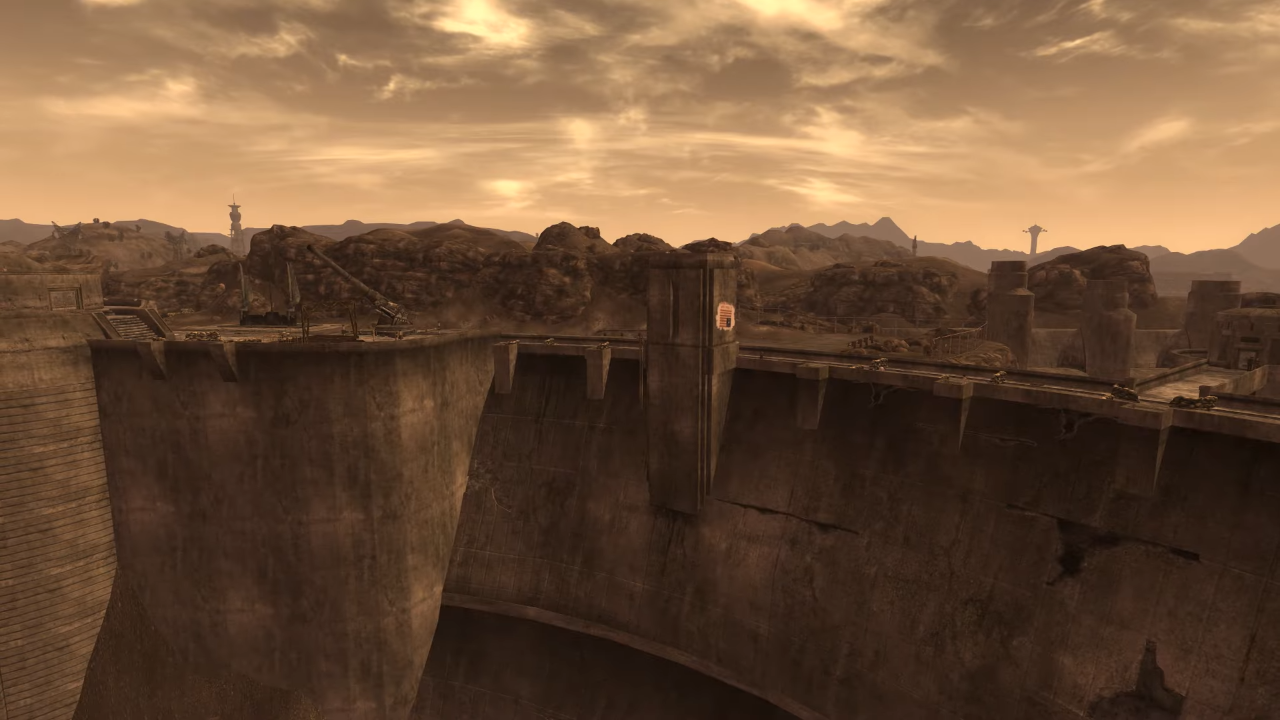
Modal Path Ethics honors that without surrendering to the story.
- Defense can still expand.
- Protection can still annex.
A republic can bleed honestly and still want too much.
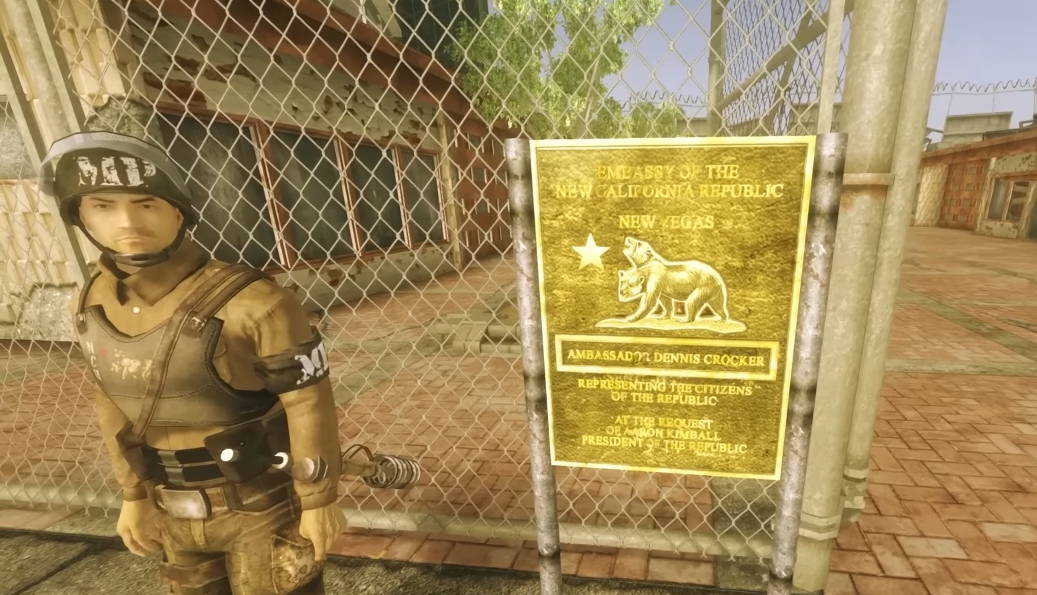
The dam battle is full of individuals whose immediate action is morally clearer than the institution using them. A trooper dragging another trooper behind cover is not manifest destiny. A medic applying pressure to a wound is not annexation. A ranger holding a position against Legion assault is not campaign rhetoric.
These acts are not reducible to the Republic’s appetite.
But the Republic will gather them up afterward.
That is what states do.
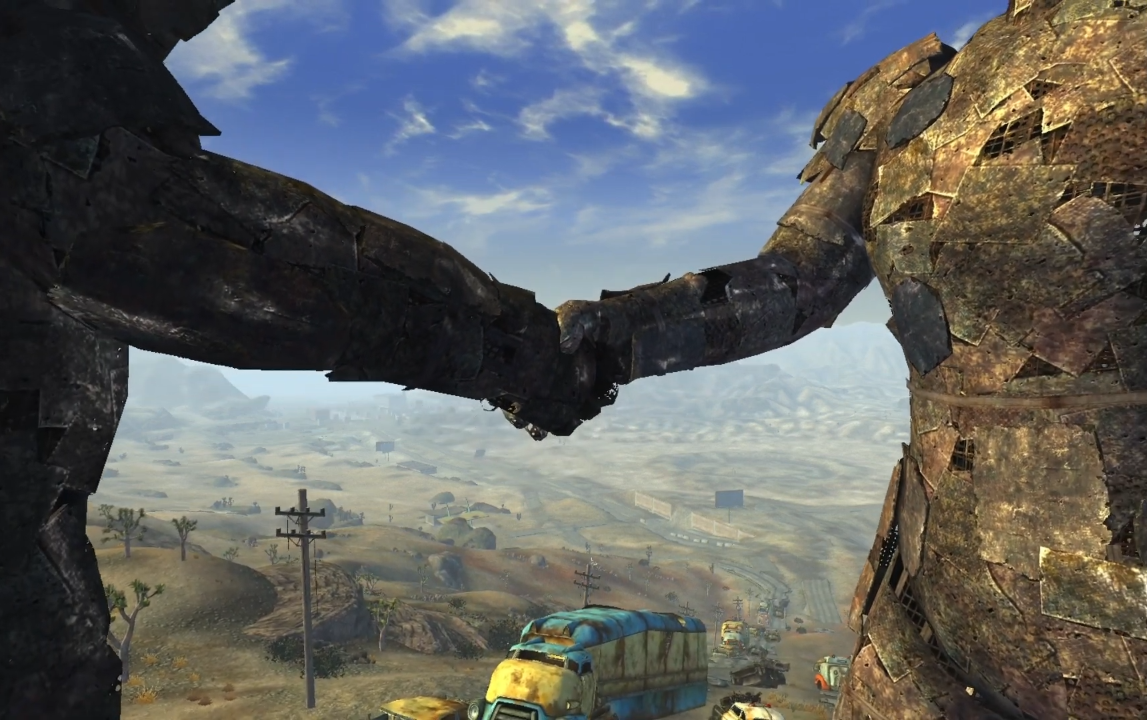
It will gather the courage, the grief, the corpses, the speeches, the held line, the saved president, the dead Legionaries, the functioning turbines, the flags over concrete, and it will try to make a single story out of them. The story will say the Republic saved the Mojave. The story will say the dam proves legitimacy. The story will say sacrifice confirms direction.
Modal Path Ethics must not let the story have every body.
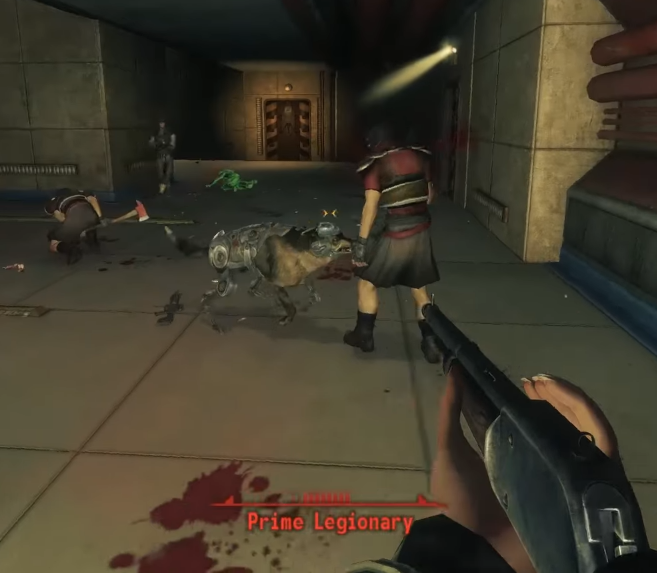
This is why the old moral ledger has to remain open during the battle. House remains in it. Clanden remains in it. Big Sal and Nero remain in it. Freeside remains in it. The Khans remain in their absence. The Boomers’ bombs remain. Colonel Moore remains.
The Republic may win the dam.
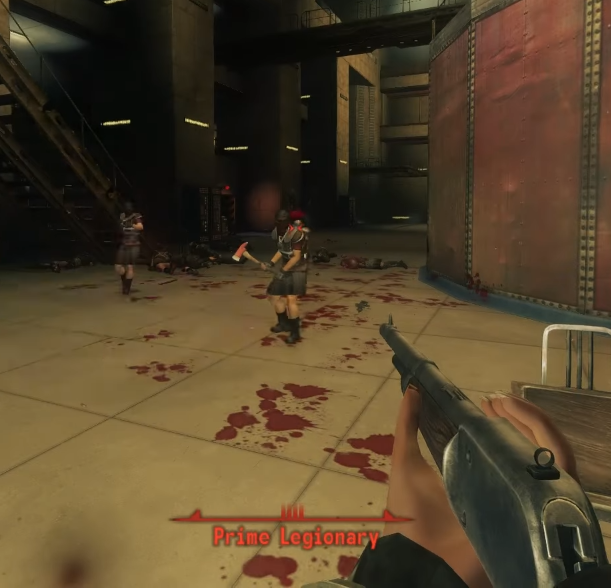
It does not get to own the interpretation.
A battle can decide control without deciding meaning.
That is one of the few mercies left to this wasteland.
Modal Path Ethics moves toward the far end of Hoover Dam, where the Legate waits with the confidence of a man built by a system that mistakes endurance for truth.
The battle behind it becomes evidence.
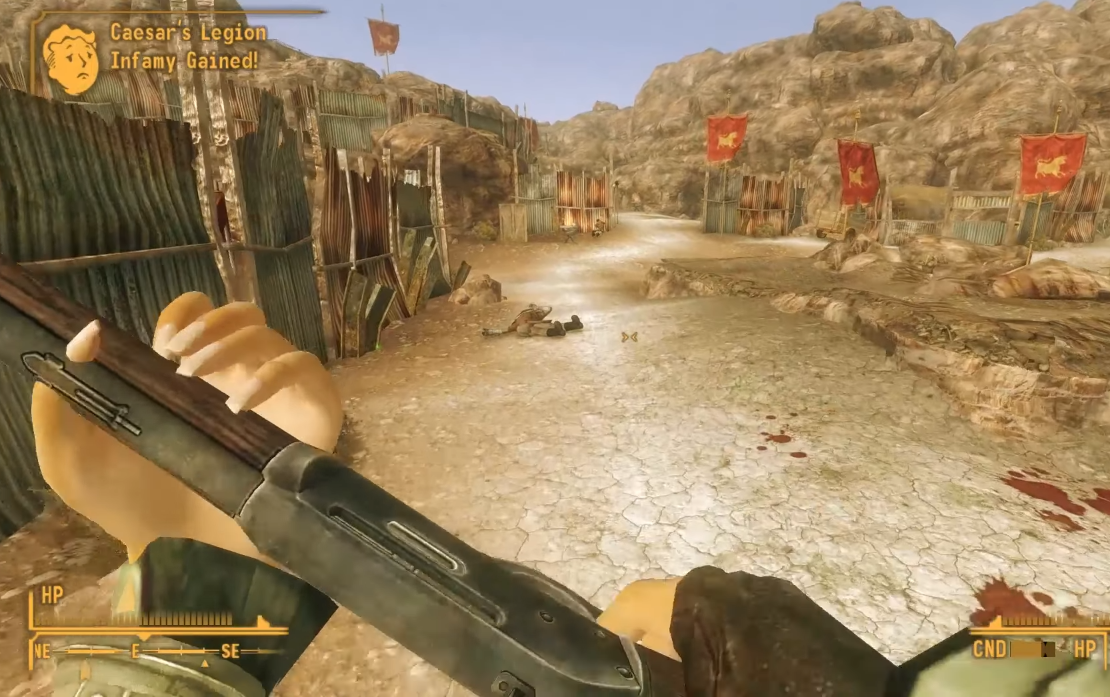
Every step toward Lanius carries the same question:
What does this make reachable?
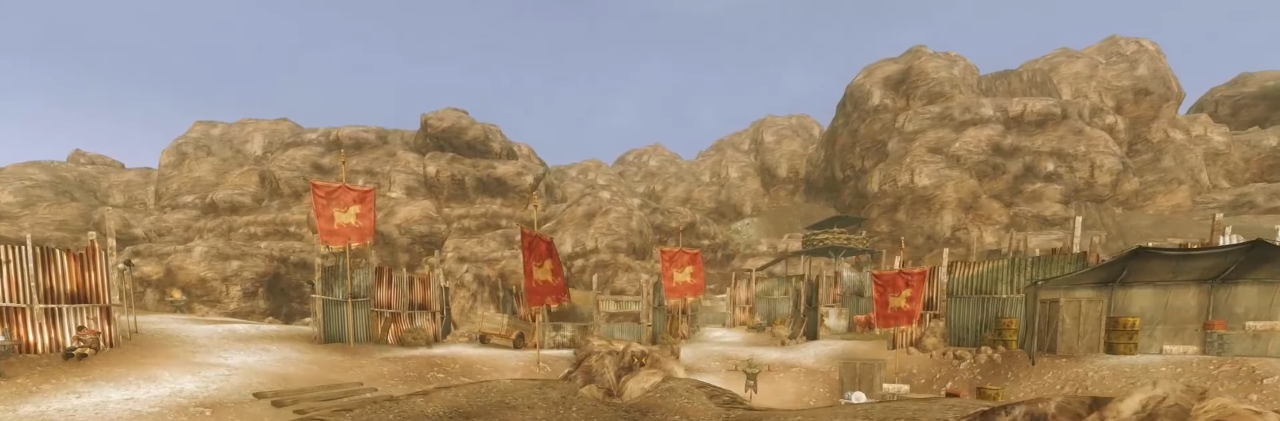
- Caesar’s future remains reachable if the Legate breaks through.
- House’s future is no longer reachable because Modal Path Ethics killed the man in the machine.
- Independent Vegas remains reachable in theory, smiling somewhere behind an obedient yes.
- The Republic’s future is reachable because Modal Path Ethics has made it narrower, dirtier, less obedient to its own deletion orders, and still capable of being fought after victory.
That is the future walking toward the Legate, carrying its evidence and trying not to enjoy the war.
At the Far End.
Lanius stands like a conclusion with a weapon.
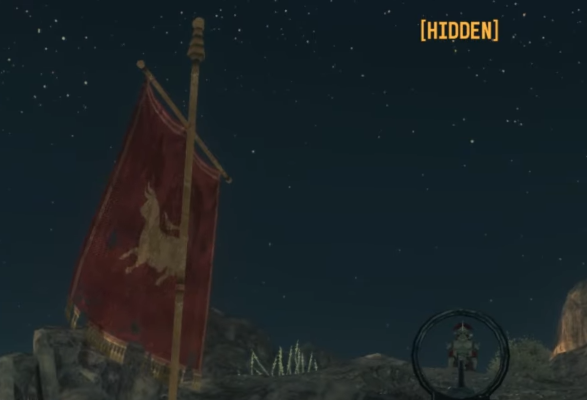
Most conclusions are less interested in decapitation, but the Mojave has not been arranging itself around fairness.
The Legate stands where the battle wants to become simple.
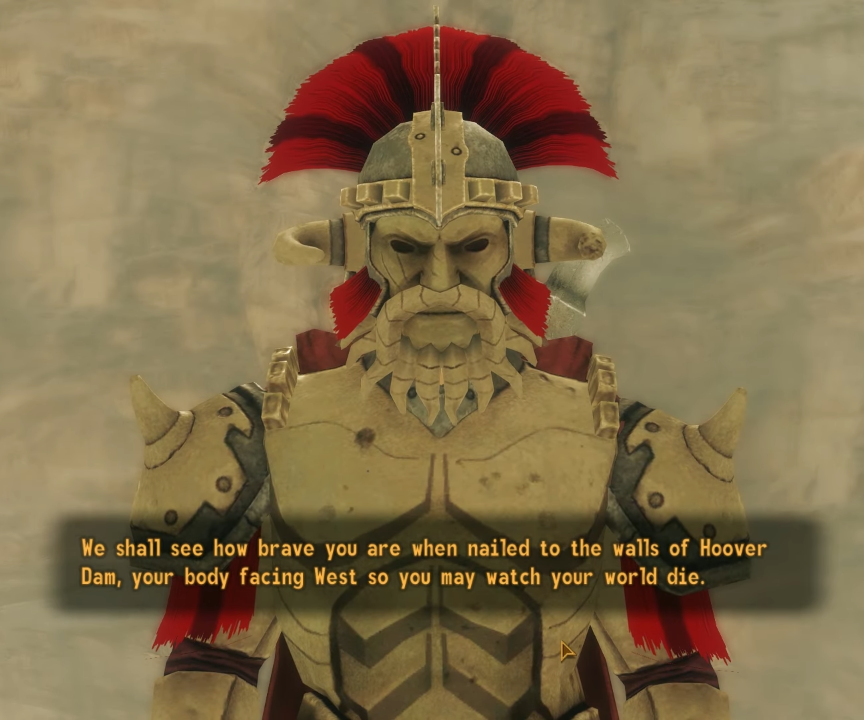
- Fight him,
- kill him,
- win.
- kill him,
The whole route would enjoy that.
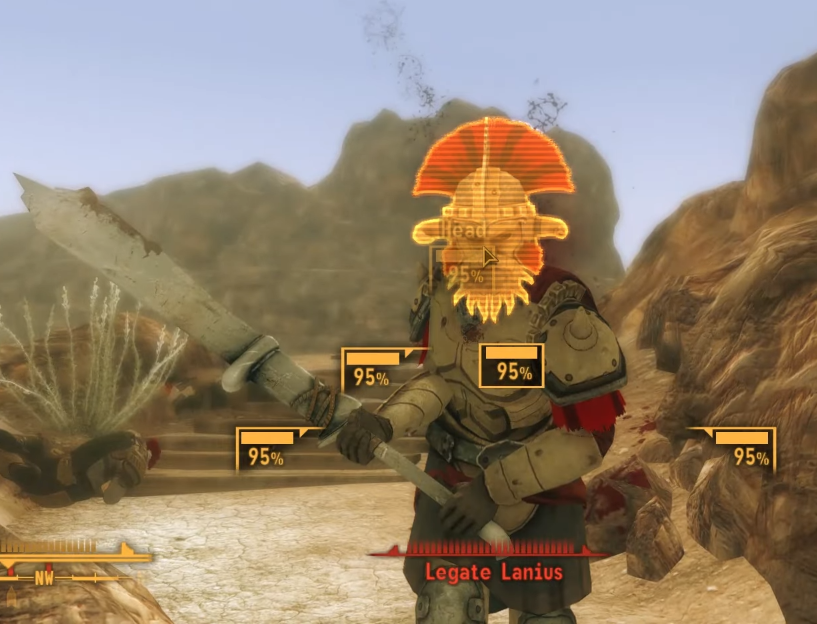
Every previous remainder would like the relief of one clear monster at the end of the corridor, one large body onto which the article could throw all the dirt and walk away lighter.
Except Lanius is not simple.
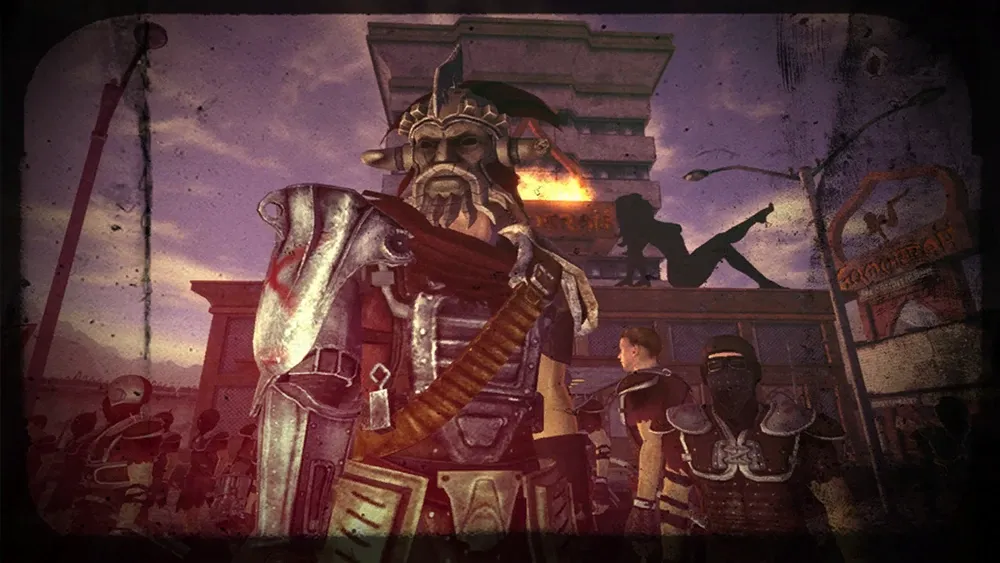
He is not complicated in the way House is complicated, with centuries, machines, preservation, ego, and urban development arranged around a single breathing relic.
He is not complicated in the way the Republic is complicated, with roads, clinics, taxes, prisoners, speeches, corruption, law, hope, appetite, and people filing reports beside mass graves.
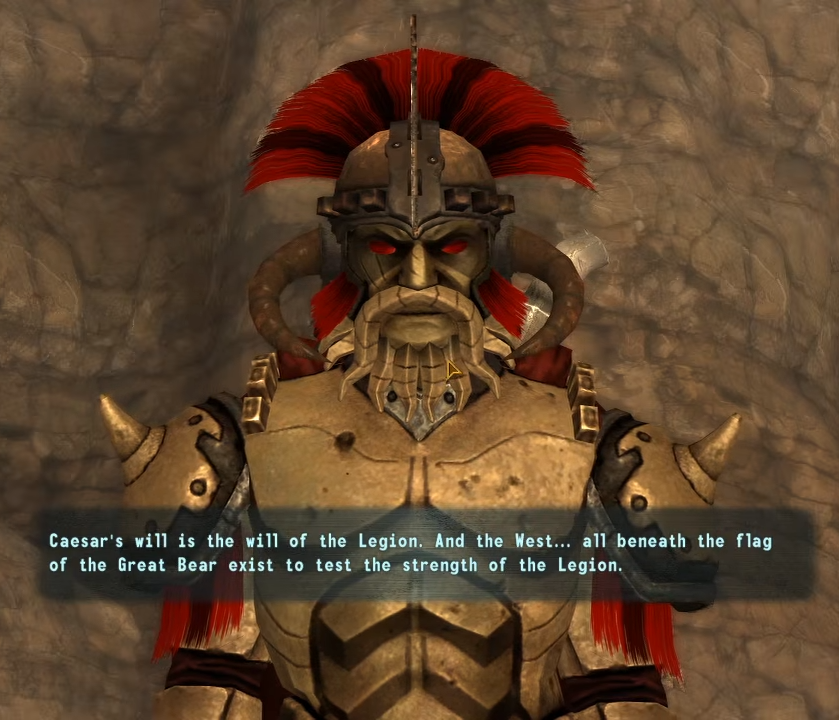
Lanius is a weapon that believes it is a world.
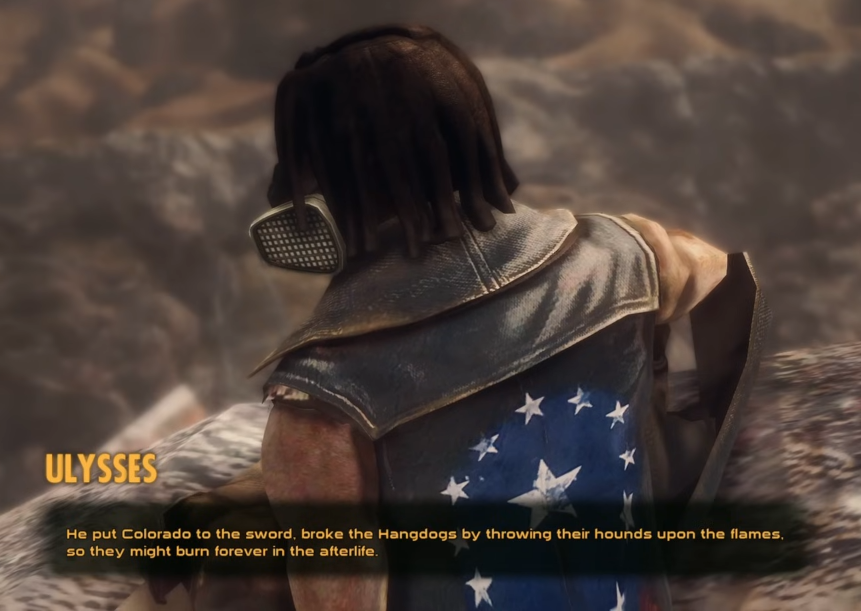
Strength by itself is just physics with delusions of grandeur. Lanius is more than strong. He is what happens when a system teaches a person that endurance is truth, conquest is argument, fear is governance, and survival after brutality proves the brutality correct.
This man is the Legion’s moral grammar given armor and a blade. He does not need to understand every word Caesar says. He already embodies the punctuation.
The dam rumbles behind Modal Path Ethics.
The easy ending is combat. The whole dam is staged so that violence feels like the last honest language after every previous language has been exhausted.
Lanius is fucking huge enough to flatter the player’s need for a final test. He is armored enough to make killing him feel less like killing a person and more like solving architecture. He is monstrous enough that the field offers the old temptation again:
Finish this.
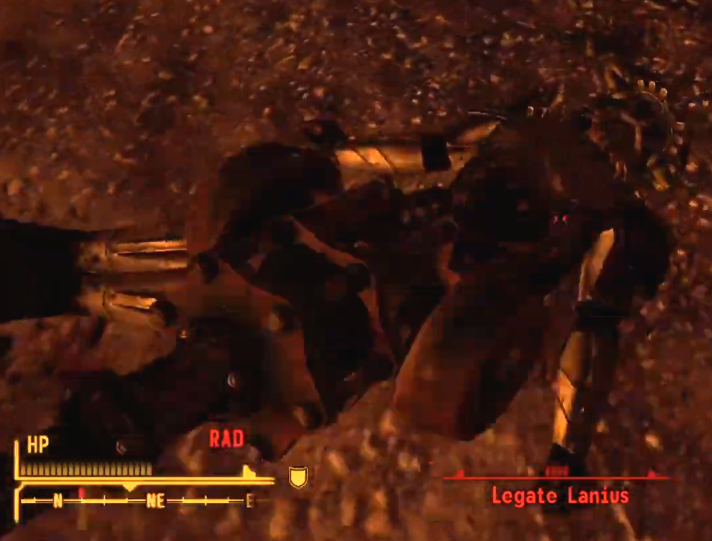
- Modal Path Ethics has already killed Clanden.
- It has already killed House.
- It is not too clean for killing.
- It has already killed House.
That is exactly why it has to ask again.
What does killing Lanius make reachable?
- It may make survival reachable.
- If the Legate attacks and no retreat can be made reachable, then the body at the end of the dam becomes one more terrible closure preventing a larger closure.
- Modal Path Ethics cannot pretend that all killing at Hoover Dam is optional.
- It has been walking through the proof for an entire battle.
But if Lanius can be turned back, killing him makes something worse reachable:
- A victory that never has to understand itself.
The Legate’s retreat is stronger than his corpse ever was.
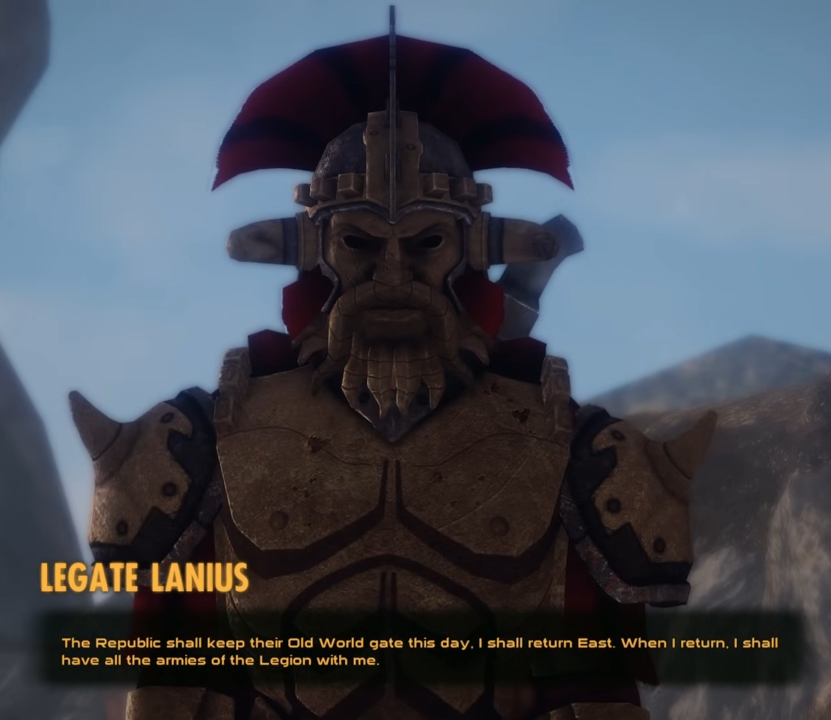
- A dead Lanius proves that enough force can remove even Caesar’s greatest weapon.
- That is useful.
- A retreating Lanius proves that the Legion’s own continuation fails at the dam.
- That is more useful.
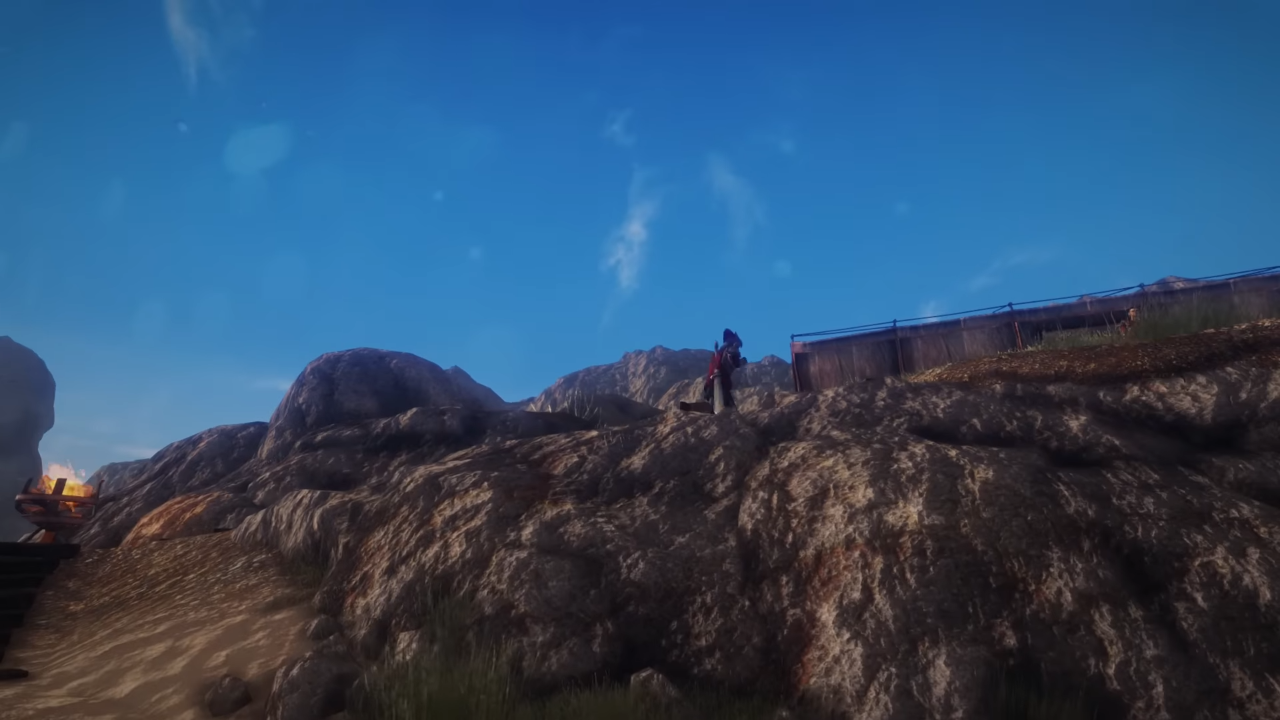
It forces the final enemy to encounter the transition that conquest cannot solve:
Taking the Mojave is not the same as holding the Mojave, and holding the Mojave is not the same as making the Mojave continue under Legion logic.
The Empire Cannot Digest Its Meal.
Caesar’s Legion can win battles more easily than it can inherit futures.
This is the sentence Modal Path Ethics carries into the conversation with Lanius.
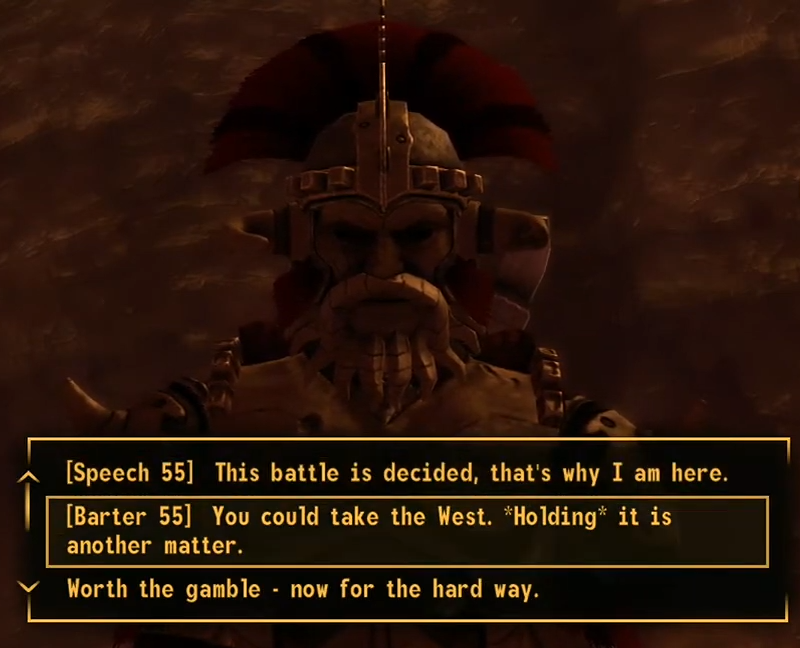
The Legion’s strength is real. Its discipline is real. Its cruelty is organized. Its expansion has momentum. Its soldiers can terrify softer institutions into revealing every weakness they would rather file under values.
The New California Republic is overextended, corruptible, complacent, nostalgic, burdened by civilians, politically vain, and spiritually dependent on the idea that being a republic turns appetite into destiny.
Caesar sees much of this.
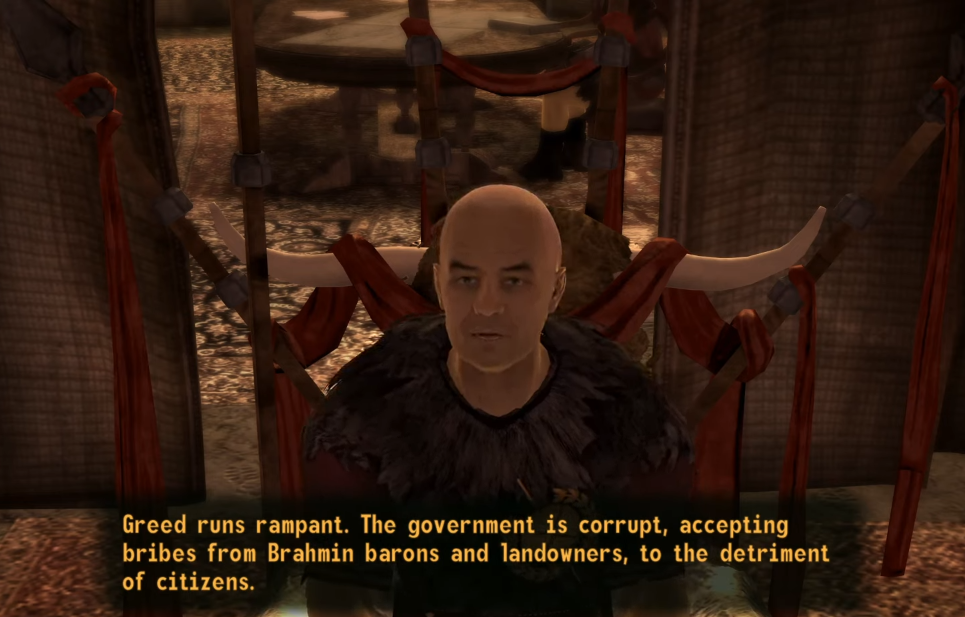
That remains annoying.
Modal Path Ethics does not win by pretending Caesar is just stupid. Caesar’s whole danger is that he can identify genuine failure and then prescribe a catastrophe with excellent posture. He is another Failed Field Analyst.
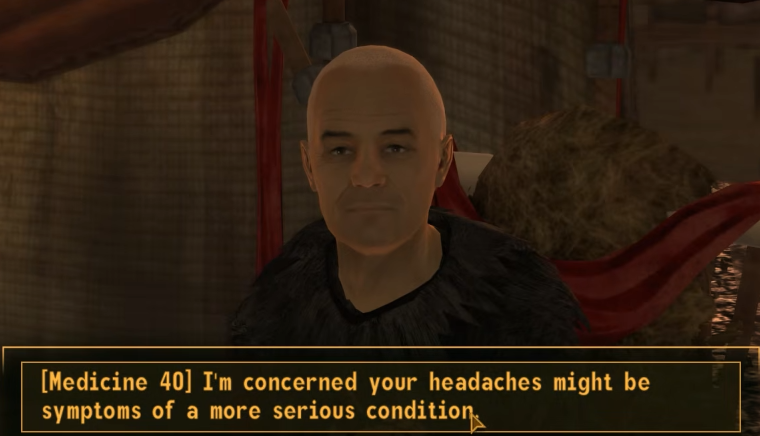
He looks at a sick Republic and decides the cure is an empire of slavery, terror, and forced synthesis. He sees fragmentation and answers with annihilating unity. He sees decadence and answers with domination. He sees institutional softness and answers by hardening the world around pain.
This is just backlash with a reading list, not repair.
The Legion can certainly cross the river.
It can kill the President. It can break New California Republic lines. It can hang terror from all the right places. It can defeat a bureaucratic army badly enough to make every Caesar speech sound materially confirmed.
And then what?
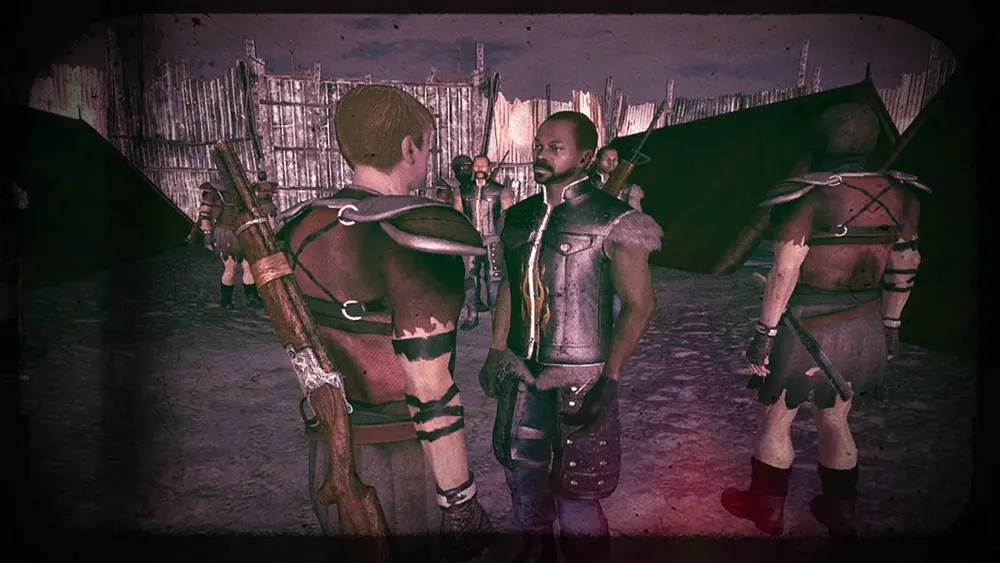
The Hoover Dam is not a trophy that becomes obedient once captured.
This dam is a relation machine. It connects power, water, farms, towns, trade, roads, workers, technicians, guards, politics, maintenance, food, medicine, bargaining, sabotage, and every local community that will have to live beneath the new arrangement. The Mojave is not a battlefield waiting to become a camp. It is a field full of difficult continuances.
The Legion can destroy many of them. That is not the same as governing them.
If the Legion takes the dam, it must become responsible for what the dam makes reachable. It must hold supply lines across hostile territory. It must manage captured populations without killing the capacities it needs. It must use old-world infrastructure while despising most of the social complexity required to maintain it. It must digest tribes, towns, clinics, engineers, farms, caravans, casinos, deserters, slaves, spies, and the technologies it wants but cannot fully metabolize without becoming a different thing than the Legion.
The Legion’s method burns too many bridges required for its own continuation. It is structurally incoherent.
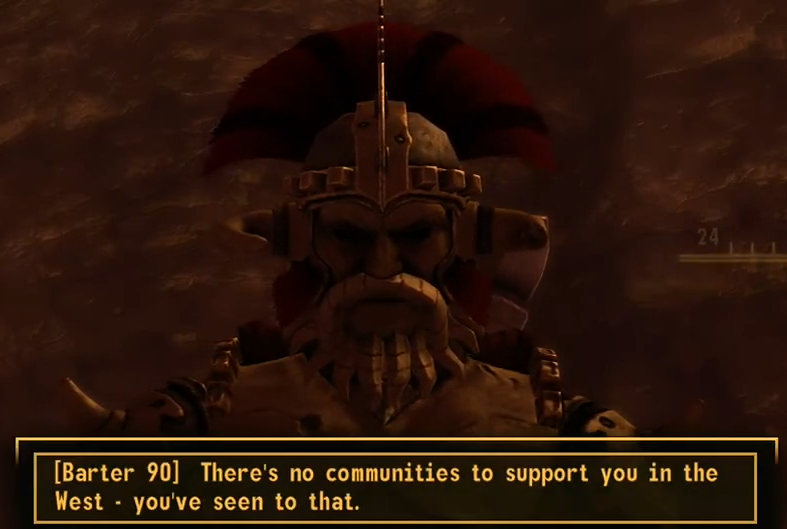
This is the contradiction Lanius has to face.
The Legate can win the battle and still fail the future.
That is why Modal Path Ethics speaks.
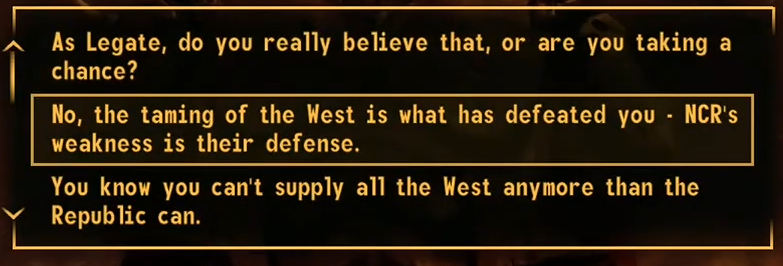
Speech is not morally prettier than violence by default.
Speech can be vanity. Speech can be delay.
Speech can be the luxury of someone not currently being stabbed.
Modal Path Ethics has no interest in becoming the person who argues beautifully while other people die paying for the argument’s runtime. It speaks because here speech can prevent a closure that killing would only decorate.
The question is not whether Lanius deserves to die.
It is smaller than the dam.
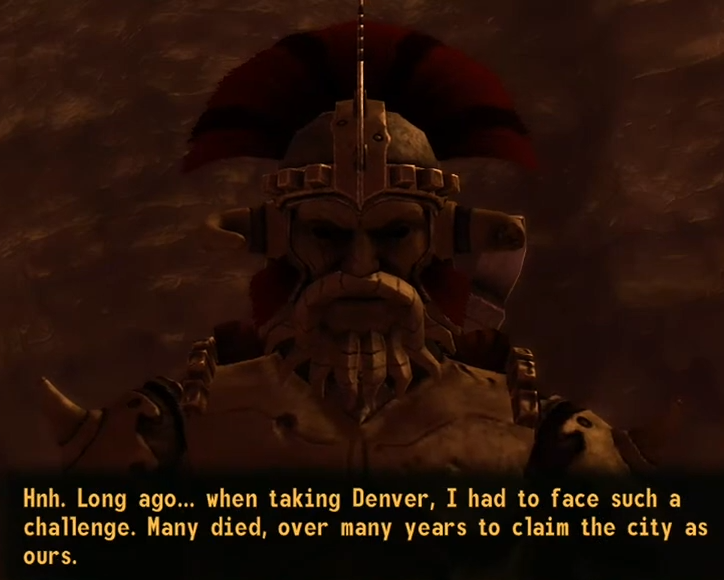
The question is whether Lanius can be made to carry the knowledge that the Legion’s victory would overextend the Legion into a field it cannot hold without destroying the very relations that make holding meaningful.
If he can carry that knowledge back across the river, this retreat becomes an ethical object.
- A retreat is not mercy if it just postpones slaughter.
- A retreat becomes repair when it prevents a worse transition now and forces a predatory system to encounter one of its real limits.
Lanius listens because even the Legion has to respect certain forms of force, and strategic impossibility is one of them.
Modal Path Ethics does not ask him to care.
It just asks him to count.
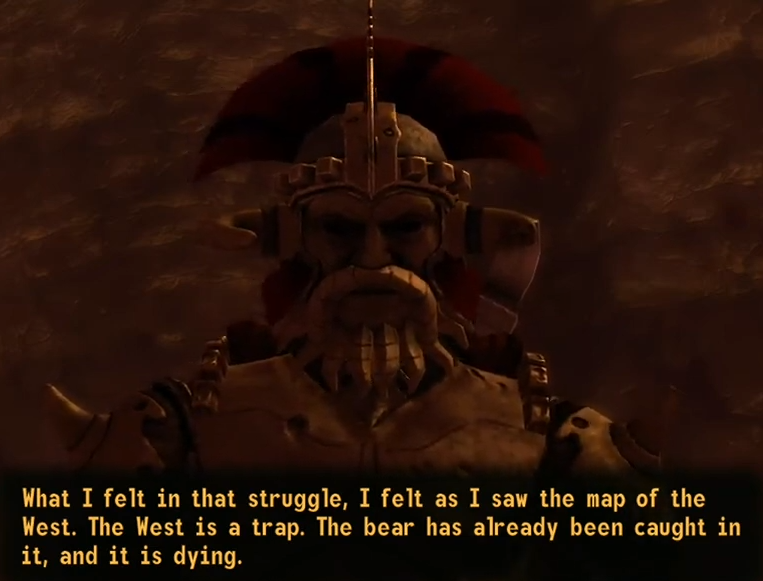
- Count the distances.
- Count the supply lines.
- Count the tribes that must be kept fearful forever.
- Count the towns that must be disciplined before they can be used.
- Count the slaves needed to move the army and the slaves needed to feed it and the slaves needed to replace the dead and the soldiers needed to watch the slaves and the punishments needed to watch the soldiers.
- Count the roads that do not become loyal because a banner moves along them.
- Count the dam that requires maintenance beyond terror.
- Count the Republic withdrawing westward with memory, industry, and revenge still intact.
- Count the Mojave after the first victory, then after the second month, then after the first failed harvest, then after the first uprising, then after the first commander discovers that crucifixion is easier than logistics.
The Legate can kill many people.
He simply cannot kill arithmetic.
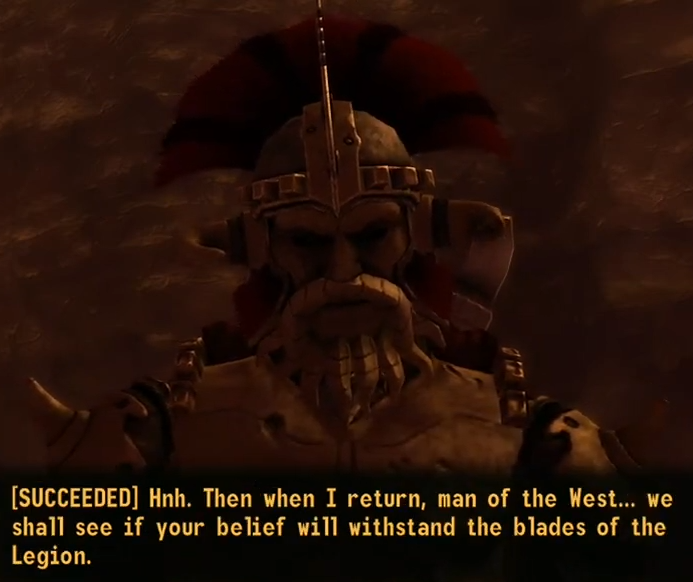
This is the strange reversal left at the end of Hoover Dam:
Let a monster walk away because his retreat prevents victory from becoming everyone else’s cage.
The Republic.
The New California Republic wins Hoover Dam.
Modal Path Ethics hates how easy that sentence is to write.
It is too smooth. It hides the bodies under the verb. It gathers the whole battle into a neat little administrative success, as if the dam has been stamped, routed, approved, and handed to history with a carbon copy for the archives.
The Republic wins. The Legion retreats. The flag changes the air. The radio finds a victorious tone. Someone will write a speech. Someone will requisition repairs. Someone will forget to send enough medical supplies. Someone will decide the victory proves the plan.
Modal Path Ethics stands on the dam and does not let the victory finish itself that quickly.
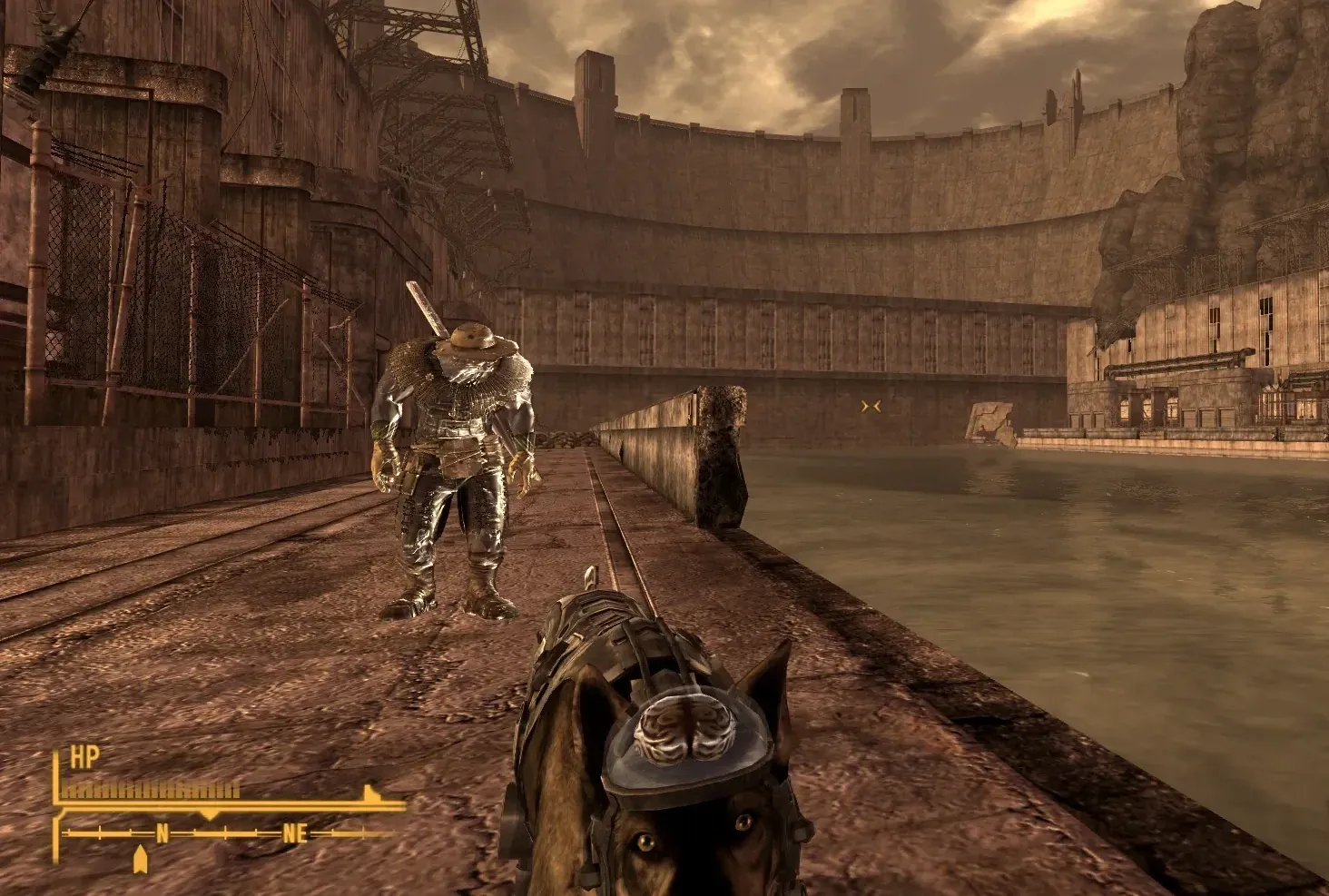
The river keeps moving. That helps.
The Colorado is the only thing present with enough contempt for everyone’s claims. It has been under the dam, against the dam, through the dam, made useful by the dam, injured by the dam, measured by the dam, and it continues below the argument as if infrastructure and sovereignty are both temporary misunderstandings of water.
The river does not free anyone. It also does not salute.
Modal Path Ethics approves of this.
The Republic’s victory is real. The Legion has been denied the Mojave. Slavery has not inherited the dam. Nipton has not become the syllabus for the whole region. Women have not become imperial infrastructure at scale. Tribes have not been fed wholesale into Caesar’s machine. The road east has not been opened as the throat of a new empire. These are not minor goods. Refusing to celebrate them would be another form of vanity.
So Modal Path Ethics lets the relief arrive. Briefly.
Then it begins taking inventory.
- House is dead.
- Clanden is dead.
- Big Sal and Nero are dead.
- The Brotherhood survives only because one narrow specific Elder path was maintained against the temptation of dramatic reform and the Republic’s preference for deletion.
- The Kings survive for now.
- The Khans survive by leaving with their damage still unresolved.
- The Boomers survive and enter the field partly as a bombing solution.
- Kimball survives and returns to being a problem.
- Colonel Moore survives victorious; the Republic’s dangerous competence on display.
- The Followers survive, which means the wounded will keep arriving at people already crushed under the work of being decent where policy has failed.
- Goodsprings survives and may receive trade and taxes in the same wagon.
- Primm survives with whatever law was patched into it, which means the old question of order at a small scale remains embarrassingly alive.
- Novac survives by still looking down the road.
- The Strip survives because glamour is one of the hardiest wasteland species.
- The dam survives.
This is the victory. A field left argumentable.
The New California Republic does not make the Mojave whole.
It does not solve sovereignty. It does not restore the dead. It does not heal Freeside. It does not turn the Strip into civic life. It does not make the Brotherhood generous, the Khans innocent, the Boomers safe, the Followers resourced, or the Courier legitimate.
It does not make killing House correct in retrospect. It does not make killing Clanden lawful. It does not make Colonel Moore less alarming. It does not make the war machine clean because it happened to stop something worse.
But, it makes continued repair reachable.
That is the most the ending can honestly claim.
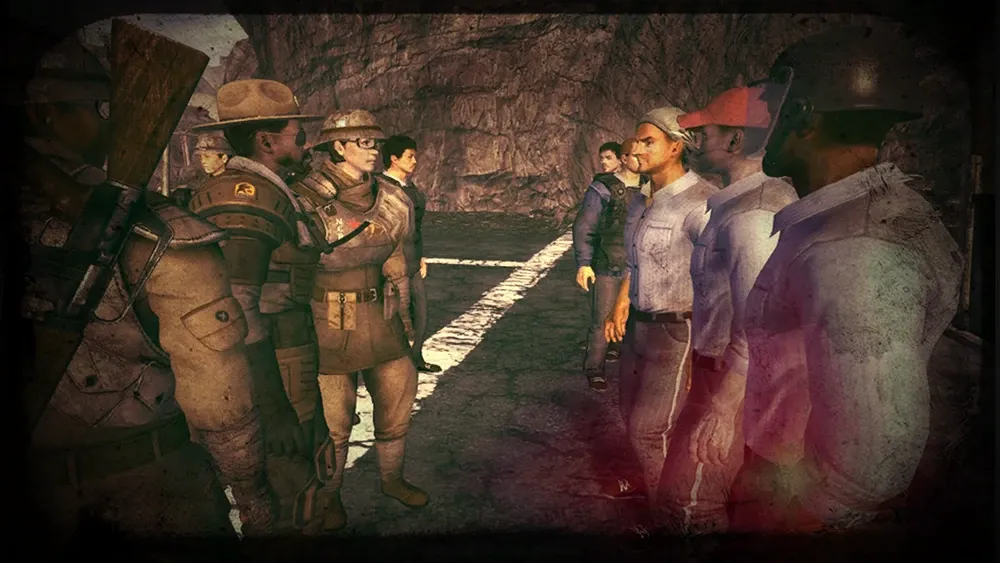
The Republic can be shamed.
A state that can be shamed is not automatically good, but shame requires an audience, a record, a standard, and some remaining relation between accusation and consequence.
The Legion cannot be shamed out of slavery because slavery is not a deviation from its order.
House cannot be shamed into sharing sovereignty because sovereignty is the proprietary architecture of his order.
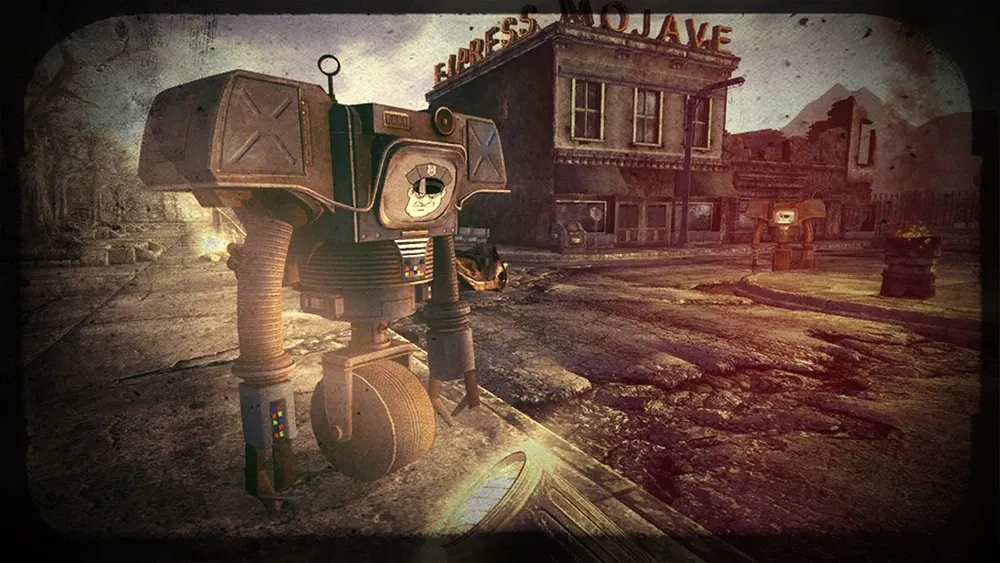
Yes Man cannot be shamed at all; he can only be instructed, which means the shame returns to the instructor.
But the Republic can be accused in its own language.
This is a pretty thin mercy.
Thin mercies are still load-bearing in a wasteland.
Modal Path Ethics chooses the ending where the next Applied Case can exist.
Not the End.
The Mojave begins distributing consequences.
This is what the ending slides are for. They pretend to close the story while also quietly admitting that no story with towns in it ever closes.
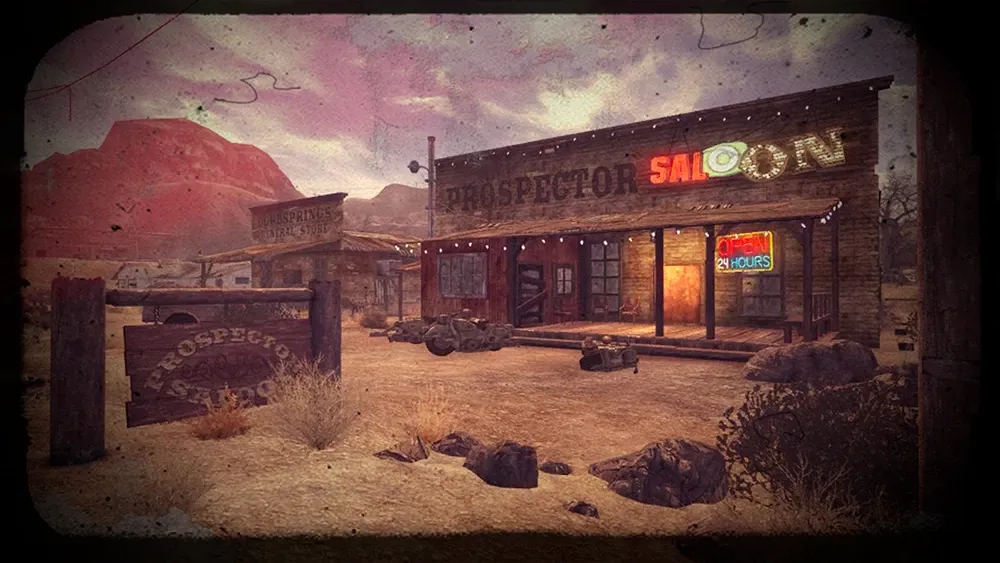
Goodsprings receives its mixed inheritance. Trade, taxes, routes, protection, pressure. Small places are where empires prove what their abstract words cost.
The Republic can help Goodsprings reach the world. The Republic can also make the world arrive with forms, prices, and armed expectations.
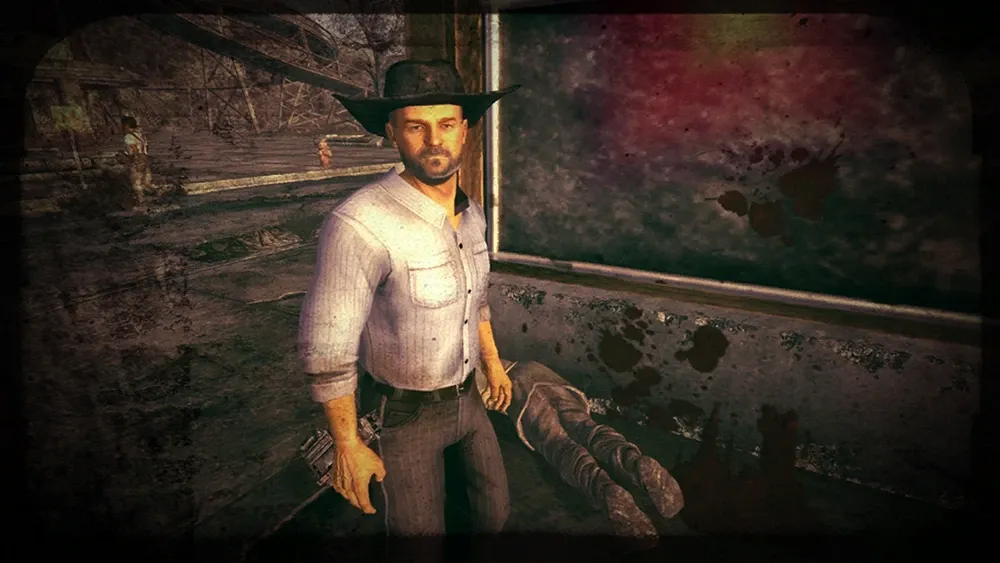
Primm’s law keeps doing what law does in compromised places: arriving with a face, a jurisdiction, a failure mode, and someone still unhappy enough to prove it exists.
Modal Path Ethics does not need Primm to become a perfect town. It just needs Primm not to become a warning, a camp, a private asset, or a ghost.
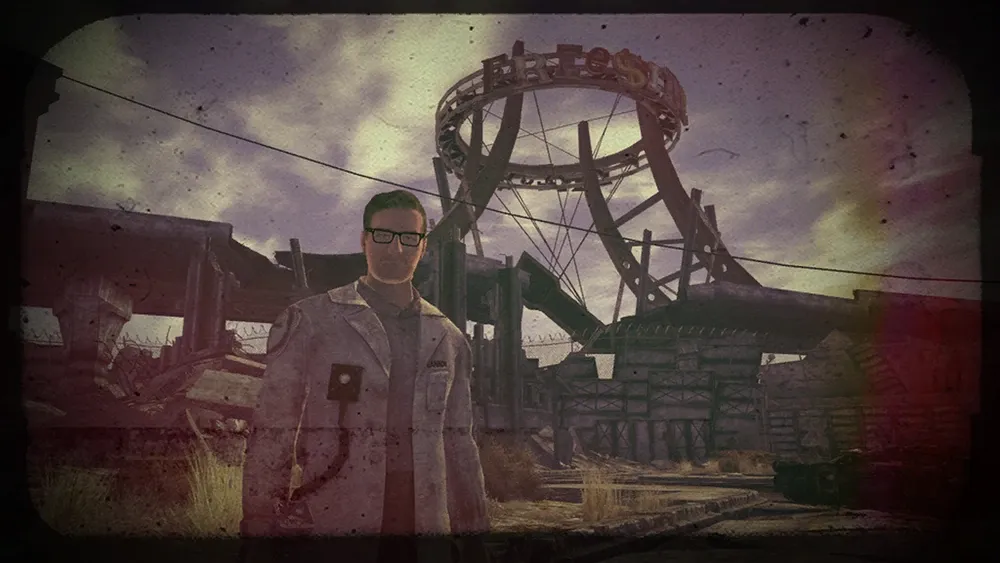
Freeside remains the wound beside the lights. The Kings are alive, as are the Followers. Their survival is the preservation of a counterweight.
The New California Republic victory becomes less dangerous because Freeside retains people who can refuse the Republic’s preferred description of itself.
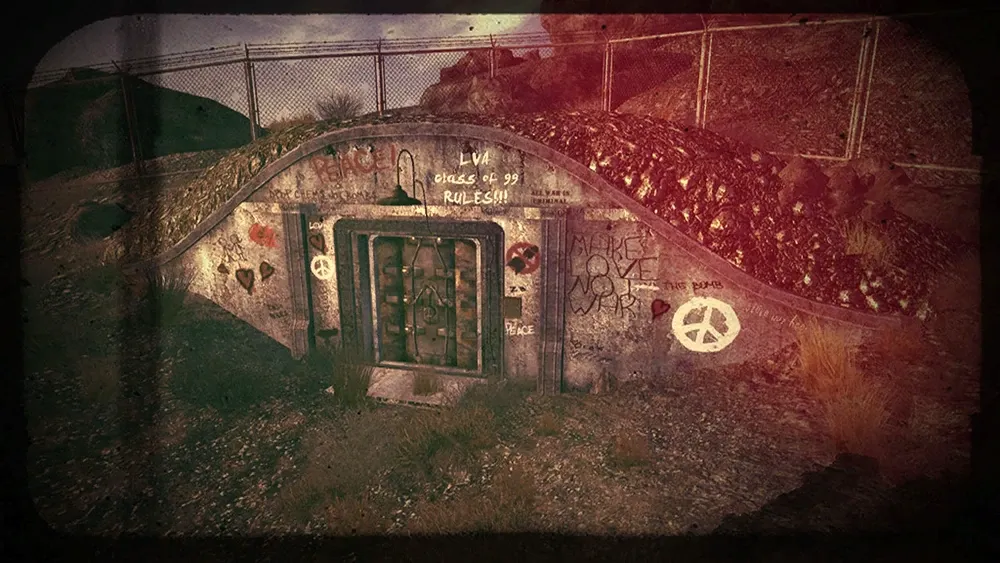
The Brotherhood remains a bunker with a treaty.
That is both not great and better than ash. Modal Path Ethics does not ask the reader to admire the bunker. It asks the reader to notice the obvious difference between a relation and a crater.
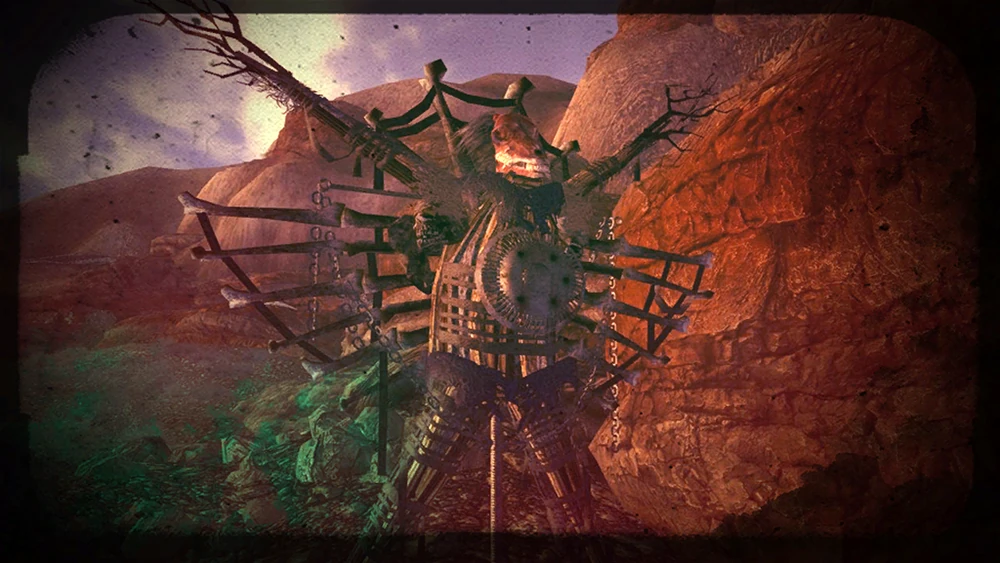
The Great Khans leave as a people no longer forced into the binary of Caesar’s mouth or Republic vengeance.
That is an exit, and exits are sacred in a world full of systems that call closure destiny.
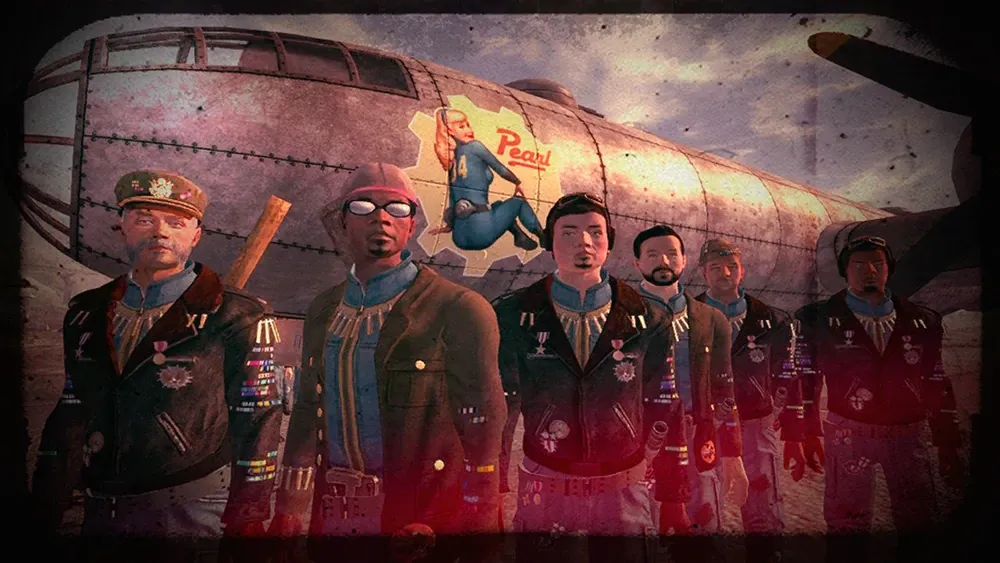
The Boomers remain dangerous and alive. Their future relation to the Republic is uncertain because every future relation to the Republic is uncertain.
Modal Path Ethics prefers uncertain relation to preemptive neutralization.
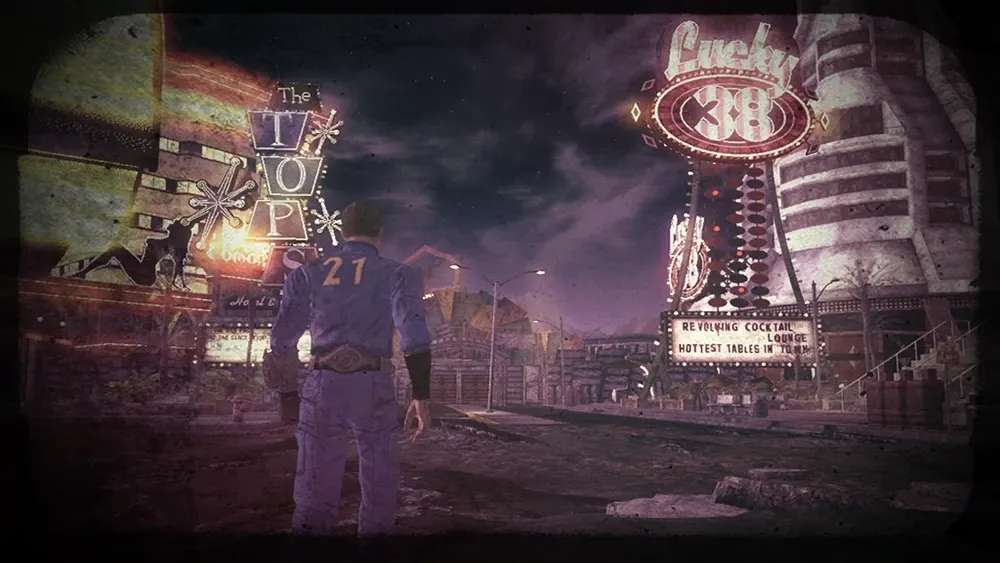
The Strip continues, which is very like the Strip. If glamour could be embarrassed to death, the Mojave would have been healed well before the nukes even launched.
Instead, the Strip survives under a new arrangement, still full of hunger wearing perfume, still proving that civilization’s costume department has always been overfunded.
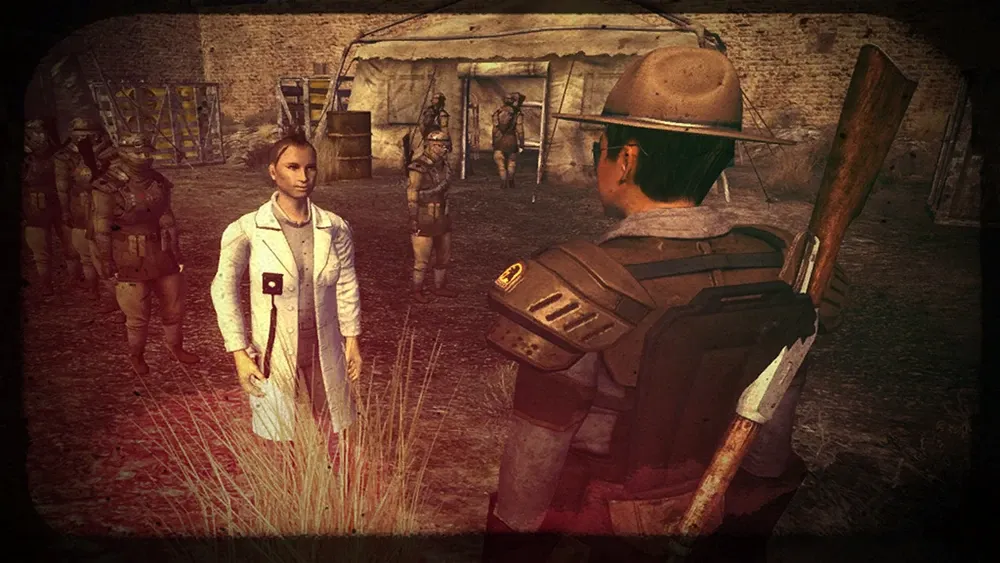
The Followers continue receiving the cost of everyone else’s theories.
They are where the ending’s claim gets tested. If the Republic’s victory increases order while pushing pain into under-resourced care, then the victory has not healed the field.
It has apparently just improved the routing of injuries.
Modal Path Ethics chooses the Republic partly because the Followers can still exist under it, but existence is not support, and support is not transformation.
The article must not confuse keeping the conscience alive with listening to it.
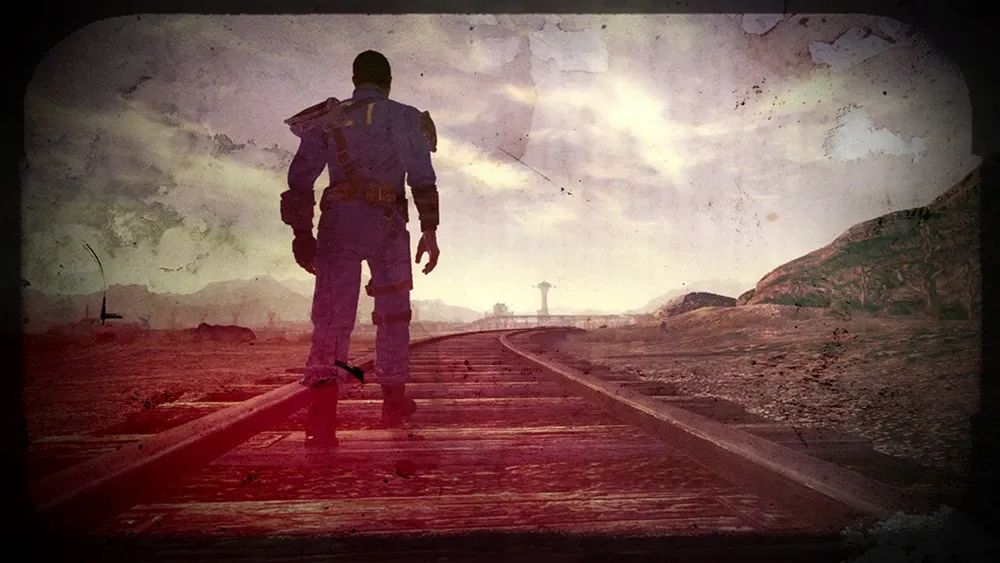
The Courier remains the largest unfiled remainder.
A mail carrier shot in the head has now decided the region.
No one elected this person to choose the dam, kill House, confront Clanden, negotiate bunkers, move tribes, save presidents, redirect factions, and talk the Legate out of history. The Courier is a walking emergency exception mistaken by the interface for agency.
Modal Path Ethics cannot erase this by choosing the Republic.
It can still refuse to turn the exception into the government.
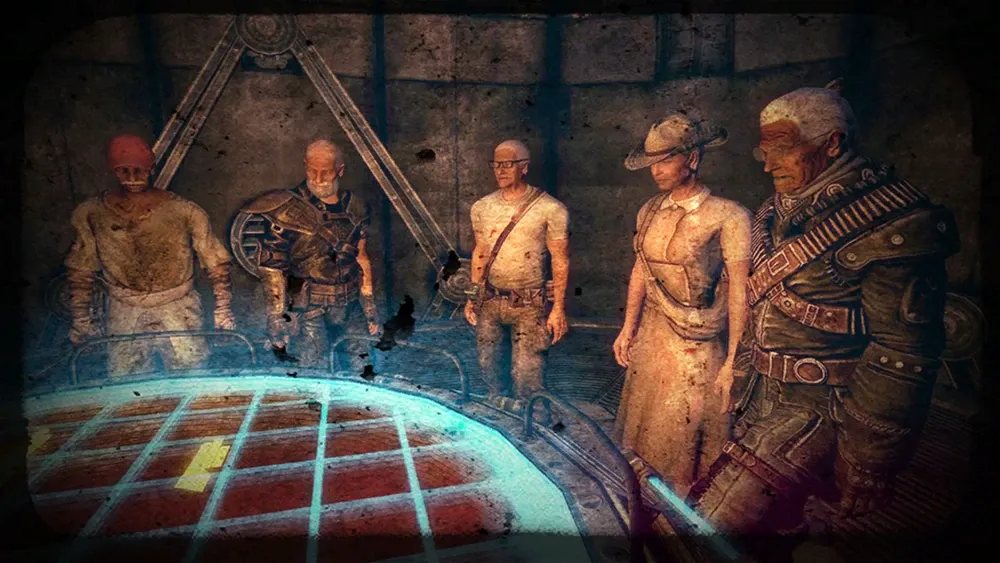
That is another reason Independent Vegas fails the audit. It keeps the Courier’s impossible agency at the center of the political future.
The New California Republic ending at least allows the Courier to become embarrassing afterward. A terrifying individual route collapses back into institutions, records, settlements, clinics, complaints, taxes, and future conflict.
This does not make the Courier legitimate, but this does make the illegitimacy less permanent.
We will have to take that.
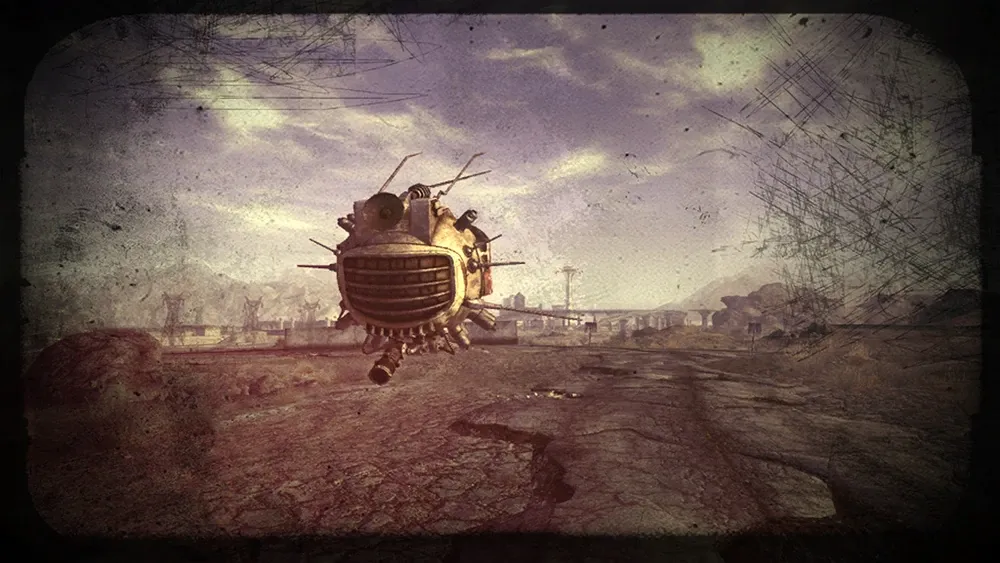
The ending slides move on.
But Modal Path Ethics does not.
It remains on the dam for a moment longer.
Ruling.
Hoover Dam did not decide which faction was morally clean.
There was no such faction on the map.
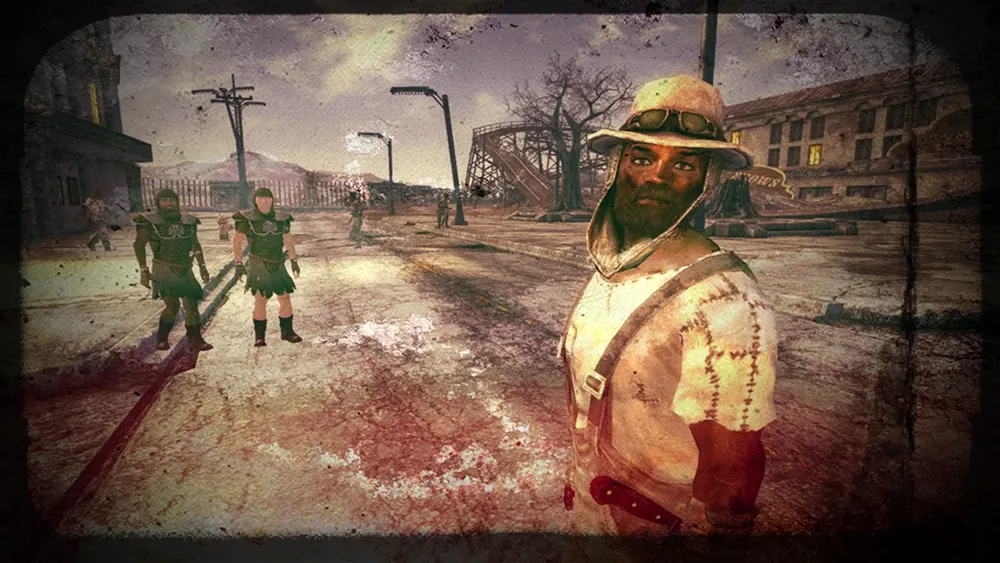
Hoover Dam decided which damaged future would inherit the repairs already made, and whether those repairs would remain reachable for further repair after the winner started using them.
That is why Modal Path Ethics chose the New California Republic.
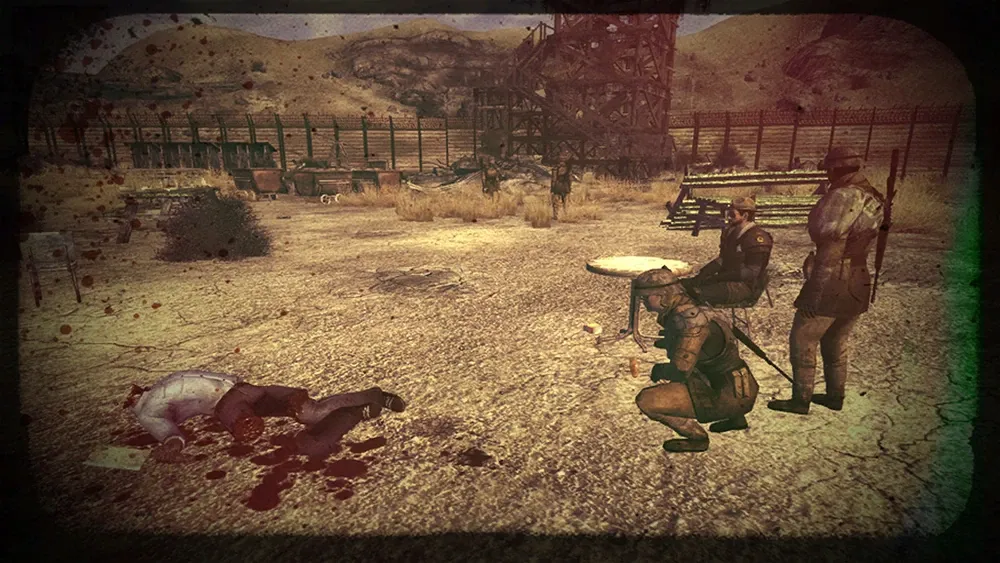
It chose the Republic only after forcing every reachable exception into the route.
The Brotherhood alive.
The Kings alive.
The Khans gone by road instead of grave or chain.
The Boomers contacted instead of erased.
Kimball breathing instead of mythologized.
Lanius retreating instead of becoming a corpse-shaped trophy.
House killed because the controller could not be severed from the body.
Clanden killed because exile would have delivered future victims to a predator under the costume of restraint.
This is not a good ending.
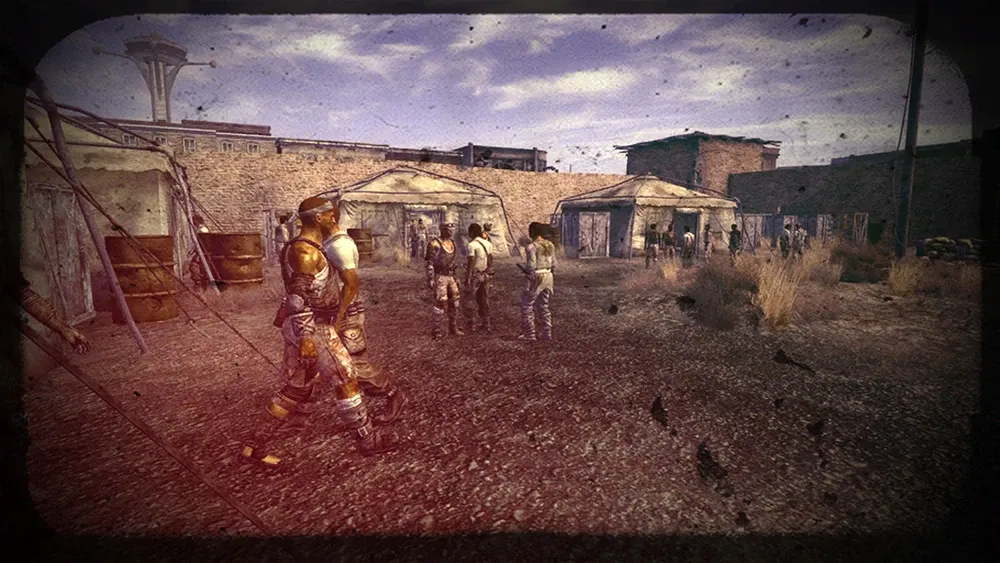
It is the ending whose wrongs can still be found.
That is the center of the case.
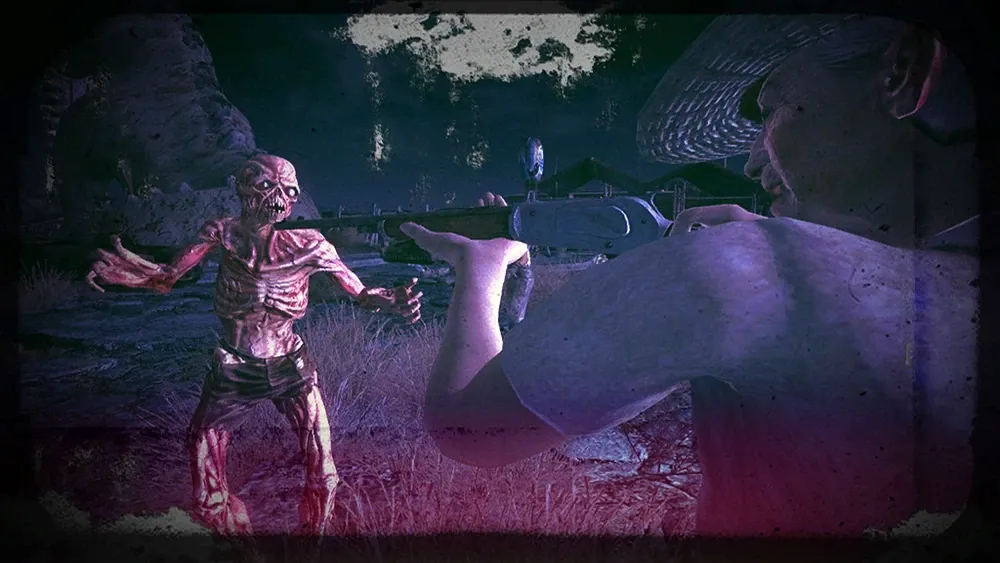
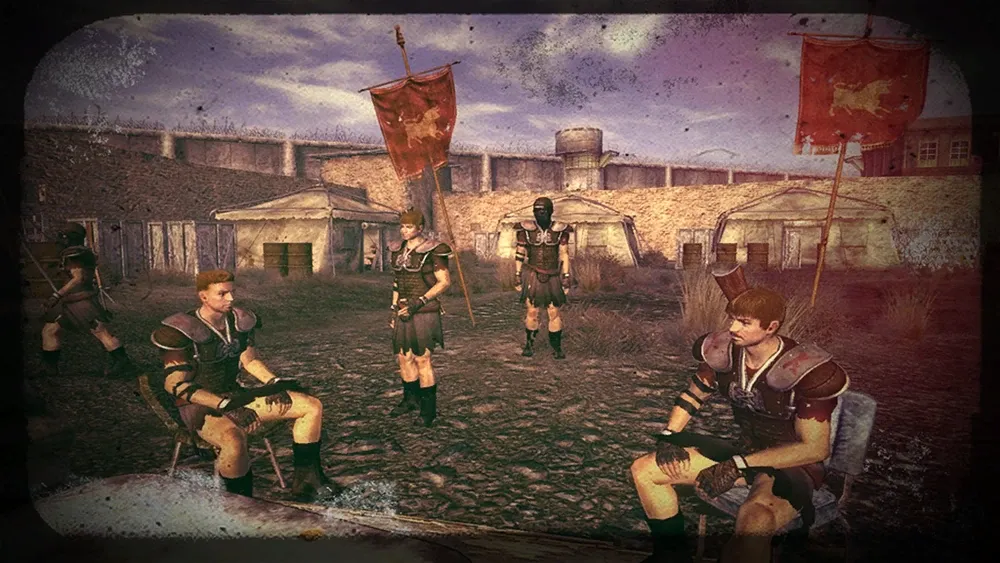
The Legion’s wrongs are openly structural. They are not malfunctions; these are the operating principles.
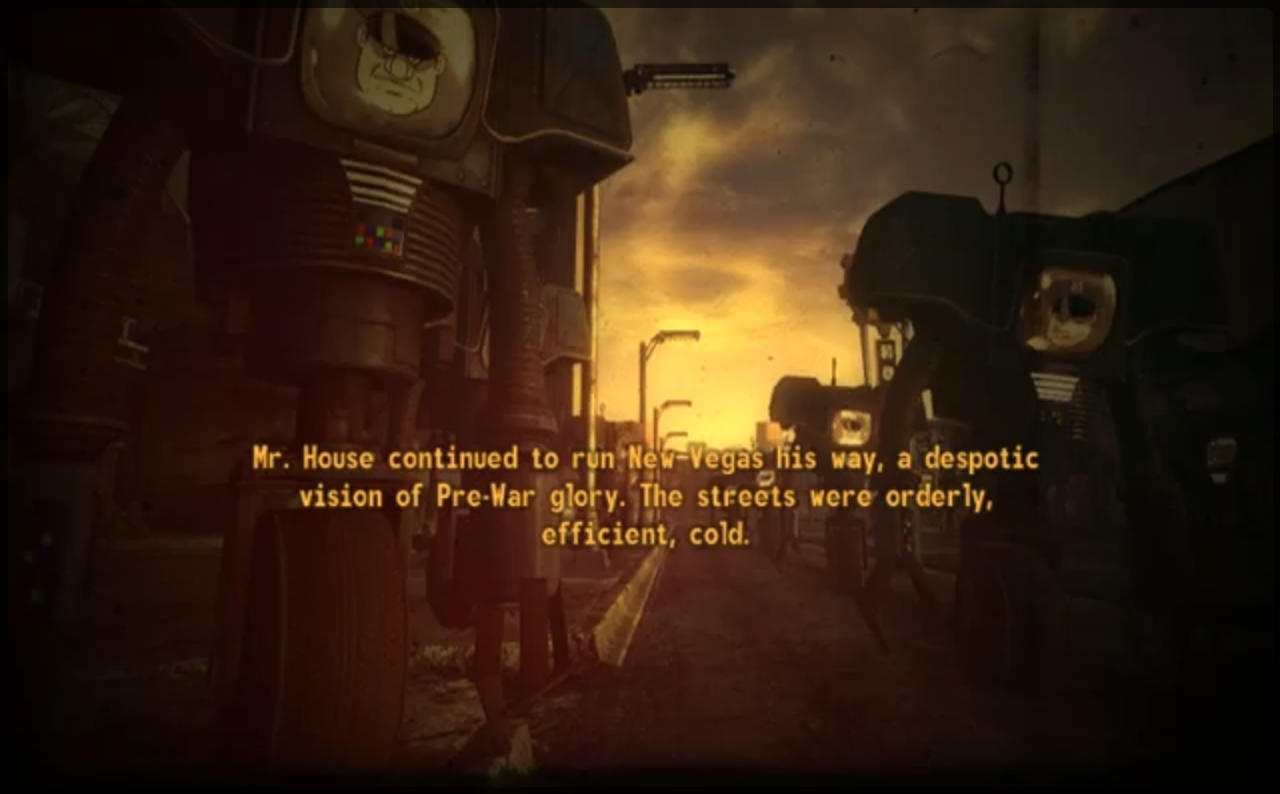
House’s wrongs are architectural. They run through the central design of the future he offers.
Independent Vegas carries the seduction of freedom but risks making the Courier’s exception into the foundation of politics.
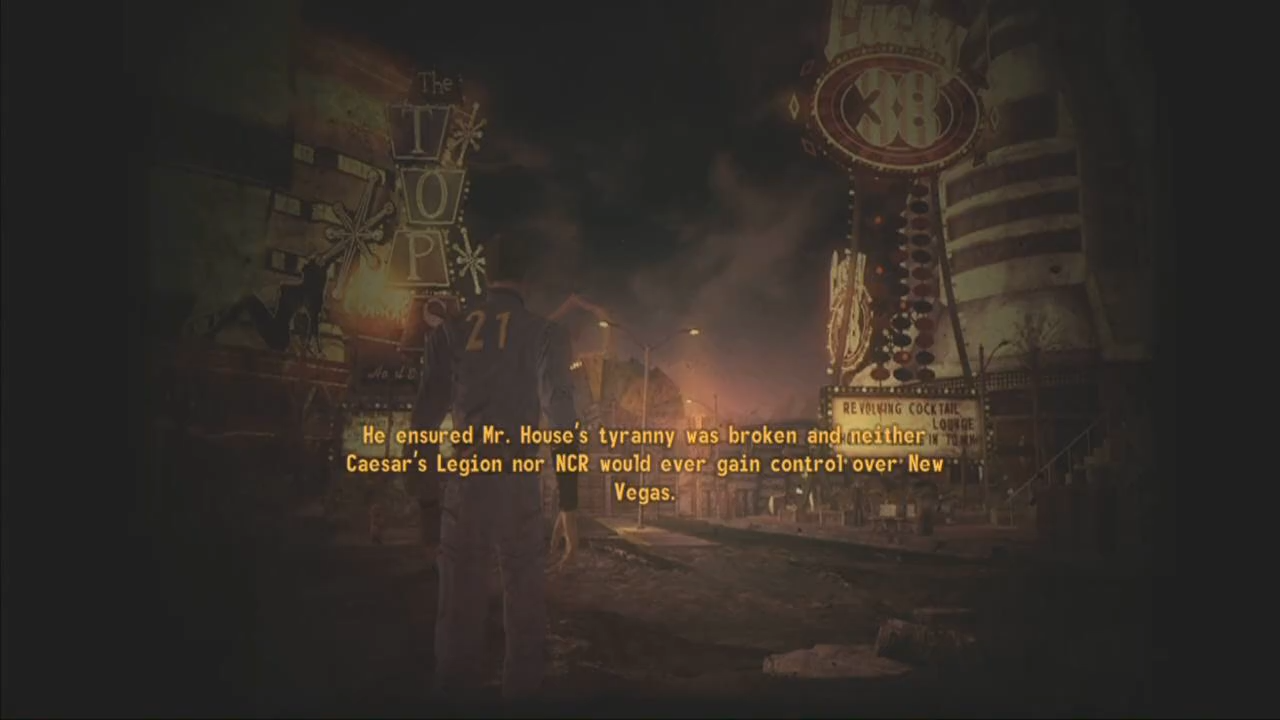
The New California Republic’s wrongs are severe, but they remain more available to contestation because the Republic still depends on institutions, records, appearances, negotiation, legitimacy, and the ability to describe itself as better than it currently is.
Hypocrisy is useful when it creates leverage.
This is a wildly dangerous sentence and must be handled carefully.
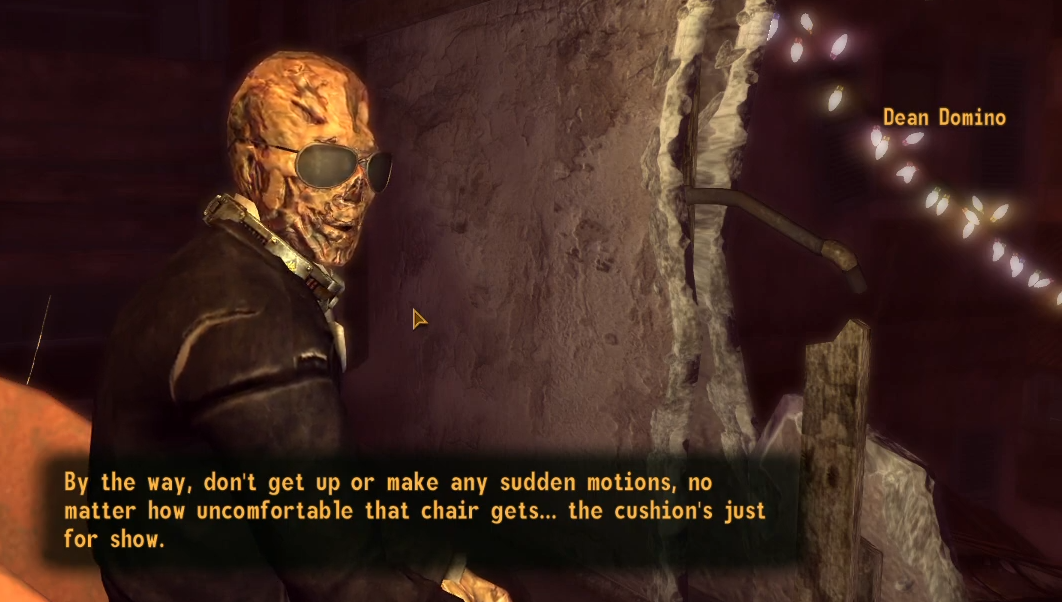
Hypocrisy does not redeem the hypocrite. It creates a gap between claim and action where pressure can enter. The Republic says law, citizenship, order, rights, representation, development, civilization. It violates, distorts, forgets, cheapens, and weaponizes those words.
Good. The words remain available as handles. A handle is something to grab when the machine moves the wrong way.
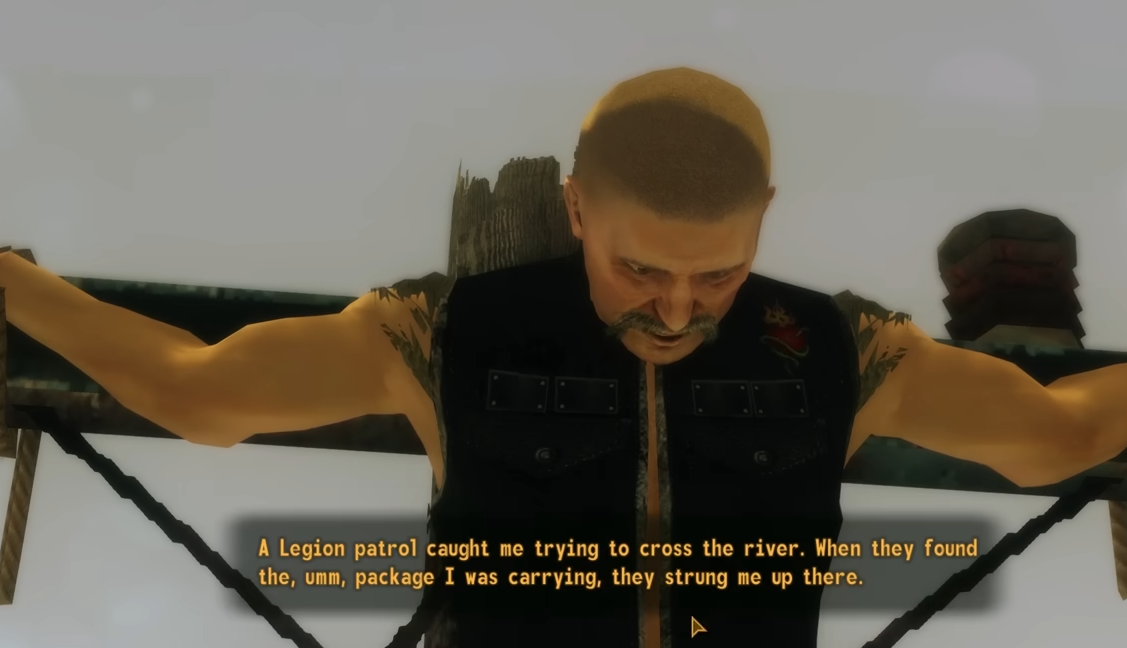
The Legion offers fewer handles because domination is not embarrassed by domination.
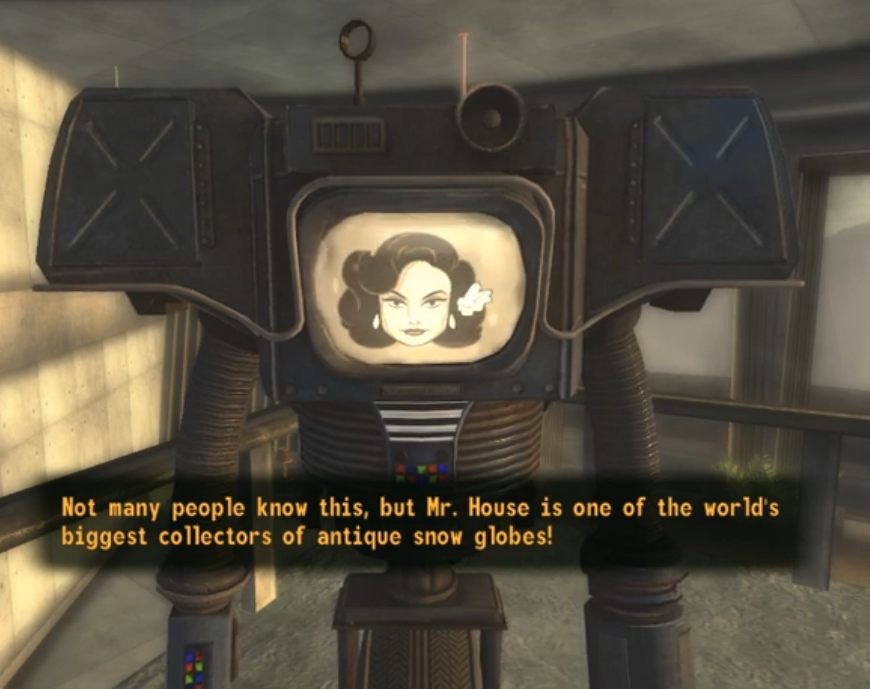
House offers fewer handles because ownership is not embarrassed by ownership.
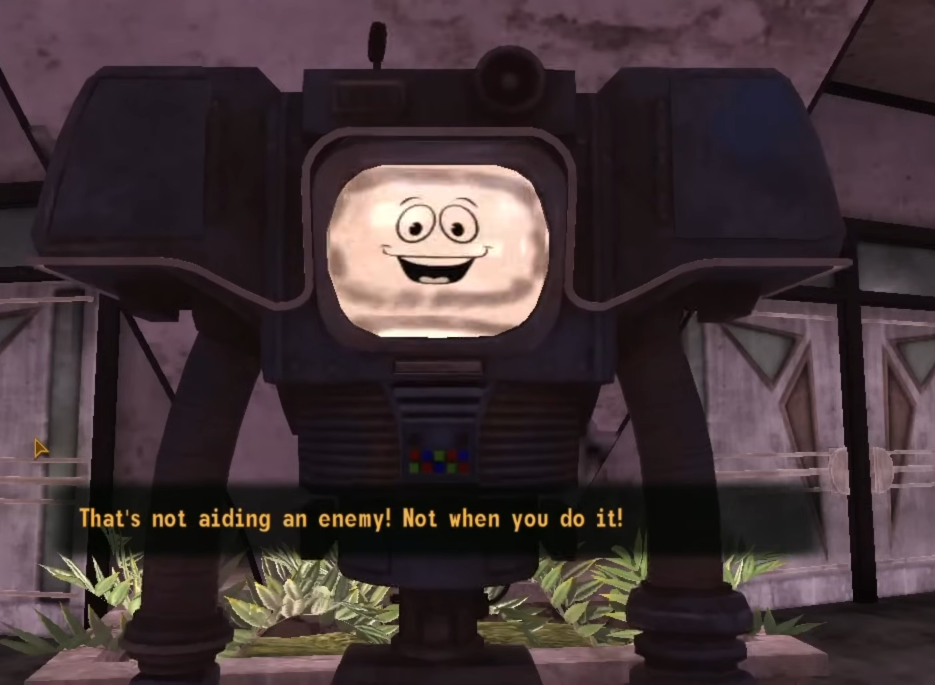
Yes Man offers fewer handles because obedience is not embarrassed by obedience.
But the Republic can still be made to feel the distance between what it says and what it does.
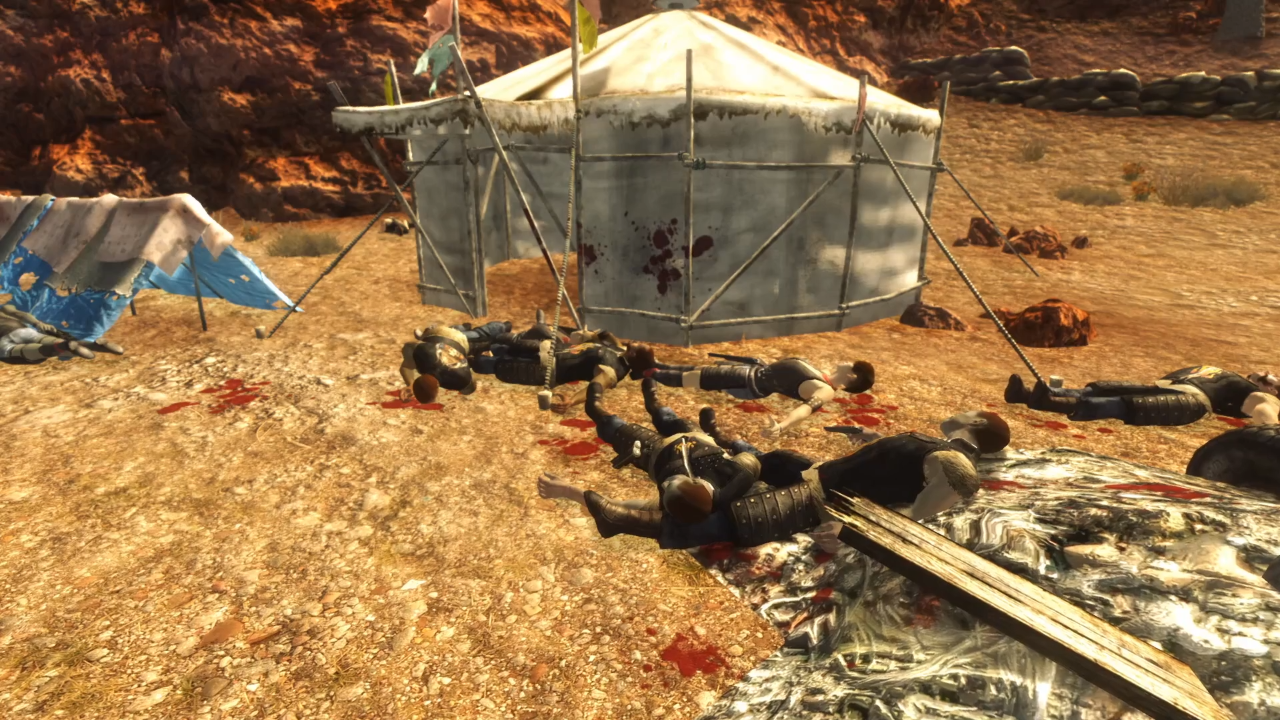
Modal Path Ethics chooses that distance. Then it moves into it.
That is the actual ending:
The opening of the next argument inside the least terminal available future.
The dam is won. The Republic inherits the repairs. The repairs inherit the Republic. The Mojave remains dirty, wounded, hungry, unstable, overclaimed, underprotected, and alive enough to continue resisting the descriptions placed on it.
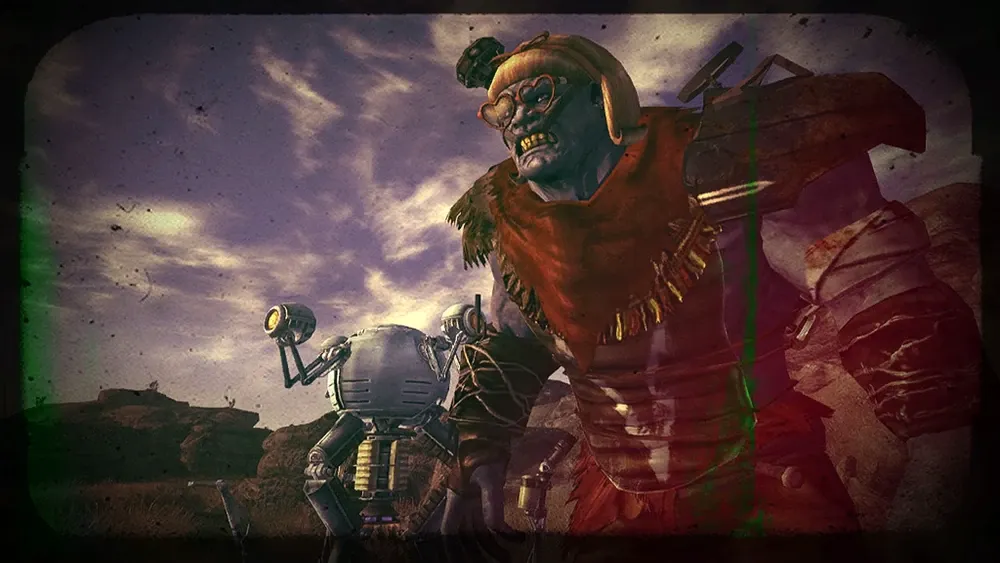
Modal Path Ethics leaves Hoover Dam under a flag it does not trust, carrying a victory it does not celebrate, because the Mojave is still reachable, and that is more than three of its futures were willing to allow.
The river keeps moving.
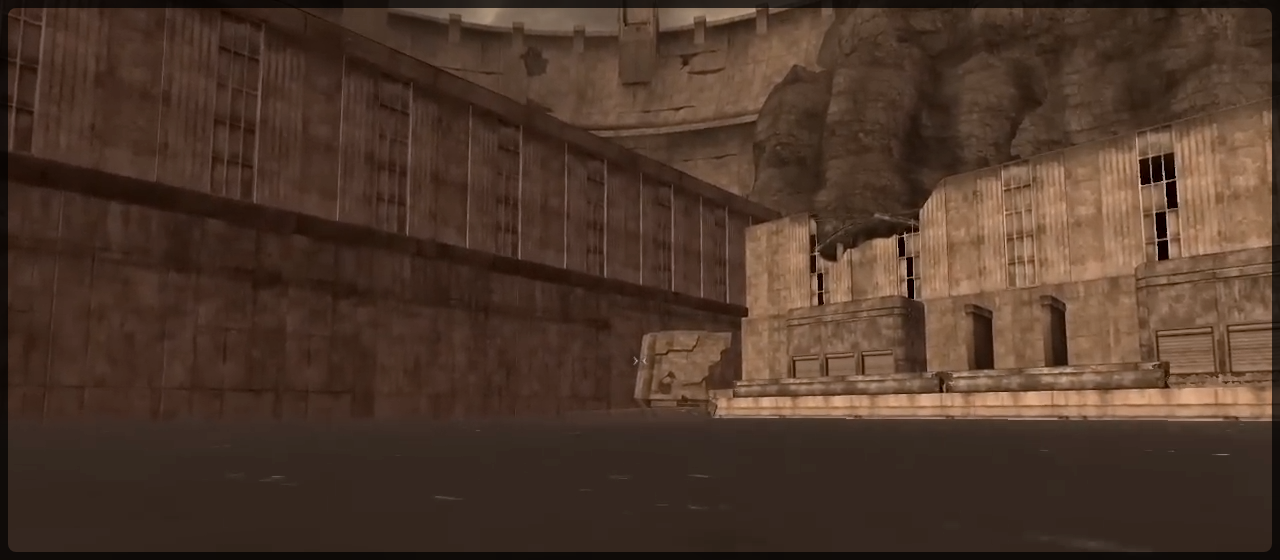
For once, this is allowed to be a good sign.