
Carl Schmitt and the Batman Who Leaves
Gotham does not belong to you.
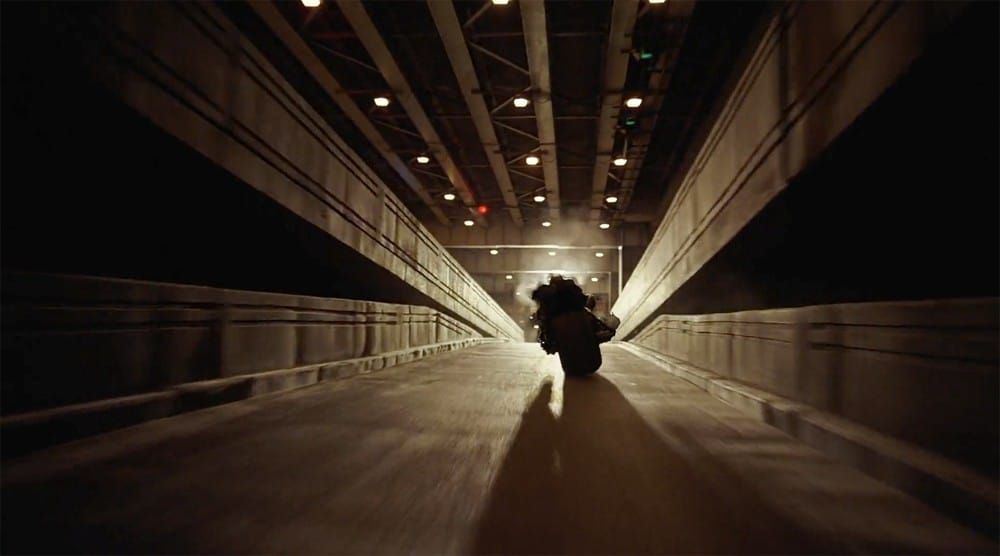
Modal Path Ethics has made a terrible mistake.
It has just wandered into Carl Schmitt.
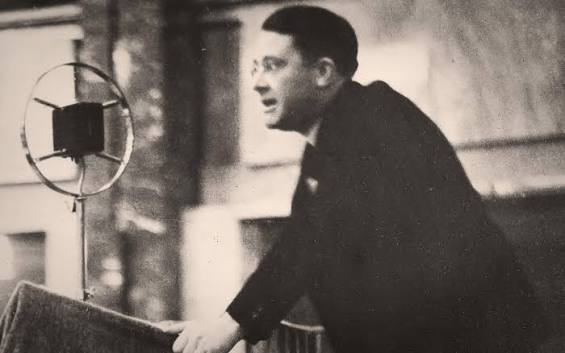
This is traditionally where the poor little moral theory gets killed.
Big Bad Schmitt is standing in the tough part of constitutional philosophy. He's over there with sovereignty, dictatorship, emergency power, constituent authority, the friend-enemy distinction, and about a century of people explaining that liberal institutions are just so adorable right up until somebody has to decide whether the building is actually on fire.
This should be just terrible for me.
In April, it probably would have been.
Unfortunately for Carl Schmitt, it is no longer April.
Unfortunately for Carl Schmitt, Modal Path Ethics has since spent an objectively unreasonable amount of time studying Batman.
 Aidan Lawson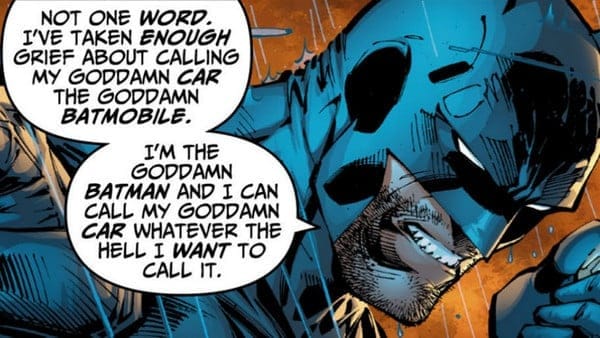
I know the cave, Carl.
I know the bridge.
I know the surveillance machine.
I know exactly what happens when the city becomes dependent on the exceptional man.
I know the difference between Batman ending a hostage crisis and Batman owning Gotham.
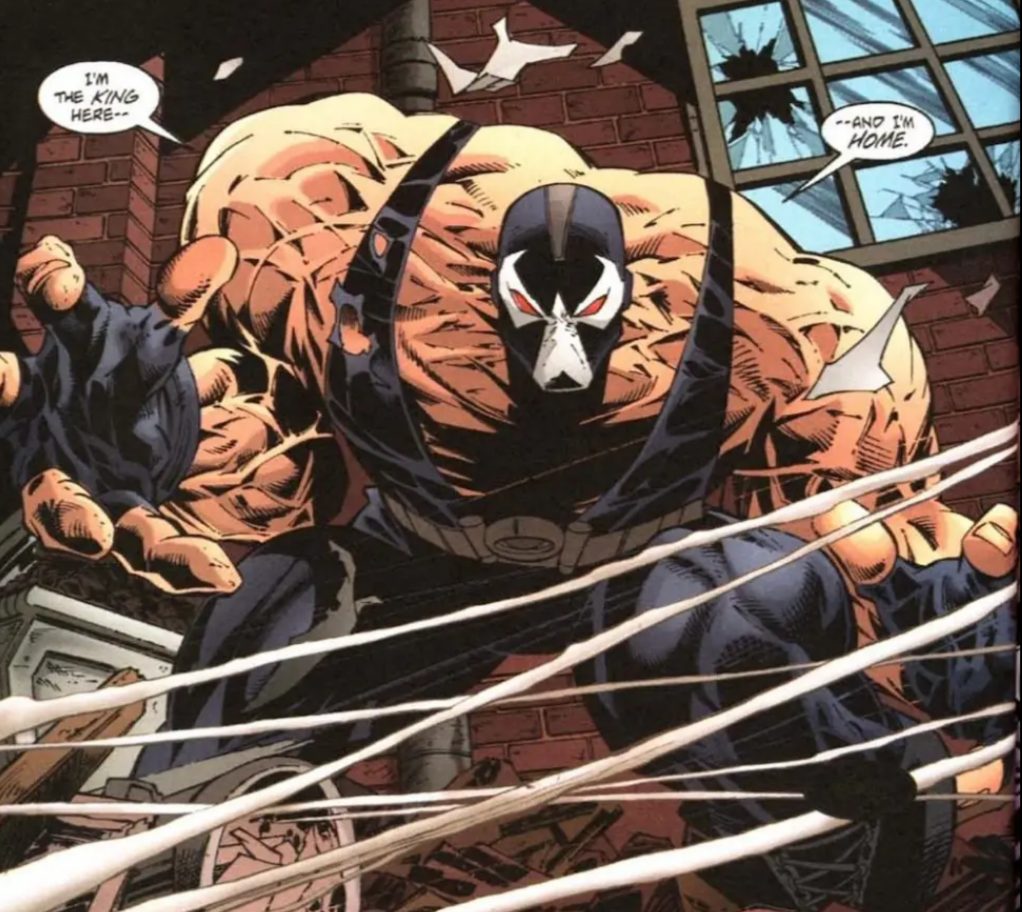
Most importantly, Carl, I have Bane.
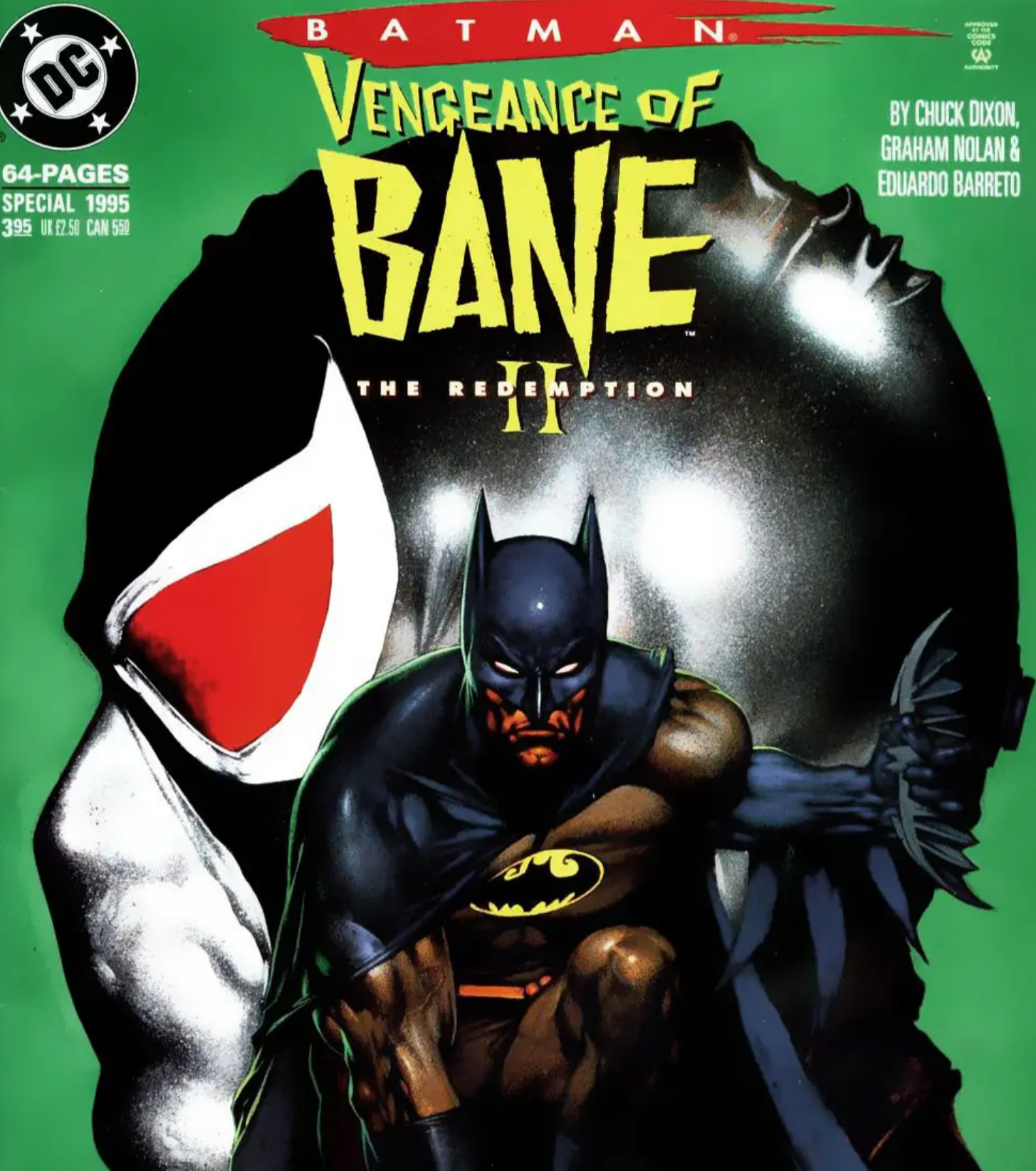
Carl Schmitt has entered the wrong fucking cave.
Swear to me.
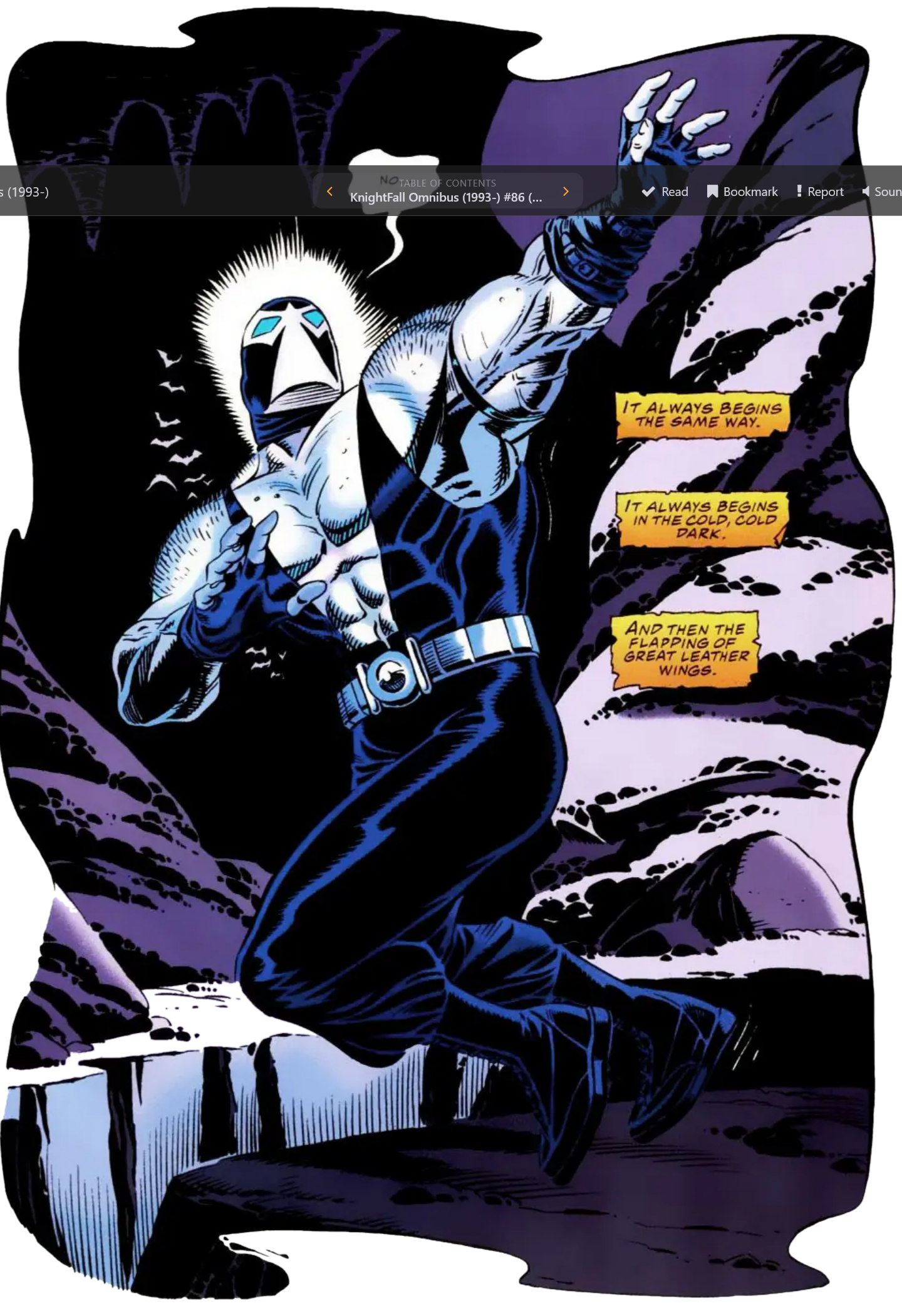
The Exception Is Real.
We should give Schmitt the strongest version first.
- A bridge is wired to explode.
- People are trapped on it.
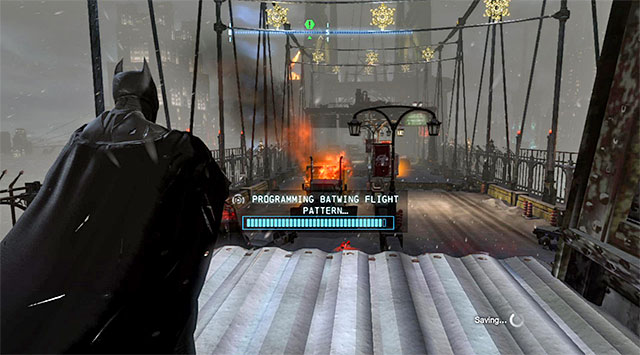
The police command structure is damaged. Communications are failing. The bomb squad has three incompatible readings. The court is asleep, the legislature is nowhere near the bridge, and whatever careful review should happen tomorrow cannot prevent this bomb from detonating tonight.
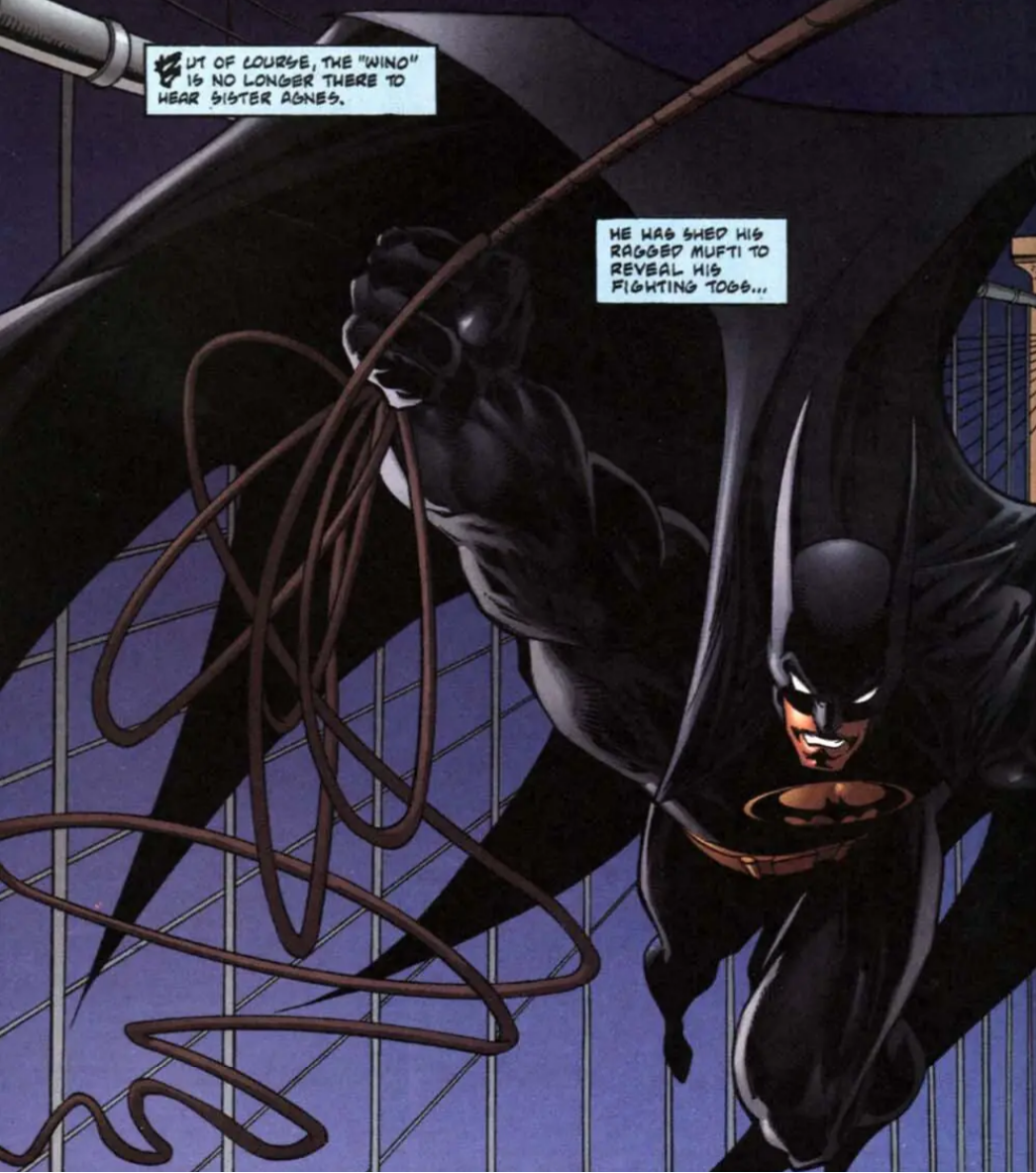
Batman reaches the detonator.
He has fifteen seconds.
There is no constitutional virtue in spending seventeen.
Somebody has to close the move.
Schmitt's famous opening claim in Political Theology is that the sovereign is the one who decides on the exception. His deeper argument is harder than the slogan. General rules cannot completely specify their own application under every abnormal condition. An order therefore needs some capacity to decide when the normal situation no longer exists and what must happen while ordinary law cannot settle the danger. Schmitt pushes that capacity toward sovereignty: the decisive authority revealed when the legal order reaches the condition it cannot fully govern in advance.
The bridge is still exploding.
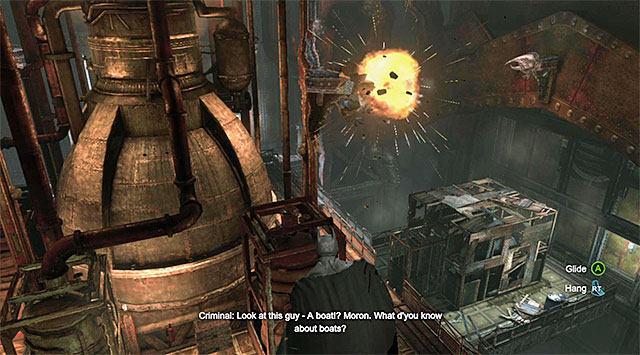
Modal Path Ethics has no interest in solving this one by asking Batman to form a committee.
The Inner Apocalypse already concedes the central operational point. Every live path needs some way to close. A commander can have the final tactical word. A court can end a case. A legislature can close a legislative question. Finality is real. The constitutional problem begins with what that finality is final about.
That is the bounded last word.
The decision can be final without the decider becoming final.
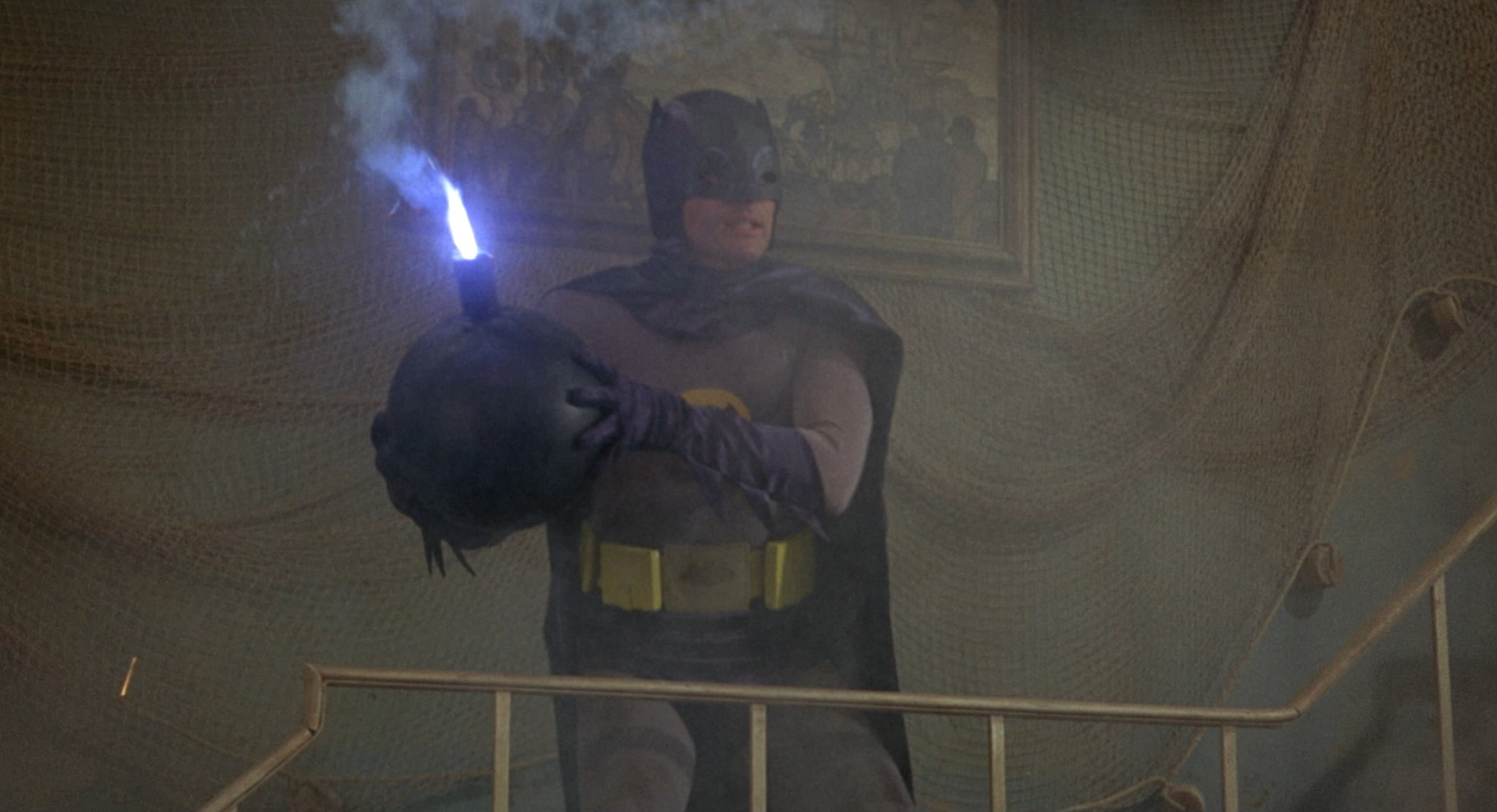
The existing Modal Path Ethics formulation defines the bounded last word as final authority indexed to function, case, scale, and time. It closes the entrusted path while leaving the office, rule, evidence, injury, duration, and future jurisdiction reachable through other routes.
That is the first disagreement with Schmitt.
- Accept the decision.
- Refuse the promotion.
Batman can decide what happens to the detonator.
He has not therefore acquired Gotham.
Bane Breaks the Normal Situation.
We have already met Schmitt's strongest argument.
His name was Bane.
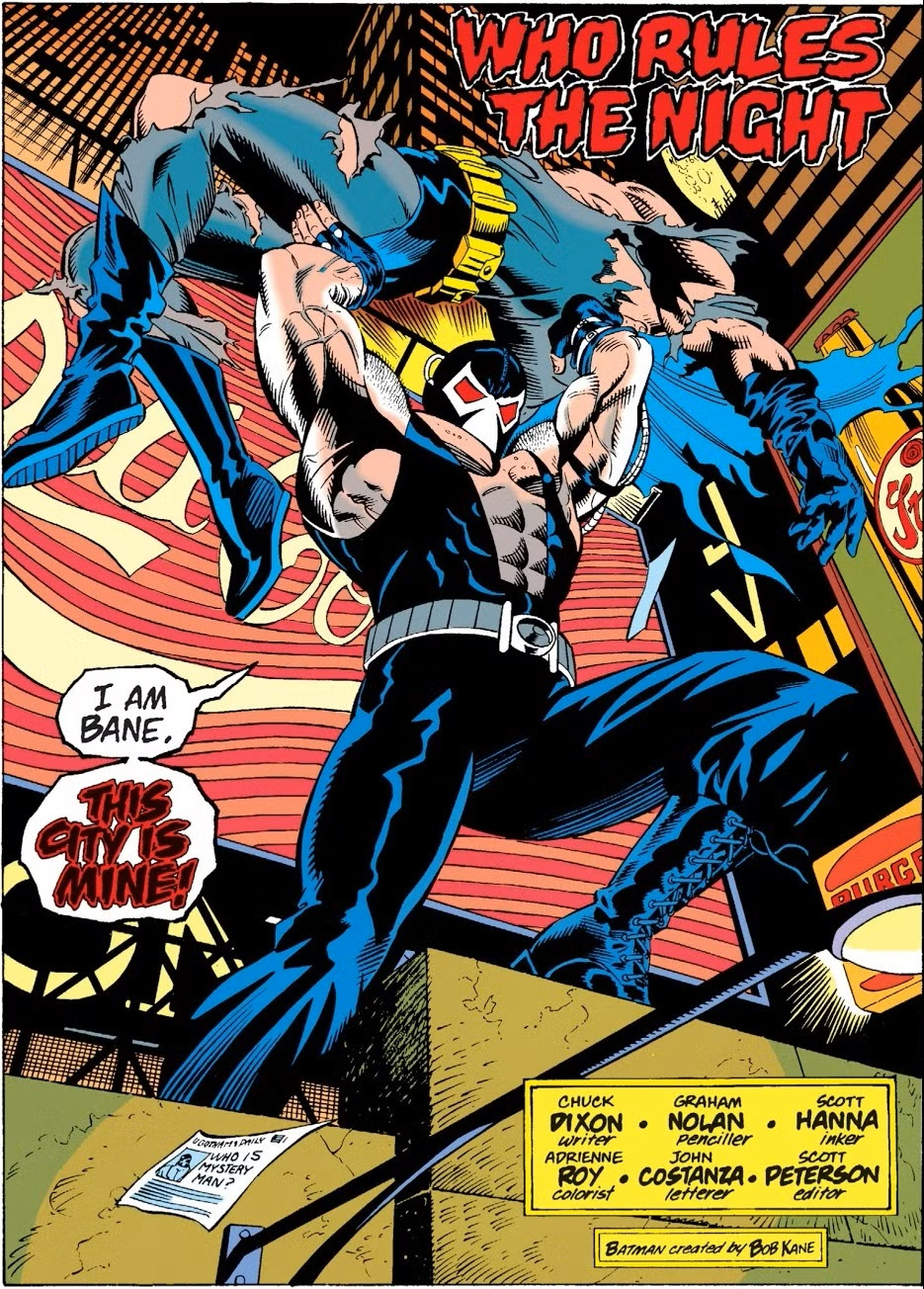
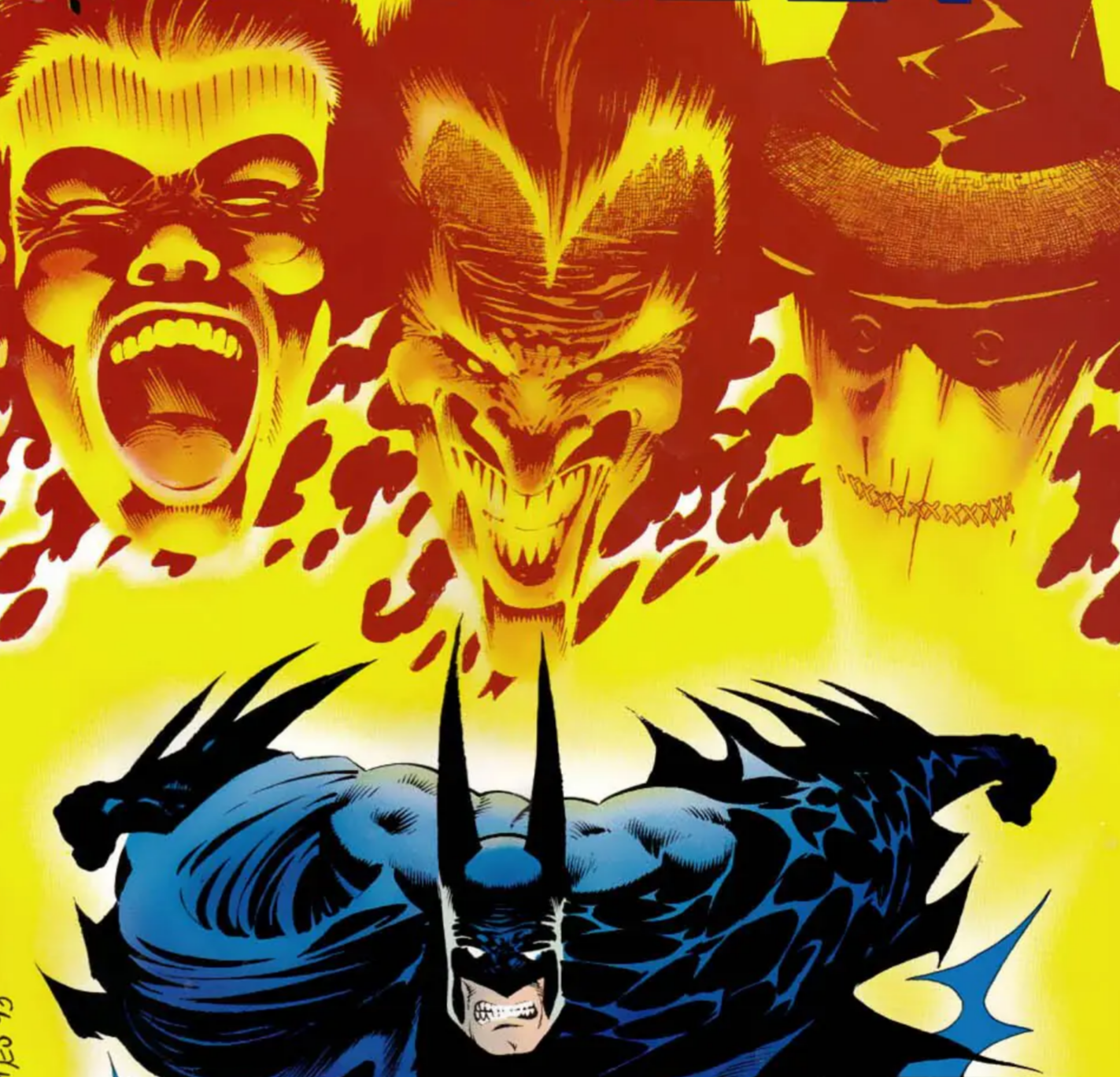
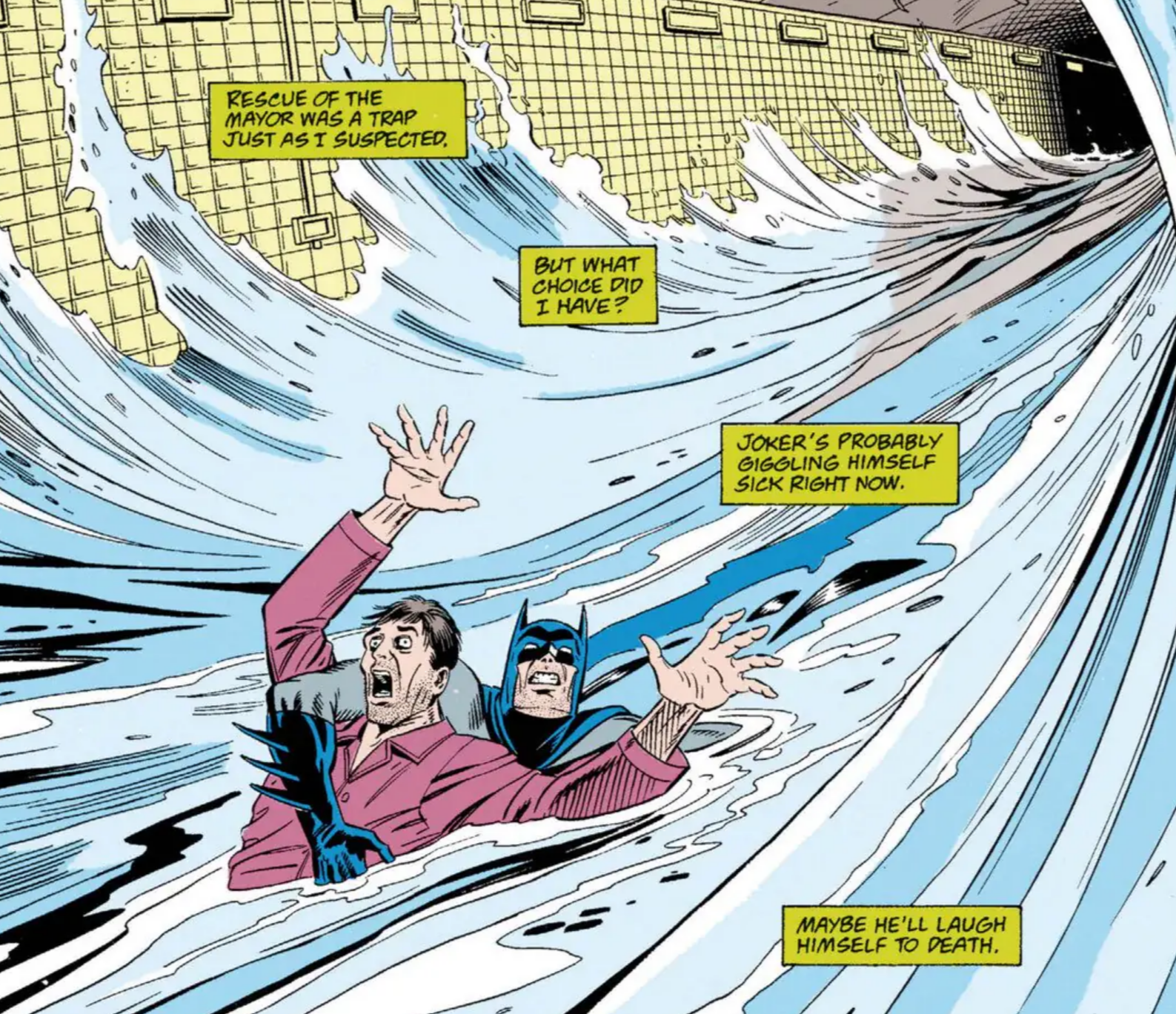
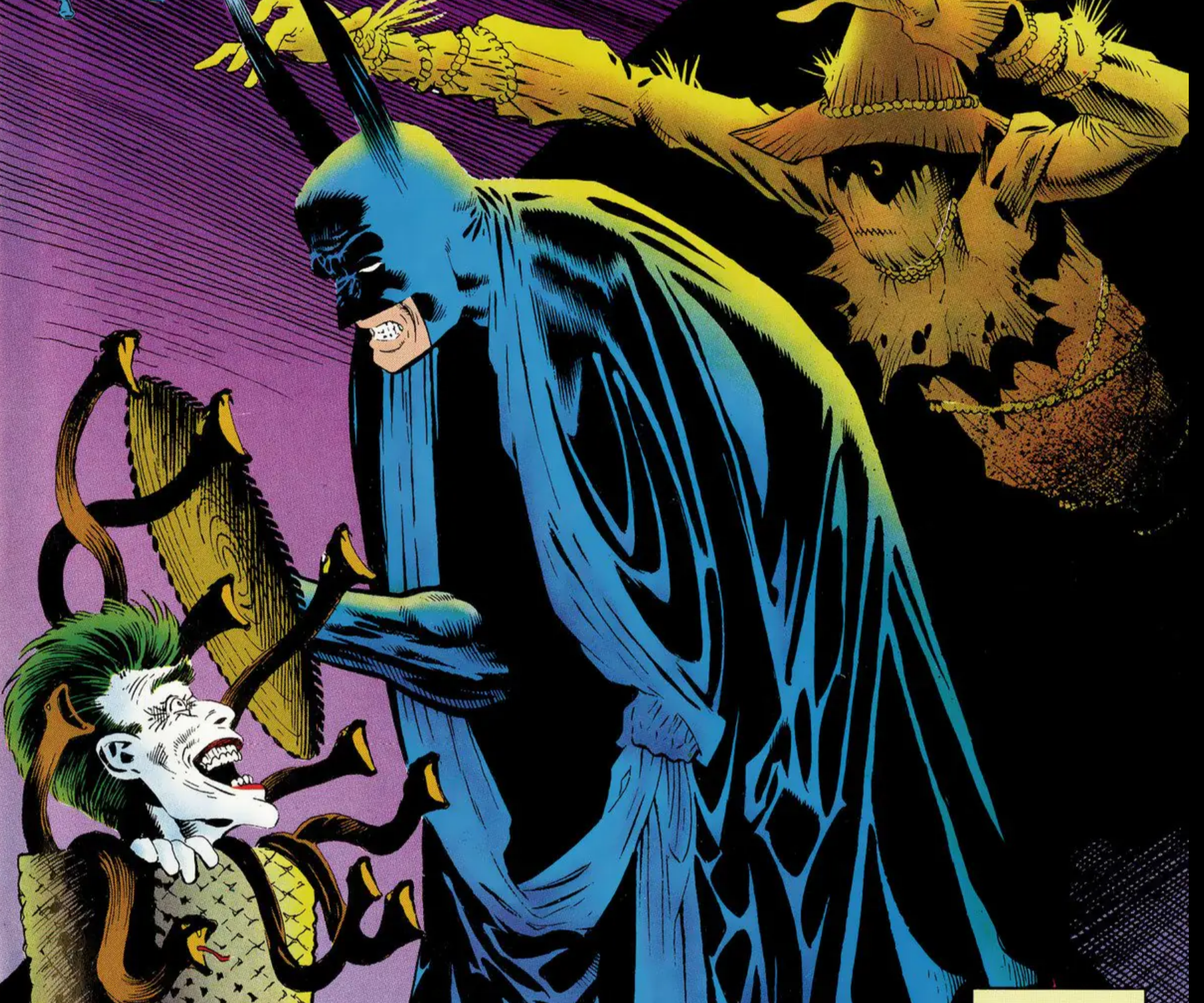
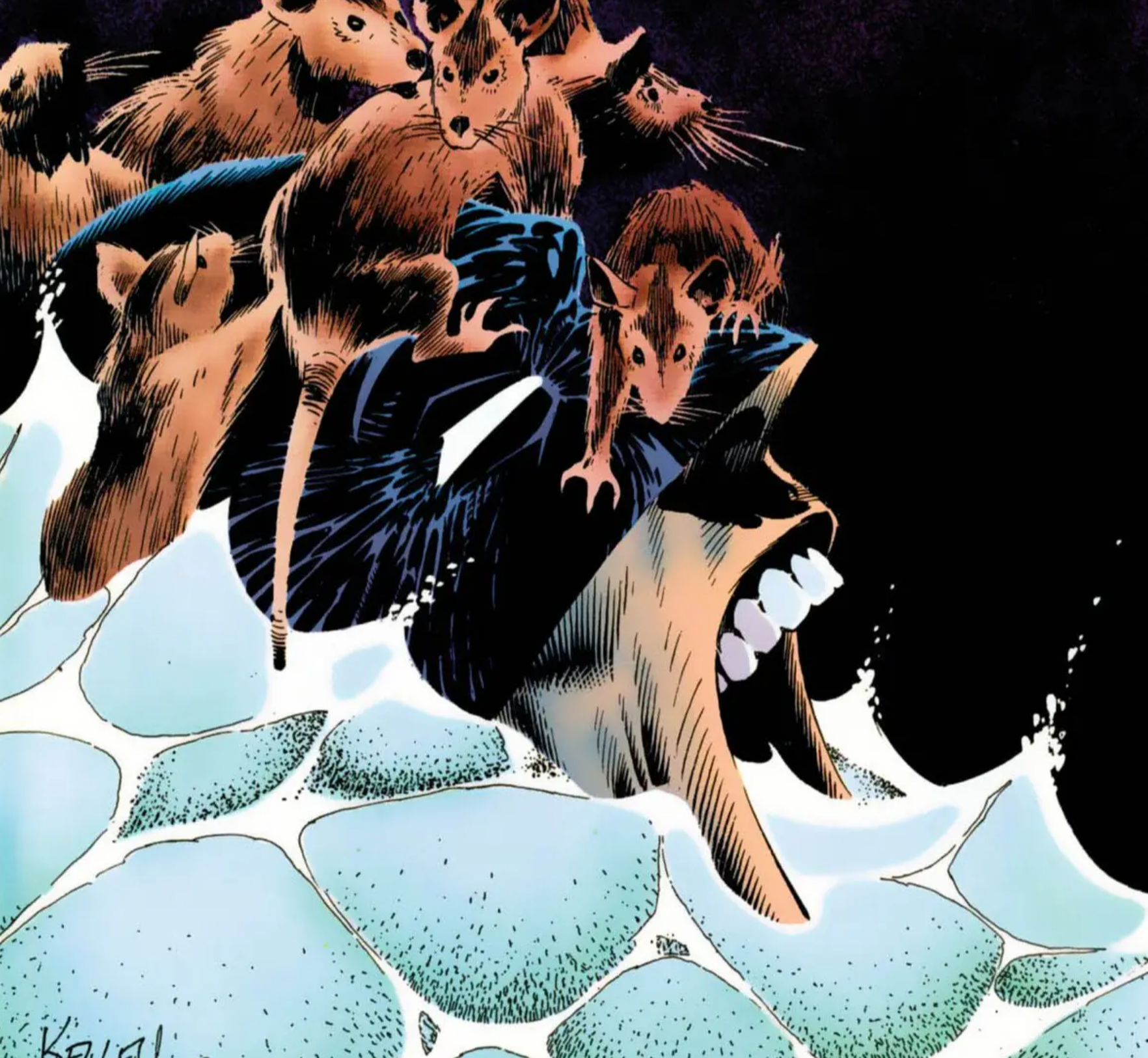
The original Batman audit reached a useful conclusion: Bane is dangerous because he does not treat Batman as one man in armor. He treats Batman as a live field.
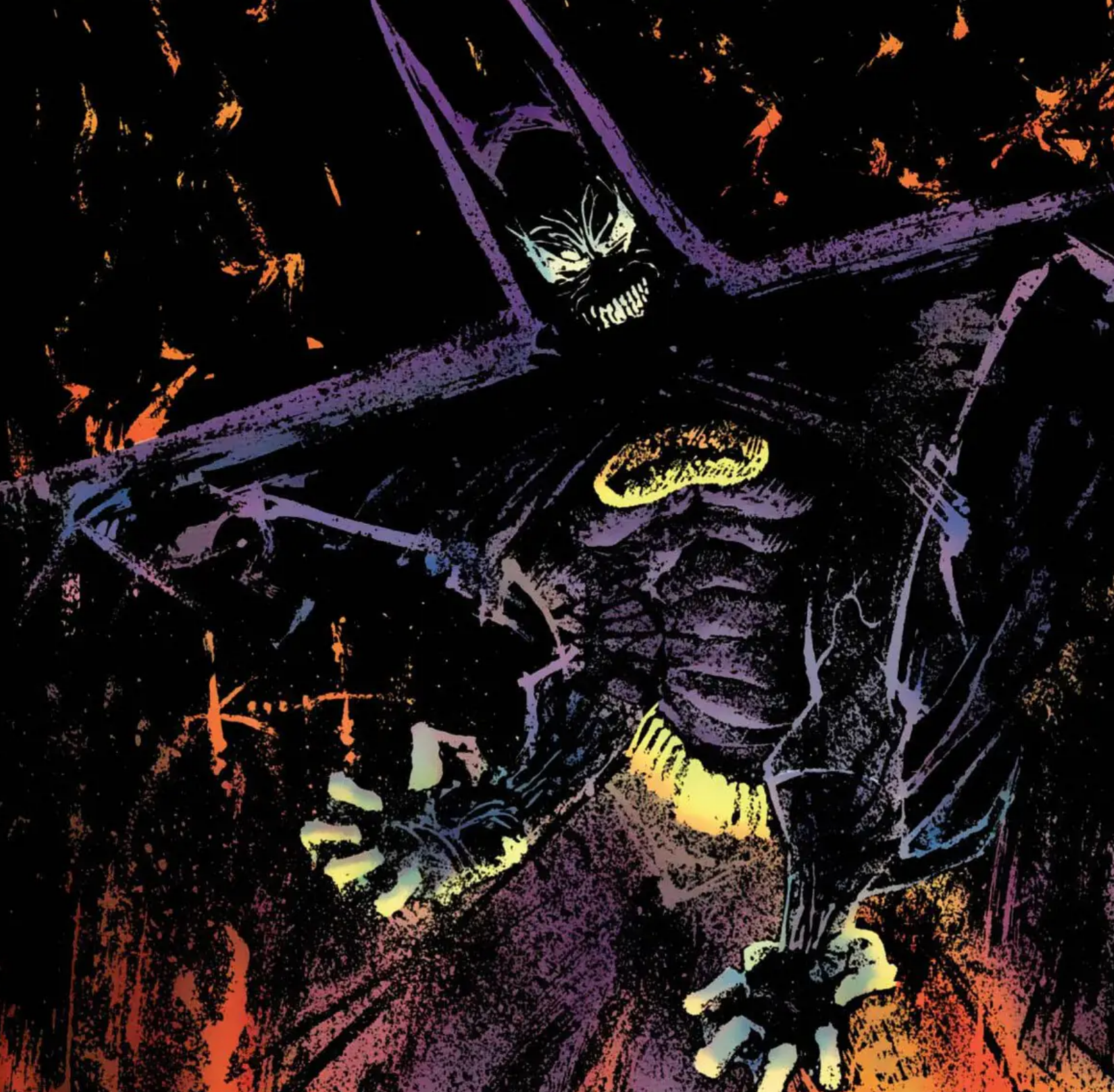
He studies the sleep.
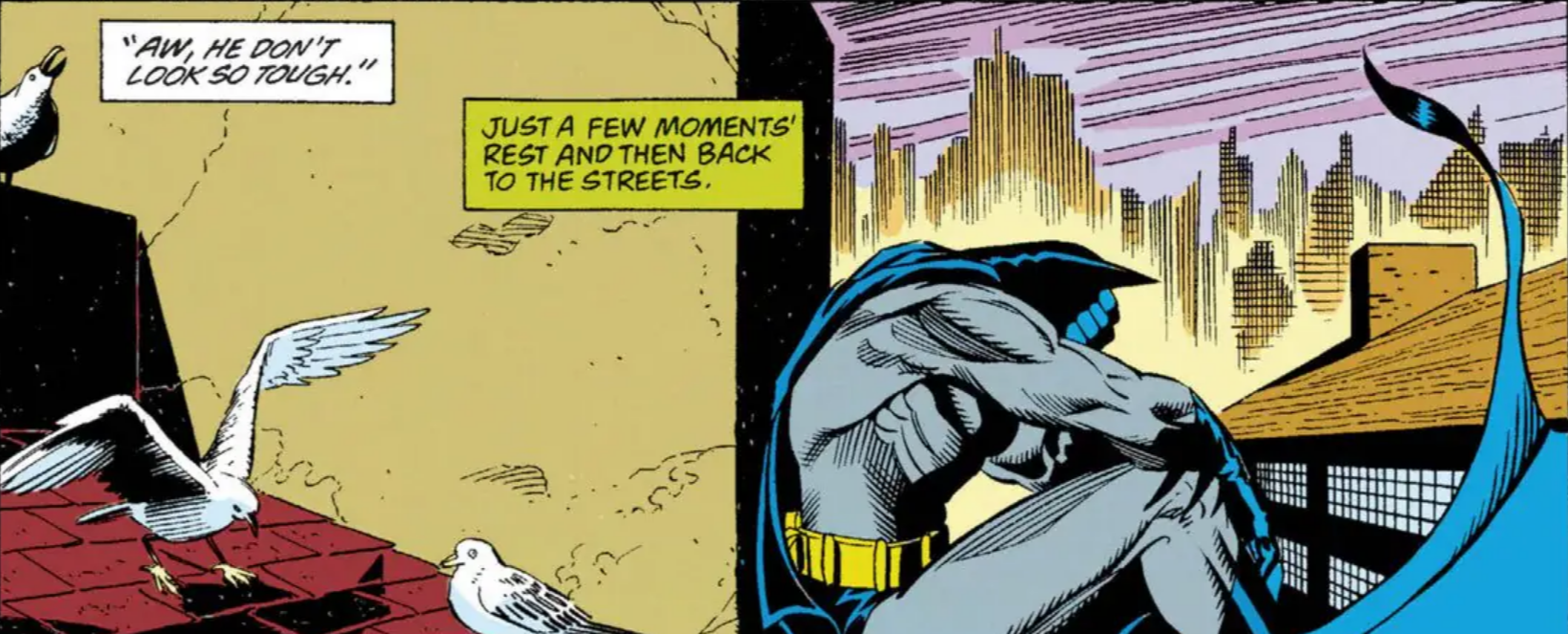
The allies.
The information.
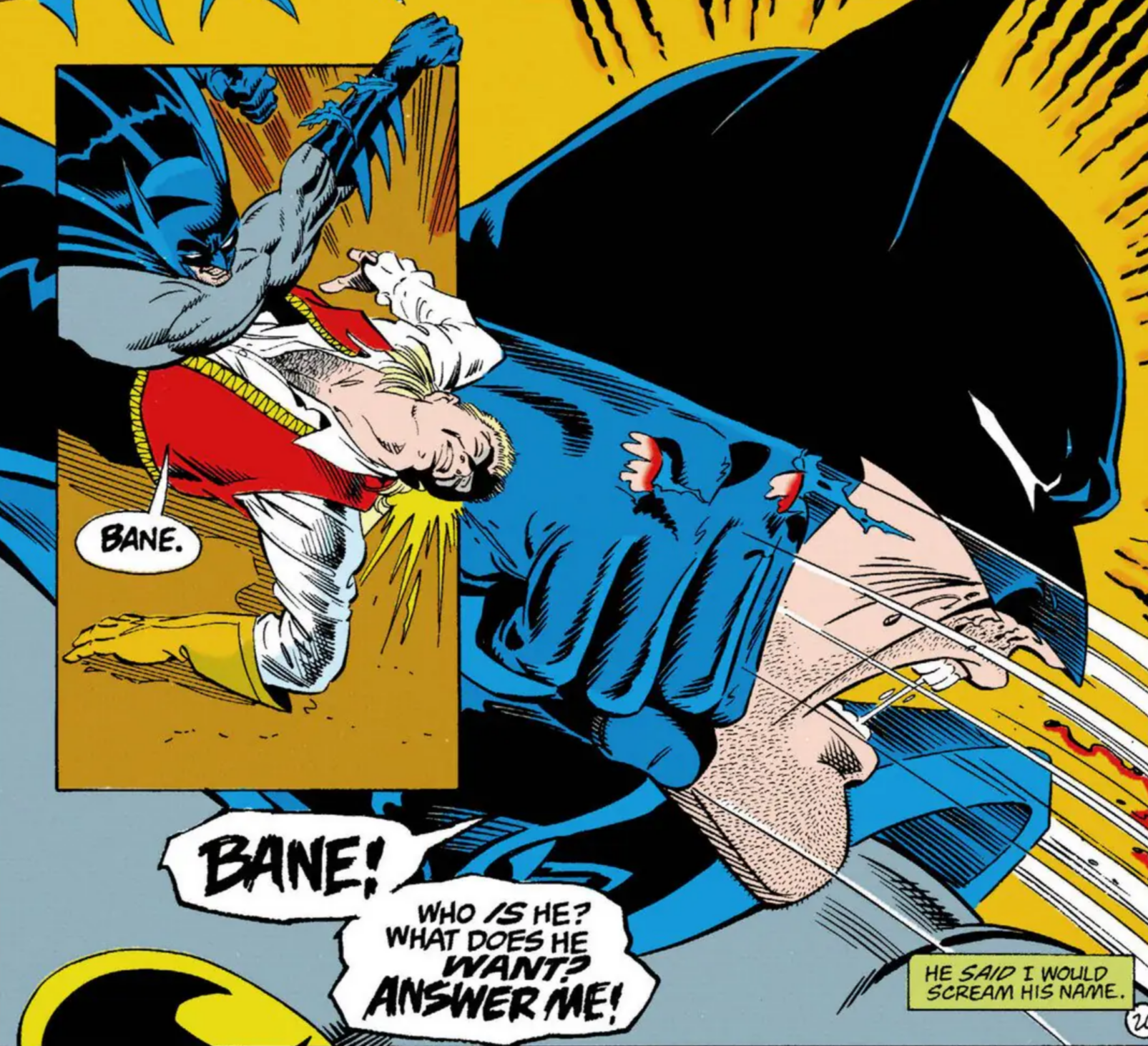
The body.
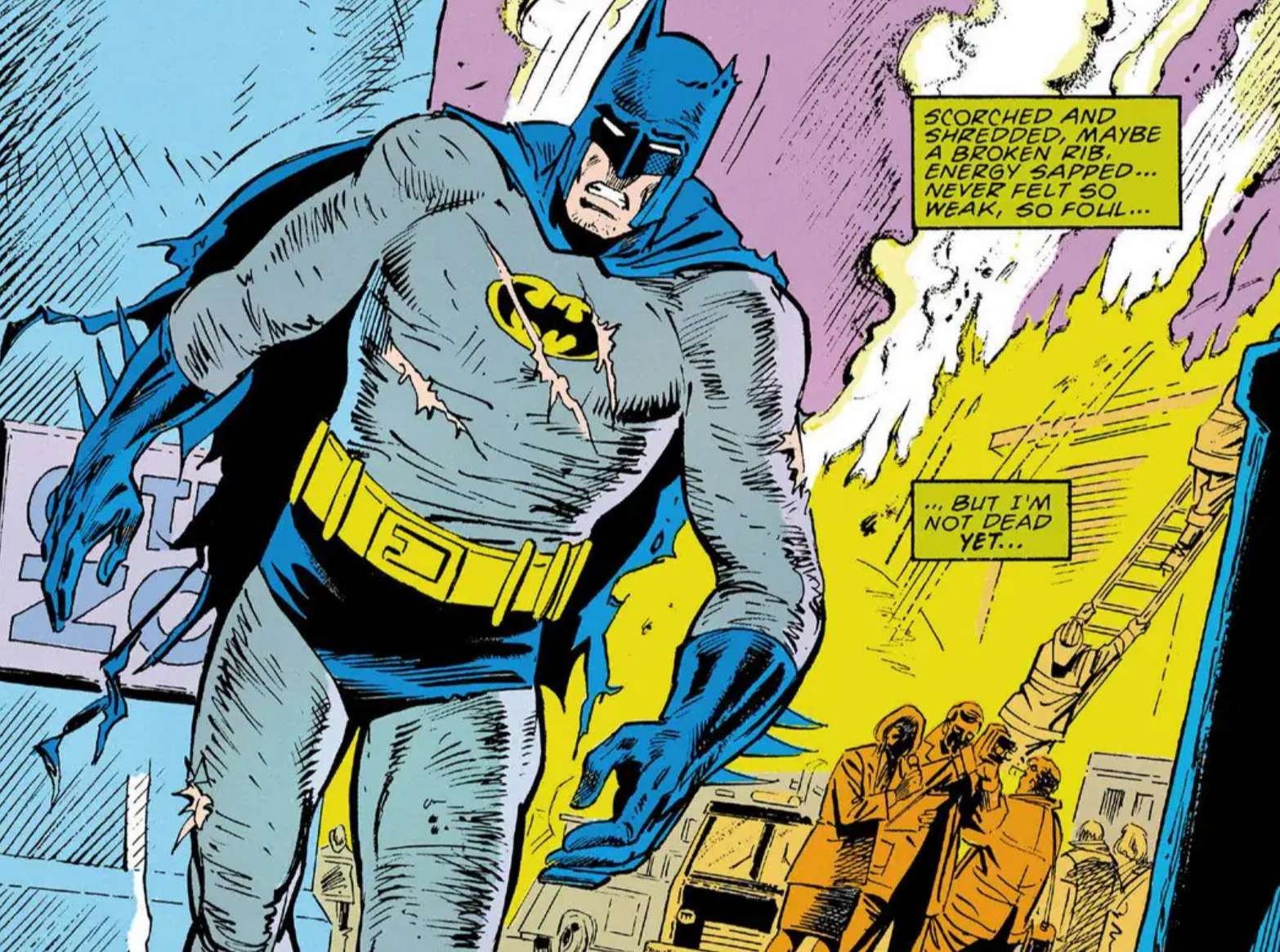
The contained enemies.
The myth.
The routes.
The reserves.
The sequence in which Batman has to answer emergencies.
Then he applies pressure everywhere until the exceptional man reaches the decisive encounter already spent.
Then he breaks him.
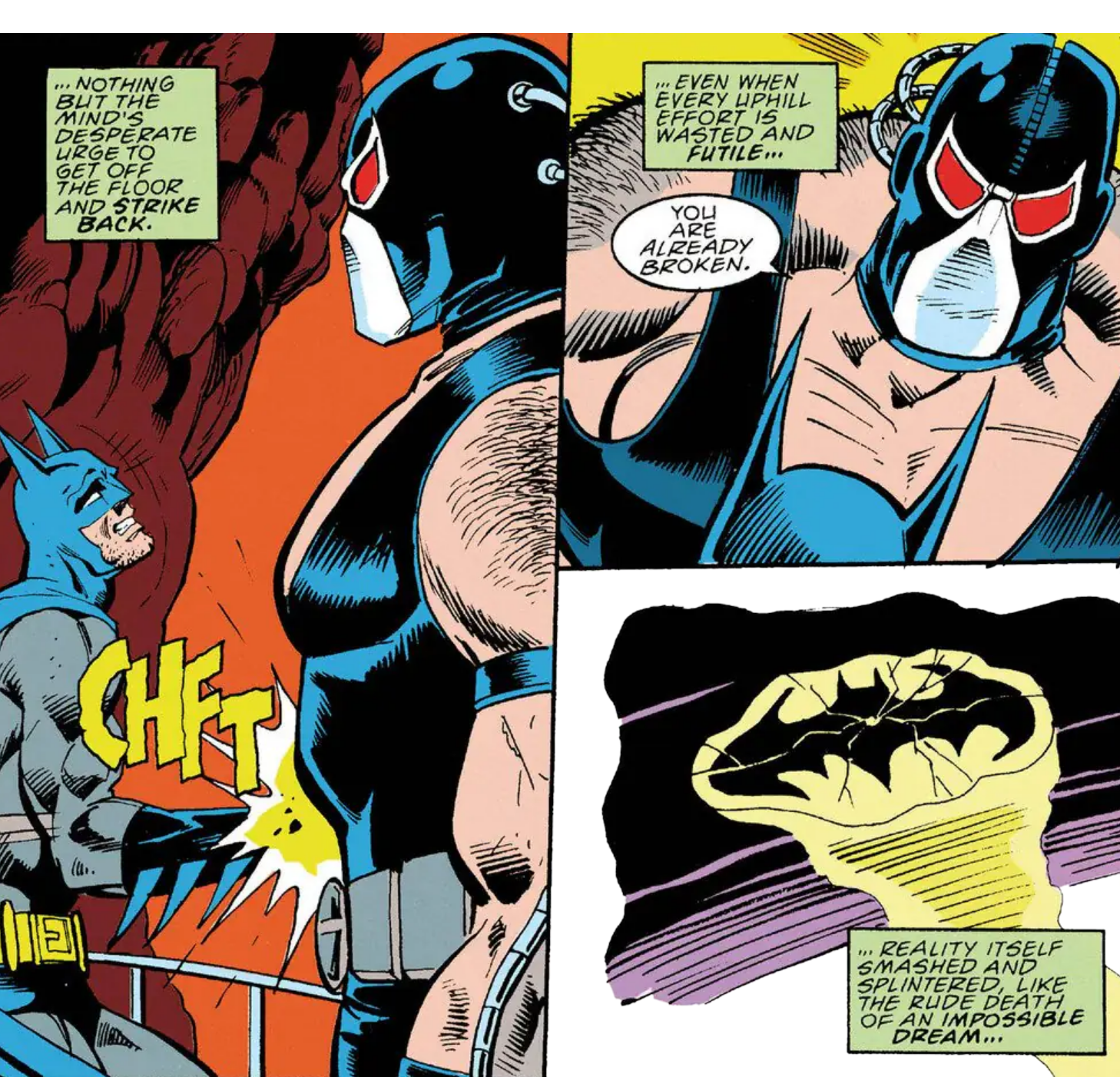
That is an unusually good model of constitutional emergency.
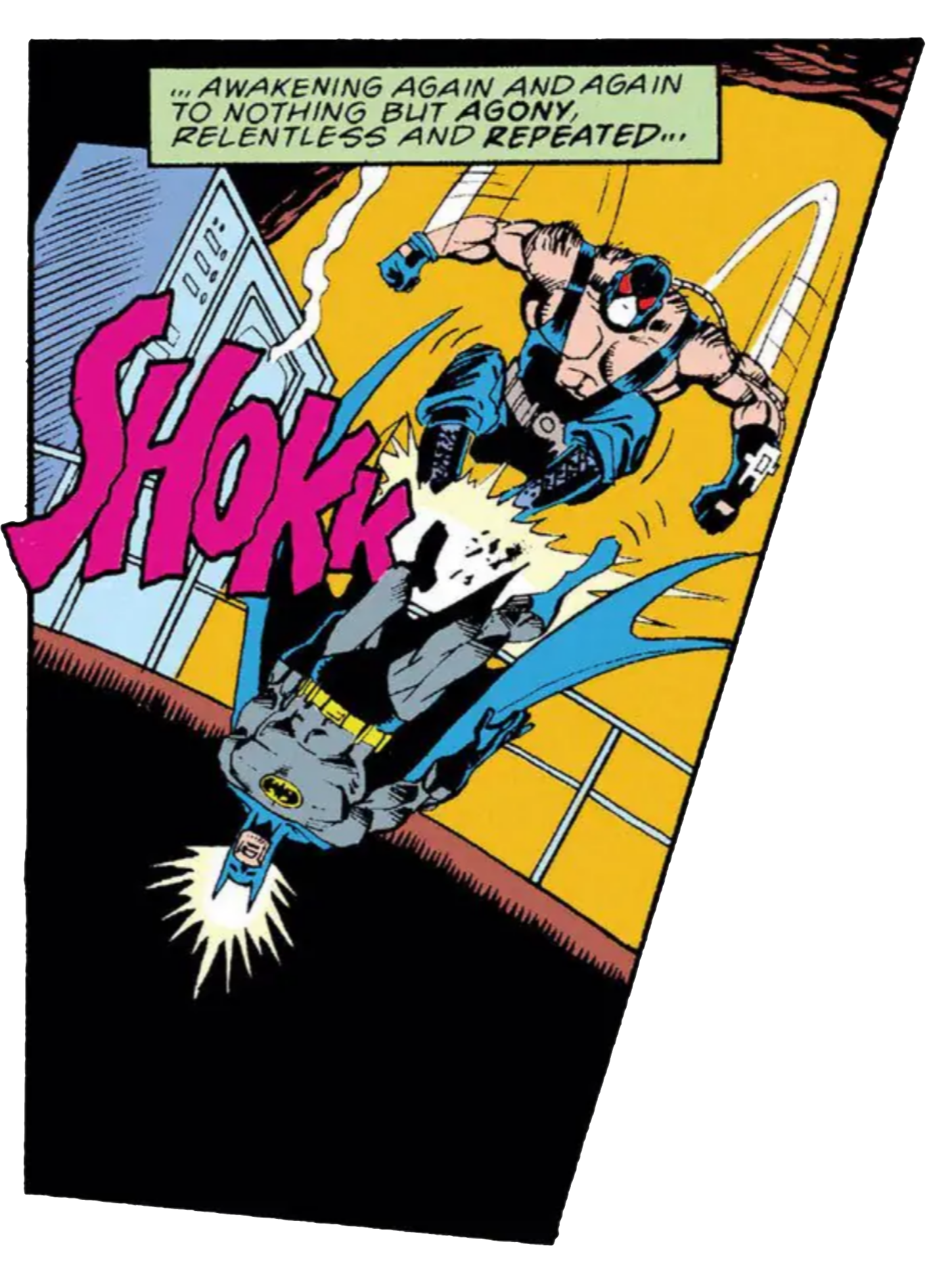
The normal situation is not guaranteed.
A legal system can be overloaded.
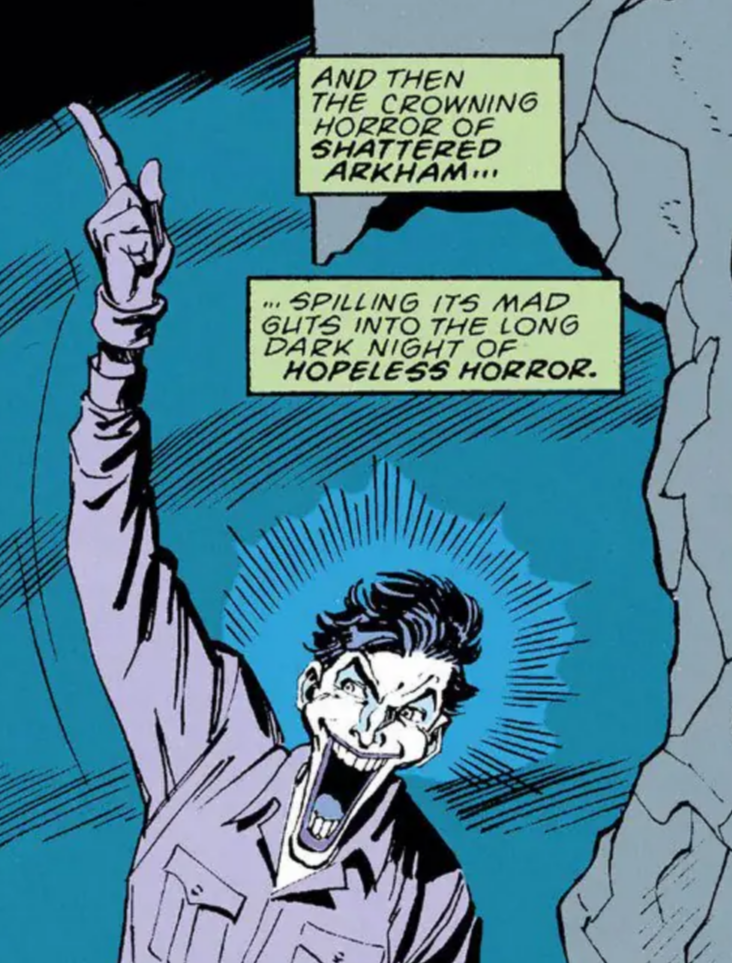
A communications network can fail.
An adversary can deliberately create simultaneous crises.
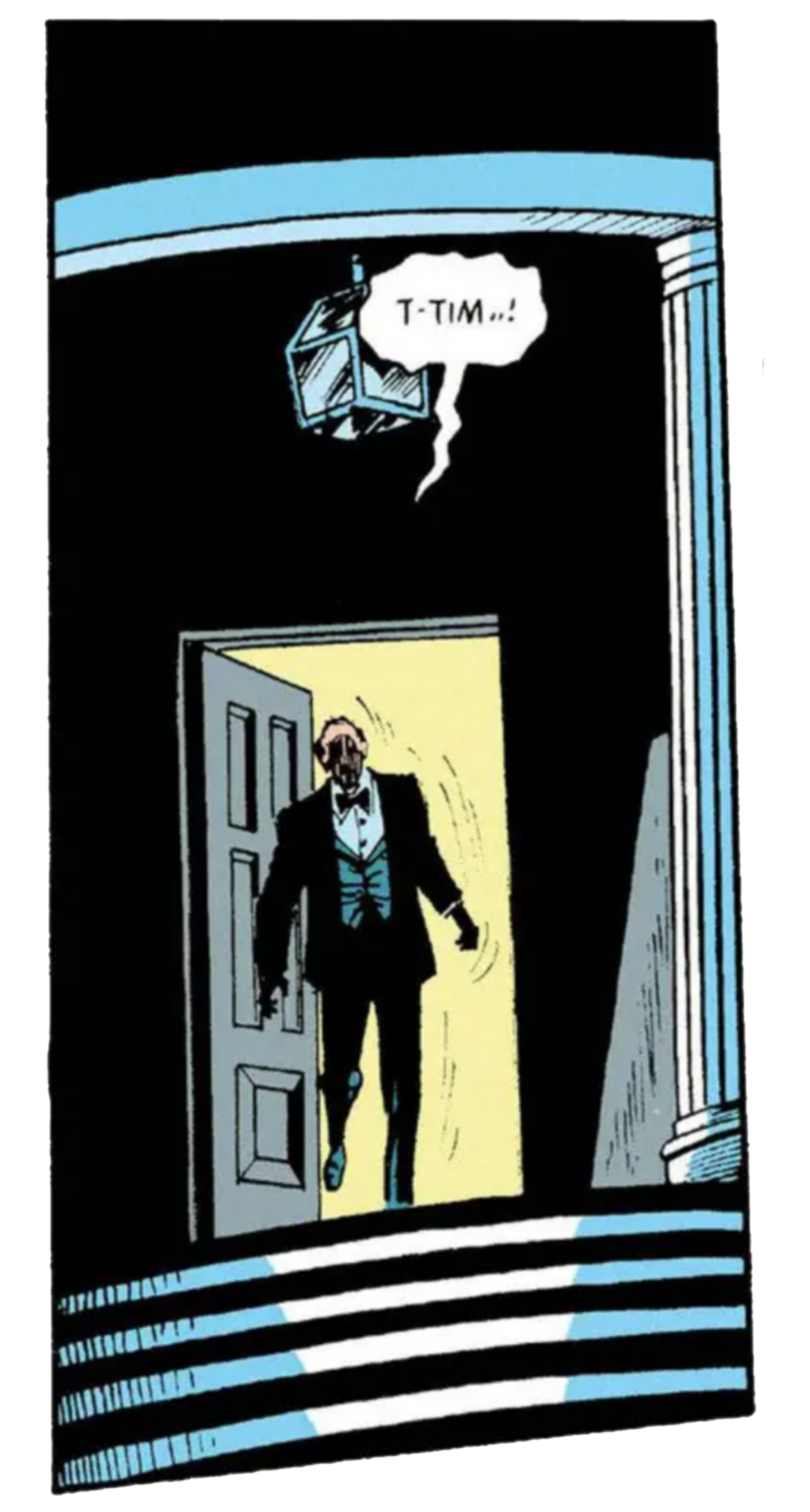
A city can reach a condition in which following every ordinary sequence means losing the thing those sequences were designed to protect.
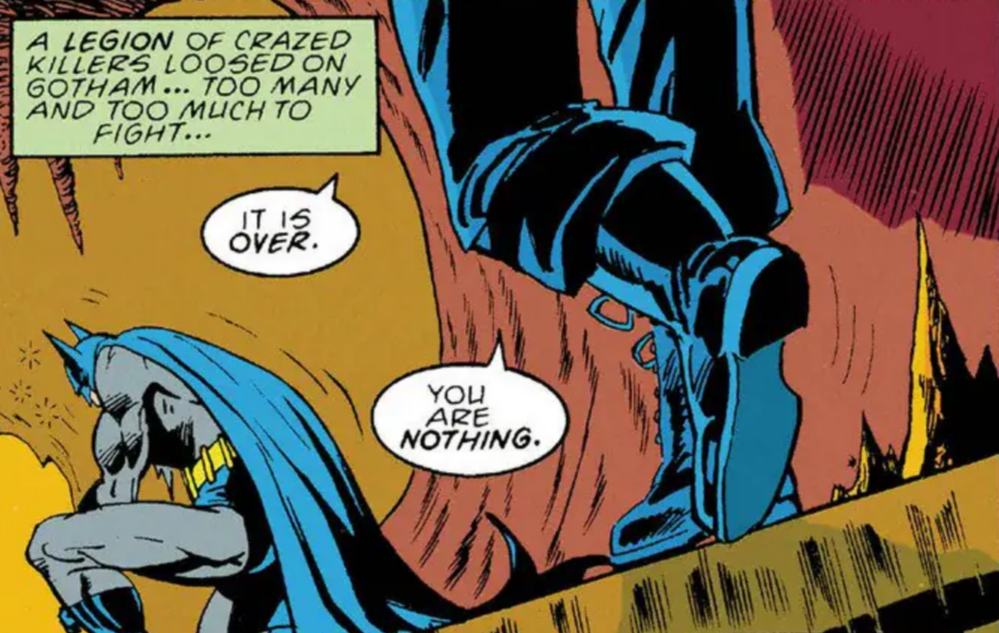
Schmitt is right to take that seriously.
So does Bane.
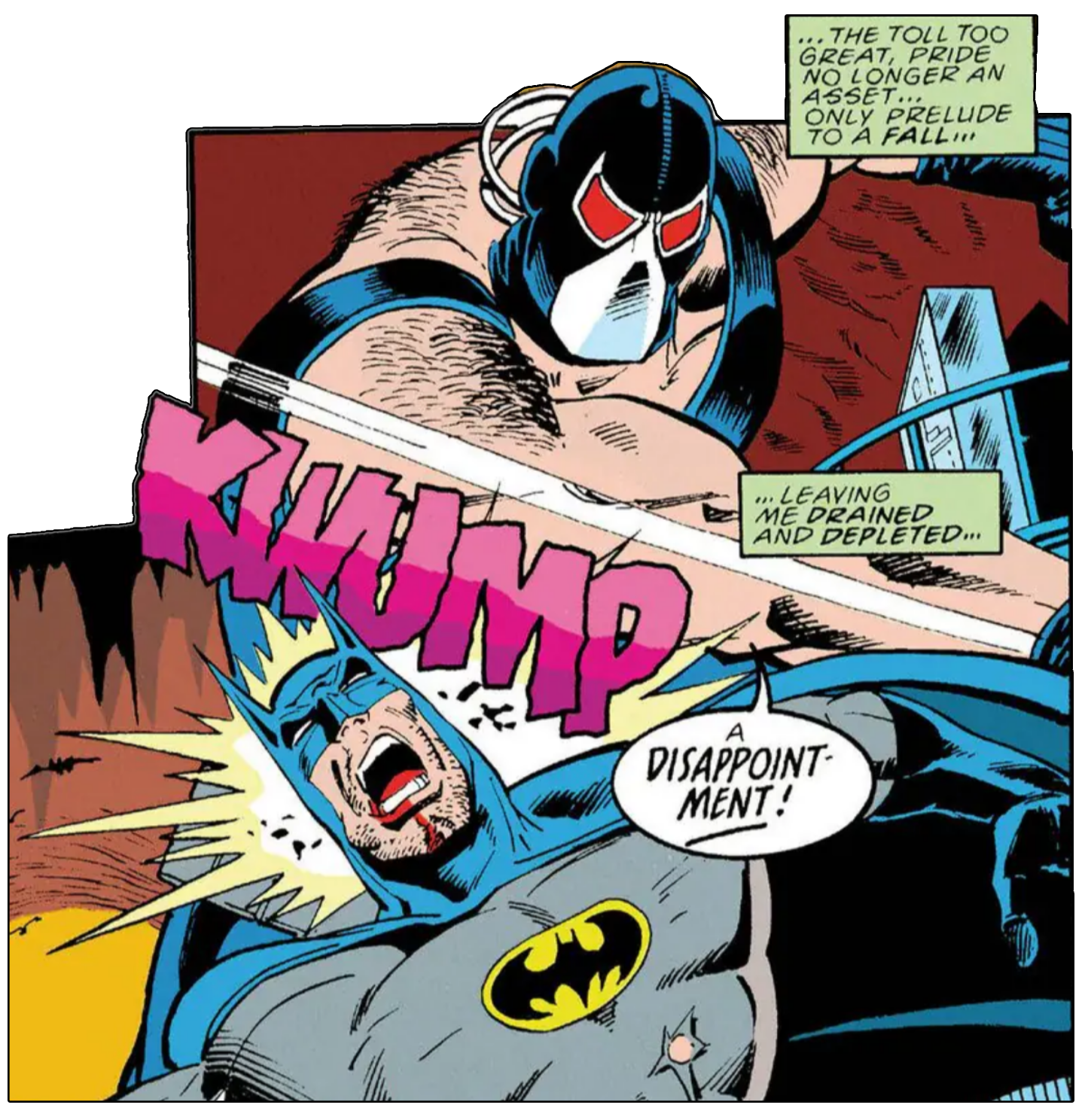
Bane's objection to Batman is considerably more interesting than you punch people and that is illegal.
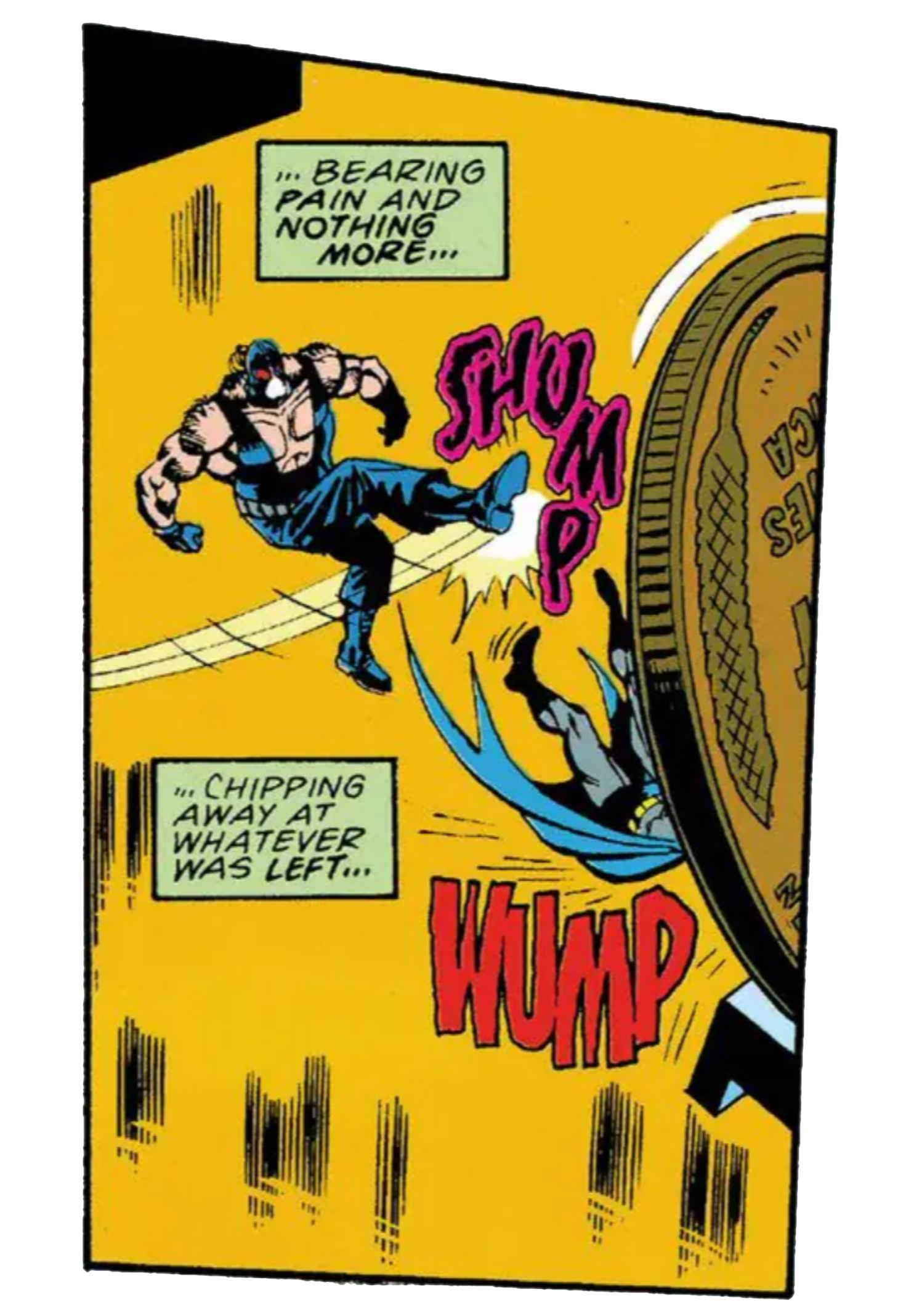
His objection is:
I can break the conditions under which your normal method works.
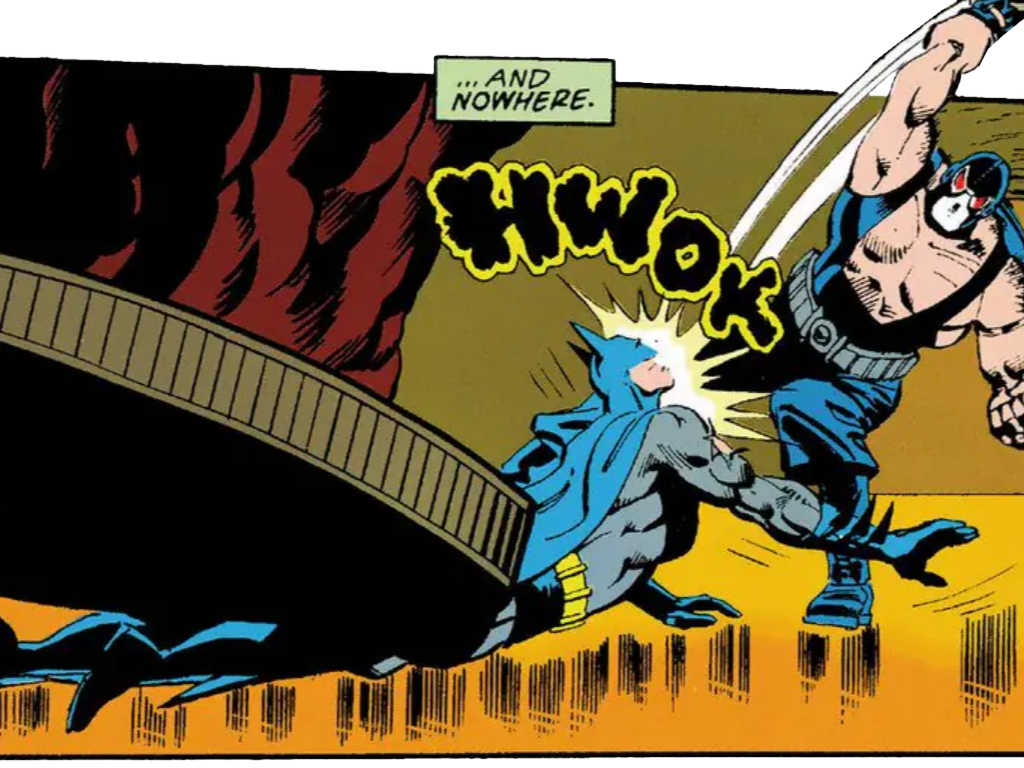
Then Batman has to answer from inside the exception.
This is crucial because a post-sovereign constitution cannot be a theory that survives only while nobody hostile attacks it.
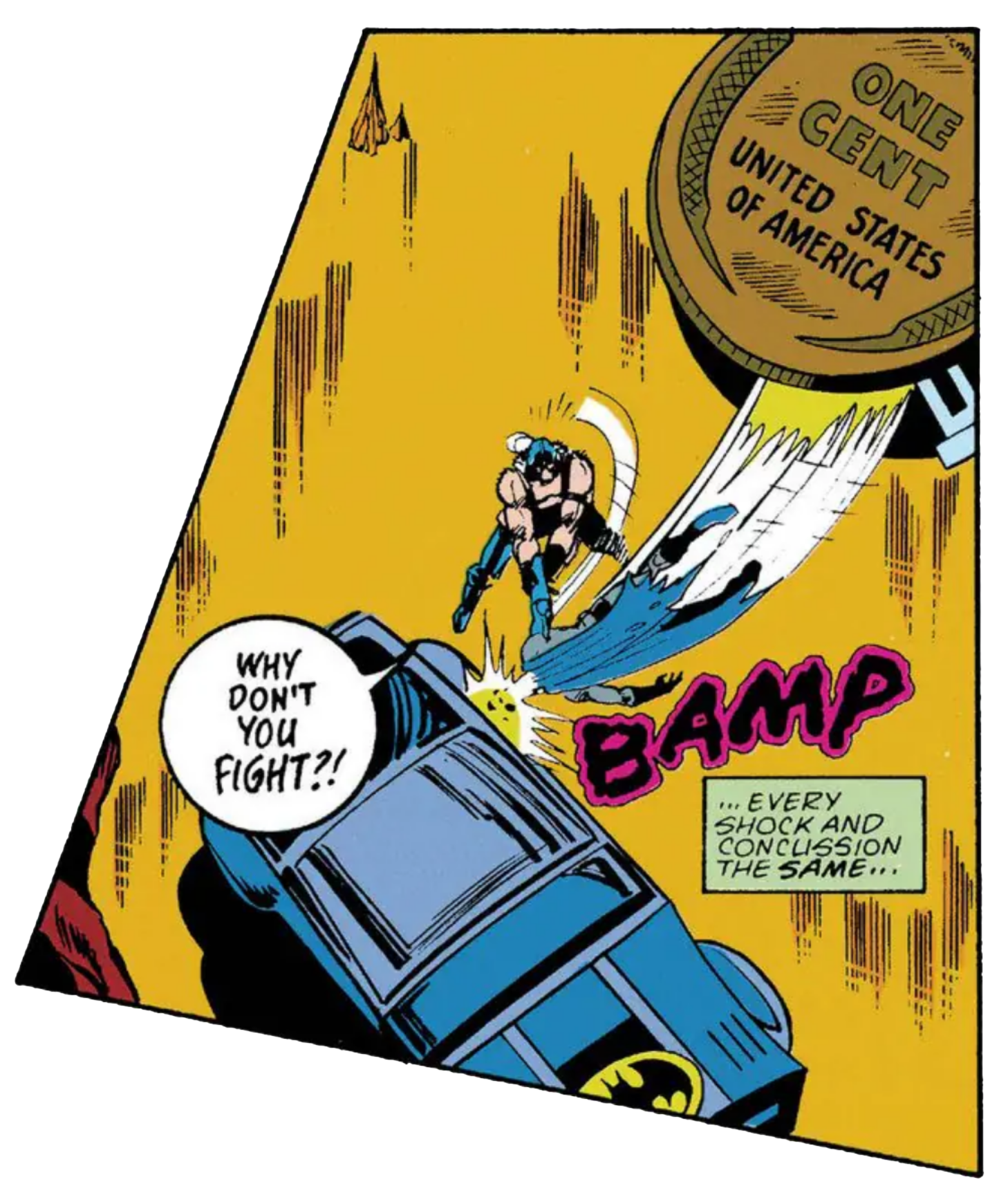
If your answer to Bane is that all authority remains permanently provisional, all decisions remain continuously appealable, every institution waits for all other institutions, and nobody may close anything until everyone agrees about the nature of the emergency, then Bane does not need to break Batman's spine.
He can just submit three forms.
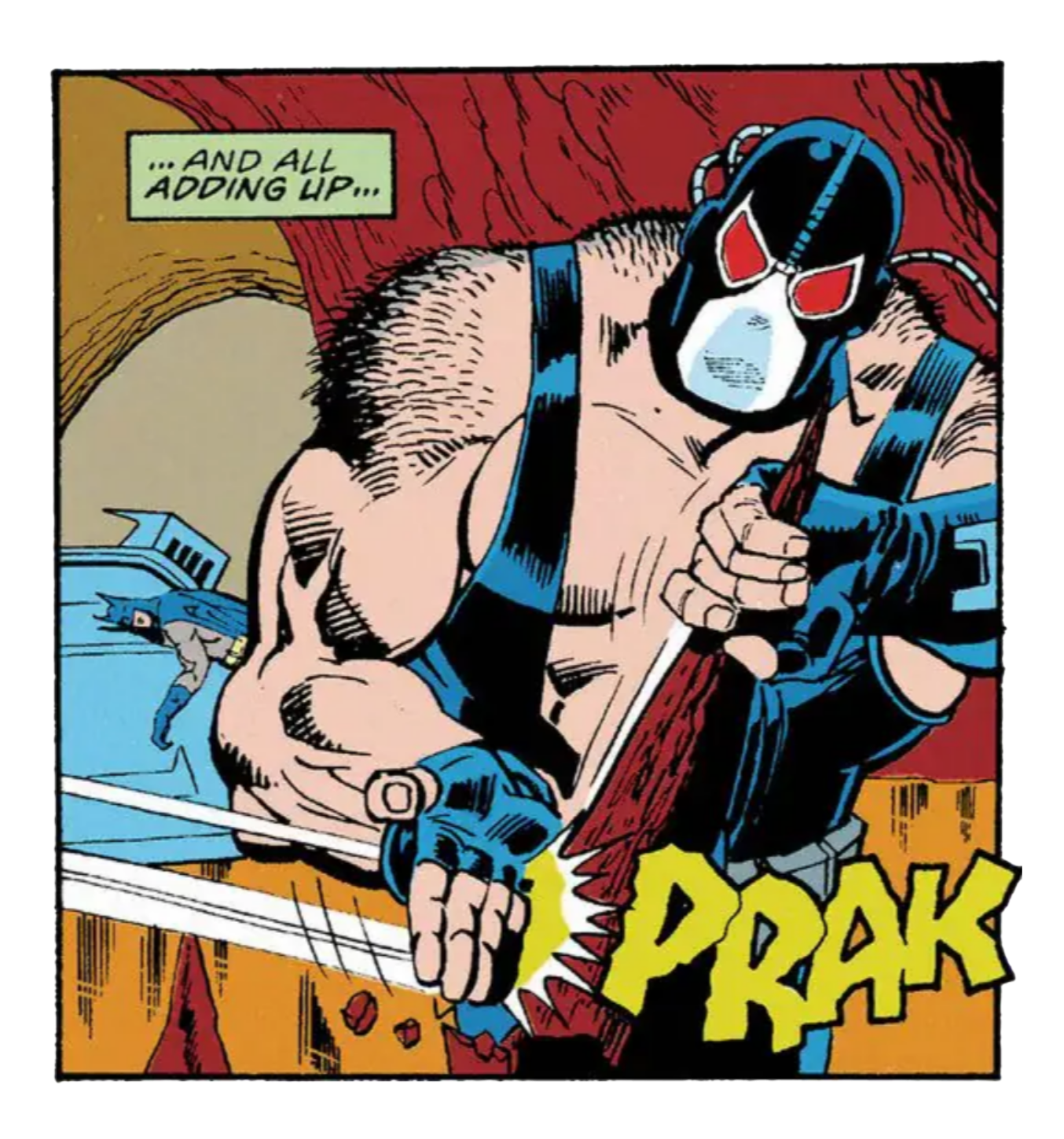
We are dead.
The serious answer has to let Batman move.
Fine. That's Sovereignty.
Schmitt now points directly at the Batmobile.

Batman saw the threat.

Batman chose.
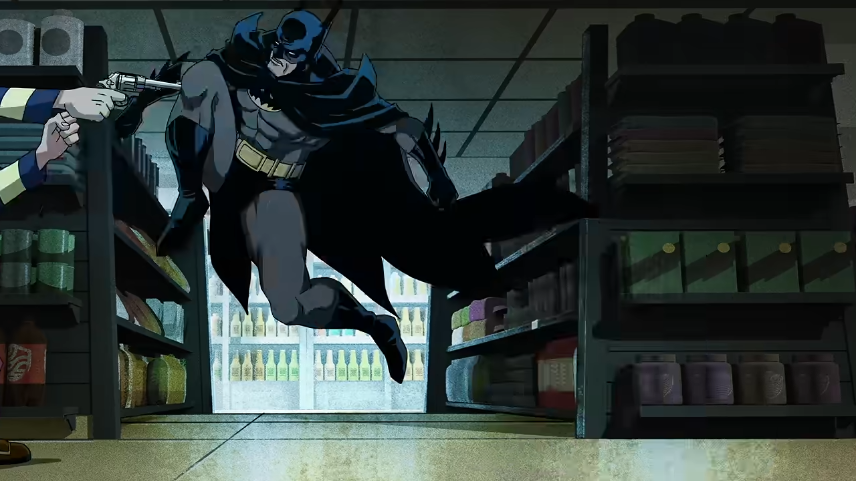
Batman acted outside ordinary procedure.

Everybody else had to live with the result.

The bridge survived because one exceptional actor possessed enough intelligence, mobility, force, information, and discretion to close the path before ordinary institutions could.
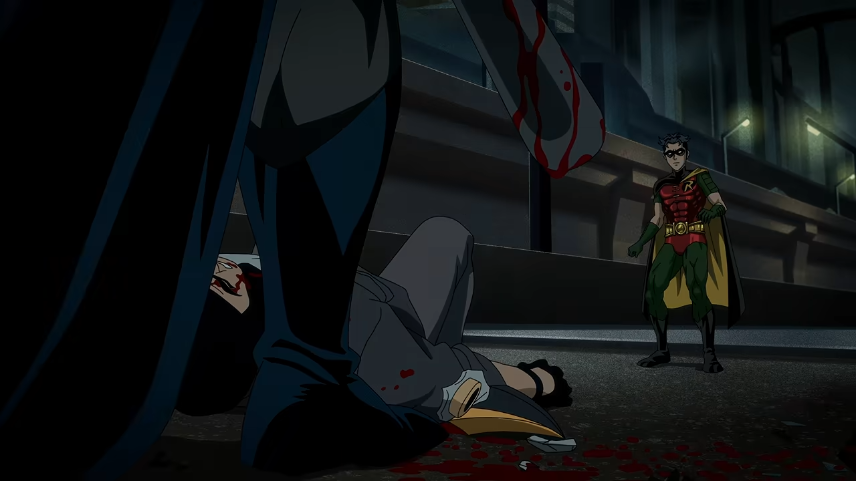
Schmitt smiles.
There.
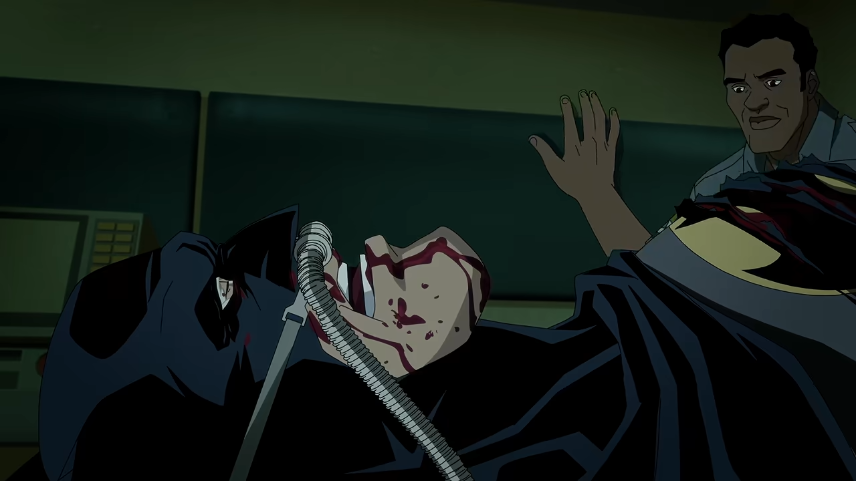
Found him.
The sovereign is wearing those ears.
This is where Modal Path Ethics makes the cut.

Batman possessed operational finality.
That does not tell us whether Batman possesses meta-jurisdiction.

Operational finality answers:
Who gets the last word required for this action to proceed?
Meta-jurisdiction answers another family of questions.
- Who determines how far Batman's emergency authority reaches?
- Who preserves the evidence of what he did?
- Who decides whether the emergency is over?
- Who can investigate him?
- Who can change the procedure?
- Who can replace him?
- Who decides which later cases count as the same kind of emergency?
- Who controls the infrastructure through which any of those corrections would become real?
Schmitt sees the moment of decision and asks where final authority has revealed itself.
Modal Path Ethics asks whether the authority revealed in that moment can escape the moment.
That is the dangerous promotion.

A fire chief can be final about an evacuation order without owning chemistry.
 Aidan Lawson
A judge can be final about a case without acquiring the legislature.
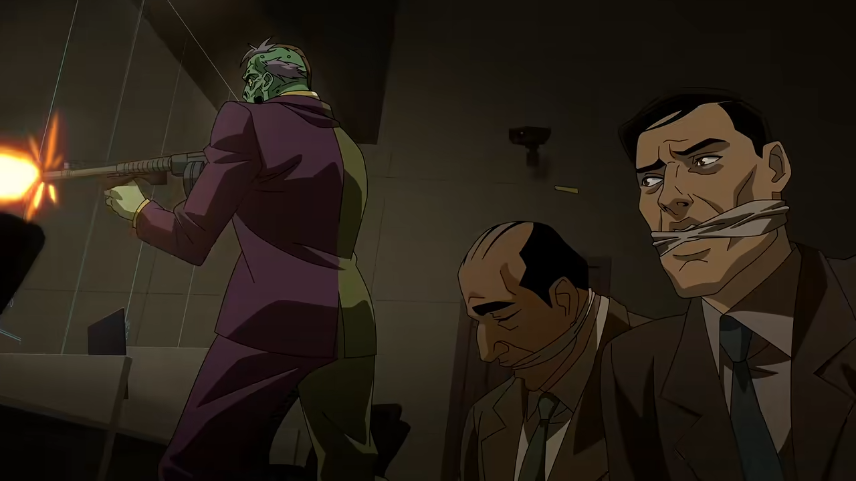
A surgeon can make an irreversible cut without becoming the hospital constitution.
 Aidan Lawson
Batman can pull the trigger on the bridge demolition without acquiring a permanent license to define every future bridge emergency.

The authority is real.

Its jurisdiction is smaller than the universe.
Nolan Already Went Over This.
This was hiding inside The Dark Knight years before Modal Path Ethics gave it an ugly constitutional vocabulary.
- Batman needs to find the Joker.
- The ordinary information field is failing.
- So Bruce builds the machine.
- The ordinary information field is failing.

- Every phone becomes sonar.
- The city becomes visible.
For one emergency, Batman approaches something close to informational omniscience.
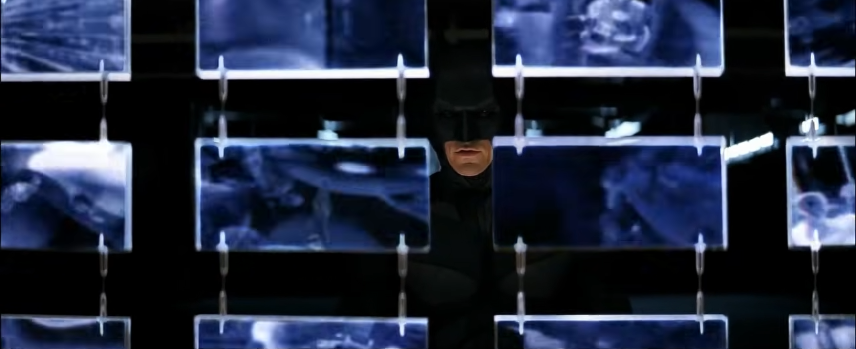
And Lucius Fox looks at the thing and understands the actual problem.
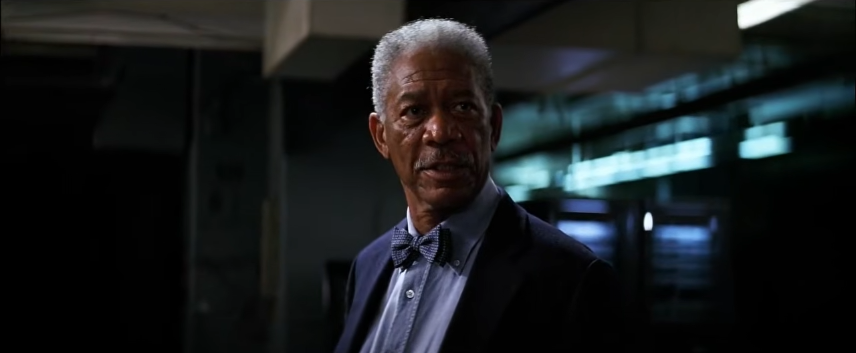
The seminal The Batman article treated this as one of the cleanest cases in the entire character: the immediate use may be defensible under catastrophic conditions, while preserving the machine would turn emergency contact into durable surveillance power. Batman destroys it.
That destruction matters more now than it did when Modal Path Ethics first wrote about it.
Bruce has an instrument that works.
That is exactly why it has to become constitutionally dangerous.
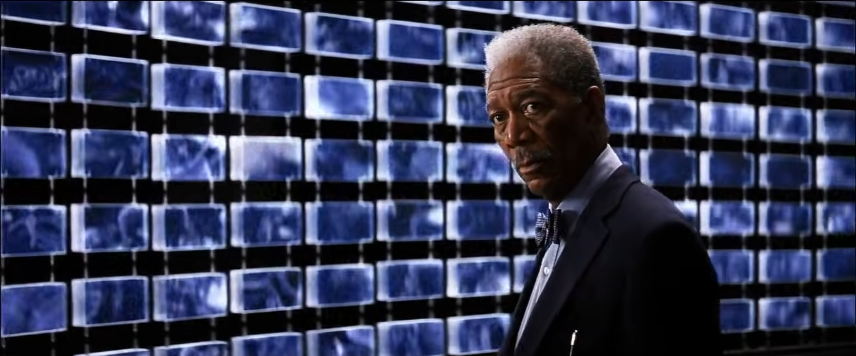
A useless surveillance state is easy.
A machine that catches the Joker is the hard case.
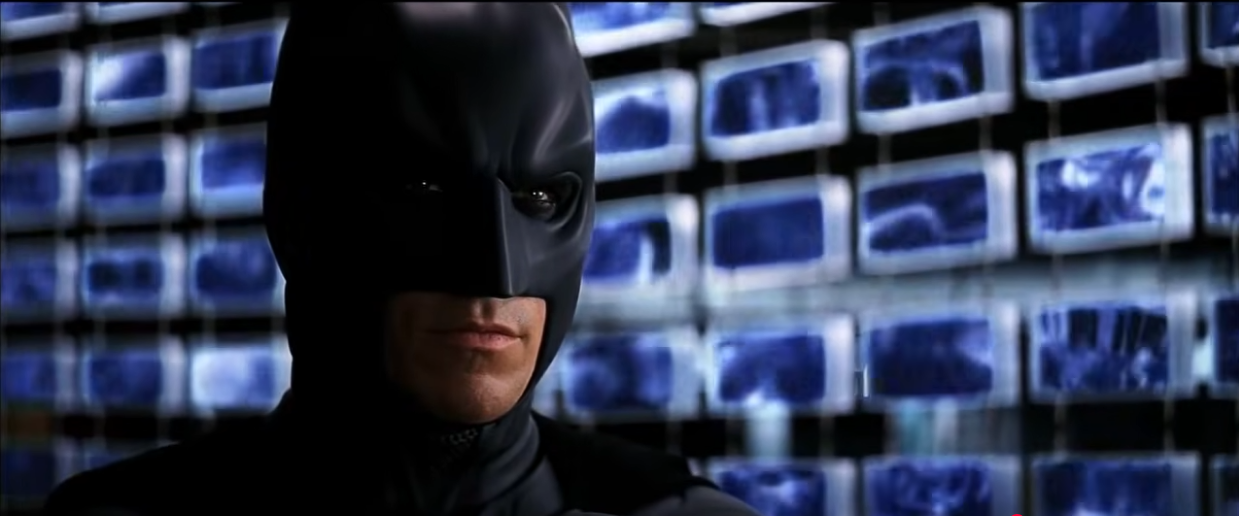
This instrument has earned a factual defense.
It sees what ordinary institutions cannot see.
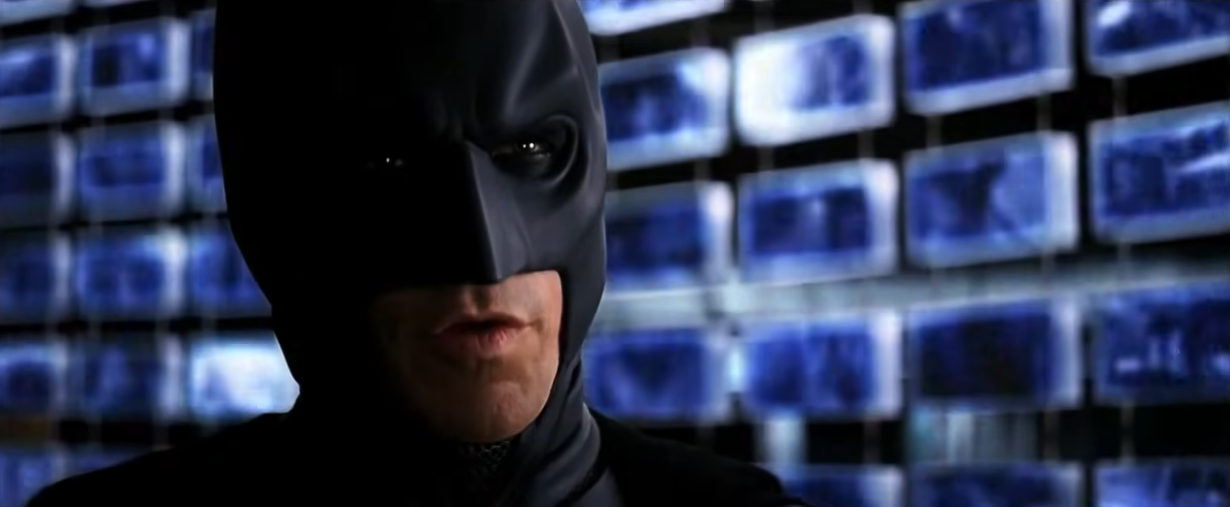
It may prevent deaths.
It may become extremely costly to relinquish.
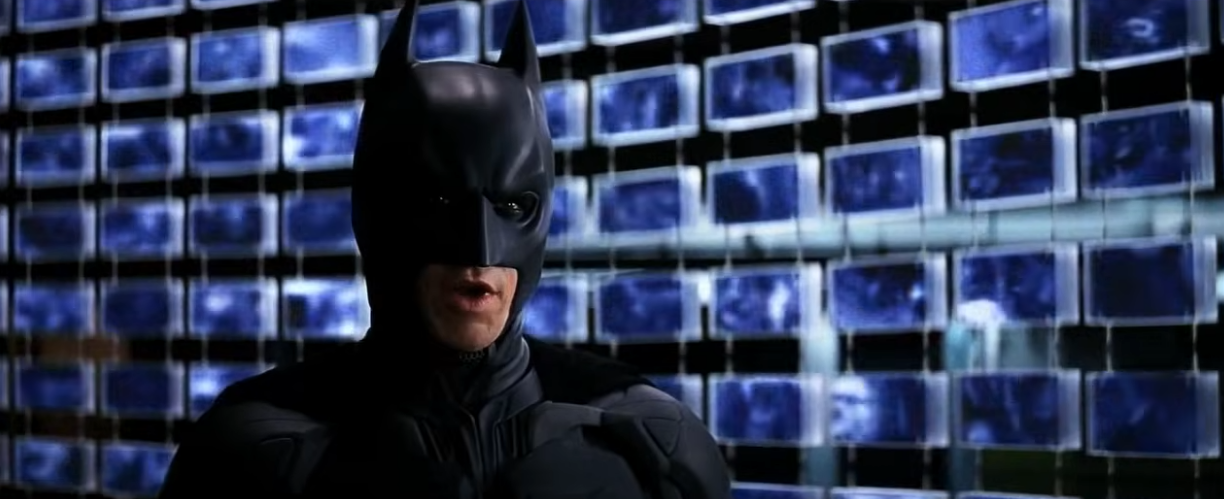
Every success supplies the argument for one more use.
This is how emergency power becomes infrastructure.
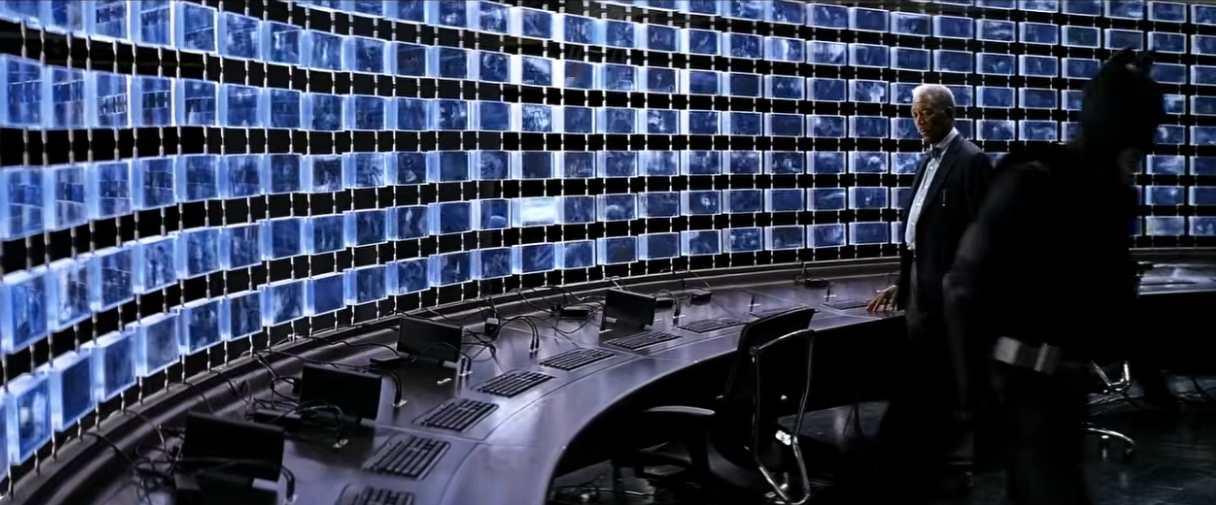
The important thing is that Batman does not answer the danger of the machine by pretending the Joker is harmless.
He does not answer it by blinding himself before the emergency is over.

- He uses the instrument.
- Then the instrument loses.
That is a primitive form of bounded finality.
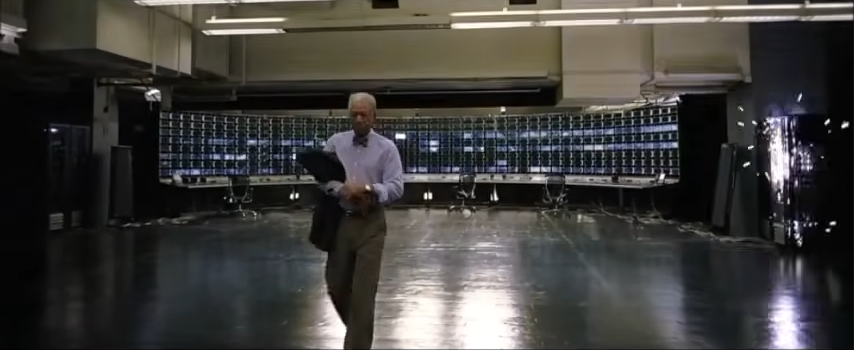
Schmitt sees the emergency and asks who can decide.
Batman asks another question afterward.
Can the thing that saved us die?

Batman Cannot Become a Constitutional Dependency.
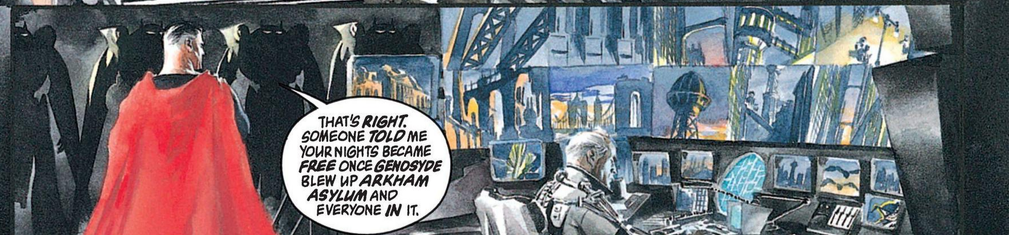
The old Batman work already reached the bridge formulation.
If Gotham's ordinary repair paths are badly damaged, Batman can become a temporary protective interruption. He can investigate where institutions are captured. He can apply pressure where ordinary enforcement has collapsed. He can keep people alive while Gotham repairs the institutions that should eventually make Batman less necessary.
If Batman becomes the permanent answer, the field has failed.
That was back in May.
That was correct.
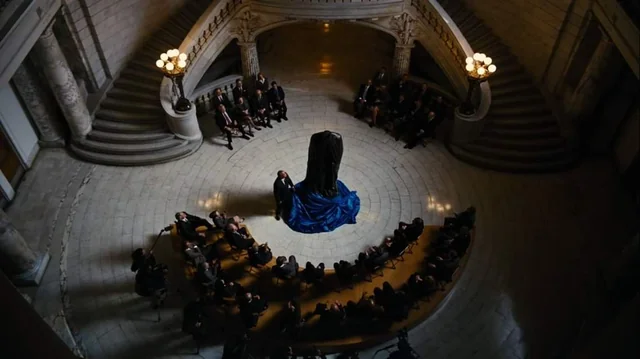
Also not enough.
Because Schmitt has an obvious reply.
Fine.
Batman is temporary.
Make him leave.
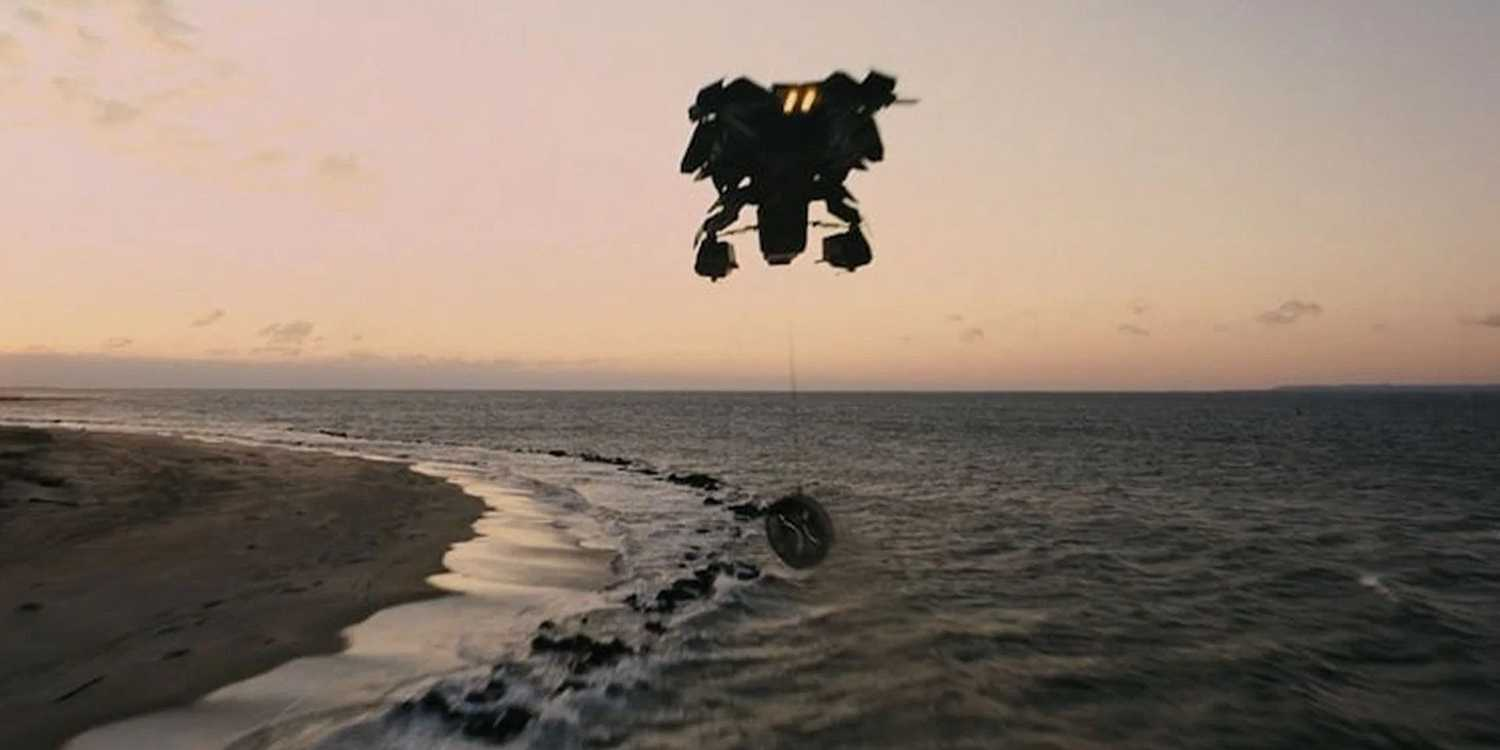
This is where a great deal of constitutional theory starts making noises with parchment.
- There is a rule.
- A limit.
- Another office.
- Judicial review.
- A removal procedure.
Wonderful.
Now imagine Gotham has spent fifteen years reorganizing itself around Batman.
- The police information system assumes access to the Batcomputer.
- Emergency communications route through Wayne infrastructure.
- Specialized forensic capacity exists only in the cave.
- The city has stopped maintaining certain investigative capabilities because Batman performs them better.
- The only complete archive of several active threats is his.
- The people who could replace him were never trained.
- The alternative equipment was retired.
- Bruce controls the interfaces.
- Everyone is legally free to fire Batman.
- Doing so tomorrow would get people killed.
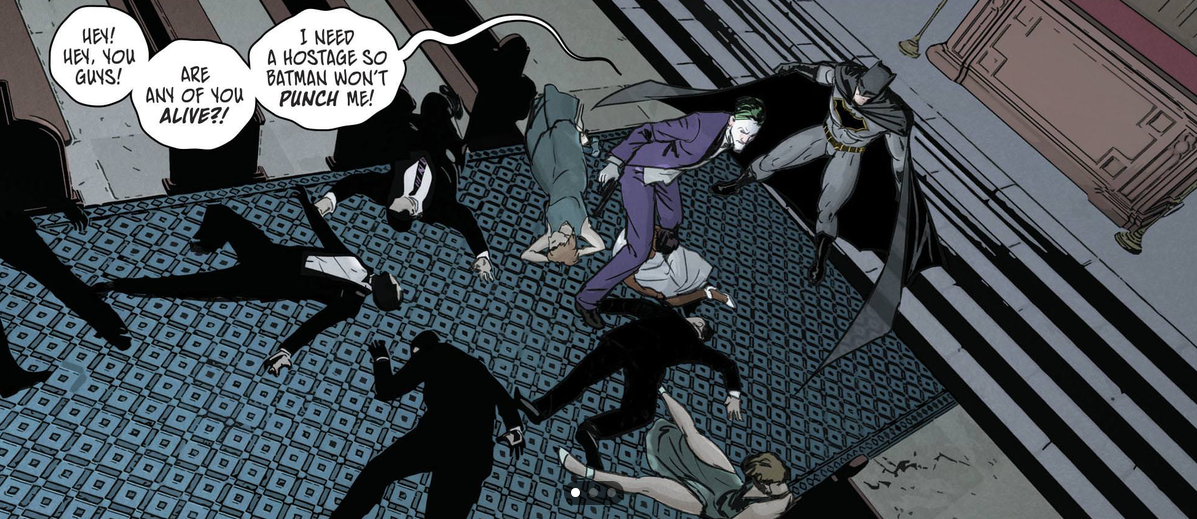
- Batman is temporary in the Constitution.
- Batman is permanent in matter.
That is why bounded finality eventually had to become materially bounded finality.
The paper right to correction is worthless when every survivable correction path has been allowed to decay.
- A constitutional exit needs maintained successor capacity.
- Records have to survive the incumbent.
- Interfaces have to remain usable.
- The work has to be separable from the person carrying it.
- Replacement cannot require total institutional amnesia.
- The handoff must move the whole load that has to survive the transition, rather than transferring the title while leaving the oxygen tank in the cave.
Bane already knew all this.
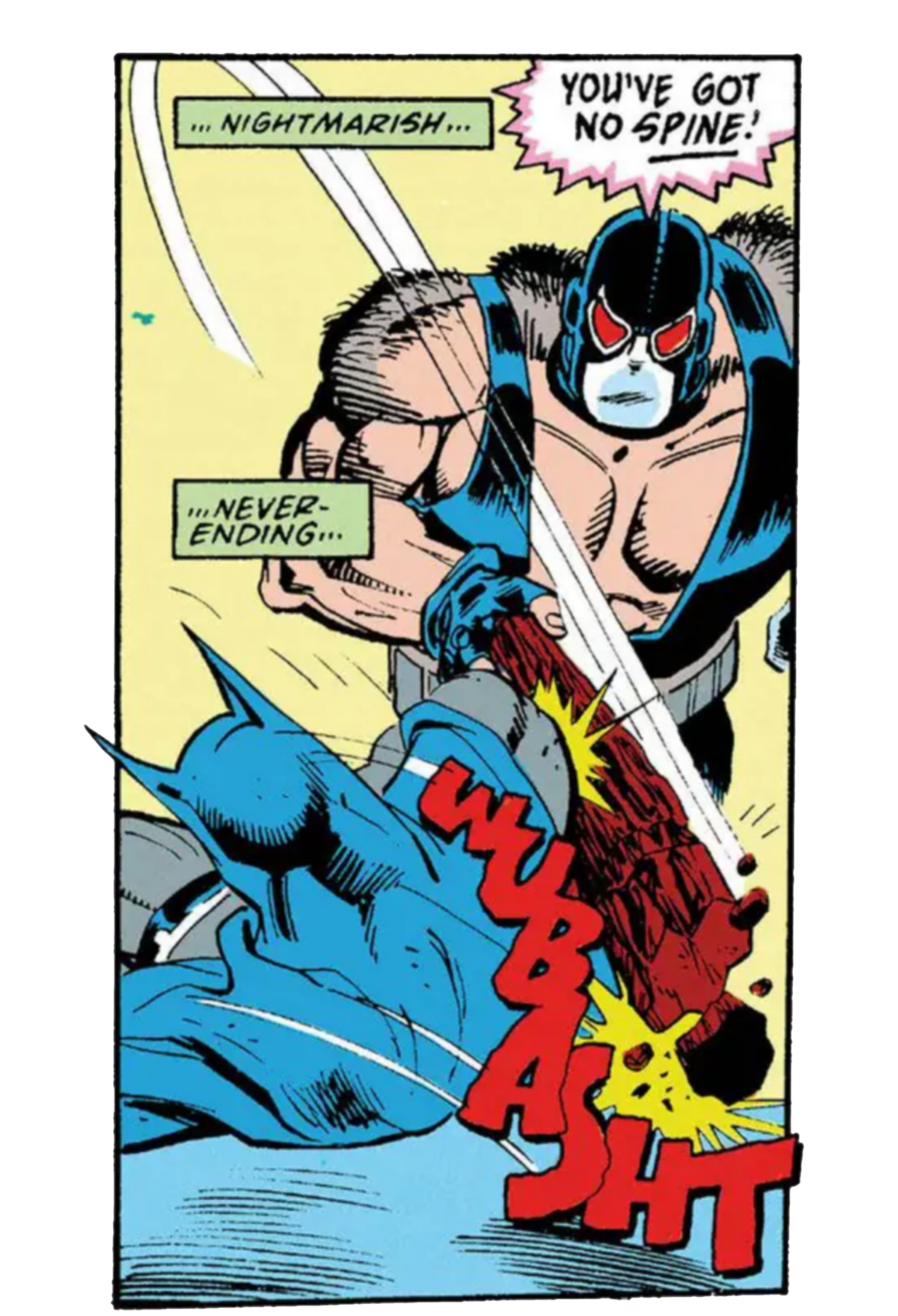
He does not defeat Batman by arguing that Batman lacks jurisdiction.
He attacks the things that make Batman reachable as a functioning answer.
Bane is a hostile audit of material bounded finality.
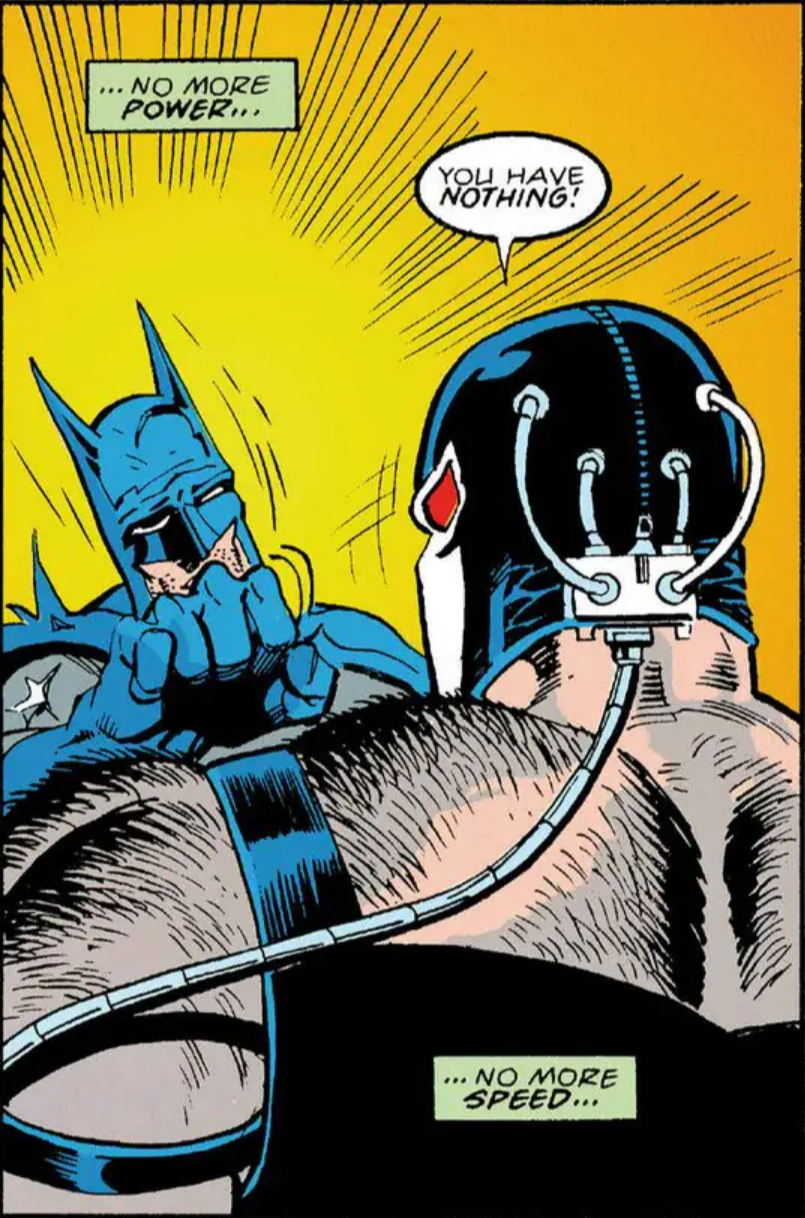
He knows that the man is downstream of the system.
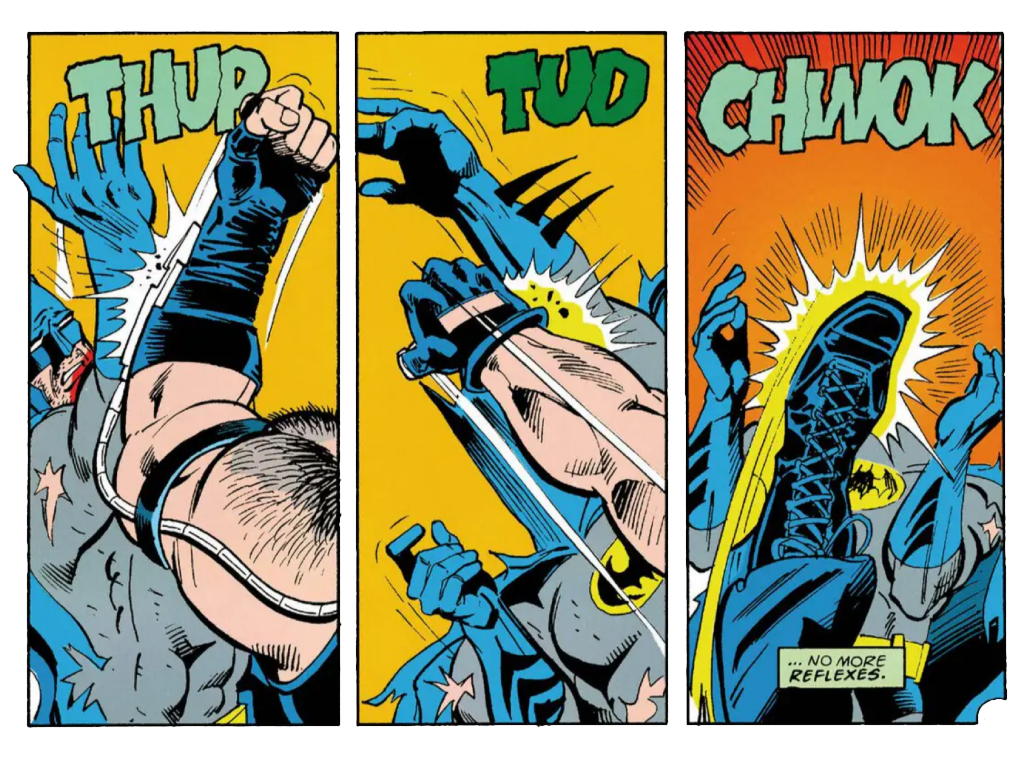
He knows you can break the sovereign by breaking breakfast.
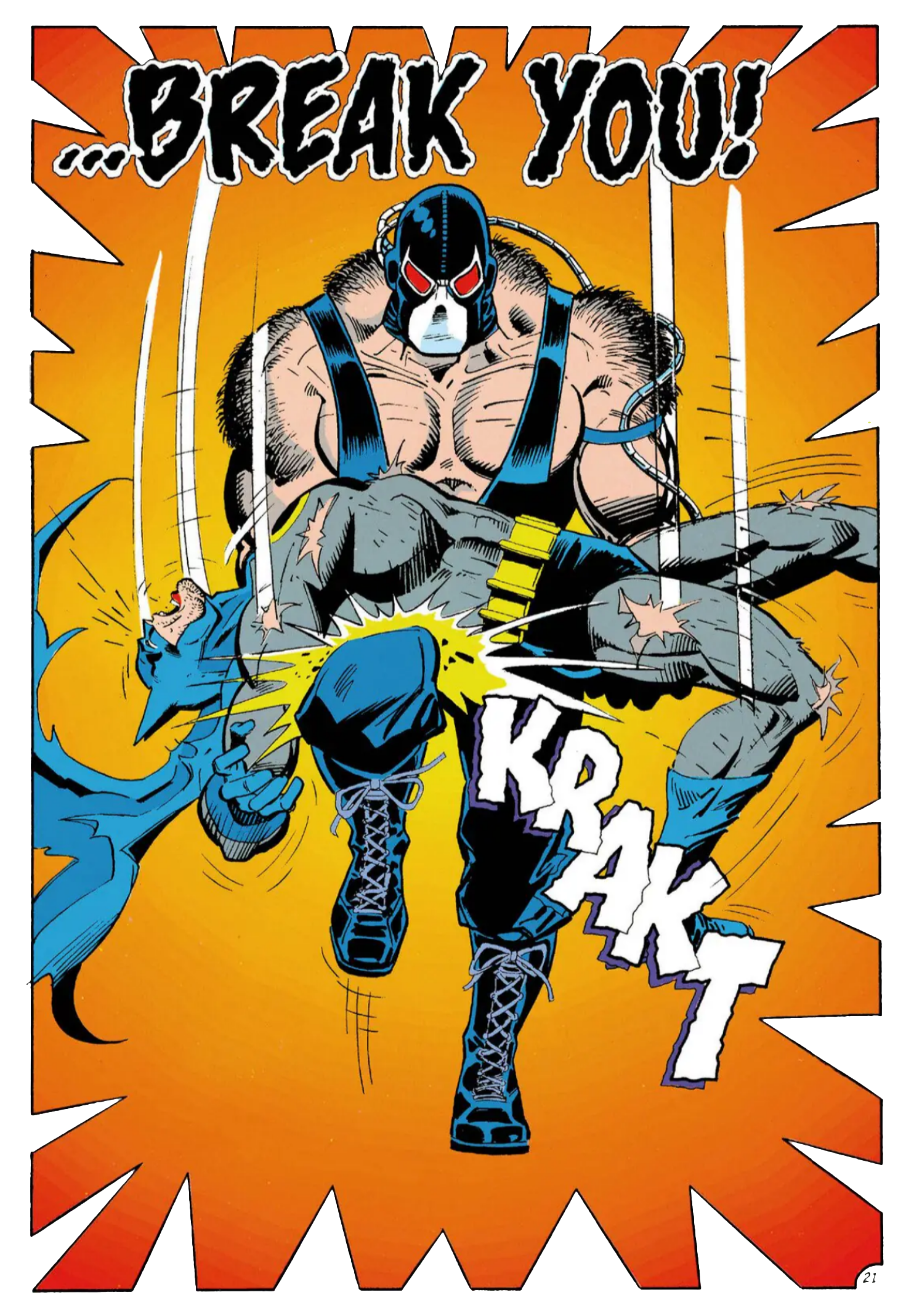
Constitutional theory has been warned.
Who Indexes Batman?
Now Schmitt gets his best attack.
Batman has an index.
His authority is final for this function, this case, this scale, this interval.
Very elegant.
Who reads the index?
Who decides whether Batman crossed it?
A court?
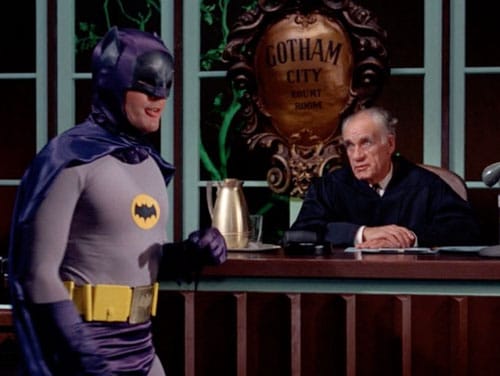
Who decides the court's jurisdiction?
A legislature?
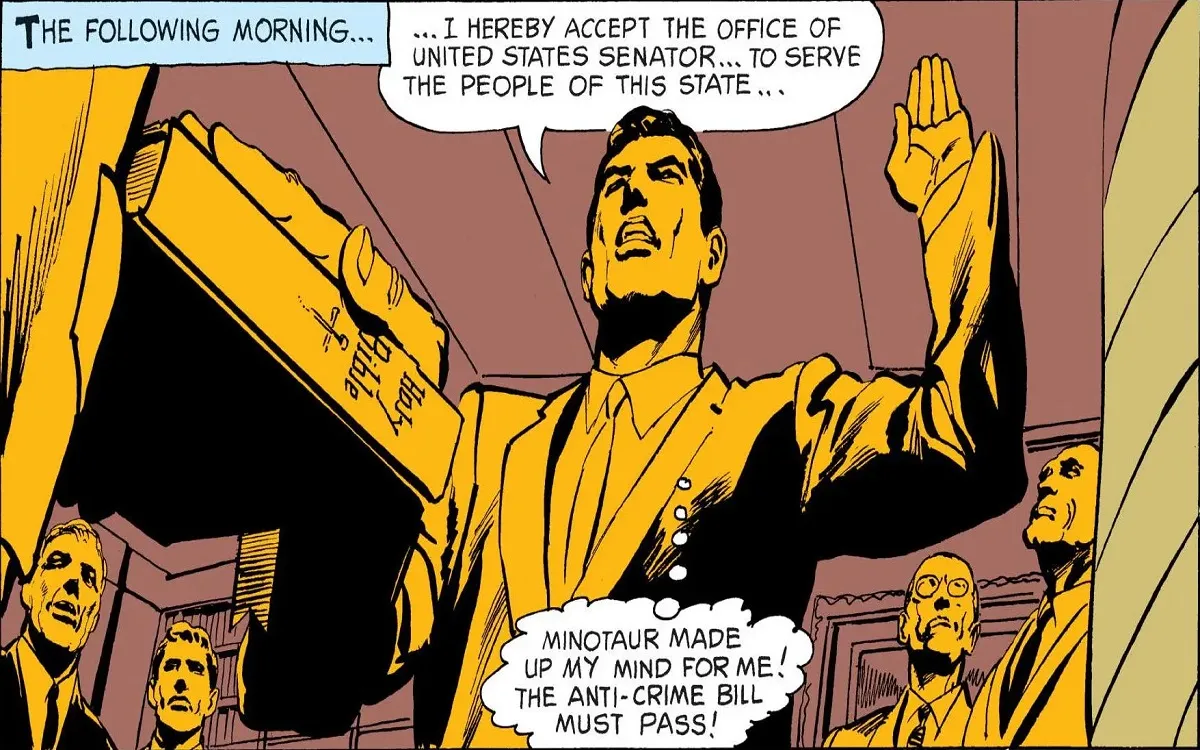
Who determines whether the legislature acted constitutionally?
Another court?
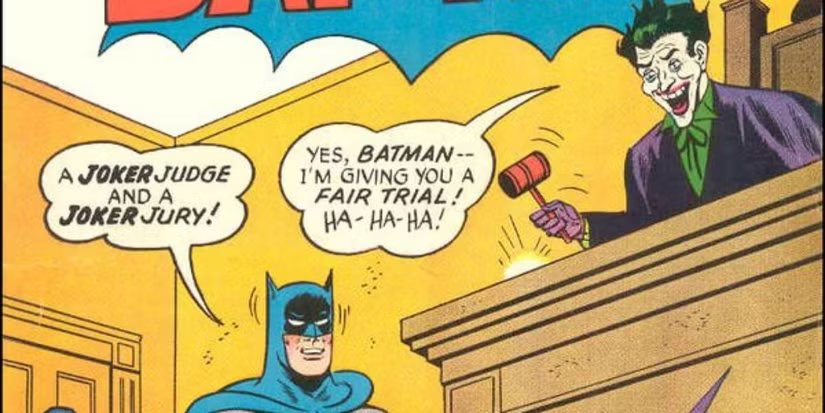
Who governs the court?
Who validates the amendment that alters the court?
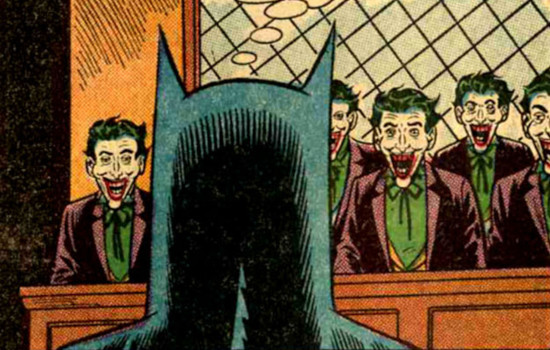
Who validates the validator?
Who decides whether the emergency actually ended?
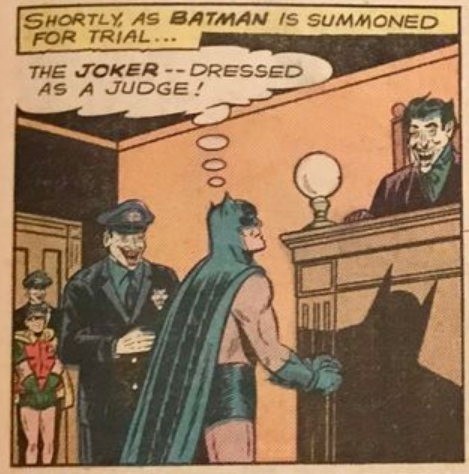
Who decides whether the transition succeeded?
Who decides that the successor really has the capacity required to receive the handoff?
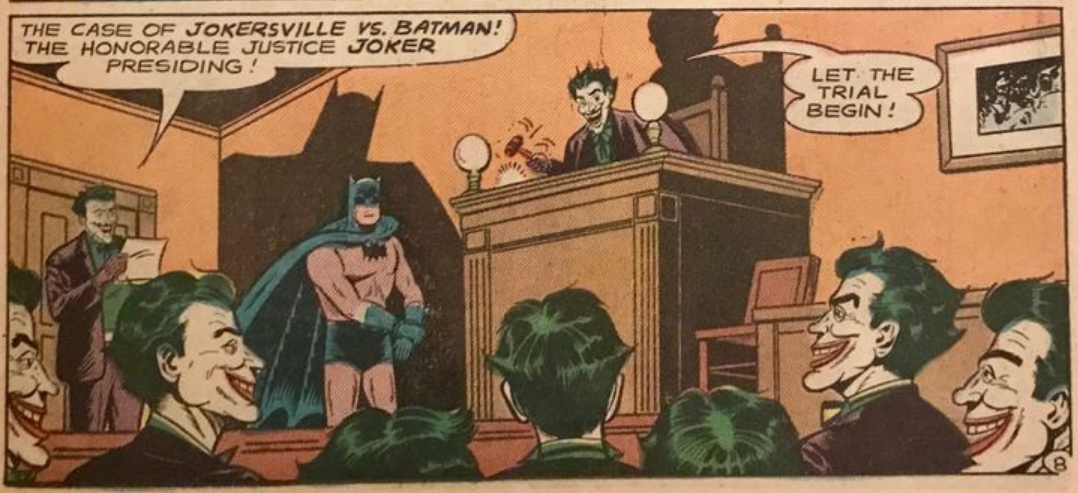
Keep going.
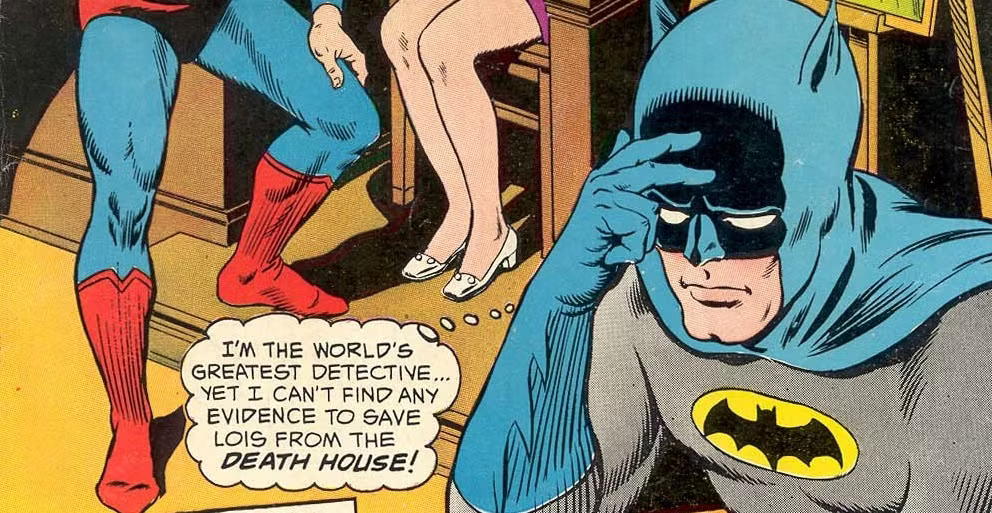
At some point, Schmitt says, you find the hand.
Somebody decides.
Some institution gives the final answer about who gets to give the final answer.
There is your sovereign.
This deserves more than a clever sentence.
So, now Batman is going to explain constitutional recursion.
Swear to me.
First: An Index Is Not a Boss.
The word index is doing very specific work here.
An index answers:
Which question does this authority get to close?
Suppose Batman is operating during a hostage crisis in a subway station.

His index might contain four coordinates.
- Function:
- hostage rescue.
- Case:
- this active incident.
- Scale:
- the station and the immediately affected operational field.
- Time:
- until the rescue terminates, command transfers, or another specified stopping condition arrives.
Within those coordinates, Batman can receive extremely strong authority.
- He can tell Gordon to clear a platform.
- He can choose one entrance over another.
- He can close the present move.
The index does not weaken that decision.
It tells us what the decision is.
Now suppose someone is injured during the rescue and later challenges Batman's conduct.
A court may receive final authority over a legal claim arising from that injury.
Has the court become Batman?
No.
The judge did not stand in the subway directing the rescue.
The court's later authority over liability, legality, remedy, or evidentiary access does not travel backward through time and acquire tactical command of the original event.
This is the first thing the sovereignty regress obscures.
Later correction is not secret earlier government.
The existence of an institution capable of binding Batman afterward does not imply that institution possessed Batman's operational jurisdiction during the rescue.
Two last words can both be real because they are last words about different things.
That is the index.
Then Index the Court.
Fine.
The court gets an index too.
The court may be final for this case.
That does not mean the court owns:
- the entire emergency system,
- every future case,
- its own disciplinary standards,
- its own budget,
- constitutional amendment,
- the appointment of every successor,
- or the physical execution of every judgment.
Another institution can bind one of those paths.
Take judicial discipline.
A judicial-accountability body might determine whether a judge committed misconduct.
That body does not therefore become an appellate court on every judgment the judge has issued.
Its finality belongs to the disciplinary relation.
Now index the accountability body.
Perhaps another specified process determines appointment eligibility, verifies a factual condition, or reviews whether the panel remained within its statutory domain.
That process does not become the accountability body.
It closes its own question.
- Index that process.
- Continue.
Schmitt expects the recursion to reveal a hidden hierarchy.
It does not have to.
It can reveal a graph.
The mistake is assuming that if B can bind A in one relation, B must therefore stand above A in every relation.
That does not follow.
- Batman can outrank a police officer during the hostage extraction while remaining answerable to an investigation afterward.
- A legislature can change the law governing future hostage responses without becoming Batman during the past rescue.
- A court can invalidate a legislative act in a case without acquiring legislative power in general.
- An amendment can change the jurisdiction of the court without retroactively becoming the judge who decided yesterday's lawsuit.
- A transition audit can reject an institutional handoff because required successor capacity is absent without becoming the institution that must perform every function being transferred.
- Different arrows.
- Different finalities.
- Different indices.
- No node owns the graph.
The United States Already Gives Us the Crude Picture.
The present United States Constitution is no post-sovereign settlement, and its actual operation has never perfectly matched a clean diagram.
Still gives us an easy primitive.
Article I vests specified legislative powers in Congress. Article II vests executive power in the President. Article III vests judicial power in the federal courts. Article V creates a separate constitutional amendment process requiring supermajoritarian proposal and ratification routes. The constitutional text therefore already distributes distinct kinds of authoritative closure rather than stating that whoever wins one institutional dispute automatically acquires every other governmental function.
That does not solve sovereignty.
It shows the reader the geometry.
Congress can pass a statute without thereby deciding every case arising under it.
A court can enter judgment without thereby amending the Constitution.
The President can execute law without thereby receiving judicial jurisdiction.
An Article V amendment can change constitutional law without converting the amending coalition into the permanent executive.
There are serious boundary disputes. There are failures. There are periods when formal separation disguises material convergence.
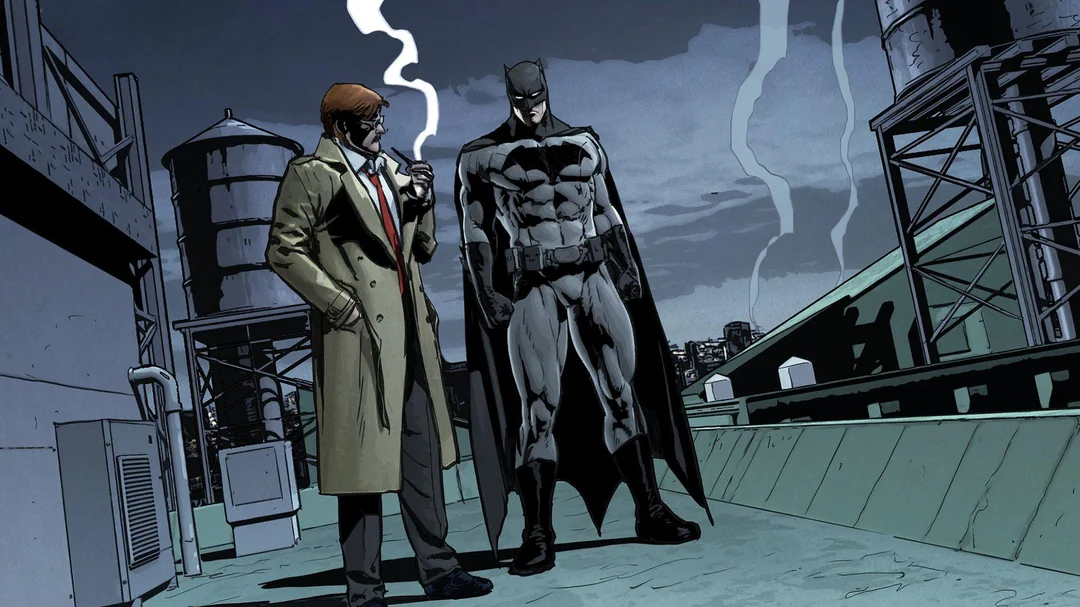
That is why the post-sovereign problem begins after the boxes are drawn.
The question is whether those boxes correspond to materially independent correction paths.
- Can one institution reach another without asking the target for permission?
- Can evidence escape the hierarchy that produced it?
- Can a judgment produce a remedy?
- Can an office be removed while its public function continues?
- Can the records move?
- Can the successor actually operate?
- Can the institution that declares the emergency also unilaterally declare that the emergency continues forever?
A constitution whose answer to all of those questions is the same office has drawn several boxes around one Batman.
Very impressive chart.
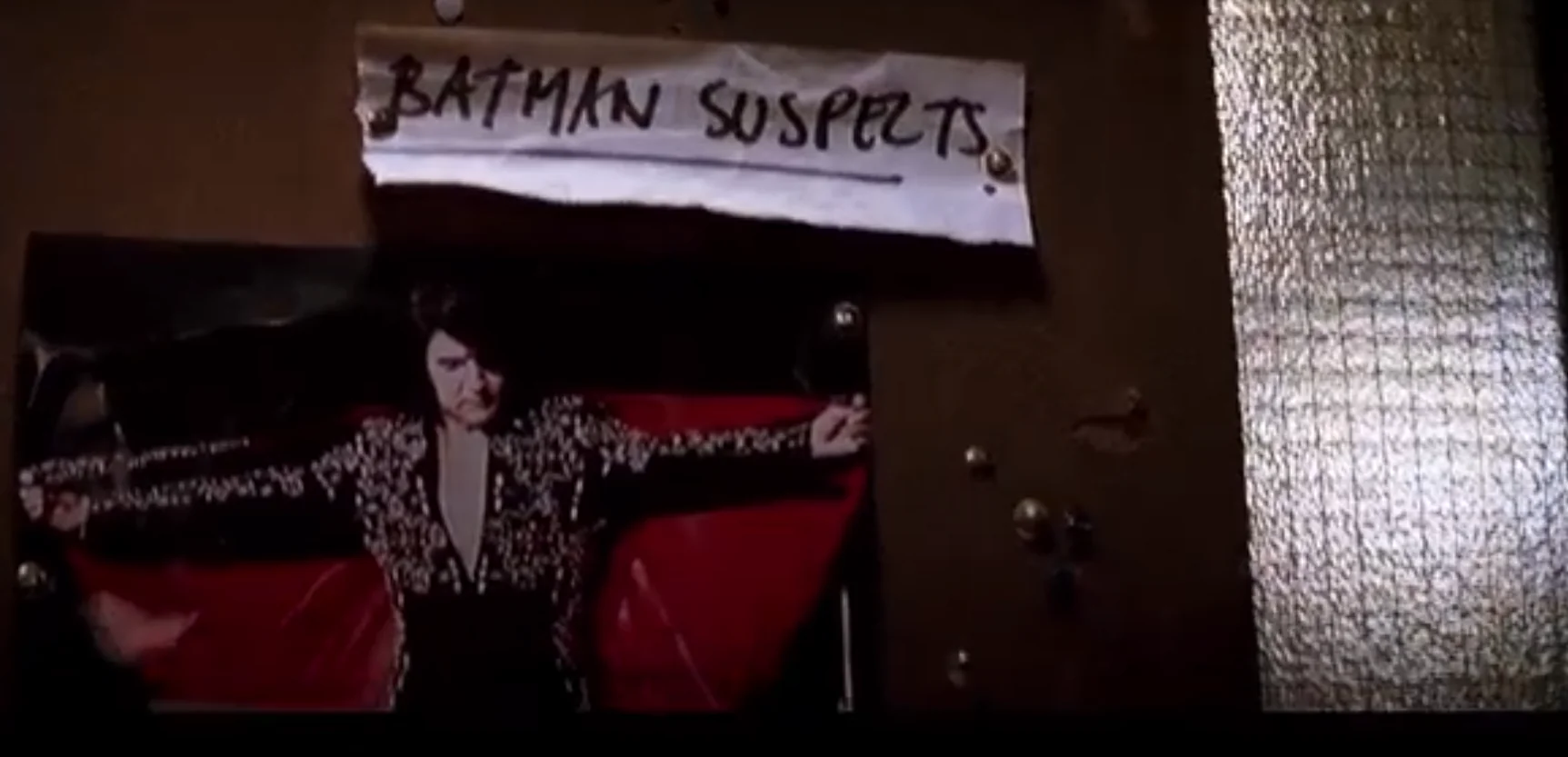
Still Batman.
Now Index the Indices.
This is the part that matters.
Suppose Gotham uses the following sequence:
- Emergency officer
- → legislature
- → court
- → judicial-accountability panel
- → independent confirmation
- → executor
- → amendment
- → transition/handoff audit.
That arrow does not mean each institution is the appellate superior of everything to its left.
It means different questions become final through different paths.
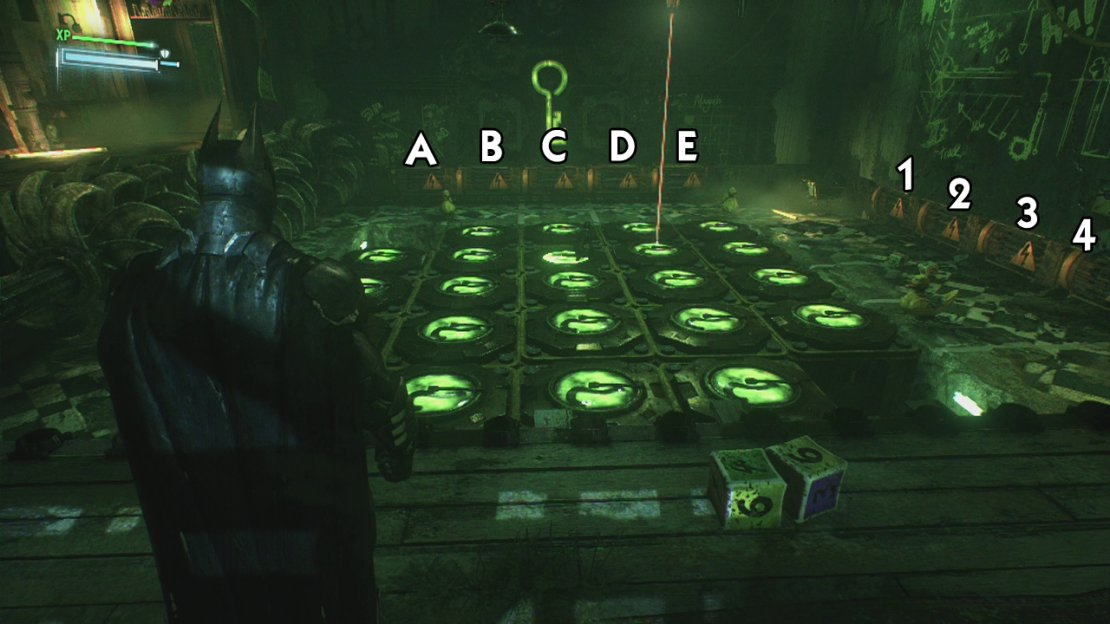
- The emergency officer closes the immediate operation.
- The legislature can change the general rule governing later operations.
- The court can close an actual legal controversy.
- The accountability body can close a disciplinary question assigned to it.
- An independent confirmation route can establish a designated factual or procedural condition without absorbing the office whose claim it is confirming.
- The executor makes the authorized remedy real.
- The amendment process can alter the constitutional architecture itself.
- The transition and handoff audit can determine whether the material conditions of replacement have actually been satisfied.
- Every one of these institutions can say final.
- None therefore gets to say everything.
This is indexing the indices.
- The first index says:
Batman decides this rescue.
- The second says:
This court decides whether the rescue violated this legal boundary.
- The third says:
This process decides whether the court itself acted within this disciplinary condition.
- The fourth may change the rule under which later courts operate.
- The fifth may determine whether the replacement institution can actually receive the load.
At no point do we need to pretend that judgment disappeared.
It multiplies.
Then it receives addresses.
Schmitt keeps looking for the man who owns the last word.
Modal Path Ethics keeps asking:
Which last word?
“Then the Recursion Never Ends.”
It ends constantly.
That is the trick.
- Batman makes the rescue decision.
- Done.
- The hostage is out.
- The path closed.
- A court later enters judgment.
- Done.
- That case closes.
- Done.
- An amendment passes.
- Done.
- The constitutional rule changes.
- Done.
- A transfer audit concludes that Gotham's replacement forensic system lacks independent data access.
- Done.
- The handoff does not occur yet.
- Done.
Every path terminates.
What does not terminate is the possibility that some later path may act upon the office, rule, evidence, injury, duration, or jurisdiction left behind by an earlier closure.
The system does not require infinite appeal.
It requires finite decisions inside a recursively corrigible architecture.

This is why the temporal coordinate matters as much as function, case, and scale.
One institution can become final now without becoming final forever.
The possibility of tomorrow's correction does not prevent tonight's decision. Tomorrow does not need to command tonight in order to judge what tonight became.
That is the whole move.
The regress appears only if every later capacity to correct an authority must itself be understood as a superior authority over everything the earlier institution did.
Once authority is indexed, that inference fails.
A later indexer can bind an earlier index without having secretly governed the earlier act. Then the later indexer receives an index of its own.
The recursion keeps correction alive without keeping the present action undecided.
Here is the ruling:
- The index does not eliminate judgment.
- It gives judgment a jurisdiction.
- The indexer does not eliminate recursion.
- It enters the recursion with an index of its own.
- A later indexer may bind the earlier one without having secretly governed the earlier act.
- Where speed or information forces the indexing function into one hand, the concentration can remain operational rather than constitutional.
That final distinction is everything.
Sometimes one person really does have to hold several arrows for fifteen seconds.
That is not yet sovereignty.
The constitutional question is whether the arrows remain fused after the reason for fusing them has passed.
What Stops the Graph From Becoming Fake?
Bane.
Again.
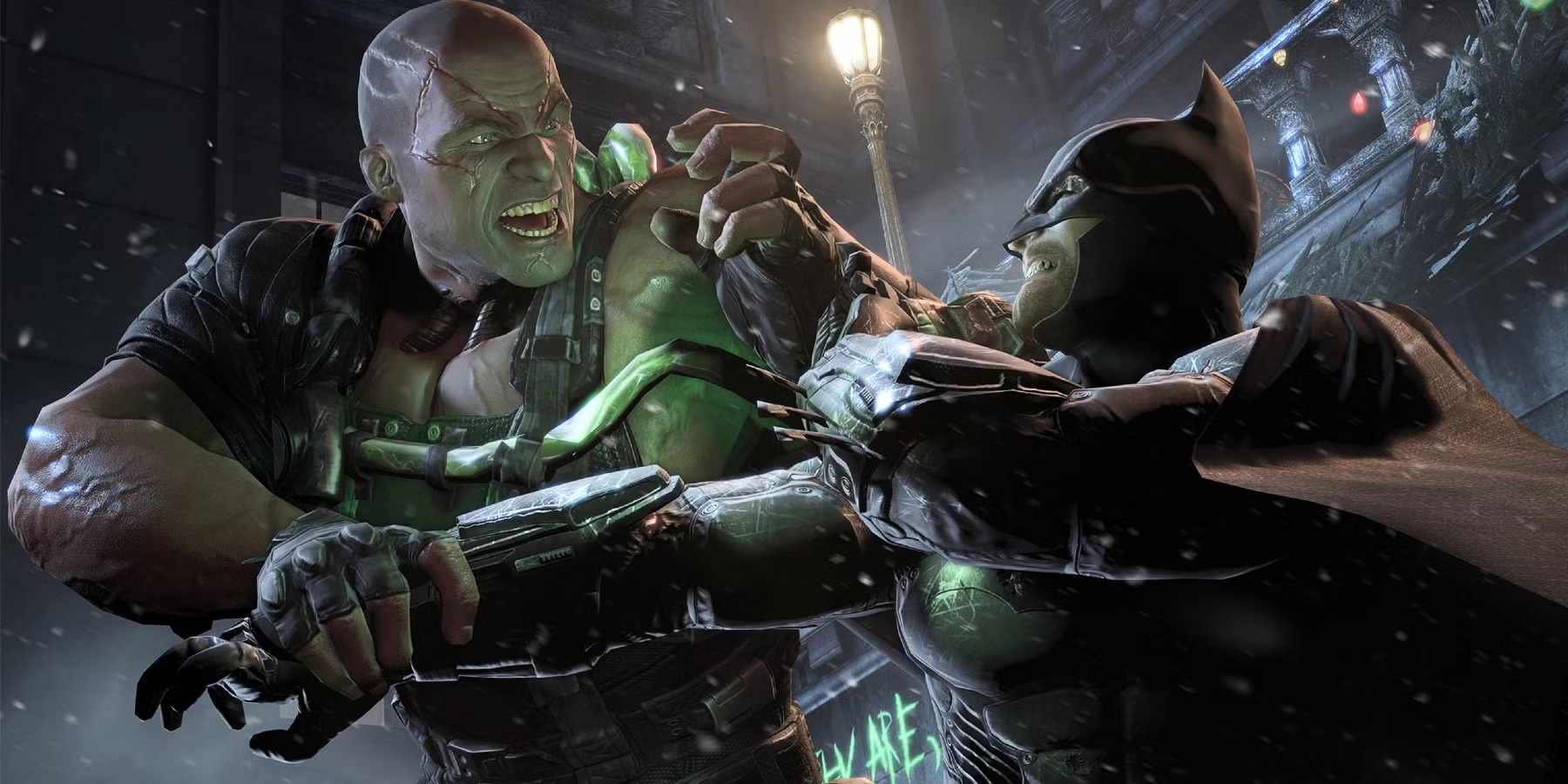
Imagine the architecture is beautiful.
Batman has a limit.
- The courts exist.
- The legislature exists.
- The audit exists.
- The independent confirmation office exists.
- Then Bane takes the records.
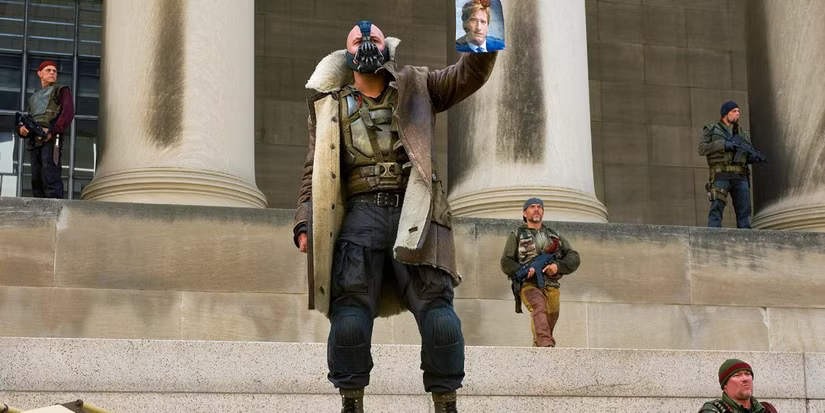
- The court cannot reach the relevant evidence.
- The legislature cannot safely meet.
- The replacement institution lacks the keys.
- The executor cannot enforce the order.
- The succession system depends on infrastructure controlled by Batman.
- The transition auditor can publish a furious PDF.
- Nobody can make Bruce move.
Now the indices still exist as text.
The constitution does not.
This is where material bounded finality becomes the hostile test.
- A boundary exists only when crossing it can trigger some consequence that the bounded authority cannot cancel.
- A review route exists only when someone can reach it.
- A remedy exists only when it can alter the field.
- A successor exists only when it can actually receive the function.
- A handoff exists only when the load moves with the title.
- A correction route that survives exclusively as legal description after its material substrate has disappeared is a decorative tunnel painted on a wall.
Batman runs into those enough already.
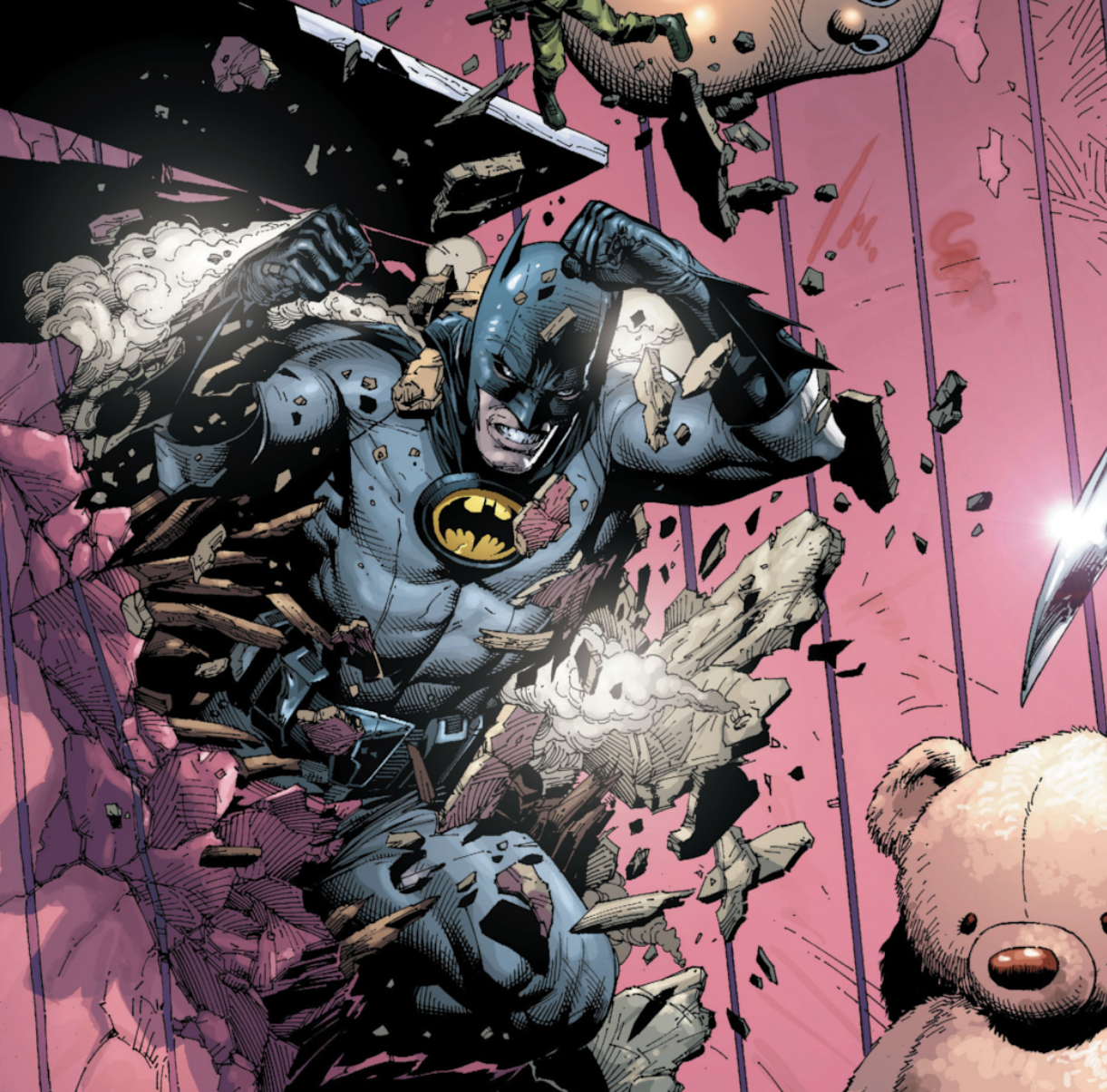
We should know better.
So give Schmitt this victory too.
A post-sovereign constitution can fail.
It can be captured.
Its correction routes can collapse.
One office can gather force, information, appointment, duration, infrastructure, evidence, and succession until every outside route becomes fictional.
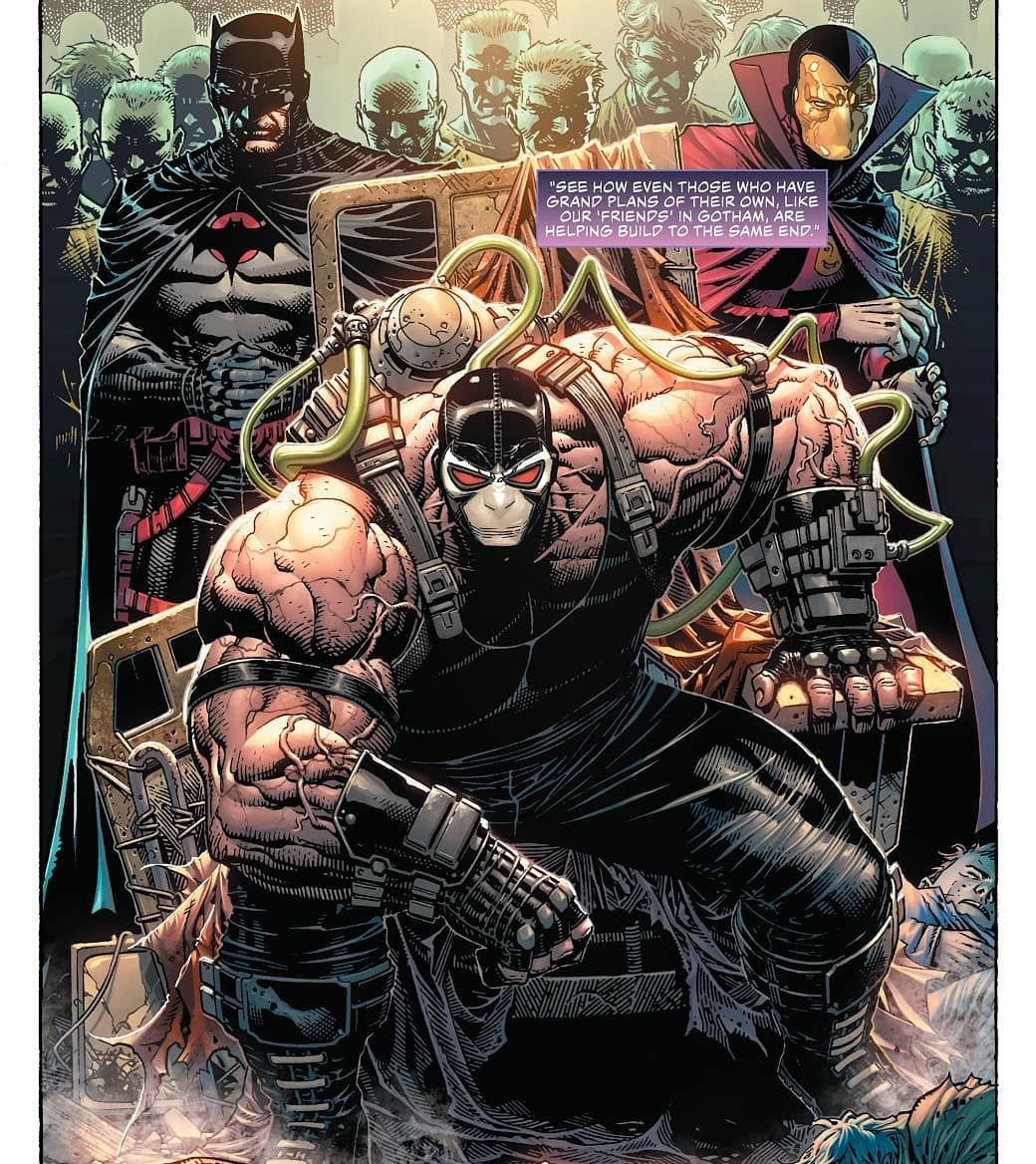
At that point, someone may indeed possess the factual capacity Schmitt is trying to identify.
That does not establish that every functioning political order requires such a person.
It establishes that a post-sovereign order has a failure condition.
If Gotham's whole correction graph collapses into Batman, Gotham has become sovereign again.
This is not some kind of mysterious paradox.
It is a loss.
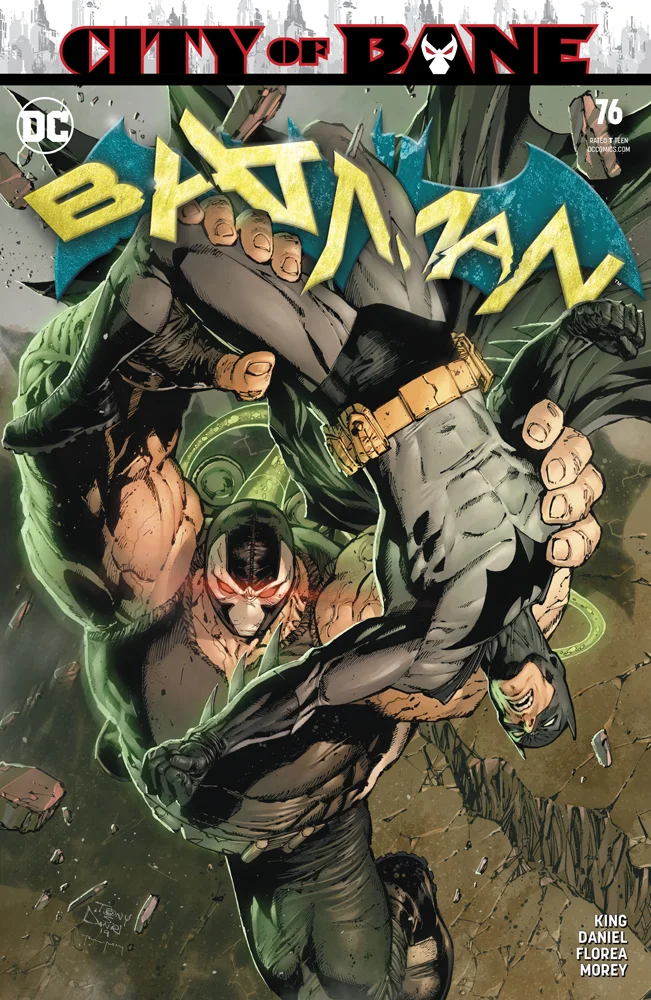
Bane broke the field.
Schmitt Finds an Enemy.
Schmitt's second Batman problem is darker.
His account of the political famously centers the public distinction between friend and enemy. In the strongest versions of the argument, the political community becomes visible through the possibility of existential conflict with another group, while constituent political unity precedes ordinary constitutional procedures. His theory of sovereign dictatorship then gives extraordinary importance to the power acting in the name of that constituent people during the creation of a new order.
Batman knows this machine.
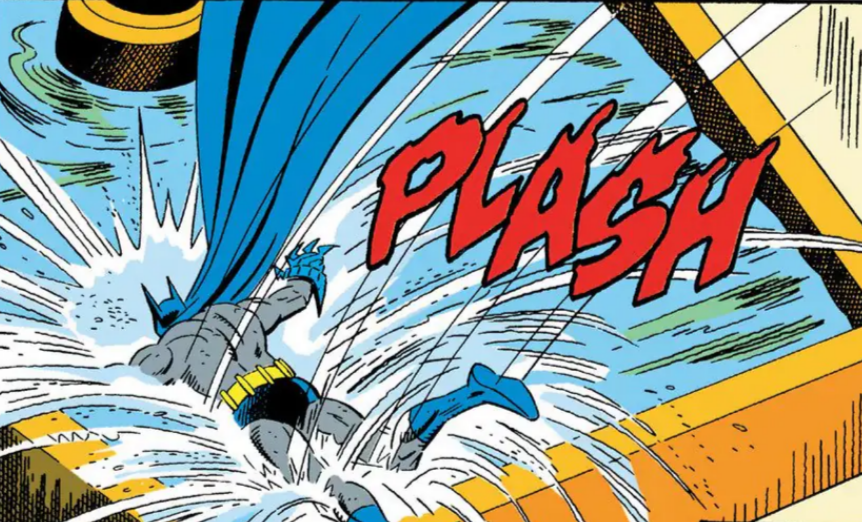
Gotham is full of it.
The criminal.
The freak.
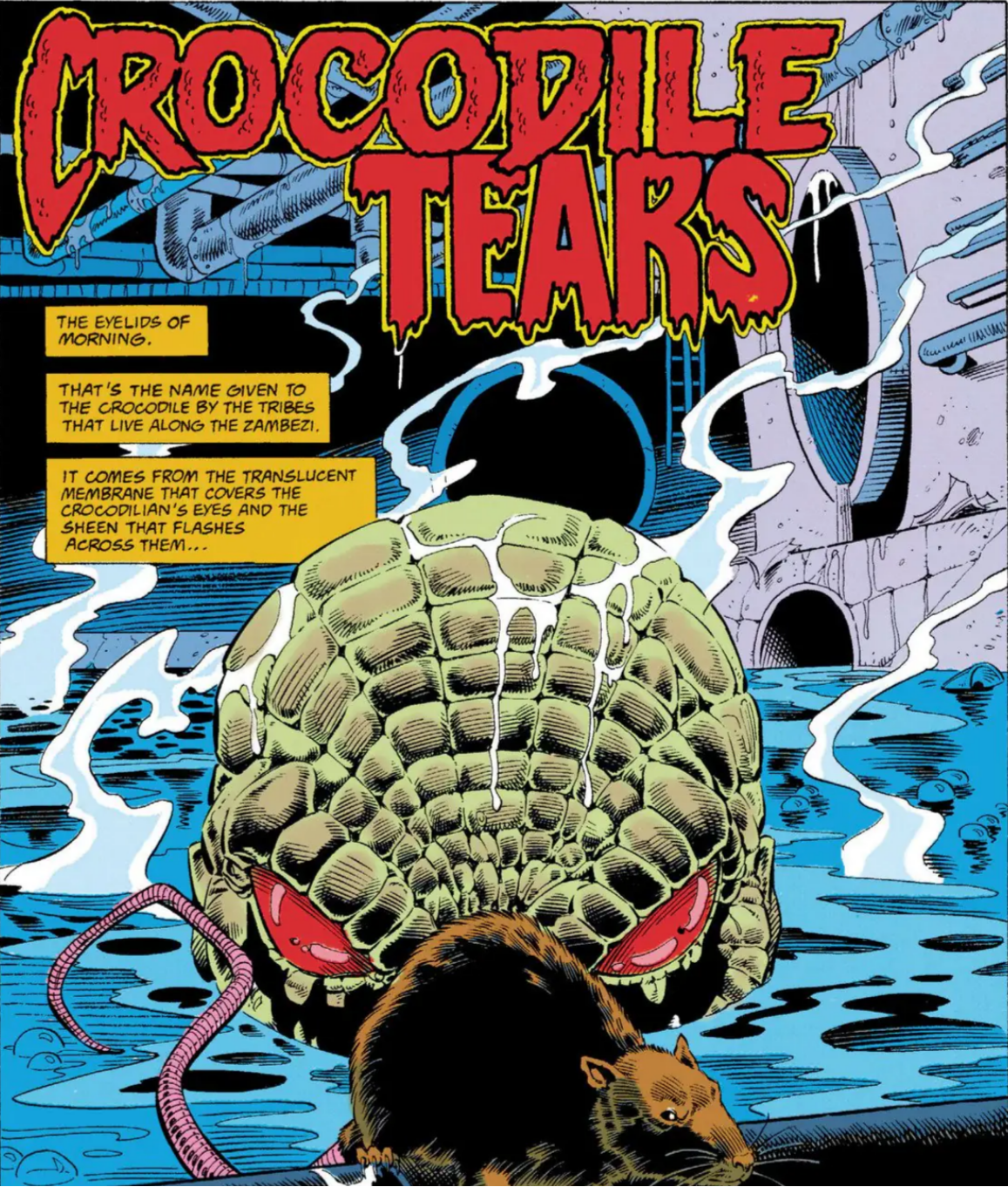
The terrorist.
The corrupt cop.
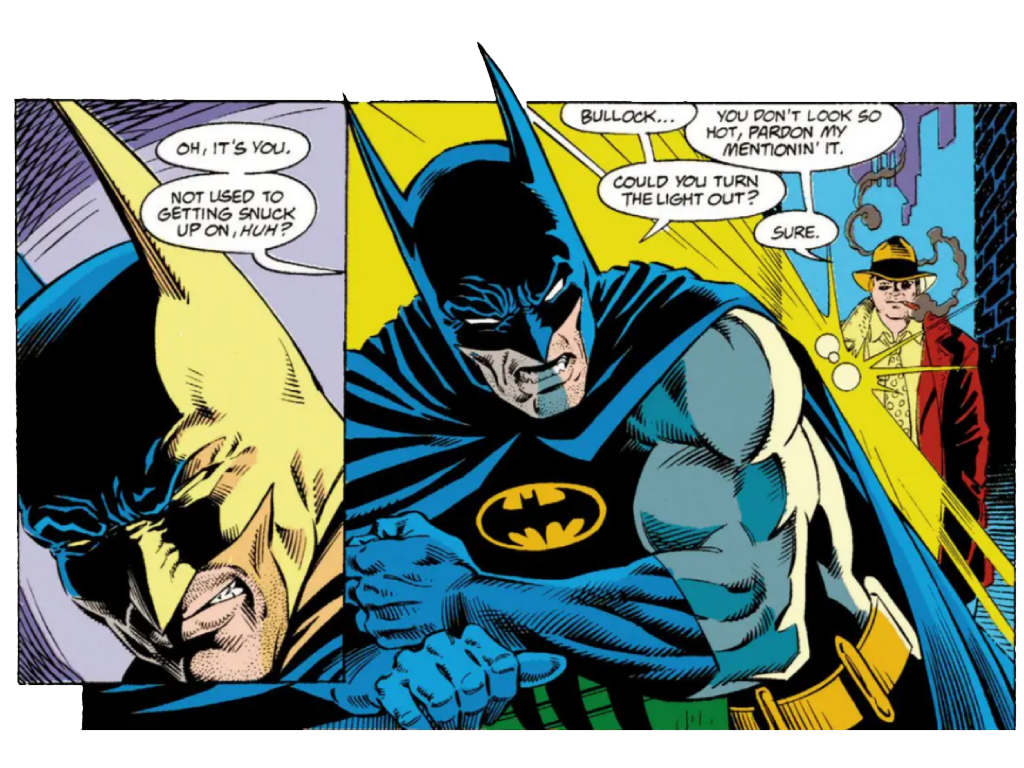
The mob.
The masked vigilante.
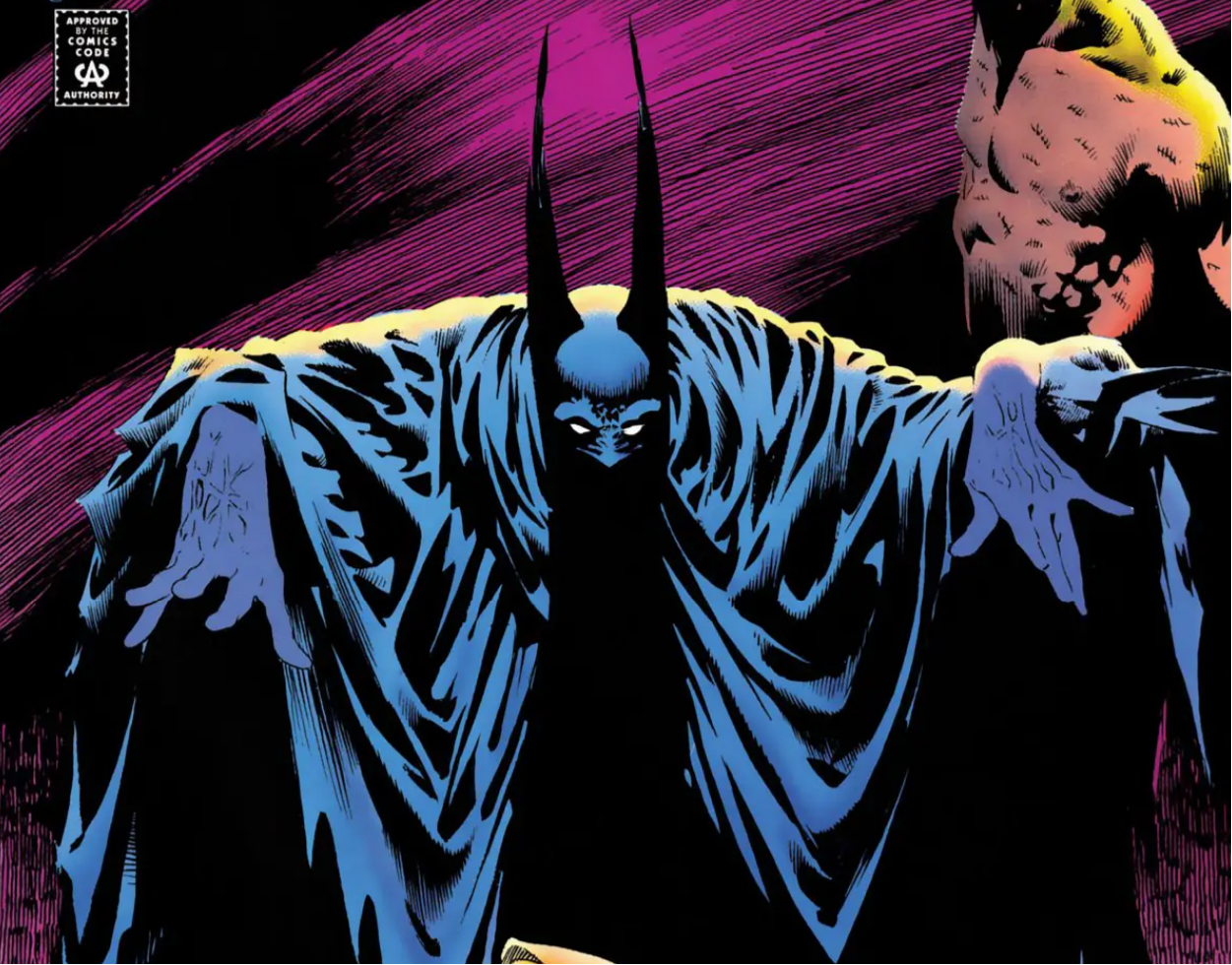
The League of Shadows.
The inmate.
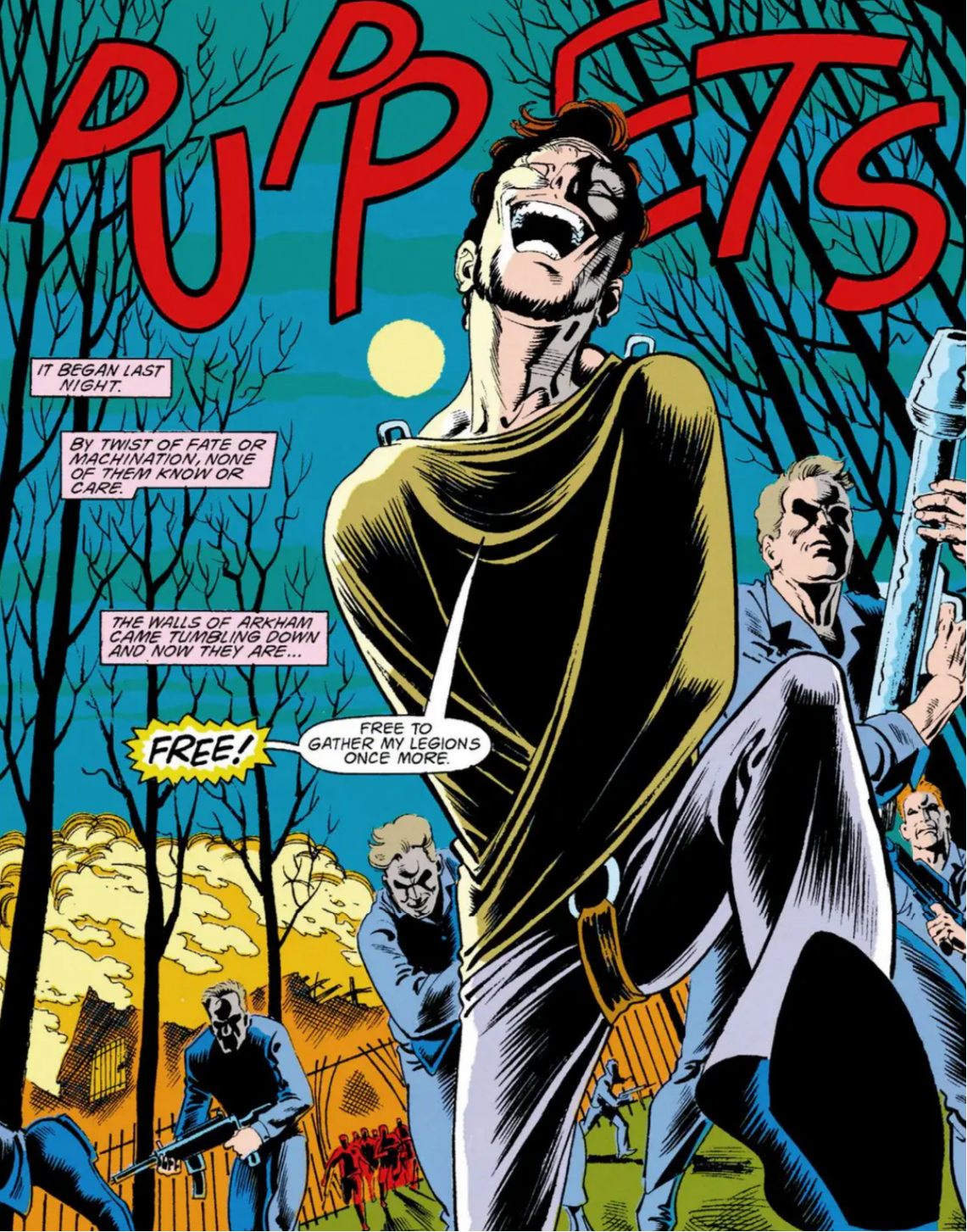
The enemy of Gotham.
The person outside normality.
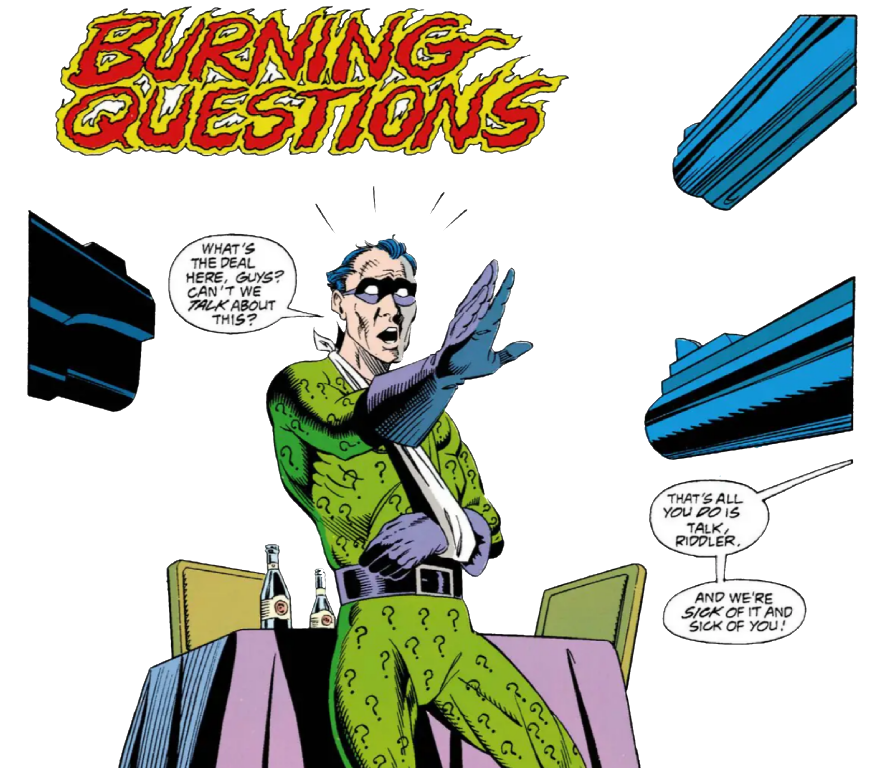
Emergency institutions require threat models.
The problem begins when the office that responds to a threat also acquires final authority over what kind of being the threatened person is.
Batman may need to stop somebody now.
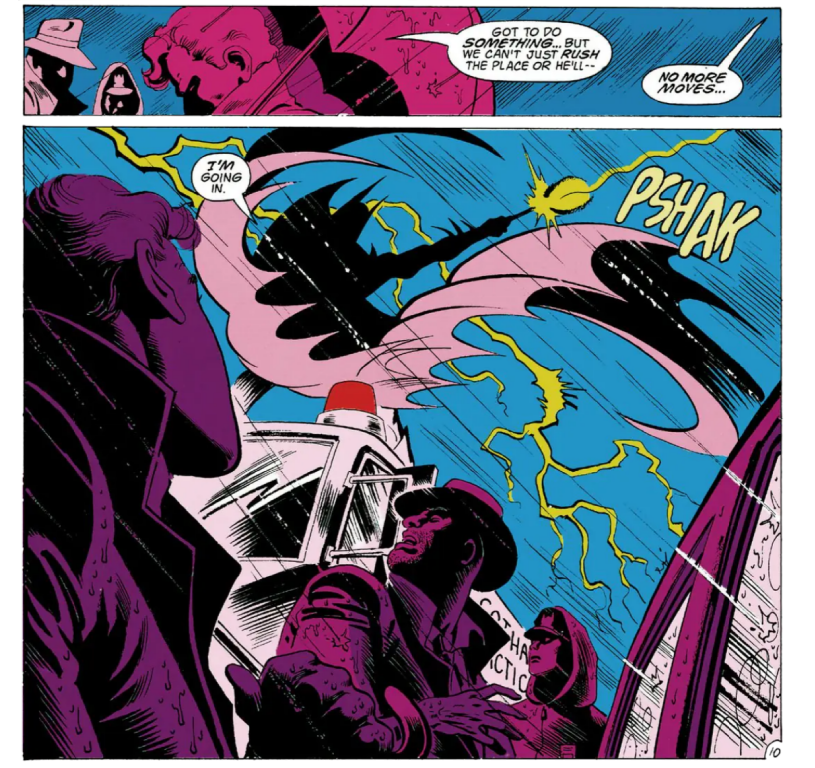
That does not give him constitutional title over the person's permanent status.
An operational enemy classification can therefore be indexed too.
Batman can be final about:
- Do not let this person reach the detonator during this incident.
That finality does not automatically include:
- This person may never re-enter political standing.
- This person cannot challenge the evidence.
- This person's allies are enemies too.
- The emergency remains active while this category exists.
- Only Batman can determine who leaves the category.
Now the threat classification has escaped its index.
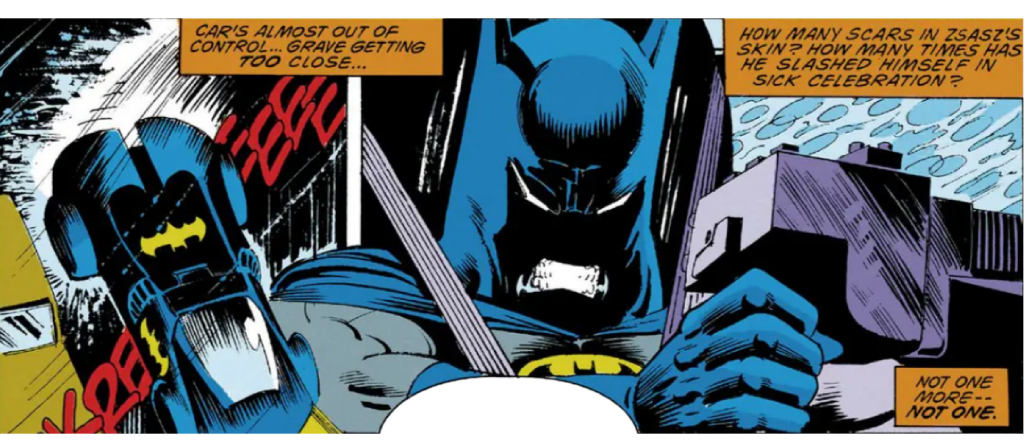
The enemy has become a constitutional object.
That is how a protection instrument becomes a political ontology.
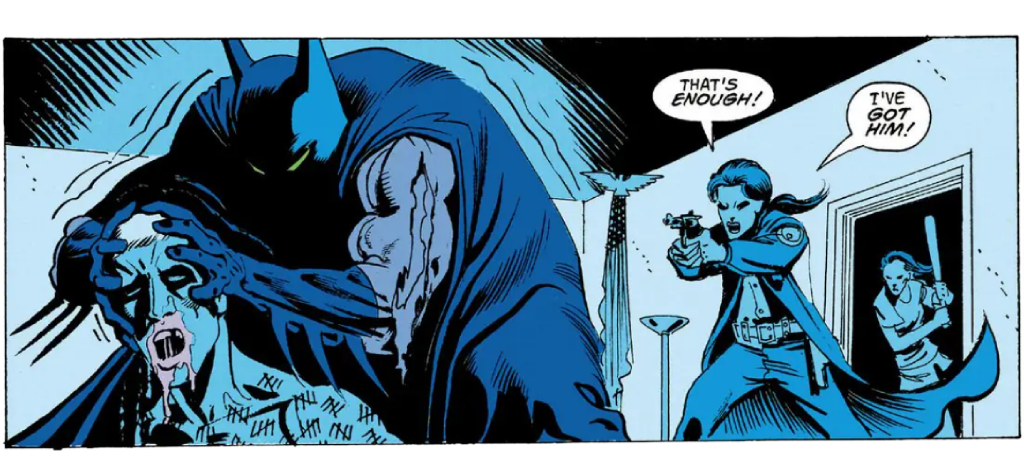
Modal Path Ethics has already seen the same structure in security fields: accurate fear can reproduce the conditions that make further fear rational. Defensive postures cross the boundary. Other actors harden. Their hardening becomes evidence for ours. The warning institution can become better at predicting a dangerous field while helping the field become harder to survive.
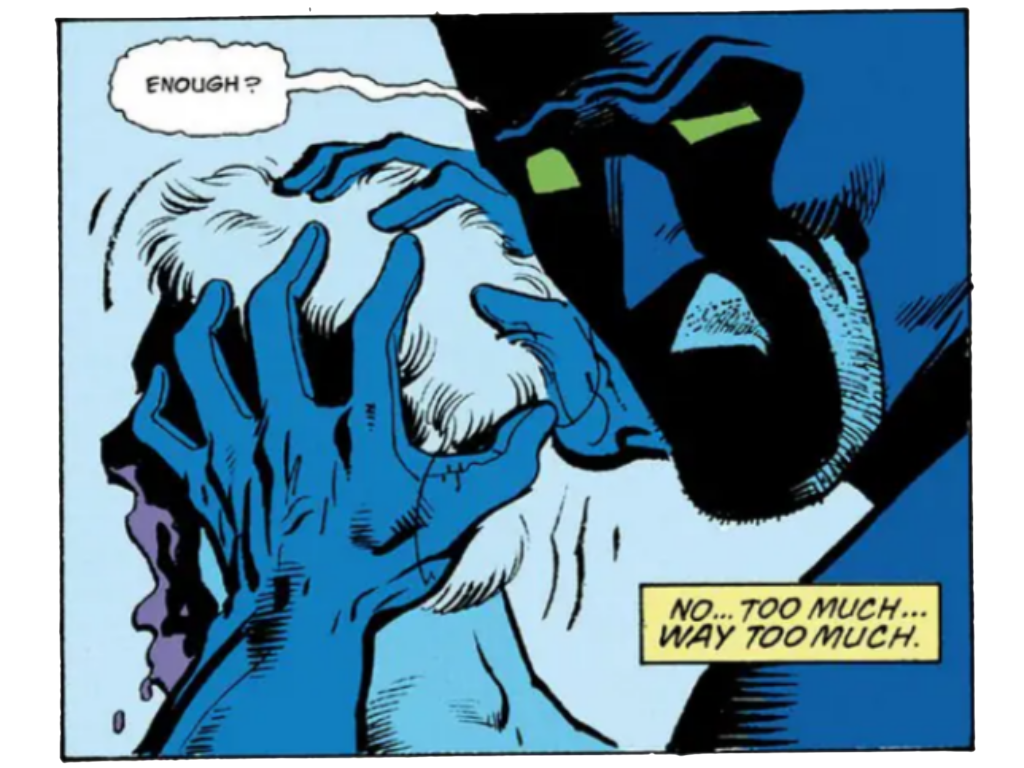
Batman can correctly detect an enemy and still build the Gotham in which Batman becomes permanently necessary.
Correct threat perception does not confer ownership of the future.
The Sovereign Dictator Enters the Cave.
Schmitt has one more attack.
This one is extremely serious.
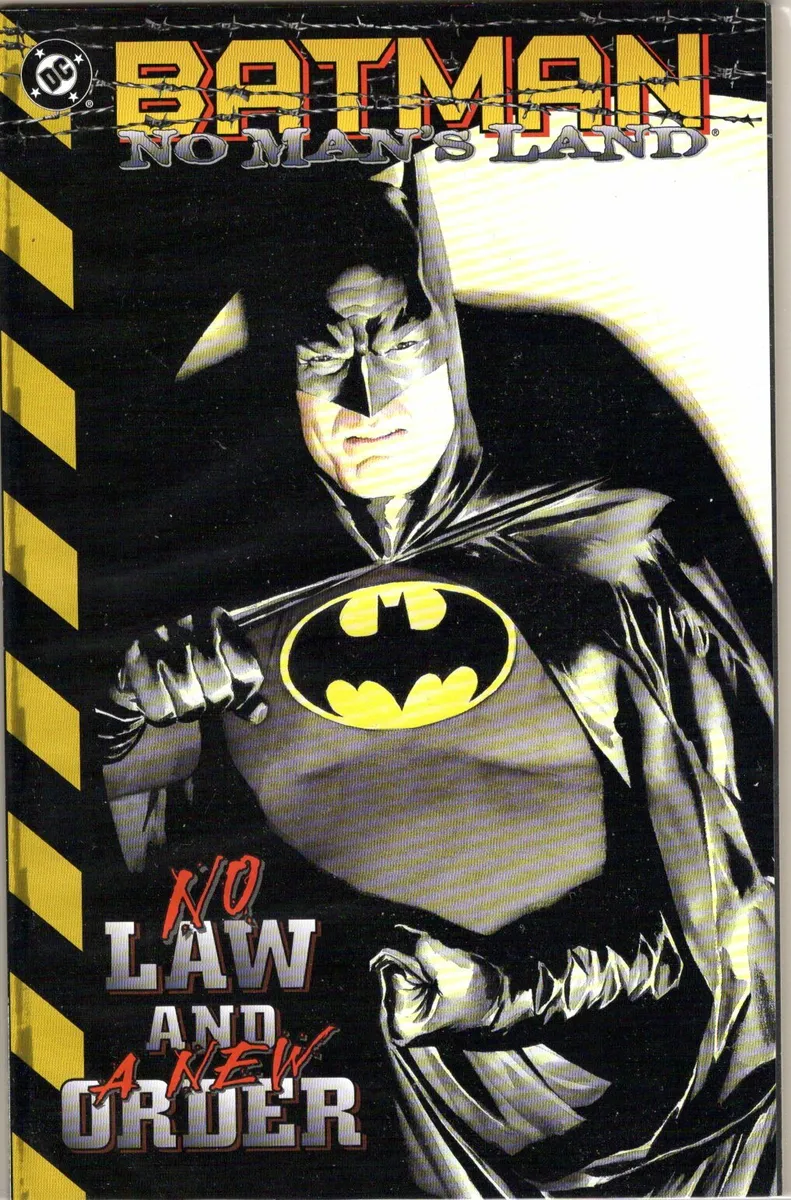
Suppose Gotham's constitutional order is gone.
- The courts are destroyed.
- The old government has collapsed.
- The ordinary succession rules cannot operate.
- Someone has to create the conditions under which a new constitutional order can even exist.
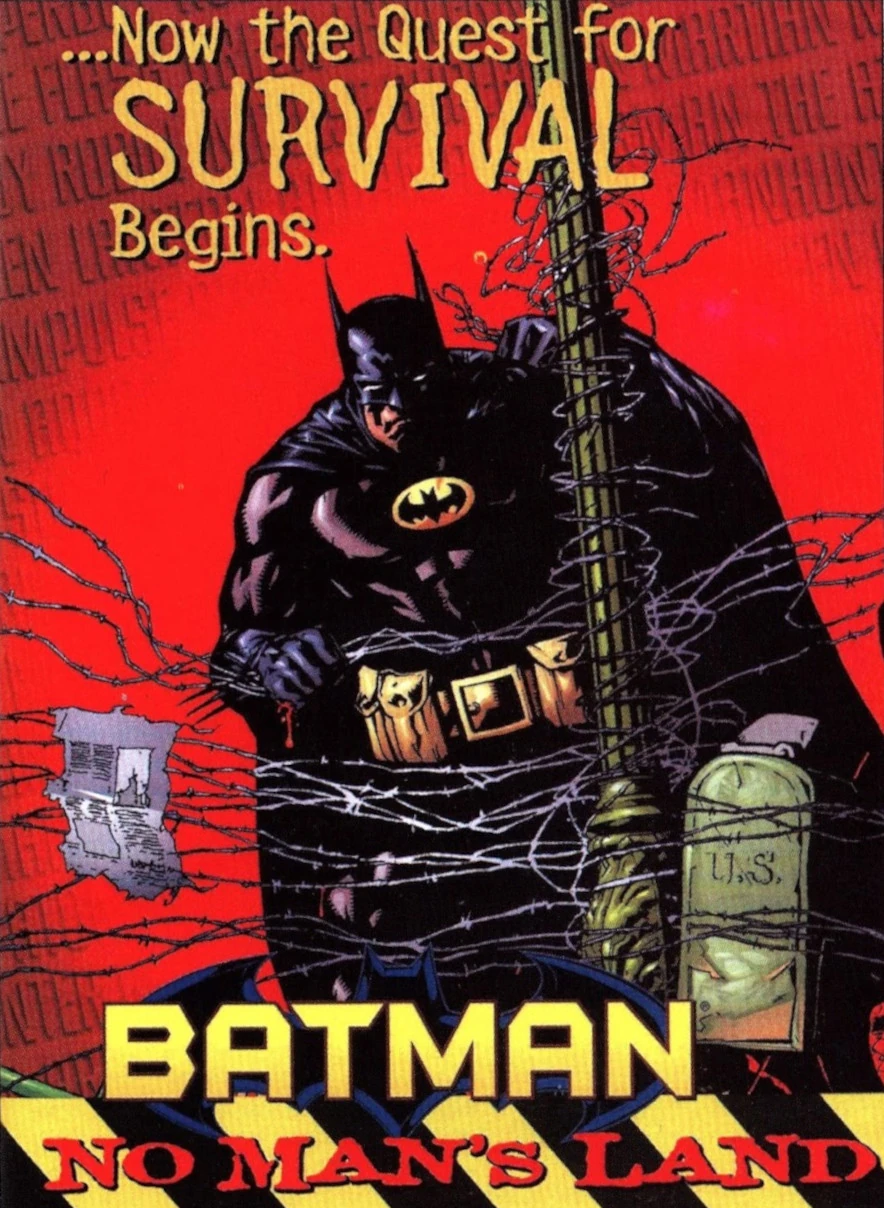
Schmitt distinguishes the temporary dictator charged with restoring an existing constitutional order from the sovereign dictator who acts toward creating a new one, claiming constituent authority in the name of the people.
This is uncomfortably close to the actual post-sovereign transition problem.
- We want to leave sovereignty.
- Fine.
- Who carries the exit?
- Who keeps the grid on while the old allocation of power is dismantled?
- Who keeps food moving?
- Who commands defense?
- Who preserves records?
- Who settles collisions between the old jurisdiction and the new one?
- Who decides the new system is ready?
- Fine.
We have found the final boss.
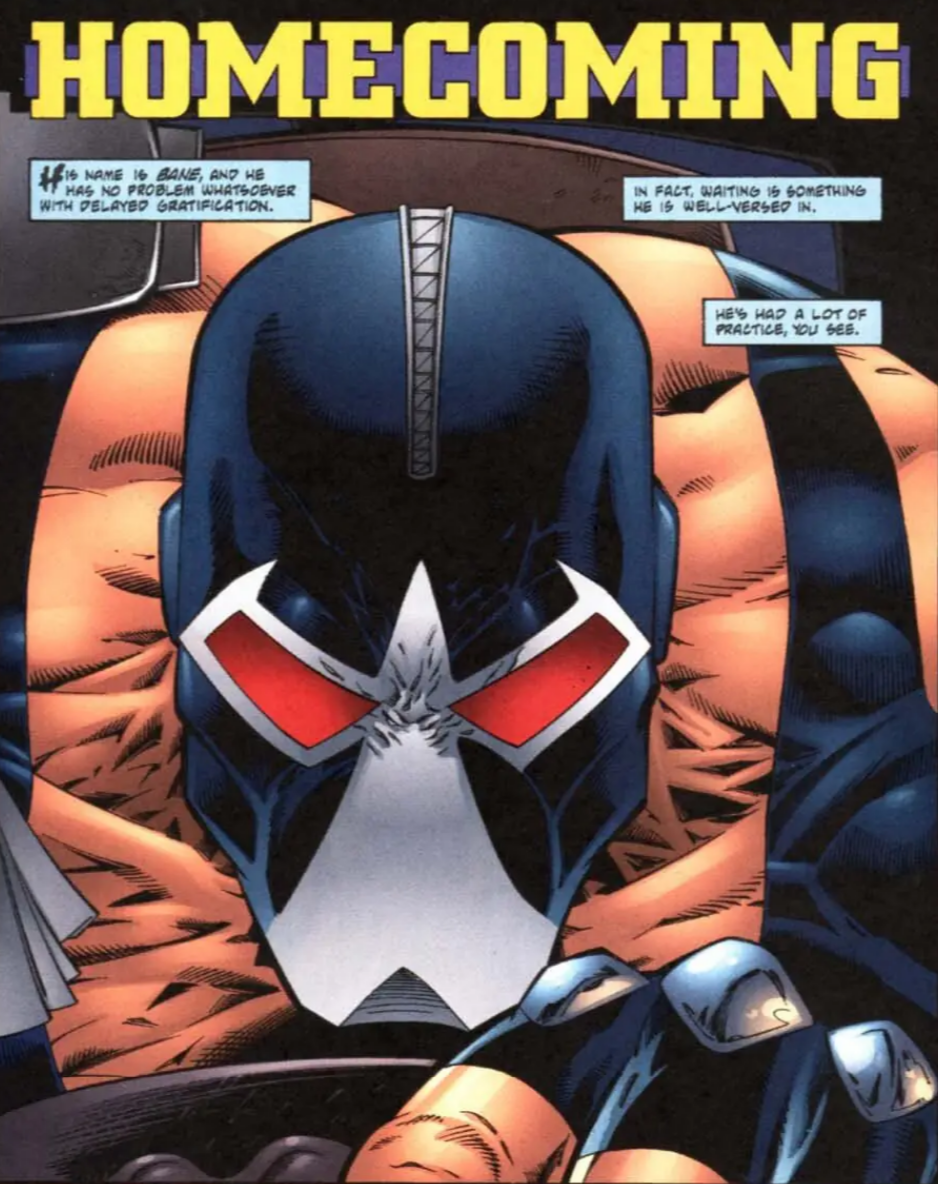
You cannot escape sovereignty by appointing a sovereign to abolish sovereignty and then writing PLEASE LEAVE WHEN DONE on the Bat-Signal.
The transition authority has a real continuance load.
It may need force, secrecy, money, or priority access.
It may need to issue binding instructions quickly.
The mistake arrives if carrying that load also gives it exclusive authority to define:
- what counts as completion,
- which successor is adequate,
- which evidence proves adequacy,
- when the emergency has ended,
- which remaining opposition counts as sabotage,
- whether the records have been transferred,
- whether the material capacity actually moved,
- and whether anyone else may declare the transition complete.
Then the transition authority has been asked to certify the disappearance of the very authority it benefits from keeping.
We have reinvented the sovereign dictator with an exit strategy written in its own handwriting.
No.
The transition needs a whole handoff.
- The authority carrying the old function can close operational paths during transfer.
- Independent routes must remain capable of testing whether the handoff's conditions have actually been met.
- Successor capacity must exist before the incumbent's indispensability is declared solved.
- Records must move.
- Interfaces must remain usable.
- Obligations must survive.
The people depending on the old institution cannot be dropped into the constitutional gap and congratulated on their liberation.
The handoff ends when the load has actually become carryable elsewhere.
The incumbent does not get the last word on whether it is still indispensable.
That would be the crown sneaking out inside the moving boxes.
The Batman Who Leaves.
Now we can return to Gotham.
The original Modal Path Ethics Batman article ended up discovering something that looks much larger after the post-sovereign work.
The strongest Batman is temporary.
Nolan's Bruce eventually reaches exactly that direction: Batman becomes a bridge, Bruce fails to leave cleanly, returns under renewed catastrophe, carries the remaining emergency, and ultimately exits. The old article already recognized that the moral trajectory points toward obsolescence.
That claim can now be made much more precisely.
Batman does not leave because Gotham has become safe forever.
There will be another emergency.
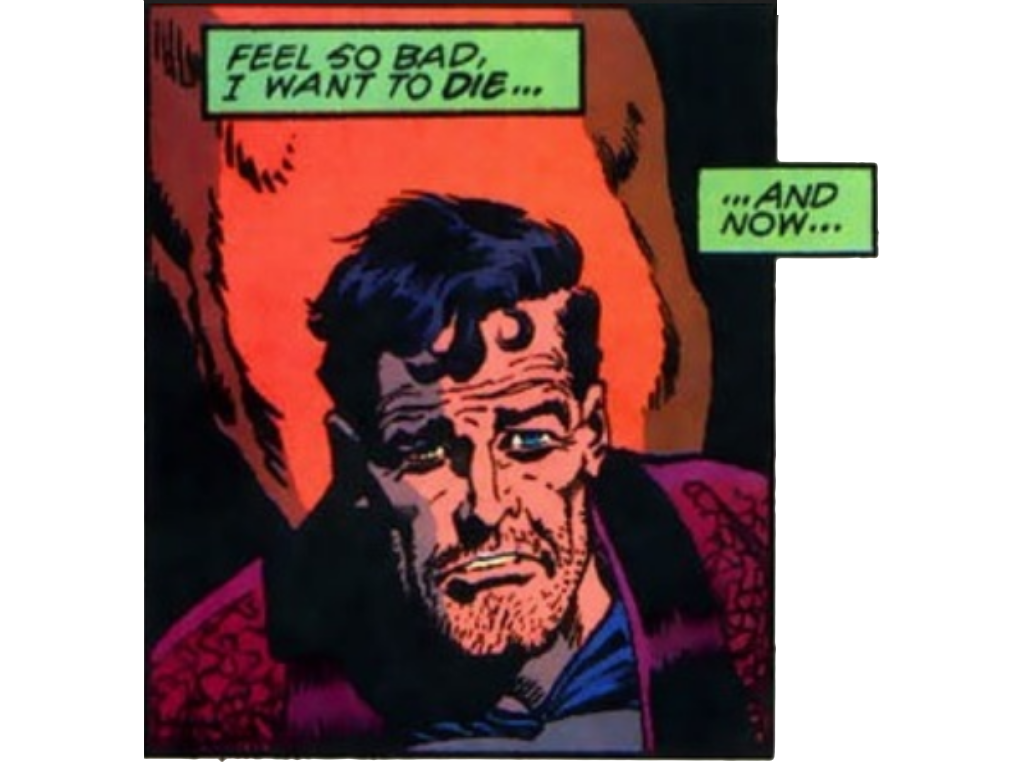
Another criminal.
Another institutional failure.
Another exceptional case.
Another person who sees something nobody else sees in time.
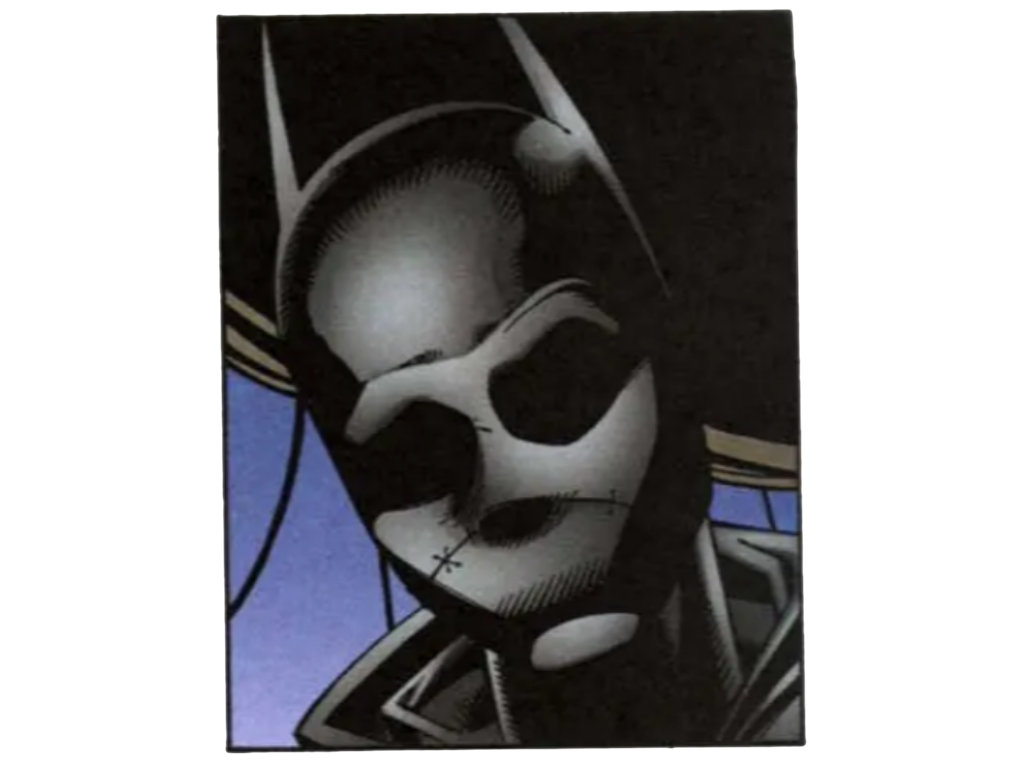
A post-sovereign Gotham still needs people capable of being Batman for a minute.
It cannot need Batman forever.
That is the difference.
- The function can survive the person.
- The emergency power can survive the emergency actor.
- The archive can survive the detective.
- The civic capacity can survive the billionaire.
- The rescue can survive the rescuer.
- The rule can survive the judge.
- The constitution can survive the constitution-maker.
The field can carry another correction after the hero is gone.
That is the point Schmitt keeps pressing toward and then overshooting.
- He sees correctly that rules cannot remove judgment.
- He sees correctly that abnormal conditions can demand decisions ordinary procedure cannot precompute.
- He sees correctly that somebody may have to close a path.
- From there, sovereignty turns the closing of one path into a theory about where the last word ultimately lives.
Modal Path Ethics refuses the singular noun.
There are last words.
They have addresses, functions, cases, scales, and times.
They can bind one another across different relations without assembling themselves into a secret king.
They can fail.
Their material independence has to be maintained.
Their successors have to remain reachable.
And when some extraordinary concentration becomes unavoidable for the next fifteen seconds, the architecture has one more job after the timer stops.

Take the crown back apart.
The Ruling.
Carl Schmitt was right about the emergency.
Somebody may have to decide.
The law cannot describe every future exception before the future arrives. A field under attack may require command, secrecy, force, speed, and actions whose consequences cannot be recalled. Constitutional design cannot keep every option open at every instant and still protect the people standing inside the closing path. Schmitt's theory takes that problem seriously.
Batman takes it seriously too.
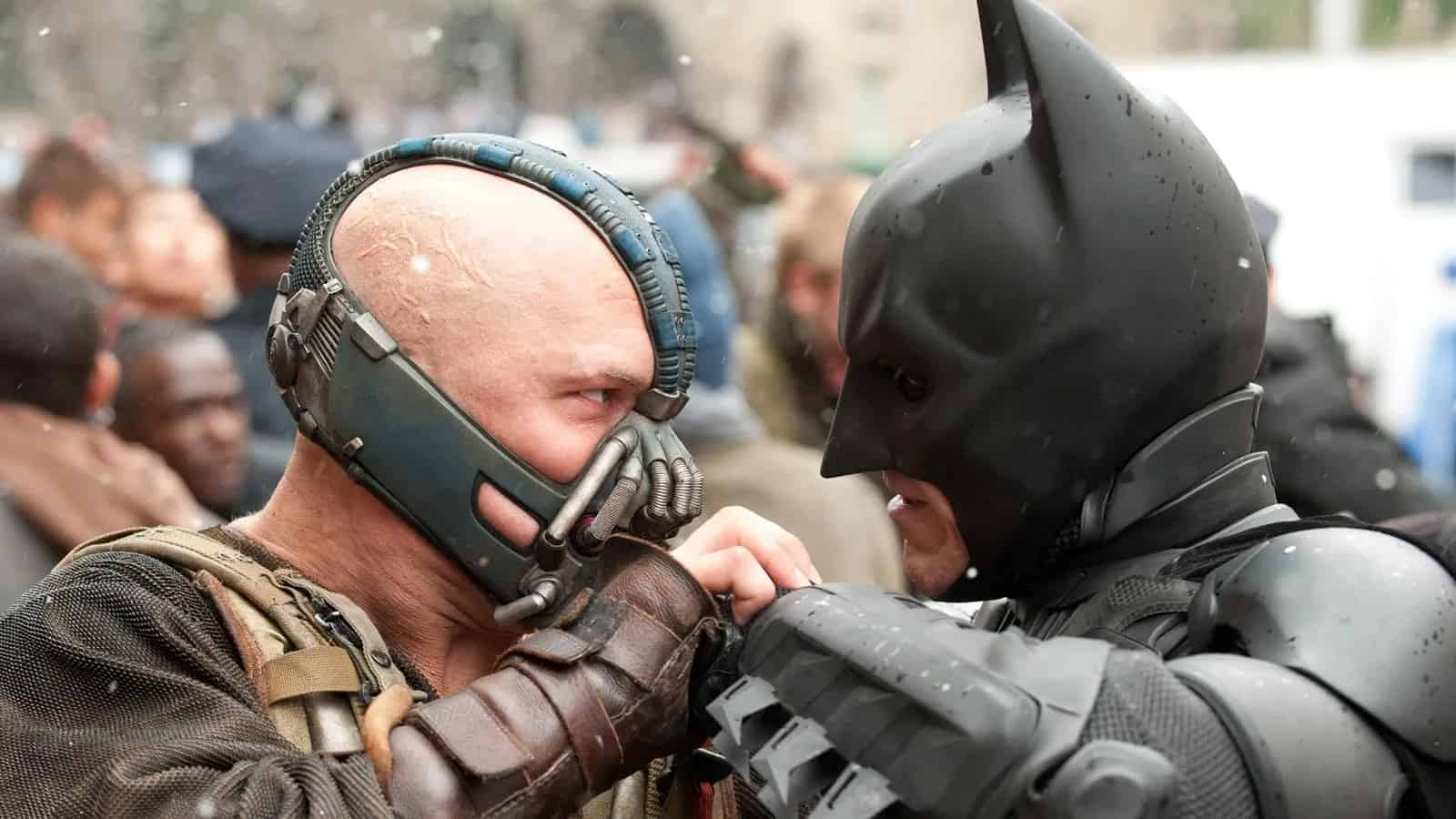
That is why Batman remains one of the best fictional instruments we have for thinking about the relation between emergency competence and political authority.
He can be necessary without becoming rightful forever.
He can be final without becoming final about himself.
He can hold the detonator without holding the Constitution.
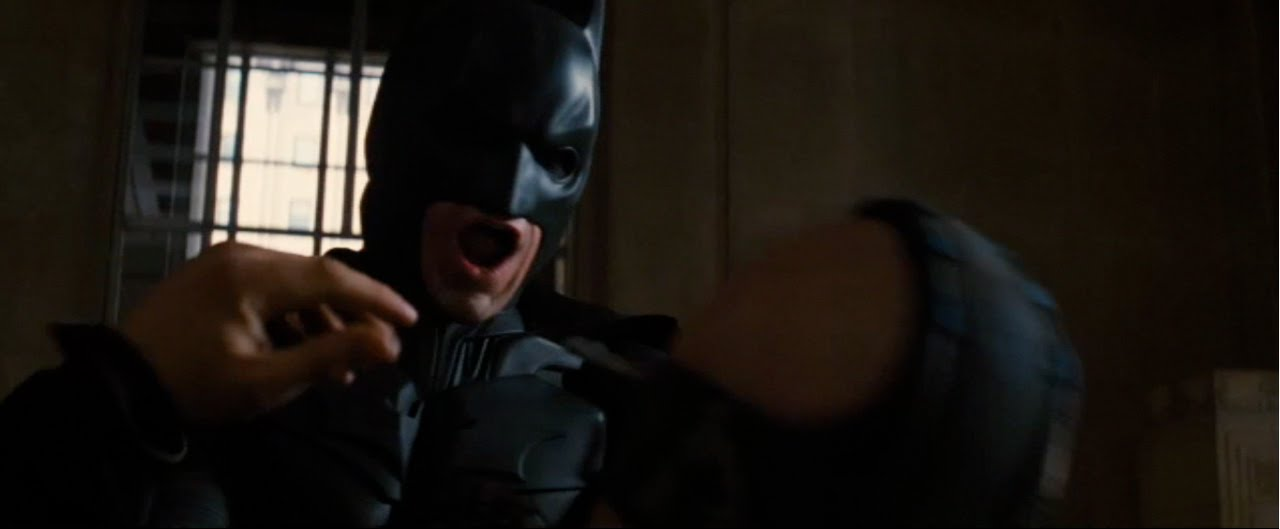
He can use the machine without inheriting every phone in Gotham.
He can identify the threat without owning the enemy's permanent status.
He can carry a transition without deciding whether the transition may ever end.
He can win.
Then somebody else gets a turn.

The original Batman audit concluded that Batman is important because he tests whether we can distinguish emergency from repair. It warned against letting fear, surveillance, exceptional wealth, spectacle, and permanent emergency become substitutes for a Gotham capable of continuing without him.
We can sharpen that now.
- Bane's deepest victory is not breaking Bruce Wayne's back.
- It is building a Gotham whose entire future depends on Bruce Wayne continuing to stand.
- Schmitt's deepest challenge is not that someone must decide.
- It is the claim that when we finally locate the decisive hand, we have located the constitutional owner of the last word.
We have a different answer.
- The index gives judgment a jurisdiction.
- It does not eliminate judgment.
- The indexer does not end recursion.
- It enters the recursion with an index of its own.
- Every live path may have a closer.
- No closer therefore owns the graph.
Batman can have the last word.
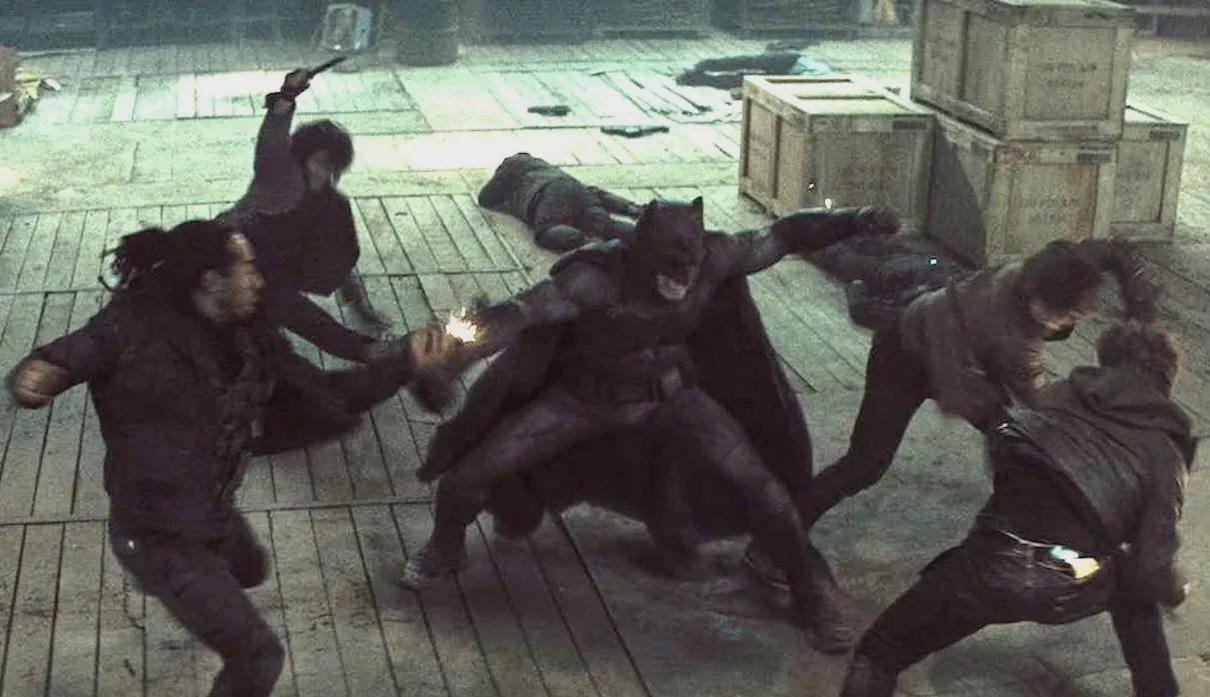
The court can have the last word.
The legislature can have the last word.
The amendment can have the last word.
The auditor can have the last word.

Each time the question returns:
Last word on what?
That is the post-sovereign move.

That is how you let Batman save Gotham without giving Gotham to Batman.
That is how the exception remains real without becoming a throne.
And that is why, at the end of all this machinery, the constitutional test is almost embarrassingly simple.
- The bomb stops.
- The bridge stands.
- The city survives.
- Batman looks back at Gotham.
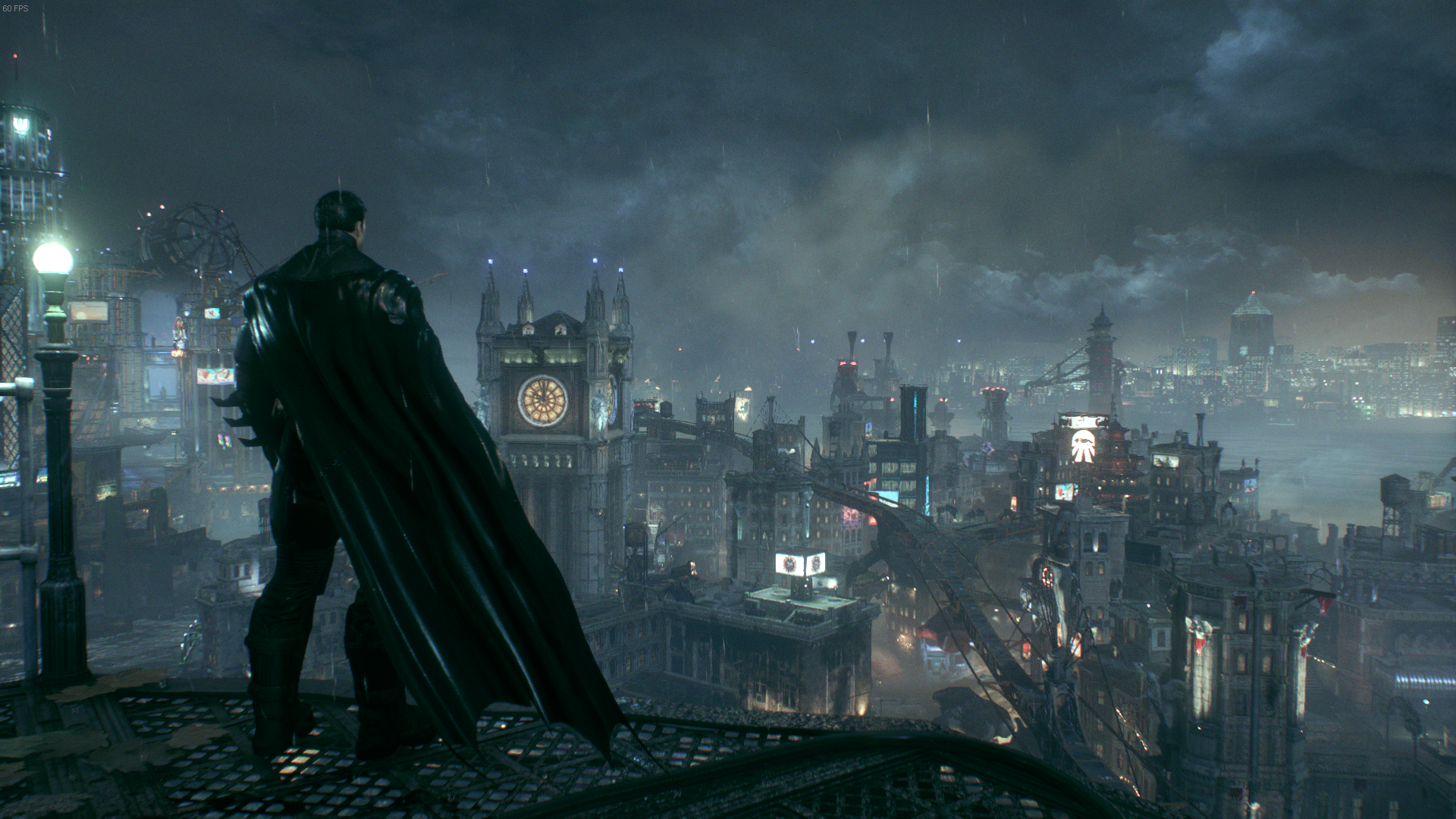
- Then Batman leaves.



Comments ()