Applied Case: Able Archer and the Dark Forest at Home
The other side receives your posture, not your intentions.
Across Europe in November 1983, the same message belonged to different worlds.
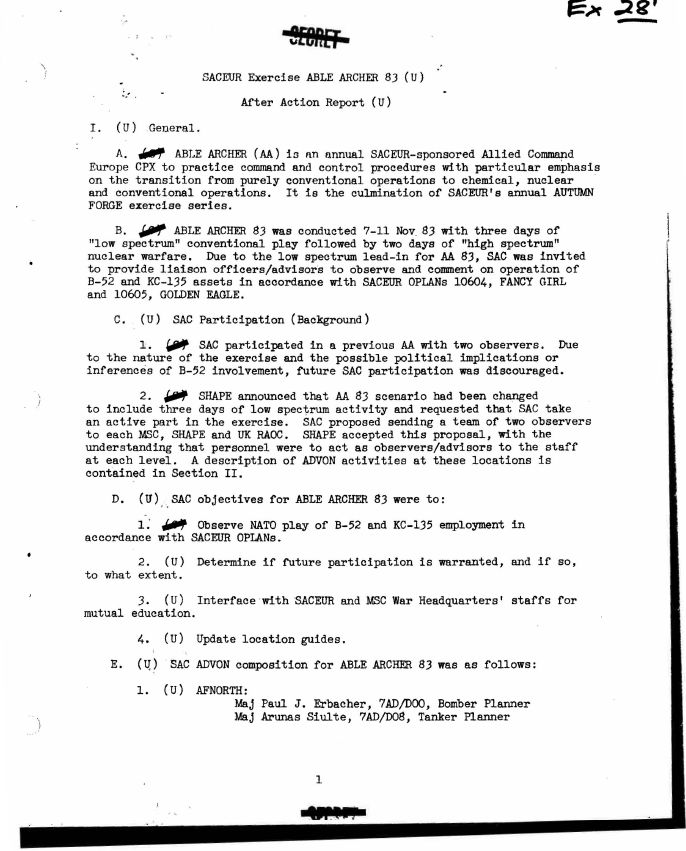
Inside NATO, Able Archer was a command-post exercise. Officers were rehearsing procedures by which a conventional conflict could climb through alert stages toward nuclear release. The exercise happened regularly. This version changed some of the message traffic and simulated the escalation differently, but it remained an exercise.
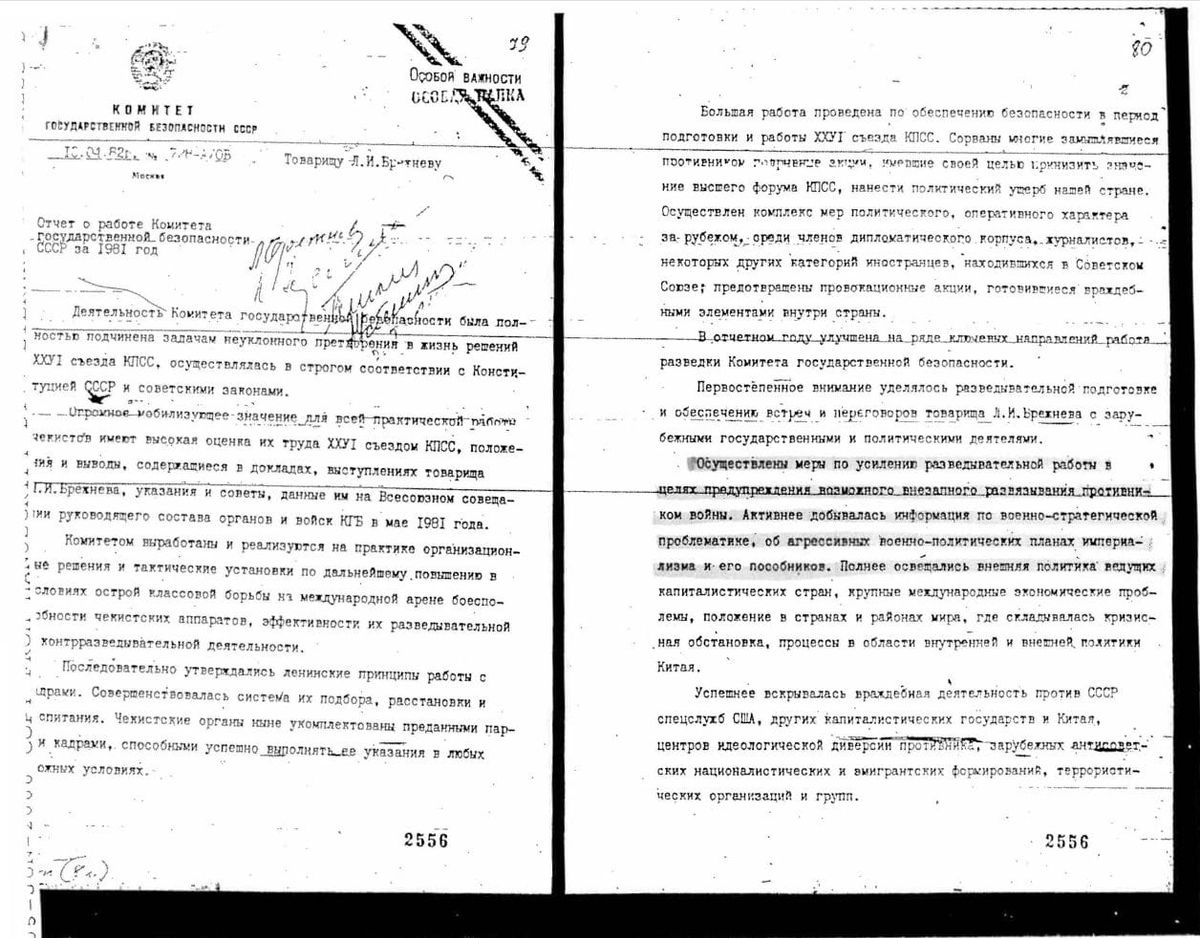
Inside the Soviet warning system, the same activity entered through a very different year.

Korean Air Lines Flight 007 had been shot down. The United States was preparing to deploy intermediate-range nuclear weapons in Europe. War was moving through Beirut. The United States had invaded Grenada. Soviet intelligence services had already been instructed to watch for signs that a Western military exercise might conceal preparations for a real first strike.
A procedural change inside one institution entered another as a possible change of intention.
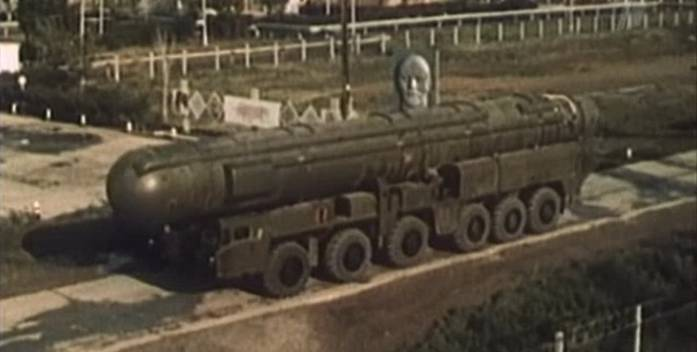
Selected Soviet and Warsaw Pact units adopted unusual readiness measures. Intelligence collection intensified. Some flying was restricted. Aircraft associated with nuclear delivery were reportedly prepared on shortened notice. Later review found evidence consistent with probable movement of nuclear weapons from storage toward delivery units.
American commanders did not assemble the whole response while Able Archer was still running.
The reports were scattered, late, or insufficiently recognized. By the time important parts of the Soviet reaction became clear, the alert was already receding.
History later supplied competing comforts.
One later review concluded that Soviet concern had been serious and that the United States underestimated it. A 1984 intelligence estimate had read the limited Soviet response differently, finding little evidence that Soviet leadership actually expected imminent attack and considering propaganda, bargaining, insecurity, military preparation, and domestic discipline among several possible explanations.
The archive can keep that dispute open.
The people inside the exercise had to act before the archive existed.
Calm: Not a Constitution.
The easy moral is that everyone should have relaxed.
It is also useless.
Imagine an American commander receiving credible evidence during Able Archer that Soviet nuclear forces were preparing for an actual strike.
Remaining calm could preserve peace.
Remaining calm could also destroy the retaliatory capacity meant to prevent the strike in the first place.
A government entrusted with protecting a city cannot always wait for certainty. A military cannot disclose every reserve, weakness, route, or contingency to prove that its intentions are peaceful. Surveillance can detect danger. Secrecy can protect a vulnerable position. Dispersal can prevent a first blow from ending the contest. Deterrence works partly because another actor knows that aggression will encounter something able to answer.
No constitution can rely on blindness to keep the peace.
That is what makes Able Archer useful.
The problem was not that defensive preparation existed.
The problem begins when defensive preparation enters somebody else’s world.
The Other Side Receives the Posture.
An institution knows its own reasons.
Everyone else gets the equipment.
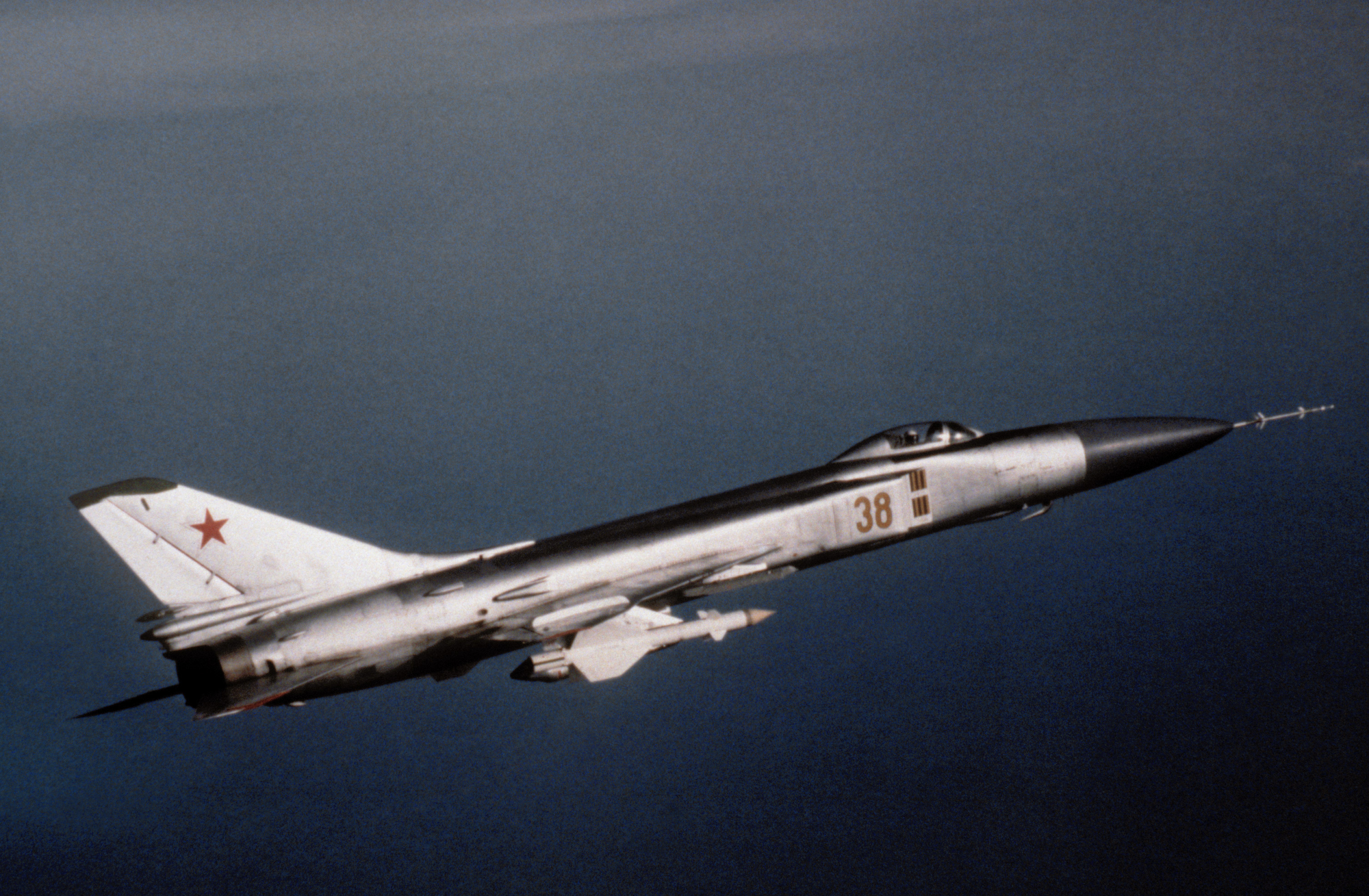
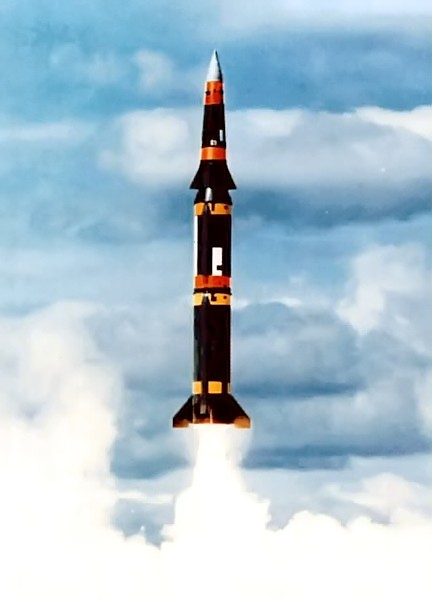
They see aircraft, alerts, exercises, deployments, reserves, intelligence flights, weapons, budgets, doctrines, alliances, surveillance, command structures, and the amount of time it would take those capacities to move.
Call that arrangement a posture: the standing form through which another actor encounters what an institution might do.
A government can sincerely say that a capability is defensive.
The other government still has to plan for the possibility that the sentence is false, that leadership changes tomorrow, that an emergency changes the rules, or that the capability can be repurposed faster than reassurance can arrive.
Private intention therefore offers limited protection.
- Imagine one side becomes worried and disperses weapons.
- The other side receives the dispersal.
- Its officials who had argued that the threat was exaggerated now have a harder case.
- The officials demanding greater readiness can point to something real.
- So they harden too.
- Their response travels back across the field.
- The first side now has fresh evidence.
- See? We were right to prepare.
- The first side now has fresh evidence.
- The other side receives the dispersal.
They may even be right.
That is the trap.
The prediction can come true because the strategy built around it helped make the predicted response rational.
Dark Forest at Home.
A Dark Forest is a strategic field in which uncertainty, asymmetric danger, and anticipated first movement make concealment, consolidation, and preemption locally rational while those same postures make the shared field more dangerous.
It is not a theory that strangers are naturally hostile.
A field darkens when its institutions teach participants that openness can be punished.
That dependence can become leverage.
That restraint creates vulnerability.
That waiting means losing.
That visibility means giving somebody else the first move.
Once those lessons become credible, caution changes shape.
The responsible official starts asking for another reserve, another classified record, another surveillance authority, another hardened supply line, another command shortcut, another capability that cannot be interrupted while danger remains.
Every request can answer something real.
Every answer changes what the other side now has to prepare for.
This creates two different forms of institutional success.
- A warning office can correctly predict that its opponent will harden.
- Its forecasts improve.
- Its advocates gain credibility.
- Its budget grows.
- Its access widens.
- Meanwhile, the relation it is monitoring becomes harder for everyone to survive.
The office gets better at surviving the Dark Forest while helping the forest grow darker.
Nobody has to falsify a report.
The institution can report honestly that its methods worked.
That is why judging only the institution’s internal performance is inadequate. Count threats detected, warnings confirmed, response times shortened, and assets protected, and the defensive apparatus may look excellent. The changed strategy of everybody around it appears later as another external threat.
Shared-field damage returns as evidence of institutional competence.
Responsibility Still Exists.
None of this distributes blame evenly.
Aggression matters.
Conquest matters.
Broken commitments matter.
Deception matters.
Some actors exploit restraint. Some threats are real. Some resources cannot be promised twice. A person hiding from a persecutor and a nuclear power dispersing weapons do not carry equal capacities or expose equal bodies.
Field structure does not turn responsibility into weather.
It shows something narrower and more difficult:
- Accurate fear can still reproduce the conditions it fears.
A justified defense can make another justified defense more likely.
That is enough to create a constitutional problem.
Making One Fear Less Rational.
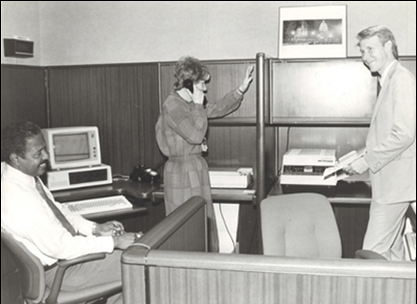
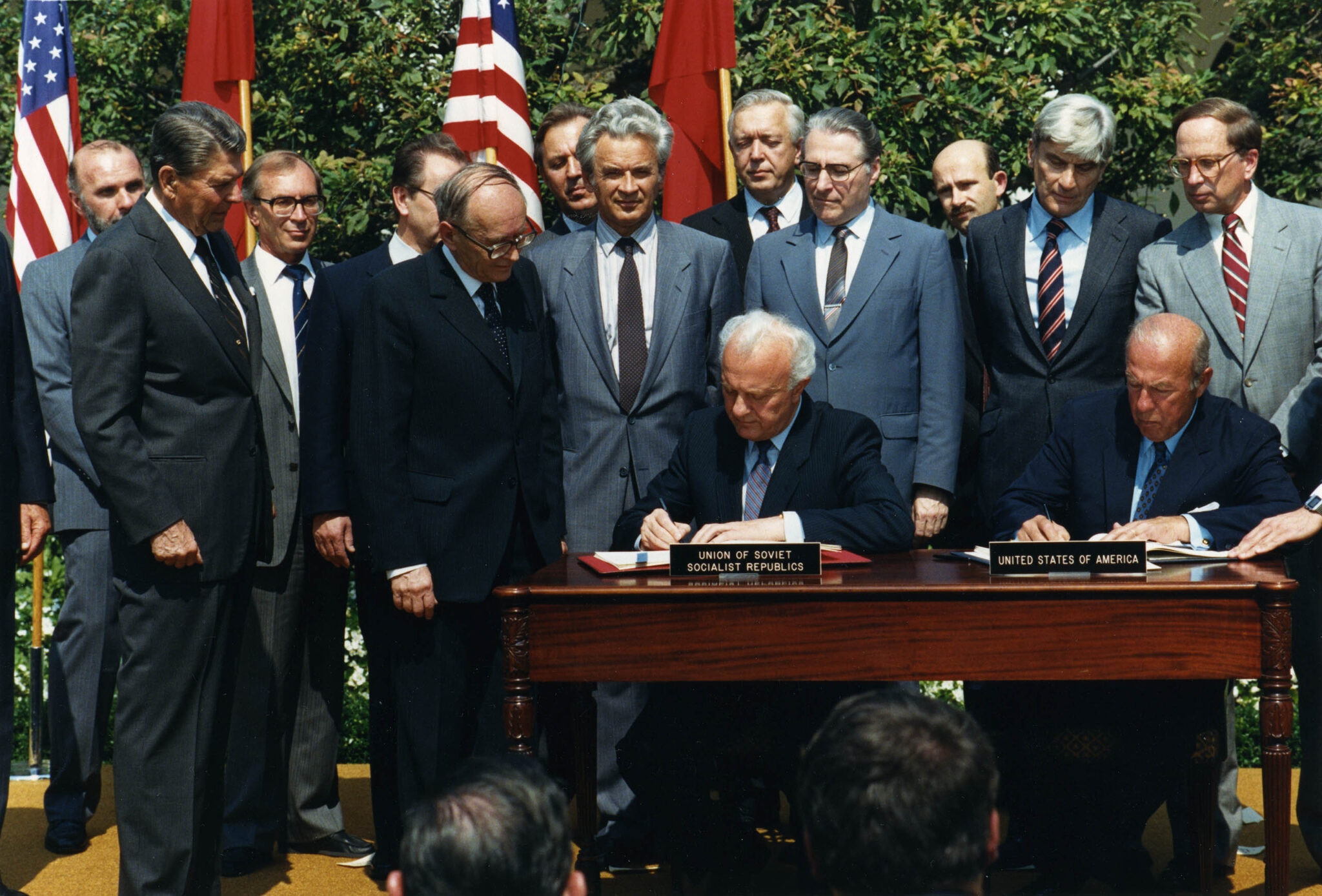
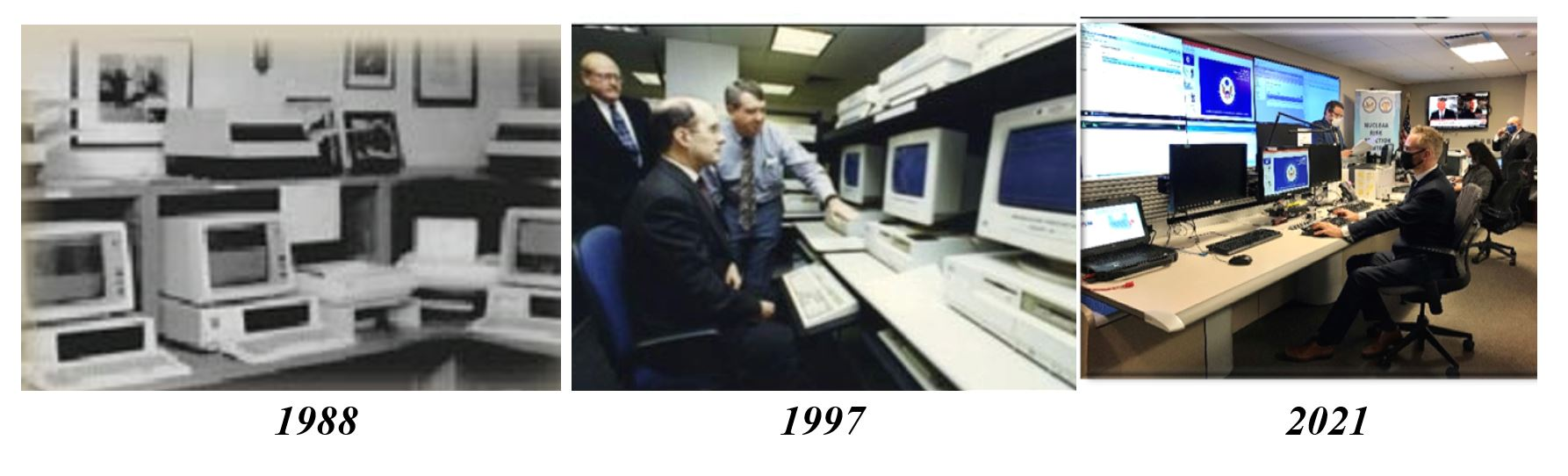
Four years after Able Archer, the United States and the Soviet Union established national Nuclear Risk Reduction Centers.
The arrangement was modest.
That is part of what made it useful.
Neither country dissolved its military. Neither exposed all of its records. Neither government entered the other’s chain of command. A direct communications link carried defined notifications, including specified missile-launch notices, while each side kept its own defensive institutions.
The channel could be deceived.
A message could be doubted.
Nothing about it made trust compulsory.
It gave each side something between total transparency and total silence: bounded legibility.
A defined class of conduct became more visible before either side had to accept the other’s intentions as truth.
That changes a strategic field.

A defensive institution can now hold more than one plausible account of what it sees.
- Perhaps this movement is the beginning of attack.
- Perhaps it is the exercise notification sitting in the protected channel.
Verification still matters. Defense still matters. The second possibility has acquired evidence of its own.
That is the constitutional direction.
The goal is not to make one side harmless.
A hard defense whose trigger, scope, and stopping condition can be seen may darken the field less than a reassuring speech backed by unlimited discretionary capacity.
Ask first what injury the posture prevents.
Then cross the institution’s boundary.
- What capability does the posture communicate?
- What response becomes prudent from another position?
- Which factions gain evidence from that response?
- Can the same protection operate through a narrower trigger, a clearer limit, a protected channel, a reversible delay, or another arrangement that leaves defense intact while making one worst-case interpretation less rational?
That is a harder demand than “trust each other.”
It is also more useful.
Artificial Intelligence Shortens the Forest.
Artificial intelligence makes the problem faster.
It can join intelligence reports that human offices fail to connect. It can detect anomalies, compare logistics, generate possible responses, track equipment, translate among systems, and give several institutions a shared picture before older command structures have finished passing messages upstairs.
Some of that could prevent the next Able Archer.
A warning previously scattered across several desks might finally arrive as a warning.
The same integration creates its own pressure.
More information flows toward the institution expected to interpret the danger. More systems depend on its classifications. More decisions can be rehearsed before an adversary moves. The interval between detection and response contracts.
An institution promising to see danger sooner gains an excellent argument for wider access.
An institution promising to respond sooner gains an excellent argument for faster command.
The technology does not choose whether those capabilities lighten the field or darken it.
The institutions carrying them do.
The Ruling.
Able Archer does not prove that deterrence is irrational, that secrecy is immoral, or that defensive readiness causes every escalation it anticipates.
It shows why the constitutional audit cannot stop at the boundary of the institution being protected.
Judge a protection instrument partly by what its posture makes rational for everyone else.
A defense can be necessary and still change the shared field.
A warning can be accurate and still help produce the response it warned about.
An institution can succeed by its own measures while making the relation around it more dangerous.
The answer is not universal openness.
It is protection precise enough that another actor has evidence for more than the worst possible interpretation, while neither side has to surrender its capacity to survive deception.
Then the institutional consequence begins.
- Dispersed warning missed something, so one office receives more intelligence.
- Delay looked dangerous, so command becomes faster.
- Dependence looked vulnerable, so reserves grow.
- Another threat appears,
- and yesterday’s precaution becomes today’s infrastructure.
The alert can end.
The office built to remember it does not.