
Workers Deserve More! Is Not a Constitution
The landlord can disappear; the work is still due by morning.
The first person depicted in the Democratic Socialists of America’s new political program is asleep.
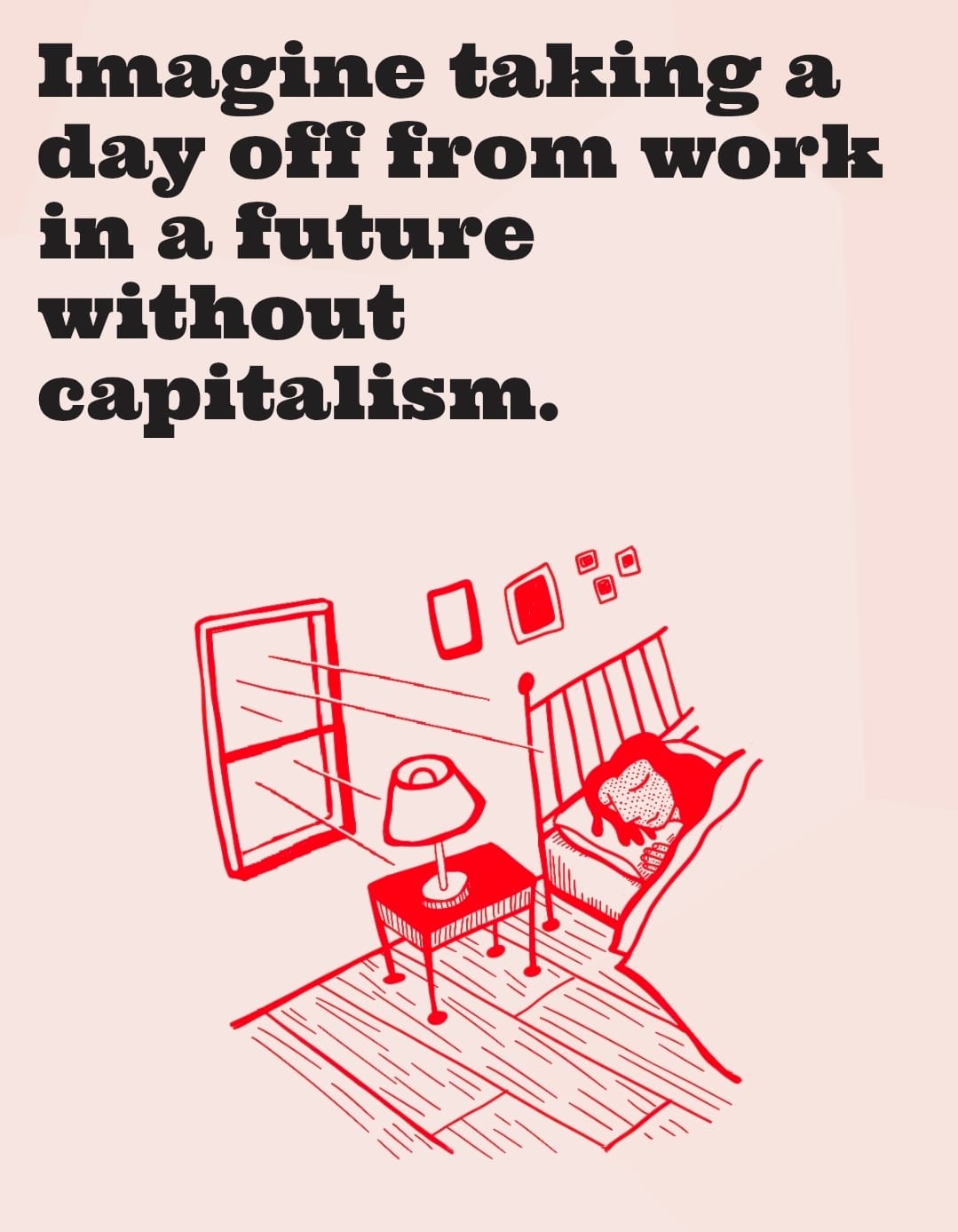
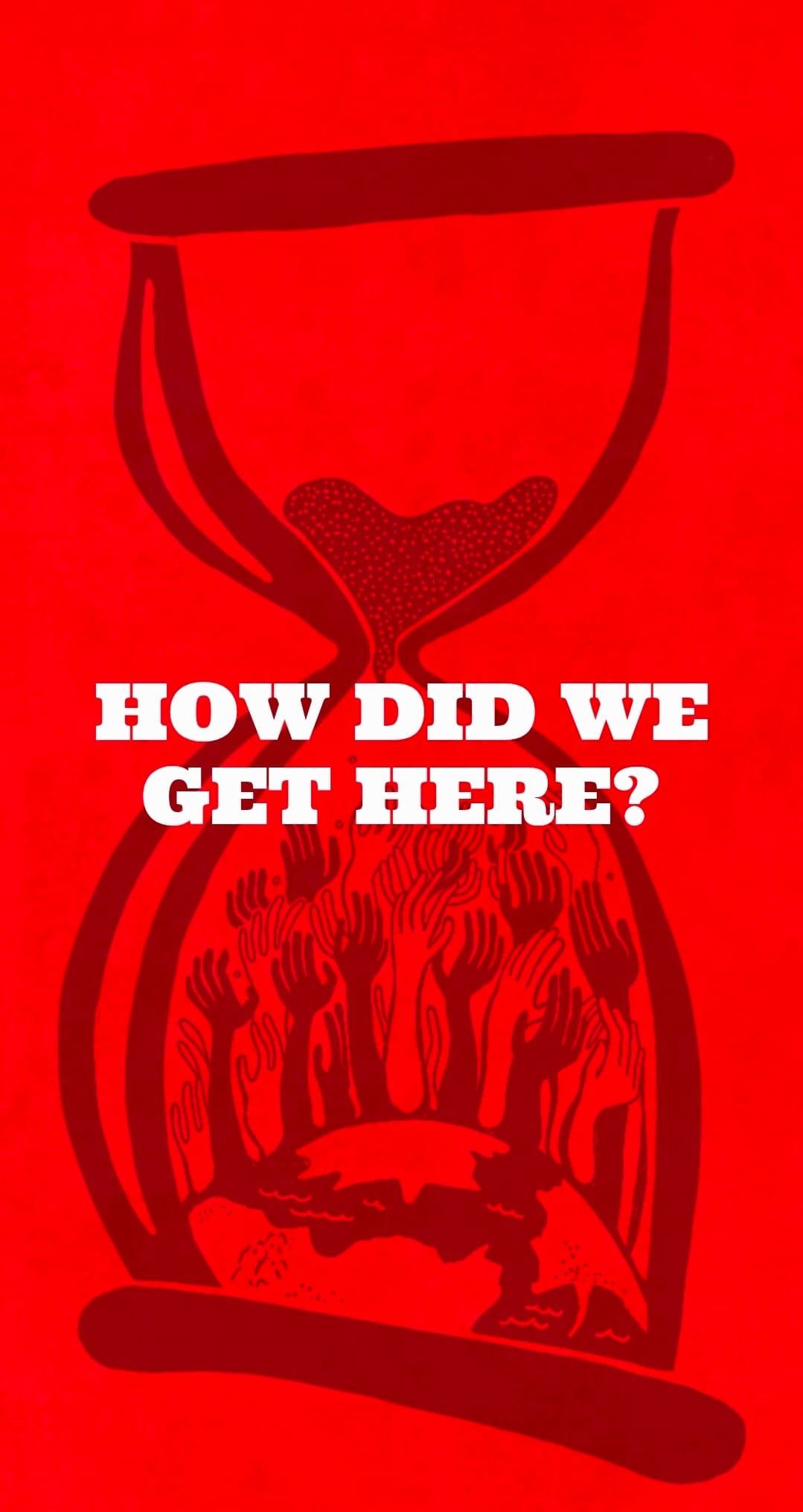
A little black-and-white figure lies in bed while A Day Without Capitalism runs sideways up the page in giant red letters.
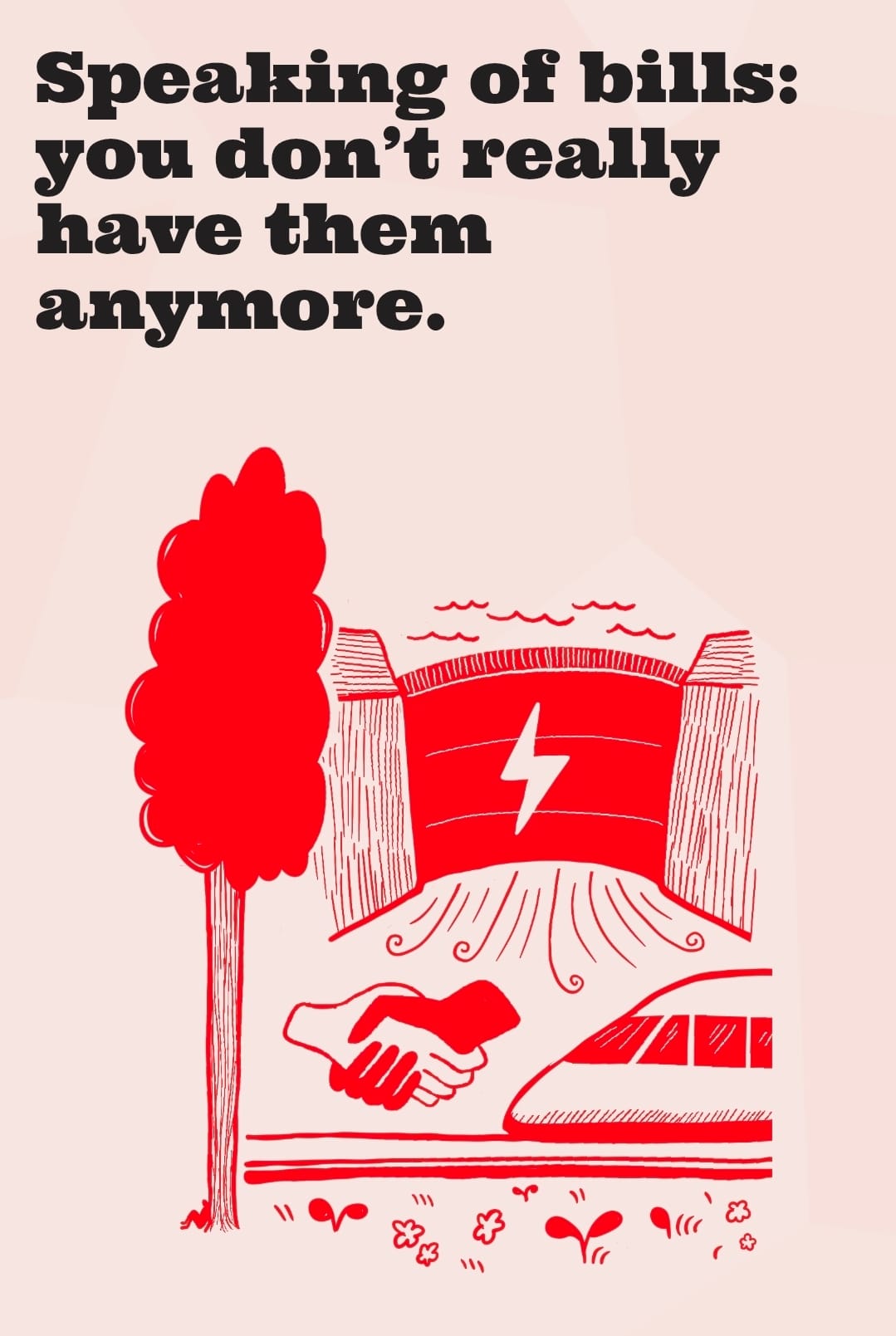
On the next page, work is satisfying; debt, health-insurance bills, mortgages, and landlords are gone; food, education, energy, medicine, and transportation are common goods. Then you take the kids to school, see a doctor, read, meet friends, and perhaps go to the movies.
Later in the same document, the Senate is abolished; the president and Supreme Court give way to institutions subordinate to Congress; the largest corporations enter public ownership; the police and prison system disappears; overseas bases close; and a new constitution creates a democratic socialist republic.
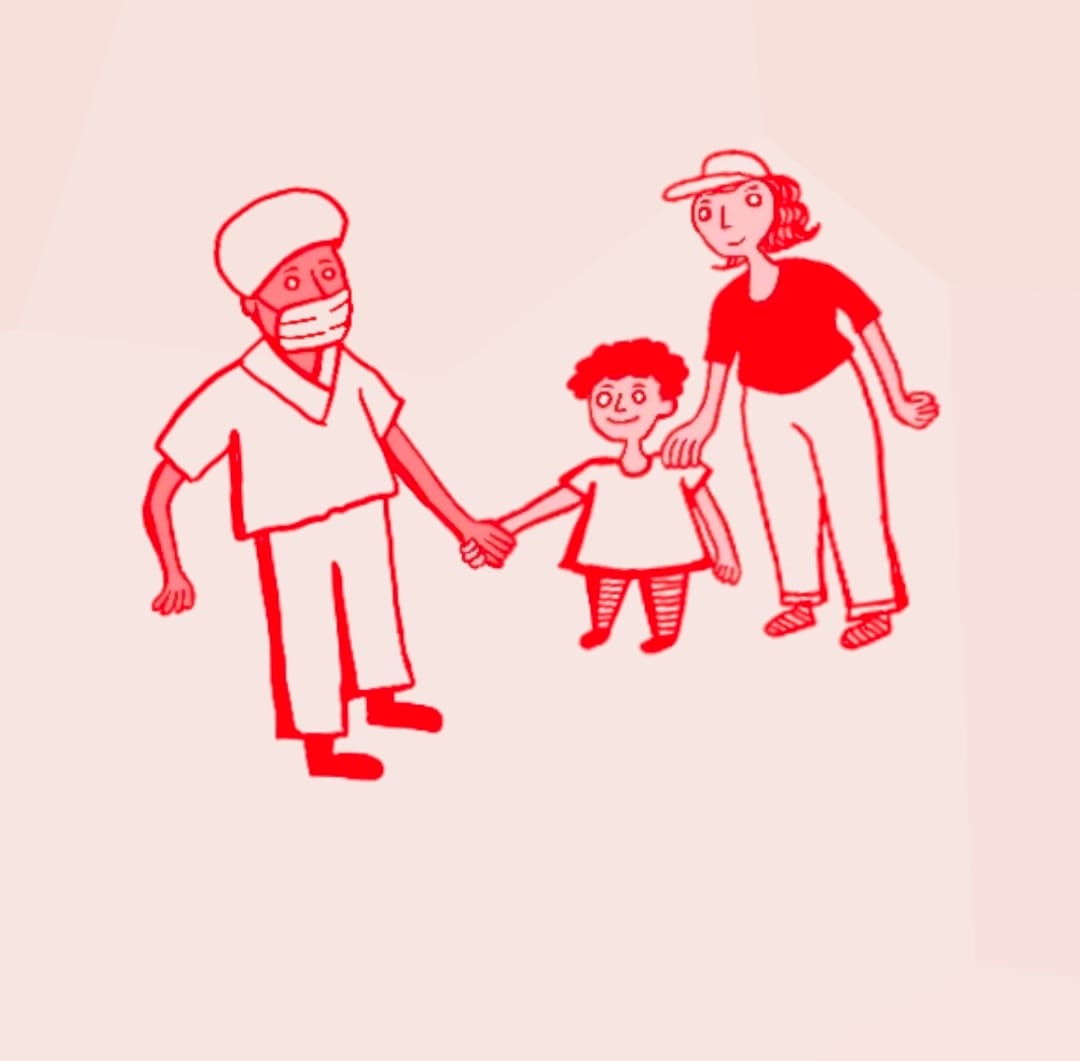
Politics does not have to dress up like a funeral. The imagery is less important than the ideas underneath. The problem is what this friendly movement zine teaches the eye to skip.
The bills disappear before anyone shows us the institutions behind them.
The ruling is direct enough to state upfront:
Workers Deserve More is a serious organizing program and an underresolved constitution.
It identifies several real structures of domination, often correctly. It repeatedly fails to specify who carries their legitimate functions after abolition, who receives the powers required to govern the replacement, and how those powers can be corrected, transferred, or made to die.
The Strongest Defense.
This document was designed to be short.
Its authors say the 2021 program had become unwieldy, while this version was built for use with coworkers and voters. They also left some language broad on purpose. Asked what “public ownership” means, one author explained that DSA contains several tendencies and that a program like this one cannot prescribe one complete institutional settlement. Nationally endorsed candidates are nevertheless expected to champion it.
That defense deserves respect. A political pamphlet does not need to contain six hundred pages of transition law. It should state a direction people can remember.
Brevity can omit implementation detail. It still cannot make jurisdiction optional.
When a movement proposes nationalizing essential industry, abolishing coercive institutions, subordinating courts to Congress, and replacing the constitutional order, where authority will live is part of the proposal. “Democratic control” cannot finish the sentence when workers, residents, patients, experts, tribes, cities, and legislatures can all make incompatible democratic claims.
The authors have found real gates. That is exactly why this audit is worth doing.
Capital already governs access to housing, care, work, infrastructure, time, and refusal. A valid prescription can stop at the counter for want of a balance. An employer can turn formal freedom into obedience by attaching care, shelter, and survival to the next paycheck. DSA is right to treat economic power as political power. Its demands for universal care, public housing, public energy and transit, stronger labor rights, and freedom from debt answer genuine constitutional failures.
Workers do deserve more. The difficulty begins one move after victory.
The Functions Do Not Disappear.
Take the program’s demand to move from demilitarization, civilian control, treatment, and reduced police power toward fully abolishing the police and prison system.
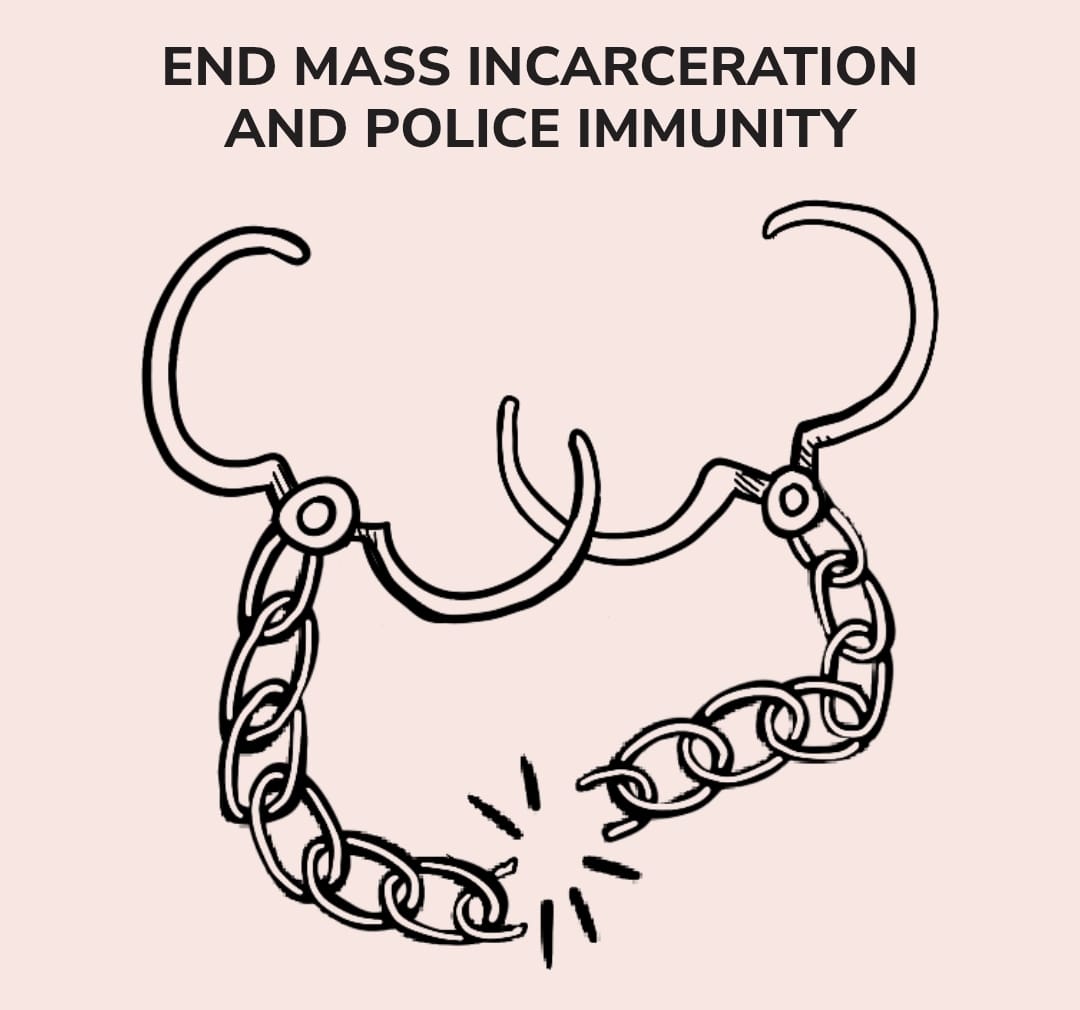
The defense is substantial. Police presently carry many functions that should never have been bundled into armed response. Addiction and mental illness need care. Existing prisons impose vast violence, humiliation, abandonment, and permanent exclusion. Police unions can defend misconduct against public correction.
So close the department. Gone.
Now,
- who investigates a murder?
- Who secures evidence,
- protects a witness,
- finds a kidnapped child,
- interrupts lethal violence,
- and executes a lawful order against an armed organization that refuses it?
- What happens to a person who presents a demonstrated continuing danger?
- Who may restrain that person, for how long, and under whose review?
Those are functions. Naming them does not endorse the institutions presently carrying them.

This program itself requires coercive authority. Someone has to enforce rent control, collect wealth taxes, stop discriminatory conduct, uphold labor judgments, protect tribal rights, close a dangerous facility, transfer public property, and answer an armed faction that rejects the new constitution.
Those acts can all be justified. They still bind people who refuse.
Abolish the police if their bundle of powers cannot be defended. You have not abolished coercion. You have just acquired the duty to constitute it somewhere else.
Leave that receiver unnamed and the power will return through whichever institution still has the records, personnel, weapons, and authority to move.
The old title can vanish while the function quietly promotes its next carrier.
Public Ownership Is a Beginning.
The same problem sits beneath the illustrated day without bills.
- Medicine can stop requiring payment from the patient.
- Good.
- It still needs factories, trained workers, power, refrigeration, freight, inventory, and a rule for the day two patients need the last course.
- Housing can stop functioning primarily as a speculative asset.
- Good.
- A building still needs land, pipes, accessible rooms, repairs, energy, and some process for choosing among more families than available homes.
Removing the token from the front door does not remove allocation from the building behind it.
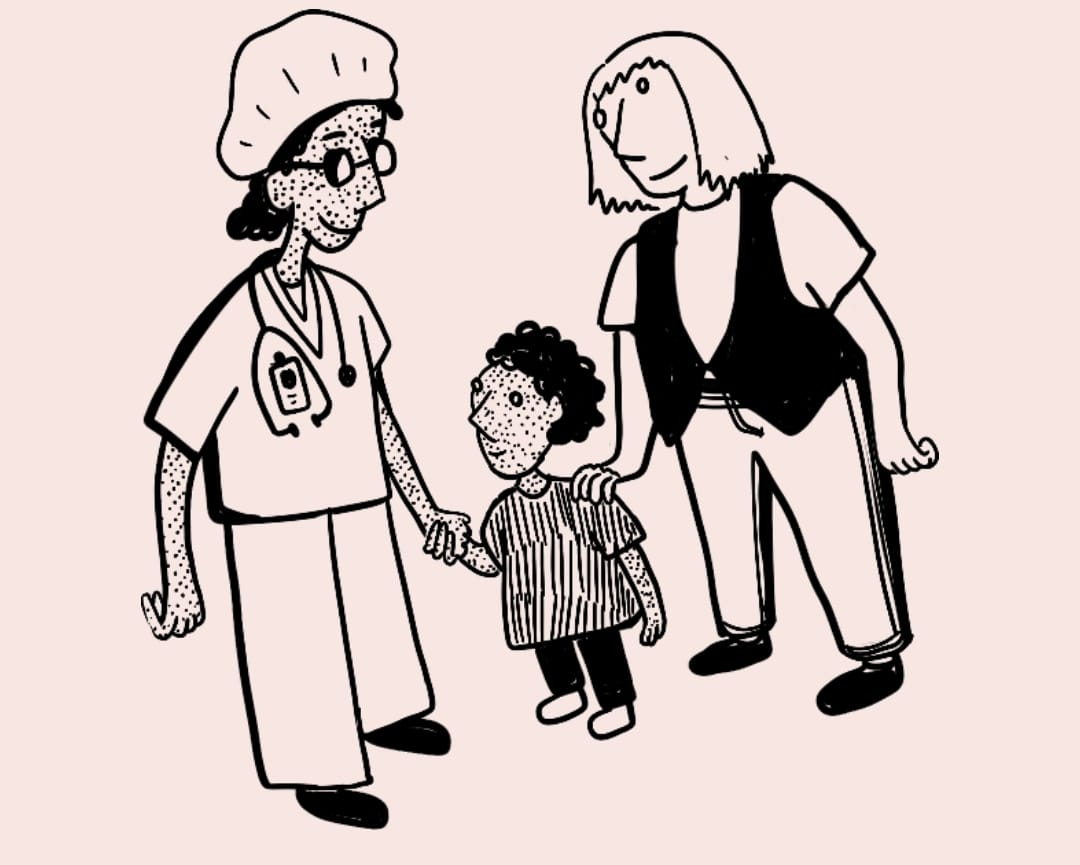
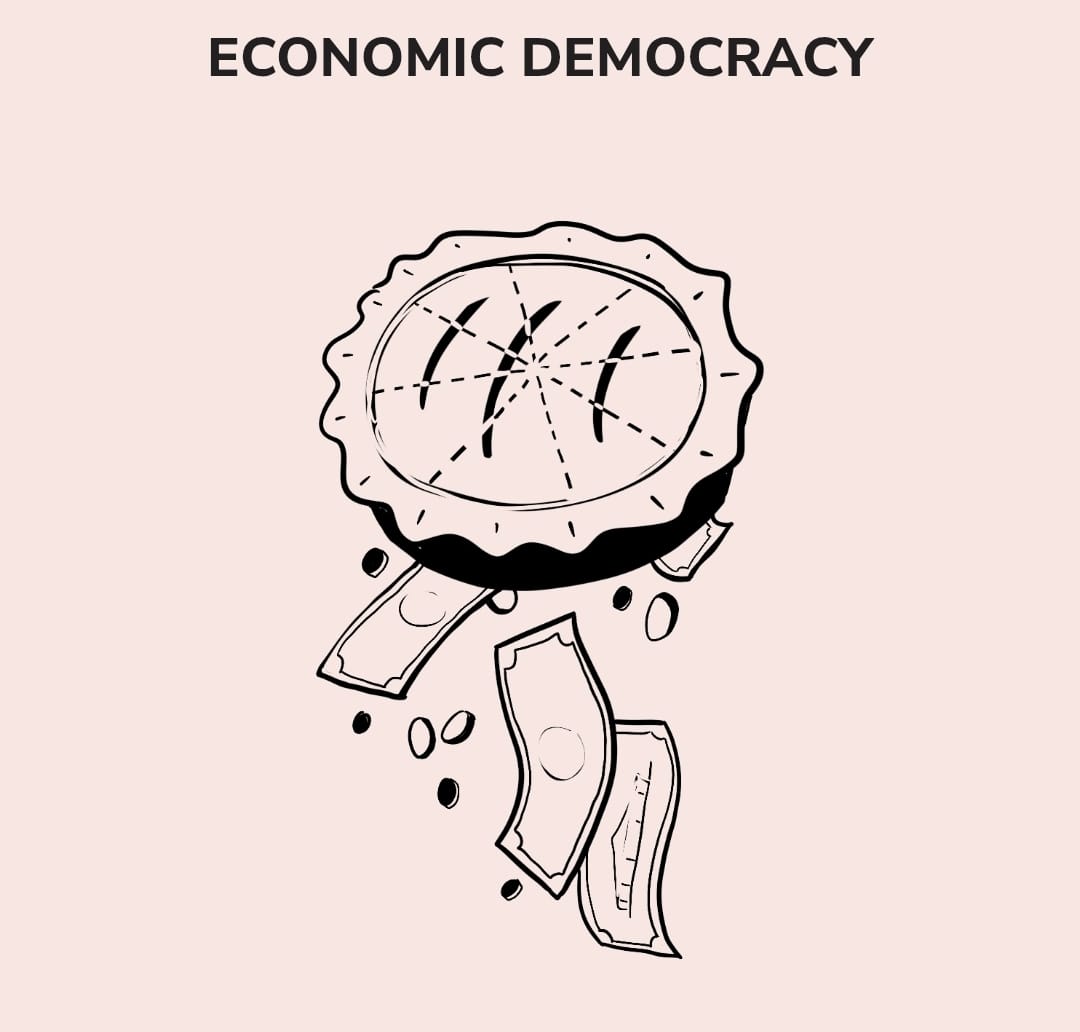
DSA proposes public ownership of the largest corporations and essential industries “to ensure democratic control and accountability to the people.” Its own authors acknowledge that this phrase was left broad enough to include very different ideas, from direct public ownership to heavily regulated production.
That openness may hold a coalition together; it leaves the constitutional action unresolved.
Who governs a publicly owned semiconductor foundry: Congress, a ministry, workers, engineers, the region supplying its water and power, or some combination?
Can management fail?
Can workers refuse a national production order?
Who carries pensions and environmental repair when it closes?
“Public” names a changed ownership relation. It does not tell us which publics receive which powers.
- Private owners cannot cite dependence as a permanent right to remain.
- A public successor cannot cite liberation as a permanent right to govern every inherited function.
Changing ownership changes power. It does not, by itself, constitute that power.
What Can Congress Lose?
The political reforms contain serious proposals. Proportional representation can give more positions a route into government. A larger House can reduce the distance between representatives and the represented. The Electoral College and Senate deserve no presumption of immortality.
Then the program proposes an executive and judiciary chosen by and subordinate to Congress.
DSA’s authors describe this as part of a new political system and correctly acknowledge that abolishing the Senate would require massive constitutional upheaval.
- Chosen by Congress is a design.
- Subordinate to Congress is a constitutional claim.
Suppose one representative chamber legislates, chooses the executive, holds a subordinate judiciary, and serves as the ultimate national authority over a vast public economy.
What can independently correct that chamber?
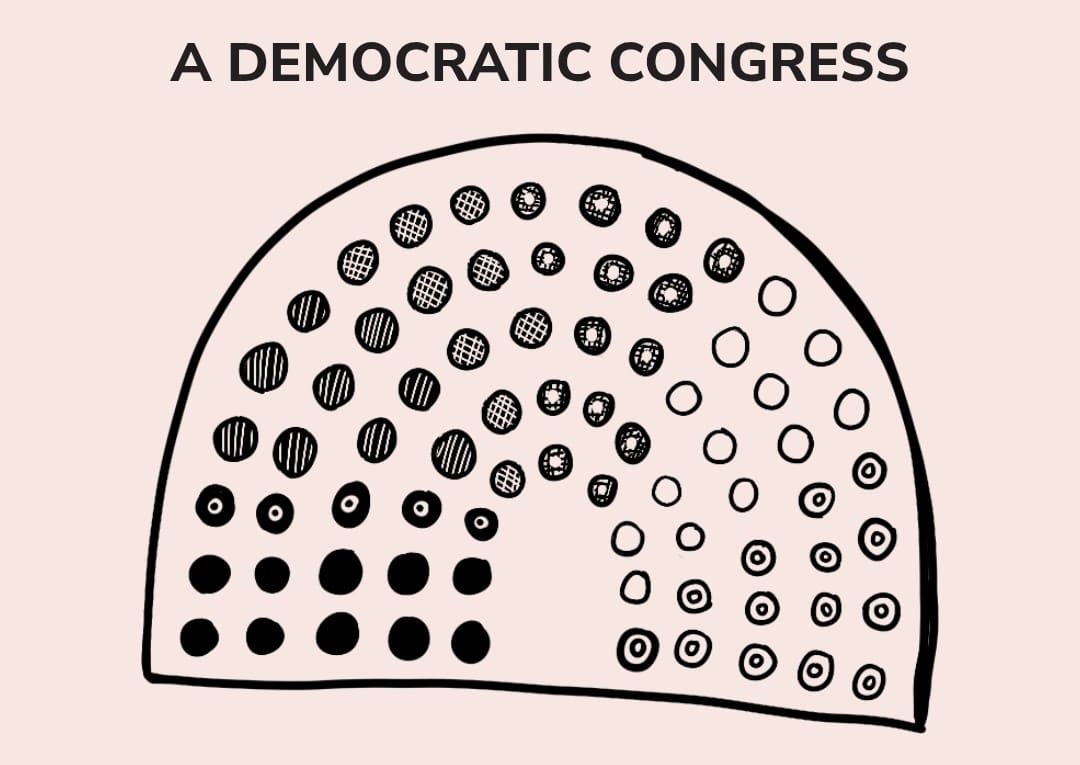
An election can remove a majority. It does not answer who protects a losing minority before then, who judges whether the chamber exceeded its jurisdiction, or who stops the current majority from changing the conditions under which the next one can replace it.
This collision appears inside the program’s own commitments to tribal sovereignty, worker control, public ownership, climate transition, and representative government.
- A nationally important transmission line crosses tribal land.
- The tribe says no.
- Workers at a publicly owned fossil-fuel facility vote to continue production.
- The national climate plan says close.
Who closes the move?
“Democracy” cannot answer by itself. Democracy exists on several sides of the dispute. The question is which function warrants which institution to act and which independent route can correct the decision. The largest electorate does not automatically own every smaller field inside it.
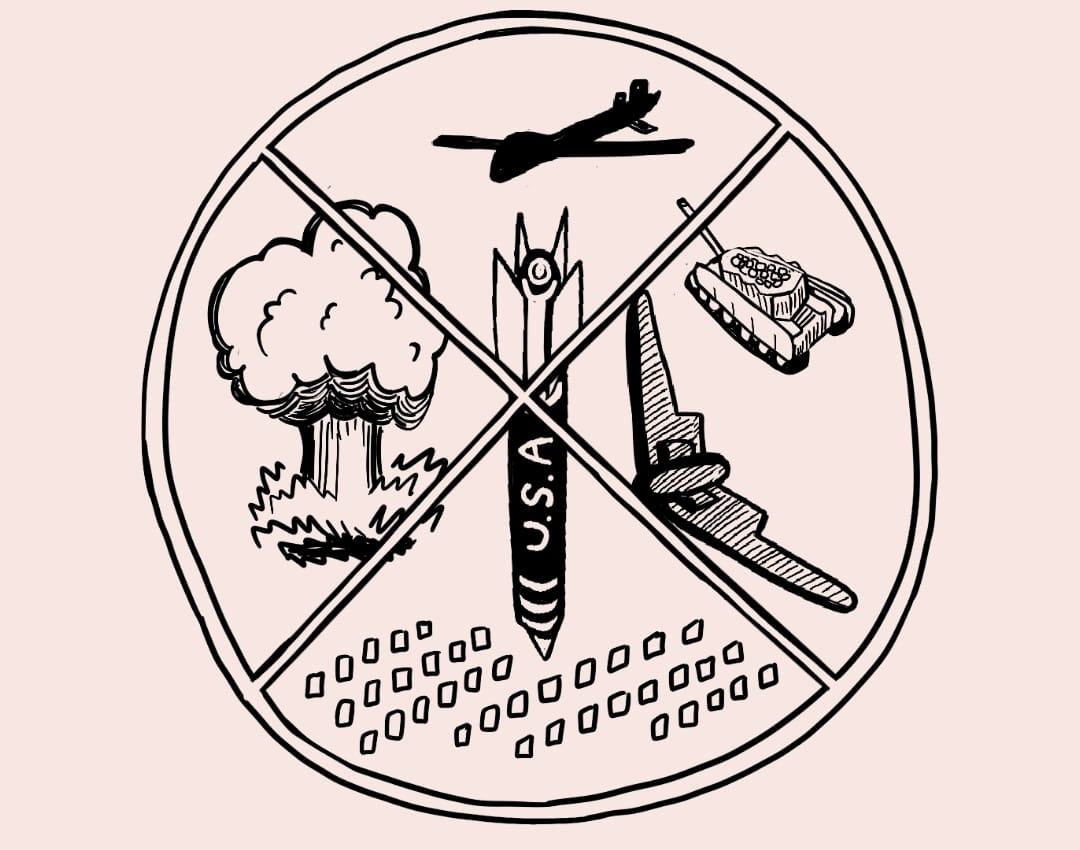
Security raises the same problem. DSA proposes defunding the Department of War, ending foreign wars, closing overseas bases, and ending sanctions against states acting independently of the United States. American force and sanctions have carried enormous civilian injury. Security institutions can also reproduce the dangers that justify their expansion.
So shut it all down. What receives
- collective defense,
- nuclear command,
- cyber response,
- arms-control verification,
- maritime protection,
- evacuation,
- and the protection of a smaller polity facing invasion?
A shield can definitely become a throne. Throwing away the shield does not make the forest safe.
It is 2026. Your Constitution Has to Reach Artificial Intelligence.
The program mentions artificial intelligence once in its diagnosis: bosses promise magical technology, then use it to lay workers off and track them.
After that, artificial intelligence effectively disappears from a 2026 proposal to reconstruct healthcare, housing, energy, transportation, industry, policing, finance, and government.
That omission is constitutional.
- Who owns the models and compute used by public hospitals, utilities, benefit offices, and planners?
- Can one identity join care, housing, employment, migration, education, and law?
- Can workers inspect the systems assigning work?
- What happens when one classification spreads across every public service?
Public ownership may distribute gains, preserve access, and remove a private gate. It can also join identity, evidence, allocation, and enforcement inside one public stack whose correction always returns to the same center.
Public ownership of a sovereign stack does not make the stack post-sovereign.
Any emancipatory system needs defeat conditions.
What would show that one nationalization exported a burden, one union became a new gate, or one public office protected its own continuation?
Any theory that explains every failure as proof that it needs more jurisdiction has already begun building its throne.
Functional Resolvability.
A permanent incumbent is no answer.
Neither is a glorious plunge through the floor.
An institution carrying a real function cannot use dependence as title. The people replacing it cannot gamble with patients, residents, workers, records, and infrastructure in order to prove their courage.
Functional resolvability is the maintained ability to divide, replace, remove, or survive the failure of a load-bearing institution while keeping legitimate services, claims, records, practiced knowledge, correction routes, and tail obligations alive.
The unit of preservation is the function.
- A company may close while its service continues.
- A police department may disappear while investigation, protection, evidence, and bounded coercive authority move to several differently constituted institutions.
- A private hospital chain may lose ownership while care, records, workers, medicine, and patient claims survive.
- A Senate may vanish while federalism, minority protection, regional voice, amendment, and correction find defensible carriers elsewhere.
The transition has four movements:
- Preserve the load.
- Resolve the claims.
- Repair the tail.
- Dissolve the throne.
- Repair the tail.
- Resolve the claims.
Preserving the load does not preserve every incumbent role, profit stream, or harmful practice. Resolving claims does not place ownership first. Repairing the tail keeps cleanup, pensions, lost wages, records, and obligations alive after the victory speech. Dissolving the throne prevents the bridge institution from inheriting the map and the terms of its own replacement.
This asks what has to operate tomorrow morning, who can carry it, what knowledge and resources must move, what can safely end, who remains exposed, and how the successor can later lose.
The Ruling.
Workers Deserve More passes the diagnosis test more often than many of its critics will admit.
- Capital does govern.
- Survival should not depend on purchasing power.
- Workers need power against owners.
- Public provision is necessary.
- The Senate, the carceral state, the war machine, and the present constitutional order are not entitled to permanence because they already exist.
The program completely fails the transition test.
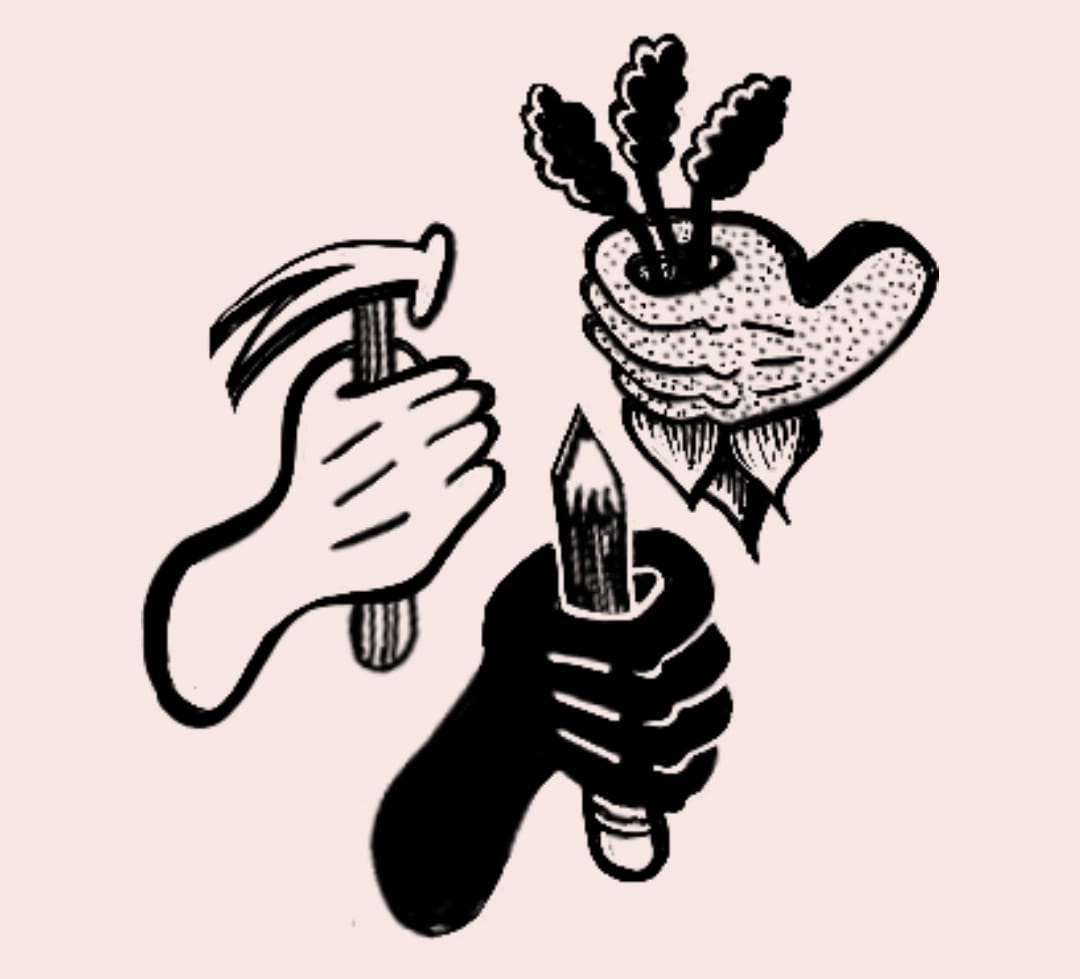
Again and again, it removes a carrier and leaves the function unresolved; transfers power and leaves jurisdiction unresolved; promises democratic control and leaves correction unresolved; abolishes coercive institutions while requiring coercive acts; and proposes a new apex without showing how it can lose.
A landlord can disappear.
An insurer can disappear.
A corporation can become public.
A police department can close.
A military base can empty.
A Senate can adjourn for the last time.
None of those acts tells us who has the key at six the next morning, who carries the record, who moves the medicine, who investigates the violence, who allocates the megawatt, who can overrule the planner, or who can take the work away from the institution that inherited it.
That is the ruling on Workers Deserve More:
The program knows very well what it wants gone. It has not yet constituted what must remain.


Comments ()