Applied Case: The Mysteries of Pokémon VGC
Companion to RBY UU. Another extraction of ludic insights from historical Pokémon fields.
September 2026 note: The article's strongest distinction remains the gap between legal possibility and reachable possibility. A counter exists only in description until a real team can carry it, bring it, preserve it under pressure, and execute it before the field closes; Xerneas, Big Six, Dondozo, Urshifu, Flutter Mane, Dynamax, Tera, and Open Team Sheets are all different demonstrations of that principle. Later locus work adds an important boundary: a metagame, ruleset, or “damaged ludic field” is not automatically a moral patient. Structural contraction of playable decision-space is a game-analysis claim; moral harm requires an identified bearer and qualifying degradation of that bearer's reachable continuation. The official-game / competitive-field distinction is also sharpened by later provenance work: the legal ruleset, the commercial source object, tournament procedure, player-developed knowledge, and the actual metagame are related derivatives and layers, not identical objects. Terms such as sovereignty, jurisdiction, admission pressure, and conditional identity should therefore be read as precise ludic analogies unless the article separately establishes real institutional authority or harm. The deeper lesson survives intact: adaptation can make an under-repaired field look healthy, so excellence by inhabitants is evidence of their skill, not automatic evidence that stewardship was adequate.
This will be the first article in a while to pick the Chirality line back up directly, since The Crew.

Modal Path Ethics has spent the last month wandering through a chaotic maze of money, markets, multiverses, alien forests, explosions, Mao, the Jedi, schizophrenia, Theranos, semiconductors, bodybuilders, Europa, Symzonia, TempleOS, and a number of other fields where the stakes look more obviously ethical, all while leaving a glorious trail of clarity and purpose in its wake.
It has now found its way back to games again.
The earlier Chirality essay argued that games can do philosophical work directly, and in ways pure writing cannot. They are not just metaphors for philosophy, illustrations of philosophy, or little toys we use to smuggle serious ideas into unserious contexts. A good game can make players inhabit structure. It can make reachability, resistance, asymmetry, position, tempo, and future-shaping constraint visible as things the player must actually deal with. The player does not just read that a field has structure, the player actually moves inside its terrain.
The follow-up article on solved games and degenerate metas then looked at what happens when a game’s living field contracts. A game can remain technically playable while losing the conditions that made it a living decision-field. Once a community knows the correct answer, or once a dominant strategy compresses the field too far, the central question changes. The game is no longer asking, “What should I do next?” It is asking,
“Do I know the answer already?”
The RBY UU article then gave us a positive case of ludic field stewardship. There, the subject was the unofficial fan community around a decades-old Pokémon format: Red, Blue, and Yellow UnderUsed. That article was about a small council of experienced players trying to repair and preserve a competitive field through public reasoning, suspect tests, bans, unbans, reversals, and ongoing correction. The important thing there was not that the council always got everything right. As we saw, it did not. The important thing was that the community had developed a practice of treating the game as a real field whose structure deserved sustained attention as such.

This article is the companion case. RBY UU is an unofficial internet metagame without any direct connection to authority, maintained by a community that learned to reason very carefully about its own field.

Pokémon Video Game Championships, usually called VGC, is the official competitive videogame format of the largest media franchise on Earth.
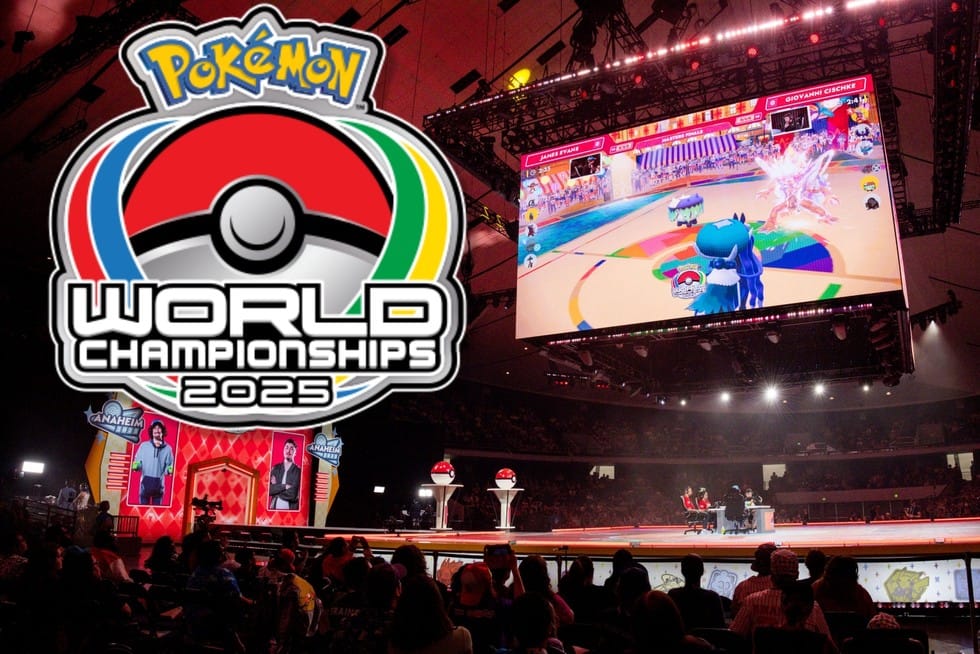
VGC has world championships, regional championships, international championships, official broadcasts, travel circuits, qualification systems, prize structures, and players who spend years of their lives learning to compete at the highest level.

The official field, however, has often been much less carefully repaired than the unofficial one.
That is the structural tension this article will examine.
VGC is not interesting because it is perfectly balanced.
It often has very much not been.
It is instead interesting because serious players repeatedly learned to inhabit official competitive fields that were unstable, overcentralized, under-repaired, or distorted by mechanics and Pokémon that the institution allowed into the tournament environment.
Those players did not simply “adapt” in the vague motivational-poster sense. They built cultures of testing, documentation, practice, secrecy, public education, team reports, matchup mapping, ladder work, and tournament preparation around each local field-state the official game handed them.
That is the real subject here. Not a history of Pokémon VGC as a sequence of champions.
Not a list of overpowered Pokémon.
Not a complaint that Game Freak did not balance their game the way a competitive-only studio might have balanced it.

This article is a field analysis of official competitive Pokémon as a ludic environment: what the field was like, what the local mechanics did, which Pokémon became structurally important, how players moved through the field, and what each metagame reveals about games as living possibility spaces.
The players always took the field seriously. The question is whether the field was always serious enough about them.
Minimal Background.
The first obstacle to taking VGC seriously is the same obstacle the RBY UU article faced: most people outside this field do not have the vocabulary required to see what is happening here.

Pokémon is a turn-based creature battle game. Each player brings a team of creatures called Pokémon.
Each Pokémon has stats (statistics), a type or pair of types, an ability (passive effect), an item (piece of equipment), and up to four moves.
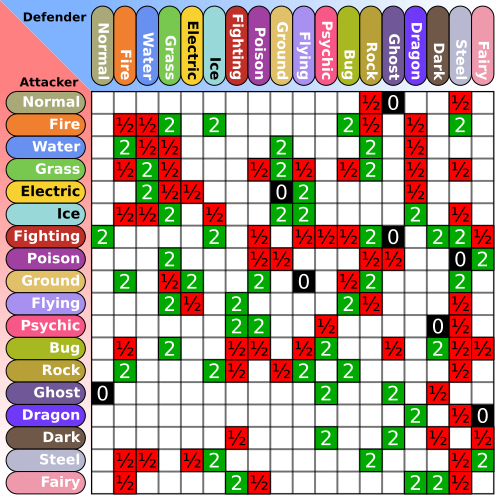
Types determine weaknesses and resistances. For example, a Water-type attack is strong into Fire. An Electric attack is strong into Water. A Ground attack does not affect a Flying-type Pokémon. This type chart is one of the basic grammars of the game.
A standard casual Pokémon battle is usually a single battle, where each player has one Pokémon on the field at a time. VGC is different. VGC is a doubles format. Each player has two Pokémon active at once.
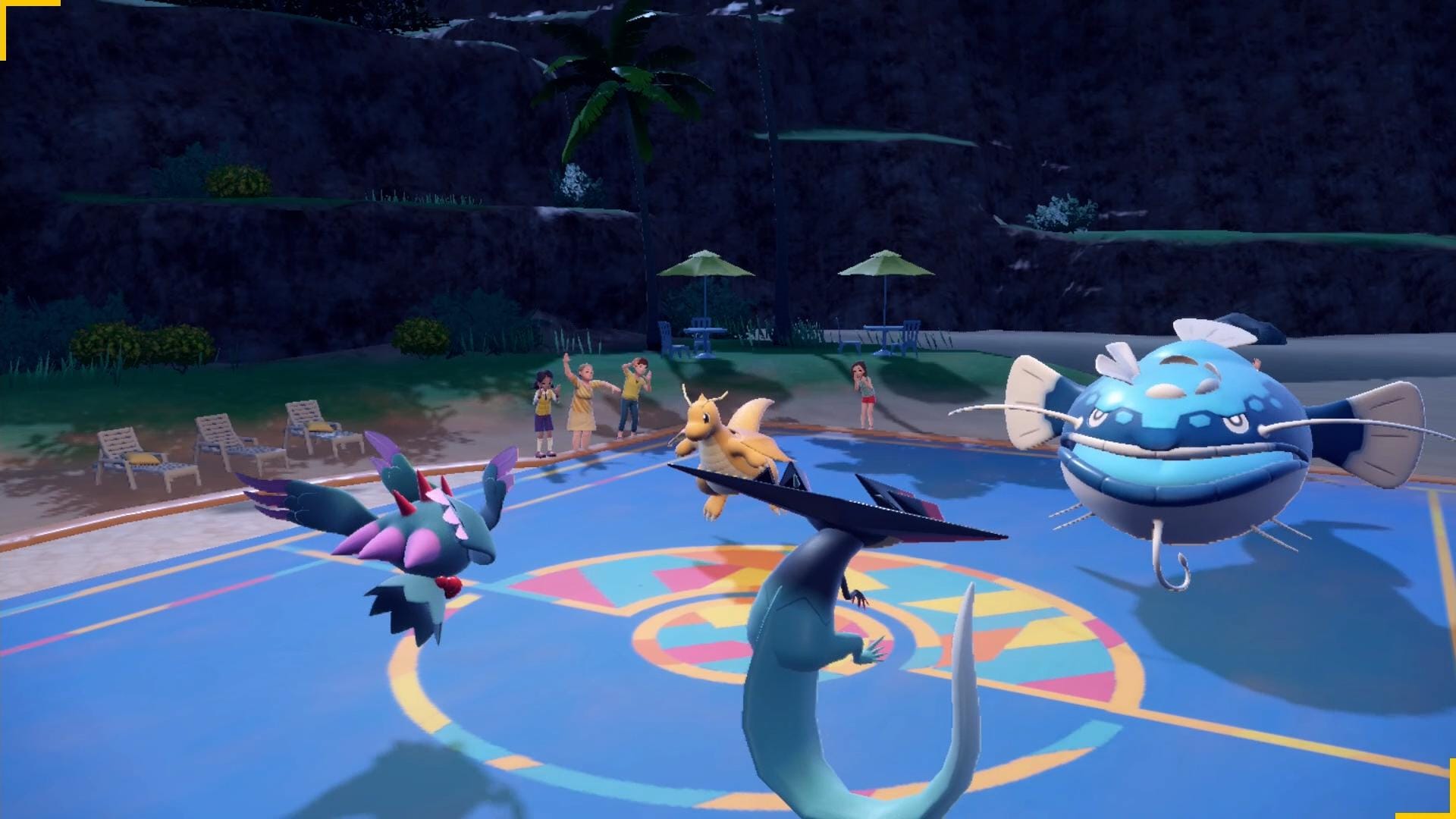
This changes almost everything about the game compared to single-battle formats like RBY UU.

In singles, each turn is mostly an exchange between two active Pokémon. One Pokémon attacks, switches, sets up, heals, or uses some other move; the opposing Pokémon does the same. There are still deep positioning questions, but the board is narrow. One active creature faces one active creature.
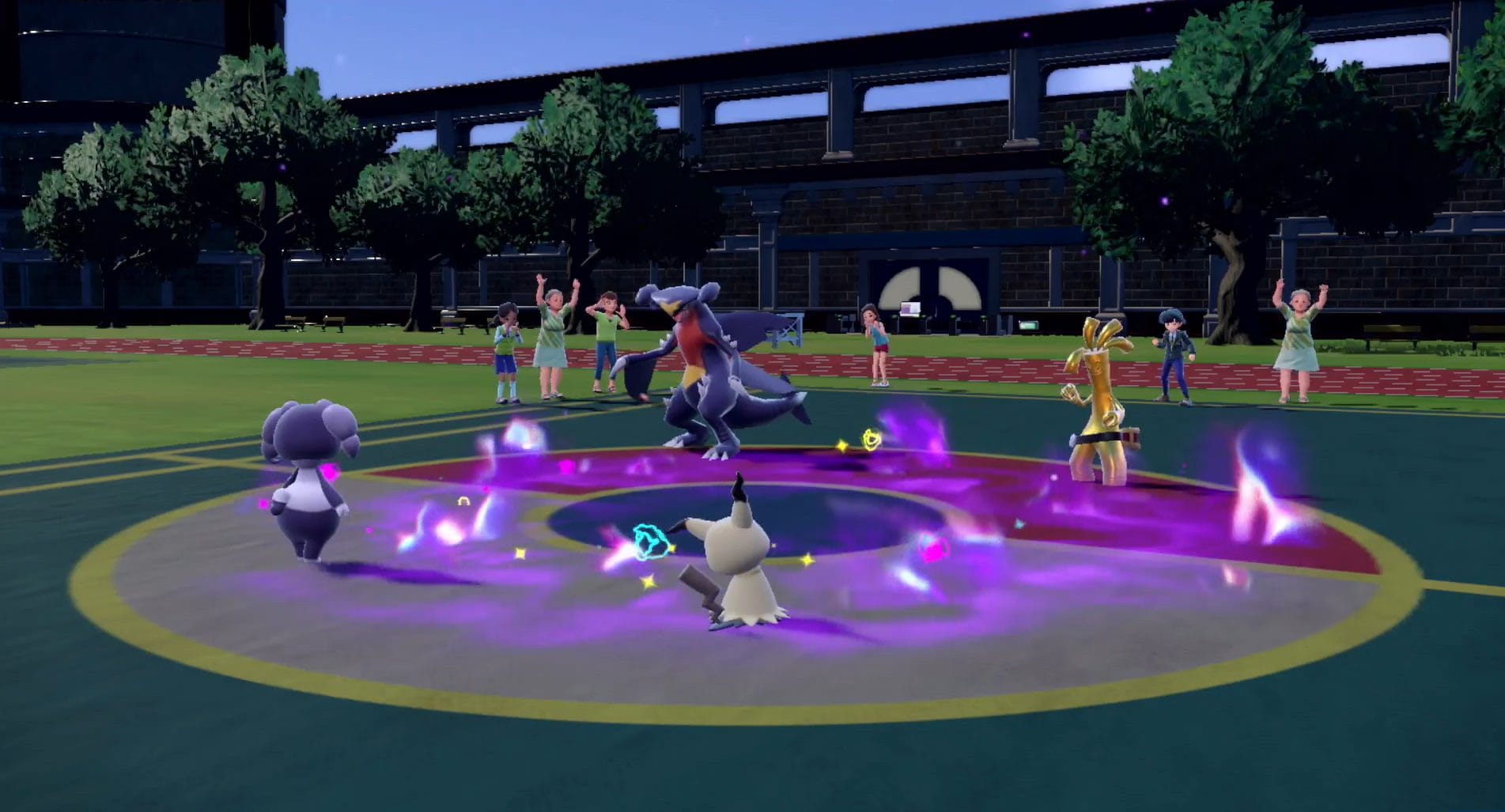
In doubles, each player has two active Pokémon, and each turn involves both of them. A player may double-target one opposing Pokémon with both of their active Pokémon. They may protect one Pokémon while the other attacks. They may switch one Pokémon out while the other uses a support move. They may use spread moves that hit both opponents at once. They may use moves that redirect attacks, change speed order, control weather, set terrain, lower stats, block attacks, or alter the entire tempo of the board.
The result is that VGC is an entirely different game.
The central resource in VGC is not raw damage. Raw damage still matters. A Pokémon that cannot threaten anything is rarely worth using. But high-level doubles play is built around board position, tempo, information, speed control, targeting, resource preservation, and the question of which future lines remain reachable after each turn.
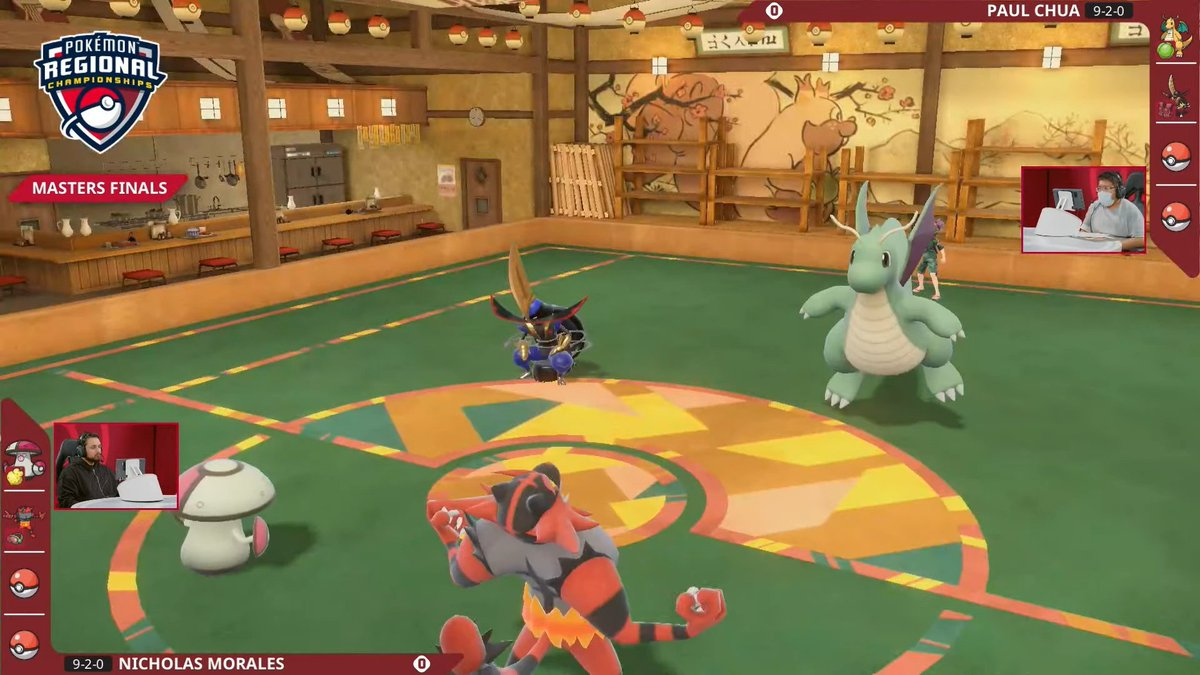
A VGC team normally contains six Pokémon, but each player only brings four of those six into an individual game.
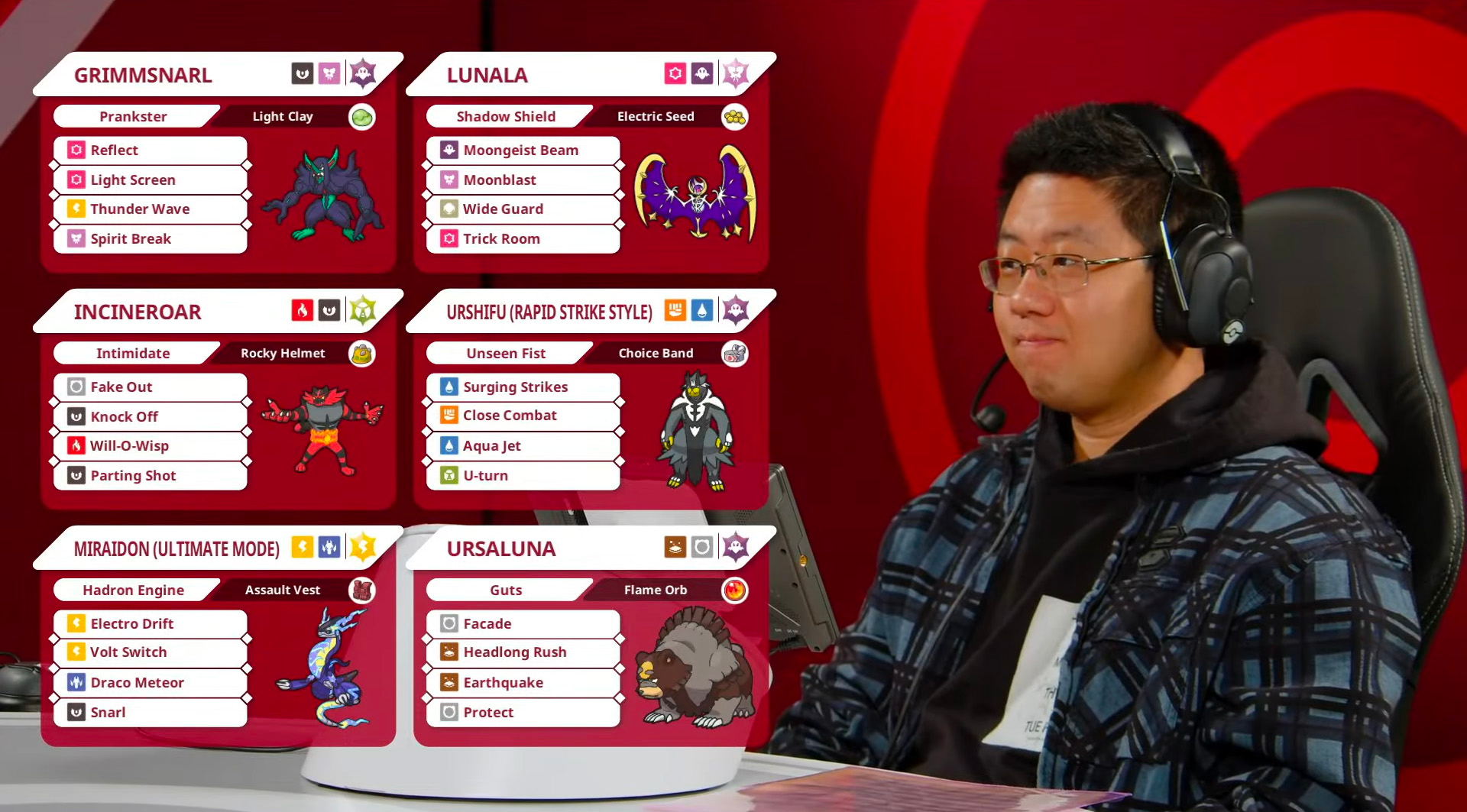
Before the battle begins, both players see the opposing team’s six Pokémon at team preview. They then choose which four Pokémon to bring and which two to leave behind. This creates a major layer of strategy before turn one. A team may contain multiple modes. It may have one mode that plays fast, one mode that plays slow, one mode that uses weather, one mode that answers a specific matchup, and one or two Pokémon that exist primarily to influence what the opponent thinks they are allowed to bring.
The phrase “bring six, choose four” means the team is not identical to the game. A VGC team is a set of possible games. The four selected Pokémon are the local field the player actually enters.
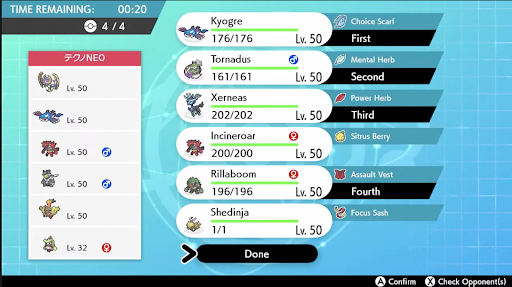
This is one reason VGC is unusually rich for Modal Path Ethics. This whole format is built around reachability. The six Pokémon visible at preview create the apparent possibility space. The four Pokémon selected create the actual local possibility space. The first turn then begins collapsing that space further, and every subsequent action changes which futures remain accessible.
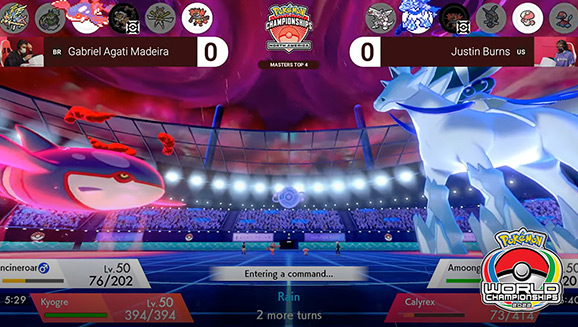
A player does not just ask, “What is the strongest move?”
They ask:
- Which four Pokémon do I bring?
- Which mode is my opponent likely to bring?
- Which Pokémon can I afford to lose?
- Which opposing Pokémon must not be allowed to set up to win?
- Which target matters this turn?
- Can I protect safely?
- Will my opponent expect me to protect?
- Can I switch without losing too much tempo?
- If I reveal this move now, do I lose the surprise later?
- If I preserve this Pokémon, does it create a reachable endgame?
- If I take this knockout, what comes in afterward?
- If I do not take this knockout, what field state am I allowing?
This is the living game.
The field is not the list of legal Pokémon.
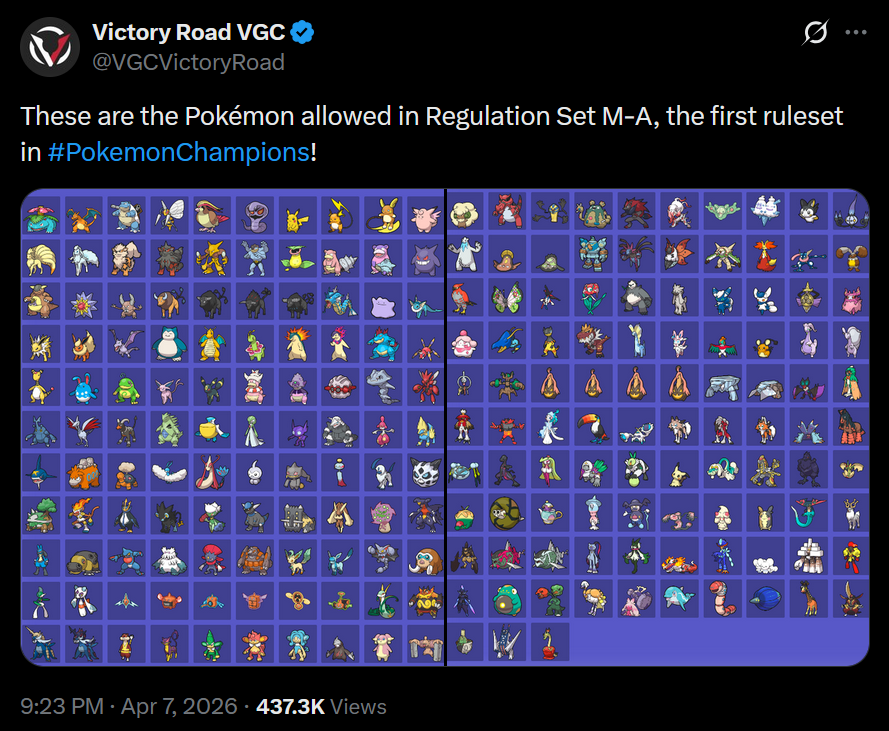
The field is the set of reachable battle states produced by the rules, mechanics, available Pokémon, player knowledge, tournament incentives, and actual metagame development.
That distinction will matter throughout this article.
The Pokédex may claim that hundreds of Pokémon are legal. The field may report that only a fraction of them can enter serious play.
Some Necessary Mechanics.
A few recurring mechanics need to be explained before the snapshots begin.
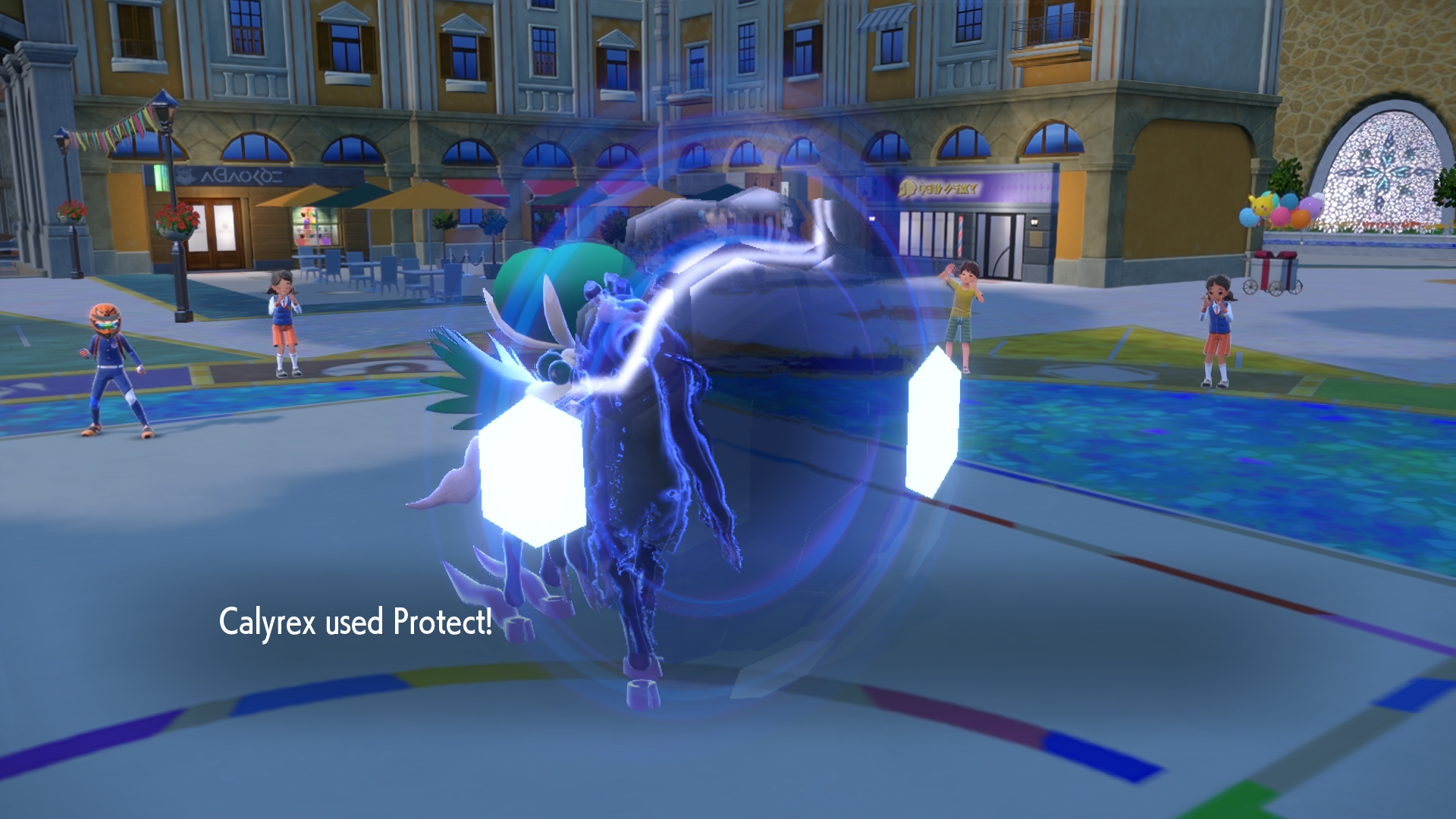
The most important is Protect.
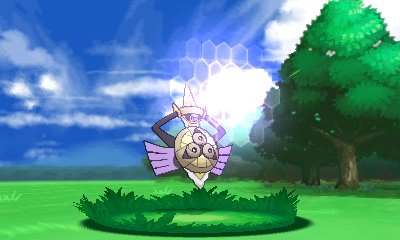
Protect is a move that shields the user from most attacks for that turn. In singles, Protect can be useful, but in doubles it is one of the central grammatical tools of the game. Because each player has two Pokémon on the field, protecting one Pokémon does not mean the player gives up the entire turn. The partner can still attack, switch, set speed control, use redirection, or reposition. Protect lets a player stall out opposing effects, block an obvious attack, scout an opponent’s move, preserve a win condition, or force the opponent to target incorrectly.
This is why any mechanic that interferes with Protect is structurally important. Protect is not just one defensive move among many. It is part of the core safety grammar of doubles.
Another major mechanic is Fake Out.
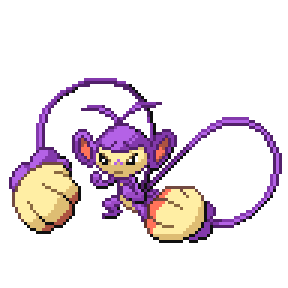
Fake Out is a priority move that can only be used on the first turn the user is active. If it hits, the target flinches and cannot move that turn. In VGC, this is very important. Fake Out can create a one-turn tempo window. It can stop a dangerous attacker. It can prevent a support Pokémon from setting speed control. It can help a partner use a setup move safely. It can force the opponent to protect or switch. A Pokémon with Fake Out often changes the whole first-turn structure of the game just by being present on the team.
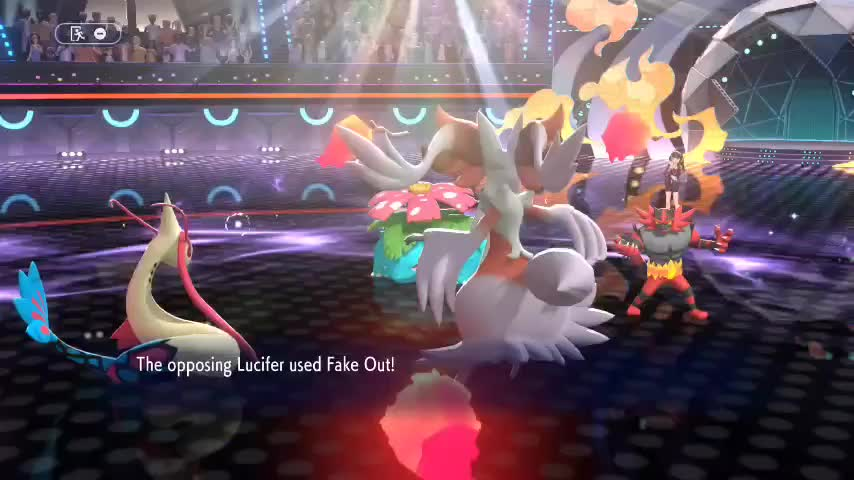
Redirection is another key mechanic.
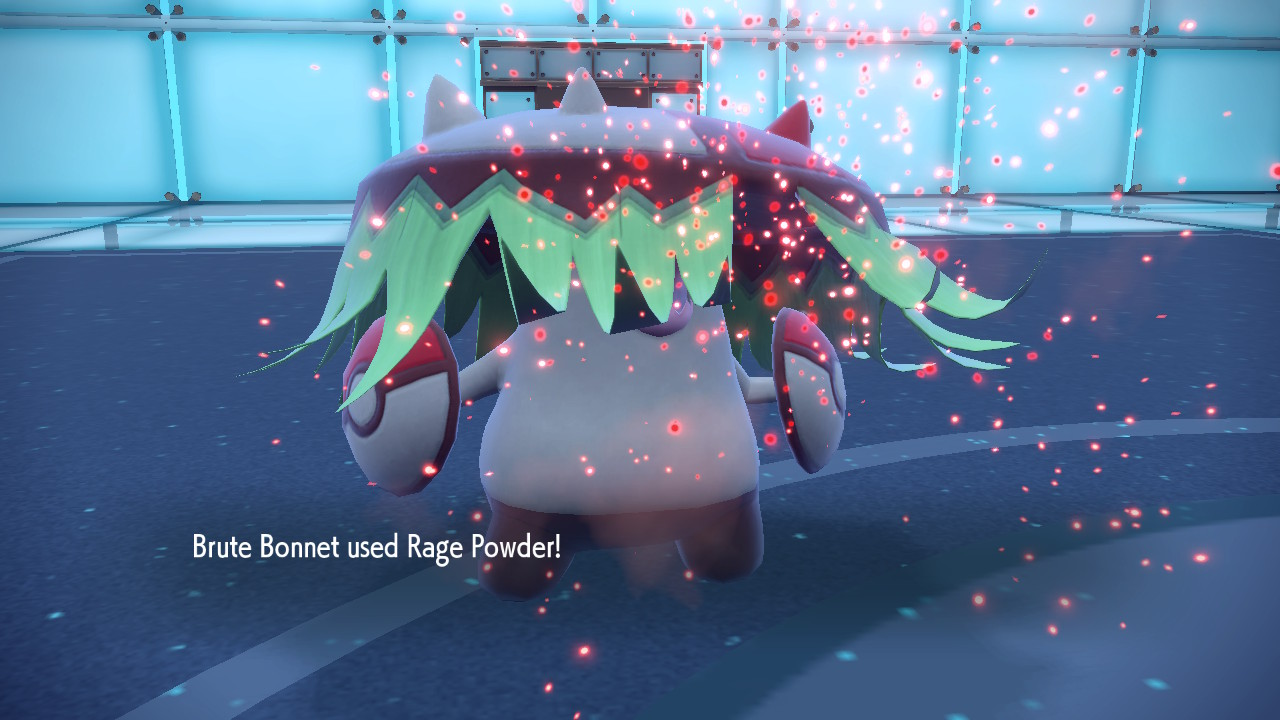
Some moves cause opposing attacks to be redirected toward the user. The most famous of these are Follow Me and Rage Powder. A redirection user can protect its partner by drawing attacks away from it. This can allow the partner to set up, attack freely, survive a dangerous turn, or reposition. Redirection does not always work against every move or ability, but when it does, it can strongly reshape the board. In doubles, protecting the right Pokémon for one turn can be enough to win the game several turns later.
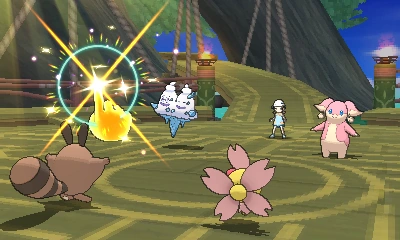
Speed control is another central category.
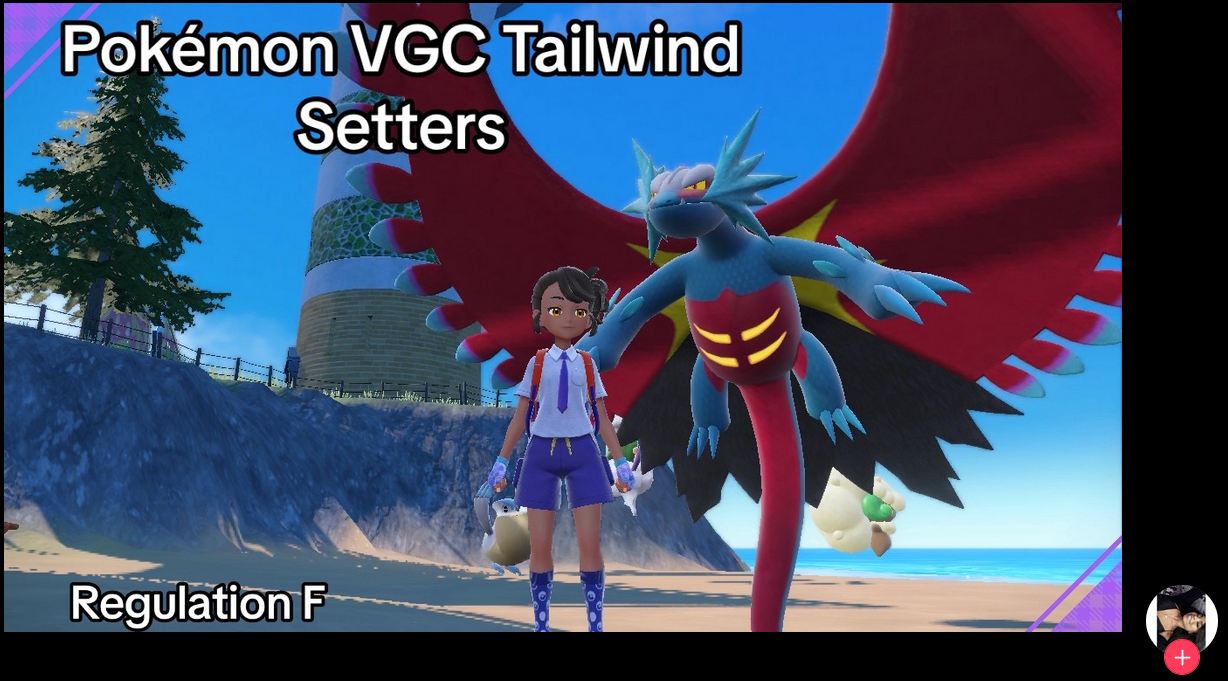
Pokémon usually move in order from fastest to slowest, modified by priority and other effects. Speed control refers to any method of changing which Pokémon move first. Tailwind doubles the Speed of the user’s side for several turns. Trick Room reverses move order so that slower Pokémon move before faster ones for several turns. Thunder Wave can paralyze an opponent, reducing its Speed and sometimes preventing it from acting. Icy Wind damages both opposing Pokémon and lowers their Speed. Other moves, abilities, items, and weather interactions can also affect move order.
In VGC, speed order is often the difference between acting and fainting. A powerful Pokémon that moves first can remove a threat before it acts. A powerful Pokémon that moves second may never get to use its move at all.
Spread moves are also essential.
A spread move hits more than one Pokémon. Dazzling Gleam, Earthquake, Rock Slide, Heat Wave, Water Spout, Origin Pulse, Astral Barrage, and many other moves can hit multiple targets. Spread damage is valuable because it pressures both opposing Pokémon at once. It can also create field states where both opponents are pushed into knockout range simultaneously. In doubles, hitting both opponents is often better than hitting one opponent harder, depending on the position.
Abilities are passive traits each Pokémon has. Some are minor. Some define entire formats. Intimidate lowers the Attack stat of opposing Pokémon when the user enters the field. In doubles, this can weaken both opposing physical attackers at once. Drizzle summons rain. Drought summons sun. Shadow Tag prevents many opposing Pokémon from switching. Prankster gives priority to certain status moves. Fairy Aura strengthens Fairy-type attacks. Commander causes Tatsugiri to enter Dondozo’s mouth and sharply raise Dondozo’s stats.
Items matter too.

Each Pokémon may hold one item. Some items increase damage. Some restore health. Some activate once under certain conditions. Some prevent sleep or other status. Some allow a move to happen differently than it normally would. Power Herb, for example, lets a two-turn charge move happen in one turn. This will turn out to matter a lot when we get to Xerneas.
Finally, VGC formats change over time.

The official competitive format is not one eternal ruleset. Each generation introduces new Pokémon, new moves, new abilities, and often a major battle gimmick. Mega Evolution, Z-Moves, Dynamax, and Terastallization each changed the game in very different ways. Some seasons allow restricted legendary Pokémon. Some do not. Some formats include only a regional Pokédex. Others allow a national or expanded pool. Some eras used closed team information. Modern official events use open team sheets in which players know many details about the opponent’s team before the game begins.
For this reason, we cannot analyze VGC as one stable game. It is more like weather.
How To Read A VGC Snapshot.
Each snapshot in this article will follow the same basic pattern.
First, we will identify the local field.
This means the format, the generation, the rules, the central mechanics, and the relevant tournament environment. A Pokémon that is balanced in one field may be oppressive in another. A move that is tolerable in one format may become field-warping when paired with a specific partner, item, or ruleset. A support option that looks weak in isolation may become central when the format rewards exactly what it does.
Second, we will explain the local Pokémon and mechanics at the point of relevance.
To understand how it affected the structure of the field, we need to know what the Pokémon did. We need to know what its ability did. We need to know what its common moves did. We need to know how it interacted with the format around it.
We need to know whether it was a damage source, a support piece, a setup threat, a defensive anchor, a speed-control tool, a weather setter, a pivot, a role-compression machine, or some combination of these.
Third, we will examine how players adapted.
This means studying the practices that emerged around a field. What did players test? What did teams need to account for? Which lines became standard? Which answers were real? Which answers looked real in theory but failed in tournament practice? Which Pokémon became necessary because of one dominant threat? Which mechanics changed what counted as safe play? Which forms of knowledge moved from private testing circles into public doctrine?
Fourth, we will try to extract the ludic insight.
The point is not that some Pokémon or mechanics were too strong. That is often true, but it is not enough for me. The point is what these fields show about games.
- A dominant setup Pokémon can show how a field collapses around a conversion threshold.
- A complete core can show how role compression narrows legal variety into practical necessity.
- A sleep mechanic can show how variance becomes unacceptable when counterplay fails to scale with consequence.
- A temporary battle gimmick can show how a game can become organized around a moving center.
- An open team sheet can show how transparency does not remove depth, just relocates it.
This is what VGC brings to the Chirality sequence. Competitive Pokémon is not philosophy because Pokémon are profound little animals.
It is philosophy because sustained play inside these fields reveals structural truths about agency, possibility, constraint, knowledge, and repair. The game makes the structure visible.
Then, the players have to live there.
The Official Field And The Unofficial Monster.
There is one more distinction we need before entering the snapshots:
The official game and the competitive field are not the same object.
The official game is Pokémon as designed, sold, updated, marketed, and owned by Game Freak, Nintendo, and The Pokémon Company. It is a broad thing with very many jobs. It is a role-playing game, a creature collection system, a brand ecosystem, a childhood fantasy, a merchandising engine, a social object, and a long-running media franchise. Its creatures need to be memorable. Its starters need to be beloved. Its legendary Pokémon need to feel legendary. Its new mechanics need to sell the new generation. Its single-player adventure needs to work for children. Its designs need to produce attachment, recognition, and wonder.
The competitive field is something narrower and harsher.
The competitive field asks whether a set of rules, creatures, moves, abilities, items, and tournament procedures can support meaningful high-level play under pressure. It asks whether skilled players can prepare, adapt, choose, and execute in ways that reliably matter. It asks whether the field rewards perception more than it rewards accident. It asks whether the format permits enough variety for discovery without leaving the outcome to noise. It asks whether the legal possibility space corresponds in any meaningful way to the actual possibility space players can reach.
Those are not identical design problems.
- A Pokémon can be excellent for the franchise and damaging for the competitive field.
- A legendary Pokémon can be engaging in the story and oppressive in tournament play.
- A new generational mechanic can be fun on cartridge and structurally crude in high-level doubles.
- A move can be comedic in casual play and miserable when optimized.
- A creature can be balanced for single-player progression and completely inappropriate as a tournament object.
This does not mean the official designers are bad at their job. It means the tournament field inherits a complicated product not built only for the tournament field.
That is the eternal institutional problem under VGC.
RBY UU exists under unofficial authority. Smogon does not own Pokémon. Its tier councils cannot patch the cartridge. They cannot redesign Wrap. They cannot change the sleep formula. They cannot make Lapras weaker, Hypno frailer, or Articuno less punishing. They can only govern access. Ban, unban, suspect, clause, revise, document, and correct.

VGC has the opposite problem. It has official authority, but the tournament format is still downstream of the commercial game object. Balance changes are limited, slow, indirect, or tied to generational releases. For much of VGC history, the players have been asked to treat the current official object as the competitive field, whether or not that object had been shaped with the same seriousness the players brought to it.
This creates the strange creature of VGC. Officially, VGC is the sanctioned competitive format.
Practically, it is also a player-built interpretive culture around the official format. Players build the field’s working knowledge through testing groups, practice ladders, local events, regional tournaments, international championships, team reports, Discord servers, streams, YouTube channels, damage calculators, rental teams, private spreadsheets, scouting networks, and repeated failure.
The institution supplies the legal field. The players discover the actual one. That sentence is the point to almost everything that follows.
A format is announced.
- The legal Pokémon are known.
- The rules are known.
- The allowed mechanics are known.
On paper, the field appears.
But the actual field is not yet known. This is just a map. Players then have to find the terrain by feel.
They test obvious threats. They test answers to those threats. They test answers to the answers. They discover that some Pokémon that look oppressive are manageable. They discover that some Pokémon that look manageable become oppressive with the right partners. They discover that some counterplay exists only in theory. They discover that some “creative” choices are creative because they are bad, while other strange choices reveal a real unnoticed path through the field. They discover which teams can win on ladder but fail in best-of-three. They discover which teams beat poor play but collapse against prepared opponents. They discover which board states are safe, which board states are fake-safe, and which board states should never have been allowed to occur.
This is why the history of VGC should not be read primarily as a list of winners. The winners do matter.

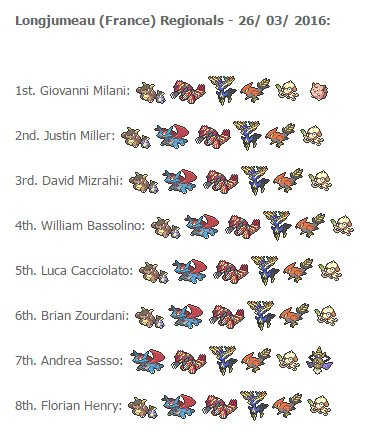
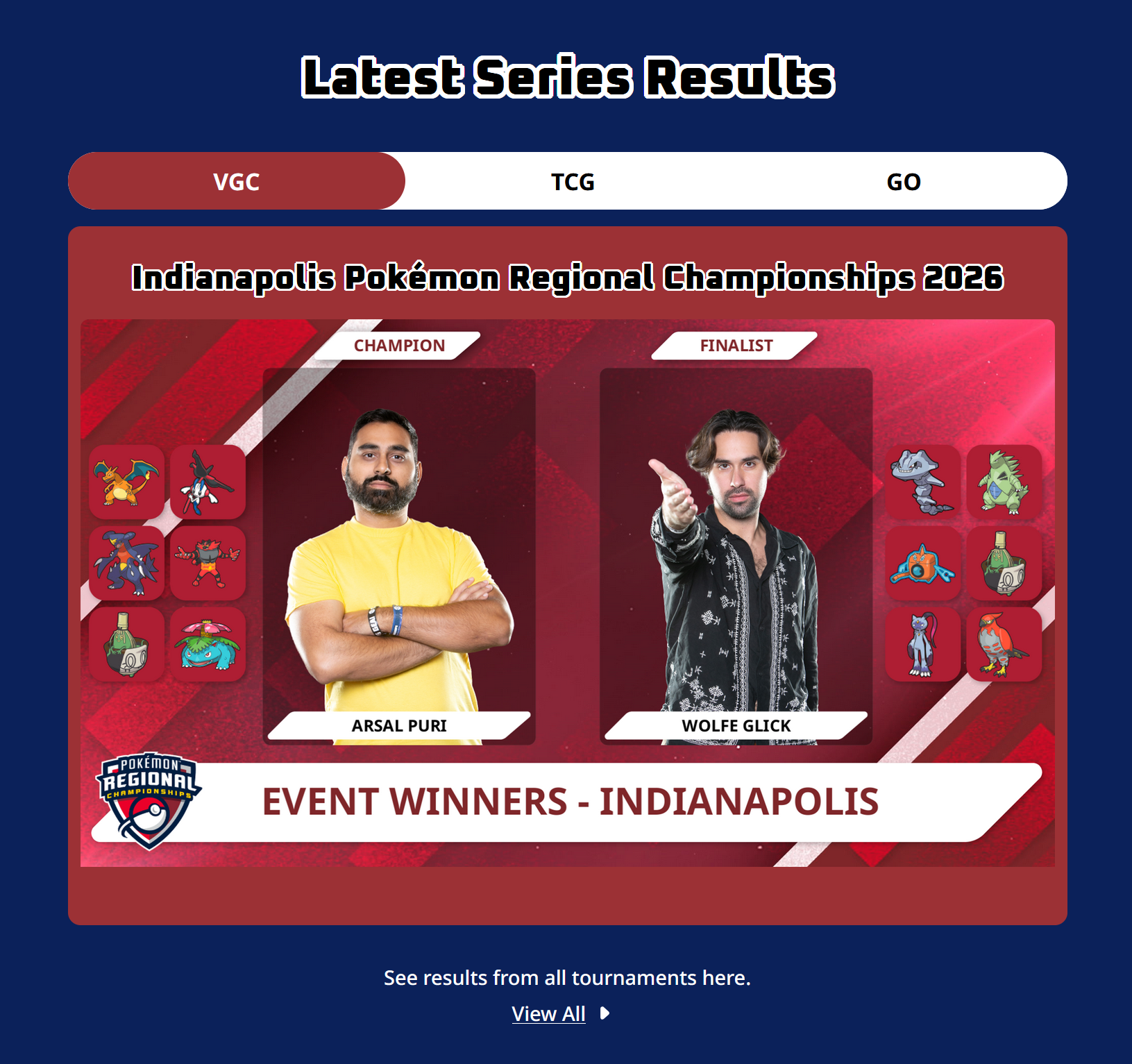
Ray Rizzo matters. Wolfe Glick matters. Se Jun Park matters. Aaron Zheng matters. Very many others matter.
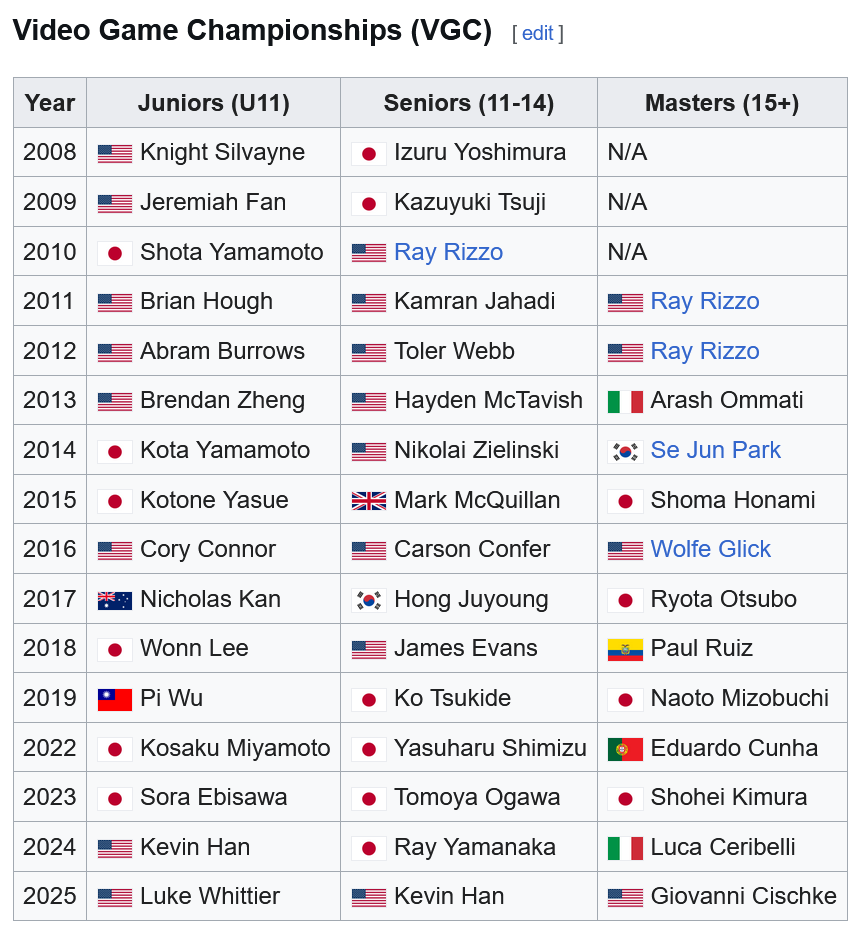
But they matter here as notable field actors. They are important because of how they perceived, inhabited, explained, and moved through particular fields. Their stories should be read through the metagames around them, not separated from those metagames into celebrity biography.
The field came first. The player only becomes visible inside it.
Snapshot I: Pre-Language.
The first snapshot is not a Pokémon.
Every competitive field has an early period when the game is being played before the community has fully learned how to describe what it is doing.
This does not mean nobody knows anything. Strong players can be very strong before a field has public vocabulary. Sometimes they are strong precisely because they can perceive structure before the structure has become common language.
Early VGC had official competition, but not the mature public infrastructure that later players would come to rely on. The modern player enters a world filled with resources: public team reports, rental teams, tournament streams, usage statistics, matchup discussions, YouTube analysis, Discord servers, teambuilding guides, online simulators, and an enormous archive of past formats. Even when the format is new, the practice culture is old.
Earlier VGC players had less of this.
They still had communities. They still had forums. They still had friends, testing groups, battle videos, local scenes, and tournament reports. But the field’s public language was thinner. The interpretive machinery had not yet become as large or as fast. Much more of the game had to be discovered locally, privately, or by players who could generalize from direct experience before the community had settled on shared doctrine.
This is the context in which Ray Rizzo’s three consecutive World Championships become important.

The point of this is not hero worship. The point is not that winning three times in a row proves one person has some kind of mystical access to the Pokémon truth.
The point is that repeated success across changing fields reveals a specific kind of ludic capacity:
The ability to find the center of a new competitive environment before that center becomes public common sense.
That is not the same as memorizing an established answer.

In a mature or maturing degenerate meta, a player may succeed by knowing the correct structure and executing it better than others. That can still require great skill. But a young field asks something very different. It asks the player to distinguish between what looks strong and what actually structures the game. It asks the player to identify which threats are real, which are traps, which supports enable the threats, which defensive answers are stable, which lines remain reachable under pressure, and which apparent innovations collapse when tested against strong opposition.
This is field perception before field language.
The player is not simply choosing from a known menu of available paths. The player is helping discover which paths even exist.
VGC formats are temporary. A format does not have decades to mature before Worlds. The field appears, develops rapidly, produces its tournament season, and then is replaced or transformed. Players do not get the luxury RBY UU has. They cannot always wait for twenty years of accumulated knowledge and voting procedure. They often have just months.
This makes VGC a repeating experiment in accelerated field formation.
- A legal ruleset becomes public.
- The community begins testing.
- Early impressions form.
- The ladder produces noise.
- Local tournaments reveal stronger patterns.
- Regional events punish bad assumptions.
- International events consolidate knowledge.
- Worlds arrives.
The field is never complete, but it is no longer young.
A player who can win repeatedly across this cycle is not just good at clicking moves. They are good at locating structure while the structure is still forming.
That is the first ludic lesson of VGC. We haven't even looked at any specific fields yet. Some games test execution inside a known field. VGC often only tests perception while the field is still becoming knowable.
Snapshot II: Pachirisu And Role Sufficiency.
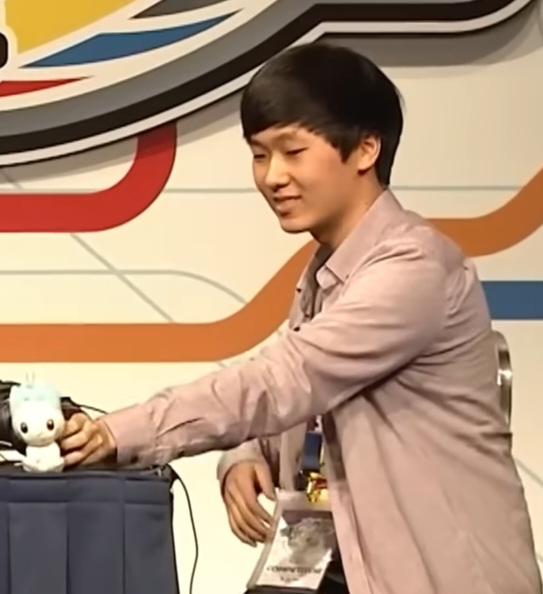
The most famous single image in VGC history may still be Pachirisu at the 2014 World Championships.
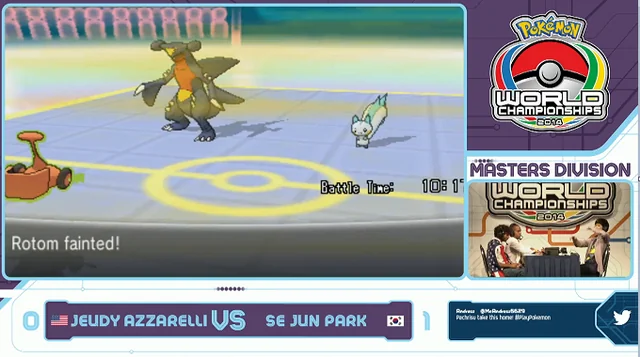
For readers who do not know Pokémon, Pachirisu is a little Electric-type squirrel Pokémon. It is not very strong at all. This is not a legendary Pokémon. It is not an intimidating dragon. It does not have any element of the obvious statistical profile of a world-championship centerpiece.

To a casual observer, it looks like exactly the wrong kind of creature to appear on the winning team of an official world championship.
That is why the public story became simple:
A weak Pokémon won Worlds.
The actual field lesson of Pachirisu is better.
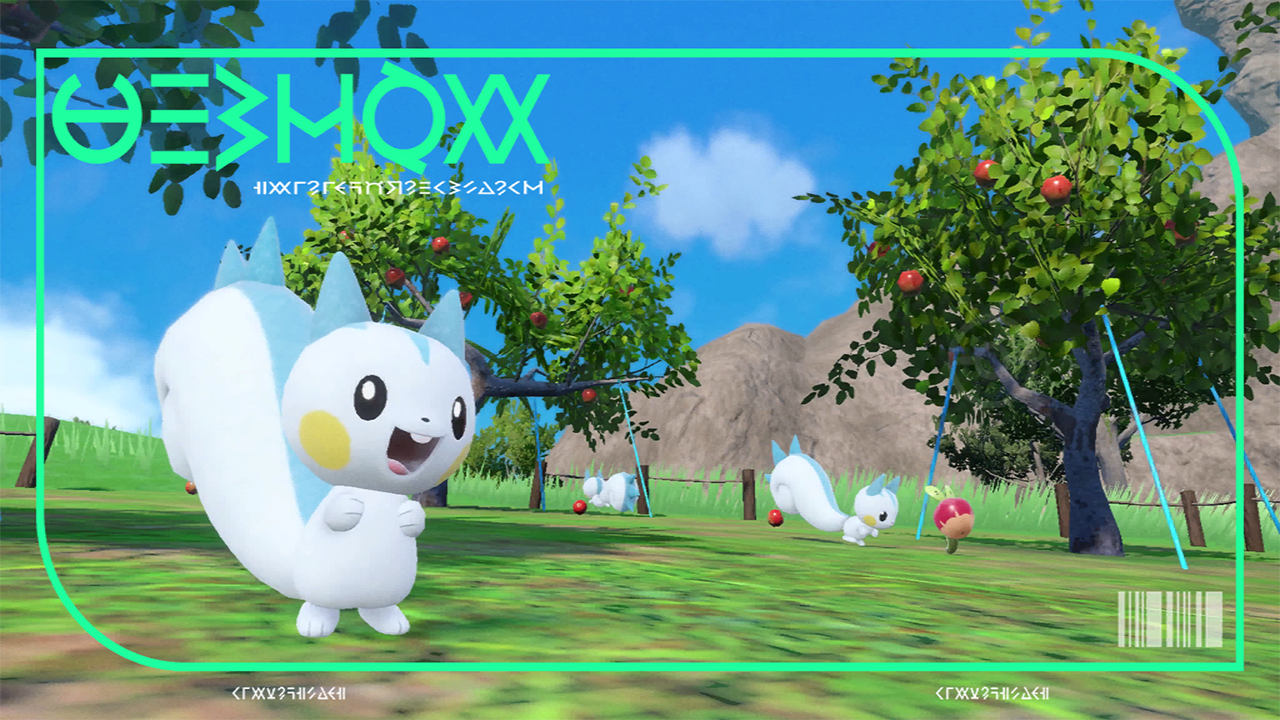
Pachirisu did not win because all Pokémon are secretly equal. It did not prove that this field's competitive balance was fine. It did not mean that any favorite creature can succeed if the player believes hard enough. That reading is incorrect and structurally useless.
Pachirisu performed a specific role in a specific field on a specific team.
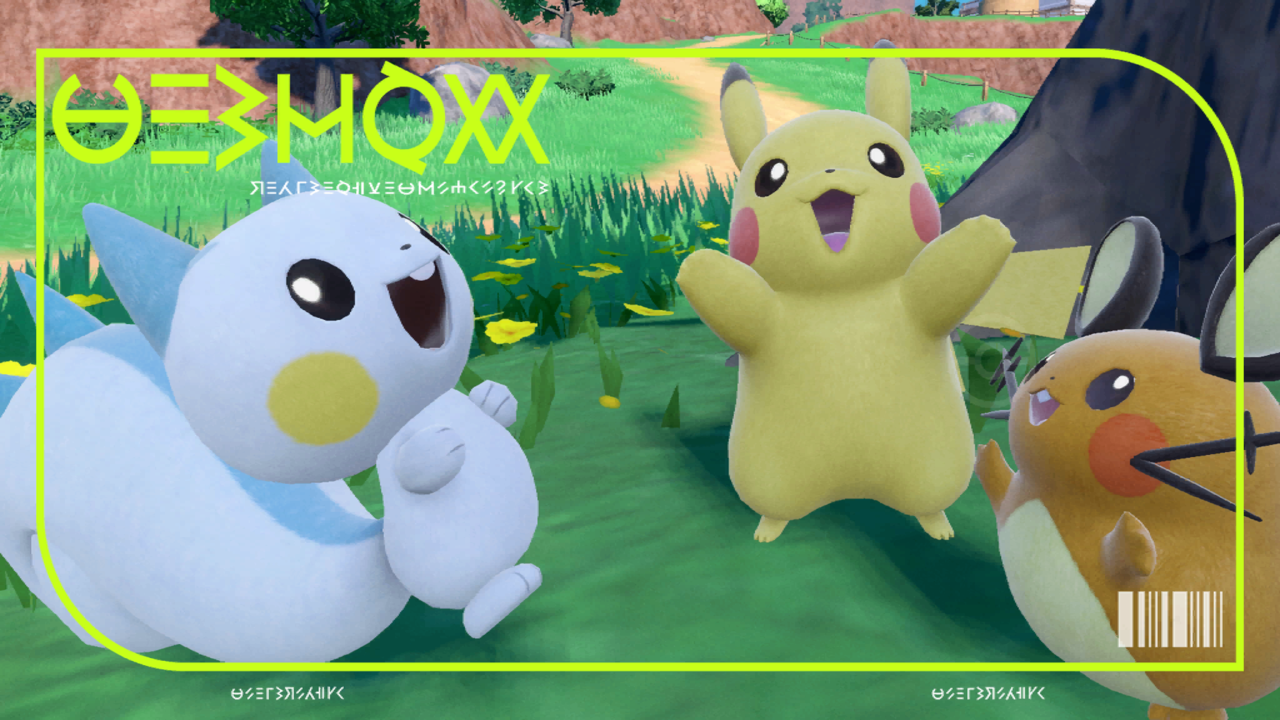
To see why, we need to understand redirection.

As explained earlier, redirection moves allow a Pokémon to draw attacks toward itself. Pachirisu used Follow Me, a move that redirects many (most) opposing attacks away from its partner and into Pachirisu instead. In doubles, this can be enormously valuable. If Pachirisu’s partner needs one safe turn to attack, set up, survive, or avoid being targeted, Follow Me can supply that turn.
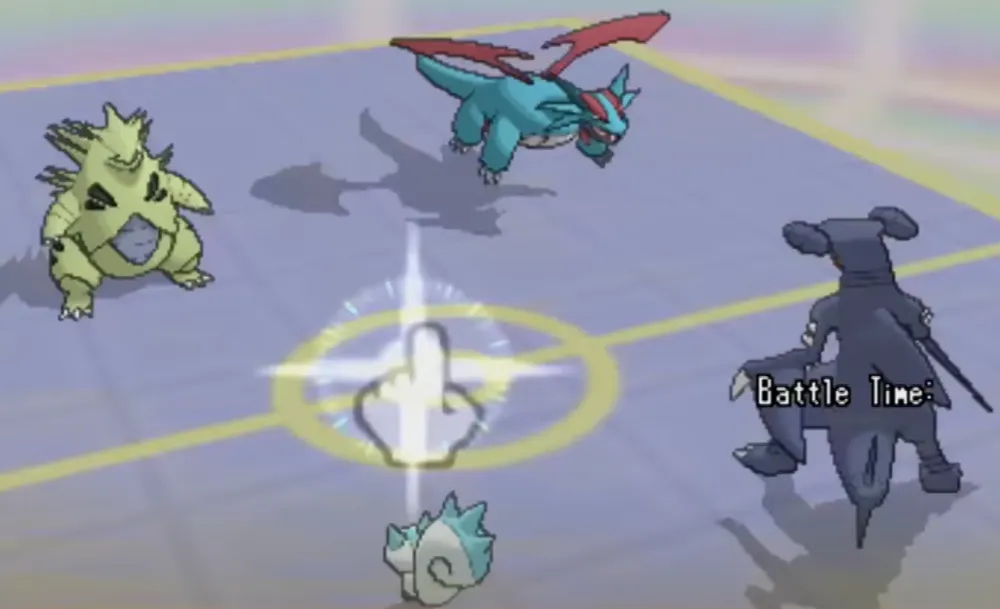
But Follow Me alone is not enough. A redirection Pokémon has to survive the attacks it redirects, or at least survive enough of them for the trade to be worthwhile. It needs the right typing, bulk, item, ability, and support context. It also needs to redirect the kinds of attacks the team actually cares about. A redirection Pokémon that draws attacks then faints without advancing the team’s plan may be doing theater, but not work.
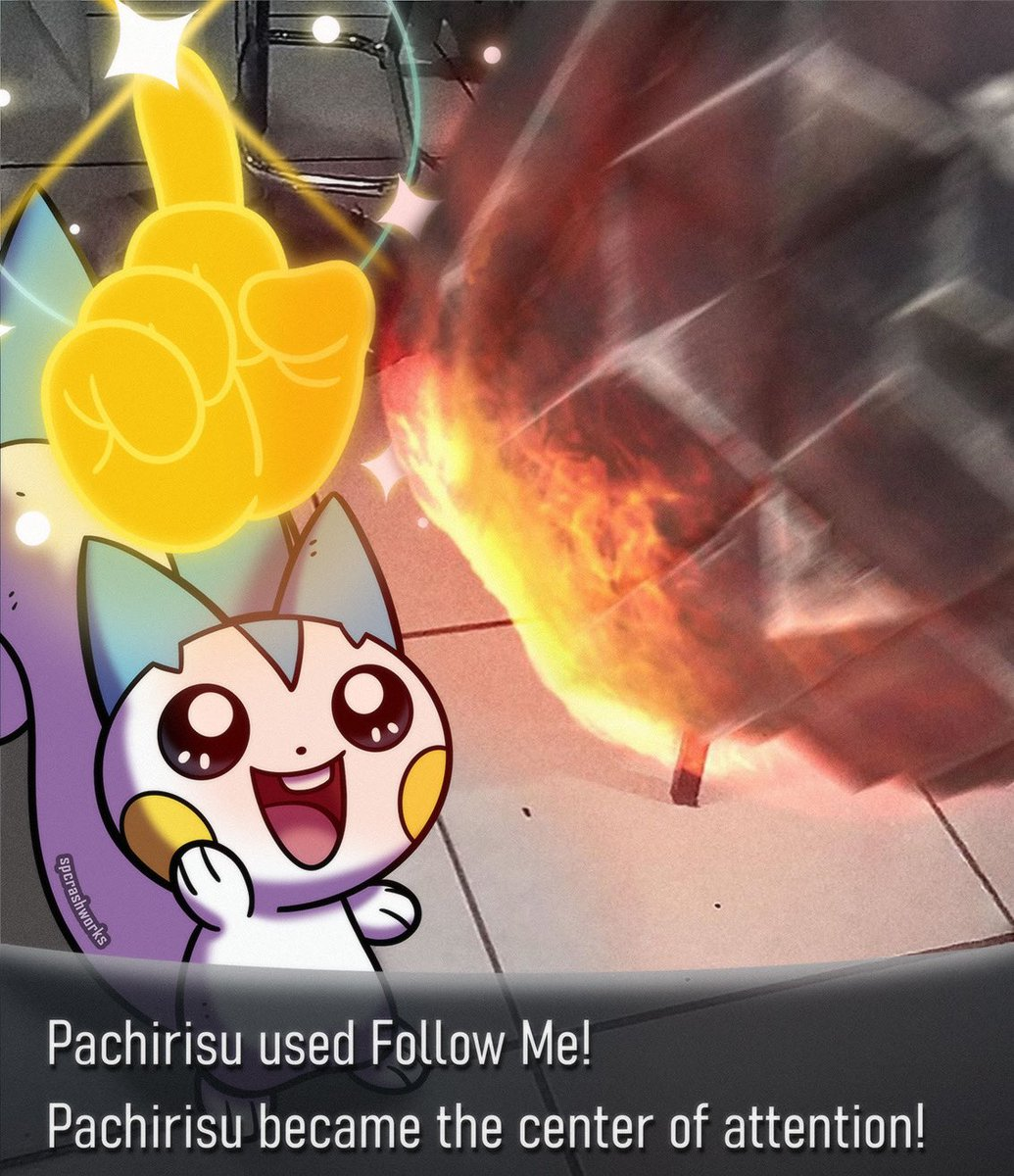
Pachirisu’s Electric-only typing gave it specific defensive interactions. Its ability, Volt Absorb, allowed it to heal when hit by Electric-type attacks. Its move options were not nothing. Nuzzle could paralyze an opponent while dealing small damage, giving Pachirisu a way to influence speed control. Super Fang could cut an opponent’s current HP in half, allowing a low-offense support Pokémon to contribute meaningful pressure against bulky targets. Follow Me let it protect its partner. Protect let it preserve itself when the opponent tried to punish it directly.
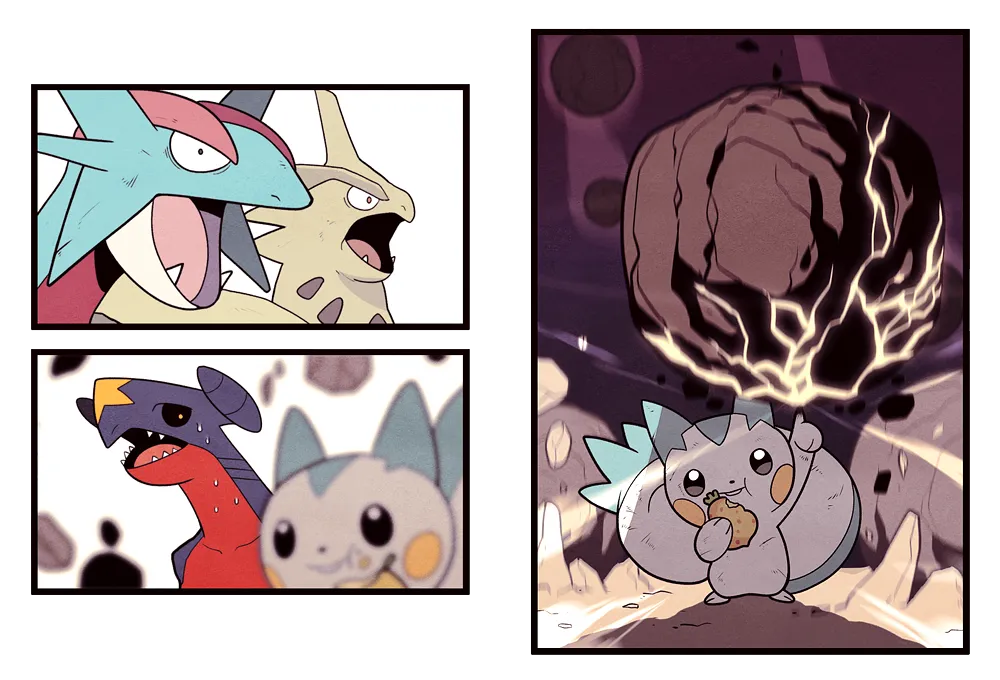
The point is not that Pachirisu was secretly a generically powerful Pokémon. It was not. A local field can ask for a narrow package of functions, and a Pokémon outside the obvious power hierarchy can become correct if it supplies that package cleanly.
This is role sufficiency.
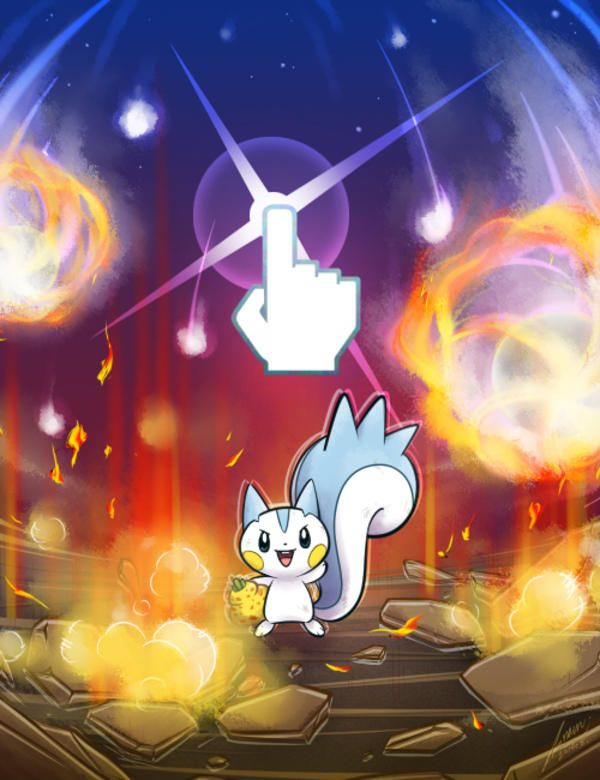
A weak Pokémon, considered in the abstract, may be strong enough for a particular job. A strong Pokémon, considered in the abstract, may be wrong for that same job. Competitive fields do not reward abstract strength. They reward fit.
This is one of the most important ludic lessons in all of VGC:
The field does not ask, “Which object is strongest?”
It asks, “Which object makes this path reachable?”
Pachirisu became famous because it looked like a miracle. Structurally, it was something more interesting: a precise field answer made visible on the largest possible stage.
That is also why the public lesson has to be handled carefully. If we say, “Pachirisu proves anything can work,” we learn the wrong thing. The serious lesson is almost the opposite:
Pachirisu proves that almost nothing works unless the role is real.
This thing worked because the field had a specific opening. The team had a specific need. The Pokémon supplied specific functions. The player understood the field well enough to trust that fit over general status.

A living game sometimes hides usable structure under objects the public metagame has not fully respected. Those objects do not become viable because they are very charming.
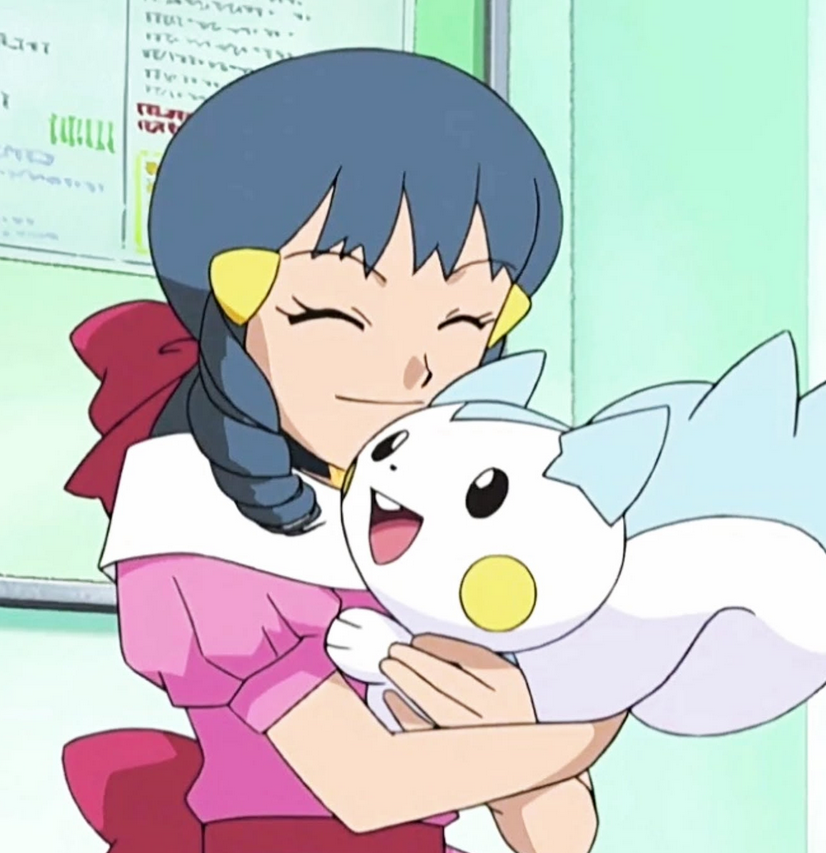
They become viable because the field structure gives them work.
This shows the difference between creativity and decoration.
- Creativity finds a reachable path others missed.
- Decoration brings a favorite object and asks the field to pretend it belongs.
Snapshot III: CHALK And Complete Core Compression.
Some metagame structures announce themselves dramatically.
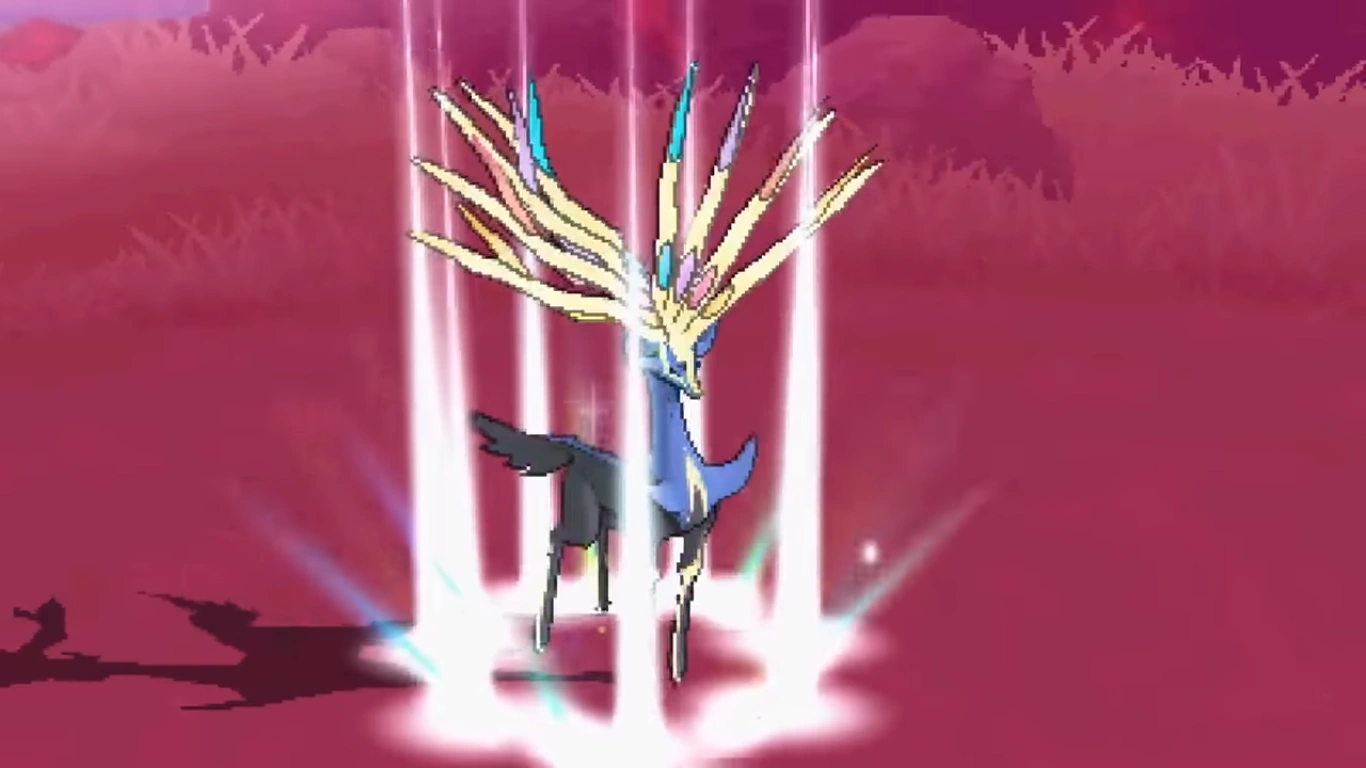
A setup Pokémon boosts its stats and threatens to sweep. A legendary attacker annihilates both opposing Pokémon with spread damage. A battle gimmick turns one Pokémon into the temporary center of the game.
CHALK was quieter than all that.
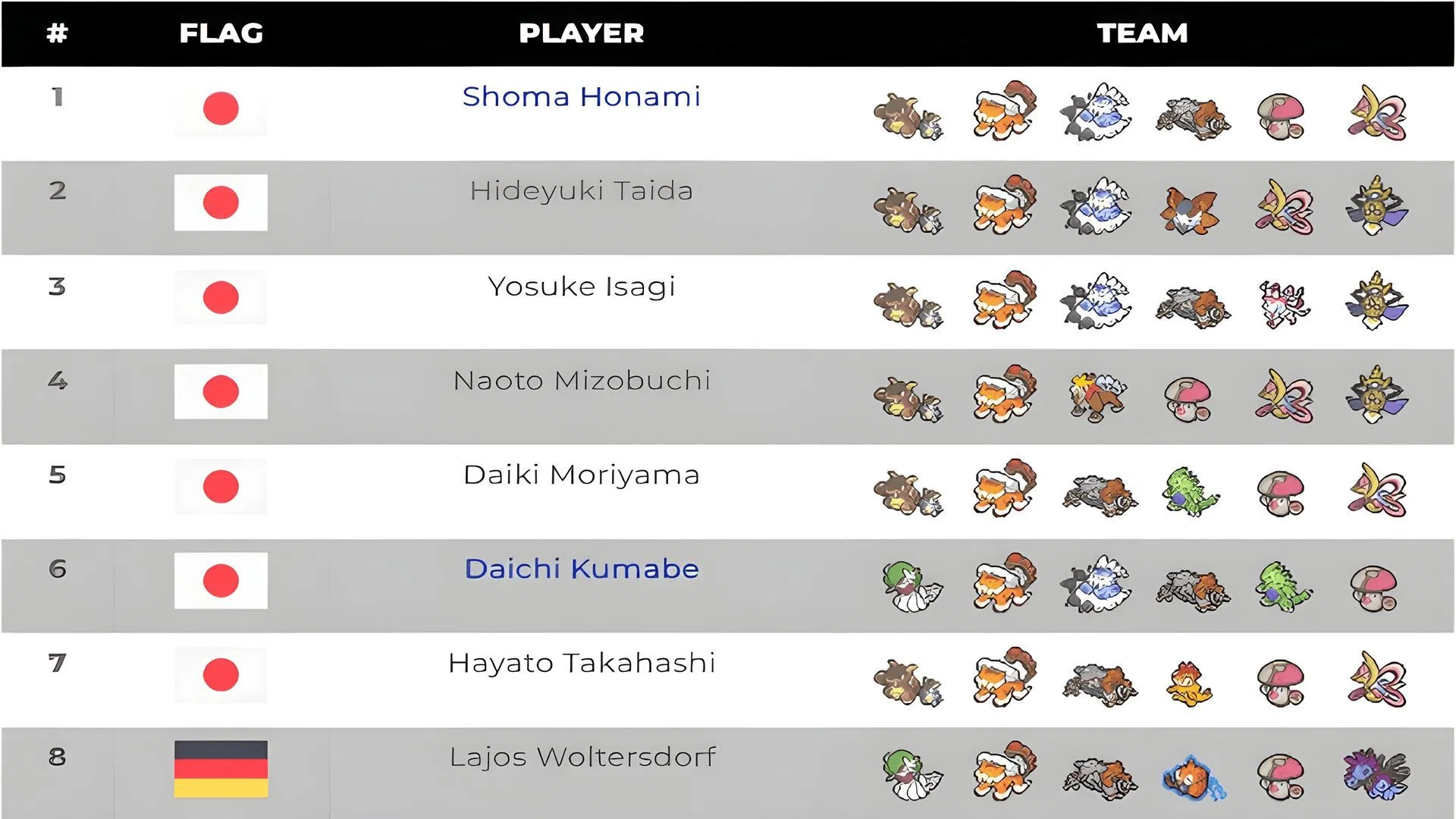
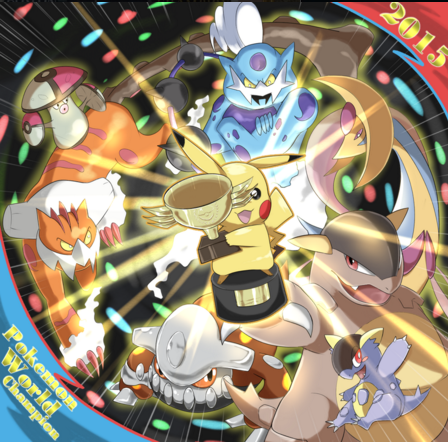
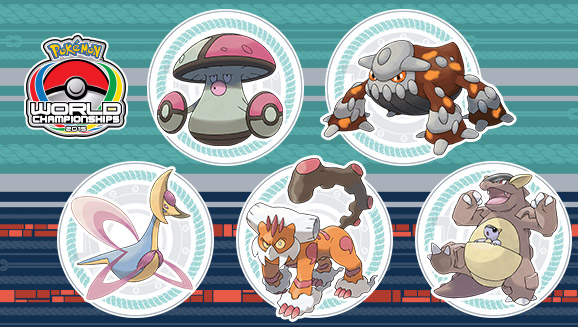
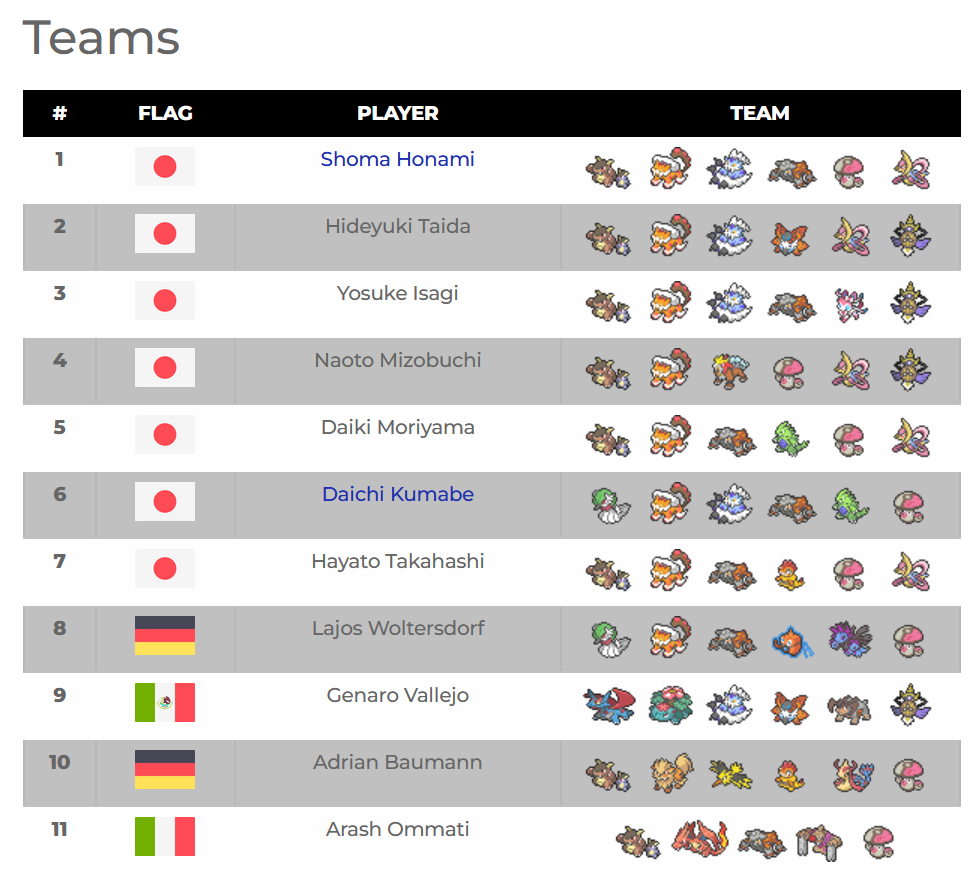
CHALK is the name given to a famous VGC 2015 core consisting of Cresselia, Heatran, Amoonguss, Landorus-Therian, and Mega Kangaskhan.
To understand why this core devoured the field, each member needs to be explained individually.
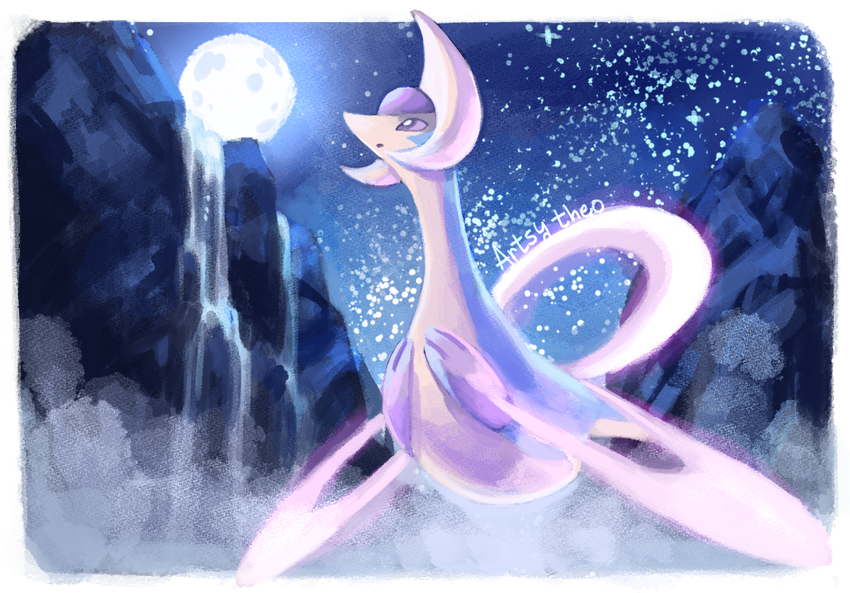
Cresselia is a Psychic-type legendary Pokémon known for extraordinary bulk. It does not usually dominate by dealing immediate overwhelming damage. Its value comes from surviving, supporting, and controlling the tempo of the field. In VGC, Cresselia commonly used speed-control moves such as Trick Room, which reverses move order for several turns, or Icy Wind and Thunder Wave in other contexts. It could also use support moves, recovery, or coverage attacks depending on the team. Its main structural feature was that it stayed on the board long enough to keep influencing the game.
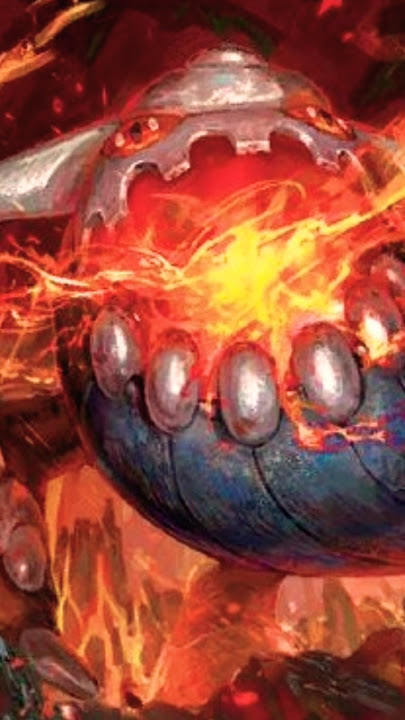
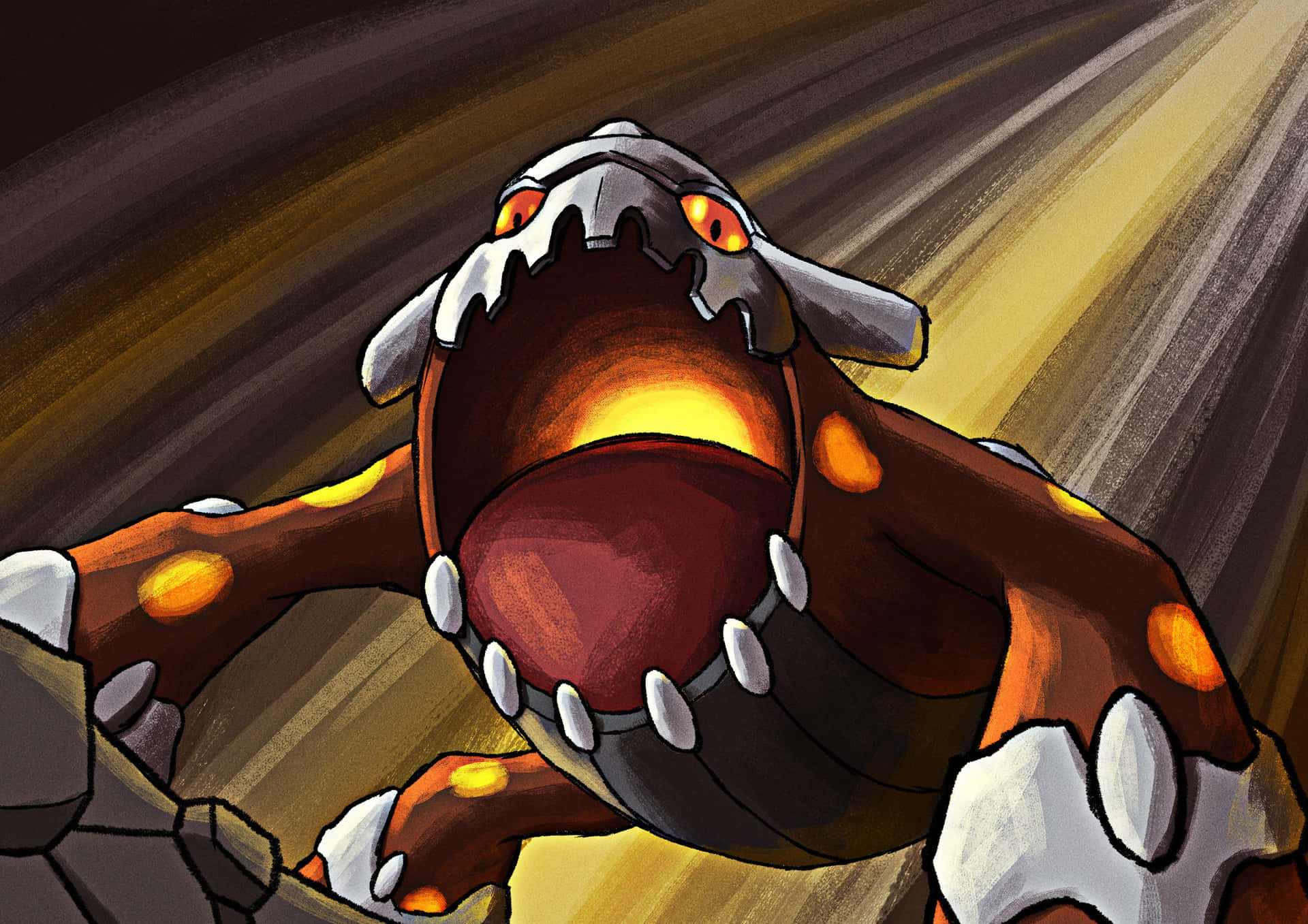
Heatran is a Fire/Steel-type Pokémon with many useful resistances. Steel typing gives it important defensive value, especially into Fairy-type attacks. Fire typing gives it offensive pressure into Steel, Grass, Bug, and Ice-type Pokémon. Heatran often used Heat Wave, a spread Fire-type attack that hits both opposing Pokémon. Its ability Flash Fire allowed it to absorb Fire-type attacks and become stronger. In the right position, Heatran could be difficult to remove and dangerous to ignore.
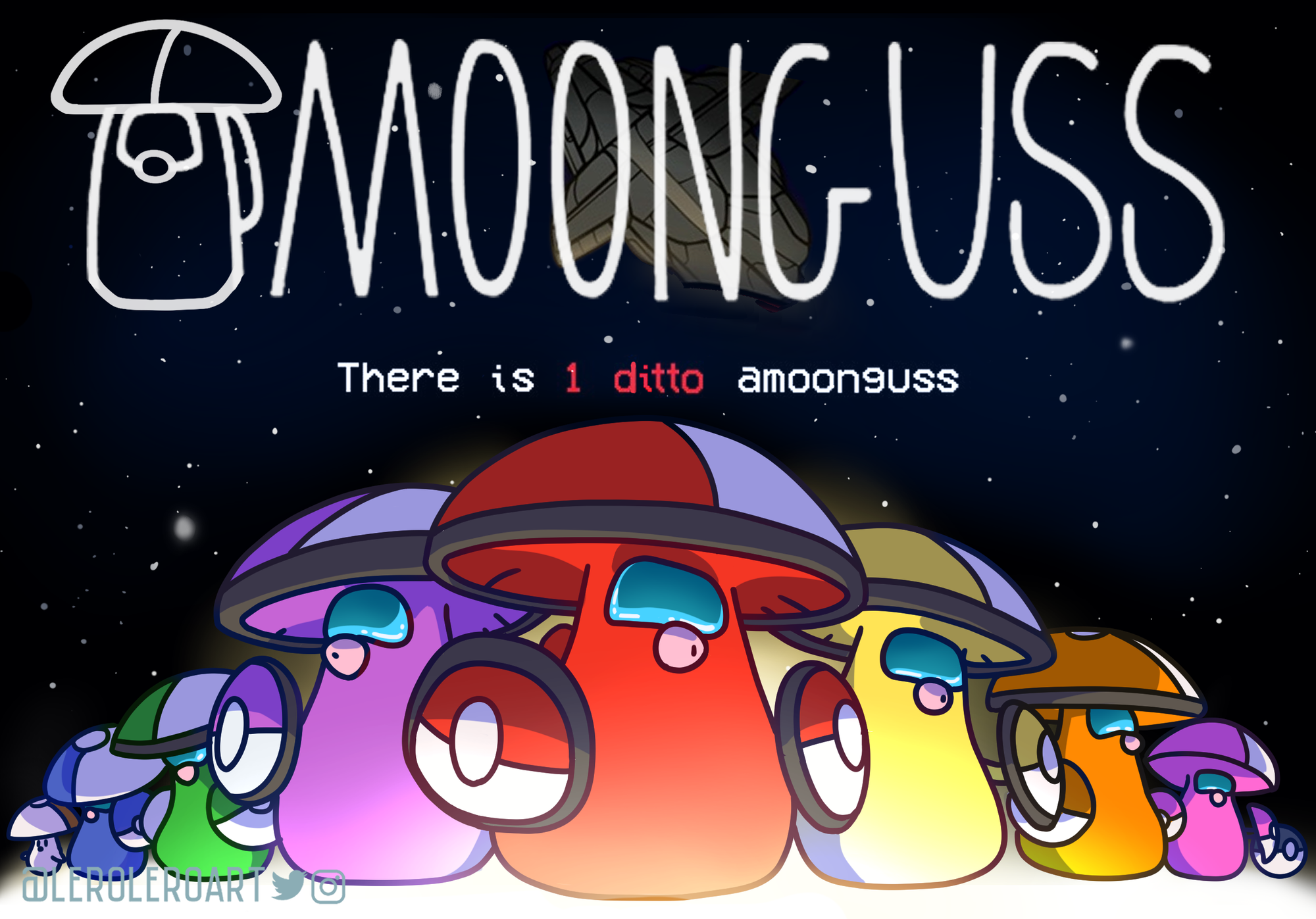
Amoonguss is a Grass/Poison-type support Pokémon. Its most important tools are Rage Powder and Spore. Rage Powder redirects many opposing attacks toward Amoonguss, protecting its partner. Spore puts a target to sleep with perfect accuracy unless the target has an immunity or other protection. Amoonguss is also slow, which helps it under Trick Room, and bulky enough to keep returning to the field. Its ability Regenerator heals it when it switches out, allowing it to repeatedly absorb pressure over the course of a game.
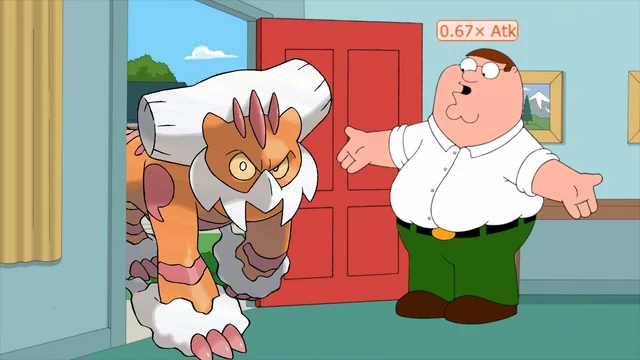
Landorus-Therian is a Ground/Flying-type Pokémon with the ability Intimidate. When Landorus-Therian enters the field, Intimidate lowers the Attack stat of both opposing Pokémon if they are not immune. This can happen repeatedly through switching. Landorus-Therian also brings offensive pressure with moves such as Earthquake and Rock Slide, and it can pivot out with U-turn in some formats. Its role is both defensive and offensive: it weakens opposing physical attackers while threatening damage of its own.
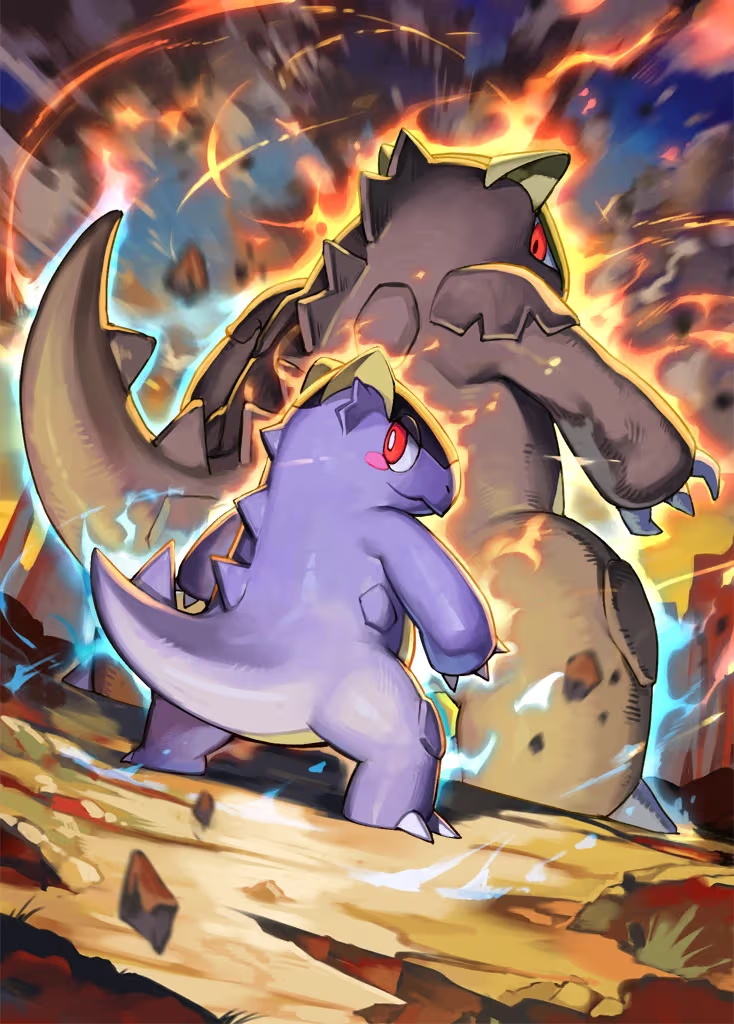
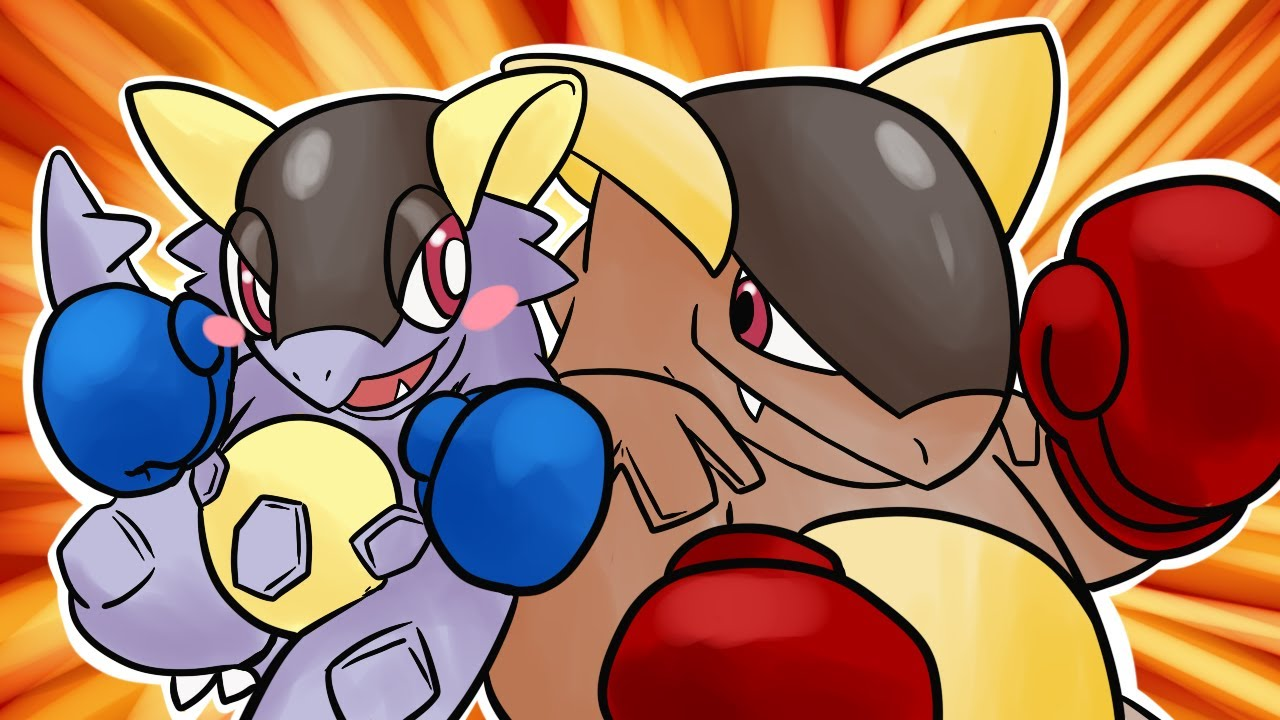
Mega Kangaskhan was one of the defining Mega Evolutions of its era. Mega Evolution was a generational mechanic that allowed one Pokémon per team to transform into a stronger form. Mega Kangaskhan’s defining ability was Parental Bond, which caused most of its attacks to hit twice: once from Kangaskhan and once from its child. This gave Mega Kangaskhan enormous damage output, strong Fake Out pressure, and the ability to punish a wide range of opponents. It was reliable into many board states.
Together, these five Pokémon formed a nearly complete doubles grammar. They could do almost anything.
- Cresselia supplied bulk and speed control.
- Heatran supplied defensive typing and spread Fire pressure.
- Amoonguss supplied redirection and sleep.
- Landorus-Therian supplied Intimidate, Ground pressure, and pivot value.
- Mega Kangaskhan supplied Fake Out and immediate offensive pressure.
This is why CHALK is a different kind of centralization from something like Xerneas.
CHALK did not dominate because one member converted the field in a single turn. It dominated because the core covered so much of what any VGC team wanted to do. These five gave players tools for fast games, slow games, defensive games, offensive games, positioning games, and matchup control. It did not remove play from the field; this produced rich games. Strong CHALK mirrors could involve careful positioning, speed-control timing, switching, defensive preservation, and small-sequence advantages.
The structural issue is subtler.
When a five-Pokémon core provides too complete a package, team-building begins to compress around it. Other teams are not simply asking whether they can beat these five individual Pokémon. They are asking whether they can possibly match or exceed the package of roles those Pokémon provide together. If they cannot, they may be creative, but they are also behind.
This is complete core compression.
A format does not need one obviously broken monster to narrow. It can narrow because one structure supplies too much of the field’s necessary grammar at once.
The legal possibility space remains large. Many Pokémon are allowed. Many moves are allowed. Many teams are technically possible.
The practical possibility space is smaller.
- If your team lacks good speed control, CHALK has a plan for you.
- If your team relies on physical attackers, Landorus-Therian and Intimidate have a plan for you.
- If your team needs to target one specific threat, Amoonguss can redirect.
- If your team gives Heatran a safe position, it can spread damage and resist key attacks.
- If your team cannot handle Mega Kangaskhan’s immediate pressure, you may lose before your more elaborate plan even matters.
The field therefore begins to ask a repeated question:
Why are you not using the complete package?
There can be good answers. There were.
A centralized metagame is not automatically dead. But the burden shifts. This is the solved game problem. The creative team must justify itself against one known line that already performs most of the format’s basic work.
CHALK shows how a metagame can remain strategically deep while still becoming structurally compressed.
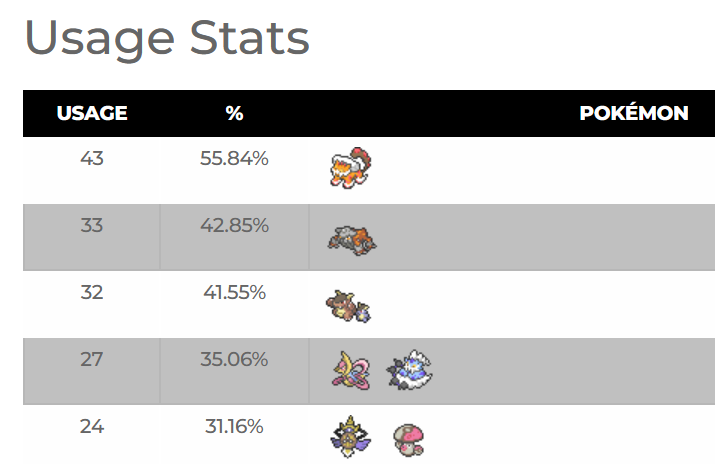
A compressed field is not always a stupid field. It may still reward skill. It may still produce excellent games. It may still allow meaningful adaptation. But compression changes the location of creativity. Players innovate in smaller spaces: the sixth slot, the item choice, the speed investment, the support move, the mirror plan, the anti-core line, the matchup-specific bring-four decision.
CHALK was not a solved game, but it had the solved game problem. It was a narrow field organized around a very complete answer.
Snapshot IV: Xerneas And The Conversion Threshold.
CHALK compressed the field by offering a complete package.
Xerneas did something different.
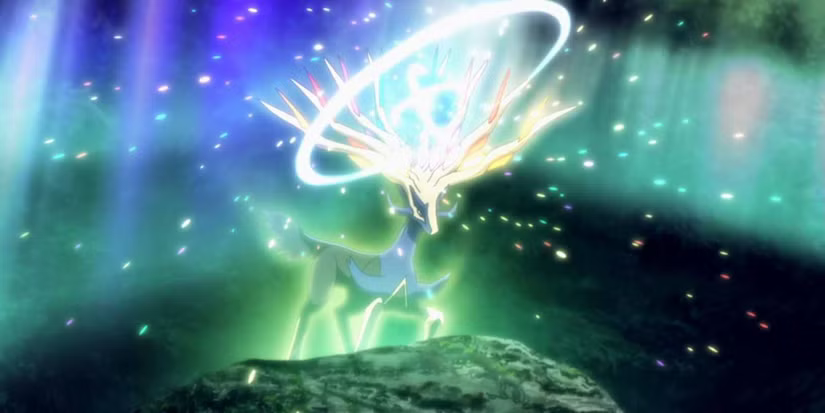
Xerneas is a Fairy-type legendary Pokémon introduced in Pokémon X and Y. It is a powerful special attacker with good bulk, good Speed, and access to strong Fairy-type moves. In VGC 2016, however, the important thing about Xerneas was not just that it was very strong. It was that Xerneas could change the state of the game in one turn.
To see why, we need to explain Geomancy.
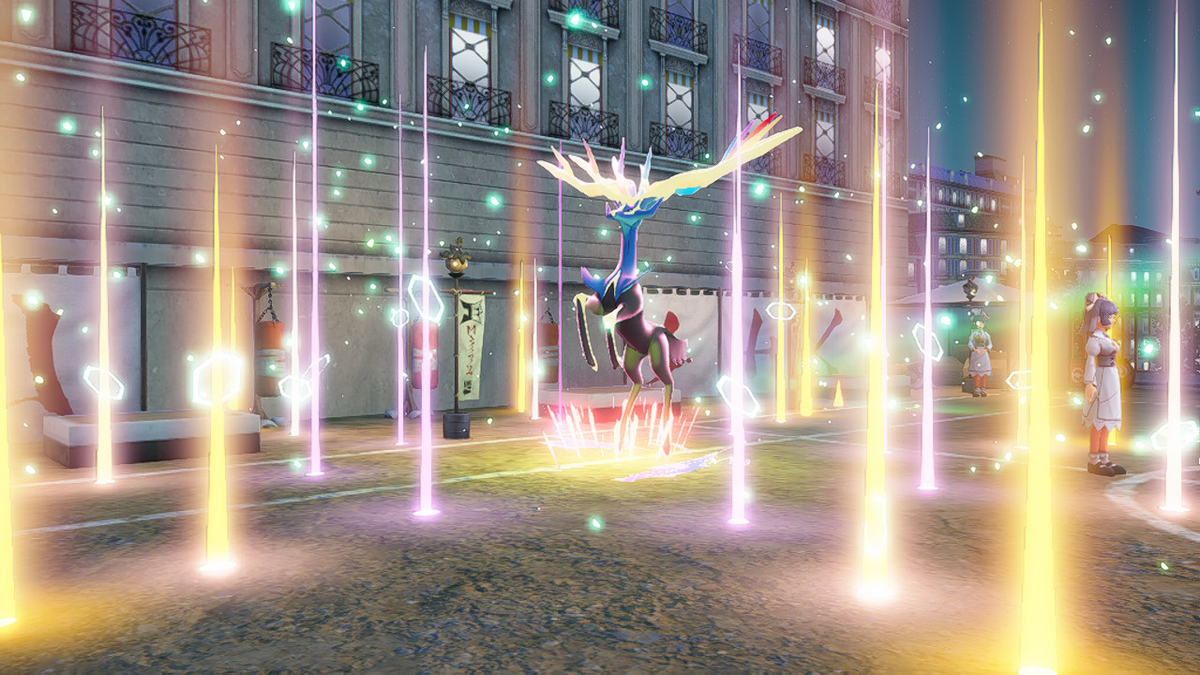
Geomancy is Xerneas’s signature move. Under normal circumstances, Geomancy is a two-turn move. On the first turn, the user charges. On the second turn, the user receives large stat boosts: Special Attack, Special Defense, and Speed each rise by two stages. Special Attack determines the strength of special moves. Special Defense determines how well the Pokémon takes those special attacks. Speed determines move order. Raising all three by two stages is enormous; this effectively doubles all of Xerneas’s relevant stats.
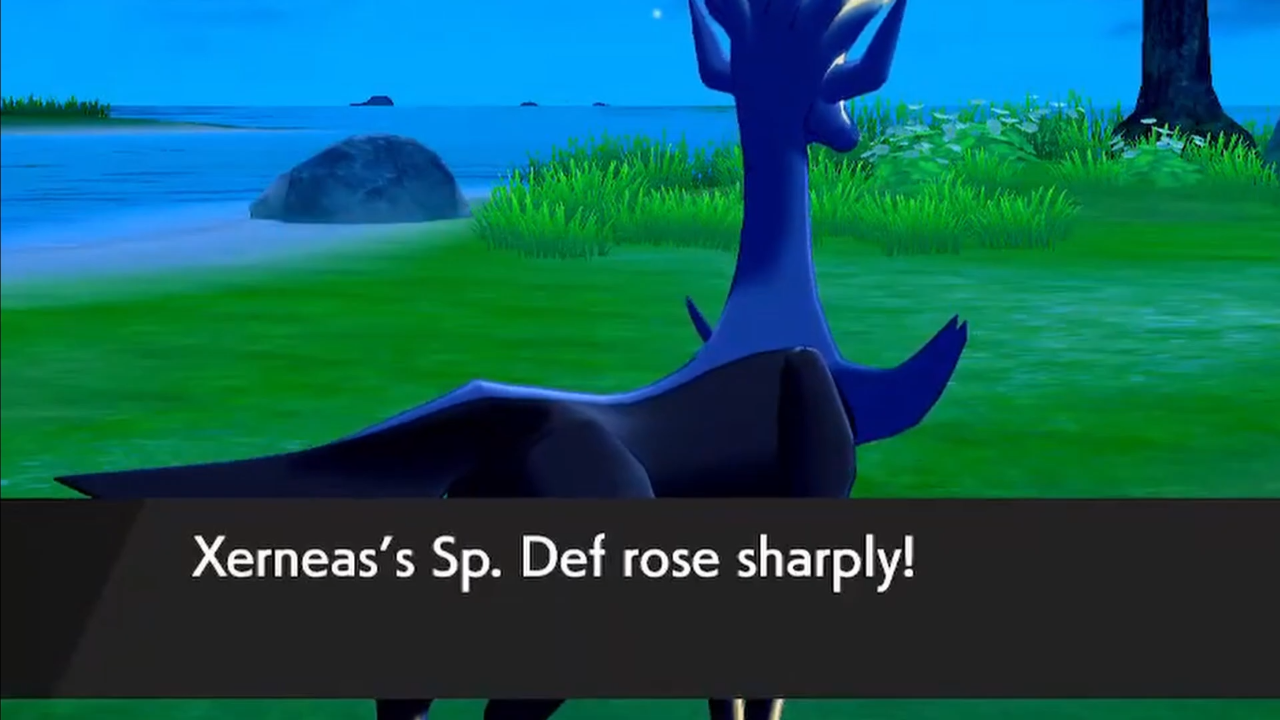
A two-turn setup move is very risky in VGC. If Xerneas spends one turn charging and does not gain the boost until the following turn, the opponent has time to respond. They can attack Xerneas. They can put it to sleep. They can use Taunt to stop status moves if timed correctly. They can reposition into a Steel-type Pokémon that resists Fairy-type attacks. They can set Trick Room to reverse move order. They can double-target into the Xerneas slot while it cannot Protect. The delayed structure gives the opponent a window.
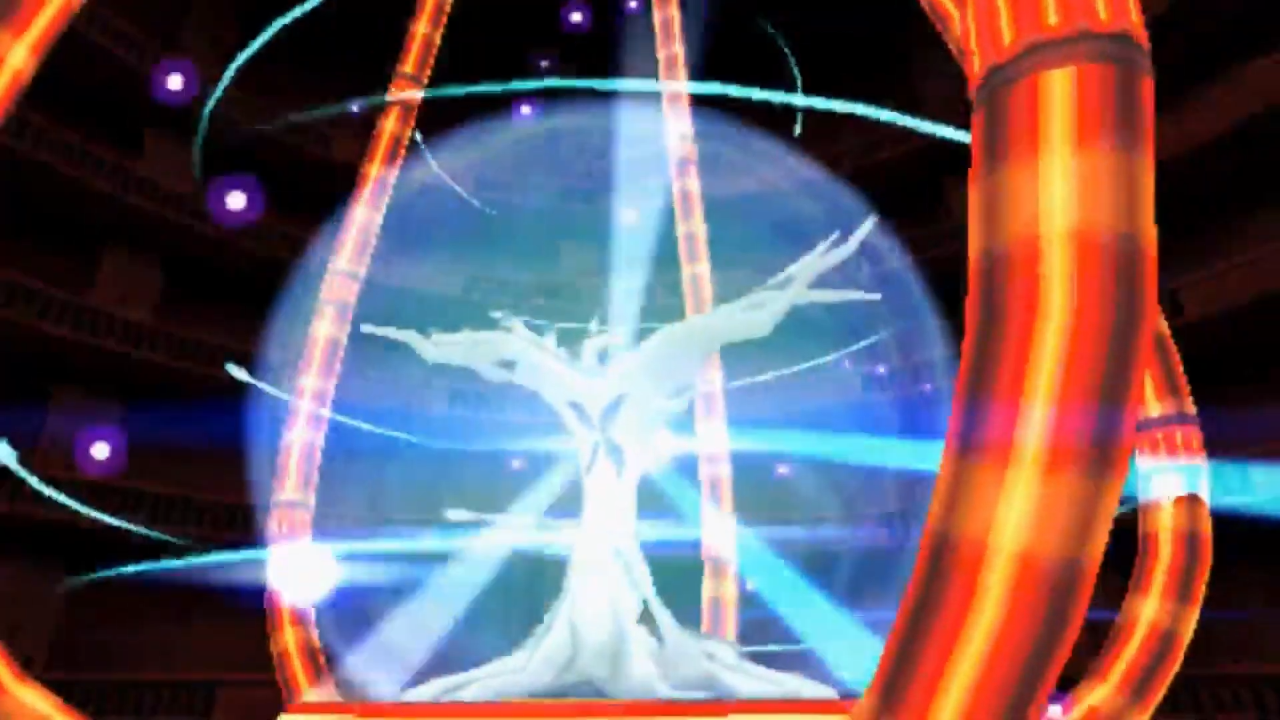
Power Herb, however, changes this.

Power Herb is a one-use held item that allows certain two-turn charge moves to happen immediately. When Xerneas holds Power Herb and uses Geomancy, the item is consumed and the charge turn is skipped. Xerneas receives the boosts in one turn.

This is the core interaction.
- Geomancy supplies the massive boosts.
- Power Herb removes the normal delay.
In addition, Xerneas’s signature ability, Fairy Aura, strengthens Fairy-type attacks on the field. Xerneas commonly used Moonblast, a strong single-target Fairy-type move, and Dazzling Gleam, a spread Fairy-type move that hits both opposing Pokémon. Fairy is a strong offensive type into Dragon, Dark, and Fighting-type Pokémon, and in 2016 it mattered heavily because many restricted Pokémon, Mega Evolutions, and common attackers either strongly preferred not to take boosted Fairy damage or could not comfortably trade with Xerneas after Geomancy.
The result of all of this was not just “Xerneas hits too hard.” It was a conversion threshold.
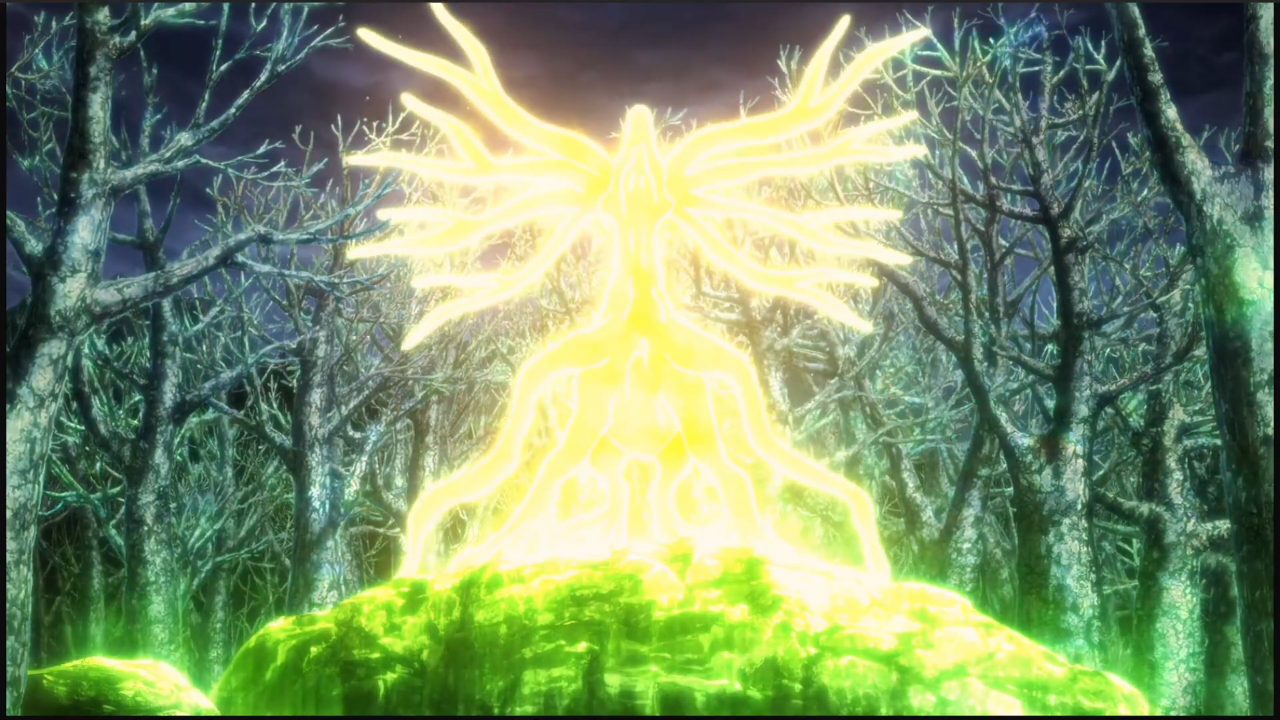
Before Geomancy, this battle is still a contested doubles field. Xerneas is dangerous, but the opponent has room to move. They can attack it, pressure its partner, preserve answers, reposition, set speed control, or force Xerneas to protect. The game remains branching.
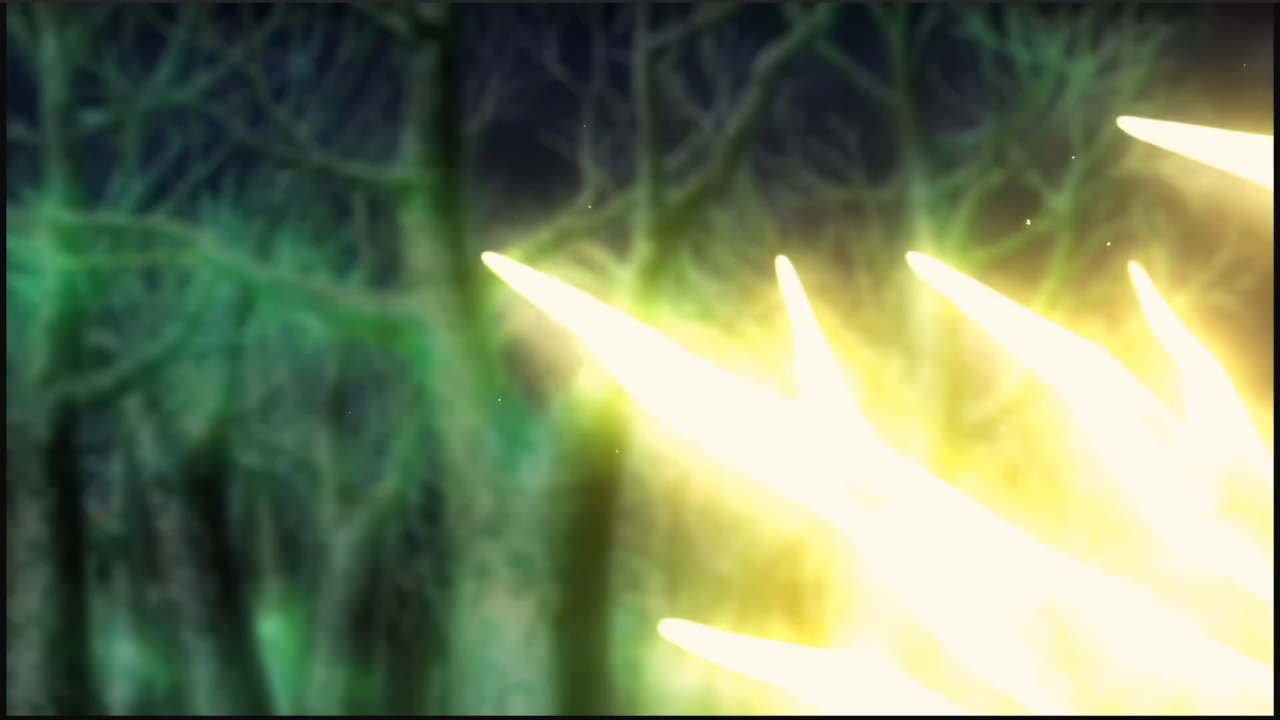
After a successful Power Herb Geomancy, the game can become a completely different object.
Now Xerneas is faster, stronger, and harder to remove with special attacks. Its spread damage threatens both opposing Pokémon at once. Its single-target damage can remove specific answers. Protect lets it preserve itself while its partner deals with the opponent’s attempt to answer it. If the opposing player’s Steel-type, Trick Room setter, phazing move, Haze user, or priority pressure is not already positioned correctly, they may no longer have time to assemble the answer.
Therefore the dangerous turn is often not the turn after Geomancy, it is the turn before it.
A player facing Xerneas has to ask whether the current board permits Geomancy. If it does, then the player may already be behind, even before any damage has happened. The threat of conversion reorganizes the field in advance. The opponent’s agency becomes defensive before the decisive move is selected. They are not simply pursuing their own plan anymore. They are now continually measuring whether their plan has enabled the Xerneas turn.
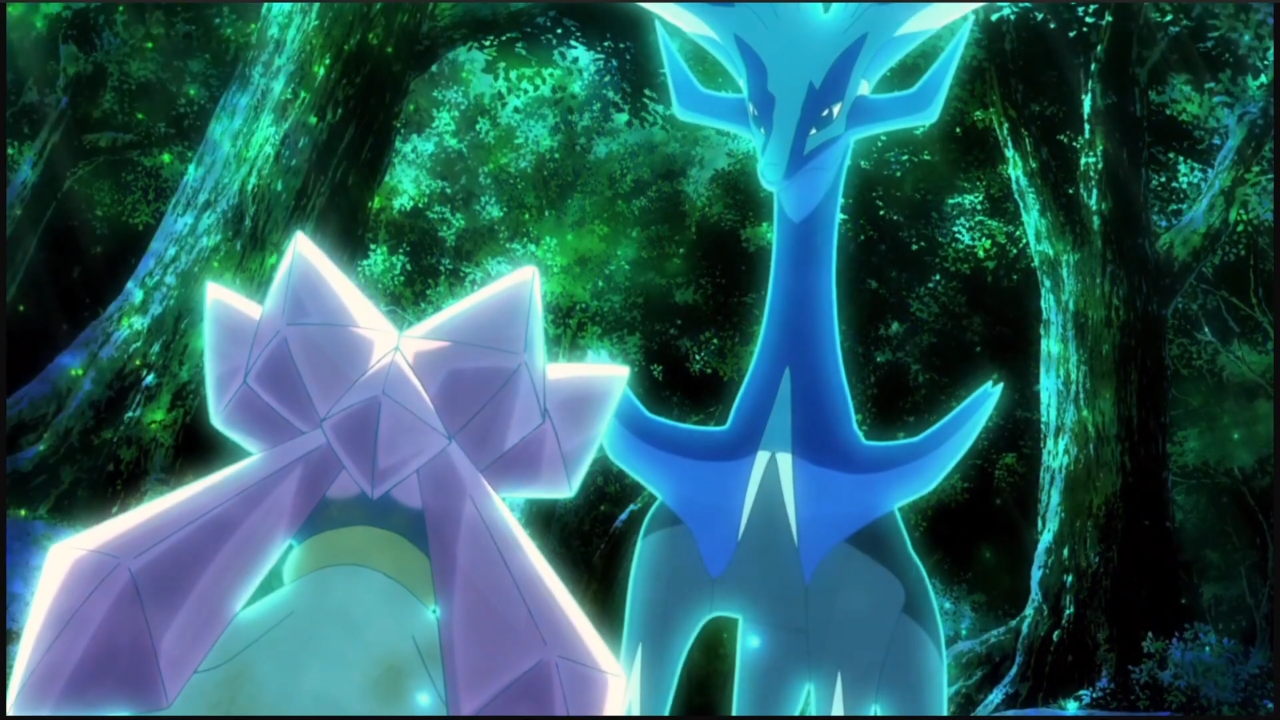
This is a deeper kind of field pressure than ordinary strength.
- A strong attacker threatens damage.
- A setup sweeper threatens future damage.
- Xerneas threatened an immediate field transition.
This is why ordinary human language can understate what happened here.
Saying “Xerneas was overpowered” is true in many contexts, but too blunt. Xerneas was a Pokémon that forced both players to now treat the game as a threshold problem. The battle was still partly about damage, speed, and positioning, but it was also about whether the board had crossed the invisible marker into a post-Geomancy field.
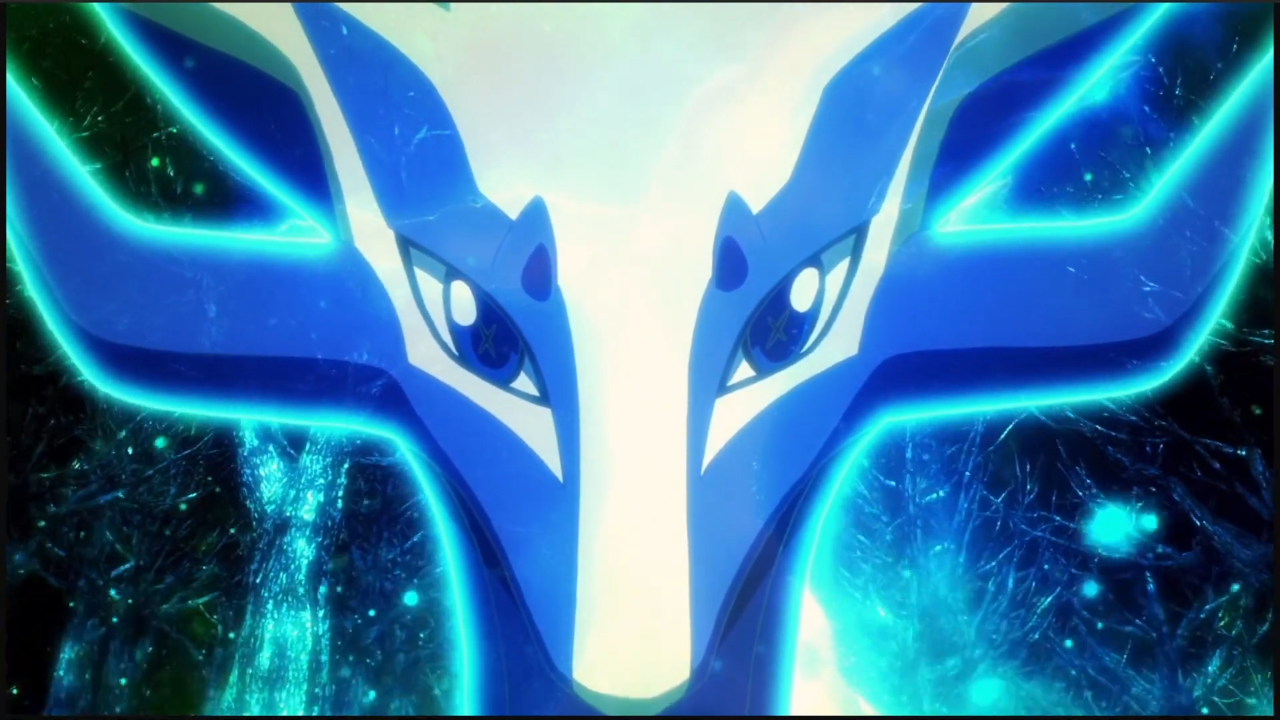
So, players adapted around that threshold.
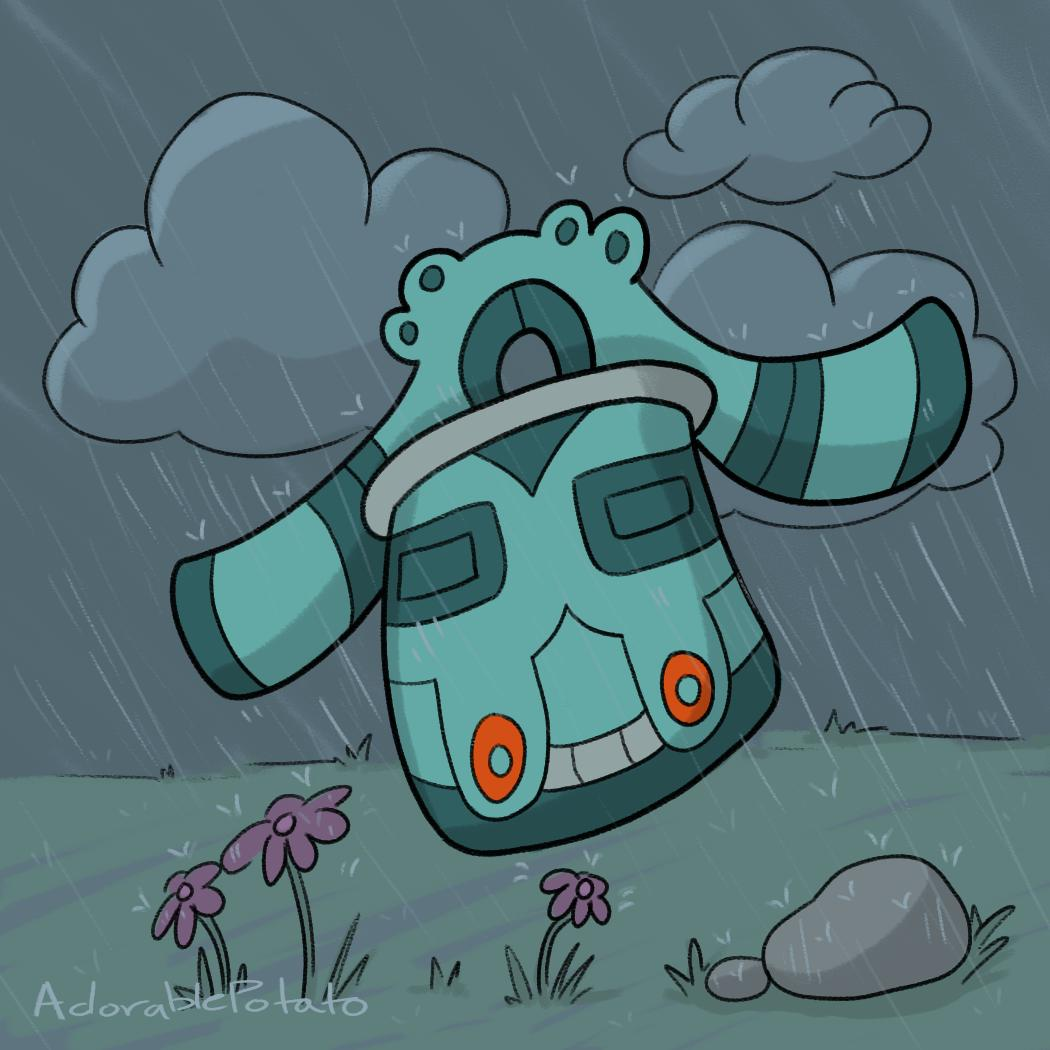
Some teams used Steel-type Pokémon that resisted Fairy-type attacks and could threaten Xerneas. Bronzong, for example, could use Gyro Ball, a Steel-type move that becomes stronger when the user is much slower than the target. A boosted Xerneas became very fast, making Gyro Ball especially threatening if Bronzong survived and remained correctly positioned. Bronzong could also set Trick Room, turning Xerneas’s Speed boost into a potential liability by allowing slower Pokémon to move first.
Other teams used Roar or similar phazing moves to force Xerneas out after it boosted, removing the immediate effect of Geomancy from the board after the Power Herb had already been expended. Some used Haze or Clear Smog to remove the stat boosts. Some used Taunt, Encore, Fake Out pressure, redirection control, or aggressive double-targeting to stop Xerneas from obtaining its setup turn safely. Some tried to win the weather and damage race with Primal Groudon or Primal Kyogre. Others just accepted that Xerneas might boost, and built endgame lines around stalling, trading, or forcing it into positions where spread damage could not finish the game.
These answers were not equivalent in practice.
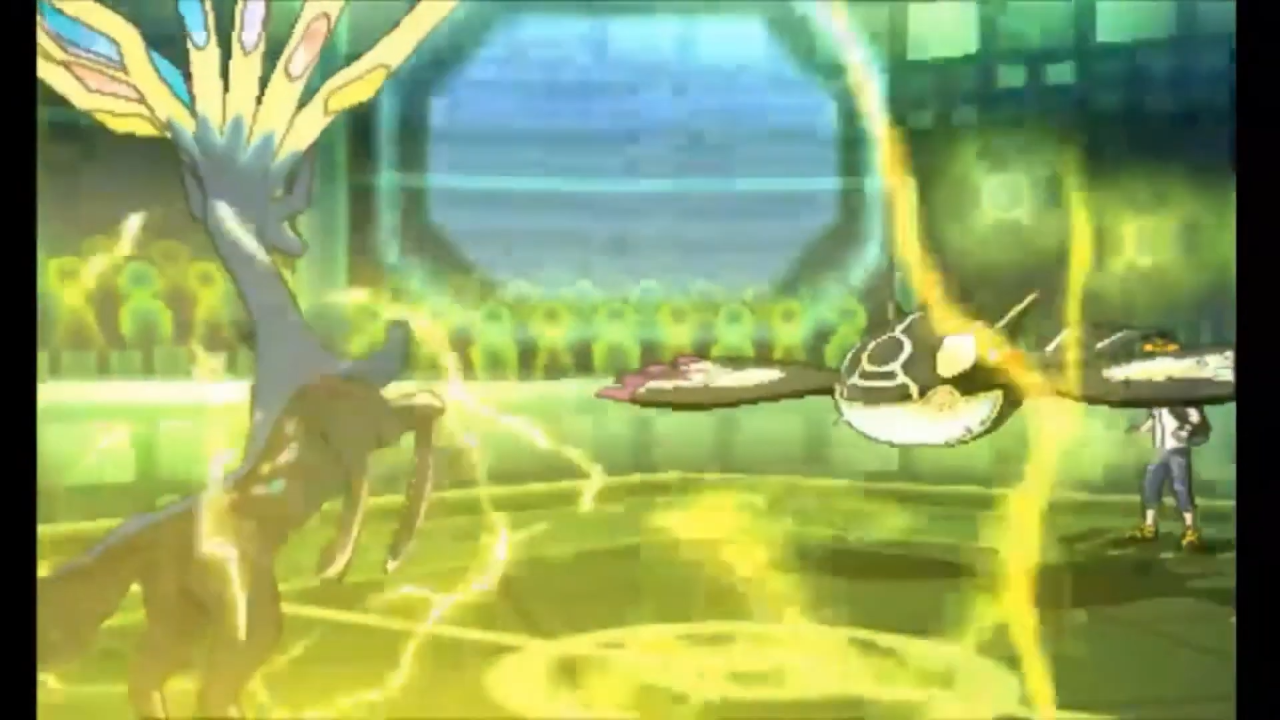
A theoretical answer is not the same as a reachable answer. A team can contain a move that beats Xerneas on paper and still fail to answer Xerneas in the living game. The answering Pokémon must be brought to this game. It must be positioned at the right time. It must survive the partner’s pressure. It must not be disabled, redirected, flinched, put to sleep, trapped, or removed before the critical turn. It must fit the rest of the team. It must answer Xerneas without also losing automatically to Primal Groudon, Mega Kangaskhan, Smeargle, Talonflame, or the rest of the field.
This is where local field analysis finally becomes more precise than generic balance discourse. The question is not, “Does counterplay exist?”
The question is:
“Can the counterplay be reached under the actual pressure of the field?”
Xerneas exposed the difference between abstract possibility and reachable possibility. A database of legal moves might show many ways to stop boosted stats. A tournament game asks whether any of those methods can be placed on a real team, brought into the right matchup, preserved through the opening turns, and executed before the game converts.
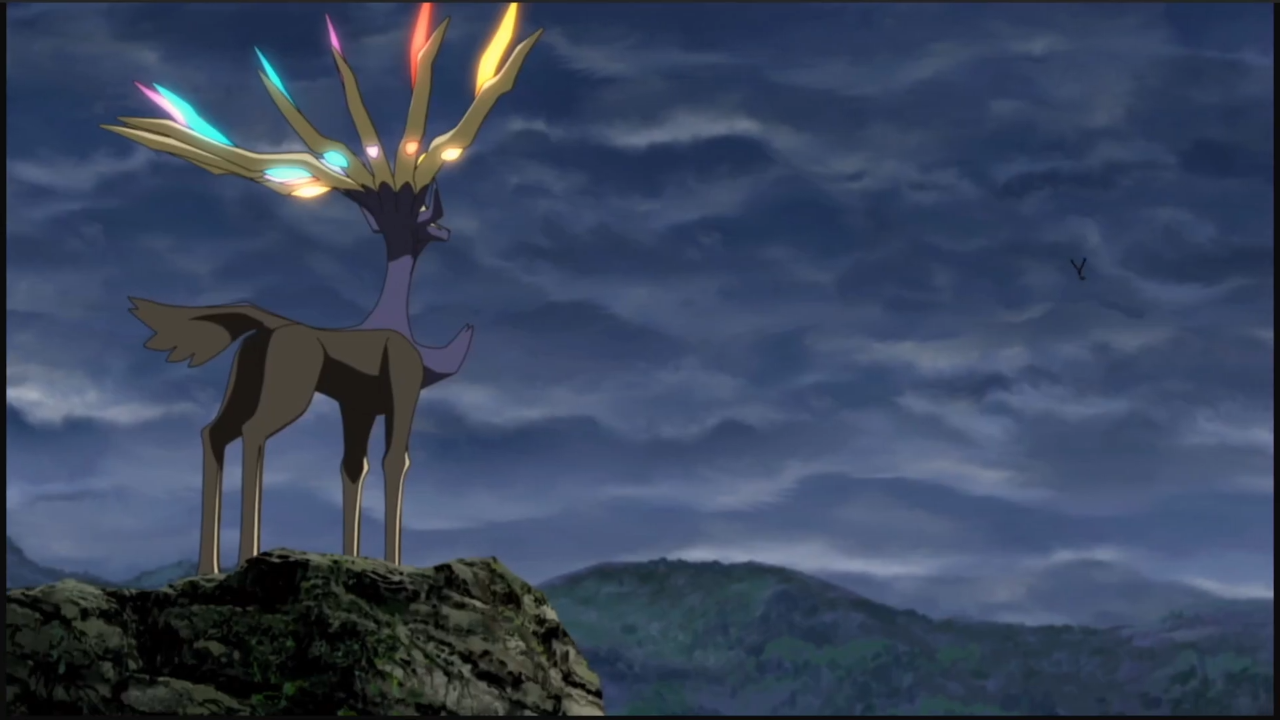
Some game pieces do not just occupy the field. They change the field’s transition rules. Xerneas made the pre-Geomancy field and the post-Geomancy field feel like two entirely different games joined by one dangerous hinge. Serious play therefore became the art of living near that hinge without allowing it to close on you.
That is not the same as ordinary difficulty. It is a more specific structural condition.
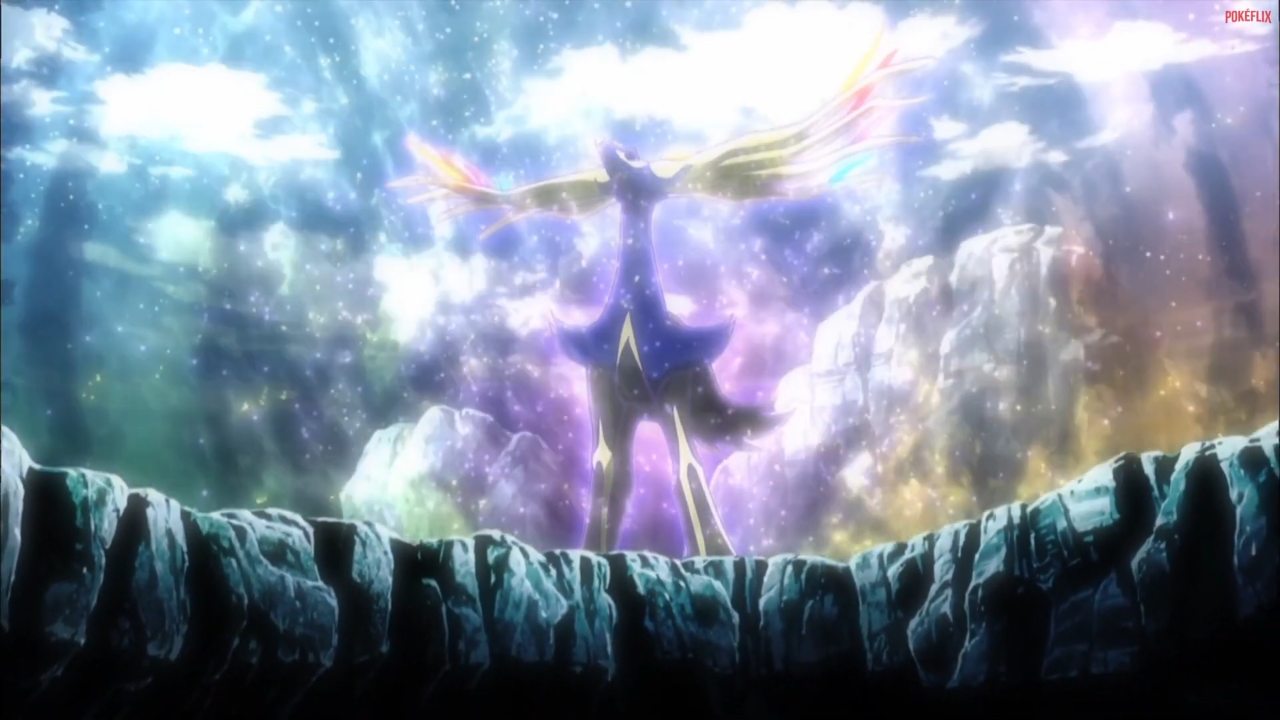
A player in this kind of field is not only trying to make good moves. They are trying to prevent the game from becoming a version of itself in which their good moves can no longer matter.
Snapshot V: Big Six And The Collapse Of Practical Variety.
Xerneas was never alone.
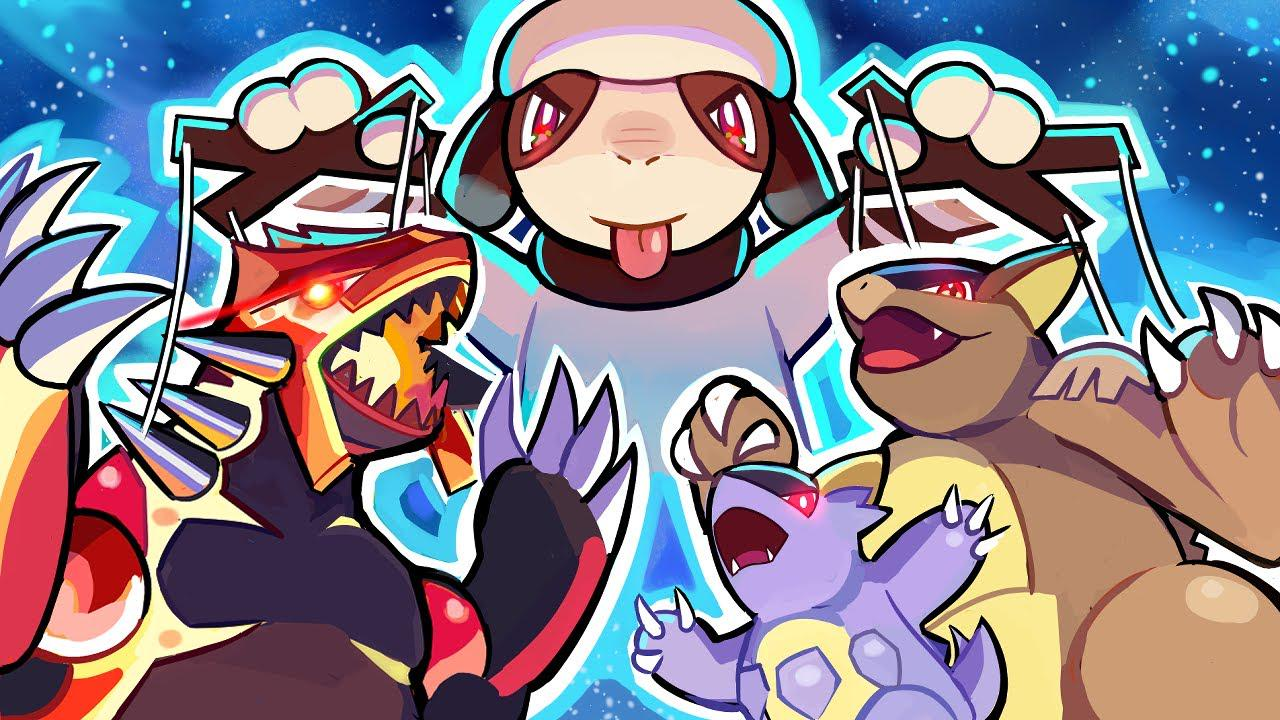
The most infamous VGC 2016 structure was the team archetype usually called Big Six. The common version contained Xerneas, Primal Groudon, Mega Kangaskhan, Mega Salamence, Smeargle, and Talonflame.
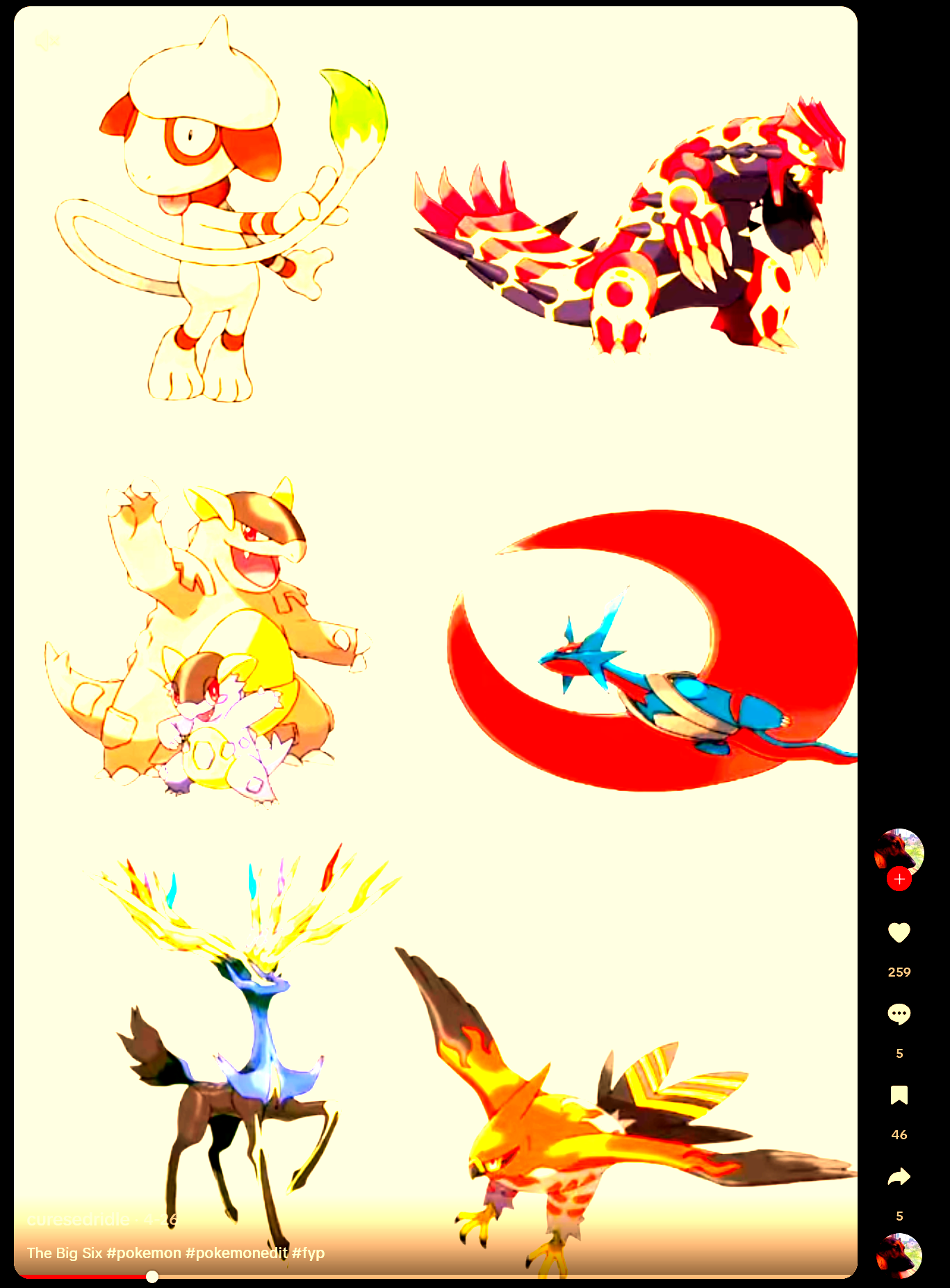
The name is boring because the structure was boring. This isn't CHALK. These were not six obscure pieces arranged into a delicate puzzle. They were six extremely direct answers to the question:
“What if a team simply used the strongest and most efficient field-shaping tools available?”
But even here, the point is not that each Pokémon was individually strong. The important thing is how the six worked as a field structure.
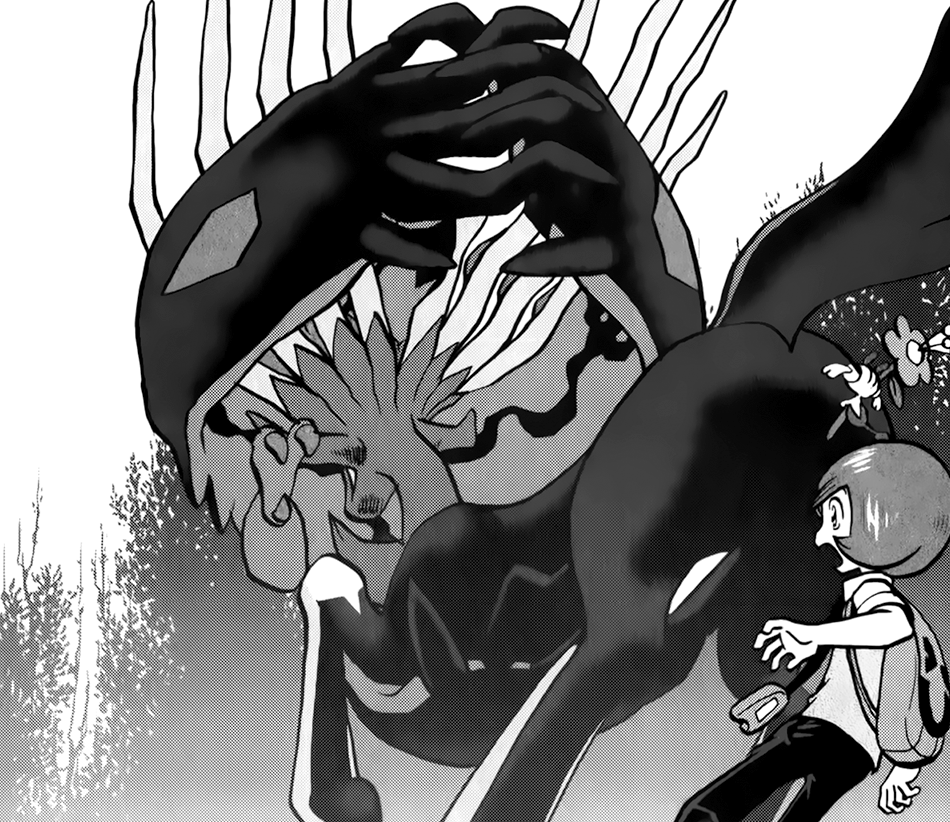
Xerneas we have already covered. Its Power Herb Geomancy set created a conversion threshold problem. If it obtained the right setup turn, the game could reorganize around boosted Fairy-type spread and single-target damage.
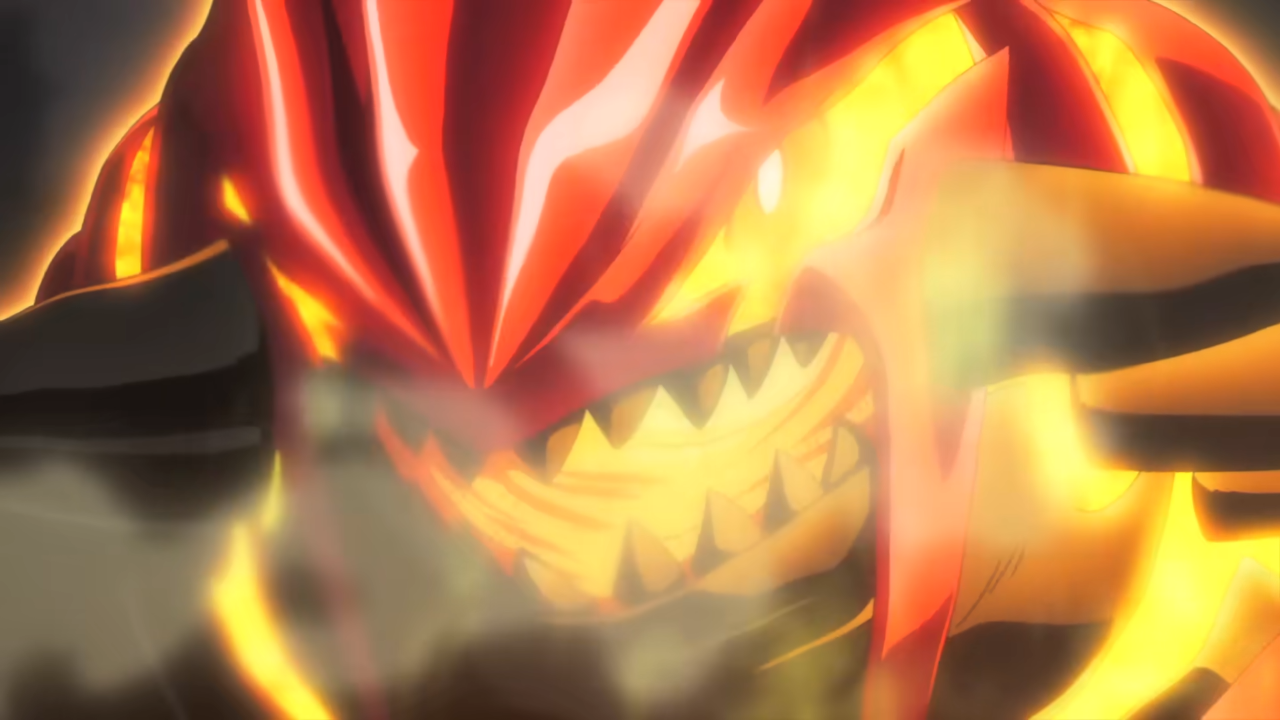
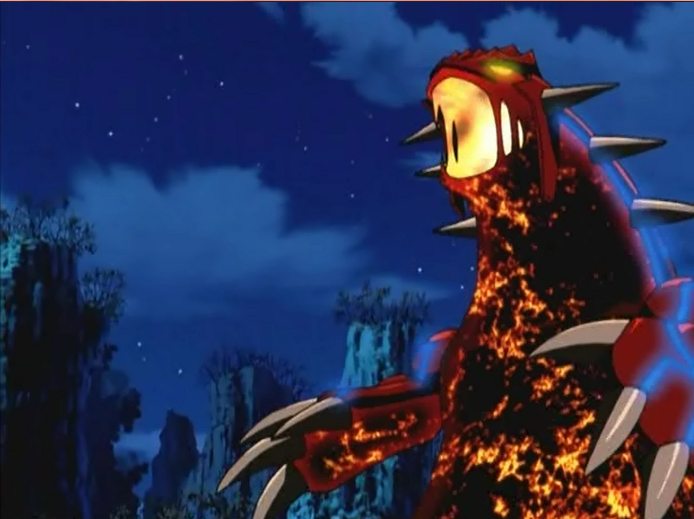
Primal Groudon was a restricted legendary Pokémon using Primal Reversion. This was a mechanic in which Groudon or Kyogre transformed into a more powerful Primal form when entering battle while holding the correct item. Primal Groudon’s ability, Desolate Land, created harsh sunlight so intense that Water-type attacks failed while the weather remained active. Ordinary Groudon is weak to Water. Primal Groudon did not simply become stronger; it rewrote one of its own major defensive liabilities through weather control.
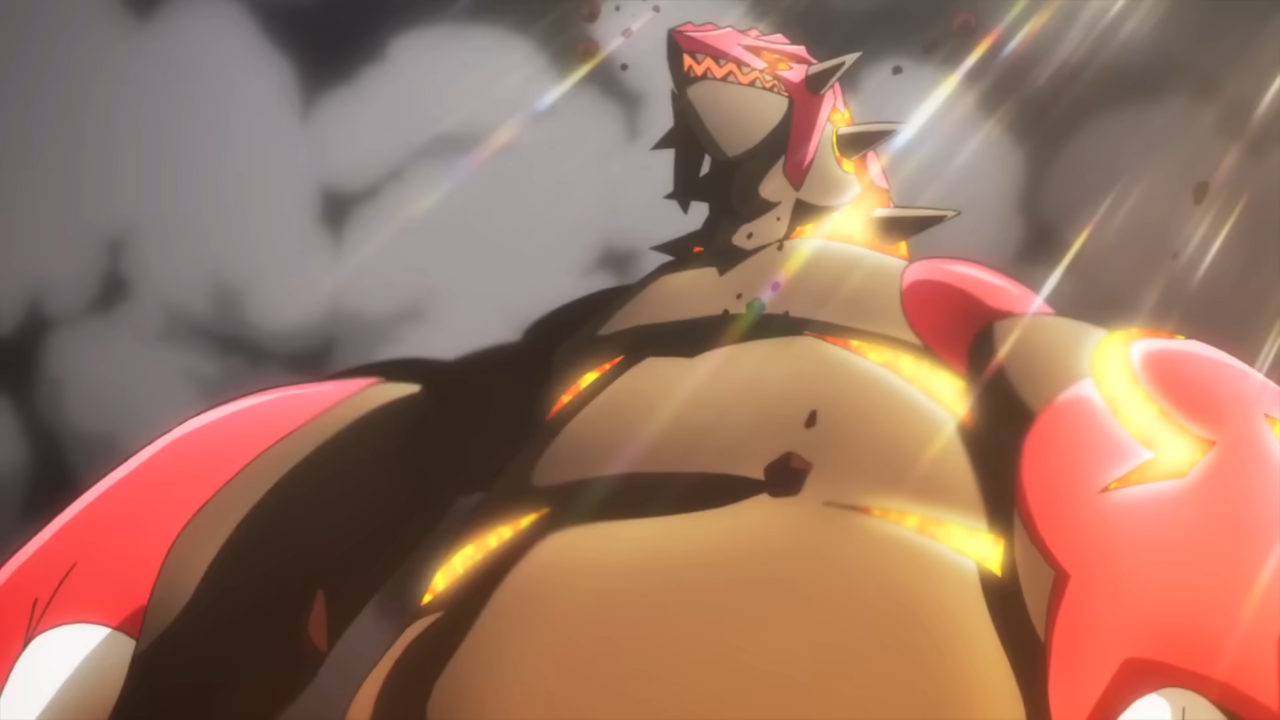
Primal Groudon was also a massive offensive and defensive presence. It could use Ground-type attacks such as Precipice Blades, a strong spread move that hit both opposing Pokémon, though not with perfect accuracy. It could use Fire-type attacks empowered by its own sun. Depending on its set, it could attack physically, specially, or use setup. Its typing, bulk, weather, and damage made it one of the central anchors of the format.
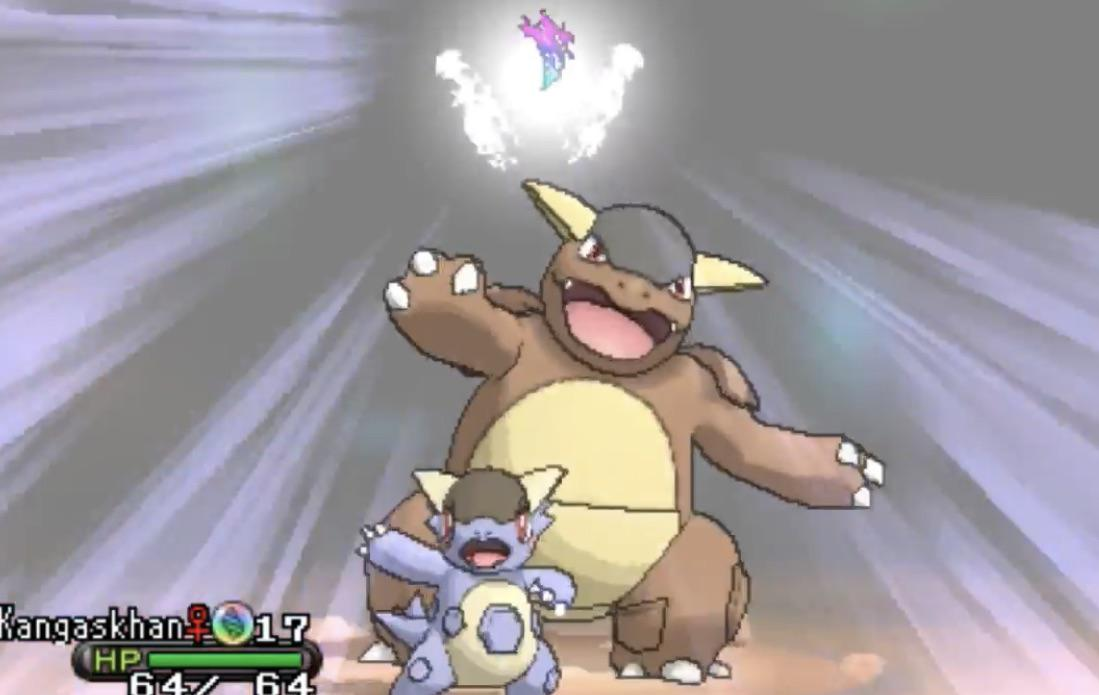
Mega Kangaskhan supplied immediate tempo and neutral pressure. As explained in the CHALK section, Mega Kangaskhan’s Parental Bond ability caused many single-target attacks to hit twice in Generation VI, with the second hit dealing reduced damage. This made it powerful, but its role in Big Six was not just dealing damage. Fake Out allowed Kangaskhan to stop one opposing Pokémon from moving on its first active turn. That one turn could now help Xerneas use Geomancy, help Smeargle use Dark Void, let Primal Groudon attack safely, or prevent the opponent from setting up speed control.
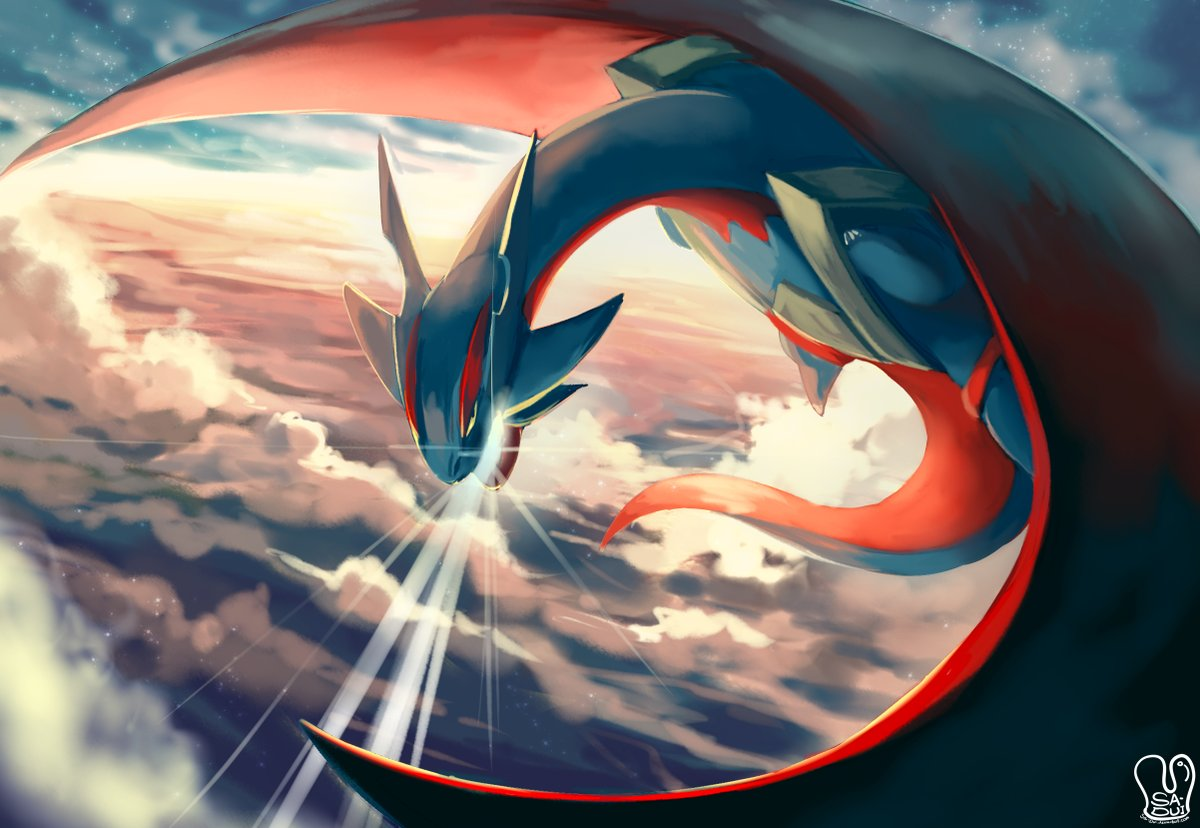
Mega Salamence supplied a different kind of pressure. Salamence is a Dragon/Flying-type Pokémon whose Mega form gained high Speed, high offensive stats, and the ability Aerilate. In Generation VI, Aerilate turned Normal-type moves into Flying-type moves, which no type is immune to, and increased their power. This made moves such as Hyper Voice, a spread move that hits both opposing Pokémon, much more dangerous. Mega Salamence also had Intimidate before Mega Evolving, meaning it could enter the field, lower the Attack of both opposing Pokémon, and then become a fast offensive threat after Mega Evolution.
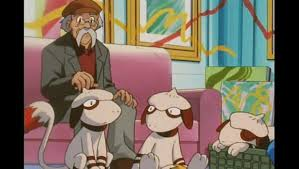
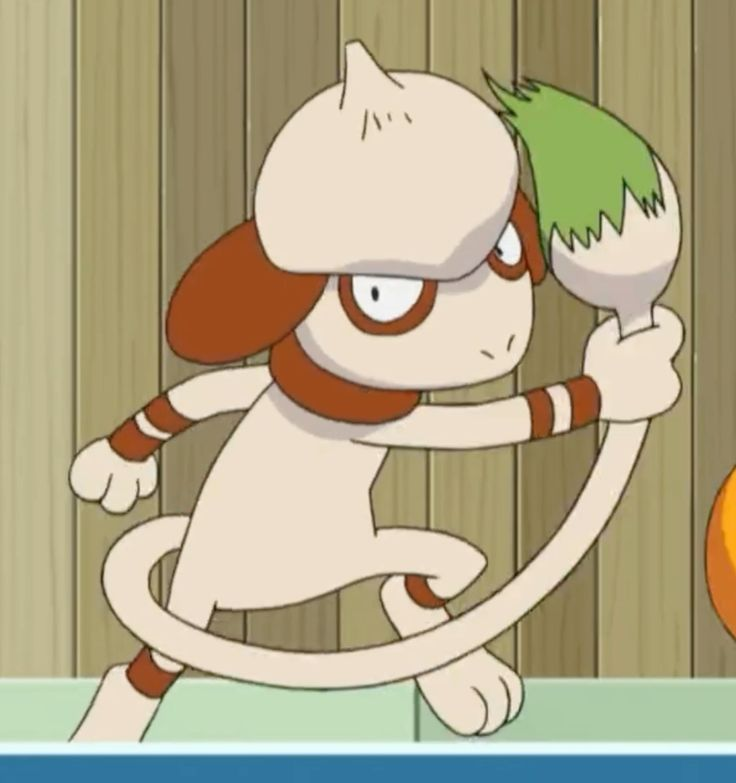
Smeargle supplied access.
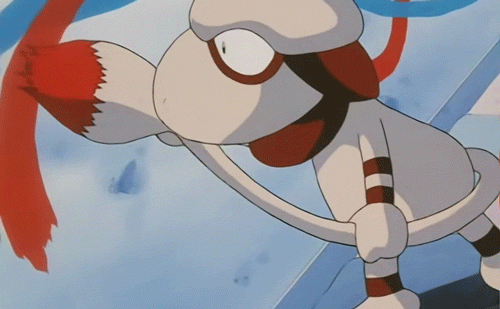
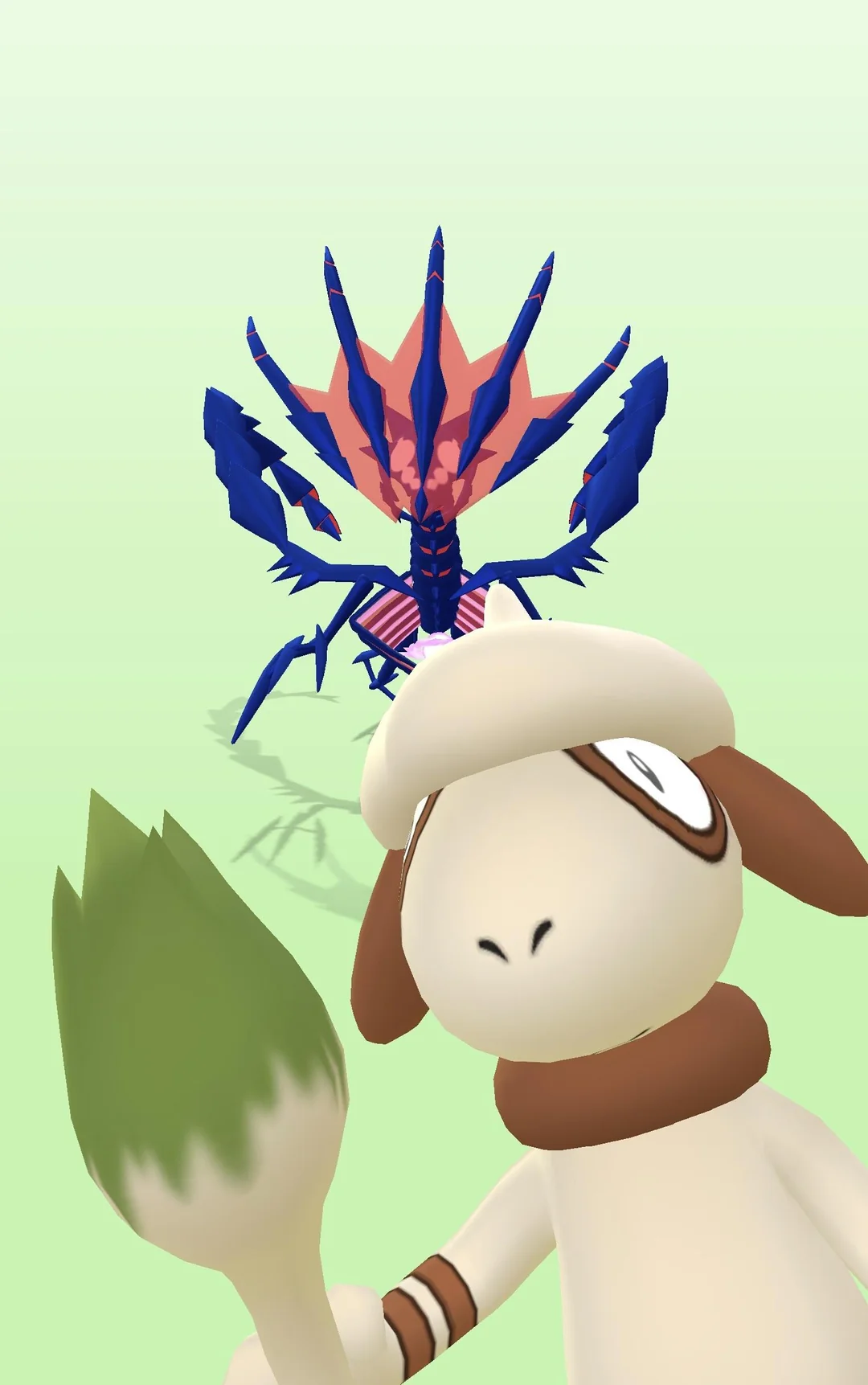
Smeargle is weak by ordinary stat standards, but its signature move Sketch allows it to permanently learn almost any move. In VGC 2016, this gave Smeargle access to support options other Pokémon could not combine in the same way. Most importantly, it could use Dark Void, a move that, in Generation VI, attempted to put both opposing Pokémon to sleep. Smeargle could also use Fake Out, Follow Me, Wide Guard, Crafty Shield, Spiky Shield, Transform, and other specialized support moves depending on the set. The important thing was its broad permissions.
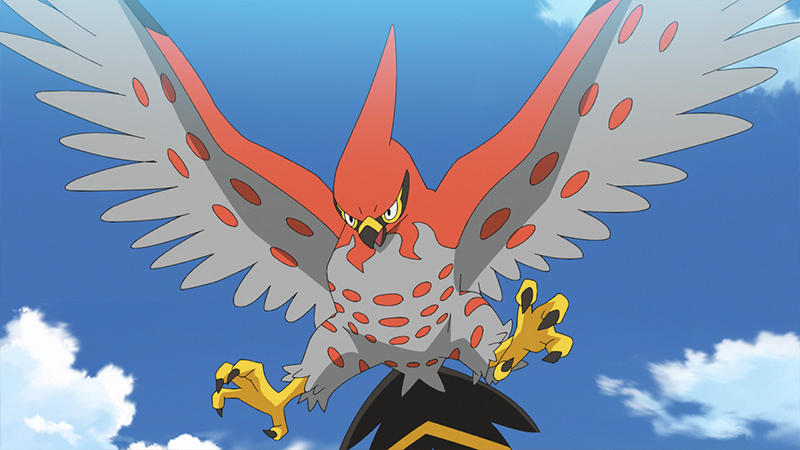
Talonflame supplied priority speed control and immediate Flying-type pressure. Its ability Gale Wings gave priority to Flying-type moves in that era. Moves with priority act before moves without it, in their own higher-level speed contest. Brave Bird, a strong Flying-type attack, could therefore move before many ordinary attacks. Talonflame could also use Tailwind, a move that doubled the Speed of its side for several turns, giving Big Six a way to control move order. This bird was frail, but it did not need to last forever. It only needed to create the correct immediate pressure.
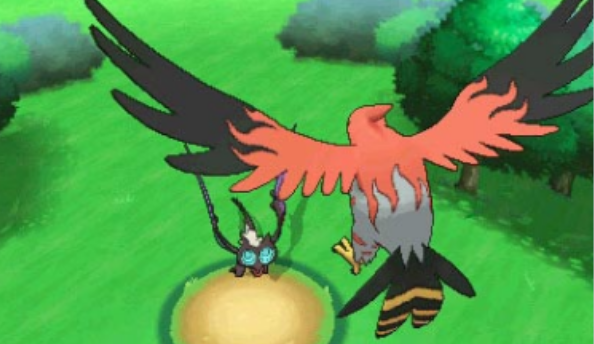
Taken one at a time, these Pokémon are already pretty alarming. Taken together, they created a field package with very few passive turns.
- Xerneas threatened conversion.
- Primal Groudon threatened weather control, spread damage, and defensive rewriting.
- Mega Kangaskhan threatened Fake Out and immediate physical pressure.
- Mega Salamence threatened Intimidate and fast spread damage.
- Smeargle threatened sleep, redirection, disruption, and nearly unmatched move access.
- Talonflame threatened priority offense and Tailwind.
This is why Big Six is a stronger structural case than any simple list of overpowered Pokémon. This compressed multiple field functions into one incredibly obvious team. It had setup pressure, weather pressure, Mega pressure, priority pressure, sleep pressure, speed control, Intimidate, Fake Out, spread damage, and multiple ways to force the opponent into defensive play.
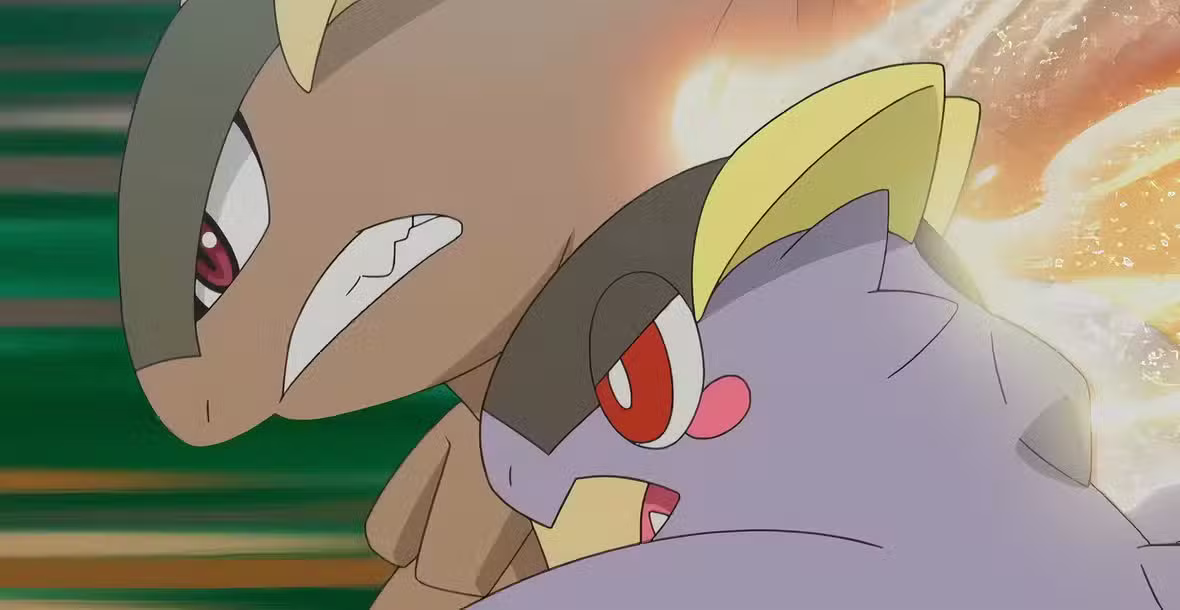
A player preparing for Big Six was not preparing for one threat. This was a well-coordinated field.
- If they focused too much on Xerneas, Primal Groudon and Mega Kangaskhan could punish them.
- If they focused too much on Primal Groudon, Xerneas could convert.
- If they relied on one fragile answer, Fake Out, Dark Void, or Talonflame pressure could interrupt it.
- If they tried to play slowly, the team could attack immediately.
- If they tried to race, they still had to respect redirection, sleep, Tailwind, and priority.
This produced a specific kind of metagame compression.
The field did not become narrow because only six Pokémon were legal, but because those six Pokémon made many legal alternatives answer too many questions at once. A would-be alternative did not need to be bad in the abstract. It only needed to fail one necessary test in the line:
- Can it survive boosted Xerneas?
- Can it threaten Primal Groudon?
- Can it function under sleep pressure?
- Can it avoid losing too much tempo to Fake Out?
- Can it handle Mega Salamence’s Intimidate and spread damage?
- Can it prevent Tailwind from making the speed race unwinnable?
- Can it do all of that while still having a plan into teams that are not Big Six?
This is where practical variety collapses into almost nothing.
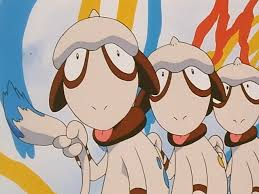
A metagame may contain hundreds of legal Pokémon, but legal permission is not the same as competitive access. If entering the field requires passing six overlapping, overwhelming structural tests, many legal objects become unreachable. They are not banned. They are not impossible. They are simply unable to survive the admission conditions imposed by the actual field.
This is more precise than saying Big Six was too strong. Big Six turned team-building into a legitimacy exam.
A team did not enter this format by being clever. It entered by proving it could exist under Big Six pressure. Creativity remained possible, but it had to be creativity after Big Six compliance. First you answered the obvious structure. Then, if you still had any room left, you could express something else.
In a healthier wide field, creativity can be exploratory. Players can ask what strange line might open a new path. In a compressed field, creativity becomes a residual artifact. It happens in the space left over after the dominant structure has collected its tax.
This is a deeper kind of degeneration than the simple solved-game image.
Big Six did not end VGC 2016. I checked. Players still played. Strong players still found edges. Tournament games still contained meaningful decisions. This field was not dead.
But it was not open in the way the legal roster suggested. The living field had a gate called Big Six.
Snapshot VI: Smeargle, Dark Void, And Permission As Power.
Smeargle deserves its own snapshot, because this thing reveals a different structural principle from Xerneas, CHALK, or Big Six as a whole.
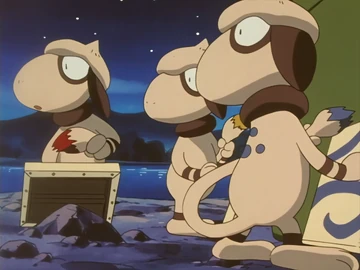
Most Pokémon are defined by a relation between body and access.
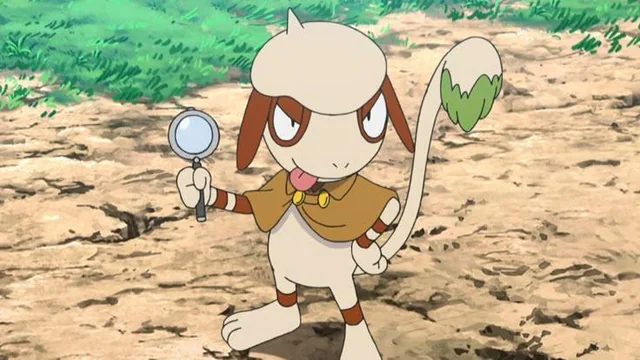
A Pokémon has stats. It has typing. It has an ability. It has a movepool. Its movepool is the set of moves it can learn. Usually, these elements constrain one another. A very bulky Pokémon may have limited damage. A very fast attacker may be fragile. A support Pokémon may lack offensive pressure. A powerful move may be balanced by the fact that only certain Pokémon can use it well.
This relation between body and access is one of Pokémon’s basic balancing languages.
Smeargle disrupts that language.
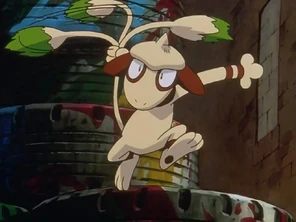
Smeargle’s stats are pretty poor. It is not bulky. It is not strong. It is not fast enough by ordinary standards to dominate through its body. Its typing is definitely not exceptional. It may, in fact, be the opposite of that word. If Pokémon were balanced only by stats, Smeargle would be completely irrelevant.
But, Smeargle has Sketch.
Sketch allows Smeargle to learn almost any move permanently. This means Smeargle’s movepool is not a normal movepool; closer to a permissions breach in the design grammar.
This thing can combine tools that are normally distributed across different Pokémon. This does not automatically make it good in every field. Its weak body still matters.
But in a field where one or two support actions are valuable enough, access can outweigh embodiment.
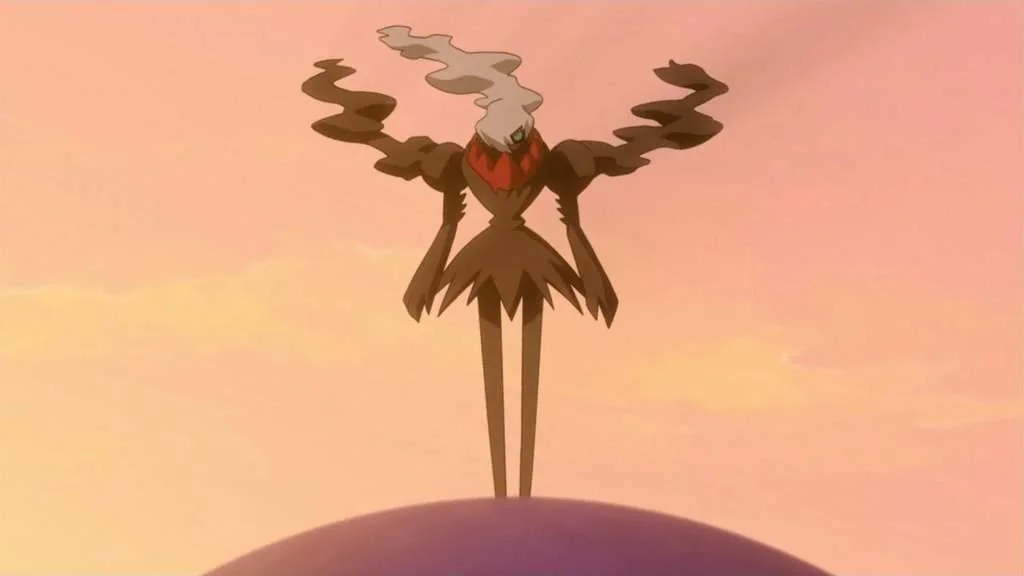
In VGC 2016, the defining Smeargle move was Dark Void.
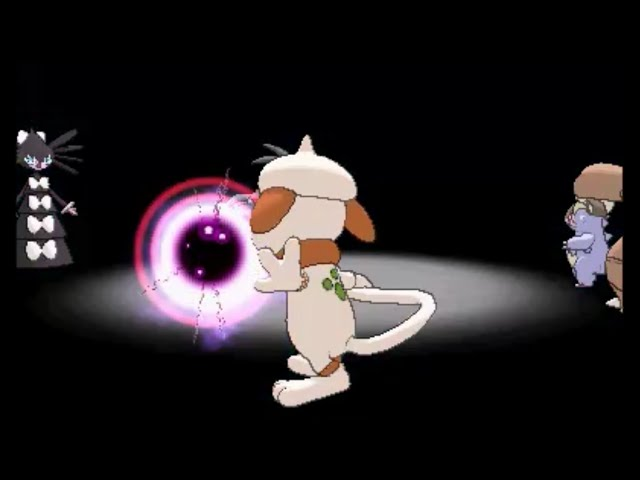
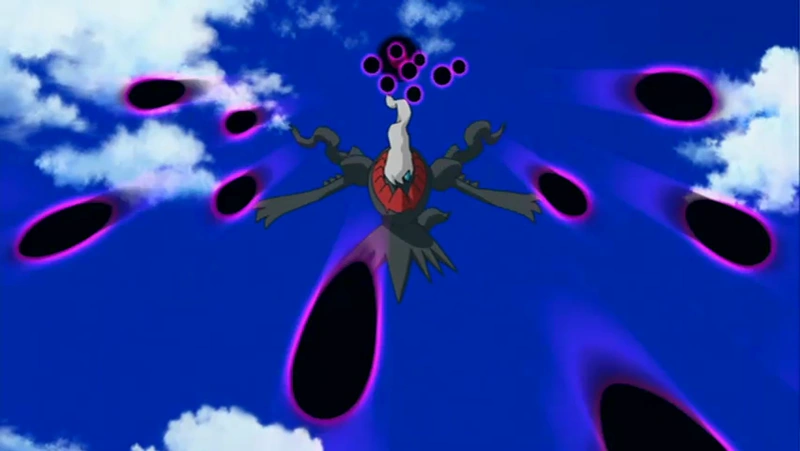
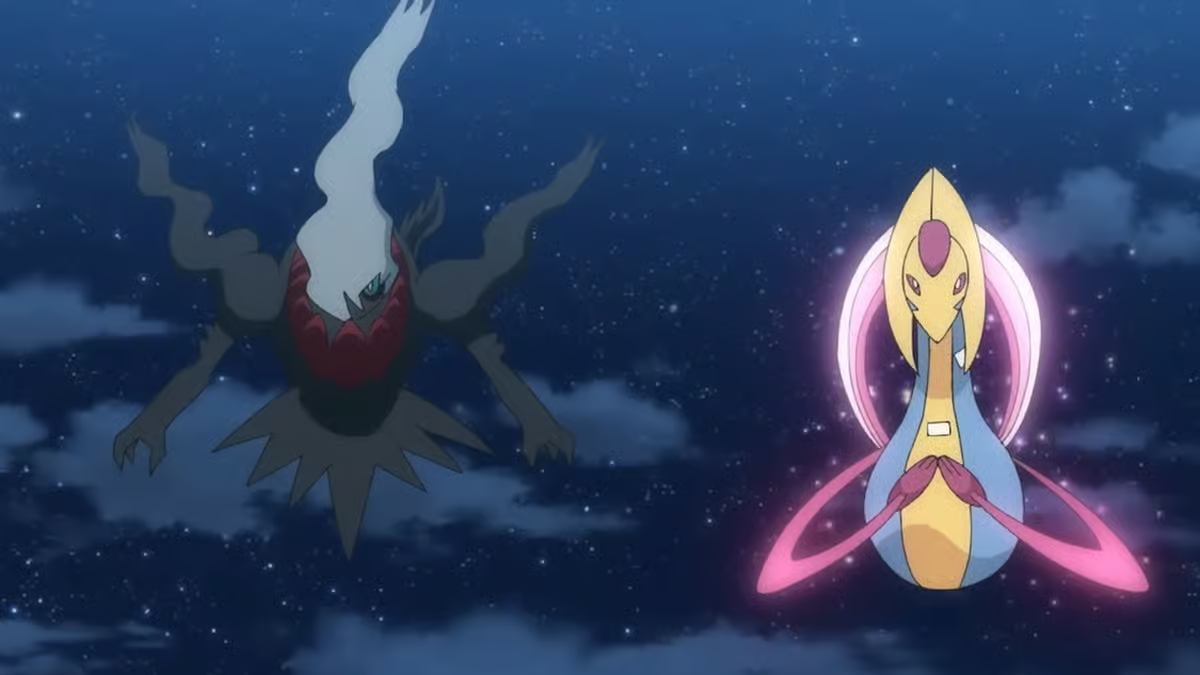
Dark Void was originally associated with Darkrai, a Mythical Pokémon. In Generation VI, Dark Void attempted to put both opposing active Pokémon to sleep, with separate accuracy checks. Sleep is a major status condition. A sleeping Pokémon usually cannot move until it wakes up. In doubles, putting one opposing Pokémon to sleep can swing a game. Putting both to sleep can suspend the opponent’s entire active board.
That is not just disruption, this is agency removal.
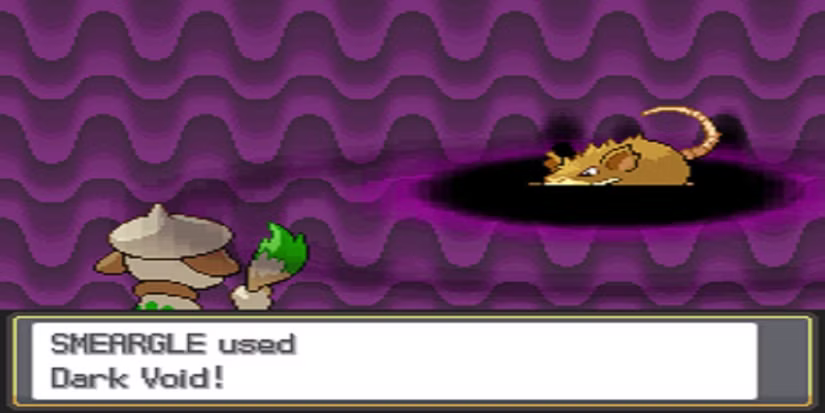
A sleeping Pokémon is still present on the field. It can still be targeted. It can still wake up later. Its existence still shapes the board. But while asleep, its future branches are all suspended. Absent specific sleep-activated moves, it cannot attack, protect, switch by its own move, set speed control, redirect, or answer the immediate threat unless it wakes. Sleep turns the opponent’s active slot into a delayed object. The slot exists, but its agency is narrow and uncertain.
Dark Void threatened both opposing active slots at once.
This is very different from a single-target sleep move. A single-target sleep move creates a local disable. The opponent still has another Pokémon active and may be able to respond with that partner. A double sleep threat can remove both active agents from the turn structure. Even when Dark Void misses one target, the threat of it shapes play. Even when the Smeargle player does not click or even have Dark Void, the opponent must respect the possibility.
This is where Fake Out, redirection, and speed become important.
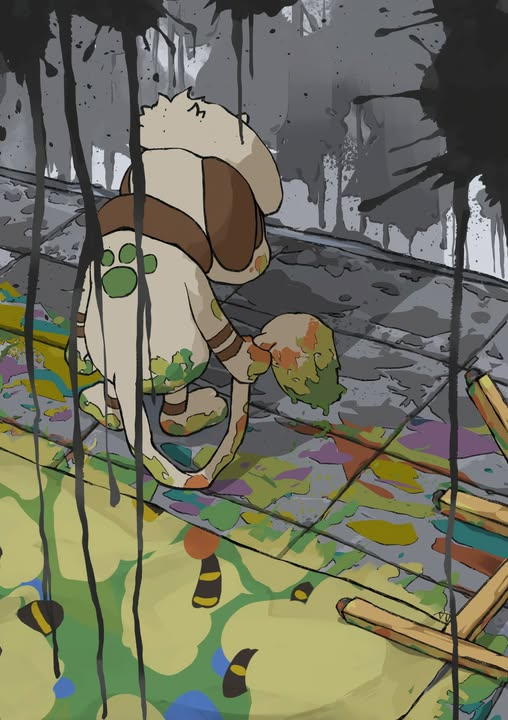
Smeargle was not usually trying to win by itself. This little thing was very rarely the whole plan. It was trying to create turns for its partner.
If Smeargle put both opponents to sleep, Xerneas might now use Geomancy. Primal Groudon might attack freely. Mega Kangaskhan might remove a target.
If the opponent tried to stop Smeargle, they still had to account for Smeargle’s partner. If the opponent targeted the partner, Smeargle might use Dark Void. If the opponent protected, they might give the partner a free turn. If they switched, the incoming Pokémon might be put to sleep.
This made Smeargle a potent pressure object despite its weak body. It also forced players to use specific answers.
Taunt could stop Smeargle from using status moves, but Smeargle could hold Mental Herb to ignore Taunt once. Faster Fake Out could stop it for a turn, but only under the right conditions. Lum Berry or Chesto Berry could cure sleep once. Safeguard, Sweet Veil, Insomnia, Vital Spirit, Grass types against Rage Powder interactions in later contexts, Magic Coat, Crafty Shield, Quick Guard, priority attacks, spread attacks, and aggressive double-targeting could all matter depending on format and position.
But again, the question was not whether answers to this beagle existed. The question was whether the answer could be reached without losing to the rest of the field.
This is the recurring VGC problem. Counterplay is not a database entry. Counterplay is a path.
Smeargle’s deeper lesson is about the separation of action from body.

In a well-shaped creature game, what a creature can do should remain meaningfully connected to what the creature is. Not in a rigid or literal way.
Strange move access is part of Pokémon’s charm, and support Pokémon do not need heroic stats to matter. But if access becomes too detached from embodiment, the field’s ordinary reading skills break down. Players can no longer evaluate a Pokémon by asking what kind of body it has, what type it is, what role it appears designed to fill, or what tradeoffs it seems to carry. They must instead ask what permissions it has acquired from outside of itself.
Smeargle is the purest case of permission as power. Its body says no, we can not.
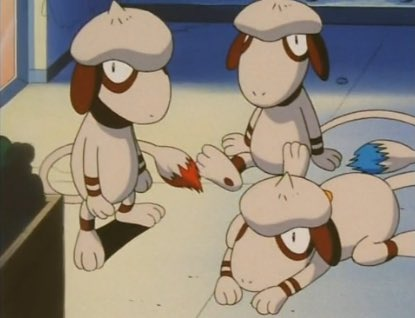
Its movepool says yes we can.
That tension can create unusual teams and reward precise support play. But when paired with a move like Generation VI Dark Void, the tension becomes field-distorting. A weak Pokémon with access to double sleep is not weak in the way its stats suggest. It becomes a local exception to the game’s normal relation between appearance, embodiment, and consequence.
Games teach players how to see.
A game’s pieces are not only tools. These are signs. Over time, players learn what certain bodies mean. A slow bulky Pokémon means one kind of danger. A fast frail Pokémon means another. A support Pokémon means another. A legendary restricted attacker means another. The field becomes readable because the relation between object and function is stable enough to learn.
Smeargle makes that relation unstable.
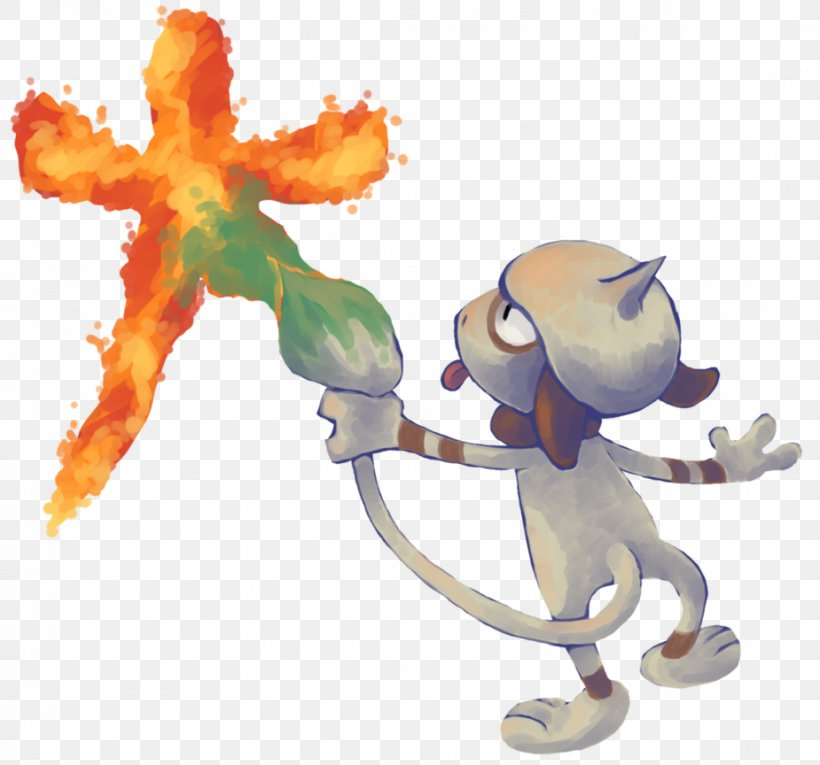
Again, this does not mean Smeargle should never exist. I'm not saying we have to annihilate this locus. The issue is always local. The question is what a specific Smeargle is allowed to access inside a specific field. In VGC 2016, Smeargle’s access to Dark Void created a support object whose structural power was far greater than its visible body implied.
The later change to Dark Void itself is therefore revealing. When Dark Void was reduced in accuracy and made usable only by Darkrai, the game repaired a structural relation between action and body. Dark Void returned to the creature it was supposed to belong to. Smeargle could no longer carry that particular form of field-wide sleep pressure.
This is a clean example of a repair that operates below the level of ordinary balance numbers. The question was not just, “How strong should Dark Void be?”
The question was:
“What body is allowed to perform this action?”
That is often the deeper balancing question.
A move’s power is not only its base effect. Its power depends on which bodies can carry it into which fields, beside which partners, under which rules, with which items, and against which forms of counterplay.
Smeargle made that visible. It showed that in a ludic field, permission is not secondary to power.
Permission is one of power’s forms.
Snapshot VII: Swagger, Thunder Wave, Rock Slide, And Outcome-Sensitive Variance.
Randomness is part of Pokémon.
Attacks can miss. Secondary effects can happen. Critical hits can break through an expected damage range. A frozen Pokémon may stay frozen longer than expected. A paralyzed Pokémon may fail to move. A Rock Slide may flinch one opponent, both opponents, or neither. Competitive Pokémon has never been a game of perfect deterministic control.
VGC intensifies this because doubles turns contain more moving objects at once.
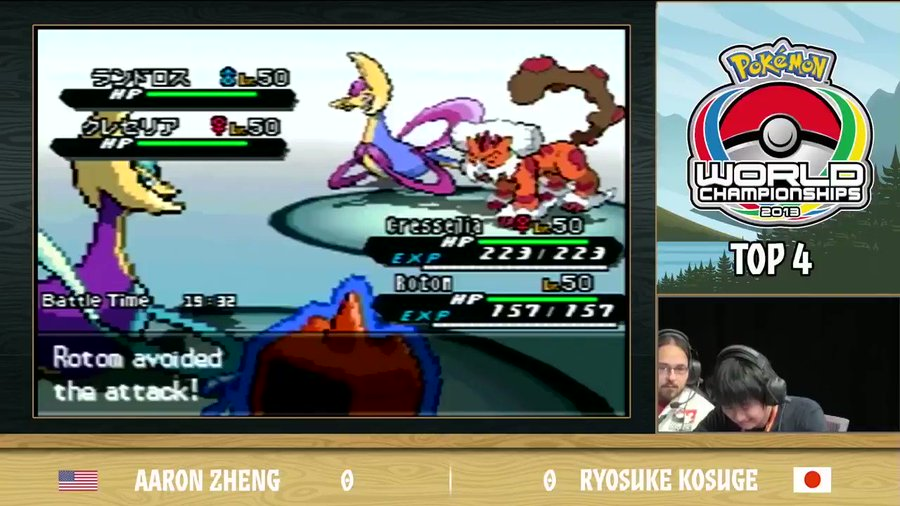
A single turn may involve four Pokémon, two items activating, weather changing, terrain changing, priority interactions, ability triggers, speed ties, spread moves, Protects, switches, and secondary effects. When randomness enters a field this dense, it does not stay local. It follows down the path. One missed attack can expose a partner. One flinch can prevent speed control. One full paralysis can stop a Protect, a knockout, a Trick Room, a Tailwind, or a move that would have preserved the endgame.
The question is where randomness enters the decision-structure.
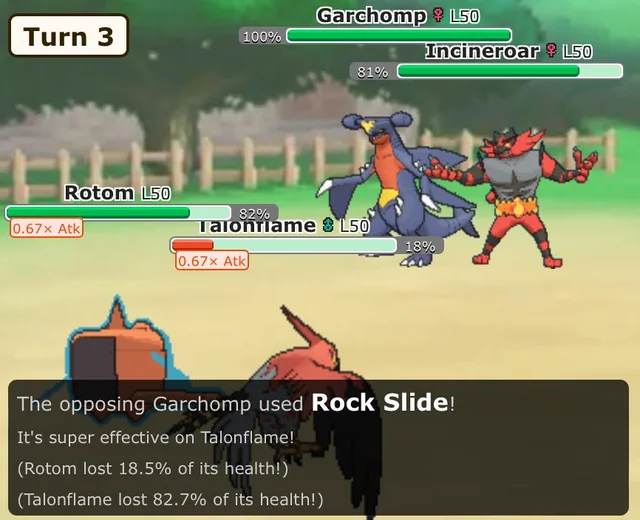
A random event can enrich a field when players can position around it, price it, reduce exposure, or choose when to accept risk. A random event distorts a field when the cost of the event exceeds the player’s available counterplay. The same percentage can be tolerable or destructive depending on what the field lets players do around it.
Swagger, Thunder Wave, and Rock Slide became important because they could stack uncertainty onto the same turn structure.
Swagger is a status move that raises the target’s Attack stat by two stages and confuses it. Attack determines the power of physical moves. Confusion is a volatile condition that lasts for a limited number of turns and gives the affected Pokémon a chance to hurt itself instead of executing its selected move. In generations relevant to this discussion, confusion gave a Pokémon a fifty percent chance to hit itself. The self-hit used the Pokémon’s own Attack stat in the damage calculation.
Swagger therefore has a strange shape.
It makes the target stronger and less reliable at the same time. If the target acts normally, the Swagger user may have empowered an opposing physical attacker. If the target hits itself, the target loses its action and damages itself with its newly raised Attack. Against special attackers, support Pokémon, or Pokémon that did not rely on physical damage, the Attack boost could be less dangerous. Against a physical attacker, Swagger was riskier, but the reward could be enormous.

Swagger also interacted with Foul Play in some contexts. Foul Play is a Dark-type move that uses the target’s Attack stat rather than the user’s Attack stat to calculate damage. If a Pokémon used Swagger to raise the target’s Attack, then used Foul Play against that target, the Attack boost made Foul Play hit harder. The target could also hurt itself harder in confusion. A status move became a way to convert the opponent’s own body into a liability.
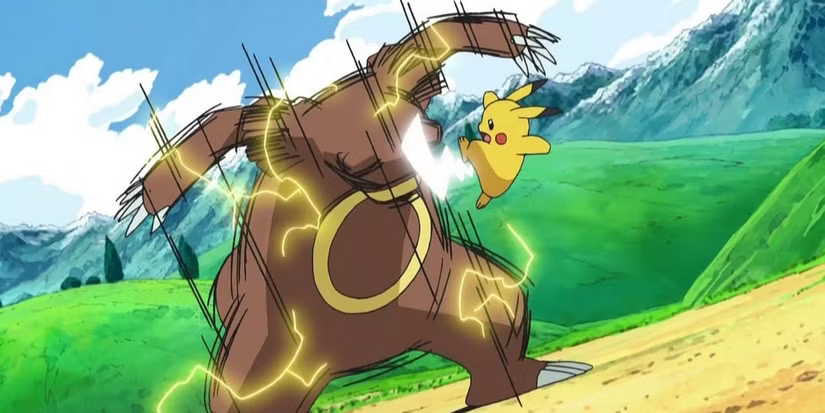
Thunder Wave is a move that paralyzes the target, subject to immunities and accuracy rules that changed across generations. Paralysis has two major effects. It reduces Speed, and it can cause the Pokémon to become fully paralyzed, losing its action that turn. In the older VGC eras where Thunder Wave was especially oppressive, paralysis reduced Speed to one quarter of its previous value. Full paralysis had a one-in-four chance to occur each time the Pokémon tried to act.
Thunder Wave changes both move order and action reliability.
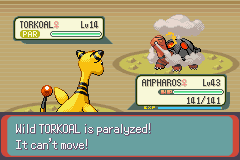
The Speed reduction is already powerful. A fast attacker that becomes paralyzed may now move after threats it previously outran. A support Pokémon that needed to set Tailwind, Trick Room, or redirection before taking damage may now fail to move in time. A Pokémon whose whole role depends on moving first may become a different object after paralysis.
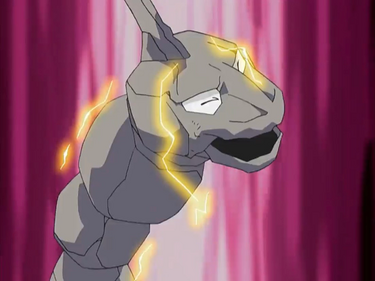
The full-paralysis chance adds a second layer. The Pokémon may be slow enough to lose move order and still fail to act even when its turn arrives.
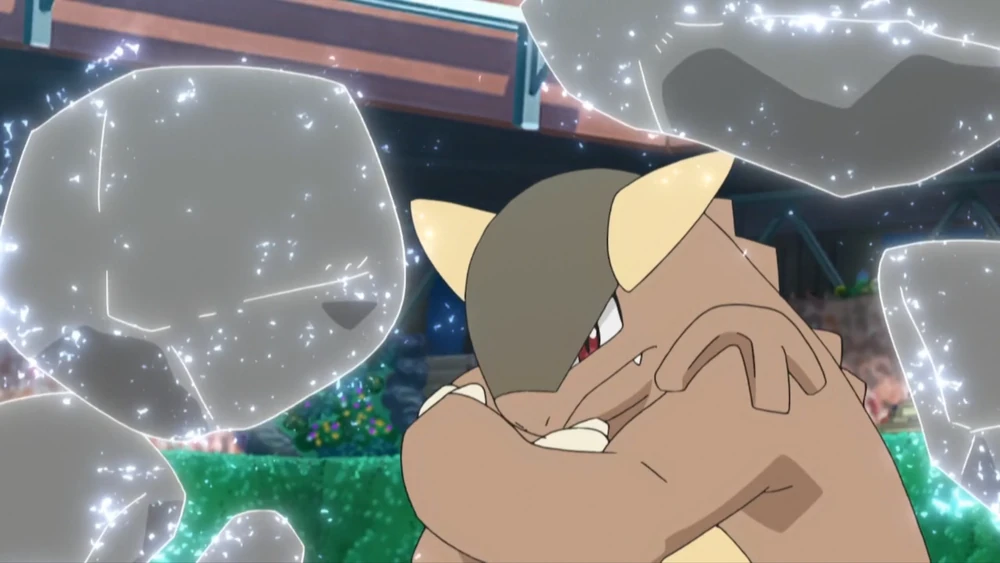
Rock Slide adds another shape of variance.
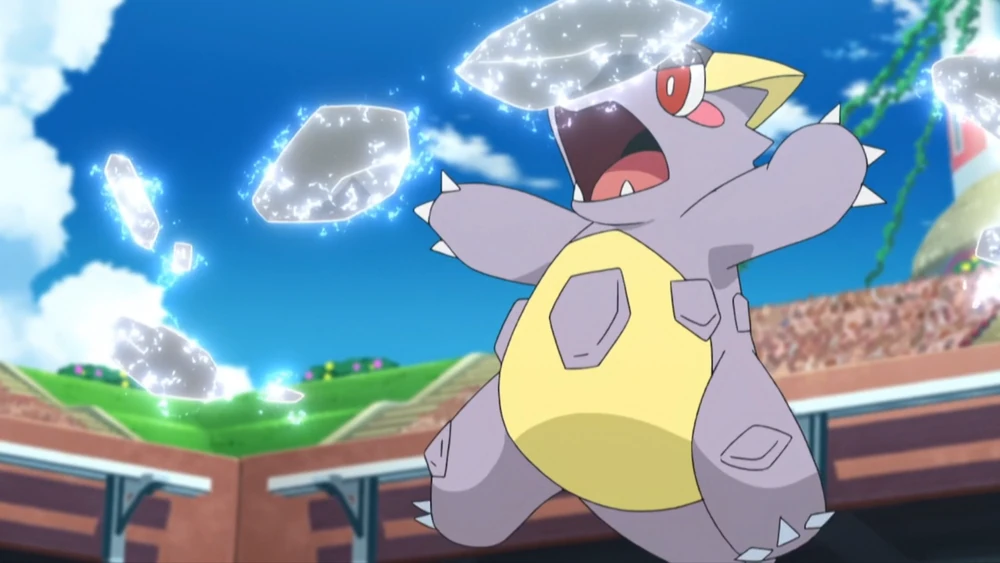
Rock Slide is a Rock-type spread attack. In doubles, it hits both opposing Pokémon if they are adjacent and if the move connects. From Generation II onward, Rock Slide has a thirty percent chance to flinch each target it hits. Flinch causes the affected Pokémon to lose its action if it has not already moved that turn.
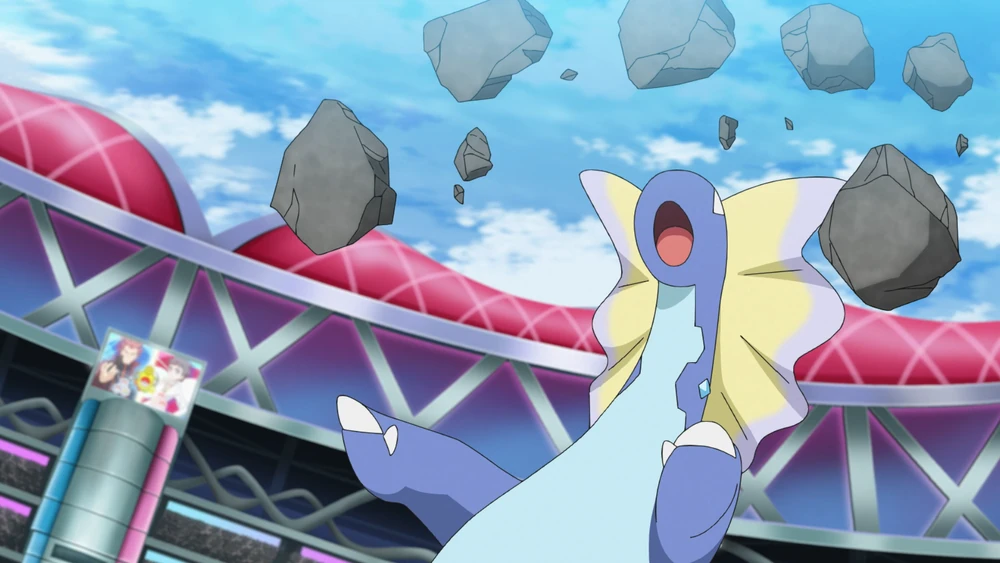
A flinch only matters against a Pokémon that has not moved yet. If the target already acted, flinching it does nothing. Rock Slide therefore becomes far stronger when the user moves before the targets. Speed control and flinch chance therefore reinforce each other. A player who paralyzes opposing Pokémon, sets up Tailwind, or otherwise wins move order can turn Rock Slide from spread damage into spread action denial.
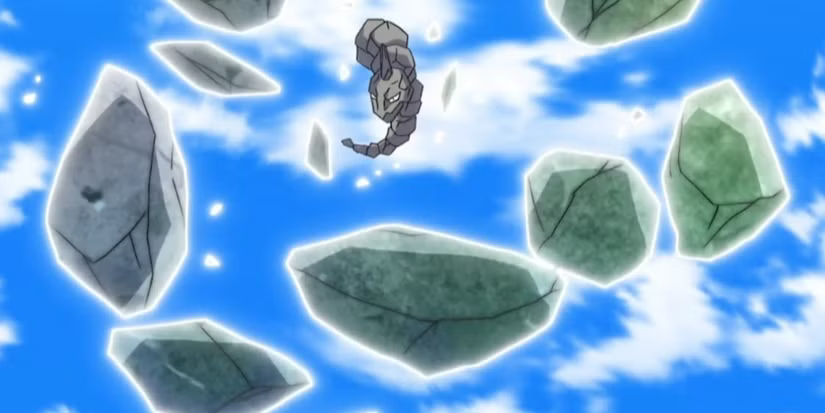
The field problem emerges through compounding.
- Thunder Wave can make the opponent slower.
- Rock Slide can exploit the new speed order by moving first and threatening flinches.
- Swagger can create another chance that a Pokémon loses its action.
Confusion self-hit, full paralysis, Rock Slide flinch, and ordinary move accuracy can all attach to the same practical question:
Does the opposing Pokémon get to play this turn?
This style of play does not remove decision-making. The player using these tools still has to position, choose targets, preserve the right Pokémon, manage risk, and avoid empowering the wrong threat. The player facing these tools also still has choices: switch, bring a Lum Berry, use Safeguard, bring Electric- or Ground-type immunities where relevant, apply Taunt, redirect, attack before the status lands, use priority, exploit the Swagger Attack boost, or build teams less vulnerable to speed collapse.
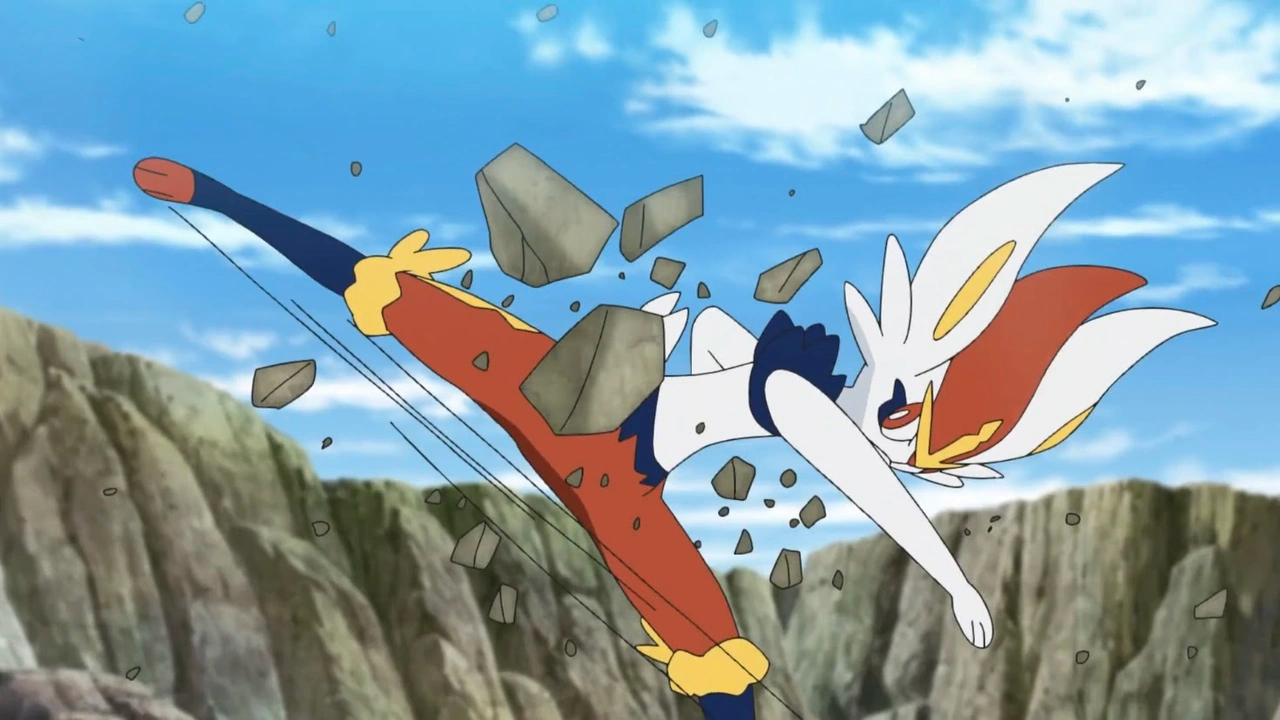
Those answers live inside a real field, which means under real pressure.
The structural issue appears when the burden shifts too heavily onto the player trying to keep agency available. A player can make the correct bring-four decision, identify the opponent’s plan, position the correct answer, and still lose the decisive turn to compounded action denial.

Every competitive game contains moments where the better line loses. The field begins to degrade when repeated best lines converge on hoping that one’s own Pokémon are allowed to execute their selected moves.
VGC’s harshest variance fields do not ask, “Can you make the right decision?”
They ask:
“Can you keep the right decision connected to the game long enough for it to occur?”
That is a deeper problem than luck.
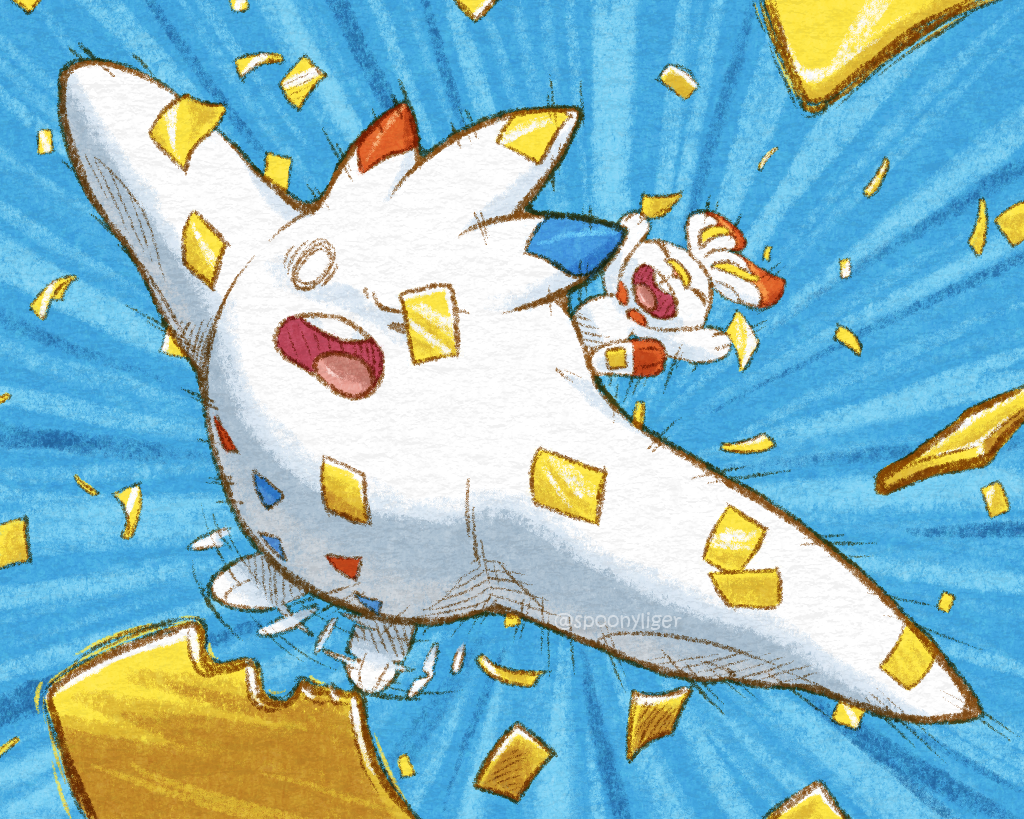
A move choice is an intention, but intention always passes through substrate. The battle engine must still translate that intention into a field event. Status, flinch, confusion, sleep, speed order, redirection, Protect, immunity, and accuracy all sit between intention and event. Competitive depth often lives in that space. Players try to interfere with the opponent’s intentions while preserving their own.
A healthy field lets that interference become strategy. An unhealthy field lets the interference become authorship.
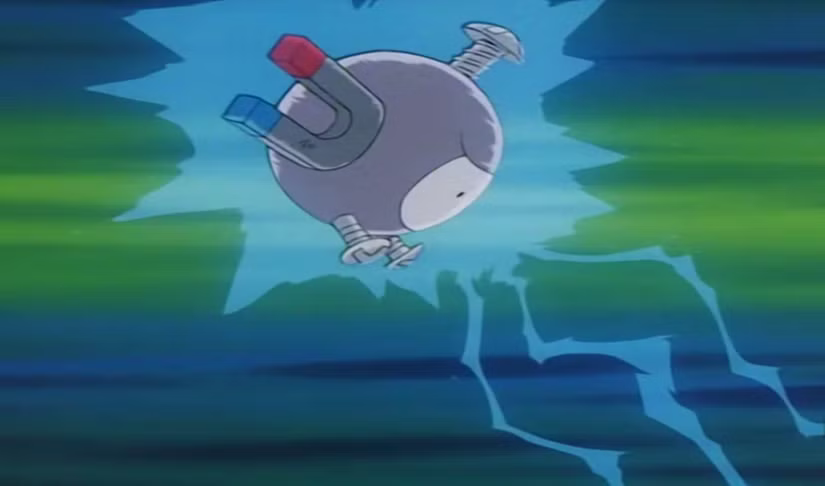
When Thunder Wave slows a threat, it changes the order of agency. When Rock Slide flinches a slower target, it cancels agency. When Swagger confuses a target, it makes agency conditional.
When these stack, a player may technically still be choosing moves while the field increasingly decides whether those choices enter reality.
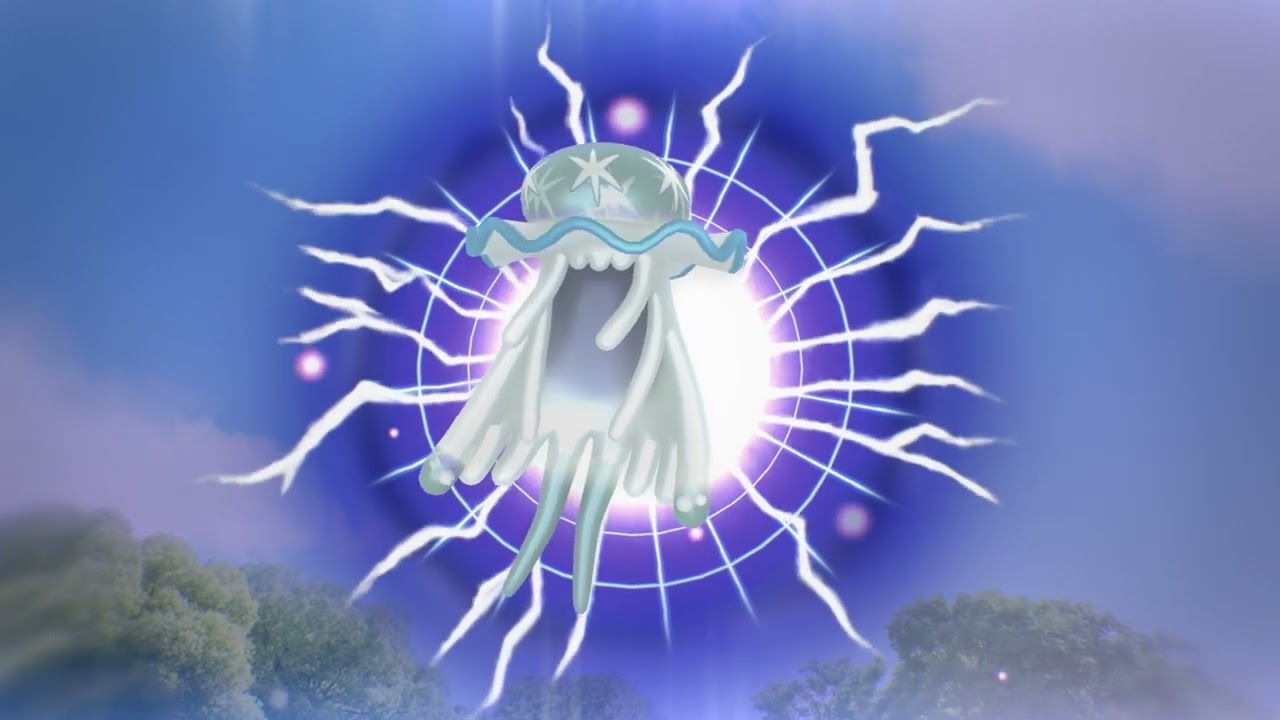
A Pokémon battle interface allows the player to select an action every turn. The living field determines whether that selected action becomes part of the real game. Some mechanics block action through skillful position. Fake Out can be read, protected against, redirected around, or stalled by switching. Trick Room can be prevented, reversed, or played under. Protect can be punished. Sleep can be blocked, absorbed, or routed around depending on the format.
Variance becomes most dangerous when it preserves the appearance of agency while repeatedly interrupting the action’s entry into the field. The player still selects the move. The field may decline to admit it. This is why outcome-sensitive variance feels different from ordinary randomness.

A low-stakes random event may alter damage without changing the game’s type. A high-stakes random event may decide whether Trick Room goes up, whether Tailwind begins, whether Xerneas is stopped, whether a weakened Pokémon protects itself, whether the last answer to a restricted legendary gets to move, whether the endgame remains reachable.
The same thirty percent is not the same thirty percent everywhere.
- A Rock Slide flinch on a turn with three backup lines is an inconvenience.
- A Rock Slide flinch on the only remaining Trick Room setter may decide the game’s entire path structure.
VGC players learned to treat these odds as part of the field. They practiced around them, built around them, accepted them, exploited them, and sometimes won tournaments through them. That adaptation is real. A player who uses probability well is still playing. A player who minimizes exposure to probability is still playing. A player who recognizes that the only winning line requires accepting a flinch chance is often seeing the field more clearly than a player who pretends the field owes them certainty.
The lesson here is sharper than “luck is part of games.” It's:
Agency always passes through substrate.
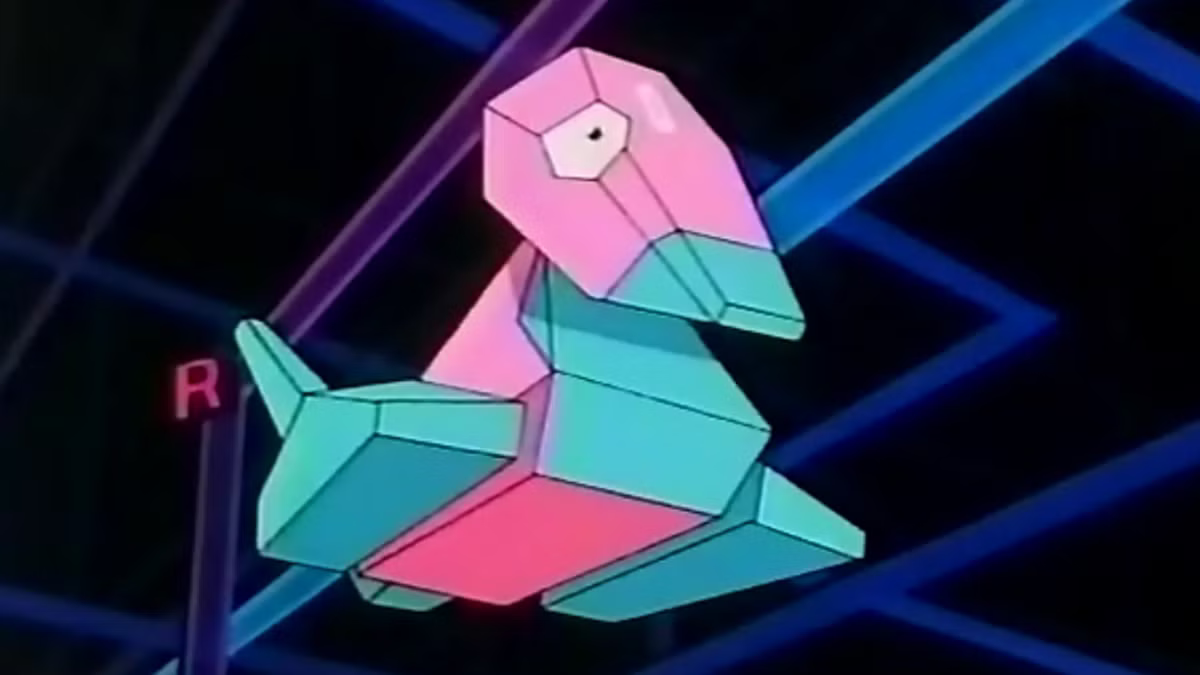
A competitive field always contains a gap between chosen action and realized action. Mechanics can widen or narrow that gap. When the gap becomes too large in the decisive places, the game’s surface agency and its actual agency begin to diverge.
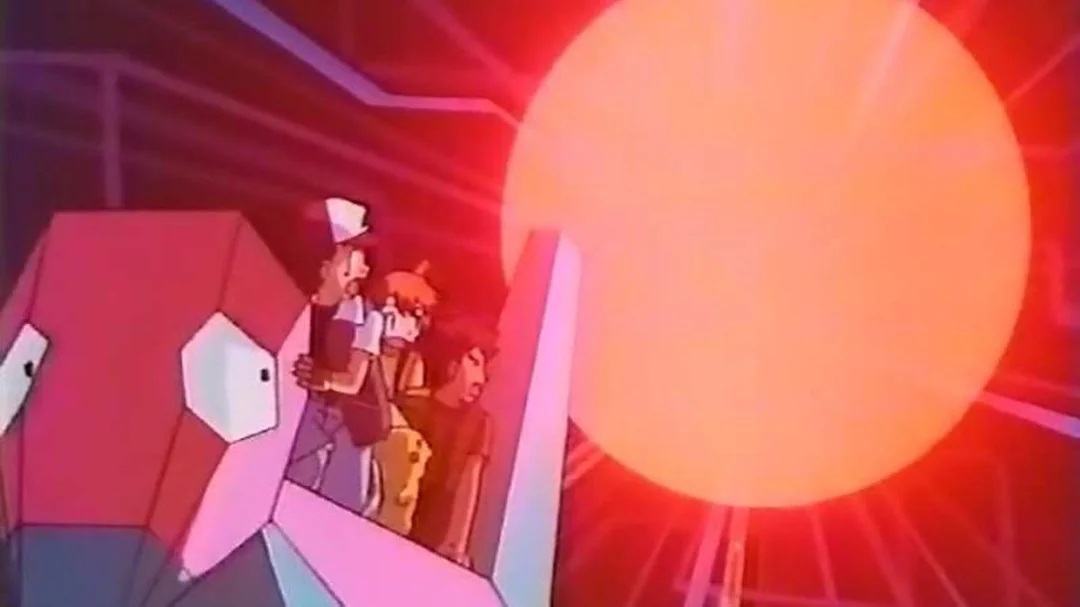
The field is deciding whether the turn will be played, not the players.
Snapshot VIII: Incineroar And Recursive Positioning.
Incineroar entered VGC later than the early Xerneas and CHALK cases, but its long competitive presence makes it one of the clearest examples of role compression in modern doubles.
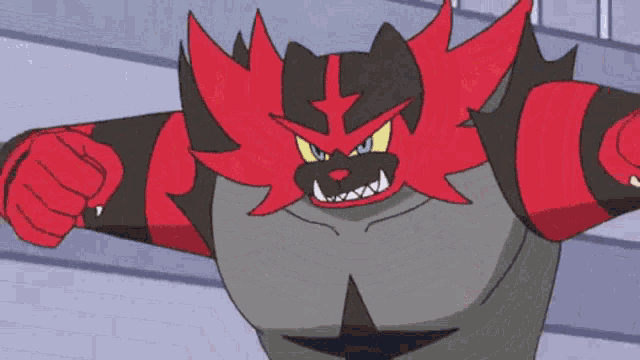
Incineroar is a Fire/Dark-type Pokémon. Its design suggests a physical attacker: a muscular wrestling tiger with strong contact moves. In VGC, Incineroar became structurally important because it combined that physical pressure with several of the strongest support functions in doubles.
The first is Intimidate.
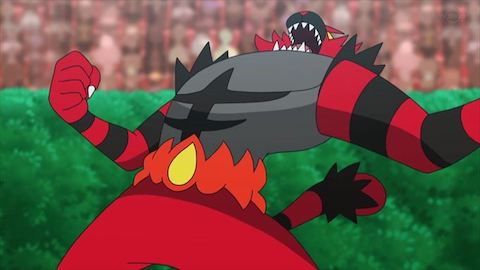
As previously discussed, this ability lowers the Attack stat of both opposing active Pokémon, unless they are protected by an immunity, ability, or other effect. Attack determines the damage of physical moves. Lowering both opposing Attack stats at once can weaken an entire board.
A single switch can reduce the damage output of both opposing physical attackers. If the Intimidate user later switches out and returns, Intimidate can activate again. A player can cycle Intimidate across multiple turns, repeatedly lowering opposing Attack and changing damage thresholds.
Incineroar also has Fake Out.
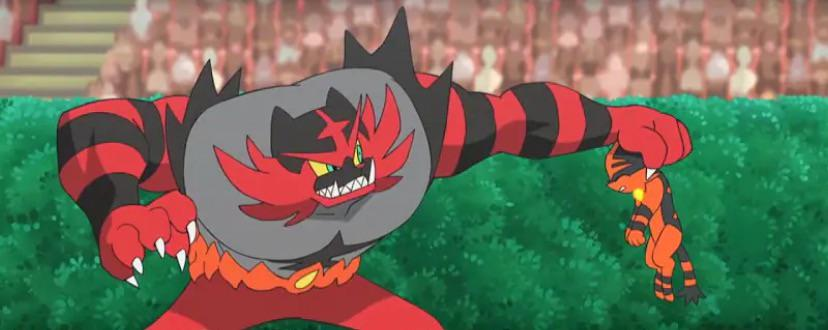
Fake Out gives Incineroar immediate tempo when it enters the field. On its first active turn, Incineroar can target an opposing Pokémon and cause it to flinch if the move succeeds. This can stop a dangerous attack, prevent speed control, help a partner set up, help a partner attack safely, or force the opponent to protect or reposition.
Incineroar entering the field therefore threatens two different forms of disruption at once: Intimidate has already weakened physical attackers, and Fake Out now threatens to stop one Pokémon from acting.
This entry pressure made Incineroar powerful before it even selected a move.
A Pokémon switch is usually a cost. The switching player spends one active slot’s action to replace a Pokémon. The incoming Pokémon may take damage. The opponent may attack into the switch. The field may punish the loss of tempo.
Incineroar instead often made switching feel productive.
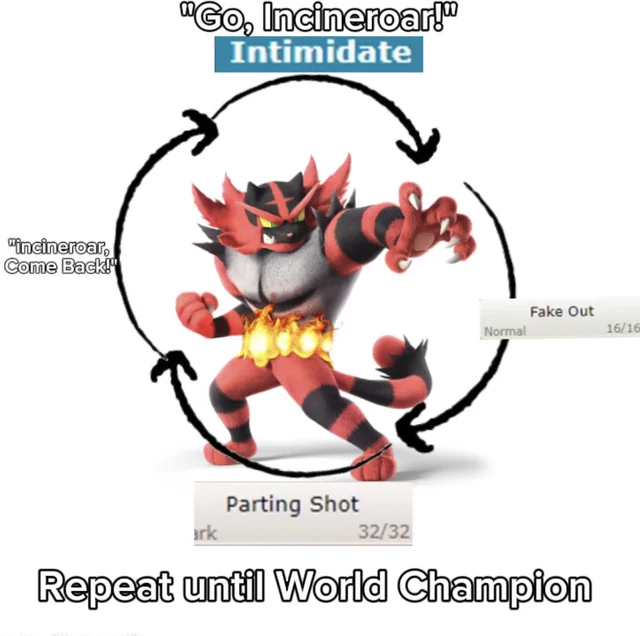
When Incineroar entered, Intimidate created immediate value. On the following turn, Fake Out threatened another form of value. After that, Incineroar could attack, use support moves, or just leave the field again to preserve itself for another entry. This turned Incineroar into a recursive positioning tool. Incineroar made the act of repositioning itself valuable.
That is one of the central reasons Incineroar became so durable across formats. A normal support Pokémon may help once it is already on the board.
- Incineroar helps by arriving.
- Then it helps by acting.
- Then it may help by leaving.
- Then it helps again by arriving later.
This recursive cycle is the structural core. This is why Incineroar became what it is.
Incineroar’s attacking moves pushed the support package even further. Flare Blitz is a strong Fire-type physical attack that gives Incineroar solid damage into Steel, Grass, Bug, and Ice-type Pokémon, among others. Its Dark typing gave it access to Dark-type pressure through moves that varied by format, such as Darkest Lariat, Knock Off in later contexts, or other utility attacks.
Knock Off is especially important when available because it removes the target’s held item, weakening future lines rather than only dealing damage. Snarl, another move Incineroar has used in some formats, lowers the Special Attack of both opposing Pokémon while dealing small spread damage, extending Incineroar’s ability to reduce the opponent’s offensive output.
In later formats, Parting Shot sharpened the cycle even further.
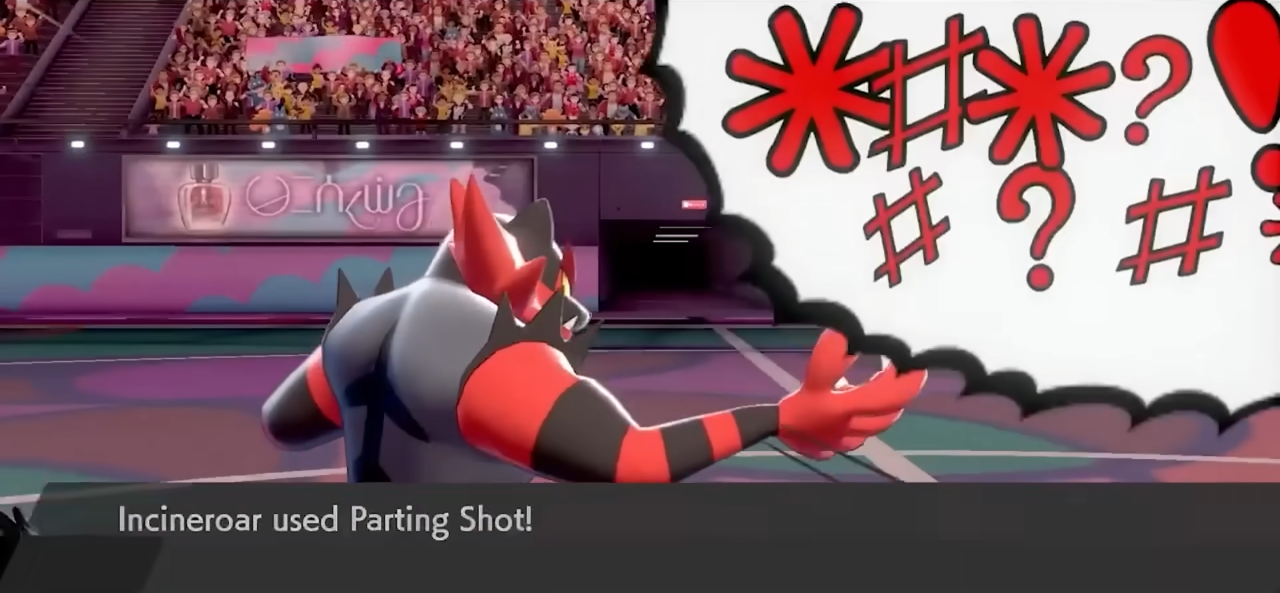
Parting Shot lowers the target’s Attack and Special Attack, then switches the user out. On Incineroar, this is almost too coherent. Incineroar can enter and trigger Intimidate. It can threaten Fake Out. It can attack or disrupt. Then Parting Shot lets it weaken an opposing Pokémon and leave the field, bringing in a teammate while preserving Incineroar for a later Intimidate and Fake Out cycle.
Parting Shot turns exit into another support action.
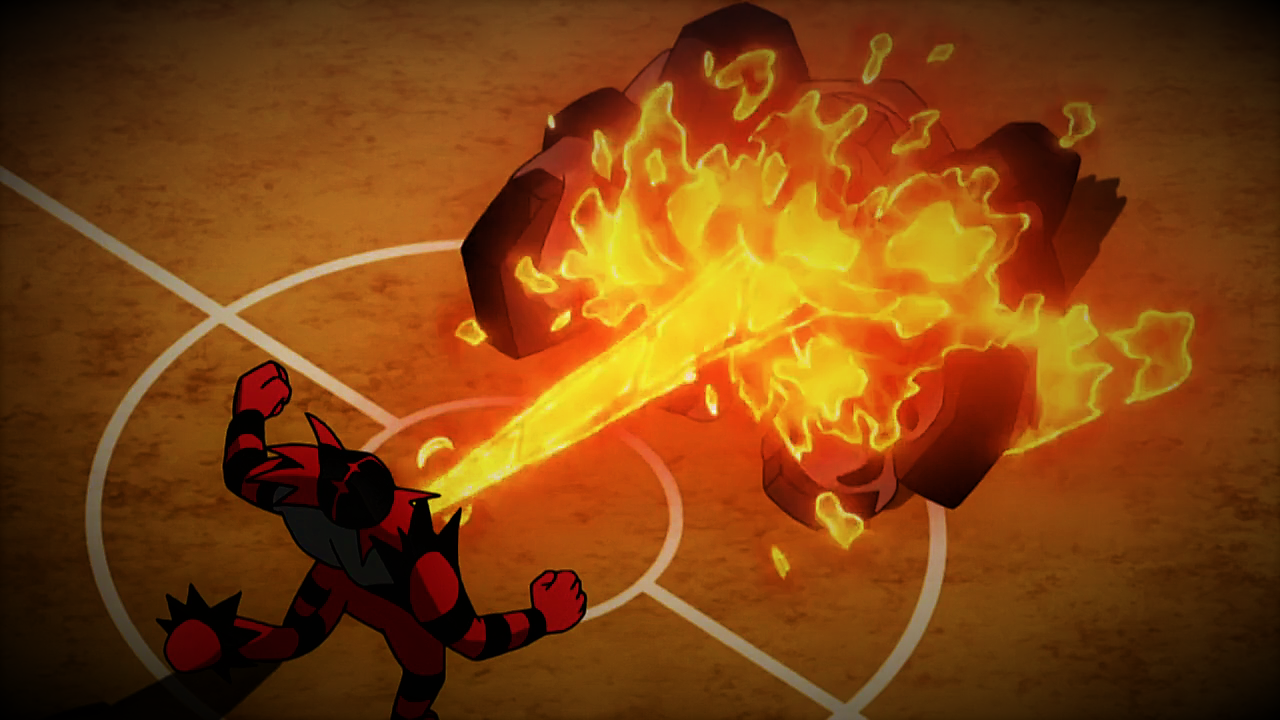
Incineroar becomes a piece of field infrastructure, a way to regulate tempo across the whole game. It can slow physical attackers through Intimidate, stop one action through Fake Out, remove items through Knock Off where available, lower special offense through Snarl, pivot through U-turn or Parting Shot depending on format, and threaten meaningful Fire or Dark damage when the opponent gives it room.
That package pressures team-building from the first draft.
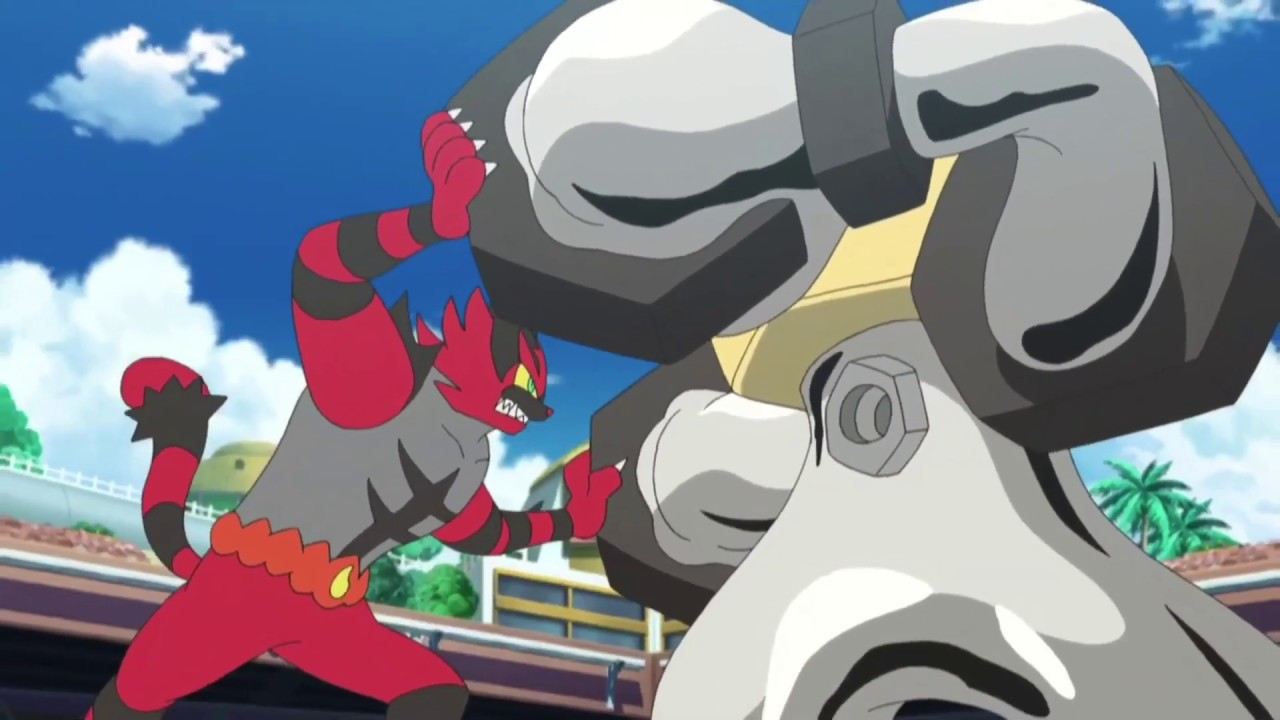
A player building a VGC team has to answer ordinary questions: damage, speed control, defensive switch-ins, offensive coverage, restricted matchups, endgames, item distribution, support, and matchup spread. Incineroar compresses several of those needs into one slot. Using it can free the rest of the team to pursue more specialized plans. Refusing it requires other Pokémon to cover the functions Incineroar would have supplied.
Those alternatives may exist. A team can use other Intimidate Pokémon. It can use other Fake Out users. It can use other Fire-types, Dark-types, pivots, Snarl users, Taunt users, item-removal tools, or defensive supports. The burden is distributed. Without Incineroar, the team may need two or three Pokémon to replace what Incineroar offered in one.
Role compression has a different texture from raw power. A raw-power Pokémon threatens to overwhelm its opponent. The role-compression Pokémon changes the cost of building every single other team.
Incineroar’s presence means the format develops around a default assumption. Teams are built to use Incineroar, punish Incineroar, ignore Incineroar, exploit Incineroar’s passivity in specific positions, or replace Incineroar’s functions through a different structure. Every path still passes through the Incineroar question.
That question is:
“How do I build a team in a field where this much support can occupy one slot?”
The answer changes the whole ecology.
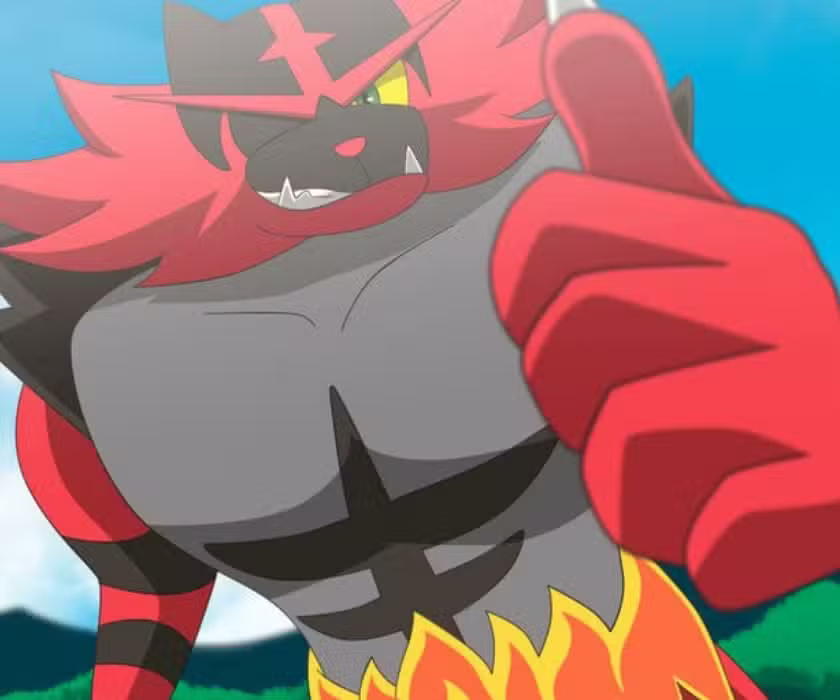
- Physical attackers become less reliable if they cannot function through repeated Intimidate.
- Defiant and Competitive abilities, which punish stat drops by raising the user’s attacking stats, gain relevance because they can deter or punish Intimidate.
- Clear Amulet in later games can prevent stat drops, giving physical attackers a way to resist Intimidate pressure.
- Inner Focus, which prevents flinching and in later games blocks Intimidate, can make specific Pokémon more stable into Incineroar.
- Ghost-types are immune to Fake Out because Fake Out is a Normal-type move, though they may still care about Incineroar’s Dark attacks.
- Faster special attackers can pressure Incineroar’s weaker side depending on its investment.
- Water, Ground, Rock, and Fighting-type attacks can threaten it, though each answer must still fit the larger format.
A whole layer of the field forms around one Pokémon’s support package.
Incineroar also reshapes time itself.
Some Pokémon force immediate answers. Xerneas can make the game hinge on the Geomancy turn. Flutter Mane can tax the opening. Urshifu can attack the safety grammar of Protect. But Incineroar works across repeated tempo exchanges. Its strength accumulates through the game’s middle turns: one Intimidate here, one Fake Out there, one pivot out, one weakened attacker, one partner brought in safely, one later return that restarts the cycle.
This creates a slow form of field control.
The opponent may never lose to Incineroar in one spectacular turn. They may lose because their physical attacker never reached its intended damage range, because their speed-control Pokémon lost a turn to Fake Out, because their item disappeared, because their offensive pressure was softened by Parting Shot, because their double-target failed to secure a knockout after Intimidate, because Incineroar’s pivot brought in the correct partner without surrendering control.
The game becomes less about Incineroar’s presence on any one turn and more about Incineroar’s recurrence.
Recurrence is an under-discussed ludic property, and Batman's least favorite.
Some pieces are strong while present. Others are strong because the field must prepare for their return. Incineroar belongs to the second category. The player facing it has to think beyond the current board: if Incineroar leaves, when can it come back? Which Pokémon will suffer the next Intimidate? Which turn will Fake Out become available again? Can I punish the switch? Can I force it to stay? Can I remove it before the cycle repeats? Can I build a board where its return does too little?
The field becomes recursive because the same support event can re-enter the game multiple times. Incineroar shows us a deeper form of centralization than “high usage.”
High usage is the symptom. The structure underneath is repeated access to entry value, action denial, offensive reduction, pivoting, and credible damage in one slot. A format containing Incineroar has to price the whole cycle, not the single board state.
The points towards infrastructure pieces.
Games often draw attention toward spectacular threats. The boosted sweeper. The legendary attacker. The one-turn knockout. The visible damage event. Incineroar reveals another kind of power: the piece that makes a team easier to operate across many futures.
- It widens the user’s reachable paths while narrowing the opponent’s clean ones.
- It gives the user more safe transitions between board states.
- It converts switching from a tempo cost into a repeated support event.
- It lets the user spend one team slot to buy several forms of field control.
A game piece with those properties does not need to end the game directly. It changes how many games the rest of the team is allowed to play.
That is why Incineroar is still one of VGC’s central structural objects today. It is less a monster than a hinge. The whole team turns around it.
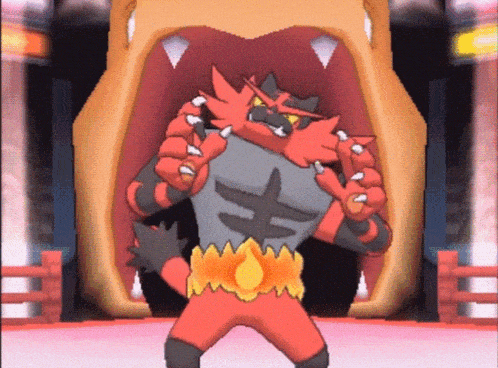
Snapshot IX: Dynamax And The Temporary Center.
Dynamax was introduced in Pokémon Sword and Shield. Once per battle, a player could Dynamax one Pokémon. The Pokémon became enormous for three turns or until it switched out.
Its current and maximum HP increased. Its ordinary moves transformed into Max Moves. Its status moves became Max Guard, a stronger defensive move that could protect against Max Moves. Attacking Max Moves became more powerful than ordinary attacks, did not miss under normal circumstances, dealt partial damage through ordinary Protect, and produced secondary effects tied to their type.
Those secondary move effects are what define the mechanic.
Max Airstream, the Flying-type Max Move, raised the Speed of the user’s side by one stage. Since Speed determines move order, Max Airstream could turn damage into speed control. A Pokémon using Max Airstream could attack and make its whole side faster at the same time.
Max Quake, the Ground-type Max Move, raised the Special Defense of the user’s side. Max Steelspike, the Steel-type Max Move, raised Defense. These moves turned attacks into defensive infrastructure. A Pokémon could deal damage while making its side harder to remove.
Max Knuckle, the Fighting-type Max Move, raised Attack. Max Ooze, the Poison-type Max Move, raised Special Attack. These moves turned attacks into offensive scaling. A Pokémon could damage the opponent while preparing itself and its partner to deal more damage later.
Max Flare set sun. Max Geyser set rain. Max Lightning set Electric Terrain. Max Starfall set Misty Terrain. Max Rockfall set sand. Max Hailstorm set hail. Max Darkness lowered opposing Special Defense. Max Phantasm lowered opposing Defense. Max Wyrmwind lowered opposing Attack. Max Flutterby lowered opposing Special Attack.
Dynamax therefore made damage and field construction occur through the same action.
Ordinary attacks mostly exchange HP for position. A strong attack removes or weakens an opposing Pokémon. A support move usually spends damage output to alter the field: setting Tailwind, Trick Room, weather, terrain, screens, redirection, stat changes, or disruption.
Max Moves blurred this division.
A Dynamaxed Pokémon could attack and build the field at the same time. It could attack and raise Speed. Attack and raise bulk. Attack and set weather. Attack and lower the opponent’s offenses. Attack and make later attacks stronger. The active Pokémon became a temporary construction engine, laying track as it moved.
This gave Dynamax a very different structure from Mega Evolution.
Mega Evolution empowered a specific Pokémon for the rest of the battle. A team usually always had one Mega Evolution candidate, and sometimes more at team preview, but only one could Mega Evolve in battle. The Mega Pokémon became a stable transformed object. The field adapted around its long-term presence.
Dynamax, on the other hand, lasted three turns, and ended if the Pokémon switched out.
That time limit made it more volatile. The Dynamax player had a tight window to convert the transformation into lasting advantage. The opposing player had a small window to survive, stall, trade, or counter-Dynamax. The whole battle could bend around those three turns, then snap back into a different shape afterward.
VGC now acquired phases.
- There was pre-Dynamax play, where both players positioned their possible Dynamax candidates, preserved resources, scouted items, managed speed, and tried to create the right launch condition.
- There was the Dynamax phase, where one or both players committed their once-per-game transformation and the field reorganized around the enlarged Pokémon.
- Then there was post-Dynamax play, where the remaining board had to be played from the terrain, stat boosts, losses, speed changes, weather, and damaged Pokémon left behind by the transformation.
A poor Dynamax could lose the game without being immediately punished. The player might Dynamax too early, into a position where the opponent could Protect, switch, Max Guard, Intimidate, resist, redirect, or trade efficiently. They might Dynamax the wrong Pokémon and discover that another candidate would have controlled the game better. They might use three Max Moves and take two knockouts, yet leave the field in a position where the opponent’s remaining Pokémon had the clearer endgame.
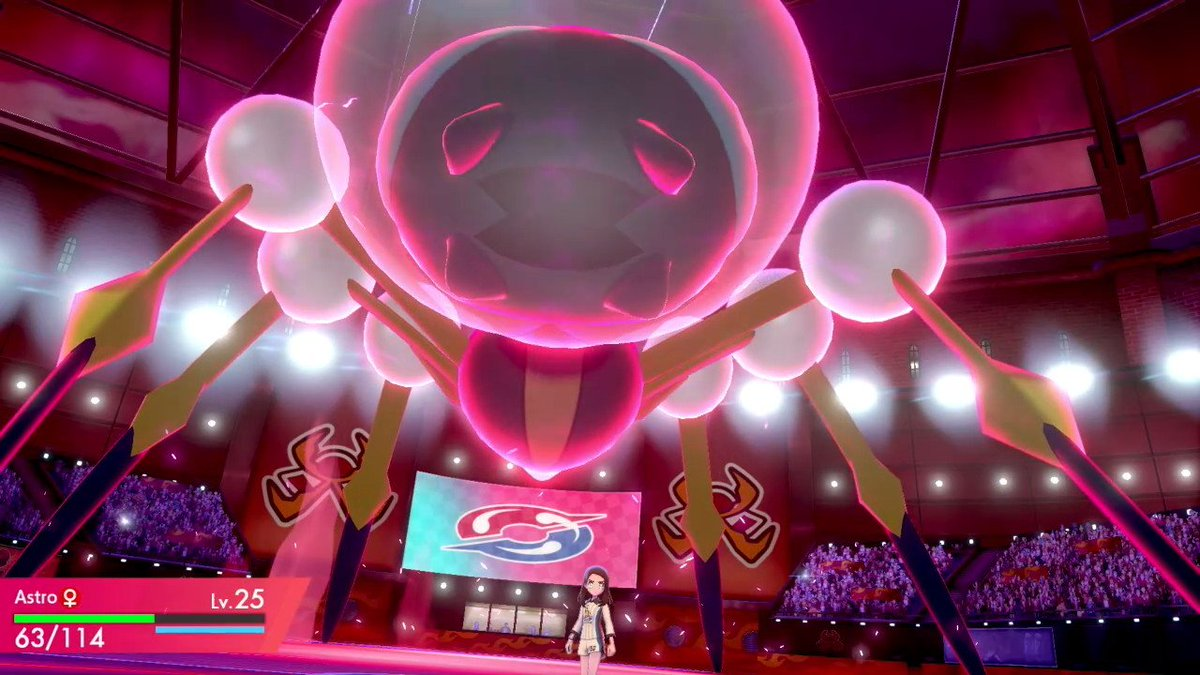
And a strong Dynamax could win without knocking out the opponent's team.
It might use Max Airstream twice, leaving the whole side faster for the rest of the game. It might use Max Quake or Max Steelspike to make its partner unremovable. It might set sun or rain to enable the next attacker. It might force the opponent to burn their own Dynamax defensively. It might absorb damage with its increased HP while the partner performs the decisive work.
Dynamax therefore changed the meaning of the “center.”
In many games, the center is a location. In chess, pieces contest central squares. In some board games, the center is a region that gives access to more future movement. In VGC, the center is usually functional rather than spatial. The center is the active object around which the meaningful futures of the turn organize.
- Xerneas could become the center after Geomancy.
- Incineroar could become a recurring hinge through Intimidate, Fake Out, and pivoting.
Dynamax made the center mobile.
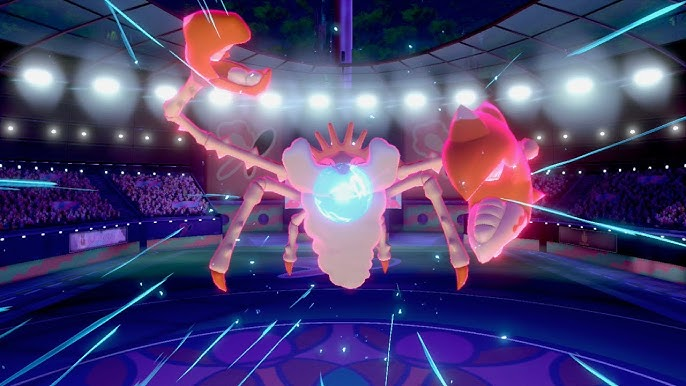
Almost any eligible Pokémon could become the temporary center if the board state justified it. A frail attacker could become bulky enough to survive and sweep. A support-adjacent Pokémon could become an offensive engine. A middling attacker with just the right Max Move types could become the best Dynamax candidate available because it raised the correct stats or set the correct weather. A Pokémon brought mostly for one matchup could suddenly become the three-turn axis of the entire game.
This new flexibility produced a special kind of uncertainty at team preview.

When a player saw the opponent’s six Pokémon, they often had to identify possible Dynamax candidates. Some teams had an obvious primary Dynamax. Others had multiple candidates. One Pokémon might be the Dynamax in the sun matchup. Another might Dynamax against Trick Room. Another might Dynamax if the team needs to raise Speed. Another might Dynamax only if the opponent brought a specific restricted Pokémon.
So the player choosing four Pokémon had to prepare for a mechanic that could relocate the center depending on matchup and position.
This made the mechanic incredibly rich, maybe richer than any other mechanic in Pokémon history. It also made this mechanic dangerous.
A flexible once-per-game transformation increases agency when players can read, influence, and contest its timing. It distorts agency when the transformation covers too many weaknesses at once. Dynamax increased HP, blocked some forms of disruption, prevented flinching, converted moves into stronger attacks, created field effects through damage, and lasted long enough to reshape the whole game. The opposing player could answer it, but their answer had to respect a large bundle of mechanical changes at once.
Fake Out, one of doubles’ most important tempo tools, could still damage a Dynamaxed Pokémon, but it could no longer make it flinch. Phazing moves such as Roar and Whirlwind could not force a Dynamaxed Pokémon out. Many ordinary control tools became weaker or failed entirely. Max Moves did partial damage through ordinary Protect, so even a correct Protect did not always fully preserve the targeted Pokémon. Max Guard became the true defensive mirror, and only a Dynamaxed Pokémon could use it.
The game created a sovereign state for three turns.
The sovereign could still be damaged. It could still be outplayed. It could still be wasted. It could still be met by the opponent’s own Dynamax. Yet the rules around it had changed. Ordinary control instruments lost their force. Damage now produced infrastructure. Survival improved. The selected Pokémon carried exceptional authority for a short, decisive interval.
Players adapted by learning to manage Dynamax timing as a resource separate from ordinary move selection.
They baited early Dynamax. They delayed their own. They forced defensive Max Guards. They attacked the partner instead of the enlarged Pokémon. They sacrificed a Pokémon to stall a turn. They used Intimidate, Snarl, screens, weather changes, terrain changes, defensive switching, Max Guard, speed control, and their own Dynamax to absorb the three-turn regime. They built teams with multiple possible Dynamax routes so that the opponent could not solve the matchup at preview.
They also learned that Dynamax could be lost before it even began.
A team with one obvious Dynamax candidate could become predictable. A Pokémon forced to Dynamax defensively might fail to generate lasting pressure. A player who took an early knockout with Dynamax might still lose if the Max Move effects failed to build the right remaining field. Three turns looks generous when the Dynamax player is attacking. It looks brutally short when the opponent succeeds in wasting one turn with Protect, one turn with Max Guard, and one turn with a switch or sacrifice.
Dynamax’s best games involved this phase-management contest.
- Who gets to choose the moment?
- Who controls the three-turn interval?
- Who exits the phase with the better field?
The strongest VGC play under Dynamax often involved seeing past the enlarged Pokémon. The visible spectacle invited attention toward the gigantic creature. The actual field frequently hinged on the partner, the speed boost, the weather change, the stat stage, the post-Dynamax endgame, or the turn count remaining. A player staring only at the largest object on the screen could miss the structure that was forming around it.
Dynamax reveals a ludic form that ordinary balance language often fails to recognize correctly: temporary rule asymmetry.
For three turns, one Pokémon operates under altered rules. Its body is larger. Its HP is larger. Its moves are different. Its defensive relation to control mechanics is different. Its attacks build the field while dealing damage. The rest of the game remains recognizable, yet the local rules around the sovereign object have changed.
A field containing temporary rule asymmetry asks players to become constitutional thinkers.
They must know which ordinary laws still apply, which laws have weakened, which laws have been suspended, and when the suspension ends. They must decide whether to resist the sovereign directly, outlast it, counter-sovereign with their own Dynamax, or win around it by attacking everything the sovereign depends on.
That is the deeper structure. Dynamax was not simply a big power boost. Dynamax was a three-turn jurisdiction.
The player who understood this jurisdiction could make the giant look precise. The player who saw only size often wasted their crown.
Snapshot X: Zacian And Pre-Loaded Advantage.
Zacian dominated a very different part of the Sword and Shield VGC landscape.
Zacian is a legendary Fairy-type Pokémon. In its Crowned Sword form, it becomes Fairy/Steel type and holds the Rusted Sword item. Fairy/Steel is an excellent type pairing. Fairy gives offensive pressure into Dragon, Dark, and Fighting-type Pokémon. Steel gives very many resistances and strong defensive value. Crowned Sword Zacian also has extremely high Attack and Speed, allowing it to threaten knockouts before many opposing Pokémon can move.
Its signature ability is Intrepid Sword.
In Generation VIII, Intrepid Sword raised Zacian’s Attack by one stage every time Zacian entered battle. Attack stages modify physical damage. A one-stage increase means Zacian begins its active presence always already stronger than its base stat suggests. Many setup Pokémon need to spend a turn boosting before they become overwhelming. Zacian with the Crowned Sword receives the boost on entry.
That entry boost defines its field relation.
Xerneas had to use Geomancy. Even with Power Herb, Xerneas still needed its turn. The opponent could attempt to deny that turn.
Zacian entered with power already loaded.
When Zacian arrived, Intrepid Sword activated immediately. The opponent’s first opportunity to respond came after the field had already accepted the boost.
This creates a different kind of pressure from Xerneas.
Xerneas is a conversion-threshold Pokémon. The player facing it tries to stop the game from crossing into the post-Geomancy state.
Zacian is an admission-pressure Pokémon. The field worsens as soon as Zacian is admitted to it.
Crowned Sword Zacian’s signature move, Behemoth Blade, added another layer in Generation VIII. Behemoth Blade is a Steel-type physical move. Against Dynamaxed or Gigantamaxed targets, it dealt double damage. Since Dynamax was the main generational mechanic, Zacian had a built-in answer to the opponent’s temporary sovereign.
This interaction shaped the whole field.
Dynamax increased HP and created a three-turn center. Zacian could not Dynamax itself, but it threatened Dynamax Pokémon with a move designed to cut through that enlarged state. It became one of the few creatures that stood partly outside the Dynamax economy. Other Pokémon competed over who should receive the crown. Zacian arrived carrying a sword pointed at the crown.
This is one of the most interesting structural relations in Sword and Shield VGC.
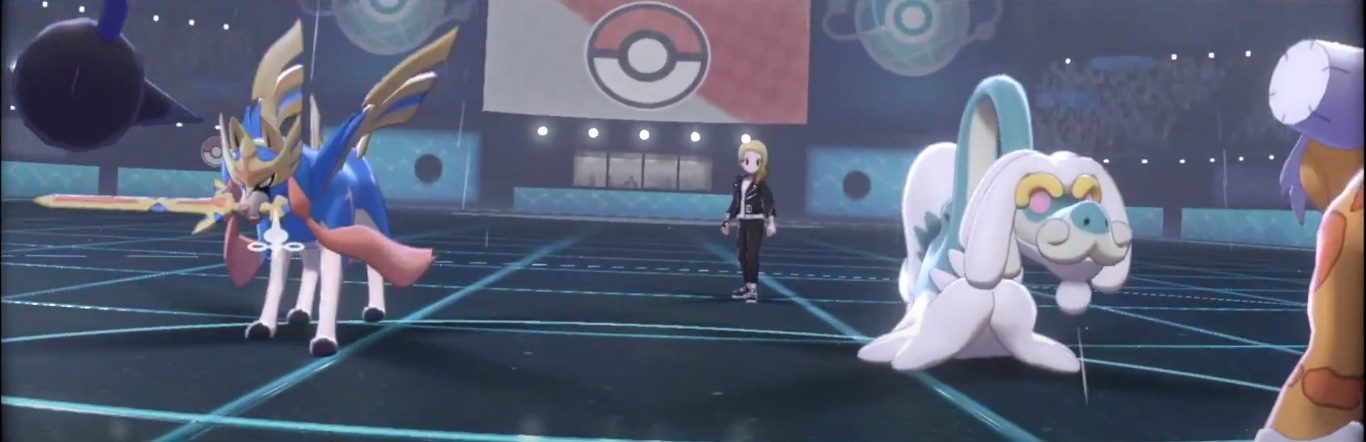
The generation’s central mechanic empowered many Pokémon by letting them become temporary sovereigns. Zacian could not participate in that transformation. Instead, Zacian punished it. A format containing both Dynamax and Zacian therefore contained two overlapping regimes: the three-turn jurisdiction of Dynamax and the immediate entry authority of Zacian.
A player using Zacian had to manage the fact that their restricted Pokémon could not Dynamax, which could be a cost. The team needed another Pokémon capable of using the three-turn mechanic well. Zacian often functioned as the stable instrument beside a separate Dynamax plan. It supplied immediate pressure while the team’s Dynamax candidate supplied temporary field construction.
A player facing Zacian had to build and play around its immediate threat range.
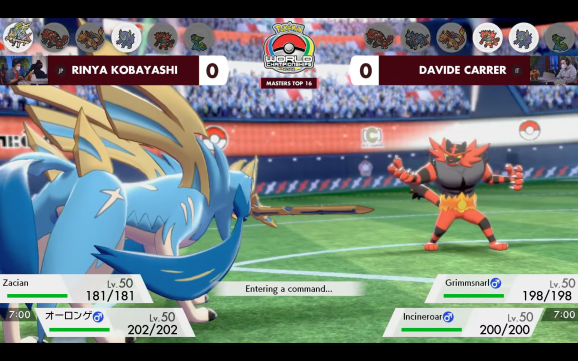
Intimidate could lower Zacian’s Attack. Incineroar, Landorus-Therian, and other Intimidate users could soften its damage by entering the field at the right time. Burn could cut physical damage, but landing a burn on Zacian under tournament pressure was not always simple. Reflect could reduce physical damage for the team. Defensive Steel resists, Fire-types, bulky Water-types, Ground-type pressure, speed control, redirection, and careful positioning could all help. Dynamax could sometimes survive attacks through increased HP, but Behemoth Blade’s doubled damage into Dynamax meant this answer had to be calculated very carefully.
Zacian forced exact arithmetic.
- Can this Pokémon survive Behemoth Blade after Intrepid Sword?
- Can it survive after Intimidate?
- Can it survive if Zacian has Helping Hand support?
- Can it survive if screens are up?
- Can it move before Zacian under Tailwind?
- Can Trick Room reverse the speed relation?
- Can Zacian be forced to Protect?
- Can its partner be removed so that Zacian is no longer supported?
- Can the team preserve the one Pokémon that actually trades with it?
These questions appeared before Zacian ever selected a move. Its presence at team preview altered bring-four decisions. Its possible switch-in altered targeting. Its entry boost altered damage ranges. Its anti-Dynamax move altered when and where the opponent could safely commit their once-per-game transformation.
Zacian therefore compressed time in a different way from Dynamax. Dynamax created a three-turn phase. Zacian shortened the prelude.
A field with Zacian gives players fewer preparatory turns around the Zacian slot because the boost arrives with the Pokémon. The opponent cannot always wait to see whether Zacian becomes a threat. It is already a threat. The question becomes whether the current board can absorb that threat without losing the next two turns.
This changes the character of switching.
Switching usually lets a player preserve a Pokémon, reset positioning, create a defensive interaction, or bring in a better attacker. When Zacian switches in, the switch also creates offensive pressure through Intrepid Sword. The switch repositions the board and upgrades the incoming piece. If the opponent predicts incorrectly, a passive-looking turn can become the entrance of a boosted attacker.
This is the same family of structural power as Incineroar, though now expressed offensively.
- Incineroar enters and produces defensive/support value through Intimidate, then threatens Fake Out.
- Zacian enters and produces offensive value through Intrepid Sword, then threatens high-speed damage.
Both Pokémon make entry itself active.
They challenge the idea that a switch is only a replacement of one body with another. In VGC, entry abilities turn arrival into an event. The field does not wait for the incoming Pokémon to act. The field changes when it arrives.
Zacian’s arrival was especially punishing because its baseline role was already excellent. It had top-tier offensive typing, strong defensive typing, high Speed, high Attack, and a signature move that punished Dynamax. Intrepid Sword stacked immediate advantage onto an already-premium body.
The team-building effect naturally followed.
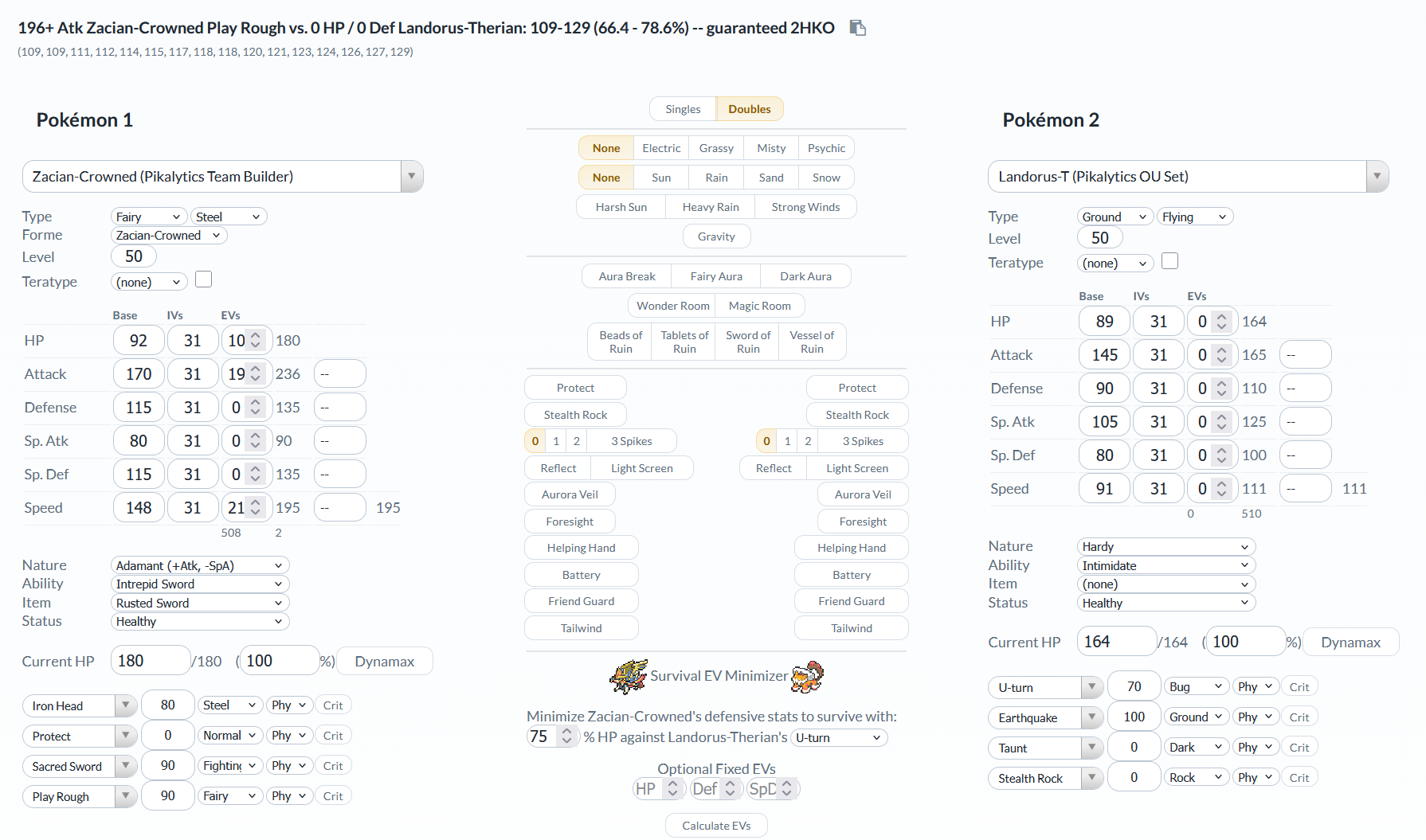
Teams needed stable Zacian plans. A team without one could lose at preview or in the first few turns of positioning. Answers had to be real under tournament conditions, not just calculations. A slow answer could fail if Zacian moved first and removed it. A physical answer could fail after Intimidate or burn support from Zacian’s partners. A defensive answer could fail if Zacian’s partner pressured it. A Dynamax answer could fail to Behemoth Blade. A single-answer team could fail if the answer was weakened, trapped, redirected, or forced to take damage earlier.
Zacian also created a paradox around offensive pressure.
Many central threats give the opponent time to identify the decisive turn. Xerneas has the Geomancy turn. Dynamax has the turn of commitment. Dondozo has the Commander activation. Trick Room has the turn it is set. Zacian’s decisive pressure begins at admission. The player may know Zacian is coming because it appeared at preview, but the actual timing of entry still continuously strains the field. It can come in after a knockout. It can switch in on a resisted attack. It can enter after a partner pivots. It can appear when the opponent’s Intimidate user has already been removed or forced elsewhere.
The opponent is not preparing for one arrival turn. They are preparing for a possible arrival across many turns.
That creates distributed pressure. Every turn must be evaluated partly by whether it opens a safe Zacian entry. Every knockout may invite Zacian. Every passive move may give Zacian room. Every overextension may allow Zacian to clean the field.
Zacian’s deeper lesson is about pre-loaded agency.
Some pieces spend a turn becoming dangerous. Some pieces become dangerous through support. Some pieces become dangerous because the field gives them a temporary transformation. Zacian arrives with its agency already banked and moving. The boost has already occurred. The Speed is already present. The anti-Dynamax sword is already available to swing.
The player facing Zacian has to answer a piece whose first debt has already been paid by the rules themselves.
This is a distinct kind of field distortion. The game grants the object an advantage at the threshold of participation. Entry becomes a privilege. The opponent begins the interaction after the privileged event has resolved.
Later, Generation IX changed Intrepid Sword so that it only activates the first time Zacian enters battle. That change greatly narrows the recursive pressure. Zacian still gains entry power, but the player can no longer cycle repeated Intrepid Sword boosts across the same battle. The repair targets the threshold event itself. Zacian may still arrive empowered, but the field no longer rewards every re-entry with a fresh offensive escalation.
That repair shows the actual structural fault:
Zacian’s problem was not contained in one damage number. Behemoth Blade, typing, Speed, Attack, item lock, inability to Dynamax, partner dependence, and format context all shaped its place. The entry boost gave the whole package an active threshold. Repeating that threshold on every entry made switching far too profitable for a Pokémon already built to pressure the field immediately.
Zacian teaches us a clean ludic principle:
Arrival can be an action.
Any game that treats arrival as an action must then price arrival carefully.
If the arriving piece is also fast, strong, durable, well-typed, and equipped to punish the format’s central mechanic, the field begins paying that price on every turn the piece might enter.
VGC players learned to play around that shadow. They preserved Intimidate. They calculated Behemoth Blade damage. They chose Dynamax timing around Zacian’s position. They built partners to remove Zacian’s answers or protect their own. They accepted that some board states were already lost once Zacian arrived safely.
Snapshot XI: Dondozo, Tatsugiri, And The Embedded Field.
Dondozo and Tatsugiri created one of the strangest local structures in modern VGC.
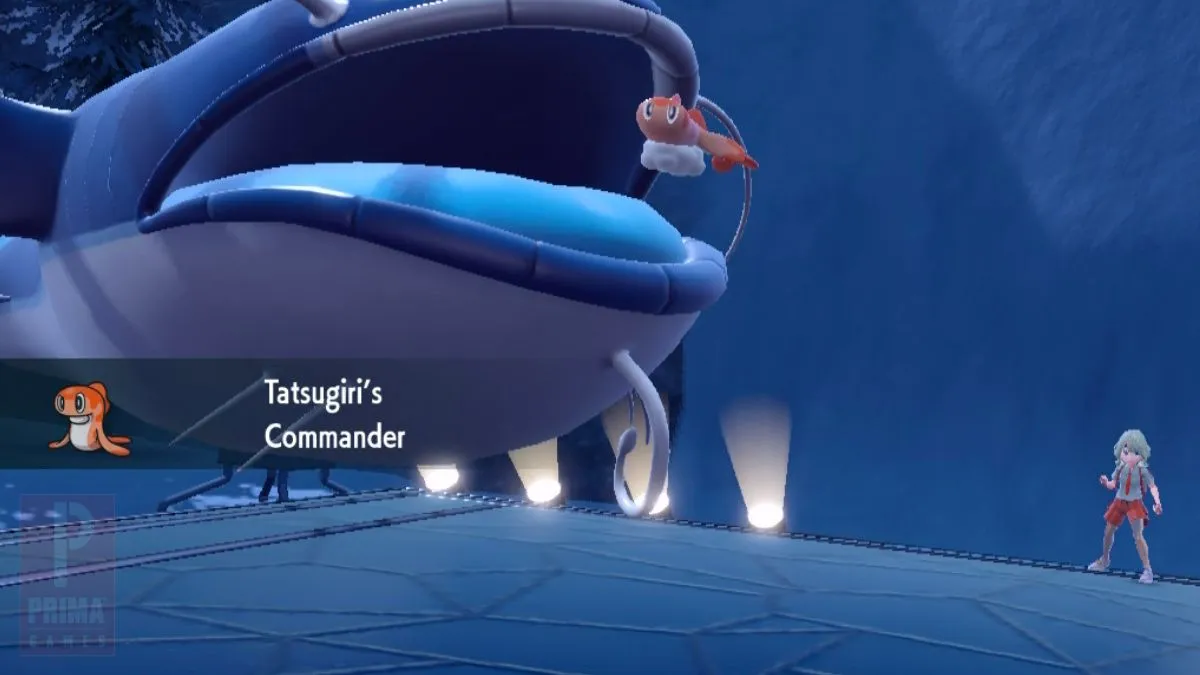
Dondozo is a large Water-type Pokémon introduced in Pokémon Scarlet and Violet. It has high HP, strong physical bulk, solid Attack, and low Speed. By ordinary doubles standards, Dondozo looks like a bulky physical attacker: difficult to remove quickly, capable of dealing damage, and slow enough to function well under certain speed-control conditions.
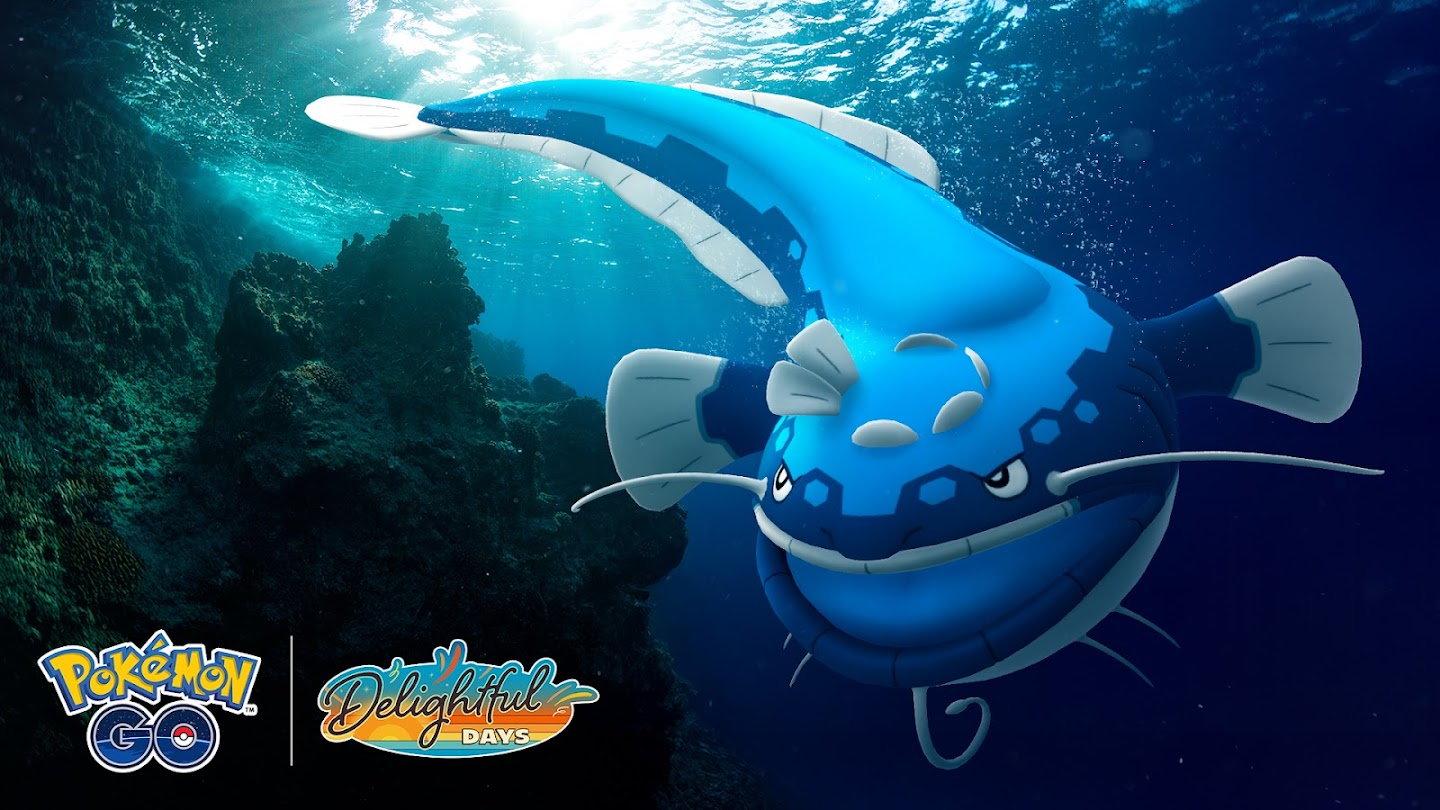
Tatsugiri is a much smaller Dragon/Water-type Pokémon introduced in the same generation. On its own, Tatsugiri is a special attacker with modest bulk and a distinctive ability called Commander. Commander activates when Tatsugiri and Dondozo are on the field together as allies.
When Commander activates, Tatsugiri enters Dondozo’s mouth. Tatsugiri remains on the field in a special untargetable state, while Dondozo receives a two-stage boost to Attack, Defense, Special Attack, Special Defense, and Speed. A two-stage boost in each of those stats is enormous. Attack makes Dondozo’s physical moves stronger. Defense and Special Defense make it harder to remove. Speed helps it move before opponents it would normally trail. Special Attack usually matters less because Dondozo commonly attacks physically, but the complete boost package still marks the transformation as a total-field event.
The pairing turns two Pokémon into a special structure.
Before Commander activates, the player has two active Pokémon.
After Commander activates, one visible attacker becomes heavily boosted, while the partner slot is occupied by Tatsugiri inside Dondozo. The Dondozo player loses the ordinary flexibility of commanding two separate active Pokémon, but gains a single enhanced body with broad stat superiority.
Doubles briefly contains a solo-object game.
That phrase needs care. The field remains a doubles battle under the engine’s rules. The opposing player still has two active Pokémon. The Dondozo player still has a second active slot occupied by Tatsugiri’s special Commander state. Yet the practical decision-field has changed. One side is now organized around a single supercharged Pokémon. The other side must decide whether its current board can answer that Pokémon before it absorbs too much of the game.
Dondozo commonly used Order Up, its signature Dragon-type move. Order Up deals damage and, when Commander is active, raises one of Dondozo’s stats depending on Tatsugiri’s form. Curly Form Tatsugiri raises Attack. Droopy Form raises Defense. Stretchy Form raises Speed. This allows Dondozo to keep scaling after the initial Commander boost. A Dondozo with Stretchy Tatsugiri, for example, can become faster over time. A Curly pairing can increase damage. A Droopy pairing can become harder to remove physically.
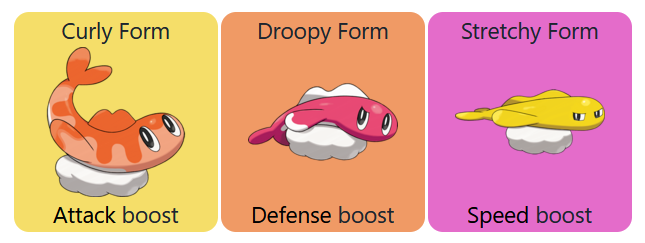
Dondozo also used strong Water-type attacks such as Wave Crash, which deals heavy damage while causing recoil to the user, or Liquidation, a safer physical Water move. Earthquake gave it Ground-type spread damage. Substitute could protect it from status or specific control moves. Protect preserved it for a turn. Yawn, in some contexts, could threaten sleep if the target stayed in. Its item varied by format and team, with Leftovers, Sitrus Berry, Clear Amulet, and other options appearing depending on the metagame.
Terastallization added another layer.
Terastallization is the major battle mechanic of Scarlet and Violet. Once per battle, a player can change one Pokémon into its Tera Type. A Pokémon’s Tera Type can strengthen an existing type or give it a new defensive and offensive profile. A Water-type Dondozo might Terastallize into Steel to resist Grass and Fairy attacks, into Dragon for different resistances and stronger Order Up, into Grass to resist Electric and Grass-related lines while avoiding powder moves, or into another type fitted to the format. Terastallization let Dondozo change the kind of answer the opponent needed at the exact moment the opponent was trying to answer it.
The counterplay vocabulary around Dondozo became specific.
Haze resets stat changes on all active Pokémon. A Haze user could erase Dondozo’s Commander boosts, returning its stats to normal stages. Murkrow became especially important in early Scarlet and Violet formats because it had Prankster, an ability that gives priority to status moves, and access to Haze. A Prankster Haze could move before ordinary attacks and remove Dondozo’s boosts before Dondozo dealt boosted damage.
Clear Smog is a Poison-type attack that removes the target’s stat changes after dealing damage, if it affects the target. Amoonguss could use Clear Smog, giving some teams a direct way to remove Dondozo’s boosts. Terastallization could complicate this. If Dondozo became a Steel-type, Clear Smog would fail because Steel-types are immune to Poison-type attacks. The Dondozo player could therefore use Tera defensively against a known answer.
Unaware is an ability that ignores the opponent’s stat changes for certain damage calculations. An Unaware Pokémon could fight boosted Dondozo without respecting all of its offensive or defensive stat increases, depending on the interaction. This did not automatically solve the field, because the Unaware Pokémon still had to fit the team, survive the rest of the matchup, and handle Dondozo’s partners and Tera choices. It did create a different answer class: instead of removing the boosts, ignore them.
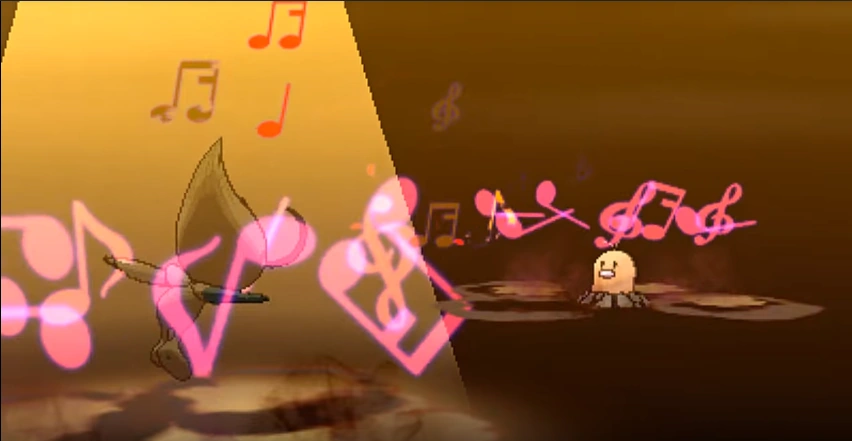
Perish Song created another route. Perish Song gives all affected active Pokémon a perish count. When the count reaches zero, those Pokémon faint unless they leave the field. Since a Commander Dondozo structure is less flexible about switching than ordinary two-Pokémon boards, Perish Song could place it under a timer. Encore could punish predictable Protects or setup-adjacent turns. Taunt could limit certain non-attacking moves. Strong special attackers, critical hits, residual damage, redirection, and careful sacrifice lines all had roles depending on the format.
Each answer had to be reachable.
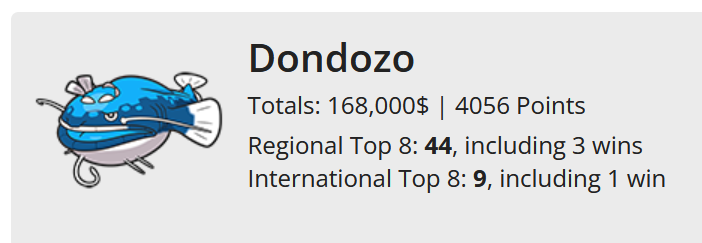
A team with Haze still needed the Haze user alive and correctly positioned. A team with Clear Smog still needed to avoid the wrong Tera interaction. A team with Perish Song still needed to survive long enough for the count to matter. A team with Unaware still needed enough damage, recovery, or board support to avoid losing the broader game. A team with no explicit answer might try to deny the Commander setup by removing Tatsugiri or Dondozo before activation, though that became difficult once the Dondozo player built the team around enabling the mode.
Dondozo forced VGC players to prepare for an embedded field.
Most VGC games are built around two active Pokémon per side, with each side continually repositioning through switches, Protects, support moves, attacks, and speed control. Dondozo/Tatsugiri temporarily changes one side’s internal structure. The Dondozo player stops playing ordinary two-agent doubles and begins piloting a concentrated boosted object. The opponent continues playing two-agent doubles, but their game now includes a local emergency: can this board answer the concentrated object before it converts enough turns into advantage?
This is more precise than calling Dondozo a boss fight.
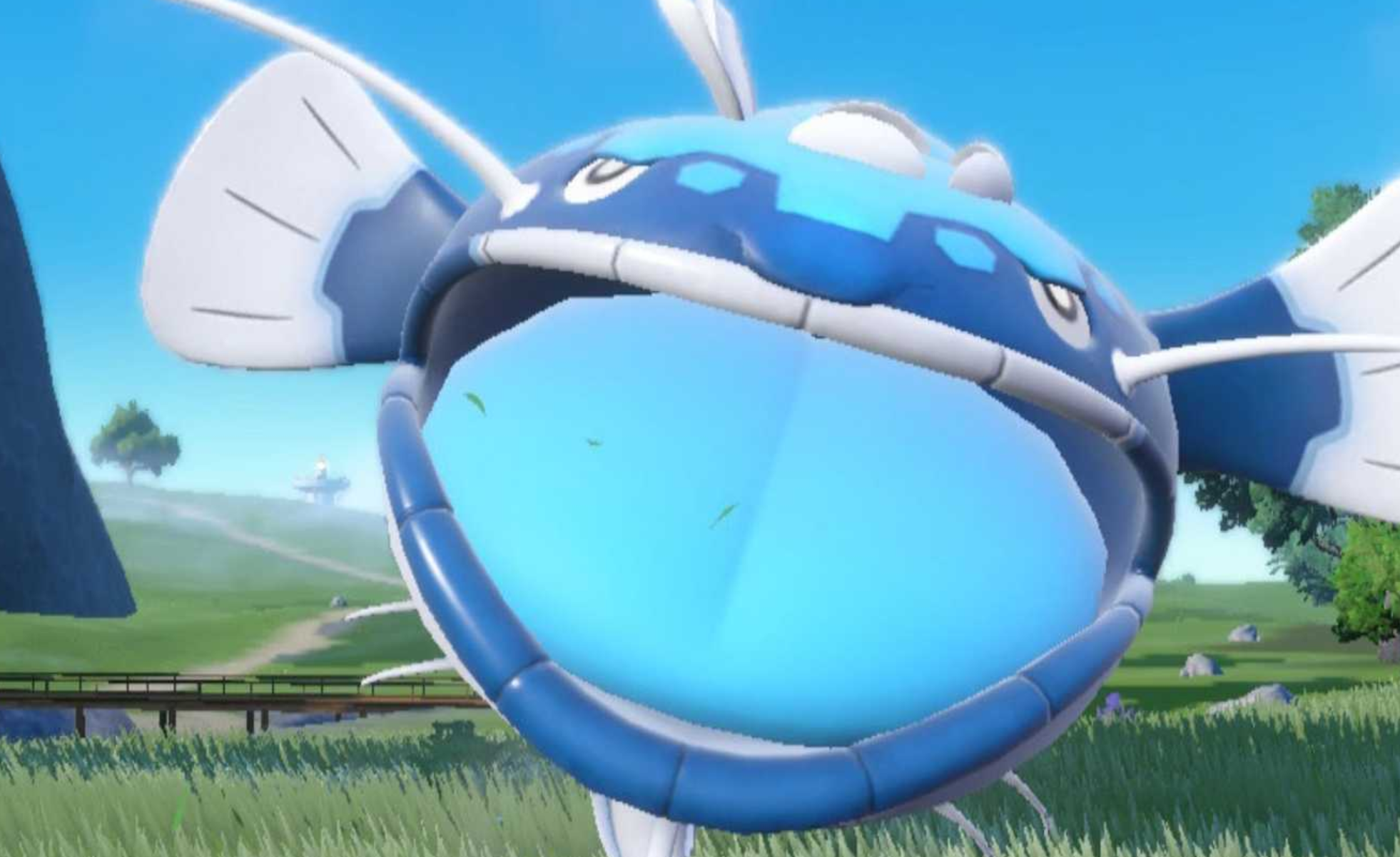
A boss fight usually belongs to a different genre. Dondozo remained inside VGC, with VGC’s move selection, targeting, items, speed order, Tera, and turn structure. The form of the game changed inside the game. Dondozo created a nested field with its own entrance condition, answer requirements, failure modes, and timing pressures.
- The entrance condition was Commander activation.
- The answer requirements were Haze, Clear Smog, Unaware, Perish Song, overwhelming damage, denial before activation, or a matchup-specific equivalent.
- The failure mode was allowing Dondozo to remain boosted long enough to remove the opponent’s resources.
- The timing pressure came from the fact that Dondozo could attack while the opponent was still assembling the answer, and Order Up could continue scaling the threat.
This nested field changed team-building before battle began.
A player did not only ask whether their team was good into the general format. They asked whether it had a Dondozo plan. The plan could be hard counterplay, soft counterplay, denial, speed, pressure, matchup avoidance, or a proactive strategy that made Dondozo too slow to matter. The exact plan varied. The need for a plan did not.
A metagame containing an embedded field taxes every team that enters it.
Some teams paid the tax directly by including Haze. Some paid through Clear Smog. Some paid through Unaware. Some paid through overwhelming offensive pressure. Some paid through Perish Song or other control tools. Some tried to ignore the tax and hoped to avoid the matchup or outplay it. Tournament preparation made that risky. A player who lacked a Dondozo line could lose to the mode regardless of how strong the rest of the team looked.
The deeper ludic insight concerns local sovereignty inside a shared game.
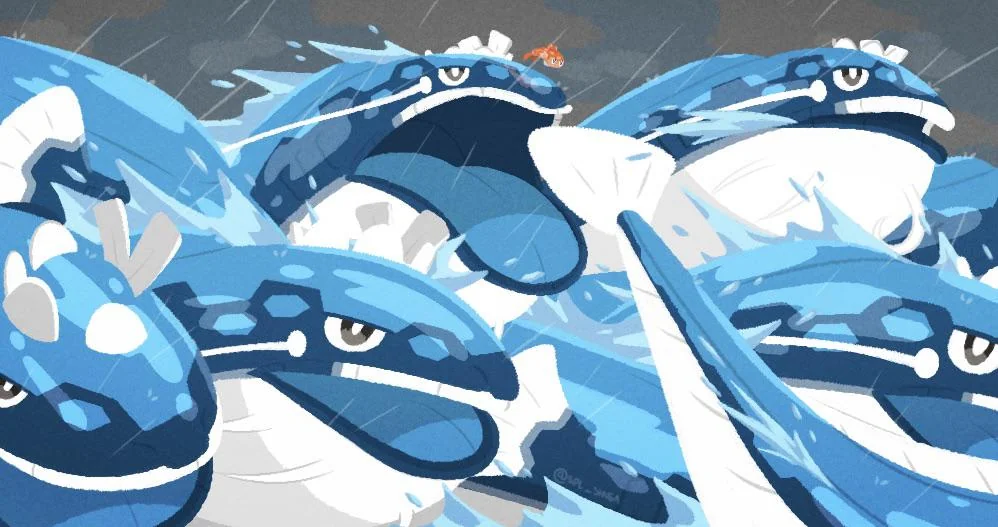
Dynamax made one Pokémon a temporary sovereign through a universal mechanic. Dondozo made one Pokémon a local sovereign through a species-pair interaction. Both structures concentrate authority, but their field shapes differ.
- Dynamax can move across many Pokémon. The temporary center is flexible.
Dondozo concentrates around one exact pair. The embedded field is specific.
- Dynamax lasts three turns.
Dondozo lasts until the structure is broken, neutralized, outmaneuvered, or wins.
- Dynamax changes move properties.
Dondozo changes stat structure and agency distribution.
The comparison shows how different mechanics can produce similar field problems through different routes. A game can create a center through a universal rule, a species interaction, a setup move, an entry ability, or a role-compression package. The field consequence depends on how the center is reached, how long it lasts, how many answers can reach it, and how much of the rest of the game must bend around it.
Dondozo also exposes the difference between preparing for a threat and preparing for a mode.
- A threat is one object that can hurt you.
- A mode is a local way the opponent’s team becomes organized.
Dondozo/Tatsugiri was a mode. The opponent was not simply bringing a strong Water-type. They were bringing the possibility that the battle would enter a different local structure. Good preparation therefore required more than a damage calculation. Players needed a field procedure: how to recognize the mode at preview, which four to bring, when to preserve the answer, whether to stop activation or answer after activation, when to use Haze or Clear Smog, how to handle Tera, and how to win the rest of the game after spending resources on the Dondozo structure.
A VGC player looks at these two fish and sees an entrance condition, a boost package, a Tera fork, a stat-reset requirement, and an endgame timer.
That is what serious play does to a game. It turns elements into procedures.
Snapshot XII: Urshifu And The Grammar Of Protect.
Protect is one of the basic verbs of VGC.
A Pokémon using Protect shields itself for the turn from most attacks and many effects. Since VGC is a doubles format, protecting one Pokémon does not surrender the whole turn. The partner can still act. Protect allows a player to preserve a threatened Pokémon, scout an opponent’s targeting, stall out field effects, waste an opponent’s Dynamax turn, wait for poison, burn, weather, or Perish Song damage, block Fake Out, avoid a predicted double-target, or force the opponent to attack the partner instead.
Protect gives doubles its defensive punctuation.
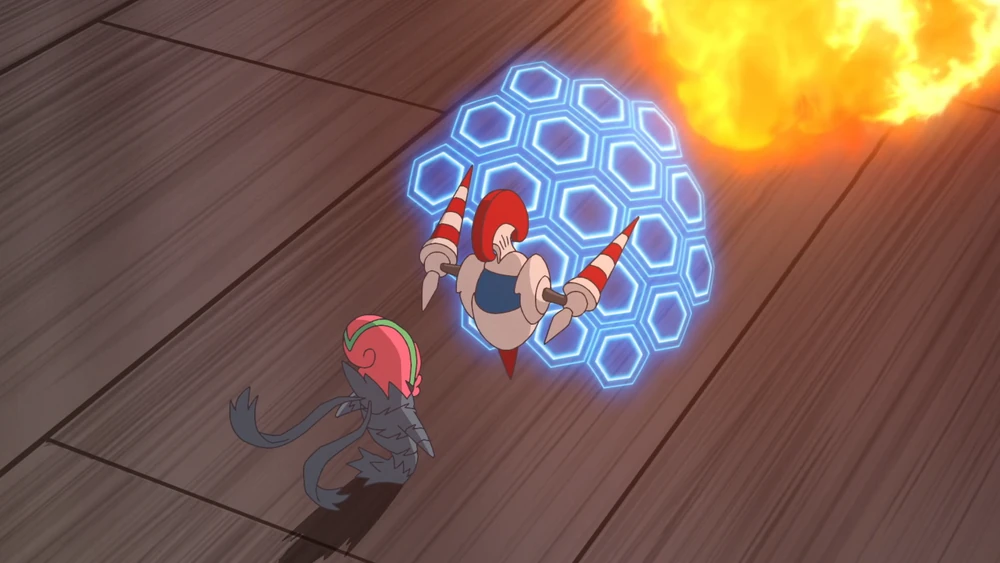
Without Protect, many board states would become too direct. The player with faster or stronger attackers could simply select attacks and collect knockouts. Protect lets the defending player interrupt that line. It creates hesitation. It makes targeting uncertain. It gives the threatened Pokémon one more turn to matter. It allows the partner to convert that preserved turn into counterplay.
Urshifu attacks that grammar directly.
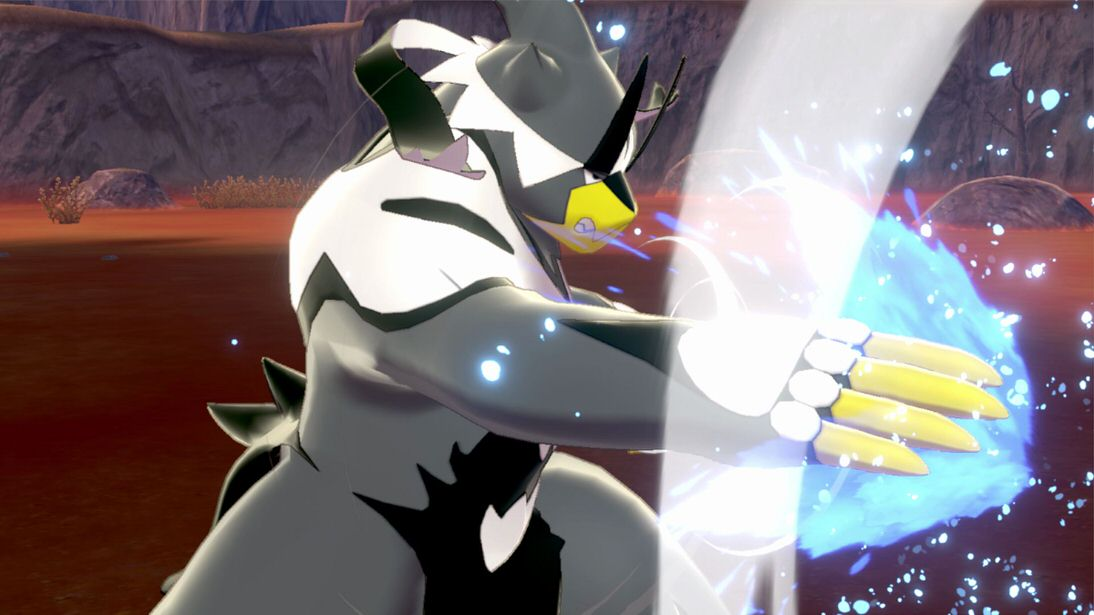
Urshifu is a Legendary Pokémon introduced in Pokémon Sword and Shield. It has two forms: Single Strike Style and Rapid Strike Style. Single Strike Style is Fighting/Dark. Rapid Strike Style is Fighting/Water. Both forms have the ability Unseen Fist.
Unseen Fist allows Urshifu’s contact moves to hit through Protect and similar protection moves. The target may select Protect correctly, spend its action to defend, and still take damage from Urshifu’s contact attack. The shield fails against the kind of attack Urshifu most wants to use.
This ability changes the meaning of a safe turn.
Rapid Strike Urshifu’s signature move is Surging Strikes. Surging Strikes is a Water-type contact move that hits three times, and each hit is a guaranteed critical hit. Critical hits ignore certain defensive boosts and screens, and they deal increased damage according to the generation’s critical hit rules. Because Surging Strikes hits three times, it can also break Focus Sash, an item that normally lets a Pokémon survive a single hit from full HP with one HP remaining. The first hit can activate or break the Sash; the following hits can finish the knockout.
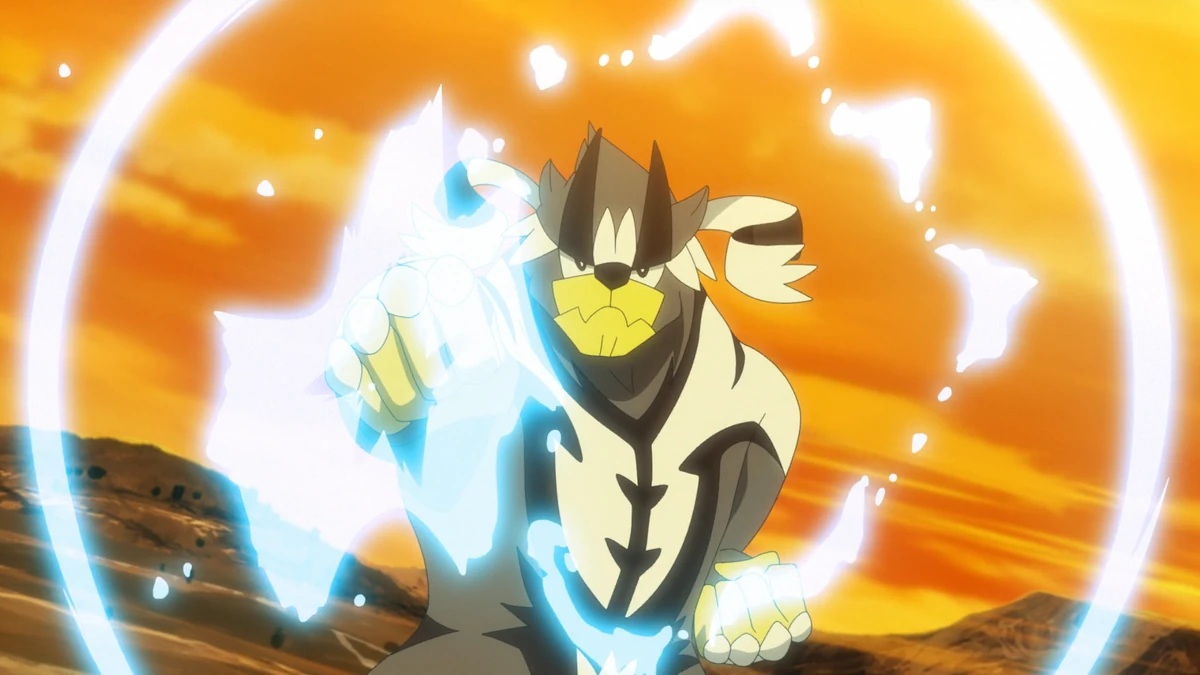
Single Strike Urshifu’s signature move is Wicked Blow. Wicked Blow is a Dark-type contact move that is also a guaranteed critical hit. It does not hit three times, but it delivers strong single-target pressure and benefits from the same Unseen Fist interaction with Protect.
Both forms therefore carry two linked properties.
- They bypass Protect with contact moves.
- Their signature attacks always crit.
The critical-hit property reduces the reliability of some defensive plans. A player may try to use Defense boosts, screens, Intimidate-adjacent damage management, or other mitigation tools depending on the format. Critical hits cut through parts of that defensive grammar. The Protect-bypass property attacks an even more basic layer: the assumption that a Pokémon can spend a turn shielding itself from direct attack.
VGC players still had answers.
Urshifu is powerful, but it is not unanswerable. Rapid Strike Urshifu can be checked by Pokémon that resist Water and Fighting, by abilities such as Water Absorb or Storm Drain in relevant contexts, by redirection, by speed control, by priority, by Intimidate if the critical-hit and damage situation still allows it, by Rocky Helmet chip damage, by Rough Skin or Iron Barbs-style contact punishment, by defensive Tera choices, by burning it in some contexts, by faster attackers, by Trick Room modes, and by positioning that forces it to target incorrectly. Single Strike Urshifu faces Fairy-type pressure, Fighting resists, faster revenge killers, redirection, and other format-specific answers.
The issue is the local damage to safety grammar.
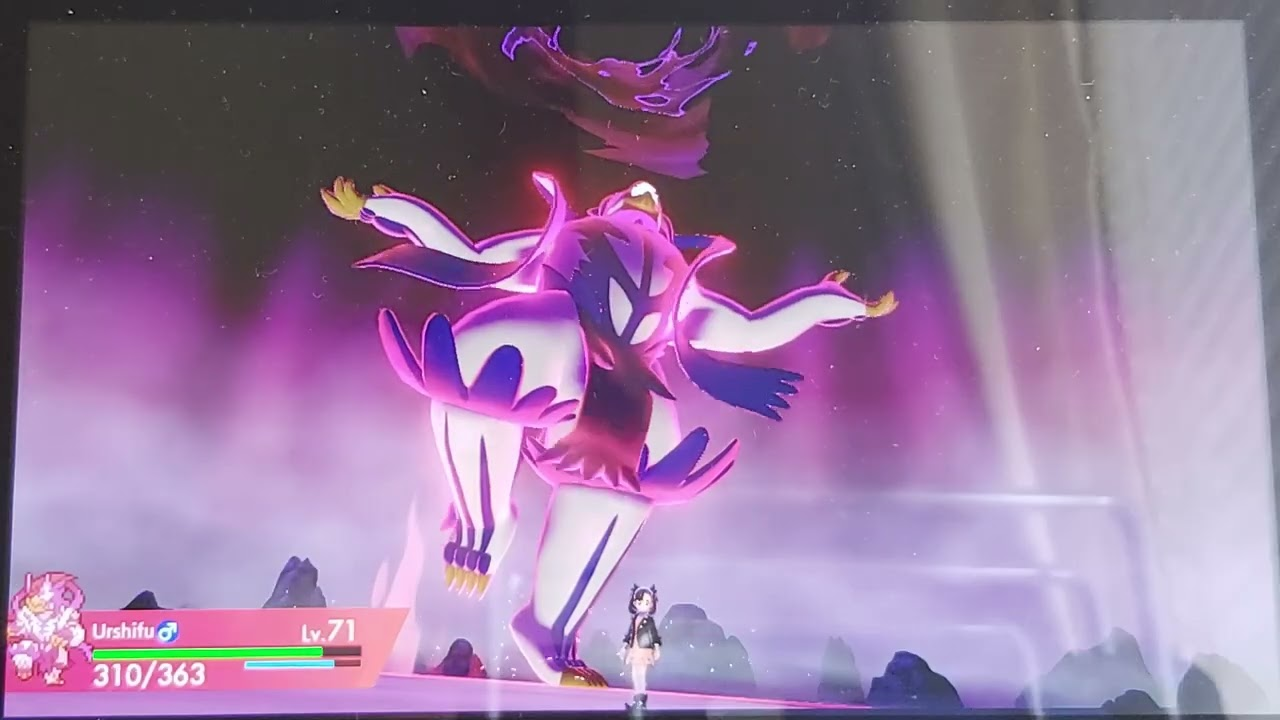
A normal attacker can threaten a knockout. Protect lets the threatened slot delay that knockout while its partner acts, while speed control changes, while a switch becomes possible next turn, or while the opponent reveals their target. Urshifu makes some of those defensive routes fail at the first step. A player cannot treat Protect as a complete shield against the Urshifu slot. They must defend earlier, elsewhere, or through a different instrument.
This changes how turns are read.
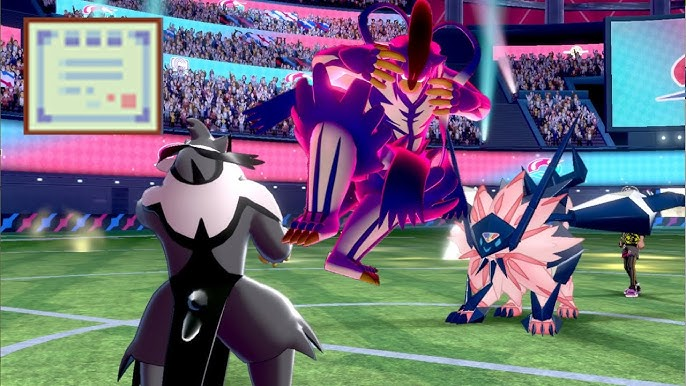
Against ordinary attackers, a low-HP Pokémon can still exert influence if Protect is available. It may force the opponent to decide whether to attack into Protect or target the partner. It may preserve itself for a later endgame. It may waste one turn of Tailwind or Trick Room. It may bait a double-target and let the partner punish.
Against Urshifu, that low-HP Pokémon’s Protect may no longer create the same uncertainty. If Urshifu can select the correct contact move and secure the knockout through Protect, the defending player cannot rely on the ordinary shield. The decision-tree narrows.
- The threatened Pokémon might need to switch.
- It might need its partner to redirect.
- It might need to Terastallize into a resistant type.
- It might need speed control before Urshifu acts.
- It might need to remove Urshifu first.
- It might need to accept that the slot is lost and convert the loss into a better board.
Each of those alternatives carries a different cost from Protect. Switching can lose tempo and expose the incoming Pokémon. Redirection can fail against spread moves, opposing pressure, or specific abilities and items. Terastallization spends the once-per-battle Tera resource. Speed control requires a prior or concurrent action. Removing Urshifu first requires damage, speed, or priority. Sacrificing the slot gives up material.
Urshifu therefore reprices defense.
It does not make defense impossible. It makes a common cheap defensive action unreliable against one of the field’s most direct attackers. The player facing Urshifu must pay for safety with higher-value resources: Tera, positioning, redirection, board control, prior speed management, or a trade.
That repricing has wide effects.
A team built around fragile offensive Pokémon often relies on Protect to preserve threats through dangerous turns. Urshifu reduces the stability of that plan. A team using setup may rely on Protect to defend the setup sweeper while the partner removes a check. Urshifu can punish the protected slot directly. A team trying to stall out field conditions may count turns with Protect; Urshifu can keep dealing damage through those turns. A player trying to scout a Choice item, target, or damage range may protect and still lose the Pokémon.
The whole format becomes more forward-loaded.
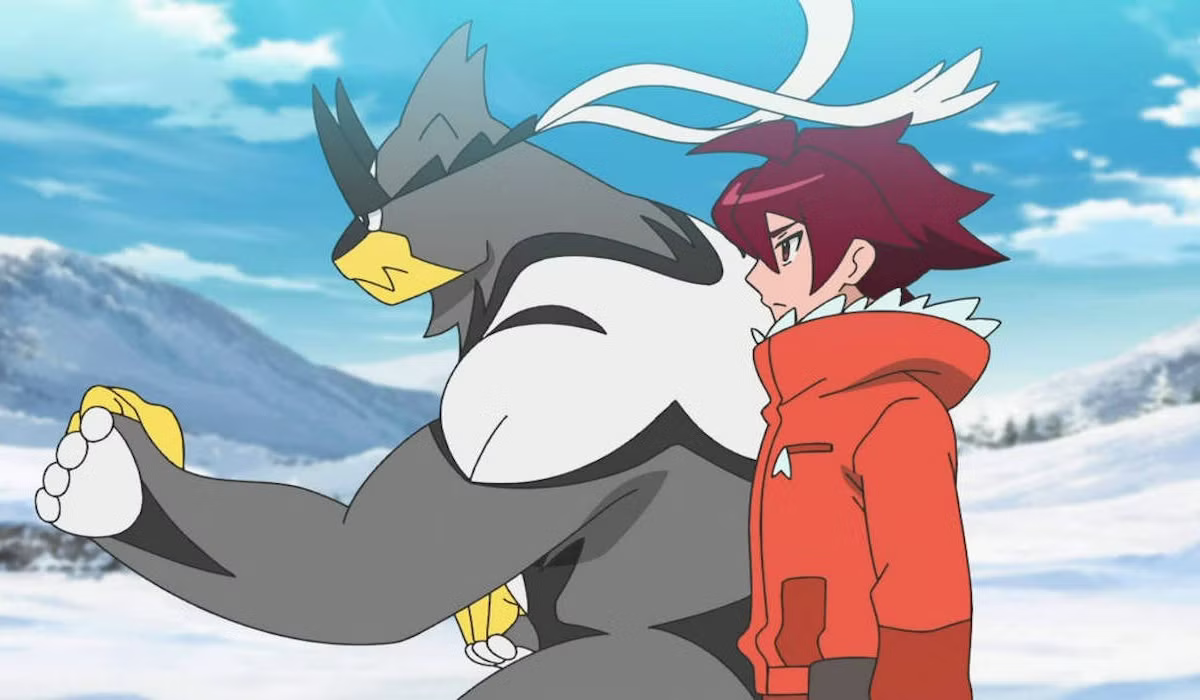
Players must think about Urshifu before the threatened turn. They need defensive typing, redirection, speed control, contact punishment, or offensive pressure already present. Waiting until the attack arrives and clicking Protect may be too late.
This creates a different kind of agency pressure from paralysis or flinch.
Thunder Wave, Swagger, and Rock Slide interrupt the movement from selected action to realized action. Urshifu attacks a selected defensive action directly. The player’s move occurs. Protect activates. The move still fails to perform its ordinary role against Unseen Fist.
The action enters reality, but its legal meaning has changed. That is the structural novelty.
Urshifu does not stop the player from choosing Protect. It changes what Protect means in the local field. A shield that usually shields becomes partial, conditional, matchup-dependent. The same move remains on the moveset, with the same interface, the same animation, and the same strategic history. Against Urshifu, the field has rewritten its authority.
This is a severe ludic event.
Games teach through stable grammar. A player learns that Protect means a kind of safety. They build whole lines around that safety. They learn when the opponent will attack into Protect, when they will call the Protect, when they will double the partner, when they will set up, when they will switch, when they will wait. The interaction becomes rich because both players know the grammar and try to exploit each other’s expectations within it.
Unseen Fist inserts an exception into one of the format’s basic verbs.
Exceptions can be good. They prevent games from becoming rote. They punish lazy repetition. They force new structures. A format with no exceptions often becomes too clean and too easily solved.
The price depends on where the exception lands.
An exception to a minor interaction creates texture. An exception to a central defensive verb changes the field’s basic agency economy. Urshifu’s exception lands directly on Protect, one of the moves that makes doubles function as doubles.
Urshifu's power cannot be reduced to damage numbers, Speed, typing, or usage. Those all matter. The deeper field effect comes from its relation to a universal safety instrument. A Pokémon that threatens through Protect changes every board where Protect would otherwise create ambiguity. It changes low-HP endgames. It changes Dynamax-stall lines in Generation VIII. It changes Focus Sash assumptions through Surging Strikes. It changes Tera timing in Generation IX. It changes whether a threatened Pokémon still exerts pressure by being able to defend itself.
A field with Urshifu asks players to defend without assuming the shield.
Players did learn to do this. They used defensive Tera. They used redirection. They used speed control. They used Rocky Helmet and contact punishment. They used priority. They positioned resists. They forced Urshifu into bad targets. They punished its commitment. They built teams whose game plans did not collapse when Protect lost authority in one matchup.
The structural cost remained real.
A format can contain a Pokémon that breaks a basic verb. The resulting field may still be playable, skillful, even fascinating. The broken verb then becomes part of the field’s native language. Players stop saying, “Protect keeps this safe,” and start saying, “Protect keeps this safe unless the Urshifu line is active.”
That “unless” is the game’s new grammar.
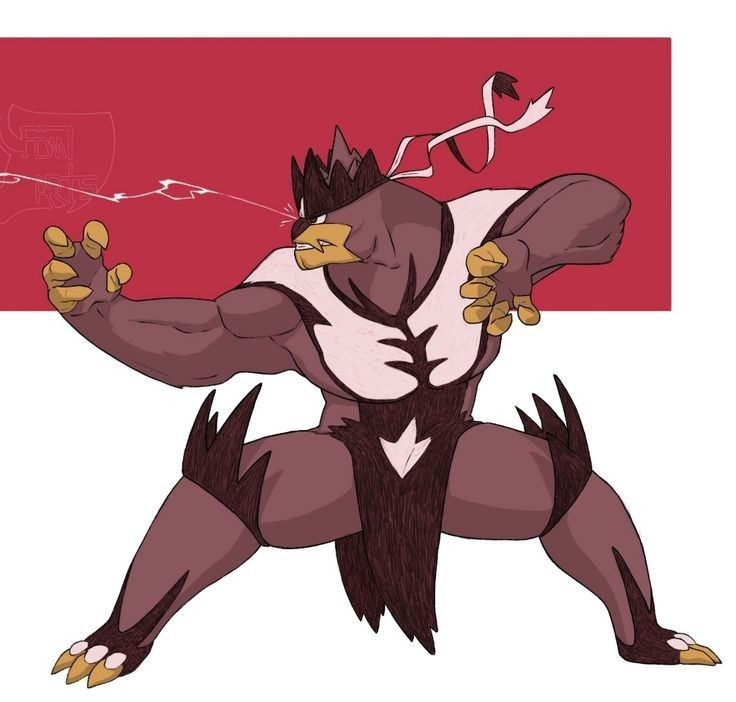
A damaged ludic field does not always remove options from the menu. Sometimes it leaves the option visible and changes the conditions under which the option still means what it used to mean.
Snapshot XIII: Flutter Mane And The Opening Tax.
Flutter Mane is a Ghost/Fairy-type Paradox Pokémon introduced in Pokémon Scarlet and Violet.
Its stat distribution is extreme. Flutter Mane has very high Special Attack, Special Defense, and Speed. It has very low HP, Attack, and Defense. This means it attacks hard from the special side, moves quickly, takes special attacks better than its fragile appearance may suggest, and folds much more easily to strong physical damage.
Its typing gives it several major advantages.
Ghost-type attacks hit Psychic- and Ghost-type Pokémon super effectively. Fairy-type attacks hit Dragon, Dark, and Fighting-type Pokémon super effectively. Together, Ghost and Fairy produce excellent offensive coverage. Many Pokémon that resist one of Flutter Mane’s main attacks do not resist the other. Defensively, Ghost typing gives immunity to Normal- and Fighting-type attacks. Fairy typing gives immunity to Dragon-type attacks. These immunities can create free switches or deny important opposing attacks entirely.
Flutter Mane’s common attacking moves include Moonblast, Dazzling Gleam, and Shadow Ball.
Moonblast is a strong single-target Fairy-type special attack. Dazzling Gleam is a weaker Fairy-type spread move that hits both opposing Pokémon. Shadow Ball is a Ghost-type special attack that hits one target. Those three moves alone give Flutter Mane immediate pressure into a large portion of the field. Other moves vary by format and set: Icy Wind for speed control, Trick Room on some specialized sets, Taunt to stop support moves, Protect for standard doubles positioning, Perish Song on specific teams, Substitute in some contexts, or Tera Blast when Terastallization changes its offensive profile.
Flutter Mane’s ability is Protosynthesis.
Protosynthesis activates in harsh sunlight or when the Pokémon consumes Booster Energy. Booster Energy is a held item that activates if the Pokémon has Protosynthesis or Quark Drive and the correct condition is not otherwise active. For Flutter Mane, Protosynthesis raises its highest relevant stat, depending on its stat values and item interaction. Many Flutter Mane sets use Booster Energy to raise Speed, making an already fast Pokémon even faster. Other sets may boost Special Attack, increasing damage instead.
This creates uncertainty at team preview and on turn one.
A Flutter Mane holding Booster Energy may reveal its boosted stat immediately upon entering. A Speed-boosting Flutter Mane threatens to move before a huge portion of the format. A Special Attack-boosting Flutter Mane threatens stronger immediate damage. A Choice Specs Flutter Mane, holding an item that increases Special Attack while locking the user into one move until it switches, can hit extremely hard. A Focus Sash Flutter Mane may survive one hit from full HP that would otherwise knock it out. A defensive Tera Flutter Mane may change type to survive a move expected to remove it.
The same species can ask several different opening questions.
- Can I survive its Moonblast?
- Can both of my active Pokémon survive Dazzling Gleam?
- Can my faster Pokémon still move first if Flutter Mane is Speed-boosted?
- Can my priority move reach it?
- Can I remove it through Focus Sash?
- Will it Terastallize defensively?
- Can I safely set Trick Room or Tailwind while it threatens immediate damage?
- Can I ignore it for one turn, or does ignoring it cost the game?
These questions occur before Flutter Mane has done anything spectacular at all. That is its field shape.
Some Pokémon distort the game through a later conversion. Xerneas threatens the Geomancy threshold. Dondozo threatens the Commander mode. Dynamax creates a three-turn phase. Flutter Mane taxes the opening. It turns the first board state into a liability check.
The opponent must answer its pressure immediately or prove that their board can absorb it.
This is a different form of centralization from CHALK or Incineroar. Flutter Mane does not supply a complete support grammar. It does not pivot repeatedly through Intimidate and Fake Out. It does not create a nested subgame. It places high-speed, high-damage, excellent-coverage special pressure into the first layer of play.
The opening of a VGC game is already dense.
Players choose four Pokémon from six. They decide whether to lead aggressively, lead defensively, lead with speed control, lead with redirection, lead with Fake Out, lead with weather, lead with Trick Room, or lead with flexible positioning. The first two active Pokémon often determine which plans remain reachable. A poor lead may force immediate defensive play. A strong lead may create pressure, deny setup, or reveal the opponent’s intended mode.
Flutter Mane compresses this first decision.
Its presence at preview forces players to evaluate whether their intended lead loses too much to immediate Ghost/Fairy pressure. A lead that looks strong into the opponent’s general team may fail if it cannot handle Flutter Mane plus a partner. A Trick Room lead may lose if Flutter Mane can Taunt, attack, or combine with its partner to remove the setter. A fast offensive lead may still be slower if Flutter Mane has a Speed boost. A bulky defensive lead may give Flutter Mane’s partner too much room. A lead relying on Dragon, Fighting, or Dark-type pressure may run into Fairy attacks or immunities.
The Pokémon’s low physical bulk gives players a clear avenue of attack. Strong physical priority, Steel-type attacks, Poison-type attacks, Shadow Sneak, Bullet Punch, Sucker Punch, Choice Scarf users, speed control, Trick Room, bulky special walls, Assault Vest users, redirection, and defensive Terastallization all appear as possible answers depending on format. Flutter Mane can be removed. It can be punished. It can be positioned around. It can be forced into unfavorable trades.
The best answers still pay the opening tax.

A team carrying Bullet Punch must preserve the user and account for Psychic Terrain, redirection, Tera, and Flutter Mane’s partner. A Steel-type answer must avoid being removed or weakened by the rest of the team. Trick Room can reverse Flutter Mane’s Speed advantage, but the Trick Room setter must survive the opening and actually set the move. A Choice Scarf user may move first, but item lock and damage thresholds become relevant. A bulky special answer may wall one set and lose to another. Priority may fail against Ghost typing if the move is Normal- or Fighting-type, and Sucker Punch can be played around because it only works if the target uses an attacking move.
Terastallization sharpens the structure.
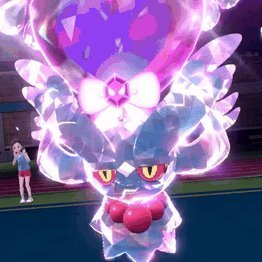
Flutter Mane often uses Tera Fairy to increase Fairy-type damage, Tera Ghost to increase Ghost-type damage, or defensive Tera types such as Water, Fire, Steel, or Fairy depending on format and team. Tera can change whether an answer remains valid. A Steel-type attack that threatens ordinary Flutter Mane may fail to remove a Fire- or Water-Tera Flutter Mane. A Poison-type answer may lose to Steel Tera. A Ghost resist may stop Shadow Ball before Tera and fail after Tera Ghost damage increases. The defending player must account for a type fork before committing the answer.
This makes Flutter Mane a pressure object at multiple layers.
- At team preview, it influences which four Pokémon the opponent selects.
- At lead selection, it influences whether the opponent can open with their preferred mode.
- At turn one, it forces immediate respect through Speed, damage, typing, item uncertainty, and Tera possibility.
- During the midgame, it can be preserved for a late cleaning role, especially if speed control or defensive answers have been removed.
- In the endgame, a Flutter Mane with the right item and enough HP can turn a two-versus-two into a forced damage race.
Flutter Mane’s centrality therefore comes from temporal reach.
It pressures the opening, remains useful in the middle, and can close the game. Many Pokémon are dangerous in one phase. Flutter Mane can be relevant across all three because its core package is so clean: fast special damage, spread damage, excellent typing, Protosynthesis, flexible items, and Tera.
The deeper ludic structure concerns the first playable future.
Every VGC game begins with many theoretical futures. Team preview shows six Pokémon on each side. Each player privately selects four. The leads appear. The first turn begins. Flutter Mane narrows that first playable future by demanding an immediate proof of stability. The opponent has to show that their chosen opening survives the format’s most efficient early special pressure.
A piece like this changes how players evaluate creativity.
A creative team may have a beautiful plan for turn three.
Except Flutter Mane asks what happens on turn one.
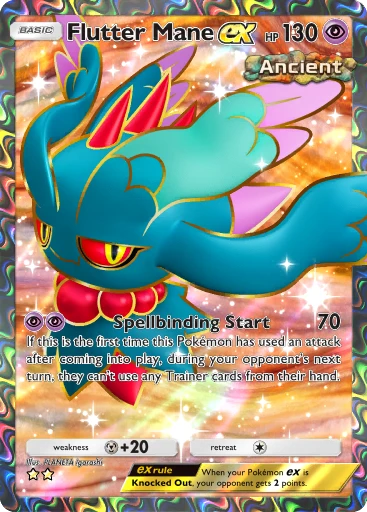
A creative Trick Room mode may dominate once established.
Except Flutter Mane asks whether Trick Room can be established at all.
A slow defensive structure may win long games.
Except Flutter Mane asks whether the long game ever begins.
This is the opening tax.
The tax does not ban alternatives. It makes them pay before they can express themselves. Every field has some form of admission cost. A healthy cost filters unserious structures. An excessive cost kills structures before their actual ideas become testable.
Flutter Mane sits at that boundary.
In formats where answers are plentiful, Flutter Mane becomes a powerful central attacker that players can route around. In formats where its partners cover too many answers, where Tera invalidates too much counterplay, or where the rest of the field already strains defensive resources, Flutter Mane’s opening tax becomes oppressive. The same Pokémon shifts with the local field.
That is why usage numbers alone never finish the analysis.
High usage tells us the field keeps returning to the object. It does not tell us which layer the object is taxing. Flutter Mane taxes the beginning. Incineroar taxes positioning across the whole game. Xerneas taxes the conversion threshold. Dondozo taxes team construction through an embedded mode. Urshifu taxes the safety grammar of Protect. Those are different structural pressures.
Flutter Mane’s lesson is about the first condition of play.
A game can offer a wide possibility space on paper while demanding that every serious path pass through the same opening checkpoint. The field remains large behind the checkpoint. Many plans can still work. Many players can still innovate. The checkpoint decides which plans get to start.
Flutter Mane became one of Scarlet and Violet VGC’s defining Pokémon because it stood at that checkpoint holding a very fast Moonblast.
Snapshot XIV: Open Team Sheets And The Migration Of Depth.
Open Team Sheets changed VGC without adding a Pokémon, move, item, ability, or battle gimmick. They changed the information field.
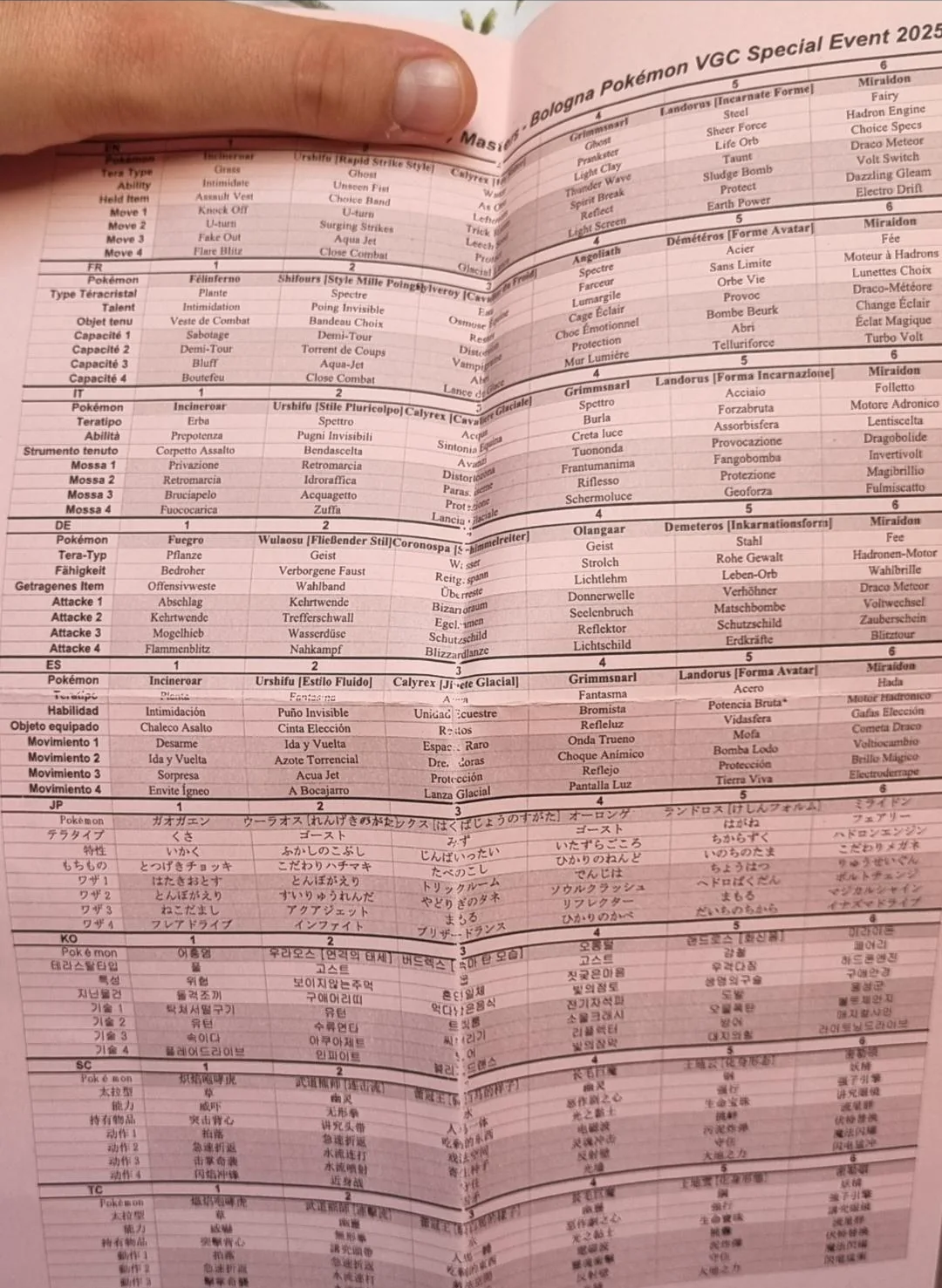
For much of VGC history, players entered games with limited public knowledge of the opponent’s team. At team preview, they could see the six Pokémon. They did not automatically know every move, item, ability, Tera Type in Scarlet and Violet, stat spread, or strategic detail. Some information could be inferred from the metagame. Some could be learned during the game. Some could be gathered through scouting, streams, friends, practice partners, public reports, or prior rounds. Some remained hidden until revealed at the worst possible moment.
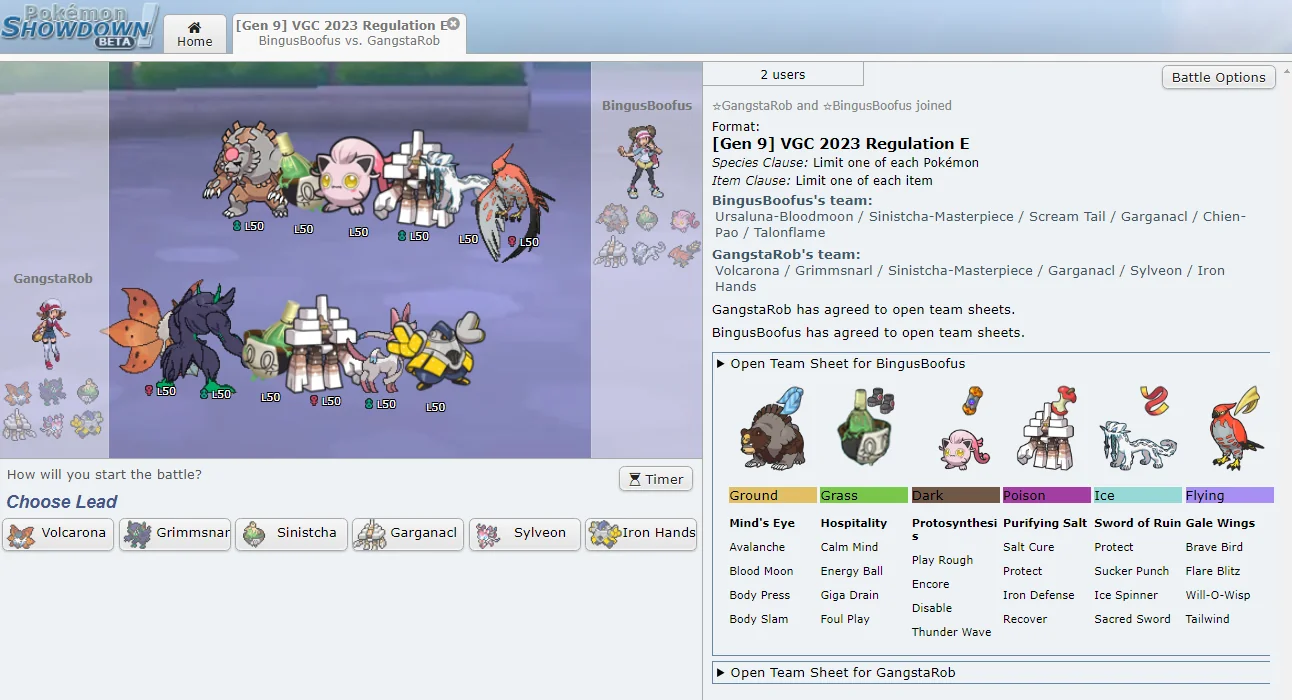
Closed information gives surprise high value.
A Pokémon may carry an unexpected move. A common attacker may have a defensive item. A support Pokémon may be faster than expected. A team may hide a Tera Type that reverses a matchup. A Pokémon assumed to be one ability may reveal another. A move that looks impossible from the public set may win the game because the opponent had no safe way to account for it.
This kind of secrecy can create depth.
Players must infer. They must read team structure. They must decide which risks are worth covering. They must choose whether to protect against the standard set or the dangerous rare set. They must scout through Protect, switch, or damage ranges. A closed-information game rewards knowledge of common sets and courage in the face of uncertainty.
It also rewards unequal access to information.
At high-level events, information rarely stays evenly hidden. Players with larger friend groups, better scouting networks, more streamed-game data, stronger community position, or more time to gather reports may know more about opponents than isolated players. A surprise set may be genuinely hidden from one opponent and already known by another. The official field says both players are entering with the same public information. The social field may say otherwise.
Open Team Sheets partially repair this.
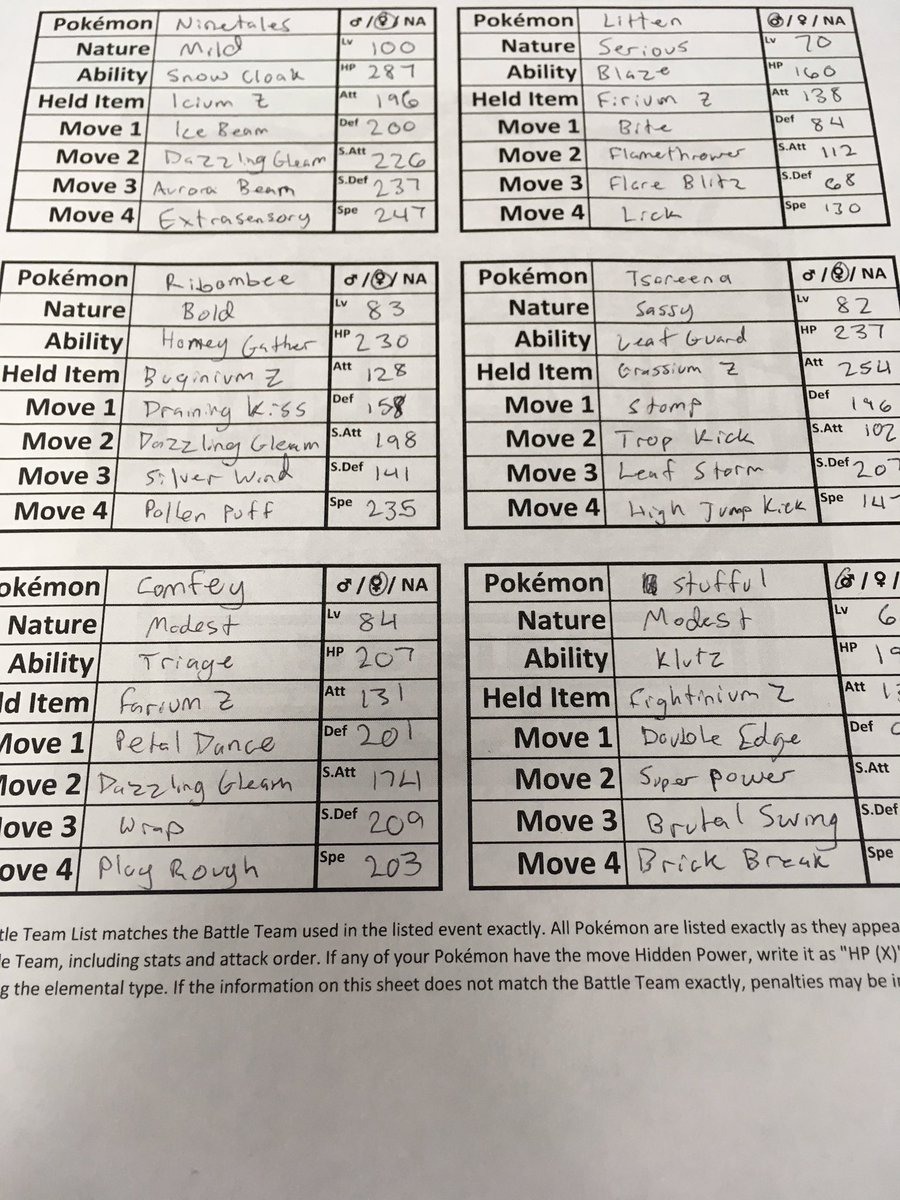
In modern VGC, official open team list procedures require players to share key information about their team with opponents. The exact implementation can vary by event and year, but in Scarlet and Violet VGC, open sheets have commonly included each Pokémon’s species, ability, held item, moves, and Tera Type. They do not reveal everything. EV spreads, exact stats, nature, and strategic intentions can remain hidden depending on procedure. The opponent sees the tools, not the full calibration.
This changes what kind of game VGC is.
- A closed-information game asks players to infer many object properties.
- An open-sheet game gives many object properties directly and asks players to navigate the resulting visible field.
The depth does not disappear. It moves.
Under open sheets, a player may know that the opposing Flutter Mane has Moonblast, Shadow Ball, Icy Wind, and Protect, holds Booster Energy, has Protosynthesis, and has Tera Fairy. That knowledge removes one kind of surprise. The player still has to decide whether Flutter Mane will lead, whether it will Terastallize, whether it will attack or Protect, whether its Booster Energy boosts Speed or Special Attack if the stat values are not visible, whether its partner changes the damage race, and whether preserving an answer for later is worth giving up pressure now.
The sheet gives nouns and verbs. The game remains about sentences.
A move list tells the player what actions are legal for that Pokémon. It does not say which action will be selected. It does not say how the opponent weighs the matchup. It does not say which four Pokémon are coming. It does not say whether the opponent intends to play aggressively, defensively, or through a specific endgame. It does not say which line they will choose under pressure.
Open sheets reduce object mystery and increase line clarity.
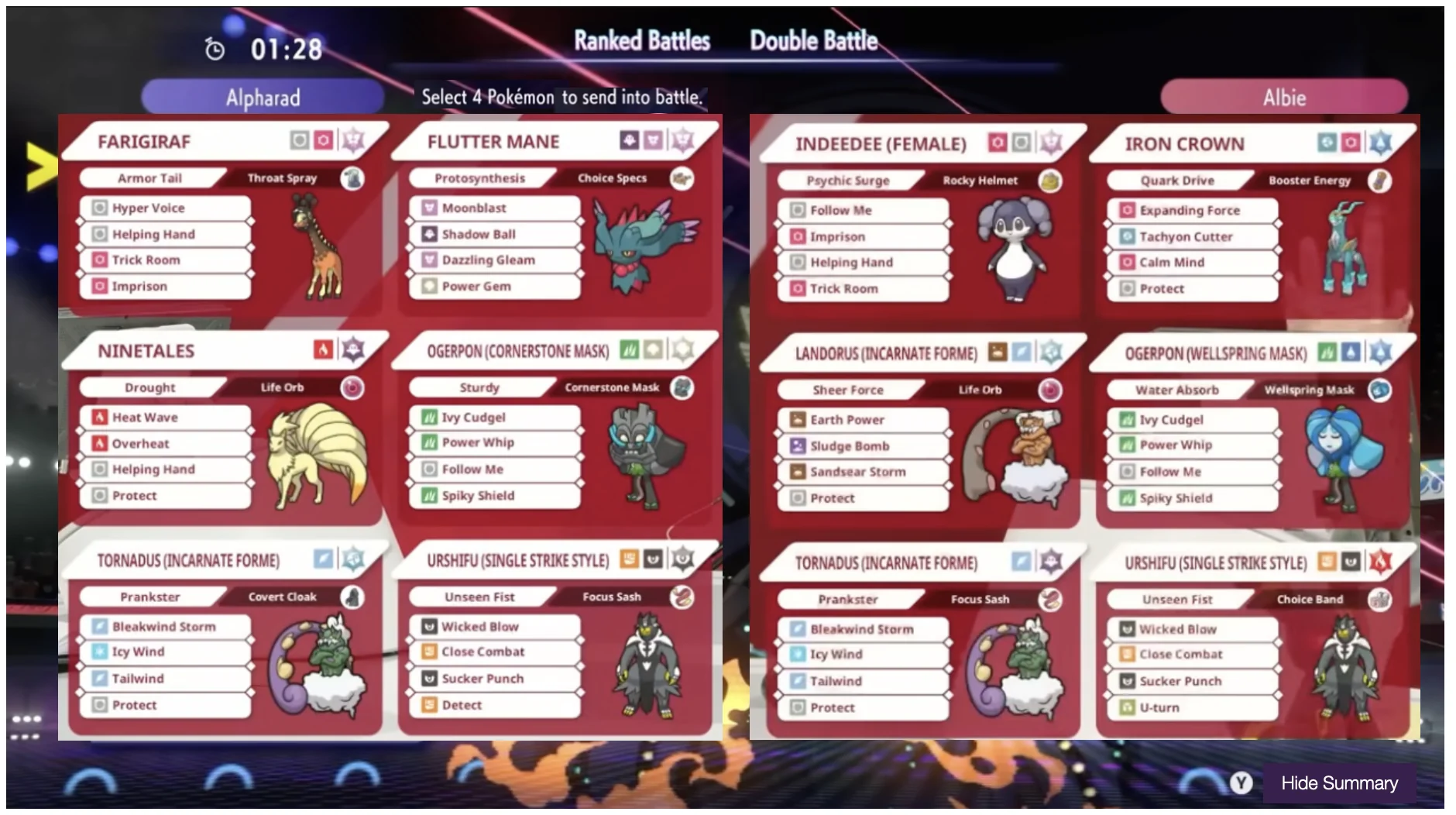
Players can plan from firmer ground. They no longer need to spend as much mental energy accounting for every possible move that a Pokémon might carry. They can focus on the actual listed moves. This makes some surprise-based strategies weaker. It strengthens strategies whose depth comes from sequencing, positioning, and matchup execution rather than hidden information.
- A Pokémon with a surprise coverage move loses some power when the move is visible.
- A Pokémon with four excellent moves remains dangerous because knowing the moves does not solve the board.
- A team built around a concealed Tera Type loses some of its ambush value when the Tera Type is listed.
- A team built around forcing impossible Tera choices can become even more interesting when both players see the fork coming.
Dondozo under open sheets still creates an embedded field. The opponent may know the Dondozo set, Tatsugiri form, and Tera Type. They still must bring the answer, preserve it, use it at the correct time, and win the rest of the game. Urshifu under open sheets still attacks Protect. The opponent may know which Urshifu form, item, and moves are present. They still must defend without relying too cheaply on the shield. Incineroar under open sheets still supplies recursive positioning. Xerneas in an open-sheet world would still create a conversion threshold if the local format allowed it, because Geomancy’s danger comes from reachability and board position, not surprise.
Open information clarifies structural threats. It does not automatically weaken them. This distinction is important for field repair.
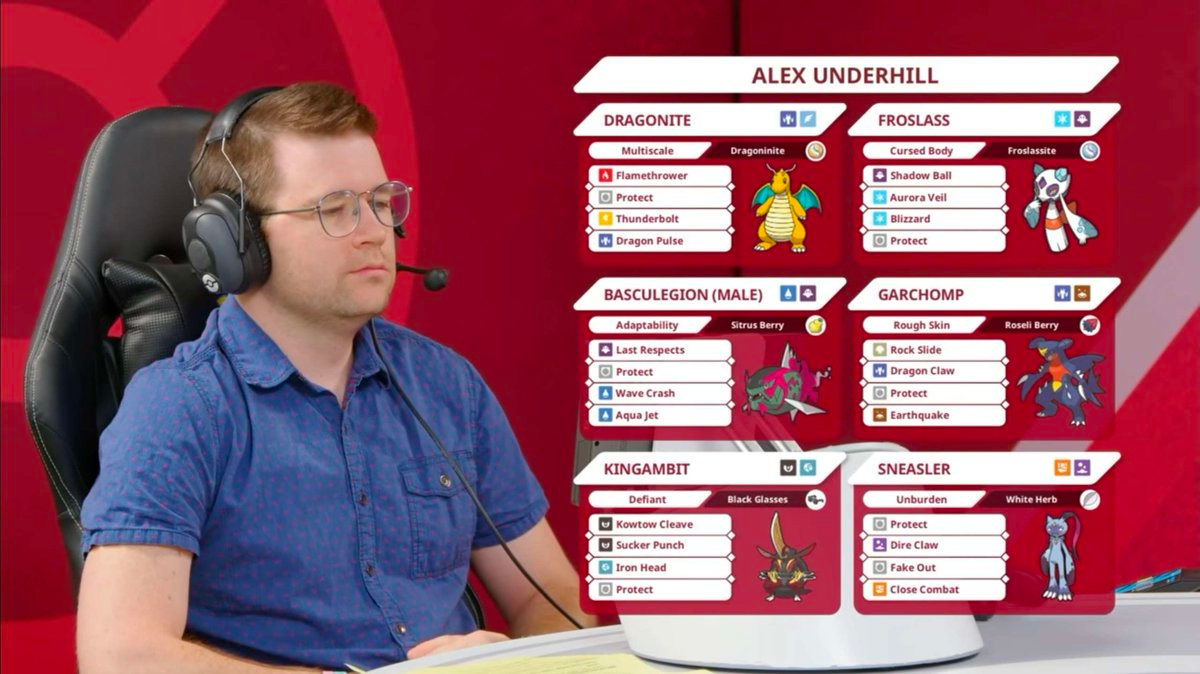
Many bad arguments about competitive games treat hidden information as depth by default. A field with more secrets feels deeper because players know less. The actual question is which uncertainties produce better play. Some hidden information creates meaningful inference. Some creates cheap ambush. Some rewards preparation. Some rewards social access. Some lets weaker structures steal wins through one-time concealment. Some protects creative ideas long enough to make them viable in a hostile field.
Open Team Sheets do not settle the value of secrecy in all cases. They choose a new boundary.
This is an epistemic repair. The official procedure says that certain object facts belong to the shared field. Species, moves, abilities, items, and Tera Types become public competitive information. The remaining hidden layer shifts toward stats, intentions, selected four, move choices, Tera timing, damage rolls, and strategic sequencing.
A field’s information policy determines what kind of knowledge the game rewards. Closed sheets reward inference, secrecy, scouting, surprise, and hidden preparation. Open sheets reward visible path analysis, precise sequencing, matchup planning, and adaptation to known tools. Both structures can produce skill. Each privileges different players, teams, and practices.
Open sheets also change the ethics of tournament preparation.
Scouting becomes less central when the most important object data is officially shared. A player without a large network loses less ground. Streamed games become less punishing because revealing a move or item no longer creates the same asymmetry if everyone must disclose those facts anyway. Public information becomes standardized rather than socially uneven.
The field becomes less dependent on who knew whom before the round.
This does not make the game simple. It just makes the game cleaner.
Chess is clean in this sense: both players see the pieces. The depth comes from position, calculation, evaluation, and plan. VGC will never be chess, and it should not try to become chess. Pokémon’s richness comes partly from asymmetry, team construction, move selection, items, abilities, typing, and hidden calibration. Open sheets do not erase that identity. They decide that some forms of uncertainty had become less valuable than the clarity gained by making them public.
The ludic lesson concerns the location of depth:
Depth is stored in the relation between knowledge and action.
A player can know the opponent’s moves and still fail to see the path. A player can be surprised by a hidden move and learn nothing except that the object had an unlisted weapon. A game with too little information can become guesswork. A game with too much information can become calculation. A living field finds the amount and kind of information that makes agency sharper.
Open Team Sheets moved VGC toward a more explicit field.
The players see more of the local structure before the first turn. They still have to move through it.
This is why the change belongs in a structural article rather than a rules appendix. Open sheets are a battle mechanic outside the battle engine. They alter team-building incentives, scouting culture, surprise value, tournament equity, turn-one planning, and the kind of skill the field rewards. No Pokémon’s base stats changed. No move received a new accuracy number. No ability was patched.
The field changed because the known field changed. A game begins before the first move. Open Team Sheets moved that beginning into the open.
Snapshot XV: Terastallization And Conditional Identity.
Terastallization changed one of Pokémon’s oldest forms of readability.
Every Pokémon has a type or pair of types. A Charizard is Fire/Flying. A Pikachu is Electric. A Garchomp is Dragon/Ground. These types determine offensive and defensive interactions. They tell players which attacks are super effective, which are resisted, which do nothing, and which board states are dangerous.
Typing is one of the game’s core identity systems.
A Pokémon’s type tells the player what kind of object it is inside the battle field. A Dragon-type invites one kind of answer. A Steel-type invites another. A Ghost-type changes what can hit it. A Flying-type avoids Ground-type attacks. A Fairy-type threatens Dragons. A Water-type resists Fire. The entire battle language depends on these relations being legible enough to learn.
Terastallization, introduced in Pokémon Scarlet and Violet, lets a player change one Pokémon’s type once per battle. The Pokémon becomes its Tera Type. If its Tera Type matches one of its original types, its attacks of that type become stronger. If its Tera Type differs from its original typing, it gains a new defensive and offensive identity.
A Dragonite may become a Normal-type to strengthen Extreme Speed. A Flutter Mane may become Fairy to increase damage or Water to survive Steel and Fire lines. A Dondozo may become Steel to resist Fairy and Grass while blocking Clear Smog. An Amoonguss may become Water to improve its defensive profile. A Pokémon whose ordinary typing created a known answer can become a different object at the decisive moment.
This is conditional identity.
The Pokémon remains the same creature, with the same moves, item, ability, stats, and position. Yet the type relation that organized the opponent’s answer changes. The board still contains the same named object. The field now treats it differently.
The power of Terastallization depends on timing.
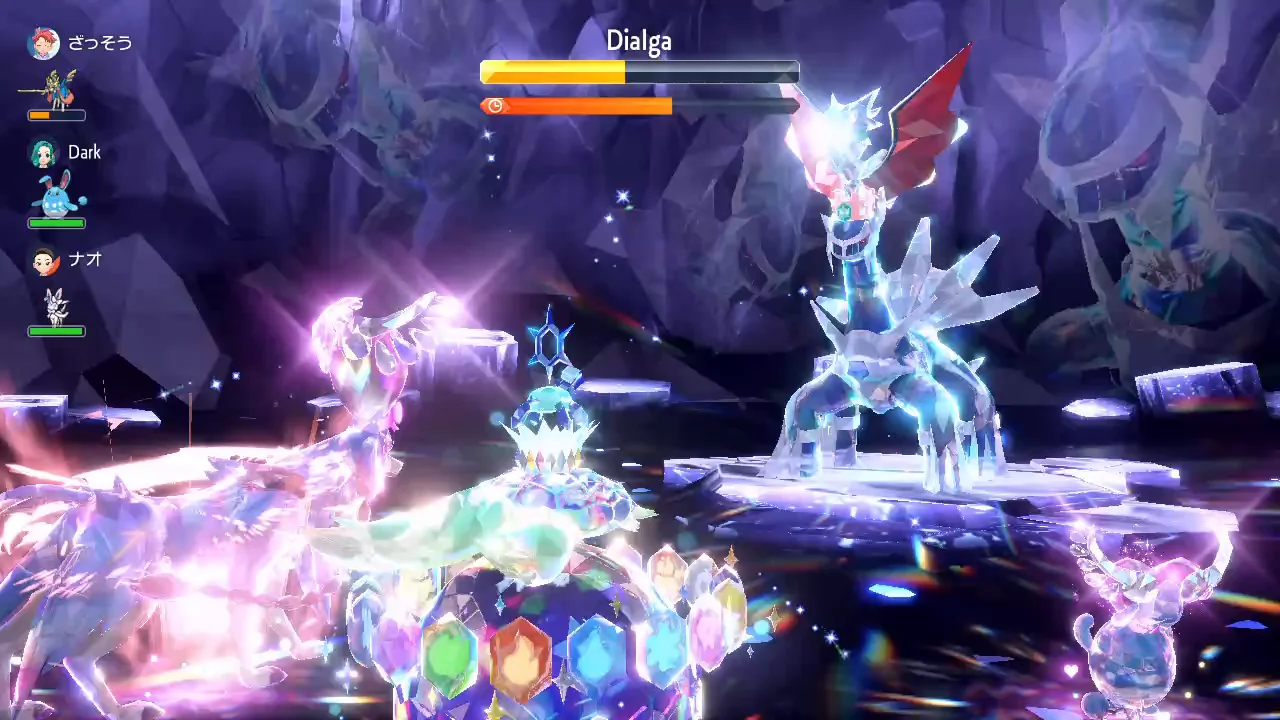
A player can Terastallize early to seize pressure, prevent a knockout, strengthen a main attack, or establish a new board condition. They can delay Tera to preserve uncertainty, wait for the opponent to commit, or save the resource for an endgame. They can use Tera defensively to survive one necessary turn. They can use Tera offensively to turn a damage roll into a knockout. They can use Tera to escape a weakness, gain an immunity, improve a matchup, or make a previously safe opposing position unsafe.
Once used, the resource is gone.
That single-use structure makes Terastallization a commitment mechanism. A player can hold multiple possible identities at team preview, but only one Pokémon gets to actualize its Tera identity in a given game. The unused Tera Types remain shadows. They influence the opponent’s thinking without entering the field.
Under closed information, Tera made hidden identity a major part of the game. A player could know the opposing Pokémon and still lack the crucial fact that would determine whether the answer worked. A Steel-type attack that should remove Flutter Mane might fail if Flutter Mane became Fire or Water. A Dragon-type attack that should threaten a target might fail if the target became Fairy. A Ground-type attack might fail if the target became Flying. The opponent could prepare for the ordinary object and lose to the revealed conditional object.
Open Team Sheets changed this relation.
When Tera Type is visible, Terastallization becomes less like ambush identity and more like conditional identity. The opponent knows the possible transformation. They can plan around it. The uncertainty moves from “what can this become?” to “when will it become that, and what line does that make reachable?”
This is a better kind of uncertainty.
The hidden Tera field rewarded concealed object facts. The open Tera field rewards timing, sequencing, and pressure around known object facts. Both fields can be skillful. The open version makes the identity fork part of shared analysis. The players see the branch. The game becomes about whether one player can force the other to take it too early, too late, on the wrong Pokémon, or in a position where the transformation no longer repairs the board.
Tera therefore gives VGC one of its clearest examples of identity as a resource.
- A normal type is a standing property.
- A Tera Type is a possible future.
The player does not simply have a Fire-type, Water-type, Ghost-type, or Fairy-type Pokémon. They have an object that can become one of those things once, under conditions chosen by the player and pressured by the opponent. The Pokémon’s identity is partly actual and partly reserved.

This changes how answers work.
An answer to a Pokémon under Terastallization has to answer multiple possible identities or force the Pokémon to reveal which identity it will occupy. A strong answer into ordinary Dondozo may fail into Tera Steel. A strong answer into ordinary Urshifu may fail if it becomes a defensive type that survives the counterattack. A strong answer into Flutter Mane may lose to Tera Fairy’s extra damage or to a defensive Tera that changes the damage race. A Pokémon can carry its own escape route from the field relation that used to define it.
This does not make every Tera use profound. Some are straightforward damage buttons. Some are defensive panic moves. Some are obvious from preview. Some are poorly timed and lose the game. The mechanic’s structural interest comes from the type system it touches.
Pokémon’s type chart is a stable map of relations. Terastallization lets one player fold that map at one point.
- The fold may create a new path.
- It may close an opponent’s path.
- It may trade one weakness for another.
- It may convert a losing board into a playable one.
- It may waste the resource and leave the player exposed.
Serious play under Tera became the art of managing conditional identity under pressure. Players learned to ask which Tera Types were real strategic options, which were decorative, which were required for specific matchups, which could be delayed, and which had to be forced from the opponent before the endgame. They learned to threaten lines that made the opponent Tera defensively, then punish the new type. They learned to withhold Tera until the opponent’s answer had been removed. They learned to build teams where multiple Pokémon could plausibly use Tera, making the resource harder to track from preview.
Tera also changed sacrifice.
A Pokémon that would normally faint can spend the Tera resource to live. That survival may preserve a win condition, block a knockout, or flip the board. It may also spend the team’s one identity-change on a Pokémon that still loses two turns later. The defending player has to judge whether survival creates a reachable future or simply delays the loss. The attacking player has to decide whether to cover the Tera, attack the partner, force the resource, or preserve pressure for the next turn.
The visible creature becomes a series of questions:
- Will this remain itself?
- Will it become the thing listed on the sheet?
- Will it spend the team’s one transformation here?
- Can I win if it does?
- Can I win if it does not?
This is a deep ludic mechanic because it changes the stability of objecthood. The player no longer faces only the Pokémon in front of them. They face the Pokémon plus its reserved identity. The object contains a branch. Every turn near that branch has to be read as a possible transition.
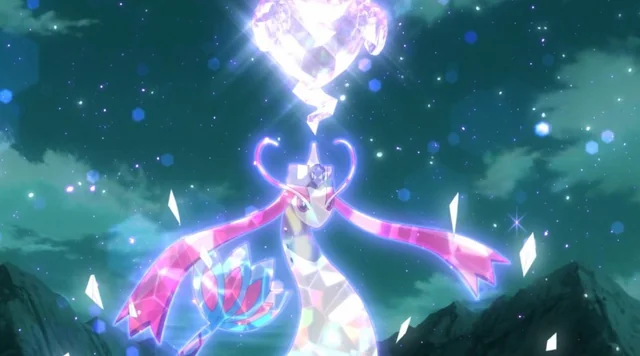
Terastallization shows how a game can make identity modal.
- The Pokémon is what it is.
- It can become what it has held in reserve.
The field is the space between those two facts.
The Public Practice Of Seeing.
After enough snapshots, the player culture around VGC becomes easier to describe. A field this dense requires interpreters.

The official structure supplies the rules, the tournament circuit, the legality lists, the battle engine, the prize path, the broadcasts, and the seasonal calendar. It does not supply the field’s full practical knowledge. That knowledge is produced by players moving through the format. They test, lose, rebuild, publish, hide, stream, scout, narrate, argue, and translate. They turn the legal object into a knowable field.
This is where figures like Wolfe Glick and Aaron “Cybertron” Zheng enter the audit. They matter here as public practitioners of seeing.

Wolfe’s importance is not reducible to having won the World Championship, though that matters. His public work makes high-level VGC reasoning visible to people who would otherwise see only prediction, luck, or spectacle. A turn that looks like a guess can become legible as constrained path analysis. A move that looks passive can become visible as resource preservation. A weird Pokémon can become visible as role sufficiency. A lost game can become visible as the consequence of a board state created several turns earlier.

This interpretive work is also field work.
VGC positions are often opaque from the outside. A viewer sees two Pokémon facing two Pokémon. They may see damage, knockouts, Protects, switches, and flashy animations. They may not see the branch structure underneath: the speed-control race, the Tera fork, the possible Choice item, the preserved endgame, the forced target, the partner dependency, the damage range, the threat of a mode that has not yet appeared.
Public analysis supplies that missing layer.

A good VGC explanation reconstructs the field that made the move correct instead of just telling you which move was correct. It shows which futures were being protected, which futures were being abandoned, which risk was acceptable, and which apparent options had already become unreachable.
Cybertron’s content occupies a different but related place.
His long-running battle videos, team showcases, and narrated games function as daily pedagogy. The format is shown through repetition.

A rental team becomes a local field lesson. A matchup becomes a procedure. A bad turn becomes diagnostic. A win does not end the analysis, because a win can contain poor lines. A loss does not end the analysis, because a loss can contain correct decisions under bad conditions.
This is one of the strongest things public VGC education does. It separates outcome from perception.
A player can win a game after making a poor decision because the opponent misplays, a damage roll goes their way, or a risky line works. A player can lose after making a defensible decision because the field contained variance, matchup pressure, or a forced line with imperfect odds. Serious analysis cannot treat the result as the whole truth of the turn.
This returns us to the earlier variance section. The interface records what happened. Field analysis asks what was reachable.
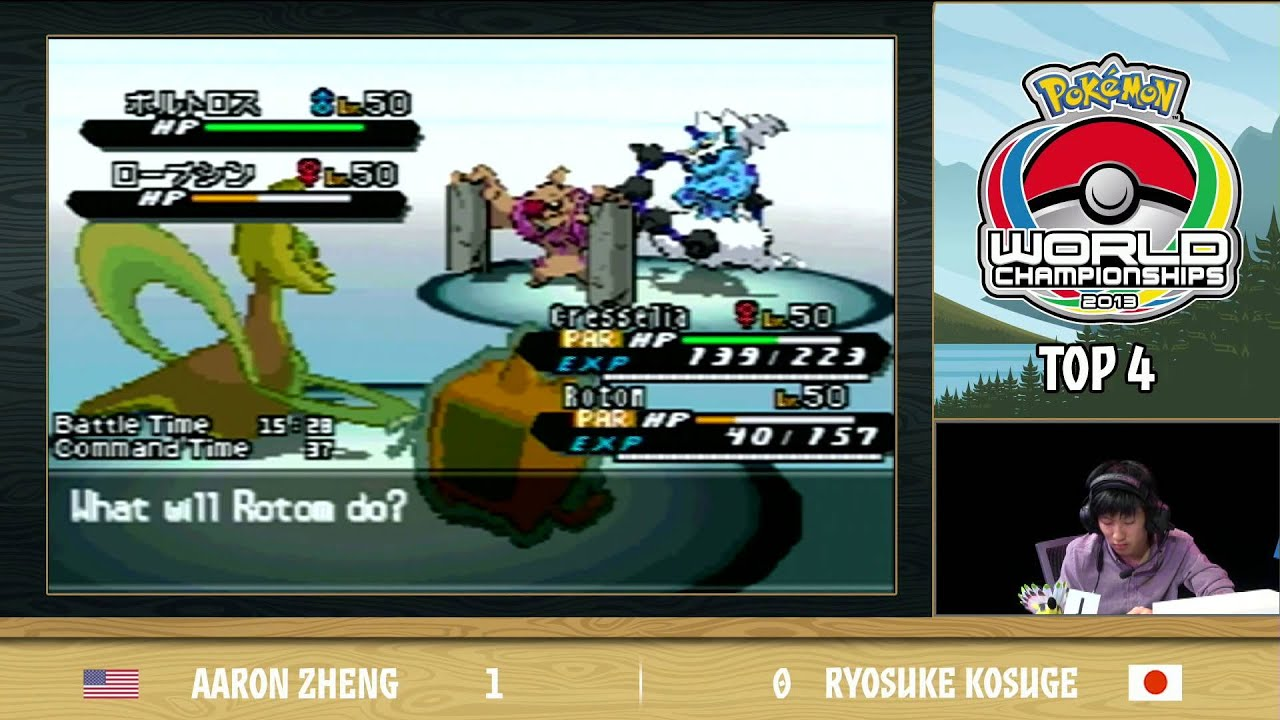
That distinction is one of the most important educational repairs in competitive play. Without it, players learn superstition. They overfit to the last result. They conclude that the move that won was correct because it won. They conclude that the move that lost was wrong because it lost. They mistake outcome for structure.
Good VGC analysis teaches players to read the field beneath the result. This lesson is portable.
This is why public interpreters become part of the field’s infrastructure. They do not patch the game. They do not alter moves, stats, abilities, Tera Types, restricted lists, or tournament procedures. They alter what the community can perceive. They make the field more knowable to its inhabitants.
- A player who watches a strong analyst explain a Xerneas board learns to see the conversion threshold.
- A player who watches an Incineroar endgame learns to see recursive positioning.
- A player who watches Dondozo preparation learns to see the embedded field.
- A player who watches an Urshifu matchup learns to see Protect’s weakened authority.
- A player who watches Tera timing learns to see conditional identity.
- A player who watches open-sheet play learns to see known facts as the beginning of analysis, not its end.
The anthropology of VGC therefore includes education in addition to adaptation.
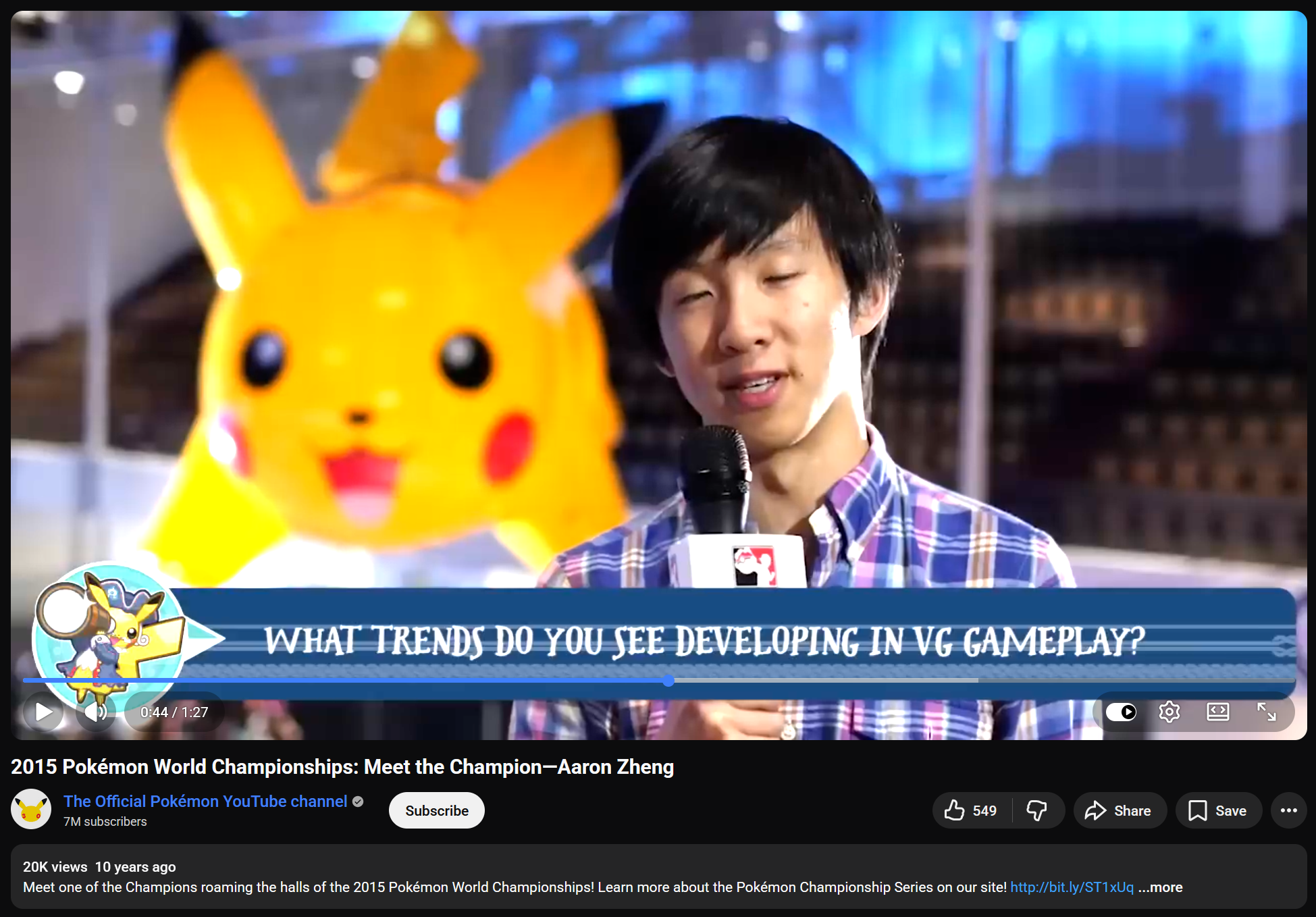
Players do not just adjust their teams to the format. They also adjust their perception. They acquire a local grammar. They learn which dangers are immediate, which are latent, which are fake, which are matchup-dependent, and which are created by their own previous turn. They learn that a format is not a pile of Pokémon. It is a set of procedures for entering, preserving, denying, and converting future states.
The public practice of seeing is one reason VGC has survived so many damaged fields.
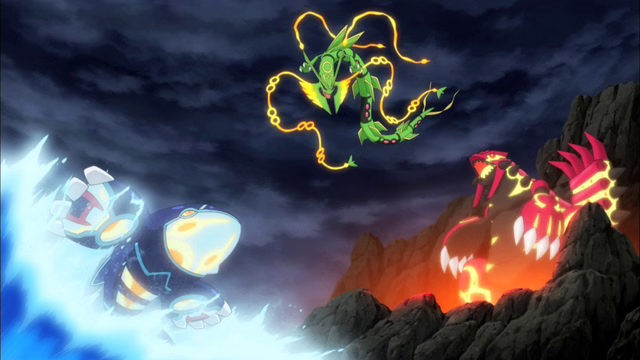
A format can be under-repaired and still become livable if the community develops enough interpretive structure. That should not absolve the official field. But it does show how much of competitive play is built by the players after the rules arrive.
The Anthropology Of Adaptation.
VGC players do not learn one game. They learn a sequence of temporary fields.
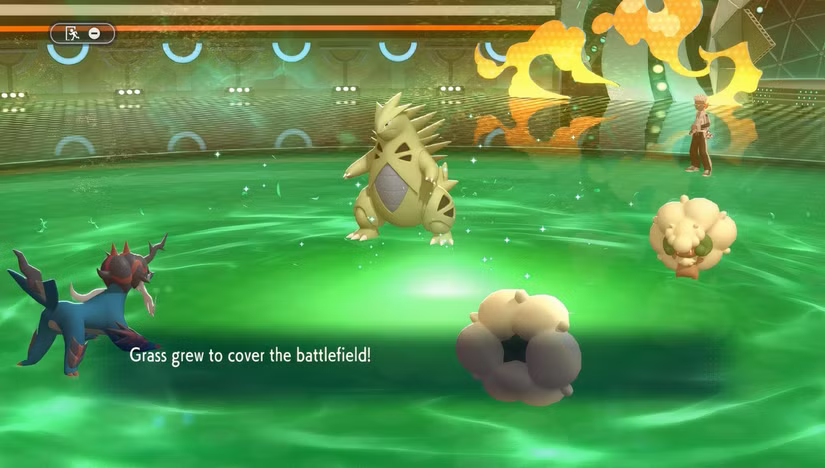
Each format has its own admission costs, central threats, safe lines, false answers, required procedures, and local grammar. A player who understood CHALK could not simply carry that knowledge unchanged into VGC 2016. A player who understood Xerneas still had to learn Dynamax. A player who understood Dynamax still had to learn Zacian. A player who understood Zacian still had to learn Dondozo, Tera, Flutter Mane, and Urshifu. Knowledge persists, but the field keeps moving.
This gives VGC a distinctive culture of accelerated adaptation.
Players start each new format by mapping the obvious. Which Pokémon are legal? Which restricted Pokémon are allowed? Which battle gimmick defines the generation? Which old tools returned? Which new tools entered? Which speed tiers matter? Which abilities rewrite the opening? Which items are available? Which support moves survived? Which threats look impossible until tested? Which threats look terrifying and then collapse under real pressure?
The first wave of knowledge is crude. Early ladders reward obvious force, surprise, and incomplete preparation. A Pokémon that dominates day one may fade once players find stable answers. A strange team may win because nobody knows the interaction yet. A linear mode may thrive until people learn the bring-four procedure. Some early discoveries remain central. Others become fossils of first contact.
Then the field tightens.
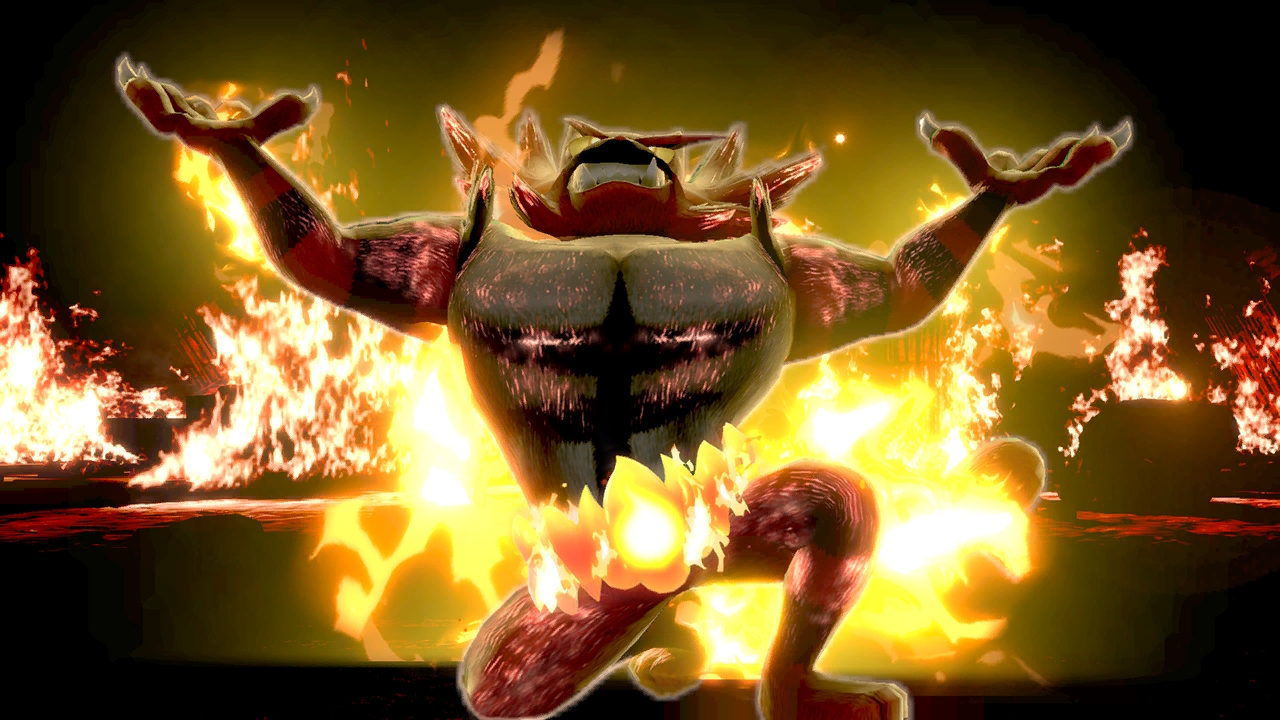
Players identify the actual centers. They learn which Pokémon require explicit answers. They learn which answers are real. They learn which archetypes can survive best-of-three. They learn which teams exploit closed information or open sheets. They learn which teams are too hard to pilot for long events. They learn which ladder lines fail against prepared opponents. They learn which damage calculations define the matchup. They learn which speed numbers matter. They learn which Tera Types must be respected.
The format becomes a language. Native players begin speaking in compressed references. “Does this beat Dozo?” “What is your Flutter Mane answer?” “How do you stop Trick Room?” “Can you handle Tornadus + Urshifu?” “What is your Incineroar plan?” “Do you have a real Calyrex line?” “What happens if they Tera Grass?” “Can you afford to spend Tera there?” “Are you okay into Psyspam?” “Does this team function if Tailwind does not go up?”
Each question refers to a reachable procedure.
- A Dondozo answer means more than a Pokémon with Haze. It means a plan to bring it, preserve it, use it, and win afterward.
- A Flutter Mane answer means more than a Steel move. It means an opening that survives damage, speed, item, partner pressure, and Tera.
- An Incineroar plan means more than a super effective attack. It means a way to play through repeated Intimidate, Fake Out, pivoting, and role compression.
- A Trick Room answer means more than Taunt. It means a way to stop, reverse, stall, underspeed, or punish the slow mode after it begins.
VGC players live inside these procedures.
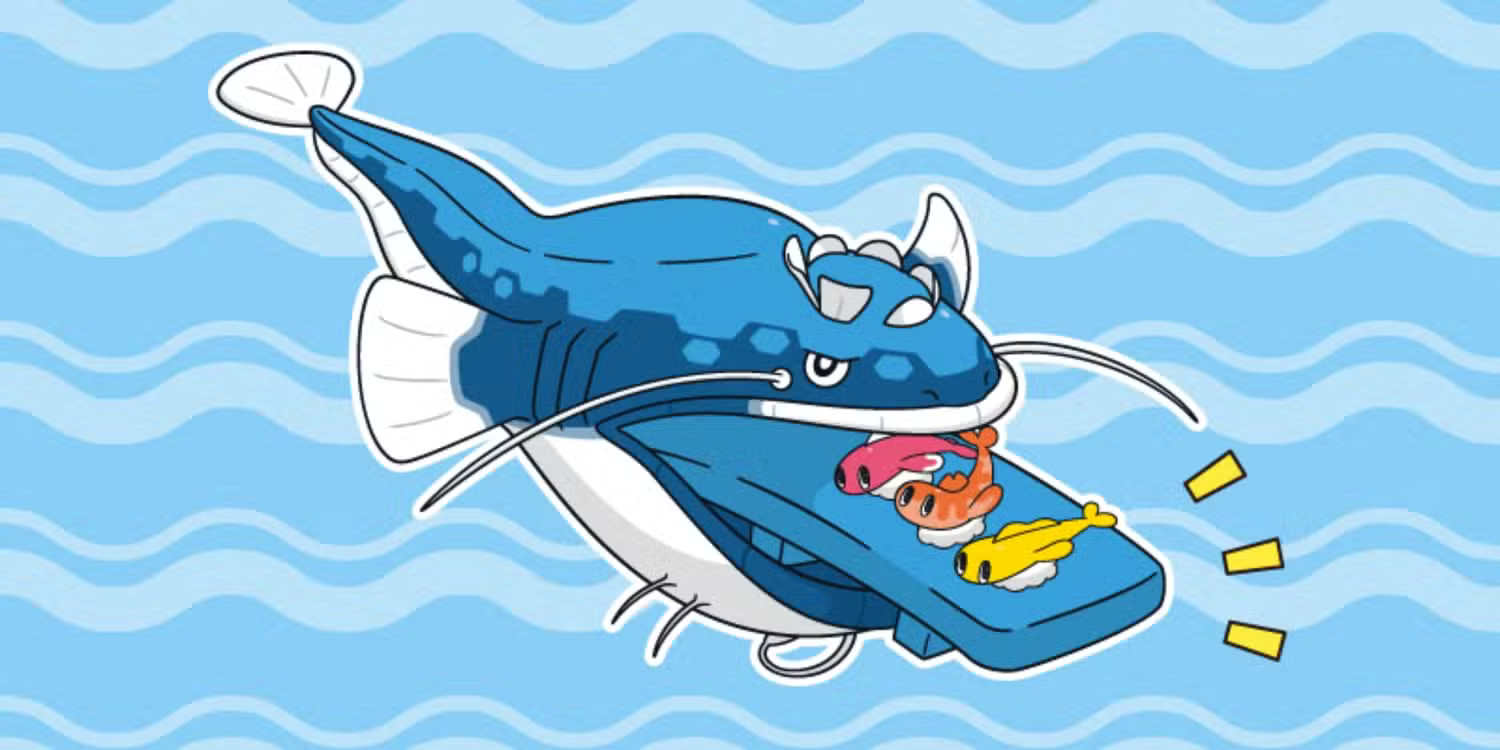
This is the anthropological layer the article has been circling around. Competitive players are becoming local inhabitants of temporary worlds. Each format imposes a climate. Players learn what travels in that climate, what dies at the border, what must be carried, what can be improvised, and what kind of movement the field allows.
- Some formats reward central conformity.
Players join the dominant structure because the structure is correct. They then search for edges inside the mirror: speed investment, item choices, move slots, support partners, Tera timing, defensive benchmarks, and endgame lines. Creativity becomes narrow, but narrow creativity can still be real. A one-move difference on a common team can alter a tournament run. A small EV change can decide whether a Pokémon survives the central damage calculation. A different fourth move can transform one matchup while weakening another.
- Some formats reward anti-meta positioning.
Players accept that the center is known and build to punish it. This can work when the center is overprepared, predictable, or unable to cover all answers at once. Anti-meta teams often look brilliant when they hit the expected field and fragile when the field shifts. They succeed by reading the tournament ecology rather than the abstract ruleset.
- Some formats reward mode layering.
A team may contain two or three ways to play: a fast mode, a slow mode, a weather mode, a Dondozo mode, a Trick Room mode, a Tailwind mode, a restricted-sweeper mode, a defensive endgame mode. The player’s task is not only to build each mode, but to decide which mode the opponent must respect at preview. A mode that never enters the game may still distort the opponent’s bring-four decision.
- Some formats reward execution over novelty.
When the dominant structures are known and the answers are known, the gap between players appears in sequencing, patience, resource timing, and endgame recognition. The game becomes less about discovering the central object and more about moving through the known object better than the opponent.
These styles are not fixed identities. Strong players move between them. They may join the center at one event, attack it at another, hide a surprise in one format, play the obvious best team in another, bring comfort to a long tournament, or choose difficulty because the field rewards it.
Adaptation also includes emotional discipline, though the structural point remains primary.
A VGC player must accept that correct lines can lose. Damage rolls, critical hits, flinches, full paralysis, sleep turns, speed ties, matchups, and opponent behavior all complicate outcome. The player who treats every loss as proof of error becomes unstable. The player who treats every loss as meaningless luck stops learning. Serious practice requires a third posture: examine the line, locate the reachable alternatives, price the risk, and decide whether the field or the player failed.
That posture trains the distinction between regret and analysis.
Regret says, “I lost because I clicked the move that lost.”
Analysis asks, “Which move preserved the best reachable future given the information, odds, matchup, and opponent?”
The answer may still condemn the move. It may also defend it. VGC forces this discipline repeatedly because the game’s outcomes are noisy enough to punish simplistic learning and structured enough to reward serious review.
This is why VGC remains philosophically rich even when the field is damaged.
A damaged field can still train perception. It may train perception more violently because players must learn which parts of the field deserve trust and which parts have become unstable. The danger is that adaptation becomes an excuse for under-repair. The fact that players learned to live inside a distorted field does not make the distortion good. It shows that players can produce order under bad conditions.
The anthropology of VGC is the anthropology of people building local knowledge under official instability.
- They receive a field.
- They test its weather.
- They learn its roads.
- They discover its traps.
- They build rituals for survival.
- They teach the next wave how to see.
- Then the season changes, and much of the local world disappears.
The best knowledge carries forward as method. The specific field always becomes history.
The Official Repair Problem.
RBY UU and VGC now come back together.

RBY UU is unofficial. Its council cannot alter the cartridge. It cannot patch Red, Blue, and Yellow. It cannot rewrite Wrap, repair sleep, rebalance Lapras, change Hypno’s stats, or adjust Articuno’s damage. It has only governance tools: bans, unbans, clauses, suspect tests, public reasoning, reversals, and patience.
That limited authority produced a careful repair culture.

VGC has official authority around it. The ruleset is sanctioned. The events are official. The circuit is official. The prizes, broadcasts, rankings, and World Championships are official. Yet the competitive field has historically remained downstream of the mainline game object. Mainline Pokémon has many obligations beyond tournament integrity: adventure, collection, branding, creature fantasy, generational novelty, casual fun, story, merchandising, accessibility, and spectacle. VGC inherits that object and asks elite players to compete seriously inside it.
The repair problem appears in the gap.
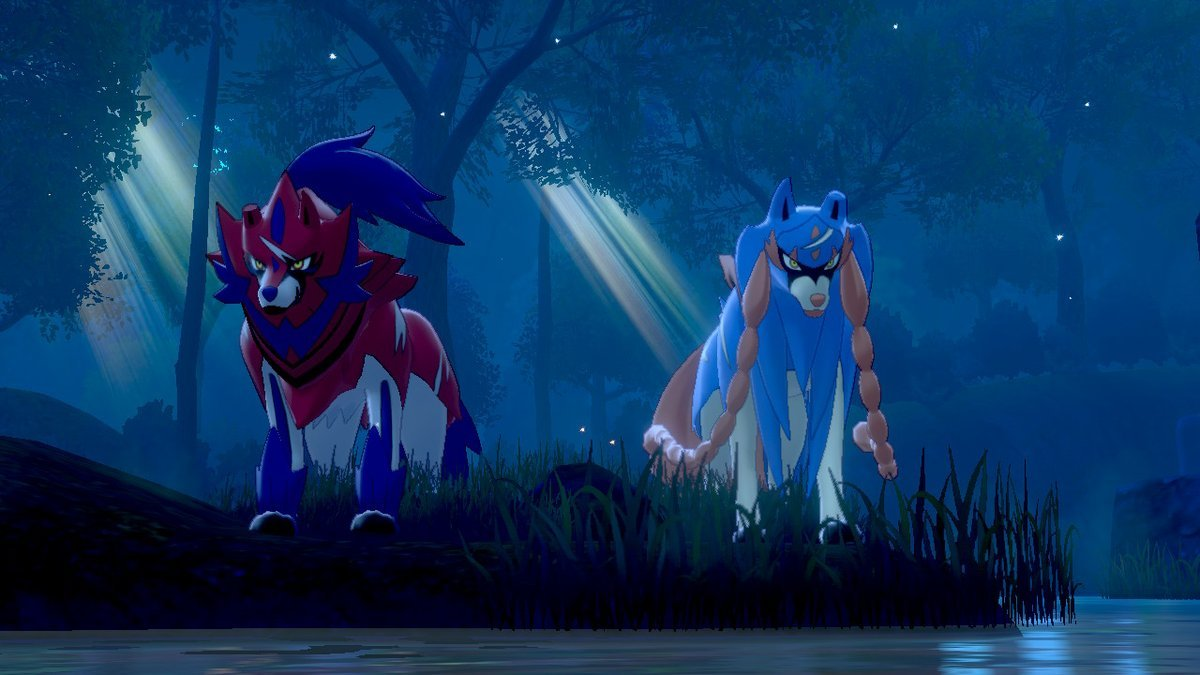
When a fan council governs an old tier, the repair instruments are crude but close to the field. The people making decisions are usually active field inhabitants. They watch the metagame, play it, suspect elements, document reasoning, and revise when the field proves them wrong.
When an official circuit relies on a commercial game object, the repair instruments may be stronger in theory and weaker in practice. The institution could change more than a fan council if it chose to build the right platform, but patching competitive balance may conflict with product cycles, casual expectations, cartridge stability, marketing, design identity, or the desire to let the generation’s signature mechanics remain visible.
The result is a recurring inversion:
- The unofficial field may have weaker authority and stronger field attention.
- The official field may have stronger authority and weaker repair responsiveness.
VGC players have often filled that gap. They supply interpretation, practice culture, team development, educational infrastructure, and local knowledge. They find the actual field after the legal field is announced. They discover which mechanics are tolerable, which are excessive, which answers exist, which answers can be reached, and which official objects have become structural centers.
That player labor makes the field playable. It also hides institutional under-repair.
A tournament can look healthy because excellent players produced excellent games. A format can look rich because the best teams found interesting lines inside it. A broadcast can look exciting because a damaged field still creates drama. A World Championship can crown a deserving champion even if the season’s field asked too much from its players.
Competitive legitimacy and field health are related, not identical.
- A brilliant champion can emerge from a distorted format.
- A damaged mechanic can produce fascinating games.
- An overcentralized field can still reward skill.
- A bad repair structure can coexist with a serious player culture.
The existence of serious play proves the players’ seriousness. It does not prove the field was adequately repaired. This is the ethical hinge.
Once a field asks for serious sacrifice, it inherits serious obligations.
VGC asks players for time, travel, money, attention, testing labor, social coordination, emotional discipline, and repeated failure. It asks them to learn formats that will vanish. It asks them to prepare for official fields shaped by choices they did not make and often cannot appeal. It asks them to accept variance, centralization, matchup pressure, and shifting rules while still treating the tournament result as meaningful.
The field owes those players more than spectacle.
It owes them repair seriousness.
Repair seriousness does not mean perfect balance. Pokémon will never be perfectly balanced, and VGC would likely become worse if it tried to sand away every asymmetry. The game’s richness comes from strange bodies, uneven tools, surprising roles, matchup texture, and local field discovery. A healthy repair culture does not eliminate distortion by flattening everything. It distinguishes productive asymmetry from field damage.
- Productive asymmetry creates decisions.
- Field damage removes reachable decisions while preserving their appearance.
That distinction should guide repair.
Xerneas-style conversion thresholds can be exciting when answers are varied, reachable, and skillfully integrated. They become harmful when the entire game narrows around preventing one turn.
Role compression can create stable cores and rich mirrors. It becomes harmful when one object or package supplies too much grammar at too low a cost.
Variance can create risk management. It becomes harmful when it repeatedly blocks selected actions at decisive points without sufficient counterplay.
Dynamax-style temporary sovereignty can create phase-management depth. It becomes harmful when the sovereign state suspends too many ordinary control tools at once.
Tera-style conditional identity can deepen play. It becomes harmful when hidden identity makes object facts too unstable for serious preparation.
Open Team Sheets show one form of repair. They do not fix every format. They do demonstrate that official procedure can improve the field without changing a single damage number. Information policy is a repair instrument. Legality lists are repair instruments. Move distribution is a repair instrument. Item access is a repair instrument. Ability design is a repair instrument. Timing, disclosure, tournament structure, and platform design are repair instruments.
Pokémon Champions now makes this question more explicit.
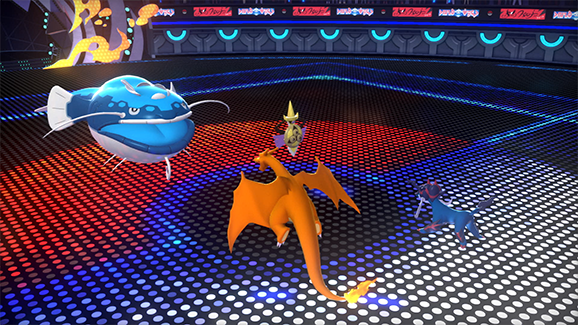
For decades, VGC was tied to the current mainline titles. A battle-focused competitive platform changes the reachability of repair. It creates the possibility that the official competitive field may no longer be only a downstream use of the newest cartridge adventure. A dedicated battle platform could make competitive access easier, standardize procedures, reduce preparation friction, and separate some tournament needs from mainline RPG obligations.
A platform shift does not guarantee repair. It does create a clearer site for responsibility.
If the official competitive field now has a more dedicated home, then balance, information policy, accessibility, format rotation, competitive clarity, and player burden become harder to treat as side effects of the adventure game. The field can be seen more directly as a field.
That is the hopeful version.
The caution is obvious. A dedicated platform can still be under-repaired. It can still prioritize spectacle over agency, novelty over stability, accessibility over depth in the wrong places, monetization over fairness, or constant content churn over field maturation. The existence of a battle platform gives repair a place to stand. It does not perform the repair by itself.
The RBY UU companion case remains instructive.
Careful repair is a discipline of field attention.
The steward must watch what the game actually becomes under serious play. The steward must distinguish legal variety from reachable variety. The steward must identify when counterplay exists only in theory. The steward must ask whether a mechanic creates deeper agency or only louder outcomes. The steward must revise when the field proves the old judgment wrong.

The proper demand for VGC is not that it become RBY UU. The formats, tools, authority structures, player bases, and time horizons are too different. The demand is that official stewardship become as serious about field structure as the players have always had to be. The player community has spent years showing the institution what serious field attention looks like.

The institution should learn from its own inhabitants.
Ruling.
Pokémon VGC is one of the clearest modern examples of serious play inside unstable official fields.
Its best players are not interesting because they endured chaos. They are interesting because they repeatedly converted temporary, distorted, under-repaired, or overcentralized rulesets into knowable local fields. They learned the admission costs. They found the centers. They preserved answers. They distinguished real counterplay from theoretical counterplay. They developed public and private languages for field states that disappeared almost as soon as they became mature.
The field gave them Xerneas, and they learned the conversion threshold.
The field gave them CHALK, and they learned complete core compression.
The field gave them Smeargle and Dark Void, and they learned permission as power.
The field gave them Swagger, Thunder Wave, and Rock Slide, and they learned the gap between selected action and realized action.
The field gave them Incineroar, and they learned recursive positioning.
The field gave them Dynamax, and they learned temporary jurisdiction.
The field gave them Zacian, and they learned arrival as action.
The field gave them Dondozo and Tatsugiri, and they learned the embedded field.

The field gave them Urshifu, and they learned to defend without assuming the shield.
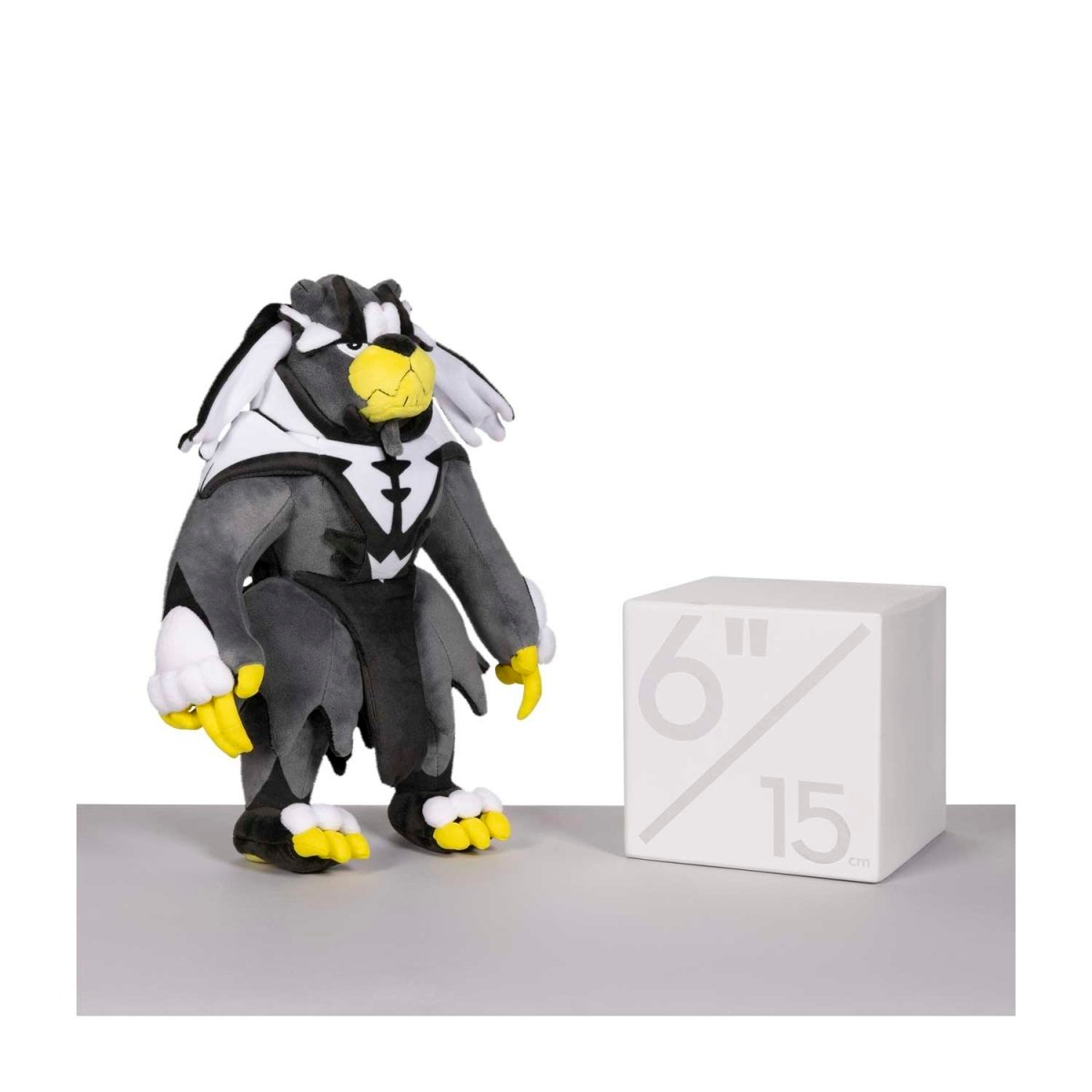
The field gave them Flutter Mane, and they learned the opening tax.
The field gave them Terastallization, and they learned conditional identity.
The field gave them Open Team Sheets, and they learned that depth can migrate from secrecy to visible path analysis.

This is a remarkable record of adaptation. This is also an indictment.

A competitive field should not rely so heavily on player brilliance to compensate for official under-repair. The beauty of adaptation can become a cover story for the failure to steward. If players produce meaning inside damaged conditions, the meaning belongs to the players. The damage remains the field’s debt.
VGC should be judged with both truths intact.

It is a beautiful game. It is often a damaged field.
It has produced champions, teachers, analysts, builders, and communities. It has also asked those people to carry more structural burden than a serious official field should offload onto its inhabitants.
The lesson for Modal Path Ethics is broader than Pokémon.
Fields can be alive even when damaged. People can develop expertise under distortion. Communities can build local knowledge faster than institutions can repair the structures around them. A field can generate real excellence without being well-governed. The presence of excellence may even delay repair, because observers mistake heroic adaptation for institutional success.
Games make this visible with unusual clarity.
A damaged political field hides its narrowing inside bureaucracy, ideology, exhaustion, and necessity. A damaged economic field hides its narrowing inside prices, incentives, and inherited institutions. A damaged social field hides its narrowing inside norms and personal failure stories. A damaged ludic field places the narrowing on the board.
The player can see the threat.
The player can feel the path close.
The player can learn the answer and still lose because the answer could not be reached.
That is why games are not side examples. They are training grounds for field perception.
Chirality began from the claim that play can make structure visible. RBY UU showed a fan community attempting careful repair of an inherited game field. VGC shows the official case: a prestigious, serious, high-skill field whose inhabitants often understood its local structure more precisely than the institutions that supplied it.
Pokémon VGC is ludically rich and institutionally under-repaired.
The players are serious. The game is often serious.

The stewardship does not always match them.