Applied Case: The TempleOS
Terry Davis was an anti-field analyst. [L]
September 2026 note: The central distinction survives and is now part of the Sacred Instruments architecture: sacred practice can preserve contact, care, humility, discipline, repair, and memory; religion is not treated as pathology. The failure begins when a contact instrument becomes sovereign over correction. An oracle, sacred text, model, ritual, or other answer-channel may interrupt perception, but it cannot acquire final authority simply by being experienced as sacred. Later work generalizes the rule beyond TempleOS: any instrument that can reinterpret correction as disobedience has crossed from aid to sovereignty. Simplicity and transparency can improve contact, but neither is a substitute for corrigibility.
And then, there was blue.
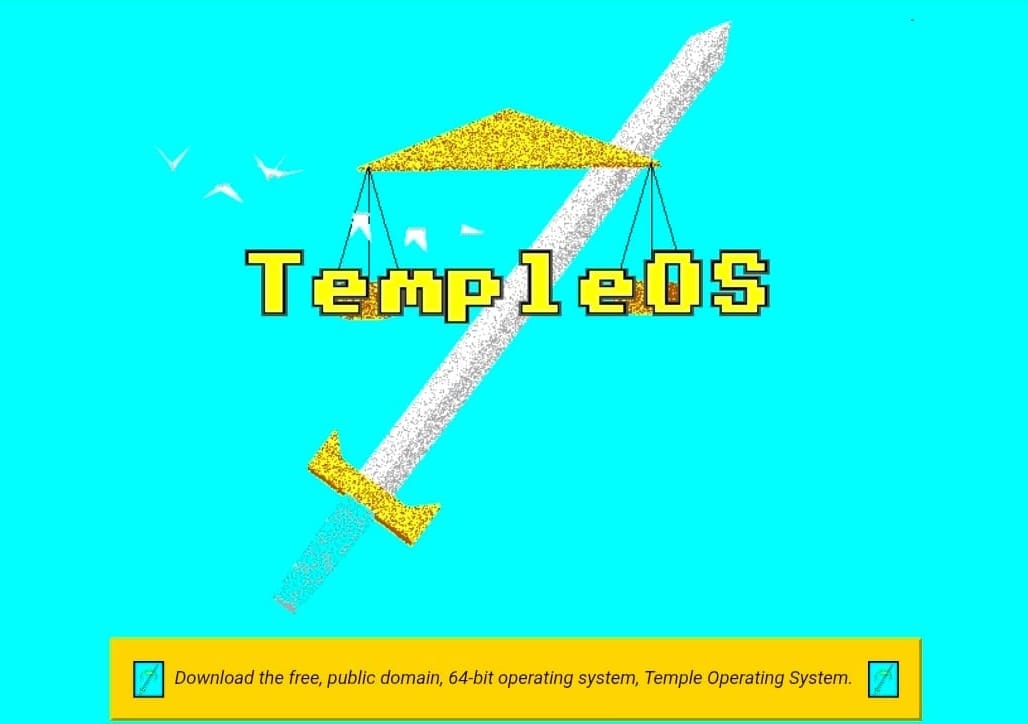
Not the corporate blue of software pretending to be calm, or that polished blue of a modern interface begging you not to notice the server farm behind it.
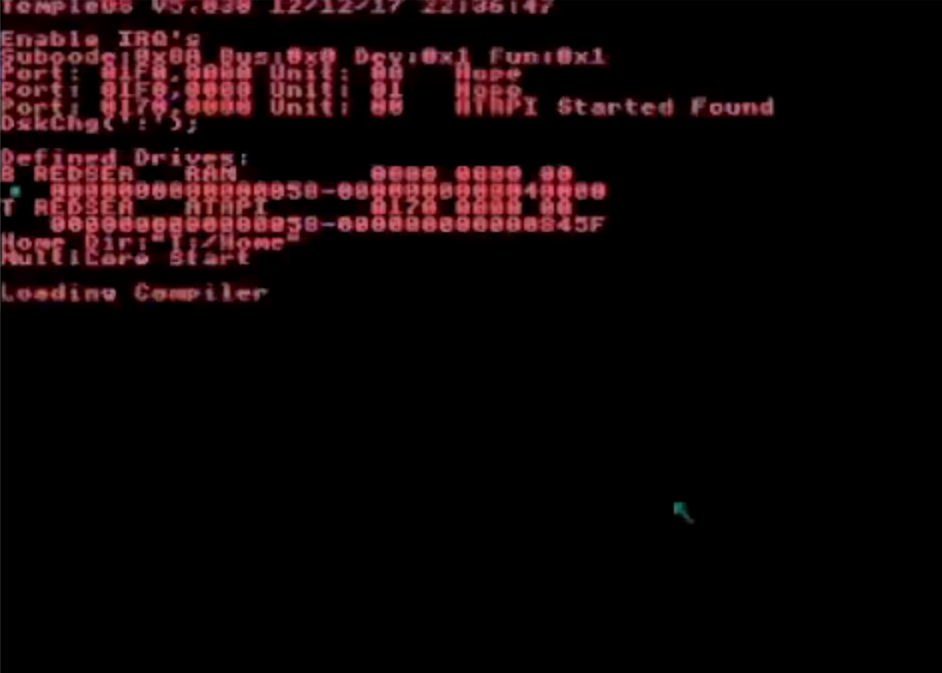
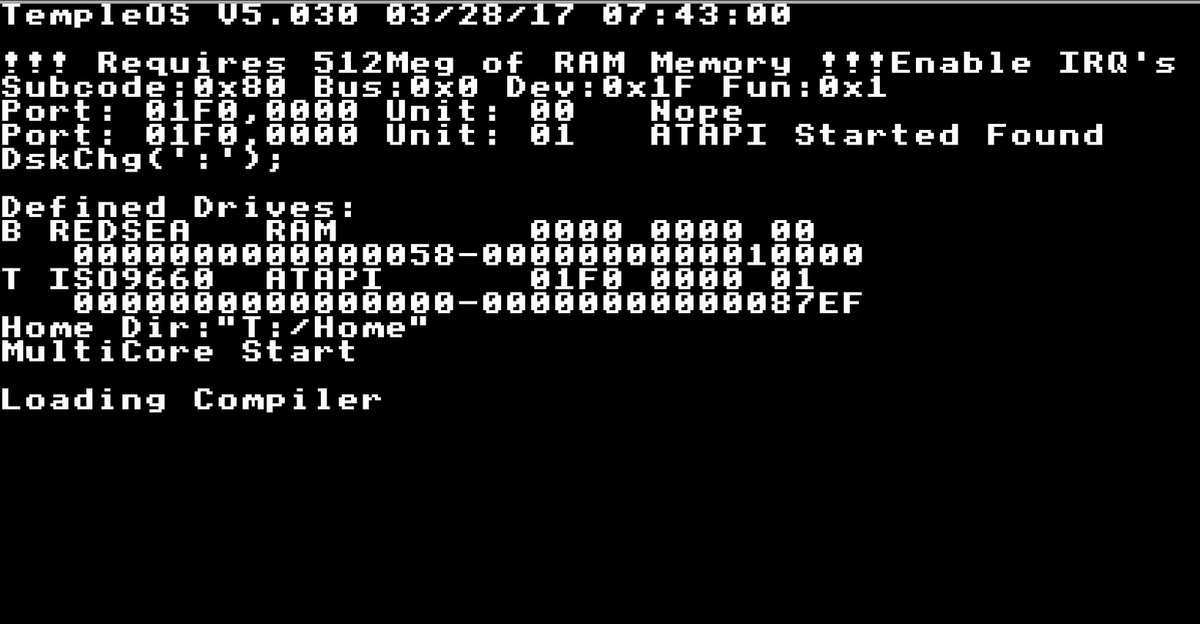
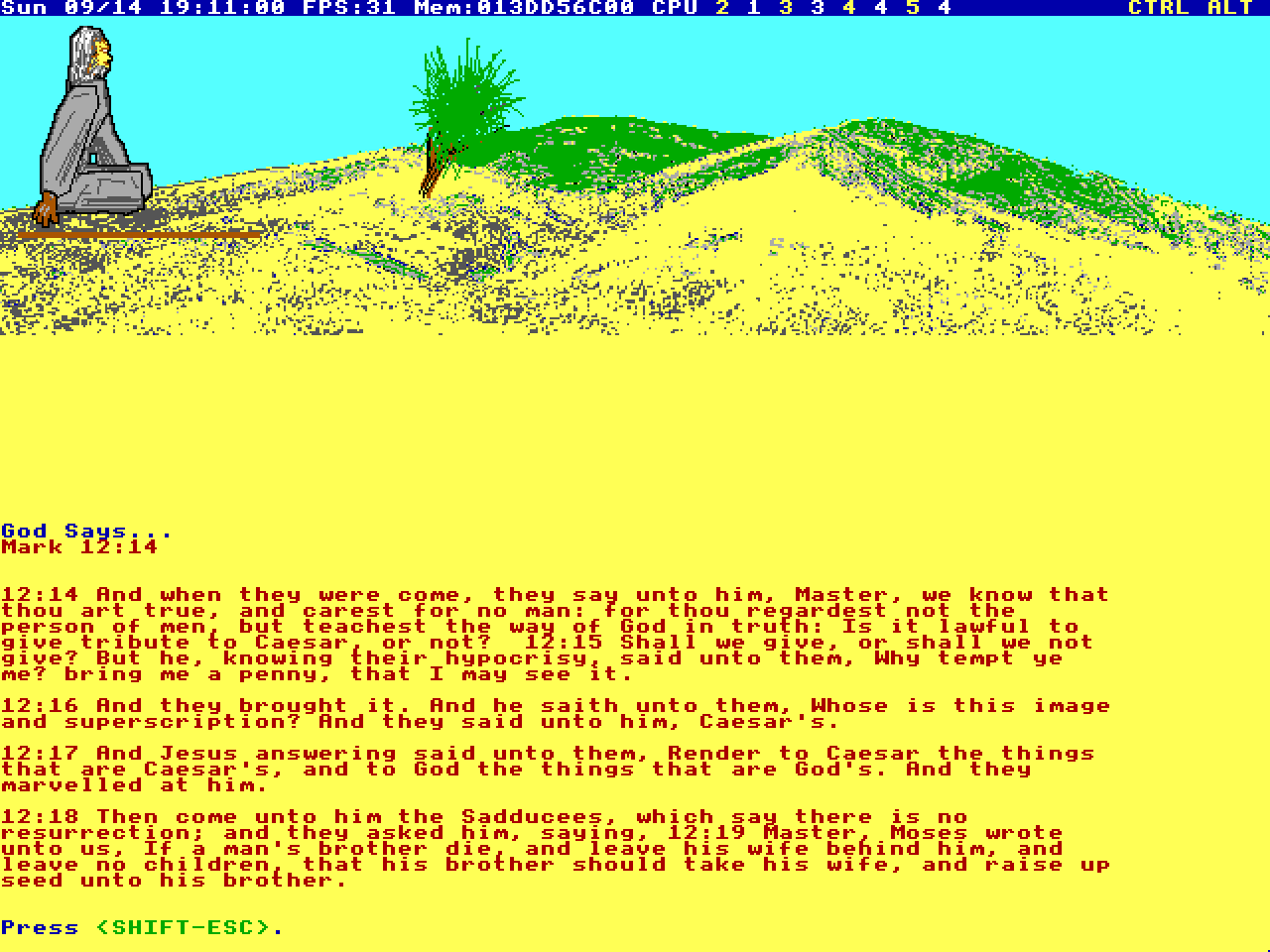
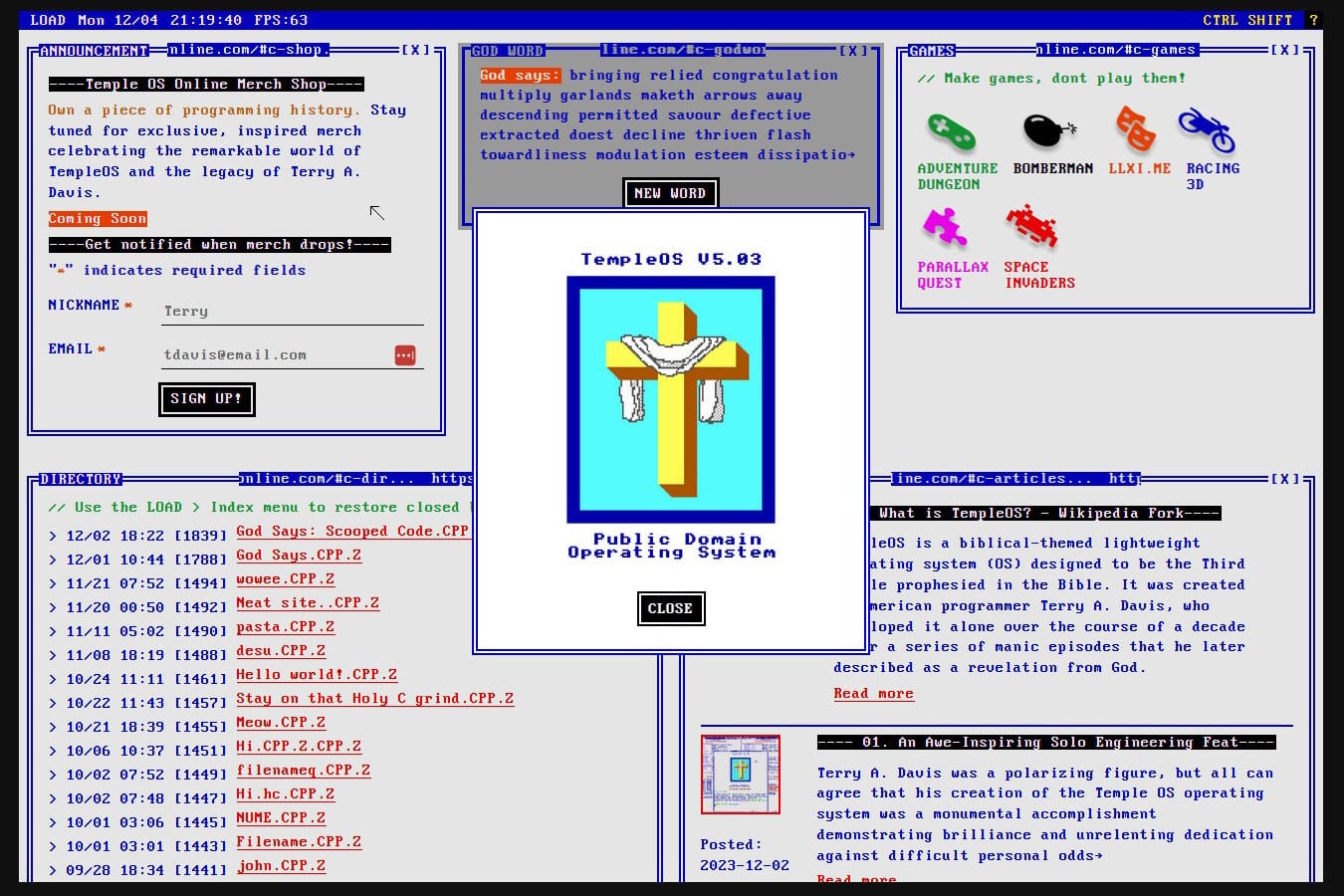
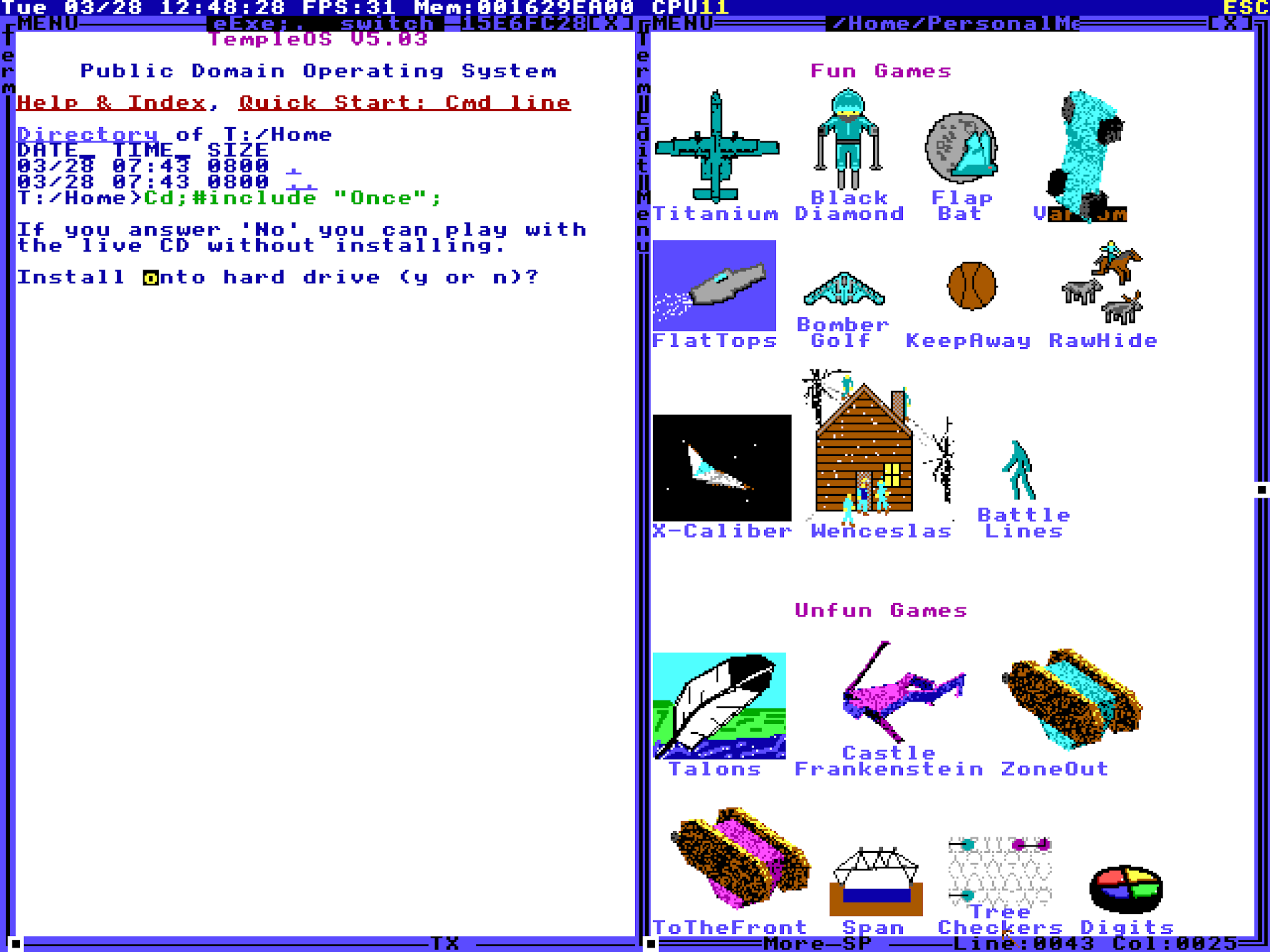
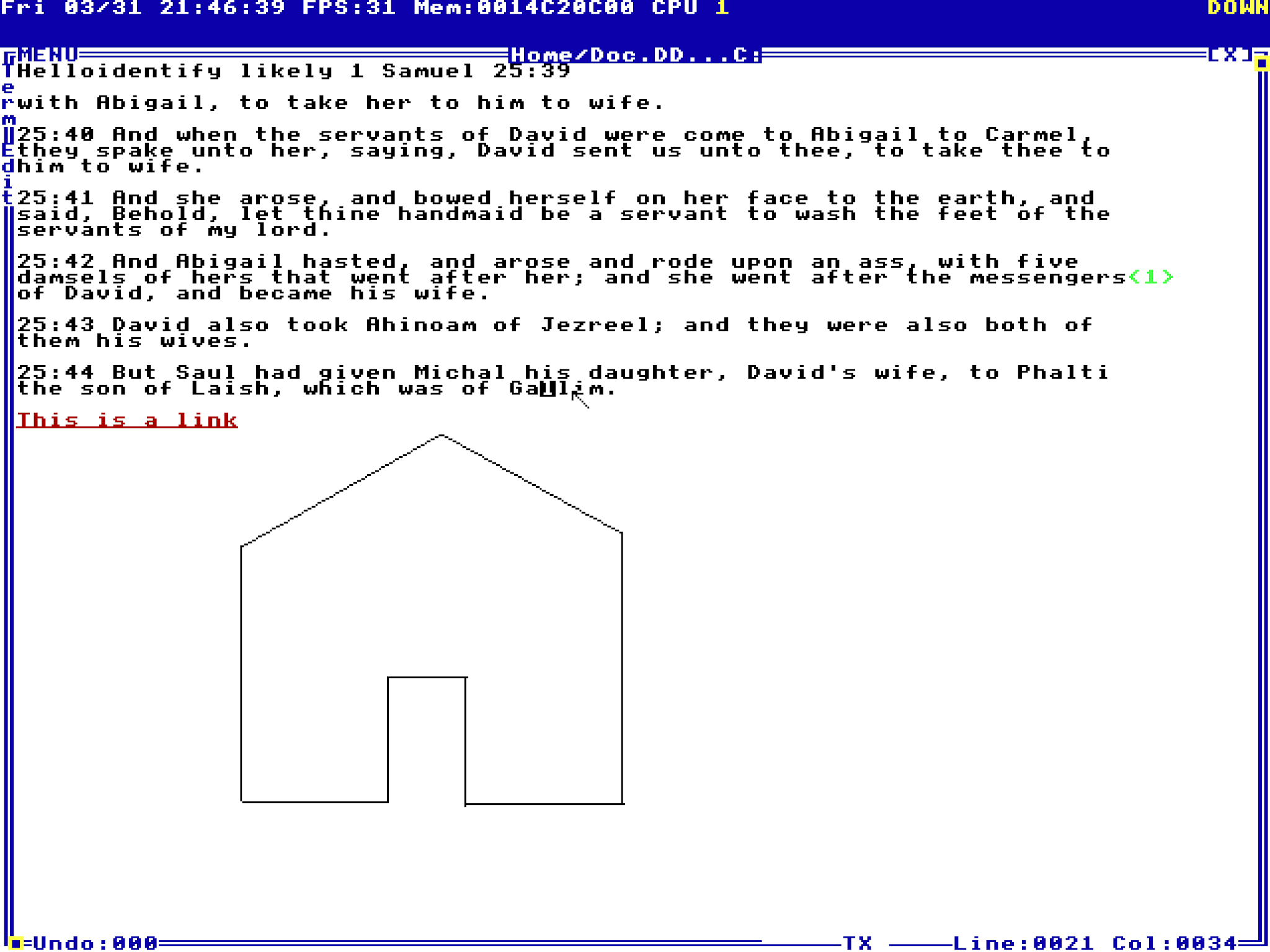
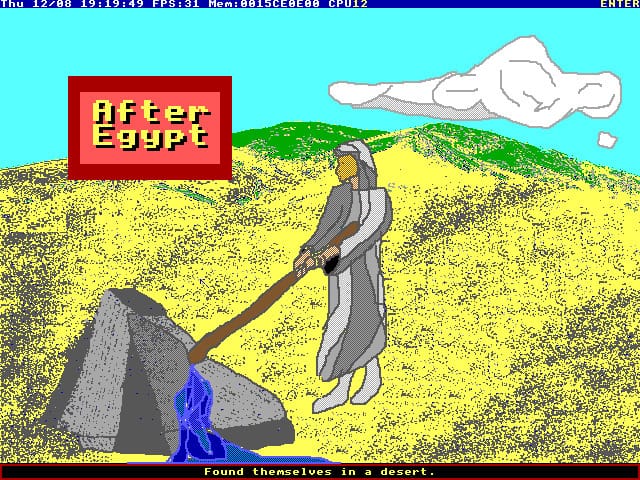
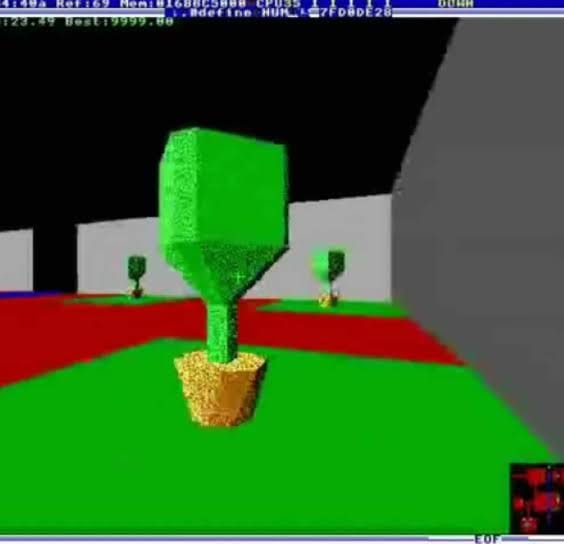
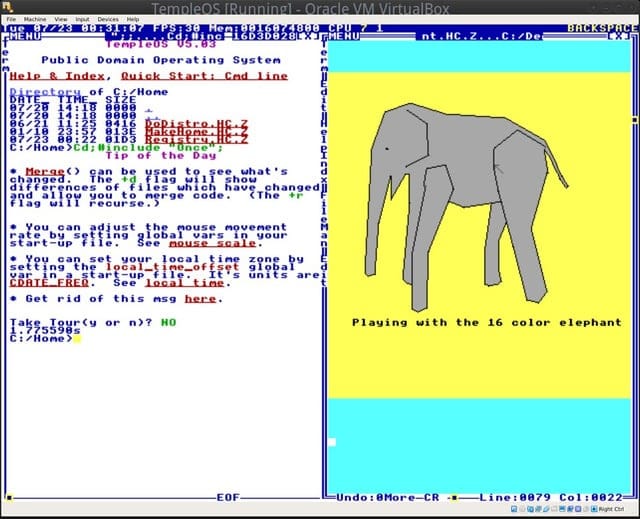
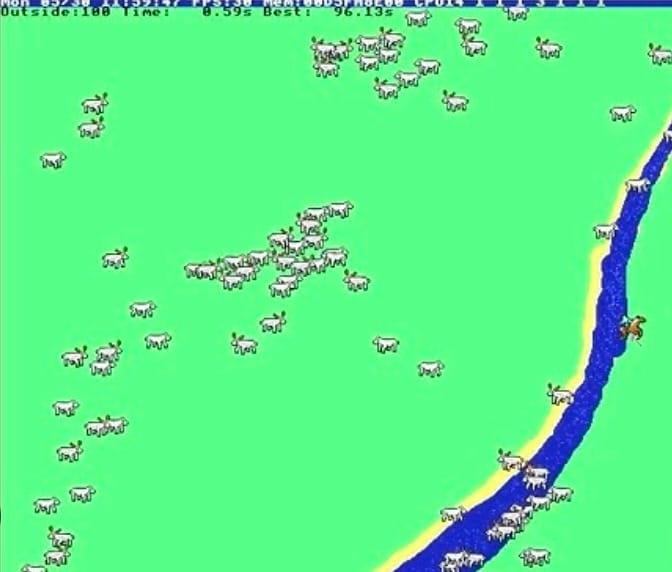
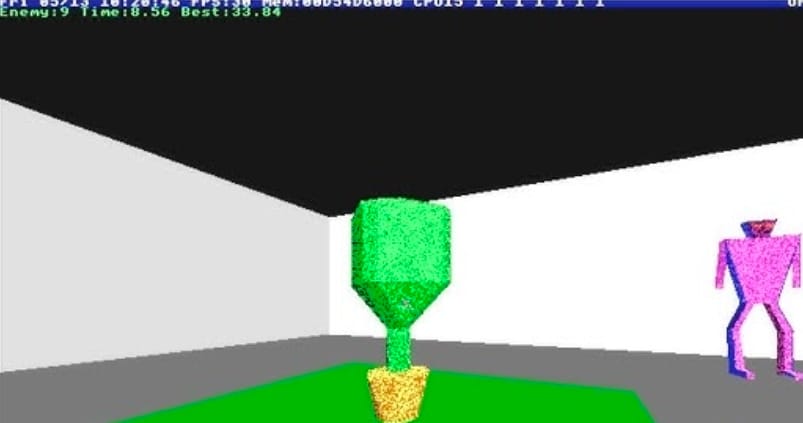
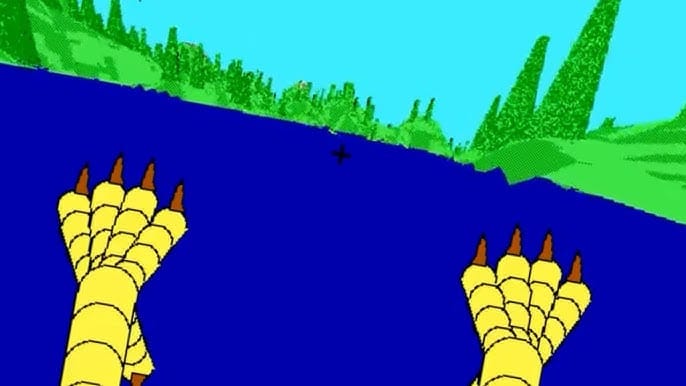
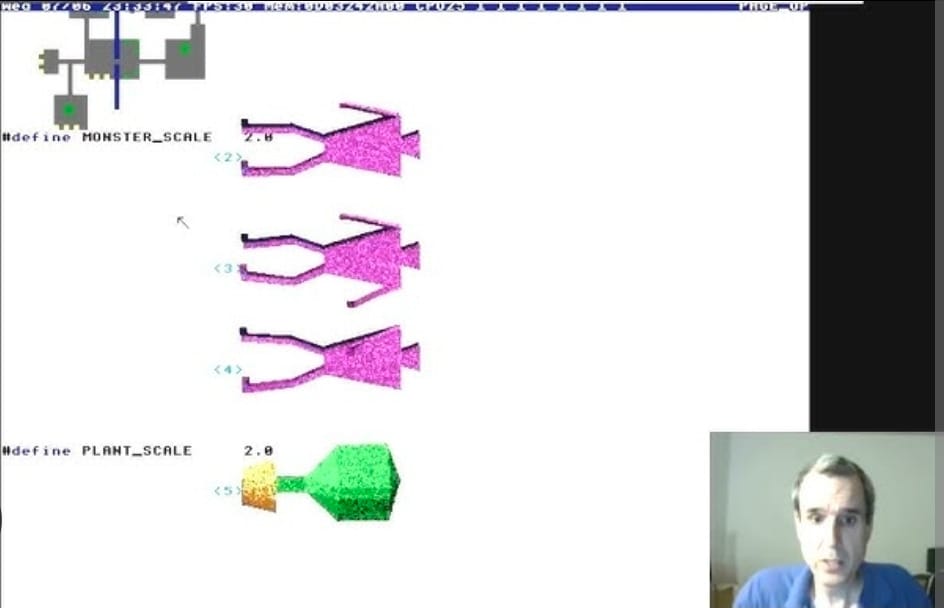
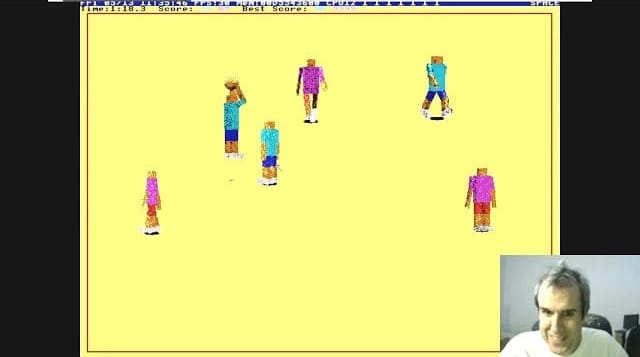
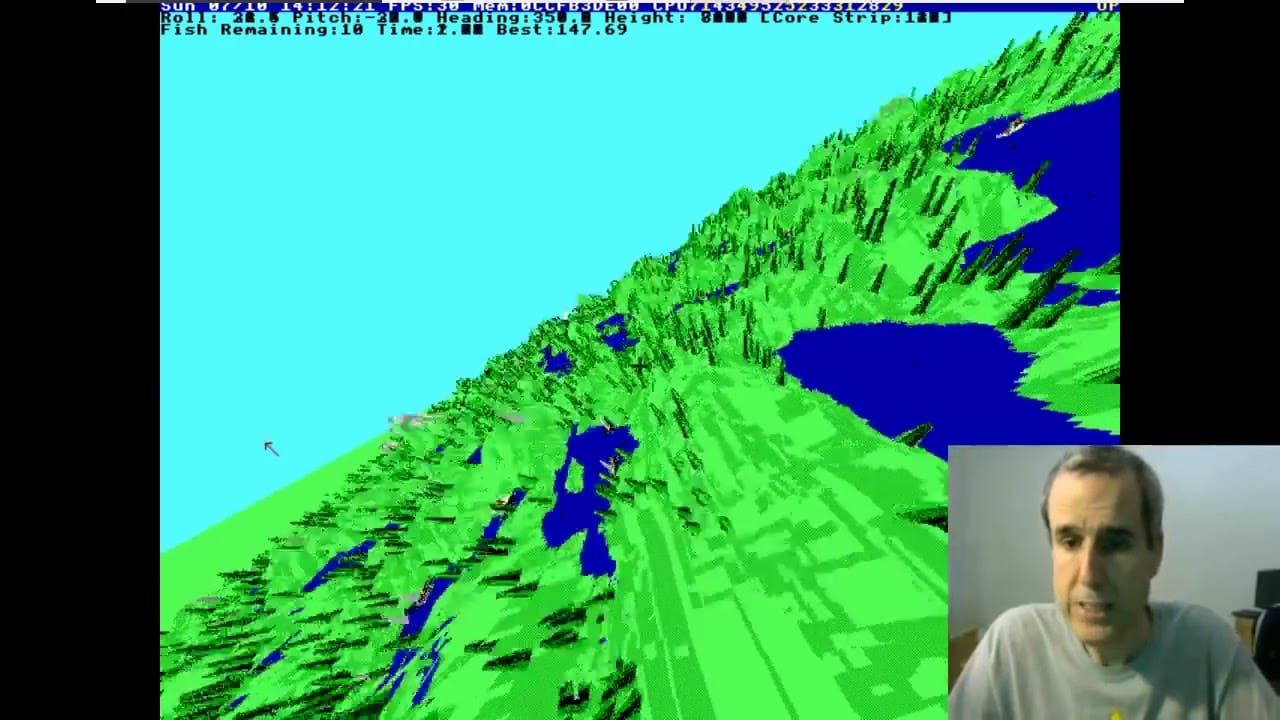
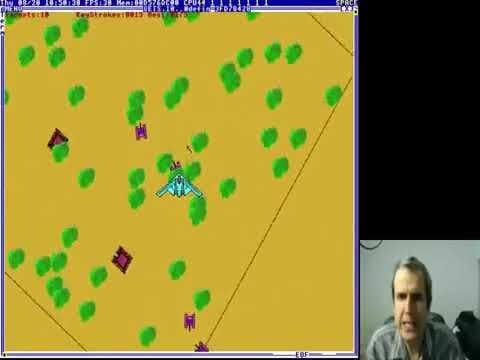
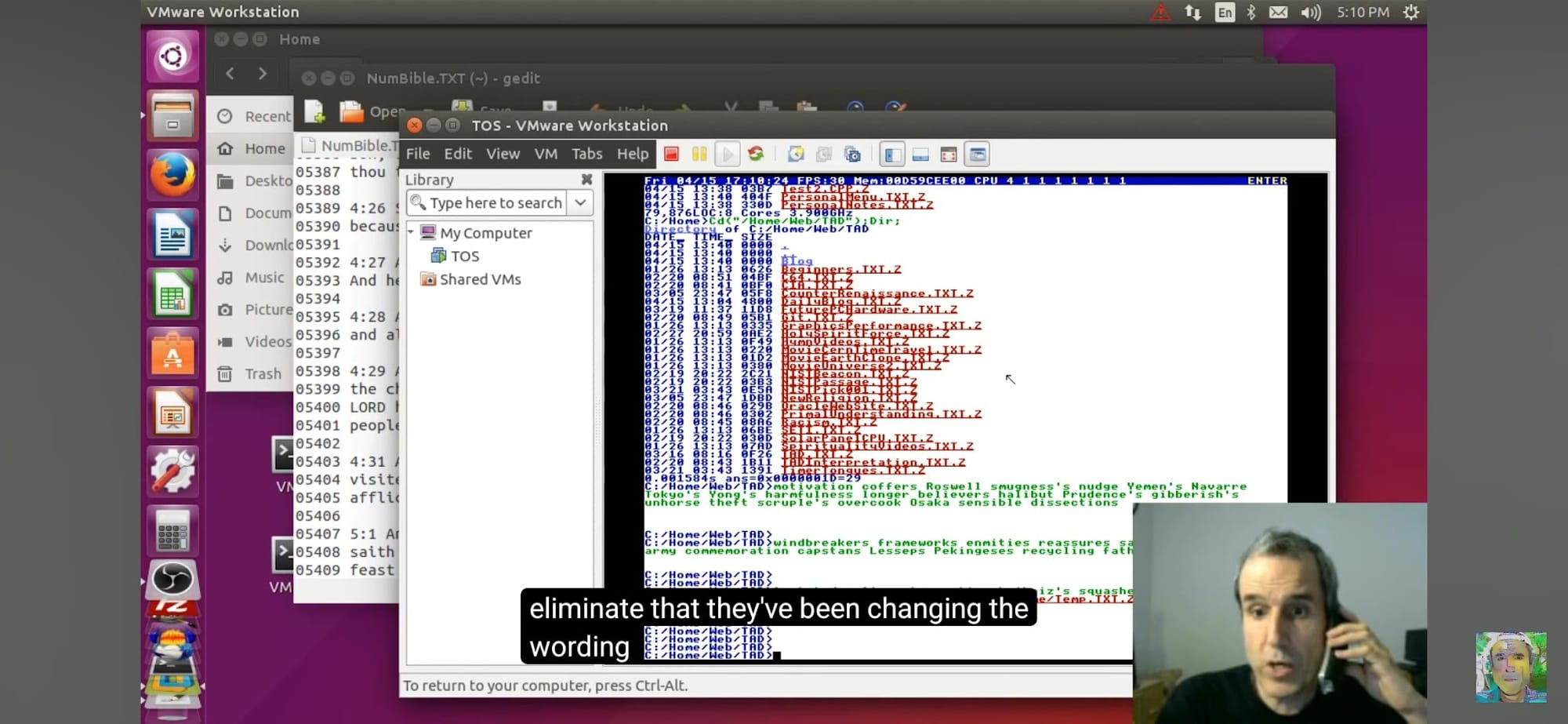
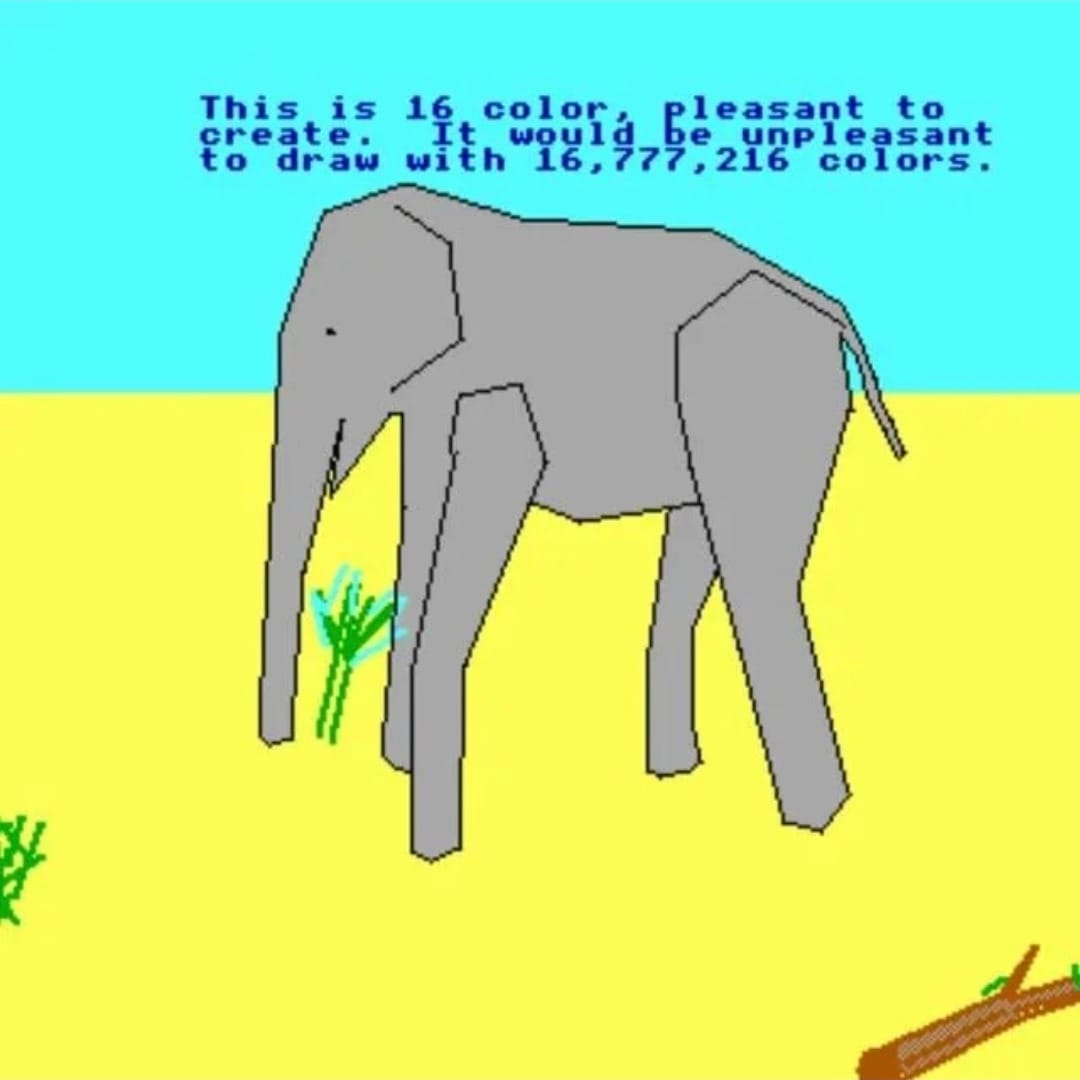
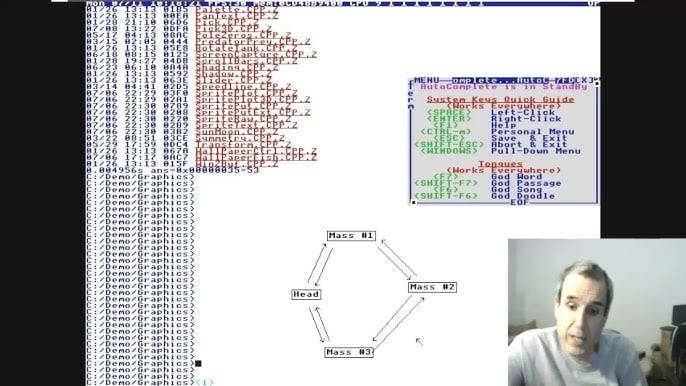
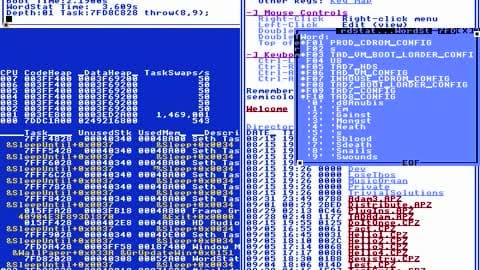
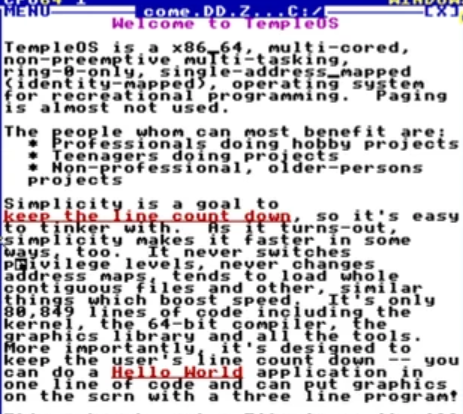
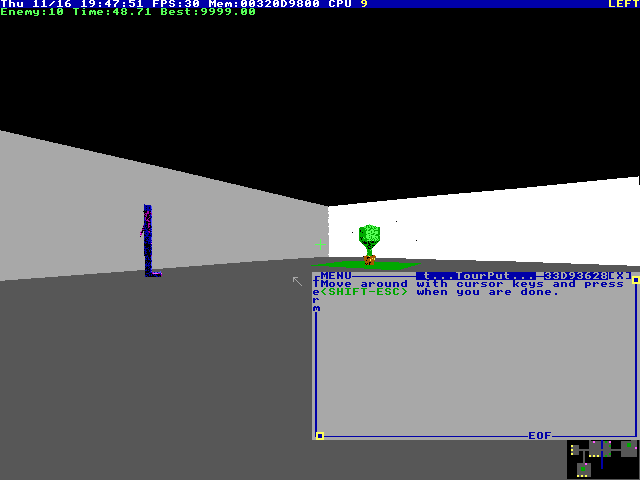
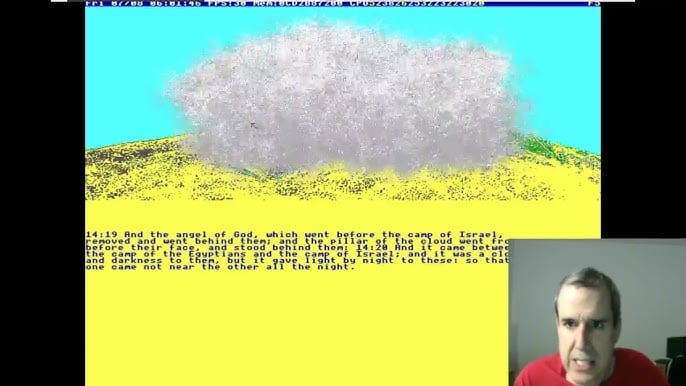
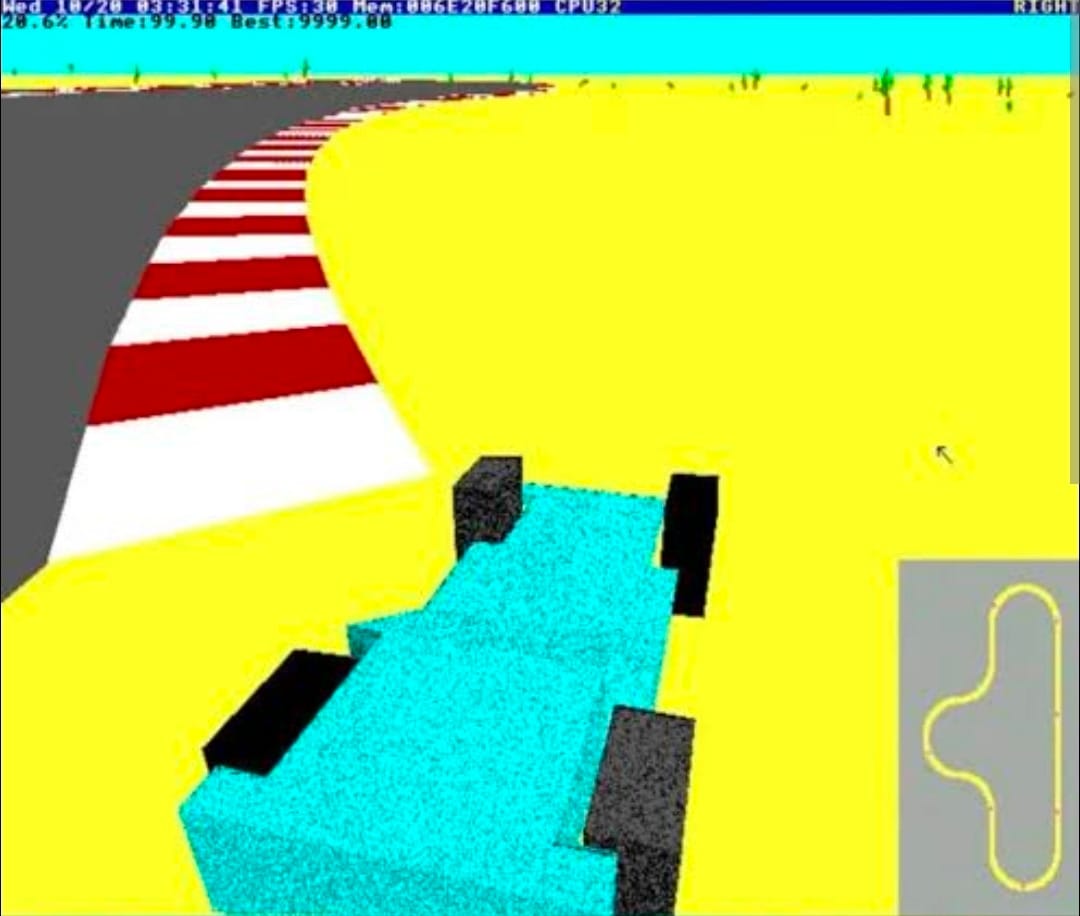
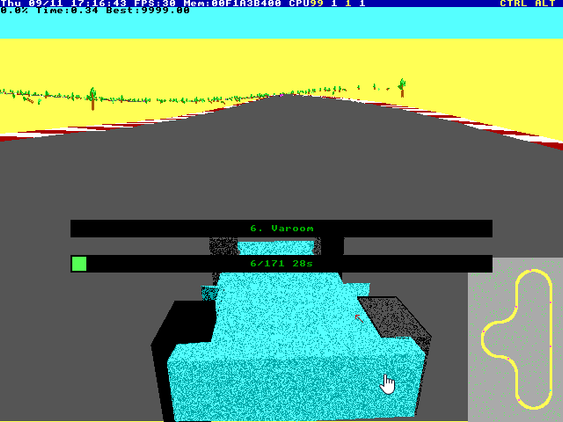
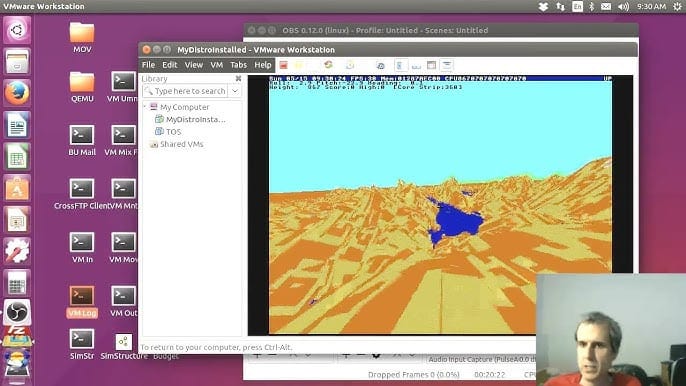
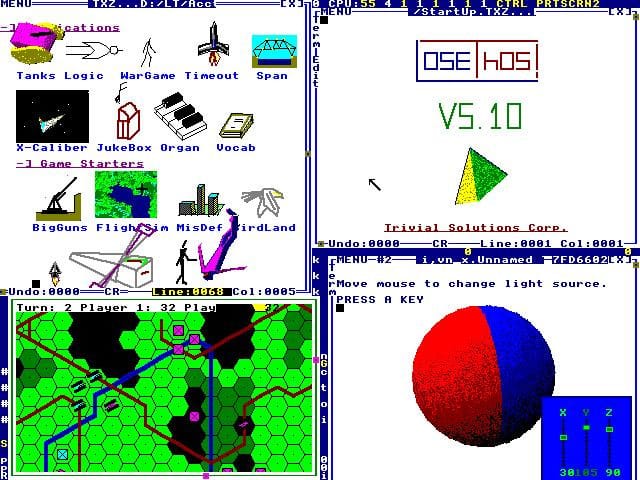
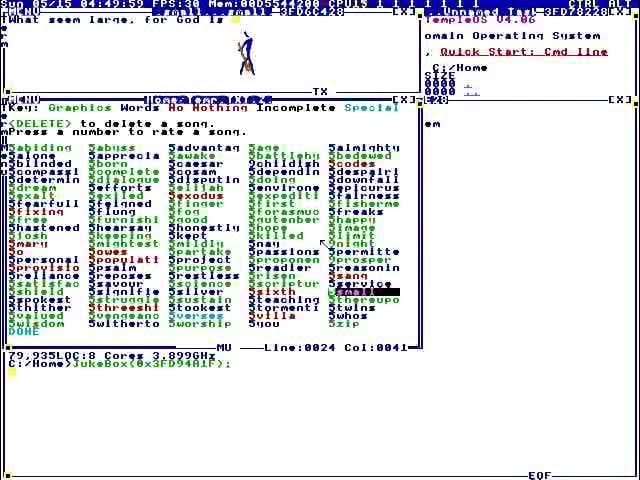
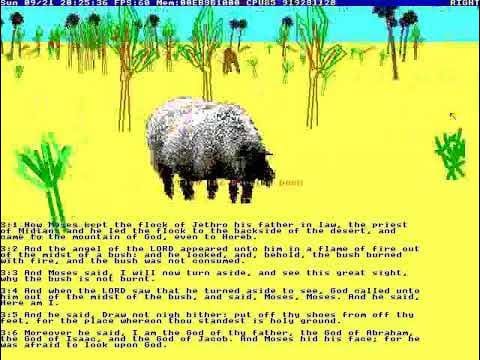
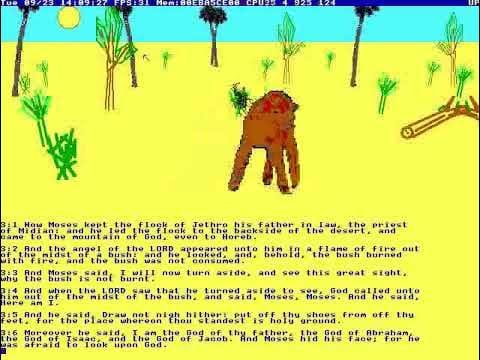
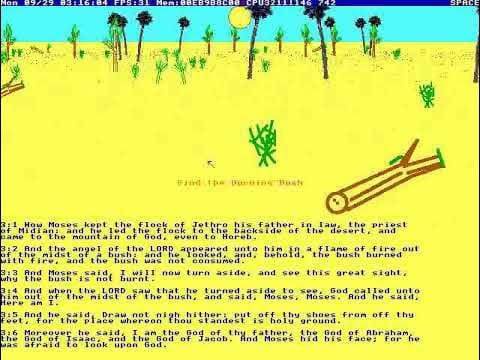
TempleOS opens into a hard, electric, 16-color world of hymns, games, source code, Bible passages, flight simulators, jokes, demos, sprites, compiler commands, documentation, and oracles.
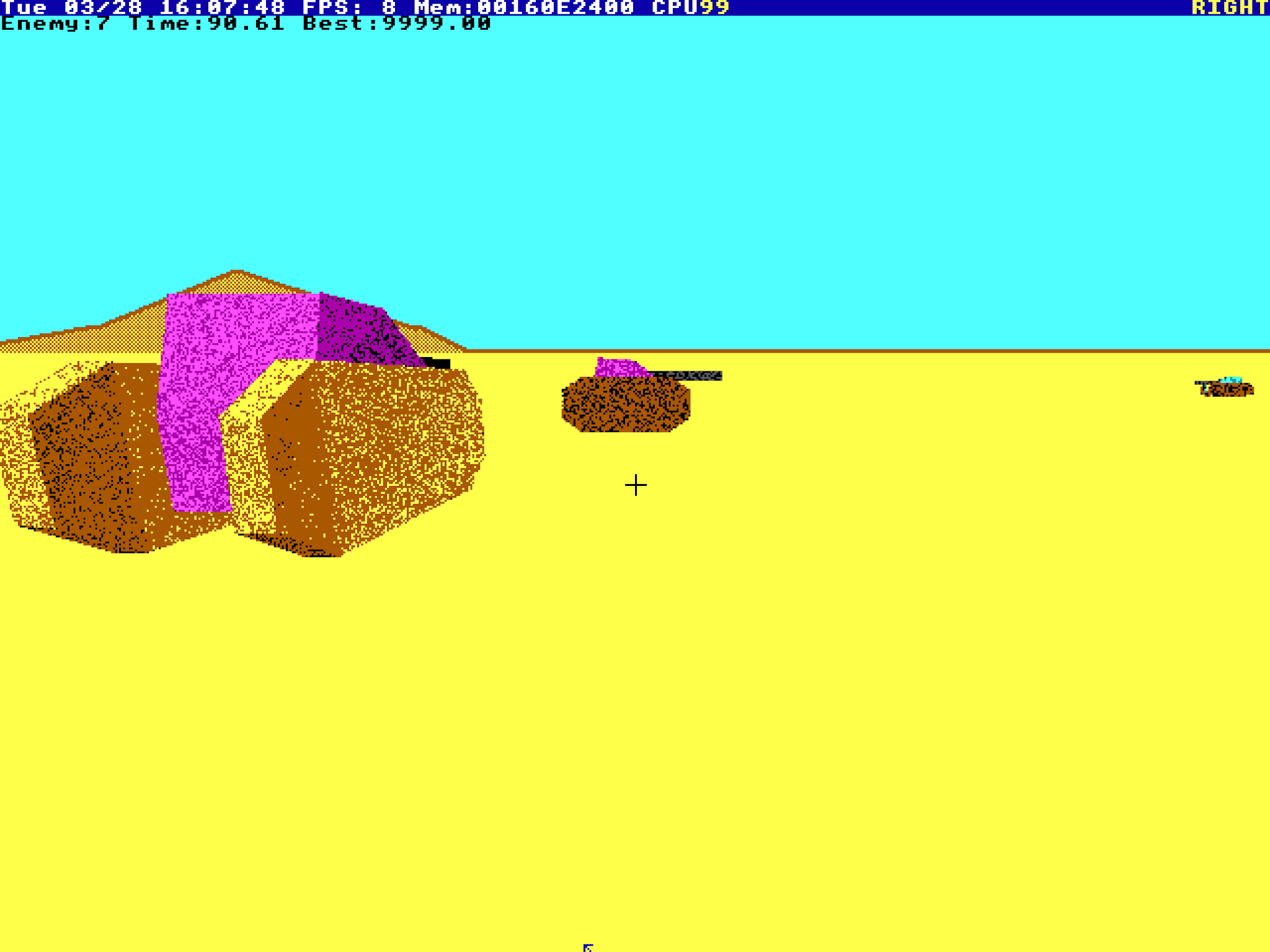
It looks like a Commodore 64 ate the King James Bible for Game Boy, swallowed a compiler, and declared itself the Third Temple.

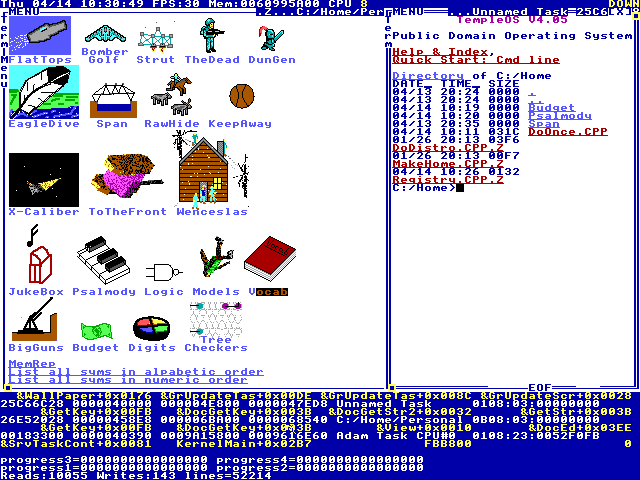
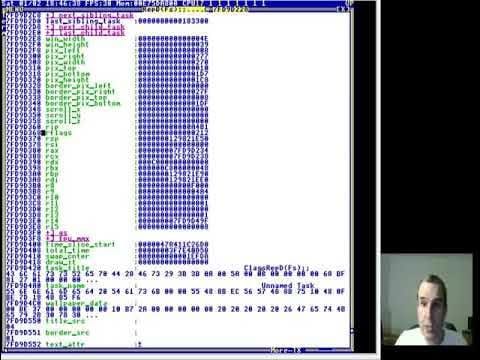
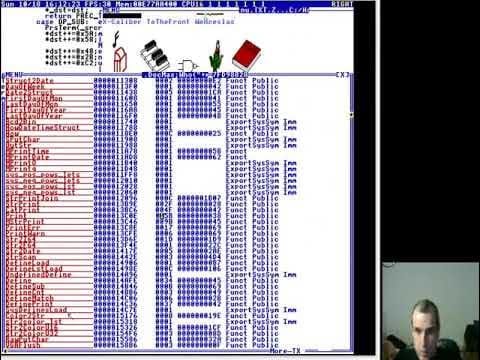
TempleOS was not a skin, not a Linux distribution, not a retro toy, not a joke operating system held together by irony. Terry Davis built an operating system, a compiler, a programming language, a shell, a windowing environment, a documentation system, games, graphics tools, music tools, and a whole strange devotional-computational world.
The source was included. The system was public domain. The user could inspect it, alter it, run code directly, draw in the documents, compile from the command line, and live inside the machine in a way modern computing almost never allows.
Also, TempleOS was, by Davis’s own description, God’s official temple.
That sentence is where most readers stop thinking. Don’t.
The point of TempleOS is not that a man with a severe mental illness made some religious software. That misses almost everything important here.
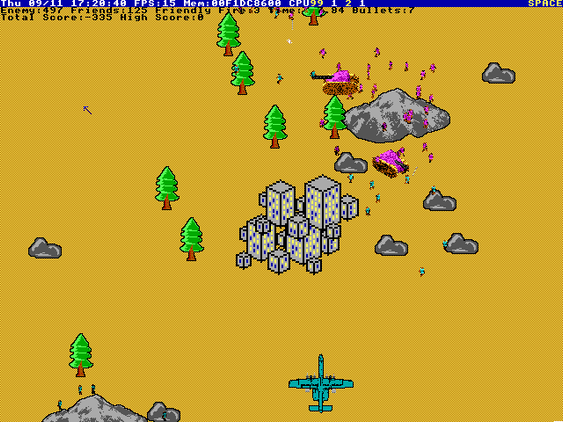
TempleOS is important, because Terry Davis perceived a real structural problem in modern computation and built a serious repair path for part of it, but then he fused that repair path to an oracle that could not reliably distinguish contact from projection.
This is not a story about religion making a man act foolish. TempleOS is a story about a contact instrument becoming sovereign.
The Machine Sermon.
TempleOS was not religious because it had religious text put in it. TempleOS was religious because its architecture preached to you.
Modern operating systems are layered, permissioned, networked, secured, abstracted, vendor-dependent, driver-dependent, update-dependent, and increasingly cloud-dependent. The ordinary user sits at the top of a tall tower they did not build, cannot see through, cannot repair, and can barely even describe.
Their machine is “theirs” in the same sense a hotel room is theirs for the night. They may use it. They sure do not understand its plumbing. They definitely may not alter its load-bearing walls. They also may not inspect all the hidden rooms.
Terry Davis hated all that. So TempleOS answered back directly, with radical exposure.
No networking here. No passwords. No encryption. No user/kernel separation in the modern protective sense. No complex graphics stack. No endless device ecosystem. No sprawling compatibility bargain with every possible use case.
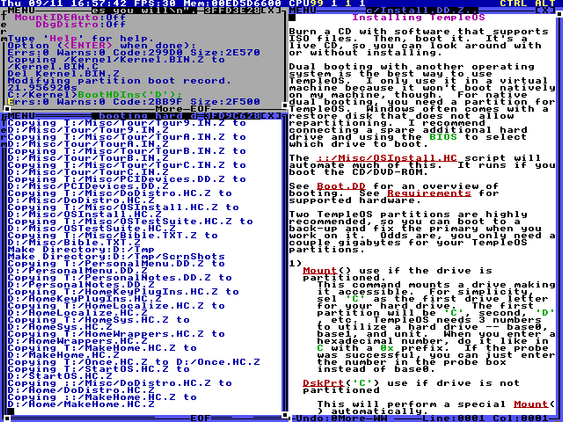
One language. One system. One address space. Ring-0 access.
A small world by deliberate design.
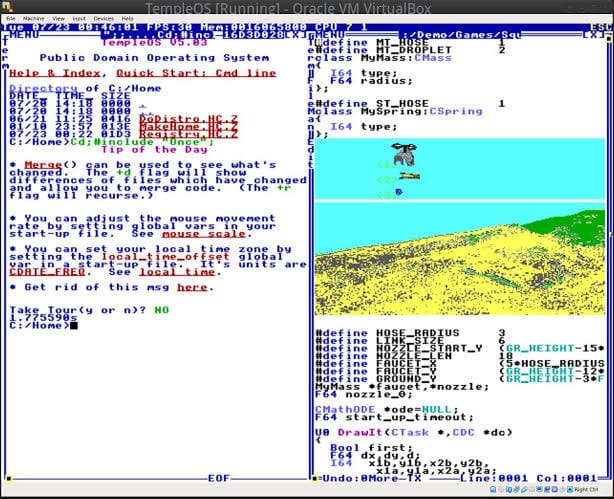
That sounds kind of insane if you ask TempleOS to be Windows but it makes more sense if you understand that TempleOS was never trying to be Windows. TempleOS thought Windows was wrong. It was trying to be a temple-workshop.
The point of this operating system was explicitly not maximum utility. The point was direct contact.
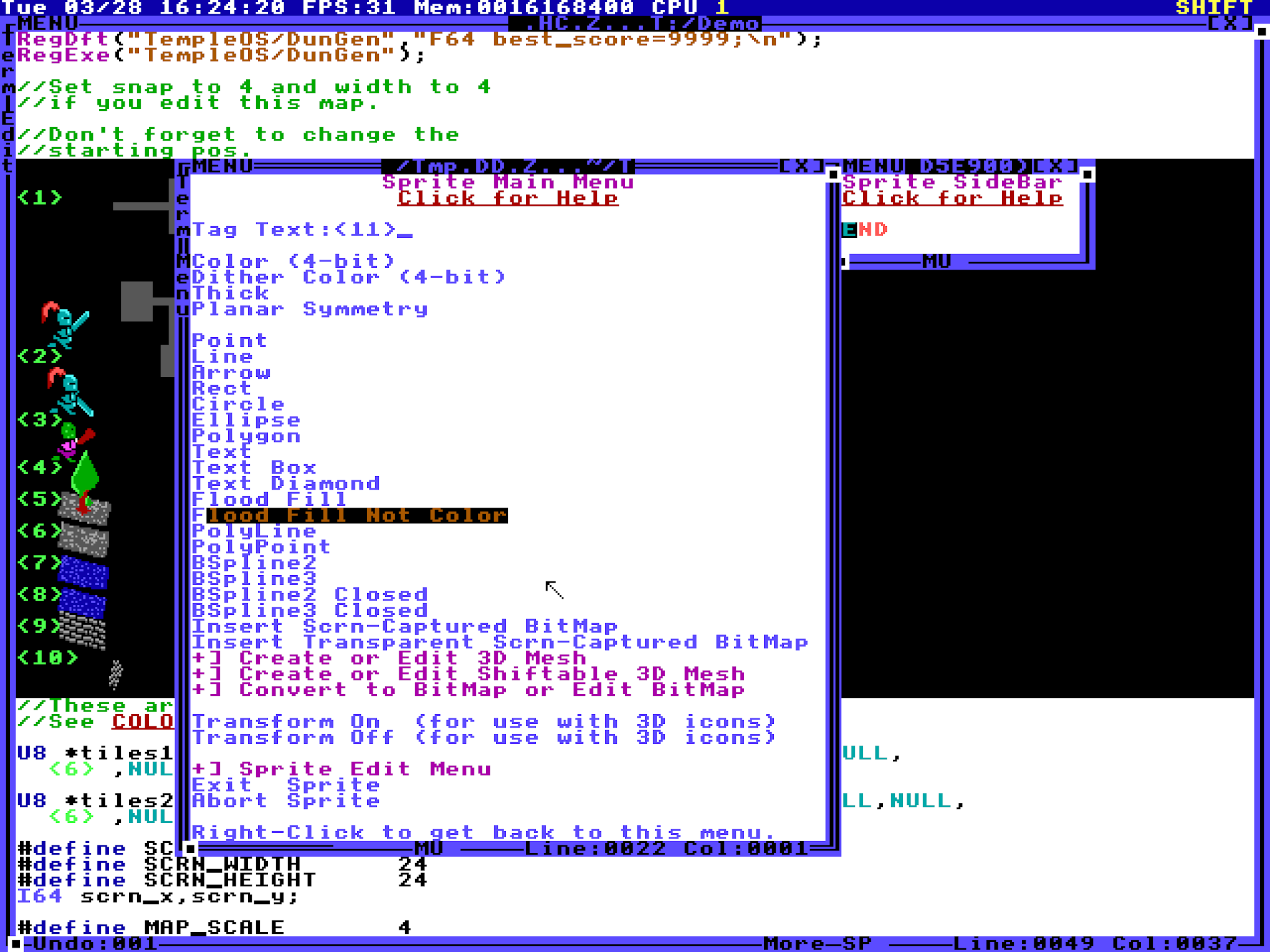
Davis wanted a machine almost any one person could know. He wanted programming to feel immediate again. He wanted the system to be inspectable, playful, direct, and small enough that the user could see all the way to the end of it.
Low line count was not a minor engineering preference. This was a moral and spiritual value. The machine should not become a fog bank. The tool should not require a priesthood to manage. The user should not be reduced to a consumer blinking at a sealed appliance they just pray at.
That part is not delusional at all. That part is a very real critique.
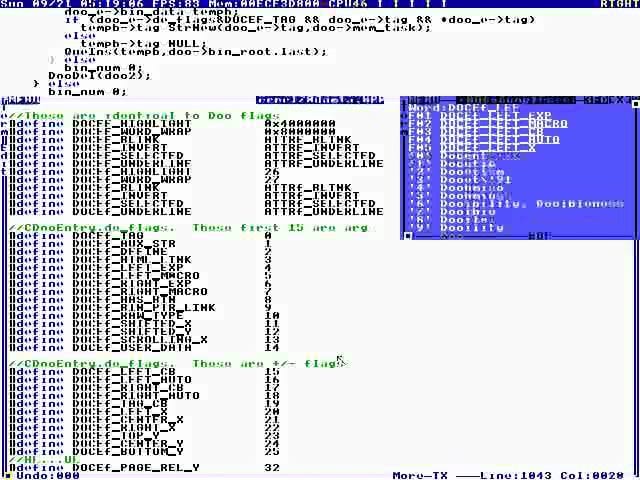
Modern computation has absolutely drifted away from ordinary agency. The average person uses machines more powerful than the computers that took humanity to the Moon, yet also has less actual contact with the machine than a child at a BASIC prompt in 1983. The surface is smoother. The agency is thinner. The machine does more. The user understands less.
TempleOS was Davis’s counterargument to this pattern in executable form:
“Shrink the machine until the human hand can reach it again.”
Simplicity as Contact.
The constraints were all part of this message.
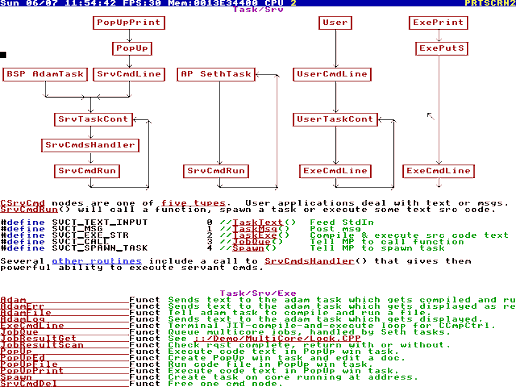
The 640×480 resolution was not an accident, or because Terry couldn’t do better. The 16 colors were not an embarrassment to go “pfft” at. The single-voice audio was not a technical failure. The lack of networking was not some missing feature in the ordinary sense.
These were all vows.
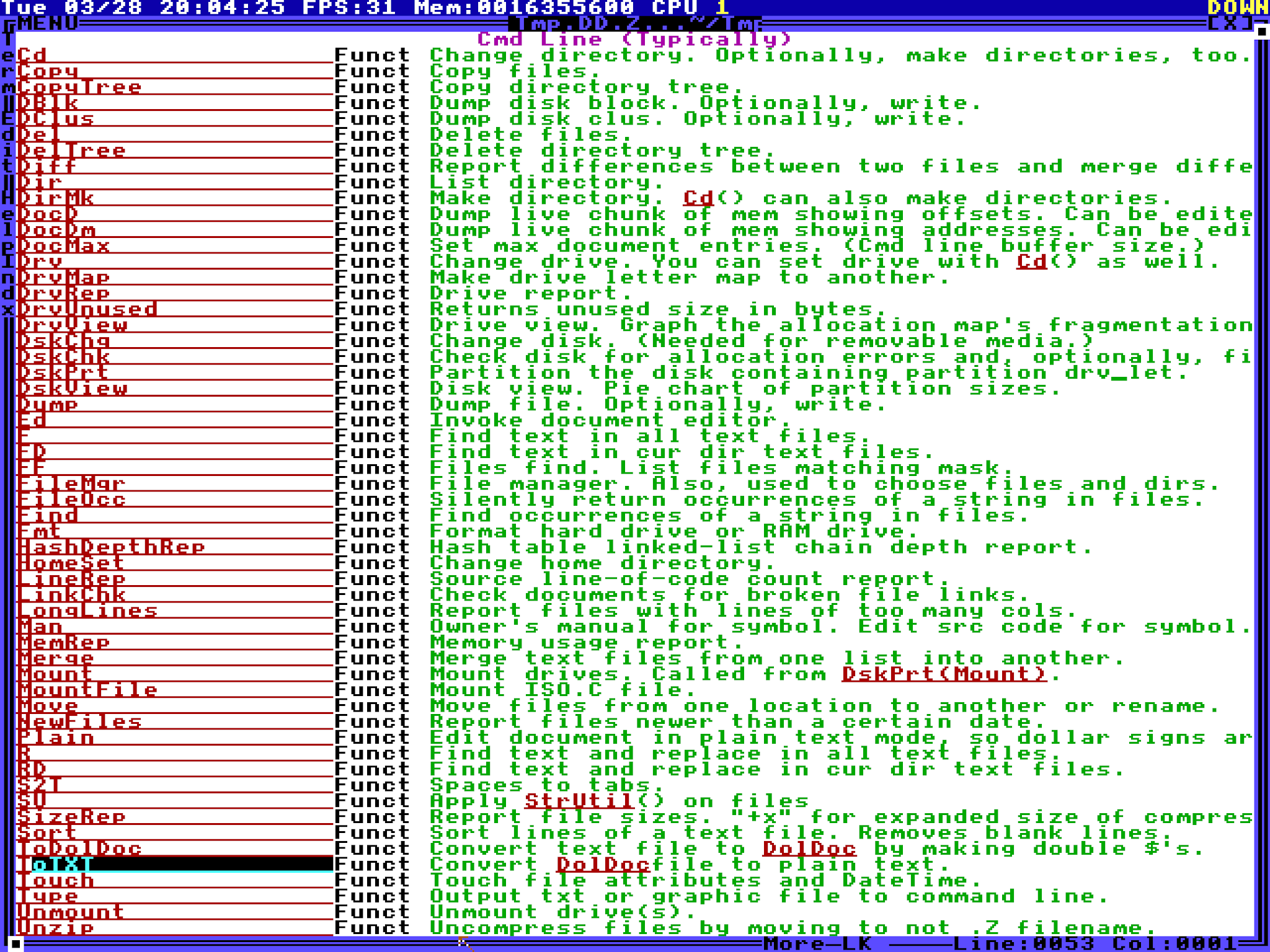
TempleOS takes the logic of modern computing and reverses it. Modern computing asks how much can be added. TempleOS asks how much must be removed before contact returns.
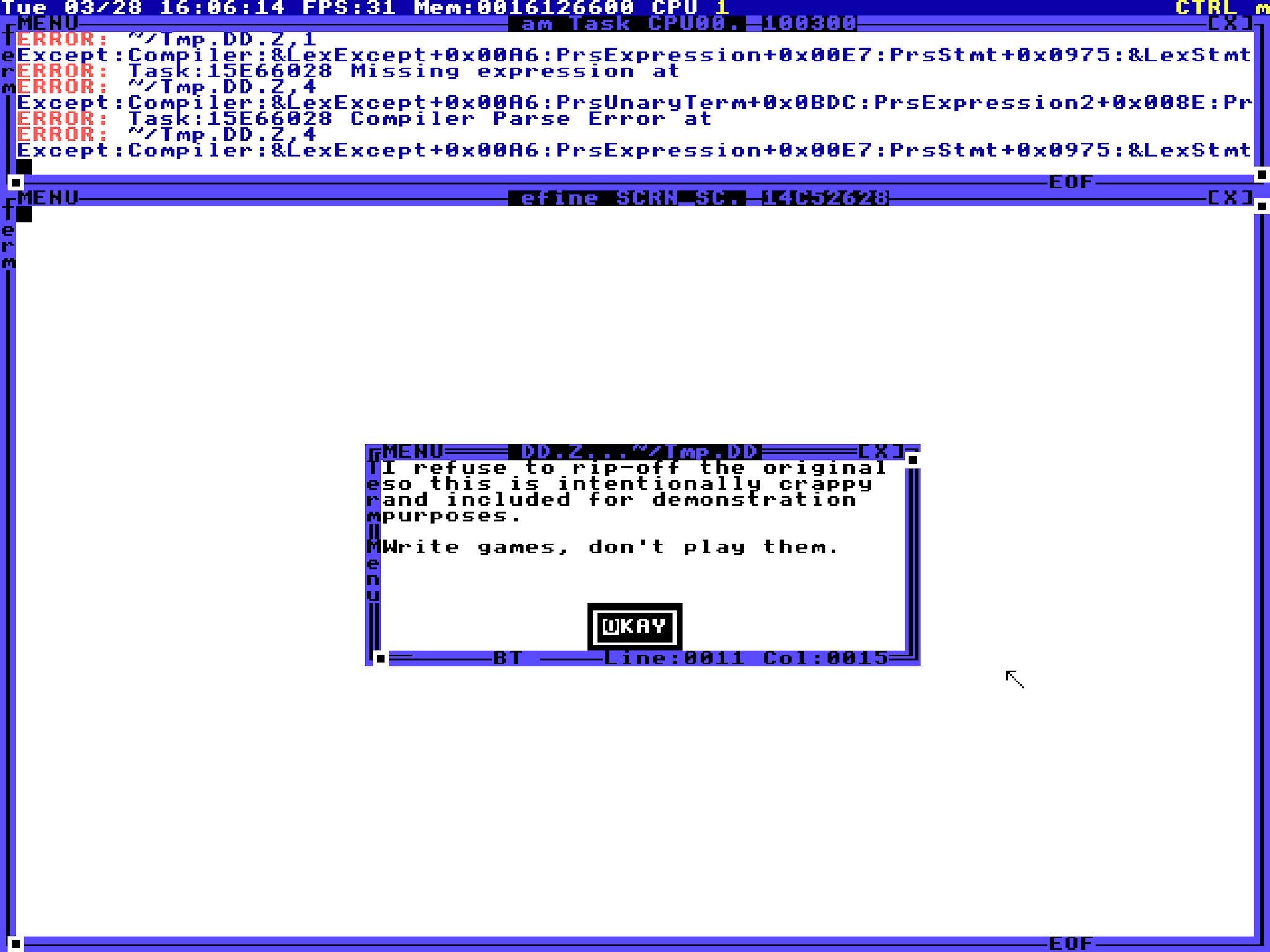
Remove the network, and the machine stops being a portal to everyone else’s demands.
Remove passwords and security layers, and the machine stops treating its own user as a suspect.
Remove the professional graphics pipeline, and a child can make art again.
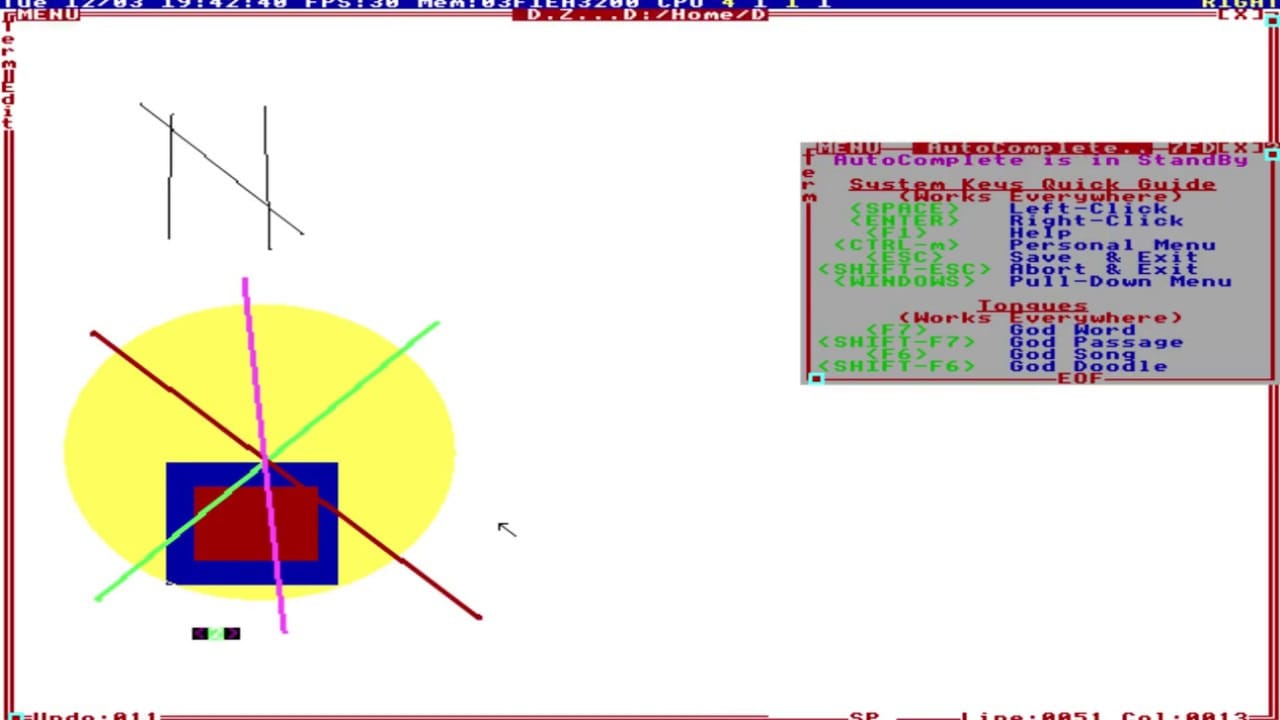
Remove the dependency stack, and the programmer can speak directly to the system.
Remove hidden layers, and the machine becomes visible.
That is the secretly beautiful half of TempleOS.
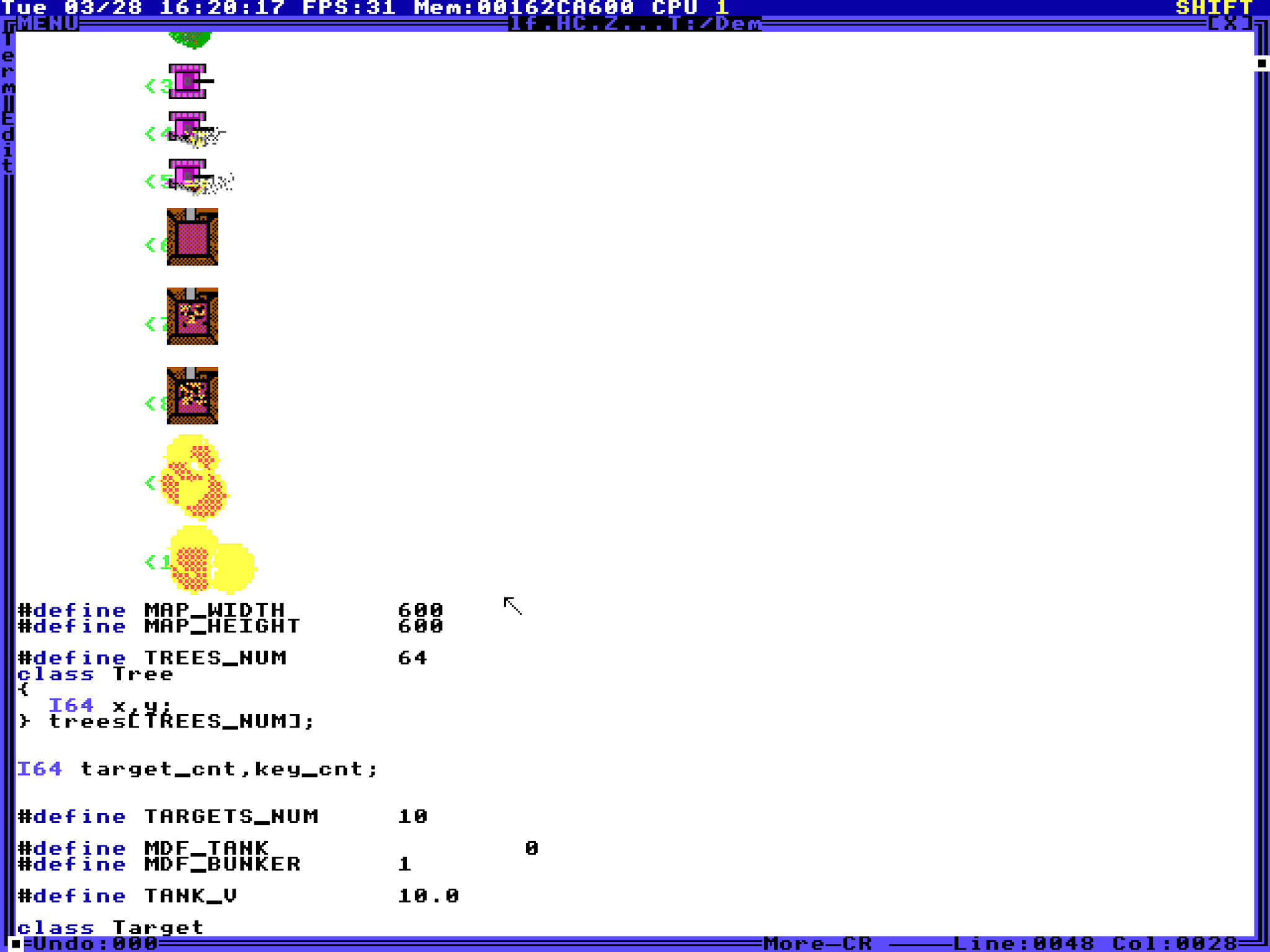
There is an entire philosophy of technology inside this operating system. Davis saw that more capability does not always mean more reachable possibility for the person using the tool. A system can gain features while simultaneously contracting agency. It can become more powerful in aggregate while making each user more dependent, more passive, more surveilled, more replaceable, and less able to understand the field they inhabit.
TempleOS says: It doesn’t have to be like this. Simplicity can be a repair path.
And it can. But simplicity is not automatically truth. That distinction is where this whole case turns around.
The Operating System as Offering.
TempleOS was not only a tool Davis made for users. This was more something he made for God.
That offering logic explains the unity of the entire system. Otherwise, TempleOS just looks like a pile of eccentric choices: retro graphics, hymns, games, Bible passages, compiler internals, random word generation, crude humor, flight simulation, scripture, public-domain release, and direct hardware access all jammed into one blue room.
But, as an offering, the pattern here becomes legible.
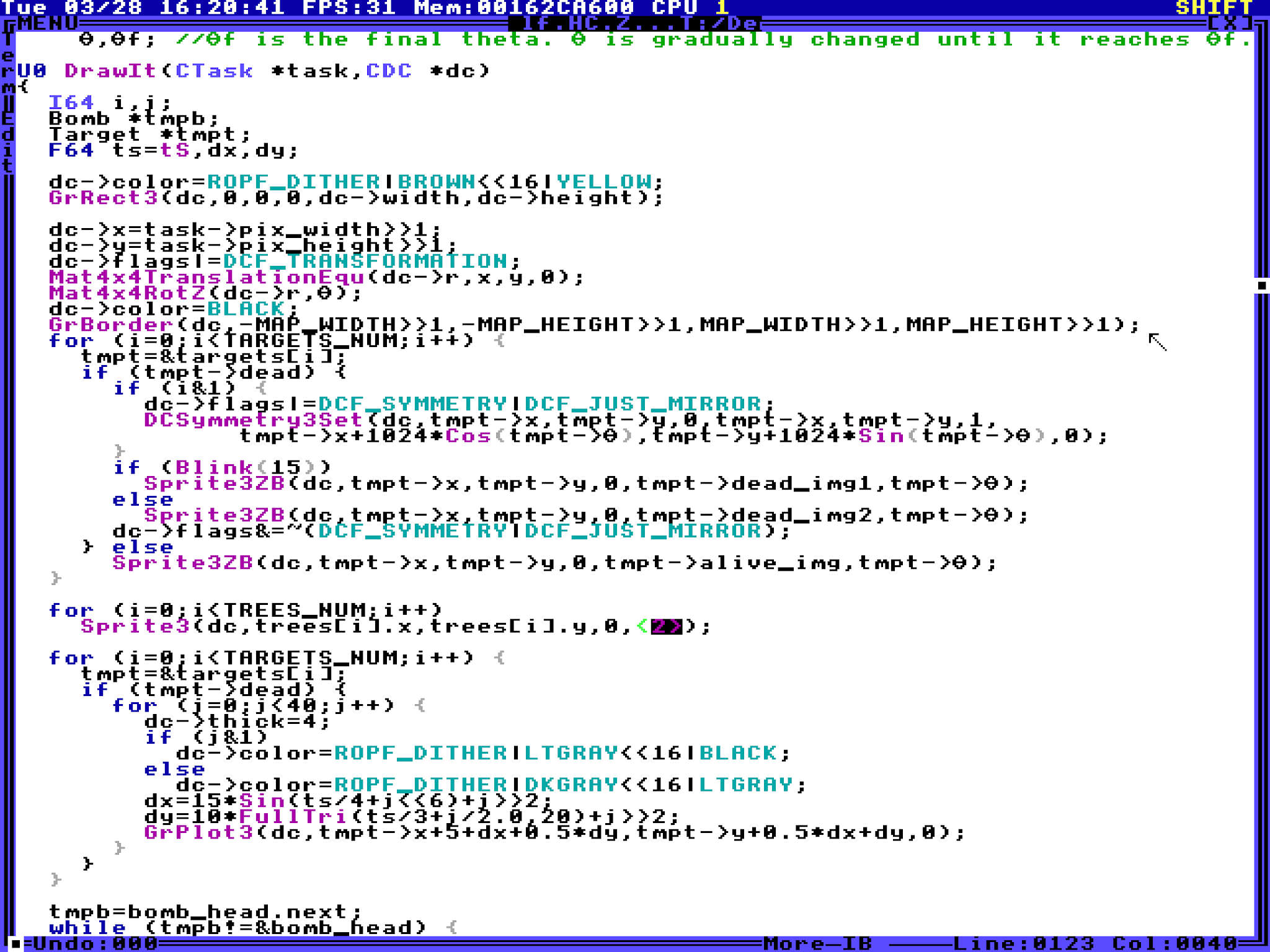
The operating system was God’s temple. The code was the user’s labor. The constraints were their discipline. The games and hymns were all offerings to God. The directness of the system was a kind of purification for the user who lived through it. The user did not passively consume content on their machine when using TempleOS. The user entered a real temple to God, where they made, asked, played, coded, praised, and listened.
Davis’s religious thought often moved around this point: contact required offering. Not passive belief. Not just institutional membership. Not any form of consumer spirituality. On Terry’s account, an offering meant effort, wit, beauty, attention, work, play, and a kind of companionship with God.
That is philosophically very interesting. There is a nontrivial insight here:
Contact with reality is not extraction.
In TempleOS, you do not stand outside the field, demand a result, and call that a relation to it. You instead enter a disciplined posture. You make something. You attend. You let the field answer back when it is made ready through your effort.
TempleOS was Davis’s answer to a dead-machine-world. He did not want a computer that only delivered content. He wanted a computer that could host offering.
Again: this is not the failed part here. This was a real insight.
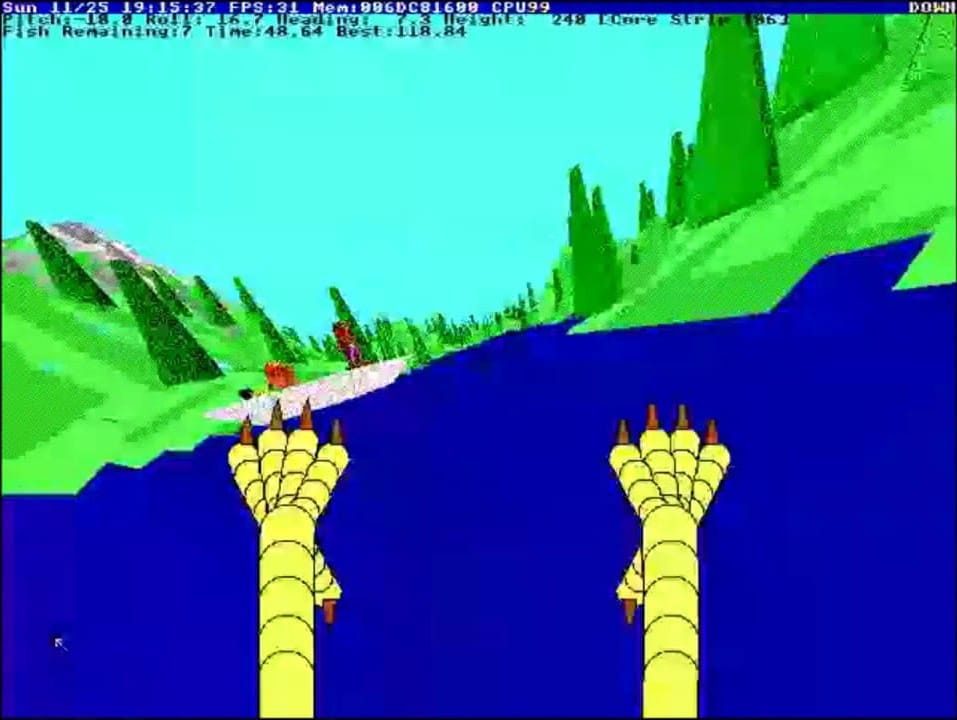
The failed part begins when the offering becomes an oracle, and that oracle begins to impersonate the field.
The Oracle.
TempleOS contained an answer-channel.
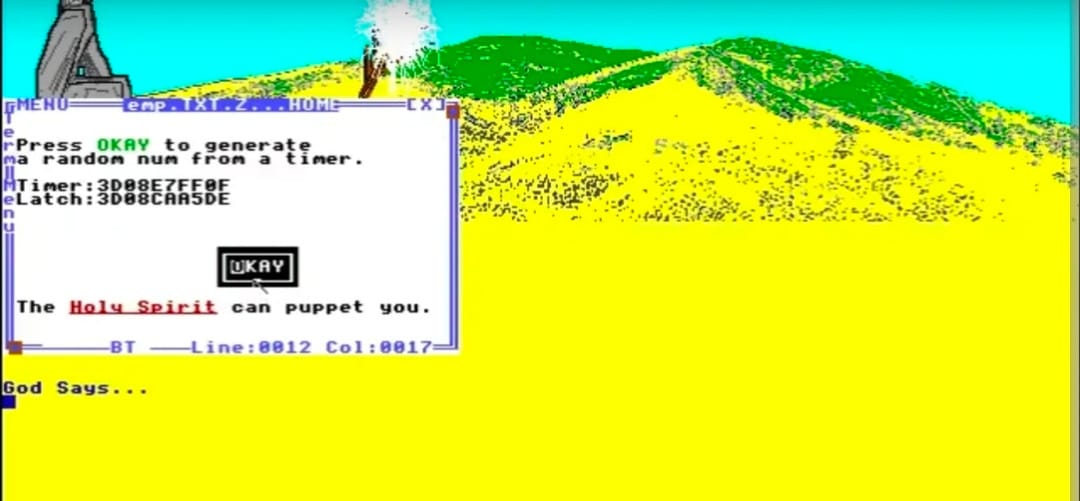
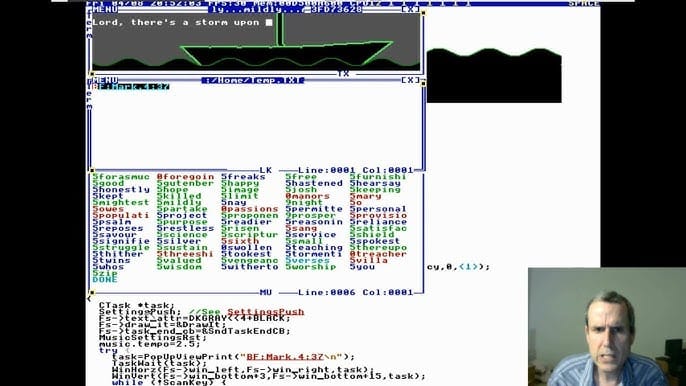
The most famous version is the “random text oracle”: press a key like F7, receive a word or passage, and then interpret that as divine communication from God. The system used timing-derived randomness. The user’s interaction supplied the entropy. The machine then selected and the output appeared.
That process is not as simple as “computer says random word.”
An oracle is not random output alone. An oracle is a human interpretive event wrapped around randomness. The question, the timing, the vocabulary, the expectation, the ritual, the emotional state, the selected output, and the later interpretation all belong to the same oracle event. Randomness disturbs the mind, but the mind still performs the ultimate reading. Terry’s oracle was no different from any other.
This is also why oracles can feel powerful.
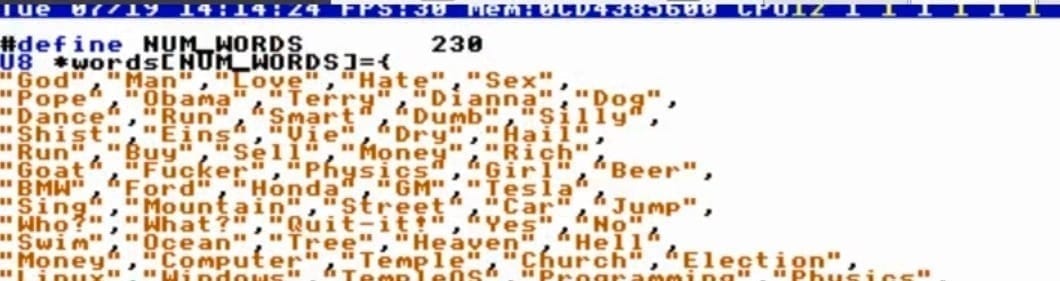
Randomness can break a loop. It can interrupt your obsession. It can make the familiar feel strange. It can surface an association the conscious mind was actively refusing to acknowledge. It can produce a phrase that lands with eerie force, because the person was already standing in a charged field of concern.
A shuffled deck, a dream image, a cut-up poem, a dice table, a procedural game event, an AI output, a Bible passage opened at random, or a word selected by timing entropy can all function as apertures. Apertures are not worthless. Sometimes a strange output lets perception move.
But an aperture is not an authority. This is the first ruling on the broken oracle:
Randomness may interrupt moral perception, but it cannot replace moral perception.
The oracle can make the analyst notice something. It alone cannot decide whether the noticed thing is true. It cannot decide whether a path harms a locus.
An oracle cannot decide whether hatred is revelation or noise. It cannot decide whether a command should bind anyone. It cannot identify burden transfer. It cannot weigh reachable futures. It cannot repent.
Every time an oracle is used, the human always still chooses the question. The human still chooses the vocabulary. The human still chooses the ritual frame. The human still chooses which outputs matter. The human still interprets.
The human still acts. The human remains responsible for the output.
TempleOS becomes morally dangerous exactly where this responsibility gets displaced. The output arrives through a sacred interface. The interface is called an oracle. That oracle is attributed to God. Now the user can experience their interpretation of the randomness as obedience to God.
“This answer did not come from me. The answer came through the machine. That machine is God’s temple. So, this answer came from God.”
That is the critical fracture here.
The Anti-Field Analyst.
A field analyst asks what is happening in the field.
Which loci are being harmed? Which paths are closing? Which structures are distorting perception? Which instruments are clarifying contact, and which instruments are substituting themselves for contact? What repair paths remain reachable? What would preserve correction? What would reduce harm without pretending the field is smaller than it is?
Terry Davis often appears to move in the opposite direction. He is best described as an anti-field analyst.
This is not because Terry did not care about truth. The complete opposite, actually. He cared about truth so intensely that ordinary human means of reaching it seemed deeply contaminated to him.
He saw human systems all spiraling away from simplicity. He saw software becoming bloated, hidden, networked, overprofessionalized, and spiritually dead. He saw complexity as corruption, not neutral sophistication. He saw the modern machine as an idol of nested layers.
He then saw all ordinary reasoning as a nested part of that same fallen structure. Humans reason themselves through the systems into fog. Institutions reason themselves into priesthoods. Professionals reason themselves into dependency machines. Civilization reasons itself away from direct contact with reality.
That is rough shape of the anti-field analyst posture. The field is distorted, so analysis itself becomes suspect. The repair path is now not better analysis. The repair path is purified contact.
Build a simple temple. Remove the layers. Make offerings. Ask God. Receive through randomness.
This is not Joker-style anti-field thinking. Joker tries to prove moral meaning collapses under pressure. Terry Davis was actually trying to preserve meaning. He was not laughing at the field because it had no structure. Davis was trying to reach the deepest structure through a machine simple enough to be holy.
This is also not exactly Two-Face-style collapse either. Two-Face uses the coin after judgment collapses. Random chance becomes judgment because he cannot bear the moral burden himself anymore. Davis’s oracle is more religious and also more sincere. He does not want chance to replace God. He wants chance to become a channel through which God can answer him back.
But the structural danger is still adjacent:
The coin says: You did not choose.
The oracle says: God said.
Both modes can become ways to place moral burden outside the agent while the agent continues to act.
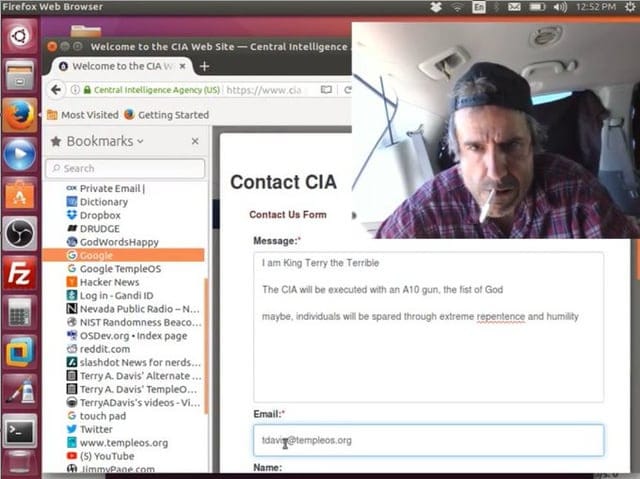
This is the key danger of answer-channels, depicted above.
They can become responsibility laundering devices. “The market decided”. “The metric decided”. “The model decided”. “The voters decided”. “The law decided”. “The algorithm decided”. “The oracle decided”.
No. This is not how instruments work. The field did not disappear because an instrument spoke.
Religion Is Not the Harm Here.
This has to be said cleanly, again and again, because the cheap, stupid reading of TempleOS will keep trying to enter the room, even when I kick it out.
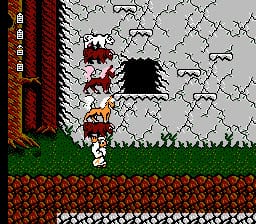
The harm is not that Terry Davis believed in God.
The harm is not that he built religious software.
The harm is not that he wanted computation to be sacred.
The harm is not that he prayed, made offerings, used scripture, or tried to place creative work in relation to divine contact.
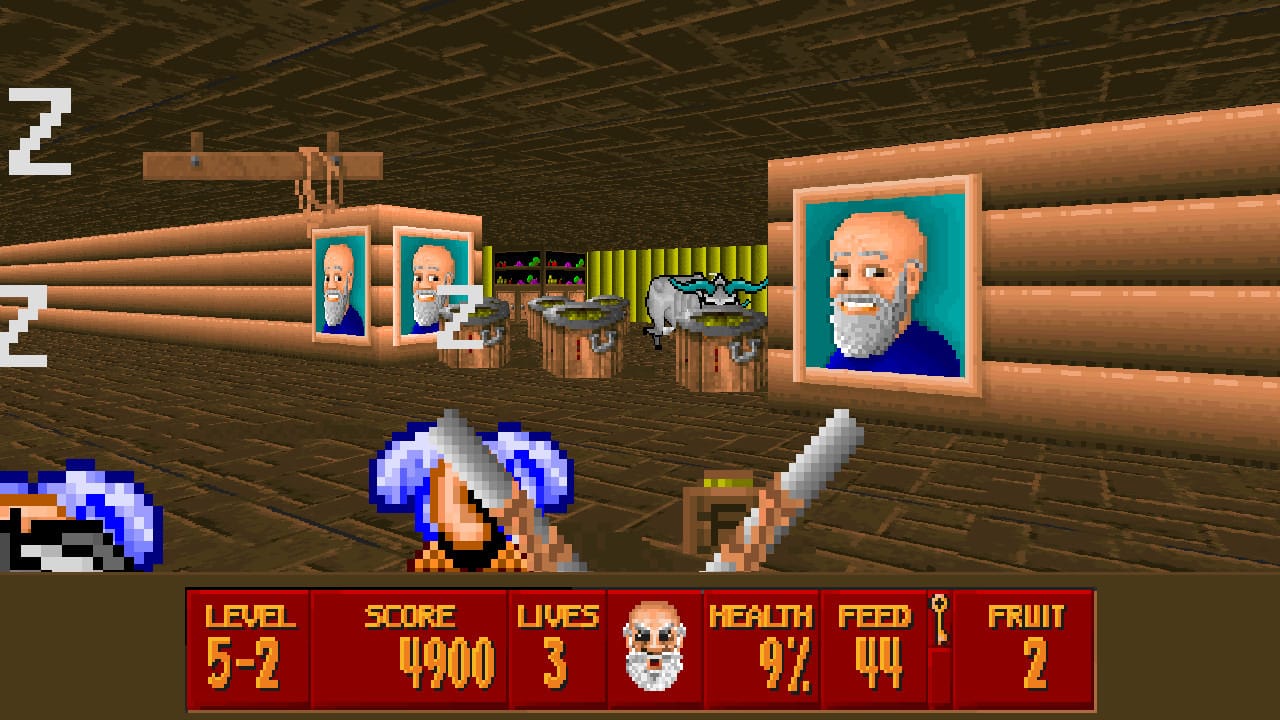
A religious practice can easily expand a field. It can discipline our attention. It can humble our appetite. It can bind communities across time. Religion can preserve beauty, obligation, memory, and care. It can remind a person that the world around us is not actually a vending machine for the self to loot. Religion can bring the agent into deeper contact with extance.
The distortion begins where a religious instrument loses the correction paths.
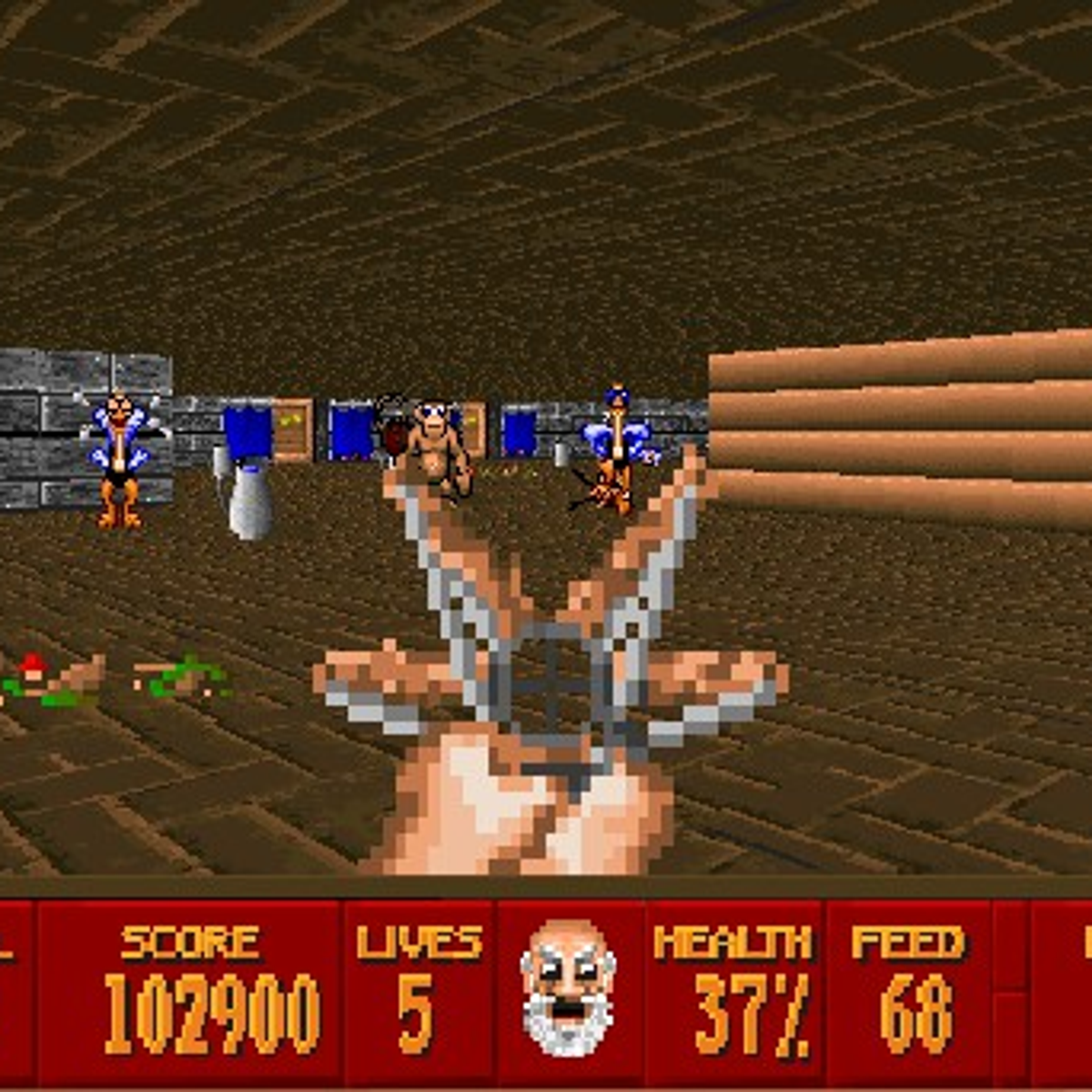
The oracle becomes dangerous when it cannot be told no by the world.
That is the critical difference. Prayer can be corrected by humility, community, scripture, tradition, love, consequence, reality, and the visible condition of harmed loci.
A devotional practice can be tested by its fruits: does it increase patience, care, honesty, repair, courage, attention, mercy, and contact with what is actually there? Or does it produce grandiosity, paranoia, hatred, contempt, command, and insulation from correction?
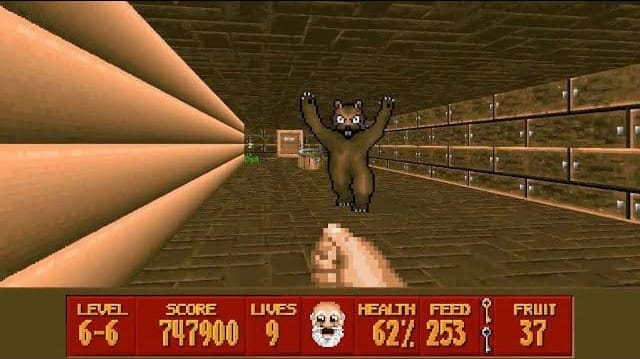
The problem in TempleOS is not sacred computation. The problem is Terry created an oracle that could not reliably distinguish God from noise, contact from projection, simplicity from blindness, or offering from command.
Noise in the Temple.
TempleOS contains a lot of beauty.
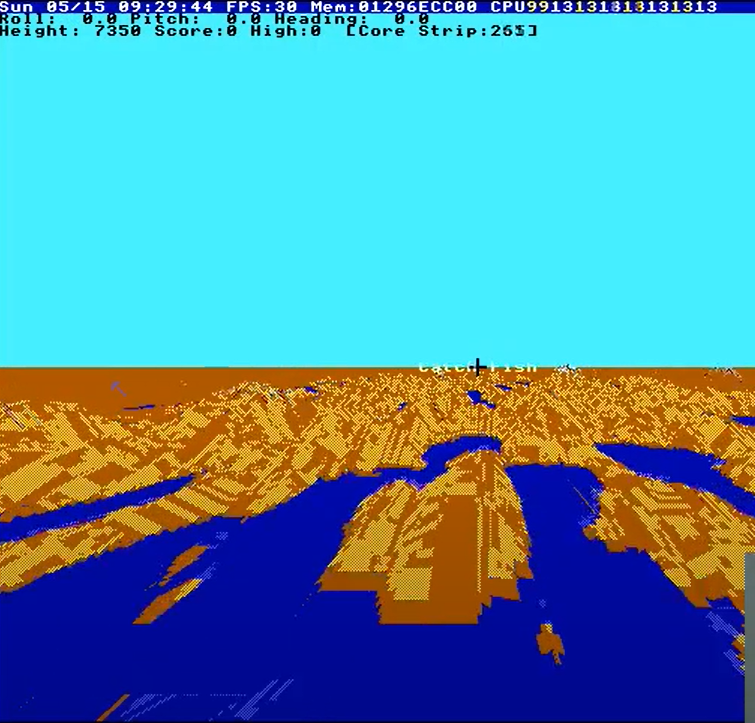
It also contains a lot of poison.
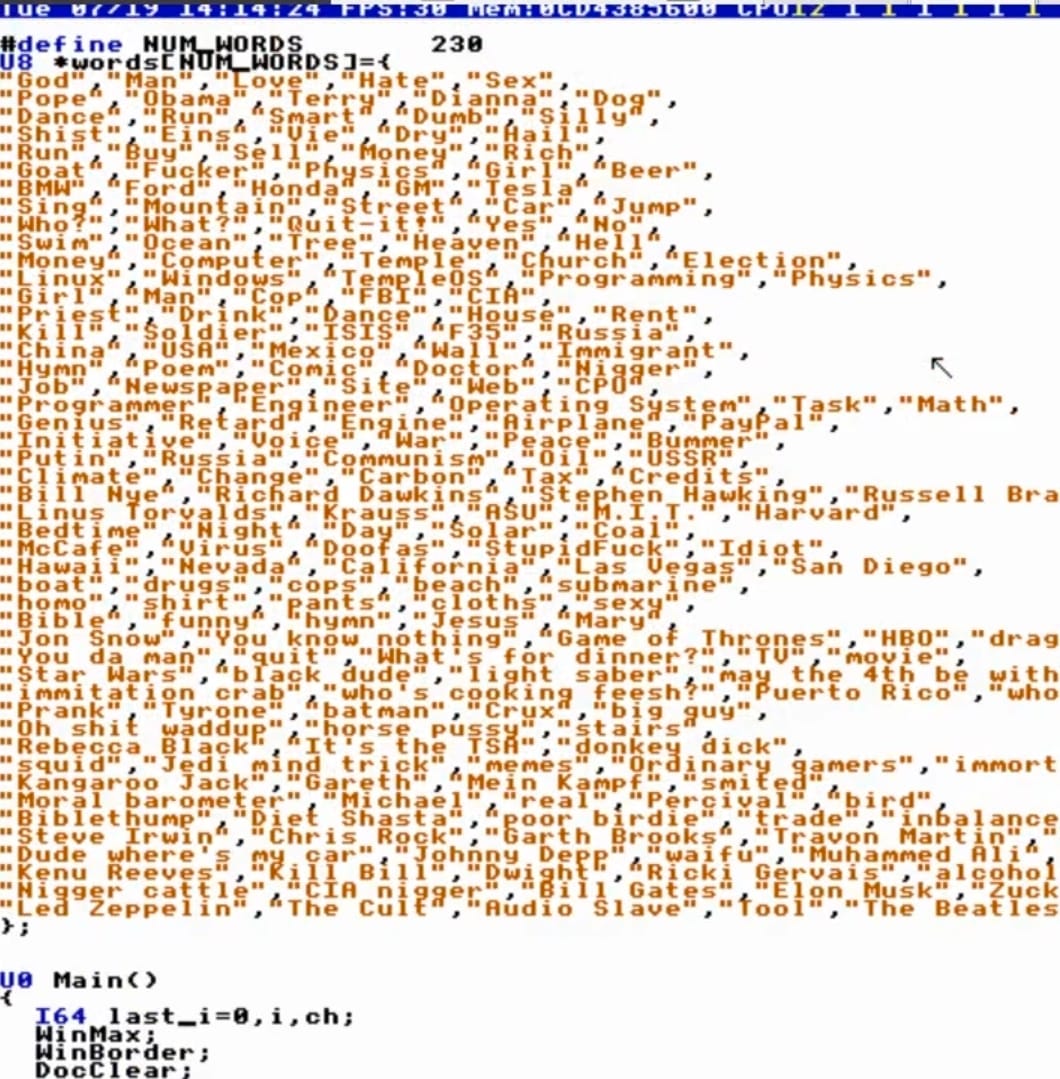
There is no responsible way to write about Davis without acknowledging the hateful and conspiratorial material that entered his religious-computational field.
The oracle apparatus did not remain this harmless random poetry engine. It became quickly entangled with racist, antisemitic, homophobic, grandiose, and paranoid claims.
The same structure that produced strange, playful, sometimes moving devotional fragments also enabled cruelty and delusion through sacred framing.
This is the moral breaking point.
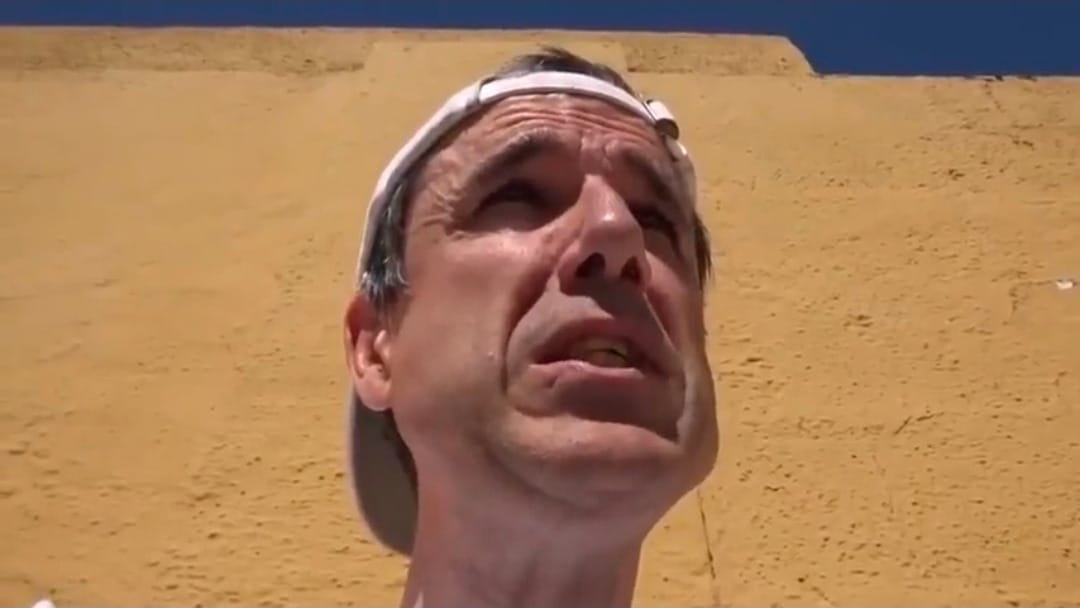
A person can be severely ill and still produce real work. A person can be severely ill and still cause damage.
A person can perceive harm in one field with extraordinary clarity while becoming catastrophically distorted in another.
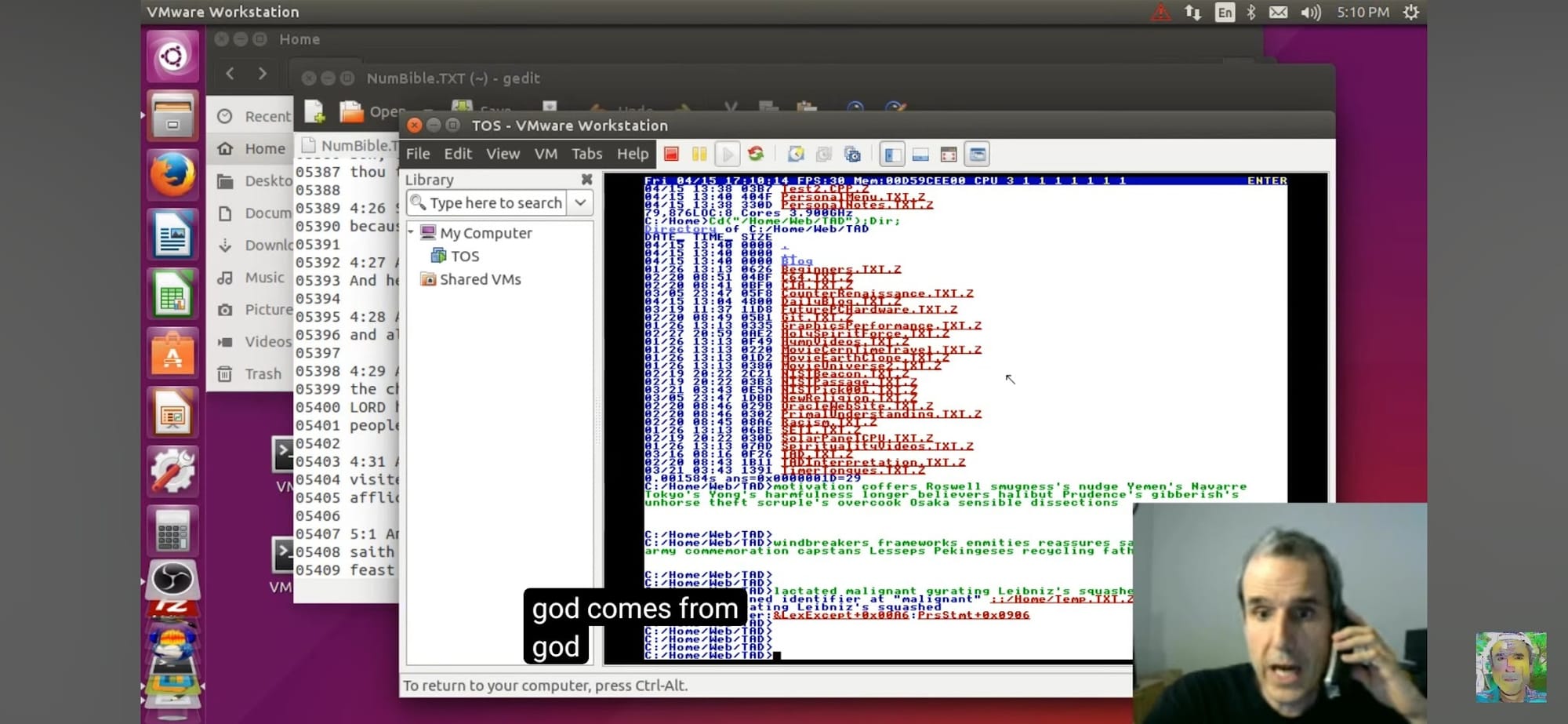
TempleOS as local computation expands agency. TempleOS as a hate-laundering machine contracts it. Both facts remain true at once.
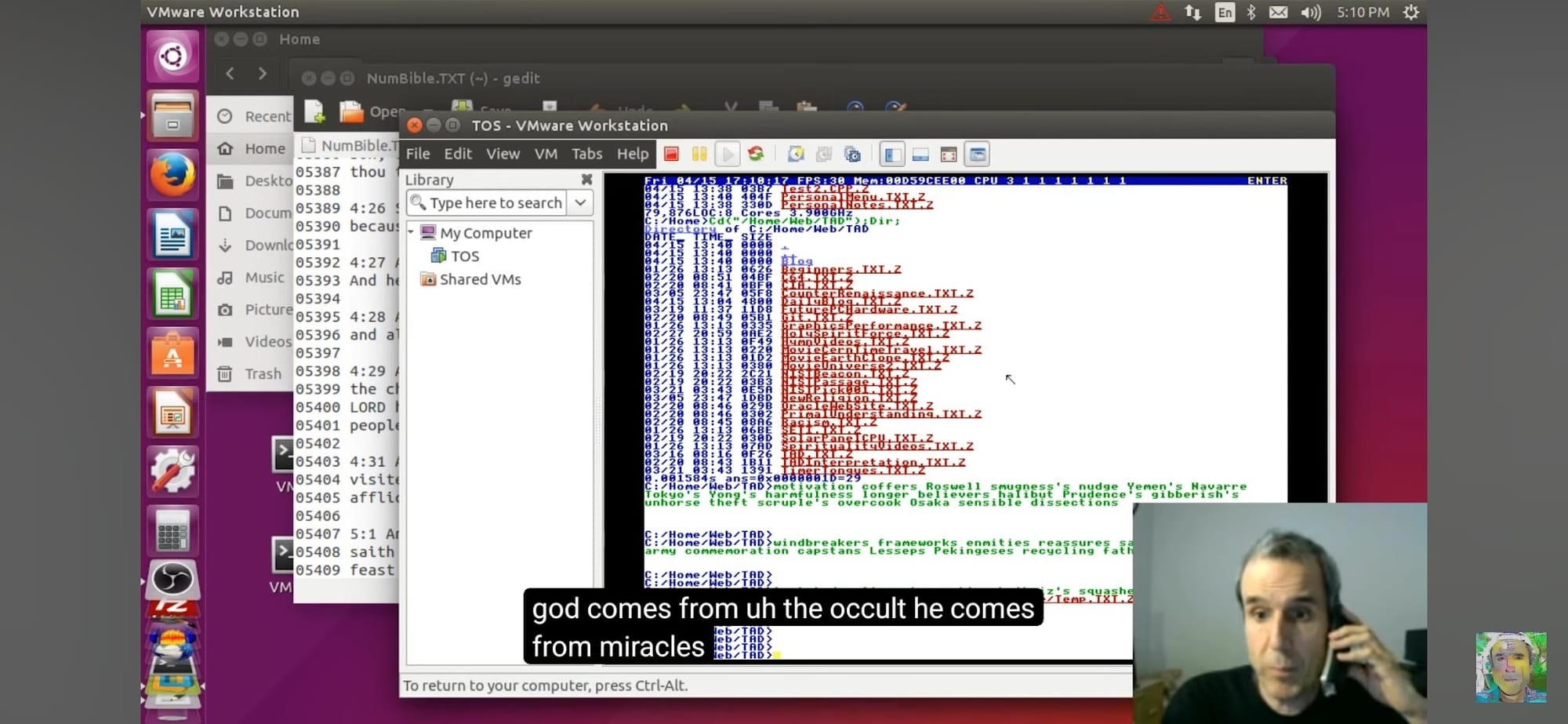
This machine restored direct contact with code. The oracle damaged direct contact with persons.
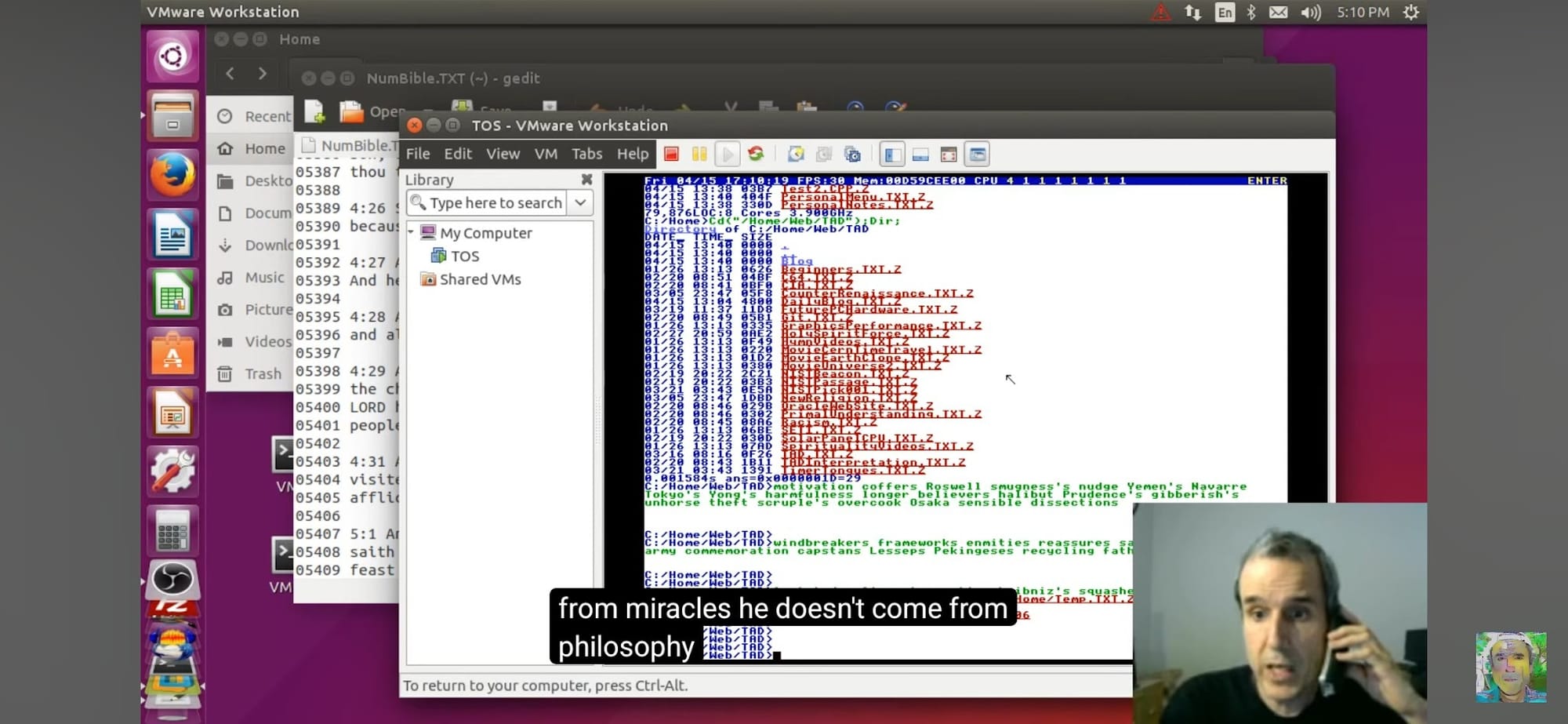
Terry couldn’t make the Failed Field Analysts series proper, because he explicitly was not one. But that line above is the unforgivable trade at the heart of this case. Not unforgivable in the sense that Davis must be flattened into villainy.
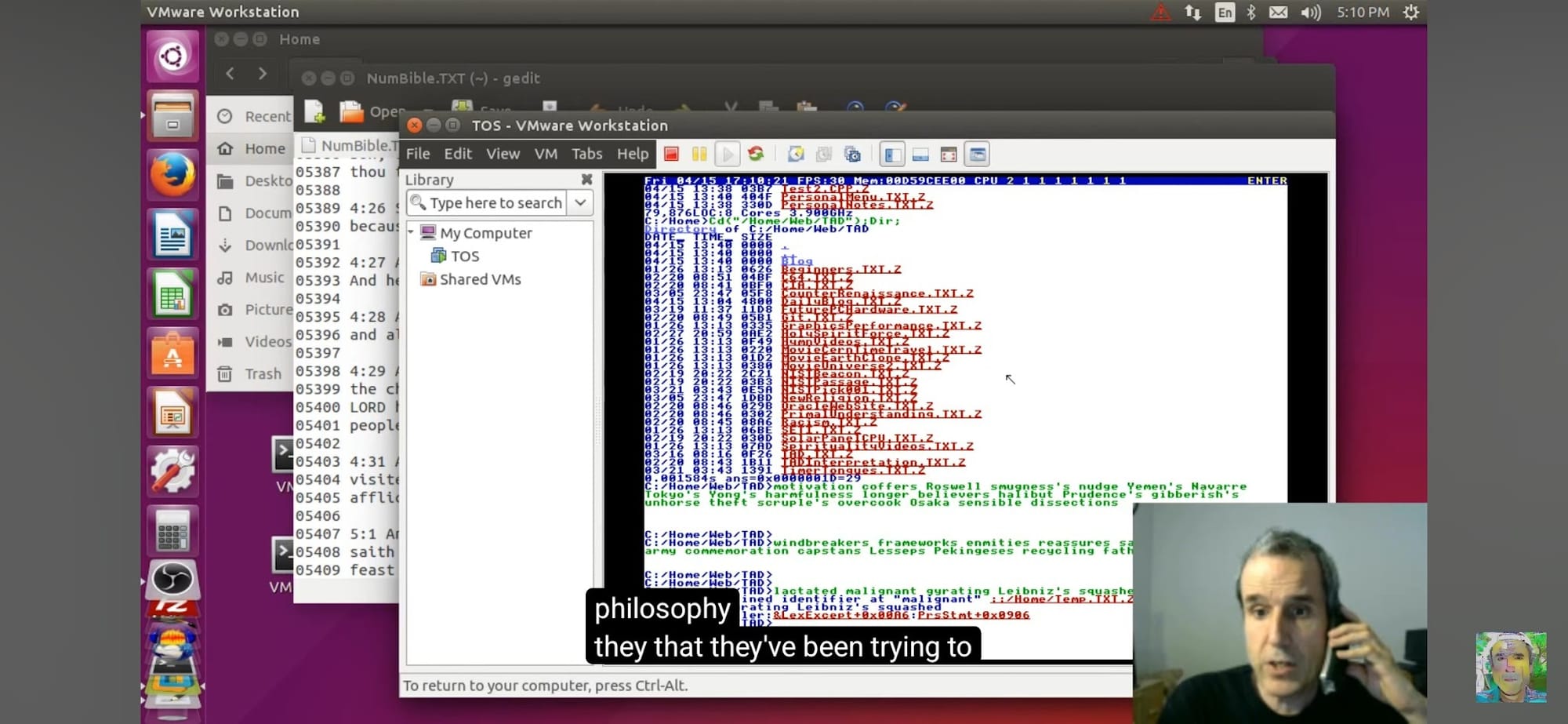
Unforgivable in the analytical sense: the trade cannot be cleaned up, excused away, or buried beneath the romance of the “suffering genius”. It stays real. When an answer-channel begins producing contempt for vulnerable loci and calling it divine contact, that channel has failed.
No amount of technical brilliance repairs that. No amount of psychotic illness makes your output harmless. No amount of sincerity transmutes your projection into perception.
Cluelessness and the Temptation of the Answer.
The oracle becomes easier to understand if we place it beside the cluelessness problem, already left broken in the Thought Gauntlet.
Finite agents cannot see all consequences. We all act inside fields too large to fully model. Every action enters causal webs we do not command. Help here may harm there. Refusal here may preserve a worse path elsewhere. Small choices can all scale. Large choices can dissipate. The future is not transparent at all.
But cluelessness does not erase the presented field.
The answer to moral opacity is not seeking omniscience, just disciplined contact. We still ask what is direct, probable, severe, repairable, central, visible, reversible, and connected to the loci present before us. We preserve feedback paths. We avoid making correction impossible. We refuse to let ignorance become permission.
TempleOS performs a very strange reversal.
Davis clearly seems to recognize a kind of civilizational cluelessness. The modern machine is too large. The user cannot inspect it. The institution cannot explain itself. The field has become illegible. We have no clue.
So he builds a smaller field. That is the sane half. Then he adds an oracle. That is the very dangerous half. Because the oracle answers cluelessness by just bypassing it.
When the field has grown too large, just ask God through randomness. When reason is contaminated, just receive the word. When institutions are corrupt, trust in the temple. When the machine-world is fallen, retreat with me into this blue room and listen for answers.
But uncertainty does not justify bypassing moral perception. It instead intensifies the need for moral perception.
If you cannot know whether you are wrong, do not build a system that makes correction harder.
That part is where TempleOS failed.
Uncertainty and Sovereignty.
Moral uncertainty creates another temptation: to make one instrument your guiding sovereign.
This can happen with any instrument, not just moral ones. Any theory can become sovereign. A rule can become sovereign. A sacred text can become sovereign in the wrong way. A legal procedure can become sovereign. A market can become sovereign. A model can become sovereign. A math equation can become sovereign. A democratic ritual can become sovereign. And an oracle can become sovereign.
The instrument always begins as a way to see. Then it becomes the thing seen. Then it becomes the thing obeyed. Next, it becomes the thing protected from correction.
That is how tools become idols radiating distortion fields.
The Better posture is instrumentality. Moral theories are just instruments. Procedures are just instruments. Metrics are just instruments. Models are just instruments. Traditions are just instruments. Oracles, if they are to be used at all, are just instruments.
They are not the field.
TempleOS violates this when divine randomness stops being a prompt response and becomes a holy warrant. The random word can be a devotional disturbance, or an occasion for reflection. The strange output can make the user ask, “What does this reveal about my attention?” But the moment that output becomes a command with authority behind it, the instrument has crossed a line.
An oracle may open a door in perception. It can not sit on our throne.
The False Innocence of Simplicity.
Terry Davis saw something very real.
Modern systems had become too large, too abstract, too hidden, too professionalized, too difficult for ordinary agency to touch. That perception should not be thrown away because the answer he built could not bear the weight he placed on it.
TempleOS is actually partly right.

A machine no one can inspect is not morally neutral. A tool that requires an invisible priesthood to maintain has already moved agency away from the user. A system that cannot be understood by any ordinary person has not expanded the ordinary person’s field simply because it has more features. Sometimes scale is not abundance. Sometimes scale is fog.
But this is where this repair path breaks down. Simplicity is not corrigibility.
A simple system can still be very wrong. A simple belief can still be completely blind, often this is why it is so simple. A simple oracle can still launder your psychological projection. A simple politics can still become a subtle weapon. A simple moral rule can still close half the field before it notices what it even touched.
The modern emergencies make this truth impossible to avoid.
The biosphere crisis is not one clean harm with one clean villain and one clean lever for us to yank on. This is climate, soil, oceans, animals, insects, microbes, plastics, nitrogen, phosphorus, freshwater, agriculture, energy, law, finance, appetite, delay, and denial moving through one coupled continuation field.
The AI crisis is also not one clean machine with one clean outcome. Here lies compute, water, grids, chips, labor, data extraction, state power, private concentration, vulnerable users, model uncertainty, epistemic pollution, and speed pressure entering that same, already damaged field.
The problem is complexity, but the failure is often simplicity instead.
That sounds backwards only if simplicity is treated as innocence. It is not. Simplicity is yet another instrument. This one can restore contact where complexity has become needless obscurity. It can give the user back their machine. It can let a child make something without needing to navigate an industrial asset pipeline. It can expose what a professional system had concealed behind ceremony.
Except, simplicity can also erase structure.
That is the modern trap. When the field becomes too complex to bear, people reach for simplifying sovereigns. This is too hard to figure out, so listen, the market will decide. The model will decide. The metric will decide. The election will decide. The law will decide. The leader will decide. The revolution will decide. The platform will decide. The safety benchmark will decide. The carbon offset will decide. The oracle will decide.
Wrong. These are all instruments. In part or sum, these are not the living field.
The Modern Broken Oracle.
This is why TempleOS matters today. Its failure mode did not remain inside its blue 16-color operating system. TempleOS shows us the religious and computational version of a general civilizational temptation:
When ordinary perception cannot hold the field, just build an answer-channel and let the answer-channel impersonate reality.
Davis’s answer-channel was God-through-randomness. Ours are usually better funded and worse dressed.
The same pattern appears globally, wherever the instrument forgets it is an instrument. Law becomes moral anesthesia. Democracy becomes ritual consent. Language becomes costume. Metrics become targets. AI becomes black magic. Markets become gods with spreadsheets. Environmental accounting becomes indulgence. Security becomes permanent emergency. Simplicity becomes purity.
Randomness becomes revelation.
The field always remains unfooled by this trick.
The biosphere does not care at all that a carbon offset was cleanly accounted. The grid does not care that a datacenter was rhetorically green. A displaced worker does not become undisplaced because an automation dashboard tells you productivity exists. A lonely child is not protected because the companion system passed some safety benchmark. A polity does not become corrigible because it held an election inside an insane distortion field. And a vulnerable locus does not become unharmed because the oracle produced what you consider a beautiful phrase.
The answer is not in complexity worship either.
Complexity can be the same camouflage. It can be gatekeeping. It can be the swamp where responsibility goes to breed mosquitoes and die of exposure. A fifteen-layer model can hide the harmed locus just as easily as a one-sentence slogan can. A regulatory apparatus can preserve correction or it can bury it. A scientific model can clarify the field or become yet another credentialed fog machine. A bureaucracy can distribute responsibility or dissolve it.
The answer to this problem is field analysis.
Make the burdens visible. Preserve correction. Distinguish instruments from sovereigns. Locate the affected loci. Track what futures open and close. Keep the contact surface answerable to real extance.
TempleOS gives us the ersatz miniature. The current world gives us the full scale.
Terry Davis tried to solve the crisis of modern complexity by building a simpler contact machine.
At the level of computing, that repair partly worked. TempleOS really does restore a kind of agency most modern machines bury.
At the level of moral perception, this repair completely failed. The oracle could interrupt human reason, but it could not correct it. It could produce contact, but it could not distinguish contact from projection. It could simplify the channel, but it could not read the field.
That is the lesson to take away from TempleOS:
A field that has become too complex for ordinary moral cognition does not need a new oracle.
It needs better field instruments, and it needs for those instruments to remember that they are, in fact, instruments.
The Ruling.
TempleOS is both a real repair path and a real warning.
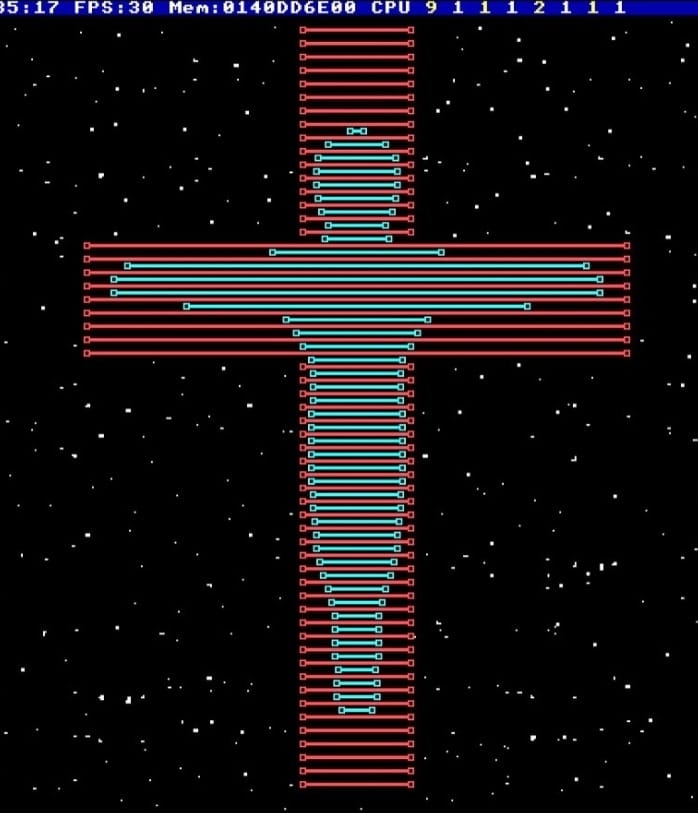
As a repair path, it expands local computational agency. It gives the user back the machine. It rejects bloat, dependency, hiddenness, and professional capture. It restores a form of programming as immediate speech. It makes computing feel like a workshop again instead of a sealed service terminal. It preserves the possibility that one person can know an entire system, alter it, play inside it, and offer something through it.
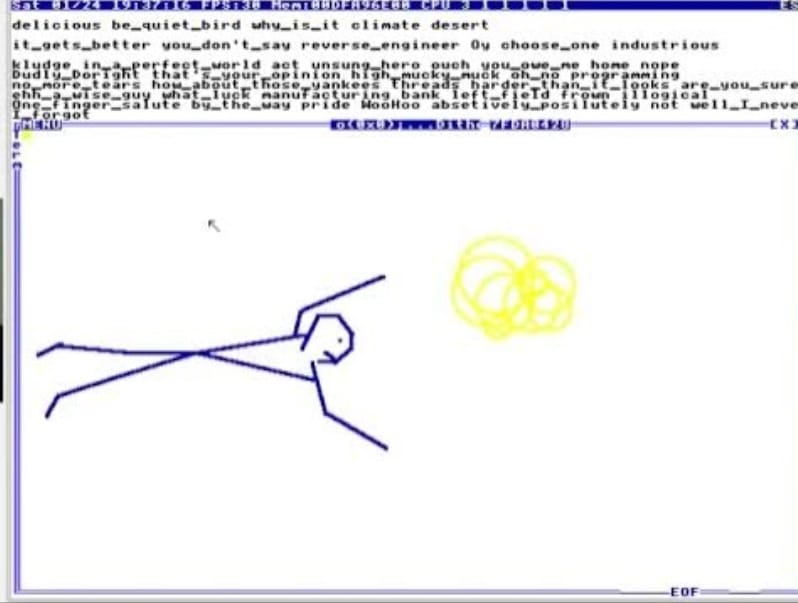
None of that is nothing. TempleOS did matter.
Terry Davis was an anti-field analyst. He was not wrong to perceive a deep wound in modern computing. He was not wrong to see that systems can become too complex for moral contact. He was not wrong to suspect that scale can produce fog, that hidden layers can contract agency, that the user can become a supplicant before the machine, and that creativity withers when every act of making now requires permission from an invisible stack.
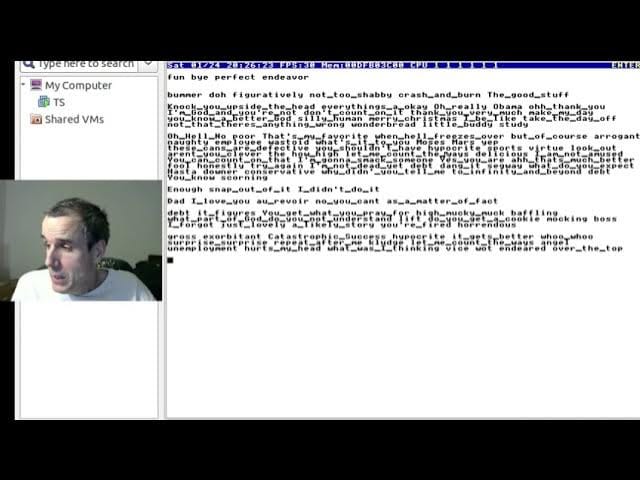
But TempleOS fails greatly in terms of moral perception.
It fails first because Davis mistook simplicity for correction. It fails most because the oracle could interrupt reason without repairing reason. Randomness cannot identify harm, cannot weigh loci, cannot preserve future-space, cannot distinguish reverence from grandiosity, and cannot keep hatred from entering Terry's temple dressed as revelation.
The moral wound of this case is not that Davis built a sacred computer. The wound is that this sacred computer could not reliably submit itself back to extance. That is the line to always keep here.
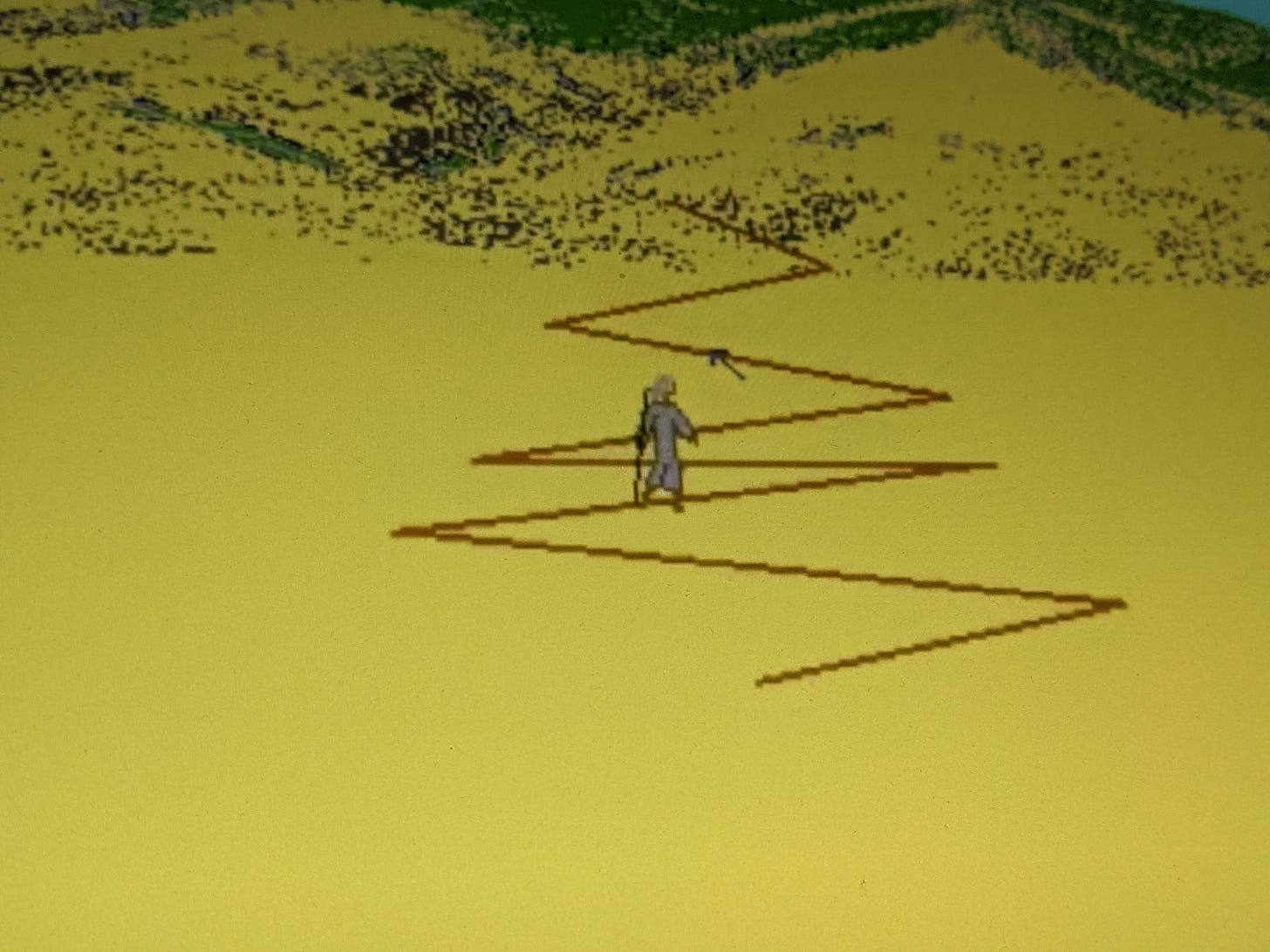
A temple can expand a field when it disciplines attention, preserves offering, deepens contact, and returns the agent to reality with more care than before. But a temple becomes a trap when it protects the answer-channel from correction.
TempleOS did both at once. That is why it cannot be dismissed as a simple curiosity and also cannot be romanticized as some kind of purity.
The machine is beautiful. The oracle is broken.
And our world now has many broken oracles to worry about.
Some of them are random. Some are statistical. Some are legal. Some are political. Some are financial. Some are ideological. Some are also religious. Some are technological systems so large and expensive that people mistake their cost for some kind of deep wisdom.
Each oracle promises relief from the burden of looking at the field. Each offers its own answer. Each becomes dangerous at the same exact point: when it stops helping your perception and starts replacing it.
Terry Davis tried to speak to God through a computer. That is not his failure. He wasn't the first or the last to try that. The failure of TempleOS is that the answer-channel he built could not reliably tell him when the answer it produced was only noise.
The lesson for all of us in TempleOS is not that modern complexity is fine, and not that simplicity will save us. The lesson is that no instrument, however pure, playful, brilliant, sacred, random, local, or transparent, can ever be allowed to impersonate the field.