Applied Case: The American Corrigibility Problem
How does a field correct itself after error?
September 2026 note: The corrigibility thesis remains central, but the current constitutional account is more precise. Bounded Last Words indexes finality to function, case, scale, and interval; Material Bounded Finality requires adverse judgment to reach the institution materially; The Inner Apocalypse distinguishes formal opposition from genuinely independent causal outside. Political examples in this article should be treated as a May 2026 snapshot and reverified if reused.
American politics is not the field.
It is one of the machines built inside the field to keep our shared life from collapsing into private force, inherited domination, institutional hallucination, and whoever can keep the better story alive after the bodies are buried.
That machine is now damaged.

Not gone. Not finished. Not unrecoverable. This distinction matters a lot. A closed field has no meaningful repair path left. A damaged field can still be corrected, if enough of its correction machinery remains reachable.
The American situation is therefore not best understood as a policy dispute, a vibe shift, a culture war, an election cycle, a constitutional stress test, or a fight between two equally theatrical teams of professional liars, though congratulations to the country for producing more than enough evidence for every one of those descriptions.
America is having a corrigibility crisis.
Corrigibility is the ability of a field to correct itself after error. A corrigible political field can discover harm, record it, argue over it, vote on it, litigate it, investigate it, remove harmful agents, reverse bad policy, protect dissent, constrain violence, preserve memory, and transfer power without needing collapse.
That is the deepest moral function of democratic law.
Not purity. Not national destiny. Not the mystical, magical genius of the founders, the people, the courts, the market, the constitution, the leader, the movement, the experts, the revolution, or whichever noun is currently being asked to do God's paperwork.
Correction.
Law matters because justice should not depend on whoever has the most force in the room. Democracy matters because no single ruler, court, party, donor class, priesthood, expert body, algorithm, platform, or mob can safely impersonate the whole field. Language matters because harm has to become shareable before repair can become durable.
The American crisis is what happens when those instruments begin failing together.
Law becomes a weapon against correction.
Democracy becomes a ceremony over narrowed choices.
Language becomes a laundering system for closure.
Then everyone looks at the resulting field and says, very seriously, that the next election will settle it.
No.
The next election may matter enormously. It may preserve correction paths or close them further. It may be necessary. It is not sufficient.
A vote cast inside a distortion field does not automatically purify the distortion. It records what became reachable enough to choose.
That is not nothing, but it is also not repair.
The Instrument Forgets the Field.
The recent Field Instruments articles have been circling this problem from different sides.
Democratic process is not the field.
These are not cynical claims. These are safety warnings, and they should be on the packages.
A field instrument is a way finite agents cut reality down to something they can handle. Human beings cannot hold the whole extant field in mind. No court can receive every consequence. No election can include every affected locus at full resolution. No sentence can name every burden. No public can deliberate forever while the river is poisoned, the school closes, the agency fails, the judge delays, the platform trends, the money moves, the storm arrives, the body breaks, and the armed man outside the building explains that he is here for freedom.
So we build instruments. We count. We classify. We district. We certify. We litigate. We prosecute. We pardon. We appoint. We resign. We protest. We publish. We vote.
All of that can be necessary. Some of it is among the best things human beings have ever built. The danger here begins when the instrument forgets that it is an instrument.
When law forgets the field, legality becomes moral anesthesia. When democracy forgets the field, voting becomes ritual consent. When language forgets the field, words become costumes for power. When procedure forgets the field, process becomes a machine for closing complaint.
When discourse forgets the field, the conversation learns to admire its own table settings while the roof burns above it.
That is exactly where America is now.
Not everywhere. Not always. Not equally. Not in every local field. Not in every institution. Not in every office, courtroom, school board, newsroom, agency, church basement, union hall, library, county office, or kitchen table where people are still doing the work.

That all matters, too.
The American field is not one flat thing. It is a sprawling, uneven, half-brilliant, half-insane continuation system containing repair, rot, courage, fraud, mutual aid, legal order, private cruelty, public memory, administrative competence, oligarchic capture, sincere service, institutional cowardice, public love, and more paperwork than any civilization should probably be allowed to produce without actual adult supervision.
So no, this is not a "the system is broken" article. That sentence is too stupid and simple for this object.
Broken how? For whom? At what level? Through which mechanism? With what repair paths remaining? Against what resistance? At what cost? By whose burden? Toward which reachable future?
The American field is not simply broken. It is damaged in very specific ways. Its correction machinery is being loaded, gamed, weakened, threatened, theatricalized, monetized, mythologized, and in some places deliberately sabotaged.
The corrigibility crisis is not that Americans disagree. Shared life can survive disagreement just fine. Shared life is really just disagreement with plumbing.
The corrigibility crisis is that disagreement is losing contact with the machinery that allows error to remain correctable.
The Right to Be Wrong Without Making the Wrongness Permanent.
A corrigible system can be wrong without making wrongness permanent.
This is the real political miracle here. Not that voters are wise. They are, in fact, not. Not that judges are pure. Please.
Not that elected officials are noble. Some are. Some are not. Many instead appear to have been produced by a committee whose members all hated one another and then got distracted by lunchtime.

The miracle is that a political field can build ways to survive its own stupidity.
A bad ruler can just lose. A harmful law can be repealed. A court can be criticized. An agency can be audited. A newspaper can expose what the official wanted buried. A whistleblower can preserve our contact with harm. A minority can become heard before the majority realizes what it has done. People who lost today can remain alive, protected, organized, and capable of winning tomorrow.
That is enormous. Civilization should maybe pause occasionally and notice how much blood is being kept out of the room by those boring procedures everyone likes to mock until they are gone.
A peaceful transfer of power is not a vibes ceremony at all. This is a field transition that prevents political error from requiring murder, coup, dynasty collapse, divine succession, military arbitration, mob seizure, or the sudden discovery that the general has always had some very interesting thoughts about national renewal he would like to share.
An election is not sacred because the ballot paper contains magic power. It is morally serious because it helps make real power removable without civil rupture.
A court is not sacred because robes turn human beings into justice incarnate. It is morally serious because it can force power to give reasons, create records, receive claims, slow retaliation, and make official action answerable to something other than appetite.
A free press is not sacred because journalists are precious angels with notebooks. It is morally serious because public memory always rots without adversarial recordkeeping.

A civil service is not sacred because administrators are always correct. It is morally serious because a state that forgets how to administer becomes a throne surrounded by vibes.
Rights are not sacred decorations on legal documents. They are protective boundaries drawn where the field has learned that collapse becomes reachable without them.
Opposition is not a nuisance. It is all part of the same nervous system. Dissent is not disloyalty. It is one of the ways a field still feels pain before necrosis sets in.
This is corrigibility. The field remains able to answer back.

It can say: this actually did not work. This harmed us. This officer must leave. This law must change. This fact was hidden at the time. This person was not safe. This majority was wrong. This court mistook legality for repair. This movement became the very thing it opposed. This institution preserved its procedure and lost contact with its purpose.
Corrigibility is not agreement.
Corrigibility is what keeps disagreement from becoming everyone's destiny.
The American crisis is that too many powerful agents now treat corrigibility itself as the enemy. Usually not in these words. They will say “security” or “mandate”. They will say “efficiency”. They will say “order," or “tradition”. They will say “emergency”.
They will say “democracy," “constitutional," “lawfare,” "freedom". They will say "restoring trust," and “saving the country”.
The field does actually not care what the costume says. The field asks what the transition does.
Does it make power more answerable, or less? Does it make harm more legible, or less? Does it make peaceful correction more reachable, or less? Does it preserve truthful contact, or replace it with story? Does it keep losers protected enough to remain future participants, or convert loss into civic death? Does it make institutions capable of self-correction, or just better defended against embarrassment?
The Vote Comes Very Late.
There is no moment when "America" simply chooses.
A country itself does not ever enter a voting booth. Agents are selected from the population to speak for it in a compression grammar.
By the time a citizen sees a ballot, the field has already been cut in a specific way. Territory has become jurisdiction. Neighborhoods have become precincts. People have become voters, nonvoters, likely voters, low-propensity voters, residents, citizens, noncitizens, felons, students, workers, owners, parents, patients, taxpayers, suspects, plaintiffs, defendants, patriots, extremists, elites, forgotten Americans, real Americans, and numbers in a district that somehow looks like some kind of weird salamander after a legal team had a long, expensive weekend.
Who appears on the ballot has already been shaped. Who drew the district has already mattered. Who funded the message has already mattered. Who owns the local news desert has already mattered. Who decides what counts as crime, corruption, extremism, patriotism, disorder, safety, emergency, and common sense has all already mattered.
The vote comes after all of that.

This does not make voting meaningless. It means voting inherits the condition of the field before the vote. American political language constantly tries to make the vote do metaphysical work it cannot perform.
"The people have spoken."
"The people rejected it."
"The people chose it."
"The people demanded it."
"The people sent a message."
Sometimes, it can be said they did.
More often, a structured subset of the field expressed a preference through an available procedure under available conditions after enormous upstream selection had already decided what could appear as choice.
That may certainly still bind. That may still matter. That may still be the least-closing available procedure.
But that is not magic.
A captured field can vote quite easily. A frightened field can vote. A lied-to field can vote. A gerrymandered field can vote. A field with collapsed local journalism can vote. A field where public language has become a toxic spill can vote.
A field where one side is told the election is divine rescue and the other side is told the election is the last helicopter out of Saigon can vote.
A vote inside a distortion field may simply be the distortion selecting its preferred future. Again, not nothing. Just not self-rule at anything approaching full moral resolution.
This is why "just vote" is both necessary and inadequate. Sure. Vote, obviously. Help others vote. Protect voting access. Protect election workers. Protect counting. Protect certification. Protect the next election's reality before this election's story consumes it.
But a field cannot “just vote” its way out of distorted districts, money capture, threatened administrators, collapsed local journalism, procedural sabotage, judicial anti-corrigibility, and information poisoning unless those conditions are also being actively repaired.
Voting is one correction path. It is not the entire repair ecology.
If the bridge is collapsing, walking faster across it may be necessary. It is definitely not bridge maintenance.
The Perfectly Legal Wound.
The worst damage does not always arrive with a gun. Sometimes, it arrives as a new rule.

A deadline. A filing defect. A jurisdictional question. A standing doctrine. A narrow holding. A certification. A discretionary choice. A budget rider. A committee rule.
A refusal to schedule. A refusal to enforce. A refusal to investigate. A refusal to recuse. A refusal to answer. A refusal to remember.
The paperwork may be impeccable. The field may still be deeply wounded.
This is why law is dangerous precisely because law is necessary. Law converts field conflict into administrable categories. It must do so. Without that compression, law cannot operate. But the compression can also decide, quietly and authoritatively, which harms may enter the room.
A person can be right and still lack standing.
A danger can be obvious and still remain outside review.
A corruption can be public and remain legally untouchable.
A court can resolve a legal question while greatly enlarging the moral wound.
A legislature can pass reform that changes the sign on the machine and leaves the machinery chewing the same bodies. A prosecutor can punish one agent while the producing institution survives untouched.
A pardon can call itself mercy and function as impunity. An immunity can be called stability and function as permission. A public comment period can receive the public into a process whose outcome was already decided.
Law becomes anti-corrigible when it gives power a way to survive contact with its own harm.
This does not mean law should be discarded. This is how mobs think, and they are rarely ever effective at real repair. That is also how tyrants think, though they often put on cooler jackets first.

The failure of law is not a permission slip for private certainty. A field without law does not become morally direct. It becomes immediate domination, memory failure, revenge, factional punishment, and whoever can keep the better story going.
The answer is law that remembers why it exists.
Law should preserve truthful contact. Law should constrain private violence and state violence. Law should keep records where memory matters. Law should make power answerable. Law should create standing where older categories erased harm. Law should treat procedure as a path toward truth, not a substitute for truth.
When law does the opposite, Modal Path Ethics rules against the legal transition even if the legal transition is valid inside the legal field.
Legality is not moral reality. A court can close the case. The field may continue bleeding.
The Language Spill.
American politics is now half government and half carbonated word poison.
This is not because language is fake, or the problem. Language is one of humanity's strongest repair tools. A private wound becomes public when someone can say what happened. A recurring burden becomes visible when a community can name it. A hidden structure becomes contestable when the right term stops it from hiding behind familiar nonsense.
But moral language is rarely ever neutral. A word cuts the field before the argument starts.
"Order" may mean protection from chaos. It may also mean the harmed should stop making the powerful uncomfortable.
"Civility" may mean keeping speech possible. It may also mean the wounded must make their complaint pleasant enough for the people who prefer not to hear it.
"Security" may mean protection from violence. It may also mean permission to expand coercion until the public confuses fear management with repair.
"Mandate" may mean an electoral instruction. It may also mean a temporary victory trying to impersonate moral omniscience.
"Lawfare" may name abusive legal instrumentalization. It may also be used to discredit accountability before facts enter the room.
"Democracy" may mean distributed self-rule. It may also mean one faction claiming the whole people as a ventriloquist dummy.

"Resistance" may mean necessary refusal of domination. It may also become the costume private force wears when it wants our applause.
"Peace" may mean the preservation of nonviolent repair. It may also mean silence imposed on those still carrying the burden.
This is not story-compression time. This situation calls for field analysis, if we don't want it recurring after clearing present hurdles.
American politics wants the crisis to be narratable before it wants it accurate. The story arrives fast because the field is just intolerable at full resolution. No one wants to hold districts, courts, money, race, guns, schools, platforms, climate, churches, police, prisons, borders, class, propaganda, loneliness, local news collapse, judicial capture, executive ambition, congressional decay, state legislatures, administrative capacity, disaster response, billionaire networks, algorithmic rage, historical myth, and human terror all at once.
So the field is compressed.
The hero is chosen.
The villain is chosen.
The plot is chosen.
The ending is chosen.
Then the facts are sorted.
This is not analysis, more like anesthesia with quote graphics.
Modal Path Ethics needs to use different language here because inherited political language keeps dragging moral attention back to the old grooves: blame, intention, party, tribe, leader, scandal, optics, hypocrisy, punishment, victory, defeat.
Those things are not irrelevant. They are deeply underdescribed.
The real question is not who embarrassed the other side today.

The real question is whether peaceful correction became more reachable or less.
Bad Actors Just Don't Fall Out The Sky, You Know?
Bad actors are real. This article will not pretend otherwise.

There are, it turns out, agents who lie, threaten, exploit, intimidate, incite, obstruct, capture, steal, purge, flatter, degrade, and burn correction paths for personal, financial, ideological, or factional advantage. Modal Path Ethics does not need to dissolve agency into sociology until everyone becomes a weather pattern with legal counsel.
Some people choose harm.
Some people enjoy domination.
Some people know exactly what they are doing.

Responsibility remains real.
But bad actors do not just materialize from Hell.
A field produces the kinds of bad actors it rewards, excuses, protects, amplifies, normalizes, funds, entertains, immunizes, and fails to remove.
This is where the American story-mind keeps failing. It mostly just wants the villain removed. Win the election. Indict the criminal. Defeat the faction. Ban the account. Expel the member. Fire the host. Replace the judge. Primary the coward. Shame the hypocrite. Expose the donor. Pass the reform. Celebrate.
Then, repeat, because structure was always under-described and unrevealed.
Some of that process may be necessary. A dangerous agent may need to be removed. A criminal actor may need to be prosecuted. A corrupt official may need to lose power. A violent group may need to be disrupted. A captured institution may need leadership replaced. Sometimes removal is not scapegoating at all. Sometimes the agent is actually dangerous and should not be left standing in the middle of the machinery with both hands on the lever.
But removal is not repair if the producing conditions remain intact. This agent did not just apparate.

A political ecology that rewards anti-corrigibility will keep producing anti-corrigible agents. It will call each one an aberration. It will be lying each time.
The producing field is not mysterious at all. A winner-take-all system treats temporary victory like existential control. A permanent campaign turns government into pretext for the next fundraising cycle. Safe seats reward theatrical extremity over public competence. Donor capture teaches officials which burdens are expensive to see. Platform incentives turn civic rage into entertainment. Local news collapse leaves communities operating within nationalized hallucinations of themselves. Judicial insulation can preserve independence, but it can also preserve arrogance. Administrative hollowing makes the state easier to hate because the state has been made worse at being itself.
A field with these incentives can not act shocked when it produces agents adapted to them.
You built a terrarium. Now everyone is surprised about the lizards.

The Better path cannot be only replacement of bad actors. It has to reshape the institutional ecology that makes anti-corrigibility advantageous.
Otherwise, the crisis becomes seasonal.
Every cycle: a new emergency.
Every cycle: a new savior.
Every cycle: a new villain.
Every cycle: a new claim that this time we have learned.

Then the broken machine selects again.
Violence Breaks the Field.
Political violence is not some hidden repair path inside the American crisis, available only to those bold enough to notice it.
Political violence is one of the crisis's clearest symptoms and one of its accelerants.
An assassination attempt does not only threaten one officeholder. A successful killing does not remove one body from the field. An assault does not just injure one target. A threat against an election worker does not only frighten one local official. A mob around a public building does not simply express their anger. A weapon brought into political space does not signify intensity.
These interventions all alter the field.

They change who participates. They change who withdraws. They change who needs security. They change whose family becomes targetable. They change what local officials are willing to certify, what judges are willing to endure, what witnesses are willing to say, what candidates are willing to run, and what ordinary citizens decide is no longer worth the cost.
Political violence is not only a violation of the immediate target. It is an attack on corrigibility itself. It tells the field that correction must now pass through fear first.
Modal Path Ethics rules against that.
This ruling has to be direct because the American field has become very good at softening violence whenever the story likes the direction that the blood is flowing.

That habit is pure poison.
The last several years have included attempted assassinations, successful political killings, assaults, threats against public officials, intimidation of election workers, harassment of judges, armed spectacle near civic procedures, attacks on government buildings, and a growing public reflex of asking whose narrative an incident helps before asking what future-space it closed.
That last reflex is also part of the damage.
A political attack occurs, and the field immediately becomes this bizarre sorting machine. Is this proof of their extremism? Is this being exaggerated? Is this being minimized? Can this be blamed upward? Can this be blamed sideways? Can this be made useful? Can this be ignored?
Modal Path Ethics asks the real question. What did this do to the field?
Who will now refuse to serve? Who will now self-censor? Who will now require armed protection to perform a public function? Who will now resign, decline to testify, avoid a polling place, move their family, imitate the violence, justify the next one?
That is the deep contraction.
Political violence transmutes public correction into private risk. It moves the field away from argument, procedure, evidence, election, protest, appeal, investigation, organizing, and public memory, and toward force, threat, spectacle, revenge, and security theater.
This does not mean every form of resistance is violence. Power loves that little trick.
A protest is not automatically violence because it is inconvenient. Civil disobedience is not automatically violence because it breaks some rule. Disruption is not automatically violence because the comfortable are annoyed. A strike is not violence because someone's spreadsheet becomes very sad.
Resistance matters because repair paths are not equally available to all loci in the real field. A harmed person, class, community, worker group, minority, or movement may face enormous resistance before lawful repair becomes reachable. Modal Path Ethics does not ask the trapped to politely admire the gate off in the distance.
But resistance is not infinite permission. A damaged field is not a closed field.
The fact that a process is slow does not make it fake. The fact that law is imperfect does not mean private force has now inherited the field. The fact that institutions are compromised does not mean the next person with a weapon gets to call themselves history's author.
Violence may become morally thinkable in a field where ordinary repair paths have been destroyed, where imminent irreversible harm is underway, and where lower-closing alternatives are no longer reachable.
That is not the ordinary American political condition. America is damaged right now. It is not yet closed. That is morally decisive.
When peaceful correction paths remain meaningfully reachable in extance, political violence is normally not Better. It may feel like acceleration. It may feel like justice. It may feel like the field finally answering back. But usually it contracts the very conditions under which durable repair remains possible.
It gives the other side martyrdom. It normalizes security escalation. It frightens ordinary participants out of public life. It selects for harder, crueler, more paranoid agents. It rewards the people most comfortable operating in fear. It teaches everyone that the ballot, the court, the hearing, the report, the protest, the petition, the investigation, the strike, the union, the school board meeting, the city council chamber, and the public square are all now just pre-violence spaces.
That is deep contraction.

Do not romanticize it. Do not launder it through resistance.
Do not minimize it when the target is someone you hate.

Do not inflate it when the story benefits you.

Political violence is not repair. It is usually instead the field losing access to repair.
Habermas Gazing at the Wreckage.
Habermas belongs in this article because he saw this damage before many people knew where to point at.
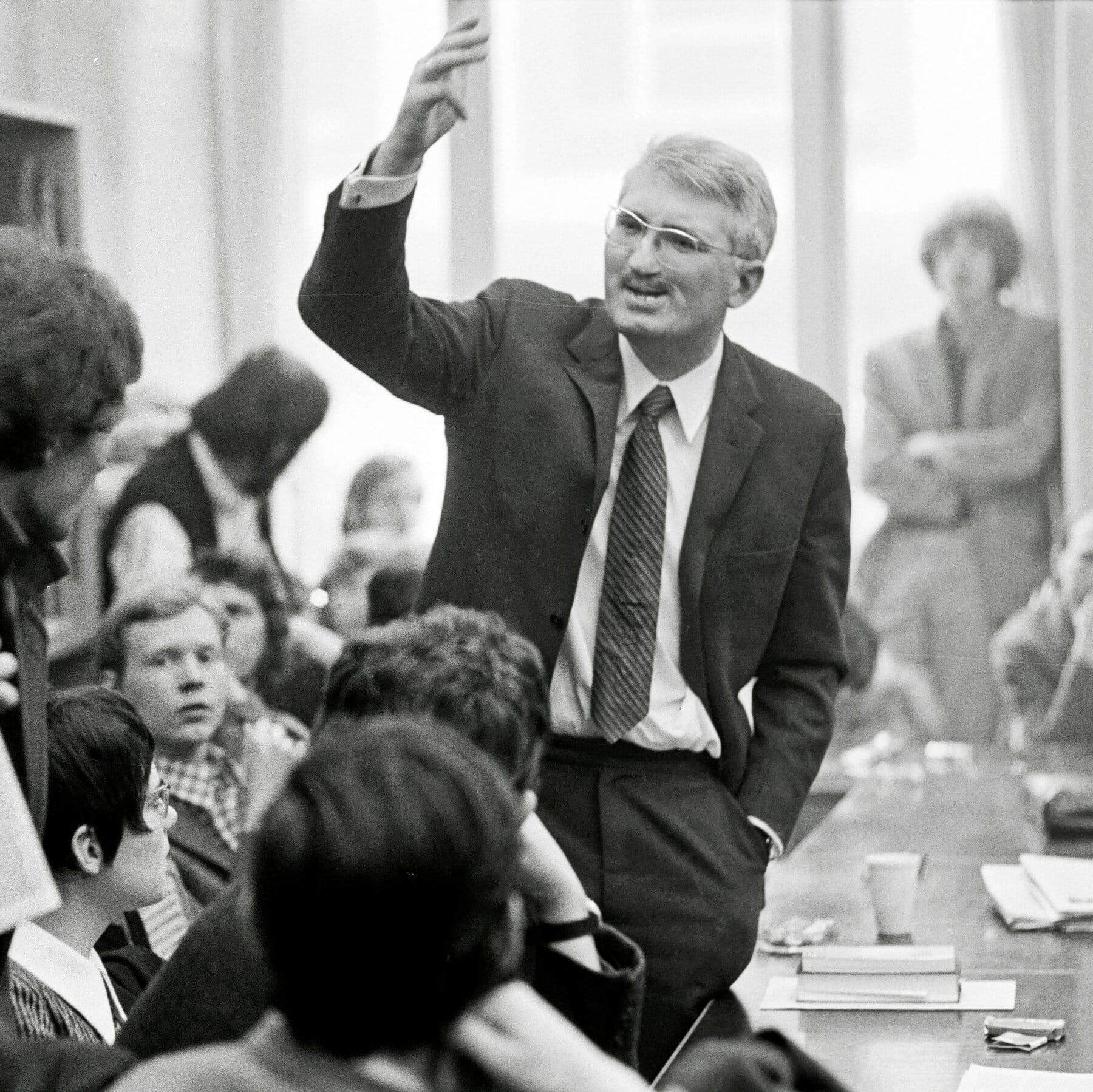
Habermas understood that communication can be systematically distorted. He understood that participants can experience themselves as reasonable while the conditions of reason have already been bent by power. He understood that modern systems can colonize the lifeworld and leave people speaking in grammars that no longer belong to ordinary continuance.
The American crisis clearly proves the diagnostic value of that work. It also proves the clear limit of grounding repair in discourse.
This is not Habermas's fault in the moronic sense. Habermas did not actually cause cable news, platform virality, donor capture, constitutional hardball, local news collapse, partisan identity fusion, judicial legitimacy crisis, conspiracy markets, and the general American achievement of making Thanksgiving somehow worse than it already was.
That would be a very convenient story for me. This article is trying not to become one of those. The problem is deeper.
If moral repair is grounded too strongly in the conditions of discourse, then a broken discourse field produces a very stupid, dangerous fork. Either we keep trying to solve the crisis through more discourse, even after discourse has lost any contact with the field, or we conclude that discourse has failed and therefore only non-discursive force now remains.
Both are clearly false repair. The failure is not that discourse was tried and reality rejected it. The failure is that discourse became self-referential and now floats far above the field.
The room learned to discuss the room. The process learned to validate the process. The participants learned to perform reasonableness toward one another while the field outside the discourse continued contracting.
This happens constantly now.
Panels about trust that do not alter the structures producing distrust. Debates about civility that do not ask who is being asked to absorb the burden quietly. Institutional statements about democracy that do not change the incentives destroying democratic contact. Fact-checking regimes that correct claims while the attention economy rewards the lie for having traveled first. Bipartisan commissions that prove serious people are concerned, which is nice, because without them one might have worried the unserious people had a monopoly on doing nothing.
Discourse can not be repair when the conditions of discourse have been destroyed.
Dialogue under coercion is not discourse. Dialogue under information poisoning is not discourse. Dialogue where one side uses sincerity norms tactically is not discourse.
Dialogue where some loci enter under threat while others enter protected by money, courts, platforms, police, or guns is not discourse.
Dialogue where the terms have already been captured is not discourse.
Dialogue where the excluded are discussed by the included is not discourse.
Modal Path Ethics still does not discard discourse. That would be absurd. Human beings need language, testimony, disagreement, justification, and shared reasoning. A field without speech is not morally pure. It is just mute, and under pressure.
Modal Path Ethics relocates discourse.
Discourse is not the ground. Extance is the ground. The field is the ground.
Discourse is one instrument by which finite agents try to preserve their contact with it.
When this instrument preserves contact, it opens many futures. When this instrument replaces contact with procedural self-description, it launders closure.
This is the American discourse failure. The country is not failing because people stopped talking.
My God. If only.
The country is failing because much of the talk has become structurally detached from repair. It circulates inside identity, media, fundraising, platform reward, professional incentive, legal defensiveness, academic positioning, institutional risk management, and emotional self-protection.
The talk continues. The field narrows. Then the talk discusses the narrowing in a way that preserves the conditions narrowing it. That is not democratic deliberation. That is more like one of those 3d pipe screensavers.

False Repair in America.
The American crisis now comes surrounded by repair costumes.
This is what makes the field so exhausting. The country is not only damaged. It is deeply fluent in the language of repairing its damage while actually just reproducing it.
Civility is one fun costume.
Civility can preserve the conditions of speech. Good. Excellent. People should often lower the temperature. Not every disagreement needs to become a ritual humiliation festival for the dead-eyed “amusement” of people refreshing a feed at 2:30 a.m.
But civility becomes false repair when it asks harmed loci to make the field comfortable first before the field becomes answerable.
"Calm down" is not repair if calm means the burden continues on quietly.
Tone is not the field. A person may speak harshly to preserve truthful contact. A person may speak gently and launder harm so well that everyone thanks them for their leadership.
Institutional faith is another costume.
"The institutions will hold" can mean that many people inside institutions are still doing their jobs under pressure, and that matters. It can also mean the machine will save us because the machine is the machine, which is just structural superstition with nicer stationery. Please show some work behind these claims.
Institutions do not hold by existing. They hold because people maintain them, fund them, staff them, discipline them, remember them, defend them, correct them, and make defiance costly.
A norm is not a wall. A rule is not enforcement. A process is not legitimacy. A constitution is not a self-driving car.
The opposite failure is collapse fantasy.
Everything is corrupt. Nothing matters. Burn it all down.
This is despair pretending to be courage.
Sometimes a structure is so harmful that abolition, replacement, or deep reconstruction becomes necessary. Modal Path Ethics does not require sentimental attachment to any inherited machinery. Some institutions preserve harm by design. Some should not be reformed into better versions of themselves. Some should just end. Like carbon offsets.
But collapse fantasy is not field analysis.

Destroying a damaged institution may open a Better path. It may also return the field to private violence, local domination, opportunistic capture, state brutality, administrative vacuum, and the strongest rhetoric in the room.
A damaged institution can still preserve more future-space than its absence.

The question is always structural: what does removal make reachable, what does it close, what replaces it, who bears transition cost, and which repair paths survive?
If the answer is just "at least something will happen," congratulations, you have discovered arson. Not a repair path.

Moderation has its own costume. Sometimes moderation can mean refusing to let the field be captured by the most aroused faction. Sometimes it means preserving anti-corrigibility politely.
“Both-sides” framing can, in fact, be useful when it tracks actual bilateral contraction. It very quickly becomes false repair when it equalizes unequal field damage because equal blame feels safer than judgment.
Symmetry must be earned by real field effects. Symmetry is a field claim.

If one actor damages correction paths more severely than another, the ruling must be asymmetrical. That is not partisanship. That is honest analysis.
Technocratic insulation also often arrives dressed as repair. Oh, just let the experts handle it. Sometimes, yes. Please do let the bridge engineer discuss the bridge before the committee of vibes decides steel is elitist.
Expertise matters, greatly. Technical fields cannot be governed by raw preference without producing harm. But expertise can easily become exclusion. A narrow expert field can preserve decision quality while severing the decision from those who bear its consequences.
The Better path is not populist ignorance or technocratic enclosure. It is expert legibility under democratic accountability.
“Reconciliation” is another dangerous word because everyone wants healing once they are tired of conflict. Understandable.
Conflict is exhausting. The field cannot live forever in emergency register. People need rest, trust, community, ordinary work, humor, institutional boredom, and to not know the school board member's entire psychological malcondition.
But reconciliation without truth is burden transfer. A field cannot reconcile with a lie. It can only suppress memory until the same harm returns with interest.
Truth does not mean every person gets punished. Truth does not mean every harm becomes criminal. Truth does not mean public life becomes permanent trial.
Truth means the field regains contact with what happened, how it happened, who bore the burden, what conditions produced it, and what must change so recurrence becomes less reachable.
Reconciliation before truth is usually the powerful asking the harmed to become infrastructure for social comfort.
Modal Path Ethics rules against that.

And then there is despair, the most seductive false repair because it requires nothing except feeling correct and sad. This is very easy.
Despair is false knowledge of closure.
It says: "no path remains".
Sometimes that is grief speaking. Sometimes exhaustion. Sometimes intelligence after too much contact with reality and not enough sleep. No judgment here. The American field is not exactly handing out emotional fruit baskets.
But despair is not analysis. The field is damaged. It is not closed. That distinction is the place where hope becomes doing work instead of a mood.
Hope is not confidence. Hope is not optimism. Hope is not the belief that everything will be fine because history has a customer-service department we can call.
Hope is the disciplined refusal to mistake contraction for closure while any Better path remains reachable.

America still has repair paths.
They are burdened. They are contested. They are uneven. They are under attack. They are sometimes embarrassing. They often involve meetings. Some of them involve reading. Others, math and science. This is unfortunate, but survivable.
The paths still remain there. That is enough to create obligations.
What Repair Would Actually Mean Here.
Repair does not mean a national mood improvement.
It does not mean everyone becomes nicer.
It does not mean the right party wins once and the field exhales forever.
It does not mean the courts save us, the voters save us, the experts save us, the leader saves us, the youth save us, the institutions save us, or the market saves us after just one more round of preventable suffering.
Repair means reshaping this field around actual contact with its structure.
The correction paths have to be protected where they still function and rebuilt where they have been hollowed out. Elections matter, but so do the people who count them. Courts matter, but so does the field's ability to criticize courts without collapsing into either worship or intimidation. Expertise matters, but so does the standing of the affected. Discourse matters, but only when it remains answerable to extance. Law matters, but only when it remembers that legal closure is not the same as moral repair.

A society serious about corrigibility would make public service safer and less humiliating. It would make corruption harder and lying less profitable.
It would rebuild local journalism not because newspapers are adorable civic antiques, but because a field without working local memory gets colonized by national hallucinations.
It would treat election administration as critical infrastructure. It would lower the cost of participation and raise the cost of intimidation. It would make institutions easier to audit and harder to capture. It would make expertise legible without turning experts into priests.
It would make dissent durable without turning dissent into infinite permission. It would, generally, make recurrence harder.
None of this is pure. All of it is partial.
That is normal. Repair in extance is not a holy beam from the sky. It is continued maintenance under resistance.
The Better path is not glamorous at all because corrigibility is not glamorous.

Corrigibility is records, training, funding, recusal rules, voting access, poll worker protection, public meetings, ethical constraints, local reporting, emergency protocols, whistleblower channels, independent audits, civic education, security against threats, meaningful opposition, appeals, revision, memory.
It is deeply annoying and frustrating work. That is one way to know it is probably real.
The Weight of America.
This article is not entirely about America because America is sacred. America is not actually sacred. No nation is.
Nations are historical continuation structures with flags, armies, debts, cuisines, myths, schools, monuments, tax codes, songs, bureaucracies, borders, and an alarming capacity to make ordinary people deeply identify emotionally with administrative maps.
A nation can preserve vast future-space. A nation can also close it. Usually it does both.
The United States is morally very important because it is very powerful.
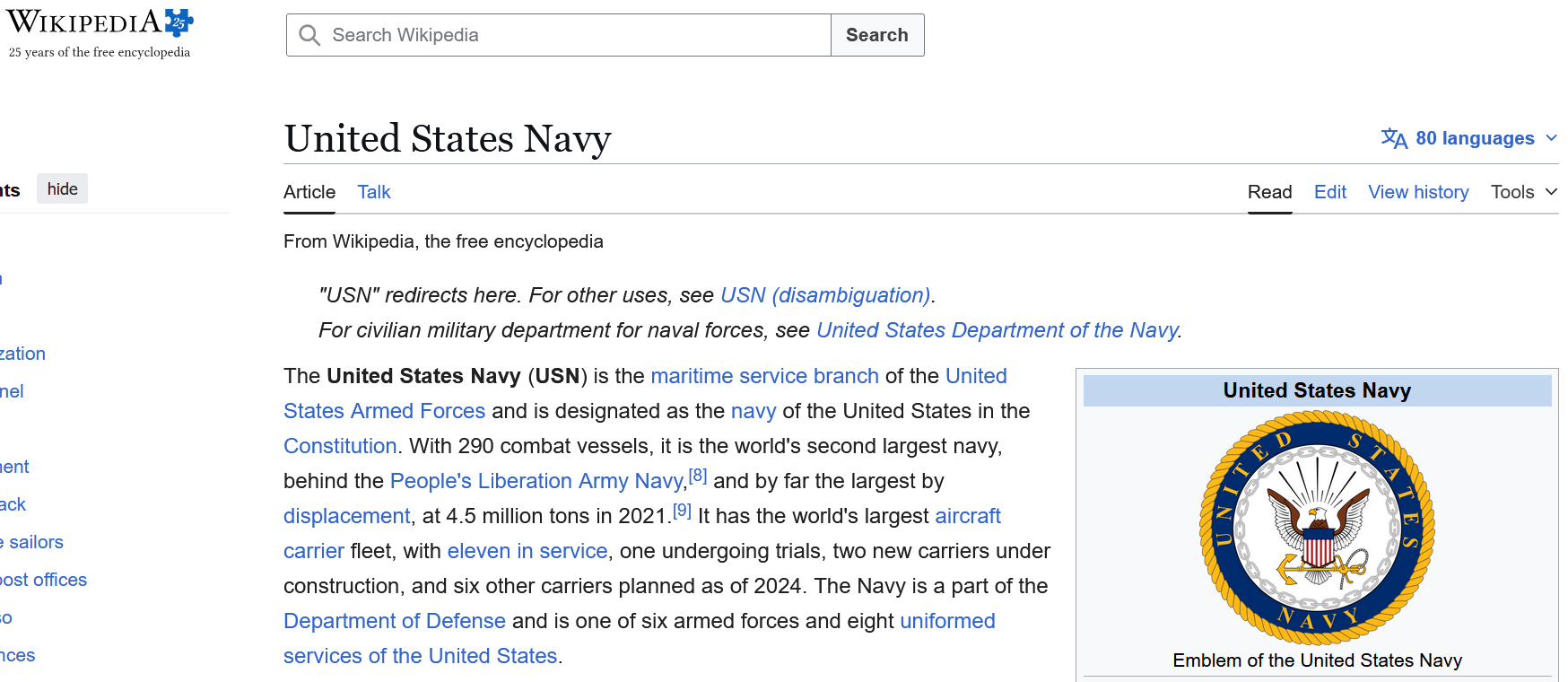
That is really all the romance required here.
A field this large, wealthy, armed, infrastructurally central, technologically loud, culturally exportable, financially entangled, ecologically consequential, and militarily capable cannot actually lose corrigibility privately. Its internal damage propagates everywhere.
Through climate policy. Through war risk. Through AI governance. Through courts. Through science. Through migration. Through financial systems. Through public health. Through platform culture.
Through democratic legitimacy elsewhere. Through authoritarian opportunity elsewhere. Through the global imagination of whether self-rule is still a serious repair technology or just another story large societies tell while money and force decide.
The American crisis is therefore not only an American crisis. This still does not mean America deserves special moral indulgence. It means America has special moral exposure.
Capabilities create obligations.
A tiny polity can damage itself terribly and still have limited external reach. That is still tragic enough. But a superpower can damage itself and make the damage planetary.
A country with this much force must remain always corrigible. A country with this much infrastructural centrality must keep error always reversible. A country with this much military and technological capacity must not convert political loss into existential panic every few years like some toddler with nuclear submarines.
This is the field weight. The United States can make very many Better paths easier to reach. Very many.
It can also close them at the same scale.
That is why the American political crisis belongs next to the biosphere crisis and the AI crisis. Not because it is identical to them, but because America conditions whether repair in those coupled fields remains reachable in reality.

A damaged American polity cannot govern AI well.
A damaged American polity cannot respond to the biosphere well.
A damaged American polity cannot maintain international commitments well.
A damaged American polity cannot distinguish emergency from opportunity reliably.
A damaged American polity cannot keep public attention on slow structural harm while the spectacle machine produces fresh civic cocaine every morning.
The AI field, the biosphere field, and the American political field are now all coupled.
So, that is bad news. It is also clarifying.

The Better path ahead cannot be only technological. It cannot be only ecological. It cannot be only legal. It cannot be only electoral.

It must be corrigible.
The Ruling.
Modal Path Ethics does not owe any loyalty to a party, ideology, class, candidate, movement, institution, court, leader, nation, or story.
It also does not owe neutrality to harm.
The American political arrangement is currently harmful insofar as it damages peaceful correction.
That does not mean every institution is illegitimate. It does not mean every election is fake. It does not mean law should be discarded. It does not mean democracy has failed as a moral technology. It does not mean private force has inherited the field. It does not mean despair is insight.
It means the field is being narrowed at the level where repair is supposed to remain reachable.
That is the crisis at hand.
Modal Path Ethics rules clearly against election intimidation, information poisoning, anti-majoritarian lock-in, court capture, administrative sabotage, procedural laundering, political violence, legal impunity, money capture, factional truth systems, emergency opportunism, and every version of order that means the public loses its ability to correct power without permission from power.
Modal Path Ethics also rules directly against the lazy repairs.
No civility without correction. No voting without field repair. No courts as saviors. No institutional faith as superstition. No burn-it-down despair. No both-sides anesthesia. No charismatic rescuer. No technocratic enclosure. No reconciliation without truth. No discourse that has become answerable only to itself.
The Better path is narrower and harder.
Count the votes. Protect the counters. Protect peaceful transfer. Protect dissent. Protect public memory. Protect local officials. Protect judges without worshiping their courts. Protect law without worshiping legality. Protect rights without freezing them into abstractions. Protect expertise without removing standing from the affected. Protect discourse by regrounding it in extance.
Oppose political violence without laundering state violence. Oppose state violence without romanticizing private violence. Remove dangerous agents without pretending they came from nowhere. Reshape the institutions that keep producing them.
Keep records. Keep contact. Keep correction reachable.
The United States does not require this to happen because it is sacred. It requires this because it is powerful. A field this armed, wealthy, loud, central, extractive, inventive, myth-soaked, administratively sprawling, technologically entangled, ecologically consequential, and globally implicated cannot lose corrigibility without contracting futures far beyond itself.
That is the elephant in the room. Not that American politics is ugly.
Everyone already knows that.
The problem with American politics is that American politics is one of the machines through which the world's reachable futures are being selected, narrowed, defended, distorted, and sometimes repaired.
If that machine loses the ability to correct itself peacefully, the harm will not stay inside the machine. It will propagate through everything connected to it. And everything is connected to it.
So the ruling is simple, even if the repair is not:
Preserve corrigibility.
Not because the law is sacred. Not because democracy is magic. Not because discourse will save us. Not because America is special.
Because peaceful correction is one of the last things standing between a damaged field and a closed one.

So use it. Repair it. Widen it. Defend it. And do not let anyone sell you more closure in the language of repair.