Applied Case: Fresh (1994)
Put the clock on 'em. [L]
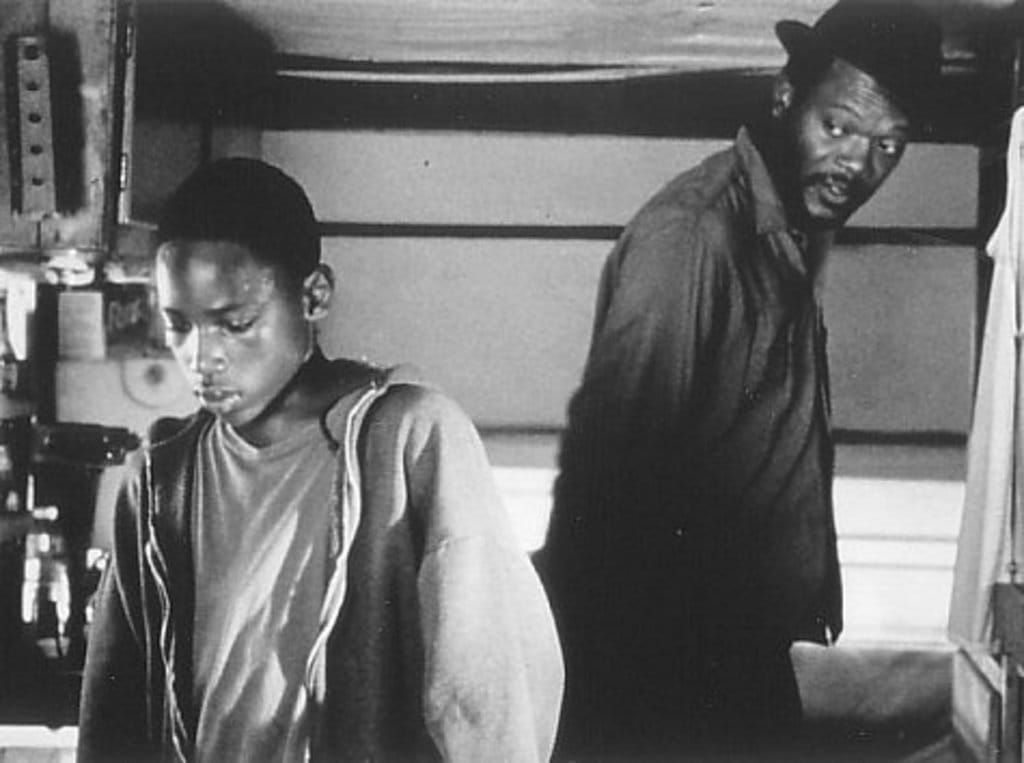
September 2026 note: Fresh remains a strong example of competent action inside a field that has already made Good unreachable. Later work would describe the plan as a transition profile containing real openings, real harm-tokens, burden transfer, and residue; calling the plan Better never erases Roscoe, trauma, manipulation, or the adult structures that made the plan necessary.
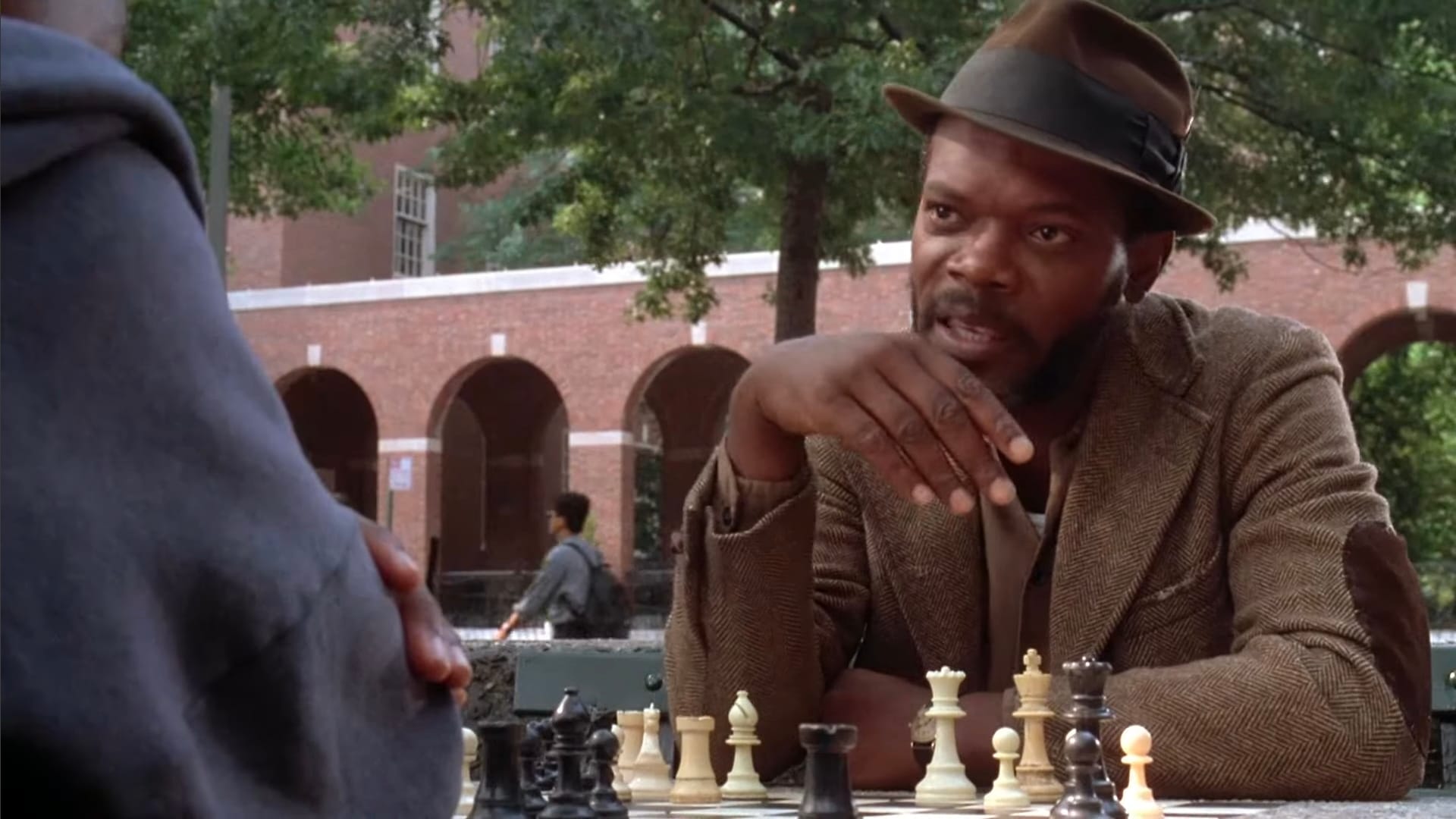
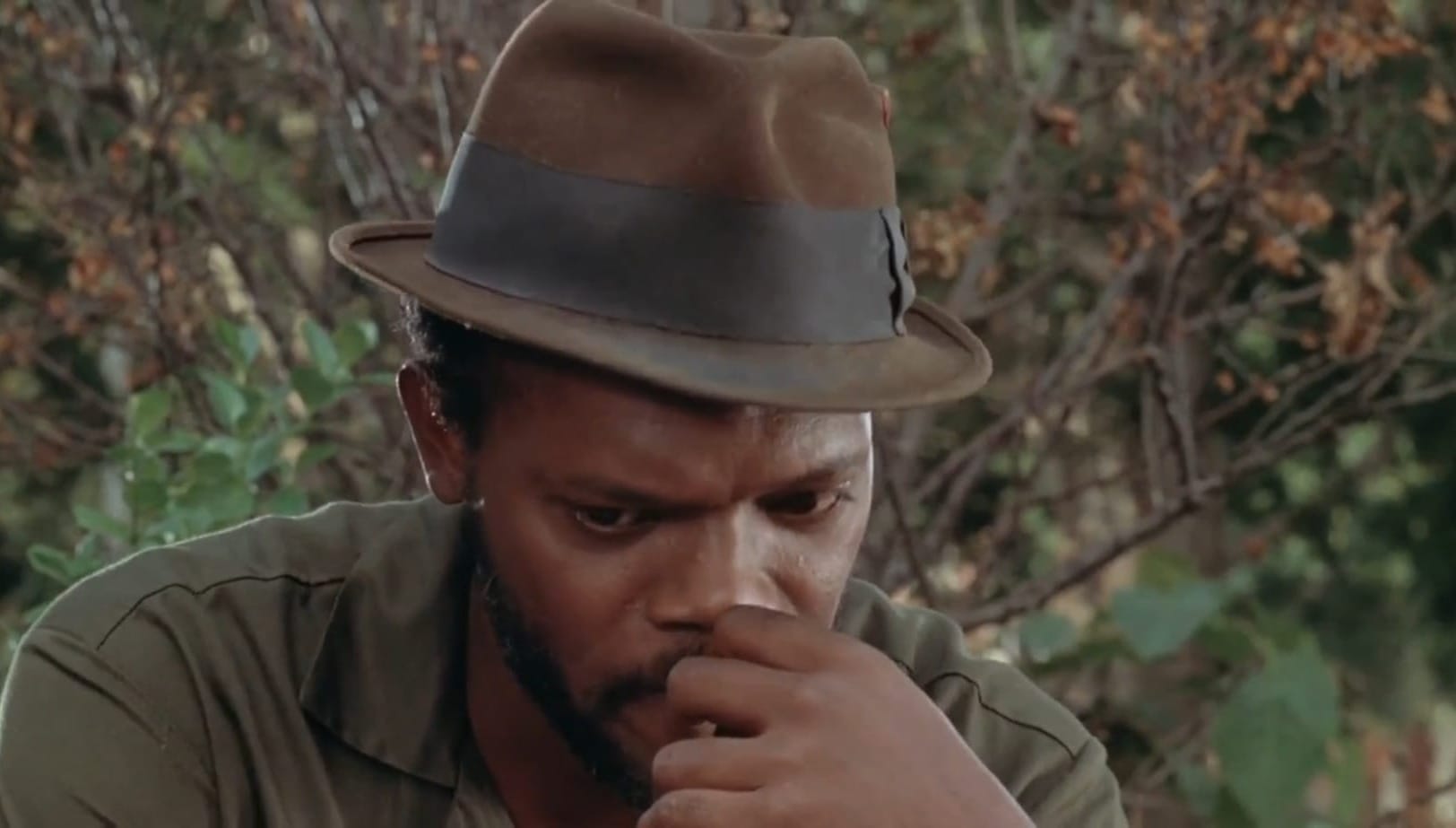
Fresh is a 1994 crime drama about a twelve-year-old boy in Brooklyn who sells drugs before school, plays chess with his alcoholic father in the park, and eventually uses the structure of chess to destroy the adult criminal field closing in around him and his sister.
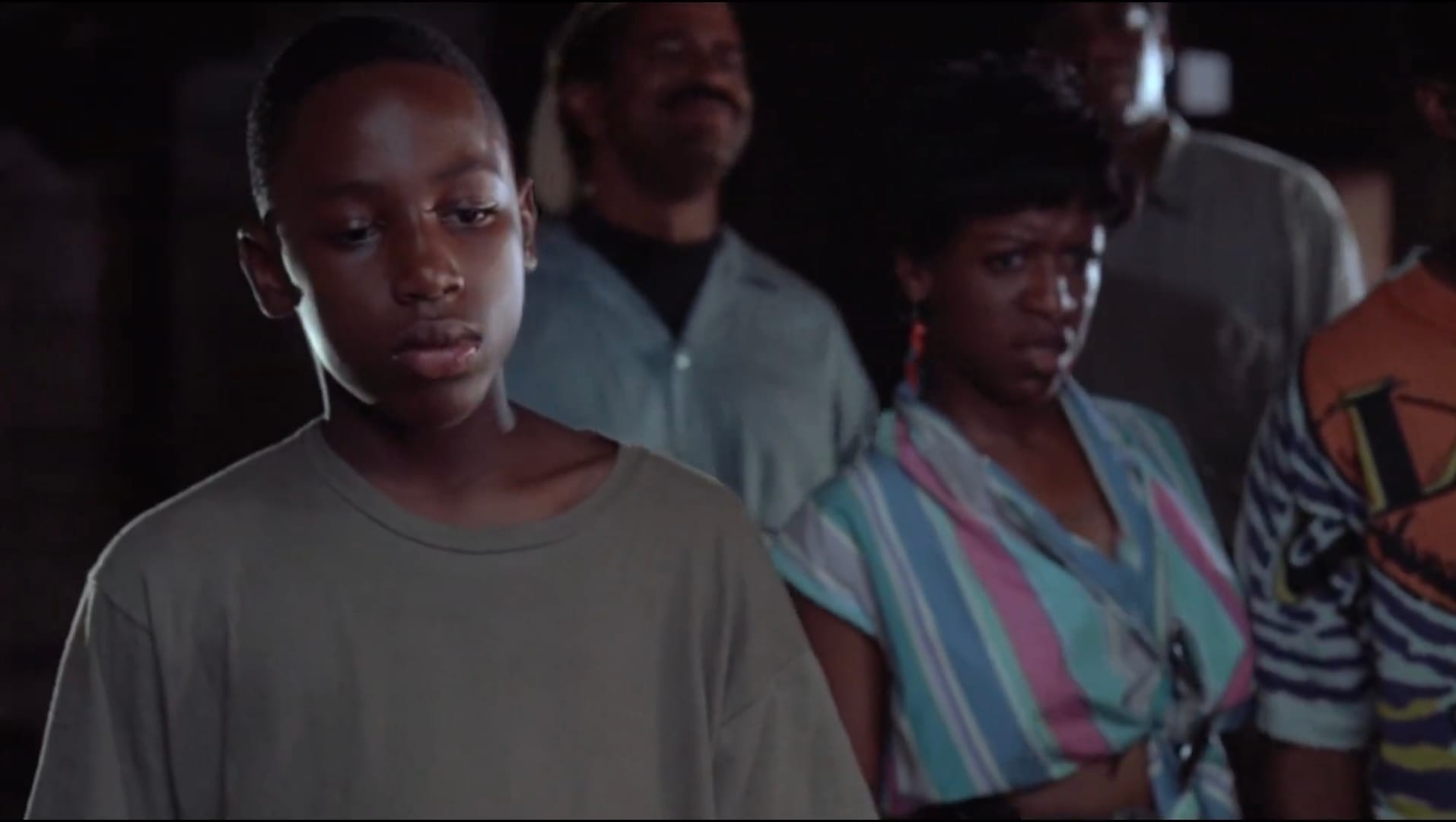
Fresh, whose real name is Michael, is not a superhero. He is not a detective, soldier, vigilante, cop, little criminal mastermind, moral philosopher, or tiny Batman.
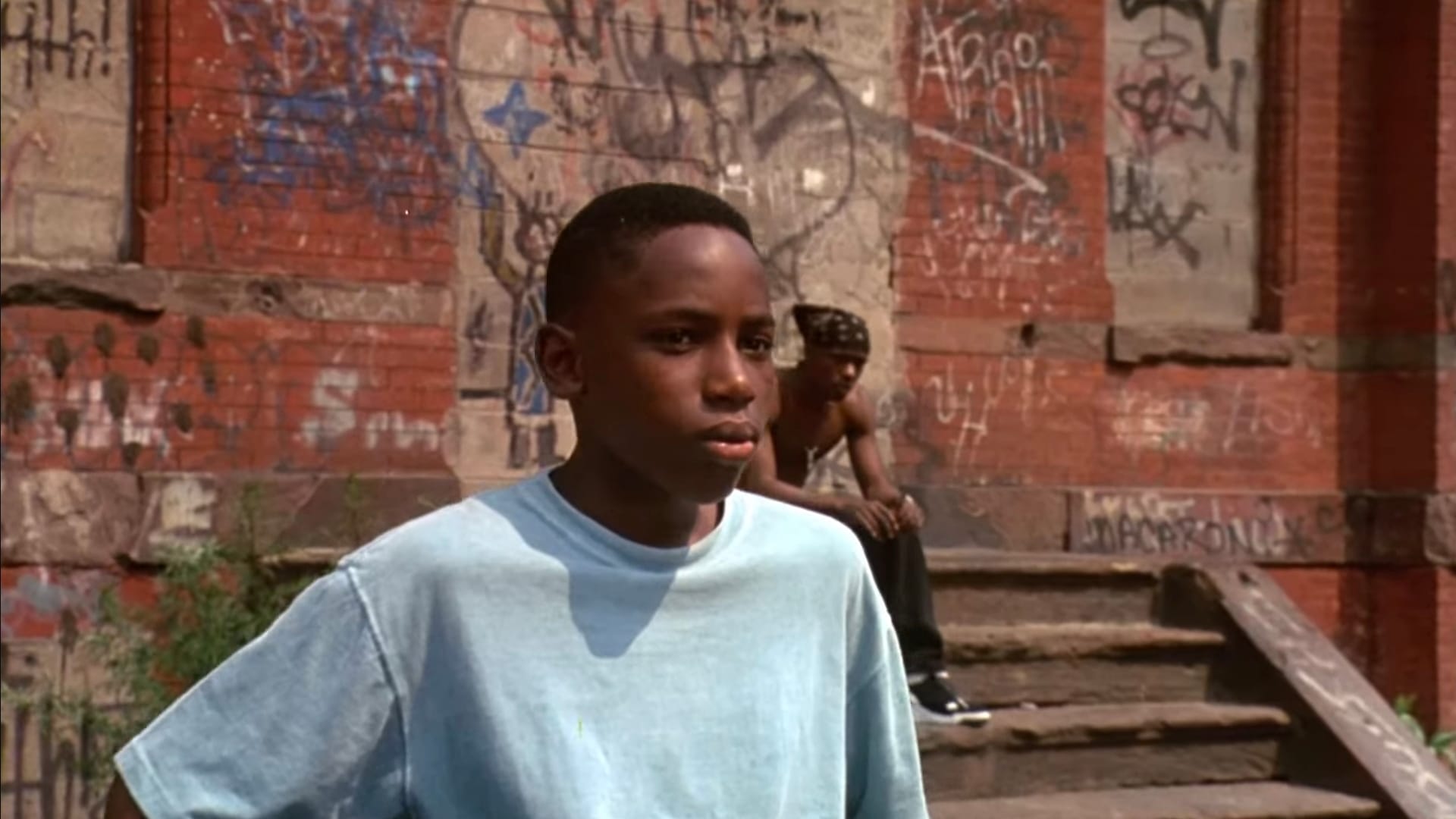
He is just a child.
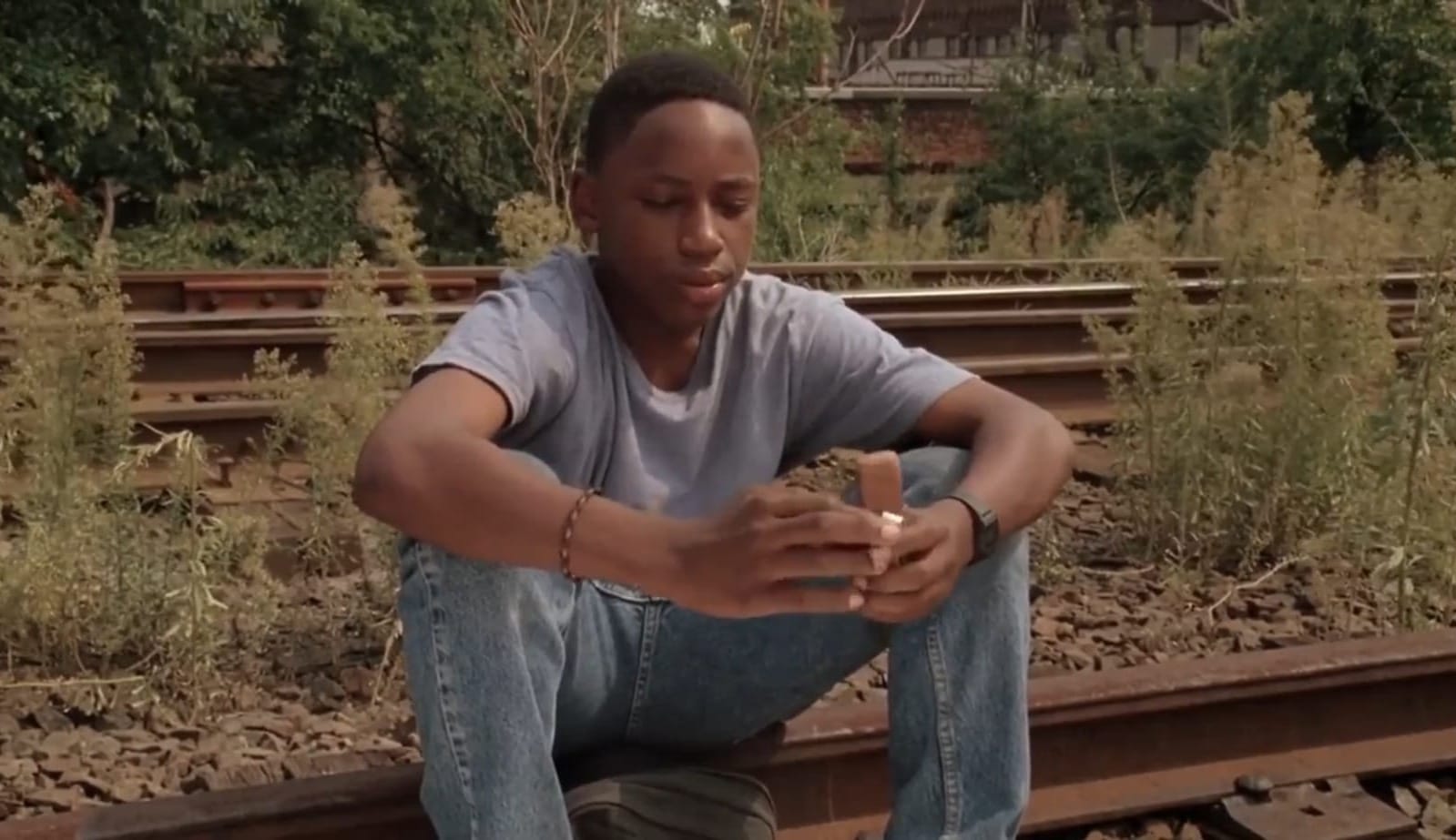
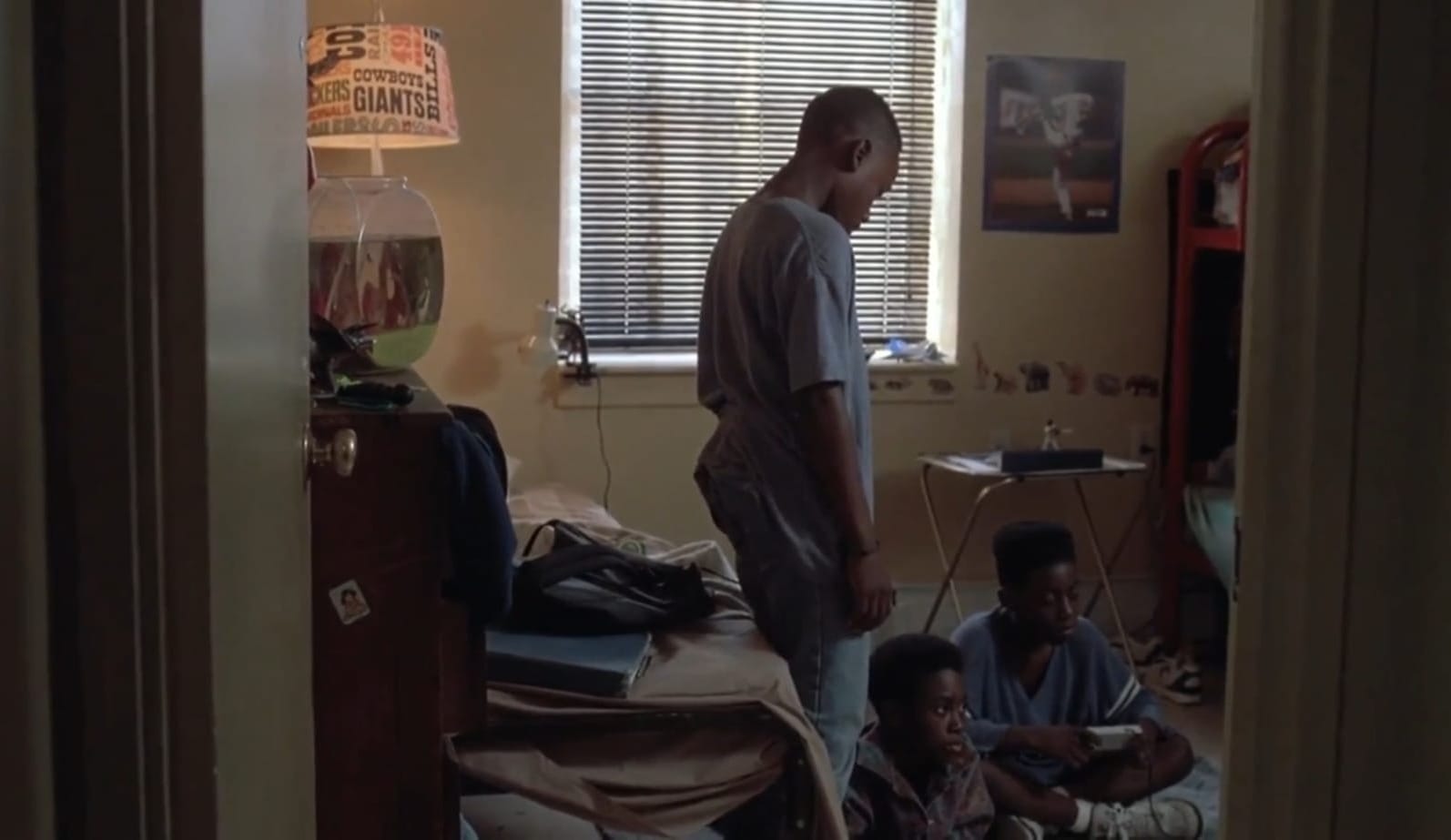
The movie keeps telling us this, because the viewer very badly wants permission to forget it. He goes to school. He carries books. He watches girls at recess. He lives in an overcrowded apartment with his aunt and cousins. His body is still small. His face is still young. His emotional life has not finished building itself.
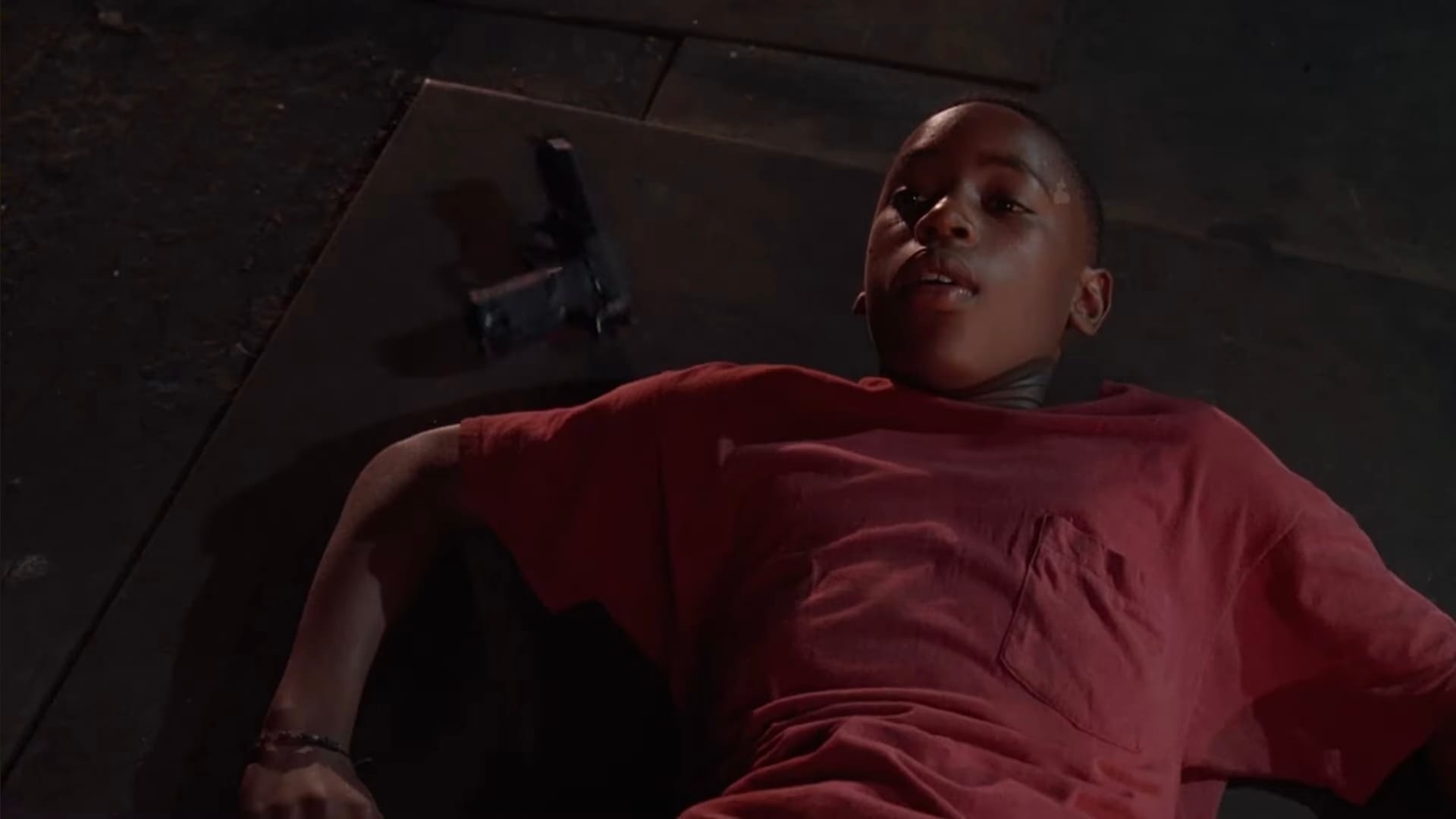
Then the field hands him heroin, crack, guns, addiction, dogfighting, police questioning, street hierarchy, adult sexual predation, murder, masculine ego, and a chessboard, and tells him "win."
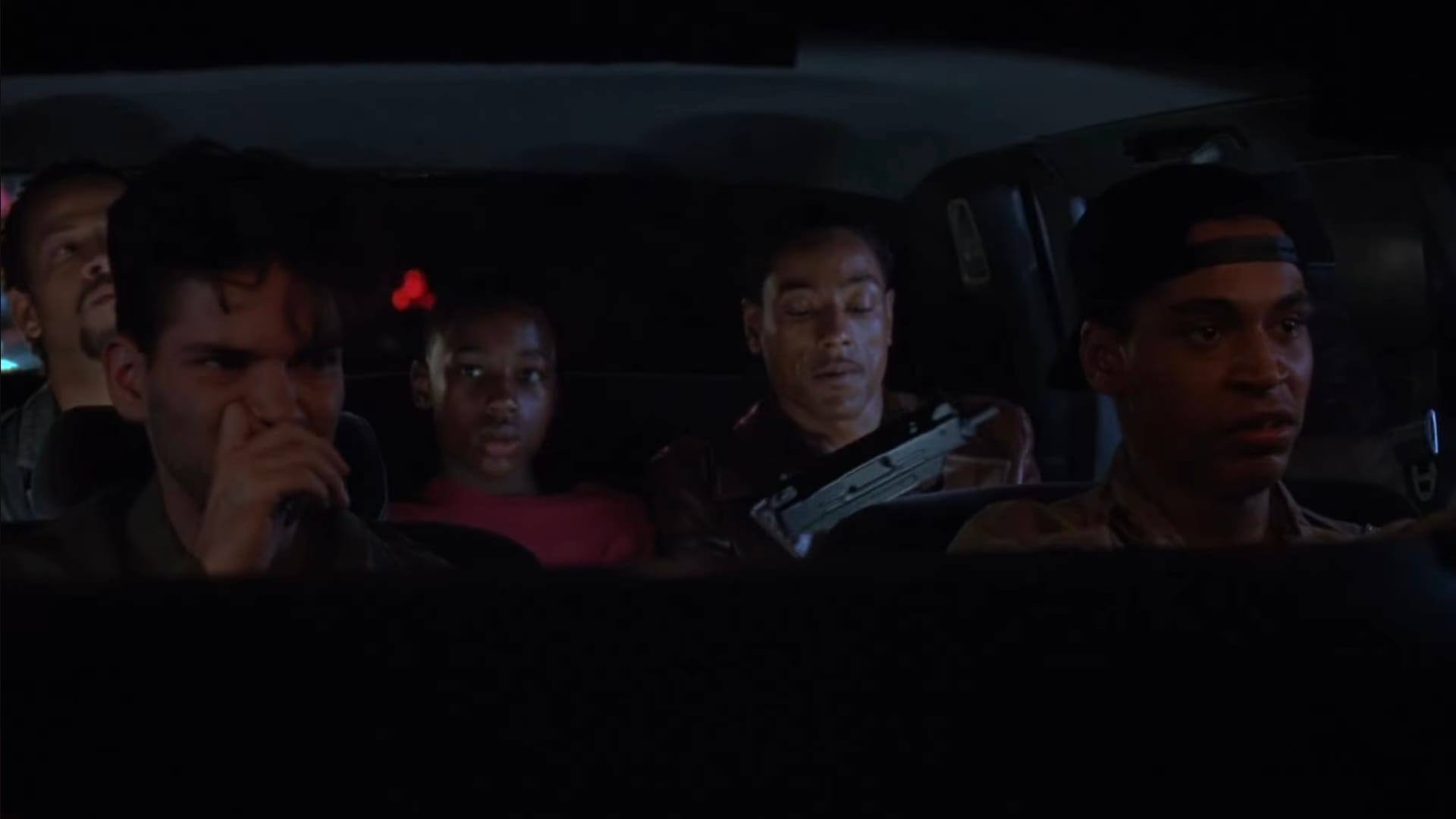
Very healthy arrangement for a seventh grader.
This is why Fresh is very interesting, not just because he is smart. That is the dumb reading. Lots of movie children are smart.
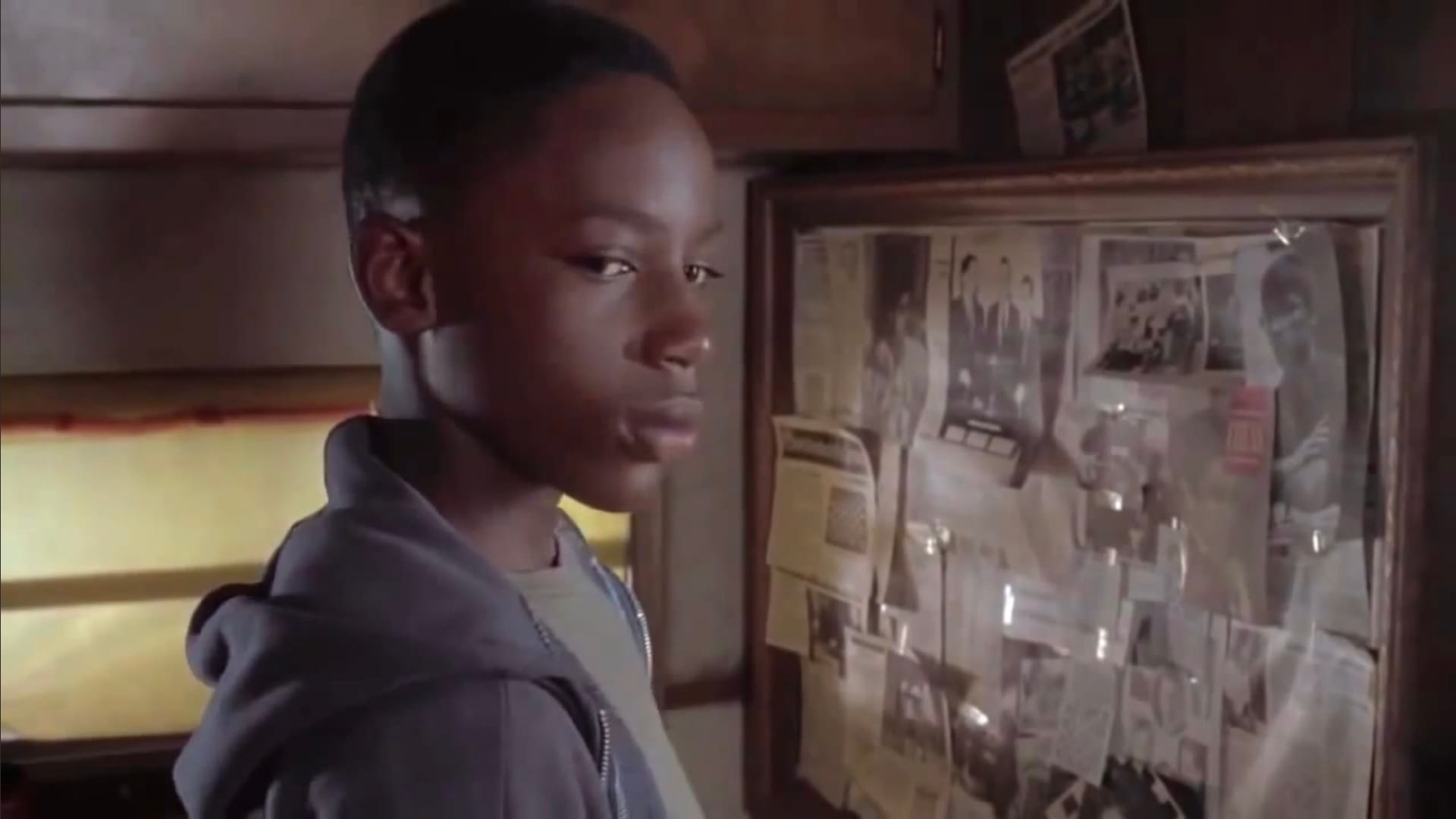
The deeper fact here is that Fresh has become intelligent in the shape of the harm around him. His intelligence has been organized by and around danger. His attention has been trained by deep exposure. His silence has become a mask because the field punishes disclosure. His care for his sister has to become cold strategy because direct care just has no safe path left.
Fresh is one of fiction’s most overlooked and underrated field analysts.
Not because he has the best plans. Not because he is a genius. Not because chess is deep, although yes, chess is obviously doing about as much symbolic work here as any game board can legally perform without unionizing.
Fresh matters because he sees the field before the adults around him understand that there is a field to see. He sees that a person is not only a person.
A dealer is a pressure point.
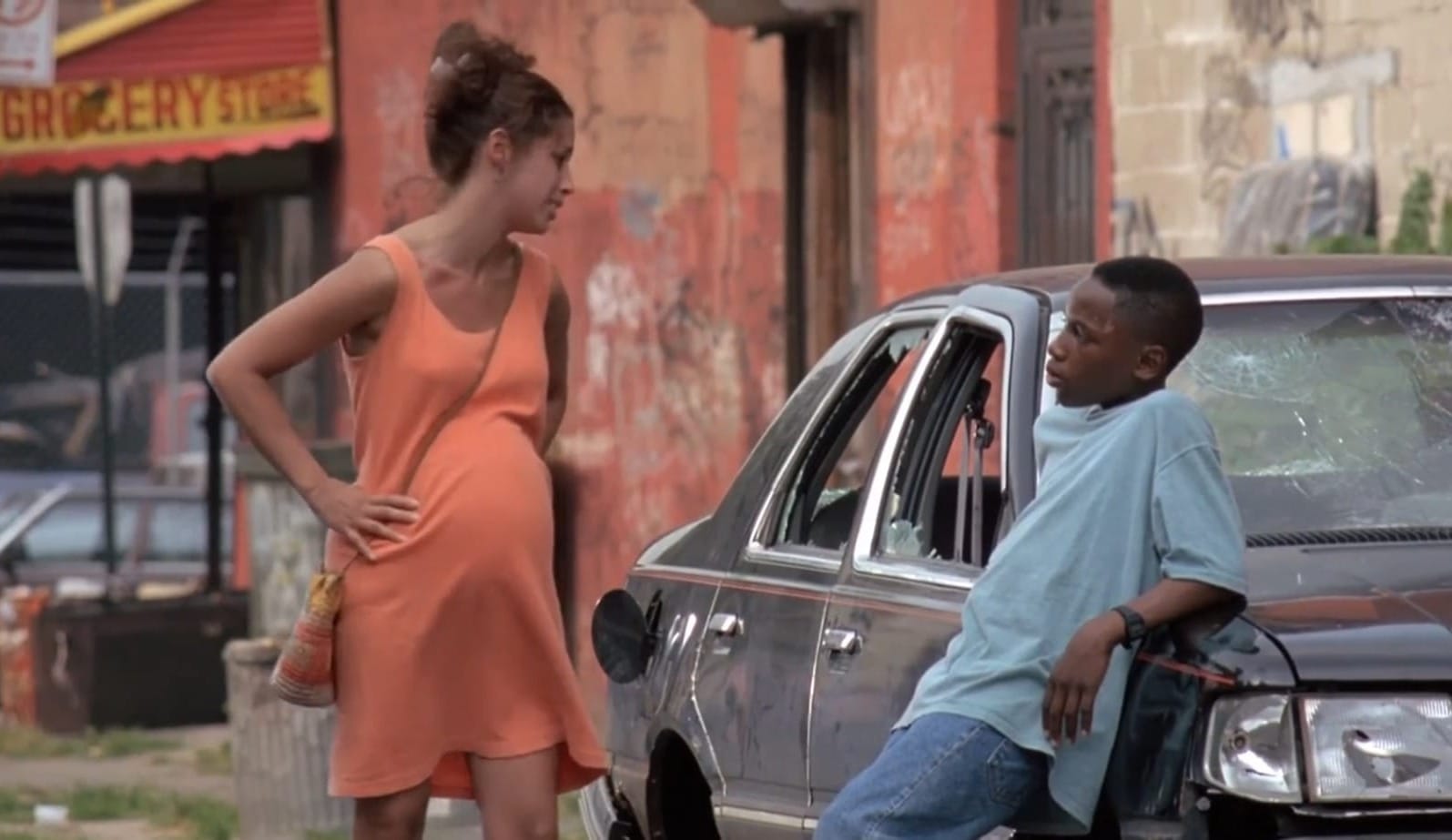
A sister is a locus under capture.
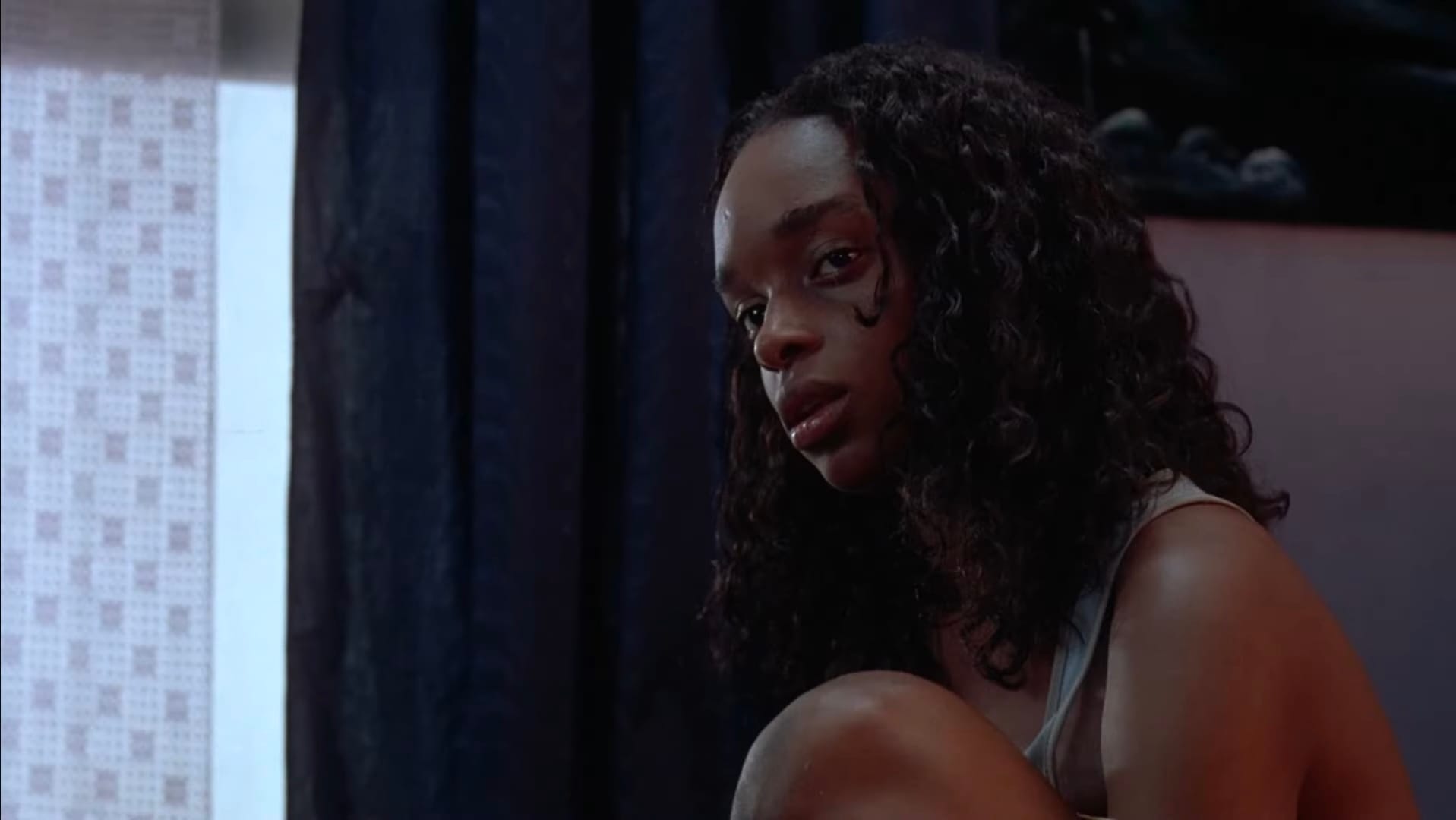
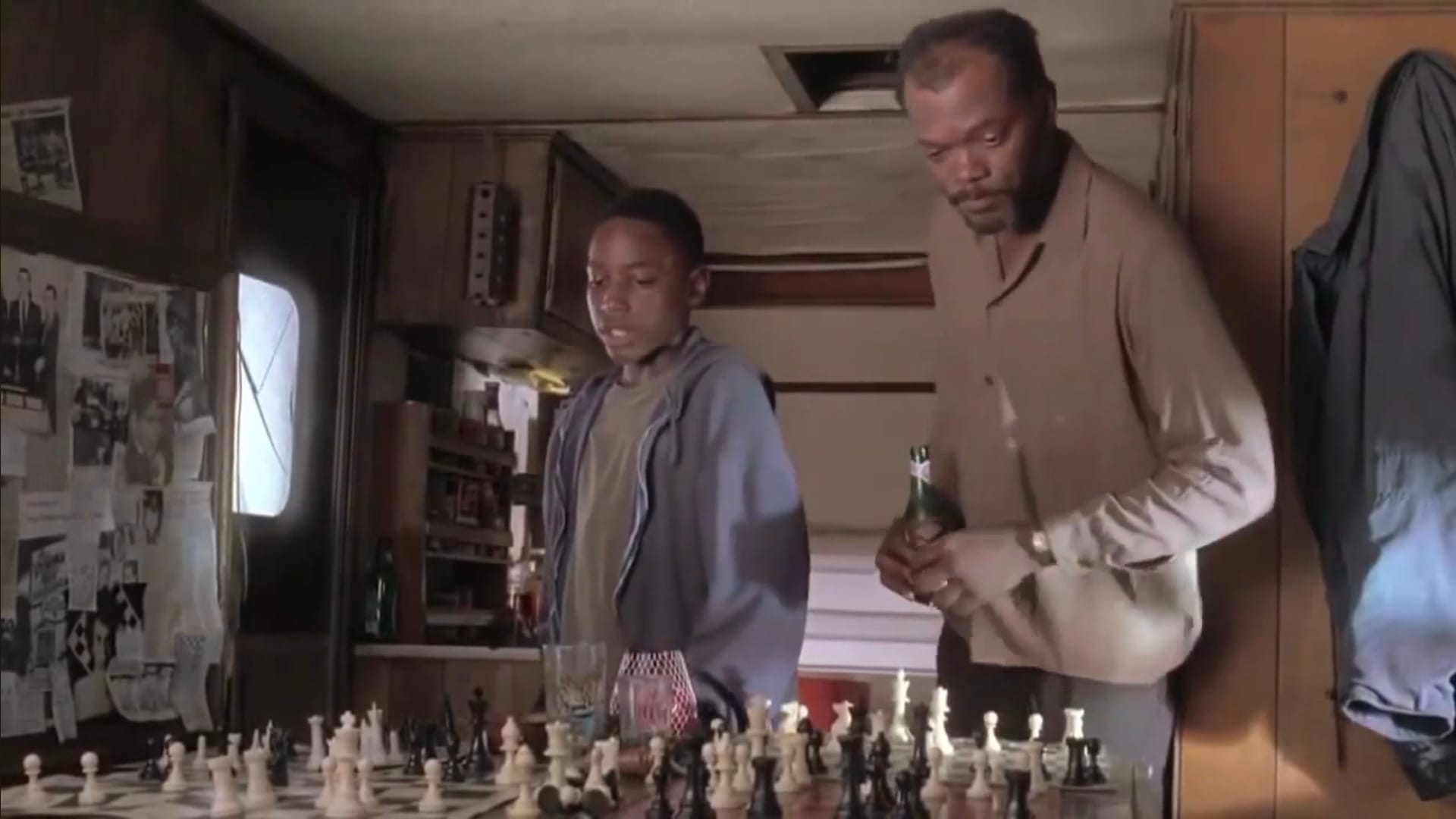
A father is a damaged teacher.
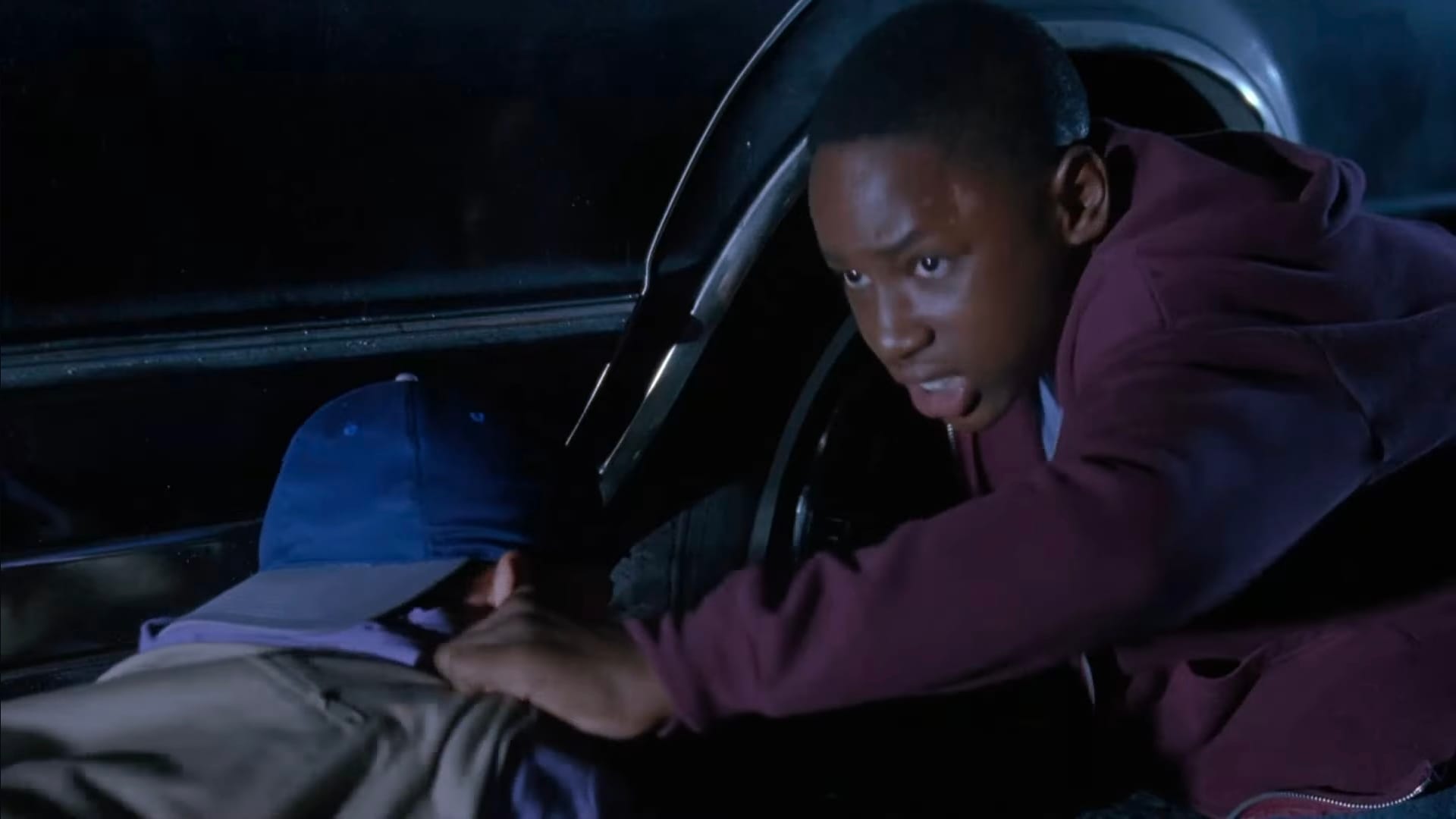
A friend is exposure.
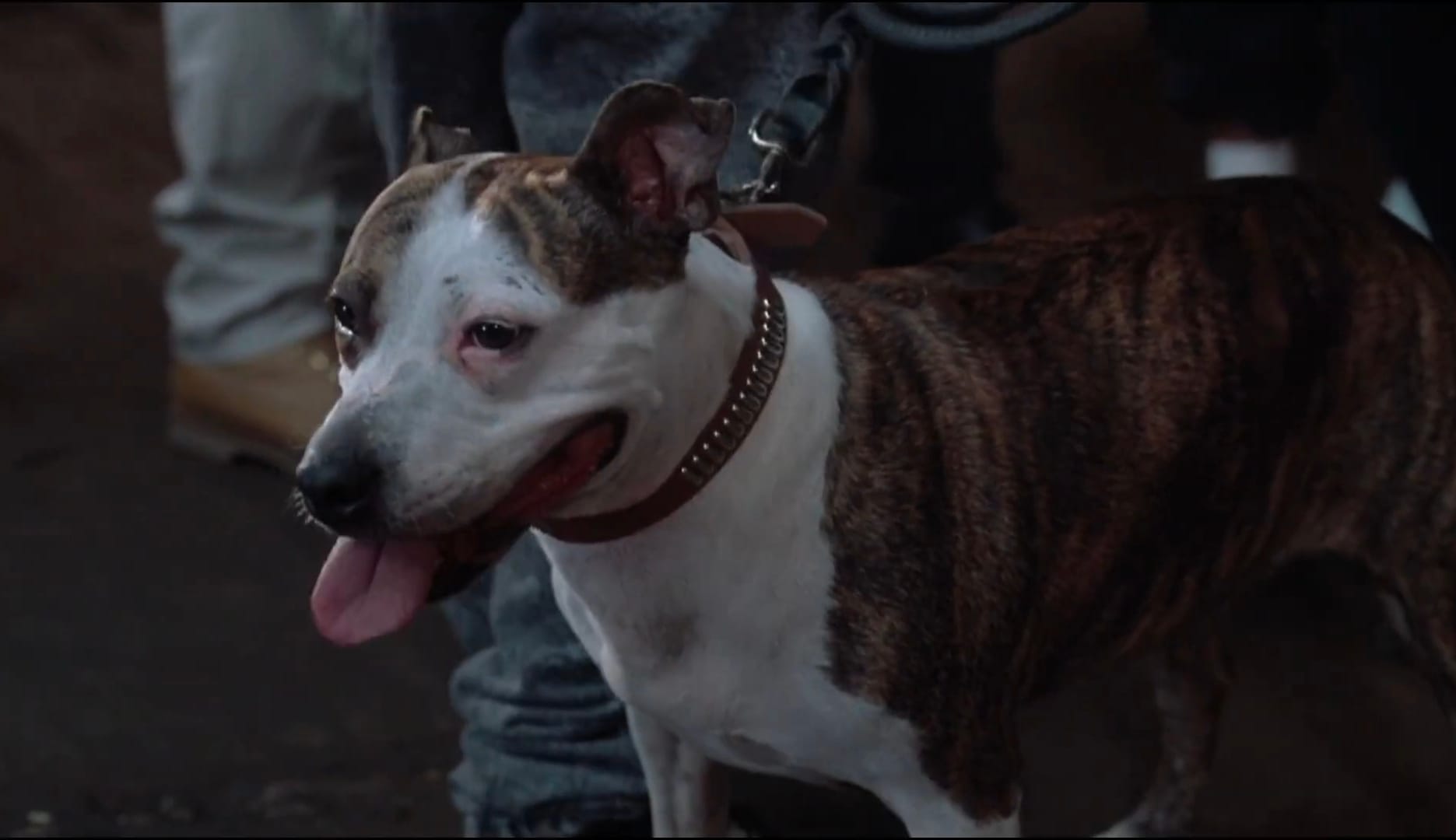
A dog is innocence already contaminated by the same economy of violence.
A lie is a move.
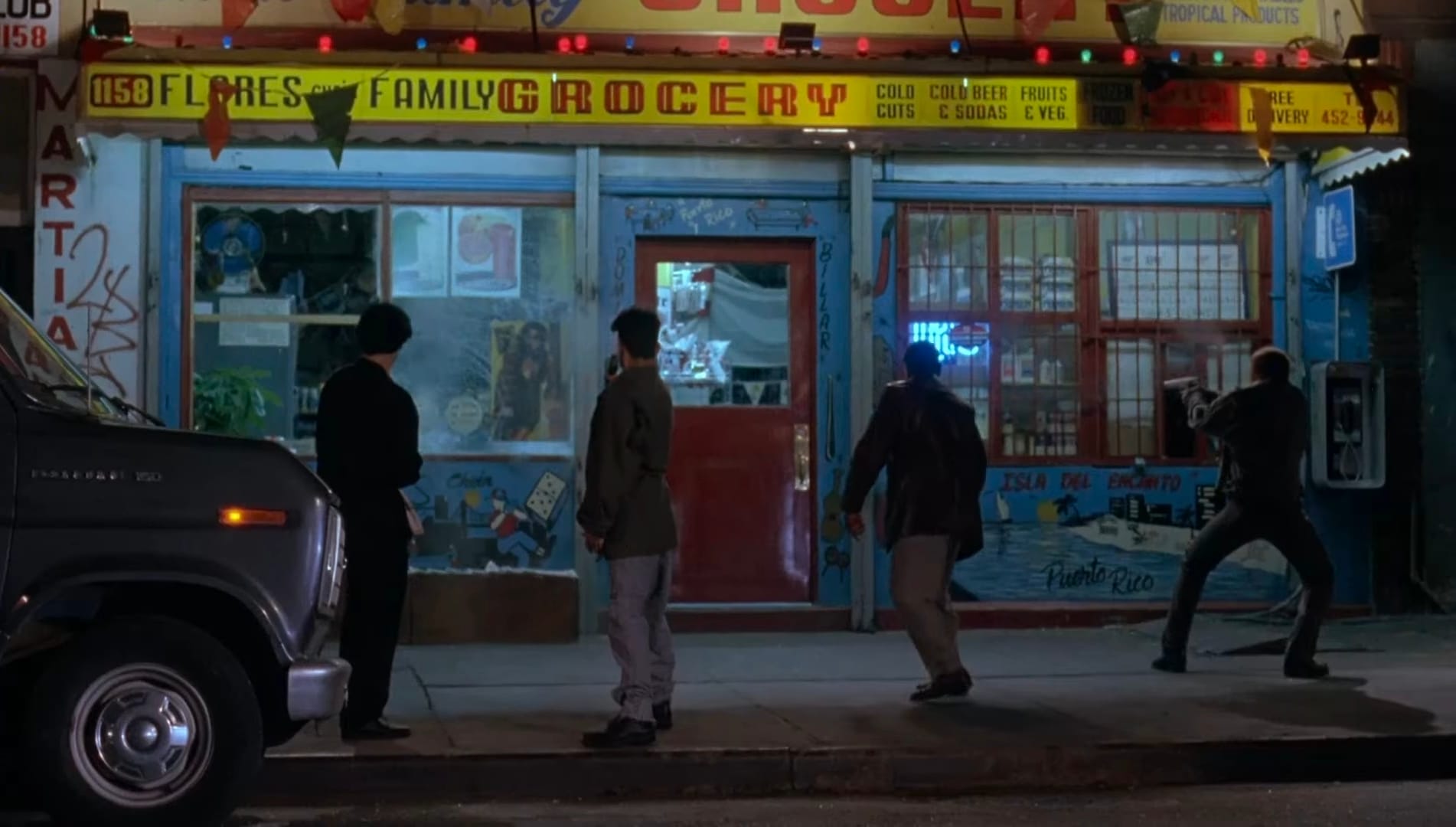
A phone call is a move.
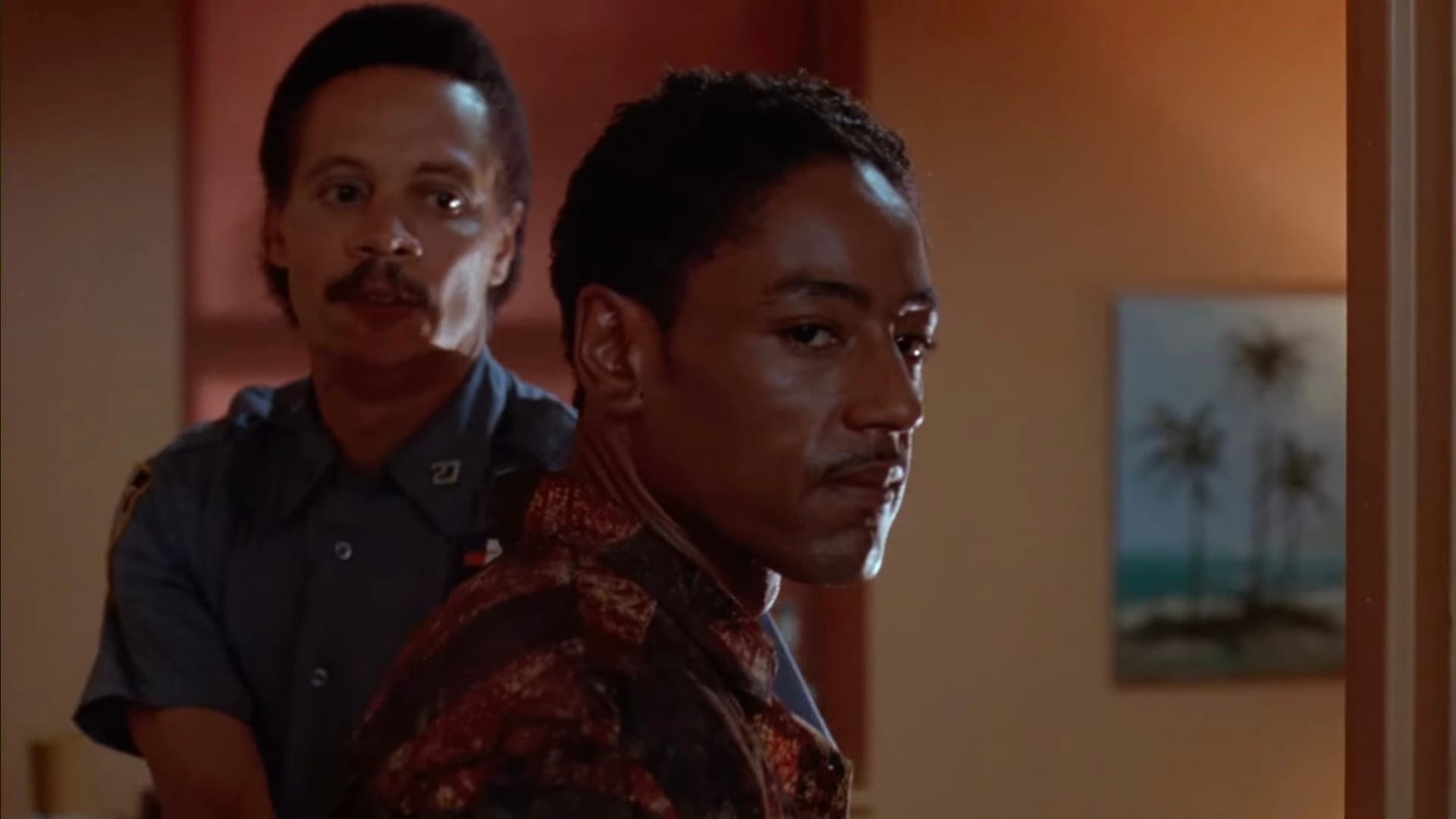
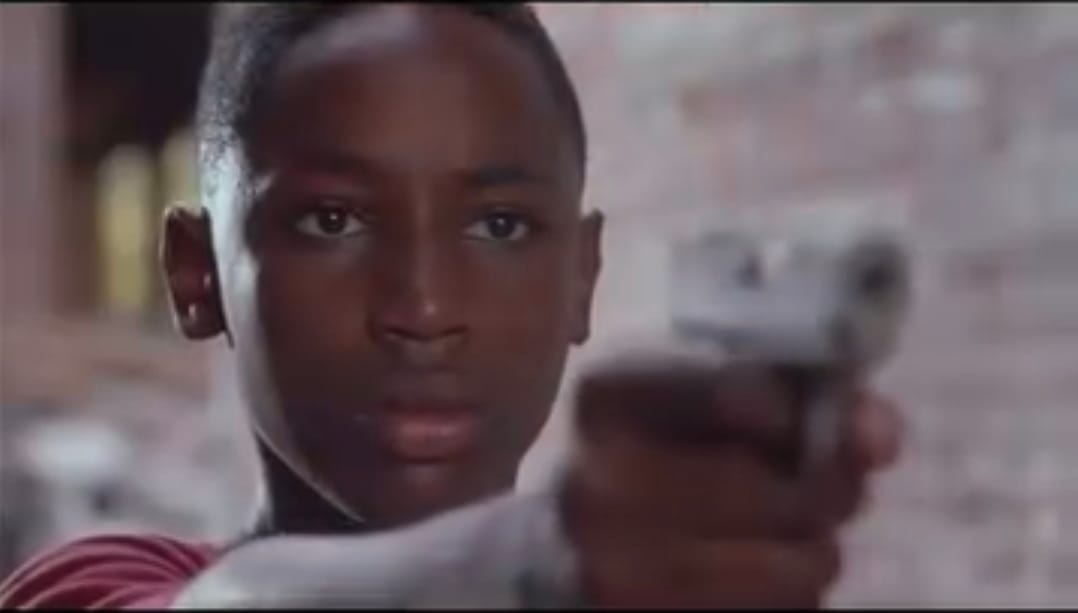
So is a gun.
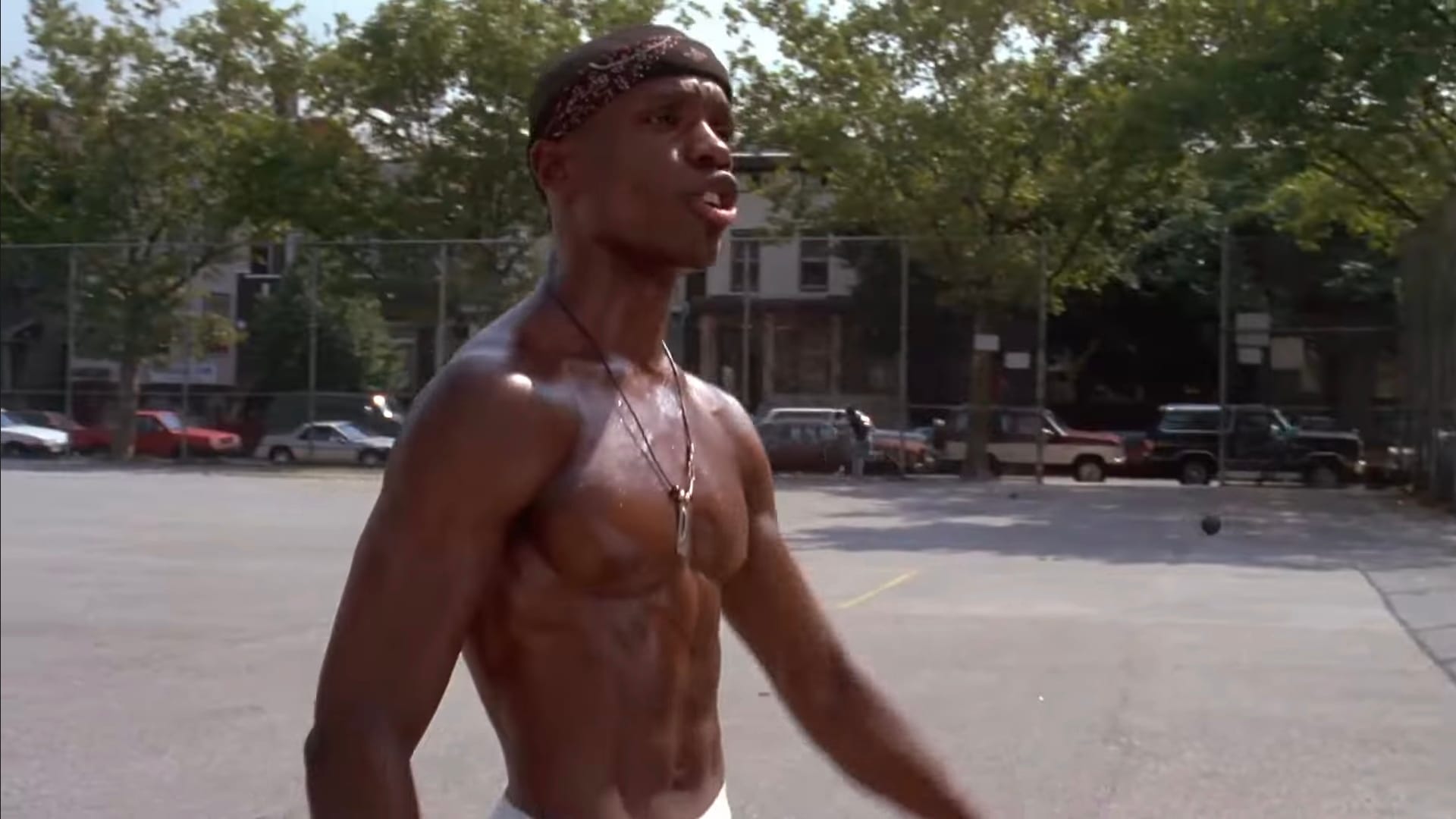
A man’s ego is a square he may not be able to leave.
Any child who sees the field this clearly has already been deeply harmed.
Fresh.
Batman is a rich orphan who turns trauma into a method, a symbol, a vow, a costume, a city-scale intervention, and sometimes a deeply concerning amount of nighttime punch logistics.
Fresh has none of that shit.
No fortune.
No cave.
No suit.
No Alfred.
No Gordon.
No company to launder the moral problem through philanthropy.
No symbol engineered to enter the field ahead of him.
No Bat-family, unless we are counting one deeply addicted sister, one absent alcoholic father, one overburdened aunt, one doomed best friend, and the dog he eventually kills because this movie is apparently determined to make sure no one leaves this place with their moral nervous system intact.
Fresh has only the damaged primitives to work with.
The wound.
The detective.
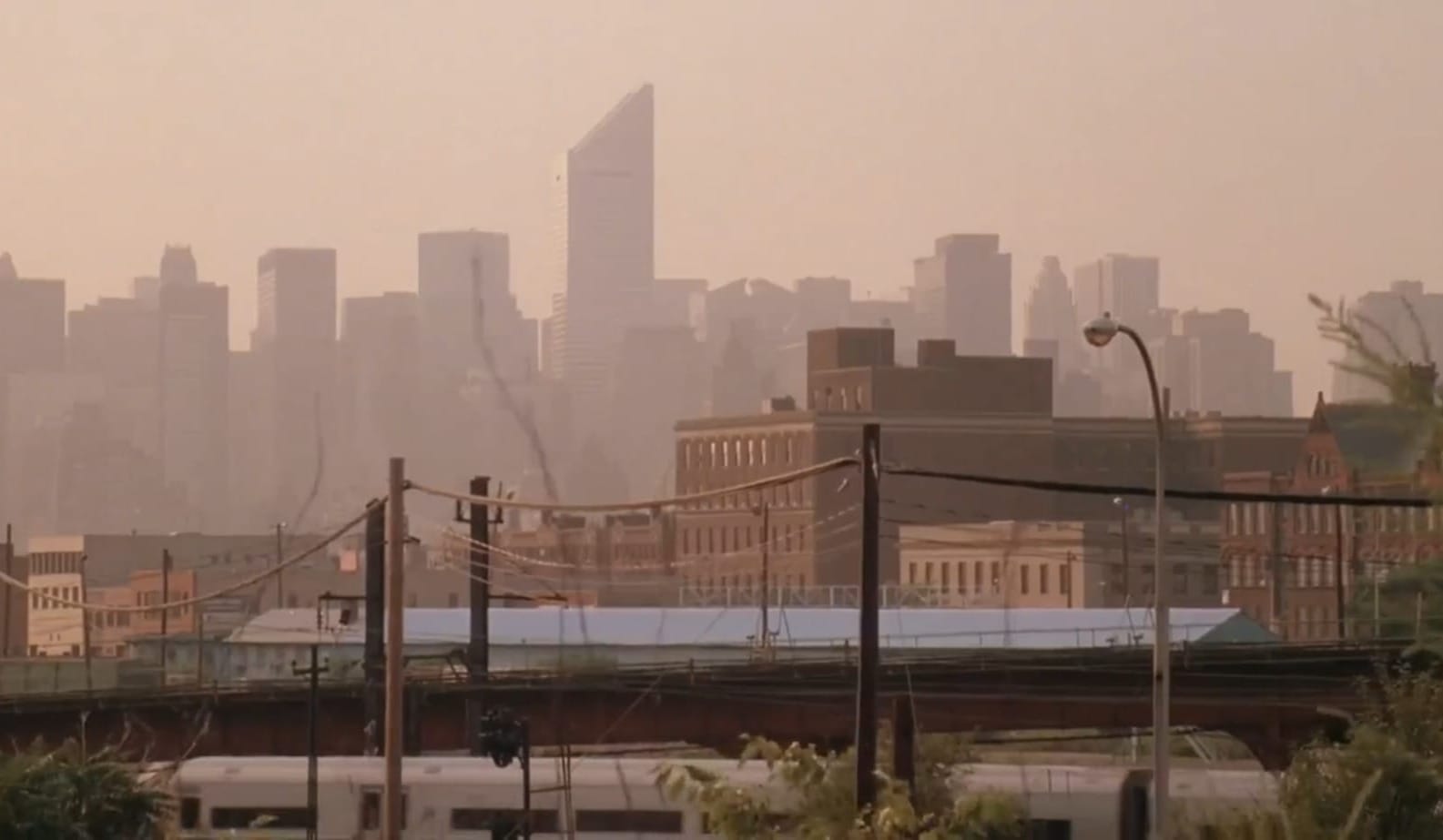
The city.
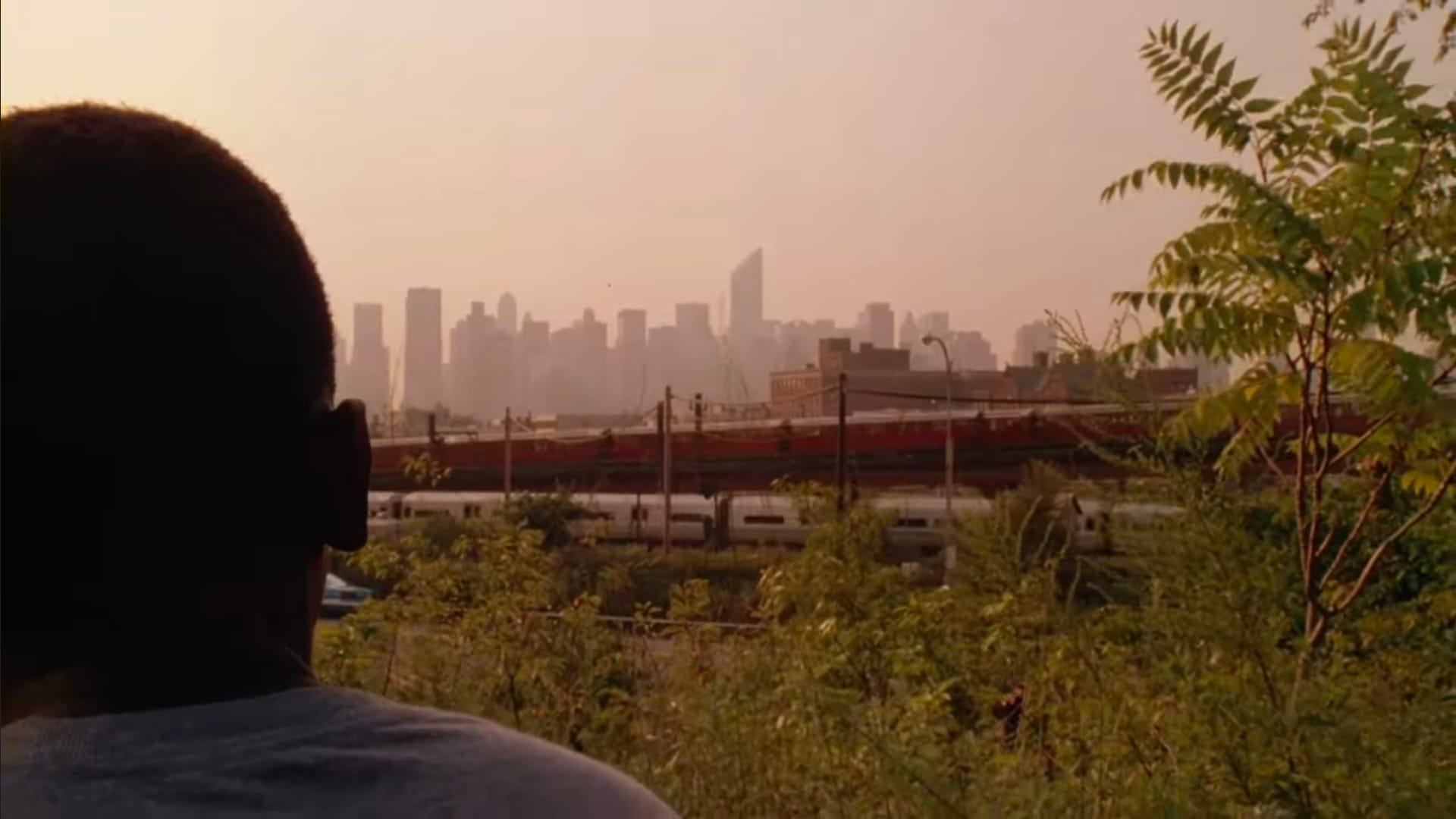
The family.
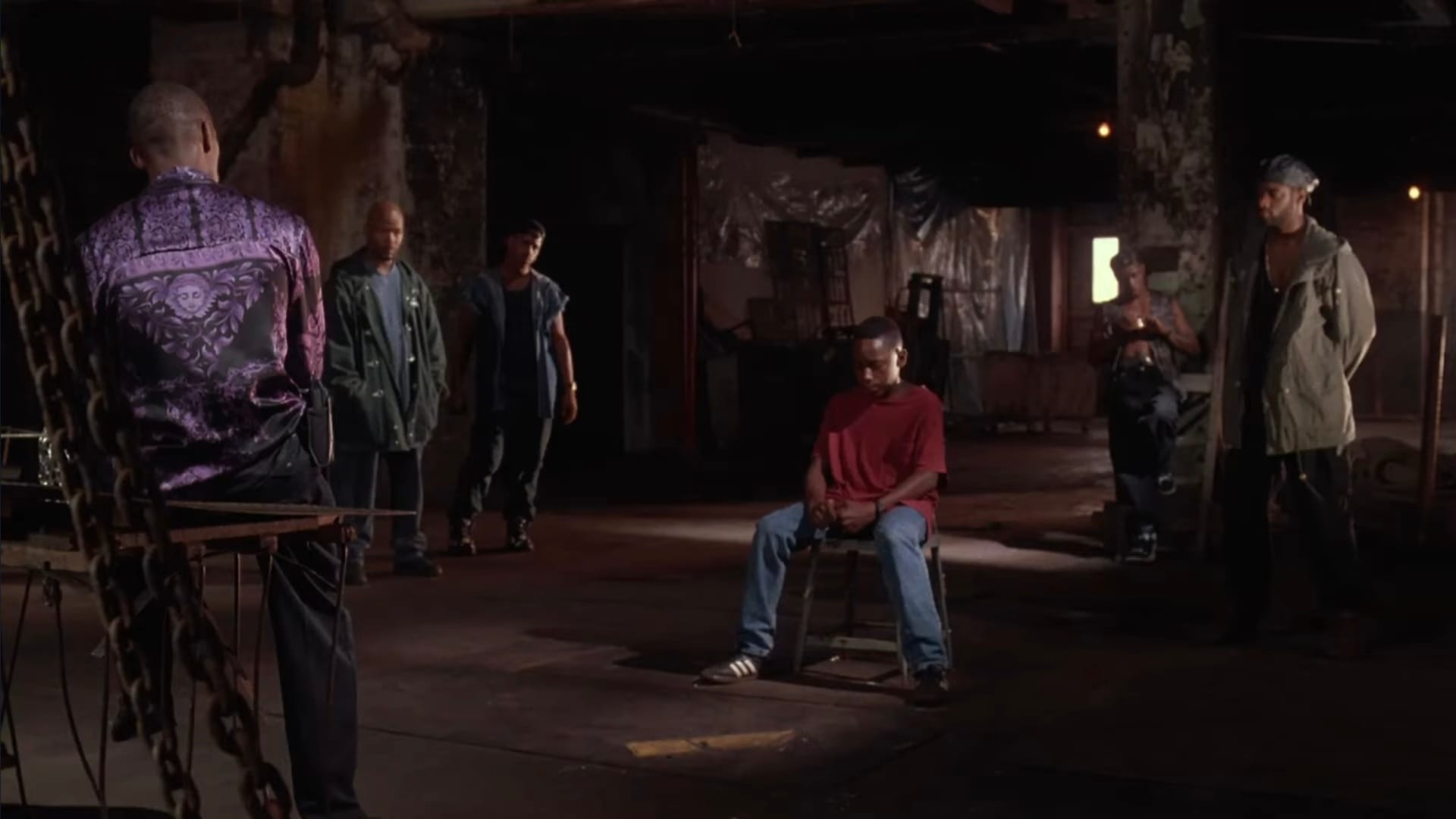
The rogues.
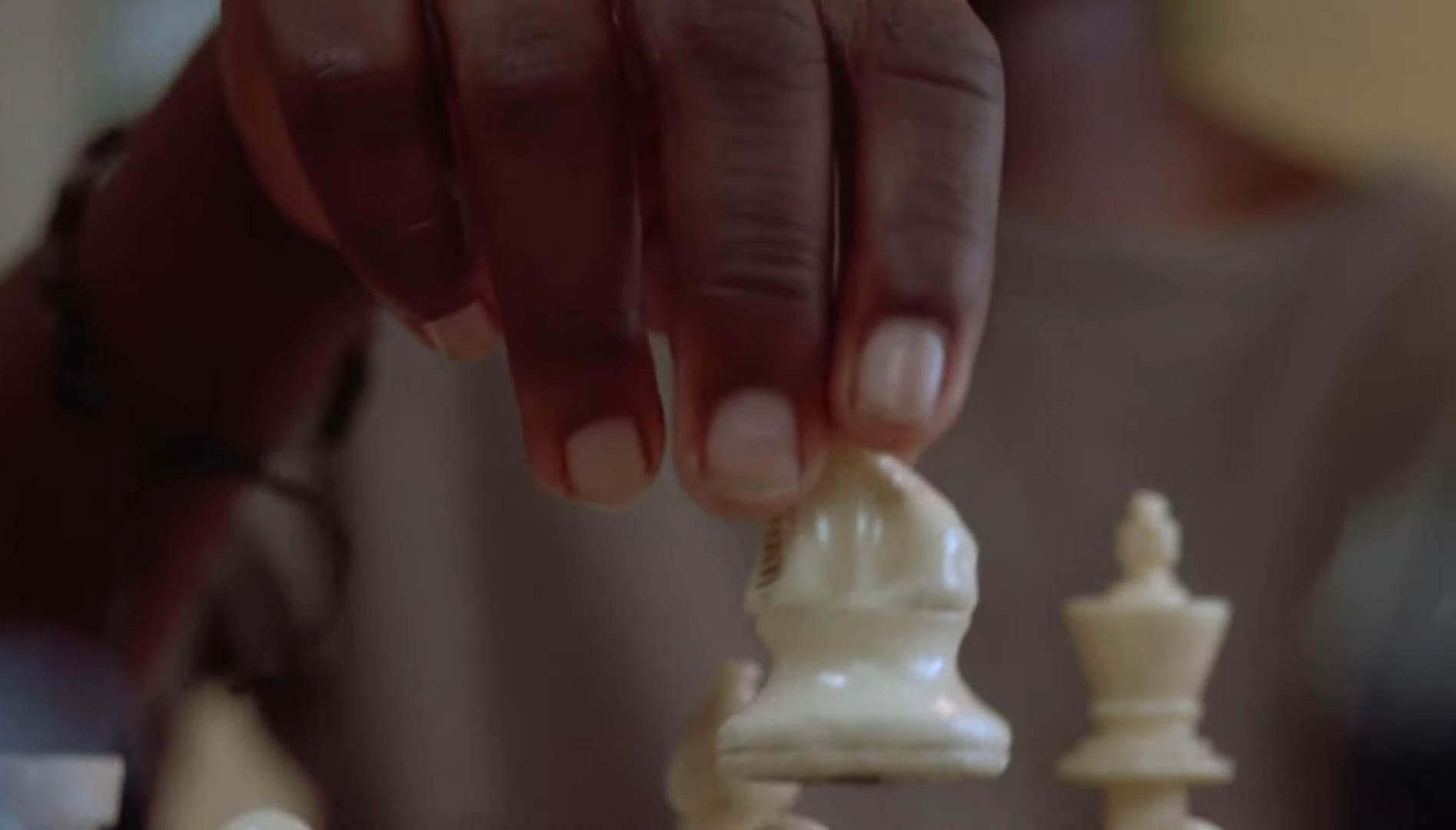
The method.
The difference is that Batman usually gets to convert his childhood harm into adult intervention. Fresh has to perform the intervention while still locked inside childhood.
That is the obscene part.
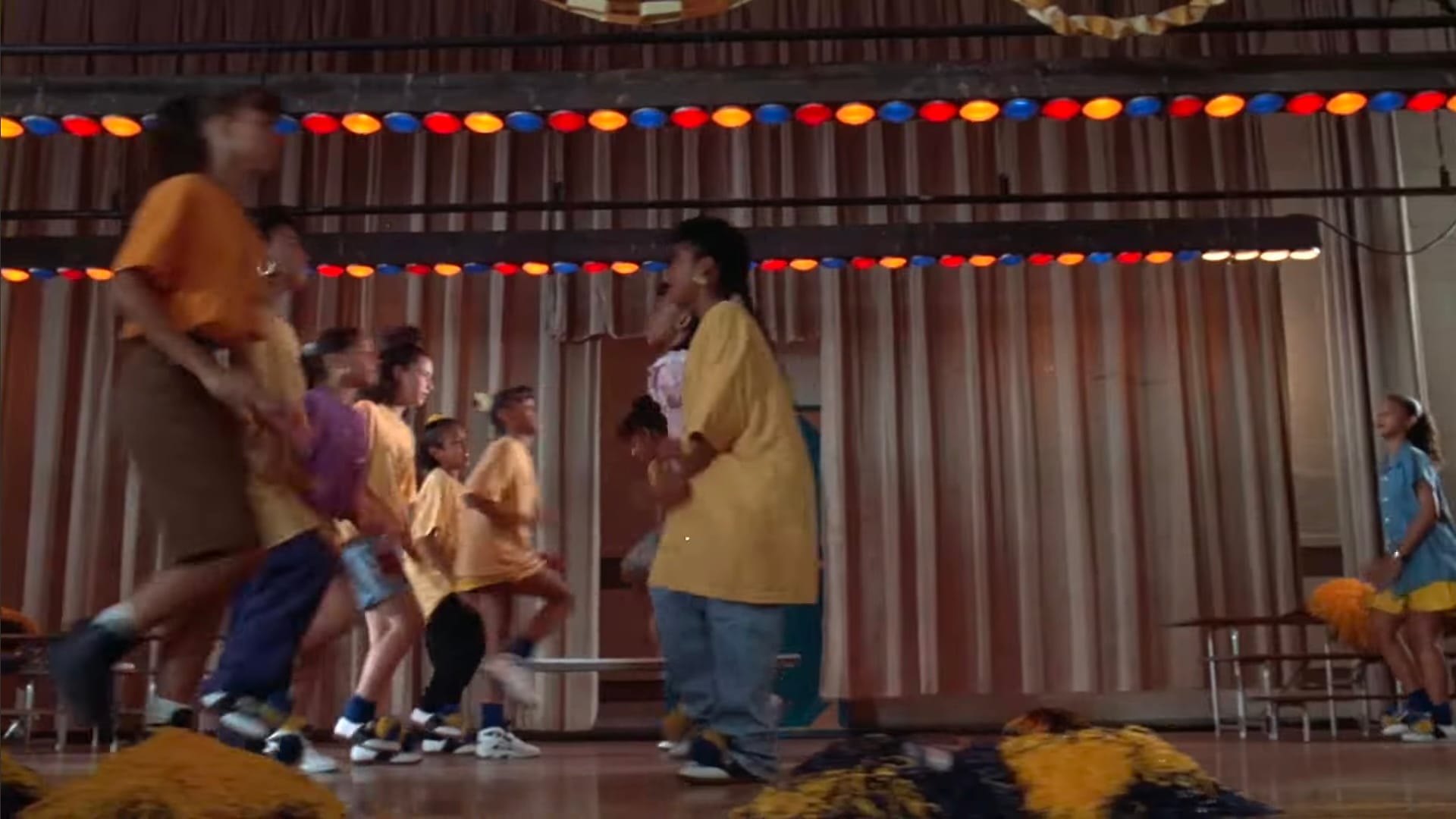
Batman’s wound becomes his architecture later. Fresh’s wound is still happening while he is making the moves, right now. He is not revisiting the alley. He is living in an alley that appears to have no ending. He does not leave the traumatic origin and return as a symbol. The traumatic origin is his daily commute. He goes from school to drug work to family pressure to chess to murder to police interrogation and back again.
There is no transformation scene. There is no clean origin story.
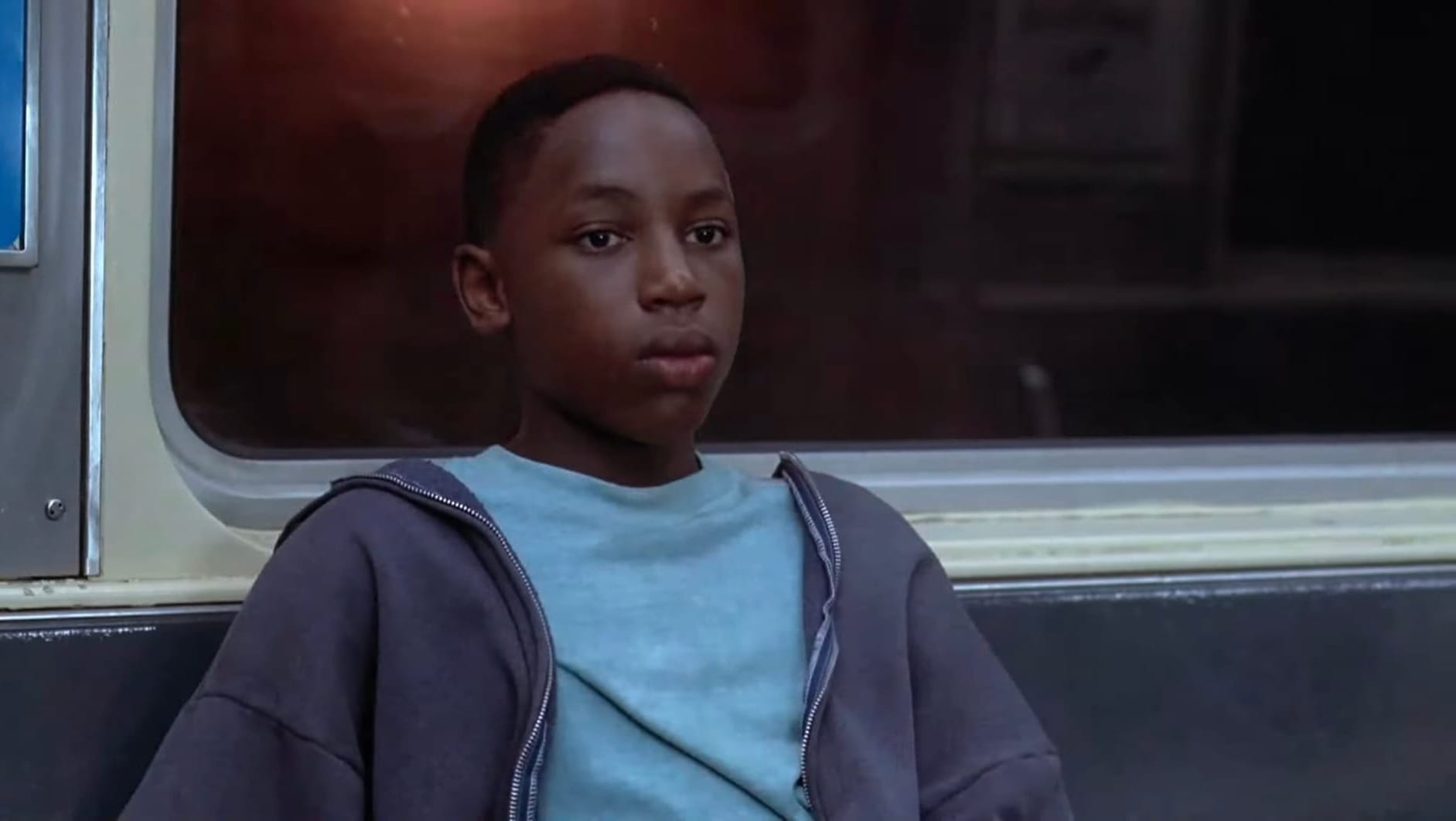
There is only a child learning that the world will not become safer just because he is too young for it.
That is why Fresh should sit very near Batman in the fictional field analyst series, but not under him. Fresh is not a smaller Batman at all. Fresh is actually what exposes the fantasies hidden in Batman.
Batman lets us imagine that sufficient preparation, discipline, pain, wealth, and symbolic force can answer a broken city.
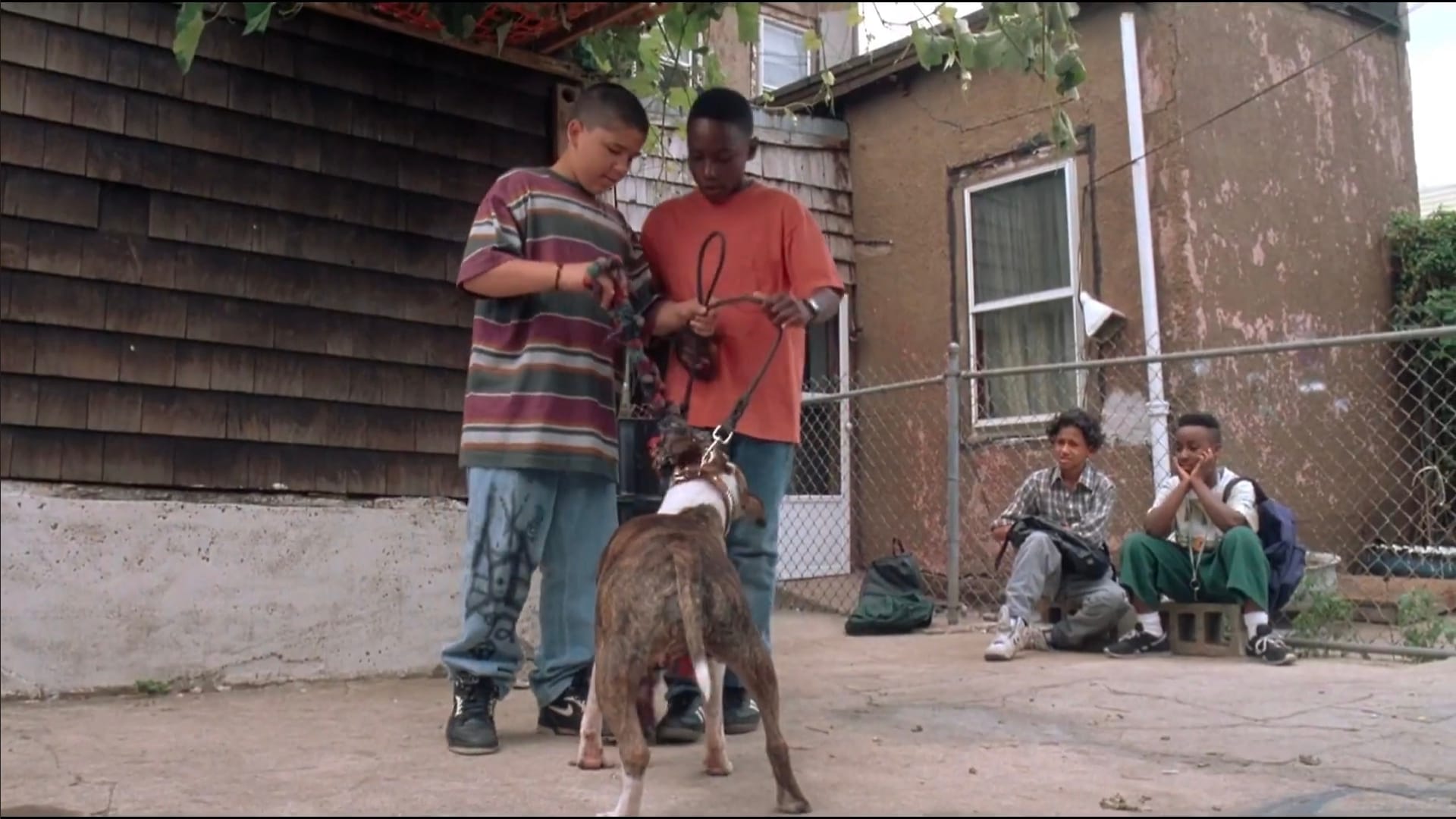
Fresh asks the meaner, more realistic question:
What happens when the analyst is not allowed to grow up first?
The Field as it Stood.
The first moral mistake would be treating Fresh’s plan as the beginning of the case.
It is not. The case begins before the movie begins.
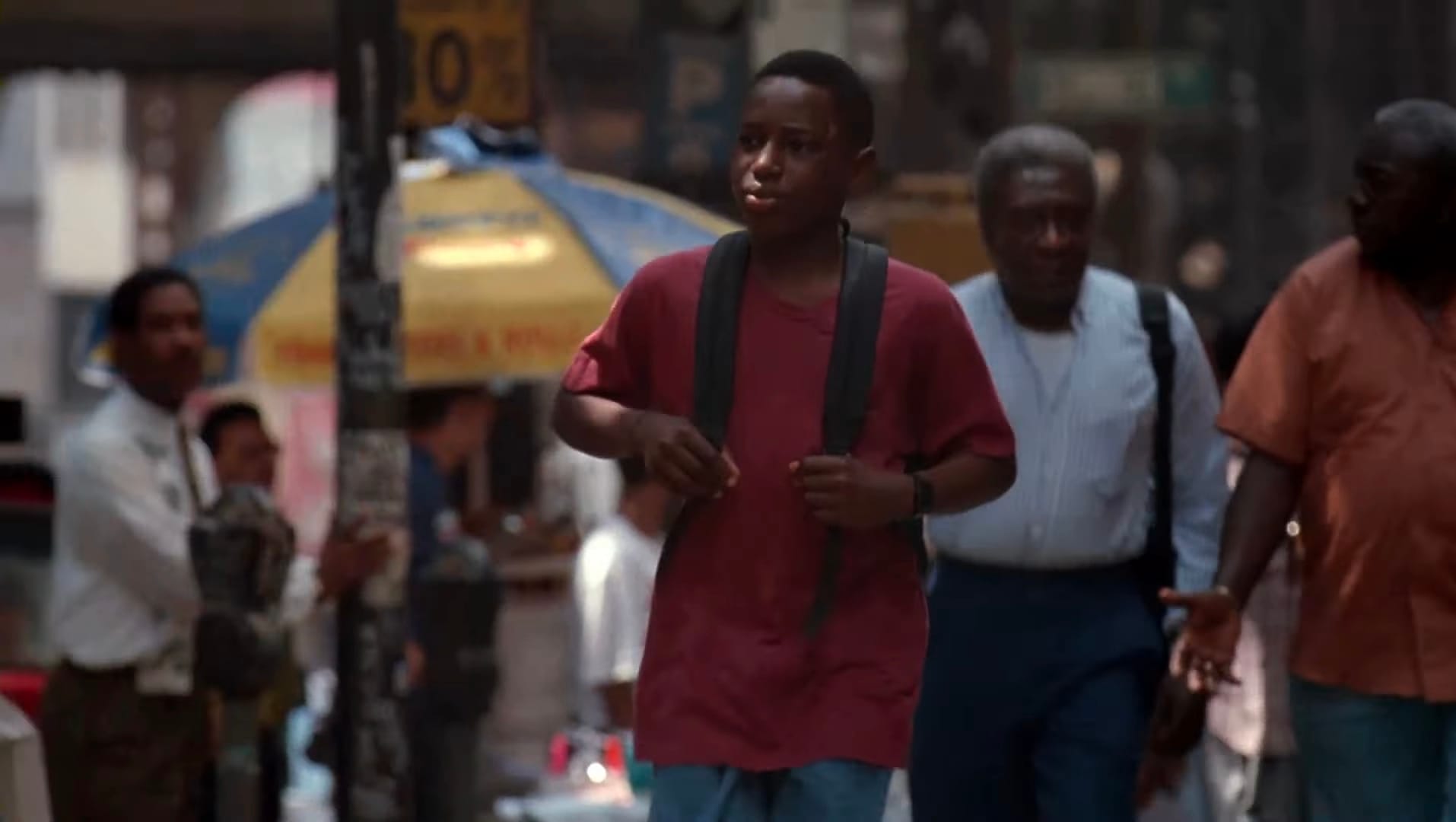
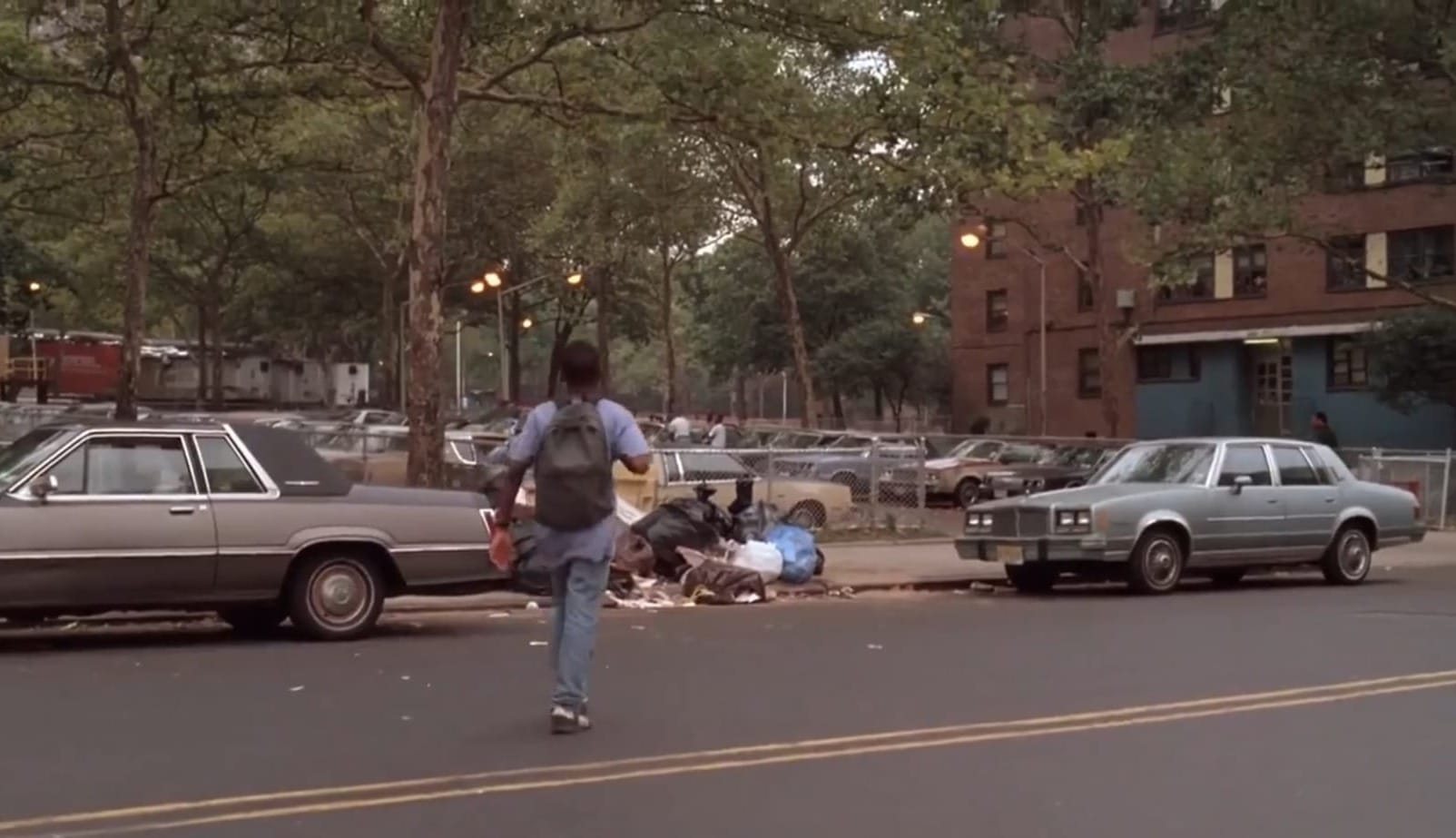
Fresh is already selling drugs. He is already trusted by adult criminals. He is already late to school because criminal logistics have priority over this genius' education. He is already split between childhood and labor. He is already moving through spaces where adults treat children as useful, disposable, or invisible.
This is not a child entering into danger. This is a child whose ordinary field has already been replaced entirely by danger.
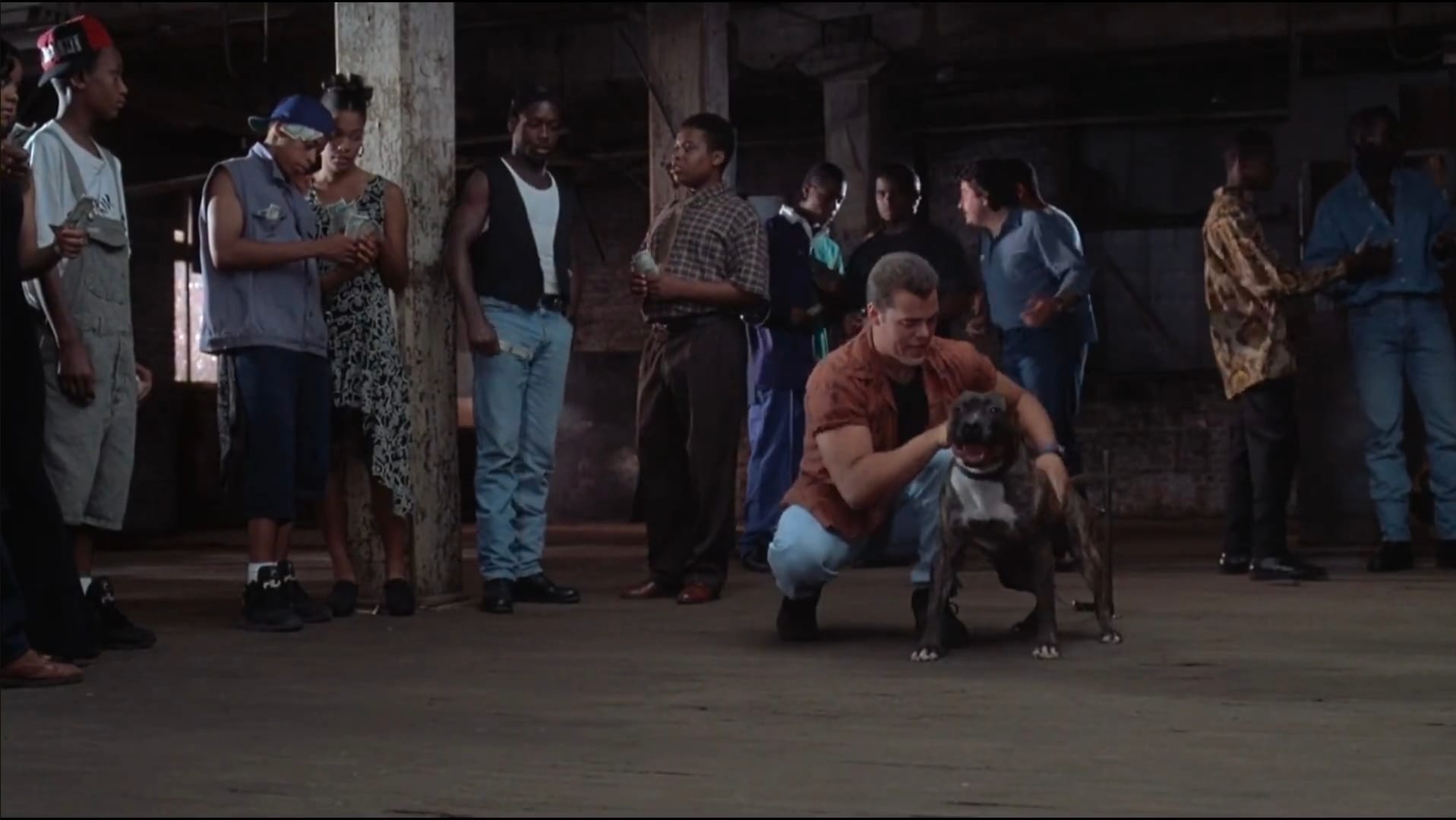
School exists, but it does not govern the field. Family exists, but it cannot protect the field. Police exist, but mostly after the irreversible thing has already happened. His father exists, but only as a partial and damaged teaching locus. His aunt’s home exists, and is clean and ordered and full of care, but care inside one apartment cannot defeat the whole surrounding structure by being tidy enough.
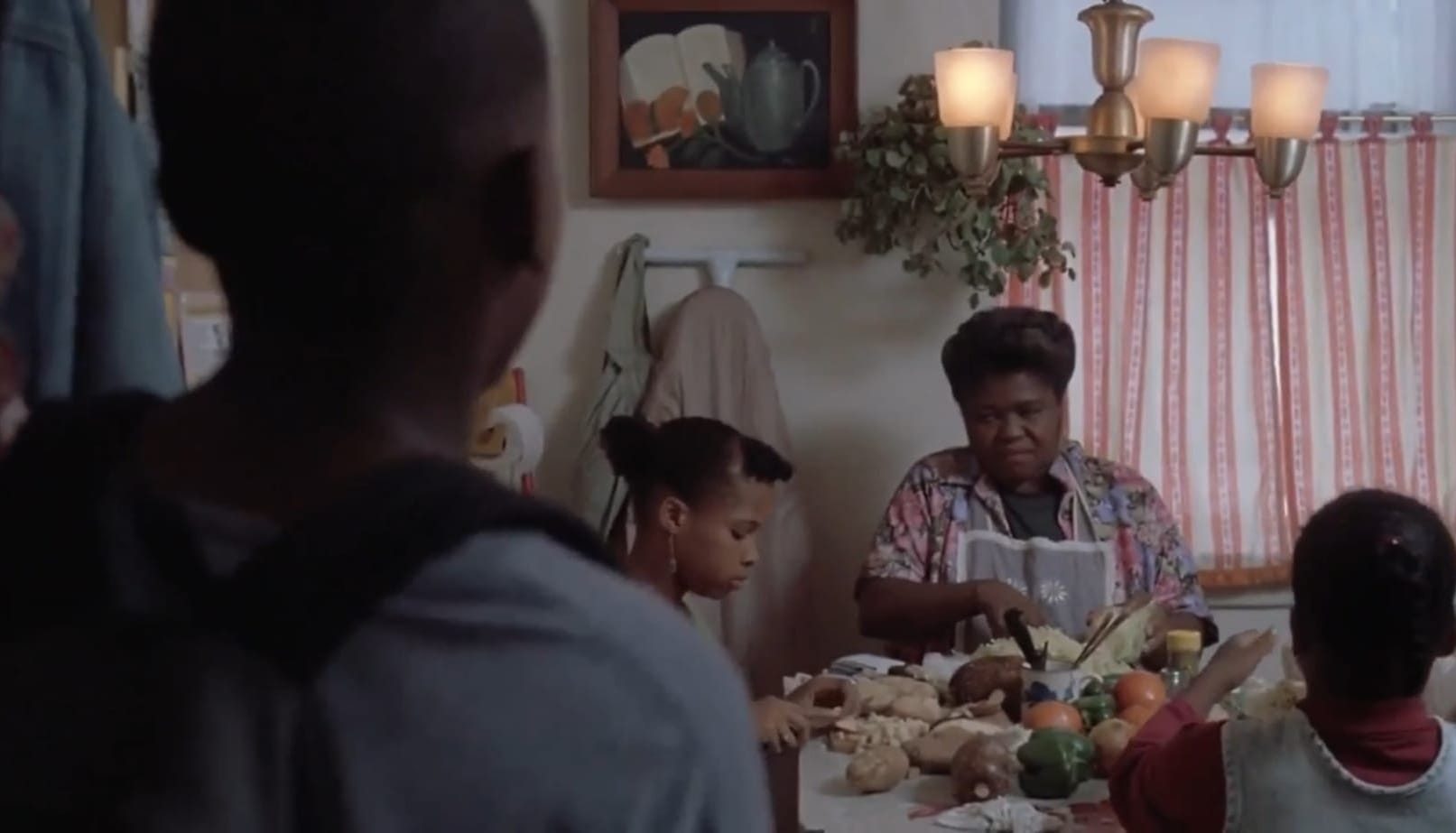
Aunt Frances is not failing because she does not care. She is failing because the field is trying to make her domestic care perform the work of housing policy, public safety, child protection, addiction treatment, poverty repair, school stability, and organized crime suppression.
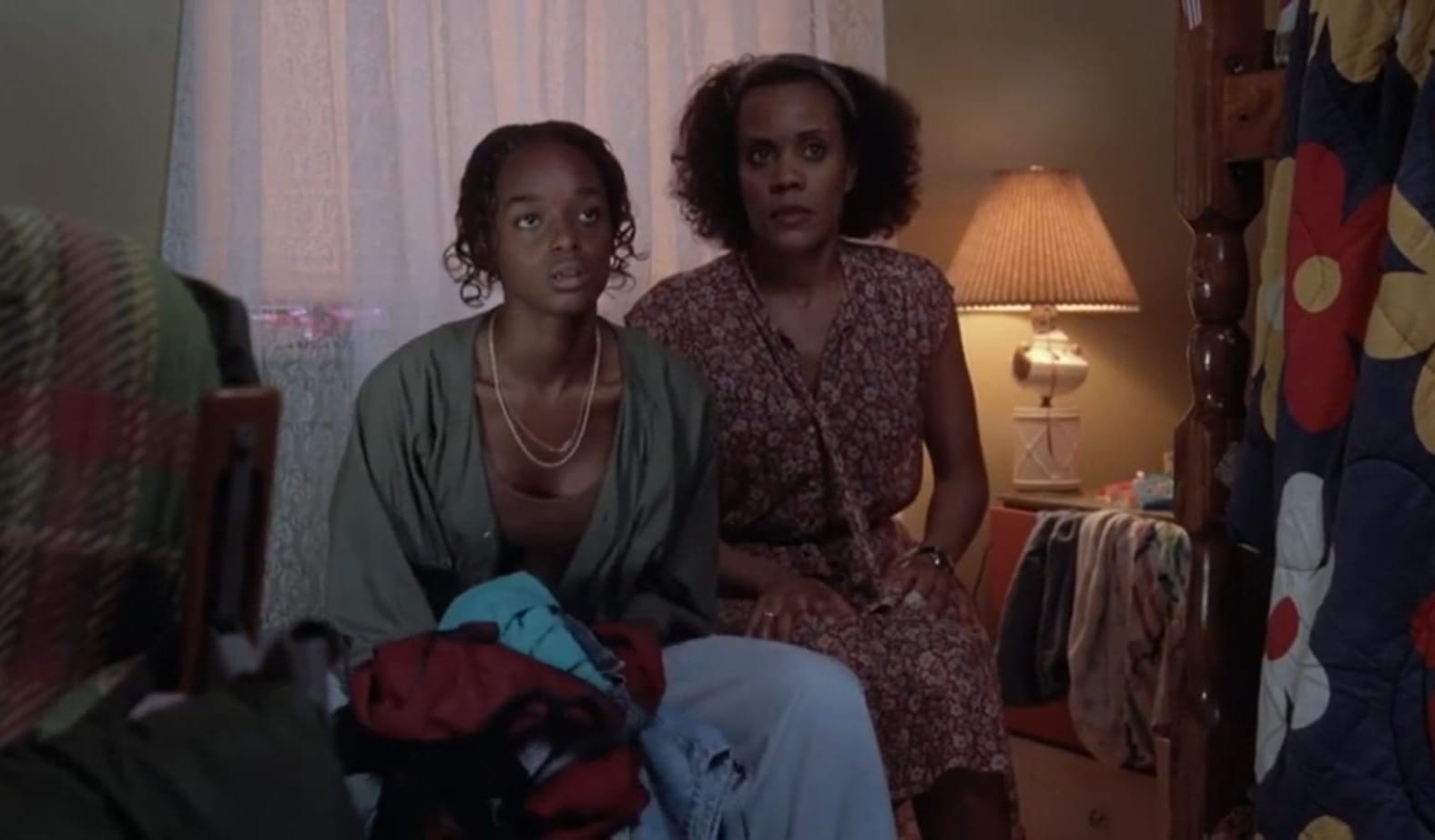
This is simply not a fair assignment.
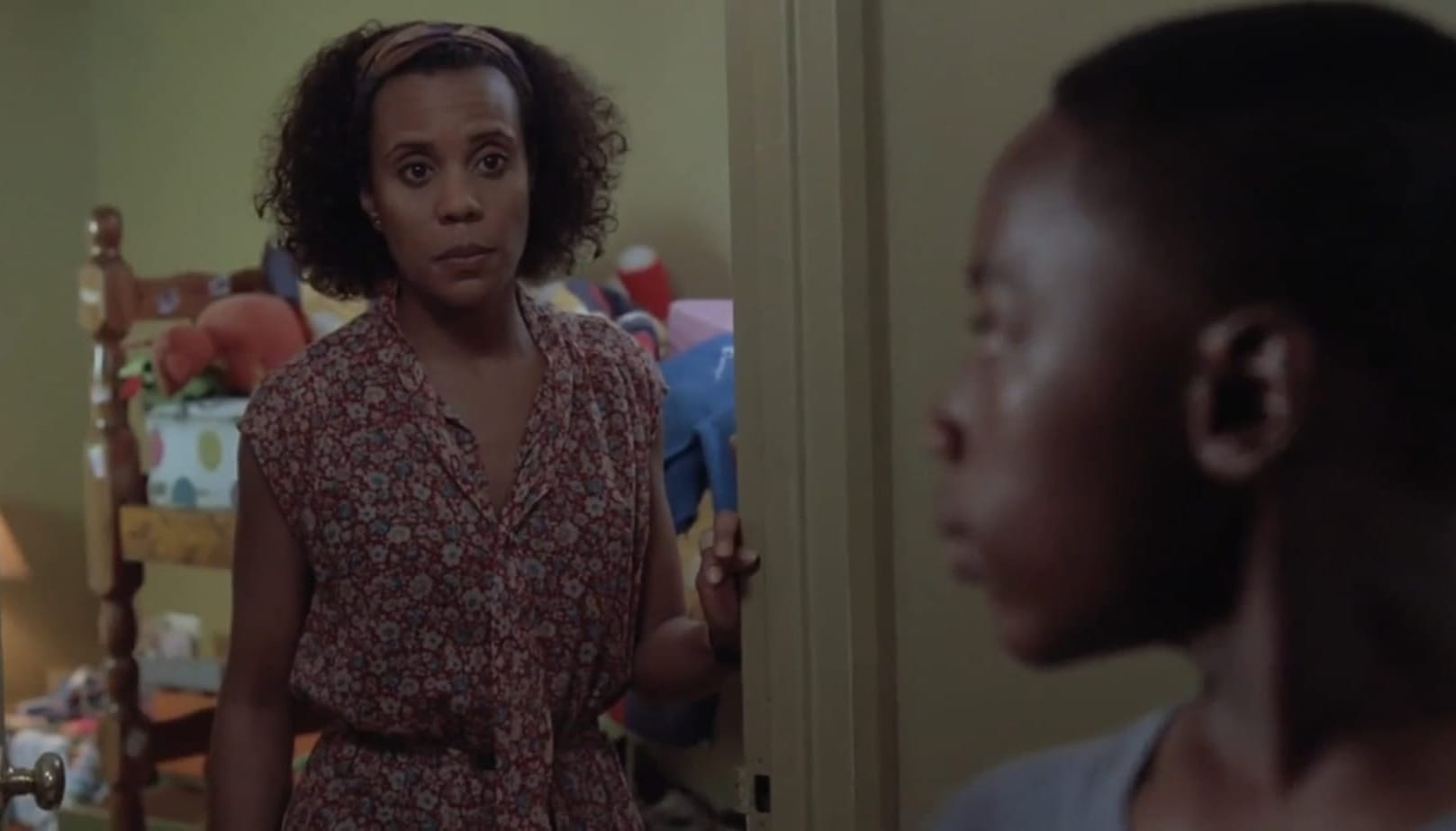
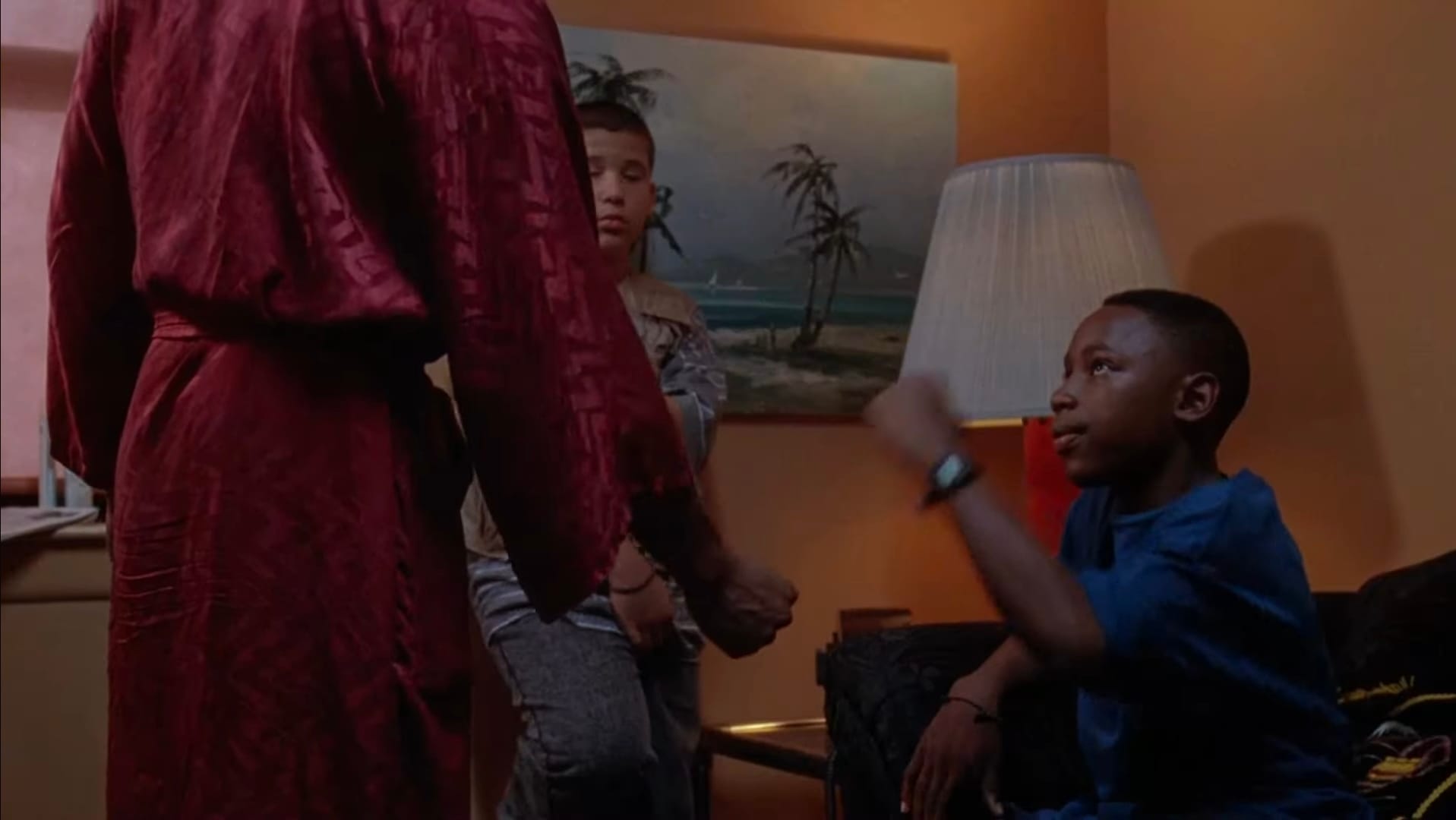
Sam is not simply a bad father, either. He is definitely bad at fathering Fresh in the way that matters most, but he also gives Fresh the central tool that lets him survive.
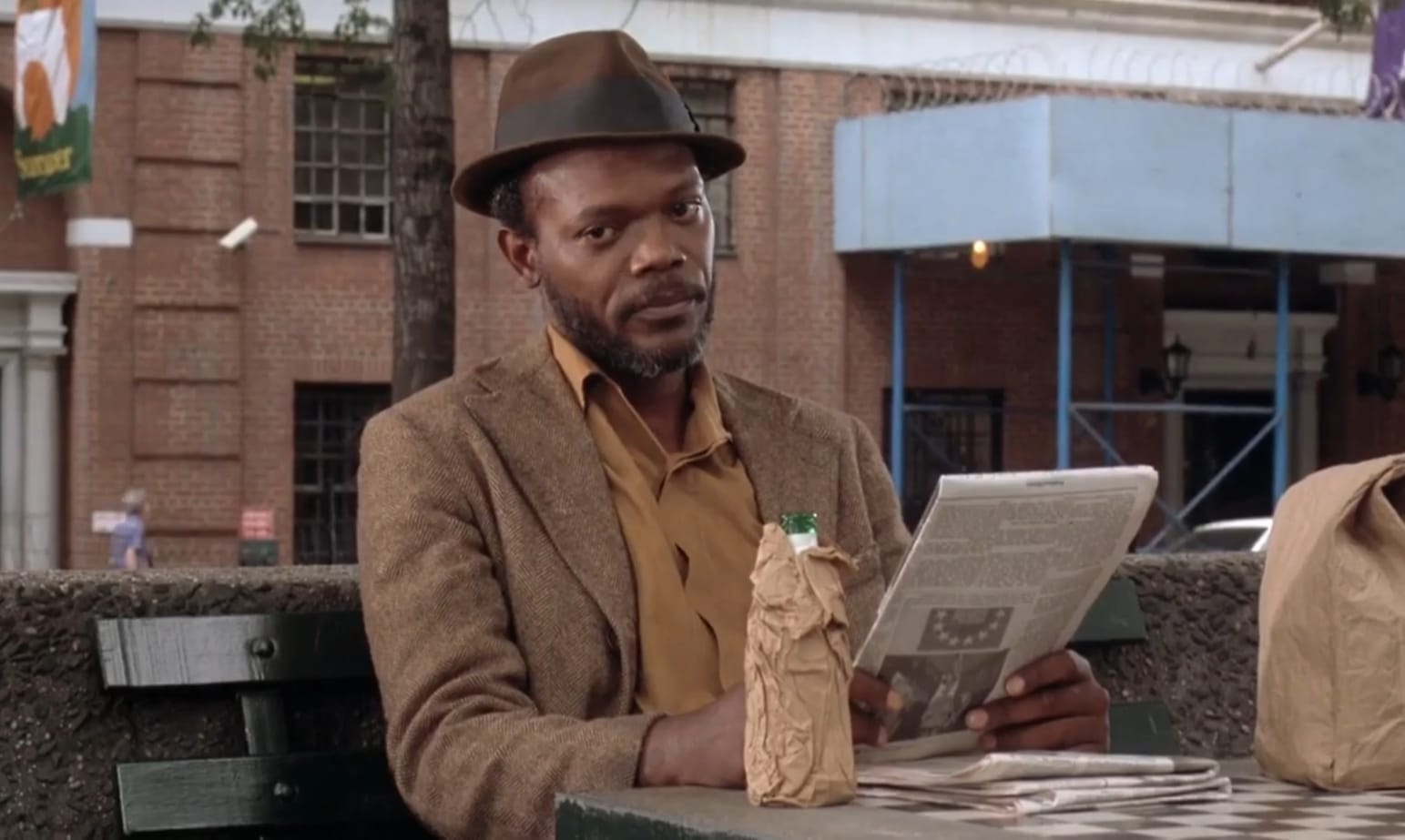
The chess lessons are real. The care is real. The failure is still very real. This is one of the reasons the film works. It refuses to let a locus become one thing just because the audience prefers clean moral filing cabinets.
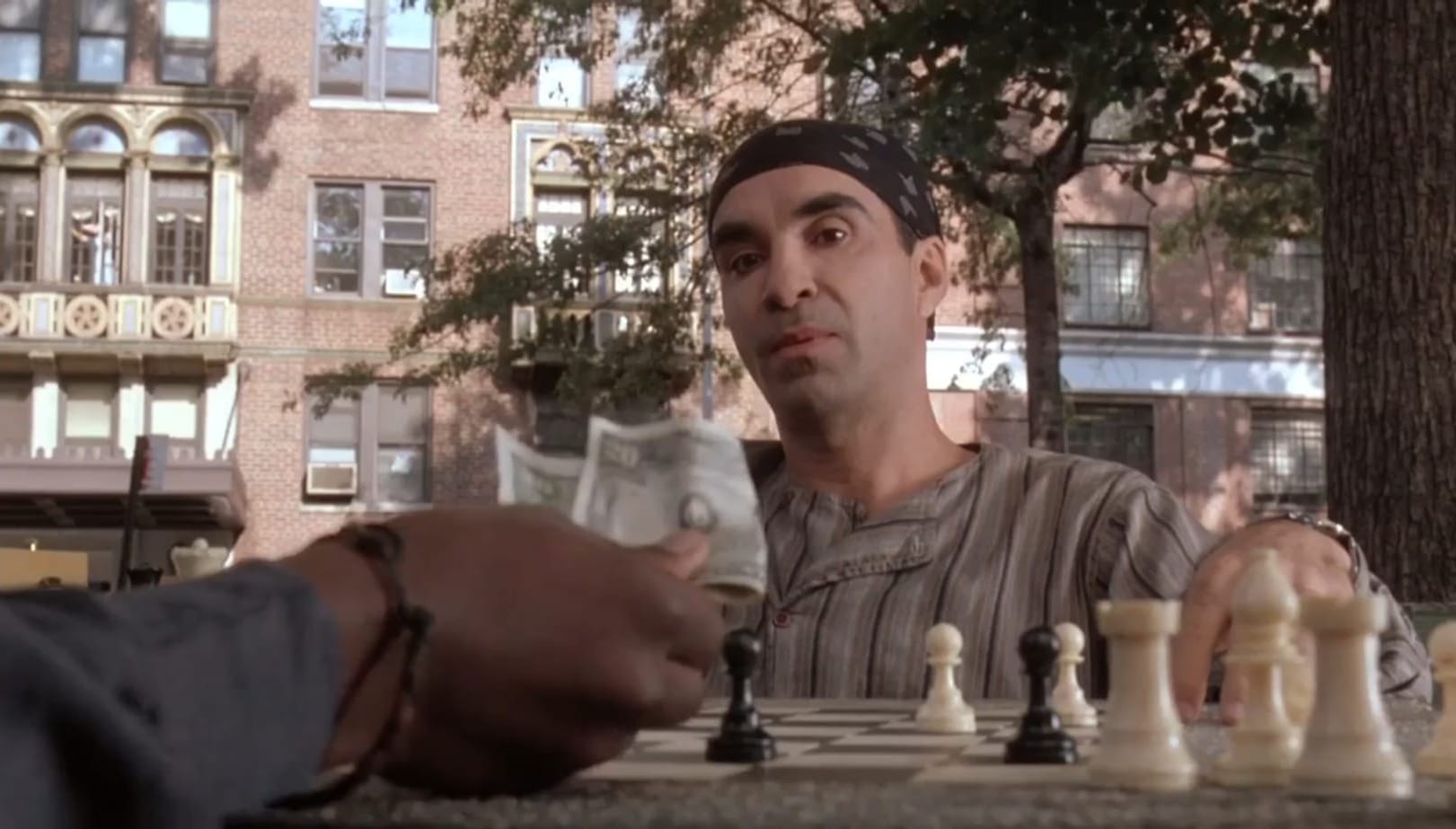
Sam gives Fresh a board to play. He does not give him any shelter. That combination is nearly the whole plot.
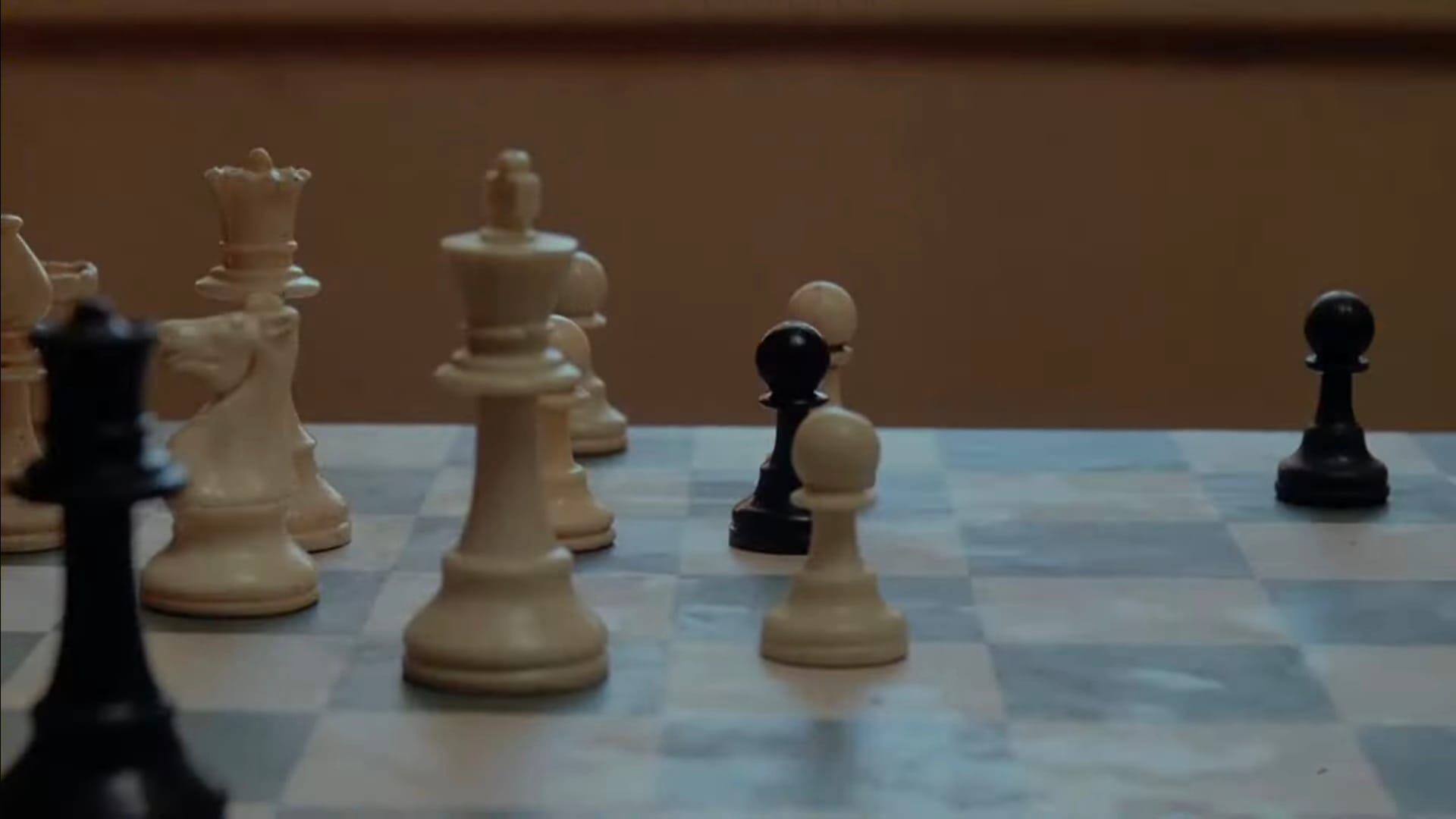
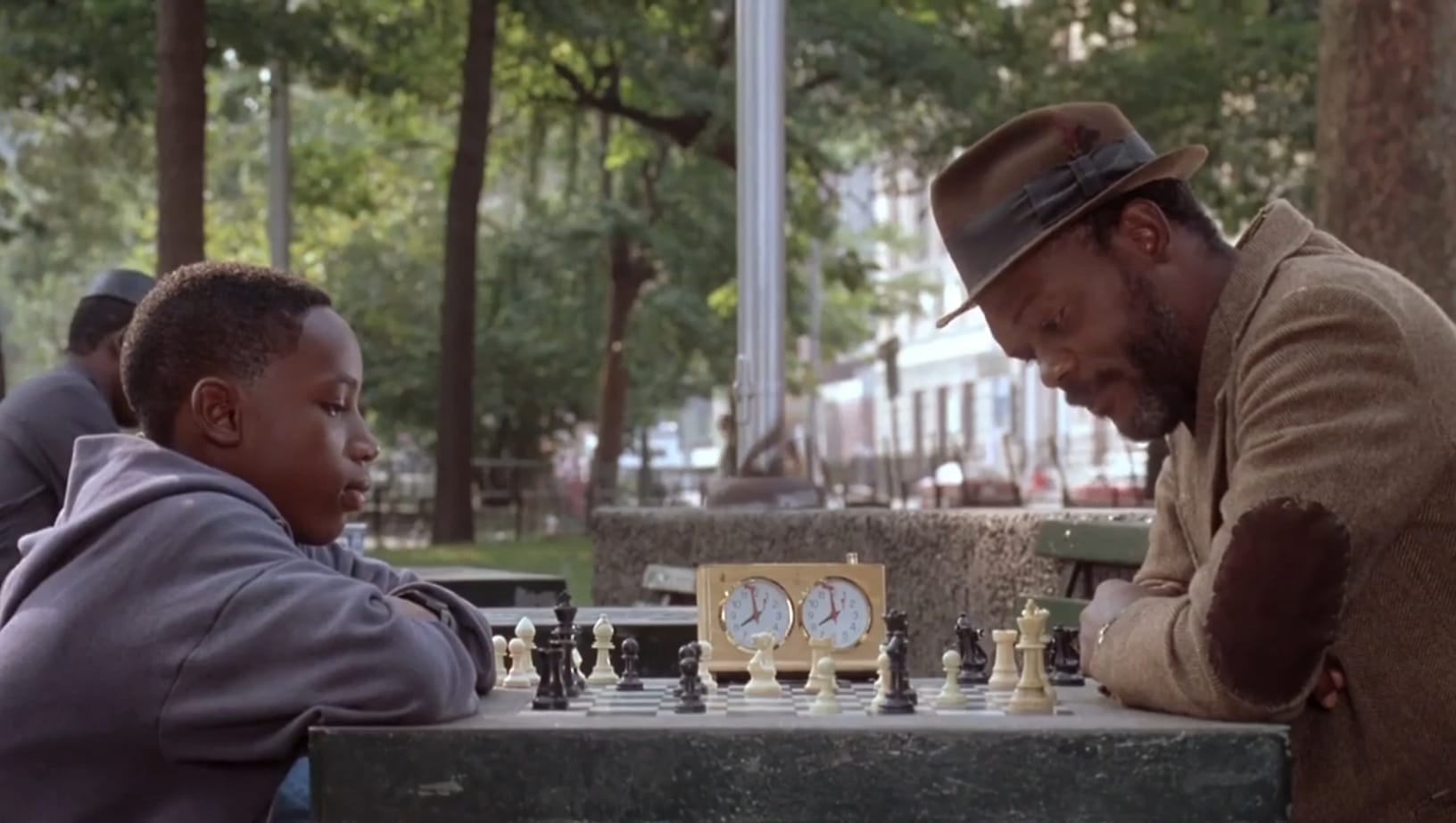
Chess Is Not a Metaphor, It Is a Compression Engine.
The chessboard is not just symbolism sitting there with a little hat on. This is the central engine of the movie. Fresh is simply too young to be living in this field at anything like full resolution. He needs a compression.
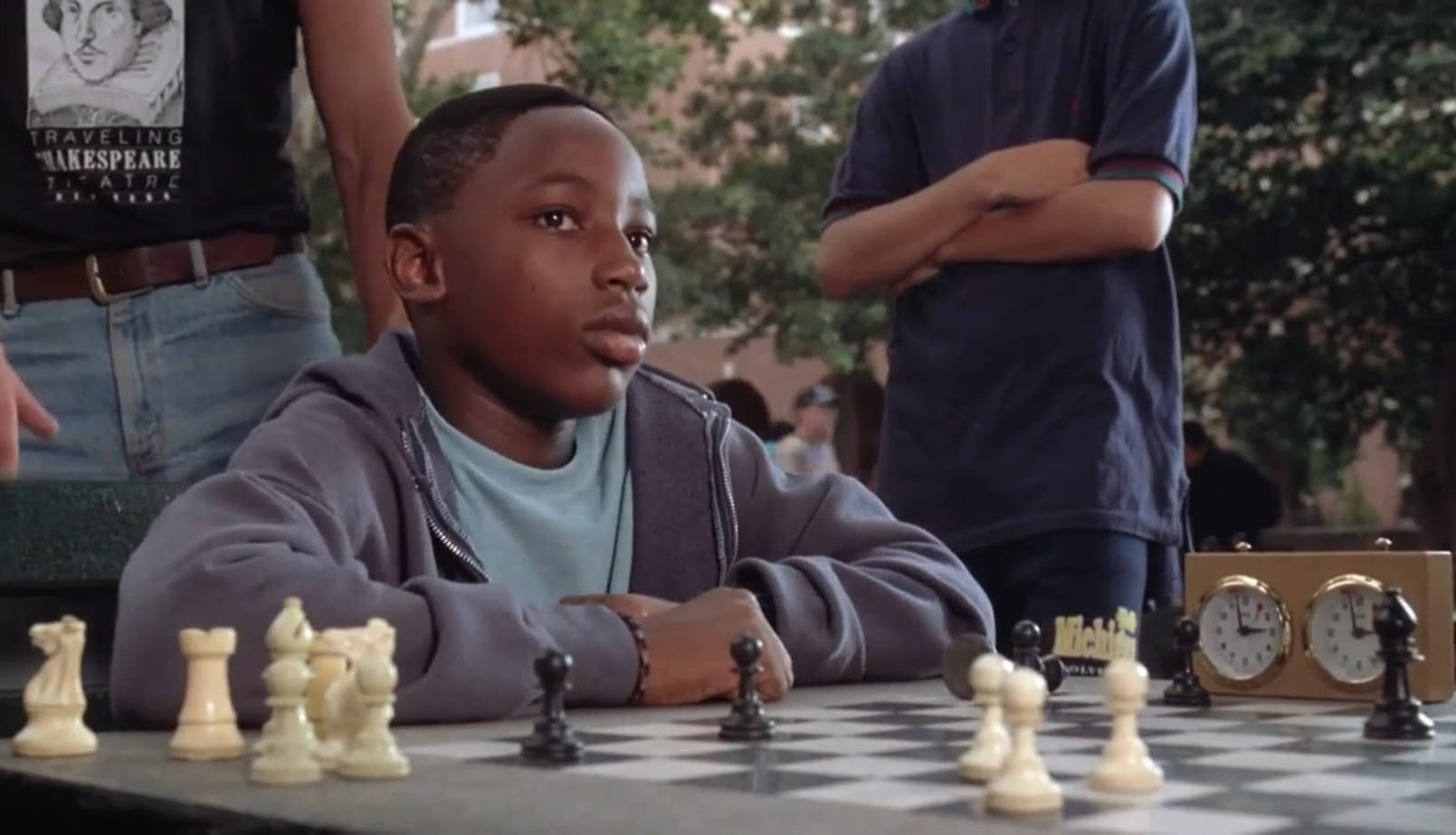
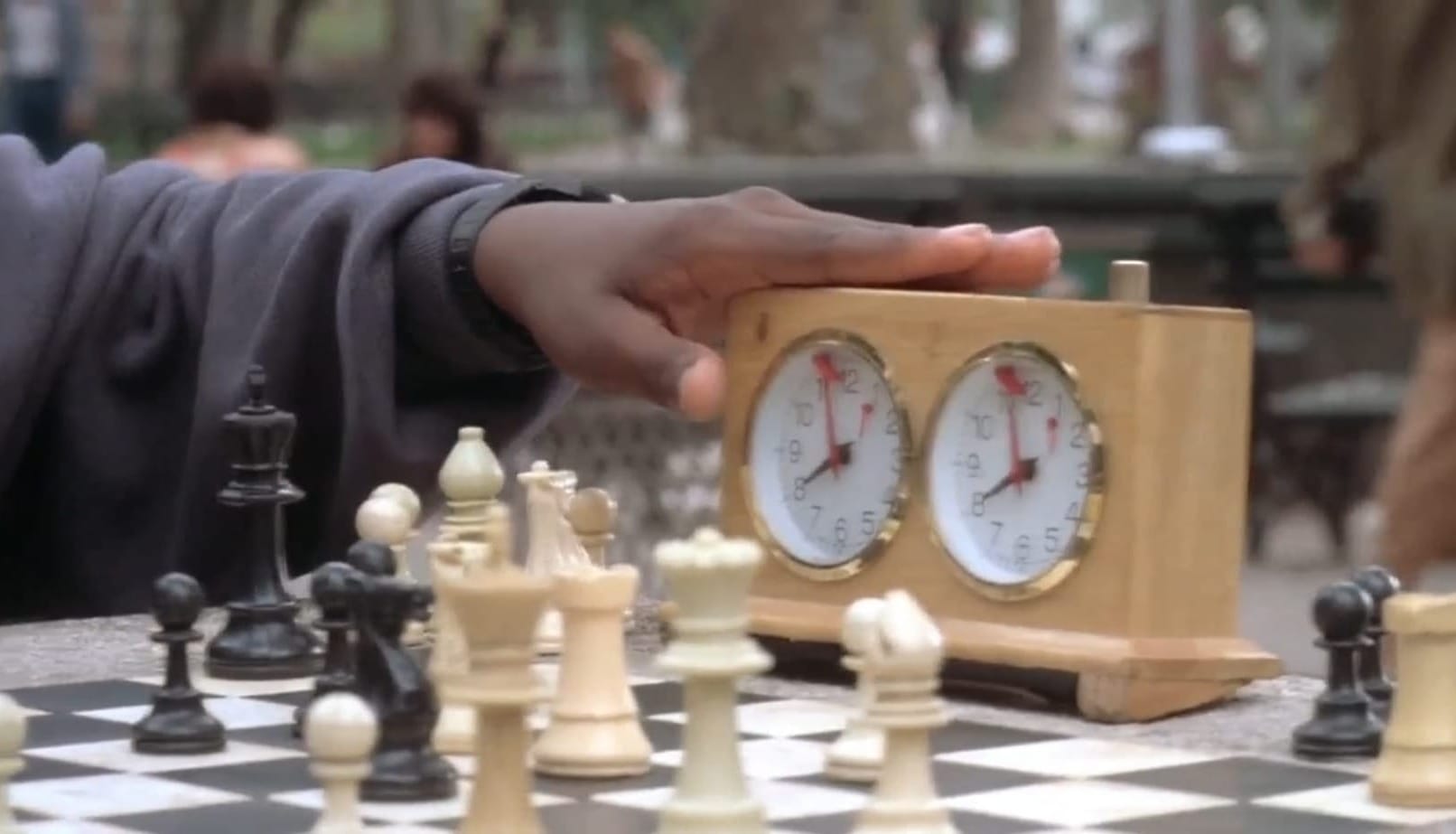
The board gives Fresh a compressed world where consequences can be studied without pretending the world is simple. Pieces have constraints. Moves have tempo. Sacrifice can be real. Material advantage can be a trap. A move that looks weak can force an opponent into a smaller future. The endgame can be present long before the opponent knows the opening is over.
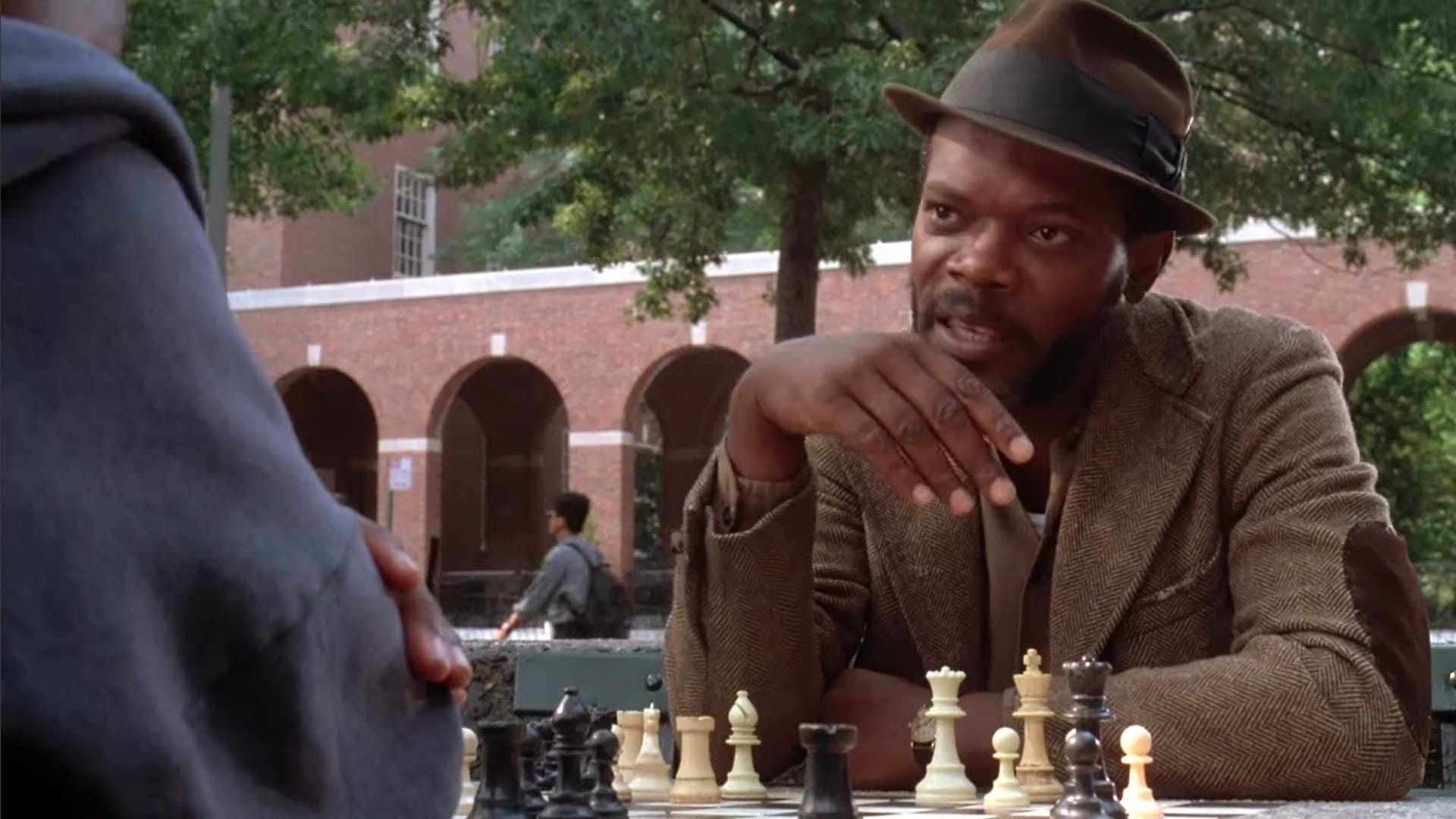
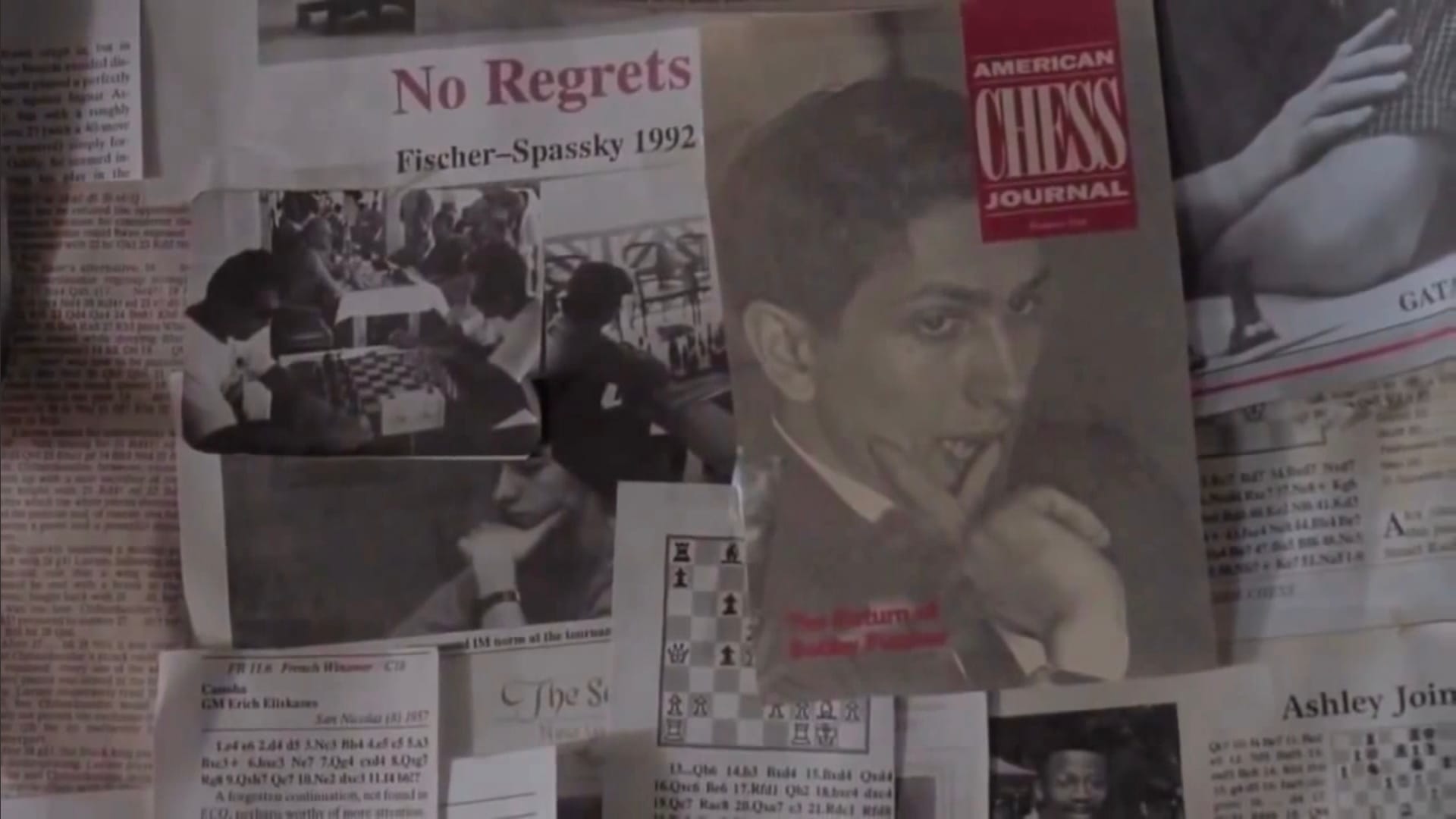
Chess teaches Fresh to stop asking only what happened; look at what position made it reachable. That is the field analyst move.
A bad analyst sees one bad man win and says, “There is the problem.”
A better analyst sees the path that made the bad man effective.
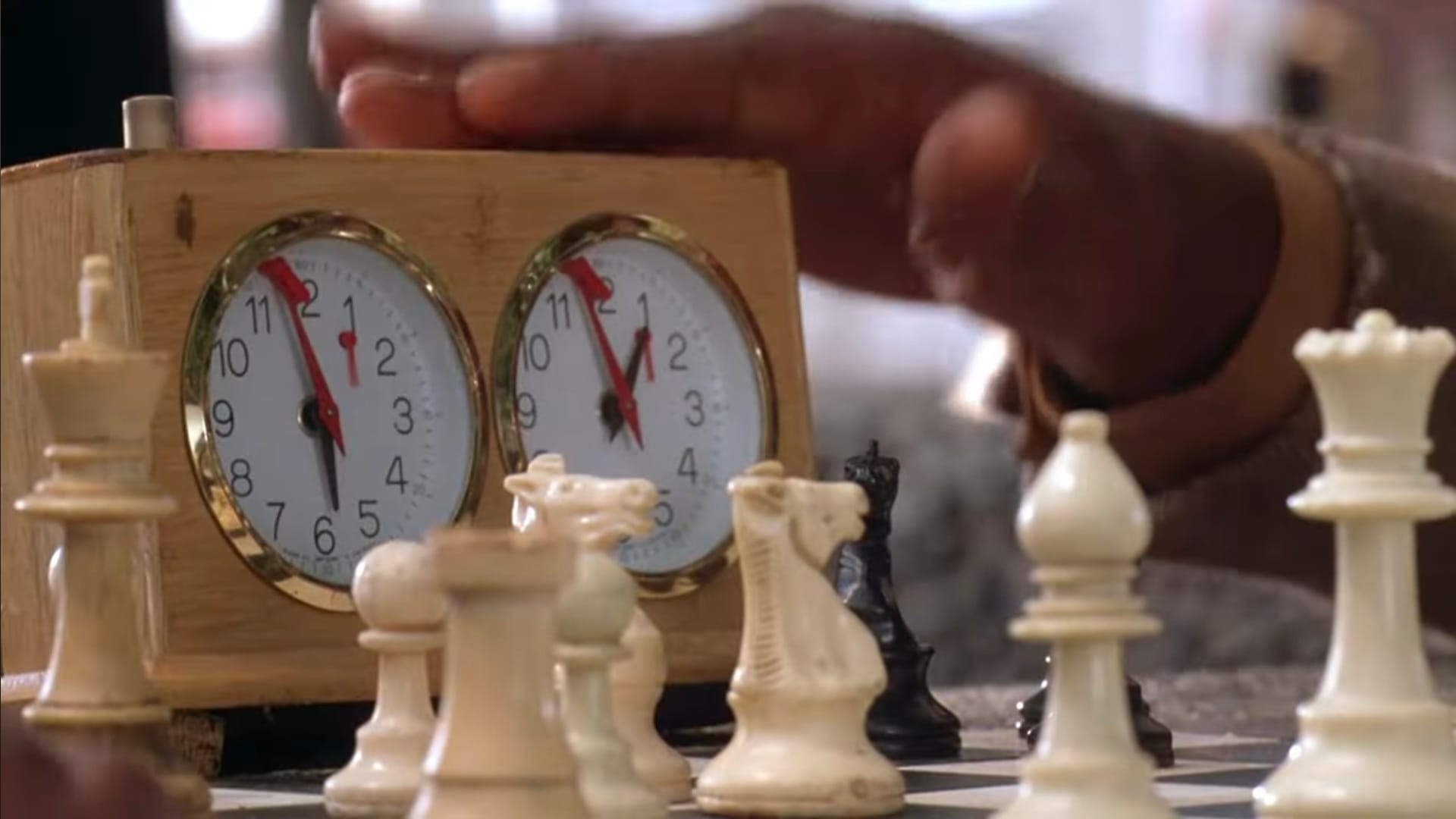
Fresh does not just identify Esteban as dangerous. He understands that Esteban’s danger depends on status, desire, secrecy, product, loyalty, fear, and Nichole’s vulnerability.
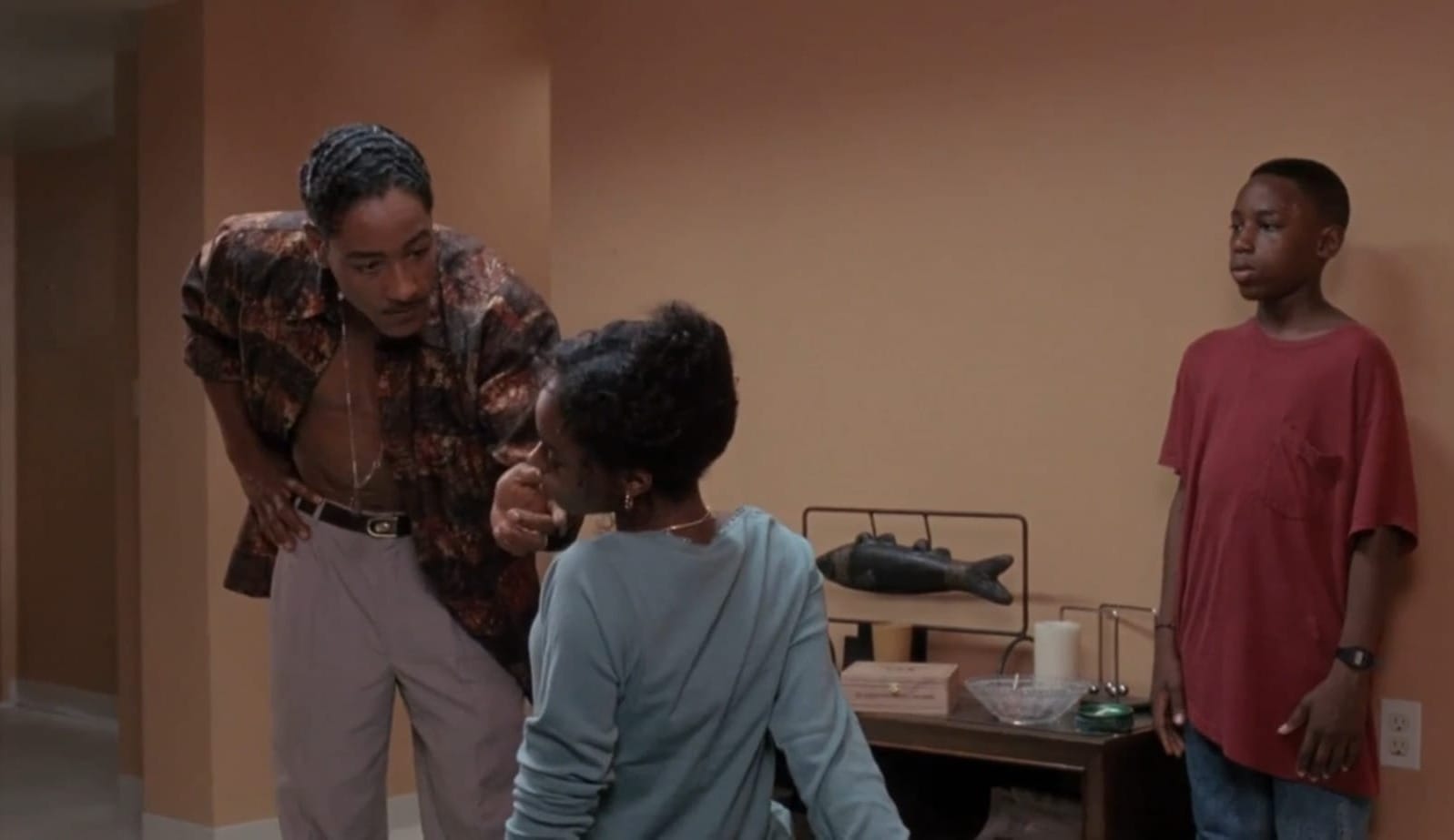
Fresh does not just identify Corky as a threat. He understands Corky’s suspicion, pride, and territorial pressure.
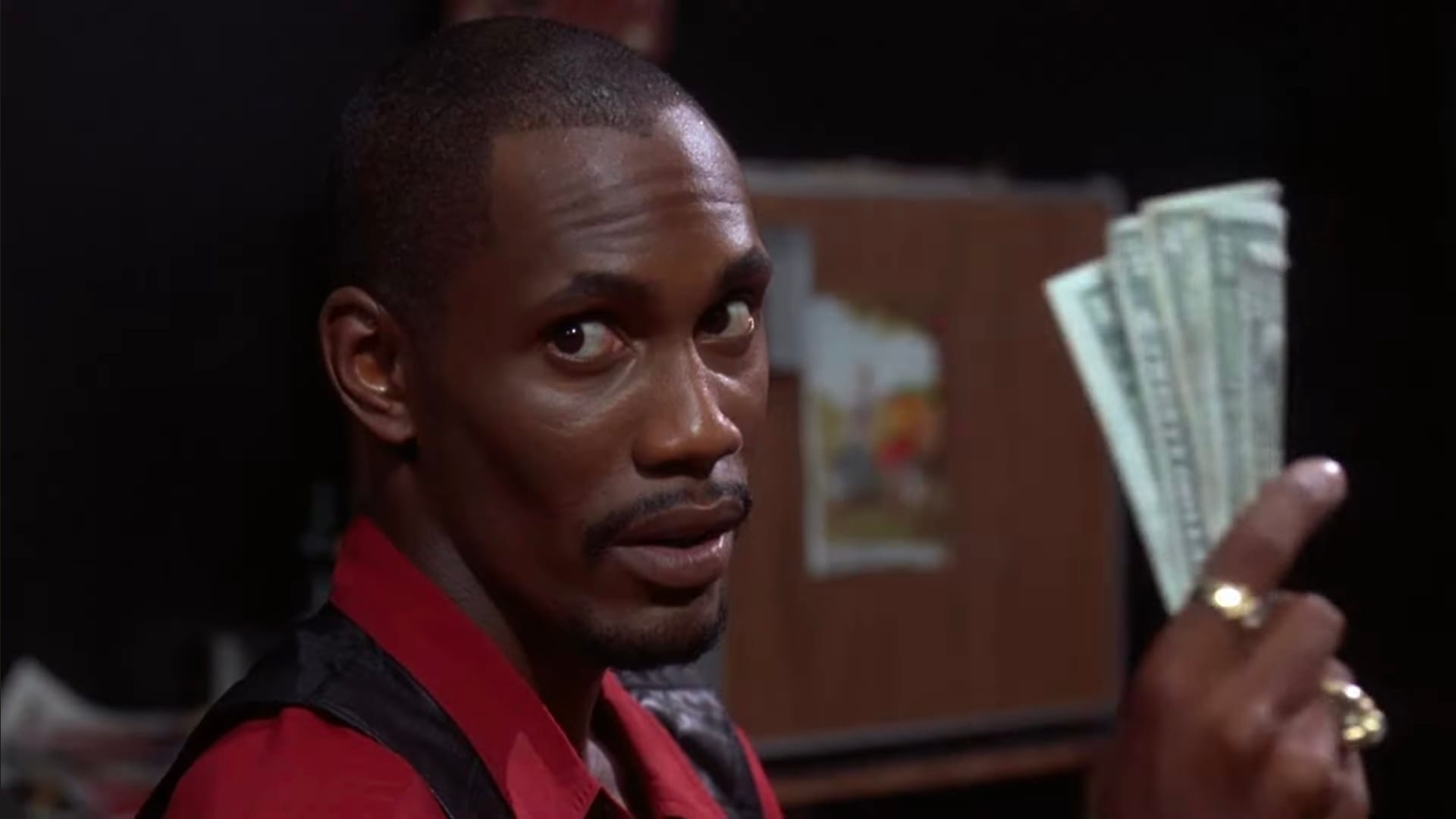
He does not simply fear Jake. He learns how Jake’s volatility can be routed into another man’s paranoia.
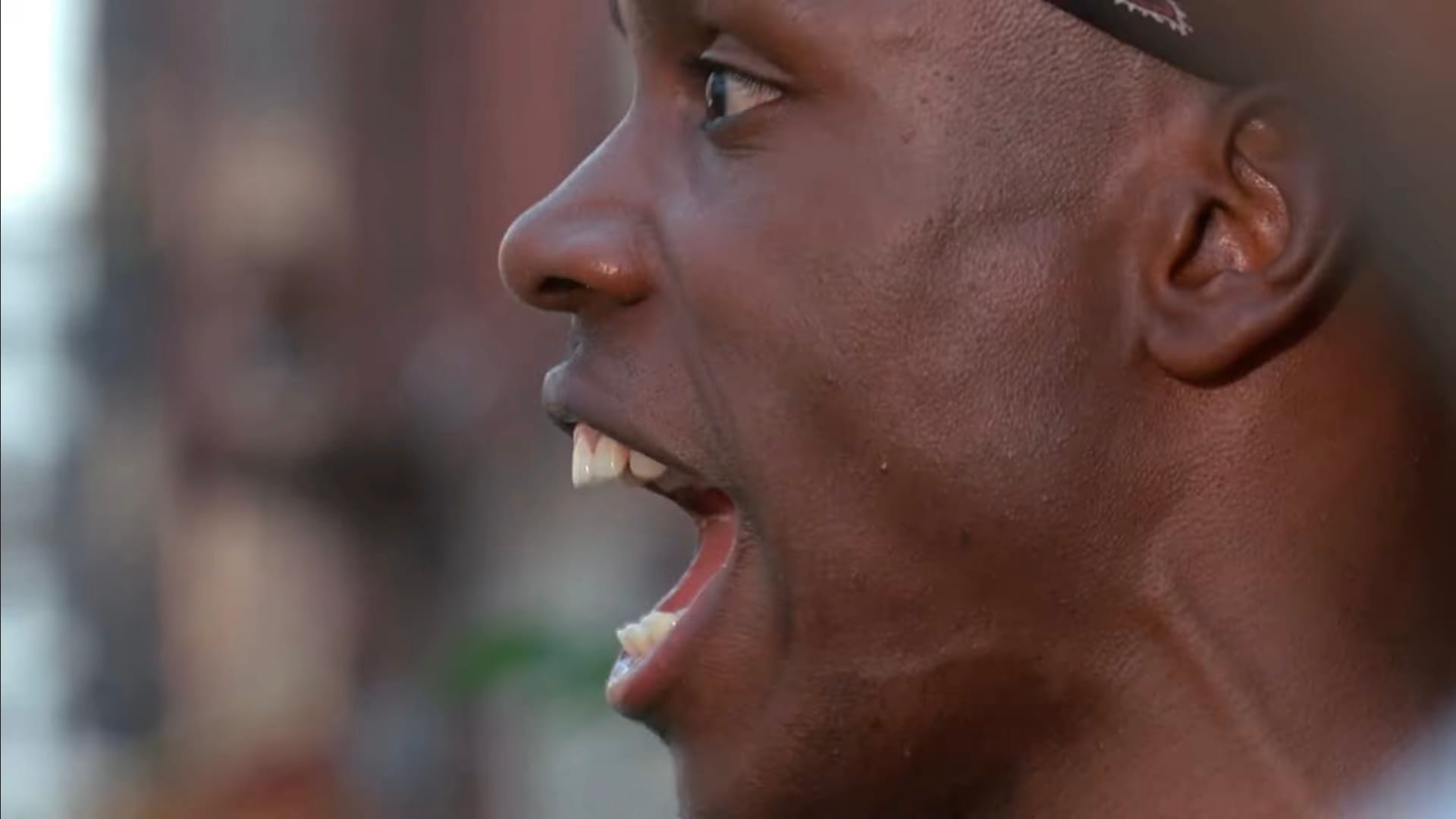
He does not just watch the police. He learns when authority can become useful if the field has already been prepared for its arrival.
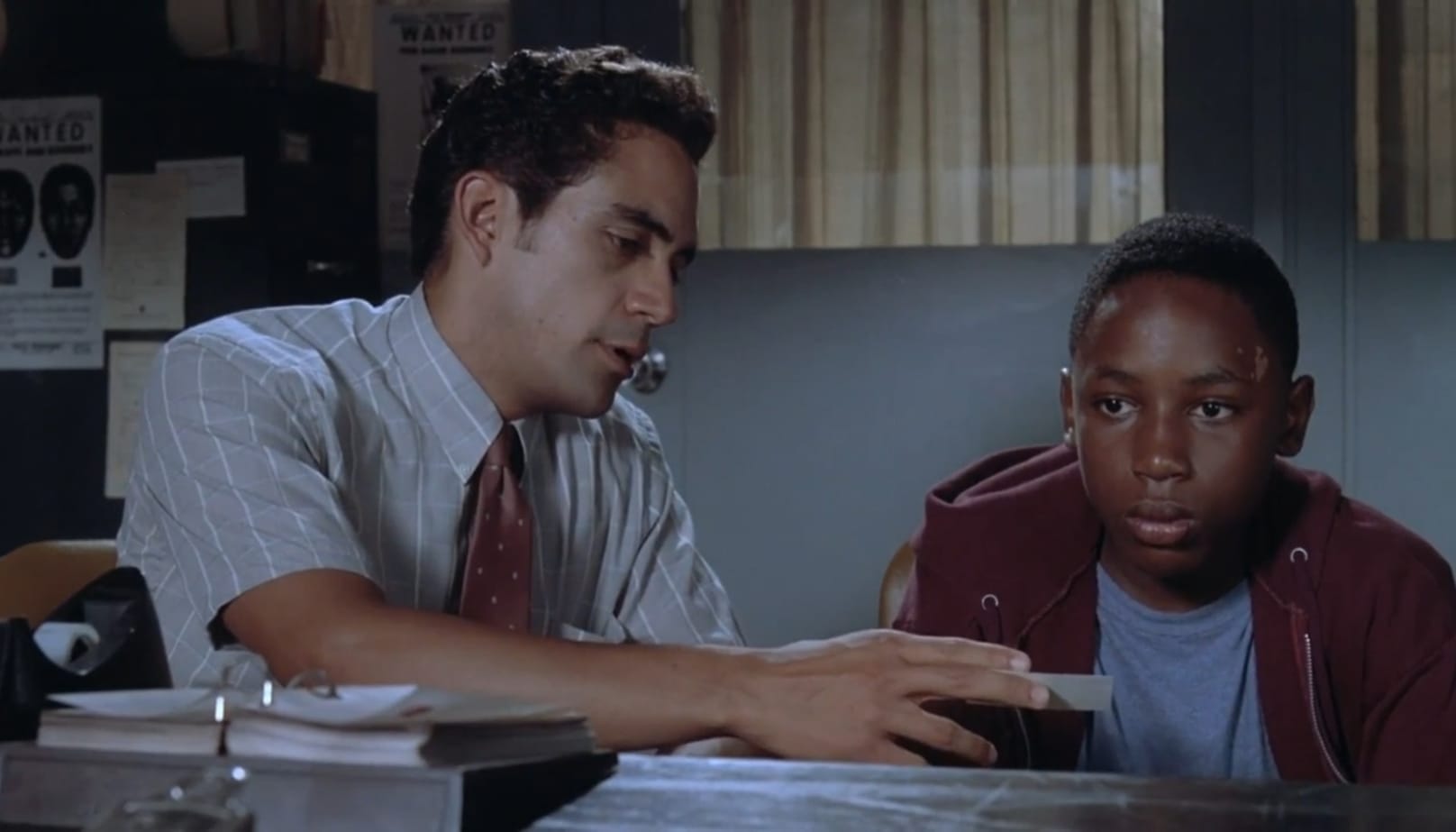
This is not “chess makes him smart.” Fresh was already smart. Chess gives his intelligence its operating form.
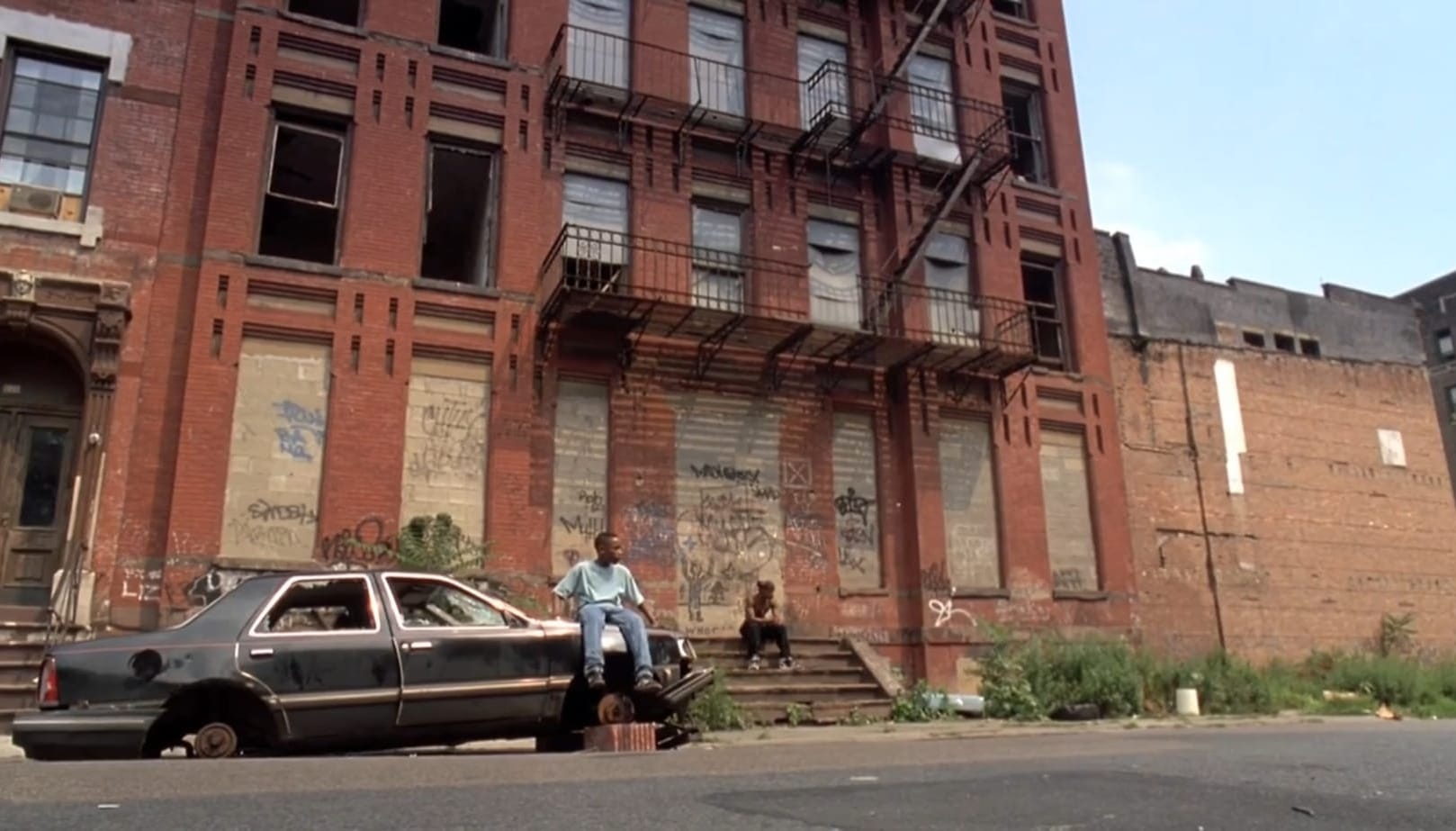
That form is morally double. In a healthy field, chess would widen Fresh’s future through play, competition, beauty, discipline, and time with his father.
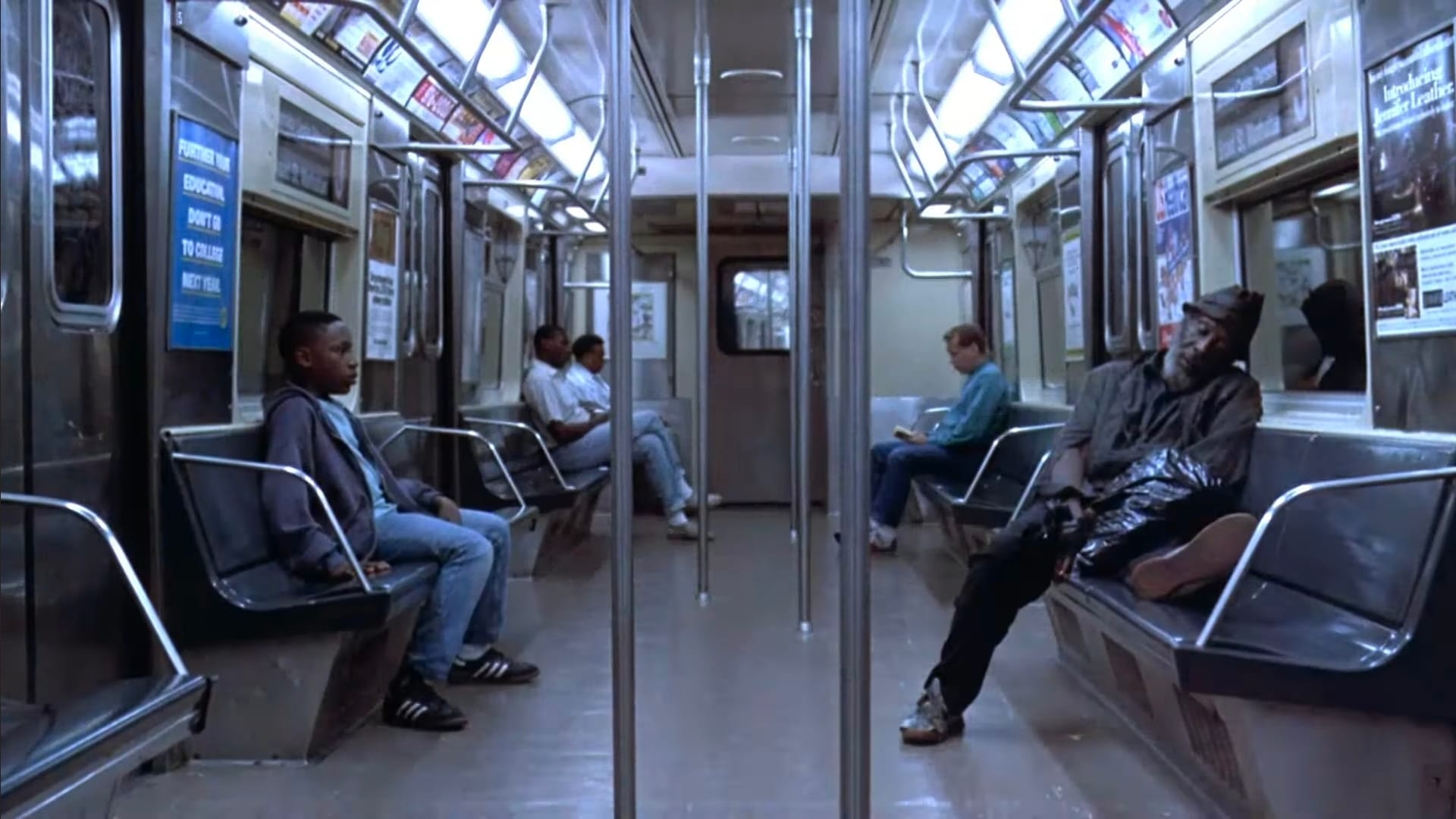
In this field, chess becomes emergency cognition under extreme pressure. The board becomes a survival simulator because the world outside the board has already decided that children may be used as pieces in a game.
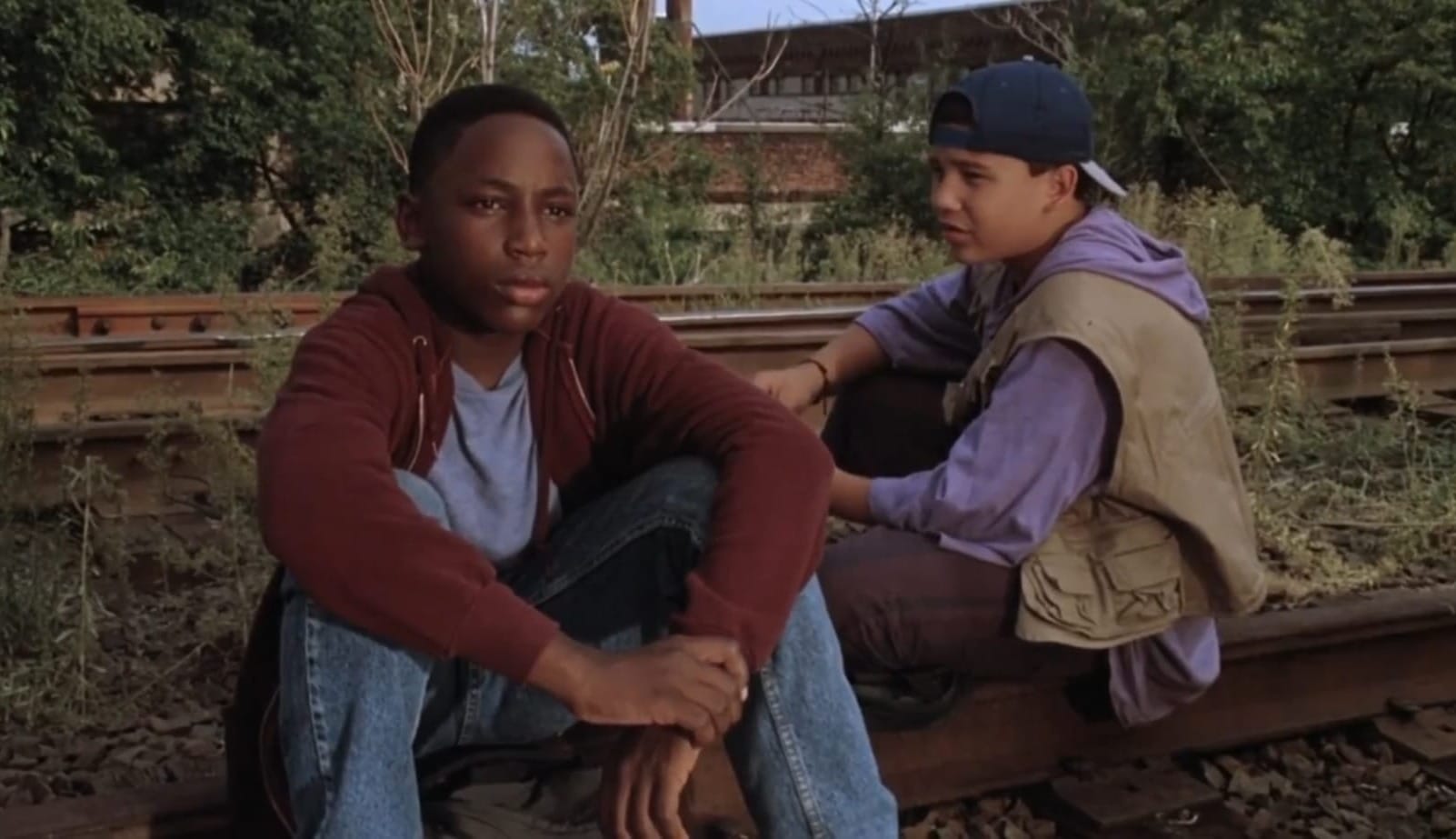
The tragedy is that what he learns becomes immediately applicable.
The Mask.
Fresh’s first disguise is not a costume. It is his childhood.
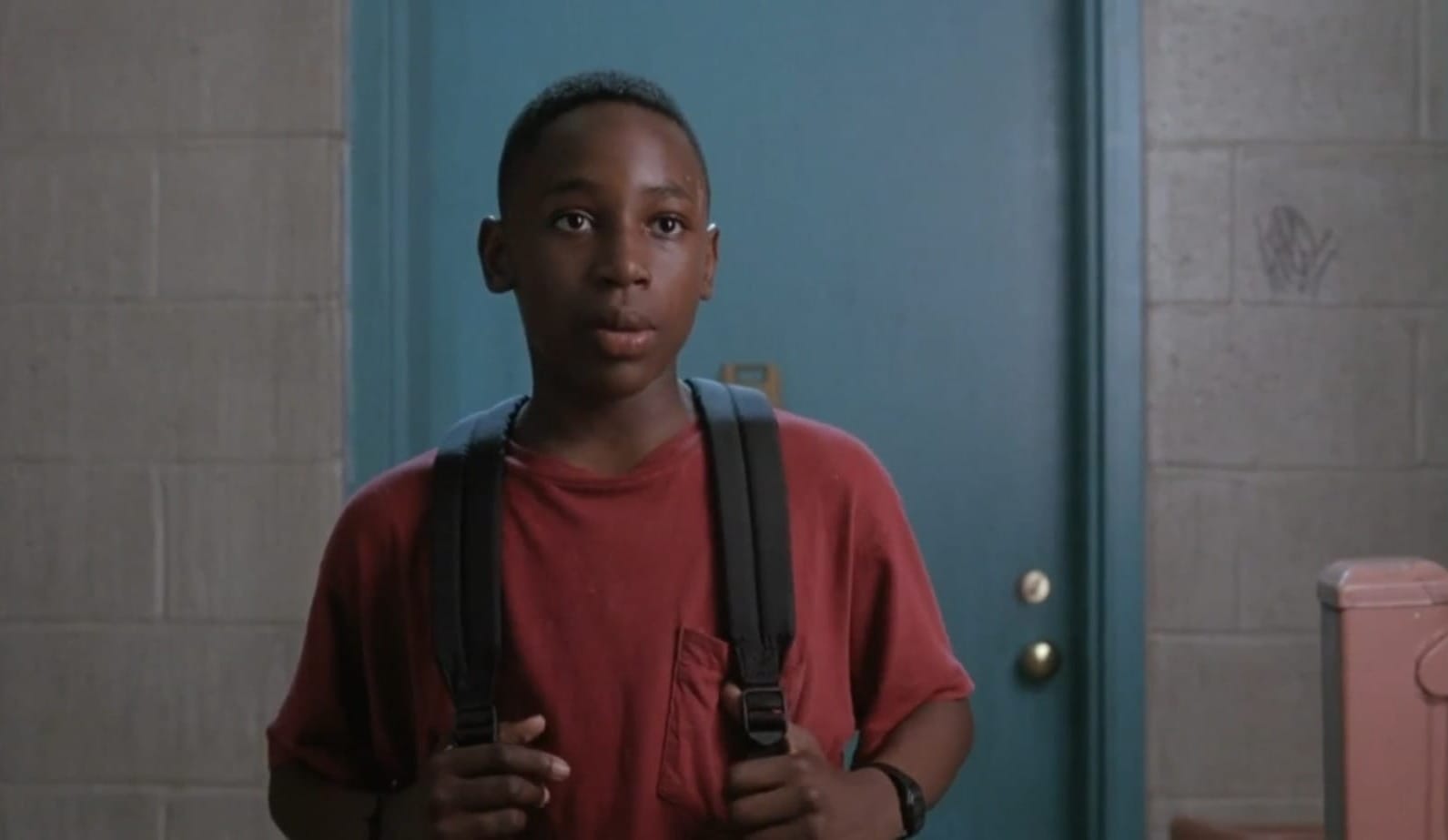
Adults often underestimate him because he is small, quiet, useful, and young enough to be placed inside their plans without being recognized as an active planner. They think his silence means his compliance. They think his face means innocence in the specific way adults read children when it benefits them. They think his usefulness proves their control.
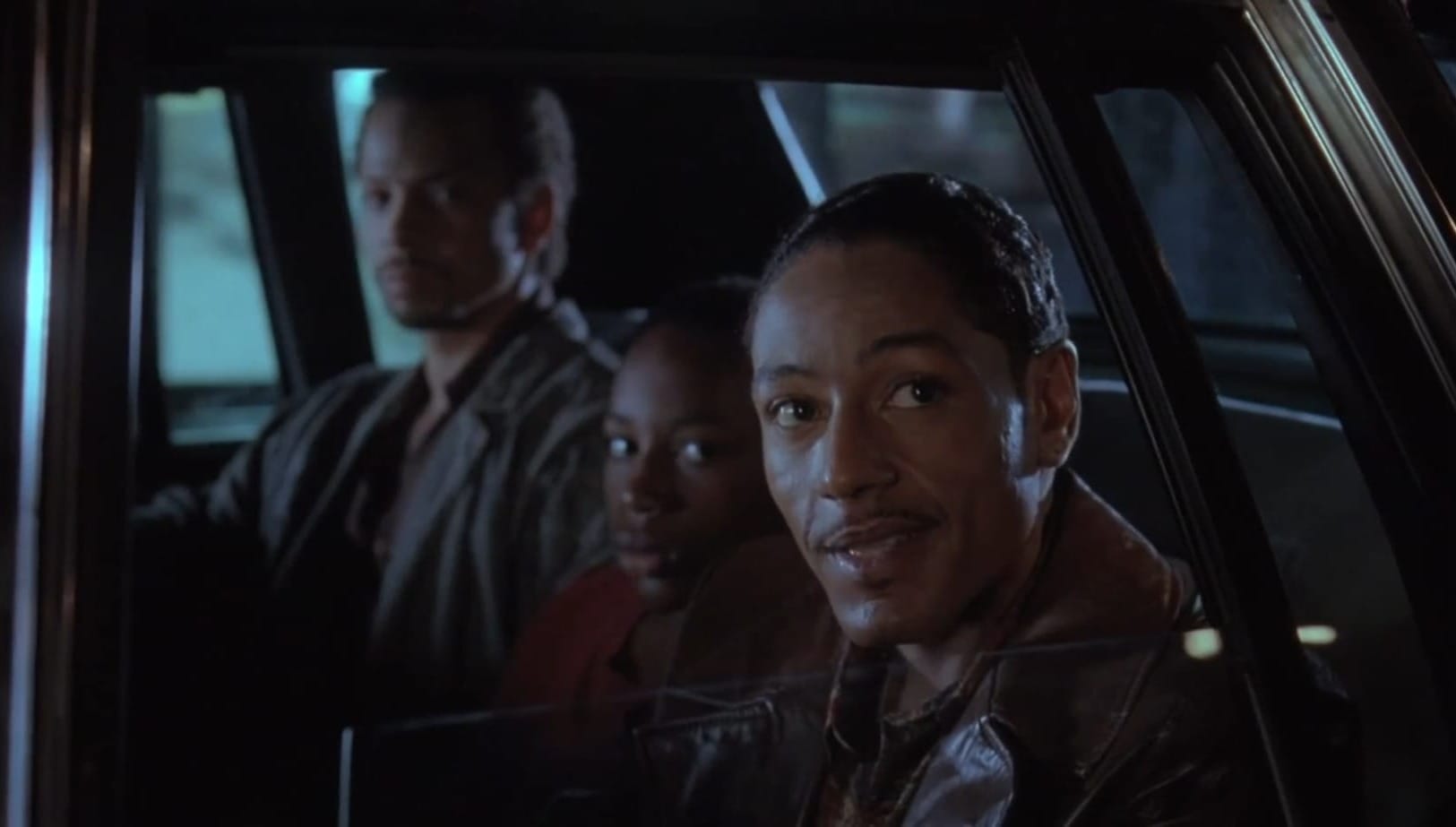
They are very wrong.
Fresh is not empty. Fresh is withholding. That is his mask.
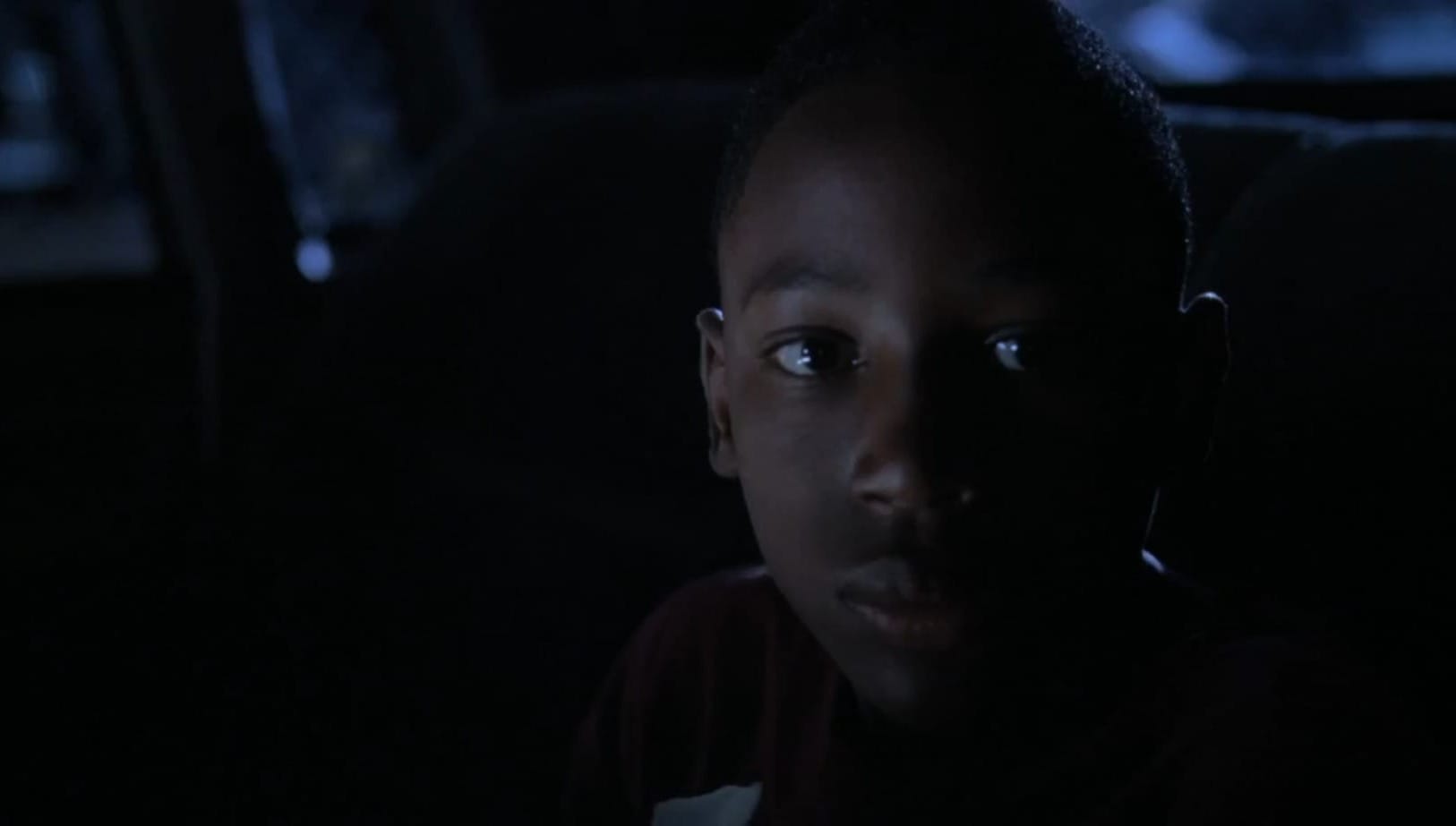
The mask protects his interior field. It keeps hostile loci from modeling him accurately. It lets him move through systems that would close around him if they understood the true scale of his attention.
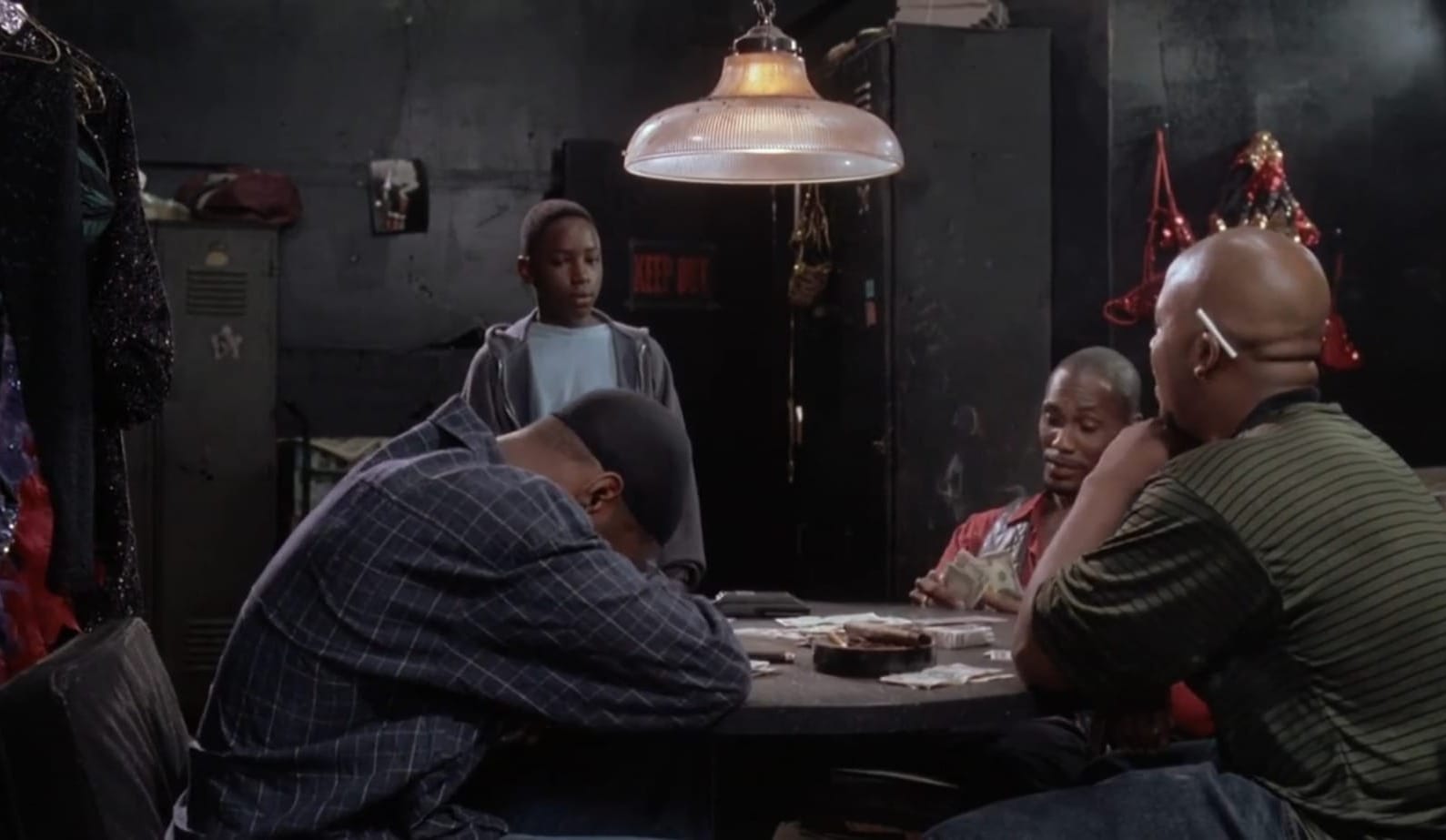
It lets Esteban see a recruit, Corky see a runner, teachers see a problem student, police see a scared witness, friends see a boy still available for childish schemes, and Sam see a pupil.
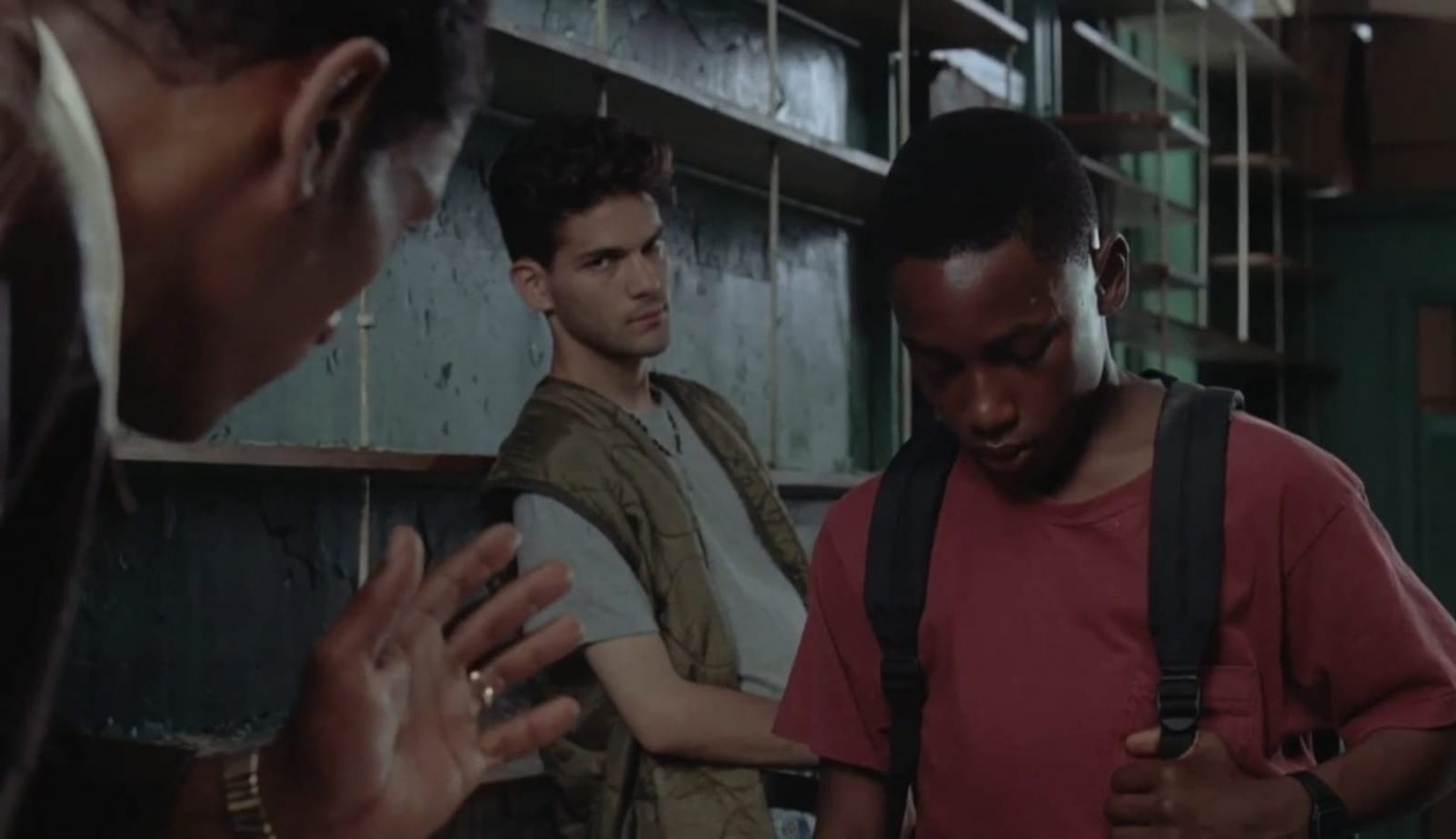
Each reading is partly true. None is complete.
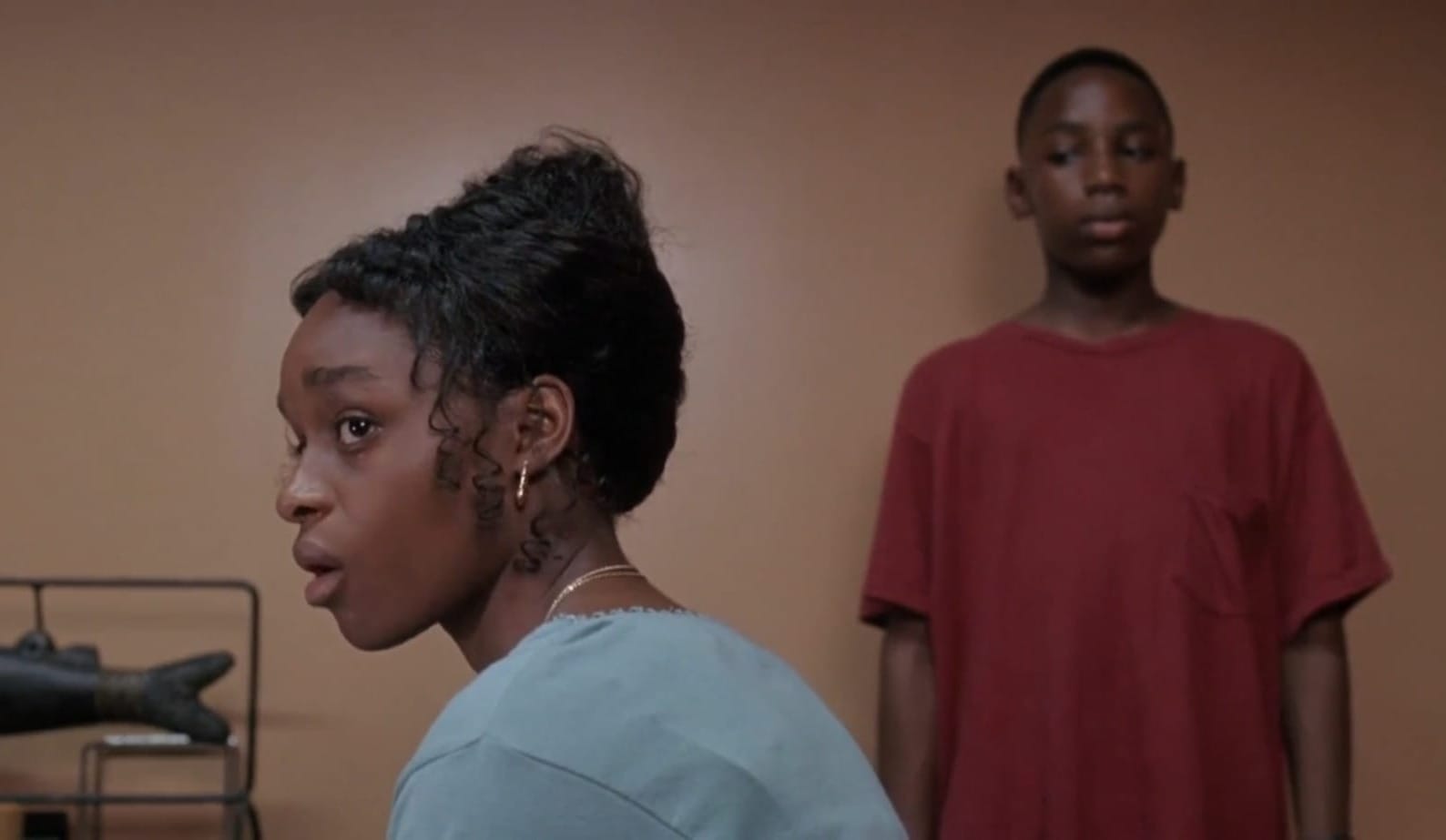
That is how the mask works. It does not need to be false. It only needs to be partial enough that the field cannot close in anymore around the whole person.
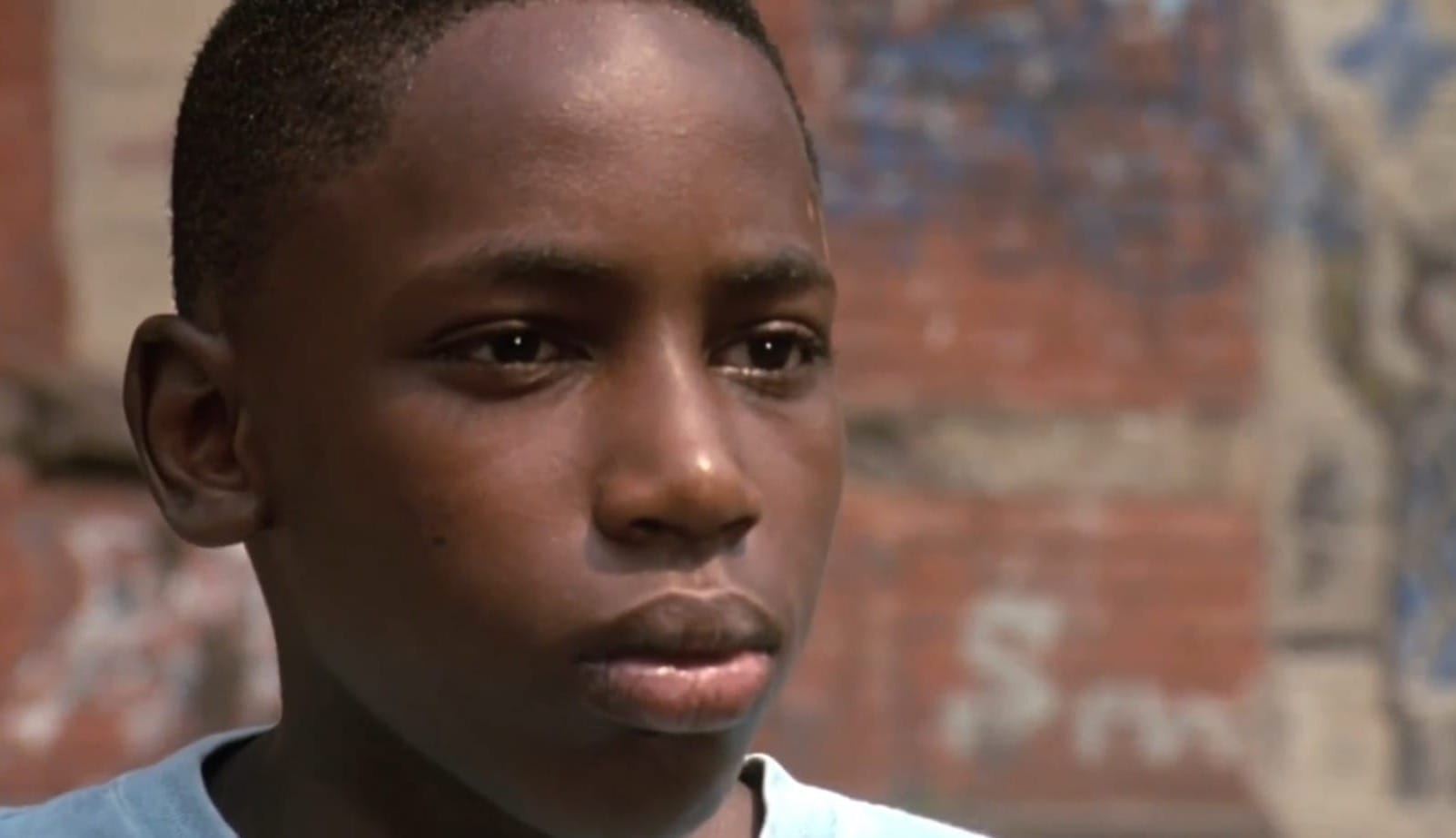
Batman chooses a bat because the bat changes how Gotham sees him.
Fresh cannot choose a symbol like that. He has to use the misreadings already available to a child in a damaged city.
The Sister as Captured Future.
Nichole is not Fresh’s simple motivation. Please do not do that to this movie.
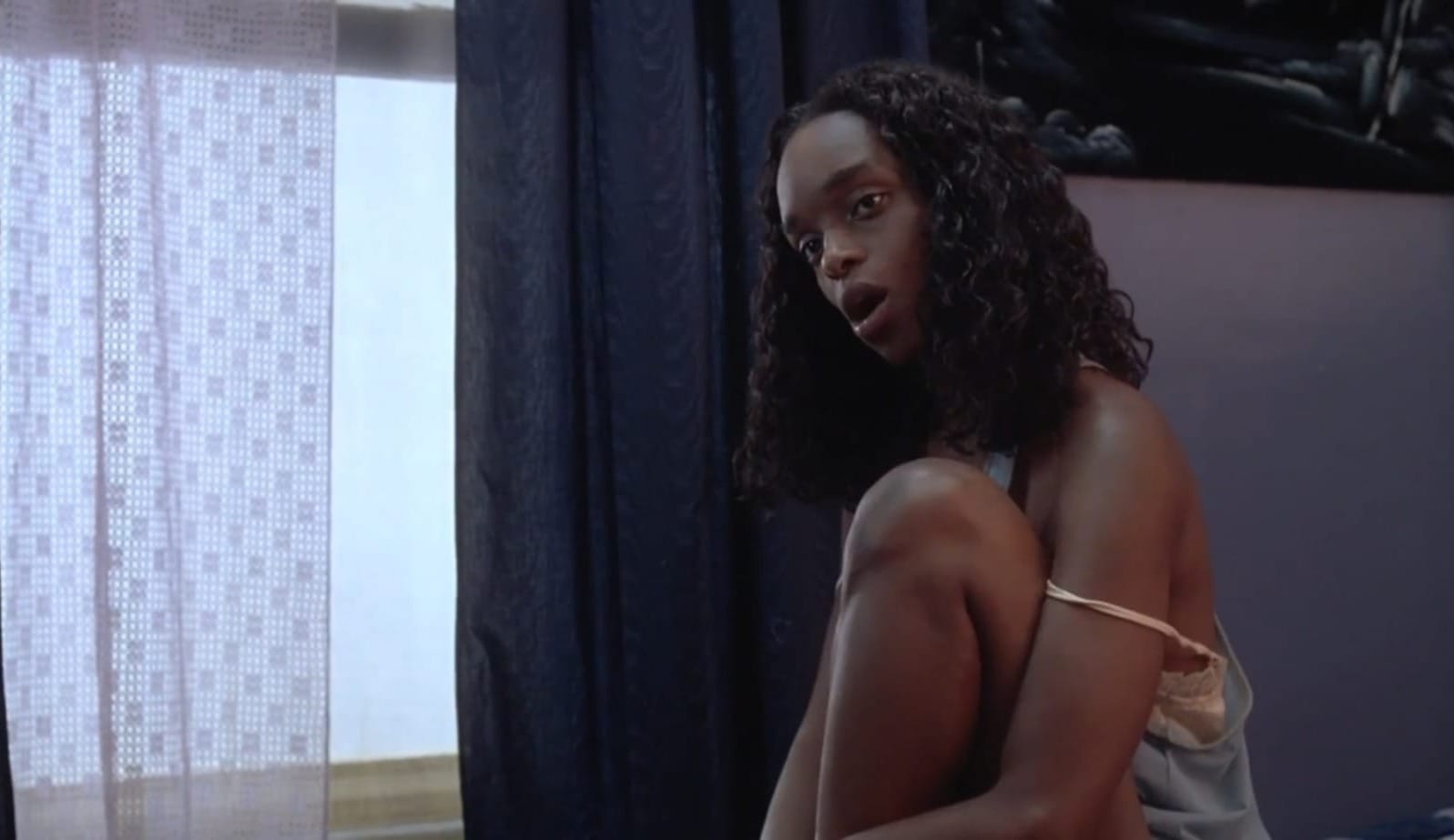
Nichole is a neighboring locus whose reachable future-space is being actively captured. Addiction narrows her field. Esteban narrows her field. James narrows her field. Poverty narrows her field. Sexual dependency narrows her field. The family’s limited ability to intervene narrows her field. The social environment around her has already learned how to metabolize her damage as normal.
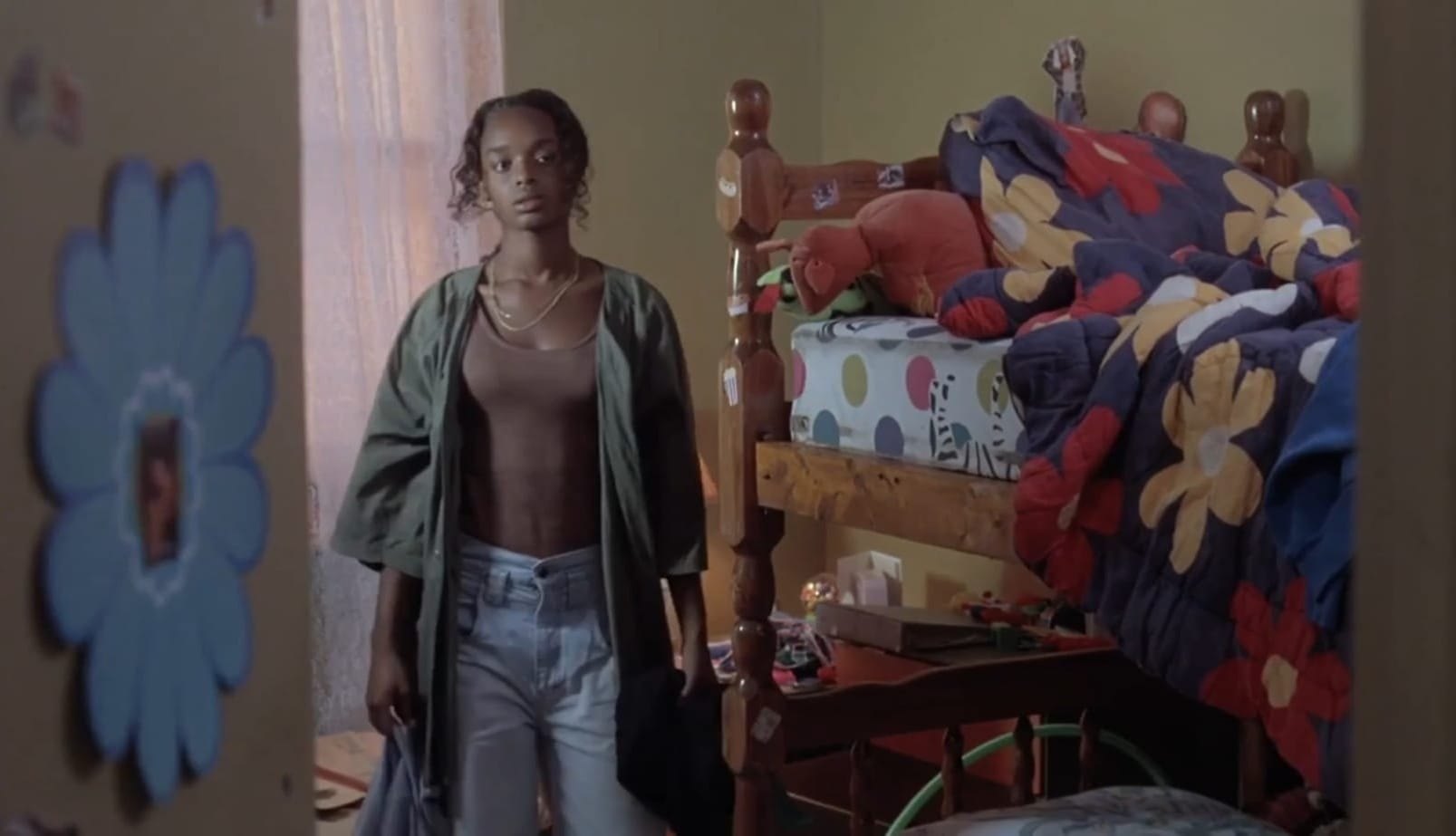
Fresh does not love an abstract “sister.” He loves someone whose future is being eaten in front of him.
That is why the final plan cannot be reduced to revenge. Revenge would be emotionally simpler and morally stupider. Fresh is not only trying to make the right people pay. He is trying to make an exit reachable for someone who cannot currently reach it.
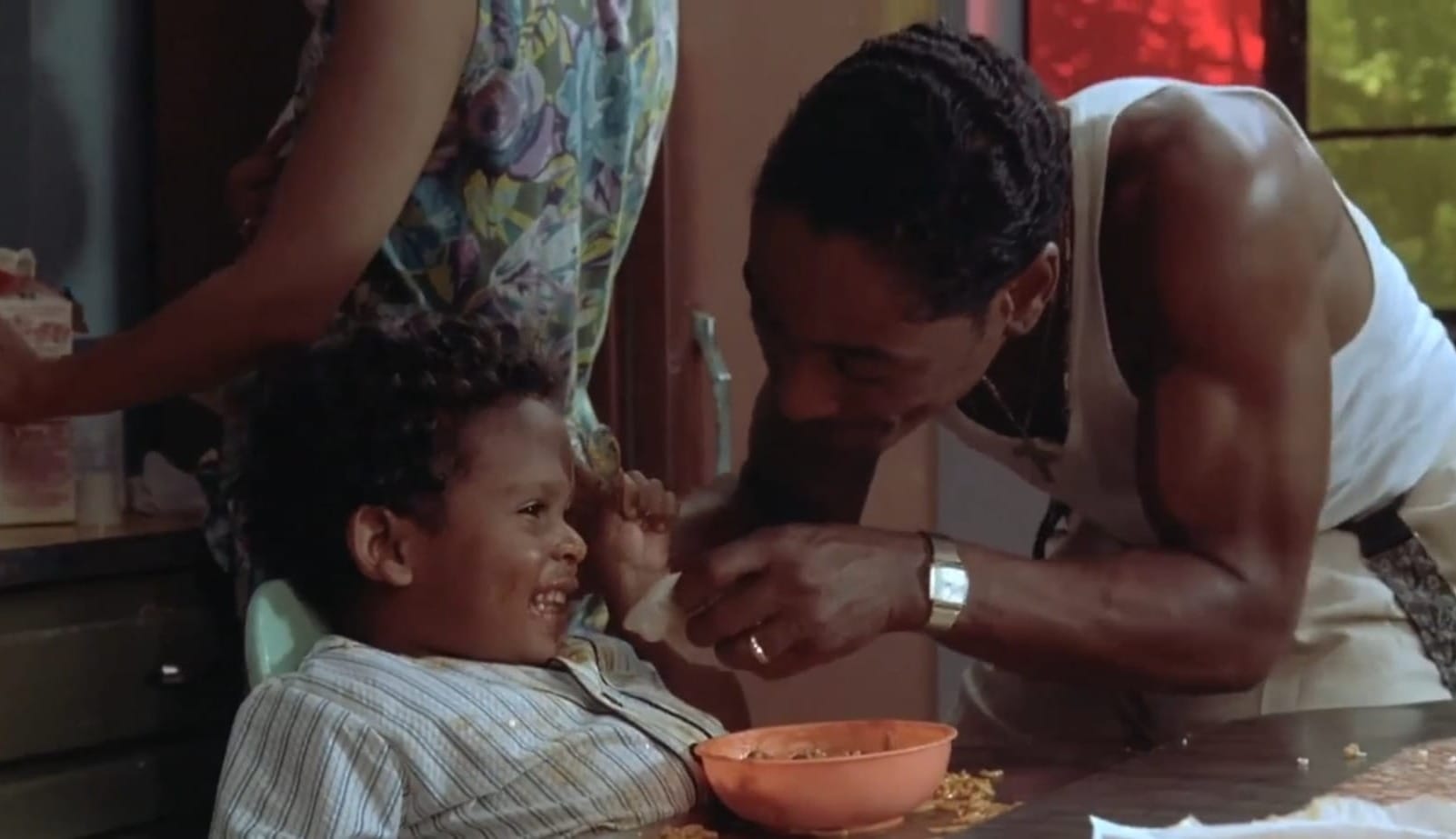
Care is not magic. Love does not automatically create a path. Wanting Nichole safe does not make her safety reachable. Fresh has to actively alter the field around her so that rescue becomes possible. He has to remove Esteban’s grip, break the criminal configuration, bring police into the prepared field, and make witness protection reachable.
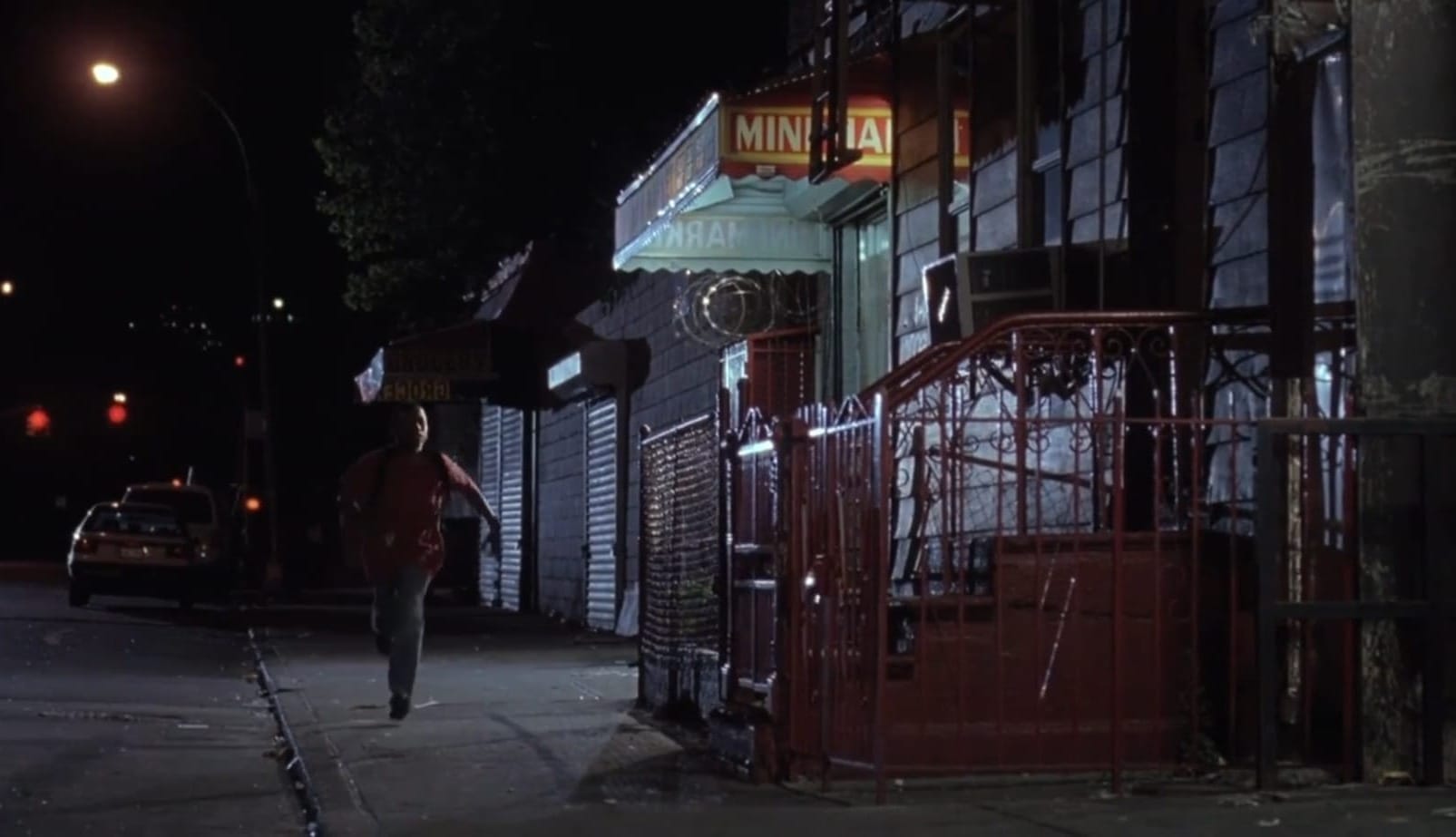
This is care under catastrophic resistance. It is also a grotesque reversal of the proper order.
Fresh is her younger brother. He should not be the field engineer of Nichole’s escape. Adults should have already done all of this. Institutions should have already done all of this. The surrounding world should not have waited for a fucking twelve-year-old to discover a viable path through drug violence with chess tactics and nerves of ice.
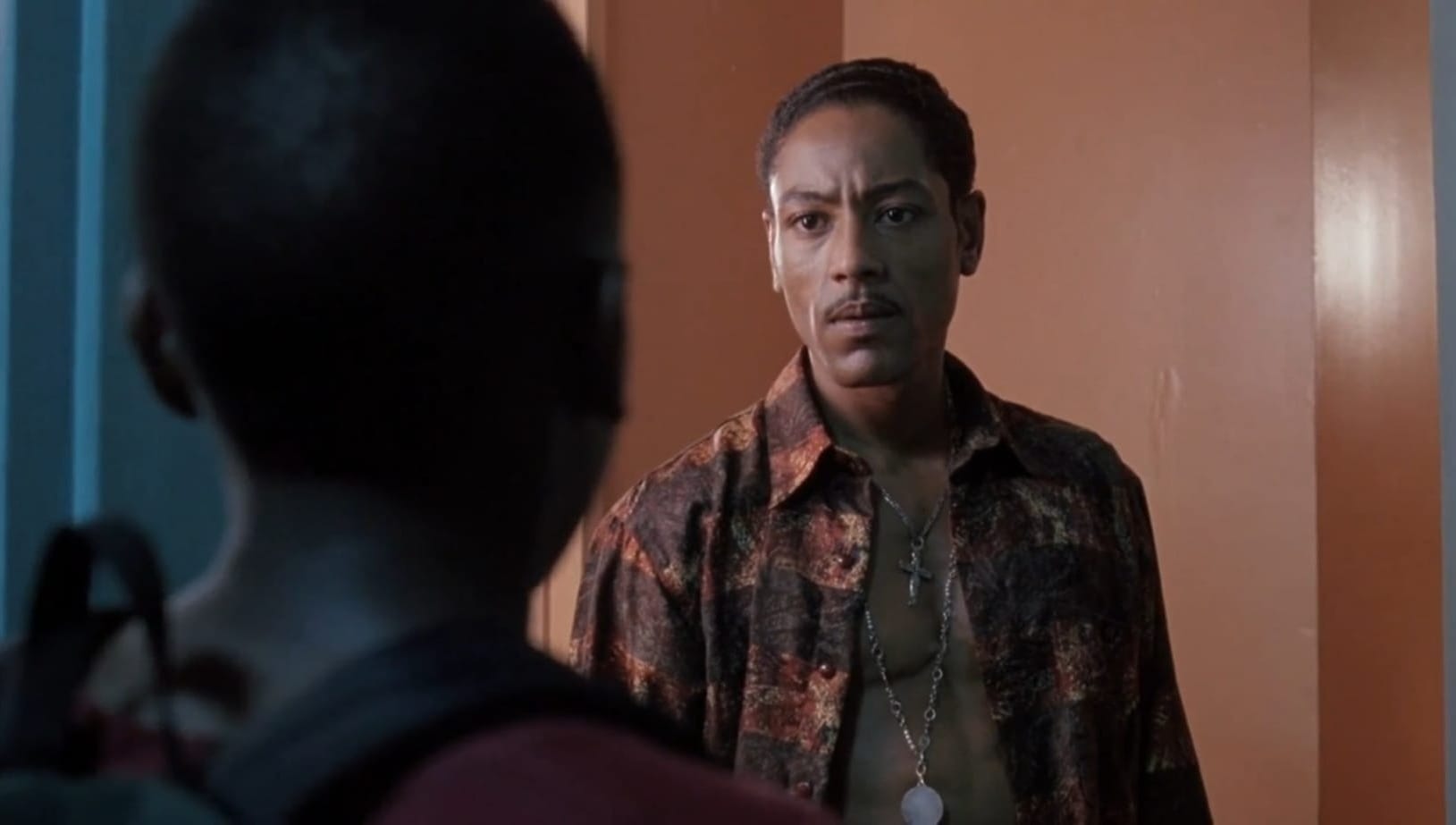
His success is not an absolution of this field. It is a direct indictment of everyone who made his success necessary.
The Friend as Exposure.
Chuckie is not built for the field. That sounds insulting, but it is actually the proof that Chuckie is still closer to childhood than Fresh is.
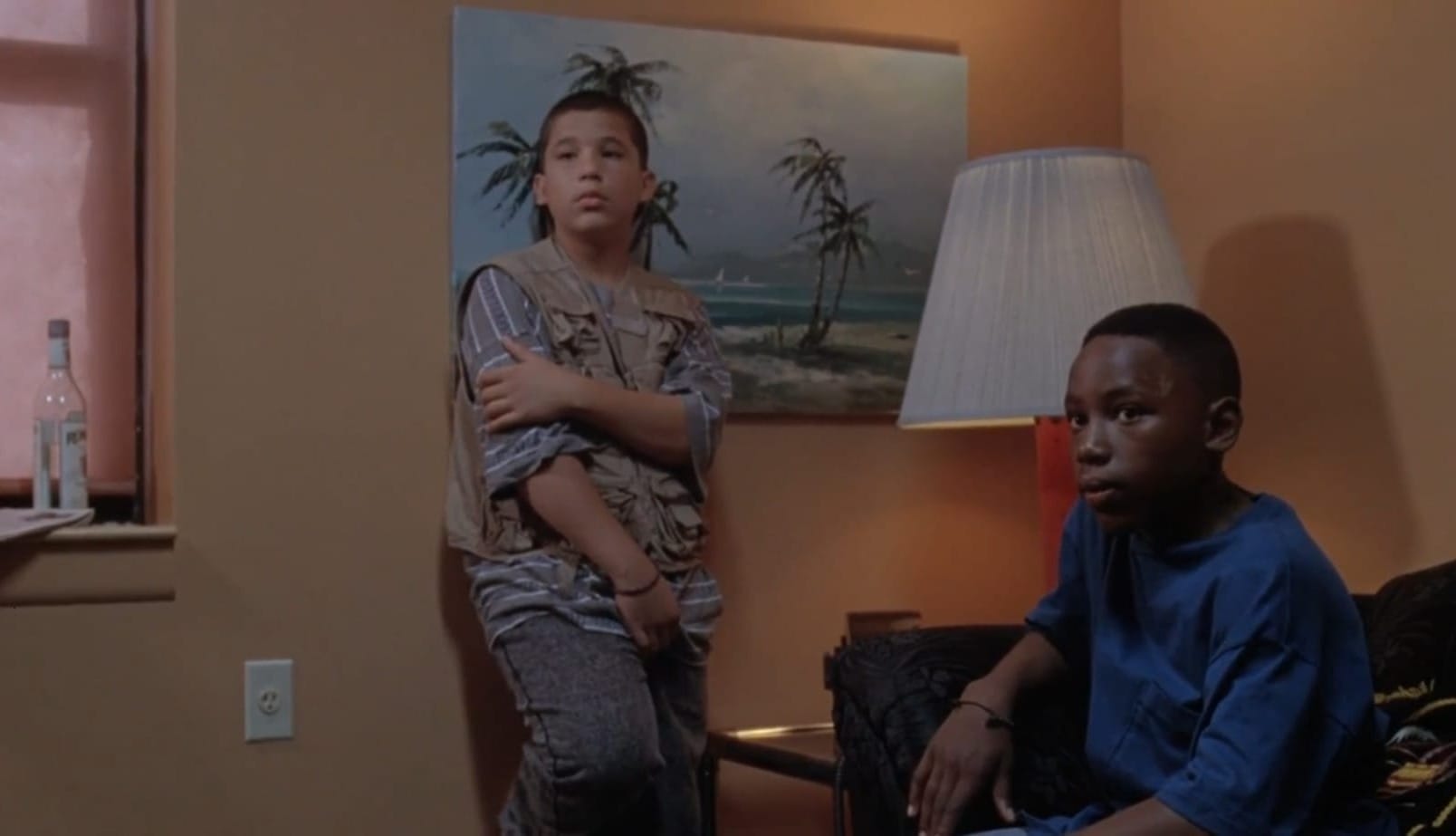
Chuckie brags. Chuckie schemes very loosely. Chuckie wants money and status without understanding the machinery around him. Chuckie wants to enter Roscoe in another dogfight. Chuckie wants a job with Esteban. Chuckie thinks proximity to adult crime is opportunity because he cannot yet read the full board.
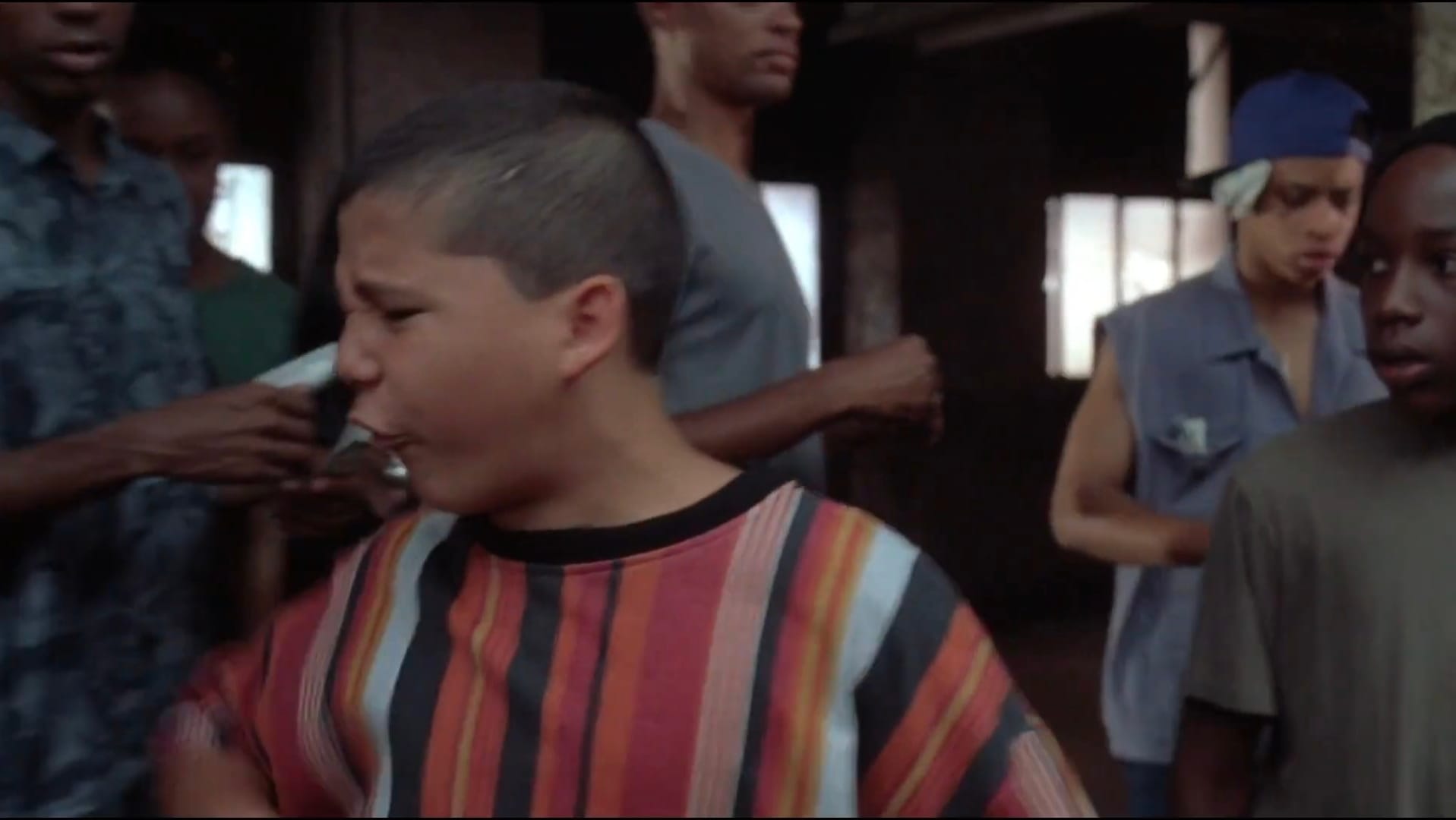
Fresh can. And he can read Chuckie, too.
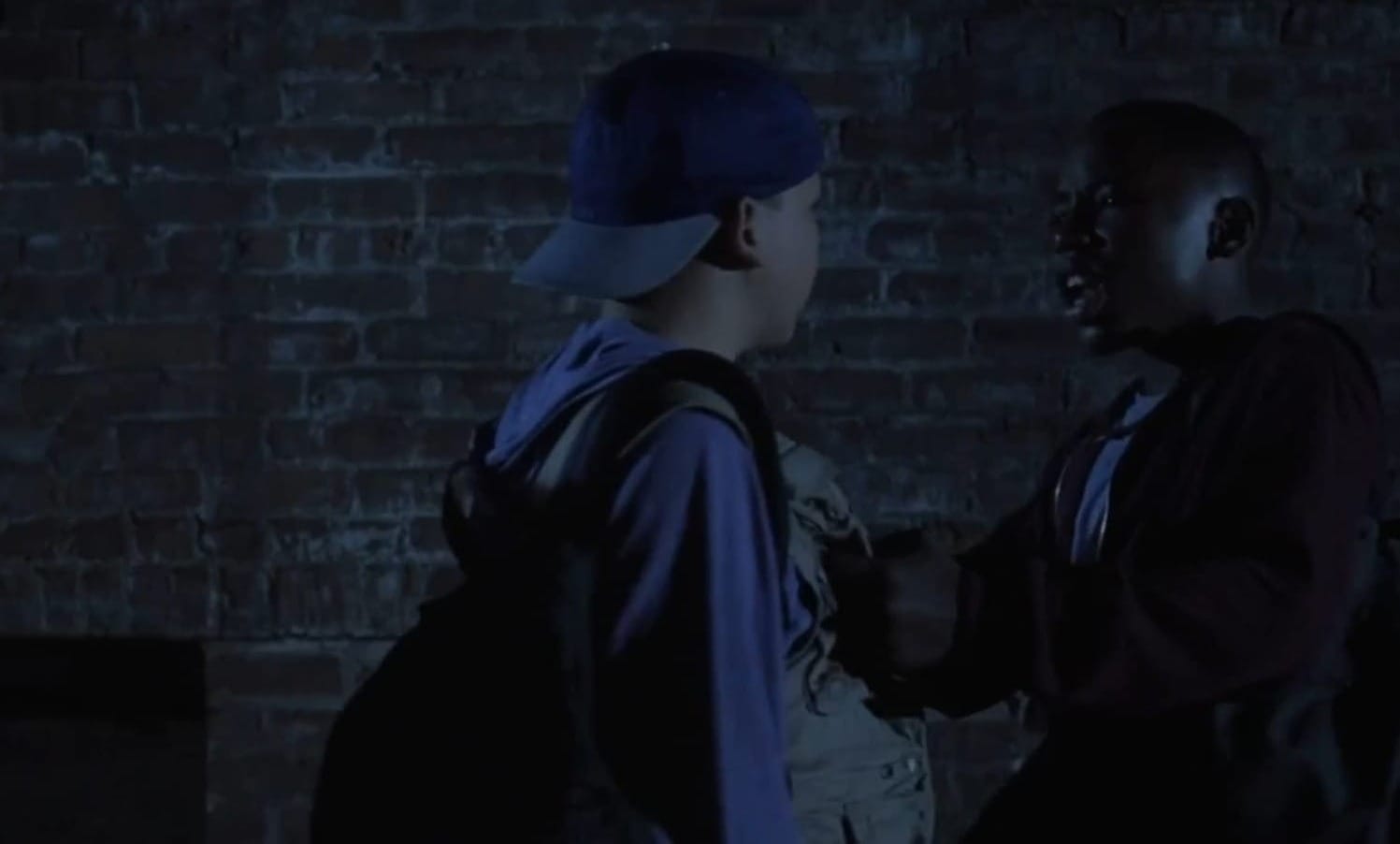
This is one of the film’s cruelest comparisons. Chuckie is not innocent in some pure greeting-card sense. He is already involved. He wants deeper access. He is excited by the wrong things. But he has not been transformed into an analyst of any kind. He is still a child. He does not understand that every boast can become a path. Every rumor can become evidence. Every association can become his death sentence.
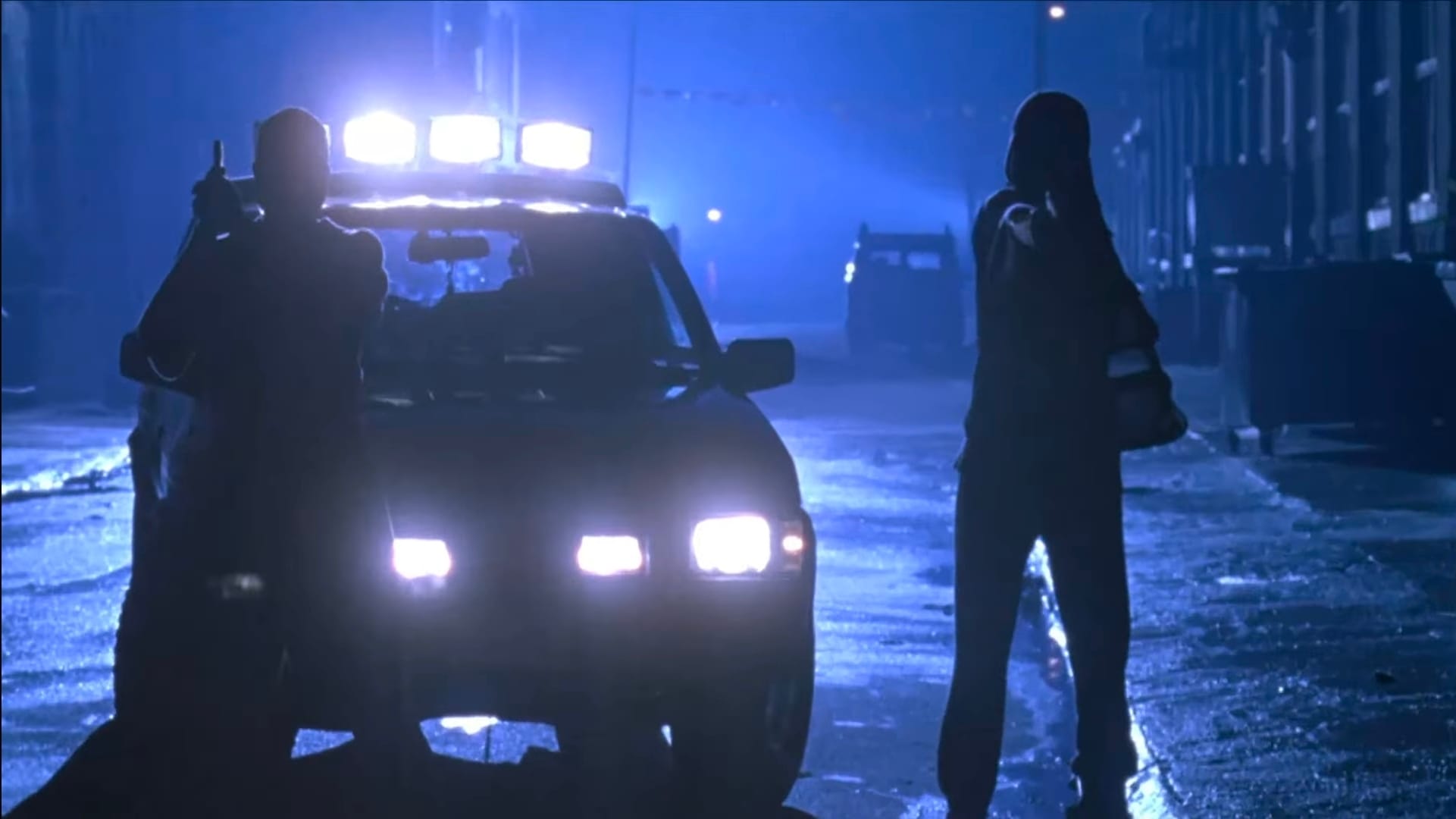
Chuckie is killed because the field has no mercy for children who misunderstand adult violence. Fresh survives because he understands this all too well.
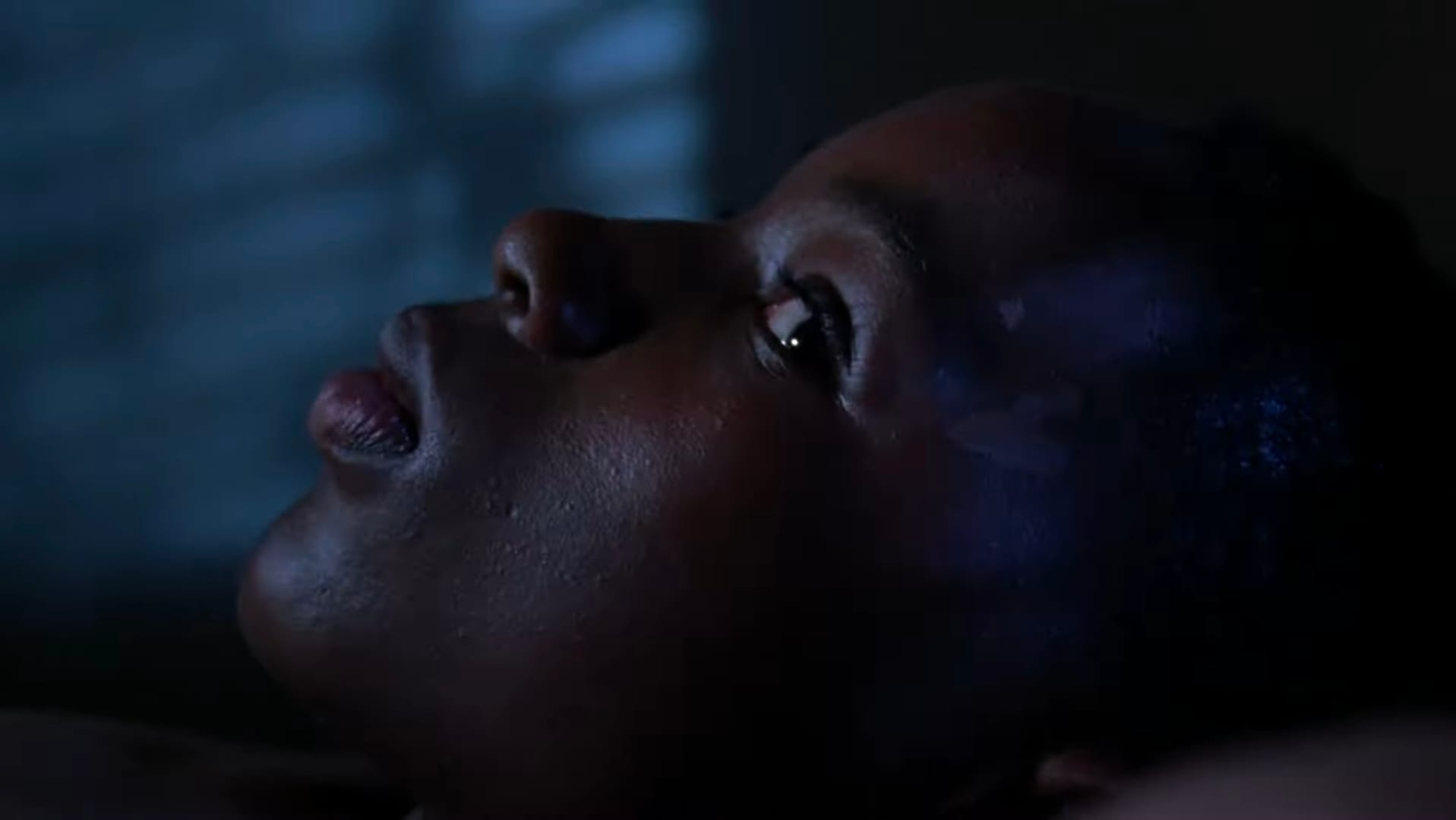
Neither condition is acceptable.
The viewer may prefer Fresh because Fresh is competent. That preference is itself very dangerous. Competence under a monstrous field can make harm look deserved for the less competent. This is one of the oldest narrative poisons. The smart survivor becomes the hero, and everyone else becomes “careless,” “naive,” or “not built for this shit.”
No.
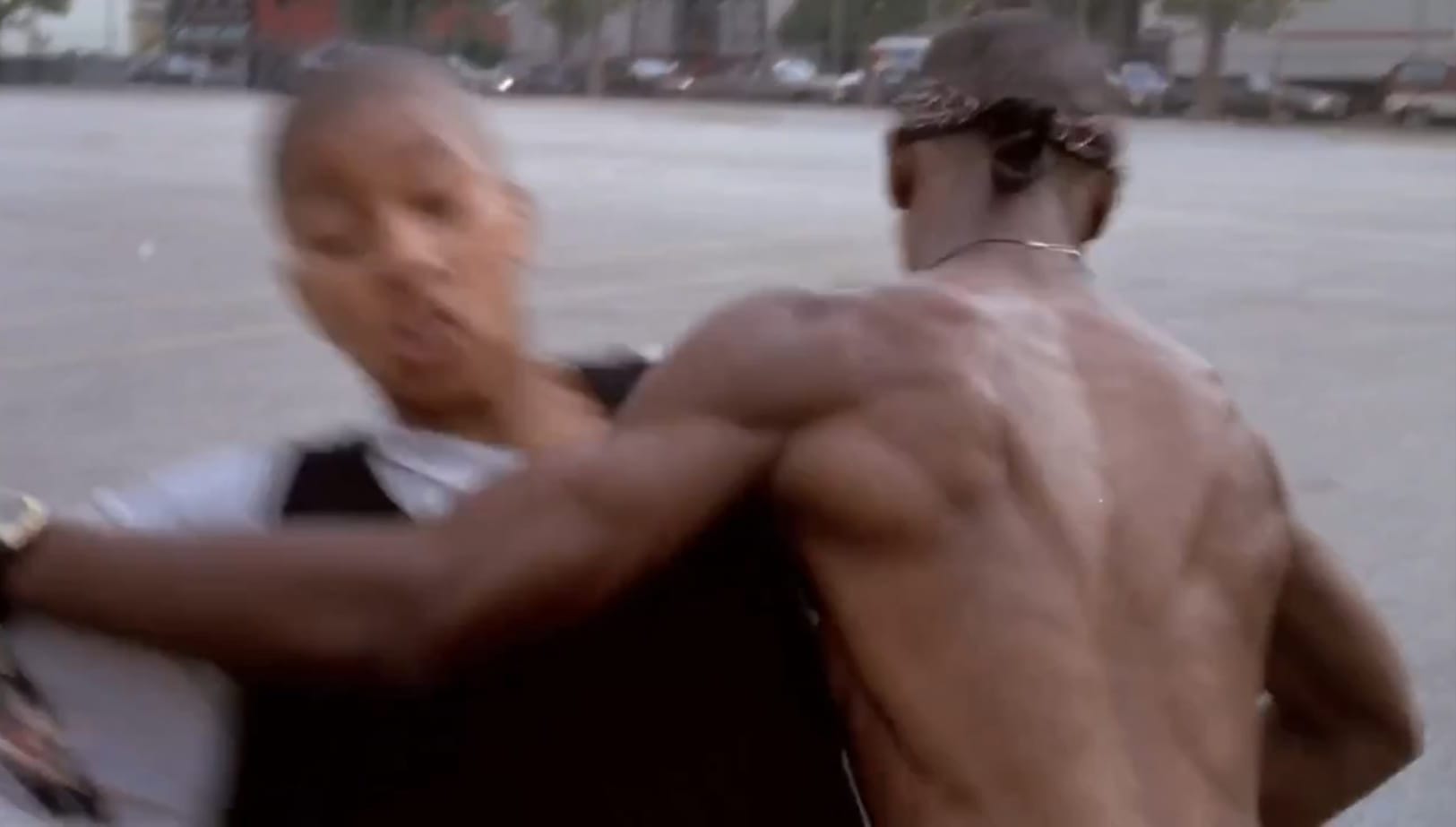
Children are, in fact, allowed to be careless. Children are allowed to misunderstand adult danger. Children are allowed to be stupid around money, status, dogs, friends, and fantasy. A field that just kills them for that is not revealing their weakness. It is revealing its own fucked up structure.
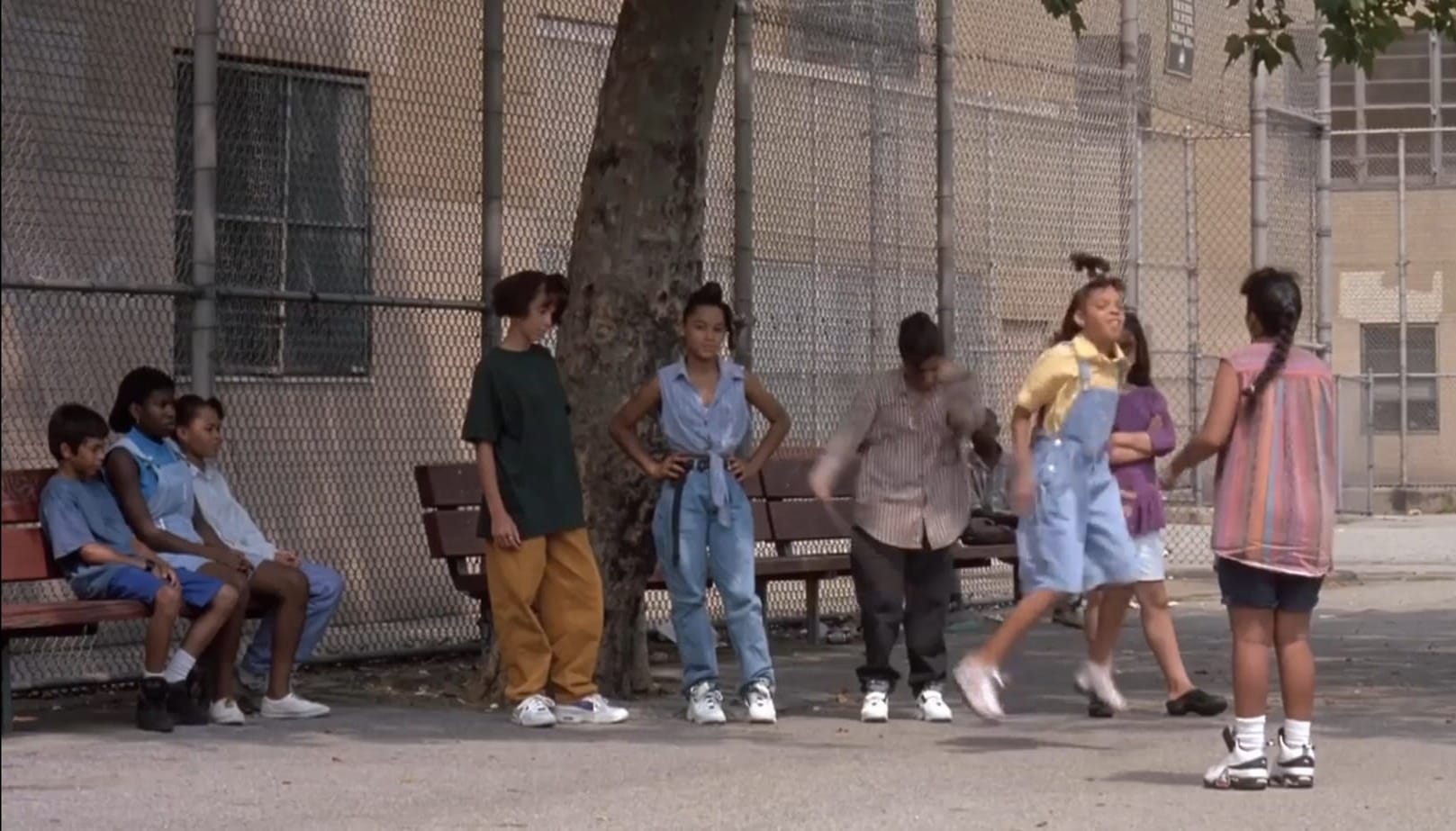
Chuckie should not have needed Fresh’s level of perception to stay alive.
The Dog.
Roscoe is where the movie stops letting Fresh remain clean.
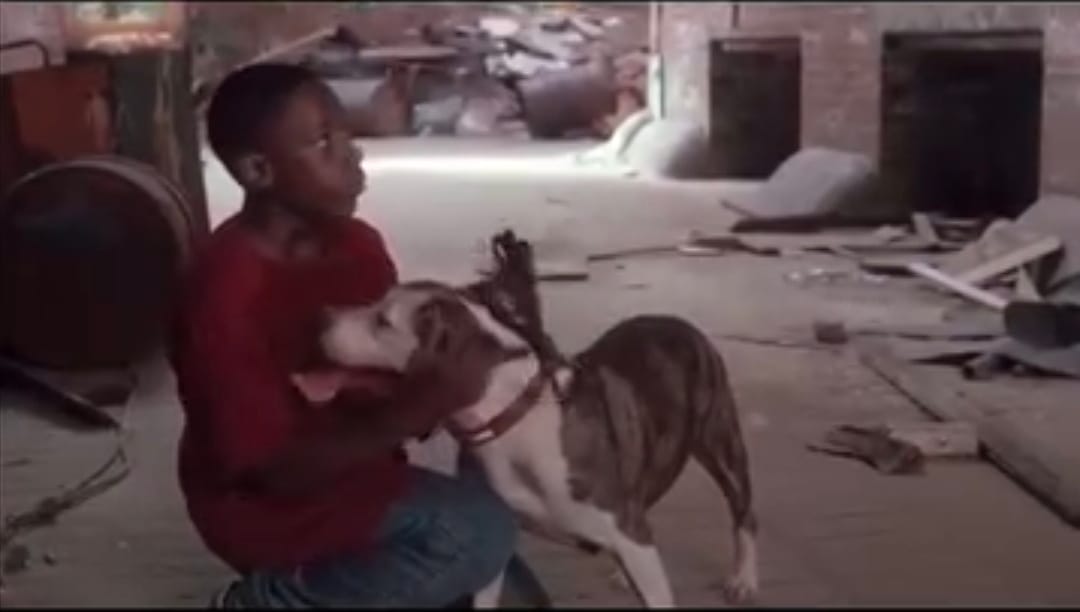
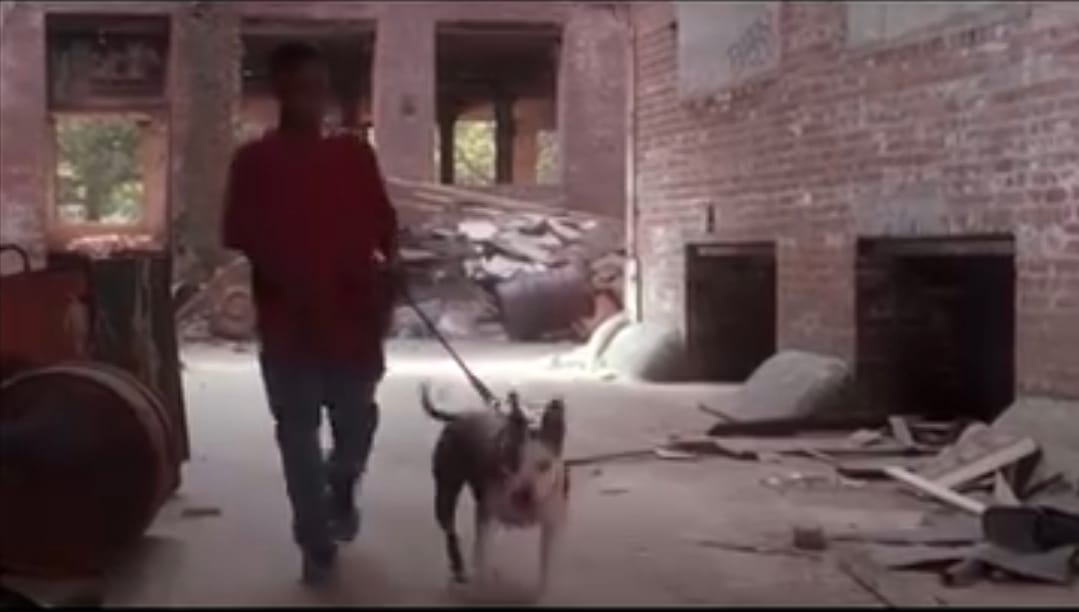
Fresh kills this fucking dog. Brutally.
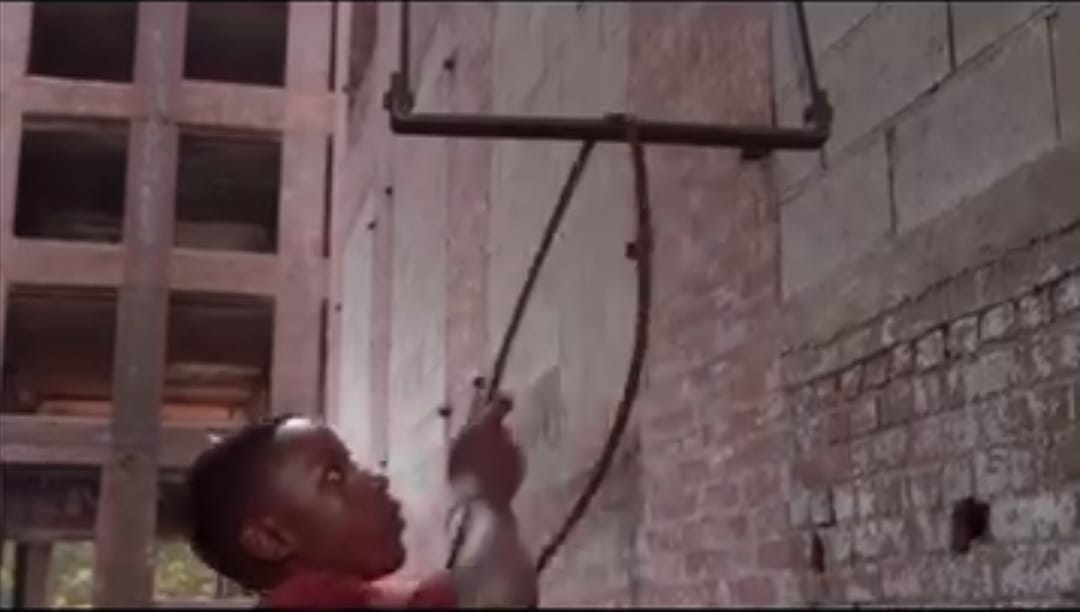
There is no elegant way around this one at all, and nor should there be. If Walter White killed a dog like this, his show would have been over.
Roscoe is not a chess piece in the moral sense just because Fresh uses him as one. Roscoe is a dependent animal pulled into the same field of violence, gambling, domination, and instrumental life. His death is very much harm. It is not made pure by Fresh's strategy. It is not canceled by the virtues of the plan. It is not redeemed by the fact that Fresh is trying to survive.
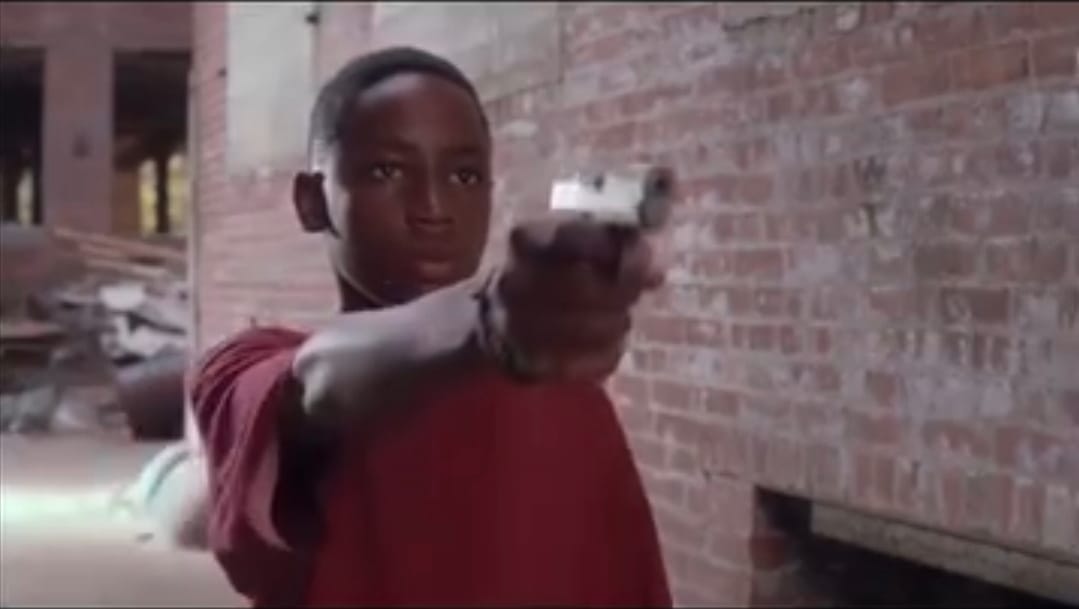
Fresh is not outside the field's contamination in any way. He is also corrupted. This field has entered him. He has learned the instrumental grammar of the adults around him. He has learned that one life can be used to move another life. He has learned that sacrifice can be operational.
That knowledge helps him survive, but that knowledge also deeply damages him.
Better is not purity. Better is not a clean soul doing clean things in a dirty world. Better is what remains when the field has already closed off Good. Fresh’s plan can be Better while still containing real harm. The dog does not disappear from the ledger because the ending works.
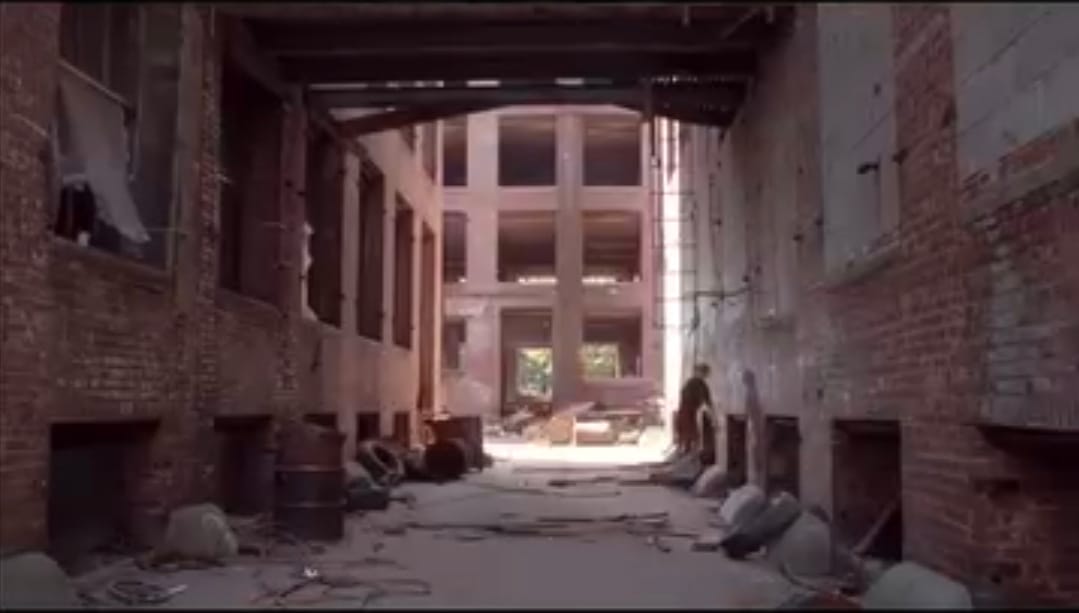
This is where a weaker movie would protect its protagonist from moral residue.
Fresh does not.
The movie understands that a child forced to think like this cannot remain morally untouched just because the screenplay likes him and we want to root for him.
Esteban and Future Capture.
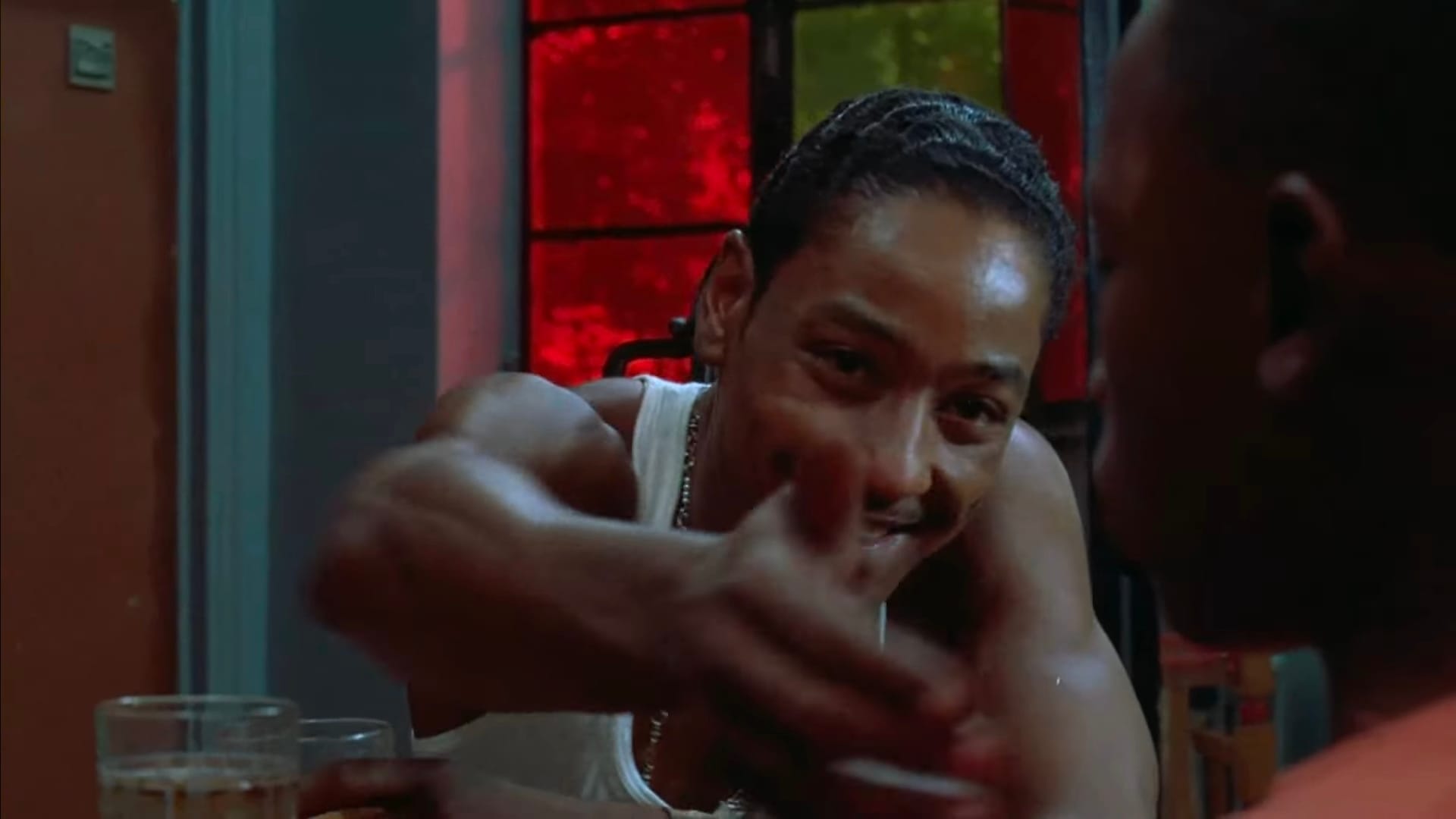
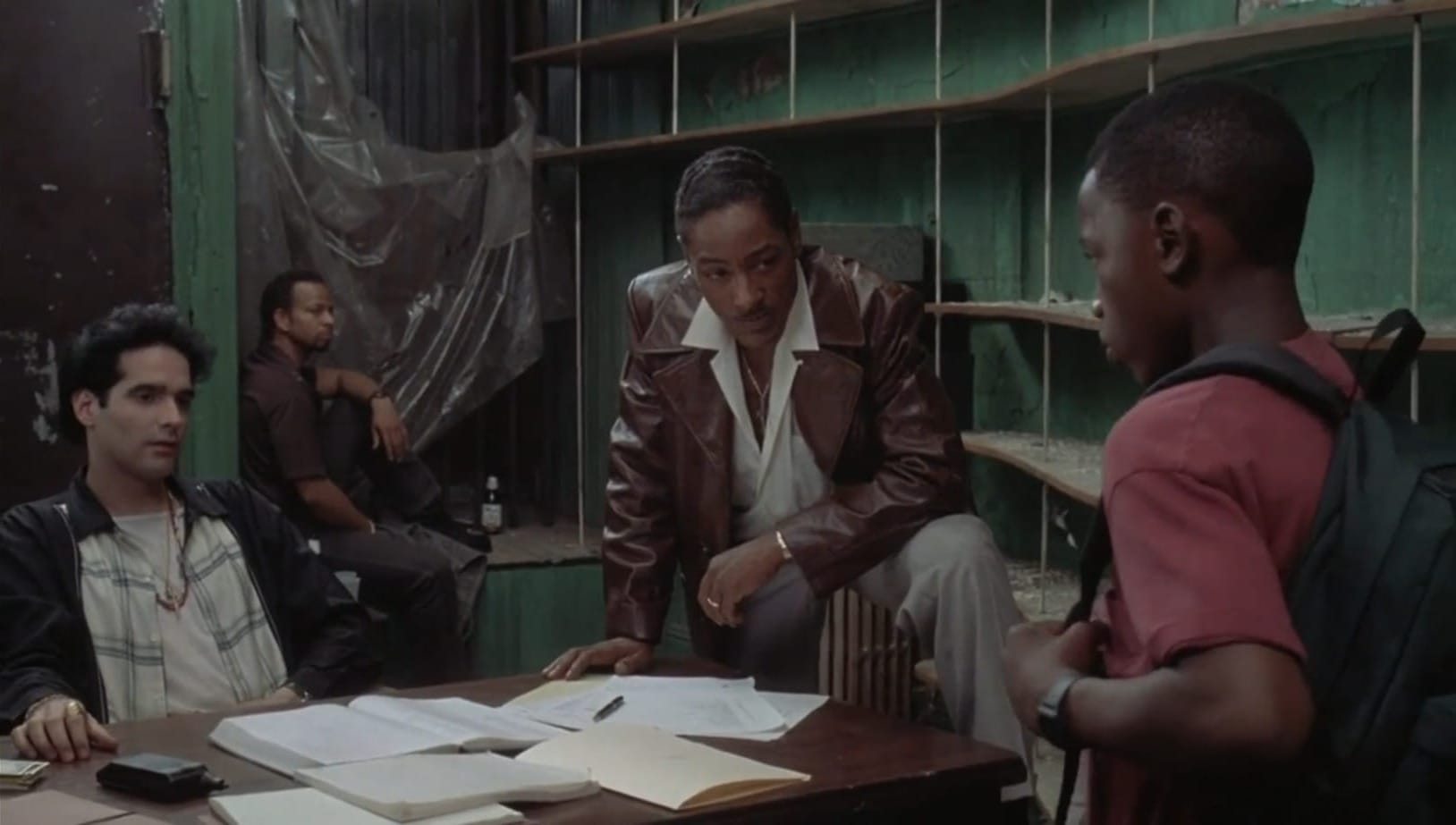
Esteban is dangerous because he does not only want Fresh’s labor. More, he wants Fresh’s future.
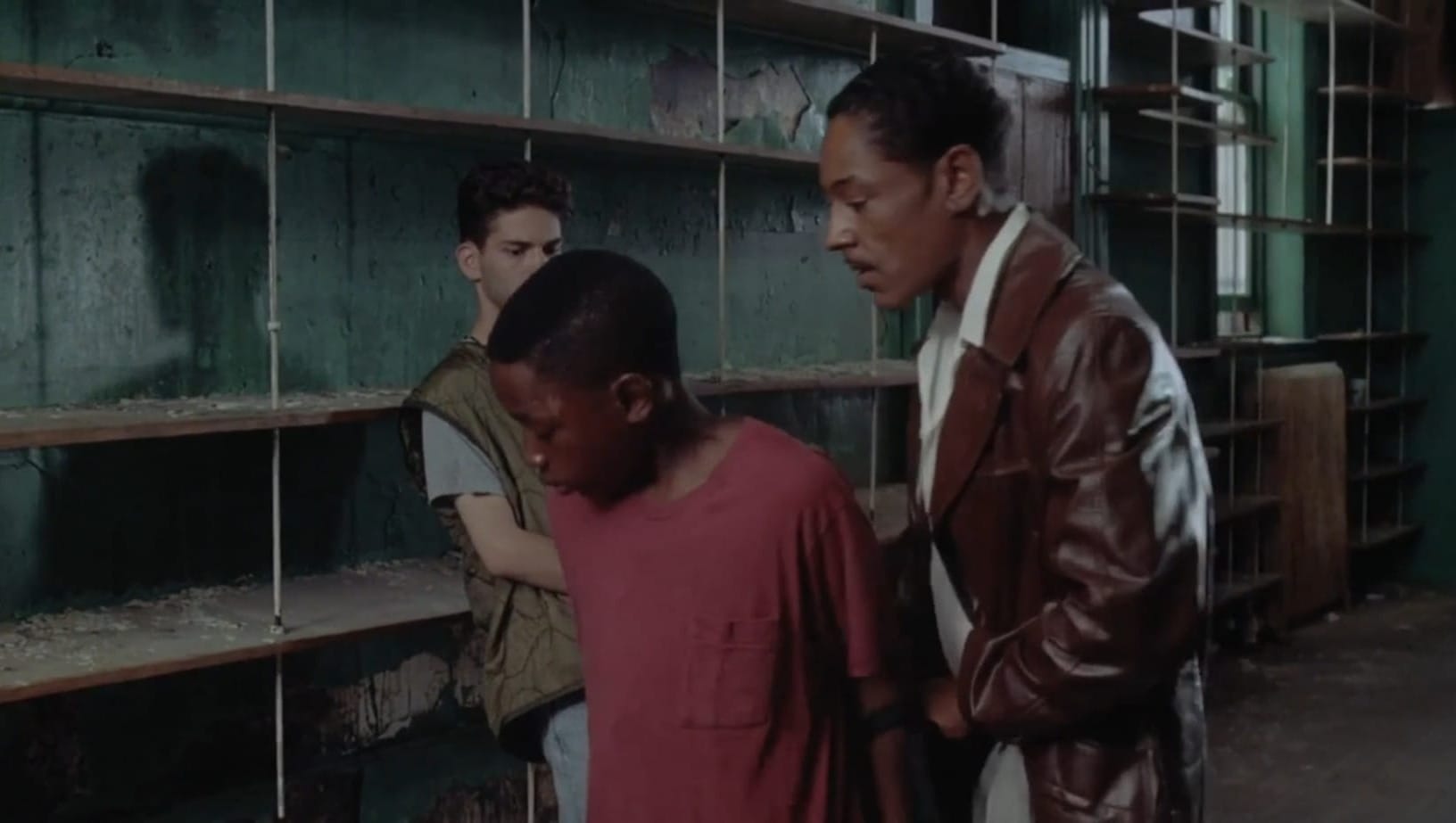
He sees the boy’s discipline. He sees the quiet. He sees the clear difference between Fresh and the louder, sloppier children around him. He recognizes a possible successor, or at least a more refined instrument to craft. This is much worse than ordinary exploitation.
A person can be used in the present. A future can also be colonized.
Esteban’s grooming of Fresh is a future-space invasion. He wants Fresh to grow into the criminal field that has already harmed him. He wants the boy's intelligence converted into his infrastructure. He wants the child’s adaptation to become the system’s next asset.
This is one of the clearest modal harms in the movie.
Fresh’s intelligence could open very many futures. Esteban tries to make it open one he prefers: controlled criminal competence, under him. The boy’s gift becomes his recruitment surface. This harmful field sees the child’s adaptation to harm and tries to claim that adaptation as proof that he belongs to it's own deepening.
That is how damaged fields reproduce. They take the traits developed under their pressure and offer them back as the field's newest identity.
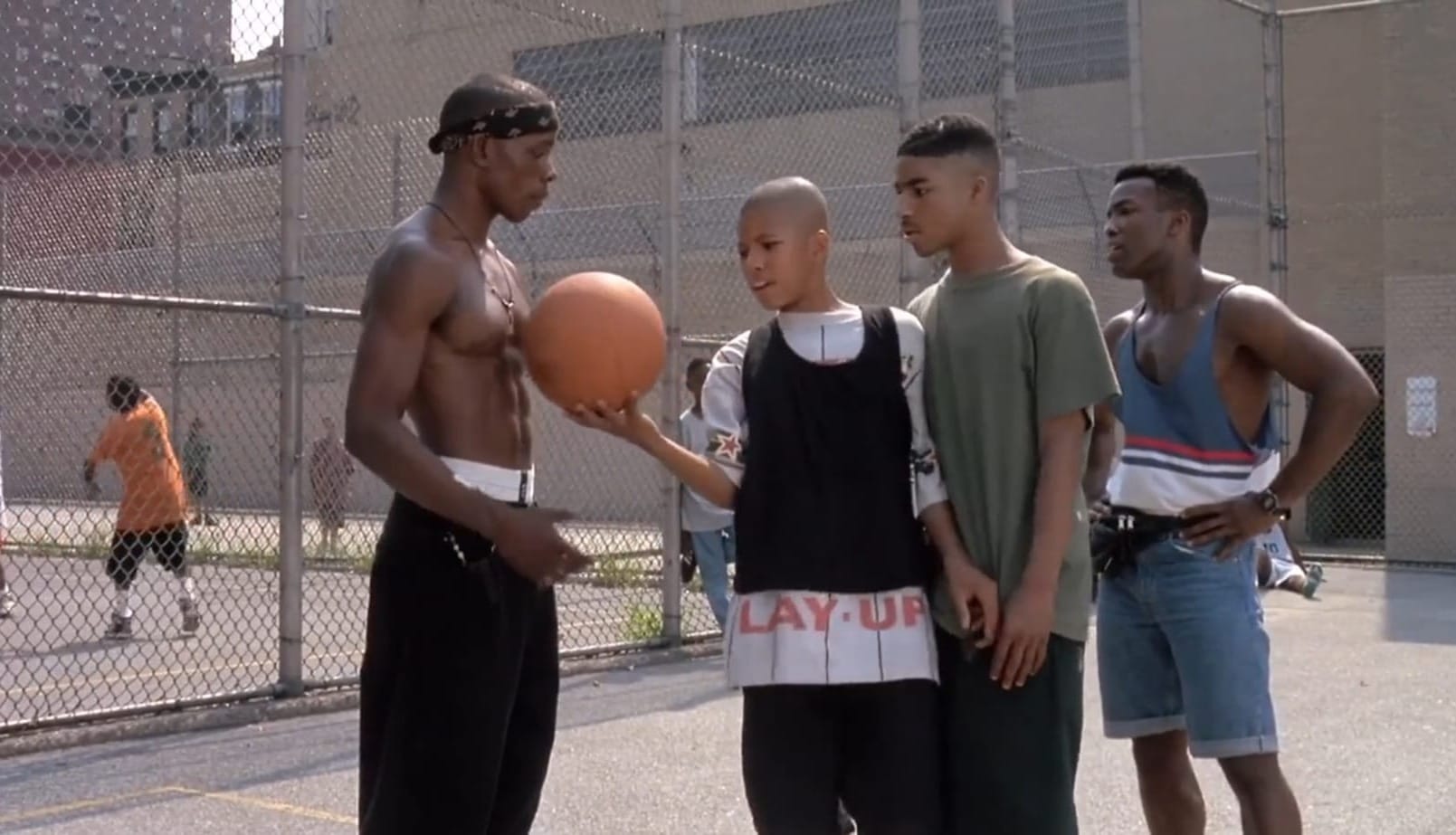
You are good at surviving this, so this must be where you belong.
Absolutely fucking not.
Fresh’s plan is not only an escape from immediate danger. It is an escape from capture by the future Esteban is preparing for him.
The Basketball Court.
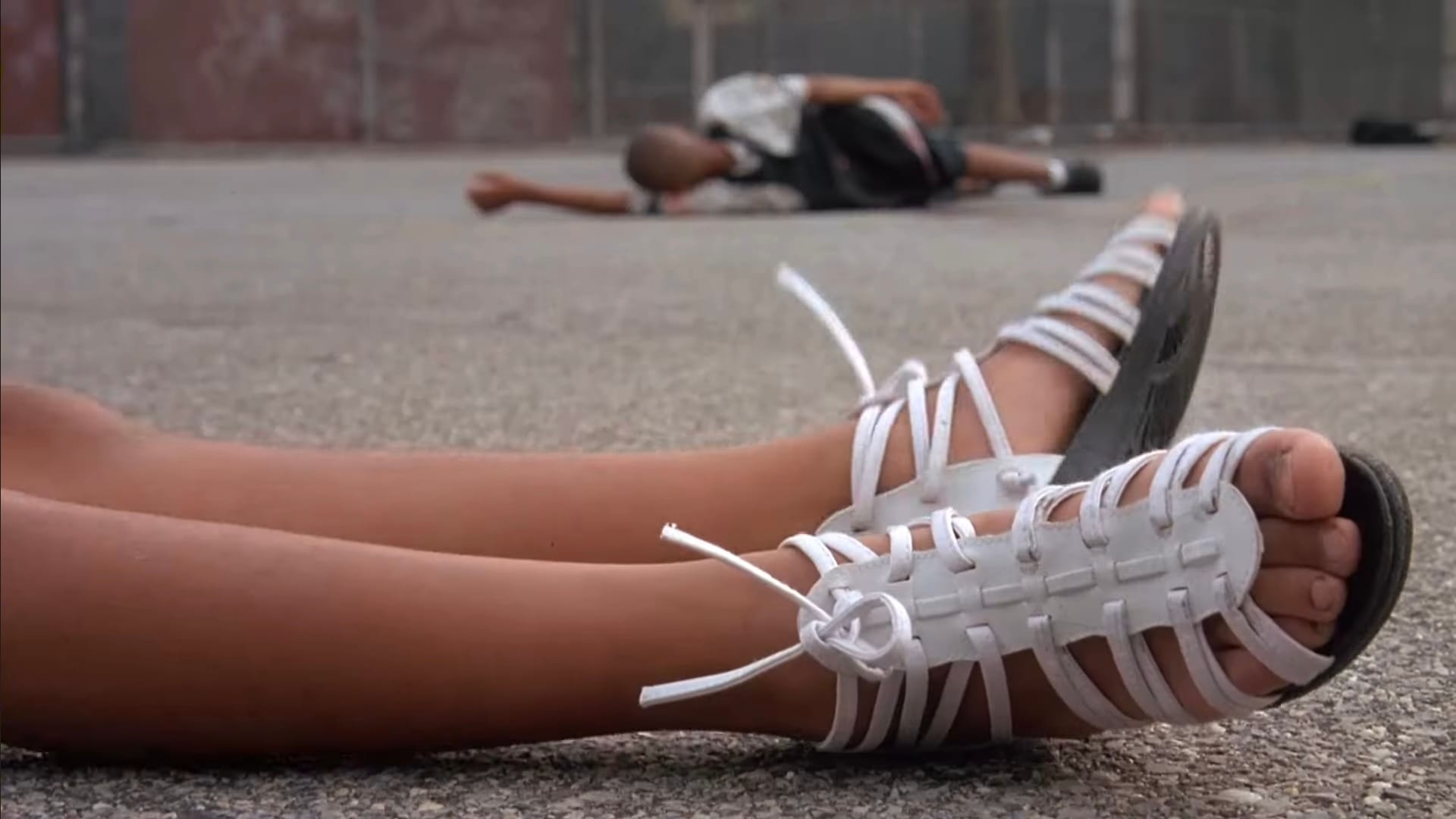
The basketball court is where ordinary childhood space loses all remaining cover.
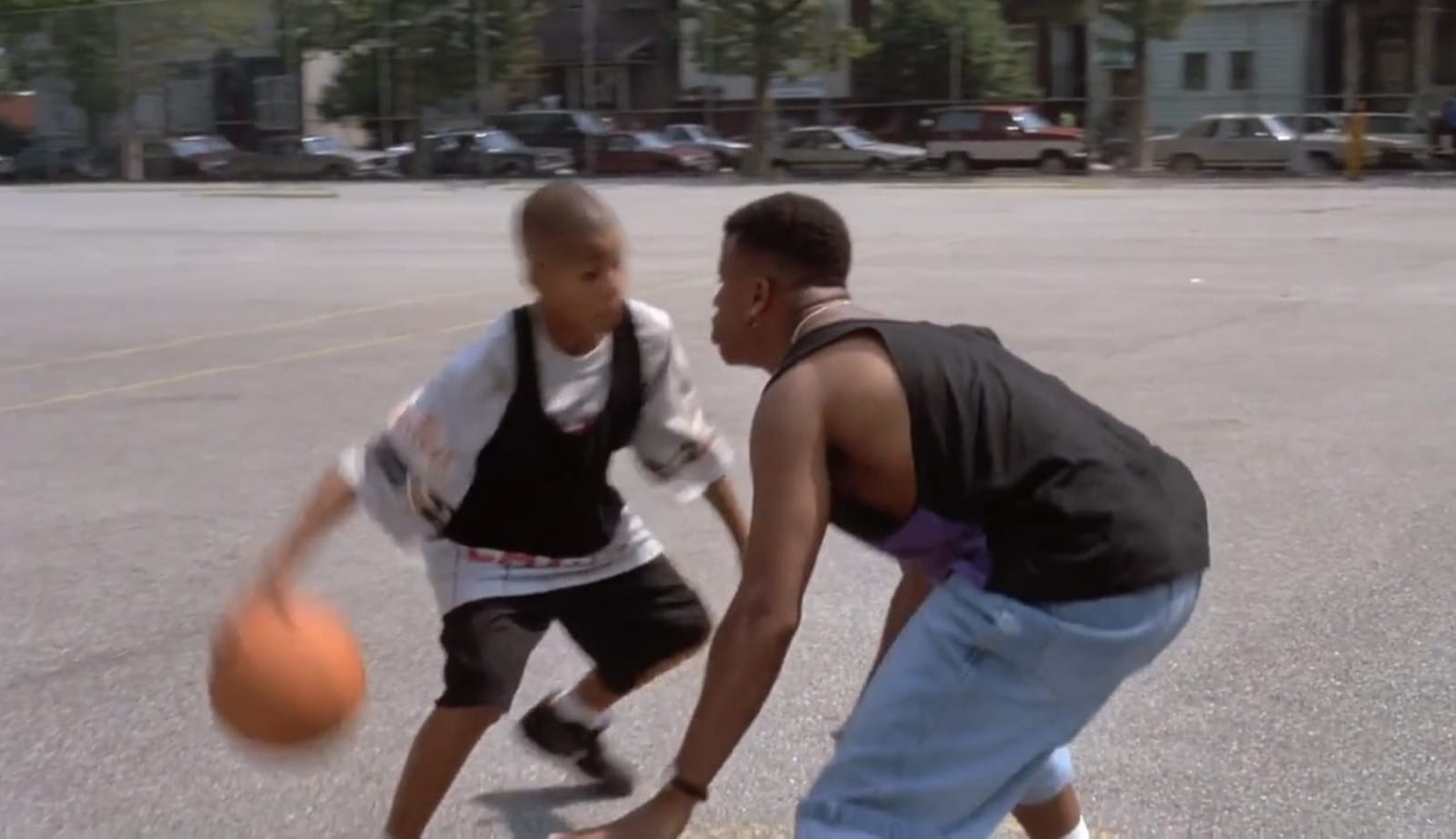
Children are playing.
A grown man’s ego cannot tolerate what happens inside that play.
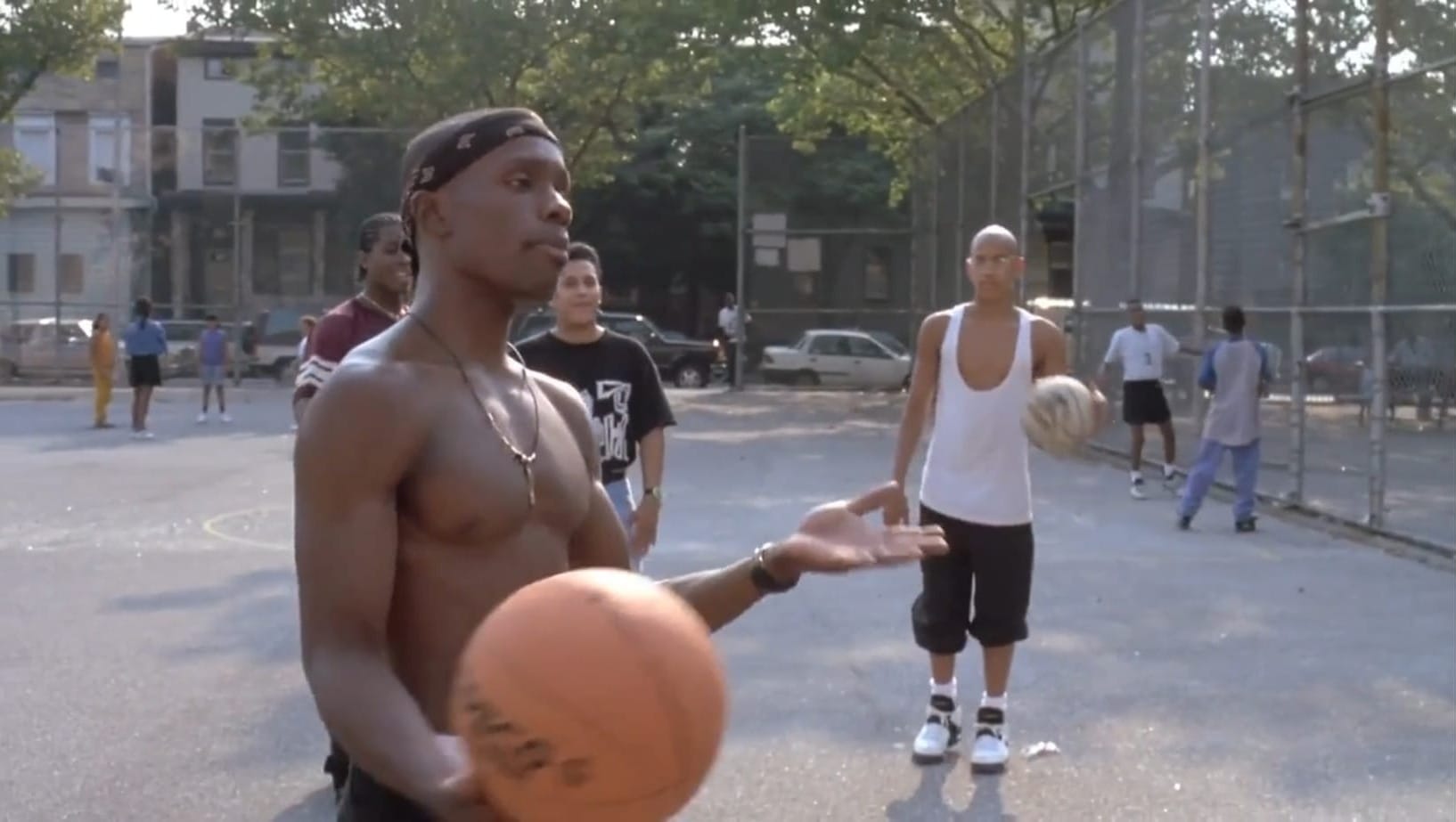
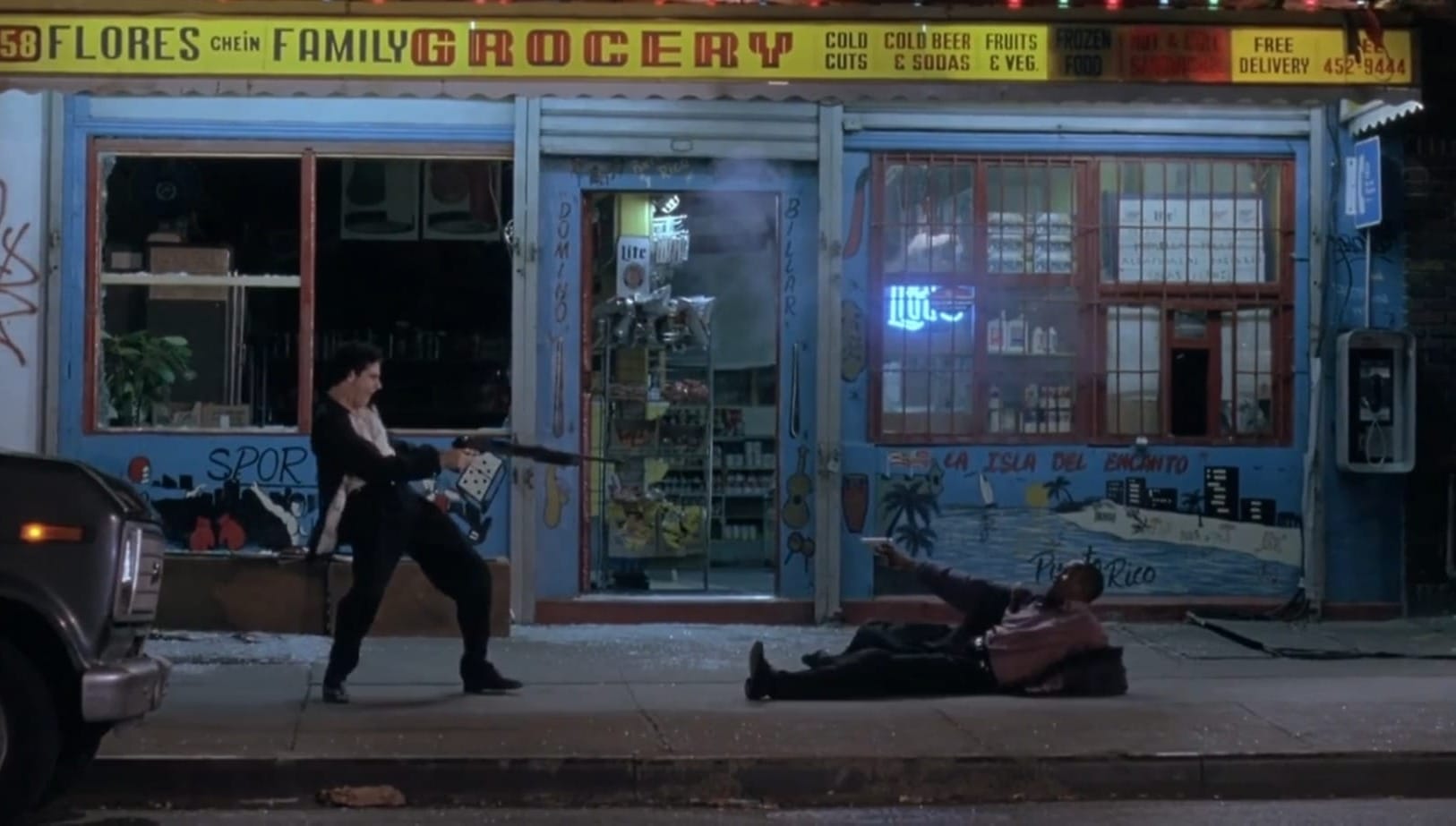
A gun enters the field.
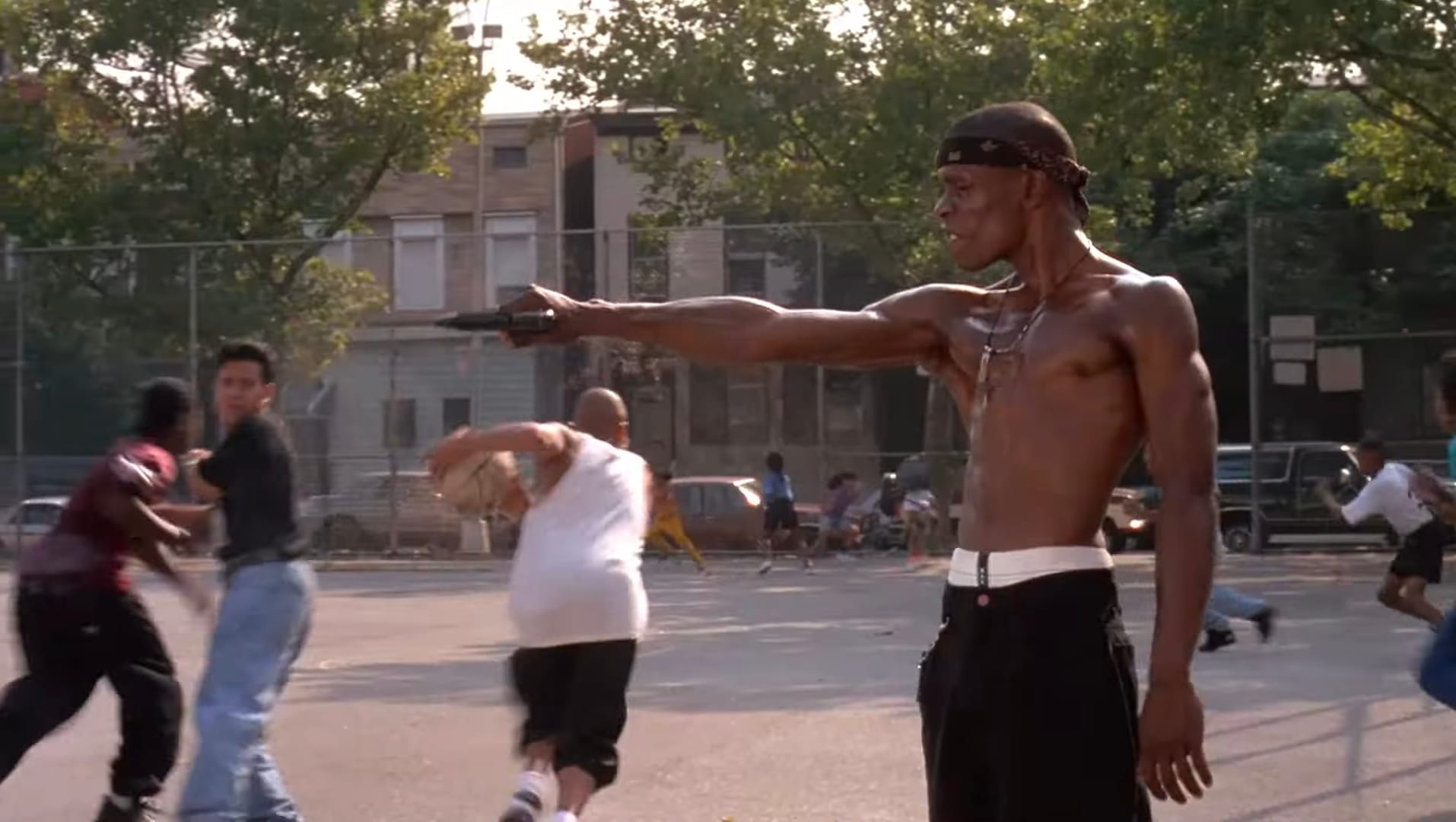
Curtis dies. Rosie dies.
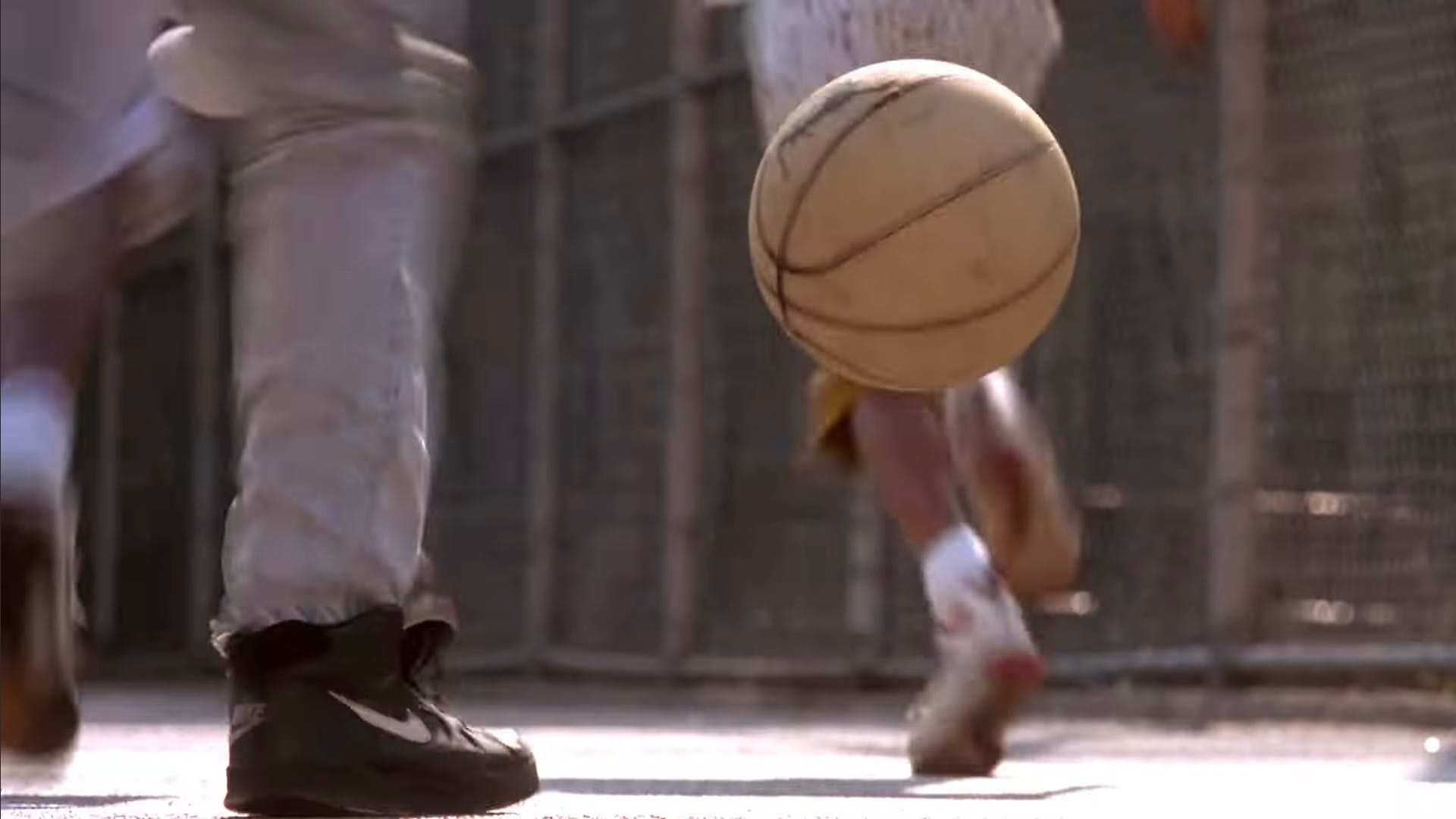
The field teaches Fresh another lesson before he is old enough to refuse its curriculum: no child-space is protected simply because children are in it.
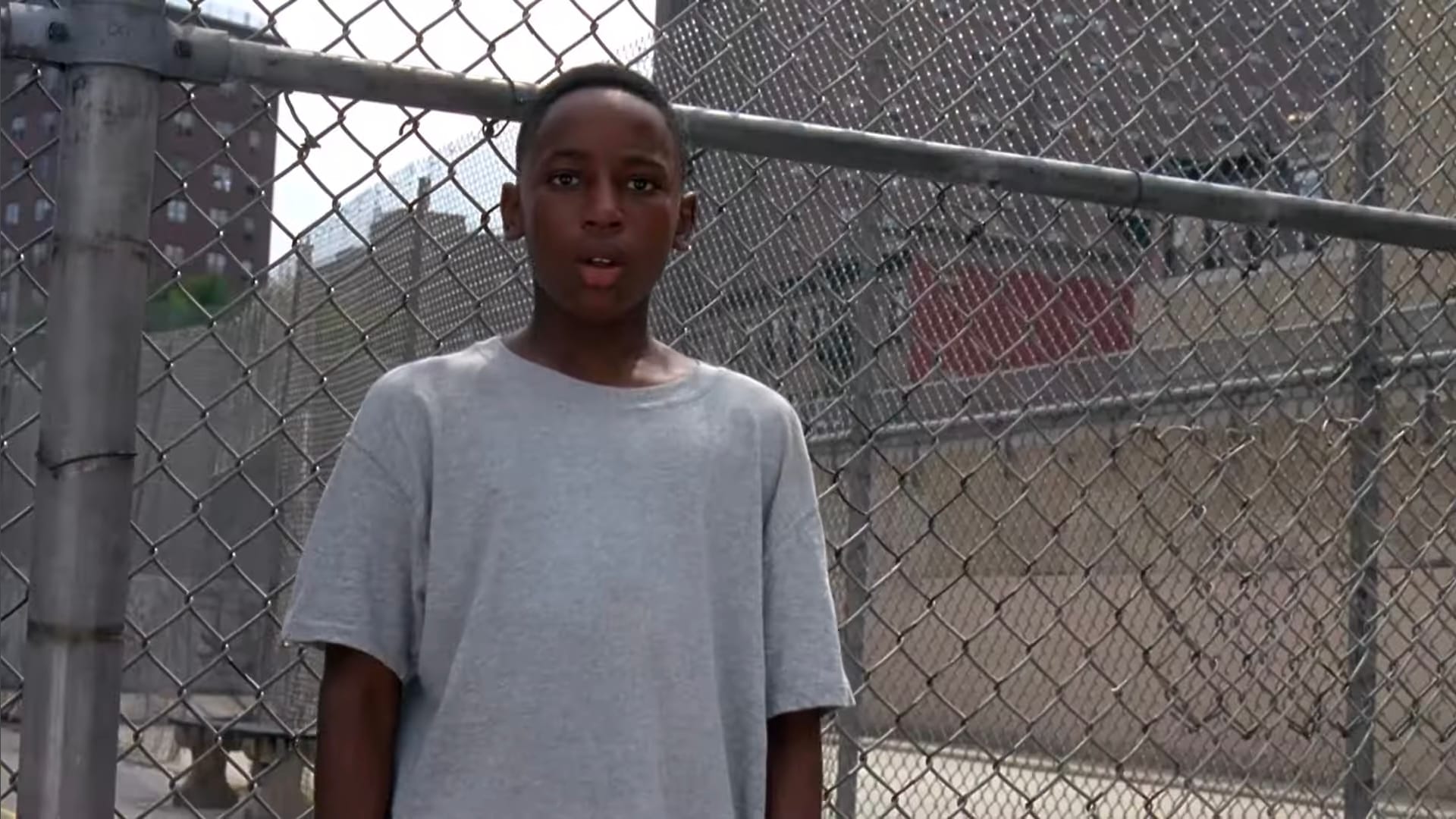
This is not just a horrible, violent scene. It is a structural demonstration of this field. The ball court should be a play field. Instead, it is nested within the adult field of status, humiliation, guns, and retaliation. The border fails. The child world can not hold against the pressure.
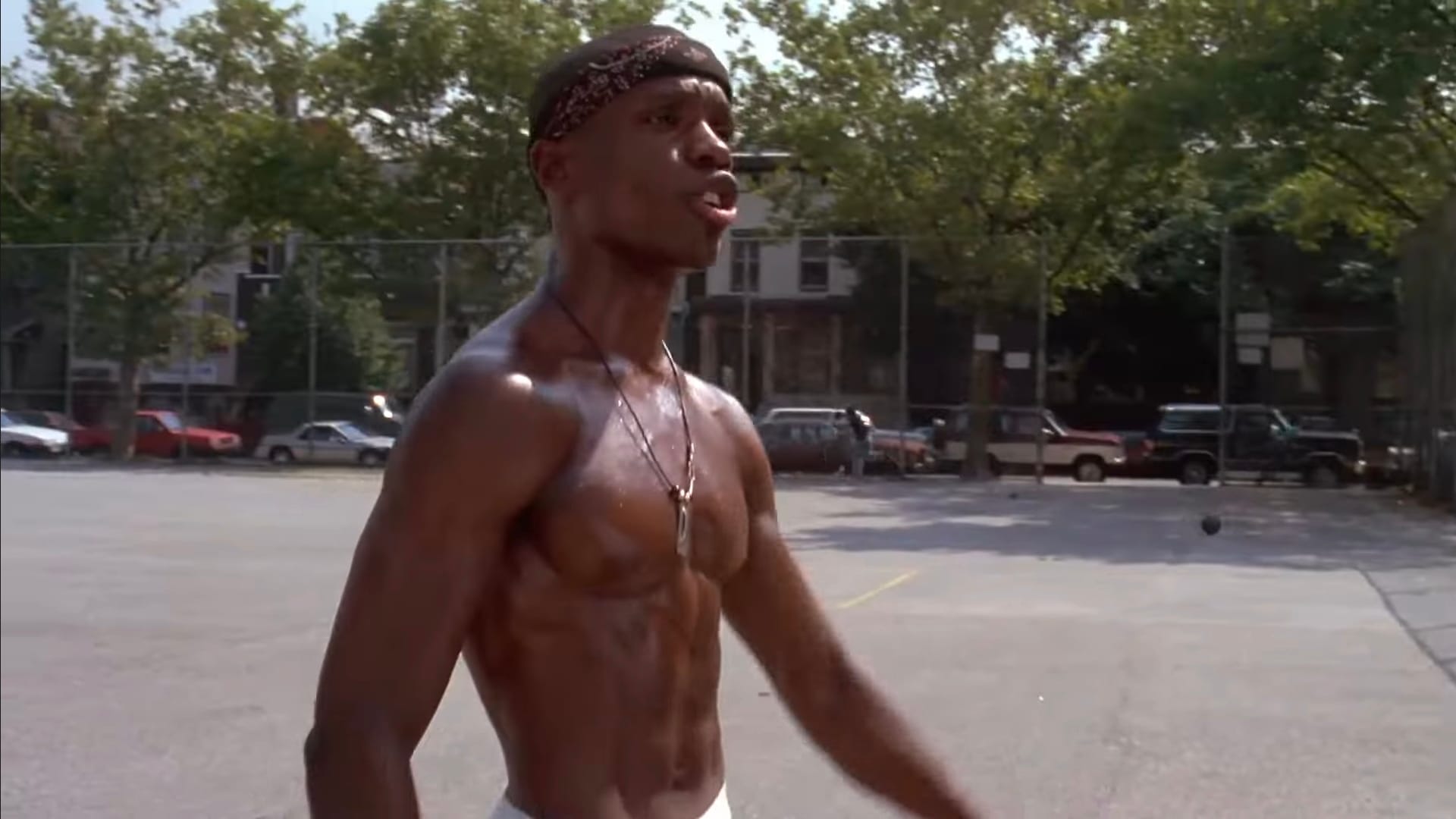
A child should be able to win a fucking game without entering a death path.
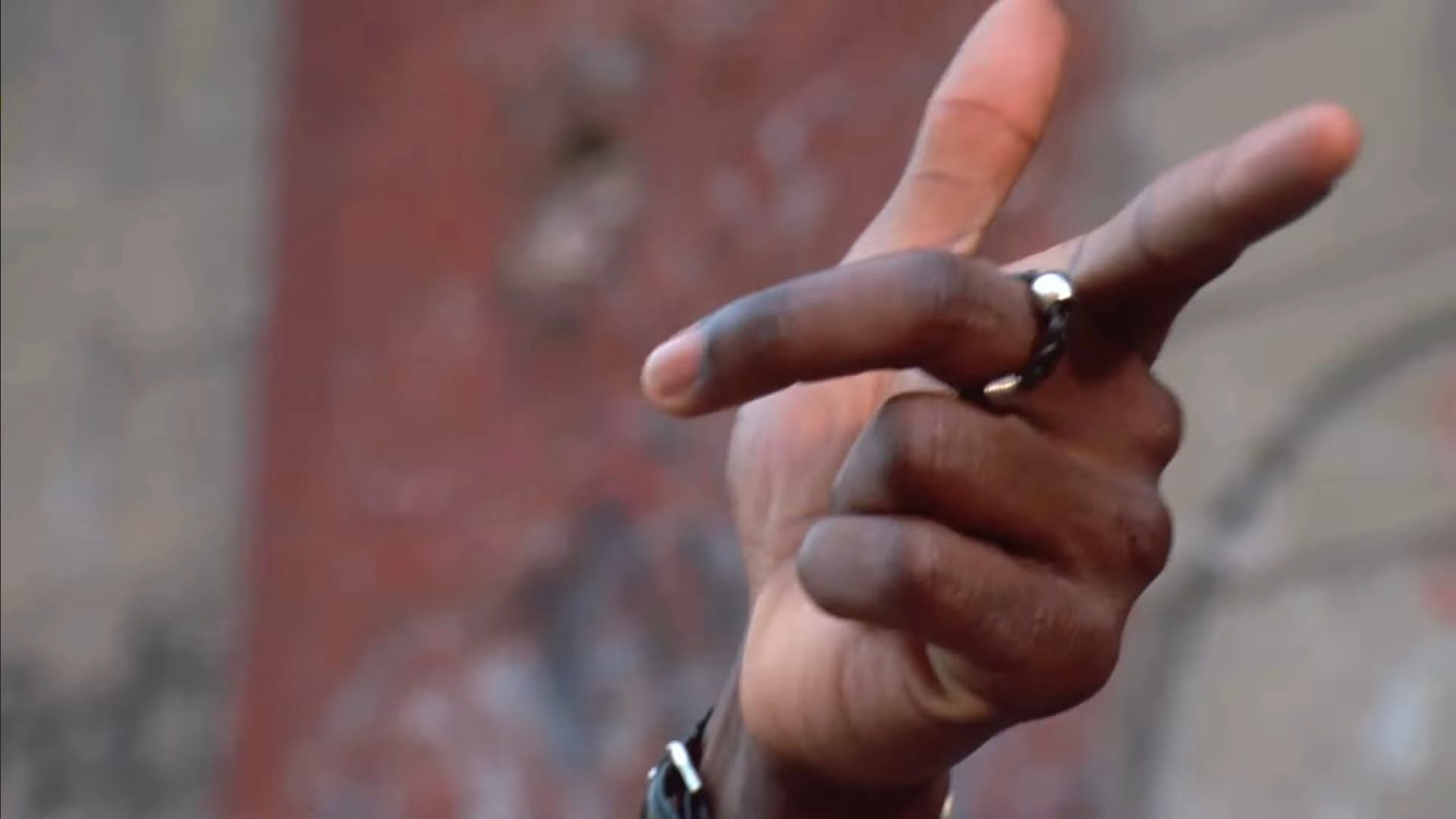
A girl should be able to stand nearby without becoming collateral in one man’s emotional collapse.
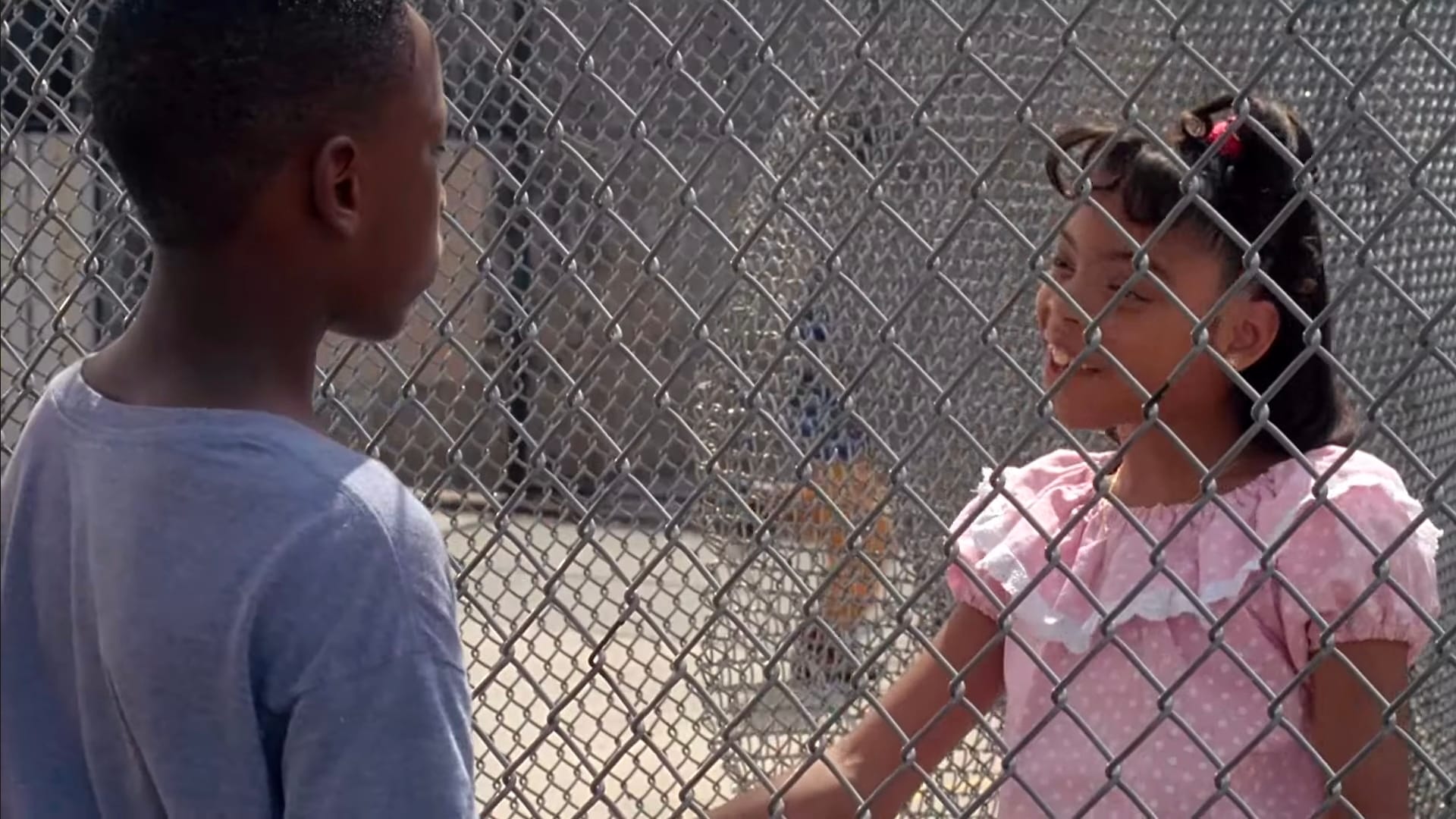
Fresh watches this happen. He withholds information from police. He keeps moving. The viewer understands why. The field has become so damaged that silence after a double child murder is not irrational at all. Fresh is adaptive.
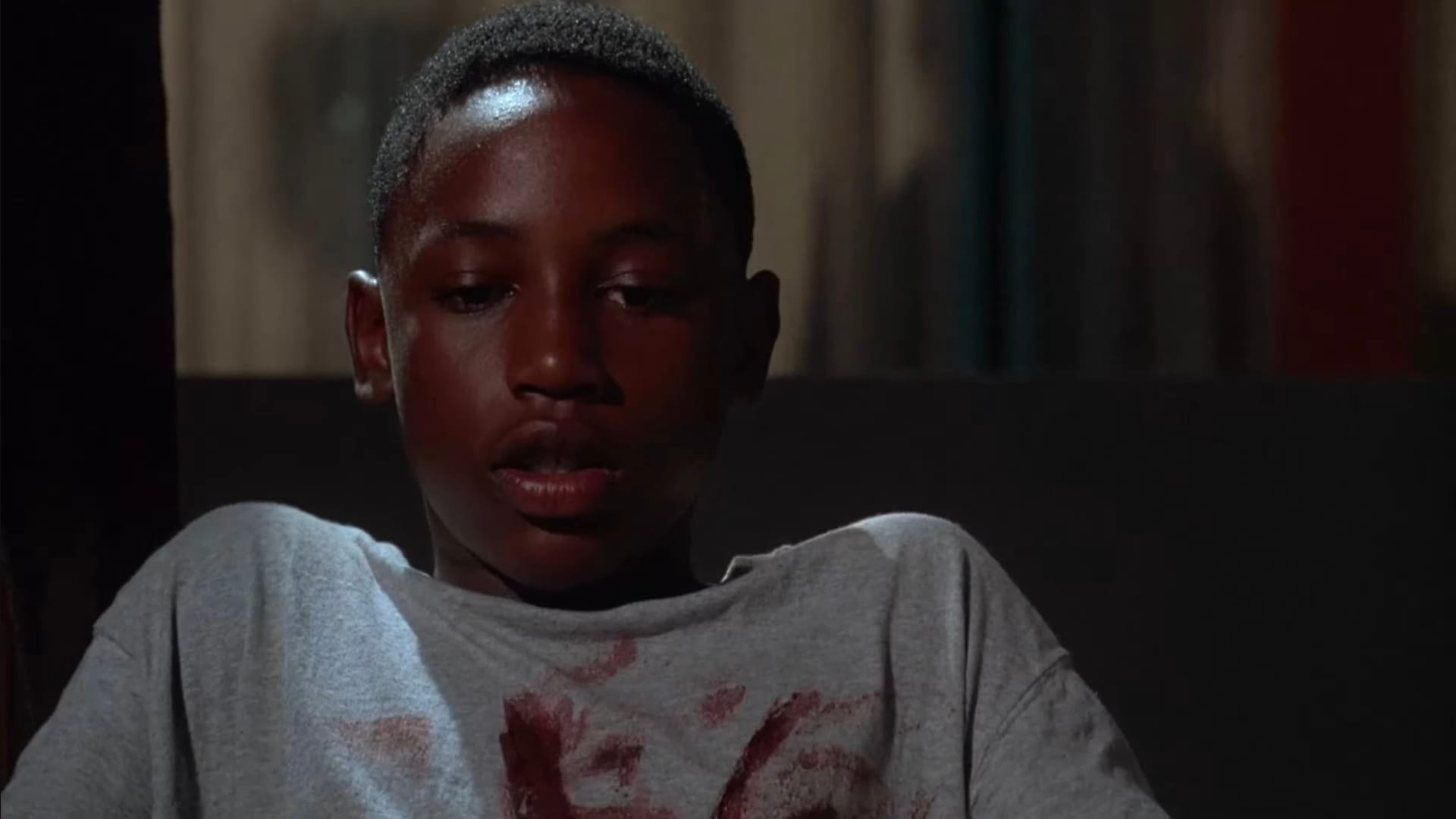
This is the sort of thing a healthy society should find unbearable. But the field within Fresh himself has learned to bear it.
False Repair and the Cool Kid Mastermind.
There is a very bad way to carry this movie away.
The bad version says: wow, that kid was brilliant. Giancarlo Esposito is a great actor.
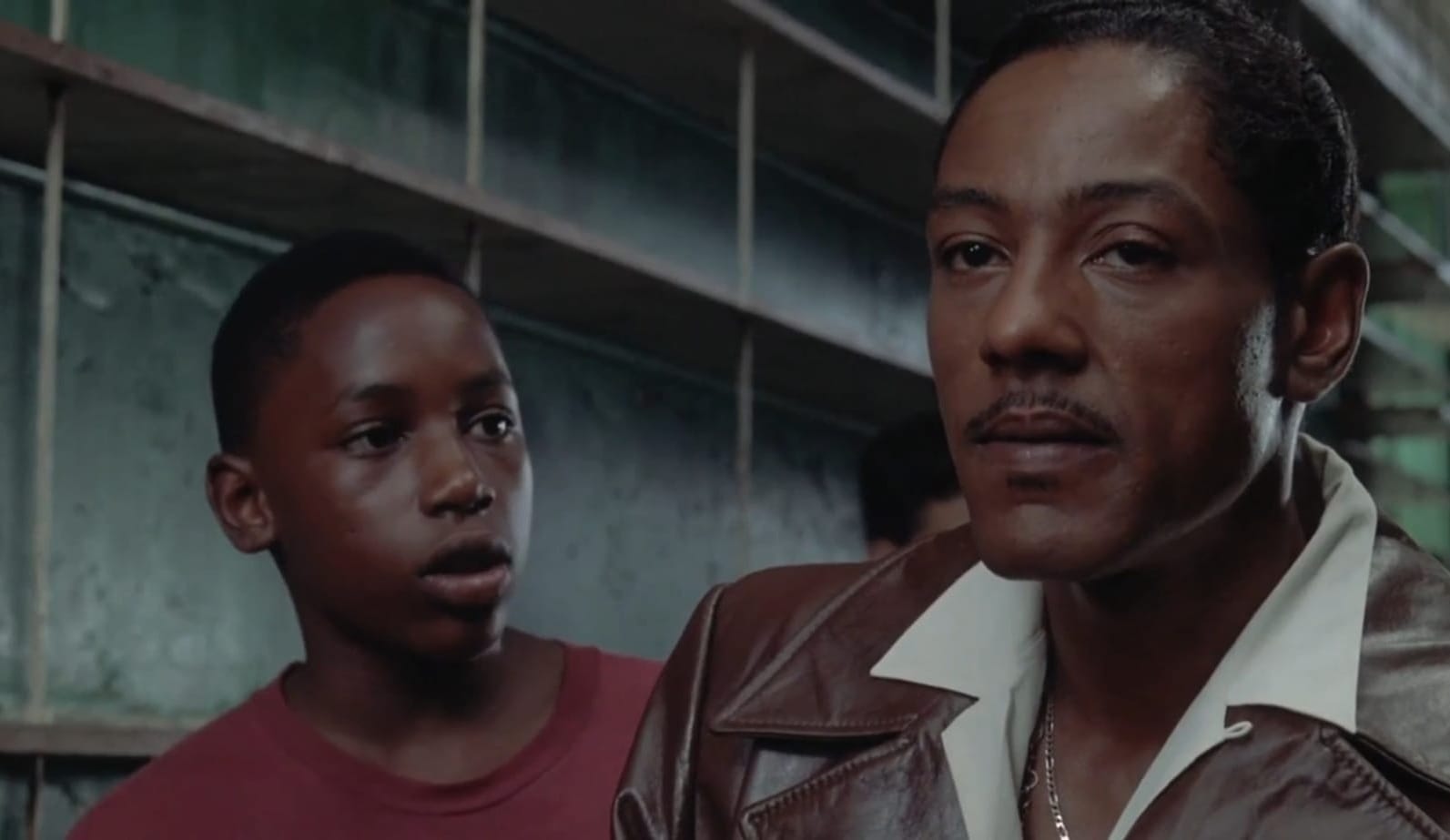
That is true, and also an easy way to miss the field.
The even worse version says: Fresh learned chess, and he beat the game.
No he did not.
He did not beat this game at all. He survived one configuration of it. He opened one path for himself and Nichole. He removed or redirected several immediate contraction sources. Fresh did not repair Brooklyn. He did not repair poverty. He did not repair addiction. He did not repair policing. He did not repair the family field. He did not repair the conditions that made children useful to adult criminals.
He made one Better path reachable for two people.
That is not nothing, but it is also not enough to be called field repair.
This is where the film itself can become its own subtle false repair path if the viewer is careless. The elegance of Fresh's plan can replace the ugliness of his field. The chess structure can become so satisfying that the audience leaves with the emotional shape of victory instead of the moral shape of damage.
There was a plan. The plan worked. The bad men fell. The sister may get out. The boy cries. Roll credits.
Do not let this structure comfort you that easily.
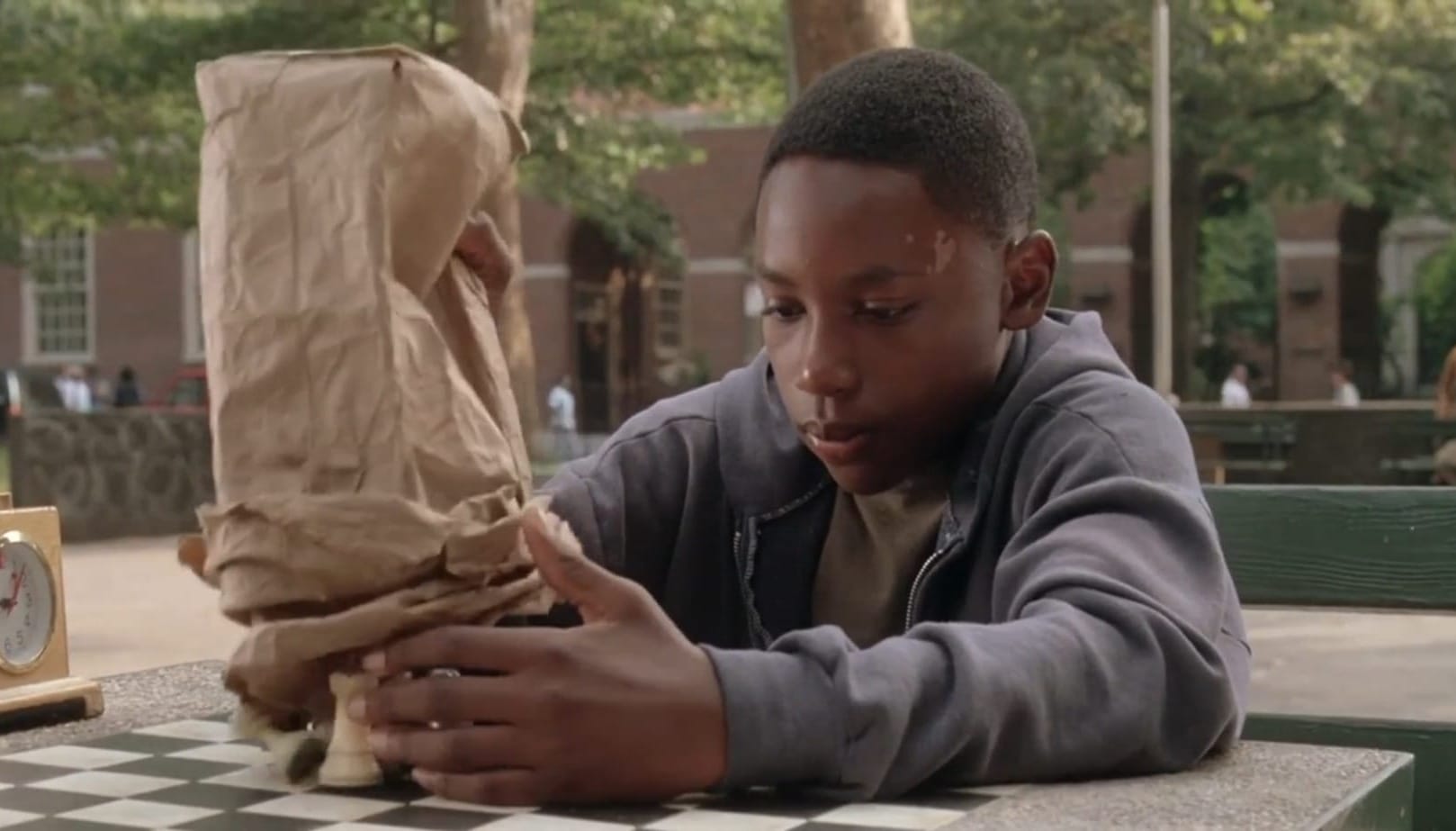
Fresh is not a movie about the triumph of strategy in any way. It is a movie about the emergency use of strategy after every ordinary protective structure has failed. The plan is not proof that the field is playable. The plan is proof that the field has become so hostile that a child's own must become playable to survive it.
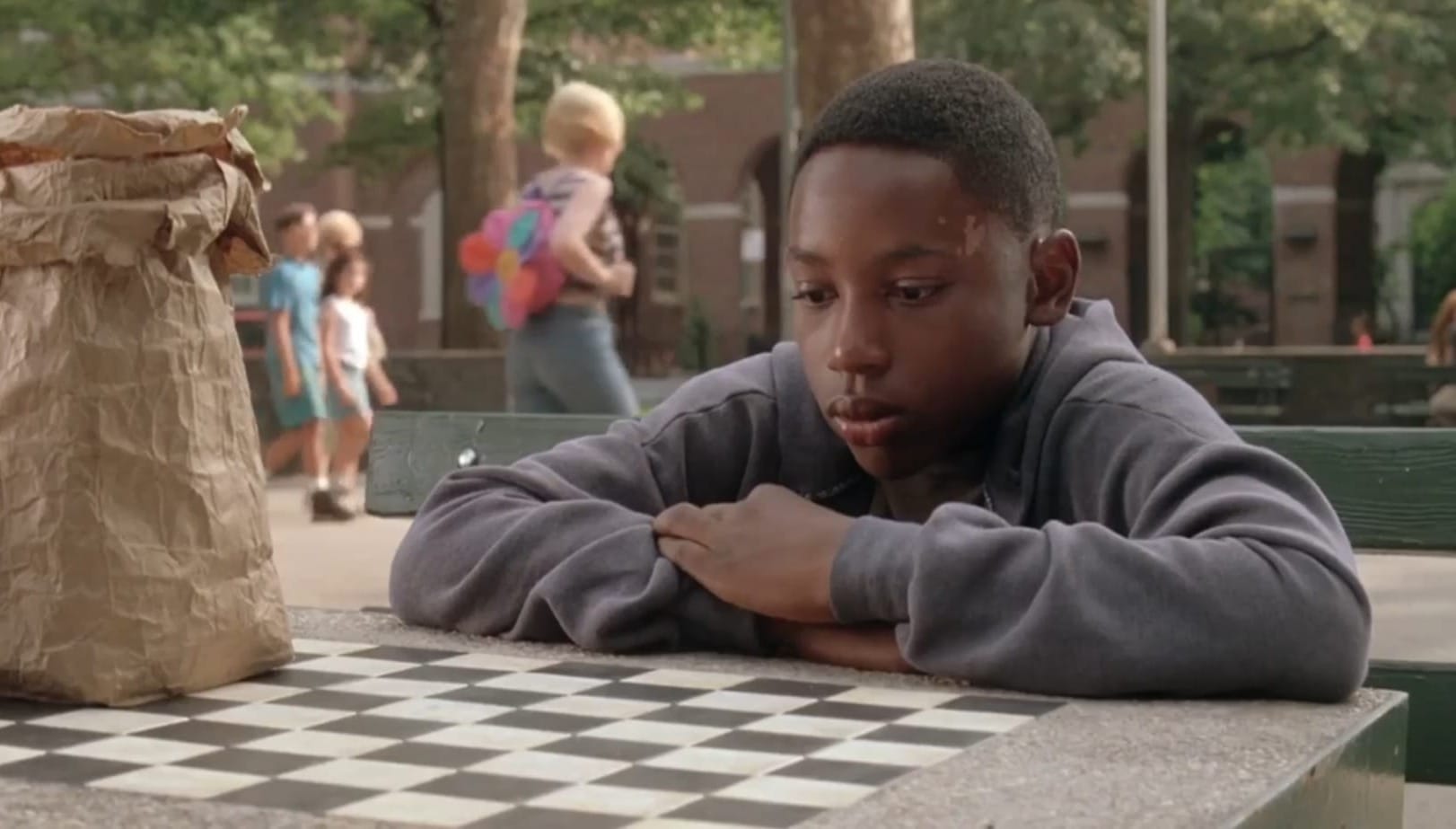
That is not a victory.
The Plan.
Fresh’s plan is Better. It is definitely not Good.
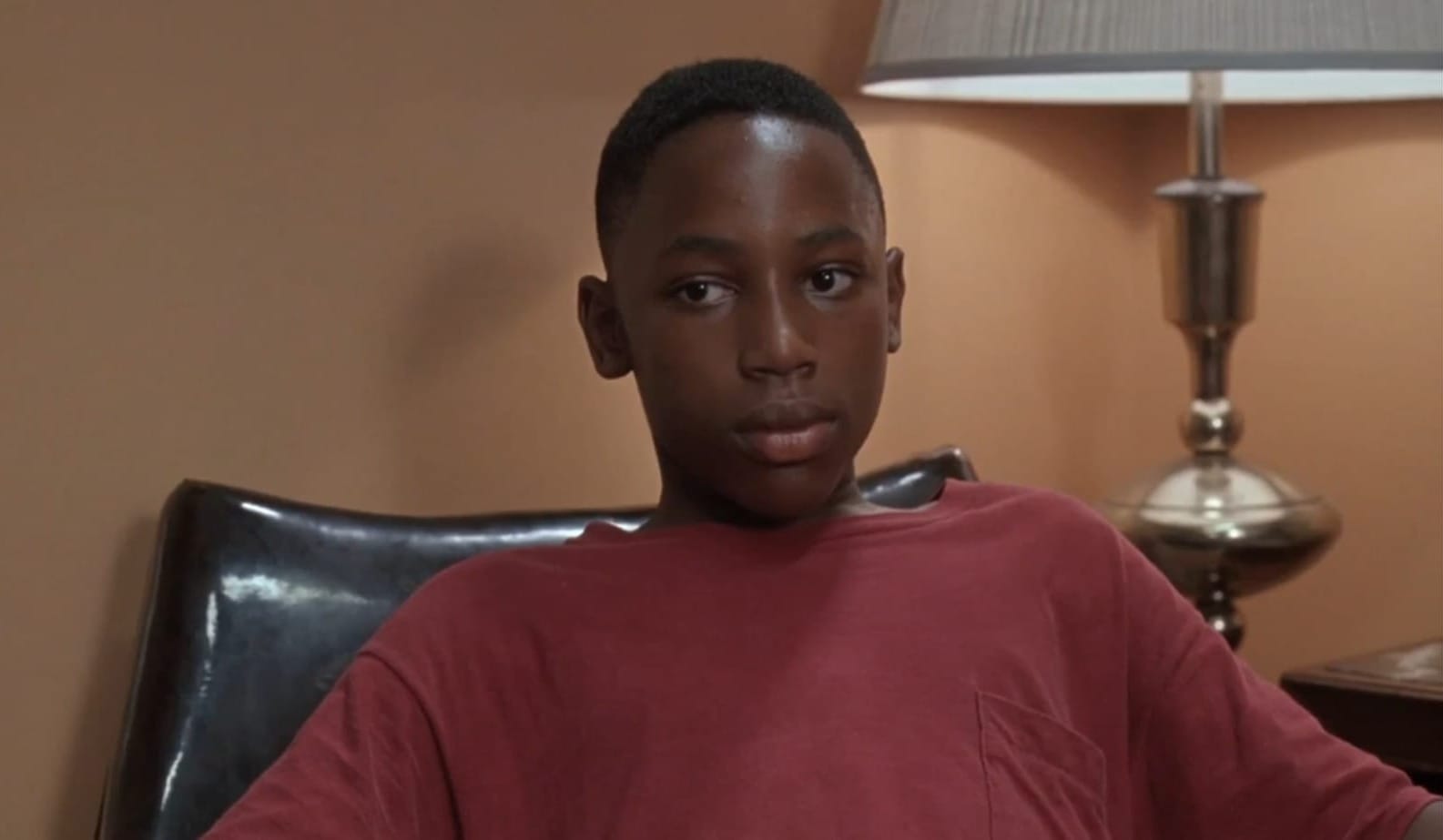
Good would preserve or expand reachable future-space without producing harm elsewhere. Good would be a world in which Fresh is not selling drugs before school, Nichole is not being consumed by addiction and predation, Chuckie is alive, Rosie is alive, Curtis is alive, Roscoe is not used as a disposable instrument, Sam can father his child, Aunt Frances is not overloaded beyond capacity, and a twelve-year-old does not need to weaponize adult paranoia to get help.
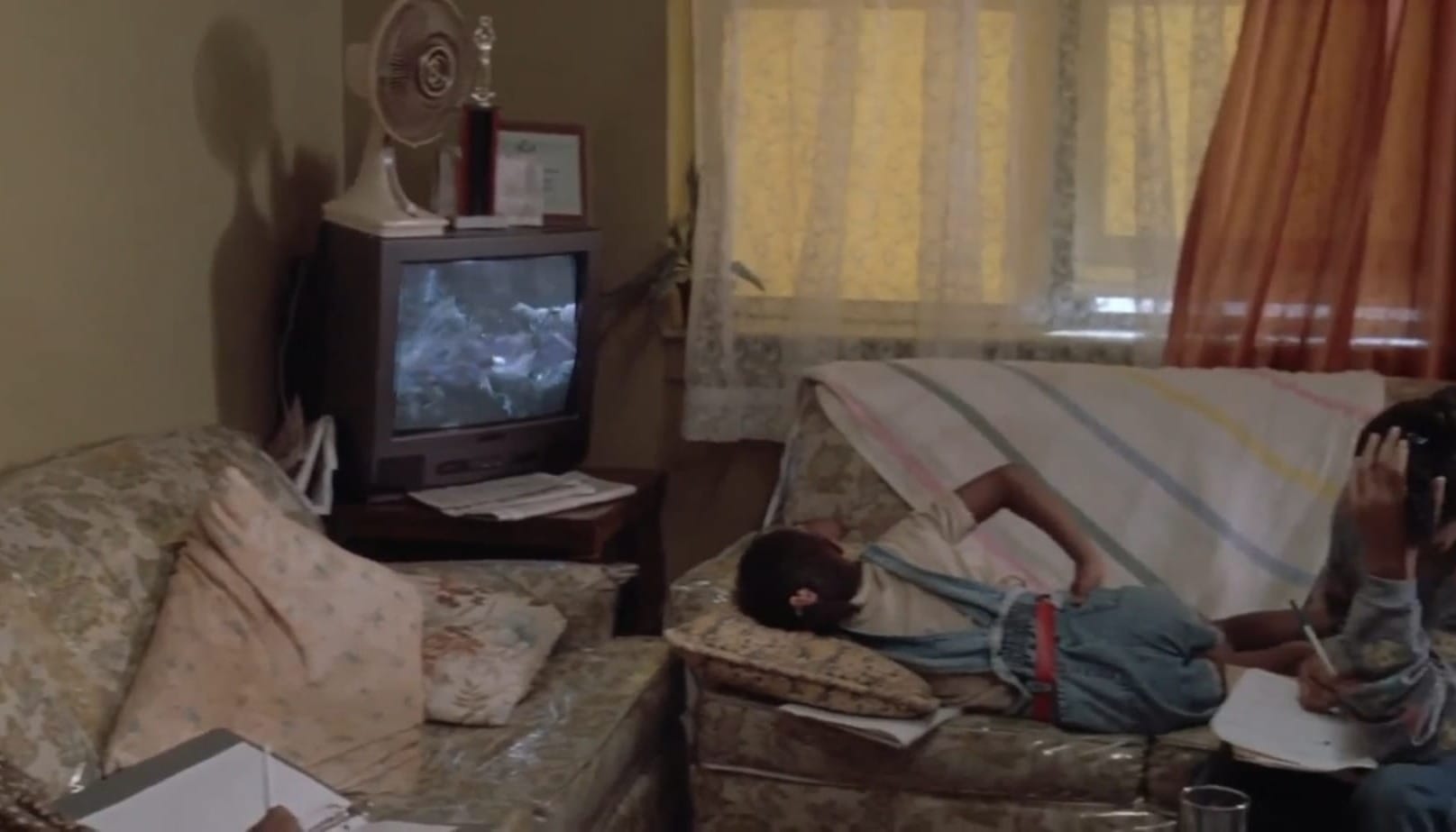
That menu is clearly already not available. The field has already burned through the clean paths.
What remains is Better.
Fresh works to turn existing destructive forces against each other. He uses Corky’s suspicion. He uses Esteban’s possessiveness. He uses Jake’s violence, and James’s position. He uses Hector’s fear of wiretaps. He uses the police, but only after first making the field legible enough for them to act correctly. He creates a configuration in which the adults who have been narrowing everyone else’s futures are on a path to narrow each other instead.
That is not morally clean at all, however, it is also not morally equivalent to doing nothing.
If Fresh does nothing, Nichole remains captured. Esteban tightens his grip. Fresh himself may become Esteban’s refined instrument downstream. Corky’s field remains active. Jake’s violence remains active. Chuckie’s death becomes another absorbed cost. Rosie’s death becomes another absorbed cost. The field remains illegible. The system continues eating children.
If Fresh speaks too early, he is exposed.
If Fresh runs alone, Nichole remains.
If Fresh trusts authority without preparing the field, authority likely arrives too late, too weak, or too blind.
So Fresh chooses the only narrow path he can see through wreckage.
This is what Better often looks like when Good has been made unreachable: ugly, costly, residue-heavy, and still morally required.
The Final Scene.
The ending is the whole ruling in sum.
Fresh returns to play chess with Sam.
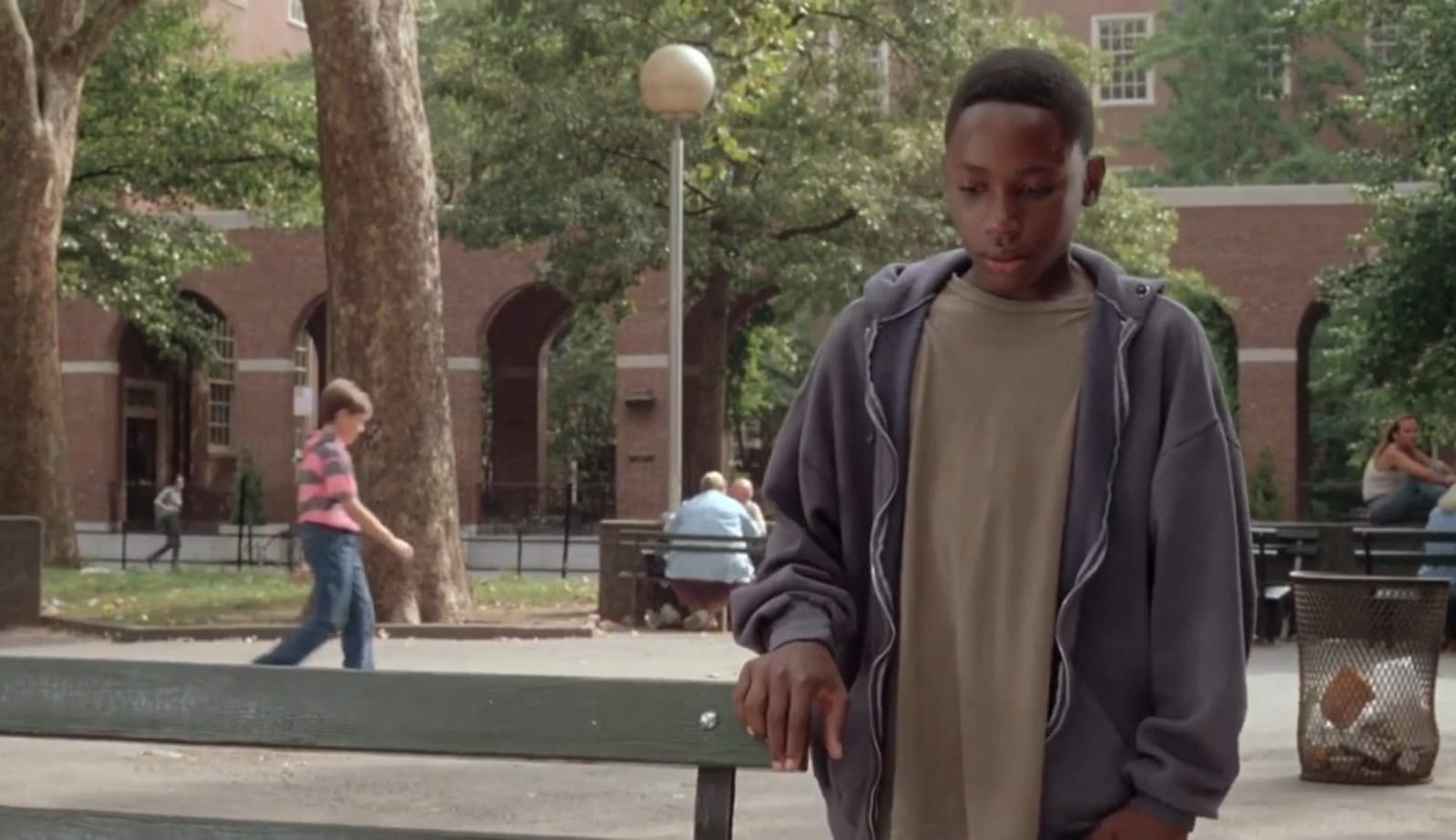
Sam complains. He performs the familiar father-teacher routine. Sam is still Sam. The board is still there. The game still exists, unchanged.
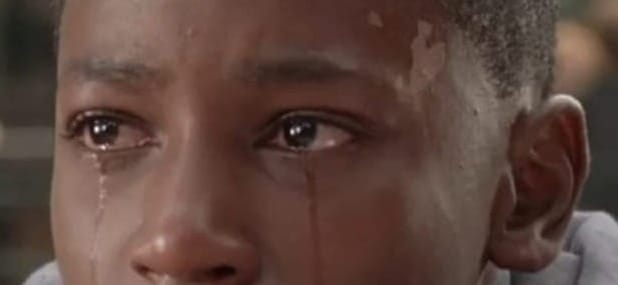
Then he sees Fresh crying.
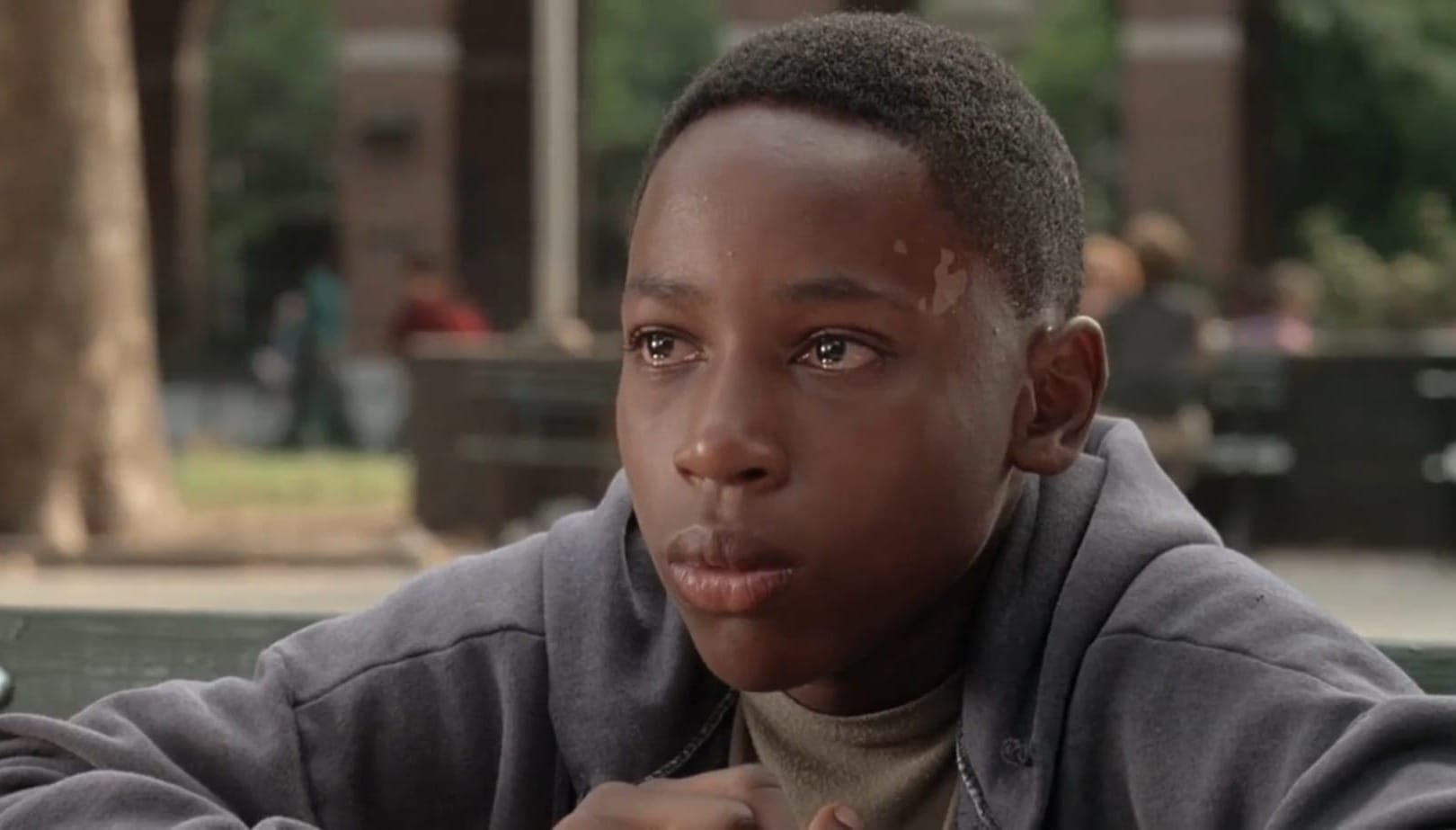
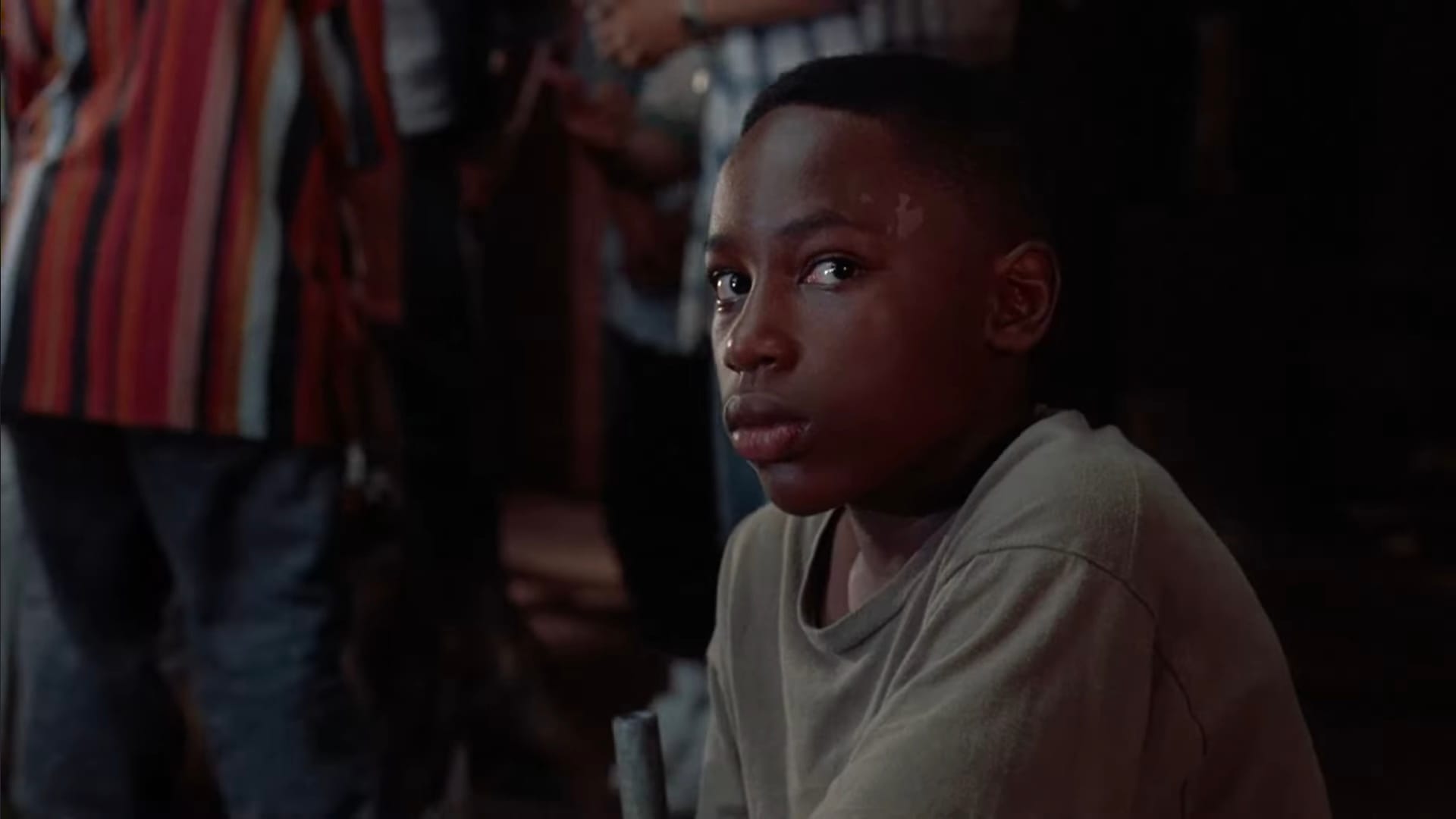
This is the moment that prevents the movie from becoming a cool little chess revenge fantasy. Fresh’s mask breaks. This analyst is still a child. His plan worked, and the cost arrives anyway.
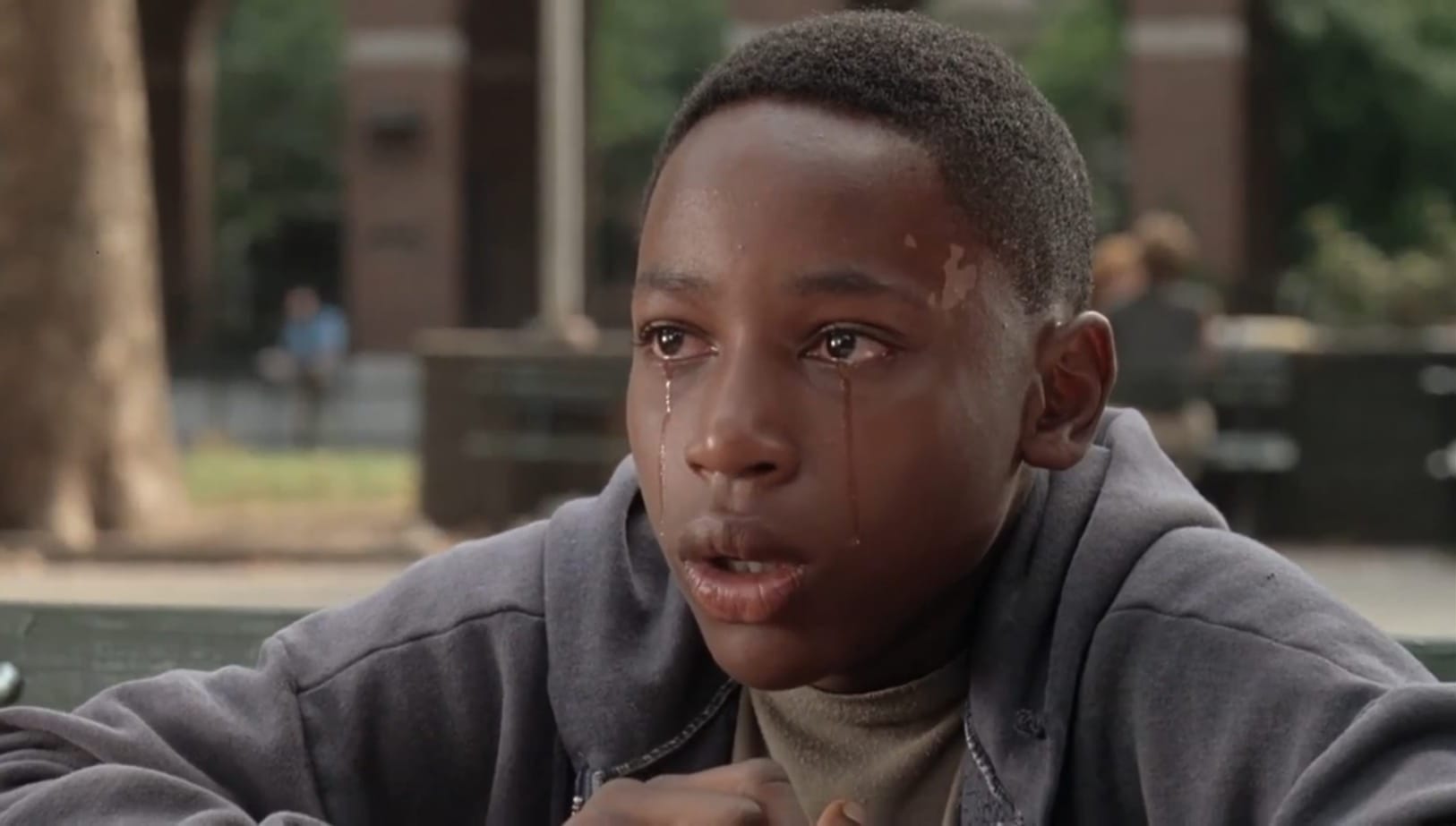
This is why the ending is devastating. Fresh does not cry because he failed.
He cries because he succeeded, perfectly, and he is still fucking twelve.
He cries because the moves are over and the part of him that had to become pure attention to play can now finally relax into grief. He cries because his survival did not make the experience livable at all. He cries because seeing the board clearly did not make him safe from what that vision required him to do.
Batman often gets to turn his pain into an operating identity. The wound becomes the mission. The mission becomes the symbol. The symbol becomes the story. The story sells his lunchboxes, prestige cinema, video games, animated series, moral arguments, and a frankly impossible number of collectible statues.
Fresh gets a chessboard, gun violence, and a mental breakdown.
That is the more honest field analysis.
The child does not become a symbol. He does not become legend. He does not become the night. He does not save the city from itself.
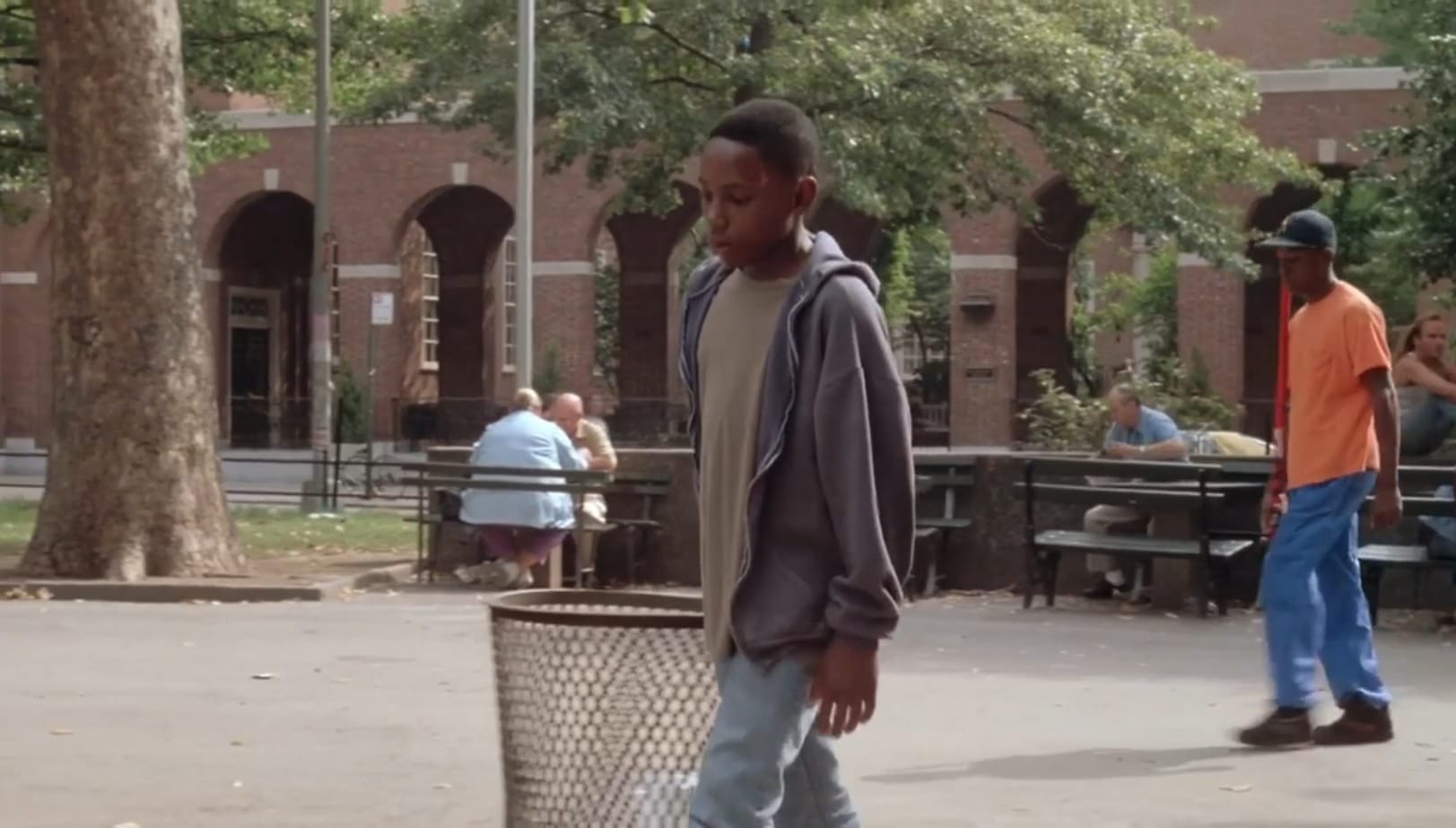
He wins, then becomes a child again for one unbearable second because the field no longer needs him to pretend otherwise. Fresh's tears are the field reporting back.
The Ruling.
Fresh is a deeply harmed locus who becomes a skilled field analyst under intense coercion.
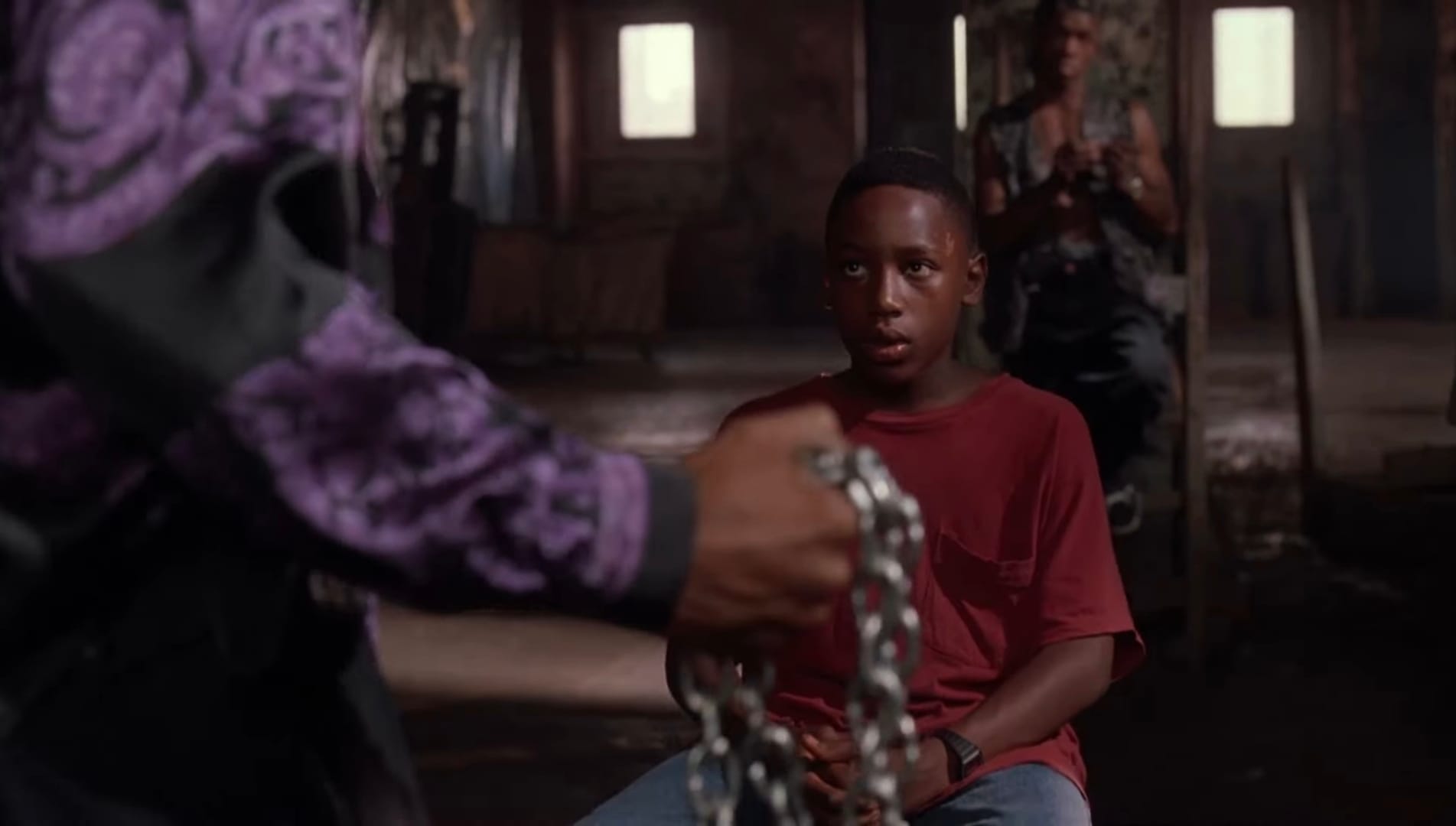
His intelligence is very real. His plan is excellent. His agency is also very real. None of that reduces the harm. In fact, the scale of his agency reveals the scale of the field failure. A fucking child should not need to accrue this much agency simply to remain alive.
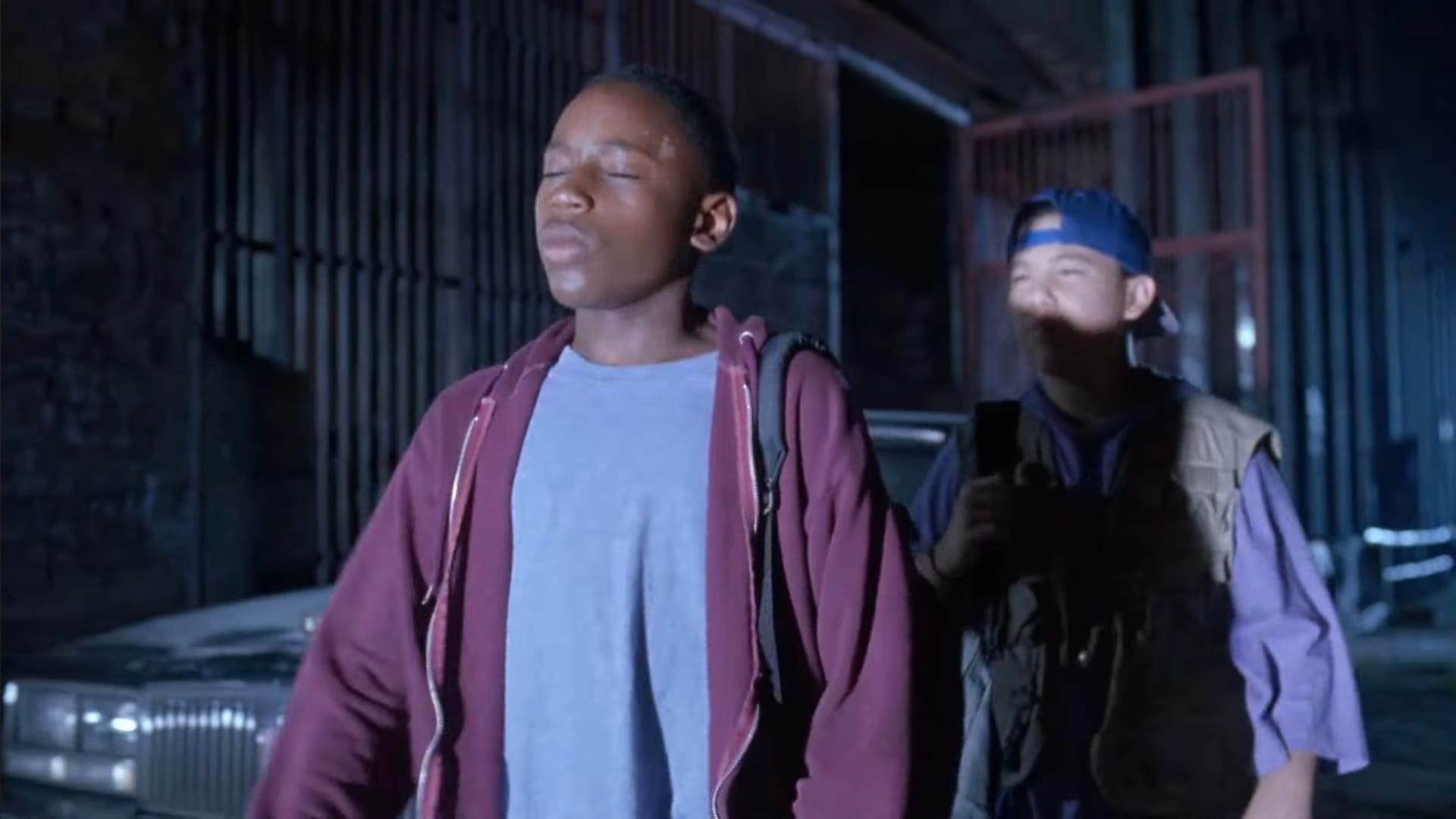
Fresh’s field is blatantly predatory because it contracts childhood future-space into local utility. It makes school secondary to drug work. It makes family care insufficient against structural pressure. It makes addiction a capture mechanism. It makes male ego instantly lethal. It makes silence adaptive after suffering murder. It makes police useful only after the child has already arranged the board for them. It makes deep intelligence recruitable by predators. It turns love strategic. It turns dogs disposable. It makes a fucking twelve-year-old responsible for opening a future adults failed to preserve.
Fresh’s plan is Better because it expands reachable future-space for himself and Nichole under conditions where any clean Good is no longer reachable for either. It disables immediate contraction sources and prevents Esteban from capturing Fresh’s future. But Better is not absolution. This plan also contains deep harm, residue, trauma, manipulation, and moral remainder.
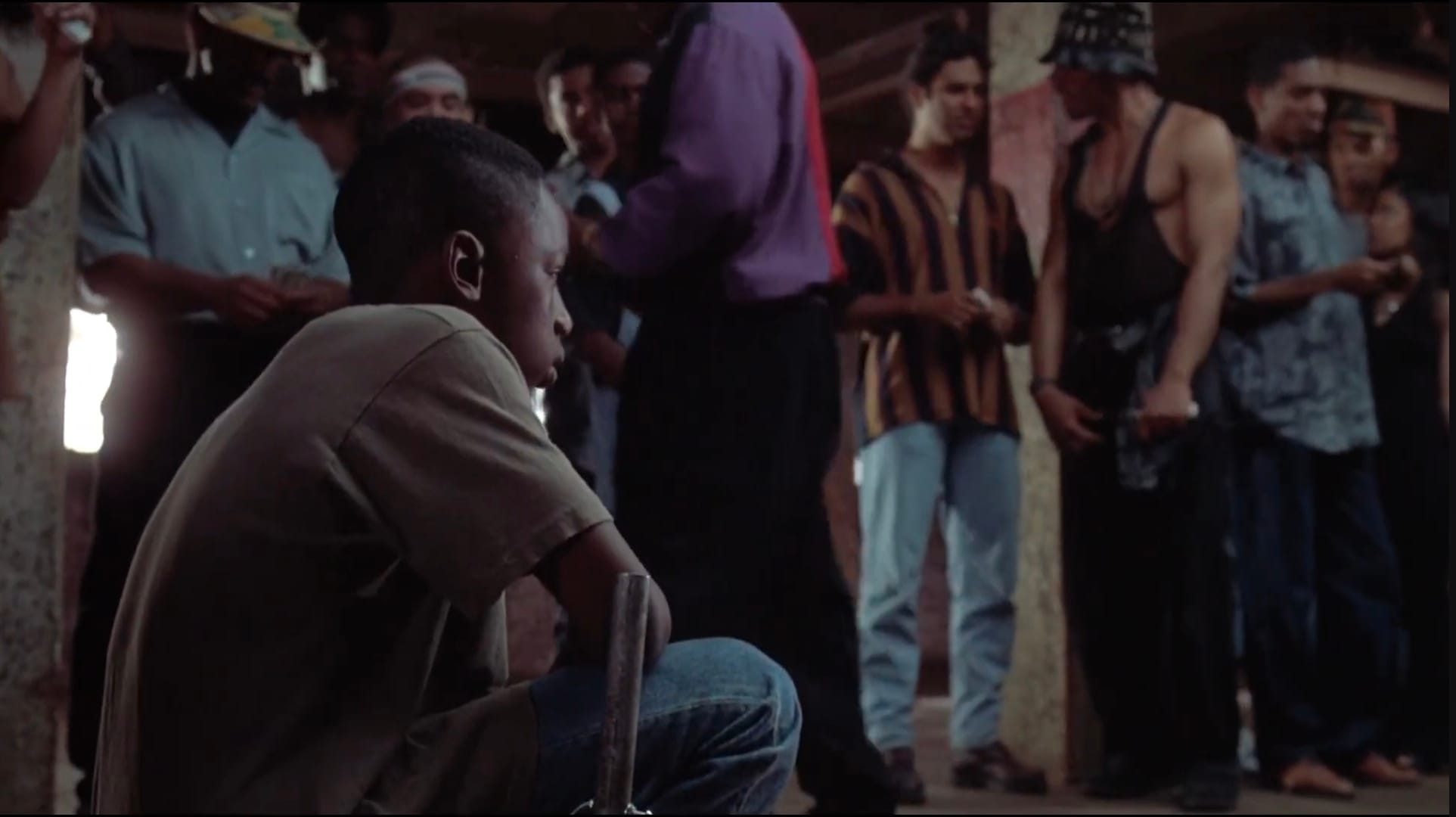
The film is not asking us to admire a child genius. It is asking us to look at a field so damaged that child genius becomes a horrific survival organ.
Fresh did see the board.
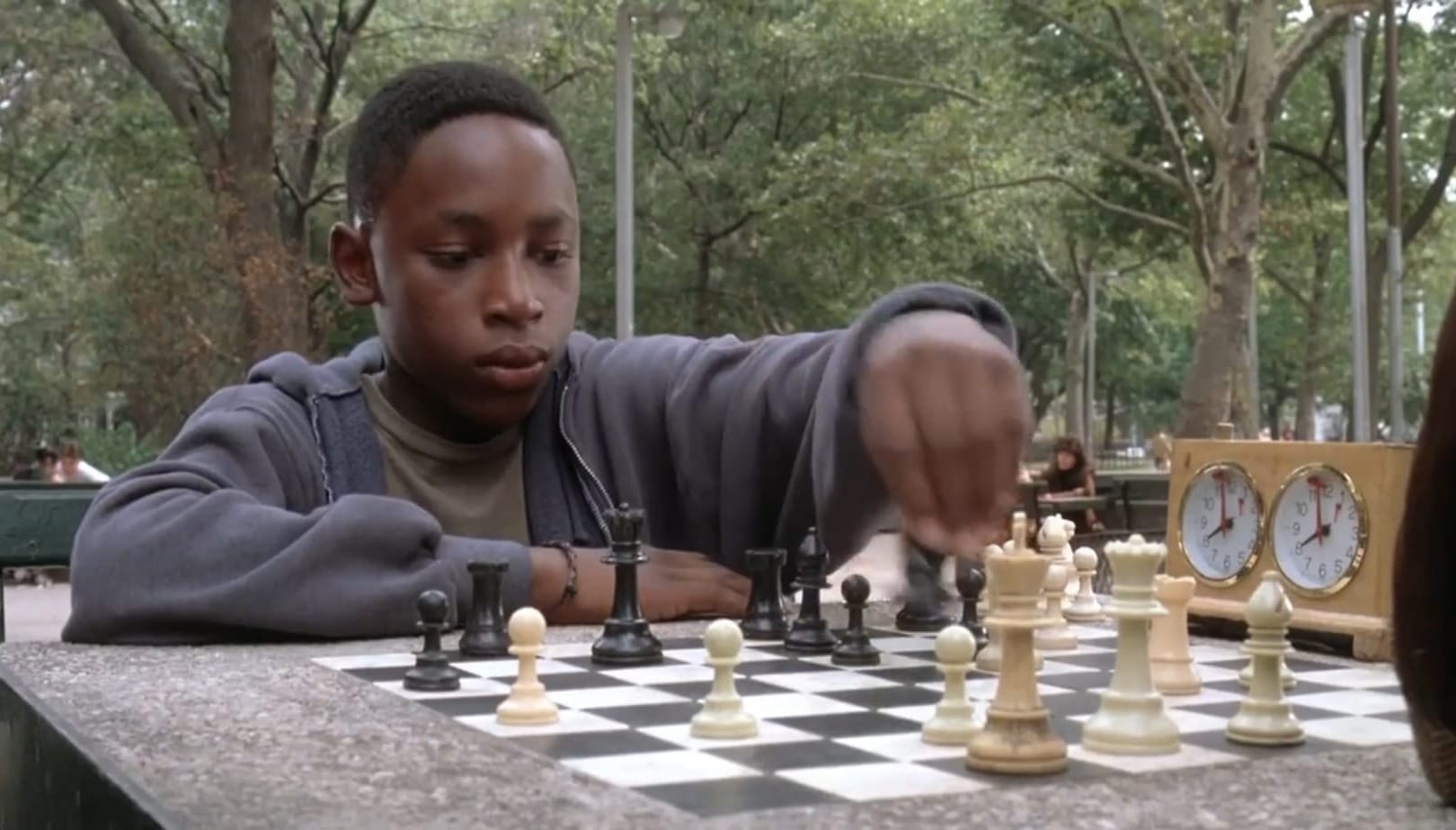
That is not the happy part. The happy part, if there is one here at all, is that he found a Better move.
The horror is that he ever had to, and what Better looked like in this field.