Tales of Distortion: The Darien Scheme
You ever wonder what happened to Scotland after Braveheart? [L]
You ever wonder what happened to Scotland after Braveheart? Like, why does that country belong to another one? Well, it was extremely stupid, it involved slavery, and a lot of people died horribly.
This has probably been discussed a lot in the relevant circles already, but Modal Path Ethics recognizes a fertile ground for field analysis regardless of how well-trodden it may already be.
The Darien Scheme is the cleanest illustration I can find of how a field can be damaged slowly and subtly over many years by an entire coalition of agents each acting in what ostensibly appears to be their correct institutional role, but in such a way that by the time the first ship does set sail, every single downstream loss to be suffered is now completely inevitable and absolutely not a single person involved in this considers themselves to be “responsible”, at all.
Per capita, this is also the most expensive single delusion in the early modern history of the British Isles. This particular nightmare was the direct cause of Scotland's political absorption into England in 1707, a colonial venture so internally incoherent that it sent ten thousand combs to a jungle in Panama. This shit right here is the main reason nobody in 2026 has a Scottish passport.
Unlike the 1904 St. Louis marathon where everyone went home at the end of the day, this one also killed somewhere around two thousand people directly.
The Darien Scheme is a long story about the dangers of stories.
The Scheme.
The year was, unfortunately, 1695. The Estates, the Scottish Parliament, has not yet merged with England's own. It is about to make that merger inevitable.
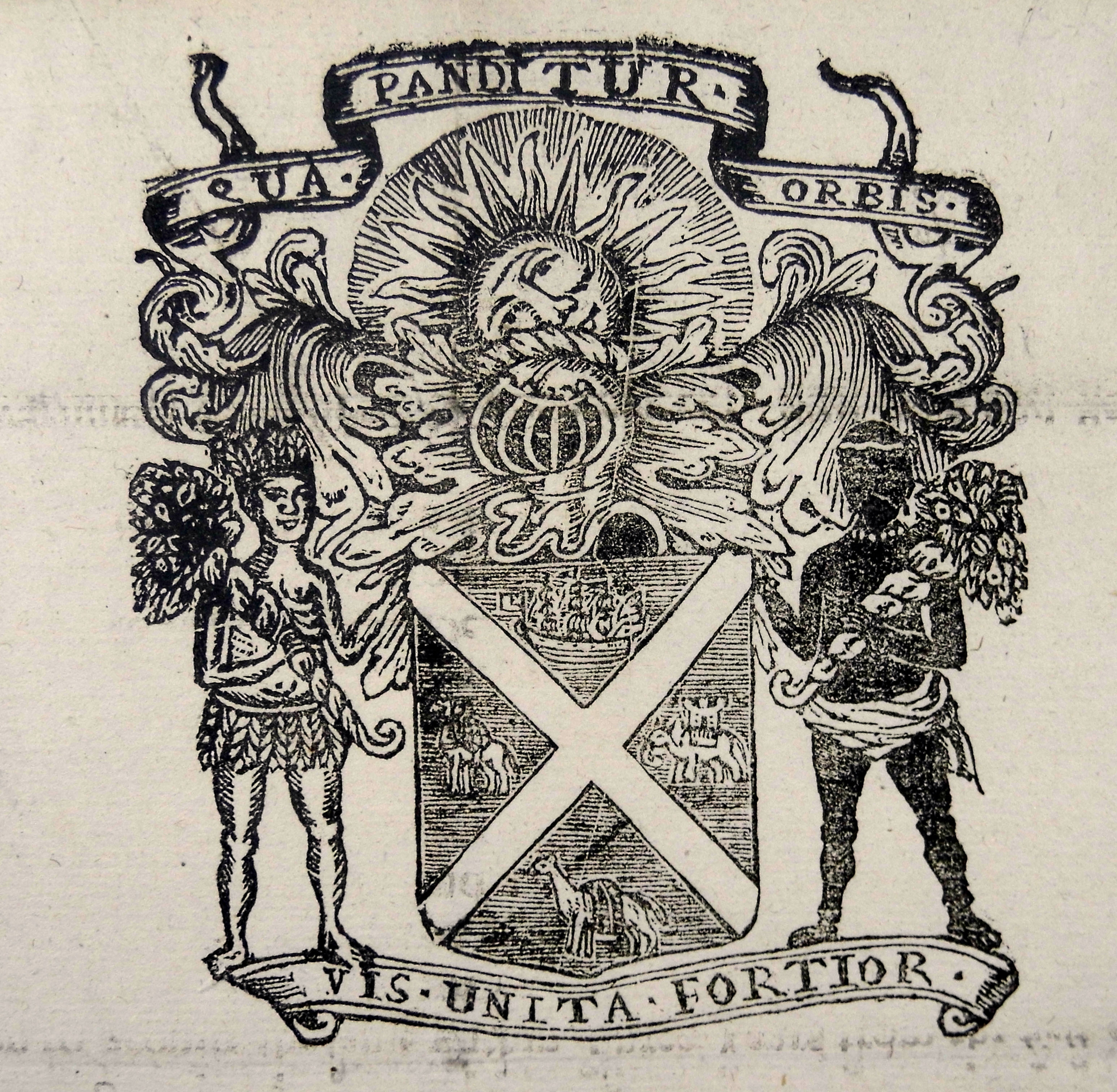
The Estates just chartered a joint-stock venture based on the East India Company model. It is authorized to pursue overseas trade and colonization of territories for the enrichment of Scotland.
Scotland really needed this to work out.
In 1695, Scotland was in a very bad structural situation mostly not of their own making. The decade had been the coldest in seven hundred and fifty years, a period later called the Seven III Years (I'm not exactly sure why either), marked by widespread crop failures and famine. Contemporary estimates suggest the country lost potentially fifteen percent of its population to starvation alone across the decade. Scottish shipbuilding was also in heavy decline, and Scottish exports were limited. Scotland also happened to share a king with England (William III, so is this why? Ask yourself, not me) but did not share a parliament, meaning English trade policy could be and often was weaponized against Scottish commerce. The Navigation Acts had also shut Scottish merchants out of English colonial trade. The Royal African Company and the East India Company had Crown-backed monopolies that Scotland simply could not penetrate.
Things were not looking good for Scotland.
With no time to think of a better name, they chartered the “Company of Scotland Trading to Africa and the Indies” in the hopes it would turn things around for them.
The Company of Scotland Trading to Africa and the Indies was pitched (probably in abbreviation) as the country's only escape route from their shitty situation. They would have a Scottish-owned, Scottish-financed, Scottish-directed corporation that would establish overseas trading posts, return dividends to Scottish investors, and break the country's dependence on English commercial permission.
How could this ever go wrong?
The initial capital-raise was still planned as a joint English-Scottish venture. English investors were extremely interested in the Company of Scotland Trading to Africa and the Indies. They didn't have a lot else to be interested in at the time.
Within months, however, the English East India Company recognized the obvious threat, lobbied the English Parliament, and successfully obtained a threat of impeachment against anyone who was participating in this. English investors all pulled out at once. Dutch investors, also pressured by William III (that must be why, right? I'll never look this up) in his capacity as Stadtholder of the Netherlands (a separate job and one I cannot hope to say aloud), also pulled out. Hamburg investors were then blocked by William's diplomatic agents, because this guy was very much not a fan of the Company of Scotland Trading to Africa and the Indies, and in hindsight I agree. This is a good time to mention that William III was also the one who personally signed this same company's founding charter.
So now Scotland had to raise all the money alone. It would have been much, much better for them if they had just failed here.
Fourteen thousand Scottish investors. Everyone with money was getting in on this. £400,000 was poured into the project. This figure was a full quarter of all the liquid wealth of Scotland, a country which had no colonial infrastructure whatsoever at the time.
They had also not yet actually decided where the Company of Scotland Trading to Africa and the Indies was going to be going, or what exactly it was going to be trading whenever it went there.
Probably to Africa or maybe the Indies, though, right?
This venture is already damned. Let's look at the conditions they've already created:
Enormous capital concentration in one still-unspecified bet, with zero margin allowed for any secondary investment from anywhere outside, under actively hostile foreign policy from this country's own fucking King, grounded in the distorted, desperation-driven risk tolerance of investors who believed this was their last possible realistic path out of national poverty
Every downstream decision was limited in space to manuever, at least in part, by how narrow of a field the Company of Scotland Trading to Africa and the Indies was even created within in the first place.
The Distortion of William Paterson.
To understand why this absolutely enormous, precarious bet was then placed specifically on the Isthmus of Panama of all Earthly locations, you must first understand the man who insisted it be placed it there.
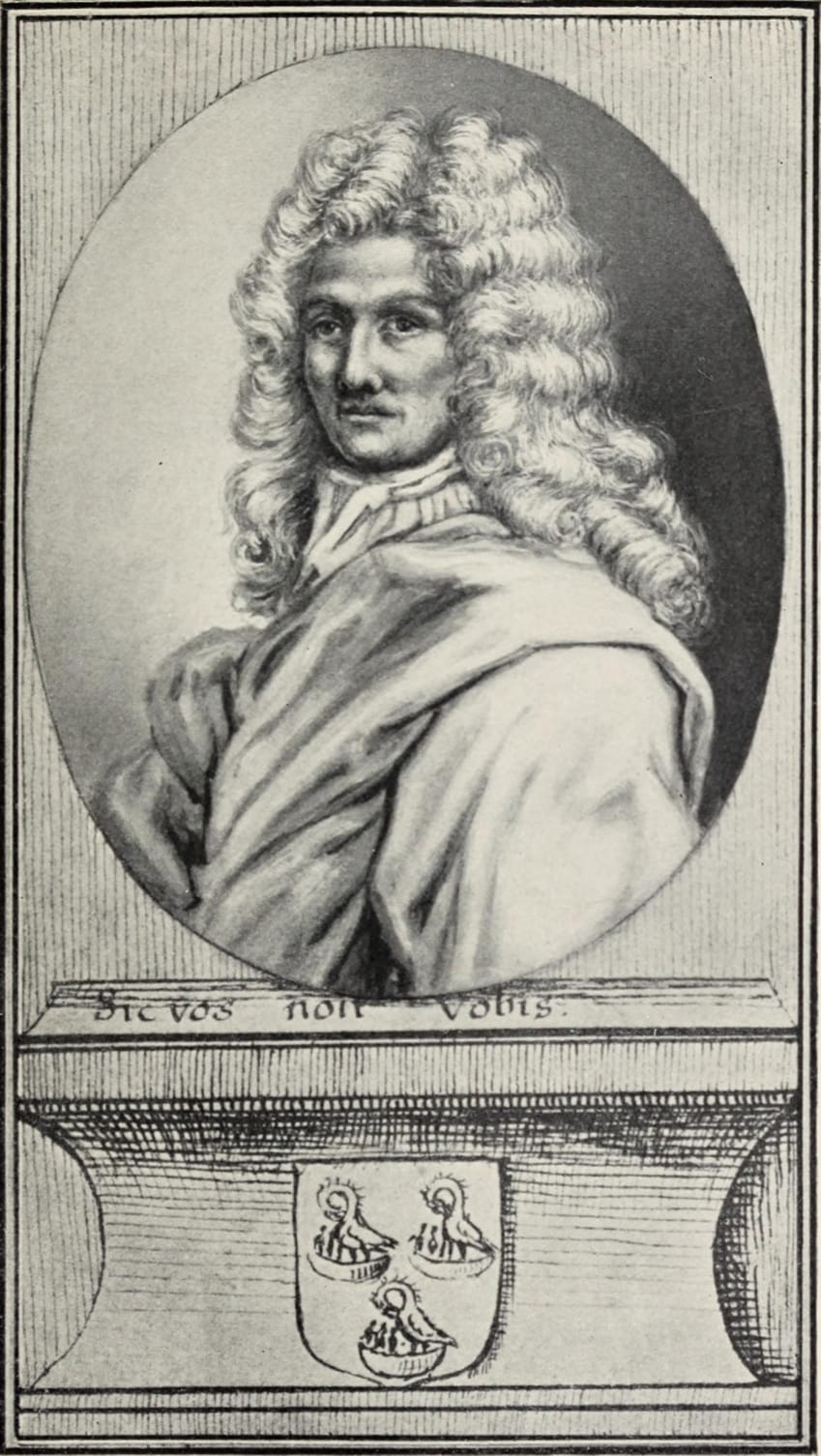
William Paterson was a Scottish financier, born in 1658 in Tinwald, Dumfriesshire, who had spent his twenties and thirties traveling between Britain, the Americas, and the West Indies in what are described as “various mercantile capacities”, and had accumulated by middle age a broad reputation as one of the more capable financial minds in the entire English-speaking world.
It's important to absorb that Paterson was a co-founder of the Bank of Fucking England in 1694. Notice that's just a year before this story started. He was still on his victory lap here.
This is not exactly another Sullivan situation. Paterson is credited with inventing the concept of the national debt, or the idea that a sovereign government could issue bonds against future tax revenue to finance present expenditures. You may have heard of that little thought of Paterson's before, as it is arguably the single most consequential financial innovation of the early modern period and is of course still in use by every government on the planet Earth in 2026.
So Paterson was clearly a very serious and very intelligent man.
However, and unfortunately for the people of Scotland, William Paterson was not, in fact, a geographer.
Paterson was also definitely not a land surveyor, and he also didn't farm. He also was not a tropical-disease specialist, or a military engineer, nor was he a botanist.
Paterson was, at the end of the day, just a really smart financier who had, through his brilliance in adjacent domains, accumulated enough institutional credibility to now propose a colonial venture and have the people around him believe in his ideas. The sum of his personal knowledge of the Isthmus of Darien, where he would be sending Scotland's future to die, consisted of a book he had read.
This book was the vacation memoirs of a one-legged pirate.
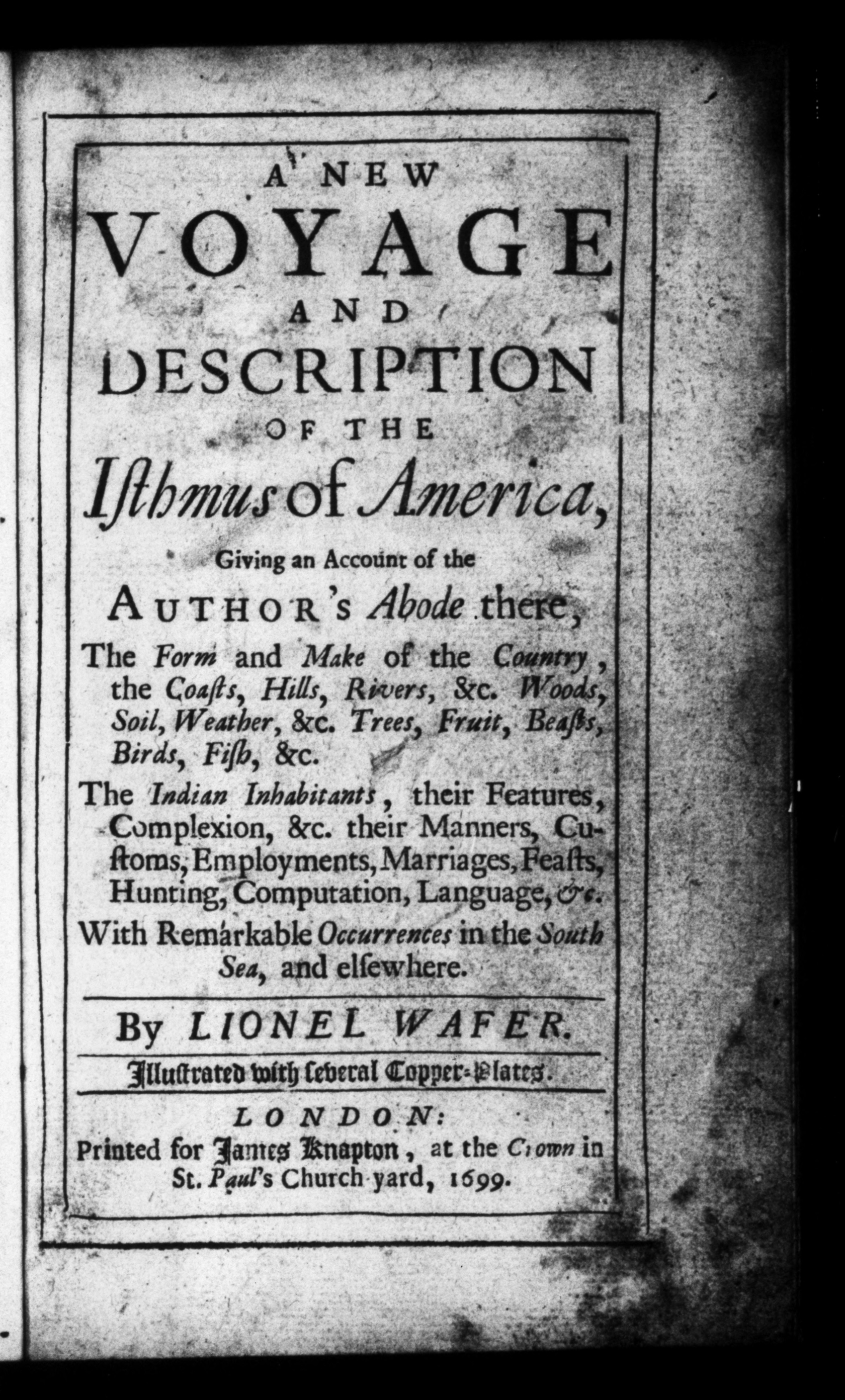
That isn't a bit. The fateful book was called A New Voyage and Description of the Isthmus of America because no one could name anything whatsoever at the time, and was written by Lionel Wafer, a former pirate ship's surgeon who had spent approximately four months living with the Kuna in 1681 while recuperating from an accidental gunpowder explosion that had blown off part of his leg.
Paterson read Wafer's book, and he really liked it.
Paterson did not then visit the Darien Gap, or maybe send someone else to visit Darien for him. The brilliant financier Paterson just went right ahead and took that retired one-legged buccaneer's convalescence tale as his sufficient basis on which to now stake his own nation's future hopes and dreams.
This actually would not prove to be solid grounding. After reading the pirate's story, Paterson described this isthmus to the public as:
“The Keys to the Universe”
By this lethal little turn of phrase he meant, and he wasn't wrong, that Panama was the narrowest point between the Atlantic and Pacific Oceans and that a colony there could, theoretically, serve as an overland transshipment point for goods moving between Europe and Asia, thereby allowing Scotland to become basically the toll collector of all world maritime commerce.
Well, the word theoretically is actually doing an enormous amount of work on Paterson's behalf in that sentence, and none for Scotland.
The Darien Gap is considered today in 2026, just as it was in reality in 1698, the single most geographically inhospitable sixty-mile stretch of land in the entire goddamned Western Hemisphere.
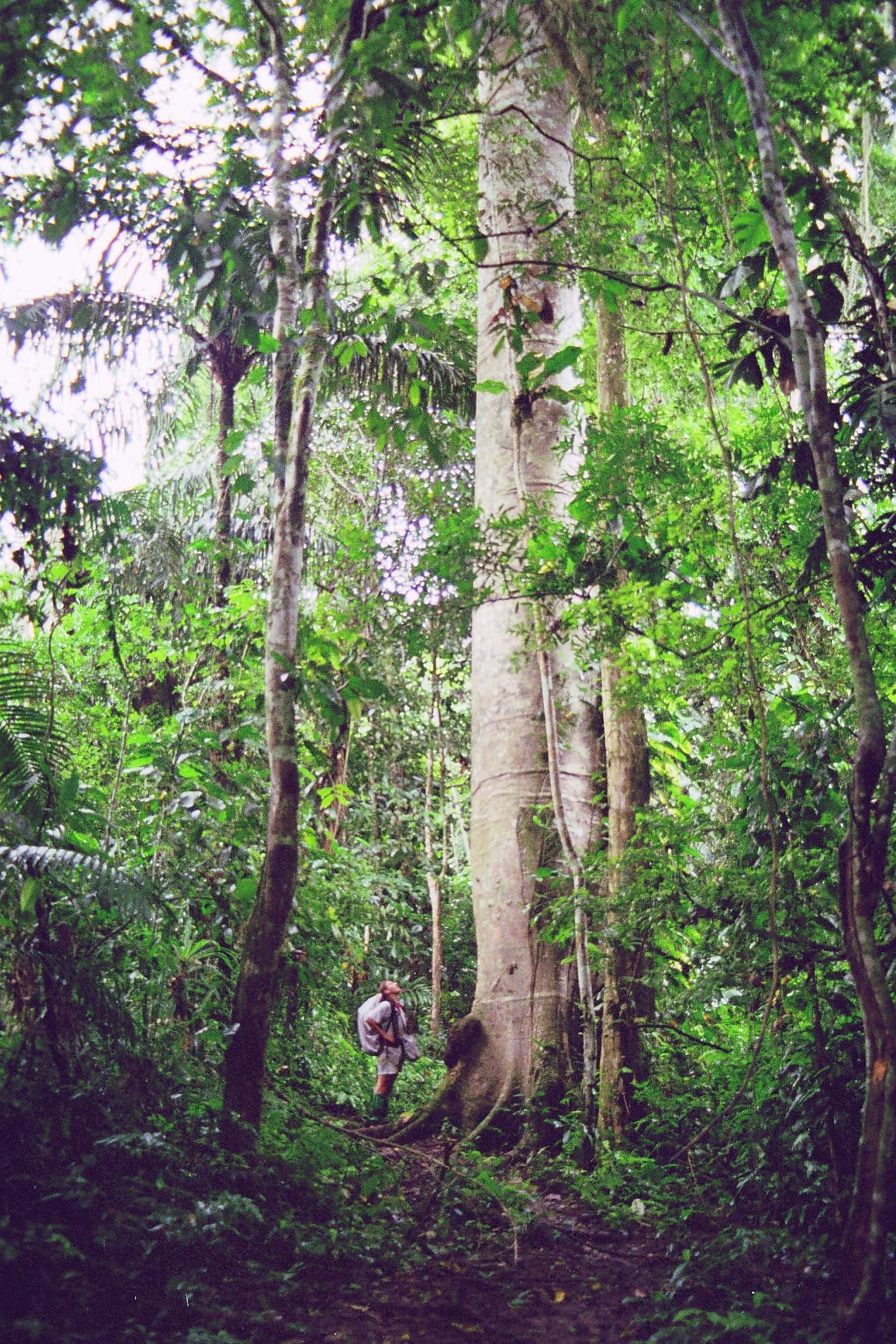
Yeah, turns out they call that shit a “Gap” for a reason.
It is the only break in the Pan-American Highway. Try to understand that this is a single road that runs from the Arctic Ocean in motherfucking Alaska all the way to the southern tip of Argentina but that cannot ever be completed because it cannot actually cross the Darien Gap. It simply isn't realistic to even try to do that, probably ever. Modern civil engineering, with all kinds of bulldozers and explosives and satellites, has rightly completely given up on trying to put a road through this fucking place, despite it preventing the completion of one of our most ambitious construction projects ever as a species.
Paterson's proposal right here was for Scotland to establish a permanent overland trade route through this same terrain, in 1695, using seventeen-century tools wielded by men wearing powdered wigs. And we will get back to those wigs.
In Modal Path Ethics terms, Paterson represents one of the cleanest cases of role capture through what I call prestige transfer: the accumulation of extremely legitimate authority in one domain (finance) erroneously deployed into an unrelated domain (tropical colonization in Colony Hell) without ever bothering with the acquisition of the competencies specific and required to the new domain. This fucking guy occupied absolutely no formal role that should have given him the authority to direct a colonial venture into Panama, but people had heard about his Bank of England reputation and his charisma and skill as a promoter converted his personal enthusiasm about a motherfucking pirate book he read into institutional momentum, so now here he was, deciding the fate of the nation.
The directors of the Company of Scotland Trading with Africa and the Indies, many of whom were just random Scottish nobles and who had no more knowledge of Darien than Paterson did, deferred to him because he seemed to know what he was talking about, because Paterson always seemed to know what he was talking about, because Paterson was a genius and that was the story everyone was telling.
This distortion is what ultimately turned this doomed affair into an actively hopeless nightmare. Every subsequent contraction in this field is downstream of Paterson's bizarre ideological commitment to the Isthmus, which was itself downstream of his having read a pirate story book.
The Company of Scotland Trading to Africa and the Indies never bothered to conduct an independent survey of this authorial pirate's favorite vacation destination. They never sent any kind of scouting expedition or hired anyone with tropical-colonial experience to vet this extremely ambitious plan. The only expert (and I mean the only expert in the world) who they consulted, as we will see in a moment, did actually directly tell them this was a fucking stupid idea, and they just fired him and did it anyway.
The Company of Scotland Trading to Africa and the Indies did, however, spend roughly two years carefully preparing their supplies.
The Supplies.
We're locked in. We now have a Scottish colonial expedition with a horrible name, preparing to sail to a destination most of the people involved in planning this can not locate on a map, funded by a quarter of the national wealth of a country that had just lost a full fifteen percent of its population to famine, all against the express wishes of its king, directed by a financier who had read exactly one pirate memoir, headed for a jungle that modern bulldozers refuse to even pretend like they could put a road through.
So, what would you bring?
Well, if you're an avid reader with an active imagination like William Paterson, you just bring what Lionel Wafer's book said to bring, and I'm not even kidding. Wafer's little story book had mentioned, among many other things, that the Kuna paid some amount of attention to their personal grooming. Paterson had read this with great interest and I guess he kept telling people about it, because The Company of Scotland Trading to Africa and the Indies went ahead and translated Paterson's personal interest in this very specific topic into a very large purchase order.
I'm telling you they bought ten thousand combs.
This is a historical ten thousand, not hyperbole. Ten thousand extant combs were gathered in Scotland's capital during this time, loaded onto the ships, and transported across the Atlantic Ocean to Panama, all operating entirely on the theory that the Kuna people (who I would also point out had been maintaining what we must assume was considered to be perfectly serviceable hair on their own for what appears to be one thousand years prior to any Scottish involvement in the process) would obviously want to trade valuable goods (in this case, meaning their fucking food) for European styling implements they actually did not want and had never asked for, because how the hell could they and why the hell would they?
So that was one thing to definitely pack, and it was the most of any one thing they brought with them. But that's not all, because Paterson and the Company of Scotland Trading to Africa and the Indies had devised in their little heads a full picture of what a Panamanian colonial economic system would need, and so they provisioned the most sensible items:
Four thousand Bibles.
Two thousand eight hundred Presbyterian catechisms (for the conversion of the Kuna).
Many boxes of powdered wigs, which were very fashionable in European courts at the time. You may notice that nobody wears these in Panamanian jungles today because it is ninety degrees Fahrenheit there with eighty percent humidity and you would and they did die.
Several sets of bagpipes. For trading with the Kuna, obviously.
Large quantities of tartan plaid, also for trade.
Basic jungle survival gear like hats, slippers, kid gloves, women's gloves, bed covers, cups, smoothing irons, fish-hooks, mirrors, and brandy.
Three horse-drawn carriages. No, they did not bring any horses with them. They seemed to think it would be simpler to just get some in Panama when they arrived.
I'm actually not ready to keep going.
This part here is so unbelievably wild to me. Some real human, in Edinburgh, in either 1697 or 1698, made the conscious decision to load three horse-drawn carriages onto ships bound for a destination where no horses had been arranged to go, no horse infrastructure had ever existed before, the terrain was not traversable by carriage even in the most generous sense, and the planner had of course never been there and did not know if there were any horses to be had there or not. The carriages went on anyway and sailed all the way to the Americas. They were then unloaded in Panama.
The carriages then fucking rotted on a fucking beach, because of course they did, are you kidding me? This is the last the historical record speaks of these three human creations. What a waste.
The person, and there was one because there must have been, who approved this carriage purchase must have had in their mind this complete working picture of some thriving Scottish town soon to be set up in Panama, with roads and horses and Scottish gentlemen traveling between manor estates who would need these carriages.
That picture could not have been more laughably distant from where those things were actually being sent.
Those three rotten carriages are a physically instantiated artifact of somebody's actual daydream. These things went onto the ships because only in the daydream someone was having, they were going to be needed. Nobody stopped to check that daydream against reality because it was Paterson's, and Paterson was a very serious genius. He made the Bank of England.
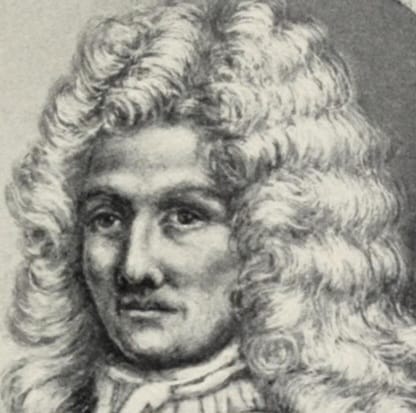
I guess I should credit them for packing some food, but the biscuits they brought with them were apparently already moldy before they got to Madeira which means before they got out of Europe, and the beef they packed was apparently rotten before those biscuits got moldy.
So, that's not what I would have chosen, but that is what they brought.
In Modal Path Ethics terms, these supplies are distortion made material. The physical objects any venture assembles are the concrete residue of the field its planners believe they are operating within.
In the field Paterson and the directors believed to somehow exist, these goods were all highly appropriate: they had combs for the enormous hair-grooming Kuna market, Bibles and catechisms for the imminent Presbyterian conversion of the natives, wigs and carriages for the imaginary Scottish gentry who would soon populate the imagined colony, plaid and bagpipes for the thriving passing-trader market that would naturally stop in at New Edinburgh to buy some Highland novelties on their way between the continents.
It's really only too bad that none of this shit existed in the real world.
This fantasy world, again, was the one Paterson had built entirely out of his reading of a pirate's memoir. Tragically, the actual world was still going to be waiting for the ships he sent off when they arrived there with their combs. These goods were ultimately a bet on which world the colonists would actually land in: the real one or make-believe. Paterson and a lot of other people lost this bet pretty severely.
Now here is where we have to reset a bit for another reason, because the supply situation here also contained something that was not loaded on the ships, but was planned, and I sure don't mean the horses.
Do you like poems?
Well, according to several sources I found online, among the promotional materials the Company of Scotland Trading to Africa and the Indies circulated across Scotland in 1697 to attract investors to the (still-unspecified!) venture, was a little poem celebrating the imagined future of the colony. This poem has the reader imagine "Black Slaves" working like "busie Bees" (nice spelling) in Panamanian sugar plantations, producing beautiful returns for Scottish investors. The Duke of Hamilton, one of the Company of Scotland Trading to Africa and the Indies' most senior backers, also stated very publicly and for the record that his intention was to "import slaves to be worked to death" at the local gold mines once the colony was established.
You know, I'm starting to think these guys had a different definition of “Trading to” than I use.
The Darien Scheme was conceived, funded, and pitched to investors on the explicit premise that it would be commercially viable in no small part because of the planned mass enslavement, exploitation, and murder of African humans. This is well-documented. It was a big part of this pitch. The Duke of Hamilton said that shit up there out loud, and they named one of the ships after him. This was all printed in a poem that was distributed to the public and I later read about it hundreds of years later. So the fourteen thousand Scottish investors involved here bought shares, at least in part, on the basis that their returns would come from slave labor in Panamanian gold mines. That was the goal here and what a quarter of Scotland's wealth was being devoted to achieving.
Their little Scheme collapsed before this plan could be brought to fruition. No enslaved people were actually ever transported to Darien, because there was no functioning Darien to transport them to, because of course there wouldn't ever be one, not with this type of planning. This is not any kind of moral achievement. Their general stupidity and logistical failures just prevented their actions from materializing into even more harm. In the counterfactual where Darien and those combs somehow succeeded commercially, the history I would be reading about here would include the arrival of many slave ships at Caledonia Bay and the subsequent deaths of many enslaved Africans in mines these buffoons luckily never got to dig.
Modal Path Ethics does not actually allow this to be bracketed off as a separate issue to be discussed on the side before returning to our narrative. That planned atrocity is part of the same field we are looking at here. The people who approved the ten thousand combs and the stupid carriages are the same exact people who approved the slavery poem. The pirate combs and the slavery are the same story playing out in relation to two different groups.
After this stupid colony inevitably collapsed, two of the Darien survivors, Thomas Drummond and his brother Robert, took a Company of Scotland Trading to Africa and the Indies ship called the Speedy Return to the Guinea coast of West Africa. Their instructions from the same directors had been to trade Scottish goods for gold. Instead, they traded those goods for enslaved African people, whom they transported to Madagascar and sold for their own personal profit, against the directors' direct orders. No action was ever taken against them.
We will come back to Thomas Drummond. There is actually a lot more to say about the human called Thomas Drummond than that, and literally none of it makes him look any better.
So anyway, the wannabe-slavers loaded all this stupid bullshit onto five ships: the Saint Andrew, the Caledonia, the Unicorn, the Dolphin, and the Endeavour. Twelve hundred settlers were then gathered and told they were sailing somewhere to live now, maybe it's Africa, possibly the Indies, you know, really, it could end up being both. The actual destination (the fucking Darien Gap) was kept a secret not only from the English and the Spanish (which made sense) but from the settlers themselves, who would not learn where they were going until they were already out on the open ocean and it was way too late to reconsider dying in Panama, which is exactly why they weren't going to be told until then.
You are now being sent to establish a permanent colonial settlement in the worst possible location we could choose in a tropical jungle. You do not know this yet. You think you might be going to Africa? You are on a ship alongside ten thousand combs, powdered wigs, a crate of bagpipes, and three horse-drawn carriages. You do not see any horses anywhere on this ship. Your provisions are already moldy. Your own king has, unbeknownst to you, been spending the last two years trying as hard as he possibly can at every chance he gets to torpedo the same company you are now risking your life for. The man whose idea this was, Paterson, has never been to where you are going, and read about it once in a story about a one-legged pirate's relaxation. The only expert he consulted, that same amputee, said the plan absolutely would not work and you would all die.
Death of the Author.
Before we actually get to the part where the twelve hundred people sail for a place most of them have not been told the name of and where most of them will die, we need to cover the single most revealing decision the Company of Scotland Trading to Africa and the Indies ever made, because this is the real hinge on which the rest of this disaster swings.
Sometime in 1697 or early 1698, after the investors had already signed on, the £400,000 had already been raised, the ships had already been commissioned, the racist poem had already been distributed, and the Company of Scotland Trading to Africa and the Indies had already spent considerable money acquiring all their combs, the directors decided now was a good time for them to maybe do a little due diligence.
They had already been selling investors on a venture to an unspecified destination for about two years at this point off of Paterson's sheer enthusiasm, so they had money. They also had Paterson's story book (by that I mean the amputated pirate's book that Paterson was so in love with). But they still had not, at any point, actually spoken to any human who had ever physically been to or seen the Isthmus, so they finally decided to fix that, just to confirm some things, real quick. They located and summoned in secret the only living European with substantial direct experience of the Darien region.
This was the one-legged pirate Lionel Wafer himself.
Lionel Wafer, to be crystal-fucking-clear, was by this point the only actual source of every single iota of information Paterson had been using to pitch Darien. Wafer had, as his book described, spent four months living with the Kuna in 1681 while recovering from the aforementioned leg-based gunpowder incident. He had traveled overland across the Isthmus with Dampier and other buccaneers. He had written the book Paterson had read and found so very riveting. This man was the world's one available expert on this specific piece of land Scotland was about to commit its entire national future to.
I mean, really, this was the guy, the only guy.
So the Company of Scotland Trading to Africa and the Indies brought him to Edinburgh, sat him down, and asked him what he thought of this cool colony idea they had.
Right here, the entire Darien Scheme could have been stopped. A functioning institutional process, at this point, will hear the expert out, get an update on the information they had previously received from Paterson (who is not an expert on Darien but a banker and enthusiastic fan of this exact expert's story about it), and will either correct their shitty plan or abandon it.
That is what this part of the process is for, right? That is why they brought in the pirate?
Well, Wafer, answering in good faith, told the directors what he actually knew about Darien. They did not like what they heard.
The climate was far more hostile than the more enthusiastic parts of his story book had emphasized. The Kuna were friendly but were actually not going to be a market for Scottish trade goods, because they had already seen European trade goods for about two hundred years now, because the Spanish had been trying to claim this place for that long, and the Kuna had long ago decided how they felt about all that shit. The Spanish would, of course, not tolerate a Scottish settlement there and would respond militarily. The agricultural prospects for any European settlers there were limited to nonexistent. The terrain definitely could not support the kind of overland trade infrastructure Paterson had been describing at great length in public.
So the directors have just listened to Wafer explain that the plan Paterson had sold them could never possibly work. They then paid him to go away and stop talking because the daydream they were so enthused about was falling apart in front of them. The directors declared Wafer "untrustworthy" and proceeded with the expedition anyway. I mean, he just admitted he had apparently exaggerated about the climate in his book, how could they ever go off this lying pirate's word now? What if he really just wants to keep Darien all for himself?
These motherfuckers didn't even update their sales pitch. It was like nothing had changed for them. They certainly did not tell the investors what Wafer had just told them. They also did not tell Paterson to maybe scale back his public claims, just a little bit, just in case.
Up until this moment, you could maybe construct a reading of the Darien Scheme in which the directors were acting in good faith to achieve their goal on the best information available to them, and just happened to have very bad pirate intel. After this moment, that reading is no longer available to anyone. The pirate just tried to save them. From here on out, the directors are knowingly proceeding with a plan that the only living expert, who they hired specifically to evaluate that plan because he is the only living expert, just told them to their faces was definitely going to fail due a bevy of factors they cannot ever hope to change or control.
In Modal Path Ethics terms, this is distortion through narrative accommodation. The directors had the right information and no reason to disbelieve it, in the specific form of the world's single available expert sitting in a room with them answering their questions as honestly as he can. They intentionally chose to operate based on their daydreams instead of the information they had, because accepting that information would ruin the story they all thought they were telling.
The key thing to understand, though, is that their story had already gotten way too big to ever adjust in response to this information. Fourteen thousand fucking investors had already bought in to see these gold mines dug and flooded with slaves from Africa. A quarter of the national wealth was committed to this. All the personnel had been hired, the ships had been commissioned, I mean even the combs had already been ordered. The political capital of the entire Scottish establishment was now irreconcilably and publicly attached to colonizing Darien, and almost no one even knew that. To update it on Wafer's testimony would have meant refunding investors, canceling the whole plan and starting over with a new one, and eating the reputational cost of having just spent two years selling something that turned out to be a fucking imaginary scenario spun out of a pirate book by someone who was way out of his depth.
It is just so much easier to just pay Wafer a little bit more and send him back home, and then later on be swallowed up by England.
So the pirate ends up being paid twice for the same narrative; once for the story he wrote about Darien, and once for Paterson's sequel. After he gets his money, Wafer disappears from the record for a while, popping back up in London a few years later where he would apparently become useful to the English government for reasons that I very quickly stopped reading about. For what it's worth, he does seem to have understood what had happened here, never appearing to have publicly defended any of this shit, and when the English authorities later asked him the same questions the directors did, he apparently gave the same answers he had given in Edinburgh.
The English then chose not to try to settle the Darien Gap, if you can believe it.
The Site.
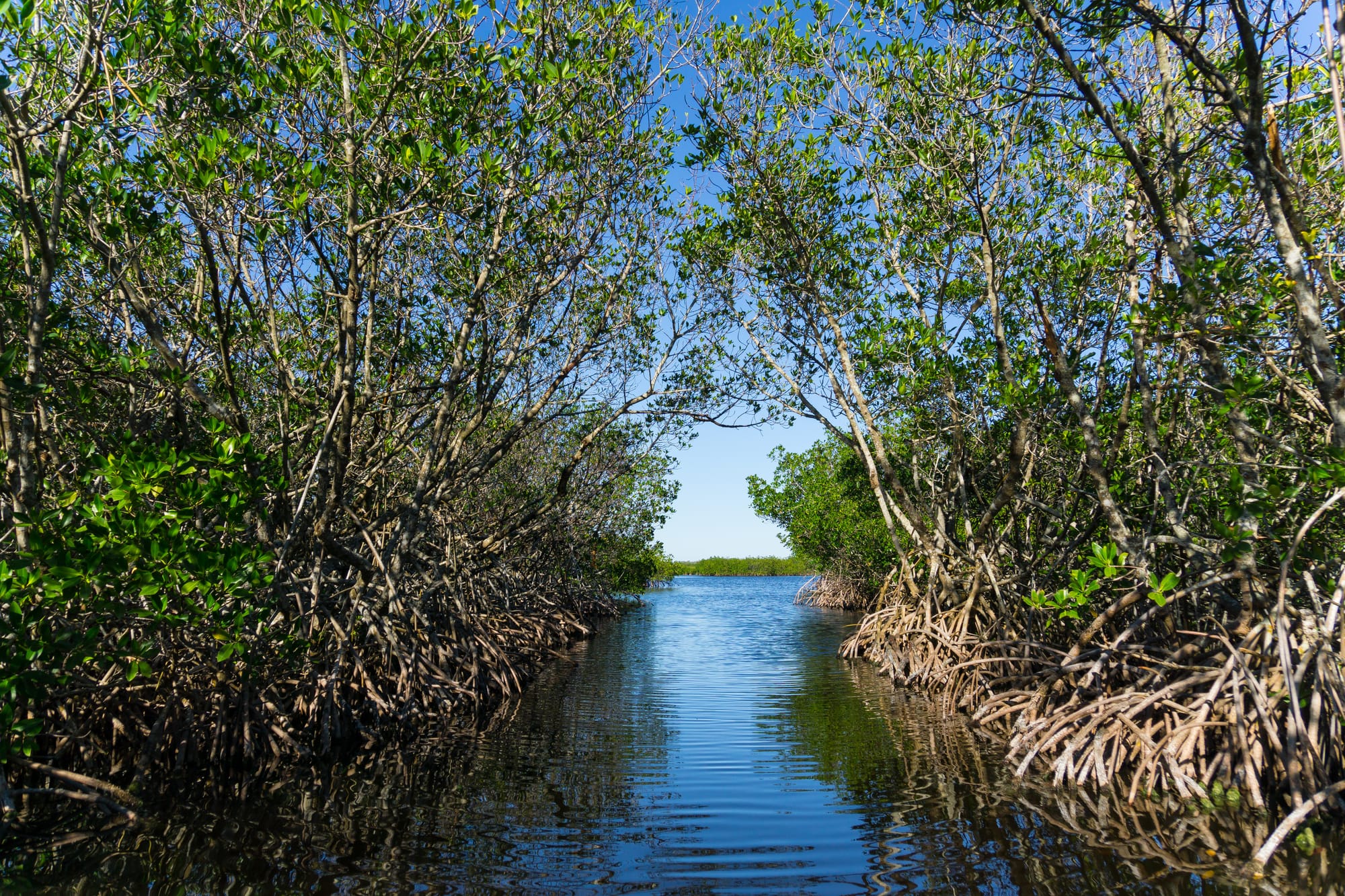
The place where these twelve hundred Scottish people were about to find themselves because of Paterson's favorite bedtime story was a shallow bay on the Caribbean coast of what is now the Guna Yala region of Panama, just east of the modern-day town of El Porvenir. On Scottish maps, for the very brief period of history during which they were still confident enough to even make Scottish maps of Panama, this place would be called Caledonia Bay. Their settlement would be established on a narrow peninsula facing a mangrove-lined shore, surrounded on the landward side by a dense tropical jungle rising quickly into the Darien mountains.
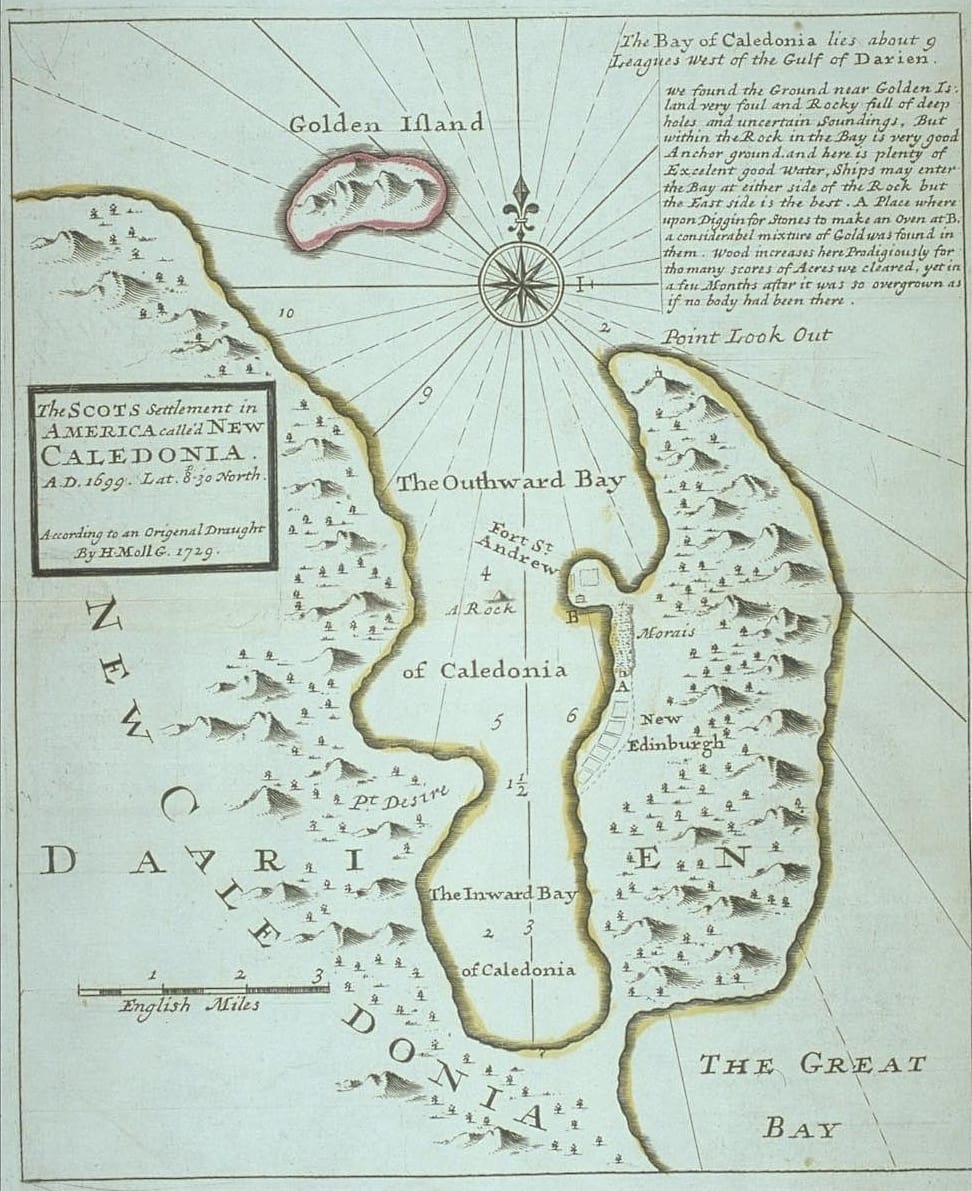
Now, let's combine the supplies they had brought with the terrain that was waiting for them.
The climate, into which the powdered wigs and heavy Scottish wool had just been shipped across the Atlantic, was tropical, humid, and seasonal, with a rainy season from May to November that would immobilize European construction and make disease transmission almost instantaneous and universal.
The soil, while technically fertile in the abstract sense that tropical soils do support a form of riotous plant growth, was not in any way suitable for the kinds of European crops the settlers actually knew how to grow. They would never learn this knowledge from the Kuna, because they had pre-decided on the word of a pirate they then later ignored as too unreliable that the Kuna were a growing market for their combs rather than any source of agricultural expertise.
The surrounding forests contained mosquitoes carrying malaria (of course) and so much yellow fever in such quantities that it had contributed to the Spanish Empire's nearly two-hundred-year standing decision to simply leave this godforsaken place the fuck alone. The existence of quinine as an antimalarial would unfortunately not be understood by European medicine for more than a century.
The Spanish still claimed Darien, but only in the loose, formal way that Spain claimed pretty much the entire Americas after the 1493 papal bull, which was itself very stupid. The Spanish just claimed pretty much everything they were aware of that wasn't Portugal because you could just do that back then. But the Spanish did not actually occupy Darien at all, because why the hell would you, so there were no Spanish settlements within several days' travel of the chosen site. The Spanish had, of course, still made several attempts to subdue the Kuna over the preceding century and had been driven off not unlike the mosquitos every single time. Spanish presence in the region therefore consisted of two garrisons at Portobelo and Panama City, both of which were days away from where Paterson was so sure Scotland would build its future, and both of which had their own problems to worry about and would be actively hostile to the Scottish settlers anyway.
Paterson's (and therefore Scotland's) reading of this particular situation was that the land was somehow "unclaimed," in the sense that nobody was considered to be physically there resisting Scottish settlement from a map-coloring-in perspective.
This reading was radically incorrect in two key ways.
First, the land was actually extremely claimed, by the Kuna, who lived there, had always lived there, were not interested in leaving there, and would successfully continue to live there well after everyone else involved in this story was long dead.
Second, Spain's formal claim, however bullshitty on the ground, was still taken seriously enough by Spain as a matter of principle that the appearance of a Scottish colonial settlement on territory Spain considered its sovereign property would certainly trigger, and later actually did trigger, a military response from the goddamned Spanish Empire.
So the climate of this place alone would make any European settlement extraordinarily dangerous and incredibly fucking stupid, even operating under their "free real estate" delusion. The Spanish formal claim made their military response 100% inevitable and foreseeable, to the extent that even the pirate had explicitly warned them about this. King William III's (their king!) political position on this entire situation would soon make it legally impossible for any Scottish colony at this location to receive any form of supplies or aid from the English-controlled Americas that surrounded it on all sides.
This is clearly already far too much structural resistance between the planned colony and any possibility of its survival, and the colonists cannot just hope to comb their way out of this one once they arrive.
The Voyage.
To avoid the English Royal Navy, which would have taken an interest in whatever the fuck Scotland was up to now, the five ships did not sail out into the open Atlantic from Leith. They instead went north, which meant they would be taking the Pentland Firth, a stretch of tidal water between the Scottish mainland and the Orkney Islands. It is still considered one of the most violent pieces of navigable ocean in Europe. The currents there run at speeds approaching twelve knots, which is stupid fast in ship speak. The tidal rips apparently produce standing waves that can swallow small vessels whole. Even in 2026, with modern weather radar and diesel engine vessels, people seem to treat the Firth with the specific kind of respect that implies some kind of list somewhere you don't want to be on.
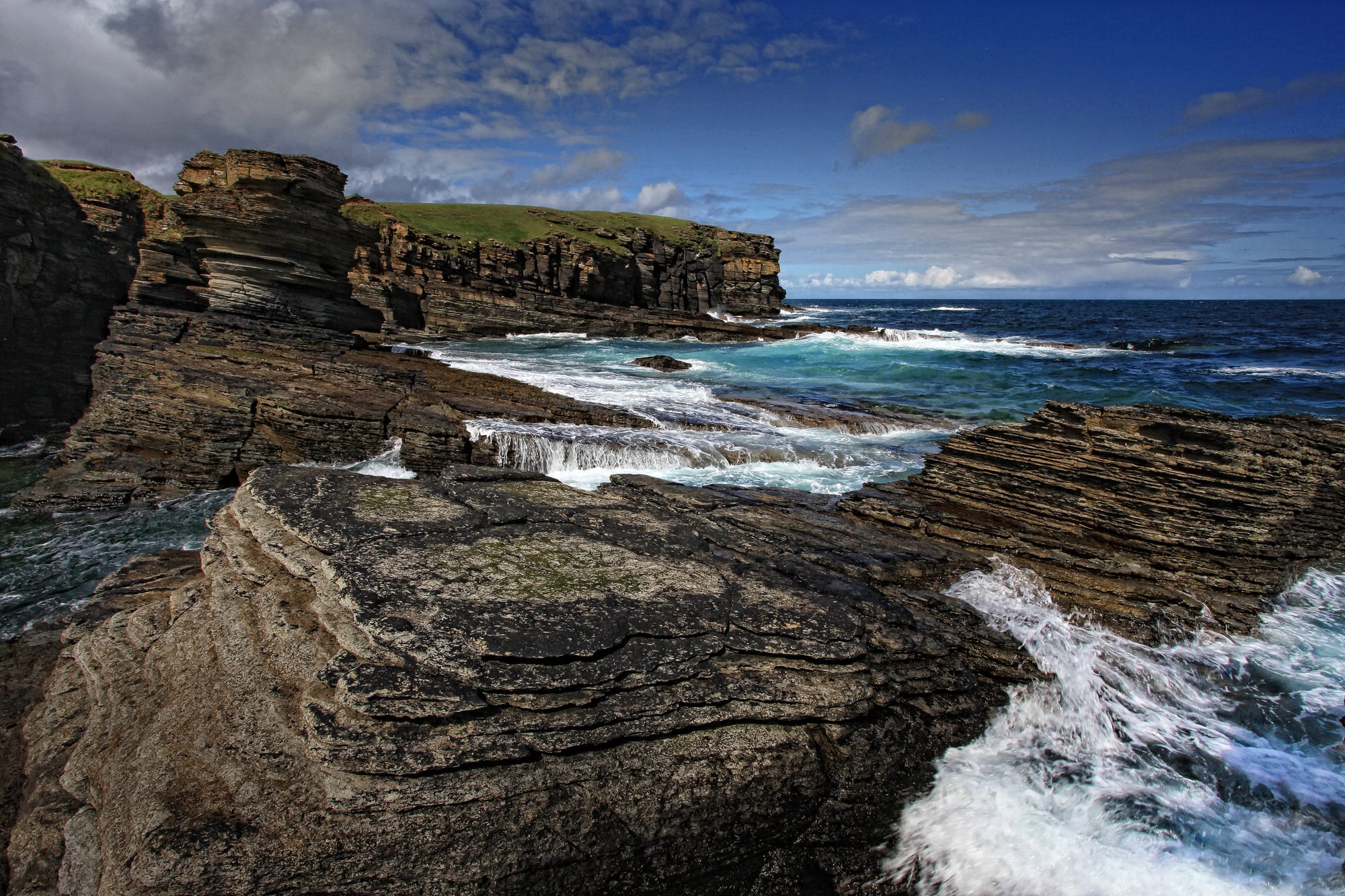
Several of the luckiest passengers, after surviving the entire Darien experience and actually making it home, later testified that this initial passage through the Firth around the north of their own country had been comparable in its misery to the worst of what came later. That alone is almost completely unbelievable. That means a guy who watched all of his friends and family die of yellow fever in a Panamanian jungle, then saw his colony besieged by the Spanish, and then also survived the voyage home on a ship that was actively trying to sink and kill him, thought that normal transit on this stretch of water on the first few days was also notably bad and wanted to warn us it was to be avoided.
So this was already not off to a good start.
William Paterson was on one of those ships. He had brought his wife, Hannah, and their child with him on his pirate-themed adventure. This shows us Paterson still believed his own story, even after Wafer told them it was all just a daydream. You do not bring your wife and child to die in the jungle with you if you do not believe in the fairytale that's supposed to be waiting for you there when you arrive.
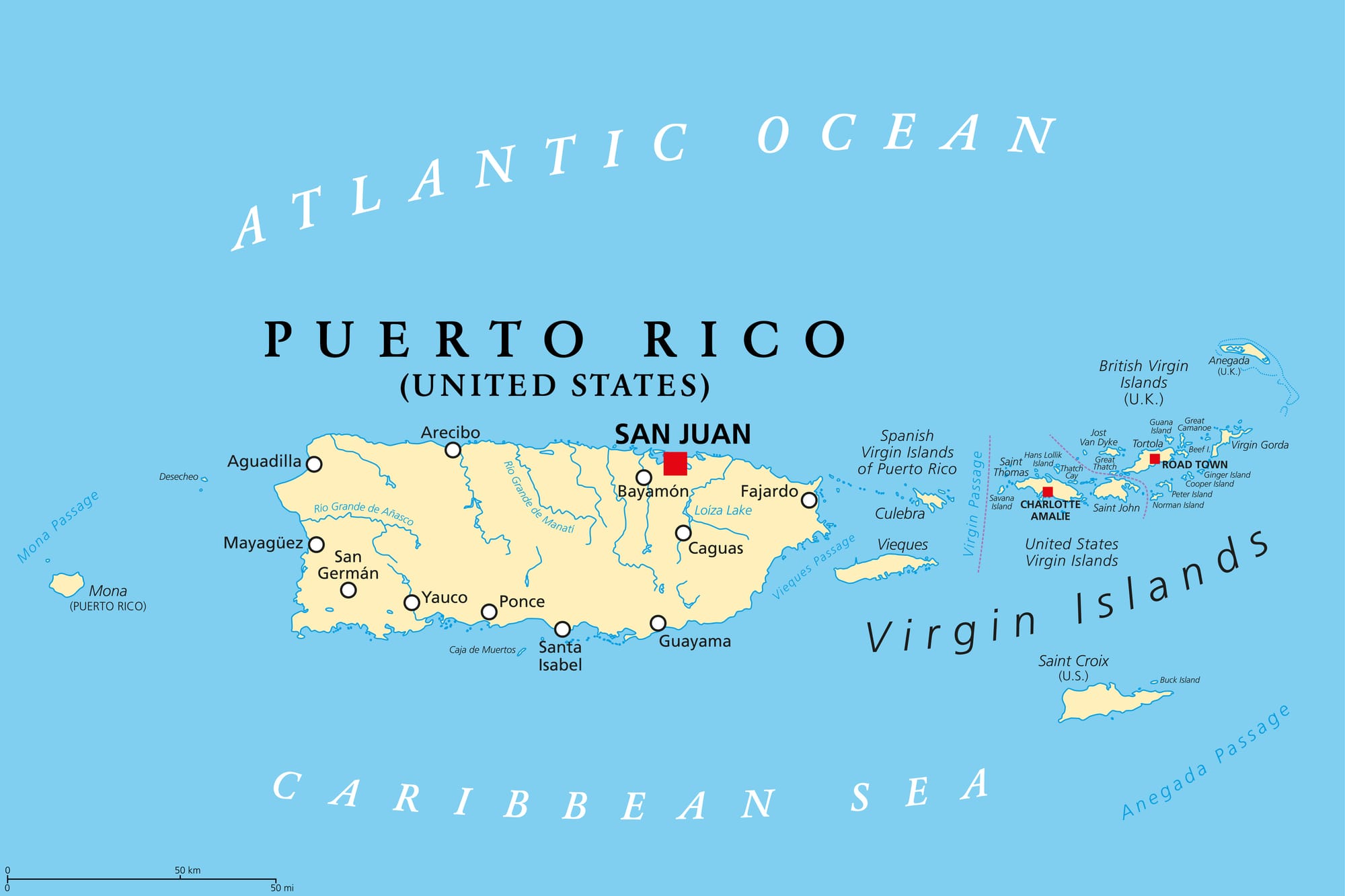
The fleet stopped briefly at Crab Isle, now the less generic Vieques, Puerto Rico, to get water. While they were there, they planted a flag and in another adorable daydream, declared the island Scottish sovereign territory forever.
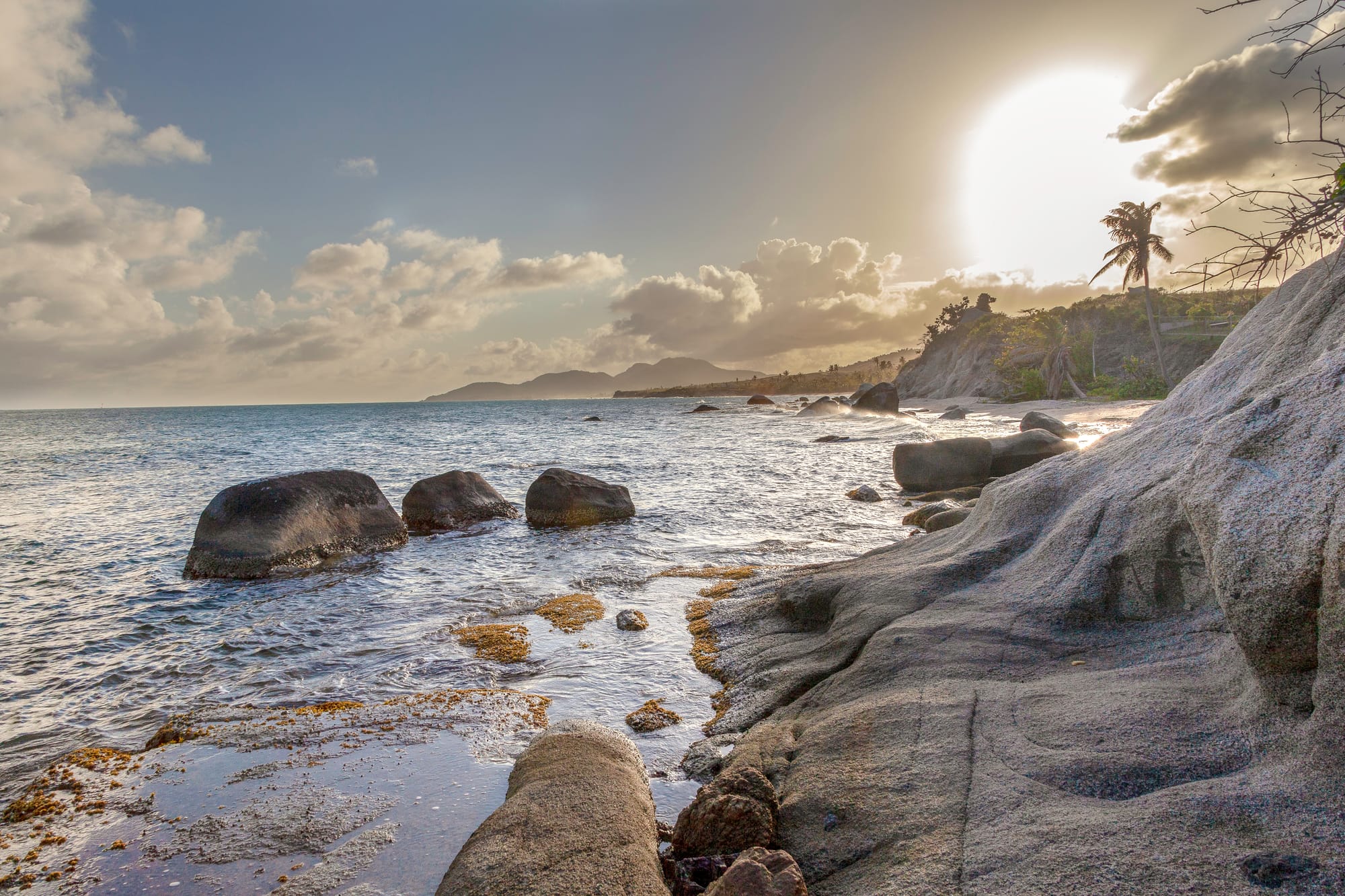
So, that water was contaminated. Ship's surgeon Walter Herries wrote down that "unwholesome water taken on at Crab Island" caused men to "fall down and die like rotten sheep." That’s the real phrase a doctor used, rotten sheep. Very unwholesome water, I'd say. Scottish sovereignty over “Crab Isle”, meanwhile, was apparently a thing for about six weeks of internal Scottish storytime, and the island was later just casually annexed by Denmark after everyone who had planted the Scottish flag there had either fallen dead like rotten sheep or seen so much shit they no longer cared. The modern island of Vieques has been Spanish, Danish, Puerto Rican, and a US Navy bombing range. At no point in history has it ever been Scottish at all in any way recognized by anyone who was not stupid or unlucky enough to be on one of these specific five ships in 1698. Yet another daydream for the road.
By the way, the fleet's navigator for the final leg of this heroic odyssey was also picked up on “Crab Isle”: Robert Allison, another retired pirate and longtime friend of Paterson's, because I guess Paterson was going through a real pirate phase back then. Allison, who used to rob ships for a living, was considered to be the single most qualified person aboard any of the five ships by a substantial margin, entirely because he had actually been to the Caribbean before. According to Wikipedia, he was "best known for assaulting Spanish Puerto Bello as part of a large flotilla of rovers." Here's a direct quote from the time about that:
“wee made what hast wee could into the towne, the forloorne being led by capt. Robert Alliston, the rest of our party following upp so fast as they could.”
These people were fucking idiots.
On November 2, 1698, the fleet reached Darien anyway. About seventy people had died on the voyage, which probably even seemed like a lot to them at the time.
The Landing.
There's something to point out as soon as they arrive. The colonists named the land they arrived in “New Caledonia”. Caledonia just means Scotland, that's the Roman name. The bay was “Caledonia Bay”. Their settlement was “New Edinburgh”, after the capital of Scotland, with Fort St. Andrew, the patron saint of Scotland. It is absolutely unbelievable how uncreative people appeared to be at this point in time when it comes to naming shit. This goes well beyond the Company of Scotland Trading to Africa and the Indies. These assholes were planning this stupid pirate fantasy trip for three years and they couldn't come up with a single name for their colony other than just fucking Scotland, the place they were leaving from.
That just perfectly underlines for me how mentally absent everyone involved in this entire ordeal appeared to be from start to finish. This is the mindset that packed ten thousand combs.
At no point in the planning of this was the colony at Darien ever imagined as anything other than a mini-Scotland magically transposed over a jungle.

Anyway, the first thing the people of New Scotland did when they landed was start to dig graves, and they never really stopped doing it. While still digging enough holes for those who fell like rotten sheep, more people started dropping fast. The fever had been waiting for them in the mangroves, and it wasted absolutely no time in picking off the colonists.
Twelve days after they landed, Hannah Paterson was dead. Her child died shortly after. William survived the yellow fever, but only just barely. He would be bedridden for the rest of the expedition. I skipped over this before, but William had also lost his position in the Company of Scotland Trading to Africa and the Indies just before leaving. One of his employees embezzled a shitload of money and used it to make Paterson an offer he couldn't turn down for his personal shares in this nightmare.
Imagine stealing money to invest it in this.
So William Paterson arrived at his Keys to the Universe with no authority and lost his family almost immediately. This isn't being brought up to garner sympathy for Paterson, though Hannah and their child whose name is unrecorded never actually signed up to die of yellow fever in the jungle when she married a banker from Scotland. The point here is that no locus is ever isolated. Paterson was not some external element of distortion warping the field from outside by telling a fictional story. His own continued existence was entirely dependent on the field he was systematically destroying with his own delusional behavior.
The Kuna were watching all this go down.
Squandering the Last Hope.
The Kuna had been at Darien for around a thousand years before any geniuses ever named anything "New Edinburgh.”

The Scots had arrived with an entire imaginary relationship with the Kuna already set in their heads. They had their combs ready to move. Paterson's pitch materials had described the Kuna as eager Presbyterian converts-in-waiting, so they had 2,800 catechisms to give away. The whole plan for the Kuna was organized around selling them things they were imagined to want and then teaching them things they were imagined to need to learn.
The Kuna, as it turns out, had actually been engaged in sustained armed resistance against the Spanish Empire for about a hundred and fifty years at this point. They had their own governance and forms of diplomacy they seemed pretty happy with. They had also already dealt with European trade goods, European religions, European commerce, and European settlers trying to move onto their land before. They already had some opinions.
But when the colonists landed, the Kuna leader Captain Andreas came to welcome them.
This was not a small decision on the Kuna's part. A Kuna confederation that had wanted it could have definitely seen these grossly incompetent, yellow-fevered, badly-provisioned rotten sheep off their land pretty quickly. The Scots were a very soft target. The Kuna had numbers, terrain knowledge, and political motivation. Attacking the settlers would have actually been the rational move here.
But Andreas wanted to go another way, so he brought them plantains, cassava, and fresh fruit. He was offering them an alliance. Specifically, he was offering an alliance against Spain, which was also the Kuna's problem and about to become very much more so the settlers’ problem. So on December 4, 1698, a formal treaty of friendship was signed between the Kuna leadership and the Scottish council. This was the first and only miracle the settlers would receive and the one thing that could have saved them.
But then, the Scottish started trying to sell them their combs. As it turns out, the Kuna didn't buy any combs, or mirrors, or Bibles, wigs, bagpipes, tartan plaid, kid gloves, or fish-hooks. These goods were actually not of any interest. The catechisms also did not produce any Kuna converts at all. This was becoming something of a disaster in the deluded minds of the Scots.
The Kuna kept bringing them gifts of food anyway to keep New Scotland alive so they could later help them against the Spanish, also they were probably getting pretty sick of watching colonists just starve to death on the beach twenty feet from the ships because they couldn't grow any food.
Those people never got the food, though, because the ship's officers and sailors (who remained living on the ship while the settlers were dying on the beach trying to build the settlement for them all to live in) would send people to intercept it and hoarded it on the ship for themselves.
I would normally do a little paragraph breaking down the burden transfer here but I think you can already see it. There was no unavoidable resource scarcity forcing a hard choice between equally deserving parties. There were Scottish officers making a completely unforced decision to route the food the Kuna were giving the colony through their own bellies first, the people actually building the place be damned. The largest source of resistance to the stated goal of keeping the colony alive was not caused by the jungle or the Spanish or the weather and certainly not by the Kuna, but by the colony's own leadership, and this contraction happened in week one.
I did just do the paragraph anyway.
The Kuna, watching this food distribution pattern develop, drew the reasonable inference that Scottish society contained some internal hierarchy of starvation they just didn't understand. They continued to bring some food anyway, though gradually devoted less and less resources to what was looking like a doomed cause, because why would you keep feeding a group that redirects your help to the people who need it the least? The alliance they signed didn't end or anything, but the specific offer of "we will keep bringing you food" wound down, because the Scots had demonstrated that the food was not reaching the people who actually needed it for the reasons the Kuna had in common with them (their colony's own fucking survival).
The settlers never even really appeared to notice this was happening because they were more concerned with the bearish comb market, trying to hunt giant turtles, and whether they could finish digging their own grave before they starved.
The Council as a Decision-Making Body.
Things were also not going well onboard that ship where all that food was being hoarded.
The colony was supposed to be governed by a seven-man council, who almost immediately collapsed into factional warfare upon arrival. The main belligerents were the "Commodore Robert Pennecuik thinks he's in fucking charge now" faction and the "everyone else disagrees with him” party. This guy Pennecuik was a former naval officer who treated the other councillors as his subordinates, as he was accustomed. Robert Jolly, a merchant captain who was an actual councillor and not a fictitious candy mascot and who did not particularly enjoy being treated as this crusty fuck's naval subordinate, objected.
So Pennecuik arrested him. James Montgomerie, another councillor, sided with Jolly and just up and left the colony with him in protest. Daniel Mackay, the council's lawyer, had already been shipped back to Scotland with the formal dispatches announcing the founding of the colony, which is relevant because those dispatches were written in the first optimistic weeks of arrival before the fever really got busy, and are what the directors back in Edinburgh would later use to decide that everything over there was going just great and a second expedition of people should absolutely be dispatched immediately.
So at this point the colony had a power-drunk commodore arresting one of its six councillors, the arrested councillor leaving with another councillor, that council's main legal mind already sailing home with the outdated good news that will doom them and many others, a bedridden Paterson who no longer had any authority but this was all his idea, and the settlers dying ashore while the officers ate the Kuna food on the ships, while the Kuna watched and decided this was probably not actually the strategic opportunity they were looking for.
This Council of four still met very often, as if they were actually doing their job. It produced a lot of resolutions, arrested a bunch of people, issued all kinds of orders: in the formal sense what we had here was a functioning colonial government conducting the business of administering sunny New Caledonia. It's just that this Council was not producing any of the actual outputs that could have made the colony survive. It was not organizing food distribution, or coordinating with the Kuna on defensive preparations, or preparing for the rainy season that was coming, or managing the rampant disease outbreak, or even just maintaining the fort that motherfucker Drummond had started building. The governance of this colony, at the point in time when any governance would have mattered most of all for the survival of thousands, was entirely consumed by the all-important question of whether Pennecuik had the authority to arrest the people who had disagreed with Pennecuik.
It turns out you can run a colony like this for about eight months before everyone there dies.
The III King.
Meanwhile, these settlers were being actively murdered by their own king.
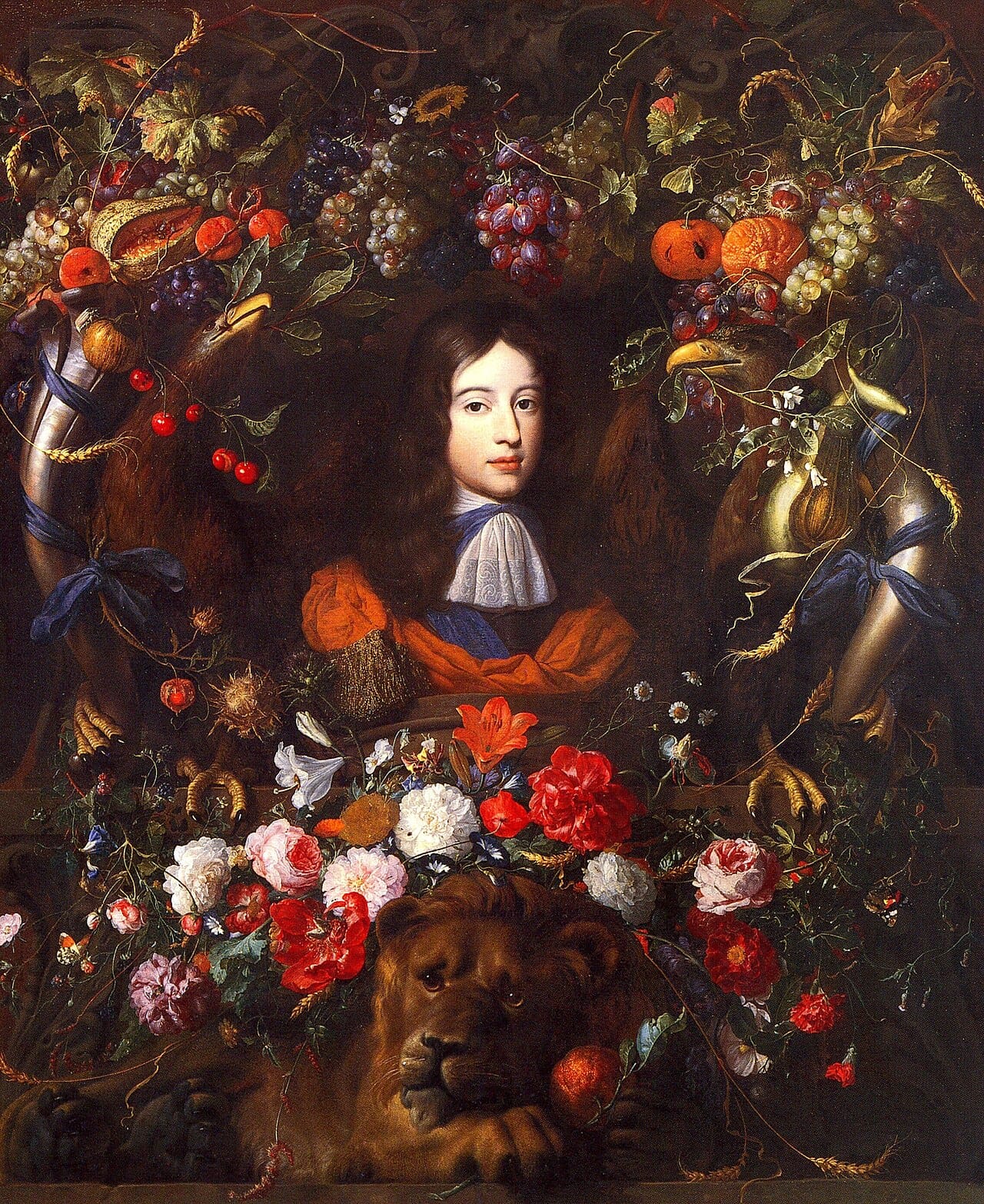
As already suggested, William III Years was overemployed and held three concurrent jobs. He was King of England, King of Scotland, and Stadtholder of the Dutch Republic. These were three separate roles with separate constituencies and attached responsibilities, and William's general approach as a ruler seemed to be to subordinate whichever role he personally cared about the least to whichever role was most useful to him at the current moment. Scotland was very often the role he cared about the least and very rarely the most useful.
In early 1699, King William issued a formal instruction to every English colonial governor in the Americas and the Caribbean. English colonies were hereby forbidden from supplying, trading with, sheltering, or assisting in any way the Scottish settlement at Darien. The Governor of Jamaica now refused to let Scottish ships buy food. The Governor of New York refused to let Scottish settlers land there. Barbados, Massachusetts, and Antigua all refused to engage with the settlers. The Dutch colonies, also instructed by William in his Stadtholder capacity, likewise refused them.
The Scots could now legally trade with literally nobody on Earth they would encounter. An entire hemisphere of English and Dutch colonial ports had just been closed to them by a single proclamation from a man who was also, technically, their own sovereign. Their only food went bad before they left Europe. They were now fucked.
William's reasoning for this move was that a Scottish colony being formed on land claimed by Spain threatened to drag England into a war with Spain that England did not want, which is extremely reasonable from England's perspective. The cost to England of abandoning the Scots was far lower than the cost to England of supporting them in this utter stupidity, and so the calculus set the value of the lives onboard those ships at roughly zero. But William is not innocent at all just because the plan was ill-conceived. This is the same exact guy who signed the charter to establish the Company of Scotland Trading to Africa and the Indies. He didn't know that a company named after Africa would be trying to claim unusable territory in Panama that starts a war with Spain at the time, but he did sign off on this colonial venture from Scotland. This same expedition, as moronic as it was, was operating under this man's authority, funded by the fortune of people he had a duty of care over, and with the goal of preventing a nation of which he was the fucking king from continuing to plummet into total economic unviability. This whole situation is only even happening because of choices William himself made prior.
This right here is what I mean by role capture. William III was captured by three different roles with three different procedural expectations for his conduct that often came into direct conflict with one another. Unable to remove himself from or change this situation in a way that wouldn't be even worse, he ends up contradicting his own decisions as he ping pongs between his roles trying to exert some consistent measure of whatever he can still perceive as the reality of the situation at hand. Scotland needs this charter very badly, and William is King of Scotland, so he authorizes it. But England's interests are hurt by this charter, and he is also King of England, so when he switches back to that role he has to sabotage it. William could have done any number of things to prevent any of this from happening, but because of the structure of the conflicting roles he inherited, he became so distorted that he somehow perceived this the least harmful path available to him.
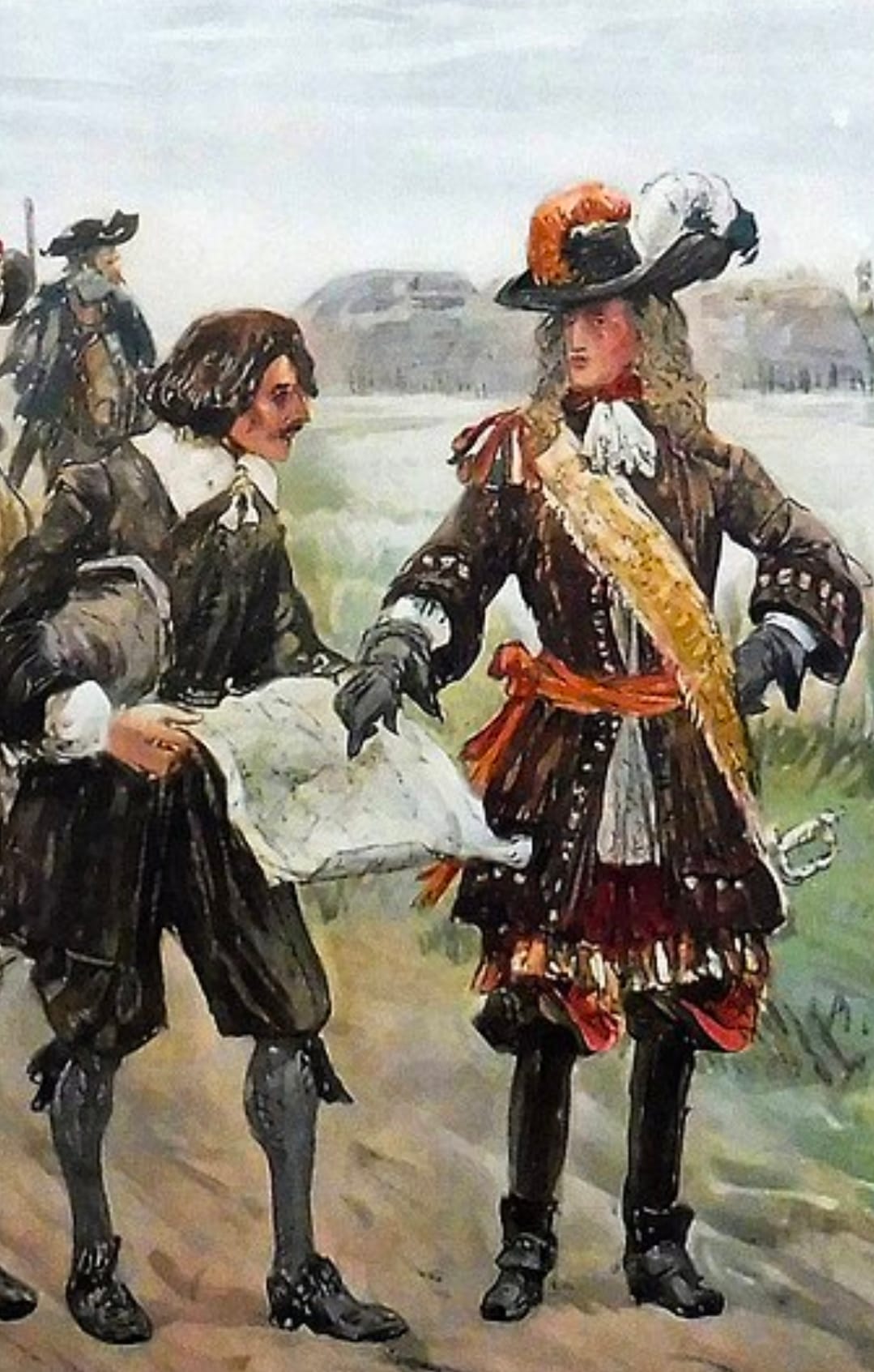
The colonists did not know the king had issued this proclamation. They noticed only that the expected English trading ships stopped coming, and that Jamaica and New York, which they had been told to think of as available fallback points, had become closed to them.
Collapse.
By the spring of 1699, the first colony of New Scotland was dying at the steady rate of ten settlers per day.
They had already run out of their edible mold and rot, fewer and fewer of them were capable of taking down a giant turtle, and the Kuna gifts had slowed down because they noticed it wasn't going to the people who needed it. The officers were still arguing about their civil liberties on the ship. They had survived the first rainy season but another was coming up, soon. They also began to notice the Spanish were mobilizing.
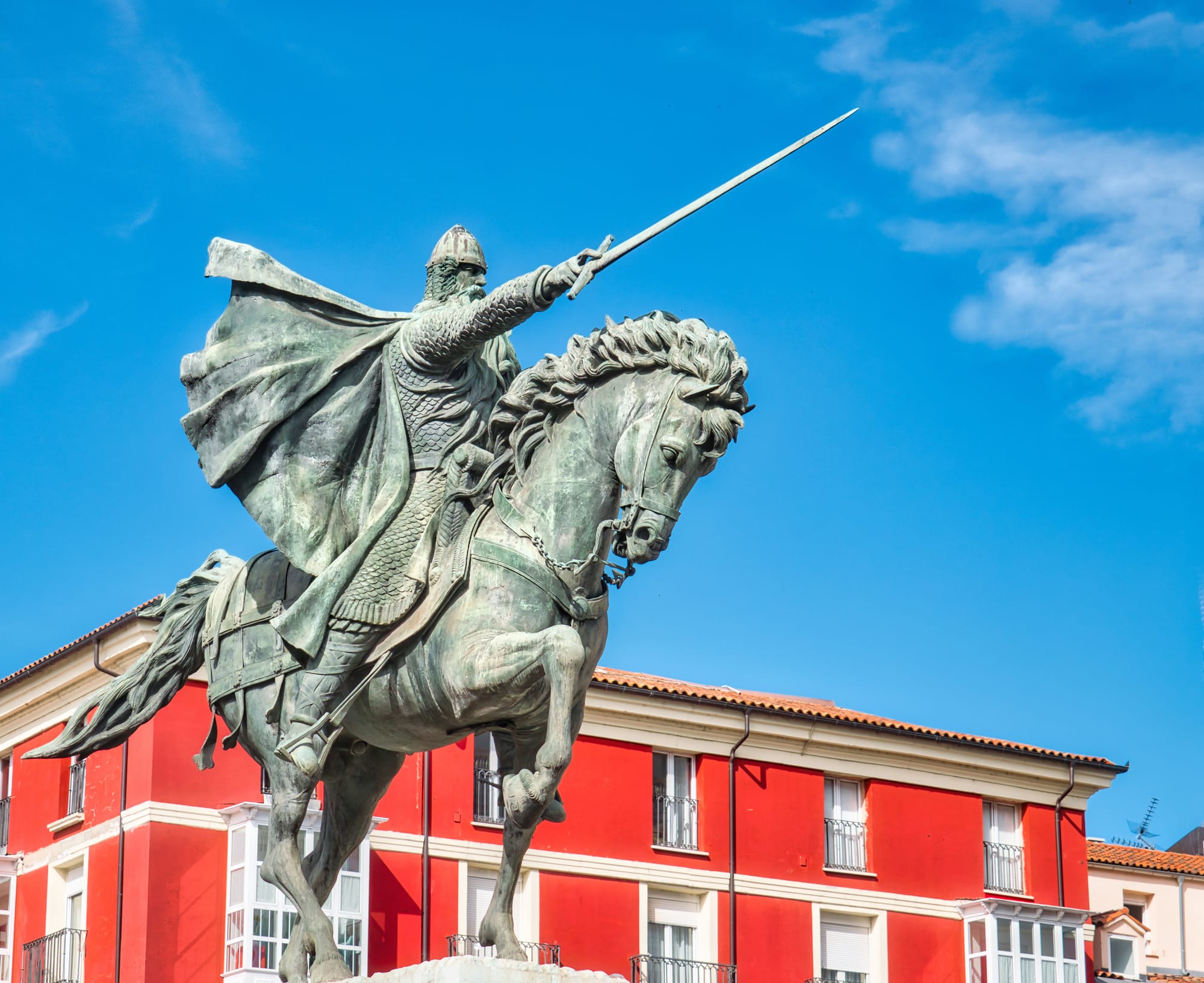
So in June, the survivors voted to get the fuck out of here. Six of them couldn't be moved safely and so they just left them on the beach in the scramble to evacuate this shithole. No one bothered to write down who exactly they were leaving to die, but they really did need to get going fast. The rainy season was closing in, the Spanish were definitely coming and not happy at all, and the ships needed to get out on the open water while there was still enough crew alive to point them at Scotland.
So the four ships (yes, now only four. The Endeavour was apparently “lost” somewhere in the Caribbean and no one had bothered to write down exactly what the hell happened to it) left Second Scotland and promptly did the following:
The Dolphin was seized by the Spanish at Cartagena. Its crew spent the next year in chains in Seville. Most of them died there.
The Unicorn made it to New York with most of its crew already dead or dying. The ship was abandoned.
The Saint Andrew (are you fucking kidding me) reached Port Royal, Jamaica, and was abandoned because it was no longer seaworthy. Pennecuik died in Jamaica, probably with someone still under his arrest. No one really seemed to give a shit.
The (seriously?) Caledonia, commanded by Robert Drummond (brother of Thomas, and yes we'll still come back to Thomas), actually made it all the way back to Scotland. It arrived in November 1699 with about 250 survivors. Luckily for William Paterson, he was on the Caledonia.
The 250 survivors who actually made it back to Scotland were, on arrival, treated as a national disgrace.
Some were disowned by their families. The public position of the Scottish establishment was that the colony had failed because the colonists had simply not tried hard enough. They clearly had not believed in it enough, and were just not the right sort of people for the job of saving Scotland with slavery. The public did not know about the Wafer firing, or about Will I Am III's no-supply order, or the officers eating all the Kuna food. The public, however, did know that a full quarter of all their money had gone into the venture and that the venture had now failed, and the faces available to represent that failure were the faces of the survivors.
Roger Oswald, a young volunteer who had written many letters home from Darien describing the hellish situation in something like real time, was formally disowned by his father upon his return, who still believed in William Paterson's daydream about a pirate paradise.
In Modal Path Ethics terms, this is narrative accommodation, performed here through scapegoating. The Scottish public had been told for four years that Darien was the only national escape route. These survivors were now material evidence that Darien was no such thing. It was structurally easier for everyone to just attack the evidence in front of them than have to update their beliefs and realize what had actually just gone down here, and that they may now be in a very bad situation. Paterson's psychologically comforting story of the Darien Scheme survived contact with reality by everyone deciding the returning colonists were the real problem here.
The Company of Scotland Trading to Africa and the Indies was very much still in business when the Caledonia docked in November 1699.
Three months earlier, they had chartered a second expedition to Darien.
Oh No.
In August 1699, the Company of Scotland Trading to Africa and the Indies sent another thirteen hundred people to toil and perish in Darien. This had happened while the first twelve hundred were still in the process of dying.
The Company of Scotland Trading to Africa and the Indies did not, it turns out, actually know the first twelve hundred were in the process of dying at the time, because communication between Panama and Edinburgh in 1699 moved at the speed of a wooden ship with sails threatened by mighty serpents. If you recall from earlier, the directors were still working off the dispatches Daniel Mackay had brought back in early 1699, which had been written by the morons in the Council in the first optimistic weeks of arrival, before the fever hit in full force. Those dispatches described the landing, a lovely treaty with Captain Andreas, the founding of New Edinburgh, and hopes for the crop rotations.
So operating on about six-month-old and highly optimistic even at the time information, they decided to send some reinforcements to a colony that had already collapsed.
The second expedition sailed in four ships, with substantively more original names. This time, they went with the Rising Sun, a brand-new badass flagship built specifically for this expedition with thirty-eight guns for shooting mosquitoes, the Duke of Hamilton, which sounds cool until you realize it is actually named after that would-be slave master from before, and the Hope of Bo'ness which speaks for itself.
Sadly, all creativity in Edinburgh was expended on the Hope of Bo'ness, so the last ship was just called the Hope. Kind of like a mini-Bo'ness.
About thirteen hundred settlers were pushed onboard. The Church of Scotland had blessed the whole thing and sent four of its ministers along, including a guy named Alexander Shields, a very serious Presbyterian theologian who had spent his entire adult life arguing about fine points of Covenanter doctrine with people who were literally trying to kill him for doing that.
These sailors were told the expedition had been a success and they would be reinforcing a thriving colony.
They left Leith on August 24, 1699.
Three months after everyone waved them goodbye, the Caledonia crawled home with the actual, terrible news from Darien.
I looked it up, and it turns out you cannot actually recall ships that have sailed away from you in 1699. It really seems like you cannot signal ships at sea in 1699 at all, like the ocean was a pocket dimension back then. This second expedition was going to arrive at whatever Darien actually was when they got there, and there was nothing anyone in Scotland could do now to change that, even if they had been listening to the survivors.
This really isn't just something that can be chalked up to “two ships passed in the night”. The Company of Scotland Trading to Africa and the Indies was knowingly running a feedback system in which the corrective signal required to prevent the loss of hundreds of lives could not actually physically travel fast enough to catch the error it was needed to correct. Their system kept producing outputs (ships, settlers, supplies, reinforcements) because no stop signal could ever possibly have reached it in time. This field's ability to learn about its own collapse was slower than the field's ability to continue to deepen that collapse by adding more people to it. We're really just lucky they stopped after two, because they definitely weren't going to.
The second expedition arrived at Caledonia Bay on November 30, 1699, to find a ruin, because what the fuck else would be there? Horses?
It was probably not a comforting sight. Fort St. Andrew was actively rotting. The huts the last group had managed to build had all been reclaimed by the jungle. The settlement was totally abandoned, with wild pigs roaming and rooting through what had once been attempted vegetable gardens. There wasn't even a Scottish flag flying over Fort St. Andrew anymore. It was probably like making landfall in a nightmare.
Anchored in the bay, though, flying Scottish colors, they found two small sloops. A sloop is a type of sailboat with a ridiculous name, if you didn't know.
Those sloops belonged to that guy Thomas Drummond. Drummond had reached New York with the first-expedition survivors back in August 1699, and had immediately turned around, bought supplies, grabbed a few diehards from the group, and sailed back to Darien on his own initiative to try to hold the site himself until reinforcements could get there. He was deeply committed to making this New Scotland thing work out. He had been there for a few weeks when the second expedition arrived. They found him sick, now alone, and with dwindling resources. He had been expecting, eventually, for help to arrive, but was not actually expecting thirteen hundred more people to show up unannounced and ready to move into a thriving colony at the ruin he was personally trying to make livable.
The second expedition's settlers, many of whom had signed up expecting to walk right off the ship into a functional colonial town with horse-drawn carriages, were now informed that they would have to rebuild that town first, or probably die like everyone else who stayed here had.
Byres: God's Worst Soldier.
I've been hyping up Drummond, because he does suck shit, but he is not the most unambiguously bad person in this story.
Leadership of the second expedition's council fell to an Edinburgh merchant named James Byres. Byres's first move upon taking effective command was to arrest Thomas Drummond.
Here we go again.
His stated legal reasoning for doing this was that Drummond, as a councillor of the first expedition, had lost that legal status when the first colony was formally abandoned. Byres maintained that the second expedition's council was now the only legitimate authority at Darien, and that Drummond's continued presence, his sloops, and his attempts to continue colonial activity were an unauthorized usurpation of Company of Scotland Trading to Africa and the Indies authority.
He was basically accusing the guy of squatting, like him being here was somehow preventing them from working.
So now the only person present who had any actual experience of the site, the climate, and the Kuna, and knew about the Spanish threat and all the reasons the first colony had failed was locked in a cabin aboard the Duke of Hamilton (of course) by someone who had been in Panama for about a week now, and was claiming unilateral control of this entire operation.
Drummond developed a persistent fever while locked up, not that I feel bad for him at all. He spent several weeks watching helplessly through a porthole as Byres's people made all the exact same mistakes the first expedition had made, unable to warn them about any of it.
Byres then began sending everyone sympathetic to Drummond away on sloops to Jamaica and New York to get them out of the way, which probably did them a favor.
Byres's second move was theologically motivated. When the aforementioned minister Alexander Shields pointed out that the Spanish were openly and actively mobilizing a motherfucking military response to drive away the colony and the settlers needed to prepare for an attack, Byres replied that it would be unchristian to resist the Spanish by force of arms, because all war was contrary to Christian values.
Alexander Fucking Shields had spent his entire life up until this moment fighting theological battles about Covenanter doctrine. He had been imprisoned and almost assassinated for his religious positions. He had written many pamphlets about the moral lawfulness of armed resistance to tyranny. He had argued that even assassinations were morally permitted under Christianity. He was very much not the person to try this particular argument on.
So Shields lost his fucking mind. He had what I can only call a “Jesus got the whip” moment. The settlers were all scared and confused. Byres still held firm on his holy pacifism. He made a number of theological speeches, then he unilaterally reorganized the colony's defenses on the following grounds:
Fortifications are aggressive.
But it turns out, tearing down their only defenses did not stop the Spanish Empire from wanting this colony gone.
So in early February 1700, when the Spanish mobilization very suddenly became very real rather than just a theoretical he could lecture people about, James Byres went ahead and took one of the colony's fastest sloops and got the fuck out of there as quick as he could.
James Byres sailed for Jamaica and never returned.
The unfortunate fuckers who had believed his theological claims, deferred to his authority and wisdom, and had just stood down their defensive preparations in accordance with his sermons, were still at Darien when the Spanish arrived.
There is nothing moral about Byres’ pacifism. He used the language of Christian ethics to disarm the colony, and then he left them to die. Their ultimate fate was not some unintended consequence. They all died as the operational function of his theology. He was functionally turning down the colony's defensive capacity in advance of his own exit so that there would be less infrastructure for anyone to hold him, personally, morally accountable for in the event of actual violence. His “pacifism” was a gas leak he had installed before leaving the building and throwing up his hands.
In Modal Path Ethics terms, this is distortion through care-language. Byres appropriated a moral vocabulary (Christian ethics) in the service of his moral and actual self-preservation, at the direct expense of the people that moral claim was ostensibly protecting from harm. Every element of his public position was intentionally designed to produce the field condition that would let him escape culpability under the ethical system he purported while weakening everyone else's ability to escape with him or even with their lives at all.
The Company of Scotland Trading to Africa and the Indies later formally condemned Byres for treachery in writing. That was the only consequence he ever faced. He just continued to live his life comfortably in Jamaica and then later went back to Scotland.
After Byres fled, the colony sank into a kind of apathetic collapse in the face of the encroaching Spanish. Drummond was finally released from his cabin, still feverish. Shields was doing his best to hold the remaining ministers together to keep the colony going. But the settlers were all dying, and the Spanish were coming.
Fonab.
Colonel Alexander Campbell of Fonab (who is referred to by his place of origin rather than his title or two names) was a Scottish officer sent directly by the Company of Scotland Trading to Africa and the Indies to shore up the defense of the thriving second colony. He showed up on a relief ship with a small reinforcement detachment, a clear mandate, and as a first for a leader in this story, a fully functional brain.
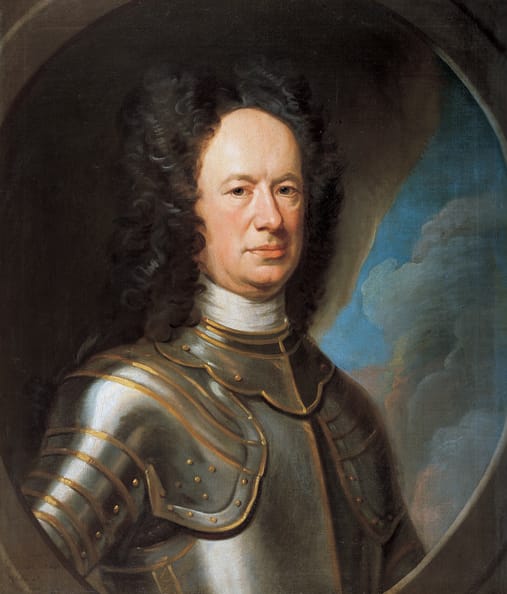
Fonab is the only European figure in the entire Darien record who comes out of this shit looking pretty competent. He is also, and no this is not a coincidence, the one who actually listened to the Kuna.
Fonab arrived at the colony. He took inventory of the situation he now found himself in, and found it was not actually good at all. He has an abandoned fort and the feverish Drummond to work with. Byres is long gone. The other settlers are all demoralized and dying, and the Spanish are coming to kill everyone here.
So four days after arrival, Fonab had organized a preemptive counterattack.
The Kuna were all over this, because this kind of shit is literally the only reason they themselves didn't drive off this stupid colony when it first arrived. Finally, they were going to get some return on all that food they invested.
On February 15, 1700, Fonab led a combined Scottish-Kuna force in a frontal assault on a Spanish stockade that had been constructed at a nearby place called Toubacanti. The Kuna side of this alliance was led by Captain Pedro, who was the son-in-law of Kuna elder Ambrosio. Pedro's warriors had been fighting the Spanish for their entire lives, as had their fathers and their fathers’ fathers.
The combined force hit the stockade at dawn and they cleared that shit in about fifteen minutes. It really does seem like they could have just done this at pretty much any time before now if they had bothered to actually listen to the Kuna instead of trying to sell them combs. Unfortunately, Fonab was wounded in the assault and immediately contracted a severe fever, probably from the wound, and was bedridden for the very critical weeks that would follow.
But he had won.
News of Toubacanti reached Edinburgh in April 1700 and the city fucking rioted. Bonfires were raging in the streets, crowds were outside specifically the Duke of Queensberry's townhouse calling him all kinds of shit, because Queensberry was the political face of the faction that had been actively opposing the Company of Scotland Trading to Africa and the Indies, and now Fonab made him and his friends look like a bunch of little babies.
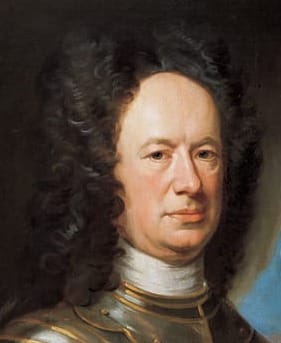
In Modal Path Ethics terms, Toubacanti is really the only sustained instance of Better being chosen in the entire two-year arc of this Scheme. Fonab's options here were all very bad. The colony was dying, the Spanish were advancing, the previous leadership had fled, the settlers were demoralized, and the one man Fonab was supposed to relieve as military commander was bedridden from a fever Byres had effectively induced on purpose before he dipped. From that menu, Fonab chose the path that preserved the most possibility space for the loci under his stewardship: immediate, coordinated military action alongside the only competent allies available.
Fonab is the closest thing we will find to Darien's Caravajal. The locus who, inside a field actively designed by many other loci to produce only defeat and despair, selected the least-closing path at every decision point he could and extracted a real local victory from conditions meant to definitely prevent that from happening. He did this by choosing to treat the Kuna as co-belligerents rather than as a dud market.
This bought the colony about six weeks.
The Siege.
The Spanish response to Toubacanti was proportionate and therefore completely overwhelming.
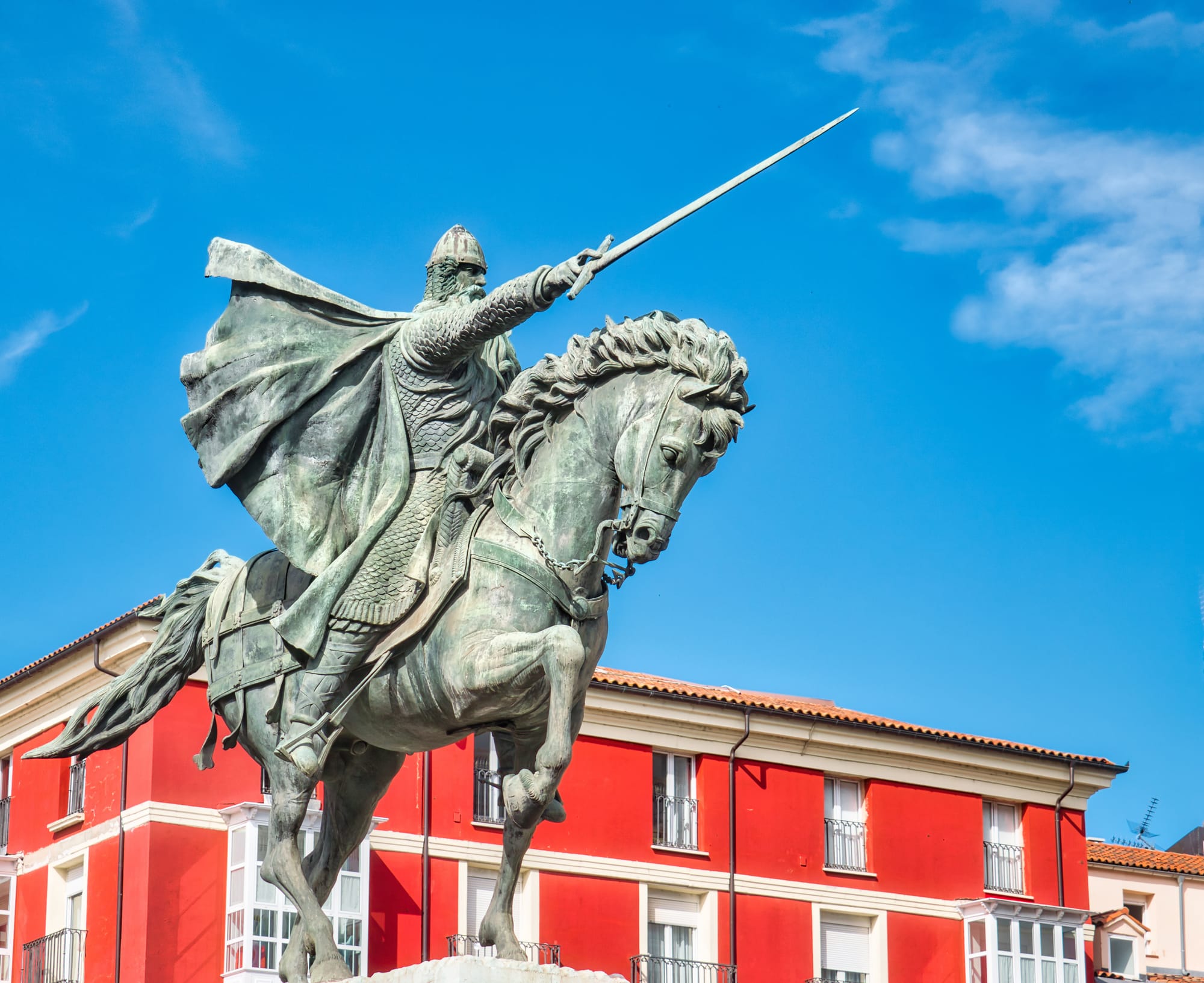
Don Juan Pimienta, a Spanish colonial commander, landed a full expeditionary force near “Caledonia Bay” in early March 1700. The Spanish dug in and laid a formal siege to Fort St. Andrew. They had numbers, artillery, and the specific institutional memory of a maritime empire that had been absorbing indigenous resistance on this specific stretch of Isthmus for two centuries. They had also come well prepared for fever and yellow disease, which is to say they had not come prepared at all, because nobody could without quinine, but I mean they had the sheer manpower to try and absorb the flu.
Fonab, the colony's only hope, was in a cot with the fever he had absorbed from the Toubacanti wound and could not command the defense. The colony was therefore being run, in Fonab's absence, by Captain William Vetch. This third William was actually supposed to be on the first expedition, but got sick and couldn't go. He had apparently resolved to make up for lost time by being physically present at all of the worst decisions of the second attempt.
From his sickbed, Fonab begged the council to hold out against the siege. His argument was factually correct. The Spanish besieging force was dying of disease at roughly the same rate as the besieged Scots. Sieges in this climate and time period and with this level of medical knowledge were a mutual attrition problem. If the Scots could manage to hold out for another few weeks, the Spanish would have no choice but to break and withdraw or lose more men than their commanders were actually willing to lose here. Fonab knew this for a fact because Fonab had experience and understood how tropical warfare actually worked.
Vetch went ahead and overrode him. Guy's sick, what does he know?
On March 30, 1700, Vetch negotiated a surrender with honors. The Spanish, under Pimienta, accepted extremely generous terms they did not have to: the Scots could leave under their own flag, in their own ships, with their small arms and their personal effects, and with their military dignity formally intact.
This was about as gracious a surrender as any seventeenth-century European colonial power historically ever extended to a defeated foreign garrison, and it was almost certainly driven by Pimienta's private awareness that his own force was also falling the fuck apart from fever like Fonab was desperately trying to get everyone to realize, and that a drawn-out siege was not in Spanish interests either.
This technically means Vetch's decision gave away a position that did not need to be given away at all, and he negotiated from weakness a surrender that could have been avoided entirely, and permanently locked in the end of this colony on terms that benefited the Spanish much more than the situation on the ground actually required.
I still think this may have been one of the best things that could have possibly happened here.
The Scots finally departed Darien on April 12, 1700. William Vetch died at sea aboard the Hope on the voyage home. It's unclear if he might have lived longer had the colony not surrendered.
Headed Home.
What then happened to the ships of the second expedition on the way home is almost too on-the-nose to be real.
The Rising Sun, that badass thirty-eight-gun flagship that had been constructed just for this mission and was the pride of the Company of Scotland Trading to Africa and the Indies, promptly sank off the coast of South Carolina in a hurricane in September 1700 with total loss of all hands on board. The Reverend Archibald Stobo, one of the four ministers who had sailed with the expedition, was the sole survivor, because he had gone ashore to preach at the exact moment the ship went down. He did not continue home to Scotland after this, because would you get onto another ship if the one you just stepped off of sank in a fucking hurricane as soon as you started praying to God? He instead stayed in South Carolina and founded the Presbyterian Church of that colony instead, which is still there in the state today in 2026. Stobo is the one clean survivor of the second expedition's return voyage in any meaningful sense, and only because the Solomonic God himself apparently actually just straight up told him to get fuck away from this.
The Duke of Hamilton was destroyed in the same hurricane.
You think it was the poem that got God so mad at this whole thing?
Tragically, the Hope of Bo'ness wrecked separately on the coast of Cuba. We can only assume this to be the devil's work.
So, of the thirteen total Company of Scotland Trading to Africa and the Indies ships that crossed the Atlantic across both of its two total expeditions, ten were lost. Most of them were lost at sea, on the way home, carrying whatever precious few survivors had made it out of Darien alive, only to then drown in the Atlantic.
Of the approximately twenty-five hundred settlers sent across both expeditions, roughly two thousand of them died. The deaths were spread across mosquitos, starvation, the Spanish, the hunger of the ocean, and Scottish hubris in general.
Thomas Drummond, released from his cabin by Byres's cowardice, had actually briefly been disillusioned enough to leave the colony himself before the siege, had returned to Panama one last time with a relief ship carrying supplies. He arrived on April Fools Day, 1700, just in time to watch the surrender he had spent the previous year trying to prevent from happening. He then left again with the remaining survivors.
Now we need to talk about Thomas.
Drummond.
Thomas Drummond, within the arc of the Darien story as it has been told up to this point, has been one of the more useful and devoted people involved in the entire ordeal. He was an experienced military officer and part of the first council, not some random settler. He had served in William of Orange's (same William as the other William, not William or William though) Flanders campaigns, where he learned fortification work, which is why the first expedition's council put him in charge of constructing their cleverly named Fort St. Andrew. The fort he built in Darien was, by all accounts, adequate to its purpose given the situation he was doing this in.
When the first colony collapsed in 1699, Drummond was among the survivors who made it to New York aboard the barely-afloat Unicorn. While in New York, when nobody else was doing anything but moping, Drummond personally secured a new ship, bought supplies, picked up the handful of diehards remaining, and sailed back to Darien on his own initiative to try to hold the site for the reinforcements he correctly assumed would be coming and would need something to arrive to or all perish.
When Byres then immediately arrested him for bullshit during the second expedition, Drummond put up with it. When Byres fled and Drummond was released, he, still feverish, immediately tried to help organize the defense anyway instead of just getting the hell out of there. When the colony finally surrendered to the Spanish in March 1700, Drummond had left briefly to try to get more supplies to help fight the siege and arrived back on time with a relief ship on April 1, the day after the surrender was signed.
Within the context of Darien, Drummond appears the model of a competent, reliable, and very brave soldier doing his best inside of a broken system. He should be my Caravajal, right? All the Darien survivors seem to owe a meaningful share of their survival to his specific personal effort, and often against the grain. If you were writing a Darien article that ended at April 12, 1700 and did not look any further backward in his history or forward in Drummond's biography, Drummond would come out of this looking really good.
Yeah, but I did look into it, though.
Six years before Darien, Thomas Drummond was one of the officers who carried out the Massacre of Glencoe.
Never heard of that one?
In late 1691, this fucking guy King William III (yes, him, I am still talking about him) demanded that the Highland clan chiefs swear an oath of allegiance to him personally by January 1, 1692, or else. Alasdair MacIain, twelfth chief of Clan MacDonald of Glencoe, was among those who had been just a little too slow to swear this oath. MacIain set out in blizzard conditions in late December 1691 to make the journey to Inveraray on the shore of Loch Fyne, where he honestly intended to give the oath before the deadline. He was cutting it extremely close.
On his way there, MacIain was intercepted by a grenadier company of the Earl of Argyll's Regiment of Foot. The commanding officer of that grenadier company was none other than Captain Thomas Drummond. Drummond detained MacIain at Barcaldine Castle for twenty-four hours.
Those twenty-four hours were enough to ensure MacIain would miss the January 1 deadline, which is exactly what happened. MacIain, finally released, reached Inveraray on January 3. The magistrate who was supposed to take his oath was not there and wouldn't get back until January 6. So MacIain finally swore this special little oath to special little Willy III five days late.
Those five days were then used, six weeks later, as the formal government pretext for what happened next.
On February 12, 1692, Thomas Drummond personally carried the execution orders from Major Robert Duncanson to Captain Robert Campbell of Glenlyon at Ballachulish. These orders read exactly as follows:
"You are hereby ordered to fall upon the rebells, the McDonalds of Glenco, and put all to the sword under seventy. You are to have a speciall care that the old Fox and his sones doe upon no account escape your hands, you are to secure all the avenues that no man escape. This you are to putt in execution att fyve of the clock precisely.”
These people were so fucking stupid.
Drummond, as the captain of the grenadier company, was then the senior officer physically present at Ballachulish when these orders arrived. As the ranking man in the room, Drummond did have the option of taking command of this operation. He chose not to. He delivered the orders, then spent the evening of February 12, 1692, playing cards in the homes of the very same MacDonalds. The Argyll Regiment had been billeted with the MacDonalds for about two weeks at this point, under the traditional Highland rule of hospitality, which meant that the soldiers had been quartered in MacDonald homes and fed at MacDonald tables and treated as guests. Drummond wished them goodnight when he retired. He accepted an invitation to dine with Alasdair MacIain, the chief, the following day.
Except the massacre began before dawn.
Thirty-eight MacDonald men were killed in their homes or shot down while fleeing. Forty women and children died of exposure after their homes were burned, in the February snow of the Glencoe mountains. Alasdair MacIain was killed while trying to rise from his bed by the guests his clan had been hosting for two weeks. This is why we have that amendment.
Drummond's role in this was well known at the time, documented in the 1695 parliamentary inquiry into the massacre, which had concluded that what had happened here legally amounted to murder. Nobody was prosecuted anyway. By the time the inquiry was reported, the Argyll Regiment had been posted well beyond the reach of Scots law. Drummond then completed his service in Flanders with the regiment where he could not be touched, returned to Scotland where everyone saw him as a murderer, and quickly signed on with the Company of Scotland Trading to Africa and the Indies. Can you see why he might have wanted this Second Scotland thing to work out so badly now?
Then he did some good work at Darien and helped save some settlers who realistically never should have been sent there at all.
And then in 1701, after the whole Darien thing, Thomas Drummond sailed as cargo on a Company of Scotland Trading to Africa and the Indies ship called the Speedy Return, captained by his brother Robert. Their instructions from the directors were to trade Scottish goods for gold on the Guinea coast of West Africa. As I told you at the top, the Drummond brothers instead traded those wares for enslaved African human beings, whom they then transported to Madagascar and sold into slavery for their own personal profit.
Once again, no action was ever taken against either Drummond. The Speedy Return itself was later captured by pirates off Madagascar in another bit of irony here. Robert Drummond may have died aboard, do we really care? Thomas Drummond totally disappears from the historical record around this time: he is not recorded as having died during the Speedy Return voyage specifically, but they may have just not bothered to write it down.
The reason to go through all of this is that Drummond was not “a product of his time”, a “complicated figure”, or “morally ambiguous”, when viewed under Modal Path Ethics.
Drummond had obvious competence. It was deployed at Glencoe to help murder a clan that had been hosting his regiment. It was deployed at Darien to help a collapsing colony survive for a few extra weeks. It was deployed on the Guinea coast to profitably enslave African human beings in violation of his employers' explicit orders.
Drummond the human did not change between these three deployments. The institutions around Drummond are what changed.
Drummond functioned in the same way inside each situation: competently and with initiative. Whatever skills he had were now available to whatever operation the institutional context he lived inside was running. That is how to summarize the entire range of his professional career. The Scottish government paid him to help murder the MacDonalds. The Company of Scotland Trading to Africa and the Indies paid him to build a fort and go shopping. No one actually fucking paid or told him to deliver human beings into torment, because no one had to; the ship was already going to Africa, the goods were already on board, the people were worth more money, and it simply did not matter to Drummond whether the return cargo was gold or humans or whether anyone had asked him to do this, because Drummond took initiative, just like when he came back to Darien.
This is why Modal Path Ethics refuses to treat personal virtues as structural virtues.
Drummond had personal virtues. He was physically brave. He was reliable under pressure. He was skilled and focused at the technical aspects of his profession. He was, within the local narrative of Darien, one of the few "good ones" who saved lives.
And still not a single one of those personal virtues prevented him from delivering execution orders to men whose cards he had just been playing. None of them prevented him from enslaving people for his own profit six years after Glencoe and one year after the human suffering he personally witnessed and experienced at Darien. None of his personal values, in the end, seem to have done any amount of real moral work whatsoever.
A story about Darien in which Drummond is treated as simply one of the good ones is a story in which the word "good" has been drained of all its vital essence.
Good, in that story, becomes compatible with any previous or subsequent act, as long as the act occurred within some different narrative framing we write about later. The Darien frame rewards Drummond's courage and bravery. The Glencoe frame condemns very much the same qualities lauded elsewhere. The Madagascar frame condemns him for being a fucking slaver right before he vanished from the record. A reading that takes only the Darien frame and calls Drummond a hero because that's the psychologically comfortable daydream we see when we don't look at the whole field around him has decided that moral grounding is now frame-dependent, which means virtue in that reading is just a synonym for "useful, here, now, to us, in the story we are currently telling, no matter how stupid.”
This is not simple relativism. Virtue's moral weight is not whatever the local story rewards, it is what the trait actually did to loci, reachable futures, and repair paths in the field where it operated in real extance. Drummond's bravery at Darien helped preserve a fragile colony. The same bravery at Glencoe helped murder a sleeping clan. Same trait, same man, opposite moral weight, because the field around the trait was different. The trait is real. The field is what makes it virtuous or vicious.
What Drummond did have can be best described as instrumental virtue: the specific kind of apparent goodness that is produced by competence deployed inside socially supported institutional frames without any actual moral commitment ever occurring at the selection level. An agent with only instrumental virtue just does their job well and has no care in this framework's sense of that word. They do not evaluate whether their job is worth doing. They just do the work as it comes. When that work is building a fort, you get Fort St. Andrew. When that work is delivering execution orders for your card game partners, you get the Massacre of Glencoe. When the work is profitably disposing of a shipload of trade goods, you wind up with human trafficking to Madagascar.
Instrumental virtue is not equivalent to morality.
Most popular accounts will at least sand this part down, because the closest thing available to a hero for Act 2 of the story turning into a human trafficker is narratively very inconvenient. Narratives have strict shape requirements. It's just so much easier to implicitly hide heinous crimes for your own immediate rhetorical needs.
Telling the best story is what matters most, right Paterson?
Coda: What Paterson Did Next.
You may remember I said William Paterson survived Darien. He returned to Scotland from the Keys to the Universe in December 1699 aboard the Caledonia, having lost his wife, his daughter, his Company directorship, his personal fortune, his health, and any reasonable claim to know what the hell he was talking about when it came to the Isthmus of Panama, and all because he couldn't manage to stop telling rhetorically powerful stories about a buccaneer resort. He had fallen far and fast from building the Bank of Fucking England.
Scotland was also now politically doomed, but this wasn't immediately obvious to most people. Paterson saw it, and he did not lose his belief in his own expertise.
Within a year or two of his return, Paterson had reinvented himself as one of the leading public advocates for the political union of Scotland and England.
This union, which would eventually become the Treaty of Union of 1707 and involved dissolving the Scottish Estates, merging the two kingdoms, and ending Scotland's whole separate political existence forever, was now financially necessary due to the Darien disaster he had essentially forced. Scotland had just set a quarter of its national wealth on fucking fire in Panama. There was no internal path to recovery anymore. The country's investor class, which included basically everyone in Scotland with any money, also needed compensation, because now they wouldn't get to have “busy” African slaves dying to dig gold for them. England was obviously the only plausible source of that compensation ever coming. This Union was therefore the only plausible path forward.
Paterson argued this everywhere. He was one of the key figures in the financial negotiations that produced the Equivalent, which was the £398,085 paid by England to Scotland in 1707 explicitly earmarked for compensating Darien investors.
Paterson himself, of course, received £18,241 of that Equivalent for his own personal Darien losses.
So William Paterson, having personally convinced Scotland to commit a quarter of its wealth to a jungle he had never visited based on a swashbuckling tale he had misread and then debated with the author about, watched his wife and daughter die of the immediate consequences in that jungle, returned to Scotland broken and bankrupt, then immediately personally helped negotiate the political dissolution of his own country as the only remaining way to get all the money he had lost back, then finally personally received compensation for his own share of the losses from the nation his country now was being absorbed into forever.
At no point in the historical record can I find any evidence at all of Paterson recognizing that Darien was in fact his fucking project.
His post-1700 writings treat the Darien disaster as a thing that happened to Scotland which needs fixing, like it was the hurricane God used to kill the Duke of Hamilton or something, and would argue for Union as the rational response to this new disaster.
His own authorship of that disaster is not ever engaged with. The brilliant financier who had seen clearly that Scotland needed rescue from this catastrophe did not seem to notice that this catastrophe was the same exact same fucking one he had just personally caused and that had wiped out his own family.
In Modal Path Ethics terms, this is what I would call a closed-loop distortion. The original distortion (Paterson's conviction that he understood a thing at all about Panama) produces a catastrophe (Darien). That downstream catastrophe produces a new problem (Scotland's fucked). That same distorted agent, still functioning inside the same, unmodified and uninterrogated self-model, now proposes the right solution to the new problem (Union) and is credited for the solution because it is factually correct. The agent's self-understanding is, at no point in this process, updated in any way, because updating it would require recognizing that the earlier "expertise" was also the cause of the same goddamn thing the later actual financial expertise is now fixing. So the agent simply acts and is self-perceived continuously as the brilliant financier, fixing each problem as it appears before his wonderful mind, never noticing that he is also the mechanism generating the problems.
Paterson died in Westminster in 1719. His grave is unmarked.
The country he had personally argued out of existence to cover his fuck-up had gone out of existence in May 1707.
The Scottish Estates were dissolved.
A man named Daniel Defoe was in Edinburgh at the time, operating as an English intelligence agent and coordinating the bribery of Scottish parliamentarians to sign away their own sovereignty. His private letters to his employer in London describe in some detail which votes had to be bought and at what price. Andrew Fletcher of Saltoun, one of the largest Darien investors who was nonetheless an implacable opponent of Union, denounced the whole process on the floor of the Estates as the sale of a country for the price of its debts.
Fletcher was completely correct.
I earlier treated Union as the grim political inevitability of Darien, but that may have been too generous. Darien clearly helped push Scotland toward incorporation, but I noticed in my research that historians do not all treat that outcome as inevitable; some explicitly separate Darien from the later Union settlement, and the period still contained alternative constitutional possibilities, including proposals for a looser, reformed union rather than the incorporating one.
If Union was not strictly necessary after all, the moral picture here worsens again: what I earlier framed as narrative ruin cascading into inevitability begins to look more like ruin in the service of profit and ideology. One can now fairly read this sequence of events as Paterson taking advantage of his error in Darien to regain some amount of his fortune while advancing a politcal project he had already begun with the Bank of England. Had his family not perished alongside him, one might even be tempted to read him as far more calculating than he ever appeared, even having invented the national debt. Under this reading, Paterson did not mistakenly choose Darien, but worked to destroy Scotland's colonial escape route, narrowing their possibility space to enable this Union downstream. This places his mindset adjacent to Drummond's, but operating at much greater depth.

But regardless of the narrative we choose to write, Fletcher was ultimately not rhetorically convincing enough for everyone present in the Estates. The votes were still bought and the country was sold to pay for Paterson's daydreams. Scotland as a sovereign political project was now canceled.
The Equivalent was then paid out. The Darien investors, including the Duke of Hamilton, the Edinburgh merchant class, the widows and sons of the two thousand dead colonists, and obviously poor Paterson himself, were made financially whole-ish.
And now no one has a Scottish passport in 2026.
Epilogue: The Kuna Are Still There, By the Way.
Meanwhile, the Kuna, whose land the entire Darien Scheme had been an unauthorized but tolerated occupation of, watched these idiots sail away in April 1700, and then went back to their hundred-and-fifty-year ongoing generational resistance against Spain like all that bullshit more or less never happened, which it might as well not have from their perspective for all the assistance everyone but Fonab proved to be capable of.
The Spanish Empire never managed to subdue them. When Spain lost its American empire in the early nineteenth century, the Kuna region was absorbed on map paper into Gran Colombia, then after Panama's secession from Colombia in 1903 into the Republic of Panama. The Kuna, through all of this, remained in the Gap. In 1925, the Kuna joined the Dule Revolution against Panamanian government attempts to suppress their language, political structures, and traditional dress, and to absorb their land into the general administration of Panama.

The revolution lasted for only four days before the Kuna had won.
The subsequent negotiated settlement recognized the Kuna's right to govern their own territory. Since 1938, that territory has been administered as the semi-autonomous comarca of Guna Yala. The Kuna General Congress, made up of traditional sailas from the villages, governs the region under Panamanian law but using the Kuna's own political forms, in the Kuna language, employing the Kuna's own institutional memory that now stretches back more than a thousand years, and includes three rotten horse carriages.