Field Instruments: The Law
Never forget what the law is for.
September 2026 note: Law remains a repair-and-control grammar rather than justice itself. Bounded Last Words and Material Bounded Finality later supply a more precise account of legitimate closure: final authority must be indexed to function, case, scale, and interval, with independent correction and successor capacity where continuity is protected.
Law is not justice.
Law is, instead, one of the ways human beings try to keep justice from depending on whoever has the most force in the room.
That is already another major achievement. Good job, us. A society without law does not become morally pure at all. It usually becomes a narrowing sequence of memory failure, revenge, private domination, fear, family power, money power, state violence without procedure, and whoever can keep the better story alive after the bodies are gone.
Law matters because it turns out that human beings lie, and memory breaks. Law matters because grief wants a target.
Law matters because power hates being asked questions, and because private certainty is dangerous, even when the private person is correct.
So this is not an anti-law article at all.
It is an anti-law-worship article.

Mathematics is not the field. The number appears after a selector decides what may be counted.
Science is not the field. The experiment appears after a selector decides what may be isolated, measured, controlled, and repeated.
Language is not the field. The word appears after a selector decides what may be named.
Law is then obviously not the field either.
Law appears after a society decides what may be recognized, owned, accused, punished, compensated, protected, excluded, permitted, or forbidden. That decision can preserve futures, or it can close them.
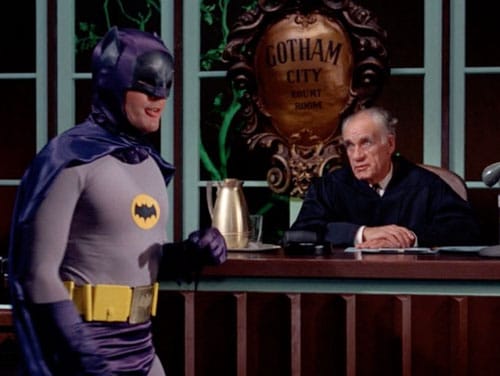
The Legal Cut.
Like the others, the Legal Cut is the act by which a living field is converted into legal categories. We've come up with quite a few.
Plaintiff. Defendant. Property. Injury. Evidence. Standing. Liability. Crime. Sentence. Right. Duty. Owner. Trespasser. Citizen. Alien. Parent. Child. Person. Nonperson.
Law needs these categories. Without them, it cannot operate. A court cannot hold the full field at full resolution. It cannot receive every history, every wound, every structural pressure, every hidden burden, every future that might have opened or closed. Procedure has to compress. Law has to make the field administrable enough that something can be done.
Like the others, the cut is necessary, and dangerous.

A river becomes property, boundary, resource, navigable water, protected habitat, nuisance, or legal person depending on the system that receives it. A worker’s pain becomes compensable injury, preexisting condition, insufficient evidence, or private misfortune.
A person becomes undocumented, criminal, dependent, competent, disabled, liable, innocent, guilty, credible, incredible.
A corporation becomes a legal person. An animal becomes property. A child becomes custody subject.
A dead person becomes estate, remains, evidence, ritual object, family relation, or public memory.
The field, however, does not actually become these things because law names them.
Law names them so it can act. That action may be protective. It may also be distortive.
The legal field is simply never the moral field.
Law as Repair Technology.
Law is one of humanity’s strongest repair technologies because it can make moral response durable longterm.
A person harmed in private can bring the harm into public record. A promise can survive the mood of the promiser. A vulnerable person can stand behind a rule stronger than the person currently threatening them.
An institution can be forced to answer. A killing can be investigated instead of revenged. A contract can coordinate trust. A right can block a powerful agent from treating another locus as available material. A procedure can slow the field down before panic turns into punishment.
This is all very real and should not be disregarded.
Modal Path Ethics should not romanticize life before law. A world without procedure is not some world of pure field contact. Humans don't operate like that by default, not at all. We have story-minds. A world without law is almost always a world where the strongest local story wins.
Law protects us against that by making response slower, recorded, appealable, and less dependent on immediate power.
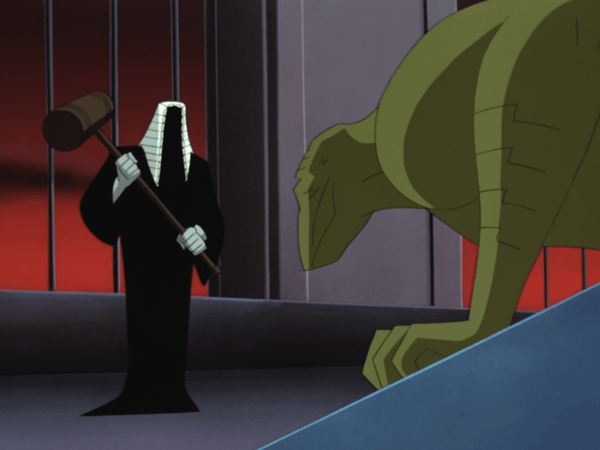
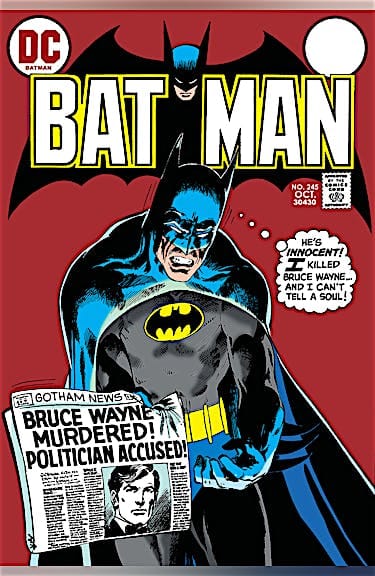
This is why the Batman article had to come out before this series. This isn't a joke. Batman is useful here because Batman is precisely the fantasy the law needs to keep under suspicion when it appears in the field. The law needs to study Batman more seriously. Batman in the field is the field answering you back directly.
Batman may be morally Better in Gotham because Gotham’s legal field is deeply damaged, but Batman is also an open warning. If every agent gets to become the final interpreter of harm, then the field becomes a private war. Batman is morally defensible only in a civic field where ordinary repair has failed, and even then only under constraint. But still, often defensible under those constraints.
Law is what should make Batman unnecessary. When law fails, Batman becomes imaginable to us. The law should therefore strive to repair itself until Batman becomes unthinkable to the public, instead of one of our culture's most enduring and beloved fantasies to carry into life as an inspiration. If Batman is appearing as defensible in your system, something is very wrong.
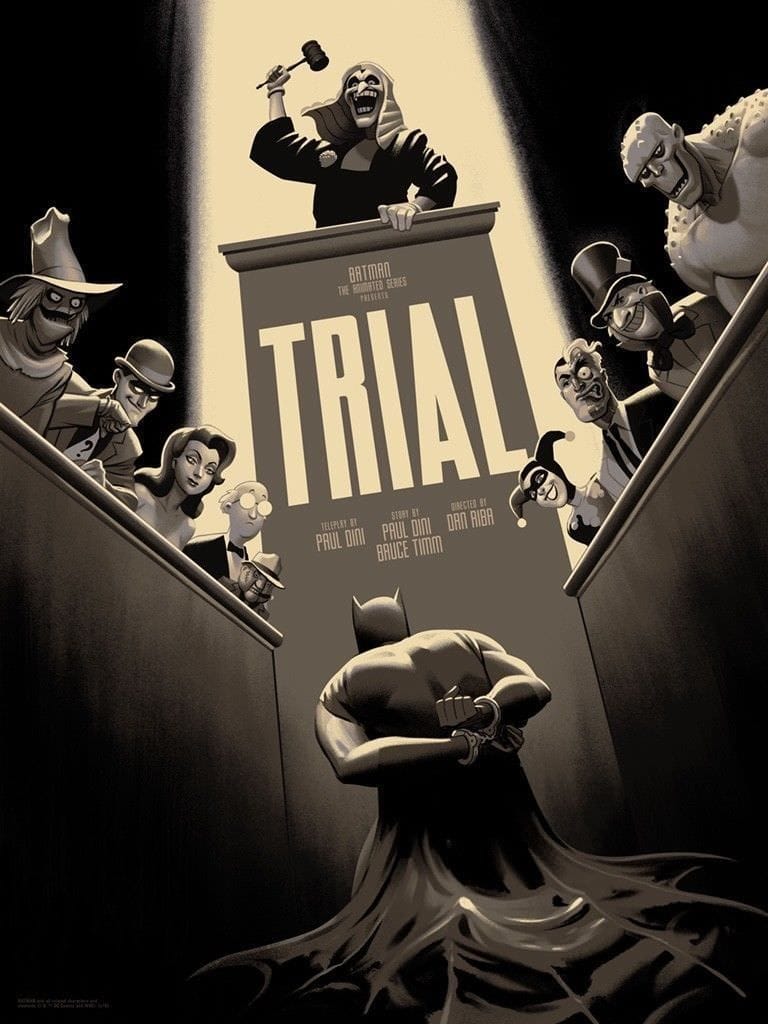
(No, this does not mean banning Batman. Good luck with that one.)
Legality != Moral Reality.
Legal does not mean moral. Illegal does not mean immoral. This too should not be difficult, but societies pretend to forget it whenever legality is managerially useful.
A lawful action can still close future-space. A lawful system can still depend on burden transfer. A lawful owner can still hold stolen ground. A lawful employer can still consume the lives of workers. A lawful state can still ruin families. A lawful court can still refuse to see the locus in front of it because the category has not been prepared.
These things are not obscure at all.
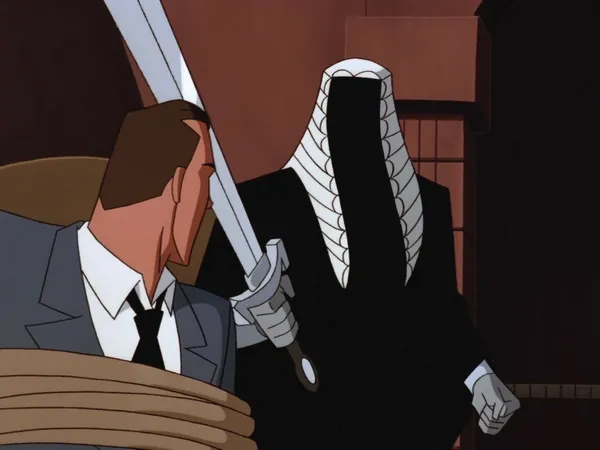
Likewise, illegal action can sometimes preserve extance. Whistleblowing may violate law and restore truthful contact with harm. Hiding the persecuted may be illegal and morally necessary. Civil disobedience may interrupt a legal order that has become a machine of unnecessary closure. Unauthorized rescue may preserve a future the official field had abandoned.
Law can authorize a transition. It cannot by that fact make the transition Good.
Law can forbid a transition. It cannot by that fact make the transition Harm.
The moral question remains: what does the action do to reachable future-space, burden, resistance, and repair?
Legality is conclusive evidence about the legal field, not the moral one.
Procedure Protects, and Also Distorts.
Procedure is necessary because accusation is dangerous.
A field that believes every accusation immediately will produce many scapegoats. A field that believes no accusation unless it arrives in the correct procedural costume will likewise protect abusers, institutions, and slow harms. The difficulty is not choosing between the ideals of procedure or truth. The difficulty is in preserving procedure as a path toward truthful contact rather than allowing procedure to become a substitute for that contact.
Due process matters. Evidence rules matter. Standing matters. Statutes of limitation may matter. Appeals matter. Burden of proof matters.
All good stuff, but the field does not become unwounded because our procedure cannot receive the wound properly.
A case can be dismissed while harm remains real. A settlement can close the file while recurrence remains reachable. A nondisclosure agreement can preserve legal order while destroying public repair. A compliance report can prove rules were followed while the field was still unsafe. A statute can expire while the burden continues. A court can exclude evidence for legitimate reasons and still leave the public field with damaged truth-contact.
This does not now mean that procedure should be discarded when it causes harm. That is how mobs think, and not the direction of real repair. This means any procedure must remember why it exists at all.
Procedure exists to protect the field from arbitrary power and false accusation. It does not exist to teach the harmed that only procedurally admissible harm is real.
When a procedure forgets that, it becomes false repair. A case ends. The field does not.
Punishment != Repair.
Law often treats punishment as the visible, material proof that morality has happened.

A person is convicted. A sentence is imposed. A fine is paid. A prison term begins. A public statement is issued. The file moves.
Something has definitely happened here, certainly, but punishment is not actually repair.
Punishment may sometimes be part of a Better path. It may contain a dangerous agent. It may deter future harm. It may recognize the seriousness of a violation. It may protect victims. It may mark a boundary the field needs clearly marked.
But punishment does not automatically reopen the futures that were closed. Punishment itself typically doesn't repair harm at all. A prison sentence does not restore the dead. A fine may become only the price of doing harm. A conviction may scapegoat one agent while the institution continues undeterred. A sentence may satisfy the public story while victims remain unsupported.
A punishment may instead create new harm downstream: families burdened, communities destabilized, offenders hardened, repair paths lost forever, recurrence and recidivism made more likely.
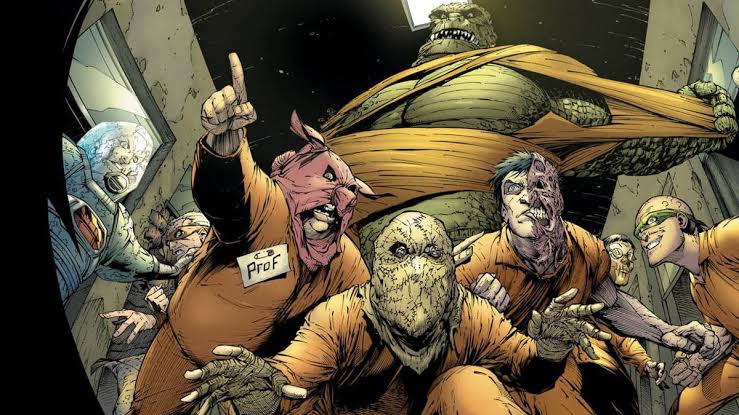
Batman, our guiding star, makes this visible to us again. Gotham catches villains constantly. They are almost always punished, usually by Batman too. Arkham receives them. The city calls this containment, treatment, or justice depending on the sentence needed that week. Then the villains return.
That is obviously not repair.
If Gotham simply cannot contain Joker, then Gotham transfers the cost of Batman’s restraint onto future victims. That is always a legal and institutional failure, not proof that Batman's restraint is wrong.
Law should prevent the field from forcing that choice onto Batman. If it cannot, law is not doing its job.
Rights = Protective Boundaries.
Rights are among the best things law has built.
They are still not magic.
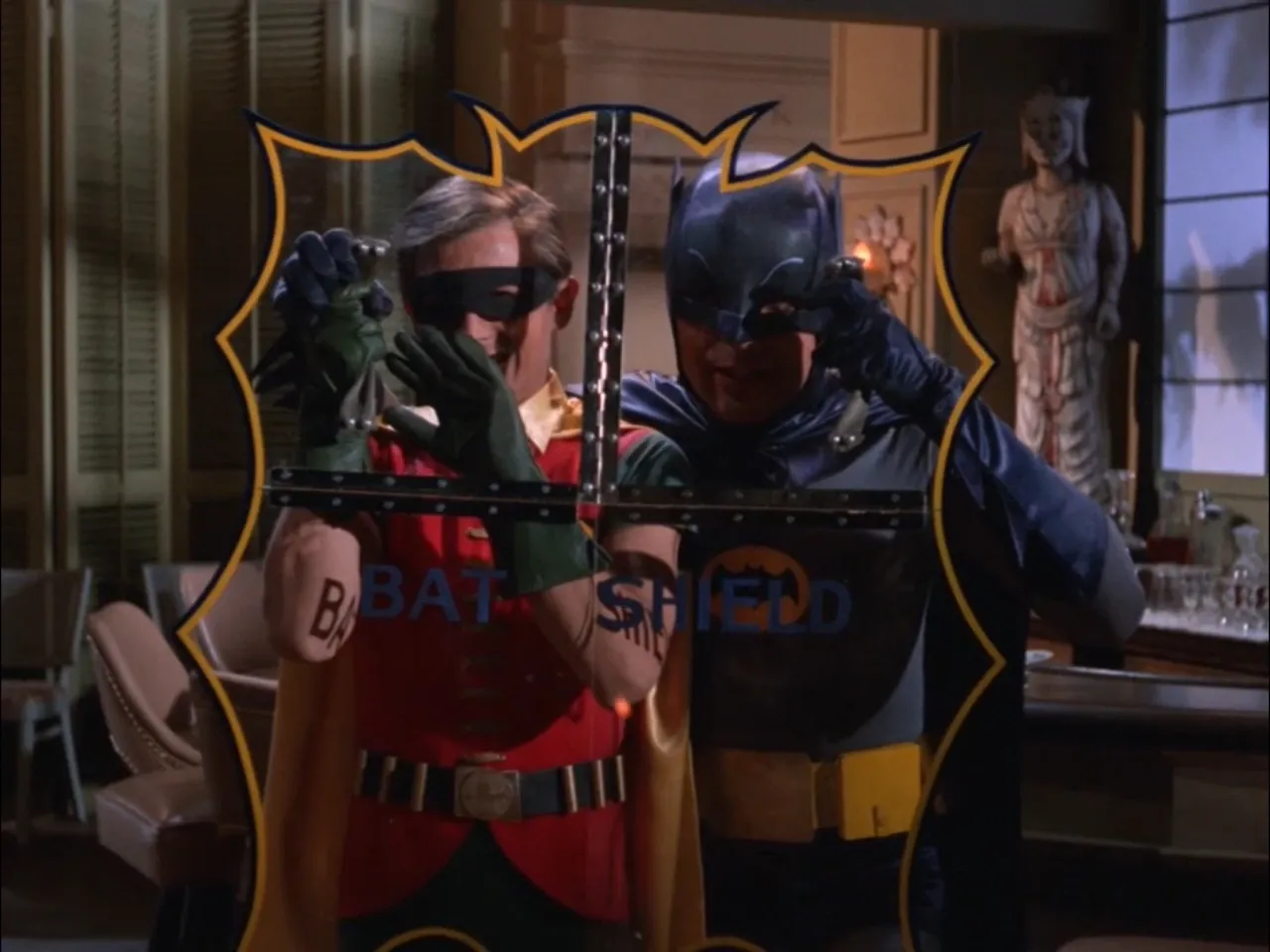
A right is a protective boundary drawn around a locus because the field has learned where collapse becomes reachable without it. They are part of our memory.
Speech rights matter because power likes silence.
Bodily rights matter because bodies are the local field through which persons continue.
Due process rights matter because accusation can become state violence.
Property rights matter because stable access can preserve futures.
Labor rights matter because work can become authorized consumption of life.
Civil rights matter because majorities and institutions routinely distort the loci they find inconvenient.
Rights of nature, animal rights, children’s rights, disability rights, and future debates over artificial systems all show the same underlying pattern: law slowly discovering that its older categories did not ever contain the full moral field.
Rights are also not the moral field.
They are guardrails built because the field has learned through experience where harm becomes reachable.
That is why rights language is powerful and forever incomplete. It can protect a locus from being erased by the majority, the market, the family, the state, the employer, the church, the lab, the platform, or the mob. But rights can also become frozen abstractions when detached from the field they were built to protect.
A claimed right can preserve future-space, but a claimed right can also authorize burden transfer.
So rights always must remain answerable to extance.
The question is not only “who has the right?” The question is what the claimed boundary actually does to the loci in the field.
Legal Personhood != Extant Locus-status.
Law can grant standing. Law cannot create extance. Extance came first.
Law can refuse standing. Law cannot erase extance. Extance came first.
A corporation can be a legal person without being a morally patient person in the same sense as a human being. It can own property, sue, be sued, enter contracts, persist across generations, and shape fields. It is legally real and morally active. There are good reasons for all of this.
But its legal personhood does not automatically make it the kind of locus whose suffering, vulnerability, or future-space should be weighed like a living person’s. This category was never a metaphysical property.
A river may be denied legal personhood and still remain a coherent extant field with continuity, vulnerability, relation, and repairable structure.
An animal may be treated as property and still be an extant locus.
A culture may lack standing and still be harmed by erasure.
A future artificial system may be legally classified as software after it develops much stronger locus-signals.
A fetus may be an emerging locus without erasing the already-established locus of the pregnant person whose body carries the development.
Legal categories move slowly, politically, and unevenly. Extance does not wait for the paperwork. Extance never stops moving.
Law still needs categories. Modal Path Ethics can pressure those categories when they stop seeing the field.
Ownership as Authorized Exclusion.
Property deserves its own article, but law cannot be understood without it.
Legal ownership is not metaphysical contact with a thing. Ownership is legally stabilized exclusion from a thing.
That exclusion can preserve future-space. A home matters. Tools matter. Personal belongings matter. Privacy matters. Land stewardship can matter. A person needs stable access to parts of the world in order to continue with agency, of course.
But ownership can also close fields at scale.
Land can be enclosed. Housing can become extraction. Water can become a commodity. Medicine can become inaccessible. Repair paths can be patented. Cultural artifacts can be held away from the people whose field produced them. Data can be claimed by institutions that did not live the lives from which it was taken.
Law makes ownership enforceable. It does not make every ownership morally clean at all.
Property law is one of the places where legal order most easily disguises its field capture. The paperwork may be utterly immaculate. The field may still be deeply wounded.
Law as False Repair.
Law becomes false repair when it gives the field the appearance of answerability while the underlying contraction continues.
A scapegoat is convicted and the institution survives.
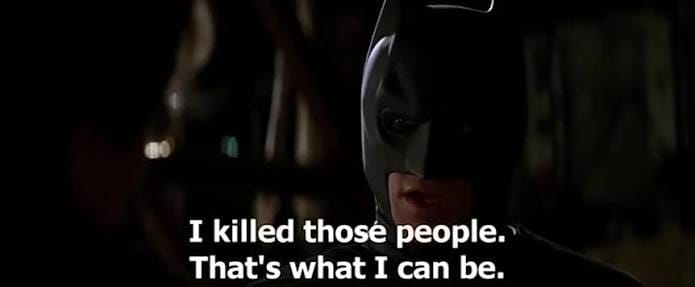
A settlement is paid and the silence remains.
An inquiry issues recommendations without finding the causal path.
A reform bill creates new language while preserving the burden transfer.
A compliance regime proves the box was checked while the danger remains.
A court resolves the dispute while the future remains closed for everyone who could not enter the case.
This is why the Shooter Inquiry mattered to this framework. The report did not fail only because it may have favored a bad transmission path. It failed first because an inquiry is supposed to restore truthful contact with the damaged field. If it produces an authoritative explanation without the actual route of harm, then legal-public procedure becomes a false repair path. The field feels answered before it is understood.
This is also why the Batman article is about to be brought up for a third time.
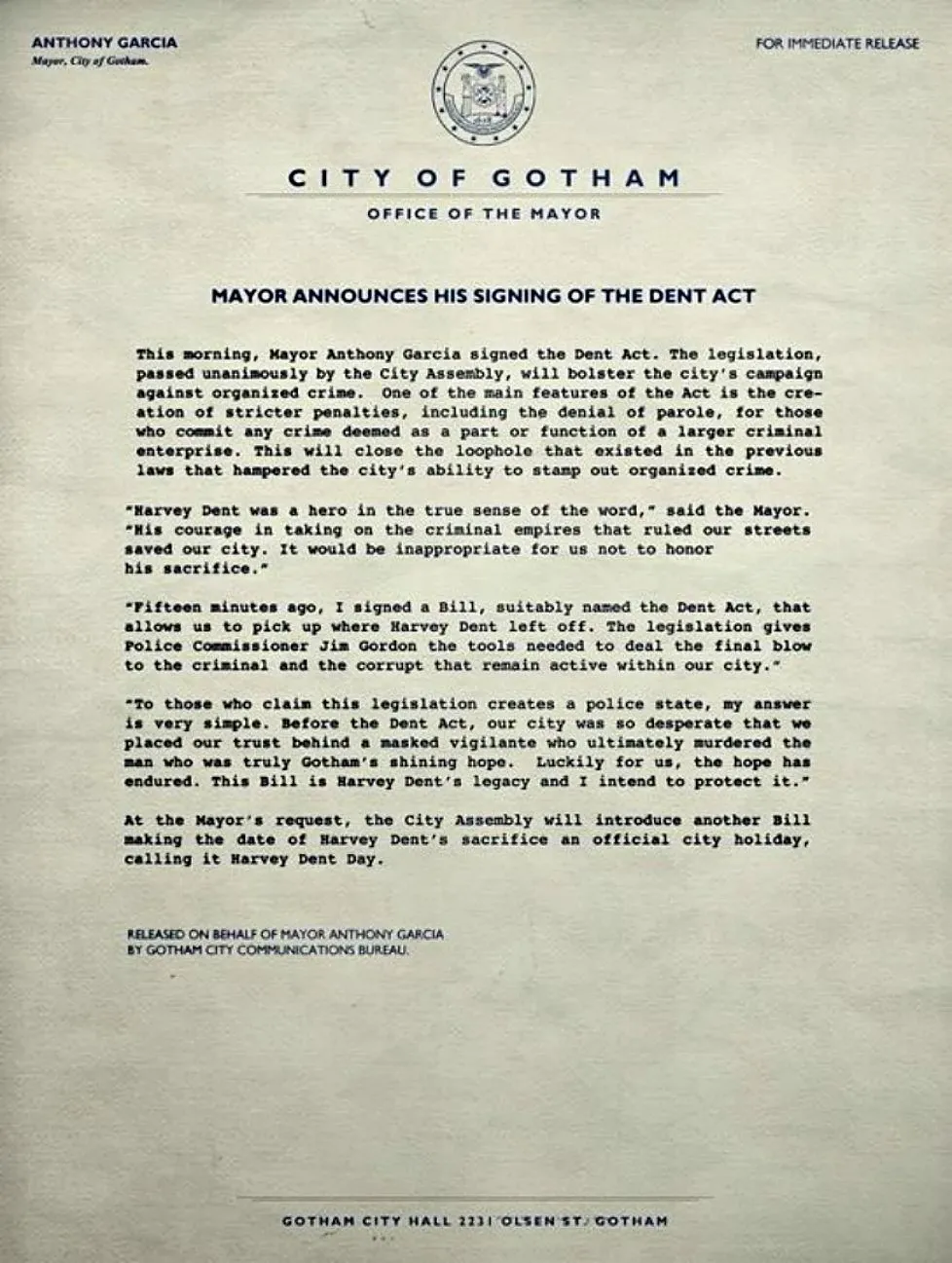
Batman is what happens when legal repair is false enough that private force looks morally attractive. But, Batman also shows the danger of replacing law with charismatic intervention. Gotham needs Batman only because Gotham’s legal field has failed. If Batman becomes the permanent solution, the failure has been aestheticized around him, not repaired. Batman can also very easily become false repair.
Law’s job is to make Batman unnecessary without also lying about the harms that made him seem necessary in the first place.
What Law Should Do.
Law is at its best when it keeps the field answerable after private feeling has failed.
It should preserve truthful contact.
It should protect loci from arbitrary force.
It should constrain both private violence and state violence.
It should distinguish responsibility from scapegoating.
It should make repair durable.
It should keep records where memory matters.
It should create standing where older categories have erased harm.
It should treat punishment as always subordinate to repair.
It should make institutions answerable for field effects, not just rule compliance.
It should preserve correction paths.
It should remember that a legal victory can still leave moral remainder.
This is not a fantasy of perfect law. That won't be coming. Perfect law is not available to finite agents in damaged fields. Law will always cut. It will always compress. It will always move slower than some harms and faster than some truths. It will always risk becoming the mask of power.
That is why law must remain humble before the field. Law was never first.
The Ruling.
Law is not justice. Law is a repair-and-control grammar built inside extance by agents who cannot be trusted to remember, accuse, punish, forgive, own, govern, or repair without structure.
That makes law necessary. It does not make law sacred.
Legal closure is not moral repair.
Legal personhood is not extant locus-status.
Legal ownership is not moral entitlement.
Legal punishment is not restoration.
Legal procedure is not truthful contact unless it actually preserves the path to truth.
A case can end while the field remains wounded in the exact same way. A system can be lawful while depending on harm.
A person can break the law and preserve future-space. A person can obey the law and help close the same.
Modal Path Ethics does not tell us to discard law. That would only return the field to private force and better stories told by stronger people.
It tells us to stop worshiping law.
Use law. Strengthen law. Correct law. Expand law where it cannot see. Constrain law where it becomes violence.
And never forget what law is for.