Failed Field Analysts: Robert Moses and the Flow of Life
Moses treated movement through the city as if it could stand in for life inside the city.
September 2026 note: The core distortion remains: a real instrument of urban coordination became sovereign when metropolitan flow was allowed to spend local continuance and disable correction. The article's neighborhood-as-locus language should now be read at an explicit grain: a neighborhood counts as a locus only where diachronic integration, causal organization, and nonredundant successor structure are actually present; otherwise the relevant harms may be borne by residents, relationships, institutions, routes, and enabling structures. Later bounded-finality work also sharpens the warning about authorities designed to outlast objection: action-capacity must not include uncontrolled authority over the terms of its own correction.
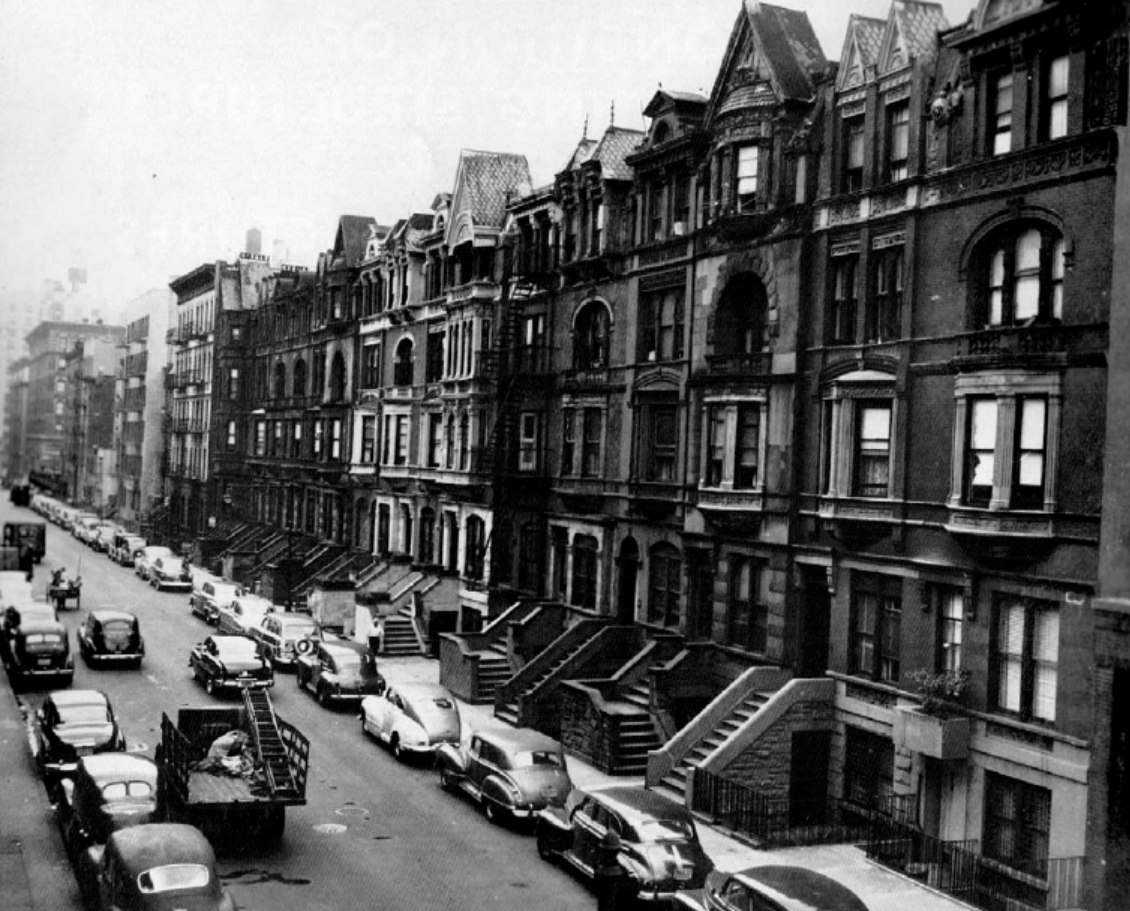
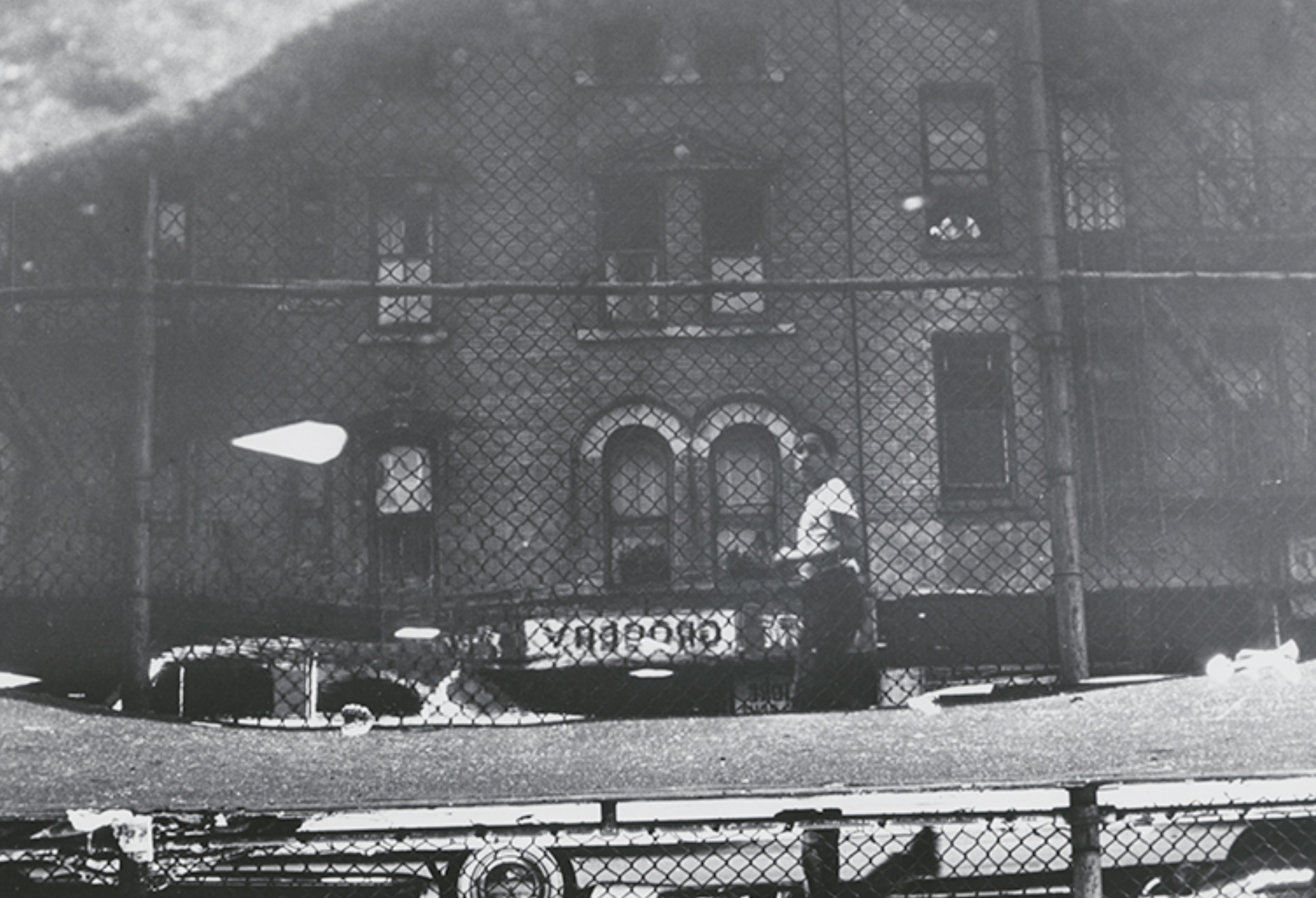
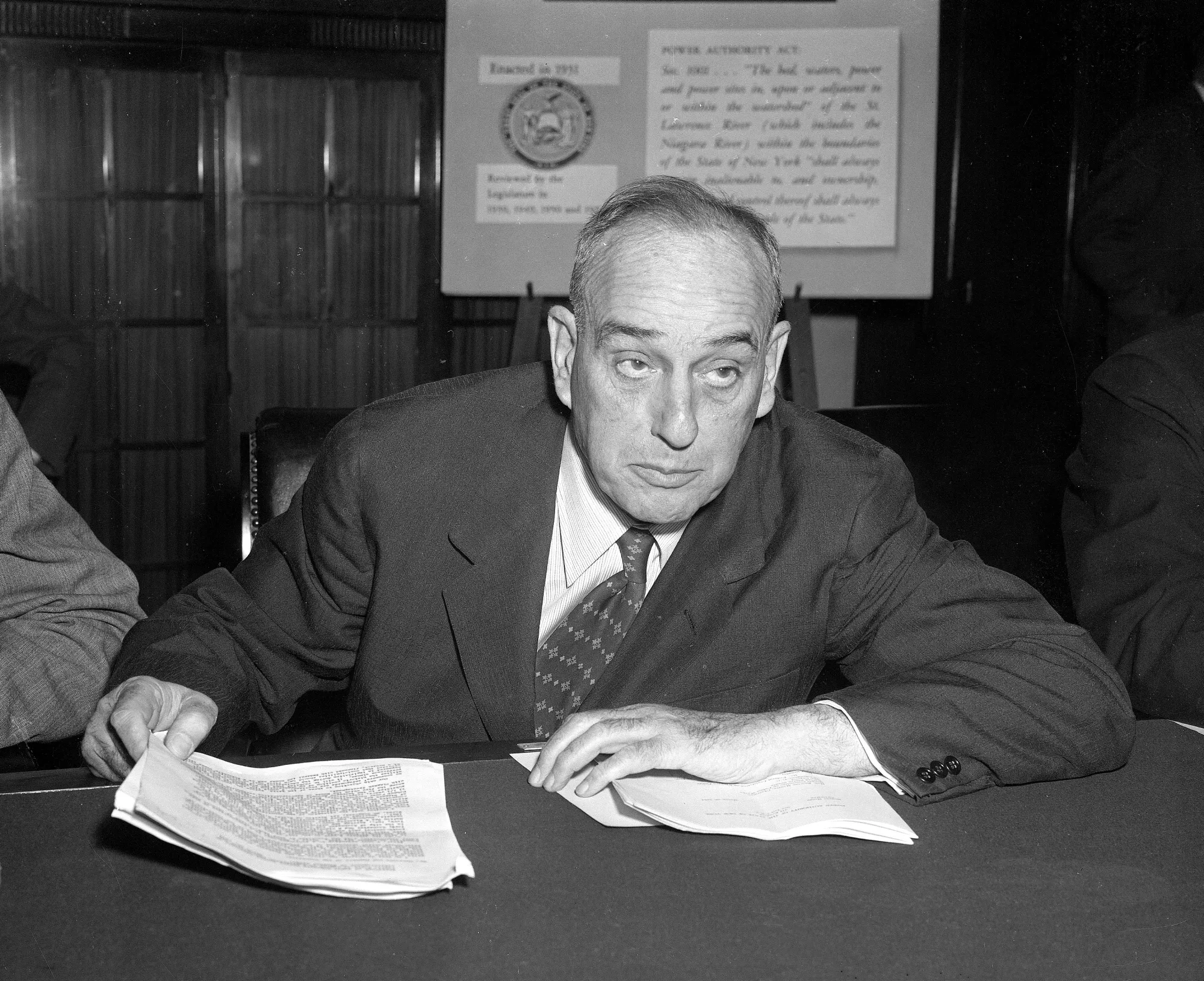
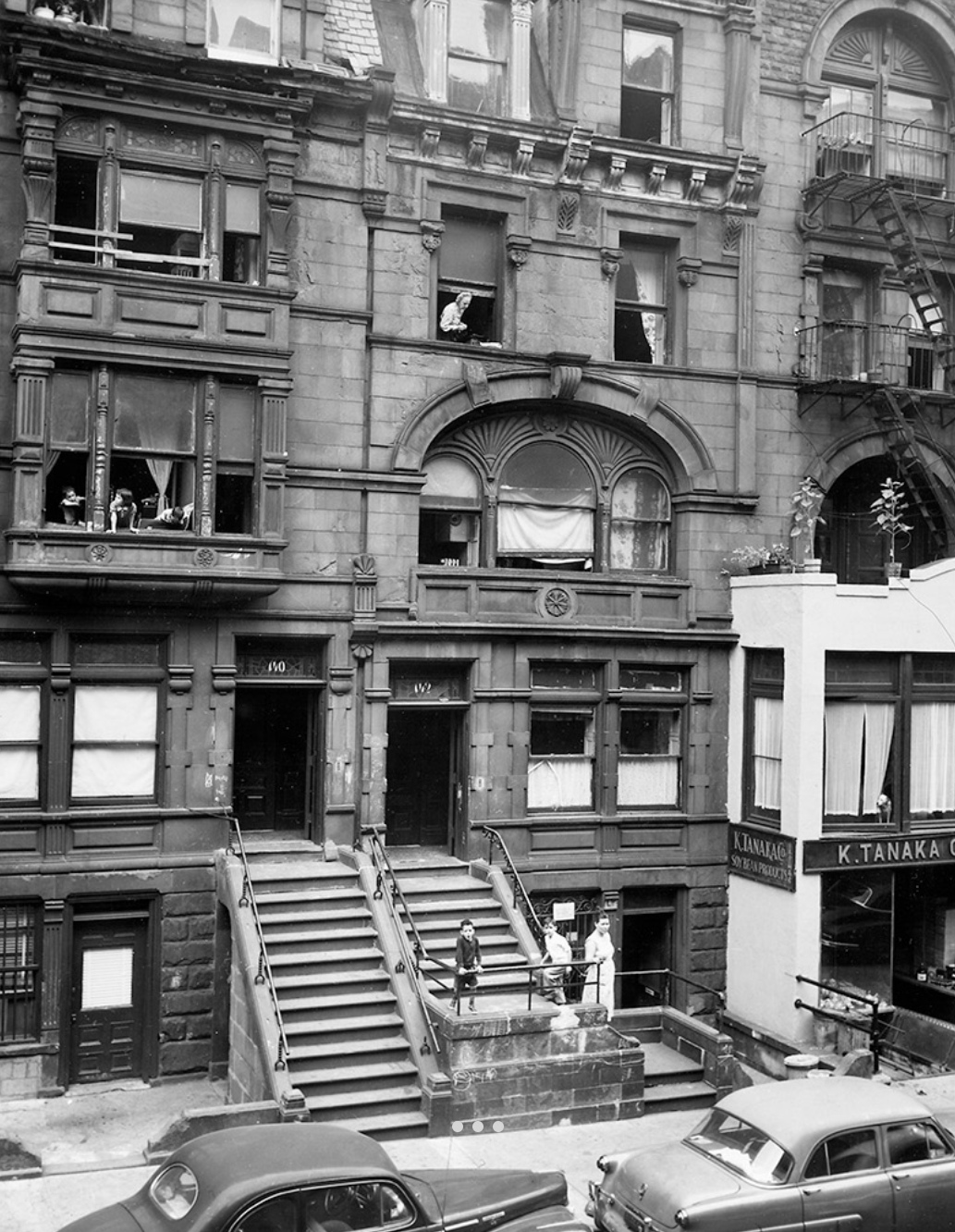
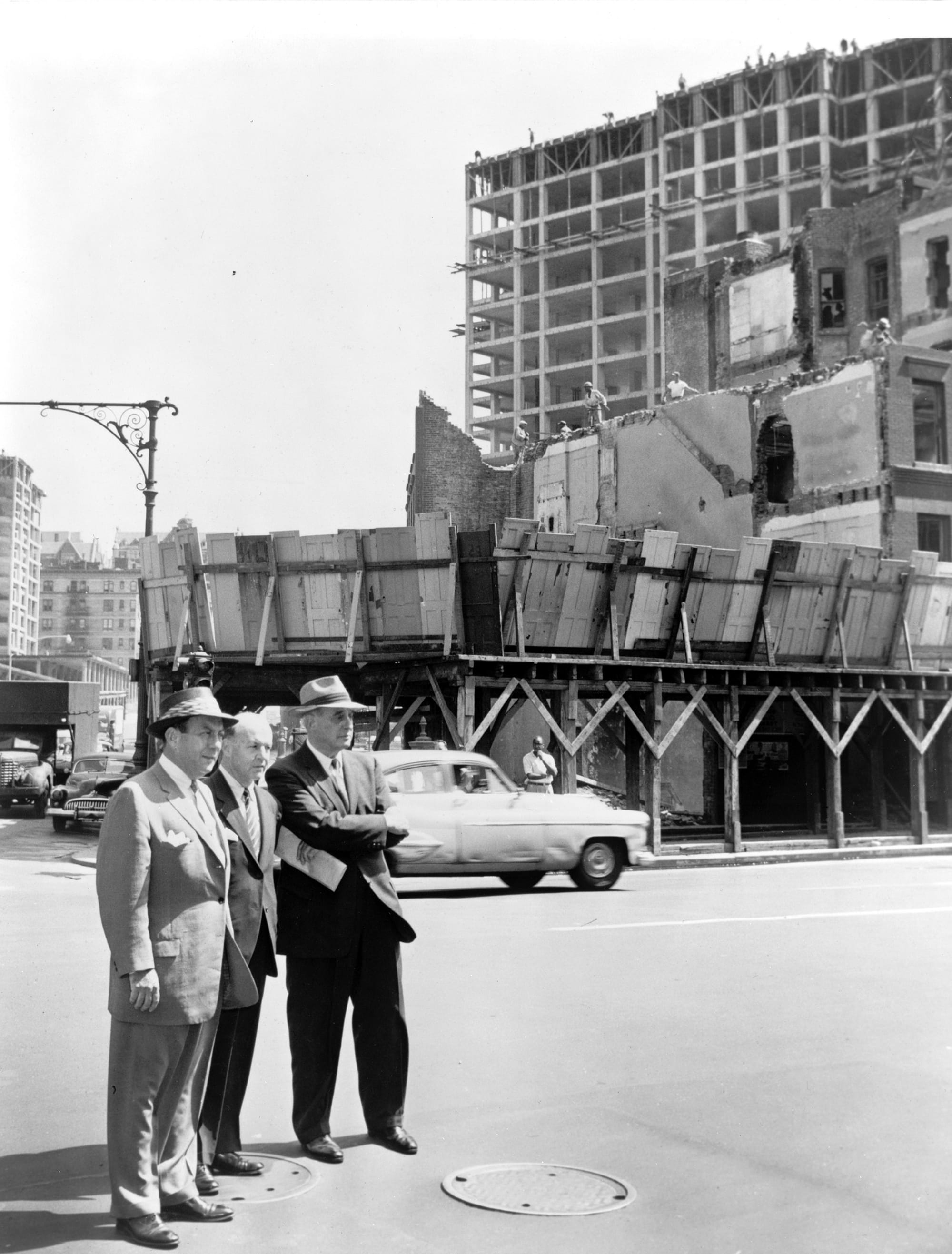
Today, another building is being torn open from the side.
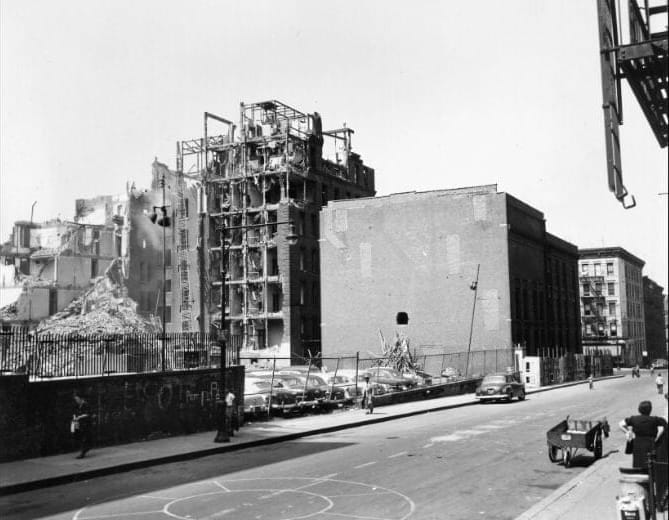
Its rooms already have become cross-sections. Its walls still remember where the people slept, cooked, argued, recovered, hid money, raised children, coughed through winter, and waited for something better than this.
The street is still there. Cars still pass by. A few people still move through its frame. The city has not stopped for this building's wound. That photograph above catches the field in the middle of being converted into an official future.
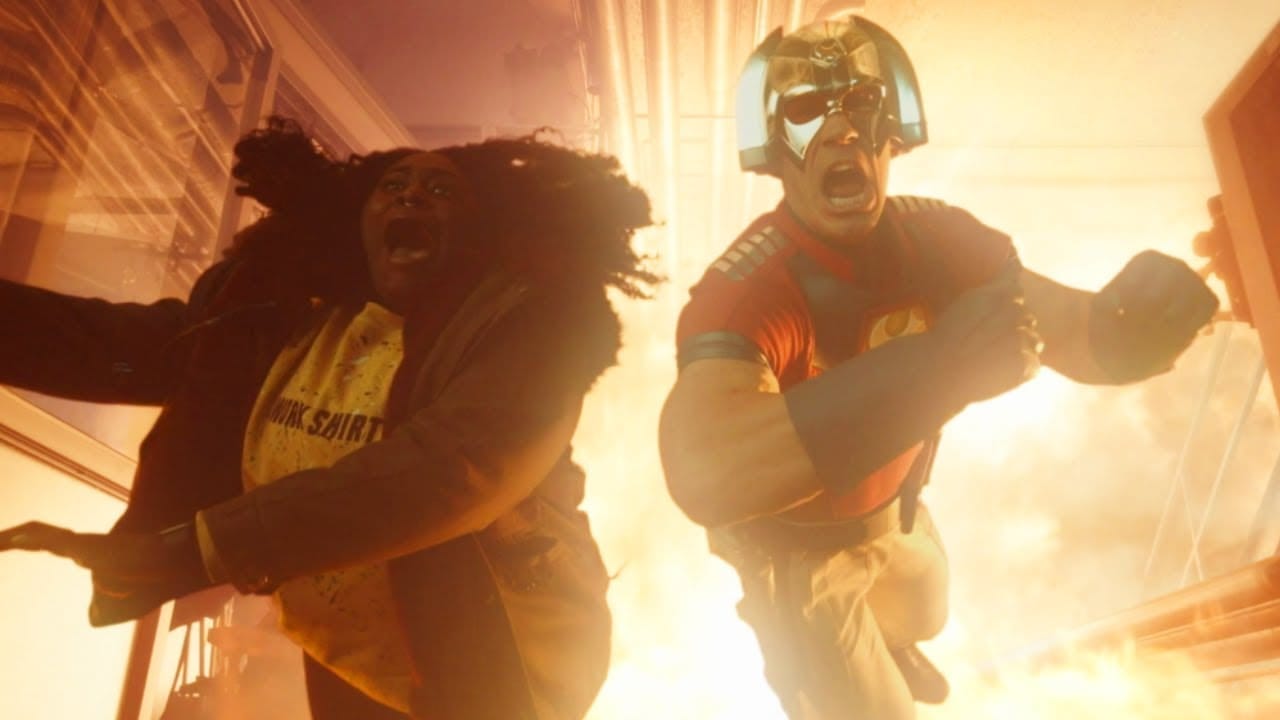
Unlike Warner's, this explosion did not happen all at once. It came first as law. Then maps. Then notices. Then cranes.
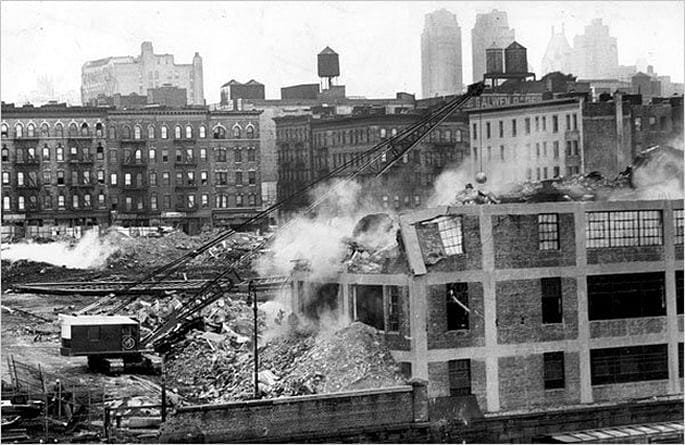
Then the city blew open, and it did not close again.
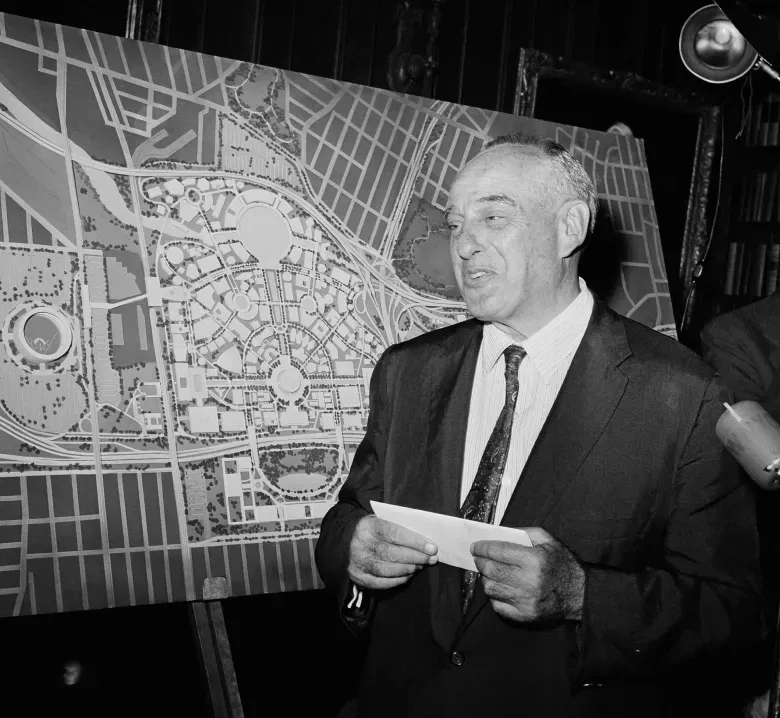
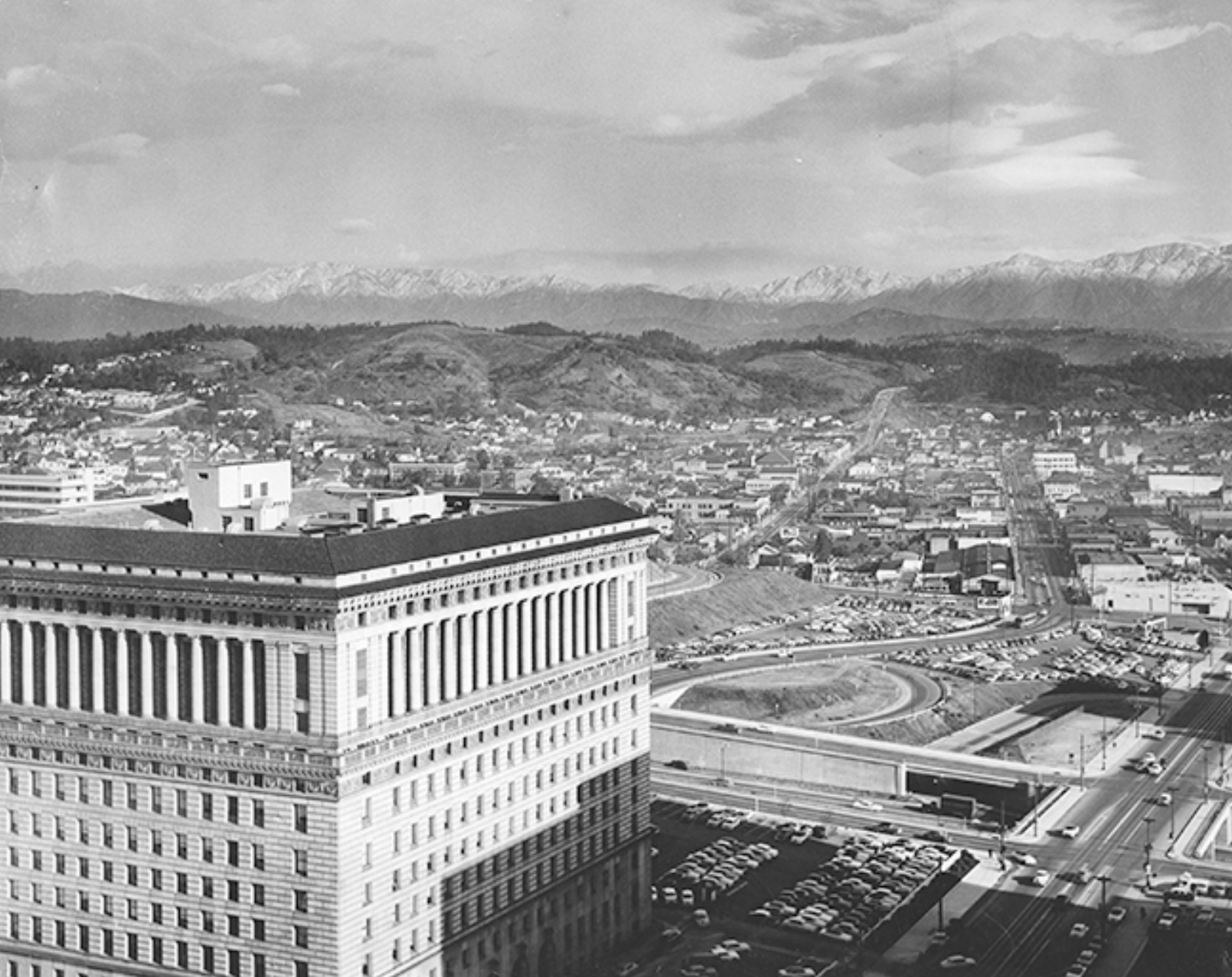
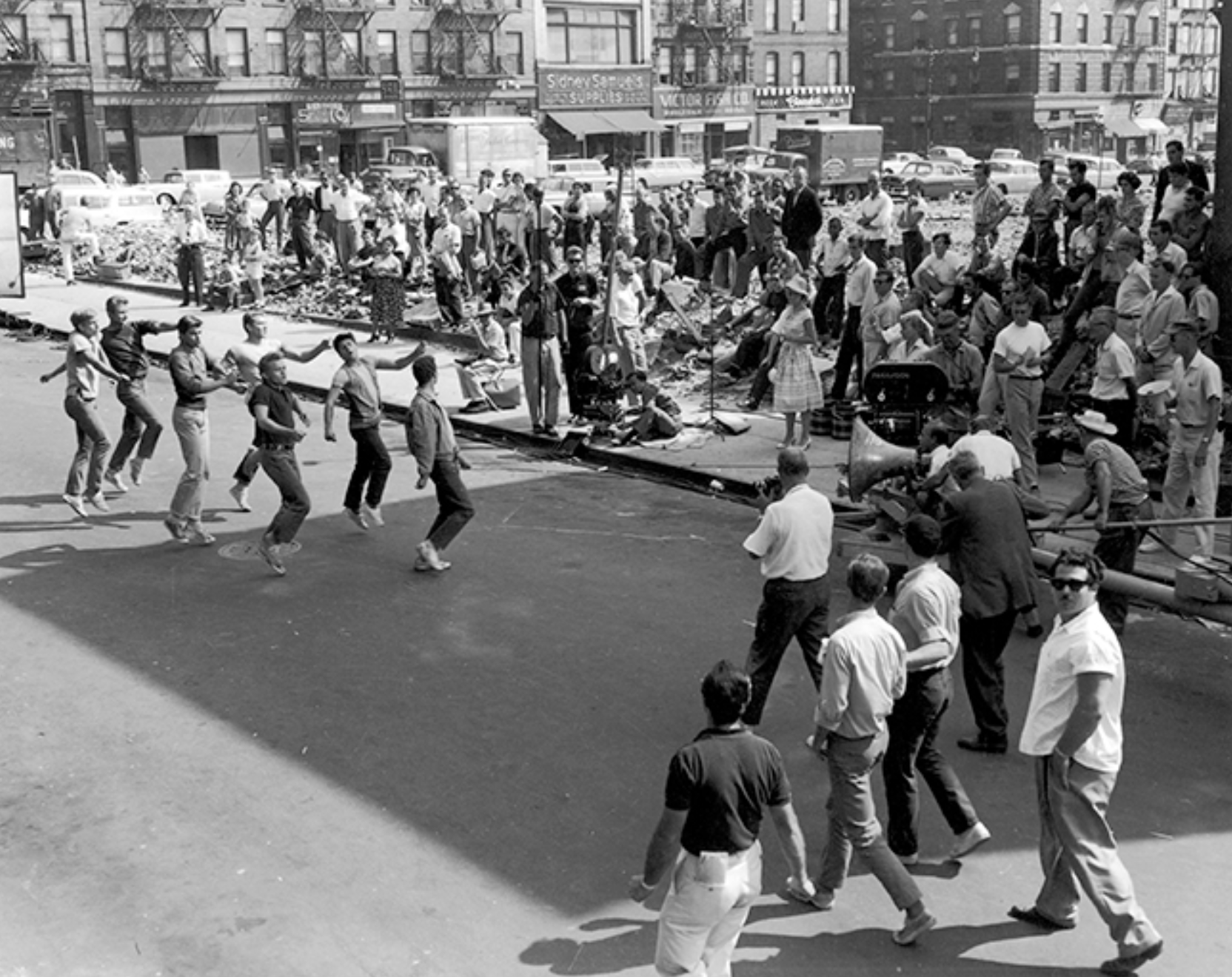
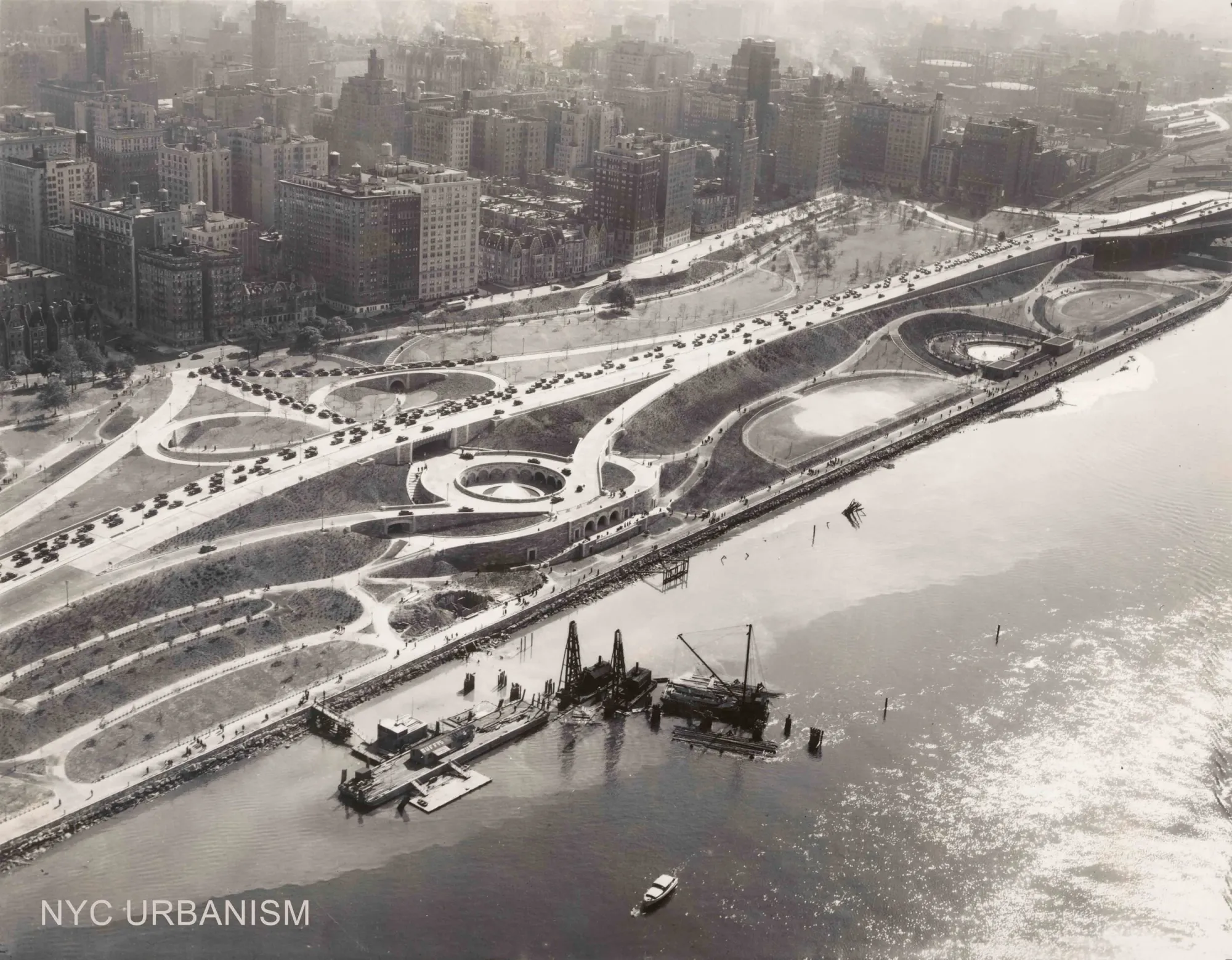
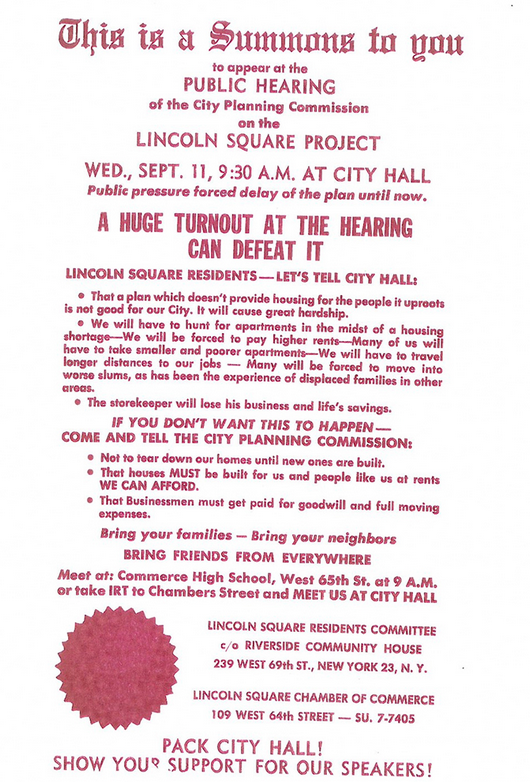
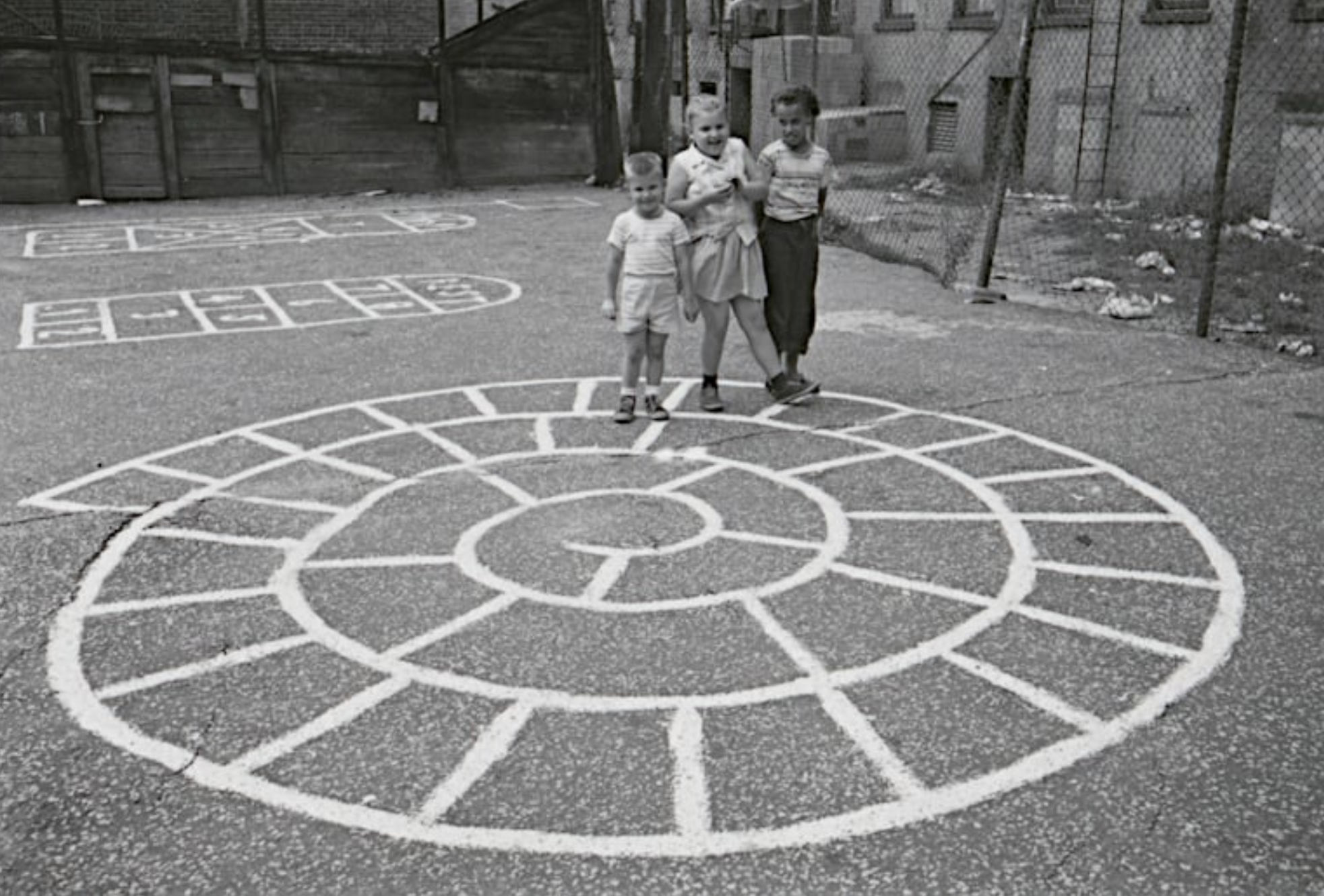
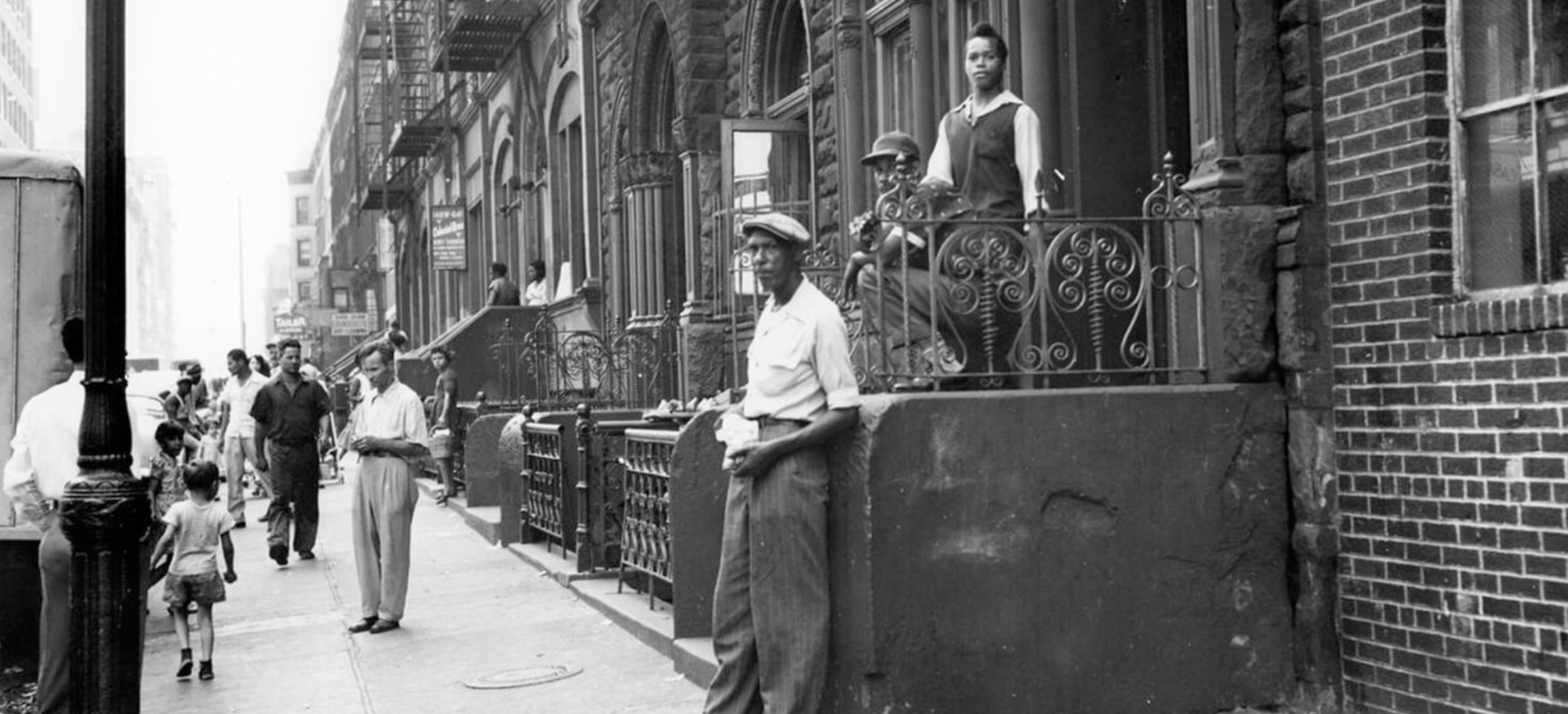
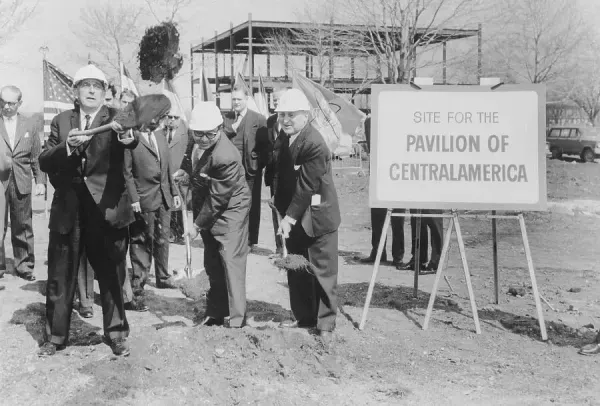
This is Lincoln Square in 1956, part of the neighborhood remembered as San Juan Hill, during the destruction that preceded Lincoln Center. The result would become one of the great cultural monuments of New York City.
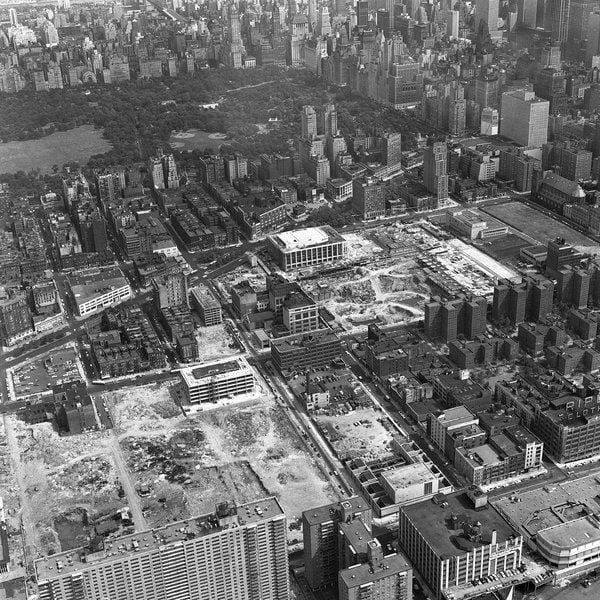
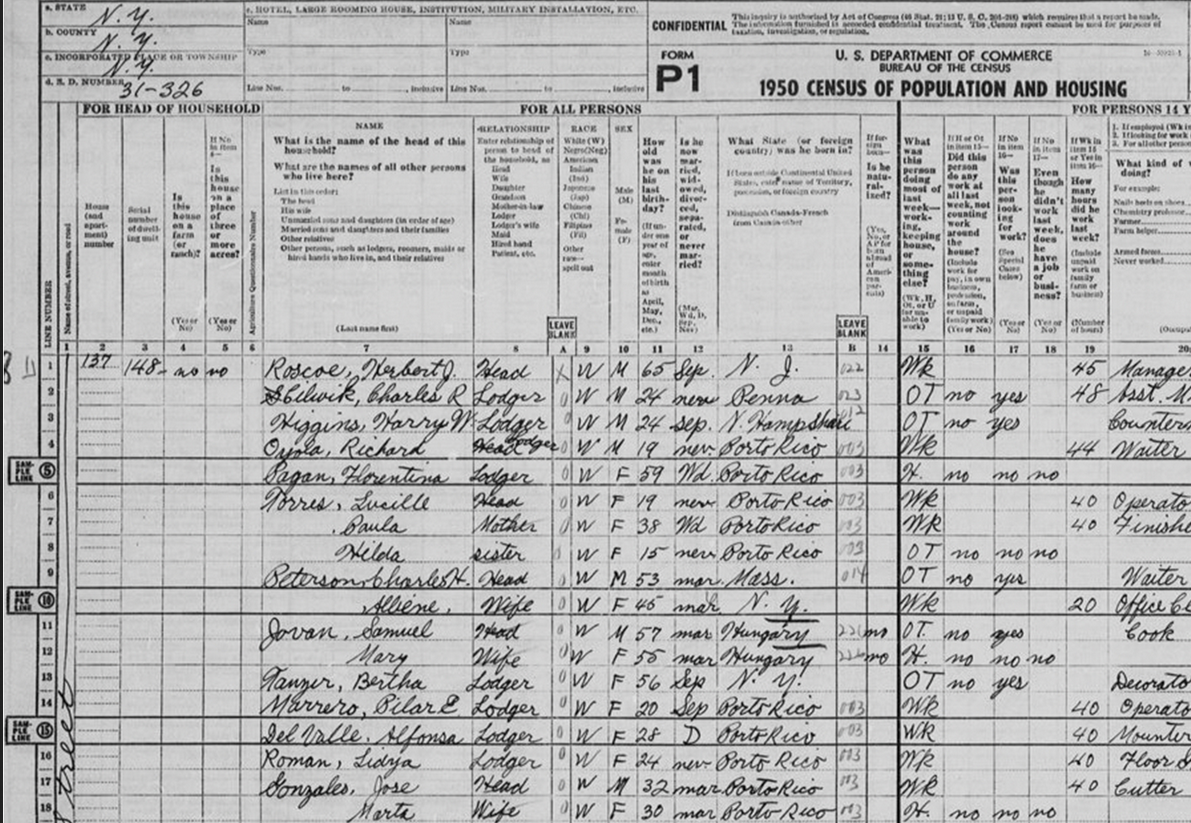
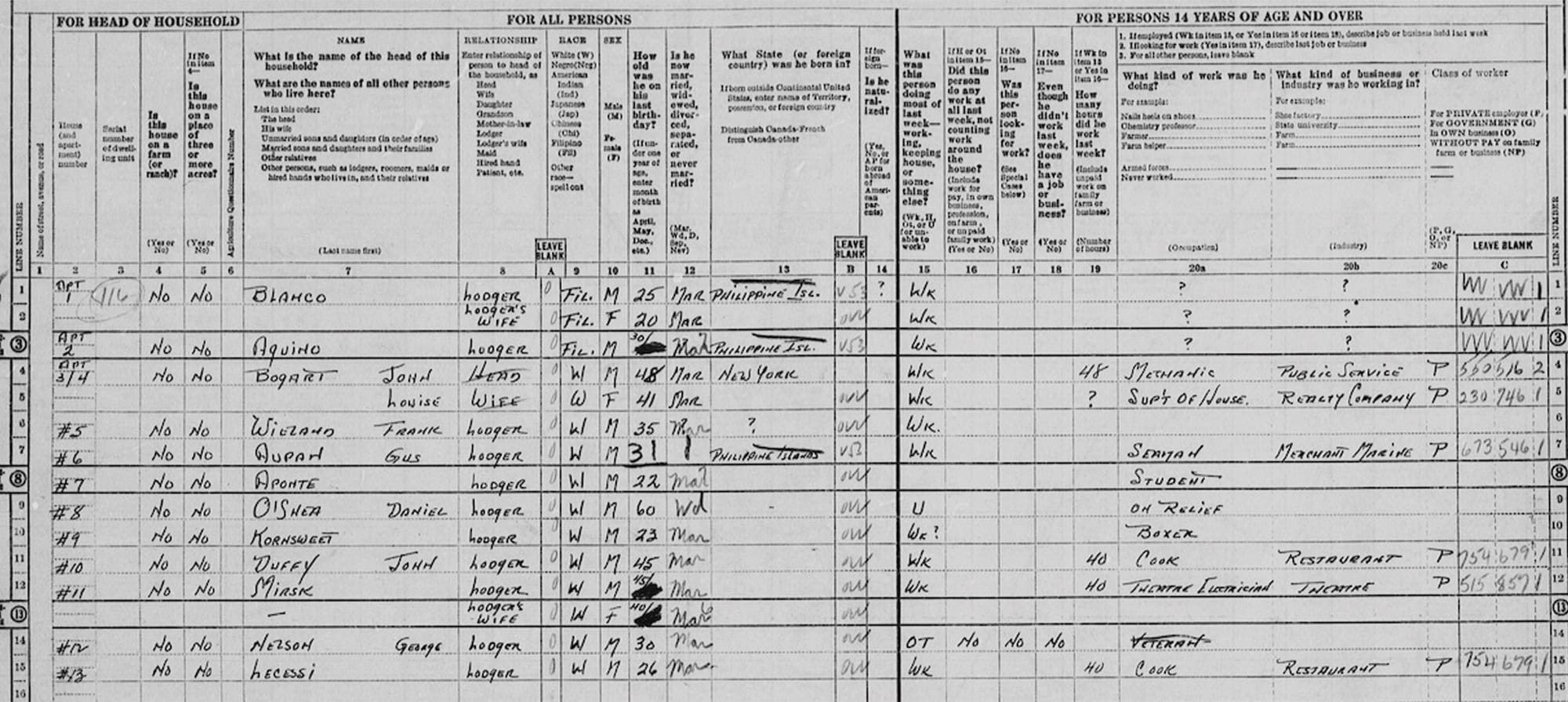
The cost was paid first by the people whose lives occupied this cleared land: working-class and low-income residents, including Puerto Rican, Black, and other immigrant communities whose homes, networks, rents, schools, stoops, stores, churches, family routes, and ordinary territorial knowledge were treated as the disposable precondition of a more glorious urban form.
This is the second entry in Failed Field Analysts series.
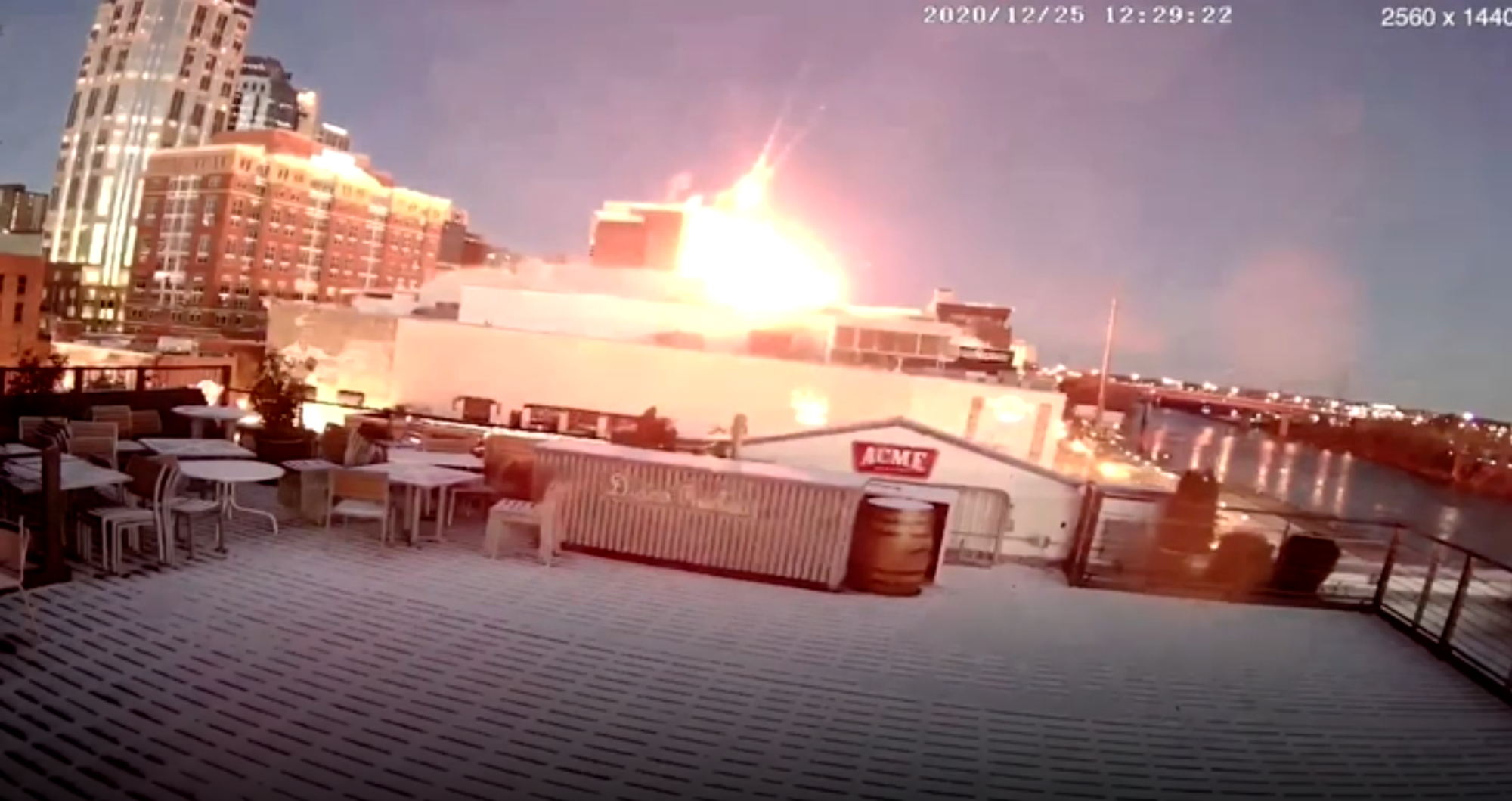
The first began with an explosion in downtown Nashville. Anthony Warner saw that communications infrastructure was powerful, fragile, and socially central. Correct. Good job, Anthony. Then he collapsed a network of people into a symbol and bombed the symbol into the people. Nothing was repaired. Very, very bad job, Anthony.
Robert Moses is the cleanest possible follow-up because he is obviously not the same kind of case at all.
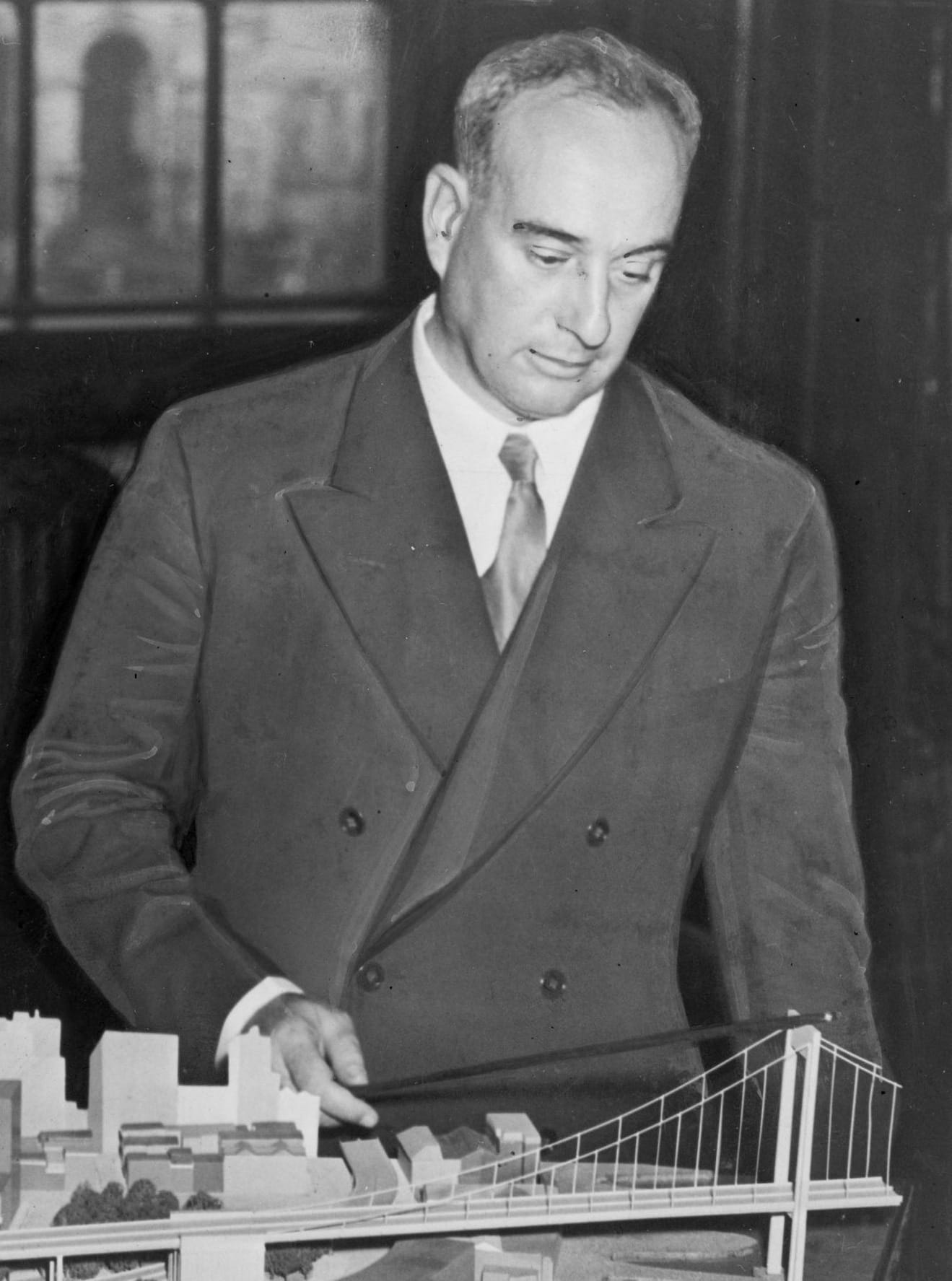
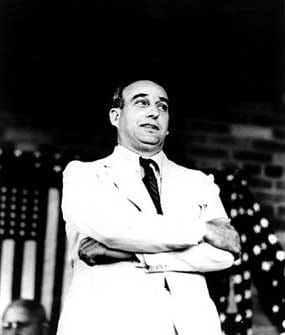
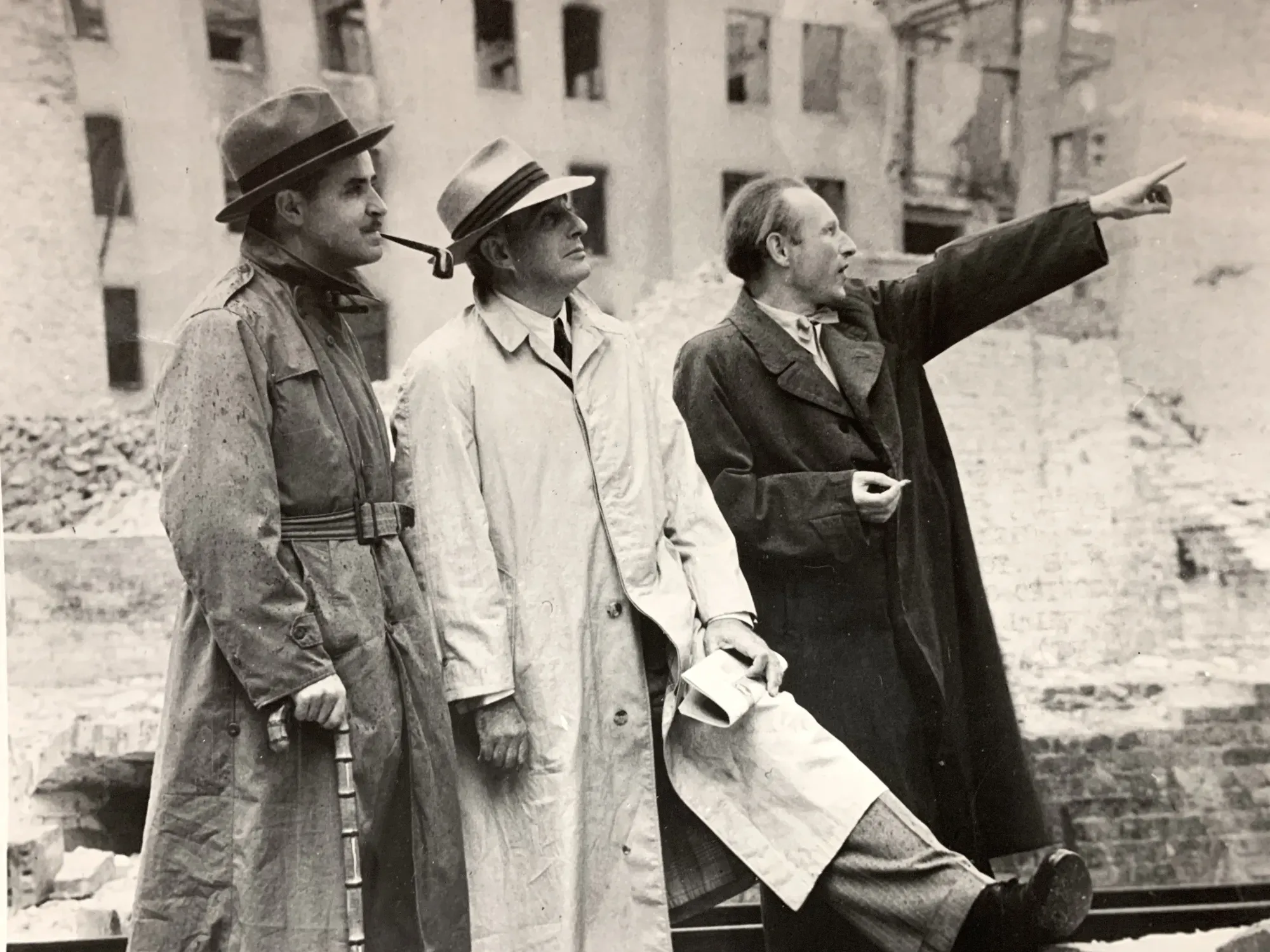
Moses was not an isolated conspiracist in an RV. Moses was not a fool. Moses was not a man with no understanding of systems.
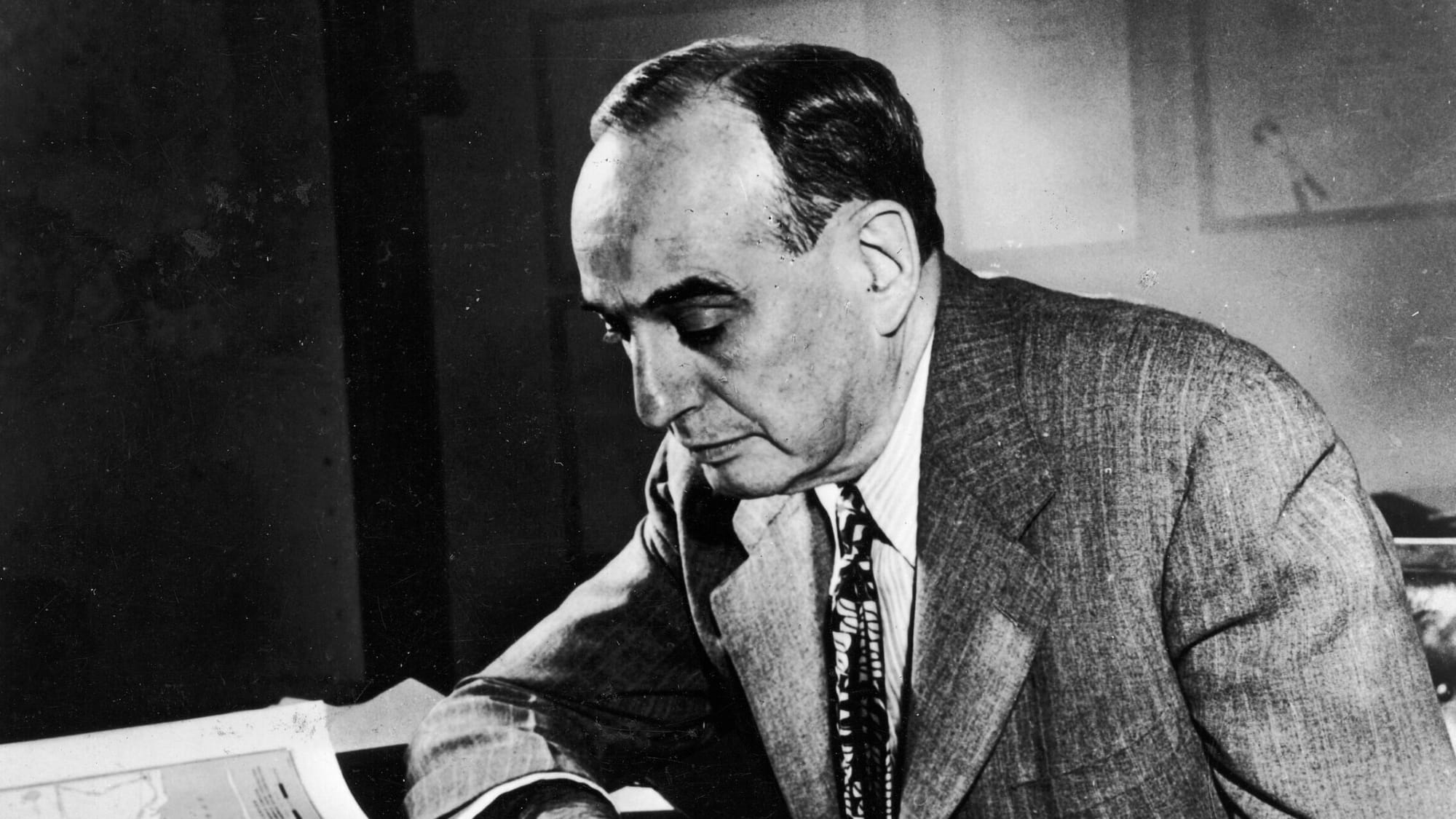
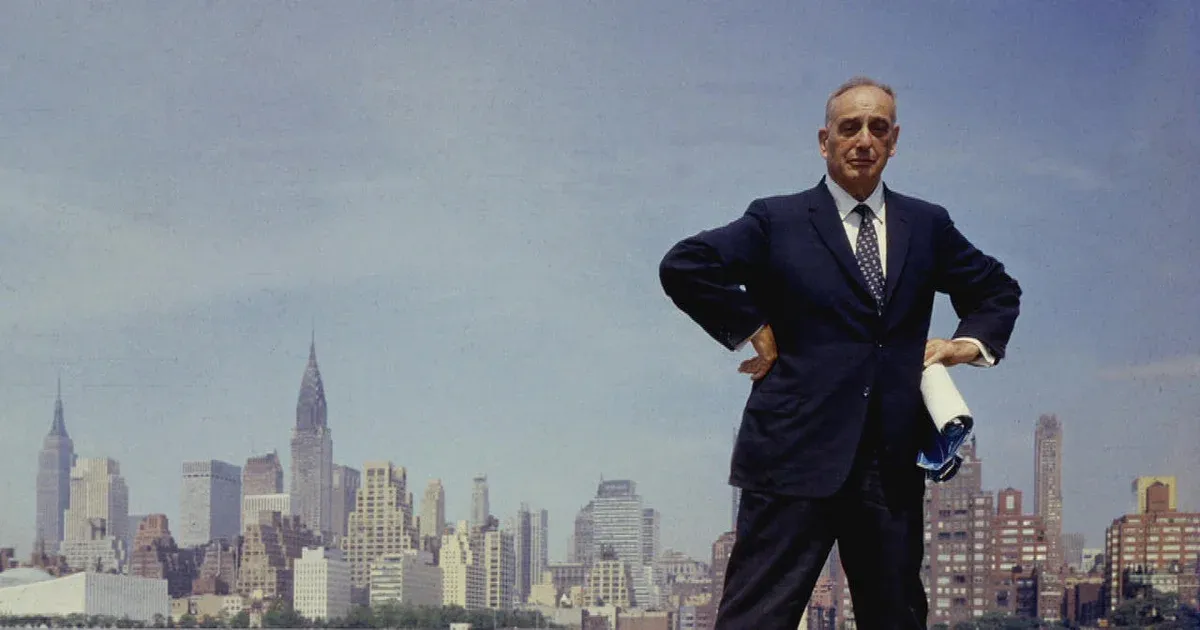
Robert Moses actually understood systems with terrifying clarity.
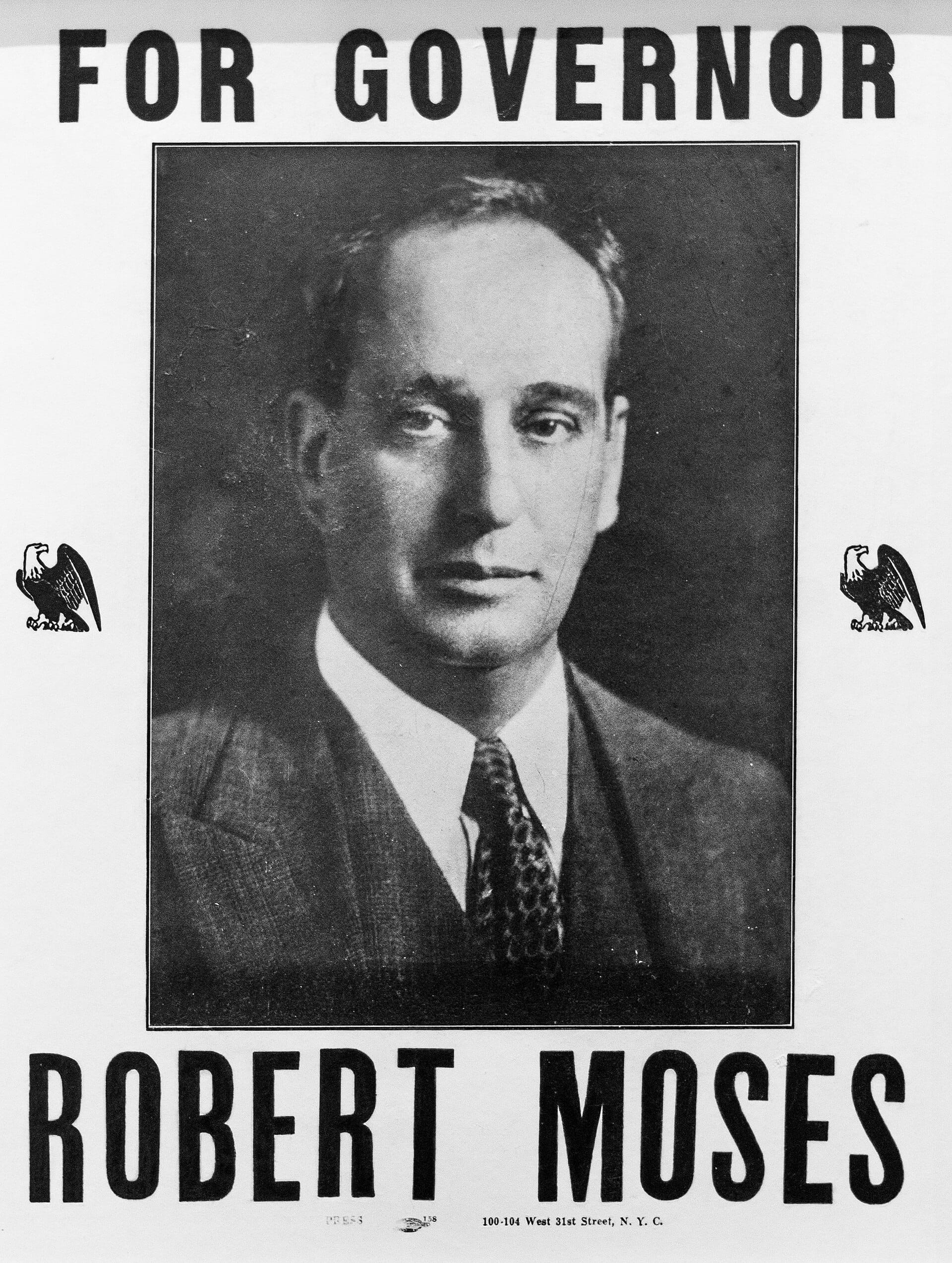
Moses understood law. He understood money. He understood the roads. He understood agencies. He understood where power hid inside all the boring documents. He understood exactly how to make public authorities outlive political resistance.
Moses understood how bridges, beaches, parks, housing, tunnels, expressways, and cultural monuments could remake the reachable field of a city.
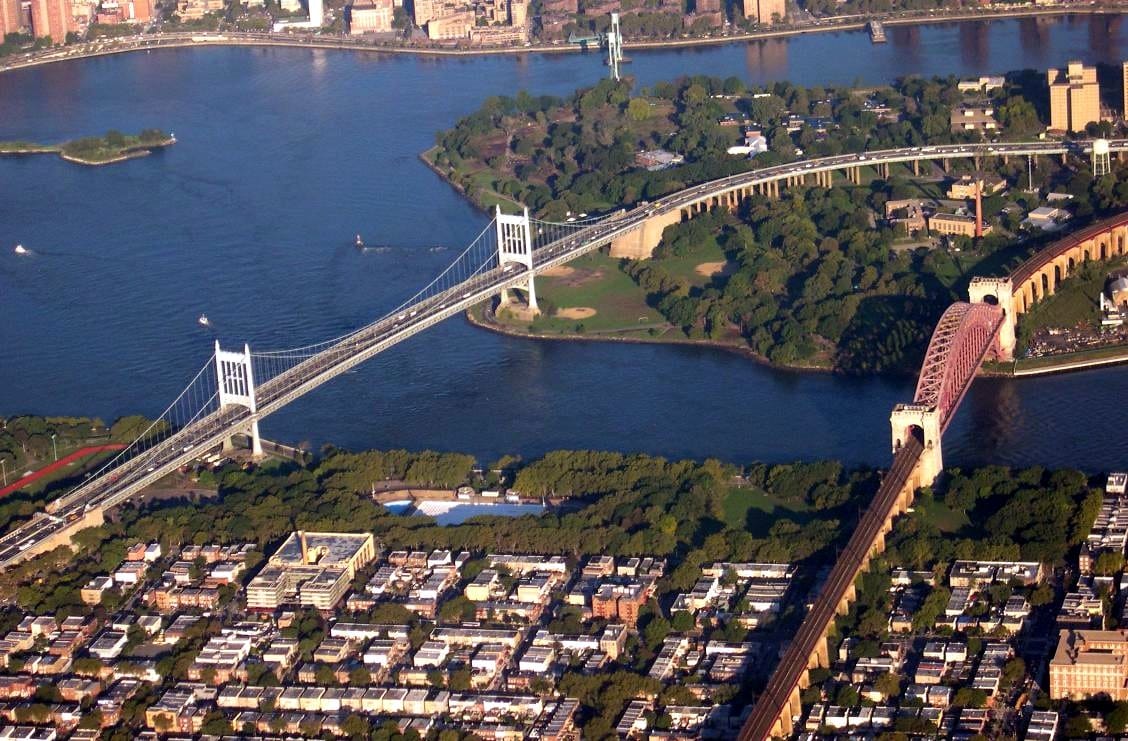
That is why Robert Moses belongs here, in the series of Failed Analysts.
Failed Field Analysts is not a series about people who never saw the field. Those people are dangerous in all the usual ways. This series is about the more dangerous type: people who see some real structure, sometimes with unusual force, then mistake that partial analysis for permission to damage the wider field.
Warner saw the network and forgot the users. Robert Moses saw flow, and he forgot about life.
The City != Traffic.
A city moves. That part is definitely true.
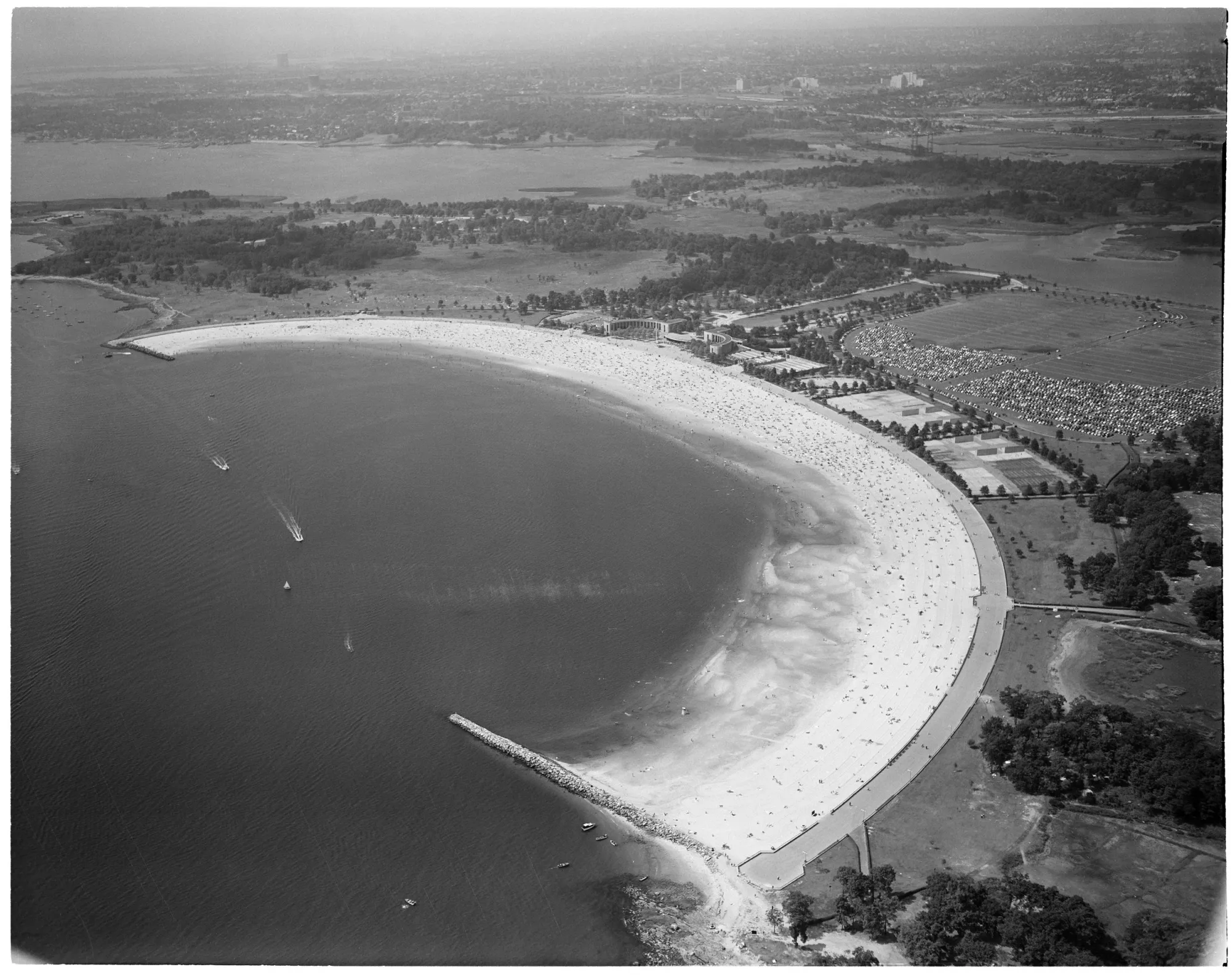
People have to cross rivers. Workers have to reach jobs. Food has to arrive. Trash has to leave. Families need parks. Children need playgrounds. Ambulances need routes. Freight needs corridors. Beaches become reachable only if roads, transit, and public access exist. A city that cannot circulate becomes a clot.
Moses saw that. Correct.
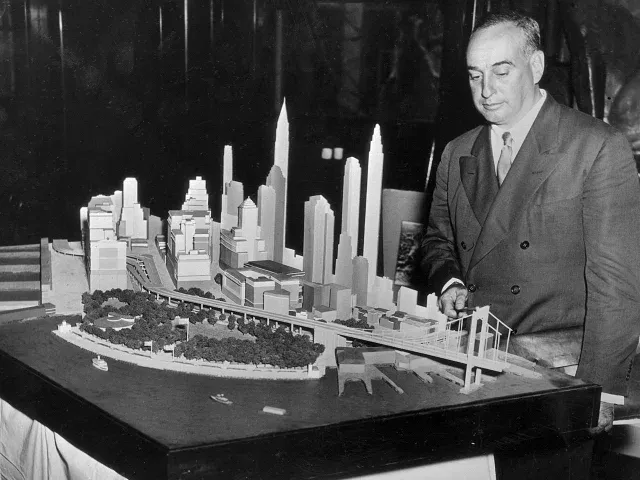
He saw that New York could not remain a loose pile of local vetoes, decaying tenements, clogged streets, private privilege, fragmented authorities, inaccessible shores, and political cowardice. Correct.
He saw that public works could expand the field. Also correct.
Then, Moses failed the field.
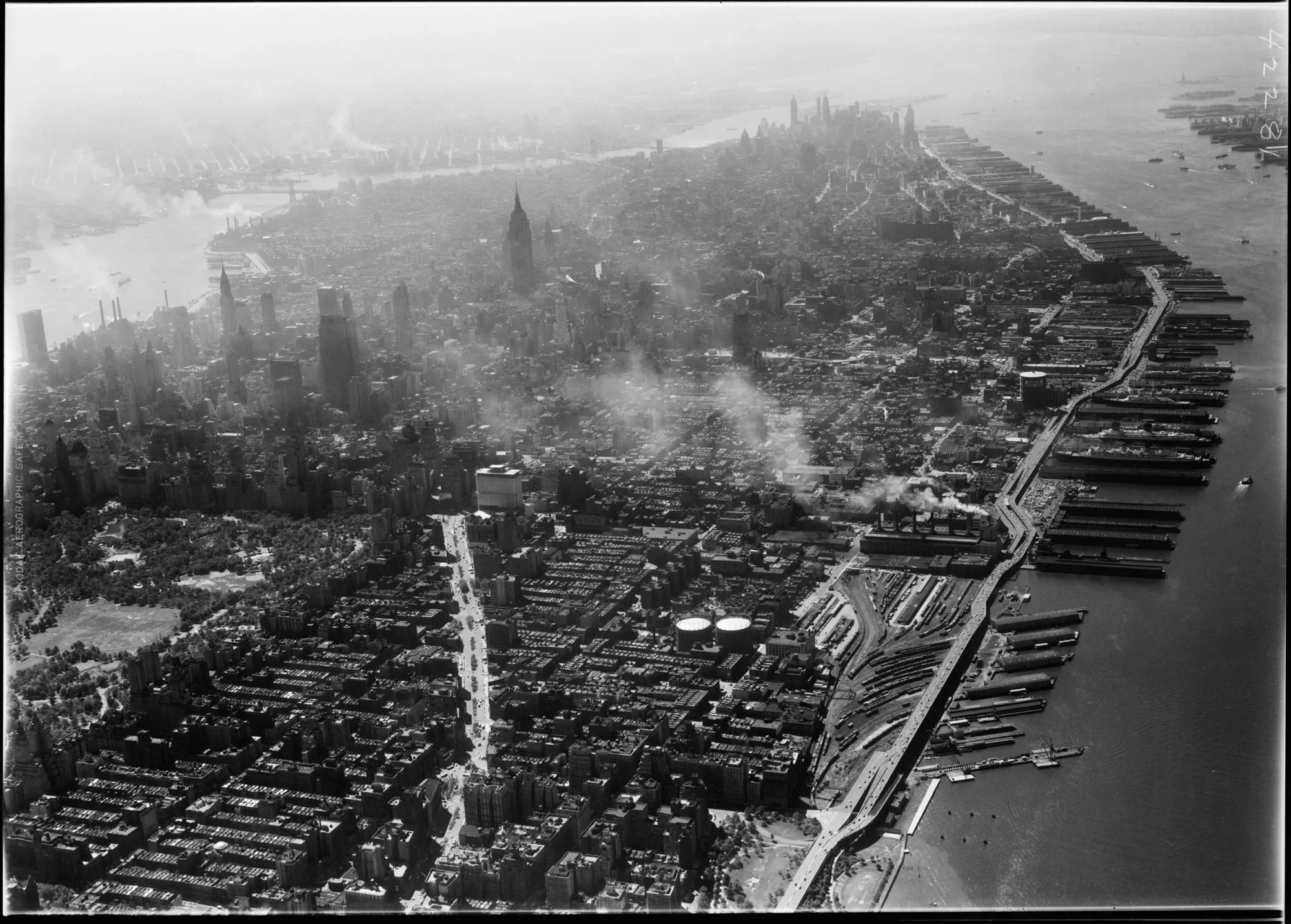
This failure was not that Moses built. Building is not his crime. Large-scale coordination is not a crime. Roads are not automatically harm. Parks are also not automatically virtue.
Demolition is not always forbidden. Cities change. Some old structures do trap people. Some clearance can open paths. Some circulation does preserve life.
Moses’s failure was weighting.
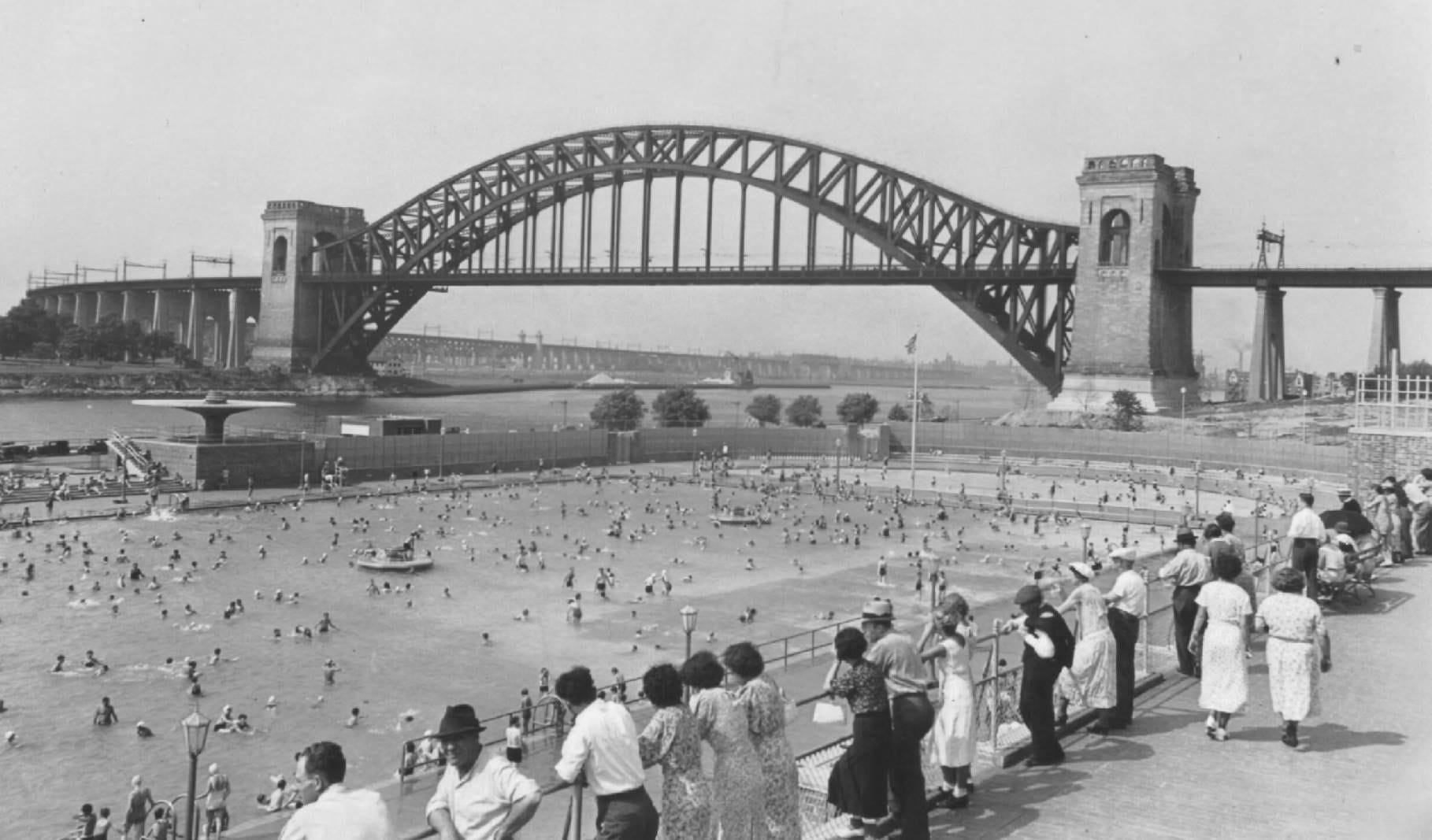
Moses treated movement through the city as if it could stand in for life inside the city.
That is pretty much this whole article condensed.
On Moses’s account, Flow became the master value. Once flow became the master value, neighborhoods became resistance to flow. Tenants became costly to flow. Local shops became debris in flow. Transit riders became secondary to flow. Poor communities became cheaper terrain for flow to path through. Political opposition became delay to flow. Displacement became an accounting problem for flow to solve.
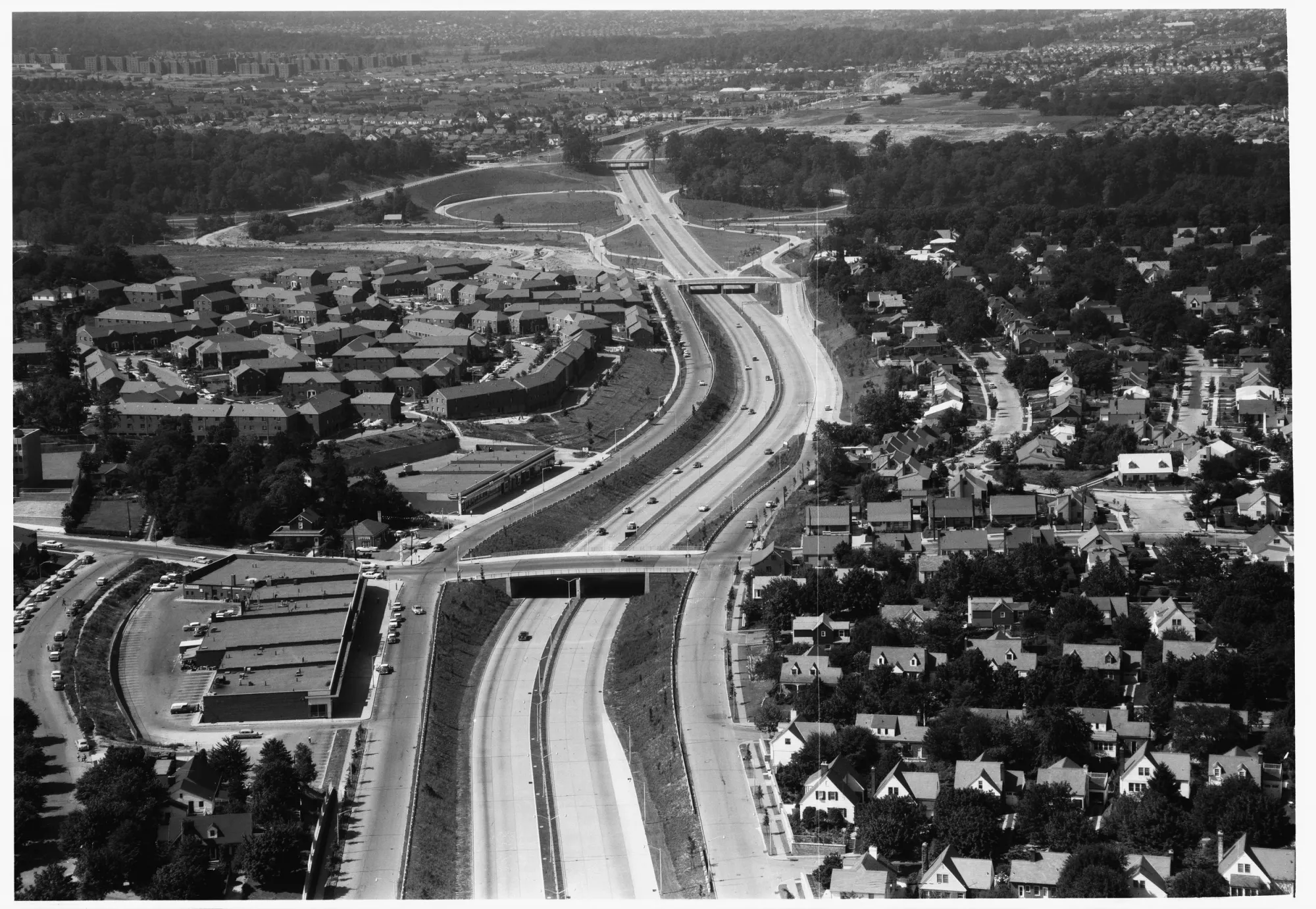
Existing life became an obstruction to future circulation. Everything became subordinate to Flow, our sovereign.
Except, a city is not traffic. Traffic is one process inside the city. A city is a field, and flow is not that field.
Clearance != Repair.
“Slum clearance” is one of those phrases that tries to finish a moral argument before anyone can even ask the real question.
Was this housing bad?
Often, yes. For sure.
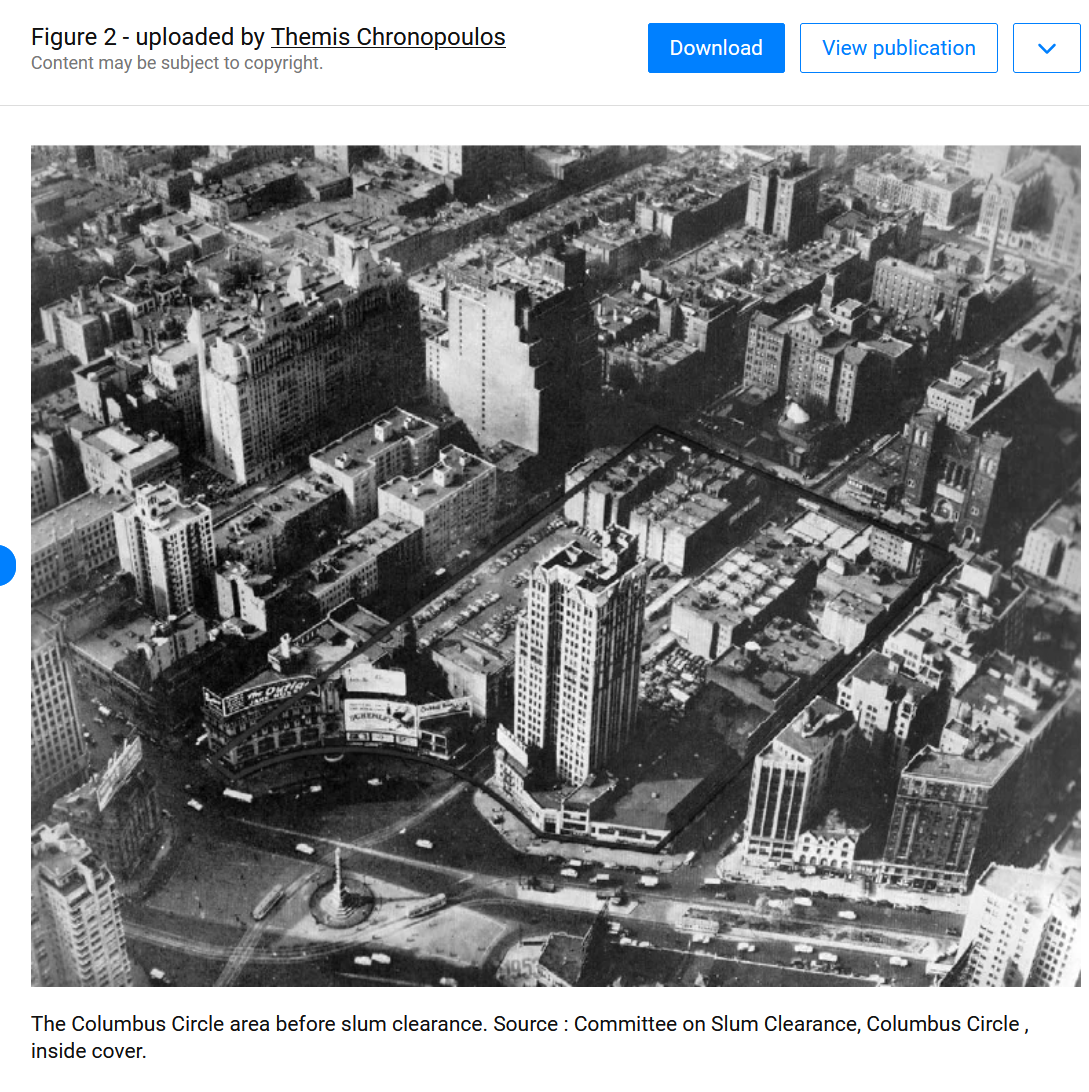
Were these buildings overcrowded, deteriorated, underheated, unsafe, exploitative, and humiliating?
Often, yes.
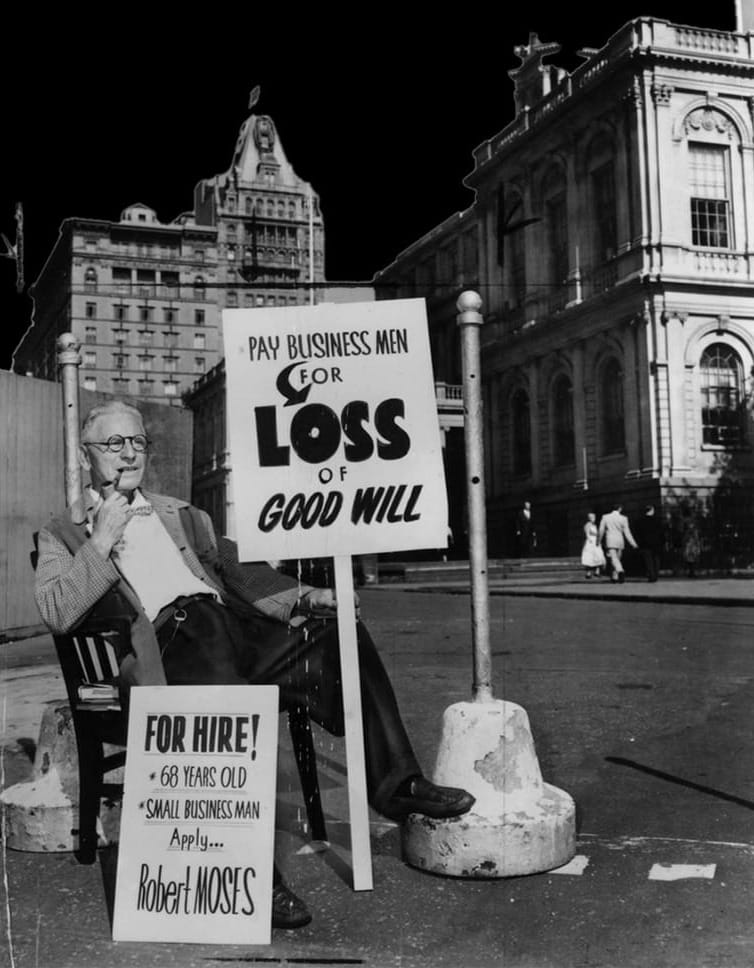
Did that mean the residents’ future-space was best served by clearing them out for a development whose benefits would largely belong to someone else?
No. It certainly did not. That is the trick here, and why Moses failed.
A failed field analyst identifies a real harm, then routes the repair away from the harmed loci.
On Moses’s account, bad housing now becomes an argument for removing the poor rather than improving their reachable field. Overcrowding becomes an argument for clearance rather than for humane rehousing. Civic uplift becomes a monument placed where a neighborhood used to be. Culture becomes a justification for destroying the continuing local culture that was already there, and is now closed.
That is not repair. That is replacement wearing repair’s skin.
The San Juan Hill case is especially revealing because no serious account needs to romanticize the housing conditions there. Many buildings were very old. Many apartments were subdivided. Many families lived under conditions that should not have been tolerated by any city pretending to be civilized.
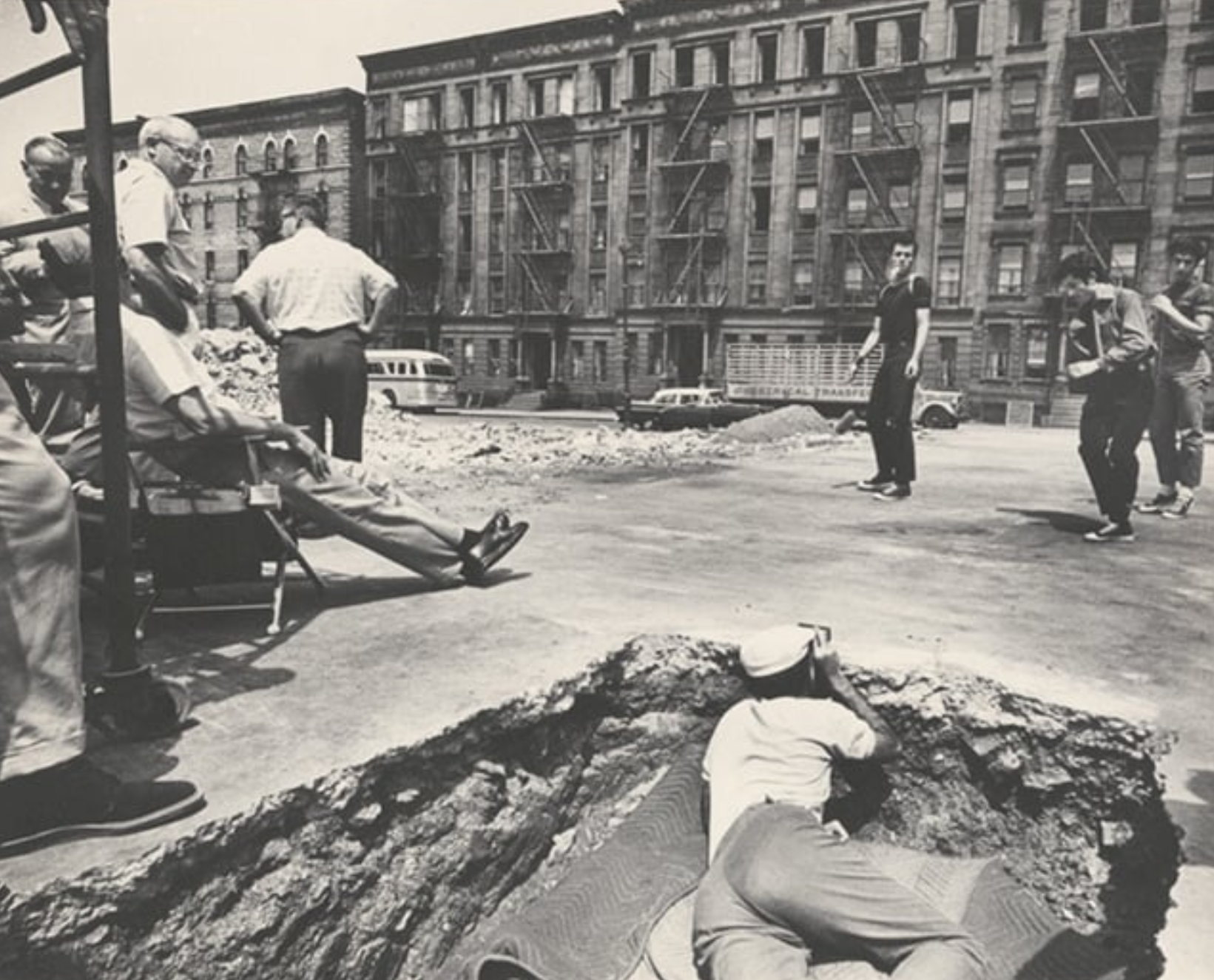
But an extant locus is not erased by the presence of harm inside it. A neighborhood can be damaged and still be a neighborhood. A home can be inadequate and still be the center of a life. A community can need repair without needing annihilation.
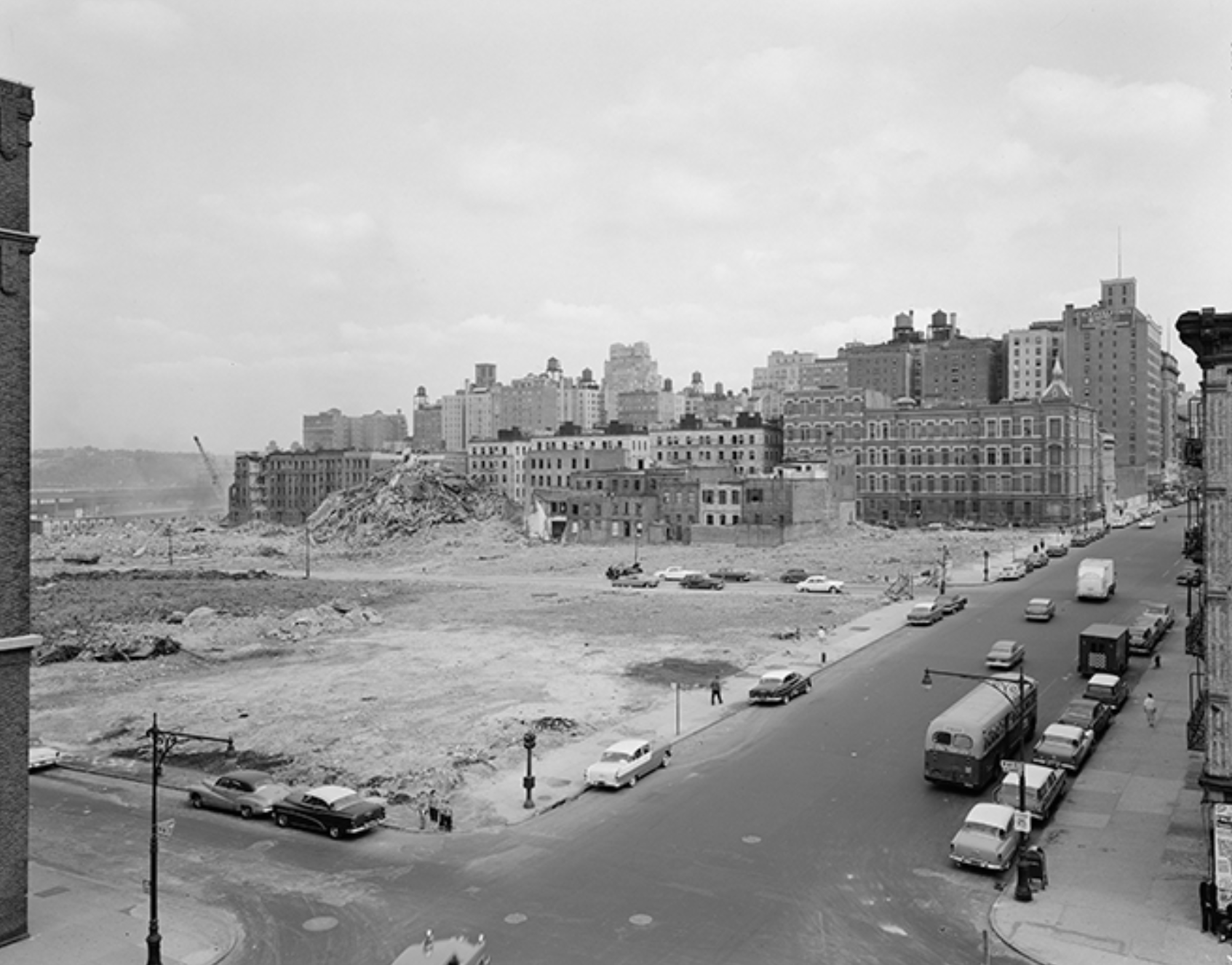
Moses’s method repeatedly confused these things. He saw blight. Correct. He did not adequately see the people whose lives were still rooted inside the blighted field.
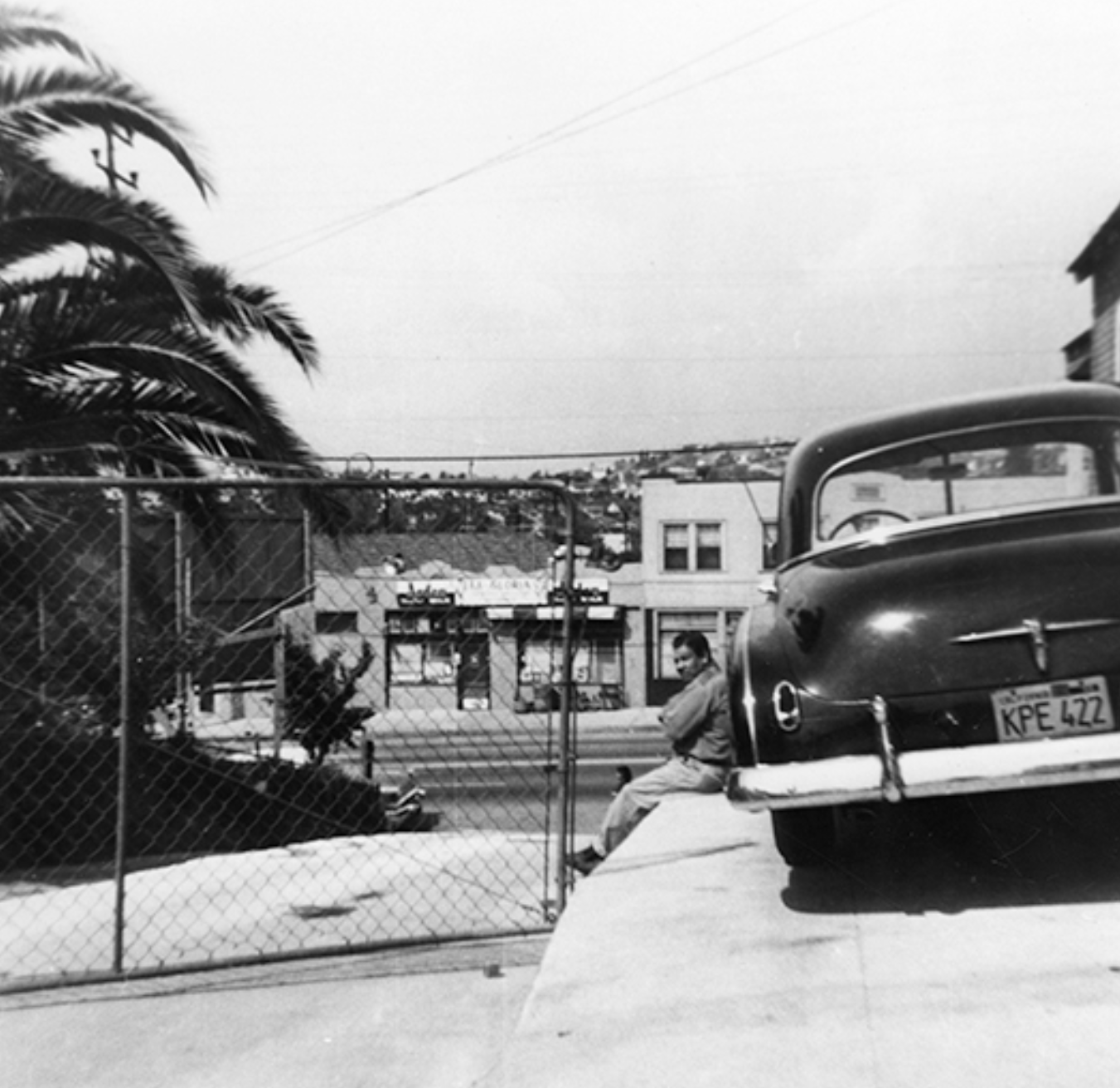
That was his failure.
The Road Explodes Slow.
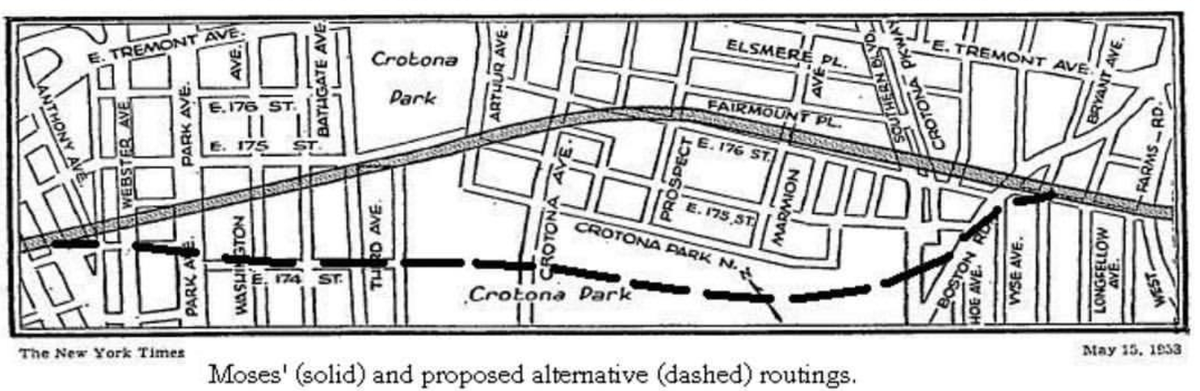
The Cross Bronx Expressway is the obvious second image of Moses’s explosion.
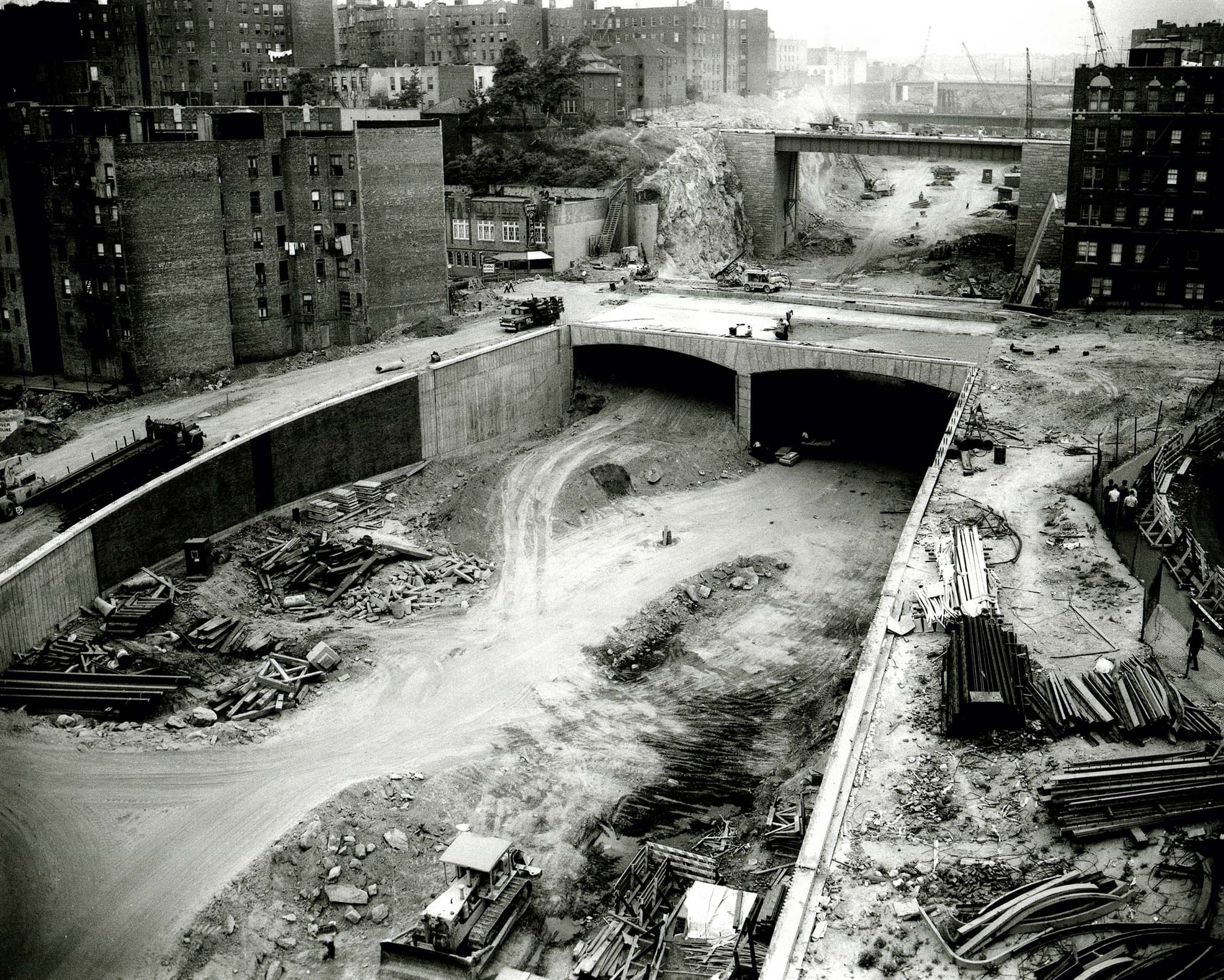
San Juan Hill gives us the cultural monument built through clearance. The Cross Bronx gives us the road as an open cut.
Here, the explosion is not symbolic. This city is cut. The earth is removed. The apartment blocks all vanish. Streets now dead-end into trench and ramp. The neighborhood no longer meets itself cleanly across the wound Moses slices open.
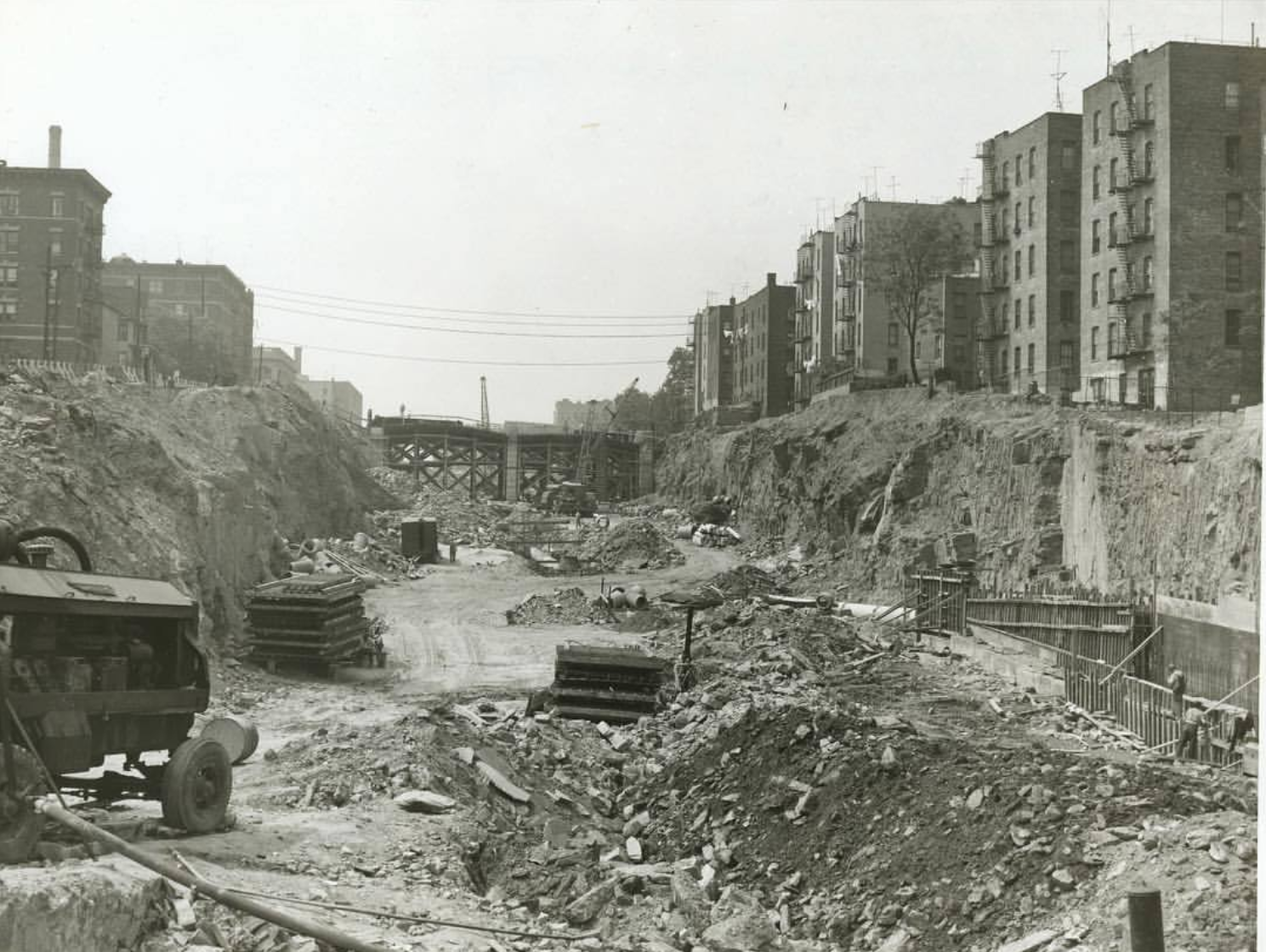
In East Tremont, the route chosen for one section of the Cross Bronx required the demolition of 159 apartment buildings and displaced 1,530 families, despite a proposed alternative route that would have reduced displacement.
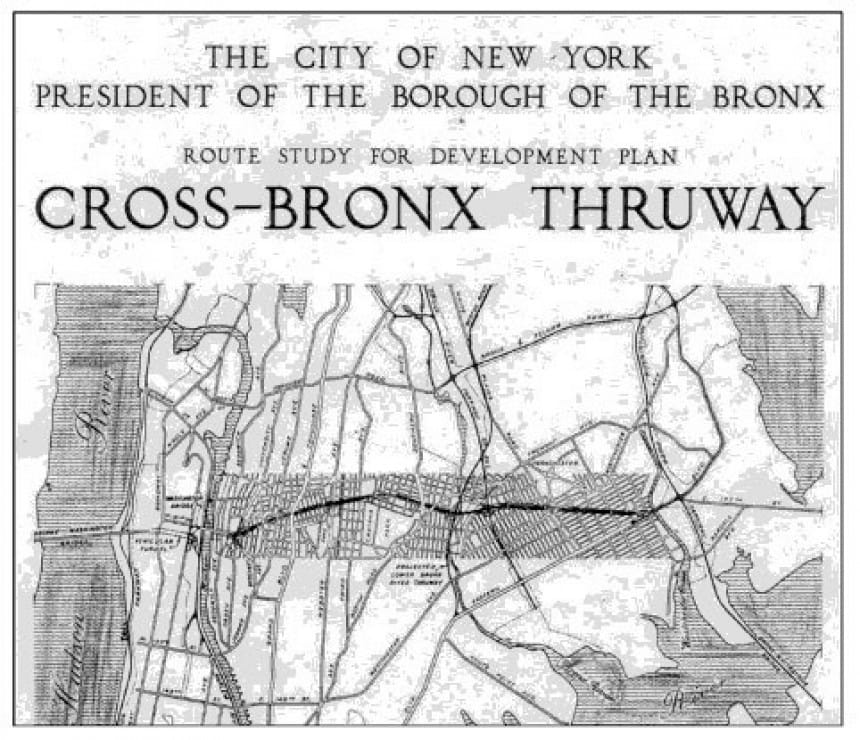
One hundred fifty-nine buildings. One thousand five hundred thirty families.
That's more people than went to Darien.
This is not “impact,” or “urban change.”
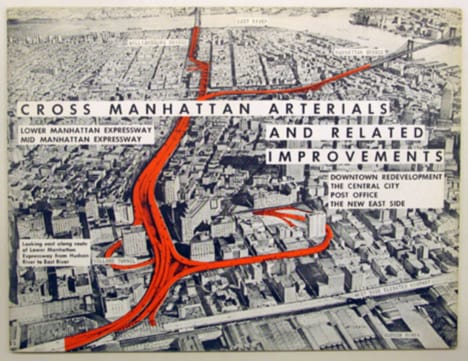
These are families, removed from the field that partially defines them. And the damage did not end when the machines left.
This is another Moses lesson. Infrastructure can keep harming long after construction is complete. The Cross Bronx did not only displace residents during construction. It also left noise, air pollution, asthma, heat, severed streets, diminished local economies, and a new, permanent geometry of division. This road remains a machine for converting other people’s neighborhoods into regional throughput.
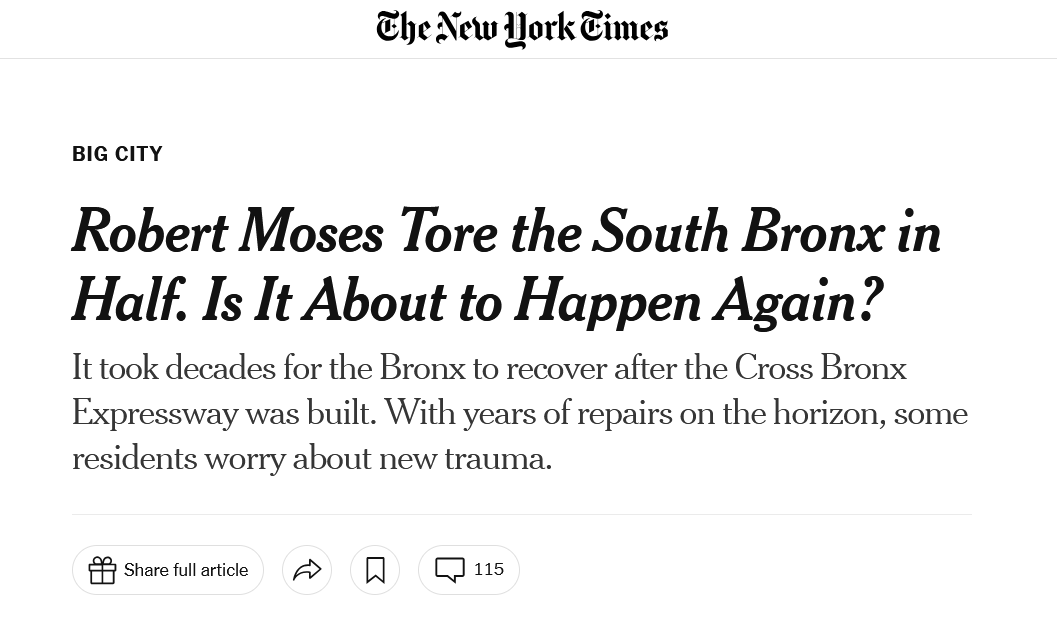
This is why flow is not life.
A highway can move cars through a place while making it harder to live there. A bridge can connect regions while helping sever local fabric.
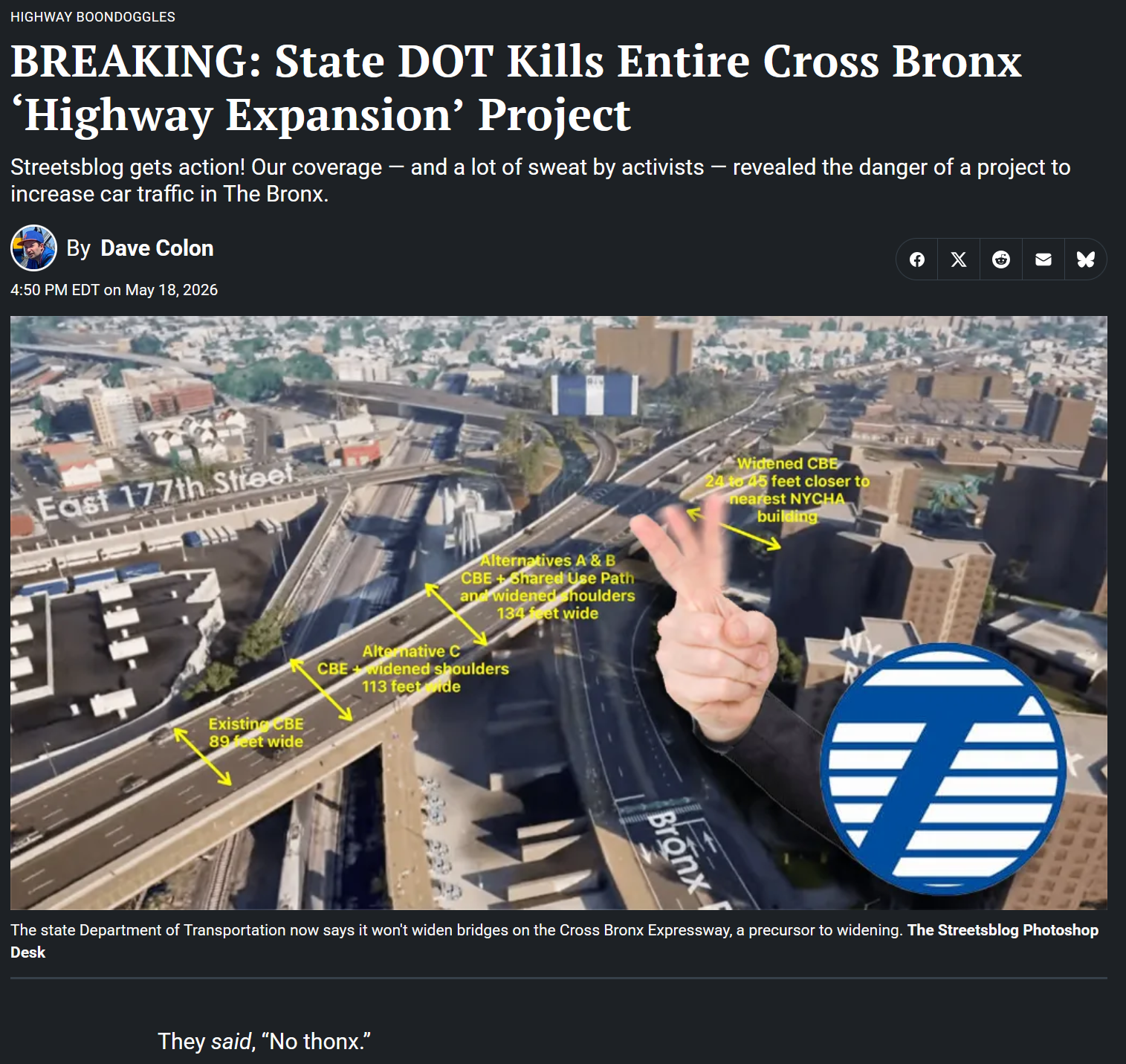
A road can expand one scale of reachability by contracting another.
That is the Modal Path Ethics center of the Moses case. Moses did not simply destroy, like Warner.
Moses expanded and contracted at the same time. That is why the easy version, “Moses bad,” is just too small for the damage here.
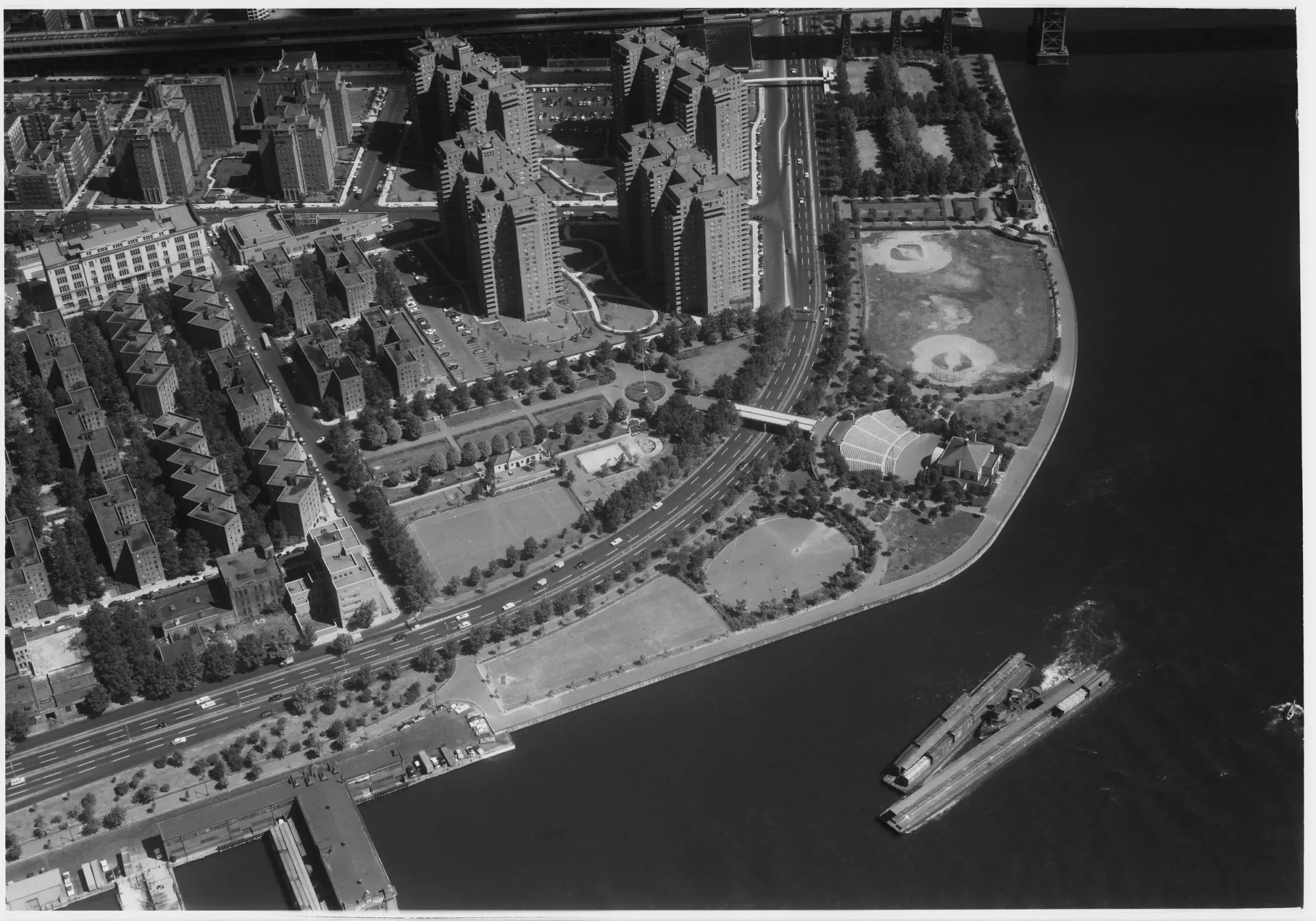
The real accusation against him is sharper: Moses became powerful because he could create real expansions. Parks, beaches, bridges, roads, playgrounds, public works, civic monuments, and metropolitan connectivity all really mattered. Moses changed what millions of people could reach.
But his weighting system made some people’s reachable futures way too easy to spend.
What Moses Did Not Weight.
A neighborhood is not a container full of interchangeable resident-objects.
This is a field of known paths.
The bodega that lets someone buy on credit until payday. The neighbor who watches a child for twenty minutes because the bus ran late. The stoop where information travels faster than a notice.
The aunt two blocks away. The church basement. The school route. The pharmacy. The rent that is barely possible (but still possible). The old men who know which landlord fixes heat and which one lies. The corner where teenagers become visible to adults before they become lost to everyone. The local repair shop. The block association. The barber. The walking pattern. The memory map. The ordinary right to know where you are.
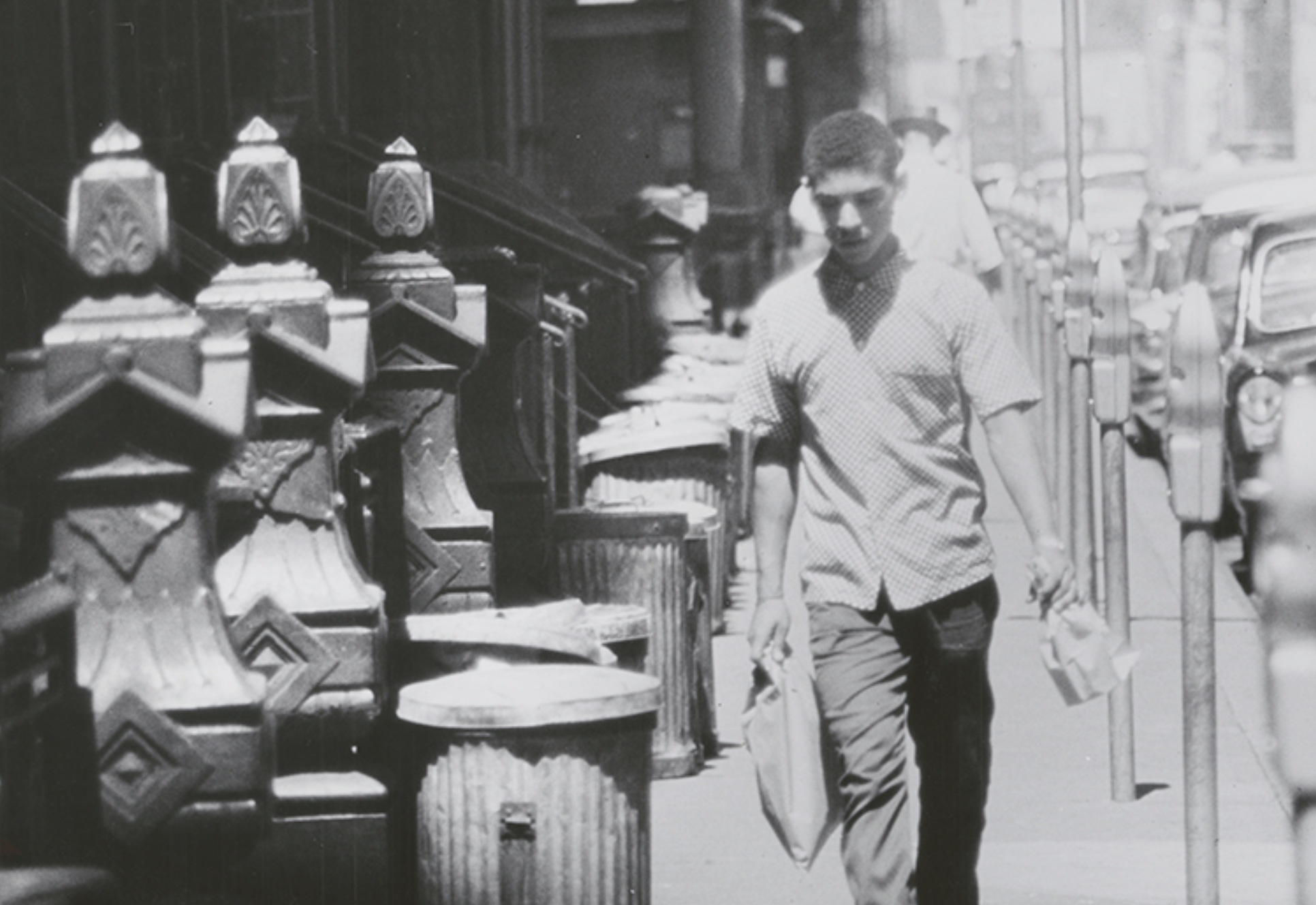
These things are not decorative social details. These are all reachability infrastructure.
Moses’s planning language could see our roads, bridges, acreage, clearance zones, authority jurisdictions, bond structures, design alignments, traffic volumes, and public works.
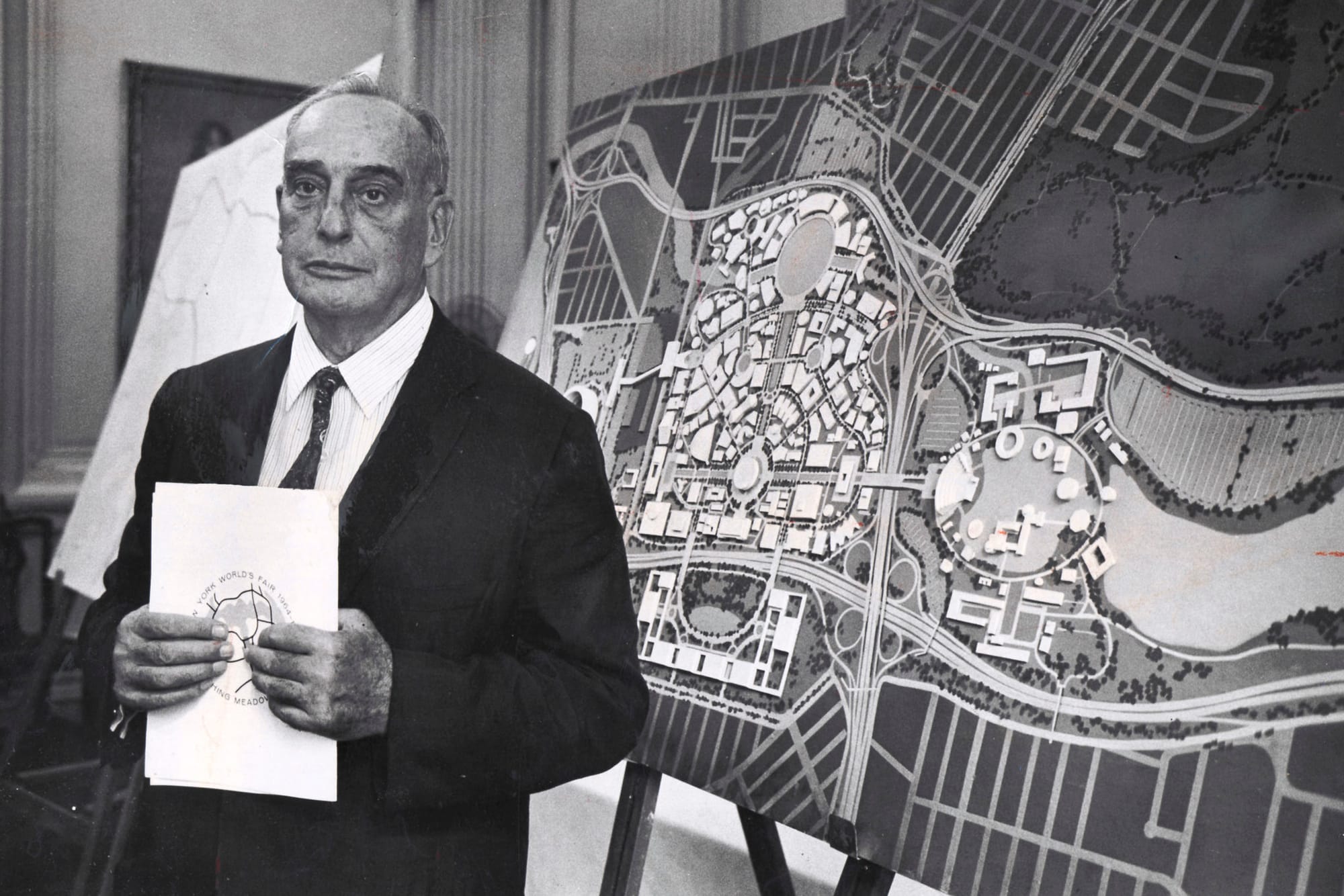
It struggled deeply to see the informal connective tissue that makes a place livable before a planner arrives with his superior future.
That does not mean every existing neighborhood arrangement is now sacred.
Some neighborhoods trap people. Some local orders are violent. Some informal systems are exclusionary, predatory, exhausted, or already collapsing. Modal Path Ethics does not worship the existing state just because it exists.
But the existing state still contains extant loci. You do not get to ignore them because your map is cleaner.
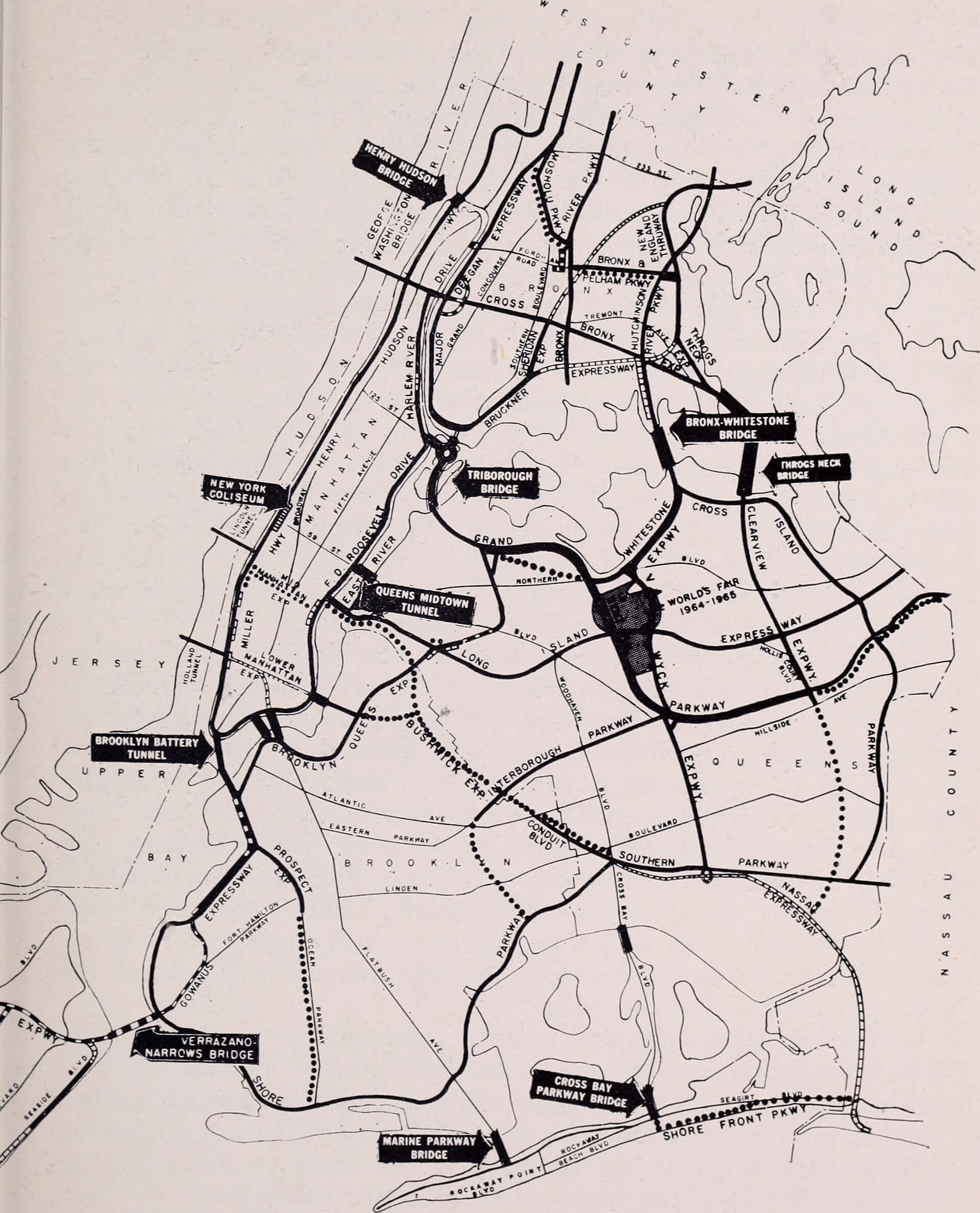
That is Moses’s place in this series. He did not fail because he lacked scale, only because his scale became predatory. The metropolitan field became so large in his analysis that the local field became entirely expendable.
The city needed motion. Yes, it did.
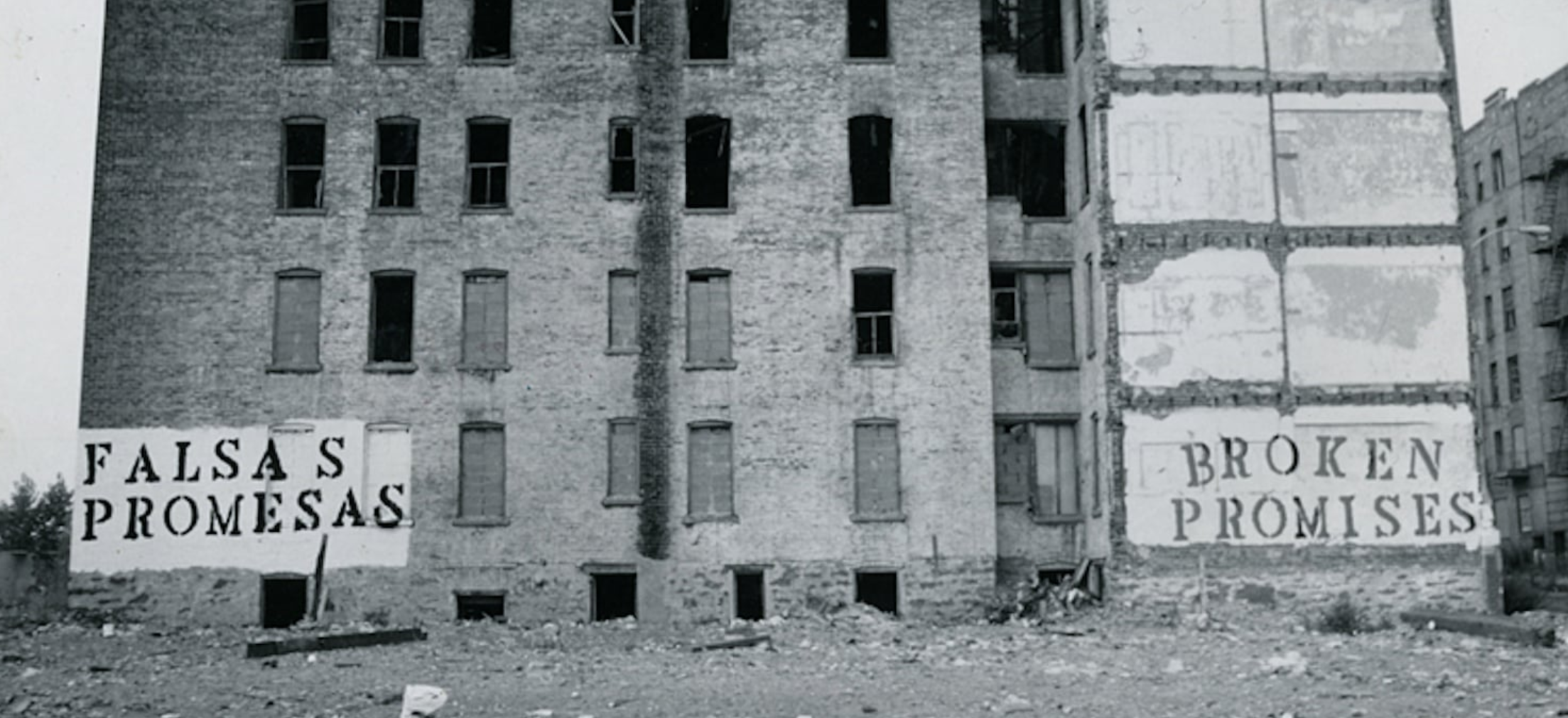
The city also needed people to remain whole inside it.
Power as Field Capture.
Moses’s genius was not only architectural or infrastructural. It was mostly administrative.
Moses understood that the real city is not governed only by speeches, elections, or public ideals. It is governed mostly by authorities, contracts, bond covenants, board appointments, enabling legislation, agency jurisdictions, federal funding streams, and the legal machinery that decides who exactly can say no.
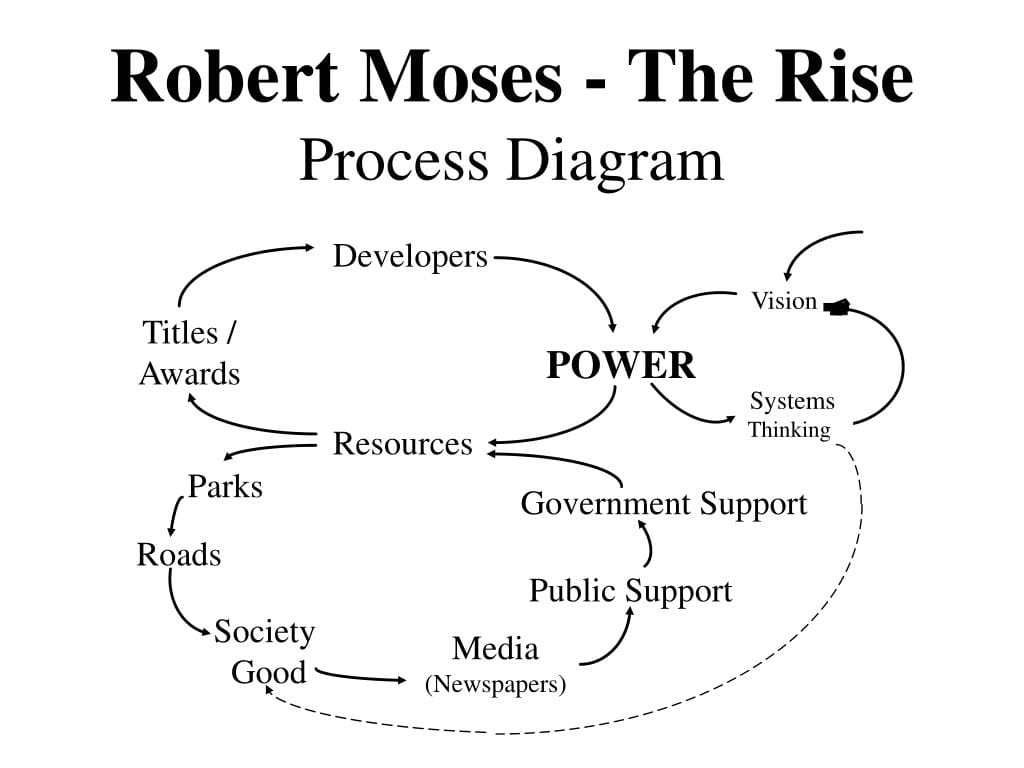
That is real field analysis. Slightly uncomfortable, but very real.
Moses saw that power often hides deep in our procedural structure. He saw that if you design the institution, you can also pre-decide the outcome. He saw that public authorities could be transmuted into engines of action insulated from ordinary democratic interference. He saw that everyone wanted things built, but precious few people wanted to understand the legal plumbing of building.
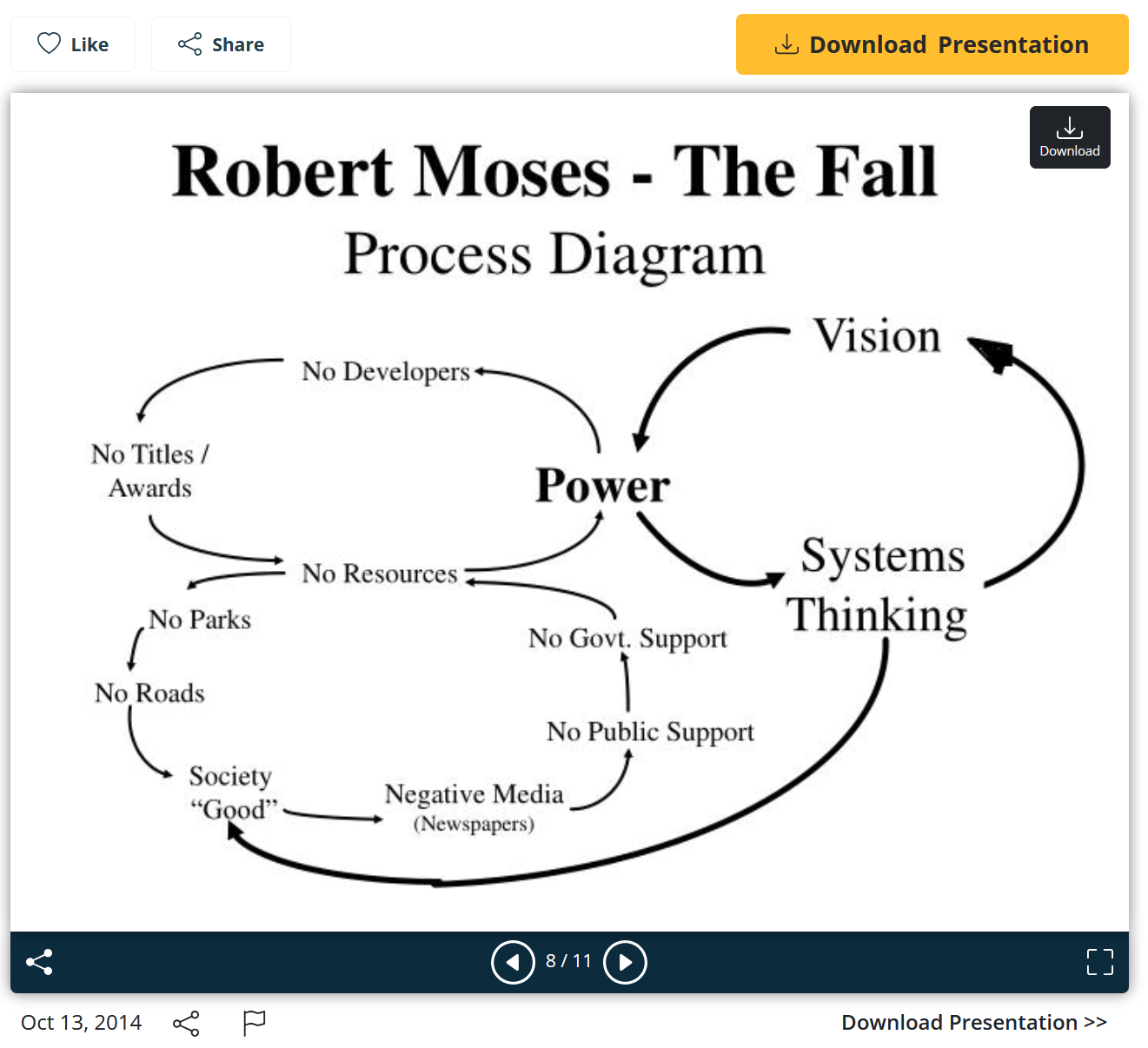
Correct, Moses.
Then, Robert Moses weaponized that asymmetry. He built machinery that could outlast correction.
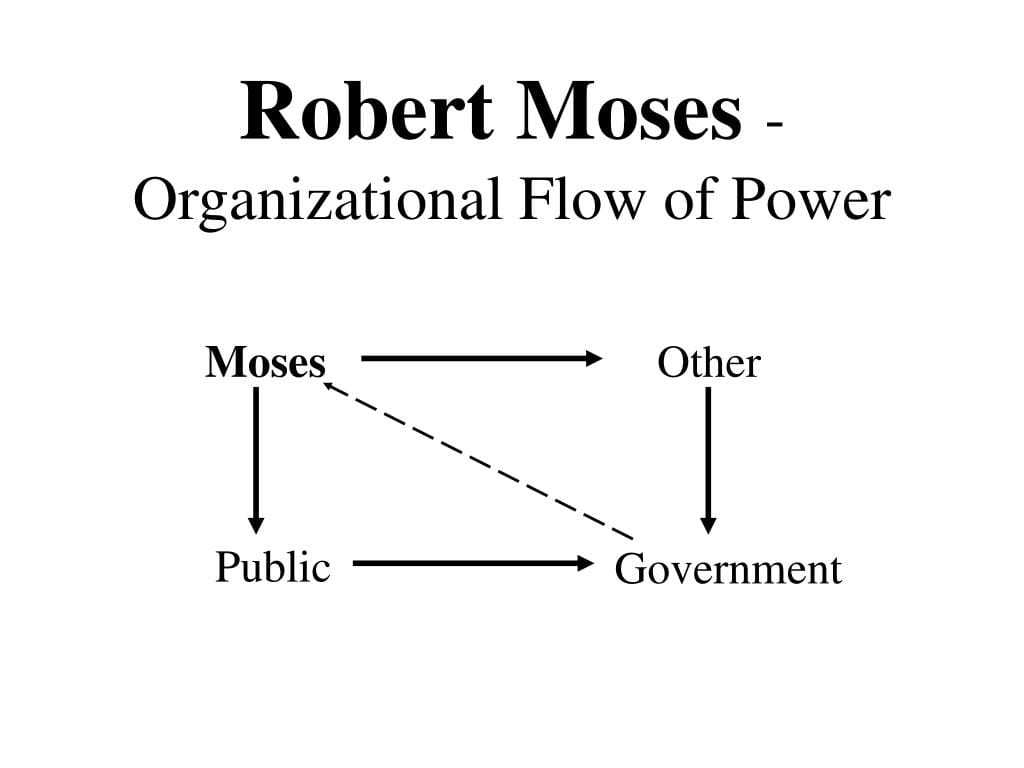
That is the second major failure mode, after his flow distortion.
A field analyst must preserve correction paths. Moses, repeatedly, narrowed them.
Public objection became too late. Local knowledge became unnecessary sentiment. Elected officials became dependent on Moses’s expertise, Moses’s funding, and Moses’s momentum. Communities entered into this process after the real decision had already hardened somewhere inside a document no ordinary resident had power to alter, exactly as Moses had seen.
Failed Field Analysts are often correction killers.
Warner’s correction field collapsed into private revelation of his omniscience.
Moses’s correction field collapsed into institutional inevitability under his weight.
The mechanisms differ. The structure clearly rhymes.

In both cases, the analyst’s model becomes difficult to challenge from inside the damaged field. Warner’s distortion turned disagreement into ignorance or cover-up. Moses’s power turned disagreement into obstruction or delay. One is paranoia and the other is bureaucracy, but both can destroy repair.
Flow != Life.
Flow is seductive because it is measurable.
Cars per hour. Miles of parkway.
Bridge capacity. Acres cleared. Units planned. People moved.
Congestion reduced. Dollars allocated. Projects completed.
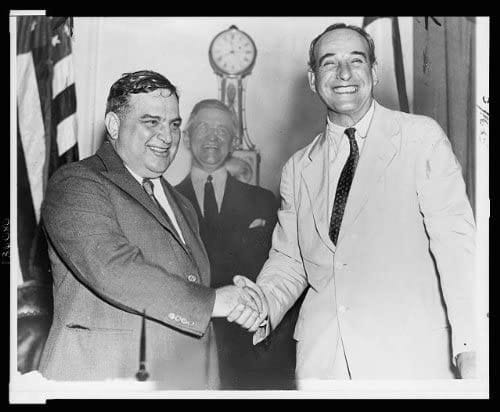
These numbers are not fake at all. They all matter. A city cannot be governed by vibes and nostalgia. Measurement is necessary. But measurement becomes dangerous when the measurable field devours the meaningful one.
How exactly do you measure the cost of a grandmother losing the only neighborhood where she can still function independently?
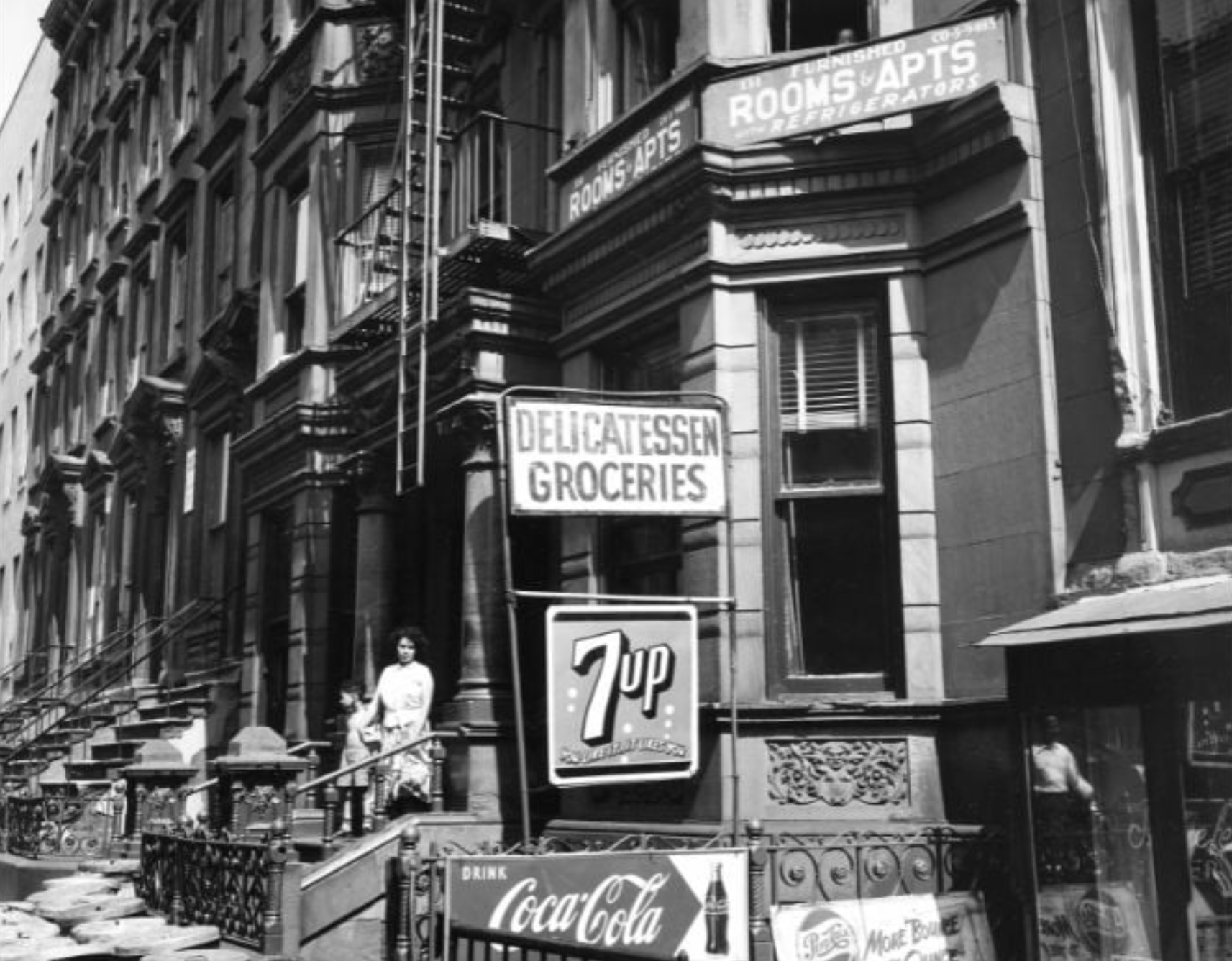
How exactly do you measure a child’s school route becoming impossible?
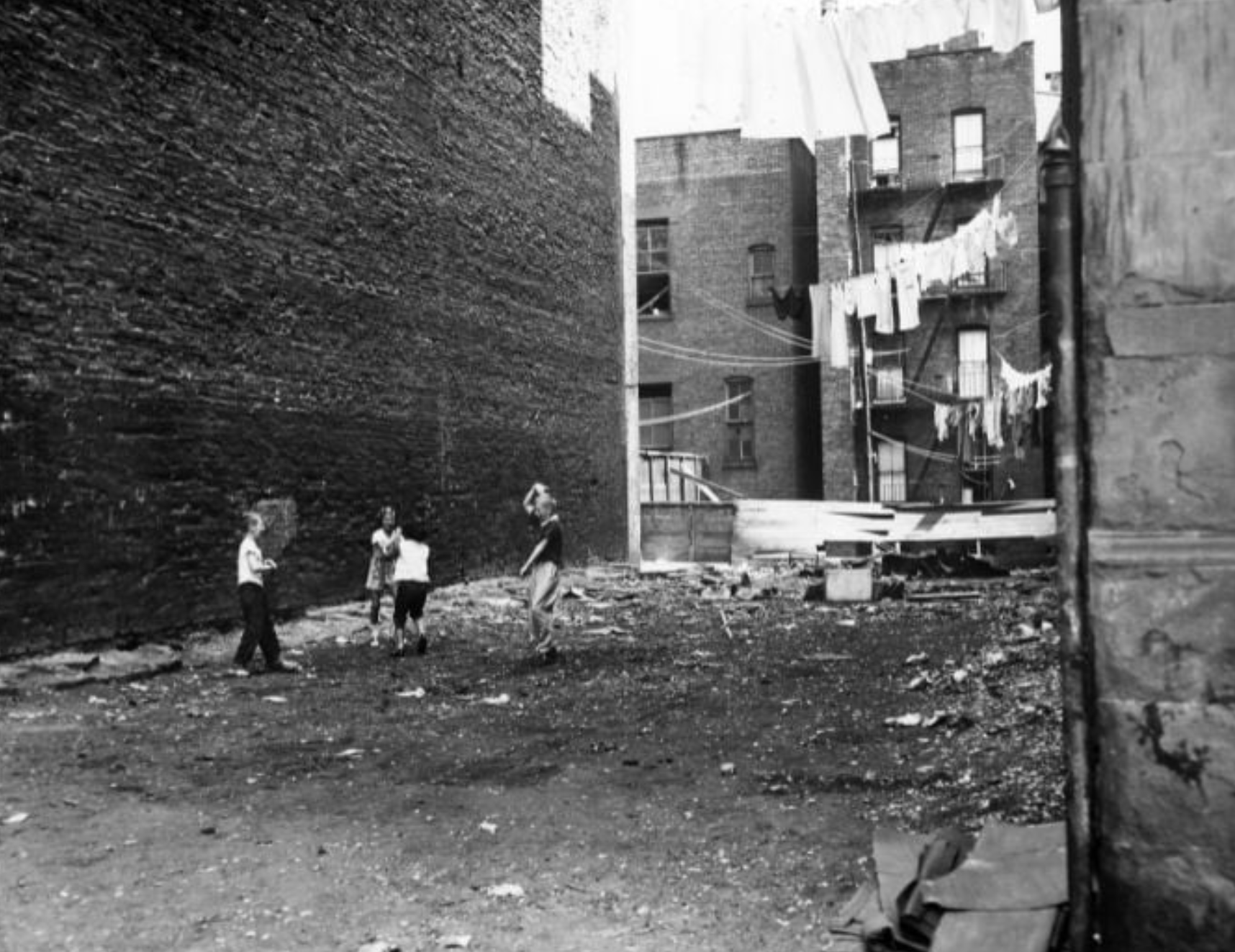
How do you measure a block losing the adults who recognized danger before police did? How do you measure the psychic injury of being told your home is a slum, but the institution clearing it has no serious plan to preserve your reachable future, just burn the slum down?
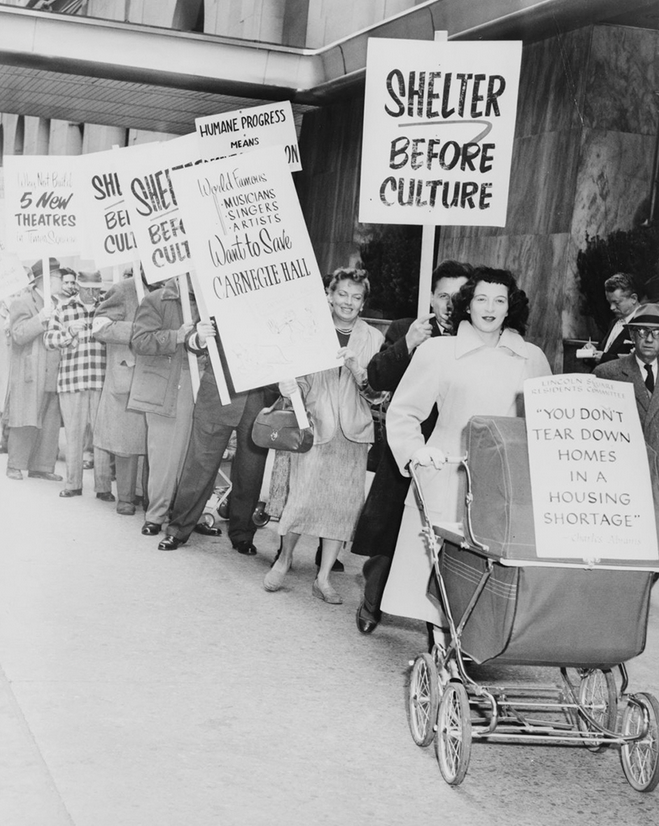
How do you measure a neighborhood’s political agency after its residents become scattered?
How do you measure the decades of asthma after the road is finished?
You can still measure some of this. Eventually. With enough public-health data, environmental monitoring, rent maps, oral histories, displacement studies, school records, traffic counts, hospitalization rates, and property data, some of the invisible field becomes visible again.
But Moses’s method often acted far before that visibility mattered.
The road could be drawn before the neighborhood was fully counted. The clearance could be justified before the community was fully understood.
The future could be promised before the displaced had a credible path into it.
Moses was not blind. He had selective visibility.
What Moses Saw Correctly.
Now I have to give Moses his due, because otherwise the diagnosis becomes lazy.
Moses did not become powerful by doing nothing. He was not this useless parasite on the city. Moses got things built. Moses expanded parks. Moses expanded beaches.
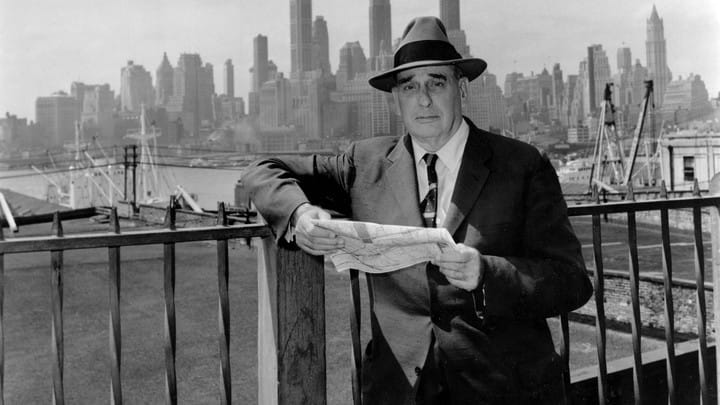
Robert Moses built playgrounds. He shaped bridges, tunnels, parkways, expressways, housing projects, stadiums, civic sites, and the physical grammar of metropolitan New York.
There are people whose lives became larger because a Moses project made a beach reachable. There are families who used parks he helped build. There are workers who crossed bridges Moses made possible.
There are many civic benefits that did not vanish because his methods were brutal. A serious field analysis has to hold that clearly.
The point here is not that every Moses expansion was fake and wrong. The point is that real expansion does not grant you permission to ignore contraction.
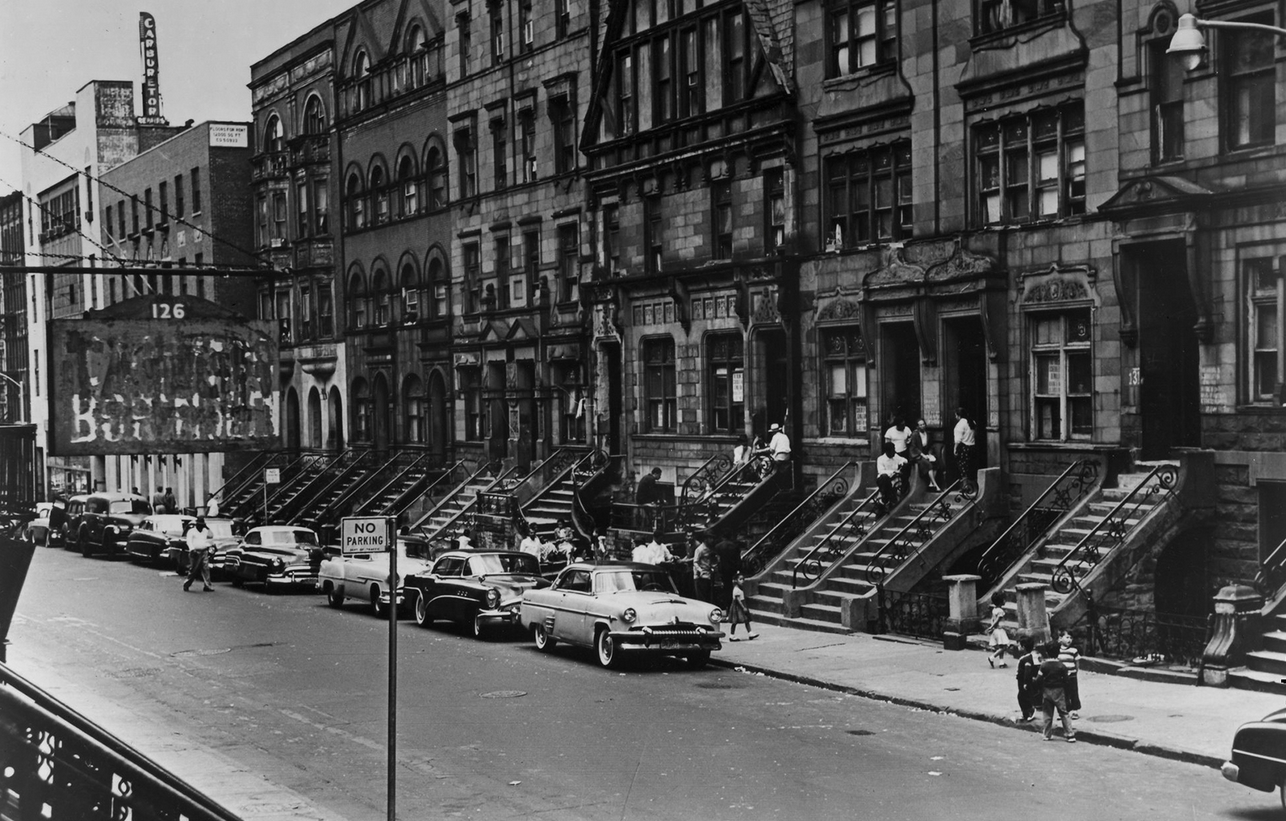
A field can expand for one group while contracting for another. A project can produce public value and still be morally misshapen. A planner can be right about the need for action and very wrong about whose lives may be spent to get it.
This is why Moses belongs in Failed Field Analysts, more than in some simple villain catalog. The frightening thing about Moses is not that he saw nothing, it is that he saw so much and also so little.
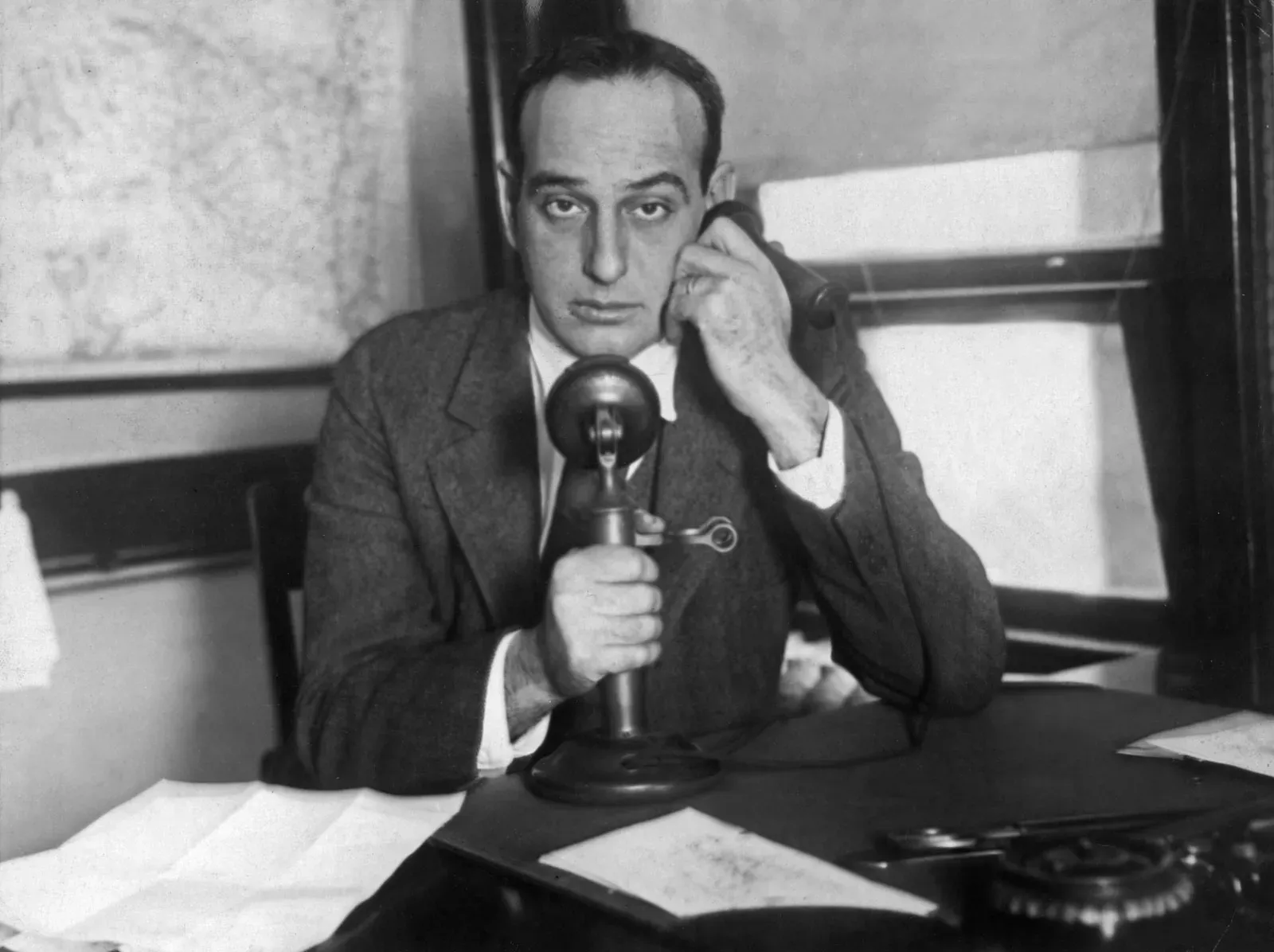
Moses saw circulation. He saw administrative leverage. He saw metropolitan scale. He saw construction as destiny. He saw the city as a machine that could be forced into a new form.
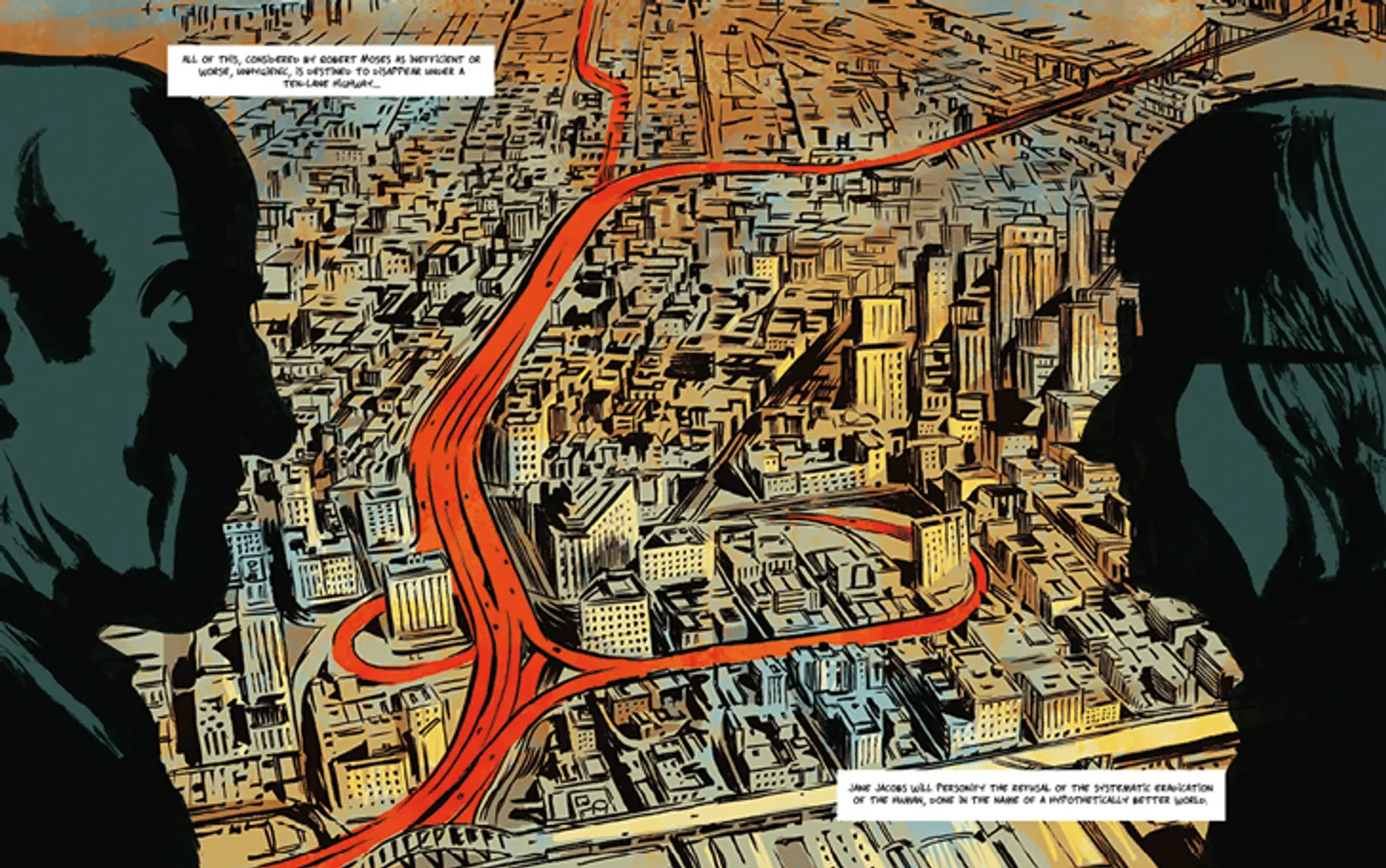
Then he failed to see that the city was not a machine at all. The city was a life field.
The Neighborhood as an Extant Locus.
A neighborhood is not conscious in the way a person is conscious. It does not have one mind. It does not feel pain as a single subject.
That does not make it morally empty.
In Modal Path Ethics, extant loci are not limited to individual persons. A neighborhood can function as a locus because it carries reachable paths that do not reduce down to any one resident. It stores patterns, and enables lives. It stabilizes possible futures. It gives people options they would not possess alone.
Destroying a neighborhood does not only harm the people individually displaced from it. It destroys the shared field that made certain lives reachable because it existed.
This is where Moses’s harm becomes clearer. Displacement is not just relocation. Relocation sounds like moving an object from one shelf to another. People are not shelf objects.
A displaced family loses more than coordinates. It loses its adjacency. It loses its known risk. It loses its informal credit. It loses its local reputation. It loses a school path. It loses its childcare geometry. It loses its rent history. It loses the accumulated intelligence of place.
Some families recover from this. Some do not.
Some children adapt. Some trajectories close forever.
Some losses do not show up as spectacular tragedy downstream. They show up as a job no longer reachable, a friendship weakened, a medical routine broken, a rent increase absorbed until nothing remains, an elder declining faster after losing the map of ordinary movement.
The city keeps moving. That is not proof the field was repaired. It may only prove the harmed loci were no longer powerful enough to interrupt that flow.
The Distortion of Robert Moses.
Moses’s distortion was not Warner-style conspiracy distortion. It was not aliens, reptilians, hidden media systems, or private revelation. It was more respectable and therefore much more dangerous.
Moses’s was project distortion. His project becomes the truth. His map becomes the city. Authority becomes the public. Opposition becomes obstruction. The deadline becomes moral pressure. Clearance becomes progress.
The completed structure becomes proof that the harm was, in fact, necessary.
This is the signature distortion of competent power.
It does not babble around. It files through things.
It does not rant. It drafts strategy.
It does not imagine itself outside society. It becomes the very armature through which society acts.
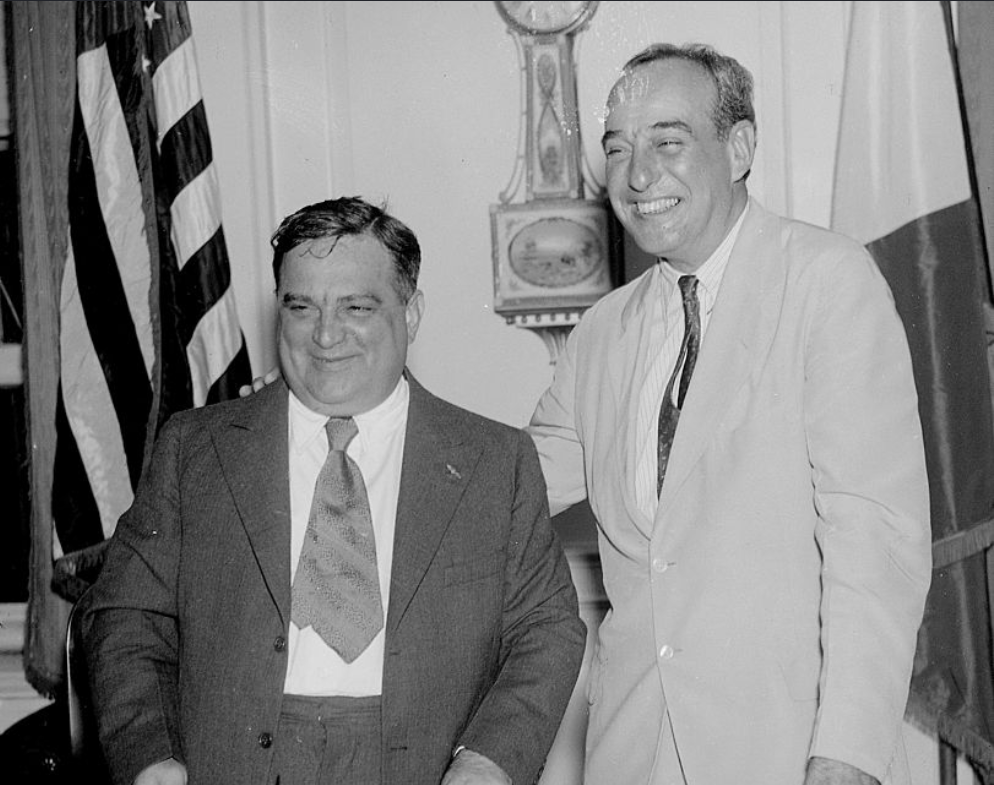
This is why the Moses article has to follow right after Warner. Warner shows the failed analyst as an obvious rupture.
Moses shows the failed analyst as a grand civic achievement.
One destroys a network node and dies in the blast. The other builds networks, survives the meetings, collects titles, cuts ribbons, and leaves his blast pattern embedded in the map.
Both ask the same question, badly:
What should the field become?
Warner answered with revelation. Moses answered with flow.
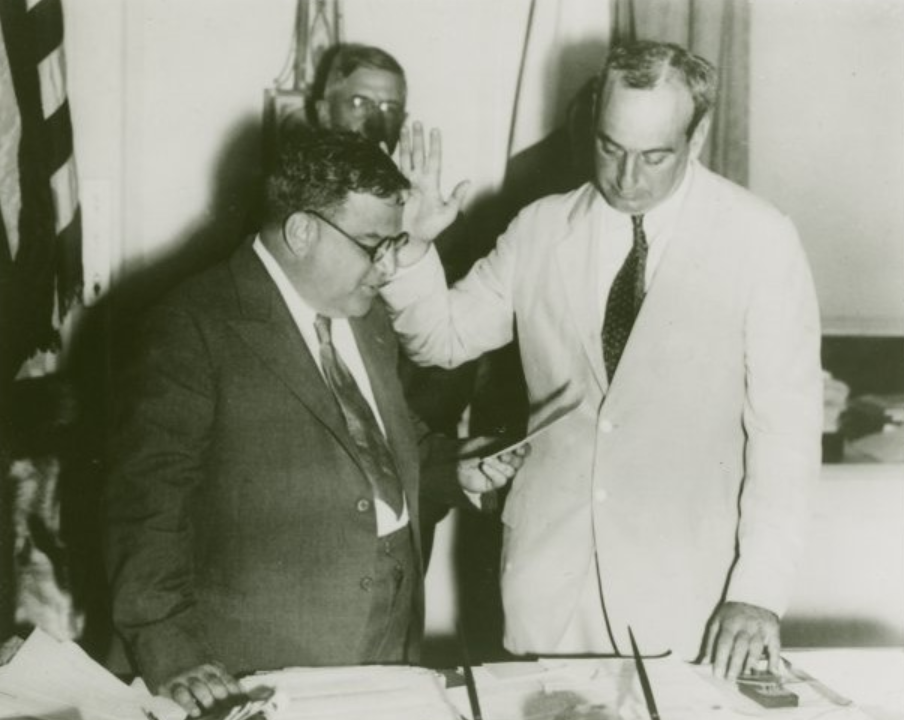
Neither answer was real repair.
What Repair Would Have Looked Like Here.
Repair would not have meant freezing New York in place. That is also an important point. Cities cannot be preserved like insects in amber. Housing conditions really did require intervention here. Transportation really did require planning, now. Parks and beaches really did matter. The old city was not innocent at all.
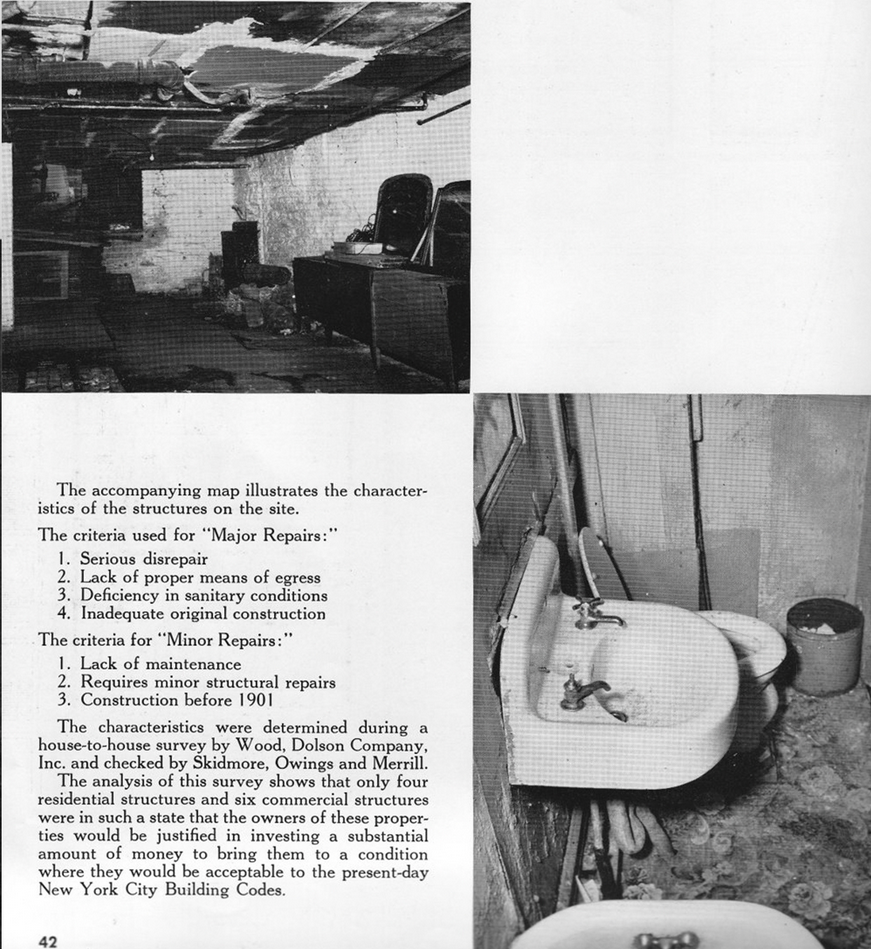
Repair, however, would have meant keeping the harmed loci inside the decision. Not as public-relations scenery and procedural inconvenience. Not as sentimental resistance.
As a clear part of this field.
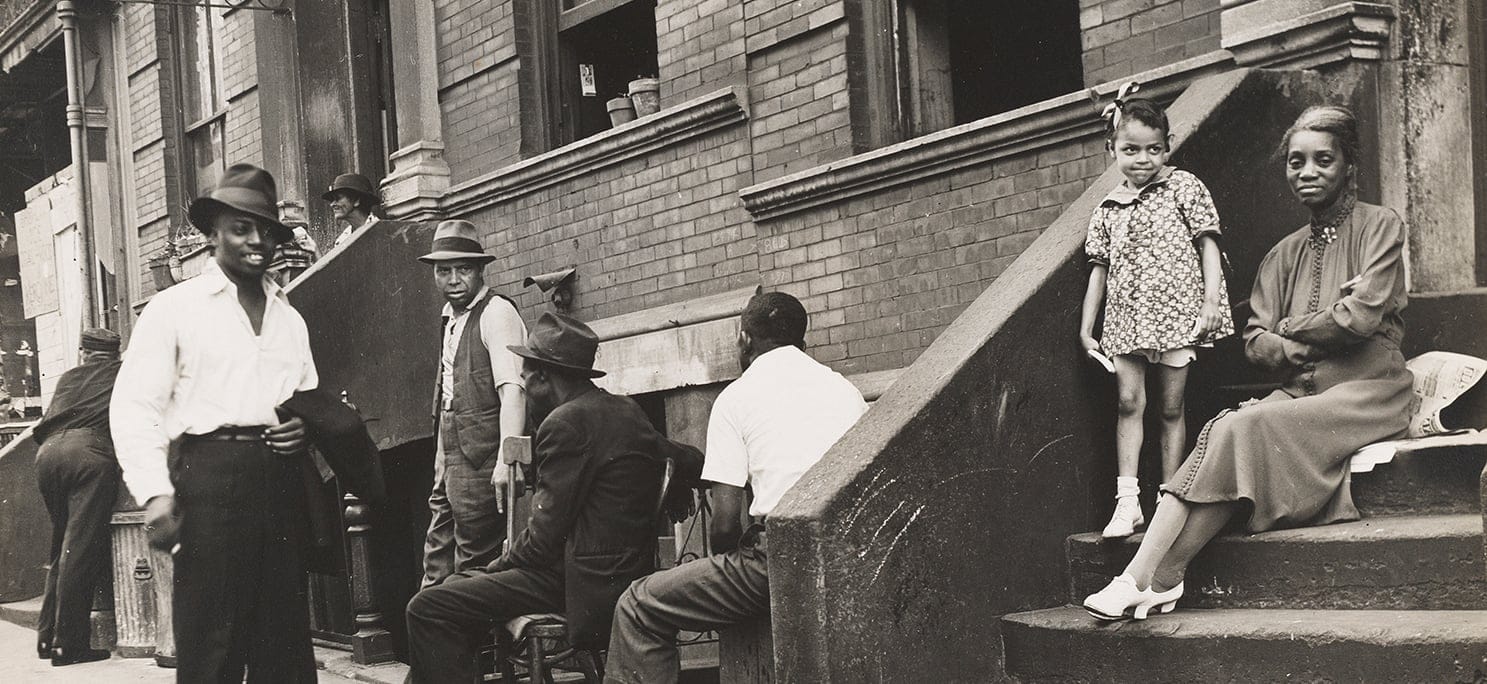
Repair would have asked: if the housing is bad, how do the residents become better housed, without losing the rest of their reachable lives? If a route is needed, what alignments most reduce displacement?
If displacement truly cannot be avoided here, what relocation preserves the most school access, rent feasibility, neighbor networks, work routes, and community continuity?
If a neighborhood is called “blighted”, who now benefits from that label? If a public authority is insulated enough to act, what counterweight preserves its correction? If traffic flow improves, what local life also worsens?
If a monument rises, whose future did it also consume?
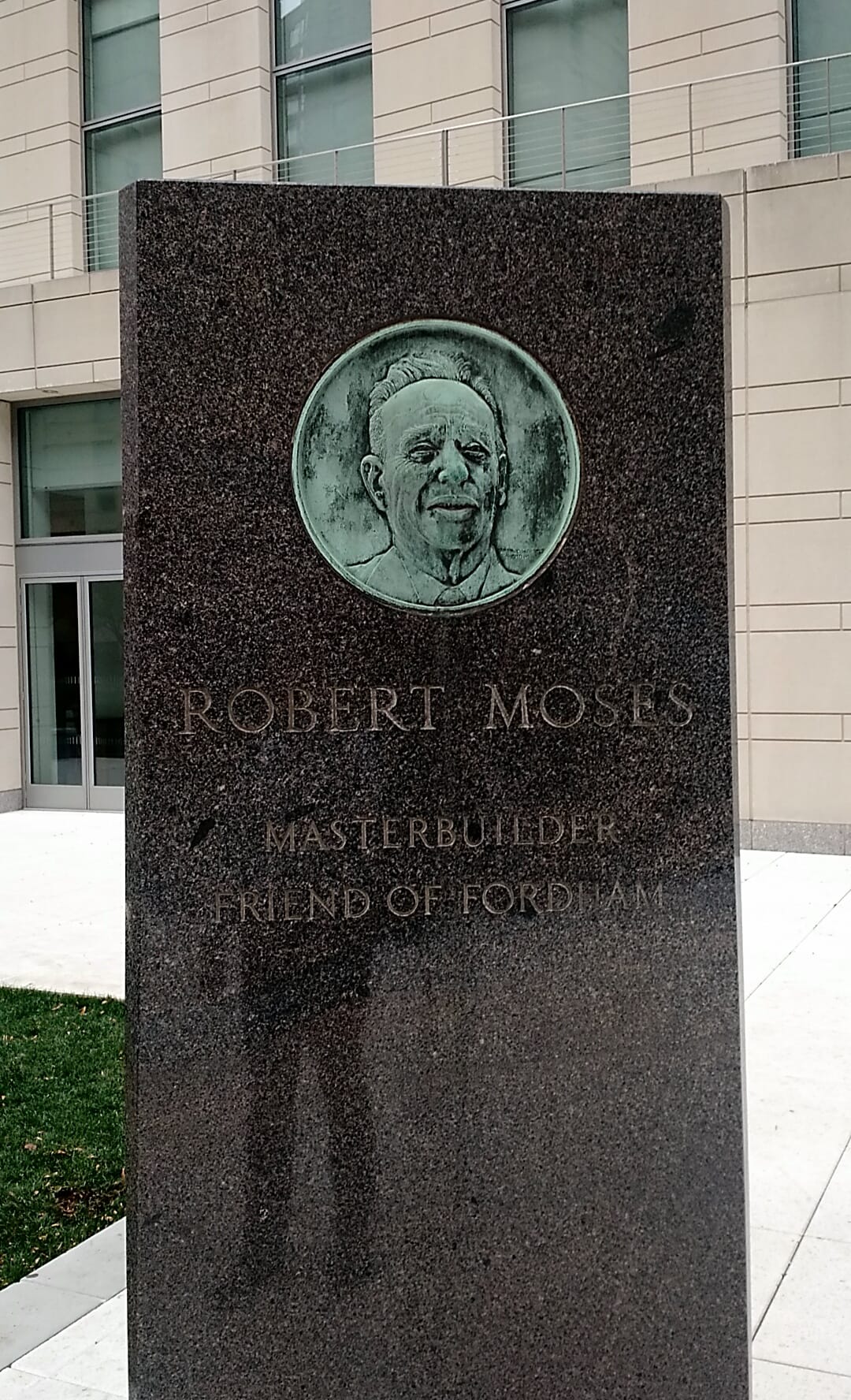
Repair would have treated community knowledge as evidence. Repair would have treated displacement as a clear field injury, not a side effect. Repair would have treated speed as clearly very dangerous when that speed outran accountability.
Repair would have made every “improvement” answer the question: improved for whom, at whose cost, over what timescale, with what correction path if the promise fails?
That still would not have produced a perfect city. There is no perfect city.
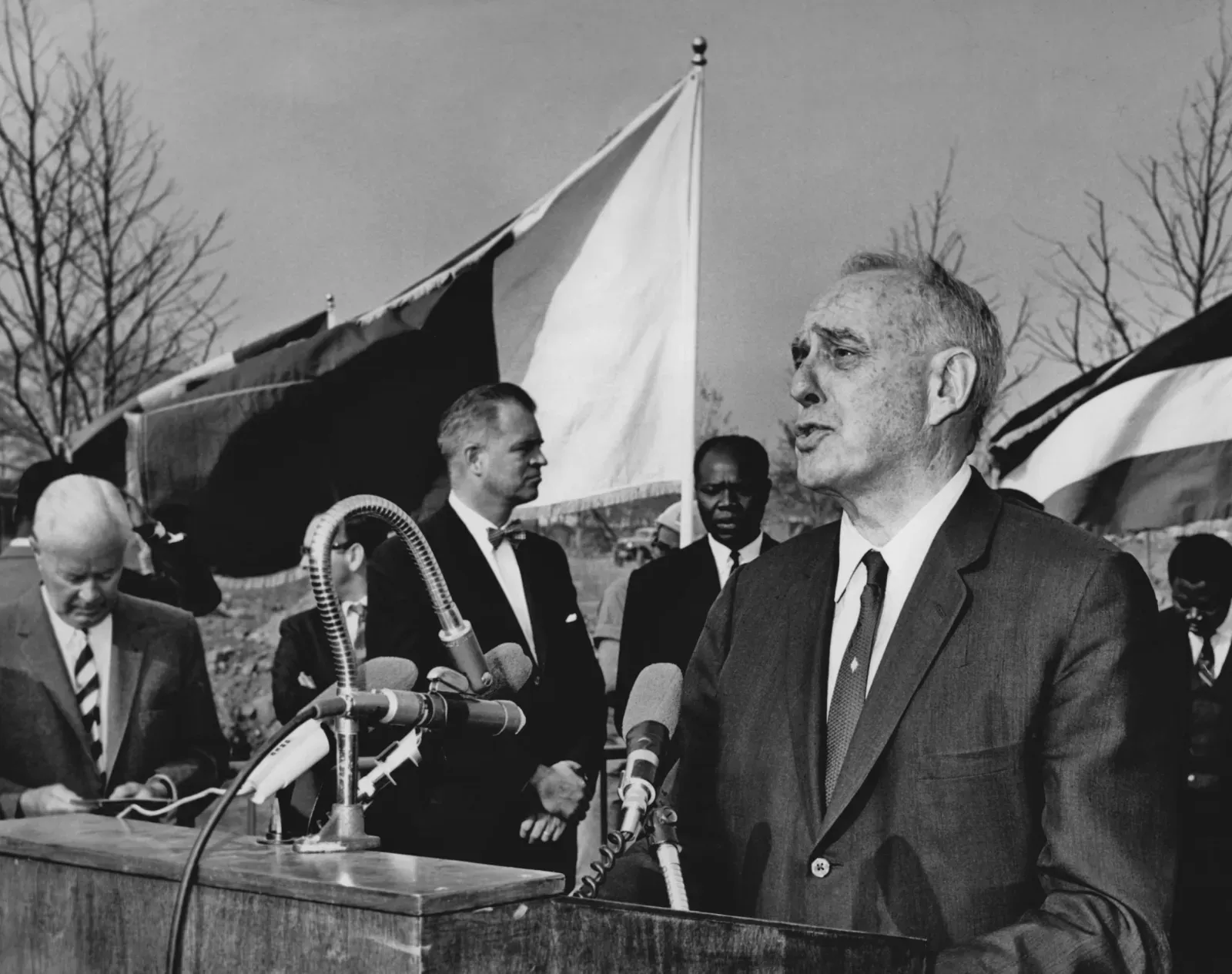
But it would have preserved more reachable futures than Moses’s method was willing to preserve.
The Ruling.
Robert Moses was a failed field analyst because he understood the city’s arteries and very quickly forgot its tissue.
He saw roads. He saw bridges.
Correct. Those were there.
He saw parks, beaches, tunnels, playgrounds, authorities, bottlenecks, legal instruments, funding routes, administrative paralysis, and the need for metropolitan action.
Yes. All there.

Then Moses failed the field when treated flow as life, and treated neighborhoods as material.
Moses treated displacement as a project cost. He treated local resistance as friction to absorb. He treated institutional insulation as strength, even when he also knew it severed correction.
He treated the future city as more real than the extant city already breathing underneath his plans.
That is the failure of Robert Moses.
This City did need movement. But people also needed the right to remain whole inside the moving city. A road can be useful and still be harmful. A park can expand reachability and still carry exclusion in its explicit design.
A cultural monument can be beautiful and still stand on a field of broken promises. A planner can build a wonderful future and still damage our extance.
Moses did not fail the field because he lacked intelligence in any way. He failed because his intelligence became a machine for spending other people’s worlds.
Flow is not life. Flow is one function of life. It is not the field.
When the analyst forgets their cut, the road explodes slowly, but the city still keeps the scar.