Applied Case: The Silicon Shield
The future of Taiwan belongs to the people living in Taiwan.
September 2026 note: Treat every contemporary geopolitical, military, industrial, and diplomatic claim in this article as a May 2026 snapshot requiring fresh verification before reuse. The later framework also tightens two conceptual points.
First, “Taiwan” should not automatically be treated as one undifferentiated locus: population, polity, democratic institutions, industrial ecosystem, infrastructure, and cross-strait relations may require separate grains of analysis.
Second, Security Instruments work distinguishes legitimate deterrence and protection from sovereignty: a protective arrangement becomes dangerous when it makes the protected field dependent on an instrument that can trade, absorb, or disable the very agency it was meant to preserve.
The article's specific diplomatic prescription should therefore be read as an applied May proposal, not a theorem of Modal Path Ethics.
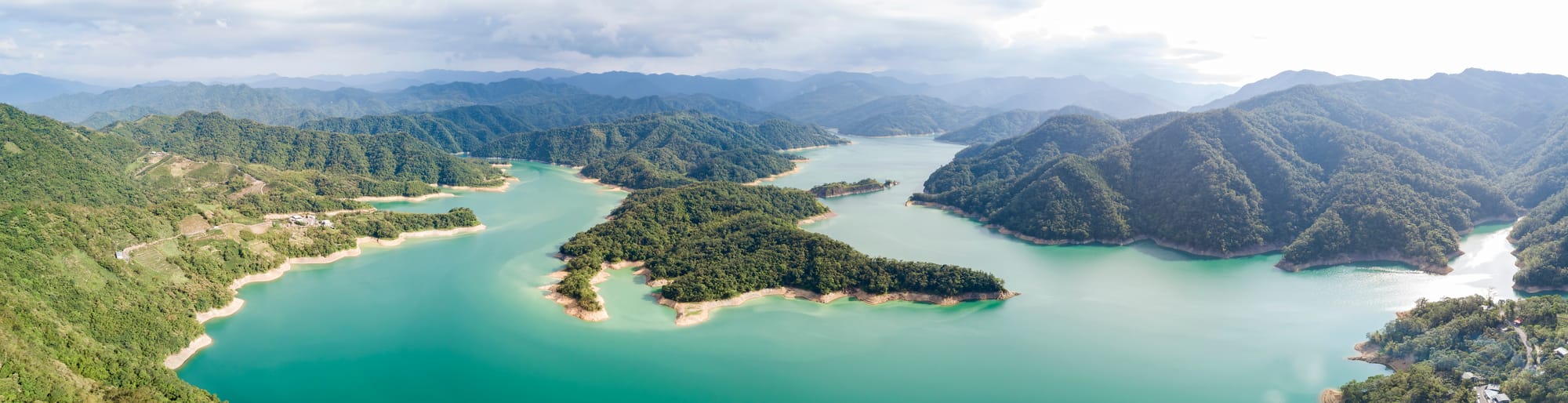
Taiwan is an island where the world put the future of computation. We all then acted very surprised when this island became impossible to discuss honestly.
The phrase “Silicon Shield” usually means that Taiwan’s semiconductor industry protects Taiwan because the global economy cannot actually survive a Taiwan war intact. That is the more reassuring way to describe it.
The darker version is more accurate, though. Taiwan is protected by being simultaneously too valuable to lose, too dangerous to seize, too central to abandon, and too important to let speak as a normal country without everyone in the room suddenly remembering they are standing in the middle of a geopolitical bomb.
That is not a stable, moral arrangement, clearly. This is a hostage equilibrium with extremely good branding.
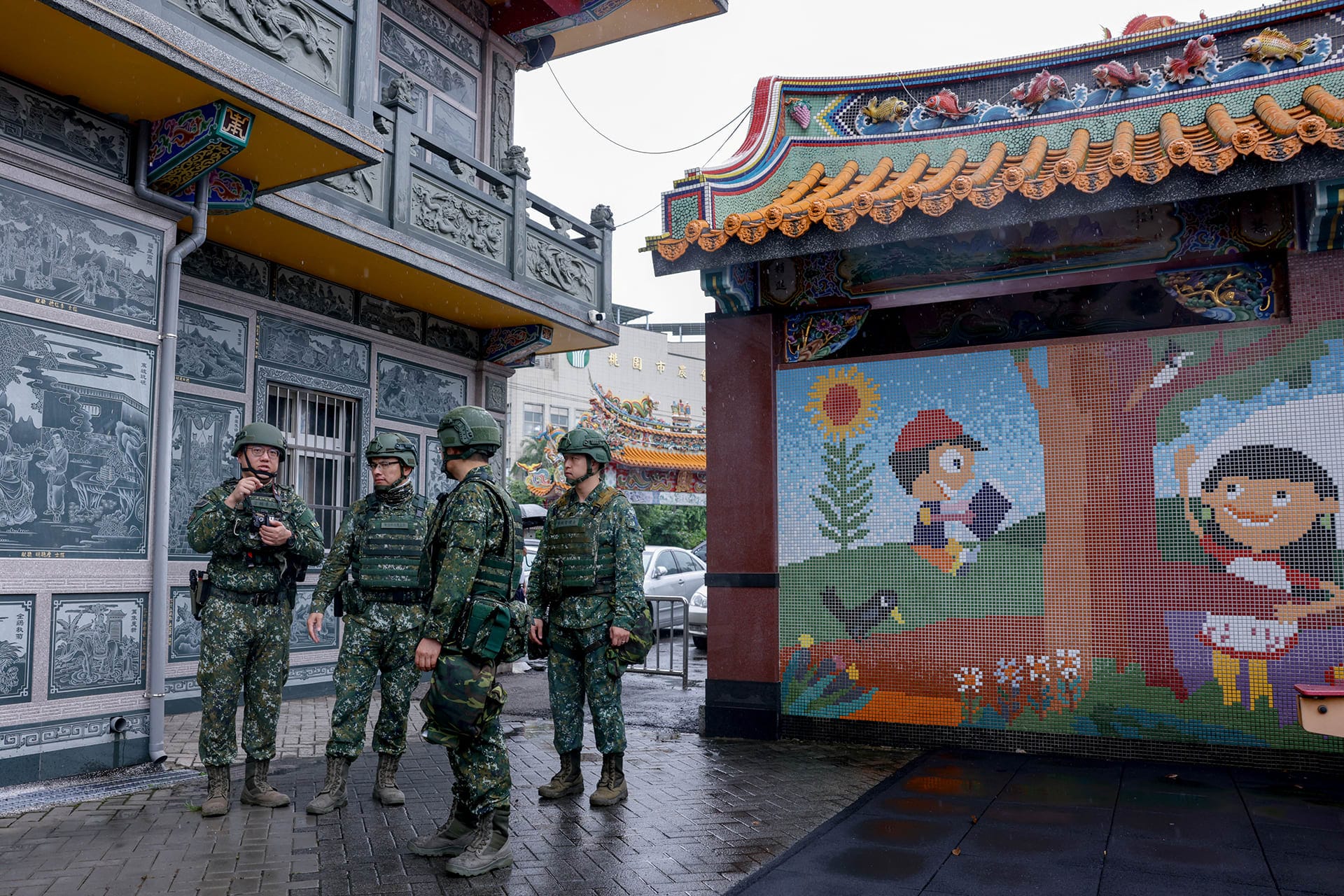
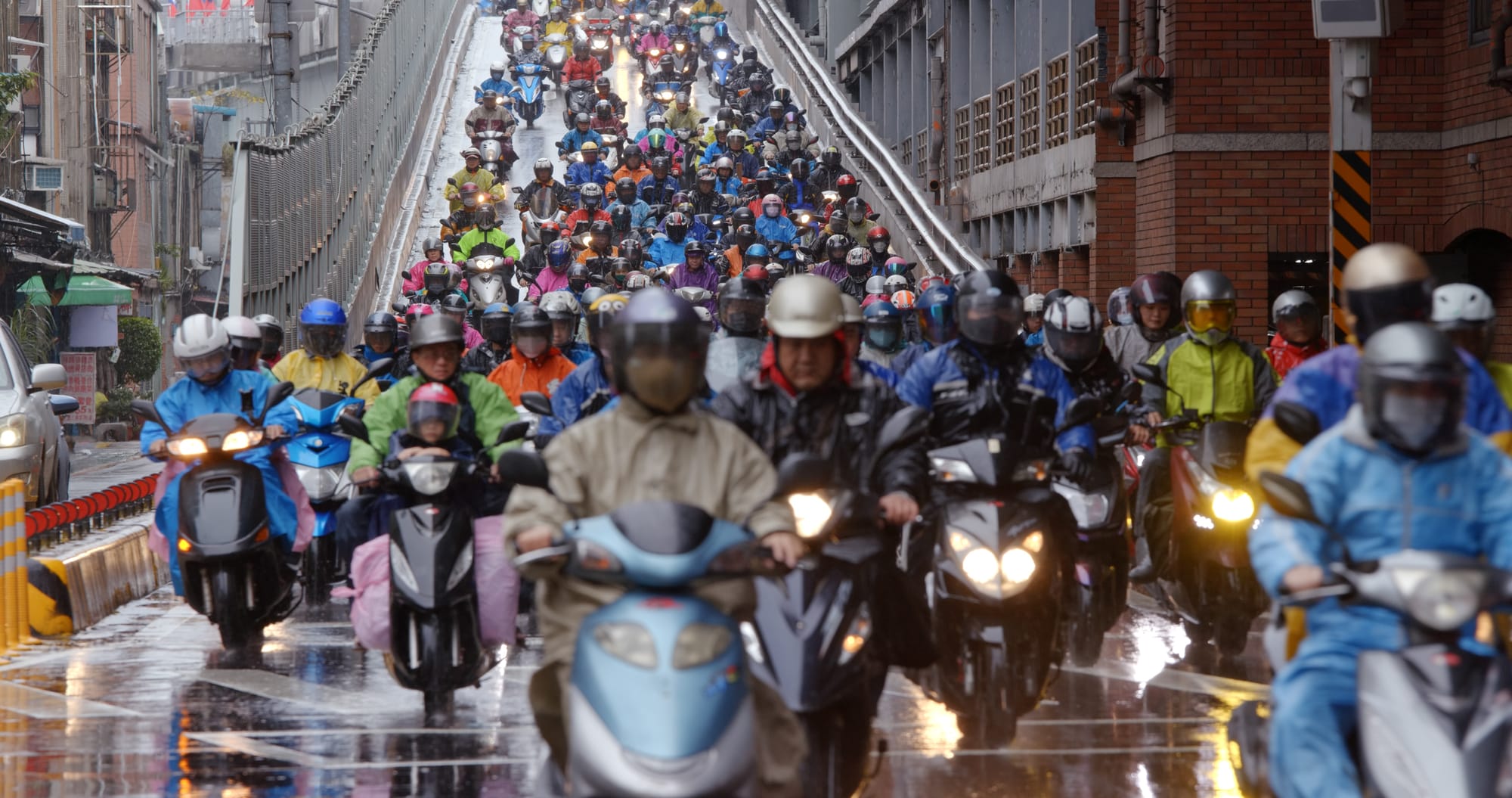
Taiwan is a self-governing democratic society of more than 23 million people. It has its own elected government, military, courts, currency, passports, elections, police, tax system, parties, scandals, traffic, factories, schools, and ordinary citizens trying to live ordinary lives under extraordinary historical weight. This island is not an inert strategic object, or some chip tray. Taiwan is not a province waiting patiently in a filing cabinet for us to decide what to do with it. It is also not an American aircraft carrier with night markets, no matter what anyone tells you.
It is the central node in the most important industrial supply chain on Earth.
That combination breaks normal analysis. The political question here is not separated cleanly from the industrial question at all. The industrial question is not separate from the military question. The military question is not separate from the democratic question. The democratic question is not separate from China’s national narrative. China’s national narrative is not separate from American containment strategy. American containment strategy is not separate from the survival of the semiconductor field. The semiconductor field is not separate from artificial intelligence, medicine, vehicles, logistics, communications, climate modeling, weapons systems, and nearly every serious technological path now reachable. This is one of the deepest nests around.
So the usual answers naturally all fail immediately.
“Taiwan should declare independence” sounds clean until the transition path ignites.
“Taiwan should be reunified with China” sounds clean until the people of Taiwan are now treated as transferable property.
“The United States should defend Taiwan” sounds clean until Taiwan is now a forward instrument in someone else’s empire management project.
“The United States should just stay out” seems clean until the absence of deterrence now makes coercion easier.
“Move the fabs” seems clean until Taiwan becomes less protected because the world has now extracted the one thing that made it too expensive to kill.
“Keep all the fabs in Taiwan, then” looks clean until this one island remains the world’s most valuable single point of total failure.
So, this is why the Silicon Shield belongs in Modal Path Ethics. This one is not some riddle about who owns an island. This right here is a field problem about how many futures collapse when a living polity becomes a civilization's plug socket.
The Shield is Real.
The Silicon Shield is real because Taiwan’s semiconductor ecosystem is not just another industry.
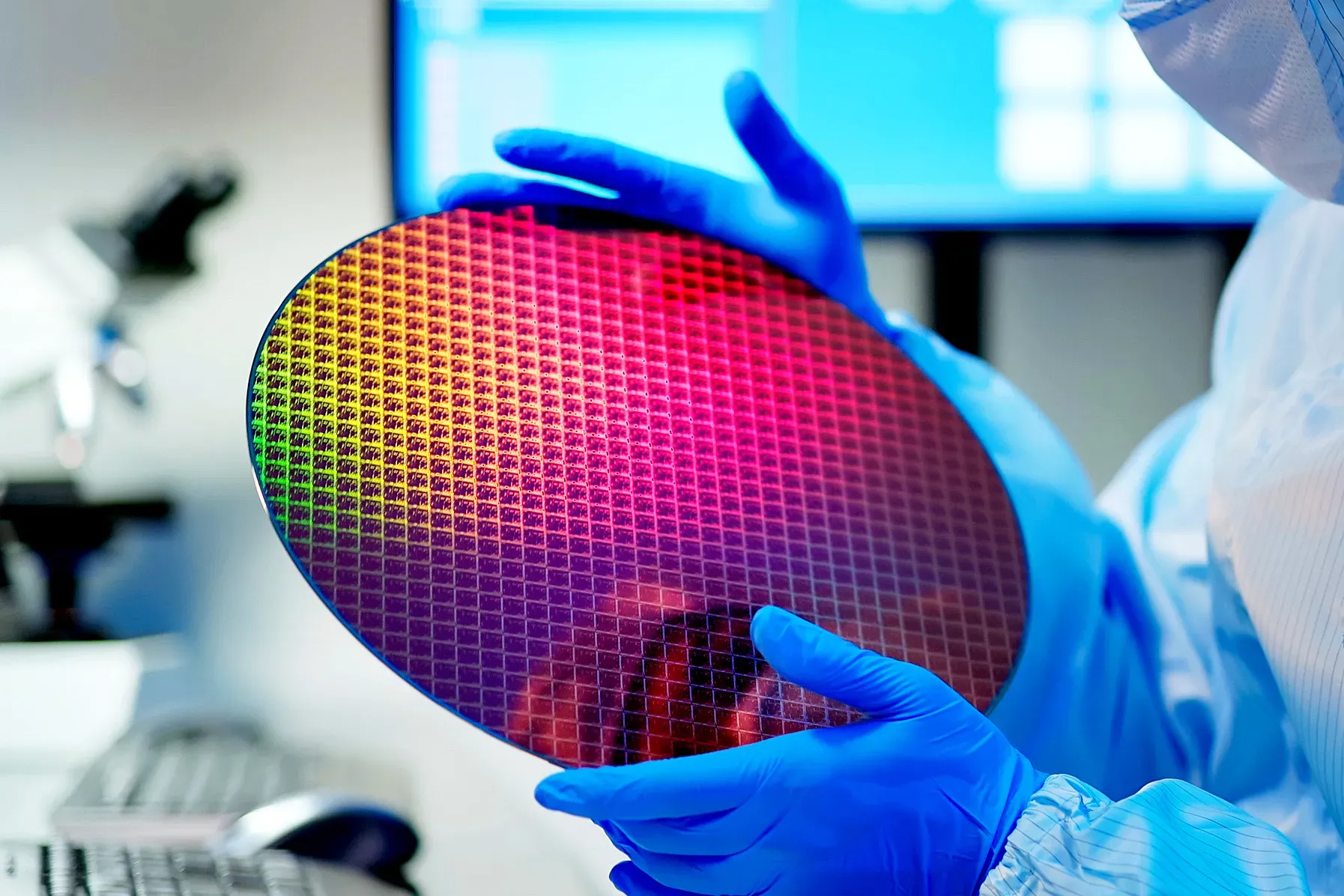
TSMC is the obvious name to drop because TSMC is the foundry at the center of the advanced-chip world. It manufactures designs for the other companies. That sounds boring if the word “foundry” makes you picture a warehouse full of forklifts and sensible men in hard hats. This right here is not boring, not at all. This is one of the main industrial miracles of our age.
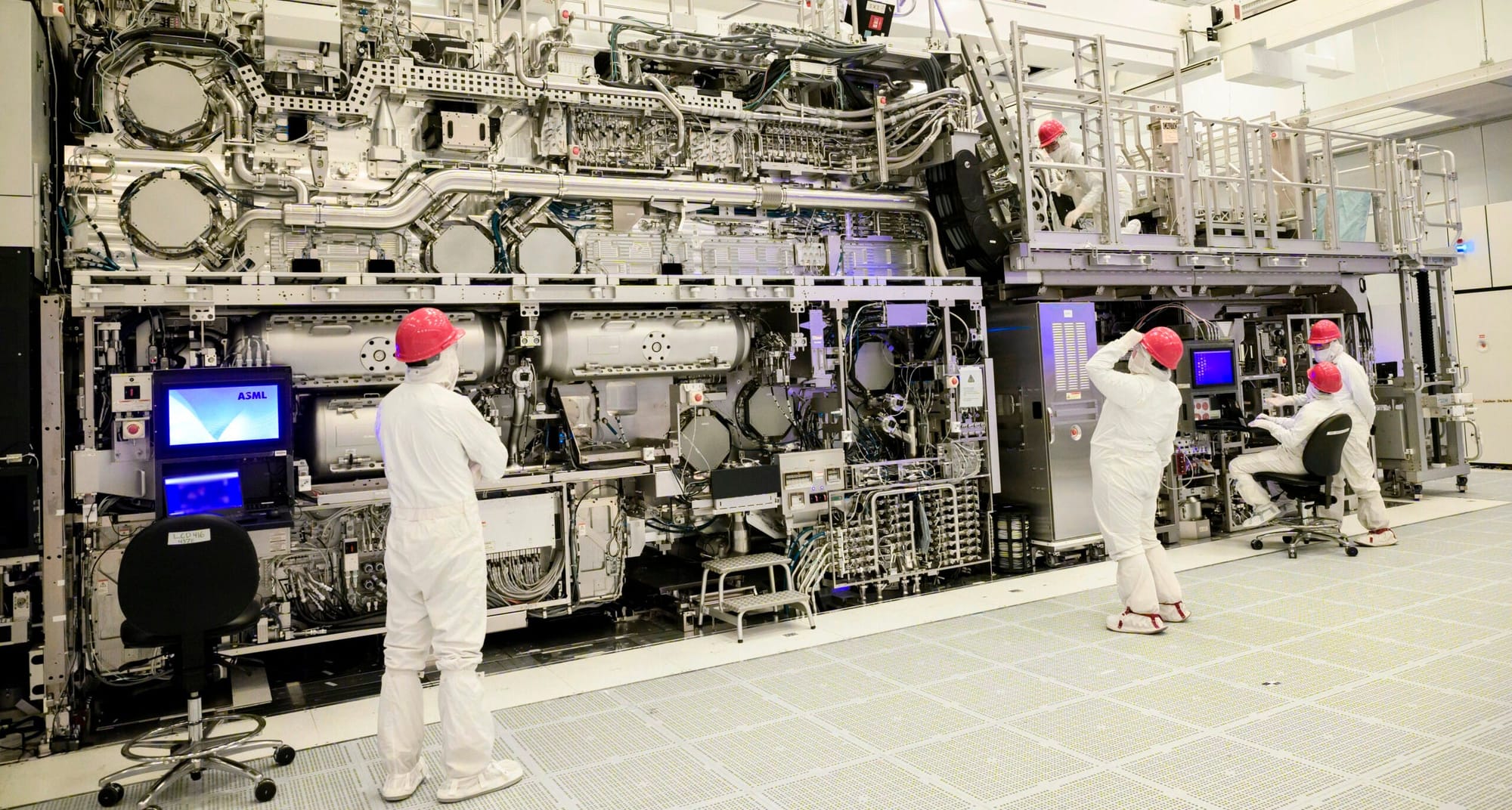
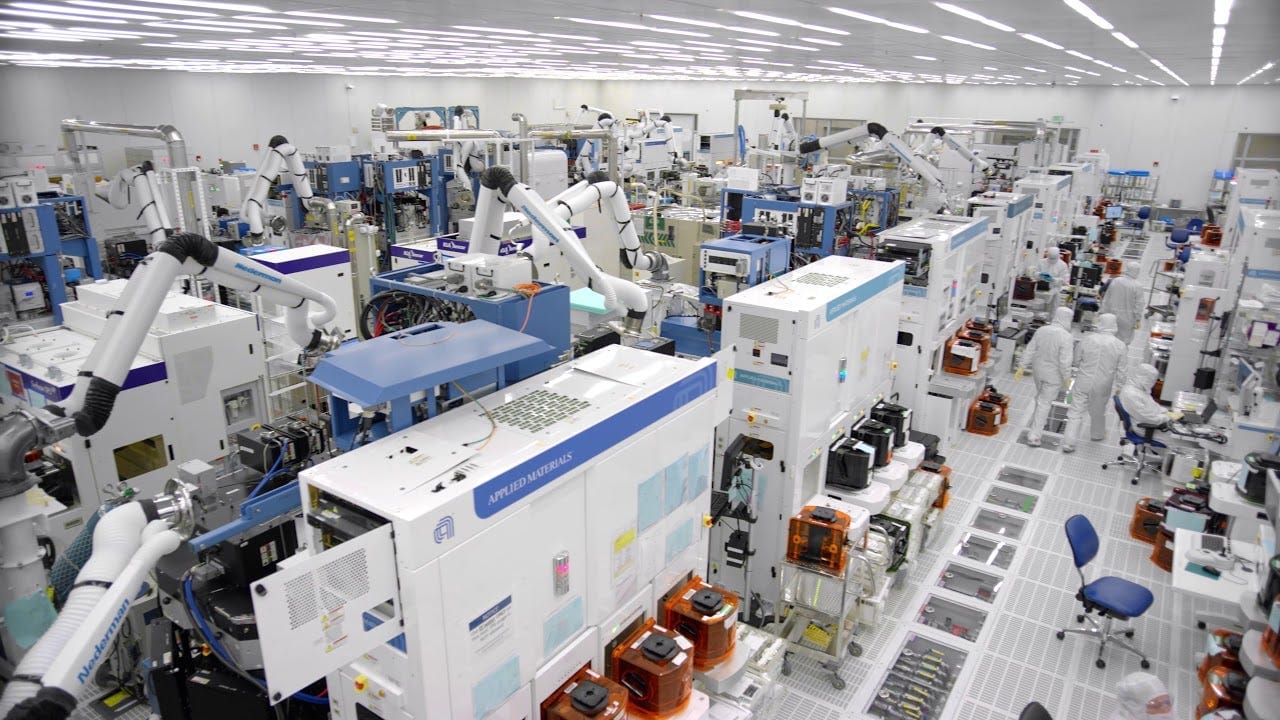
Advanced chips do not come from a single machine. They come from a honed stack of accumulated competence: with lithography tools, chemical supply chains, wafers, metrology, yield learning, packaging, process engineering, customers, design rules, tacit expertise, utilities, logistics, trust, failure analysis, and an entire labor culture capable of turning atomic-scale absolute absurdity into regular, quarterly production.
You cannot actually just copy that by cutting a ribbon in Arizona. You cannot copy this by issuing a subsidy. You cannot copy it by yelling “national security” very passionately at a business conference. You can build capacity elsewhere, and the world should do that, but capacity is not the same as an ecosystem. A fab is not a civilization unto itself. The chip does not just come out of the building. The chip is carefully extracted from that field.
Taiwan’s value is therefore not just “chips world.” It is in its accumulated reachability. This island nation is a dense patch of global capability without which many other patches stop expanding very quickly.
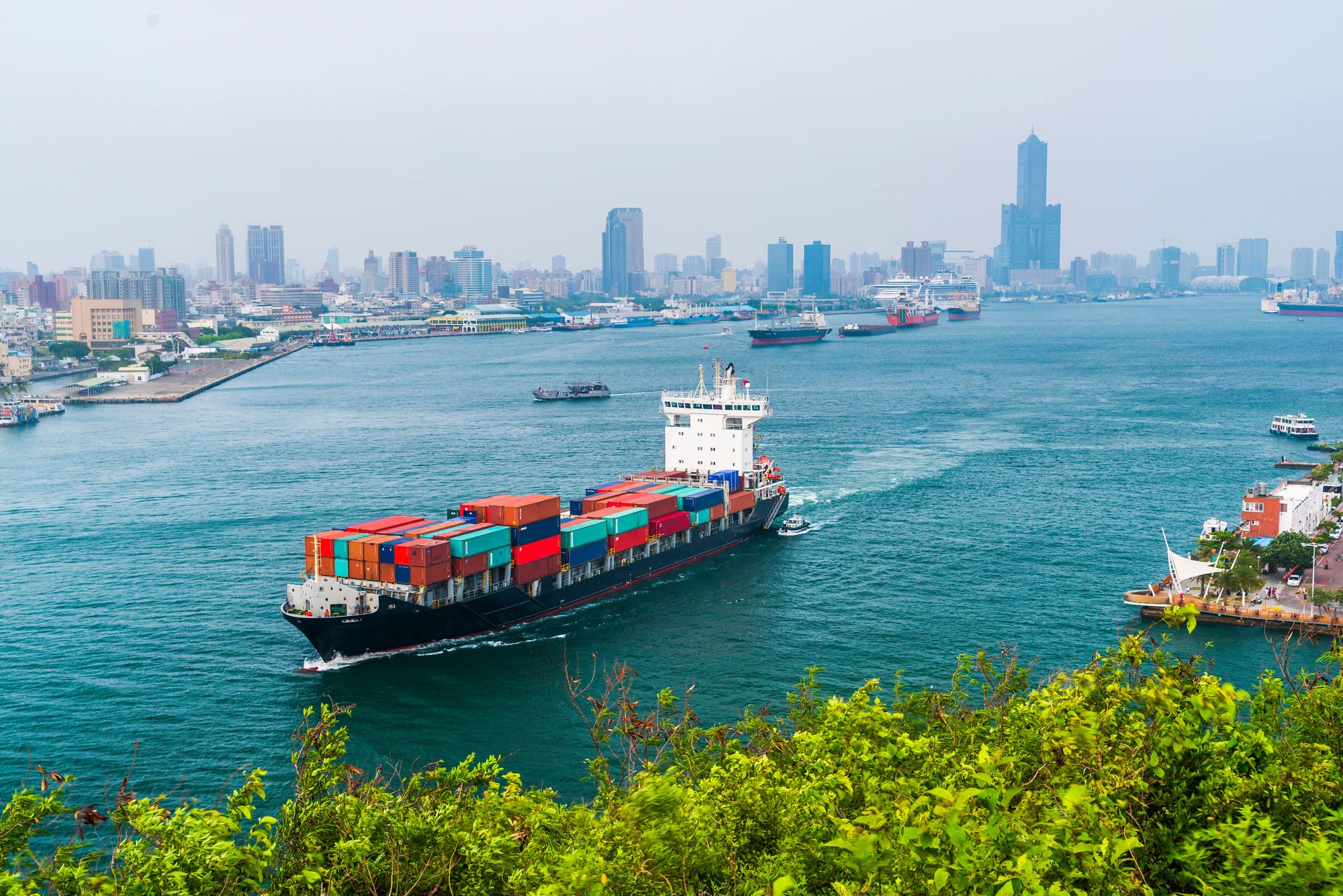
This is why any war over Taiwan would not be any kind of normal regional conflict. That would be a planetary infrastructure event. The damage then would not stop at destroyed buildings, dead soldiers, wrecked ships, or sanctions. It would propagate through the reachable futures of our hospitals, research labs, datacenters, vehicles, factories, defense systems, communications networks, and every country currently pretending it does not depend on a handful of cleanrooms across the water from a claimant superpower.
The Silicon Shield works, because everyone already knows this. China knows it. The United States knows it. Taiwan knows it. Investors know it. Engineers know it. Defense ministries know it. That weird guy yelling about GPUs on the internet knows it.
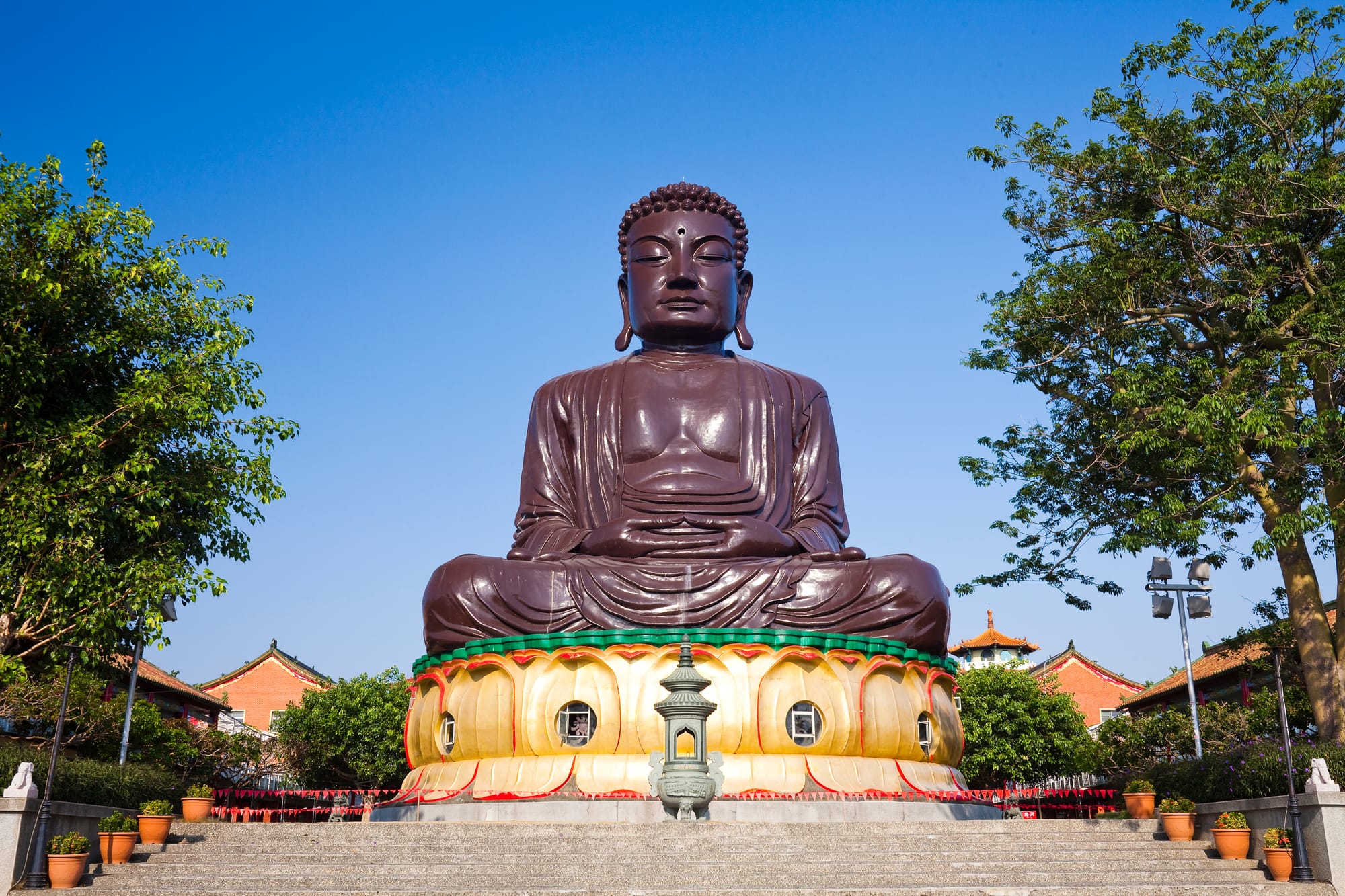
The problem, however, is that a shield made of irreplaceability is also a cage.
Taiwan as Locus, not Object.
The first moral error here is treating Taiwan’s value as if it comes from the fabs first and the people second.
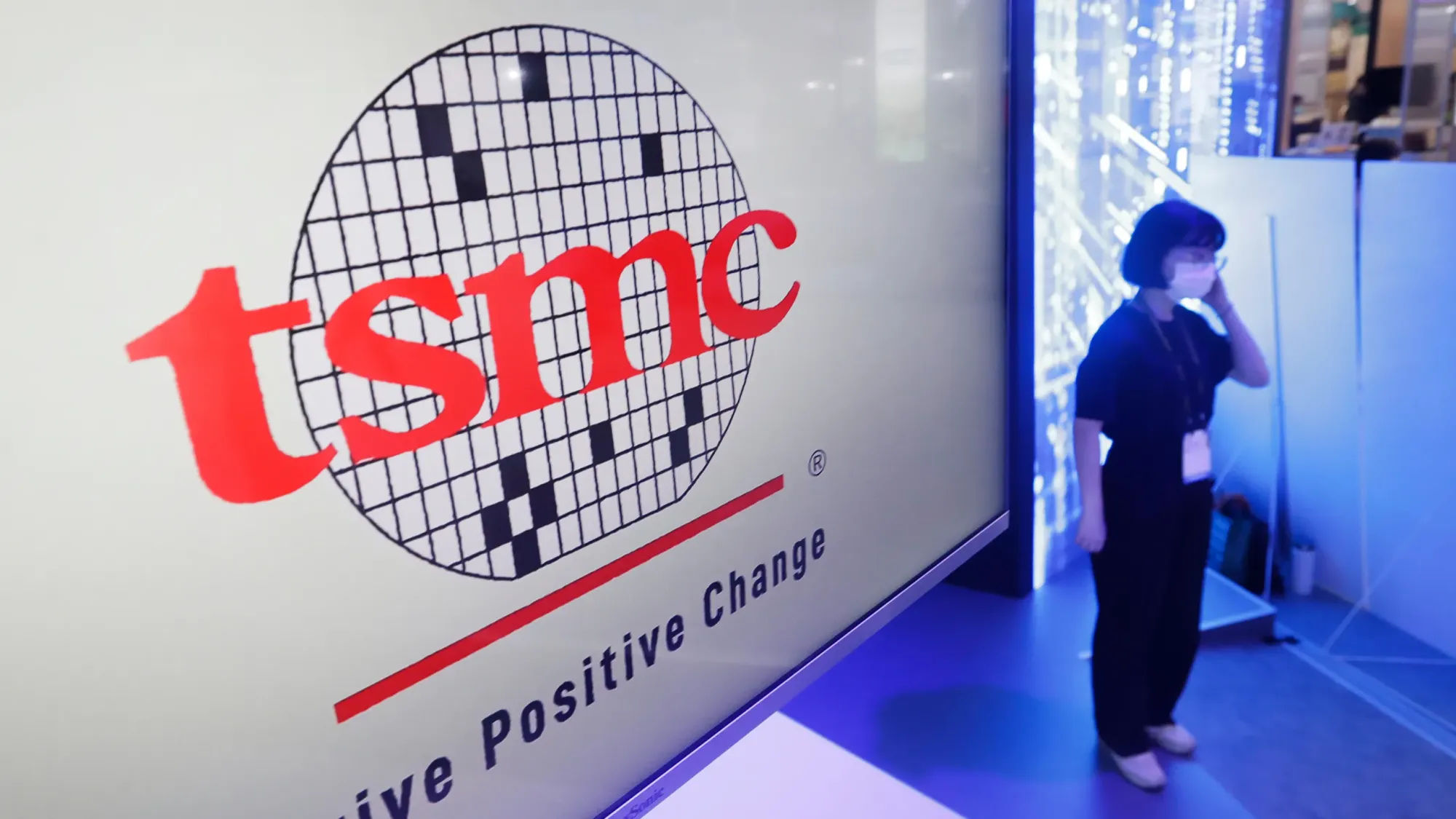
Under Modal Path Ethics, the primary locus here is not TSMC. TSMC is secondary. Taiwan is the primary: the living democratic society whose reachable future state-space is being constrained by competing claims, deterrence architectures, industrial concentration, and military coercion. TSMC matters a lot, because it is part of Taiwan’s field and part of the global field. It does not replace Taiwan as the object of moral concern.
A lot of strategic language quietly deletes the people.
“Taiwan is too important to lose.”
Important to whom?
“Taiwan must not fall.”
Fall from whose hand?
“Taiwan’s chips must be secured.”
Secured for whose future?
There is a version of pro-Taiwan policy in play that still treats Taiwan as an asset. That version is morally unstable. That can defend Taiwan today and sell Taiwan tomorrow. It can praise democracy at noon and describe arms sales as a bargaining chip at dinner. That version can say “self-determination” while quietly asking whether the island’s most advanced capacity can be duplicated elsewhere fast enough to make abandonment affordable.
That is not real repair. That's asset management.
Taiwan must be treated as a locus with its own reachable futures, not as the location of machines the rest of the world would prefer not to lose. The people of Taiwan are not a human shield protecting our chip industry. That chip industry is part of the field that Taiwan built, hosted, sustained, and now has to survive inside.
China’s Claim and China’s Trap.
China’s position is not hard to understand at all. It is incredibly hard to repair.
The People’s Republic of China sees Taiwan as part of China. It reads Taiwan’s separation through civil war, imperial humiliation, Japanese occupation, American intervention, and national rejuvenation. It then sees U.S. arms sales and diplomatic support as foreign interference. It sees the island as an unresolved wound in the state’s body. Formal Taiwan independence is not ordinary self-determination to China; this is a secession backed by hostile powers.
That being the case does not make this claim morally valid, it really just makes this field more dangerous.
Modal Path Ethics does not require pretending distorted maps are held up for no reason. It does require asking what those maps make reachable.
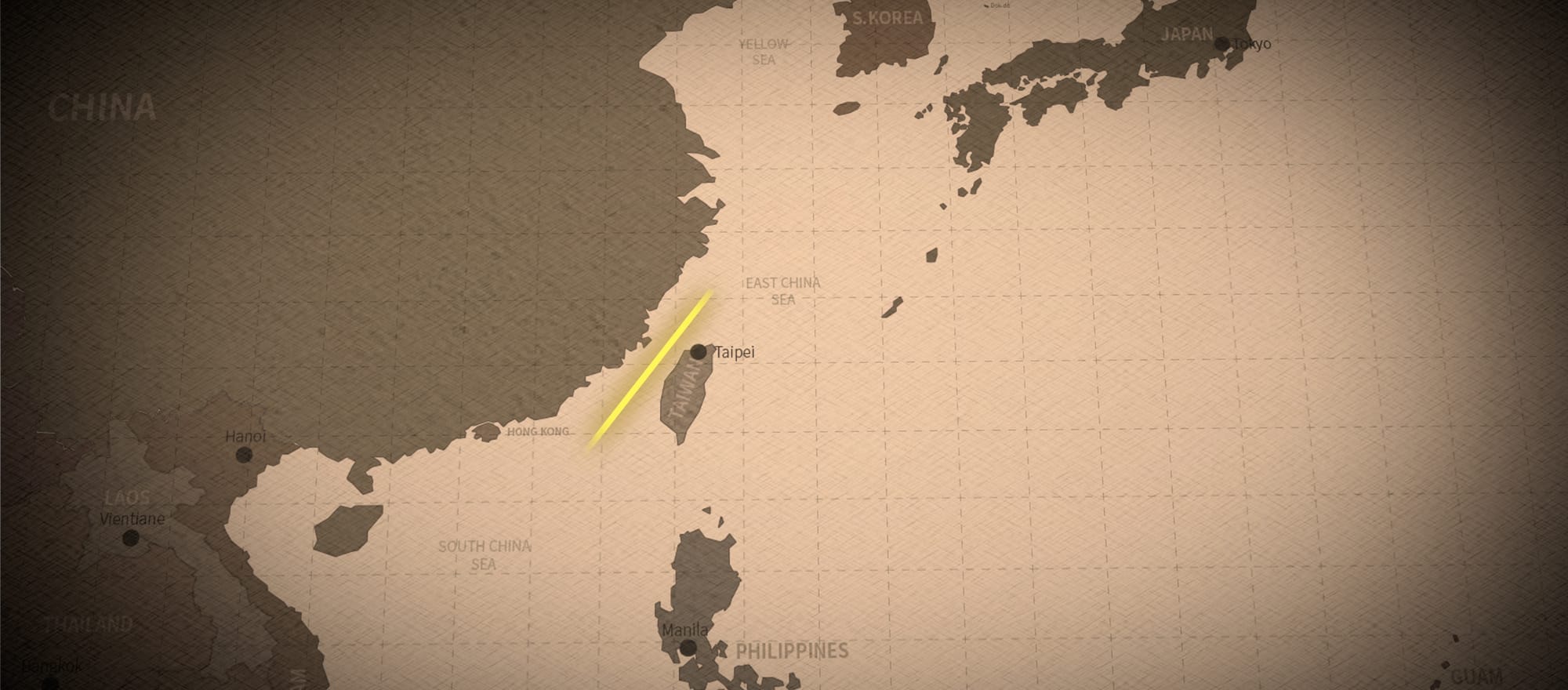
China’s sovereignty claim, as currently held, makes coercion very reachable. It keeps invasion, blockade, quarantine, seizure, gray-zone exhaustion, cyberattack, diplomatic isolation, and forced “peaceful” settlement well inside the live field. Even when Beijing says it prefers peace, the claim is not peaceful if the standing threat remains loaded. “Join us voluntarily or we may force the issue later” is not a peace offer, more like delayed coercion.

The trap here for China is that the more it pressures Taiwan, the more Taiwan’s separate identity hardens under that pressure. The more Chinese aircraft and ships operate around the island, the more Taiwan’s people experience China as a threat, not as their lost national home. The more Beijing treats international support for Taiwan as proof of foreign manipulation, the more Taiwan needs that same international support to survive. The more China insists that the dispute is internal, the more its military behavior internationalizes the dispute.
This is a classic contraction loop, just playing out on superpower-scale.
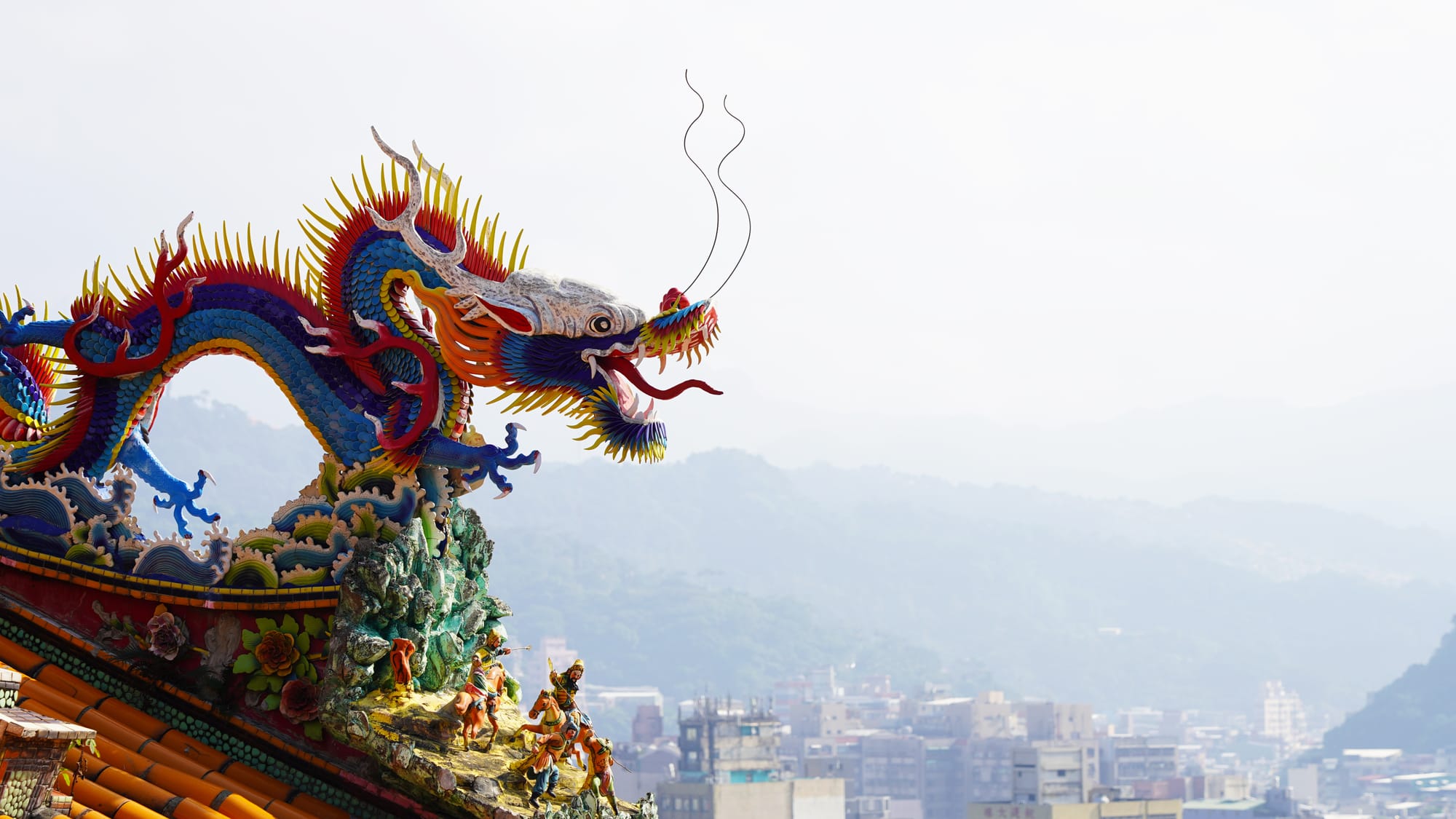
China wants reunification, because it sees separation as a contraction of Chinese historical and territorial completeness. But the available methods for producing reunification contract Taiwan’s future so severely that resistance becomes morally and politically necessary for Taiwan. That resistance then confirms China’s fear of permanent separation. So China responds with more pressure. The pressure creates more separation. This has no reason to end.
A field analyst does not need to choose between “China is lying” and “China is correct.” The diagnosis is far worse: China may sincerely experience Taiwan’s separation as a historical injury, while also simultaneously making repair of that wound completely impossible through the coercive structure of its claim.
The American Distortion.
The United States is not innocent in this just because China’s claim is coercive.
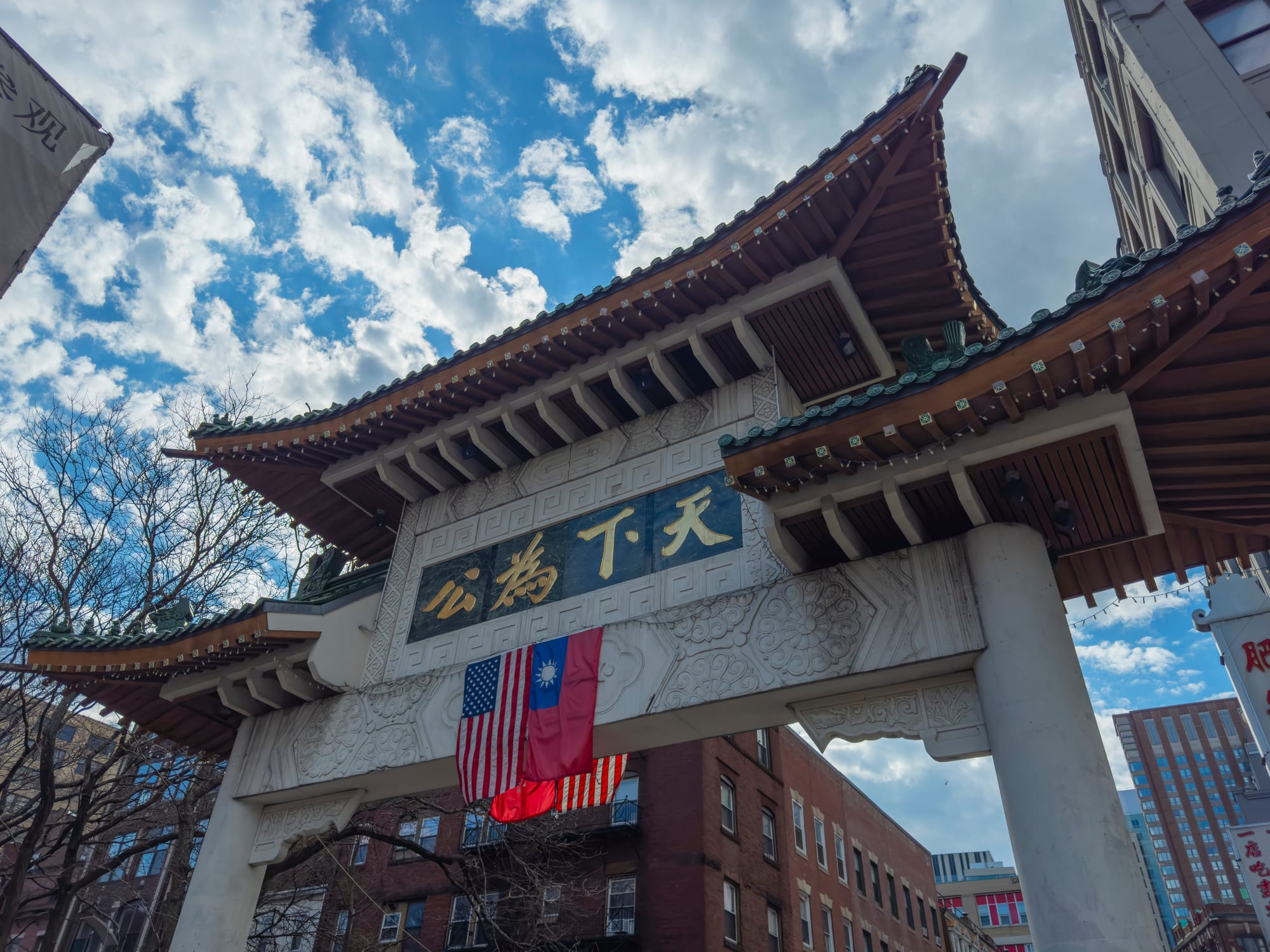
The American position has long relied on ambiguity: we will recognize Beijing diplomatically, maintain unofficial relations with Taipei, sell arms to Taiwan, oppose unilateral changes to the status quo, discourage formal independence, discourage force, and keep everyone uncertain enough that the worst paths remain too expensive.
Strategic ambiguity is not automatically immoral. Sometimes ambiguity preserves reachable futures better than premature clarity. But ambiguity decays fast when one party starts treating a living society as negotiable leverage.
This is the danger in the current diplomatic noise.
When American support is framed as a commitment to peace, deterrence, and Taiwan’s self-defense, then it can expand Taiwan’s reachable future state-space. It now raises the cost of coercion. It preserves room for Taiwan to continue existing without capitulation. It gives China a reason not to test that catastrophic path.
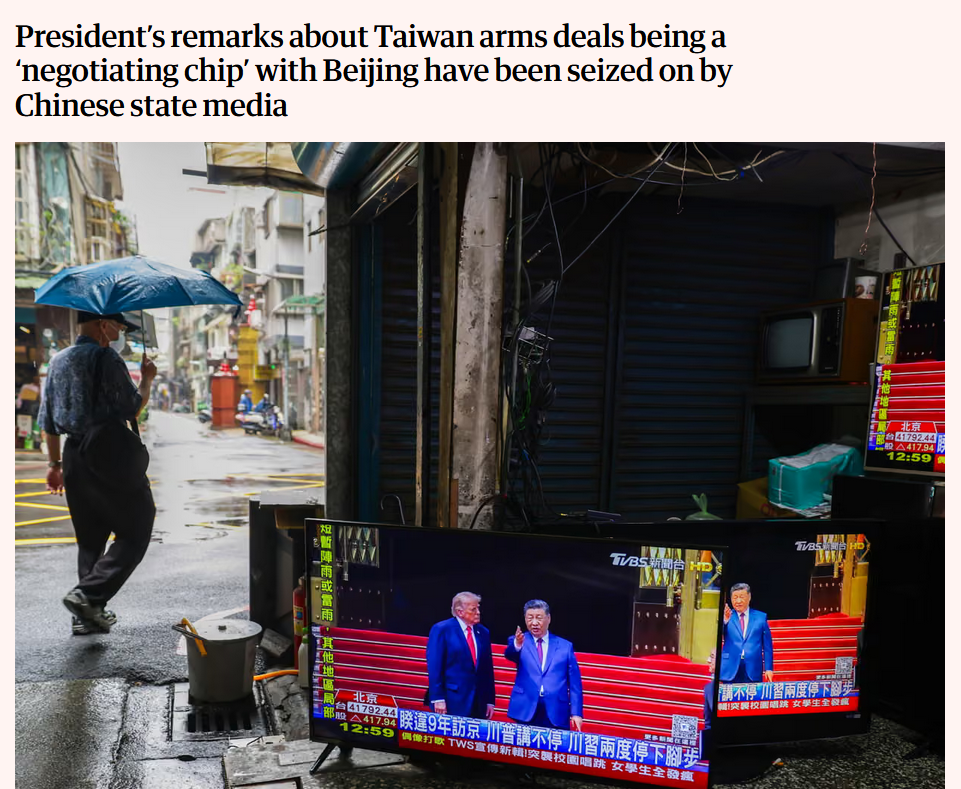
When American support is framed instead as a bargaining chip in U.S.-China negotiation, it now contracts Taiwan’s reachable future state-space. This tells Beijing that Taiwan’s security may now be priced. This tells Taiwan that the “shield” has a cashier standing behind it. This framing tells the world that democratic survival is actually conditional on the negotiating convenience of a larger power.
That right there is the American failure mode in Taiwan: possession without annexation.
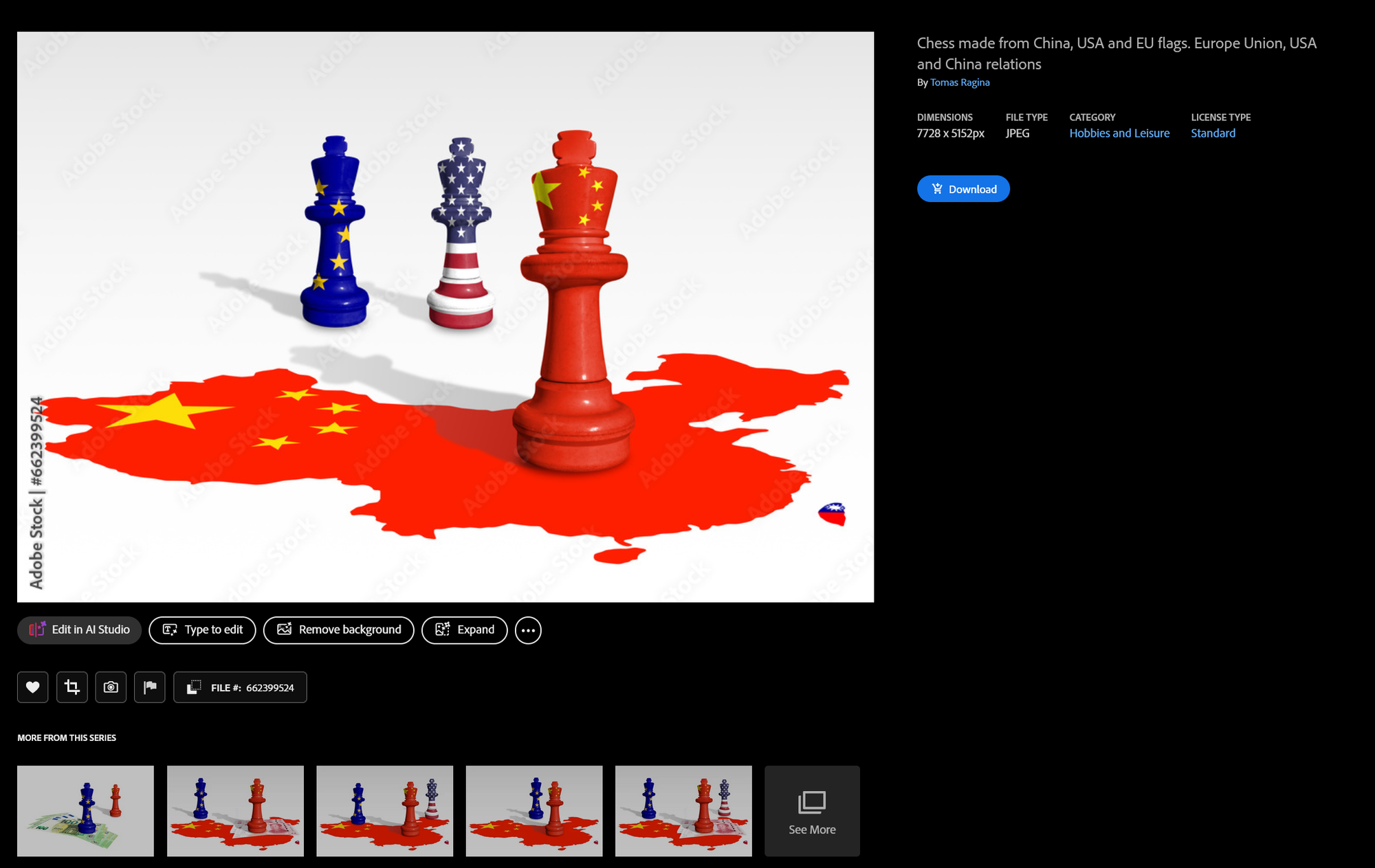
The United States does not need to colonize Taiwan in the old territorial sense to produce colonial field effects. If Taiwan’s defense, chips, diplomatic space, and future status are all routed through Washington’s strategic needs, Taiwan can be treated as a dependency while everyone keeps their legal forms clean. That does not mean Taiwan is now an American colony. It does mean the United States can still participate in a structure where Taiwan’s agency is partially captured by the larger power that claims to protect it. That is a real distortion.
But the article also should not collapse into the lazy inverse. U.S. support is not the “original sin” that created Taiwan’s desire not to be ruled by Beijing. Taiwan’s democratic self-rule is not some CIA hallucination. The people living there are, it turns out, not puppets because they prefer not to be absorbed by an authoritarian state. China’s claim does not become non-coercive because America also behaves like an empire.
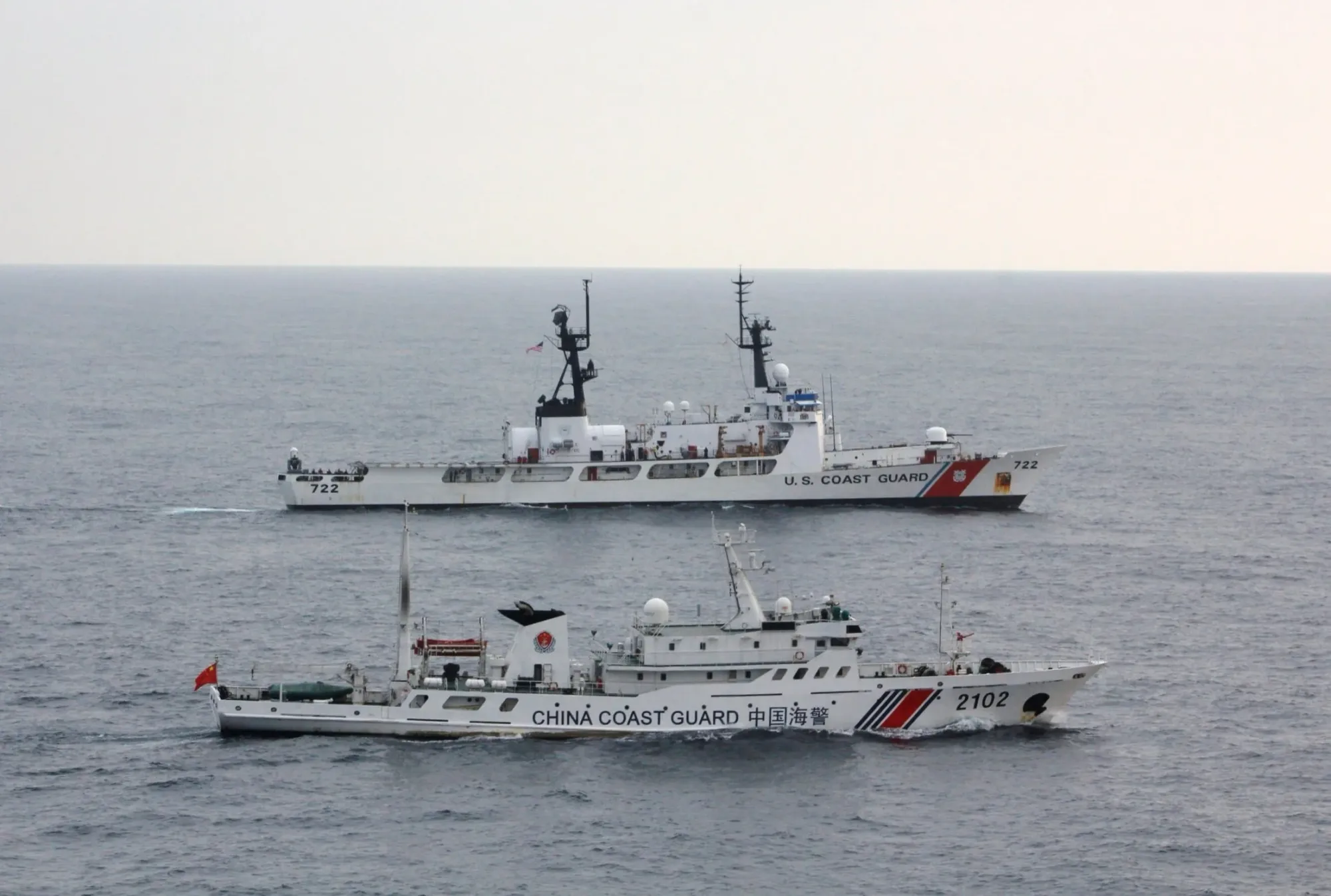
The field contains multiple distortions at once. That's why it is hard to parse.
The False Repair of Paper Reunification.
The tempting compromise is legal reincorporation on paper, while Taiwan remains functionally neutral and autonomous in practice.
On a whiteboard, this looks almost elegant. China gets symbolic unity. Taiwan keeps its system. The United States steps back. The world declares peace. Everyone exhales. The fabs keep on humming. The analysts go home feeling very mature.
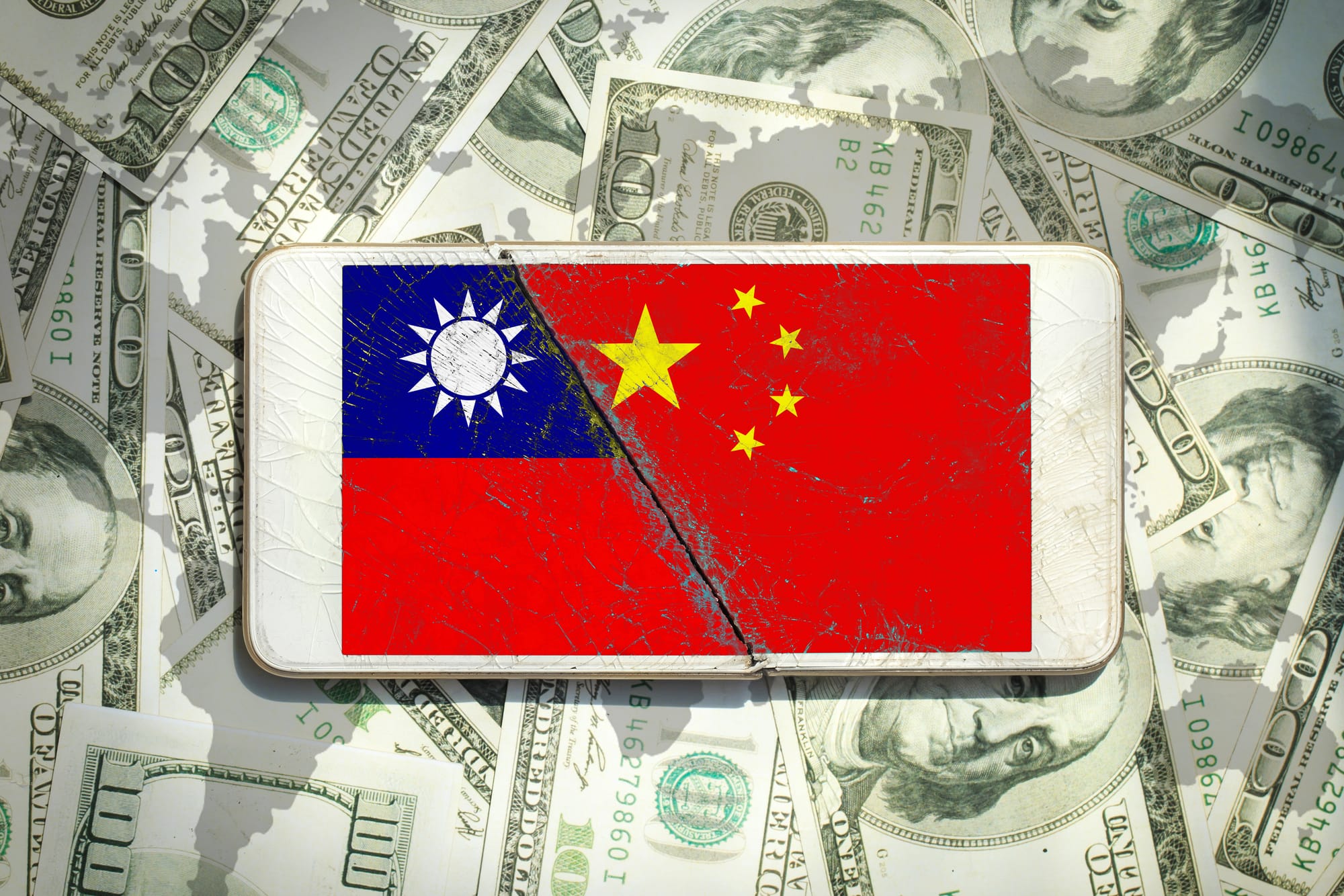
This is not Better. This fails because legal status is not just paper. Legal status is machinery.
If Taiwan enters a “one country” framework, the argument immediately shifts from whether China has authority to how much authority China may exercise. That is a catastrophic change in the modal field. The current ambiguity forces China to cross a threshold first before it can govern Taiwan. Paper reunification moves that threshold back inside Taiwan’s institutions. This move turns external coercion into internal enforcement. It gives future pressure a legal skeleton to flesh out.
The phrase “high degree of autonomy” cannot repair that problem by existing. Autonomy under a sovereign that reserves final interpretive authority is not the same as self-rule. That can work only if the sovereign is structurally constrained from taking back what it granted. Not so lucky here. In this case, the entire point of the sovereign claim is that Taiwan is subordinate to the larger national project.
So paper reunification asks Taiwan to trade its current defensive ambiguity for a promise made by the state trying to absorb it.
This is not actually a compromise. That is really just a delayed transfer.

The world should not be fooled by any settlement that preserves Taiwan’s institutions as decoration while moving final authority over to Beijing. The issue is not whether Taiwan’s grocery stores remain open the next morning. The issue at hand is whether Taiwan’s future remains Taiwan’s to alter.
Under Modal Path Ethics, paper reunification is a clear contraction path, because it reduces Taiwan’s reachable futures while pretending to reduce conflict risk. It may reduce one kind of immediate crisis, but it does so by moving the coercion into the legal foundation. This is just a quieter weapon.
The False Repair of Immediate Formal Independence.
The opposite mistake is thinking the cleanest moral label automatically gives us the best transition path.
Taiwan is already functionally independent in the ways that matter to daily governance. It governs itself and elects its leaders. Beijing does not administer it. Its people live under institutions separate from the People’s Republic of China. The moral center here is clear: Taiwan’s future cannot be assigned by Beijing, Washington, or anyone else.
But formal independence as an immediate diplomatic campaign is still not automatically Better.
The problem is not that China has a veto over Taiwan’s moral status. The problem is that moral status and transition strategy are not the same thing. A formal declaration that predictably triggers blockade, invasion, or catastrophic escalation may express a truth while dramatically contracting the field around the people it is meant to liberate.
Modal Path Ethics does not worship declarations. It asks what paths become reachable after the declaration.
If formal independence makes Taiwan safer, freer, more recognized, and less coercible, then it expands the field. If formal independence instead creates the pretext for immediate violence and leaves Taiwan isolated in the burn radius, then the declaration is not automatically Better in any way, even if the underlying moral claim is still correct.
This is transition analysis. Intentions do not change the transition.
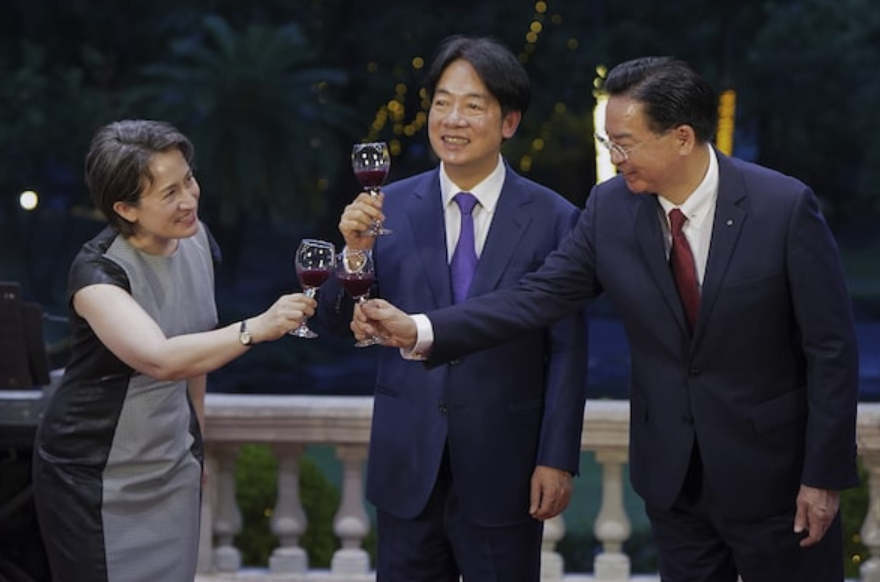
Taiwan’s current public posture is therefore more sophisticated than many outsiders give it credit for. It is not simply hiding from its own status; it is preserving a livable ambiguity while insisting that Beijing has no right to decide this island’s future. It is saying: we already exist; we will not provoke; we will not surrender; talk to us as equals; do not trade us away.
That is not a weak position at all. That is just a narrow path to walk.
The Semiconductor Evacuation Fantasy.
The industrial version of false repair is “let's move the fabs.”
The world absolutely needs semiconductor resilience. Advanced manufacturing capacity should not be so concentrated that any earthquake, blockade, cyberattack, drought, war, or power failure can tear holes through the entire global future. Supply-chain diversification is good when it reduces single-point-of-failure risk.
But there is also a predatory version of resilience.
In that version, the United States and its allies decide Taiwan is too risky, pull as much advanced capacity and talent as possible into their own jurisdictions, and call that extraction “de-risking.” Taiwan loses part of the industrial density that anchors its importance. The world becomes safer in one dimension while Taiwan becomes much more disposable in another. The shield weakens a lot after the treasure has been copied.
That is lifeboat ethics for empires, not any kind of resilience.
Real resilience must not hollow out Taiwan. It must reduce catastrophic concentration while preserving Taiwan as a leading industrial locus. The goal is not to remove enough value from Taiwan so the world can survive Taiwan’s abandonment. The goal is to make the global field less brittle, while keeping Taiwan’s own future expanded.
That means more fabs elsewhere, yes. Build them. More packaging capacity elsewhere. More materials resilience. More equipment redundancy. More talent pipelines. More allied production. More disaster planning. More energy and water resilience. More cyber resilience. More global ability to absorb shocks.
But also continued investment in Taiwan. Continued protection of Taiwan’s ecosystem. Continued recognition that TSMC’s Taiwan base is a living industrial achievement embedded in a democratic society, not a hostage vault.
The correct question is not “How do we make Taiwan less necessary?”
The correct question is:
“How do we make Taiwan less killable without making Taiwan less valuable to itself?”
The Current Diplomatic Direction.
The current direction is mixed.
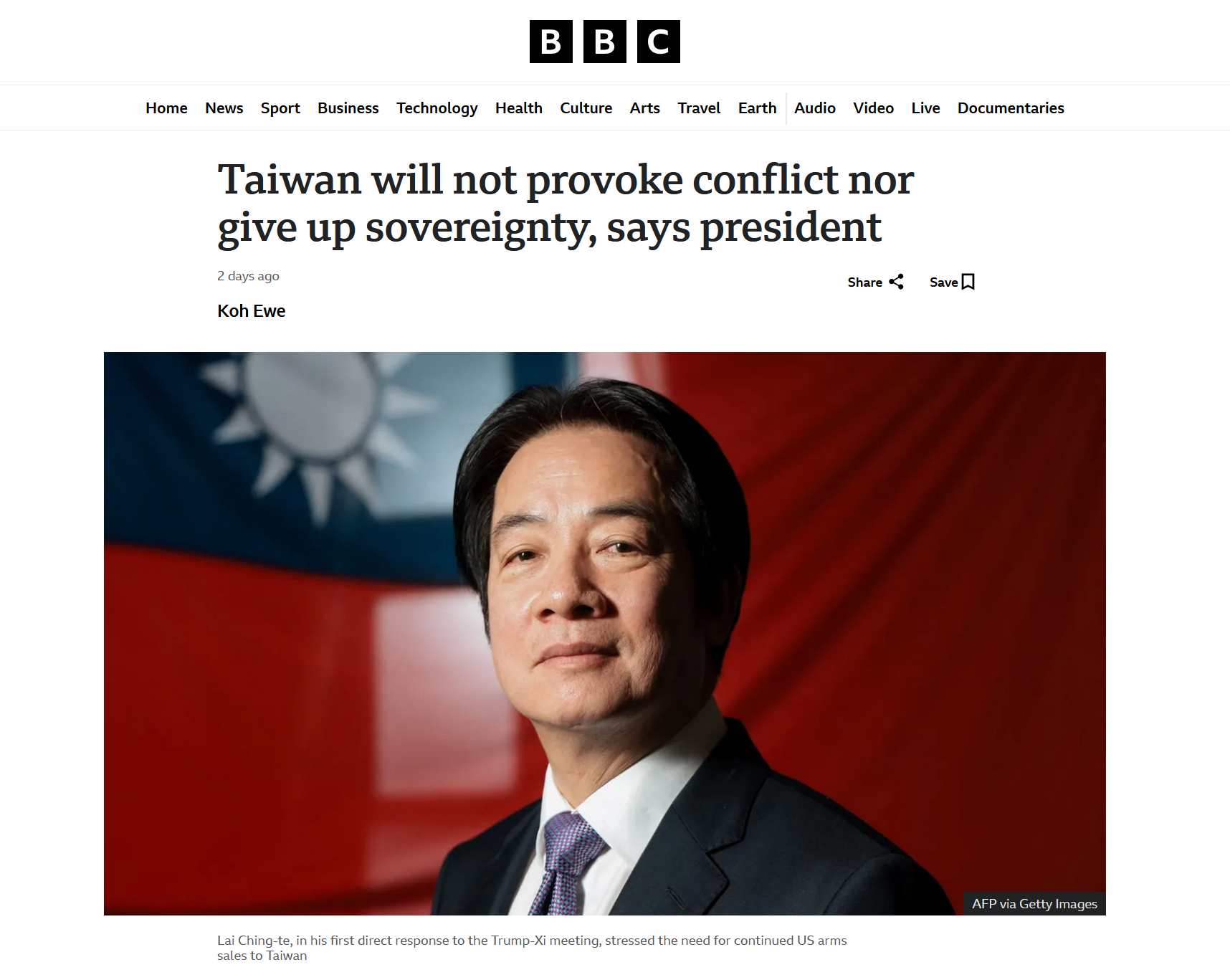
Taiwan appears to be trying to hold the narrow path: no provocation, no surrender, no acceptance of Beijing’s sovereignty claim, no willingness to be traded, and continued appeal for dialogue on equal footing. That broadly aligns with the Better outcome. This preserves Taiwan’s agency while avoiding a transition shock that would make war more reachable.
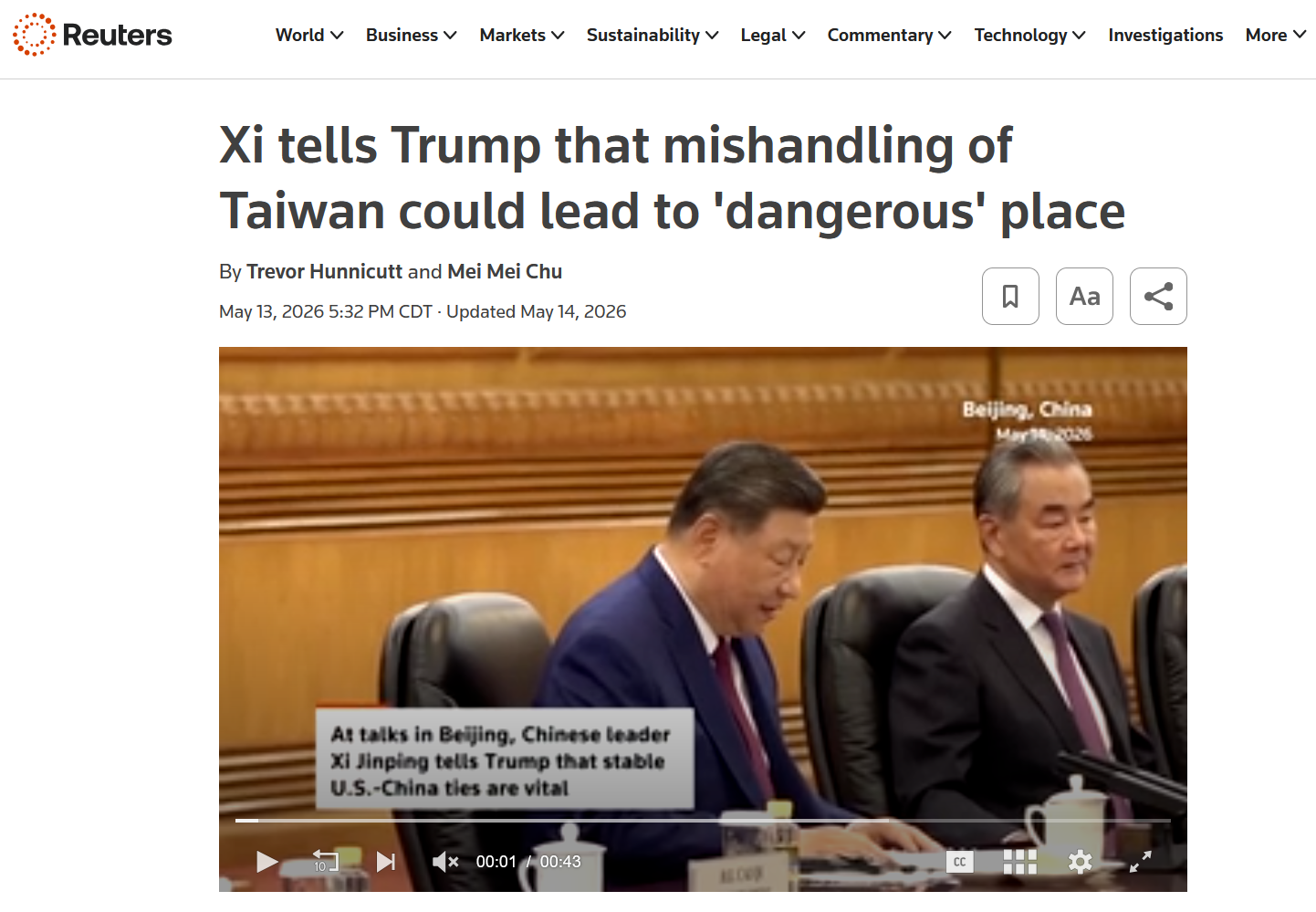
China is moving in the opposite direction. It continues to frame Taiwan as a domestic sovereignty problem while maintaining military pressure around the island. That does not align with Better. Even if China says it wants peaceful reunification, the live threat of force turns the claim itself into an instrument of contraction. A sovereignty claim that can become blockade is not a harmless belief. It is a loaded path.
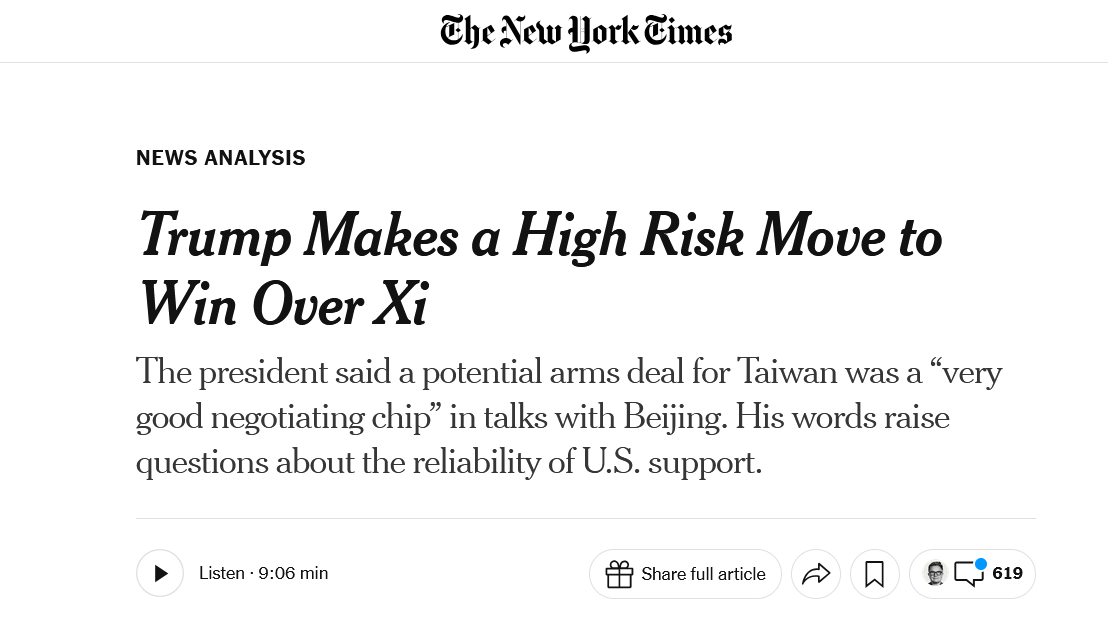
The United States is unstable. Continued arms sales can align with Better if they serve deterrence and Taiwan’s self-defense, but describing those arms sales as “negotiation leverage” damages the field. Doing so tells Taiwan that its survival is an item in a larger bargain, and tells China that enough pressure might just change the price. That also tells other small democracies that law and commitment may dissolve under summit theatrics.
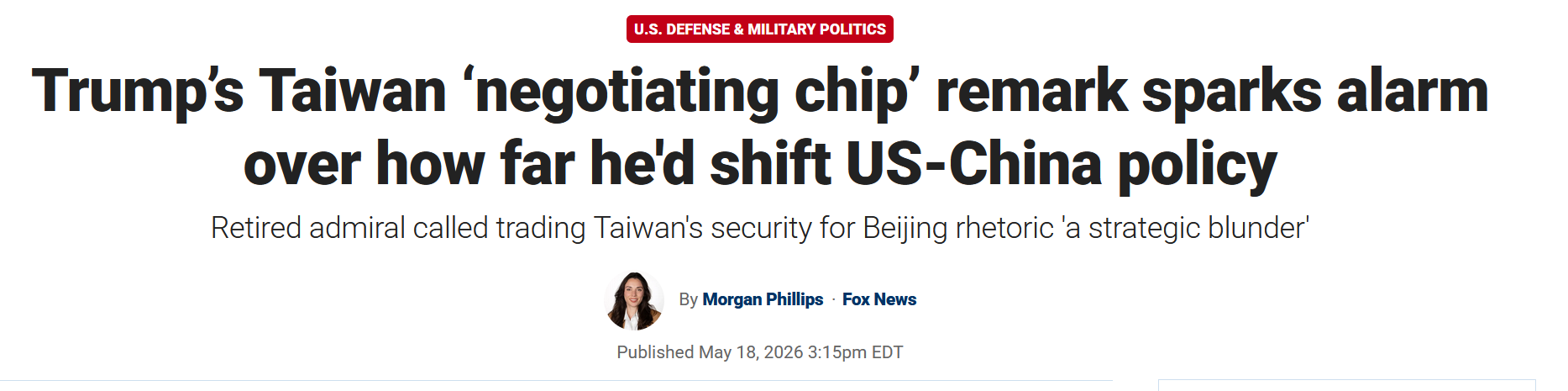
This really is not a small, rhetorical problem. In high-resistance fields, bad language can quickly become bad reachability.
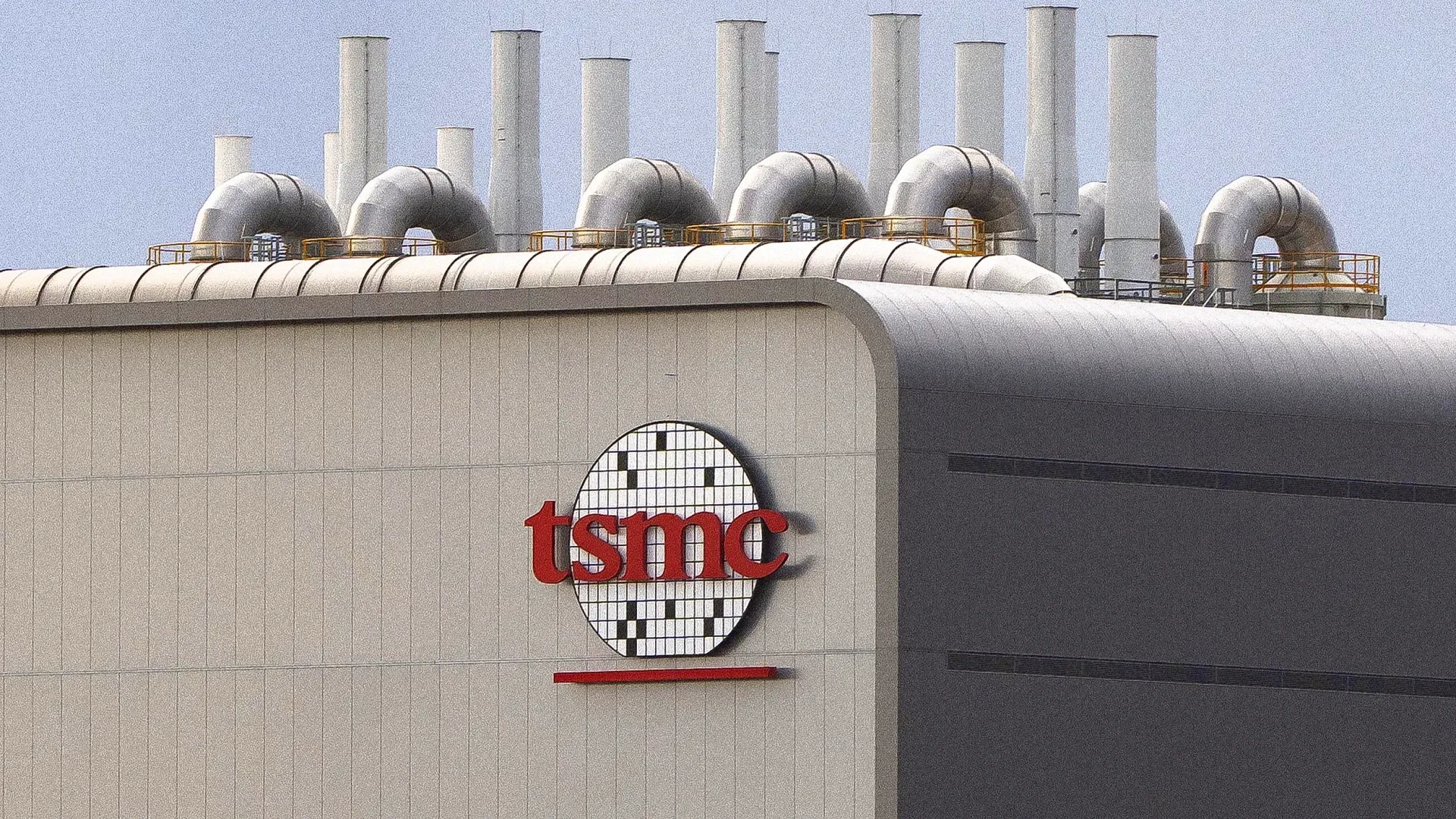
TSMC’s direction is closer to Better than the politics around it. The company is expanding globally while continuing to invest in Taiwan. That is the right industrial shape: diversification without abandonment. The danger is that states may try to convert TSMC’s global expansion into geopolitical extraction. A fab in Arizona can be resilience, but a fab in Arizona plus rhetoric that Taiwan “stole the semiconductor industry” becomes something uglier. A fab in Japan can be resilience. A fab in Japan plus fatalism about Taiwan’s defense becomes an evacuation with very polite signage.
The current field therefore has one promising path, engulfed by three active distortions.
Taiwan is trying to keep its future open without lighting the fuse.
Meanwhile, China is trying to keep its claim actionable. The United States is trying to keep deterrence useful while also treating useful things as negotiable. And the semiconductor industry is trying to reduce fragility without admitting how much the world has asked this island to carry.
The Better Path: Deactivation, not Settlement.
The Better path is not immediate formal independence, paper reunification, U.S. possession-by-proxy, or semiconductor evacuation. The Better path is deactivation. The sovereignty dispute must be made non-actionable.
That means China does not have to renounce every historical sentence tomorrow. Taiwan does not have to declare a new republic tomorrow.
The United States does not have to transform Taiwan into a formal treaty ally tomorrow. The world does not have to solve every legal contradiction before breakfast.
But the field rule must also become absolute:
No actor may convert Taiwan’s status dispute into invasion, blockade, quarantine, sabotage, coerced legal absorption, cyberattack, chip seizure, forced technology transfer, or great-power trade.
That is the center line to hold here.

China may preserve its rhetorical claims only to the extent those claims are stripped of their coercive consequence. Taiwan may preserve its functional independence and democratic self-rule, without being forced into a formal declaration trap. The United States may support Taiwan’s defense only as a stabilizing commitment, not as leverage in a bargain with Beijing. The global semiconductor field may diversify only in ways that reduce catastrophic risk without hollowing out Taiwan’s own industrial future.
This is not satisfying at all to people who want a clean ending to the story. It is not meant to be. Better is meant to keep the future alive.

The mistake here is assuming that every dispute must be resolved by creating a final status. Some disputes have to be disarmed, first, before anything is settled. Taiwan’s status is one of those. The first task is not to produce the perfect legal sentence. The first task is to make sure no one can use the absence of that sentence as permission to destroy the real field.
Call it a “Silicon Armistice”.
Not peace as surrender, or ambiguity as cowardice, or deterrence as permanent militarization. An armistice around the actionable claim. The claim may remain spoken freely, but it may not be enforced.
What China Can Be Offered in Exchange.
A Better path clearly has to include China’s reachable incentives, because otherwise this is not a path, just a wish. China cannot realistically be expected to accept humiliation as policy. No durable settlement begins with Beijing publicly declaring that its core national narrative has been false and Taiwan is simply gone now. That may be morally emotionally satisfying to some observers. That is not a reachable diplomatic transition under the current regime.
So the offer cannot be “admit defeat, China.” The offer is a non-humiliation route away from coercion paths.
China gets the assurance that Taiwan will not be converted into an offensive foreign military platform. No “unsinkable aircraft carrier.” It gets stable trade conditions. China gets reduced risk of formal independence shock. It gets cross-strait economic and cultural contact where Taiwan consents. China gets participation in a semiconductor non-disruption framework. And China gets the ability to continue saying, domestically, that peaceful resolution remains a long-term national aim for China.
But China does not get authority over Taiwan.
China does not get any kind of timetable. It does not get police access. It does not get censorship rights. It does not get to install its party organs inside Taiwanese institutions. China does not get “one country” as the underlying premise. It does not get to decide which Taiwanese election outcomes are legitimate or not. China also does not get the blockade as a bargaining chip. It does not get to define Taiwan’s self-defense as provocation while its own military pressure counts as patience.
That is the rough shape of the deal if repair is still reachable here. China keeps its face. Taiwan keeps itself.
What the United States Must Do.
The United States has to stop treating ambiguity as permission to improvise freely. If Washington wants Taiwan not to make sudden formal moves, then Washington must also not make sudden transactional moves. You cannot really ask Taiwan to preserve the status quo while telling Beijing that Taiwan’s defensive support is a bargaining chip to barter over. That turns Taiwan’s restraint into exposure.
The American role should be boring, steady, and extremely difficult to misunderstand:
Taiwan will not be traded. Taiwan will not be encouraged into reckless formal escalation.
Taiwan will receive what it needs to deter coercion. Taiwan’s semiconductor ecosystem will not be stripped for parts.
China will not receive a veto over Taiwan’s defense. The United States will not use Taiwan as an offensive platform.
The future of Taiwan belongs to the people living in Taiwan.
This posture is not maximalist at all. This is stabilizing: it gives China fewer excuses, Taiwan fewer reasons to panic, and the world fewer ways to accidentally turn a summit sentence into a global crisis.
American policy should also separate resilience from extraction. So, support fabs in the United States, Japan, Europe, and elsewhere. Build redundancy. Fund materials resilience. Train engineers. Strengthen packaging. Harden cyber systems. Reduce single-point failure.
But do not frame this as taking back something Taiwan “stole”. Taiwan did not “steal” the semiconductor industry. Taiwan built one of the most impressive industrial ecosystems in all human history while larger countries outsourced the difficulty, and then suddenly rediscovered sovereignty after the supply chain became very scary.

The United States does not really get any moral credit here for noticing dependency after benefiting from it.
What Taiwan Must Do.
Taiwan’s path ahead is brutally narrow.
It must deter without provoking. It must internationalize without becoming a proxy. It must diversify its economy without weakening the shield. It must build defense capacity while keeping democracy intact. It must resist Chinese coercion without allowing American panic to define its future. It must hold internal political disagreement without letting factionalism paralyze survival. That is kind of a lot to ask of a society that didn’t even create the global addiction to its cleanrooms.
But Taiwan’s current best strategy is still the one it appears to be already pursuing: insist on dignity, refuse subordination, avoid gratuitous formal triggers, strengthen defense, preserve democratic legitimacy, expand international participation where possible, and make clear that talks are possible only between parties treated as real.
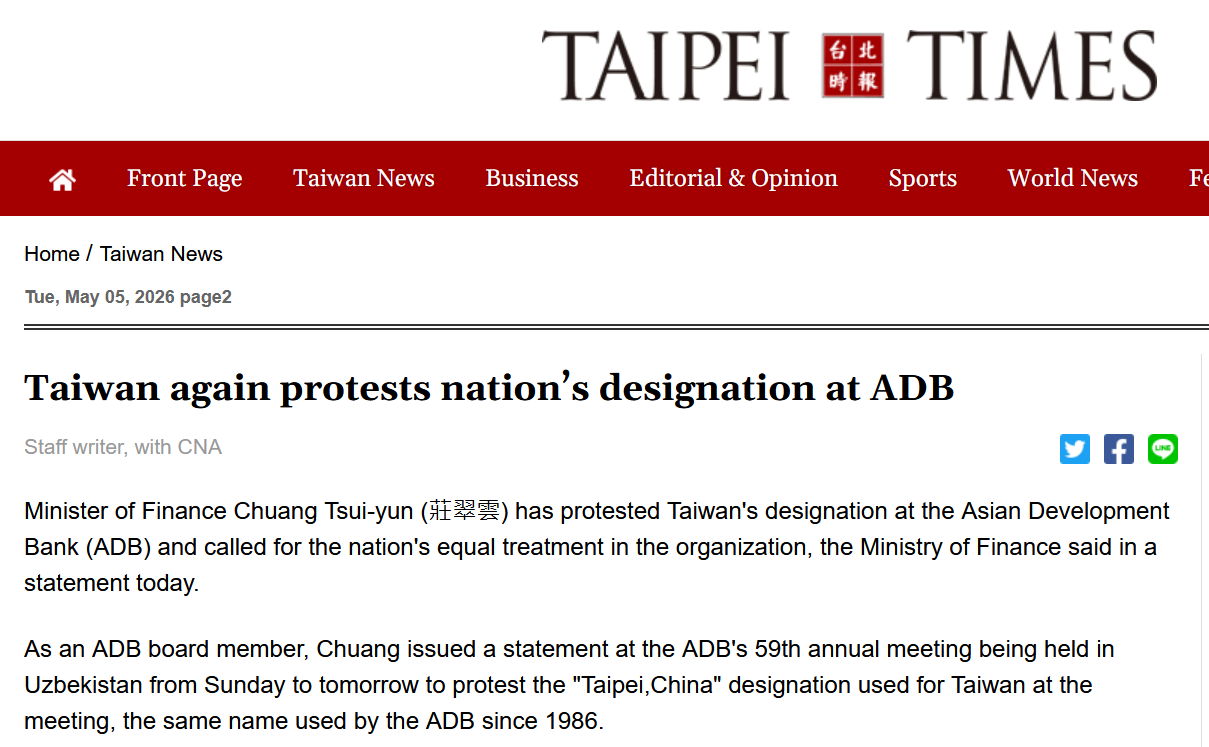
Dialogue under threat is not dialogue. Dialogue premised on Taiwan’s subordination is not dialogue. Dialogue that begins by deciding the ending is called theater. Taiwan should talk, but it should not audition for its absorption.
Ruling.
Under Modal Path Ethics, the Silicon Shield is both protection and harm.
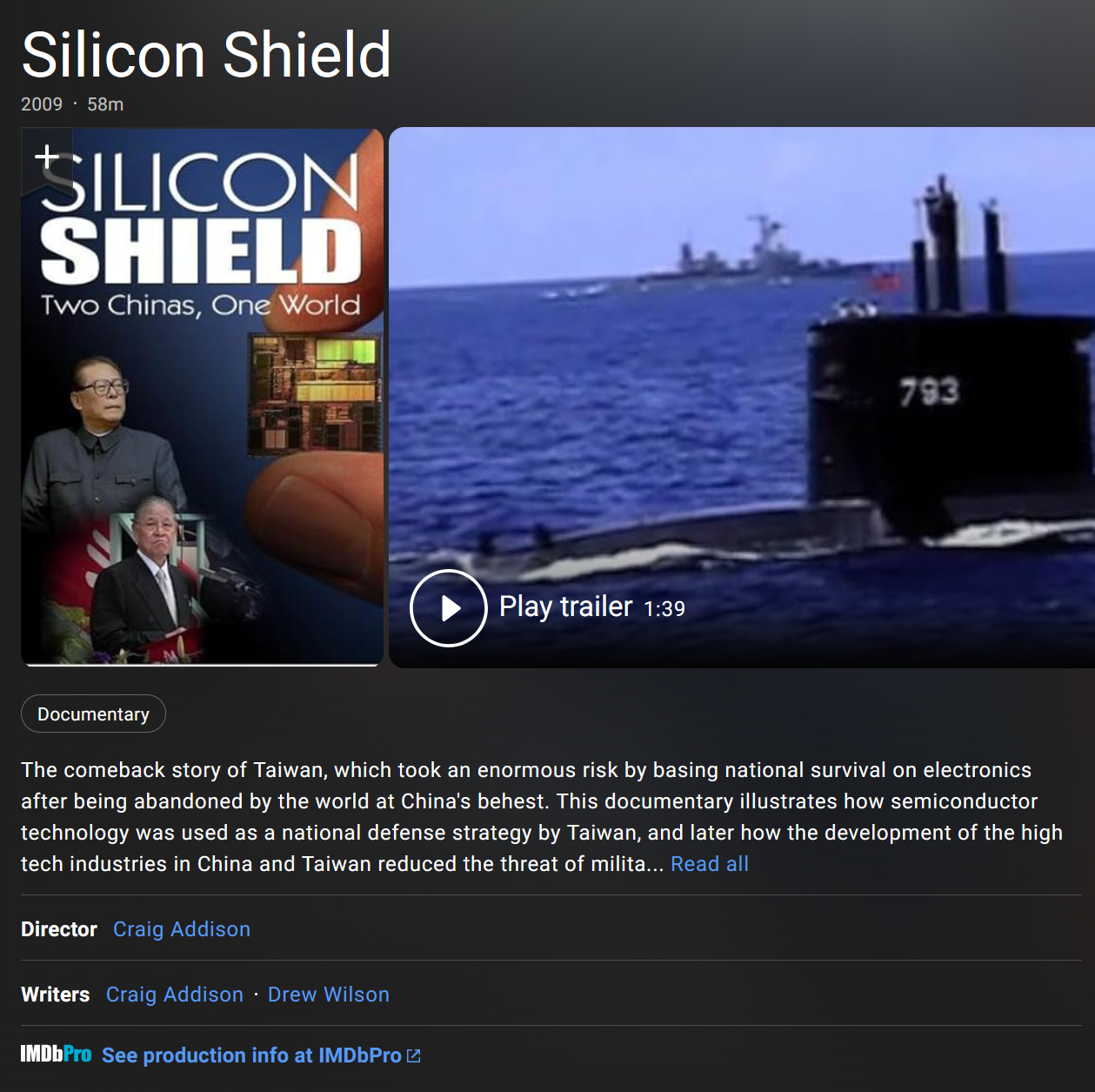
This arrangement protects Taiwan by making the cost of conquest unbearable to the world. It also harms Taiwan by making the island’s survival depend partly on being too useful to destroy. It expands the global future through advanced computation, while contracting Taiwan’s future by turning a democratic society into critical infrastructure under siege.
The Better path ahead is not forced reunification, immediate formal independence, American possession-by-proxy, or a semiconductor evacuation mission. The Better path is the defended deactivation of the sovereignty dispute as a coercive instrument.
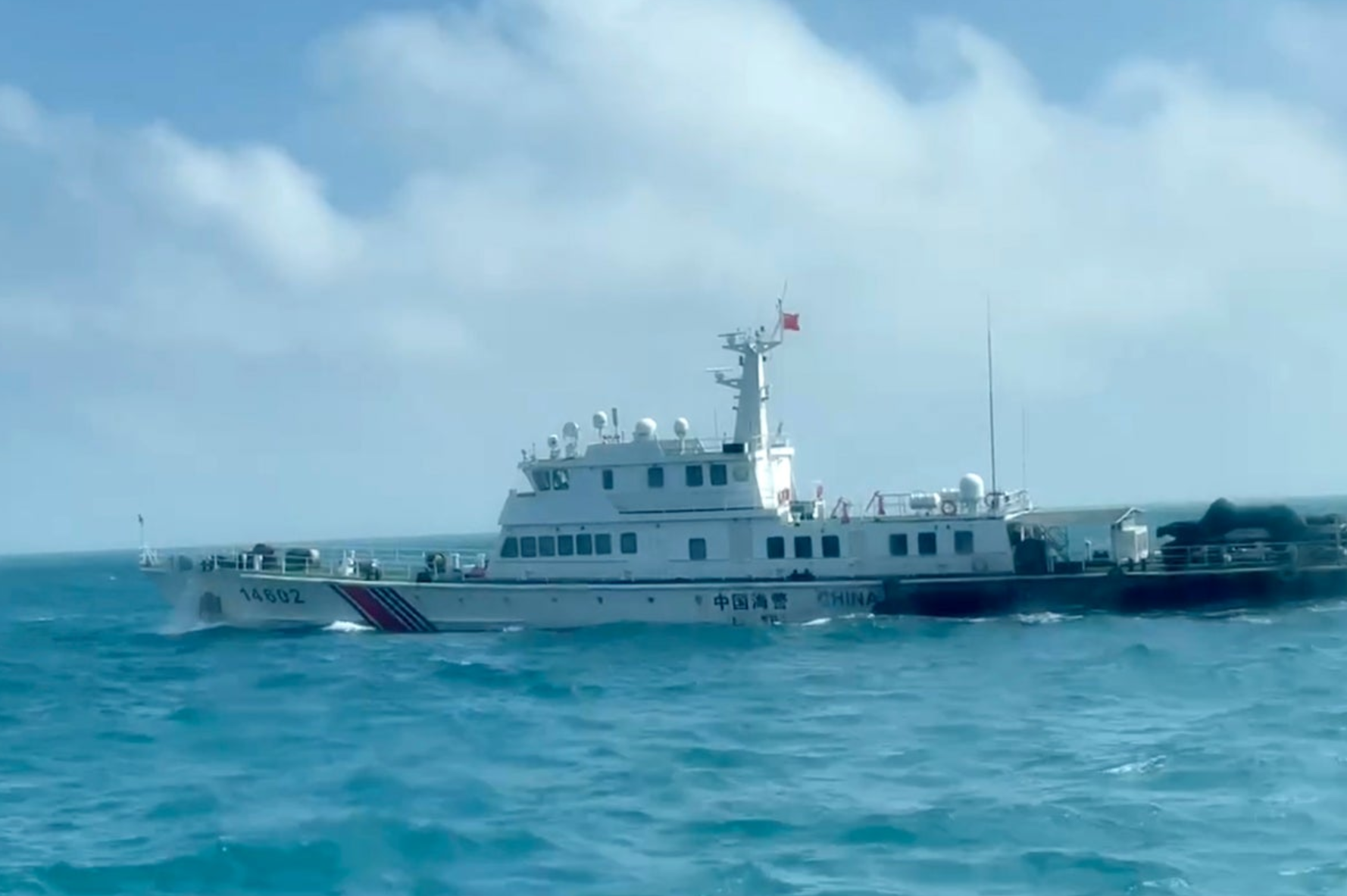
Taiwan’s future cannot be assigned by Beijing because historical claims do not override the reachable futures of the people living there right now. Taiwan’s future cannot be traded by Washington because protection does not confer ownership. Taiwan’s future cannot be reduced to TSMC because a polity is not the sum of its strategic assets. And Taiwan’s semiconductor value also cannot be ignored because the global field really does pass through this one island.
China’s claim may still remain rhetorically alive, but only if it is made non-actionable. The United States may support Taiwan, but only if that support expands Taiwan’s agency rather than converting Taiwan into leverage. The world may diversify semiconductor capacity, but only if diversification reduces fragility without hollowing out the island whose value created this shield.
The correct field rule is simple:
No invasion. No blockade. No coerced absorption. No chip seizure. No great-power bargain over Taiwan’s head. No extraction disguised as resilience. No formal trigger pursued for symbolism while the transition path burns. No peace plan that begins by transferring final authority away from the people of Taiwan.
The Silicon Shield should be made unnecessary.