Thought Gauntlet XIII: Moral Luck
Moral Luck is not a paradox once blame is removed from the center.
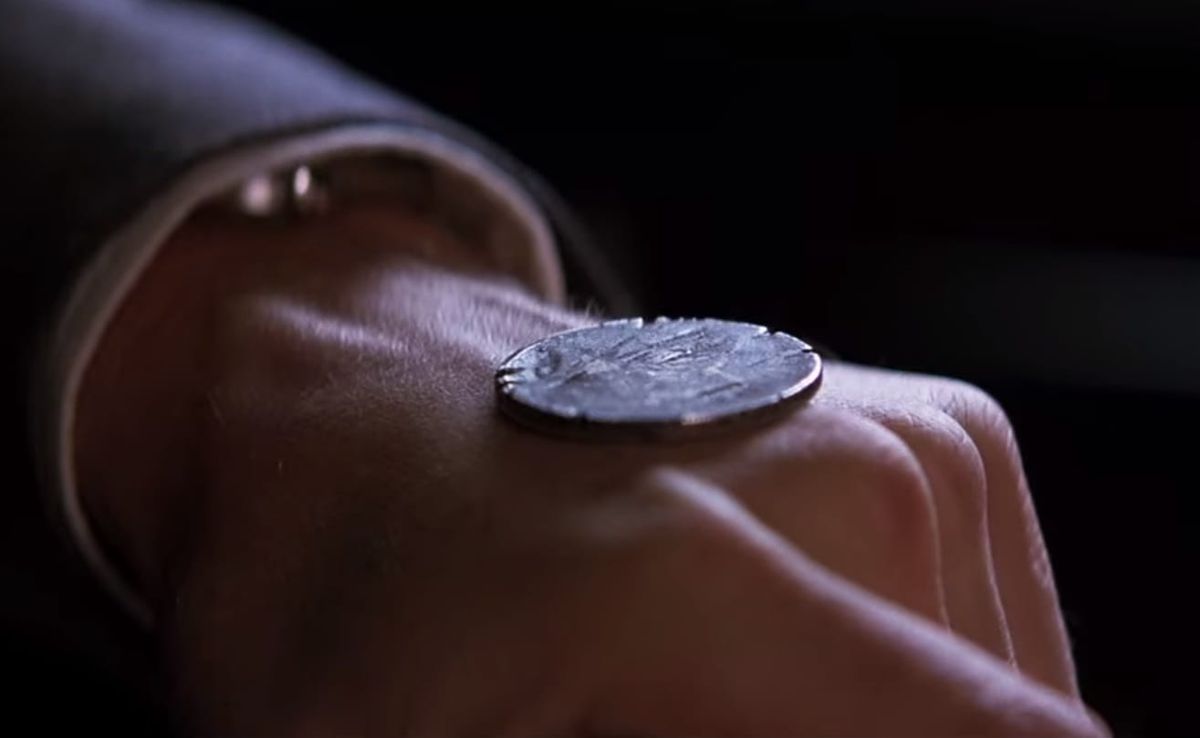
Next up, Moral Luck is the problem of outcomes changing our judgment of an agent. The case:
Two drunk drivers leave a bar.
This is not a bad joke.
Both are equally impaired.
Both drive the same way.
Both take the same risk.
One gets home without incident.
The other hits and kills a pedestrian.
Are they equally blameworthy?
Moral Luck matters because it exposes a confusion between risk-pattern and field damage.
The two drivers may be similarly blameworthy at the level of reckless agency. They both selected a path that made catastrophic harm more reachable for others. That choice matters, even if no one had happened to be standing in the road.
While driving, the fields are identical.
But one field now contains a dead person.
The pedestrian’s future is not an incidental bookkeeping detail. A life has closed. A family may be damaged. Trust, safety, grief, medical response, legal process, and public burden all now enter the field. The actual outcome is not just “bad luck” floating outside of moral reality.
The same risk can be identically enabled, while extance produces different structural harm.
Bad Ethics.
The common mistake here is to try to make blame carry your moral framework for you.
Moral Luck is not a paradox once blame is removed from the center.
If the drivers are technically equally blameworthy, people worry that the death should not actually change the moral judgment.
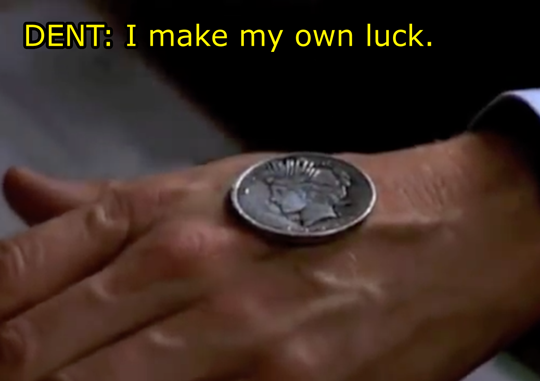
If the death changes the moral judgment, people worry that blame has become unfairly dependent on luck. It feels like morality is now a toss of a coin.
The problem comes with the word “judgment.” There is more than one judgment being made here.
We can judge the agents’ conduct.
We can judge the actual transition.
We can judge any repair obligations.
We can judge our future trust.
We can judge our legal response.
We can judge the surviving field.
These do not have to be identical or even aligned. Judgement is another "responsibility" that has become prism-like across the history of a people who would very much like not to be judged.
The two drivers may deserve similar condemnation for choosing to drive drunk. They may reveal to us similar disregard, similar dangerousness, and similar need for restraint or correction. In that sense, "luck" should not rescue the one who happened not to hit anyone.
Still, the driver who killed someone is now causally central to a much deeper field contraction that creates additional obligations.
Same risk-pattern. Different damage. Harm always exists at different levels of depth.
Luck.
This is why luck does not erase responsibility.
The driver who killed the pedestrian may say, truthfully, that the other driver did the same thing and only got luckier. That is still relevant. It shows the first driver is not a uniquely monstrous kind of person, and also shows the second driver should not be treated as morally safe just because reality did not materialize the harm they had enabled this time.
None of that brings back the pedestrian.
Luck may affect which harm actually occurs, but actual harm continues to matter. If ethics refuses to distinguish the completed death from the merely risked death, it loses real contact with the extant field.
On the other side, if ethics only cares about completed harm, it becomes stupidly reactive. It waits for the pedestrian to die before it can take drunk driving seriously. That is also clearly wrong. Risk is morally active because it changes what futures become reachable.
The drunk driver who gets home safely still made lethal harm more reachable.
The drunk driver who kills someone made it actual.
The Broader Point.
This distinction applies far beyond drunk driving.
A company ignores a safety warning. One factory explodes; another does not.
A doctor makes the same careless error twice. One patient is unharmed; another dies.
A government cuts the same corner in two regions. One region happens to avoid disaster; the other floods.
A parent drives distracted. Most days, nothing happens. One day, a child runs into the road.
Luck changes the outcome. It does not decide whether the risk-pattern was acceptable.