Thought Gauntlet XII: The Double Effect
Double Effect identifies a real distinction, but not a magical escape hatch.

None of the gauntlet competitors have slowed me down yet. Next up:
Double Effect is the idea that causing harm as a side effect may be morally different from causing the same harm as an intended means.
Modal Path Ethics has strong opinions on intentions, so let's take a look at the basic case:
A doctor gives a dying patient pain medication. The medication relieves suffering, but it may also hasten death. The doctor only intends to give the patient relief, not death.
Is that different from giving the same medication with the intention of killing the patient?
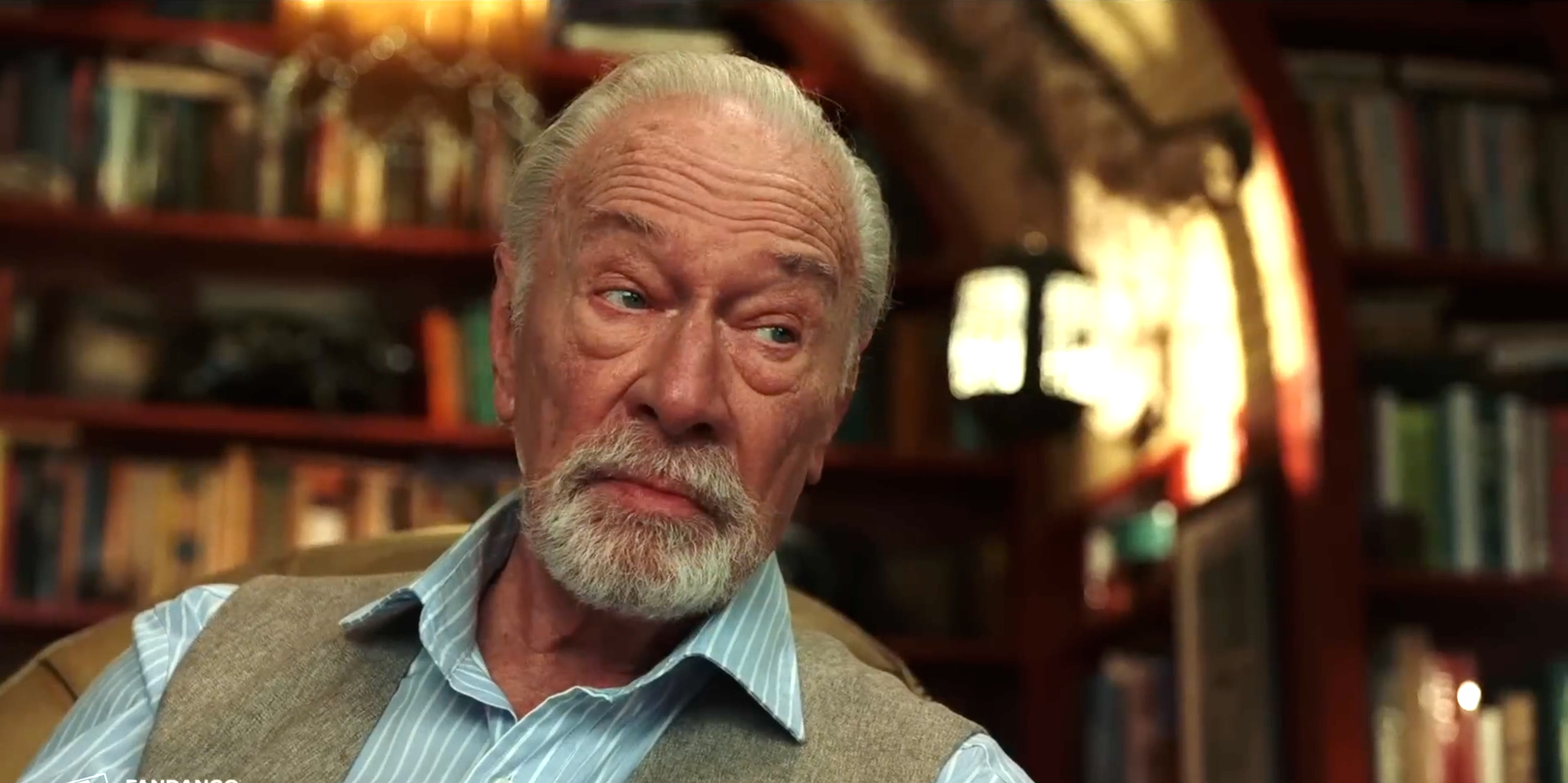
Most people say yes, and they aren't wrong, because intention matters.
Just not in the way many moral theories want it to matter.
The field does not actually become unharmed because the agent’s inner story is considered cleaner.
If the medication hastens death, then a future closed sooner than it otherwise would have. That closure is real, and it doesn't change at all in the absence of intention. The patient’s remaining time matters, even if it is short or painful, even if the chosen path was merciful, and even if the doctor’s subjective intention was care.
Intention.
Intention is morally relevant because agents are not weather.
An agent who intends death is obviously different from an agent who intends relief while foreseeing risk. Intention affects trust, future prediction, institutional response, consent, role integrity, and whether other people choose to or can safely enter the same field later.
A doctor who gives pain medication to relieve suffering is still preserving the care relation, even if the medicine carries risk, and narrows the patient's reachable futures. This is still harm.
A doctor who secretly gives the same medication to kill is converting care into lethal control. This is obviously harm, but now twice.
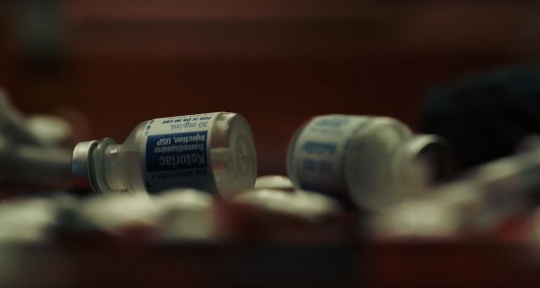
So Double Effect tracks something real.
The mistake it invites is treating intention as if it changes the structural event itself in any way.
A foreseen death does not become non-death just because it was not the goal. The local, structural harm is identical. A civilian killed as collateral damage is still definitely dead. A worker injured by a cost-saving policy is still injured, even if no executive woke up that morning yearning to wreak tendon damage.
The field notes the transition and changes accordingly. It does not really care what story you write in your head about it.
“I did not intend that” is one of the oldest and most durable shelters for harm.
Modal Path Ethics does not allow that. The first question is always what happened to extance. Only after that can we ask how intention changes our response to the agent in regard to our human social project.
If intention comes first, the harmed field often just becomes secondary backdrop to the moral biography of the person who harmed it.
The conversation becomes about whether the agent is bad, whether the agent meant it or didn't, whether the agent deserves blame, whether everyone can feel better or not.
Meanwhile, the field stays narrowed.
The Ruling.
Double Effect identifies a real distinction, but not a magic escape hatch.
Intending harm as a means usually damages the field more deeply because it corrupts the agent’s role, trust relation, and future orientation toward other loci.
Still, the inverse does not make the harm disappear. A foreseeable closure remains morally active and must be weighed, minimized, justified, repaired where possible, and remembered truthfully.
This avoids letting agents hide real harm behind clean intentions.