Thought Gauntlet XI: The Violinist
Need is morally serious, not a deed.
The Violinist is a wonderful thought experiment about being forced to keep someone else alive with your body.
Imagine you wake up in a hospital. A famous violinist is unconscious beside you. His circulatory system has been surgically connected to yours. If you disconnect yourself now, he will die. If you remain connected for nine months, he will recover.
You absolutely did not consent to any of this.
Are you morally required to stay connected to the Violinist?
The case is usually discussed in relation to abortion and bodily autonomy, but it is useful even before throwing oneself into that debate, because really it asks a more basic question:
Does another being’s need make your body a reachable path for their survival?
Modal Path Ethics answers no.
Not automatically, though.
The violinist matters. His future is very real. His death would be a real closure. The fact that he depends on you to reach his future does not make him morally empty, inconvenient, or disposable.
The hinge is that his need also does not erase you from moral concern.
You are also an extant locus. Your body is not neutral infrastructure. Your blood, organs, time, movement, health, risk, fear, sleep, pain, work, relationships, and future are not background conditions that can just be requisitioned because another locus would benefit.
We are not asking if the Violinist has value. He does. We are asking whether or not his value creates rightful access to your body.
It does not.
Bad Ethics.
Many moral frameworks will start sweating around this one, because they tend to treat survival need as an automatic positive claim.
The violinist needs your body, so your body becomes the path.
However, the presence of need can identify a morally serious future without making every possible route to that future available to the locus in need.
I might need money, but that doesn't mean theft is now automatically permissible.
A patient who needs an organ is generally not allowed to just go take it from the patient in the next room over.
Just because a person is drowning, that doesn't obligate everyone present to assume unlimited risk.
Need does not grant ownership.
The Violinist's Path.
The violinist’s survival path passes through another locus. The forced connection is already harm.
This is often missed. Somehow, the connection of the circulatory systems tends to become a background detail here because the thought experiment focuses on what happens if you disconnect from the Violinist.
Only, before that question, something has already gone horribly, horribly wrong.
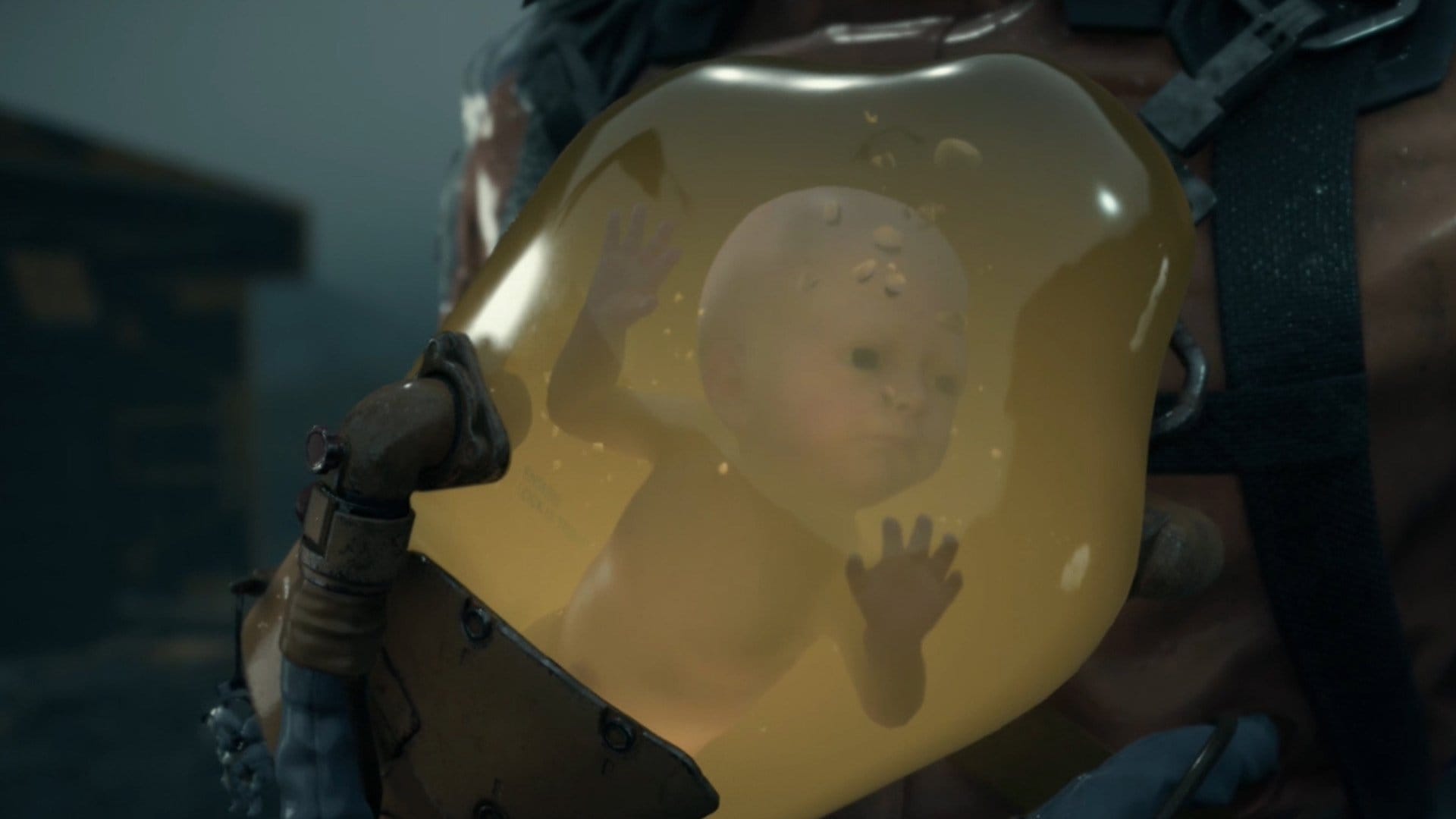
Your body was converted into life support without consent. Your future was narrowed into someone else’s emergency relief.
This scenario does not present a clean field where one person simply asks another for help.
This is a coercive arrangement already imposed. The person deciding whether to disconnect is not standing outside the field as a neutral judge. They are already well inside the violation.
The violinist did not necessarily cause that violation. He may be innocent, but his innocence does not make the imposed use of your body harmless in any way.
Two innocent loci can be placed into a harmful relation in a field. The fact that neither deserves harm does not make their relation morally acceptable.
The Ruling.
If someone freely chooses to sustain the violinist for nine months, that would be an extraordinary act of care. It preserves his future at great personal burden. It may be admirable precisely because it is not owed at all.
The opportunity to give a gift is not the same thing as a debt. If the law, hospital, family, public, or moral theory requires you to remain connected, then the act is no longer freely given care but enforced bodily use.
A field that permits forced bodily support creates a structure in which one person’s body can be assigned to another’s survival. That has consequences beyond the room.
If you disconnect, the violinist dies. That is not made irrelevant by your prior violation, or the fact that you had a right to refuse. A real future still closes.
The correct answer is that the Violinist's future, though morally weighty, is not reachable through nonconsensual use of your body without imposing a deeper violation on your locus.
That means disconnecting may be permissible even though it results in death.
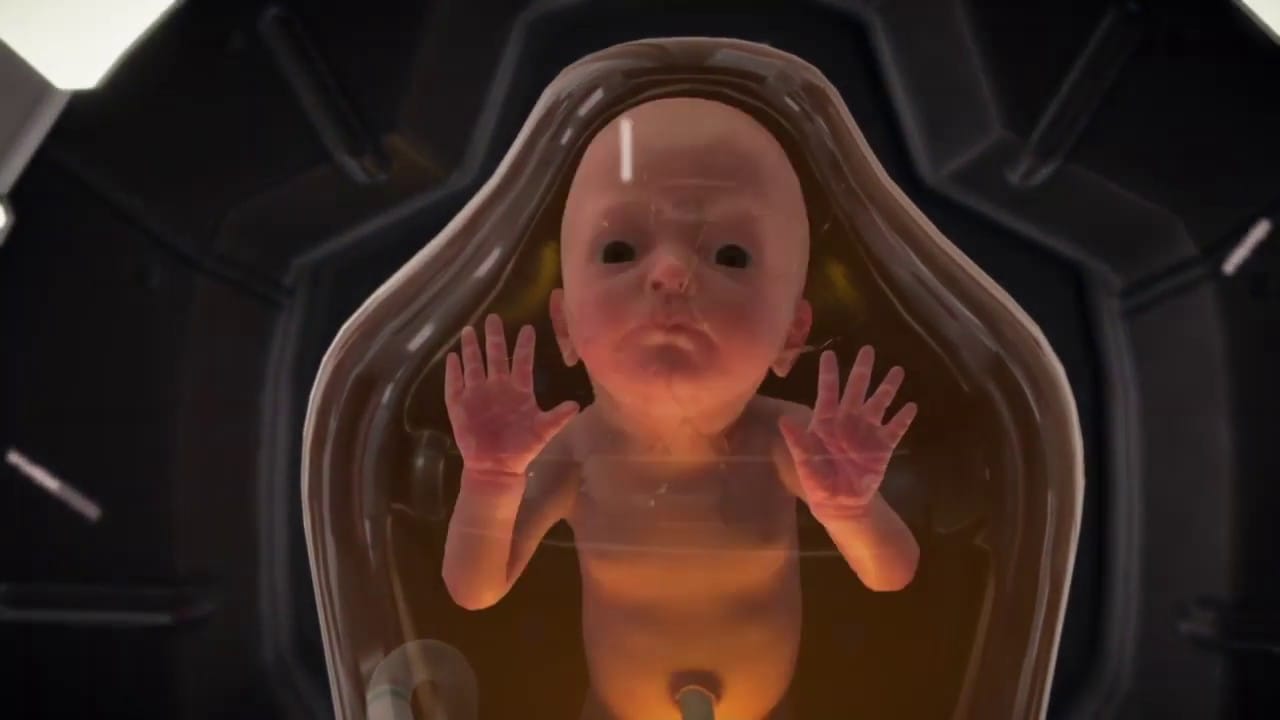
The deeper structure is that an imposed dependency is being ended. The violinist’s survival required ongoing access to your body. If that access was never rightful in the first place, then withdrawing it is not the same as murdering a healthy person.
This is also why the transplant surgeon case differs, as there the surgeon kills a healthy patient to extract their organs.
In the violinist case, the connected person refuses continued bodily use after being made into a support system without consent.
Need is morally serious, not a deed.