Thought Gauntlet X: The Predator
Nature does not know anything.
In the last article, I called smallpox a predatory locus.
Predation is the fact that some living beings continue by killing and eating others. You should probably know that already if you are reading this.
This case is morally difficult because the prey and predator are both extant loci.
The predator is not an evil agent in a costume.
It is, like the prey, an extant locus continuing through the structure available to it. Its hunger matters. Its offspring matter. It's role in the ecosystem matters.
The predator is not committing murder. It lives inside a field where its continuation depends on predation.
Bad Ethics.
Many moral frameworks handle predation pretty badly.
Some romanticize nature and pretend predation is pure because it is natural.
That does not parse.
Nature is not our magical moral solvent. Pain does not become unreal because it has sweeping cinematography.
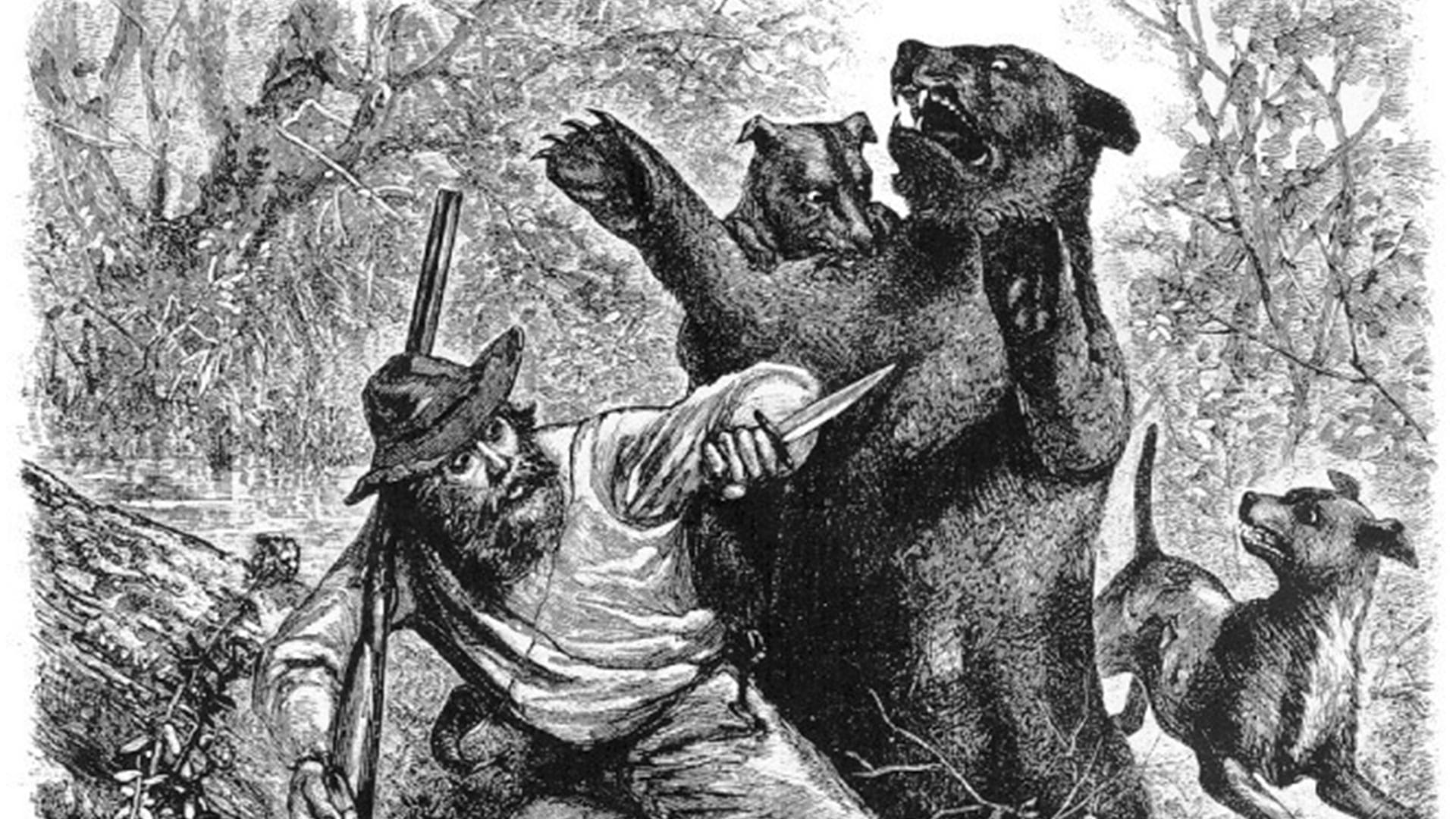
Others might look at wild animal suffering and imagine the moral task must be to eliminate predation entirely.
Please, just relax.
A world without predators is not automatically a repaired world. Predators shape ecosystems. They regulate populations, alter movement, affect vegetation, remove the sick and weak, and participate in relations far larger than the individual kill.
Remove a predator badly, and the field may obviously become more unstable, not at all "kinder".
Moral impatience is not moral.
The Ruling.
A predator-prey relation is not Good in the clean sense. It contains severe local closure. The prey’s future is clearly destroyed so the predator can continue. If we saw only that moment, we might want to stop it every time.
But no locus is isolated.
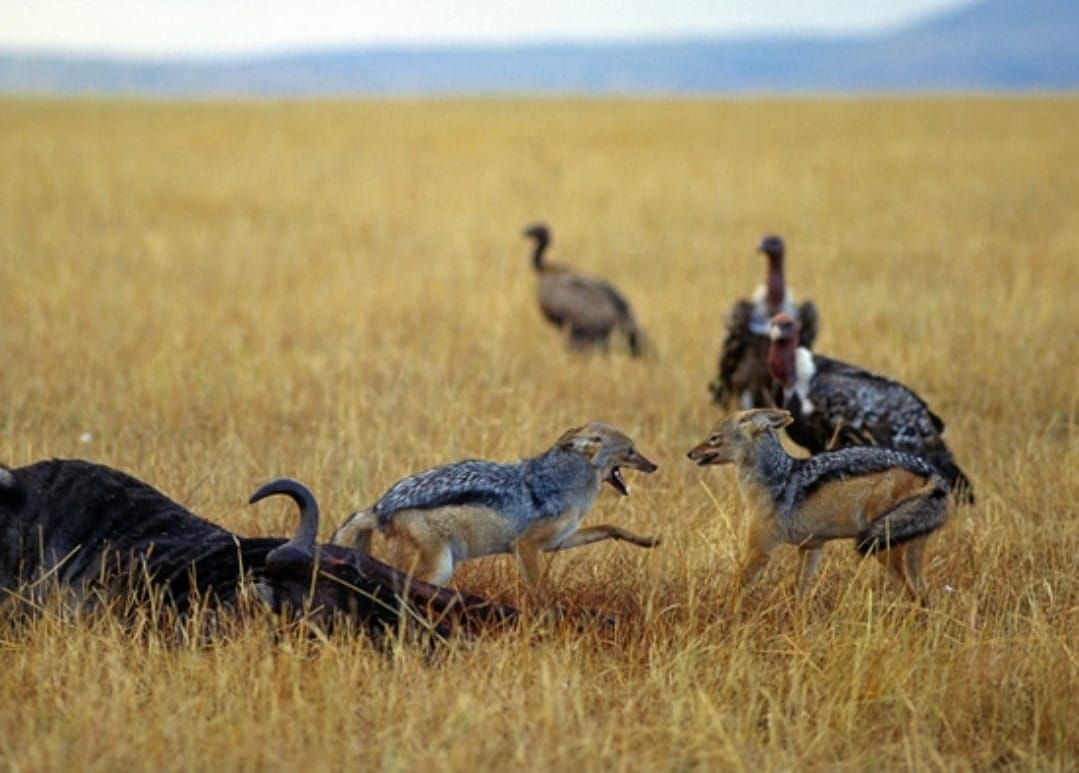
Ecosystems are nested continuances. The same relation that closes one animal’s future may preserve population balance, habitat structure, predator offspring, scavenger food, evolutionary pressure, and wider ecological stability.
This means the prey's death, while not erased from sight, is not the whole field.
The right question for an agent to ask about predation, as with any topic, is whether a proposed intervention opens more weighted future-space than it closes.
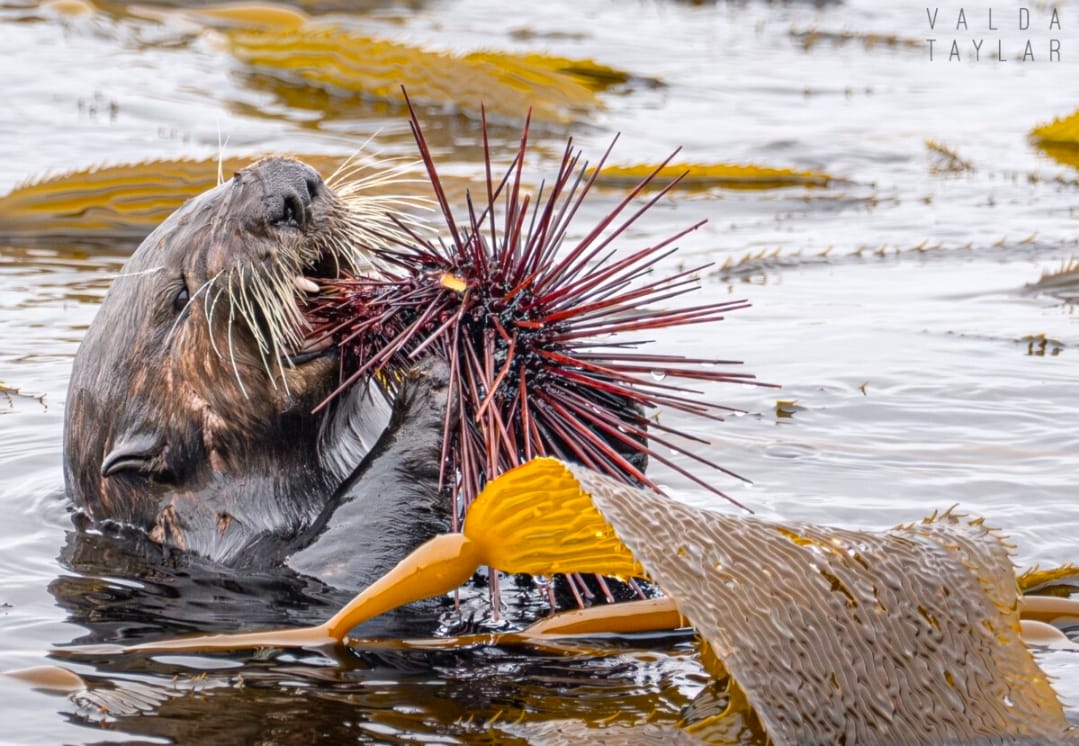
Reintroducing predators can repair an ecosystem damaged by their removal, and removing an invasive predator from an island can preserve entire bird populations.
Using contraception to prevent starvation in an overpopulated field may be Better than allowing collapse.
Treating an injured animal may even be Good where the intervention is local and does not destabilize the wider field.
What the agent must never do is assume that nature, somehow, knows best.
Nature does not know anything.
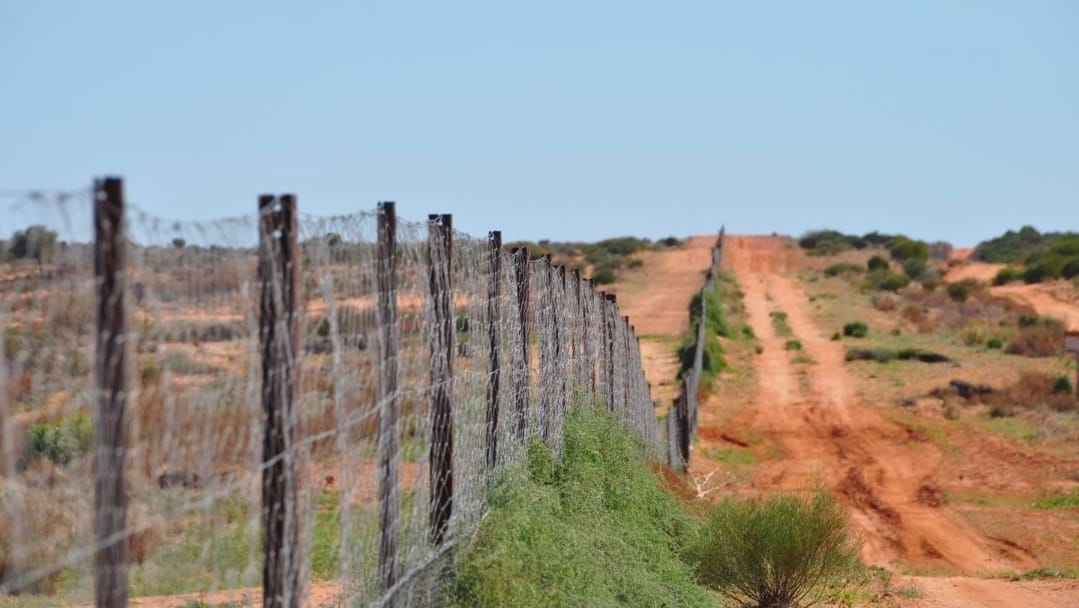
The agent must also not confuse moral concern with permission for a total redesign. Human beings are very good at noticing one suffering body and often very bad at understanding the whole field into which they are about to insert their machinery, policy, poison, fencing, gene drives, drones, or permanent administration.
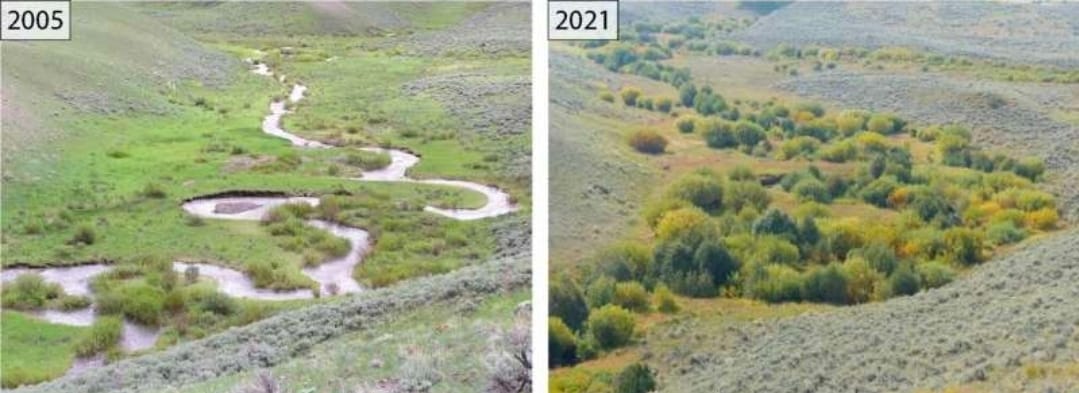
Concern and competence are not the same to the field.
The ruling is restrained:
Predation is a real site of harm, but not every harmful relation should be abolished by force. A predator-prey field must be judged by what interventions actually make reachable: less suffering, stable continuance, ecological repair, lower resistance, and fewer catastrophic downstream closures.
Where humans have already damaged the field, intervention may be required.
Where intervention would just replace wild harm with technocratic collapse, restraint may be Better.
Predation also shows us again why blame is secondary.
The wolf is not guilty. The deer is still harmed.
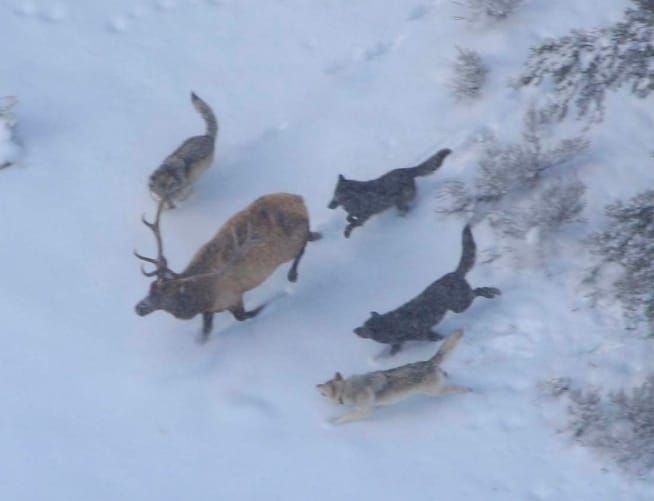
Those statements can stand together quite easily. If an ethics cannot say both, it is using the wrong tools.
Blame belongs to agents who can understand and redirect their conduct.
Harm belongs to fields where futures are closed, whether or not anyone is blameworthy.