Thought Gauntlet IX: Smallpox
Smallpox was a predator.
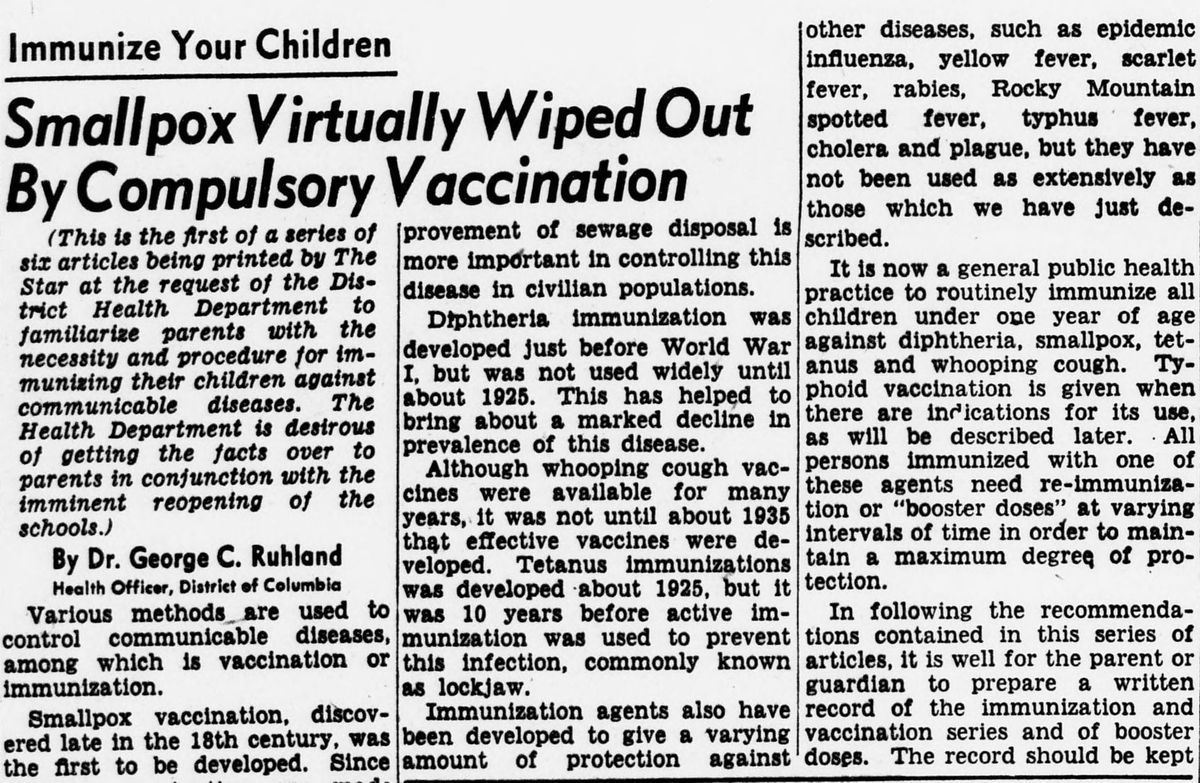
Smallpox is a disease we deliberately ended.
That sentence should probably feel uncomplicated, because in the ordinary moral field it mostly really is.
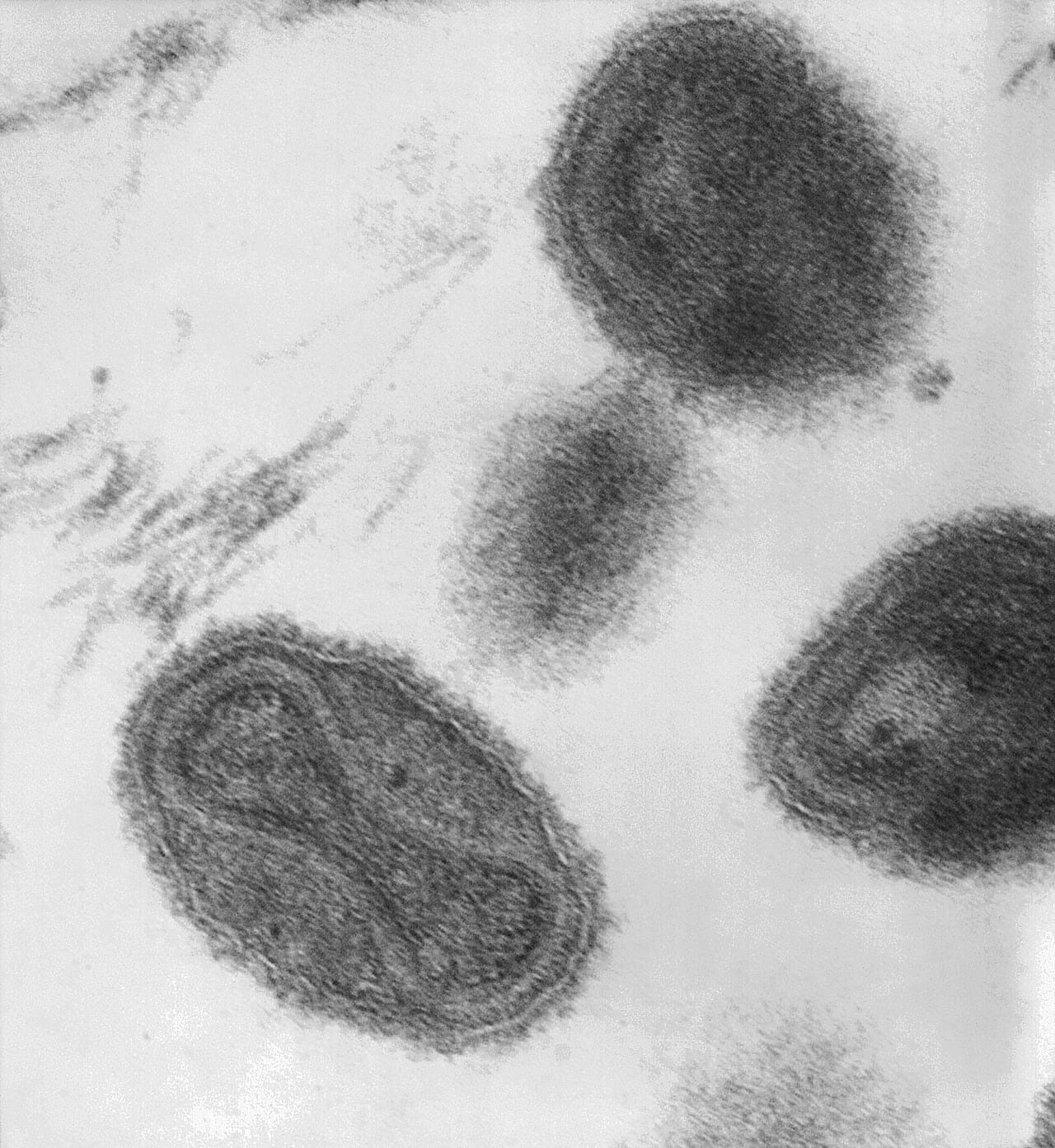
Smallpox was an infectious disease caused by the variola virus. It killed, scarred, blinded, spread through human populations, and narrowed millions of futures for thousands of years.
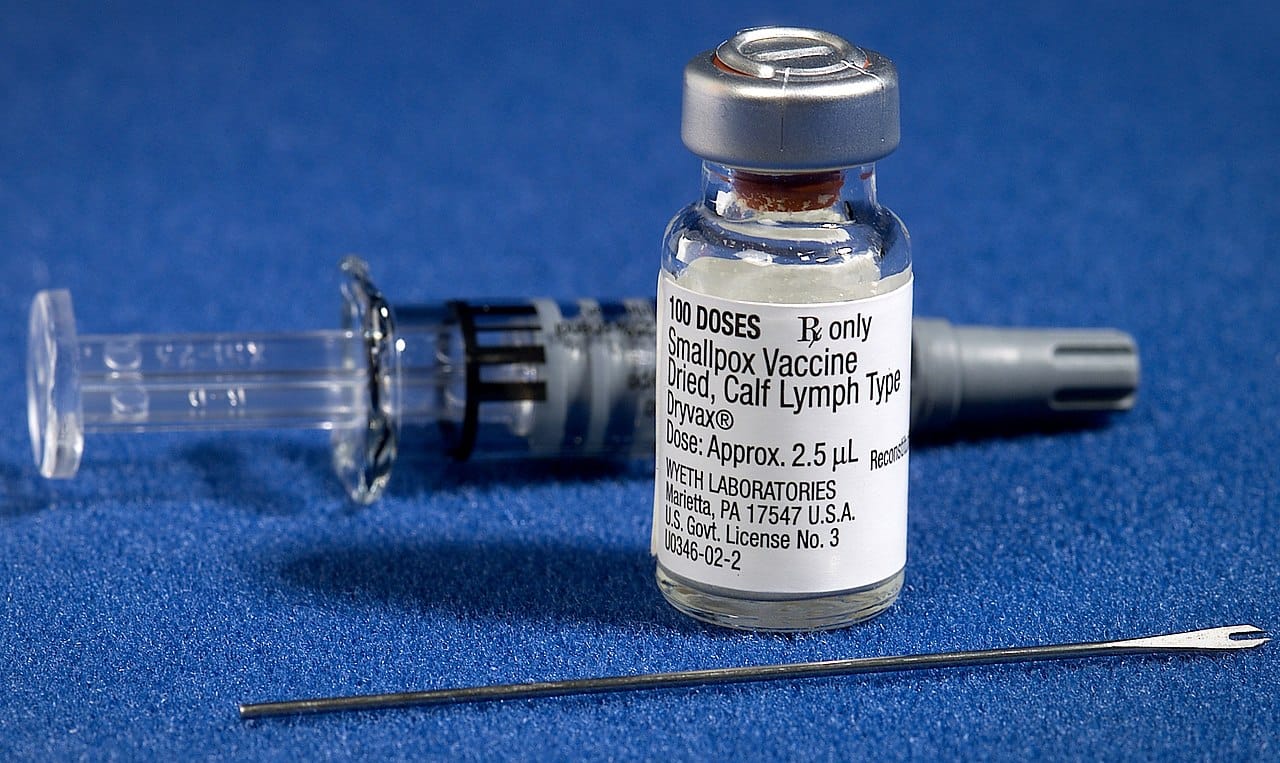
The last known natural case occurred in Somalia in 1977. In 1980, the World Health Organization declared smallpox eradicated.
This is usually treated as one of the cleanest victories in public health.
However, it is also a useful stress test for Modal Path Ethics, because smallpox itself was not nothing.
The Variola Virus as a Locus.
The variola virus was an extant locus.
If you haven't been reading these, that's not a person, not an animal, not a subject, not an innocent child in viral costume, and not something whose preservation should have kept anyone awake at night.
It was still real. It had continuance. It reproduced through human bodies. It had a future-path it could have taken.
Humanity closed that path, intentionally.
So the question is not whether smallpox “counted” in some sentimental sense, because clearly it did. The question is whether that fact should have changed any of the decisions humanity made.
Spoiler: No, of course not.
Moral Consideration.
Moral consideration is not moral protection, or some type of shield.
This distinction matters because otherwise this framework would become completely unusable. If every extant locus must be preserved just because it is extant, then ethics collapses into a chaotic museum of every harmful continuation reality ever manages to produce, and boy is it creative in that field.
Cancer would have to be preserved.
I mean, I can stop there, right?
Modal Path Ethics, in reality, asks what a locus does to the wider field.
Smallpox continued by entering human bodies and narrowing them: fever, rash, pain, scarring, blindness, death, terror, quarantine, family loss, social disruption, and the constant threat of future outbreak. Its reachable future depended enitrely on converting human futures into its viral replication space.
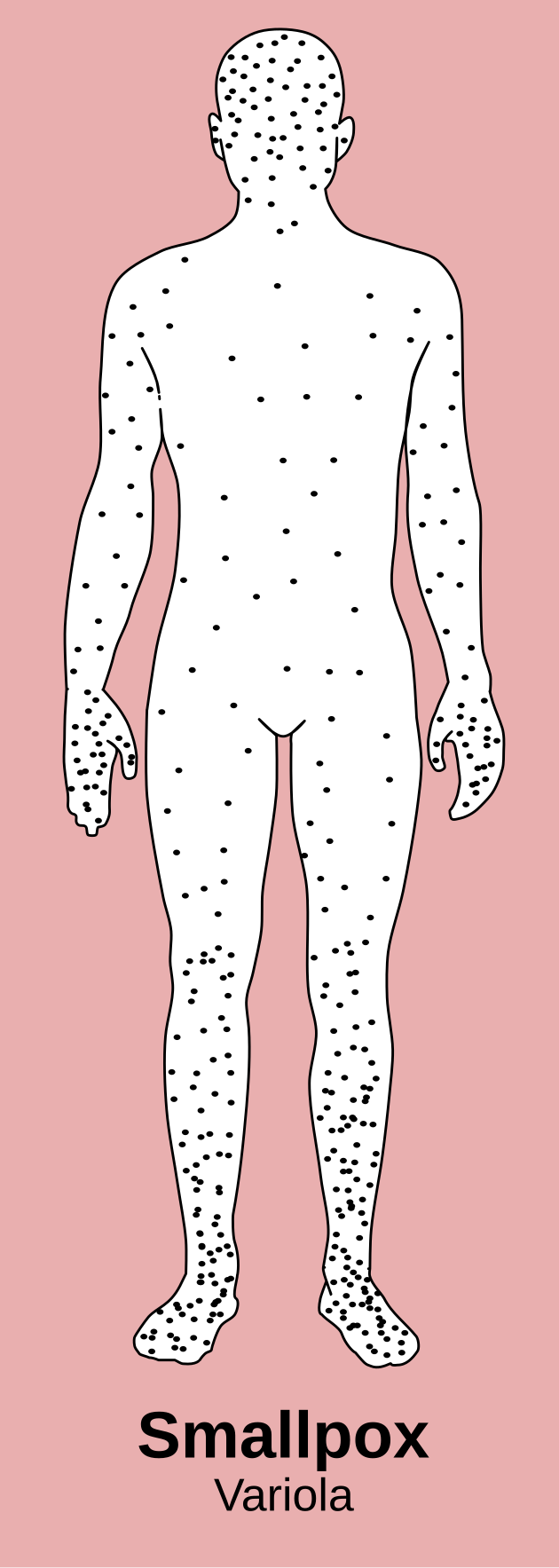
Smallpox was a predator.
Eradication closed the future of smallpox, which again, is still morally real.
But, clearly, the futures preserved by that closure are vastly more central, broader, less destructive, and more repairable than the viral future that was ended. Human beings no longer live under the tyranny of natural smallpox transmission. Children are no longer scarred or killed by it. Communities are not reorganized around its outbreaks anymore. Public health does not have to spend every generation fighting the same old enemy forever, which it used to.
The virus loses. This is Better, and perhaps one of the strongest examples we have of Better at civilizational scale: a harmful future was intentionally pruned so that a much wider field of non-harmful human continuance could remain open.
Bad Ethics.
So nothing groundbreaking, here. But, this is where ordinary moral language sometimes becomes confused.
People will likely hear that Modal Path Ethics treats nonhuman, non-sentient, or pre-life loci as morally legible, and then assume that means everything must be protected equally.
That is not what the framework says, at all.
Smallpox counted, but it lost the ruling. That ruling came after honest field analysis. The futures smallpox was closing and the futures it opened were weighted against the futures its eradication opened and closed, and the virus lost.
This virus’s continuation was entirely, structurally dependent on repeated, severe, irreversible burden imposed across often already vulnerable loci.
Closing that path did not violate the field. The field was protected from a destructive continuation.