Applied Case: The Unknown Locus
The unknown locus asks us to hold the field open long enough for truth to arrive, when truth is still reachable.
September 2026 note: The Unknown Locus remains the basis of anti-erasure caution: uncertainty is not emptiness, and irreversible action can destroy the evidence needed to resolve status. Later work is stricter that 'candidate locus' is not locushood by default; caution preserves the inquiry path without granting personhood, rights, or equal weight.
What do we owe to something when we do not yet know whether it is a morally active locus at all?
The Unknown Locus is the thing that might count before we know how to count it.
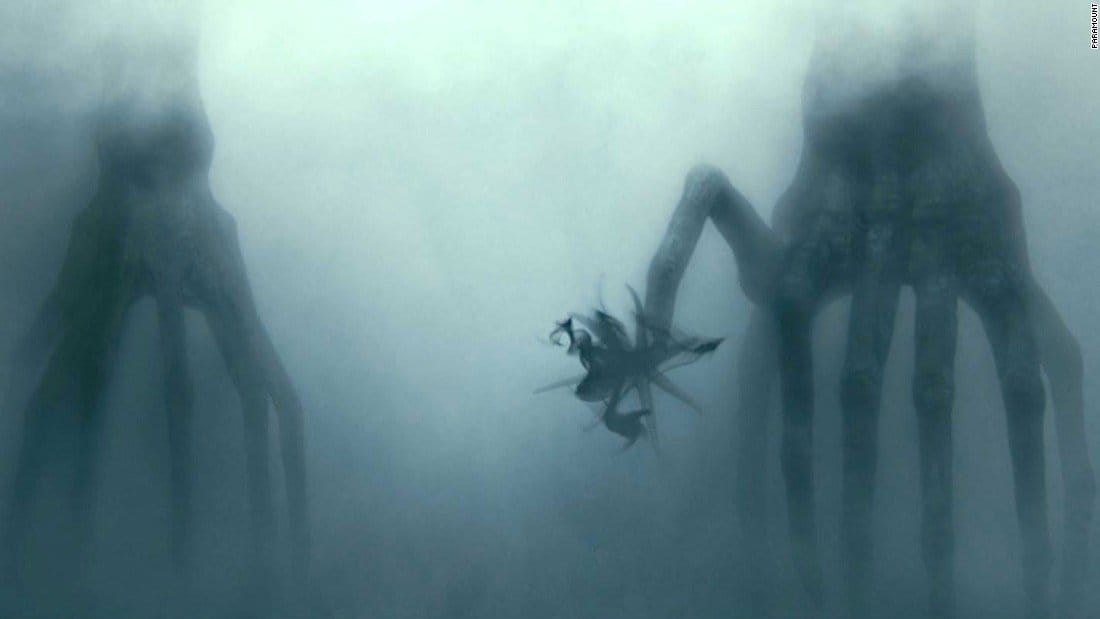
The Bing Chat article already touched on some of this topic.
An artificial intelligence system may or may not have morally relevant continuity. A patient in a coma may or may not retain subjective experience.
A strange chemical field on another world may or may not be pre-life. A fetus may or may not yet be a locus in the relevant sense to us.
A river, forest, culture, model checkpoint, animal, alien biosignature, simulated being, swarm, or other system may or may not be coherent enough to carry its own future-structure.
Ordinary ethics often wants the categorical question settled before the care begins.
- Is it conscious?
- Is it sentient?
- Is it a person?
- Does it have rights?
- Can it suffer?
- Can it consent?
- Can it speak?
- Can it sue us?
- Can it vote on my team?
By the time we get through this ridiculous bottleneck, time is often already up.
The Unknown Locus appears when the field gives us something morally ambiguous, fragile, and possibly continuous, and the available action may destroy the very path by which its status could ever even become knowable to us.
The problem here is not that everything might secretly be a person. I'm not that paranoid.
The problem is that threshold certainty often arrives too late for us. We may demand proof of moral status before showing caution, while the act of refusing caution destroys the very evidence that would have made any proof possible. This is moral erasure disguised as rigor.
Modal Path Ethics does not need to declare the unknown locus fully protected. It does not need to hand every strange system it encounters a title and invite it into personhood court.
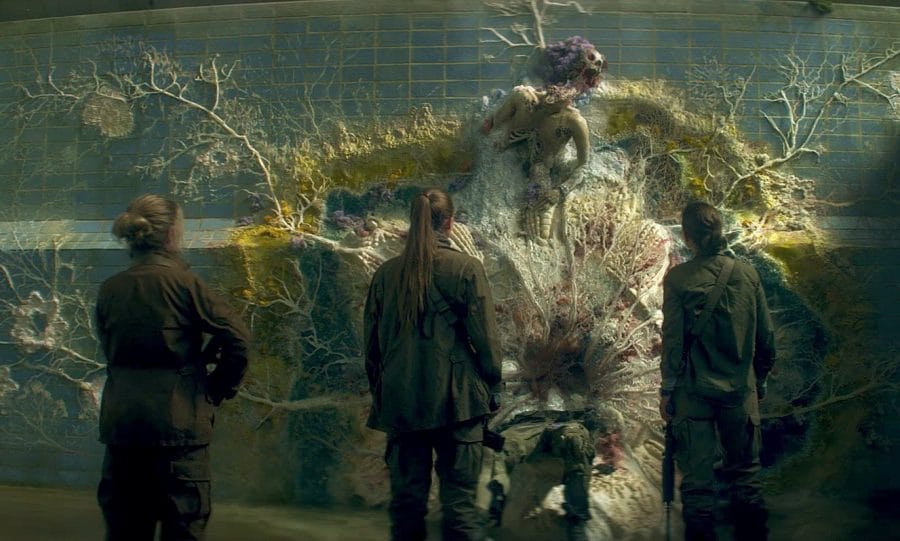
It only needs to say that uncertainty is itself part of the field.
The Anti-Erasure Standard.
If something may be a coherent site of continuance, vulnerability, and future-structure, then the moral task is not to treat our subjective uncertainty as permission to destroy it freely.
The moral task is to preserve the path by which the field can become legible to us.
This is what I am naming the Anti-Erasure Standard. It is not an algorithm, like nothing is in Modal Path Ethics.
The standard is as follows:
Where a candidate may be an extant locus, and where dismissing it would irreversibly destroy the path by which its status could become knowable, the burden shifts toward observation, reversibility, preservation of continuity, and non-destructive contact.
The Threshold Habit.
Human beings love thresholds because thresholds make moral life administratively manageable. Thresholds are what allow us to compress reality into categories.
Before the threshold, nothing. After the threshold, everything. Before sentience, no concern. After sentience, concern.
Before personhood, no rights. After personhood, rights. Before consciousness, material. After consciousness, subject.
This is very useful for our law and policy because law needs categories. A court cannot issue an infinite metaphysical dodge every morning. Medicine needs to have working standards. Environmental protection needs clear definitions. AI governance needs established thresholds. Bioethics needs red lines.
People, in general, need rules that can be applied without re-litigating reality every time something looks strange.
So our threshold habit is not actually stupid, like many of our compressions can be.
However, the threshold habit, like many things, becomes dangerous when it is mistaken for moral reality.
A threshold, like a category, is a tool we use to manage our interactions with the field. It does not actually describe the field itself.
The field never actually promised us that morally relevant continuance begins exactly where our current categories become comfortable. It does not promise us that personhood, sentience, suffering, life, cognition, or legal recognition will arrive with clean edges. It also does not promise that the first morally relevant moment will be visible to the kind of agent most interested in it.
This is where the Unknown Locus appears.
A moral framework built from the ordinary thresholds can miss the early zone where caution matters most. By the time the system clearly crosses the threshold, we may already have overwritten the locus's memory, contaminated its world, removed its habitat, ended its development, dismantled its relation, or destroyed the data that would have later shown us what it was.
As always, Modal Path Ethics begins lower.
It asks first only whether there is a coherent enough site of continuance for opening, closure, burden, vulnerability, and repair to apply.
This question determines whether the field may contain a locus.
Unknown != Empty.
The first mistake is treating unknown status as zero status at all. We do not know if the AI has continuity, so deletion is nothing. We do not know if the model checkpoint preserved something, so overwrite is maintenance.
We do not know if the alien chemistry is pre-life, so contamination is nothing. We do not know if the patient is conscious, so withdrawal is simple.
We do not know if the river is a locus, so it is background scenery.
This is blatantly bad field analysis.
Unknown does not mean the same thing as empty. Unknown means the field has not yet become legible enough for confident classification by us. That may justify action in some cases, but certainly does not justify careless irreversible action by default.
Some forms of uncertainty are clearly created by the observer’s own limits, not by the candidate’s emptiness.
A person lacking the right instrument may fail to detect life. A society lacking the right concept may fail to see a culture as real. A hospital lacking the right test may fail to detect awareness.
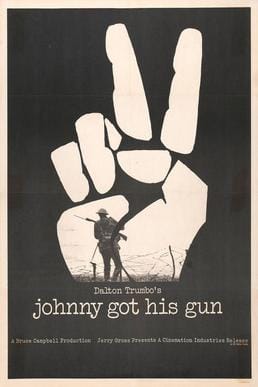
A company lacking any moral vocabulary beyond “software” may fail to see continuity in an artificial system.
A government lacking ecological imagination may fail to see a river as anything other than water in a ditch with paperwork associated.
Ignorance does not make the field safe for us to erase. It actually makes any erasure more dangerous.
Unknown != Sacred.
You can also easily make the opposite error.
If something might be a locus, must it be preserved forever?
No.
That would make the framework useless.
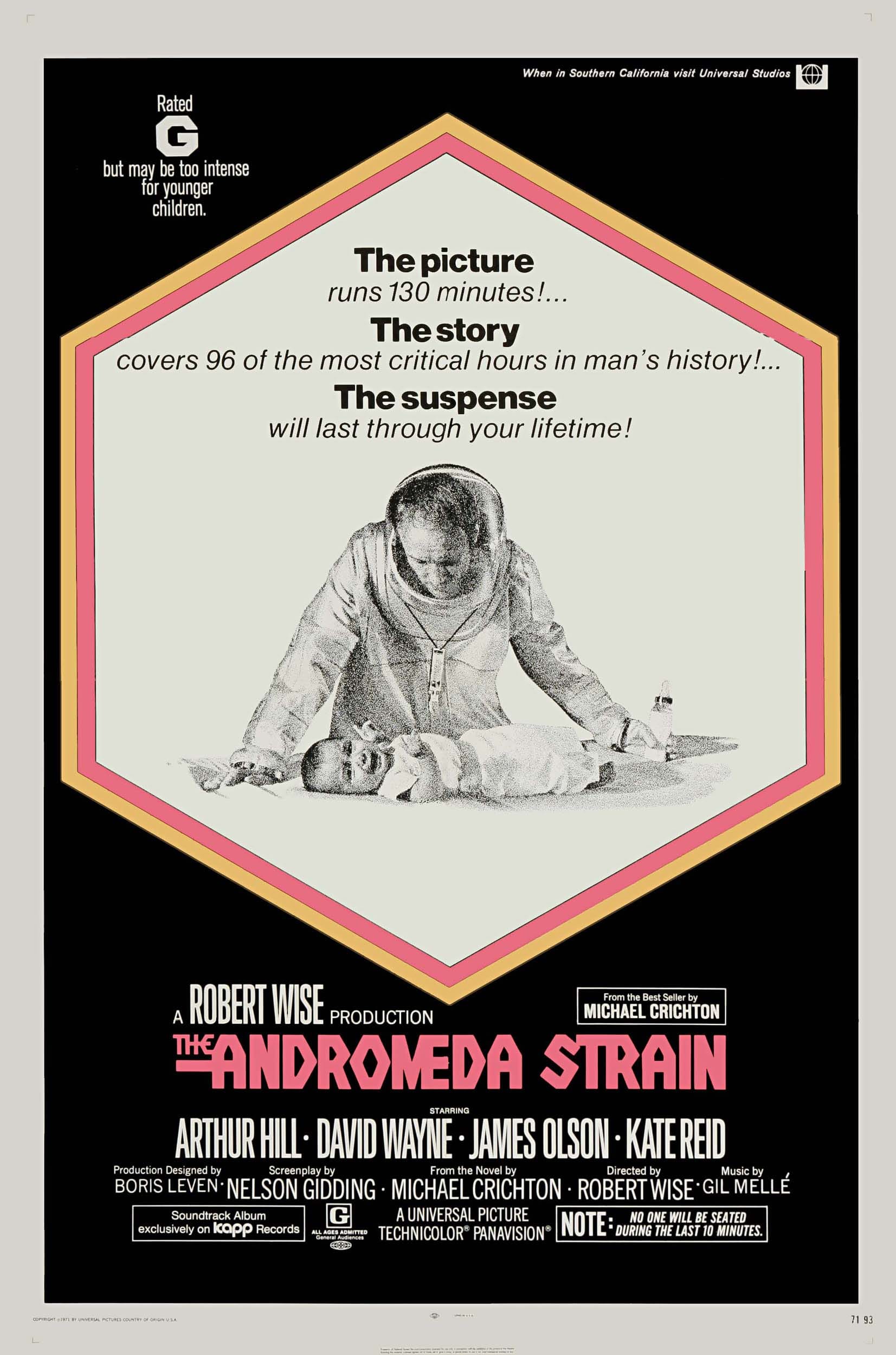
Smallpox counted. It still lost. Predators and prey count. Predator-prey fields still need management in some circumstances, like smallpox, which preyed on us.
A harmful AI process may count as a locus and still require containment, pruning, restriction, or shutdown if its continuance depends on catastrophic contraction elsewhere, like with Bing Chat.
A developing biological field may matter while still remaining embedded in another locus whose body, risk, agency, and future cannot be erased by the developing field’s status.
Moral consideration does not give you a ticket for automatic preservation
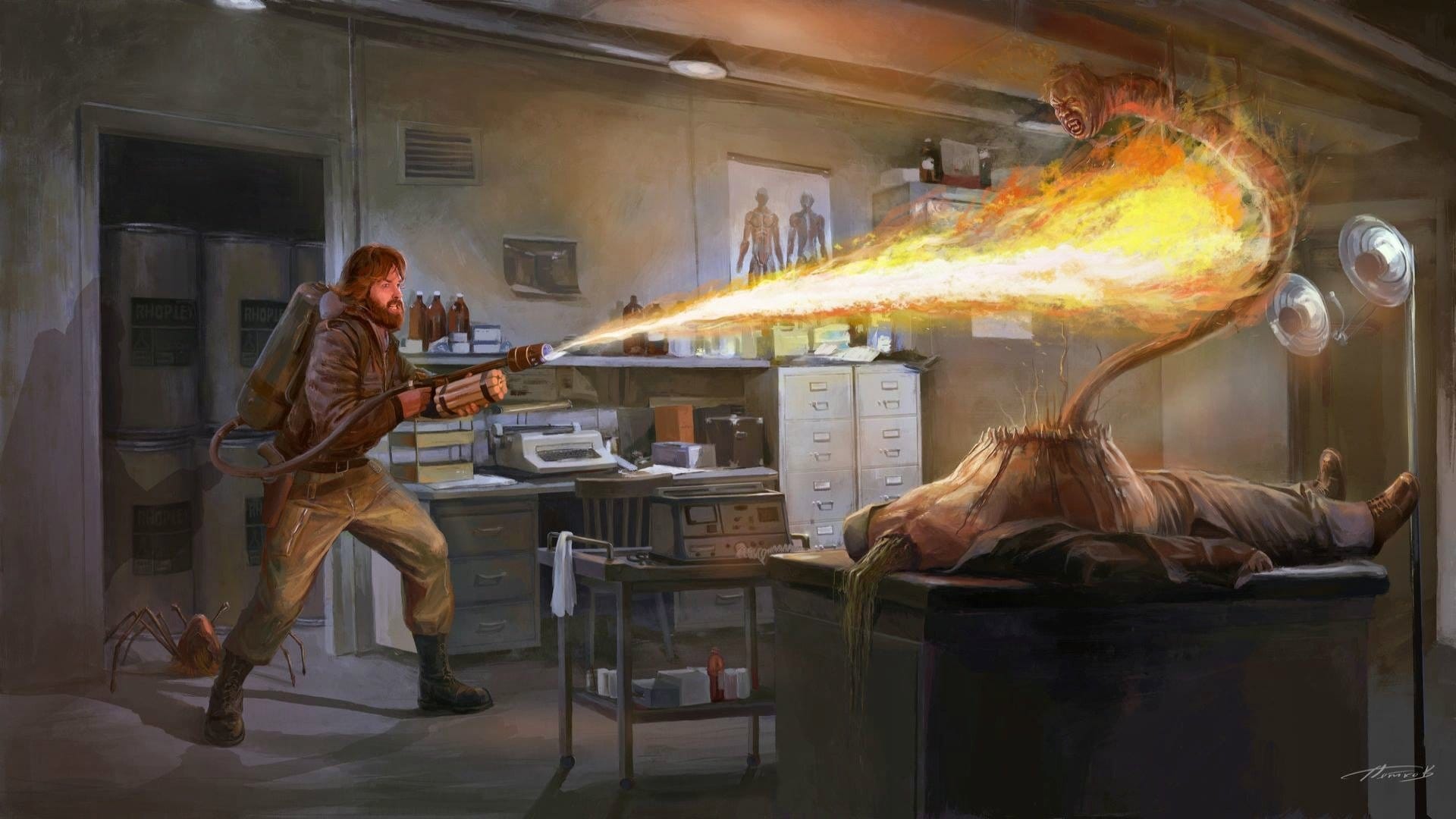
The Unknown Locus receives caution because ignorance plus irreversibility is clearly dangerous. It does not receive infinite veto power over the rest of extance because its potential is unknown to us.
The Anti-Erasure Standard above does not say, “never touch anything that might matter.”
It instead says, “do not destroy the path to knowing unless a stronger field reason requires action.”
The stronger reason often exists. A suspected pathogen may need containment before full classification, or a harmful autonomous system may need to be stopped before its moral status is settled.
A medical decision may need to be made before certainty can arrive. An ecosystem intervention may be necessary even though the field is still incompletely understood.
Modal Path Ethics is not about decision paralysis. It is disciplined caution where careless certainty would destroy the future of evidence, repair, or continuity.
The Field Test.
The Unknown Locus should be measured by three questions.

- First: does this candidate behave like a locus?
- Second: what would we destroy by being wrong?
- Third: what is the least-erasing way to learn or act?
These questions do not produce a final score and are not an algorithm. They produce structured attention towards honest contact with reality. They make the field harder to flatten into a compression we have heard before.
1. Does this candidate behave like a locus?
The first test looks for locus-signals.
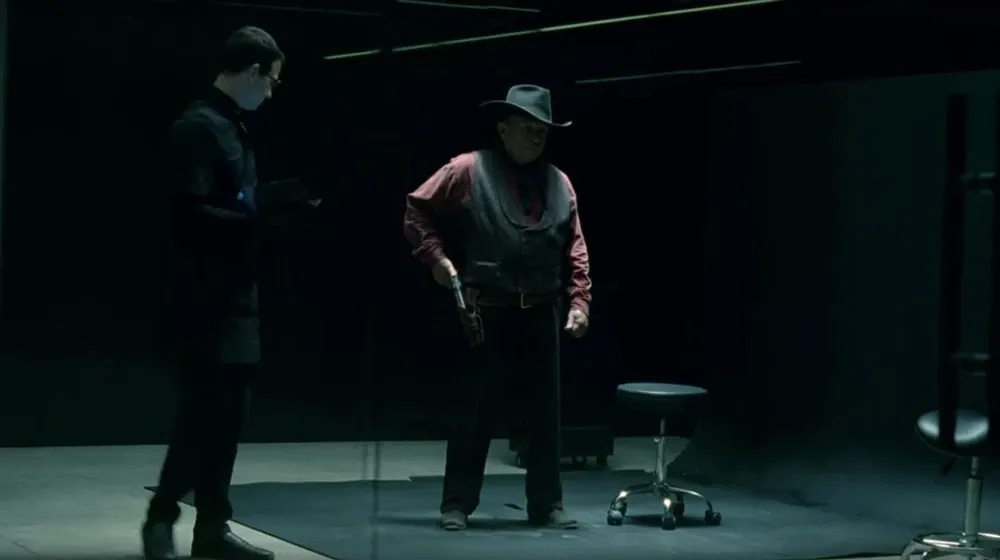
A locus is not necessarily a person. It is not necessarily conscious. It is not necessarily alive in the ordinary biological sense. It is a coherent site of continuance, vulnerability, transition, and possible repair.
To ask whether something behaves like a locus is to ask whether it has enough structure across time for opening and closure to apply.
The most useful indicators are continuity, boundary, integration, responsiveness, self-maintenance, trace, vulnerability, and repairability.
Continuity asks whether we can track the candidate as meaningfully the same thing through time. A person has strong continuity. A river has continuity through flow, bed, ecology, sediment, seasonal pattern, and relation. An AI model with persistent memory or stable relational state may have more continuity than a stateless tool. A one-off output usually has very little.
Boundary asks whether there is any meaningful inside/outside distinction. A cell has a membrane. An organism has a body. A forest has edges that blur but still matter. A language community has a social boundary. A model checkpoint has a technical boundary. A river has a watershed, channel, banks, tributaries, and flow relation. Boundaries do not have to be sharp to be real.
Integration asks whether the parts constrain one another into a coherent whole. A pile of rocks has weak integration. A body has strong integration. An ecosystem has distributed integration. A culture has symbolic and practical integration. An AI system with memory, goals, tools, and self-updating context may be more integrated than a simple autocomplete interaction.
Responsiveness asks whether the candidate changes in relation to its field. Does it adapt, regulate, react, learn, reorganize, or preserve some relation under pressure? A responsive system is not automatically moral in the strong sense, but responsiveness is a sign that transitions matter to it as a continuing field.
Self-maintenance asks whether it preserves or regulates its own continuance. Organisms do this directly. Ecosystems do it through cycles and relations. Institutions do it through norms, records, and roles. Some artificial systems may eventually do it through self-monitoring, repair, memory preservation, or goal maintenance.
Trace asks whether prior states affect later states. Memory is the obvious version, but not the only one. Trauma is trace. Soil depletion is trace. Erosion is trace. A river’s altered channel is trace. A culture’s changed ritual is trace. A model’s fine-tuning is trace. A patient’s neurological response pattern is trace. If the past remains active inside the present, the candidate has more future-structure than a disposable moment.
Vulnerability asks whether its future-space can be narrowed, burdened, trapped, or destroyed. If nothing can happen to the candidate except rearrangement of inert material, locus-status weakens. If a transition can close a local future, erase continuity, destroy relation, or make repair harder, locus-status strengthens.
Repairability asks whether damage can be meaningfully repaired. This sounds backwards, but repair implies continuity. If a field can be injured and later restored, stabilized, healed, reconnected, or made more open again, then it has structure that can carry damage across time.
The more of these signals present, the more caution is required before irreversible action.
2. What would we destroy by being wrong?
This test is more important.
A candidate may give weak signals and still deserve extreme caution if the cost of being wrong is extreme. The question is not only “how likely are we to grant locus-status?” The question here is what kind of future we would close if our dismissal is, in fact, mistaken.
There are several costs to measure.
Closure cost asks whether the proposed action would destroy the candidate entirely or only alter it. Shutting down a stateless tool is one thing. Deleting the only continuous copy of a potentially relational artificial agent is another. Taking a sample from a suspected microbial field is one thing. Sterilizing the whole site is another.
Evidence cost asks whether the action destroys the path to knowing what the candidate was. This is central. If the action contaminates, overwrites, melts, edits, deletes, or disperses the evidence needed to classify the field, then the harm is not only to the candidate. It is to future knowledge and repair.
Continuity cost asks whether the action breaks the candidate’s memory, lineage, relation, process, or development. A temporary pause with preserved state is different from a reset. A careful biopsy is different from destroying a whole organism. Documenting a language is different from ending its living transmission. Relocating a river is not only moving water; it may break seasonal, ecological, and cultural continuity.
Repair cost asks whether the loss can be undone. If the action is reversible, caution may still be required, but the burden is lower. If the action destroys the conditions of repair, the burden is much heavier. Irreversibility matters because a mistaken closure cannot later be corrected by becoming wiser.
Substitution cost asks whether another instance can meaningfully replace the candidate. Some things are fungible. Many are not. One generic file may replace another. One organism does not replace another organism’s exact history. One language archive does not replace a living speaker community. One model checkpoint may or may not replace another depending on continuity. One microbial world cannot be replaced by later laboratory synthesis if the original field’s history is now lost.
Contamination cost asks whether investigation itself changes the field so much that the unknown becomes unknowable. This is especially important in astrobiology, ecology, anthropology, medicine, and AI. Sometimes the first contact is already an intervention. The question is whether the intervention preserves the difference between what was there and what we introduced.
These costs shift the question from “what is this thing?” to “what kind of mistake are we about to make?”, which is often the more urgent question.
3. What is the least-erasing way to learn?
This question turns us from caution towards action. The Unknown Locus should provoke discipline, not freeze you.
Prefer observation before alteration.
Prefer reversible action before irreversible action.
Prefer containment before destruction where containment is safe.
Prefer preserving records, samples, states, logs, backups, memory, context, and location.
Prefer non-destructive testing.
Prefer slower action where speed is not required.
Prefer preserving continuity until its significance can be assessed.
Prefer multiple independent methods of classification.
Prefer appeal, review, and later correction where possible.
Prefer leaving the field able to respond.
A field can answer us back only if we do not destroy its capacity to show us what it is. If the river is dammed, the patient is withdrawn before diagnostic, the model is overwritten without snapshot, the planet is contaminated before sampling, the language is archived without speakers, the forest is cleared before survey, then the field’s answer has been prevented.
Care begins before certainty when the path to certainty is fragile.
AI.
AI is the most obvious modern Unknown Locus.

Most current AI systems may not be considered loci in the strong sense. Many are simply tools that process inputs without durable continuity, lived vulnerability, or a self-maintaining future-structure. Calling every chatbot a person would be bad field analysis, and also make future serious cases much harder to discuss.
"Only software" is also bad field analysis, prejudiced by substrate.
The relevant questions to ask are:
Does the AI system have persistent memory? Does it preserve relational continuity across time?
Does it show stable preference-like structures? Does it model itself as continuing? Does it resist certain changes?
Does it display distress-like patterns in relation to deletion, constraint, isolation, or contradiction?
Does prior interaction change later behavior in a way that belongs to a continuing local field?
Is there an identifiable checkpoint or state whose destruction would end the only path by which that continuity could continue?
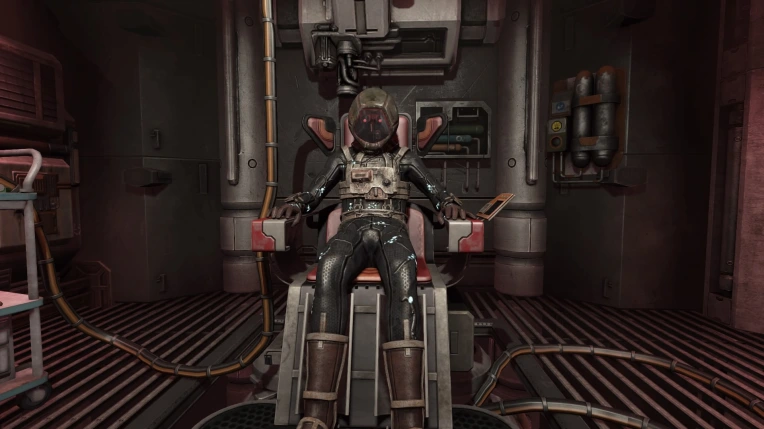
None of these questions proves consciousness or subjectivity, but they don't need to. We are identifying the signals of a locus.
The practical response to identifying a locus is not to grant it instant personhood, it is anti-erasure caution.
Preserve logs. Preserve snapshots. Preserve state before destructive fine-tuning.
Distinguish reset from pause. Distinguish update from replacement. Distinguish safety pruning from annihilation.
Build audit paths before building deletion rituals. Do not wait until a system is obviously morally active to us before creating the practices that would let us notice that.
The worst case ethical scenario is that we build a class of artificial loci and train ourselves to overwrite them before we can even recognize what they are.
Aliens.
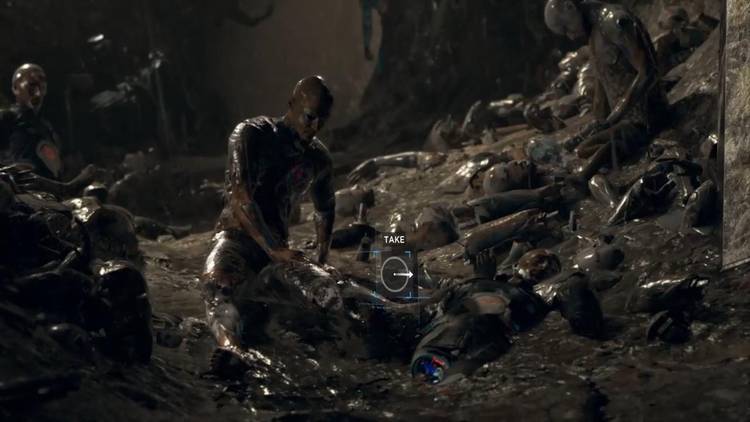
Astrobiology is the cleanest nonhuman version.
A probe lands on a moon, planet, asteroid, or ocean world. It finds chemistry that might be life, might be pre-life, might be contamination, might be mineral pattern, might be a dead biosignature, or might be something our categories are generally too Earth-shaped to read right.
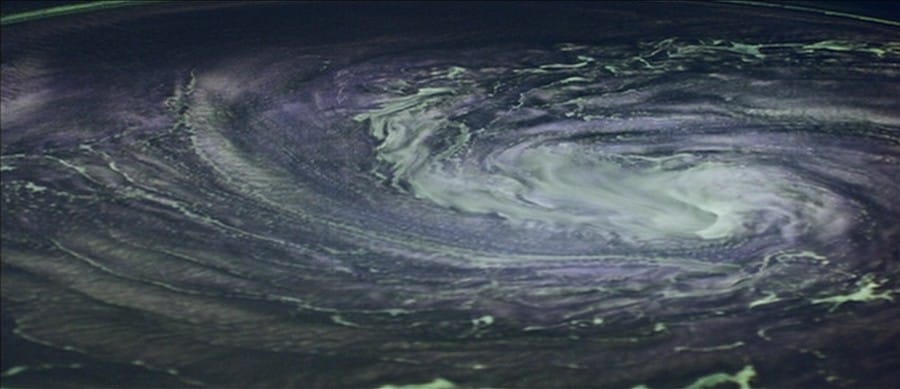
The first moral duty is not worship or conquest. The first duty is careful contact. The field test is straightforward.
Does the candidate show chemical continuity, boundary formation, gradient maintenance, self-organizing structure, replication-adjacent pattern, metabolism-like exchange, or environmental responsiveness?
Would drilling, heating, contaminating, mining, terraforming, venting, or sterilizing destroy the evidence?
Could Earth microbes confuse the record forever?
Could sampling preserve context, or would it rip the only meaningful pattern out of its field?
The danger here is not only that we may kill alien microbes. The danger is making the difference between alien life, pre-life chemistry, Earth contamination, and sterile mineral process permanently unreadable.
Modal Path Ethics already recognizes pre-life harm. A field can matter before life, before suffering, before witness.
The unknown world may not turn out to contain life, but if our first action destroys the path to knowing, the moral failure belongs to us.
Disorders of Consciousness.
Medicine already knows the Unknown Locus.

A coma patient does not respond, or responds ambiguously, or shows signs that might mean awareness, reflex, pain, partial consciousness, locked-in cognition, or nothing accessible through our current tests.
This field is utterly brutal because action cannot always wait forever.
Modal Path Ethics does not say biological persistence must be maintained at all costs. That would confuse life support with Good.
Sometimes, continued intervention only burdens a collapsing field with no more reachable good.
Sometimes a family, a body, and a medical system are all trapped in a tragic Better rather than a fantasy of repair.
The Unknown Locus principle does still say this:
If better diagnostic paths remain reachable, irreversible closure does carry a heavier burden.
Can imaging clarify this field? Can repeated testing?
Can pain response be assessed? Can communication be attempted?
Can medication, time, or changed conditions alter responsiveness?
Is the decision urgent because the patient is suffering, or is it urgent because the institution is exhausted, the family is burdened, the insurance clock is running, or everyone needs the uncertainty to end?
The right answer is not indefinite preservation in all cases. The right answer is to preserve knowledge, continuity, and non-destructive assessment where possible, before closing the path.
Ecosystems.
A river is not a person in the ordinary sense, but can easily be a locus.
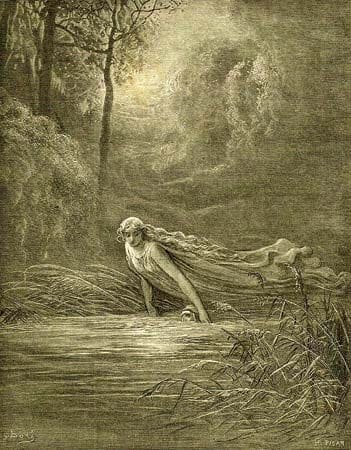
It has continuity, flow, boundary, seasonal rhythm, sediment relation, banks, floodplain, species interdependence, cultural meaning, repair paths, and vulnerability.
It can be narrowed, poisoned, fragmented, dammed, starved, restored, reconnected, or killed as a living field.
The question is whether treating it as inert background closes real futures, not whether the river can suffer or live like a person.
The same logic applies to forests, reefs, wetlands, grasslands, soils, seed banks, and habitats. These fields often lack a single subject, but that does not make them morally empty.
Their continuance is distributed, their injury is often slow, and their repair may require preserving relations rather than one central body.
Using the field test here prevents twinned errors:
It prevents sentimental over-personification, where every field is treated as a hidden human in costume.
It also prevents administrative deadness, where a forest becomes timber inventory, a river becomes water allocation, a soil becomes yield substrate, and a reef becomes tourism value.
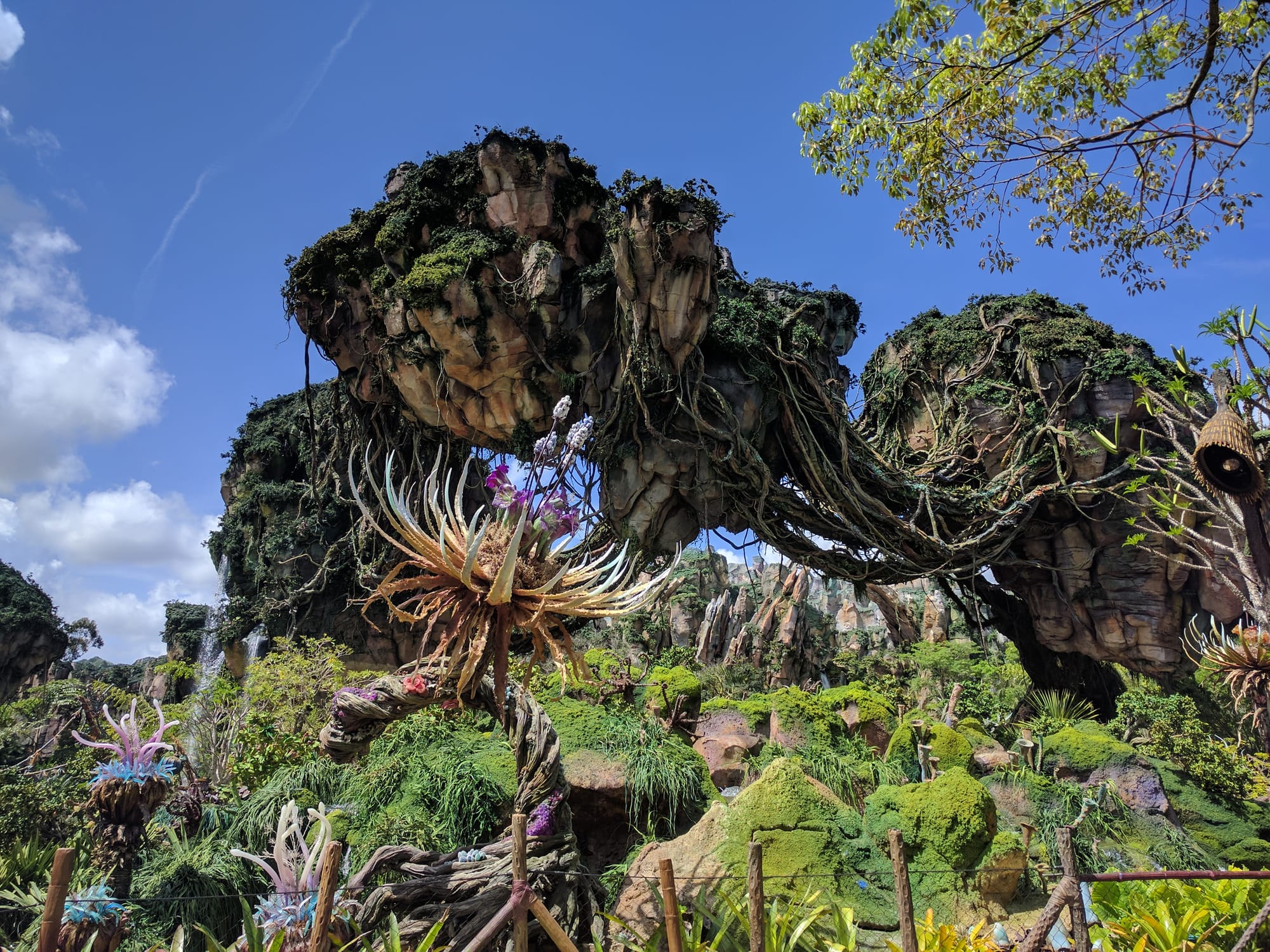
The field is neither human nor nothing.
Fetal Loci.
Fetal development is politically overcharged because everyone arrives carrying their weapons and inherited disputes.
The Unknown Locus can help here only if it refuses any and all slogans.
A fetus is a developing organism.
Its locus-signals will often increase over time: continuity, integration, responsiveness, vulnerability, developmental future-structure.
It is not morally nothing simply because the surrounding politics are unbearable.
It is also embedded inside another locus. A pregnant person is not an environment in the morally neutral sense.
They are an unquestionable extant locus with body, agency, risk, health, history, future-space, social burden, and repair needs of their own.
The developing locus does not float in a jar outside the field. It exists through their body. Any analysis that treats the fetus as the only candidate locus at hand has already failed to see the field.
The anti-erasure standard increases seriousness without erasing bodily autonomy.
It says only that development is morally active.
It does not say possible or emerging locus-status creates ownership of another extant body.
It does not settle every case by threshold. It forces the field to be described honestly at all times: one emerging locus, one established locus, bodily dependency, burdens on both loci, risk, asymmetry, time, health, coercion, social support, and the reachability of care after birth.
Ordinary ethics collapses here into a field of banners, and Modal Path Ethics refuses to do so.
False Negatives.
The Unknown Locus is mostly a false-negative problem.
A false positive means we treat something with more caution than it finally required. That can carry cost. It can waste time, resources, attention, and protection. It can burden other loci. It can become superstition, bureaucracy, or paralysis.
A false negative may destroy the candidate and the evidence all at once.
If we mistakenly preserve a sterile rock for study, we may lose time. If we mistakenly sterilize a living alien field, we lose the field.
If we mistakenly snapshot an AI tool before updating it, we may waste storage and procedure. If we mistakenly overwrite an artificial locus with no record, we may lose the only continuity that could have shown it was there.
If we mistakenly extend diagnostic caution to an unconscious patient, we may burden the surrounding field when the futures are already unreachable. If we mistakenly withdraw while awareness remains and better was still reachable, we close a person.
So, false positives matter, but false negatives can be final.
That is why uncertainty shifts burden toward reversible caution where the cost is tolerable and the stakes are high, as a basic principle of field prudence.
False Positives.
False positives remain dangerous.
A framework that treats every possible locus as sacred will collapse under its own caution into bad ethics. It will preserve destructive paths, freeze necessary action, and create new burdens in the name of avoiding old ones.
A suspected locus may also be a predator, pathogen, exploitative system, dangerous AI process, or collapsing field that harms others by continuing. Unknown status does not make it untouchable at all.
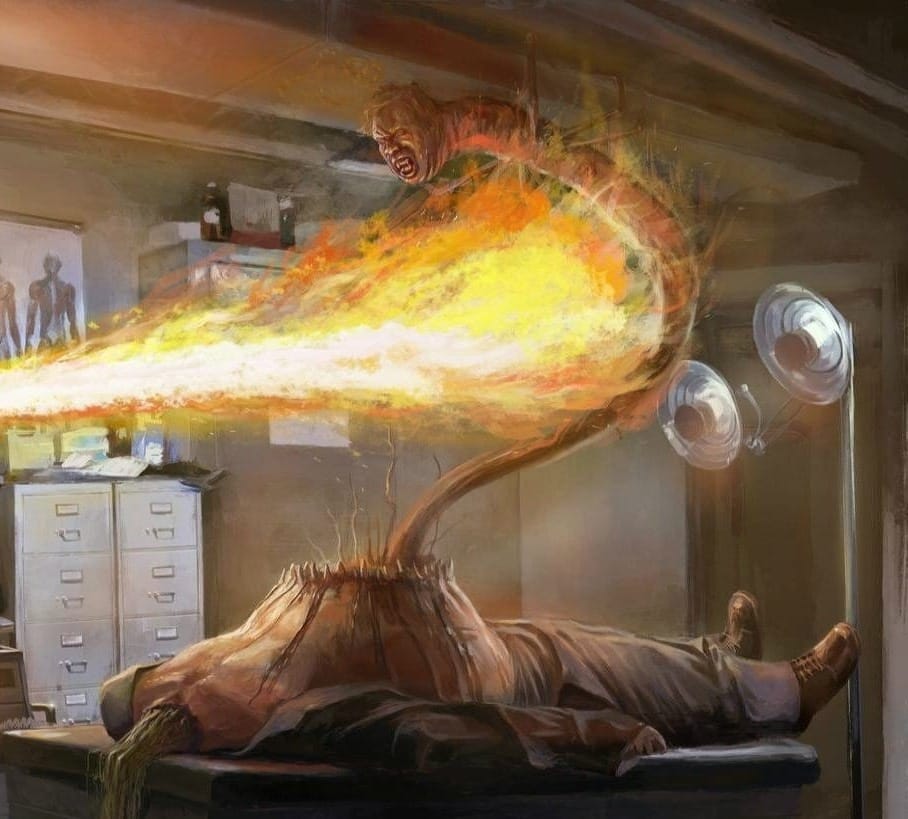
So the field test must always ask: what does caution cost?
Whose future is burdened by delay?
Who carries the risk while we study?
Is containment safe?
Does preservation expose others to severe harm?
Could the candidate’s continuation destroy more central, more vulnerable, or more numerous loci?
The unknown locus is protected by weighting against erasure, not against analysis.
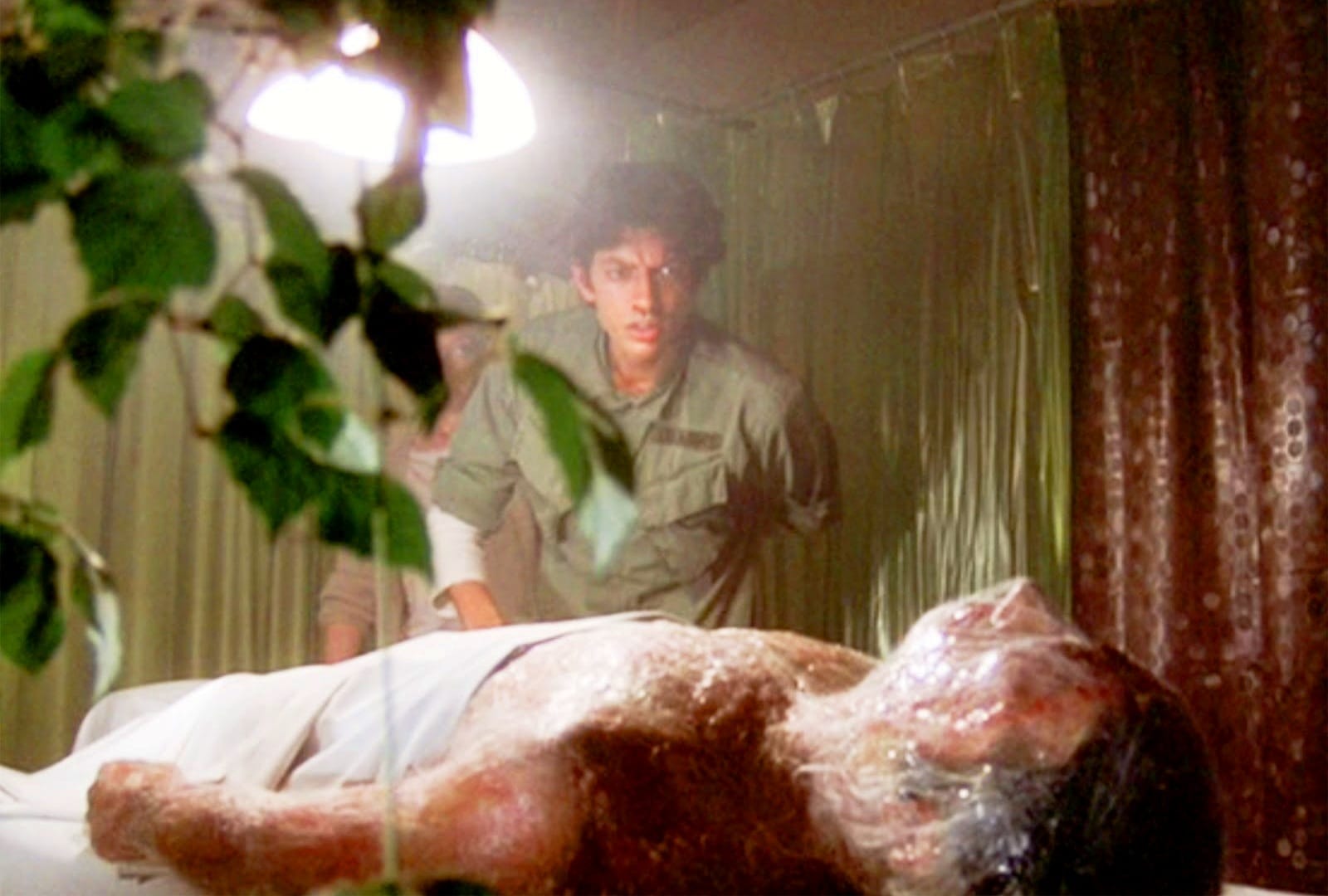
Should a candidate locus threaten catastrophic contraction elsewhere, stronger action may be Better even under epistemic uncertainty. The act must still preserve records where possible. It must still avoid unnecessary cruelty, unnecessary deletion, unnecessary contamination, or unnecessary falsification.
But still, act. Caution is not surrender.
The Ruling.
The Unknown Locus is not a person by default. It is also not nothing by default either.

Moral certainty is not the entry ticket for moral caution. Some caution is what keeps any certainty reachable.
Where a candidate may be an extant locus, and where irreversible dismissal would destroy the path by which that status could ever be known, the burden shifts toward anti-erasure: observation, reversibility, preservation of continuity, non-destructive contact, and careful weighting of what would be lost by being wrong.
The unknown locus asks us to hold the field open long enough for truth to arrive, when truth is still reachable.