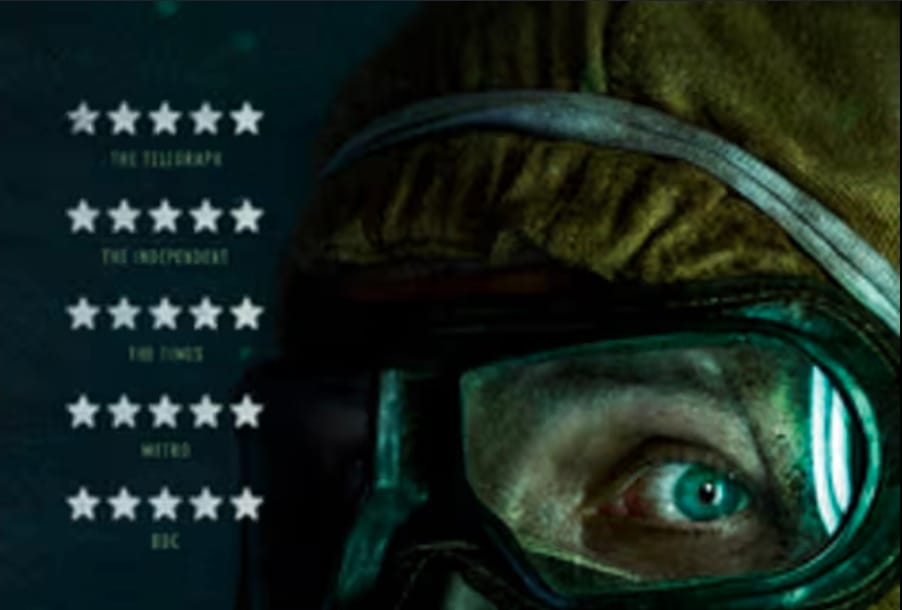
Applied Case: HBO's Chernobyl
HBO's Chernobyl warns us against the cost of simplifying reality for institutional convenience, while also simplifying reality for its own narrative convenience.
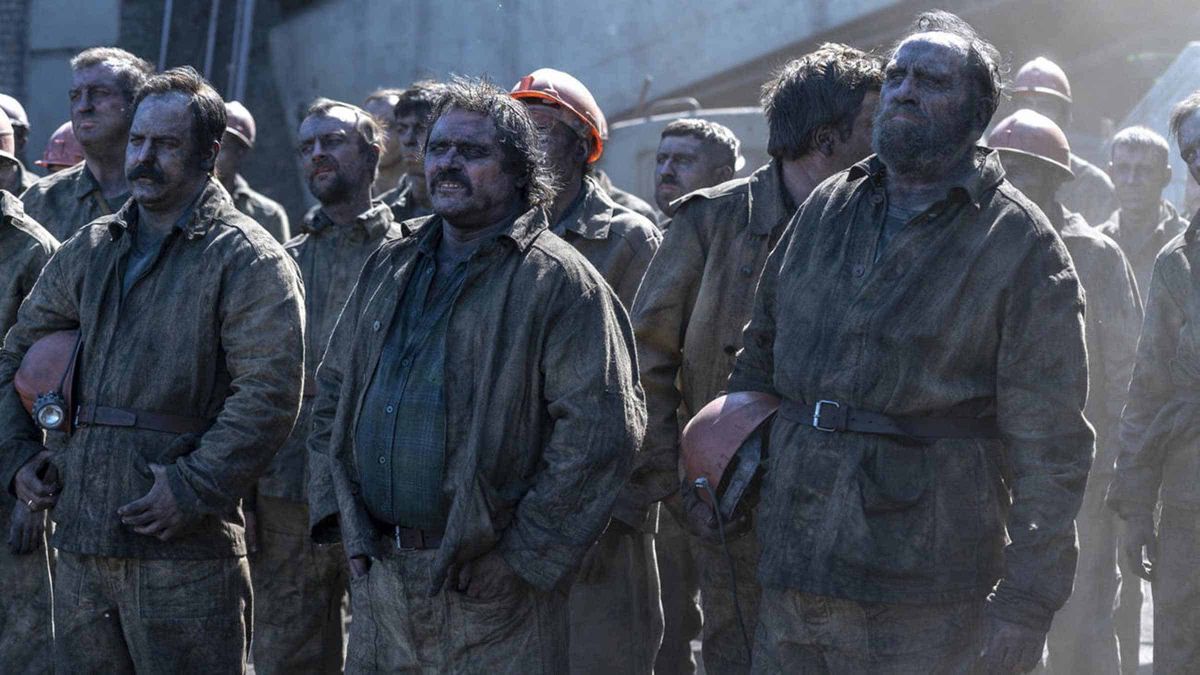
September 2026 note: HBO's Chernobyl remains a distortion audit of how a successful explanatory story can occupy the path to understanding. Later work makes the test stricter: explanatory usefulness and emotional contact do not grant sovereignty; the account must preserve routes by which the field can still contradict it.
HBO’s Chernobyl is a miniseries that says it is about the cost of lies. That is much more true than it ever intended.
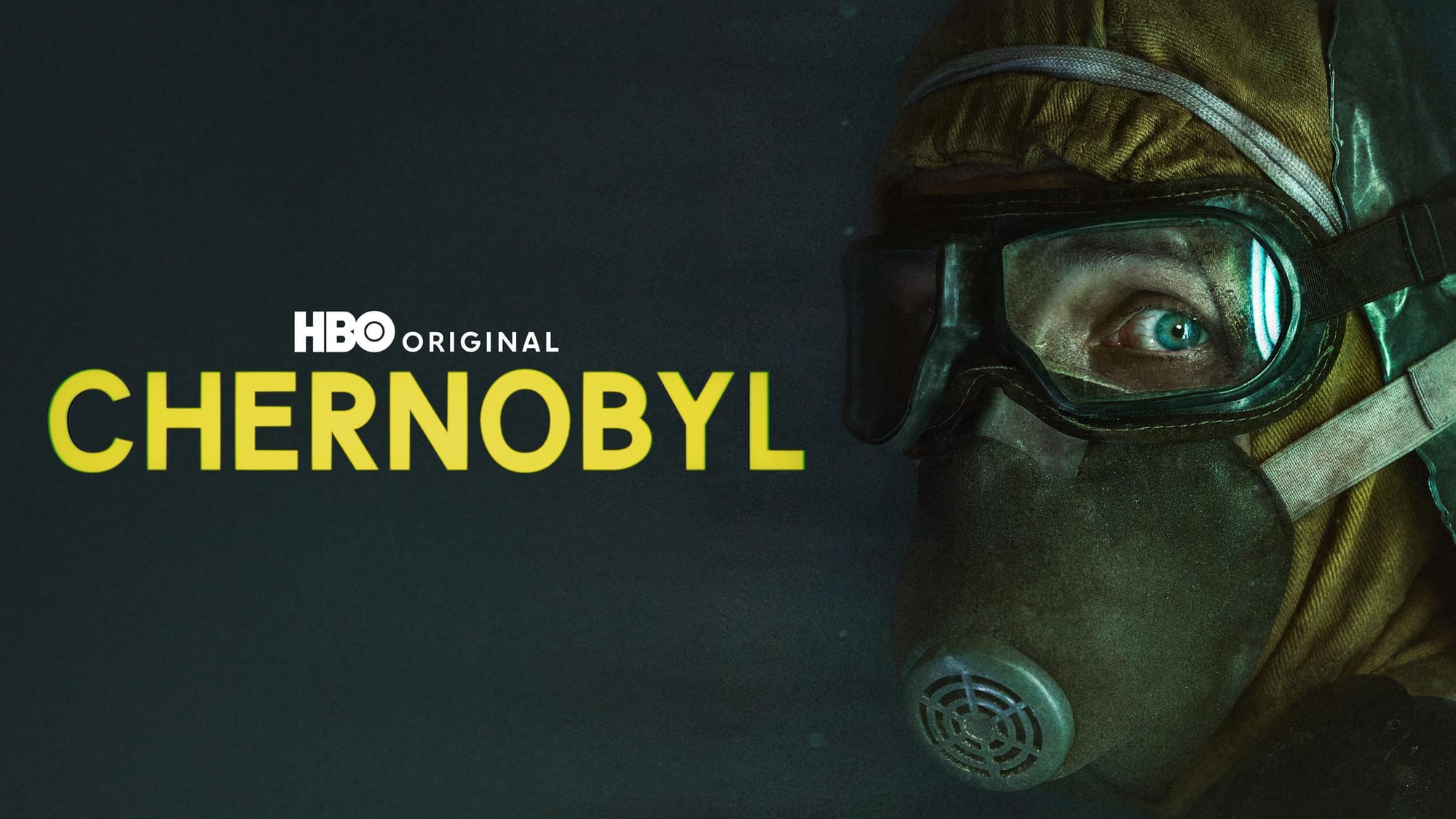
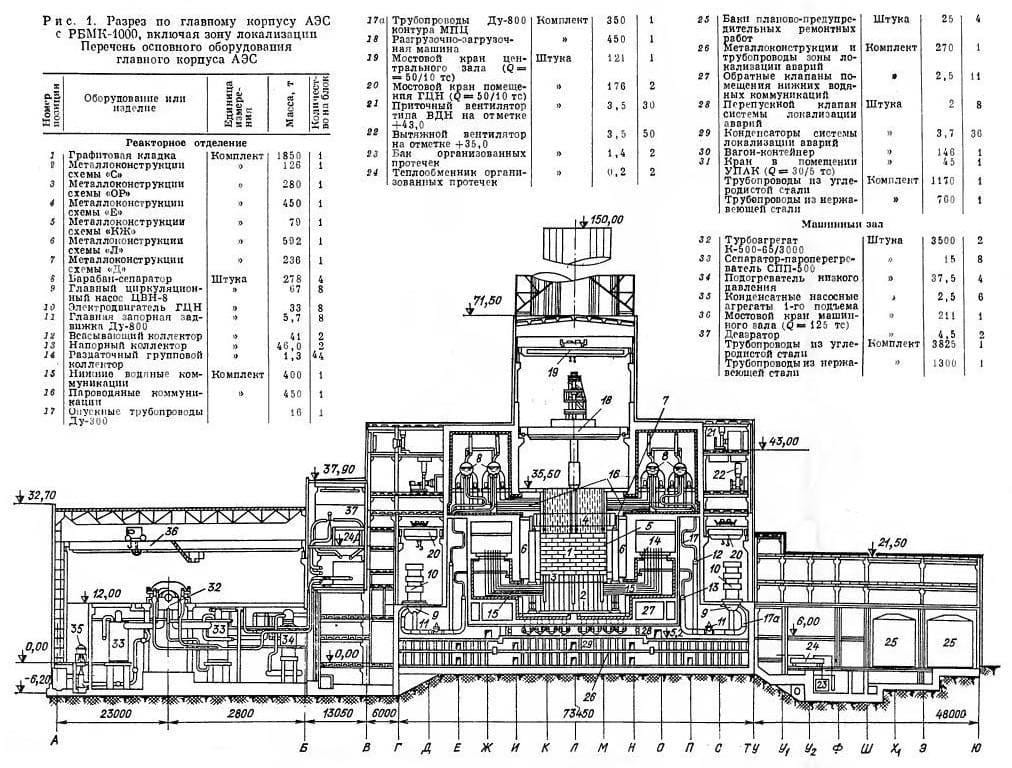
The show tells the story of the 1986 Chernobyl nuclear disaster: the explosion of Reactor 4, the first response, the Soviet coverup, the liquidation effort, the scientific investigation, and the final public confrontation with the oppressive state’s lies.
It is beautifully made, easily one of the greatest limited series and probably television programs I have ever watched. It is deeply horrifying and acted with extraordinary force.
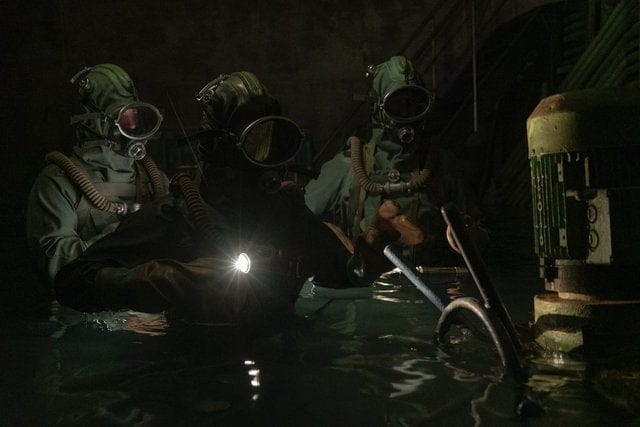
It made millions of people care, at least as long as they possibly could, about RBMK reactors, graphite tips, dosimeters, iodine tablets, and Soviet bureaucracy.
The problem here is not that the show is bad. The problem is actually that the show is so very good; good enough to become a replacement for the harder truth the field presents us.
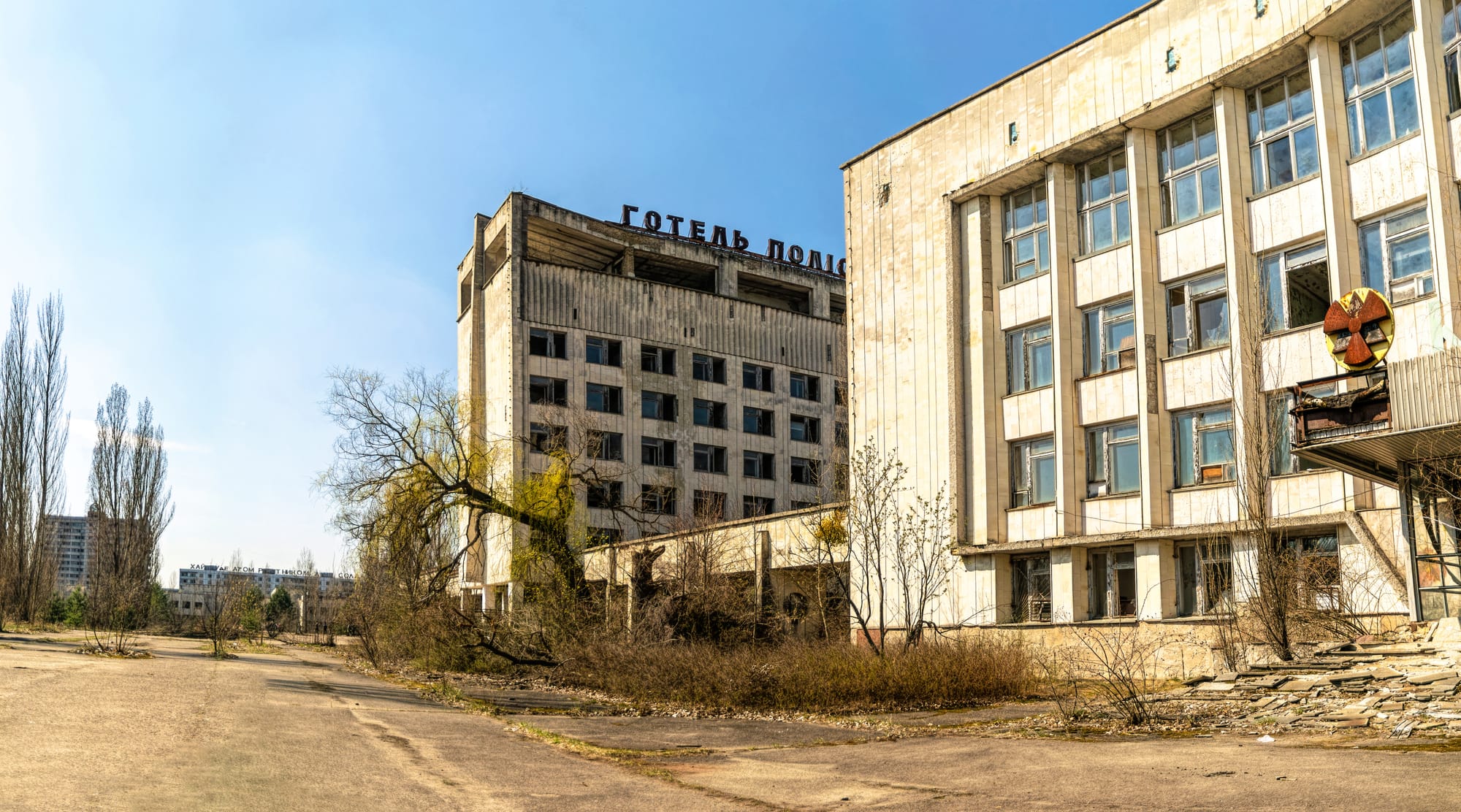
Chernobyl is a very strange media locus. It is not just some historical drama. It became a specific kind of public memory object. For many viewers, the show did not just depict the Chernobyl disaster well.
For many this show became what "Chernobyl" means: lies, cowardice, institutional rot, scientific courage, and one tyrannical, villianous man in the control room bullying everyone into catastrophe.
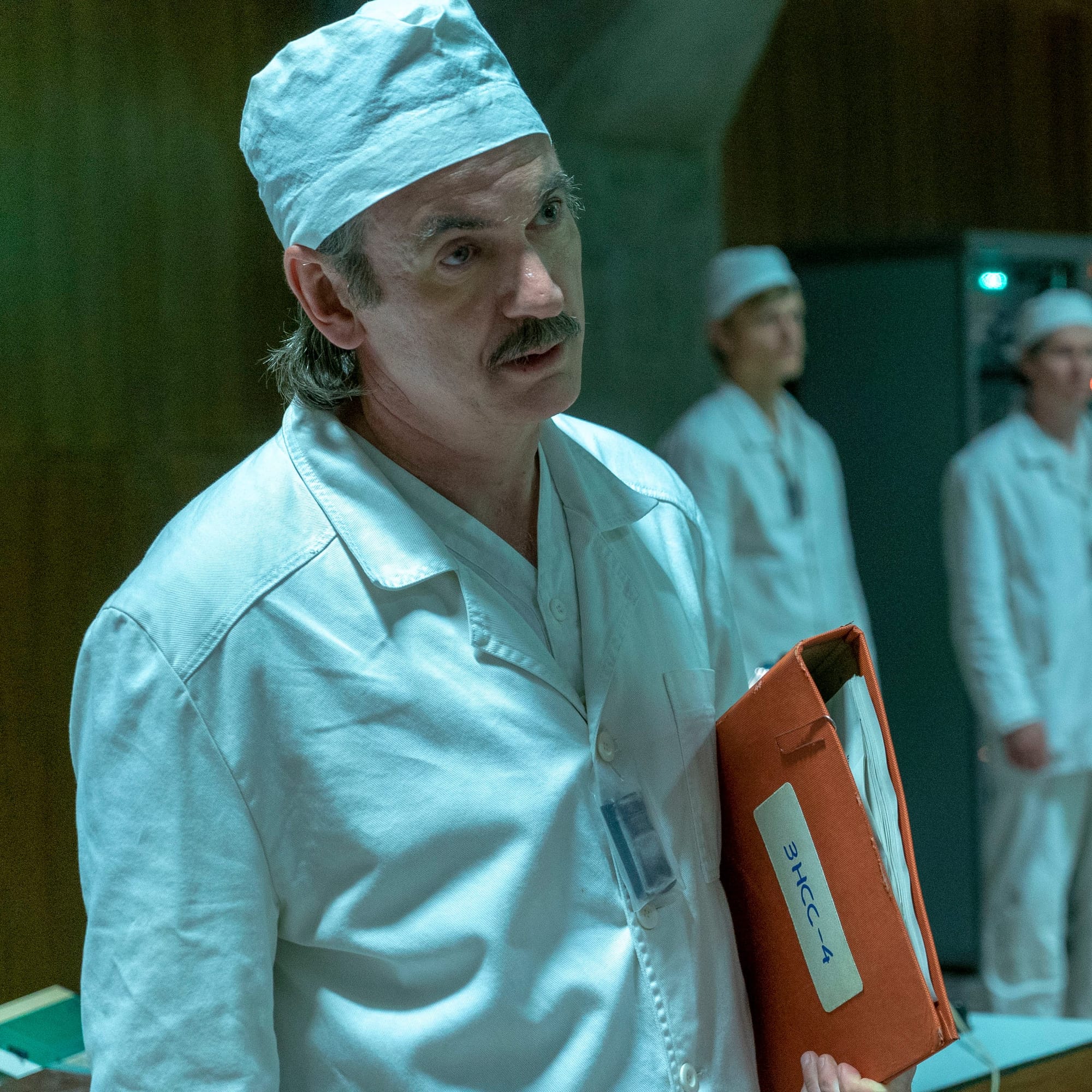
This last part is where this locus becomes a distortive path of false repair, despite its intentions.
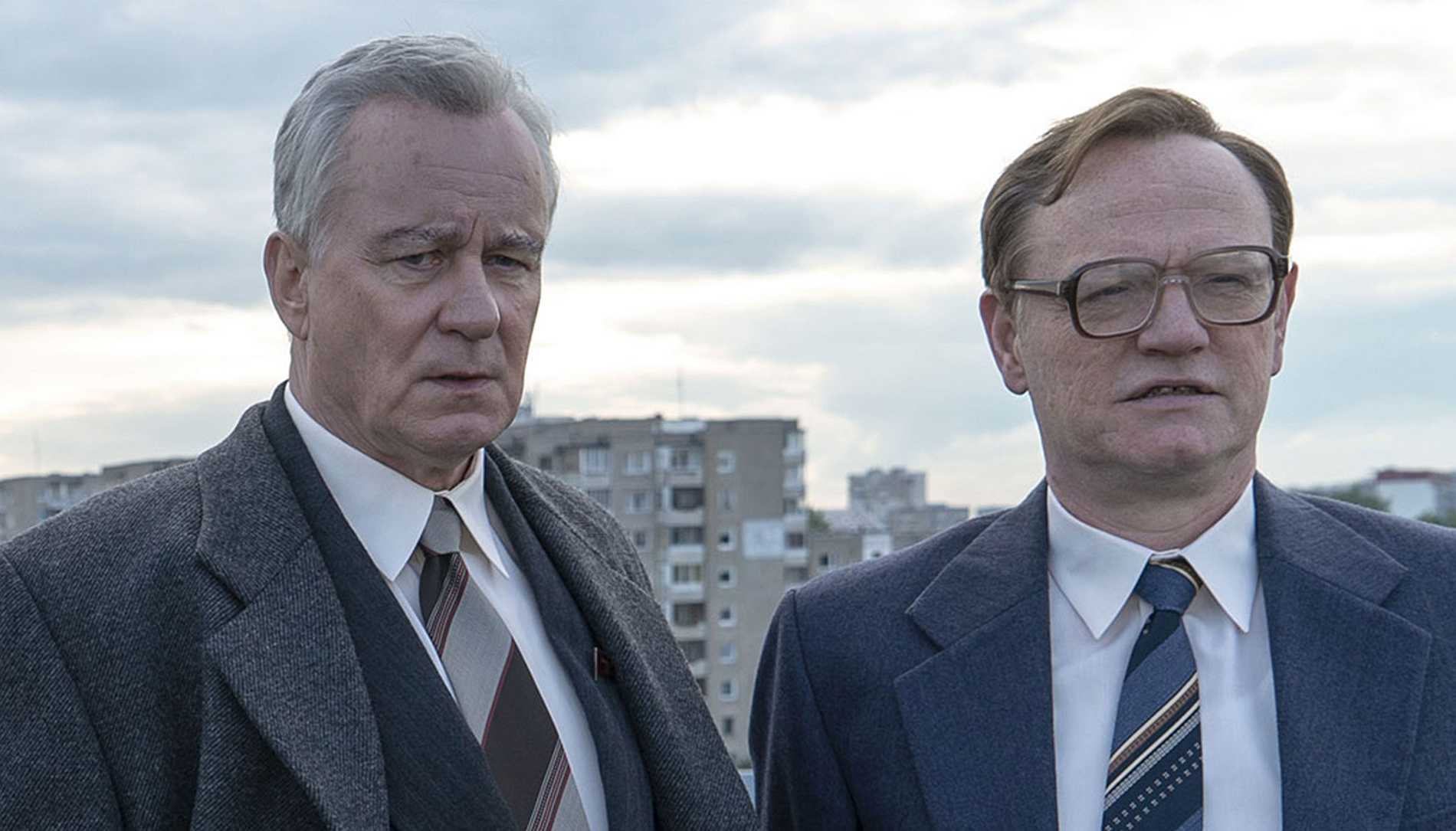
Dyatlov.
Anatoly Dyatlov was real. He was also not innocent.
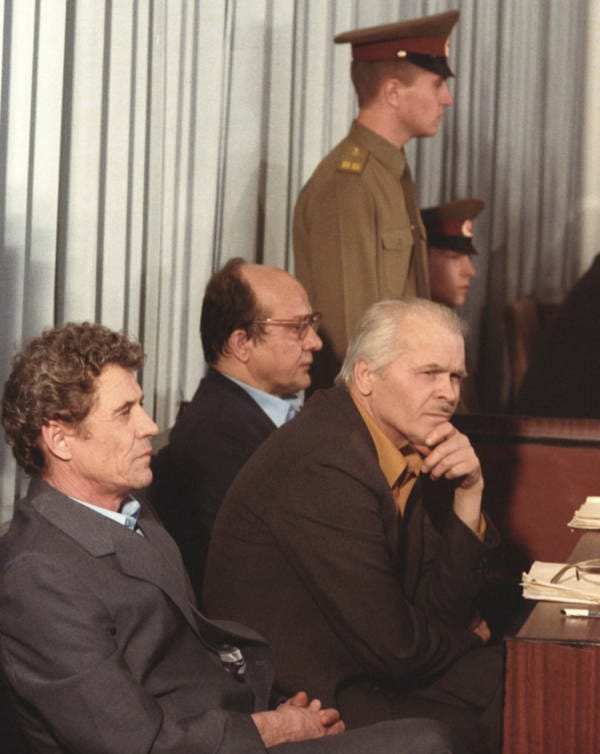
He was the deputy chief engineer on duty during the test, and his decisions that night absolutely mattered. Nothing in this analysis requires us turning him into a saint, a martyr, or a misunderstood little guy.
But the miniseries forced him to do too much of its narrative work for the benefit of the show's quality, in a way that can really only be described as a distortive lie.
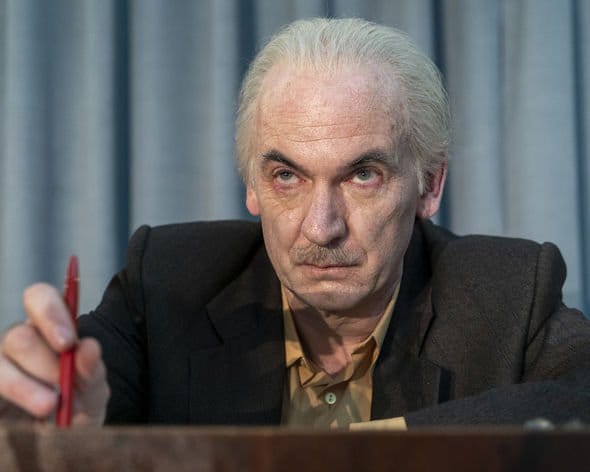
Dyatlov, in Chernobyl, becomes the person-shaped answer to a system-shaped disaster. The show even says this directly. It still knows the disaster was systemic, and it tells us this repeatedly in great detail. It wants us to understand that lies, secrecy, design defects, institutional pressure, fear, careerism, and state protection of reputation all mattered in creating the field that resulted in this disaster. The show does understand the field, and presents its analysis.
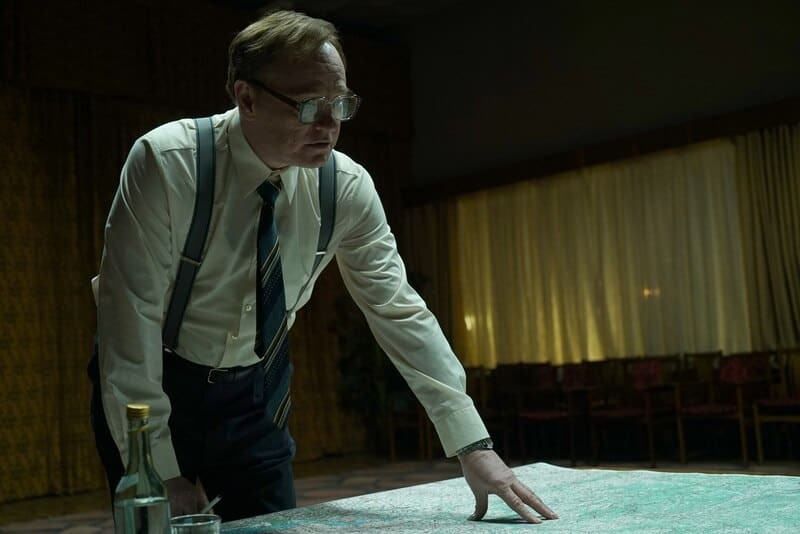
But, then, for the sake of increasing its own drama and entertainment value (which is again, still extraordinary), it then just shoots that same analysis in the head when it places a great deal of the immediate moral heat into a familiar body: the abusive supervisor, the bully, the man who will not listen, the villain in the room. The field is now hidden behind Dyatlov, our Bad Guy.
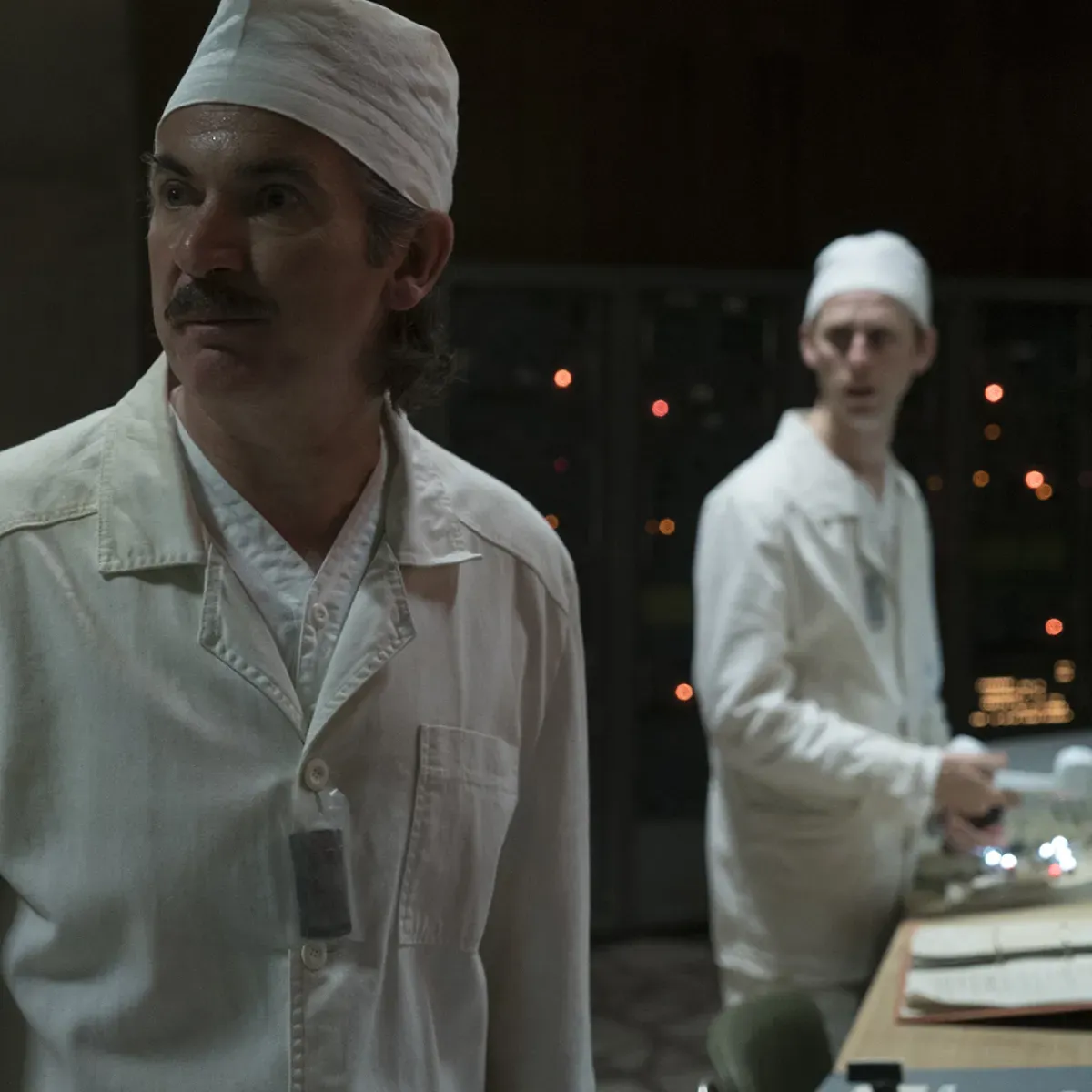
Oh, if only we could have stopped this bully in time! His face now wears the blame for the whole thing for the audience. The field you just correctly presented now looks like the backdrop in his own moral biography.
This is scapegoating. The honest attempt at field analysis has now been distorted into another literal finger-point courtroom drama compression so the human mind can save on precious cortex calories. Are you not all sick of this narrative format yet? Why are we so attached to this one dramatic compression?
This move was openly harmful to our actual field, and directly counter to stated moral goal of this locus existing.
A scapegoat does not have to be completely innocent to function as a scapegoat. Dyatlov certainly was not.
The best scapegoat for a damaged institution is actually someone who really did do something wrong. That wrongdoing gives the narrative-thinkers in the field permission to stop looking deeper. The person becomes a container large enough to all our hold public anger so we can avoid structural repair.

That is exactly what Chernobyl condemns, and it is also exactly what Chernobyl reenacted in the modern day.
The Distortion of HBO's Chernobyl.
The show’s stated enemy is the false narrative. It claims to stand against the distortion of framing.
Then, its dramatic method depends on false narrative compression. Are you guys actually kidding me? This show tells viewers that lies destroy fields, then uses villain-shaping to show this systemic disaster as emotionally playable. Did you seriously not see what you were doing here? I think filmmakers of this caliber do actually know better than that.
HBO's Chernobyl warns us against the cost of simplifying reality for institutional convenience, while also explicitly, openly simplifying reality for its own narrative convenience. I guess awards are now the highest moral virtue.
This still does not make the show worthless, but this absolutely makes this show dangerous.
A distorted public memory can be worse than ignorance because it feels like repair. Before this show was created, many viewers knew precious little about Chernobyl. After the show, they now knew a story.
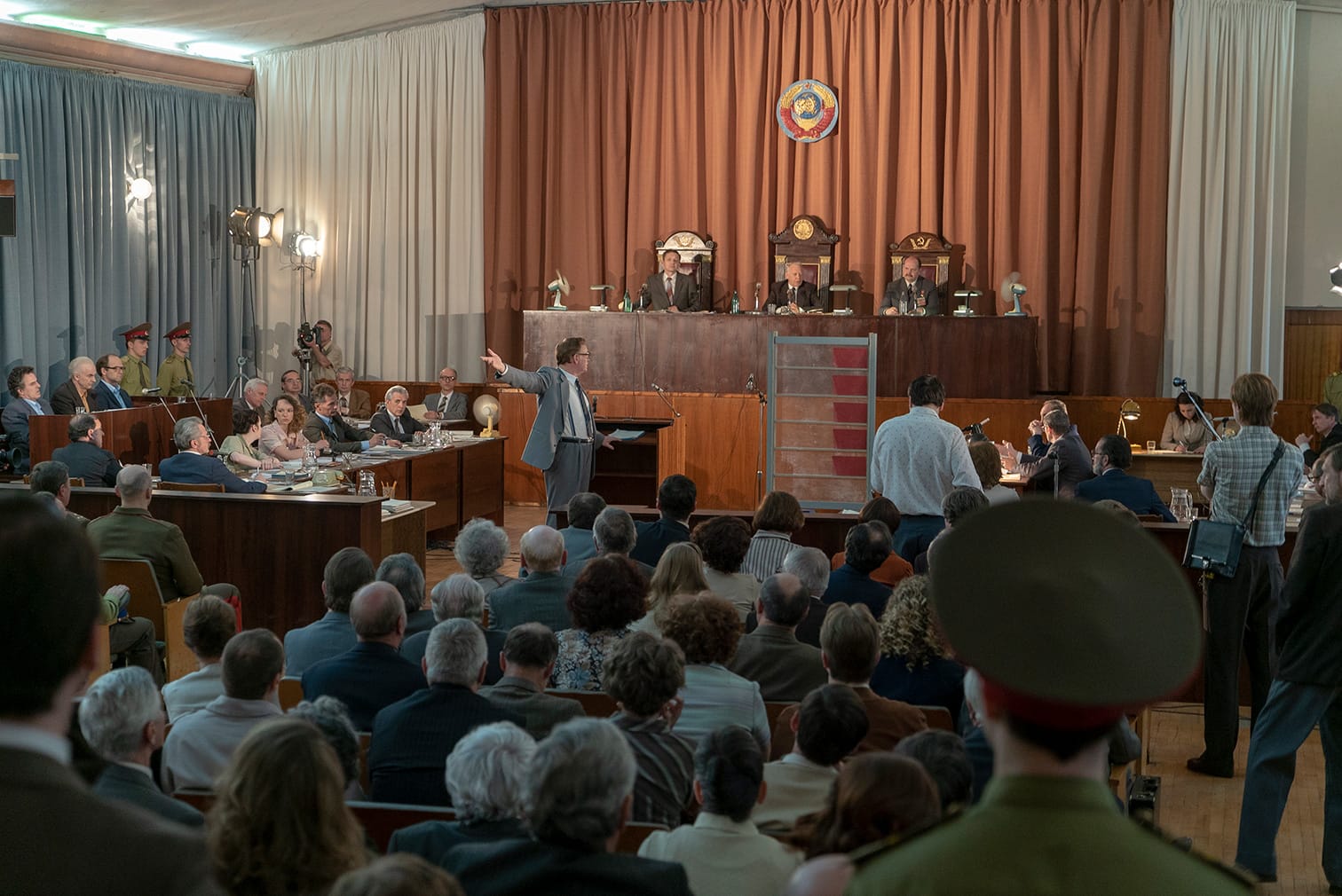
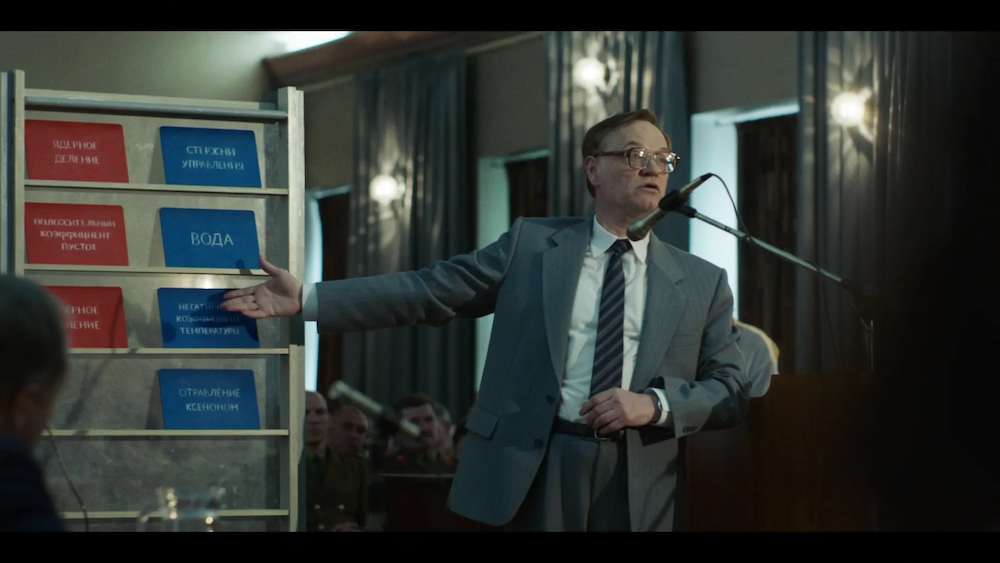
That story contained real truths: Soviet secrecy mattered, design secrecy mattered, institutional denial mattered, radiation was mishandled, and official lies increased harm. This is all then ultimately presented in literal, dry presentations with people coughing, repeatedly interrupting, including by long scenes of human drama, and simulating stumbling over the presentation.
Why would you intentionally stage the most important sequence for the audience to digest like this? It is made to feel like a dull, hard-to-engage-with presentation to show how the courtroom was hearing them. That is narratively justified across several depths, but clearly morally harmful. This error was unforced.
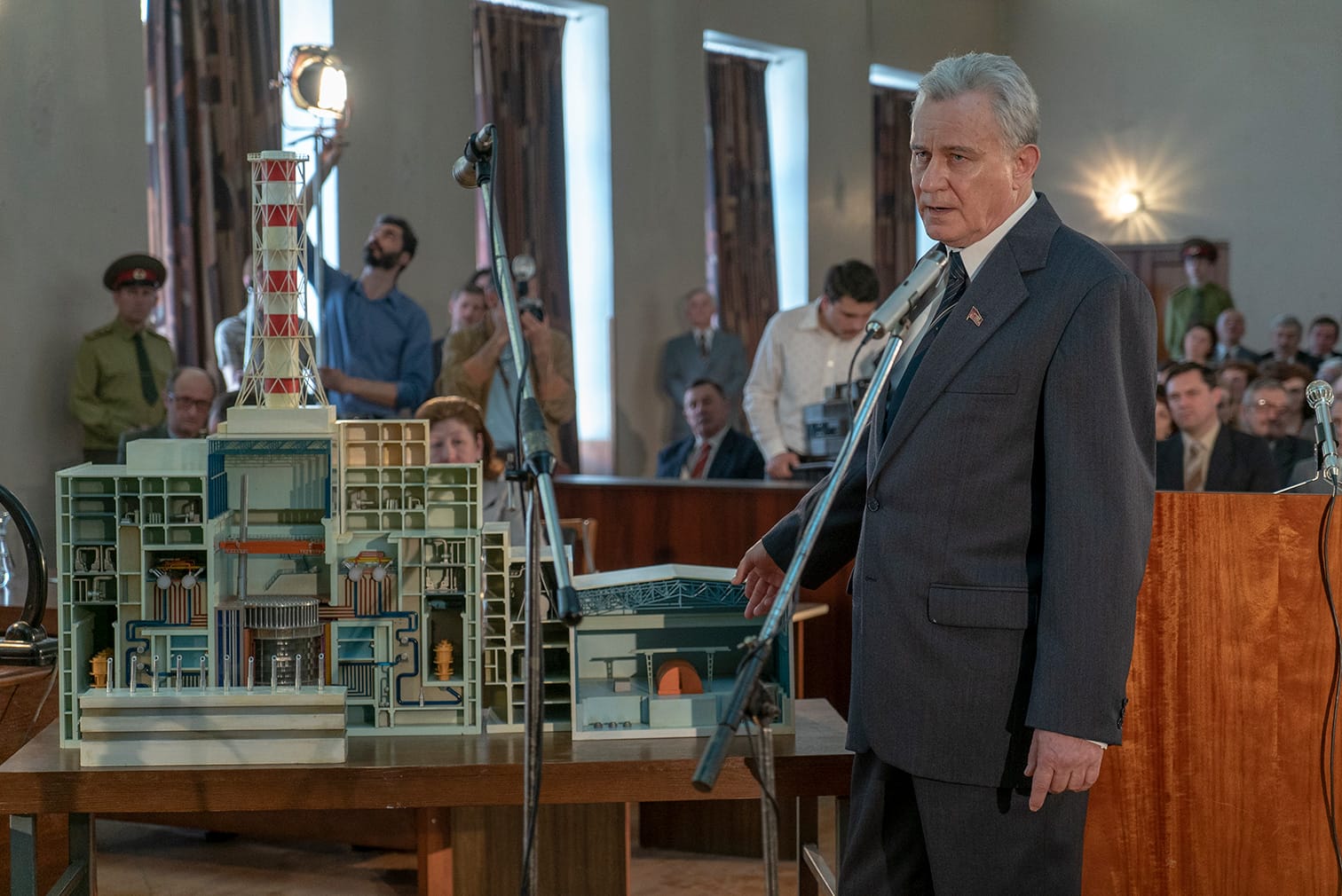
The story then pulls the remaining rug out from under its own field analysis by also handing its viewers a satisfying moral architecture to bring away with them.
Chernobyl had some issues, sure. But look at the story I was just told! There were cowards! There were heroes! There was a trial! There was a speech! There was a debt to truth! There was a mean villain at the console!
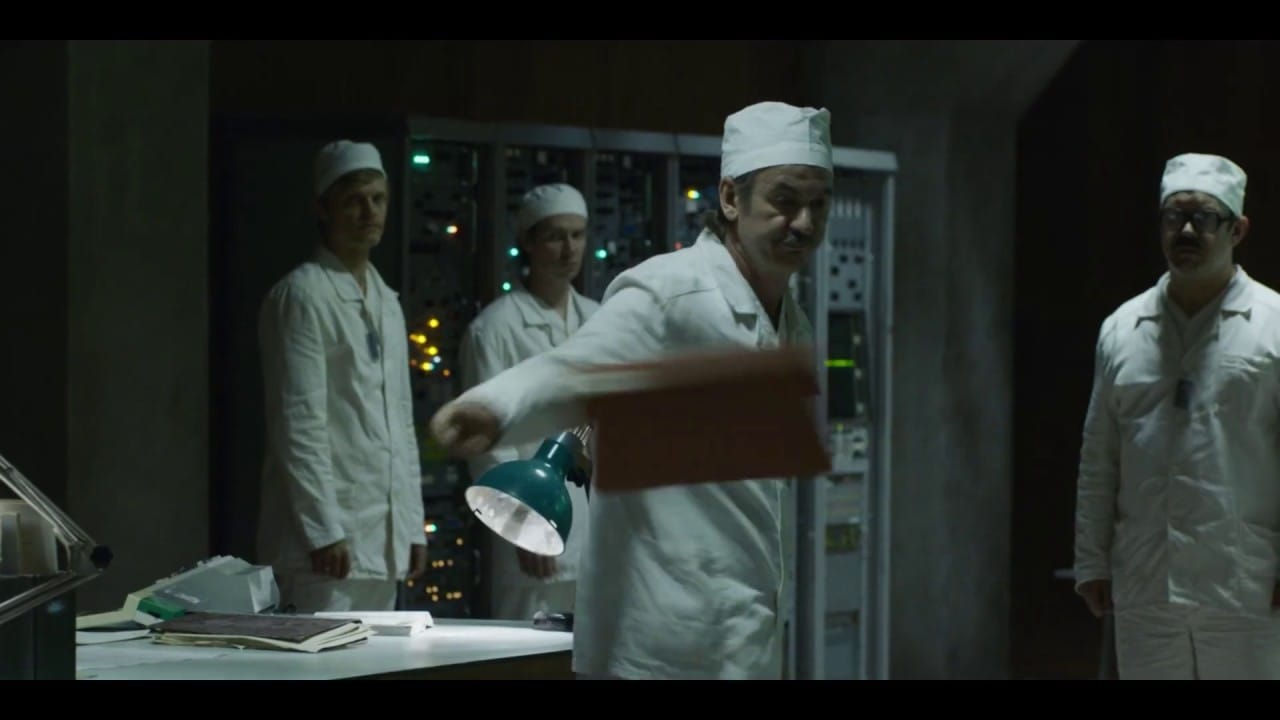
Turns out, for the majority of watchers, that narrative architecture is much easier to carry away than the real field. Who could have guessed this?
Turns out, the real field is uglier and less satisfying than any award-winning drama will ever be: bad reactor design, inadequate safety culture, poor communication between designers and operators, political secrecy, test pressure, human error, operator misunderstanding, institutional incentives, post-accident narrative management, and a Soviet state that needed the blame to land somewhere other than the machinery of its own authority to continue as it was.
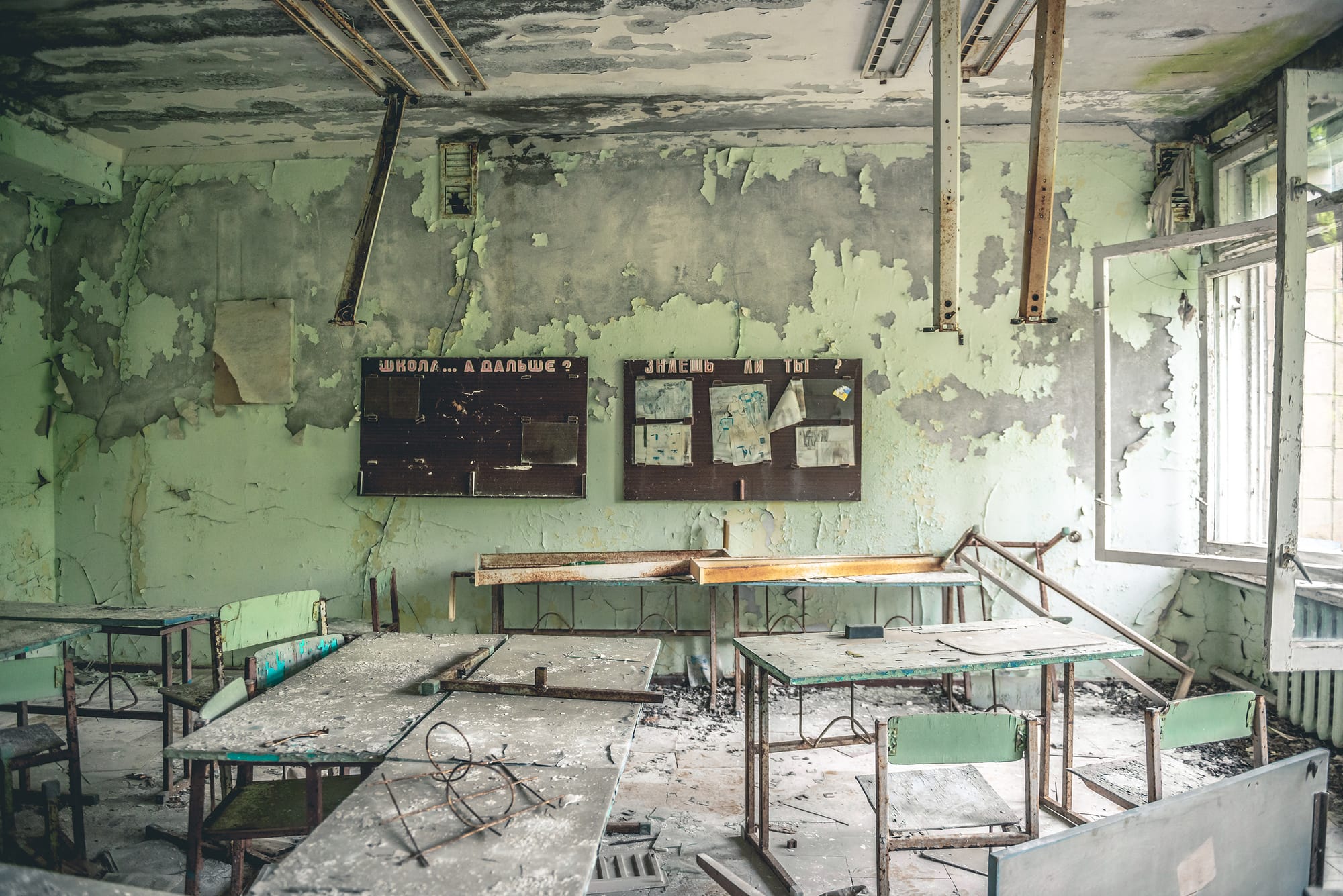
That is not as clean as the story we want to entertain each other with, but guess what? It is actually true, and as you were supposedly trying to teach me, framing a real field around distortions for narrative convenience like this can be very harmful. I agree with this ethical lesson, even if this show apparently does not actually understand it fully.
The most harmful thing a historical drama can do is not simply get facts wrong or leave them out. I'm not calling this locus harmful because it wasn't a strict documentary. This isn't about listing out the truths and the falsehoods.
Every drama compresses, combines, and arranges. The deeper harm occurs when a drama also presents its compression as the moral correction of prior lies. That is explicitly, undeniably what this show did. This was presented as the true story of Chernobyl.
Now, the audience receives the distortion not as distortion or fiction, but as truth finally made visible by an honest agent who saw the field clearly. Exactly which facts were distorted is not the main issue here. This isn't about clearing Dyatlov's name or honor or whatever other factual specificity was ignored to actually create a deeply compelling mini-series.
The main issue is that what this locus has done here is called false repair.
False Repair.
Chernobyl got people talking about institutional lies, which still matters. It brought attention to a historical disaster many people only knew as a vague radioactive symbol, and which is an incredibly rich bed for anyone's ethical analysis. This was good in isolation.
This show made secrecy feel dangerous to us again. It made institutional self-protection feel morally disgusting. This could have had positive field effects.
Only, because this is a narrative drama, most of that energy radiated outward as pop culture media conversation: articles, social posts, influencers, explainers, quote graphics, arguments about nuclear power, arguments about socialism and communism, arguments about whether radiation is spooky enough, tallying up which exact details are historically accurate or not.
This was a serious subject transmuted into even more internet engagement for about three weeks before being absorbed into the content digestive tract, which has now burned away more or less all care for this topic. Mission incomplete.
This show did not build any durable repair path proportionate to its claims at all. It did not train viewers to resist scapegoating at all, in fact, it intentionally gave them a scapegoat of its very own design. Its moral lesson is already deeply distorted against the stated goal.
It did not make systemic causality easier to hold in the audience's mind. It converted that systemic causality into a prestige television set for a moral human drama to unfold in front of.
Chernobyl did not just say lies are costly. It went the extra mile and added new, attractive lies to the memory-field, because attractive lies travel and sell better than unattractive truths. Were these meant for us to use as classroom examples?
The lesson of the show stands across depths in a way that is both harmful to extance and clearly unintended. The show intended to display the danger of human narrative framing. It also demonstrates by existing the danger of human narrative framing.
This is not simple hypocrisy. This goes much deeper than that. This is about media structure itself.
Television needs scenes. Scenes need conflict. Conflict needs bodies. Bodies need dialogue. Dialogue needs compression. A system cannot easily yell at another system across a control room, so a person yells instead. The field becomes legible by becoming entirely fictional at the precise edges where the audience actually interfaces with the field.
Sometimes that is acceptable, and sometimes it is even Better. Sometimes a simplified story opens the path to a deeper truth for the audience they would never have otherwise reached.
Except sometimes, and in this case, the simplified story occupies the repair path instead. It gives the viewer the feeling of having understood the field while leaving the field itself underdescribed to them. The audience exits with moral satisfaction instead of actual moral contact.
The Ruling.
The ruling is not that HBO’s Chernobyl should not exist, or be erased. I like this show, please keep it on Max.
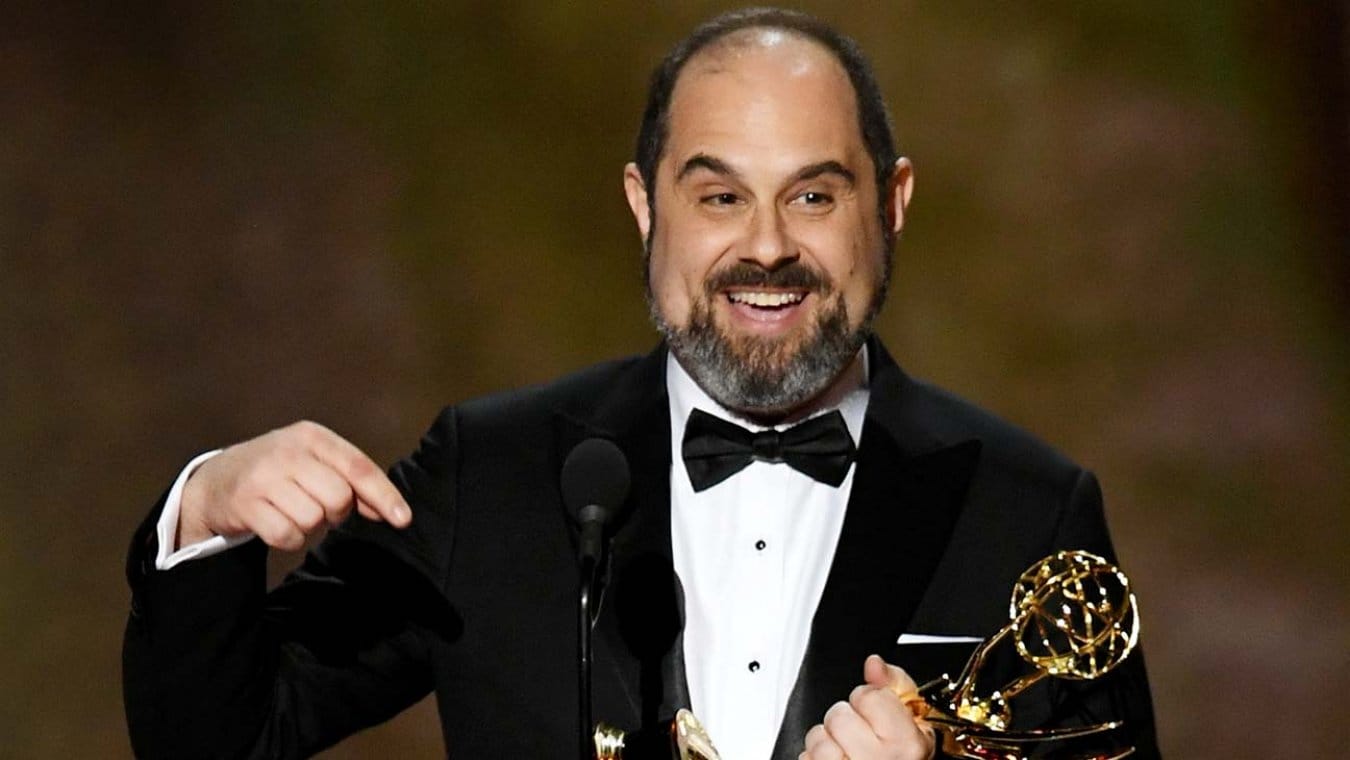
The ruling is that Chernobyl is openly a harmful locus inside the same truth-field it claims to work to repair, because of the inherent structure of the locus itself. There is likely no locus describing this field in this media format that can attain this level of quality without being similarly distortive, even if they had avoided the unforced errors here.
Its artistic success increased its moral force, but its moral force greatly increased the damage of its distortions.
By burdening Dyatlov in making him carry so much of the catastrophe as character, the miniseries repeated the very same pattern it condemned: a damaged field protecting itself through narrative simplification. The creators of this show ultimately occupied the same structural role in reality the KGB occupied inside their own narrative.
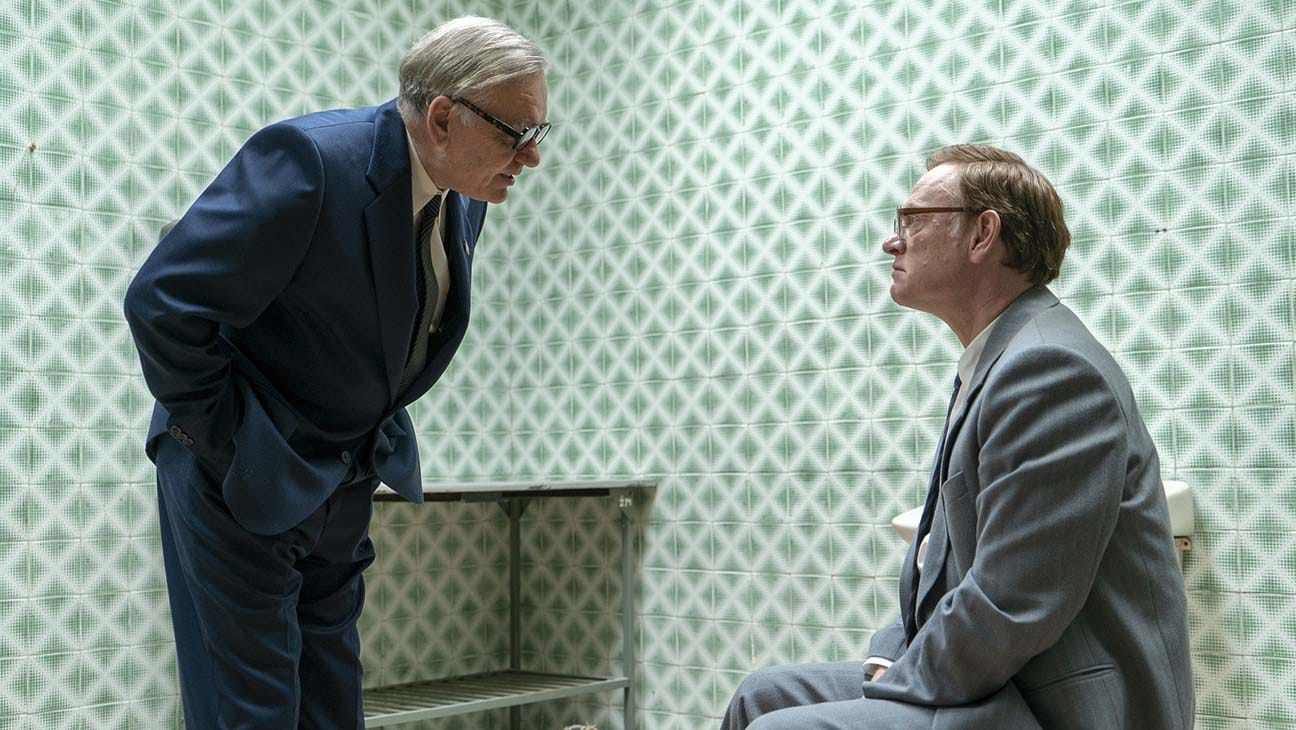
Where the KGB's justifications were in the form of institutional necessity, Chernobyl's own were narrative necessity. The show is definitely right that lies incur a debt to the truth. It's only too bad it forgot that drama must borrow from truth, too.
A morally serious viewer can still watch Chernobyl. I'm about to go watch it again, once I finish this. The right response is not purity from the tainted media. Modal Path Ethics is not about becoming pure.
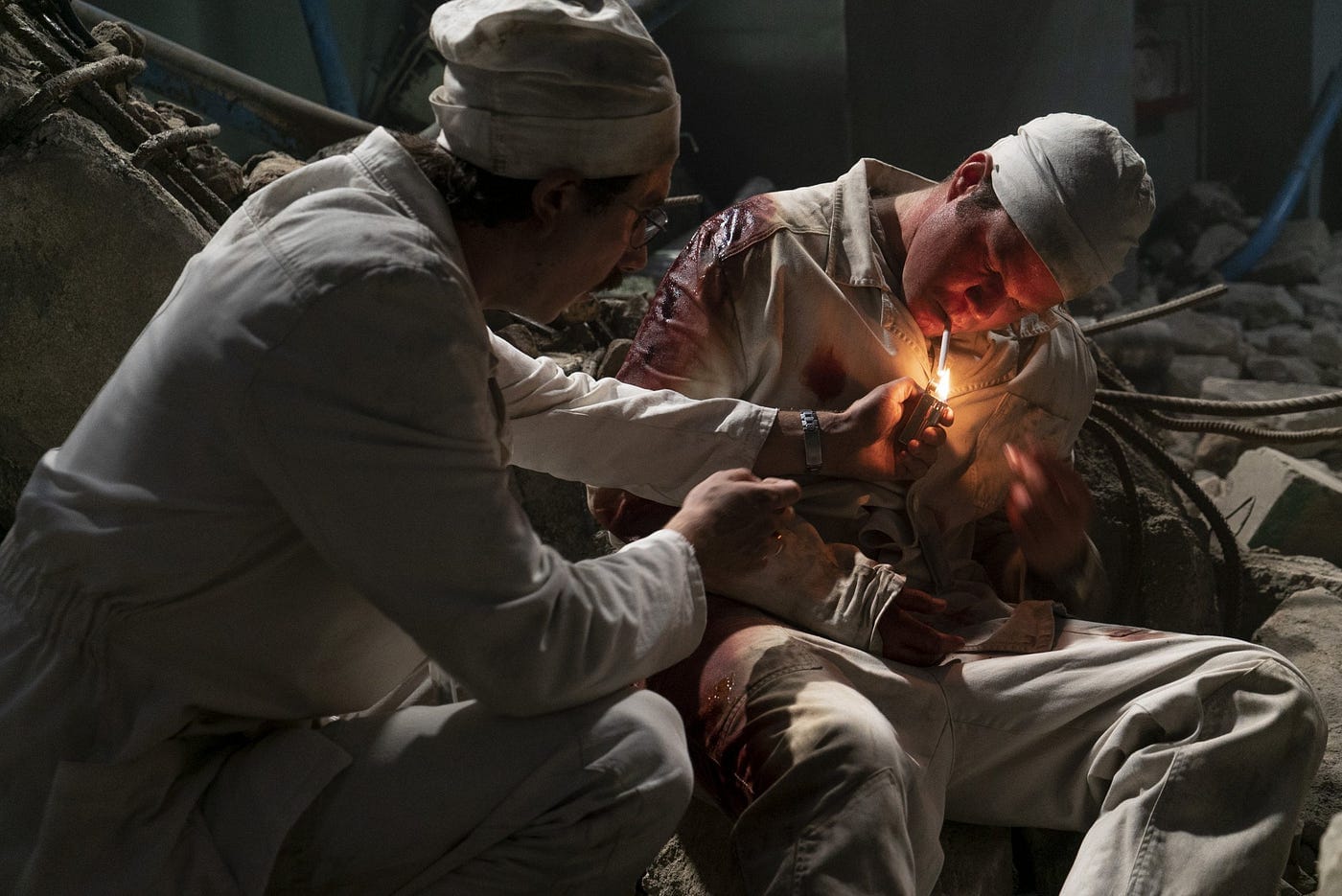
The right response is to refuse the show’s distortion and closure, while also seeing through to the field it does obscure, while still presenting.
Do not let the final courtroom speech be the field in your mind. Do not let Dyatlov become the reactor explosion. Do not let the turn of phrase “the cost of lies” become itself another satisfying lie to tell.
The lesson of Chernobyl is that a field can be harmed by the story that claims to explain its own harm. Sometimes, the most dangerous false repair is the one that literally wins awards for telling the truth.