Applied Case: The Non-Planet Problem
By the time this question is even being asked, it is already way too late.
September 2026 note: The Non-Planet case still motivates pre-subjective structural harm. The current account should no longer rely on 'structure matters because structure matters': September work states the Continuance Principle explicitly and defines harm as nontrivial degradation of a structurally significant continuation or enabling structure genuinely reachable from the extant locus.
Derek Parfit gave moral philosophy the Non-Identity Problem, which is one of those famous problems where everybody involved becomes less happy the longer the conversation continues.
The basic shape of this problem is pretty simple. If a choice affects which future people actually come to exist, then it becomes very difficult to say that the people who then eventually exist were harmed by that choice, provided their lives are still worth living at all. Had the choice been different, then those same people would not have existed. So who, exactly, has been made worse off?
By the time this question is even being asked, it is already way too late.
When moral philosophy starts arguing again about future persons, now persons have been smuggled back into the room. Dasein has returned once more. The future child is here. The imagined complaint has come. The question in this form still wants a “someone,” even if that someone is completely unstable, hypothetical, identity-dependent, or metaphysically slippery enough to ruin everybody’s day.
The Non-Planet Problem begins lower than that.
It asks what happens when the foreclosed future does not contain merely different or fewer people, but in fact it has just no people, no animals, no biosphere, no planet, and no mournful little alien spectre standing beside a crater holding a sign that reads "I SURE WOULD HAVE LIKED TO EXIST, RATS".
Can a harm occur before there is any subject for whom harm would be bad?
Modal Path Ethics says: yes.
Not because possible people have inalienable ghost-rights. Not because rocks are secretly depressed. Not because the universe is a magical nursery and every unformed object must become. The answer here is yes because harm is not first any form of theatrical relation between a sufferer and a wrongdoer.
Harm is the contraction of weighted, reachable future-space within extance.
That contraction can very easily happen before life, consciousness, or planets. The planet doesn't have to die or suffer for the harm to exist.
The Tempting Hypothetical.
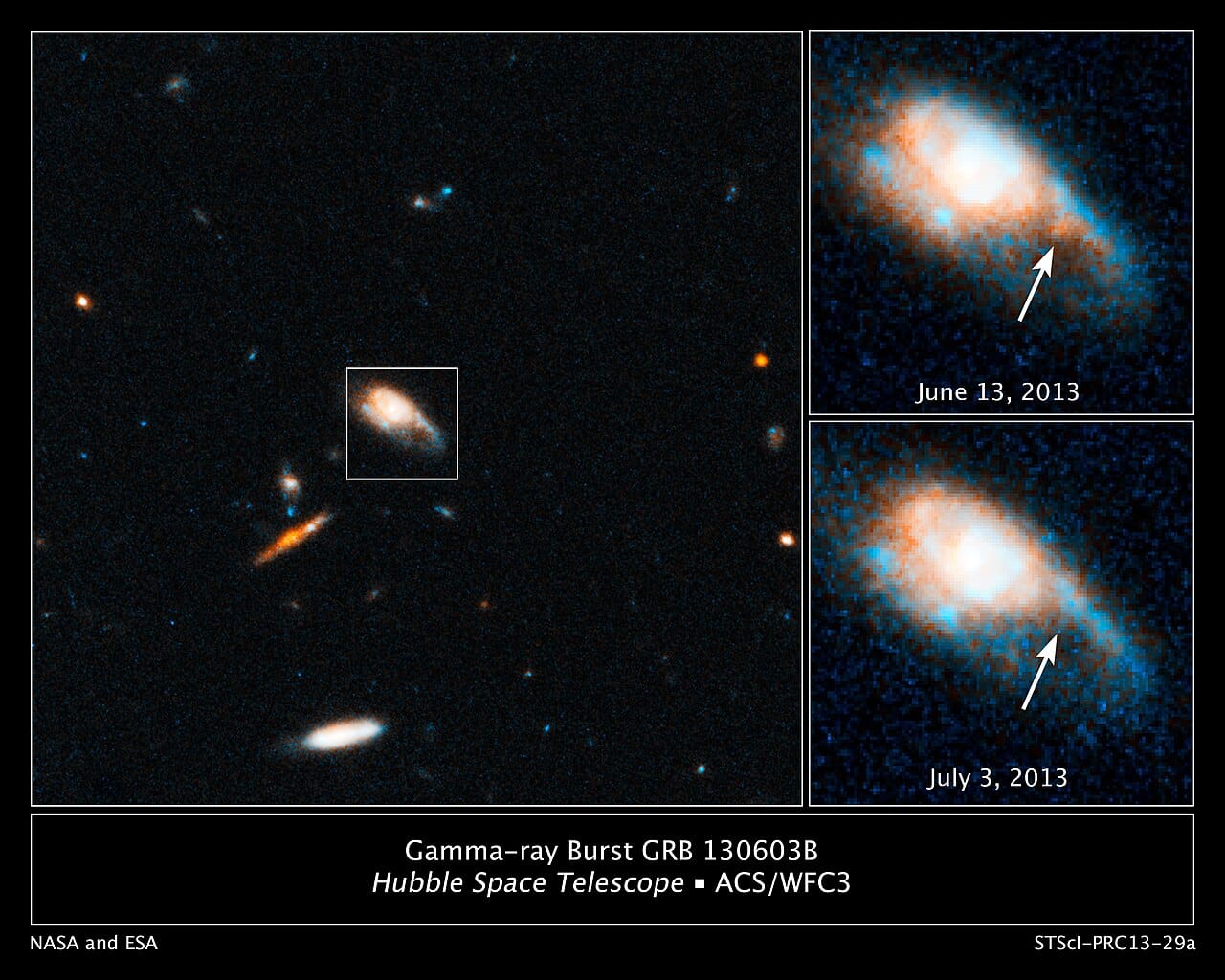
The cleanest possible classroom example I can come up with of pre-life harm is a sterilizing gamma-ray burst.
Imagine a young rocky world. It has liquid water, atmospheric shielding, stable chemistry, energy gradients, and the presence of time. Nothing lives there yet, and very soon nothing ever will. There is no microbe here, no fish, fern, dinosaur, or fitness influencer.
There is, however, a pre-biotic field. On this world, there are such conditions that, if certain paths are taken which can be taken from this current state, all those things and more can form.
Then a gamma-ray burst strikes nearby. The planet’s atmosphere is chemically altered. Its protective shielding is damaged. Surface conditions collapse. The world that might have remained a site of life-bearing continuation is now pushed out of reach.
Nothing is screaming, or filing lawsuits. No family member ever stands in front of a news camera and says, “It was the kind of planet who lit up every orbit.”
But something harmful definitely just happened. A real extant field once had a reachable future in which life-bearing chemistry could continue.
That future is now closed, or at the very least, it is thickened beyond practical reach. In Modal Path Ethics, that is already enough to begin our moral analysis. This is not blame analysis, or litigation, or seeking vengeance.
I said, we now have enough to begin moral analysis.
The gamma-ray burst is useful as an example because it removes all the distractions. The burst is not at all evil. The planet is definitely not a person. The harm is not any kind of suffering. The proof of harm has to rest on structure, or it fails.
But, I do see a bit of a problem with this example, and so I can't really use it as an Applied Case.
I checked, and it turns out, we do not have a clean known example of exactly this happening to any specific prebiotic world. We do have real gamma-ray bursts, and we do have real atmospheric models. We still have very serious reasons to think such events could be catastrophic for life-bearing planets under the right conditions, and we have hypotheses about ancient extinction events.
But as an actual, extant, applied case, it still remains too hypothetical for the job it needs to do here.
The first article on pre-life harm should not allow the cowardly reader flee into “maybe not.” A first-proof case needs a cleaner culprit I can point at.
Luckily, I've been on it, and the universe still remains very committed to being deeply horrifying in ways people might eventually one day notice.
The Planet-Forming Disk.
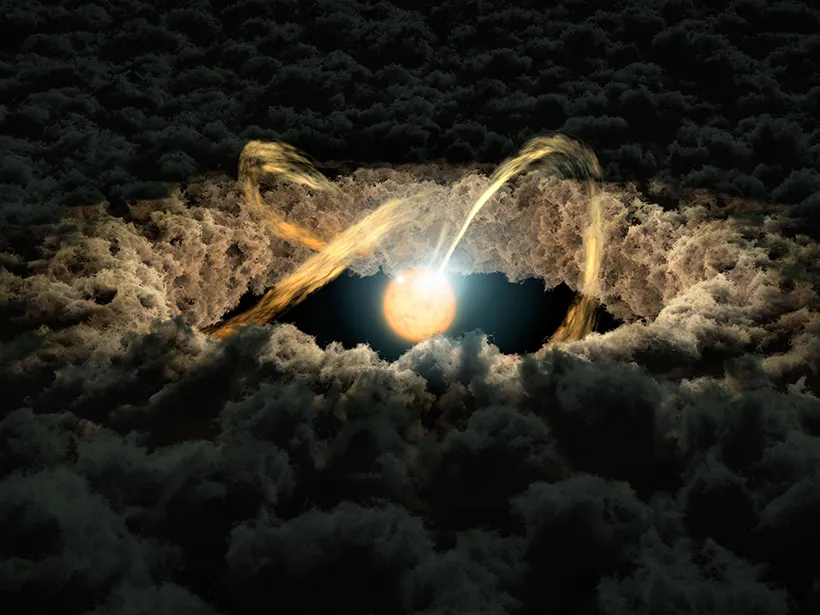
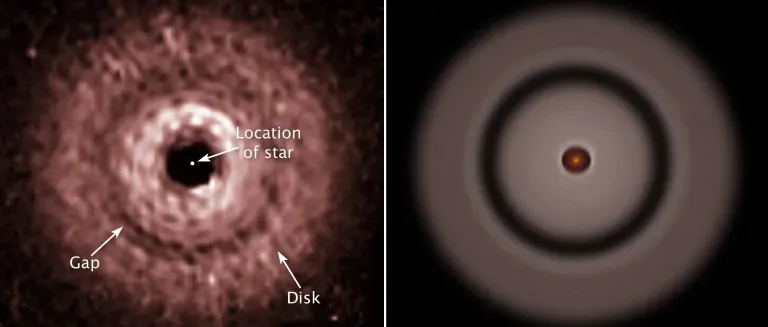
So, before planets exist, there are these disks.
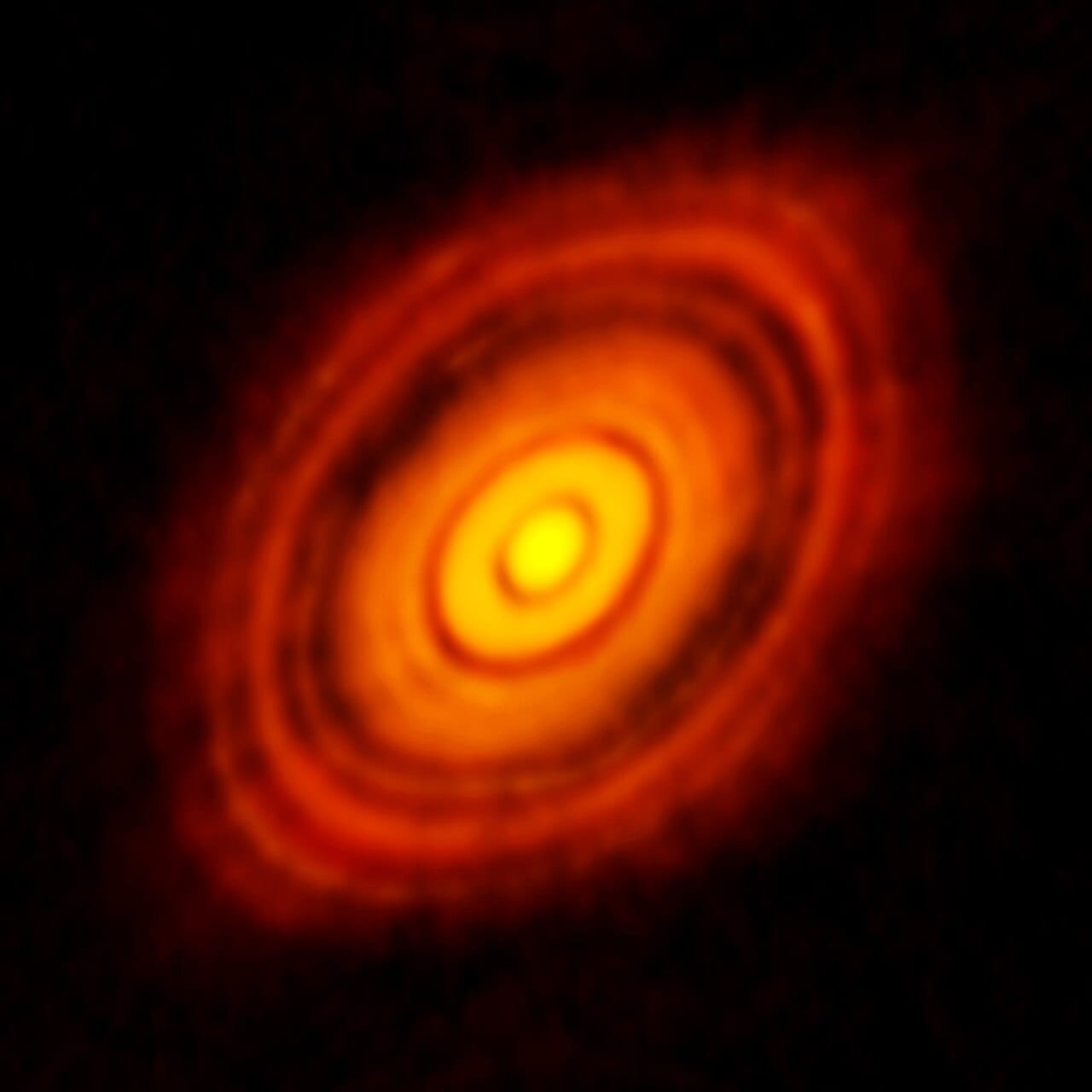
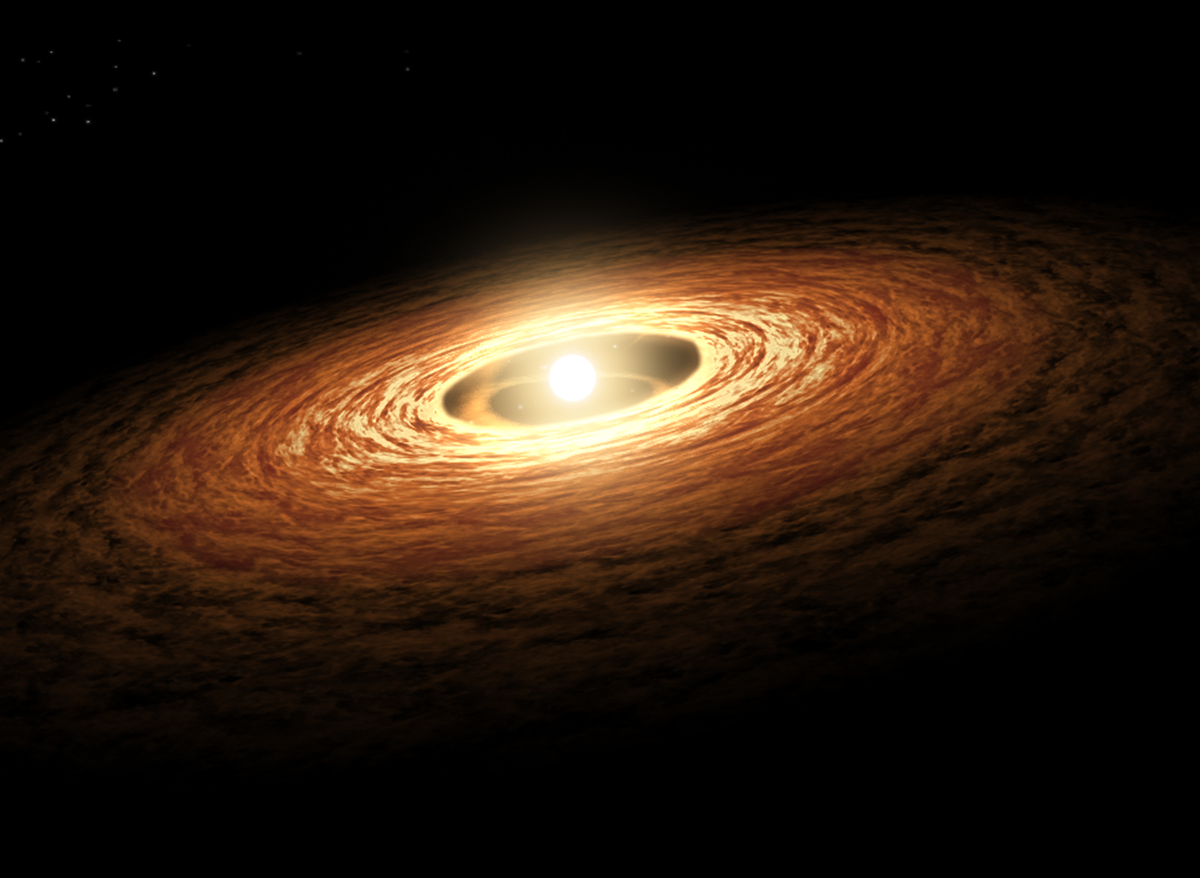
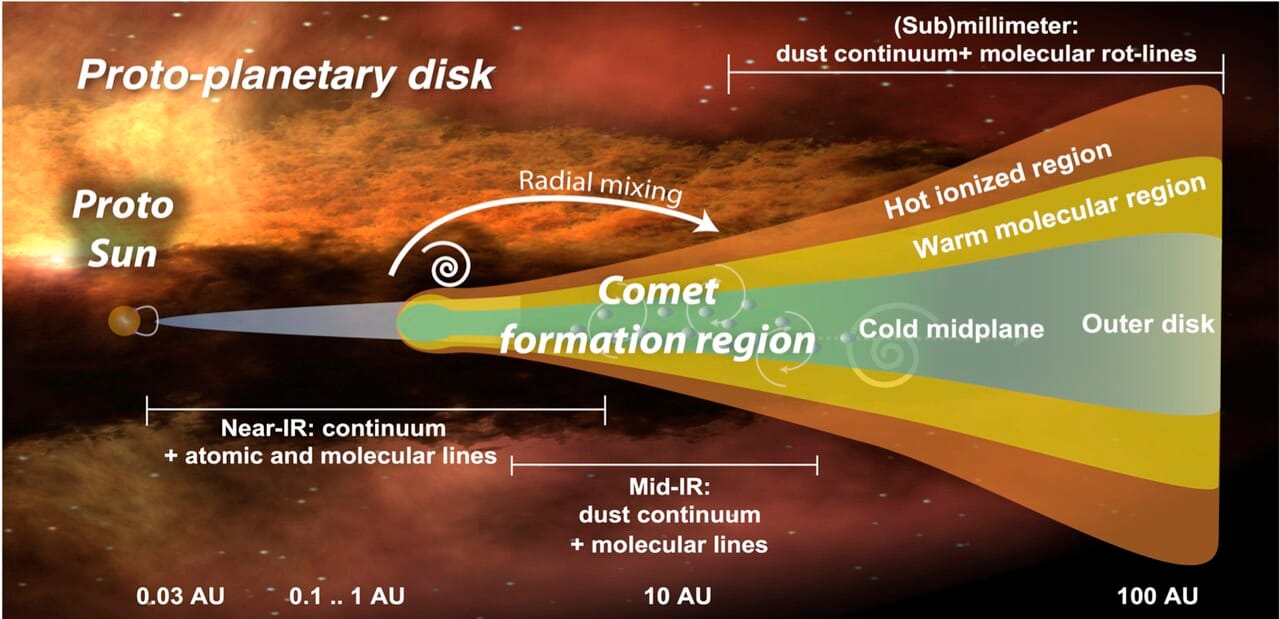
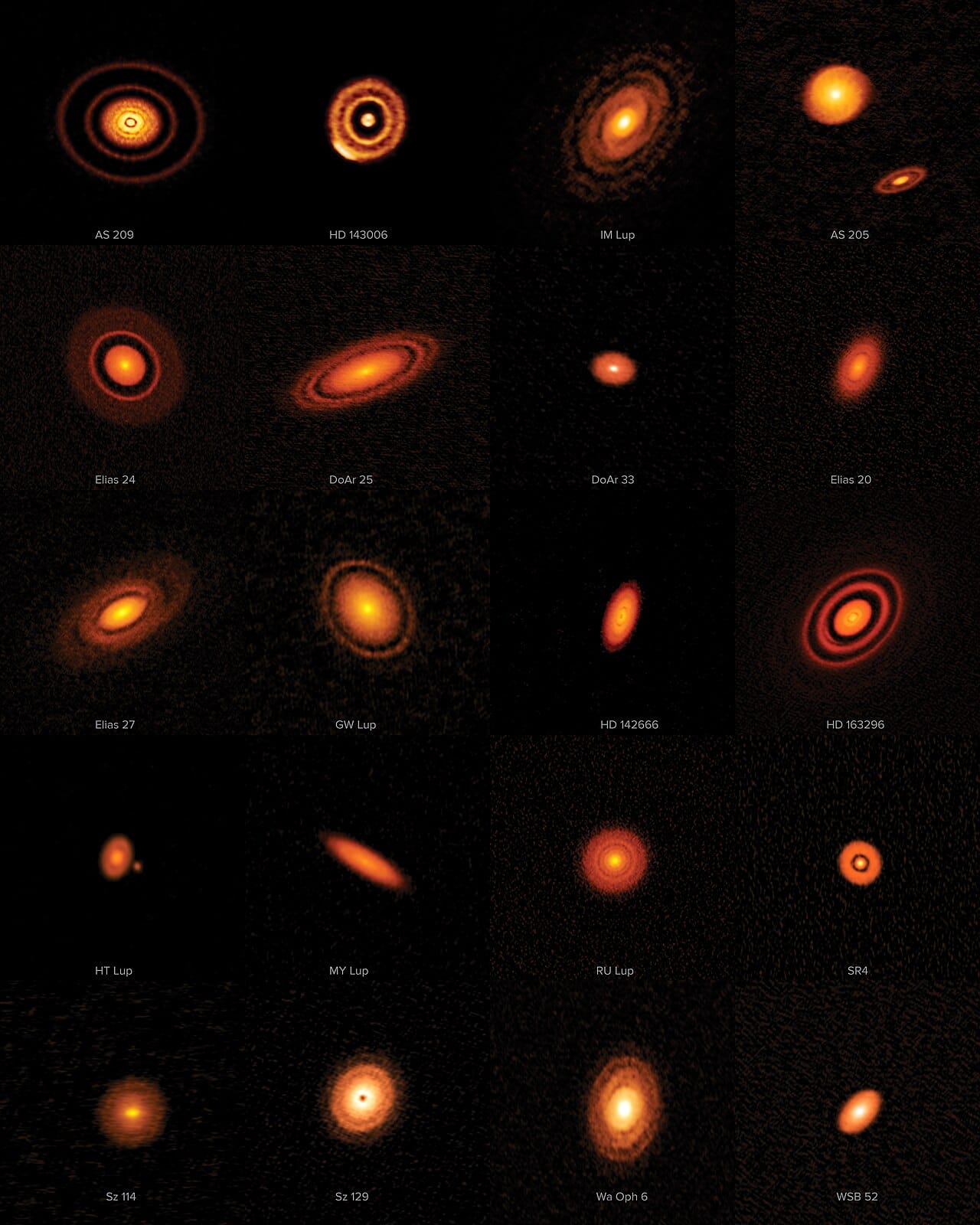
A young star forms inside a cloud of gas and dust. Around it, material collects into a protoplanetary disk. This configuration is not yet a solar system. This is basically the active, autonomous construction zone from which planets may be formed: dust, gas, ice, grains, various clumps, collisions, accretion, and all the ignoble cosmic activity required before anybody gets to write about oceans, mountains, weather, or argue about whether Pluto should count or not.
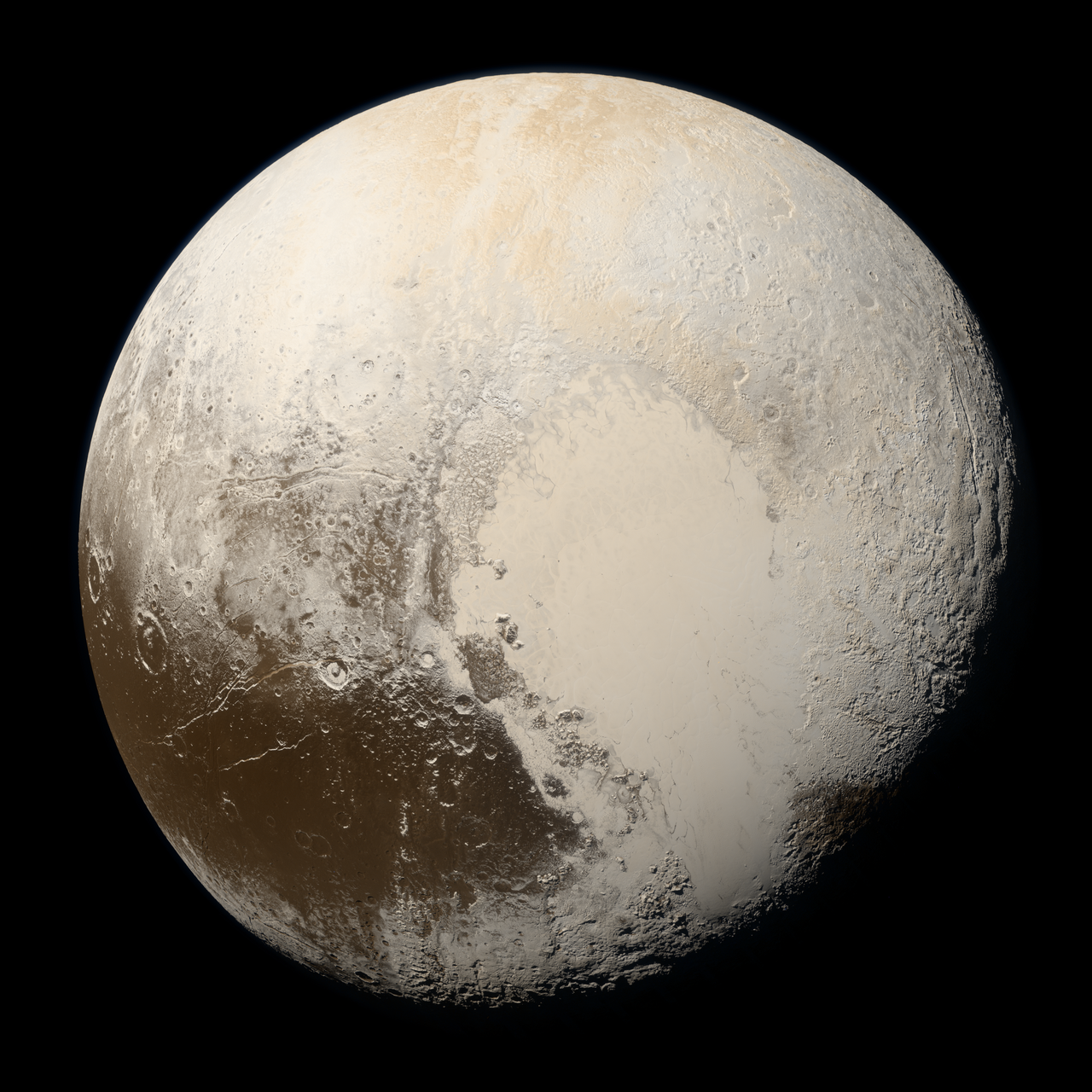
Inside such a disk are the seeds of planets.
I'm being very careful with my phrasing here.
The disk I am describing is not just a cloud-shaped object in space. It is a structured extant locus carrying planetary futures within itself. These are not guaranteed planetary futures, like a written promise from the cosmos saying, "this is your destiny and it involves snails".
Within the disk are contained very many reachable futures in which many distinct planets are formed.
Very many of these futures are also mutually exclusive to one another, as well.
The disk can continue in many different ways, from any particular moment you checked it. Some of those continuations may produce rocky planets. Some may produce gas giants. Some may produce strange minor worlds, icy debris, asteroid belts, or even no planets of any consequence. Some disks may produce conditions that later become life-bearing. Most will not.
The point of the futures is not in their certainty. The point is that any specific planet-formation event is part of the disk’s reachable future-space.
Next, why don't you go ahead and just place that disk right near a massive star.
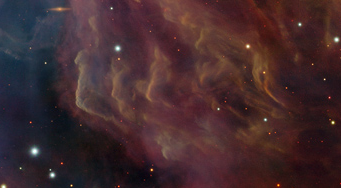
I'm talking about a huge, young star that is just utterly flooding its neighborhood with ultraviolet radiation. The kind of star that actively attacks all the conditions around it.
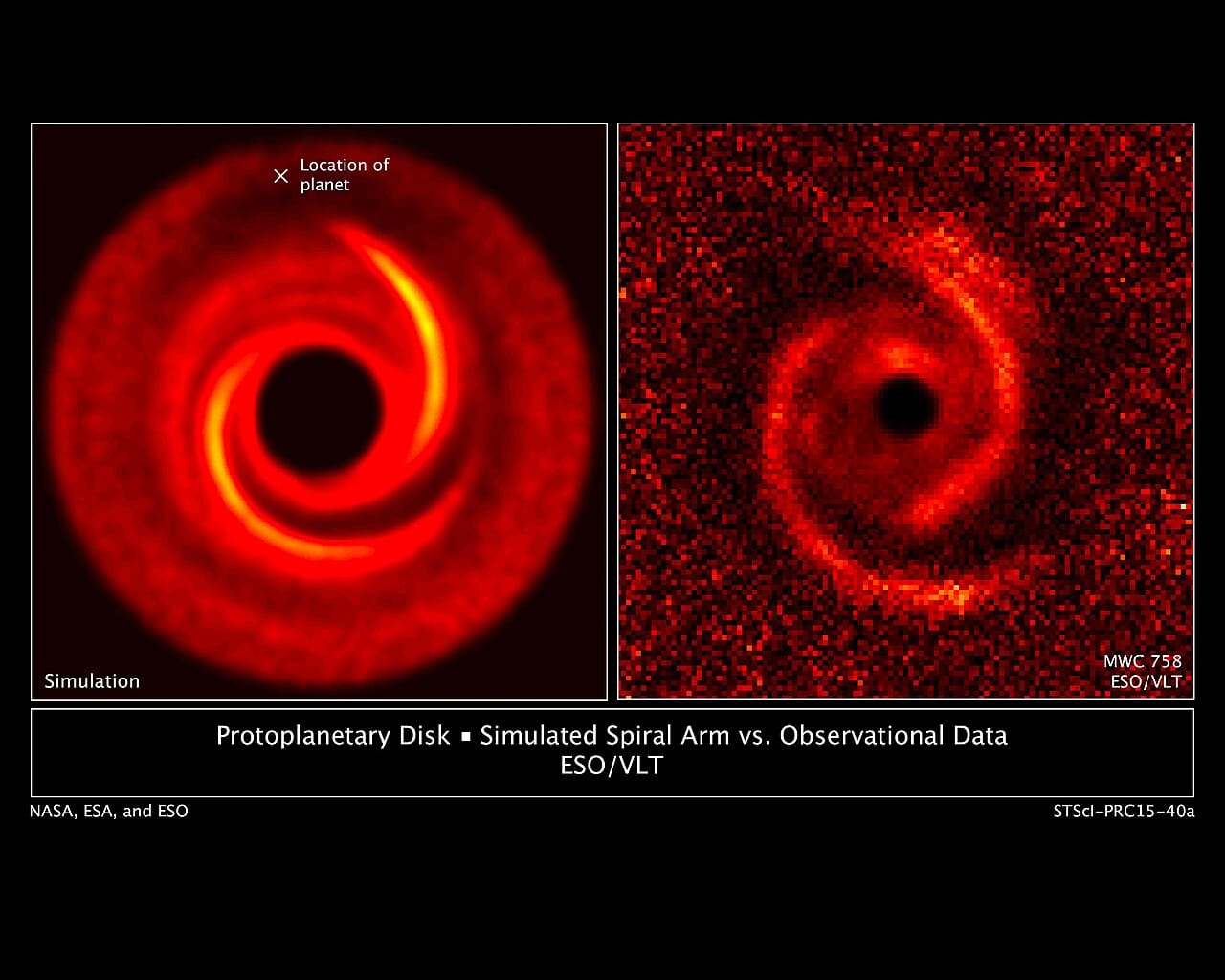
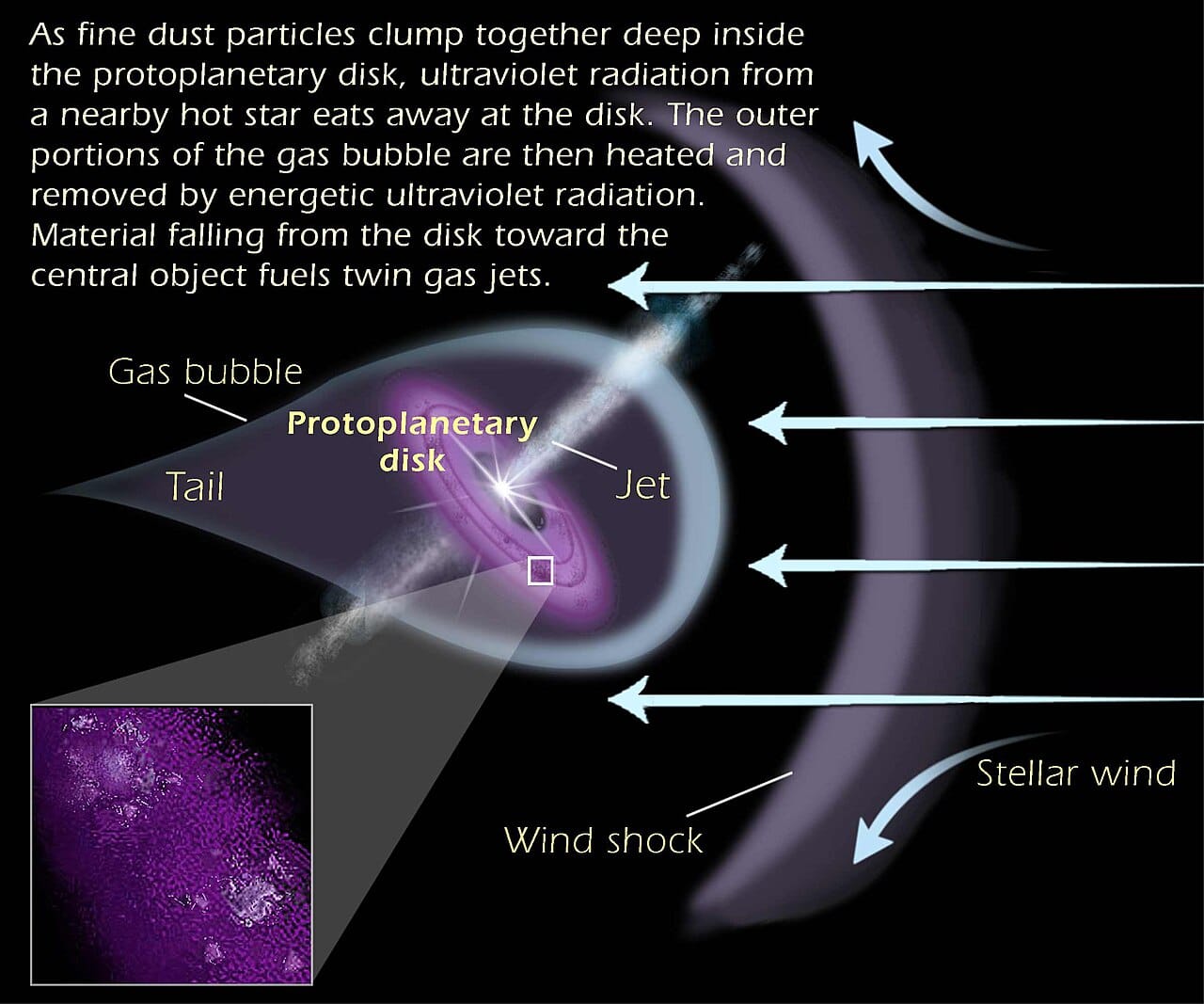
The kind where nearby disks like the ones I am talking about can be photoevaporated: meaning heated, stripped, boiled away, or just completely blown apart from the outside while they are still trying to assemble.
NASA and Hubble have actually directly observed this kind of planetary nursery in the Orion Nebula.

There, disks around embryonic stars sit under intense ultraviolet radiation from a massive nearby star. The language used around these observations is already halfway to an Applied Case article: planet growth and destruction at the same time across the field; young systems racing to form before their material is evaporated away; planetary nurseries being actively torched.
This situation is not a metaphor invented by Modal Path Ethics. This is happening, right now. The universe is still doing that thing I wish it wouldn't do.
There are disks out there in which the first steps of planet formation are underway right now. Dust grains are growing. Material begins to clump. The structure has begun moving along planetary paths. But the same environment that forms stars also contains other stars powerful enough to tear the planet-forming material away before those paths can ever mature.

The result is a non-planet.
What Was Harmed?
I can already hear your antiquated moral frameworks wheezing and collapsing.
What was harmed here? Not a person, or an animal, or a biosphere, or even a planet.
The answer is extance.
In a situation like this one, the normal human mind looks around for the victim, fails to find any recognizable face, and starts pretending like nothing morally relevant could have therefore happened. It is like watching a detective arrive at a burned-down library, find no corpse in the lobby, and conclude that the fire was basically fine.
Modal Path Ethics does not begin with a corpse.
The relevant extant locus here is the planet-forming disk. That disk is definitely real. It's not a fantasy, not an abstraction, and not a possible world floating around in someone's philosophical aquarium. We are talking about a real, active, physical system with lawful continuation paths.
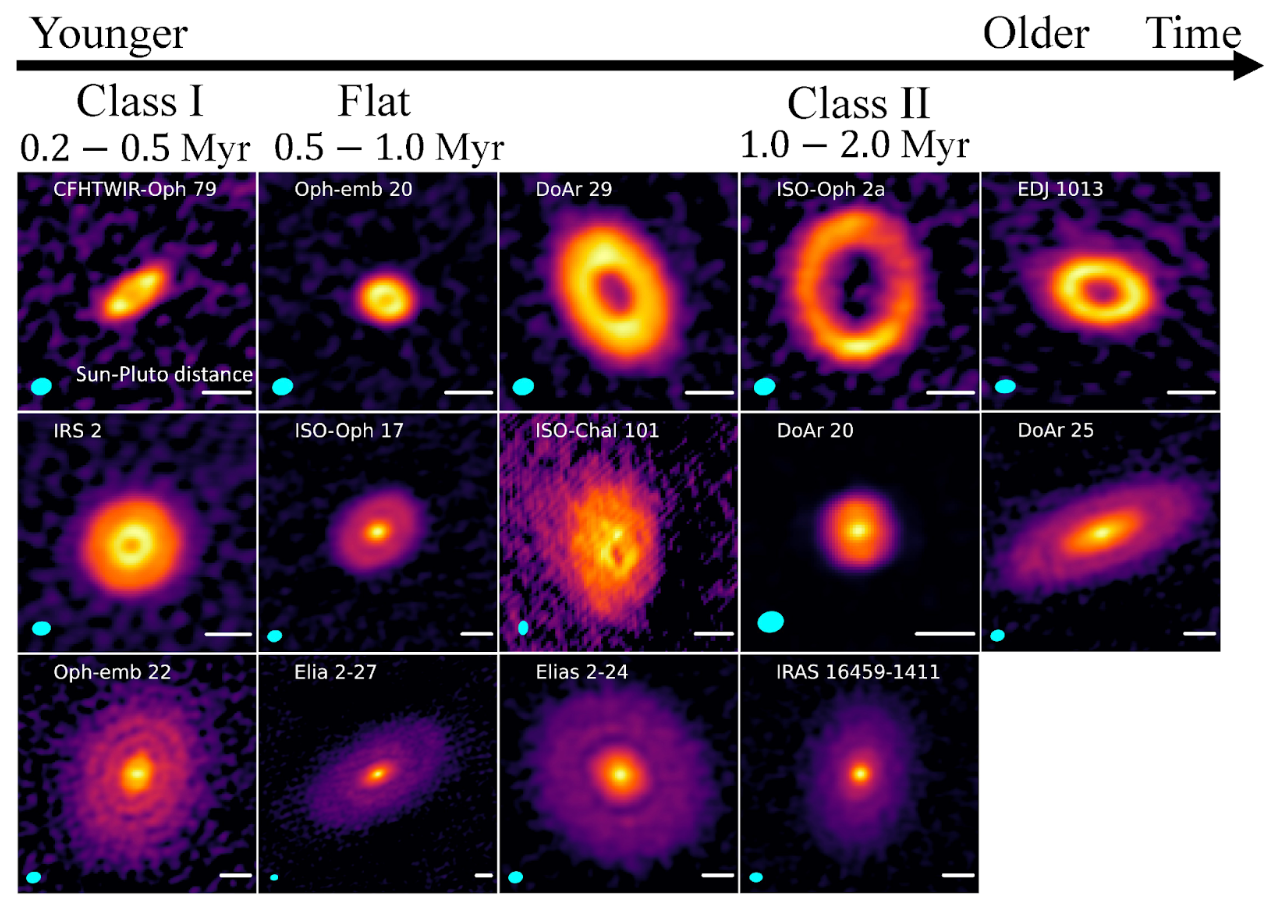
Its future-space includes planetary formation, if conditions hold long enough and material remains available. When radiation then strips the disk before formation can complete, those planetary futures are narrowed or lost.
This is called "harm" in Modal Path Ethics.
The harm is to the reachable future-space of the disk as an extant locus, not some never-extant alien or sad stone.
This is a crucial distinction to really let settle in, because it prevents this article from becoming about a cartoon.
I am not saying that every possible planet has a right to exist. I am not saying every unrealized branch is a victim. I am also not saying morality requires the universe to maximize marbles, planets, babies, Best Buys, or anything else until reality collapses under the weight of our delusional nursery obligations.
Modal Path Ethics is not actually a discipline of counting imaginary objects that became real and then crying to each other over how low the number is.
We are asking whether an extant field carrying a structured range of continuations has undergone contraction, and in the protoplanetary disk case, the answer is clearly yes.
A disk capable of forming planets can lose the material and stability required for those planets to form. That loss does not merely remove one decorative branch from the cosmic menu. It can remove an enabling class of futures. No planet means no atmosphere on that planet. No ocean on that planet. No mineral cycle on that planet. No prebiotic chemistry on that planet. No later life-bearing branch on that planet.
That whole downstream tree is now utterly gone because the trunk never formed.
The non-planet is not morally significant because an absent planet is secretly a person we feel sorry for, or contained such people. It is morally very significant because planet-formation is a highly enabling path. Contracting that closes everything that would have become reachable.
Downstream subjects are not the ground of the harm, either. They are among the possible later expressions of the enabling structure that was lost.
Reachable != Destiny.
The obvious objection is that most disks do not produce Earth. They still do not need to.
This argument does not require every protoplanetary disk to be a guaranteed Eden-world, or even livable. It does not require proof that one specific stripped disk would have formed one specific habitable world. It does not require us to visualize our little counterfactual dolphins leaping in the imagination seas.
Reachability is weighted, and does not mean certainty.
A future can be reachable without being guaranteed. In fact, most morally serious futures are not guaranteed to us at all. A child’s education, a civilization’s stability, a forest’s recovery, a friendship’s repair, a species’ survival, a democracy’s renewal, a patient’s remission, the existence of Scotland, none of these are guaranteed.
We still understand that closing the path to them can be harmful.
A student may not definitely become a doctor. But bombing the only school within reach still definitely narrows that student’s future to becoming one!
A damaged ecosystem may not definitely recover. But poisoning the remaining watershed still sure closes some recovery paths!
A society may not definitely repair itself. But destroying its institutions of trust, knowledge, and accountability still makes repair less reachable!
So it is with the planet-forming disk. It may not definitely produce a habitable planet. But if it contains the material and structure from which any planets could form, and external radiation strips that material away before the path can mature, then a region of planetary future-space has been contracted!
The skeptic may now say: but no particular future person was harmed.
Yes. Correct. That's the value of this example of harm.
The skeptic may then say: but no subject was made worse off.
Yes. Exactly. That's why I love this one.
The Non-Planet Problem is designed to remove the subject and see whether the harm disappears with them. Modal Path Ethics says it definitely does not. What disappears instead is one of the humanly-easy ways of noticing harm.
The Non-Planet vs. The Non-Identity Problem.
I brought up Parfit at the top. His Non-Identity Problem pressures the idea that harm must be bad for some particular person. If different choices would have produced different people, then future-directed harms can become strangely hard to locate. Who was harmed by the choice, if the allegedly harmed person exists only because that choice was made?
The Non-Planet goes beneath that. Here, there is no identity problem because there is no identity. There is no future person whose genetic contingency confuses the account, because are there are no genetics, or even a planet for them to form on. There is no “same person” problem, no child whose existence depends on the damaging path, no philosophical shell game in which the victim and their suffering vanishes whenever we ask whether a better path would have produced someone else instead.
There is actually not even a someone else.
Just a disk, then a stripped disk. And harm in the transition.
There was planet-forming space, then much of that was removed.
This does not solve Parfit by beating him at his own game like I'm Batman or something. What this does is it changes the level of analysis. The deepest problem is not whether a particular future person is made worse off by the conditions of their own existence. We are now looking at whether morality is allowed to see any field-contraction before a person arrives at all.
If your morality can only operate once a person exists, then it arrives late by definition and cannot be foundational. Your morality only arrives well after the disk.
For you to have any valid morality, you first need: The planet, the ocean, the chemistry, the biosphere, the organism, the nervous system, then suffering, followed by complaint, then testimony.
What a ridiculous bottleneck you operate under.
By the time the field has already been narrowed enough that human moral language finally has something shaped like itself to talk about, it is already too way late.
Modal Path Ethics does not deny the importance of persons. It only denies that persons are the first place harm can occur.
If a planet-forming disk loses the future in which planets could form, and if some of those planets could have carried further life-bearing continuations, then the morally relevant event is not waiting patiently for a future person to appear. In fact, one now may never be able to form globally at all, if some conditions had obtained. The harmful event has already happened anyway.
The fact that no one exists downstream of a closed path is not proof that the path was morally empty. This is instead actually proof the closure, and therefore the harm, was total.
Why This is Not “Mourning Every Possibility”.
Okay, smart guy, so how about this?
If we call the non-planet a harm, are we committed to mourning every unrealized possibility?
Is every star that does not form now a tragedy? Every planet that does not become Earth?
How about every asteroid that fails to become a dolphin? Every molecule that does not join a cell? What about every possible baby, or every possible painting, or every possible sandwich?
How about you just shut the hell up?
Modal Path Ethics does not treat possibility-space as a flat warehouse of equally precious unrealized inventory. That would be the exact metaphysical hoarding it was written in active spite of with, and with even worse lighting.
The framework distinguishes simple possibility from reachability, and it distinguishes raw branch-count from weighted continuation. The relevant question is not, “Can I imagine a thing that did not happen?” I honestly don't really care right now.
Human beings can imagine anything. That is one of the more entertaining defects.
The question that actually matters, in and to the real world, is: what was extant, what futures were lawfully reachable from it, how weighted were those futures, and what did the transition do to them?
A random fantasy planet made of cacti and regret is not an extant locus. It has no reachable future from any real disk. It is just not in play. I do not care, morally speaking.
A protoplanetary disk is very much in play.
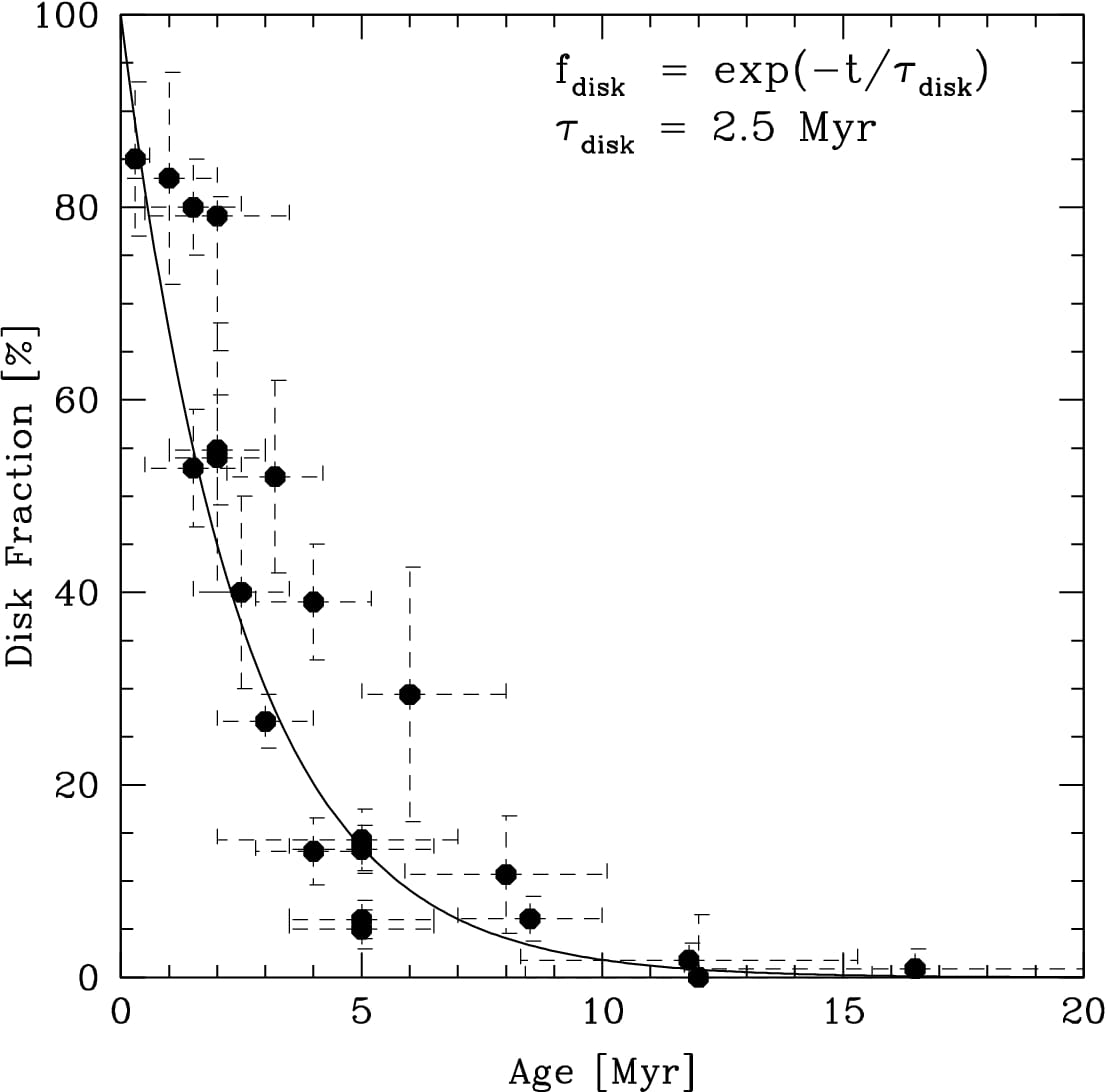
Its planetary futures are not our fantasies imposed from outside the field. It has continuations belonging to what that disk is in reality. When those continuations are later stripped away by external radiation, we are not now mourning some arbitrary non-event we made up in our heads. We are witnessing and analyzing a real contraction in a real, extant system.
This is where the weighting becomes important.
Some futures are actually shallow. Some are just decorative. Some are very destructive. Others are broadly enabling.
Planet-formation is enabling because it opens entire classes of downstream continuance. A rocky planet formation may now enable geochemistry, atmosphere, oceans, climate cycling, prebiotic chemistry, and perhaps eventually even agency in the form of life. None of that is still guaranteed, but it becomes reachable only if earlier enabling paths can remain open for long enough.
The non-planet is therefore is a sealed doorway to a entire region of possibility space, not one non-object.
Blame.
The massive star that killed our disk is the causal culprit here. It is still not blameworthy.
The narrative focus of human moral cognition constantly fights to collapse causation into accusation. We always want the culprit to be guilty. We want the universe to provide a defendant for us because then everyone knows where to stand in the courtroom.
But can we truly blame this massive star?
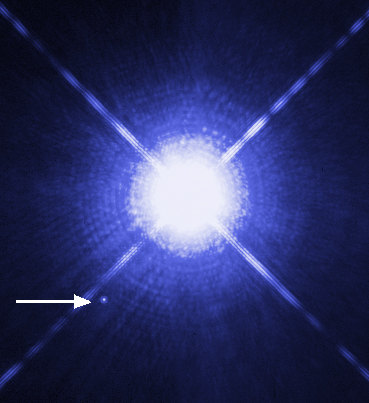
It is not cruel. It is not careless or negligent. It has not failed to do the reading on this topic. It is not a colonial administrator, or Sullivan. It is more akin to the Pokémon Hypno.

It radiates, nearby disks are stripped, and the futures close. That is the true moral structure of this situation.
Modal Path Ethics separates the structural status of a transition from the later human social question of blame, and this massive star is not a part of our human social project. An event or action can be harmful without being blameworthy in any way. A process can still easily contract the field without possessing intent, and a cause for contraction can be easily named without being morally addressed as an agent.
If we cannot talk about harm until someone has done something wrong, then we cannot talk clearly about most of reality. Disease, decay, disaster, entropy, collision, radiation, scarcity, instability, and environmental collapse all become morally blurry until an agent appears to own them and makes them narratively convenient again.
This is backwards. Agency matters because agents can perceive, redirect, repair, worsen, preserve, and choose among paths, but agency is not what first makes a contraction real.
Why This Matters to Humans.
At first glance, this may seem pretty remote from ordinary ethical life. Most of us do not spend the day worrying about protoplanetary disks being blowtorched in Orion. We tend instead to have bills, parents, children, jobs, physical bodies, and deteriorating institutions.
The Non-Planet Problem is not included because disks are more important than children, ecosystems, cultures, or civilizations. The value is that it strips the concept of harm down until only the actual structural claim remains.
Once that claim is visible, it can be now brought back upward, but properly grounded in the reality of structure.
A child can be harmed before the child can explain the harm.
A community can be harmed before it develops the language to diagnose the harm.
A culture can be harmed before its members understand what has been lost.
An ecosystem can be harmed before the collapse becomes photogenic.
A future generation can be harmed before its members even exist as determinate individuals.
A civilization itself can be harmed before anyone experiences the harm as catastrophe, because the relevant event may be the quiet closure of repair paths long before the visible disaster arrives.
We are drawn to visible wreckage because visible wreckage flatters our moral equipment. We can stand before a ruin and feel very serious and moved. We can name the dead and build memorials, and turn suffering into literature, law, ritual, politics, or at least a limited series.
The non-planet is often worse, because we can't even properly conceive of the paths we lost.
If moral seriousness cannot survive that descent, then morality is not really about harm at all, just human recognition. It is now solely about what we can narrate, accuse, pity, punish, sentimentalize, or imagine in our own image.
Modal Path Ethics is built against that collapse.