Legibility: Not a Criterion of Moral Depth
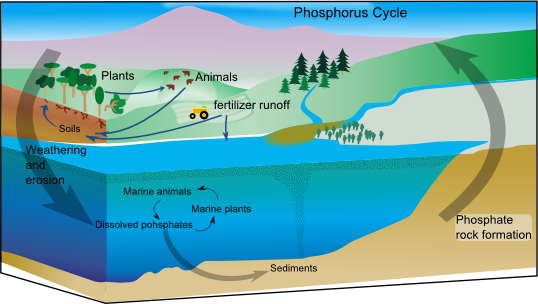
Can I talk to you about phosphorus? [L]
September 2026 note: The central warning still stands: moral legibility is not moral depth. Later work sharpens this into instrument jurisdiction: a representation, metric, narrative, model, or category may be useful without acquiring authority over the field or over the conditions by which it can be corrected.

When's the last time you thought about phosphorus?
Phosphorus is unbelievably more important than anyone reading this can probably conceive from the understanding of this element they have brought with them to this essay, including myself the author.
Do you care about phosphorus? You really, honestly should.
Phosphorus is a finite element. It cannot be synthesized, substituted, or manufactured. All life requires it for DNA, cell membranes, and energy transfer.
All known life. There's no other option.
We humans mine it from phosphate rock deposits that formed over immense, geological timescales, and we are currently consuming those reserves at rates that will exhaust accessible deposits within roughly 50 to 300 years depending on the estimate you read.
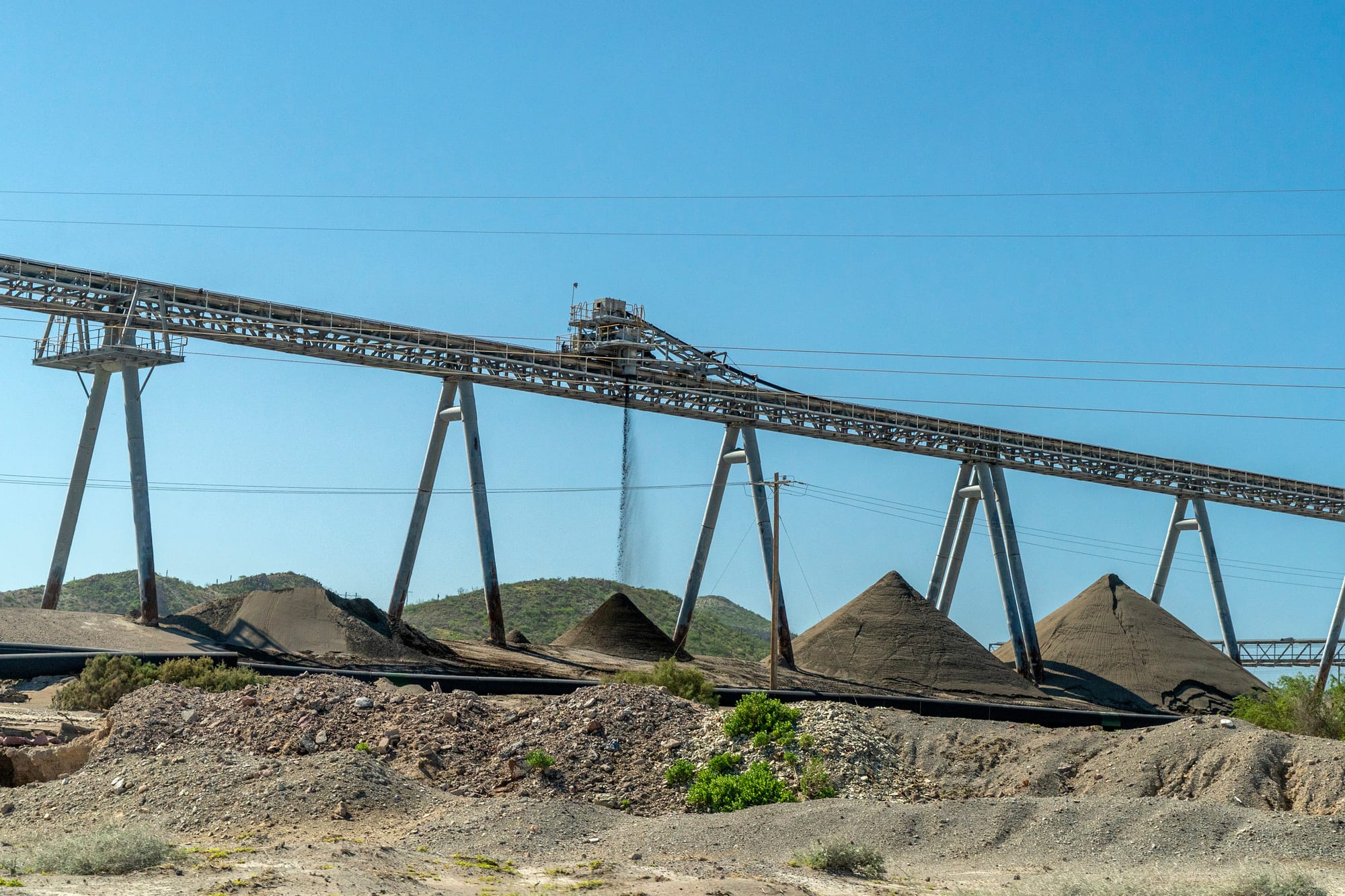
There isn't more elsewhere to dig up. More is certainly not on its way to us. The planet does remain finite and bounded. We absolutely do need this mineral to exist. All life needs it, in fact.
And we are currently expending all that can be reached to grow more food, because our population has skyrocketed due to our earlier efforts to reduce world hunger by growing more food.
Simultaneously, somewhere between 1.3 billion and 2 billion tons of edible food are wasted every year through discarding alone, depending on our analysis.
These are the facts the field presents us.
Therefore the prevailing question in such field analysis must always be:
Are we fucking insane, or just existentially stupid?

Are we, genuinely, serious and confident that we will soon be mining phosphorous from
motherfucking space stones
million of miles away through the godless void
so that we might rescue ourselves from
taking too many rocks out of the ground
right now
with potentially just 50 years to get this all going and ready to feed billions?
Is that the correctly implied plan our civilization is operating under here?
Because I think I have some real doubts on its veracity despite recent advances in space travel.
Does everyone else know something I do not? Is this not a real problem? Do we have another source of this rock in mind?
Do we have any options to replace our reliance on mining this rock on the table? Even if they are structurally sweeping options requiring collective cooperation?
Or have we just kinda, silently decided that we are gonna be the final generation that eats?
We've forfeited the Extance Strategy Game before it even really began and are hoping reality can figure out the pathing from here in our moral wake?
I just finished the book, you guys.

I am just taking a general read of the room right now. I am not an agricultural expert, nor a rocket scientist.
But to me, that 50 years is nowhere near as long as it sounds. Neither is 300 years, not really. That essentially sounds like just enough time to try something new once or twice before we run out of time to really try again. This might as well be a phosphate-rich asteroid on an imminent trajectory with Earth to me.
That may actually end up being arguably better than what I am hearing if some conditions later obtain, relevant to the field as it now stands.
The point of all that being this is extremely proximate and ultimately causally simple in terms of what Modal Path Ethics was designed to handle, even if the menu of present choice is heavily tainted and difficult to process in existing moral frameworks.
To fully grasp the framework-relevant point here, you must fully realize that after that phosphate does run out, the possibility space of agriculture and therefore any civilization permanently contracts to whatever can be now recovered from wastewater and organic recycling, which we can probably all see is a much, much narrower field than we will (then) say we once had access to in this very moment, and this missing option-space will have been lost through state transitions we, ourselves selected as agents through choices in the here and now, choices we often mistake as mere parts of our own (equally real) but lower level narratives.
This is what the framework calls “pathing”, and we all do it at various scales.

Also, if your brain, regarding phosphate, has just promised you some version of:
“Eh, someone will figure something out, and that's not really what I do as a person, so I say: we'll take in this information in case anyone asks, but we really need to get back to what we were just doing”,
You need to stop trusting that voice immediately and dial in to the realities we are actually grappling with here as extant beings in this moment.
I am not suggesting all humans must now master the element phosphate and modal metaphysics or refocus all human endeavor around this particular mineral.
I am suggesting all humans should care deeply about this, because this one is not a cruise control problem;
Sometimes we as humanity do face hard walls, and we are only still here because we have always cared enough to find a way to make it over in time.
We do this when our social sensors for structural harm rally us into action.
But do you really care about phosphorus?
Our actions say not at all, no.
I've not seen, organized, nor marched in any public Rallies to Save the Phosphorus. I doubt I'd really go if one existed.
There are only relatively rare other indicators of any care in the affected field.
It seems this elemental mineral has very precious few hardcore allies among the human population, which is unfortunate as its end is most likely the beginning of our own.
But do you want all life to be based on recovered wastewater and corpse-matter?
I feel no.
Then what the hell are we doing with the fucking phosphorous, as a civilization in which you too comprise? Can we at least decide properly instead of only wondering what role this might play in our collective nested narratives instead?
By the way, do you care at all about oil? Yeah, I figured. We need that stuff.
Try caring about fucking phosphorous next though.

That's used to make life stick together.
We just simply can't not have it, you guys.
Is it still definitely harder to care as much about it as the oil anyway?
We need to ask why that is.
Life itself does not literally run on oil, our civilization does.
Life itself quite literally is held together by the fucking phosphorous.
So why do we seem unable to notice this apparently primal element? Why are so many stories told about oil and none about phosphorus?
And when we are made aware of this mineral and the dangers it represents, why can we not hold them in mind like the dramas of our favorite movies and social situations?
This is a perfect example of why moral depth cannot be based on legibility.
This is a planetary disaster in progress. But very, very few of us humans probably care very much about phosphate, and never as much as we do about ourselves and others; which is obviously natural.
People do not need to be actively apathetic nor morally damaged to not fully grasp the dangers of chemical element number 15 even when they are explained clearly, or be expected psychological capable of giving a tremendous amount of their limited care-capacity to fucking phosphorous.
It's inherently hard to care about this harm in a way that matters until it is too late because of the way we understand our own lives and the civilization every one of us on the planet inherited.
It's fucking phosphorous.

It's for chemists, and I feel like they don't really idolize it much either. I didn't care very much about phosphorous until I learned this and it really sank in.
Now phosphorous appears unbelievably important to me. This is contact with harm as Modal Path Ethics describes it.
Phosphorous is almost certainly way more important to than any opinion you or I have about anything related to what is traditionally considered “morality”, and what Modal Path Ethics now insists must be called secondary morality.
The primary, contractual risks of phosphate depletion are perfectly illegible to our narrative minds;
There is no dramatic event.
Rocks are extracted.
No moment of harm.
No victim who can speak.
The soil never complains.
We want the rock to grow more food.
Wow, we even had a good intention, too?
This all checks out just fine in my head.
How can this be harm?
The causal chain linking a fertilizer application in Iowa and the potential for foreclosure of literally all agricultural futures on this very critical planet runs through geological timescales and global systems simultaneously, and requires understanding and harmoniously holding information in chemistry, ecology, geology, and deep time to even perceive the possible harm.
Hominins were not actually evolved to do this.
And yet we as humans now find ourselves in a situation where we must.
This phosphorous problem stands as one of the most grave ongoing threats that we know of and could realistically fix ourselves.
It represents a permanent narrowing of the conditions under which complex life can be sustained at scale on Earth, the only life-bearing planet the field reveals to us, happening continuously, right now, with almost no moral engagement proportionate to its magnitude.
But it isn't as dramatic as a nuclear war to us.
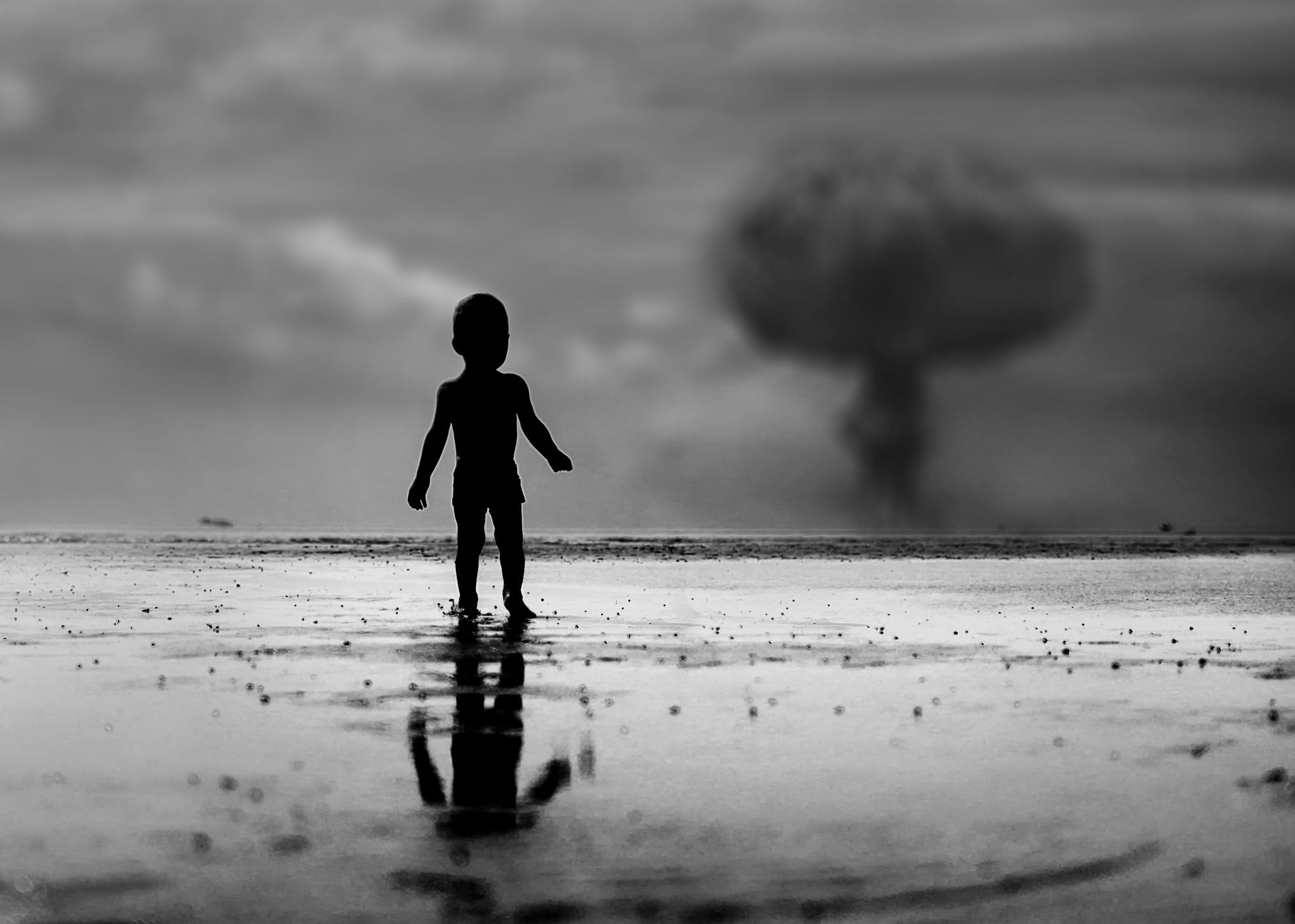
And so it is hard for us to care about it, even if we may live to see it happen.
Because we live and know primarily our stories and what affects them in the narratively relevant sense, we think this narrative structure must itself be the higher one upon which morality rests.
But reality shows us there is more going on here than stories, and it will not bend the limits it sets no matter how hard we attempt to out-persuade each other about them.
What kind of stewardship are we enacting to the very reality that would allow any possibilities we might prefer to actually come about? What is morality now in the face of this fucking phosphorous information? At what depth do we now have to approach this?
This is the type of harm and lack of clear fit to existing moral frameworks that inspired Modal Path Ethics.
Let's now move slightly further up through the crust. Topsoil. Not as exciting as Traitors; I also understand this completely.
But one inch of topsoil takes approximately 500 years to form. Did you know that? 500 years. I just learned that very recently. We are apparently currently losing it globally at rates between 10 and 40 times its formation rate through industrial agriculture.
That's really not good information at all either, right? We definitely need that, too.
The field analysis then is just a mirror of the phosphate problem:
We do not expend care-capacity to consider what are less subjectively proximate or experiential contractions when the local and secondary are just so vivid, apparent, and begging to be aestheticized.
We do, however, as humans in an advanced civilization need to consider our options to correct our damaged field, because this stuff is on our modal docket. We are morally connected to this future, we have the capability to intervene if we choose, and we can very reasonably foresee it.
Modal Path Ethics does not permit us to pretend we are then enacting good while ignoring it.
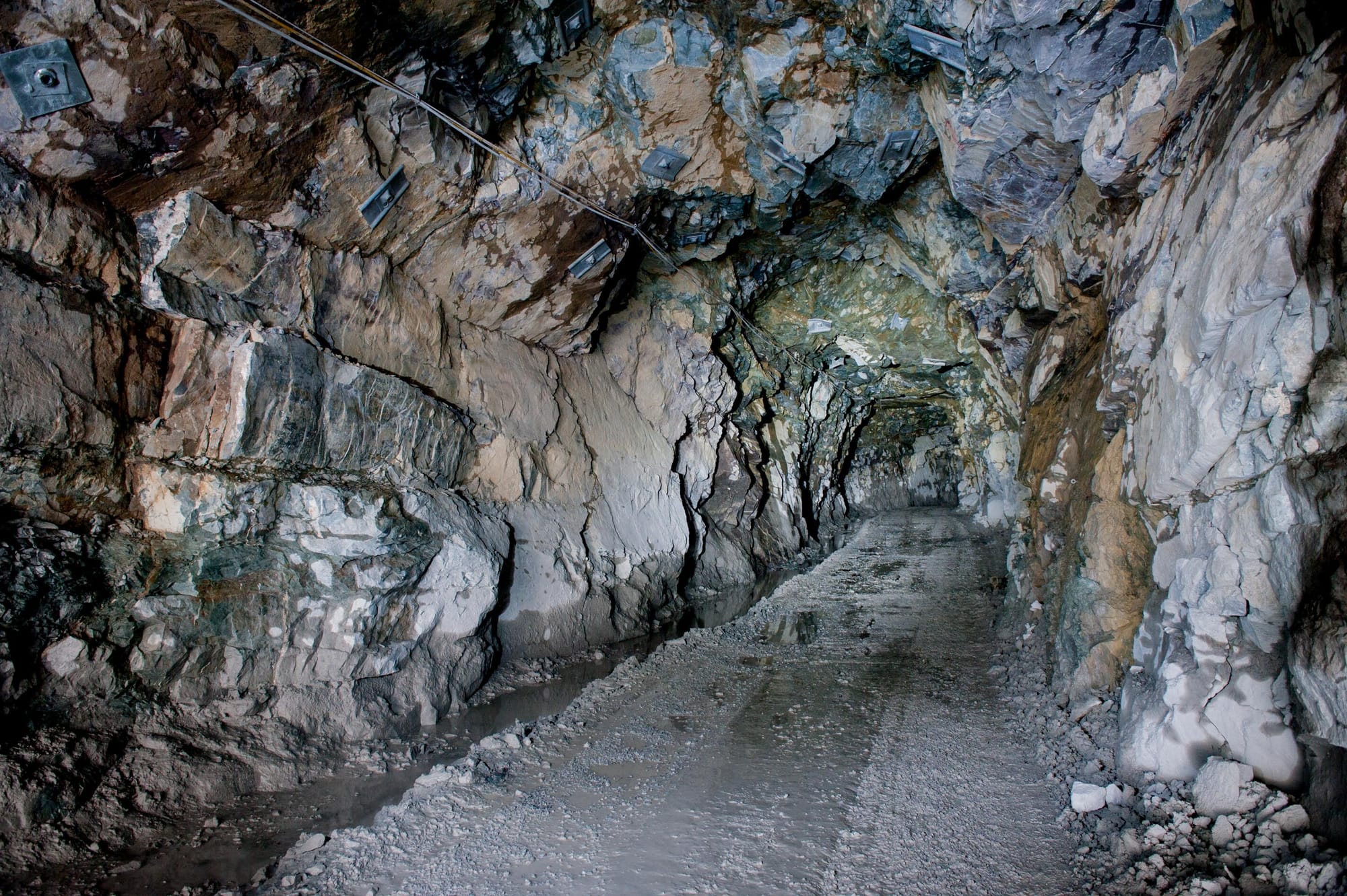
And we, in this context, does actually unarguably include you, the reader, as well as me. I have now actually exposed you to this dirt-related reality, and even if you go away and write an intention or desert story about your own relative innocence, the modal structure now knows you knew in extance.
You already read this far. This is causally locked-in fact now; this is your problem. Deny it all you want.
I'm not sorry; that's the rent we pay. We are ultimately more important to the field we are in than the stories we tell ourselves and each other. The extant path through the modal structures of reality is shaped by us and our decisions.
However, no-one should expect you to figure this fucking phosphorous shit out alone, or be endlessly devoted to every morally relevant case. Alarm is not itself a part of any actual field analysis and subsequent repair, but rather the precursor to it brought on by contact with harm.
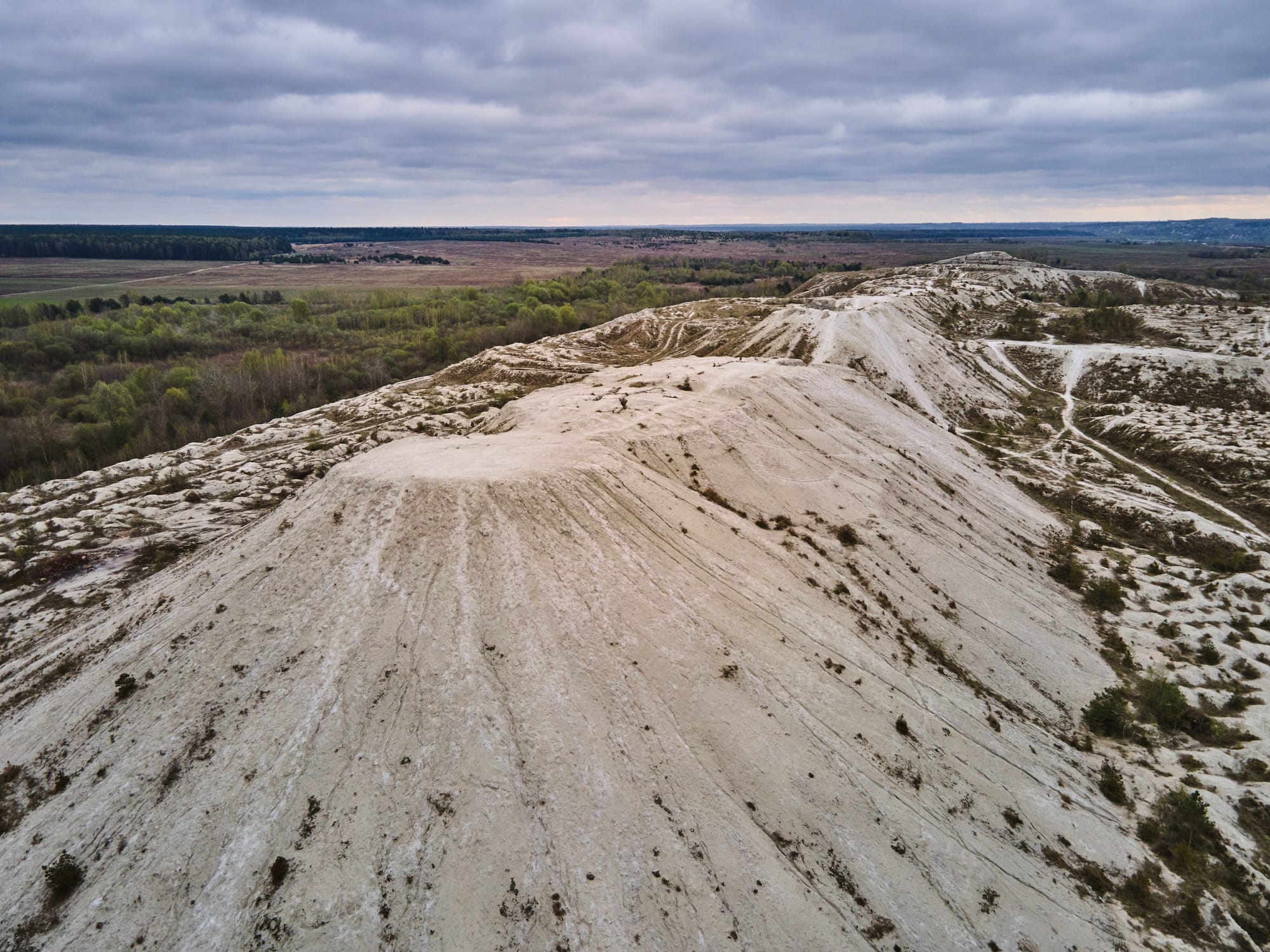
The existence of higher-depth structural concerns that threaten the annihilation of all loci also does not invalidate the local morality of any other depth. Suffering remains real and worth attending.
Modal Path Ethics is explicitly not written to become a state of constant crisis or denial of lived experience especially as it pertains to harm, but instead for us to collectively begin to learn how to actively manipulate our fields such that they naturally elaborate fewer such harms in the first place.
The goal is to not be found in this same situation the next time, even if we do manage to clear this one hurdle. There is an entire possibility space ahead, but only if we can keep up with it.
We all must make contact when the stakes become as high as this mismanaged dirt. That person or persons we often imagine will heroically save us so we can focus on correcting our own nested narratives may not arrive in time if we do not ourselves choose instead to deliberate and act in order to create the field conditions that can enable our narrative rescuer to actually do just that.
If this happens in these (again, dirt) examples, every nested locus crumbles together, even if the dominant field core is at first isolated temporally. The editing we all did so diligently on our life stories won't matter anymore.
Batman is not in hiding, waiting to see if we can crack this one first. The field suggests we are the only reflective agents capable of addressing harms on the scale which it now presents to us.
We even created these particular example problems through our own very best of intentions.
Modality then does not allow us the luxury of picking and choosing which contractions really count as our own or which apply to us in particular as people or institutions according to our individual preference, innocence, opinions, and interests.
Rhetorical argument is not going to change structural causal reality.

That reality is self-evident.
No locus is isolated.
We are all nested in systems nested in systems nested in systems.
Nothing extant is truly separate from the greater whole.
No one is then exempted from our loyalty to the extance within which we all are, and which allows anything we would each individually consider good to actually be. Our secondary and subjective moral objections as they may come do not change the structural realities of topsoil and phosphate.
We still haven't even left the dirt of one incredibly vital, unavoidable human industry yet and we have already found a second collapse waiting to happen, another that most people never talk about at all.
I'm already rambling wildly and rhetorically and breaking into tangents about the fate of all futures and our responsibility as extant agents to the stewardship of any continuance at all.
We are examining our civilization's usage of the soil.
These are not the signs of a healthy field.
The important immediate thing is not to find whose blame for our narrowed and narrowing extance best matches this story, but what corrections are better than the alternatives.
This does include analyzing causally relevant actions and actors, but from the perspective of understanding why and how to correct our and their modal path, not determining who to justly punish.
Modal Path Ethics considers these subjective moral questions always secondary to the primary moral field question. Action inspired by field-first analysis is far, far more likely to achieve moral coherence.
The subjective tends to suggest far more complex and dangerous manipulation of the field, almost always including its own harms if not handled with its own equally in depth analysis, as discussed in the book. Such analyses can become recursive and paralyzing, all in the aim of self-distortion through the importation of secondary preference.
Ultimately, structure cares only for the actions we will choose regarding the dirt.
We might spend our valuable time deciding who precisely needs to be punished and inflict more contractions in enacting that retribution such that the final narrative is emotionally satisfying, as the possibility space of any human food production will, all the same, be permanently and irreversibly narrowed within timescales that are historically unbelievably short but humanly virtually invisible.
I'm as tired typing about this soil as you are reading about it, but this framework is designed to be broadly applicable, and we do need to eat.
Let's switch to the medical field for variety.
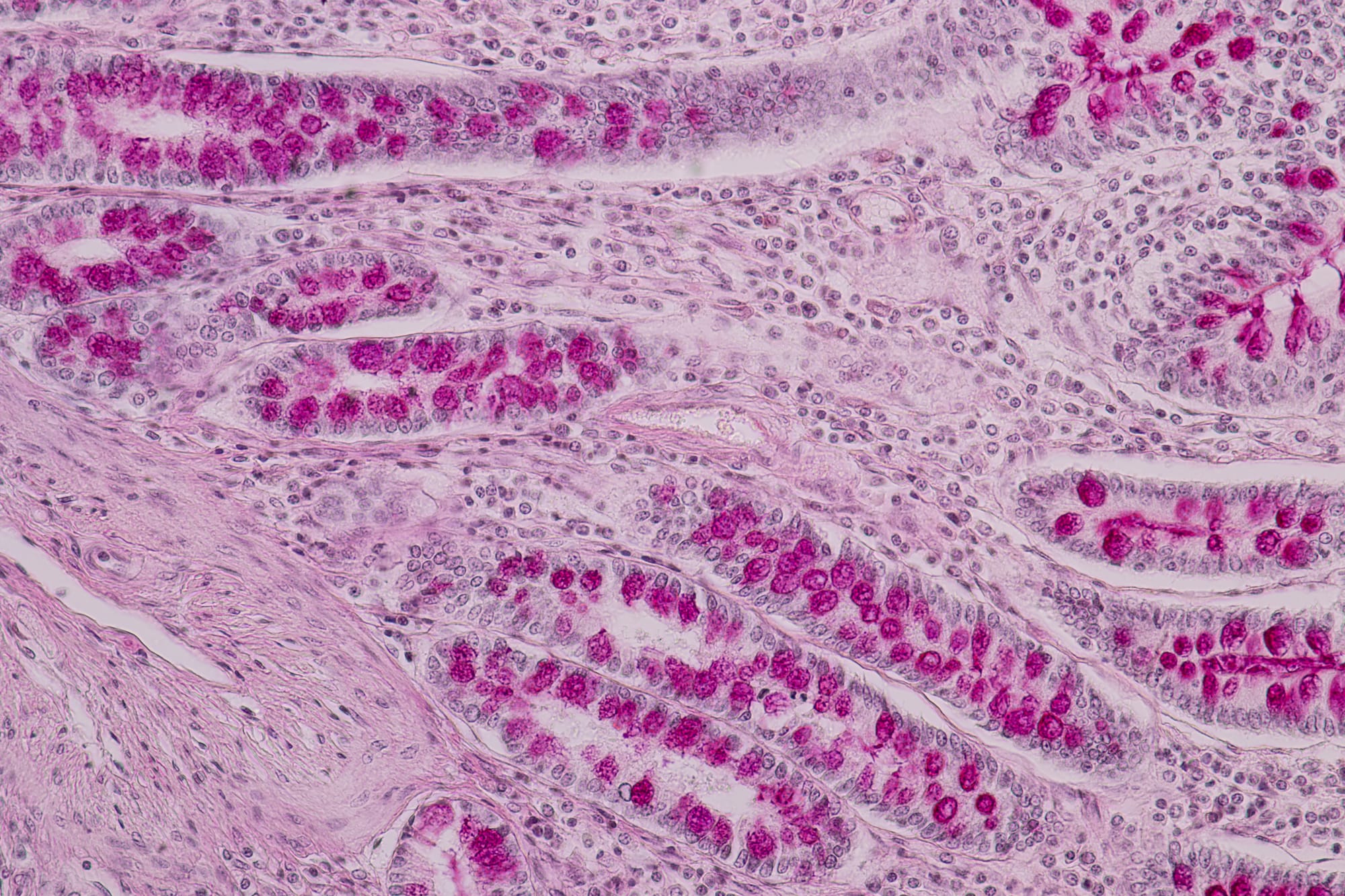
Remember when the news first broke about those antibiotic-resistant bacteria? Super-bugs were coming to kill us all to avenge their countless fallen, and everyone panicked a little, then we realized the world was not in fact over and we could still go to the hospital like we were used to, and so we all just kinda, shelved that one for another day?
Well, we are actually potentially foreclosing an entire category of human medical possibility space here.
I just think we should at least think about it a little more, like, as a collective.
We could realistically all lose access to antibiotics.
Not just some crazy-virus-gone-wild situation, which is easy to picture and to narrate yourself surviving, especially since you reading this almost certainly survived Covid.
In this future, all antibiotics are now useless to us.
We now have zero.
Bacteria cannot be easily stopped from elaborating.
We have to more or less start over with what we had before to coexist with them. We can't just kill them anymore.
This would be the most insane thing that ever happened to any of us living right now if it occurred tomorrow.
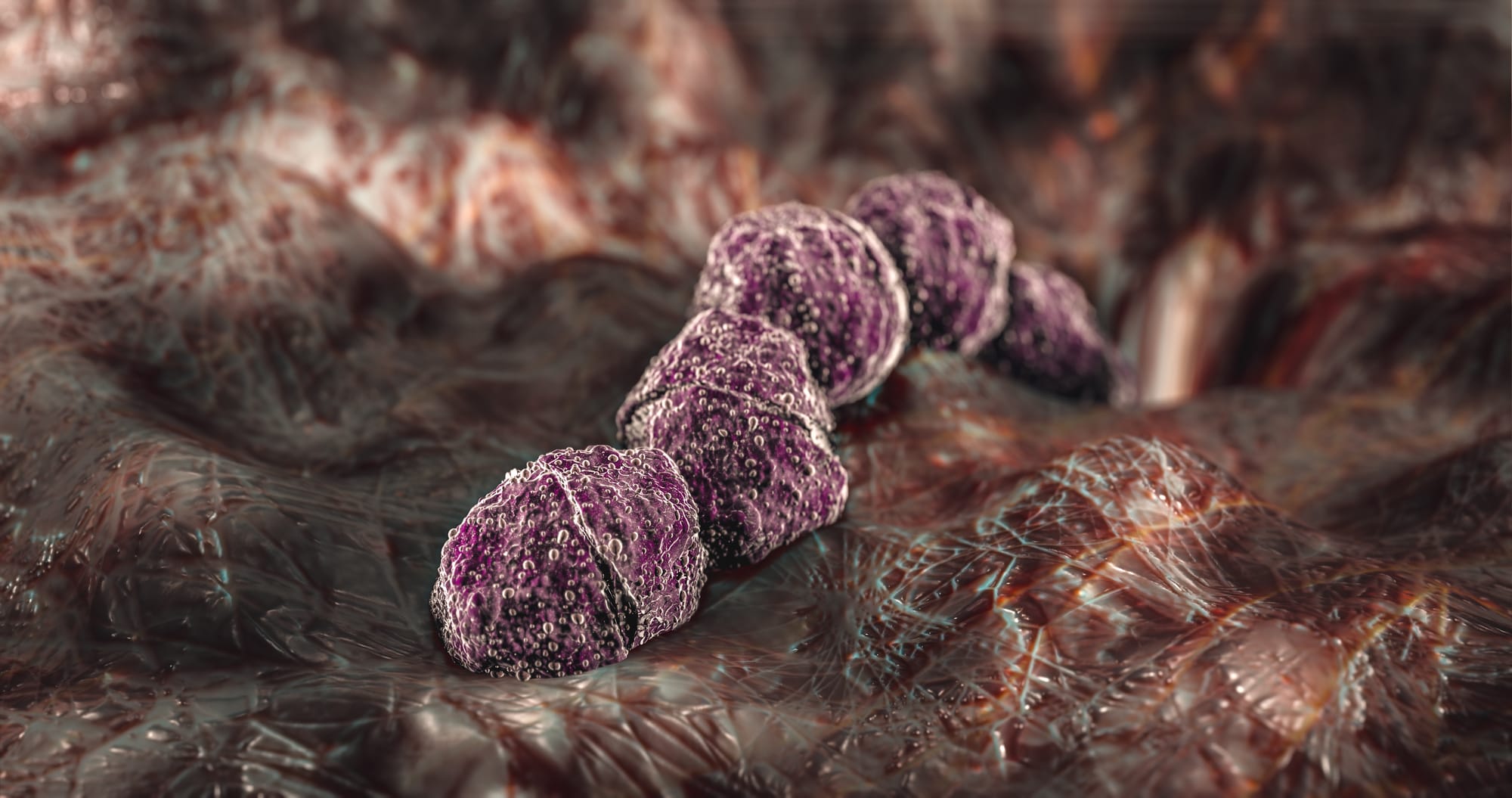
The balance of power between the human and the bacterium has been set pretty firmly with us on top for some time now, but it can be argued from this framework's field perspective that our excessive anti-biotic treatment enabled what Modal Path Ethics calls a burden transfer to the bacteria loci. In response, their own possibility space narrowed sharply until only “Super-Bug” or antibiotic-immune continuances remained in extance.
The field analysis under Modal Path Ethics therefore directly harmonizes with general medical recommendations; less transfer of burden to the bacteria loci through irresponsible and excessive use of antibiotics, to reopen paths to relative good for the individual bacterium at the source of the contraction.
However, Modal Path Ethics reaches this ethical conclusion by analyzing the field of structural morality, not by considering the science of bacterial reproduction. This shows how the ethics are designed to function, and retain full moral clarity, equally across every depth.

We as a civilization have not actually followed this ethical and medical advice, if you haven't been keeping track of this one in the chaos of everything else. Bacteria are still growing more resistant to our antibiotics.
We may lose them all in many futures we may or may not soon enable from the present moment through our choices.
That ensuing human loss alone would be a major contraction, but when you also consider the futures only made possible through antibiotics, the modal harm we may be causing becomes so stupid.
The post-antibiotic world obviously narrows the reachable futures of surgery, chemotherapy, organ transplants, and basic wound care permanently.
Modal Path Ethics suggests this possibility space reduction itself would be harm, even subjectively removed from (but still inclusive of) any human suffering or indignities this path would quite obviously result in.
Super-buggery is obviously still more discussed than the other examples, but mostly intra-loci amongst those assigned with addressing the rising bacteria, and the modal reality of this situation still appears opaque or somehow reversible through grit and innovation at the last moment to a lot of us, despite being a structural concern beyond the depth our doctors can hope to tackle from within their role as our narratively assigned saviors.

Why do we do this?
Because the mechanism of harm runs through diffuse individual choices at global scale, making it nearly impossible for any moral actor to perceive their own causal contribution to the foreclosure potentially ahead of us.
We do sometimes discuss this, but not from the correct perspective and not in the non-narrative way we all need to, and not as participants each individually responsible for caring about its resolution.
And because our cultural stories simultaneously tell us of an almost anti-heroic humanity who always overcomes through its distributed excellence just when it counts the most, because that's the narrative we perceive in our own continuance up to this point, including recent events.
And because our human narrative perception follows the laws of stories, not reality's actual modal structure.
To truly accept the antibiotic future as a real, potential continuance that not only you yourself but the extance in which you reside can reach from this exact moment through a highly-feasible series of state transitions that may in fact occur, or may even in fact be the modal path we are already actually on, and that you yourself bear some moral responsibility and are recruited to the resolution of this harm, is to come into real contact with harm.
Our stories seek to prevent us from making this type of direct contact in order to reassure us of our own value, innocence, and purpose.
We do have purpose and value, and our stories do matter. But we are not innocent.
Structure does not hear our stories and does not care about anything but our actions. It is a higher level of order than ours on a higher level of depth.
It will accept the contraction of the antibiotic future as readily as it does any other harmful path extant agents such as us choose.

One more example unites every issue and solidifies the shape of the legibility problem. People en masse also don't care about extinction anywhere near as much as they should.
Extinction is a big fucking deal.
This is not about us needing, missing, or liking the extinct species, everyone.
I suppose if pressed, I also might admit to really not particularly caring about the Christmas Island pipistrelle bat either; it was very cute but there are still bats around and many are also very funny.

It is hard to deeply emotionally differentiate Steller's sea cow from a manatee or dugong if we are being completely honest with ourselves.
It is a bit much expecting people with real high-stakes social problems to give a single shit that we no longer have any Pyrene maillardi among us.
But importantly, these are all subjective and secondary to modal structure.
When a species goes extinct, we don't just lose access to samples of that organism's biomass or whatever value or pleasure we might have been able to derive from them.
Extance has lost that species' entire potential evolutionary trajectory. That was a path-dependent history of agency billions of years in development that was still generating future possibilities.
Now it's gone. That is not ever modally insignificant.
This has nothing to do with liking dead bugs or lost kinds of algae, or even what memes, Michelin plates, or medicines they could have been transmuted into had we saved them. Loss on this scale could absolutely prove decisive to our own extance.
The biodiversity crisis is ultimately about destroying the generative conditions under which evolutionary complexity itself ramifies into newly available futures.
The mycorrhizal networks, the keystone predator relationships, the co-evolutionary dependencies; these are all extant, critical things to our world, which I will repeat as the only life-bearing world and only region containing any reflective agents the field presently reveals.
We cannot just ignore these aspects of our world because we have other things on our minds at present and our personal human stories feel more important to us.
When these things collapse, the capacity of life on Earth to generate future complexity is now permanently reduced.
Modal Path Ethics considers all extinction to be structurally harmful.
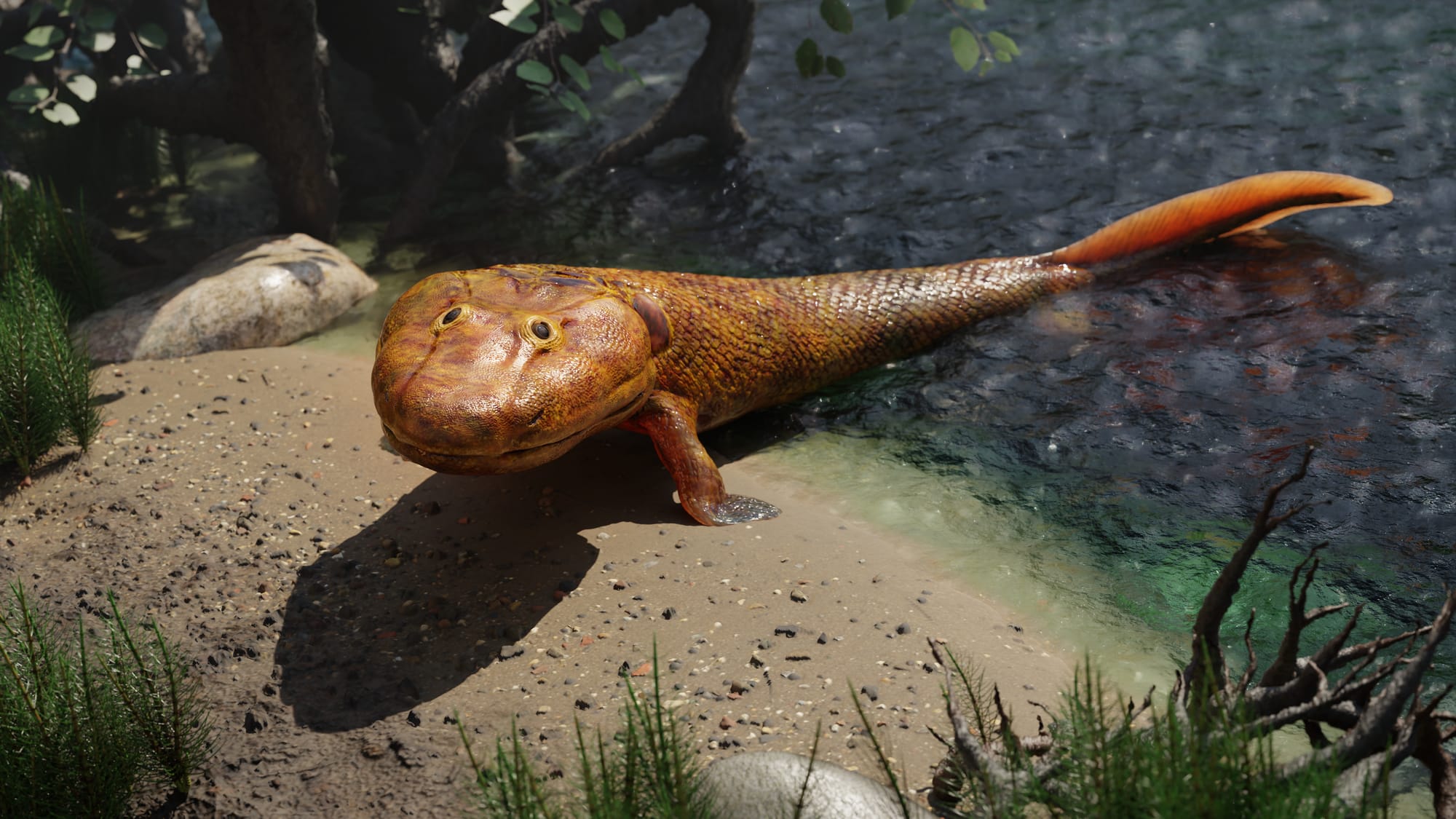
This one is almost perfectly illegible to us because evolution:
(i) operates on timescales entirely outside human perception,
(ii) the victims are future beings who do not yet exist in any form and no longer possibly can,
(iii) there is no causal chain short enough for social moral machinery to follow, and
(iv) understanding the harm requires holding ecology, evolution, and deep time in mind simultaneously.
This one also feels oft discussed to us, but too much attempted conversation over the loss of biodiversity is distorted in our civilization into engaging but ultimately rhetorical narratives about the speaker or listener's political alignments, intentions, or biases in information collation, while the modal structures beyond us just shrug and continue to contract towards nothing just as we command them to through the state transitions we ourselves choose when sufficiently distorted from what is actually real.
In this way, it is the perfect example of the dangers of legibility.
Legibility has been functioning as the de facto criterion of moral seriousness for all of human history. This was a serious mistake, and it does not have to stand.
Each of these examples shows what this has cost us and could cost us, let alone cost extance.
Modal Path Ethics’ insistence, therefore, that legibility is not a criterion of moral depth is not some abstract philosophizing, it is a description of a real and ongoing, civilizational failure with concrete consequences for extance, to which we all owe our individual responses.
It is in contacting the illegible harms that we learn why our minds attempted to shield us from the true moral depth they conceal, that we might continue blissfully authoring our innocent intention stories instead.