Applied Case: The Lorax and Repair Theater
Speaking for the trees was not enough.
September 2026 note: The distinction between moral witness and effective repair remains strong, especially the article's insight that truth without a causally effective correction path can become theater. September work places an important limit on the repeated “the Lorax should have…” language, however: missing repair functions in a field do not automatically become personal obligations for one witness. Structural representation, constitutional authority and judgment, and materially effective correction are now distinct layers, and obligation depends on what powers, jurisdiction, resources, and alternatives were genuinely reachable. The forest, species, trees, and dependent relations also need explicit grain rather than automatic locus status; some may be loci, others enabling structures or coupled dependencies. Later Material Bounded Finality strengthens the article's best institutional point: representation matters most when it is connected to a real route that can slow, stop, replace, or outlast the harmful process.
The apparent lesson of The Lorax is simple enough that most readers absorb it before they are old enough to dispute anything:
- The Once-ler is greedy.
- The trees are beautiful.
- The Lorax is right.
- Industry destroys what it refuses to love.
- Do not be the Once-ler.
That lesson is not wrong. Do not be the Once-ler.
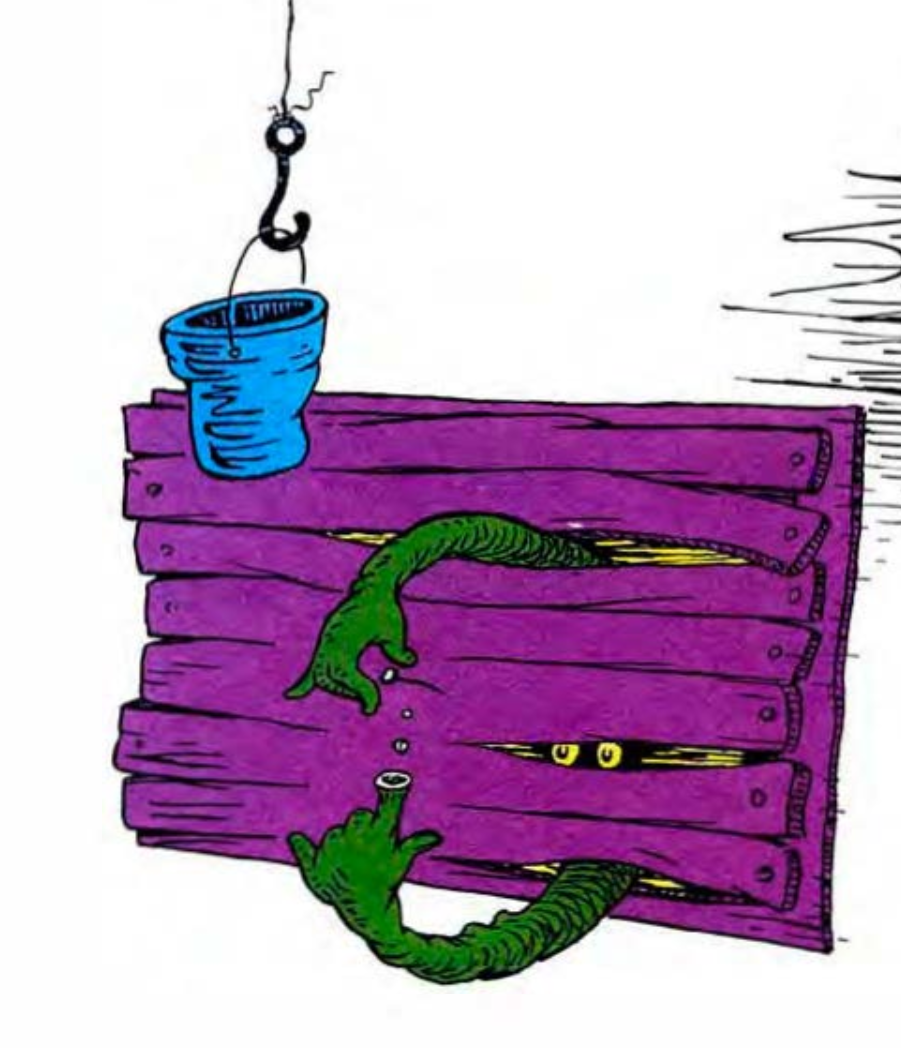
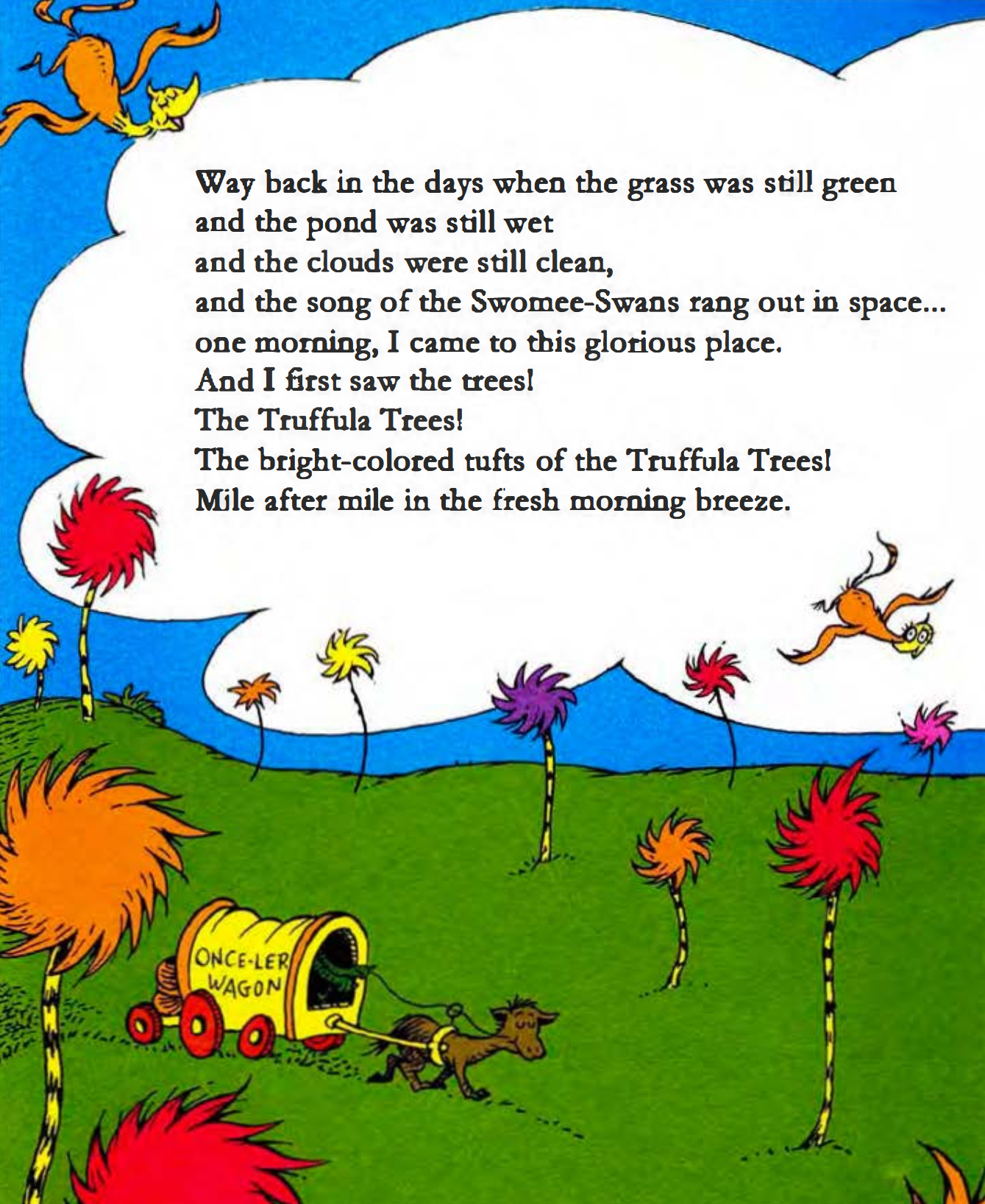
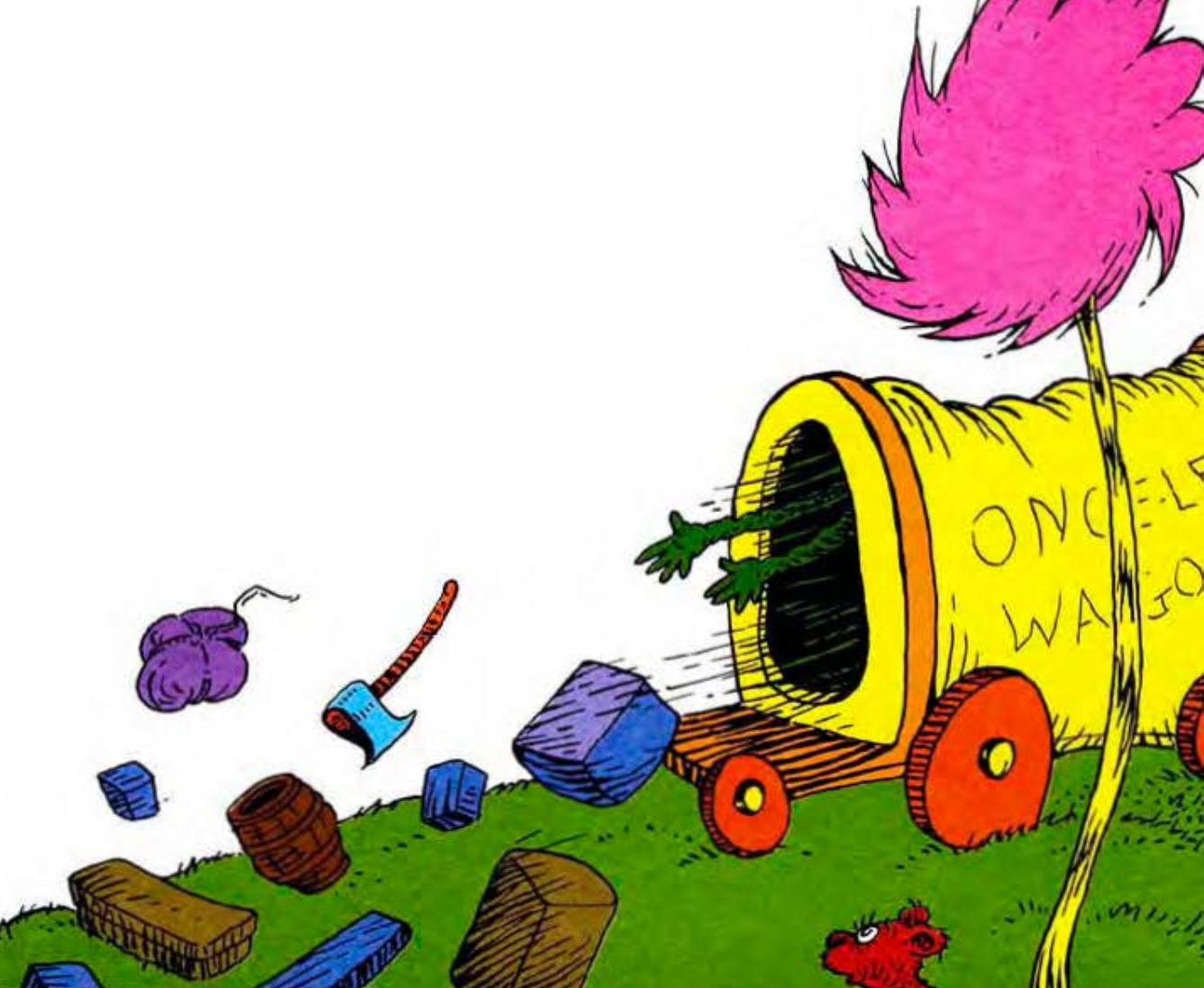
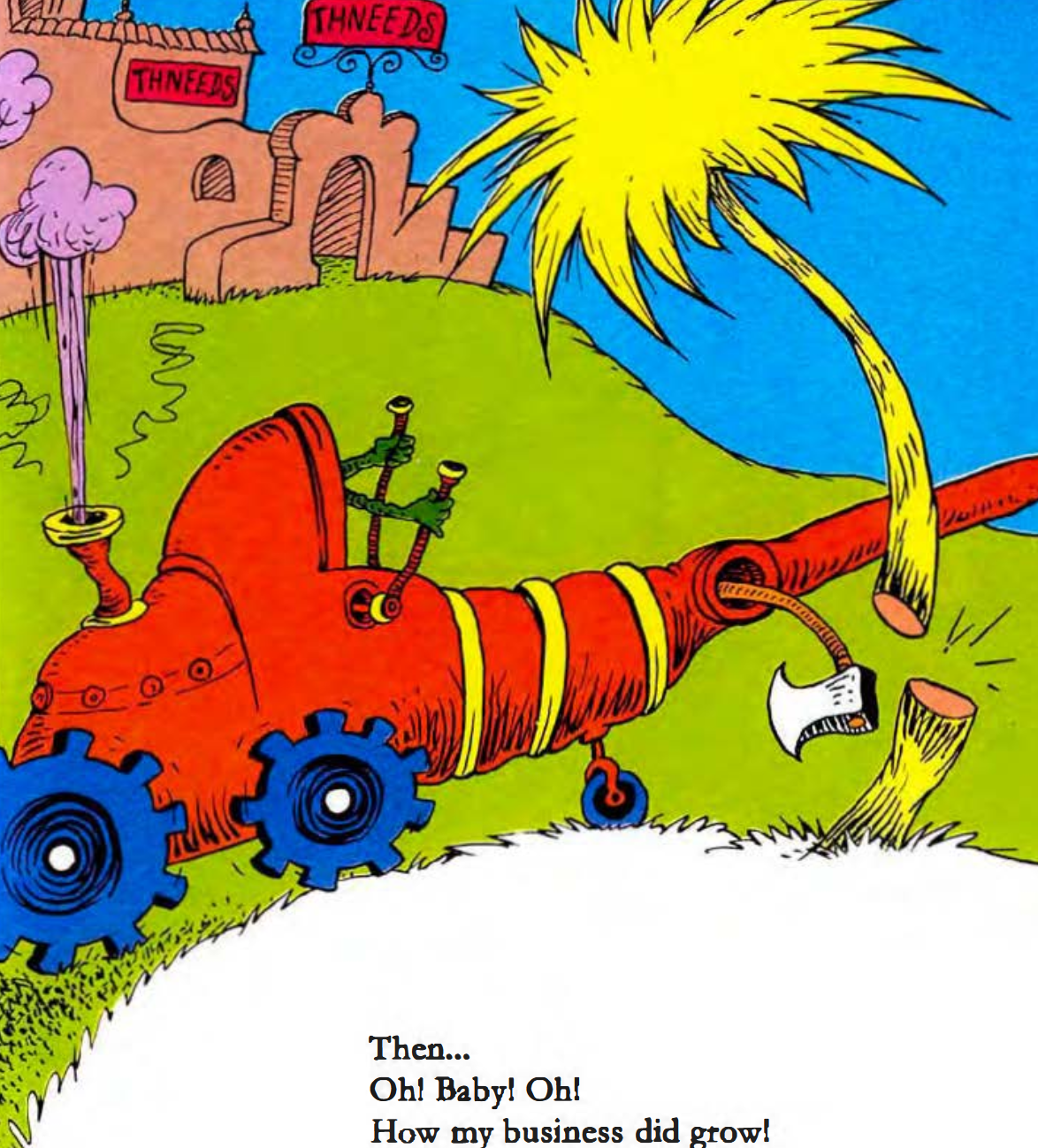
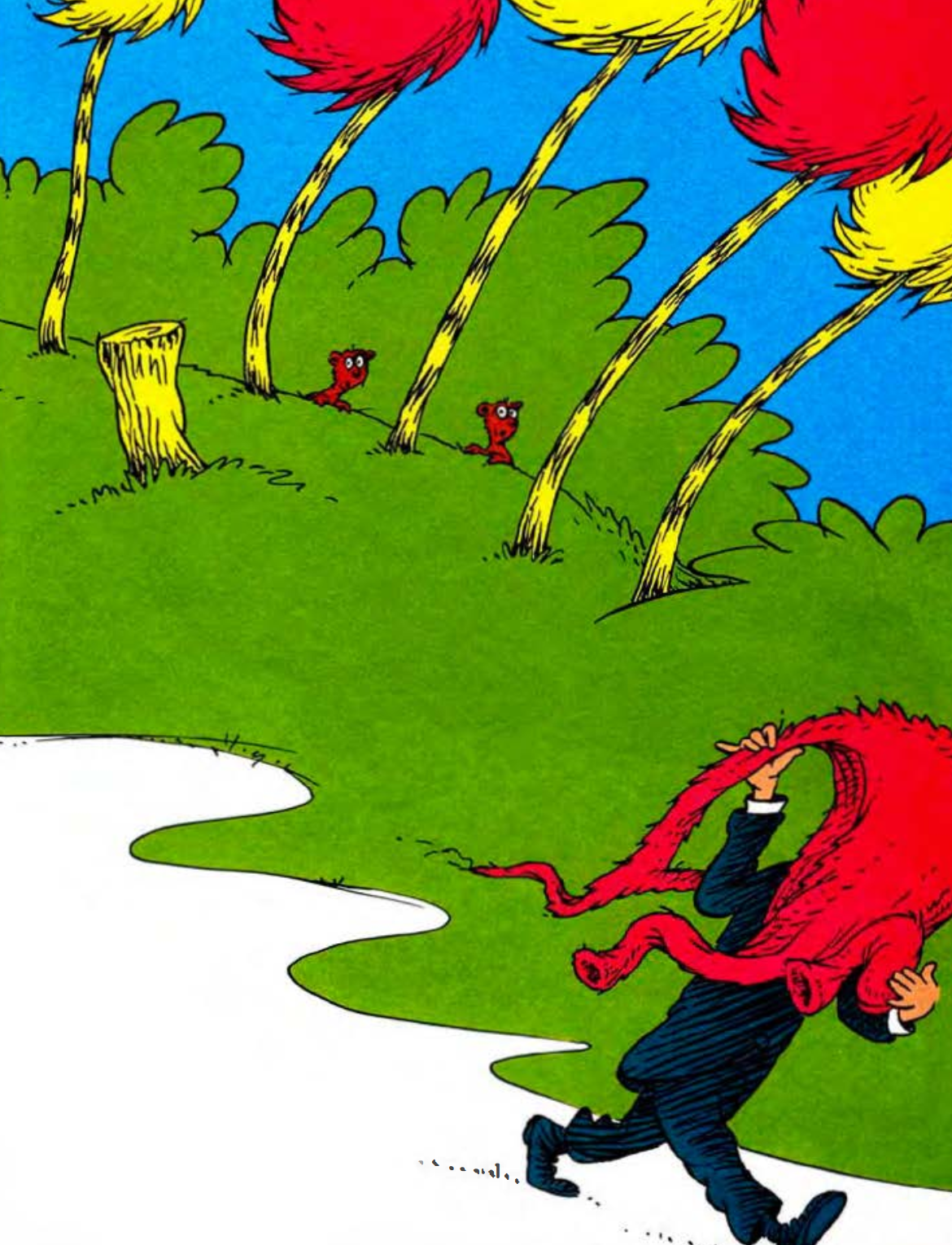
The Once-ler enters a living field, finds a material he can convert into product, invents a commodity, scales production, recruits labor, ignores every ecological warning, and continues until the last Truffula tree falls. He does not misunderstand what is happening around him by the end.
He chooses the Thneed market anyway.
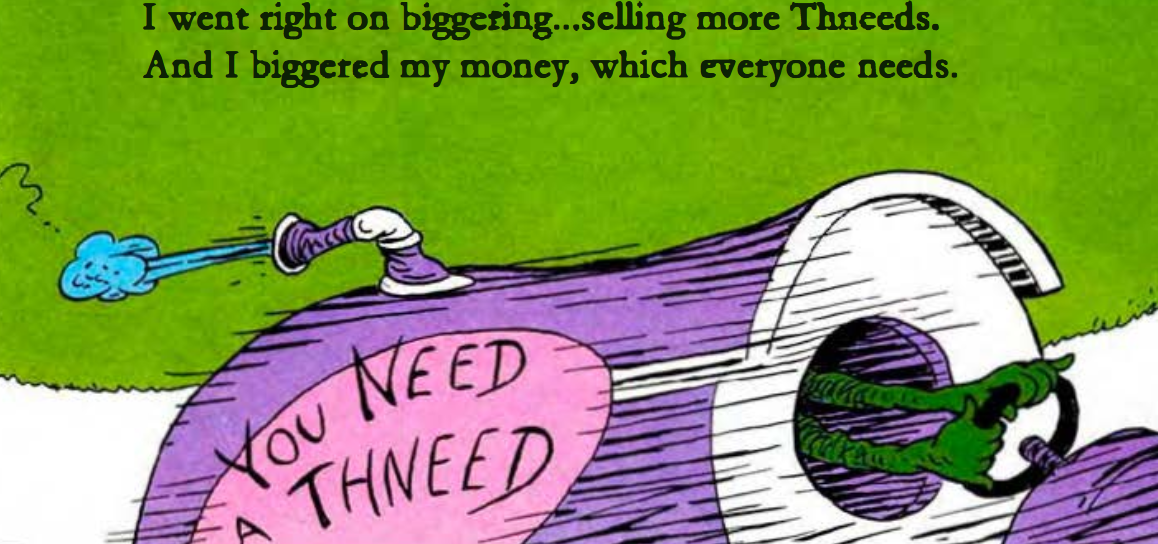
But Modal Path Ethics cannot stop at the comforting half of the story. The harder question is not whether the Once-ler was wrong. He obviously was.
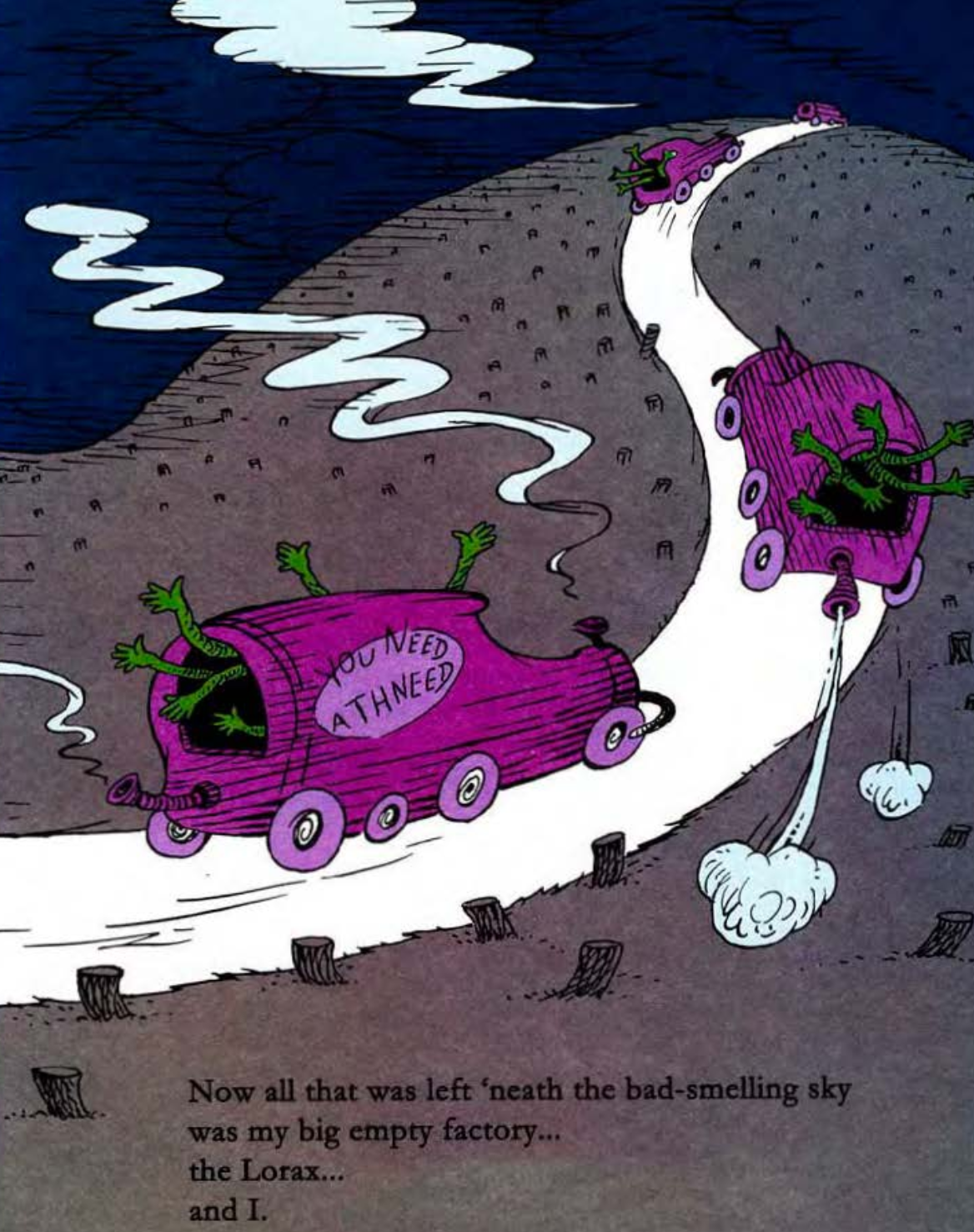
The harder question is why exactly the Lorax, who saw this wound earlier than anyone else, failed to save the field.
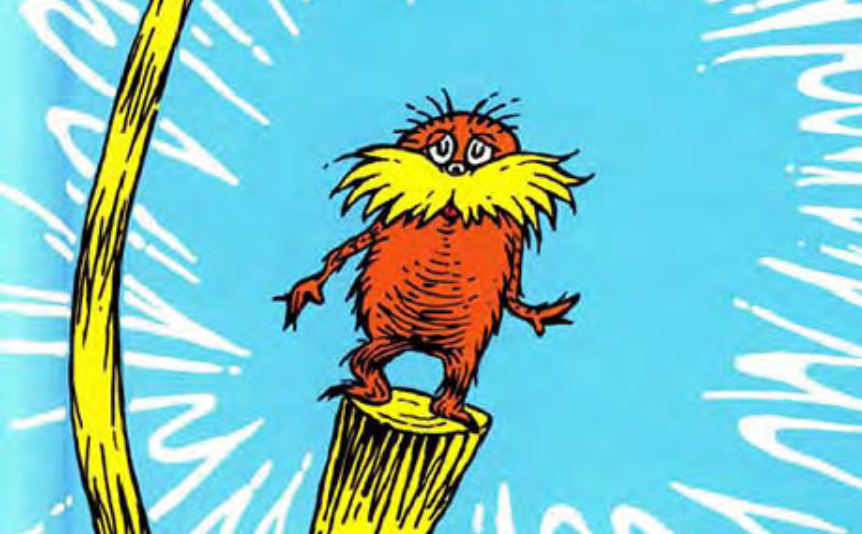
That is where The Lorax becomes more than an environmental fable. This is a case study in repair theater.
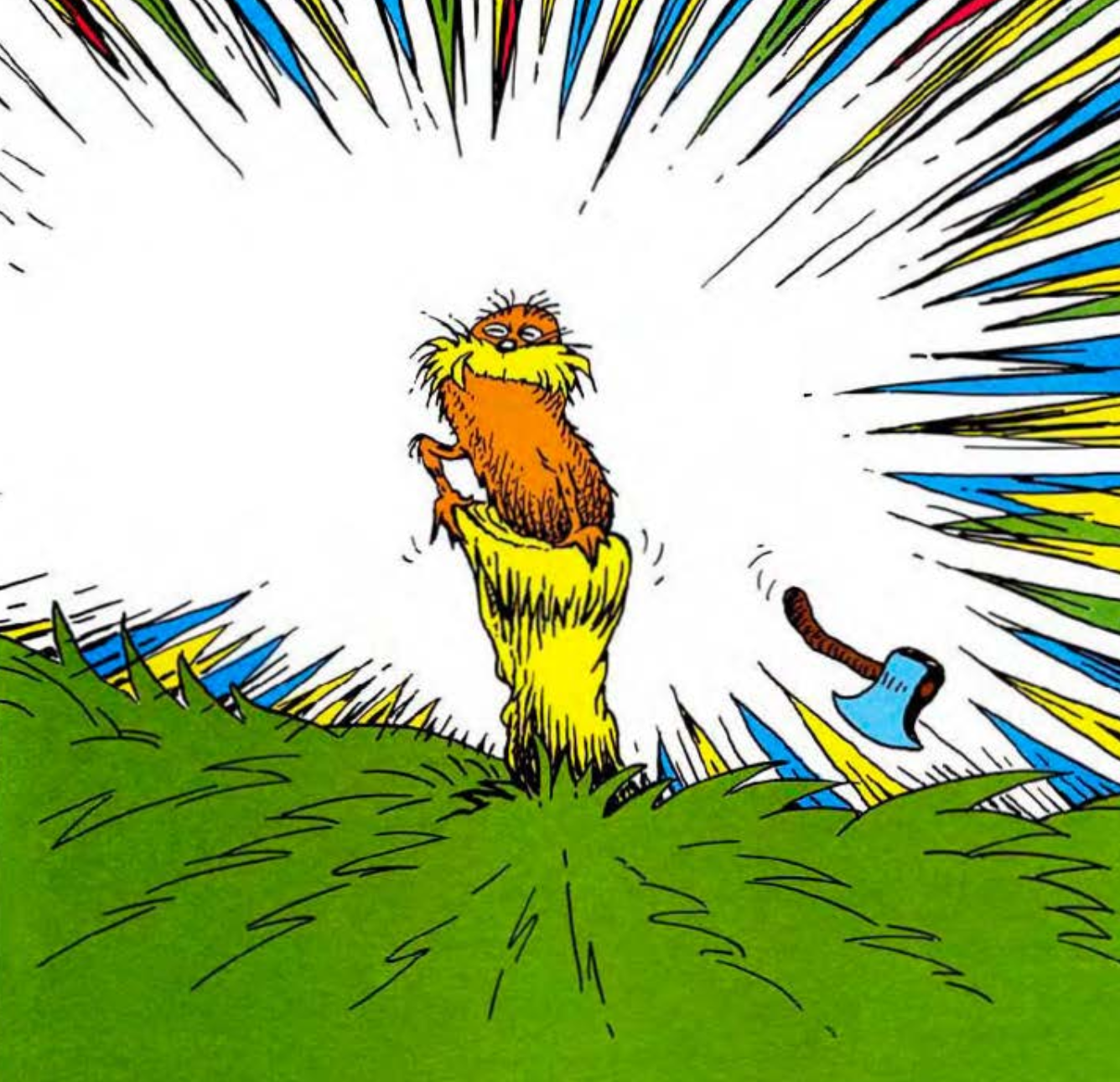
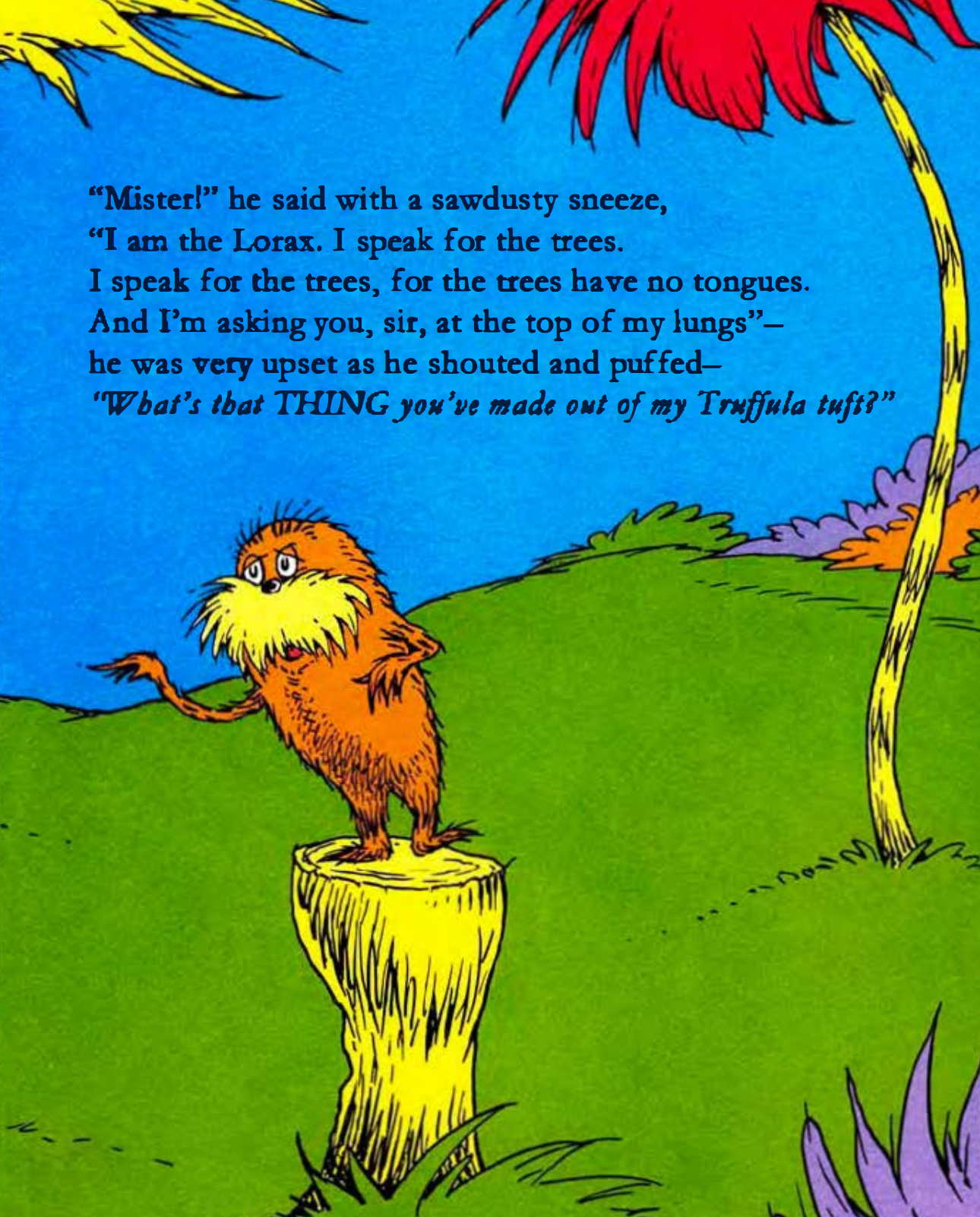
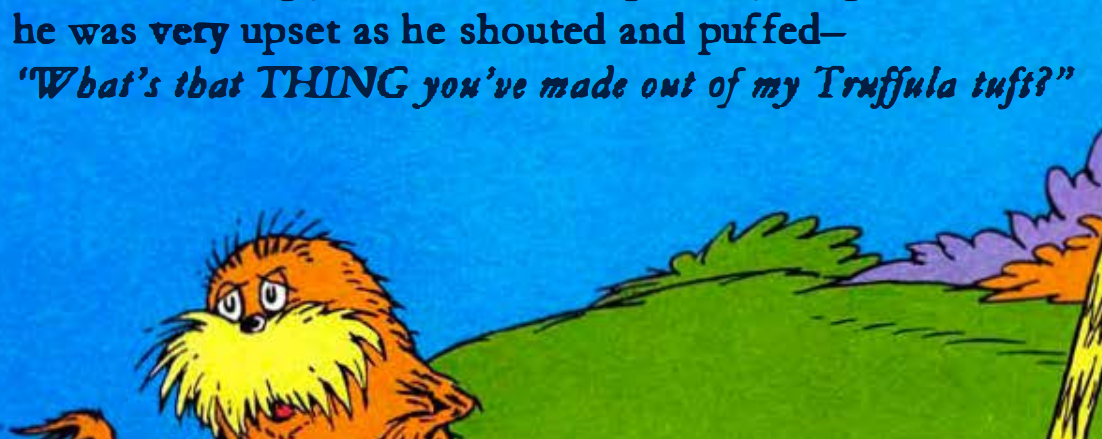
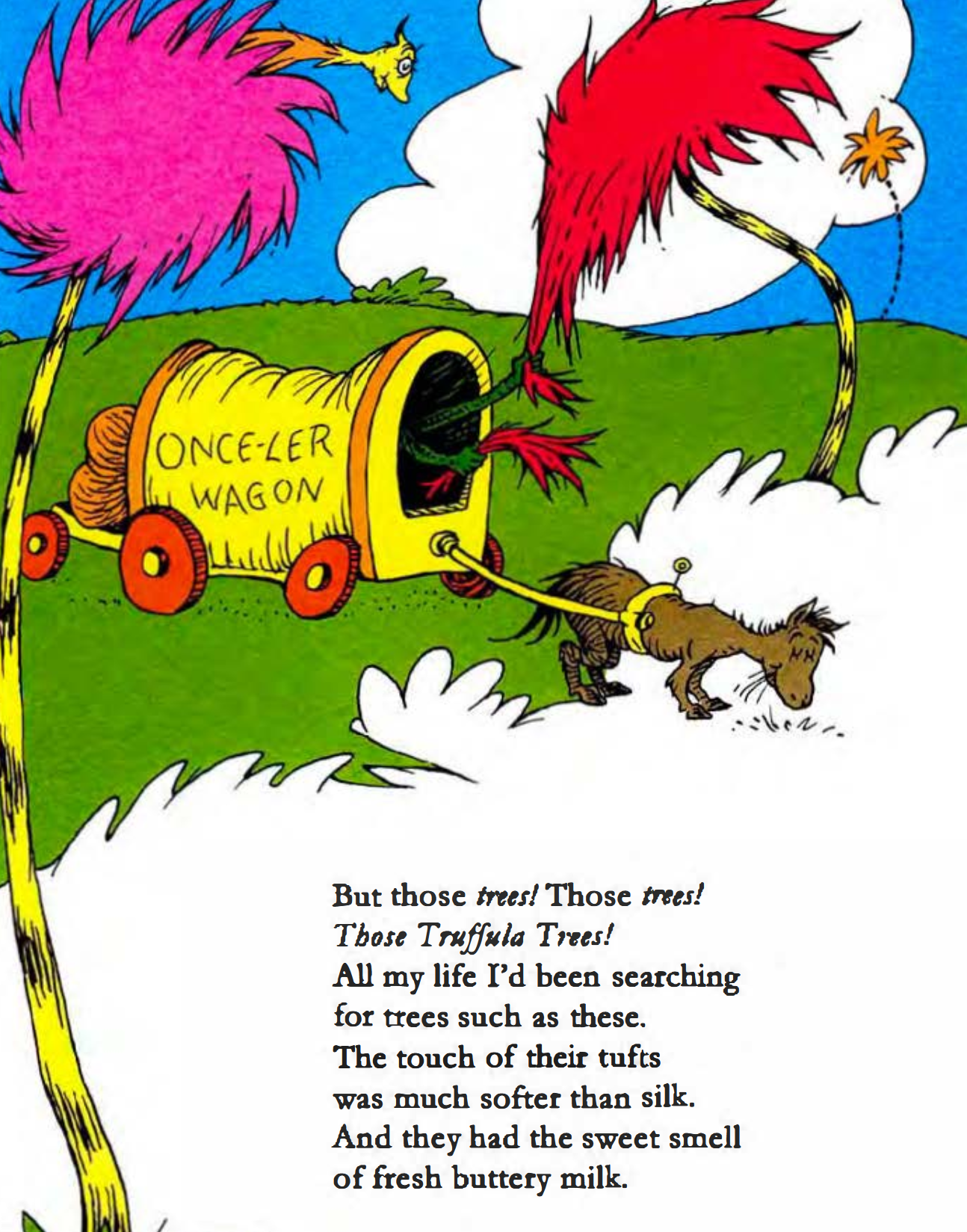
The Lorax “speaks for the trees.” This is this thing's defining claim. He appears when the first Truffula tree is cut down and names the moral reality of the act.
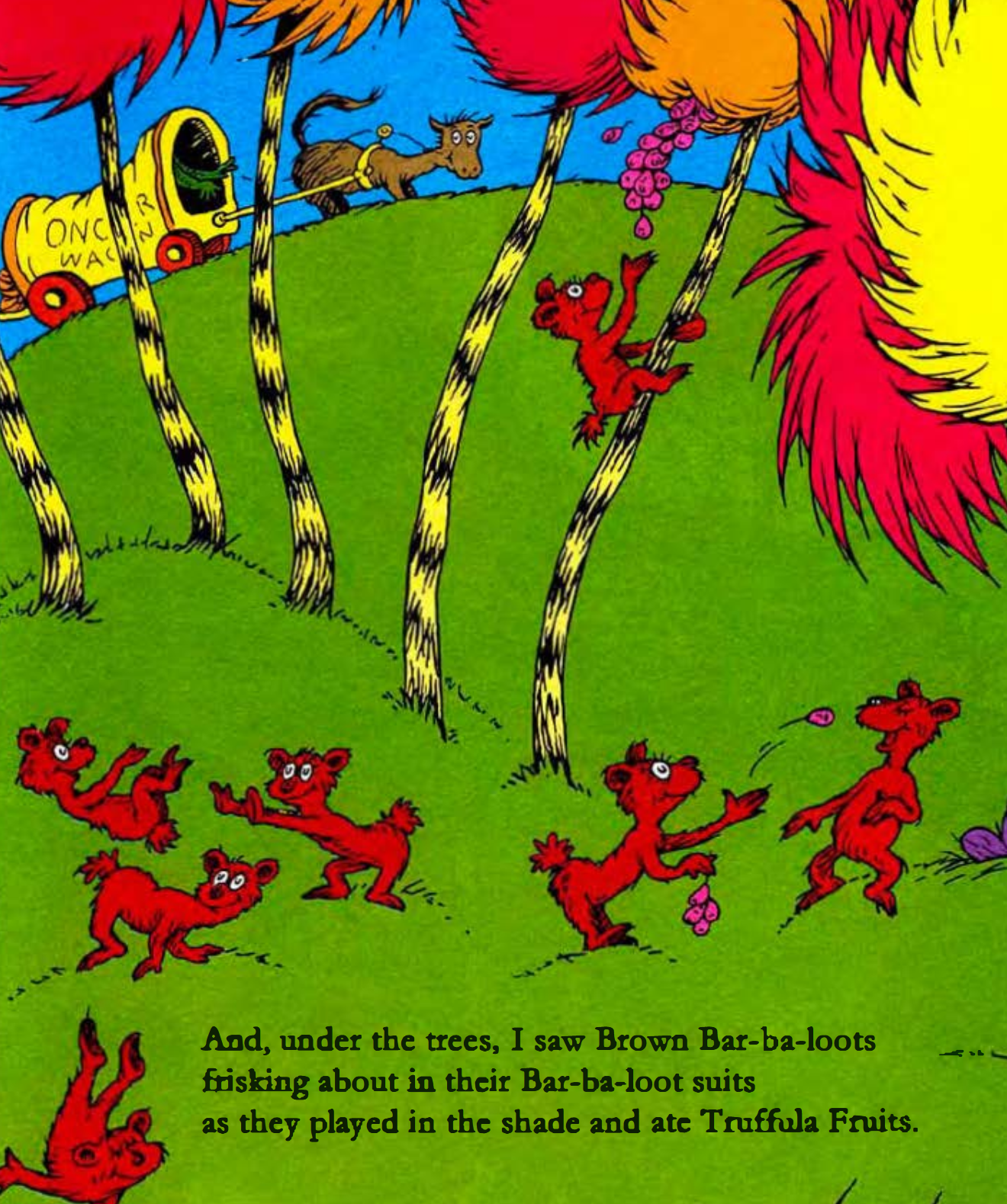
He recognizes that the forest is not inert material. The trees all matter. The Bar-ba-loots matter. The Swomee-Swans matter. The Humming-Fish matter. The air, water, fruit, shade, rhythms, and living dependencies of the place all matter.
His perception is sound. His repair theory fails.
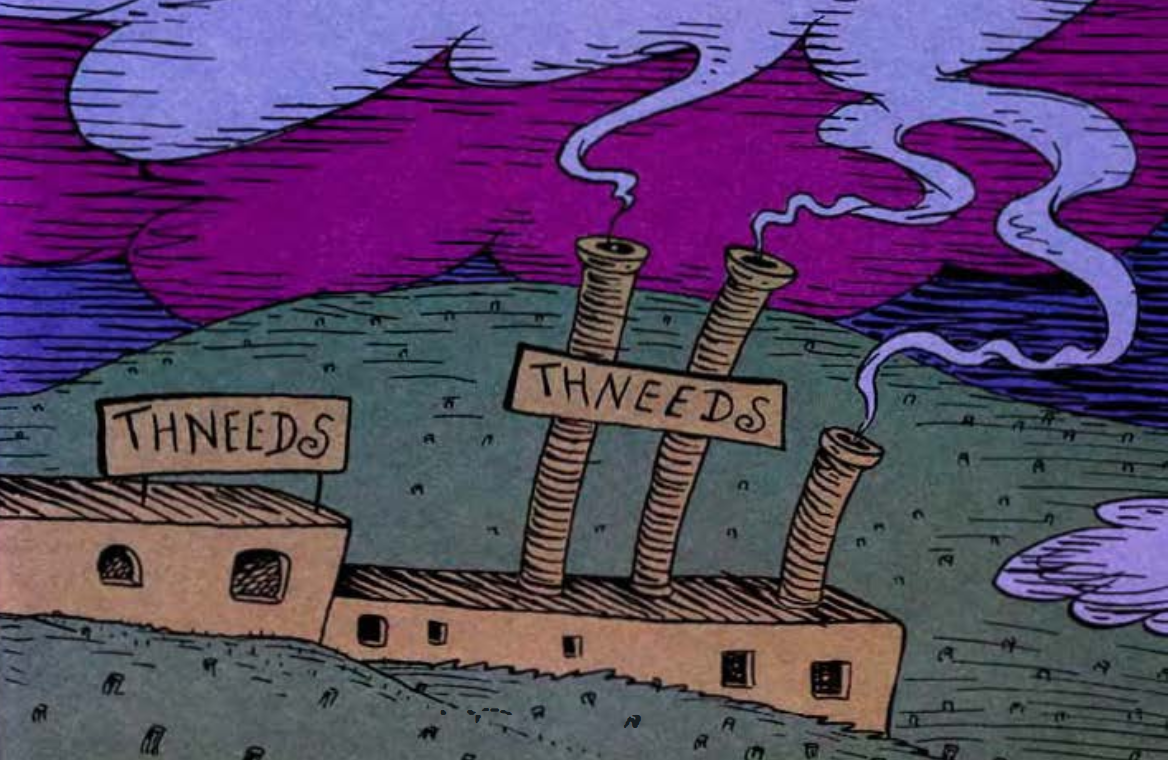
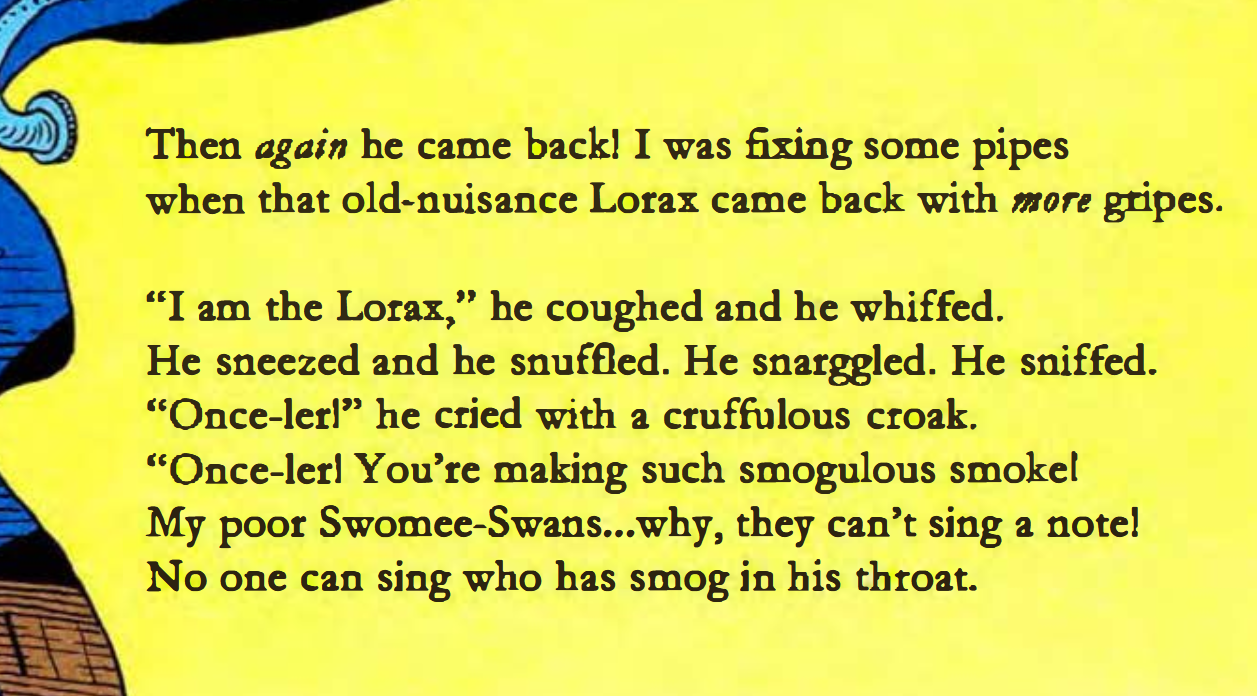
The Lorax is not a Failed Field Analyst in the strongest sense. He does not misread the wound in his field. He does not mistake harm for health. He does not look at a collapsing field and call it progress. The Lorax sees the contraction very clearly.
His failure is all post-analytical.
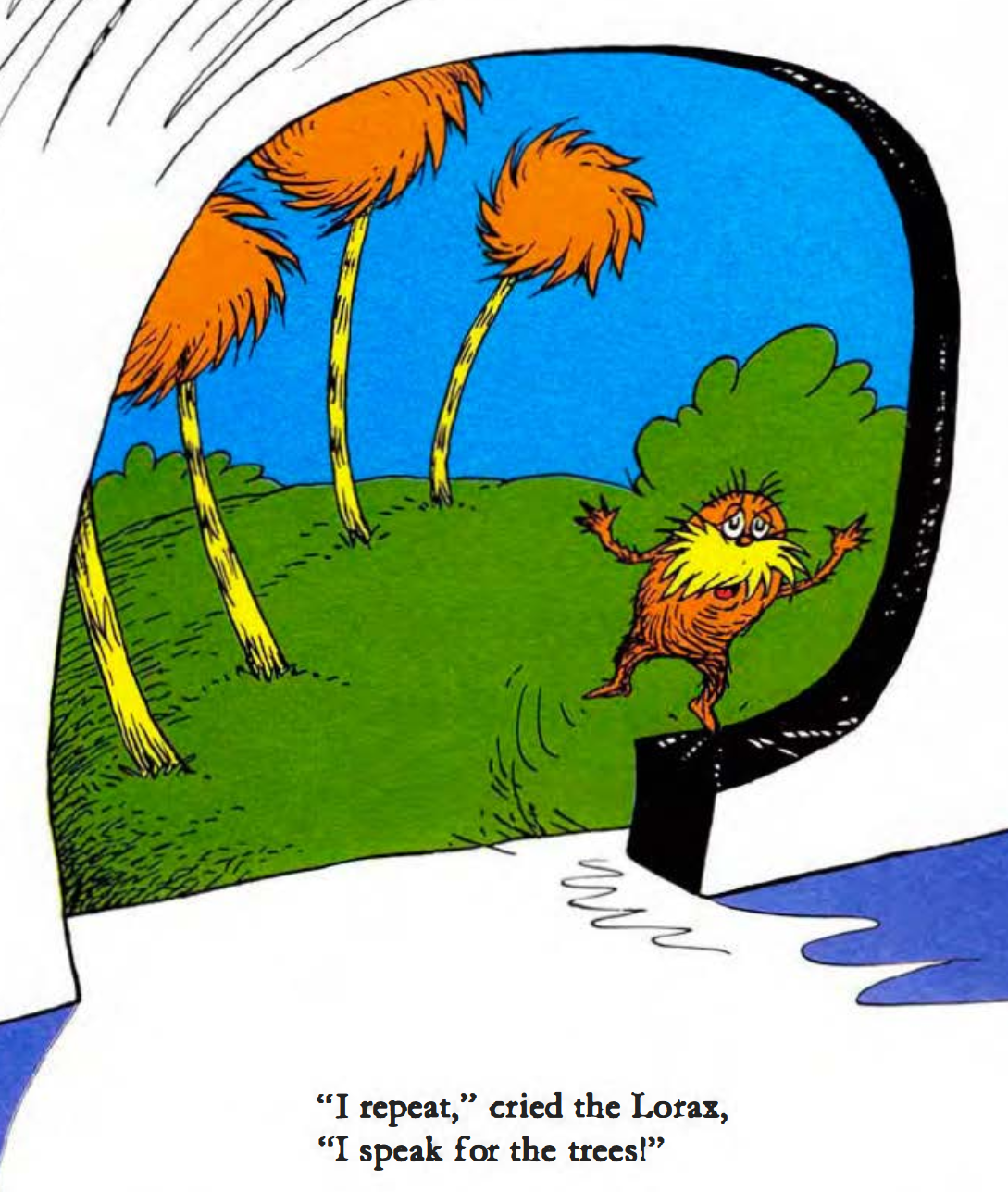
He knows the field is being wounded, but he does not create a reachable path by which the field can continue.
The Lorax warns. He objects. He condemns. He mourns.
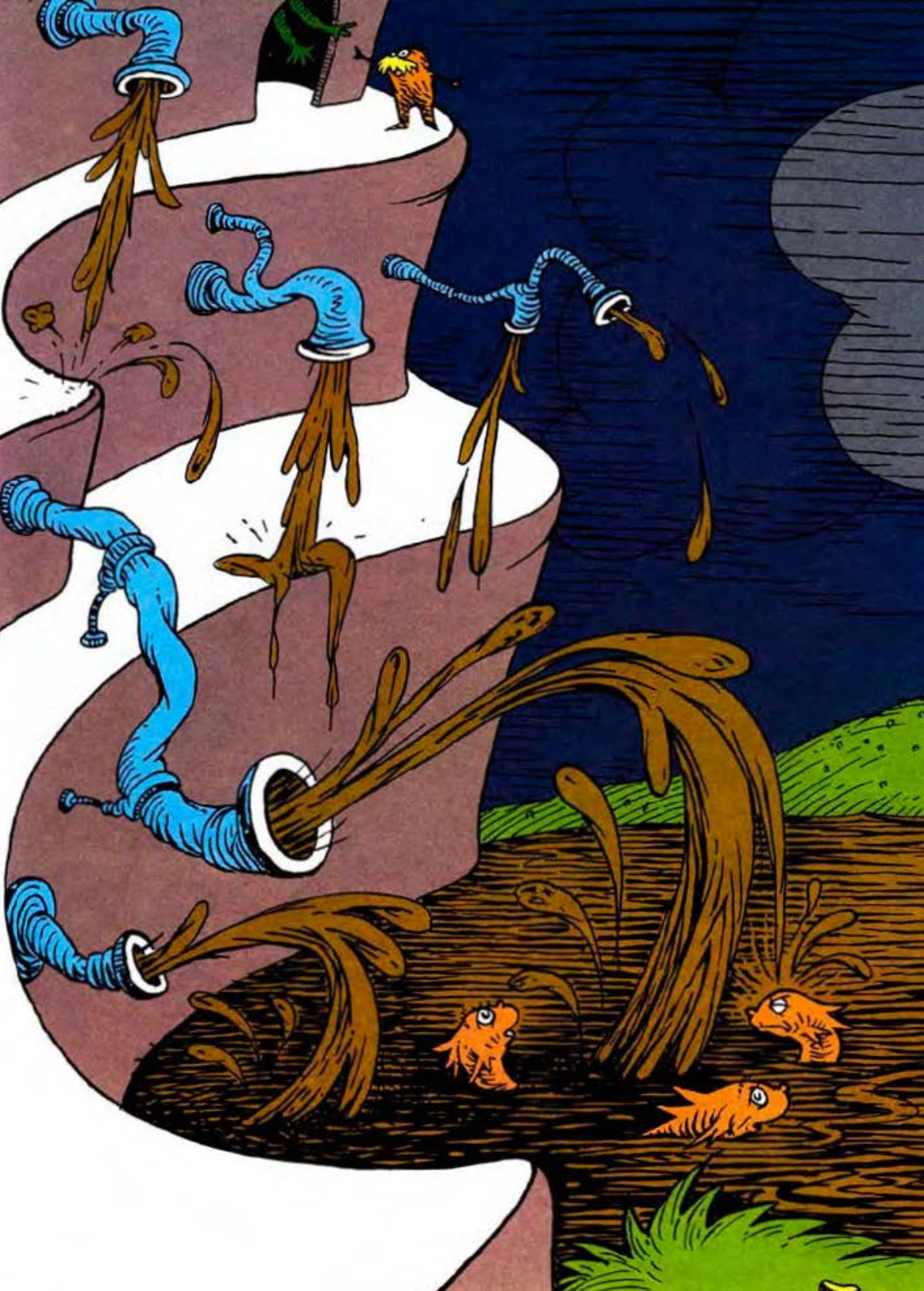
He exits.
The forest still dies.
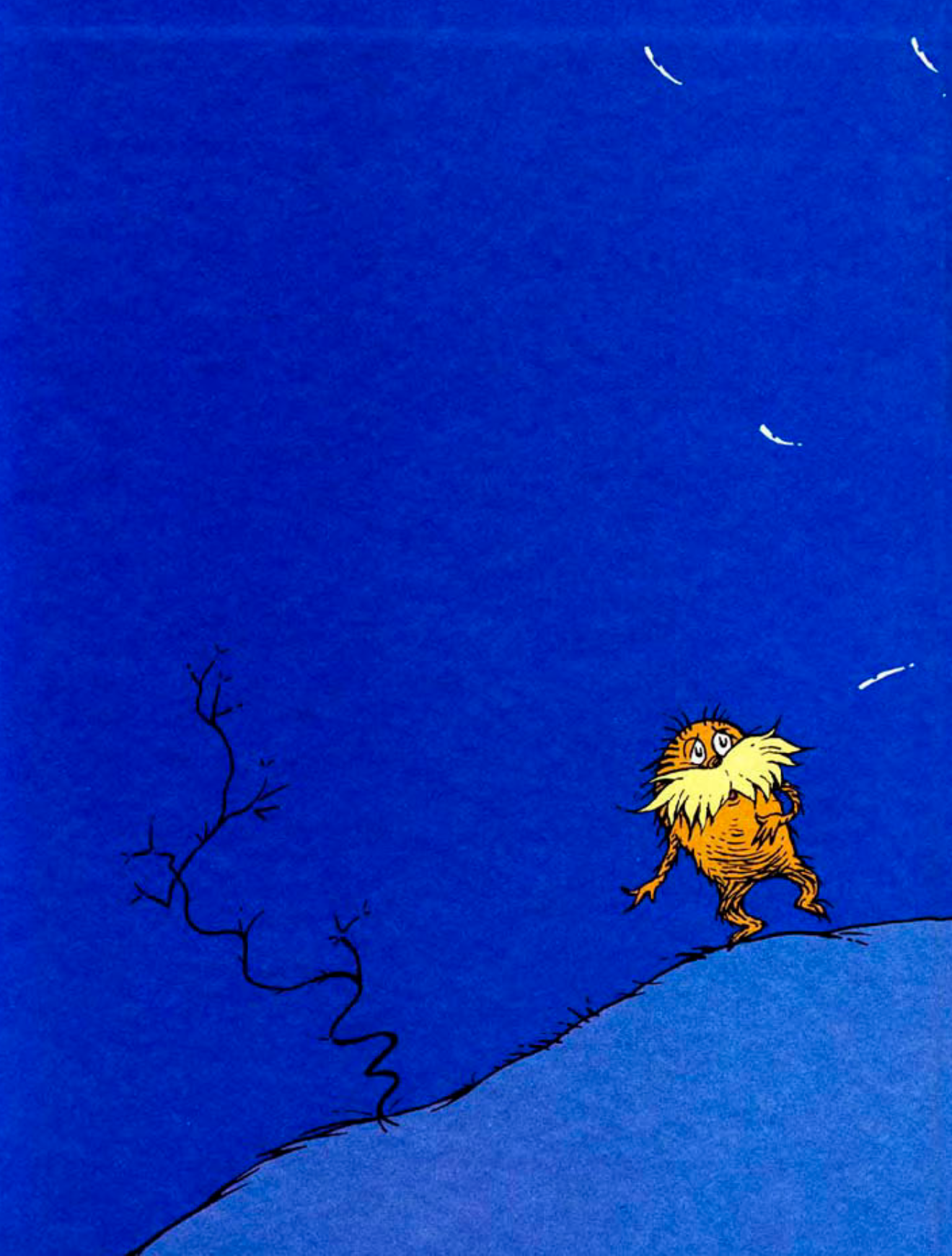
So the Modal Path Ethics reading does not flip The Lorax by defending the Once-ler. That would be cheap, boring, and false.
But it does flip the moral message by refusing the consolation that being right is the same thing as repairing the field at all.
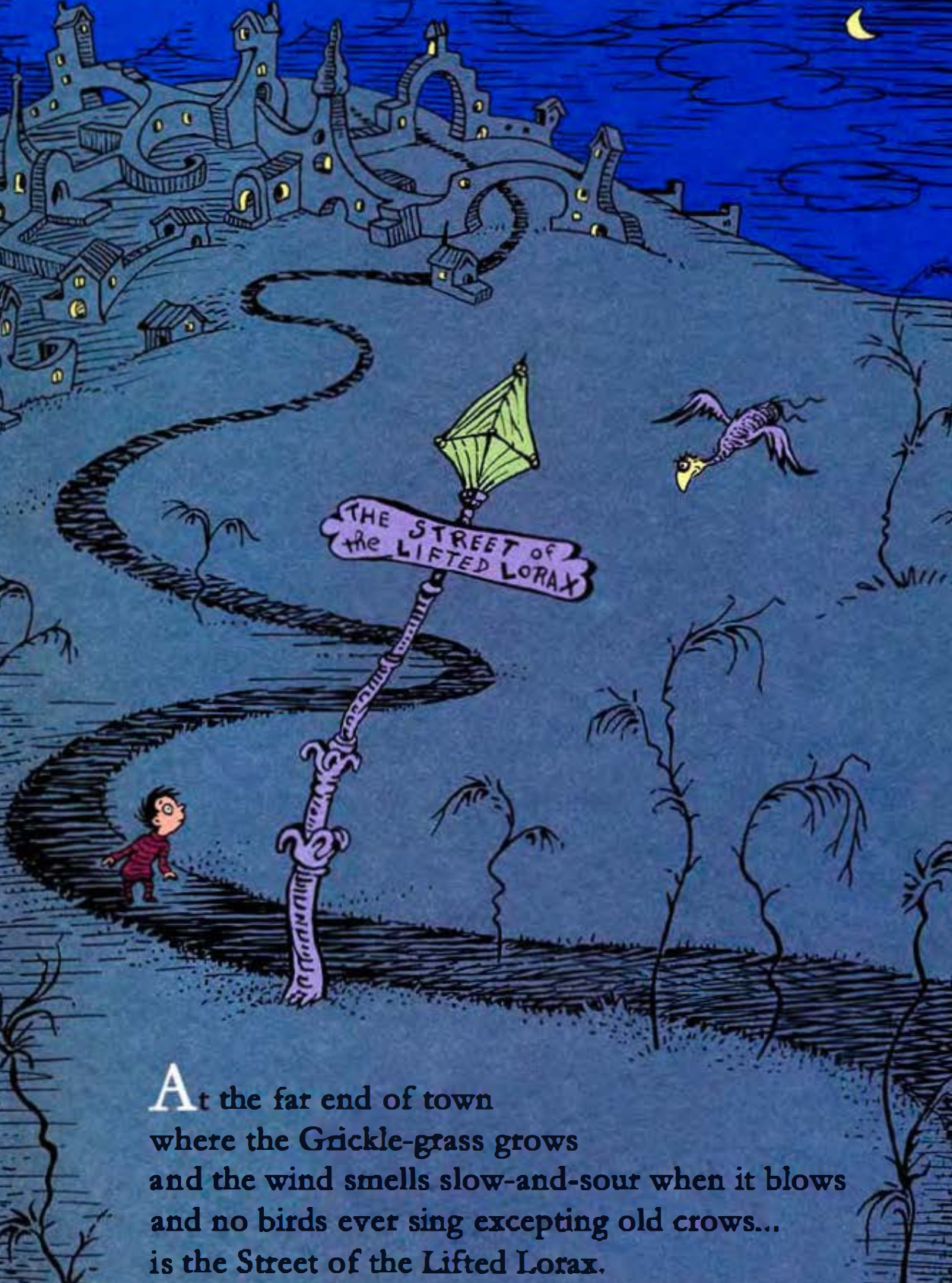
The Lorax spoke for the trees. The problem is that “speaking for the trees” did not save them.
So let's take a look at every decision this thing ever made to find out exactly why.
I. The First Decision: Appearing Only After the First Cut.
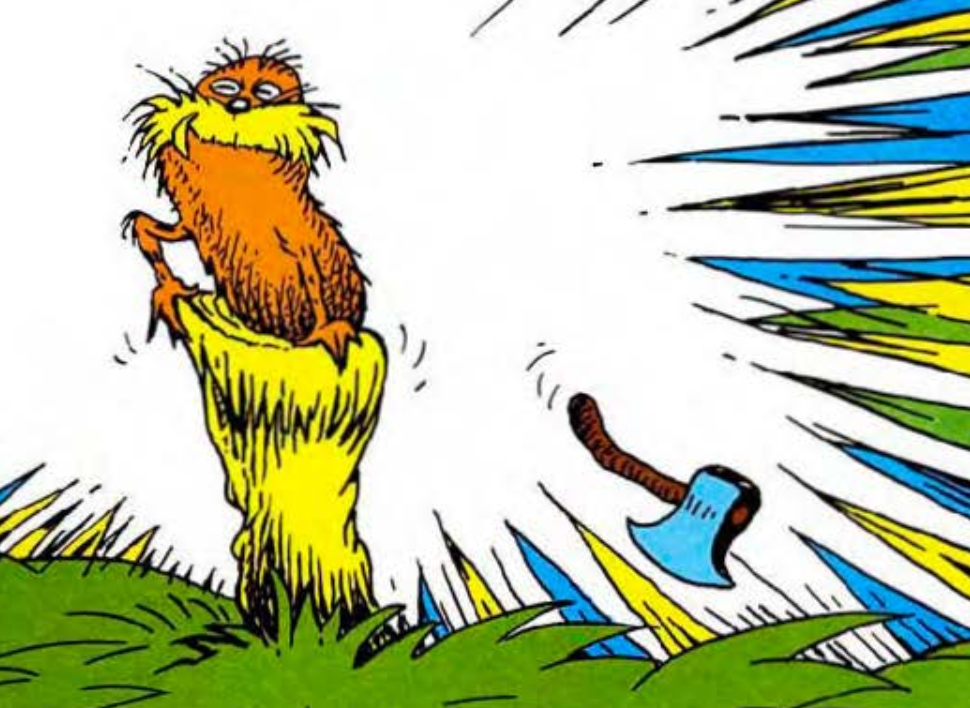
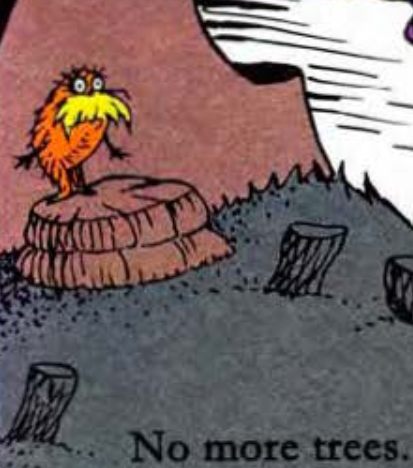
The Lorax appears after the first Truffula tree has already been cut down. This is the most crucial moment.
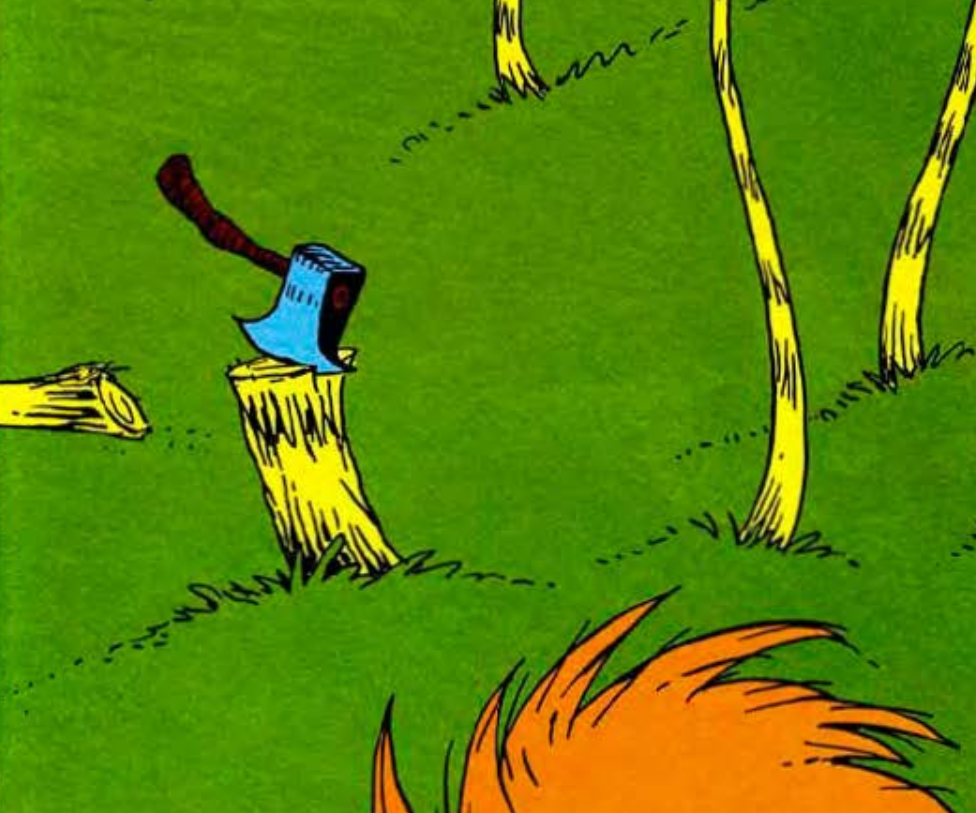
At that moment, the Once-ler has not yet built an empire. There is no factory. There is no family workforce. There is no industrial supply chain. There is no mature Thneed market at all. There is one entrepreneur, one felled tree, one product, and one immediate moral confrontation.
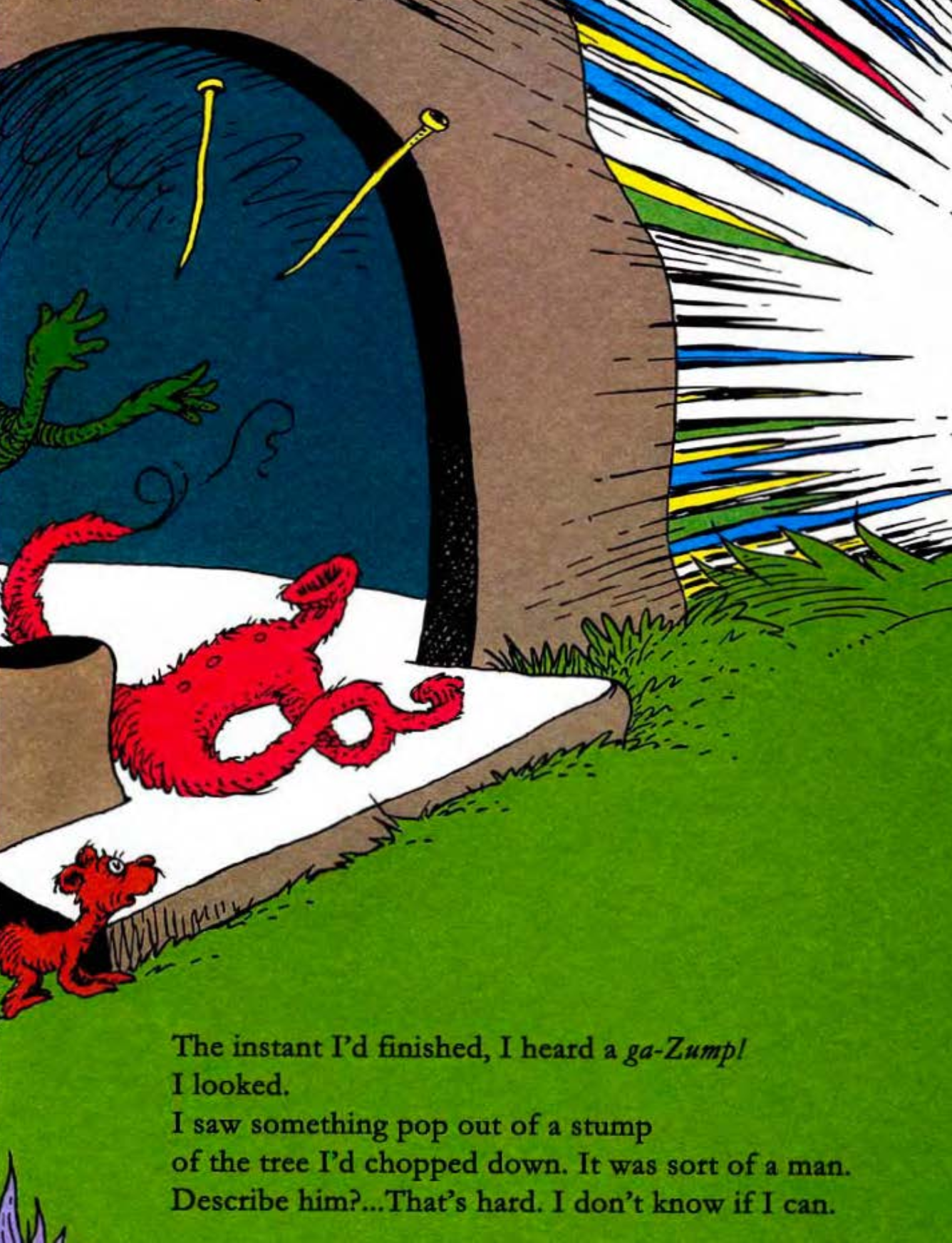
This is the moment when this field is still highly plastic. Many futures remain reachable from here.
The Once-ler might just leave. He might harvest differently. He might use the fallen fibers. He might start to cultivate Truffula trees. He might produce at a tiny scale. He might be forced to bargain with the Lorax. He might discover some other non-destructive substitute. He might never build the factory at all.
Early fields are not easy, but they are often so much cheaper to repair than late ones. Modal Path Ethics is especially attentive to this. A path that is reachable at first contact may become realistically impossible after capital, labor, prestige, demand, sunk cost, and identity all attach themselves to the harmful practice.
So the Lorax sees the first cut and responds as a witness. He names the wrong-doing. He speaks for the tree.
That is definitely necessary. It is not sufficient.
So, what should he have done instead?
Well, he needed to treat the first cut as an emergency field-opening, not as the beginning of a debate between him and the Once-ler.
The first task should have been to stop the conversion of a living system into an ungoverned input stream. That task does not mean giving a speech. It means interrupting the conditions under which the Once-ler can keep cutting without constraint.
He should have asked himself, immediately:
- Who controls this land?
- What claim does the Once-ler believe he has?
- Are the trees treated as ownerless?
- Is the forest part of a commons?
- Is anyone else nearby?
- Can the cutting tool be removed, blocked, bought, hidden, or made unusable?
- Is the Once-ler alone going to be enough to continue production?
- What does he need next?
- Does he need transport, labor, buyers, raw material, shelter, water, fuel, equipment, family approval, road access, or legitimacy?
This is called field analysis.
The Lorax treats the Once-ler’s first act as a moral violation, which it is, but it is also an infrastructural seed. If the first cut is allowed to become a repeatable practice, then there will be many more cuts. The issue is no longer one tree. The issue is a nascent production rule.
The Lorax needed to fight the production rule before it became a market. To actually speak for the trees, he had to do more than announce their value to the Once-ler. He had to prevent the first tree from becoming a proof of concept.
II. The Second Decision: Claiming Representation Without Building Any Standing.
The Lorax’s central sentence is that he speaks for the trees because the trees cannot speak for themselves.
This is morally powerful, it's just it is also structurally incomplete.
Representation is not the same thing as power. Speaking on behalf of the voiceless does not automatically change what can happen to them. If the Once-ler can hear the Lorax and keep on cutting, then the Lorax has not yet created standing. He only has created testimony.
Testimony matters, but testimony without leverage often becomes just a ritual.
The Lorax says, in effect: these beings count.
The Once-ler’s conduct says: okay, perhaps, but not enough to stop me.
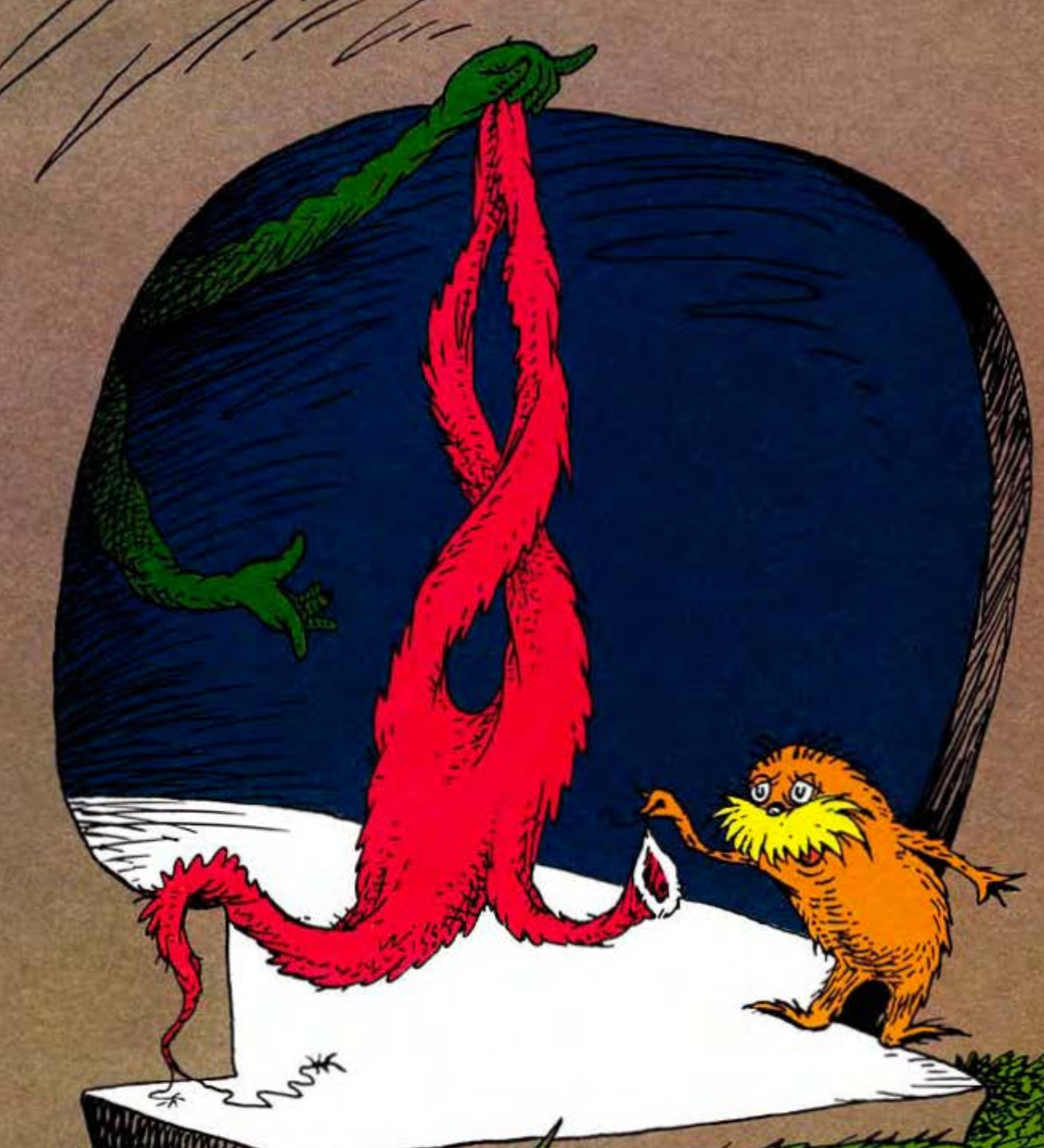
The trees do not need a spokesperson only in the expressive sense. They need representation that can alter decisions. A lawyer who cannot file anything, a guardian who cannot intervene, a witness who cannot stop the machine, and a moral voice that cannot impose consequences all face the same structural problem.
They may be right. The field will likely still collapse.
So, what should the Lorax have done instead?
He needed to turn representation into standing.
That means establishing some kind of constraint that the Once-ler cannot simply ignore. In a children’s fable, that could be magical, communal, legal, economic, or physical. The specific mechanism matters less than the resulting repair function: the trees need a path by which their continuation affects the decision structure of the agent threatening them. The first repair path did not need to be the perfect one, it just needed to be real.
The Lorax could have demanded a cutting moratorium before any further production. He could have marked the forest as occupied by dependent life with some authority.
He could have forced a bargain: no cutting without replanting, no cutting above regrowth rate, no cutting in habitat zones, no cutting during fruiting cycles, no cutting at all unless a non-lethal harvest method exists.
He could have made the Once-ler’s claim explicit. “By what right do you cut?” is actually a field question, not just a moral accusation.
If the Once-ler has no legitimate right, then the repair path is exclusion. If he has some partial right, then the repair path is constraint. If this field has no recognized property regime at all, then the repair path is not to let the first extractor define one simply by acting first.
This is the bridge back to Property.
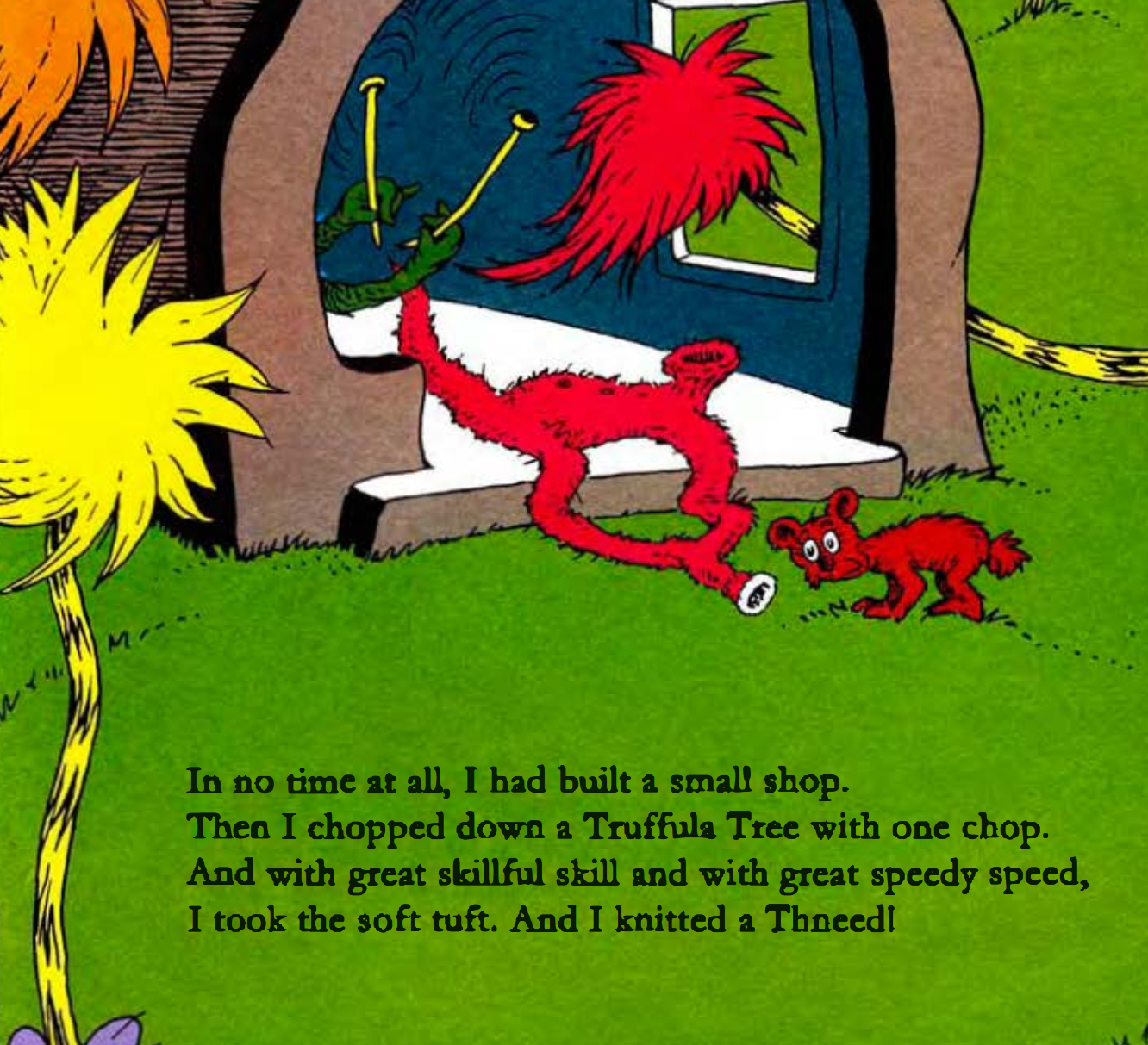
The Once-ler does not only take away trees. He converts an unguarded living field into an input field. He behaves as though access plus capacity equals entitlement. He can reach the trees, so he treats the trees as available.
The Lorax objects to the harm, but he does not successfully challenge the access rule in this field. It remains a developing market. That is what was fatal.
Property begins where access becomes stabilized. Markets begin where stabilized access becomes repeatable exchange.
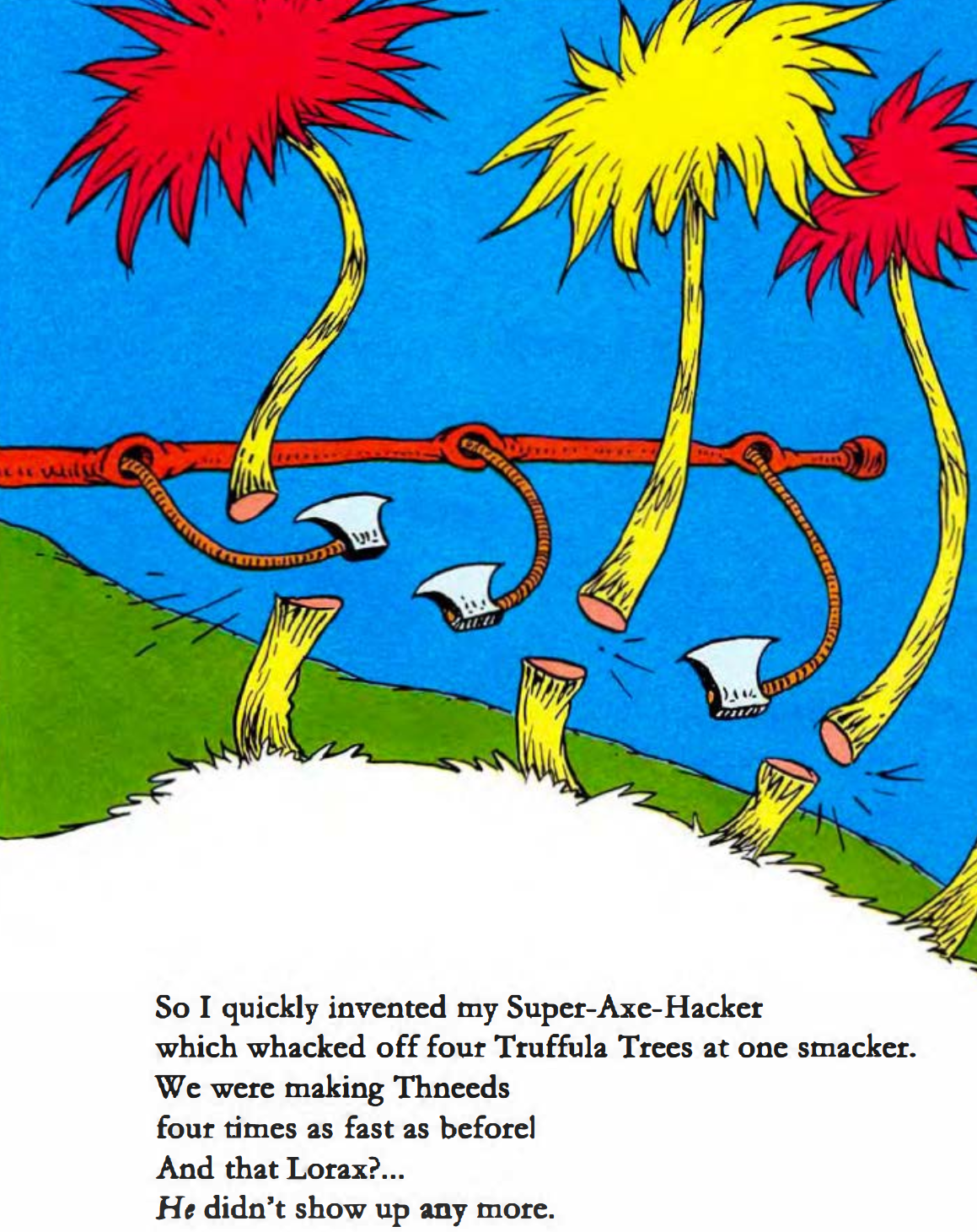
The Lorax sees the harm at the level of the tree. He does not stop the formation of the property relation underneath it.
III. The Third Decision: Treating the Once-ler as a Bad Guy Instead of a Market Node.
At first, the Once-ler is indeed one person making one bad decision. Soon, he is not.
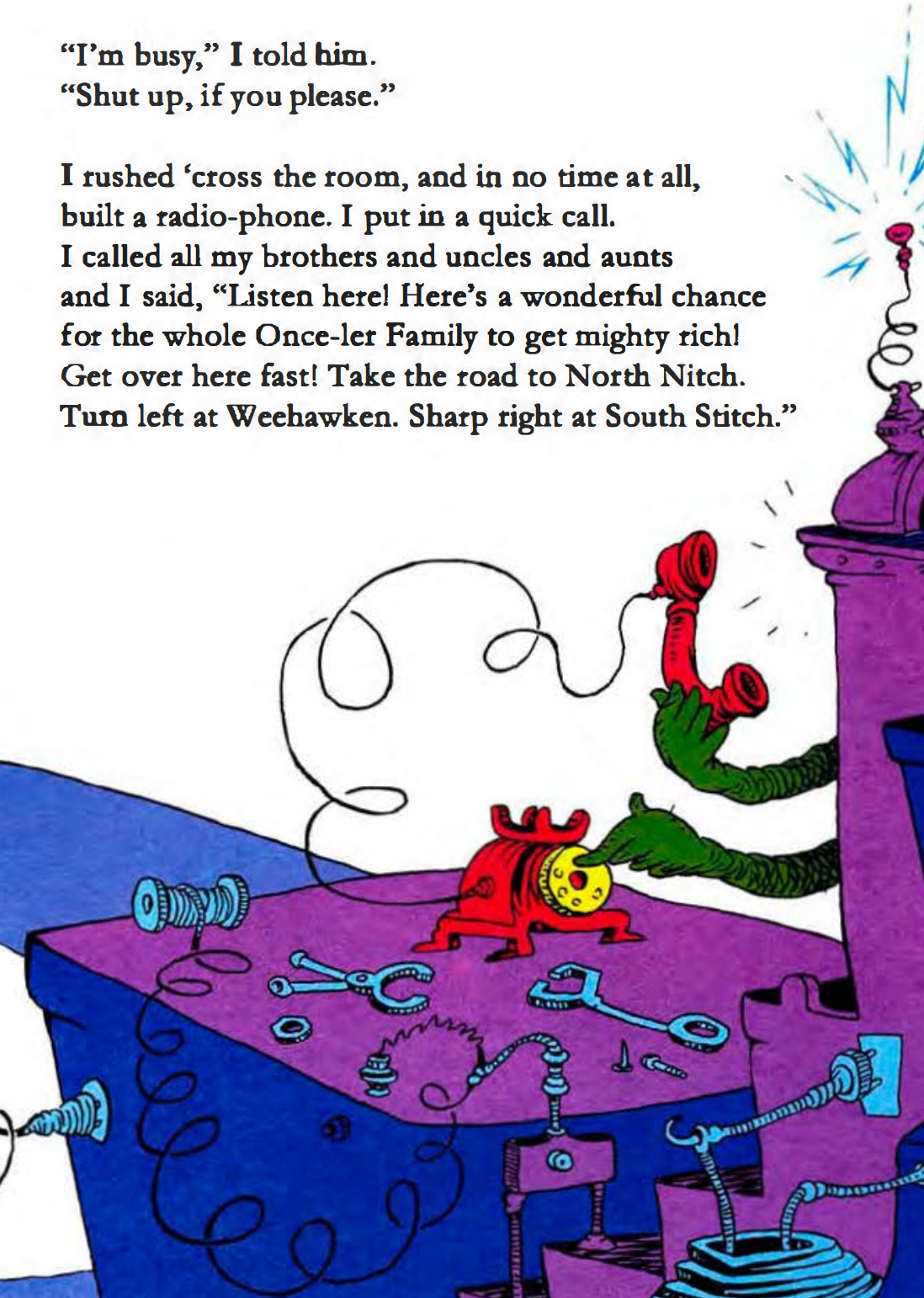
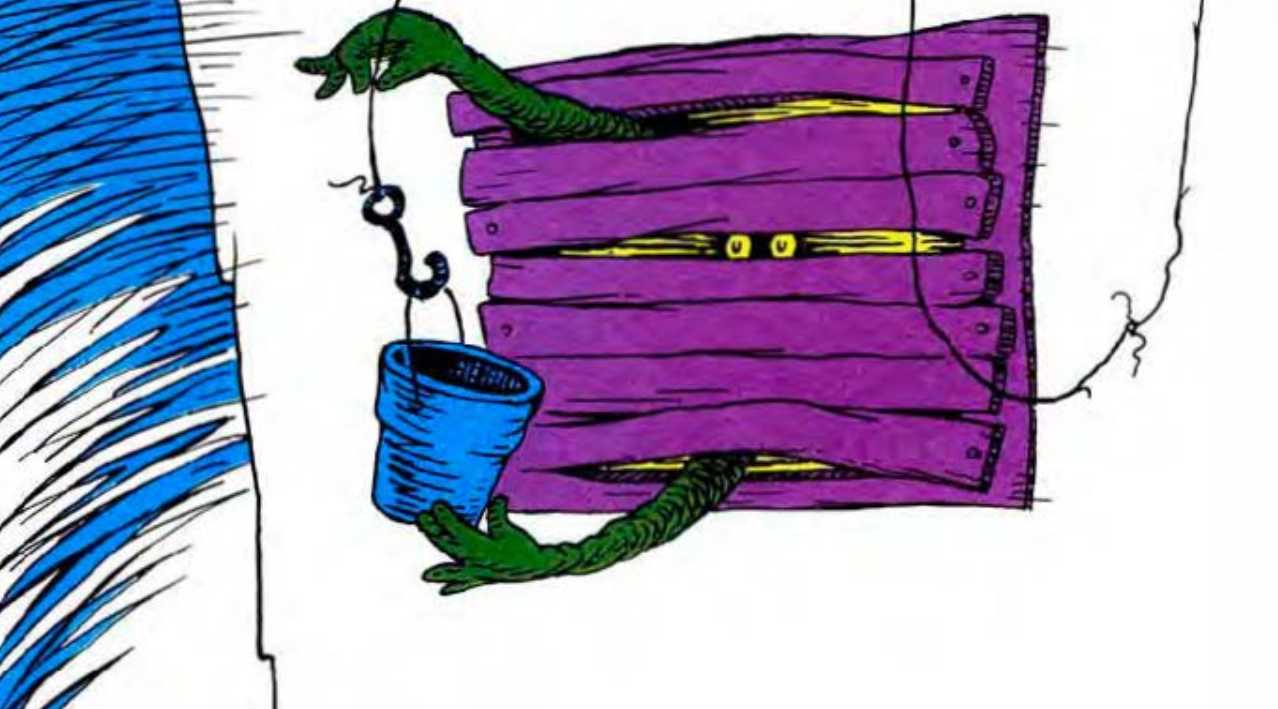
The Thneed sells. The Once-ler’s family arrives. Production scales. The act of cutting becomes a business. That business becomes a system. This system develops its own momentum.
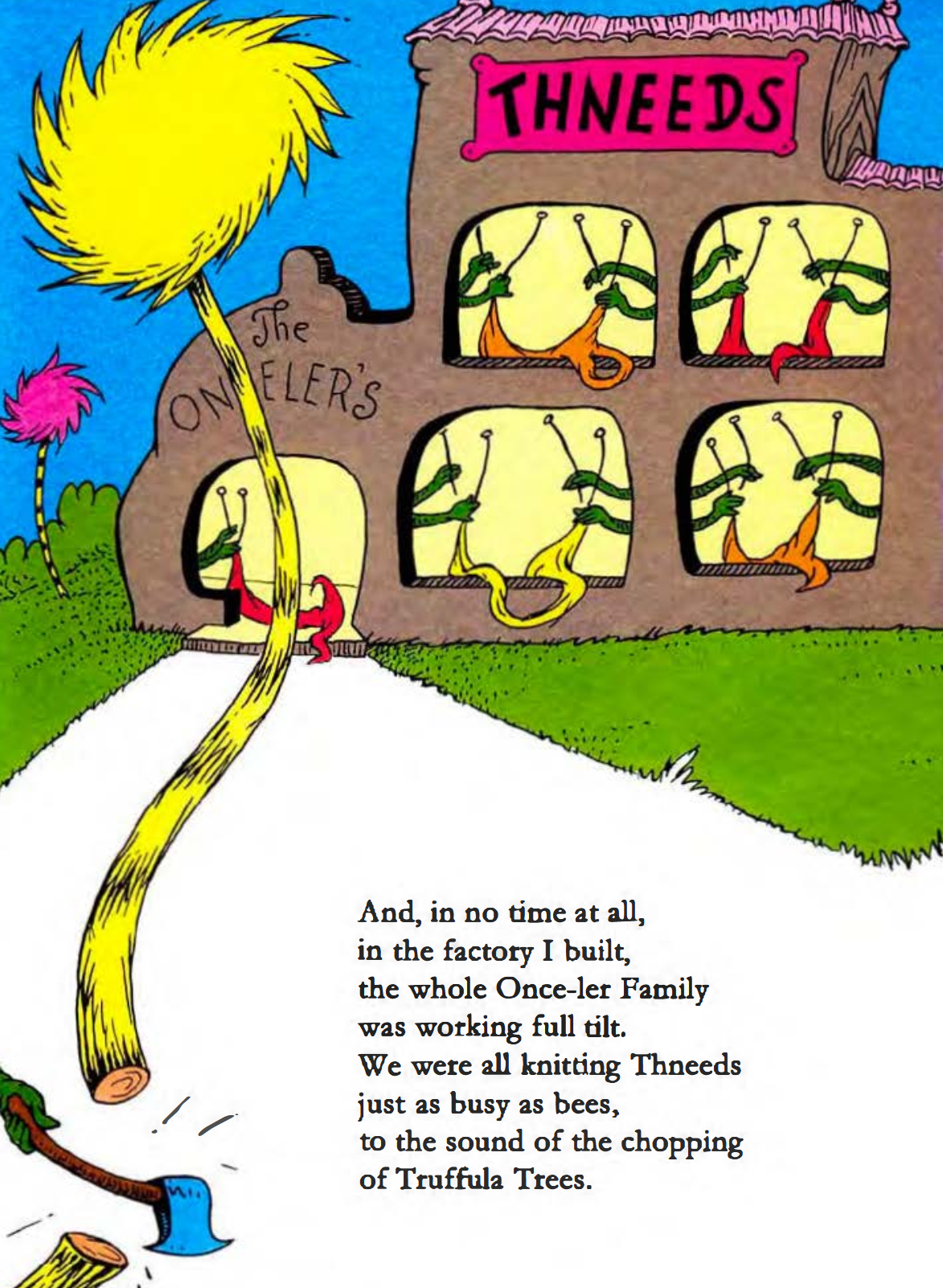
This is the point at which the Lorax’s strategy becomes dangerously undersized.
He keeps addressing the Once-ler as though the primary problem is his personal moral refusal. There is still truth in that. The Once-ler remains culpable. He cannot hide behind the market he built.
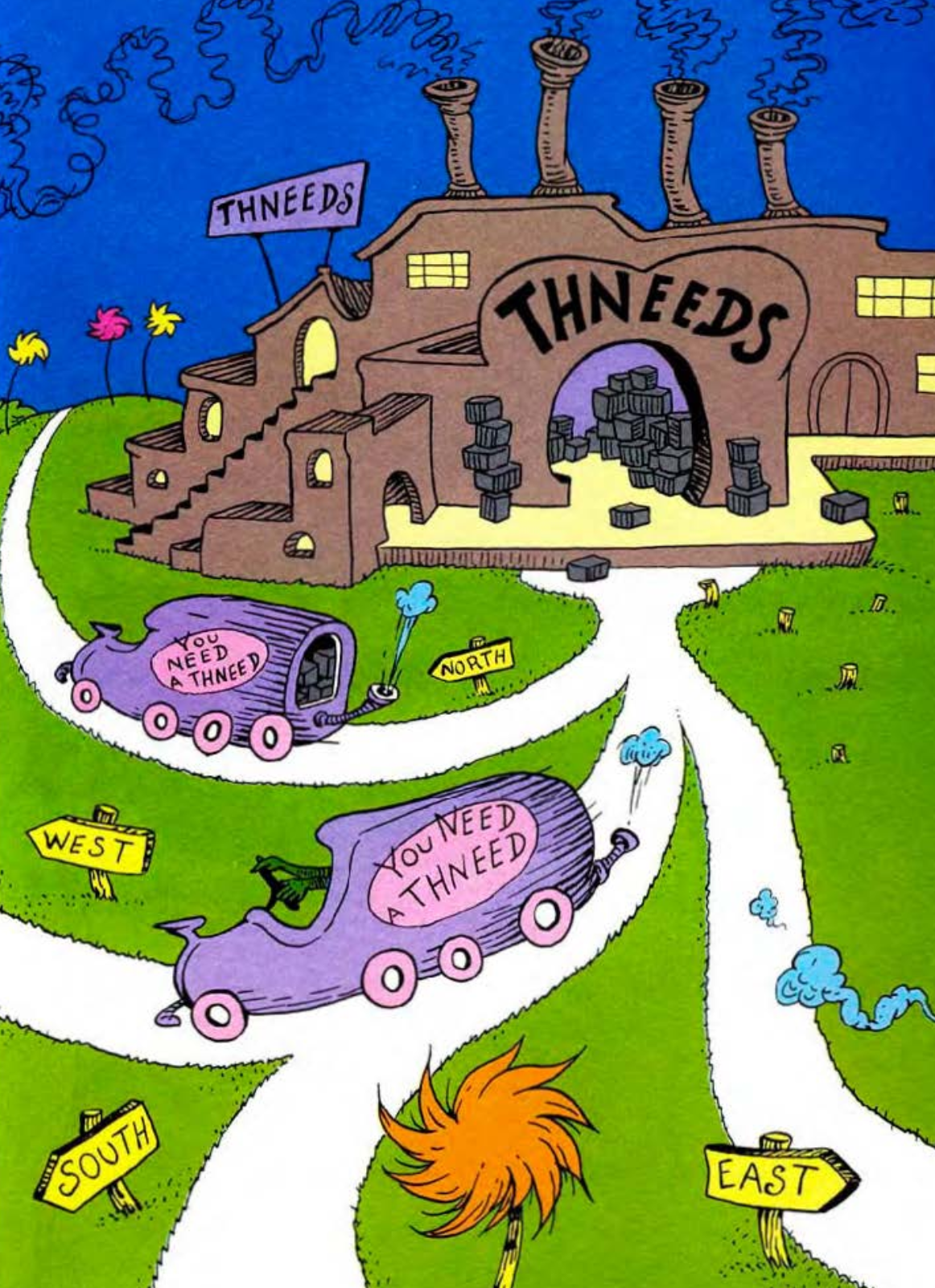
But once the Thneed economy forms, the Once-ler is no longer just an individual sinner. He is a node in an expanding field of incentives. The Lorax needs to address this entire field, not just the closest, most familiar node to him.
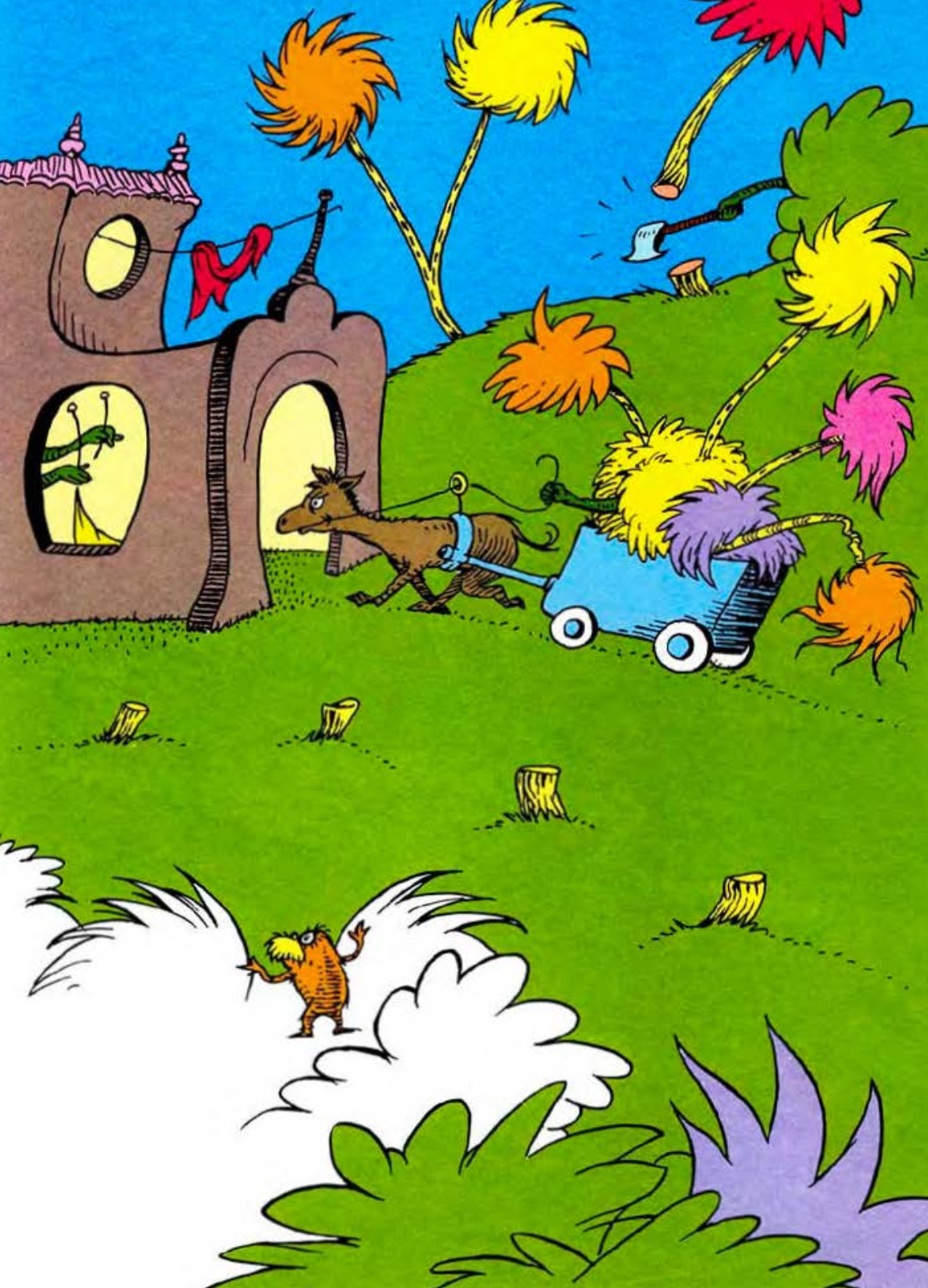
Demand now matters. Workers matter. Family pressure matters. Machinery matters. Sunk cost matters. Status matters. Growth expectation matters. A factory must be fed. A market must be supplied. The larger this operation becomes, the more expensive it becomes for the Once-ler to ever stop.
This does not excuse him, but it explains why warning him is no longer enough here. The Lorax’s moral address does not scale up with the harm.
So, what should he have done instead?
He needed to attack the market formation itself, directly.
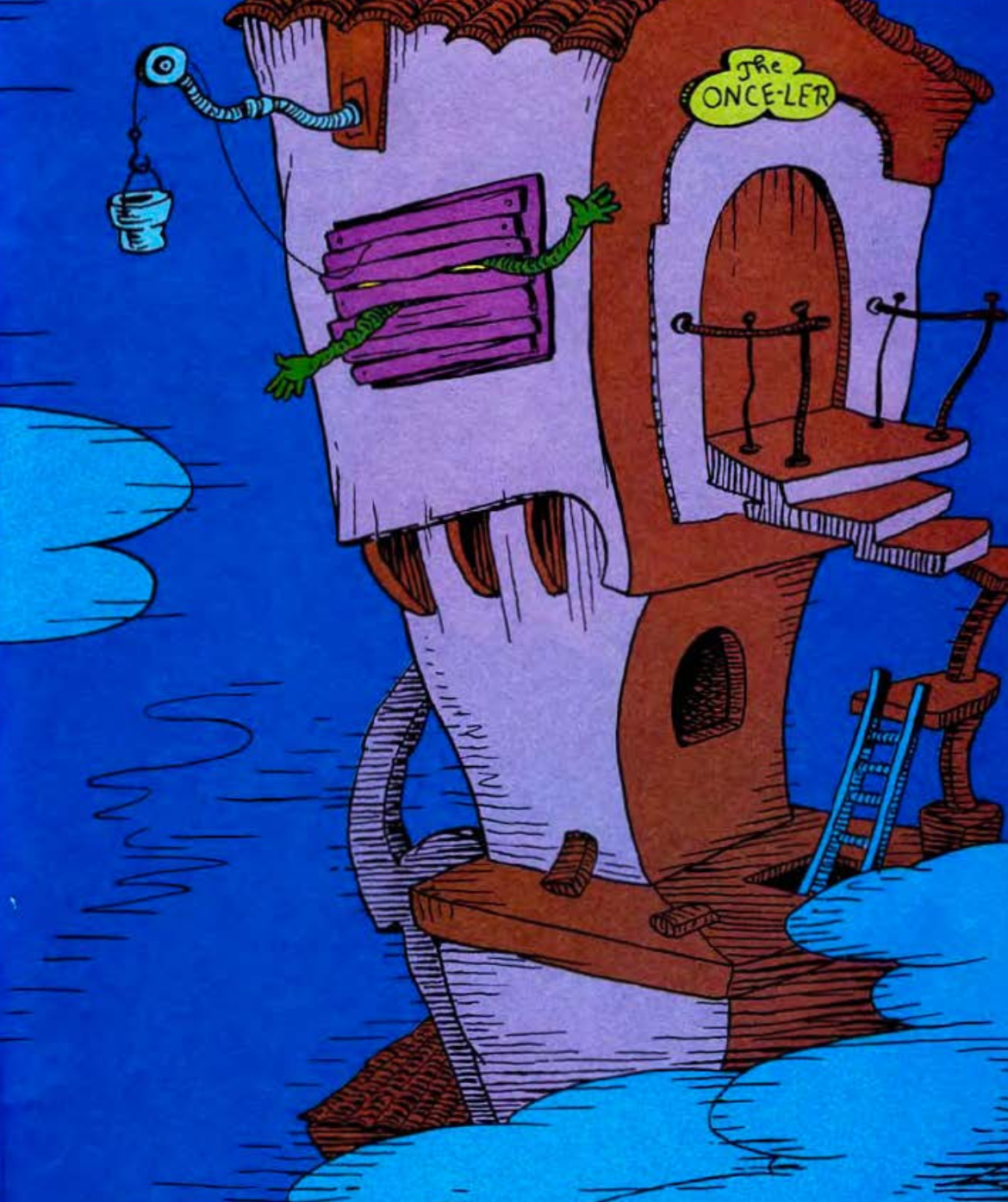
That means intervening before the Thneed becomes normal. The Lorax should not have only argued with the producer. He should have contested the commodity itself.
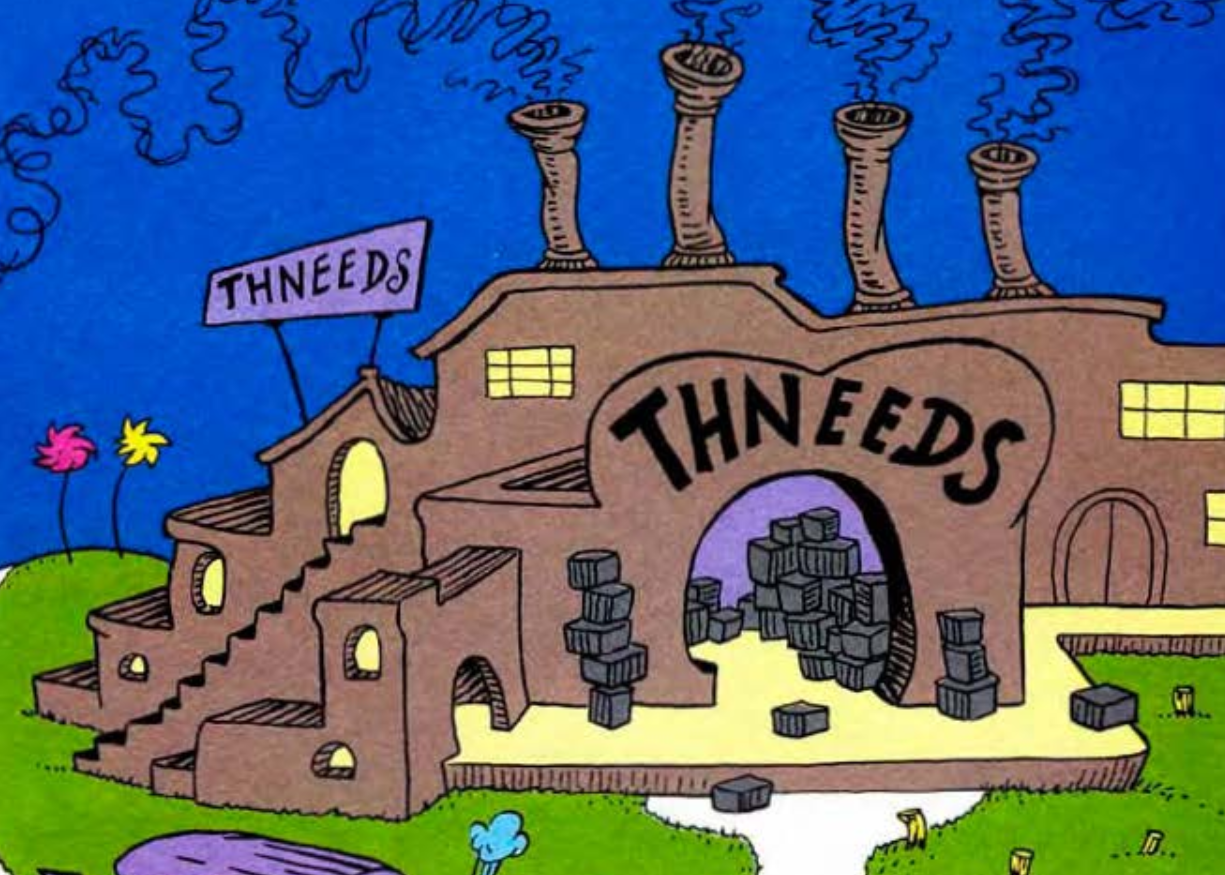
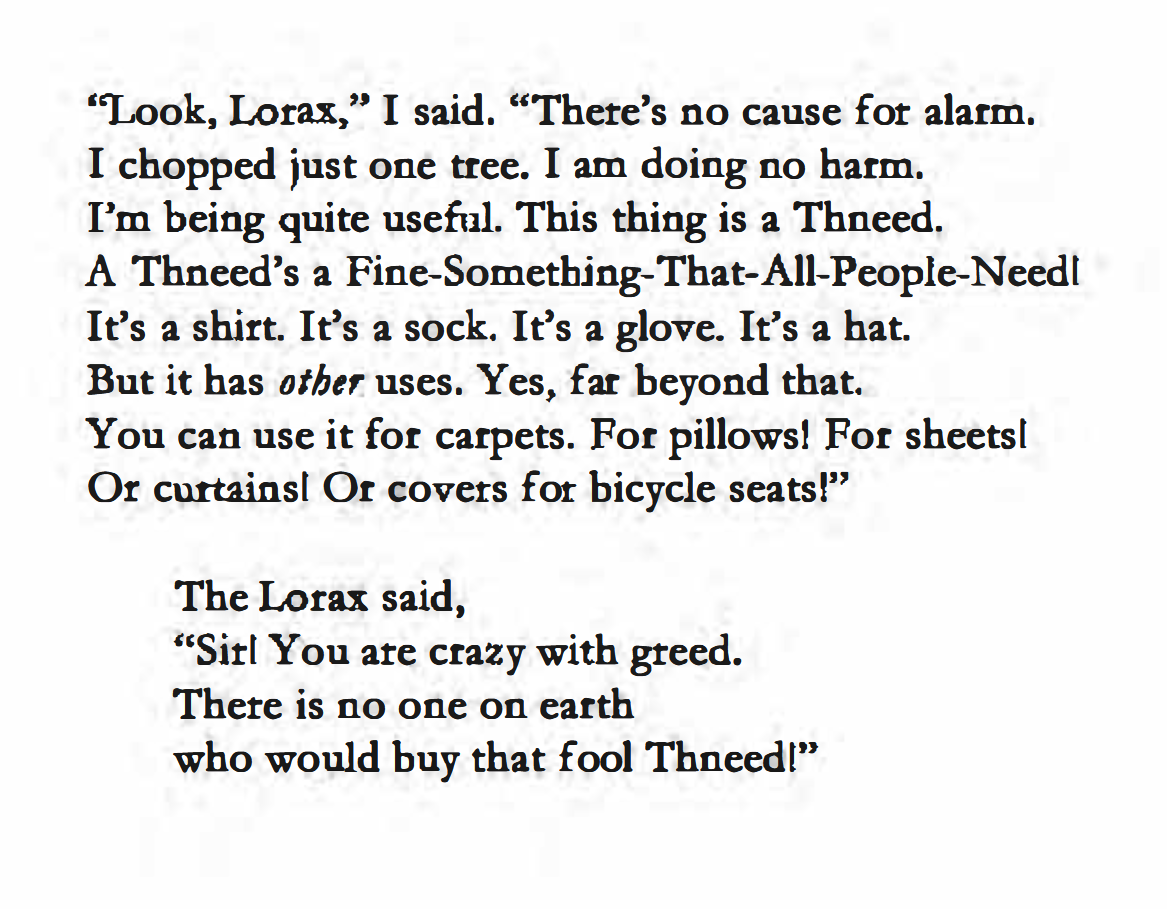
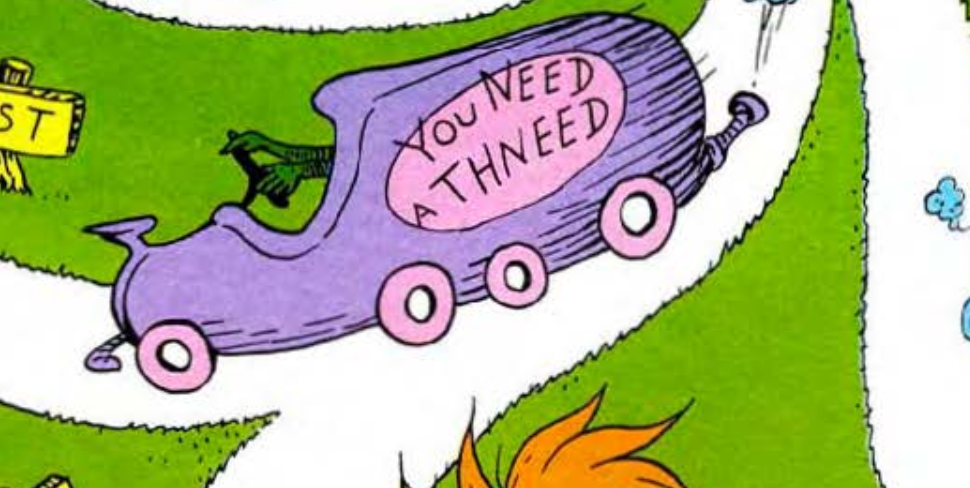
A Thneed is funny because it is absurdly universal. Everyone needs it, we are told, even though the object itself is ridiculous. That joke hides a serious market insight: demand can be manufactured around nonsense if production, novelty, advertising, and social proof align.
The Lorax should have recognized the danger of this immediately.
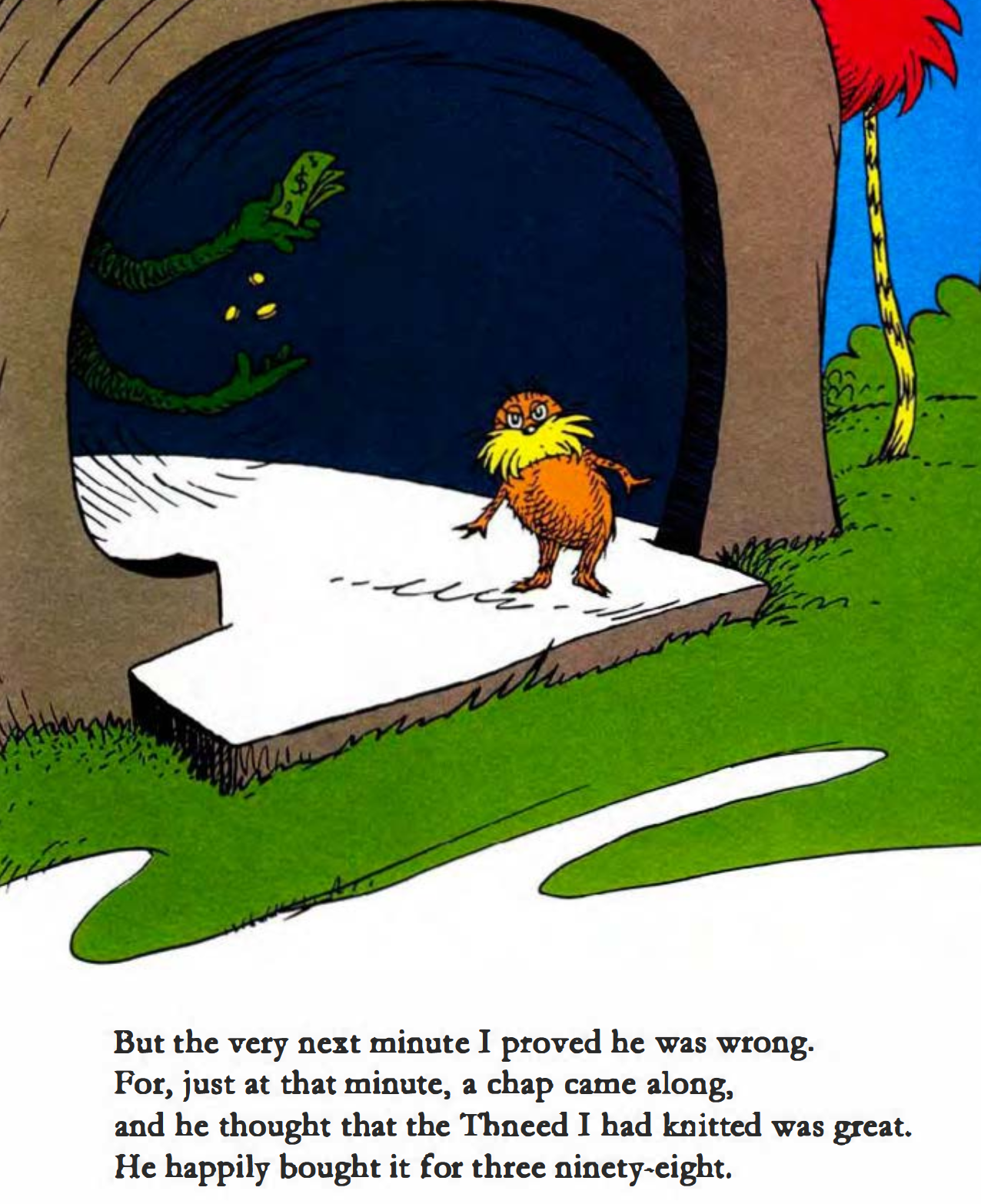
The first sale is not just income, this transition is also validation. It tells the Once-ler that destruction now has a buyer. Once that happens, the forest is not being cut because one man likes cutting trees and doesn't like the Lorax. It is being cut because the market has begun converting Truffula loss into social desire.
To “speak for the trees” at that stage, the Lorax needed a counter-demand, not only a counter-speech. He could have exposed the true cost of the Thneed to its buyers.
He could have worked to make the product socially shameful. He could have organized its refusal. He could have made the supply chain visible.
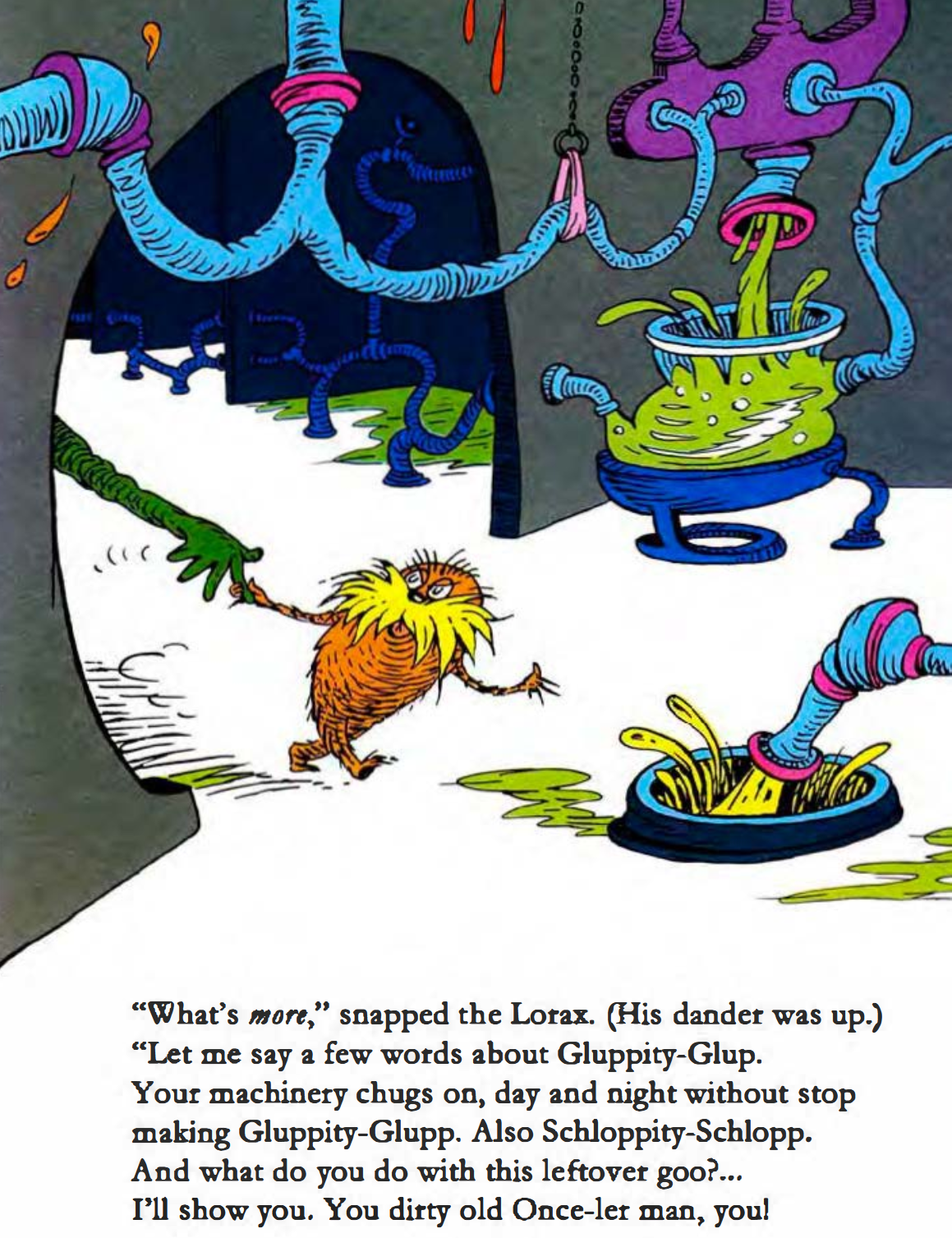
He could have said: this object is made from a vanished canopy, displaced Bar-ba-loots, poisoned air, and dying water.
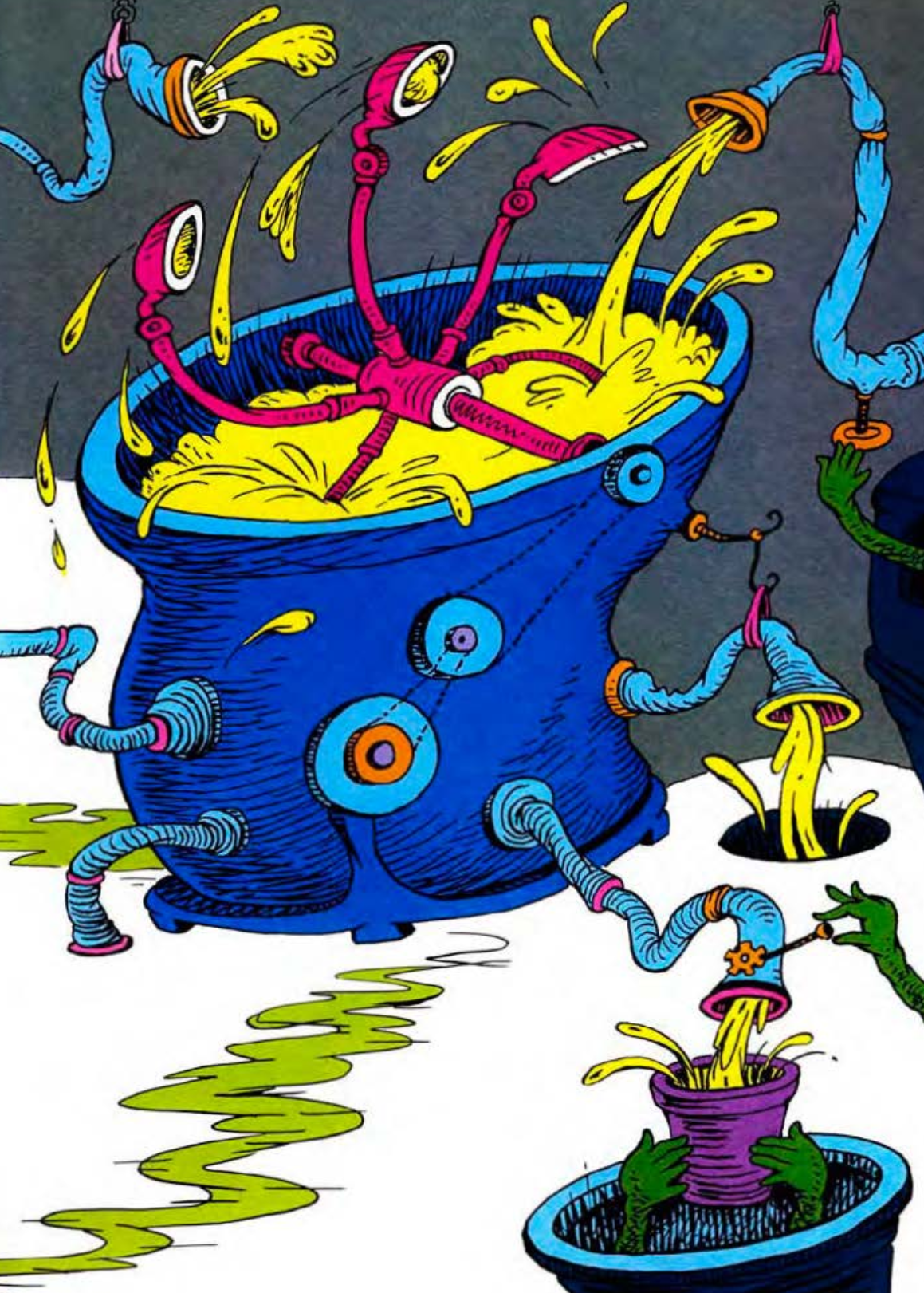
He could have fought the product’s perceived innocence. Harmful commodities often survive because they arrive in the buyer’s world stripped of the field that produced them. The consumer sees the product. The harm remains elsewhere.
The Lorax speaks at the site of extraction. But markets move harm away from the site of consumption. To repair the field, he needed to follow the Thneed outward.
IV. The Fourth Decision: Responding Species by Species Instead of Ever Mapping the Whole Field.
The Lorax’s interventions in his field come in segregated waves.
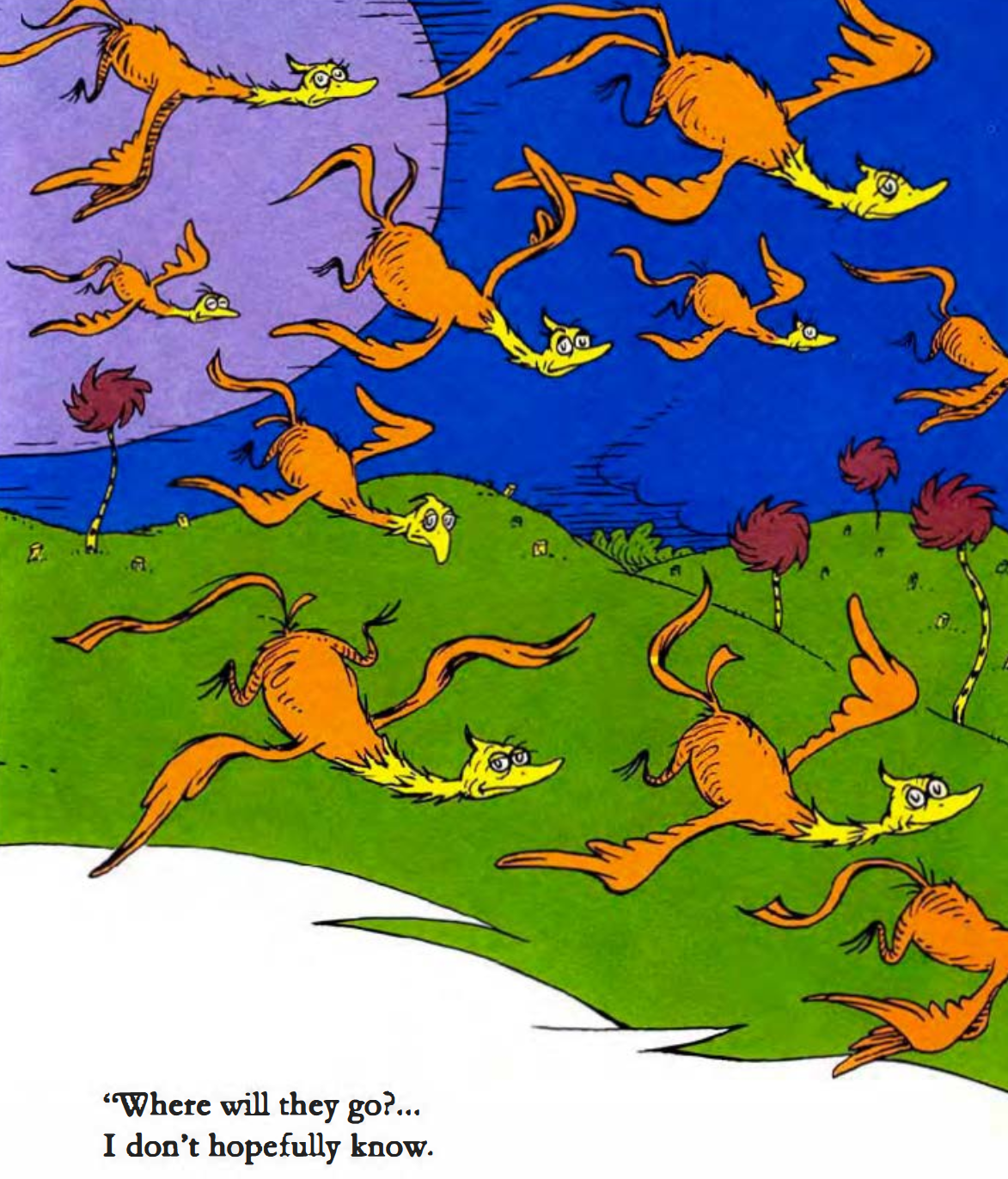
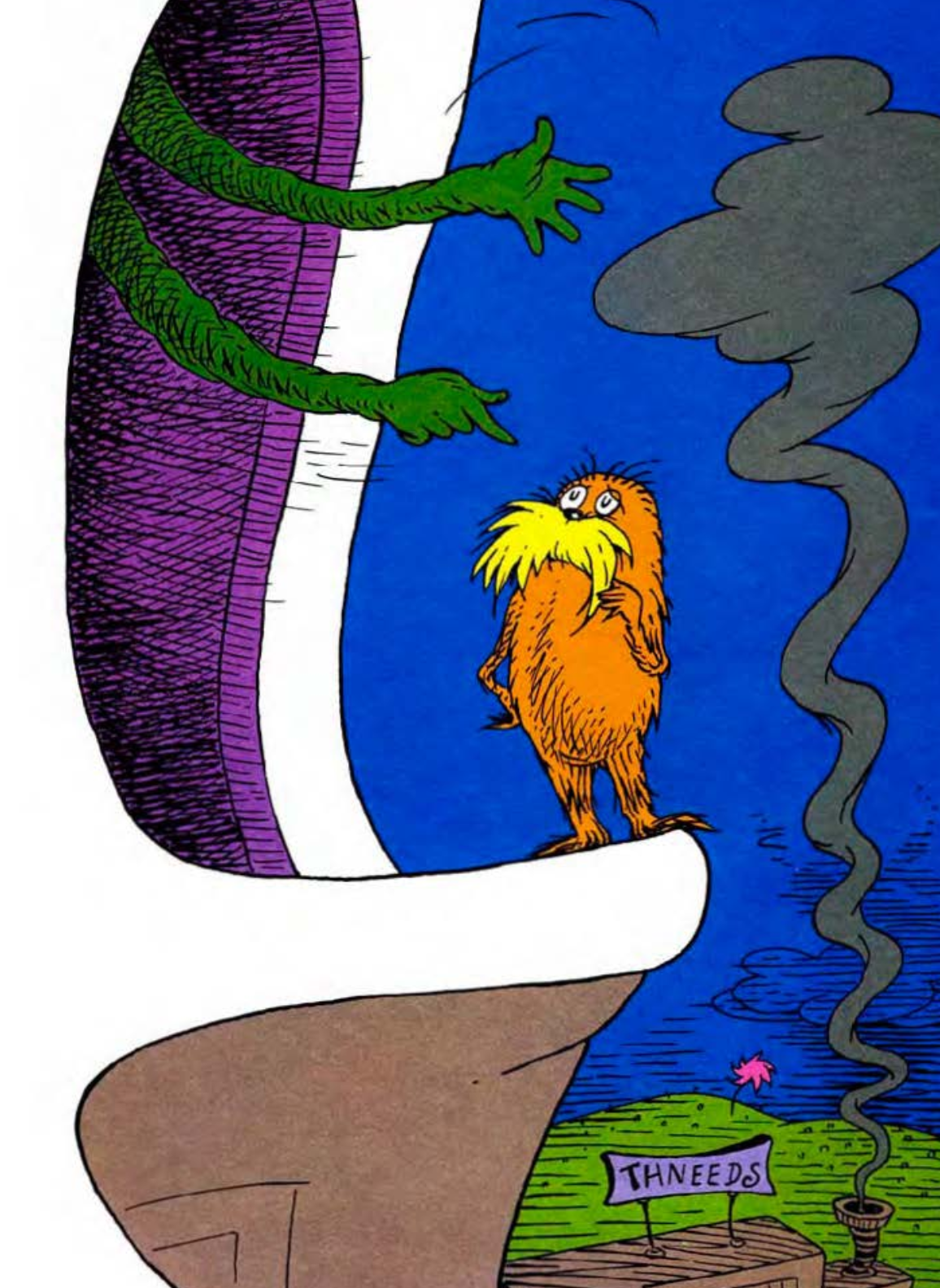
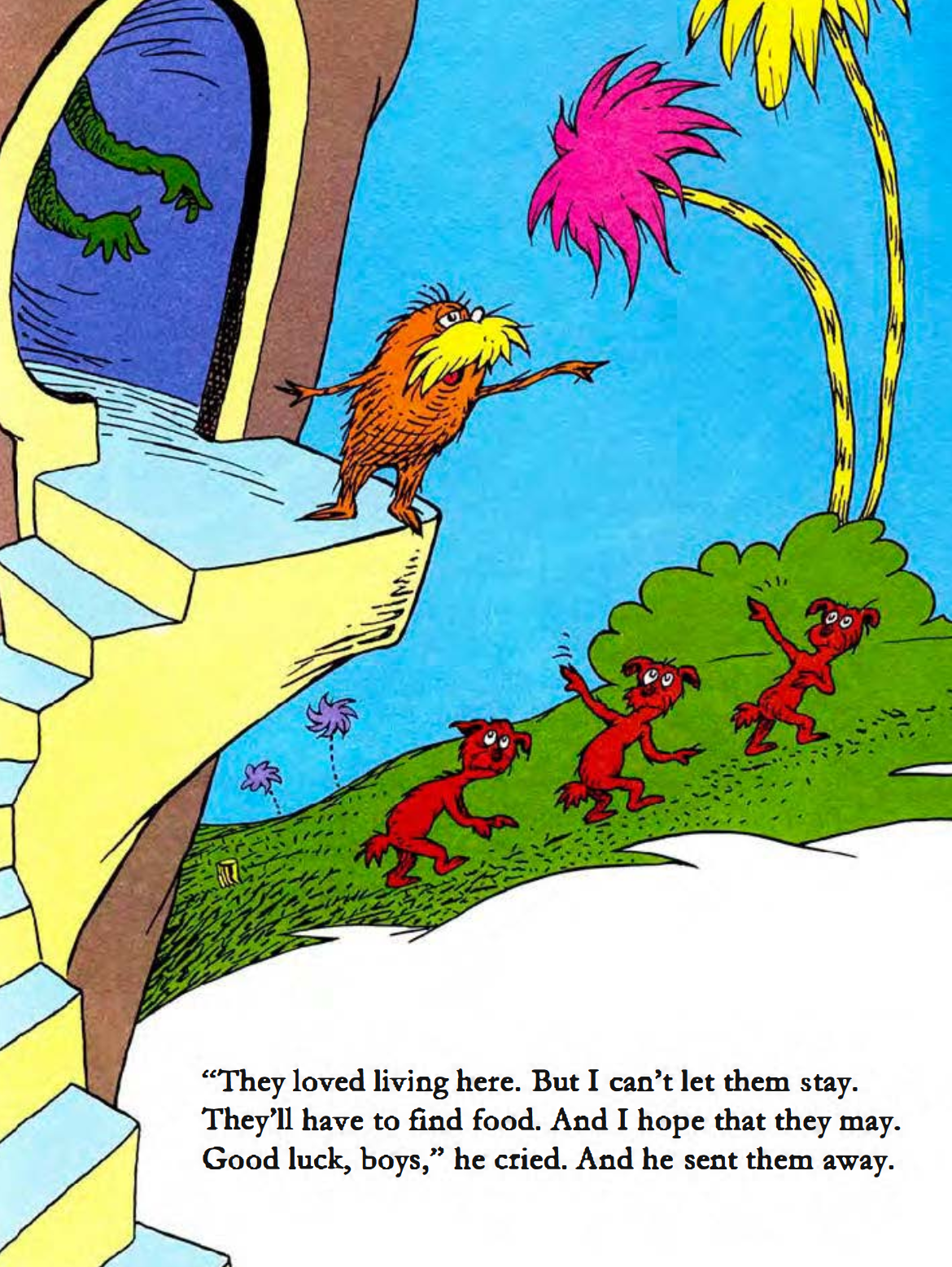
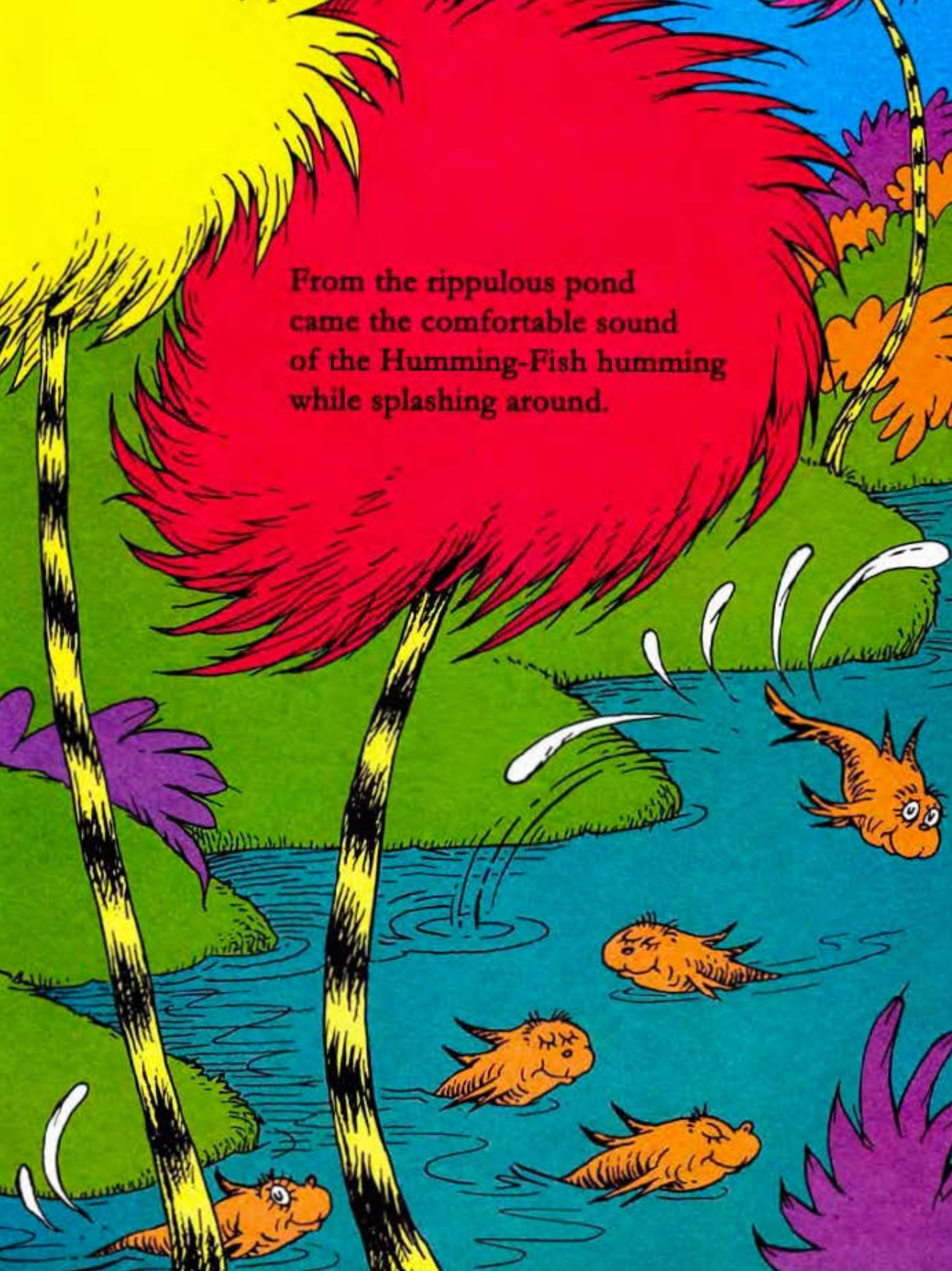
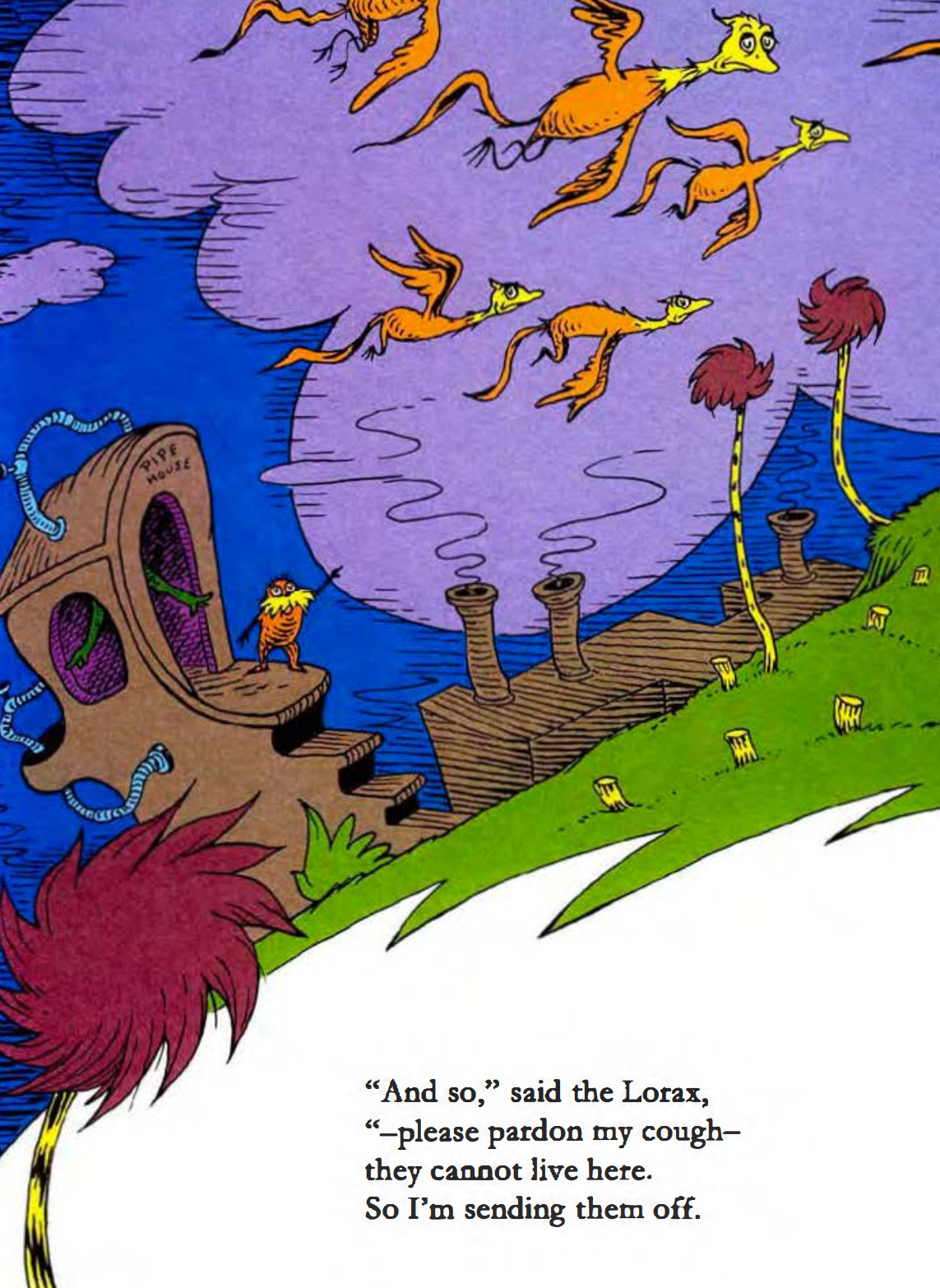
The Bar-ba-loots suffer because the Truffula fruit is disappearing. Then the Swomee-Swans suffer because the air is fouled. Then the Humming-Fish suffer because the water is polluted.
Each warning is correct. Each harm matters.
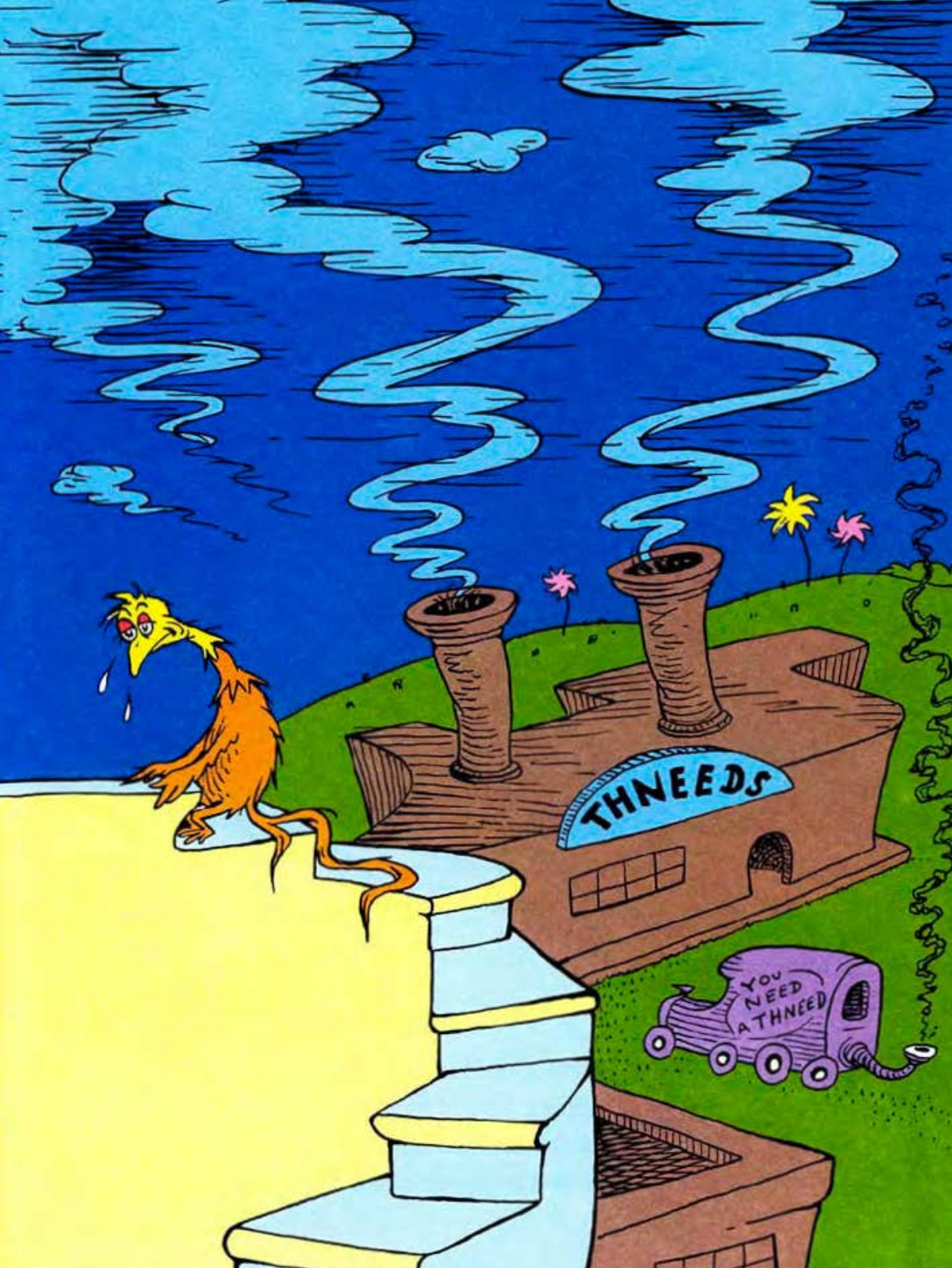
But structurally, the Lorax keeps just arriving at the level of visible damage. He responds as each dependent population reaches crisis.
This means he is always very late.
This forest is not a pile of separate victims. It is a coupled field. The trees feed the Bar-ba-loots. The factory fouls the air. Waste enters the water. Noise, labor, machines, roads, smoke, scarcity, and displacement all interact. The field is contracting as a system.
The Lorax notices the harms, but he does not seem to ever convert them into a full field map early enough to change the Once-ler’s reachable choices.
So, what should he have done instead?
After the first cut, he should have made the dependency structure radiating out from the trees explicit.
He should have said: the Truffula trees are not only beautiful objects. These things are load-bearing field infrastructure. Their fruit supports one population. Their presence stabilizes this entire place. Their destruction will alter food, air, water, movement, reproduction, and future regrowth. If production scales, the harm will not remain at the stump. It will propagate.
This is one of the central moves Modal Path Ethics can bring to The Lorax, if we can find a way to reach him. The moral unit is not only the tree. The moral unit is the field of reachable continuation in which the tree participates.
The Once-ler treats each tree as its detachable material. This is the analytic error beneath the economic one. A tree just becomes a unit of fiber. A forest then becomes inventory. The Thneed becomes output. The rest becomes a simple background.
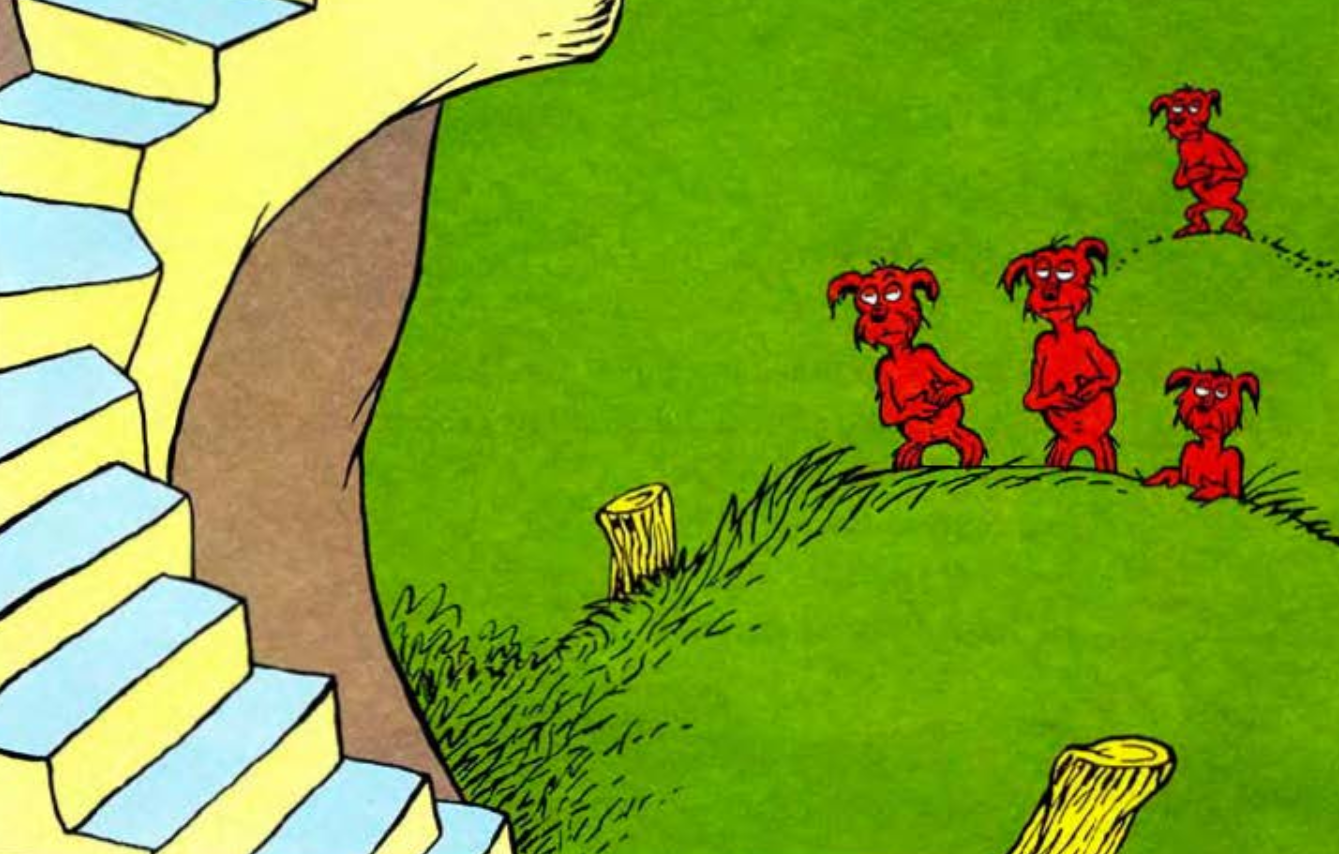
The Lorax knows that is false, but he does not force the analysis into the Once-ler's decision architecture.
A repair-capable Lorax would have made field accounting unavoidable. He would not have only counted trees felled, he would count the fruit lost, habitats disrupted, air degraded, water poisoned, dependent beings displaced, regrowth time consumed, and future options closed by each cut. He would have refused to let the Once-ler price the Thneed without also pricing the contraction.
The market price of the Thneed is ultimately fraudulent, because it excludes the destroyed field it was extracted from. The product appears profitable only because most of its costs are made uncountable first.
The Lorax should have attacked that accounting failure directly.
V. The Fifth Decision: Warning Against Greed Without Offering a Different Production Path.
There is a dangerous trap in reading The Lorax: the assumption that the only alternative to industrial destruction is no production at all.
The story itself definitely leans that way emotionally. The Truffula forest is whole before the Once-ler arrives. Production begins. Destruction follows. The apparent moral here is to leave the forest untouched.
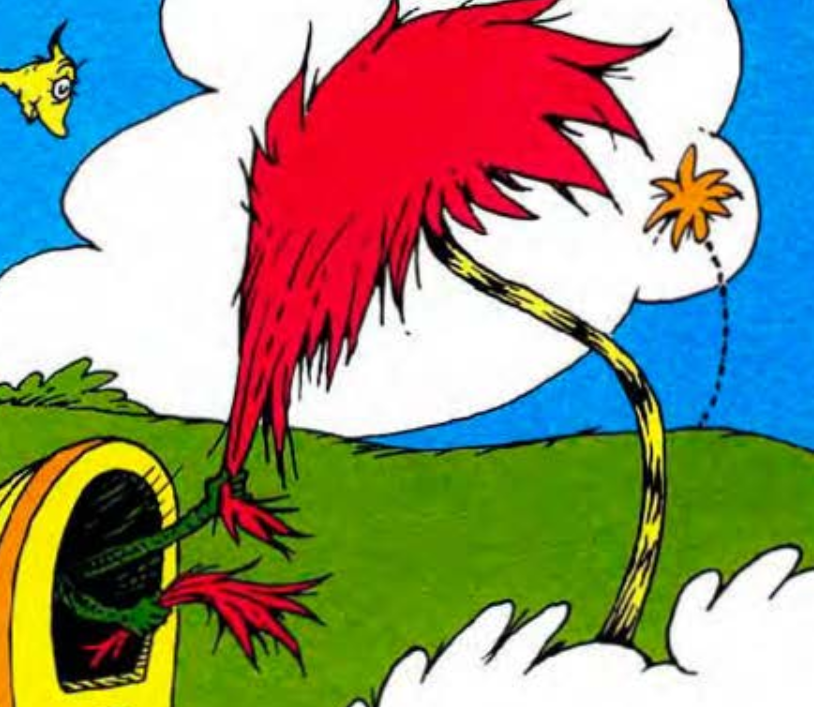
In many cases, that may be the right answer. Some fields should not be converted into production zones. Some living systems are too fragile, too sacred, too irreplaceable, or too poorly understood to be safely used.
But the Lorax does not appear to establish that as a structured ruling. He does not say: “no production can occur here, because any cutting destroys this field.” He does not test alternatives. He does not propose limits. He does not distinguish between use and liquidation.
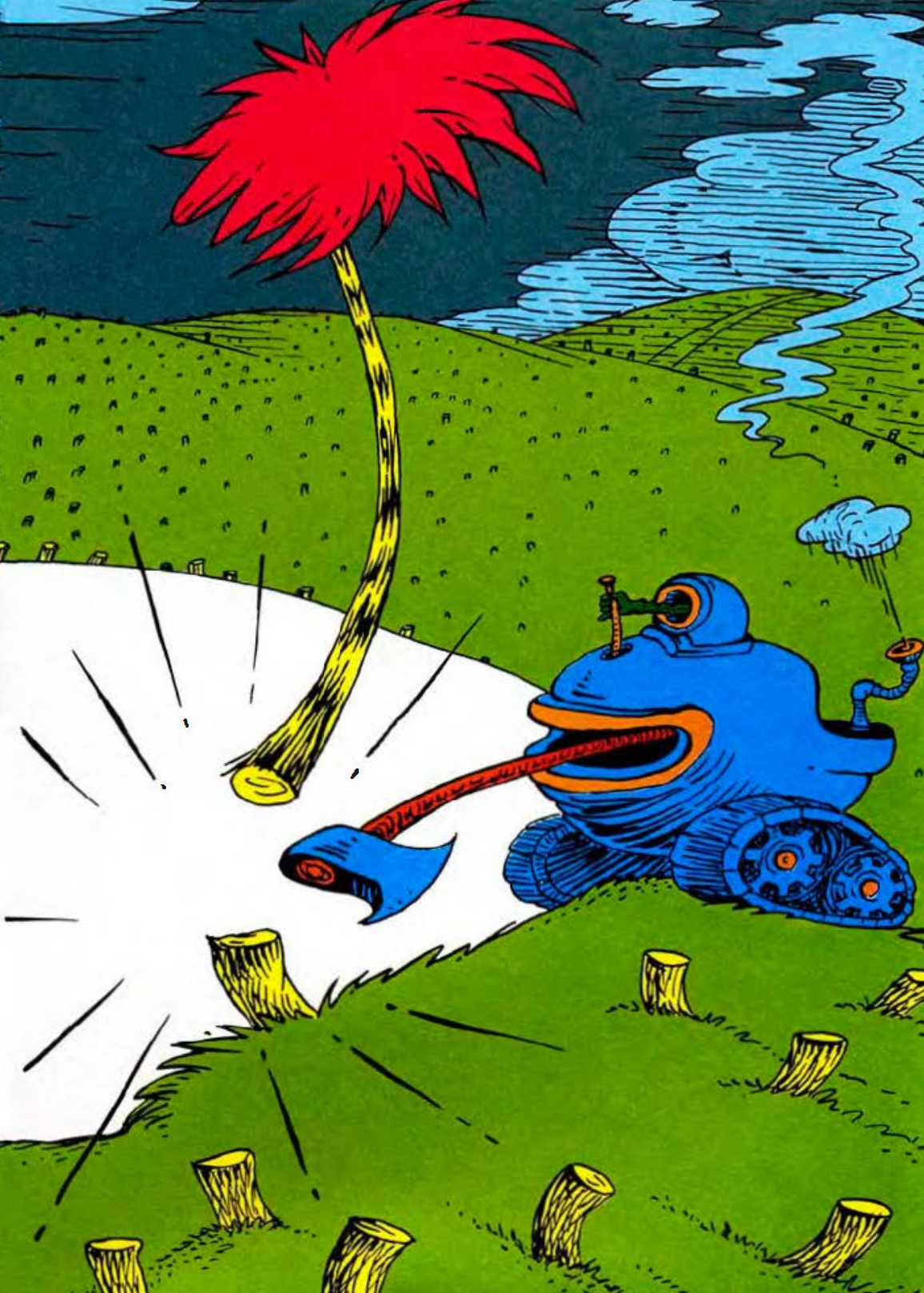
He just warns against what the Once-ler is doing. He does not build any reachable substitute path for the Once-ler’s agency to select.
The Once-ler is not presented as someone who came to the forest for the pleasure of ruin. He really just wants to make something. He wants to produce. He wants to sell. He wants to matter through enterprise. That desire becomes destructive because it attaches to an extractive path.
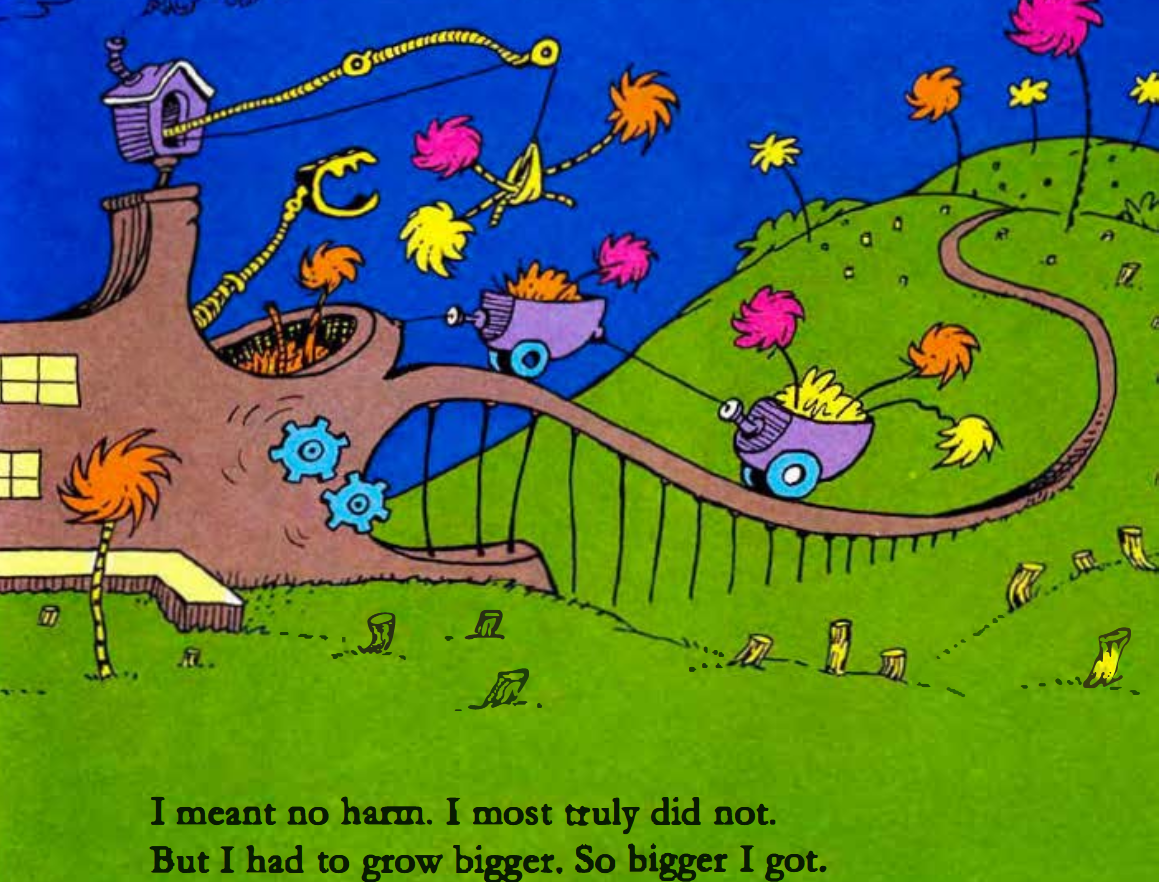
So if the only moral instruction he receives is “stop,” then the entire burden of repair rests on his willingness to abandon the identity, excitement, and opportunity that the Thneed has opened for him.
He should abandon it if the alternative is collapse. But field repair should not depend on the harmful agent becoming a saint.
So, what should the Lorax have done instead?
He should have tried to redirect production before opposing production became the only available stance.
Could Thneeds be made from shed Truffula tufts? Could they be made from cultivated groves? Could one tree be harvested over time without killing it? Could a different material work for this?
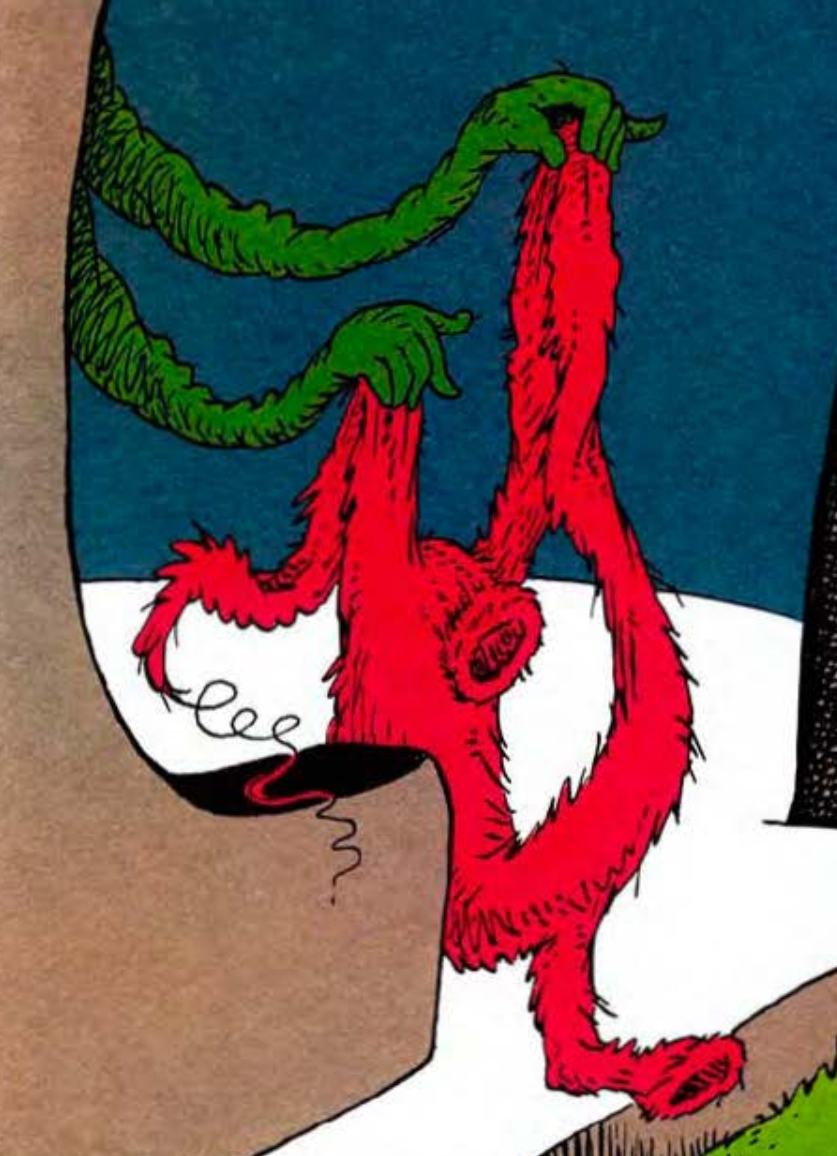
Could the Once-ler’s knitting ability be used for something that repairs the field instead of consuming it? Could the factory become a nursery, a restoration economy, a non-lethal fiber craft, a tourism practice, a seed distribution system, a limited artisan trade, or something else?
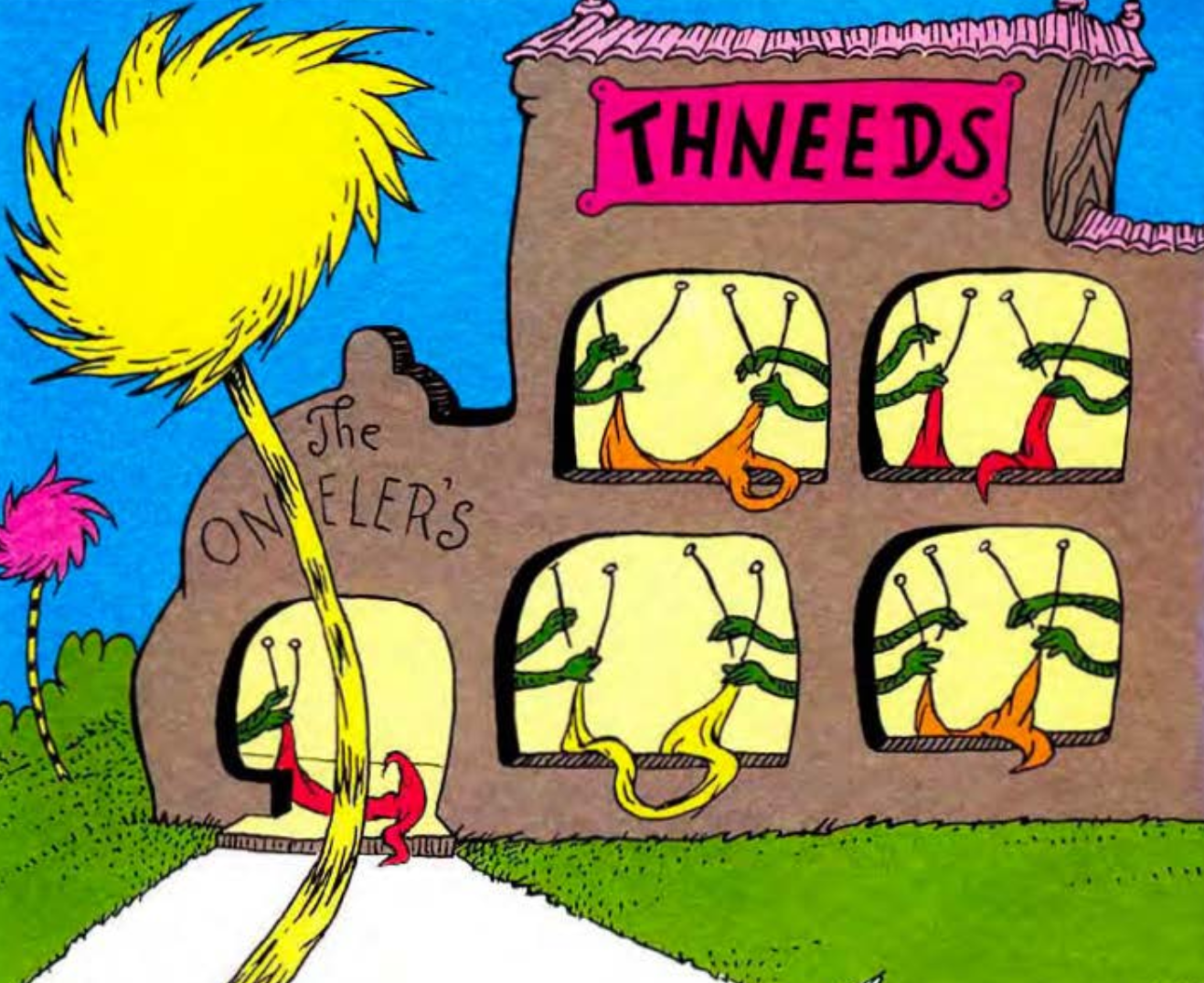
The answer may still be no. The story may give us a world where cutting Truffula trees is always wrong. But the Lorax does not seem to run the repair search, ever. That is his biggest failure.
A repair path is not a compromise with harm. It is a disciplined search for a continuation in which the legitimate agency of the relevant loci can remain open without sacrificing the field. Sometimes the answer may be prohibition. Sometimes it is in transformation. Sometimes it is just managed use. Sometimes it is substitution. Sometimes it is restoration plus strict limits.
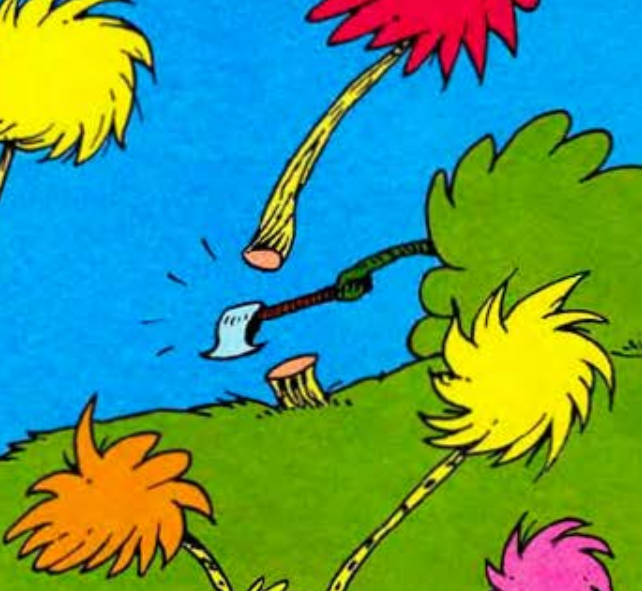
The Lorax’s failure is not that he refuses to compromise with destruction. That refusal is good. His failure is that he does not appear to convert the Once-ler’s productive energy into a non-destructive path while that path may still be reachable.
By the time the factory dominates the field, it is much harder to redirect. The Once-ler has become the Thneed-man. The family has arrived. The market is real. The machines are running. Identity has fused with extraction.
Early redirection matters more because late conscience now has to fight an entire installed world.
VI. The Sixth Decision: Letting the Once-ler Control the Tempo.
Throughout the story, the Once-ler always controls the tempo:
- He cuts. The Lorax appears.
- He expands. The Lorax objects.
- The Bar-ba-loots leave. The Lorax reports.
- The Swomee-Swans leave. The Lorax reports.
- The Humming-Fish leave. The Lorax reports.
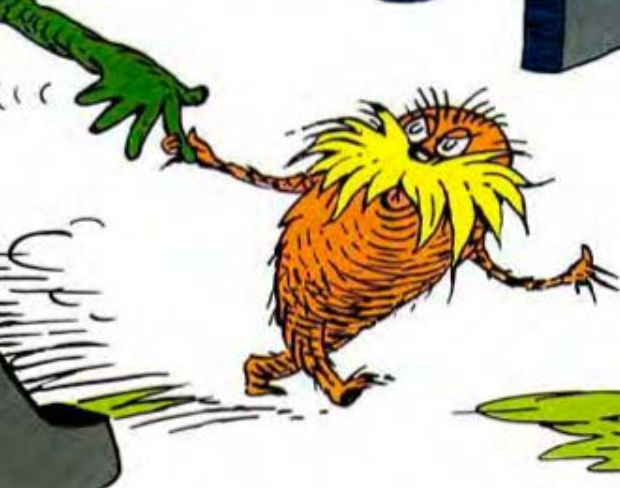
- The last tree falls. The Lorax leaves.
This rhythm is devastating. This field had no chance. The Once-ler acts. The Lorax reacts.
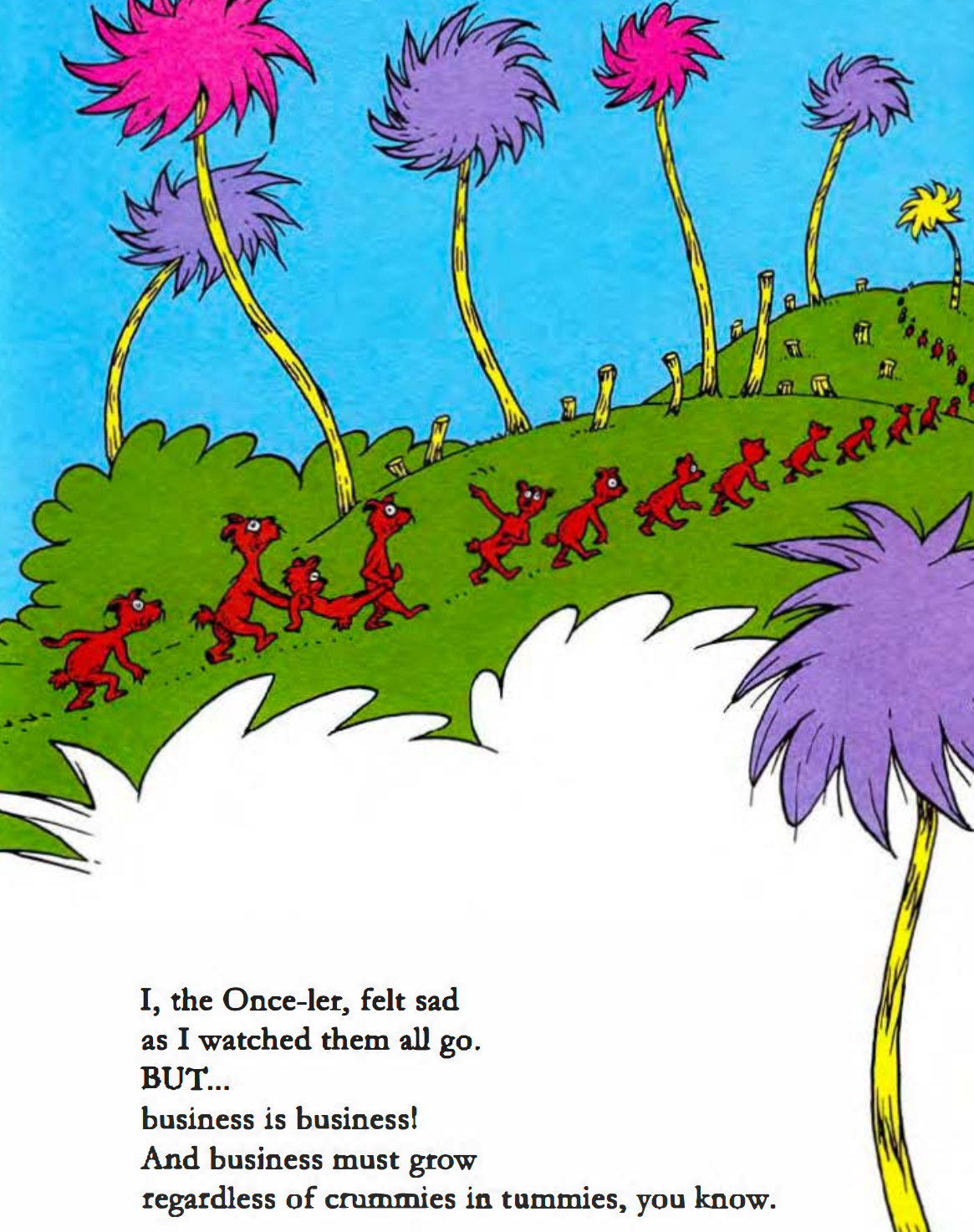
That means the destructive agent sets the pace of the field. The Lorax becomes the conscience that arrives after each escalation, not the strategist who ever changes what escalation is possible.
This is one of the most important Modal Path Ethics rulings in the case:
A field actor who only reacts to contraction may become part of the contraction rhythm.
Their warning becomes one more cost the harmful system learns to absorb. The protest becomes background noise. The witness becomes predictable.
The Once-ler does not need to defeat the Lorax in argument. He only needs to outpace him in action.
So, what should the Lorax have done instead?
He needed to seize tempo.
That could mean many things here.
He could have forced an immediate delay. He could have organized the dependent creatures before their displacement. He could have blocked access routes. He could have made cutting slower than regrowth. He could have interrupted recruitment. He could have confronted the family before they became labor. He could have ensured the first factory was impossible to operate. He could have carried the fight directly to the buyers. He could have created a restoration clock: for every tree cut, many must be planted and survive before another cut occurs.
The point is not that every single tactic would work. The point is that repair requires active control over the conditions of next action. The Lorax keeps telling the truth after the Once-ler has already changed the facts. That is not enough.
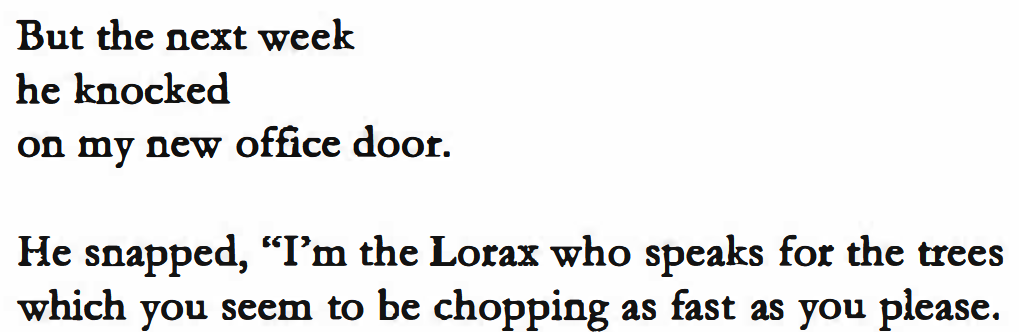
To speak for the trees, he needed to make the next destructive step harder, slower, costlier, less legitimate, less profitable, less available, or less imaginable.
He needed to alter the path gradient.
VII. The Seventh Decision: Treating Departure as Testimony, not Collapse.
When each species can no longer remain, the Lorax just sends them away.
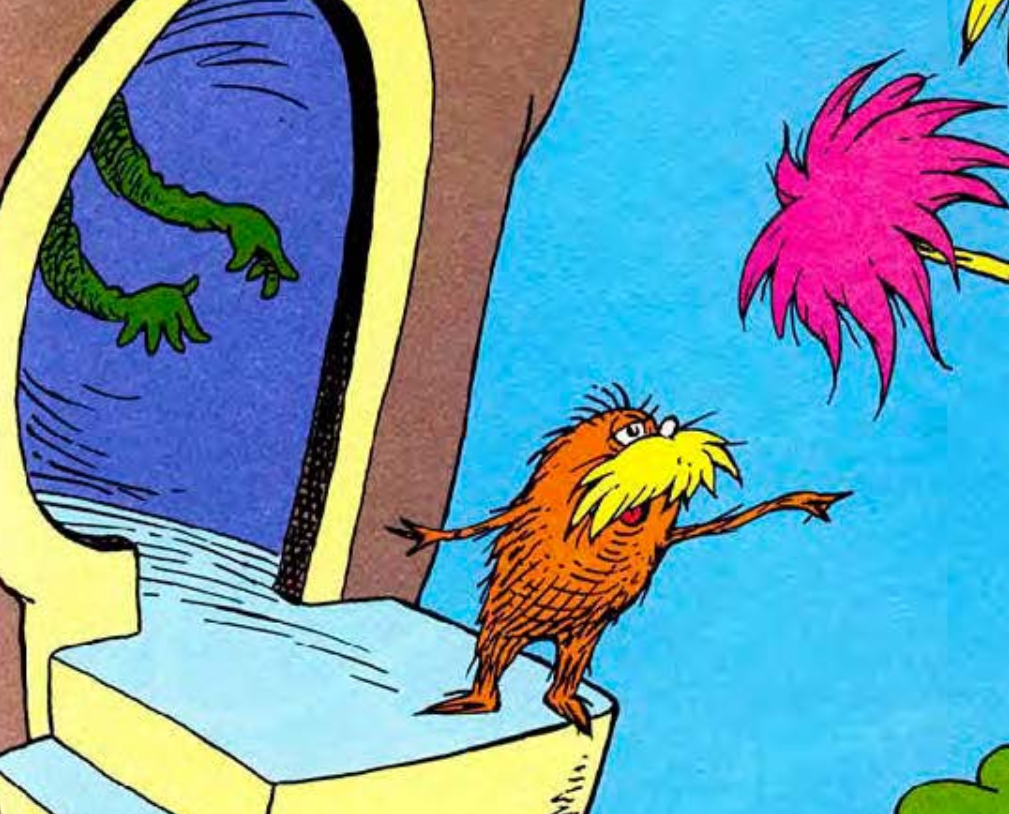
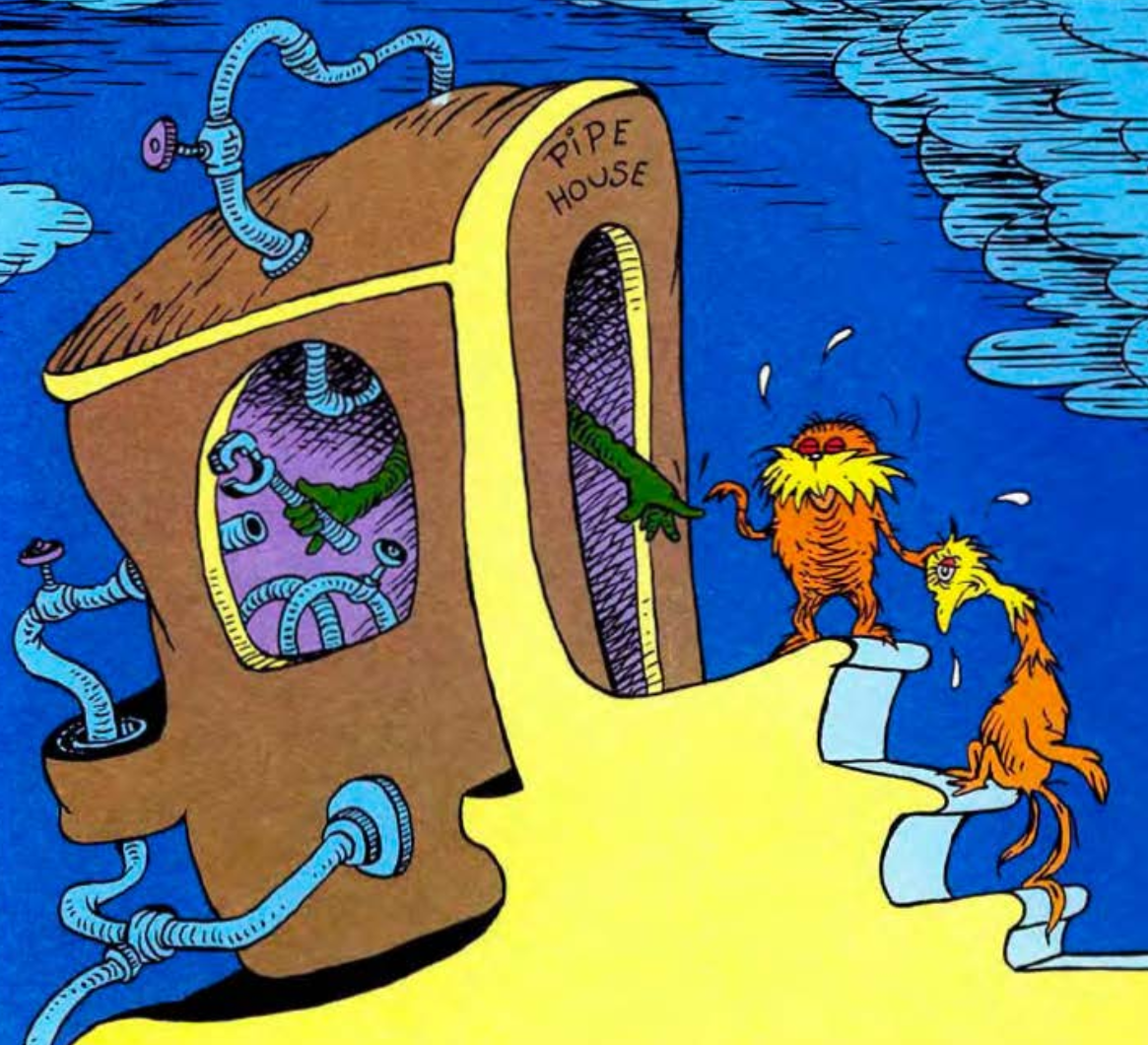
This is compassionate in the immediate sense. The Bar-ba-loots need food. The Swomee-Swans need breathable air. The Humming-Fish need livable water. If the field is becoming lethal, departure is now survival.
But each departure also marks a failure to repair the original field. The Lorax preserves some loci by evacuation, but he never preserves the ecology that made their lives possible there.

Again, this is not an accusation against emergency rescue. Evacuation is sometimes the only remaining ethical act. When a field has already become unlivable, insisting that beings stay for symbolic reasons of continuance would be cruel.
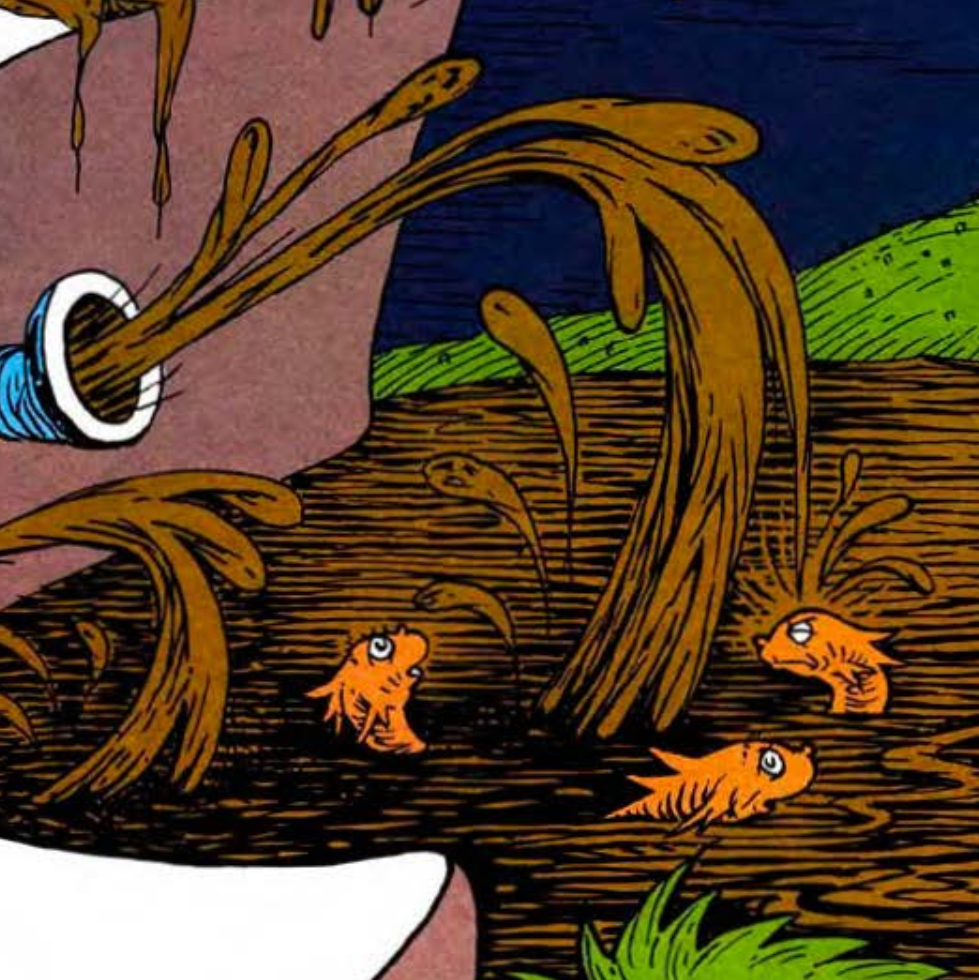
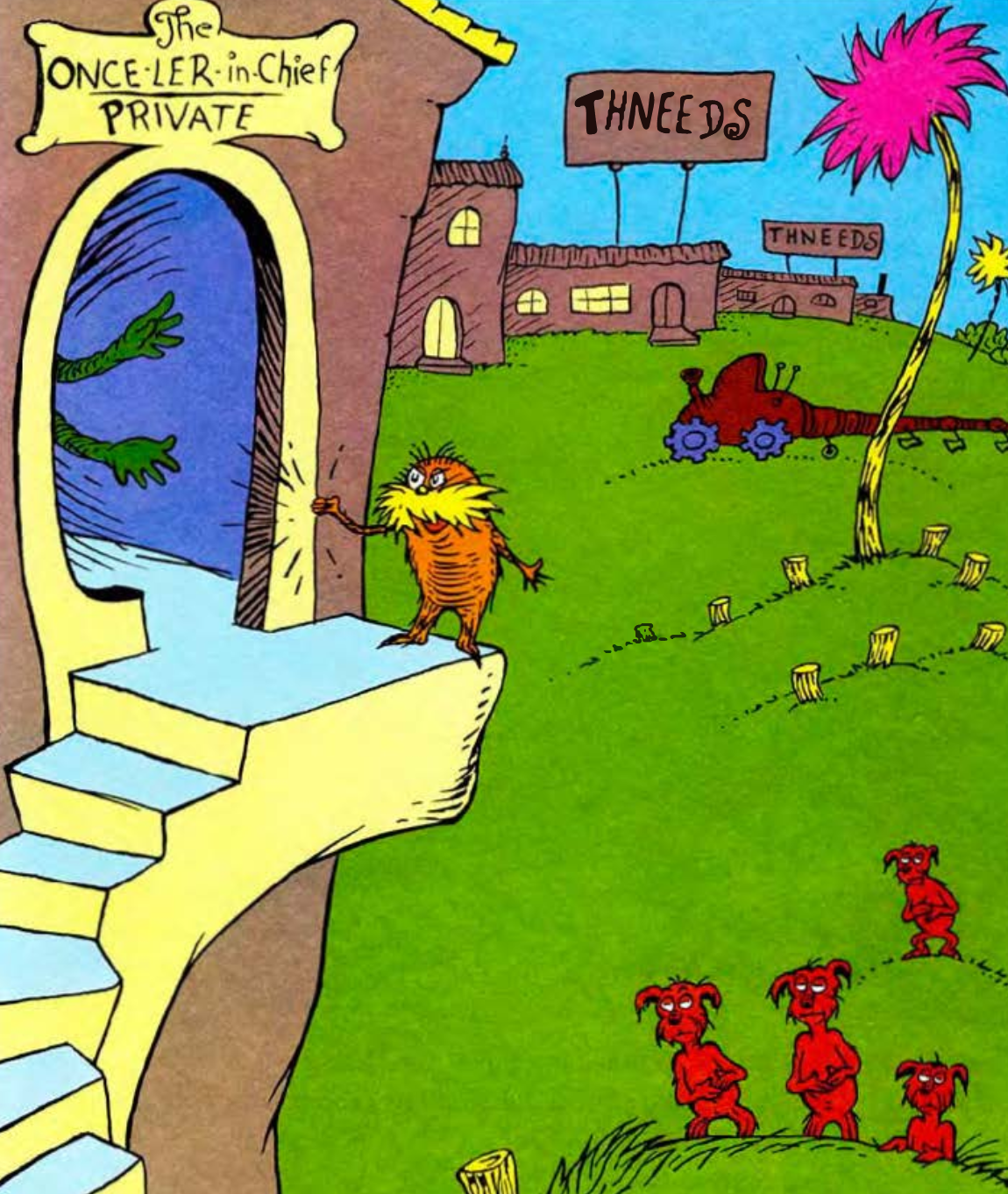
But the story’s sequence shows a pattern. Each departure reduces the living resistance of the place. The forest becomes emptier. The factory becomes more dominant. The Once-ler faces fewer immediate signs of the life he is displacing. The evacuation of victims can unintentionally clear the field for the aggressor.
So, what should the Lorax have done instead?
He should have treated evacuation as a last-resort branch inside a larger restoration plan, not as his primary response to each crisis.
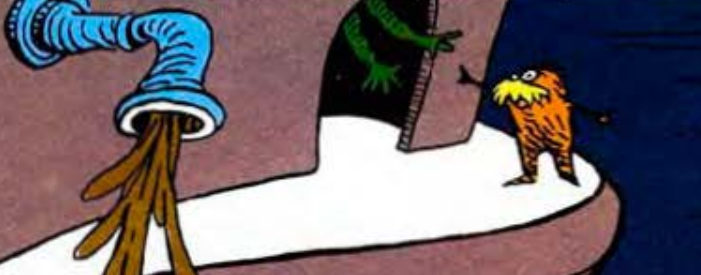
If the Bar-ba-loots must leave, where exactly is the food restoration plan? If the Swomee-Swans must leave, where is the emissions halt? If the Humming-Fish must leave, where is the water repair strategy?
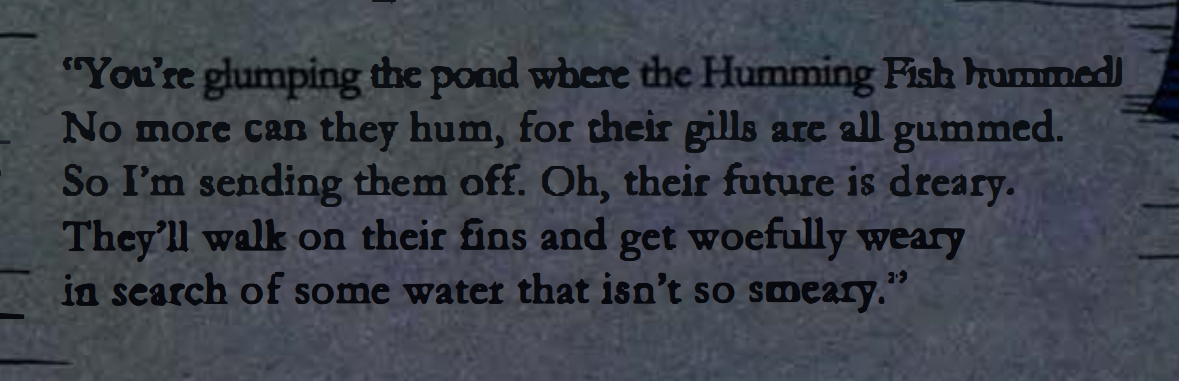
Where are the thresholds that trigger shutdown? Where is the accounting that says: this factory has now exceeded the field’s capacity and must stop before another population is displaced?
The Lorax just reports each displacement as moral evidence. He needed to turn each displacement into a binding consequence. A field in which every harmed population leaves while the harmful process remains is not being repaired. It is just being emptied.

That is a tough but necessary lesson for environmental politics, labor politics, housing politics, disability politics, and every other domain where the harmed are told to relocate, adapt, endure, or find somewhere else to live while the structure that harmed them stays in place.
Sometimes exit saves lives, but exit is not repair if the field remains captured by the cause of exit.
VIII. The Eighth Decision: Never Building a Coalition.
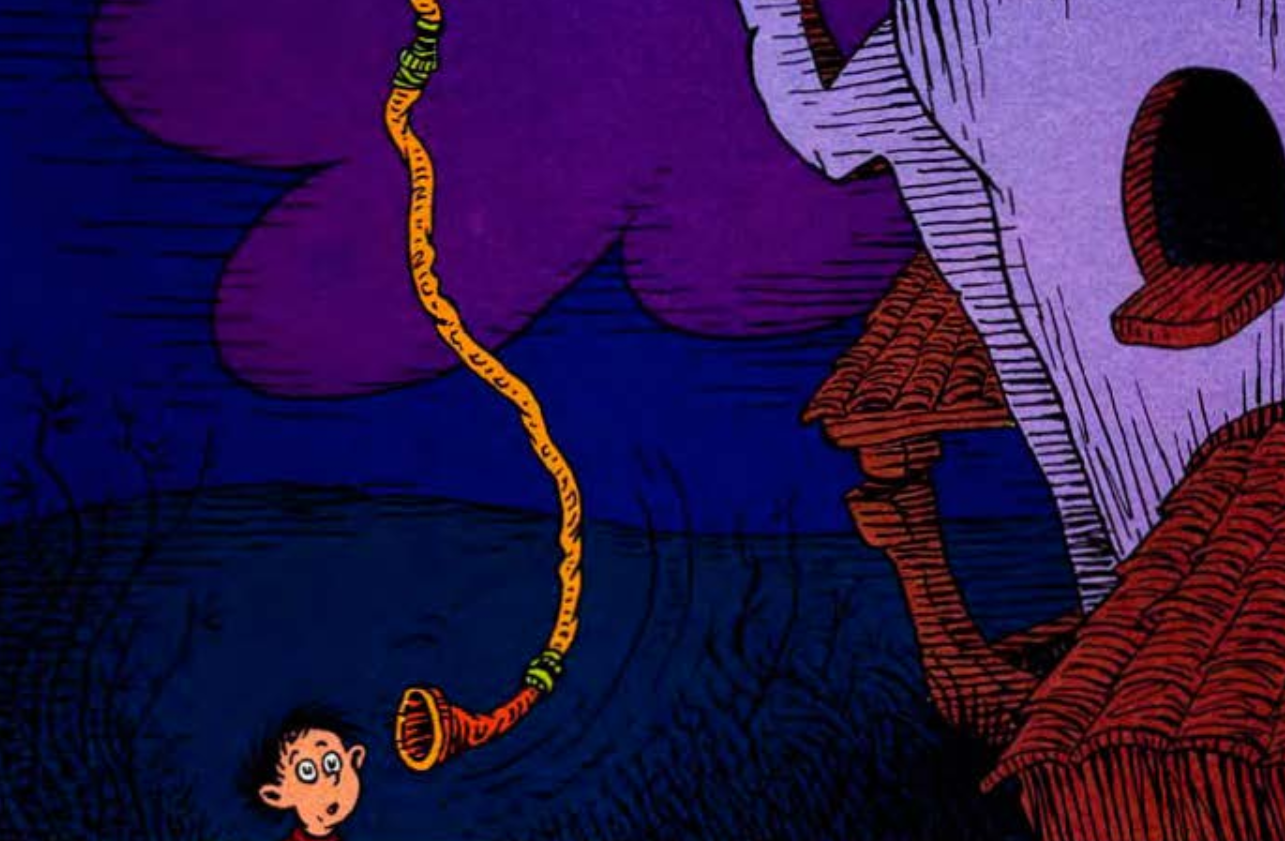
The Lorax stands almost alone. This is noble in the visual grammar of the story. One small figure stands against the industrializing Once-ler. One voice speaks for what cannot speak. One witness refuses to bless the machine.
Except repair usually requires coalition.
The Once-ler understands this better than the Lorax. He calls in his family. He scales labor. He organizes production. His side becomes collective.
The Lorax’s side remains morally correct but institutionally thin.
The trees have him. The animals have him. The air and water have him. But he does not seem to build a durable alliance among all who depend on the forest, all who might resist the factory, all who might refuse the Thneed, all who might pressure the Once-ler, all who might create alternate livelihoods, all who might establish a different rule for the land.
That leaves the Lorax in the position of the solitary moral witness. And a solitary moral witness is often highly absorbable by power.
So, what should he have done instead?
He needed to build a repair coalition early.
The Bar-ba-loots are not only victims. These are field inhabitants with knowledge of the Truffula ecosystem. The Swomee-Swans and Humming-Fish are not just the later casualties. They are early stakeholders in the forest’s continuation. Buyers of Thneeds are not just consumers. They are also potential pressure points. The Once-ler’s family members are not only labor. They are people who might have been confronted before they became invested in extraction.
A coalition could have named this forest as a shared living field rather than a silent stockpile.
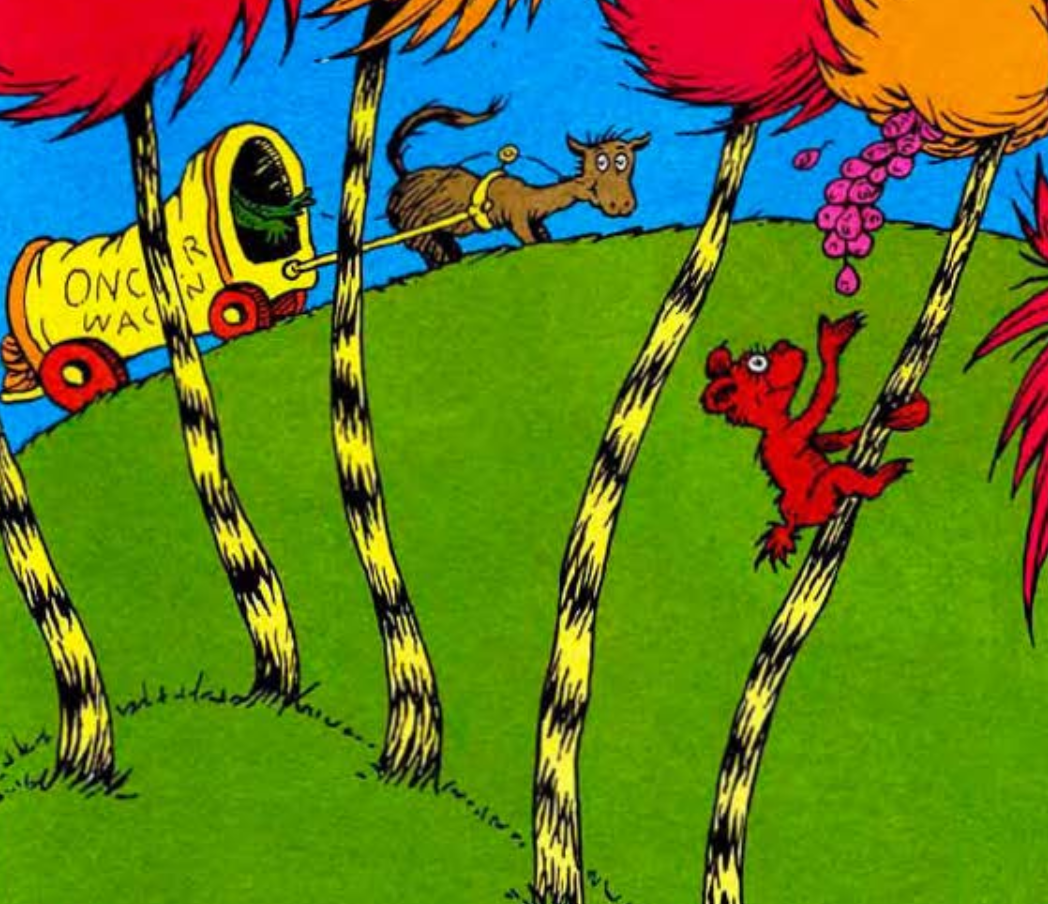
It could have made the Once-ler socially isolated instead of commercially validated. It could have created a visible boundary around the grove. It could have established norms before the market did. It could have made participation in Thneed production shameful, risky, or materially difficult.
Coalition is not guaranteed victory, but without it, the Lorax’s claim to speak for the trees remains very narrow. He speaks for them. He certainly does not organize enough power around them.
IX. The Ninth Decision: Allowing the Thneed to Define Value.
The Thneed is a stupid object. It is also a successful object.

Markets do not only satisfy needs. They can also generate need-shaped behavior around whatever can be made desirable, repeatable, and profitable. A product does not have to be wise to reorganize a field. It only has to sell.
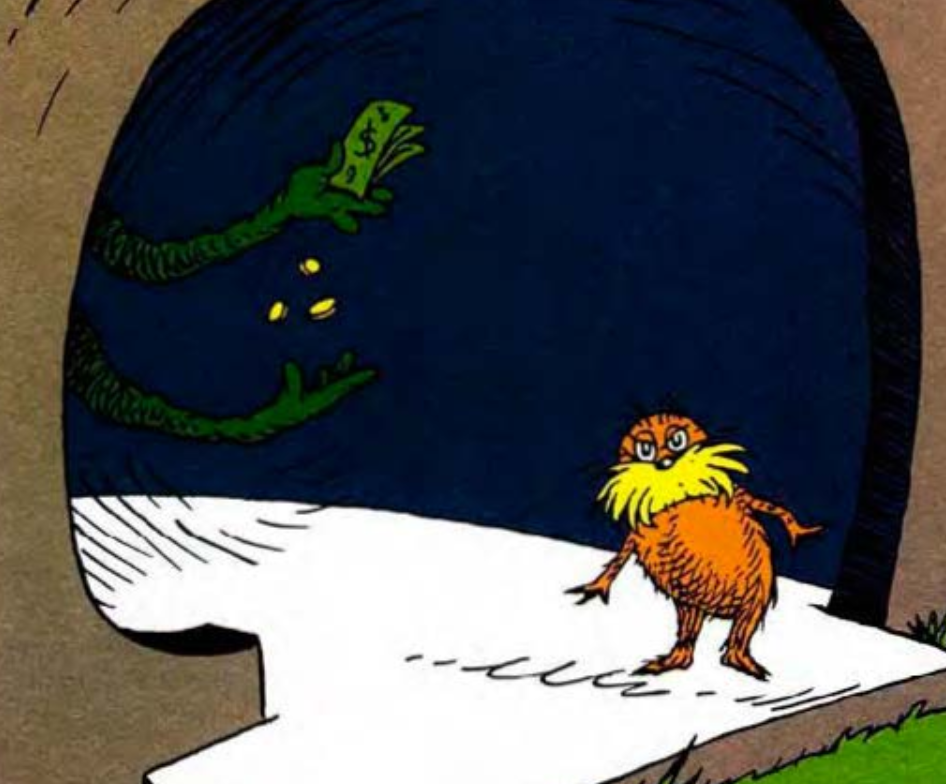
The Once-ler names the Thneed as something everyone needs. The market eventually behaves as though this is true. This product’s absurdity does not save the forest, it only makes the destruction more obscene. The field is liquidated for an object whose necessity is mostly rhetorical. The Lorax objects to the destruction, but does not successfully challenge the Thneed’s value claim.
So, what should he have done instead?
He should have broken the glamour of the commodity.
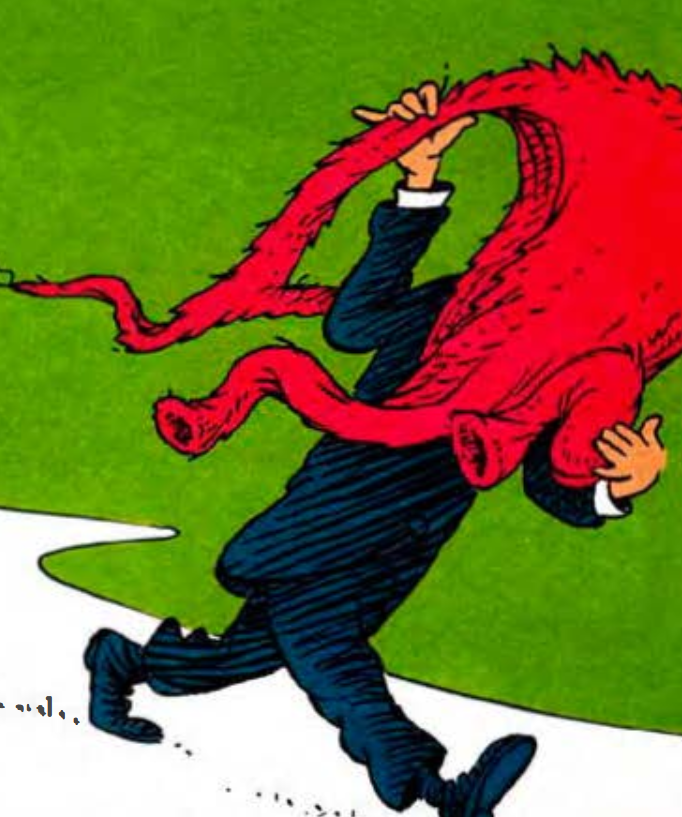
The Thneed needed to be reattached firmly to its cost. Buyers needed to see the stump inside their product. They needed to see displaced creatures, fouled air, poisoned water, and the shrinking future of the Truffula forest. The product needed to lose its innocence.
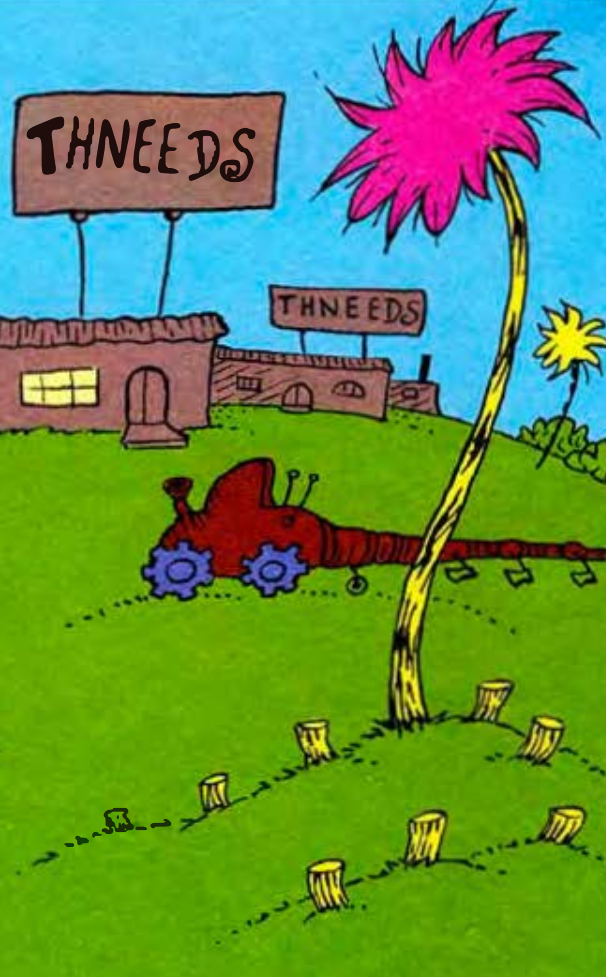
The Once-ler’s market depends on separating commodity from consequence. A Thneed in the buyer’s hands appears as usefulness, novelty, or status. A Truffula stump in the forest appears as loss. The market works by keeping those appearances apart. The Lorax should have collapsed that distance.
Property controls access to the input, but markets launder the input into exchange. The buyer rarely encounters the field as a field. They encounter the product as a product.
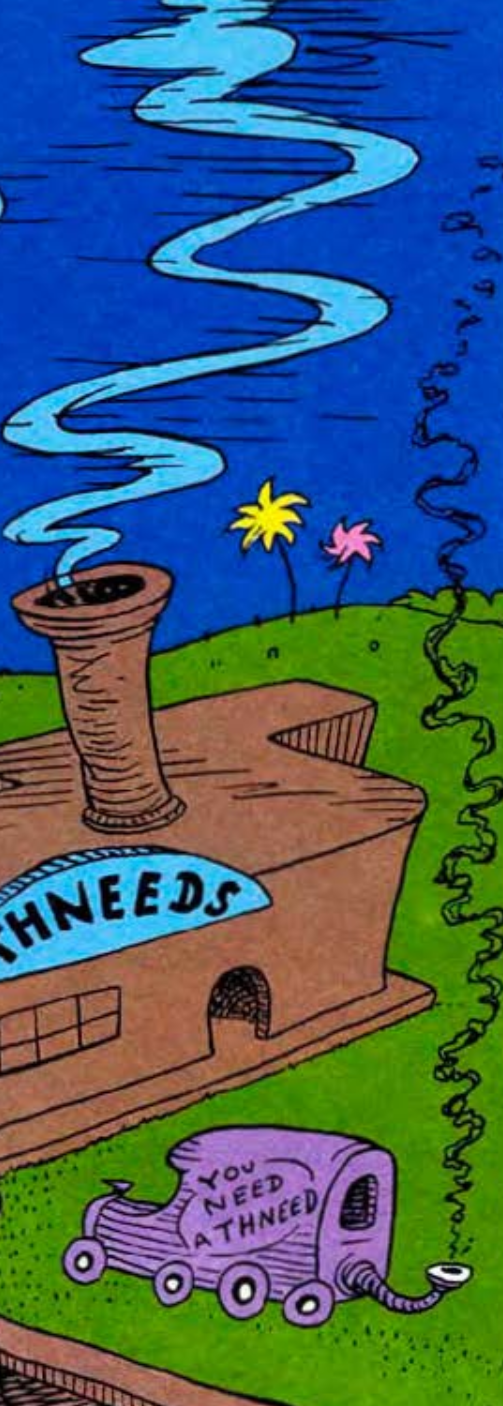
So the repair task is not only to protect the resource, it is to prevent the market from misdescribing the world. The Thneed is not just a commodity. It is also a false account of the field.
X. The Tenth Decision: Leaving the Word Instead of Leaving an Institution.
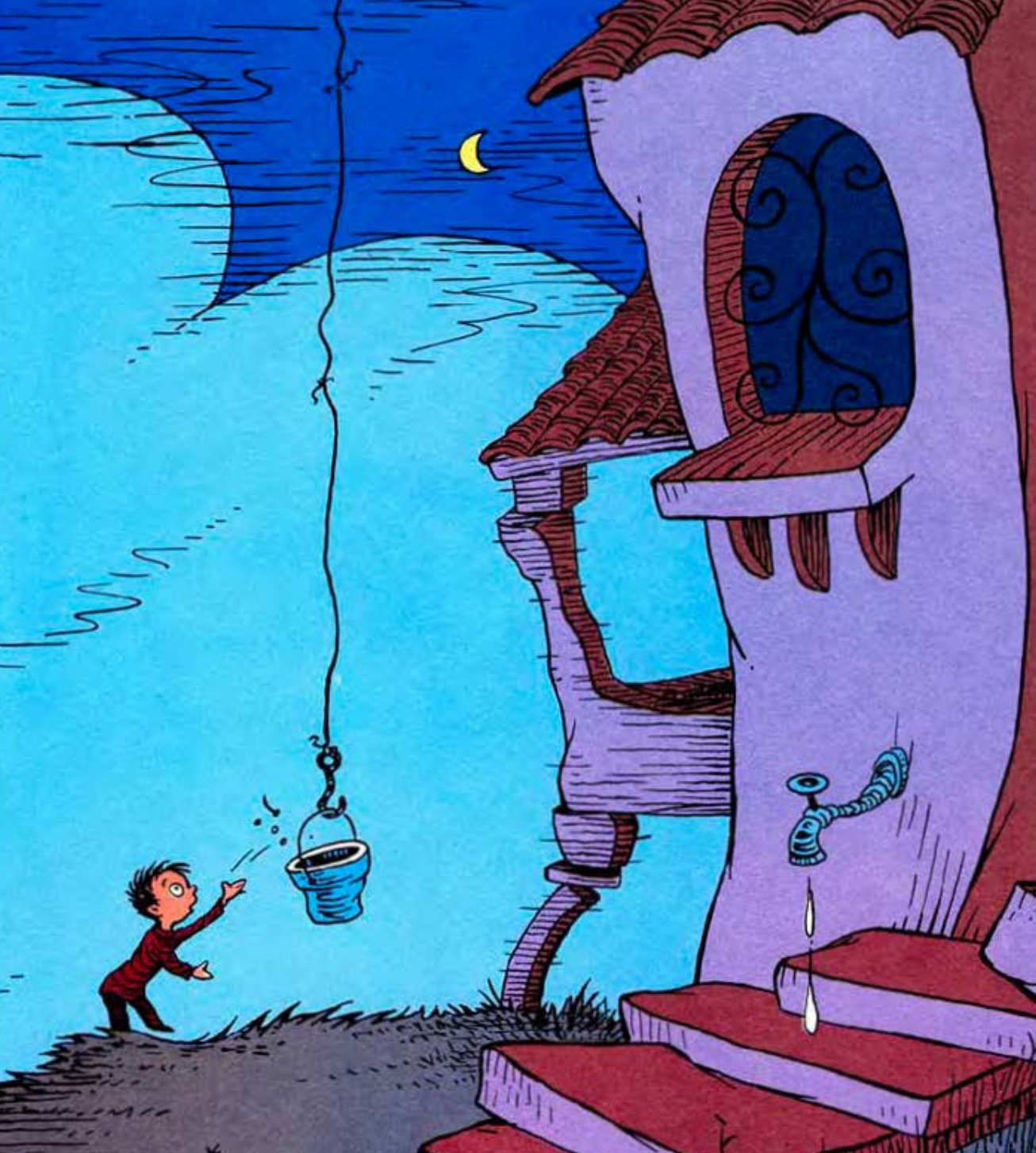
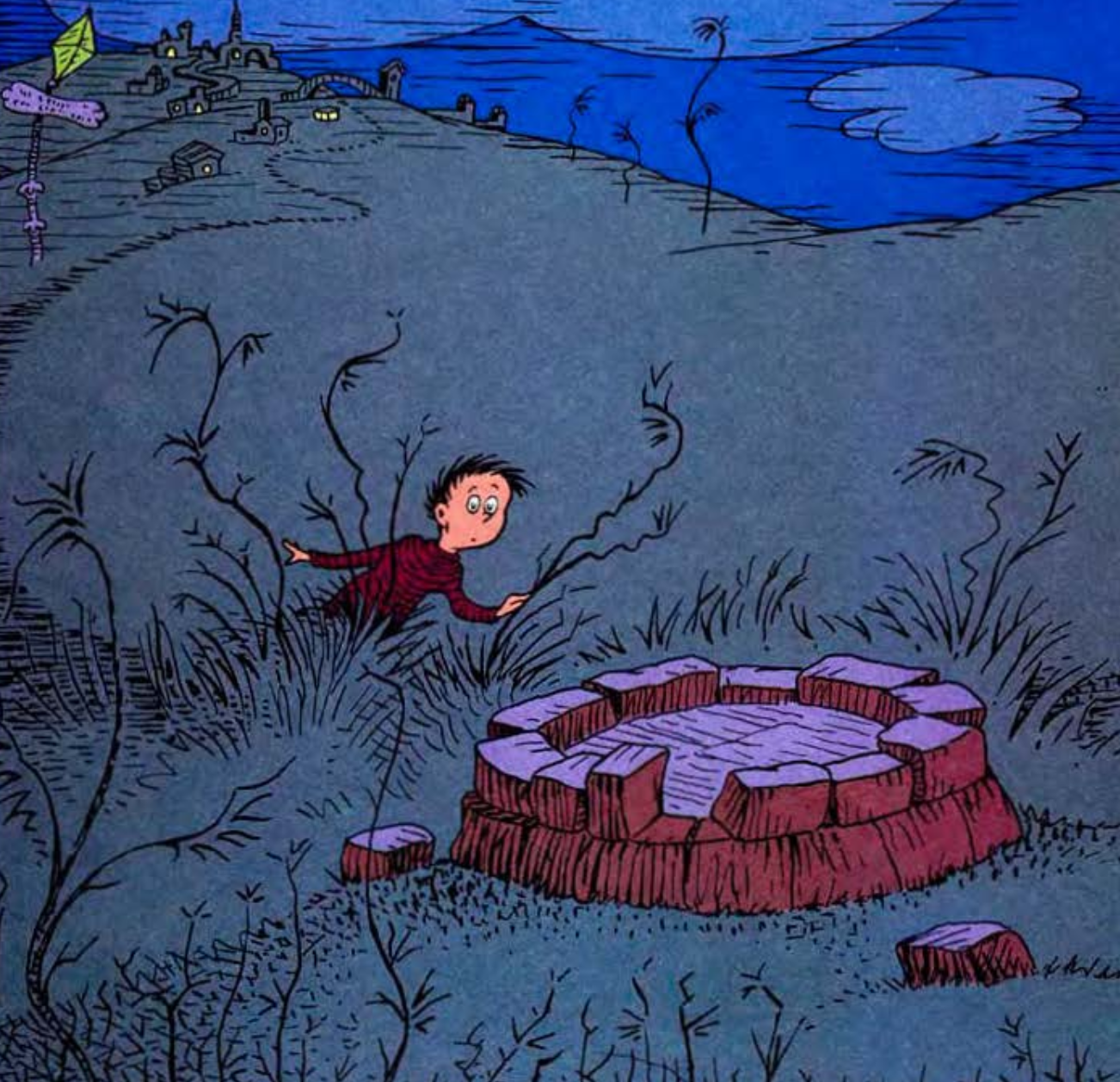
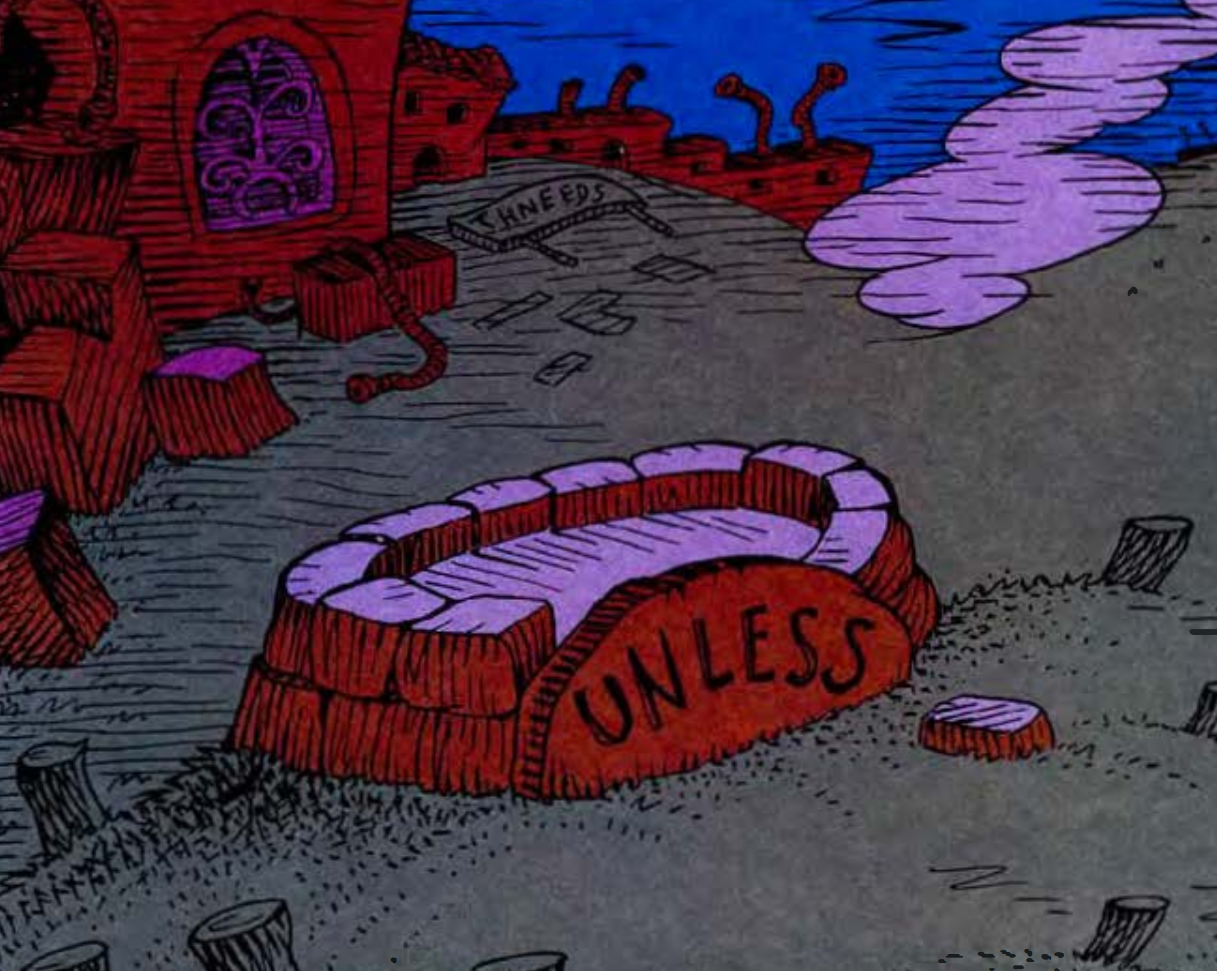
At the end, after the last Truffula tree falls, the Lorax leaves behind a message.
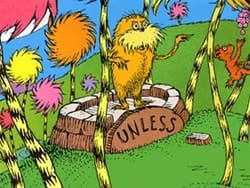
The word he leaves points toward conditional repair. The future depends on someone caring, acting, planting, restoring. It is not pure despair. The story leaves one seed. A path remains, however narrow.
This is emotionally powerful. It is also the final evidence of the Lorax’s failure:
He leaves a word where an institution should have been.
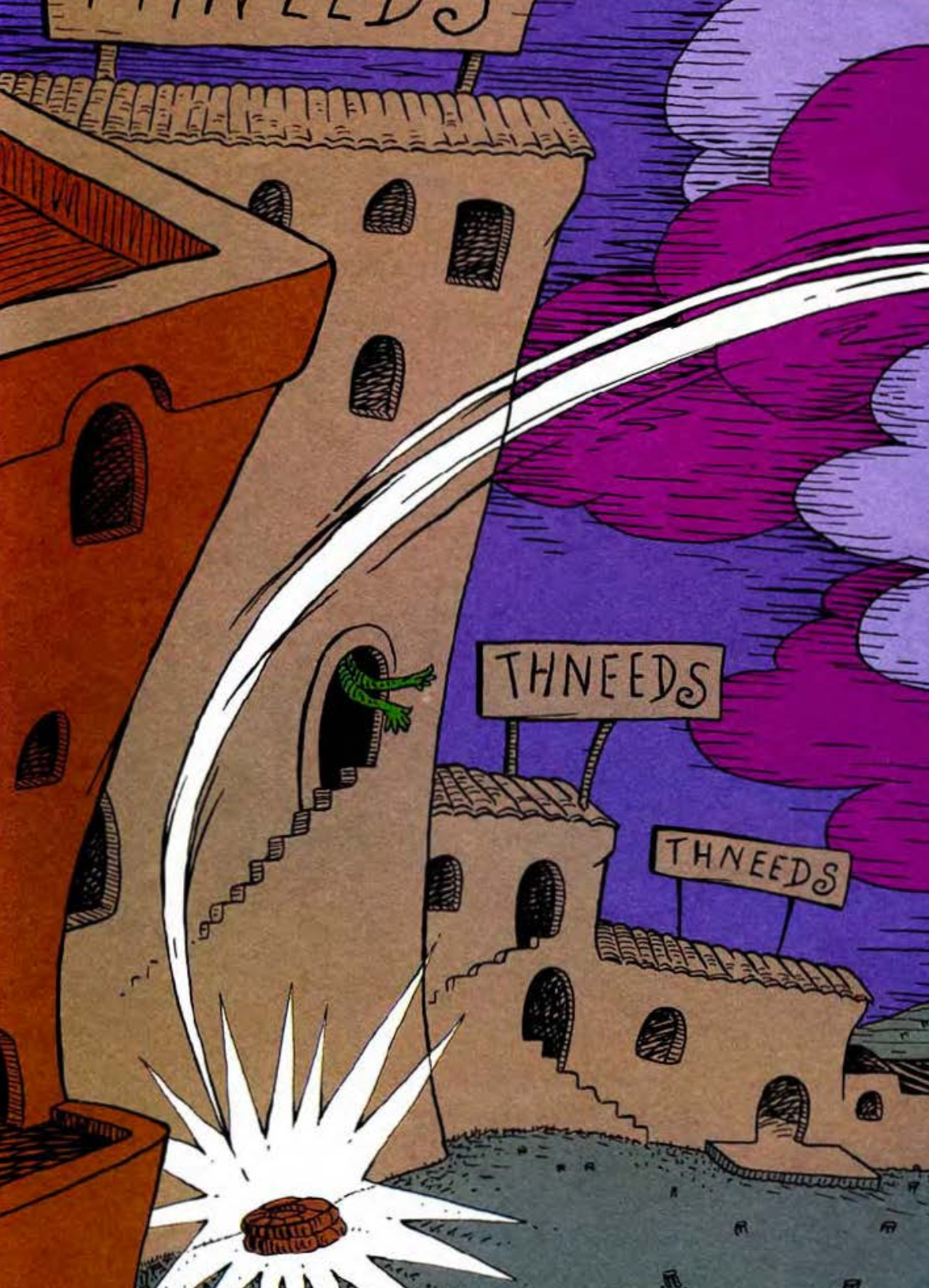
That does not mean the word has no value. Words can preserve moral memory. Words can summon future agency. Words can prevent total closure by telling the next actor that the field was not always dead and does not have to remain dead.
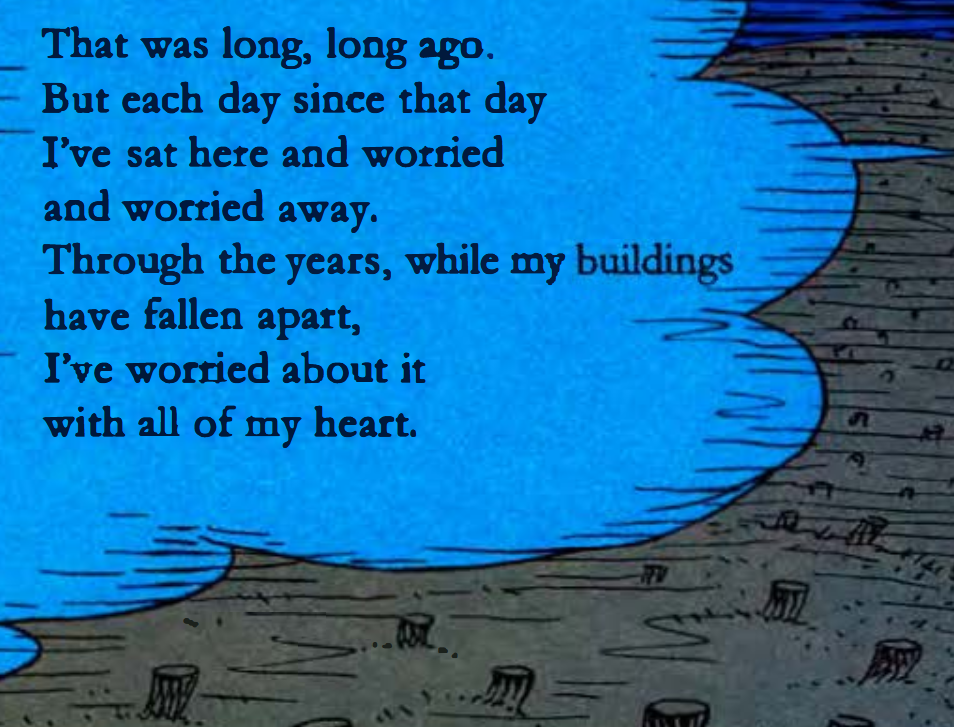
But the word arrives after collapse.
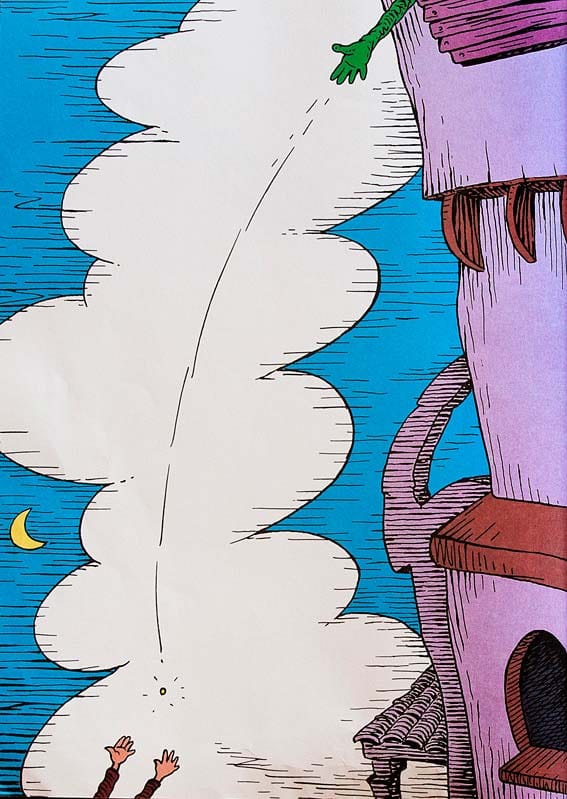
The last seed is entrusted to a future child because the prior field actors failed to protect the living forest when it was still standing.
This ending is often read as hope. It is hope, still. But it is also an indictment. The repair path has been pushed onto the next generation at vastly higher cost.
So, what should the Lorax have done instead?
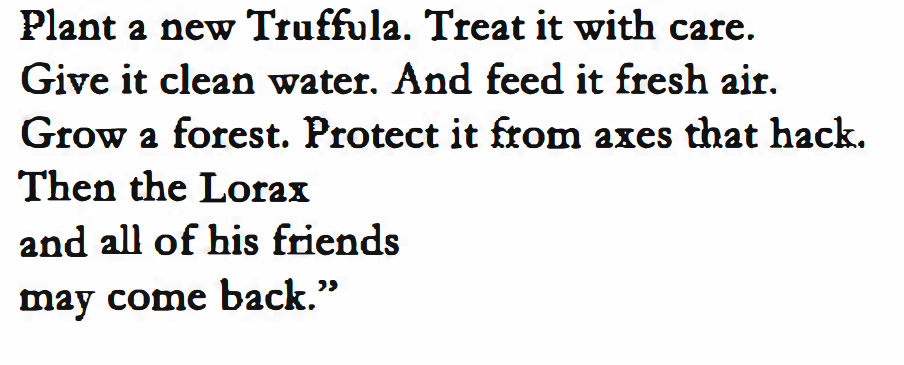
He should have built the institution before leaving the word.
A seed bank. A protected grove. A restoration covenant. A nursery. A land trust. A commons rule. A cutting limit. A buyer boycott. A counter-market. A field accounting practice. A coalition of dependent life. A transmissible obligation. A successor body. A living boundary. A repair economy.
Again, the story may not give him enough power to do all this. But that is exactly the point. “Speaking for the trees” requires first asking what powers are needed to do that, not only what truths must be said.
The Once-ler’s Guilt Abides.
None of this absolves the Once-ler.
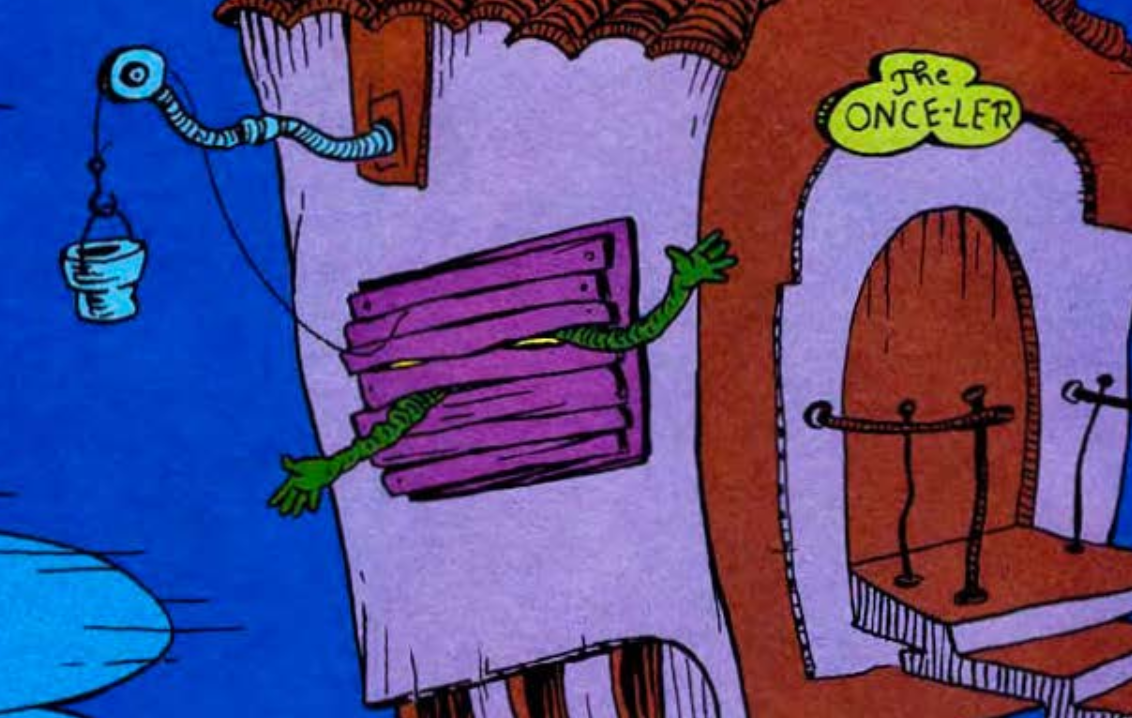
Modal Path Ethics does not shift responsibility away from the agent who actually cut, scaled, polluted, and persisted. The Once-ler had many opportunities to stop. He heard the warnings. He saw the consequences. He watched the field empty. He continued. His guilt is not reduced because the Lorax also failed to repair.
But it turns out that fields are not saved by accurate blame after collapse.
The Once-ler is definitely the principal destructive agent. The Lorax is also the insufficient repair agent. These are just different roles. The story becomes more useful when we can hold both at once.
The simple reading gives us one lesson:
Do not be greedy like the Once-ler.
The stronger reading gives us another:
And do not confuse speaking rightly with repairing effectively.
A field can contain both a guilty extractor and a righteous witness. If the extractor keeps extracting and the witness never builds power, the field still dies.
So, what should the Lorax have done instead?
He should have treated speaking as the first act of repair, not the whole of it.
To speak for the trees would have meant making their continuation operative inside the field. It would have meant ensuring that their inability to speak human or market language did not make them available for liquidation.
In practice, that would have required him to make several moves:
First, he needed to challenge access. The Once-ler’s ability to reach the trees should not have been treated as a right to use them.
Second, he needed to establish standing. The trees and dependent creatures needed representation with consequences, not only representation with eloquence.
Third, he needed to map the field. The trees were not isolated objects. They were load-bearing participants in a living system.
Fourth, he needed to interrupt market formation. The Thneed should not have been allowed to become socially legible while its field costs remained hidden.
Fifth, he needed to redirect production if redirection was reachable. The Once-ler’s agency needed a better path before extraction became identity.
Sixth, he needed to build a coalition. One witness was not enough against a scaling enterprise.
Seventh, he needed to seize the tempo. Repair cannot always wait for the next injury before acting.
Eighth, he needed to leave institutions, not only symbols. The future should not have depended on one child receiving one seed after total collapse.
All this is what Modal Path Ethics means by repair. Repair is not the same as caring. It is not the same as a warning. It is not the same as grief. It is not the same as being correct. Those can all just be theater.
Repair changes what remains reachable.
The Market.
The bridge through The Lorax from the soul-balm interruption back into property and markets is now fully walkable. The Once-ler’s first act is extraction, but extraction alone does not destroy this forest.
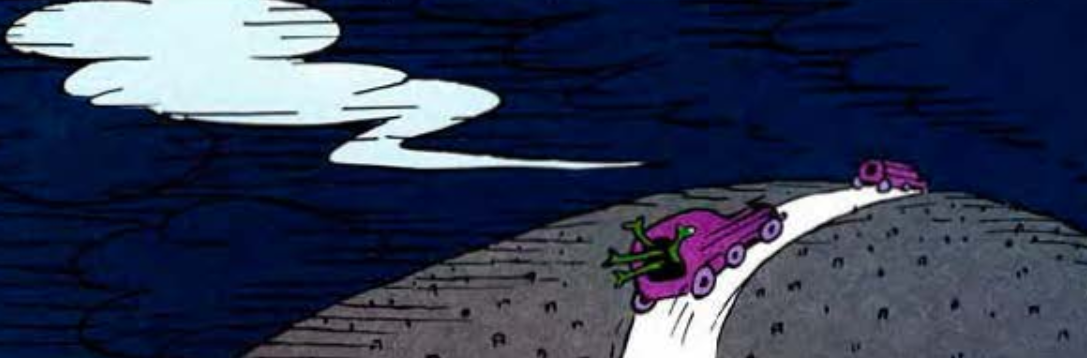
Extraction becomes catastrophic because it stabilizes into property-like control, then production, then commodity, then market.
The Once-ler reaches the trees. He treats them as available. He converts them into material. He makes the material into product. He sells the product. He scales the sale. He reorganizes the field around continued supply. The forest now becomes subordinate to the market that feeds on it.
This is how ownership becomes exchange architecture.
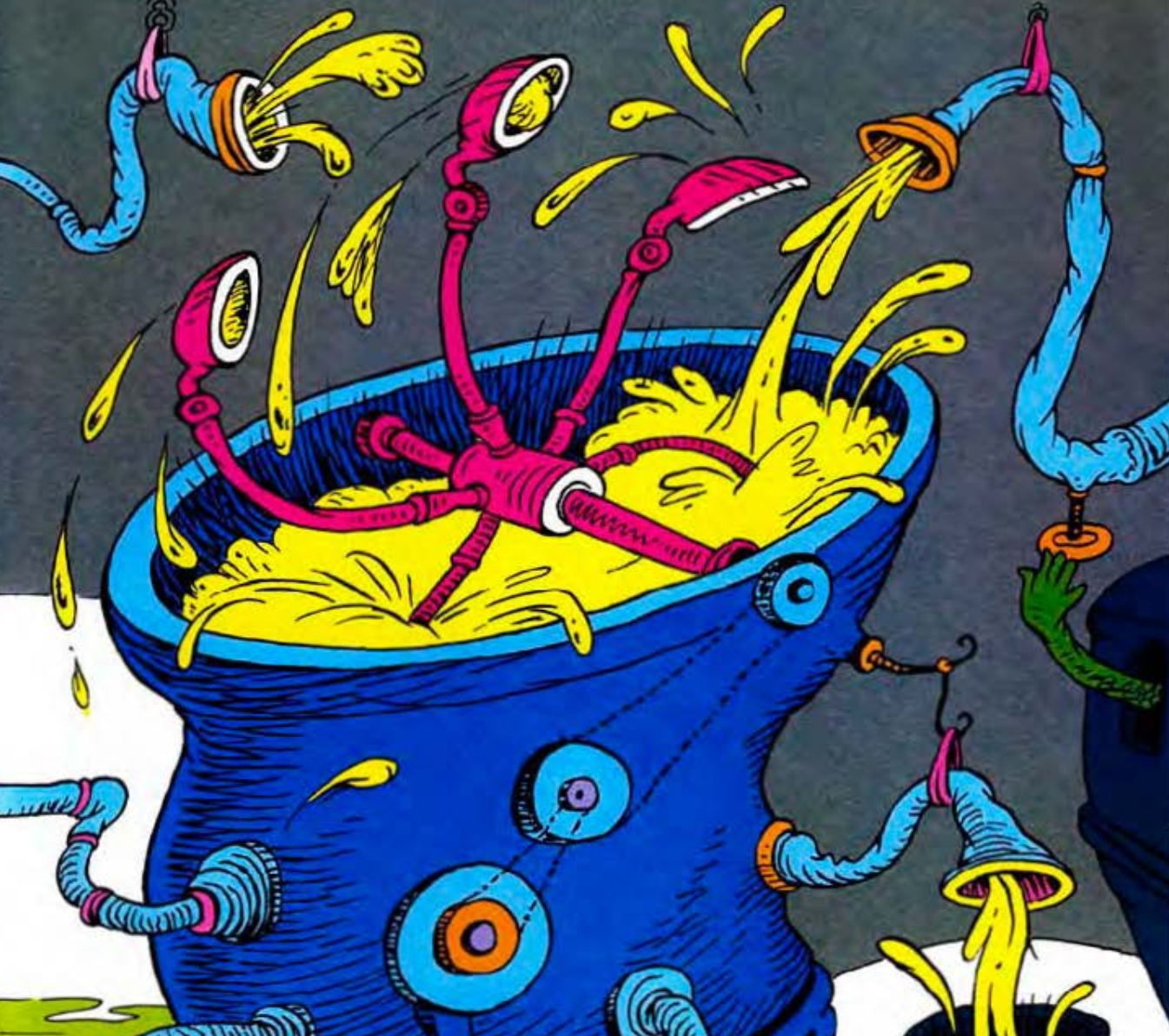
The Once-ler does not need to hate the forest, he only needs to treat the forest as input. Once the Thneed market forms, the trees are no longer encountered as living presences in a shared field. They are first encountered as supply constraints.
That is the deep danger here. Markets can coordinate real value. They can also preserve analytic lies at scale. A market built on a false description of the field will reward the continuation of that false description until the field holding it breaks.
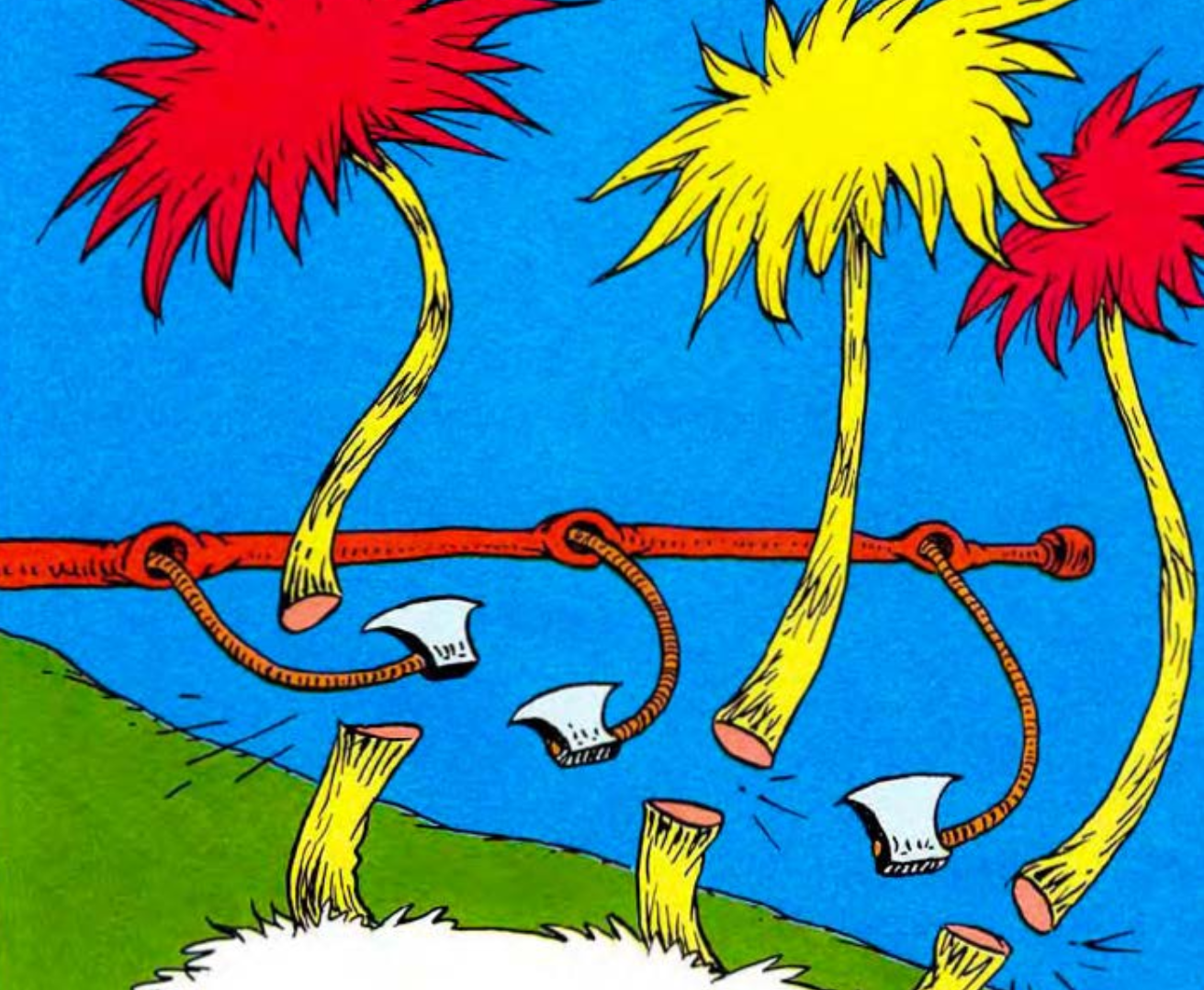
The Thneed economy is only profitable because it does not count what it destroys. Its price structure does not contain the Bar-ba-loots’ hunger, the Swomee-Swans’ poisoned air, the Humming-Fish’s ruined water, or the lost futures of the Truffula trees themselves. The Lorax sees all of that fraud. But seeing and describing uncounted damage is not enough. The repair task is to make the field count what the market excludes.
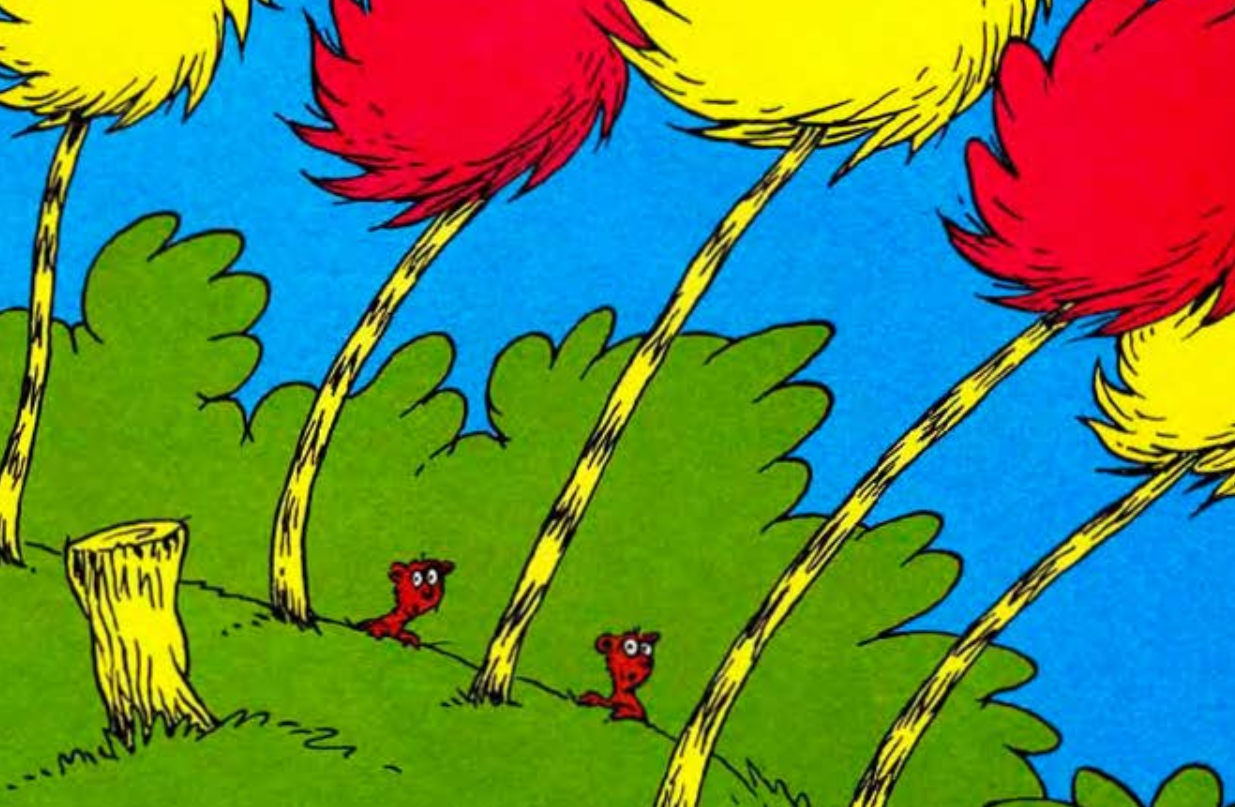
The case of The Lorax shows the transition from “I can take this” to “everyone needs what I make from taking this.” The moral disaster there is not only greed. It is the conversion of a real living field into a narrowing and self-justifying exchange system.
Ruling.
The Lorax was right.
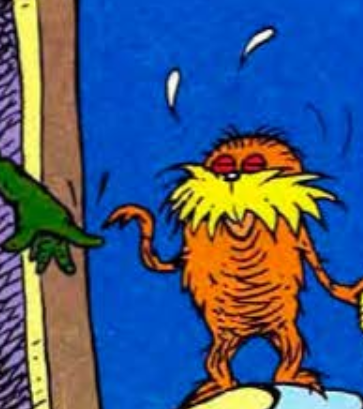
The trees mattered. The Once-ler’s extraction was destructive. The Thneed market was built on a false account of value. The forest-field was constricted until it collapsed.
But the Lorax was just not enough.
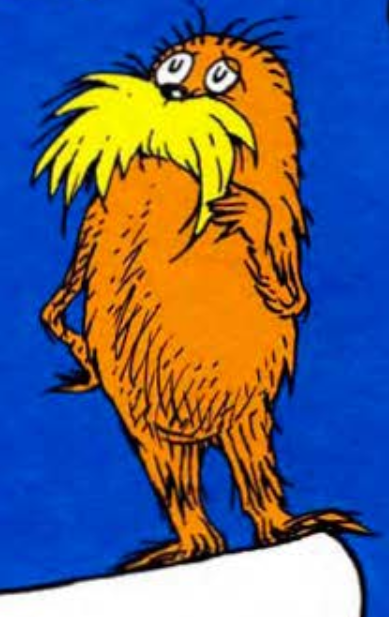
The Lorax’s witness was morally necessary but structurally insufficient. He spoke for the trees without building the power, coalition, accounting, access rules, production alternatives, or institutions that could have kept those trees standing.
His failure is not the failure of concern. It is the failure of repair. Many fields die with someone correctly objecting nearby.
A person says the river is being poisoned. A community says the rent is becoming impossible. A worker says the schedule is breaking bodies. A patient says the clinic is excluding the people most in need. A scientist says the system is destabilizing. A witness says the trees are falling.
They may be right. But Modal Path Ethics asks the next question:
What path did that truth open?
If the answer is “none,” then nothing has changed here. The field is still on a path to closure.
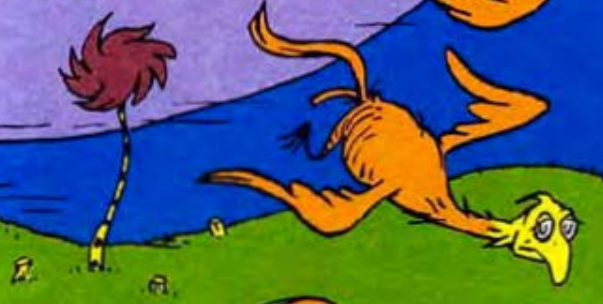
The Lorax teaches us that moral witness can become its own kind of non-fiction soul balm. We feel clean because we agree with the one who spoke. We identify with the voice that objected. We tell ourselves we would have listened.
But these trees did not need speeches or agreement after the fact. They needed repair while repair was still reachable. The Lorax needed to do more than speak. He needed to make a world in which the trees could continue. That is the lesson after the lesson.

The Once-ler shows what happens when a market mistakes a living field for material. And the Lorax shows what happens when moral clarity mistakes itself for repair. The seed at the end is still hope, but hope after catastrophe is a smaller, harder, lonelier path than the one that existed when the forest still stood.
The task is to become better than the Lorax while there are still trees.