Field Instruments: Money
Money moves stuff.

September 2026 note: Money remains best understood here as transferable claim-power that alters reachability rather than as moral value itself. September work deepens the analysis by treating capital as constitutional when accumulated claim-power begins deciding who can act, wait, exit, own, coordinate, or survive without meaningful external correction. Monetary gating now maps cleanly onto current harm language as foreclosure, resistance thickening, or generative damage depending on what the transition does. Price, payment, investment, and solvency remain evidence or instruments; none receives jurisdiction over the field merely by being numerically legible.
Don't let money trick you. Money is not actually a field instrument like mathematics or science.

Mathematics compresses selected relations in extance. Science disciplines selected contact with extance. Language names the field, cuts it, preserves it, hides it, and sometimes gives it back to us. Law classifies action and gives some transitions enforceable form. Democracy distributes correction across a political field that would otherwise be easier to capture.
Money does something stranger than these. Money moves things around.

More precisely, money changes what can move around. It changes which transitions become reachable, which remain blocked, which can be accelerated, which can be delayed, which can be bought, sold, rented, insured, financed, collateralized, compensated, liquidated, abandoned, or declared impossible because the price was too high.
Money is not primarily a way of knowing the field. It is more like a modal technology: a symbolic system for altering reachability inside extance.
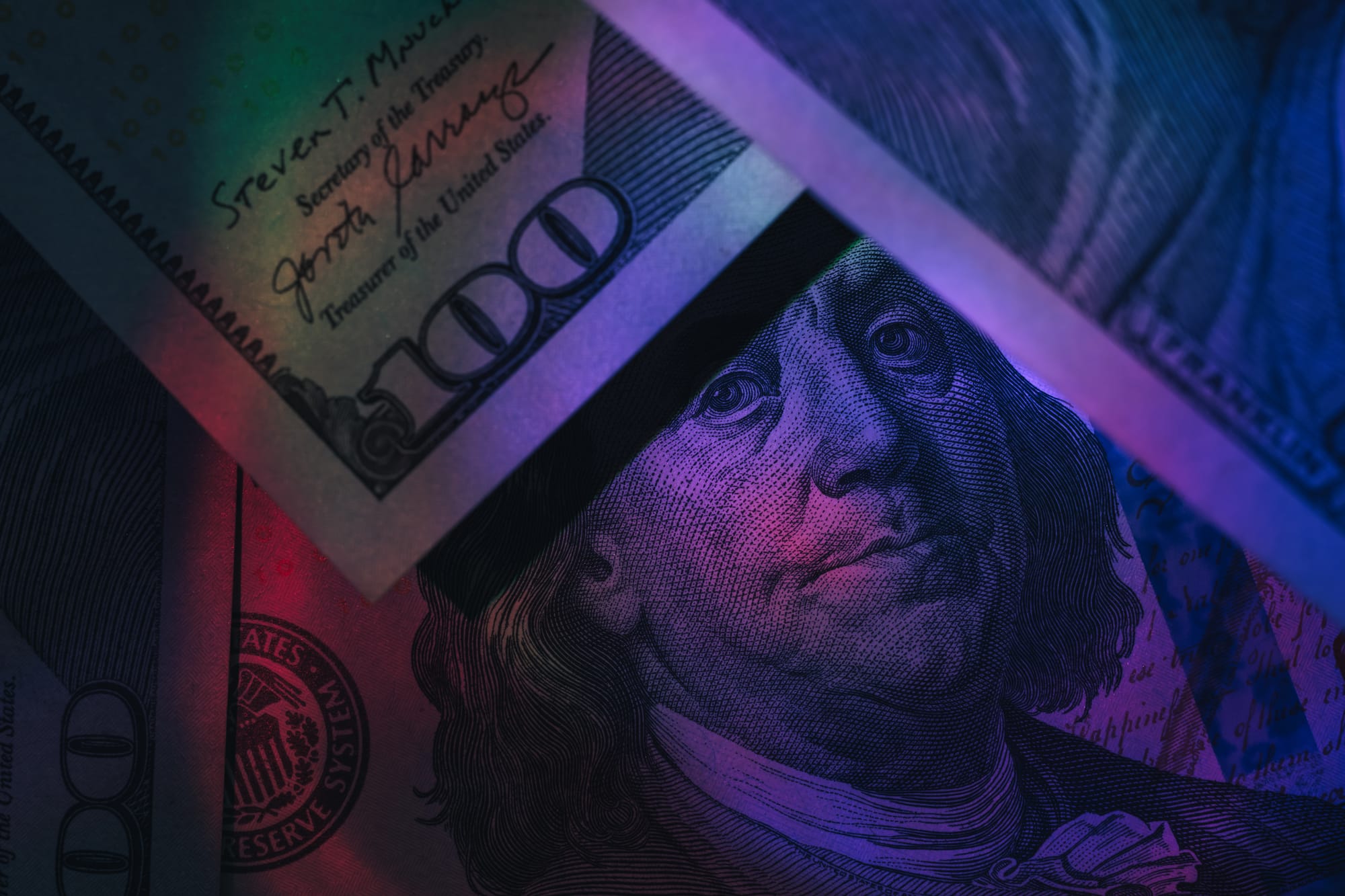
This is why money is so very powerful. Money lets agents coordinate without any love, kinship, command, shared story, shared locality, or direct trust. A person can work here and eat food grown there. A city can tax thousands of strangers and repair a bridge none of them could ever build alone. A patient can receive care from people who do not know her at all. A laboratory can summon instruments, electricity, reagents, servers, shipping, labor, storage, and time. A polity can move capacity from the present into futures it has not yet reached.
That is not some minor convenience. Money is one of the great reachability expansions in human history. It is one of our most powerful movement engines.
It is also, however, one of the great distortion fields.
Money does not reveal extance to us. Money overlays extance with its own symbolic reachability field. This is how it makes things move.
The real field contains bodies, labor, rivers, soil, families, tools, energy, water, institutions, wounds, memory, chips, ports, law, force, trust, and time.
The monetary field contains prices, wages, debts, rents, budgets, premiums, valuations, damages, profits, losses, assets, liabilities, grants, fines, settlements, costs, and returns.
These fields are related. They are still not the same field.
A price can help reveal scarcity, but it can also conceal exhaustion. A wage can route survival. It can also underwrite dependency. A profit can mark successful coordination, or mark extraction that has not yet been forced to count its damage. A settlement can answer part of a wound. It can also close the file while the harm remains active.
Money is real because extant agents and institutions make it real. Truly imaginary things do not tend to buy insulin, pay rent, fund laboratories, move big ships, build fabs, run our elections, hire lawyers after our elections, purchase weapons, or keep the lights on.

But money is still not extance. Money is a symbolic reachability layer placed over extance to make it more navigable for us. Money works when the field answers the symbol with an actual transition. It fails quietly when the symbol moves cleanly while the field underneath continues to narrow.
A civilization can balance its accounts while bankrupting its soil.

A hospital can improve its margin while damaging care.

A country can grow its GDP while its citizens lose housing, time, health, trust, institutional confidence, and ecological stability.

A company can increase shareholder value by making its own future workforce less able to live.

A government can compensate a harmed community while preserving the machinery that harmed it.

In every case, the money moved, and still, the field did not necessarily repair.
The Token and the Door
Money is often described as a medium of exchange, a store of value, or a unit of account. Those descriptions are all useful, but also too calm.

Under Modal Path Ethics, the sharper definition is this:
Money is socially enforced claim-power over possible transitions.
The object itself is not the point. A paper bill, bank entry, coin, payment app balance, bond, or credit line is not the food, the house, the medicine, the machine, the bridge, the legal defense, the labor hour, or the data center.

The token is a claim laid across a field of possible actions. When the field is arranged to honor that claim, the token becomes modal force. It can now open a door.
This is why poverty is not only a condition of having less stuff around. Poverty is exposure to a field in which many transitions have been moved behind monetary gates you cannot open. Food may exist, but not for you. Housing may exist, but not for you. A lawyer may exist, but not for you. Time may exist, but not for you. Medicine may exist, but not for you. A bus route, certification, safe exit, website, course, clinic, repair shop, childcare slot, or replacement tire may exist, but the transition remains socially unreachable because the required token is missing.

This does not make money evil, just structurally serious.

The same gate that blocks one agent can free another from older gates. Without money, coordination often collapses back into barter, patronage, kinship, caste, command, tribute, conquest, obligation, or private dependence. Money can let a person leave their patron, buy from a stranger, save for exit, pay for care outside the family, sell labor across town, or participate in a field larger than the village. Money breaks some cages by building other doors.

The ethical question is not whether those doors are good. The ethical question is who can open them, what lies behind them, what gets locked outside, and whether the door truly now stands where a path used to be.
Modal Technology.
Money changes modal structure in several ways.

It activates. A payment can summon labor, materials, permissions, logistics, expertise, and institutional action. It can convert “possible” into “reachable.” The bridge was physically possible before the budget, but the budget makes the bridge a live transition in extance. The medicine existed before the payment, but the payment brings the medicine into the patient’s hand. The engineer existed before the contract. The contract joins her future labor to the project.

But paying for something proves only that the monetary transition occurred. The field still has its say. The funded clinic may still be understaffed. The legal settlement may still leave the hazard in place. The subsidy may build capacity while still hollowing out the community it claims to help. An investment may accelerate the wrong future.
Money also gates. It makes physical availability insufficient. A house can stand empty while a family sleeps outside. A healthy diet can be present in the city, but absent from the household. A lifesaving drug can sit inside the same civilization as the person who cannot buy it. This is not a contradiction inside the monetary field. This is the monetary field functioning as designed. The transition has been routed through its claim-power.
Money accelerates. Liquidity = speed. The liquid agent can get the hell out before the fire reaches the ridge, file before the deadline, hire before the evidence disappears, replace the machine before the business collapses, wait out this bad month, absorb the shock, buy time. The illiquid agent may have the same formal rights, the same moral worth, the same intelligence, the same courage, and still lose the reachable path because the field closed before they could move.
Money belongs near speed-critical scenarios. In a closing field, speed is not convenience. Speed can be the difference between a future remaining reachable and a future becoming a story someone tells later while explaining why nothing could be done.
Money aggregates. It lets scattered capacity coalesce into transitions no single agent could ever execute. Taxes become roads, schools, courts, sewers, disaster response, public health, and national defense. Savings become investment. Investment becomes factories, ports, hospitals, films, games, farms, satellites, data centers, and fabs. Crowdfunding becomes a legal defense. Insurance pools become recovery paths. Public budgets become a polity’s argument about which of its futures deserve activation.

Aggregation is one of money’s most important powers. It is also clearly one of its most dangerous. Accumulated money can become private command over public reachability. A single firm, donor, fund, landlord, insurer, platform, or state creditor can shape the next available moves for millions of people without ever appearing as their king.
Money also delays. Savings move agency ahead into the future. Debt pulls your future labor into the present. Credit lets a possible future act before it has arrived. This can be a path to repair. A mortgage can turn future earnings into present shelter. A student loan can turn future skill into present education. A public bond can turn future tax capacity into present infrastructure.

But it can also become predation. Future labor can be captured before it even exists. A person can already live inside tomorrow’s obligation before tomorrow has had any chance to become otherwise. A city can inherit yesterday’s financing structure as today’s closed school, broken transit, poisoned pipe, or impossible budget. Money makes time negotiable, not harmless.
Money is fungible. This may be its strangest moral feature.
Fungibility means the token loses its origin. A dollar earned by nursing, gambling, bribery, teaching, extraction, settlement, wages, pollution, inheritance, art, robbery, speculation, relief work, or human trafficking can become the same dollar once it enters the account.
This is actually a small miracle. A person can convert one narrow act into many different futures. Labor at a grocery store can become rent, medicine, a book, a train ticket, a gift, a game engine license, a dentist appointment, a night of safety. Money frees agency from the original form of the work.
It is also a very deep, global wound. Exploitation can now become revenue, and revenue can then become philanthropy. Harm can become liquidity. Fines can become operating costs. Extraction can be flipped into investment. Blood can become a foundation grant.

Fungibility frees agency from its origin, then lets the origin disappear.
The Fiscal Overlay.
Money does not simply move through the field. Under money-dominant conditions, the field instead begins to reorganize itself around what money is able to move. This is when money starts to make its cuts.
A forest becomes timber value, carbon credit, insurance risk, conservation easement, tax parcel, collateral, mineral rights, recreational amenity, and development opportunity.
A house becomes shelter, rental stream, asset, debt instrument, vacancy strategy, inheritance vehicle, neighborhood anchor, and eviction opportunity.

A worker becomes a person, wage cost, productivity unit, liability exposure, consumer, debtor, insured life, pension obligation, and replaceable input.
A university becomes a research community, credential pipeline, tuition engine, debt producer, labor filter, donor object, brand, real estate holder, and prestige machine.

A hospital becomes a care site, billing system, reimbursement code cluster, staffing ratio, margin problem, liability risk, regional employer, and a private-equity target.
Taiwan becomes a democratic society, chip ecosystem, deterrence node, investment destination, military problem, supply-chain chokepoint, insurance exposure, bargaining chip, strategic asset.

Money does not invent these versions from nothing. Many are real cuts through the field. A forest can be timber. A house can be collateral. A worker can be part of a production process. A university does issue credentials. A hospital does need a budget. Taiwan does matter to semiconductors.
The distortion begins when the money-form becomes the most actionable form available.
The forest as timber can now move faster than the forest as watershed, species habitat, cultural memory, carbon sink, and future soil. The house as asset can transition faster than the house as shelter. The worker as a cost can be moved faster than the worker as an extant locus.
The university as a debt-and-credential machine can move much faster than the university as an inquiry field. The hospital as a margin problem can move faster than the hospital as care infrastructure. Taiwan as a semiconductor exposure can move faster than Taiwan as a living democratic polity.
Money does not only fail to see the field and often obscure the field, it also teaches the field which parts of itself can even move.
That is the fiscal overlay.
The monetary field is not a lie in the simple sense. It often points to real constraints. A high price may reveal demand pressure, risk, bottleneck, rarity, labor intensity, time scarcity, or supply failure. A budget deficit may reveal unsustainable commitments. A loss may reveal waste. A profit may reveal that a good or service has been coordinated successfully across real demand.
The problem is not that the overlay is always false, it is that the overlay can become sovereign over the field even when it is false, partial, or late.
Fiction That Acts.
Money is a fiction that acts.
Fiction does not mean useless. A contract is also a kind of fiction. So is a corporation, a border, a title, a vote total, a calendar, a username, a diagnosis, a rank, a case number, a marriage, a university degree, a patent, a criminal sentence, or a nation. Human beings live inside fictions that still alter extance.

So the question is not whether the fiction is real.
The question is whether this fiction remains corrigible by the field it acts upon. Money becomes dangerous when the monetary fiction stops answering to extance.
A company reports growth while its workers burn out, its waste spreads, its product degrades, and its future customer base becomes less able to live.

A government reports fiscal discipline while bridges rot, clinics close, children go untreated, and the repair cost compounds.

A landlord reports market rent while the neighborhood loses teachers, nurses, elders, families, and the low-friction continuity that made it a place.

A carbon offset moves a payment while the atmosphere receives the molecules.

A market values a company at numbers too large to feel humanly possible, while the company’s actual contribution to the reachable future remains ambiguous or even negative.

The fiction is acting. The field is answering it. Sometimes, that answer is delayed. This delay is where money-dominance hides. The account can balance now while extance receives the invoices later.
Price Is Not Value.
Price is one of money’s most seductive traces because it looks a lot like judgment.
It is not.

Price is the shape a thing takes when it crosses a particular exchange surface under particular conditions of supply, demand, power, law, scarcity, urgency, ignorance, coercion, expectation, and alternative paths.
That is useful information, not moral truth.

A bottle of water before the storm and a bottle of water after the storm may be physically identical. The price changes because the reachability field changes dramatically. The water did not become more water. The modal path to water narrowed.

A worker’s wage may rise because bargaining power increases, because labor is scarce, because law changes, because a union forms, because the worker moves, because the employer becomes desperate, or because the task becomes more valuable within a production chain. The worker at no point becomes more real.

A home price may rise because a neighborhood improves, because supply is constrained, because investors arrive, because interest rates shift, because zoning blocks construction, because a school district is desirable, or because public investment makes private extraction easier. I checked; the home did not become more shelter.
A company’s market value may rise because it produces something useful, or because investors expect monopoly power, future layoffs, regulatory capture, data extraction, political favor, or speculative exit. This number alone does not tell us which future is being priced.
Price is a signal from inside a field, not the field.
Modal Path Ethics must therefore treat price as evidence, not any kind of verdict. Sometimes price reveals a real bottleneck. Sometimes it reveals power, sometimes panic. Sometimes it reveals direction and sometimes it reveals desperation. Sometimes it just reveals the ability of one class of agents to make others pay to keep a path open.
When money-dominance takes over, this distinction often disappears. The priced thing becomes the real thing. The affordable future becomes the legitimate future. The unfunded repair becomes unrealistic. The unprofitable good becomes sentimental. The unpriced harm becomes invisible. The paid damage becomes resolved.

This is how the overlay becomes a distortion field.
Payment != Repair.
Money can repair.

Compensation can matter. Wages matter. Restitution matters. Insurance can matter. Public investment can matter. Damages can matter. Reparations can matter. Debt relief can matter. A grant, loan, salary, settlement, tax credit, emergency payment, or public budget can reopen futures that harm closed.
Money can answer an injury with a real transition.

Payment is still not repair by default.
A settlement can help the harmed person while preserving the harmful institution.

A fine might punish the company less than the profit rewarded it.

A wage may keep the worker alive while buying the worker’s exposure to conditions that narrow life.

A subsidy could create capacity while transferring public money to private capture.

An insurance payout can still rebuild the house in the same flood path. A carbon credit may purchase some moral comfort while the field continues warming.

A defense budget may buy hardware while leaving actual deterrence worse. A semiconductor investment may create redundancy while lowering the world’s incentive to keep Taiwan safe.

So the question here is not as simple as whether money has moved toward the harm. The question is whether the harm's future behavior changed.
Repair means the contraction path has been altered. It means the relevant future state-space has actually reopened, stabilized, or been defended against recurrence. It means the field is less likely to produce this same injury again.
That means this transition did more than create a monetary answer.

Payment can be part of repair. Sometimes it is necessary. Sometimes without payment there is no repair path at all, but money can settle accounts much faster than extance can heal.
Scarcity and the Symbol.
Money’s strangest distortion may be its relationship to scarcity.

Money can reveal scarcity. A rising price can tell the field that demand is outrunning supply, that a bottleneck has formed, that a material is hard to obtain, that risk has increased, that time has become expensive, that something once treated as abundant is not abundant under present conditions.
This is useful. Sometimes lifesaving. A field that refuses to notice scarcity because scarcity is politically unpleasant will eventually run into extance the hard way.

Money can also manufacture scarcity. Food can exist while hunger persists. Housing can exist while shelter is unreachable. Medicine can exist while patients go untreated. Legal rights can exist while counsel is unaffordable.

A society can contain enough material capacity to meet a need while the monetary overlay prevents the need from activating that capacity. This is not absolute scarcity, it is monetary gating.
Money can also hide scarcity. Cheap food can conceal soil depletion, exhausted workers, fertilizer runoff, dead zones, emissions, and animal suffering. Cheap shipping can conceal chokepoint fragility. Cheap consumer goods can conceal extraction zones, political dependency, forced labor, water stress, and future waste. Cheap energy can conceal atmospheric damage.

So money has no single relationship to finitude.
It can reveal constraint. It can invent constraint. It can conceal constraint.
It can move constraint somewhere else and call the local field efficient.

This is why “there is enough money” is almost never the right question about scarcity. Money is the overlay. Extance answers in food, soil, water, energy, labor, trust, time, institutions, logistics, materials, political legitimacy, and repair capacity.
The actual scarcity question is just:
Is there enough?
Enough of what, where, for whom, through which transition, at what speed, and with what damage displaced into another field?
Money alone cannot answer. Money can only show one symbolic reachability surface. Sometimes the surface tracks the real scarcity field, but sometimes it lies. Sometimes it lies just by telling the truth too narrowly.
Investment != Innocence.
The Silicon Shield article already opened this door through its handwaving.
Taiwan is a living democratic society and a central node in the semiconductor field. The world’s answer cannot be “do nothing,” because single-point failure is real. It cannot be “move the fabs,” because extraction can easily weaken the polity it claims to protect.
It also cannot be “invest everywhere” as if capital automatically repairs whatever it touches.

Investment is a “money word”. It sounds constructive. It often is. It can fund capacity, resilience, research, workforce development, defense, energy systems, water systems, cyber hardening, disaster preparation, redundancy, and public goods.
However, investment is not innocent.
A dollar spent outside Taiwan can protect Taiwan or abandon Taiwan. The difference is not geographic. It's whether the dollar lowers coercive pressure or lowers the world’s reason to care.
Capital can make semiconductor redundancy reachable. It can also make Taiwan more disposable after the useful parts of its ecosystem have been copied, recruited, pressured, or politically reclassified as global assets. It can reduce civilization-level hostage pressure, and also transform a “shield" into a salvage operation.
Money does not know the difference. The field does, though.

Investment is a transition activator. It has to be analyzed by the future it makes reachable, the futures it closes, and the loci it treats as material.
The same is true everywhere. Climate investment can repair energy systems or produce new sacrifice zones. Housing investment can create shelter or inflate land. Healthcare investment can expand care or buy a billing machine. Education investment can open inquiry or intensify debt. AI investment can produce public intelligence or private cognitive enclosure. Conservation funding can protect ecosystems or displace the people who kept them alive.
“Fund it” is not a real repair path until many more questions have been considered.
Money-Dominance.
Money-dominance is the condition in which the monetary overlay becomes more visible, more actionable, and more authoritative than the real extant field beneath it.

Under money-dominance, care must now justify itself as cost savings.
Education must justify itself as an earnings premium. Forests must justify themselves as carbon assets.
Public goods must justify themselves as growth. Housing must justify itself as return. Art must justify itself as content.

Labor must justify itself as productivity. Medicine must justify itself through reimbursement.

Repair must justify itself as investment. Survival must justify itself as affordability.
This is all not the same thing as using money.
A society has to budget. Institutions have to count. Projects need resources. Wages matter. Trade matters. Debt matters. Prices matter. The fantasy that money can simply be morally transcended is childish. Fields without monetary instruments do not become innocent. They often fall back into command, patronage, hereditary privilege, informal domination, corruption, violence, or scarcity hidden behind local power.

Money-dominance is different. This occurs when the monetary field becomes the master field.
At that point, the worker who cannot be profitably employed becomes marginal. The patient whose care does not reimburse well is now a burden. The town without investment appeal looks disposable. The forest without monetized ecosystem service becomes empty to you.
The child without future earnings potential becomes expensive. The elderly person becomes a cost. The disabled person becomes inefficient. The biosphere becomes input.
The world, at no point, becomes less real under money-dominance. It just becomes easier to act as if the monetary version is the only version with real standing.
This is modal capture by a symbol.
Below Money.
The real field does not disappear because money forgets about it.
The worker still tires. The child still loses time. The river still carries poison.

The tenant still leaves. The patient still waits.

The soil still thins. The community still loses trust.

The island still sits under military pressure. The grid still needs copper, transformers, technicians, permitting, stability, and time.

The household still needs nourishment instead of calorie abstractions.

The biosphere still answers every act of extraction with a physical consequence.
No symbolic reachability field can overrule extance indefinitely. It can only ever delay the coming encounter.

Sometimes, that delay is useful. A loan can buy time. Insurance can buy recovery. A bond can fund infrastructure before the tax base exists. Savings can hold a family through shock. A public deficit can prevent collapse. The ability to delay is one of money’s great gifts.
But delay can also become concealment. The field can be narrowing while the account says the present is solvent. The damage can compound off-ledger. The repair can become more expensive, then impossible. The thing that money did not count can return as the only thing that really matters.
This is the final limit of the fiscal overlay:
Extance does not accept payment in our symbols when the transition requires conditions.
Ruling.
Money is not evil, nor the root of it all.

Money is an ancient modal technology: a socially enforced symbolic system that lets human beings alter reachability through transferable claim-power.
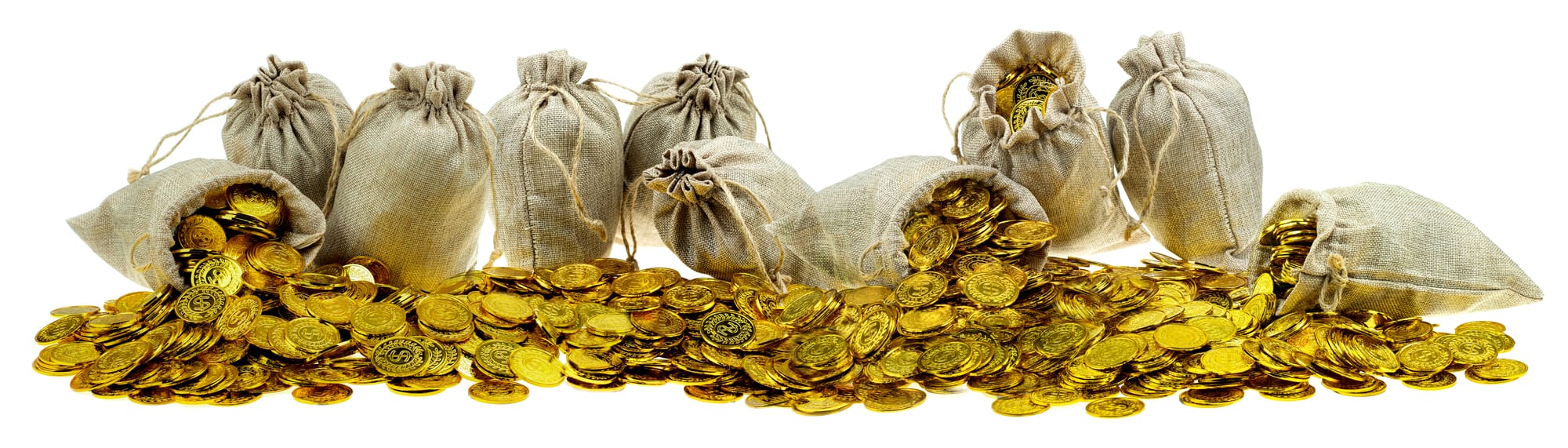
It can turn labor into shelter, taxation into infrastructure, savings into delay, credit into present action, investment into production, and compensation into partial repair. It lets strangers cooperate without kinship, command, or shared stories.
It makes vast futures reachable.
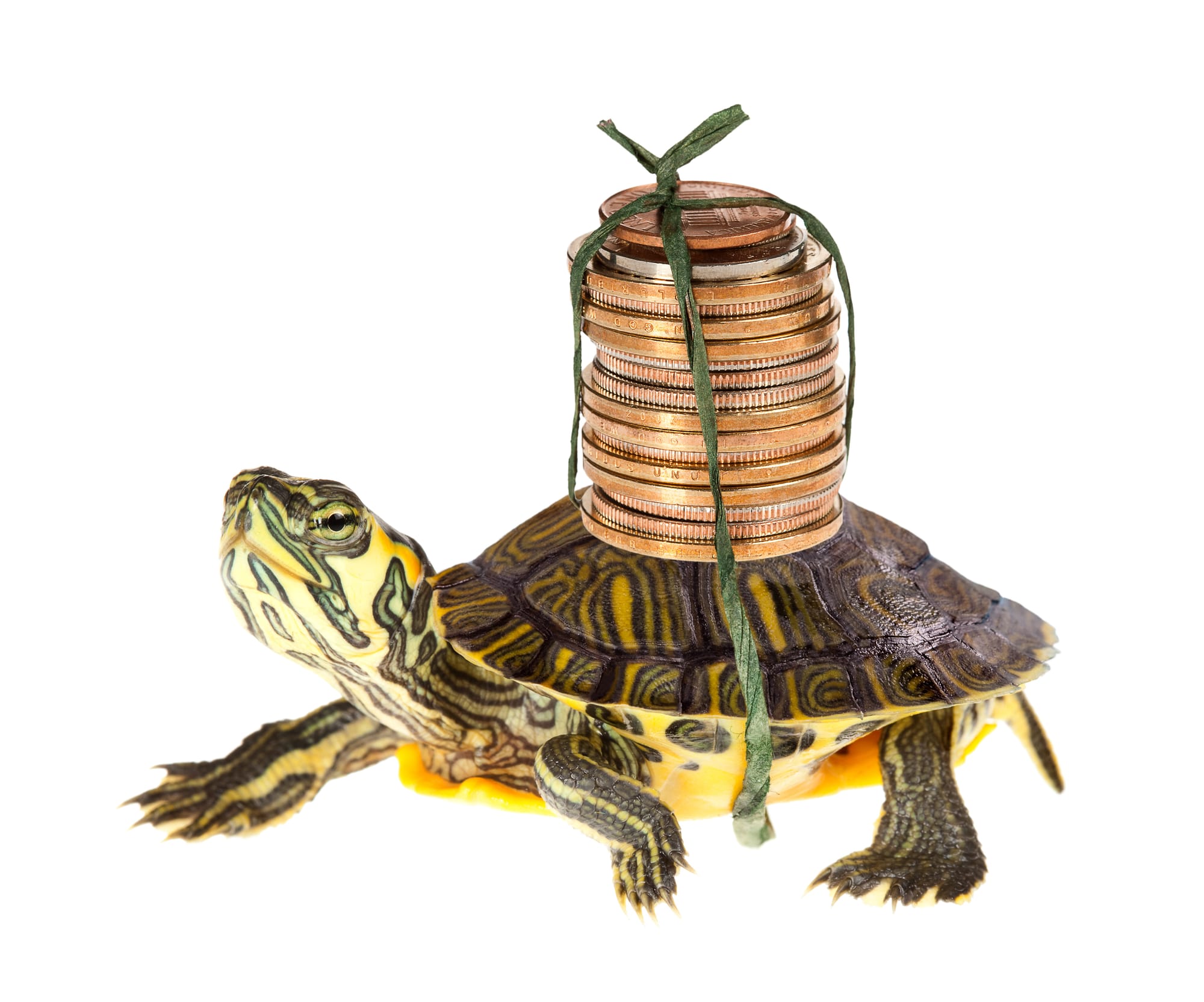
But money also lays a second field over the first, real one.
Under money-dominant conditions, that overlay becomes easier to act on than extance itself. The funded path now appears more real than the needed path. The profitable transition becomes easier to execute than the repairing transition. The affordable future survives. The unaffordable future disappears, even when the people, materials, and possibility remain. The cheap path expands while its hidden scarcity accumulates elsewhere.
The account balances out, while the field continues to narrow.
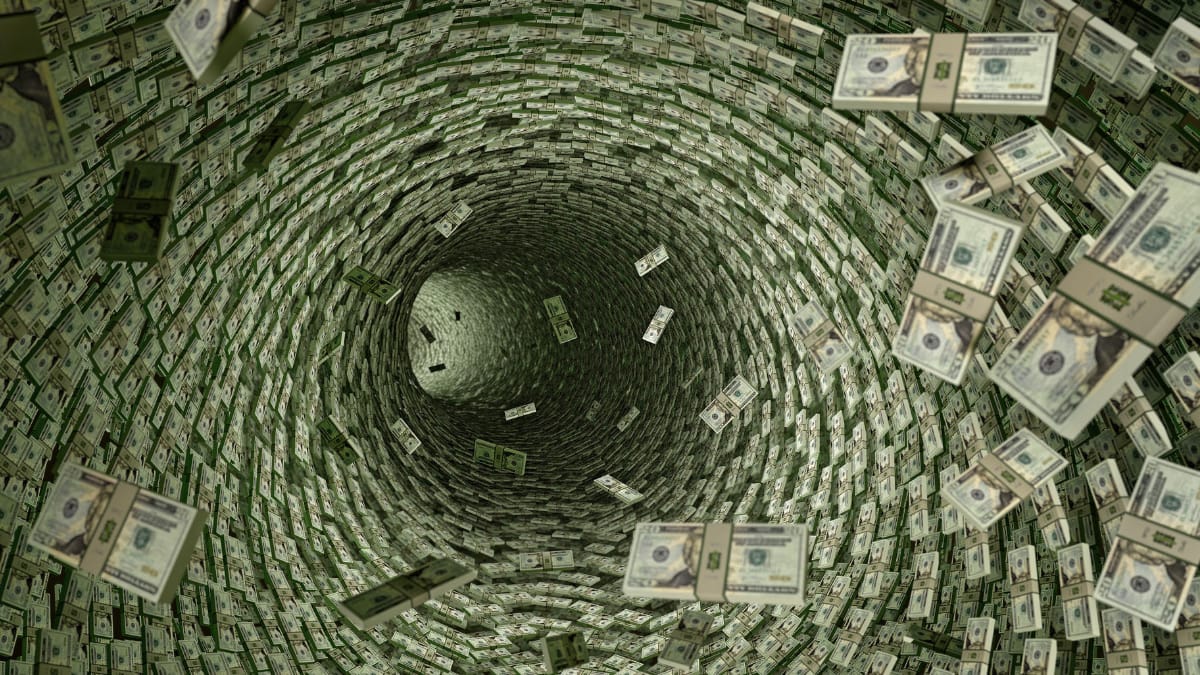
This is not just bad accounting. Accounting is up next.
This is modal capture by a symbol.

Modal Path Ethics does not reject money.

It rejects the sovereignty of money over reachability.
Money may lower resistance where futures should open. It may store agency, coordinate strangers, fund repair, carry obligation across time, and help a field act at a scale no family, village, firm, or story could manage alone.
But money also cannot be allowed to replace the field it only overlays.

A price is not value. A payment is not repair. An investment is not innocence. A budget is not a future. A settlement is not healing. A profit is not proof. A loss is not a moral failure.
A thing can be unprofitable and necessary, unaffordable and owed, priceless and unpriced, funded and harmful, cheap and catastrophic, expensive and still the least damaging path.
Money moves stuff.

Extance still decides whether anything has been repaired or harmed.