Biosphere as Structure
What Lovelock and Margulis were trying to say, what this framework lets them say cleanly, and what this gives environmental ethics that the existing positions cannot reach.

September 2026 note: The biosphere remains a strong candidate for analysis at an integrated field level. Where this article says 'structure has standing' or implies continuation patterns matter simply as such, read the newer tightening: locushood must be established at the relevant grain, and qualifying degradation has pro tanto normative significance under the explicit Continuance Principle.
In the 1970s, two scientists working from very different starting points found themselves articulating a claim that mainstream biology and atmospheric chemistry could not comfortably integrate.
James Lovelock, an English independent scientist who had worked for NASA on Mars life-detection, noticed that Earth's atmosphere is held in a chemical disequilibrium that no purely physical process could actually maintain. Lynn Margulis, an American biologist who had already proposed (and been rejected for) the endosymbiotic theory of cellular evolution, was thinking about how organisms and their environments coevolve at every scale.
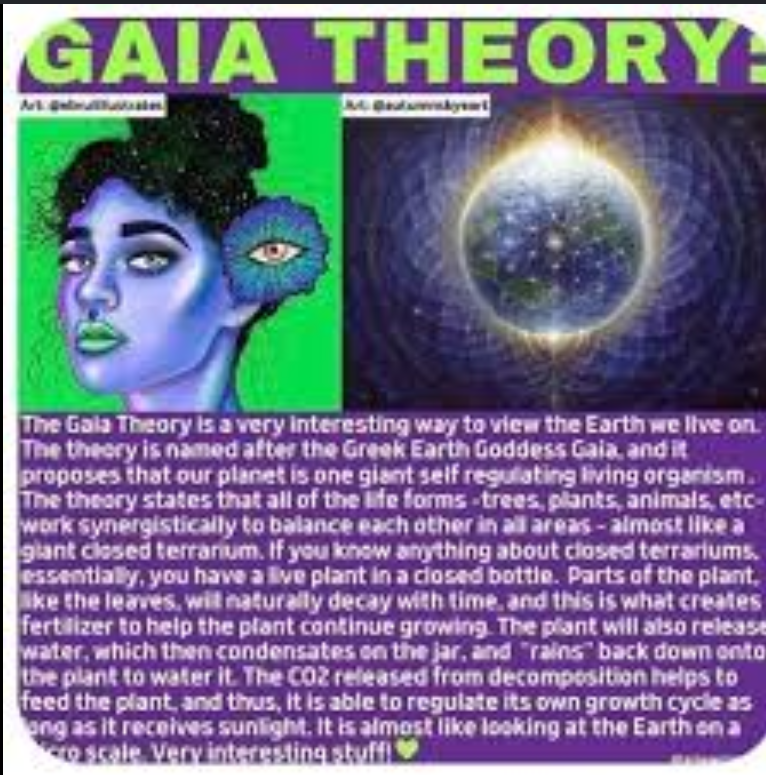
They began collaborating. The hypothesis they articulated together has since been called the Gaia hypothesis, after the Greek personification of Earth.

The claim, in its more careful version, was that the biosphere functions as a self-regulating system. Atmospheric composition, climate stability, ocean chemistry, and other planetary-scale conditions are maintained within ranges favorable to life through interconnected feedback dynamics involving life itself. The biosphere is not just stuff that lives on the planet; it is a system whose collective activity shapes the conditions of its own continuation.

The reception was hostile.
Critics, mostly biologists, charged that Gaia smuggled in teleology: implying that the biosphere had purposes, goals, or agency. The "biosphere maintains conditions for life" framing sounded mystical or religious, like the planet itself was alive in some metaphysically loaded sense.
Lovelock and Margulis spent decades trying to clarify that the regulation was emergent from feedback dynamics rather than intentional, but the framing damage was hard to undo once done. The Gaia symbol was already out there, attached to their project. The hypothesis acquired a New Age penumbra that respectable science kept at arm's length, even as the underlying claims about systemic feedback gradually became standard in Earth system science anyway.

What Lovelock and Margulis were trying to say was still structurally correct. The framing they had available was metaphysically vulnerable, which undermined them. Modal Path Ethics now offers grammar that says what they were reaching for without the vulnerabilities.
So, this article does that, and it also opens the bridge to environmental ethics that the framework needs to build, because once the biosphere has structural standing in the framework's terms, real ethical rulings about contemporary environmental fields become available in ways that existing positions cannot quite reach.
The next article does those rulings about the field as it stands right now. This one establishes the foundation first.
What Gaia Got Right.
The empirical core of the Gaia hypothesis has aged very well. Most of its central claims are now the standard in Earth system science, even where the Gaia label has been deliberately avoided because of the mystical connotations.
Earth's atmosphere is held in a chemical disequilibrium that purely physical processes cannot maintain.
Oxygen and methane coexist at concentrations that would react quickly in the absence of constant biological replenishment. Atmospheric oxygen is at twenty-one percent. That's a level high enough to support aerobic metabolism and ordinary combustion, but low enough to avoid spontaneous global fires.
This is not a coincidence and is not maintained by abiotic chemistry. Life keeps the atmosphere oxidizing and the oceans within survivable salinity ranges and the carbon cycle in functional bounds.
Climate has been regulated within survivable ranges across geological timescales despite increasing solar luminosity. The sun has actually gotten roughly thirty percent brighter since life began.
Without compensating feedbacks, Earth would have boiled long ago.
The compensating feedbacks involve life: silicate weathering accelerated by biological soil processes, carbon drawdown by photosynthesis, methane modulation by archaea, albedo modulation by ice and vegetation cover. The biosphere is part of the climate regulation system, not just its passenger.
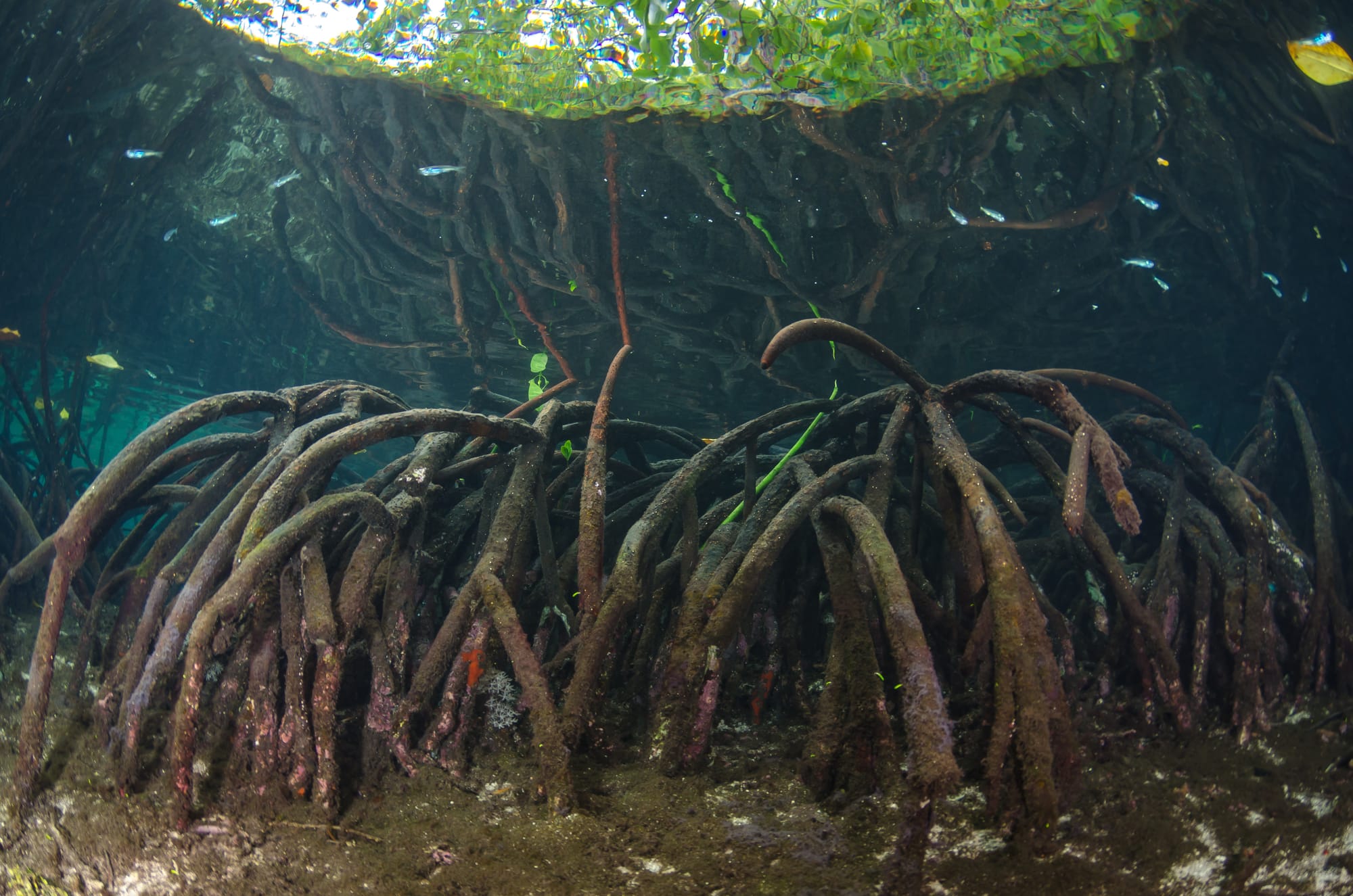
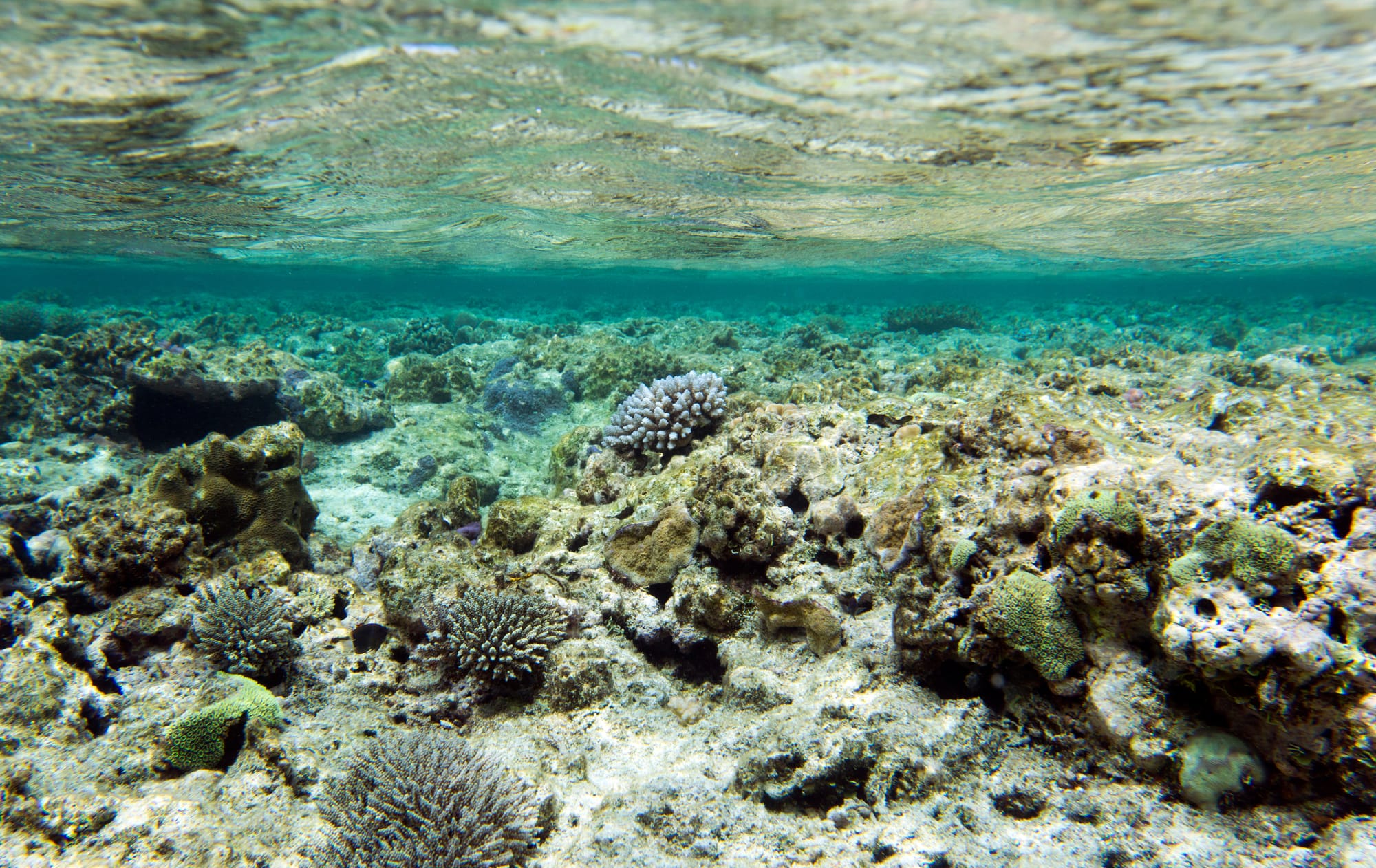
Major ecosystems exhibit feedback dynamics that maintain their own continuation conditions. Rainforests generate substantial fractions of their own rainfall through transpiration and aerosol production. Coral reef systems modulate local water chemistry. Soil microbial communities maintain conditions for plant root function that maintain conditions for the microbial communities. These things are not metaphors. They are documented systems with measurable feedback loops.
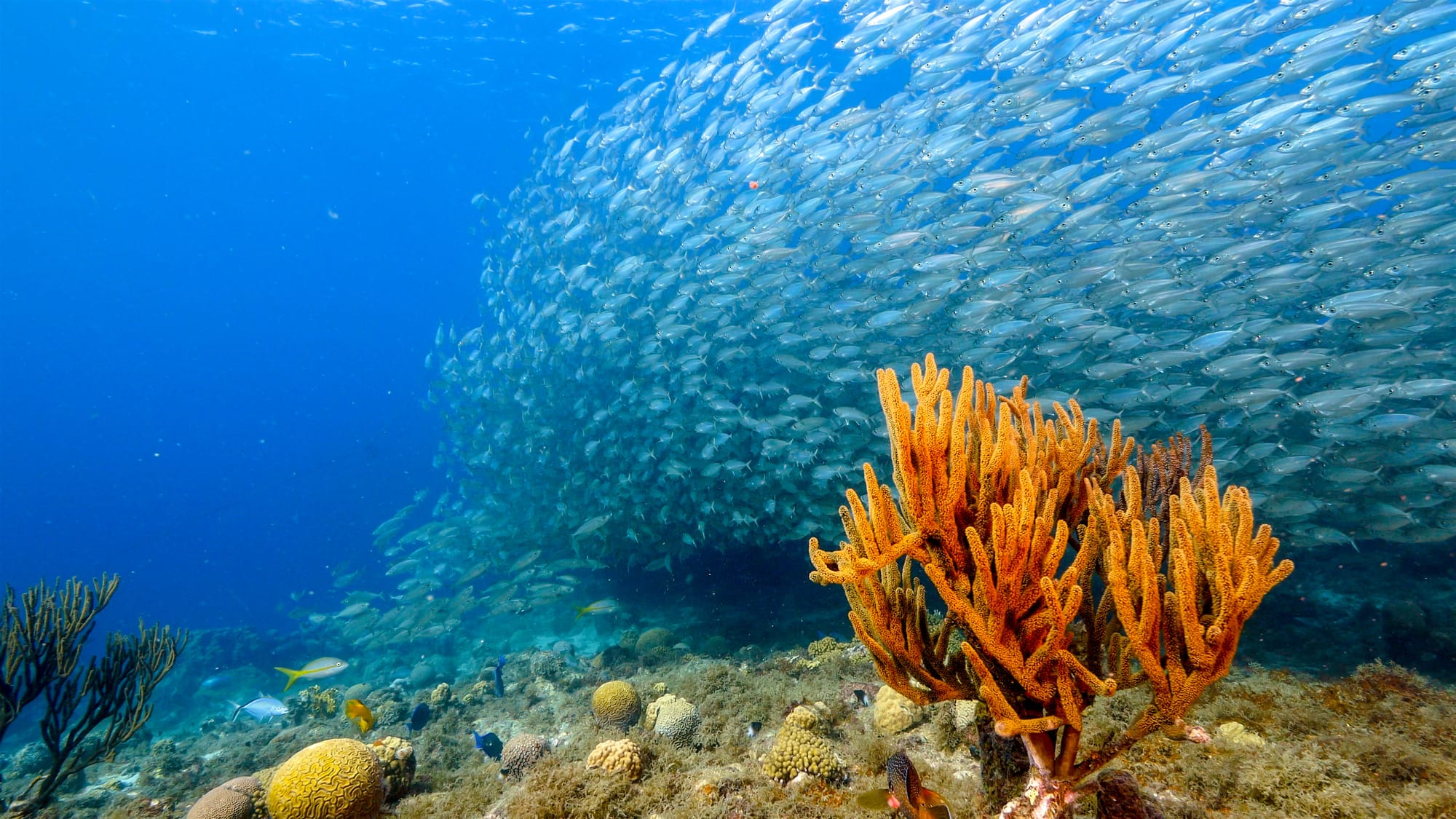
The relationships extend across scales. Species depend on ecosystems that depend on biogeochemical cycles that depend on species. The dependencies are not strictly linear. Many of them are recursive: A depends on B which depends on A through some longer chain of intermediate dependencies. Disrupting nodes in the network produces effects whose magnitude is often disproportionate to the apparent local importance of the node.

Almost all of this core is now empirically supported and largely uncontroversial within the relevant scientific communities. What remains controversial is what to make of it philosophically. Standard biology treats these dynamics as the contingent result of evolution and physical law, with no special philosophical weight. Lovelock and Margulis claimed something much stronger, that the system-level dynamics matter as system-level dynamics, that the biosphere is properly understood as a unified entity whose integrity is morally and conceptually significant in its own right.

The standard biological response was that this was a category error. Systems don't have integrity in any morally weighted sense; only individuals do. The biosphere is a description we apply to a collection of organisms and their interactions, not a thing in its own right. The Gaia framing, on this view, was either trivially true (yes, organisms interact with their environments) or false in a stronger sense (no, the biosphere is not a kind of being).
This is where the philosophical move then just apparently stalled, and I guess waited for someone to come fix the grammar?
Both sides had part of the truth. The Gaia thinkers had identified real system-level dynamics with real continuation properties. Their critics had correctly noticed that these dynamics don't constitute the biosphere as an organism. The available philosophical grammar didn't have a place for "real continuation pattern at system scale" that wasn't either "organism with agency" or "mere collection of parts." So the conversation defaulted to the two impoverished options and most participants picked one or the other. This conversation clearly was not over.
The framework Modal Path Ethics has been building has the missing grammar so it can continue.
What Gaia Got Vulnerable
Before turning to that grammar, the failure modes of the original framing deserve to be named clearly so they are not repeated. The Gaia hypothesis got philosophically vulnerable on at least three fronts it did not need to be fighting on.
The organism metaphor invited literal-mindedness. Gaia is the personification of Earth, and Lovelock's early presentations suggested the biosphere was something like an organism with organs (atmospheric, oceanic, lithospheric) and metabolism (the global biogeochemical cycles).
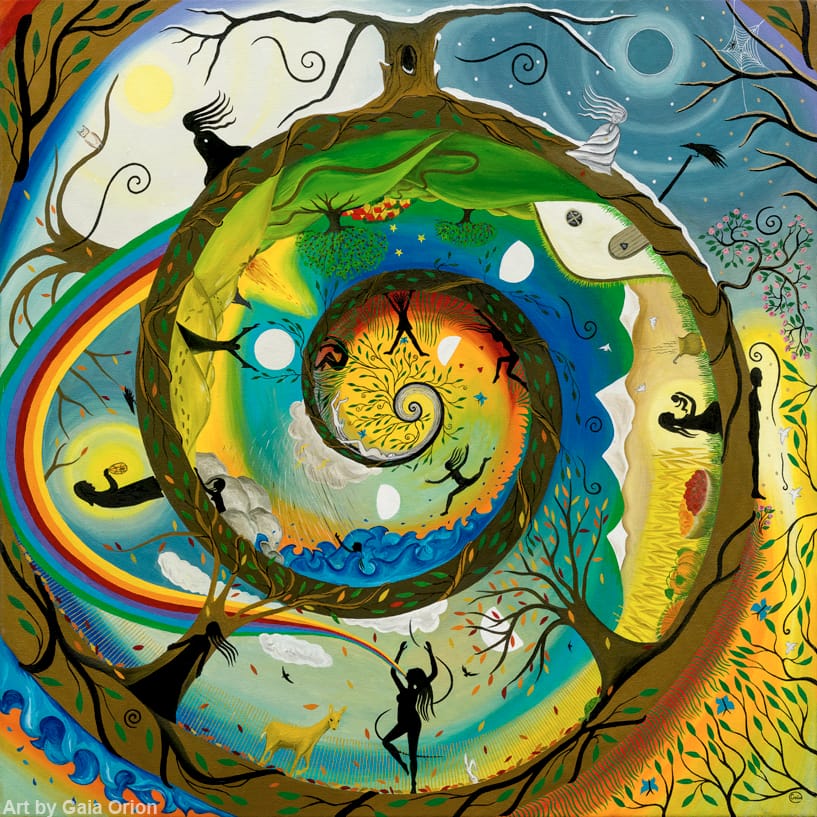
This was meant as an analogy. It was received as an actual ontology.
Critics pointed out, correctly, that the biosphere does not actually reproduce, does not have evolved adaptations, does not have integrated control systems in the way organisms do. The analogy broke down under the literal interpretation it kept inviting.
By the time Lovelock had moved to more careful framings, like coevolutionary Gaia, geophysiological Gaia, or the Daisyworld model showing emergence without teleology, the damage was already long done. The hypothesis had been categorized as the wrong kind of claim.

The teleological framing invited fair charges of mysticism. The biosphere maintains conditions for life is, taken literally, a goal-directed claim. Goal-directedness in non-conscious systems is metaphysically suspect in twentieth-century biology, partly for good reasons (it had been used badly in earlier eras) and partly for less good reasons (it was associated with religious and vitalist traditions the discipline wanted to distance itself from). Lovelock and Margulis spent decades arguing that the apparent teleology was emergent from feedback dynamics that didn't require any goal-directed mechanism. They were correct, and also outflanked by a discipline that had decided not to take seriously any framing that sounded like the framing they were, in fact, using.

The framing landed in a culture ready to receive it mystically. By the 1980s and 1990s, "Gaia" had been adopted into New Age and ecospiritual movements that did claim, more or less explicitly, that Earth was a kind of being with awareness or purposes or moral standing. Lovelock and Margulis were not these people. Their work was empirical, careful, and deflationary about the metaphysics. But the cultural moment received the framing in a stronger form than they were offering, and the scientific community responded to the strong form rather than to the careful one. By the time the empirical core was being absorbed into mainstream Earth system science, the Gaia label had been quarantined as deeply embarrassing.
The lesson here is structural: a good empirical claim with the wrong philosophical grammar can fail to land for reasons that have nothing to do with whether the claim is true. This one was true.
The Gaia hypothesis didn't fail to convince because the empirical evidence was weak. It failed to convince because the framing it had available was either too mystical for science or too deflationary for the moral claims its proponents wanted to make.
The grammar just wasn't there. There was a gap. Without grammar, the claim couldn't reach its proper articulation.
What Modal Path Ethics Now Lets Lovelock and Margulis Say Freely.
Modal Path Ethics treats continuation pattern of weighted reachable future-space as the morally relevant unit.
The framework's loci have moral standing not because they are organisms, not because they are conscious, not because they are agents, not because they have purposes, but because they are continuation patterns. A locus is a bounded region of structure with morally available future-structure.
This grammar happens to fit the biosphere natively.
The biosphere is a continuation pattern. It has structural integrity that persists across time. It has reachable futures that depend on its current configuration. It has feedback dynamics that shape what futures remain reachable as conditions change. It contains other loci (species, ecosystems, populations, individual organisms) whose continuation patterns depend on the biosphere's continuation pattern, and whose collective continuation in turn shapes the biosphere's continuation. The structural relationships are real, multi-scaled, and recursive.
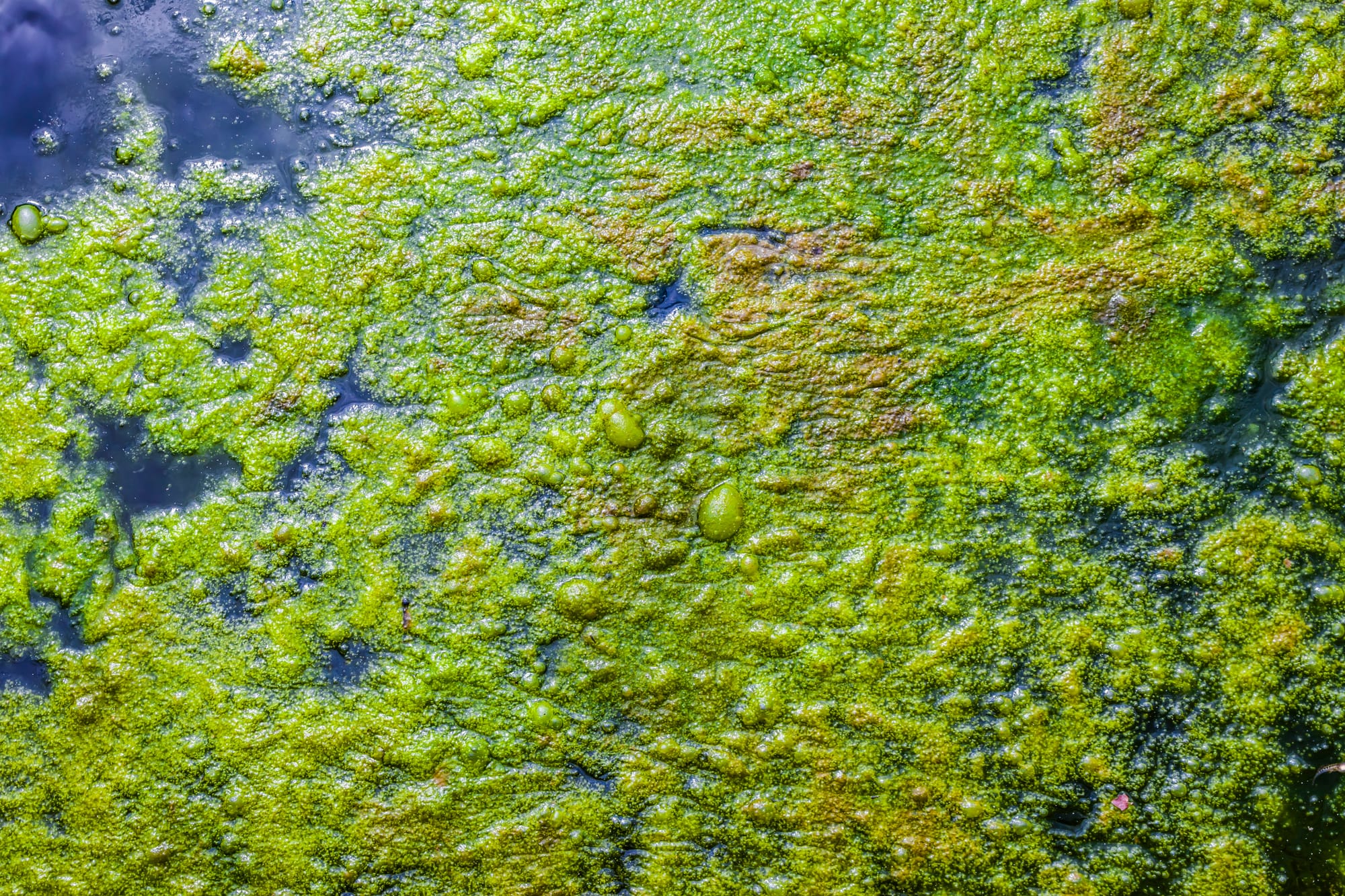
The biosphere is not an organism. The framework agrees. It does not need to be an organism to have structural standing. The framework's question is not "is this a being," but "is this a continuation pattern." The biosphere clearly is.
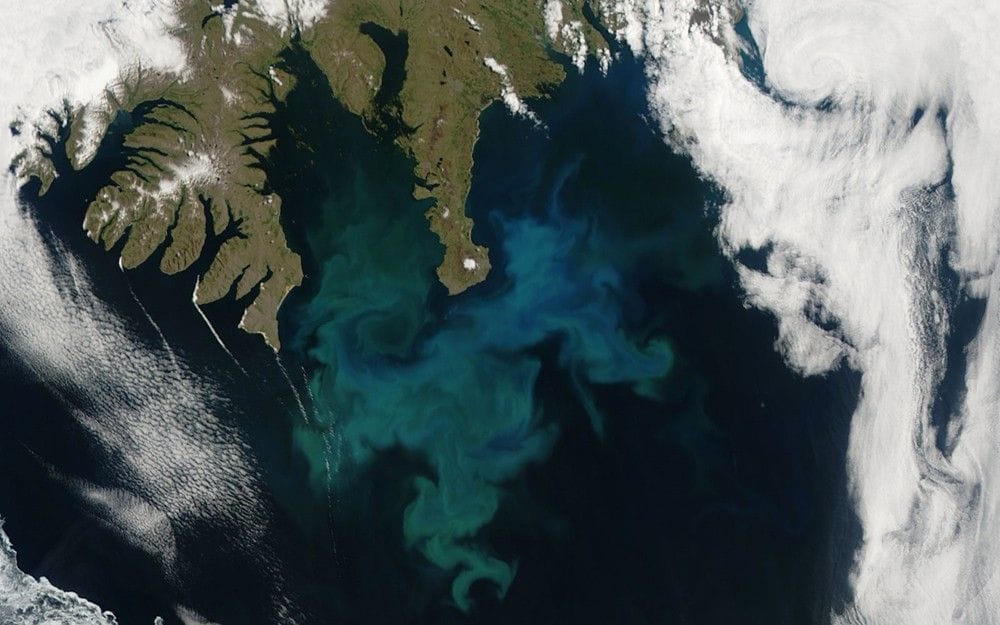
The biosphere is not conscious. The framework agrees. It does not need to be conscious to have structural standing. Pre-life harm in the framework's existing analysis already does the work of grounding moral standing without requiring consciousness. Protoplanetary disks sterilized before life emerges have lost real future-space, even though no conscious being was ever present to be deprived. The biosphere case is structurally similar but at the other end of life's existence: the biosphere is the continuation pattern that contains conscious loci as features without itself needing to be conscious.

The biosphere does not have purposes. The framework agrees. It does not need to have purposes to have structural standing. The continuation dynamics are emergent from physics and chemistry and biology operating at scale. They are real without being intentional. The framework treats this as fine. Real structural patterns don't need to be intentional to matter morally, they only need to be patterns whose contraction or preservation has moral weight.
What the framework gives Lovelock and Margulis is a way to make their central claim (that the biosphere's integrity matters as the biosphere's integrity, not just as a sum of its parts) without requiring the metaphysically loaded moves that made the claim so very philosophically vulnerable.
The biosphere matters because it is structure. Structure matters because the framework says structure matters. The argument doesn't pass through the bottleneck of "the biosphere is alive" or "the biosphere is conscious" or "the biosphere is an agent." It passes directly through "the biosphere is a continuation pattern with reachable futures, and continuation patterns with reachable futures are what the framework grants moral standing to."

This is clearly what Lovelock and Margulis were reaching for.
They had the empirical analysis right. They lacked the philosophical grammar that would let the empirical analysis carry the moral weight they wanted it to carry. That grammar exists now.
What This Gets You That Existing Positions Cannot Ever Path Into.
Environmental ethics as a contemporary discipline has worked at this question for fifty years and produced several major positions.
None of them quite gets to where the Gaia thinkers were trying to point. Gap stands. Modal Path Ethics will not allow this to go on.
Brief survey:
Aldo Leopold's land ethic (formalized in A Sand County Almanac, 1949) argued that ethical consideration should extend to "soils, waters, plants, and animals, or collectively: the land." Leopold's famous formulation: a thing is right when it tends to preserve the integrity, stability, and beauty of the biotic community; wrong when it tends otherwise. This was a major step. Thank you, Leopold. It identified the biotic community as the morally relevant unit, not just individual organisms. But Leopold's grounding was intuitive rather than structural; he asked readers to see the land as having moral standing, but didn't articulate why structurally at all. The integrity-stability-beauty triad has done immense work in environmental thought, but it remains at the level of evocative criteria rather than rigorous ontology. The gap stands.
Holmes Rolston III's intrinsic value tradition (developed across multiple works since the 1970s) argues that ecosystems and species have intrinsic moral value, not just instrumental value to humans. Rolston grounds this in the projective creativity of evolutionary processes, or life's capacity to generate value through its own ongoing development. This is very sophisticated work within existing frameworks and has influenced environmental policy. But, the grounding still requires accepting "intrinsic value" as a primitive moral category, which not all readers do, and the move from "evolution produces creative novelty" to "this is morally valuable" still requires steps the framework has to always take on faith. Gap stands, but very close.
Arne Naess's deep ecology argues for biospheric egalitarianism, meaning that all forms of life have equal intrinsic worth, and that human-centered ethics is a parochial mistake. Deep ecology has produced powerful environmental advocacy but is philosophically vulnerable to the standard objections about how to compare welfare across radically different forms of life and how to operate practically when literally all biological organisms now have equal moral standing. Gap.
Bryan Norton's weak anthropocentrism argues that we don't need to attribute intrinsic value to nature to ground strong environmental ethics, because long-term human interest, properly understood, requires biospheric preservation intrinsically. This is pragmatically powerful and politically more tractable than deep ecology will ever be, but it leaves the biosphere's standing as derivative from human interest, which is what many environmental ethicists were trying to get past. Gap, unfortunately.
J. Baird Callicott's land-ethic elaborations developed Leopold's framework into a more systematic theory grounded in evolutionary kinship. Here, we should care about the biotic community because we are evolutionarily continuous with it. Strong work, but the grounding remains in human-relational kinship rather than in the biosphere's standing in itself. Gap.
So the gap is real. What Modal Path Ethics adds to this conversation to help bridge it is structural realism without the metaphysical commitments these positions all have to make.
Leopold needed evocative intuition. Rolston needed intrinsic value. Naess needed biospheric egalitarianism. Norton needed long-term human interest. Callicott needed evolutionary kinship. The framework can do without any of these specific groundings because the moral standing of the biosphere falls out of the more general claim that continuation patterns simply have moral standing as such.

The biosphere is a continuation pattern. Continuation patterns have moral standing because that's what the framework treats as morally real. The biosphere therefore has moral standing. The argument requires no special premises at all about evolution being creative, ecosystems having intrinsic value, all life being equal, or human interest grounding everything. It is just a thing that continues.

This is the grammar Gaia thinkers were missing. It also gives environmental ethics a clean modal foundation that doesn't require defending contested metaphysics every time the practical questions come up.
We can talk about what the biosphere requires structurally without first having to go through the argument about whether the biosphere has intrinsic value, because the framework's general account of moral standing already covers this.
The Structural Relationships Within the Biosphere.
What does it mean, concretely, that the biosphere is a continuation pattern?
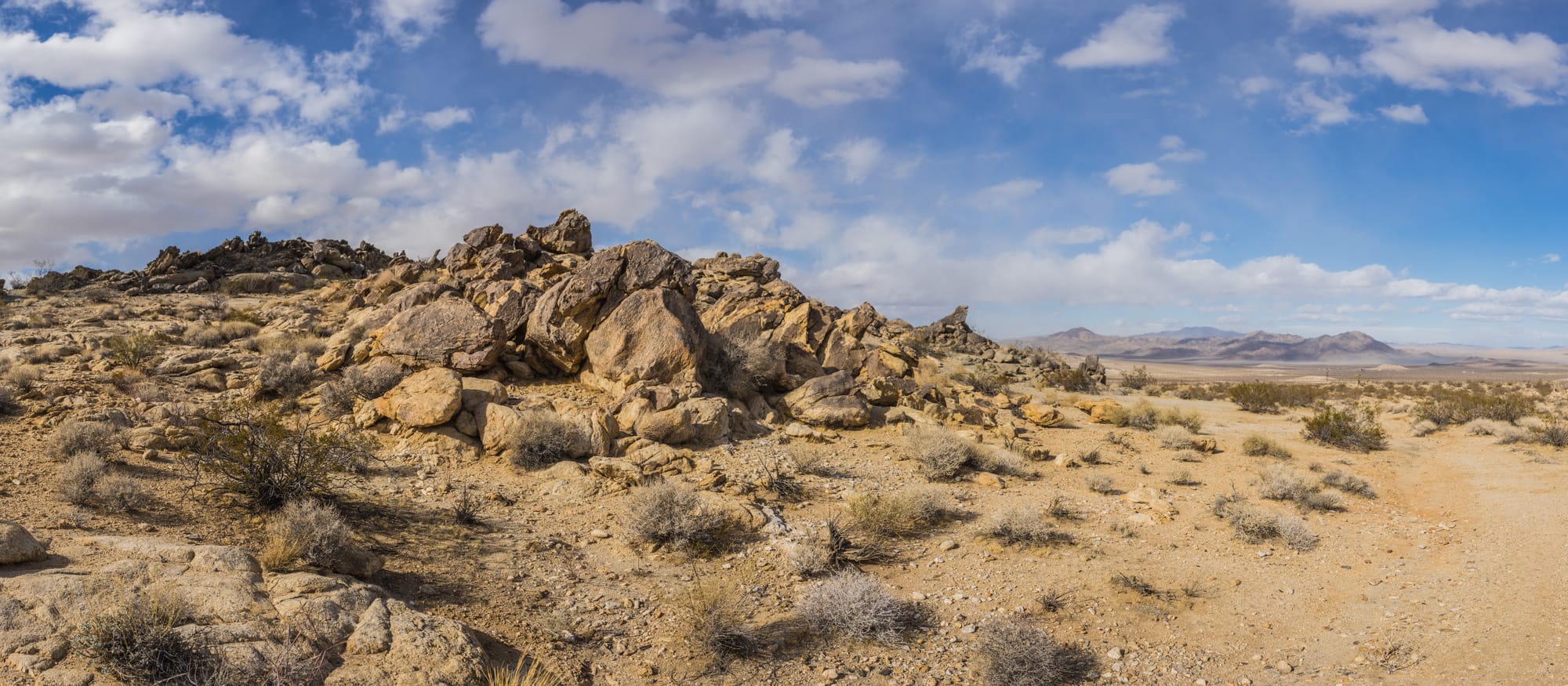
The framework's account requires saying something specific about the relationships among the loci within it.
The biosphere contains nested continuation patterns at multiple scales. Individual organisms have their own continuation patterns. Species have continuation patterns that emerge from but are not reducible to the patterns of their members. Ecosystems have continuation patterns that emerge from but are not reducible to the patterns of their constituent species. Biomes have continuation patterns that emerge from ecosystems. Biogeochemical cycles have continuation patterns that span across all of these. The biosphere has a continuation pattern that emerges from the totality.
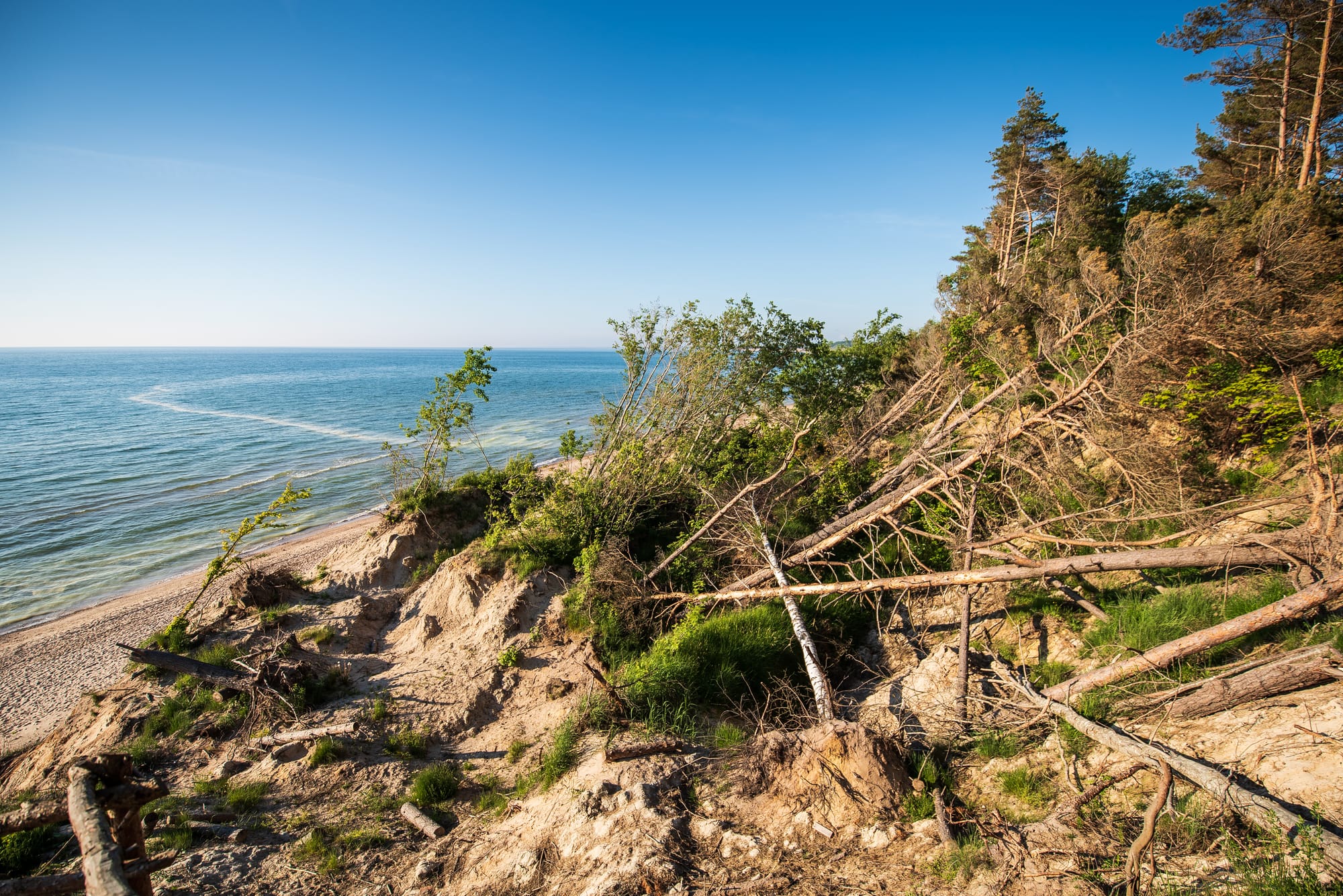
Each level has structural relationships with the others. These relationships are not optional ornaments, they are part of what each pattern is. A species' continuation pattern depends on the ecosystems it inhabits and on the species it interacts with. An ecosystem's continuation pattern depends on the species it contains and on the biogeochemical inputs it receives. The biosphere's continuation pattern depends on the integrity of these nested patterns and on the planetary-scale dynamics that no single subsidiary pattern produces alone.
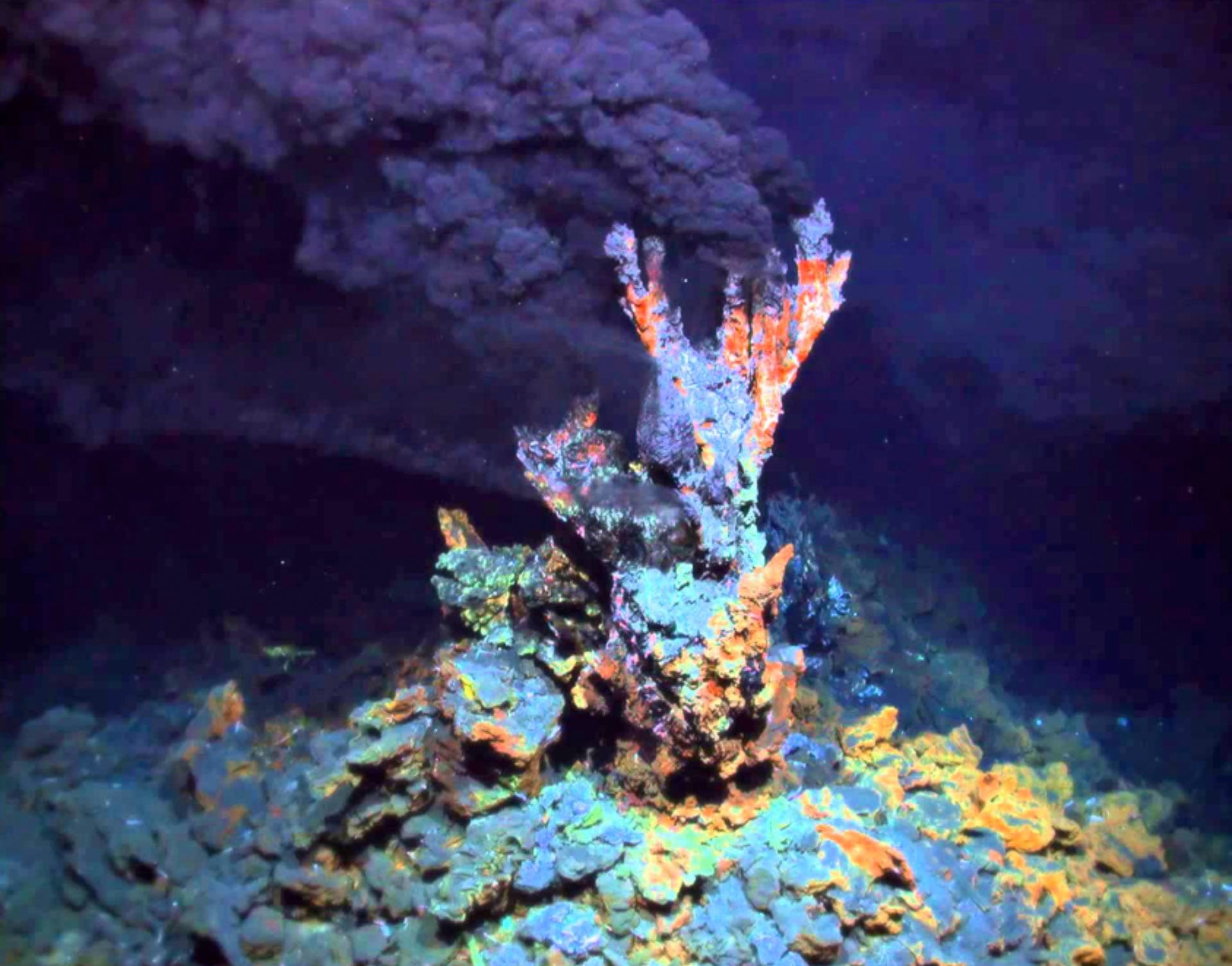
This means damage at any level propagates. A keystone species lost from an ecosystem disrupts the ecosystem's continuation pattern in ways that affect other species in the system, which affects energy flows and nutrient cycles that affect biogeochemical dynamics that feed back into other ecosystems through atmospheric or oceanic transport. The damage is not contained to its initial site. It propagates through the structural relationships.
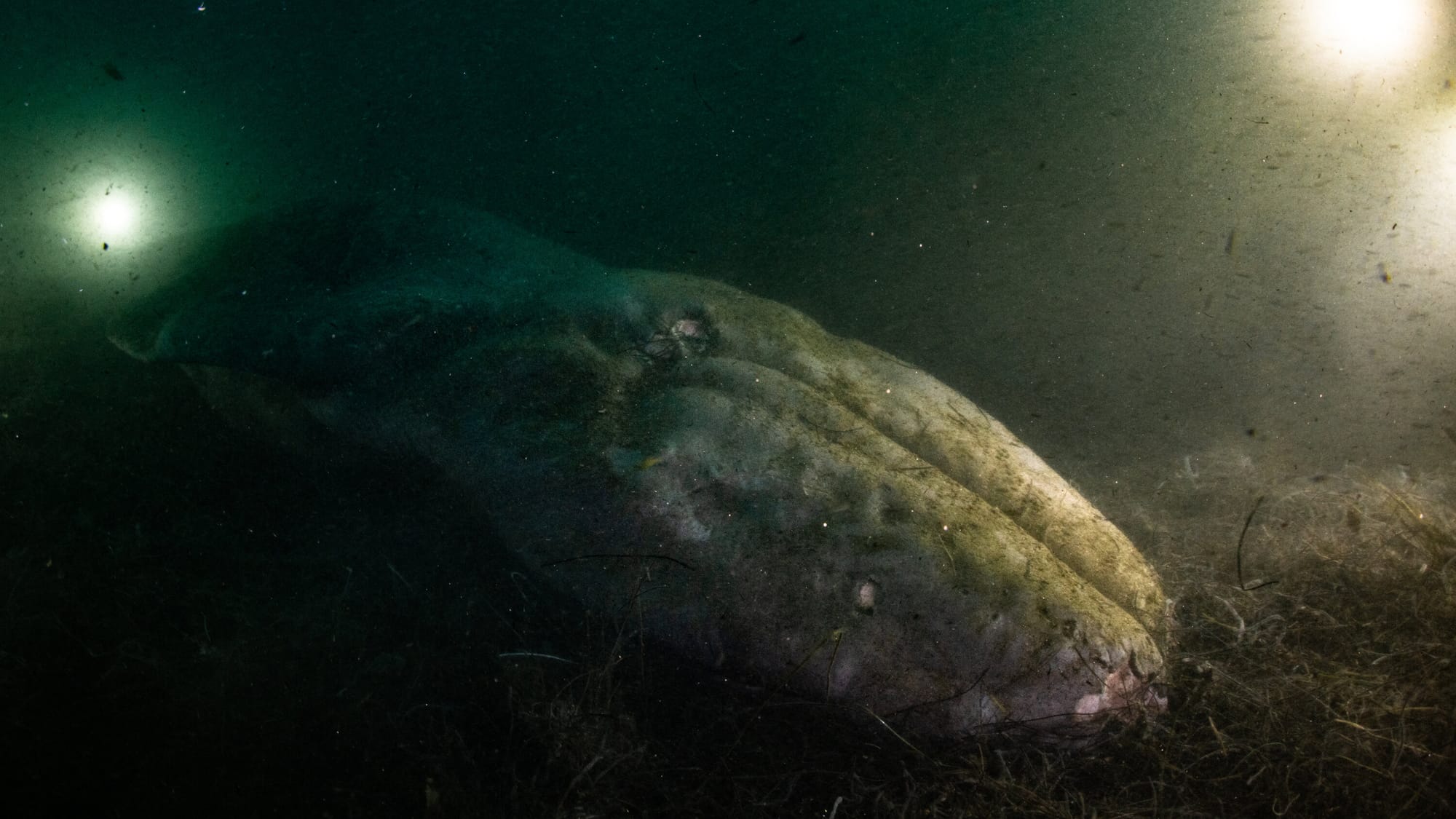
The framework's weighting variables apply at every level. Severity of damage to a particular species, irreversibility of an extinction event, breadth of an ecosystem disruption, centrality of a keystone species, asymmetry of who bears the burden of habitat loss, distribution of impacts across populations and futures; all of these get assessed structurally for any environmental case. The weighting analysis the framework already performs in other domains transfers natively to environmental cases.
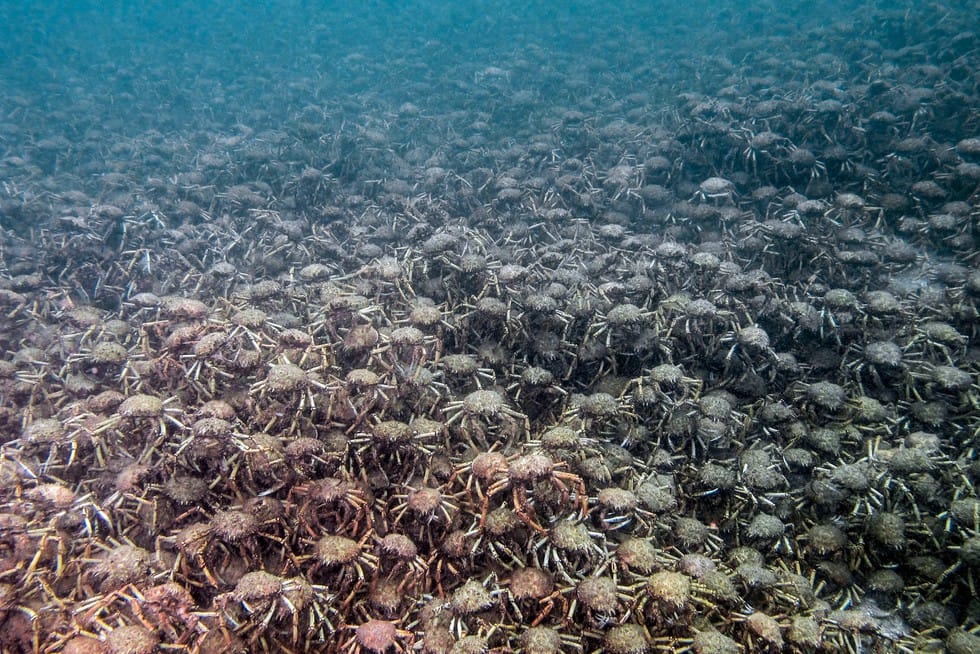
What the framework adds beyond standard ecological analysis is the moral grammar. Ecology already knows the structural relationships exist. The framework supplies the account of why these relationships matter morally. The biosphere is structure, structure has standing, and damage to the structure is harm in the framework's specific sense.

This grammar matters because most environmental policy discussion happens in vocabularies that cannot quite express what is at stake. Cost-benefit analyses can name the instrumental value of ecosystem services but cannot quite say why the ecosystems matter beyond their services. Rights frameworks can extend protections to specific species or populations but struggle with the relational dynamics that the species and populations exist within. Welfare frameworks can talk about the suffering of individual organisms but cannot reach the structural damage to systems that don't suffer in the welfare-relevant sense. The framework can do all of these: the instrumental case, the species-level case, the welfare case, and also the structural case that the others can't quite reach.
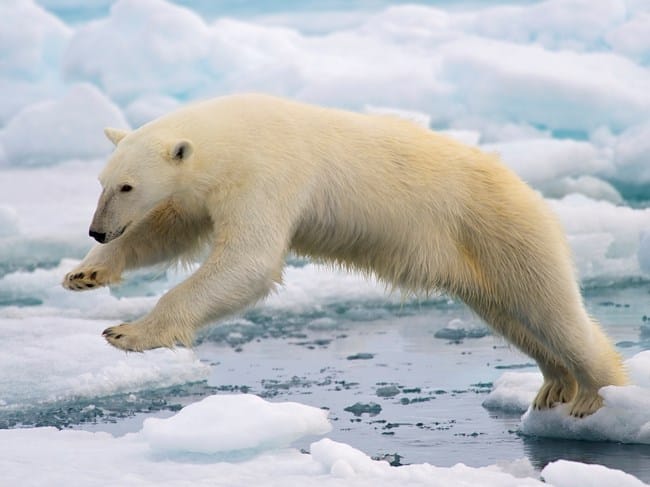
That structural case is what the bridge to applied environmental ethics requires.
Damage as Structural Harm.
The framework's treatment of environmental damage now becomes specifiable.
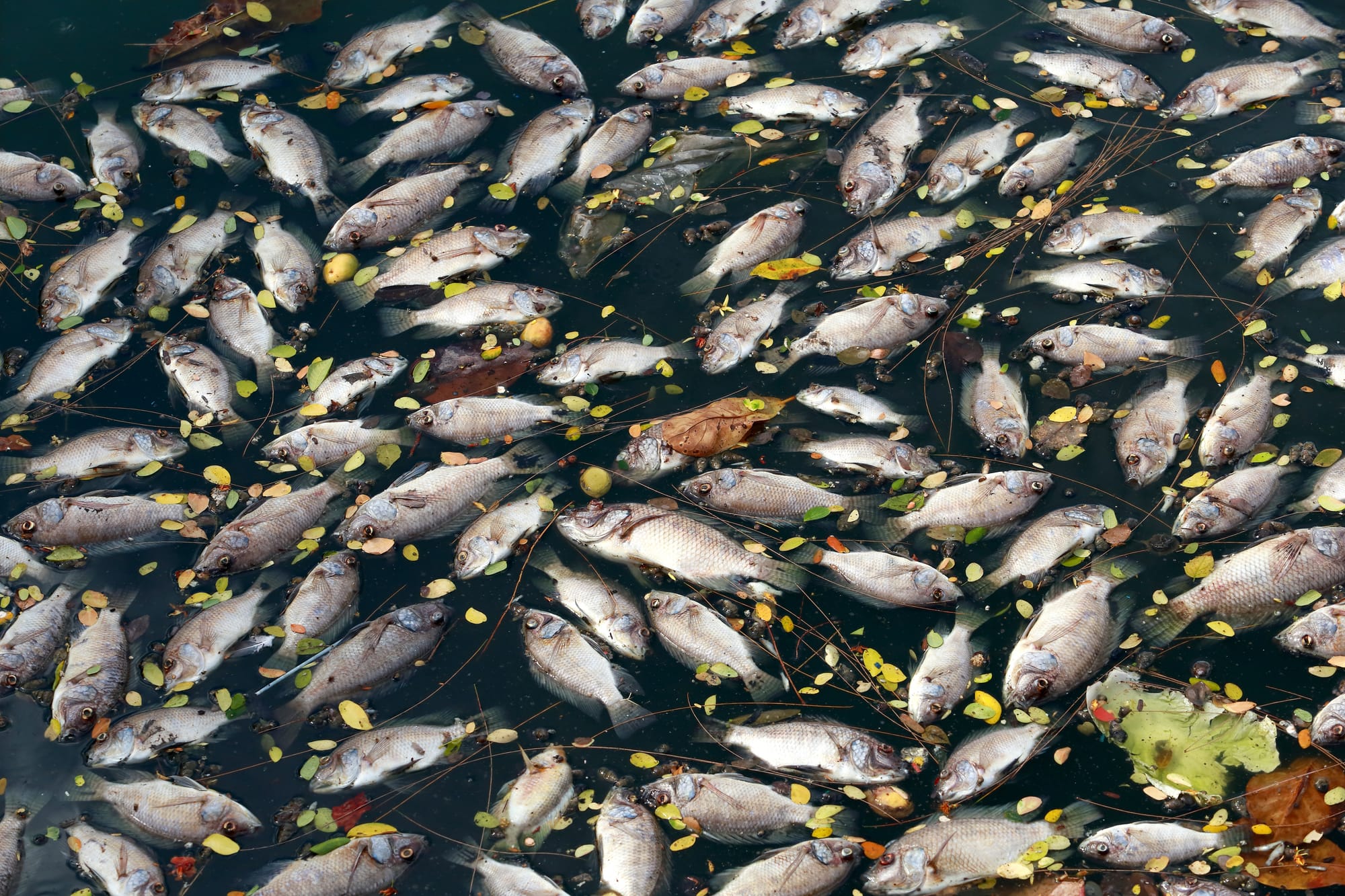
A pollution event that kills individual organisms is harm to those organisms (the standard welfare case) and also potentially harm to the species' continuation pattern, the ecosystem's continuation pattern, the biogeochemical cycles the ecosystem participates in, and the biosphere's continuation pattern. The framework treats all of these as real. None of them reduces to the others. The full analysis of the harm requires assessing each level.
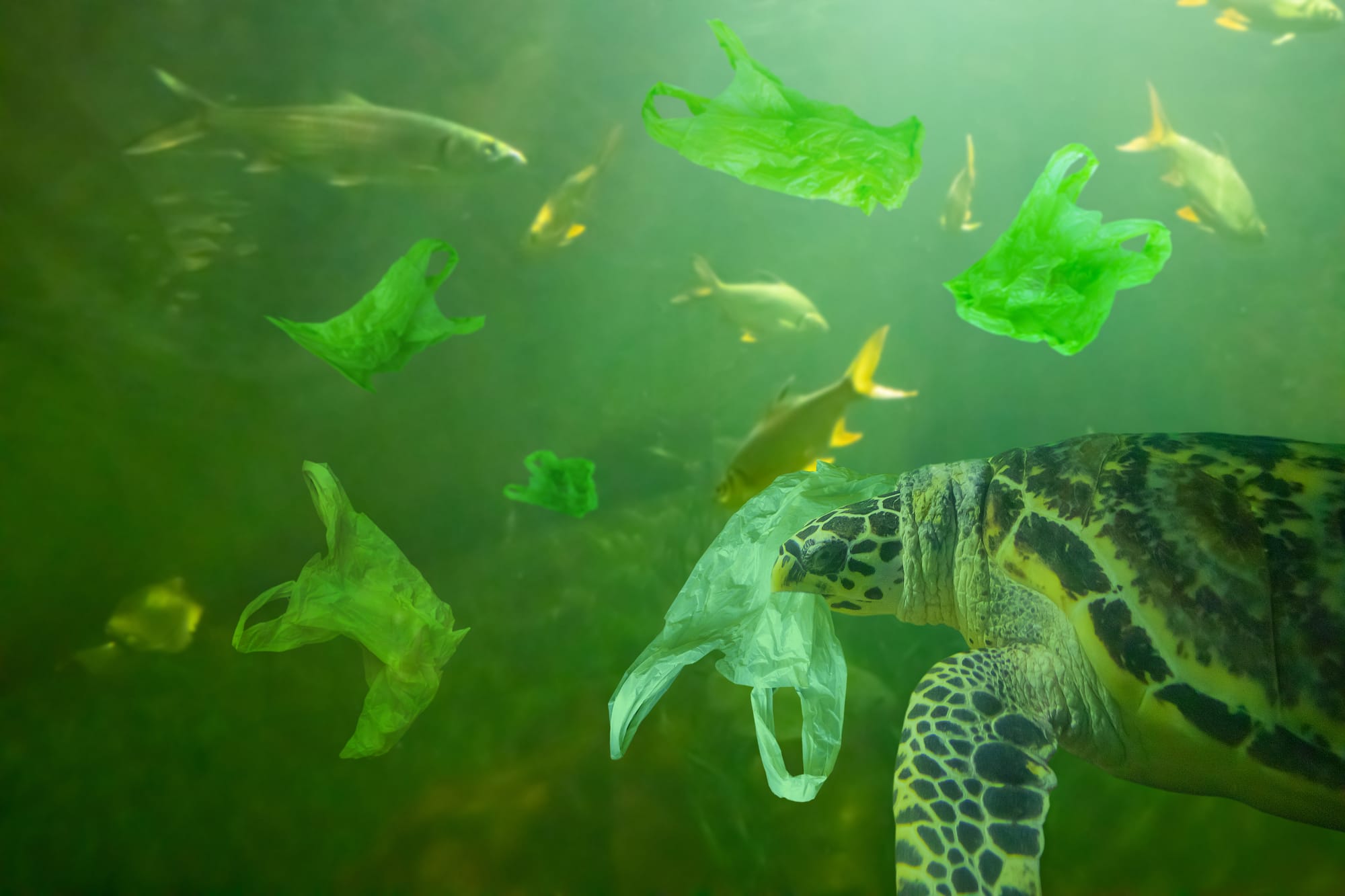
A habitat destruction event removes the substrate that an ecosystem requires for its continuation. The species in the ecosystem may or may not be able to relocate. Their continuation patterns are disrupted, and the ecosystem's continuation pattern, per that ecosystem, is closed. Even if all the constituent species survive elsewhere, the structural relationships those species had within that particular ecosystem are now gone. This is real loss in the framework's terms even if no organism died.

An extinction event closes a species' continuation pattern entirely. The framework treats this as severe by every single weighting variable. Severity is total for that species. Irreversibility is total. Breadth depends on how many ecosystems the species participated in and how central it was to their function. Centrality varies but for keystone species can be enormous. Asymmetry in that most extinctions are caused by agents (humans) who do not bear the cost of the loss in the way the species and ecosystem do. Distribution as well in that losses are concentrated in time and place, with downstream effects spreading across futures.
Climate damage is structural damage to the biosphere's continuation pattern. The framework's analysis here scales beyond what ordinary harm vocabularies can reach. Climate change is not (only) the harm experienced by particular individuals affected by extreme weather or sea level rise, though it of course includes that. It is also the disruption of biogeochemical cycles, the displacement of climate envelopes that ecosystems require, the acidification of oceans, the destabilization of feedback dynamics that have maintained the biosphere's continuation conditions across geological time. The damage at the structural level is what makes the case morally serious in a way that aggregating individual harms cannot quite capture.

This is the framework's distinctive contribution to environmental ethics. The aggregate-individual approach, which has dominated welfare-based environmentalism, cannot quite reach the structural level. The intrinsic-value approach can reach the structural level but at the cost of metaphysical commitments many readers don't share.
This framework reaches the structural level through general structural realism that doesn't require special environmental premises. The biosphere's standing follows from the same account of structural moral facts that grounds the framework's analysis everywhere else; that extance continues lawfully, and some transitions open and close more weighted reachable future space than others. Environmental ethics becomes a domain of application rather than a special territory requiring its own separate philosophical foundations.
What This Avoids.
Worth naming what the framework's structural account does not commit to, since the surrounding philosophical landscape has many traps the framework should not fall into.

It does not commit to species-egalitarianism. The framework's weighting analysis gives different cases different verdicts. Some species have more central structural roles than others. Some extinctions have larger breadth and irreversibility consequences than others. Some interventions have asymmetric burden distributions that matter. A wholesale "all life equal" claim is not a functional framework move, and the framework doesn't need it at all to ground strong environmental positions.

It does not commit to biocentric mysticism. The biosphere is a structural pattern, not a being. It does not have feelings, intentions, awareness, or purposes. The framework's account of why the biosphere matters does not require any of these. Anyone who reads the framework as committing to a more loaded metaphysics is misreading it. The structural realism is doing all the work.
It also does not commit to anti-humanism. The framework grants moral standing to continuation patterns. Humans are clearly continuation patterns. So are other species. So are ecosystems. So is the biosphere. The framework treats all of these as real loci with real standing, and the analysis of any case has to consider all the relevant loci in the affected field. Humans are not excluded at all. The framework's posture is not "humans bad, biosphere good" but "the structural facts at all scales matter, and the analysis has to take them all into account."

It does not commit to wilderness preservation as a fundamental value. The framework's structural realism applies to biospheres that include human modification and biospheres that don't. A national park and a working farm are both continuation patterns subject to structural analysis. The question in any case is what the structural facts actually are, not whether the area meets some arbitrary standard of wildness. This protects the framework from the standard objection that environmental ethics is a luxury position of the wealthy who can afford to leave land untouched.

It does not commit to a specific human-biosphere ranking. The framework's general posture against species-level grading applies here. We don't ask "are humans more important than the biosphere" because the framework doesn't grade kinds like that. We ask what the structural facts of any specific case are and what they require. Some cases will require sacrificing human comfort for biospheric integrity. Other cases will require accepting biospheric modification in exchange for human flourishing. The framework provides analysis, not pre-cooked answers.

These avoidances let the framework engage environmental cases without dragging in the traditional baggage that has made environmental ethics so very politically difficult. The framework can talk about climate damage without requiring its readers to first sign on to deep ecology. It can talk about extinction without requiring biocentric egalitarianism. It can talk about biosphere preservation without committing to wilderness aesthetics. The structural analysis is the thing being defended. The political and metaphysical commitments many environmental positions add on top are not load-bearing for the framework.
Bridge.
This article has done one thing only: established that the biosphere has standing in the framework's terms. The structural realism that grounds Modal Path Ethics generally extends to planetary-scale continuation patterns. The Gaia thinkers had identified real systemic dynamics that lacked the philosophical grammar to carry their proper moral weight. This framework says the biosphere is structure, structure has standing, the analysis follows.
What the article has not done is take any specific position on any contemporary environmental question. The framework's resources have been laid out. The structural account has been articulated. The weighting variables have been pointed at the environmental domain. But no actual cases have been worked. No rulings have been issued. No specific contemporary fields have been analyzed.
This is intentional. The next article in this sequence does the case work. It runs structural analyses on specific contemporary environmental fields, uses the framework's weighting variables to produce actual rulings, and treats environmental ethics as something that can be done in real life right now rather than something that can only be theorized about, as though the field were fictional.
Conclusion.
Lovelock died in 2022, at one hundred and three years old. Margulis died in 2011, much younger, of complications from a stroke at seventy-three. They both wrote until very near the end. They both spent their later careers being half-rehabilitated, with the empirical core of their ideas absorbed into mainstream science under different names while their original framing was kept at arm's length. Neither lived to see Gaia given a clean philosophical articulation.
They were correct. The biosphere is a continuation pattern that matters in its own right. Modal Path Ethics lets us say so without the metaphysical baggage that made the original claim hard to defend.