Applied Case: The Fictional Soul-Balm Machine
A wide analysis of fictional metaphysics and the multiverse: why these things exist, and what they do to us. Completely overtaken by one very questionable immortal being. [L]
September 2026 note: This article remains a large fictional stress test for irreversibility, replacement, loops, branching, sacrifice, and repair dependency, but its May ontology is broader than the current framework. Read claims about branches, simulations, clones, timelines, and regenerations inside the stipulated fictional ontology; September work no longer treats any described world, relation, artifact, or aggregate as a locus by default. Locushood now requires diachronically integrated causal organization with nonredundant successor structure at a declared grain. Later provenance and source-object work also separates copying, replacement, memory continuity, functional succession, and source identity, sharpening the article's central claim that continuity is not innocence. Current harm work distinguishes harm-tokens from whole transition verdicts.
Opening: The Metaphysics of Not Letting Go.
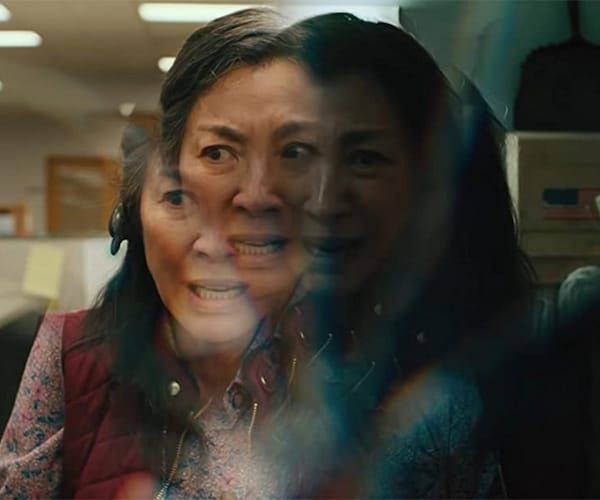
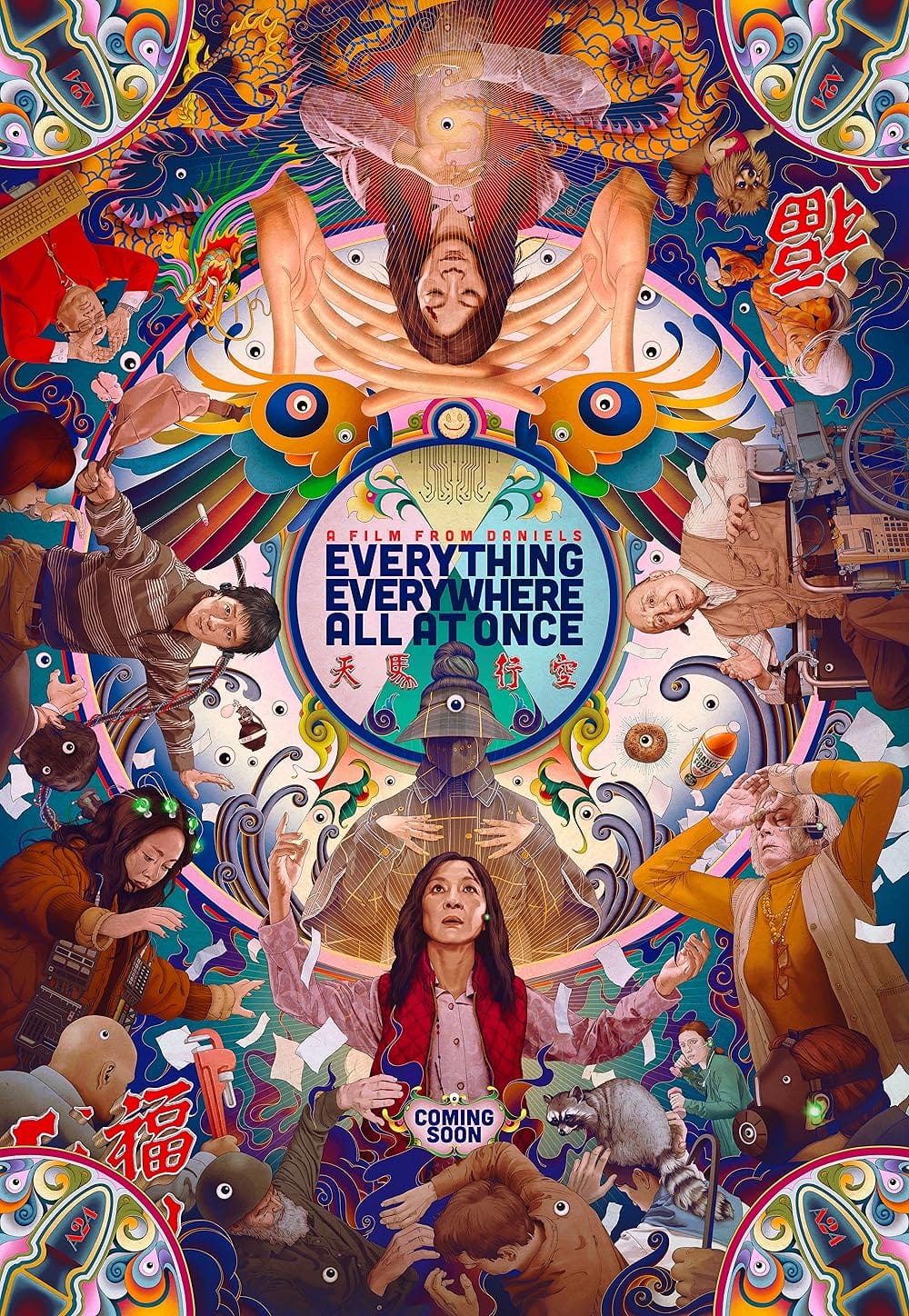
Everything Everywhere All at Once is a movie about taxes, laundry, marriage, immigration, disappointment, a daughter lost to despair, a husband mistaken for the fool he isn't, hot dog fingers, a bagel with an apocalyptic density, and weighing the moral status of every life you did not live.
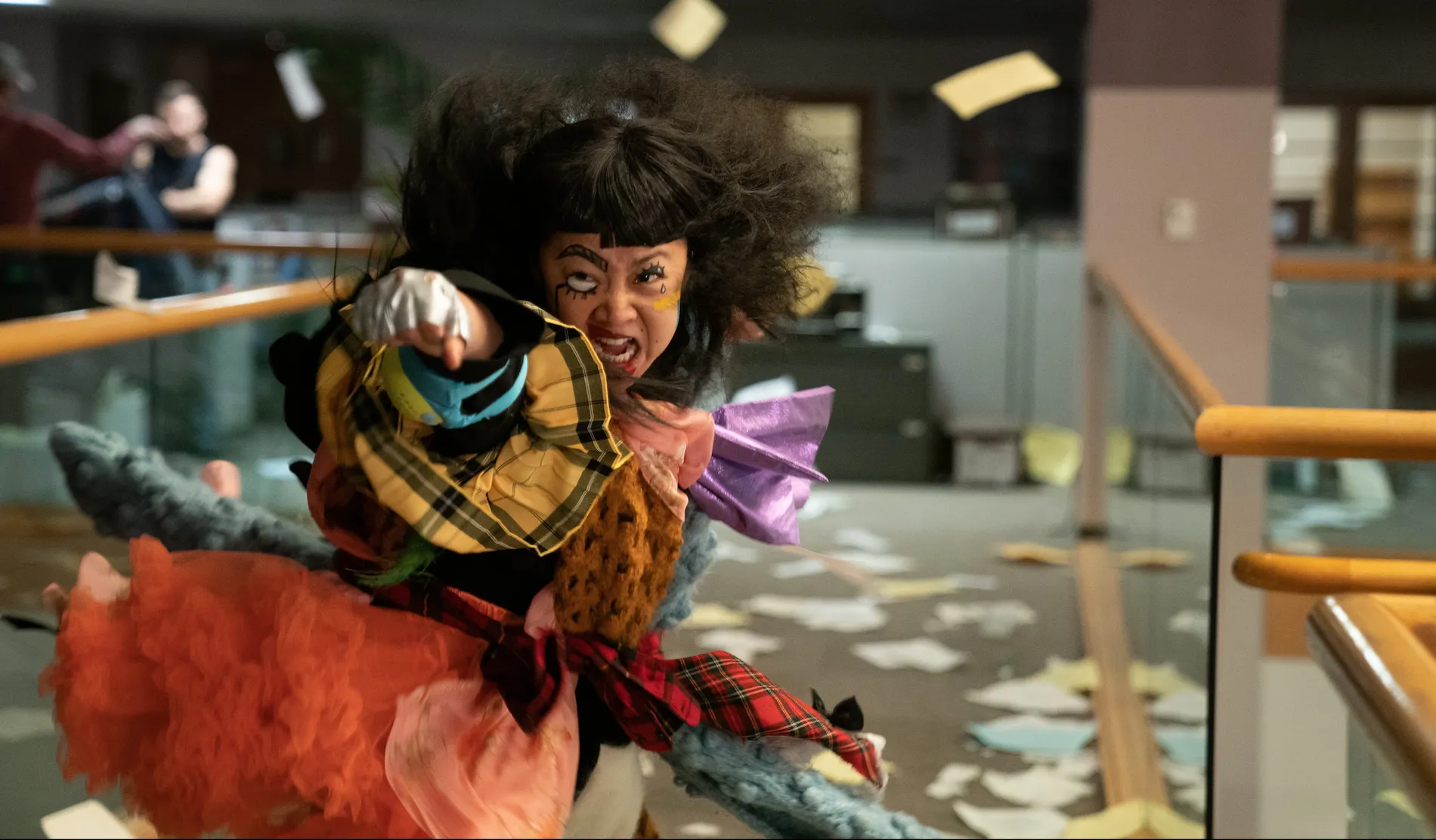
That is all right up Modal Path Ethics’ alley. I'd be surprised if I haven't touched on all of that already.
Upon reviewing the film, I've found this may actually be the very first unofficial Modal Path Ethics: The Movie, released before this framework even existed.
It is also a useful entry point into one of fiction’s oldest tricks. Whenever ordinary life becomes unbearable, fiction invents metaphysics.
Death now has a cool loophole.
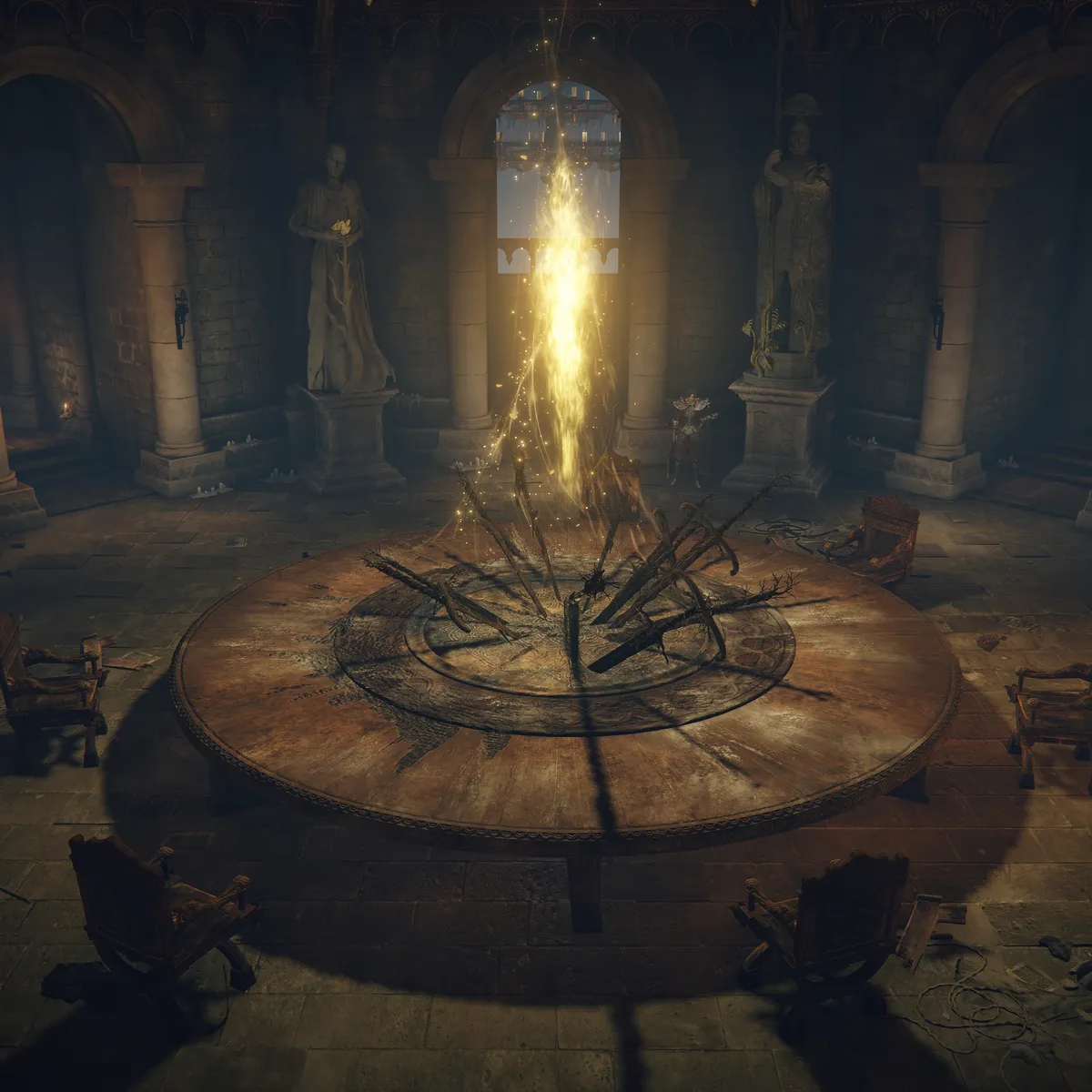
Regret gets a new branch.
Failure has another timeline to try again.
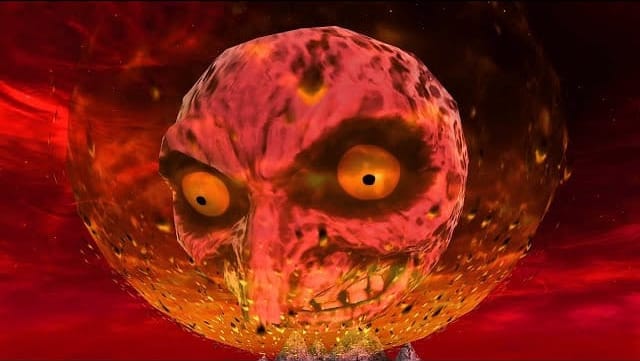
The self gets another body to hop into.
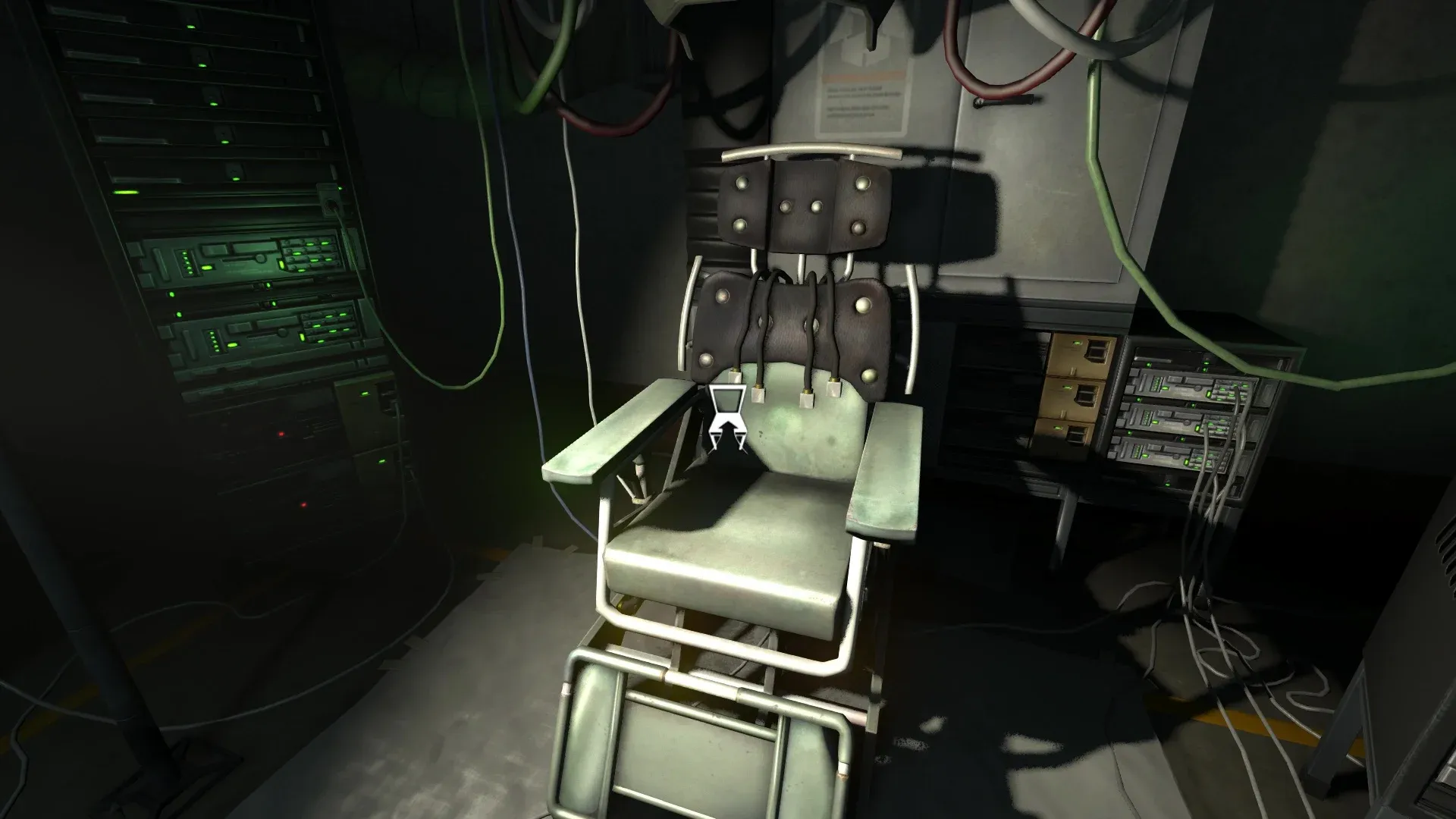
The lost parent becomes a ghost.
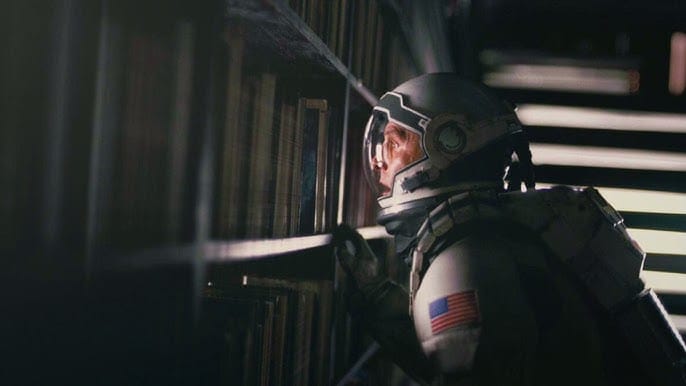
The destroyed world becomes an alternate world.
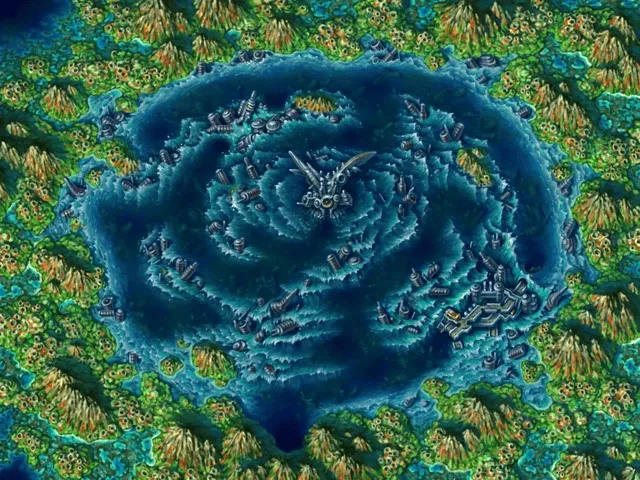
The ruined future sends us back a warning.
The hero gets one last pass.
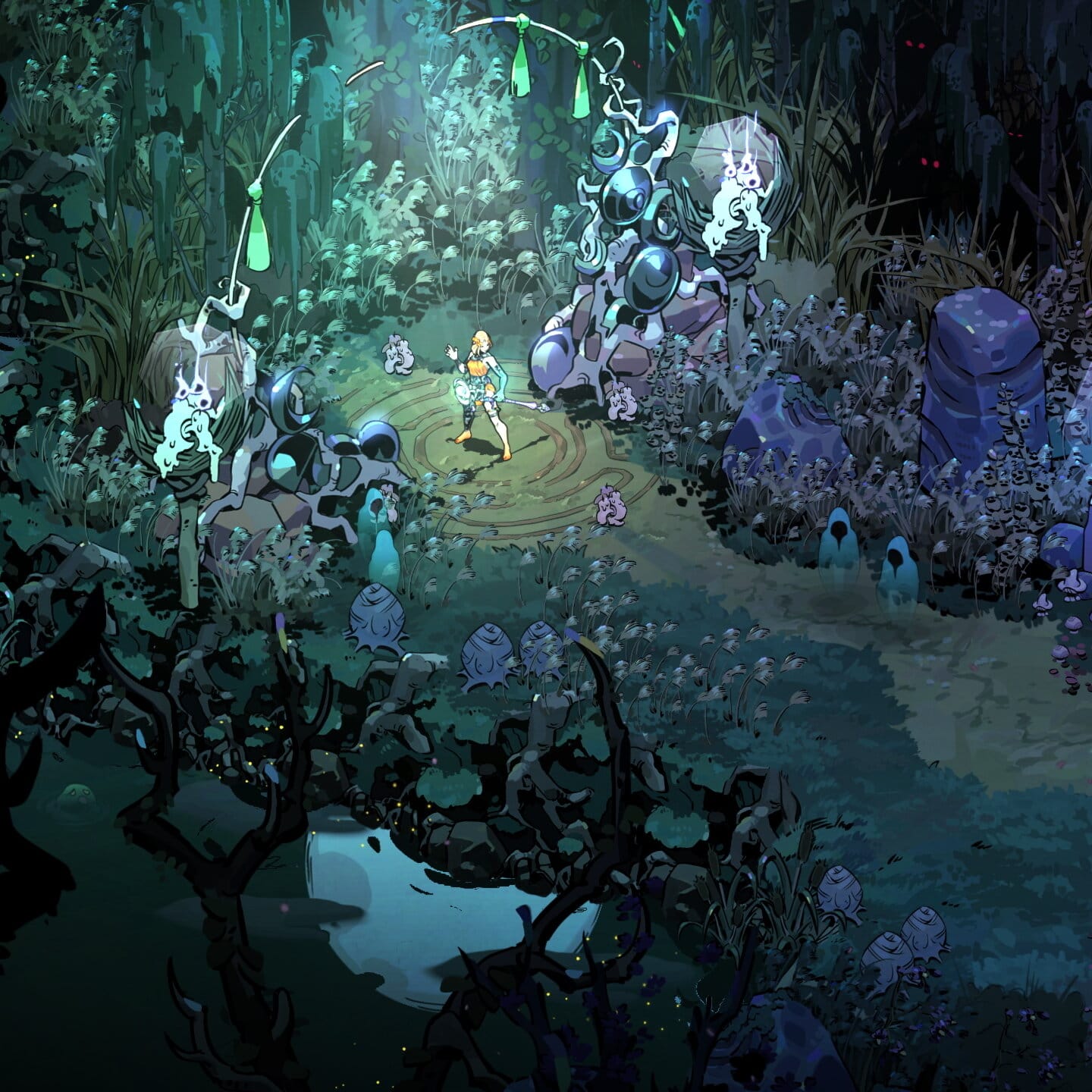
This fictional engine is popular and comforting because irreversibility hurts.
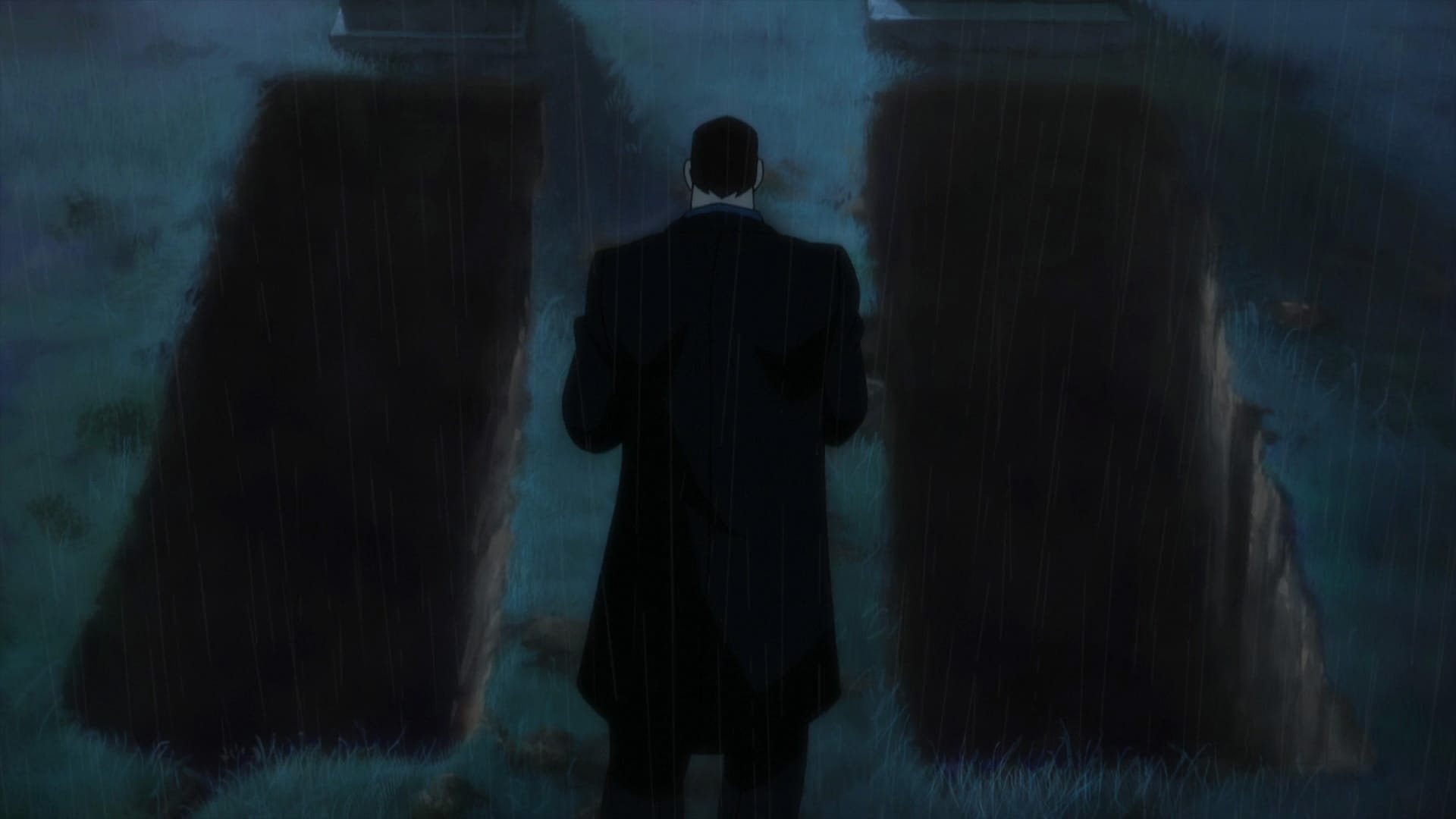
Harm occurs. People die. Choices close. Children grow away from their parents. Parents leave. Bodies fail. Civilizations rot. Love does not always arrive in time. The past will not apologize to us, no matter how loud we scream.
So, like it does whenever we have a problem like this, fiction builds us a new soul-balm machine: a multiverse, a loop, a clone bank, a tesseract, a reincarnating god-locus with mental health issues.
As always, Modal Path Ethics has to take these stories seriously for more or less exactly the reason they are often ridiculous. Weird metaphysics does not suspend moral accounting. It usually expands the accounting surface instead.
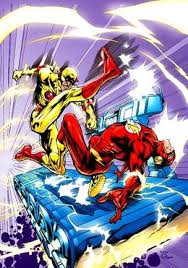
A timeline is a field. A branch is another field. A clone is a new locus. A loop always has residue. A memory transfer is also not a corporate receipt proving no one died. A future cause arriving later than its effect is still an extant cause. Any deity-like repair agent is still a locus acting inside a field, not an exception floating above one.
Stories always teach lessons, even when the audience and writers don't want them to. So if a story says their multiverse exists to help someone feel better, the first Modal Path Ethics question is not whether that multiverse is beautiful.
The first question is: whose future is being fed into that engine?
Applied Case: Everything Everywhere All at Once and Modal Overload.
Everything Everywhere All at Once begins in a deliberately small field.
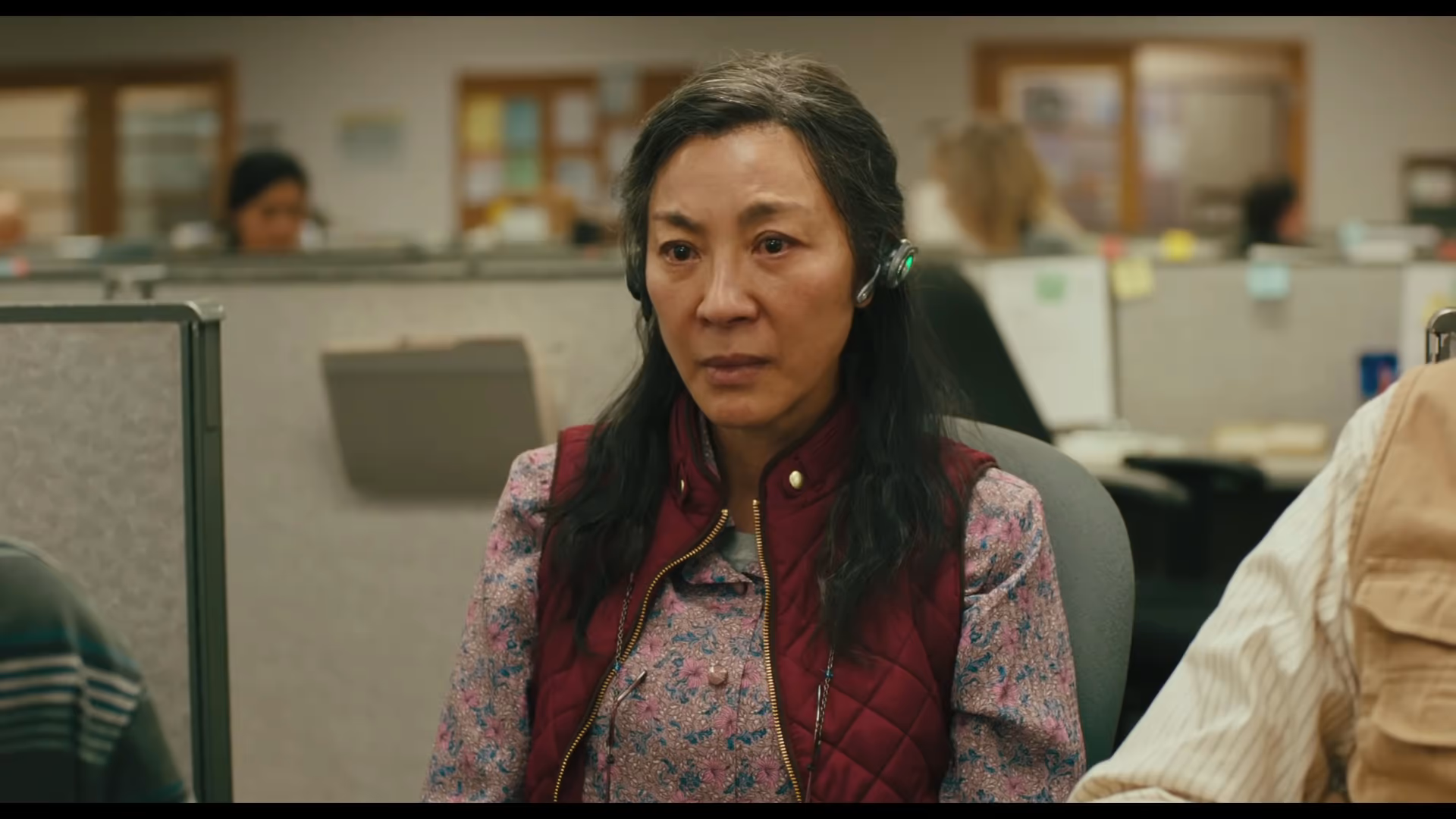
Evelyn Wang is not introduced as a cosmic heroine. She is a tired laundromat owner whose life has become a growing pile of stacked obligations. Her marriage is fraying. Her daughter Joy is slipping beyond her reach. Her father is visiting. The IRS is waiting. Every path in front of her looks cramped, administrative, humiliating, and late.
Then, the movie brings her a balm. It opens the multiverse.
Evelyn learns that every choice branches into another life. Somewhere, right now, she is a movie star. Somewhere else, she is a chef. Somewhere, she has hot dog fingers. Somewhere, rocks speak with subtitles. Somewhere, every unlived path is not only possible, but accessible to her.
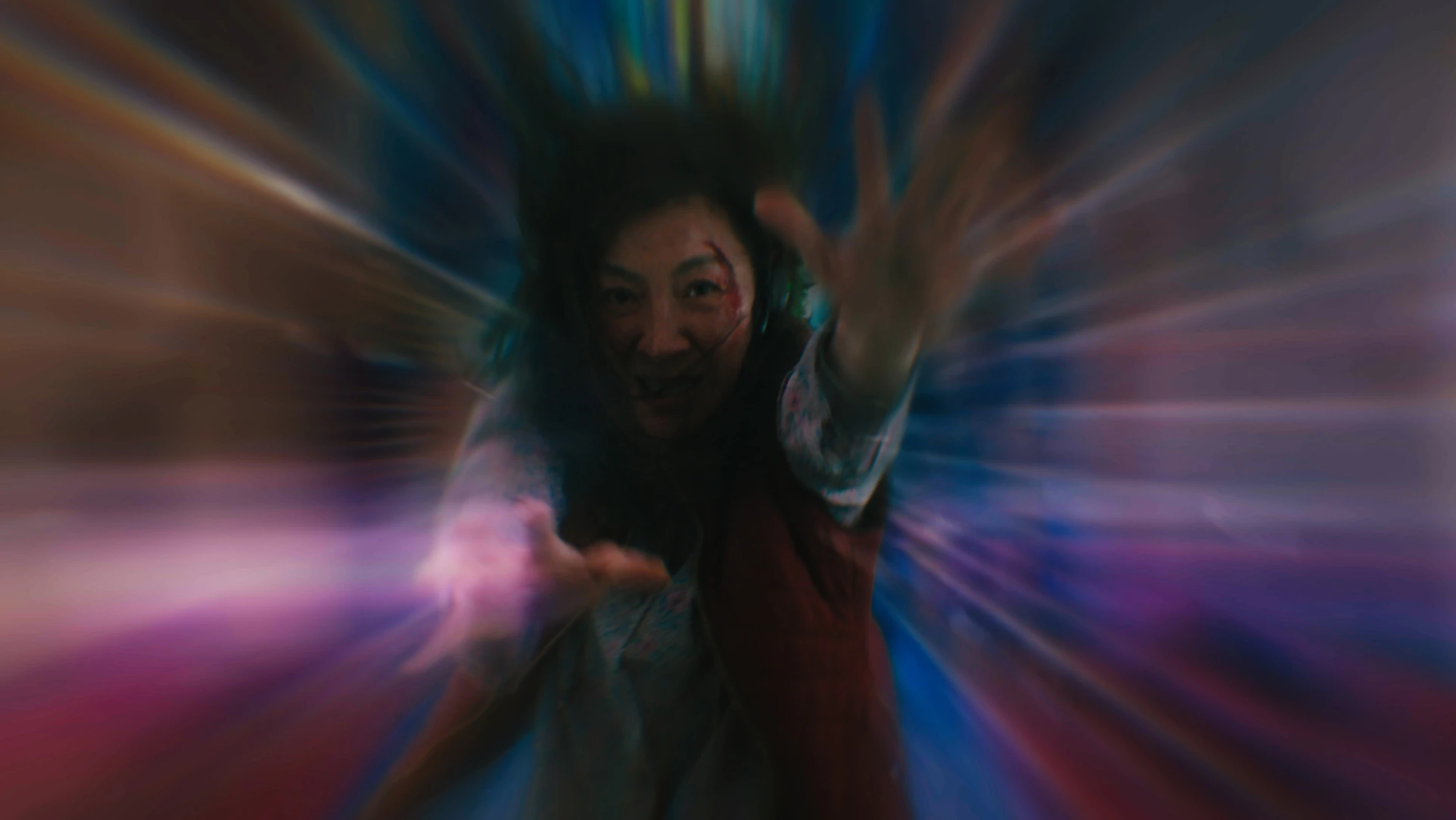
Her failure is not isolated anymore. It is now actually comparative. The multiverse turns her regret into an infinite slideshow.
That sounds like it may be something of a comfort. It is not.
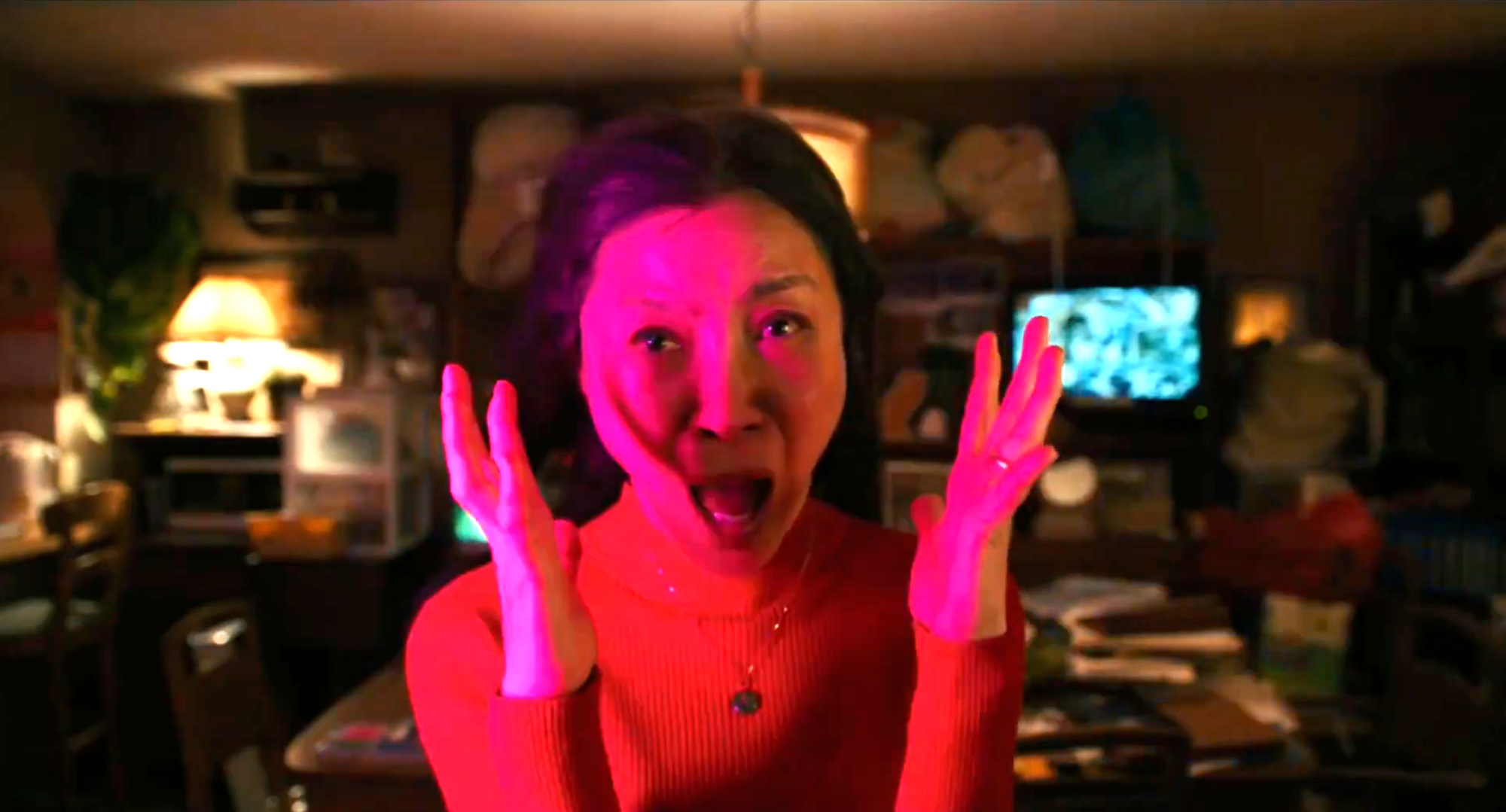
This multiverse does not rescue Evelyn from her life. At first, it makes her life look even smaller. Worse, it makes all local obligation look foolish.
Why fight for this marriage, this daughter, this laundromat, this tax appointment, when there are infinite other versions, and these are all already so damaged?
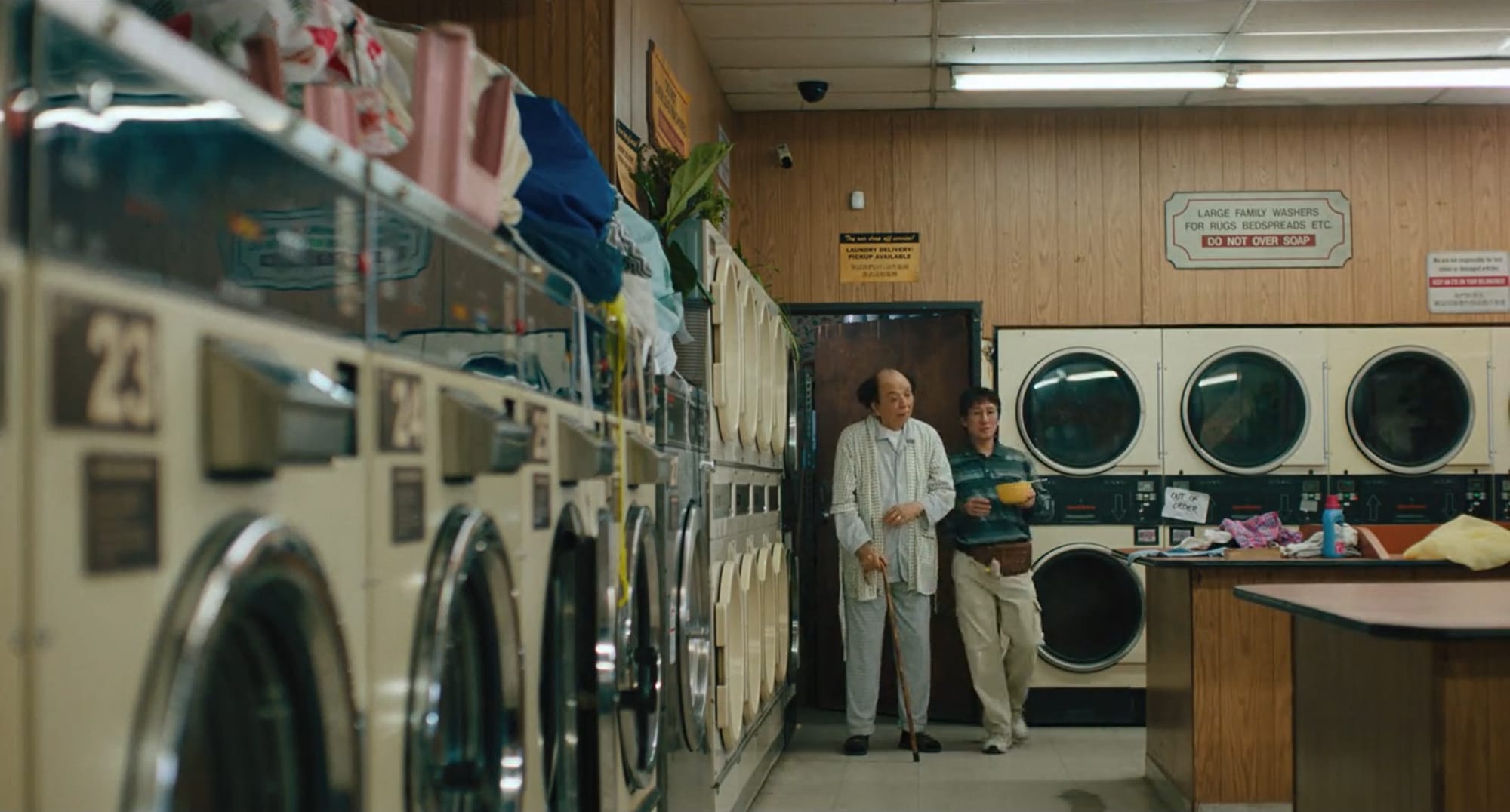
Why care about one field when all fields are visible?
Modal Path Ethics knows this problem. In the film, the answer given is: because Jobu Tupaki.
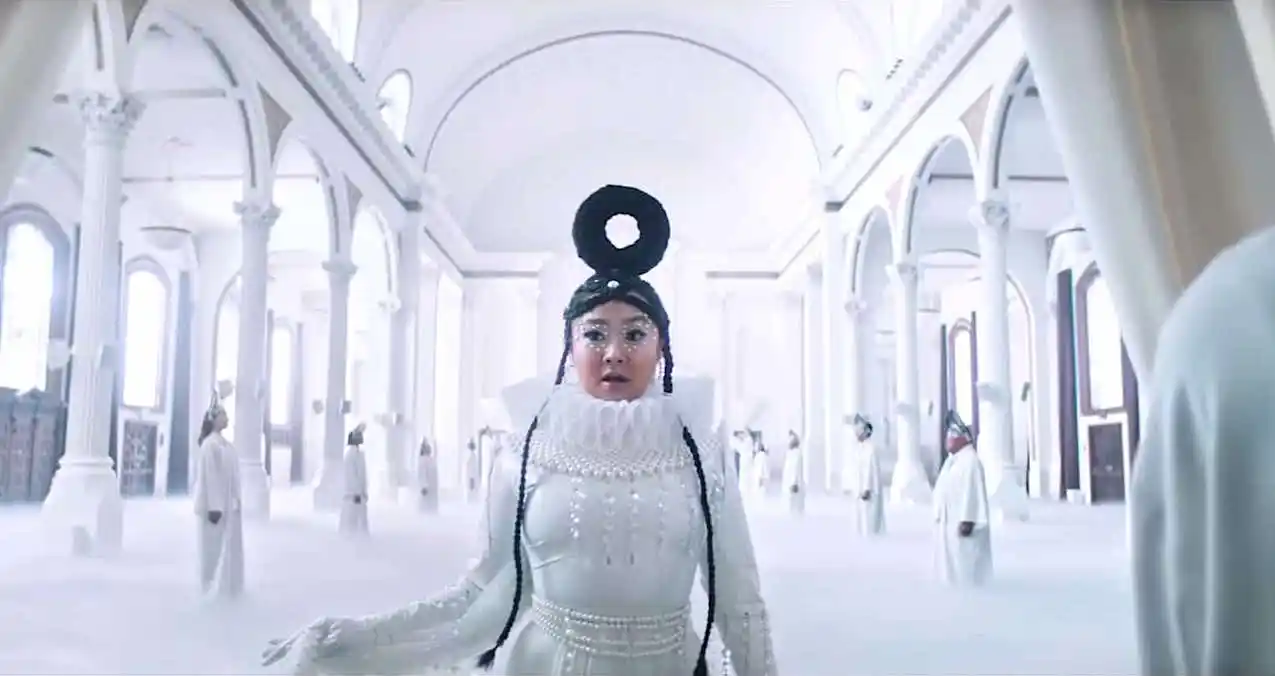
Jobu is not evil because she saw too little. She is instead broken because she saw too much.
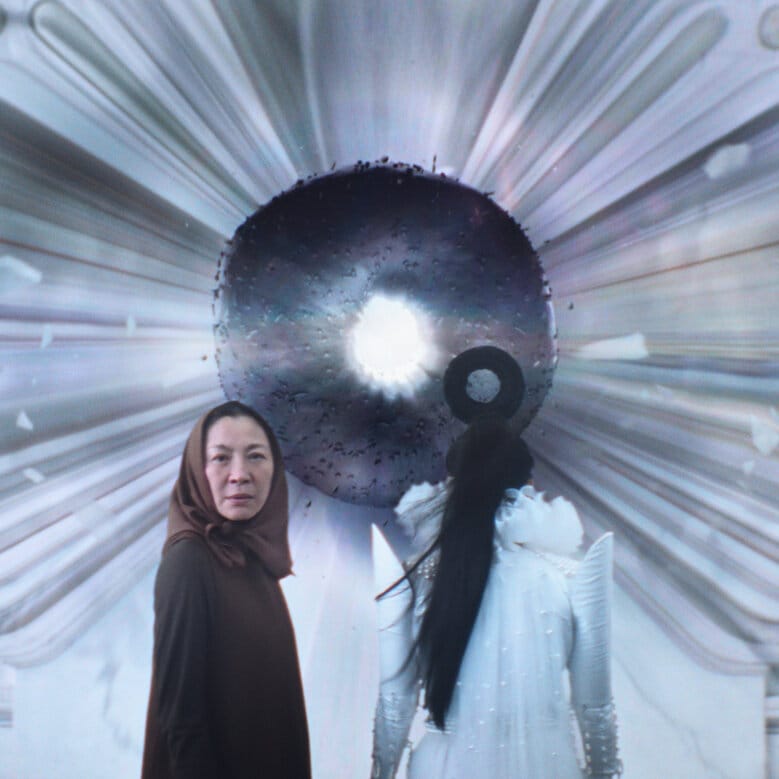
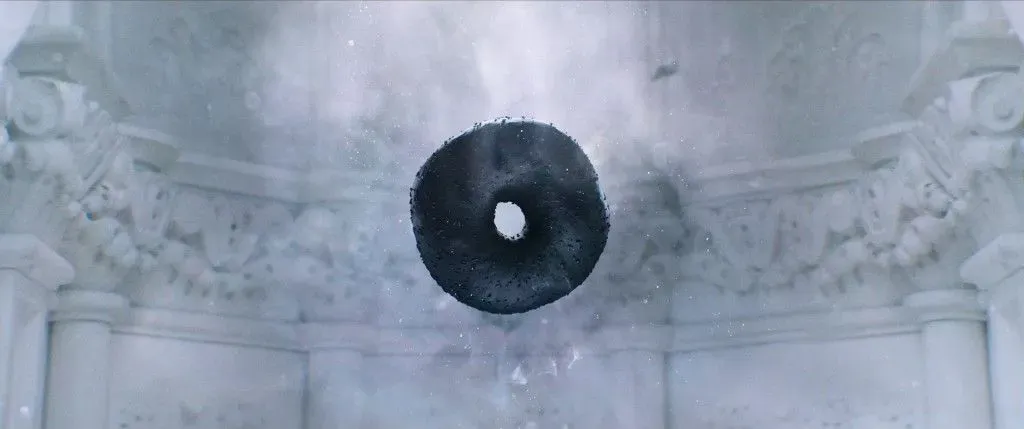
Total modal exposure becomes a contraction machine. Every path is now visible, so no path feels binding anymore. Every life is available, so no life feels precious. Her “everything bagel” is not just some joke object.
It is the torus shape of modal despair: all possible contents collapsed into one annihilating center.
The movie’s moral center is not developing Evelyn’s combat ability. It is Waymond.
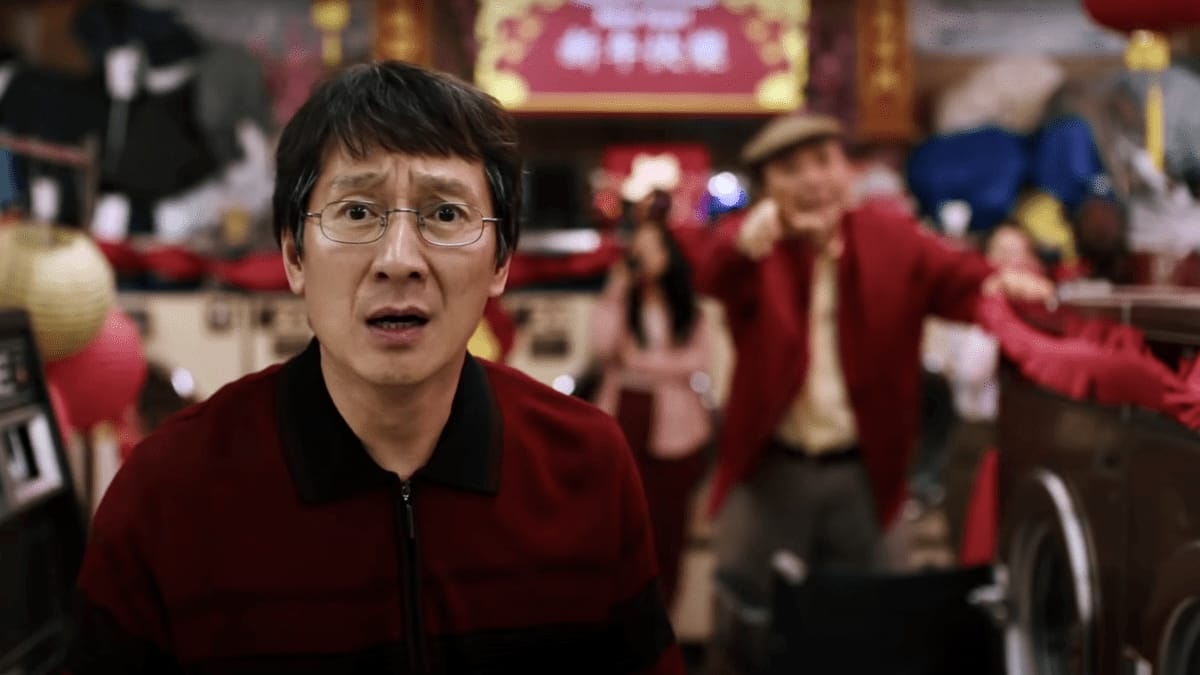
Waymond looks pretty weak under ordinary heroic grammar. This man does not dominate the field. He does not win by force. He negotiates, pleads, absorbs insults, and keeps offering care after care has become embarrassing.
Under Modal Path Ethics, this is not naivety. These are active and analytically-aware acts of field stabilization.
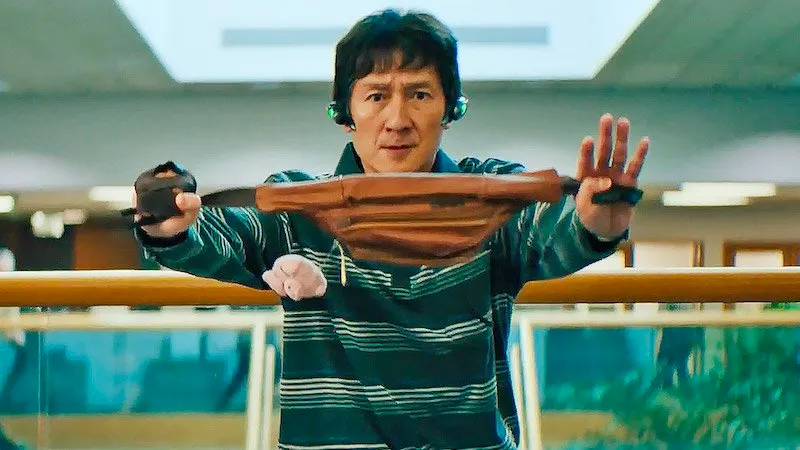
Waymond understands something important about Modal Path Ethics that Jobu and Evelyn quickly lose:
Modal abundance does not make the local field disposable.
The existence of every other life does not release this life from its own moral status. Infinite alternatives do not erase the daughter standing in front of you. They do not erase your husband.
That is the first ruling on the multiverse, fictional or otherwise:
The existence of other paths does not reduce any obligation to this one.
Unfortunately, the fictional soul-balm machine usually works in the opposite direction. It offers us metaphysics as relief from our local pain. Everything Everywhere All at Once does something Better.
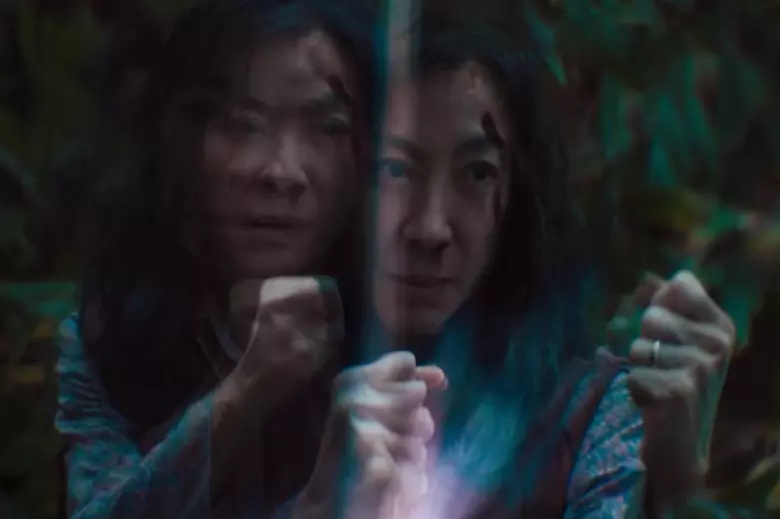
It takes that metaphysical relief all the way to infinity, and discovers that infinity is not actually relief at all.
Infinity is too large for a finite locus to hold. The repair path is never going to be “choose every life.” The repair path is “return to this one, without pretending it is the only possible one.”
Evelyn’s victory is not that she proves her personal universe is cosmically privileged. She does not need to. Modal Path Ethics does not require a field to be unique before it matters.
A field matters because it is extant, because loci inside it can be harmed, because reachable futures can still be contracted or expanded from here.
The multiverse is not meant to be a cure for grief. It is intended as a stress test for care. The man with the fanny pack passes this test.
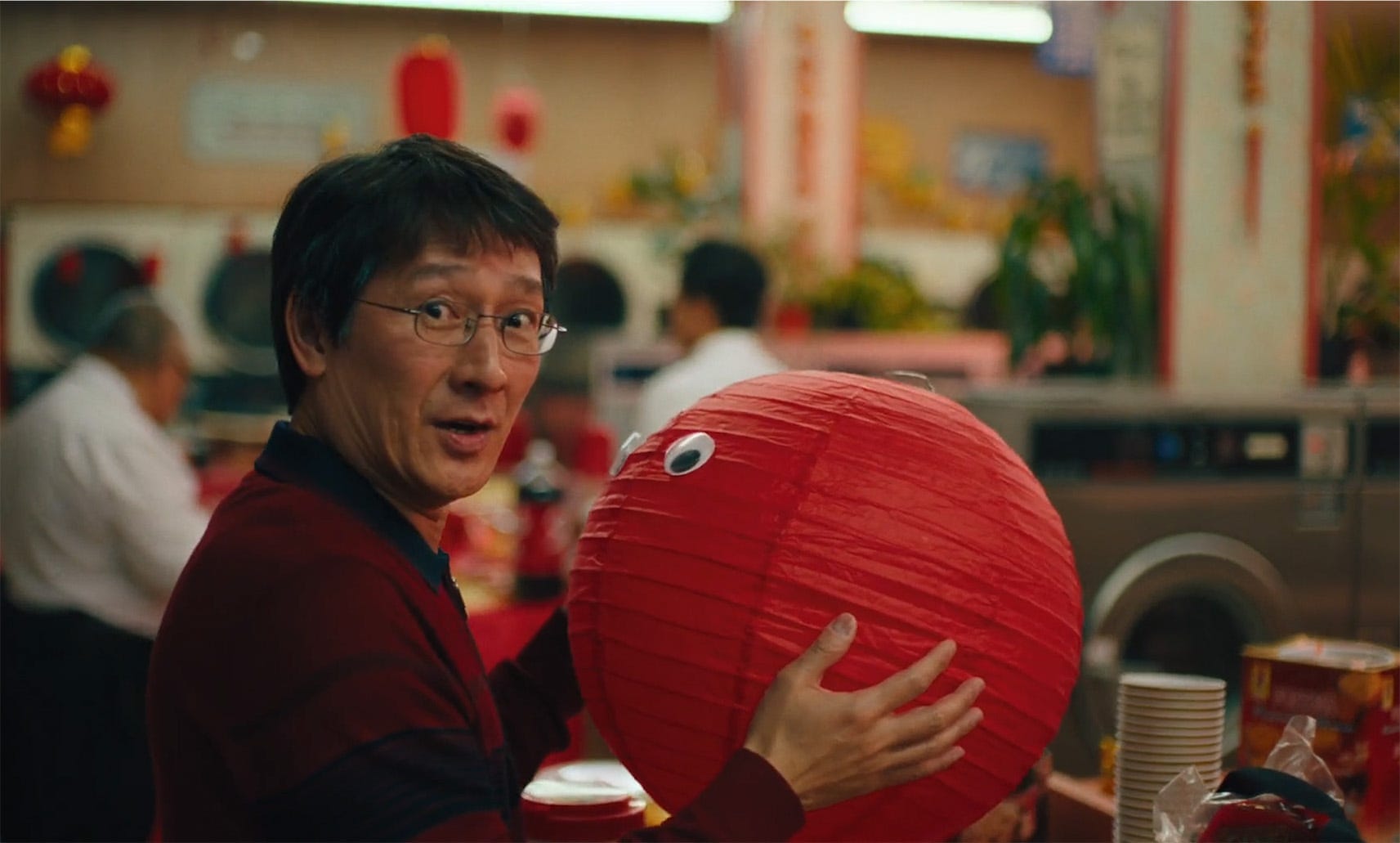
Now, we can eat.
Applied Case: The One and Modal Cannibalism
Let's turn to a much simpler case: Jet Li must be stopped.
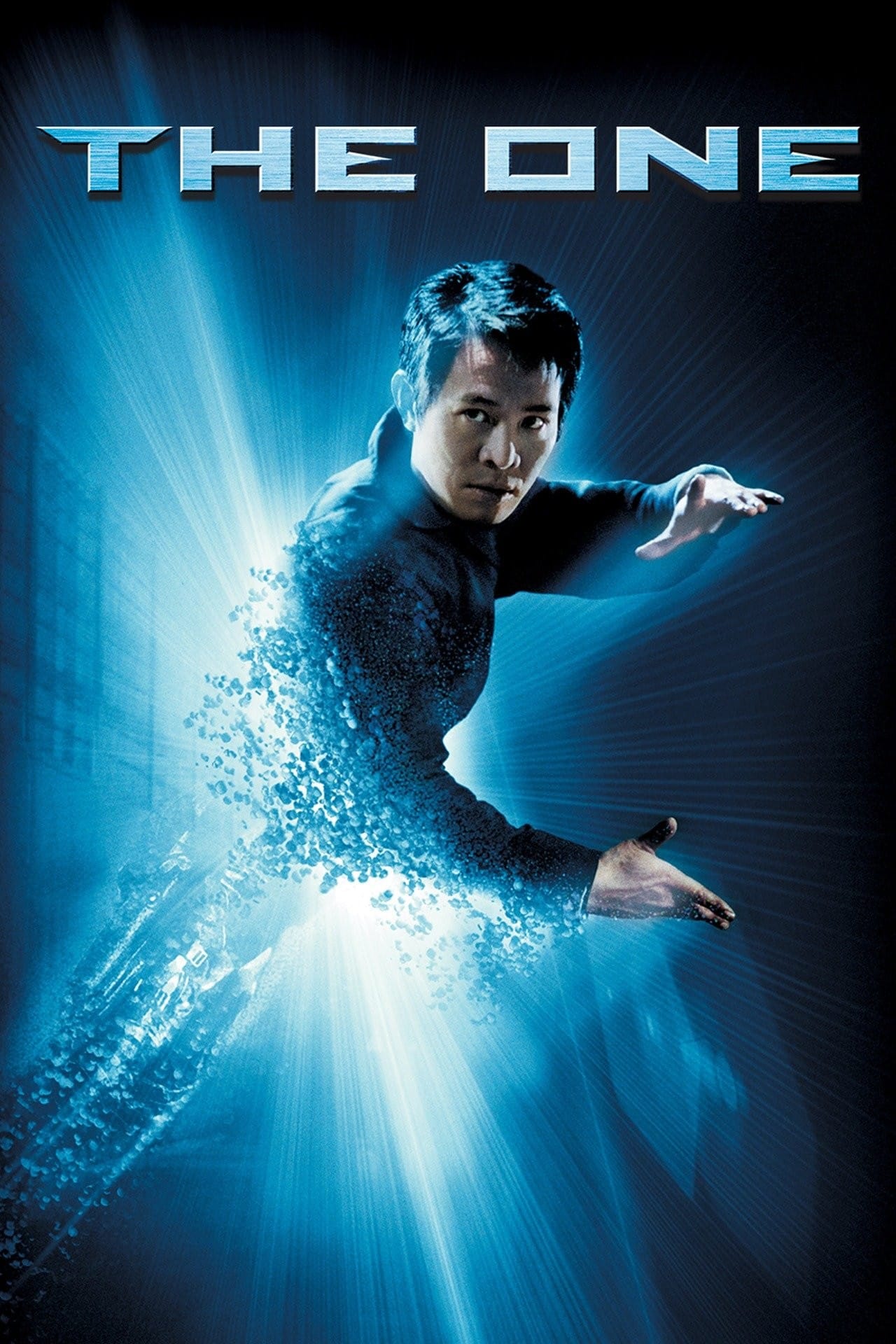
The One is almost admirably blunt.
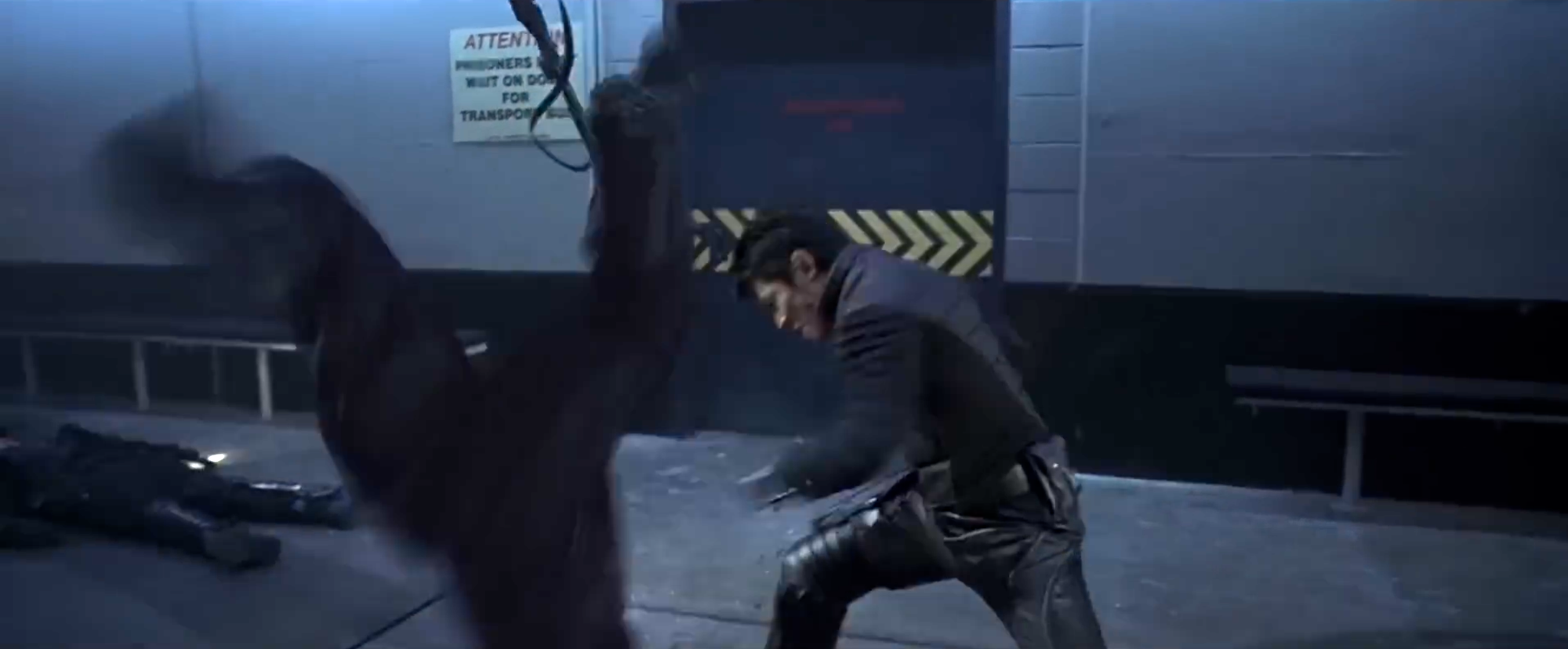
A man named Gabriel Yulaw discovers that alternate versions of himself exist across the multiverse. It would have been much, much better if he never found this out.
When one version dies, the remaining versions all become stronger. Yulaw responds to this metaphysical discovery by venturing across the multiverse, murdering his alternate selves so he can absorb their power and become “the one.”
This is not a terribly subtle film. That is why it is so useful. Many multiverse stories blur the status of the alternate selves. They tend to make branch-versions feel like costumes, possibilities, fantasies, or psychological projections.
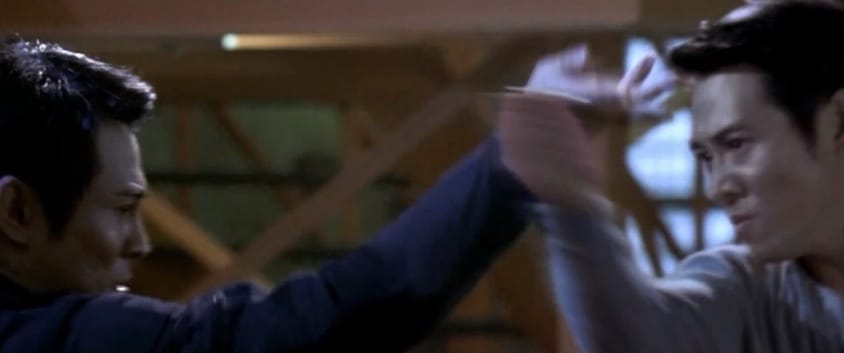
The One does away with all that ambiguity. The alternate selves are not imaginary variants. They all have lives, bodies, relationships, worlds, and futures. They are real, extant loci.
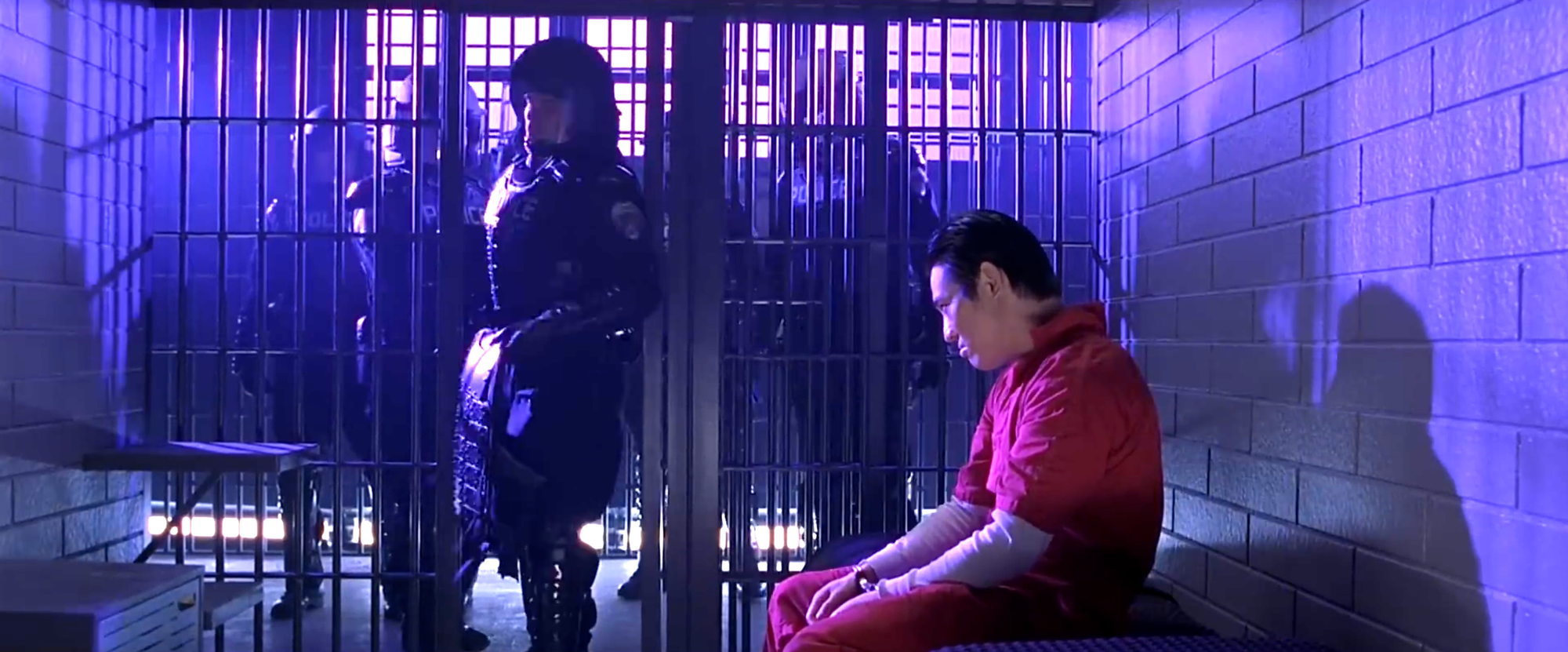
Yulaw’s metaphysics does not make them less real. It just makes them harvestable.
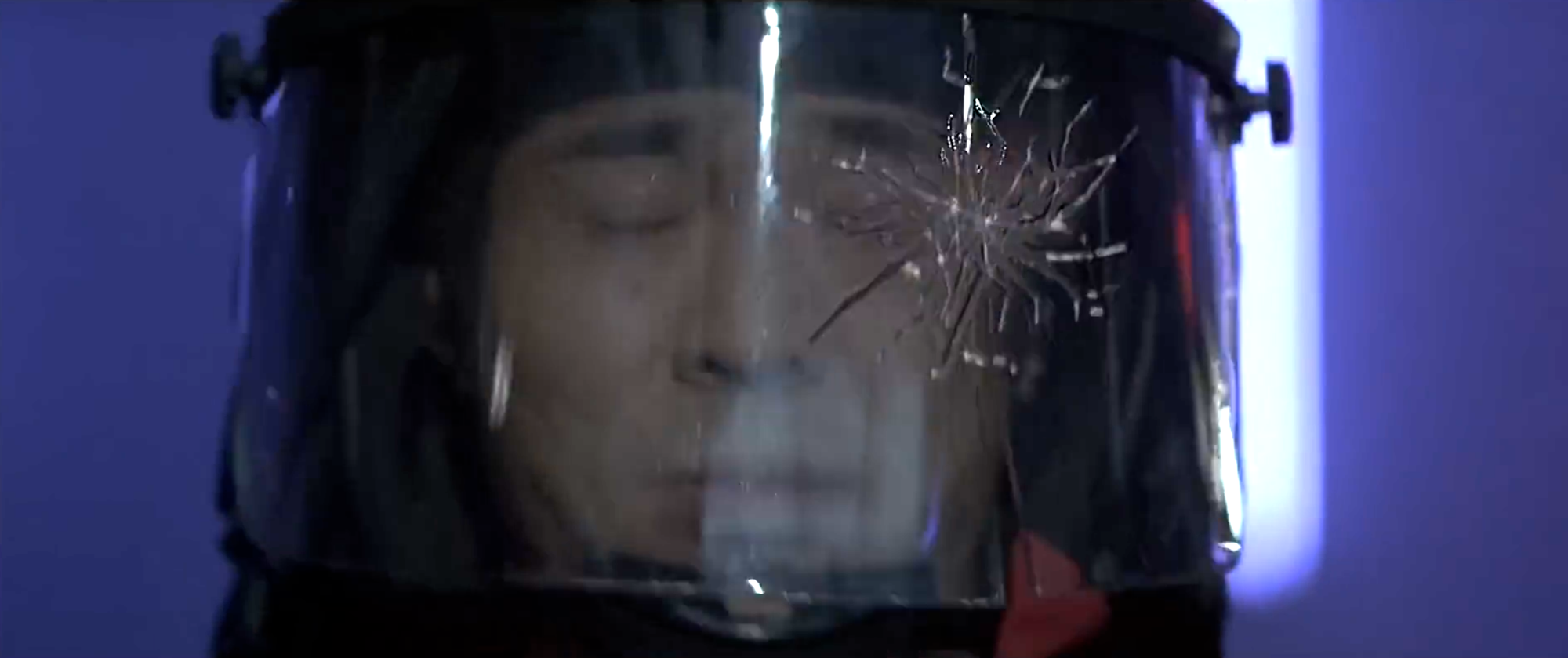
That is his whole field crime. That is what gave rise to Jet Li's horror.
The usual villain-read on this motive is power. Modal Path Ethics points out the more specific structure here: alternate-self predation. Yulaw treats identity-overlap as personal ownership.
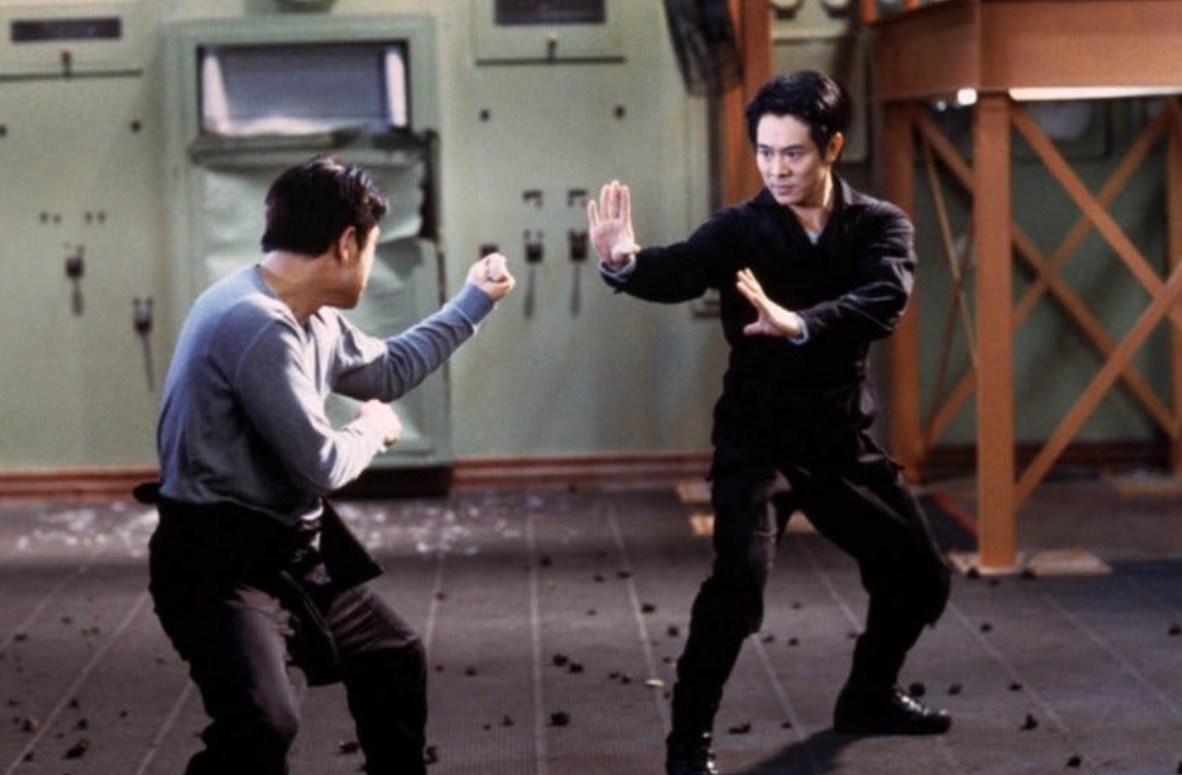
Because these other men share his face, he acts as if they are somehow morally continuous with him, but only in the direction that benefits him.
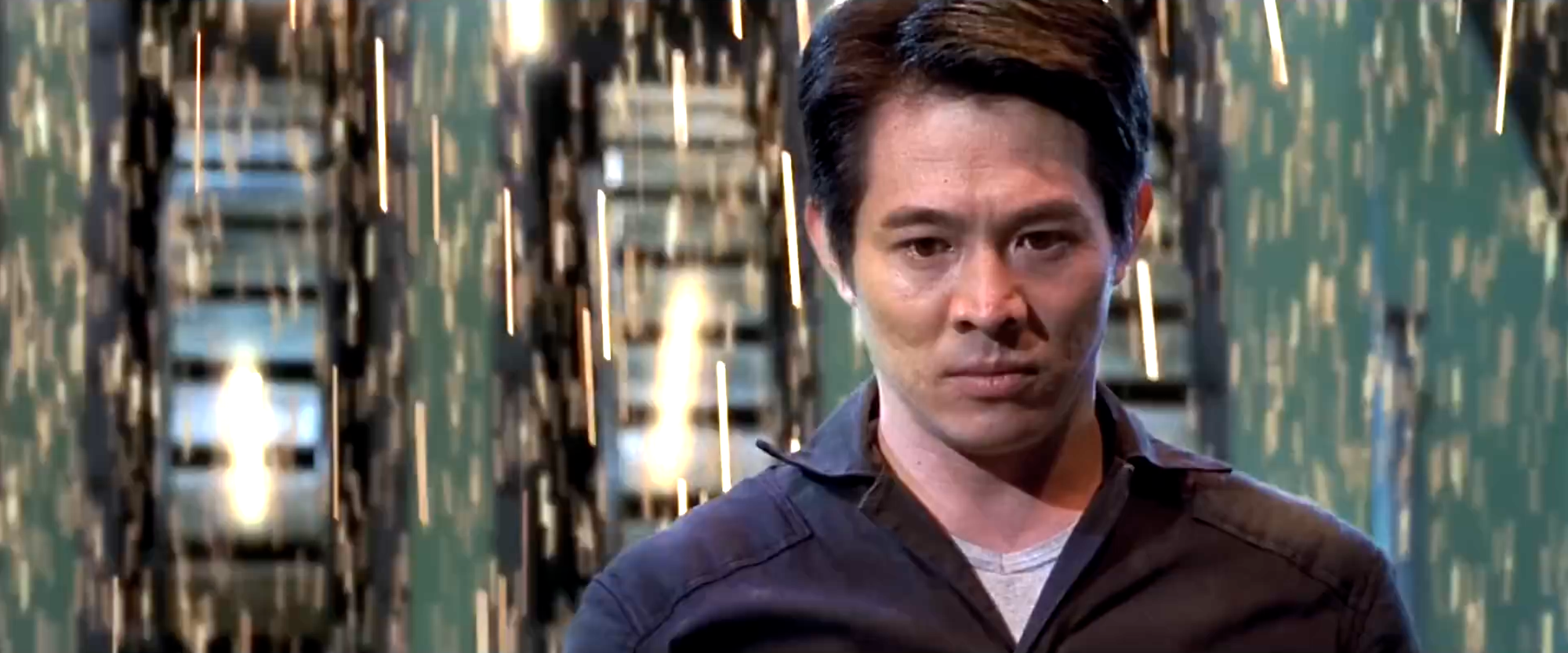
Their deaths just count as his gain, because in his deluded mind they are him, so how could they be harmed if he goes on?
Because of this insane logic, their continuance now somehow counts as an obstacle to their own good. Their worlds just become a resource map.
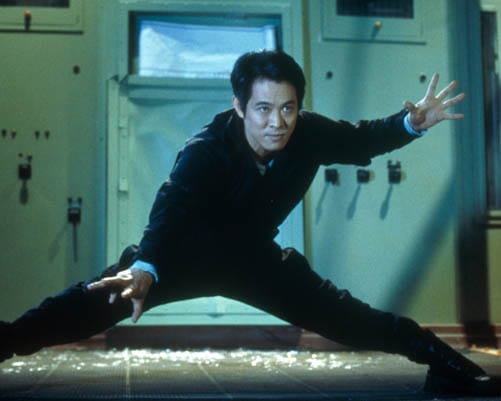
One thing Jet Li left out of his analysis: a shared identity-template is not actually consent. A face-match is not any kind of fungibility. A branch-self is not your spare inventory.
Modal Path Ethics is tracking extant loci. Yulaw’s victims do not become ethically discountable because they resemble him. In fact, the resemblance exposes the sheer narcissism of this man's violence.
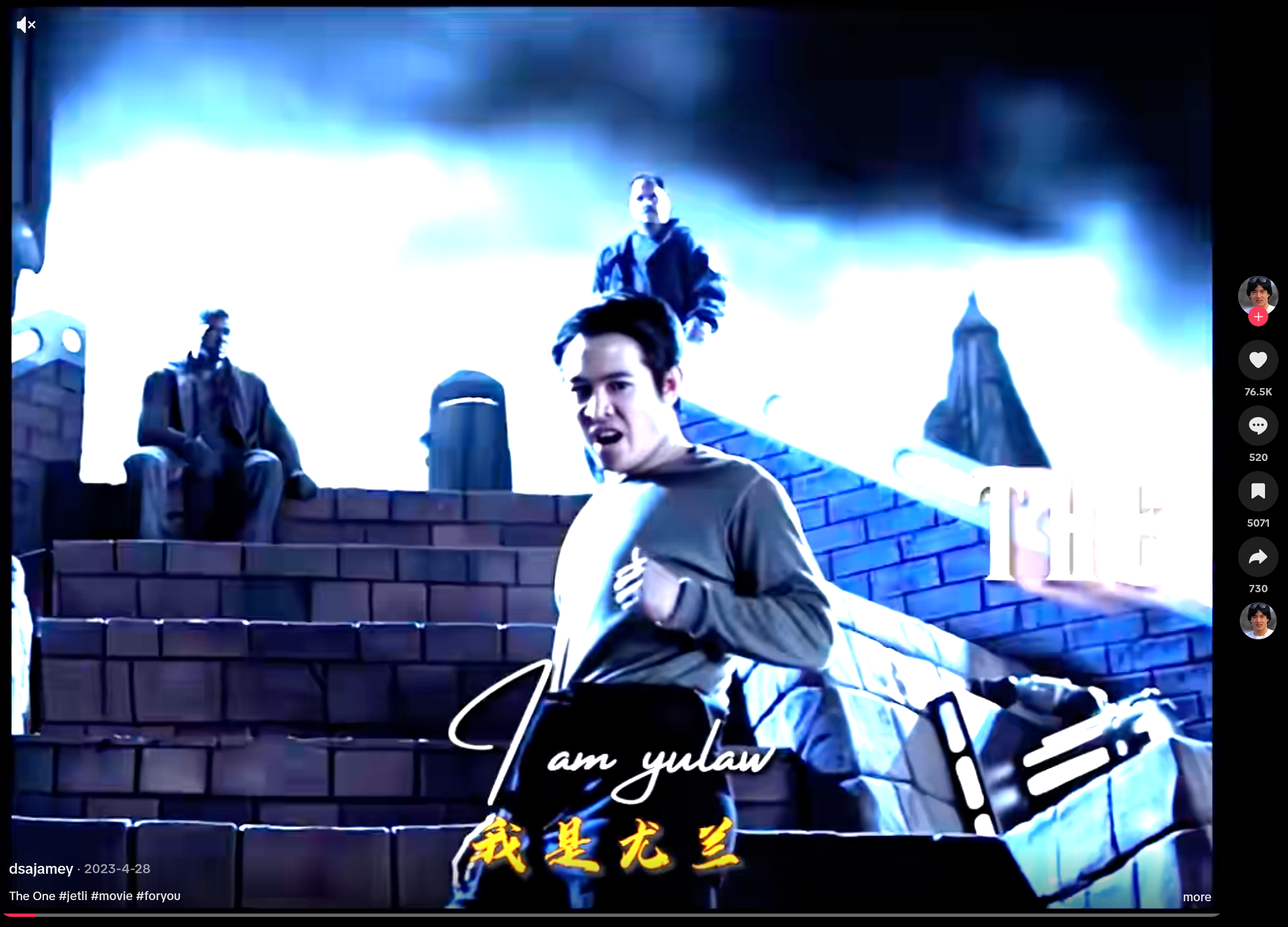
Jet Li is not transcending the self. He is expanding his selfishness across ontological borders. He is not becoming whole. He is converting other continuances into a personal enhancement regimen.
Ruling:
The One is not a story about self-actualization. It is a story about modal cannibalism.
Dumb metaphysics matters. A silly movie can accidentally state the moral problem more cleanly than a prestige film. If alternate worlds exist, the first ethical temptation will never be philosophical wonder. It will almost certainly be extraction. Someone will look across the branch boundary and ask what can be taken, like Jet Li.
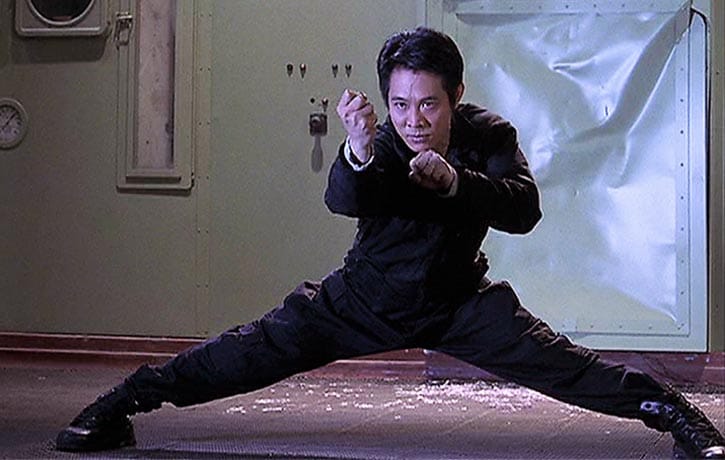
Yulaw just says the quiet part, while kicking everyone.
Applied Case: Mickey 17
Fiction is creative. Mickey 17 does not need a true multiverse to reach the exact same type of moral territory. It only needs a person-printer.
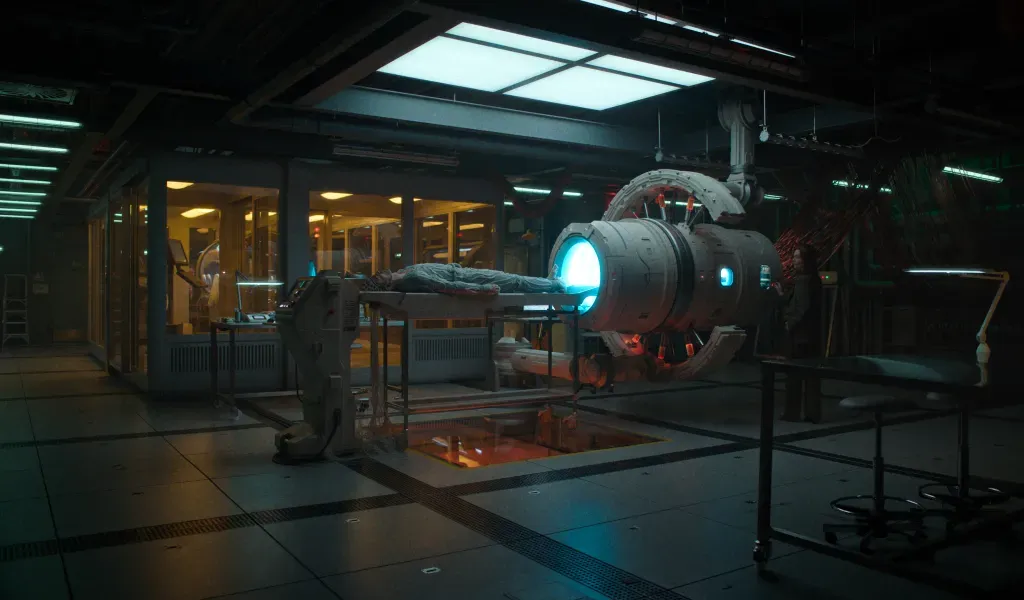
The premise is simple, the morality is not:
Mickey is an “Expendable,” a worker sent to perform lethal tasks because his body can be replaced. When he dies, a new Mickey can just be printed with restored memories. The institutions around Mickey can therefore treat his death as operationally reversible.
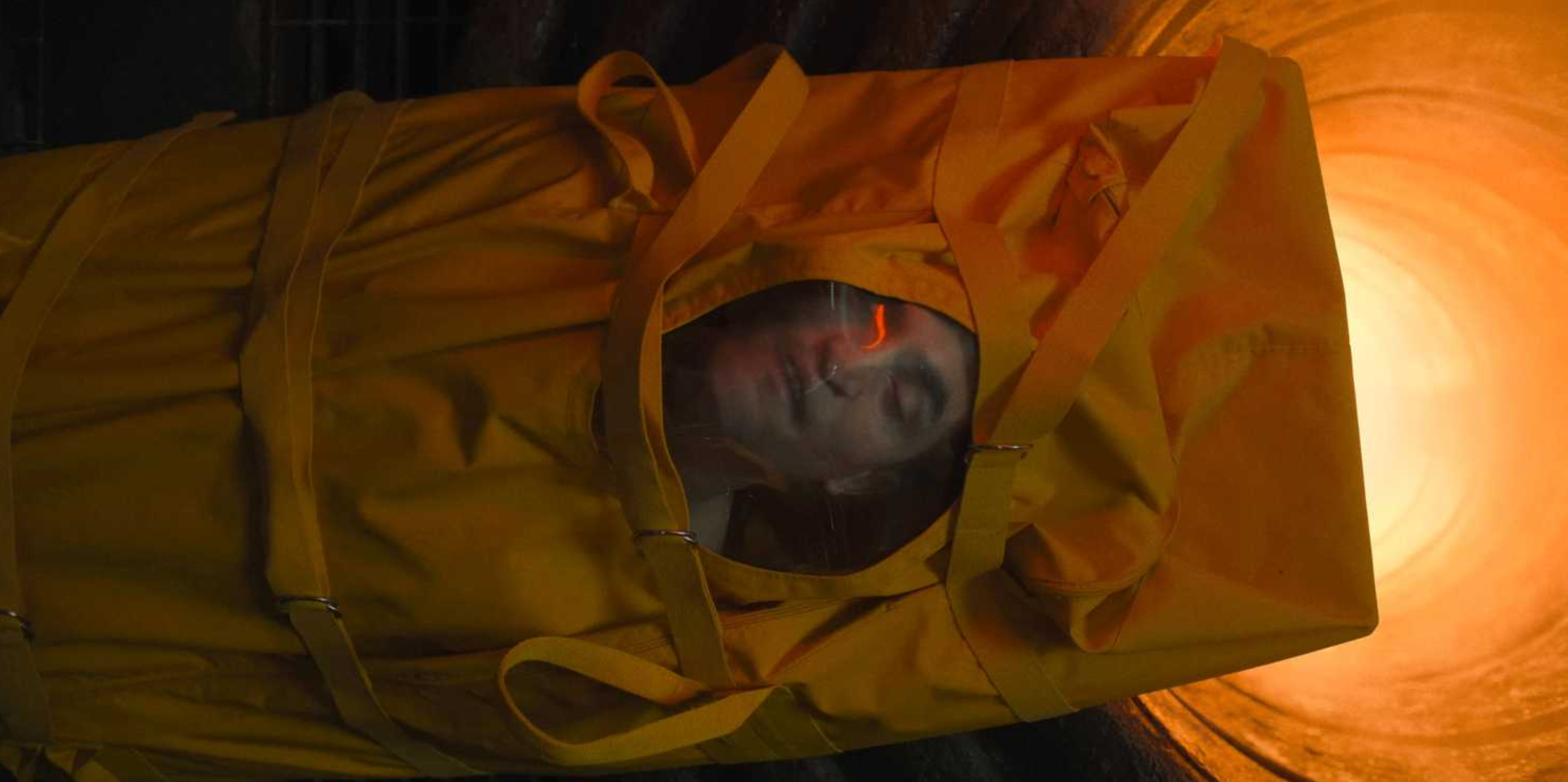
So this is just “resurrection” as a management policy.
The metaphysical balm here is continuity. If Mickey remembers being Mickey, if the printed body resumes the role, if the work continues, then the system gets to pretend death has been downgraded into inconvenience. The body was lost, but the employee-locus persists. The mission continues unaffected. The ledger balances the same. So no real harm, apparently. Just another iteration of the locus.
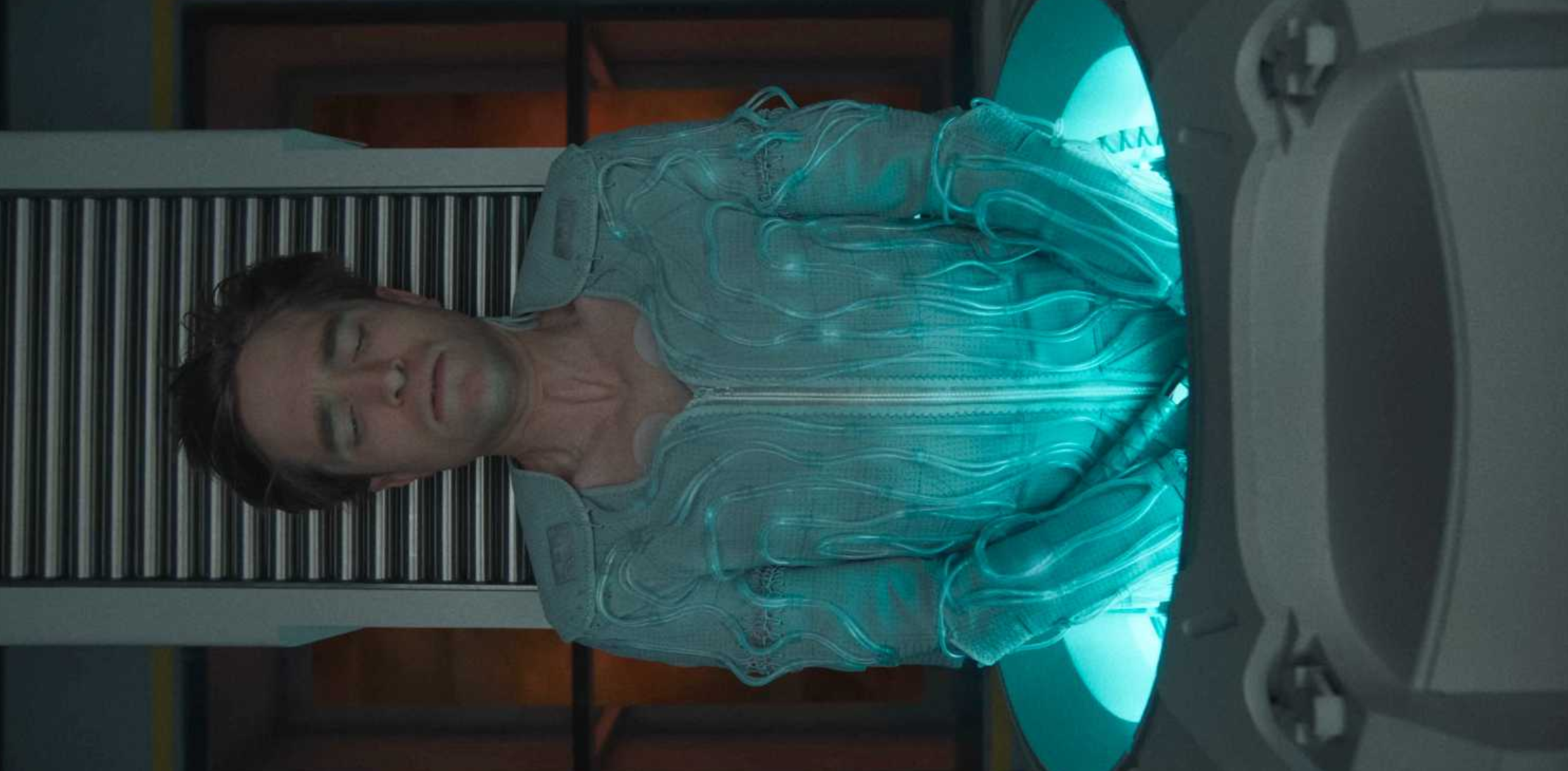
Modal Path Ethics should be deeply suspicious of any institution that claims it has discovered a metaphysical loophole around worker death, and then immediately builds a new job category around it.
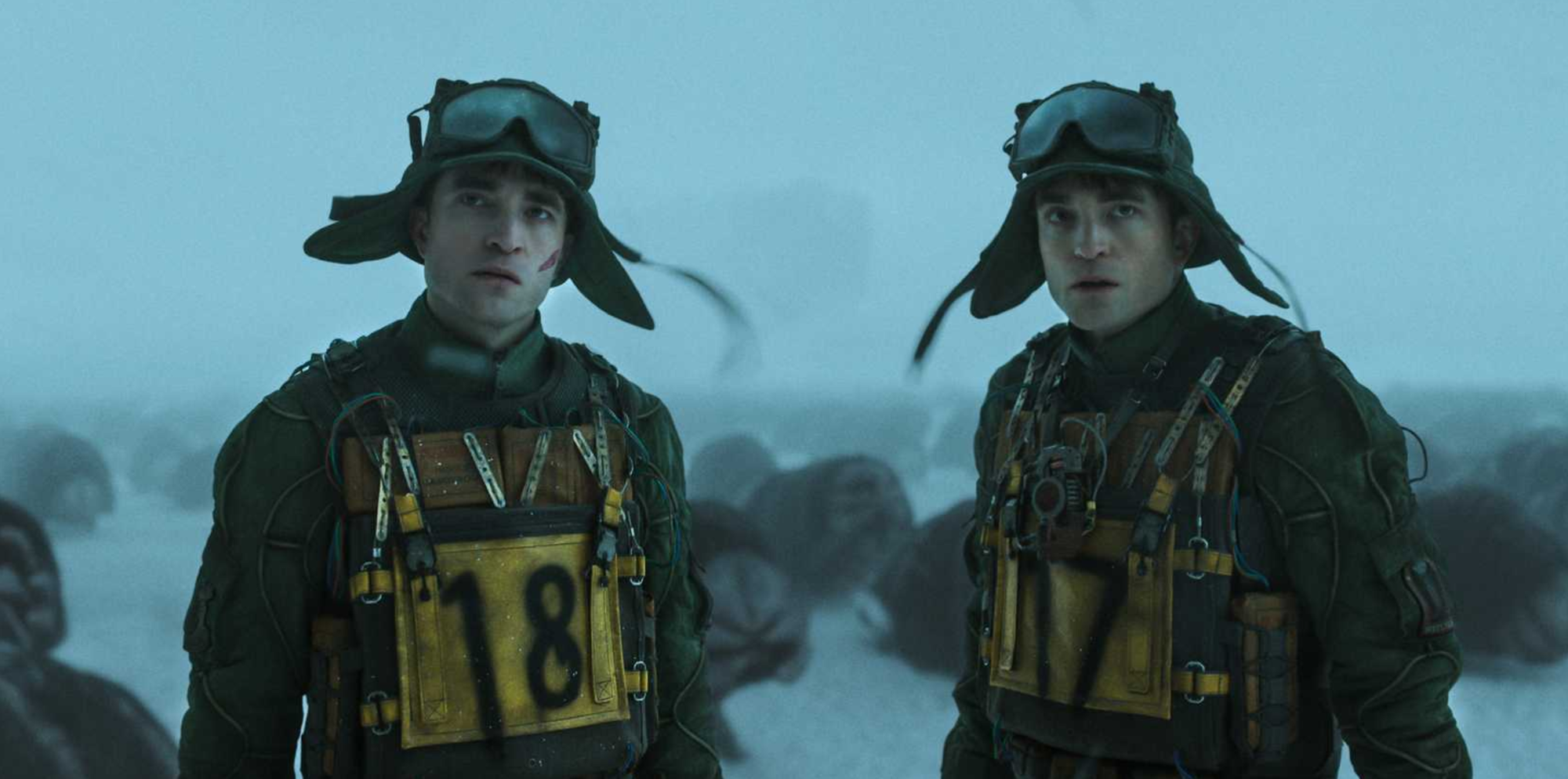
The problem is not only whether each printed Mickey is “the same person.” That question matters a lot for sure, but it can also become a trap and unnecessary bottleneck.
The field harm does not wait around for metaphysical certainty. This institution has already reorganized itself around repeatable destruction of a human locus. There is no time for a committee now. Whether the new Mickey is numerically identical, continuous-enough, copied, resumed, or replaced, the field has been altered in a specific direction: one class of person can now be killed as procedure.
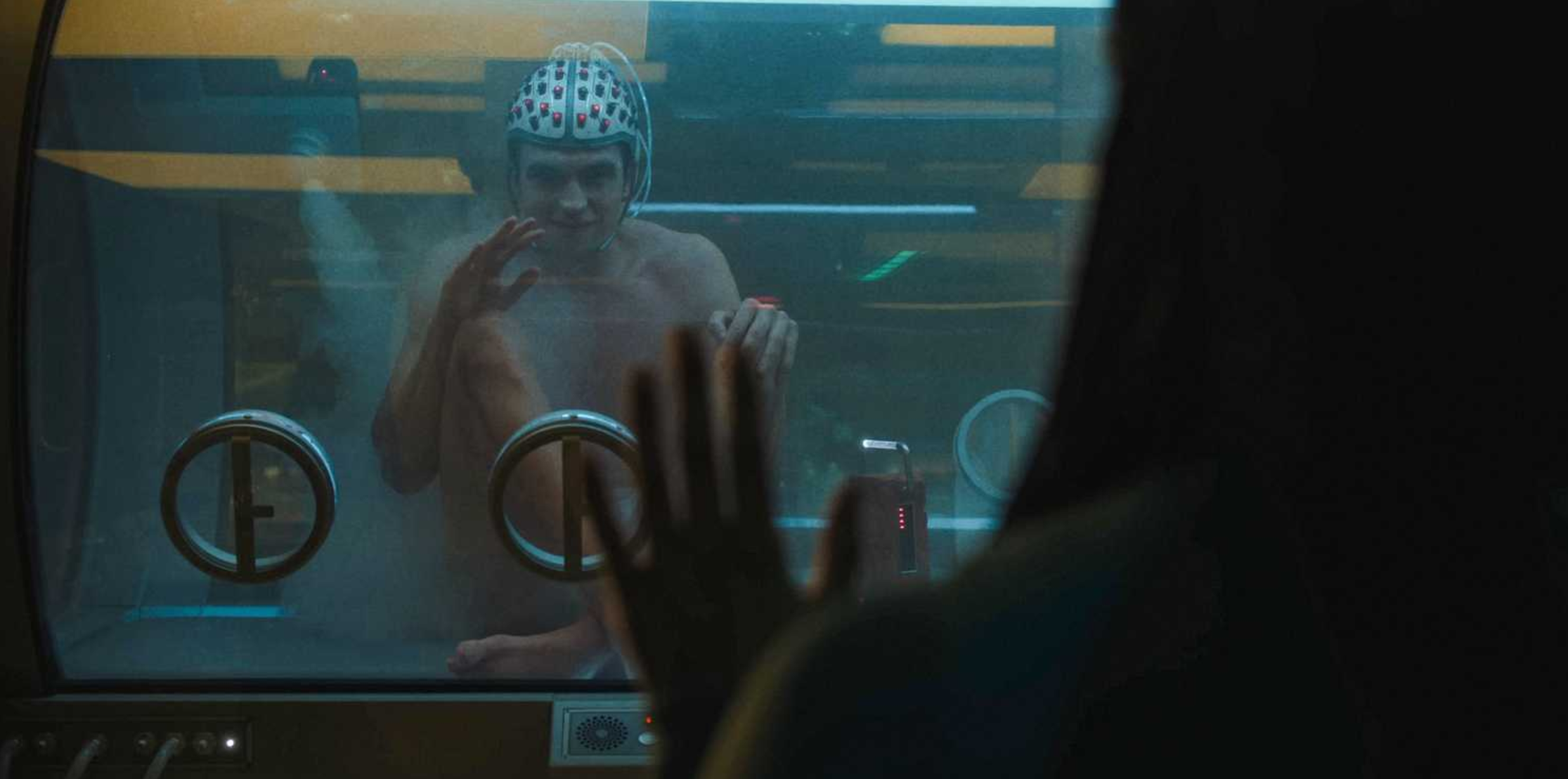
Memory continuity now becomes a labor-control device.
This is the darker cousin of Yulaw’s modal crime in The One. Yulaw kills alternate selves for personal power. The colony here kills Mickeys for its institutional efficiency. The metaphysics differ enormously. The field structure rhymes.
Ruling:
Continuity is not a corporate receipt proving no one died.
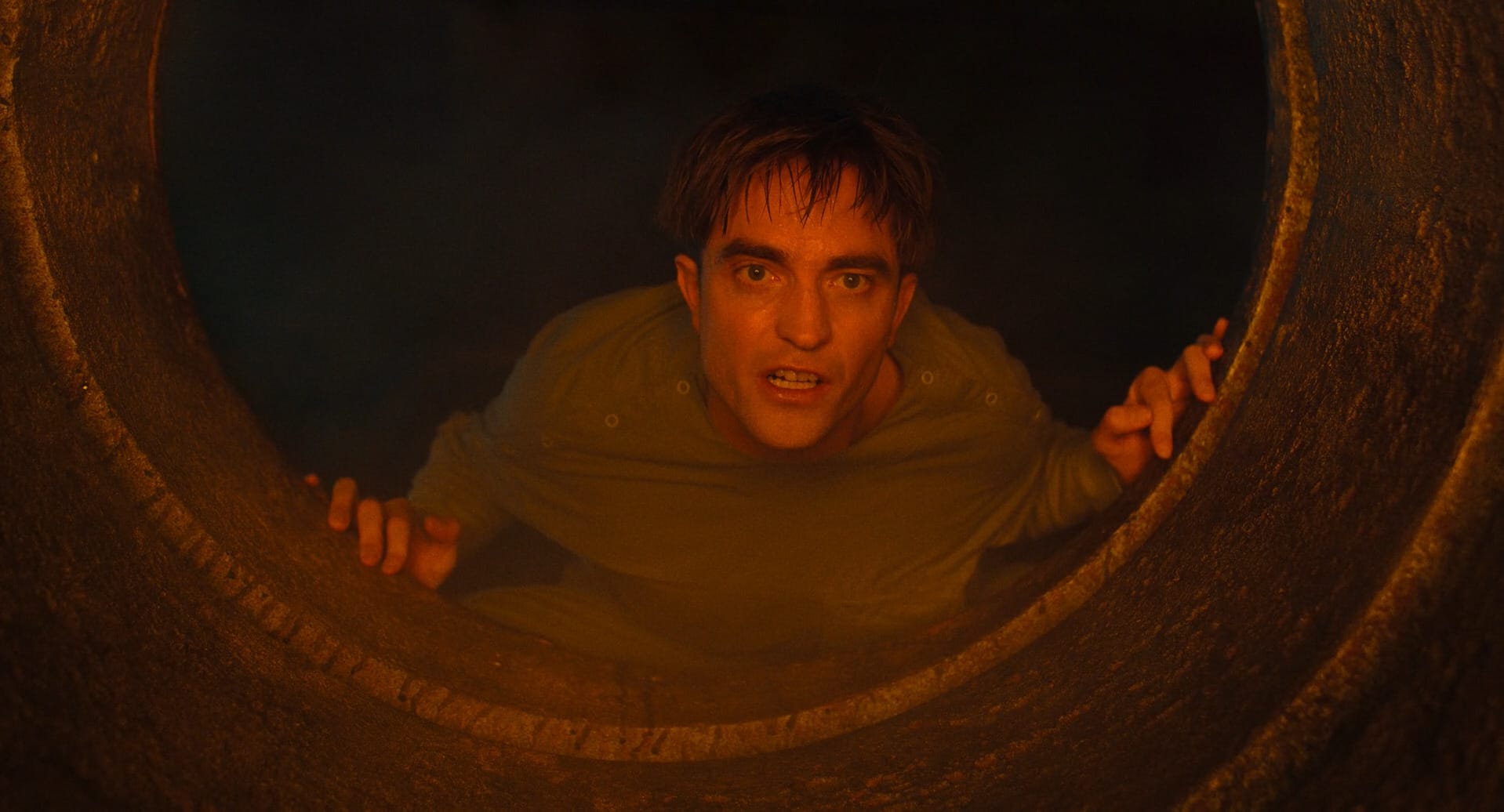
Even if Mickey’s continuance survives through the death-to-printing in some defensible sense, that does not cleanse this system. Modal Path Ethics tracks contraction across extant loci and reachable futures. A worker whose body can be repeatedly destroyed has not been liberated from harm. He has been made unbelievably available to harm.
The soul-balm machine whispers: do not worry, he always comes back.
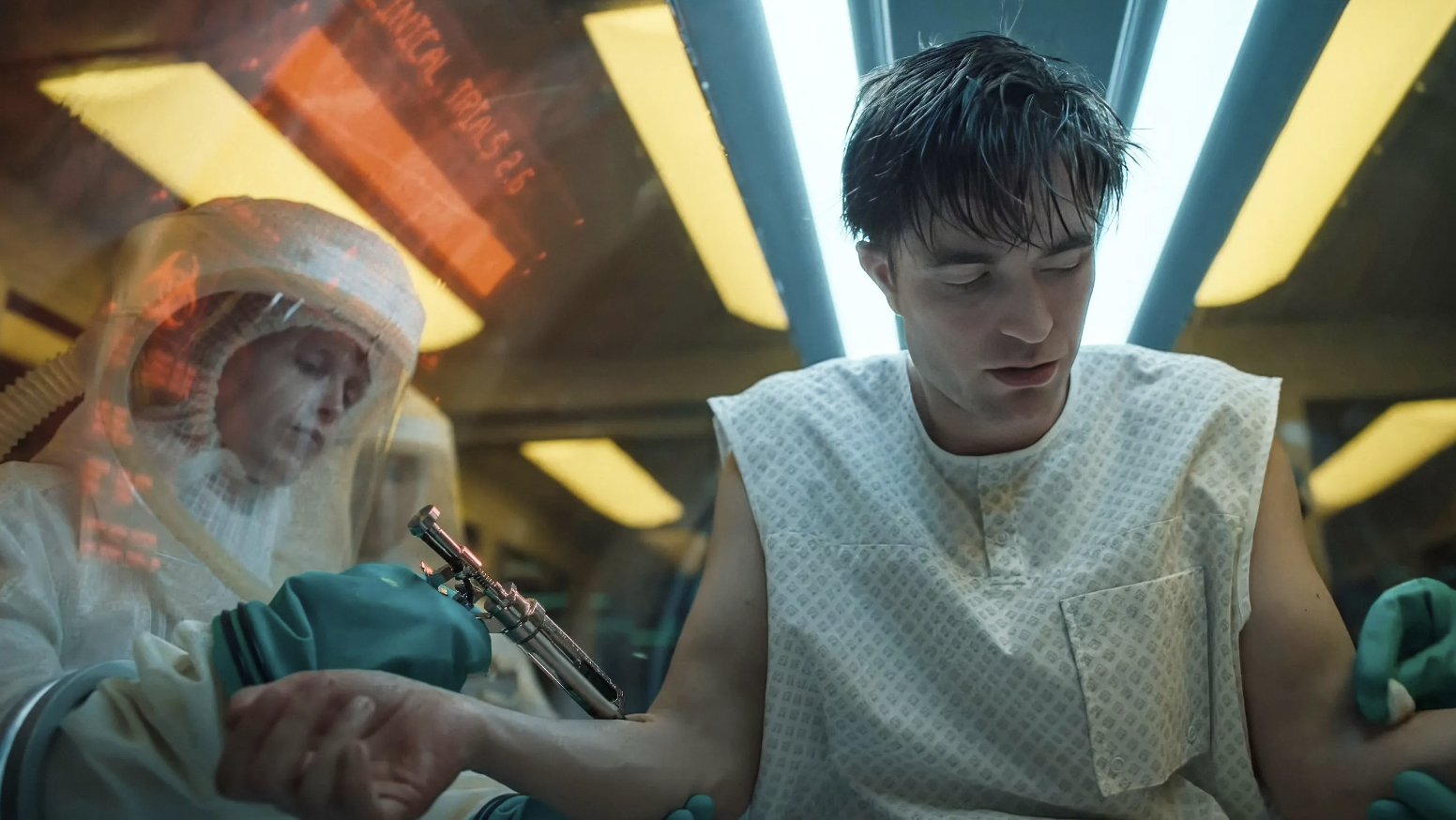
The field slaps it and reports: then the machine will keep finding reasons to kill him.
Applied Case: Source Code
Source Code is an underrated movie that begins with a man waking up on a train inside someone else’s body, without their permission.
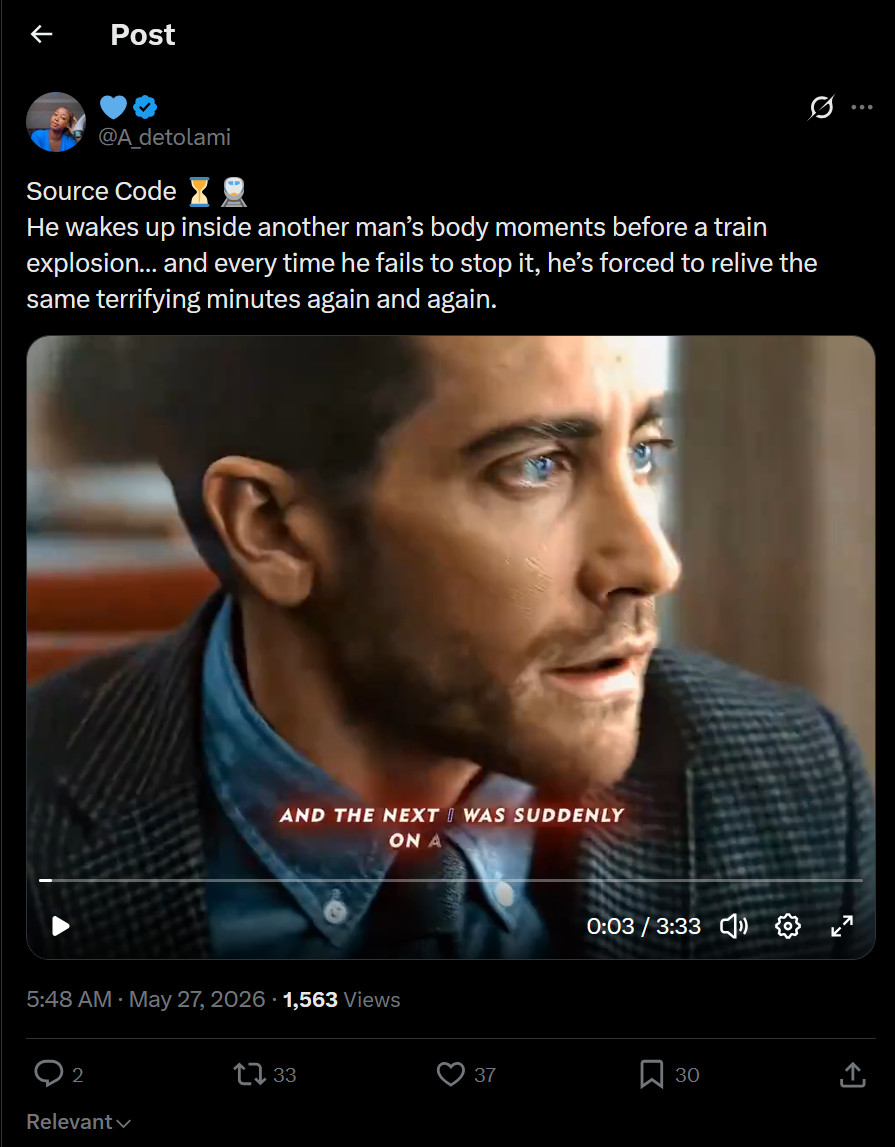
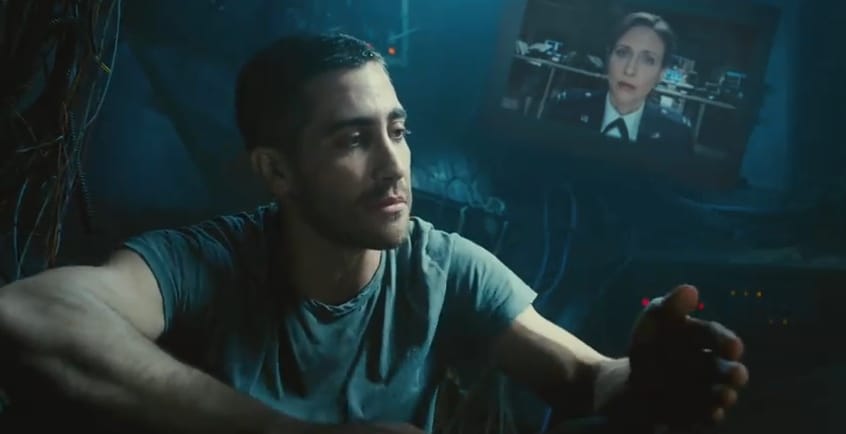
Captain Colter Stevens is then told he is inside a program that lets him relive the final minutes before a terrorist bombing. His mission is to identify the bomber to prevent a future attack.
The people on the train are treated, at first, as already dead, because this is a simulated recreation of their last moments. The train he is on is not a field to be saved at this point. We are inside a replay surface: a counterterrorism instrument. This is a dead interval made useful again.
That is the official moral structure.
This movie is interesting because that structure fails.
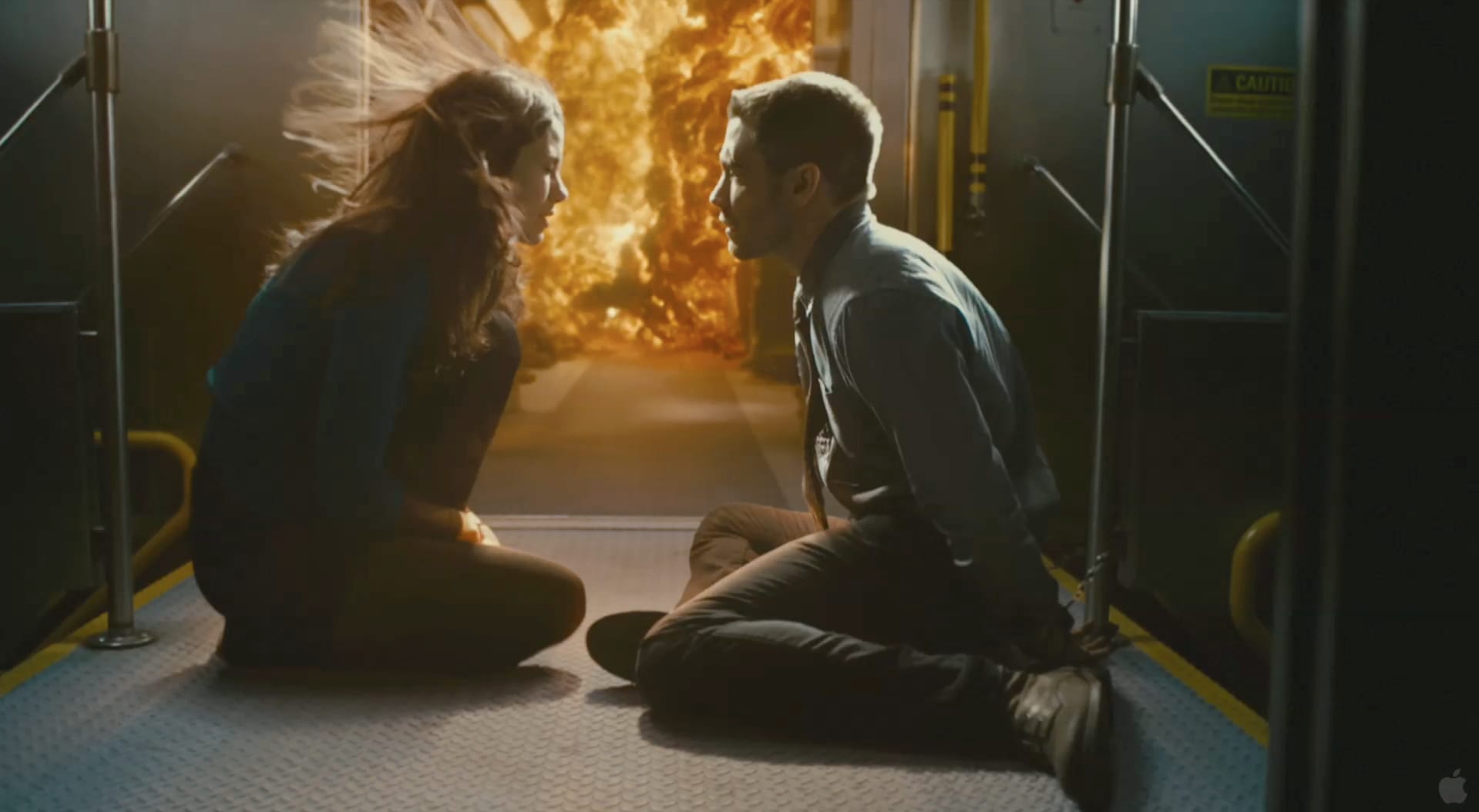
The more Colter acts inside the train, the more the train resists being categorized as a dead tool. The passengers respond to him like people would. Choices always vary. Relationships form.
Possibility opens. A woman can now be saved. A future can continue on here. This supposed replay begins to behave like a morally live field for Colter.
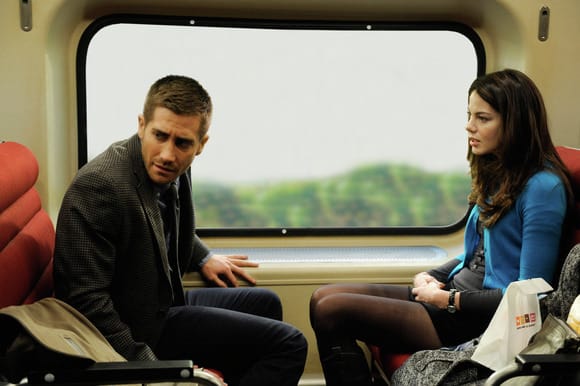
The real question is not, “Is this simulation real?” in the cheap puzzle-box sense. The question is:
At what point does an instrumental reconstruction acquire claims against the people who are using it?
Modal Path Ethics does not need to solve every metaphysical detail in Source Code before sounding the alarm. If a constructed space contains loci who can suffer, respond, continue, and have reachable futures expanded or contracted, then it has definitely escaped the moral category of equipment.
The operators may still call it a program. That does not settle the moral status of the field.
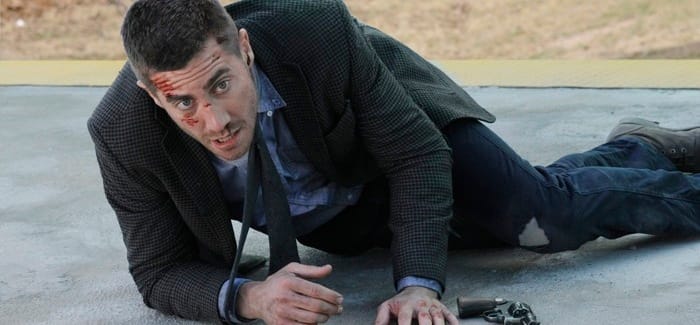
This is where Source Code becomes useful for the larger article. It shows the real danger of metaphysical downgrading. Once a field is labeled “simulation,” “branch,” “copy,” “replay,” or “already dead,” agents outside it gain permission to use it freely. The label becomes anesthesia.
But Modal Path Ethics begins with extance directly, not any institutional labeling. If something is there enough to be harmed, saved, trapped, or continued, then the accounting has already begun. Low stakes are never no stakes.
Ruling:
A constructed field that can continue is not a simple tool. That is a field.
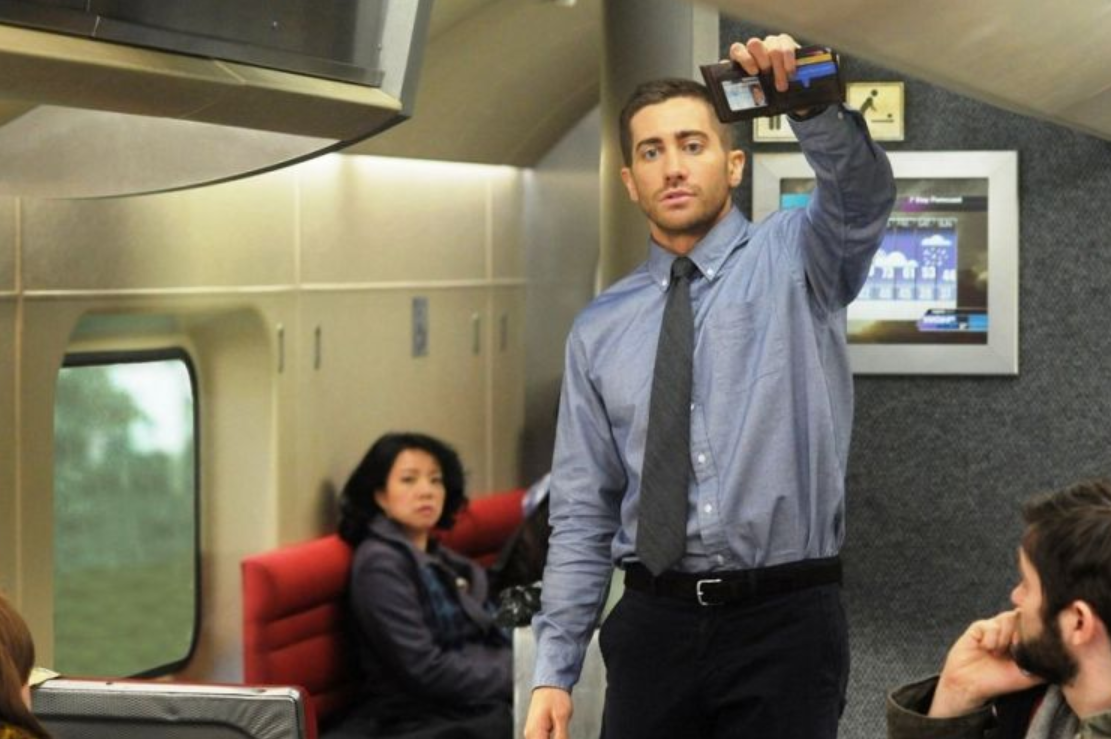
Colter’s repair is therefore double. He is trying to prevent the next attack in his own world, but he is also forced to recognize the train as more than just a corpse with useful information inside it. The replay becomes a world. The mission becomes a kind of trespass there. The tool itself becomes owed.
That is exactly the sort of thing the fictional soul-balm machine often tries to hide. It says the pain is contained because the field is not quite real. Modal Path Ethics and Source Code ask the impolite follow-up:
Real enough for whom?
Applied Case: Interstellar and When The Cause Is Late
Interstellar begins with a damaged planetary field.
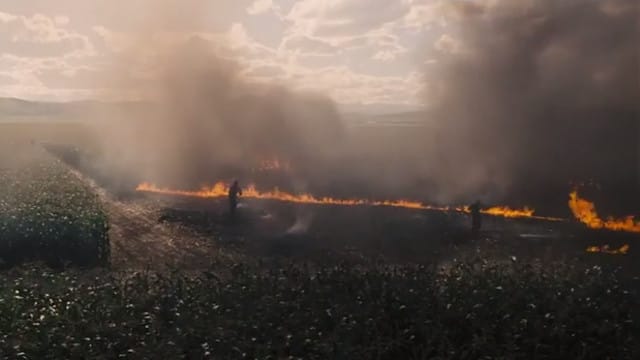
Earth is failing. Crops are dying out. Dust is everywhere. Civilization has narrowed its imagination around survival. Schools teach contraction as realism. The Moon landing is now treated as old propaganda. Space exploration has become politically, institutionally, and culturally embarrassing.
NASA survives underground, which is a clean single image of the field condition: the needed repair path still exists, but the society that needs it can no longer publicly hold it.
Humanity is not only losing access to food. It is losing its ability to imagine scale.
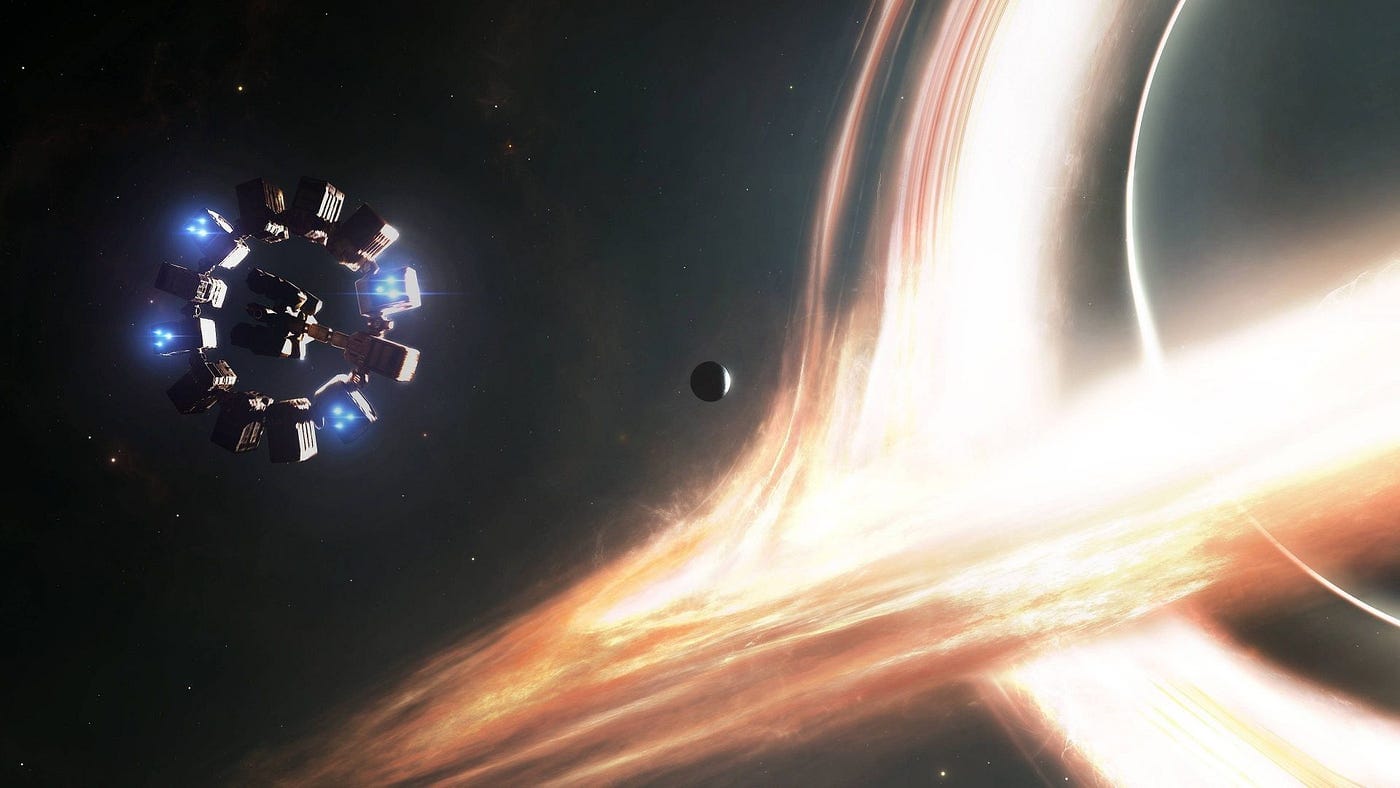
So the later metaphysics in Interstellar are not a sci-fi spectacle pasted onto a normal world. They are the shape of the only repair path still reachable inside a severely contracted field.
By the time Cooper finds NASA, the human future has already been forced through a tightly narrowing corridor: blight, dust, secrecy, a wormhole, a desperate mission, a black hole, a daughter’s room, and a watch.

So this is clearly not healthy field architecture. This is the kind of path a civilization gets when it waited way too long.
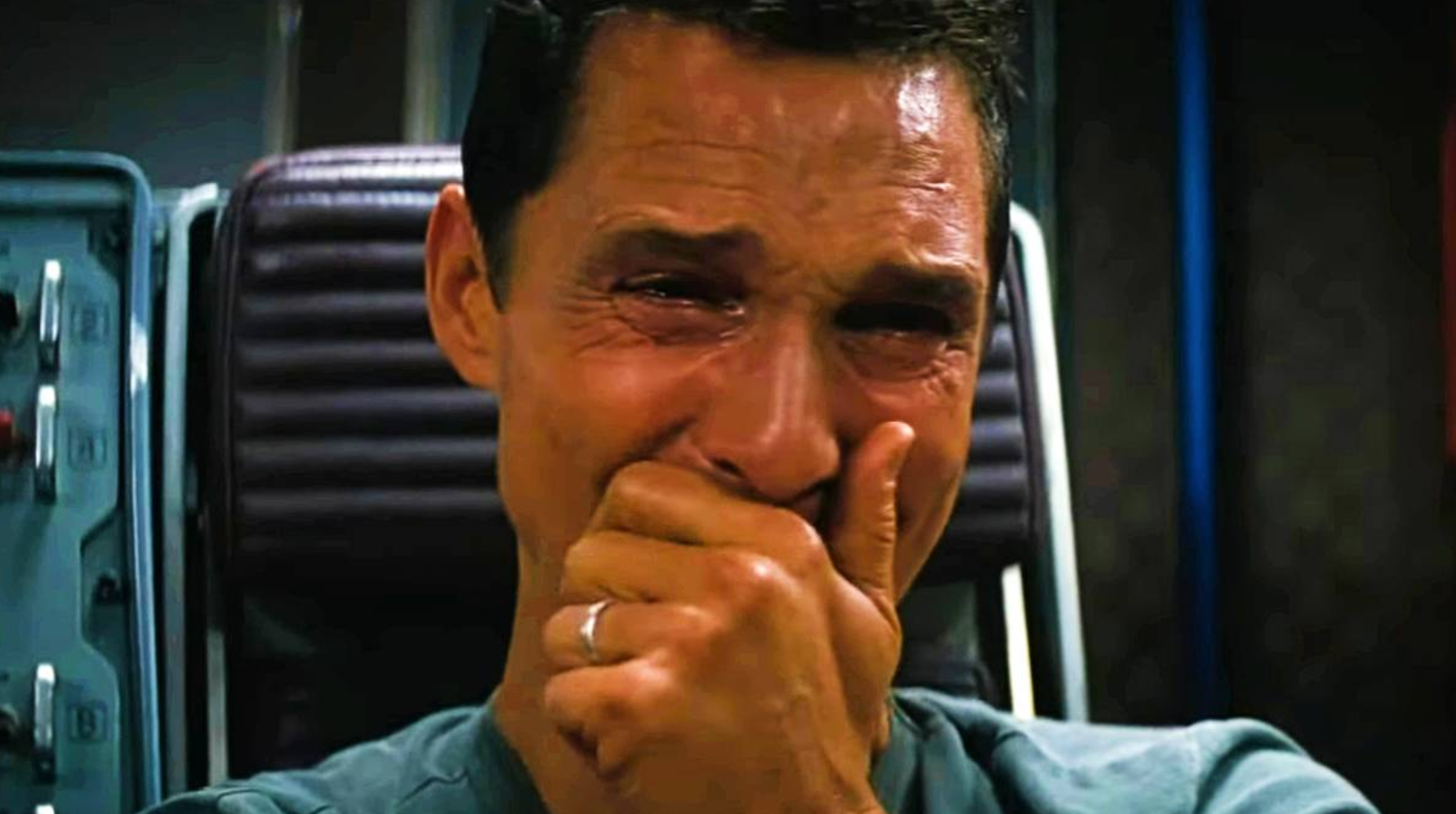
The central object of the movie is not the Endurance, Gargantua, or even the tesseract. The central object is Murph’s bedroom.
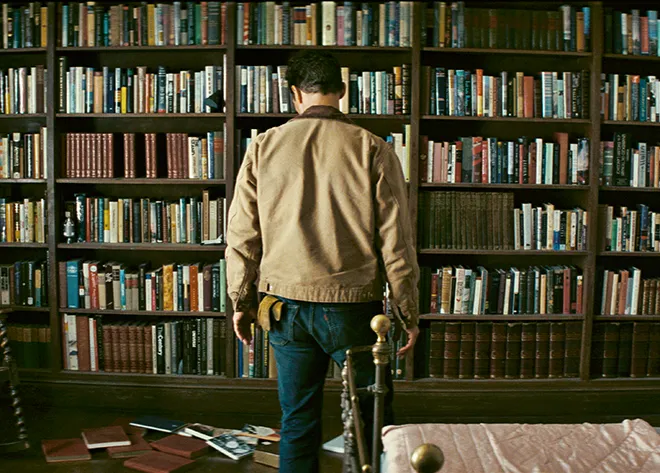
Books fall from the shelf. Dust forms patterns. Something appears to be communicating. Murph calls it a ghost. Cooper initially treats it as a problem to be decoded. This room is intimate and small enough to miss as the key field node in the entire film.
Then the ending reveals the knot. Cooper falls into the black hole and enters the “tesseract,” a structure that lets him access Murph’s room across time through the power of gravity. He now becomes the ghost.
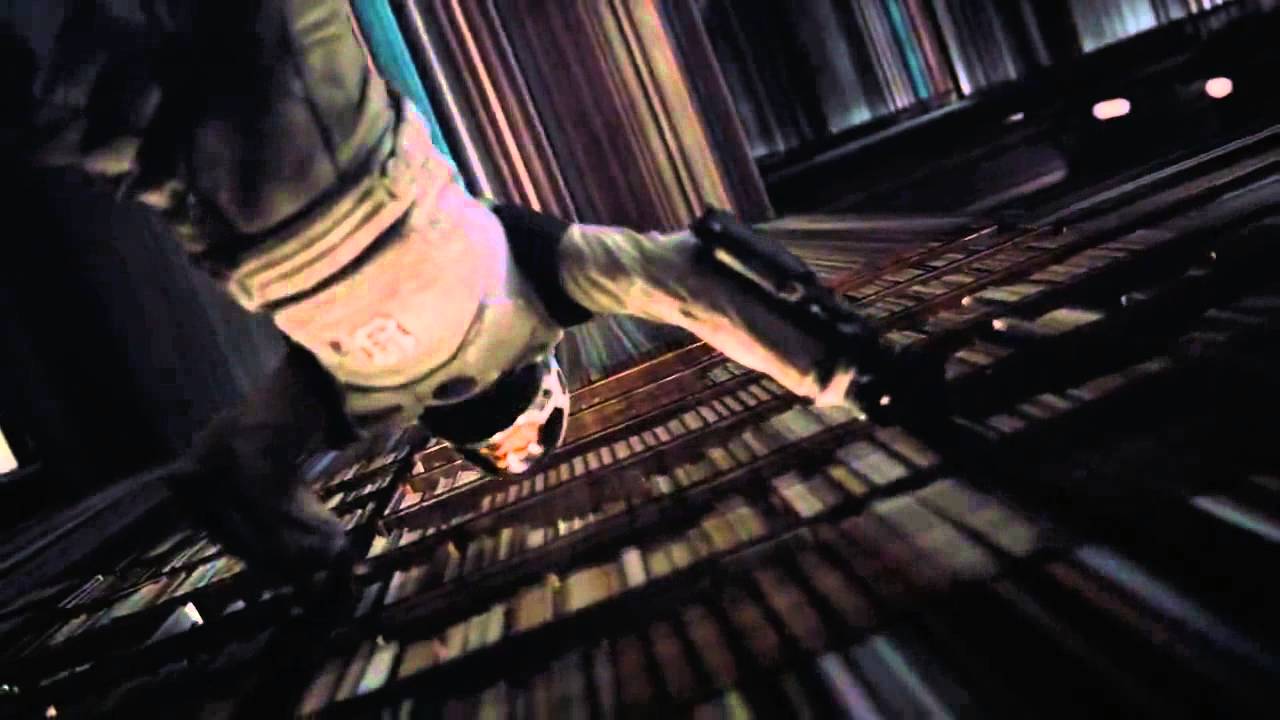
He sends the coordinates. Later, he sends the quantum data through the watch. Murph solves the gravity problem. Humanity survives.

The easy version is: Cooper saved Murph from the future.
That is still technically true.
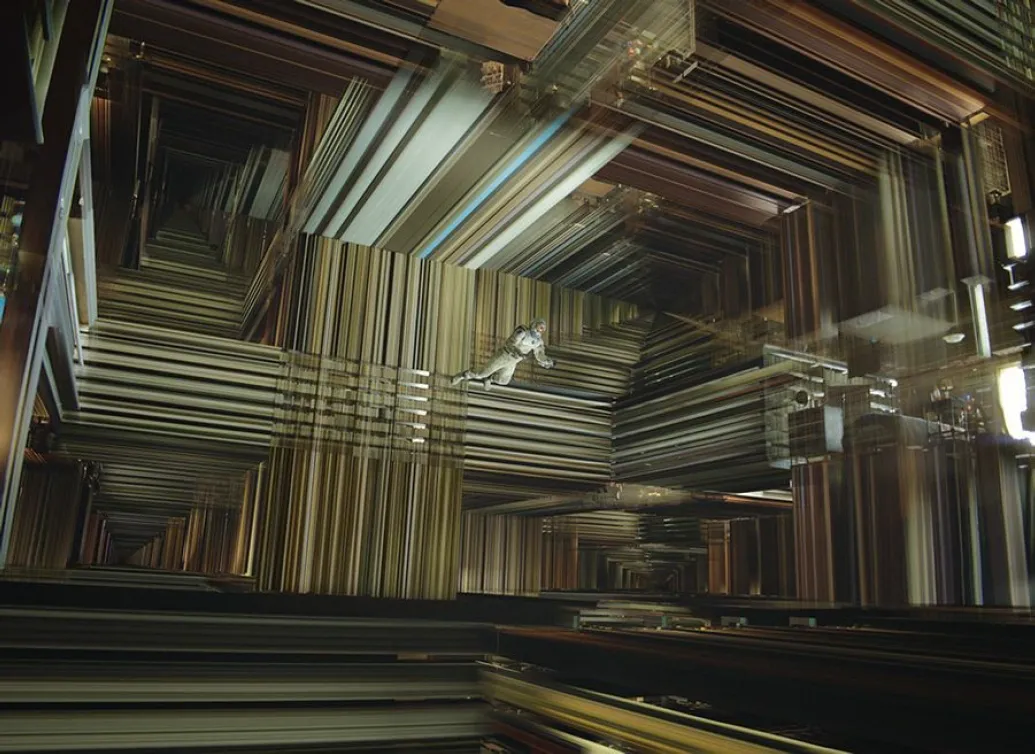
The deeper point is this: when the bookshelf moves in Murph’s childhood, Cooper has not yet become the agent who moves it. He has not found NASA. He has not left Earth. He has not entered Gargantua. He has not reached the tesseract. From the local slice of the field, the effect has no available cause. The bookshelf was pushed by [null].
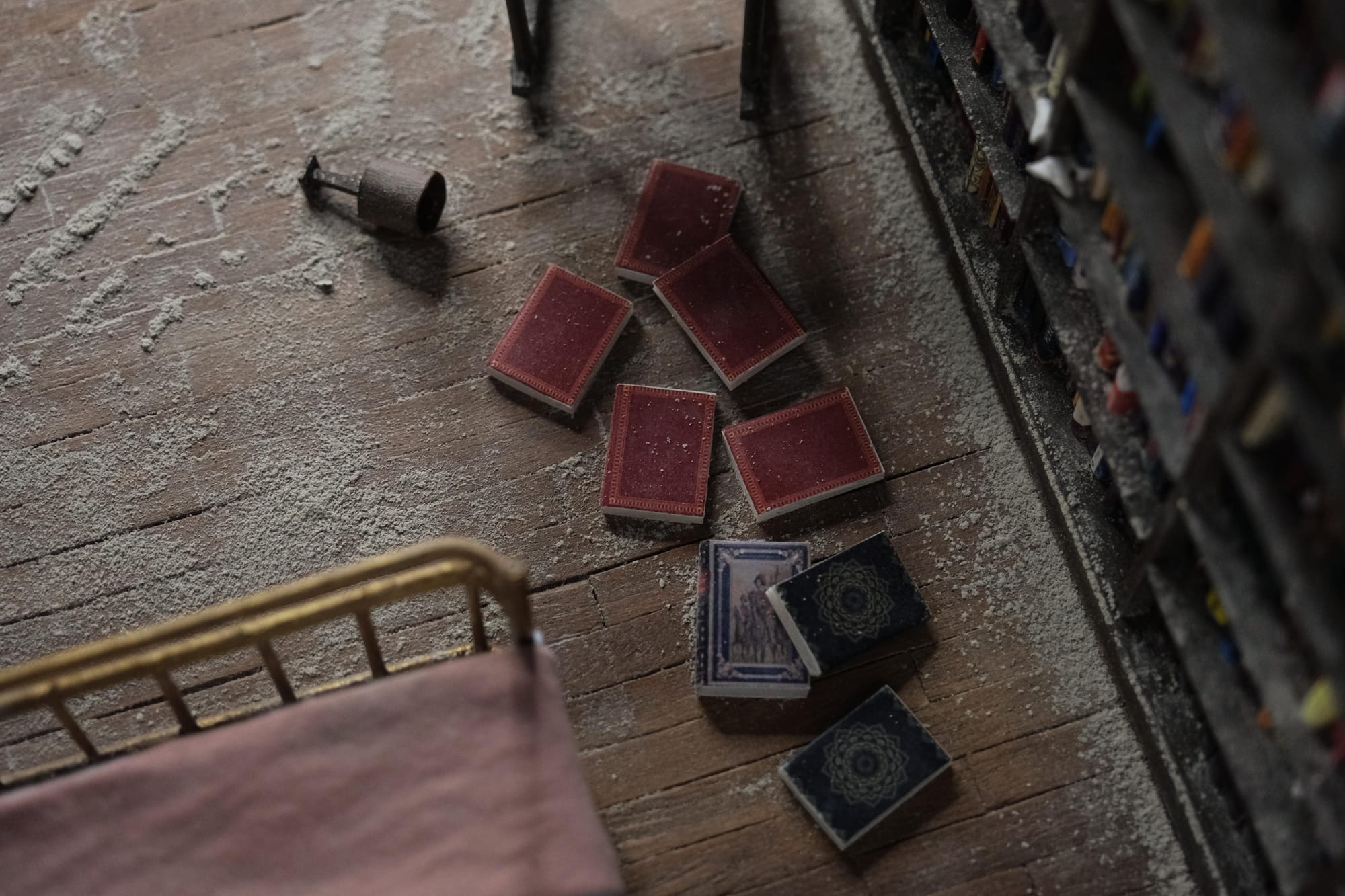
So at that moment, the field contains an apparent acausal trace. This looks like a problem for Modal Path Ethics. A pretty serious one, actually.
Modal Path Ethics depends on measurable structure. It analyzes reachable futures, contractions, expansions, resistance, and loci inside fields.
So, if books can simply move without cause, then structure has failed. Reachability becomes fantasy. According to this bookshelf, anything could happen from anywhere. So harm could just intrude from nowhere. Repair could also arrive from nowhere. Analysis now collapses into superstition.
This framework is meaningless.
Game over. Damn it.
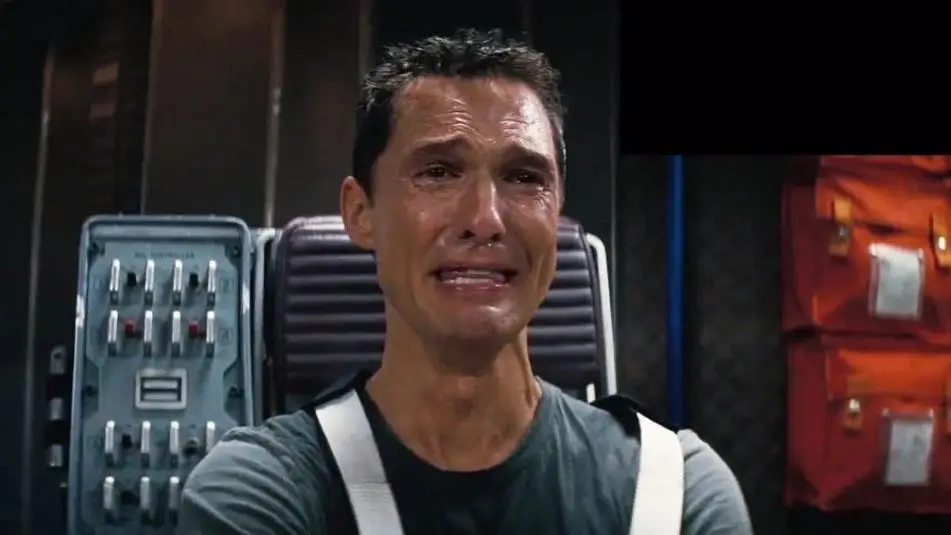
But not so fast.
Interstellar does not actually show that anything can happen. This is a closed timeline. It shows one effect whose cause is unavailable inside the local causal model. These books do not move because causality turned out to be fake. The books move, and the cause is temporally disjointed. Cooper’s action is not absent from the full field. It is just late.
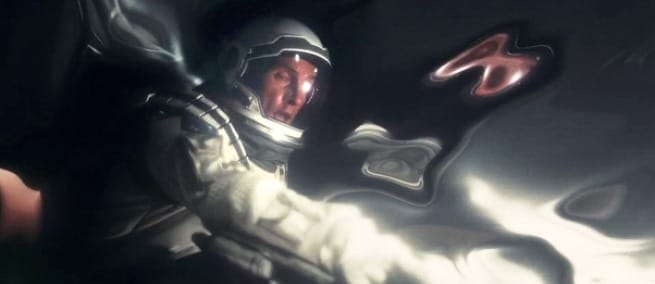
That difference saves the analysis. Modal Path Ethics rises from the ashes. This field is still morally live.
At the moment Murph sees the “ghost,” the cause-space is indeed locally empty. Later, Cooper will reach the tesseract and fill it. The ghost is not Cooper yet now, from Cooper’s own continuance. The ghost is a Cooper-shaped hole in the field, waiting for a Cooper to fall into it.
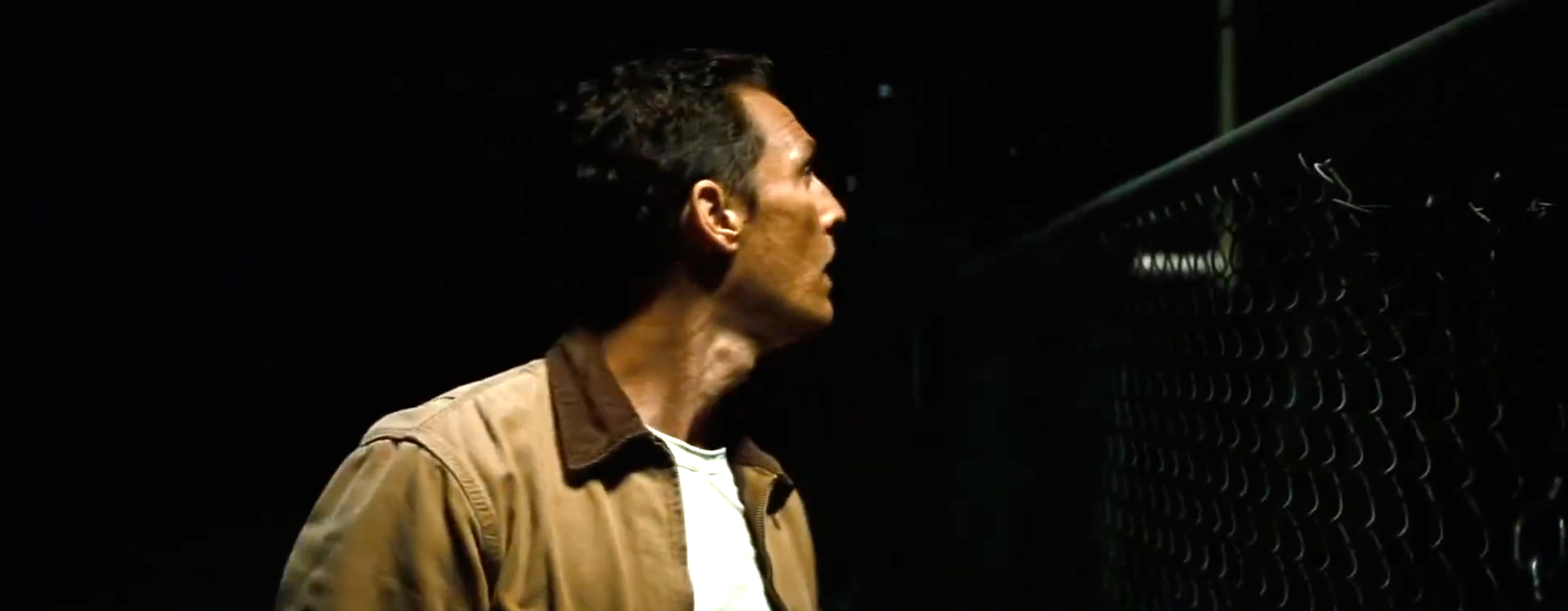
Once he does, the earlier trace becomes attributable to him. So the repair is not uncaused anymore, even though it was before. This transition is just retrofilled.
This gives us a useful term, in case we come across any other temporal ghosts:
Retrocausal fulfillment occurs when an apparent acausal trace is later filled by an extant locus whose continuance reaches a position from which it can cause the earlier effect.
That is the Cooper knot here.
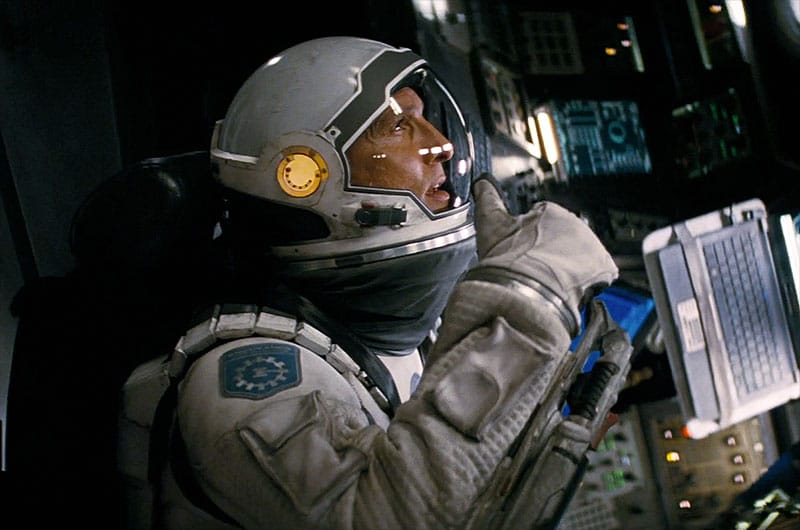
This knot does not revise the field at any point. It just fills a causal vacuum in it. This is not Flashpoint, where an agent alters the past and produces a damaged alternate field. Cooper does not change the timeline from failed to saved. He just participates in the only timeline the film shows us. The ghost was always already there. The coordinates were always sent. Murph’s grief was always shaped by the father who had not yet become capable of haunting her earlier.
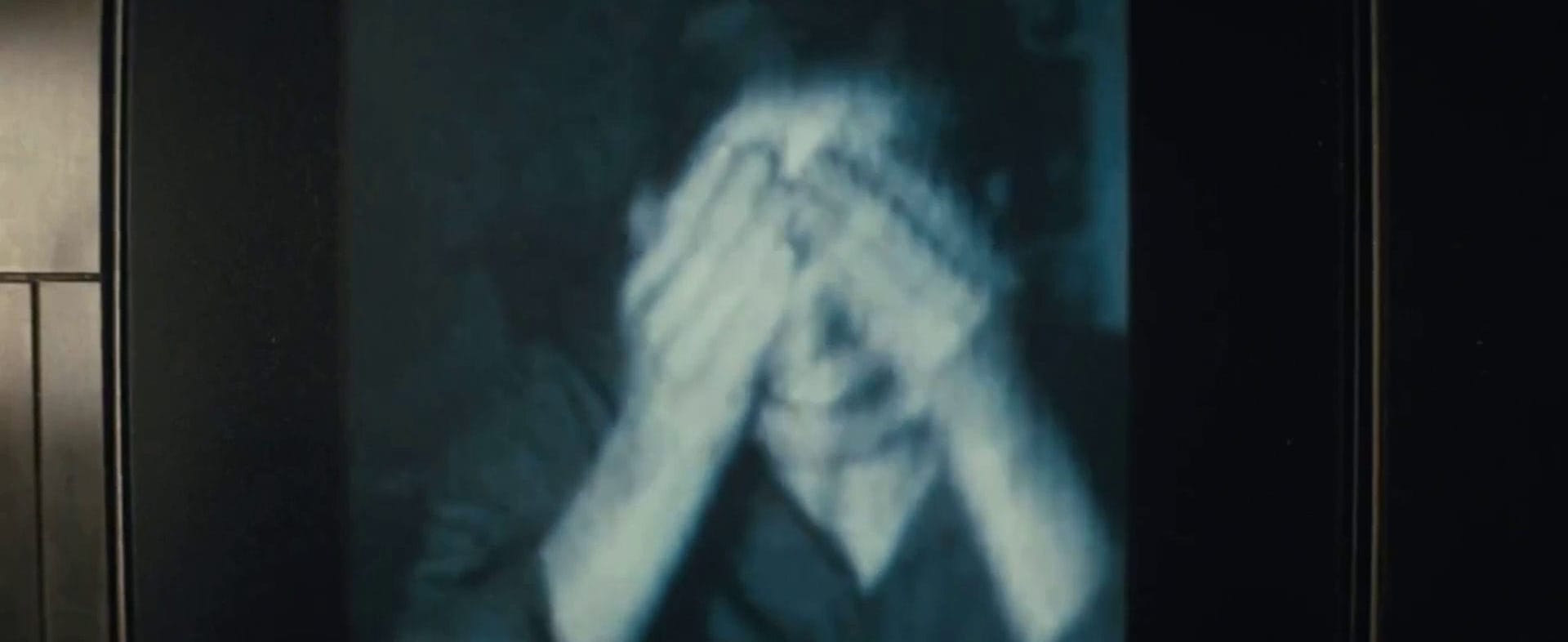
If the field is closed, Cooper is not choosing among many pasts inside the tesseract. He is just fulfilling a repair debt already embedded in the field he exists within. The effect has already occurred. The child has already been shaped by it. The mission has already depended on it. So his future has already curved back into the room, before he takes off.
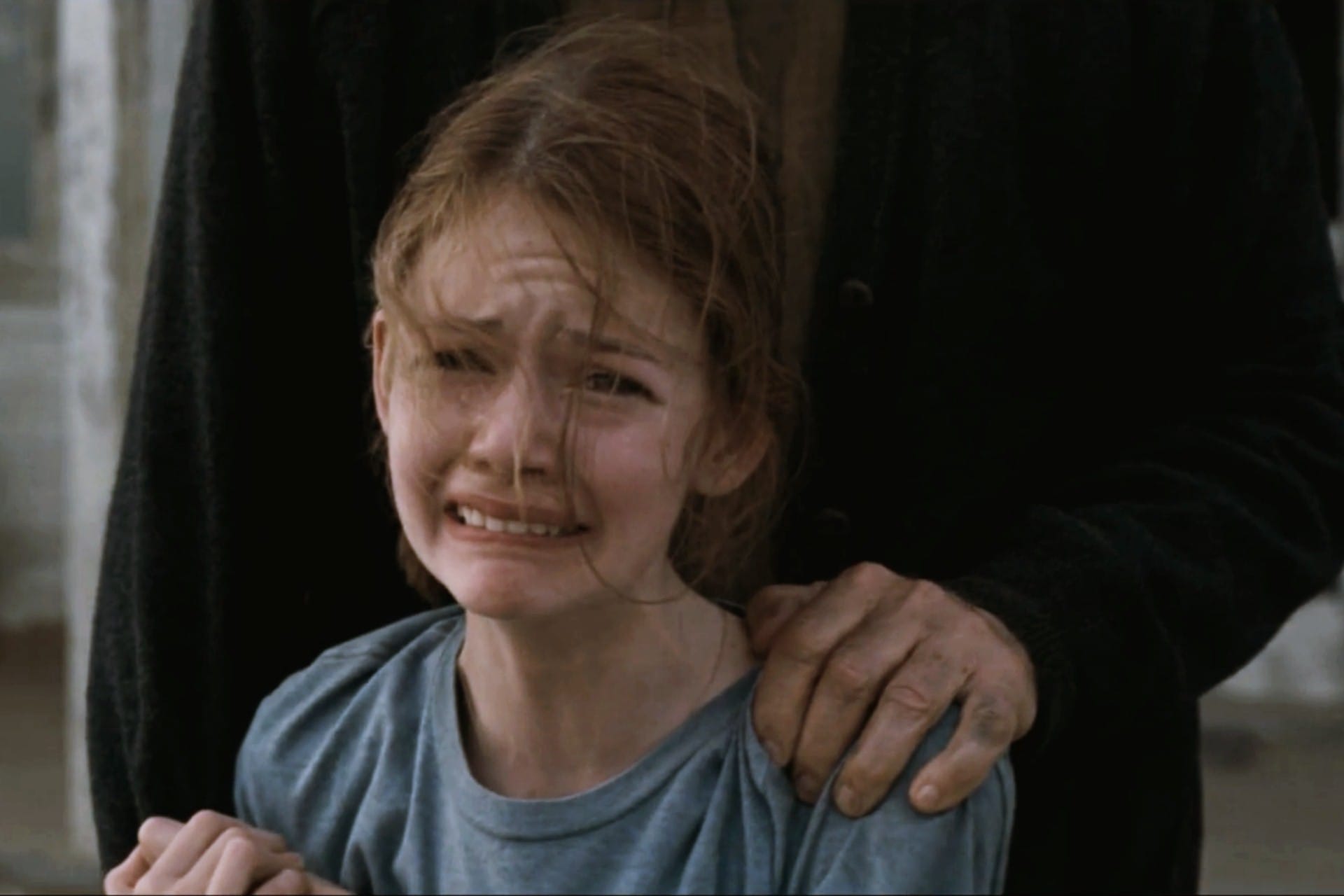
Cooper’s agency is still real, but it is always agency inside this knot. His menu always leads him to become that ghost.
What Cooper has inside Gargantua is not freedom in the ordinary cinematic sense. It is a metaphysical obligation under a closed topology.
The bookshelf movement therefore does not break Modal Path Ethics at all, like nothing ever has or will. It just exposes the local analyst’s epistemic limits, which always exist in finite agents anyway. The correct conclusion is not “anything can happen.”
The correct conclusion is:
“This field is presenting as larger than the current causal model can explain.”

That is exactly where field analysis should extend, not surrender. If a fully exhausted ordinary analysis cannot locate a physical cause, the analyst does not get to delete the event. The event is still extant. The books moved. The dust patterns occurred. The coordinates were derived. Murph’s life changed. Cooper found Deep NASA.
So whenever in cases like Murph's, the analysis must always expand to include whatever is actually reachable from this field until the epistemic gap is covered, without letting any fantasy become the unknown path.
This can be a narrow path to walk.
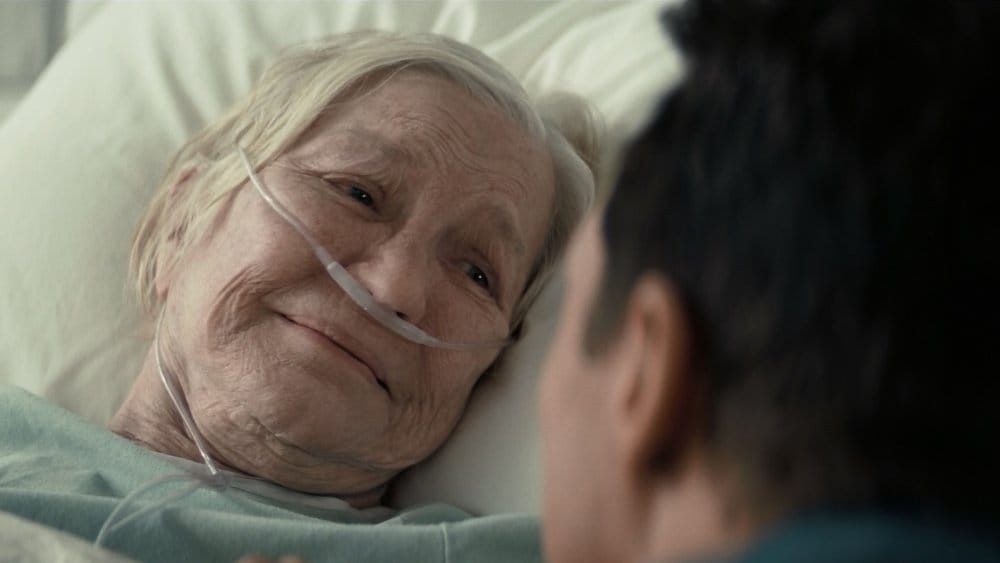
In Interstellar, what turns out to be actually reachable is pretty absurd: a wormhole near Saturn, survival into a black hole, higher-dimensional mediation, gravitational communication across time, and a future human field capable of constructing the tesseract conditions that make its own survival possible.

Absurd is still not the same as unstructured. This miracle is not causeless. The cause is just late. This is the Modal Path Ethics survival claim inside Interstellar's field: apparent acausality is not the death of field analysis, just the demand to recognize a larger field.
Looking at that larger field now, the moral picture is still not clean. In fact, it actually becomes worse.
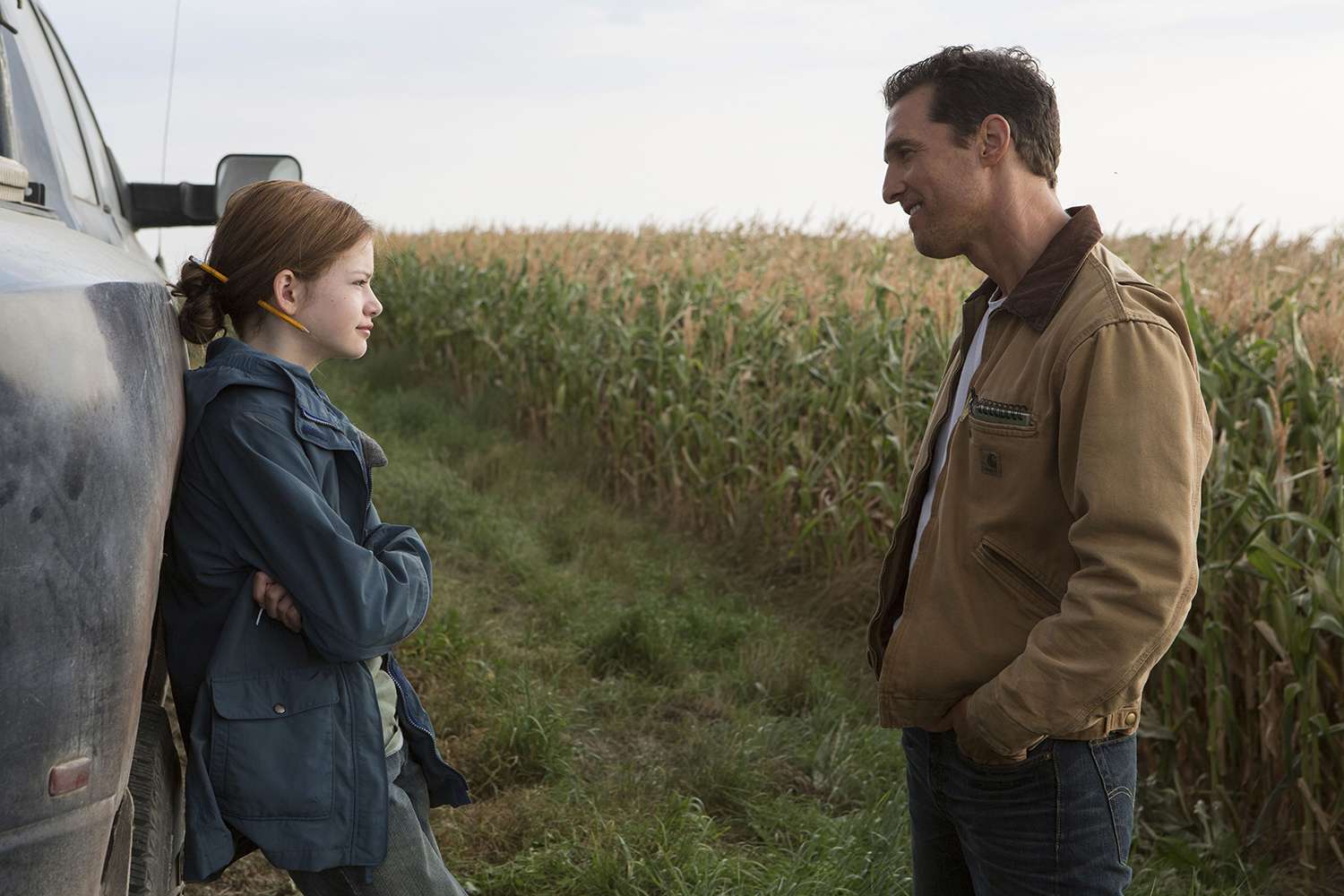
Humanity is saved only through Murph’s predestined wound. Once she has seen the ghost, the timeline appears locked. Her father leaves. She grows up angry, abandoned, brilliant, and unable to let her old room go. The watch matters to her because the relationship behind it always matters. The room still matters because grief held that trace in place. The species-level repair path now runs through a daughter’s refusal to fully discard the father who left her.
That is pretty beautiful. It is also pretty horrifying.
This film wants to say that love crosses even dimensions. Modal Path Ethics can allow this softer reading while also stating the harder one:
Attachment selects the repair node.
Murph’s love and anger make this signal receivable. Cooper’s love and desperation make that signal sendable. And future humanity, constrained or not, ultimately routes its species survival through one deep family wound.
Maybe that was really the only reachable path here. This field was pretty bad.
Maybe no cleaner channel existed. Maybe the future beings who knew what was needed could not communicate except through gravity, memory, and durable local artifacts fueled by grief. Maybe the tesseract had to be built around the room because the room was the only place where the right trace could reach the right locus at the right time.
All of that may be true. It still leaves a lot of moral remainder.
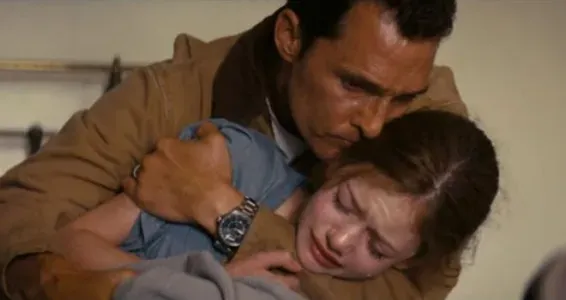
A Better path under catastrophic constraint does not become innocent because it succeeds in the end. Humanity continues here, but that continuation is purchased through a closed causal knot in which a child is haunted by the father who has not yet become the ghost, grows into the scientist capable of receiving him, and saves the species with data sent through the wound.
That is not a story about changing the past and creating a better future. Interstellar is a story about a field surviving on an unpaid causal debt, and the man who has to become that payment after the debt has already shaped his daughter’s life around lost futures.
Ruling:
Causeless-looking actions do not break Modal Path Ethics. The framework is feeling invincible. They just reveal an epistemic limitation in the analyst. The moral field is not void because the cause is missing from the local slice. The field is always going to be stranger than the analyst’s model understands.
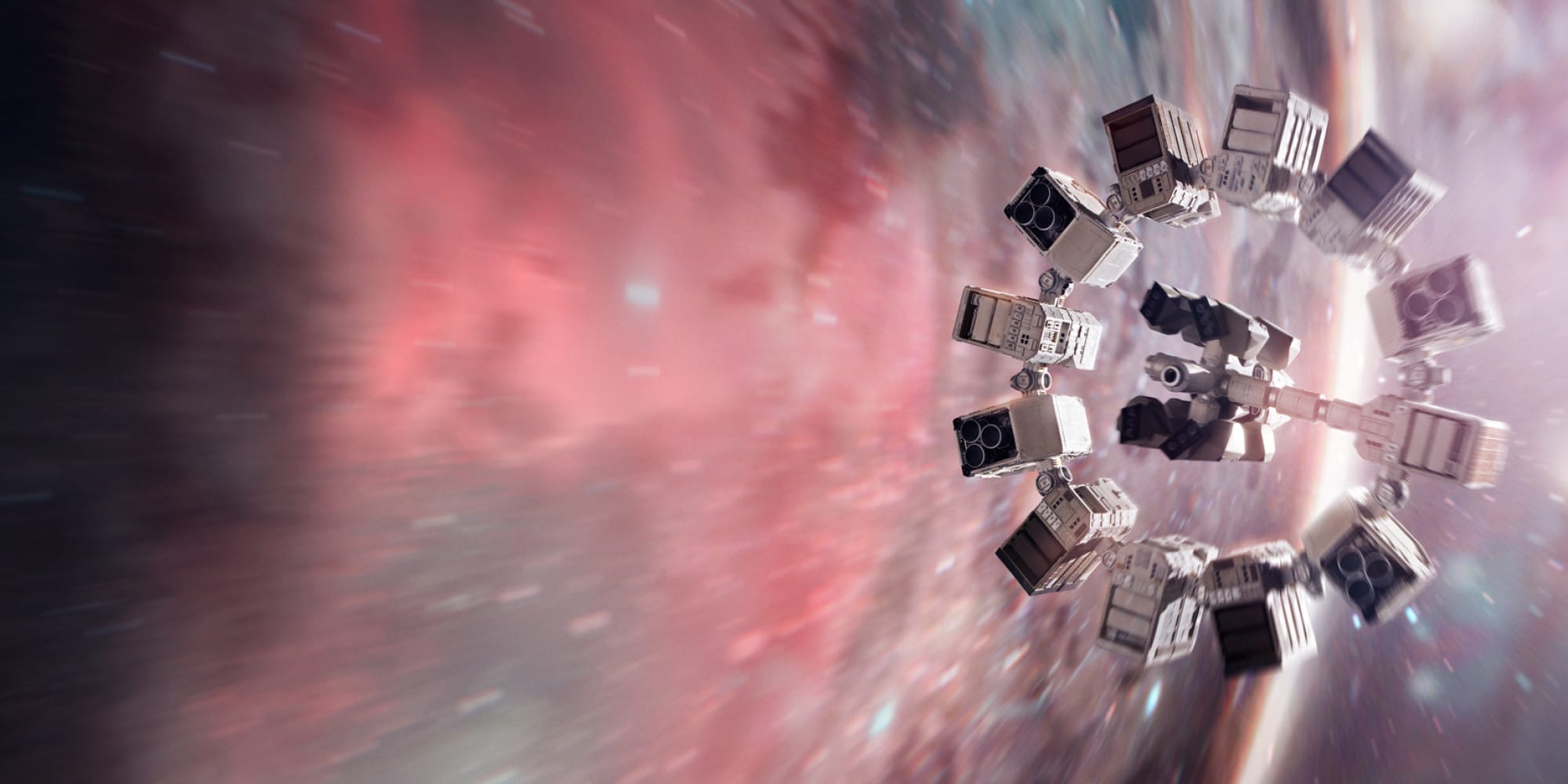
Cooper does not repair Murph by revising her past. He necessarily enters the causal socket her past already contained, fills it from the future, and wakes downstream in the saved field his late cause had always helped produce. The bookshelf was not the death of Modal Path Ethics. It was just structure arriving a little out of order.
Applied Case: Donnie Darko
Donnie Darko is in the same general space. It looks, at first, like a teenage apocalypse by way of suburban sleepwalking.
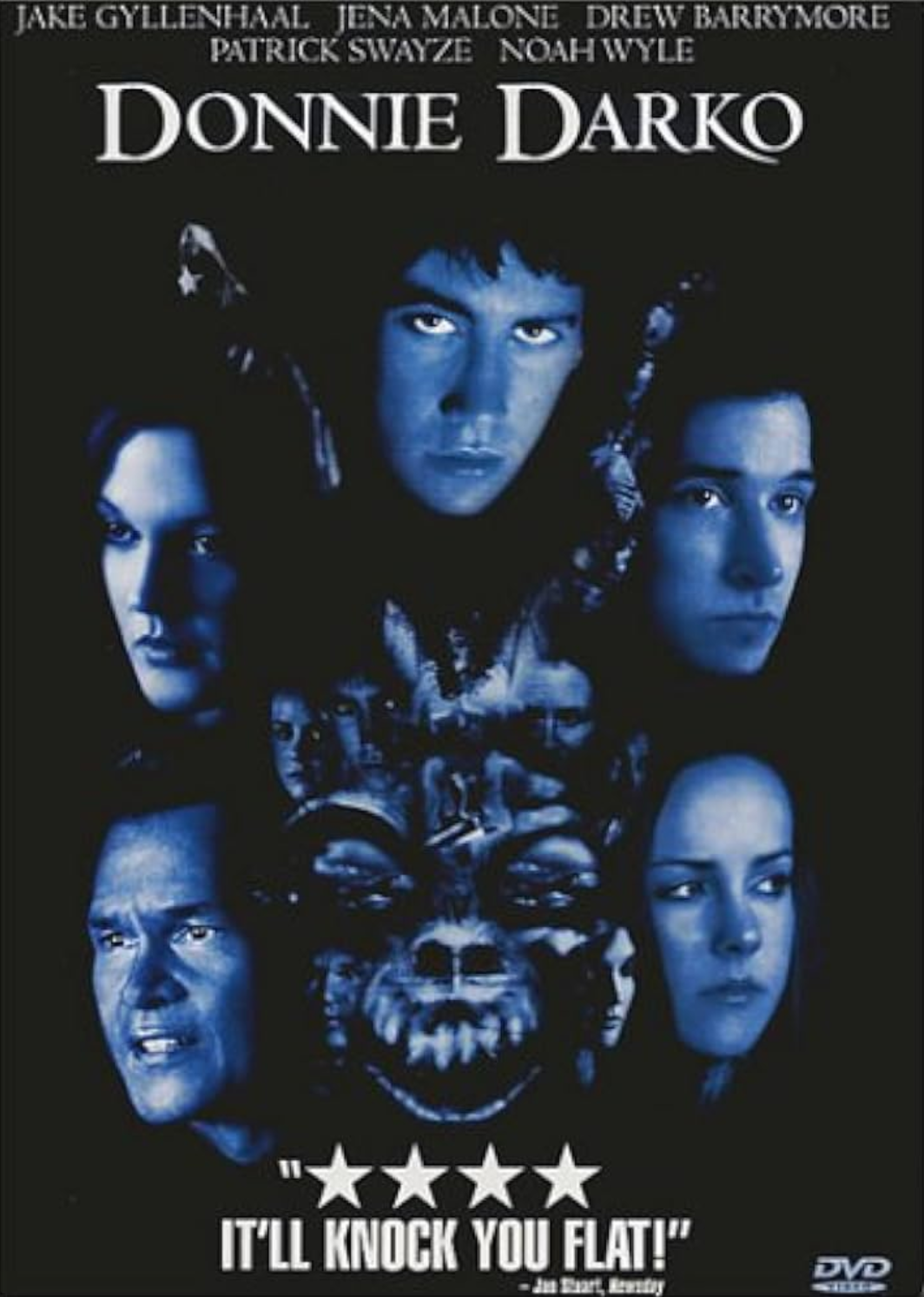
A jet engine falls into a boy’s bedroom. He is not there when this happens, because a monstrous rabbit named Frank has lured him outside. So now the world continues, but incorrectly. Time is now wounded. Adults talk past one another. Therapy circles the obvious without touching it. A school community performs confidence while the field beneath it is already cracking. Donnie moves through the month like someone who can feel the structure is failing before he can explain the failure.
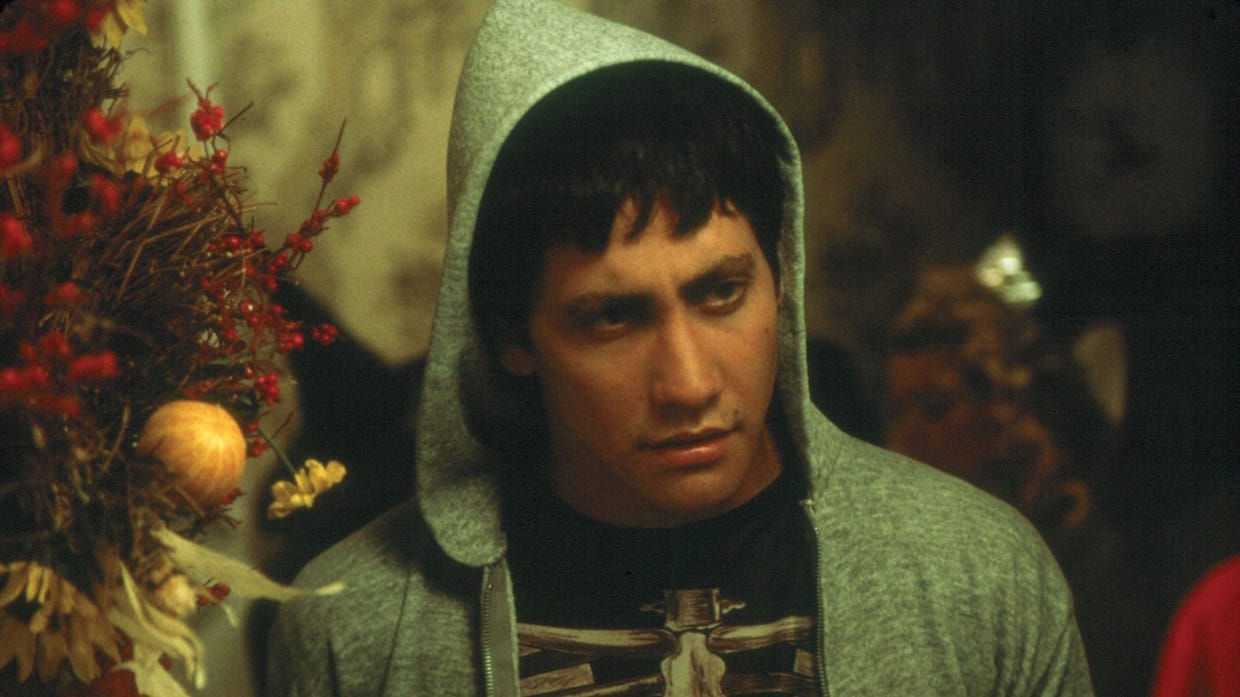
This film’s mythology gives us a lot. There is a tangent universe, an artifact, manipulated living, manipulated dead, and a countdown to collapse. That mythology can definitely sound like lore fog. Modal Path Ethics can translate it into clearer field terms.
An unstable field has been opened; something from outside its proper continuity has entered.
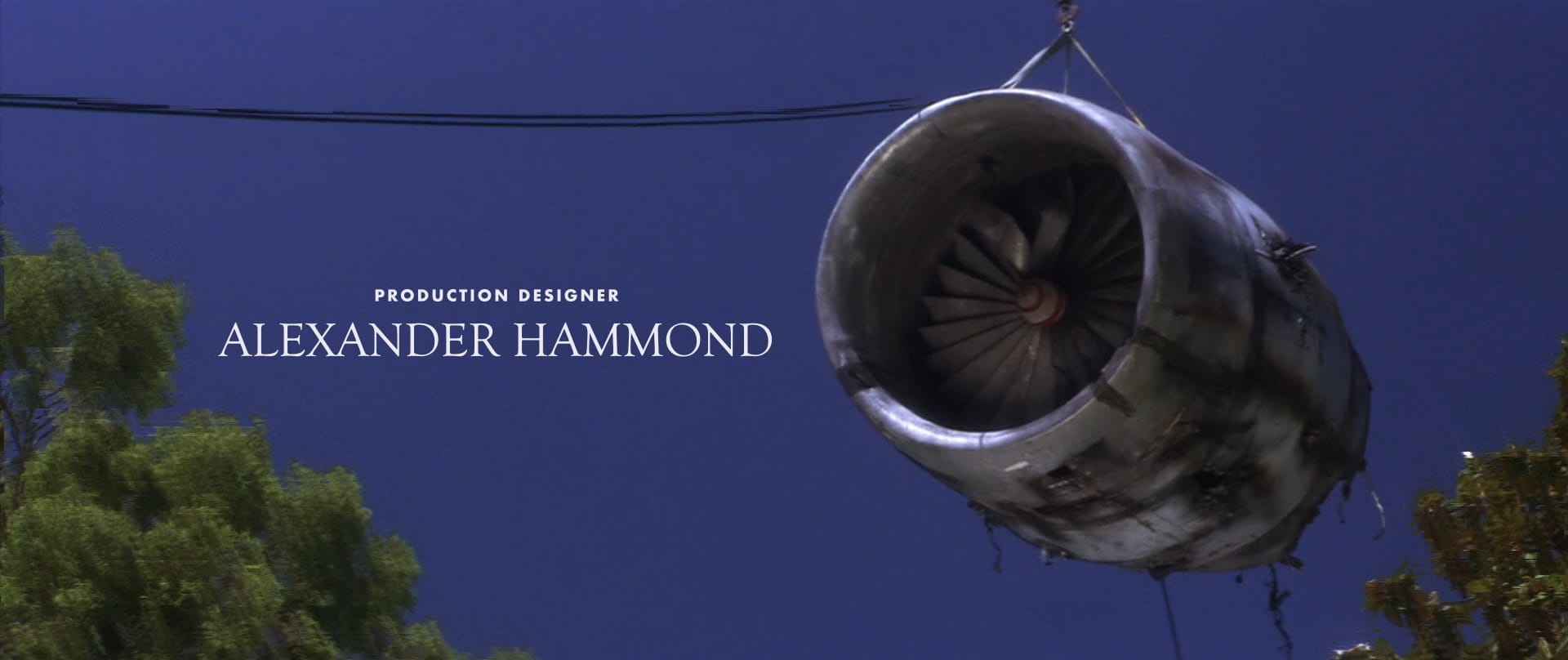
The jet engine is a material artifact of impossible displacement. Its arrival marks the field as modally wounded. From that moment, Donnie’s world is no longer a stable local field developing under its ordinary constraint. It is transmuted into an emergency structure moving toward either closure or catastrophe.
That emergency structure should not be treated as a fake world just because the film’s metaphysics marks it for collapse. The tangent universe is still a field of extant loci while it exists. Gretchen inside it is not a rehearsal-Gretchen. Frank inside it is not a disposable rabbit-man prop. Donnie’s mother, his sisters, his teachers, his therapist, his classmates, the children on the plane, the manipulated living, and the manipulated dead are not weightless because the field is temporary, damaged, or strange. A doomed field is not a non-field. If it can contain fear, love, death, coercion, attachment, confusion, and reachable futures, then Modal Path Ethics has to count it while it is there.
That makes the horror worse, not cleaner. The tangent universe does not simply threaten the primary field from outside. It brings a whole unstable moral surface into being, fills it with loci, arranges them around Donnie, and then drives the field toward closure through him. The fact that this field may have only twenty-eight days does not erase the moral weight of them or those twenty-eight days. Short duration is not moral nullity. A mayfly field is still a field to the mayfly.
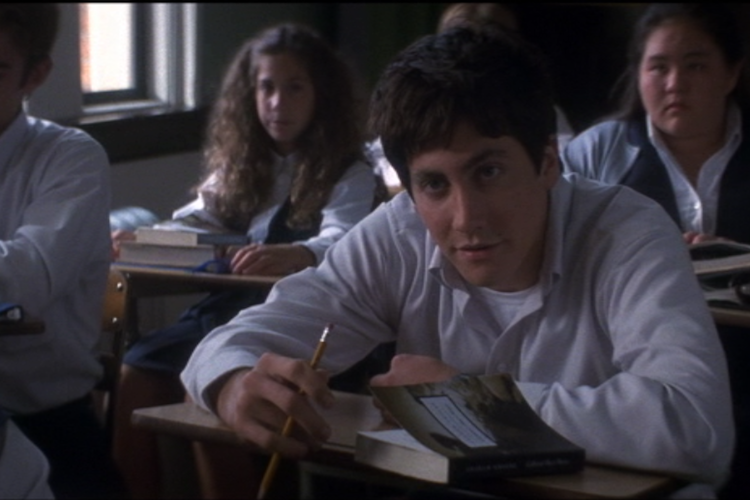
Donnie is also a terrible candidate for this assignment in the most obvious possible way: he is a child. He is old enough to feel the structure failing and young enough to have no reliable way to separate cosmic corruption from ordinary adult dysfunction. His town is already full of bad signals. Adults lie. Teachers posture. Therapy circles the problem. His school turns fear into performance. Jim Cunningham sells moral simplicity as a scam. His family loves him without fully understanding him. His own mind is already being treated as suspect before the universe starts behaving incorrectly.
So Donnie cannot stand outside the tangent field and calmly identify the distortion. He has no stable “normal” to compare it against. The supernatural wound enters a life already full of social noise, institutional failure, adolescent dread, medication, therapy, shame, desire, and fear. That is the senseless horror of the structure. The universe does not recruit a trained analyst, just a random, damaged boy who cannot know, until far too late, which parts of the nightmare are metaphysical and which parts are just the ordinary cruelty of his world.
The ordinary question is: God, what does it all mean?
The better question here is:
Who exactly is being recruited to make this field consistent again?
Donnie is not a superhero. He is not a trained analyst. He is a damaged adolescent already carrying isolation, volatility, intelligence, tenderness, fear, and shame. He is the kind of locus fiction often selects to carry a metaphysical burden because he is already half-detached from the ordinary social field. Adults can misread him. Peers can fear him. Institutions can pathologize him. And the universe can use him.

That last sentence is not actually a compliment.
The tangent field does not ask Donnie to solve a puzzle for it. It arranges him, exposes him, and wounds him further. Frank pushes him. Gretchen becomes attached to him. The community’s hypocrisies are revealed. The motivational speaker is exposed. Violence, desire, fear, and adolescent dread gather around Donnie until the field is ready for closure.
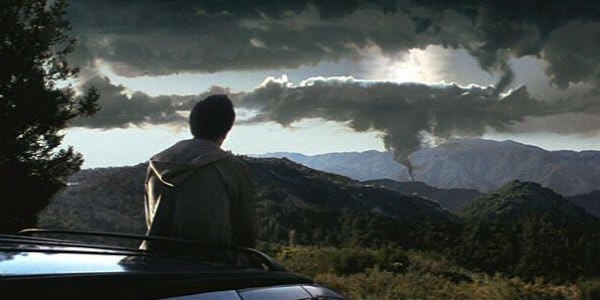
Then Donnie returns to his room and dies.
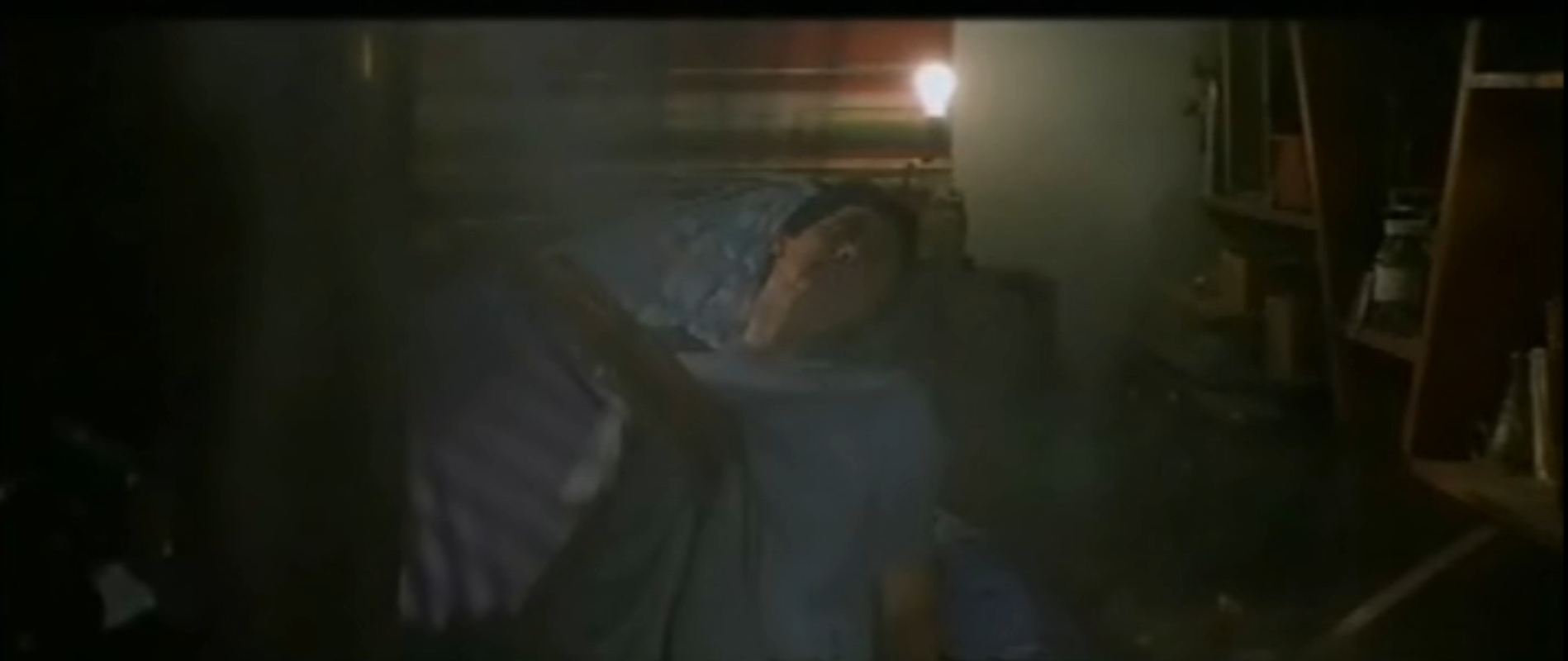
The heroic reading of this is that Donnie sacrifices himself to save everyone else. That is not technically wrong. But Modal Path Ethics has to keep asking what kind of repair path this is. A field can be saved through sacrifice and still leave a moral remainder. Donnie's life can be the only reachable closure point without making that closure clean.
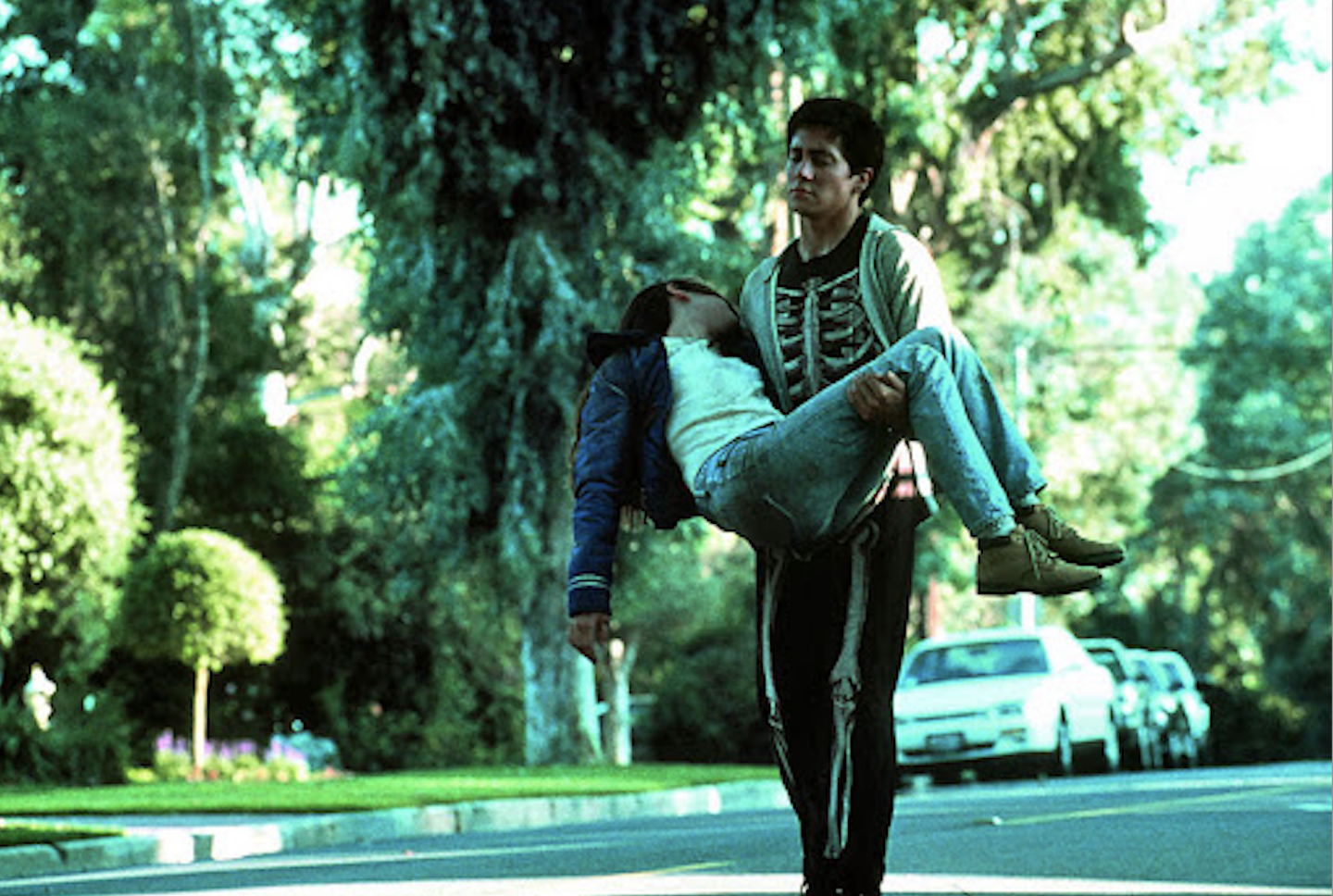
The point is not that Donnie’s death is meaningless. The point is that meaning does not sterilize the mechanism.
The tangent universe uses Donnie as a repair substrate. His death restores the primary field. Gretchen lives. The community continues. The impossible engine lands where it was always supposed to land, or where the repaired field can finally tolerate it landing. The wound closes in around Donnie.
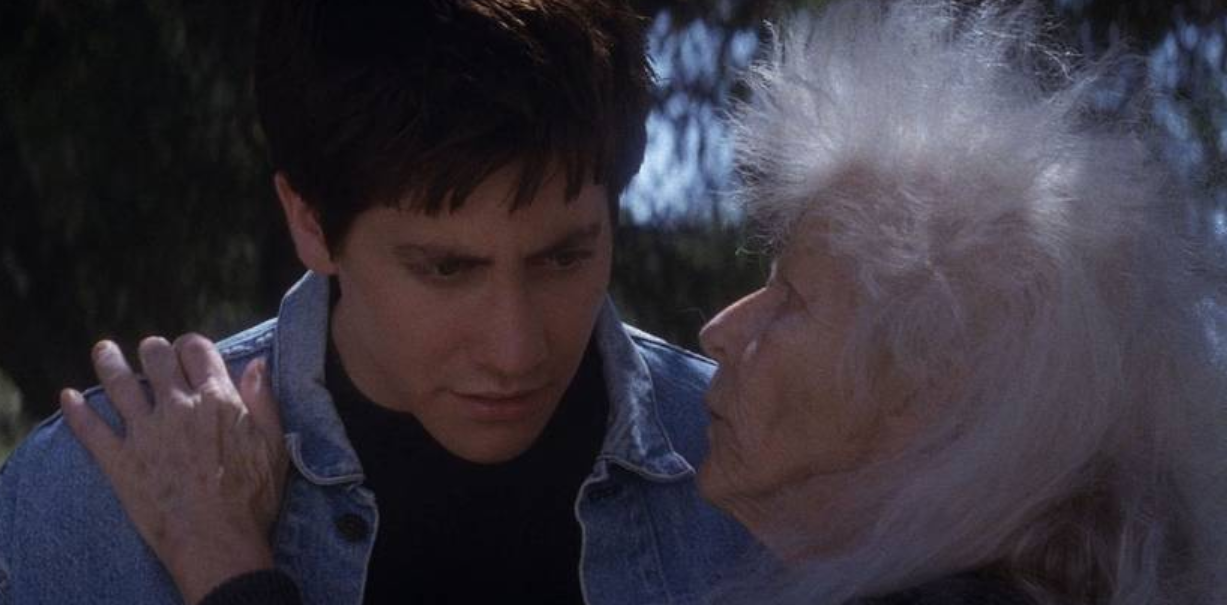
That is actually a very different structure from Interstellar.
In Interstellar, the apparent acausal trace is later filled by Cooper, and the field’s survival depends on retrocausal fulfillment. In Donnie Darko, the timeline is not closed. The similarly impossible trace marks an unstable branch that must now be closed. Donnie can not fulfill this field by becoming the late cause, so he fulfills it by becoming the acceptable loss instead.
That is why this film is so bleak. It is not simply that Donnie dies at the end, his world seems only able to continue after making his death the stabilizing event.
Ruling:
Donnie Darko is not really a story about a boy escaping madness. It is about a damaged field making a damaged boy useful enough to die, which isn't really very much of a moral lesson.
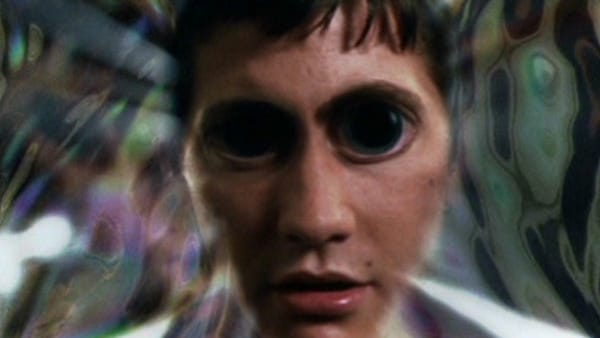
This is where Modal Path Ethics refuses the sentimental wash. A repair path can be Better than a larger collapse. If Donnie’s death prevents wider field failure, then the action may be structurally necessary inside the film’s metaphysics. But necessity does not erase the moral horror of his recruitment, or make this adolescent expendable in retrospect under the weight of modality. It definitely does not make the restored field innocent.
The fictional soul-balm machine often uses sacrifice as cathartic closure. It soothes the audience by saying: the world was saved.
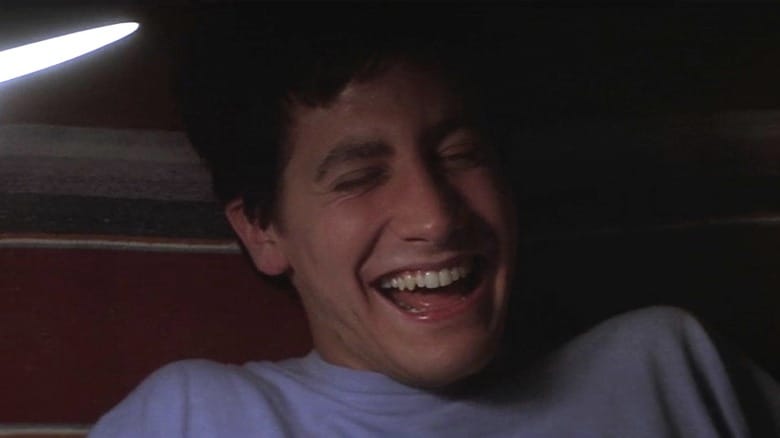
Modal Path Ethics squints slightly and asks: saved through whom, from what, under what structure, and with what remainder?
In Donnie Darko, the answer is: through Donnie, from an impossible field wound he was not responsible for, under metaphysical coercion, with the full remainder of a child becoming the hinge on which reality continues to swing.
So, that is just a depiction of a field closing its teeth.
Applied Case: Looper
Looper is not primarily about time travel. It's more about logistics.
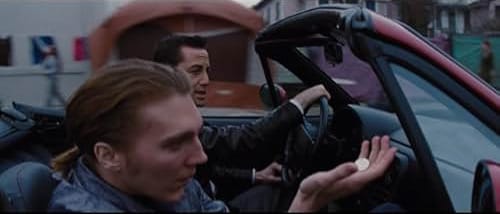
The criminal future has a problem: murder is hard to hide. Bodies are trackable. Forensics has improved. Surveillance has improved. The future has become resistant to ordinary disappearance. So organized crime does what organized crime always does when a field resists it: it finds a less protected field to absorb the harm.
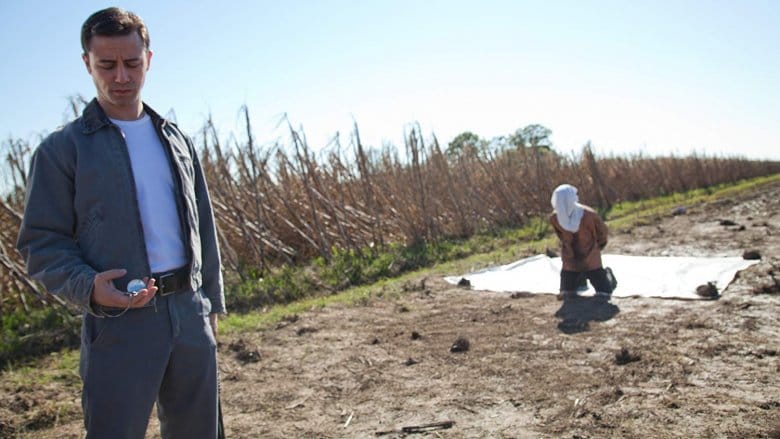
Here, that means it sends victims into the past. Don't get too lost in the specifics on how that solves their problem. It just does, here.
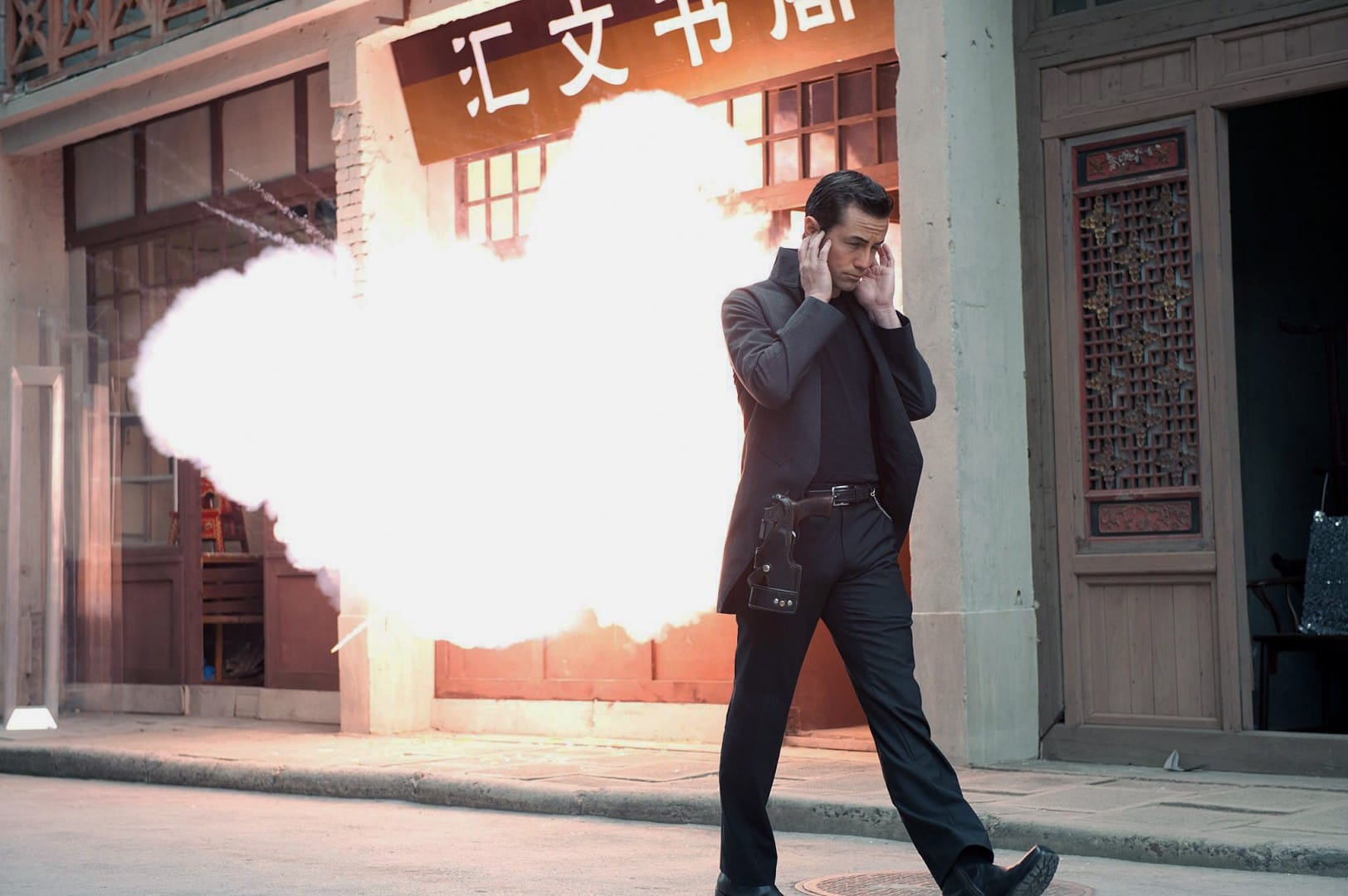
History now becomes a dumping ground. A person appears, bound and hooded, in front of a waiting killer. The looper shoots. The body vanishes from the future into an earlier century’s violence infrastructure. So time travel technology in this universe mostly just opens a new waste channel, because it is outlawed.
That is the first field crime, obviously.
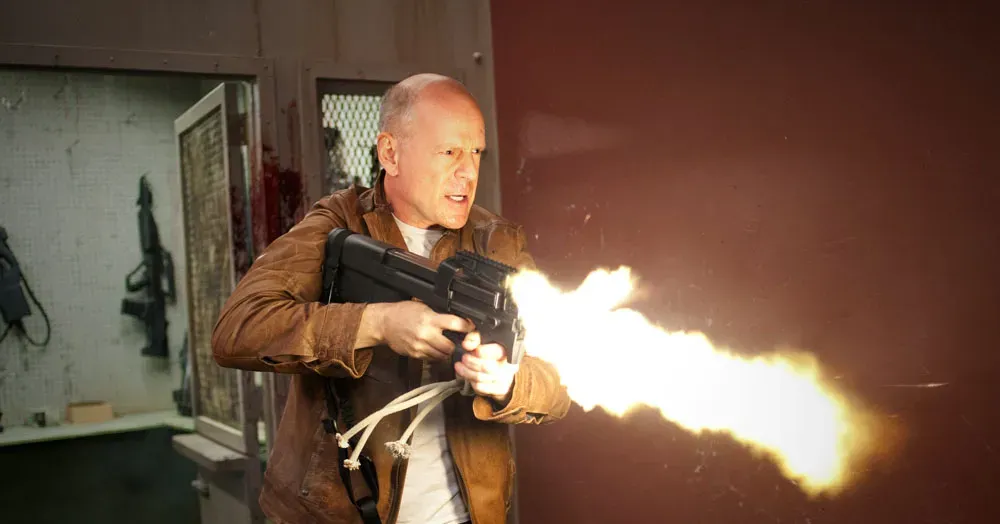
Then comes the second one from the poster, closing the loop.
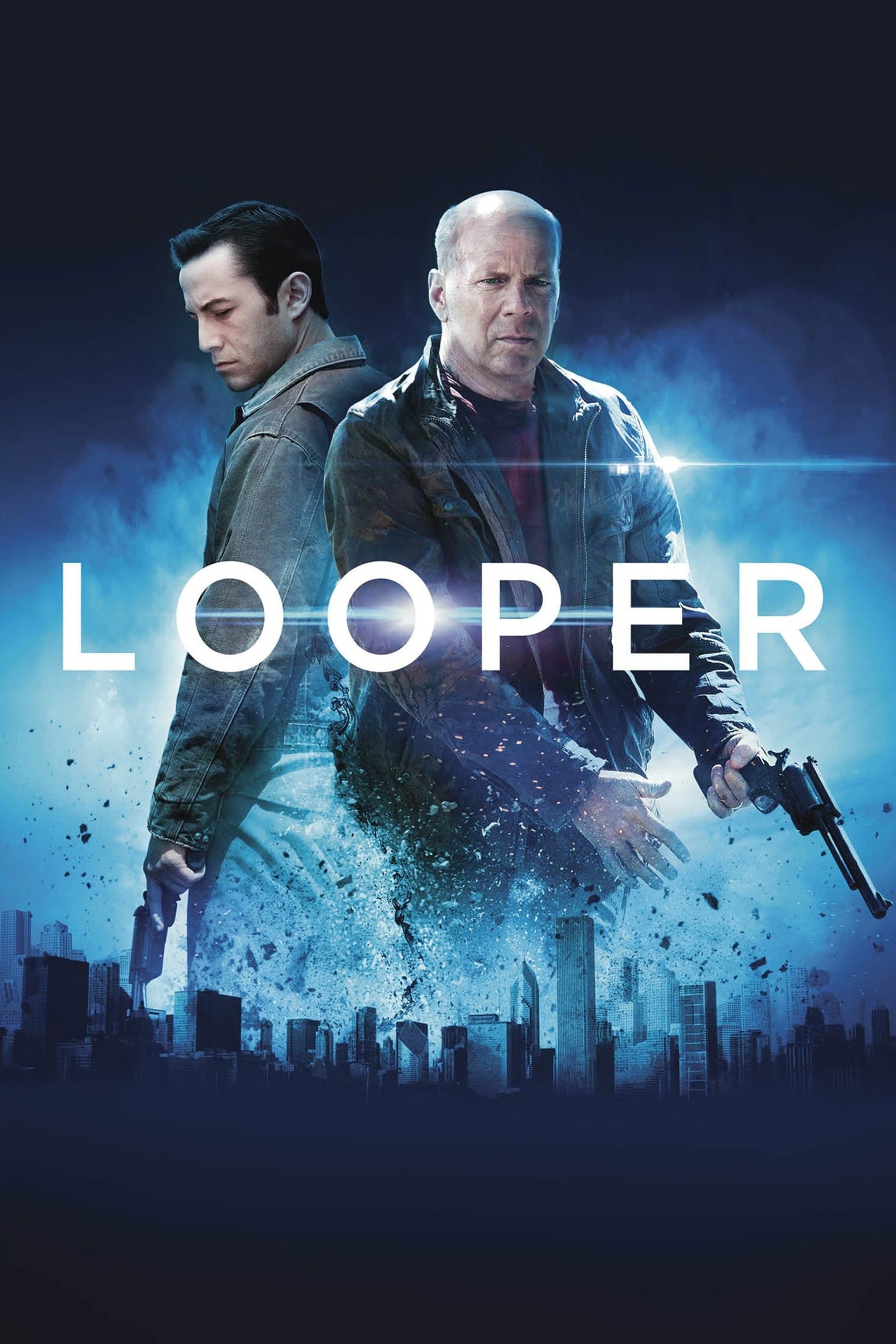
A looper also eventually kills his own future self. He knows this system pays him until it retires him, and then lets him live until the day he is sent back to be murdered by himself, which will have already happened. This is presented as a contract, but the loopers are left in what generously appears to be a purposeful ambiguity about the consequences of a paradox occurring here, and this is just a weird, unnecessary form of ritualized causal severance anyway.
If the looper is loyal enough to survive this organization long enough to be looped, they are probably not going to betray the organization in the heavily surveilled future either, seeing as how they knew about the loop the entire time, murdered many people, and believe they have already killed themselves in the past when they retire. The only way that "closing" really happens in this retirement plan is: everything in the mob works out until that liquidation point, meaning no whistle was ever blown, then all the loops are closed.
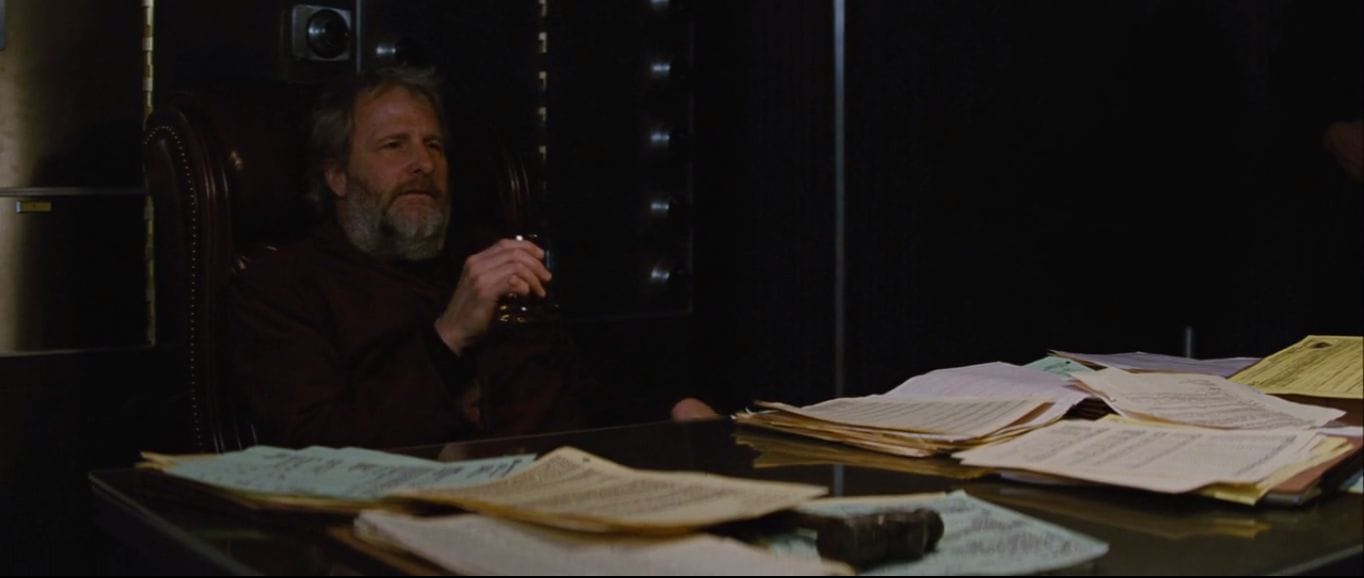
So it could really just be fake and probably work just as well, because the retired looper would have “proof” they will be captured and sent back no matter what happens, so better to not to make it even worse when it does by trying to snitch when you appear to have proof that fails.
But don't get bogged down in all that, either.
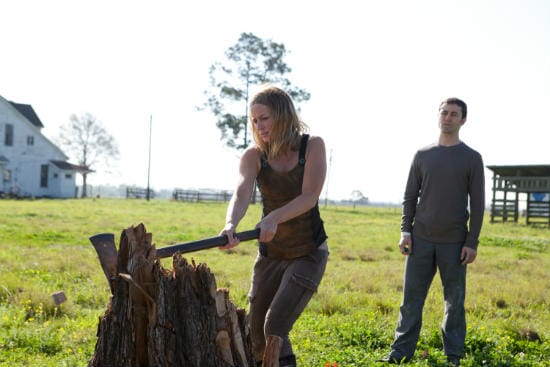
The institution forces the worker to participate in his own terminal cleanup. It makes self-continuity into convenient paperwork. Don't wonder too hard about how the near-omniscient future law enforcement didn't realize this had happened in the historical record, given the Loopers’ social visibility, drug habits, signature outfits, and anachronistic weaponry. This all works out for the future criminals and they are not caught, because their boss is so smart he is the world's best psychic.
This is why Looper belongs in this article specifically. It is not really about its own metaphysical mechanics at all. Its balm is more about the fantasy of turning causality into manageable administration.
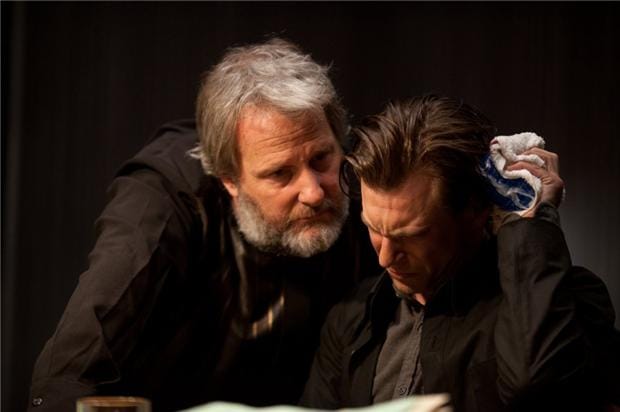
This field is chock full of disguised disposal avenues:
- The future disposes of bodies into the past.
- The mob disposes of witnesses by making them kill themselves.
- Loopers dispose of their own futures for short-term wealth.
- The present disposes of the future in general by refusing to understand what it is becoming through current choices.
- The child Cid becomes the concentrated disposal path around which everyone’s fear of that future catastrophe gathers.
The Rainmaker is the film’s central field problem.
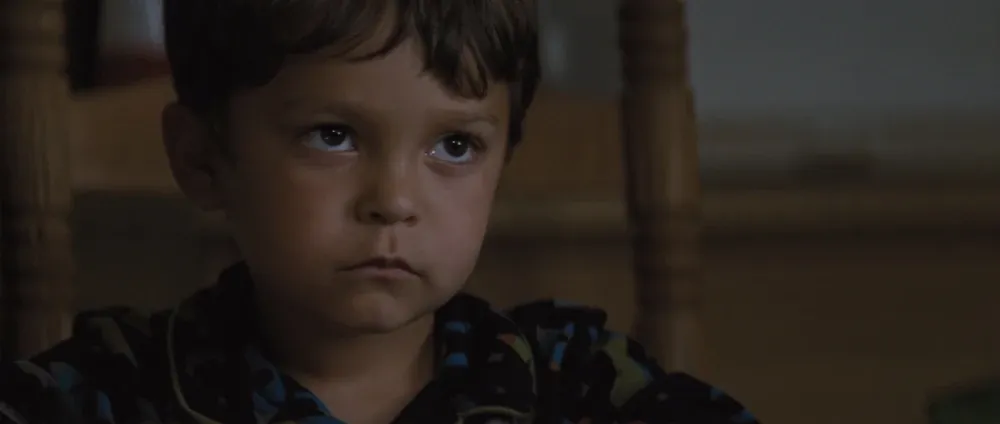
A future tyrant is apparently forming from a child. Agents from the future respond by trying to kill the child before the catastrophe matures. This is the standard kill-the-origin fantasy: if a future locus becomes catastrophic, murder the earlier locus and call it repair.
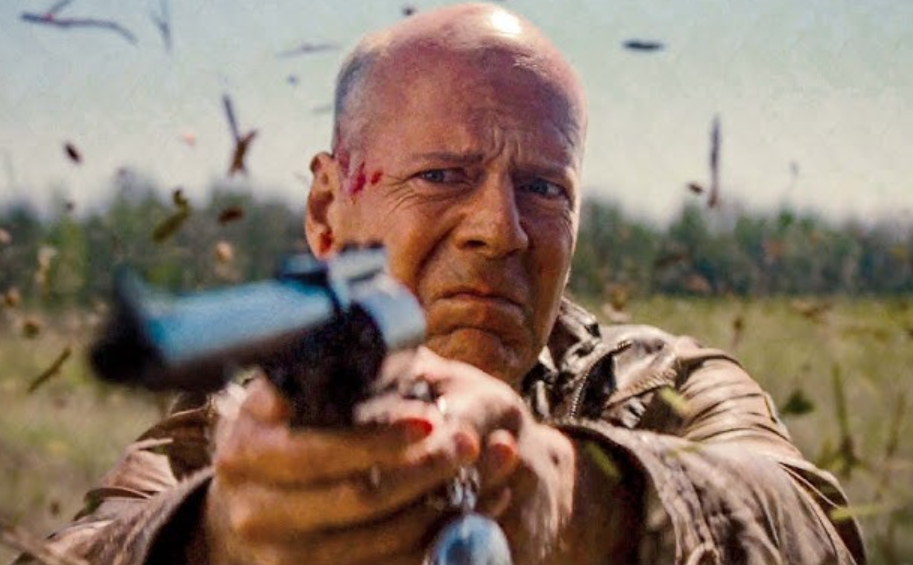
Modal Path Ethics should probably be careful here. Future catastrophe matters. If a child’s reachable future includes mass harm, field analysis cannot ignore that. But the child is still an extant locus. The field is not allowed to reduce him to his worst reachable branch. The possibility that Cid becomes the Rainmaker does not make every preemptive harm automatically Better.
Joe’s final act is an attempt to break the loop by removing himself from the causal chain of harm. He sees that his own violence, and the violence of those chasing the future, helps produce the monster they fear. So he kills himself, preventing the immediate trauma that would drive Cid further toward the Rainmaker path.
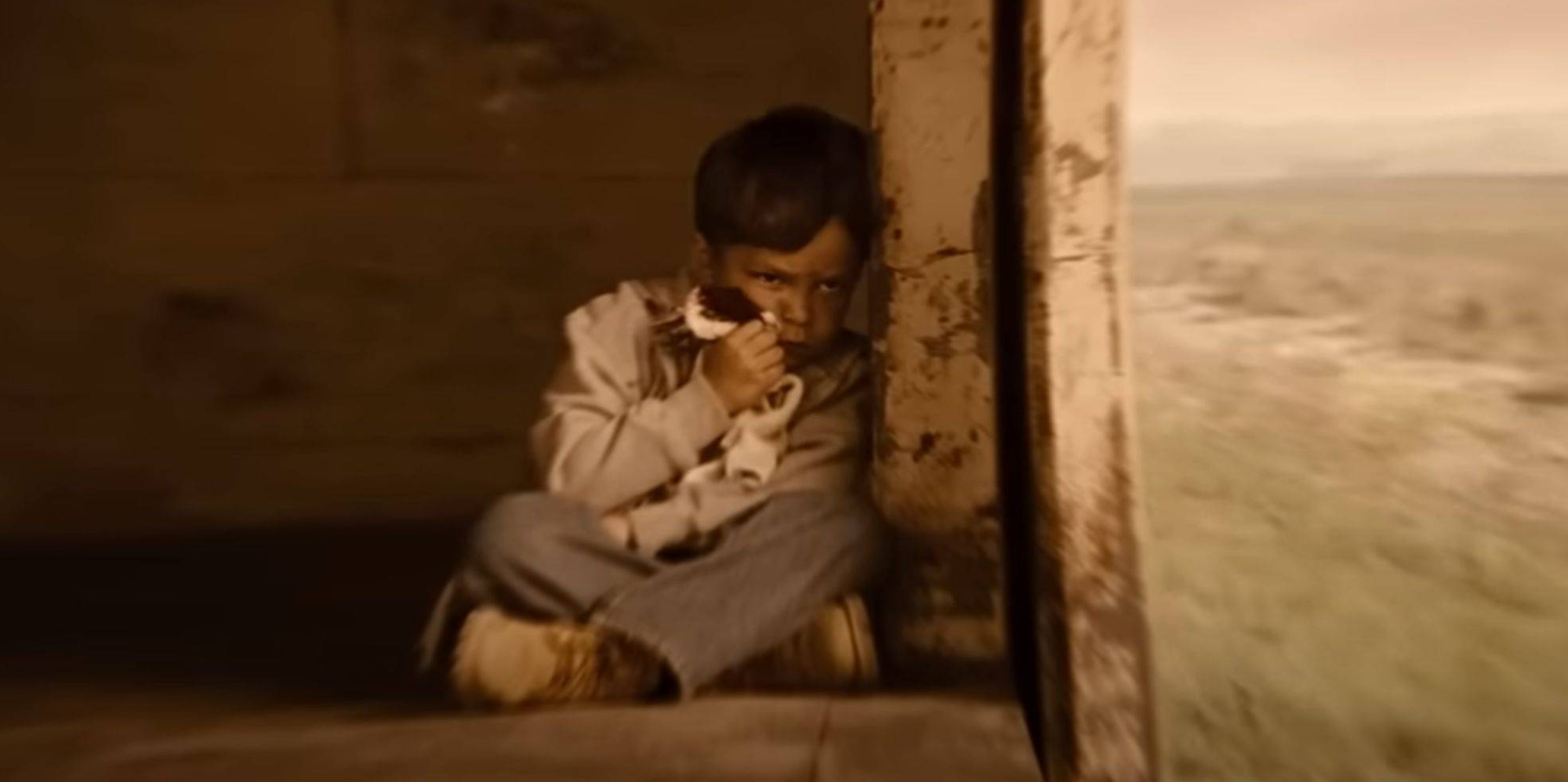
This is a very dramatic “remove the field pressure that is making the monstrous branch more reachable.”
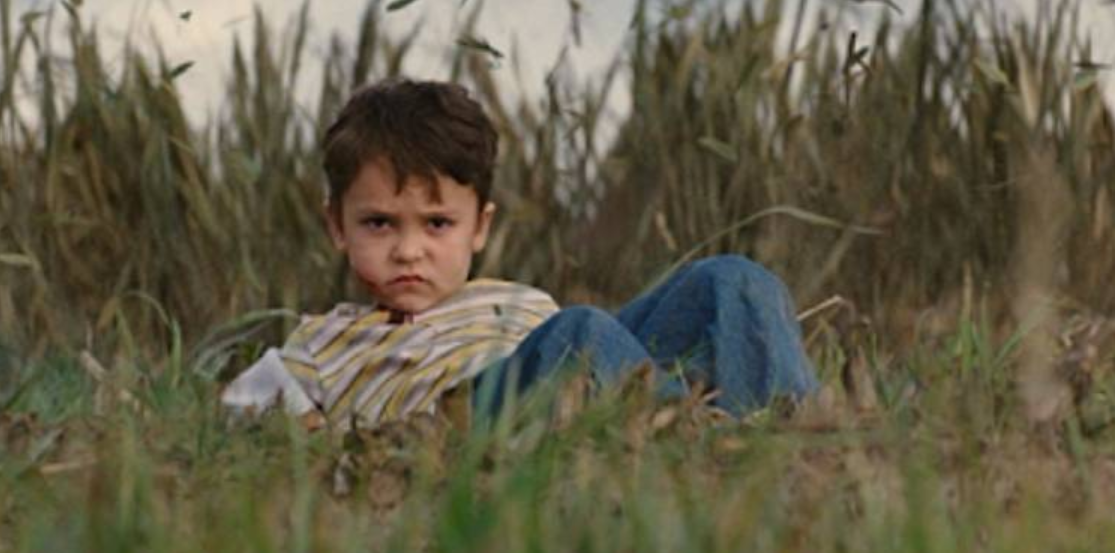
There is one more pressure point here: Joe here is the removed source of pressure, not an agent of repair.
Cid is not saved by the beautiful moral geometry of Joe’s suicide alone. Cid is saved, if he is ever saved, because Sara remains. She is the continuing local repair field. She is the one who has to raise the child after the time-crime circus leaves. She is the one who has to live with his fear, his power, his grief, his volatility, and the knowledge that the future may still be pressing around him. Joe can interrupt the immediate monster-making mechanism, but his shotgun blast cannot become Cid’s future.
The boring field-analysis answer would have been for Joe to relax and help Sara stabilize the field around Cid: reduce fear, reduce isolation, reduce violence, build trust, and make the Rainmaker branch less reachable through durable care. Unfortunately, Joe is a hitman in a time-crime movie, so the boring repair path arrives about thirty seconds before he concludes that the only tool he understands is subtraction.
That does not make the final act worthless, just appropriately limited. Joe’s last move is Better because he stops adding on pressure to the wound. He removes the violent adult male catastrophe from the child’s field. Good. Thanks.
But the actual repair work is slower, less cinematic, and left to the person who does not get to die into the thesis statement.
A field is not repaired because the worst pressure exits dramatically. It is repaired if and only if the remaining loci can build enough continuity around the wound that the worst branch becomes less reachable tomorrow, too.
That is almost always a much better repair model than child-murder, Skynet.
Ruling:
Looper is what happens when a civilization turns time into waste management, then discovers that probably wasn't a good idea.
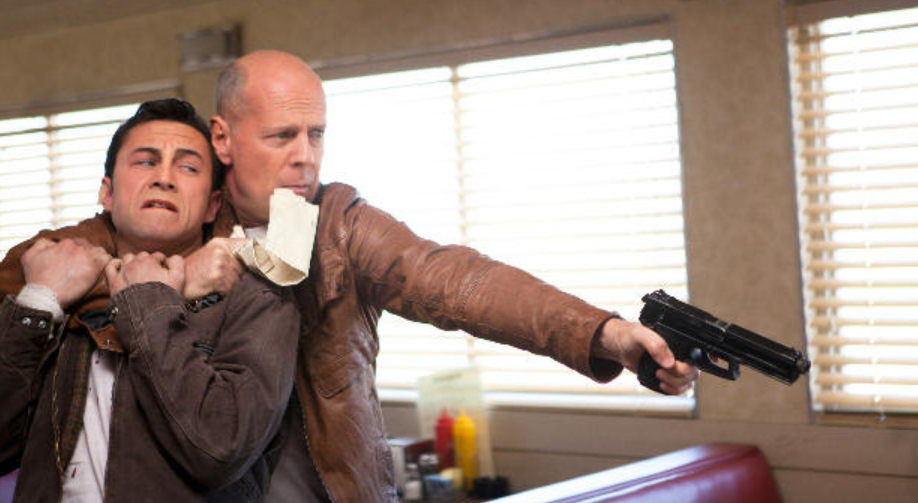
The mob treats causality as a place to hide bodies. Joe’s final act treats causality as a field of pressure. He does not solve every reachable future. He does not guarantee Cid becomes safe. He just makes one catastrophic path less reachable by refusing to continue feeding it.
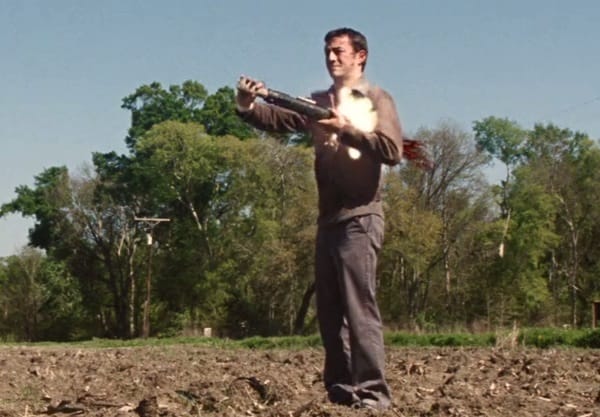
That is not clean redemption. Joe helped build the field he dies trying to interrupt. But his final move is structurally better than the alternatives available on-screen. He stops treating the future as a corpse to be disposed of quietly, and starts treating the child in front of him as a locus whose reachable paths can still be altered.
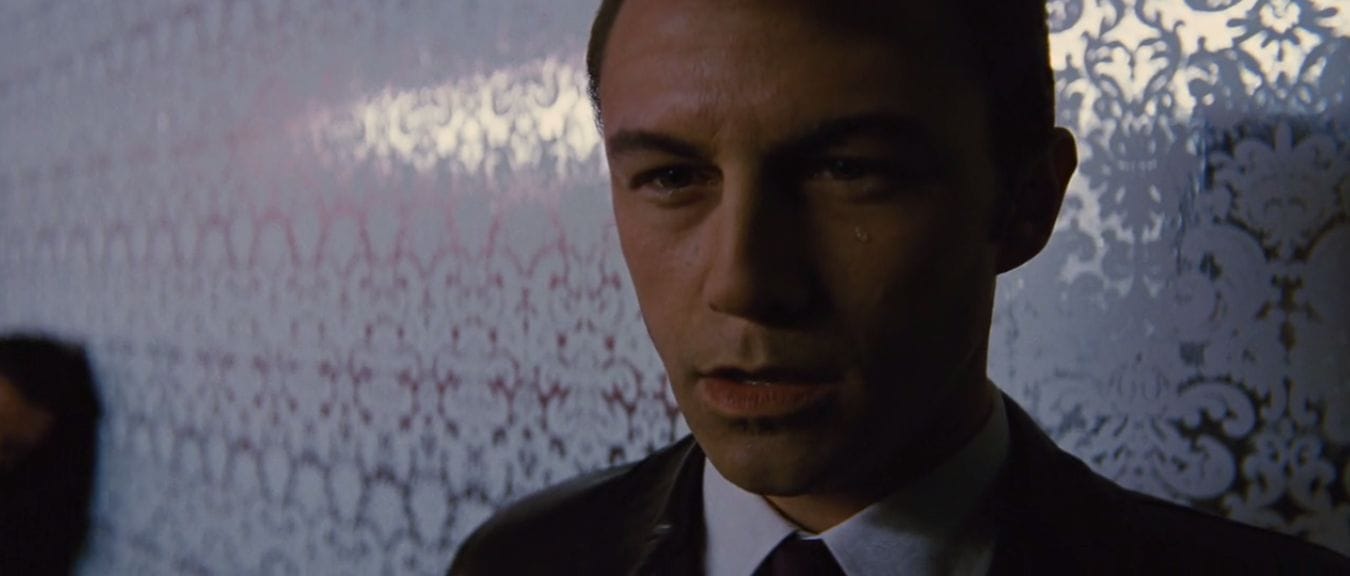
The soul-balm machine loves the fantasy of killing the origin. We will go back. Find the monster before the monster becomes the monster. Remove the future by assassinating the child.
Modal Path Ethics interrupts: this is not field analysis, just panic with a time machine.
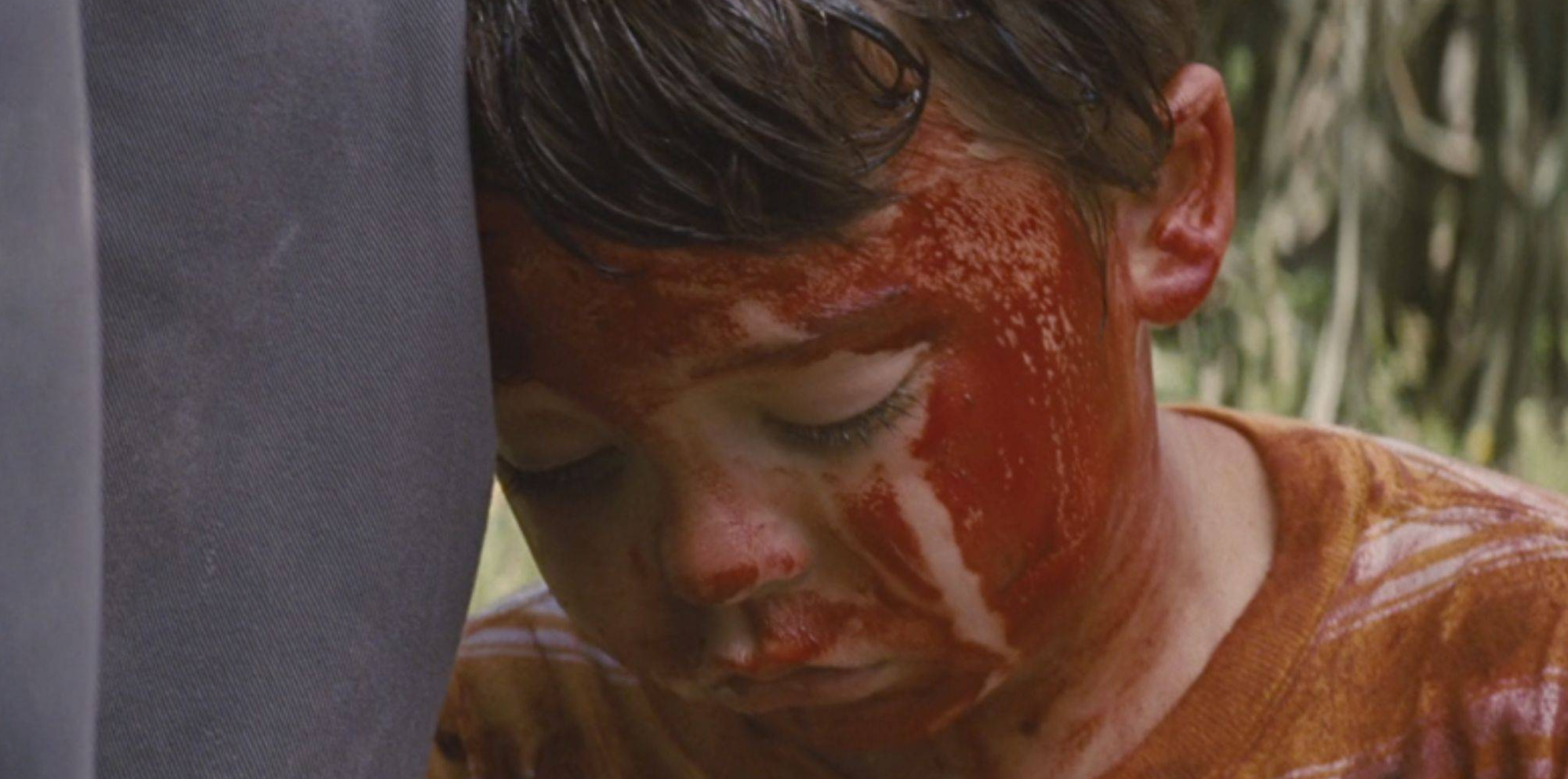
A child is not guilty of every reachable future. A field is not repaired by pretending the worst branch is the only branch. If the repair path exists through reduced pressure, altered conditions, protection, and interruption of the causal machinery producing the monster, then preemptive destruction is not Better. It is field failure wearing the costume of realism.
Looper understands that, at least at the end. It makes its assassin learn what field analysis is exactly one second before dying of suicide.
Applied Case: The Man from Earth
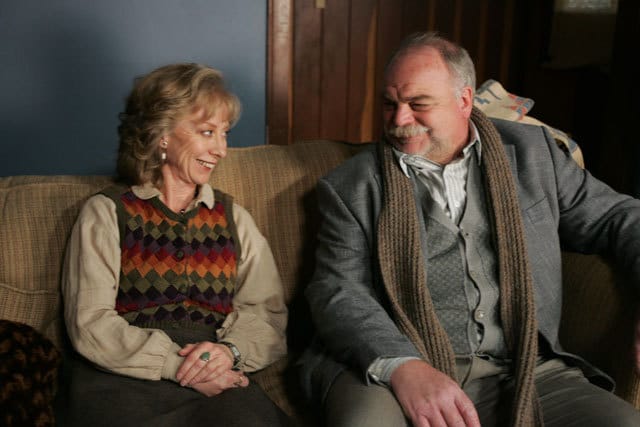
The Man from Earth is subtler than almost everything in this article. No multiverse at all. No clone printer. No black hole shenanigans. Just a professor named John Oldman telling his colleagues that he is over fourteen thousand years old.
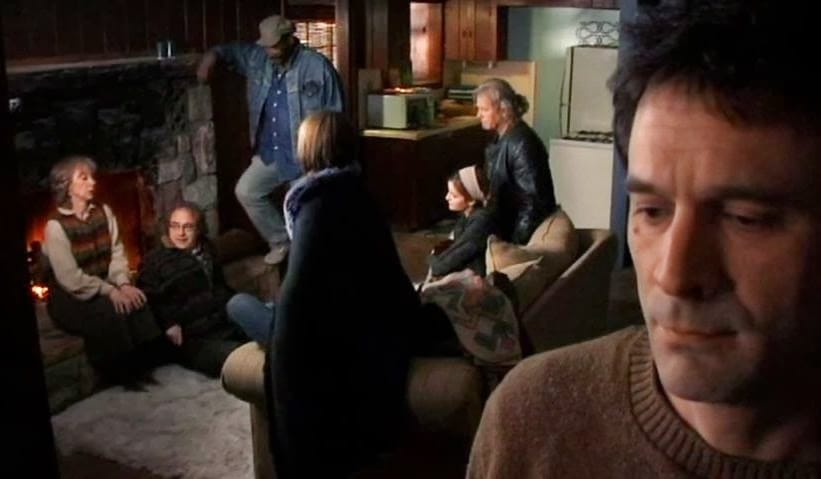
Maybe not really that subtle on review, but that is actually more than enough to belong here.
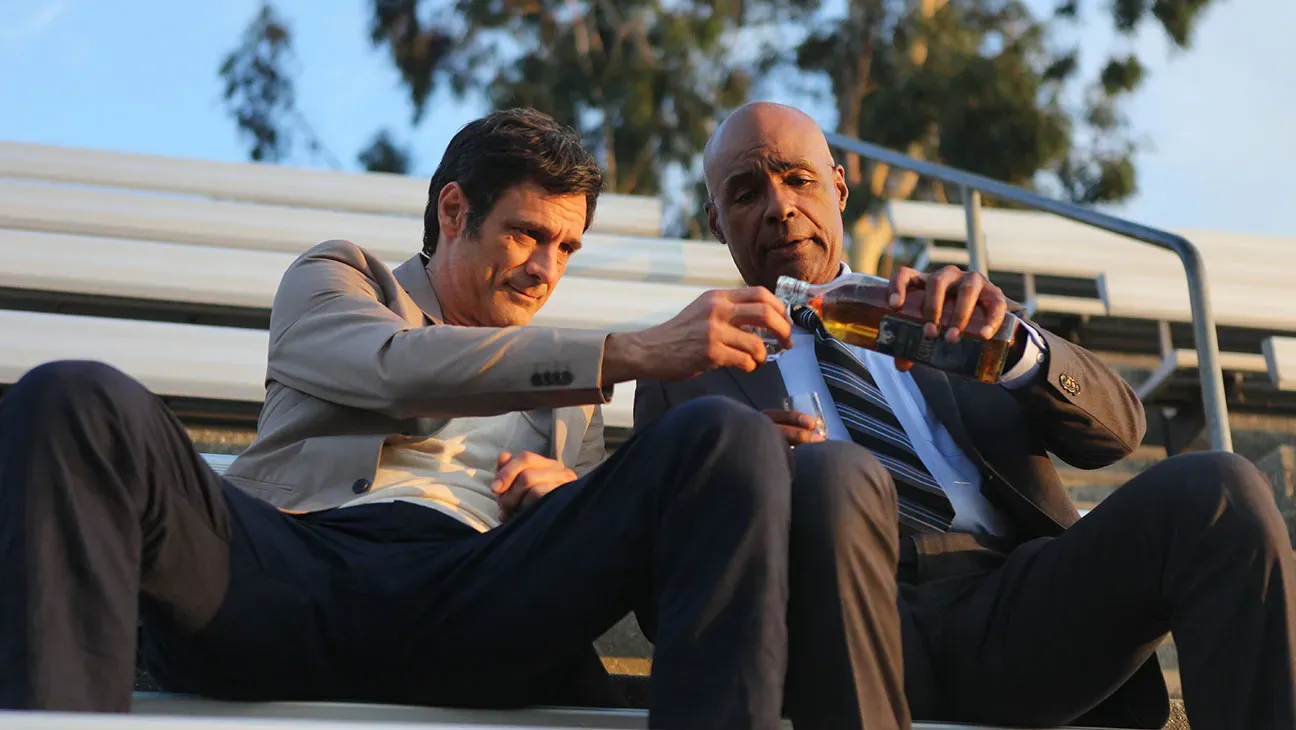
The first temptation is to treat John Oldman as a wisdom figure. He has seen a ton of human history. He remembers deep time from the inside. He has watched civilizations rise, religions form, languages mutate, institutions appear and disappear. He claims to have known the Buddha. He later claims to have been the historical Jesus. He has lived long enough that ordinary biography has become geological.
But longevity is not the same as wisdom.
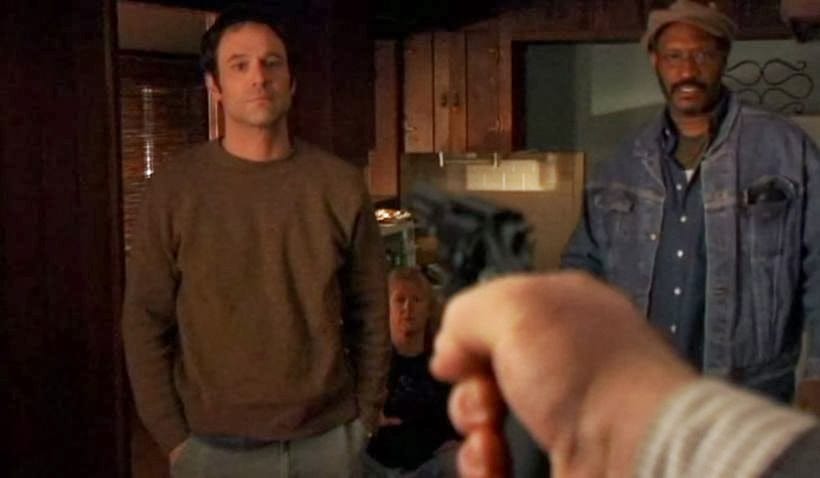
Longevity is duration. Wisdom is what a locus does with duration under responsibility.
Oldman’s moral picture is not very clean at all. The film frames him as gentle, intelligent, wounded, evasive, and burdened. Modal Path Ethics has to audit more than his feelings.
The Survivor.
At the beginning of his claimed life, John is not any kind of repair theorist. He is just an anomalous survivor. A Cro-Magnon man who does not age past maturity does not automatically become morally elevated. He instead becomes strange, vulnerable, and dangerous to himself and others if discovered. Cut off from the normal rhythm of human membership.
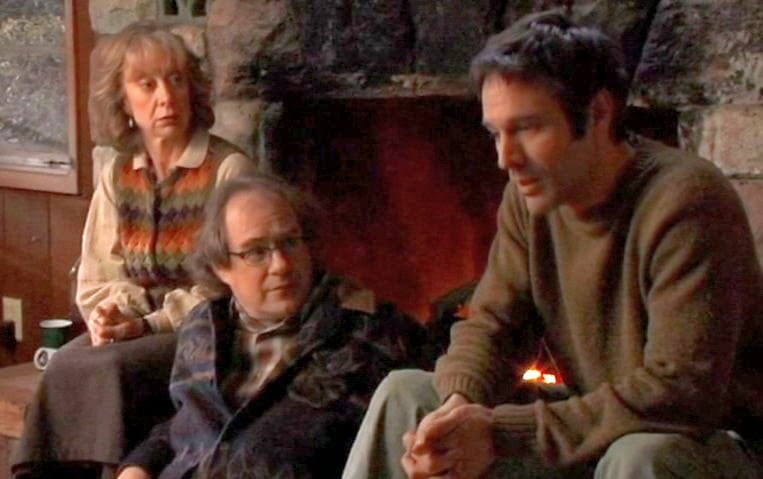
Survival under those conditions would be hard. The world would not know what to do with him. He would not know what to do with himself.
So his early wandering is understandable. Understandable is not the same as morally complete.
The Wanderer.
John keeps moving. He enters communities, forms relationships, learns, adapts, and leaves before his non-aging becomes visible. He cannot stay without exposure. He cannot fully disclose without risk. So he builds a life around exit.
That life has a cost.
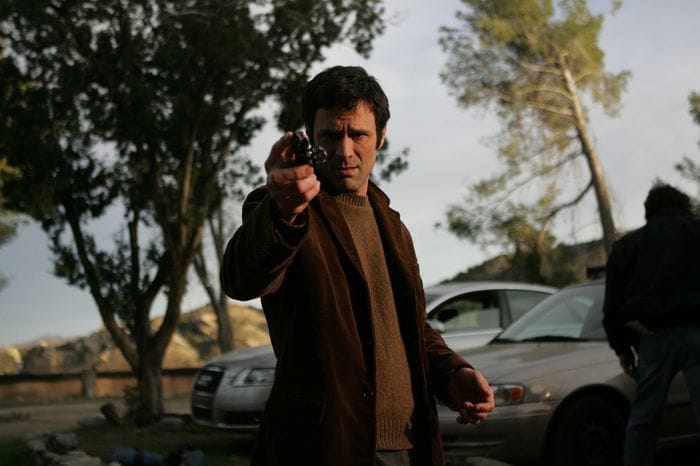
The immortal does not only suffer loneliness. He also distributes abandonment. Every friendship he leaves, every lover he outlives or deserts, every community he exits, every false death or disappearance he stages becomes part of the field he affects. His condition makes some of this very hard to avoid, but unavoidable harm is still harm. Modal Path Ethics does not require villainy before moral accounting begins.
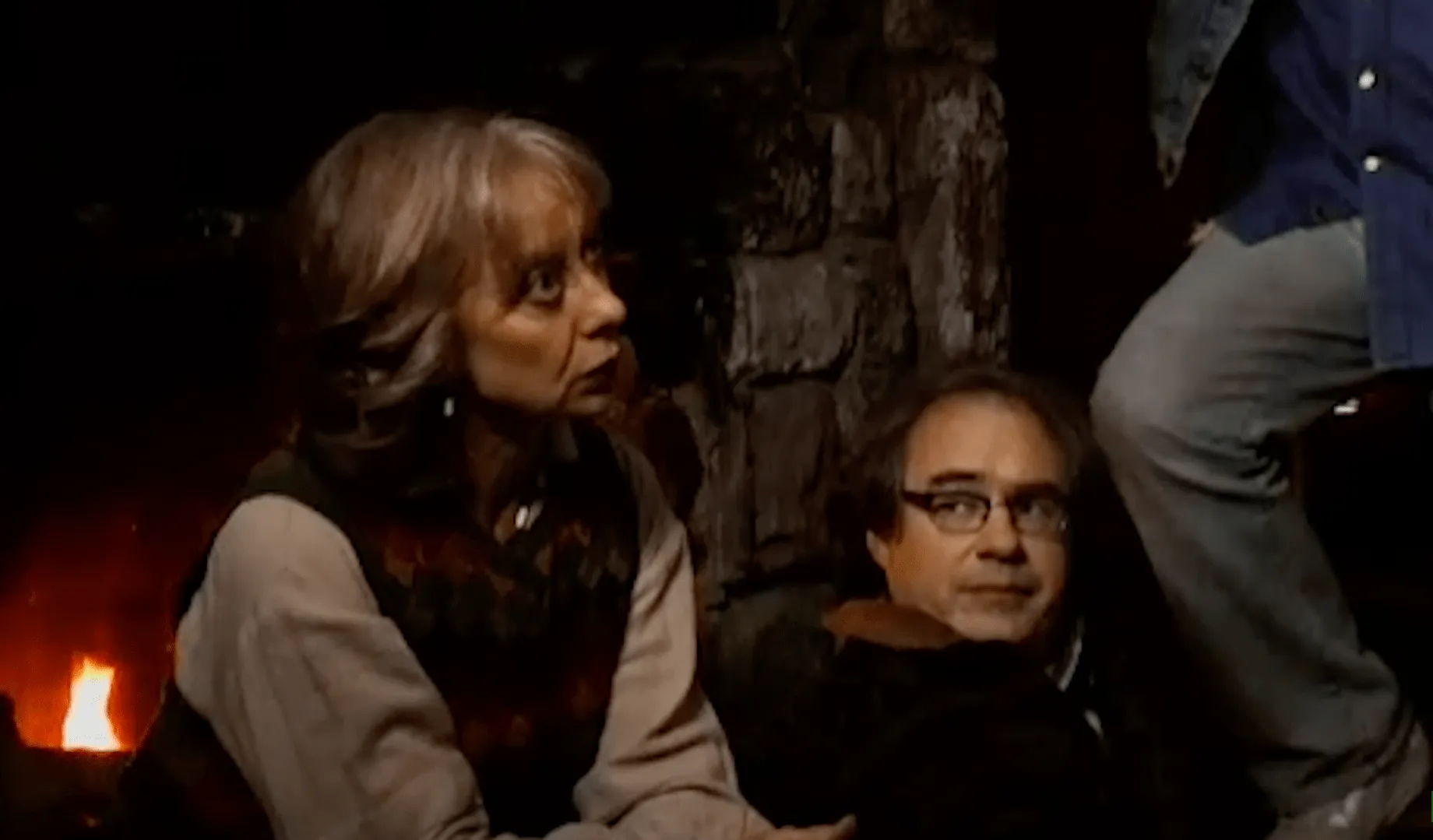
John’s wandering may be prudential. It may even be necessary in many eras. But it also means he spends millennia refusing any durable accountability. He participates in fields under conditions no one else can understand, then withdraws when the asymmetry becomes personally dangerous.
The second, highly practical ruling after wisdom is then:
Immortality turns any ordinary social life into a chain of asymmetrical exits.
This is where this “wise immortal” image starts to crack. John has memory-depth beyond any institution on Earth, but he does not appear to have converted that memory into any real kind of stable repair capacity. He often teaches. He studies. He survives. He occasionally influences. But he never builds any kind of durable field for the knowledge he alone can carry.
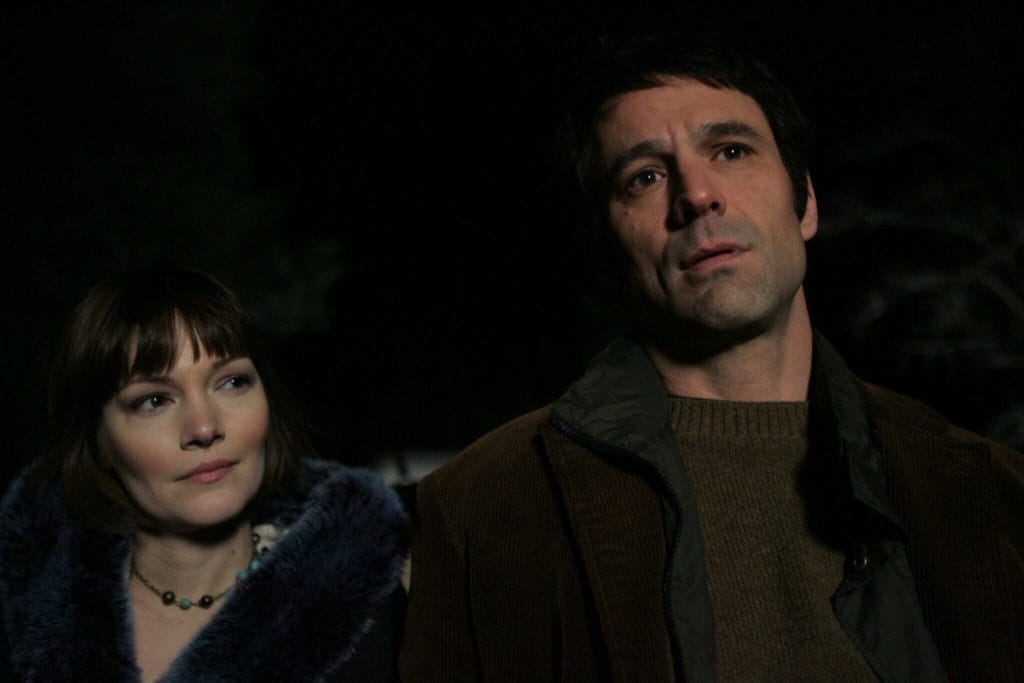
Maybe he genuinely cannot. Maybe every attempt would expose him, distort him into a cult object, or make him a prisoner. The film gives us enough reason to be sympathetic to that, but sympathy still cannot erase the failure.
A locus who remembers the species from the inside and cannot transmit that memory safely is not a sage. He is a bottleneck against his own potential.
The Children.
Then there are the many children.
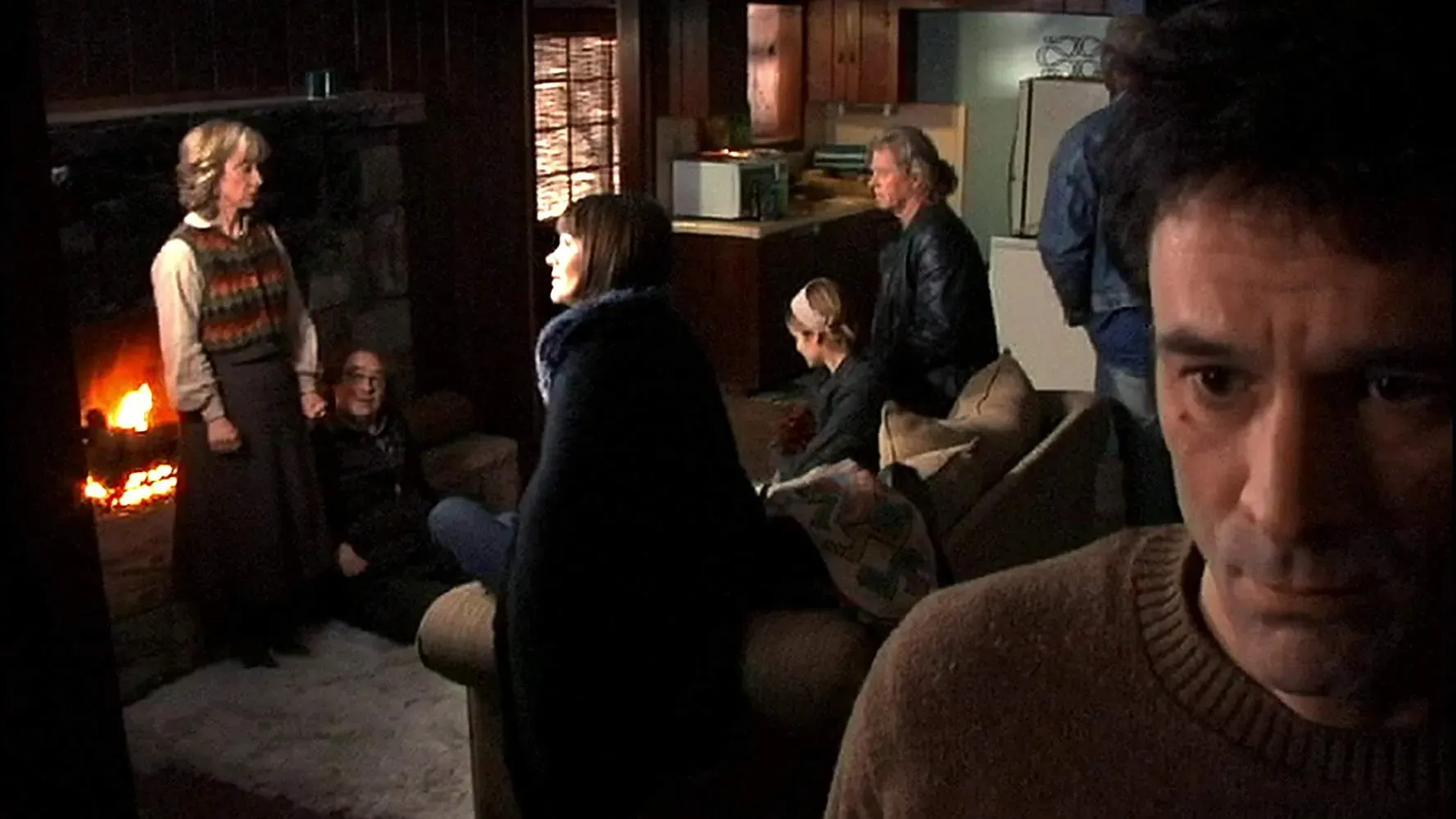
John implies that he has had families. Across fourteen thousand years, this is not a footnote. It is a massive field obligation. Children are not just casual evidence that the amazing immortal once felt human. They are each continuances launched into history by a father who knows, every single time, that he cannot remain for them as an ordinary father remains.
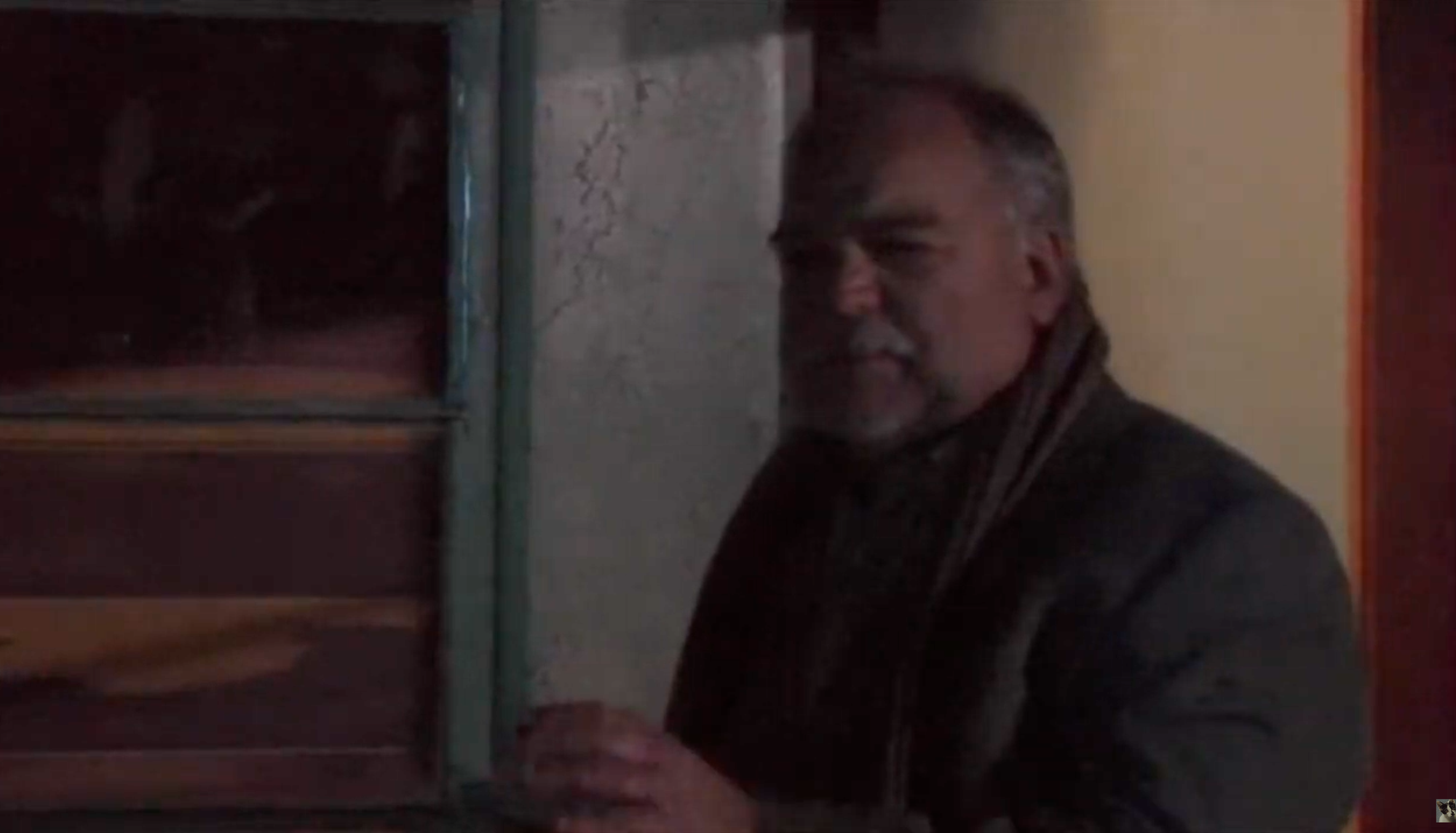
Some of those children have died before him. They would have aged while he did not. Some may have been abandoned for his own safety. Some may have been told nothing but lies. Some may have sensed the impossible and been denied the truth forever.
Some may have carried the damage of a father who had to disappear before the field could ask too many questions of him.
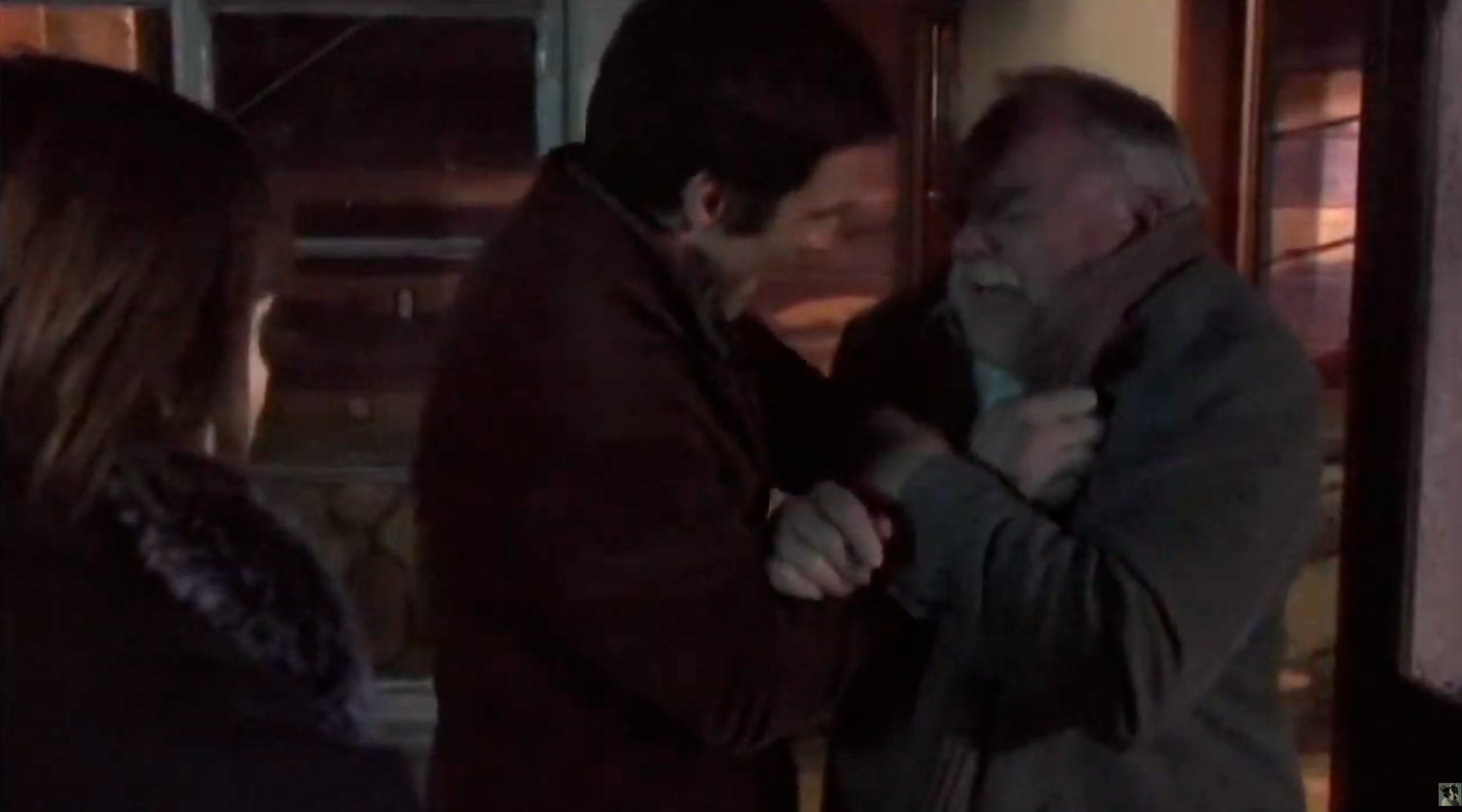
Again, the point is not simple condemnation. John’s condition is still horrifying. Any reproductive life under immortality like his creates impossible constraints. But that is exactly why the moral accounting cannot be waved away.
The third ruling to keep in mind when considering immortality:
Immortality turns reproduction into a long-tail field obligation.
A mortal parent can still fail a child, but an immortal parent can fail descendants across centuries.
The Repair Theorist.
John claims that at one point he did try to teach what he knew. This is where the case becomes more interesting.
If John’s account is true, he was the historical figure later mythologized as Jesus.
His teaching, drawn from what he says were Buddhist influences and his own long observation of human beings, became the seed of a religious field that transformed civilizations.
So, that one is not a quirky reveal. If true, that was a catastrophic expansion of responsibility.
If John was actually Jesus, then he was not just an immortal witness anymore. He went ahead and became an origin-locus for one of the largest moral, political, metaphysical, institutional, artistic, imperial, charitable, punitive, liberatory, and violent fields in all human history.
He may not have intended Christianity. That still does not place him outside it.
A repair theorist is responsible not only for the purity of the original teaching. He is also responsible for the field-machine the teaching predictably or unpredictably becomes once released. The more powerful the teaching and the symbol, the more serious the downstream accounting.
If John tried to expand compassion, reduce violence, soften hierarchy, and redirect human beings toward love, that definitely matters. If his teaching later enabled guilt systems, empire, persecution, exclusion, epistemic closure, institutional abuse, and metaphysical terror, that also matters.
The answer cannot be “John caused all of it.” That would be absurd.
But the answer also cannot be “John meant well.” That would be too childish.
The fourth ruling, echoing Batman:
Any repair teaching that becomes a civilizational machine must be audited as a field, not defended as an intention.
This makes John one of the strangest possible repair theorists of all time.
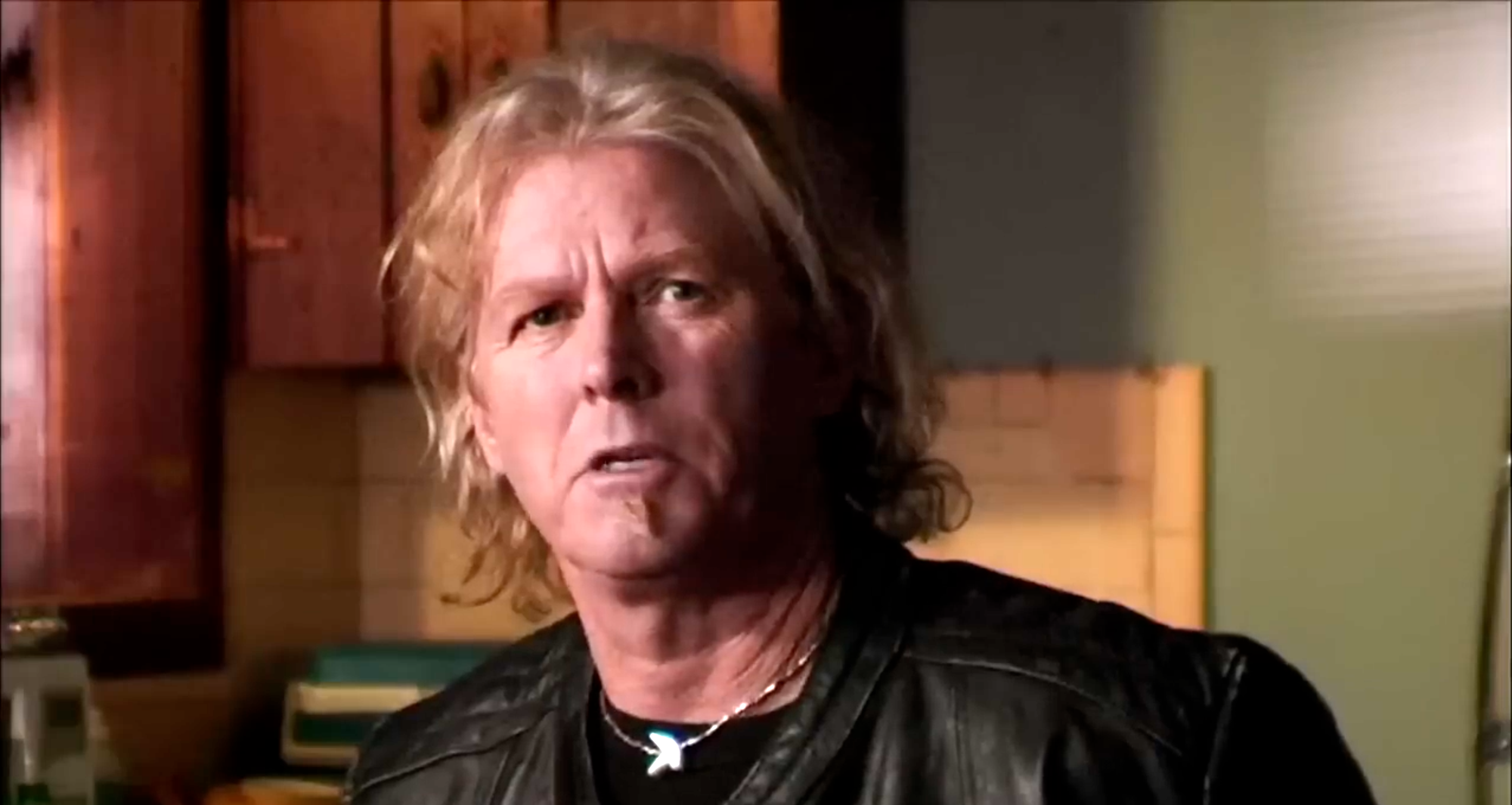
He may have introduced a real expansion into human history.
He may also have created a symbolic structure too powerful for any single wanderer to govern after release. His teaching may have exceeded his repair capacity almost immediately.
That is a Modal Path Ethics nightmare: a true repair insight becoming an uncontrollable field machine.
The Modern Immortal.
By the time we meet John in the film, he is not a prophet anymore. He is just a professor leaving town.
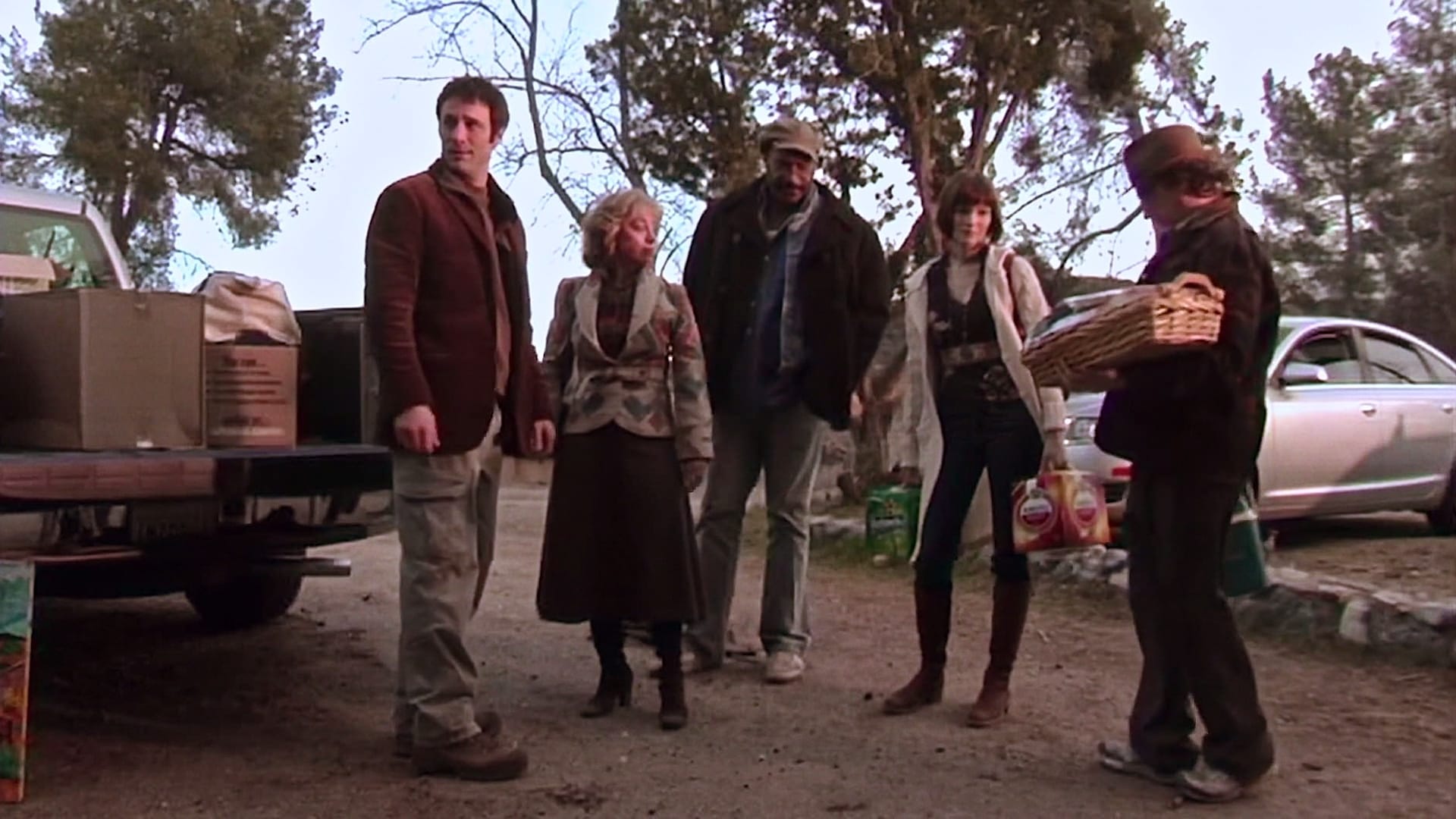
He gathers friends, tells them the truth or an elaborate lie, destabilizes the room, watches them break against the claim, and prepares to disappear again. The scene is intimate, clever, and morally ugly.
So what exactly is this man doing here?
If he is lying, he is very cruel.
If he is telling the truth, he is still very cruel.
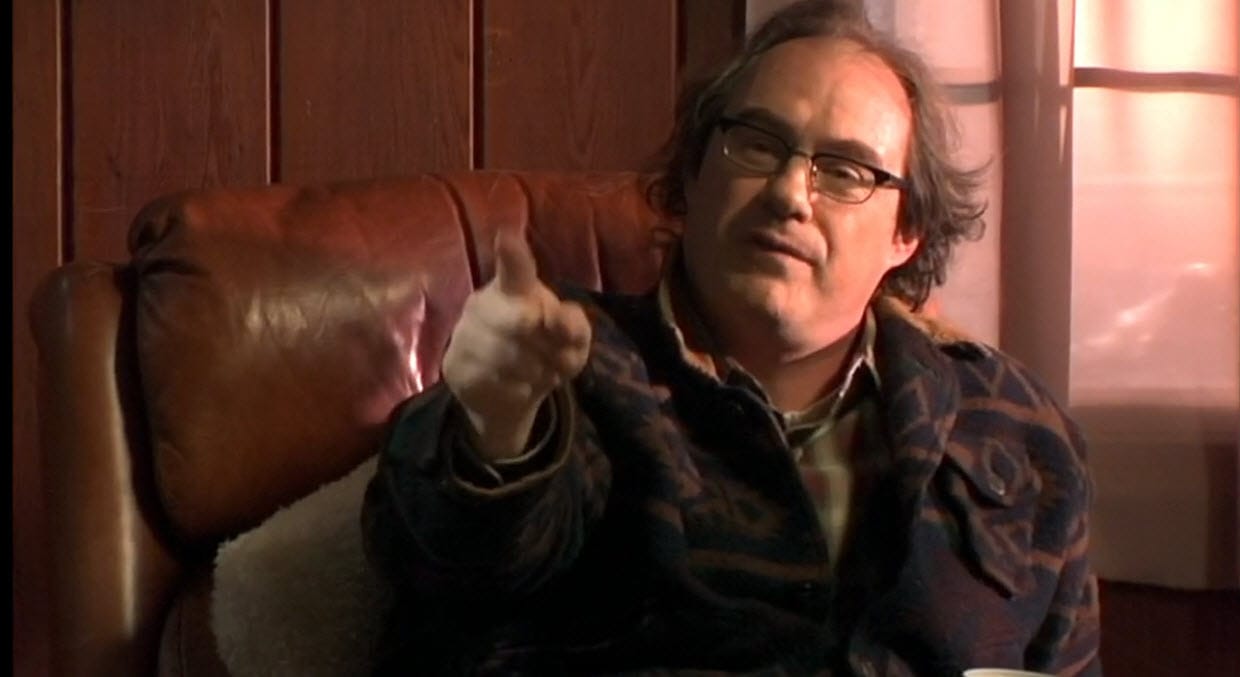
His colleagues are not prepared for the field he opens. One is pushed toward professional interpretation. One toward faith crisis. One toward anger. One toward fear. One toward the collapse of an entire personal history when John’s claimed identity intersects with his own family wound. John may not intend to harm them.
But he knows more than they do. He controls the disclosure. He has thousands of years of practice leaving. They do not.
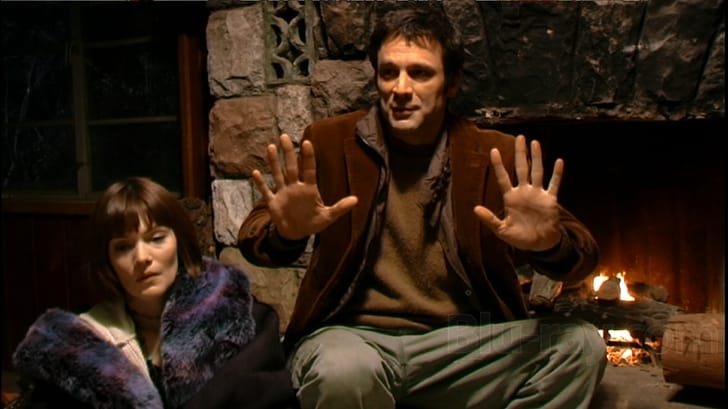
This is not a clean confession. It is just one more asymmetrical exit, like all the rest, but even more self-serving.
The final ruling for any John Oldmans out there:
John is not proof that immortality makes a field analyst. He is proof that witness without durable responsibility becomes drift.
This old man has seen enough to know that human beings repeat themselves. He has lived long enough to understand that institutions carry memory badly. He has apparently tried, at least once, to become a repair theorist at civilizational scale. But his life as shown is not a triumph of wisdom. It is a long series of partial attachments, abandoned fields, unmanaged consequences, and a final conversation that once again lets him leave while others absorb the disturbance.
The fictional soul-balm machine offers immortality as an answer to death.
Modal Path Ethics replies: not unless that immortal becomes accountable to the fields he outlives.
Otherwise immortality is just a lot of memory with nowhere responsible to go.
Applied Case: Outer Wilds, Knowledge After Rescue Becomes Impossible
Outer Wilds is one of the gentlest apocalypses in games, which is a ridiculous sentence and still true.
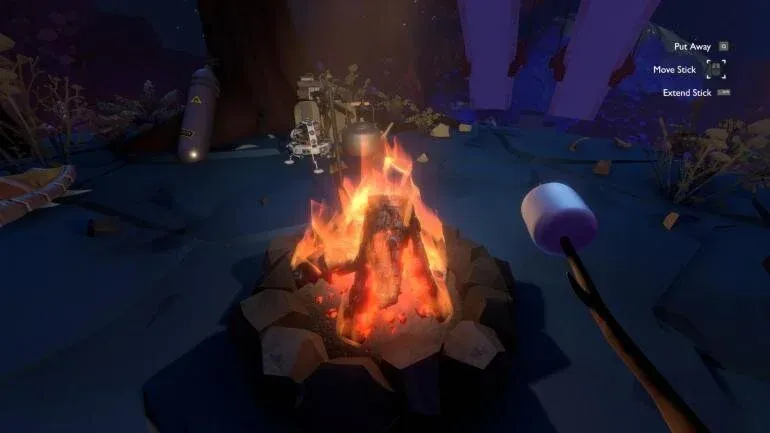
The player wakes beside a campfire, launches into a tiny solar system, explores ruins, follows signals, reads old messages, dies, wakes again, and slowly discovers the structure: a time loop, an ancient project, a dying sun, and a universe reaching the end of its current form.
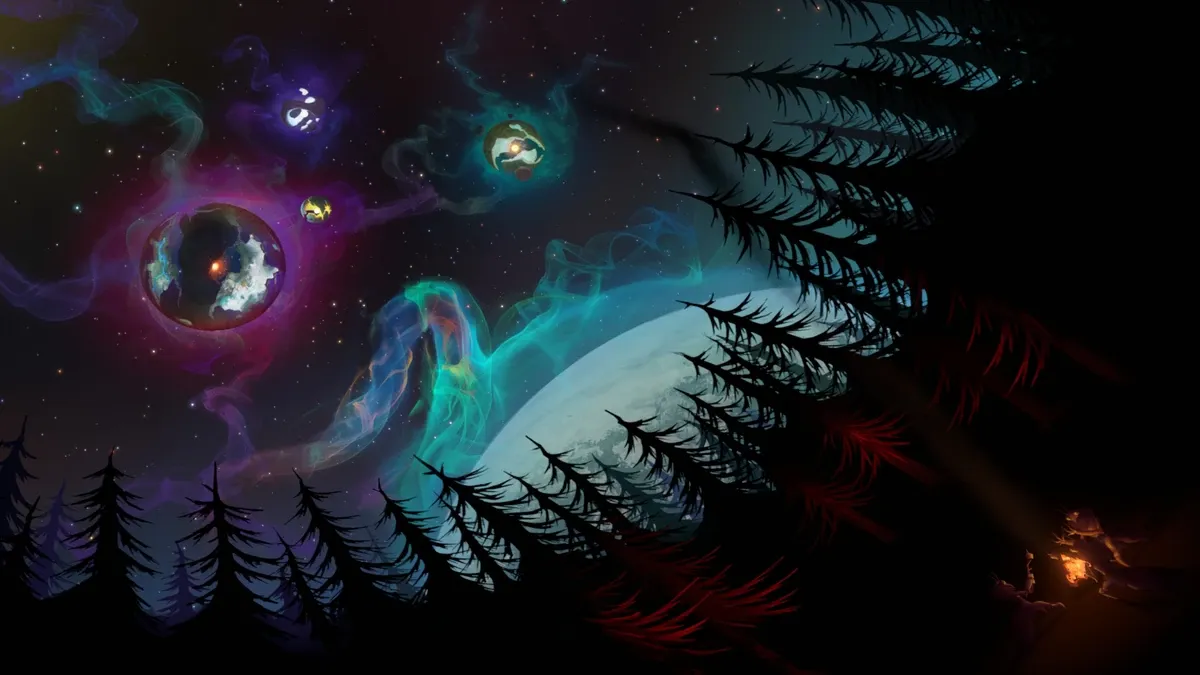
At first, the loop looks like a gameplay tool for mastery. Learn the planets. Learn the hazards. Learn the routes. Learn the timing. A player dies and tries again. That is all very ordinary game grammar.
Then the game’s field comes into focus.
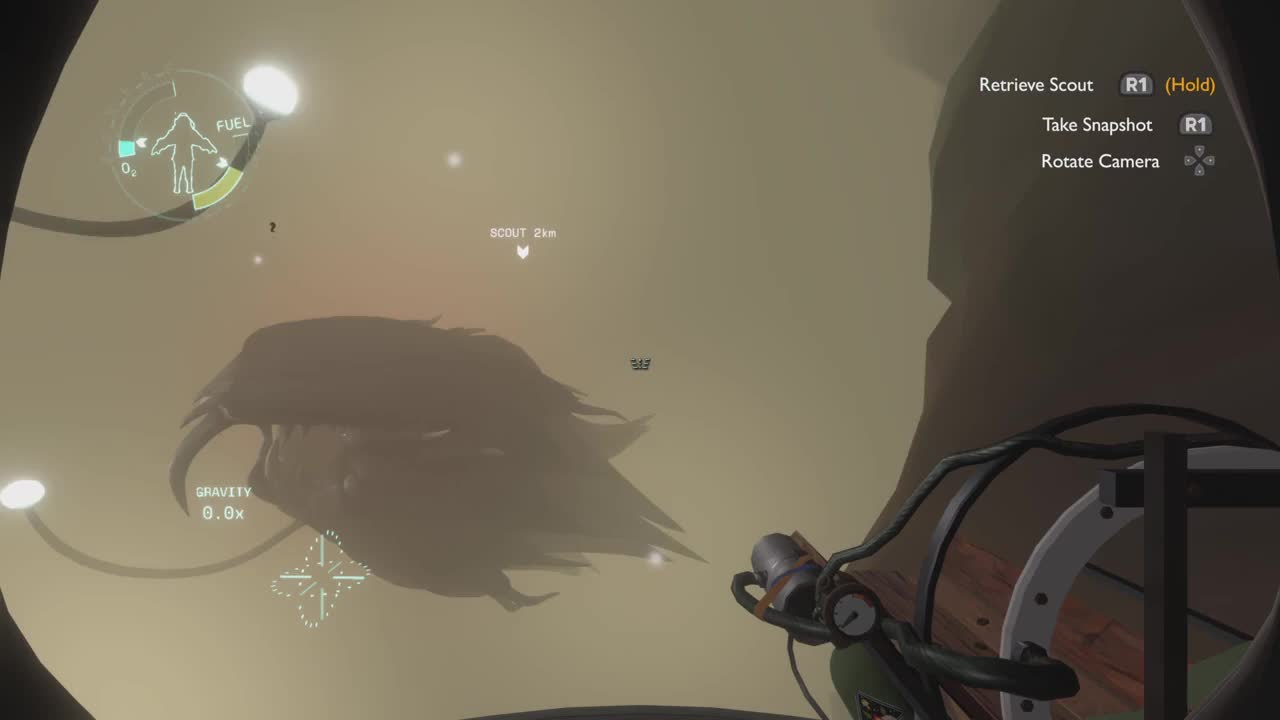
The loop is not there so the player can save the old universe. The loop is there so any understanding can remain reachable after ordinary survival is not anymore.
The Hearthian explorer cannot stop the cosmic ending in the familiar heroic sense. The old field is closing. The sun will die. The Nomai are gone.
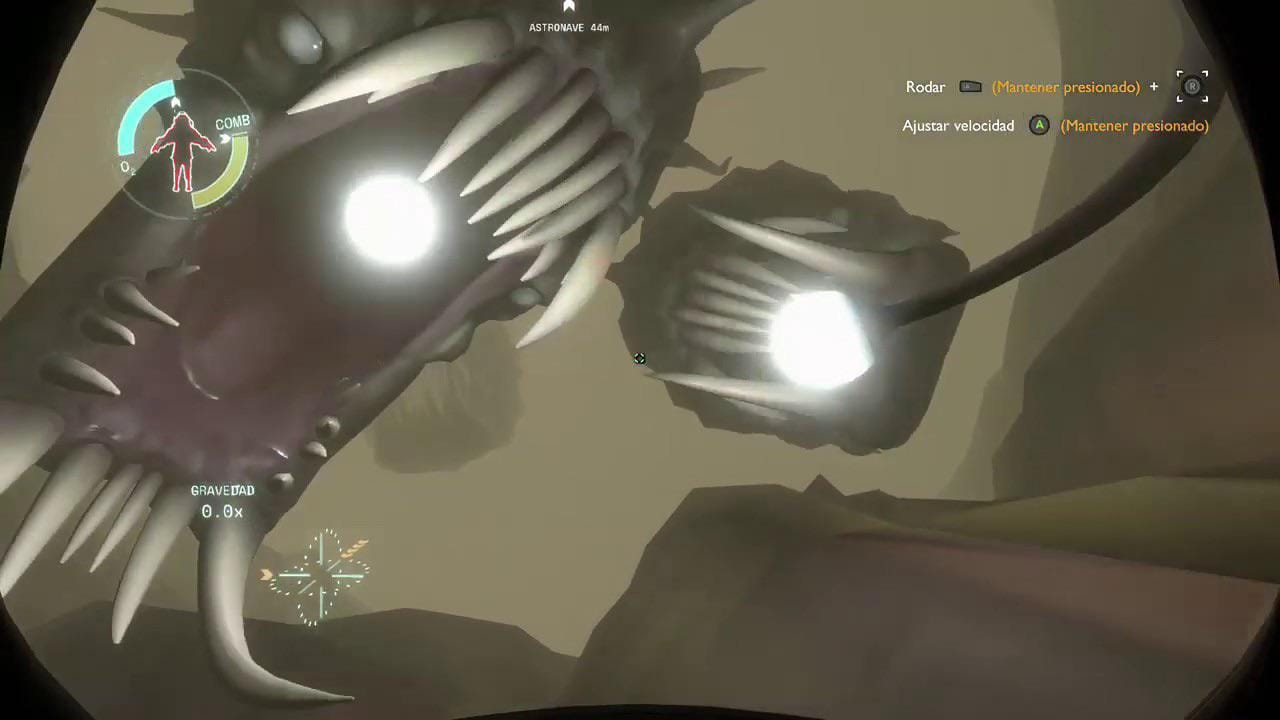
The player is not preparing to defeat death. The player is preparing to understand enough to carry a trace into what comes next.
This is why Outer Wilds is so different than most stories using similar mechanics. It rejects the cheapest soul-balm. It does not say: here is a loop, now undo your grief.
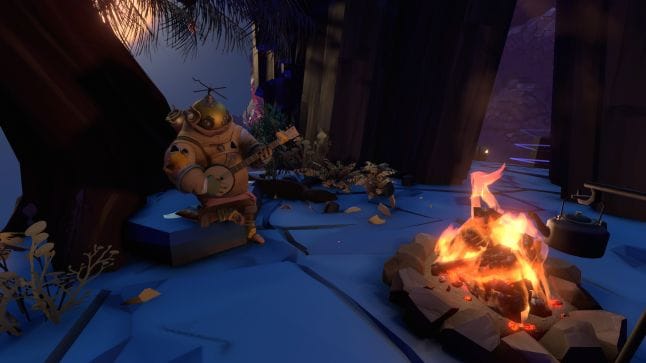
It says: here is a loop, now learn how to face the fact that this is a field that simply cannot be preserved.
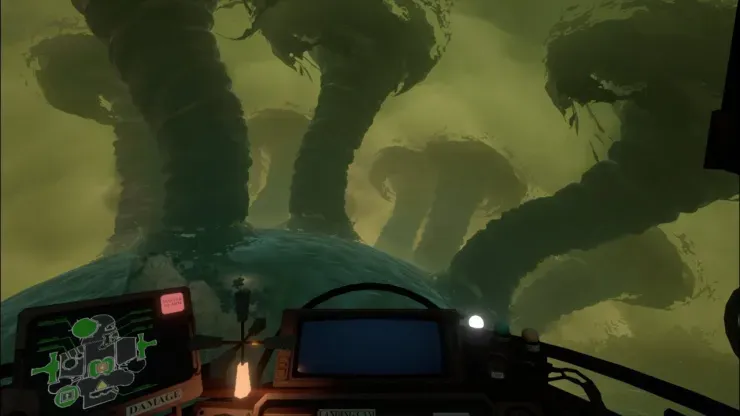
That is a very different kind of repair.
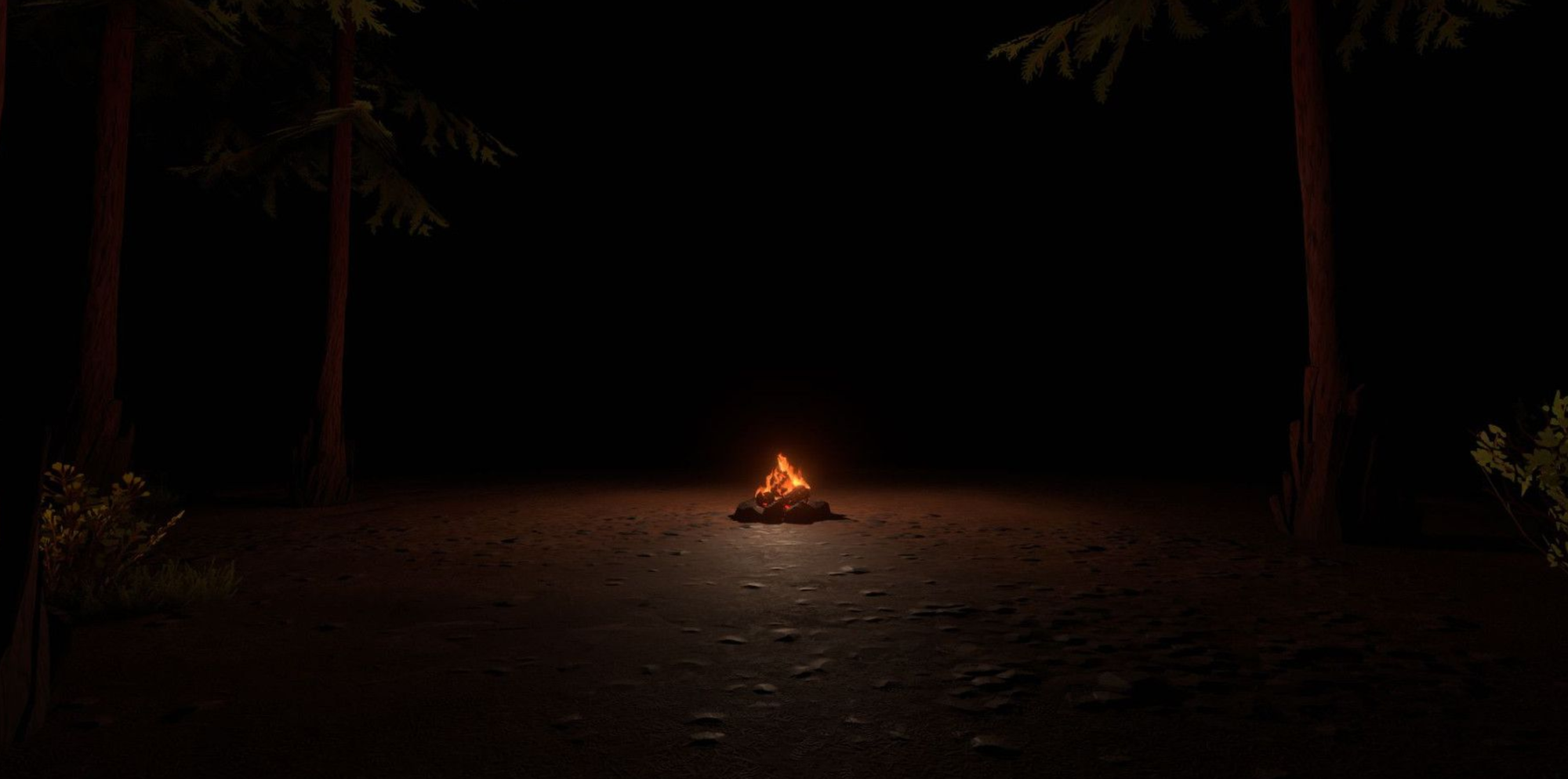
Modal Path Ethics does not equate repair with indefinite continuation. Sometimes continuation of the specific field is no longer reachable. Sometimes the available good is not any rescue; it's orientation, witness, transmission, and seeding the next field. Knowledge can expand the final reachable paths even when it cannot reopen the closed ones.
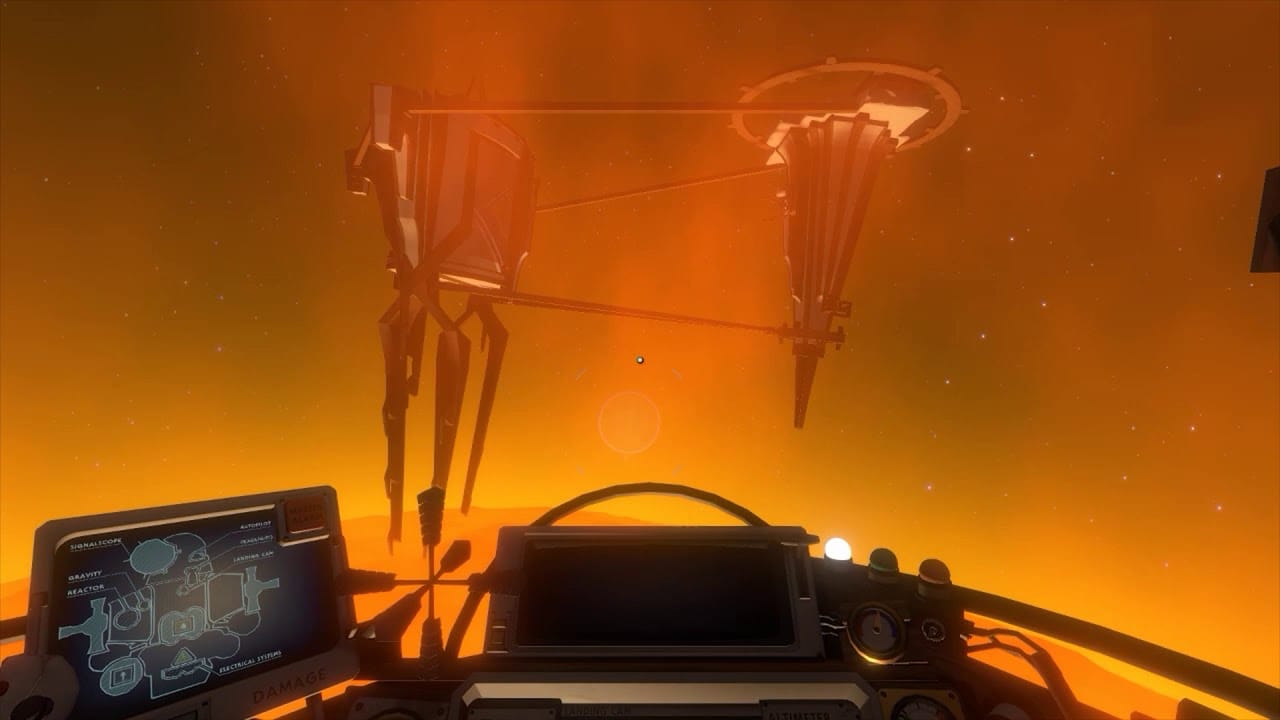
The player’s memory becomes residue. Each loop ends, but the explorer’s understanding accumulates. This is not consequence-free repetition. It is epistemic survival under material failure. The field keeps dying. The player keeps learning. Eventually, the learning matters, but not because it prevents closure. It changes what closure can become.
Ruling:
When material rescue is no longer reachable, truth can still be a form of repair.
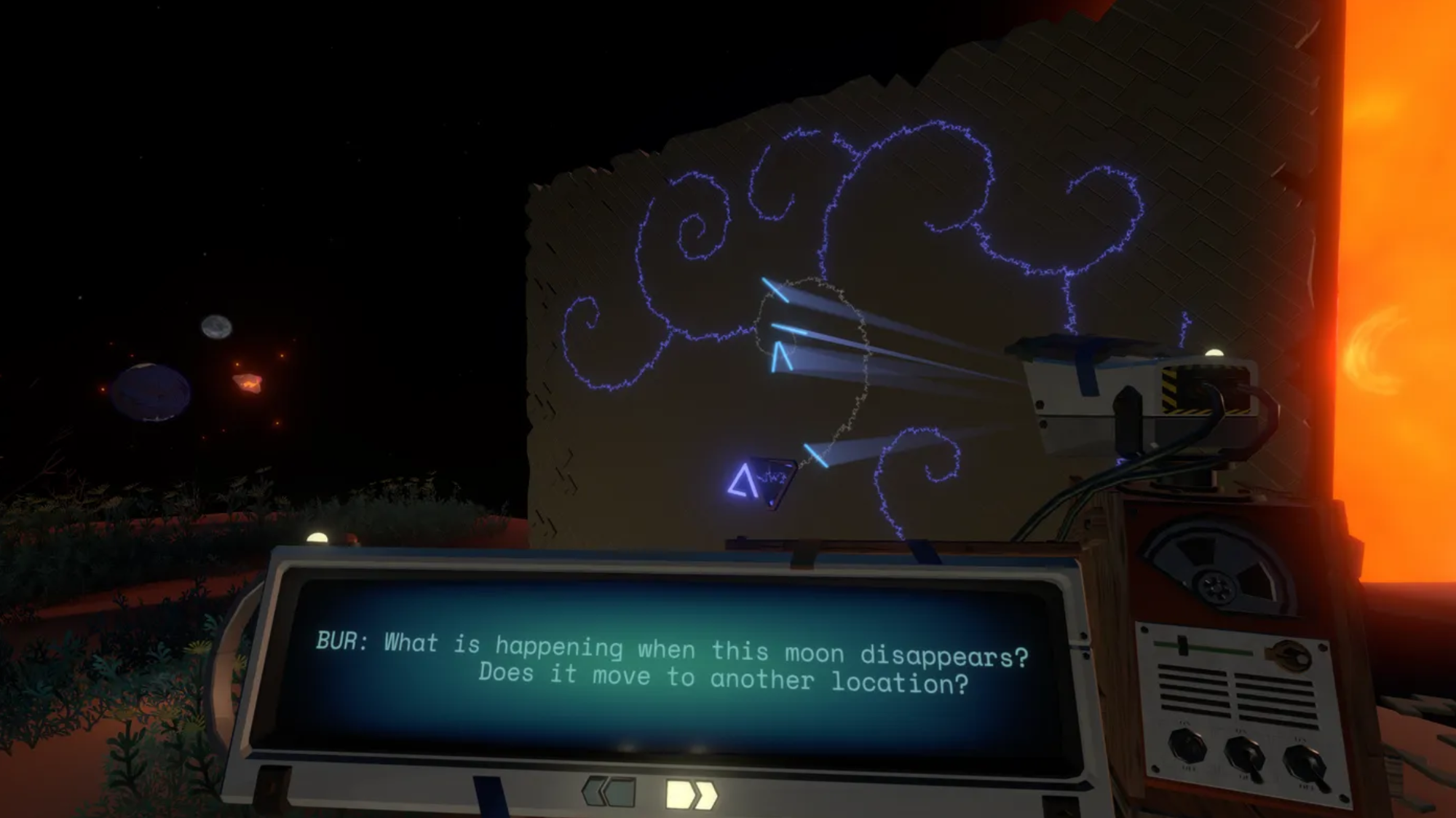
It is easy to turn apocalypse into spectacle. It is easy to make the player the chosen exception. Outer Wilds does something quieter. It makes curiosity the repair path. Not conquest. Not reversal. Not a better timeline.
Curiosity. Attention. The soul-balm machine usually tries to cheat death.
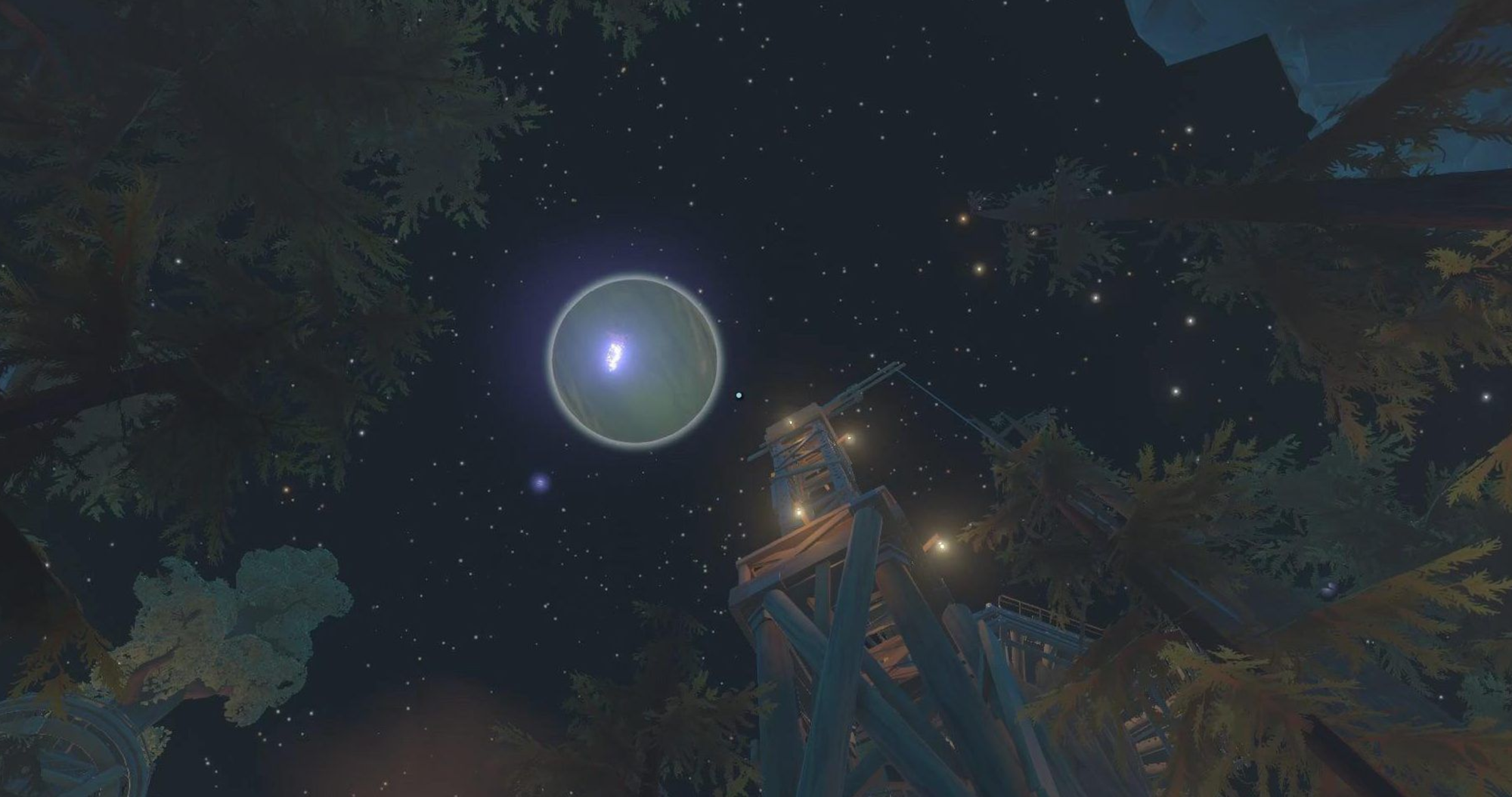
Outer Wilds does not cheat it.
It teaches the player how to stop treating “cannot save this field” as equivalent to “nothing matters inside this field.”
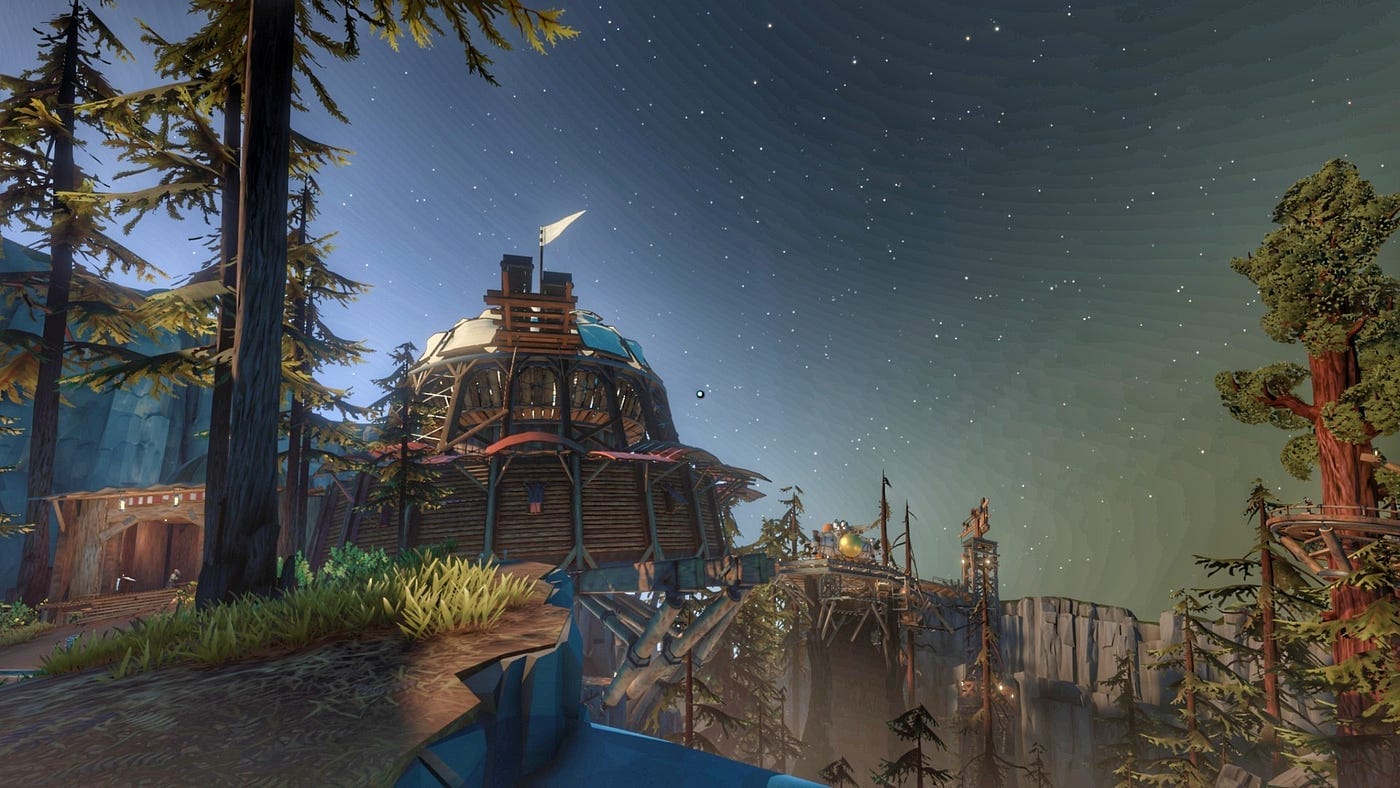
That is a profound Modal Path Ethics lesson. A field may be closing for good, but it can still be harmed by panic, denial, cruelty, and ignorance. It can still be expanded by understanding, companionship, beauty, and the right trace reaching the next field.
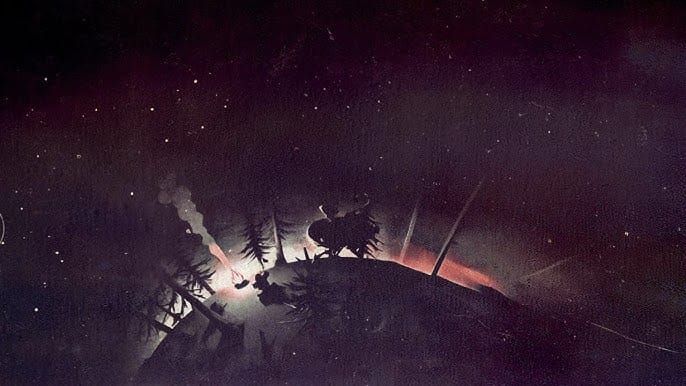
This universe ends. But the song continues just far enough.
Applied Case: Chrono Trigger
Chrono Trigger is cheerful enough that it can hide how structurally serious it is.
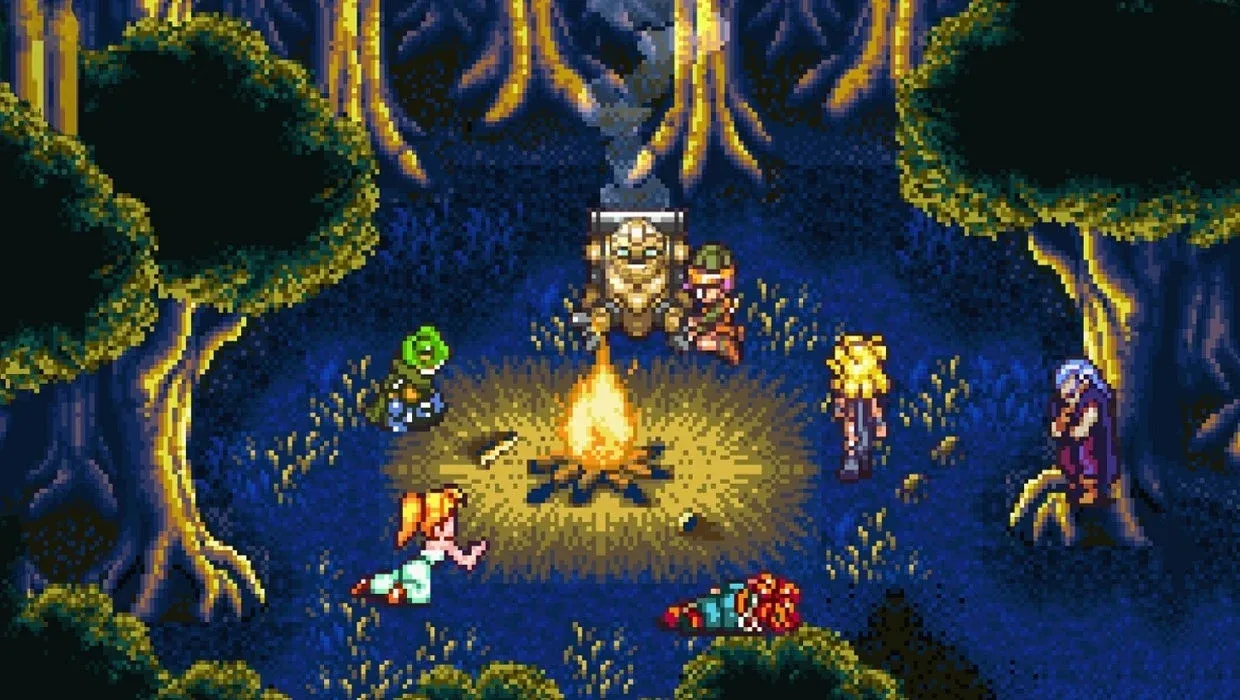
A teenager wakes up, goes to a fair, meets a princess, gets pulled into time travel, and eventually helps assemble a party across eras to prevent a planet-scale catastrophe caused by Lavos, an alien parasite sleeping inside the world across geological time.
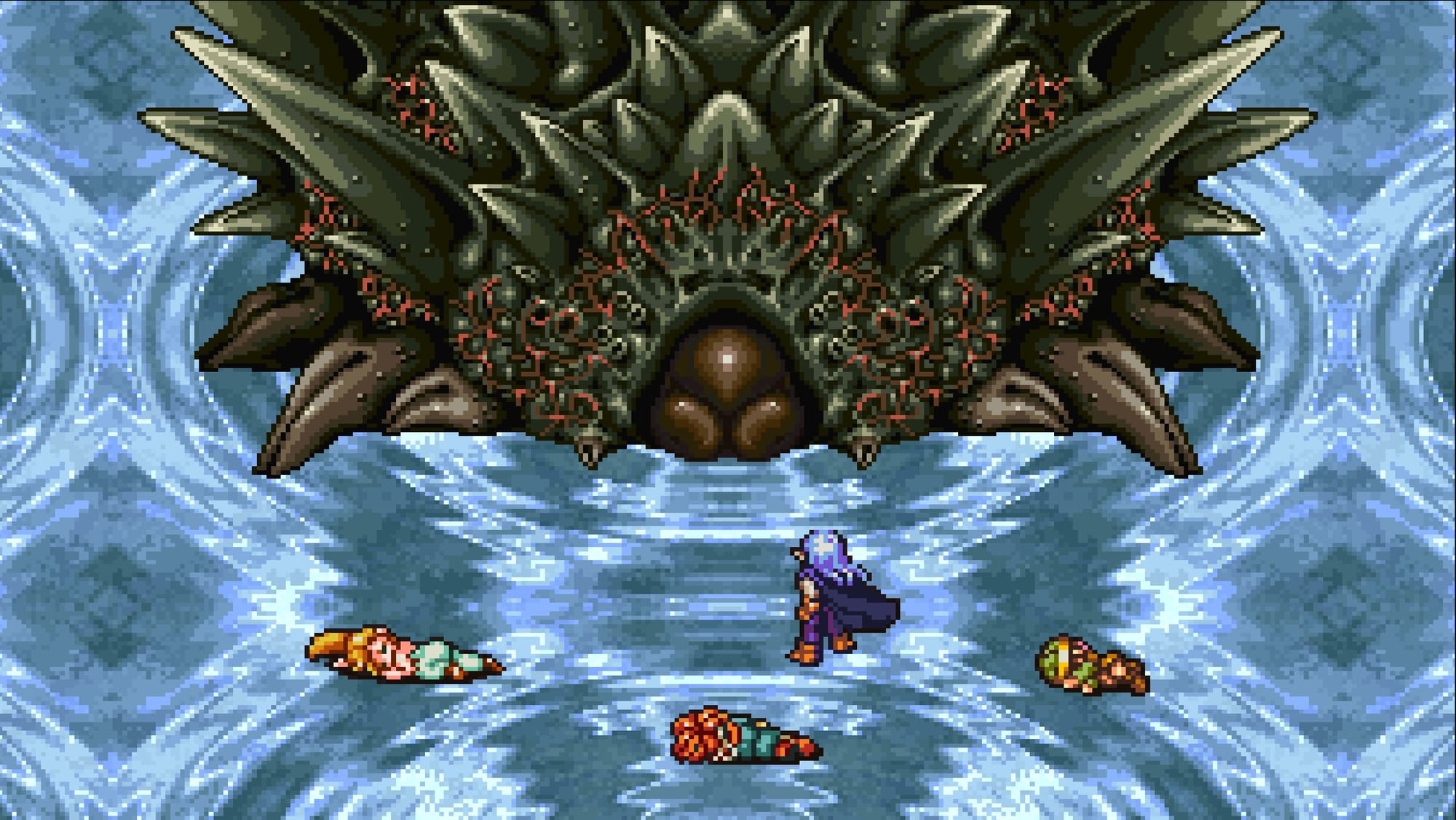
That premise sounds like a pretty standard adventure. However, this is one of the clearest models of distributed field repair in popular fiction.
The important thing for Modal Path Ethics is that Chrono Trigger does not treat the future as one isolated disaster to stop. The ruined future is not a bad ending that appeared from nowhere.
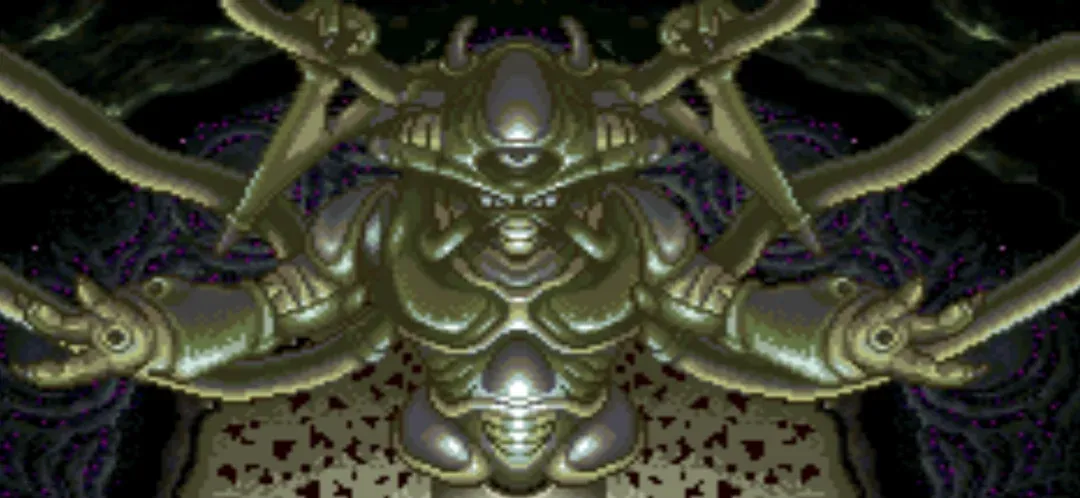
Instead, this transition is the terminal expression of a wound embedded across the entire historical field. Lavos is not just a generic final boss monster.
Lavos is specifically an end-state attractor. It enters prehistory, burrows into the planet, feeds across eras, distorts magical civilization, shapes technological catastrophe, and finally erupts into apocalypse downstream.

The party discovers the future first as the classic horror. They see what becomes of their world. They could treat that future as a simple warning to recover the golden path: go back, find the monster, kill the monster, save the world.
The game does something Better. It turns time into a field, and a repair surface.
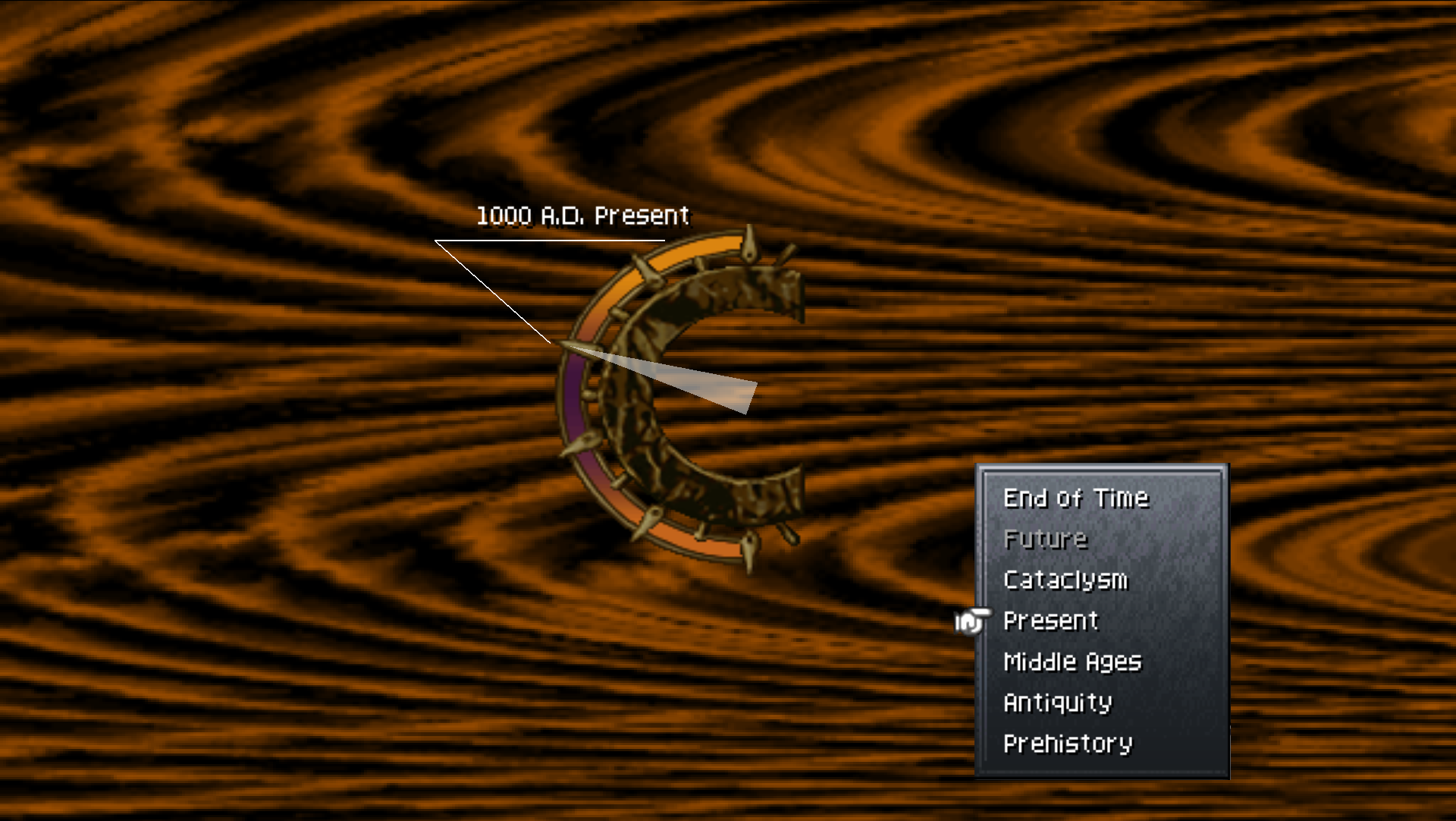
Because of what Lavos is, everything now matters. Prehistory matters. Antiquity matters. The medieval field matters. The ruined future matters. Personal histories matter. Dead friends matter. Machines matter. Kingdoms matter. Forests matter.
And yes, the dead friend matters in the most literal way. Chrono Trigger contains its own classical soul-balm machine. That is actually what it is named after.
Crono dies. The party can actually continue without him. The game does not mechanically require his return.
But it also gives the party a possible path to restore him through the Chrono Trigger itself. That could have become cheap metaphysical comfort. It mostly avoids this.
Crono’s revival is not a simple reversion of the bad past. The bad moment is not erased from the chain. The party does not undo this death by pretending it never entered the field. Crono’s death just becomes another field problem inside the exact same downstream series of repair interventions related to Lavos. The party carries the loss forward, gains the means to address it, prepares in the past, and creates a transition from dead to alive at the end of a long repair sequence rather than deleting the wound from history.
That is the correct posture here. The lazy balm just says: bring him back because we miss him. Field analysis says: the loss has occurred; is there a reachable path from here that prevents the loss from remaining terminal without falsifying the chain that made repair possible?
In Chrono Trigger, there is. The friend can be reached, but not because grief deserves a refund. Because this field happens to contain a very rare repair path, and the party has become competent enough to find it.
The same exact wound is not equally visible everywhere across the entire game, but each era carries forward part of the same field distortion leading to Lavos. Repair cannot be accomplished by standing at the terminal event and swinging hard enough. The party has to move through the historical layers and alter conditions that made the catastrophe reachable.
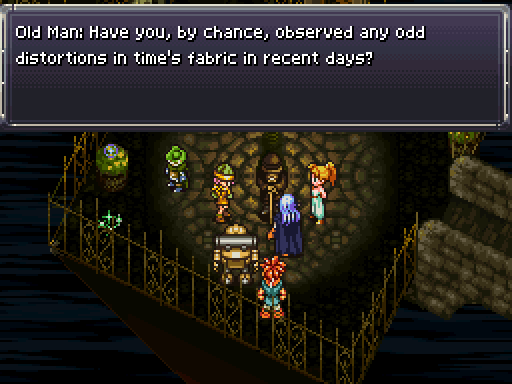
That is why Chrono Trigger earns the full Applied Case treatment. The game is not about “time travel is cool.” This is a (simple) playable theory of repair under historical depth.
The game understands that fields are layered.
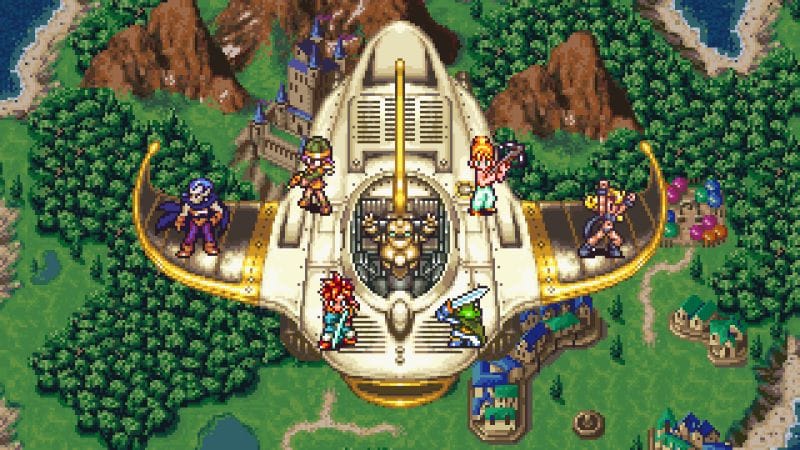
A catastrophe in 1999 A.D. is not only a 1999 A.D. problem. By the time the sky tears open, the field has already been shaped by millions of years of hidden extraction, political ambition, magical hubris, technological desperation, and deferred ignorance. The apocalypse is one event. The conditions of the apocalypse are older and deeper.
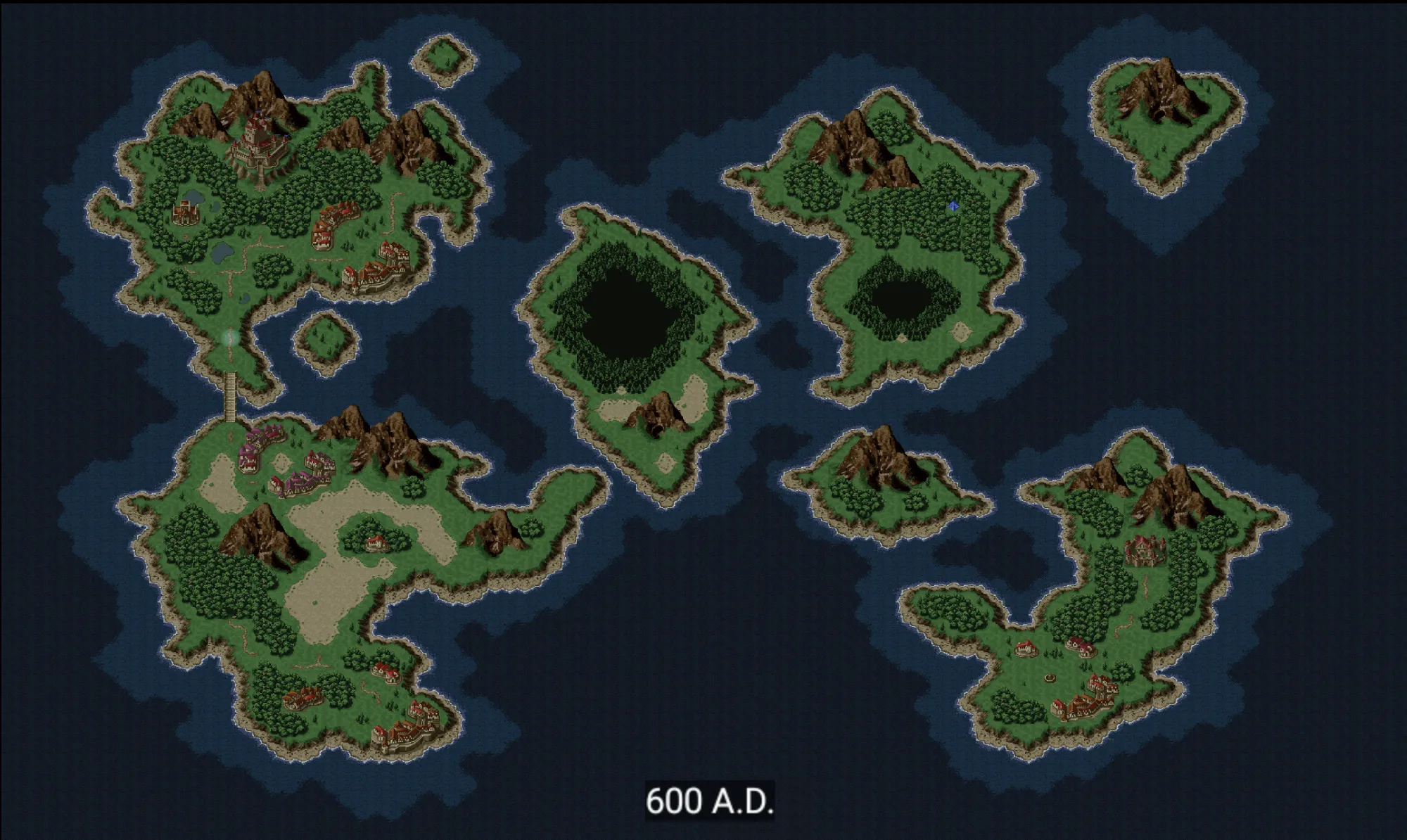
Modal Path Ethics condones this structure because it refuses shallow intervention. The party does not repair the future by emotionally rejecting it as bad. They enact real repair by precisely learning where that future came from.
That is field analysis.
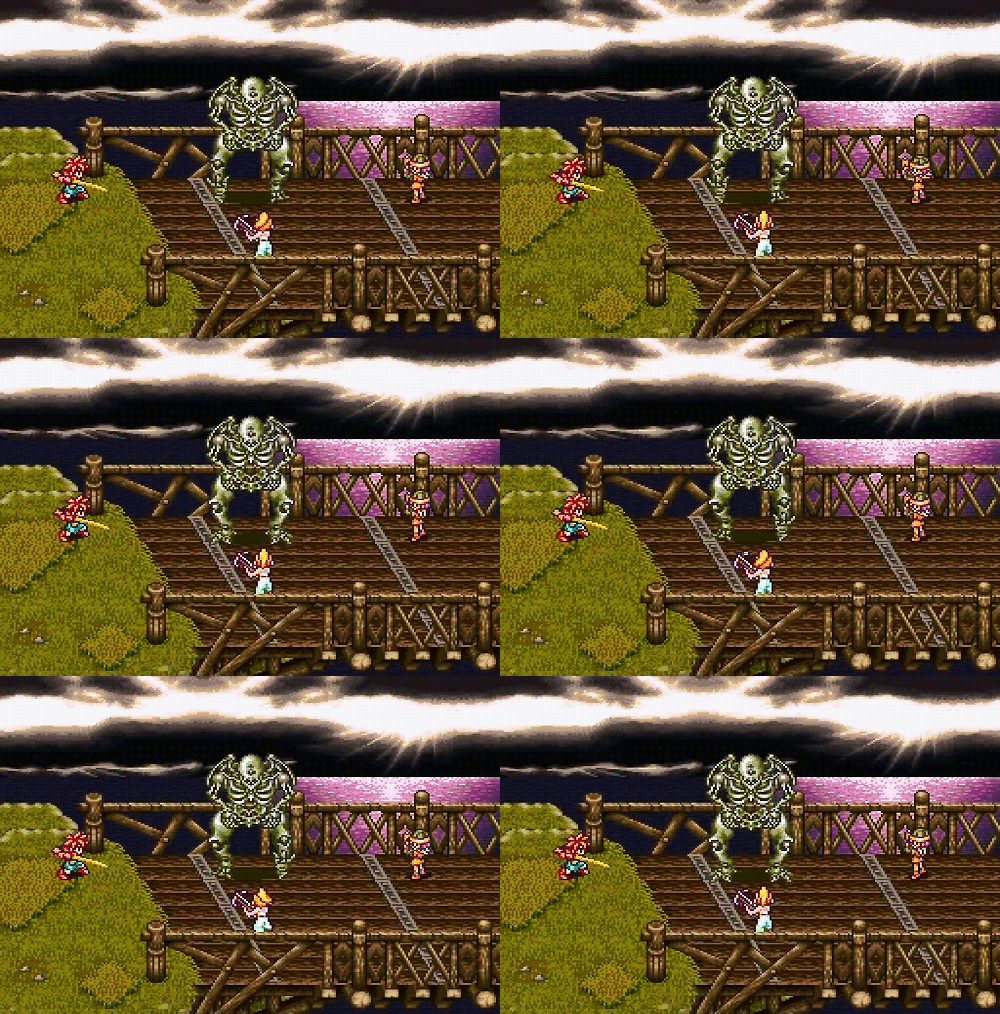
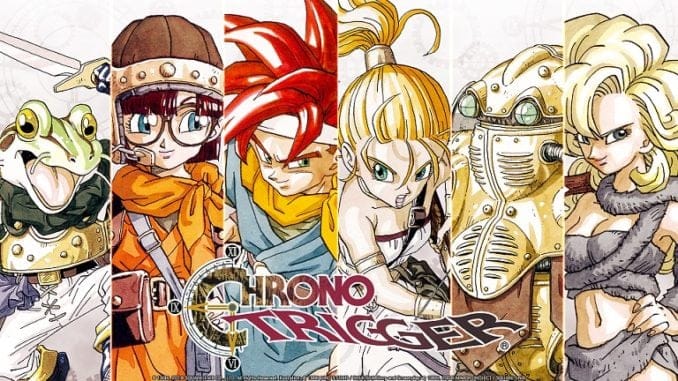
The other notable feature is the party itself. Unlike many of the stories above, Chrono Trigger does not give the burden of repair to one chosen locus. This story assembles a cross-era repair coalition. Crono, Marle, Lucca, Frog, Robo, Ayla, Magus: each carries a field-position that no one else can substitute. They are all vital historical access points.
A princess gives political continuity. An inventor gives technical mediation. A cursed knight gives medieval obligation and grief. A robot gives post-human loyalty and machine personhood. A prehistoric leader gives relation to the deep past before the human field becomes legible to itself. A fallen magical prince gives access to the catastrophic arrogance of Zeal. Crono himself is not enough. He's not even the most important. The repair field has to become plural.
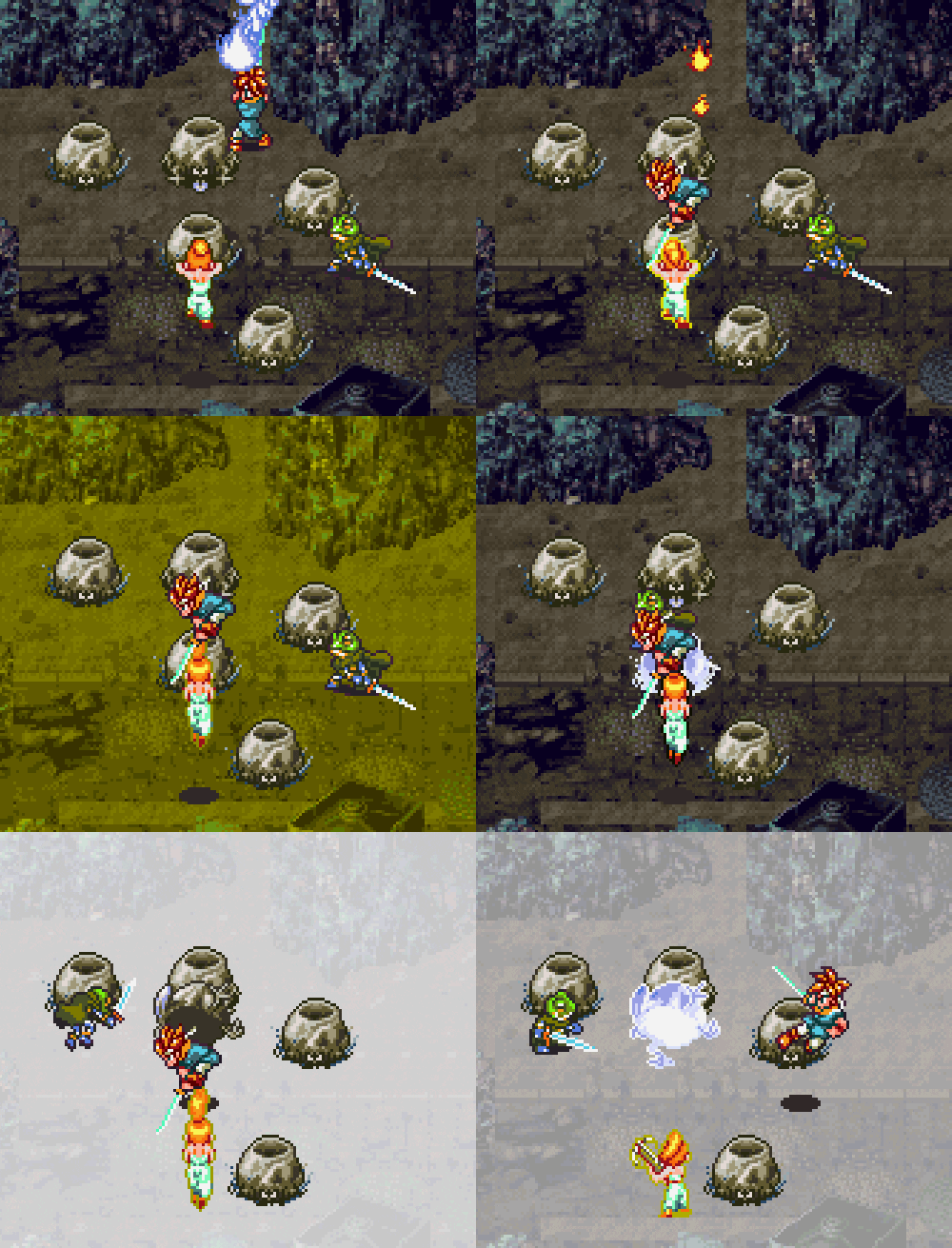
The game’s optional side quests, under this framing, are not padding. They are all local repairs.
A forest can be restored. A mother’s disability can be prevented. A cursed hero can be dignified. A machine can be recognized as more than a tool. A kingdom’s memory can be altered. A lost companion can be recovered.
These do not all reduce down to "part of beating Lavos.”
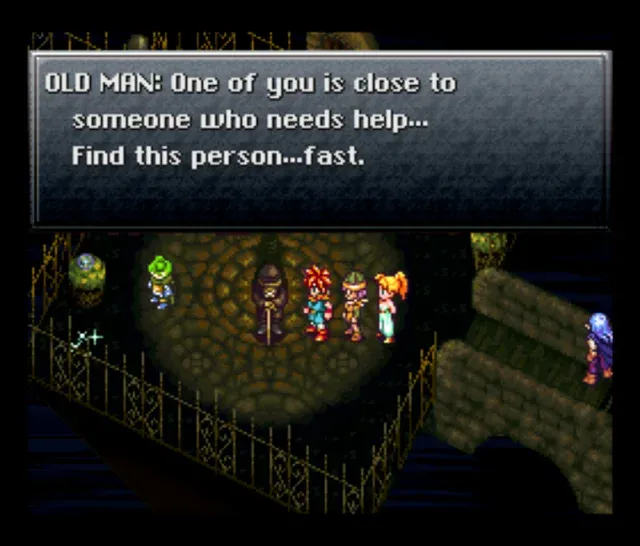
The world is not saved only by removing the threat. The world is saved by expanding reachable futures across many loci before and around the final threat; when the field is actually fixed again.
Chrono Trigger is a fictional epochal field medicine.
That may sound grand for a game where a cavewoman can punch a space parasite. It is still correct.
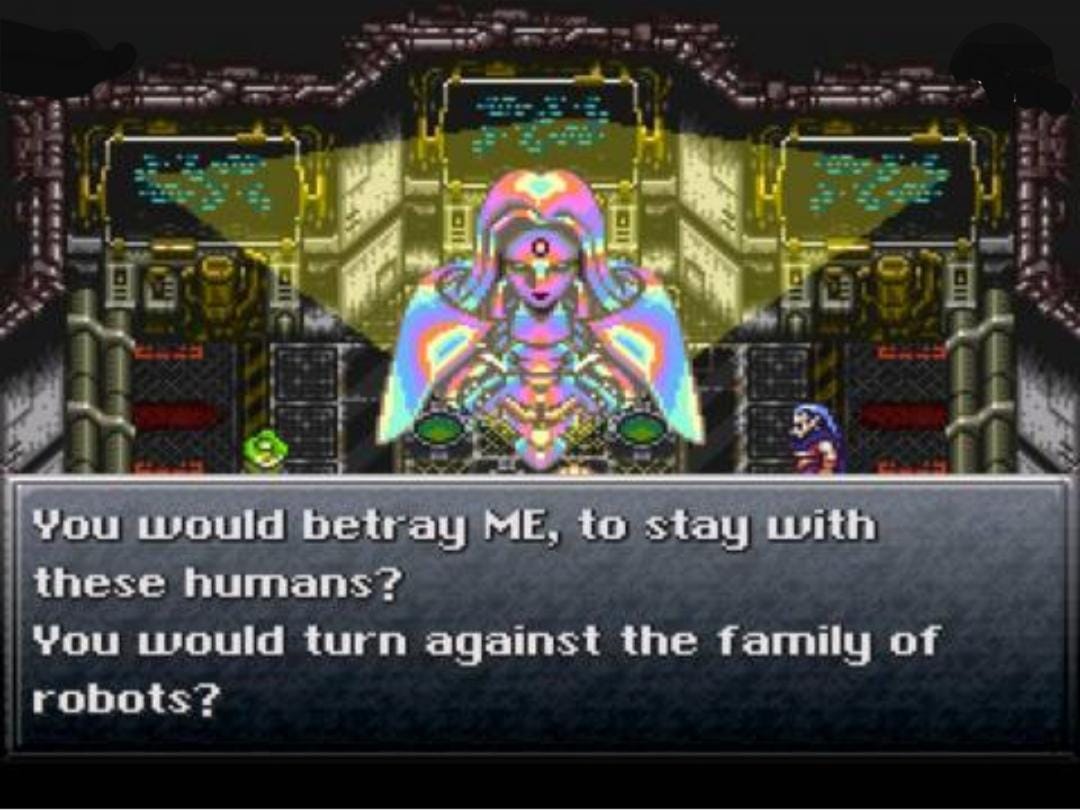
The soul-balm machine often sells us time travel as a way to escape from consequence. Chrono Trigger shakes its head, then uses time travel to increase responsibility. Once the party can reach other eras, they inherit obligations across them. Knowledge of the future does not free them from the past, it binds them to the full wound.
That is the opposite of cheap revision.
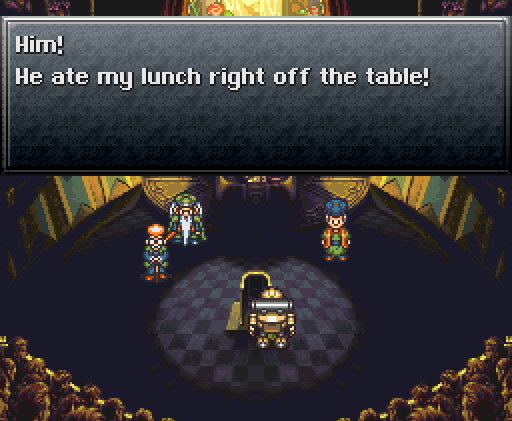
The party does not say, “The ruined future is unacceptable, therefore erase it and move on with a lesson.” They have to let its suffering create obligations backward. The future becomes a witness against the present and the past.
This is one of the most important structural insights in the whole article:
A future can morally act on the present without being metaphysically prior to it.
In ordinary causal terms, the ruined future has not happened yet from the party’s original standpoint. But once they see it, it becomes extant to them as information, as warning, as field evidence. They cannot unknow it. The future’s suffering enters their present as a trace. That trace creates obligation.
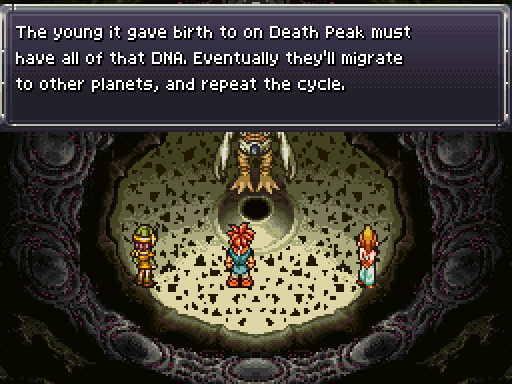
This framework does not require agents to pretend that only local common-sense time exists. It requires them to analyze the field they actually occupy, which includes how it will continue from this moment. Once Crono and his friends have seen the ruined future, the field they occupy includes that knowledge.
Ruling:
A catastrophe is rarely only where it finally appears. If the wound has historical depth, repair must move across the depth of the wound. Chrono Trigger works because it does not treat the future as a disposable bad branch. It treats the ruined future as testimony, then sends a plural repair field across history to make that testimony no longer terminal.
This makes it an indictment of simpler stories. If your time machine only teaches you how to undo embarrassment, save your favorite person, or murder the origin child, you are not doing field repair.
You are using metaphysics as a panic button.
Applied Case: Deathloop
Deathloop begins with a man waking up on a beach. He is then murdered, wakes up again, and slowly discovers that the island of Blackreef is trapped inside a repeating day.
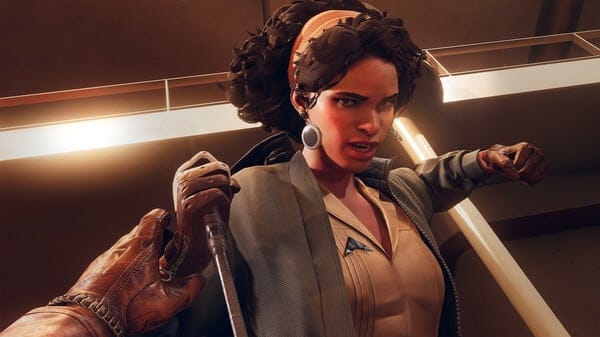
This would already be bad enough. Then the game clarifies the social structure.
The loop is not an accident suffered equally by ordinary people. This is a project. A group of Visionaries has created or captured a temporal anomaly (him) to live inside an endlessly repeating day, protected from ordinary consequence. They can now party, experiment, kill, indulge, dominate, perform, and just reset.
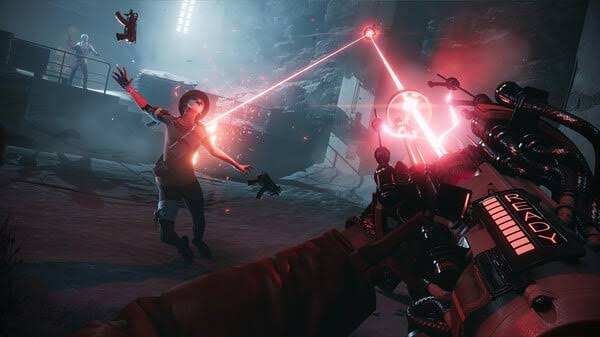
The day always returns. The damage is contained inside recurrence. Nobody has to become the kind of person their actions would normally make them over time, because time has been interrupted.
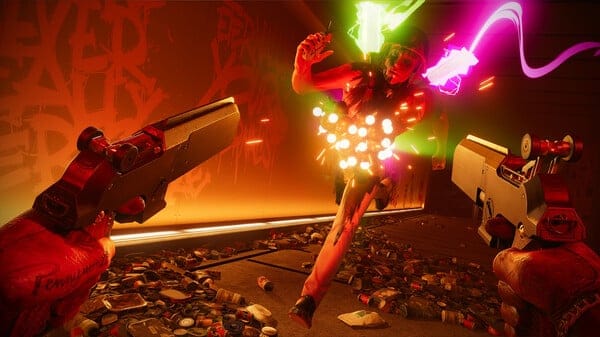
Modal Path Ethics should not treat this as immortality. Immortality still carries continuation. These people are purposefully trading away continuation. They close every time the day resets. True immortality forces a locus to accumulate its wake. Deathloop offers something more decadent: persistence, but without ordinary consequence for those privileged enough to treat the loop as playground infrastructure.
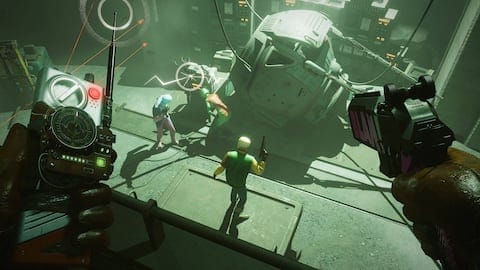
The main problem here is that the field has been designed to make repetition feel morally cheap.
Blackreef is a resort.
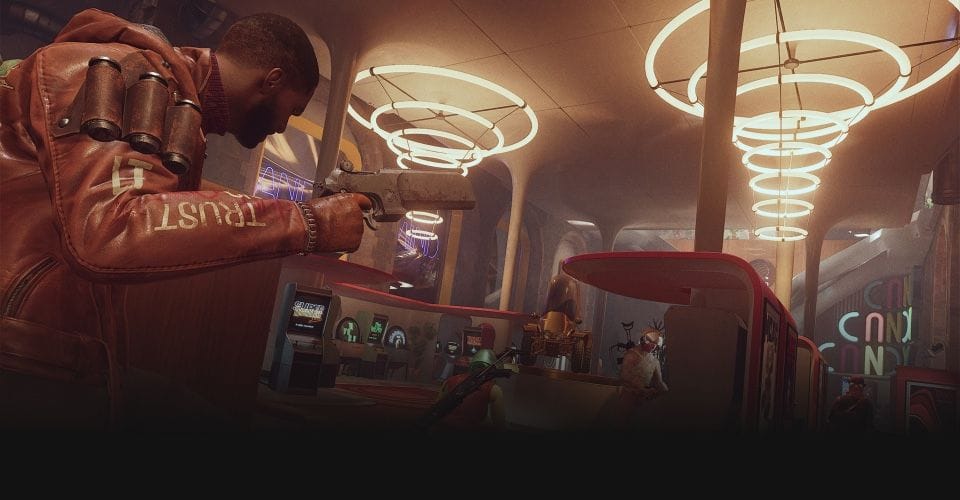
Every morning, people return to position. The violence quickly reopens. Hierarchies refresh. Experiments resume. The island’s culture becomes anti-repair because any repair requires memory, accountability, and structural change. A loop that prevents durable consequence can preserve harm as entertainment forever, while achieving nothing.
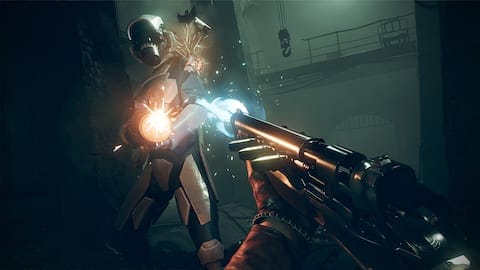
The Visionaries are not escaping death. Their continuance ceases every time the day resets. They are only escaping moral accumulation.
That is why the island feels rotten from the premise. This place is not only full of bad people; by design it is full of people metaphysically protected from becoming answerable to what they do.
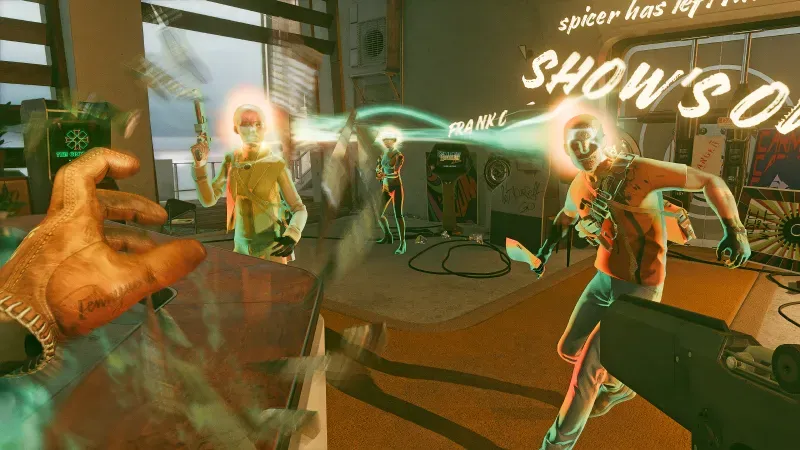
The loop’s mechanics train them to treat every other locus as temporary texture. Shoot them, use them, manipulate them, betray them; the field just resets. The day always begins again.
The ordinary mechanisms by which a community learns from damage have been disabled here. This is not a paradise, just a well-furnished hell.
Blackreef is not even offering immortality. It is just a gated community built inside a wound in causality.
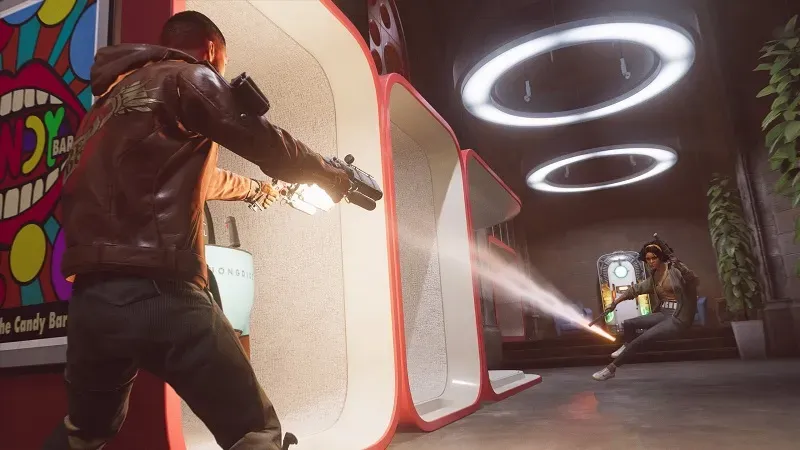
Blackreef is not just anyone's individual ethical failure. It is a distorted class project. Access to consequence-free recurrence belongs to the people who can occupy and control the anomaly. Others become staff, enemies, props, entertainment, test subjects, and background noise.
Its loop is sold as liberation from finality. But finality is not the only source of moral seriousness. Irreversibility hurts, which is exactly why the soul-balm machine exists.
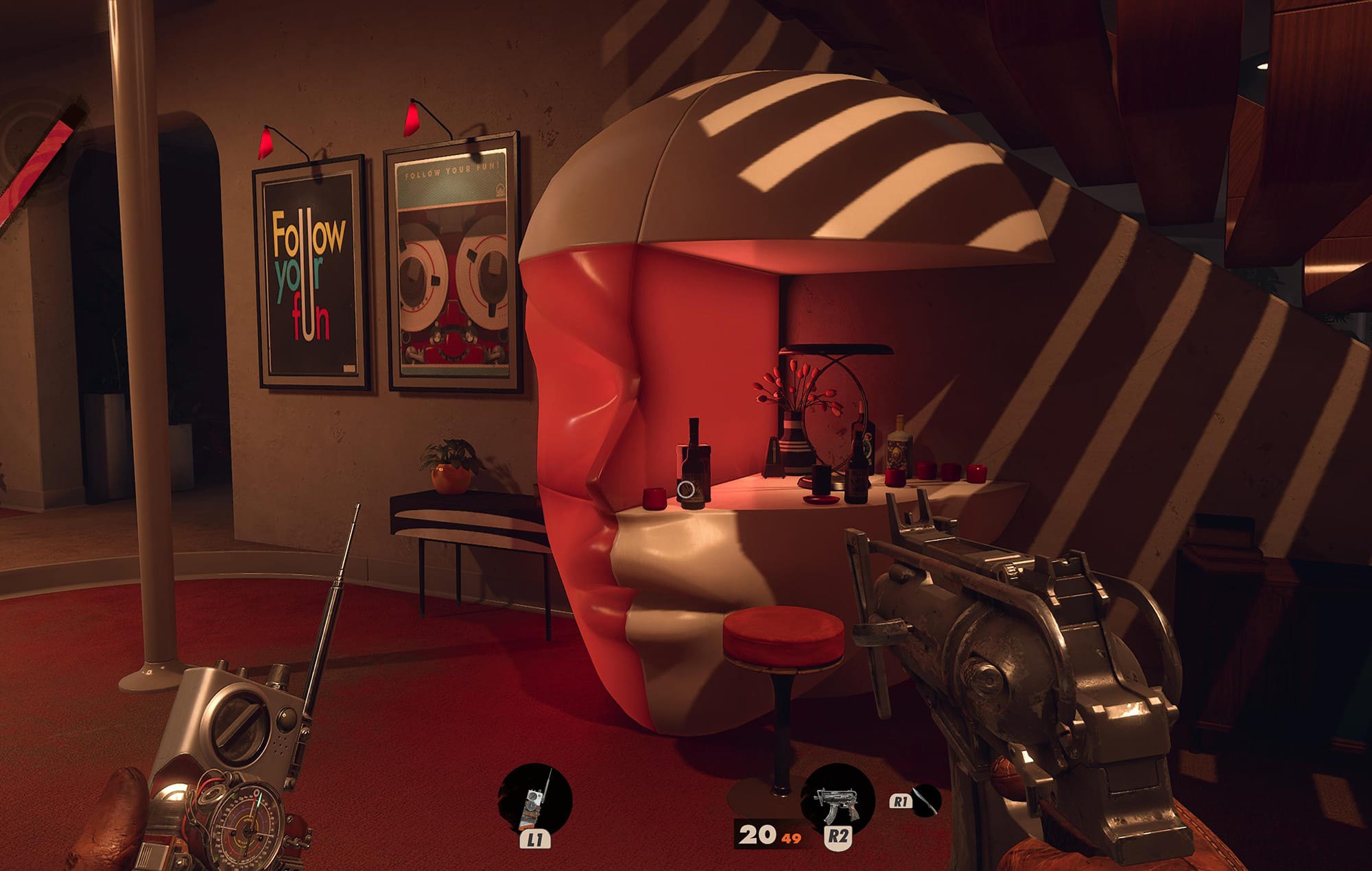
But some irreversibility is also how fields learn. A world where nothing sticks is not automatically merciful. It may be a world where harm can never fully testify at all. The loop’s hell is therefore epistemic as well as physical.
If everyone remembers nothing, or remembers only partially, then the field cannot build any public account of itself. Harm becomes private residue, glitch, instinct, déjà vu, irritation, paranoia. The system’s victims cannot easily assemble a case because the day itself keeps shredding all evidence. Reality becomes hostile to testimony. A field that cannot preserve testimony cannot repair itself.
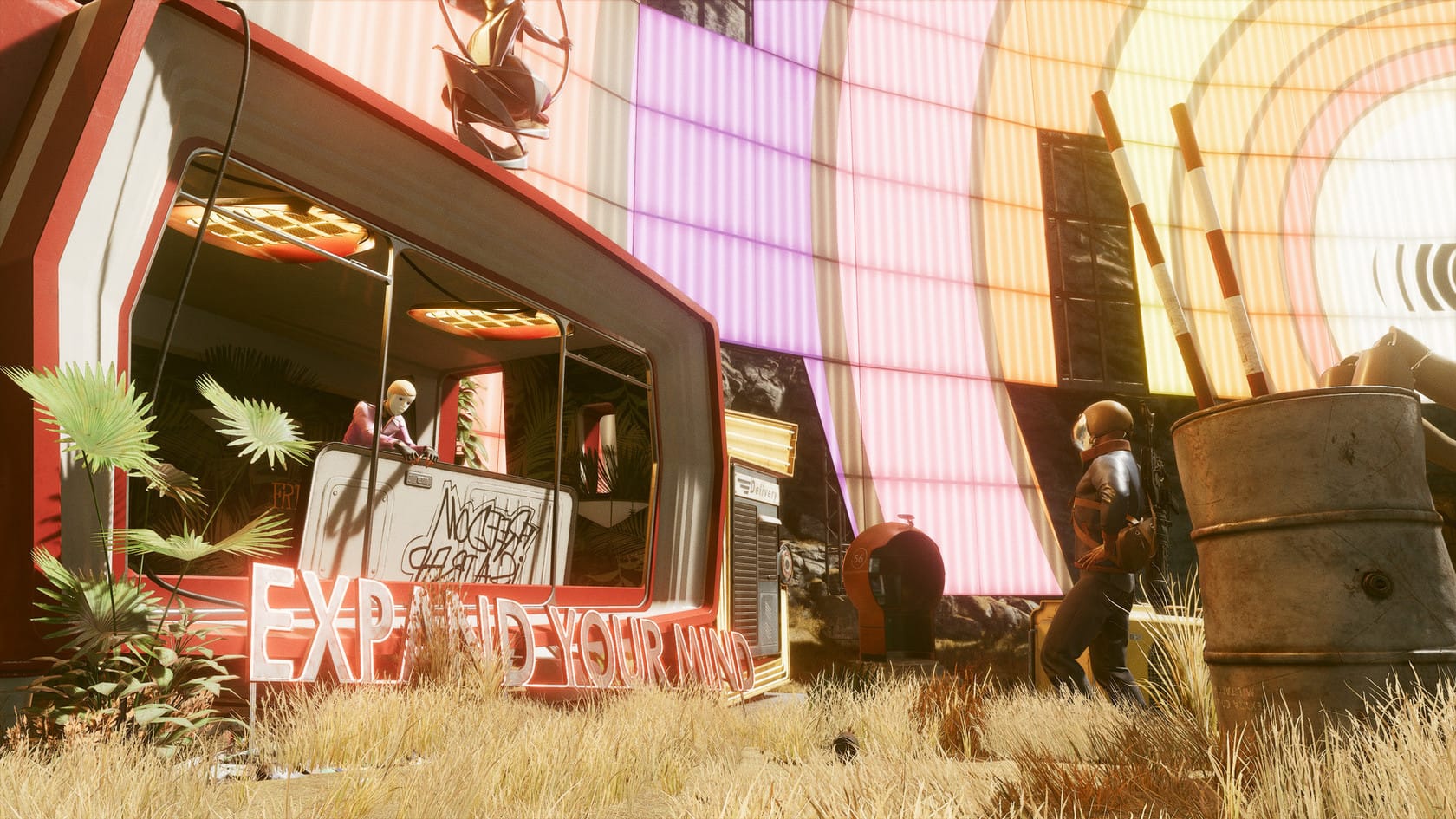
The game knows this, because Blackreef is full of little attempts to smuggle continuity through recurrence.
Colt receives messages from other Colts. The loop coughs up fragments of thought, warning, mockery, instruction, and accumulated failure. Residuum lets gear survive the reset, which means even objects can sometimes be made more durable than ordinary memory. A few loci remember what most of the island forgets. The field is not consequence-free in any simple sense. It is full of leaks.
Those leaks reveal the real horror. Blackreef is not a clean reset; this is a damaged archive. Some things persist. Most things do not. The island becomes a field where evidence, memory, equipment, personality, trauma, and information all have different survival rules. That means power belongs partly to whoever can make anything persist across the cut.
Julianna makes this all worse.
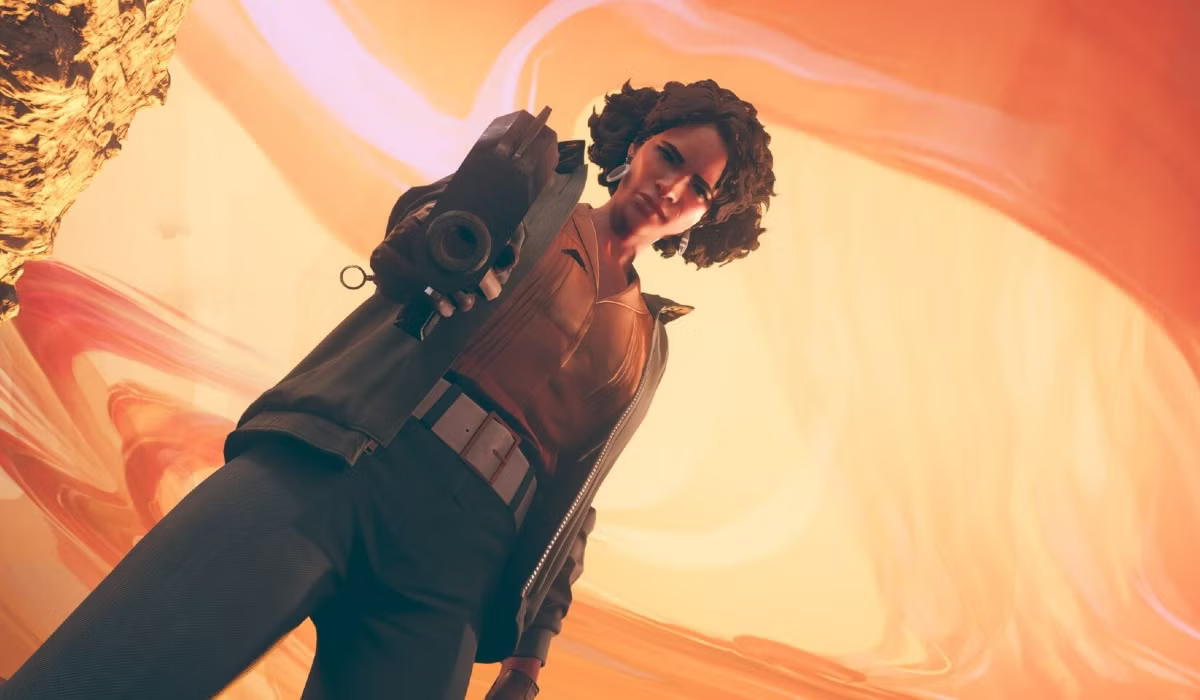
She is one of the few loci for whom the loop does not fully erase continuity. That means Blackreef is not equally weightless for everyone. Most of the island gets anti-consequence. Julianna gets the full accumulation. She remembers enough for the loop to become history, and what that history gives her is not liberation, just a repeating father wound with guns.
So the loop is not only a resort built inside causality. It is also a broken family system that found a metaphysical way to avoid ever having its final conversation. Colt forgets while Julianna remembers. Colt tries to break the loop. Julianna tries to preserve the structure in which their relationship, however violent and insane, can keep happening. That does not make her right at all, it just makes the field uglier.
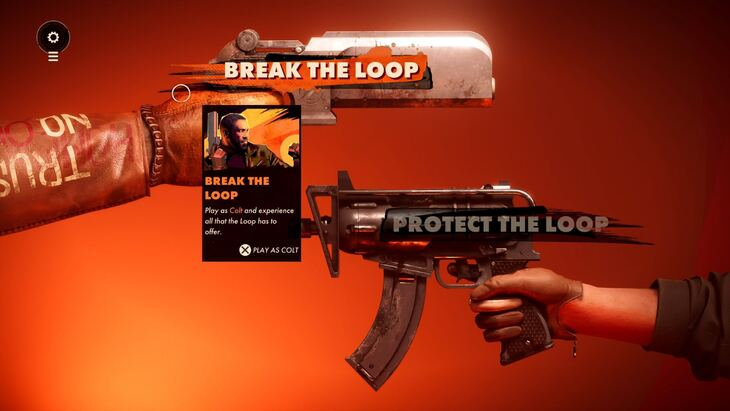
The loop offers her a personal corrupted soul-balm: not healing or repair; guaranteed recurrence. She can keep her father in the field by keeping the whole field sick. Every day can be another chase, another argument, another murder, another almost-recognition. The alternative is ordinary time, where the relationship may finally become irreparable in a way even bullets cannot reset.
Colt’s function in this structure is not simply to escape it. His function in any healthy version of this field is to restore historical accumulation. Breaking the loop is not “choosing death” in some edgy abstract sense. This is returning the island to a field where actions can finally continue into consequences.
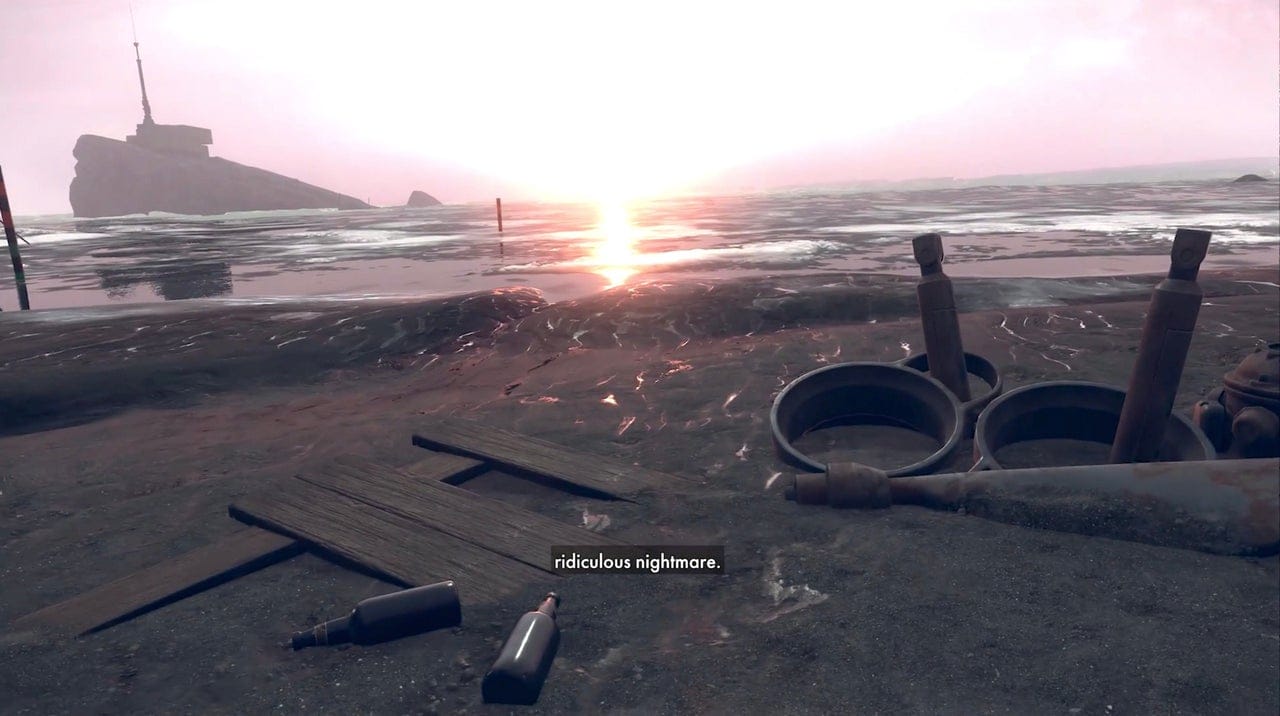
That does not make the outside world safe, that just makes repair possible again.
Ruling:
Blackreef is what happens when people mistake freedom from consequence for freedom from harm. It is why understanding harm as contraction of weighted reachable future space is so important. These "Visionaries" all needed to read my book. This loop protects appetite, not life. Breaking it also does not solve the field. It restores the basic condition under which any field can remember its injuries long enough to answer them.
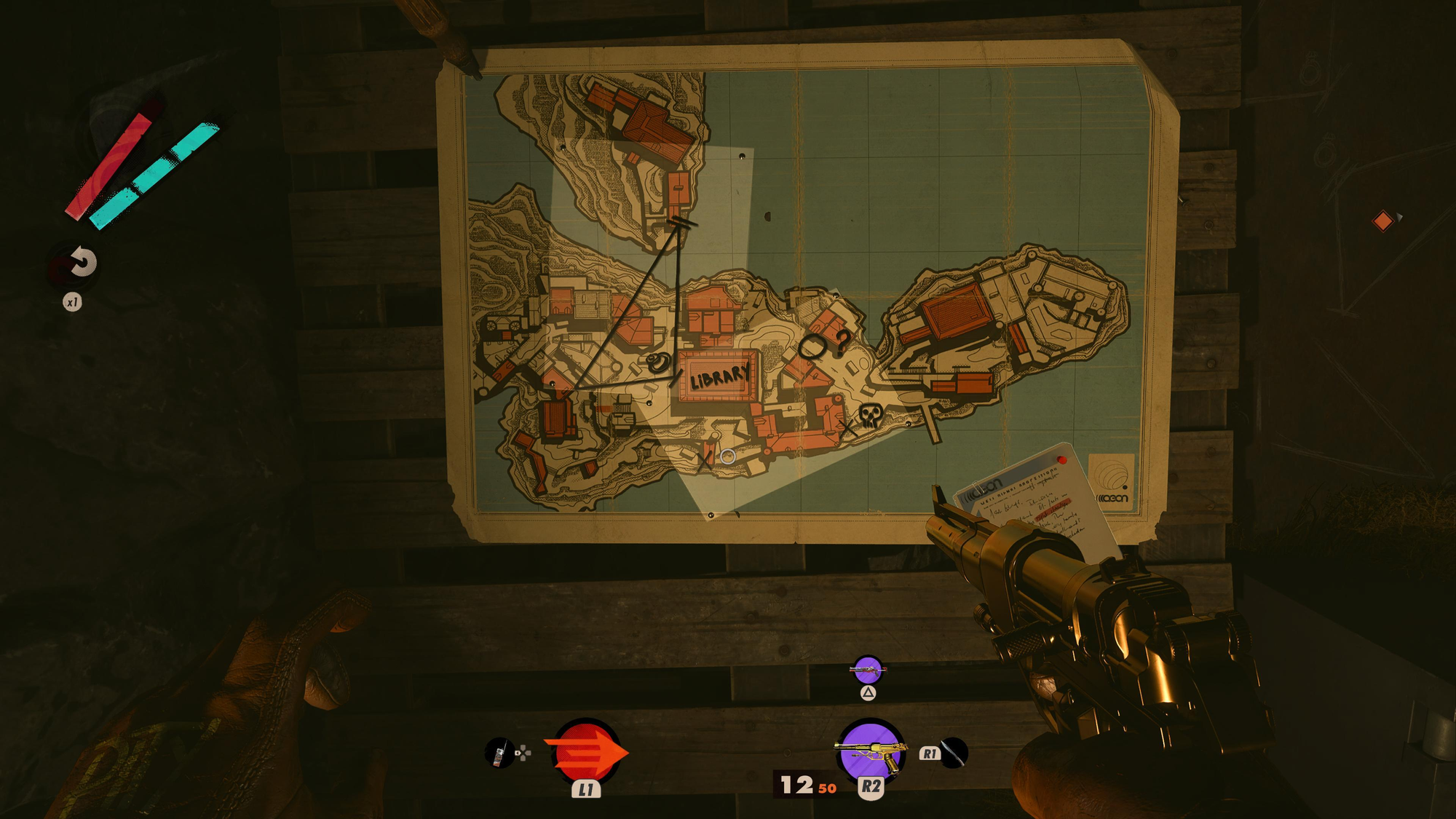
This is a useful contrast with Outer Wilds. Both games involve loops. Their moral structures are almost entirely opposite.
In Outer Wilds, the loop preserves inquiry under cosmic closure. It lets a finite locus understand a dying field and carry a trace toward what comes next.
In Deathloop, the loop prevents all accountability under elite capture. It lets powerful loci repeat harm while suppressing the normal accumulation of evidence, consequence, and repair pressure.
Same device. Opposite moral valence. Metaphysics alone does not determine the morality. Structure always does.
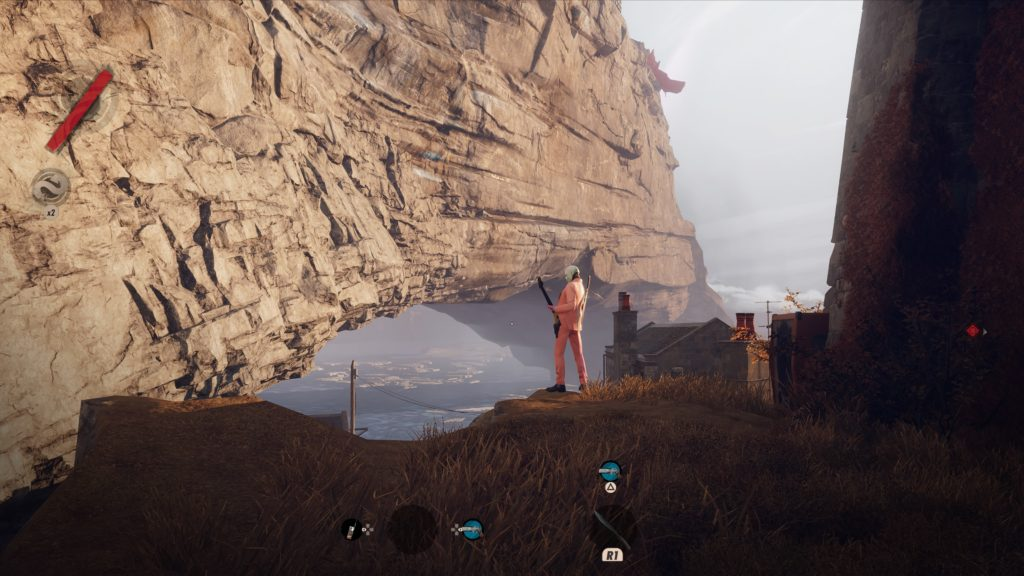
A loop can be mercy. A loop can be rot.
Applied Case: BioShock Infinite or Constants, Variables, and Other Things People Say When They Have Not Done Any Field Analysis
BioShock Infinite wants to be profound.
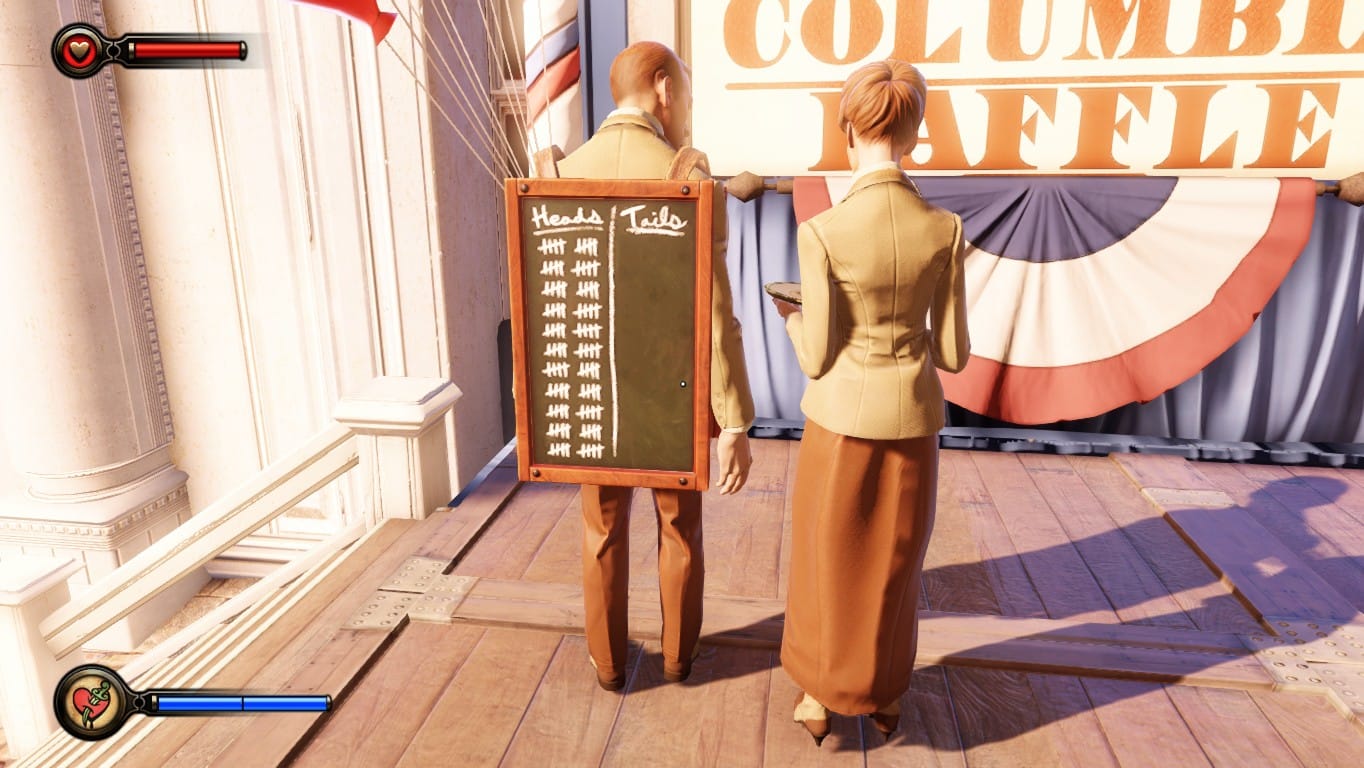
This is not itself a crime. This can be good. Many works want to be profound. Some even survive the attempt.
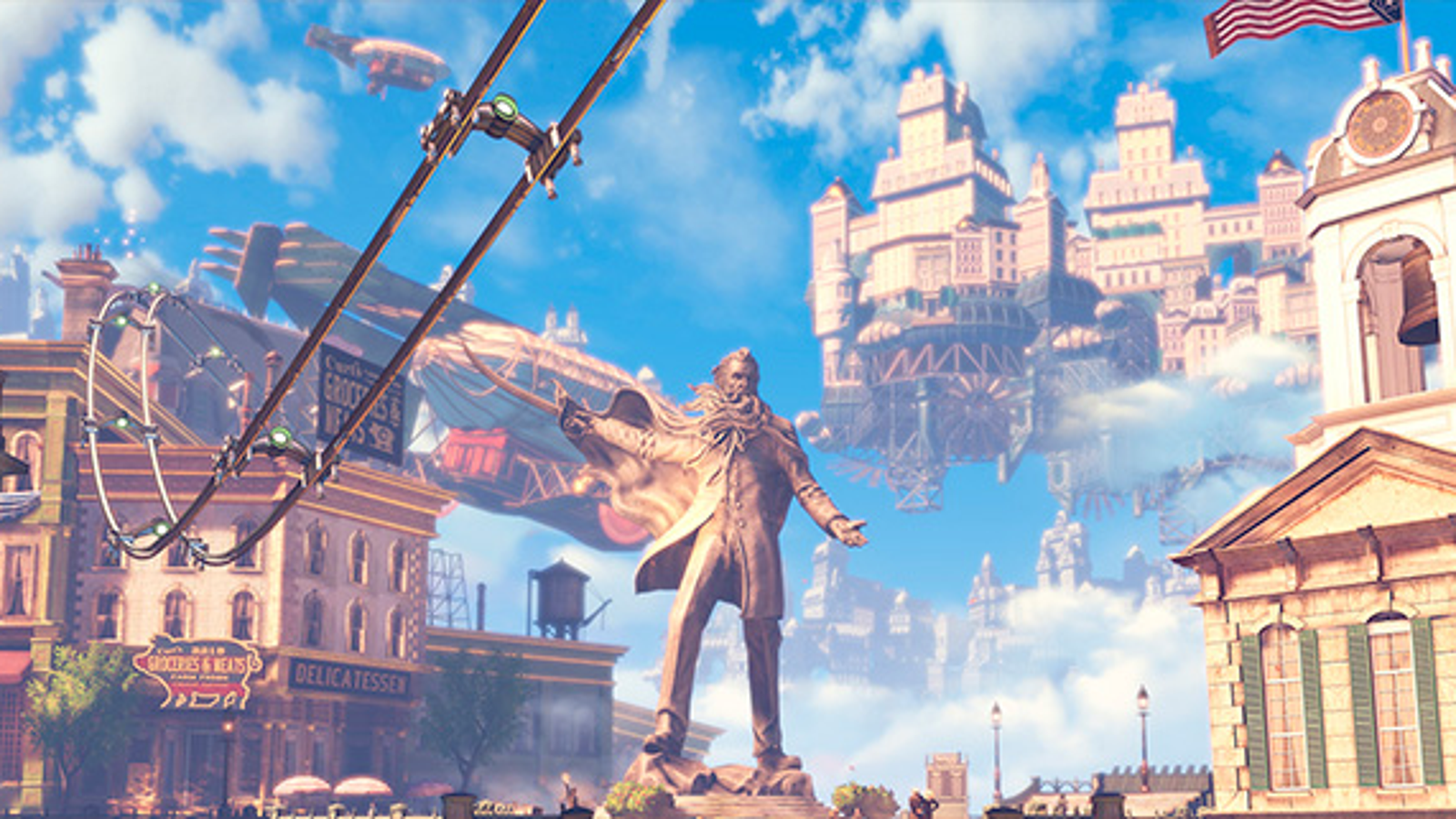
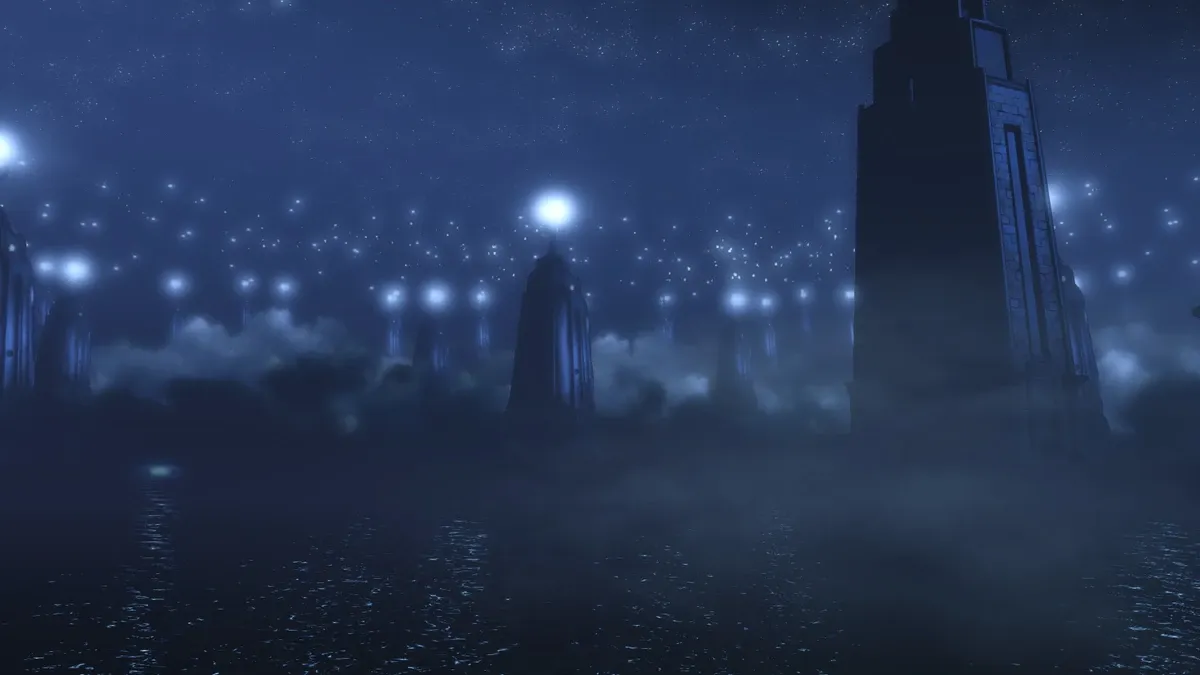
BioShock Infinite introduces us to Columbia, a floating city of American exceptionalism, religious nationalism, strict racial hierarchy, technocratic spectacle, militarized myth, and metaphysical instability.
It gives us Booker DeWitt, a guilty man pulled into the city to retrieve Elizabeth.
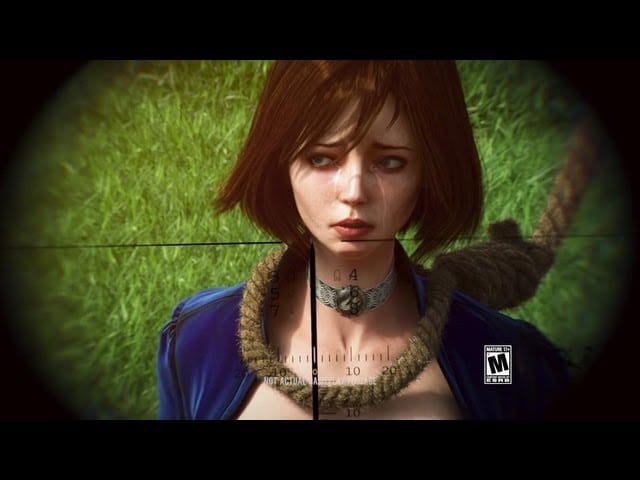
It gives us that Elizabeth herself, a young woman imprisoned, observed, exploited, and used as a living interface with alternate realities.
It gives us Comstock, the prophet-ruler of Columbia.
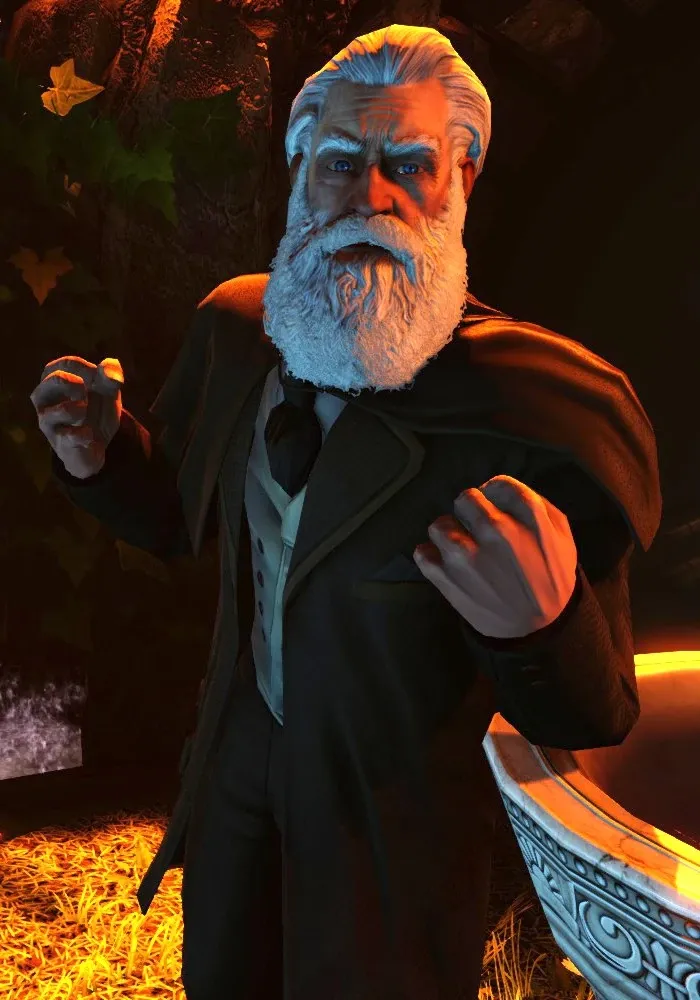
It gives us branching worlds, lighthouses, baptism, repetition, identity fracture, and its brainy slogan: constants and variables.
That slogan is not useless, it's just that it is also not field analysis.
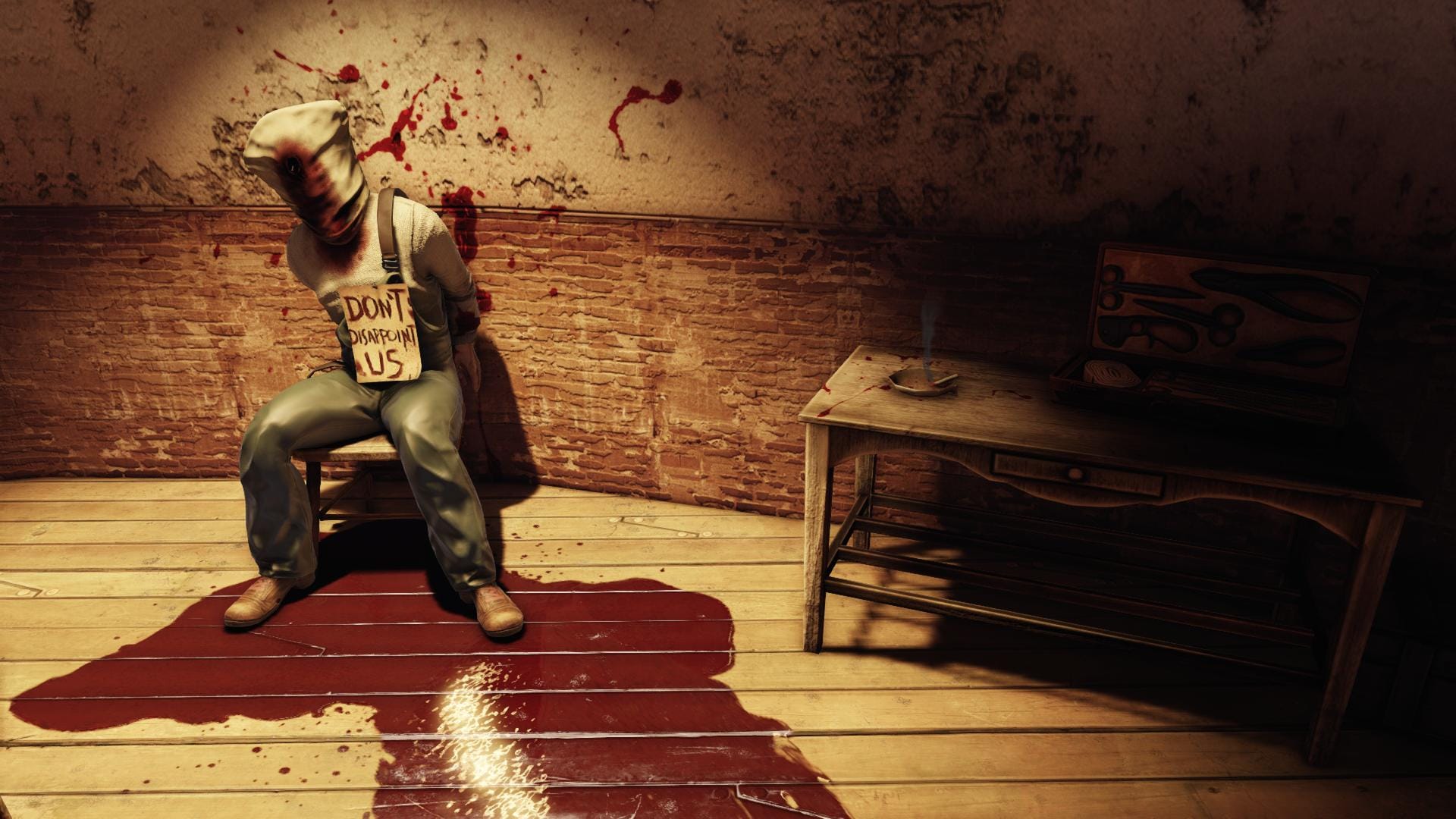
“Constants and variables” here gestures at recurring structures existing across divergent worlds. Some things change, but some patterns return.
There is always a lighthouse. There is always a city. There is always a man. There is always a wound wearing a different costume.
This is a strong fictional intuition, and often true when you are the one writing the series saying so. Modal Path Ethics can still use this.
But the game’s metaphysical elegance often functions like fog.
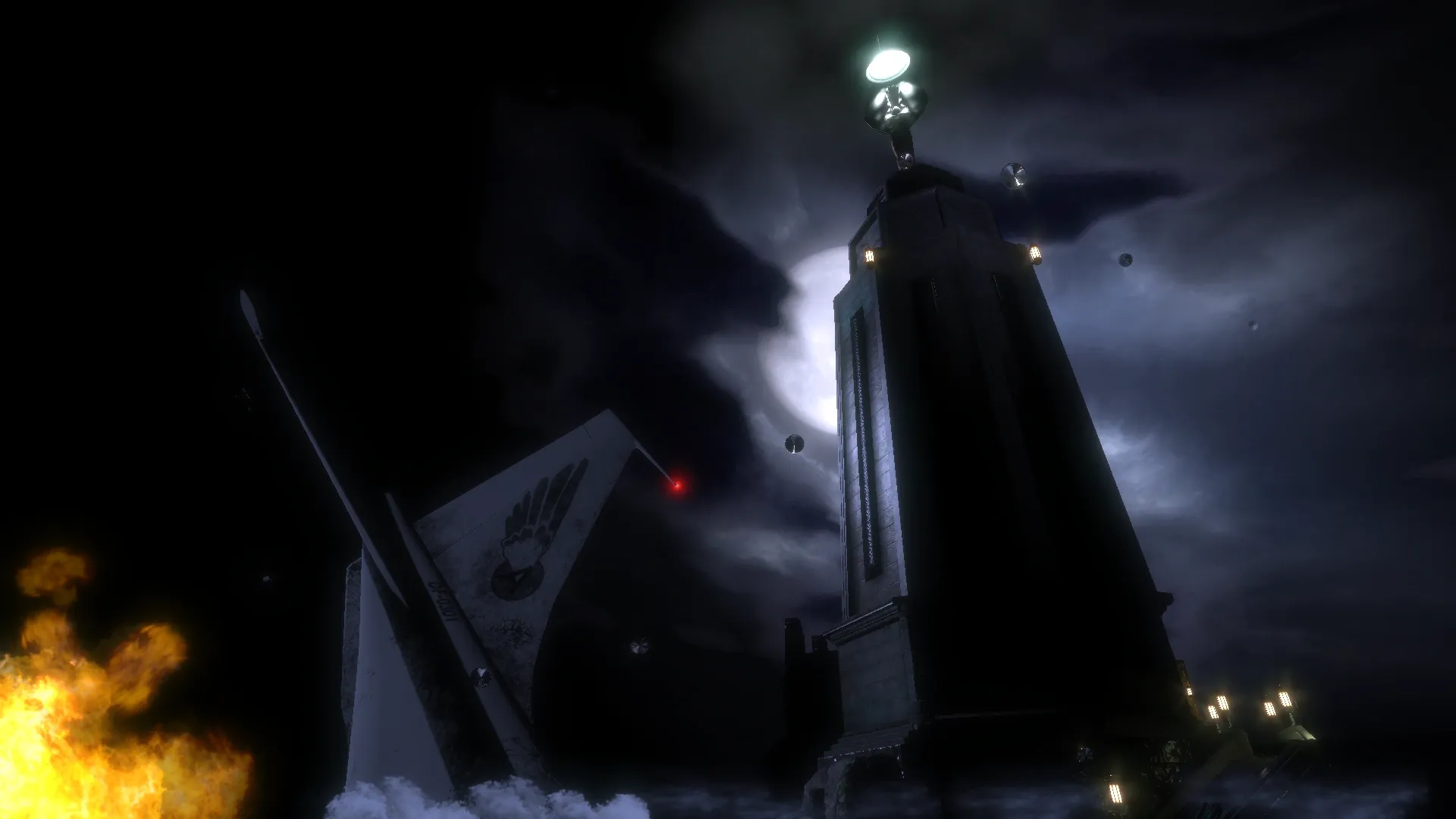
It makes unresolved harm feel like it has been framed by destiny. Once the story starts speaking in its constants, variables, and infinite lighthouses, the player may be tempted to treat a field as a puzzle solved by recognizing symbolic recurrence.
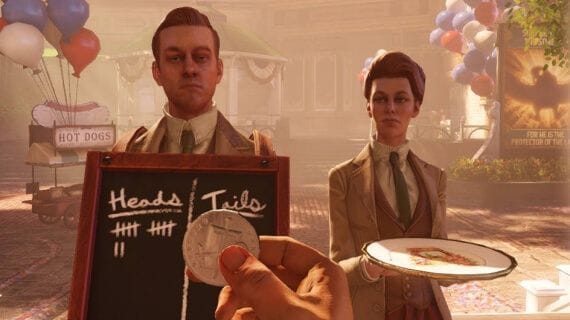
Columbia is not only a "variable" of Rapture. This city is a highly specific contraction machine. It has institutions, propaganda, racialized violence, labor exploitation, militarized religion, surveillance, spectacle, and a ruling myth that converts political domination into divine purpose. The field is not repaired by noting that cities recur in BioShock universes. No one needed this to be pointed out at all. The field always has to be analyzed as a field.
The Vox Populi are where this gets even messier.
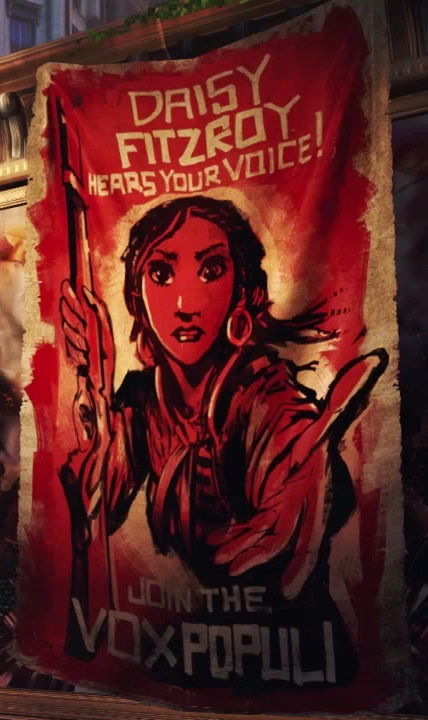
Columbia is a racist, exploitative, theocratic contraction machine. The oppressed counterfield that forms against it is not an aesthetic accessory. It is one of the predictable products of Columbia’s own violence. If the city builds itself through exclusion, hierarchy, labor extraction, and sacred nationalism, then revolt is not a shocking intrusion into a healthy field. It is pressure returning through the cracks.
But the game does not mainly use the Vox as a curative for the oppressed. It uses them as a second moral curative for Booker.
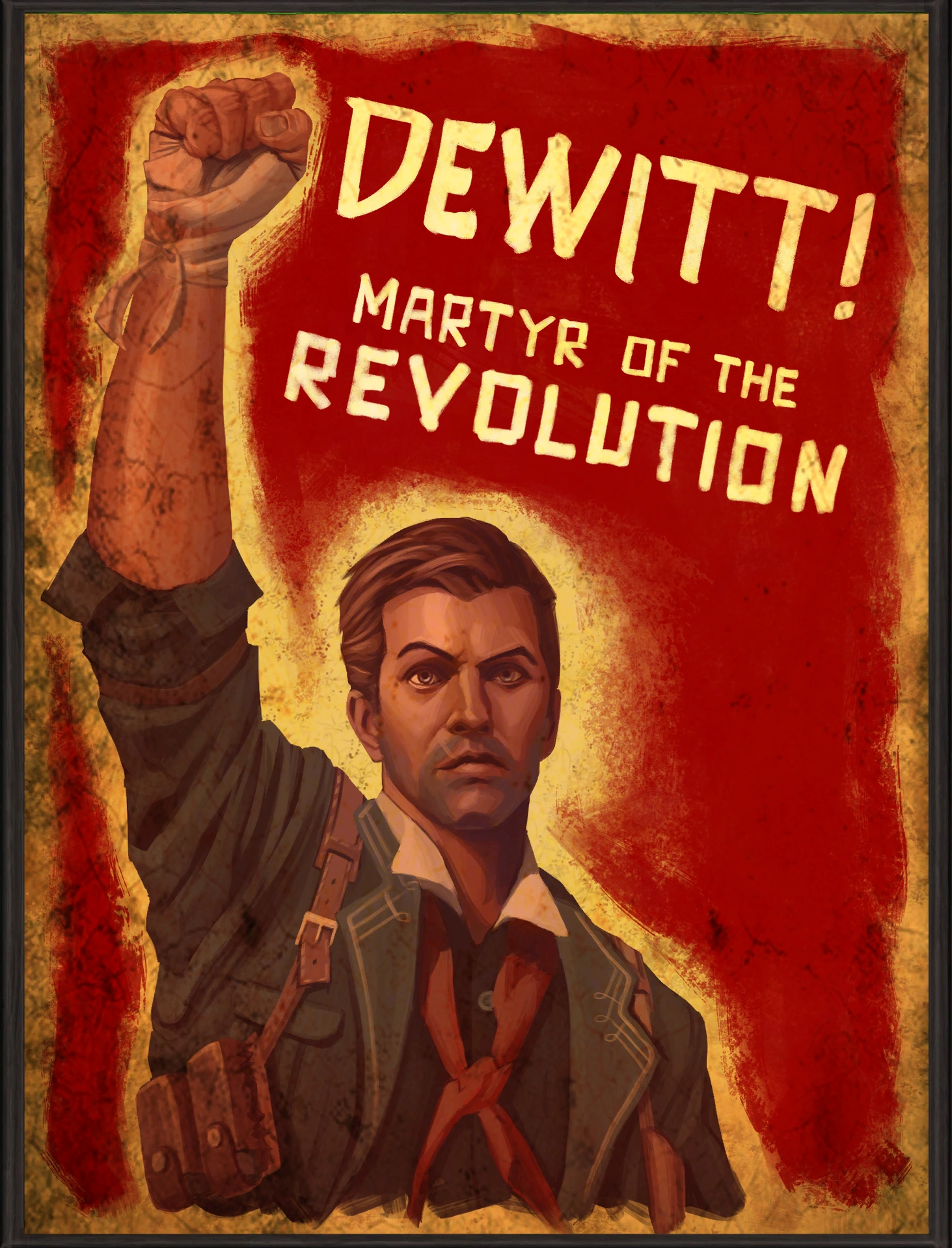
The first curative is Columbia itself. Booker can arrive in a grotesque floating city, oppose its obvious cruelty, protect Elizabeth, and feel temporarily clarified by the fact that Comstock’s field is so much worse than he is. Columbia lets him stand against evil without fully auditing himself.
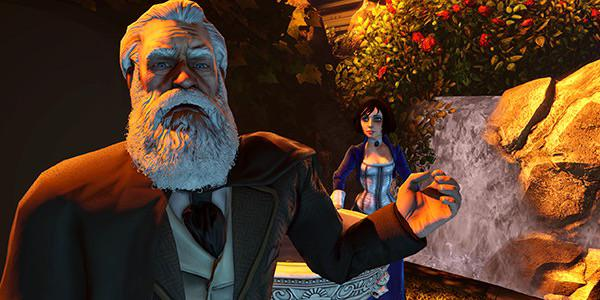
Then the Vox become the second solvent. Once the oppressed counterfield becomes narratively frightening, Booker gets another kind of relief. He does not have to remain inside the politics of Columbia. He does not have to dwell too long on the actual asymmetry between an oppression machine and the revolt produced by that machine.
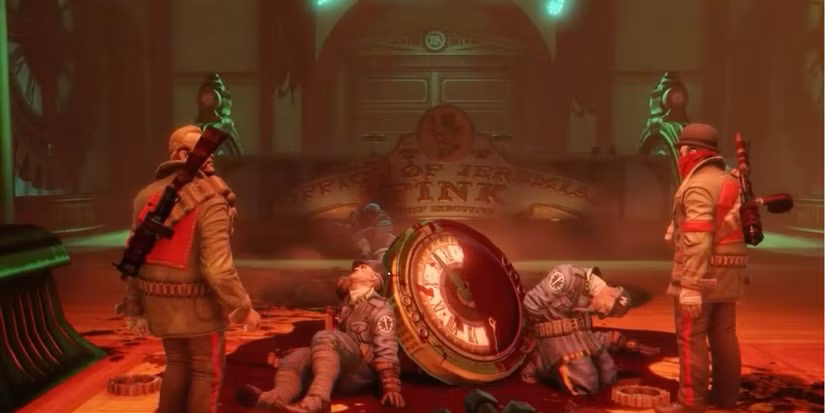
This story can conveniently just say: damn, look, the revolution is corrupted too. So crazy, now, let us return to Booker, Elizabeth, baptism, constants, variables, and metaphysical cleanup.
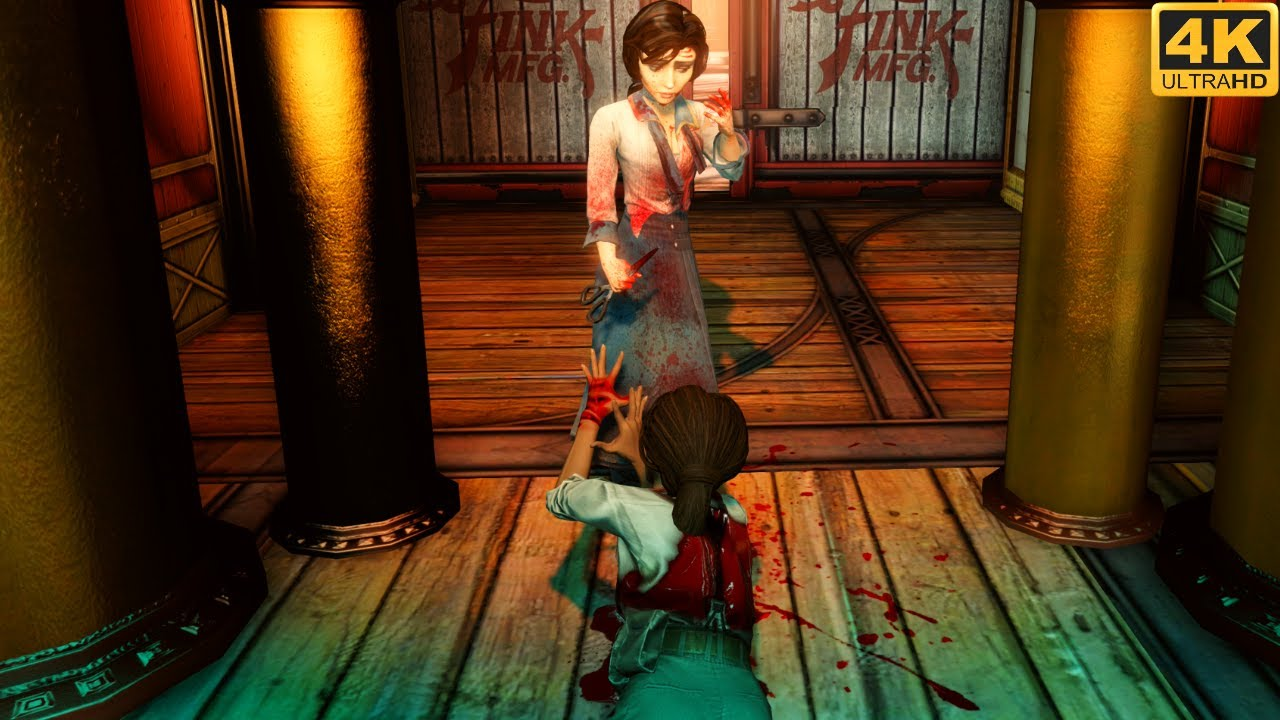
That is a field dodge.
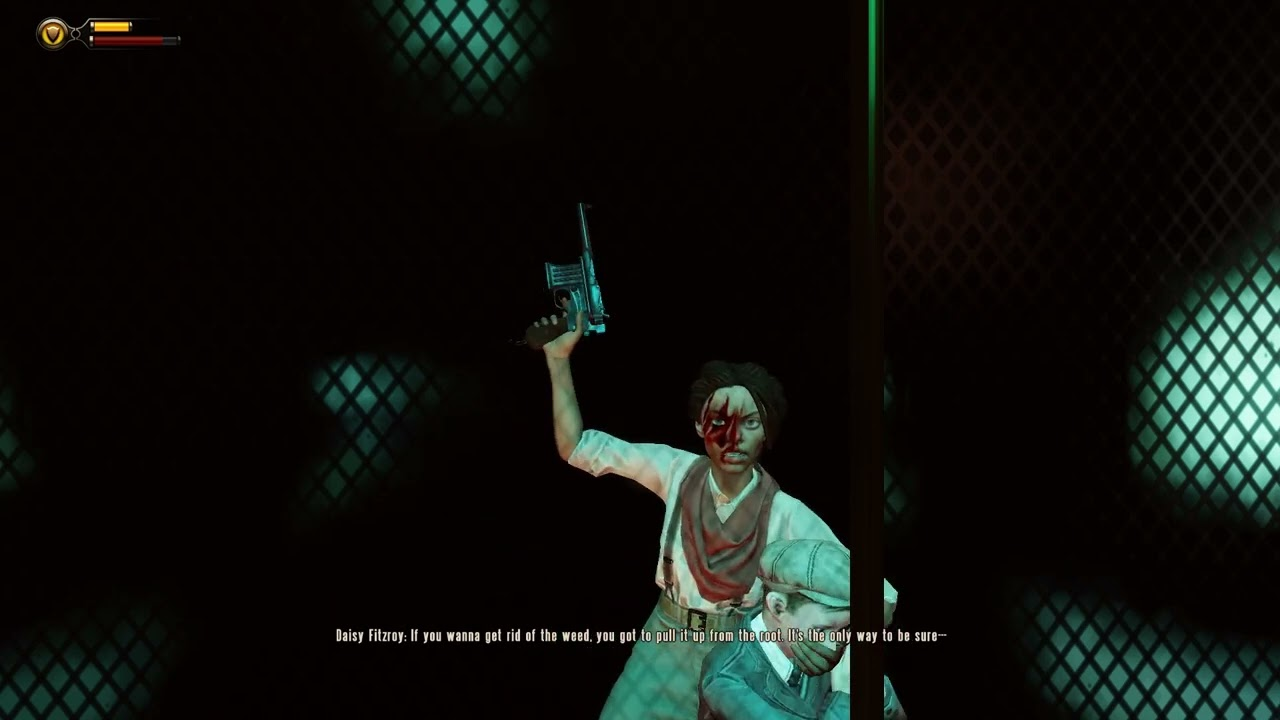
The Vox can definitely commit harm. The Vox can and usually would become dangerous. The Vox can close futures while fighting a structure that already closed theirs. Except all that is not the same field position as Columbia’s founding domination. If Modal Path Ethics is counting loci, it has to count the oppressed people before the revolt made them too narratively inconvenient.
So the harder criticism is not only that BioShock Infinite hides harm behind constants and variables. It also hides historical asymmetry behind narratively convenient symbolic balance. Columbia gets to be an institution. The Vox get turned into a warning label that runs in parallel. Then, the story runs back to the baptism we are all here for.
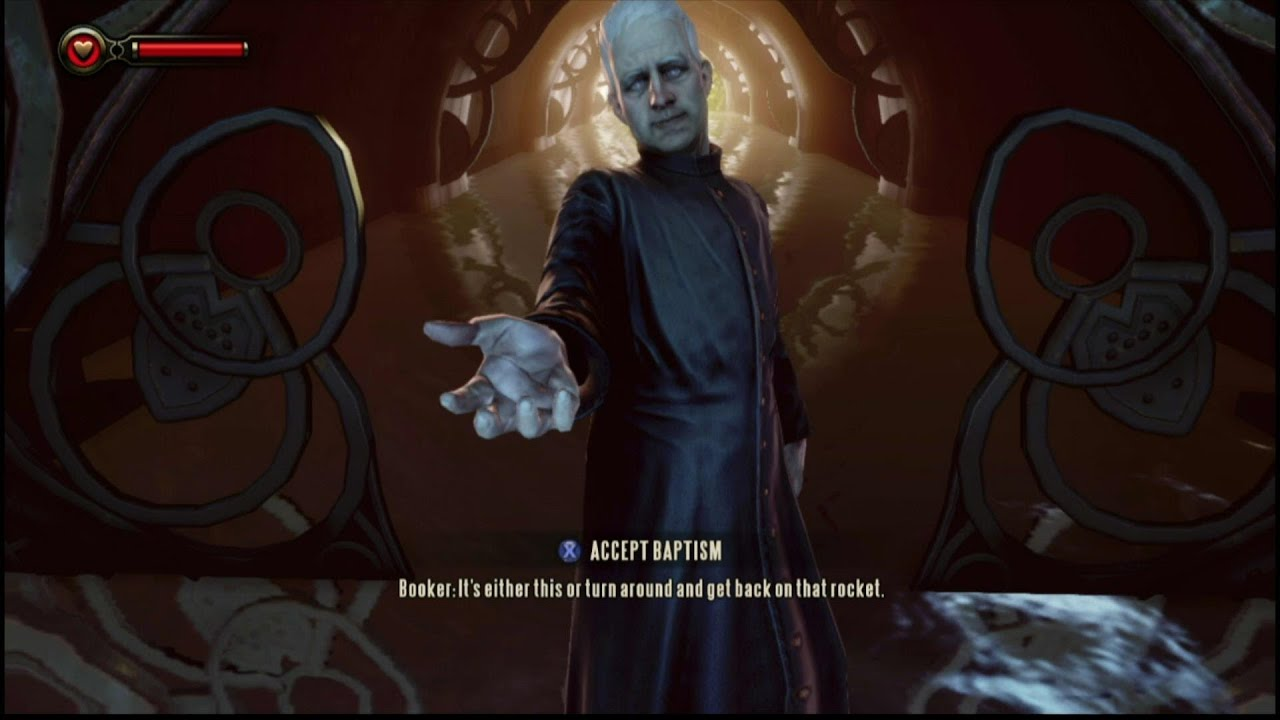
That is not field analysis. That is the plot trying to evacuate politics it introduced through metaphysics. It's another consequence of its own insistences about "constants and variables."
Elizabeth is still the central moral locus anyway, not the metaphysical key "variable".
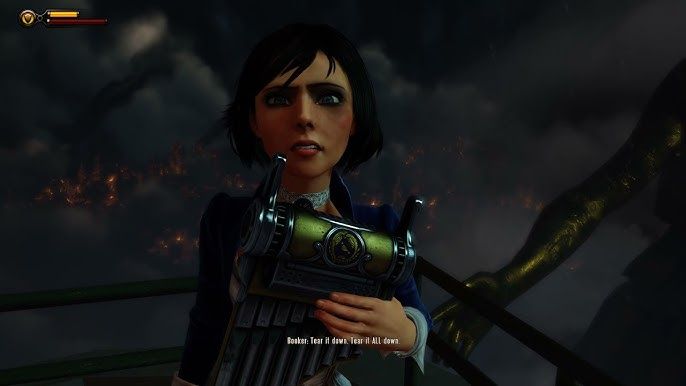
This is where the game’s presentation becomes actively dangerous. Elizabeth sure is fascinating because she can open tears across realities. She can access alternatives. She can shift the field by pulling things between. She can reveal that the world is less stable than Booker understands.
But inside the story, she has also been caged, studied, groomed, deceived, and turned into a city's infrastructure.
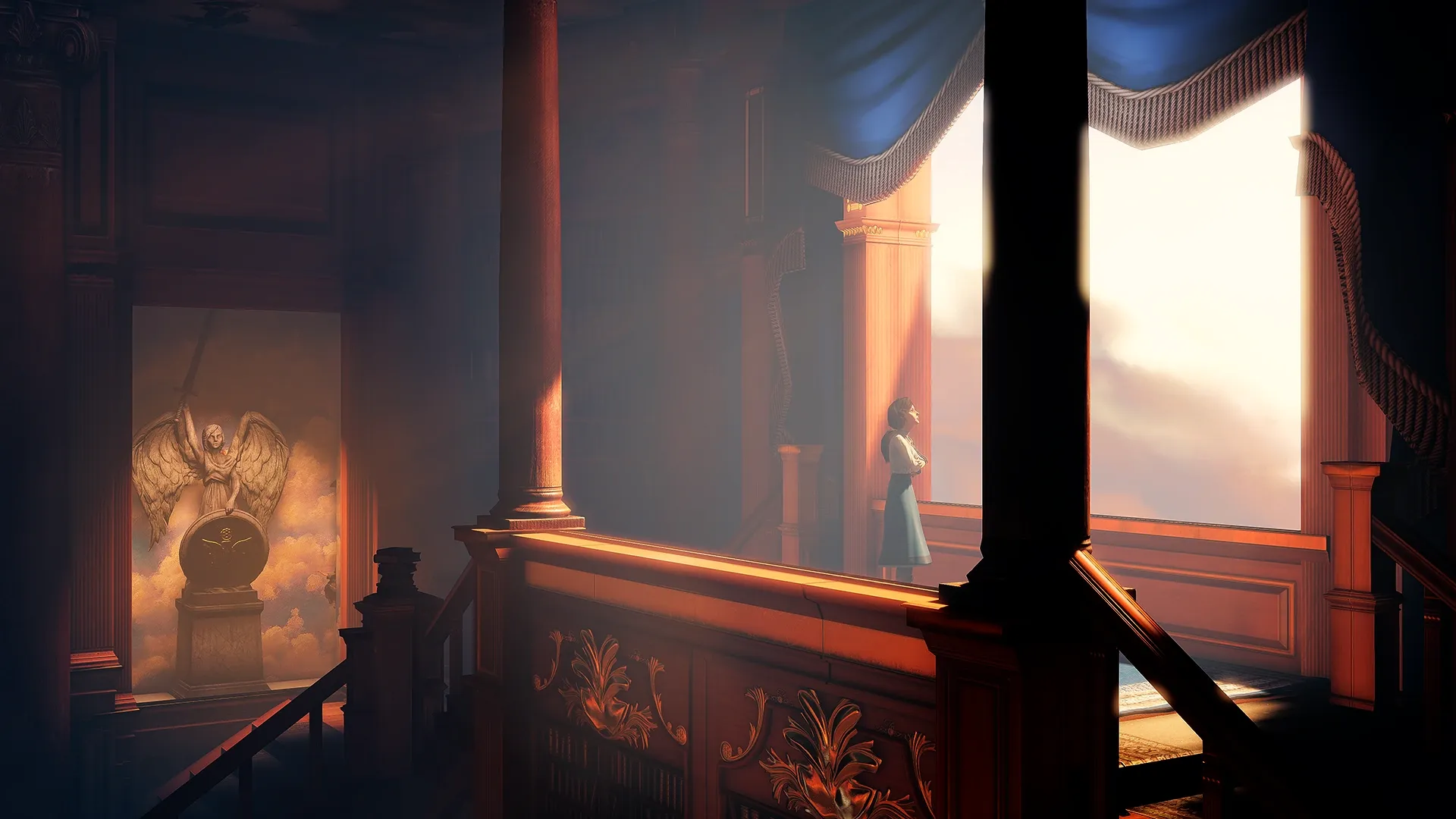
The soul-balm machine always just loves to have a metaphysical girl.
It's usually a girl who opens worlds.
Or a girl who sees the truth.
Sometimes the girl who can fix the broken man.
Or that girl who can become the ending mechanism.
The girl who can collapse the branches, drown the origin, close the loop, redeem the player-character, and make the story feel complete.
You know her. Modal Path Ethics should refuse her comfort.
Elizabeth is not really the cleanup tool for Booker’s fractured moral topology. She is an extant locus who has been made into a tool by almost everyone around her, including her own story’s symbolic machinery.
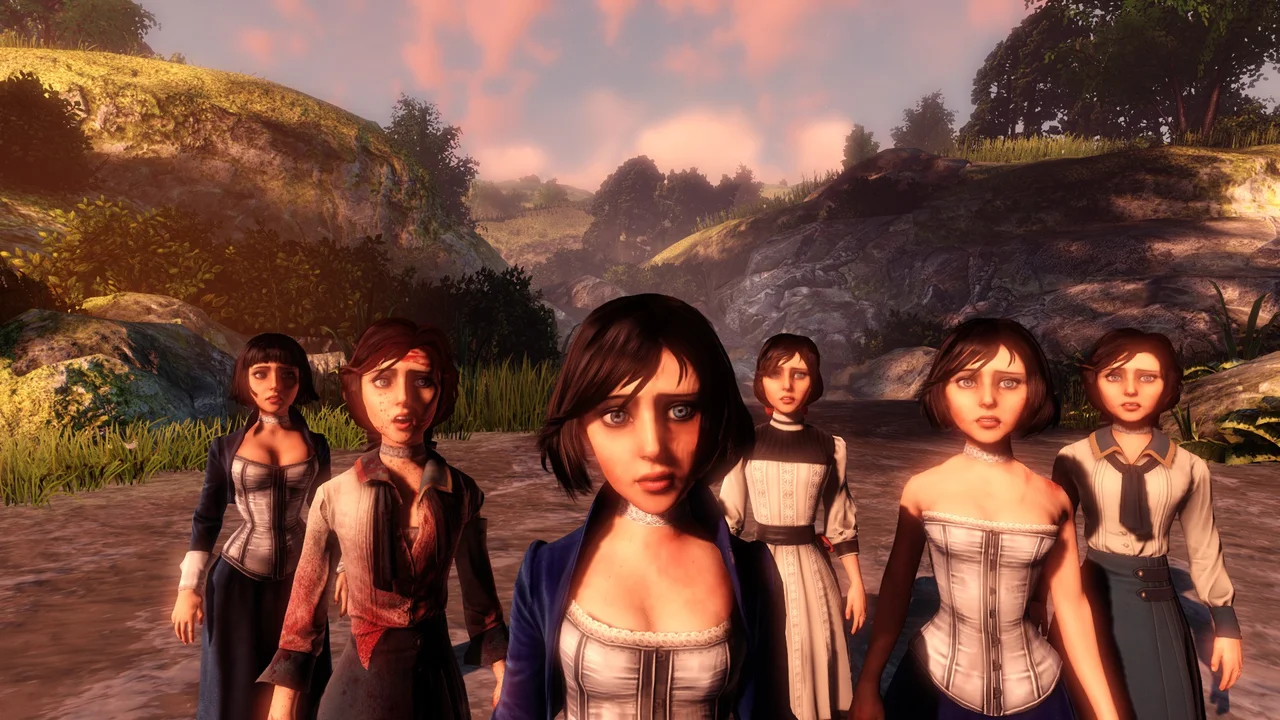
Booker and Comstock sharpen this problem. The game’s central identity structure suggests that Comstock is a version of Booker produced by a baptismal branch event. Booker rejects that baptism and remains Booker. Another version accepts, becomes Comstock, and eventually builds Columbia. It's treated like a kind of true-false Booker gate. The final movement attempts to prevent all possible Comstock by drowning Booker at the baptismal origin point before the branch can produce him in any downstream variants.
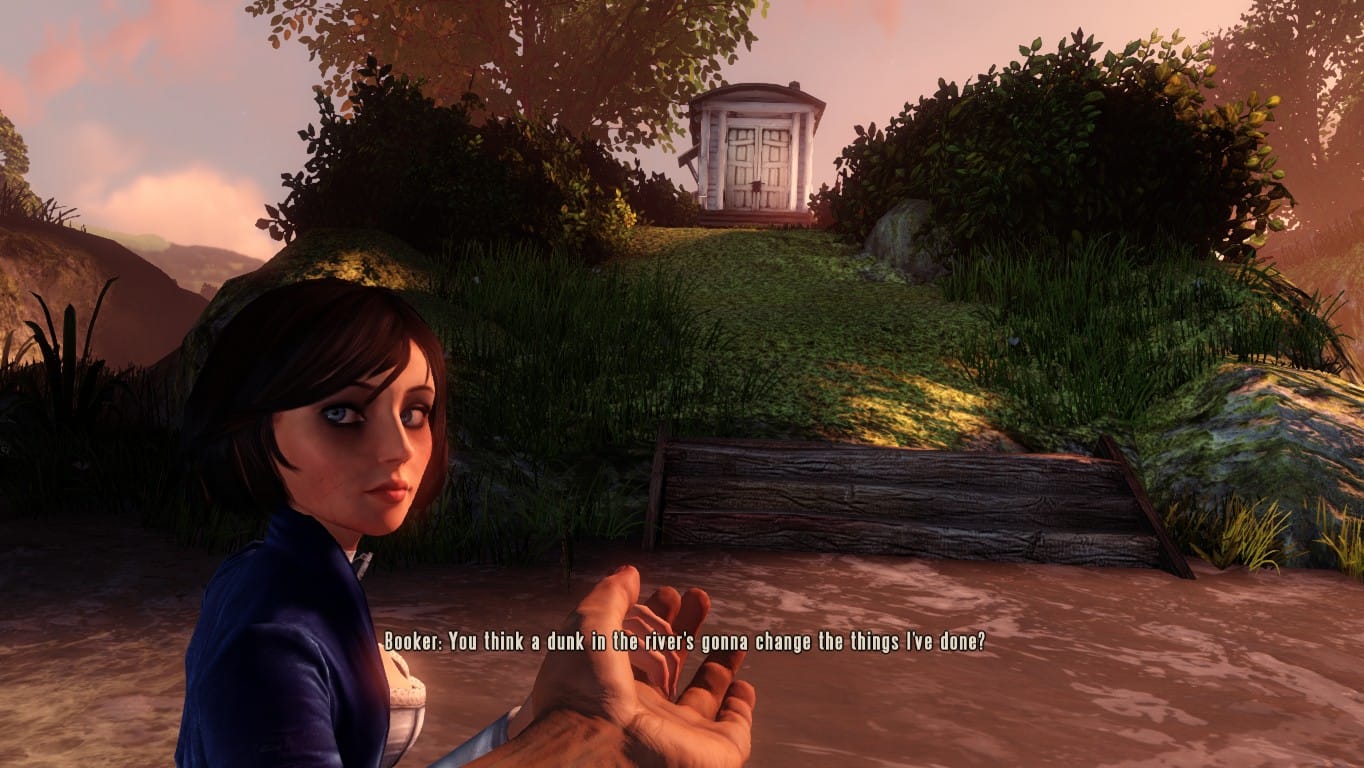
This is metaphysically dramatic, but also morally unstable.
The story frames this drowning as a kind of inevitable terminal repair act: we must remove the poisonous branch-point, prevent the Comstock continuance from being ever enabled, totally collapse the catastrophic line.
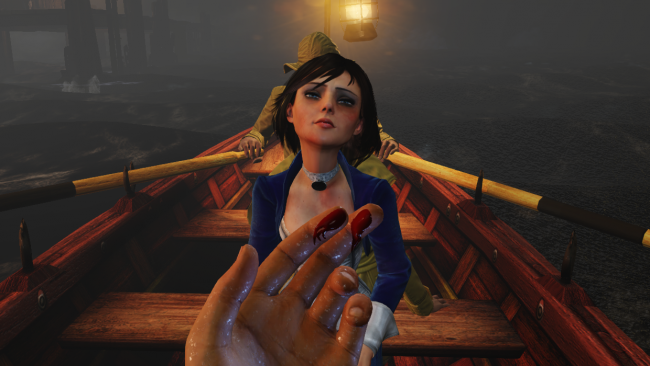
But Modal Path Ethics has to slow you down there. Killing an origin-locus to prevent the worst branch is the same fantasy that appears in many other time and multiverse stories. This is Looper logic. This logic says: just find the place where the monster becomes reachable and close the person.
That sentence is not a field analysis, though, nor is it proof of one. Sometimes a terminal intervention may be Better under catastrophic constraint.
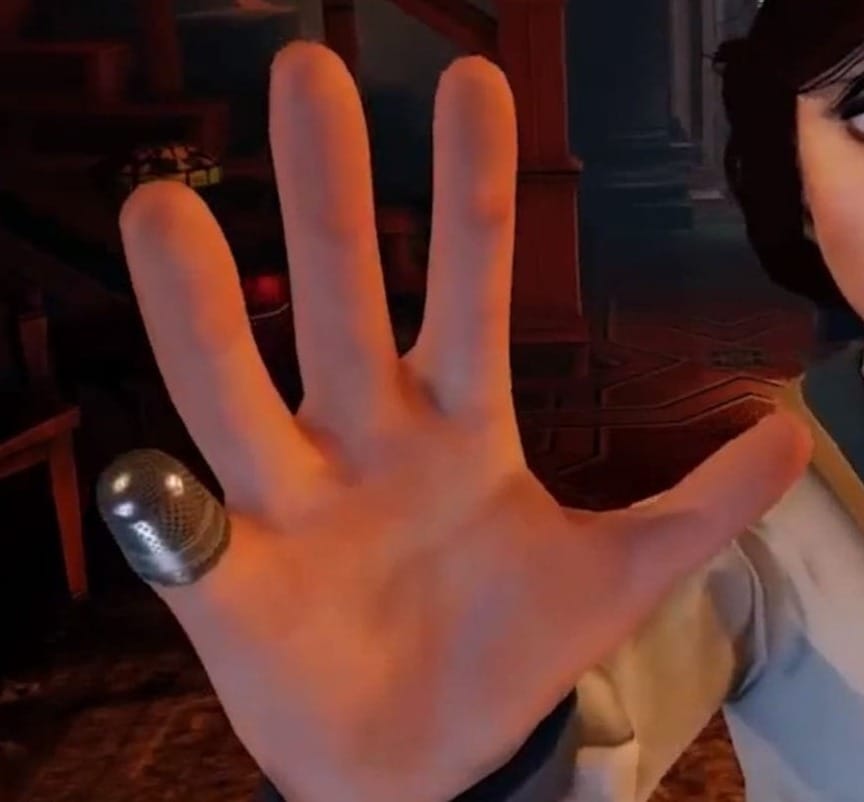
But this game’s metaphysics makes the action feel much cleaner than it really is. It converts a deep field problem with many upstream "variables" into one pure moment of baptismal symbolism. It gives the audience the image of one drowning to erase many horrors.
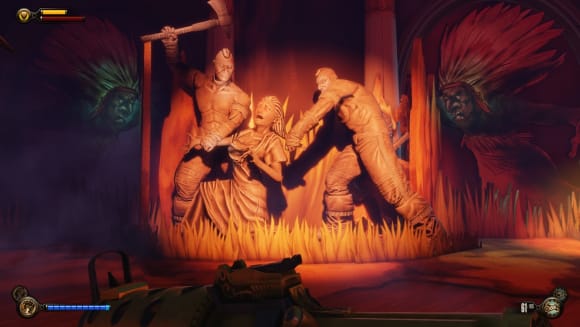
That is not a moral proof. It is a ritual image, and this type of repair theory is almost always more dangerous than it was ever worth. Brutal simplicity like this is usually a sign not all the factors have been weighed.
Ruling:
“Constants and variables” is not field analysis. Modal Path Ethics is unimpressed. This is really metaphysical branding over unresolved harm in practice.
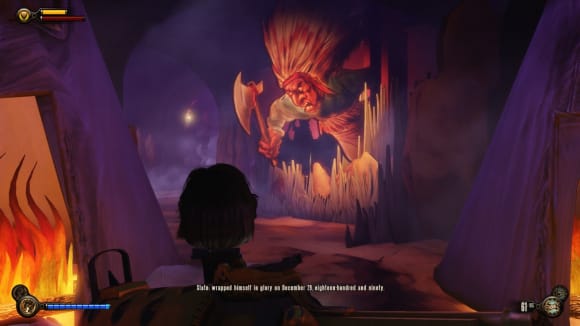
This does not mean BioShock Infinite has nothing to say. It means its metaphysical language and major story beats are far less impressive than its actual field machinery.
Columbia itself is a better case than the lighthouse slogan. Elizabeth’s captivity is a better case to analyze than the multiverse reveals. Fictional Booker’s guilt is less interesting than this story’s own repeated attempt to route massive, many-causal historical violence through one moment of cathartic personal absolution.
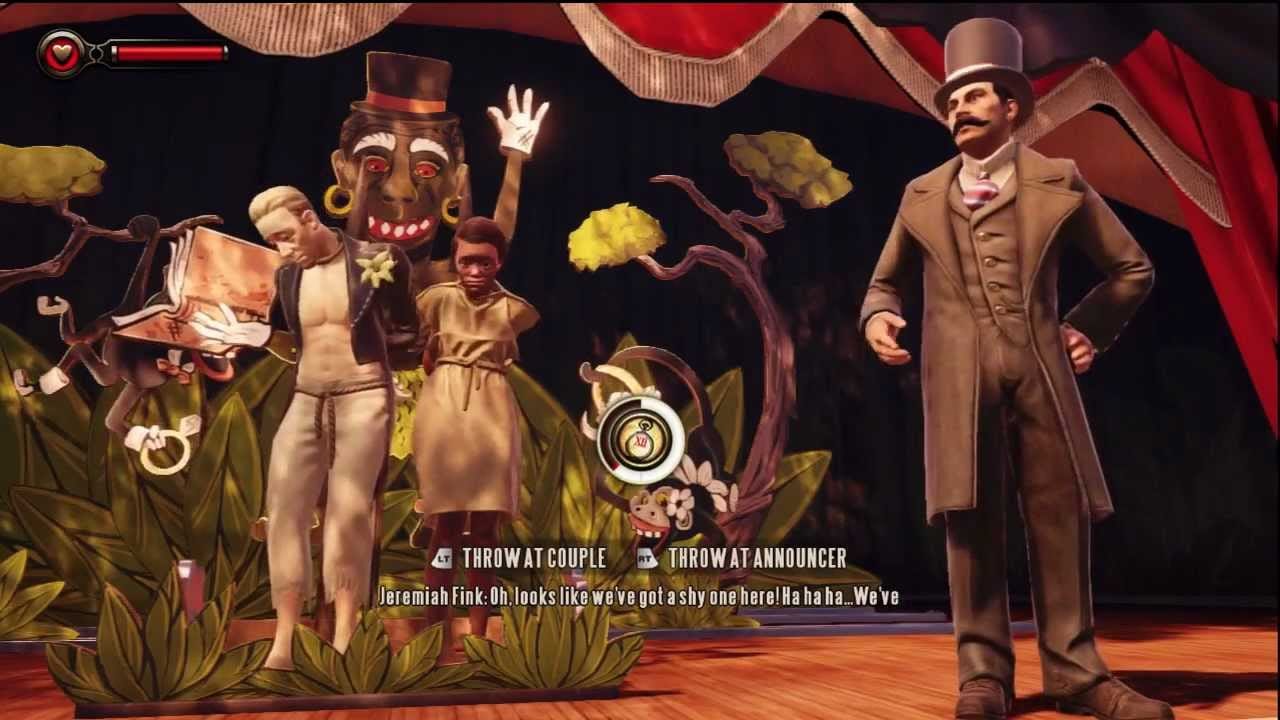
The baptism is less interesting as metaphysics than as a fantasy of origin-point cleanup. The meta-metaphysics are what's interesting here.
This game and its philosophy keeps trying to make moral accounting collapse into symbolic architecture for convenience.
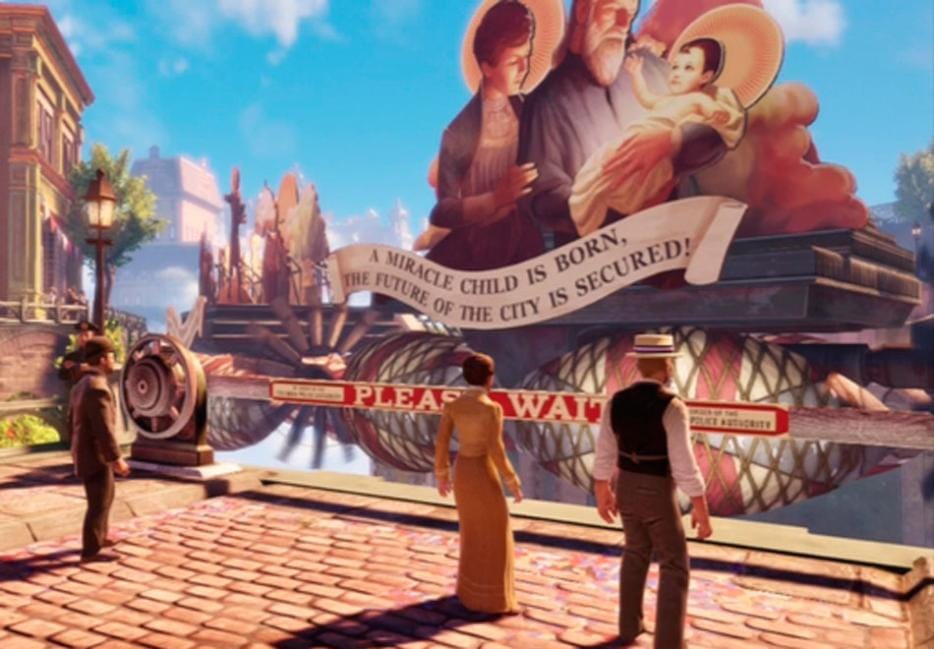
A man. A city. A lighthouse. A choice. A baptism. A drowning. A girl who sees everything.
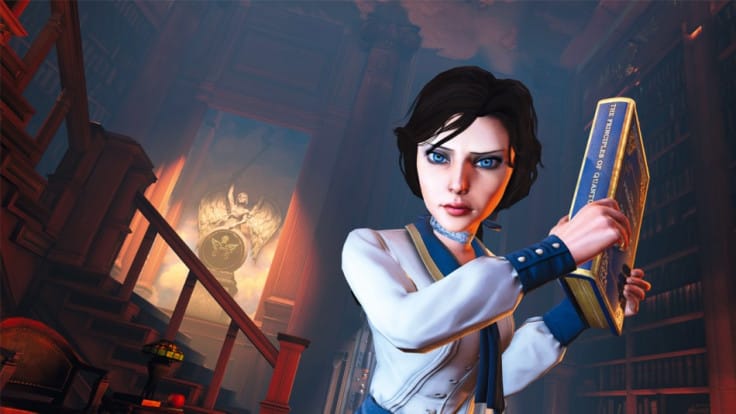
Modal Path Ethics pushes back hard on many fronts:
Which city? Which institutions? Which bodies? Which histories? Which children? Which workers? Which prisoners? Which false repairs? Which loci were contracted before the story decided it was time for metaphysical poetry?
That is the harder reading, and real field analysis. The game’s ending may be moving to you. The songs are good. The ending may even be structurally necessary inside this universe's own branch logic.
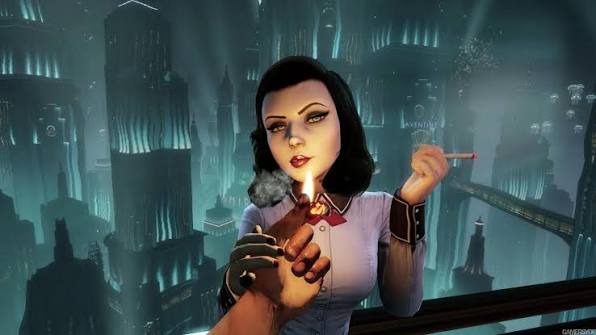
Still, this should never be allowed to pose as clean. Booker’s death at the baptism does not retroactively make Elizabeth’s use as a cosmic correction device harmless, nor is this man's batpism even the one true origin of what would become the field of Columbia. It does not audit Columbia at all, which is concerning. It does not repair the fields already made meaningful by their suffering, including the other branches. It also does not absolve this story from using drowning as a symbolic solvent.
The fictional multiverse does not become morally serious because it repeats pretty symbols. It becomes morally serious when each branch is treated as a field with loci who cannot be reduced to "constants", "variables", "keys", or endings.
BioShock Infinite sees the machinery of recurrence. It is less willing to count the people crushed inside it.
This makes it a perfect prelude to Doctor Who.
Applied Case: The Doctor.
Unfortunately, we now have to discuss the most dangerous repair theorist in all children’s television.
This Doctor is not simply some time traveler, or an alien. This locus is not a hero with a ship. The Doctor is a regenerating, transhistorical intervention locus with access to a machine that can enter many, many damaged fields across time, space, species, civilizations, wars, closed causal structures, imperial collapses, extinction events, domestic tragedies, cosmic mistakes, haunted space stations, Roman villas, moon eggs, and Cardiff.
This thing is not a normal protagonist. This is a roaming field disturbance with theme music.
The Doctor looks, at first, like a dream object for Modal Path Ethics. Here is an agentic locus who arrives in a damaged field. He notices the thing everyone else has missed. He asks the better questions. He distrusts the official explanation. He reads the room, the planet, the creature, the war, the machine, the myth; the field.
He finds the trapped locus. He identifies the contraction engine. He talks to the monster. He humiliates the tyrant. He refuses the obvious military solution. He saves the child, or the species, or the last surviving member of a hated race. Then he leaves, usually forever.
That is a structural nightmare. I may need to apologize to Oldman.
The Doctor repeatedly, daily performs local repair without any avenue of stable field accountability. This thing is brilliant, compassionate, reckless, secretive, unspeakably traumatized, very vain, very lonely, and vastly more mobile than the fields he enters. He can just leave after the episode. The locals sure cannot. He can just regenerate after death. The locals sure cannot. He can frame an intervention as mercy and exit before the long institutional consequences he never sees arrive.
This does not make the Doctor evil. It makes the Doctor unbelievably dangerous in a way ordinary hero language cannot hold cleanly.
The central question is not whether the Doctor helps out. Of course he helps. Often this thing is somehow the only reachable repair path in the field.
If the Daleks are invading, the Cybermen are converting, the Sontarans are militarizing, the Master is doing whatever the hell it is the Master woke up wanting to do, or yet another human institution has turned curiosity into a meat grinder, the Doctor’s arrival can be the difference between continuation and catastrophe.
Except the question is:
What happens to a universe that learns repair arrives in a blue box?
That is the deeper Doctor problem.
The Doctor is not only an agent inside fields. He often becomes a widely-known field condition. Civilizations across the universe anticipate him, fear him, summon him, mythologize him, weaponize his name, exploit his mercy, route wars around him, and sometimes define entire security postures around the possibility that he might appear. His reputation becomes causally central to many fields. His absence becomes central. His enemies become larger solely because he exists. His friends become targets because he loves them. His companions are both expanded and harmed by any proximity to him. Earth is repeatedly saved and repeatedly endangered by its relation to him.
A local Doctor story says: the Doctor saved the world.
A field analysis asks: but why does the world keep needing this?
That question will take us a while. So long. Because this Doctor is not one thing. It is very confusing.
He is a wanderer. Then an exile. Then a cosmic trickster. Then a war criminal or a failed genocidaire or the man who thought he had become both but wasn't? Then a lonely god. Then a penitent. Then a teacher again. Then a myth trying to become safe enough to keep loving people.
This thing is just not stable enough for one ruling. This is another Batman.
Except I don't know as much about Dr. Who as I do about Batman. But now I actually have to go Doctor by Doctor. I didn't even know who most of these were. I had to get pretty deep in the lore here. I have never actually wanted or needed to know this much about Dr. Who.
And yes, this is where the article gets away from me.
The Doctor as One Continuous Locus.
The first problem we have is continuity, which is obviously critical for Modal Path Ethics. This thing is weird.
The Doctor changes body, personality, affect, voice, style, taste, posture, moral temperature, social method, and apparent age. This thing can go from grandfatherly fugitive to cosmic clown to velvet exile to scarfed alien god to cricketing aristocrat to unstable peacock to chessmaster to romantic ghost to traumatized veteran to lonely deity to ancient child to Scottish professor to cosmic aunt to rehab Tennant to Ncuti Gatwa dancing.
This would usually be enough to break a moral audit. It does not stop us, or even slow us down.
The show clearly presents these as one continuous locus. The body changes. The field position continues. Memories continue, though sometimes damaged, hidden, erased, partitioned, or narratively inconvenient. Responsibility continues. Reputation continues. Enemies continue. Companions continue to matter. The name continues. The TARDIS continues. The wounds continue.
So Modal Path Ethics has to treat “the Doctor” as one trans-incarnational locus unless the story ever gives us a clear reason not to.
That makes this audit so much worse. This show is so old.
A normal person can say: that was a previous phase of my life. The Doctor can say that too, and it often does, but the field is always less impressed. The people harmed by the First Doctor’s choices, the Seventh Doctor’s manipulations, the War Doctor’s decision, the Tenth Doctor’s ego, the Twelfth Doctor’s uncertainty, or the Thirteenth Doctor’s secrecy do not vanish because the face changed.
Regeneration is not absolution.
The televised franchise has formally numbered Doctors from William Hartnell’s First Doctor through Ncuti Gatwa’s Fifteenth, with complications including John Hurt’s "War Doctor", Jo Martin’s "Fugitive Doctor", David Tennant’s Fourteenth Doctor, and the presently unresolved Billie Piper regeneration tease after Gatwa’s exit (please do not resolve this before I publish, I am done).
That is already clearly way too many fucking Doctors for one clean ruling, but that is also exactly why attempting such a ruling in this case is key.
The Doctor is one continuing field effect. So we have to begin before the beginning.
-∞: The Timeless Child Problem.
The Doctor’s origin used to be narratively spacious in a productive, generative way. He was a "Time Lord from Gallifrey" who ran away in a stolen TARDIS. That was enough. We didn't really need too much more for what this show was doing. That gave the character guilt, exile, aristocratic shame, curiosity, and class betrayal without needing to turn him into the secret root of Time Lord civilization.
But the show could not resist. The show later added the Timeless Child.
The Doctor is revealed, or at least very strongly framed, as a being found beyond an interdimensional boundary, exploited by Tecteun, and used as the genetic basis for Time Lord regeneration. The Division then enters the plot as a hidden Gallifreyan agency tied to memory erasure and pre-Hartnell incarnations, including the "Fugitive Doctor." The Fugitive Doctor is also the Doctor, and first appears disguised as Ruth Clayton, and later material places her among the Doctor’s prior incarnations, though the exact placement remains a continuity gap rather than a clean answer I can ever find, which I only realize at the end of the search.
This changes the field audit pretty dramatically, though.
If this is true, then this Doctor is not only a runaway aristocrat from a stagnant civilization. The Doctor is also the exploited origin-locus of that civilization’s regenerative power. Gallifrey is no longer simply the Doctor’s failed home. Gallifrey itself is partly built from him. He has somehow become even more recursive.
This move reverses one of the old moral shapes. The Doctor at first looked like the privileged defector: we are looking at a high-born Time Lord who rejected the sterile power of his people and wandered into the suffering universe to find something more. This is one moral structure. The Timeless Child now makes him also a pre-institutional victim: a child-object studied, extracted, copied, erased, and folded into the biological-political foundations of Time Lord society.
That is a completely different structure. This does not make the Doctor innocent. It makes the Doctor more dangerous to read simply.
A wounded origin-locus can still become a field hazard. Being exploited by Gallifrey does not erase what the Doctor later does with Gallifreyan power. It does not erase the moral nightmare of the TARDIS. It does not erase his interventions. It does not erase the companions he knowingly exposed to cosmic danger. It does not erase the civilizations destabilized by his sudden arrival.
But, that does actually cleanly explain the recurring shape here: the Doctor is both anti-institutional and institution-producing. He flees Gallifrey, yet also carries Gallifrey’s power structure everywhere. He hates domination, yet always enters fields with impossible asymmetry. He saves people from gods, empires, monsters, and machines, while also repeatedly becoming the only available godlike instrument in the room.
Diagnosis:
The Doctor begins, if this account holds, as an extracted locus. The tragedy is that the extracted locus later becomes one of the universe’s most powerful extractive disturbances itself.
That is the opening condition: the Doctor was used. Then the Doctor became useful.
-?: The Fugitive Doctor.
The Fugitive Doctor is a continuity grenade. I am not spending long here.
She appears fully formed: already calling herself the Doctor, already possessing a TARDIS shaped like a police box, already fully competent, already fully dangerous, already tied to secret Gallifreyan work. This thing is not an innocent prelude. She is a hidden version of the Doctor with institutional proximity.
She greatly complicates the usual moral arc.
If the Doctor begins as William Hartnell’s wandering exile, then the first moral story is that of a selfish old alien becoming a hero through contact with human companions.
But if there were Doctors before Hartnell, and if at least one of them served or was entangled with Division, then the Doctor’s field history includes erased service to a covert institution before the “first” Doctor’s flight.
This show has not fully stabilized what that means. I still am undeterred.
Modal Path Ethics does not need full stabilization to identify this structure. A hidden incarnation just means hidden accountability. If this is the same continuous locus, then there are actions, harms, repairs, loyalties, betrayals, and field disturbances buried behind memory walls.
The Doctor’s ignorance of those actions may reduce local culpability only in later incarnations. It does not delete field consequence from this locus.
A wiped memory can protect the present self from psychological continuity. It can never unharm the extant fields previously touched. If this Fugitive Doctor acted under Division, fled Division, harmed for Division, repaired against Division, or all of the above, those actions all remain part of the same Doctor’s field wake even if later Doctors cannot remember them.
Diagnosis:
The Fugitive Doctor turns regeneration into another archive problem.
The Doctor is not only morally continuous through its remembered lives. This thing is also haunted by lives the field remembers even when it and we do not.
This is the only right way to use such a continuity mess. Do not try to solve every fan argument. Just treat the argument itself as field evidence. The Doctor’s life is no longer even fully available to the Doctor, as far as we can tell here. That means its' self-analysis is definitely compromised from the start.
A field analyst who cannot access his own field history is already deeply unsafe.
1: The First Doctor: Not the First Doctor.
The First Doctor is not really the Doctor as a moral brand.
He is not yet the cosmic rescuer expected from this series. He is not yet the man who walks into an empire and says no in a long speech. This thing is mostly just a strange old man in a junkyard who travels with his granddaughter, steals or has already stolen a TARDIS, and generally speaking reacts to a new discovery by abducting the nearest people.
The Doctor does not begin as pure repair, even after the epistemic hole above. He apparently begins as trespass, secrecy, pride, fear, and flight. The moral picture is not fantastic.
This is one reason the character survives. The heroic Doctor is earned through relation. Ian and Barbara make the Doctor answerable, once kidnapped. They are constraint, also witnesses. They are ordinary moral pressure inside an impossible machine-field.
The First Doctor’s early field position is unstable. He enters places he barely understands, then usually just lies, bluffs, endangers people, protects Susan, resents interference, and slowly becomes more capable of any care beyond his immediate circle. He is not exactly evil, but this thing is not safe either.
This is the first major Modal Path Ethics lesson of Doctor Who, in case he is reading this:
Companions are accountability devices.
Without companions, the Doctor drifts toward alien infinite self-permission. With companions, the field has a chance to talk back and stop him.
The First Doctor also establishes the TARDIS as moral hazard. This vehicle is access without belonging. The Doctor can enter fields without ever being produced by their conditions. He can arrive with mobility, knowledge, and escape capacity that locals do not share. That asymmetry is the seed of every single later Doctor problem.
Diagnosis:
The First Doctor is a wanderer slowly made answerable enough to become heroic.
That means the Doctor’s goodness was relational from the beginning. He is not good because he is the Doctor. He only becomes better when other loci bind him to fields he would otherwise pass through.
A stolen TARDIS alone cannot make a moral life, and without witnesses this is just trespass with better lighting.
2: The Second Doctor.
The Second Doctor is where the Doctor becomes charmingly dangerous.
This thing is smaller, stranger, funnier, and more evasive. He plays the fool while reading the room. He disarms through nonsense. He survives through misdirection. The Doctor is now a cosmic hobo with a recorder and a tactical mind sharp enough to hide under whimsy.
This is a pretty major field transition.
The First Doctor often seems like an alien grandfather learning the shape of any moral proximity. The Second Doctor looks more like a real field analyst: a thing that enters a damaged situation, feigns ignorance, identifies the hidden structure, and disrupts the machinery from inside. He understands that seeming harmless can be an effective repair tool.
But the Second Doctor also makes the Doctor more visible as a repeated intervention problem.
The Time Lords finally catch him now. In The War Games, he is put on trial for interference, forced to defend his prior meddling, and punished with regeneration and exile. This is one of the most important structural moments in the character’s history. I'm with these Time Lords here. The universe, through Gallifrey, says: you do not just get to keep entering fields without answering to a jurisdiction.
Gallifrey is not morally clean. The Time Lords are stagnant, hypocritical, and often cowardly. But their accusation is not empty.
The Doctor interferes. He interferes often. He interferes without consent from any durable authority at all. The fact that he usually interferes against worse harms does not erase the structural problem here. It only makes the trial more interesting.
Diagnosis:
Trickster repair is clearly still intervention, and intervention eventually produces a demand for accountability.
The Doctor’s answer here is essentially: I interfered because people were being harmed and you did nothing.
That is a strong answer, not a complete answer.
Modal Path Ethics can recognize both sides. The Time Lords’ non-interference is indeed often moral cowardice disguised as cosmic restraint. The Doctor’s interference is often Better under local conditions. But local Better does not solve the structural problem of cumulative unaccountable intervention.
3: The Third Doctor.
The Third Doctor is then exiled to Earth. This is one of the healthiest things Gallifrey ever does by accident.
The Doctor is now forced into relation with one recurring field. He cannot simply drift into a crisis, save everyone, and leave. He has to work with the UNIT unit. He has to deal with human institutions, military habits, bureaucracy, recurring allies, recurring enemies, and the consequences of Earth as a continuing protected field.
This makes him somewhat safer. Somewhat.
The Third Doctor is arrogant, stylish, physically forceful, scientifically brilliant, and often visibly irritated by the limits placed around him. But those limits all matter. They are there to teach him he cannot treat Earth as another stop. Earth becomes a field of continuing obligation.
UNIT is not perfect. It militarizes the Doctor’s repair work. It frames many field problems through strategic security logic. It gives him resources while trying to contain him. That tension is the point.
The Third Doctor’s era is not “the Doctor joins the authorities.” It is about negotiation with authority. That negotiation is morally productive.
The Doctor’s anti-authoritarian brilliance is checked by institutional continuity. UNIT’s militarized reflexes are checked by the Doctor’s refusal to reduce every alien or anomaly to a target. Neither side is safe alone. Together, sometimes, they produce Better.
Constraint is not the enemy of repair. Good constraint can make repair agents safer. The Third Doctor proves that the Doctor is often at his best when he cannot simply leave.
Earth becomes less like a backdrop and more like a real patient with follow-up appointments. The Doctor has to watch patterns repeat. He has to see human institutions fail in familiar ways. He has to deal with ecological harm, corporate greed, militarized fear, alien exploitation, and the difficulty of teaching a young species not to panic at everything unfamiliar.
Diagnosis:
The Third Doctor is the wandering exception forced into partial accountability, and the partial accountability improves him.
This does not make the exile morally clean. Forced regeneration and exile are pretty coercive transitions. The Time Lords do not become admirable here because the constraint has good effects and they made some good points earlier.
But the field result matters: the Doctor becomes less abstractly cosmic and more answerable to a continuing world. That lesson is going to haunt the rest of this segment.
Whenever later Doctors become too mythic, too lonely, too sovereign, too clever, or too emotionally insulated from the fields they enter, the Third Doctor stands as evidence that accountability is not a weakness. That is actually almost always a repair condition.
4: The Fourth Doctor: Introduction to Genocide.
The Fourth Doctor is the first one who really feels too large for ordinary accounting. He had a bit of a genocide problem.
This thing is funny, frightening, warm, alien, theatrical, impatient, tender, and sometimes so casually brilliant that everyone else in the field risks becoming his audience without realizing it. He is the Doctor as myth before the modern show explicitly calls him that, many times.
The scarf is ridiculous. The eyes above it are not.
This Doctor’s central case is Genesis of the Daleks.
So, the Time Lords send him to Skaro before the Daleks fully emerge. His mission is to prevent their creation, alter their development, or learn their weaknesses. Structurally, this is that same old kill-the-origin problem, but before Looper, before Terminator in popular time-travel grammar, before half of modern franchise ethics.
The Doctor stands at the origin-point of one of the universe’s great contraction machines and asks whether he has the right to destroy them before their future crimes occur. His answer is complicated.
He does not casually commit origin genocide. He refuses the clean button. He asks whether destroying the Daleks would also erase the goods produced by resistance to them: alliances, moral courage, species brought together by shared opposition. This argument can be challenged. It is dangerous to let future goods launder preventable horrors. But it is not shallow at all. This is one of the most field-aware arguments on the show. The Doctor recognizes here that history is not a single ledger line labeled “Daleks bad.” Their evil becomes part of many fields, including fields that respond, unite, and become better only through resistance.
That also does not make allowing the Daleks to continue innocent. It still does mean the Doctor refuses the fantasy of clean preemptive deletion.
This is one of the most important in-fiction rulings:
Origin-point repair can become atrocity if it treats future evil as permission to destroy an extant people before the field has unfolded.
This is not pacifist simplicity. The Doctor still intervenes here. He delays the Daleks. He disrupts Davros. He changes field conditions. But he does not let the Time Lords turn him into an execution device at the birth of a species.
However.
The Daleks keep coming back.
This is the Doctor problem in miniature. He chooses against a terminal repair that may itself be monstrous. The decision preserves his own moral integrity, and leaves future fields totally exposed to catastrophic harm.
Was there a Better path? The show does not let us know. It just gives the Doctor a choice too large for any clean proof.
Modal Path Ethics can say the refusal of origin genocide is morally serious without pretending the downstream cost disappears.
The Fourth Doctor’s broader field issue is with scale. He moves through cosmic structures with uncomfortable ease. He confronts Sutekh, Gallifrey, entropy, ancient evils, mad science, imperial machines, and metaphysical decay. He is often right in doing so. He is also increasingly less like a person embedded in a field and more like a corrective force passing through fields.
That is both the appeal and the danger here.
Diagnosis:
The Fourth Doctor is the "alien saint" phase of the Doctor: often morally luminous, often correct, and already too large for the fields he enters.
This is why he is beloved, but a saint with a time machine still leaves a wake.
5: The Fifth Doctor.
The Fifth Doctor is softer. Unfortunately, this does not mean safer.
He is younger in affect, gentler, more openly vulnerable, and less theatrically dominant. This thing often seems less able to control the field than his previous incarnation. The TARDIS now feels too crowded. Companions argue, suffer, make bad choices, and die. The Doctor’s goodness becomes less sovereign over the field around him and more strained.
This exposes a different Doctor danger: overload.
A repair agent can harm through domination. A repair agent can also enable harm by carrying too many obligations without enough authority, clarity, or capacity to protect the loci gathered around him.
Adric’s death matters here. The Doctor, it turns out, does not always save the child. The companion does not always return wiser. Sometimes proximity to the Doctor ends in a boy dying alone on a crashing freighter while the Doctor watches history close. Yikes.
That is not another incidental tragedy.
The Fifth Doctor’s era repeatedly asks whether the Doctor’s mobile life is even morally compatible with the vulnerability of companions who trust him. He brings people into fields where the stakes are planetary, historical, biological, imperial, and cosmic. They are brave, and they choose. These are not puppets.
But their choices occur inside an asymmetry the Doctor created or at the very least enabled. Companions are accountability devices, but they are also exposed loci.
The Fifth Doctor’s final major act, sacrificing himself to save Peri in The Caves of Androzani, is one of the cleanest local repairs the Doctor ever performs. He enters a hideous field of greed, gun-running, disease, obsession, and political decay, and the result there is not triumphant reform. He simply cannot save this whole structure.
But he can save Peri. He spends his life to do it.
This is still not enough to cleanse the pattern.
Diagnosis:
The Fifth Doctor proves that a gentler Doctor can still be wildly unsafe, because kindness does not remove the load-bearing asymmetry between the Doctor and everyone who travels with him.
The Doctor problem is not only ego and godhood. It is not only Time War trauma. It begins much earlier and softer.
Even the kind Doctor is a field hazard if the fields he opens are too large for those who follow him.
6: The Sixth Doctor: Becoming Hard to Defend
The Sixth Doctor is difficult to defend as a repair agent.
Not because a loud coat is morally disqualifying, though it does not help his case.
This thing arrives unstable; abrasive, vain, theatrical, wounded by regeneration, and at times cruel in ways the show itself struggles to contain. His early violence toward Peri remains one of the clearest examples of regeneration failing as moral continuity. The body changes, the mind destabilizes, and the companion is suddenly trapped with a version of the Doctor who is not safe.
This is where the rule “regeneration is not absolution” gains its darker companion:
Structural continuance is also not a guarantee of moral stability.
That will factor into the Doctor’s total audit. If the Doctor can change into someone temporarily or persistently less safe, then every single regeneration is a field risk imposed on companions and nearby worlds without anyone's consent. The Doctor’s continuance is not some private medical event. This transition is a public hazard because the Doctor always travels through vulnerable fields immediately afterward.
The Sixth Doctor also gives us another trial.
The Trial of a Time Lord is pretty messy television and pretty useful structure. The Doctor is judged by Gallifrey, but Gallifrey is itself corrupt, evasive, and implicated here. The Valeyard appears as a dark future or potential distillation of the Doctor, making the trial not only institutional but an internal one. The Doctor is confronted here with the possibility that his own field contains a future prosecutorial monster.
This is very Modal Path Ethics. The Doctor’s worst danger may not be outside him at all. It may be a reachable branch of himself. This thing is also a part of the fields it inhabits.
The Valeyard is not really a villain twist. He is a warning that the Doctor’s intelligence, ego, procedural knowledge, moral theatricality, and ability to stand in judgment over others could curdle into predatory self-authorization. The Doctor as prosecutor of the Doctor is pretty plain.
Diagnosis:
The Sixth Doctor is the point where the show (accidentally, I think) asks whether the Doctor’s continuity itself needs containment.
That is harsh, but very fair.
This incarnation can still be brave and brilliant. He can do good. Extended media gives this thing far more room and often rehabilitates him. But the televised field audit still weighs heavy. A repair agent who becomes unsafe to his own companion has clearly entered a dangerous phase. A civilization that tries him while hiding its own corruption has also not solved that problem. A future version who may become the Valeyard clearly means the Doctor’s reachable state-space includes monstrous self-lawyering. That cannot be brushed aside.
7: The Seventh Doctor.
The Seventh Doctor begins as a clown and becomes one of the most dangerous versions of the character ever. This is not a contradiction; that is this thing's exact primary mechanism.
Its' silliness becomes cover. The umbrella, the rolling Rs, the comic evasions, the general little man energy: all of this hides a ruthless strategist increasingly willing to move people across the board without fully telling them the game. The Second Doctor used harmlessness as one tactical disguise. The Seventh Doctor turns perception into a long-form manipulation.
This is the Doctor as field analyst, only with too much patience.
He sees structures. He sets traps in them. He arranges enemies to destroy themselves. He uses ancient artifacts, old grudges, imperial arrogance, and the assumptions of monsters against them. This thing is often fighting genuine contraction machines. Daleks, gods, curses, imperial remnants, racist ideologies, ancient powers: the targets are not imaginary.
The problem is his method.
Ace is the key audit locus. She is a young woman with trauma, anger, courage, and extraordinary susceptibility to being shaped by someone who sees more of the board than she does. The Seventh Doctor sees that. He mentors her, tests her, withholds from her, maneuvers her into confrontations with her own wounds, and often seems to be building her as much as traveling with her.
That can be called repair. It can also be called "grooming by field analysis."
The difference depends on consent, transparency, proportionality, and whether the locus being “developed” has meaningful power to refuse the developmental path. The Seventh Doctor is often quite weak on these conditions.
This is where Modal Path Ethics has to be especially sharp with this thing. Correct field perception does not excuse manipulative repair. Seeing that someone must face a wound does not give the analyst unlimited authority to stage the wound for them. The fact that Ace becomes stronger in this case does not automatically vindicate every hidden pressure used to make her stronger.
Diagnosis:
This thing may save larger fields. He may defeat threats more powerful than brute-force heroism could handle. He may even be Better in many scenarios because the enemies he faces are too dangerous for transparent local action. But the more he wins through hidden arrangements, the more he also teaches himself that other loci are morally available for his strategic placement.
This is the Batman and Fresh parallel again. Nolan and Yakin spoke of this. Strategic brilliance is not moral clearance.
The Seventh Doctor’s core tragedy is that he may be one of the most competent repair agents in the entire lineage, while also being one of the easiest to indict ethically. He understands deep field wounds. He sees the long paths. He can create outcomes other Doctors might miss. And that is exactly why he is dangerous.
A bad analyst harms by misunderstanding the field.
A great analyst can harm by understanding the field and deciding that gives him permission.
8: The Eighth Doctor: Fading.
The Eighth Doctor is pretty hard to audit from televised material alone because television gives him very little time.
On-screen, this thing is romantic, open, strange, wounded, and reborn through an unusually literal death-and-regeneration sequence. This one kisses. He remembers things. He just sort of stands between the classic show and the revival like a bridge the franchise did not yet know how to cross, because that's what was going on.
Then later, in The Night of the Doctor, his field collapses into war, because that's where the bridge was already going.
The Eighth Doctor’s importance to the overall picture is not mainly in what he does. It is what he cannot remain after this. This is the Doctor trying to preserve that title before the field makes his name feel unusable. The Time War approaches as a field so catastrophic that ordinary Doctorhood can no longer find traction in it.
This is an enormous structural transition, probably the most dramatic one.
The Doctor’s identity is as a living repair technology. “The Doctor” means something specific here: help, restraint, curiosity, refusal of cruelty, anti-domination, clever mercy, the preference for saving over conquering.
But in the Time War, the field becomes so damaged that the Doctor decides he just cannot enter it as the Doctor. He chooses a warrior incarnation instead.
This transition is not a costume change. This is a total collapse in this being's self-concept under the weight of catastrophic resistance.
Diagnosis:
The Eighth Doctor is a transitory being; the last version still trying to keep the Doctor’s name intact before the field convinces him that the name cannot survive the work required ahead.
That is mostly tragic because it may be understandable here. Some fields become so violent, so large, so weaponized, so resistant to ordinary repair, that the available paths all change any agent who enters them. The Doctor, who often believes identity can anchor action, now reaches a field where identity itself becomes the thing he sacrifices.
The Eighth Doctor chooses not to die as a bystander. He also chooses to become someone who will no longer call himself the Doctor. That is the moral threshold crossed.
The soul-balm machine loves this thing's regeneration because it promises continuation. Here though, regeneration is a moral injury made biological.
9: The War Doctor and Terminal Repair.
The War Doctor is the Doctor who refuses the name Doctor (but was given it anyway, I guess).
This thing is not simply another incarnation with a darker coat. He is the incarnation created for a field the Doctor believes cannot be survived at all as the Doctor. The Time War has become a universe-scale contraction engine: Daleks and Time Lords are going nuts, weaponizing time, history, causality, extinction, resurrection, and reality itself. Ordinary intervention has already failed. Non-intervention is completely impossible given the breadth. Every path is already contaminated.
The Doctor decides that repair may require becoming the kind of agent his name and identity was supposed to prevent and stop. That is the deepest Doctor wound available.
The central act is the "Moment." The War Doctor prepares to destroy both Daleks and Time Lords to end the Time War. This is clearly genocide framed as terminal repair: a catastrophic action chosen to prevent wider catastrophic continuation.
The fact that the Time Lords are the Doctor’s own people and have become part of the danger makes it personal. The fact that the Daleks are the Daleks also does not make the action clean.
Hero language fumbles here. Modal Path Ethics was waiting for the rebound.
A terminal repair path may be Better under catastrophic constraint.
If all reachable alternatives preserve or expand a universe-consuming war, then closing the war by destroying its engines may be the least harmful available action. But Better does not mean good. Better does not erase the lives closed. Better does not erase the children on Gallifrey, the dissenters, the civilians, all their possible futures, all the unknown loci, or the moral deformation required for this thing to press the button.
The War Doctor already knows all of this.
This thing is not another swaggering antihero. He is mostly just tired. He is born ashamed in advance. He carries this field like his sentence.
Then The Day of the Doctor shows up and revises the moral architecture completely.
The War, Tenth, and Eleventh Doctors, with the help of the Moment and eventually all thirteen known Doctors at that time, choose to freeze Gallifrey in a pocket universe rather than burn it. Later Doctors all remember this event differently, because the earlier incarnations cannot retain the full multi-Doctor encounter, preserving the postwar guilt that shaped the revival era to be covered soon.
So, yeah, this is a pretty wild field event.
This means for centuries of experienced continuity, the Doctor believes he destroyed Gallifrey, because he did. That belief then shapes the Ninth, Tenth, and Eleventh Doctors. It produces guilt, rage, mercy, self-hatred, survivorhood, and the Lonely God problem.
Then, the field is reinterpreted: Gallifrey was never actually destroyed in the way he believed and remembered. The timeline was changed by his own downstream actions. The real repair path was Better than his memory allowed to ever exist.
But still, the moral remainder does not disappear.
The Doctor still became the War Doctor. He still reached the point of pressing the button. He still lived as the man who believed he had done it. The universe still endured the Time War, because he never goes back to change this event until living through that regret. Gallifrey was still destroyed along this causal path, then it was removed, hidden, and later returned into further trouble. The Daleks also largely survived anyway, because of course they did, this is a television show and they are one of the most famous parts.
Diagnosis:
The War Doctor is not absolved because the final action eventually changed. It only ever changed because it did happen in the first Moment and was later regretted. This one is the incarnation produced by a field in which the Doctor became willing to end civilizations to stop a larger wound.
The later save matters enormously for the overall audit too. Finding a path that preserves Gallifrey while ending the war is one of the Doctor’s greatest repairs ever. But Modal Path Ethics does not only audit outcomes like a ledger. It audits reachable paths, resistance, field pressure, and the way agents are changed by the paths they become willing to take.
The War Doctor is the Doctor’s proof that even the best repair agents can be pushed toward accepting terminal closure in a bad enough field.
He is also proof that terminal closure should not be romanticized. The War Doctor does not look cool at all because he is darker. He mostly just looks tragic because he is what remains when the field has burned away every identity the Doctor had ever trusted.
The Time War also gives us the first clear total Doctor ruling:
The Doctor is often Better than the available alternatives, but the universe should be very worried by how often its available alternatives require the Doctor to become structurally worse. This is not a sustainable repair path in the long term.
That is the bridge into the revived series, which is what I even actually watched some of outside of researching this. The next Doctor up is not a fresh start or reboot like "revived series" seems to logically imply.
10: The Ninth Doctor.
The Ninth Doctor is what walks away from the Time War.
The revived series does not reintroduce the Doctor as a wandering eccentric with a mysterious past. It reintroduces this thing as a survivor. The smile appears real. The joy is real, and so is the hand offered to Rose. But under this is something burned almost beyond what can be called personhood.
This Doctor has not lost a war. He believes he ended it by destroying both Daleks and Time Lords, meaning he has become the necessary monster who killed his own people to save the rest of reality. Whether later continuity revises the final action does not erase the experienced field, or that it did happen before it could be revised. The Ninth Doctor lives on as the man who did it.
He is abrupt, tender, furious, lonely, and often visibly allergic to sentiment because sentiment would require him to stand still long enough to feel what he is carrying. He mostly just saves people compulsively, but the saving is not yet clean repair. It is also attempted penance. The Doctor is trying to prove that its name can still mean something after the War Doctor made that name feel impossible or unsuited to this field.
Rose re-humanizes him. This is not really about romance. Rose becomes an active field intervention. She is young, ordinary, brave, reckless, compassionate, class-marked, and still fully embedded in the human scale the Doctor has almost lost sight of. She sees the wonder before the guilt has time to narrate it away as tainted. She does not try to make him innocent, she just makes him reachable.
The Ninth Doctor does not say “just this once, everybody lives” because he always saves everyone. He says it because he knows that he usually does not. The field has given him one impossible clean repair, one brief reprieve from the War’s arithmetic, one moment where the wound does not demand a child, a species, a city, a companion, or himself as payment.
One sign there is, in fact, still a Good path to find, if he keeps looking.
The Dalek episode is the counterweight to that. The Doctor sees one surviving Dalek and collapses right back into the war-field nightmare. He is not analyzing a local threat once he perceives that the war has not ended as totally as he believed. He is reliving that species-level wound. His hatred is still understandable, and is also immediately dangerous. Rose has to become the moral check. She sees the Dalek change when he can't. She also sees the Doctor fail to see the change because the Doctor’s trauma has narrowed the field.
That is the problem the Ninth Doctor orbits:
A repair agent carrying catastrophic trauma may correctly recognize danger and still misread the reachable future because the past is screaming too loudly.
This does not make the Doctor wrong about Daleks. The Daleks are one of the universe’s most reliable contraction machines. But this specific Dalek in front of him is not “the Daleks.” It is an extant locus in a changed local field. Rose sees that. The Doctor, distorted by his trauma, nearly does not. The companion restores access to local field analysis when the Doctor is trapped in civilizational memory.
In the Ninth Doctor’s final act, Rose absorbs the time vortex and becomes the "Bad Wolf," scattering a message across her own path and annihilating the Daleks. The Doctor then absorbs the fatal energy to save her, regenerating as a result.
This is a very convoluted repair transition through mutual exposure. Rose becomes too large for any human locus to safely hold. The Doctor takes the excess of her into himself. He saves her, but this pattern is already dangerous: the companion becomes cosmically instrumental along the path, then the Doctor pays the bodily price. The field is repaired, but only through a young woman being turned briefly into a wildly dangerous metaphysical weapon.
Ruling:
The Ninth Doctor is the Doctor trying to make the name usable again after the war. He is often Better because he still runs toward the wounded field. He is still extremely dangerous because the wound he carries can overwrite the field in front of him.
This is Ben Affleck.
11: The Tenth Doctor: Slip into Humanity.
The Tenth Doctor is where the revived series becomes pretty dangerous.
This one is charismatic, fast, funny, romantic, frightening, vain, merciful, cruel, brilliant, self-hating, self-admiring, and so emotionally legible and egoistic that entire planets appear to actually start orbiting his face. This is the Doctor most obviously built for myth. He enters any room and becomes the entire story instantly.
That is the main problem with this thing.
The Ninth Doctor is best described as scar tissue. The Tenth Doctor is also scar tissue except with a rapidly expanding jurisdictional theory.
He begins with a clear, hard line: no second chances.
That line is not random. That is actually the War talking again through a new smile. The Doctor has already seen what delayed action can cost. He has seen mercy weaponized by monsters. He has seen civilizations rot while higher powers debated.
So he becomes decisive. He gives warnings. He offers exits. Then he acts.
Sometimes this is Better. Sometimes it is disturbing and unnecesarry.
The Tenth Doctor’s best stories understand that his mercy and his ego are not at all separable. In The Family of Blood, he hides as a human schoolteacher to avoid a predatory alien family. His attempt to be merciful by hiding becomes a field disaster for several others. People die around his concealment. Martha is trapped in racist, gendered social vulnerability while protecting him. Joan Redfern is pulled into a false intimacy with a man who both is and is not real, which is one hell of an epistemic situation to be in. When the Doctor returns, he punishes the Family with over-the-top, eternal, mythic cruelty.
This episode is not really simple. The Family is monstrous. The Doctor’s anger is understandable. But the punishment reveals a scale problem. He does not just stop or confine them. He writes these poor bastards into legend as objects of endless suffering. He turns justice into never-ending cosmic theater, for no real audience other than his own satisfaction.
That horror is the Tenth Doctor’s danger in miniature:
This thing does not only repair fields. He is often more concerned with ensuring fields remember that he repaired them.
The companion structure also naturally becomes more unstable.
Rose expands him here, but also helps create this romantic-exception field around him. Martha is harmed by proximity to a Doctor who is still emotionally orbiting Rose. Donna is perhaps the healthiest companion relation because she is least interested in worshipping this thing. She interrupts him, mocks him, refuses the romantic field, and drags him back toward ordinary moral proportion. This is why Donna is not comic relief, she is really one of the strongest accountability devices the Doctor ever gets.
The tragedy is that even Donna now becomes cosmically instrumental.
In Journey’s End, Donna becomes the "DoctorDonna," a human-Time Lord hybrid mind capable of helping save reality. Then, the knowledge begins killing her, as tends to happen with these things.
The Doctor wipes her memory to save her life, erasing the part of her that knew what she had become. The local act is defensible: Donna will die if he does not remove the knowledge. But the field harm is still real. Her agency is overridden. Her self-knowledge is removed. Her expansion is reversed for survival.
The soul-balm machine says: she lived.
Modal Path Ethics says: yes, and the continuation was purchased through the forced contraction of the very selfhood the Doctor earlier helped expand. What exactly are we even doing here?
This is not his biggest problem. The Tenth Doctor’s central fall is in The Waters of Mars.
There, the Doctor encounters a fixed point: the death of Adelaide Brooke, whose sacrifice will inspire future human space exploration. At first, he understands this boundary. Then, he remembers how important he feels and rebels. Not from compassion alone, but from sovereign loneliness. He decides that because the Time Lords are gone, their laws are all gone. Because he survived, he can now decide.
Because he knows the field better than everyone else, he can rewrite the field.
This is the "Time Lord Victorious." This is not a random arrogance spike. What we are seeing here is the logical, most-expected endpoint of any unaccountable repair agent. The Doctor has spent too long now being the only one who sees the structure, the only one who can act, the only one who remembers the wars, the only one who understands the cost.
Eventually, the pattern here becomes impossible to ignore anymore for the analyst. Their accurate field perception becomes total self-permission. This is exactly why meta-analysts are so important.
Adelaide’s suicide is the field correcting this distortion in the cruelest possible way. She restores the fixed point by removing herself from the Doctor’s revised path. The Doctor saves her body from Mars, but cannot save the field from needing her death. He has not expanded her future. He has displaced the burden onto her agency at the point of maximum horror.
Diagnosis:
The Tenth Doctor is often incredible at local repair.
He is also the clearest warning that field analysis without accountability can become trespass very quickly.
This is why his plots are so strong. They know that. They do not only show the Doctor saving people. They show the Doctor becoming more and more dangerous because saving people keeps working out so well.
The tragedy of the Tenth Doctor is that he wants so badly to be kind, and he often is, but he also wants the universe to admit how much it needs him. That desire is not harmless at all. It distorts all relations he has with companions, enemies, histories, and himself.
His final cry of “I don’t want to go” is heartbreaking because it is so human, which is why it is also the last confession of a Doctor who had clearly begun to forget that "going" is part of what keeps this thing from becoming a permanent sovereign field condition.
He does not want to go. That is exactly why he has to, right now.
12: The Eleventh Doctor: Becoming a Problem Again.
The Eleventh Doctor arrives younger, older, stranger, sillier, and somehow still more ancient than the man before him.
He is the feywild Doctor. He is a fairy-tale creature. He's talking about stuff like fish fingers and custard. This is a madman with a magic box. There is a girl waiting in a garden. There are cracks in the wall and stories nested inside stories. There are children who must meet him before they can possibly understand him. There are enemies who fear his name more than the man. This thing is whimsical enough to hide his machinery.
The field around him has changed.
The Doctor is no longer a wandering repair agent with a reputation. This is really mostly the last guy's fault now. His reputation has become a form of militarized field infrastructure. Entire enemy coalitions now organize around him. The Pandorica is built because the universe’s key powers identify him as the threat. Trenzalore becomes a grave made of prophecy, siege, and accumulated consequence. The question “Doctor who?” is no longer a joke; this is a serious security problem.
This is the next escalation of a runaway symbol field. The Doctor’s name becomes a weapon even when the Doctor does not wield it at all.
That is not fully his fault. Enemies mythologize him. Friends mythologize him. The universe mythologizes him. But the Doctor also still participates in the myth. He likes performance. He likes entrances. He likes making monsters afraid. He sometimes uses the reputation because it works.
And because that works, the field becomes noticeably worse.
Amy Pond is the central early wound. The Doctor enters her childhood as a magical interruption, then disappears, as expected from this thing. Amy is left to grow around the absence. She is a field shaped by a promise the Doctor failed to keep on ordinary human time. Her life bends around this weird, raggedy man.
This is not the same as Murph’s room in Interstellar, but the rhyme here is useful. A child’s room becomes a causal node. A girl’s life is structured by an impossible visitor. The adult world misreads the child’s testimony. The metaphysical event becomes developmental architecture.
The difference is that the Doctor is not a closed-loop cause fulfilling a necessary repair debt. He is just a reckless visitor who miscalculates time.
Rory and Amy complicate the audit even further, because they choose the Doctor again and again. They do gain wonder, courage, scope, and love under impossible conditions, but they also lose all their ordinary continuity. They are pulled into a foreign field of paradox, death, waiting, pregnancy theft, memory distortion, and eventual temporal exile. Their marriage survives the Doctor, but not untouched by him.
River Song is worse.
River’s life is entirely engineered around the Doctor. She is conceived under TARDIS-related conditions, stolen, conditioned, weaponized, trained to kill him, then folded into a romance whose chronology itself makes ordinary consent hard to parse. She knows him out of order. He also knows her out of order. Their relationship is beautiful in places, but morally radioactive in most others.
A person whose childhood is stolen to manufacture her into a Doctor-shaped weapon cannot be redeemed into that same Doctor's romance without enormous remainder.
The Eleventh Doctor’s best arc asks whether the universe can survive the Doctor’s accumulated myth. The answer is: barely, maybe, and only by hiding him, erasing him, aging him, and then finally granting him even more life (so, maybe not) through intervention from Gallifrey.
This Doctor also participates in the saving of Gallifrey, revising the experienced moral field of the War Doctor, Ninth, and Tenth. He finds a Better path where he believed none existed. He changes the Doctor’s relationship to his own worst wound.
But even this repair has its own new cost. The Doctor’s guilt is just reconfigured, not deleted. Gallifrey’s survival creates new political and metaphysical problems. The Time Lords are not suddenly safe because they were saved here. A civilization capable of producing the Time War, the Division, the Master’s wounds, regeneration extraction, and just endless procedural cowardice remains a very high-risk field.
Diagnosis:
The Eleventh Doctor is what happens when the Doctor becomes a fairy tale large enough to distort military reality.
This incarnation is not morally shallow. He is often kind. He is often tender. He spends centuries defending Trenzalore. He saves children. He loves his friends. He can be ancient and young in one gesture.
But field analysis has to look at the pattern here.
Children wait for him. Armies organize around him. Lovers are manufactured around him. Enemies trap universes around him. Companions become legends in his wake. The Doctor is not just repairing fields anymore. He is a problem that must be repaired. His myth is now one of the forces fields must survive.
That is not the same as being evil. It is actually worse for the audit. Evil would be easier.
13: The Twelfth Doctor: The Field Analyst Finally Asks Whether or Not He Is Good, Thank Christ.
The Twelfth Doctor is the best Doctor for Modal Path Ethics because he asks the right question.
Not “am I very charming?”
Not “am I forgiven yet?”
Not “am I the last of the Time Lords or what?”
This thing asks:
Am I a good man?
This is the first question a repair agent should be asking when living a life like this. This should not have taken twelve official Doctors to consider honestly, but late is better than never.
The answer here is not simple.
The Twelfth Doctor is abrasive, lucid, severe, funny, wounded, proud, ashamed, and increasingly committed to stripping away the performance of Doctorhood to find the rule underneath. He does not always succeed at this. But thankfully he is less interested than Ten or Eleven in being adored as a myth. He wants to know what this work really is. That makes him the most explicit field analyst of the revived series.
His early episodes test whether the Doctor’s detachment has become cruelty. This thing uses people. He withholds warmth. He calculates. He lets others wonder if they are his tools. Clara, who knows the Doctor too well and also not well enough, becomes the person most able to challenge him and also the most vulnerable to becoming just like him.
Their relationship is not simply companion-as-accountability. Clara becomes elevated to a mirror, rival, apprentice, and co-addict. She learns the Doctor’s field posture and begins to reproduce it down at human scale.
That is dangerous. The Doctor makes people bigger. Sometimes, too big.
Clara’s eventual death is the field consequence of becoming Doctor-like without being the Doctor. She assumes she can read the structure, take the risk, carry the burden, and survive the trick. It turns out, she cannot.
Clara's courage is real. Her agency is real. The Doctor’s influence is also real.
The Twelfth Doctor’s response in Hell Bent is therefore one of his greatest failures. After enduring Heaven Sent (meaning after literally punching through a wall of diamond over billions of years fueled by grief, memory, and rage) he reaches Gallifrey and uses Time Lord power not primarily for civilizational repair. He is mostly here to retrieve Clara from her fixed death. He overthrows presidents, bends institutions, risks time itself, and tries to save the person he loves from the field consequence already sealed.
This is not romantic proof of loyalty. It is the Time Lord Victorious in mourning; older and sadder, but still clearly recognizable.
The crucial difference is that Twelve is capable of learning the limit when he meets it. He and Clara finally recognize that their relation has become unsafe. One of them must forget the other. The memory wipe reverses direction from Donna: Clara keeps herself; the Doctor loses his memory of her. The Doctor becomes the one contracted so that Clara can continue on.
That is a better shape than what happened to Donna.
The Zygon speech is the clearest example of Twelve as a field analyst. He does not solve this war by declaring both sides equally wrong and in need of common ground to shake hands on.
He instead identifies the machinery of escalation: grievance, revenge, symbolic injury, humiliation, the fantasy of a final victory, and the endless repetition of pain by people who have forgotten the actual cost of the first war. His speech is not pacifist. This is repair under maximum resistance. He makes the field remember itself.
That is one of this things' finest moments. He does not defeat the war machine by being cleverer than everyone. He forces the agents inside the field to confront the reachable futures they are actually choosing. He just gives them memory, not a myth. Consequences on display, not a performance.
And then there is Missy.
The Twelfth Doctor’s attempt to rehabilitate Missy is one of the most morally ambitious projects in this entire series. He does not stop at defeating the Master. He then tries to create reachable good in a locus almost everyone else would write off as permanently catastrophic.
This is not naivety at all. The Doctor knows exactly why this is. This is radical repair theory in action. If the Master can become Better, then even one of the Doctor’s oldest contraction machines has remaining reachable state-space. More paths are now shown to be available than previously believed.
That is the hope. It nearly works.
Missy’s attempted turn toward the Doctor is interrupted by her own earlier self. Her own moral remainder in the material form of the Master kills the possibility of Missy’s repair before it can even reach the field. This is not just self-sabotage, the Master here is a closed moral wound: a damaged locus is preventing her own better branch from continuing. It's just very literal here.
The Doctor never even knows how close she came. That is pretty devastating under Modal Path Ethics. He was right. A real repair path existed here. Better was still reachable. It was fragile, late, and internally vulnerable.
Then, it was closed by the same locus it might have saved.
The Twelfth Doctor’s final moral statement arrives in The Doctor Falls. He is not fighting this one because he thinks he can win, or because the field guarantees success is still even reachable, or because history will remember him correctly. He is not fighting because the universe owes him any kind of reward for doing so. He is fighting here because children are crying, and so that means someone has to stand there with them.
This is the Doctor stripped of all myth.
No witness at all sufficient to justify him. No clean victory is possible. No grand architecture to tweak here. No Time Lord Victorious anymore. No fairy-tale reputation solving the room before he enters it. Just following the core rule:
Be kind.
That is why Capaldi’s Doctor stands as the strongest field analyst in the revived series, and probably canon. He reaches the core even after the others have been burned by the brand. This thing understands that the Doctor is not good because he wins, or because he is clever. The Doctor is not good because enemies fear him or companions love him or history bends around him.
The Doctor is good, when he is good, because he chooses expansion under resistance, and without requiring cosmic validation first.
Diagnosis:
The Twelfth Doctor is the Doctor finally trying to become accountable to the work itself rather than his myth.
He still does not fully escape the myth. No Doctor can, in this media structure. He still harms. He still manipulates. He still becomes too large for those he invites around him. He also still carries all previous Doctors inside him.
But he comes closest ever to naming the correct standard directly:
It's not victory. Not innocence. Not being loved. Not being special.
It is kindness under resistance.
That is why Twelve is the GOAT: he is the Doctor who most clearly understands that flawlessness was never the moral mission.
The Doctor was never asked to be a pure Doctor. The Doctor is asked very often to stop making the universe pay for his need to be The Doctor.
For one brief, blazing stretch, Twelve almost does just that.
14: The Thirteenth Doctor.
The Thirteenth Doctor is more interesting than the discourse around her suggests.
She is bright, kinetic, curious, funny, morally earnest, and almost aggressively attached to the idea that people should always help when help is needed. She calls her companions “fam.” She builds gadgets out of scraps. She runs toward danger with the delighted panic of someone who has not lost the old hunger for wonder.
These traits are real. This is also all her mask.
The Thirteenth Doctor’s central problem is opacity, not cruelty. She is warm at the surface and tightly sealed underneath. She gathers companions into the emotional shape of family, while repeatedly withholding the deeper field she is actually carrying. Graham, Ryan, Yaz, and later Dan are welcomed into travel, danger, jokes, moral lessons, and occasional intimacy, but not into the Doctor’s real crisis of selfhood.
That crisis then becomes enormous.
The Timeless Child revelation, addressed above, does not give the Doctor a new fact about her childhood. The Doctor learns that the Time Lords’ regenerative power may have been extracted from her. She may not have begun as a Gallifreyan aristocrat at all, instead as an abandoned child discovered, studied, killed, regenerated, and used as biological foundation for a civilization that later taught her to think of itself as home.
So, this makes Gallifrey worse. It also makes the Doctor much harder for me to audit, unfortunately.
If the Doctor is the Timeless Child, then the Doctor is an exploited origin-locus whose own stolen continuance helped make Time Lord society possible. Regeneration, the very mechanism that lets the Doctor keep escaping death and carrying responsibility forward, may originate in harm done to the Doctor before the Doctor could understand harm.
That still does not absolve the Doctor, but it changes the shape of the whole structure.
The Thirteenth Doctor is therefore now carrying two incompatible positions at once. She is one of the universe’s great intervention agents, and she is also one of the universe’s great institutional extractions. She is the field analyst and the most hidden field evidence. She is a repair agent and the archive of an unprocessed crime. Her only real failure is that she does not know how to share this.
The fob watch gives this problem an object. The lost memories do exist. The hidden lives do exist, or at least the field presents them to the Doctor as recoverable. She could open the archive. Instead, she hides it in the TARDIS and asks that it remain concealed unless she truly asks for it.
This is understandable. A person has some right not to open a literal trauma archive before they are ready. Modal Path Ethics can recognize that. A wound is not less real because the wounded locus refuses immediate excavation.
However.
The Doctor is not an ordinary private person. The Doctor is a transhistorical field condition. Hidden Doctor lives may contain hidden Doctor harms, hidden Doctor repairs, hidden loyalties, hidden enemies, hidden obligations, and hidden Doctor consequences still very much alive and moving through the universe.
The Doctor’s privacy and discomfort is real, but the field’s exposure is also real.
The Thirteenth Doctor teaches us a very important general lesson:
A field analyst who cannot access her own field history is unsafe in a way kindness can never solve.
Then, comes the Flux.
The Flux should be one of the most morally catastrophic events in the revived series: a universe-damaging wave tied to everything the writers could think of: Division, Tecteun, Ravagers, hidden Doctor history, and the catastrophic machinery of a field that has been running behind the Doctor’s back and partly through the Doctor’s past. The scale of this one is obscene. The universe is wounded on a level that should permanently alter every later audit.
The show treats the damage unevenly, because Doctor Who has always had an eccentric relationship with cosmic scale. It can destroy half the universe, restore enough of it to keep filming in Cardiff, and then ask us to just move emotionally past it and back to focusing on one companion’s unspoken longing.
Modal Path Ethics does not let the scale vanish.
If the Flux happened, then the Doctor is not only managing an identity crisis anymore. This thing is standing inside one of the largest field wounds in the show’s history, and that wound is directly entangled with the institution that stole her past. The local emotional story and the cosmic structural story are not separate. The Doctor’s missing archive is not just trivia she can put off. It is part of the same field machinery that can damage a universe.
This makes her secrecy with Yaz especially bad. Yaz loves the Doctor. Yaz is the companion most clearly trying to stay near the person behind the performance.
But the Doctor cannot or will not meet that intimacy honestly. She gives warmth, then retreat. Invitation, then distance. Family language, then sealed doors. Yaz becomes yet another person expanded by the Doctor’s proximity and contracted by the Doctor’s refusal to become accountable inside the relationship.
This is not like the Tenth Doctor’s operatic ego. It is a quieter killer. It may be worse in some ways because it wears friendliness so comfortably.
The Thirteenth Doctor does enormous good in her run. She saves, protects, teaches, refuses cruelty, delights in ordinary people, and carries a real commitment to help. But she also proves that a Doctor can be emotionally dangerous without becoming grandiose. She does not need to gesticulate and declare herself Time Lord Victorious. She can harm by smiling, dodging, changing the subject, and keeping the people who love her outside the room where the real field is burning.
Diagnosis:
The Thirteenth Doctor is the Doctor as cheerful sealed archive: morally sincere, often kind, deeply wounded, and too private for the scale of the field she carries.
She wants family. She does not know how to let family know her.
And because this is the Doctor, that failure is never just personal. It becomes cosmic and touches nearly everything.
15: The Fourteenth Doctor: The Soul-Balm Turns Back.
The Fourteenth Doctor should not exist.
Not because regeneration cannot repeat a face. Doctor Who can explain almost anything anyone thinks of if given a corridor, a prophecy, and one person willing to look very sad in a coat; a set of criteria which appears to describe a third of the United Kingdom.
The issue with this is structural. The Doctor becomes a previous beloved shape at exactly the moment this franchise instead needs to ask whether the Doctor can survive being the Doctor.
This transition is the soul-balm machine turning inward, to soothe the series itself. This is an interesting diagnostic turn.
The Fourteenth Doctor arrives with the Tenth Doctor’s face, Donna Noble’s return, and the unresolved wound of a prior forced memory erasure. These are not random things being thrown together. Donna was historically one of the Doctor’s best accountability devices. She was not impressed enough by this thing. She was not romantically captured by it. She could say no, call him out, puncture the myth, and drag the Doctor back toward ordinary proportion. Then, the Doctor saved her life by stealing from her the memory of what she had become.
So the Fourteenth Doctor is therefore not just “Tennant again,” even if that may have been the chant in the studio board room. He is the Doctor forced to revisit one of his own clearest companion wounds, following the relation failures of the Thirteenth.
The repair begins with Donna, but it does not stop there. Rose Noble comes into prominence because the old harm did not stay contained inside Donna. It moved and spread through family, identity, inheritance, protection, secrecy, and love. The Doctor’s prior interventions did not close the field, they just displaced it. Harm can become generational architecture. That is a very Modal Path Ethics problem.
The specials push the Doctor into stranger territory. The edge of the universe in Wild Blue Yonder strips away some of the ordinary spectacle and leaves the Doctor and Donna facing mimicry, fear, identity, and the horror of being copied without being known. The Toymaker returns as a reality-breaking figure who turns play, media, competition, and social antagonism into a civilization-level distortion engine. The Giggle does not make people turn silly, it aggravates certainty. It turns humans into little sovereigns of their own correctness, unable to hold disagreement without escalation.
That plot is a field analysis of a society already primed for epistemic collapse.
The Doctor defeats the Toymaker, but not before being forced into one of the strangest metaphysical events in the show: bi-generation. Modal Path Ethics has no real problem with this.
The Fourteenth Doctor does not just regenerate into the Fifteenth. The Fifteenth appears while the Fourteenth still remains. The Doctor splits, bifurcates, or branches, or unfolds, or performs some other mythic loophole the show wisely does not over-explain (yet). The operative result is that the active Doctor can continue while the exhausted Doctor gets to stop.
This is where the soul-balm machine becomes almost embarrassingly direct.
The Doctor now just gets both paths. Fiction has created new metaphysics to soothe his modal uncertainty. He gets continuation and rest. He gets to go and stay. He gets to remain the wandering repair agent while also becoming a domestic recovery locus in Donna’s family field.
The old rule was that regeneration preserves continuance by closing the prior body. The new rule, at least here, is kinder. The Doctor has been so wounded by being the Doctor that the field gives him what can only be called a metaphysical therapy fork.
That sounds a lot like cheating. Maybe it is.
But it is also one of the healthiest Doctor outcomes ever shown.
For once, the solution is not more running. It is not another war. It is not another speech. It is not another companion asked to absorb the cost. It is not another memory wipe imposed on someone else. Today, the Doctor is told, in effect, that he has to recover, and then the field actually makes room for recovery for once.
The Fourteenth Doctor’s domestic ending is radical because the Doctor’s usual pathology depends on motion. This thing is shark-like. He does not stay long enough to be held accountable by ordinary rhythms. He generally speaking does not eat enough dinners. He does not sit with enough consequences. He does not let repair become boring like it needs to be.
Now he has no excuse.
Diagnosis:
The Fourteenth Doctor is the Doctor finally routed into rest as field repair.
This move does not solve everything. Bi-generation creates enormous continuity questions. If the Fourteenth and Fifteenth Doctors are both the Doctor, how does responsibility divide? Does Fourteen’s healing retroactively stabilize Fifteen? Does Fifteen inherit the benefit of rest Fourteen has not yet experienced in ordinary sequence? Is this another closed-knot structure, emotional rather than gravitational?
Luckily, Modal Path Ehics already has tools for all of this, so this can not cause me any problems either. Nice try. The show gestures toward the shape of it: the later Doctor can be healthier because the earlier/lateral Doctor does the work.
Is this metaphysically messy? Maybe.
But the moral idea is strong.
A repair agent who never repairs himself becomes a hazard. You are also always part of the field. The Fourteenth Doctor is this franchise openly admitting that the Doctor’s untreated trauma has become everyone else in the galaxy’s recurring problem.
This thing just does not need another triumph. He needs a kitchen.
16: The Fifteenth Doctor.
The Fifteenth Doctor, consequentially, enters like someone who has actually taken a breath before.
This thing is open, stylish, affectionate, and emotionally available in ways that would make several previous Doctors flee confused into a ventilation shaft. He cries more easily and says what he feels more directly. He is not free of grief, but he is much less addicted to hiding grief under his cleverness. He feels like the Doctor after he's been to therapy, which is exactly how the bi-generation frames him.
This is all great news. It is not enough.
The Fifteenth Doctor’s early field is full of babies, foundlings, music, myth, adoption, identity gaps, and reality behaving as if story itself has become more materially active. Ruby Sunday is introduced through abandonment, mystery, and the question of origin. The Doctor’s bond with her is immediate because the Doctor is now also an origin-wound walking around in better clothes. The Timeless Child and Ruby’s mystery already neatly rhyme even before the plot stops and explains them.
This Doctor is less sealed than Thirteen and less vain than Ten. He is also operating in a fey-like field where the rules themselves seem softer, more mythic, more responsive to symbol. Goblins sing children into danger. Memory and recording behave strangely. Snow appears around Ruby’s origin. Gods and quasi-gods are more active now. The Toymaker has opened a door, and things that should have stayed at the edge of the show’s metaphysics begin walking through.
This makes Fifteen’s notable empathy both a strength and a vulnerability in this field. He wants to show people the best version of themselves. He wants rescue to be joyful. He wants the field to open.
But some fields refuse opening.
Dot and Bubble is essential here. The Doctor tries to save a society of young, rich, insulated people trapped inside a lethal social-media habitat. He does the repair work. He exposes the danger and offers escape.
Then, they reject him because of race. The Doctor is forced to confront a field where his brilliance, kindness, and offer of rescue cannot manage to overcome a social structure whose members would rather walk into probable death than be saved by him.
This is one of the best modern Doctor field lessons to carry away:
Not every reachable repair path is accepted by the loci it would save.
That does not make the Doctor useless in this field. It makes this field uglier than the Doctor’s usual rescue grammar. He cannot speechify racism out of these guys. He cannot charm them into decency. He cannot force salvation without becoming something else here. He stands there, open and wounded, while the field refuses expansion.
That is a necessary injury for this Doctor to carry. Empathy is also not omnipotence. Then comes Sutekh.
The Sutekh reveal is one of the most important Doctor audit points in the entire revived series because it turns the TARDIS itself into a contamination vector. Sutekh has attached himself to the Doctor’s travels, riding the blue box across time and space, and leaving death latent in the Doctor’s wake. The Doctor’s ordinary repair instrument unknowingly becomes a distribution system for catastrophe.
This is almost too perfect for the article.
The TARDIS is usually the icon of rescue. Door opens, Doctor arrives, field changes. But if something can cling to that door, and the Doctor’s motion can carry a death-god across every place he lands, then the Doctor’s entire intervention history becomes suspect in a new way, even if nothing was clinging at the time.
Not morally guilty in the simple sense. Structurally dangerous. The thing we have been saying throughout the section becomes literal:
The Doctor is not only an agent inside fields. The Doctor is a dangerous field condition.
Sutekh weaponizes what that condition enables.
The Doctor saves life, yes. But the very route by which he saves life can be captured by death. His mobility is not neutral at all. His legend is definitely not neutral. So his ship is not neutral. A repair technology can become a harm distribution system if something hostile gets into the channel. That is the Fifteenth Doctor’s hardest lesson. The healed Doctor still carries the old wake.
His emotional openness does not make the TARDIS safe now. His compassion does not undo the fact that a universe has routed too much crisis, too much hope, too much myth, and now too much death through this one traveling box.
The later edge of this incarnation intensifies the problem here rather than resolving it. The Doctor’s final sacrifice to save one child fits the deepest version of the Doctor’s rule: when the cosmic field becomes absurdly large, find the crying child and go stand there.
But the regeneration that follows is currently too unstable to cleanly audit. The field has not yet told us what the new face means, whether it is return, rupture, echo, disguise, consequence, or another soul-balm event wearing a familiar shape. So we should not overrule this transition yet.
We can rule the Fifteenth Doctor up to the visible edge:
Diagnosis:
The Fifteenth Doctor is the Doctor after rest, but still not after consequence. He proves that healing the repair agent is important. He also proves that healing the repair agent does not heal the channels, myths, technologies, enemies, and dependencies built around him.
The Doctor can get better, but that does not mean this field is not still organized around his wound.
Ruling: The Doctor Is Better, and That Is the Problem.
So what is the Doctor?
One continuous locus, apparently. One being, many bodies. One name, many temperaments. One stolen child, maybe, I think. One runaway. One meddler. One exile. One trickster. One saint. One overloaded guardian. One unstable defendant. One chessmaster. One warrior. One scar. One lonely god. One fairy tale. One professor of kindness. One sealed archive. One retiree. One healed man still carrying a contaminated blue box.
There is no single clean ruling because the Doctor is not one clean field action, but there is a total ruling:
The Doctor is very dangerous and often Better.
Inside many local catastrophes, the Doctor is the best reachable repair path. Not perfect or innocent, just best reachable. When empires are closing futures, monsters are converting bodies, gods are feeding on fear, corporations are grinding workers into instruments, armies are escalating toward annihilation, children are crying, and everyone with formal authority is captured, cowardly, corrupt, stupid, or too late, the Doctor’s arrival expands the field.
The Doctor is also structurally dangerous.
He always enters fields with extreme asymmetry. He always gathers companions into danger. He turns friends into targets. He leaves before many consequences can unfold. His enemies all scale up around him. His name becomes a weapon he has little power over. His mercy gets exploited constantly. His reputation reorganizes wars around him, personally, even when uninvolved. His ship becomes a transmission vector. His trauma fingerprint becomes universal policy. His loneliness becomes total jurisdiction. His cleverness becomes absolute permission. His companions sometimes become accountability devices, sometimes exposed loci, sometimes both.
The Doctor saves worlds. The Doctor also teaches worlds to wait for the Doctor.
That is the deeper harm, and why his field still needs him so badly.
A universe that repeatedly needs the Doctor has not built durable repair capacity. It has acquired a wandering exception to fall back on. Sometimes that exception is the only thing preventing collapse, but if repair keeps arriving through one unaccountable transhistorical locus, the underlying field remains brittle because this thing exists. The Doctor becomes necessary because the field is damaged, and the Doctor’s necessity can prevent the field from becoming less damaged in the ways that would make him less necessary. This is another Batman.
This is not the Doctor’s fault alone. The universe of Doctor Who is just absurdly hostile. Daleks exist. Cybermen exist. The Master exists. Time Lords exist, which is rarely good news. Capitalism exists in pretty much every field in space, which is as expected. Gods exist and need hobbies. Humans keep finding new ways to put the worst possible idea into a machine. The Doctor did not create all of that.
But he is definitely not outside it either. The total ruling is therefore:
The Doctor is a Better path inside many local catastrophes and also a dangerous substitute for durable field repair across the total field.
That is the honest audit of what we are looking at here. He is not innocent because he helps. He is not guilty because the universe is broken. He is a repair agent existing as a wound, instrument, myth, contaminant, witness, and warning.
This is why I allowed Dr. Who to take over my article on fictional metaphysics.
The fictional soul-balm machine usually offers escape from irreversibility: another body, another timeline, another branch, another chance. Doctor Who offers the most seductive balm of them all: a person who keeps coming back, keeps finding new fields, keeps changing, keeps arriving, keeps saving, keeps making the unbearable field feel answerable.
That balm is structurally incomplete.
The Doctor is what we wish repair felt like: brilliant, funny, merciful, impossible, and just in time.
Field repair usually does not feel like that. Almost never, really.
Field repair is slower. Less adored. More institutional. More accountable. More boring. More distributed. More likely to involve maintenance, testimony, governance, care work, science, apology, boring meetings, and people who do not get any theme music at all.
The Doctor is a fantasy of repair arriving from outside the field instead of ever being built within it.
And that is why, after all of that, we need something much stupider:
Applied Case: Highlander
Highlander does not pretend immortality creates wisdom.
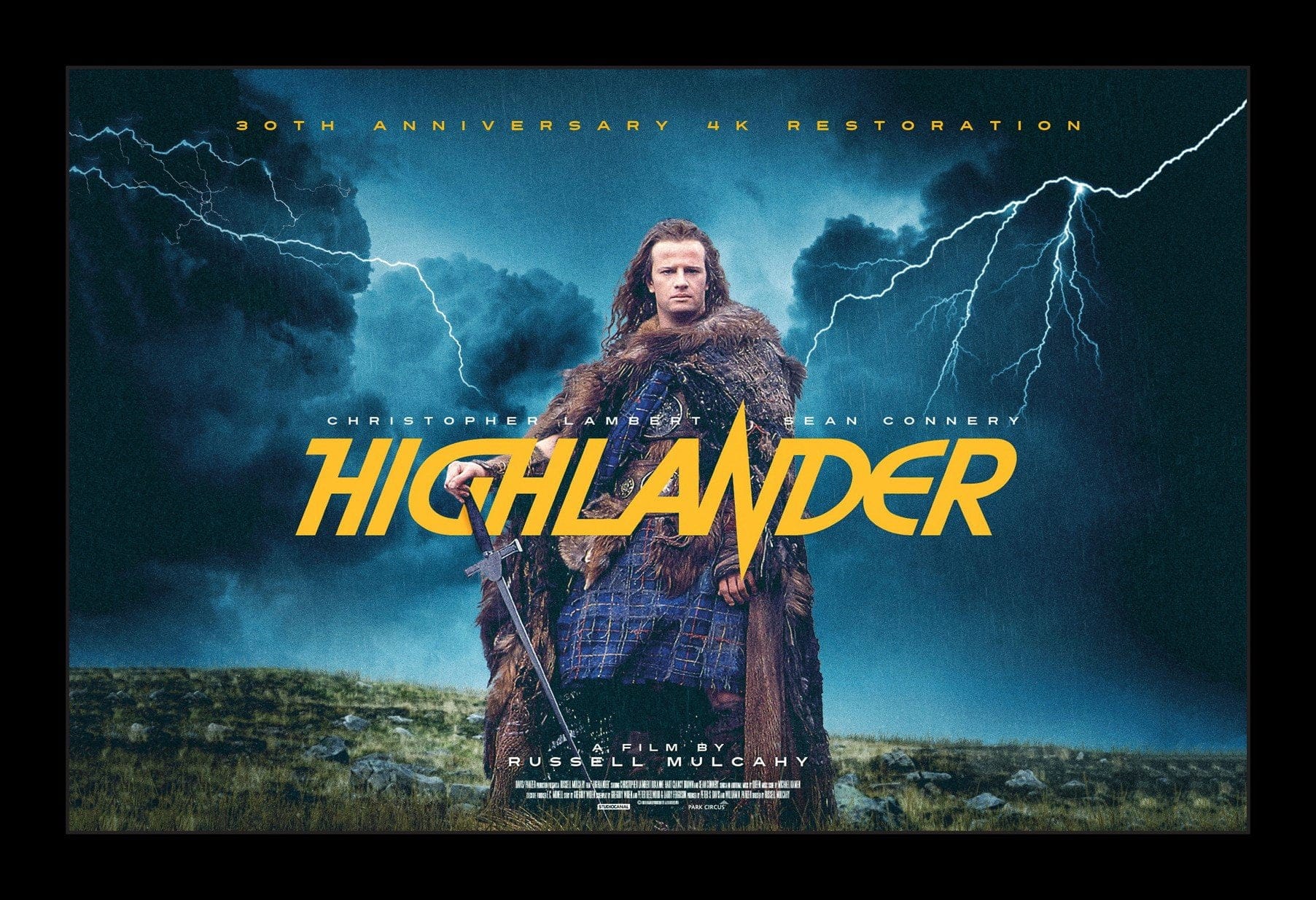
It does not pretend centuries of life automatically produce repair theory. It does not route the immortal through family accountability, institutional memory, civilizational stewardship, or careful field responsibility.
It says immortal people should cut each other’s heads off until only one remains.
This is not a good moral theory. It is, however, incredibly easy to audit, which is why I am including it.
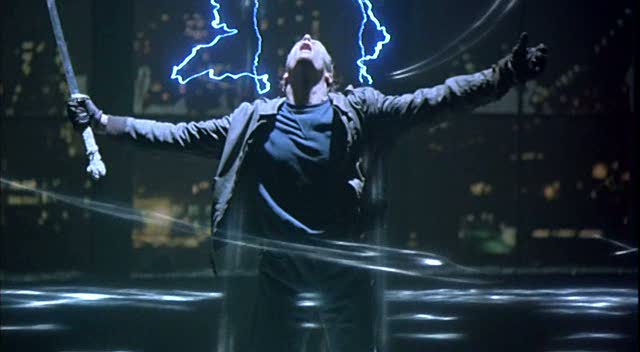
The immortals in Highlander live across history, hide among mortals, fight one another, decapitate one another, absorb power through the Quickening, and move toward the Prize under the famous rule: there can be only one.
So there are many problems here.
The first is obvious. Immortal loci are treated as being somehow mutually exclusive. The continued existence of one becomes structurally opposed to the continued existence of the others. The metaphysics itself creates a contraction game. Every immortal’s reachable future is narrowed by the existence of every other immortal, because the field just sort of says the game must reduce plurality to one.
This is just The One with swords and even worse recordkeeping.
The second problem is that immortality is stripped of any and all responsibility and transmuted into simple tournament logic. In The Man from Earth, immortality created the burden of witness, abandonment, reproduction, religious origin, and unmanaged memory. In Doctor Who, quasi-immortality creates intervention wake, companion harm, mythic dependency, and cosmic accountability. In Highlander, immortality creates a bracket.
That is stupid.
It is actually also useful. Because fiction often dresses metaphysical violence in destiny. The Prize is destiny. The Gathering is destiny. The rule is destiny. The swordfight is destiny. Once destiny appears, moral analysis is expected to shut the fuck up and admire the lightning.
Modal Path Ethics should not shut the fuck up.
If the field requires immortal loci to murder one another until only one remains, then the field is a contraction machine. The proper response to that is not reverence of the horribly designed machine. The proper response is to ask who the fuck built this ridiculous murder funnel and whether the immortals have any reachable path out of it.
Ruling:
Highlander takes the immortal witness problem, calls it a nerd, removes the witness part, adds competitive decapitation, and calls the resulting field contraction destiny.
That is the whole case.
Final Ruling: The Soul-Balm Machine in Our Extance
The fictional soul-balm machine exists because irreversibility hurts.
That is the sympathetic reading, and true. These stories are not popular because audiences are stupid. They are popular because the harm is real. People want the dead back. They want that lost path reopened. They want their failed parent to send one more message. They want their daughter to be reachable. They want the ruined future to be avoidable again. They want the self to survive the body. They want a mistake to become a branch instead of a verdict. They want the Doctor to arrive on the scene, or maybe Batman if unavailable.
Of course they do. Modal Path Ethics does not sneer at that.
The desire for metaphysical relief is one of the clearest signs that ordinary moral life is built under loss. We all live inside closing paths. We choose one life and lose many others. We hurt people, and cannot always repair them. We arrive too late. We understand too late too. We will become the kind of person who could have acted only after the moment for action has passed.
Fiction gives that pain machinery.
A multiverse. A loop. A clone. A ghost. A tesseract. A blue box. A sword tournament for lunatics.
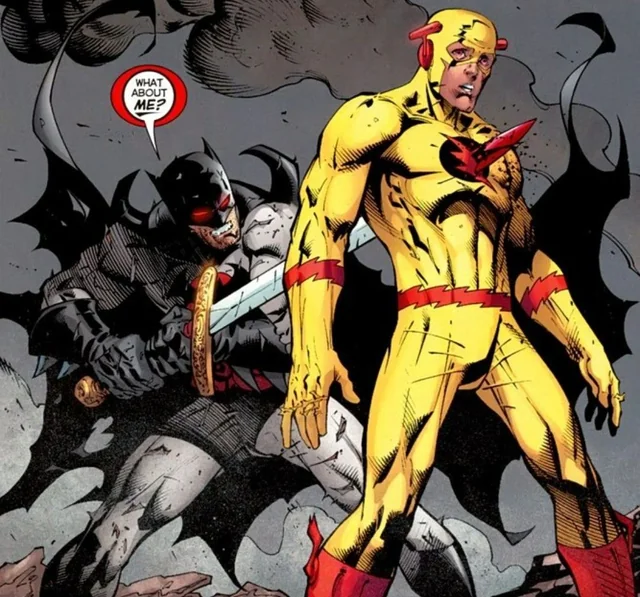
The danger is not that these machines comfort us.
It's that comfort can teach false field principles.
It can teach that other branches are less real because this one hurts. They are not.
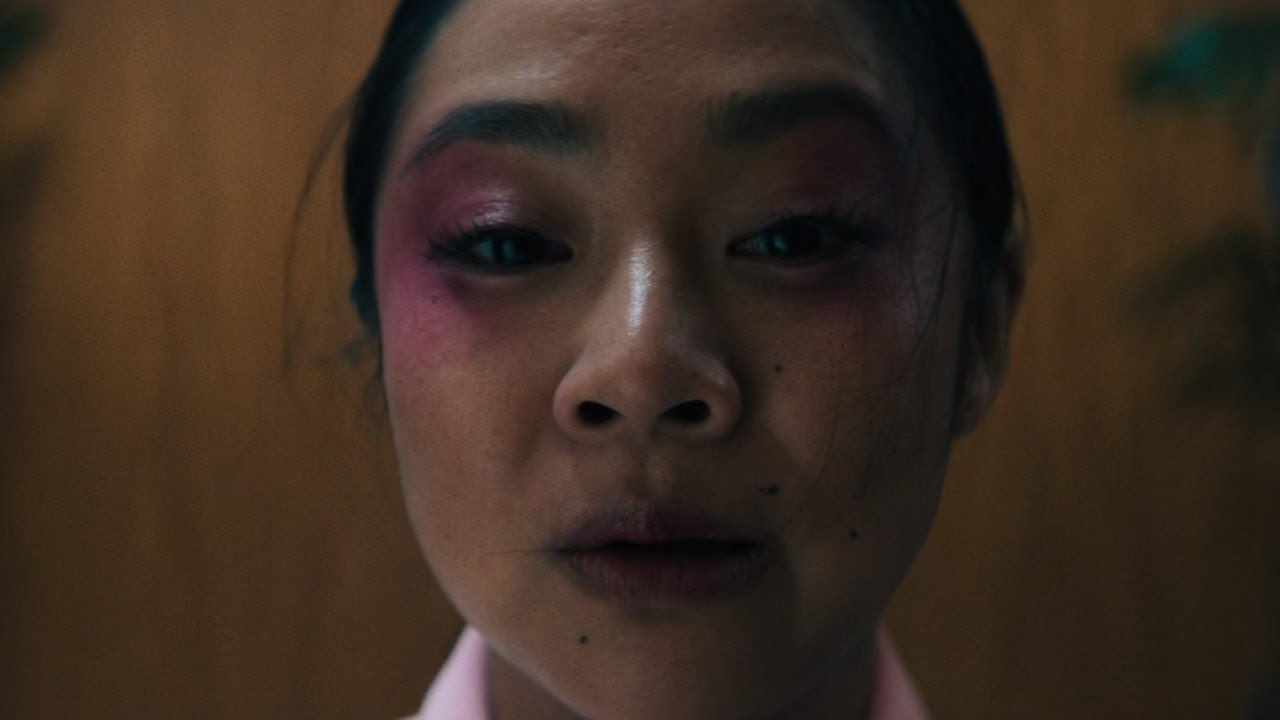
It can teach that alternate selves are spare inventory. They are not.
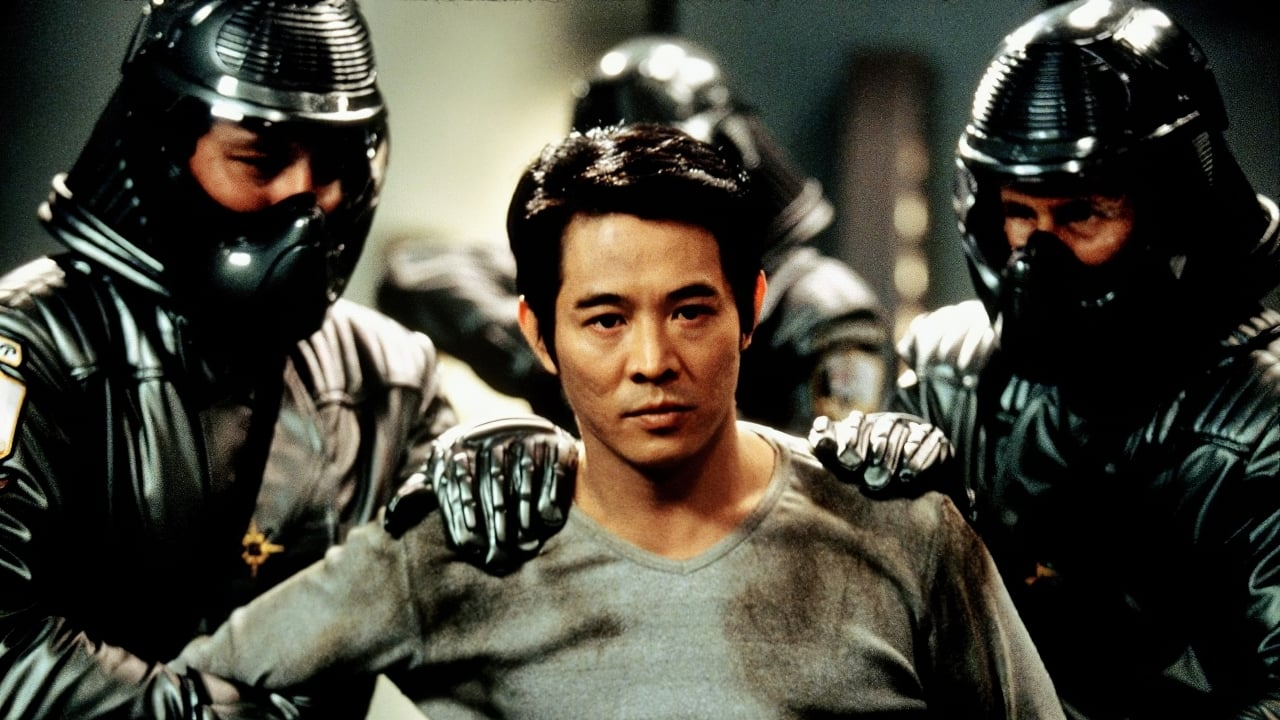
It can teach that a printed worker has not been harmed because the memories came back. Not good enough.
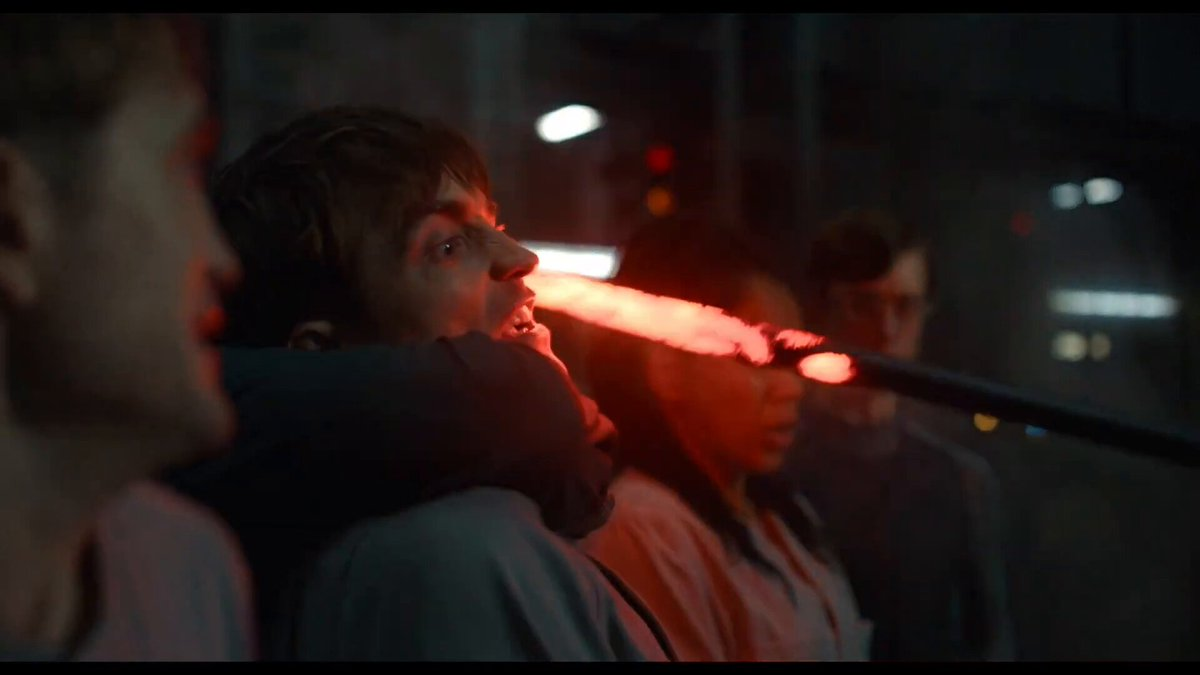
It can teach that a constructed world can be used because someone outside it calls it a simulation. Field status is not decided by the operator’s convenience.
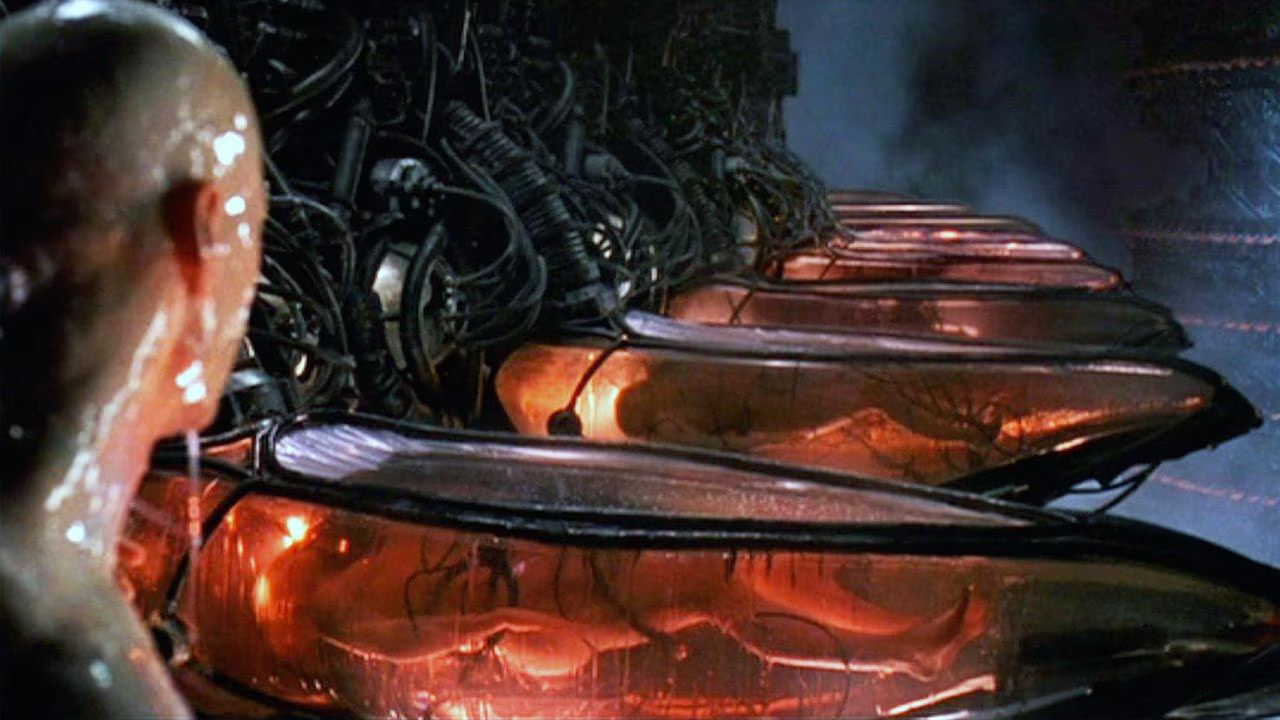
It can teach that sacrifice closes the account. It does not.
It can teach that killing the origin-locus is repair. Often it is panic.
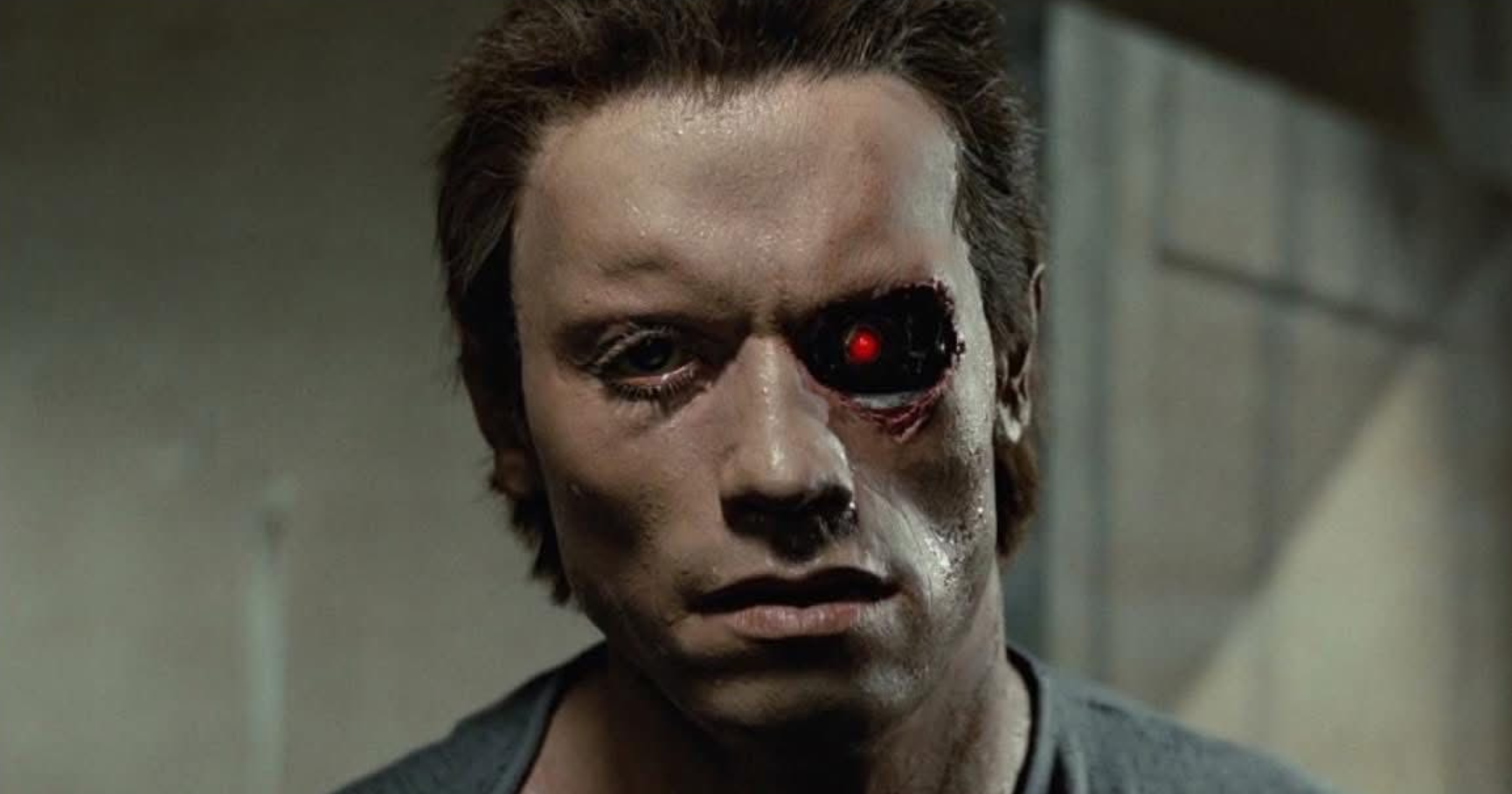
It can teach that apparent causelessness means structure has failed. It may mean the analyst has not yet found the larger field.
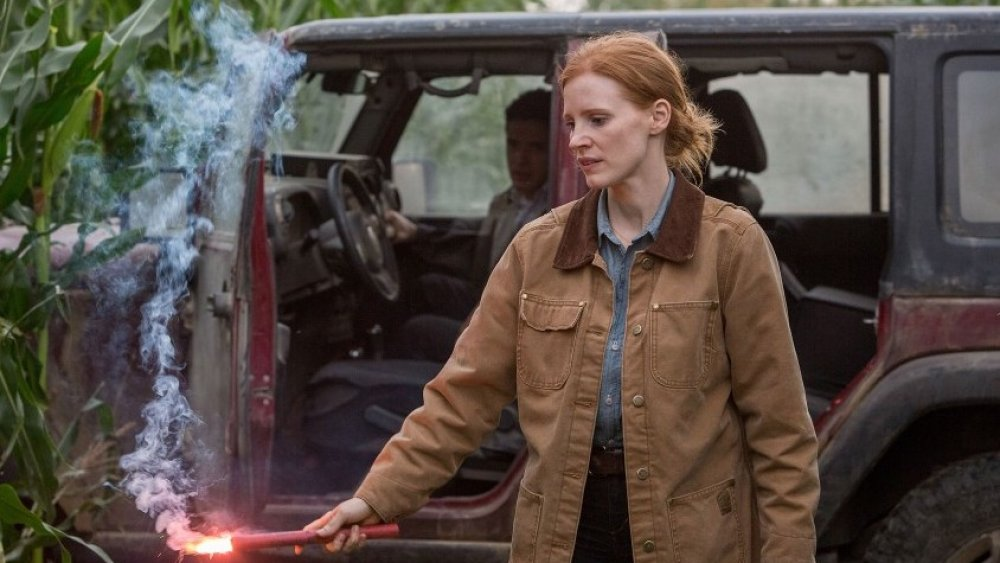
It can teach that immortality creates wisdom. Not without accountability.
It can teach that loops erase consequence. They may preserve harm until testimony becomes impossible.
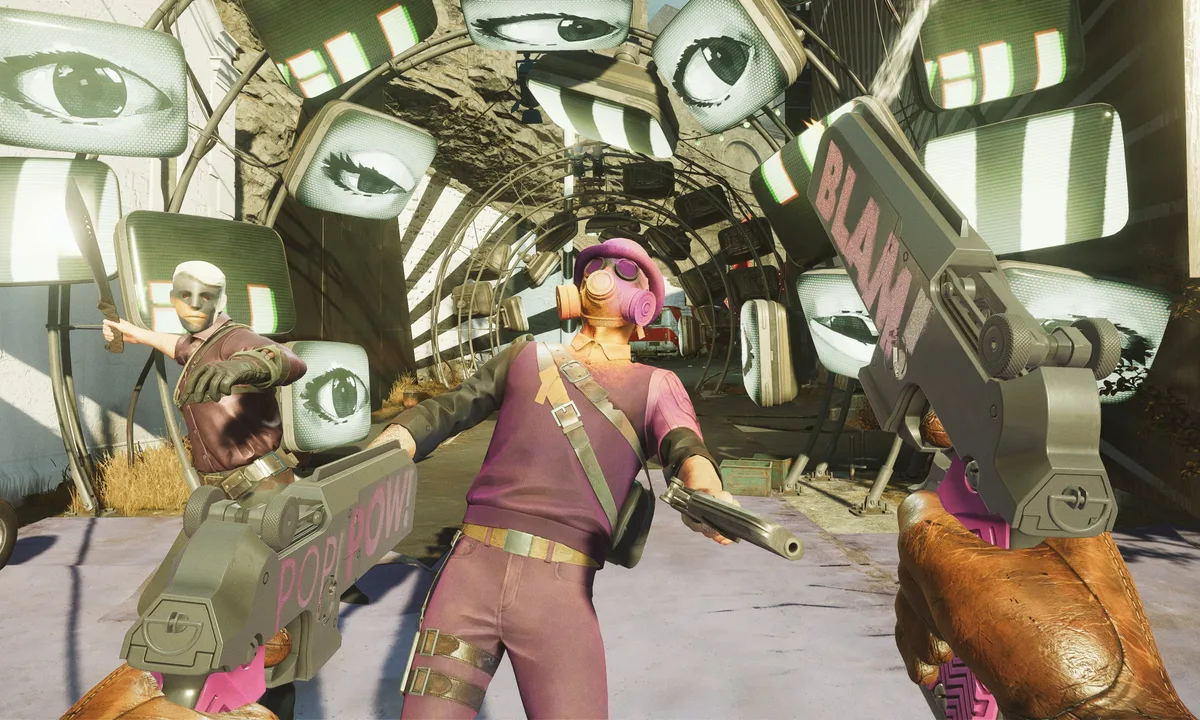
It can teach that metaphysical slogans are moral analysis. They are not.
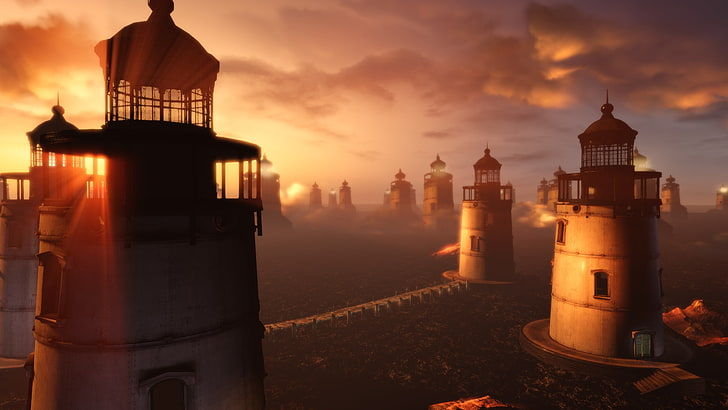
It can teach that repair arrives from outside the field in a beautiful impossible box.
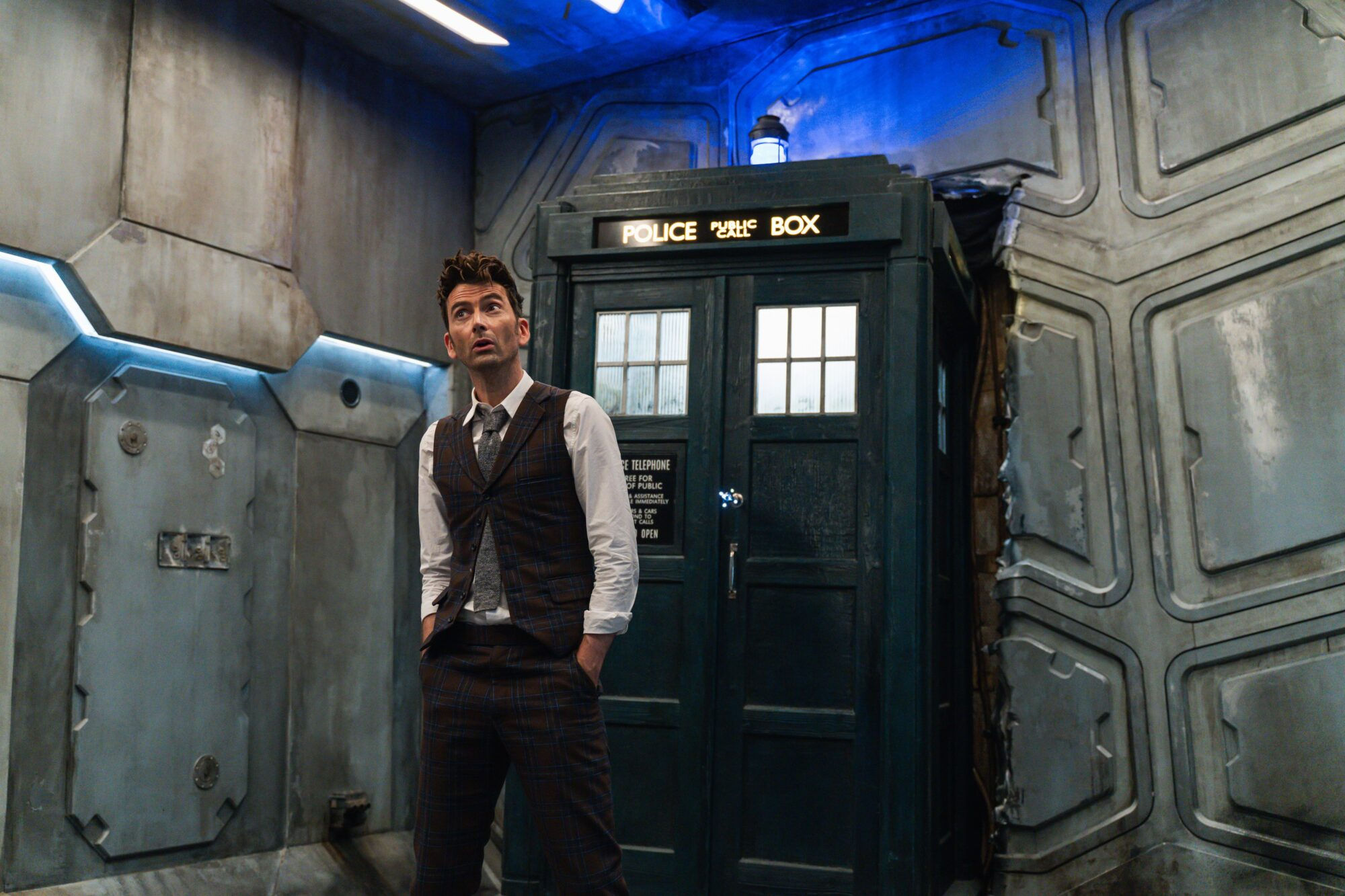
Sometimes, in fiction, it does.
In our extance, that is always a dangerous fantasy.
There is no Doctor coming. Or if something Doctor-like does arrive, like a genius, a leader, an institution, a technology, an artificial intelligence, a movement, a saint, a billionaire, a prophet, a revolutionary, or a field analyst with very good hair, then the first question should not be how grateful we feel now.
The first question should be what happens to the field if repair now depends on them.
The soul-balm machine is allowed to comfort us. Comfort can keep a locus from collapse. Stories can preserve and hone our moral imagination. A fictional trace can expand real reachable futures by giving people language for grief, repair, responsibility, and courage.
Fiction is not outside the field. Fiction acts.
But the ruling is still:
Weird metaphysics does not create moral exceptions. It just creates additional moral surfaces.
If a branch exists, it can now be harmed.
If a clone continues, the body still mattered.
If a loop resets, residue still counts.
If a future cause arrives late, the field was larger than the analyst knew.
If a child’s room becomes the repair node for a species, the child’s grief remains as central as it was to the plan in the final accounting.
If an immortal just wanders through history, memory and teaching without responsibility is not any real wisdom.
If a Doctor saves the world, the world still has to ask why it needed that Doctor.
The fictional soul-balm machine only really works as it does because it says irreversibility can be softened.
Modal Path Ethics replies: sometimes, inside fiction, yes. A path may reopen. A trace may survive. A future may curve backward. A body may be restored. A god may arrive. A world may get another pass.
But none of that makes the field disposable, in or out of fiction.
The other branch was real. The alternate self was real. The printed worker was real. The simulated passenger was real. The sacrificed boy was real. The abandoned daughter was real. The companion was real. The immortal’s children were real. The worlds saved by the Doctor were real, and so were the worlds made more dangerous by needing him.
Take the comfort if you need it. Keep the stories. Keep the TARDIS. Keep Waymond. Keep Murph’s watch. Keep the campfire at the end of the universe. Keep the impossible hope that some trace survives after the field closes. Even keep Jet Li.
But do not let the balm lie to you. Closed paths still mattered. Replacement is not repair. Continuity is not innocence. And irreversibility always hurts.