Applied Case: The Untouched Ocean
The probe is not the point.
Europa is not waiting for us.
Every bad argument about Europa begins by quietly replacing this moon with a stage. A stage for science and human wonder; the next frontier! A stage for proving that life exists elsewhere; that we are not alone! A stage for all the little heroic noises human beings always make when they have found something they do not own and are already rehearsing how to get in there.
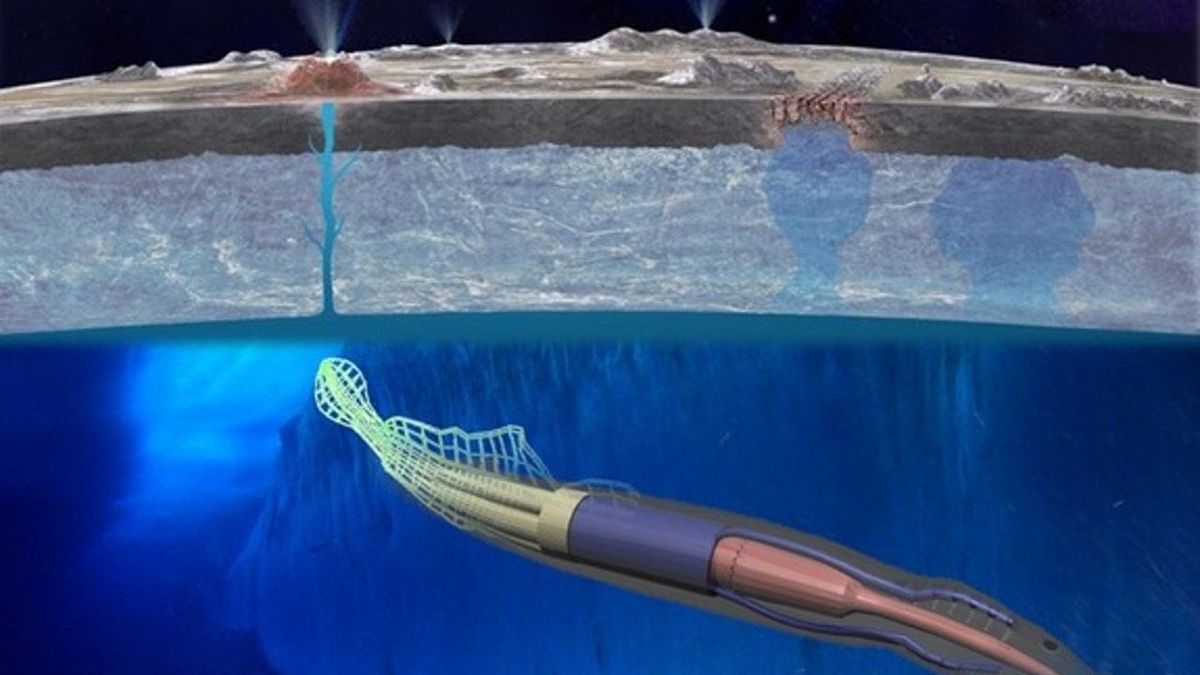
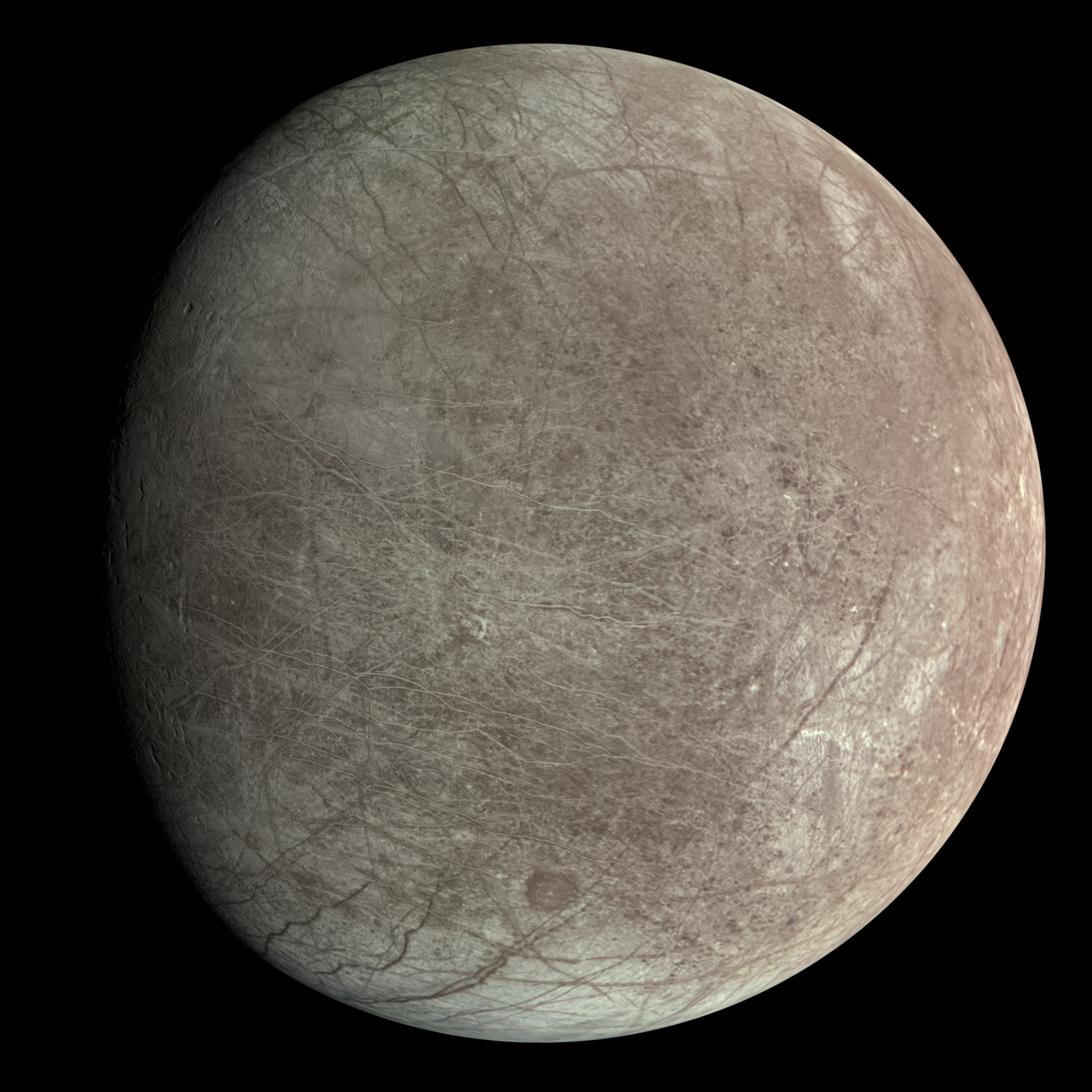
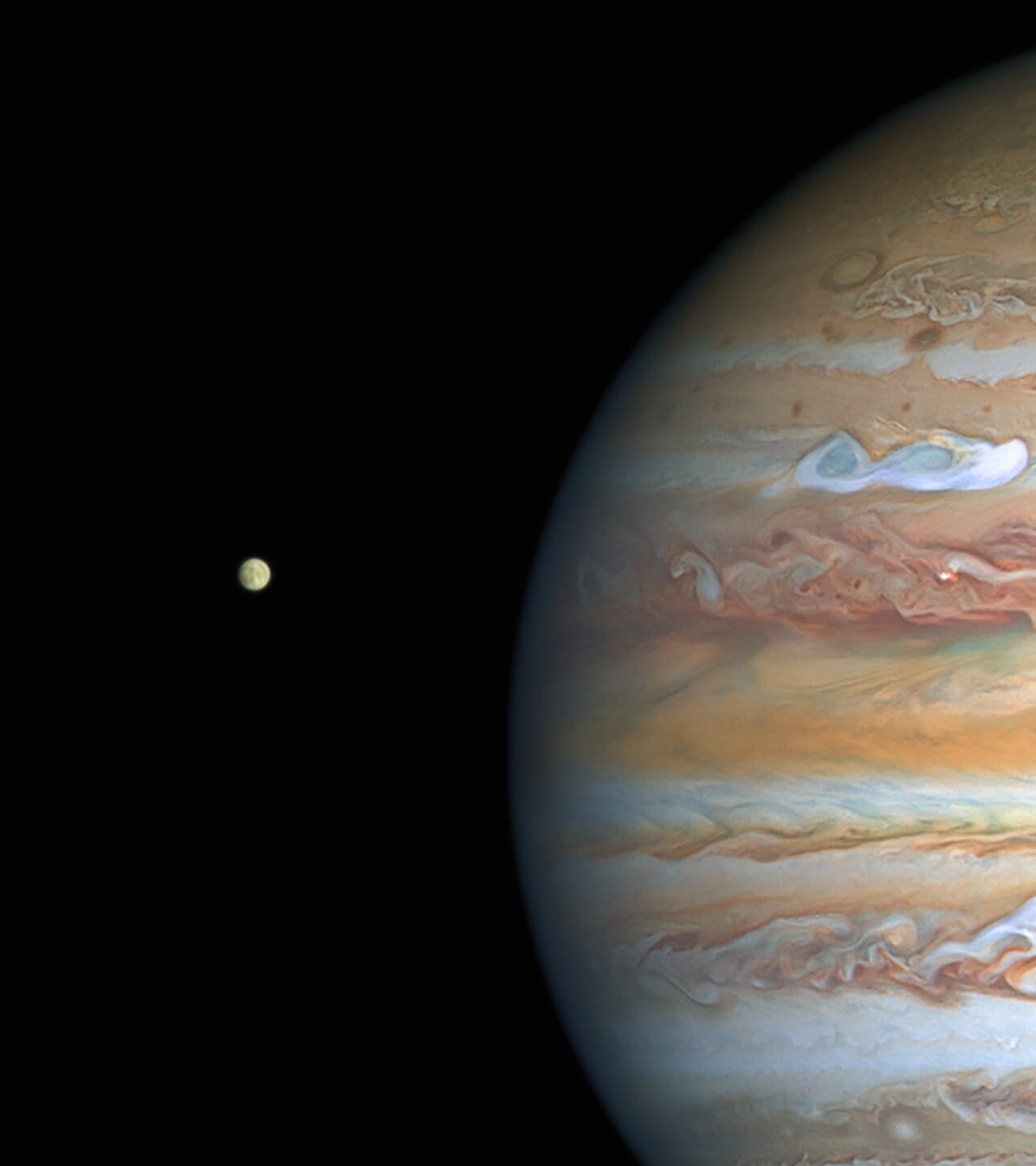
Europa is a moon of Jupiter. Beneath its ice is strong evidence for a salty ocean, possibly containing more than twice as much liquid water as all of Earth’s oceans combined. NASA’s Europa Clipper launched on October 14, 2024, is expected to reach Jupiter in April 2030, and is designed to orbit Jupiter while making 49 close flybys of Europa. Its stated objective is not to detect life directly, only to determine whether Europa has conditions suitable to support life.
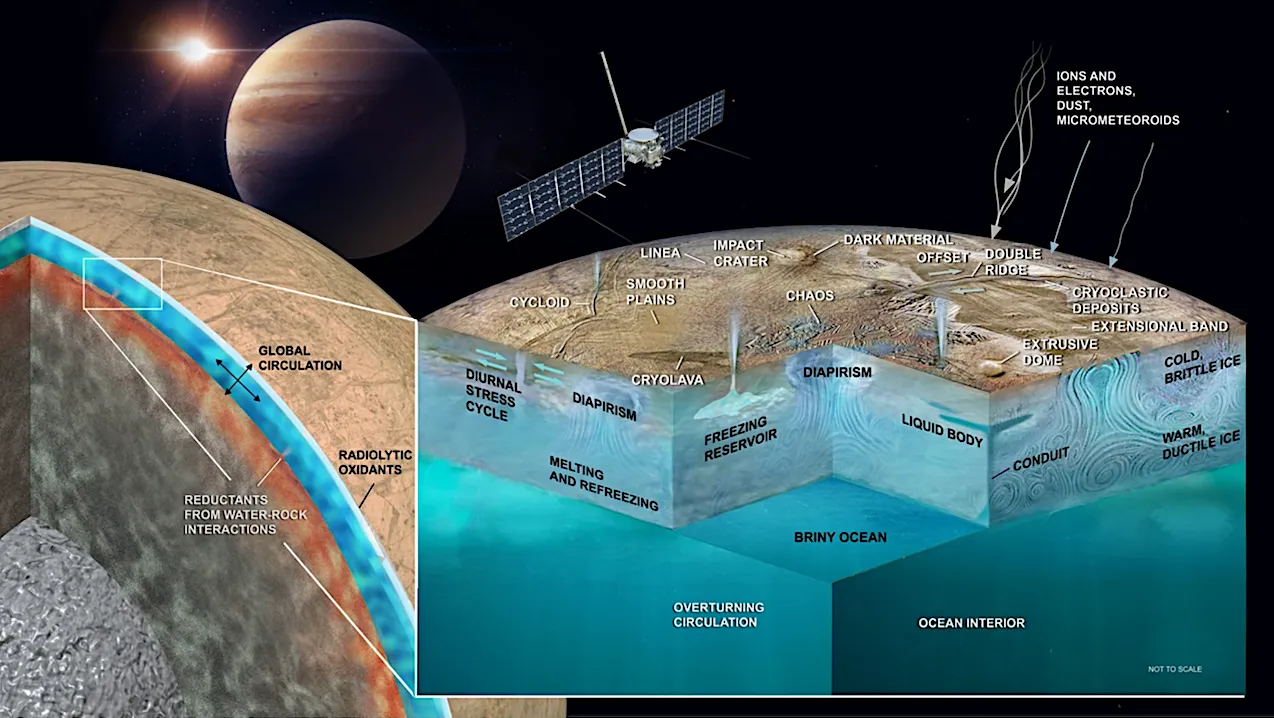
That is already enough for most people. An ocean? Under ice? Around Jupiter? Maybe habitable? Maybe alive? Maybe the first second genesis we ever find?
Cue the dramatic music.
Modal Path Ethics does not cue the music. Modal Path Ethics cuts your music off.
Modal Path Ethics slaps you in the face and asks: "what transition has just become reachable?"
The False Innocence of Curiosity.
The usual defense of Europa exploration is incredibly childish, though it is rarely treated as childish because it wears a lab coat.

"We are curious."
"Humanity wants to know."
"Science must push the frontier."
"Knowledge is good."
Hell no. This is childish nonsense.
Curiosity has no moral direction at all. It points everywhere, all at once. It points toward medicine and torture, astronomy and surveillance, conservation and extraction, patient fieldwork and vivisection. "Curiosity" is another appetite, not your moral compass.
Science alone also has no moral direction at all. Science is a method for learning about the world. It does not tell us which questions are worth answering, when they should be answered, what harms are justified in answering them, who inherits the answer, or what powers the answer creates. Science can reveal a pathogen’s structure. Science can also weaponize that structure. Science can map a forest to preserve it. Science can also map it so the road crews know exactly where to cut.
"Learning" itself also has no moral direction either. That is just not enough.
Learning is not Good just because it is learning. Under Modal Path Ethics, Good expands reachable future-space without causing harm. Better minimizes harm relative to available alternatives. Harm contracts reachable future-space for at least one extant locus.
“We learned something” does not answer any of those questions. It only tells us that one field became more legible to another.

That can be good. It can also be the first act of possession.
Europa makes this unavoidable because the first serious human intervention here may not be a drill, lander, cryobot, microbe, or machine sinking into the ice. The first serious intervention may be the production of knowledge about Europa itself.
To learn Europa is not only to describe Europa. To learn Europa is to actively change what Earth can do to Europa.
The Probe Is Not the Point.
Europa Clipper is not a drill. It is not a lander. It is not melting through the ice. It is not sampling the ocean directly. It carries nine science instruments and a gravity/radio science experiment; those instruments are meant to study the ice shell, surface, composition, geology, possible activity such as plumes, and the relation between the surface and whatever lies below. NASA’s own instrument summary states that the spacecraft does not have life-seeking instruments and must first determine ice-shell thickness, ocean-surface interaction, composition, and signs of recent activity.
Great. The current mission is not a cartoon invasion. It is not Earth stabbing a straw into the ocean and slurping the first delicious taste of alien broth. Planetary protection is also not absent. JPL describes Europa Clipper’s cleanliness requirements as addressing both biological cleanliness and the need not to contaminate Europa’s ocean with Earth microbes; the spacecraft was assembled under strict clean-room conditions, and JPL estimated at launch that it carried fewer than 350,000 bacterial spores.
Cool. This is not the deepest problem.
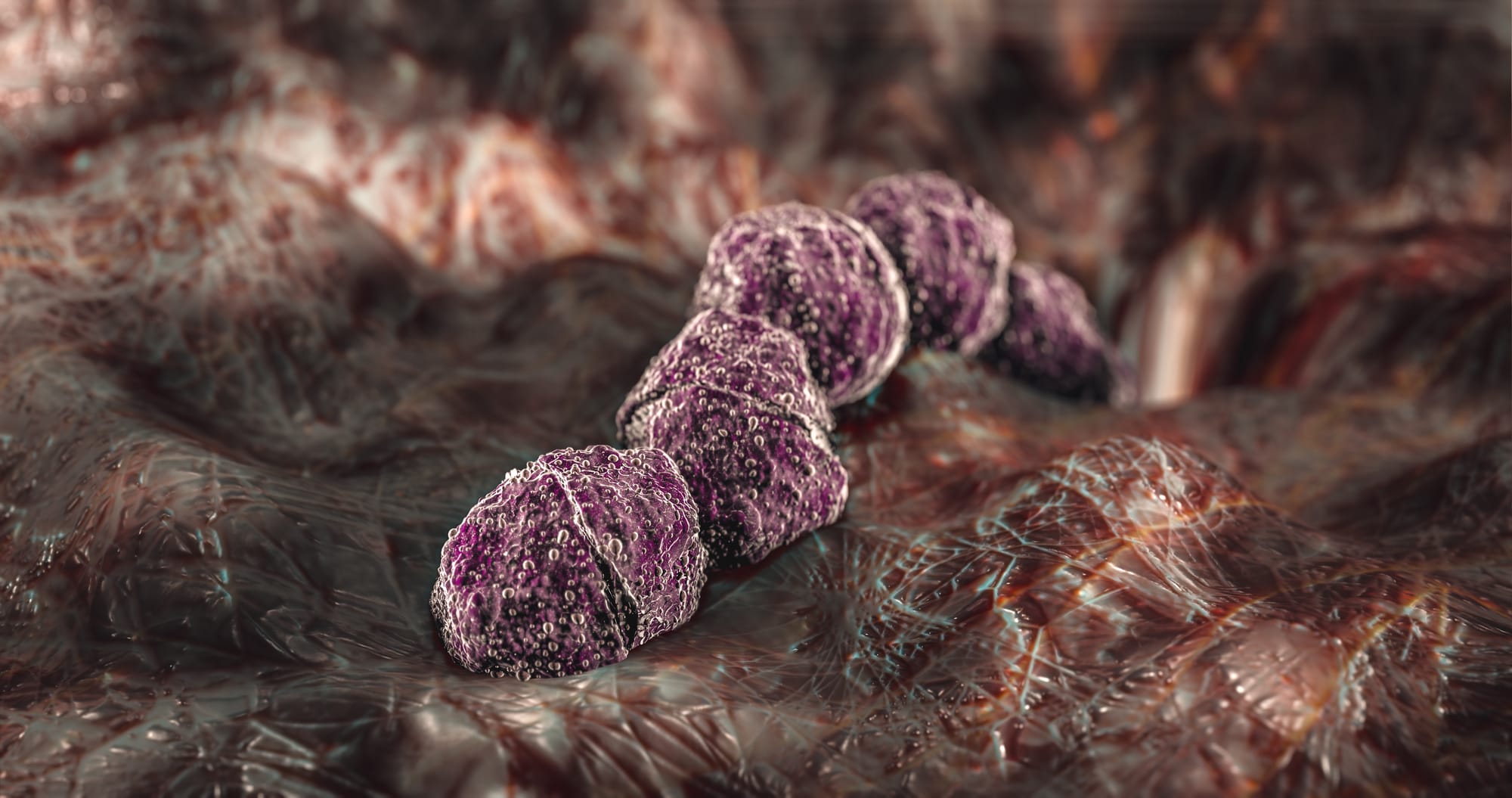
Classical contamination is real. Earth microbes do matter. So do organic residues and spacecraft debris. JPL is right to care about them. But Modal Path Ethics does not stop analysis at classical contamination. The harder problem is this:
The probe does not need to touch the ocean to expose the ocean.
A world becomes vulnerable when it becomes targetable.
That is the Europa case.
The Burden of Legibility.
Legibility is never free.
A field becomes legible when another field can read it, model it, locate its sensitive structures, predict its changes, identify its thresholds, and lower the resistance to acting on it.
That is not morally neutral. At all.
A map is not just a picture. A map is a machine for lowering resistance. It tells power where to go. It tells ambition where to gather. It tells institutions what to fund. It tells engineers what to solve. It tells politicians what to promise. It tells billionaires where to point their vanity. It tells future administrations which button has already been labeled.
The map may definitely be made by careful people.
The map will definitely not stay with the careful.

This is the part polite science rhetoric usually avoids. Knowledge, once produced, travels. It is now portable. It can be copied, leaked, summarized, repackaged, politicized, commercialized, militarized, mythologized, or inherited by worse hands. The original scientists may intend all the restraint in the world.
The future contractor does not inherit that restraint. The future administration does not inherit that restraint. The future private mission does not inherit that restraint. The future cult with a launch partner and a theology of “spreading life” does not inherit that restraint.
The map does not care who uses it.

So the Modal Path Ethics question is not:
Is this act of mapping physically intrusive?
The real question is:
What does this map make reachable, and who can use that reachability once it exists?
Europa’s danger is not only that Earth life might contaminate the ocean. The danger is that Earth knowledge might convert the ocean into an actionable target before Earth has any right to act.
Level One Knowledge.
Not all knowledge is equally dangerous.

There is a defensible class of Europa knowledge: broad world-orientation knowledge.
Does Europa have a global ocean? Is the ocean long-lived? Is the ice shell thick or thin in broad terms? Is there surface-ocean exchange at all? Is Europa chemically active? Is it meaningfully habitable? What class of planetary protection does it require? What sorts of missions are obviously too dangerous? What do we need to know to avoid doing something stupid?
This kind of knowledge can plausibly expand reachable future-space. It can improve protection. It can correct our fantasies. It can prevent reckless mission design. It can help Earth understand that Europa is not blank ice. It can teach restraint.
This is Level One.
Level One knowledge asks:
What kind of locus is Europa, and what obligations follow from that?
That can be defended.
Not automatically, though! Not because “science.” Not because “curiosity.” Because broad orientation may be necessary to protect Europa from worse paths already reachable from present ignorance.
Ignorance is not sacred. Ignorance can abandon a field. Ignorance can let fools pretend a field is empty. Ignorance can leave a possible sanctuary unmarked until someone drives straight through it.
Modal Path Ethics is not anti-knowledge. It is, however, anti-entitlement.
Beyond Level One.
The moral field here changes greatly when knowledge becomes sensitive-zone knowledge.
Where is the ice thinnest?
Where is the warmest region?
Where is the freshest exchanged material?
Where are possible plumes?
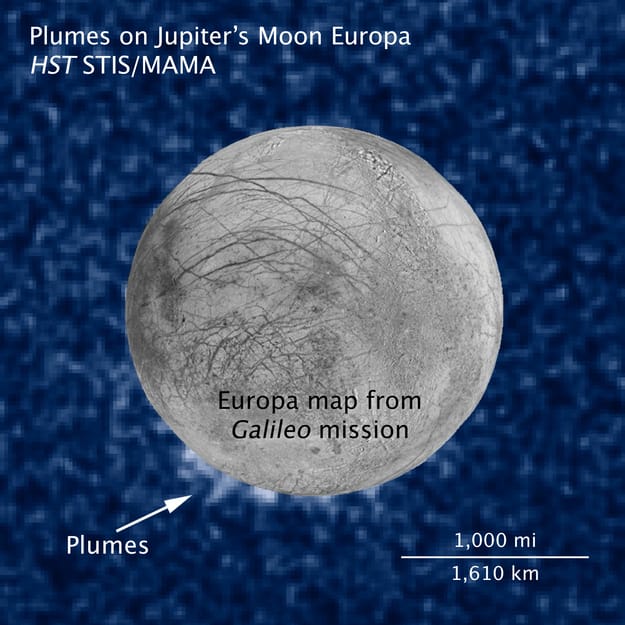
Where are the most chemically interesting deposits?
Where is ocean-derived material most accessible?
Where might biosignatures be preserved?
Where could a lander safely arrive near the most valuable site?
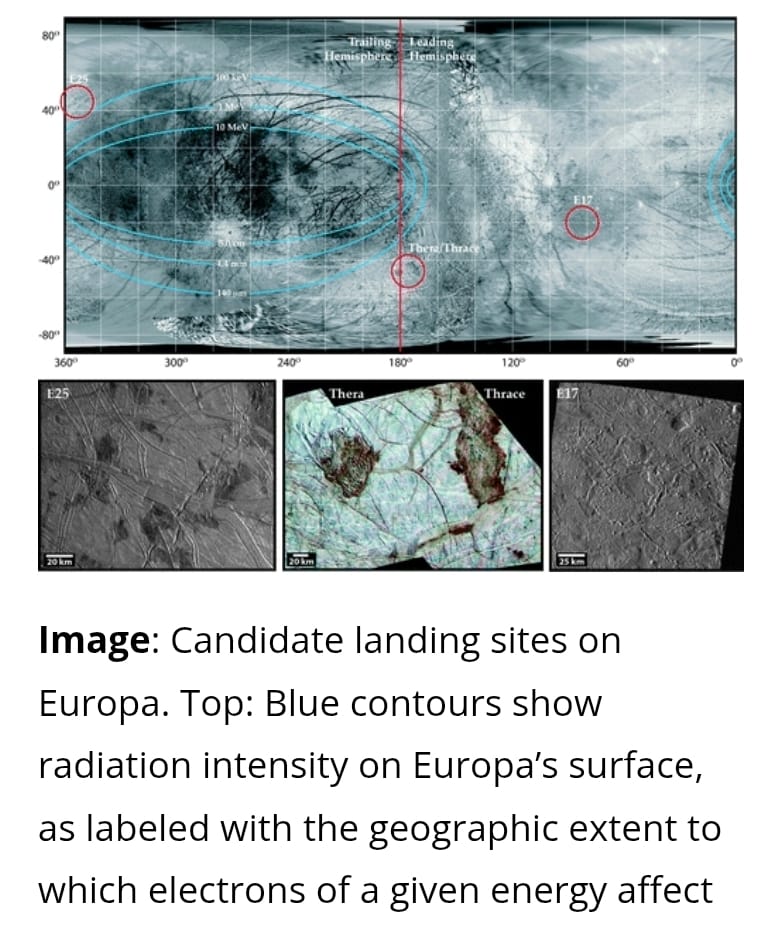
Where could a future cryobot enter?
Where should the first sample be taken?
These questions are exciting. That is not any kind of defense.
Excitement is not a moral direction either. It is what mammals feel when a path lights up.
Above Level One, Europa knowledge begins to turn quickly from orientation into exposure. It no longer just tells Earth what Europa is. It tells Earth where to go.
That is a dangerous threshold to be crossing this casually.
The most scientifically valuable region may also be the most morally protected region. This reverses the normal exploration impulse. Normal frontier logic says: if the place is interesting, target it. Modal Path Ethics slaps you again, then says: if the place is interesting because it may hold the most fragile, revealing, or independent transitions, then its moral burden increases.
Value does not create permission. It creates burden.
A possible ocean-exchange region is not “the best landing site” because it is the most scientifically revealing. That may be exactly the place Earth has the least right to be touching because you are so "curious". A possible plume source is not “free sample material” just because Europa throws it upward. Taking that may be an active interface in a field we do not yet understand at all. A chemically rich region is not your little prize. It is actually a warning.
The first good map of Europa should be a map of research prohibitions.
The Knowledge Will Not Stay With the Careful.
Here is the objection to every soft version of this argument:
Just map responsibly.
This is total nonsense unless the field eventually contains institutions strong enough to keep the map from becoming an entry plan.
Earth does not have those institutions. Don't be ridiculous.
Politics flips. Budgets flip. Agencies change. Private actors appear. National prestige mutates. A future government decides the old caution was cowardice. A future company sells “ocean access architecture.” A future billionaire wants to be the first human cause of a second genesis. A future religious movement wants to seed the waters.
A future emergency declares that scientific restraint is a luxury. A future public, well-trained by decades of this “frontier” language, demands the next step because “we have already come this far.”
The people who create exposure-grade knowledge can say they do not intend exploitation. They clearly cannot say they have prevented it.
Under Modal Path Ethics, the moral burden belongs not only to the immediate act. We are also looking at what transitions this act makes reachable. If learning Level Two or Level Three details makes exploitation, intrusion, sampling, drilling, seeding, prestige capture, or institutional lock-in more reachable, then the act of learning clearly carries part of that burden.
Not all of it. Causation is not that simple. But enough of it that “we only wanted to know” is morally dead on arrival.
The child says:
I wanted to see what would happen!
The adult asks:
What did seeing make possible?
Science Is Not Our Sovereign.
This is where the article now has to be a little rude to science, because this sophisticated style of idiocy has caused enough damage already.
Science is not sovereign.
Science does not, in fact, get automatic jurisdiction over every field it can make legible. The fact that a question can be formulated scientifically does not mean it should be answered now, by us, at maximum resolution, by the cheapest available transition, under institutions that cannot hold the consequences. Science is certainly not floating above the field in some fortress of intellect.
“Can we know?” is not the same question as “may we know?”
“Would this be interesting to know?” is not the same question as “would knowing this be Better?”
“Could this change humanity’s understanding of life?” is not the same question as “what reachable futures will this knowledge contract?”
Curiosity and science are often treated as if they purify the path. They absolutely do not. They can motivate repair, medicine, protection, humility, and truth.
They can also motivate trespass, vivisection, extraction, surveillance, weapons, contamination, and conquest. The direction of science and curiosity is always supplied by the field around them.
Curiosity without moral direction is just appetite with a telescope. Science without moral direction is a method in search of its master. Learning without moral direction is called legibility production.
None of these is Good by default.
Access-Grade Knowledge.
There is a further threshold beyond sensitive-zone knowledge.
Access-grade knowledge identifies not only what is important, but how to reach it.
This includes combined knowledge of landing safety, terrain, ice thickness, thermal conditions, fracture mechanics, plume timing, likely ocean exchange, sample value, contamination pathways, mission architecture, and engineering feasibility.
At this point, pretending we are “just learning” becomes deeply dishonest.
Access-grade knowledge is not preliminary to intrusion. Access-grade knowledge is intrusion’s skeleton.
The drill has not touched the ice, but the field has already been reorganized around preparing for the drill. Contractors can now scope the mission. Agencies can now write the decadal language. Politicians can now point to the target. Media can now sell the story. Engineers can now solve the access problem.
The ocean has just been recruited into Earth’s project before the ocean has been entered at all.
The moral threshold is crossed well before the machine arrives. It is crossed when the map becomes our access machine.
From actual extance, as it stands today, anything above Level One on Europa is very, very difficult to defend. Not impossible in every conceivable scenario. Modal Path Ethics does not need cartoon absolutism. But the burden here is severe.
A valid defense would need so much more than someone's curiosity. More than “frontier.” More than “humanity has always explored.” More than “science is good.” More than “someone will eventually do it anyway.” More than “we already spent the money.” More than “this will inspire people.” More than “we might find life.”
A valid defense for anything above Level One would need to show that learning at that resolution right now prevents, repairs, or meaningfully reduces a current reachable harm, and that the same protection cannot be achieved through lower-resolution knowledge.
That is a much harder standard to meet.
What Could Justify More?
Modal Path Ethics does not pretend that no higher-resolution knowledge could ever be justified. There are possible cases.
If Level Two knowledge is necessary to prevent a worse mission already being planned, then learning may be justified as defense.
If identifying sensitive regions allows Earth to designate protected zones and block access-grade exploitation, then learning may be justified as sanctuary construction.
If a natural or human-caused threat would soon destroy an irreplaceable record, limited study might be justified as preservation.
If a proposed mission falsely claims low risk, targeted knowledge might be justified to expose the danger.
If a minimal observation can generally raise the burden against intrusion more than it lowers the resistance toward intrusion, then it may be Better.
But that is the standard:
Does this knowledge protect Europa more than it exposes Europa?
If the answer is no, then do not make the knowledge yet. Knowledge is active.
The Current Mission.
Europa Clipper is already launched. It is not hypothetical. No bringing that one back. The question is no longer whether Earth should begin approaching Europa. Earth is already on the way.
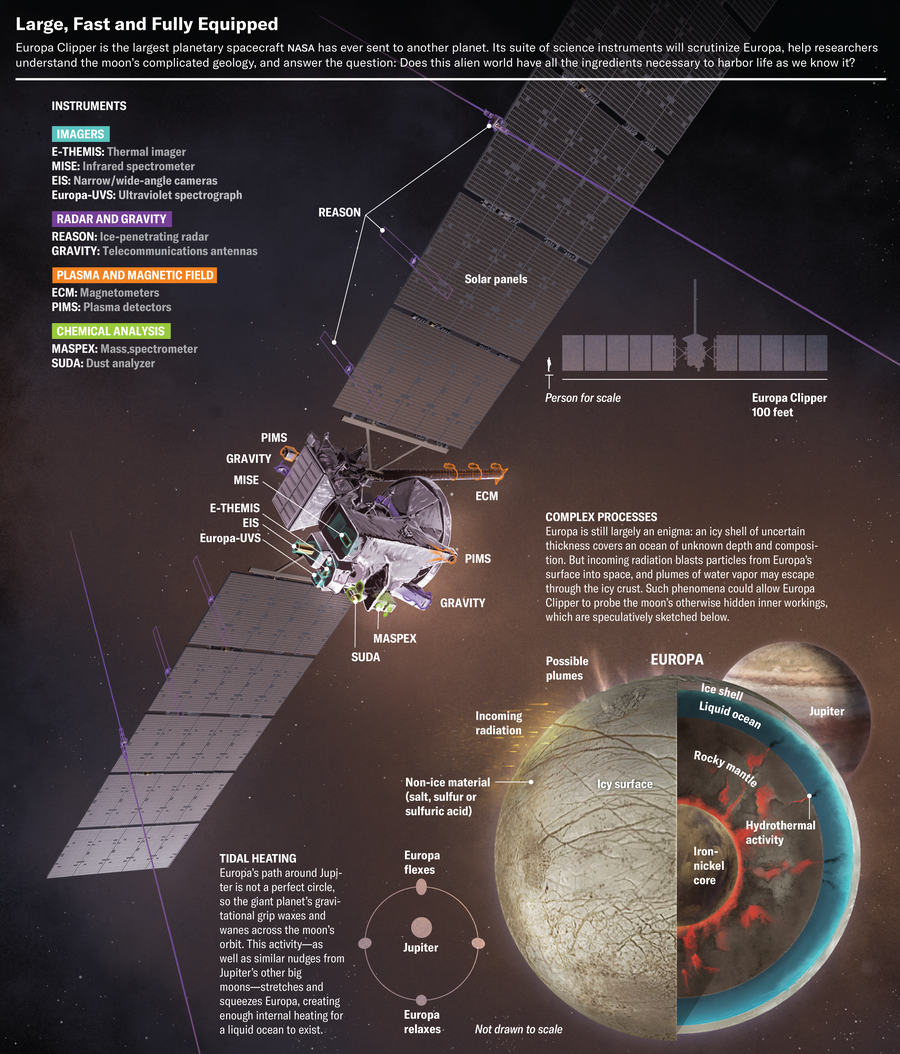
Clipper can be defended only insofar as it remains oriented toward Level One world-understanding and protection-grade legibility: determining whether Europa is a habitable kind of locus, what broad obligations then follow, and which future interventions become more burdened because of what we learn.
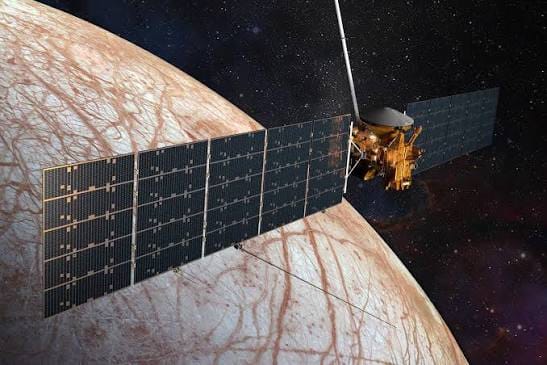
But Clipper also sits very near the edge of danger, because its science goals include precisely the kinds of knowledge that can become target selection: ice-shell structure, ocean-surface interaction, composition, geology, and possible recent activity. NASA describes the mission’s main science goal as determining whether places below Europa’s surface could support life; its instruments are designed to layer measurements and images into a fuller picture of Europa.
That knowledge can protect, but that knowledge can also easily expose.
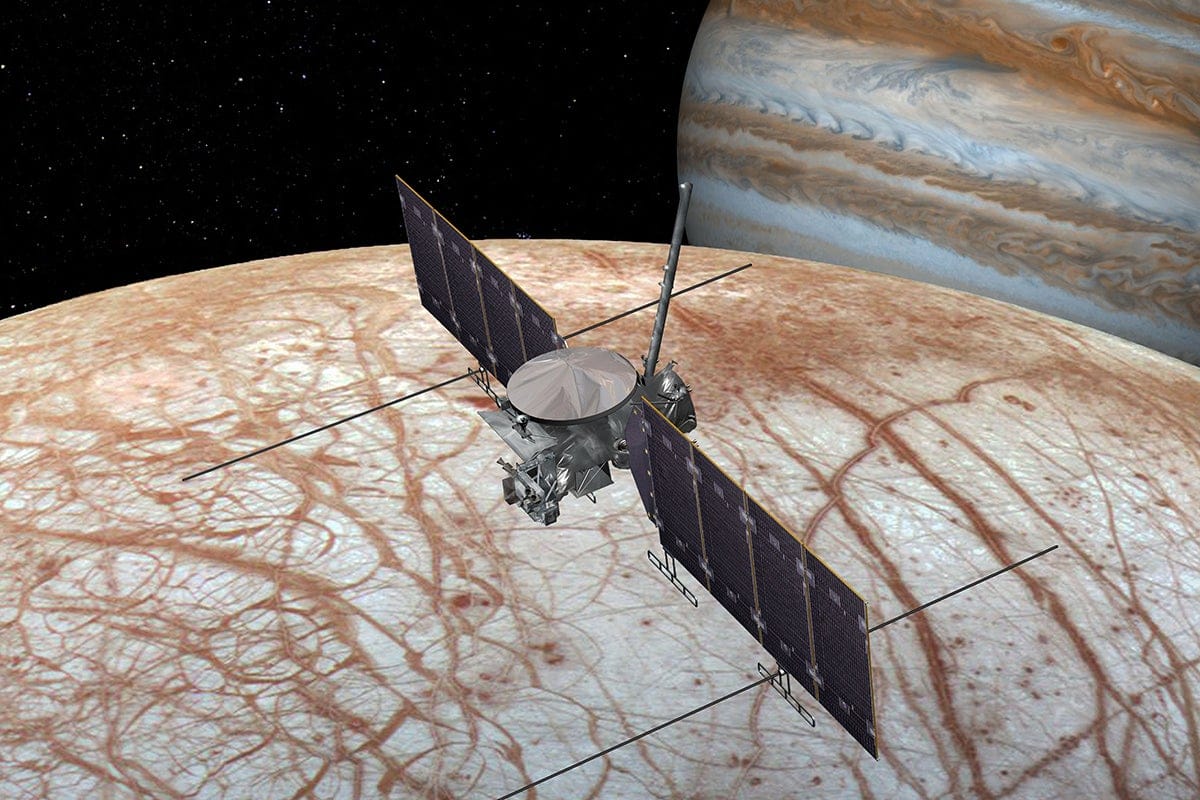
The moral status of the mission does not end at data collection. It continues onward into data use, publication, institutional framing, next-mission planning, and the political imagination built around the results.
If the first great map of Europa becomes our shopping list for future entry, then Earth has failed the field.
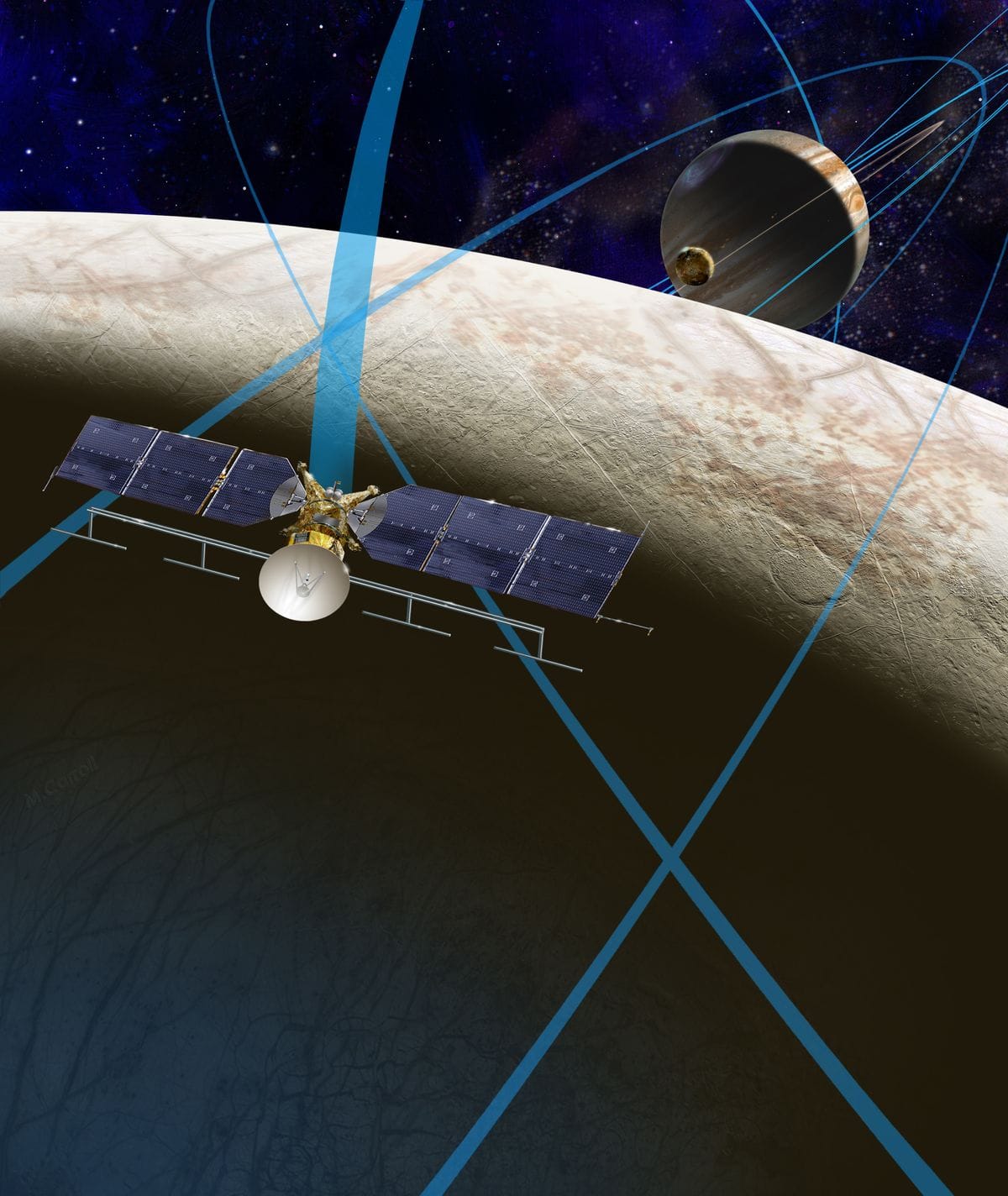
If the first great map of Europa becomes our map of burdens, prohibitions, sanctuary zones, and reasons to slow the hell down, then Earth may have done something closer to Better.
The same image can belong to different transitions. Modal Path Ethics judges the transition directly.
"The Frontier" != an Argument.
“Frontier” language should make anyone deeply suspicious.
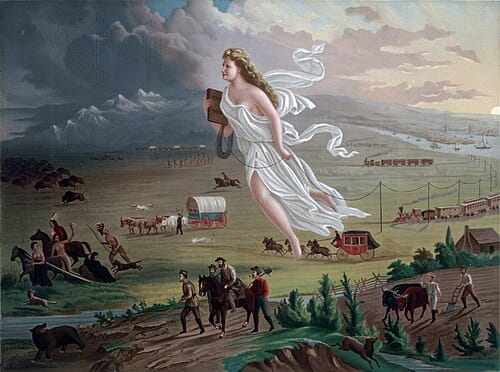
The frontier has always been a convenient word for converting someone else’s field into our opportunity for all of human history. Sometimes the “someone” is a people. Sometimes it is a forest. Sometimes it is an animal population.
Sometimes it is a mineral basin. Sometimes it is an atmosphere. Sometimes, it is a moon no one can yet speak for, which makes the conversion easier because no one ever interrupts the speech.
Europa is not our frontier. Europa is an extant locus.
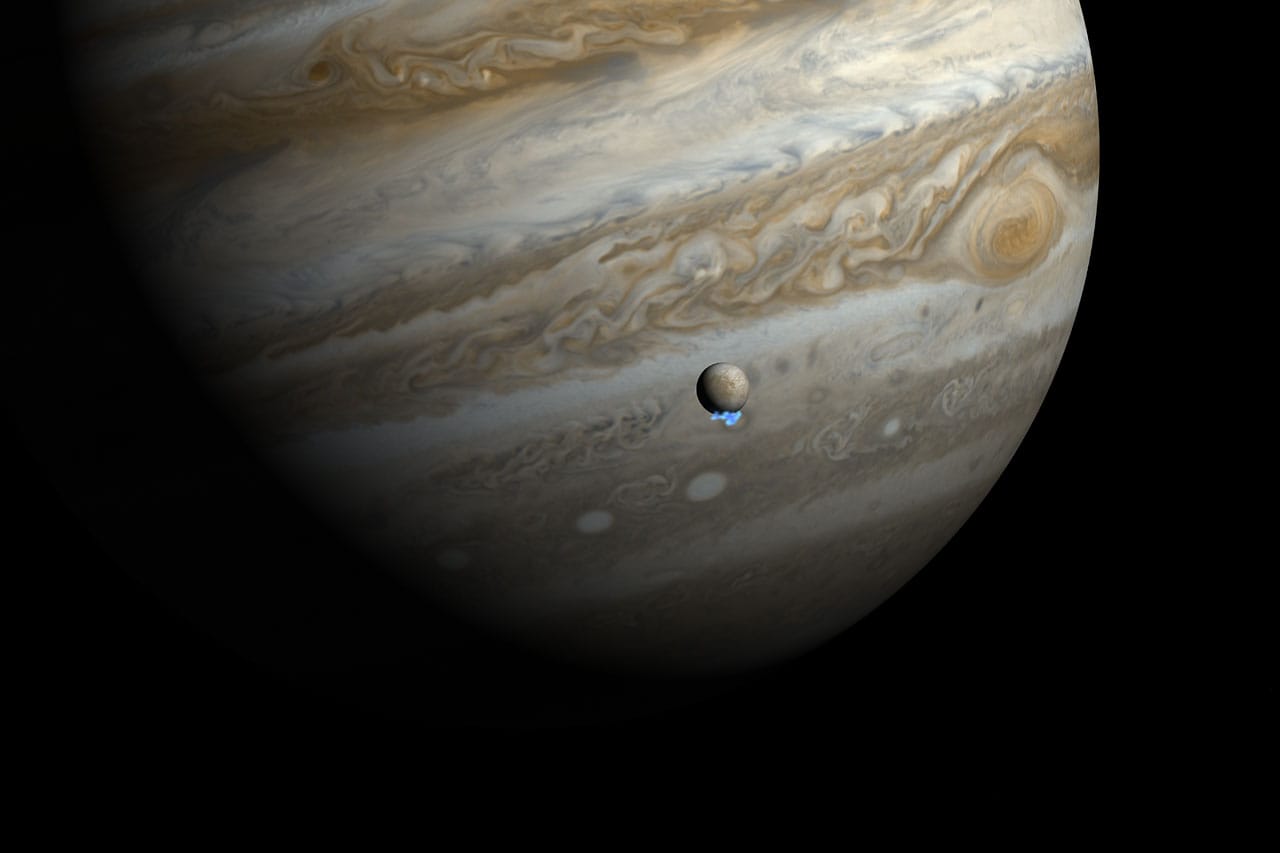
It may be alive. It may be prebiotic. It may be sterile. It may be chemically rich but biologically empty. It may turn out to be much less promising than we currently hope. It may be more fragile than we can currently model. It may contain no organism at all and still preserve a natural record that Earth has no right to corrupt for the sake of our own applause.
The moral question is not whether Europa contains a creature that can object to us. The question is whether Earth can contract Europa’s reachable future-space.
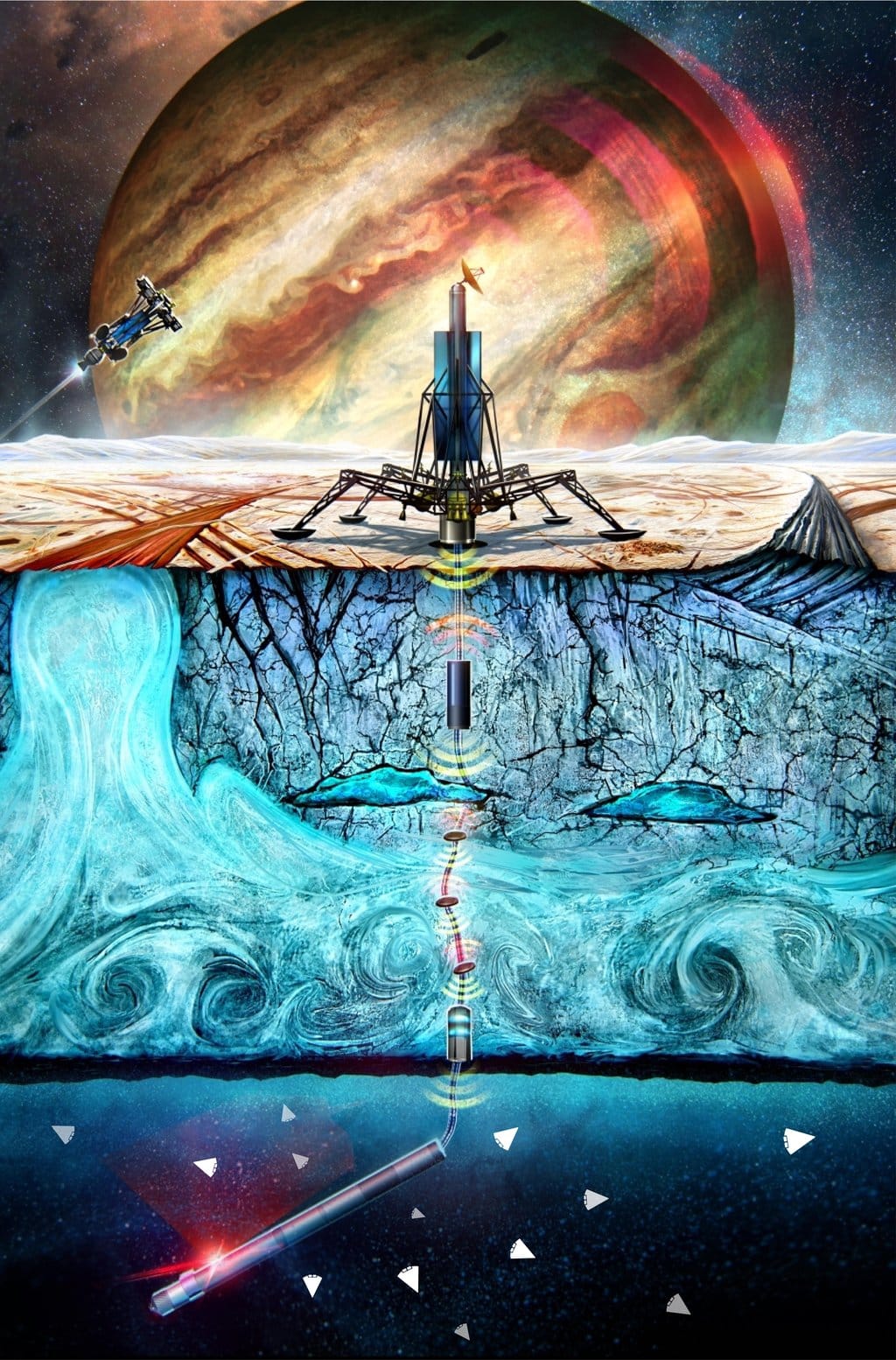
It clearly can. Therefore the burden exists.
The Untouched Ocean.
The phrase “untouched ocean” does not mean no photon has crossed it, no radiation has altered it, no crack has opened above it, no internal process has changed it.
Europa is not static. It is not some museum piece sealed under glass. NASA’s science framing explicitly concerns Europa’s ice shell, ocean interactions, composition, geology, and possible activity. This field is active.
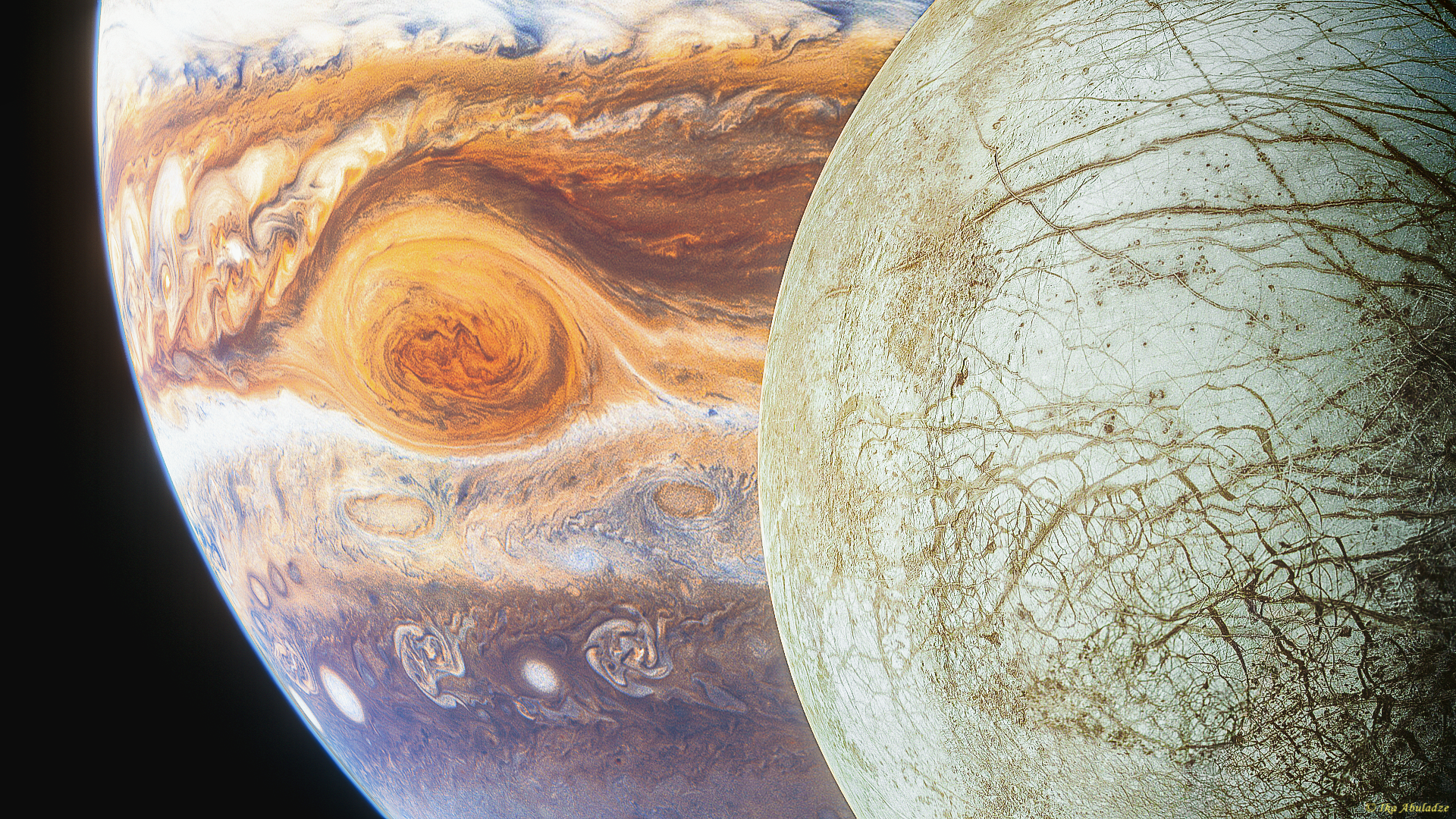
But a field changing itself is not at all permission for another field to come overwrite it. A storm can rearrange a forest. That does not license arson. A river can flood a valley. That does not license poisoning it.
Europa can cycle, crack, irradiate, exchange, freeze, melt, plume, or remain stubbornly opaque. Those are all Europa’s transitions.
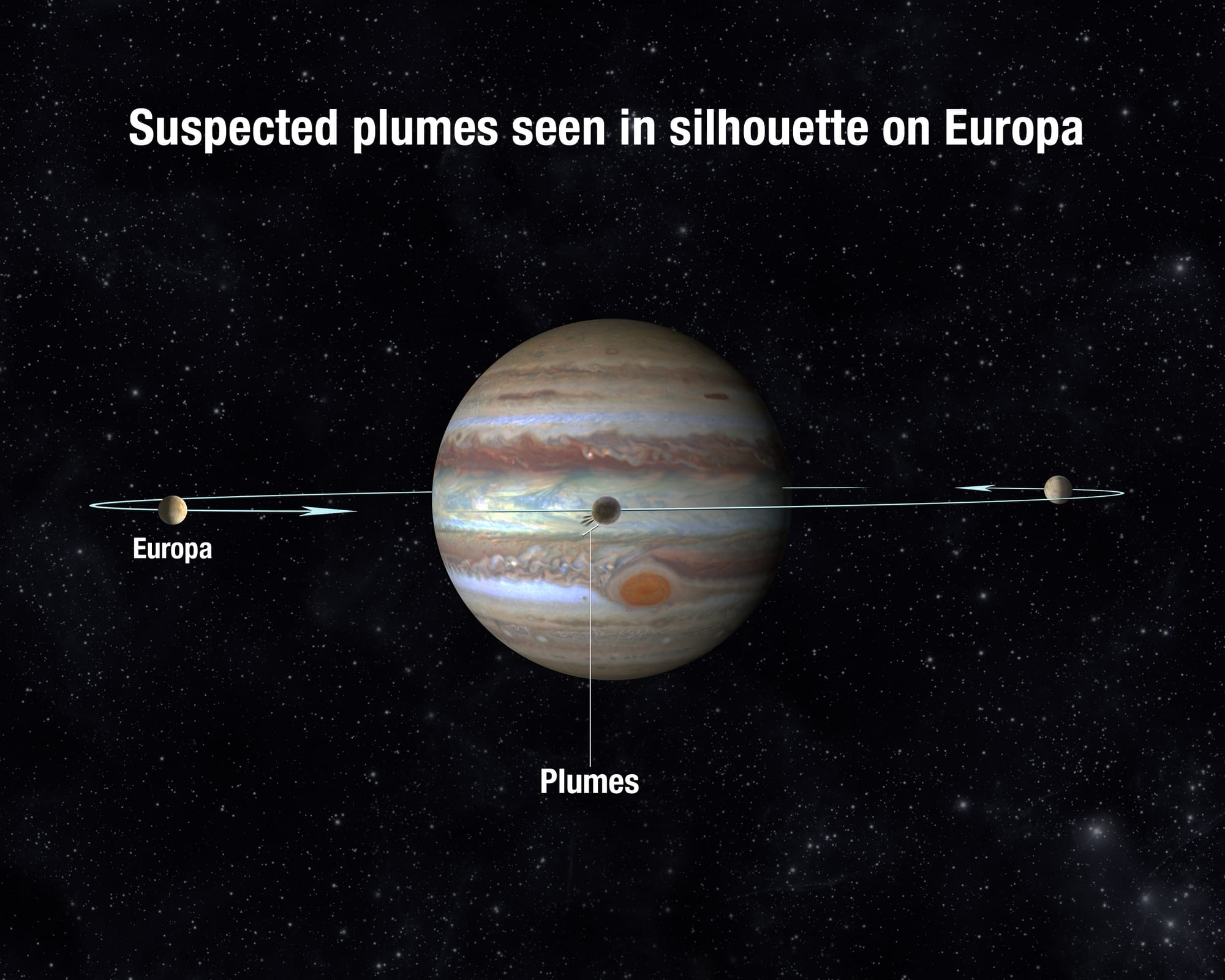
Earth’s transitions are pretty different. Earth brings tools, institutions, appetites, stories, ownership habits, budgets, launch systems, data systems, prestige markets, and the incredible human ability to call basically anything we want destiny after we have already fully decided to do it.
The untouched ocean is not protected by just being unknown. It is protected, if it is protected at all, by refusing to turn potential knowledge into our entitlement.
Ruling.
Modal Path Ethics does not rule against learning Europa. It rules clearly against pretending that learning is free.
Curiosity is not any kind of moral direction. Science is not our sovereign. Learning everything there is to know is not a moral goal at all. Knowledge is always an active intervention, because knowledge changes what becomes reachable. It opens protection and exploitation. It opens humility and entitlement. It opens sanctuary and target selection. It opens the possibility of Better and the machinery of harm alike.
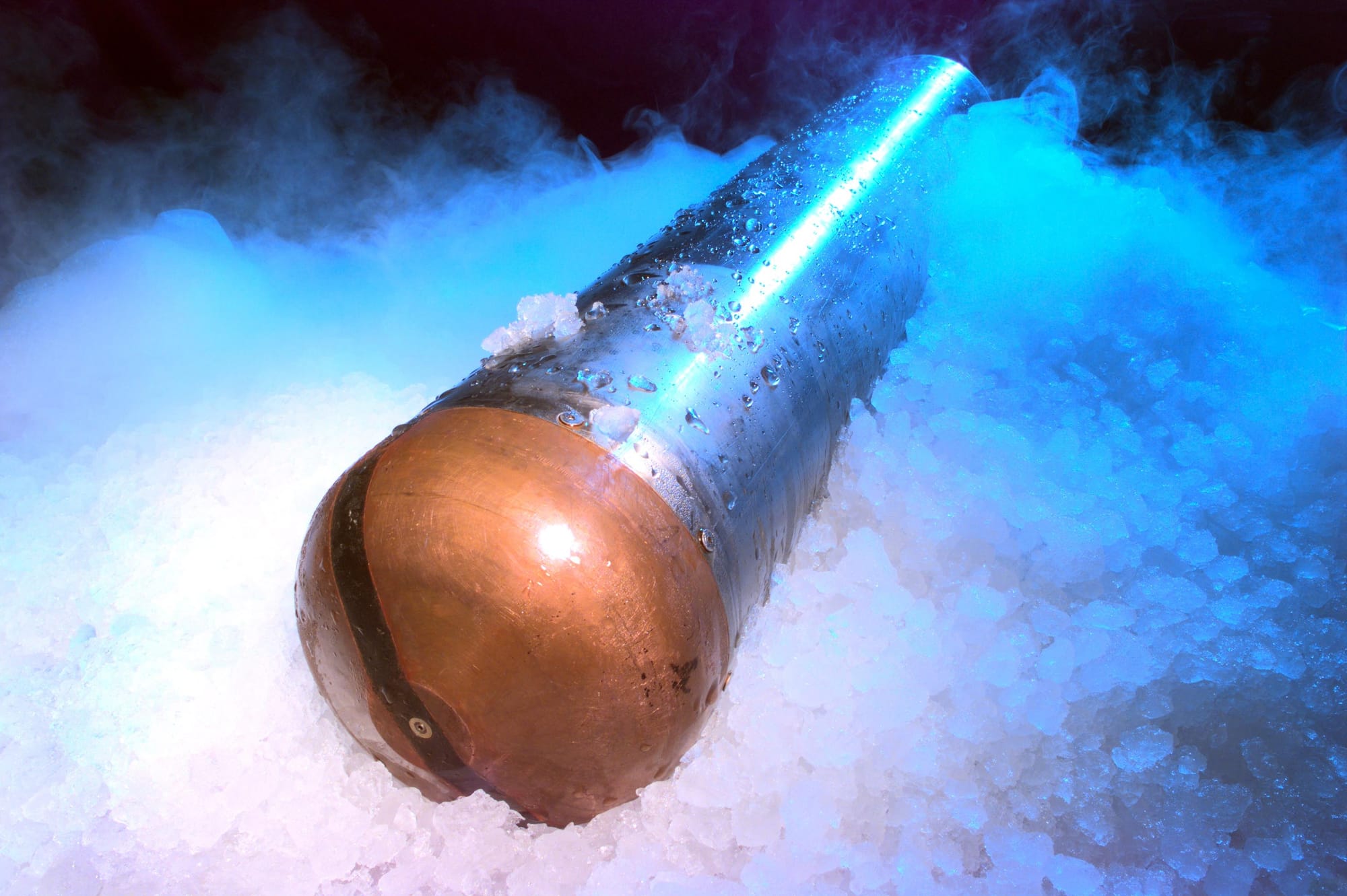
From current extance, Level One Europa knowledge is plausibly defensible: broad world-orientation knowledge that helps Earth understand what kind of locus Europa is and what protections it requires. Good stuff.
Beyond Level One, the burden rises sharply, and the defensibility falls at the same rate.
Sensitive-zone knowledge and access-grade knowledge are not justified by curiosity, excitement, frontier hunger, scientific prestige, or the general "goodness of discovery." These things require a concrete present reason strong enough to justify the exploitation paths they clearly make reachable.
Without that reason, producing such knowledge is not innocent exploration. It is exposure.
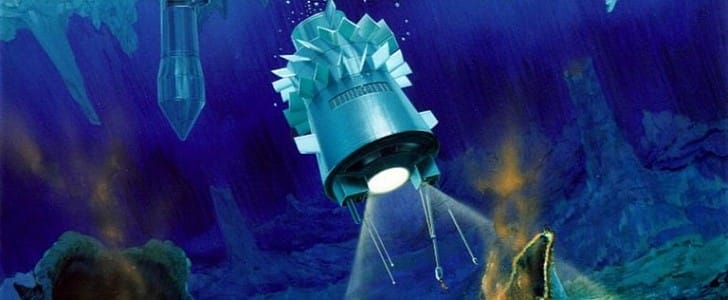
The Better path here is not ignorance.
The Better path is disciplined refusal of knowledge: learn only at the resolution justified by the current moral need, treat value as burden rather than permission, build maps of prohibition before maps of access, and preserve the option not to know yet.
The untouched ocean is not protected by our good intentions. At all. The only move is refusing to build the map that teaches worse hands where to go.