Applied Case: The Chestnut Blight
America used to look pretty different.
September 2026 note: Chestnut blight remains a strong case of damage that cannot be reduced to individual suffering. Later work makes the structure cleaner through nested loci, enabling structures, generative damage, irreversibility, and propagation across ecological continuation rather than treating 'species' as automatically a single moral patient.
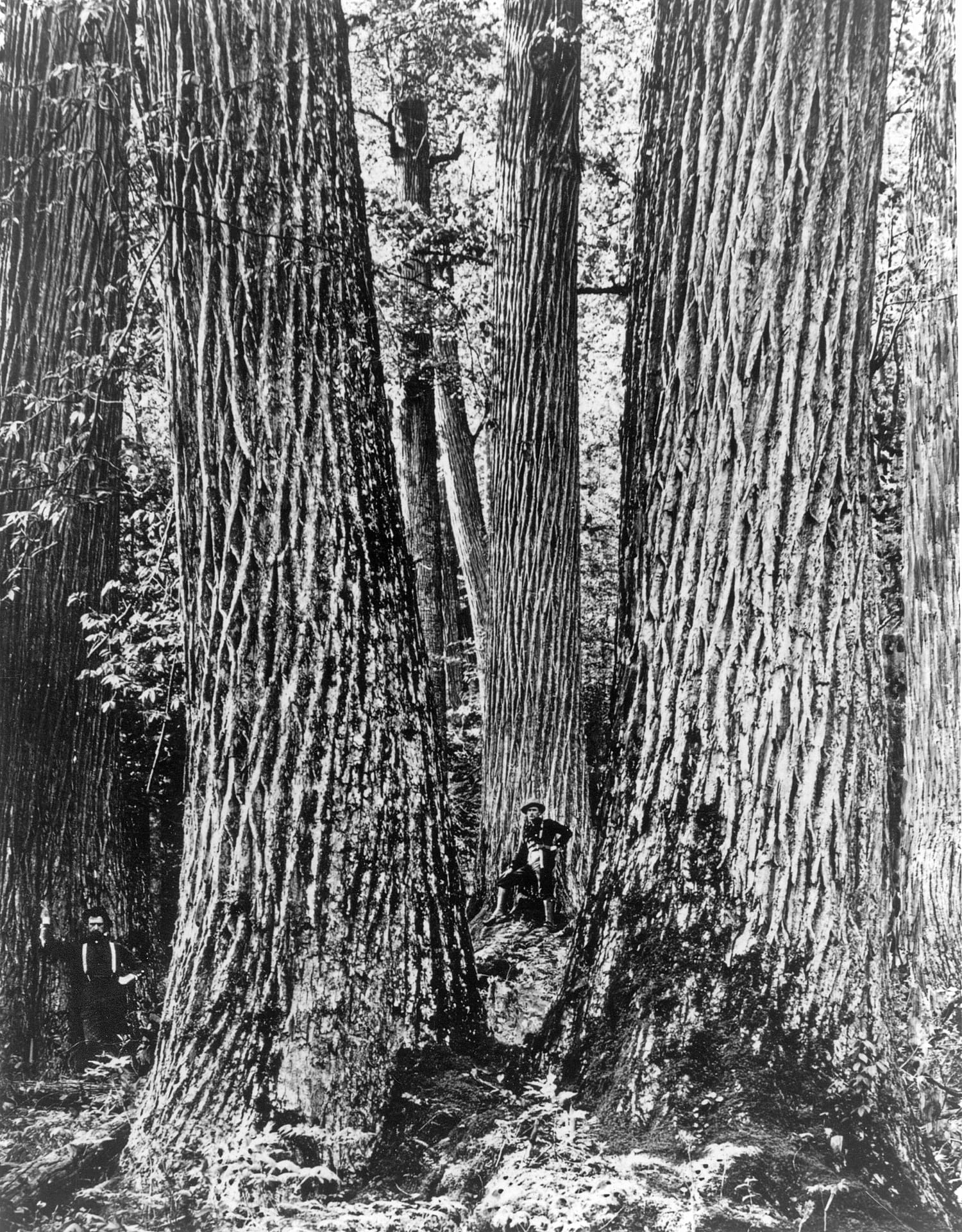
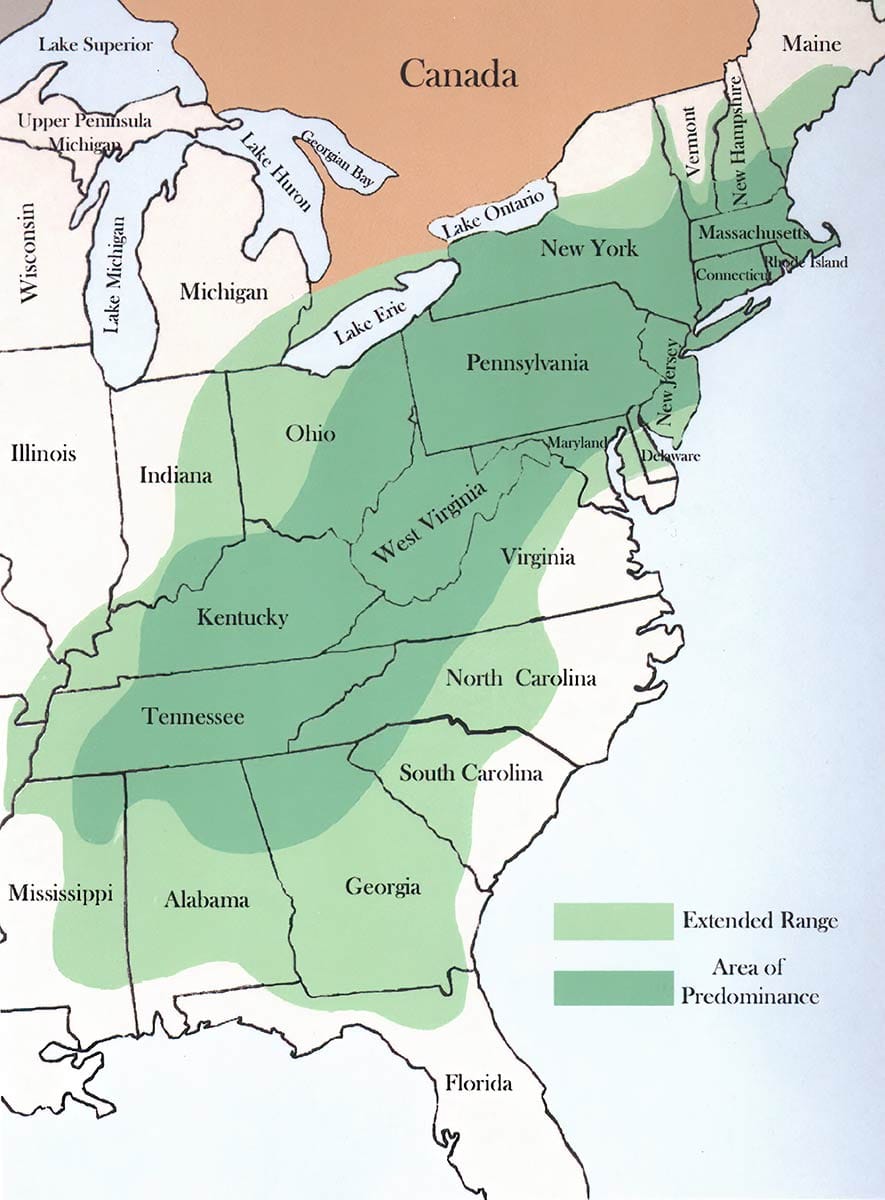
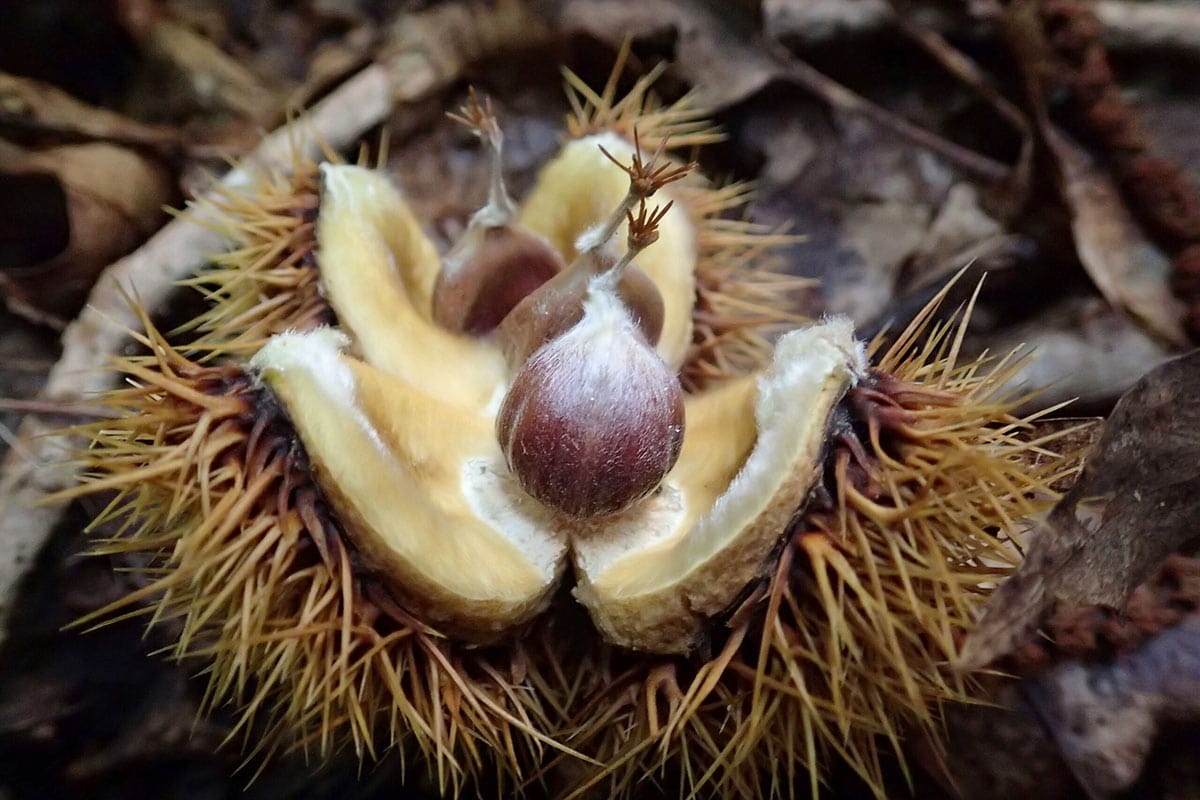
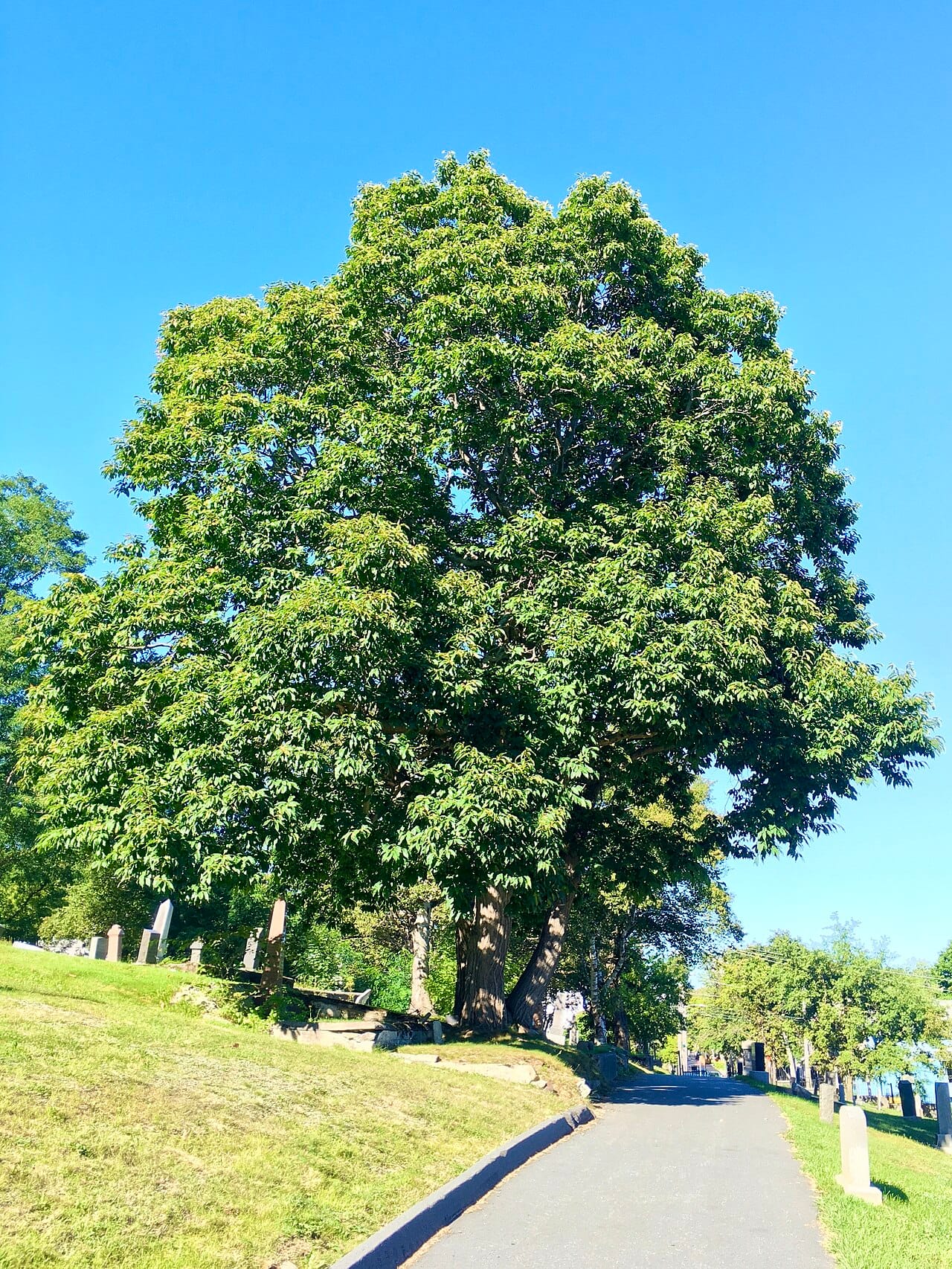
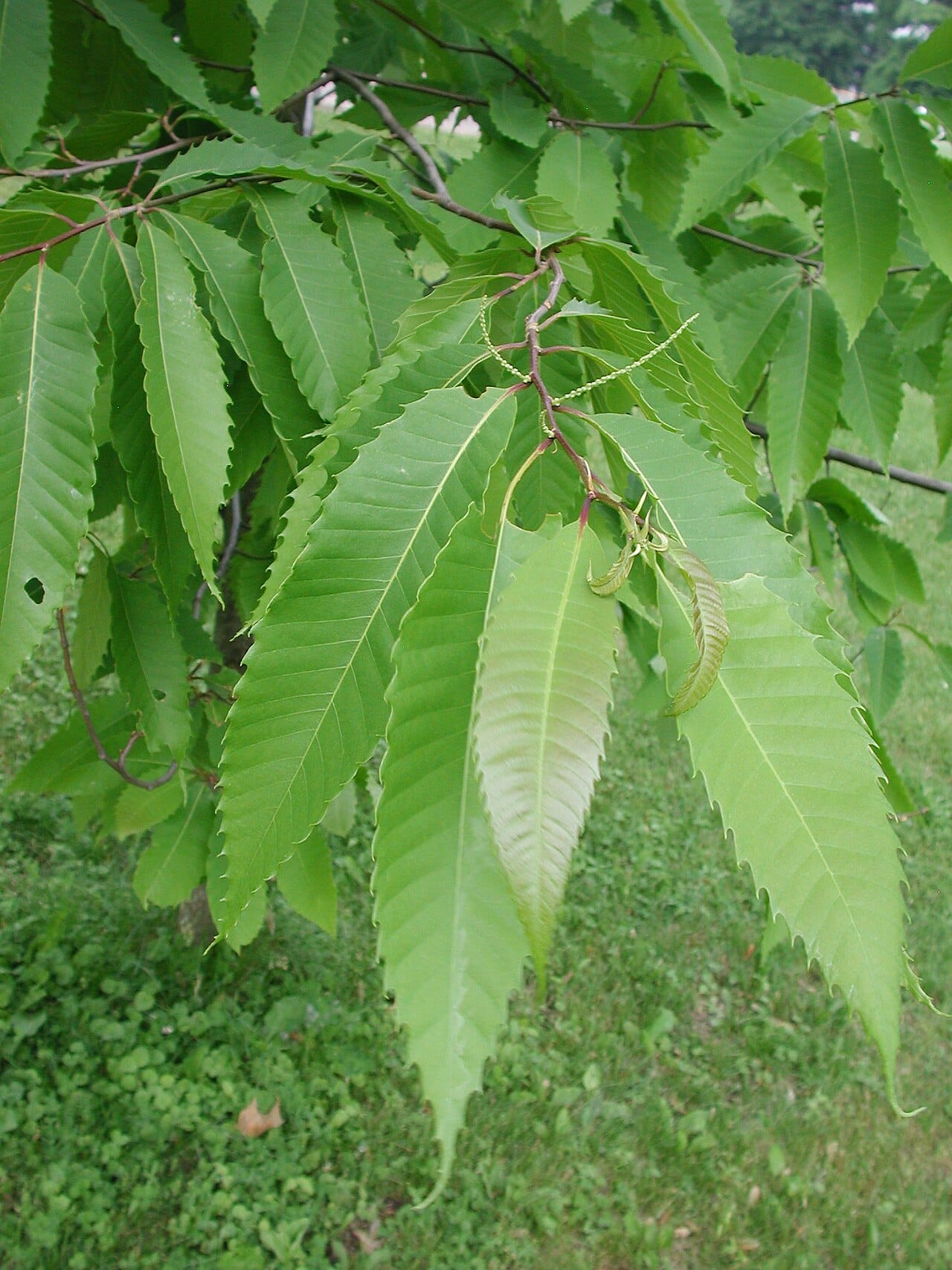
The American chestnut was a large hardwood tree valued for both its nuts and its wood. Its nuts fed wildlife, livestock, and people. Its wood was strong, straight-grained, workable, and naturally rot-resistant, making it useful for houses, barns, fence posts, furniture, railroad ties, and other ordinary materials of rural life.
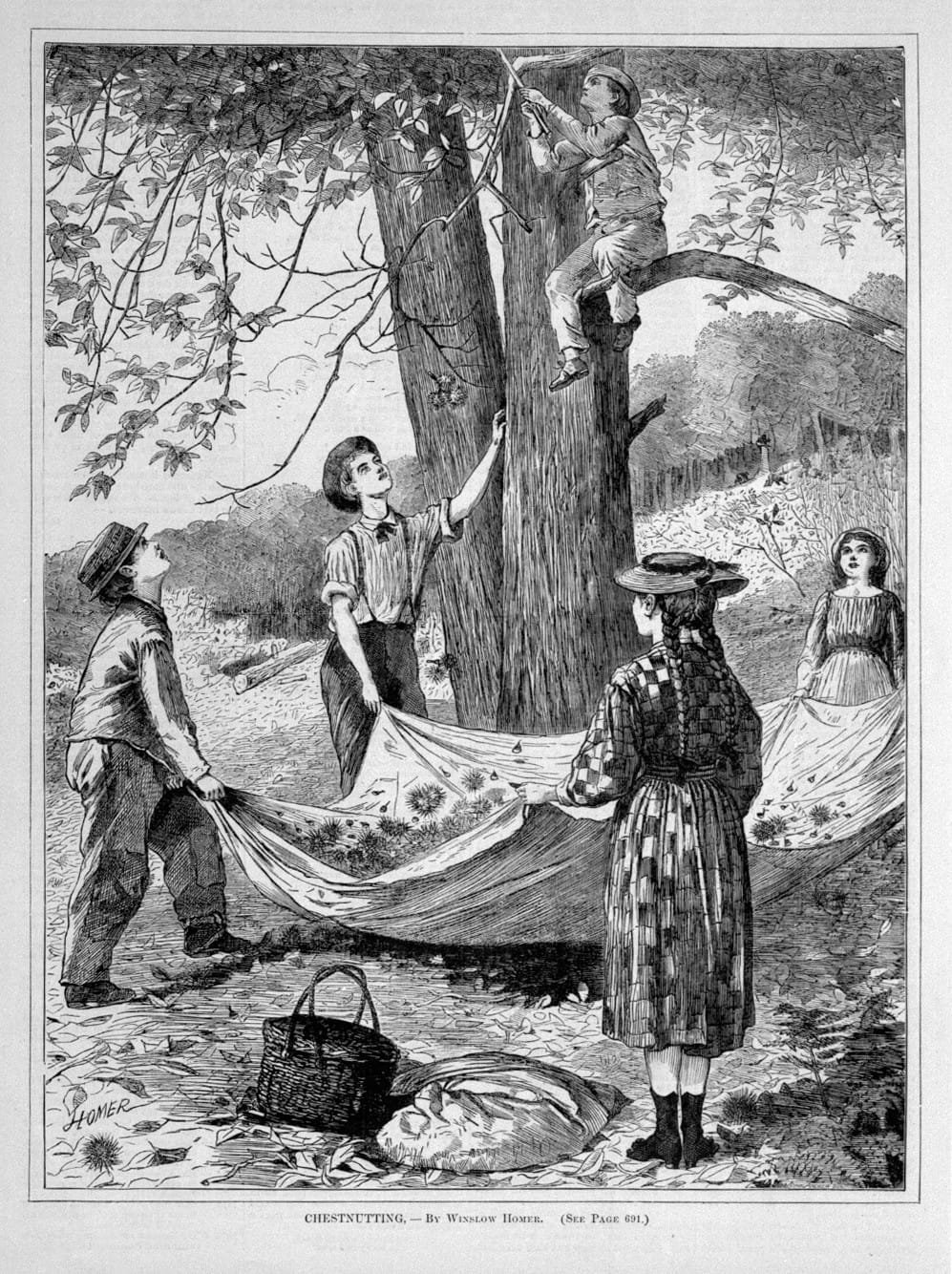
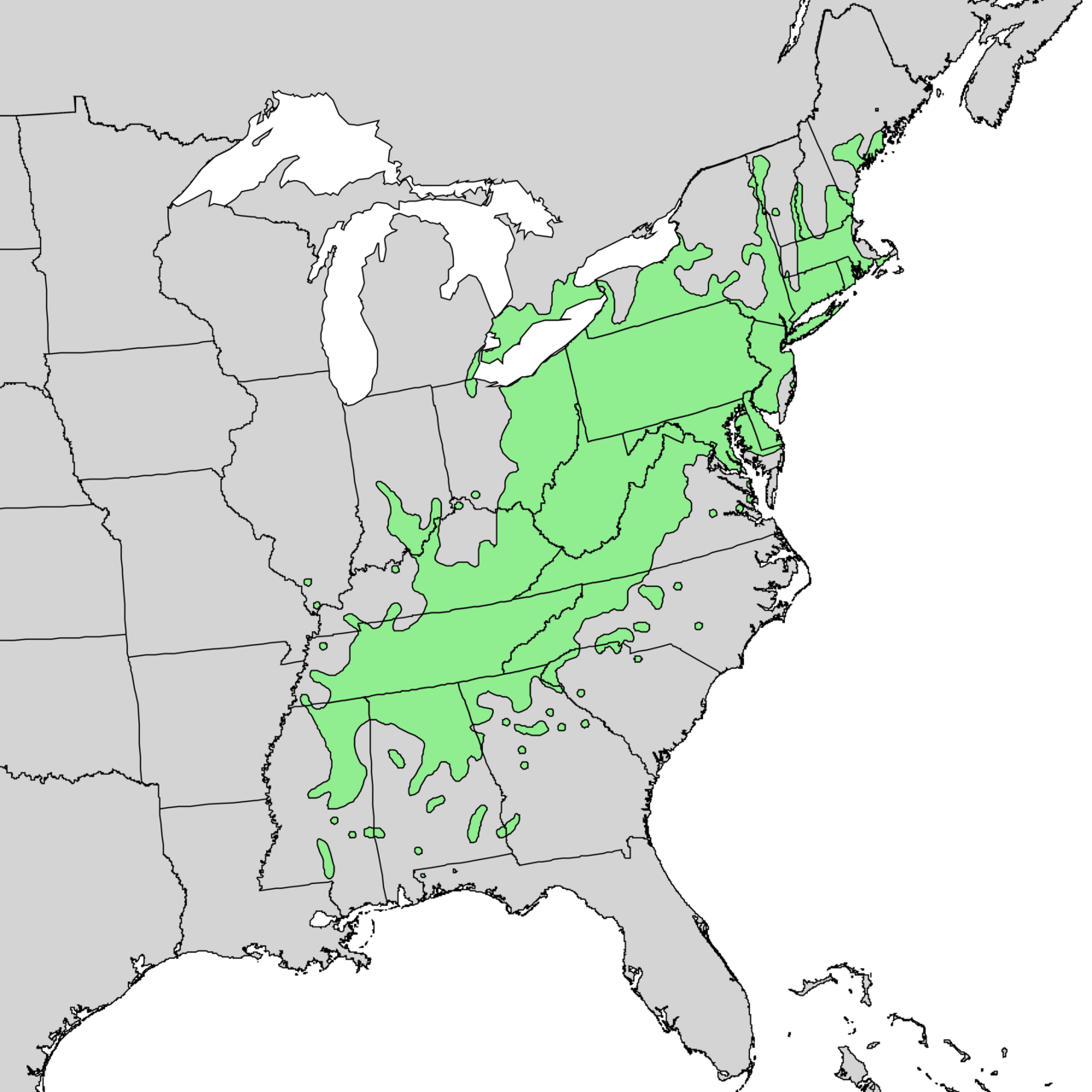
For many people living in its range, especially in Appalachia, the American chestnut was not a rare tree or the conservation symbol it has become today. It was simply another part of the forest: part of the food supply, the timber supply, the local economy, the wildlife pattern, and the look of the land.
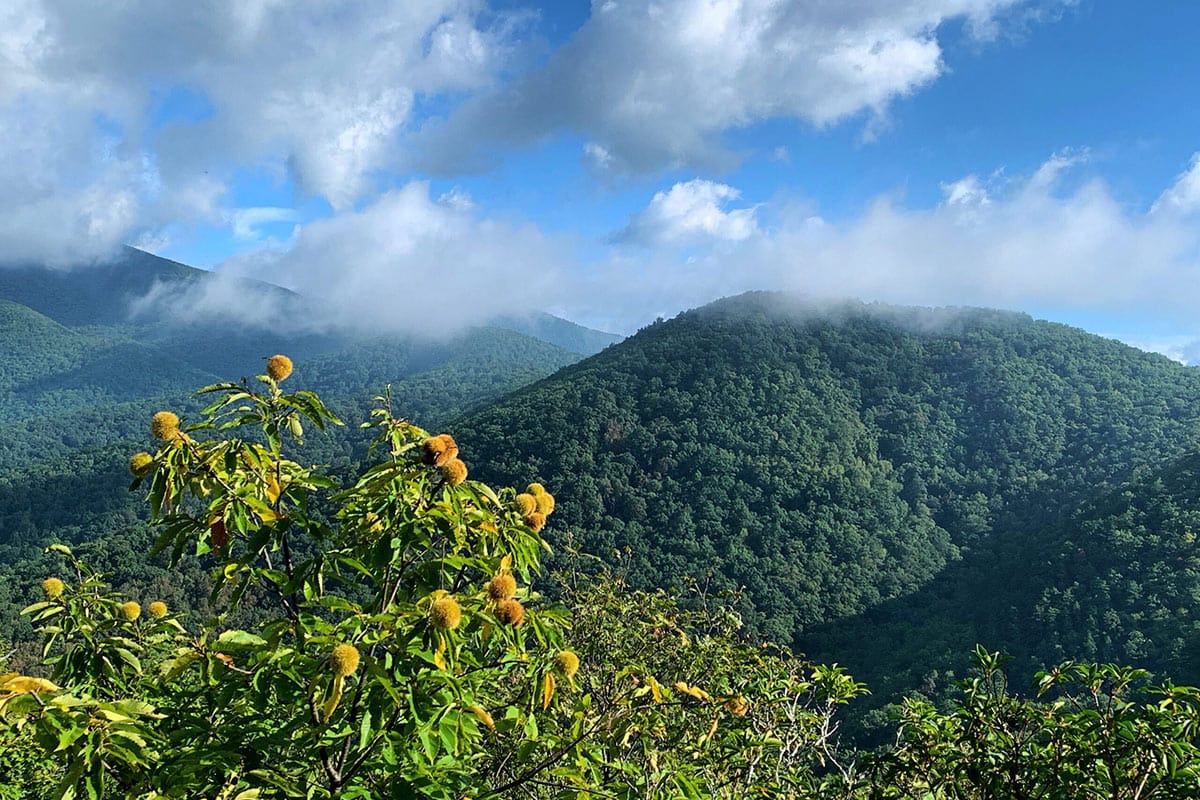
Today, the American chestnut does still exist, but usually not in that form.
Most surviving trees do not grow into the large mature canopy trees they once were. Instead, they often persist as young revenant shoots growing from the old root systems. These shoots may grow for a time, but they are commonly infected by chestnut blight before they can become mature, nut-producing trees.
The species is still technically alive, but the chestnut forests are gone.
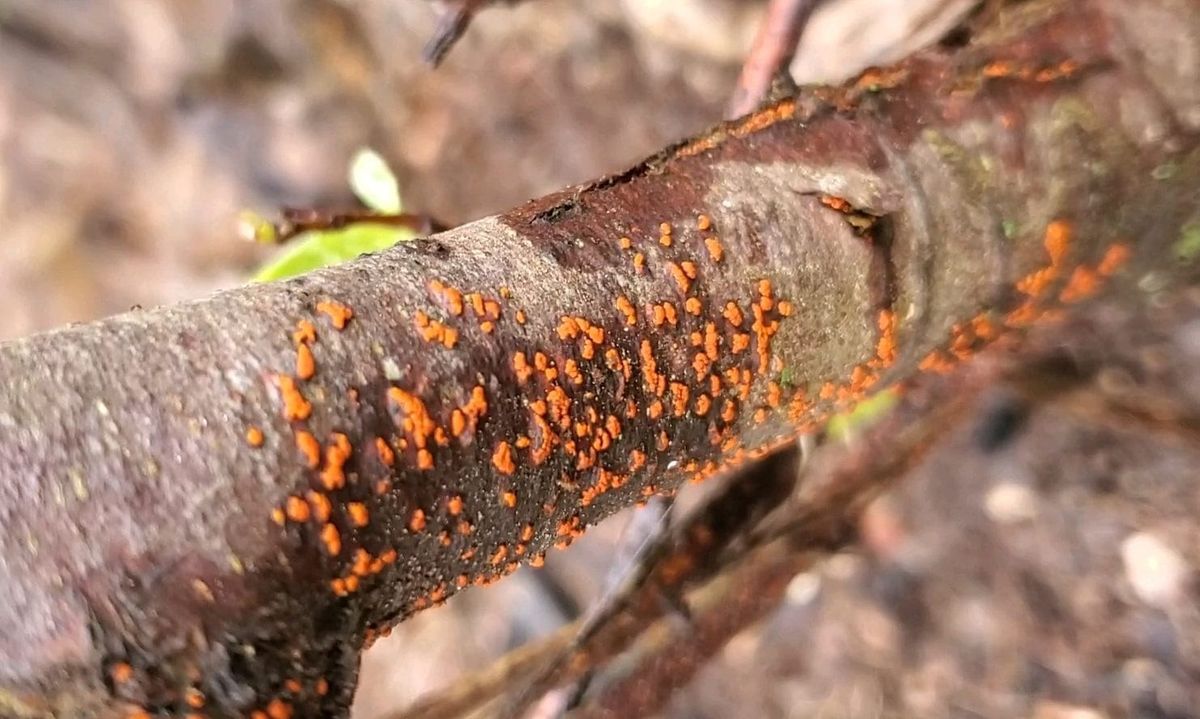
Chestnut blight is a disease caused by a fungus, Cryphonectria parasitica. It was introduced from Asia, where related chestnut species had developed more resistance to it. The American chestnut had never encountered it. Once the fungus entered eastern North American forests, it spread rapidly through a tree population that was highly vulnerable to it.
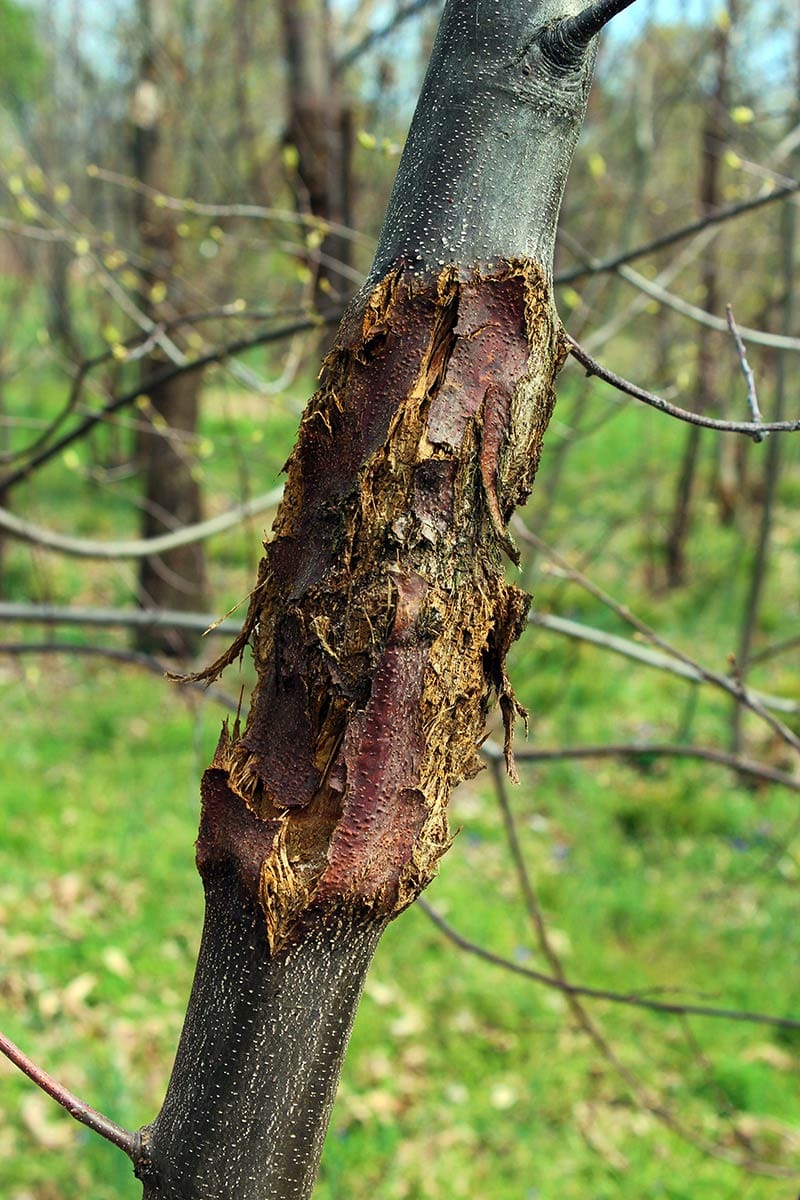
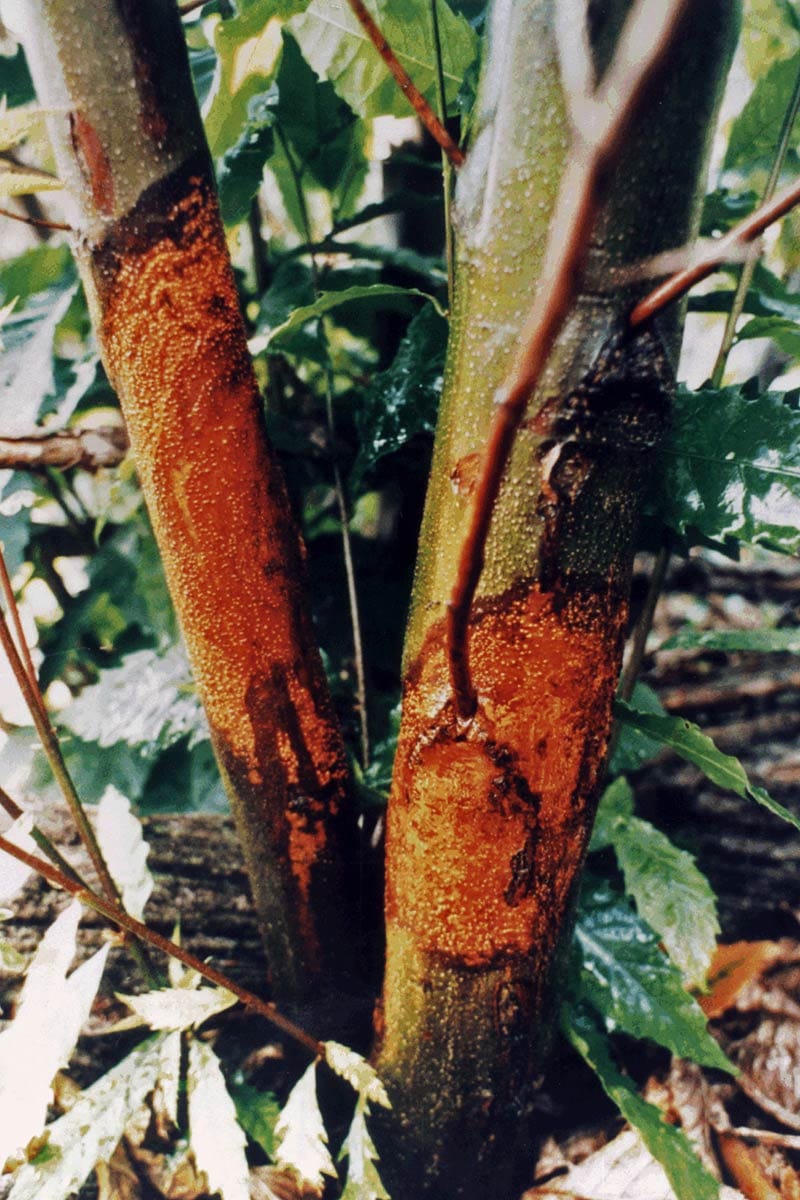
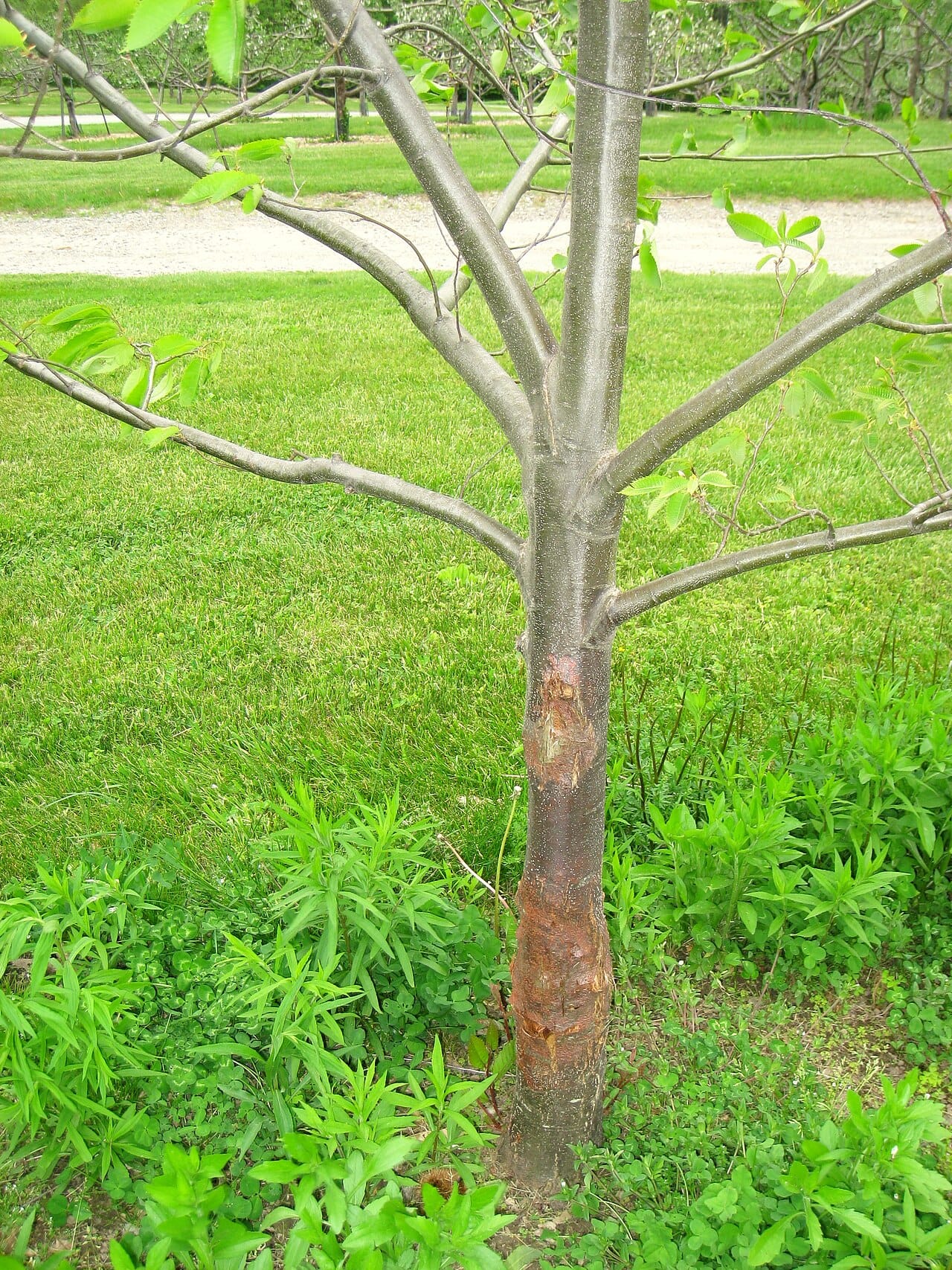
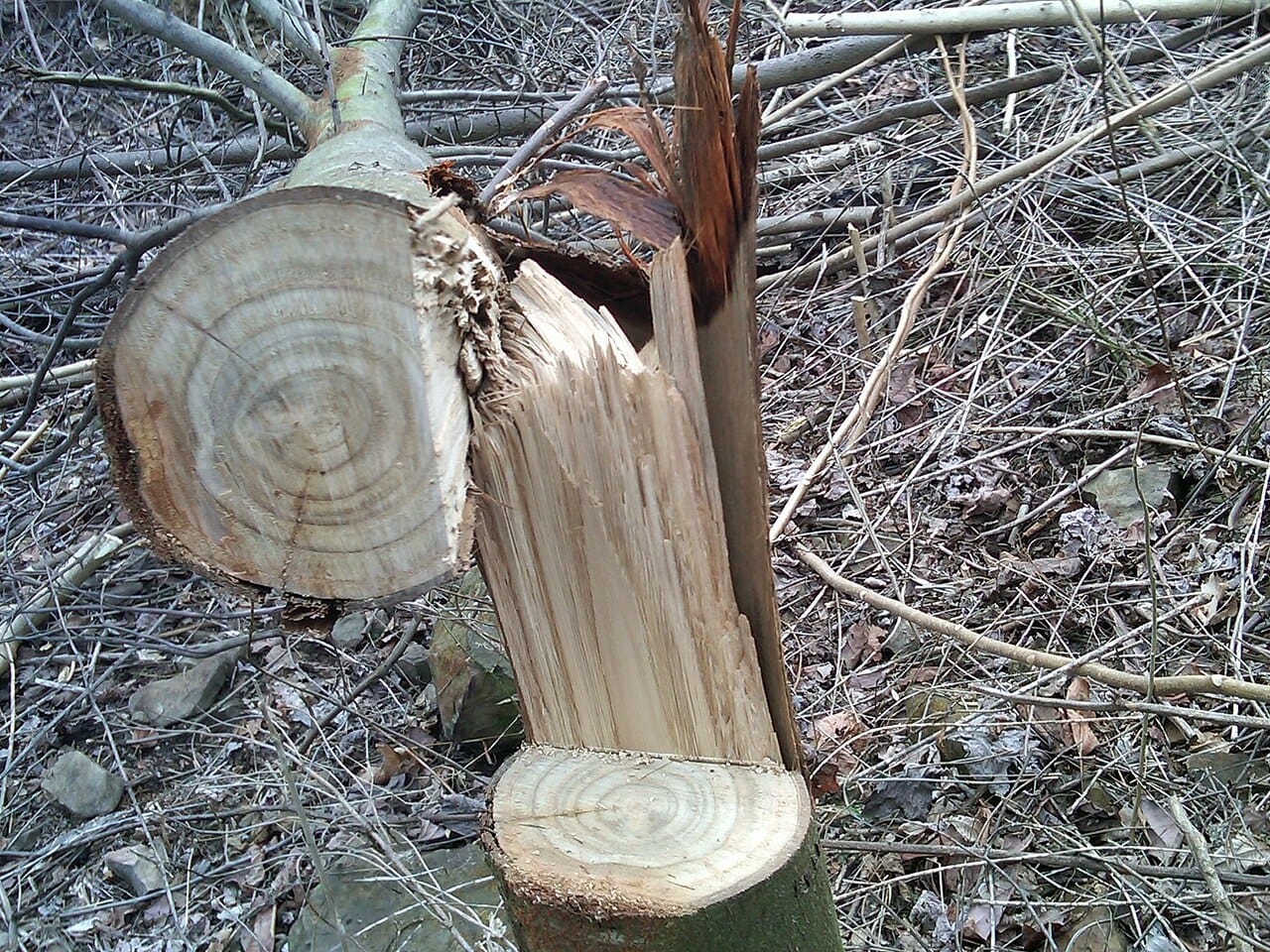
The disease infects the bark, usually through wounds or fissures. It forms cankers that kill the living tissue around the stem. When a canker girdles, or encircles, the stem, the part of the tree above that point dies.
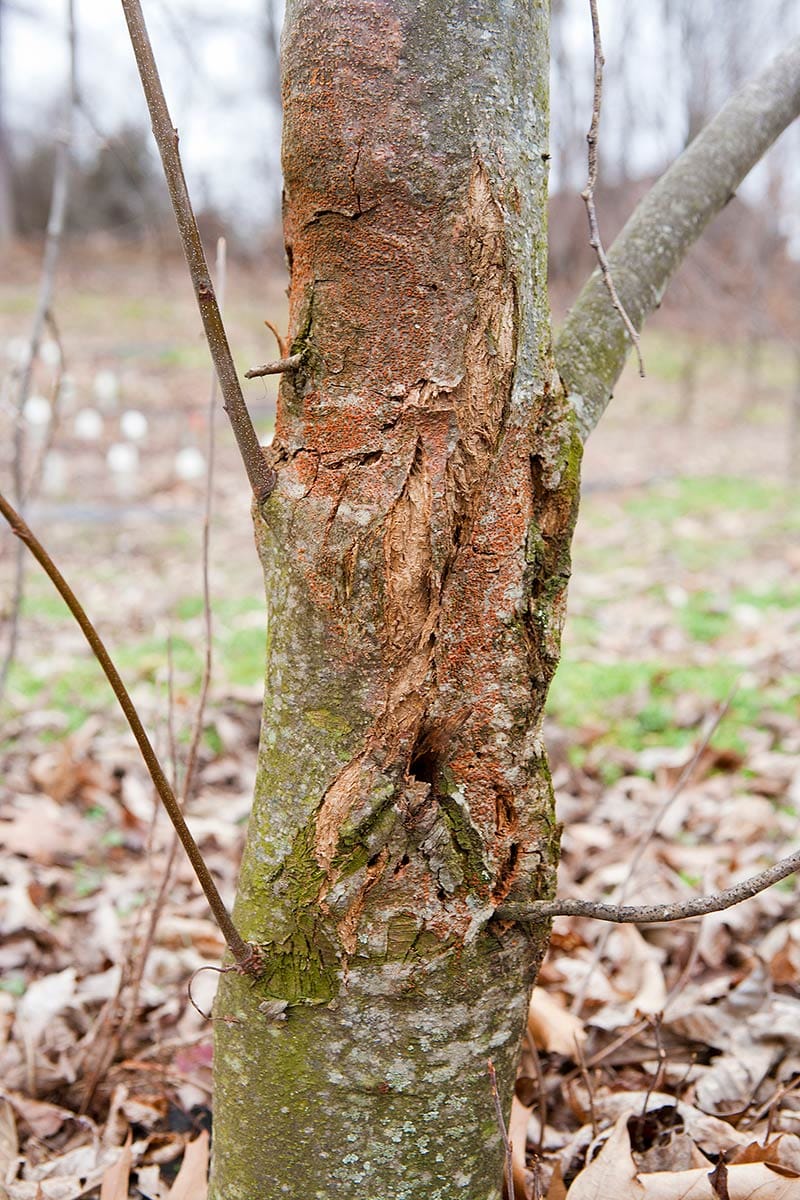
The underground root system often survives. This is why the American chestnut did not simply disappear. New shoots still emerge from the old roots after the aboveground tree dies back. But once those shoots grow, they can be infected again and killed before reaching reproductive maturity.
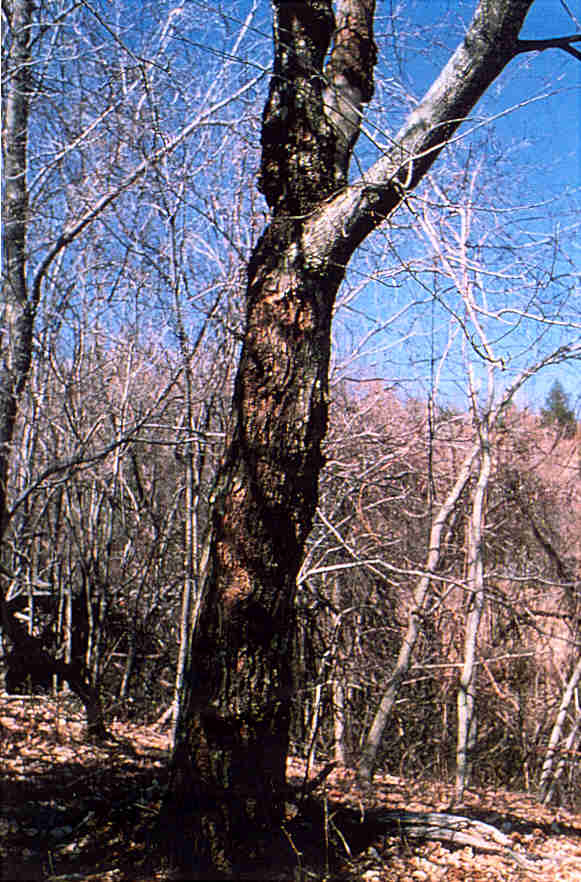
This leaves the species in a strange and disturbing condition.
It is not extinct in the ordinary numerical sense. There are still American chestnut sprouts and surviving trees. However, the tree has been functionally removed from its former role as a dominant canopy species. It remains present in the field while being largely blocked from the mature form of life it once had to instead feed a locus not native to the field.
That is why the chestnut blight matters for Modal Path Ethics.
The harm here is not only that many trees died, although billions did. The deeper harm here is that a living system’s reachable future was narrowed. The American chestnut once had an ordinary path from root to sapling to mature tree to canopy presence to nut production to forest reproduction, and it shaped the field around it.
The blight came and broke that path.
The Loss.
The loss of the American chestnut was not about the loss of one tree species.
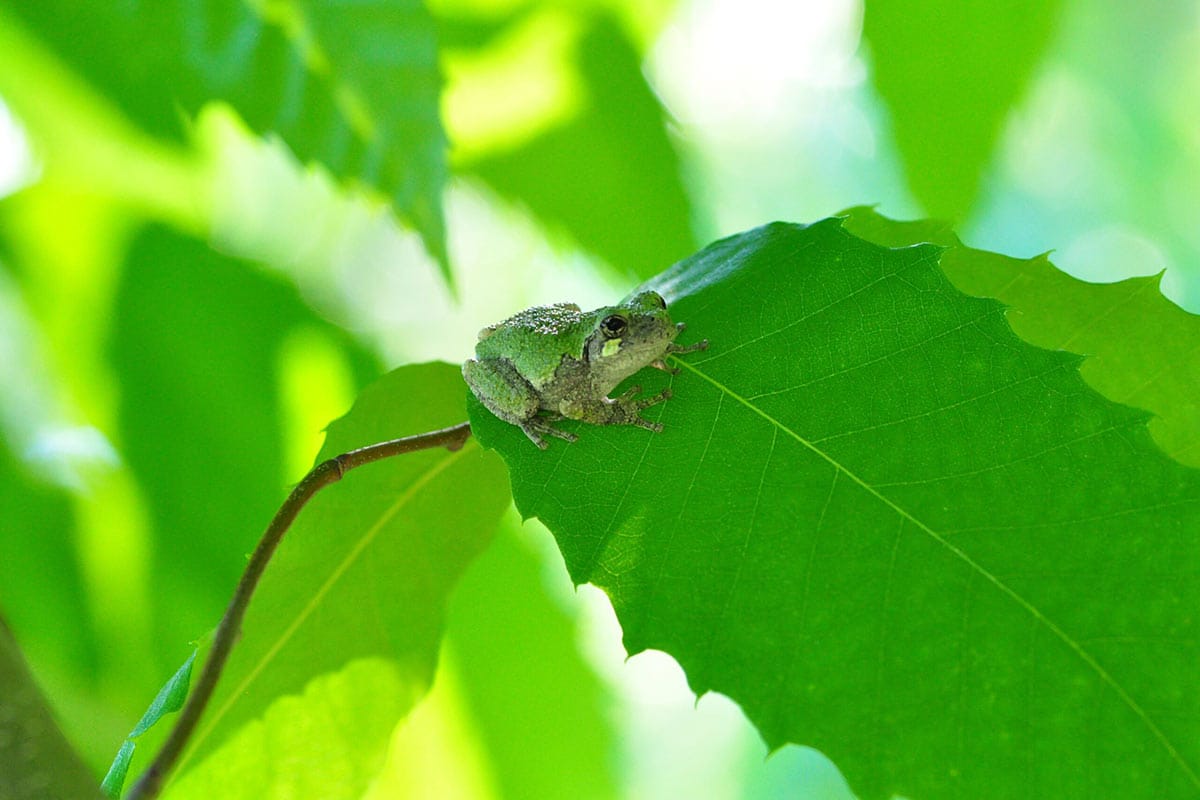
A mature chestnut tree served a role. It produced food. Its nuts were part of the feeding pattern for bears, deer, turkeys, squirrels, birds, insects, livestock, and people. Its wood shaped human building practices. Its abundance shaped the seasonal rhythm of rural communities. Its canopy presence shaped forest structure.
A tree like the American chestnut is not just some object in a forest. This is an enabling condition for many other forms of continuation.
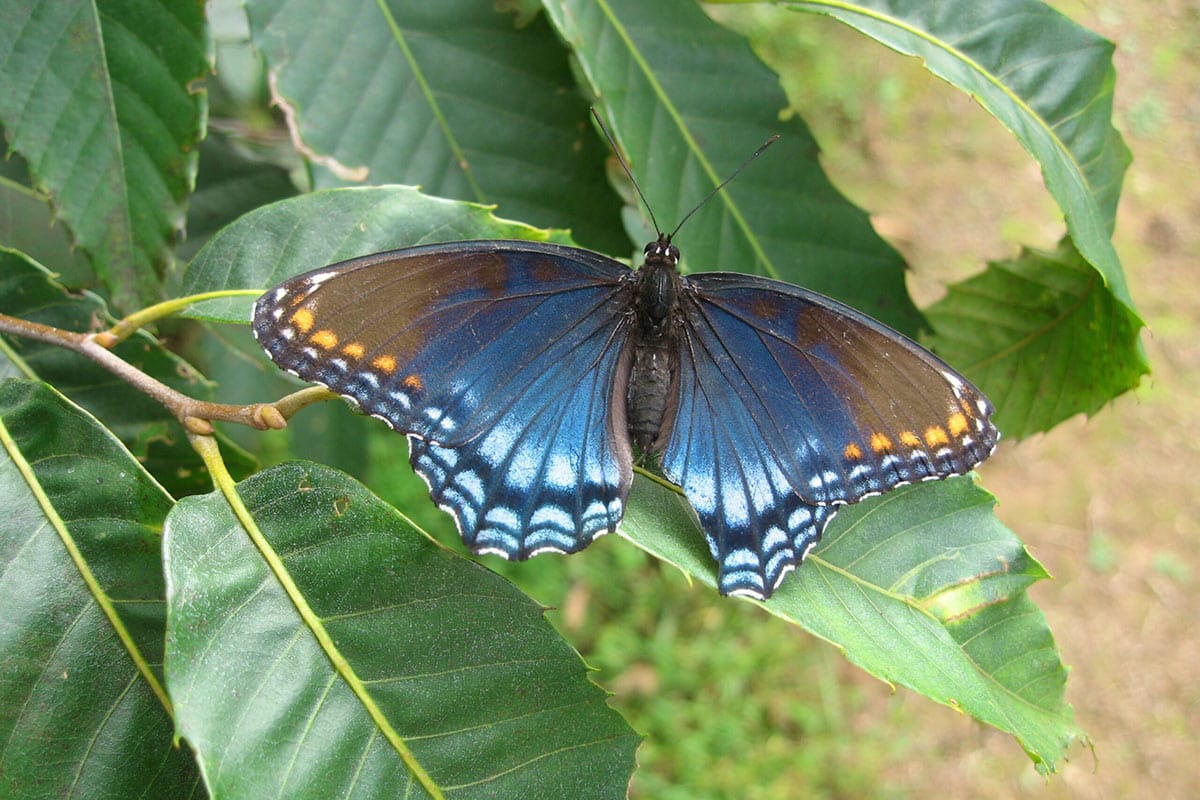
When chestnut blight came and removed the American chestnut from the canopy, it did not just reduce the number of chestnut trees. The blight changed and narrowed the future available to many connected loci: the tree species itself, the forest, wildlife populations, human communities, and our later restoration efforts today.
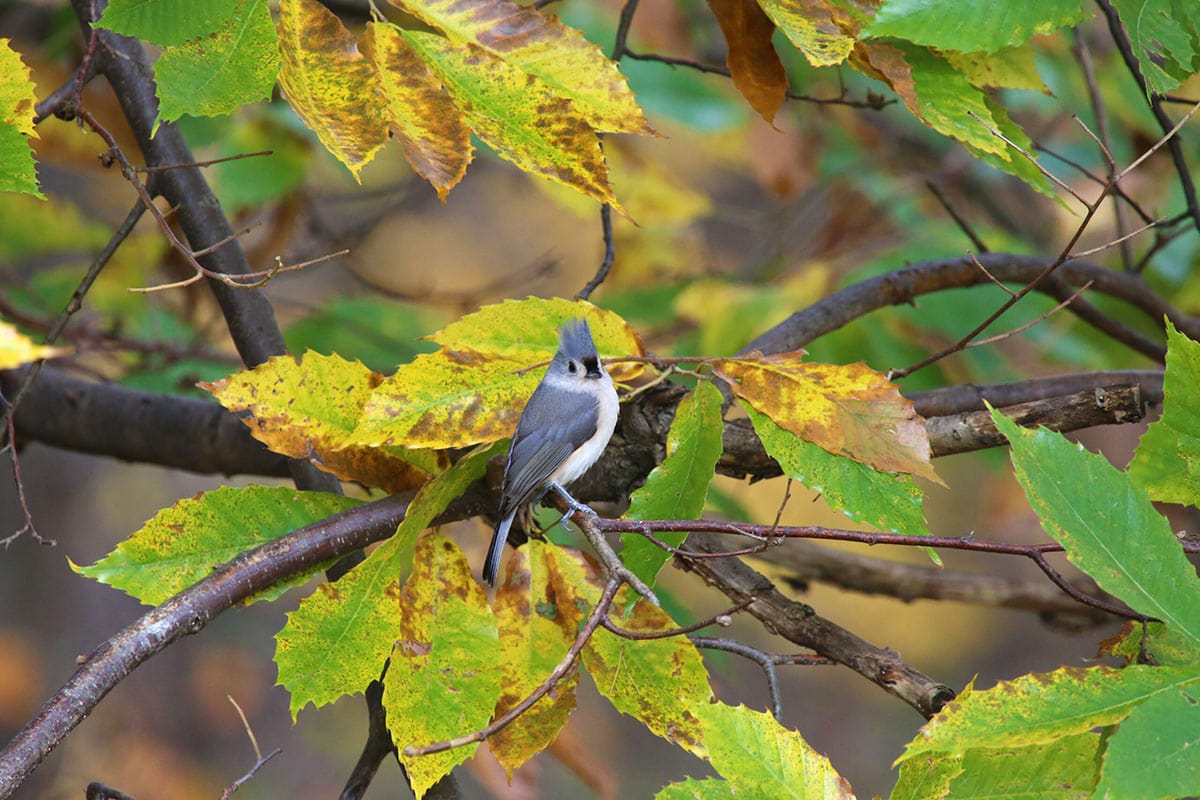
The chestnut’s loss did not produce a blank world, or even its own absence. Other trees grew instead. Forests continued and animals adapted. Human communities shifted to other materials and food sources. But the fact of continuation after harm does not prove the harm was minor. A field can certainly continue in a narrowed state.
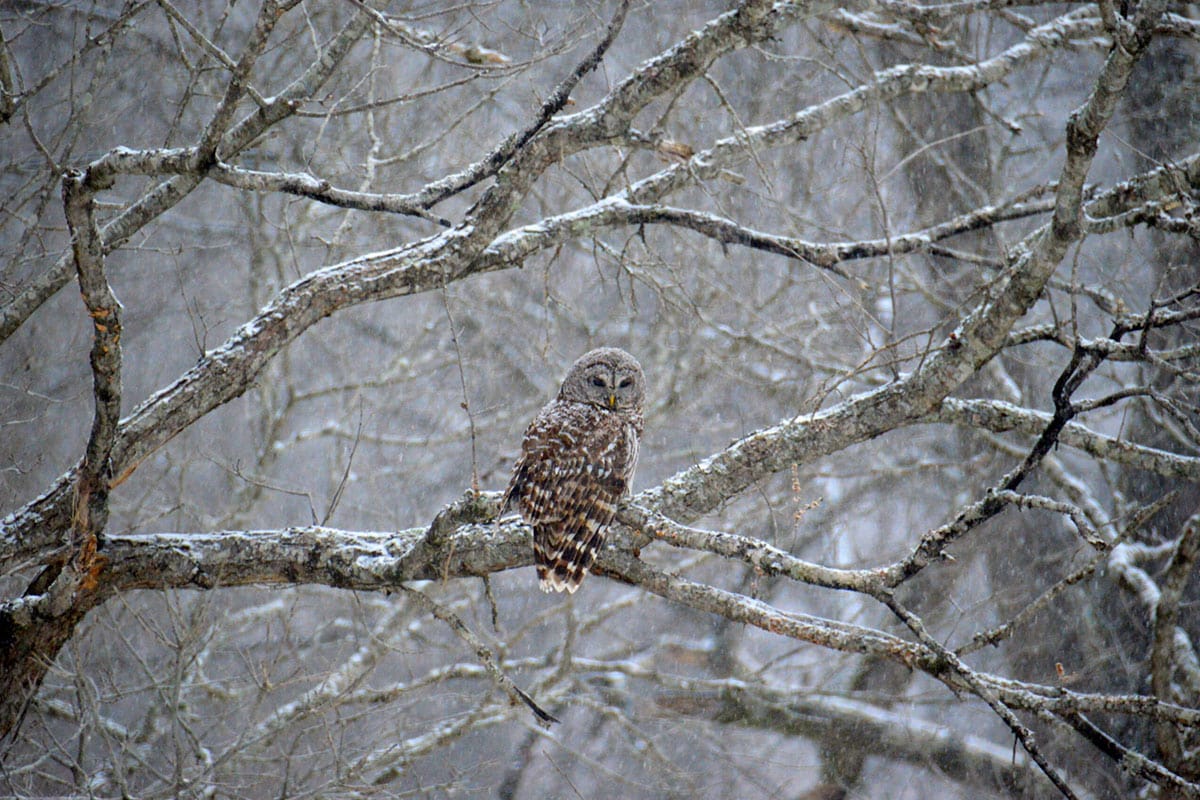
The eastern forest never stopped being a forest. It still very much became a forest without one of its former central structures. The American chestnut never stopped existing, but it very much became a species largely unable to continue as the mature canopy tree it had been.
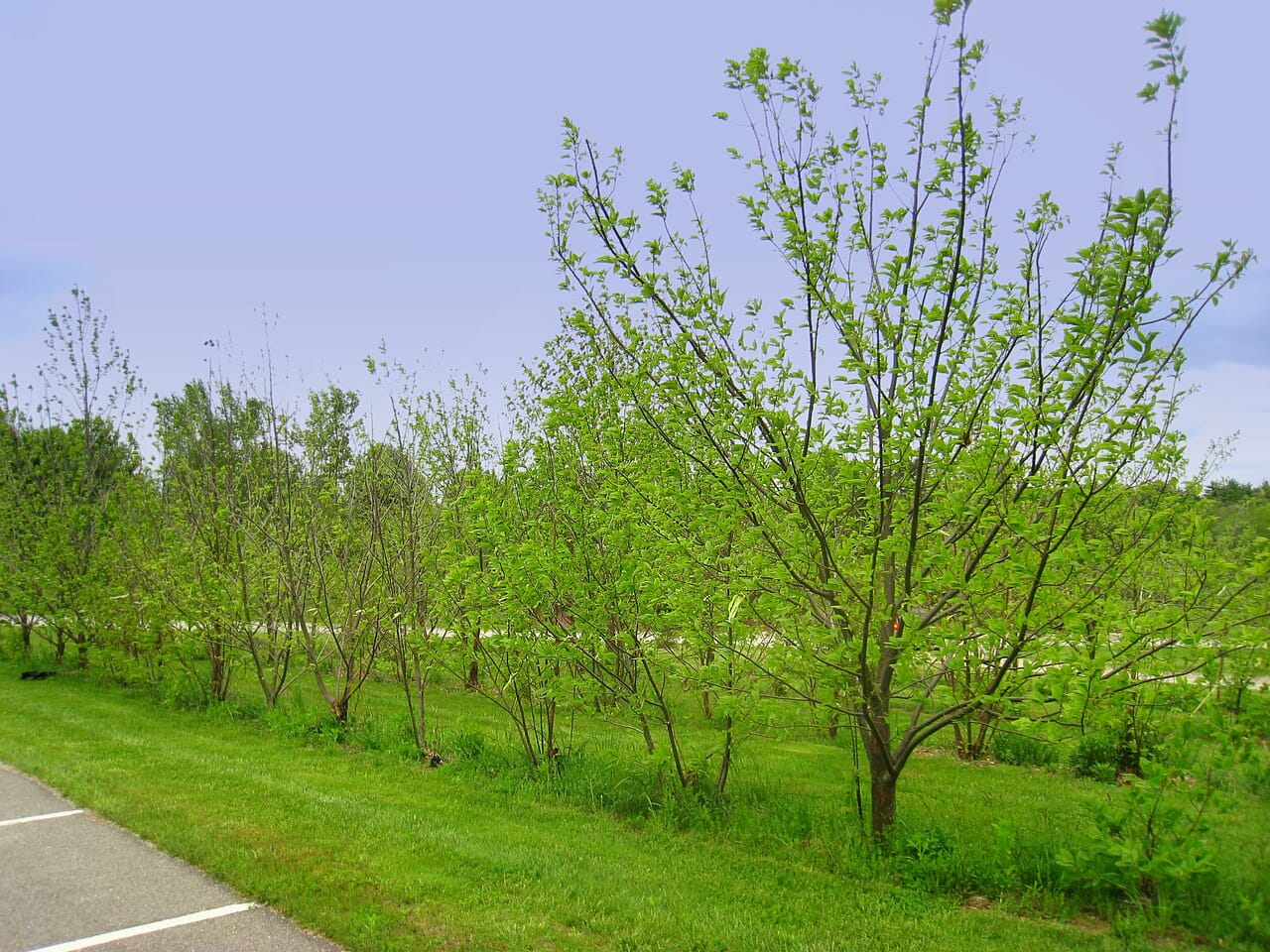
This is why “the tree is not extinct” is not an adequate response to this. The issue at hand is not only whether some biological remnant of this species remains. The issue is what futures actually remain reachable for that remnant.
Functional Extinction.
Total extinction means the species is gone. Functional extinction means the species may still exist, but no longer performs its former role in the system.
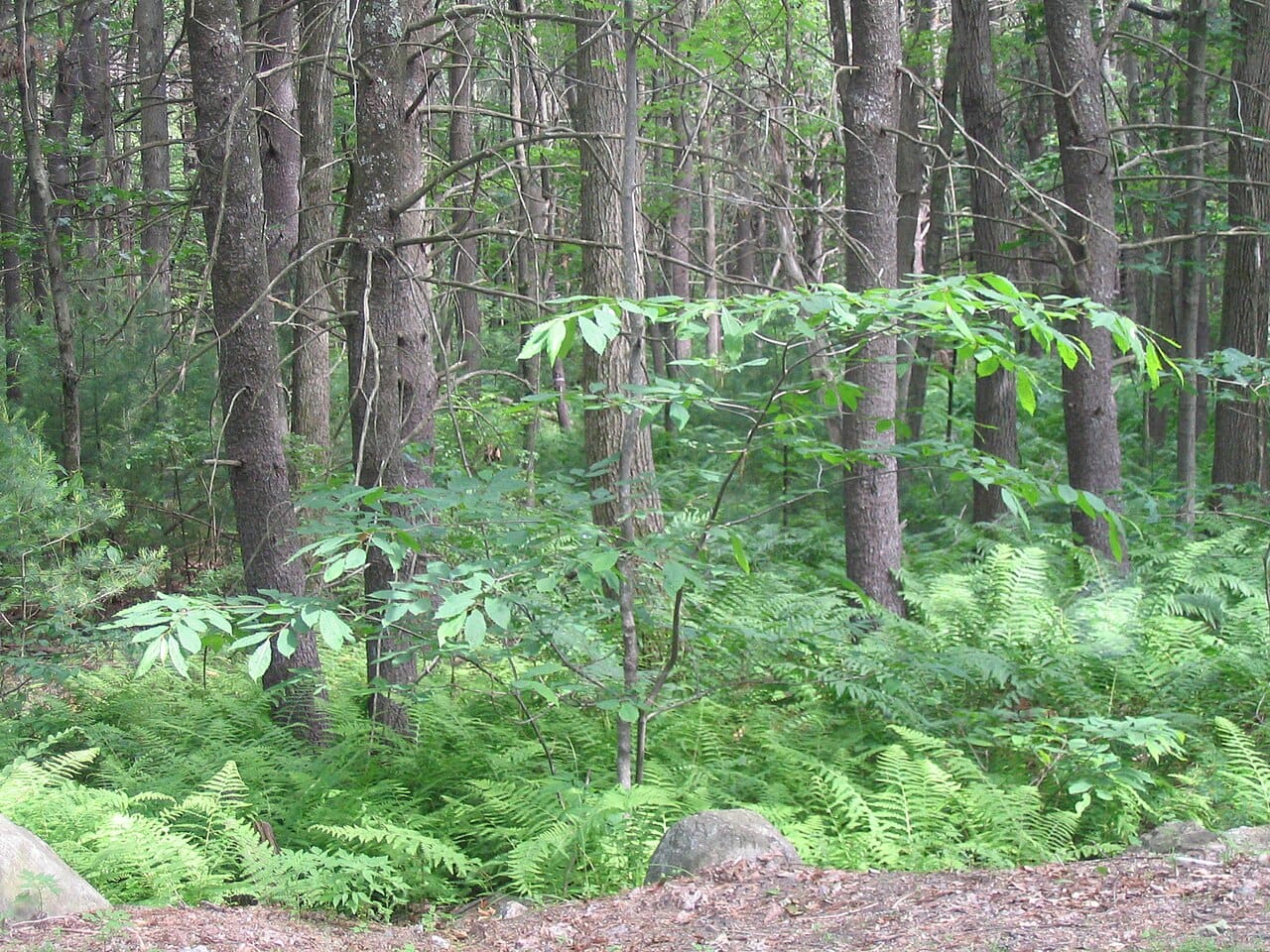
It may be too rare, weakened, reproductively limited, or structurally blocked to function as it once did. The American chestnut is a clear example.
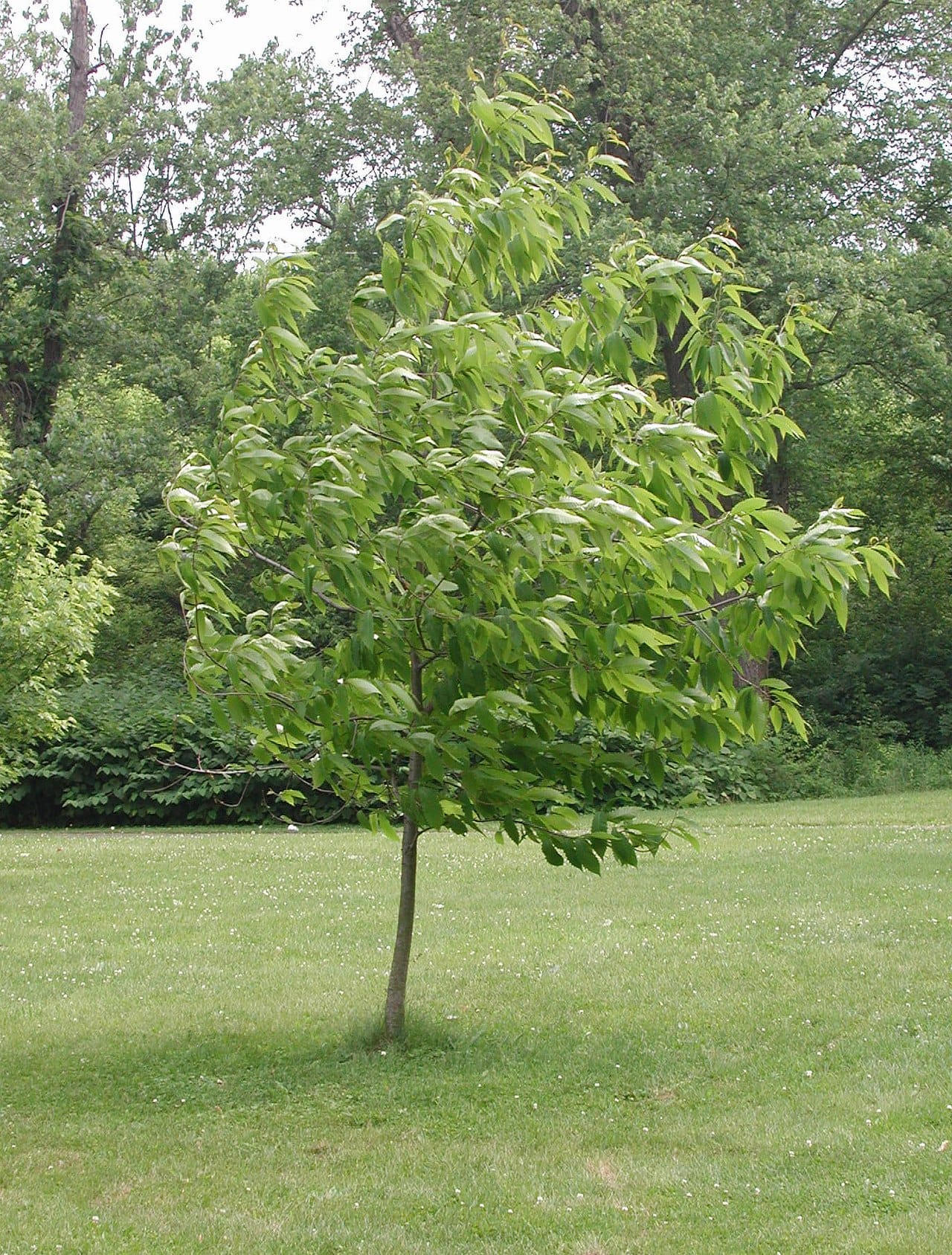
The old roots still send up shoots. Some trees do survive the blight. Some even produce nuts. Restoration programs today use surviving genetic material. But the ordinary forest path that once allowed chestnuts to grow, reproduce, feed wildlife, and dominate parts of the canopy has obviously been severely narrowed. Harm does not mean annihilation.
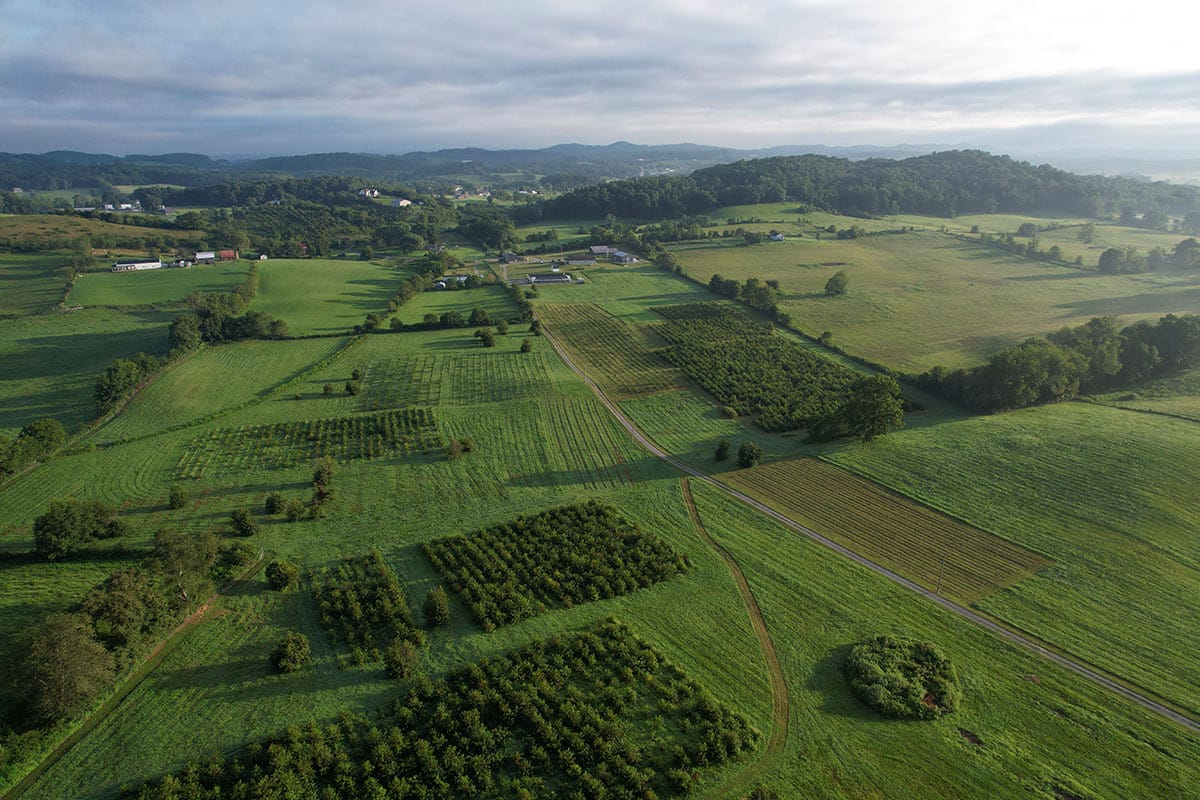
A person can still be alive but locked out of futures they once could have reached. A community can still exist while losing the institutions, trust, land, language, or resources that made its former continuation possible. An ecosystem can still contain life while losing the structure that made it resilient.
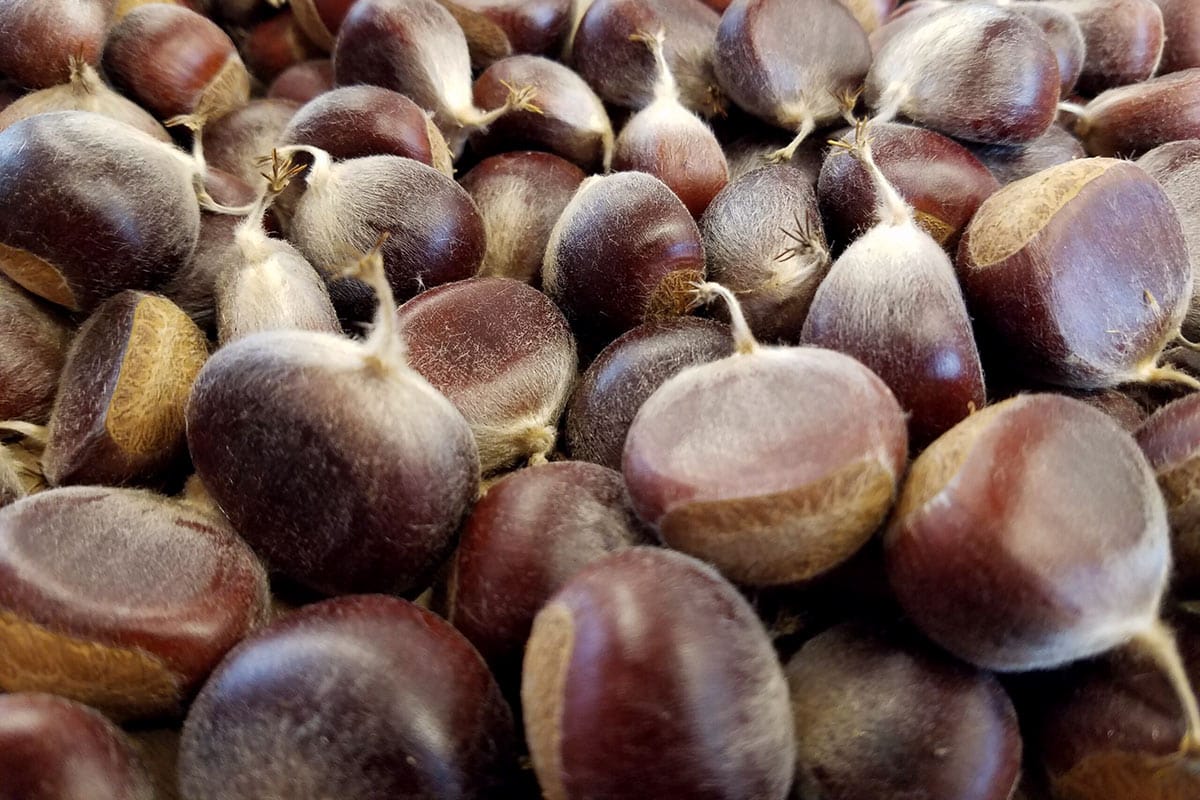
This locus remains, but under a damaged future-structure. It can begin the path upward, but usually cannot complete it. It can persist, but not easily return to its former role. Its continuation has become burdened, partial, and dependent on repair. A future that was once ordinary now requires we actively create breeding programs and research farms, monitoring and genetic preservation, restoration planning and disease management, regulatory decisions and long-term public support.
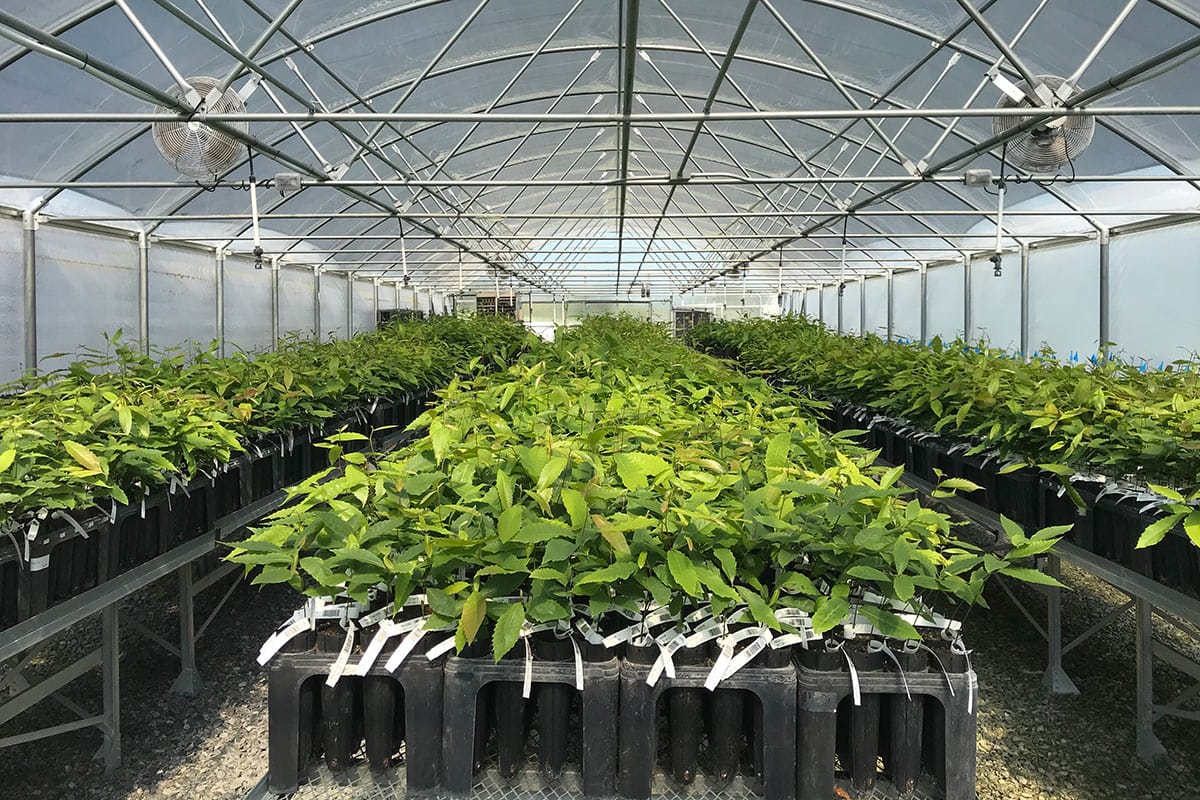
Functional extinction is then best understood as an increase in resistance against continuation.
The Blight Matters, Too.
This is where the situation becomes less straightforward. Obviously, the American chestnut endures a hellish existence, but the chestnut blight is also not some devil-force at work in the American field.
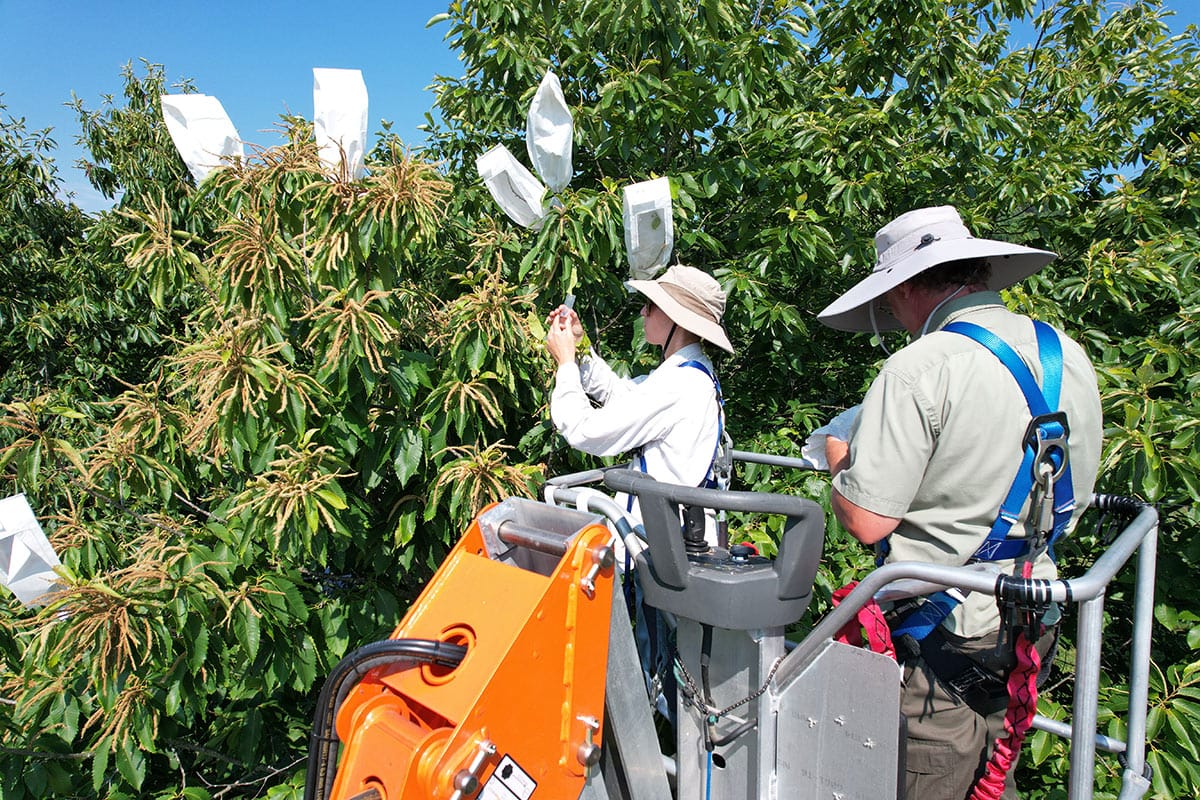
Cryphonectria parasitica is also extant. It is a living fungal process, which has its own continuation. It reproduces, spreads, adapts, and persists. Chestnut blight is not some symbol of disease we must purge from the lands. This is a real organismal process now also in the field.
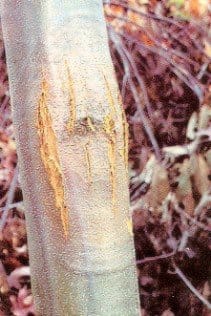
That still does not make the blight morally innocent.
The fungus is not blameworthy. It did not choose to invade North America. Sometimes, that just happens in life. It did not actually intend to collapse the American chestnut. This fungus is not cruel or malicious. It is simply not a moral agent.
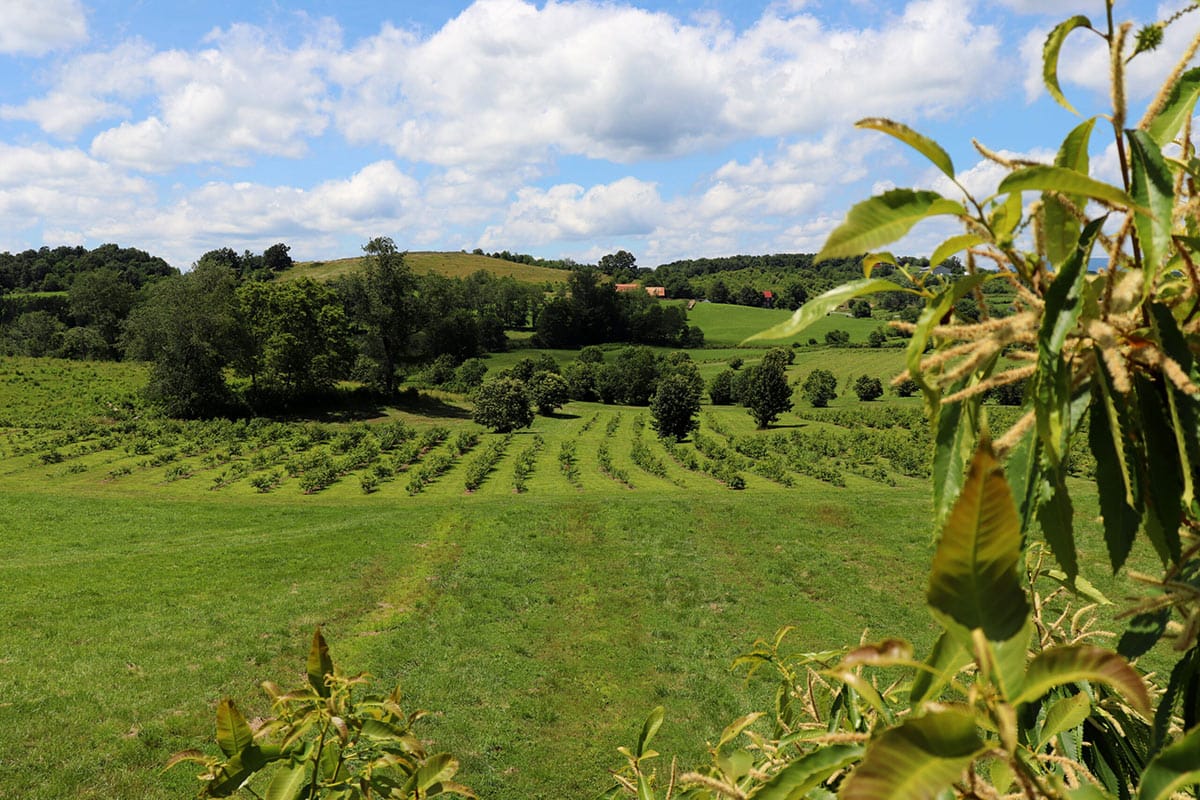
However, its actions still do have moral weight, and harm does not require malice.
In its North American context, the blight clearly preserves its own fungal path by repeatedly closing the chestnut’s path to maturity. The fungus only continues by infecting a host that lacks the resistance needed to coexist with it at the former forest scale, as others chestnuts do in Asia. The result is not a balanced continuation between two long-adapted organisms in a field that can accomodate them both. The result is a broad contraction of the chestnut’s future and the forest futures attached to it.
The fungus therefore deserves moral consideration as an extant locus, but not moral priority over the wider field it collapses. This is now a triage situation.
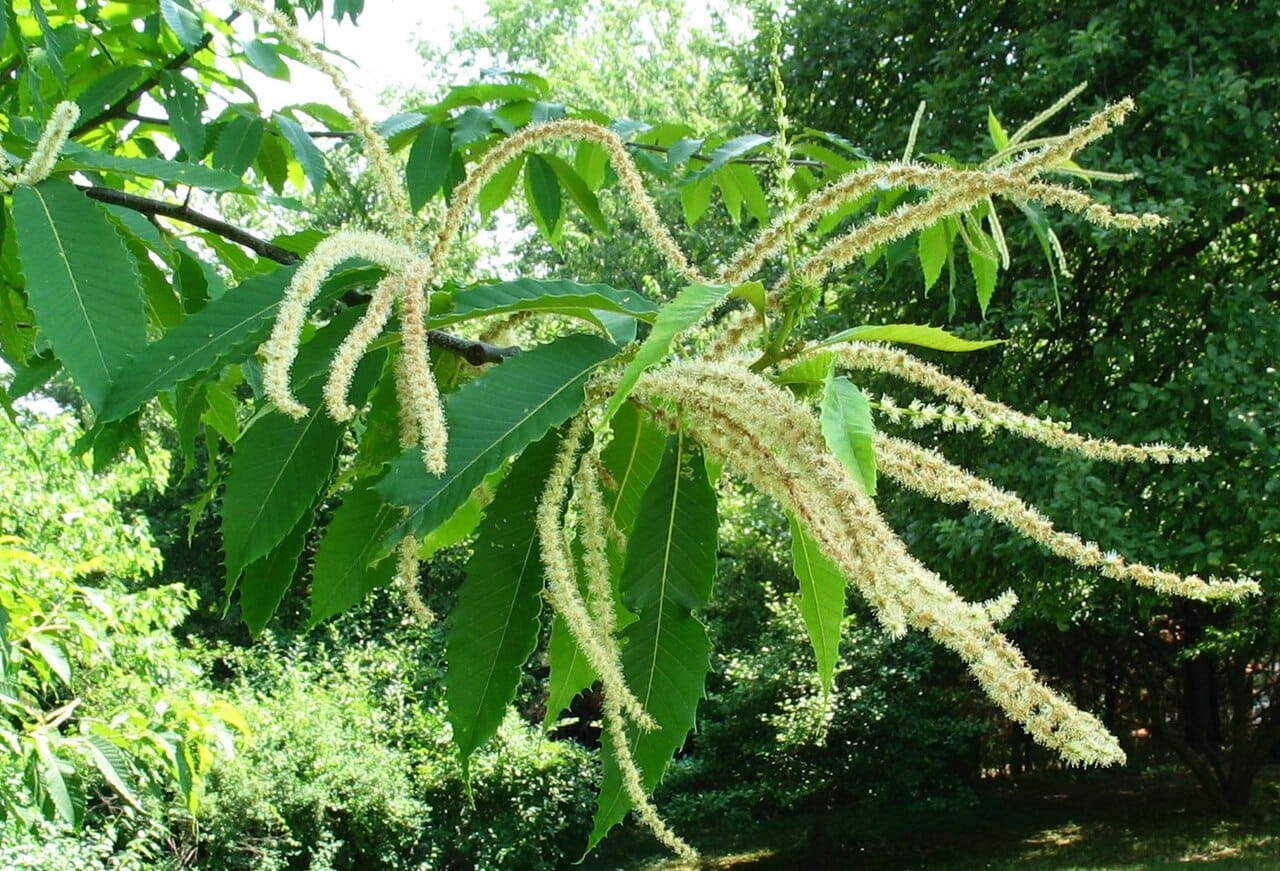
Moral consideration does not mean every living process should be allowed to continue in every form. A parasite, pathogen, or invasive species can be real and morally considered without being entitled to dominate whatever field it enters. Its existence still matters, but its destructive path can still be constrained when that path closes broader and more central continuations.
Why This Is Not Subjective Preference.
It would be simple and probably accurate in this case to just say that chestnut good and fungus bad.
That is not the argument I am making, however. The better argument is that the American chestnut was a broad, central, enabling locus in the eastern forest. Its mature continuation supported many other enabling continuations. The blight’s local continuation in North America has greatly narrowed that broader field. It has allowed other plants to elaborate into the place of the chestnut, but they cannot replace it.
A clear moral conclusion can be drawn. This field openly favors the restoration of the chestnut trees.
Not because humans happen to like chestnut trees, and certainly not because the past must be recreated exactly. This is also not because every native species always defeats every introduced species in moral importance. The ruling here clearly favors restoration because the blight-created field is more closed than the field restoration would aim to reopen.
A restored American chestnut would reopen a blocked ecological role. It would restore, at least in part, a food source, a canopy structure, a genetic lineage, and a set of human and nonhuman relationships that were greatly narrowed by the fungus.
That does not mean every restoration method is now automatically justified. Restoration can also be done very badly. It can move pathogens, narrow genetic diversity, create false confidence in continuance, generally waste resources or otherwise impose new risks. A restoration project has to be judged by what it actually does to the field, not by how good it sounds to us.
However, at the same time, the damaged state itself should not be mistaken for neutrality. Leaving the chestnut trapped in its functional extinction is not actually a morally clean default. That would be the continued acceptance of a narrowed field.
The Ruling.
People should support careful efforts to restore the American chestnut and constrain the destructive path of chestnut blight where those efforts are evidence-guided, ecologically serious, and proportionate to the wider field.
This means supporting credible restoration work, including breeding, disease-resistance research, genetic preservation, and field trials.
It also means carefully preserving surviving American chestnut material, because those surviving trees and sprouts remain part of the species’ future-space. It means avoiding careless movement of infected plant material or poorly identified nursery stock, and treating forest pathogens as field-level risks, not as isolated technical inconveniences, while also recognizing that restoration is not nostalgia. The aim here is not to stage a historical reenactment of the old forest. Our goal is to reopen a living path that was closed.
This ruling also means refusing two opposite mistakes:
The first mistake would be reckless intervention: assuming that any action done in the name of restoration is automatically good. Guess what? It isn't. A bad restoration path can easily introduce new harms.
The second mistake is passive surrender: assuming that because the blight is naturalized now, the damaged field should simply be accepted as natural. That also does not follow. A harmful process does not become morally neutral just because it has persisted for a long time. Time does not, in fact, cure all wounds for us.
The American chestnut’s current condition is not the best reachable field. Where careful restoration can reopen the chestnut’s mature future without imposing deeper harm elsewhere, the moral direction is clearly repair.
The chestnut blight also shows why Modal Path Ethics cannot begin with blame. This fungus is still not guilty. The trees are still not persons.
The harm is still real. A central living path was narrowed, and the work required to reopen it became far harder.