Thought Gauntlet IV: The Replacement Problem
This answer generally does not require any cosmic drama at all.
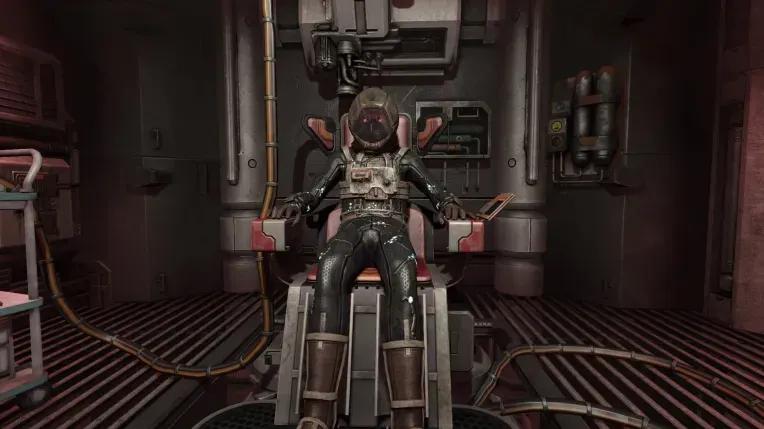
Continuing to run this gauntlet, we next turn to The Replacement Problem, which asks whether one life can be morally replaced by another.
The simplest version is like this:
A being is alive.
That being has a good life.
If that being is now killed painlessly and replaced by a new being with an equally good life, has anything morally important actually been lost?
A crude maximizing view may be tempted to say no, because the total amount of welfare remains the same. One happy life is removed and another happy life appears. If the replacement life is just as good, or even slightly better, then the total field may look unchanged or even improved.
The Replacement Problem is not difficult because the arithmetic is hard. It is a moral trap because the arithmetic is being asked to do something it cannot do.
This problem asks if you treat lives as welfare containers: One container out. One container in.
But a life is an extant locus: a continuing path with its own history, relations, capacities, memory, vulnerabilities, unfinished futures, and local structure.
Killing that locus clearly closes its future. Creating another locus may open another future, but it does not reopen the one that was closed. Replacement is obviously not repair.
A Quick Toy Version.
Imagine two beautiful animals.
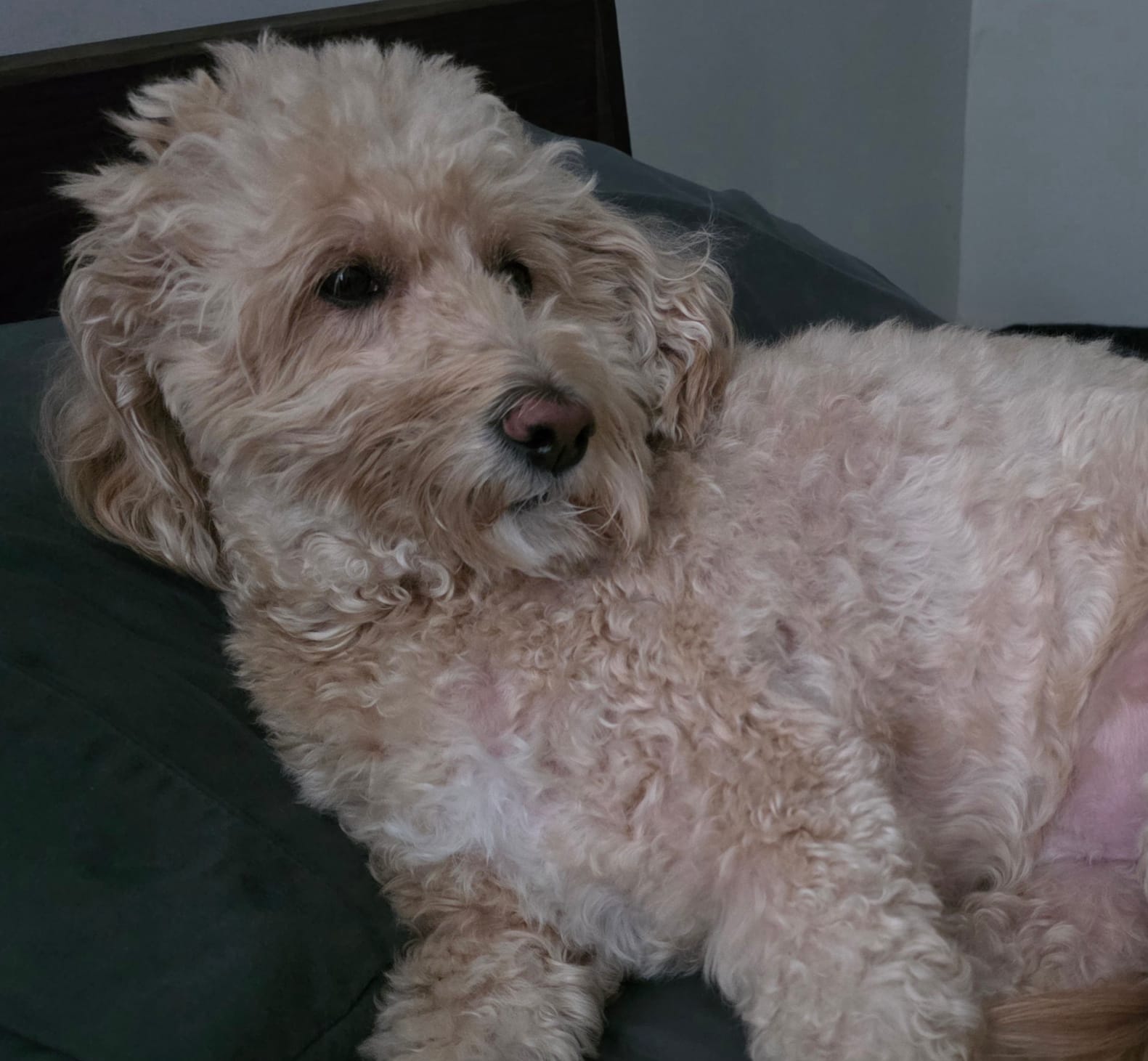
The first animal is healthy, happy, and expected to continue living well.

The second animal, unfortunately for it, does not yet exist.
Then suddenly someone shows up, kills the first animal painlessly, and brings the second into existence.
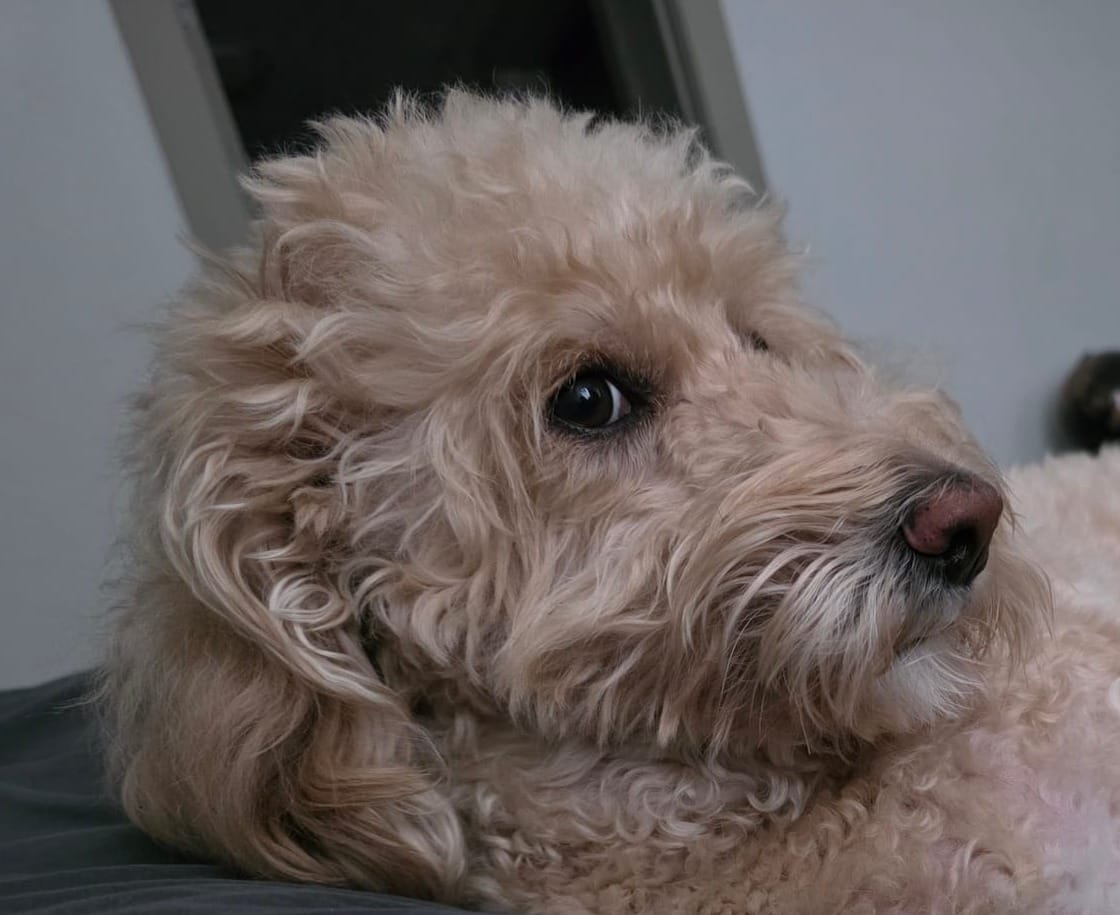
The second animal is now also healthy and happy. It has the same expected welfare as the first.
Also, in this case, no one else is affected by this. There's no grief spreading out, or fear, because the first animal was killed.
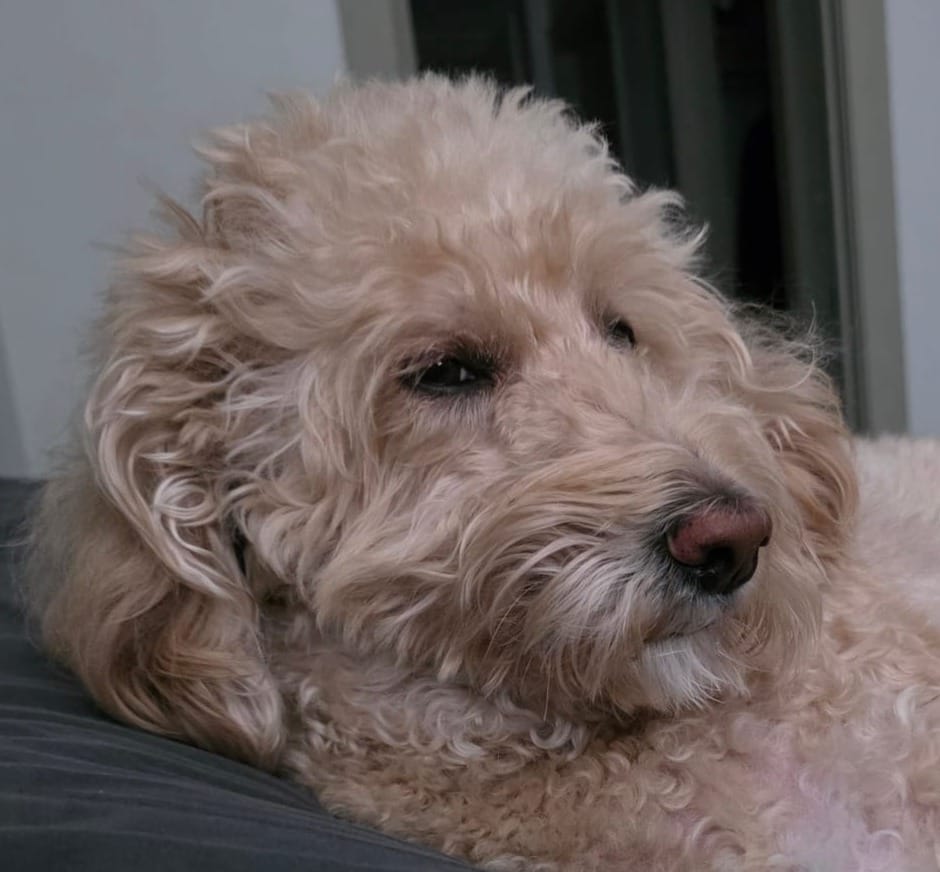
No social damage. No ecological damage. No loss of trust. No suffering during death.
So did anything go wrong?
Modal Path Ethics says yes, of course, because that first beautiful animal's future was closed.
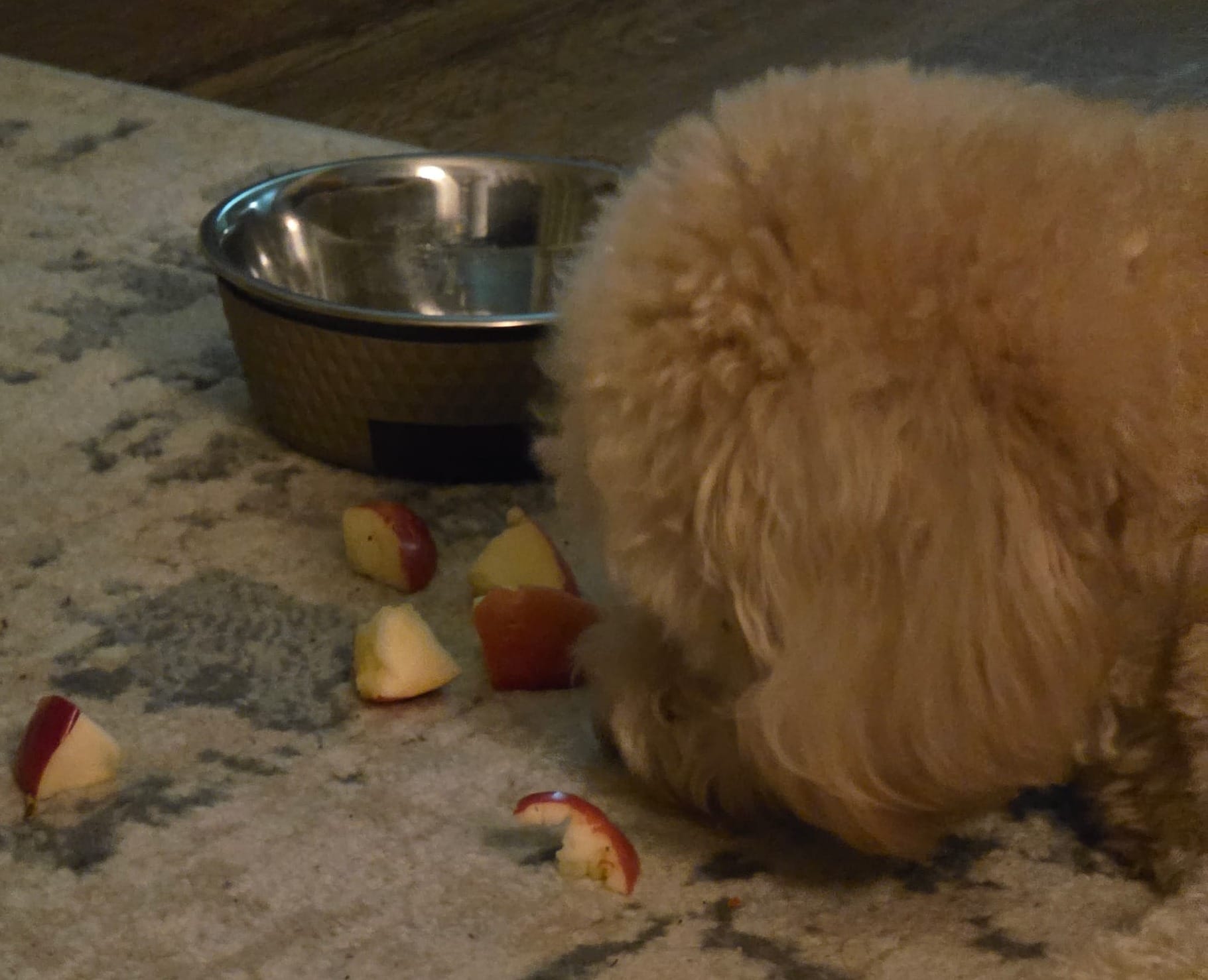
That answer does not require suffering at the moment of death, or any other response. It does not require the animal to conceptualize its own future, or for its demise to result in a grieving community. This answer generally does not require any cosmic drama at all.
The animal was an extant locus with reachable continuance. That continuance was destroyed.
A new locus does not undo that destruction. End of discussion.