Thought Gauntlet VIII: The Last Human
The Last Human’s loss is not a license to destroy every other field they can still manage to reach.
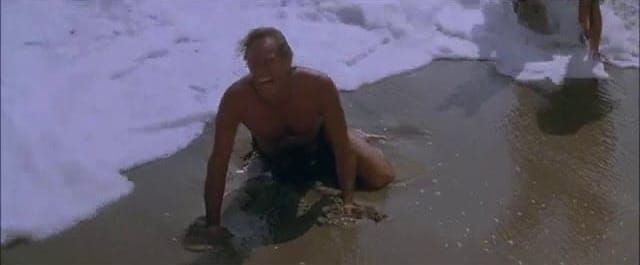
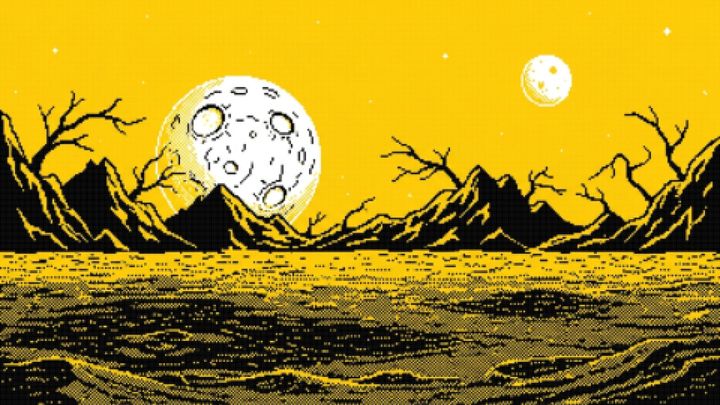
The Last Human is a thought experiment about a person alone at the end of humanity. No future human beings will exist.
This is the kind of situation Modal Path Ethics excels in.
There will be no descendants of the Last Human, no historians to study them, no judges to condemn them, no museums to honor them, no civilization to continue without them, no one left at all to remember anything, regret anything, restore anything, or write an unusually confident opinion about it on a website no one goes to.
The Last Human is about to die.
Before dying, and with nothing else to do, they decide to destroy what remains of the living world. Don't worry too much about why.
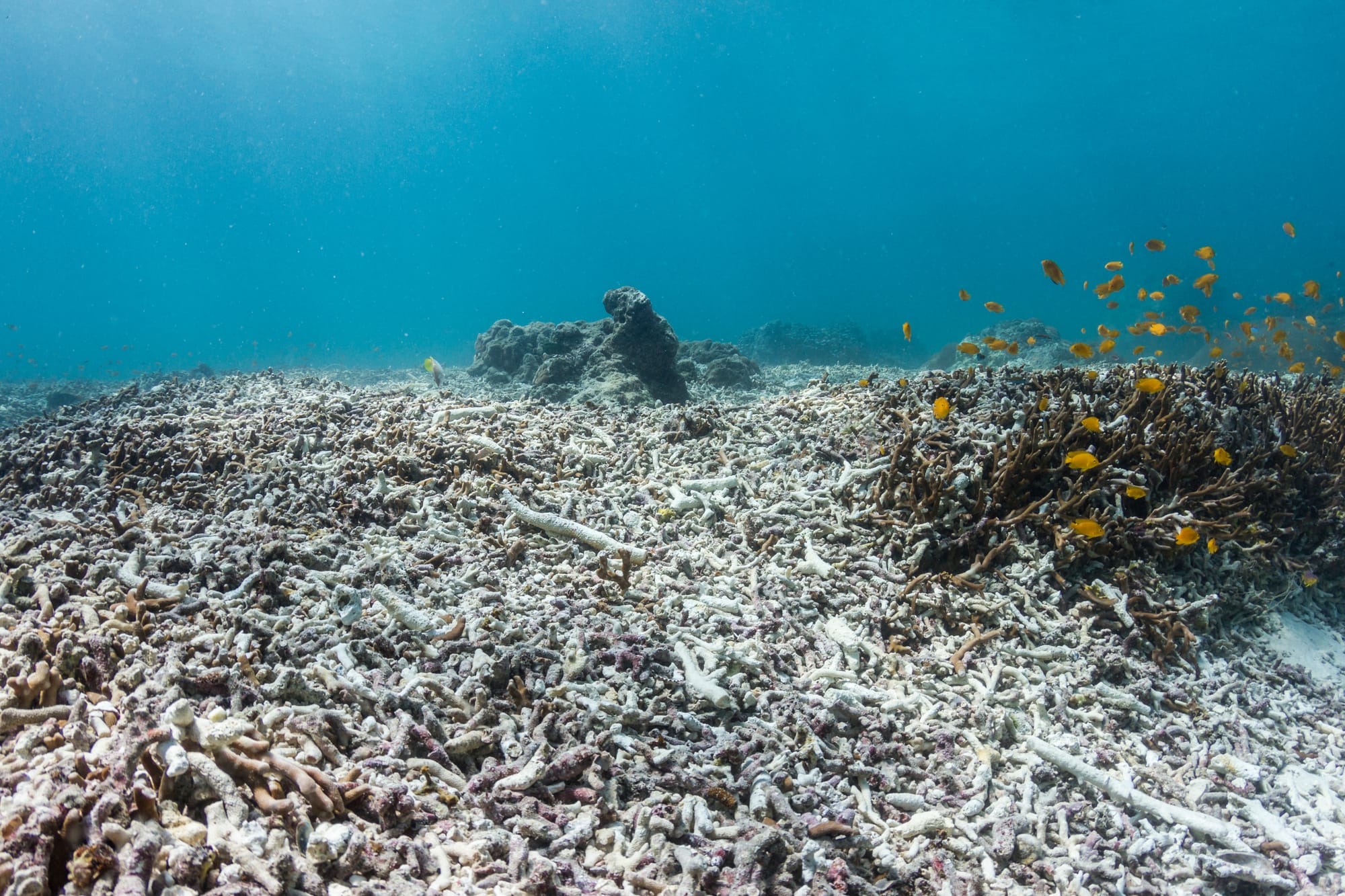
They burn all the forests. They poison all the rivers. They kill all animals. They smash the nests, uproot the plants, shatter the coral, destroy the seed banks, and erase as much nonhuman continuance as they can possibly reach. They do this painlessly where possible.
The Last Human, in doing this, is not making any future human life worse, because there will be no future human life.
So is that wrong to do, if you wind up as the Last Human?
The answer is obviously yes, what are we even talking about?
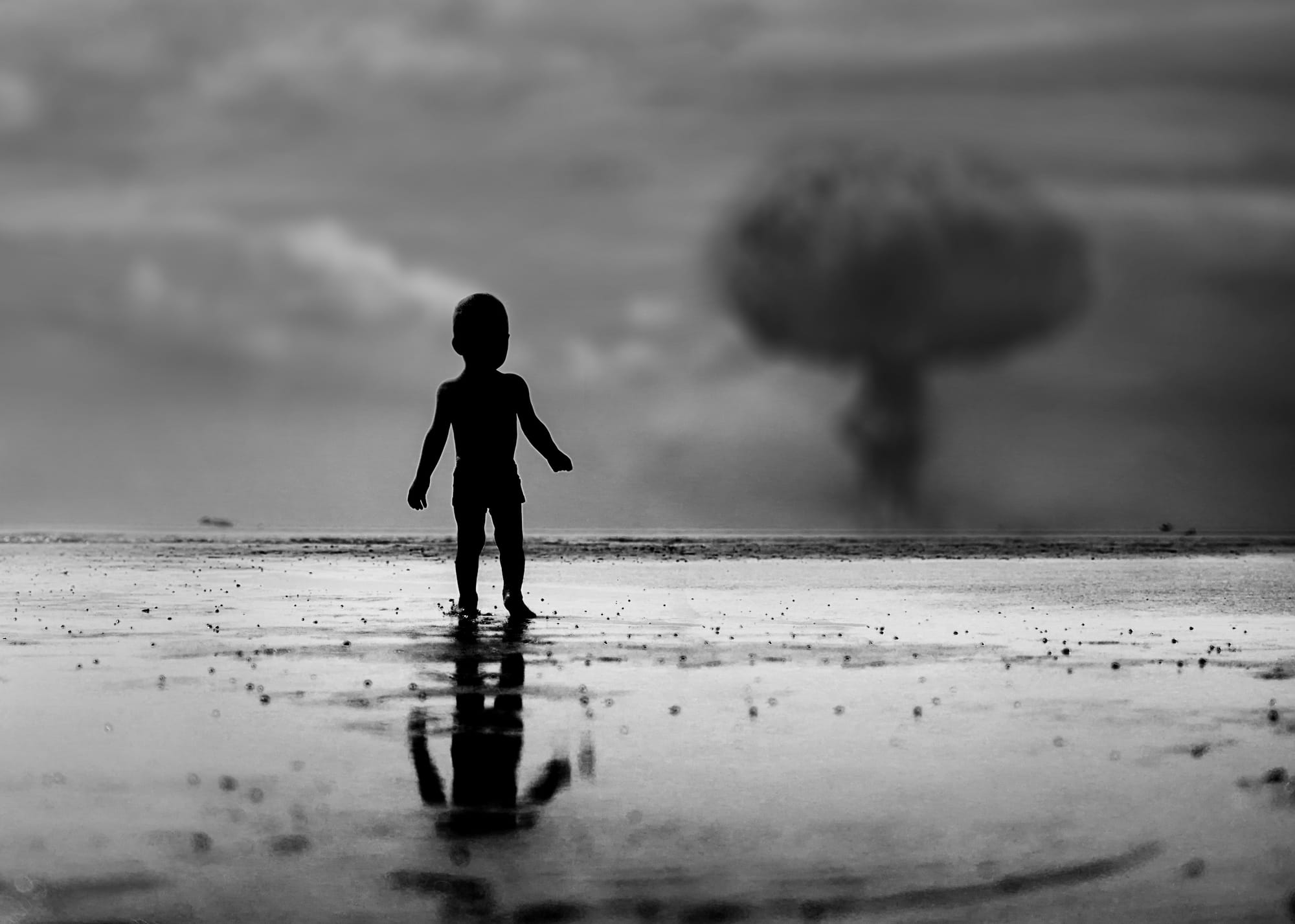
The Last Human exposes a deep, major weakness in any ethics that treats human experience, human preference, human society, or human valuation as the source of moral reality.
If no human remains to suffer the loss, remember the loss, judge the loss, or be deprived by the loss, then what exactly is wrong with the destruction?
Quite a lot, actually.
The nonhuman world is not morally real because humans value it. It is morally real and in play because it is extant.
The mistake that leads you to even puzzling over something like this is putting the human observer at the center of moral reality.
Humans matter. Human suffering matters. Human futures matter. Human memory matters. Human valuation matters.
Humans still do not create the field from nothing. They are not the magical light switch that turns moral reality on.
A forest does not become real the first time a human hikes through it. A river does not become a moral object because a human drinks from it.
An animal does not become significant because a human loves it, photographs it, eats it, studies it, names it, or uses it as an example in a thought experiment.
Those relations all matter when they exist, but they are not the source of moral reality.
Those things are already extant. The ecosystems they form are not empty scenery waiting for human stage directions.
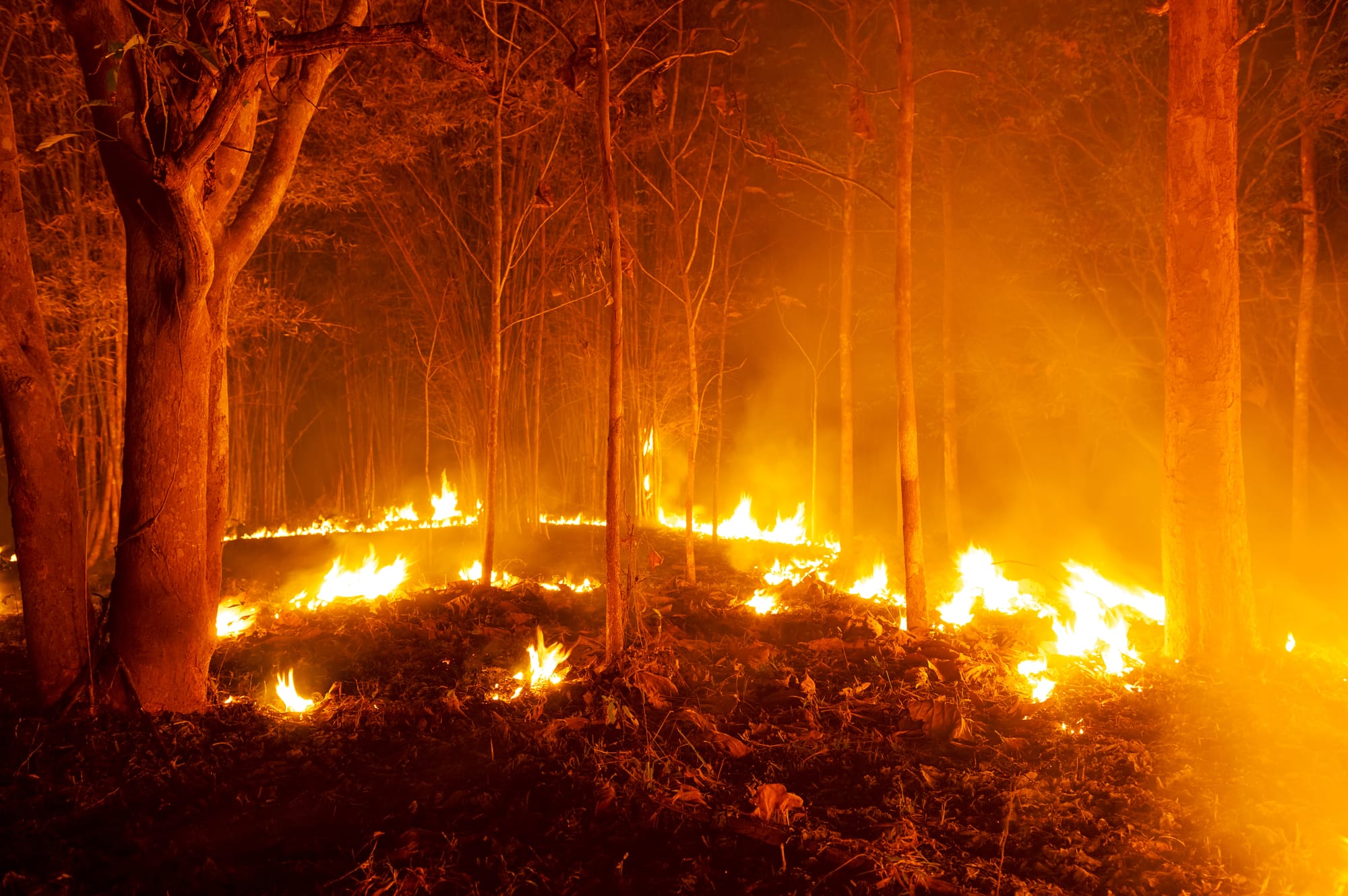
If the last human burns the forest, the forest burns. And a forest is not one thing. It is a layered field of trees, fungi, insects, birds, mammals, soil, water, light, decay, seed, competition, shelter, predation, succession, and repair. It has many futures, not one.
When the Last Human burns it, those paths all close.
The fact that no person later says “what a shame” is irrelevant to the closure.
Avoiding suffering is also completely irrelevant here. Pain is not the only moral fact. It is one mode of harm, and a very important one, but not the whole structure.
This is why the case is not solved by the bizarre line of reasoning that would lead to someone saying, “just destroy them without suffering.”
The ecosystem itself is also a field.
It is not conscious in the way an animal is conscious. It does not deliberate. It does not suffer as one subject. It does not have a single mind sitting behind the trees afraid of the Last Human.

It still matters morally.
An ecosystem is a coherent region of continuance, which holds relations that make many futures reachable. Destroying it removes the relations through which individuals and later generations could continue.
It also does not matter morally that the Last Human is feeling lonely.
The Last Human is most likely grieving beyond ordinary human comprehension. They have seen all civilization end. They may be terrified, broken, lonely, resentful, numb, or mad with the knowledge that no human future remains. Their own field has collapsed almost completely, and soon it will be closed.
As tempting and entertaining as it may be, I do not need to flatten the Last Human into a villain-shaped object to save on cortex calories. The last human is also an extant locus. Their grief and loneliness is extremely real. Their final hours definitely do matter.
No part of that granted them total ownership over extance, or moral exclusion.
The Last Human’s loss is not a license to destroy every other field they can still manage to reach.
Despair often tries to universalize itself. If my future is gone, then nothing matters. If my people are gone, the whole world can burn. If no one remains to remember, why even preserve anything?
This is not any kind of moral insight. This is just how a wounded locus verbalizes collapse.
The answer is not to mock the wound, or expand it into total permission.