Field Instruments: Markets
Exchange is not neutral.
September 2026 note: The market analysis remains intact, especially demand versus need, supply versus abundance, formal exit versus reachable exit, and the idea of markets as bounded distributed-search instruments rather than moral judges. Later Inner Apocalypse work makes the sovereignty point more exact: capital can acquire constitutional force when purchasing power, property, debt, employment, ownership, and access decide practical membership before formal law acts. The current post-capital formulation therefore does not require abolishing markets; it means the market loses its throne and remains one instrument inside a wider constitutional field with a material floor. Current harm language also encourages component-level diagnosis—foreclosure, resistance thickening, and generative damage—rather than treating “the market” as one undifferentiated harmful bearer or cause.
A market is never the field. So much modern moral and political confusion begins by forgetting that.
A market may contain real information. It may coordinate real labor. It may expose real scarcity, punish waste, reward useful invention, and allow strangers to cooperate.
So, not nothing. But never the field.

A market is a structured instrument inside the field. It is built from prior instruments:
Money gives agents portable claim-power.
Accounting gives institutions memory.
Property stabilizes access, use, exclusion, transfer, and control.
Markets then place those remembered claims and enforceable holdings into patterned exchange.

That means markets do not begin from nowhere, or float in some kind of financial pocket dimension. They inherit the world already shaped by money, accounts, property, law, violence, custom, debt, infrastructure, exclusion, inheritance, luck, and historical wound.
So, by the time any two agents meet in a market, the field has already been narrowed.

This is the first Modal Path Ethics correction to the concept of market innocence: exchange is never just “exchange.” This exchange is the visible moment of a longer field history.

A person brings money to the market. But how did they get it?

A company brings goods. But who owns the inputs?

A buyer expresses demand. But who lacks purchasing power and so appears as no demand at all?

A seller offers labor. But what alternatives made that offer feel voluntary?

A price appears. But what parts of the field were counted before that price became possible?

The market does not answer any of these questions by existing. It instead often hides them by functioning.
That is exactly why markets are so powerful. These things can make a damaged field look orderly. They can turn inherited asymmetry into a normal transaction. They can convert desperation into demand, exclusion into efficiency, depletion into profit, and field blindness into price.

They can also open real paths. They can coordinate distributed intelligence. They can let small actors test new solutions without waiting for permission from some central planner. They can reward substitution away from waste. They can help people escape stagnant local dependency. They can make plural experiments possible where command systems would impose one brittle answer.

This is that center line again. Markets are neither demons nor saviors. They are just field instruments.
The question is always what they make reachable, what they make unreachable, what they select for, and what they cannot see.
Field Instruments.
The previous Field Instruments articles built the sequence leading here deliberately.
Money is not wealth in the deepest sense. Money is portable claim-power over possible transitions. It allows one agent to move through the field with socially recognized capacity to command goods, labor, time, access, attention, and risk-bearing.
Accounting then gives memory to organized action. It decides what is recorded, compared, retained, audited, optimized, forgotten, and treated as real inside an institution. A thing that enters the account can steer future behavior. A thing excluded from the account can vanish from decision without vanishing from the field.
Property then stabilizes control. It tells the field who may access, use, exclude, transform, transfer, hold, inherit, defend, and profit from something. Property creates durable standing around objects, land, tools, ideas, homes, machines, bodies of work, and productive systems.
Markets come after all of these.
A market is what happens when money, accounting, and property become exchange architecture.
Market discourse often pretends that markets are natural facts, as though buyers and sellers simply appear before one another in some kind of pristine clearing.

But that clearing has always been made. The goods have been defined. The claims have been recognized. The accounts have been kept. The currency has been accepted. The property boundaries have been enforced. The roads, courts, police, payment systems, warehouses, labor rules, debt instruments, and background norms are already there.
The market can never be prior to these things. It is constituted by them.

So when Modal Path Ethics analyzes markets, it does not begin by asking whether “exchange” is good or bad. Exchange is too broad for that kind of work to be clean. The real question is always more specific:
What kind of field has this market inherited, and what does this market now select?
Markets are selection systems. They do not simply distribute things. This architecture tests possibilities against exchange conditions. Markets ask, repeatedly and impersonally: under the current arrangement of money, property, accounting, law, trust, access, infrastructure, and power, which offerings can survive?
This is where their virtue and danger both begin at once.
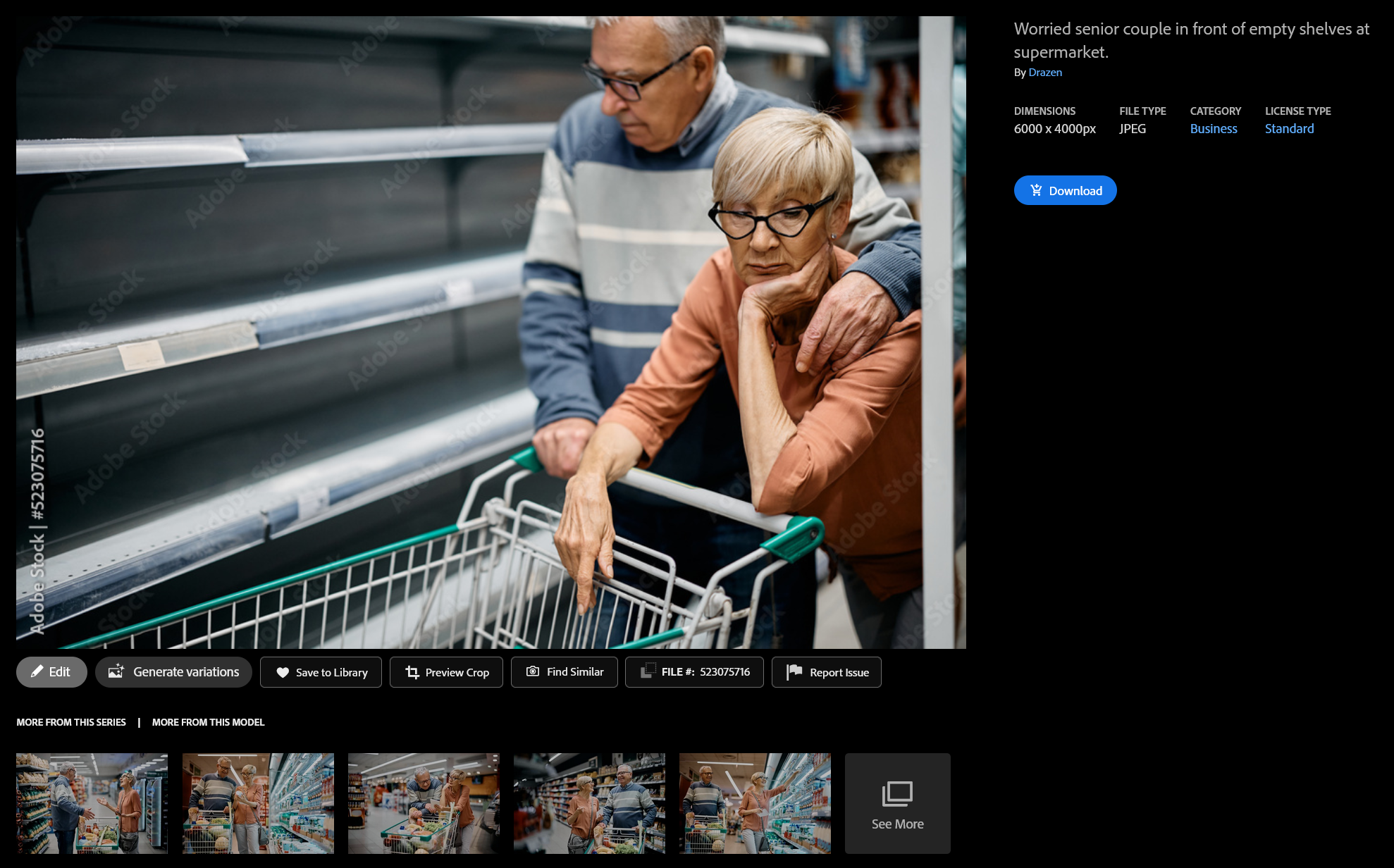
A market can select for real usefulness. It might reward someone who finds a better way to feed people, house people, move goods, produce medicine, repair tools, educate children, or reduce waste.
But a market can also select for exploitability, opacity, addiction, labor suppression, regulatory arbitrage, ecological damage, desperation, enclosure, and manipulation.
The market simply does not know the difference by itself. It selects according to the field-description built into it.
What a Market Is.
A market is not a place where people buy and sell.
A market is a patterned field of possible exchanges in which agents with recognized claims can offer, compare, refuse, accept, price, substitute, compete, accumulate, and exit under shared rules of enforceability.
That definition is a little heavier to carry than everyday usage, but the weight is necessary.
A market requires agents. Someone must be able to act.
It requires recognized claims. Agents must have something they are allowed to offer, withhold, transfer, or spend.
It requires comparison. The field must allow one possible exchange to be weighed against another.
It requires refusal. If no one can say no, the exchange may be extraction wearing a market costume.
It requires enforceability. Without stable expectation that transfers will hold, market activity collapses into fraud, violence, gift, seizure, or patronage.
It requires accounting. Someone must remember who owes what, who paid, what cleared, what failed, what inventory remains, what margin exists, what loss occurred, and what can be tried again.
And it requires boundaries. Not everything can be in a market at once. A market always depends on some prior answer to the question: what may be exchanged here?
That boundaries question is always moral before it is technical.
Can land be sold? Water rights? Organs? Debt?

What about votes? Genetic data? Attention?
Can you sell personal information? Can you sell reproductive labor? Can a person sell years of future labor?
Can a corporation own a seed? Can a landlord own the only housing within reach of a family’s school, work, and medical care? Can a platform own the interface through which small businesses reach their customers? Can a company own the medicine without which patients die?

Markets never just answer these questions from nowhere. They all inherit answers from property regimes, legal systems, technical systems, cultural norms, and political fights.
Once those answers are installed, the market now treats them as ordinary. Then, exchange proceeds as though the moral crisis has been settled by the fact that pricing is now possible. But making something exchangeable does not prove it should have been made exchangeable.
A market is never just a calculator. This is a permission structure.
The Market’s Real Boon.
It would be a mistake to treat markets as nothing but engines of harm.
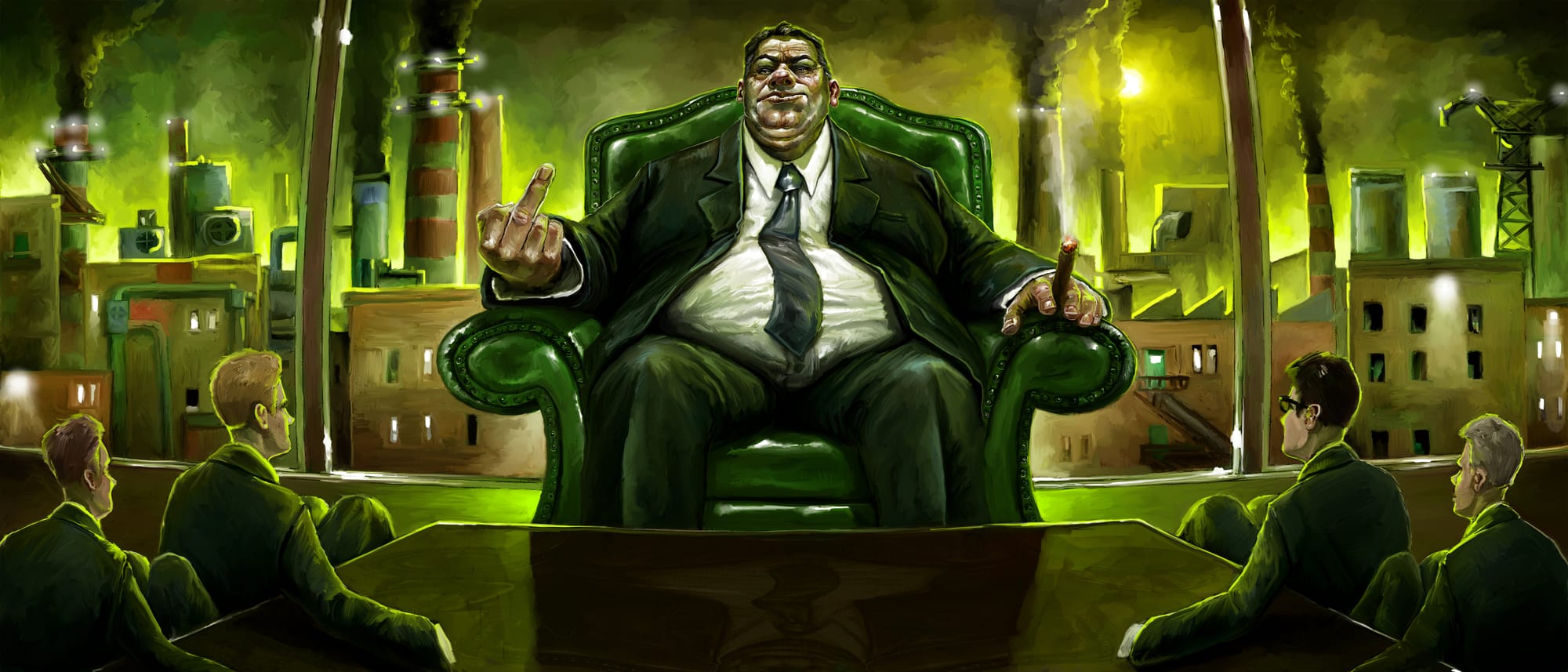
That mistake is still tempting because many visible markets are indeed grotesque. Housing markets can punish the poor for needing shelter. Medical markets can turn illness into leverage. Labor markets can force people to auction their lives under survival pressure. Attention markets can reward compulsion. Financial markets can detach profit from repair. Consumer markets can flood the world with objects that convert ecological and human cost into private convenience.
All true. But an instrument should be judged accurately, not just angrily.
Markets have a very real gift:
They allow for distributed search.
A central planner does not have to know every local need before someone tries to meet it. A committee does not have to approve every experiment anymore. A person with a small idea can test whether others find it useful. A producer can discover that people need something different from what experts assumed.
A failed product can disappear without requiring a revolution. A better process can spread because it works, not because a ministry blessed it. Strangers can coordinate across distance using price, reputation, contract, delivery, and payment.
Markets can widen search space.

They can create many small experiments instead of one big authorized plan. They can reveal latent demand and let people leave bad suppliers. They can reward efficiency when efficiency means less waste, less cost, less effort, less scarcity, or better access. They can route resources toward urgent needs when the signal is honest and the buyers have real claim-power. They can let minor actors find niches that large institutions overlook.
A healthy market can discover paths that no single mind could ever design.

Reachable futures often depend on plural search. A society with only one authorized repair path becomes brittle. Markets can preserve some plurality by letting many agents attempt different transitions at once.
That is the best case here. The problem is that distributed search is not the same thing as field repair. This is a bounded tool.
A market searches within the constraints it has been given. If those constraints are false, the search may become catastrophic. A market can efficiently discover better ways to do the wrong thing. It can optimize extraction. It can cheapen manipulation. It can scale addictive design. It can reward the company best able to hide costs. It can select for actors willing to treat unpriced harm as opportunity.
The same mechanism that discovers the useful paths also discovers the more powerful contraction paths. This is another Method.
Markets do not only search for value. They search for advantage. Whether advantage aligns with repair depends on the field.
Demand != Need.
One of the most dangerous confusions in market thought is the identification of demand with need.
Demand is not need.

Demand is need or desire backed by purchasing power, access, information, and permission to appear inside the market.
A starving person without money does not generate any market demand for food. They generate a lot of need. The market may still not see them.

A patient without insurance does not generate the same demand as a patient whose treatment will be reimbursed. Their body may need care just as urgently. The market signal diverges.

A child harmed by pollution does not bid against the factory. A future generation does not enter the auction. A river does not buy its own protection. A disabled person excluded from employment may need support, access, treatment, transport, and social participation, but their unmet needs may appear in the market as low productivity, low profitability, or no signal at all.

Demand is filtered presence. This is not a small defect. It is a structural limit.
Markets hear those who can enter them in the right form. They hear money. They hear enforceable claims. They hear buyers able to complete transactions. They hear institutions that can place orders. They hear owners who can withhold supply. They hear investors who can move capital. They hear consumers whose desires have been made legible.
But they do not automatically hear need.

This is why market outcomes can never be treated as moral verdicts. The fact that something “has no market” may still mean it lacks value, but it may also mean the beings who need it lack recognized claim-power.
The fact that something sells may mean it helps people. It may also mean it captured attention, exploited weakness, externalized harm, or reached buyers while its victims remained outside the transaction.
Demand is just evidence. It is not judgment. A field analysis must ask who could not appear.
Supply != Abundance.
Supply has a parallel distortion.

Supply is not abundance. Supply is what holders are willing and able to bring into exchange under current conditions.
A thing can be abundant in the field but scarce in the market because access is controlled. Housing can exist while people sleep outside. Food can be thrown away while people go hungry. Medicine can be technically producible while patents, pricing, distribution, or regulation keep it out of reach. Knowledge can be easy to copy while legal regimes restrict its movement. Land can sit idle while ownership prevents use. Tools can exist while repair is blocked by design.
The market sees supply as what enters exchange, but the field still sees more.

Property stands immediately behind supply. To be able to supply something, an agent must have recognized control over it or some authorized relation to it. They must be able to sell, lease, license, rent, assign, transport, display, or otherwise release it under market conditions.
So market supply is shaped by prior control. It is not just a measure of what exists, it is a measure of what owners choose to make available.
That choice can be productive. A farmer brings food to market. A builder brings housing. A studio releases a game. A manufacturer sells tools. A teacher offers instruction. These acts can obviously open paths.

But withholding can also become power. Scarcity can be engineered. Access can be throttled. Repair can be restricted. Interoperability can be blocked.
A platform can own the channel and charge everyone who must pass through it. A landlord can benefit from shortage. A monopolist can profit by making alternatives unreachable. A company can destroy surplus rather than let price fall. A patent holder can prevent production by others even when the underlying need is urgent.
The market registers supply. Modal Path Ethics asks how that supply was made.
Competition Selects, Just Not Always for Repair.
Competition is often treated as the moral engine of markets.

The claim is familiar: when sellers compete, buyers benefit. Prices fall. Quality rises. Waste is punished. Producers must improve or fail. Bad actors lose market share. Better offerings survive.
This can all happen.

Competition can discipline arrogance. It can break stagnant monopolies. It can give customers exit. It can make producers attend to needs they would otherwise ignore. It can reward practical intelligence. It can support pluralism by preventing one authority from deciding everything.
But competition is not a universal repair machine. Competition always selects according to the rules of the contest.

So if labor protections are weak, competition may select for firms that grind workers harder. If ecological costs are unpriced, it may select for firms that pollute more cheaply. If customers cannot judge quality, it may select for deception. If addiction increases revenue, it may select for compulsion loops. If planned obsolescence increases repeat purchases, it may select against durability. If regulatory capture is profitable, it may select for political manipulation. If surveillance improves targeting, it may select for intrusion.
Competition does not ask what should win. It asks what can win, here.

That “here” is the whole issue.
A market with honest accounts, fair access, enforceable anti-fraud rules, meaningful refusal, non-destructive property boundaries, ecological constraints, labor protections, and real buyer competence may select many useful things.

A market without those conditions may select predators. It is not enough to just praise competition. We have to analyze the contest.

What counts as success? What costs can be dumped? What harms remain invisible? Who can exit? Who cannot? Who bears risk? Who captures upside? Who writes the rules? Who audits the accounts? Who owns the platform? Who defines the product? Who can survive a loss? Who is forced to accept whatever clears?
Competition can open possibility only when the competitive field is structured toward continuation. Otherwise it can accelerate contraction.
“The Market” as Moral Laundering.
Markets often launder moral decisions into technical outcomes.

No one usually ever says, “This child should breathe poisoned air.” The market just says the product is cheap.

I almost never hear anyone say, “This worker’s body should be consumed faster.” The market just says the labor cost must fall.

I couldn't find very many quotes for, “This community should lose housing stability.” The market just says rents rose.

It's almost unthinkable to suggest: “This person’s illness should become leverage.” The market just says treatment has a price.

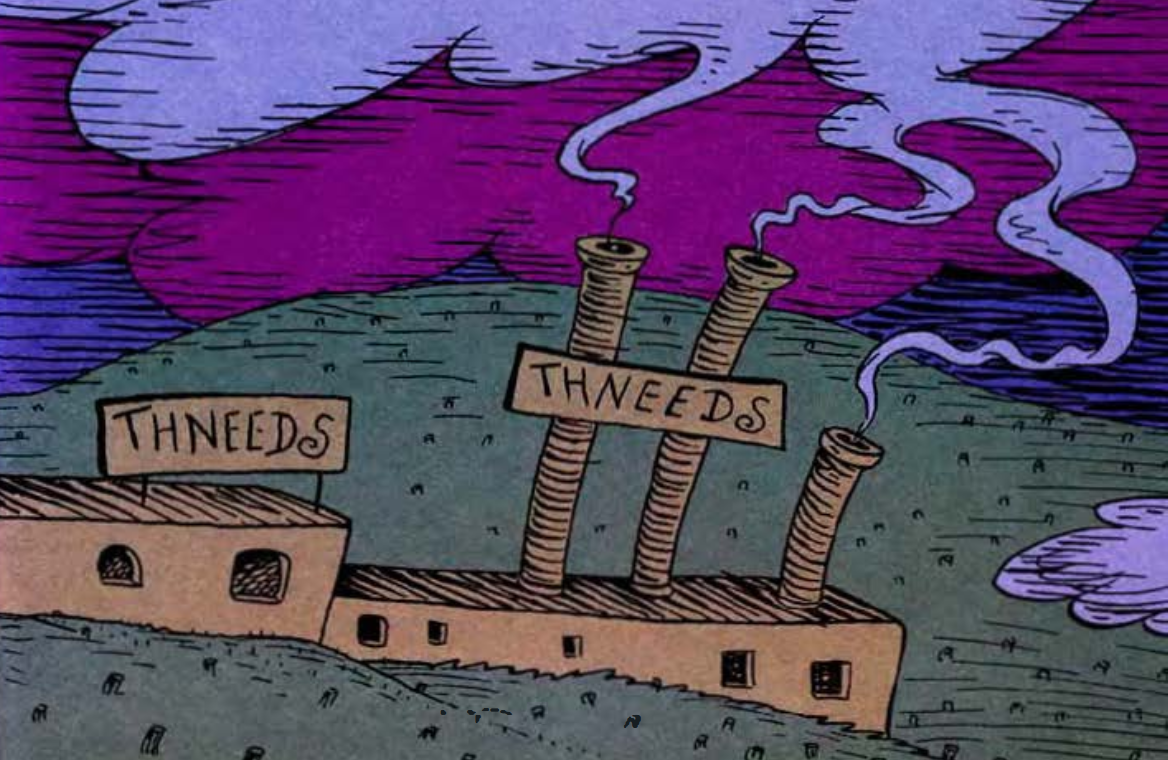
The consumer never says, “The forest should disappear.” The market just says the Thneed sells.
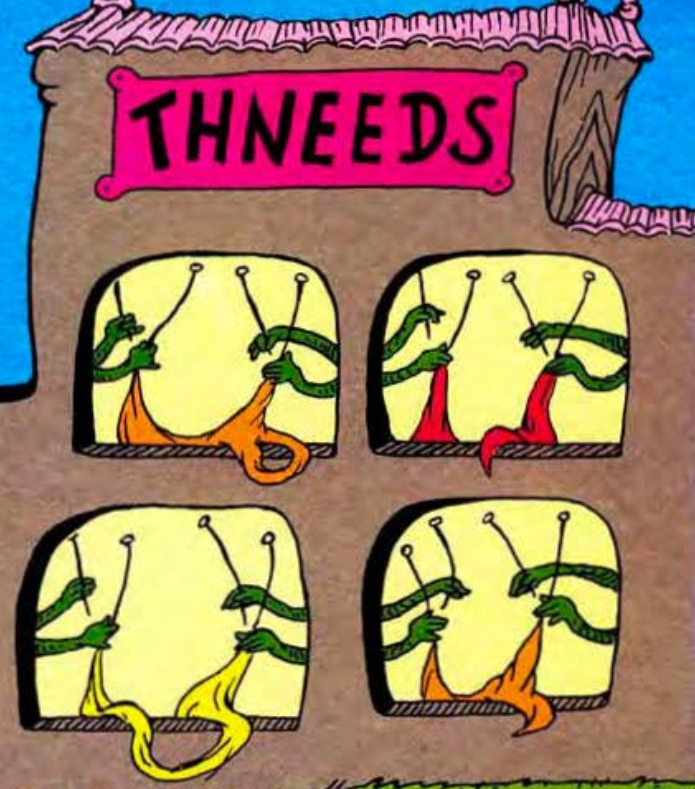
This is one reason markets can be so ethically dangerous. They allow agents to participate in harmful selection without experiencing themselves as actually choosing the harm. The seller just follows incentives. The buyer just seeks value. The investor just seeks return. The manager just reduces cost. The platform just optimizes engagement. The insurer just manages risk. The landlord just follows market rent. The consumer just compares price.
The field still contracts, but responsibility just disperses.

Dispersed responsibility is not the same as no responsibility, unfortunately. It is a much harder structure. The harm may be produced by thousands or millions of ordinary everyday decisions, each locally intelligible, and none individually identical to the whole wound being dug.
Modal Path Ethics does not respond by pretending that every participant somehow has equal guilt. That would be very analytically lazy.

Power differs. Knowledge differs. Alternatives differ. Some agents design the market; others are trapped inside it. Some profit from the rules; others comply because they must survive.
But the laundering function always remains. Markets can turn “I chose this” into:
“This is what the market did.”
That sentence is often a confession disguised as “inevitability.”

A market outcome is not beyond moral analysis just because many agents produced the transition. That is exactly the kind of outcome field analysis exists to understand.
Exit Is Not Always Freedom.
Market defenders often emphasize the function of exit.

If a buyer dislikes a product, they can buy another. If a worker dislikes an employer, they can find another job. If a tenant dislikes a landlord, they can move. If a customer dislikes a platform, they can choose a competitor.
Sometimes this is all true enough to matter.

Exit can be a real form of agency. The ability to leave a bad relation is one of the market’s strongest repair functions. It prevents total dependence on a single patron, lord, employer, guild, family, church, village, or state office. A society with many possible exchanges may let people escape local domination.
Except exit is not magic.

Exit requires a reachable alternative. It requires information, transport, time, money, legal permission, bodily capacity, social safety, and survivable transition cost. It requires that the next option not be structurally identical to the last.
A worker living paycheck to paycheck has less “exit” than this word suggests. A tenant in a housing shortage has less exit. A patient facing an emergency has very little exit.

A person dependent on a monopolistic platform for income, community, or distribution has less exit. A disabled person navigating scarce accessible services has less exit. A parent tied to a school district, medical network, or caregiving arrangement has less exit. A person in a remote town with one major employer may have the formal right to leave and no realistic path to do so.
Market language can overstate freedom by counting theoretical alternatives as reachable alternatives. Modal Path Ethics does not allow that.
A path is not open because someone can describe it. A path is open when an extant locus can actually move through it under the constraints of the field.
Exit is a field condition, not a slogan.
Consent Under Market Pressure.
The same problem appears in consent.

Market exchange is often defended through consent. The buyer agreed. The worker agreed. The seller agreed. The tenant signed. The borrower accepted the terms. The user clicked. The contractor took the job.
Consent matters. A world where consent does not matter is pretty terrifying. But consent is also not the end of field analysis.
Consent under severe constraint can be real and still morally insufficient.

A worker may genuinely accept a dangerous job because the alternative is hunger. A tenant may sincerely sign an abusive lease because the alternative is homelessness. A patient may truly agree to crushing medical debt because the alternative is untreated illness. A creator may accept a predatory platform split because the platform controls access to audience. A person may sell time, attention, data, risk, or bodily strain under conditions where refusal would close too many paths.
The exchange happened. That does not tell us enough. The field may still be coercive.

People under constraint are still agents. They make choices, weigh risks, protect loved ones, improvise survival, and sometimes find remarkable paths through bad conditions. Treating them as passive objects would be another distortion.
But recognizing agency does not sanctify the constraint.

Modal Path Ethics asks what alternatives were actually reachable. If the market presents one survivable path and several forms of ruin, consent to the survivable path does not prove the arrangement was just.
It proves the agent chose among the paths available. Then, we must ask who shaped availability.
Market Truth and Market Lies.
Markets can tell truths.

They can tell us that a good is scarce. They can reveal that people want something no institution noticed. They can show that a process is too costly to sustain. They can expose mismatch between production and use. They can punish fantasy when no one will buy. They can reward practical repair when people recognize its value. They can disclose local knowledge that planners lack.
But markets can also lie.

They lie when price omits cost. They lie when demand excludes need. They lie when supply reflects control rather than abundance.

They lie when consent hides desperation. They lie when competition rewards harm. They lie when accounting forgets the field. They lie when property defines theft as ownership and ownership as neutrality.

They lie when future closure is discounted into present profit. They lie when the beings most affected cannot enter the transaction.

A market lie is not always a deliberate falsehood told by one person. It can be an organized misdescription produced by the structure itself.
This is why “the market has spoken” is such a dangerous phrase. Markets often lie; don't just take it at its word.

Which market? Structured how? With what property rules? With whose money? With whose exclusion? With what accounts? Under what law? Over what time horizon? With what harms priced, ignored, displaced, or forbidden? With what ability to refuse? With what future counted?
The market speaks in the language it has been given. If the language is damaged, then the speech will naturally be damaged too.
The Repair Market.
The best defense of markets is not that they are natural, inevitable, neutral, or morally self-justifying. They aren't.
The best defense is that under the right conditions, markets can become effective repair instruments. A repair market is a market whose selection pressures tend to open better paths.
That does not happen by accident. It requires design and discipline.
A repair market must count the field more accurately than a contraction market does. It must prevent profit from depending on hidden damage. It must give need some way to appear even when need lacks purchasing power. It must make refusal meaningful. It must prevent property from becoming pure closure. It must restrict the sale of things whose commodification destroys the conditions of agency. It must make long-term effects harder to dump onto the future. It must support durable goods, repairability, substitution away from harm, and access to necessities.
A repair market also needs anti-capture rules.

Markets tend to produce winners, and winners often try to rewrite the market to preserve winning. They lobby, acquire competitors, control platforms, shape standards, influence accounting, privatize infrastructure, and convert temporary advantage into durable path-control.
That is not an accident at the edge of markets. It is one of their central dangers.
Successful market actors can become anti-market actors once competition threatens them. They may praise markets while working to close the field around themselves.

A repair market must therefore defend the conditions of continued plurality against the actors most rewarded by prior rounds of selection.
All of this is not “anti-market.” This is just what taking markets seriously requires. A market that cannot protect itself from capture becomes property’s servant, capital’s amplifier, or monopoly’s mask.
The Contraction Market.
A contraction market is a market whose selection pressures contract reachable futures instead of widening them. This can happen even while the market appears active, innovative, profitable, and efficient.

A housing market can generate wealth while making family formation, community continuity, and basic shelter less reachable. A labor market can produce low prices while burning through bodies. A medical market can generate extraordinary technical capacity while excluding those without payment access.
A data market can create useful personalization while eroding privacy, autonomy, and democratic trust. A media market can expand content while selecting for outrage, compulsion, and attention capture. A food market can produce abundance while degrading health, soil, labor, and local resilience.
The market is moving, but the field may be narrowing.

This is why growth alone cannot serve as the master value of repair. Growth of what? For whom? By closing which futures? At whose expense? With what dependencies? Under what hidden fragility? A tumor grows too.
Fire spreads. A monopoly expands. Debt compounds. Extraction scales. Addiction deepens. “Growth” is not a moral category until the field is counted.
A contraction market may increase total exchange while reducing actual reachability for many loci. It may expand choice at the surface while closing deeper paths. It may produce ten versions of a luxury good while making basic shelter unattainable. It may offer infinite entertainment while eroding attention. It may optimize delivery speed while degrading labor, or lower consumer prices by transferring cost into ecological damage, surveillance, or future instability.
The market just says: “more.” Modal Path Ethics asks: more of what, through what, and toward what?
Markets and Time.
Markets are often biased toward the time horizon built into payment.
A sale now is clear. A harm later is uncertain, dispersed, discounted, contested, or assigned to someone else.

A quarterly return is very legible. But a lost wetland, weakened public health system, exhausted worker, destabilized climate, or eroded trust may enter the account too late.
This is not because market actors are all short-sighted fools.

Some do appear to be. But many are not. The issue here is structural.
Markets struggle with futures that lack present claimants. Future persons cannot bid. Future ecosystems cannot sue unless institutions represent them. Future risk is often probabilistic. Future repair may be expensive to prove. So the agent who profits now may not be the agent who pays later.
This means markets always need temporal instruments built up around them.

They need rules, accounts, insurance structures, public institutions, scientific measurements, precautionary boundaries, stewardship obligations, and liability regimes that force the future back into the present decision.
Without those instruments, the market will often treat future closure as if it were present opportunity. That is one of the core bridges to the Finiteness Problem.

Markets are especially dangerous when they behave as though the field is indefinitely absorbent.
Infinite waste sinks. Infinite labor flexibility. Infinite ecological recovery. Infinite attention. Infinite debt capacity. Infinite housing appreciation. Infinite growth. Infinite substitution. Infinite patience from the future. An infinite line on an infinite graph.
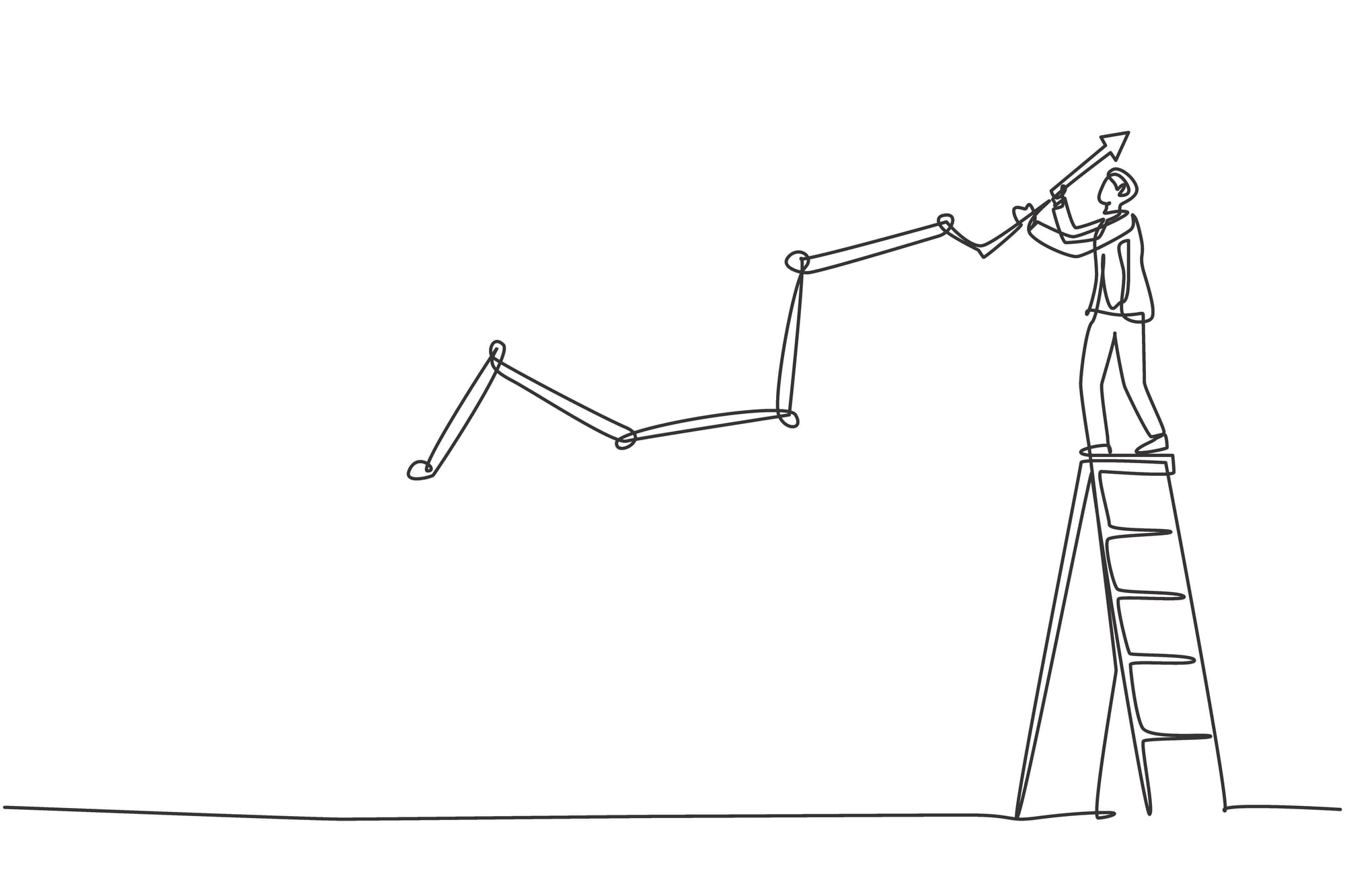
But fields are finite in ways markets may not count until after damage becomes expensive or irreversible. The market can coordinate within finitude only if finitude enters the instrument.
Markets & Knowledge.
Markets are sometimes praised as information processors. This is partly correct.

Markets can gather signals from dispersed agents faster than central systems. Prices can move when conditions change. Buyers and sellers can reveal local knowledge through action. Entrepreneurs can test hypotheses. Failure can carry information. Profit can indicate that an offering found a path through the field. Loss can indicate that a path did not sustain itself.
But market knowledge is not total knowledge. This is knowledge filtered through transaction.

A market knows what market participants can express through offers, bids, prices, purchases, refusals, contracts, and exits.
It does not automatically know what cannot be transacted. It does not know the full experience of those without claim-power. It does not know quiet suffering unless that suffering changes market behavior. It does not know moral injury unless moral injury alters demand, liability, labor, regulation, or cost. It does not know ecological thresholds unless those thresholds are measured and attached to consequences.
Market epistemology is powerful, but narrow.

This is why market fundamentalism becomes a form of distortion. It mistakes one instrument’s signal for reality itself.
A society that listens only to markets becomes deaf to everything markets cannot hear. But a society that ignores markets loses a powerful mode of distributed feedback.
The Modal Path Ethics answer is yet again instrument discipline.

Use markets where their knowledge is real. Restrict them where their knowledge is dangerously partial. Surround them with instruments that count what they cannot count. Override them where they select for contraction. Learn from them where they reveal paths that other systems missed.
The point is not to silence the instrument, it's to stop confusing the instrument with the field.
Markets & Capital.
Markets do not automatically produce capitalism in the full modern sense, but they prepare a crucial terrain.
Once money, accounting, property, and markets are joined, agents can begin accumulating not just goods, but durable command over future production.
This is capital in the Modal Path Ethics sense: stored and enforceable path-control.

Capital is not just a big pile of money. It is not only machines, land, or shares. Capital is the capacity to shape what others can do next. It can hire labor, buy tools, acquire competitors, build factories, fund research, control distribution, absorb losses, influence law, own platforms, define standards, survive downturns, and wait.
Capital converts market success into future field power.
A small seller succeeds by offering something useful. A larger firm succeeds and gains better financing. It buys equipment. It lowers unit costs. It advertises. It controls distribution. It negotiates better terms. It acquires rivals. It hires lawyers. It shapes regulation. It owns infrastructure. It becomes harder to avoid.
At some point, market participation becomes market-shaping.

This is where the liberal picture of equal exchange begins to fail, fast. This market may still contain buyers and sellers, but some sellers now shape the conditions under which other sellers can appear.
Some buyers can move prices. Some owners can wait longer than everyone else. Some firms can lose money strategically until rivals die. Some platforms can change the rules after dependency forms. Some capital can threaten exit from a community unless public authorities comply.
Capital is accumulated market agency hardened into field power.

This does not mean every accumulation is immoral. Some accumulation preserves capacity, funds difficult work, builds resilience, supports long-term projects, and opens paths that small actors could not reach in isolation.
But accumulation must always be analyzed as path-control. The more capital concentrates, the more markets risk becoming the visible surface of private planning. Exchange remains, but the field behind exchange is increasingly shaped by actors whose power came from prior exchange and now exceeds ordinary market discipline.
So this is the door to Marx.
Why Marx Is Up Next.
Marx saw that the market is not an innocent meeting of abstract individuals.
He saw that exchange takes place inside a structure of property, labor, class, production, and power. He saw that capitalism does not just distribute goods: it reshapes human life. It converts labor into commodity. It makes social relations appear as relations between things. It expands productive power while producing new forms of domination. It presents market freedom while hiding the conditions that force people to sell themselves in pieces.
Much of that analysis cannot be waved away.

Modal Path Ethics should not treat Marx as a fool. He didn't make Failed Field Analysts or anything. He is often looking at the right wound and how it got there.
Except seeing the wound is not the same thing as authorizing the repair theory.
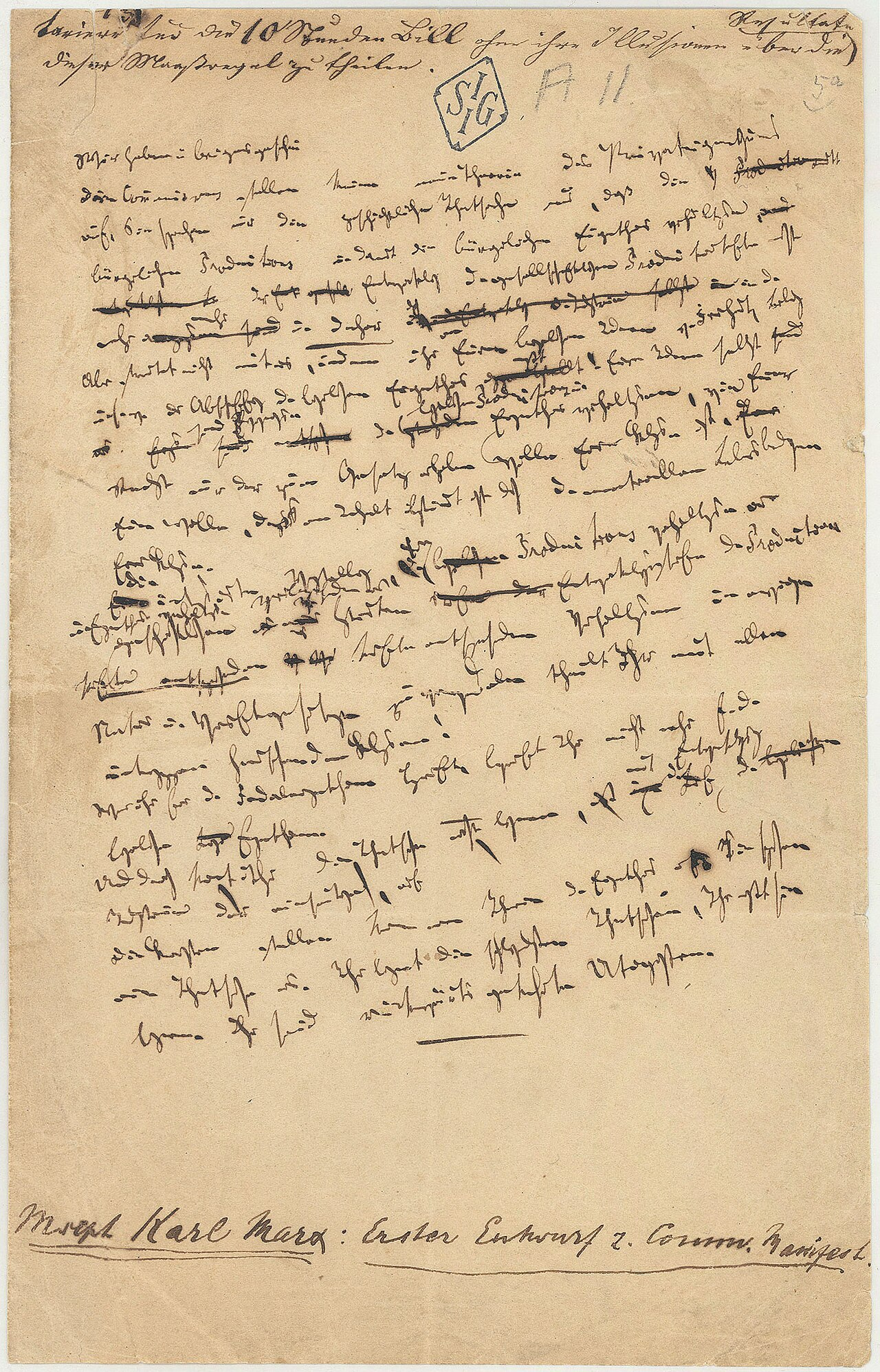
That is the next problem. If markets can become contraction machines, it does not now follow that every anti-market repair path preserves more future than it closes.
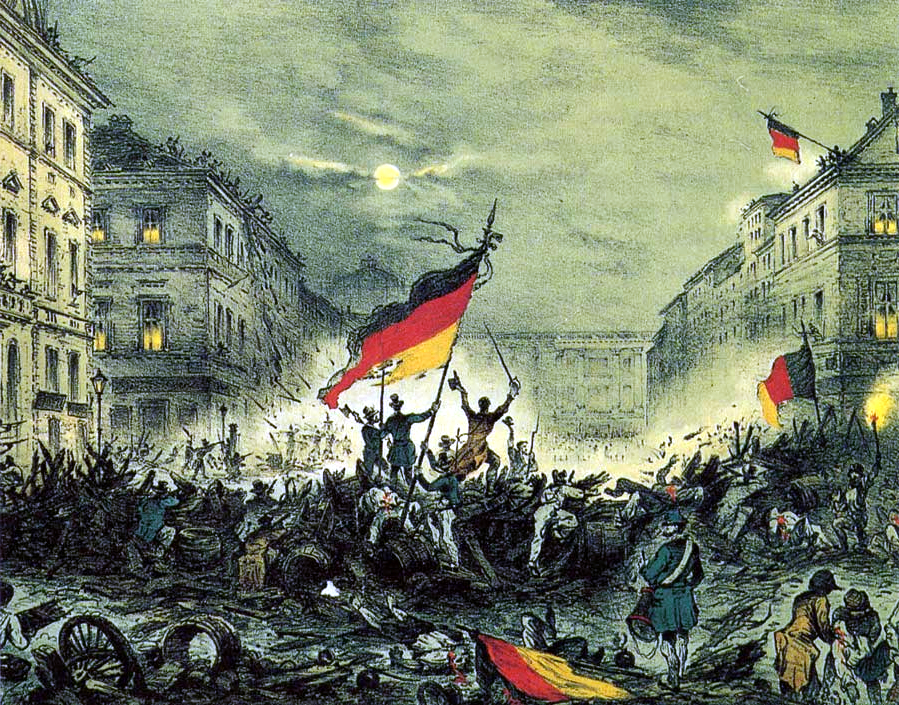
If bourgeois property generates domination, it does not follow that abolishing it through revolutionary concentration of power will preserve agency, plurality, truth, and field repair.
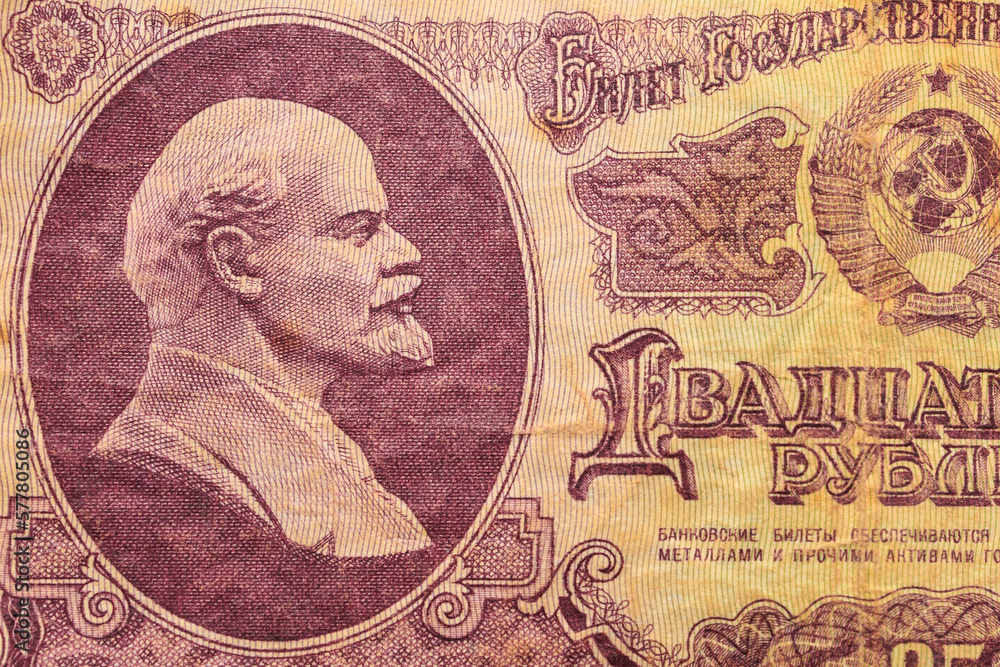
If capital captures the field, it does not follow that the state, party, or historical mission can safely inherit the field without becoming another closure machine.
Marx saw that liberal market innocence was false. Marx saw that capitalism could convert human futures into fuel for capital accumulation. But his repair path risked converting the whole social field into fuel for historical necessity.
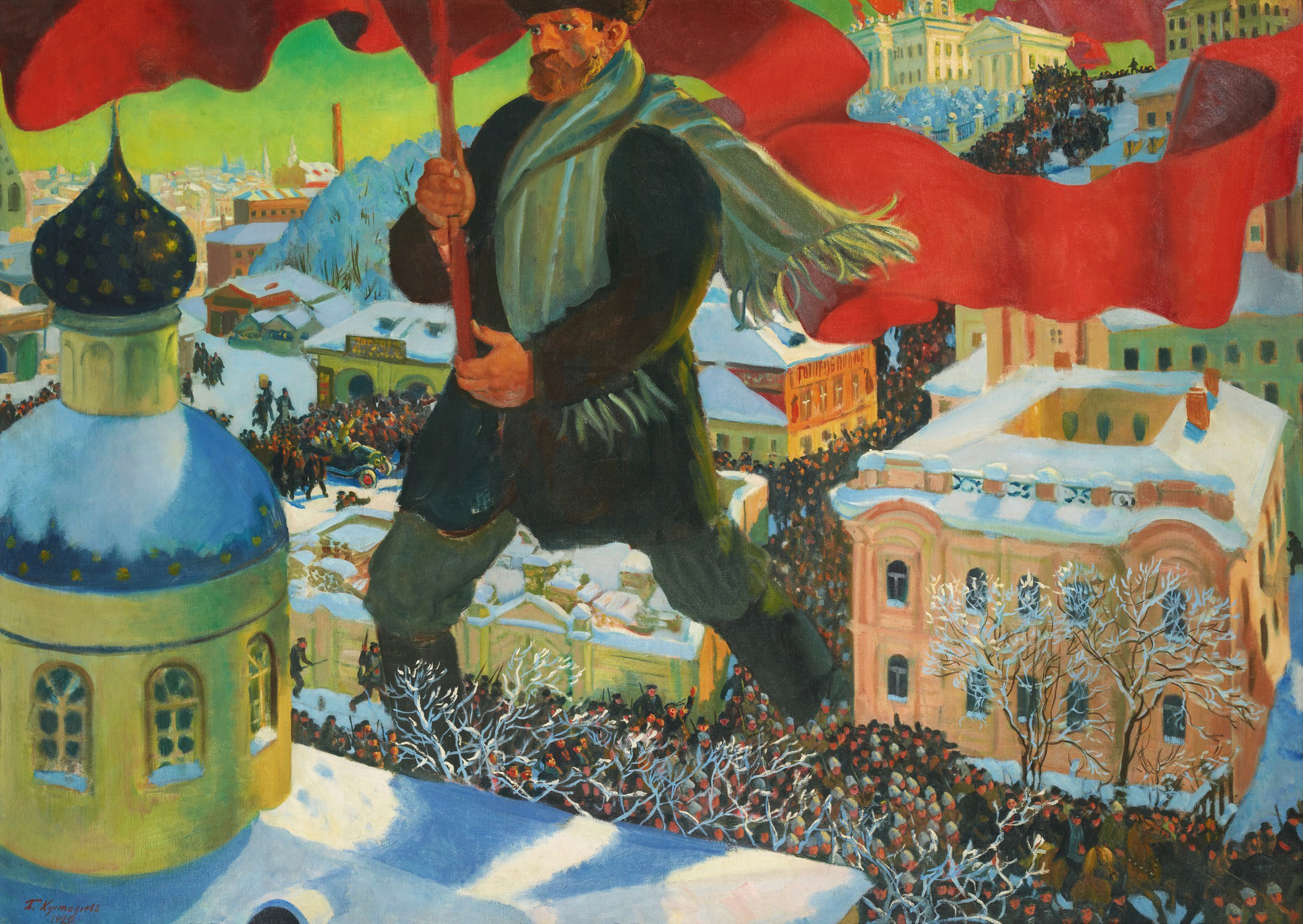
What correction paths remain once repair is routed through revolutionary seizure, state centralization, class supremacy, and the moral authorization of coercive transition?
The answer is:
Fewer than Marx thinks.
Ruling.
Markets are field instruments.

They are not neutral, not evil, not sacred, not self-justifying, and not disposable without replacement.
A market is a selection environment built from money, accounting, property, law, infrastructure, and enforceable expectation. It allows agents to exchange claims, compare possibilities, discover demand, test production, coordinate strangers, and search across plural paths.
That search can repair, but it can also contract.

Markets repair when they make real needs visible, reward useful substitution, coordinate distributed knowledge, preserve meaningful exit, support plural attempts, prevent hidden harm, and keep property from becoming pure closure.
Markets contract when they mistake purchasing power for need, supply for abundance, consent for freedom, competition for justice, price for truth, growth for repair, and profit for field health.
A market does not know the field unless the field has been made legible to it. Even then, its knowledge remains partial. It hears money more clearly than suffering. It hears demand more clearly than need. It hears owners more clearly than the owned, excluded, displaced, poisoned, exhausted, unborn, or nonhuman. It hears the present more clearly than the future.
That does not make markets useless. It does make them dangerous to worship.

The task is to build, limit, correct, and sometimes override markets so that their selection pressures open reachable futures rather than close them.
Next, we must ask what happens when selection begins to accumulate, harden, and command the future. That question brings us back to capital.