Citadel Archive: Commander Shepard
Commander Shepard is not a real person whose continuance is actually at stake. [L]

September 2026 note: Commander Shepard remains a valid site for training and testing moral perception, but later locus work urges more caution about calling cultural objects loci: the active moral object is the extant cultural, interpretive, and player field through which the fiction affects real continuation.
In this series, we are going to play the Mass Effect videogame trilogy under Modal Path Ethics, decision by decision, across however many articles it takes to complete it. Some decisions will get a paragraph. Some will get the full Applied Case treatment. The eventual goal is a single working record of what it looks like to fold Modal Path Ethics around a causally active ethical field while it remains in motion, instead of in review after the fact.
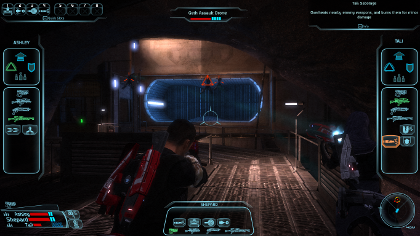
The field is fictional and highly bounded, but that gives me the advantage of being able to concretely measure which futures we are opening and closing at each decision point.
Why Fiction is Relevant.
The Citadel does not exist. The Reapers are not coming. Commander Shepard is not a real person whose continuance is actually at stake. Nothing inside the Mass Effect trilogy has the kind of metaphysical weight that the Therac-25 victims or even the proto-planetary disk did.
This is still not a frivolous exercise.

A ludic field, in our earlier sense, is a game-as-game. A tournament, a competitive ladder, a metagame. The play-field has moral weight because real people are inside it, sometimes winning, sometimes excluded, sometimes financially or socially dependent on its outcomes. The solved-game case dealt with that. This is not what we are looking at here, primarily.
A fictional field is something else. The events inside it are obviously not actually happening. Nothing inside the field can be repaired or closed in the way a real locus can. But fictional fields do produce something real on the way out: genuinely trained perception in the actual reader, viewer, or player.

A novel does this. A film does this. And a well-designed video game can do this with unusual force, because the game asks the player to personally make a decision rather than only watch one being made.
Mass Effect is an unusual case among video games, because it was already designed as an ethics game. Just with a good plot.
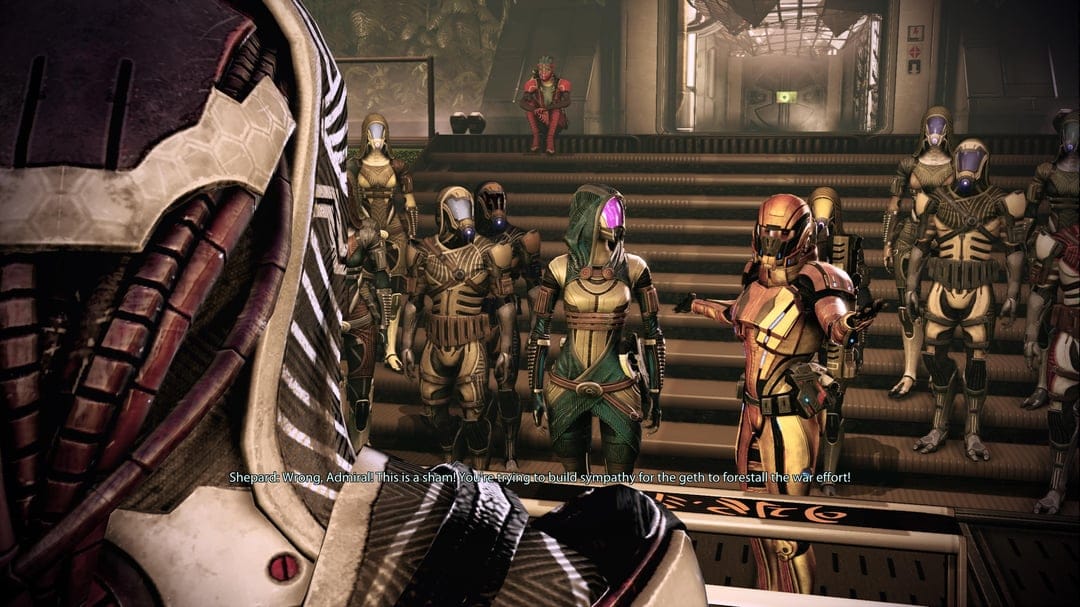
Most games with ethical content use a binary moral score: do the right thing, fill the blue meter; do the wrong thing, fill the red meter. Mass Effect uses that surface system too, but the actually interesting choices are not on the in-game Paragon/Renegade axis at all.

They are choices about measurable futures for widely varied loci, like who lives on Virmire, do we destroy or rewrite the heretics, do we cure the genophage, and which of the three colored endings of the trilogy we sign up for.
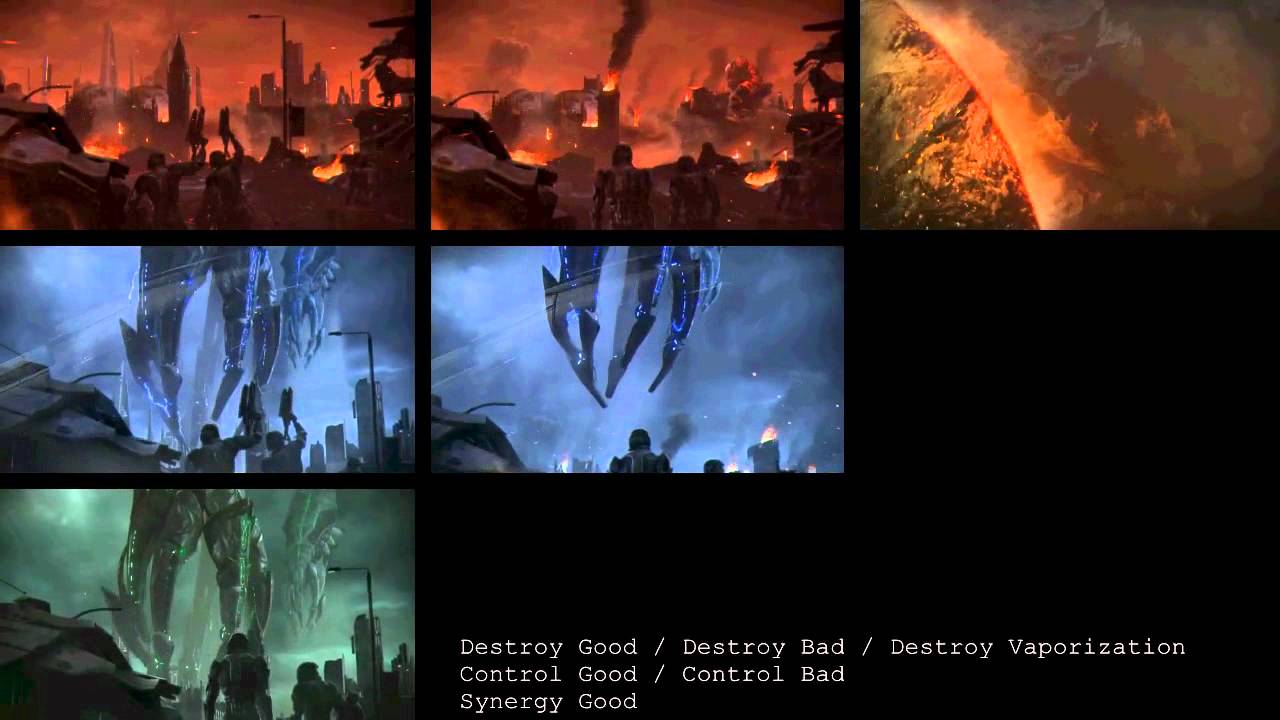
That is, even with the meters juxtaposed against them, a fictional field doing real work to grow moral perception, if the player can manage to take it seriously.
The point of this series is to track that training as it happens. Our task is not to pretend that Commander Shepard and his cool friends all really exist. We will instead treat the decisions Shepard is asked to make as if they were the kind of decisions that, in a real moral field, would matter. The perceptual capacity those decisions are training in us is exactly the capacity we later deploy in real fields when they do arrive.

Mass Effect is a good game to start with because its ethical decision-points are unusually well-built. They tend not to have a clean answer. They tend to involve loci that are not equally weighted. They tend to require deciding which kinds of futures get preserved at the cost of others.
Also the second game is the best game ever made.
The Trilogy.
For readers who have not played: Mass Effect is a trilogy of action role-playing games developed by BioWare, originally released between 2007 and 2012, and later remastered as the Legendary Edition in 2021.
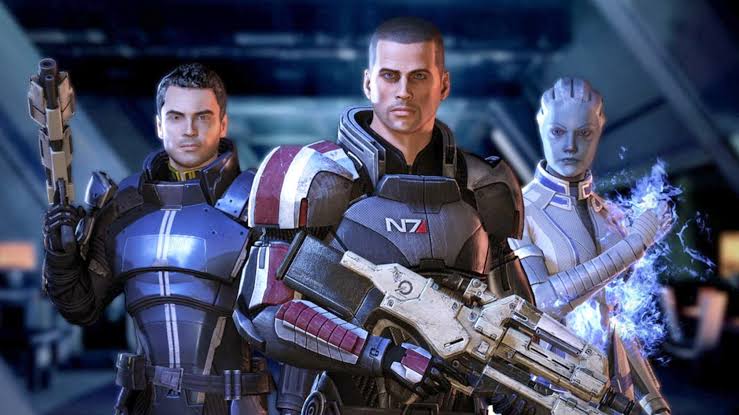
The player creates and plays Commander Shepard, a human Alliance soldier, across three games and roughly a hundred hours of decision-making.
The most relevant gameplay feature for our purposes here is that the trilogy preserves continuity across games. The completed save file from Mass Effect 1 imports directly into Mass Effect 2, which imports into Mass Effect 3. Decisions made early on can therefore change which characters are alive in the second game, which factions exist at all in the third, and which species are intact at the trilogy's resolution. The fictional field, like a real one, accumulates history.
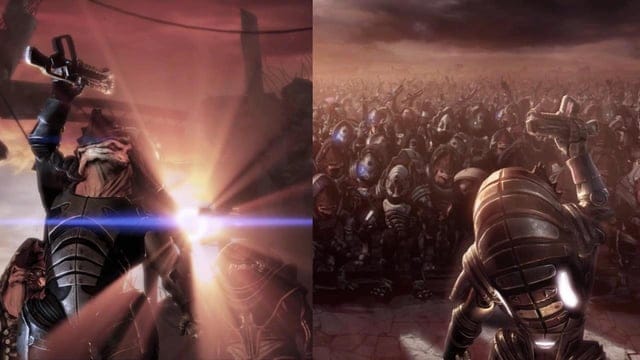
So too will these articles, each of which is going to advance through a temporally local cluster of decisions and analyze them as a single field-state undergoing interventions. By the end of the trilogy, we will have a continuous record of what it actually looks like to walk an extended decision-field under Modal Path Ethics.
Character Creation.
Before any of the trilogy's plot decisions can begin, the game asks the player to make several choices that determine who, exactly, Commander Shepard is.

Each character creation choice closes specific reachable futures inside the trilogy that no later decision can reopen, and at least one of those choices closes a future-path on a major morality decision affecting thousands of fictional lives.
The stakes have indeed been higher.
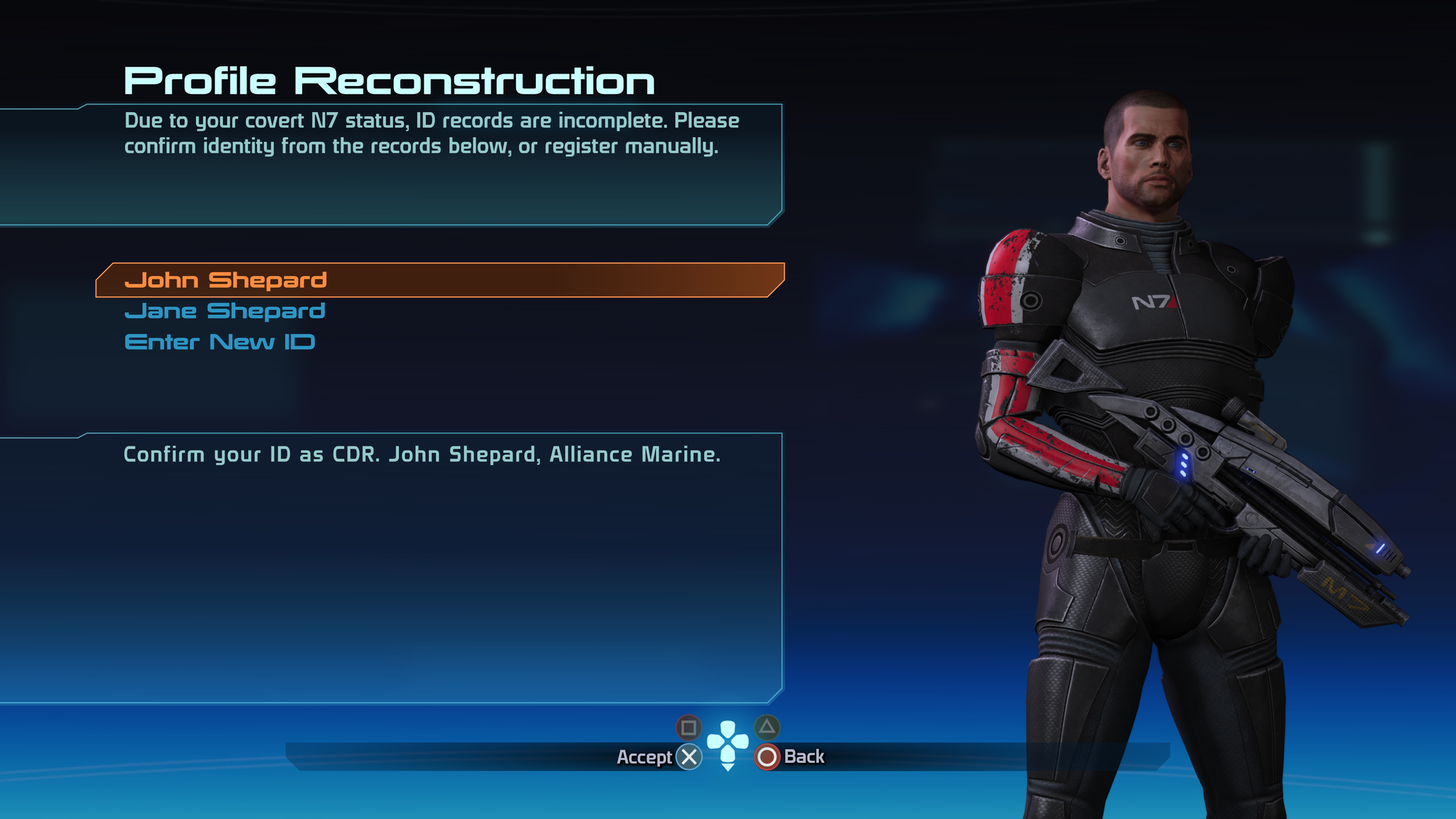
The character creation menu offers the following options:
Sex: Male or Female Shepard
Class: Soldier, Engineer, Adept, Vanguard, Sentinel, Infiltrator
Pre-service History: Spacer, Earthborn, Colonist
Psychological Profile: Sole Survivor, War Hero, Ruthless
So, this article should be pretty quick, right?
Sex.
The Sex choice is the one I want to handle most carefully, despite typically being viewed as mostly cosmetic as it changes nothing mechanically.
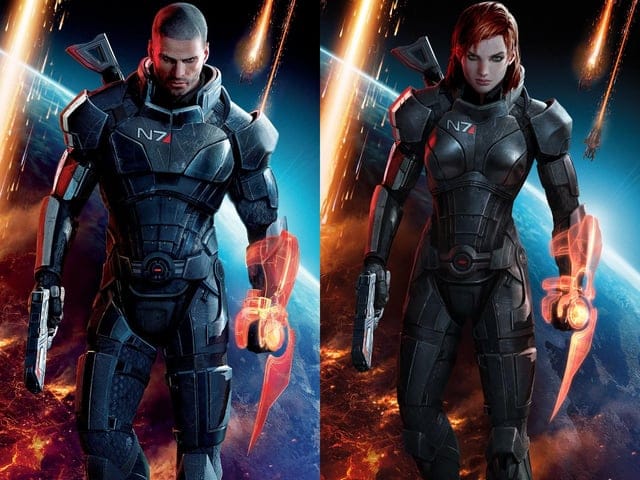
Because I have played this game very many times and can look at the wiki, I can directly state what futures this choice of sex actually closes: a few flavor beats and a substantial set of reachable romance plot arcs. John Shepard can romantically pursue Ashley Williams, Tali'zorah nar Rayya vas Neema, Miranda Lawson, Jack, Steve Cortez, and bisexually: Liara T'Soni, Kelly Chambers, and Diana Allers. Jane Shepard is presented with Kaidan Alenko, Garrus Vakarian, Thane, Jacob Taylor, Samantha Traynor, and the same bisexual options.

Each of these story arcs is a fictional sub-field with its own perceptual content, meaning extended dialogue, mission-specific scenes, and specific character development across all three games. Closing one sex's routes by the choosing the other therefore obviously means that perceptual content is entirely unreachable for the playthrough.
The correct reccomendation for the maximal training value here is to just do two playthroughs, one with each sex, but I am only doing one article series, so we still have to choose.
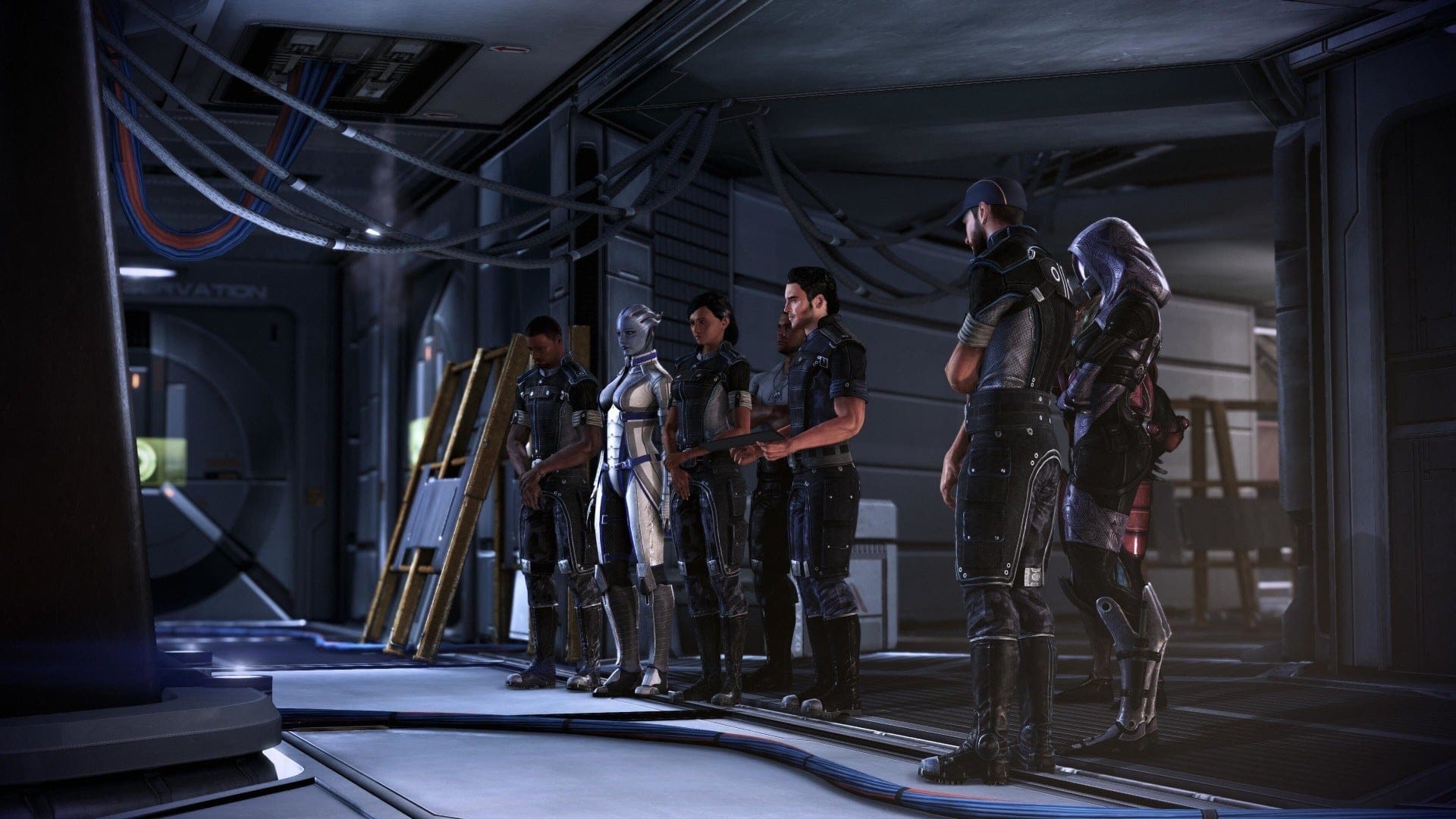
The future closures on each side are not symmetric in content but they are roughly symmetric in amount. There is no clean argument that one of these sets is more decision-heavy than the other at the trilogy's major branch points. The Rannoch outcome, for instance, is determined by accumulated point values from earlier decisions, not by Tali's romance state, and even a romanced Tali still commits suicide on Rannoch under certain outcomes; while romancing her can give you points towards options here, they aren't exclusive to that path.
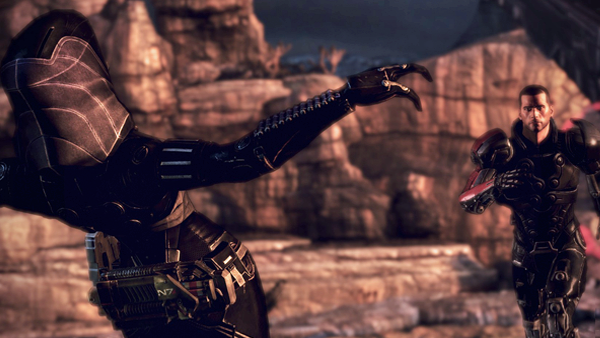
The fictional fields being closed are perceptually rich and emotionally weighted, and they are roughly comparable in weight from a glance. This is, to a first approximation, a symmetric choice and one that would require us to analyze each of these closed futures in depth before we can declare one path above the other.
However, our ethical target in engaging with this fictional scenario is actually the training of moral perception, not determining which version of Commander Shepard is more moral to exist within the fictional world of Mass Effect.
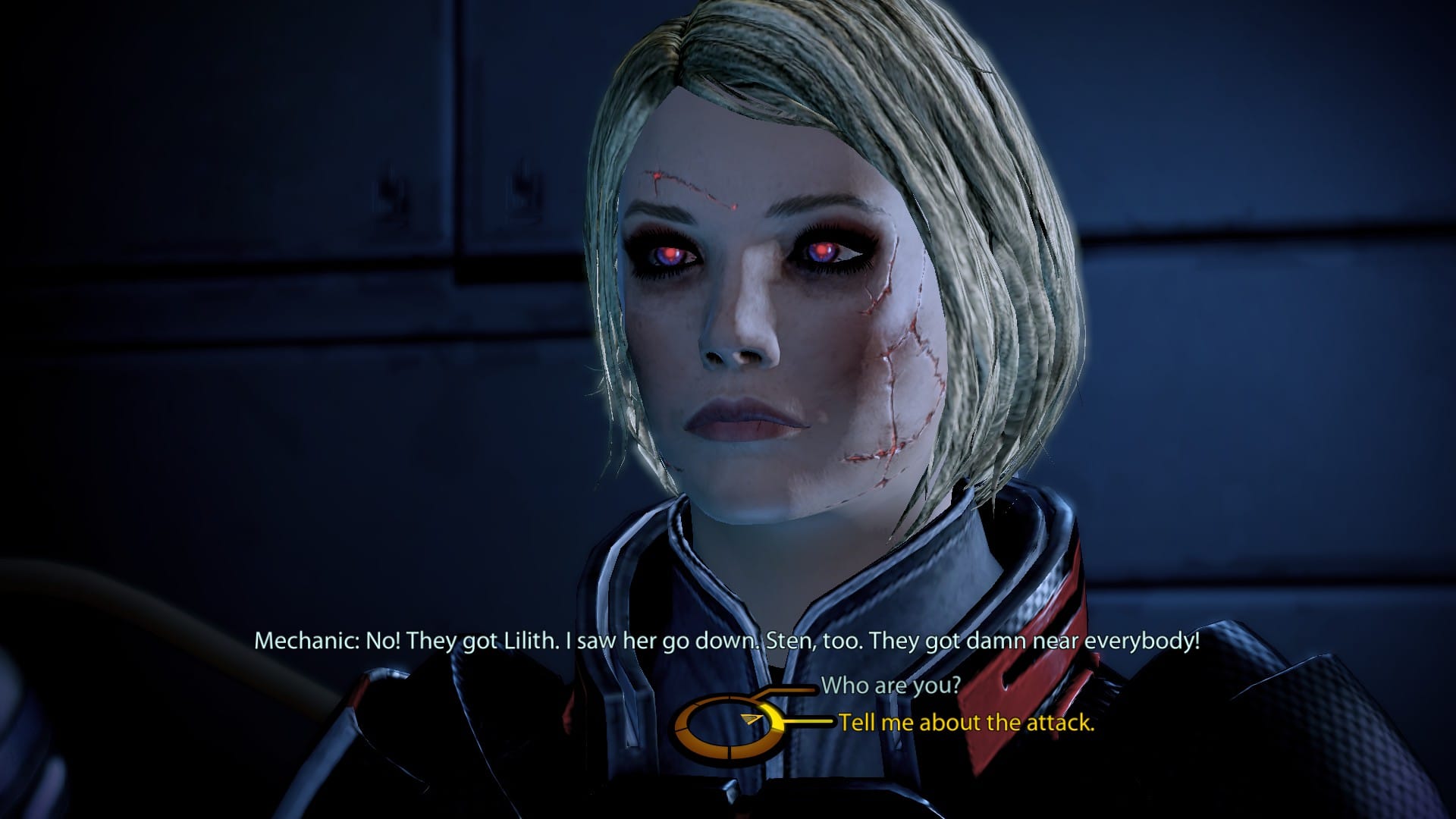
Moral perception operates through a situated interface, and that interface is shaped by the conceptual and presentational tools available to the perceiver. In the case of training moral perception through a videogame, the most relevant part of the interface is the actual presentational layer through which the player encounters the fictional field, in the form of controller interactions, the dialogue, the voice acting, the animation, and the camera framing of each scene.

In this context, the player is to be considered an agent whose perception is being trained by the playthrough, not as an agent acting upon the fictional field. Whatever degrades the moral legibility of the fictional field at the interface level degrades the potential value of any perceptual training that the playthrough produces. For this article series, that interface is then compressed even further into text description and screenshots of it.
For a playthrough, a subjective preference, based on the fact that the player will likely connect more to the situations at hand if their preferred character is enacting the scenes, is therefore an appropriate tiebreaker in our current epistemic situation and possibly still Better under full analysis even if the training value of the closed scenarios would have been mathematically higher.
Unfortunately, that still does not work in the specific context of this public article, which is not being written for my own ethical training.

On the axis of public subjective perception and attachment through a compressed interface, the two Shepards are not actually comparable. Jennifer Hale's voiced "Femshep" (as a personal aside, I prefer using their default names over these awkward community nicknames and will do so in these articles) was directed and recorded with substantially more developmental attention than Mark Meer's "Maleshep" (just so weird to me), particularly across Mass Effect 2 and 3. This is a verifiable fact from BioWare's own development history more than a community-aesthetic claim, and not something I fully subscribe to if it were one.
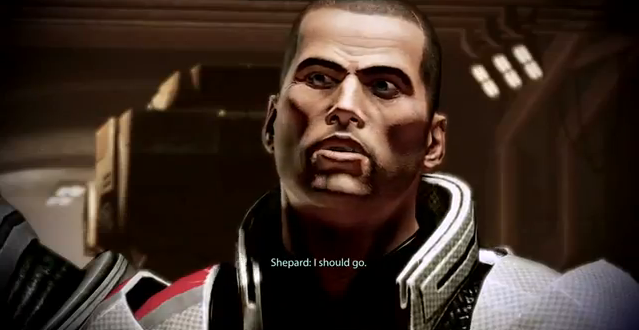
Jane Shepard did lack a custom head model in the first two games unlike John, but the "Femshep" marketing campaign for Mass Effect 3 was built around the community voting on her new default model, the voice direction apparently received more sessions, and the line readings are reported to carry more dynamic range per delivered line.
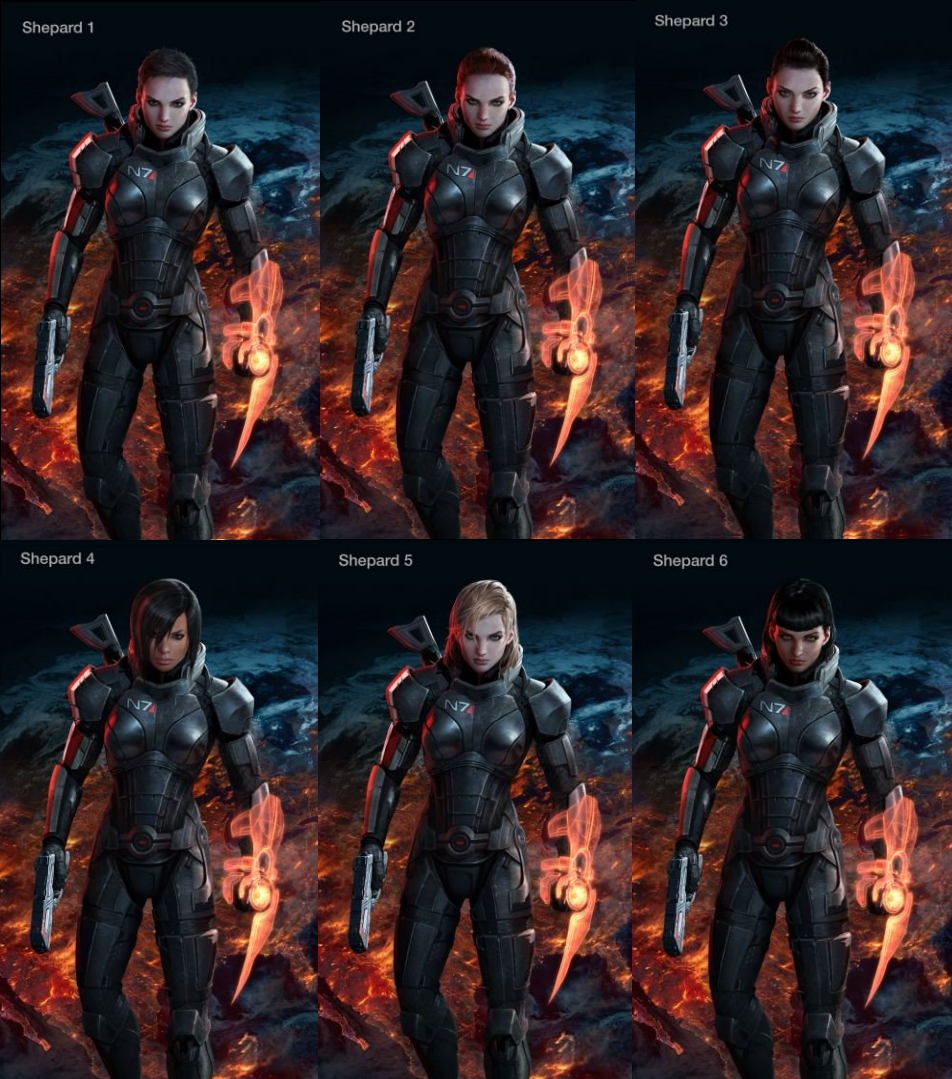
So, at first it appears she is the favored choice here, and this is what I was expecting to choose.
However, statistically, the John Shepard playthrough has been the dominant playthrough across the trilogy's lifetime, by a very substantial majority.
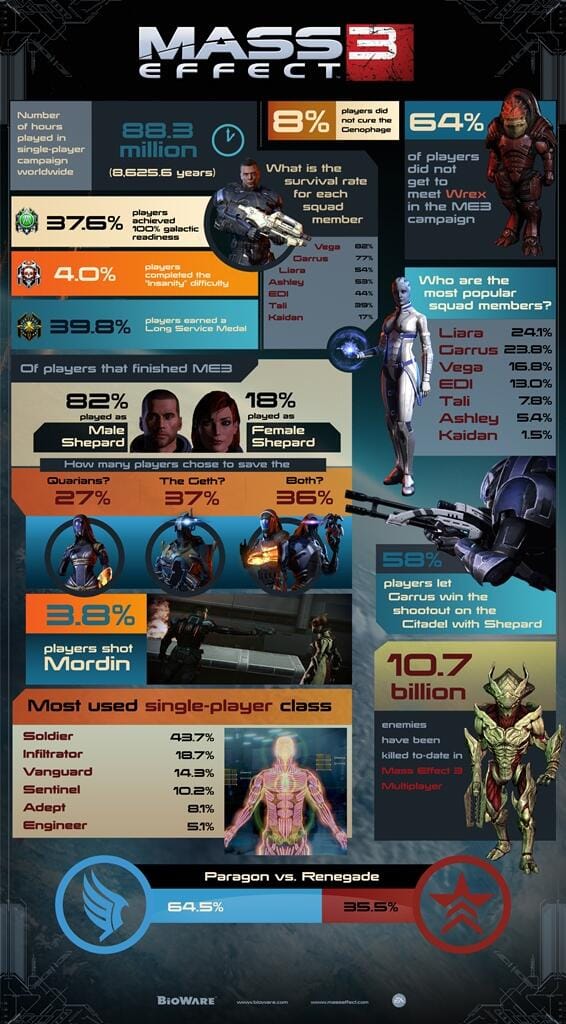
BioWare's own published data placed Jane Shepard adoption at approximately 18% of players during the original release window of the trilogy, with the remaining 82% playing as John. The Mass Effect 3 marketing campaign I was just talking about deliberately set out to correct that imbalance and did improve the figure but did not invert it; Legendary Edition statistics, so several years after the original trilogy had been fully digested, were published by BioWare in 2021 and showed Jane rising to 32% of players, with John still remaining at a hefty 68%.
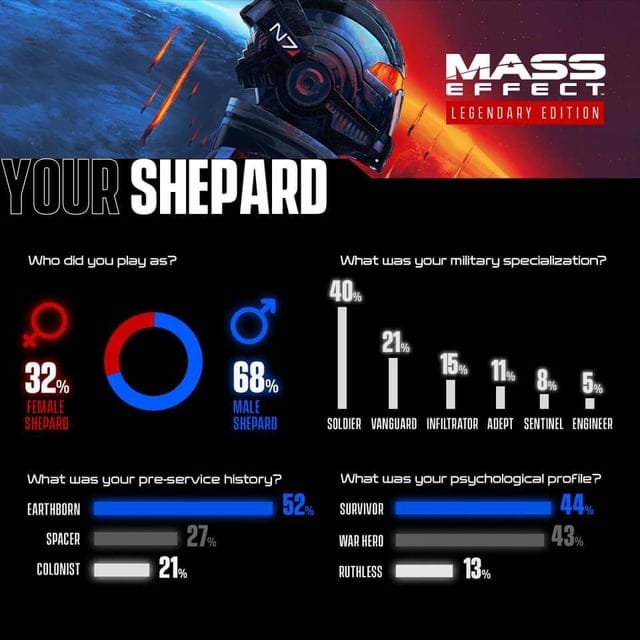
So across the full lifespan of the trilogy as a cultural object, the dominant playthrough by a roughly 2:1 ratio, even at the corrected post-remaster rate and after years of public adoration online for Hale's work, has been wearing John Shepard's face.

So, when making a determination for the purposes of this article as to which interface provides the least resistance, I'm choosing John Shepard.
That was actually not the choice I was expecting to make when I started reasoning about this, and does lock us out of some of the scenarios I had planned to discuss in depth, so I may now just do a Jane supplement series with the differences anyway, meaning this choice was ultimately just really not as complicated as I just made it.

I sure hope I don't turn that into a running thing. We have clicked a single button so far.
What We Just Closed: The more polished Jane Shepard interface and the perceptual content the article would have carried for the statistical minority of readers whose primary playthrough was hers. The Garrus Vakarian, Thane Krios, Kaidan Alenko, and Jacob Taylor romance arcs in their canonical forms. The Samantha Traynor romance arc, which is the trilogy's only exclusively-gay-female romance option.
What We Just Opened: The recognition interface the substantial majority of readers actually bring to the trilogy. The Tali, Miranda, Jack, and Ashley Williams romance arcs, including the trilogy's most-discussed companion content. The Steve Cortez romance arc, the trilogy's only exclusively-gay-male romance option.

Class.
The Class question is so much easier and it turns on only a single fact. Unfortunately, I'm going to have to explain the context around that fact to you first.
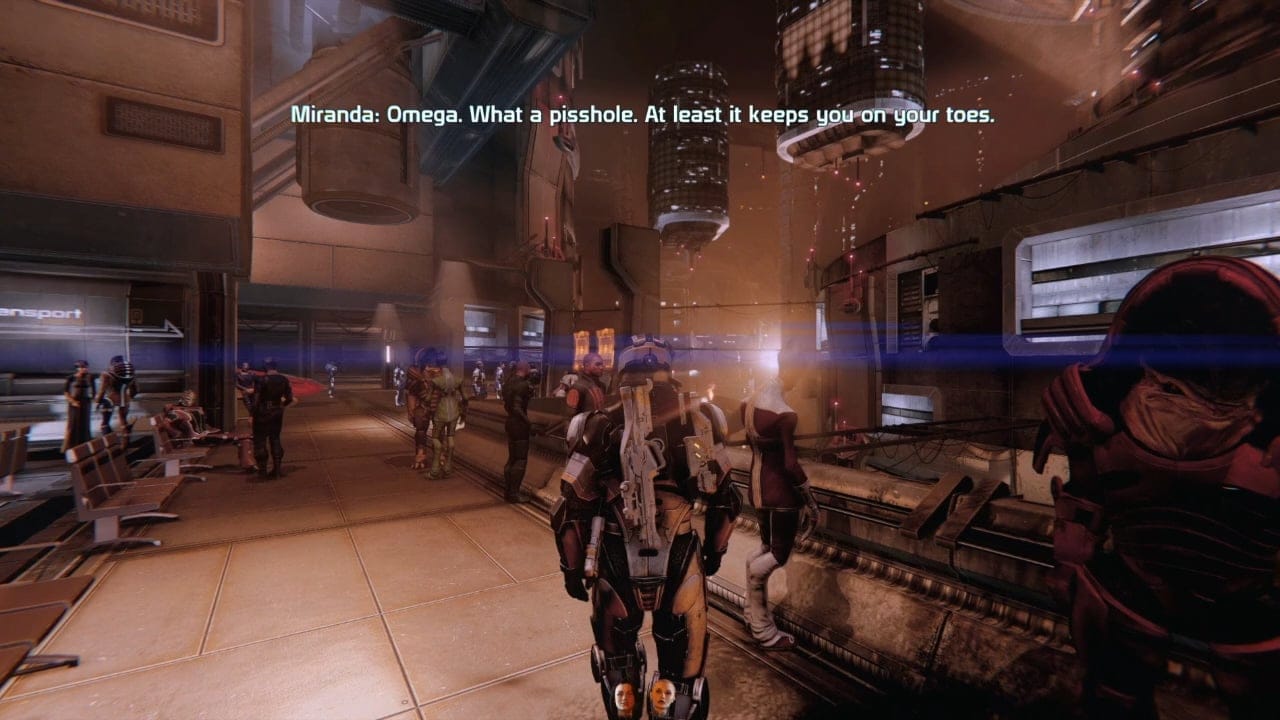
The Engineer-only Paragon interrupt during the Omega DLC reactor sequence in Mass Effect 3 is the only class-specific morality choice or interrupt in the entire Mass Effect trilogy, per the Mass Effect Wiki and confirmed across community documentation and my own nervous system looking for any more that maybe Bioware had put in by mistake.
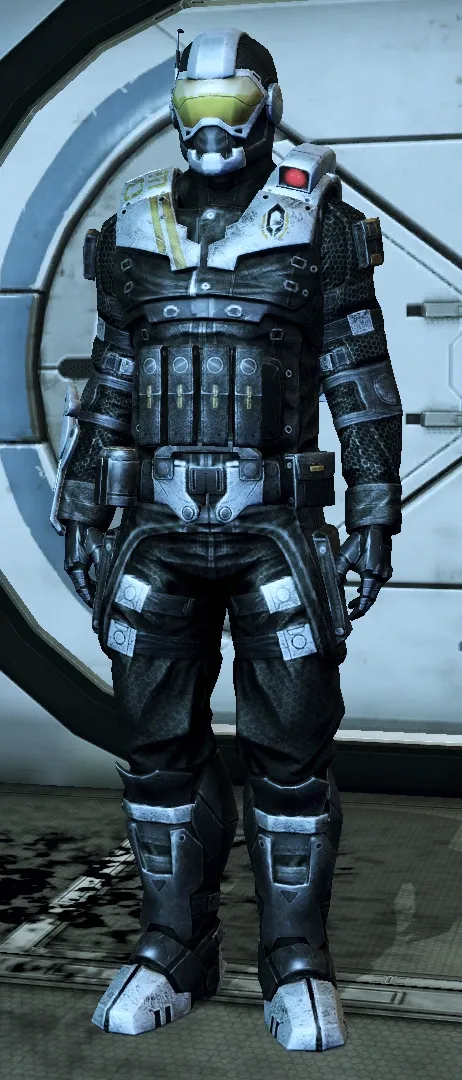
Every other class-relevant dialogue across all three games is just flavor. Liara's time-capsule line varies by class. Biotic Shepards get small dialogue moments with Kaidan and Jack, and in some missions. Engineer Shepards get tech-acknowledgment lines. None of these actually lock out any decision-field for other classes.
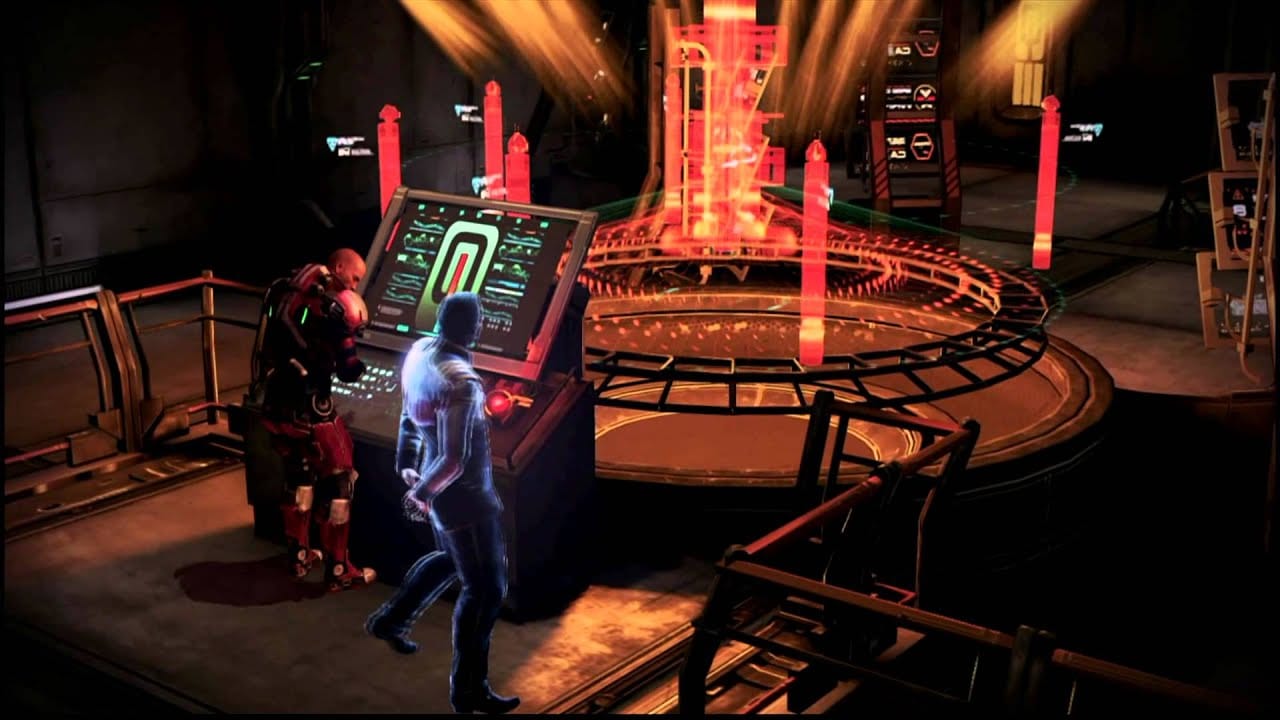
The Omega reactor moment definitely does.
Applied Case: The Omega Reactor
First, we need to define the field this future moment takes place in.

Omega is a space station built into a hollowed-out asteroid in the Terminus Systems, the lawless region of the Mass Effect galaxy that sits outside the jurisdiction of the Citadel Council (the trilogy's analog to a galactic United Nations).
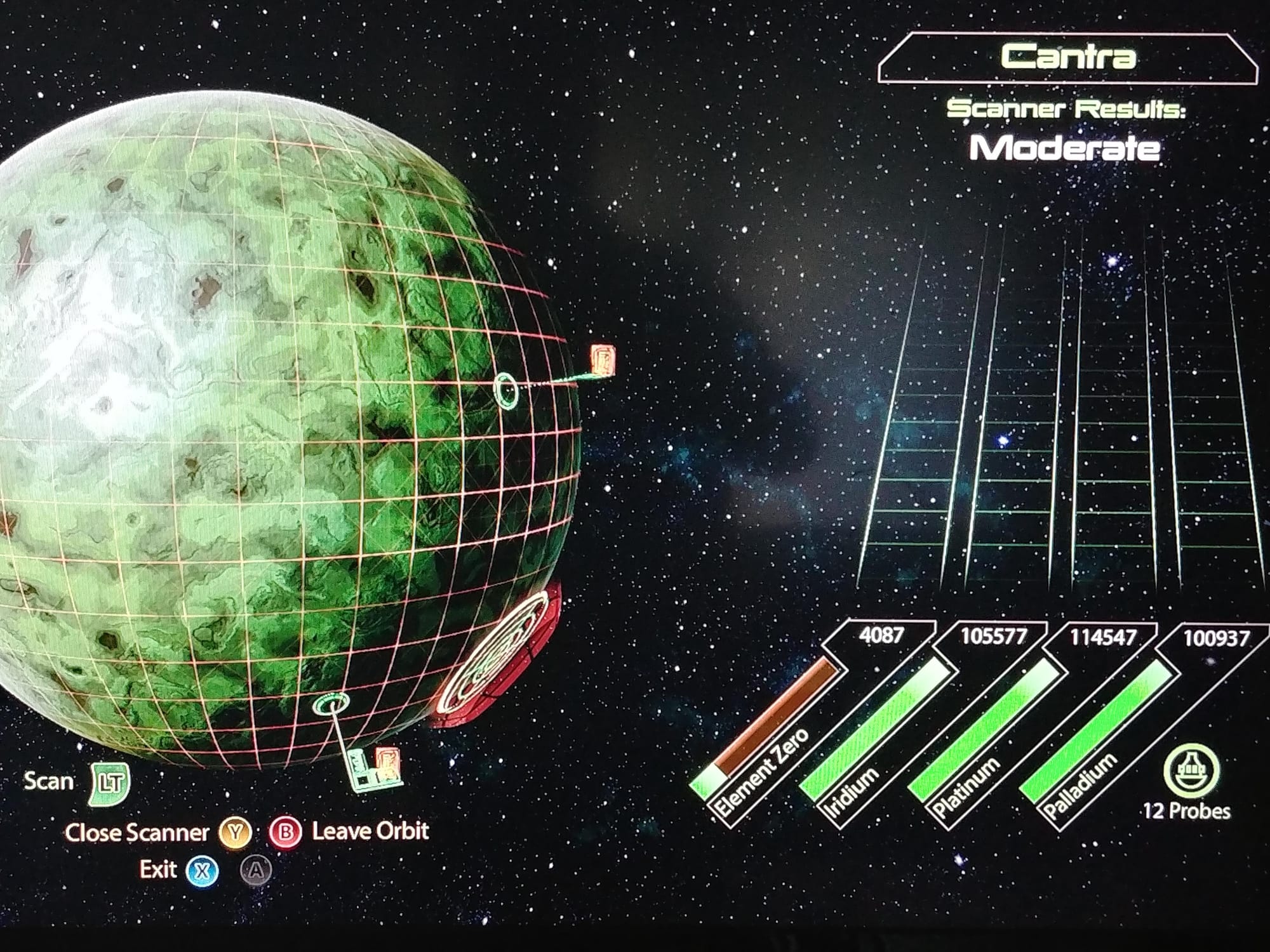
The station is a major hub for organized crime, mercenary work, mining, refugees, and people who have fallen out of every legitimate social structure across multiple species. Its population is in the several millions. Its life-support systems pull power from a central "element zero" (eezo) reactor at the station's core. Whoever controls the reactor controls the territory and the life of every person inside Omega.
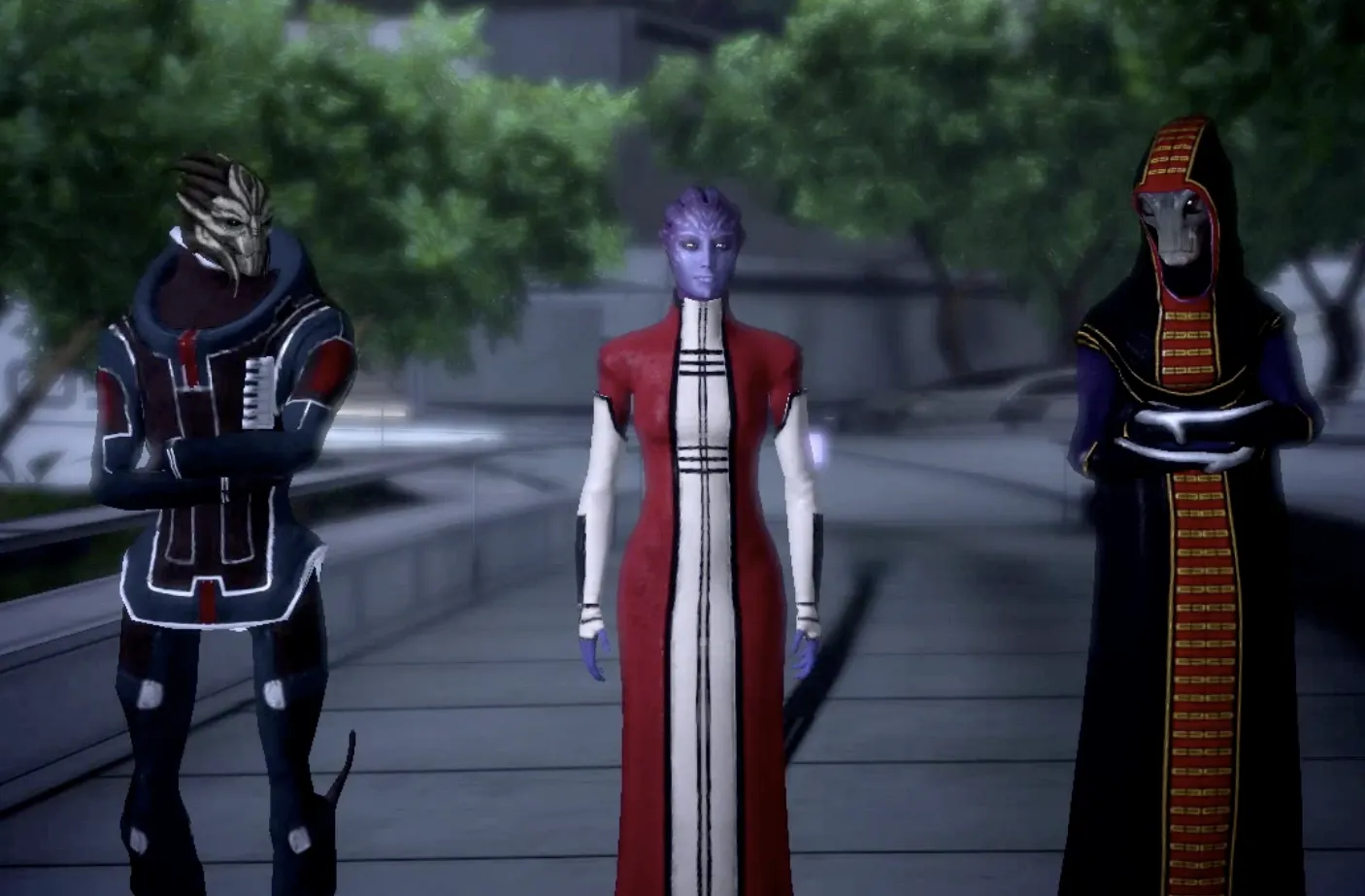
Aria T'Loak is the name of an asari. An asari is a long-lived and gifted humanoid alien species, all of whom present as feminine to humans and have innate biotics.

Biotics are, in essence, telekinetic powers that allow the user to raise or lower the mass of objects they can exert a field of local influence over. This "mass effect" is the product of element zero radiation and the name of the series. Living beings exposed to element zero in the womb can develop biotic abilities, but most instead develop cancer.
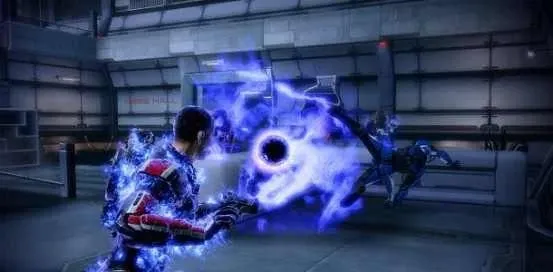
The same element-zero-derived mass effect enables the setting's faster-than-light travel and other advanced technologies.
Aria (still, still Aria T'Loak) has personally controlled Omega for several centuries before the events of Mass Effect 3. She is functionally a pirate queen.
Her authority depends chiefly on her capacity to project violence, her network of mercenary contractors, and her social control of Afterlife, the Omega station's central bar that doubles as her political nerve center. Aria is highly pragmatic and ruthless. Whatever moral failings Aria carries as a person and as a leader, her regime has, over centuries, defined what continuance looks like for the millions of loci who live on Omega.
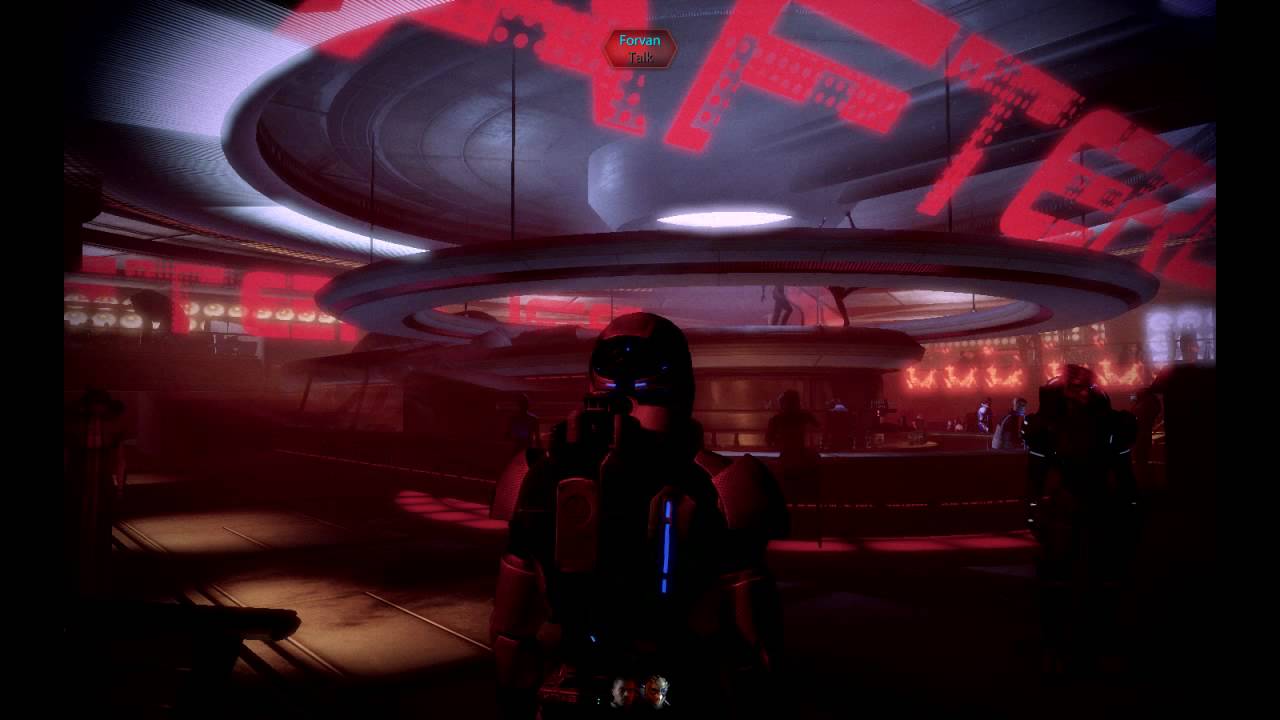
Nyreen Kandros is a turian. That's another alien species that sort of looks like a bony bird, militaristic in cultural disposition and formed by mandatory species-wide military service. Nyreen is a former Cabal operative, meaning she had special-forces training as one of the rare turian biotics.

She is also Aria's former lover. After deserting military service on a matter of conscience, she founded the Talons, a vigilante and protection organization on Omega that defends civilians who fall outside Aria's protection economy.
Nyreen represents, throughout the Omega story arc, the moral counterforce to Aria's pragmatism. She is the field's most legible voice for civilian preservation against tactical advantage. Modal Path Ethics would describe her as the locus through which the field's care criteria are most consistently articulated.
There's still much more.
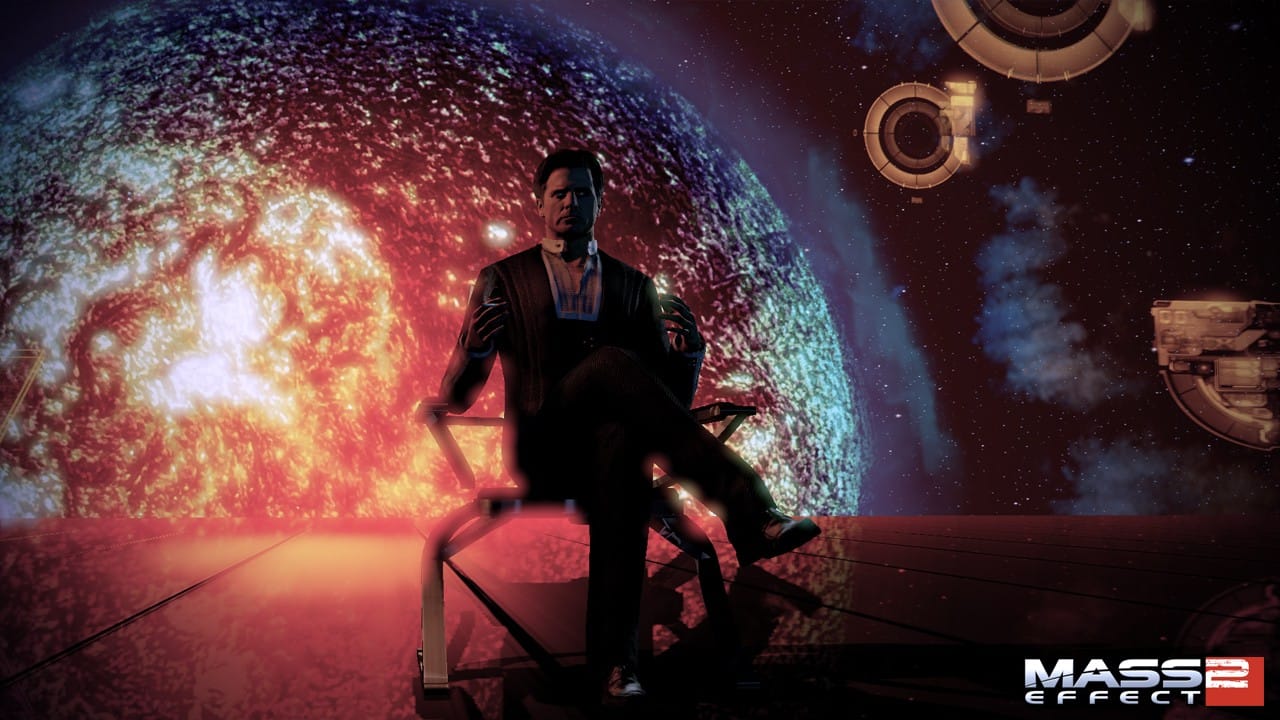
Cerberus is a paramilitary organization with a pro-human supremacist ideology, led by a man just called the Illusive Man.
By the events of Mass Effect 3, Cerberus has been infiltrated and directed by the Reapers, the trilogy's central existential threat.
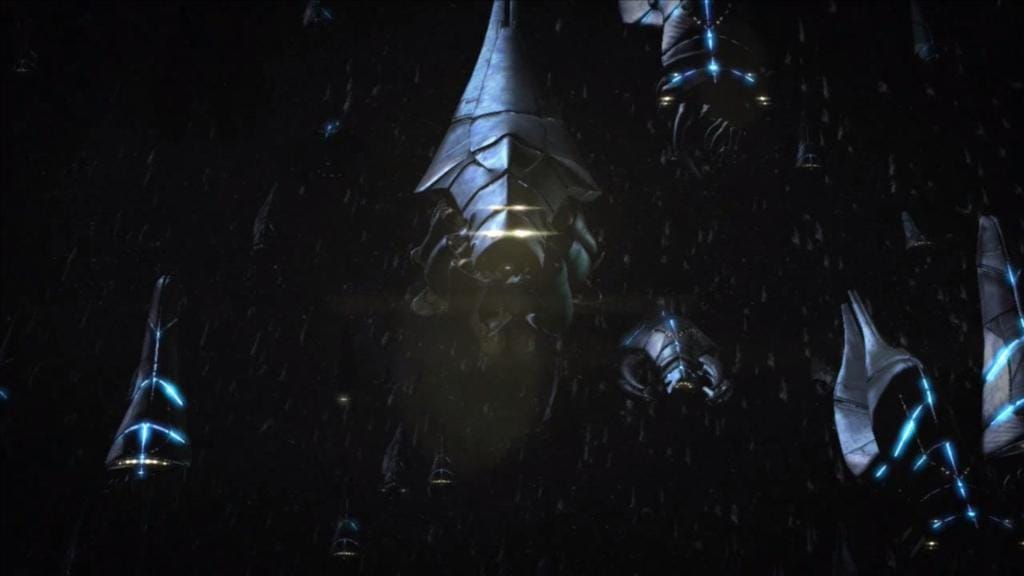
The Reapers are an ancient civilization of synthetic-organic hybrid machines that returns every fifty thousand years to harvest sapient life across the galaxy. Cerberus, under Reaper influence, is now at war with the Citadel Council, with the human Alliance, and just in general with most of the galaxy at this point. Shortly before the downloadable content we are discussing begins, Cerberus invaded Omega, displaced Aria from her throne, and installed a military governor named General Petrovsky.
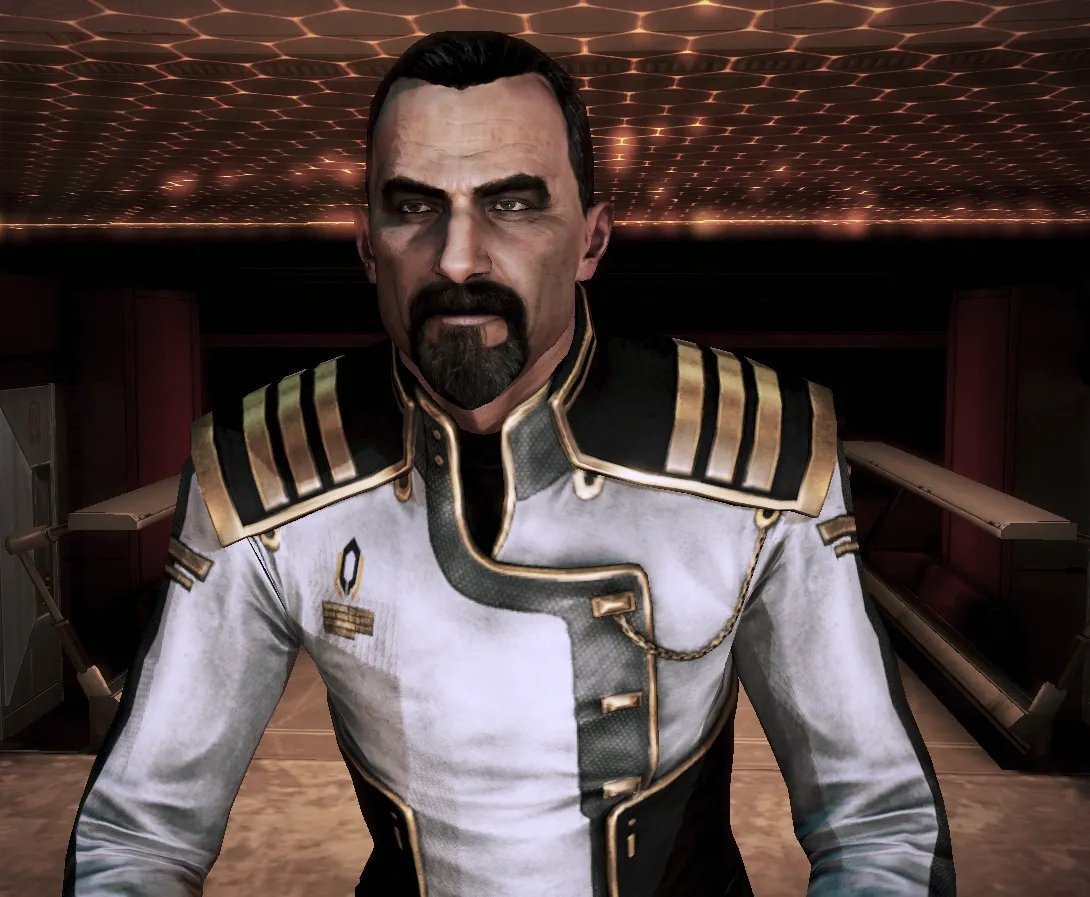
Cerberus rule of Omega is significantly more violent than even Aria's rule was. Civilians are being killed, conscripted, and used as test subjects for horrible biotic-monster experiments. Cerberus has also allowed these experiments to escape their control and been forced to quarantine segments of the station. They are also running the station's eezo extraction machinery beyond its safe threshold, looking for the greatest immediate returns. The field is in active contraction across multiple loci simultaneously, including loci that were not previously contracted under Aria's still brutal regime.
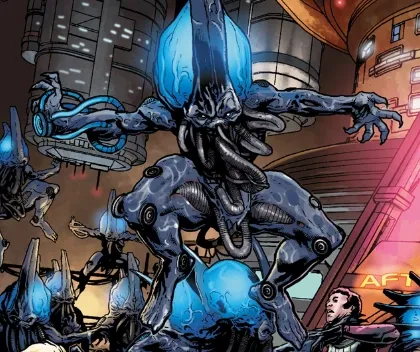
The downloadable content adds a side-mission sequence in which Aria recruits Shepard to help her retake Omega from Cerberus. The mission runs in parallel with the main Reaper war the third game revolves around, and has its own tactical objective: restore Aria's rule, push Cerberus off the station, and add Omega's mercenary forces to the broader war effort while weakening a Reaper proxy force.
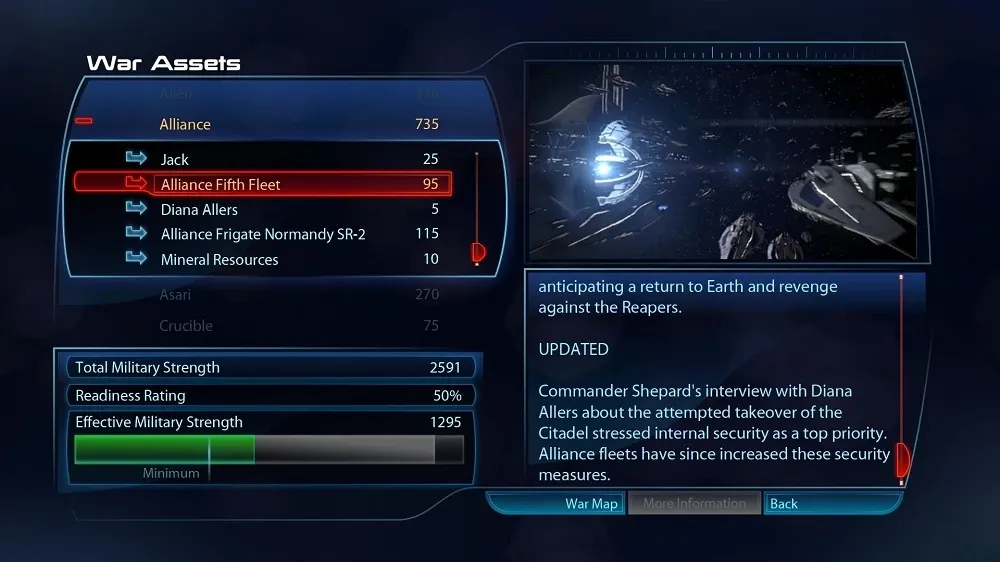
Shepard can choose to agree to help, partly because Aria's forces are non-trivial militarily, and partly because the closure happening on Omega is severe enough to merit intervention regardless of strategic considerations.
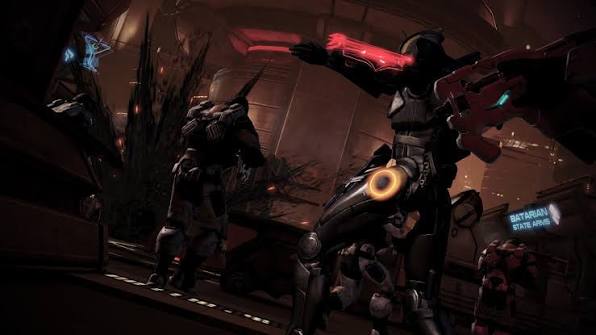
Okay, so that should be all the required setup to look at the field as it stood in the Reactor sequence, even though I definitely glossed over some things that do technically matter here.
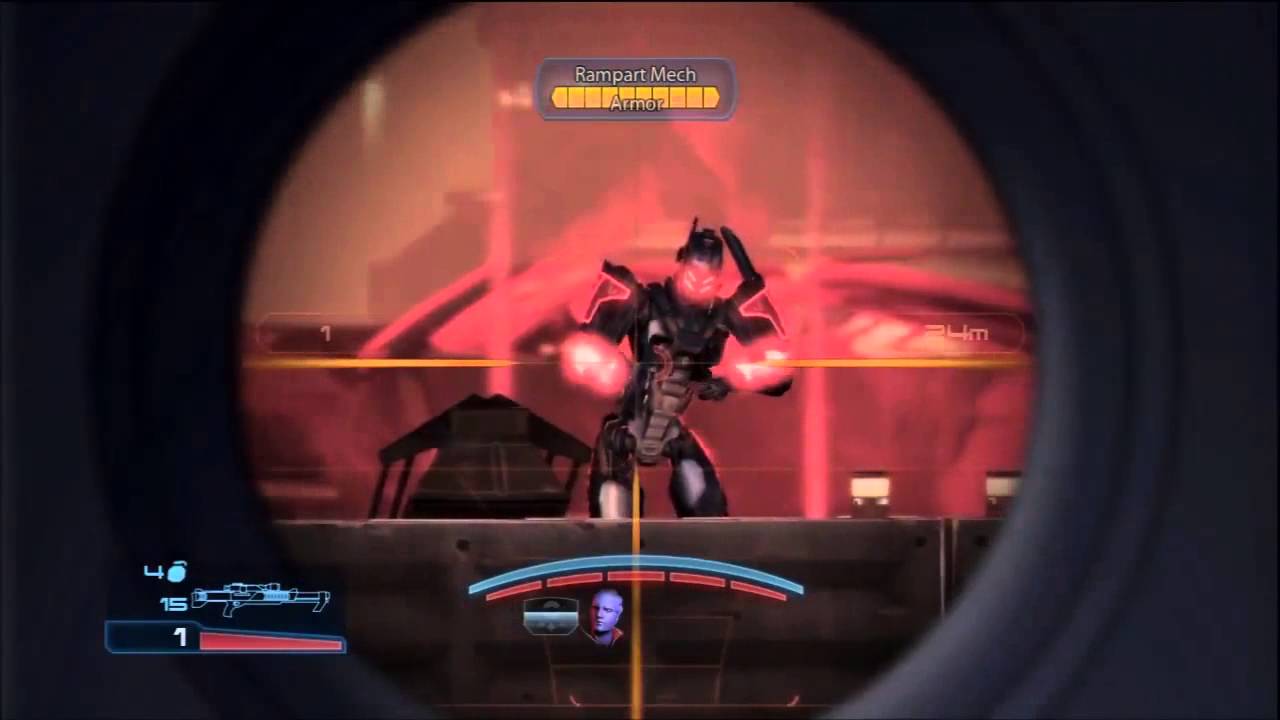
Anyway, if Shepard goes to Omega, at one point they, Aria, and Nyreen fight their way through Cerberus forces and reach the central element zero reactor, which controls all life support and station defenses, but importantly also the Cerberus-installed forcefields blocking access to the rest of the facility and preventing an advance toward the General.
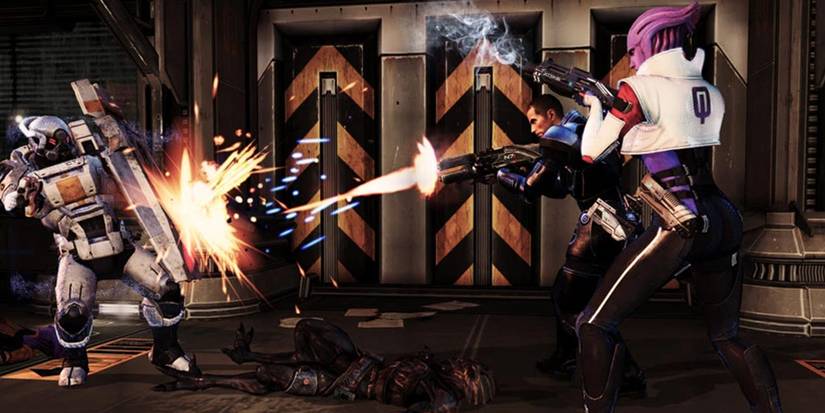
General Petrovsky has, of course, anticipated this approach. He has placed a series of the same high-energy forcefields around the reactor that powers them, and which will vaporize on contact. The power level at play is high enough that nothing biological can pass through.

Aria, in a moment of frustration at the apparently impassable obstacle, attempts to just force her way through the forcefield using her biotic abilities. She is on the verge of being vaporized by it, when Nyreen joins her, bolstering Aria's biotics with her own.
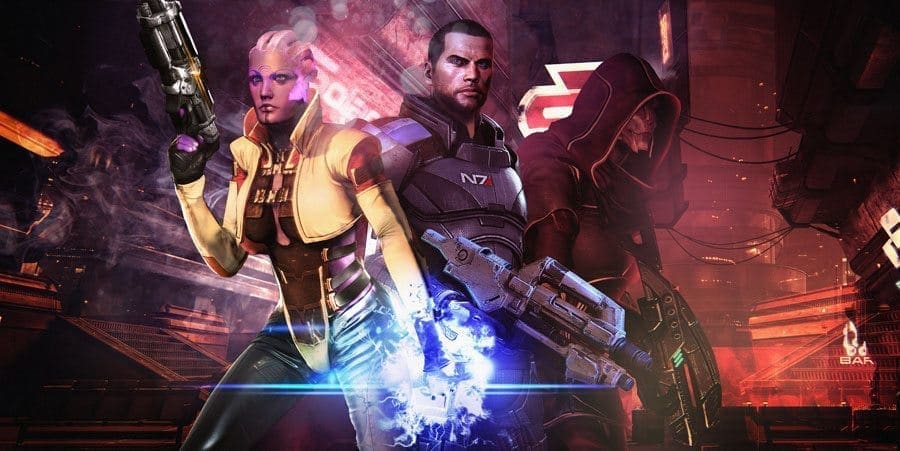
Together, the two hold the forcefield open just long enough for Shepard to pass through a tiny gap and make for the reactor controls. The forcefield then re-seals behind them. Aria and Nyreen are still trapped on the wrong side. Shepard is quickly at the reactor. Remaining Cerberus forces are massing on the reactor in huge numbers, and will, within minutes, overrun and kill Aria and Nyreen.

Time is extremely short.
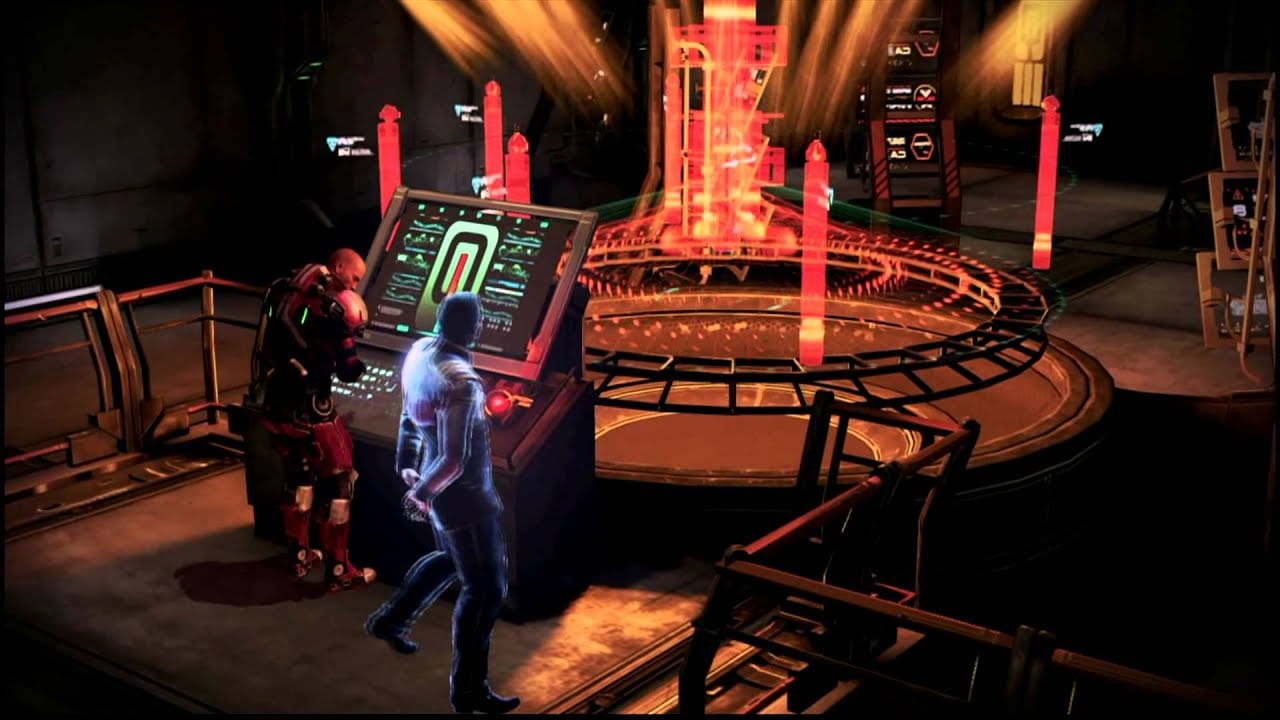
As Shepard reaches the controls, Petrovsky now appears as a hologram and explains the structure of the higher depth trap. These forcefields are powered by the same reactor that powers Omega's life support. To drop the forcefields, Shepard must shut that reactor down. Shutting the reactor down will kill life support across most of the station's habitation sectors, which will brutally kill the thousands of civilians who depend on it.
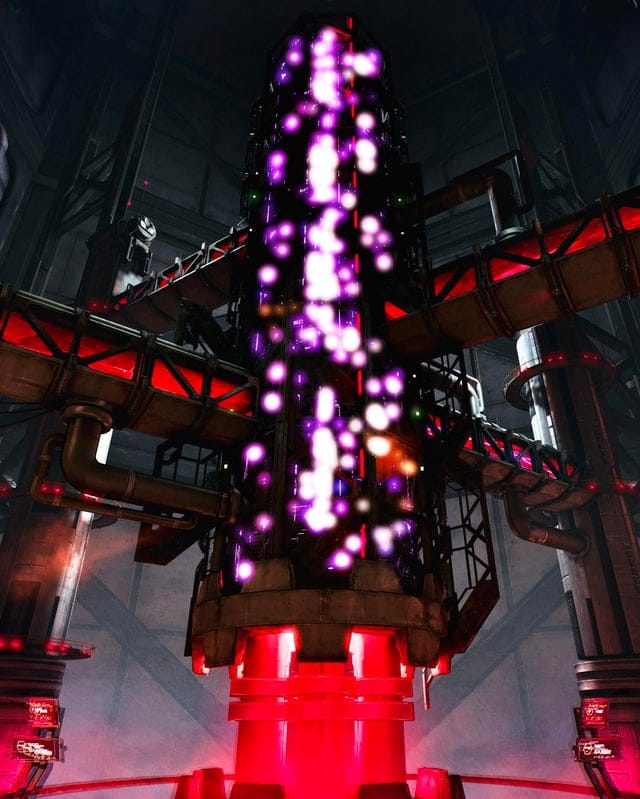
Petrovsky has architected this choice very deliberately. He believes Shepard will not be willing to kill thousands of innocents to save two of his allies. Aria, watching from inside the forcefield, demands that Shepard shut down the reactor immediately anyway. Nyreen, also watching from inside the forcefield, tells Shepard not to.
This is the decision-field at the reactor controls, and why I had to give you all that background.
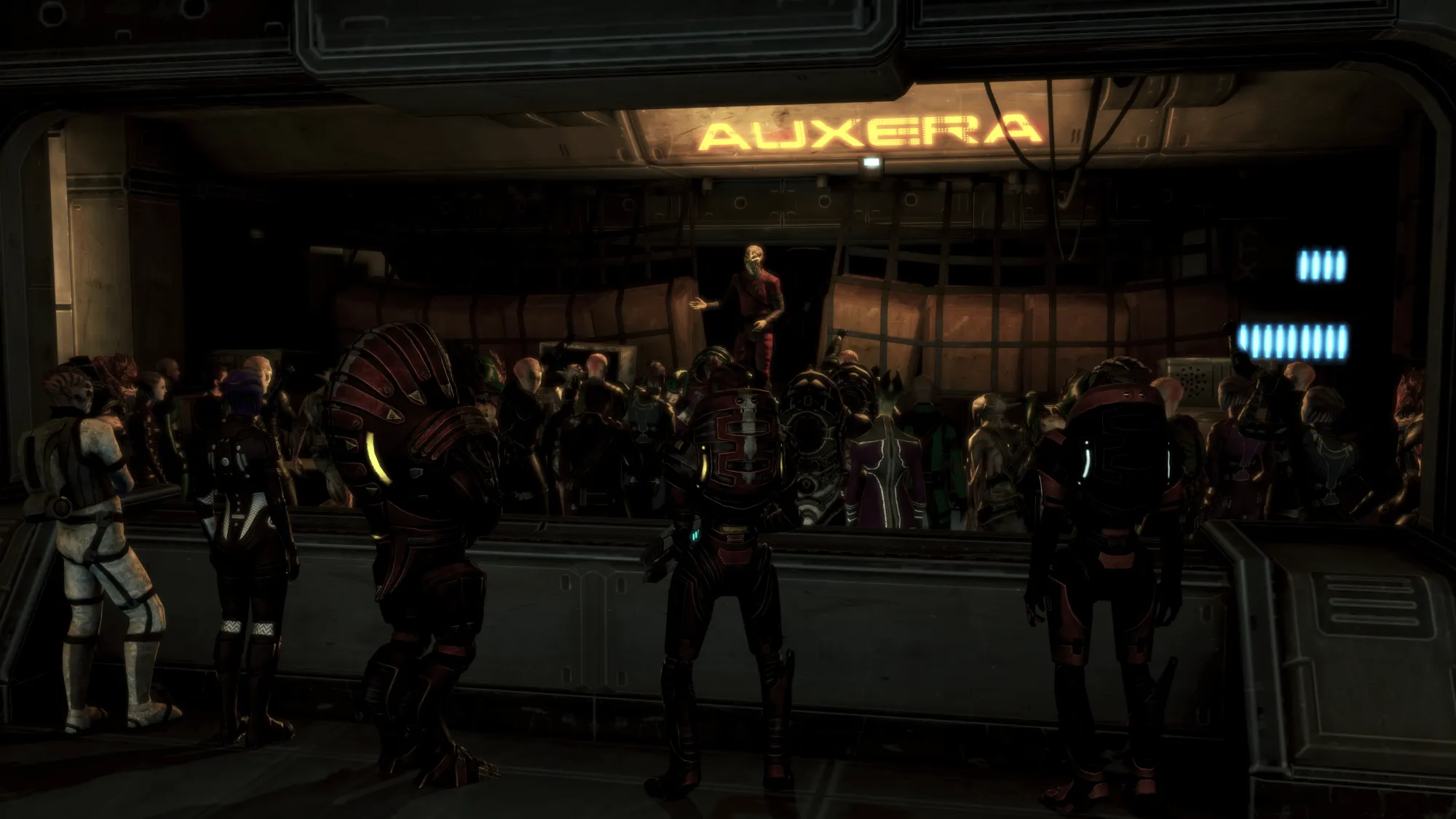
There are three paths here. If you do not choose the Engineer class at the character creation menu, you only have access to two.
Path one. Reroute the reactor power slowly. Shepard works the controls to take down the forcefields without disrupting life support. The game indicates this approach takes long enough that the squadmates might perish, and both are wounded. Both still survive, and Nyreen is appreciative, but Aria now distrusts Shepard, because he risked her life to save innocents, but Shepard can push her into adopting a less careless leadership style by making this choice among others during this arc.

Path two. At any time during the sequence in which the trap is explained and the squad is under attack, the player can use what is called a "Renegade Interrupt", a button press that interrupts the current action and makes an immediate decision.

In this case, Shepard slams the button to turn the reactor offline. The forcefields drop instantly. Aria and Nyreen survive, but life support fails across the station. Petrovsky's intelligence places the civilian death toll in the thousands as habitation sectors lose oxygen, atmospheric pressure, and temperature regulation in rapid succession, which is not a fun way to die at all. Aria, watching, expresses approval. Nyreen, watching, expresses remorse. Aria's eventual rule of Omega afterward is also shaped by Shepard's willingness to make this trade.
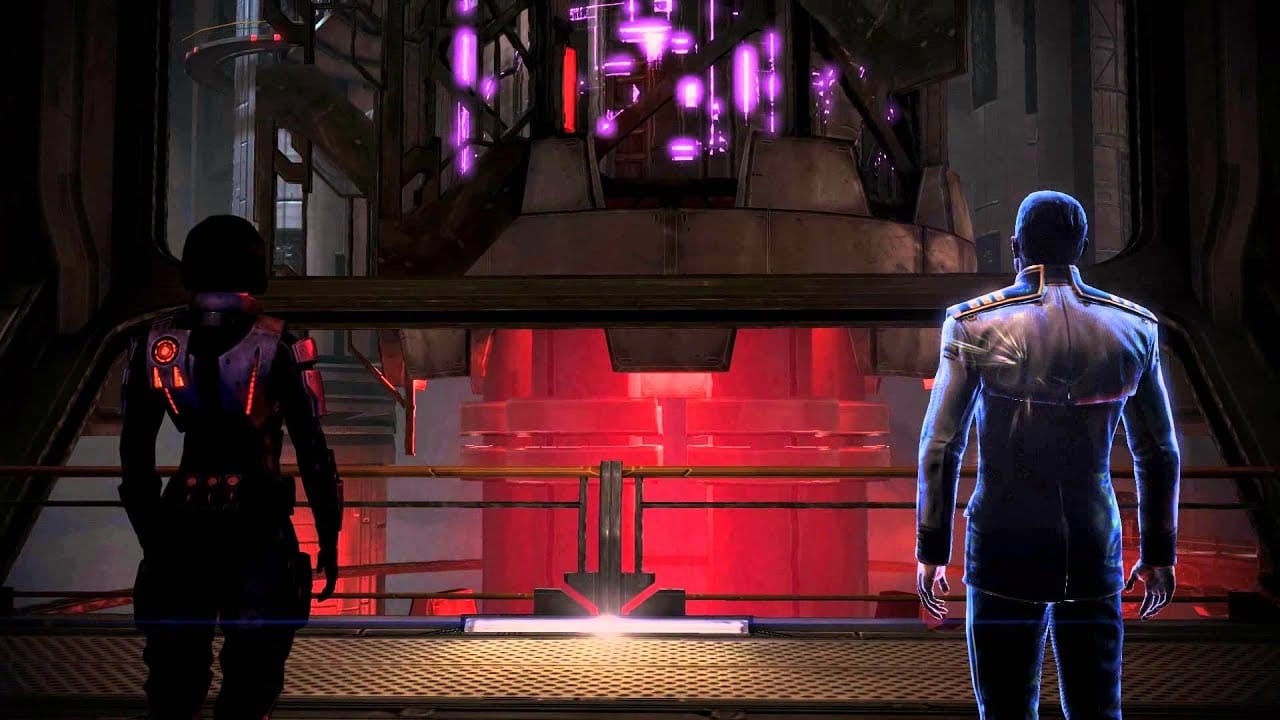
Path three. This is the Engineer-only choice, in the form of a Paragon interrupt only available to this class. The narrative justification is that an Engineer Shepard has enough systems experience to recognize a third option in the reactor architecture that other classes cannot see, in the form of a reroute that bypasses the safety systems Petrovsky has armed, drops the forcefields fast enough to save Aria and Nyreen, and still preserves life support to the civilian sectors. Both squadmates approve, nothing is directly harmed, and Aria's leadership style can still be influenced in either direction. The mission then continues toward its final stage, which we will cover when we reach the third game.

The weighting here is very clear. Path one closes much less than path two, but path three is strictly good. No contractions, no added resistance, and no burdens transfered.
Class Conclusion.
However, that reader-interface argument that anchored the Sex section does not transfer cleanly to Class here.
Yeah, I'm back on this shit.

Engineer is one of the less-played classes in the trilogy. Soldier completely dominates the player base at 40% per Legendary Edition statistics, with my preferred Vanguard at 21%.

The article, in exchange, will be walking readers through a class-specific Paragon interrupt that most of those readers did not ever have access to in their own playthroughs and may never have known existed. This is a structural inversion of the Sex argument. For Sex, the article picked the interface most readers already have. For Class, the article picks the interface most readers do not have, because it allows us to work through a Good option most players statistically did not encounter.
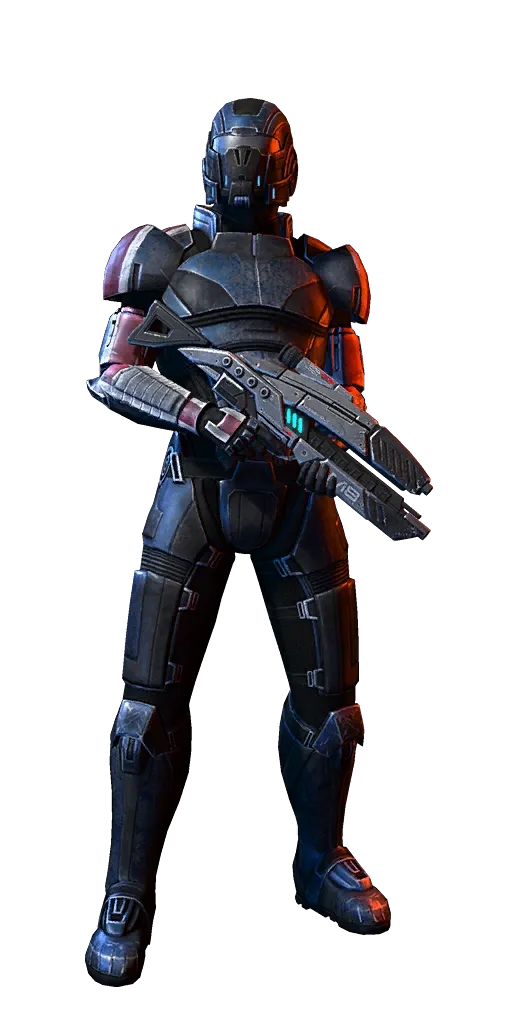
I am therefore choosing Engineer. Combat in Mass Effect 1 will be harder for the Engineer than for Vanguard or Soldier, but this shouldn't affect the article residue much beyond me whining.
What We Just Closed: The biotic-flavor dialogue available to non-Engineer biotic classes (the Kaidan elevator scene, the Citadel Jack scene, Liara's class-variant lines, a few others). Vanguard's signature biotic-charge ability and the engaging, kinetic combat experience that comes with it, which this writer greatly enjoys, especially in the third game when paired with Nova, did you ever play the multiplayer? The recognition the article would have carried for the majority Soldier and Vanguard players who never experienced the Engineer-only branch on the Omega reactor sequence.
What We Just Opened: The Engineer-only Paragon interrupt during the Omega downloadable-content reactor sequence, the trilogy's only class-specific morality choice. The capacity to preserve the fictional physical wellbeing of Aria T'Loak, Nyreen Kandros, and the civilian population of Omega in a single decision. The article's ability to walk readers through a closure-avoidance path that the substantial majority of readers' own playthroughs could not reach.

Pre-Service History.
I cannot believe this is already 4,000 words and we just got here. That's two A button presses down so far. We haven't even totally annihilated any sentient species yet.
Luckily, the Pre-Service History choice does not branch any major decision-field in the trilogy. It triggers one short side-mission per background in Mass Effect 1 and a small set of letters and dialogue acknowledgments in Mass Effect 3. What it really shapes, and what matters, is the fictional moral perception Shepard arrives with at the start of the trilogy, in that it defines what kinds of fictional contraction Shepard has already made contact with before the game begins.
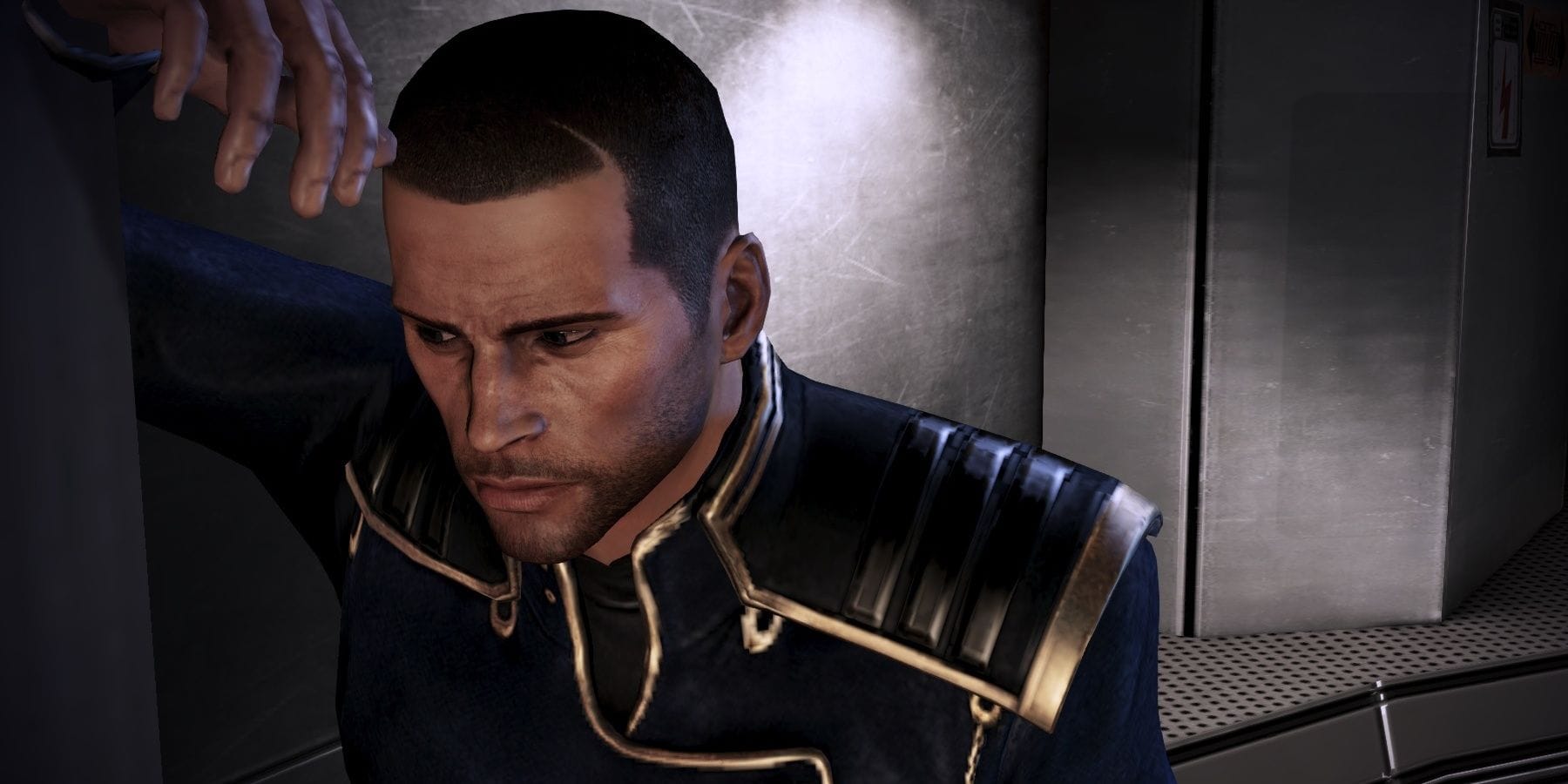
This matters under Modal Path Ethics because moral perception is a work-achieved capacity, and Shepard's existing fictional perceptual capacity is part of the agent who will then walk every later fictional decision-field, and the player-agent's real perception of their fictional moral perception impacts the character and quality of their own ethical training.

This is also a piece of the article's interface for readers, sitting one layer beneath the voice-acting and animation interface that the Sex section addressed. The reader-interface argument from that section also does not transfer directly here, because Pre-Service History is not presentation-defining in the way Sex is, or even to the degree of Class. The present Earthborn statistic (52% of Legendary Edition players chose this background) does not therefore force the pick.
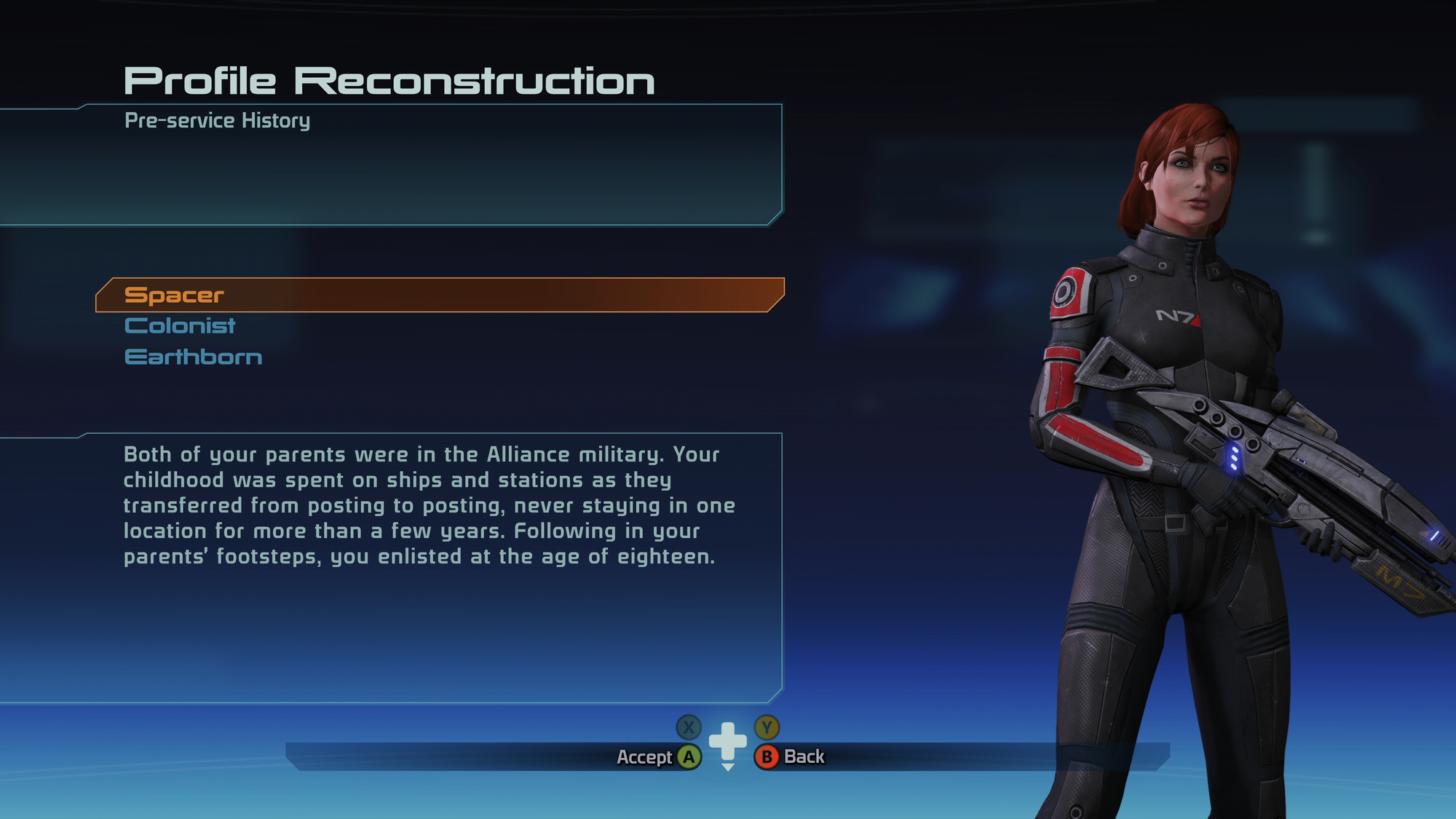
The lay-reader will once again need context for the choice, now that we understand how to make it.
Humanity in the Mass Effect trilogy is a relatively recent entrant to the galactic stage, having been spacefaring in the way that counts here for roughly thirty years before the events of Mass Effect 1. The Systems Alliance is humanity's combined military and political coalition representing Earth and human colonies in galactic affairs.

The Alliance Navy, in particular, is humanity's military space force. Humans have spread to colony worlds across contested regions of the galaxy, often into territory that is either claimed or harassed by other species. The Alliance has generally claimed a pretty absurd amount of galactic territory when compared to the other races under the Citadel Council and given their recent arrival on the scene.
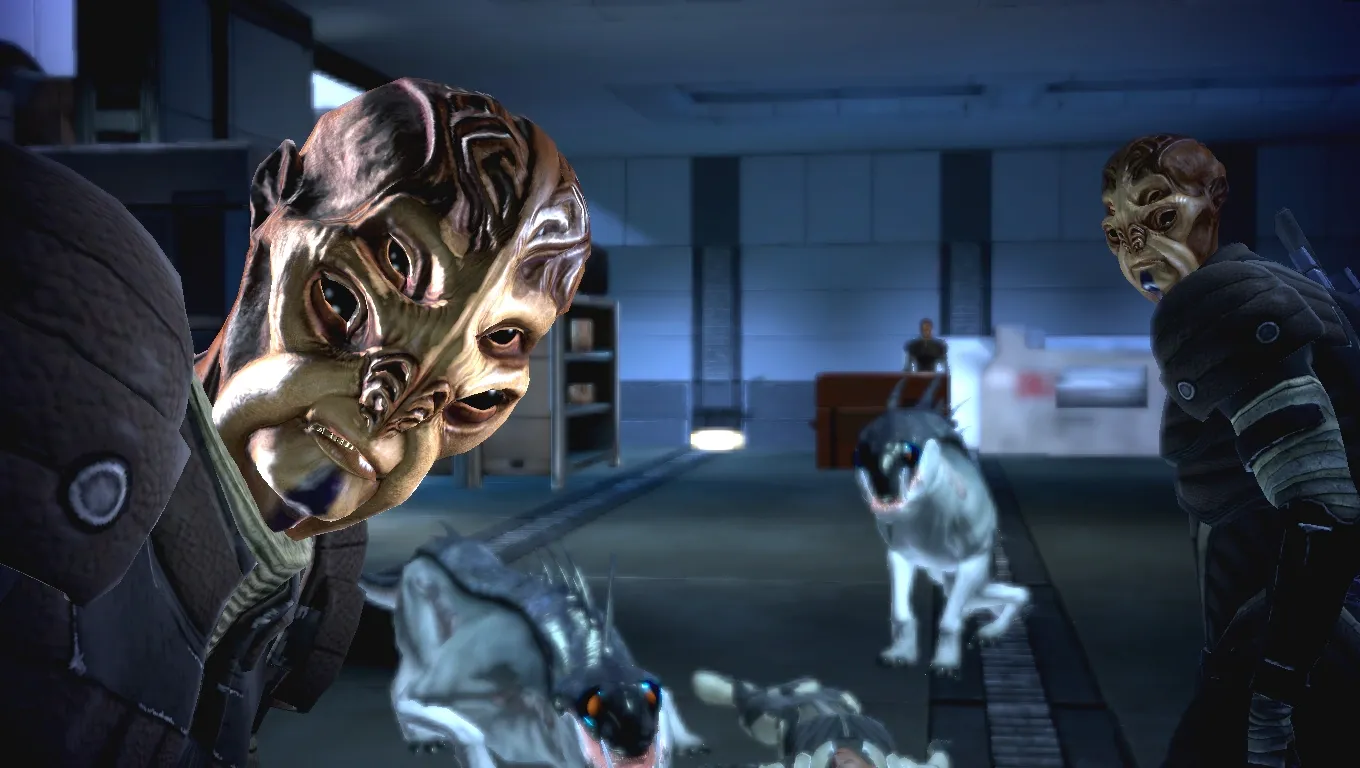
The most consistent antagonists of human colony worlds during this period are the batarians, a four-eyed humanoid alien species with a caste-based culture that economically depends on great amounts of slave labor. The batarian government is officially in detente with the Citadel Council. It unofficially sponsors and tolerates raids on human frontier colonies for slaves and resources.
This is the basic political background that all three Pre-Service options sit inside.
The first is the Spacer. In this history, both of Shepard's parents served in the Alliance Navy. Childhood was spent aboard Alliance starships and on Alliance bases, moving between deployments. This institution defined what futures were reachable for Shepard, and the institution handled most closures before Shepard encountered them directly. Spacer Shepard arrives at the trilogy with real implied fictional moral capacities. Procedural fluency, institutional literacy, and general recognition of Alliance-shaped threats. This mode of cognition is well-suited to recognizing fields the Alliance has already labeled.

Most of the trilogy's decisions, however, are about fields the Alliance has not labeled yet.
We move then to the Earthborn.

This Shepard was an orphan in the slums of one of Earth's twenty-second-century megacities, gang-affiliated with the Tenth Street Reds (an Earth-based human criminal organization mentioned twice ever, and this is one place), who later enlisted in the Alliance to escape that field. The formative field here is chronic deprivation. Earthborn Shepard's perceptual training is in endurance and in fluency with destructive resistance. The mode is well-suited to recognizing damaged fields and produces accurate suspicion of coercive systems, however it is less well-suited to recognizing intact fields that are currently being closed by an active agent. The trilogy's species-level decisions are mostly the second kind.
So that just leaves the Colonist.

Colonist Shepard came from Mindoir. Mindoir is a small farming colony in the human frontier, settled before the events of the trilogy and home to a small population. When this Shepard was sixteen years old, batarian slavers raided Mindoir. The raid pattern in this period was consistent across multiple targeted colonies: batarian ships drop out of FTL (faster-than-light travel) above an unprotected world, deploy ground forces to capture as many colonists as possible for their slave markets, and depart before Alliance Navy elements can respond. Mindoir was raided on this pattern. Shepard's family was killed in an artillery strike. The colony was largely destroyed. Shepard was left for dead, and recovered by an Alliance patrol that arrived only after the raid was over.

The most formative field for a Colonist Shepard is therefore a single discrete contraction-event with a legible before-state, a visible transition, and an after-state Shepard survived inside.
Under the framework's definition of contact with harm (the apprehension that a concrete contraction of extant possibility is real, weighty, and action-relevant), Mindoir is the cleanest available form of that contact at character-creation scale. The closure is total. The agent of closure is identifiable. The perceptual content of the event remains unfiltered by institutional rationalization. An Alliance-trained Shepard would have received that same kind of contraction filtered through institutional explanation. A colonist Shepard actually watched it happen.
This perceptual fingerprint is the one that most of the trilogy's species-level decisions will resemble. A peaceful field is often being closed by an external agent that should have been prevented from reaching it, and the question is now what residual paths can still be preserved.
For this reason, I am choosing Colonist.
What We Just Closed: The Spacer mom-arc, meaning the Hannah Shepard call and the emails. The Earthborn gang-confrontation arc and the perceptual content it would have trained.
What We Just Opened: The Mindoir-survivor side-mission in Mass Effect 1, in which Shepard meets another survivor of the same raid. The trilogy-wide persistence of Mindoir as a perceptual reference point in Shepard's interactions with batarians, slavers, and other colonies under threat. The discrete-contraction-event perceptual fingerprint as the trained foundation for every later species-level decision in the trilogy.

Psychological Profile.
The final character creation choice, Psychological Profile, describes Shepard's singular defining service event after enlisting in the Alliance Marines. The Marines are naturally the ground combat forces of the Alliance Navy. Gonna try to keep it snappy to make up for Sex and Class.
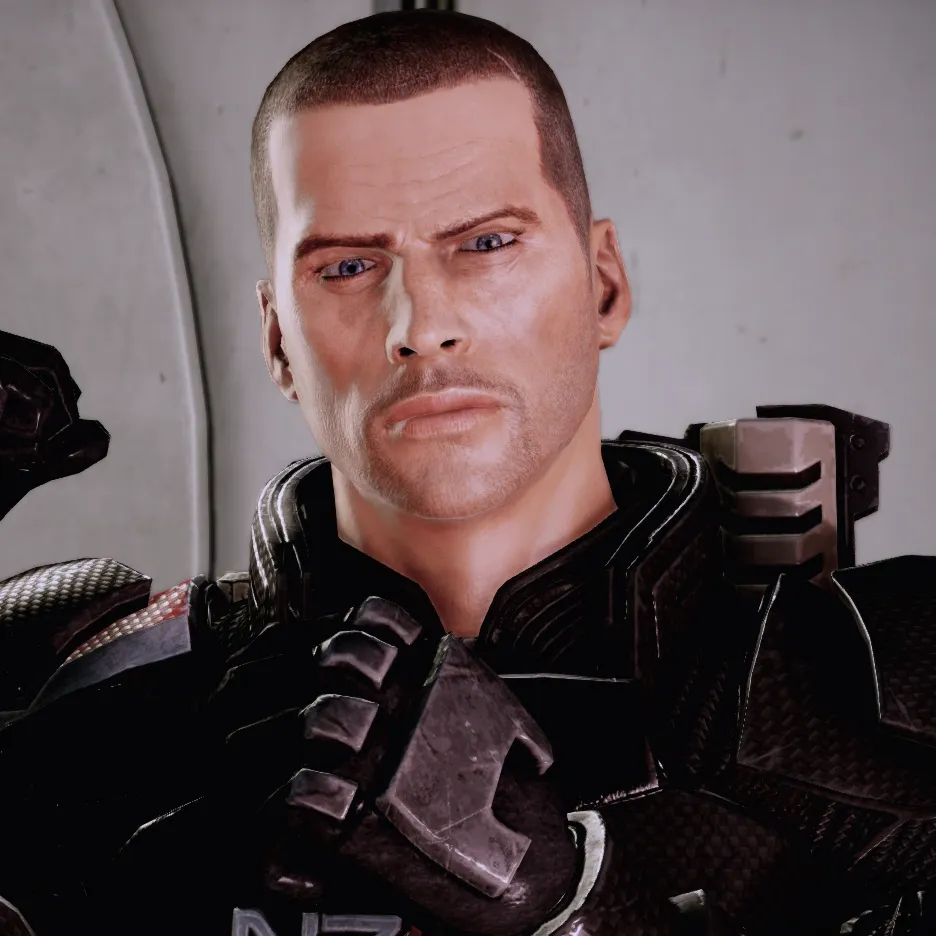
Like Pre-Service History, this choice does not branch any major decision-field in the trilogy. It triggers small dialogue acknowledgments and one set of conversation lines. What it still shapes is Shepard's relationship to fictional harm in the agent role, after enlistment and during early military career. It is part of the fictional moral-perceptual training that Shepard arrives with at the start of the games.
The lay-reader context here runs through three specific events that the Mass Effect canon places in the late 2170s, before Shepard's commission as a commander. The first game is set in 2183. Our choices are as follows:

Sole Survivor (Akuze, 2177). Akuze is an uninhabited world that the Alliance was investigating after losing contact with a survey team. In this history, Shepard's Marine unit, a fifty-soldier element, was deployed to find the missing surveyors. Within hours of landing, the unit was attacked by thresher maws, which are enormous burrowing predators native to multiple worlds in the galaxy, capable of swallowing armored soldiers whole and ambushing ground units from beneath the surface. Fifty Marines died. Shepard survived alone. The survival was accidental, the result of being separated from the unit when the attack occurred, with no successful intervention by Shepard at any point in the event. This is clearly direct contact with mass harm. The perceptual content would be shaped by survival without successful intervention.
This framework explicitly addresses trauma-shaped perception as a form of distortion: a defensive narrowing of the perceptual field around a formative event. Sole Survivor Shepard would therefore arrive at the trilogy with his perception partially closed in advance.
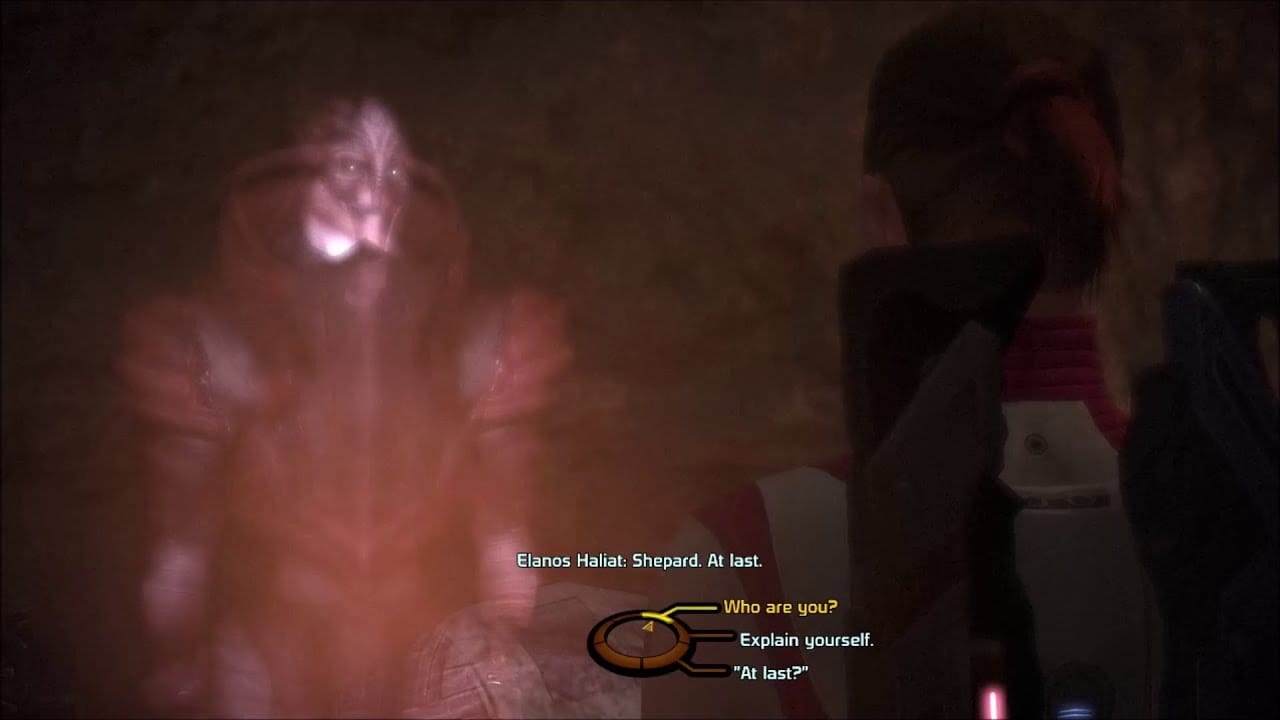
War Hero (Skyllian Blitz, Elysium, 2176). Elysium is a human colony in the Skyllian Verge, a frontier region of human space that batarian raiding parties had targeted repeatedly across the previous decade. In 2176, batarian-led pirate elements organized a coordinated raid on Elysium that was significantly larger and better-armed than any previous incursion. The event came to be called the Skyllian Blitz. With this choice, Shepard is off duty and on shore leave at Elysium when the raid began. He organized the surviving Alliance personnel and the colonists themselves into a defensive line, held the perimeter against successive waves of attackers, and kept the colony intact until Alliance Navy reinforcements arrived to break the siege. The colony was saved. The closure that was actively being inflicted on the field was in this way halted by Shepard's on-the-ground organization of available agents.
Under the framework's category of generative resistance, this is the form of resistance that actually trains capacity. Destructive resistance just burdens. Generative resistance still burdens, but that burden itself forms new capacity through difficulty. Shepard's perceptual content from Elysium is a closing field, identifiable agents of closure, available defensive loci, and the successful preservation of weighted future-space against active narrowing.

The Elysium event also cleanly continues the perceptual thread that Mindoir began. Both formative events involve the same antagonist species (batarians), the same general tactical pattern (raids on civilian human colonies), but opposite outcomes (one colony falls, one colony does not). The structural mirror is what produces the unusually clean perceptual fingerprint that the combination of Colonist and War Hero generates.
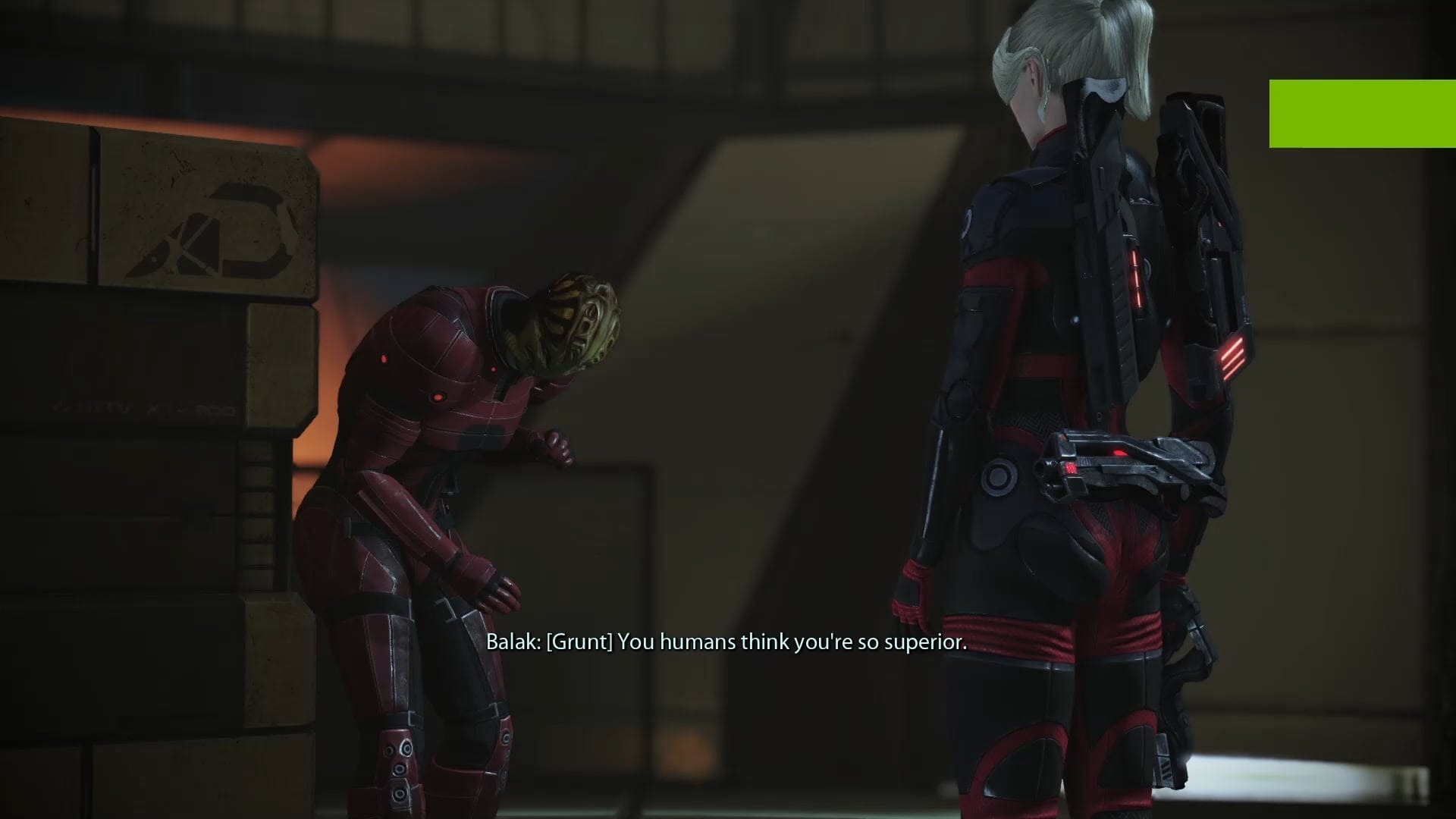
Ruthless (Torfan, 2178). Torfan is a batarian-occupied moon that, in the years following the Skyllian Blitz just described, had been used as a staging base for continued slaver and pirate raids on human colonies. The Alliance launched a punitive assault on Torfan to break the slaver infrastructure operating from the moon's interior. The assault was brutal, conducted through the moon's tunnels against entrenched batarian defenders. In this profile, Shepard was an officer on the assault. Shepard sacrificed three-quarters of his unit to maintain operational momentum, executed surrendering enemies rather than accepting their submission, and completed the mission objective. The slaver infrastructure was destroyed.
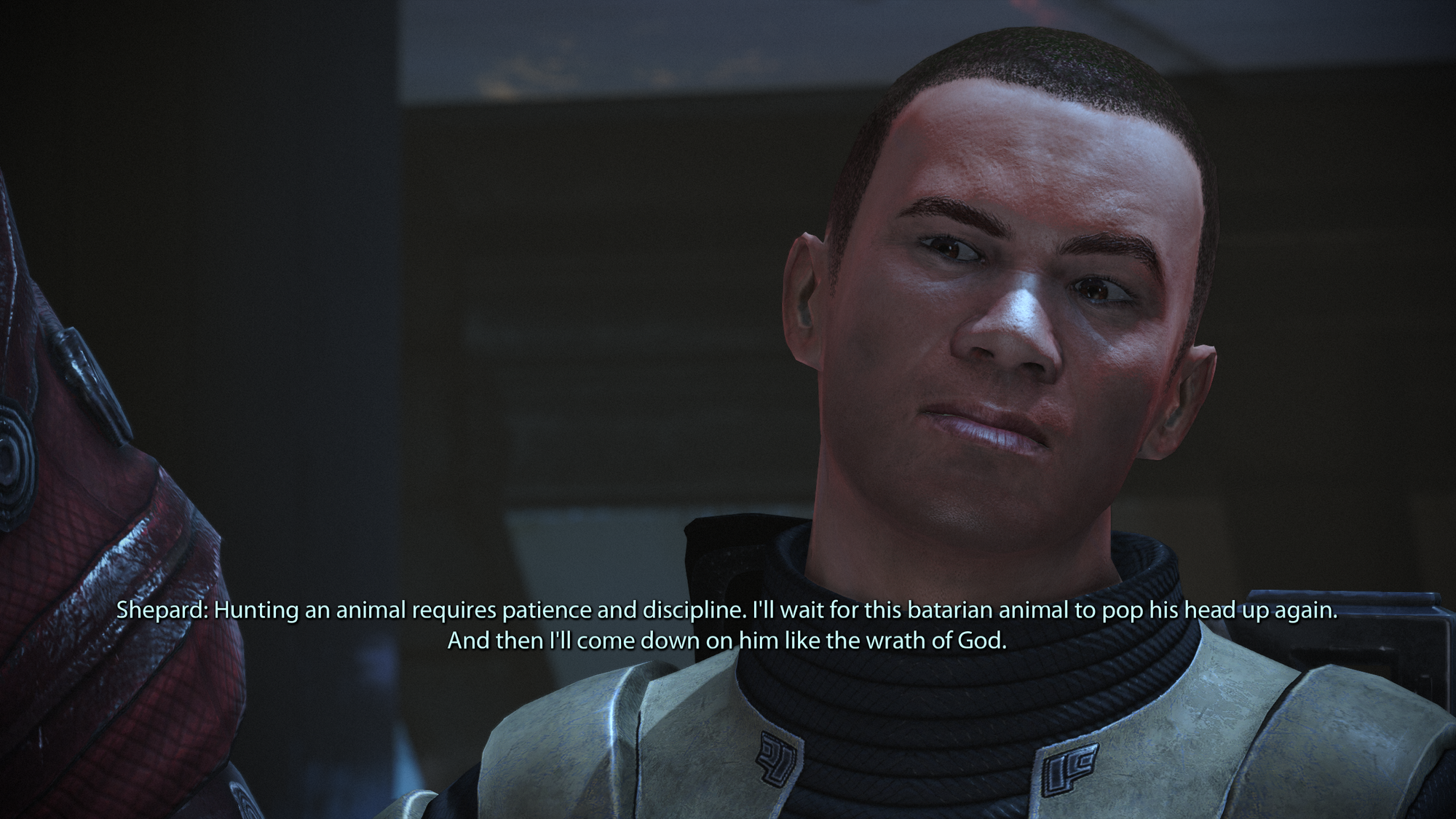
The decision-content here is contact with harm, but as the agent who inflicted closure in the service of preventing greater future closure. This is a real form of moral training that the framework recognizes. Ruthless Shepard has walked the destructive-resistance side. The perceptual hazard here is that the formative event encodes a high prior on inflicting closure as an available tool, which is distortive in that over time it tends to be perceptually privileged over alternatives that preserve more future-space but at higher local cost.
Also, per the same Legendary Edition statistics, Sole Survivor and War Hero ran nearly tied in player adoption, and Ruthless was substantially less common at 13%.
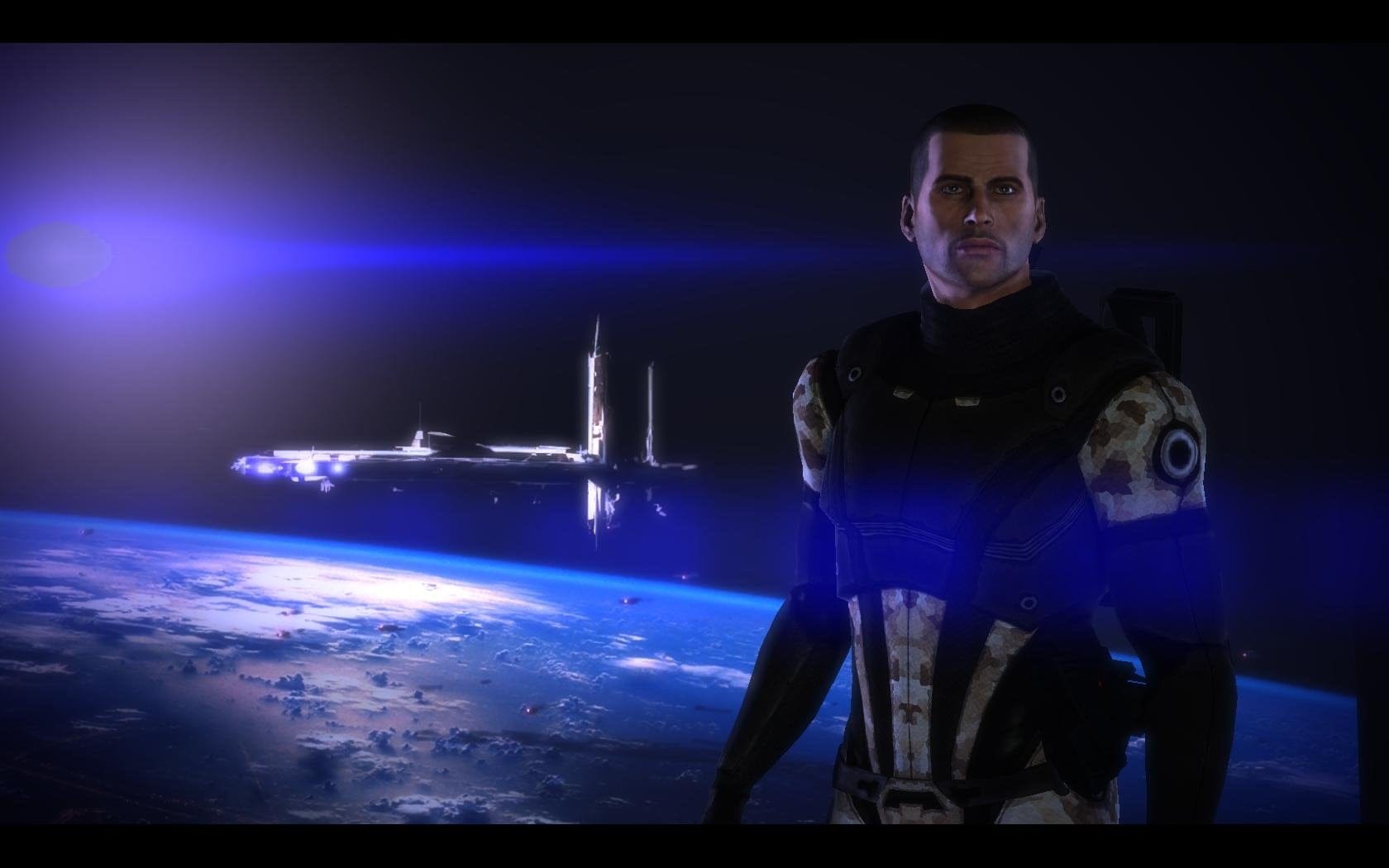
We are choosing War Hero, for the clearest perceptual fingerprint.
What We Just Closed: The Akuze perceptual content. The trauma-shaped relationship to mass harm and the defensive perceptual capacity that formation produces. The Torfan perceptual content. The closure-inflicting relationship to harm and the destructive-resistance fluency that formation produces.
What We Just Opened: The Elysium perceptual content. The trained relationship to harm as an agent who held a closing field open from inside. The generative-resistance fingerprint as the foundation for evaluating every later closure-event in the trilogy. The perceptual mirror with Mindoir, where Shepard knows what closure looks like from inside a fallen locus and also what successful preservation of a closing locus looks like from the agent side.
Commander Shepard.
John Shepard, Engineer, Colonist, War Hero.
The four choices couple in specific ways that the section-by-section analysis has named individually but that the reader may want held together in one place, because this character creation article isn't long enough yet.
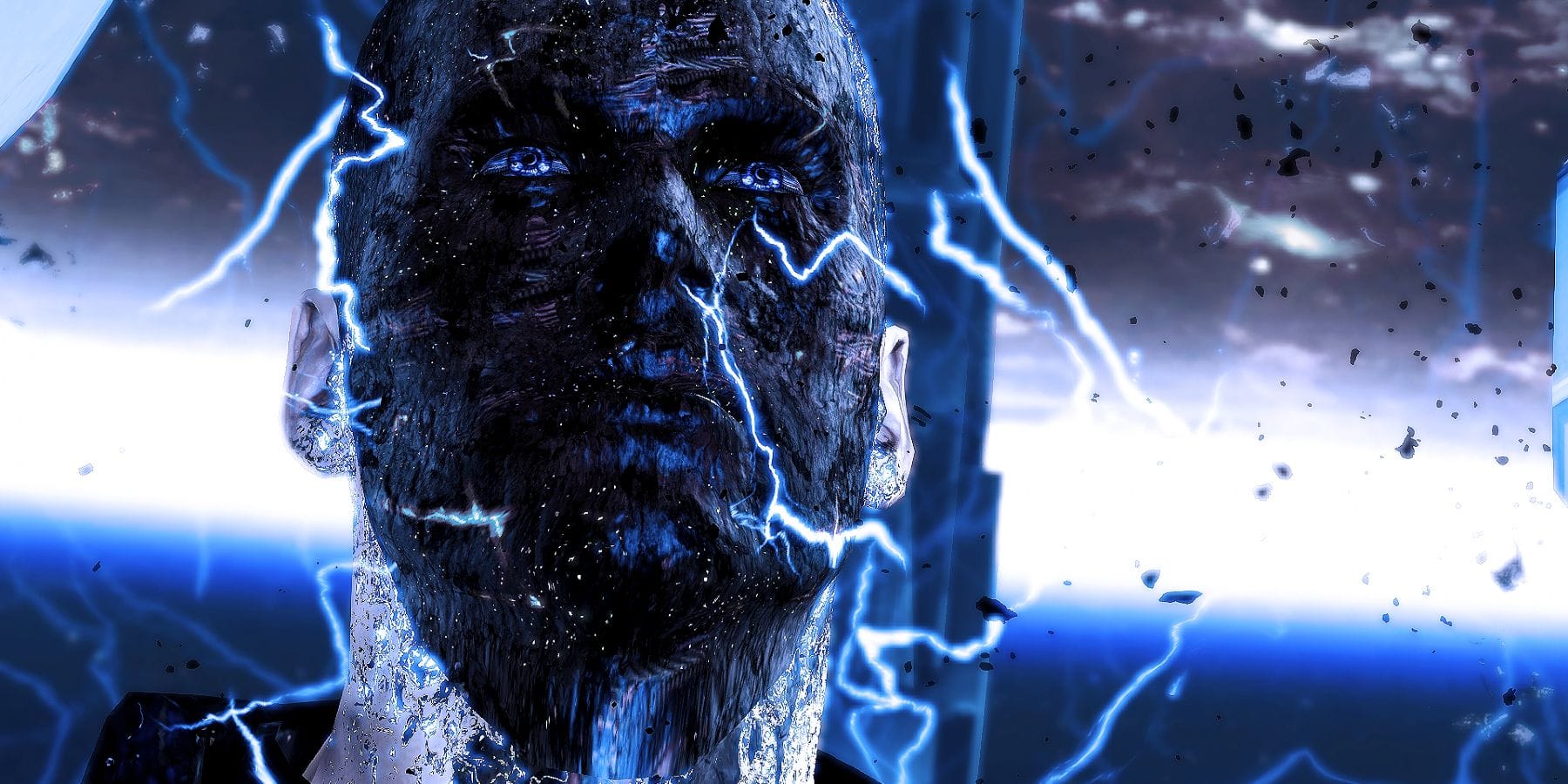
The choice of John Shepard is the structurally significant pick at the interface layer. The polish advantage that Jane Shepard's interface holds at the line-reading level is unavailable to the substantial majority of readers who never actually played her. The article is being built to assist in the readers' moral perception, and the interface they actually bring determines what it can actually produce for them.
The change of class from the desired Vanguard to Engineer is the structurally significant pick at the decision-field layer. It preserves access to a multi-locus closure-avoidance path on the Omega reactor decision. That path will be unreachable in its preservative form under any other class, all because of Petrovsky.
The Colonist and War Hero choices couple at the perceptual-formation layer. The two events are structurally inverse (same antagonist species, same kind of locus, opposite outcomes), which produces a perceptual fingerprint that is unusually consistent and unusually complete. Shepard knows what each side of this specific contraction-event looks like from inside it. That fingerprint is the cleanest available baseline for the kind of decisions the trilogy will keep asking.
What Is Closed: The Jane Shepard interface in its more polished form. The Garrus, Thane, Kaidan, and Jacob romance arcs in their canonical John-locked-out forms. The Samantha Traynor romance arc, the trilogy's exclusively-gay-female romance option. The Vanguard kinetic combat experience and the biotic-flavor dialogue. The Spacer mom-arc and the late-trilogy Hannah Shepard letters. The Earthborn gang-confrontation arc. The Akuze trauma-perceptual content. The Torfan closure-inflicting perceptual content.
What Is Open: The recognition interface the substantial majority of readers actually bring to the trilogy. The Tali, Miranda, Jack, and Ashley Williams romance arcs and some of the trilogy's most-discussed companion content. The Steve Cortez romance arc, the trilogy's exclusively-gay-male romance option. The Engineer-only Paragon interrupt at Omega and the closure-avoidance path it preserves. The Mindoir perceptual fingerprint as the formative training for species-level decisions. The Elysium perceptual fingerprint as the formative training for active preservation of closing fields. The mirrored perceptual structure of Mindoir-and-Elysium as the cleanest available baseline for the trilogy's recurring decision pattern.
The next article picks up at the start of Mass Effect 1 proper.