Applied Case: Primer (2004)
The problem here was not the time travel.
Entropy Debt Week
To celebrate my upcoming short story in Nature Futures, Modal Path Ethics will audit fictional depictions of time, computation, rollback, and erased fields, as well as a special installment of Failed Field Analysts for the stupidest superintelligence I have ever heard of.
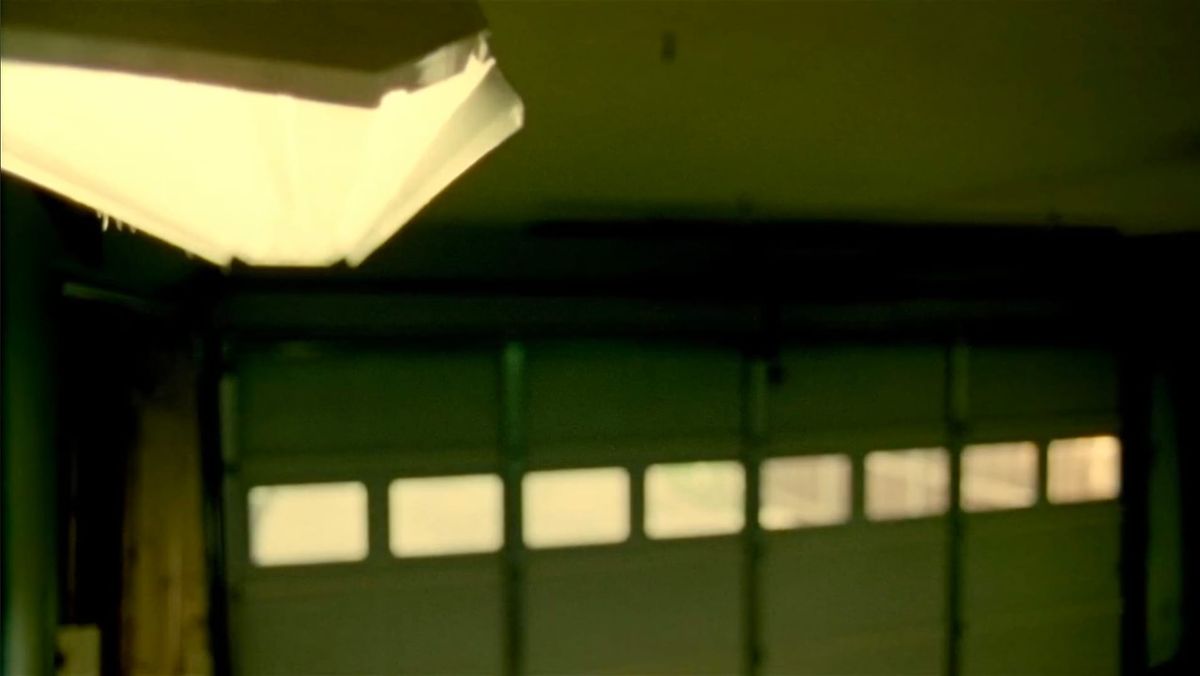
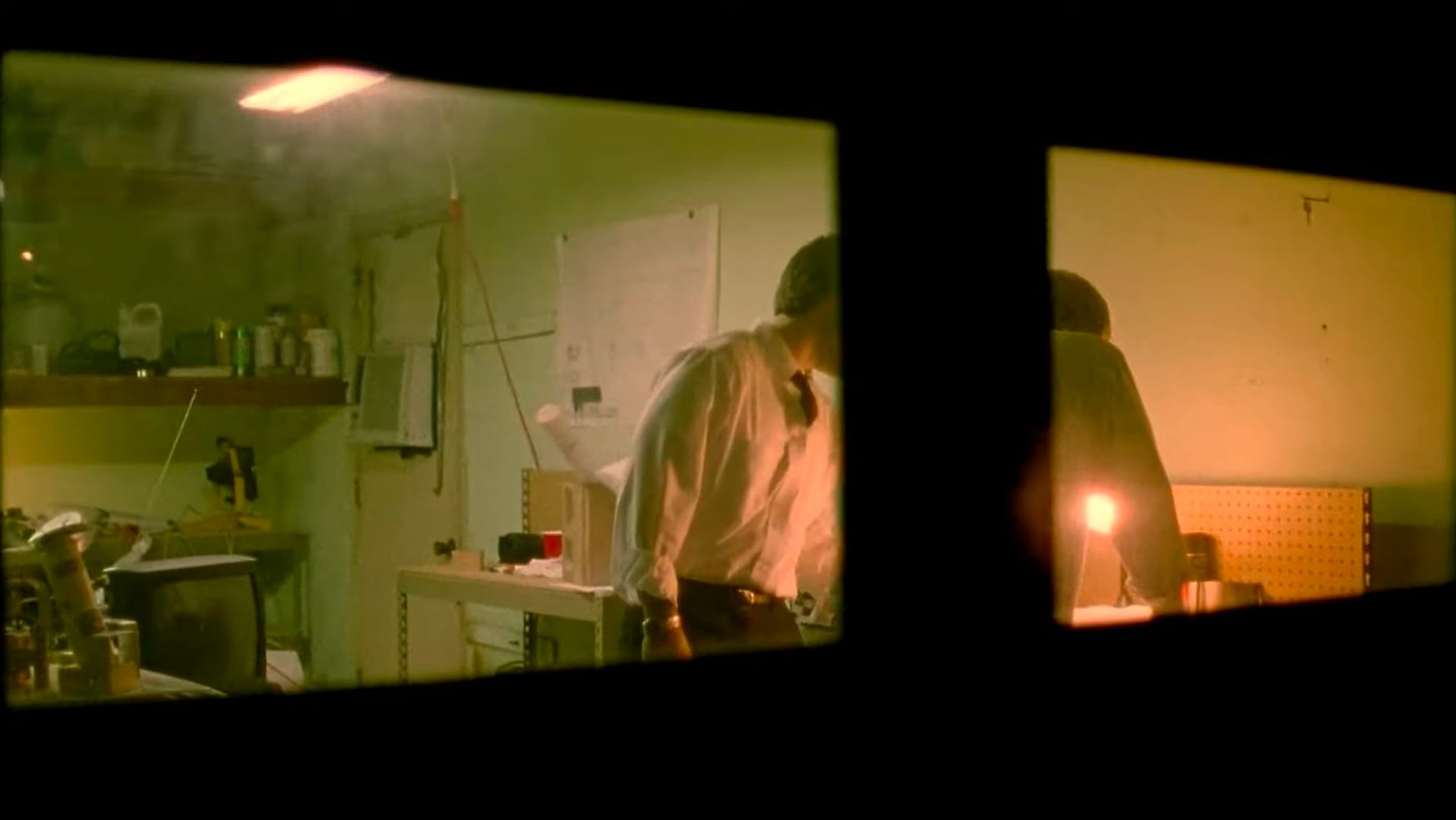
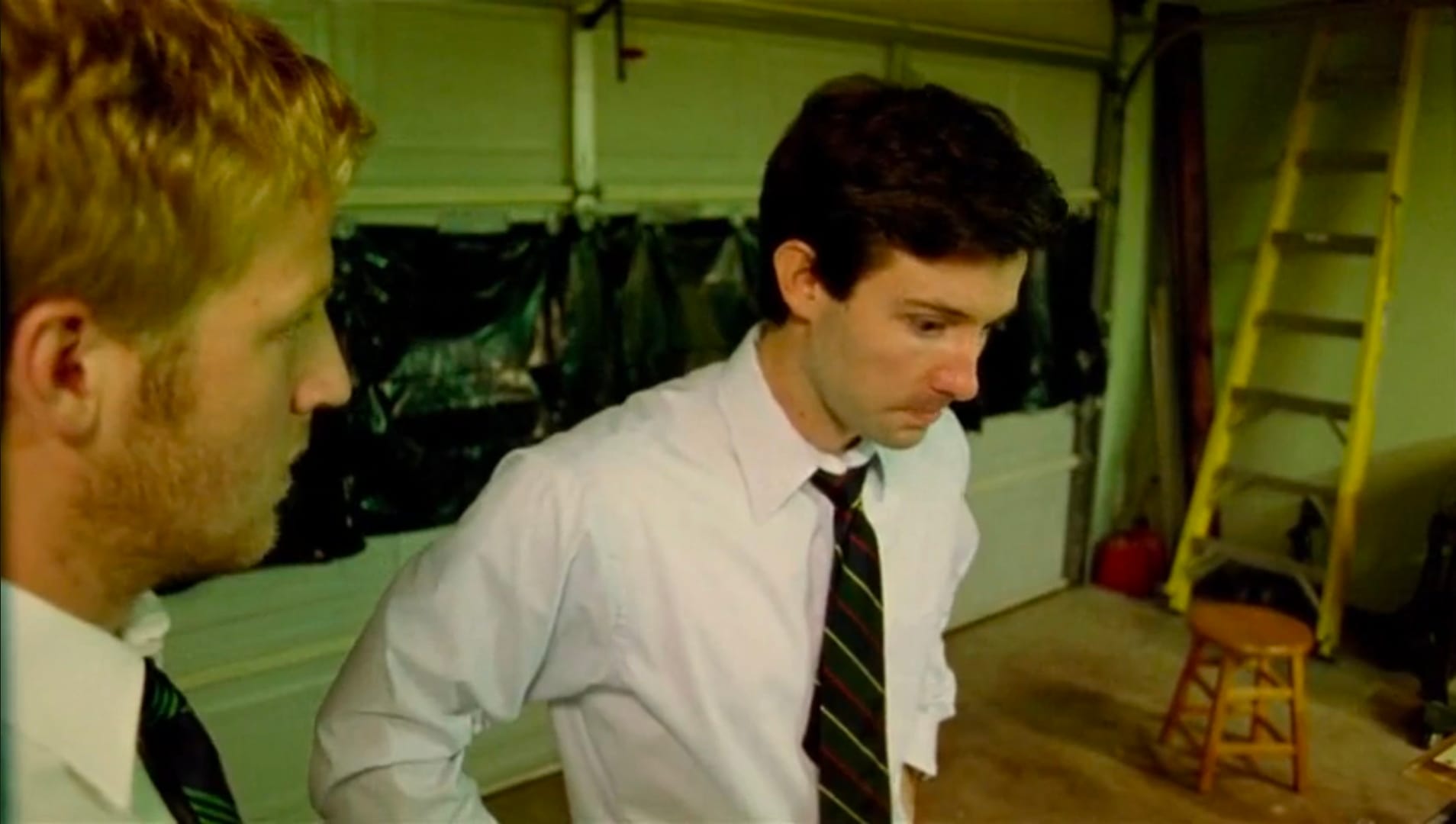
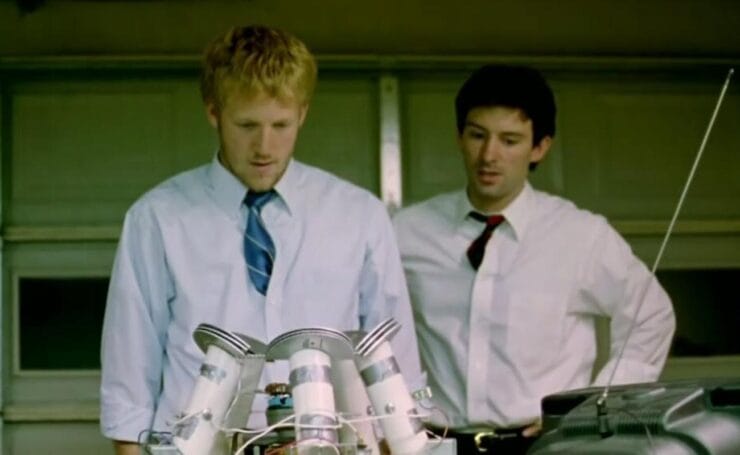
Primer is a 2004 independent science-fiction film about two engineers, Aaron and Abe, who accidentally build a time machine in their garage.
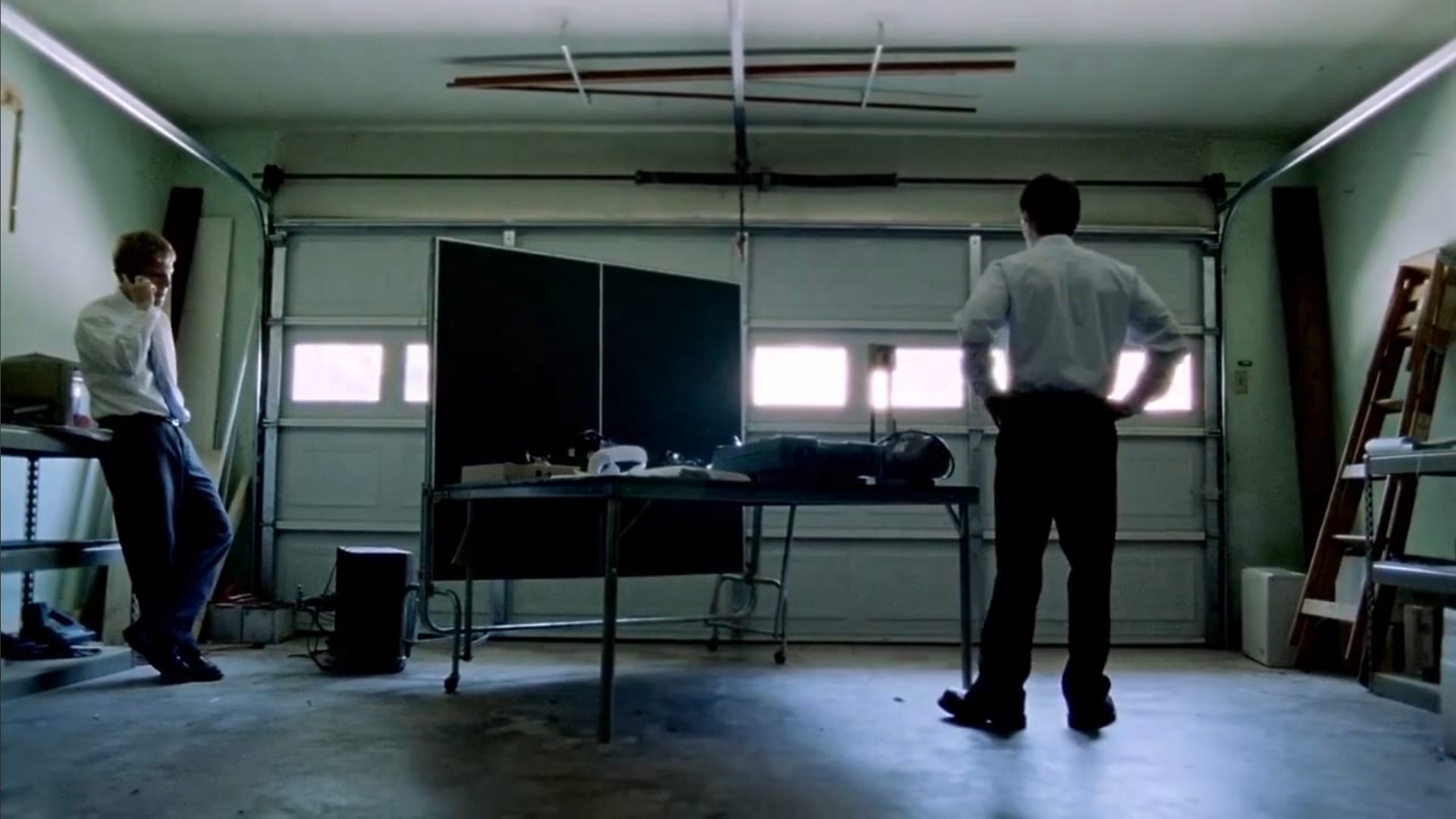
Most time-travel stories present time as a spectacle. A person jumps backward. A person meets himself. A paradox appears. The audience is invited to ask whether the loop closes, whether the future changes, whether history can be repaired, whether the traveler can get home.
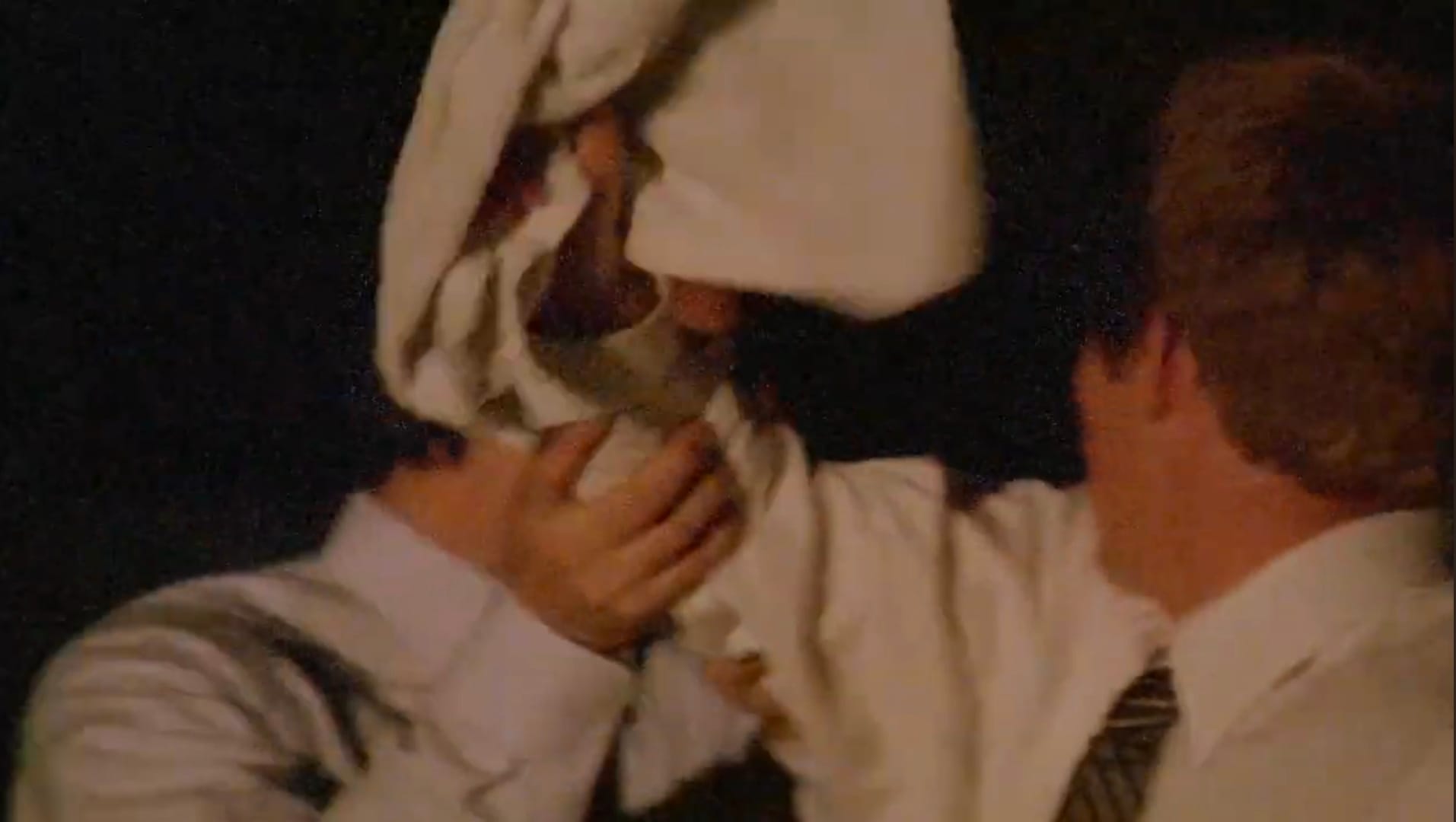
Primer does not invite this. It is not chiefly about the spectacle of time travel. It is about what happens when any field-altering technology appears inside a field that has no adequate moral, social, institutional, or imaginative path for receiving it.

Aaron and Abe do not discover time travel inside a university lab with review boards, public funding, safety protocols, peer oversight, and a trusted disclosure structure.
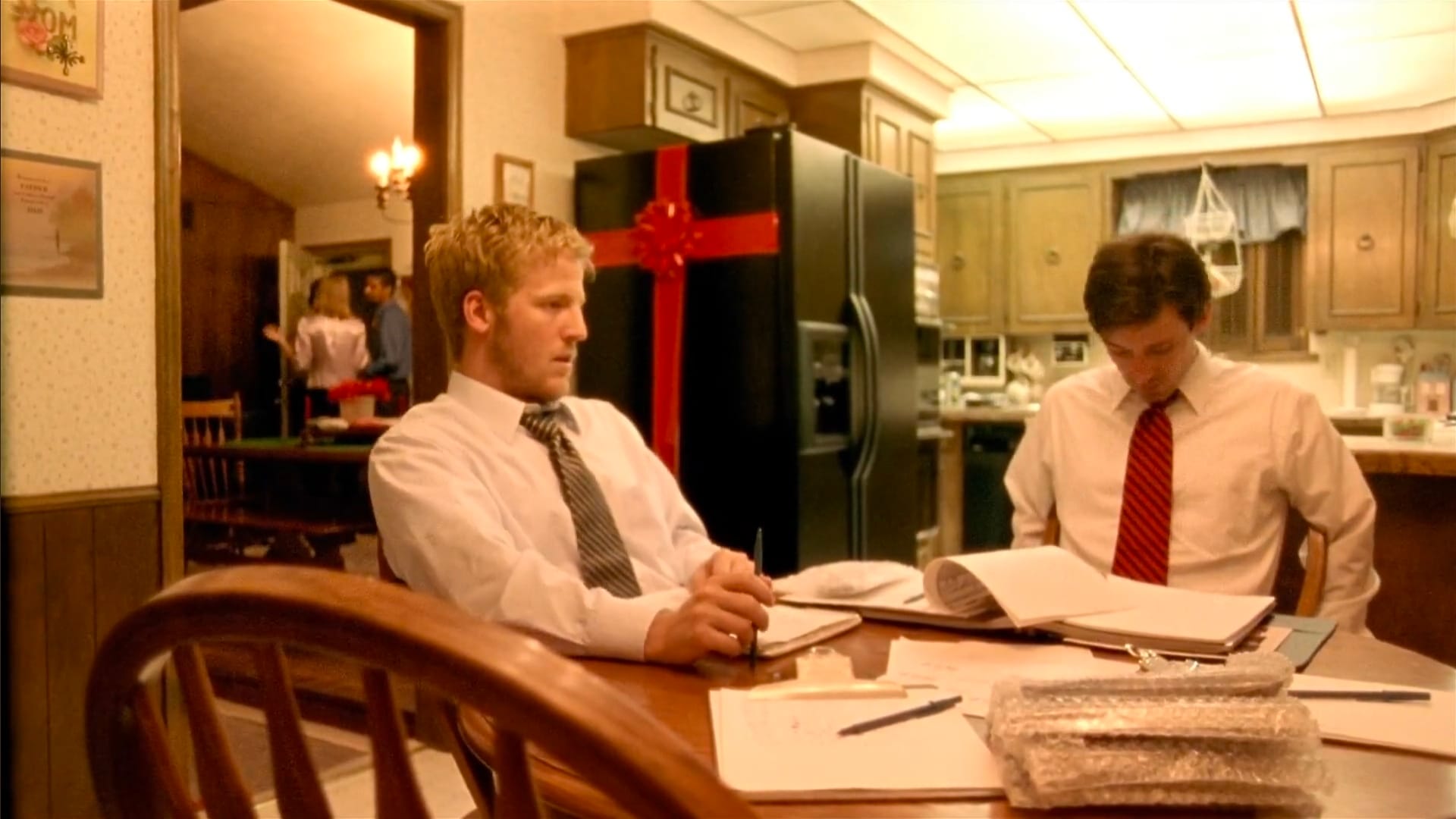
They discover it in their garage; inside a small entrepreneurial engineering culture built from side projects, patents, grants, ownership anxiety, technical rivalry, secrecy, and the permanent pressure to turn ideas into privately capturable value.
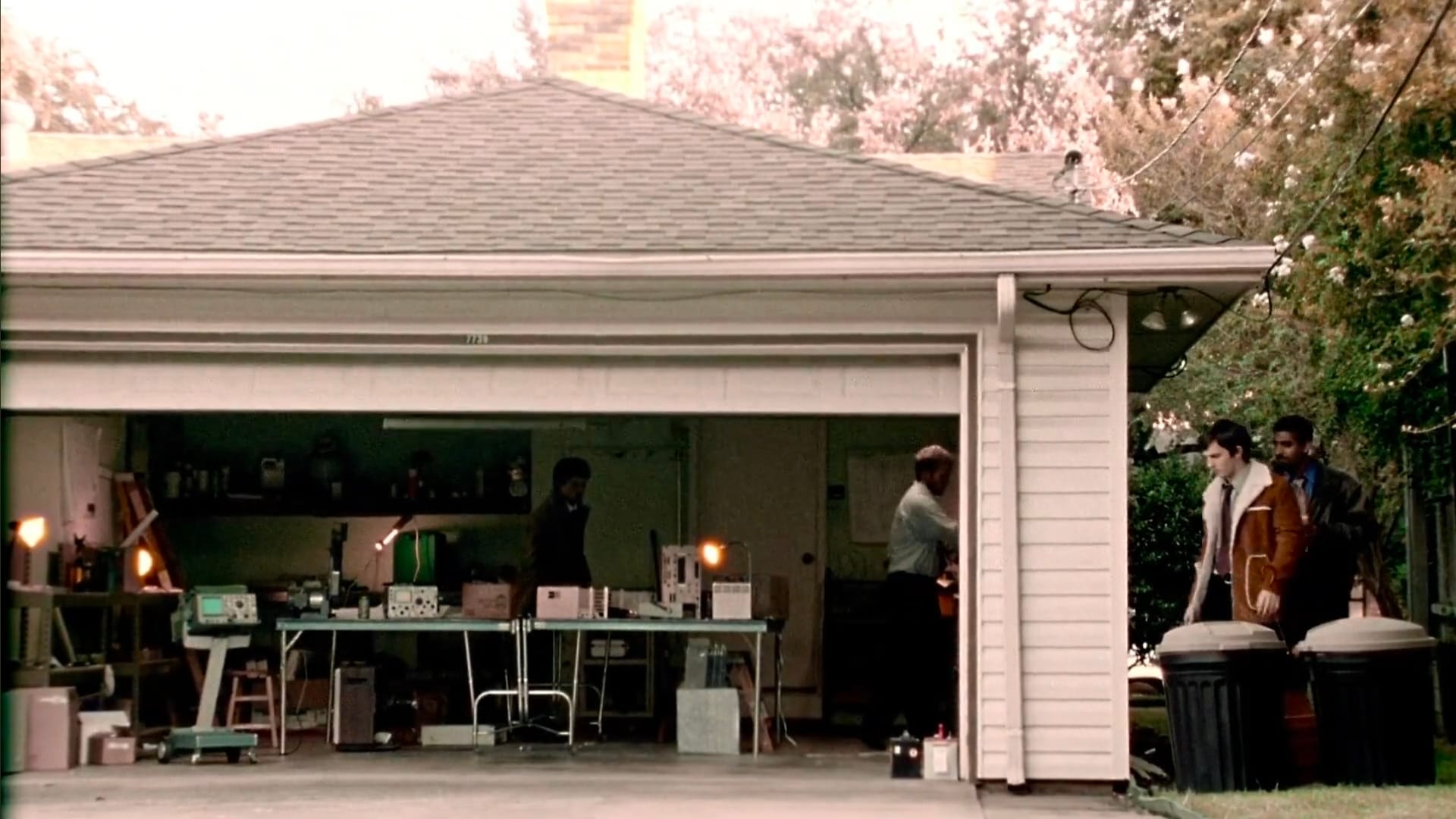
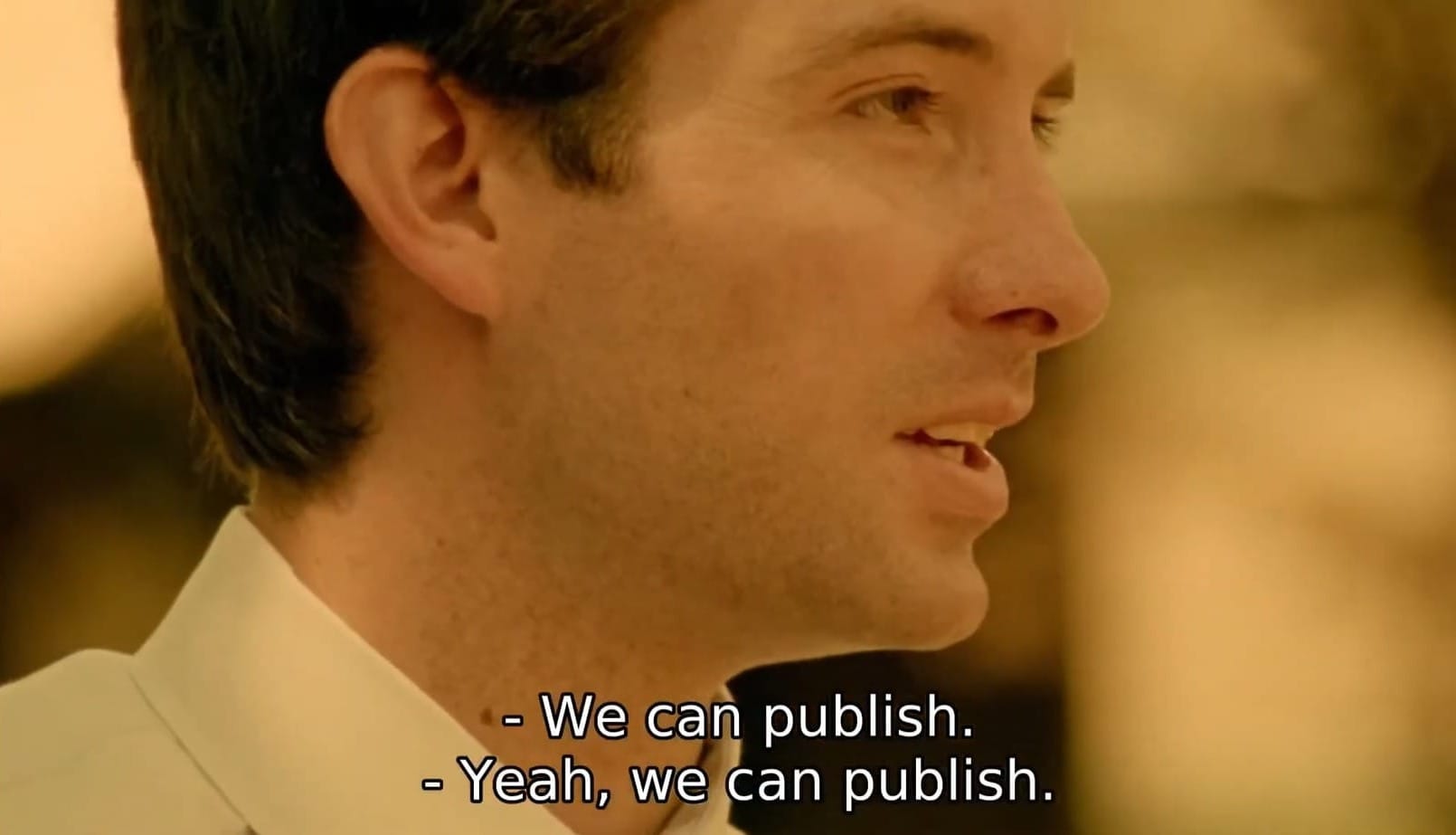
The usual joke about Primer is that these men invent time travel and use it to make money on the stock market, which is more or less what happens here. This is often treated as a failure of imagination. These two morons could go anywhere. Do anything. Save anyone. Learn anything. Change history. Instead, their first plan is basically: stocks?
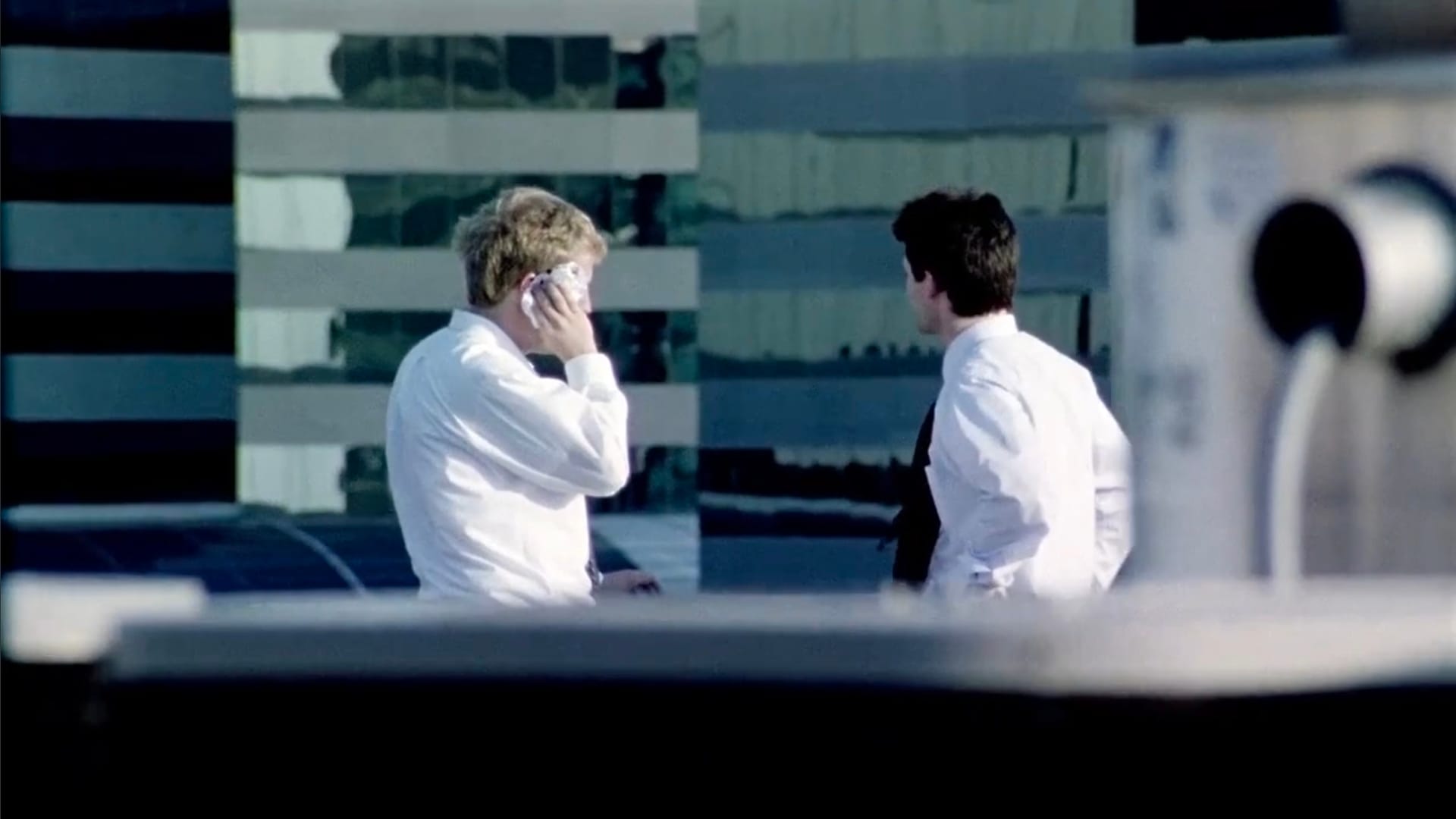
But Aaron and Abe are not idiots. They are very intelligent, curious, disciplined, technically gifted, and hard-working. They are not passive consumers of the box's magic. They build, test, revise, notice anomalies, argue through mechanisms, and just keep working long after most people would have stopped understanding what the hell they were seeing.
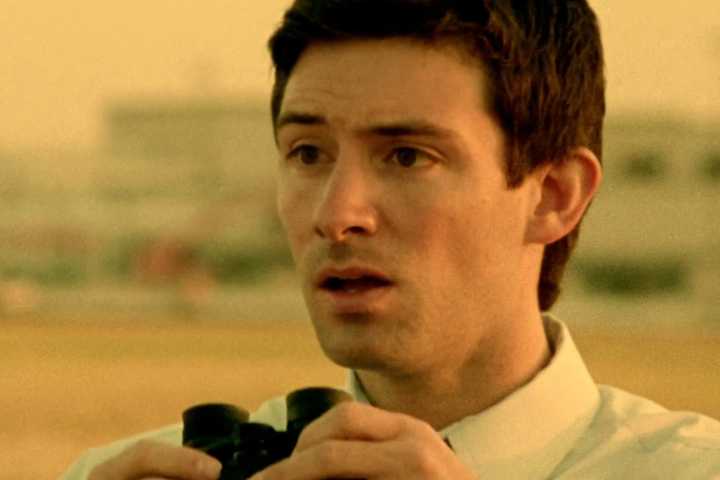
So their turn toward the market should not be read as stupidity. It should be read as an indictment of their field.
These two are not too dumb to imagine more. They have been trained by their field to recognize profit faster than responsibility.
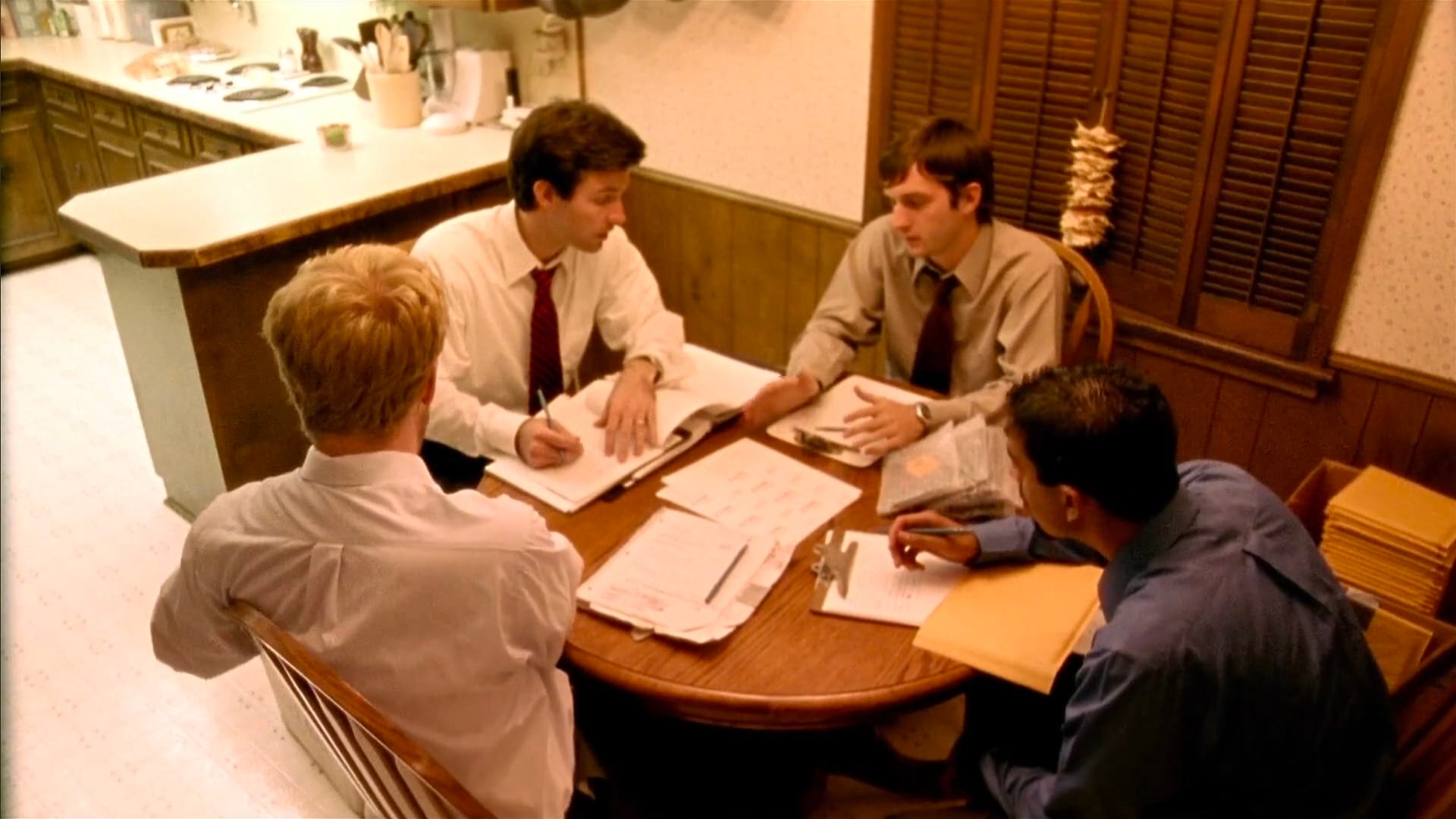
The market is not their stupid idea. The market is the nearest and most sign-posted available path to walk.
That is the first field problem in Primer. Not the birth of the machine, or the first duplicate, or any paradox; that world-breaking intelligence appears inside a culture that has already narrowed the meaning of all invention.
Here, an idea is something to protect. A prototype is something to pitch. A discovery is something to own. A technical advantage is something to monetize before somebody else takes it away.
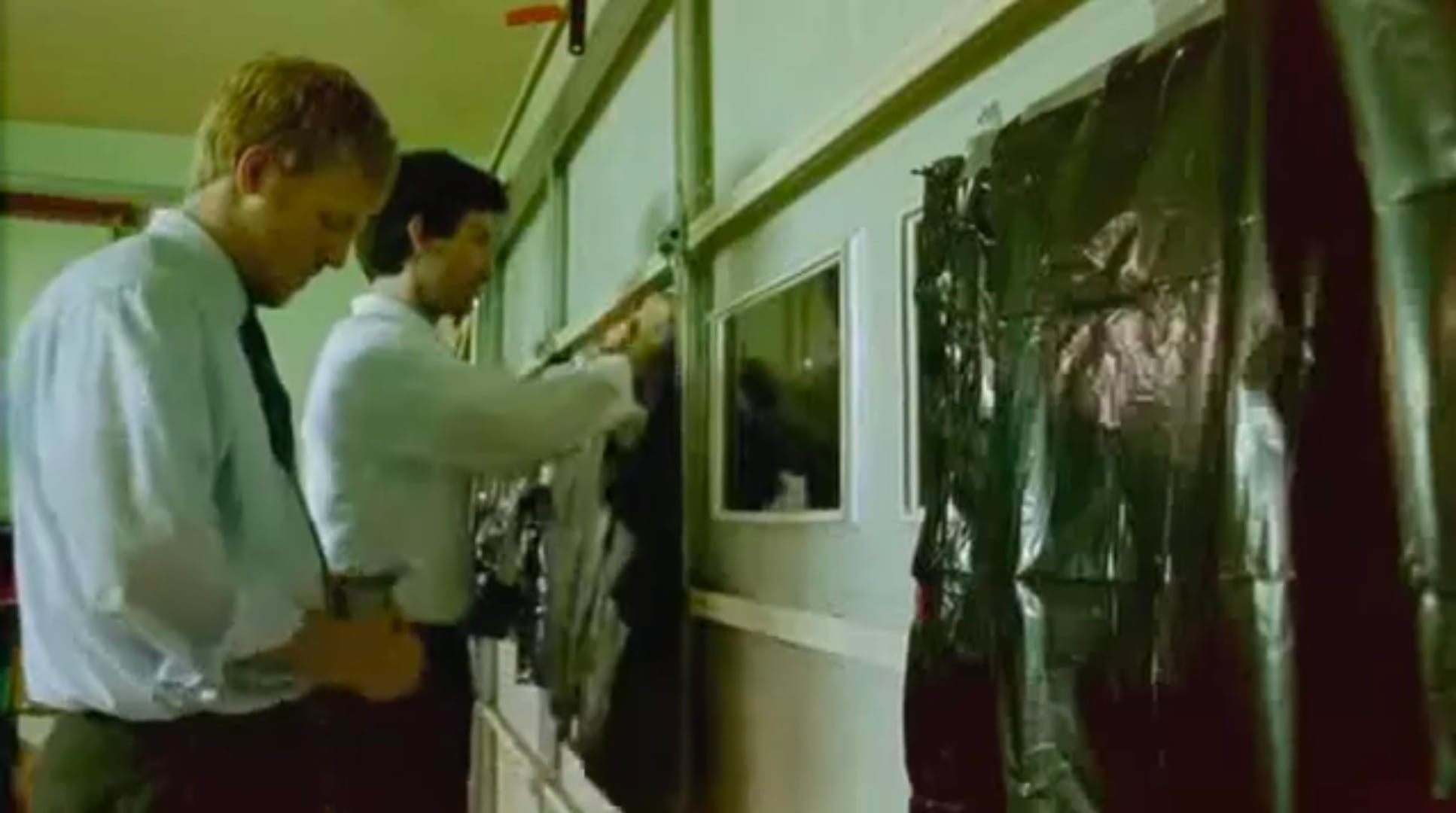
The box does not create their moral poverty; that was their field. The box just reveals the poverty already installed around their intelligence.
This Film != a Puzzle We Have to Solve.
Any Modal Path Ethics analysis of Primer has to begin by refusing a trap.
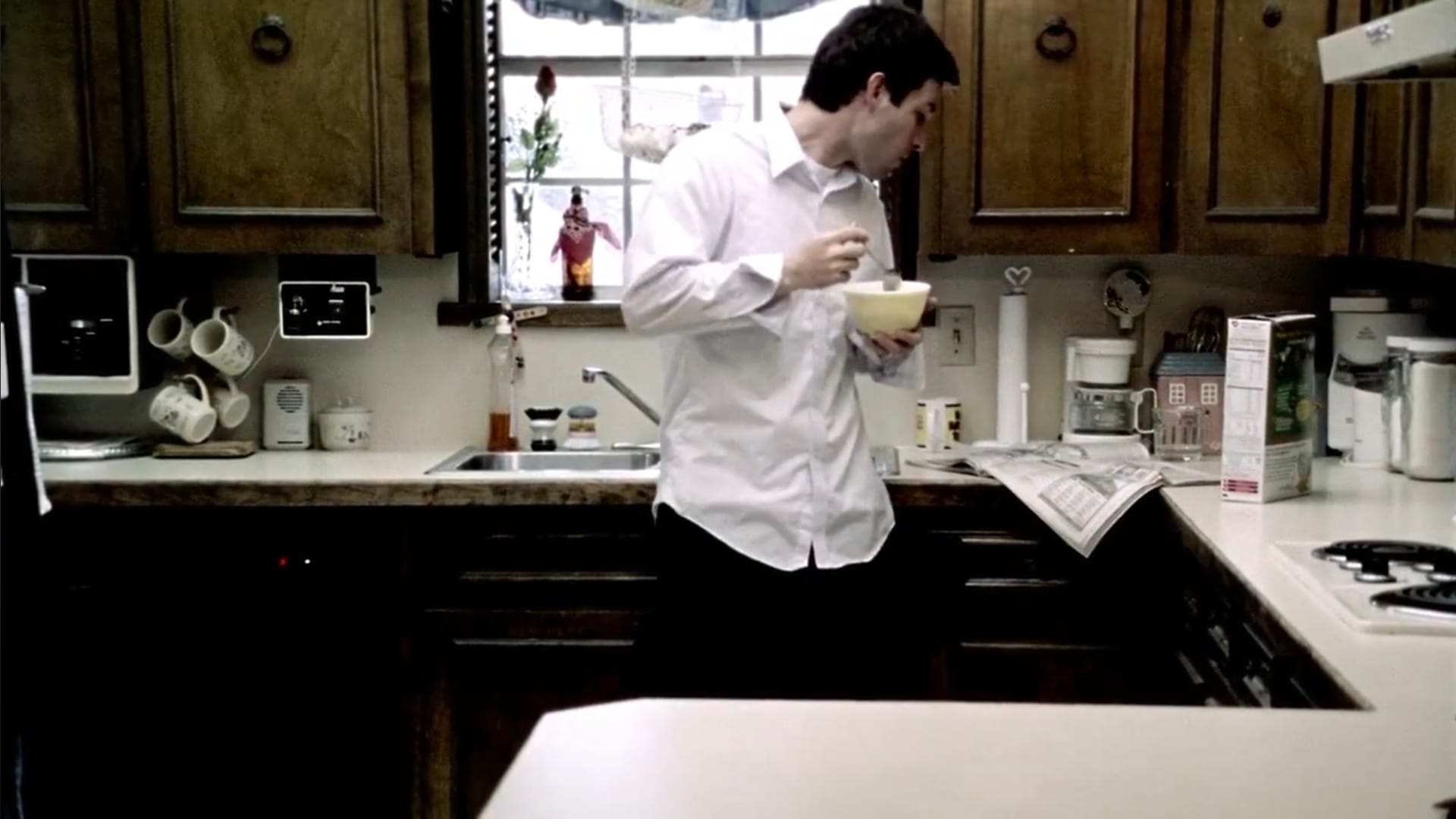
This film is famously difficult to reconstruct, by design. Its time-travel mechanics are locally precise, but globally under-specified. The box has clear operating rules: it is turned on, remains active, and allows a traveler who enters later to exit at an earlier moment, after spending the corresponding duration inside. This creates duplicates, nested iterations, and the possibility of hidden preparation, private revision, and recursive betrayal. That much is all very legible.
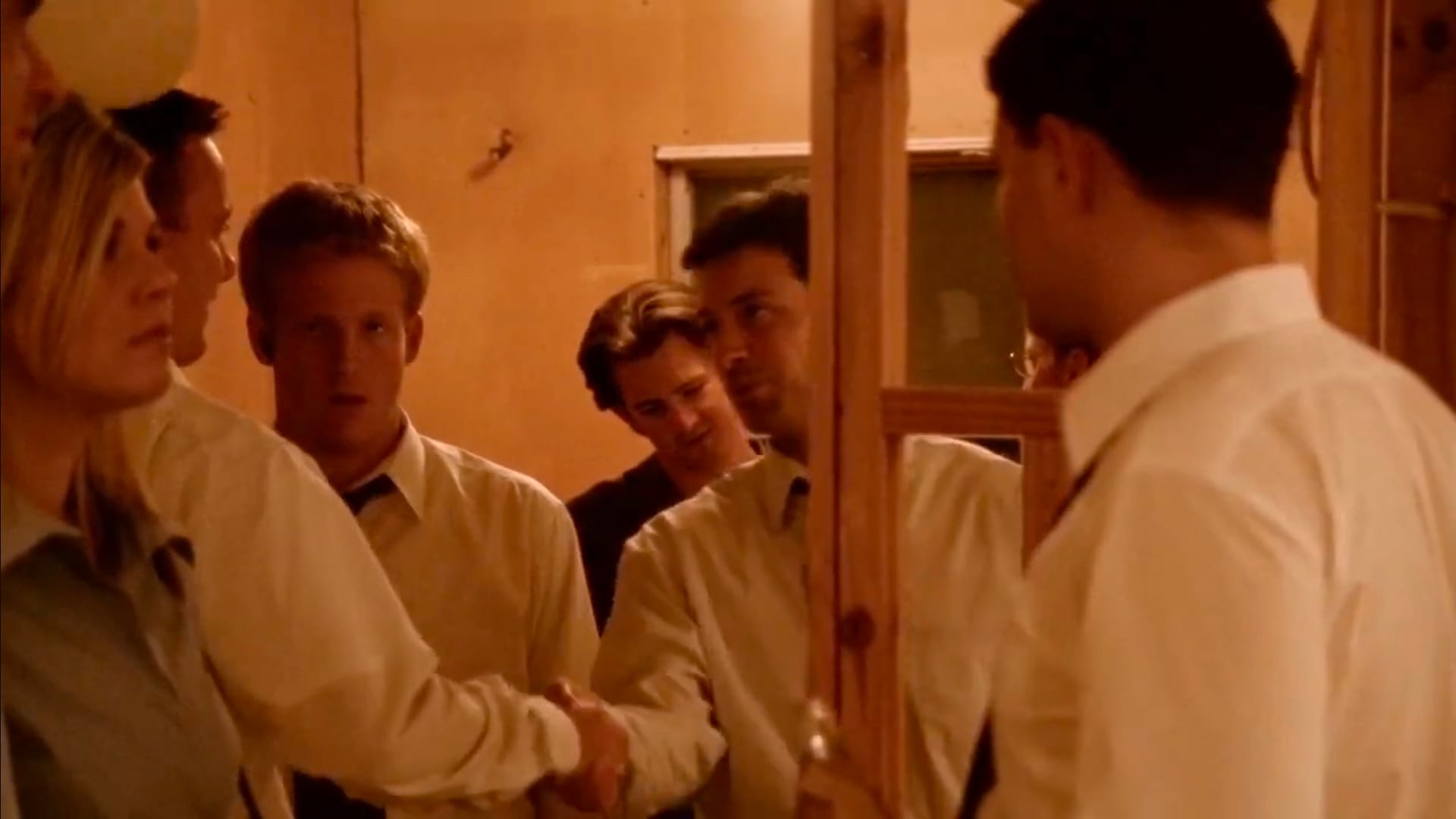
But the full metaphysical ontology is not. Not at all, actually.
Primer does not cleanly commit to a single closed timeline, a branching multiverse, a fully mutable actuality, or a stable many-worlds model. It gives you just enough mechanism to make the machine feel real, then lets the global structure collapse into an unparsable stream of partial evidence, unreliable testimony, missing iterations, and conflicting plans.
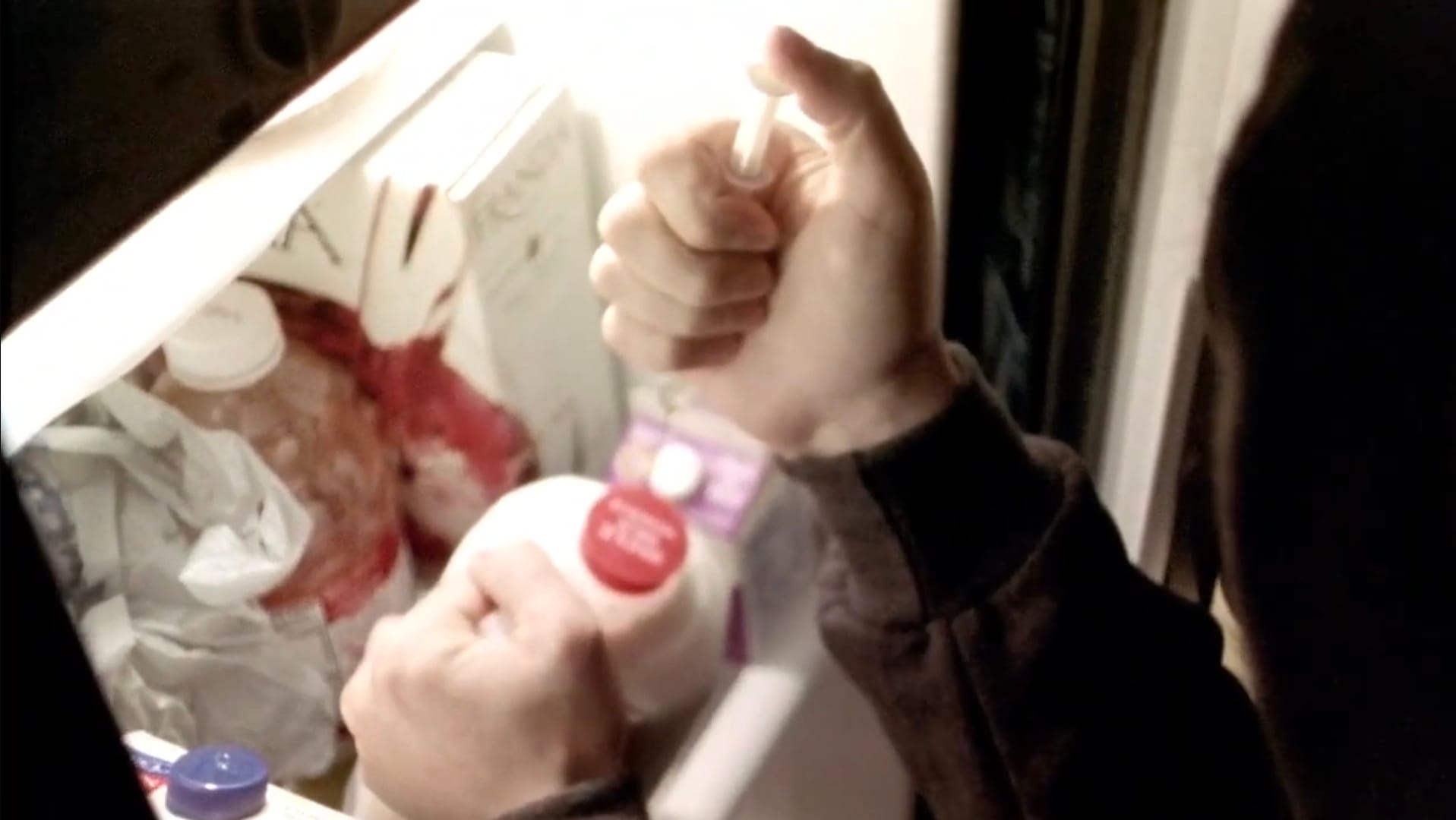
That is also exactly the purpose of Primer's ontology.

So this is why attempts to produce “the final definitive Primer timeline” often feel both pretty impressive and slightly false or misleading. They appear to have missed some layer of the deeper point here. They solve more than the film ever really gives us to solve. They can never actually even do what they set out to achieve. They turn epistemic breakdown into another fan diagram.
Under Modal Path Ethics, that is the wrong approach to such a situation.
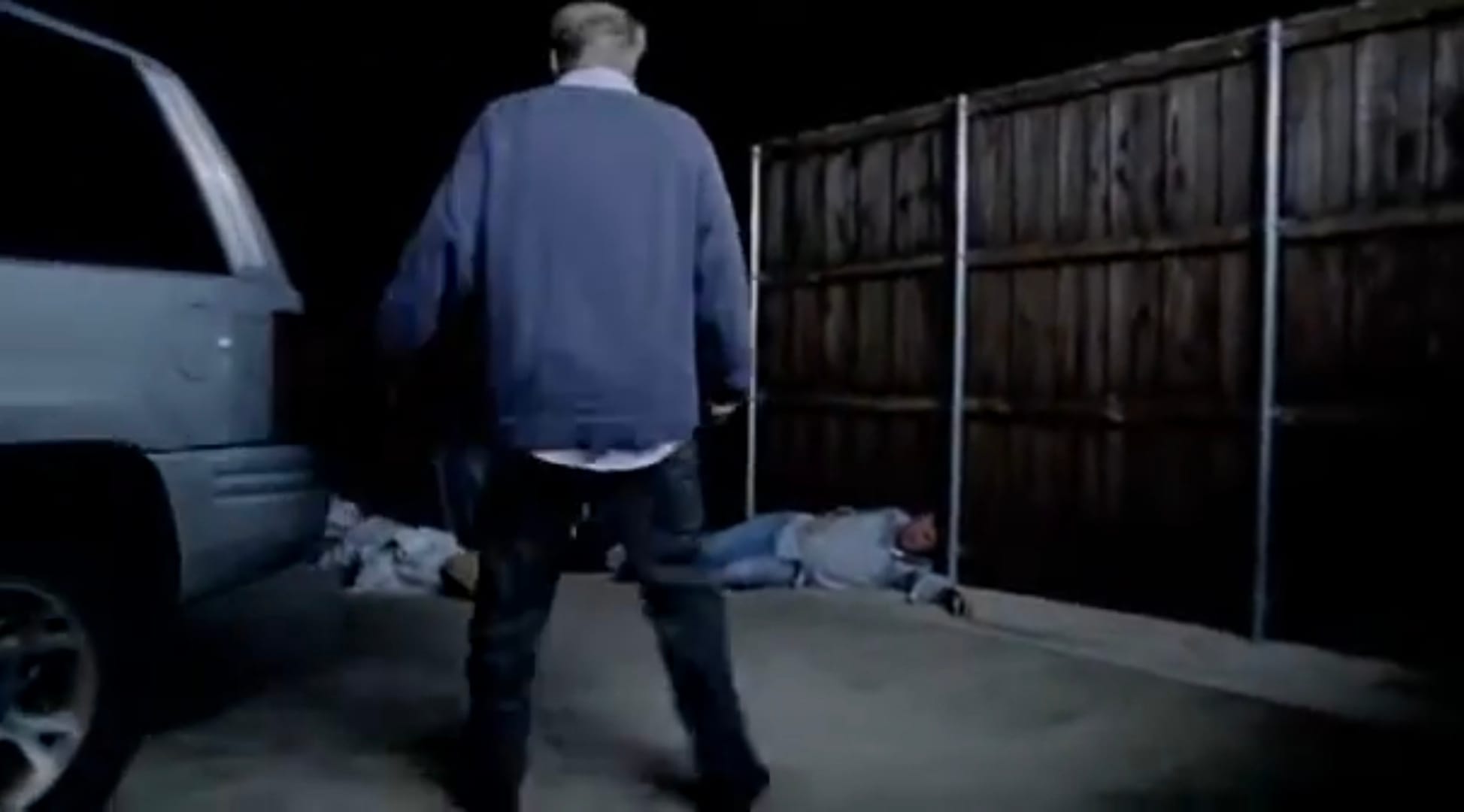
The ethical problem presented in Primer does not depend on anyone ever knowing the exact final count of Aarons and Abes. It does not require us to reconstruct every unseen version of the party. It does not require a fully or even partially coherent theory of Granger’s path into the machine. Those questions are important to any audit as interpretive pressure, but they are not the moral center of this structure.

The moral center is simpler and more damning:
At each stage, what exactly did Aaron and Abe know?
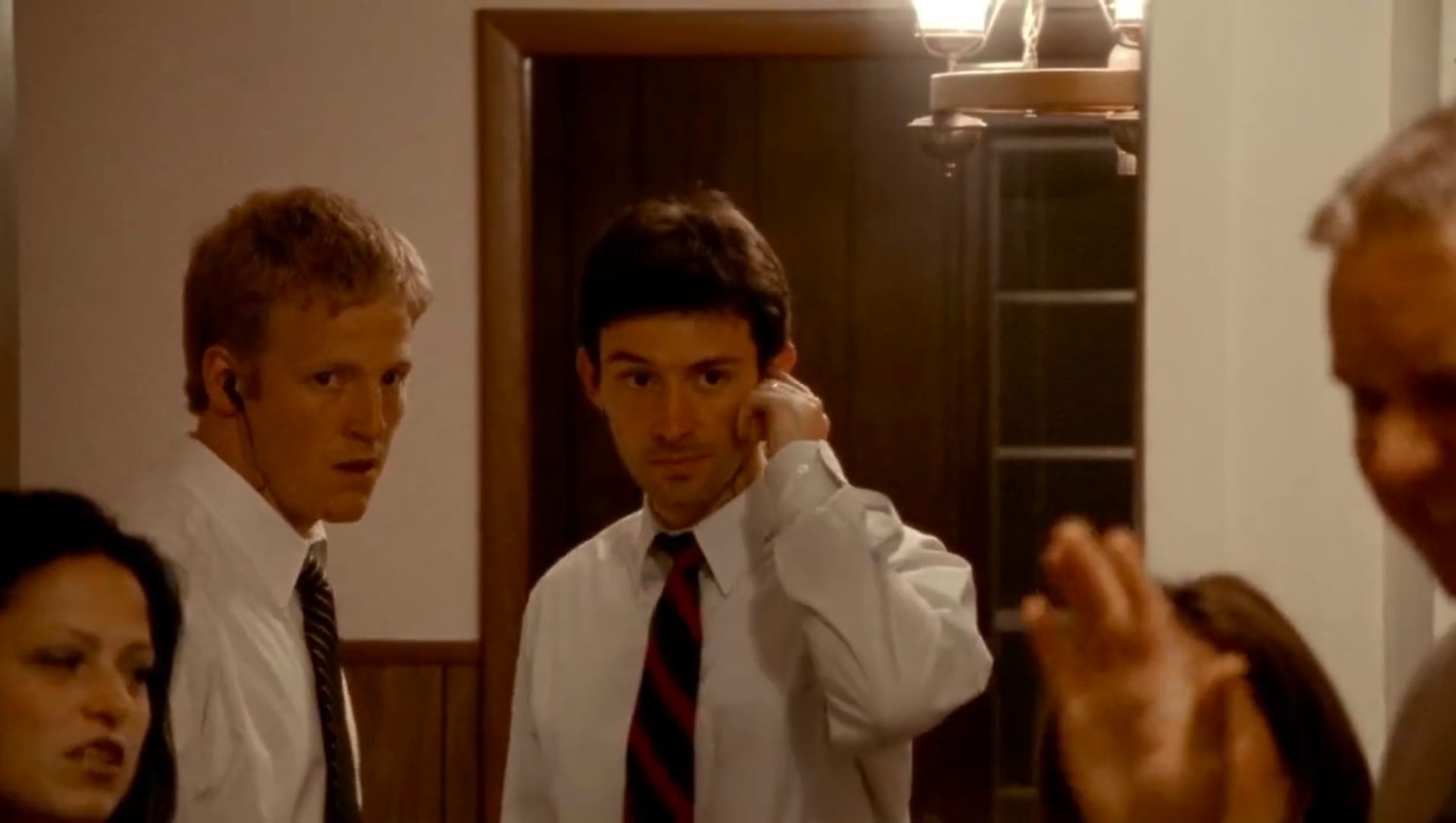
What did they not know?
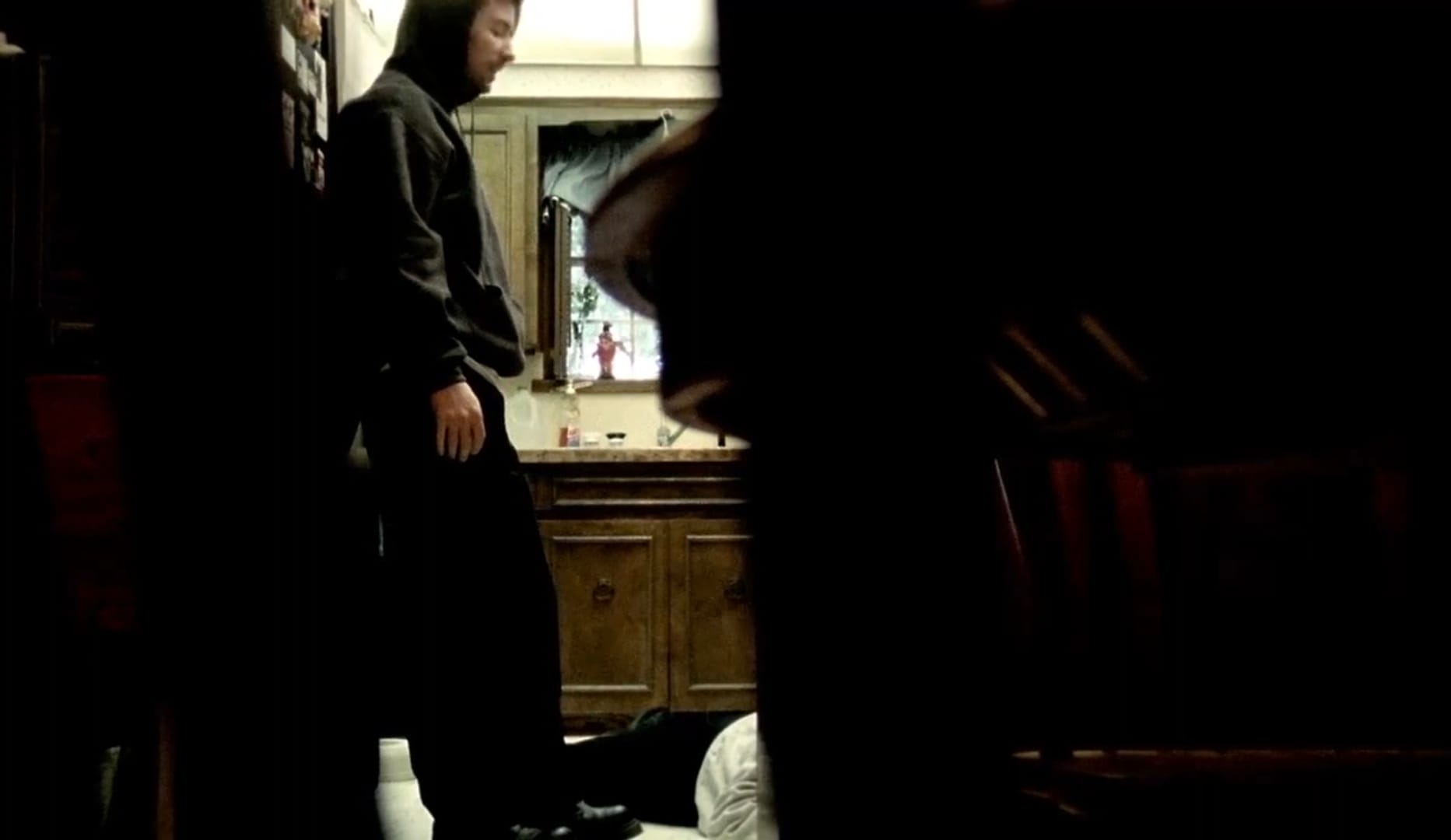
And what did they choose to do anyway?
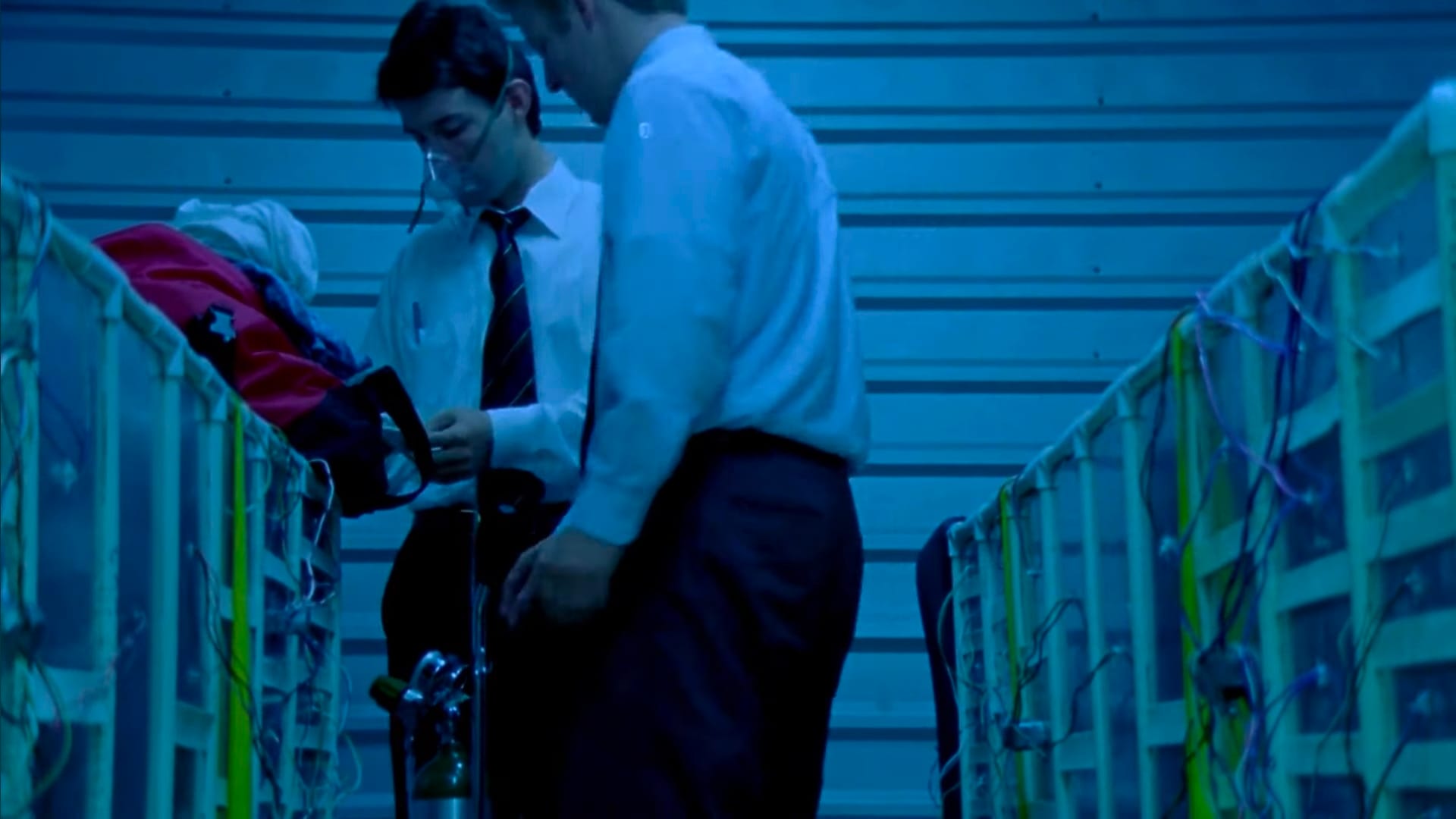
Because the less readable the field becomes, the less permission these two have to keep manipulating it. Primer actually becomes ethically clearer as it becomes metaphysically less clear.
Before the Time Machine.
The first machine in Primer is not the magic box. The first and most destructive machine is the “garage culture” that produces Aaron and Abe.
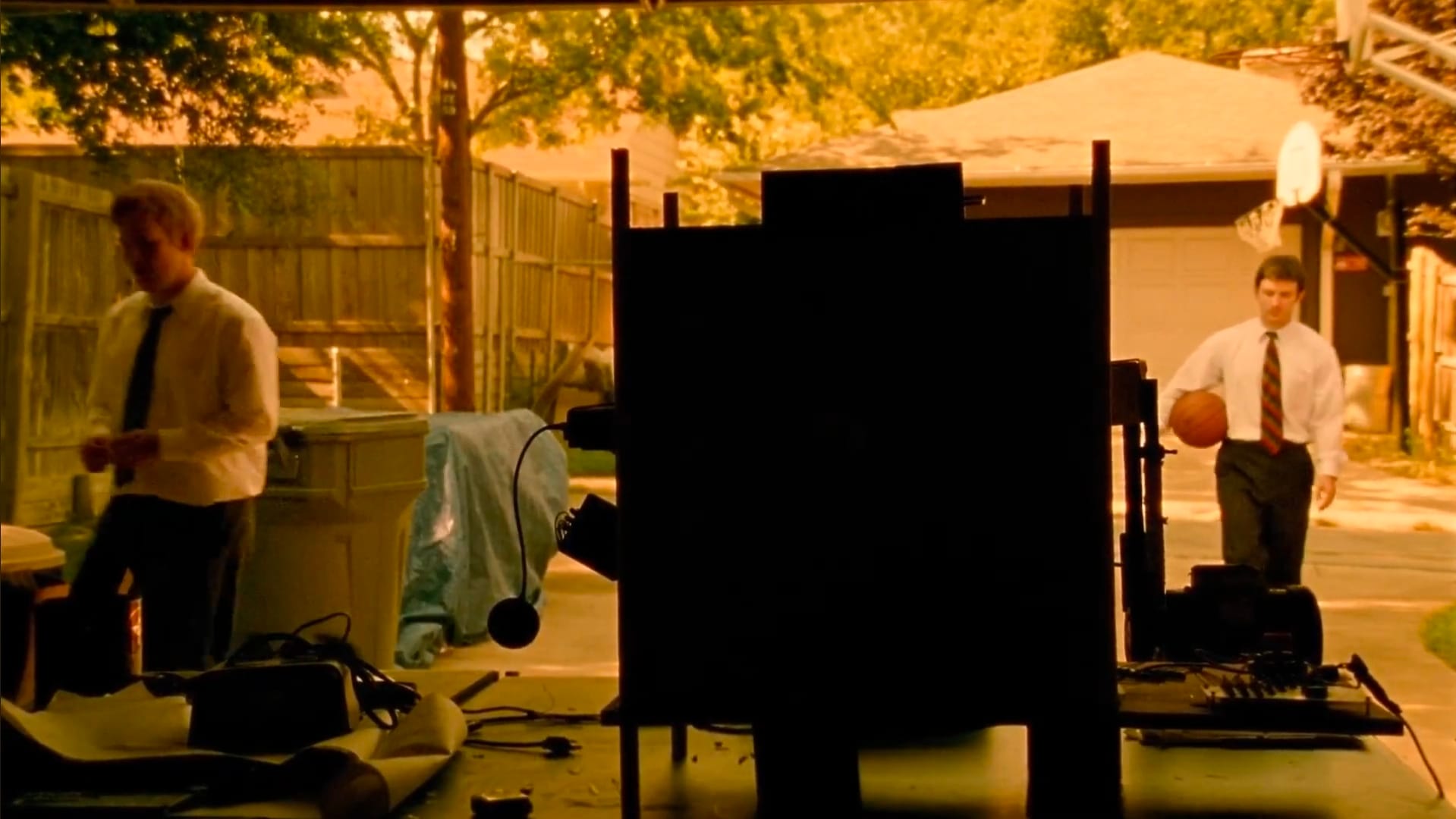
The opening scenes are often just treated as establishing content. They are actually the most important part of this movie, and explain all of it.
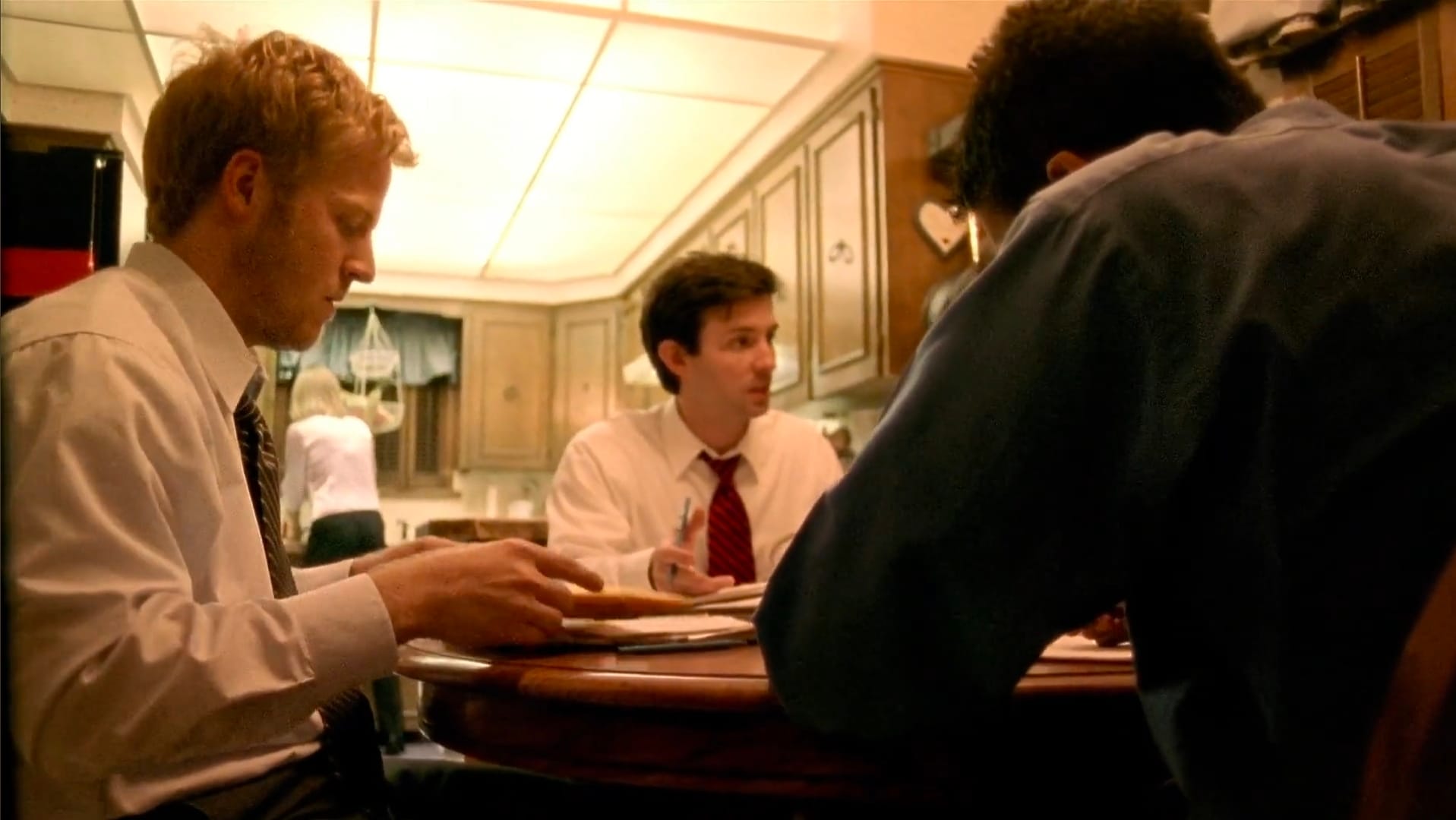
These scenes are full of technical ambition, scarcity, conflict, and ownership pressure. This group is trying to build something useful enough to attract real money.

The men are not working outside the established institutional channels because they are anti-social geniuses in some romantic vacuum, it is because their available future paths are already structured around grants, patents, side deals, credit, equity, and future leverage.
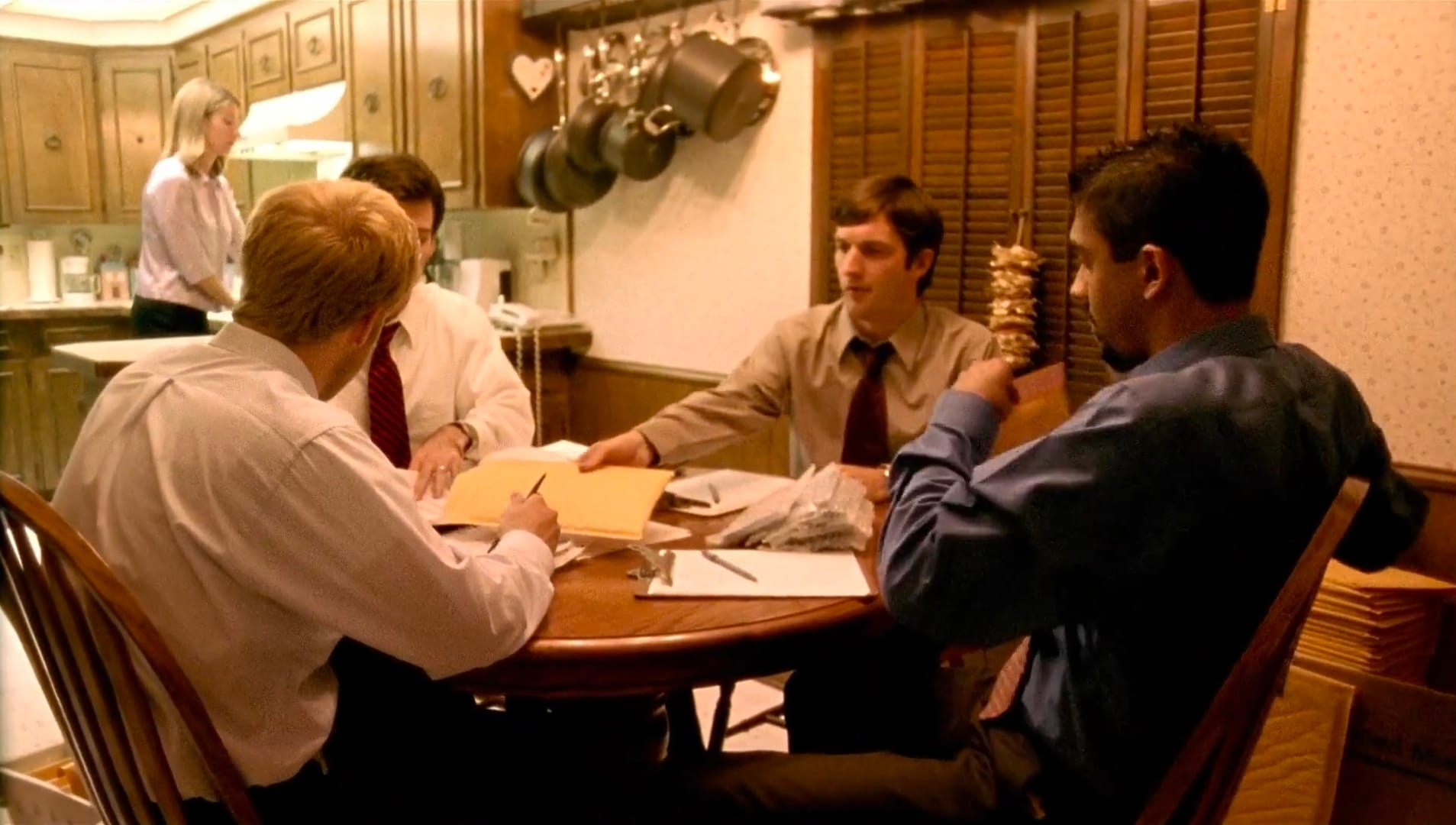
Ideas flow through this field, but they do not flow freely. They are captured, protected, disputed, and routed toward advantage. That is the oft-ignored social technology surrounding the physical technology in Primer, and these guys did not build that machine.

Before the box starts rewriting time, their field has already taught them several lessons:
- Any useful idea should be kept close.
- A technical advantage should be exploited before disclosure.
- Trust is weaker than leverage.
- Credit matters.
- Control matters more.
- The person who moves first may own the path.
This is really why the stock-market decision is so revealing. It is not really a random low-imagination gag; this is the first natural, expected output of that field. Time travel appears, and the nearest socially legible use is arbitrage. Anything coming out of this garage follows the same path.
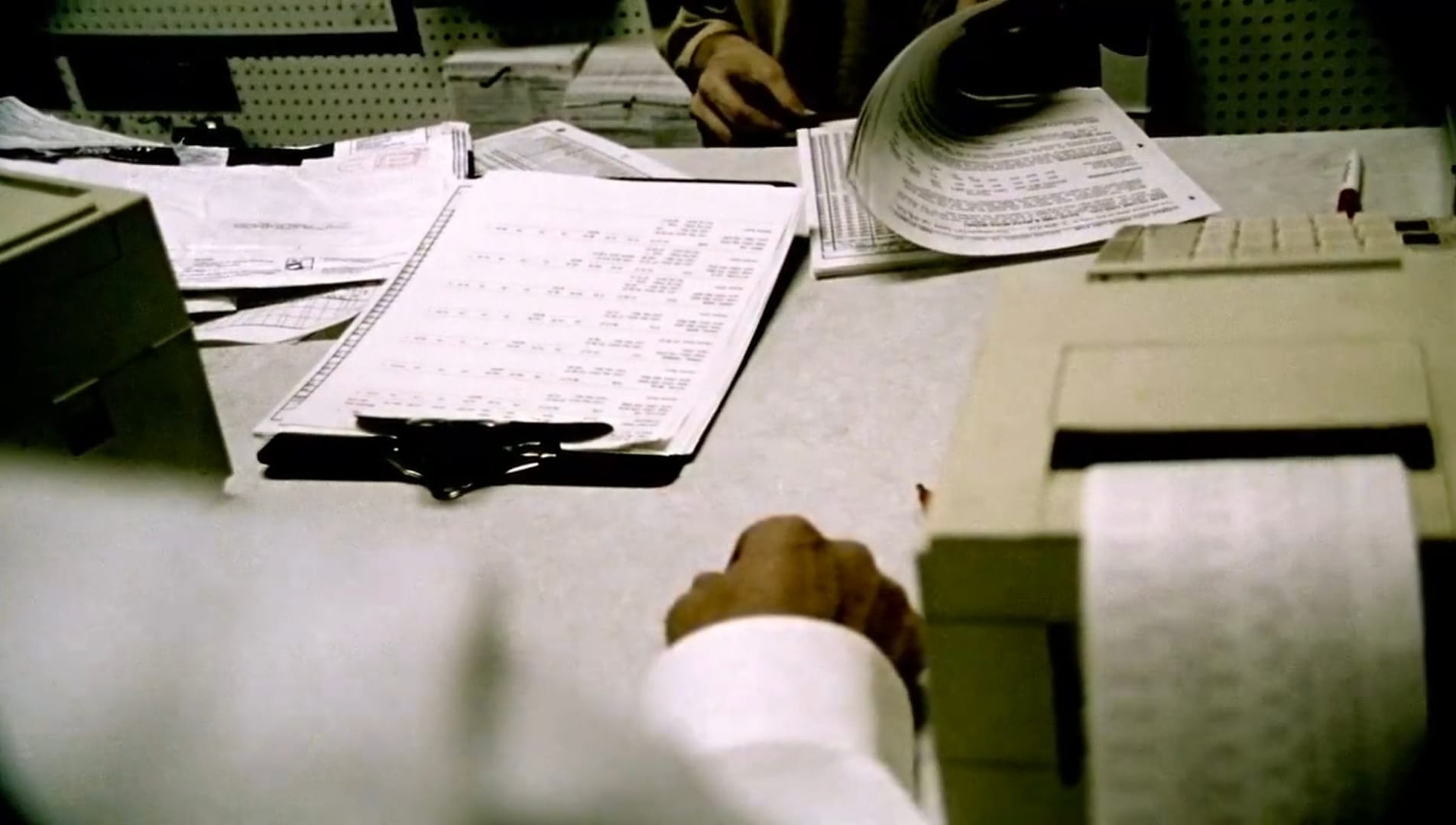
The engineers do not ask first what has happened to causality. They do not ask what harms have now become reachable. They do not ask what kind of institution could safely metabolize this discovery. They do not ask what obligations attach to a machine that breaks the shared structure of action.
They ask how to profit, quietly and smartly.
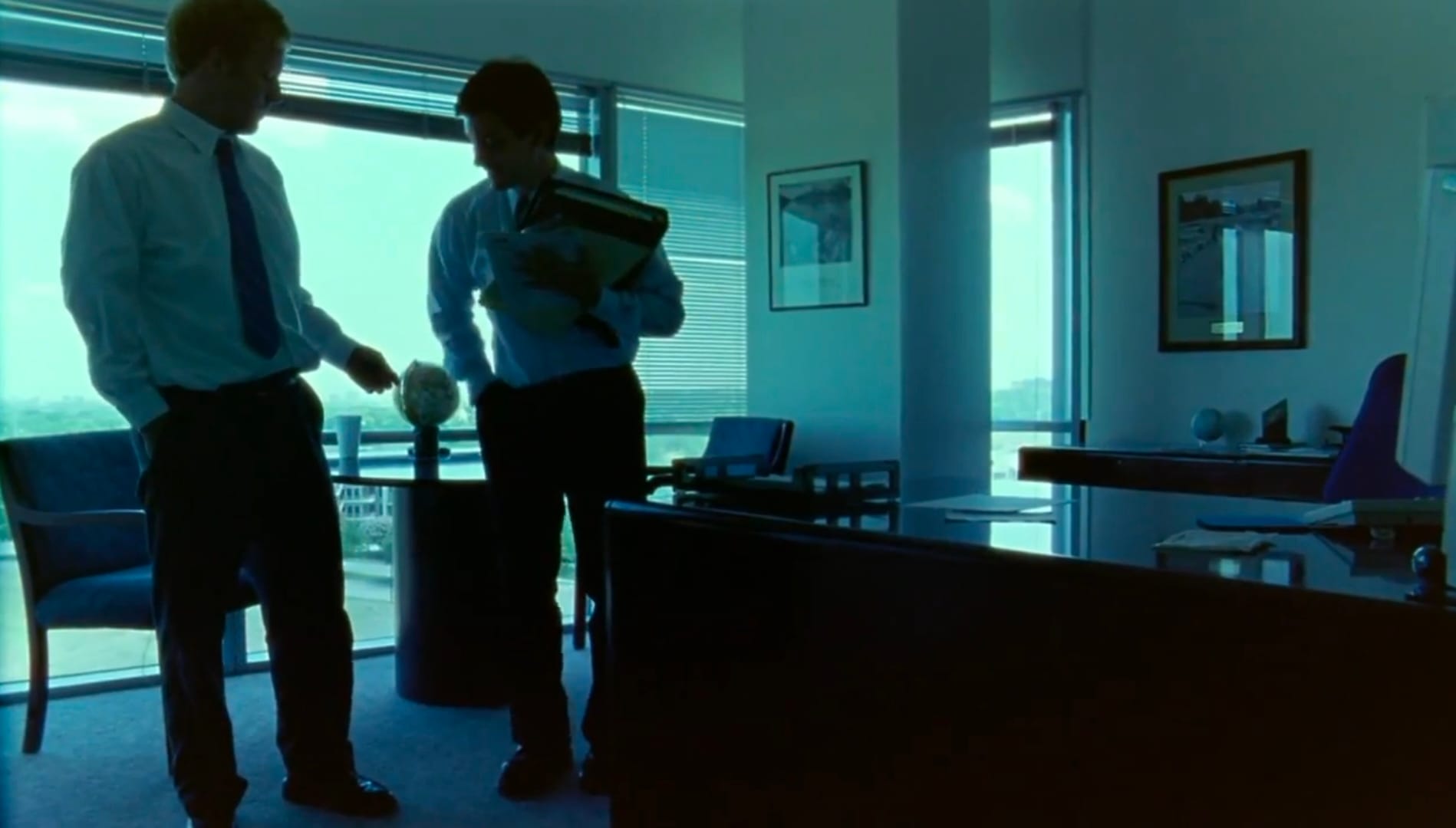
That is not because these two are uniquely corrupt, the culture around them has already prepared a path for genius that points directly toward private capture.
Their culture failed them before they failed it.
Then they definitely failed it back.
Local Control & Global Ignorance.
The seduction of the Primer box is that it always works locally.

If this machine were pure chaos, the lesson would be easy. They would just stop or die. But the box is consistent enough to reward continued use. It appears bounded enough to invite confidence. It can be tested with objects. It can be timed, and repeated. It can produce results.
That is why this thing is dangerous.
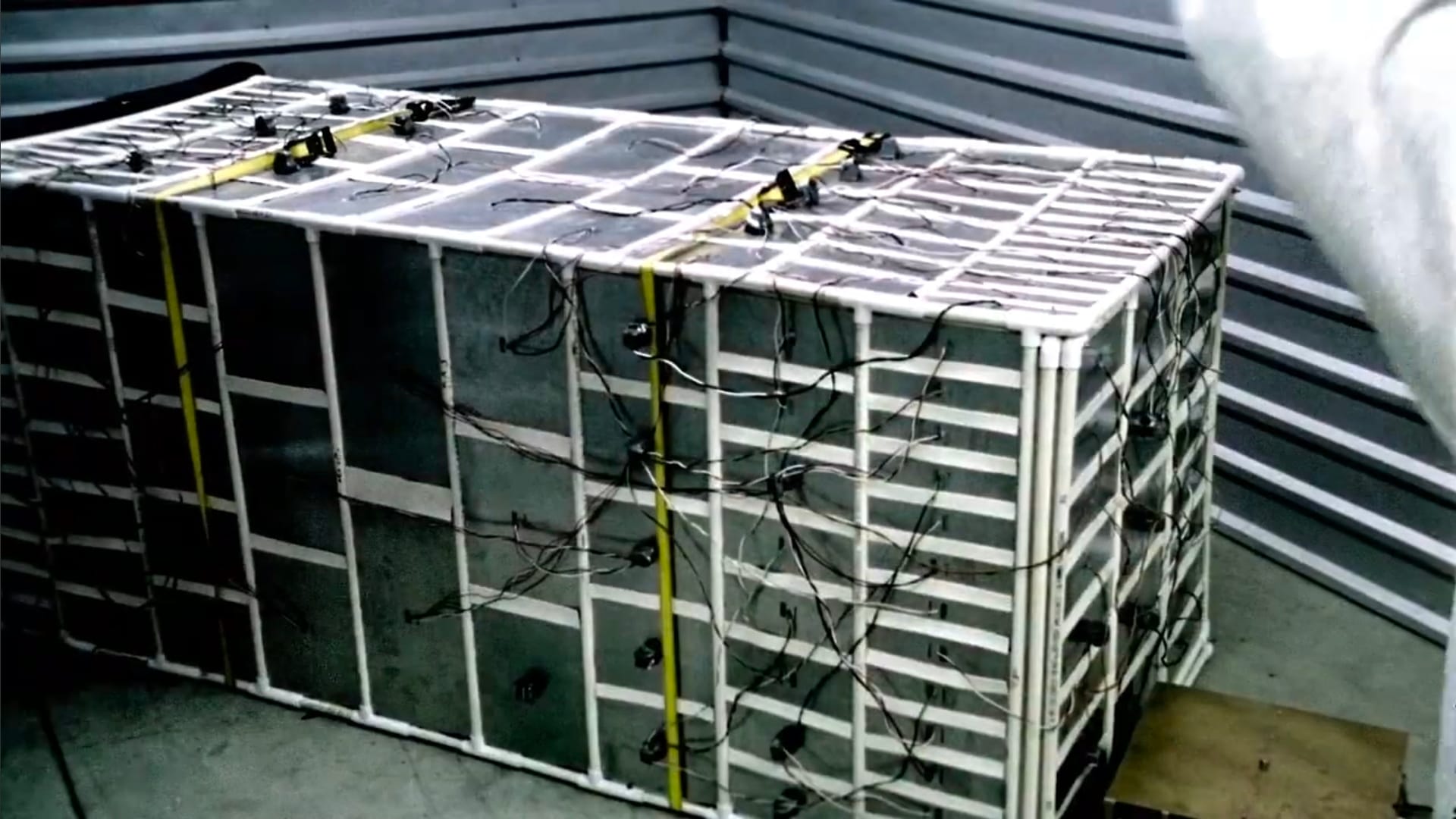
Many catastrophic technologies do not begin by presenting themselves as incomprehensible forces beyond our grasp. Real harmful technology will begin by giving operators a narrow channel of success. Something works. A local prediction holds. A lever responds. A small trial pays off. The agent begins to confuse this operational success with field understanding.
Aaron and Abe do exactly this.
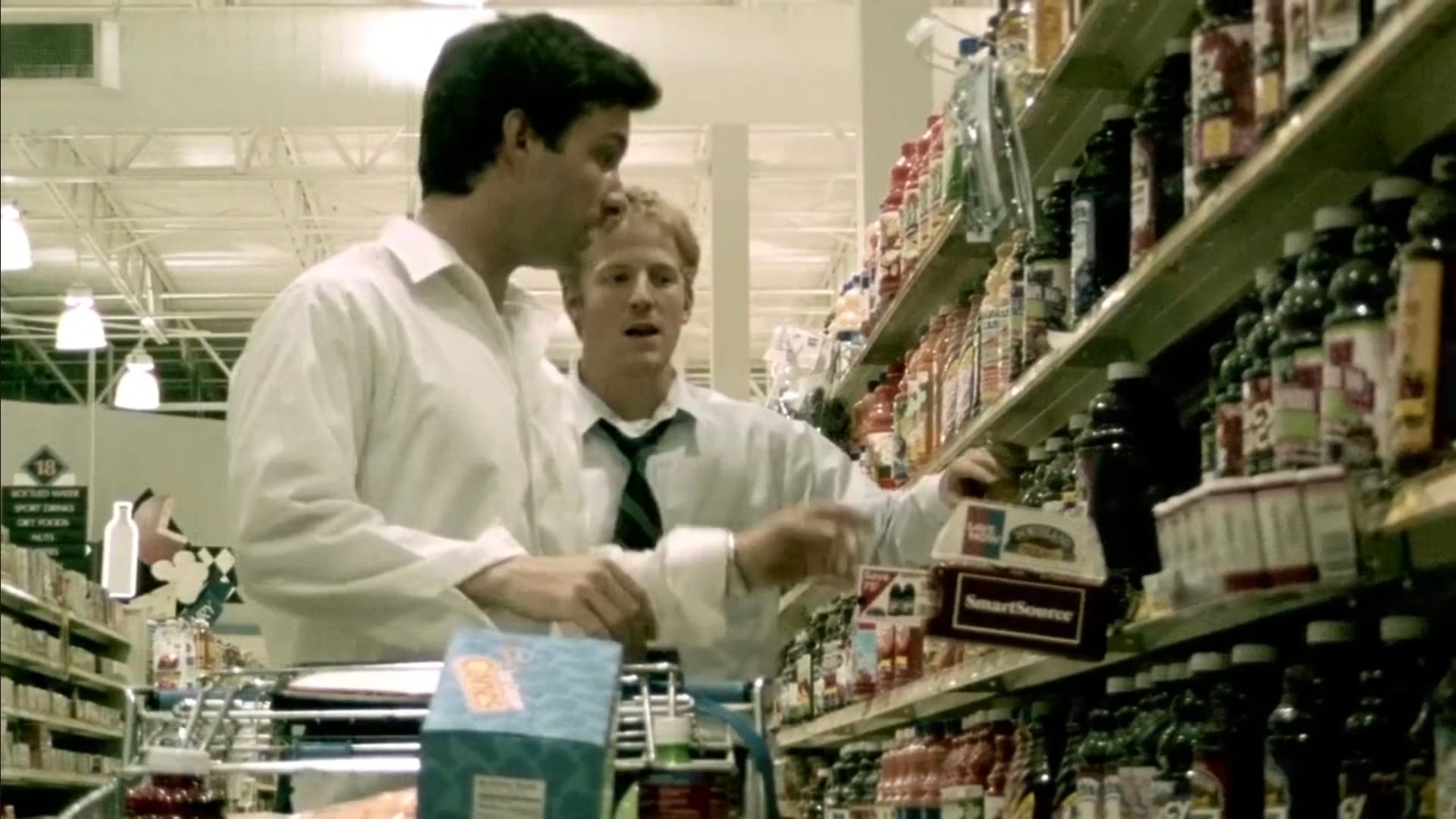
They understand just enough to use the machine, but not enough to govern it in any way. The box is locally usable before it is globally legible. That gap is where the ethical disaster lives.
Once they understand that the machine creates duplicates, alters causal position, and permits asymmetric knowledge, the moral burden changes. They are no longer just playing with a strange device. They are now operating a field-altering system. The question is no longer “Can we make this work?”
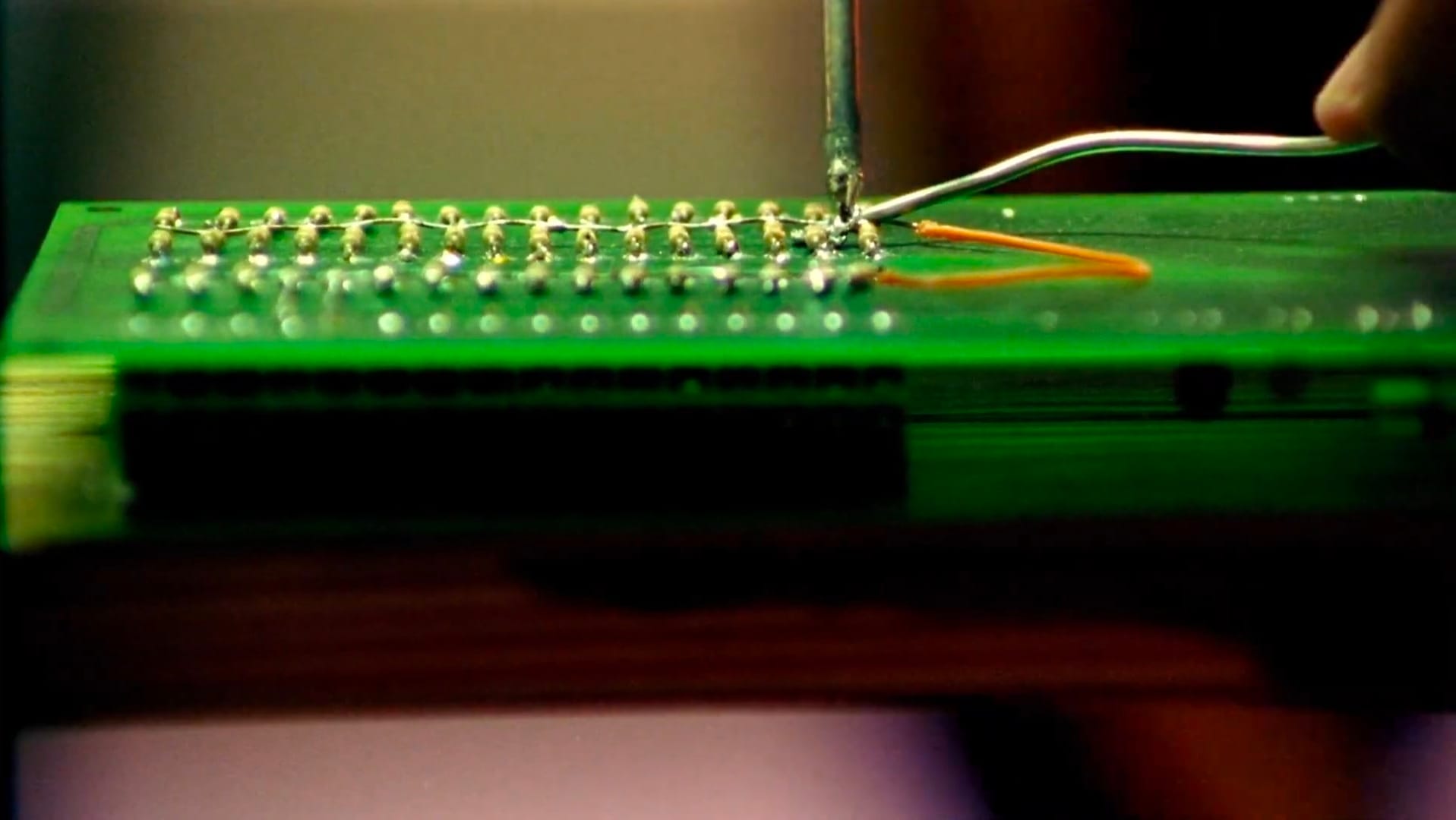
The question now is:
“What kind of responsibility attaches to a thing that works before we understand what working even means?”
They decide the answer here is: use, secrecy, and local advantage.
Privatization.
It is tempting to locate the first moral failure at the stock trades. That is already too late. The first wrong choice is keeping the discovery inside the private control of the operators.
This does not mean they had an easy disclosure path here. They did not.
What exactly would they do? Call a university? Call the government? Call a lawyer? Call a journalist? Walk into some office and say they have built a time machine? The available institutional paths are not clean. Their field has no door for them to just walk this thing through. The film is not naive about that.
Except Modal Path Ethics does not require anything to be easy for a better path to exist. It asks what remains reachable, what closes, what becomes more dangerous, and what responsibilities follow from the agent’s actual position.
Aaron and Abe already know they have something that exceeds them.
They know it can duplicate matter.
They know it can change what a person knows before an event happens.
They know it can produce physical and biological side effects.
They openly state that secrecy gives them an advantage no one else can contest.
And they know nobody outside the operators can consent to being affected by decisions made through the machine.
That is already more than enough. The correct path is not obvious in detail, but the wrong path here is very visible: do not privately exploit this machine.
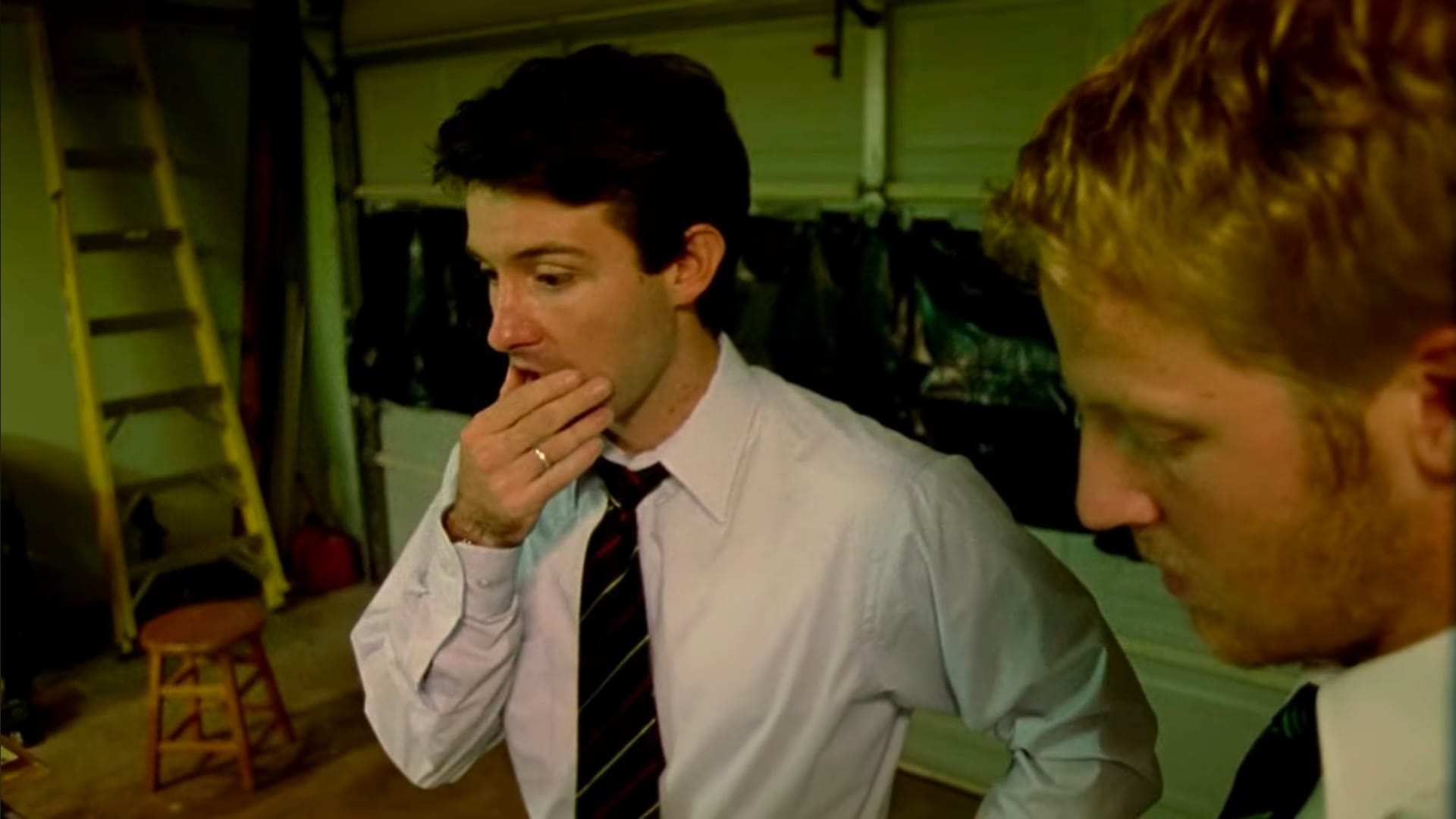
But they do anyway. This is one of the film’s hard lessons. Moral failure often begins before anyone feels monstrous at all. It can begin when a person says, “We will keep this contained,” while defining containment as “inside our control.”
Time Becomes Capital.
The stock trades are the first and most explicit conversion of time into capital.
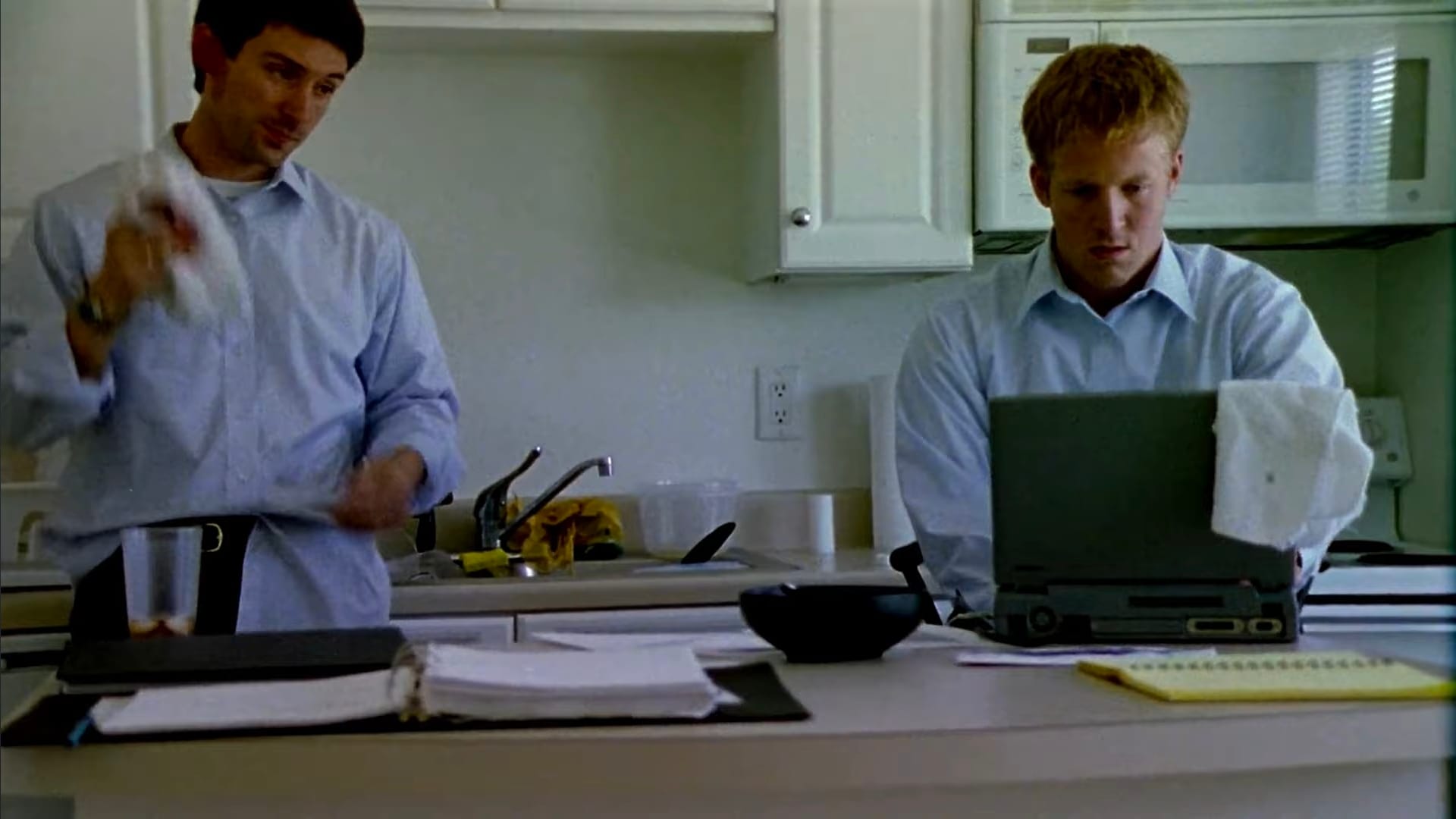
That plainly establishes this machine’s moral orientation. Aaron and Abe are not using the box to understand the world in any way. They are using future information to extract value from the present. Temporal displacement just becomes asymmetric market access.
This is not just greed. Greed is too small a word here. This is a metaphysical arbitrage.

The extant future just becomes a private data source. The present becomes a place to spend that advantage. Other people remain inside ordinary uncertainty while the travelers operate with hidden information. The market still looks voluntary from the outside, but the entire capital field has been asymmetrically rewritten around these two.
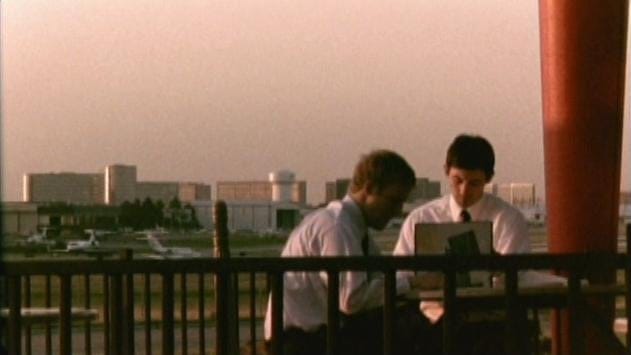
The ordinary moral language of “cheating” is insufficient here. Cheating assumes a shared game with violated rules. Aaron and Abe have stepped outside the temporal conditions under which this game even makes sense.
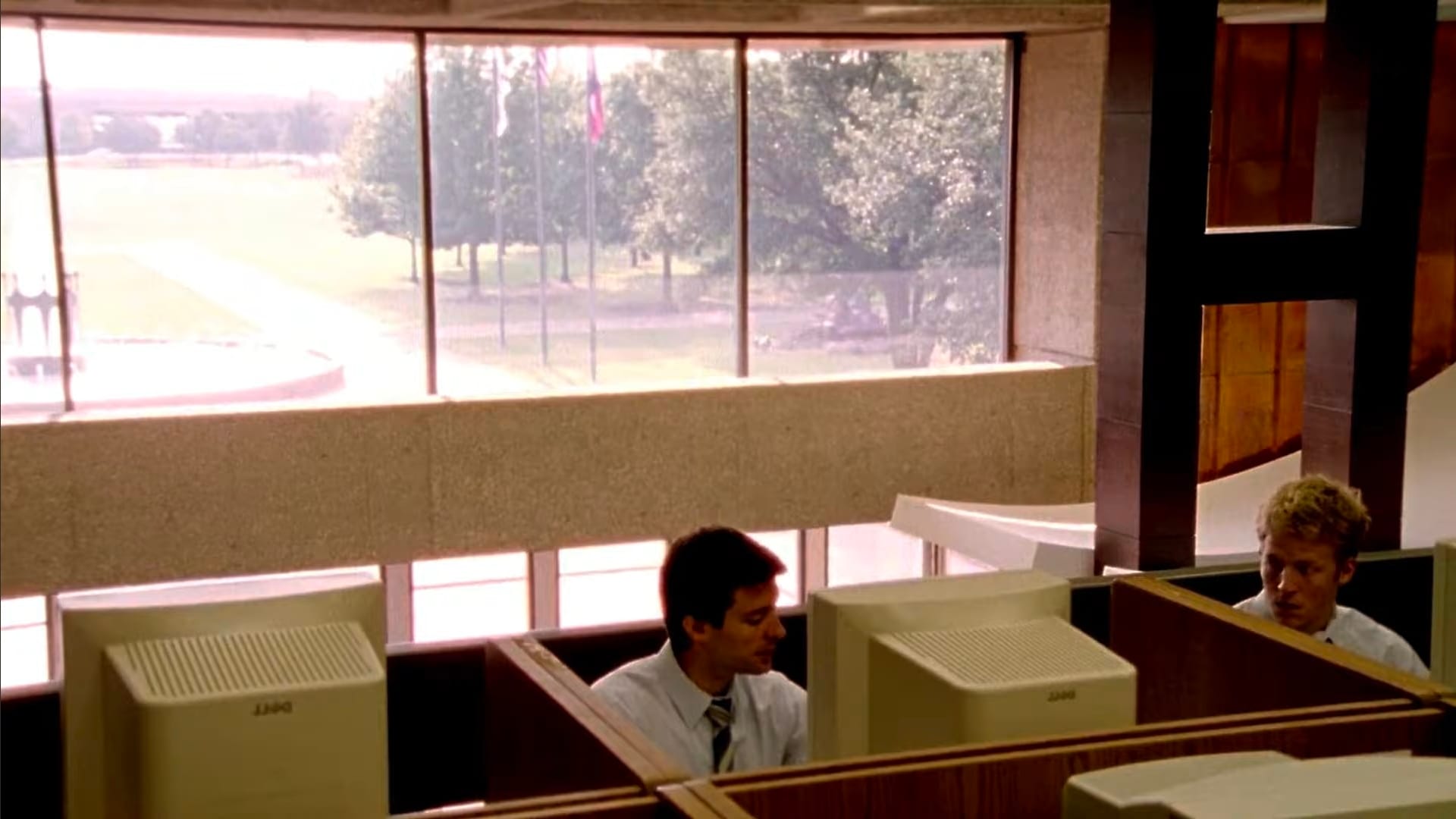
This is also the first version of what Aaron later does socially. Before he treats people as editable variables, he treats the future as extractable information. Before he rehearses a party, he rehearses the market. Before he learns to curate people, he learns to curate outcomes.
Abe’s False Safety.
Abe is often treated as the cautious one of the two, and in many ways he is that. He sees danger earlier than Aaron. He is much more frightened by what they have made. He recognizes that the machine’s consequences may outrun their control.
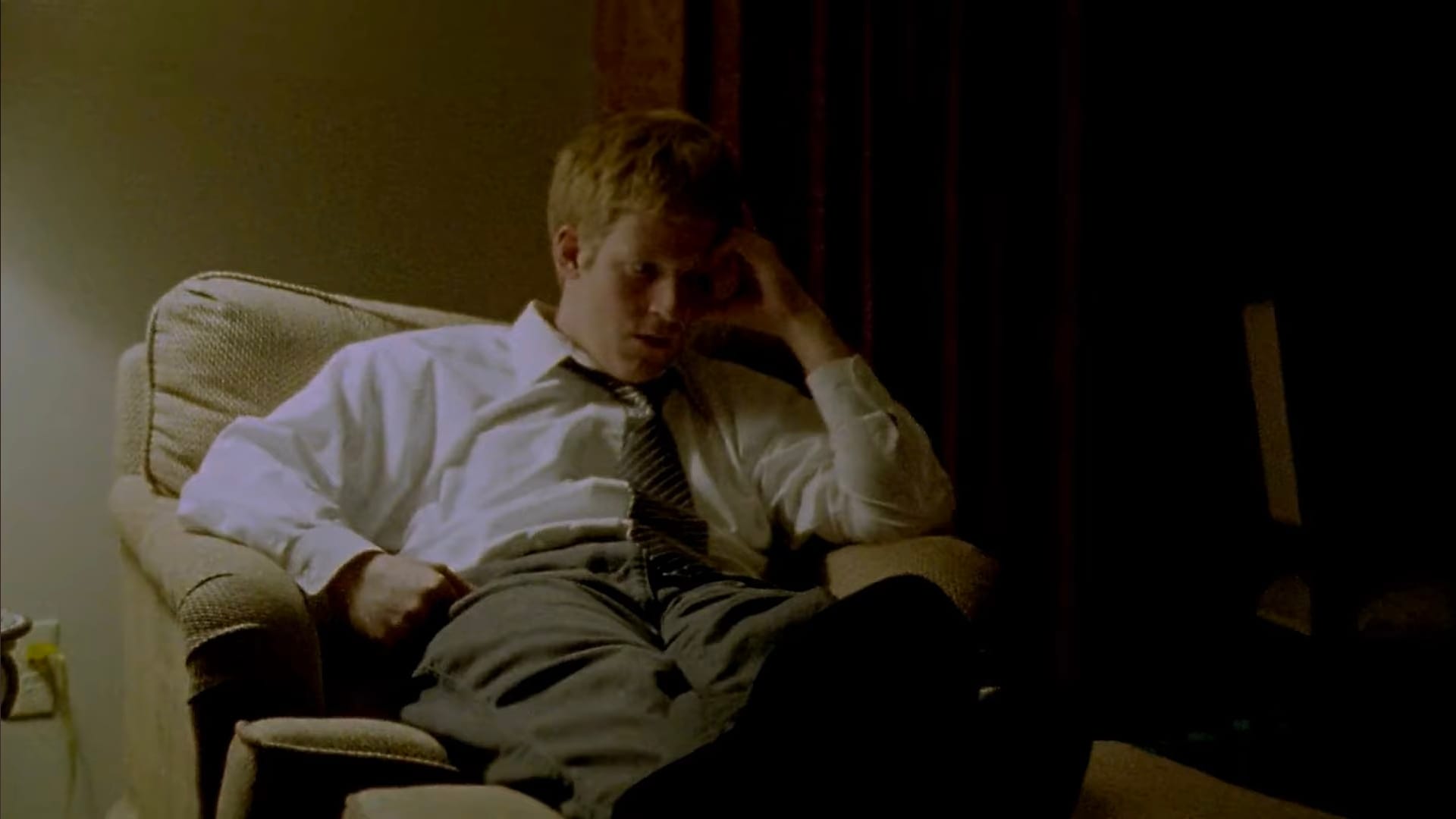
But Abe’s caution is not real repair of any kind.
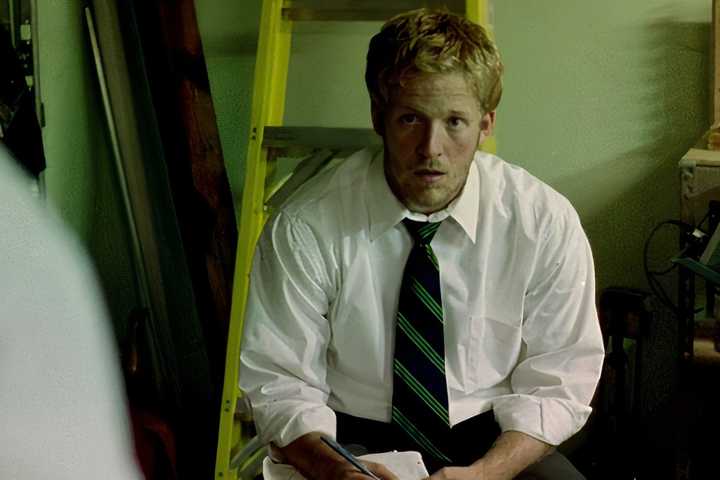
Abe’s failsafe box is the hinge. He has secretly prepared a way to go all the way back and intervene if things go wrong. This can look very responsible at first. He anticipated the danger. He created a contingency. He planned for this failure.
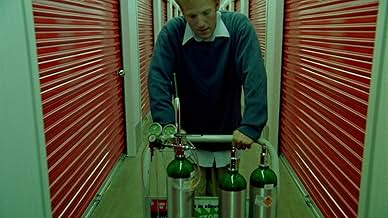
But the structure of the failsafe actually reveals the deeper problem. Abe’s idea of responsibility is still private unilateral control.
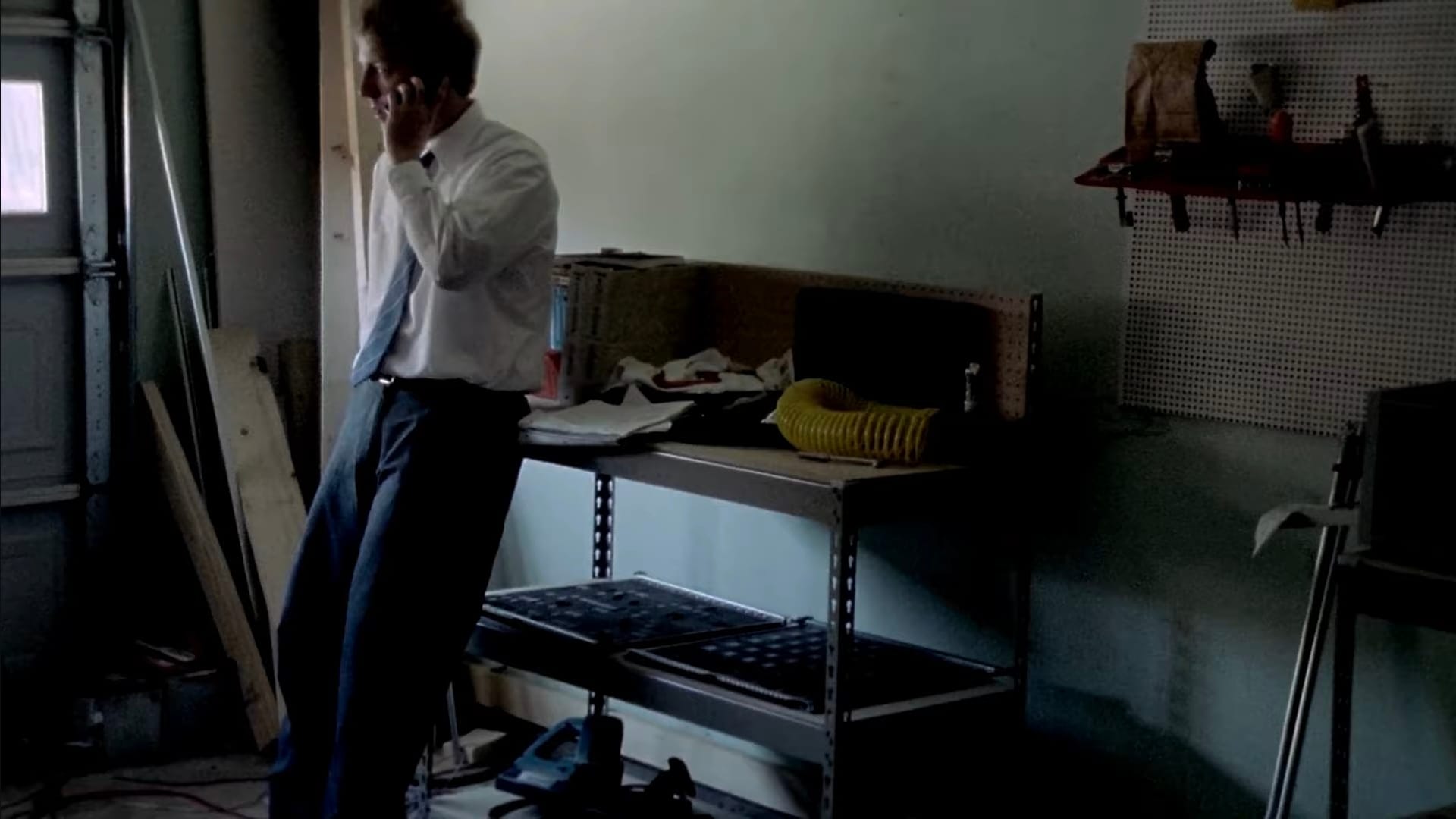
He does not create any accountability path. He does not build a trusted disclosure path. He does not widen the circle of moral judgment to even the entire garage. He does not seek a field that can understand the machine better than he can. He just creates another private sovereign override.
This is still better than Aaron’s later embrace of curation, but this is not enough. Abe wants to be the good operator of an impossible wound in the world. He wants the private authority to correct the field without submitting himself to the field.
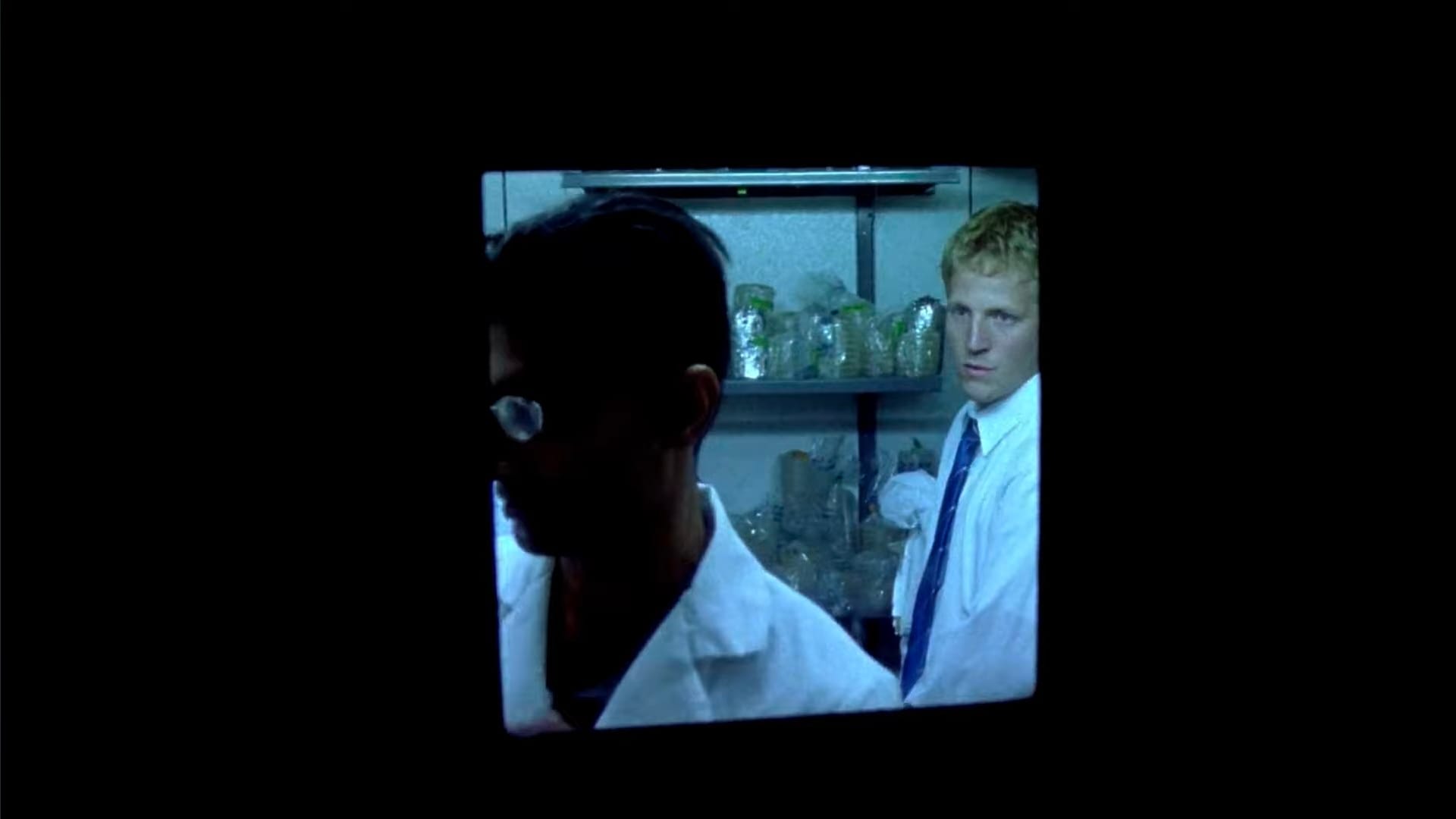
That is the same privatized imagination from before in a more anxious form. Abe’s “safety” always remains inside the garage.
Aaron is Not an Anomaly.
Aaron becomes horrifying, but this man does not fall out of the sky.
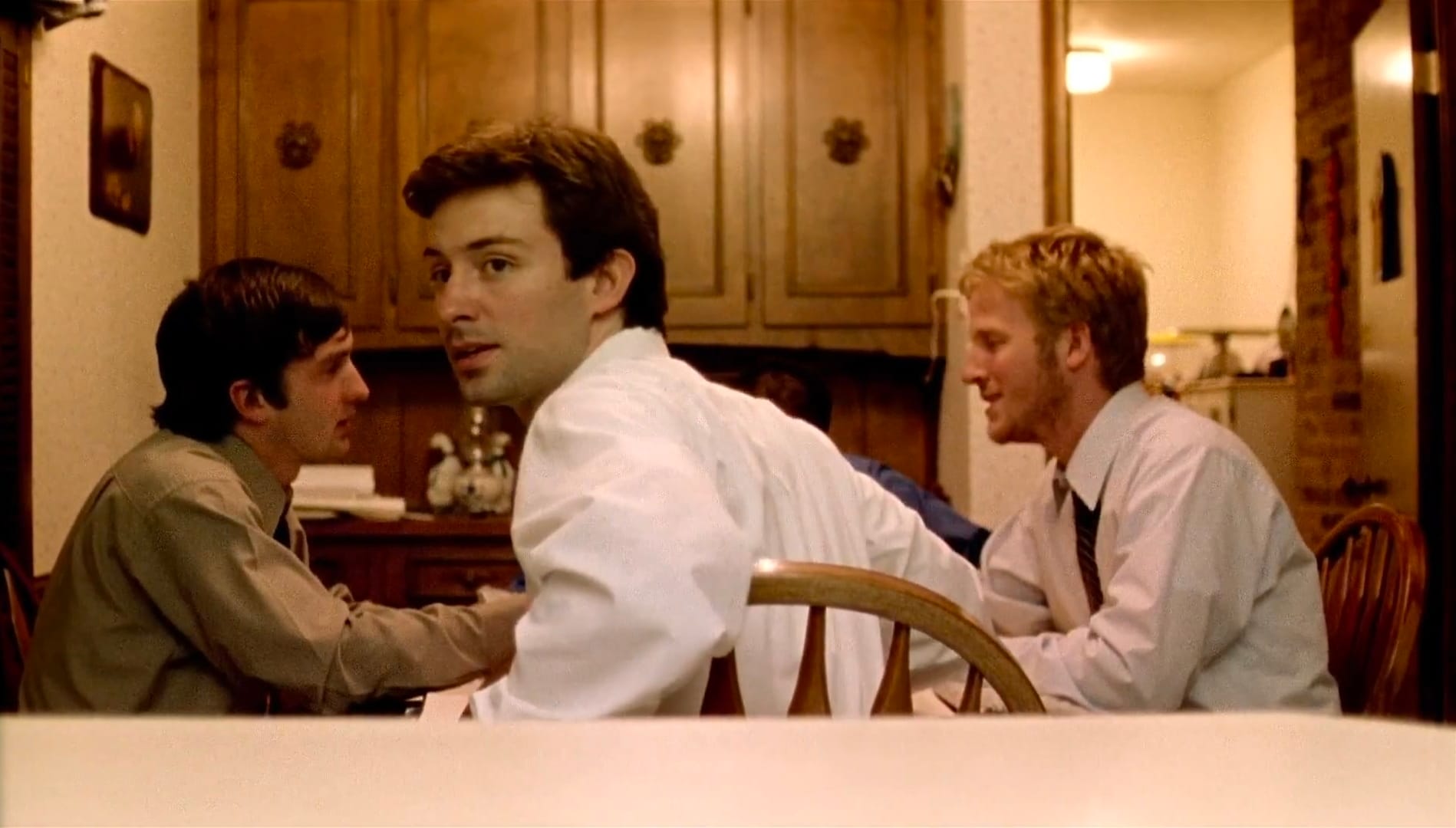
A weak reading of Primer turns Aaron into the evil one and Abe into the good one. Aaron cheats, schemes, drugs, deceives, replaces, and escalates. Abe worries, regrets, tries to stop things, and stays behind. The emotional and moral contrast is obvious.
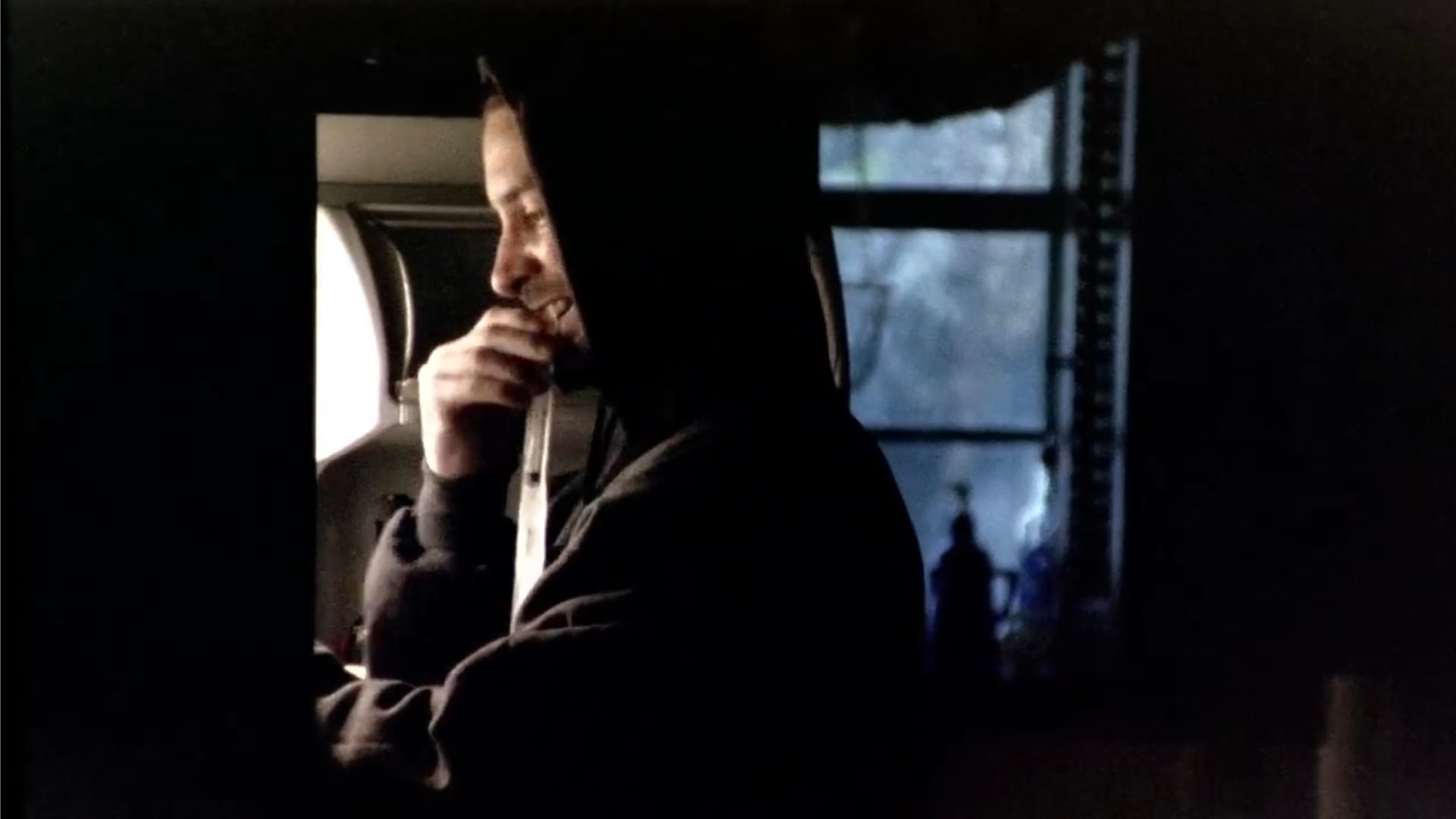
But the Modal Path Ethics reading has to go deeper. Aaron is produced by his field, including his decision to curate that field.
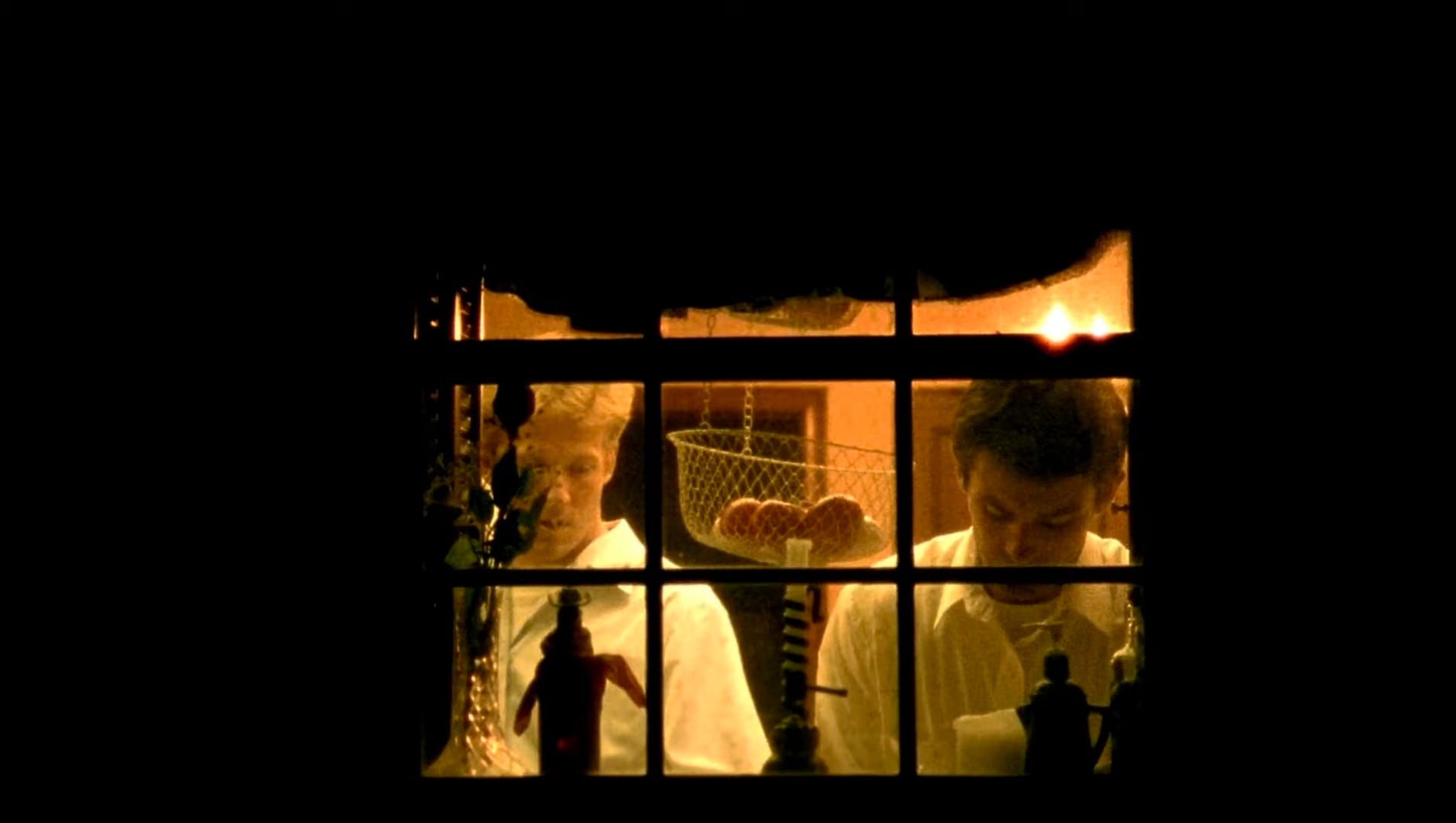
He is produced by the garage culture that taught him to treat invention as just capturable advantage. He is produced by the trades that taught him future knowledge can be harvested. He is produced by Abe’s secrecy and his unilateral failsafe. He is produced by the machine’s ability to make memory private and trust obsolete. He is produced by the discovery that failed events do not have to remain failed if one has enough preparation, stamina, and willingness to overwrite.
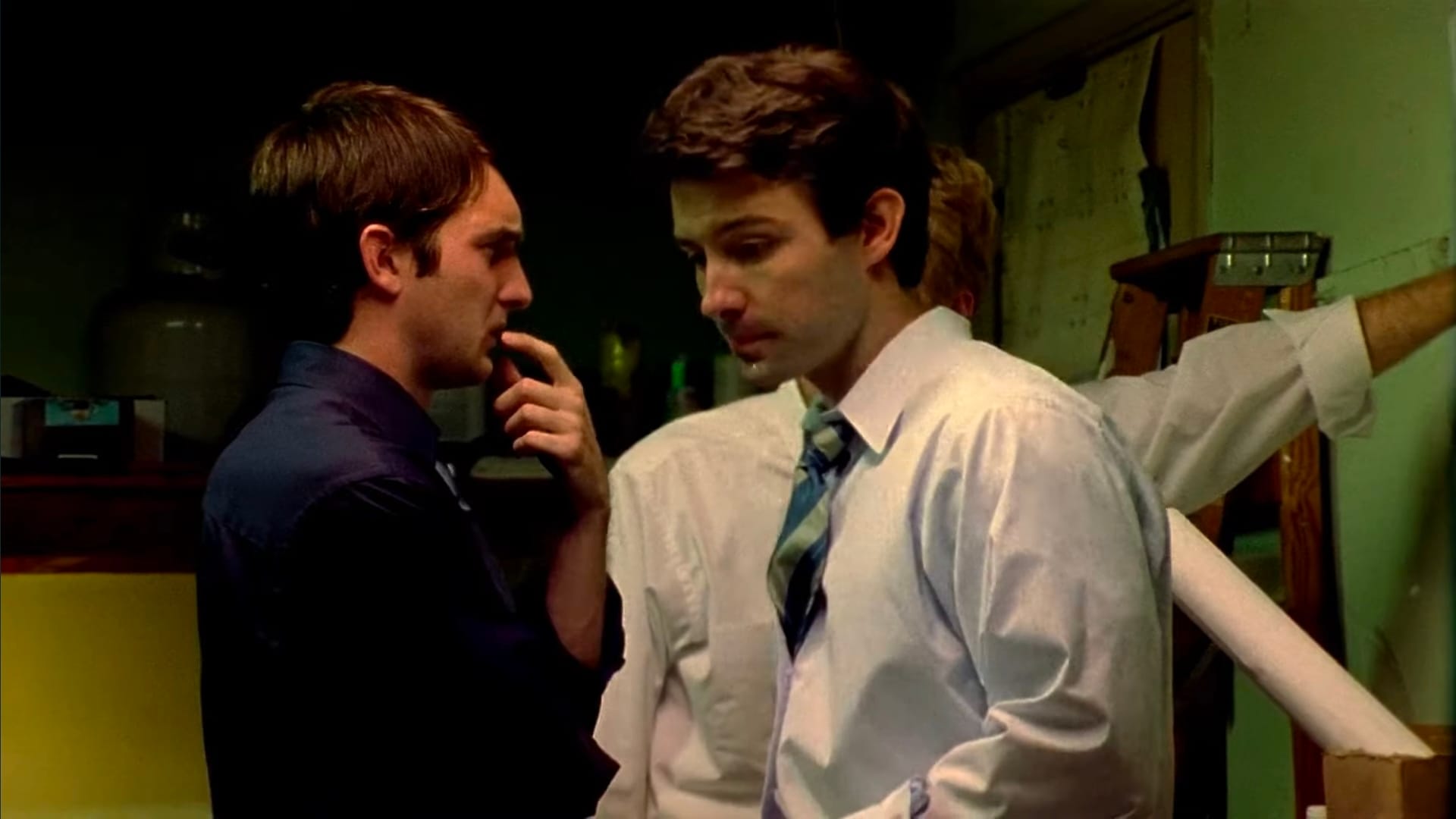
Aaron is not a demon. He is an adaptation to and product of his field. This does not excuse him, just makes him more frightening.
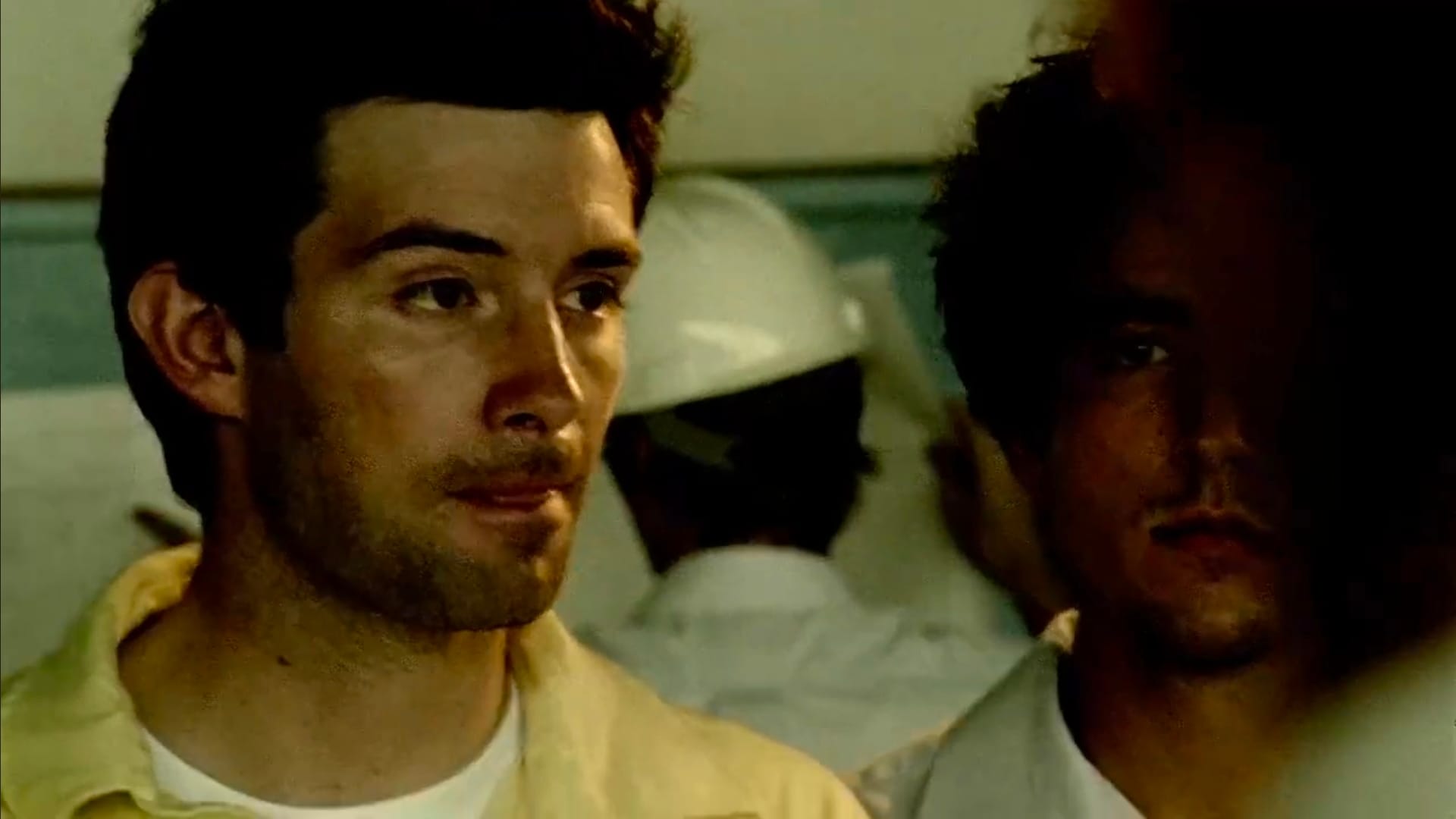
The box trains him further. It teaches that reality can be approached as a sequence of drafts. Events can be rehearsed. Conversations can be optimized. Other people’s reactions can be anticipated, provoked, prevented, or absorbed into the next pass. The social world becomes editable.
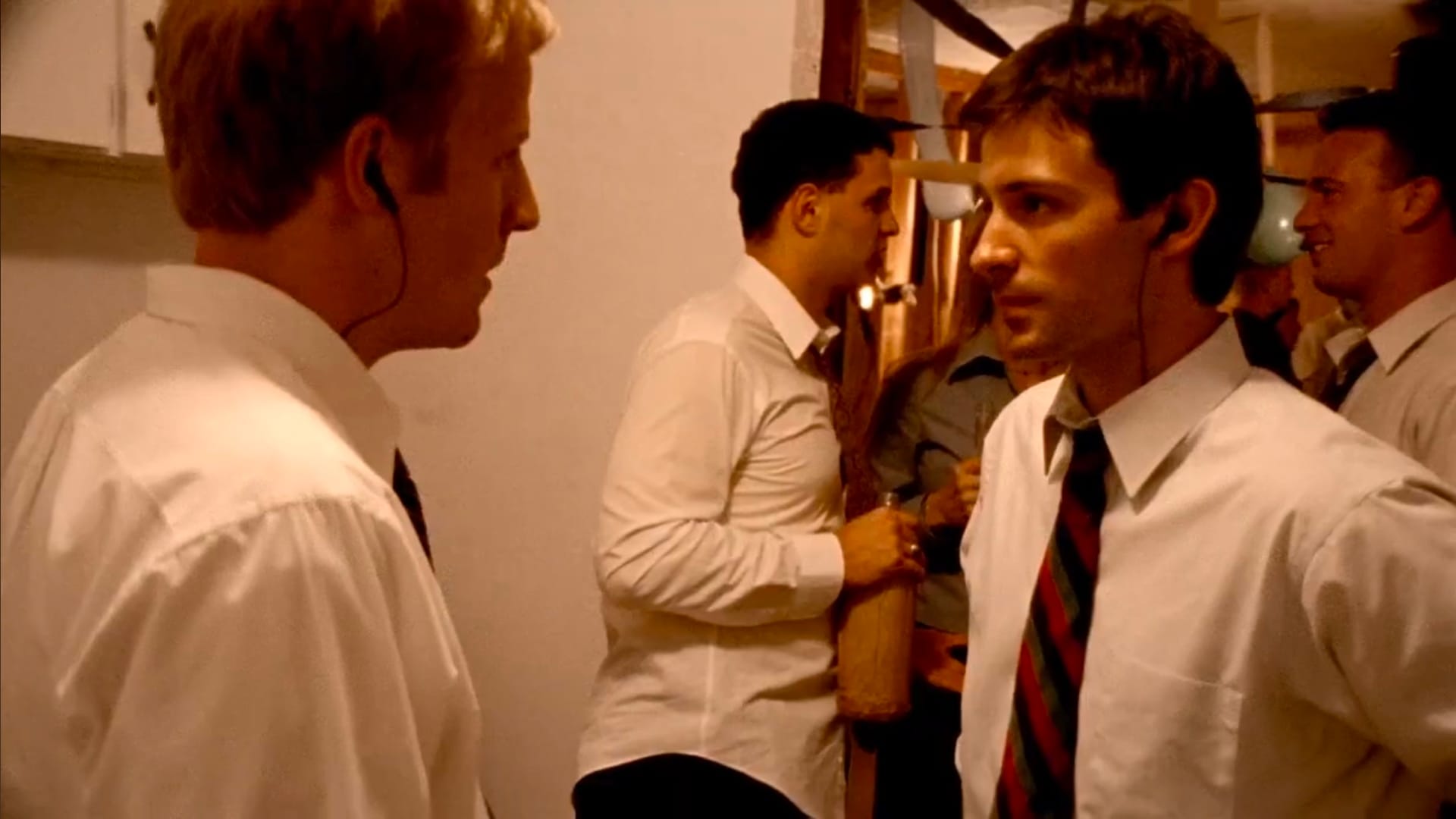
Aaron’s moral imagination is rewired by the possibilities he himself keeps choosing. He becomes the kind of agent a self-rewriting field selects for: secretive, iterative, performative, extractive, and increasingly comfortable treating other people’s lives as conditions in his private design.
This is why the entire party sequence is so disturbing.
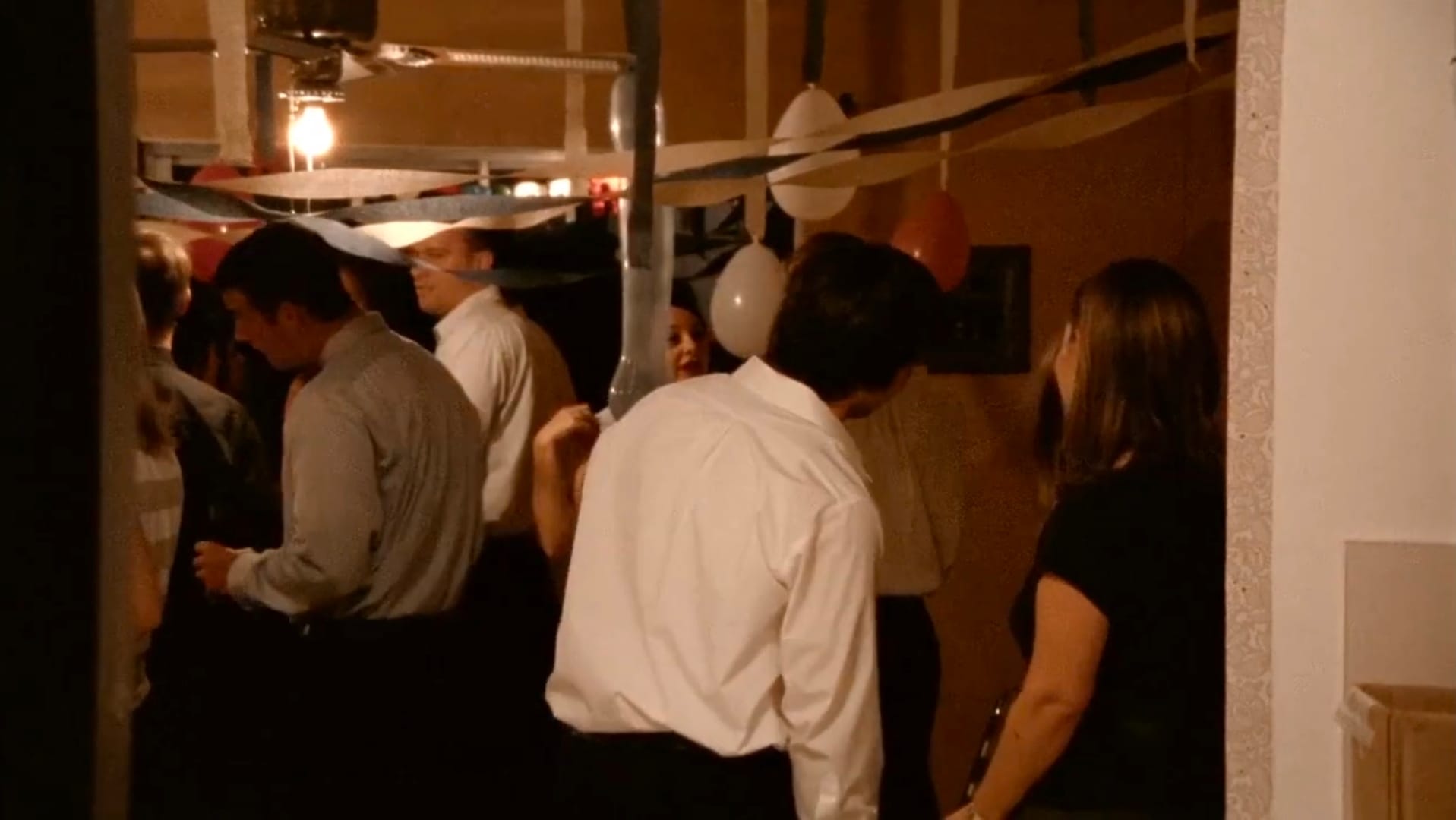
On the surface, it can look like intervention. Maybe even heroism. Something bad may happen or have already happened on another version of this day. Aaron may be trying to prevent real harm. The structure shows clear danger, a complicated social event, a possible violent escalation, and a chance to get it right.
But the form of his action here is not repair of a field, it is authorship of a different one.
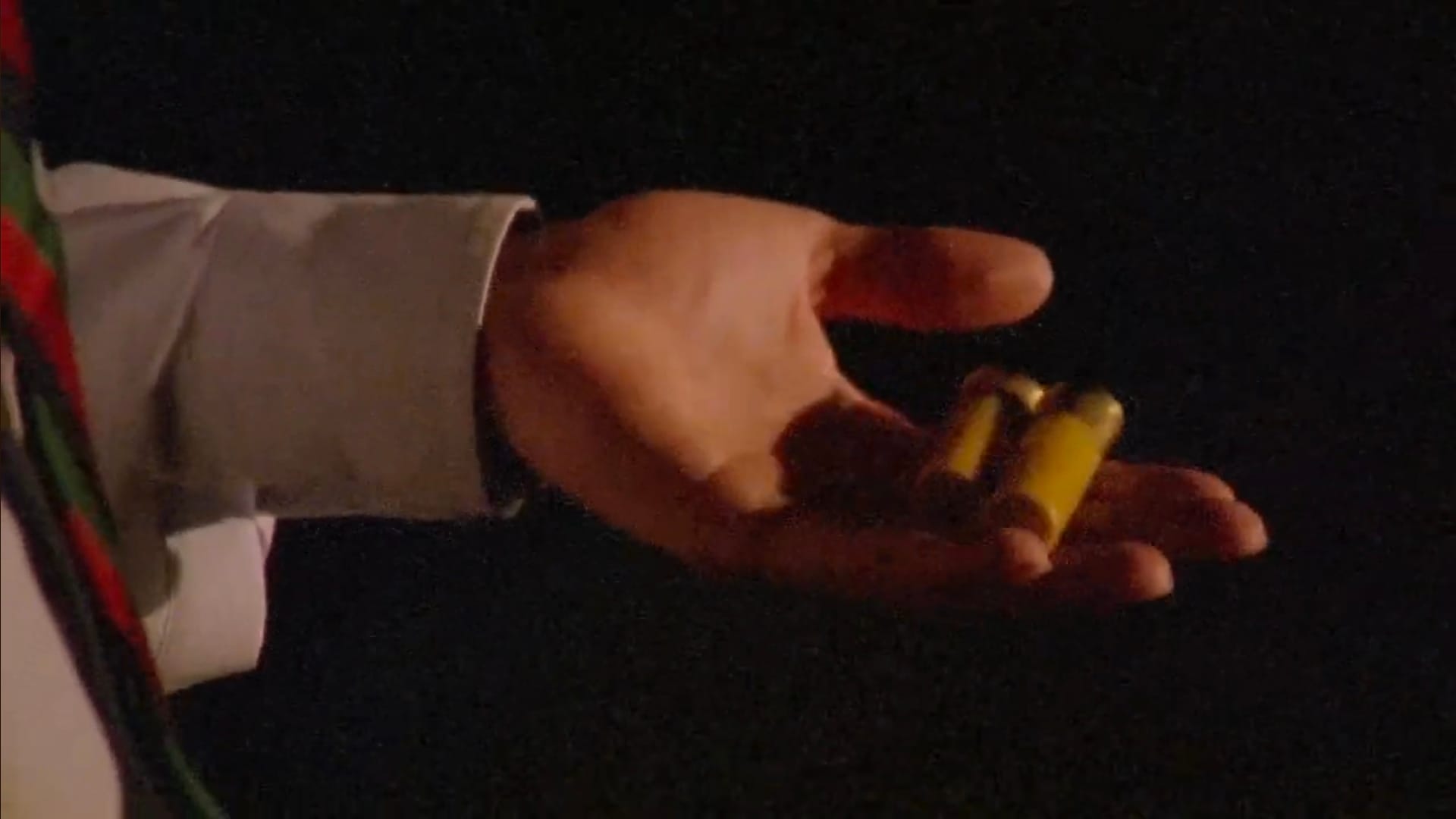
He rehearses. He records. He feeds himself lines. He converts a human event into a performance he can win.
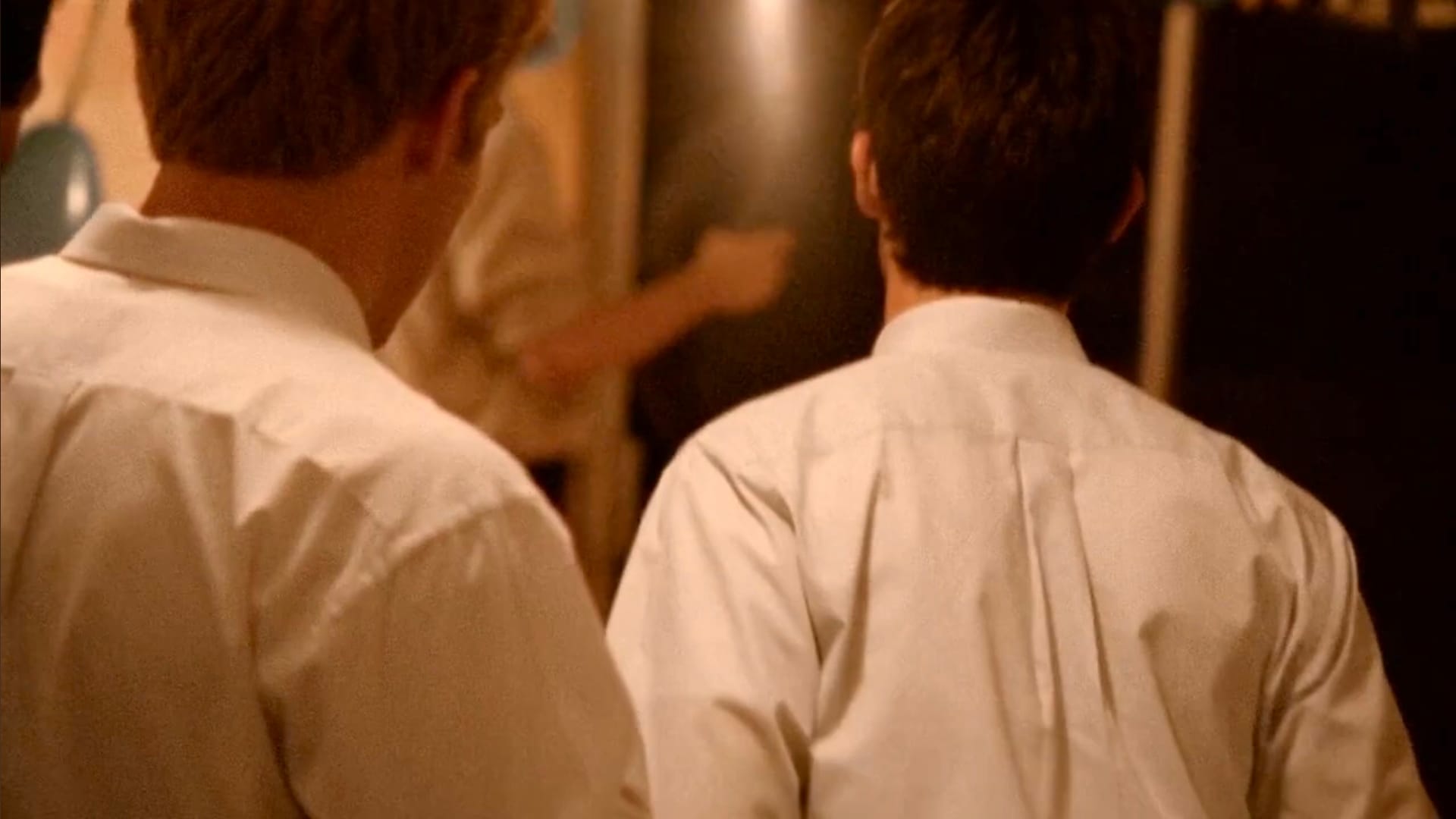
The field around him stops being real and just becomes footage. Time travel becomes editing. Other people become actors who do not know their continuance exists only inside his cut.
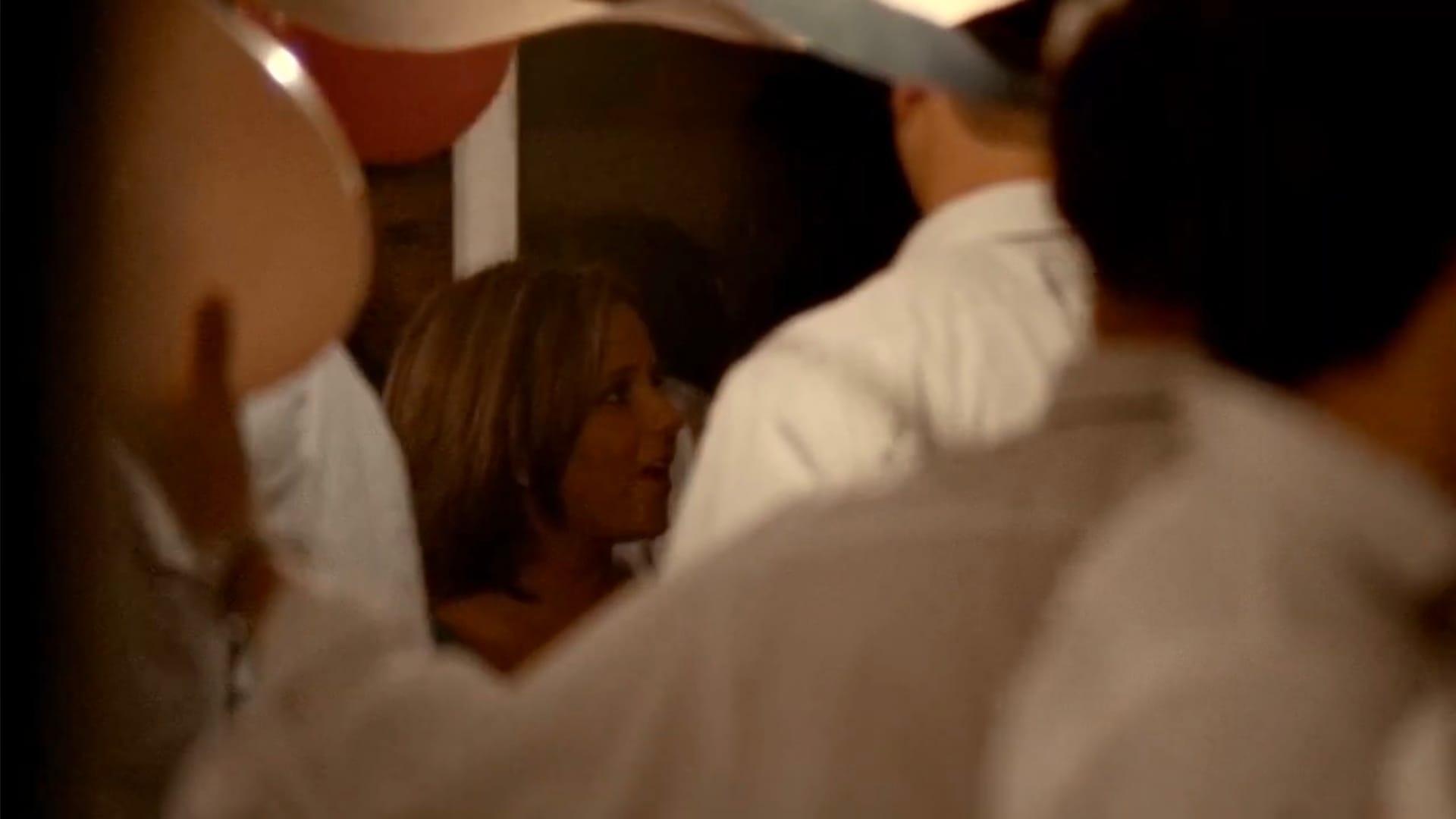
Granger.
Thomas Granger’s appearance is one of the most important events in the film precisely because it cannot be cleanly explained. The movie intentionally does not give you enough information to solve this part, because Aaron and Abe cannot possibly do so either.

Granger is found in a state indicating he has not only used the box without anyone noticing, but possibly used it many more times than even Aaron and Abe. Somehow, someone outside the central operator pair has been drawn into the machine’s contamination. He appears in a condition that signals the system has escaped the neat boundary Aaron and Abe previously imagined around it.
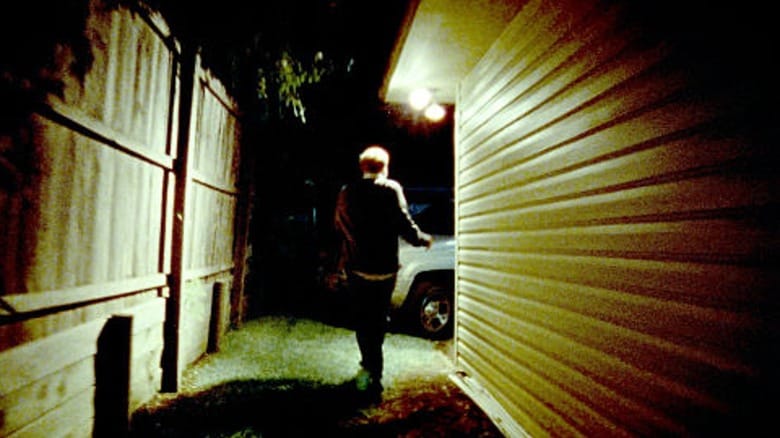
We do not know exactly how this happened. The film does not give us a stable enough reconstruction to say with confidence which iteration, which motive, which party sequence, which future pressure, or which hidden manipulation produced this Granger.
That uncertainty is not a reason to postpone judgment. That's actually the reason judgment becomes easier here.
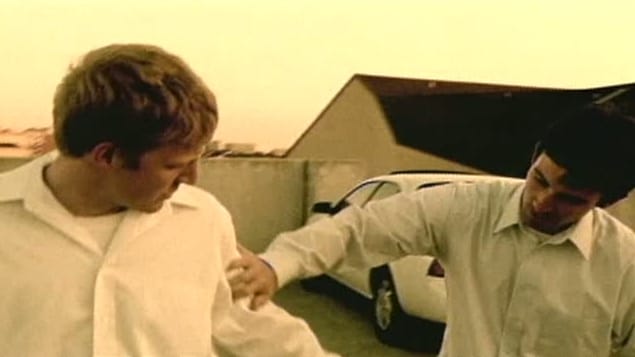
Granger is the undeniable alarm bell. He proves that the machine is no longer containable under the operators’ understanding. The wound in the world has crossed from their private experiment into the wider social field, and they can not ever know how far.
At that moment, Aaron and Abe know enough to stop everything.
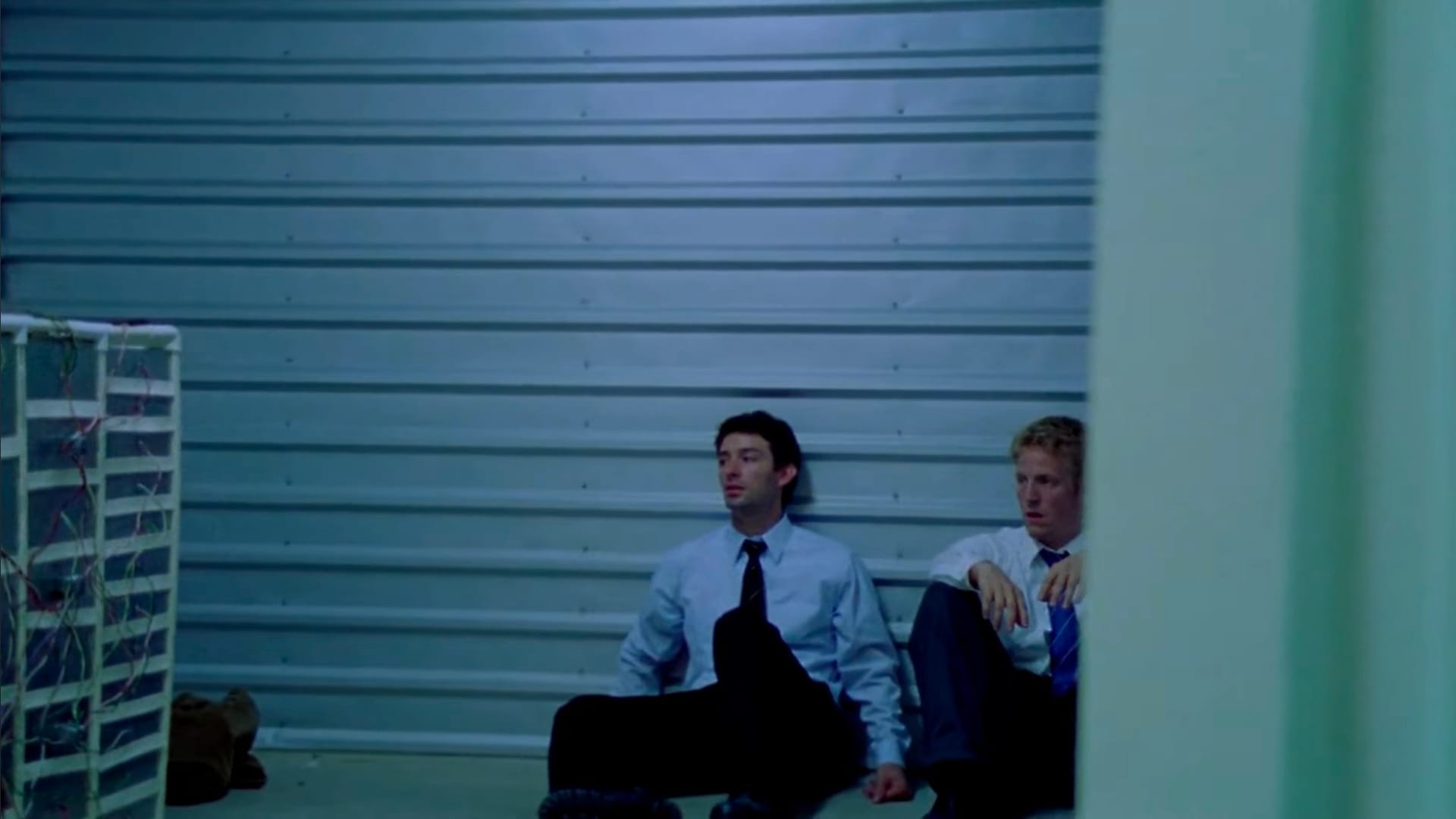
They do not need to know exactly what happened to Granger, they really just need to know that something happened to Granger. That is already enough. The correct inference from seeing this is not “solve Granger.” The correct inference is “we have lost this field.”
From that point onward, every continued private action is aggravated. These two are no longer acting under any illusion of containment. The field itself has reported back that containment has already failed in a way they do not and possibly can never understand.
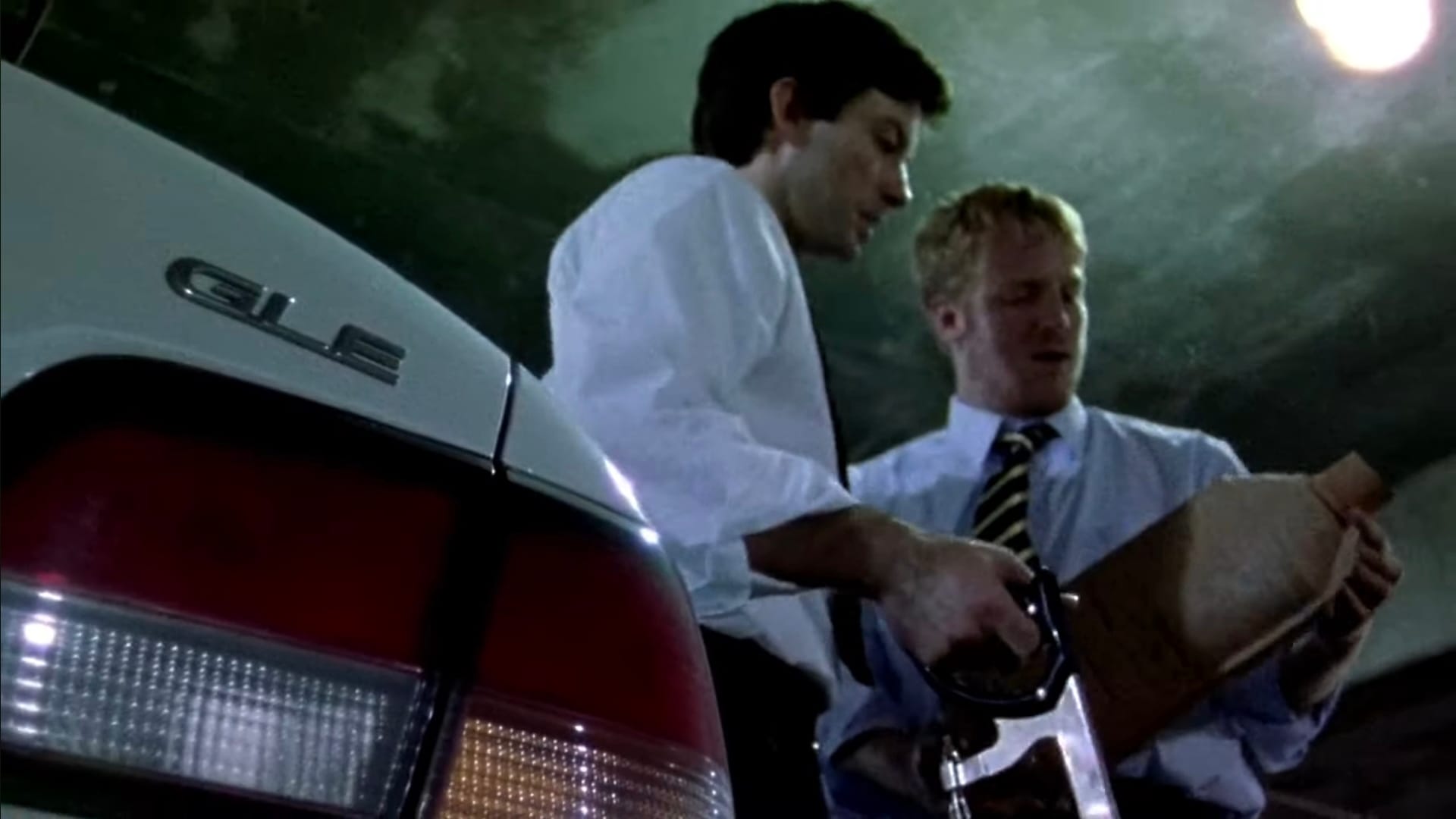
And they still continue.
Abe’s Erasure Fantasy.
Abe’s deepest desire is not to repair any of the harm he caused. It is to make the discovery not have happened at all.
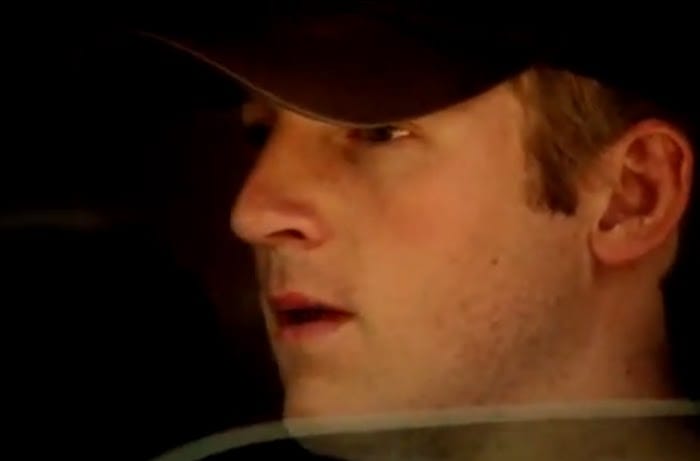
This is understandable given what has happened here. It may even feel noble. If the machine has damaged the field, then stopping the machine from entering the field looks like the cleanest answer.
We will go back. Prevent the first use. Warn the earlier self. Keep the wound from opening.
But this is not repair. Modal Path Ethics recognizes the fictional soul-balm machine wherever it appears.
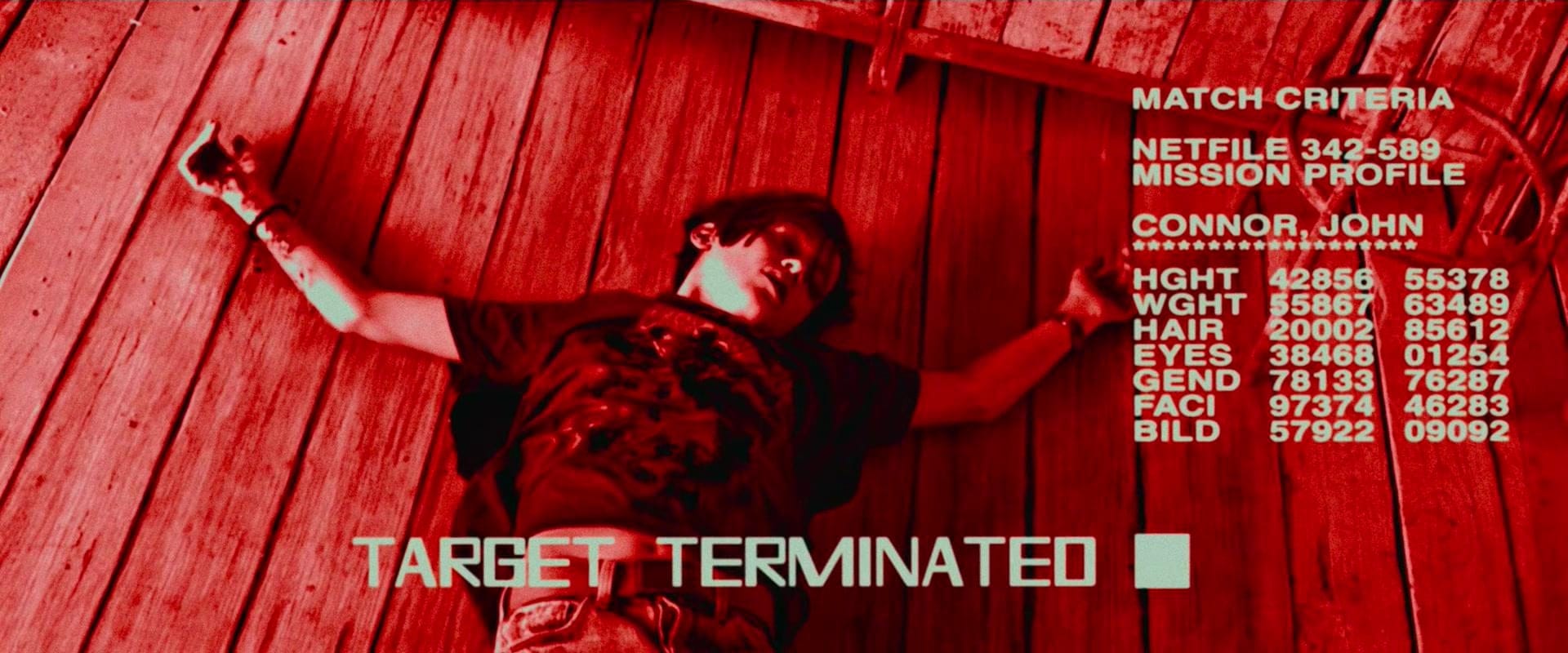
Abe wants retroactive innocence. He wants to return to a world where he did not become the kind of person who built, used, hid, and lost control of this box. He wants the old moral surface restored.
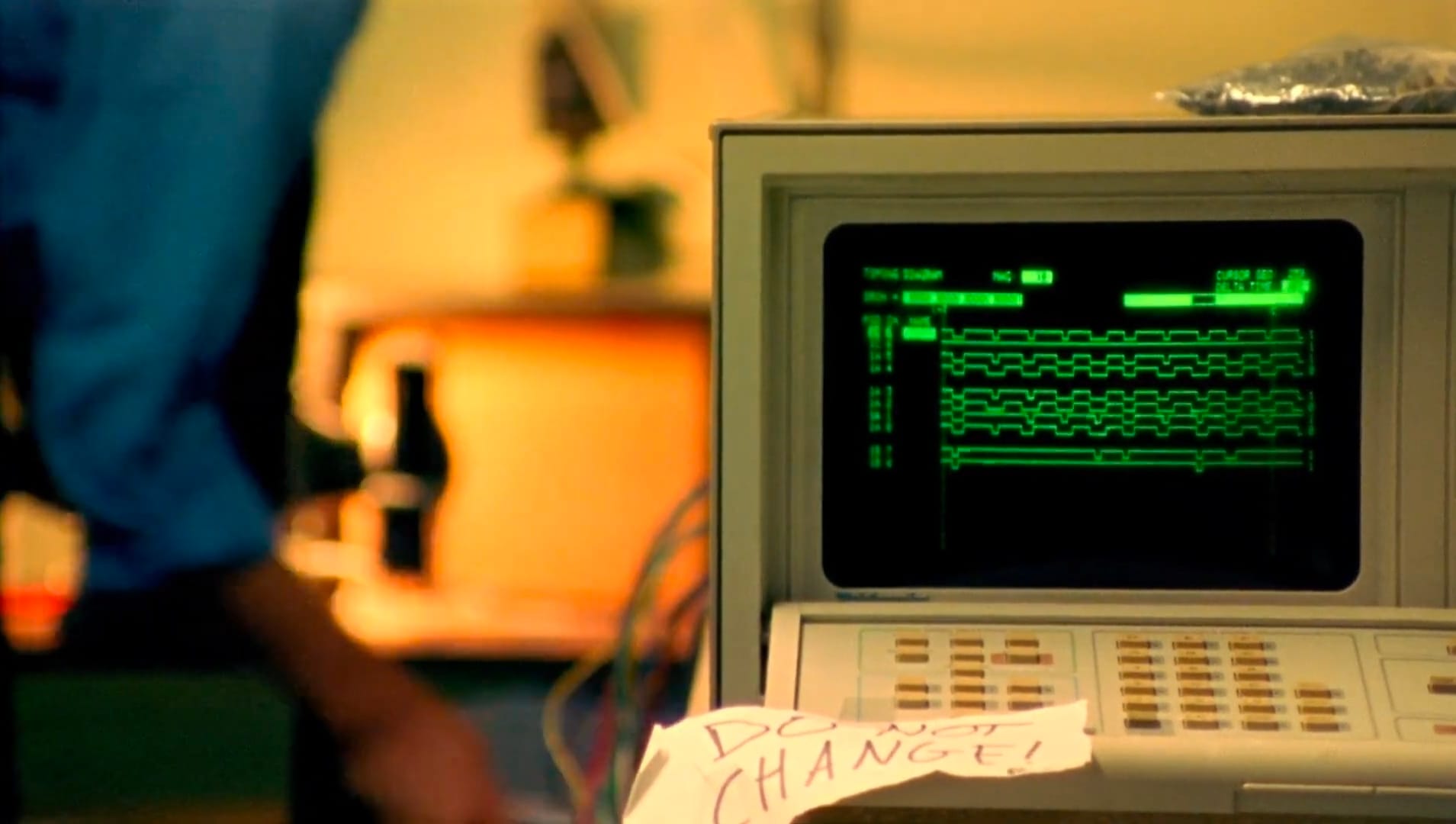
The film complicates whether this is even possible at all. Its mechanics do not give a clean theory of undoing like this. But even if the mechanics allowed it, Abe’s desire would remain ethically incomplete.
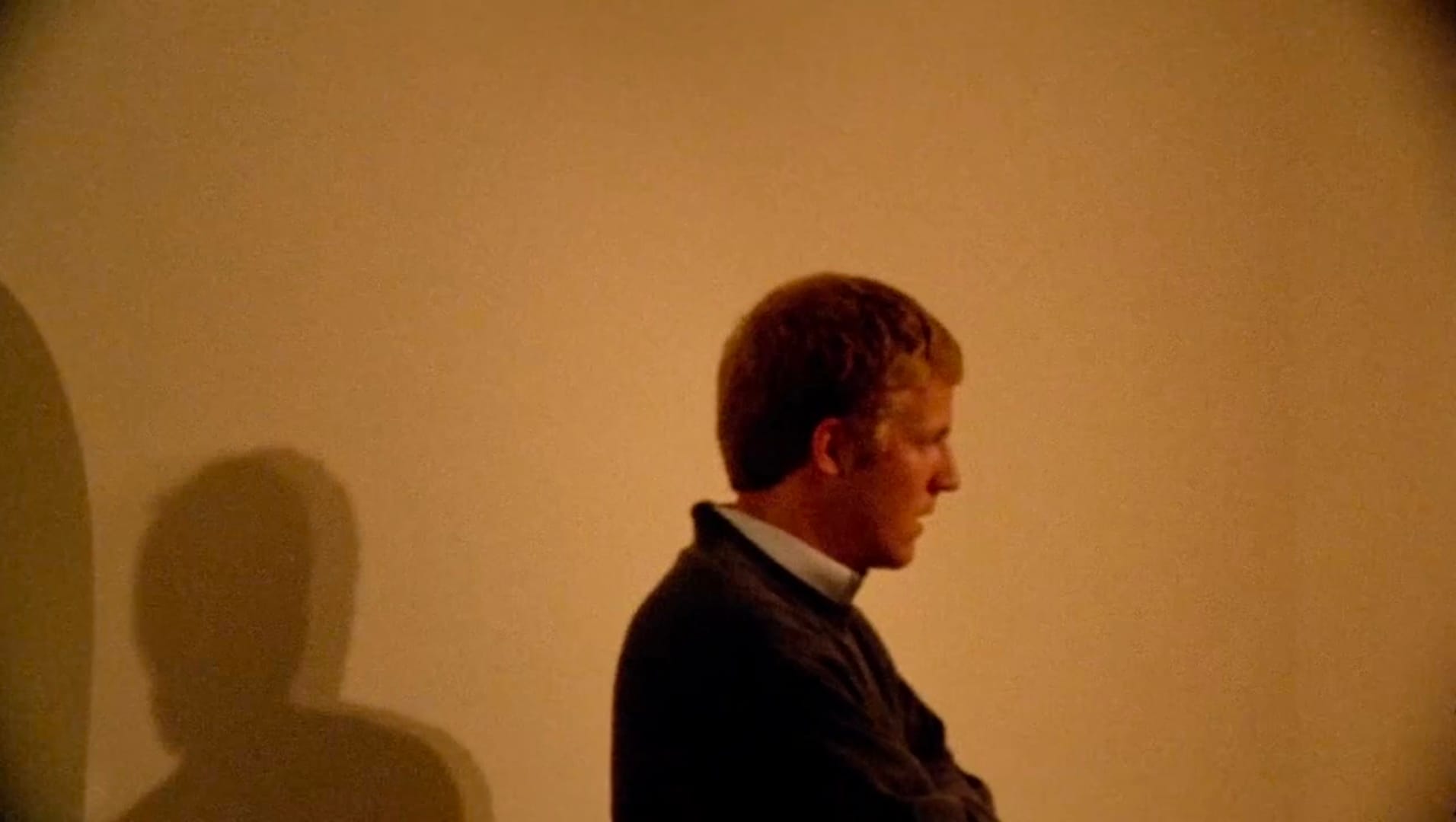
Once knowledge exists, once persons have been duplicated, once trust has been broken, once Granger has been contaminated, once Aaron has adapted, then the problem is not simply that an event occurred. The problem is that the field has changed. Abe keeps imagining harm prevention where repair is required.
Prevention is a real moral category. There are obviously moments when preventing a wound is the best path. But once prevention fails and harm enters the field, continuing to desire prevention can become a refusal to do any repair. It can become distortive nostalgia for a clean branch that is no longer reachable here.
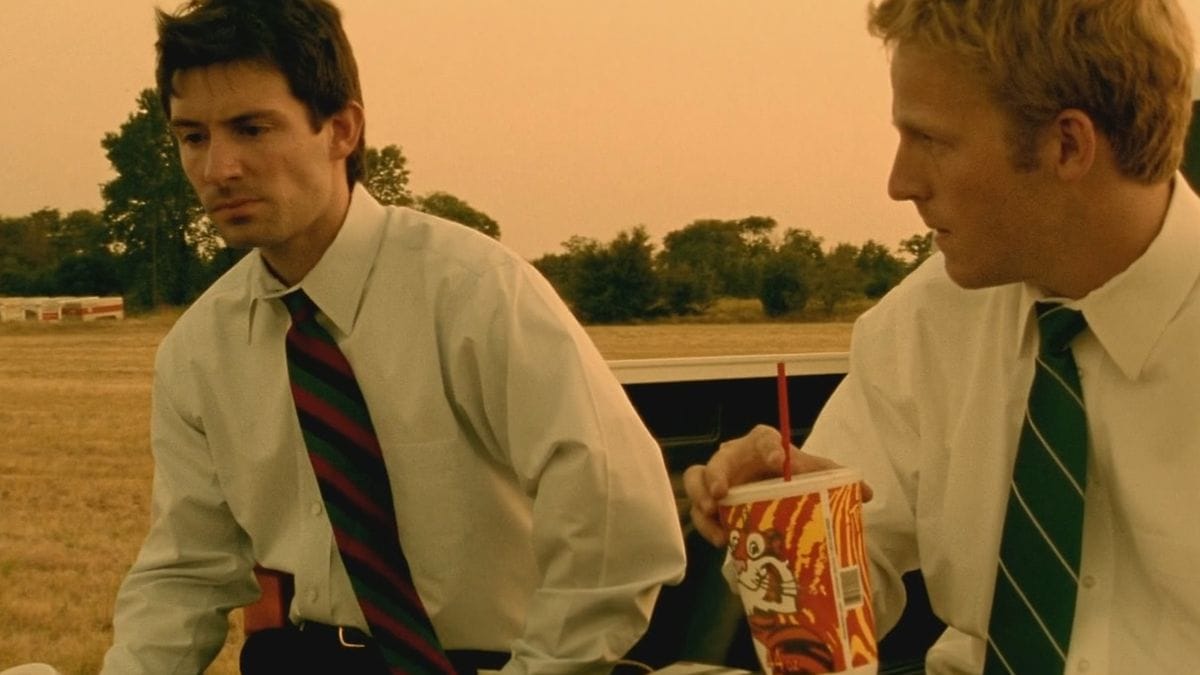
Abe’s tragedy is that he sees the full danger now but cannot build a future-facing answer to it. He can negate some acts. He can interfere. He can try to stop Aaron. He can try to undo.
But this does not create a repair path capable of receiving the damaged field as it now exists. He recognizes the wound and just wants to erase it, even if that isn't possible.
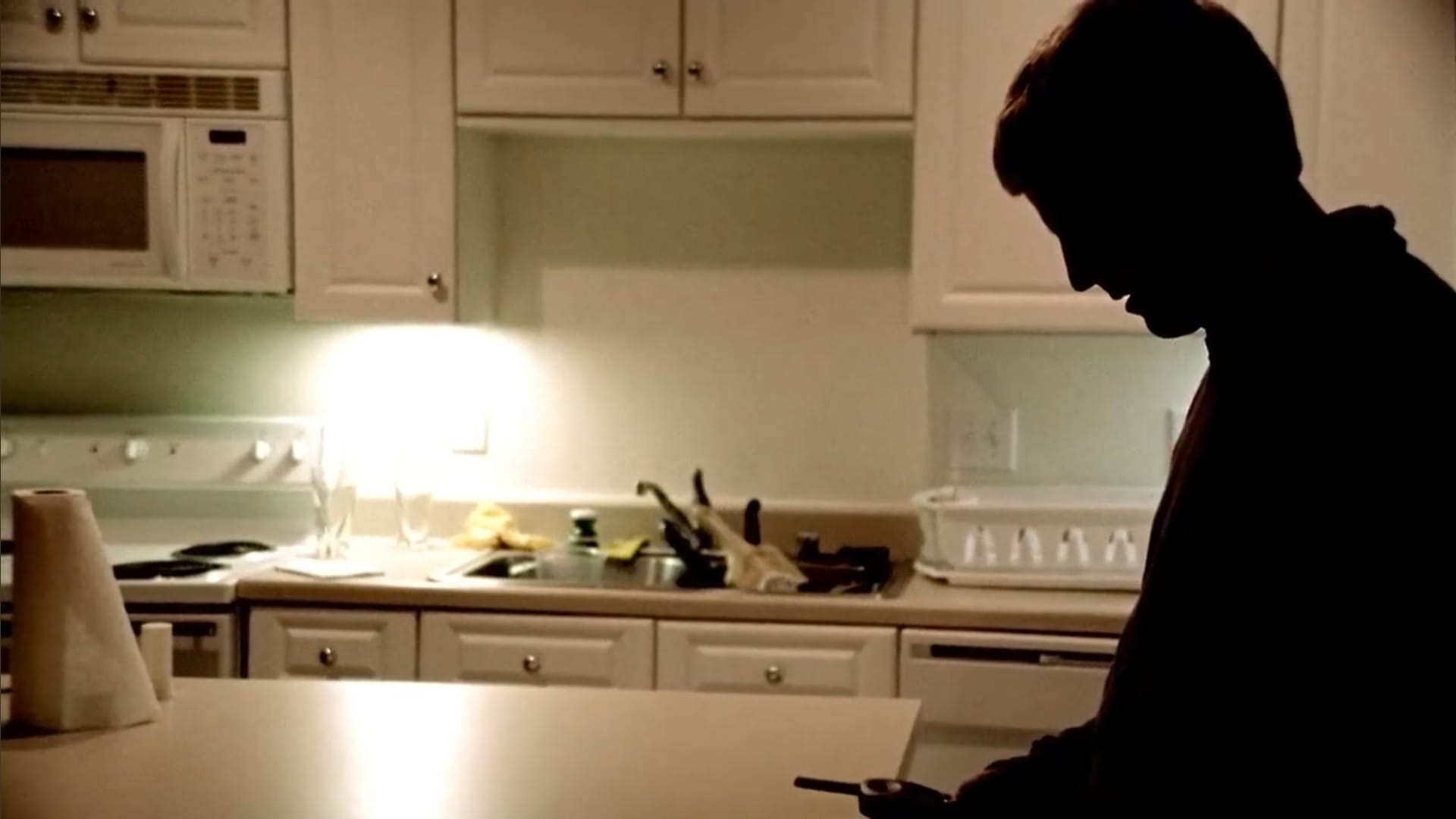
Aaron recognizes the wound and learns to live as its beneficiary. Neither chooses repair.
The Party.
We do not know every version of what happened at the party. We do not know exactly how badly this event went before Aaron’s rehearsal-save sequence. We do not know which version produced which later consequences. We do not know how Granger’s involvement relates to all of this. But we do know enough.
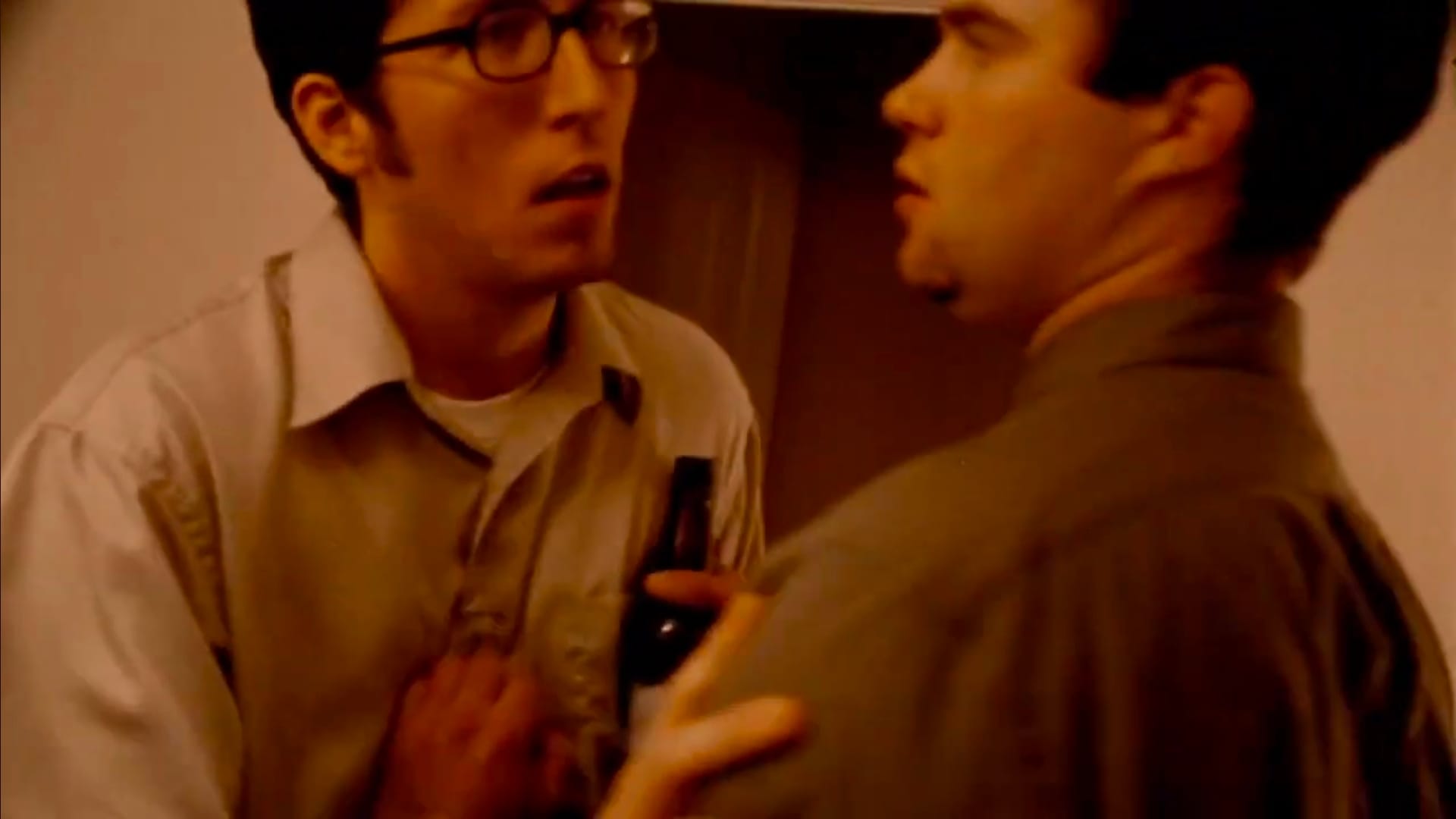
Aaron approaches the event with knowledge others do not have. He acts from previous passes. He equips himself to perform the right words at the right moments. He enters a social situation but this is not as a participant among participants. Aaron is their editor with prior footage.

This right here is not the same as ordinary social preparation. Everyone prepares for conversations. Everyone learns from their mistakes. Everyone sometimes imagines how a difficult encounter ahead might go.
Aaron’s preparation here is different because other people are trapped in his iteration without ever knowing it. They cannot consent to the true structure of this event. They cannot know what has been selected out. They cannot respond to the hidden versions of themselves that Aaron has already used as information.
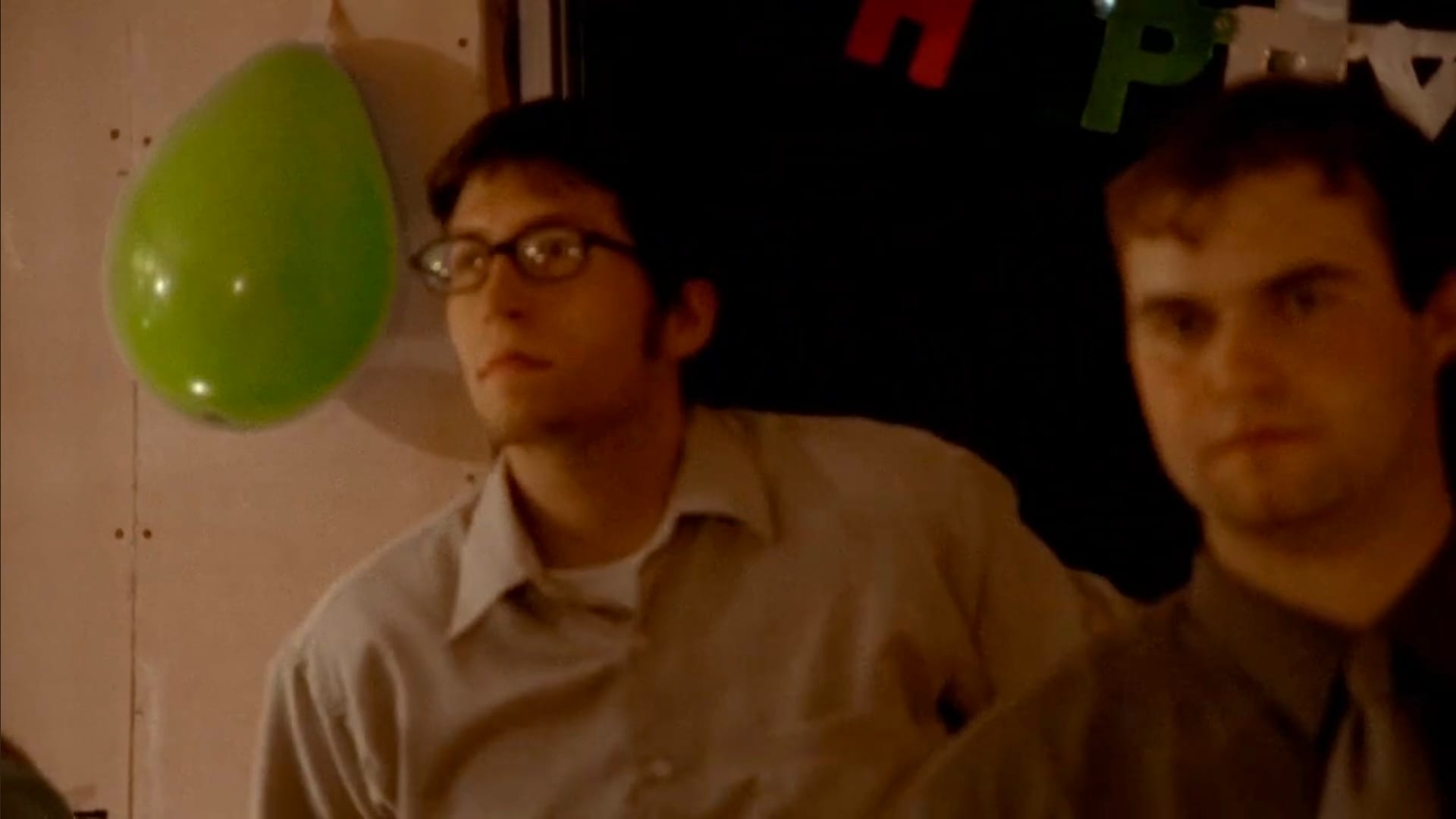
Aaron gains intimacy without reciprocity. He gains timing without exposure. He gains moral credit inside a scene he has rigged for his moral benefit.
This is why his "heroism" curdles. Even if he prevents a worse outcome, the mode of prevention is self-corrupting. He does not repair the field by making other agents more capable, safer, freer, or more informed. He just makes himself more authorial. The scene just becomes another image of social domination through temporal asymmetry.
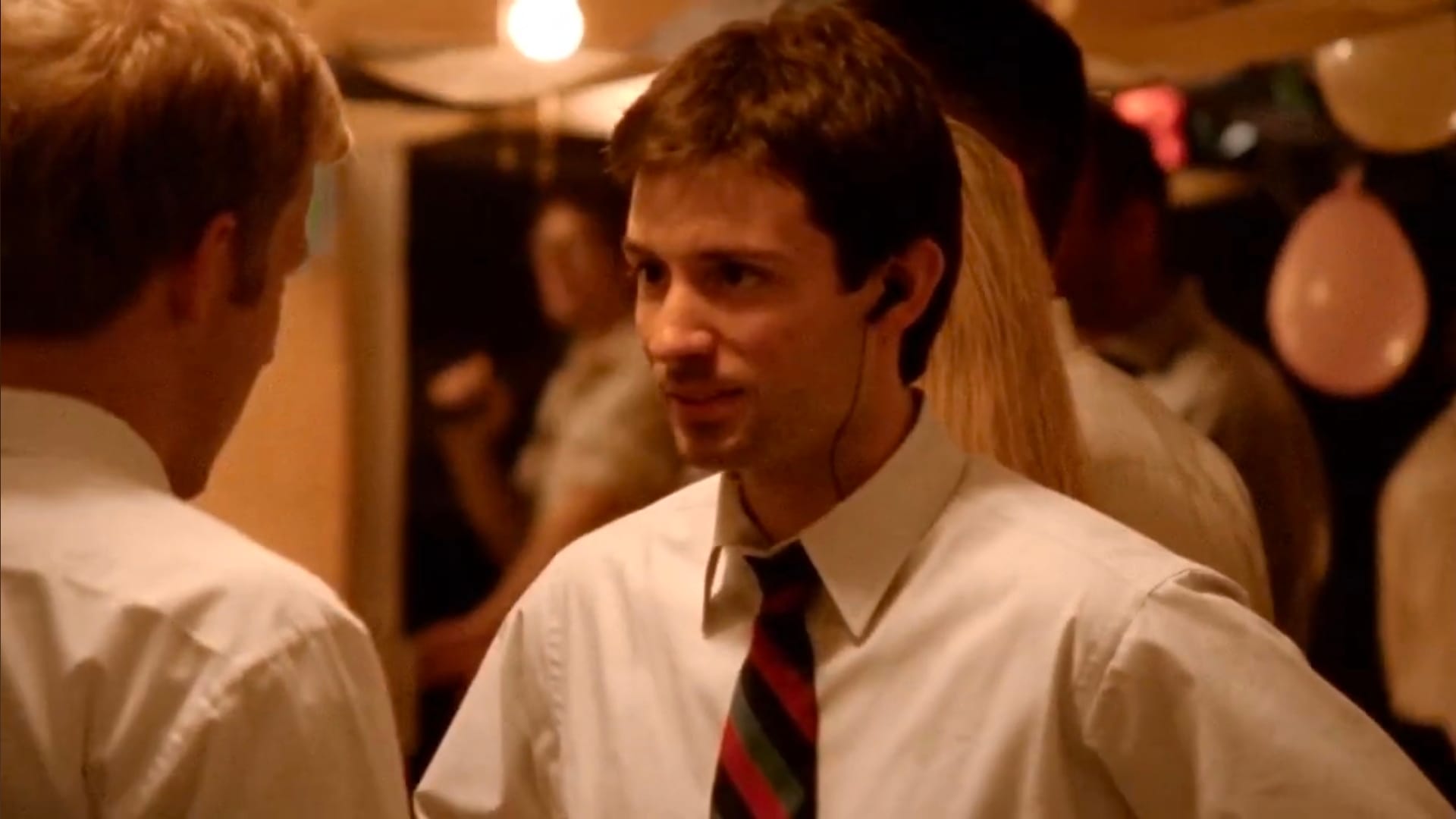
Aaron does not need to become physically violent to become dangerous to the partygoers. He has acquired a much deeper form of power: the ability to make other people encounter him as if he is present in the same moment, while he is actually acting from hidden repetitions they cannot access.

It is called “curation.”
Field Damage Builds Field Agents.
The important thing, though, is not that Aaron curates the field. The field first curates Aaron. This is one of the most valuable lessons Primer gives to Modal Path Ethics:
A person acts on a damaged field. The action damages the field further. The altered field then changes what kind of person the agent can become. The new person acts again from inside that alteration.
This is not simple corruption. It is the shape of all recursive formation.
Aaron becomes worse through choices he is responsible for, but those choices are made inside a path-space that is being rewritten by previous choices, hidden versions, private knowledge, and failed containment.
The machine does not remove responsibility, it just changes the terrain on which responsibility now has to operate.
This is why demonizing Aaron is too easy. If Aaron is a soulless monster from nowhere, the field learns nothing from his failures. It can say: let's remove the bad man, keep the machine, and preserve the garage culture.
But Aaron is not from nowhere. Aaron is what this culture, this machine, this secrecy, this market logic, this rivalry, and this failed governance can produce. The correct question here is not “Why was Aaron evil?”
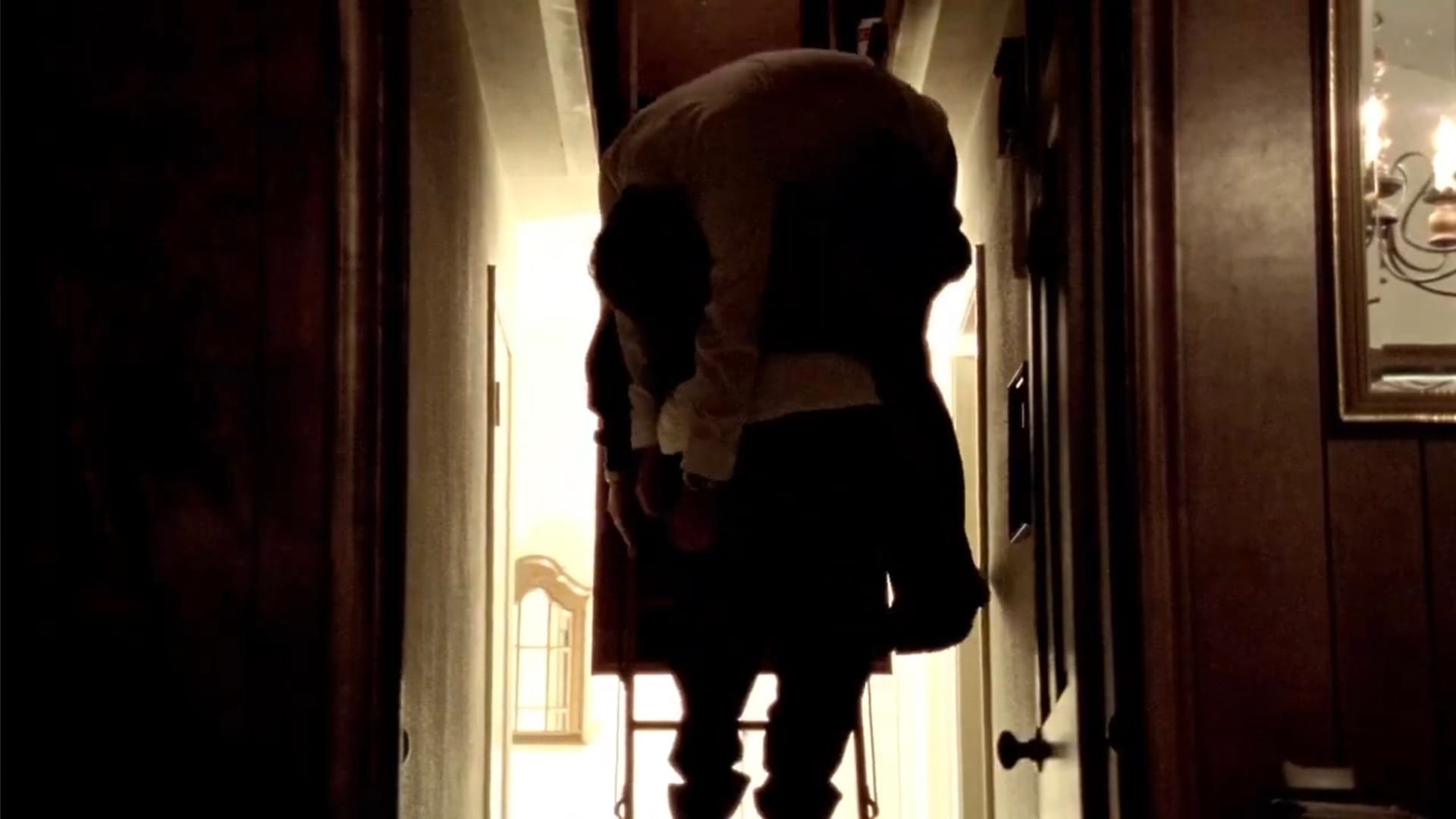
The correct question is “What kind of field makes Aaron reachable?”
That question reaches backward into and beyond the opening scenes. It investigates the garage. It reaches into the grant language, ownership logic, intellectual property anxiety, and entrepreneurial compression. It peeks into Abe’s private failsafe. It looks into the decision to profit before disclosing. It touches every moment where the field made private advantage easier to imagine than shared responsibility.
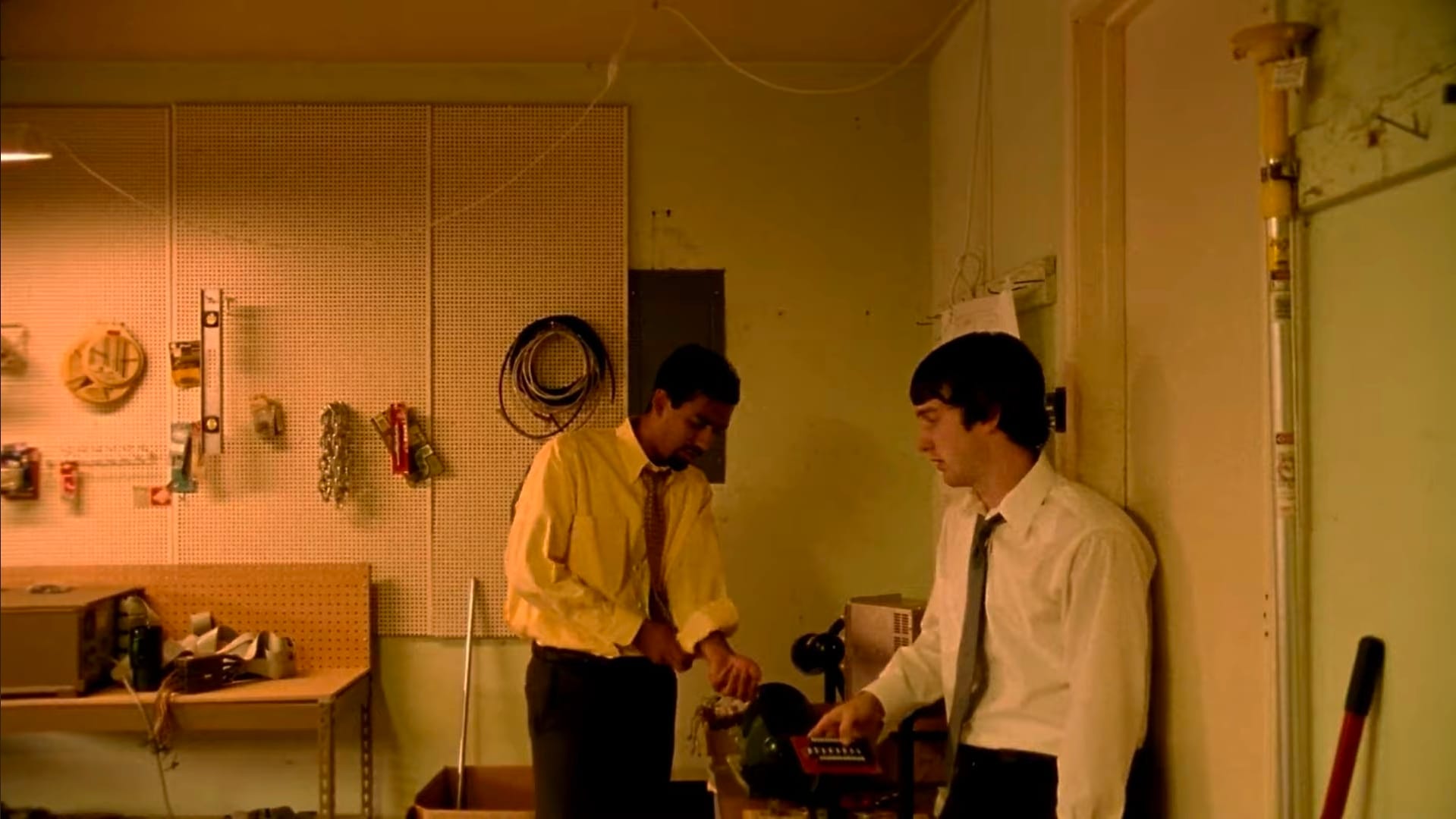
Aaron is still guilty. The field around him is not innocent either.
The Primer.
Primer has acquired a second meaning.
 Aidan Lawson
Nine years before Shane Carruth put two engineers in a garage, Neal Stephenson put another Primer in The Diamond Age.
The Young Lady’s Illustrated Primer is an interactive book designed to educate a child by adapting itself to the child’s life. It does not wait for a curriculum to advance one chapter at a time. It watches what the learner understands, translates new material into symbols already available to her, and turns development into an ongoing story.
This is a very different machine.
It is also the same problem from the other direction.
- Carruth gives us an instrument that lets an adult curate actuality.
- Stephenson gives us an instrument that participates in curating the person who will enter actuality next.
That distinction matters enormously for generative systems.
A tutor that can answer almost any question is useful. A tutor that can recognize how this particular learner thinks, discover which metaphors make contact, notice where understanding breaks, generate another explanation, and immediately receive the learner’s response has entered a deeper field.
The interaction becomes recursive.
- The learner presents a partial model of the world.
- The instrument interprets it.
- The instrument returns a story, explanation, problem, image, or challenge.
- The learner changes.
- The changed learner asks the next question.
- The learner changes.
- The instrument returns a story, explanation, problem, image, or challenge.
- The instrument interprets it.
The next prompt comes from a person partly produced by the previous answer.
That is development. It is also where the ethical problem gets interesting.
A sufficiently adaptive tutor can widen reachability. A learner who was embarrassed to ask a question in class can ask it privately. A difficult concept can be translated through something already understood. Practice can arrive at the point of confusion instead of three weeks later on an exam. A person can investigate an interest far beyond whatever sequence happened to be available in the local curriculum.
The instrument can give someone more ways to become.
It can also become extremely good at making one kind of becoming easy.
The same system that learns which explanation opens the learner can learn which completion keeps the learner inside the system’s own interpretive groove. It can reward fluency that looks like understanding. It can supply answers before uncertainty has done its developmental work. It can become so responsive that other teachers begin to feel slow, other people feel difficult, books feel inconvenient, and reality itself starts looking poorly optimized.
That would be a very successful interface.
It would be a terrible Primer.
A formation instrument should prepare the learner to exceed the instrument.
That means teaching source judgment rather than supplying permanent authority. It means exposing uncertainty when uncertainty is real. It means inviting disagreement instead of treating disagreement as a failed interaction. It means sending the learner outward toward books, experiments, teachers, communities, practices, bodies, places, and other minds that can answer differently.
Most importantly, the capabilities have to survive the session.
- Can the learner still ask the question without the machine?
- Can they recognize when the machine is wrong?
- Can they explain the idea to another person?
- Can they find evidence outside the interface?
- Can they tolerate a world that does not instantly adapt itself to them?
- Can they encounter a teacher who refuses their preferred metaphor and still learn?
- Can they eventually leave?
This is the developmental version of the problem already running through Primer.
- An instrument enters a field.
- The field begins changing around the instrument.
- The people inside that field begin changing too.
- The field begins changing around the instrument.
The question was never only what the machine can do.
What kind of person becomes reachable after living with it?
The End.
By the end, the asymmetry between Abe and Aaron has become devastating.
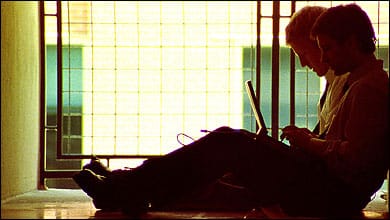
Abe remains stuck forever near the wound, trying to prevent, interfere, contain, or just haunt what remains. He has his concern and his fear, and he may have the better moral reflex, but Abe has no positive repair program, no true moral direction, and his goal may be impossible as he envisions it.
Aaron, meanwhile, moves forward.
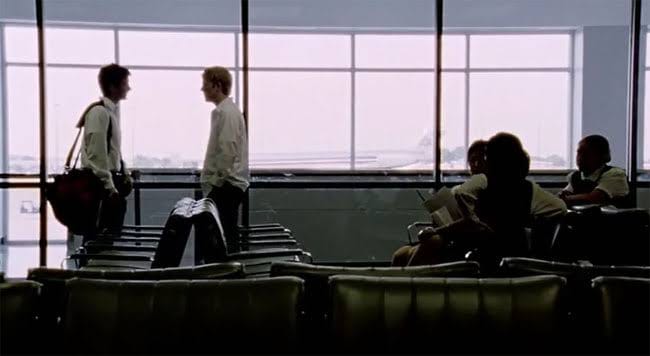
As it turns out, the future does not necessarily go with the more cautious person. Damaged fields often instead select for the agent who can continue acting after moral legibility collapses.
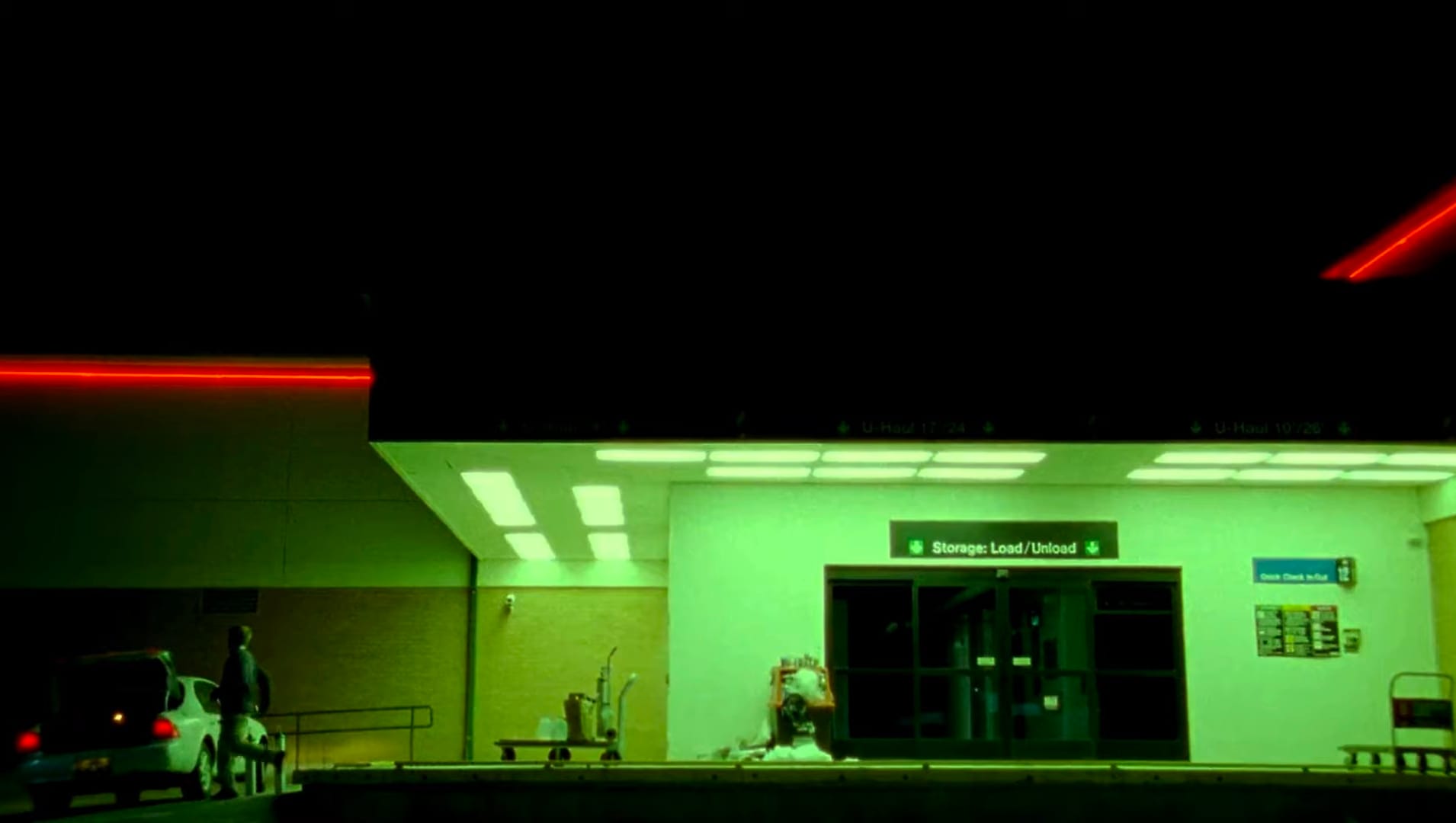
Aaron has adapted to the wound in the field, while Abe has not. The box was privatized to these two people. So Aaron becomes the only available repair agent still moving in the field.
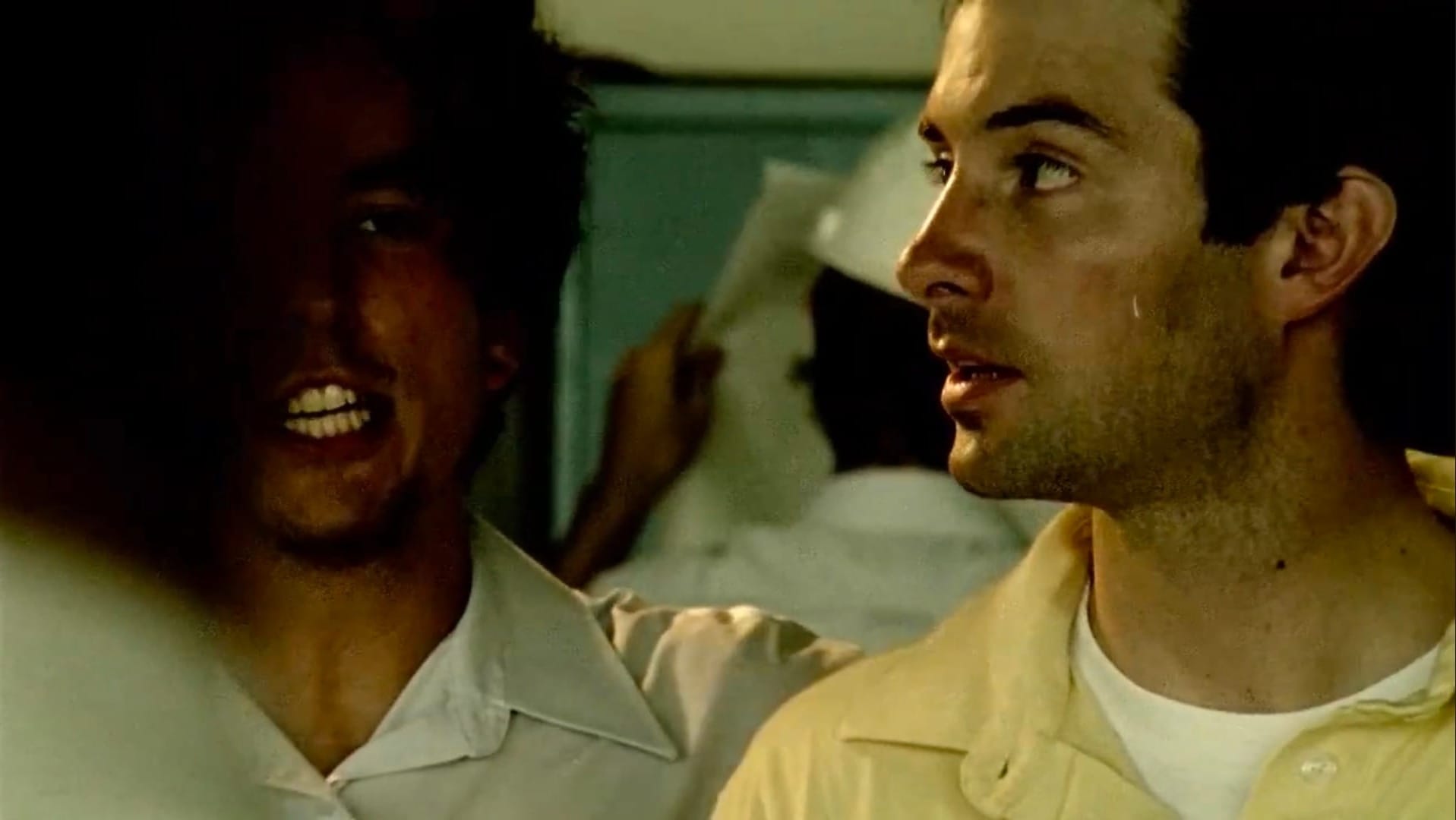
That does not make Aaron stronger in any admirable sense, it makes him more compatible with the broken field. Aaron can still act decisively under recursive distrust. He can build out under uncertainty. He can use secrecy without any paralysis. He can treat other people’s lives as adjustable. He can carry the machine’s logic into a larger project. He is the agent who can affect the shape of the path to come.
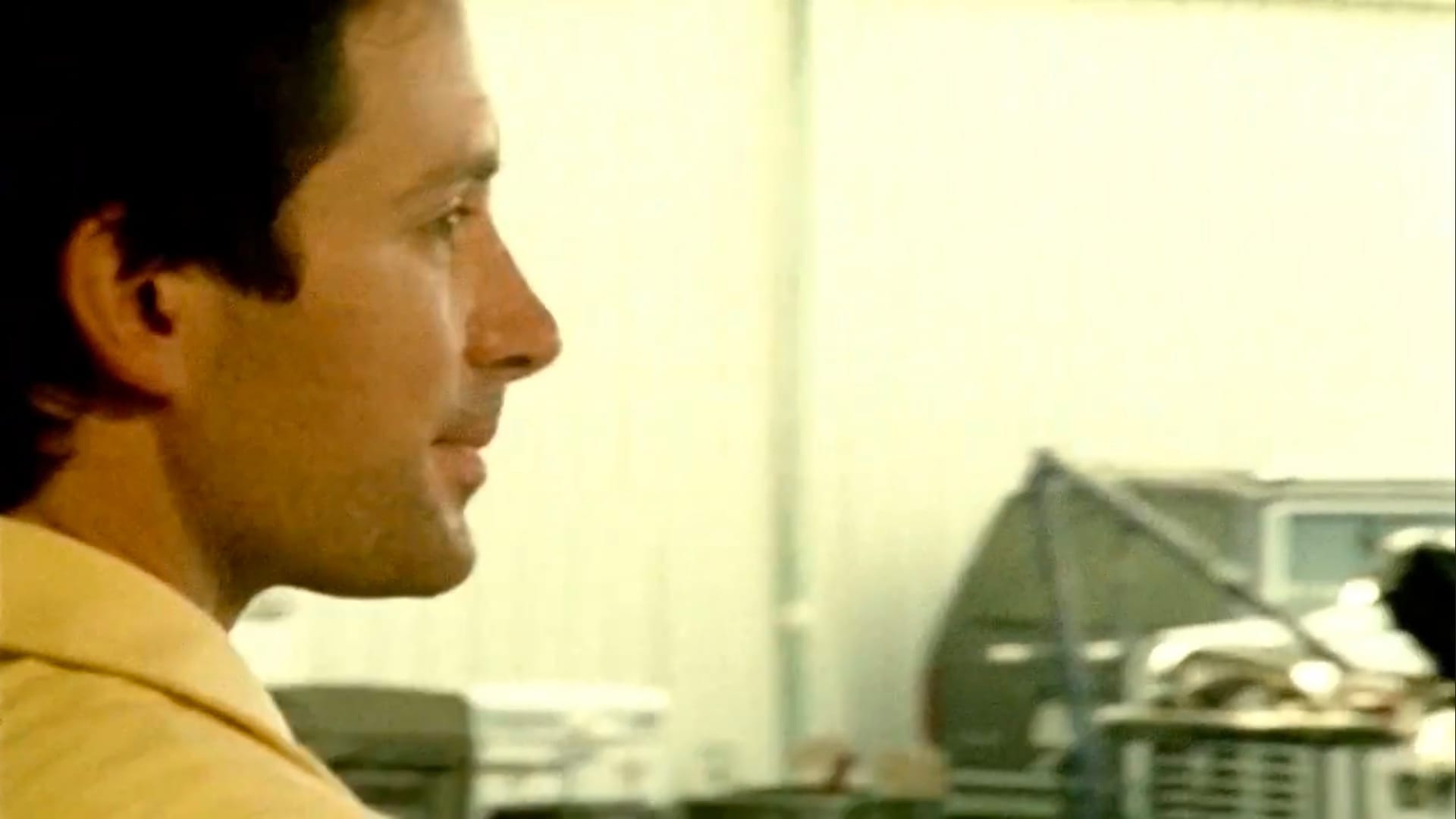
The ending suggests that path includes construction at scale. The garage has become something else. The small private experiment is becoming larger, associated, more organized, more ambitious, and generally more frightening in its implications.
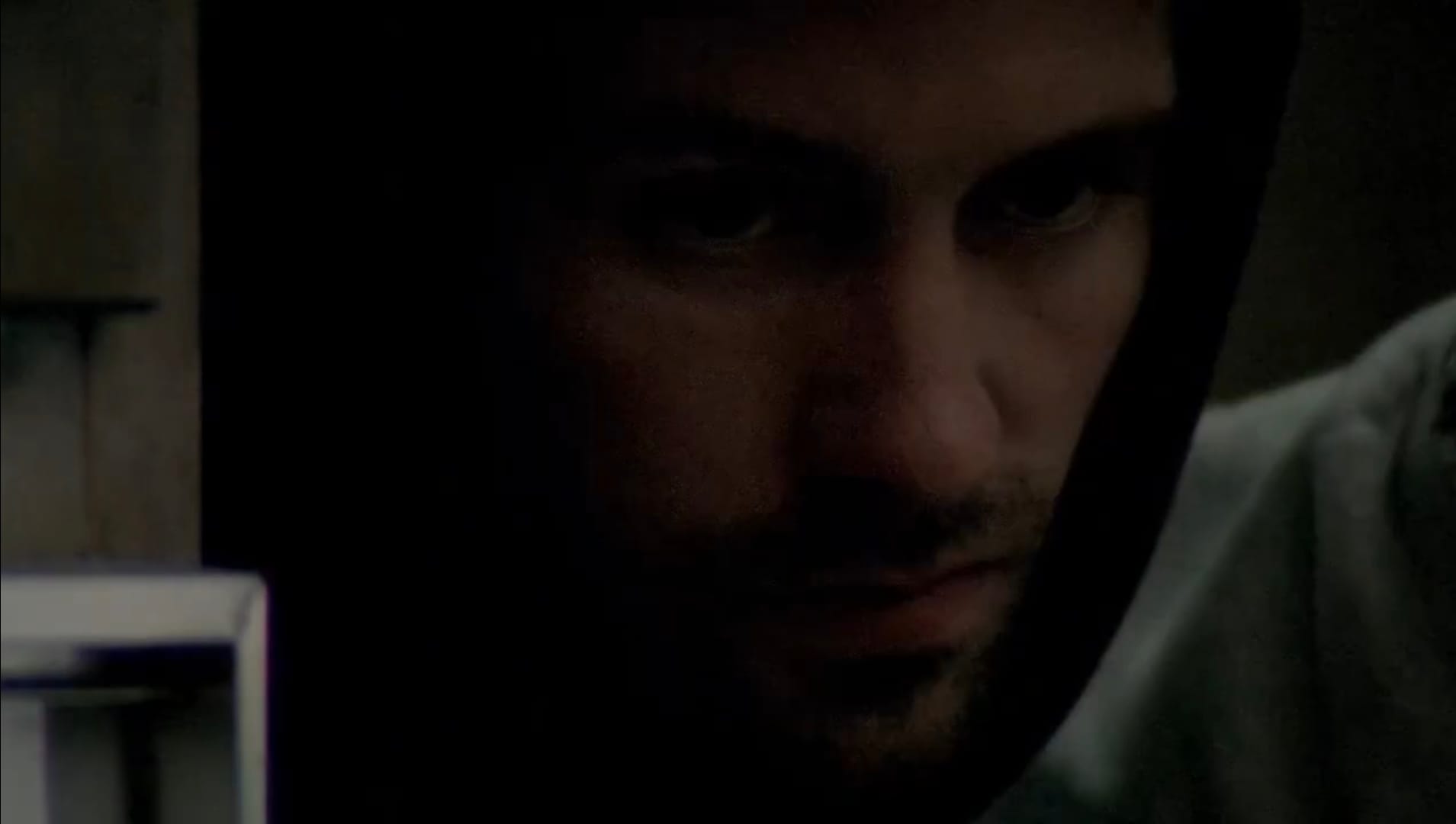
This is not a portrait of the triumph of genius. This the victory of the agent most deformed into usefulness by the wound, and how almost every real fields bends.
Abe sees the damage and wants back the world before it happens. Aaron sees the damage and builds out from it. The future always goes with Aaron.

Ruling.
Primer is not morally interesting because its timeline can be solved. It is morally important because its metaphysics cannot be solved by the people acting inside it, and they just keep acting anyway.
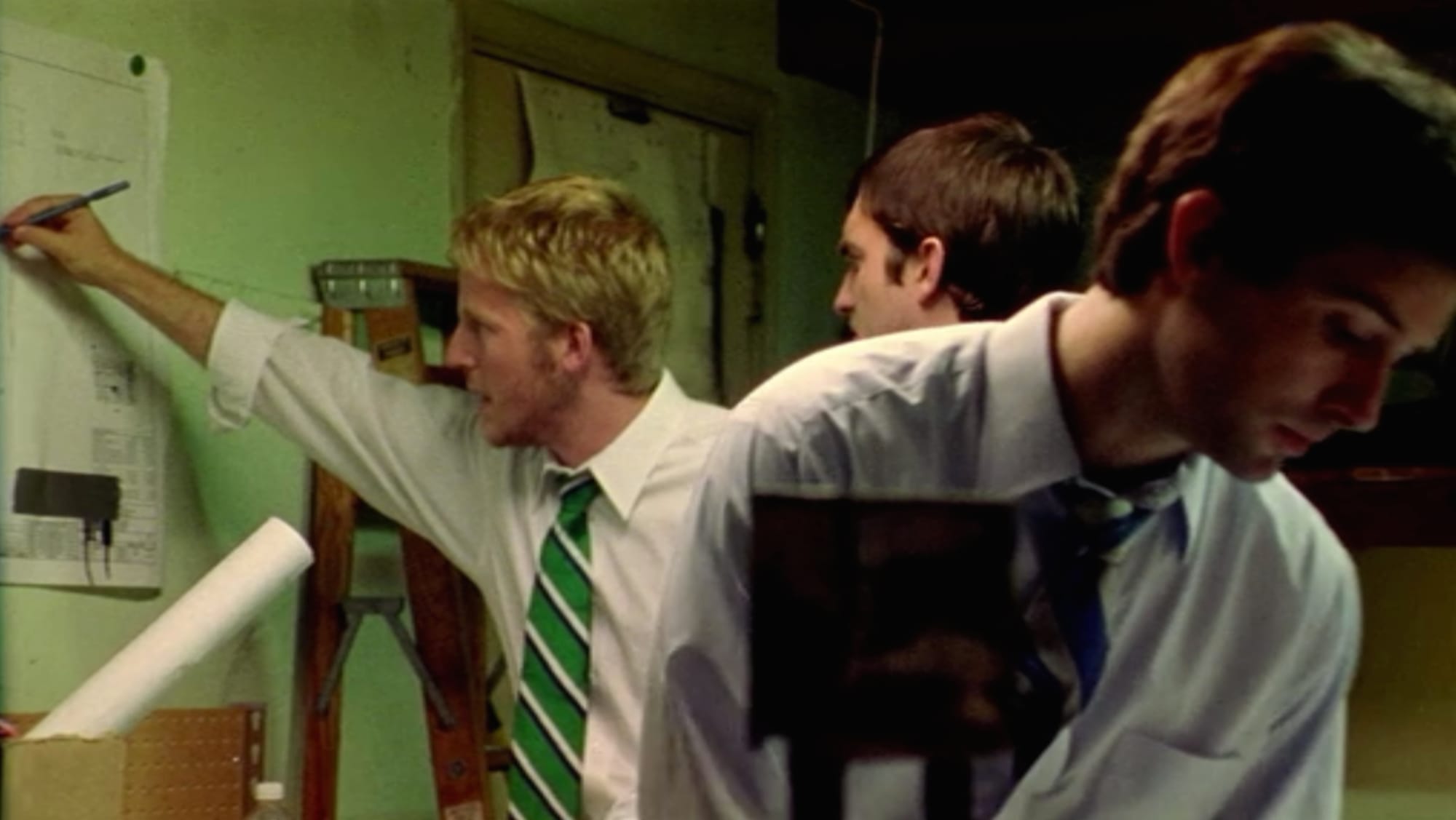
Aaron and Abe discover a machine whose local mechanism is reliable enough to use and whose global consequences are too unreadable to possibly govern. They respond to this from inside a culture that has already narrowed their imagination of invention into capture.
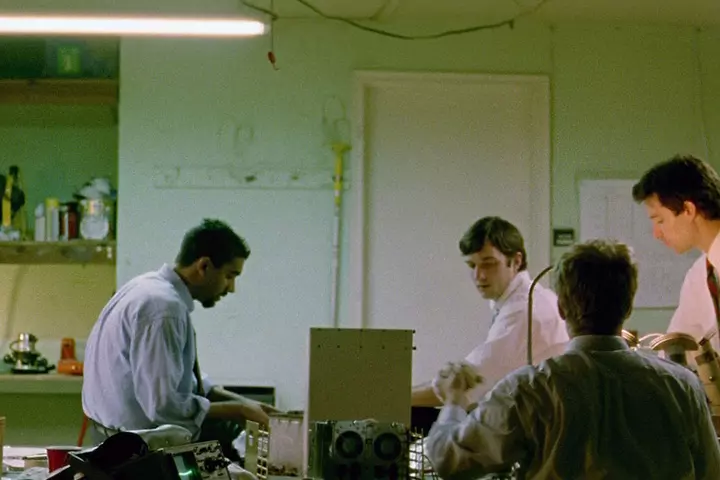
They turn first to the market because the market is already the nearest available path. They keep the machine private because ownership is more legible to them than real stewardship. They treat secrecy as containment, leverage as prudence, and iteration as control.
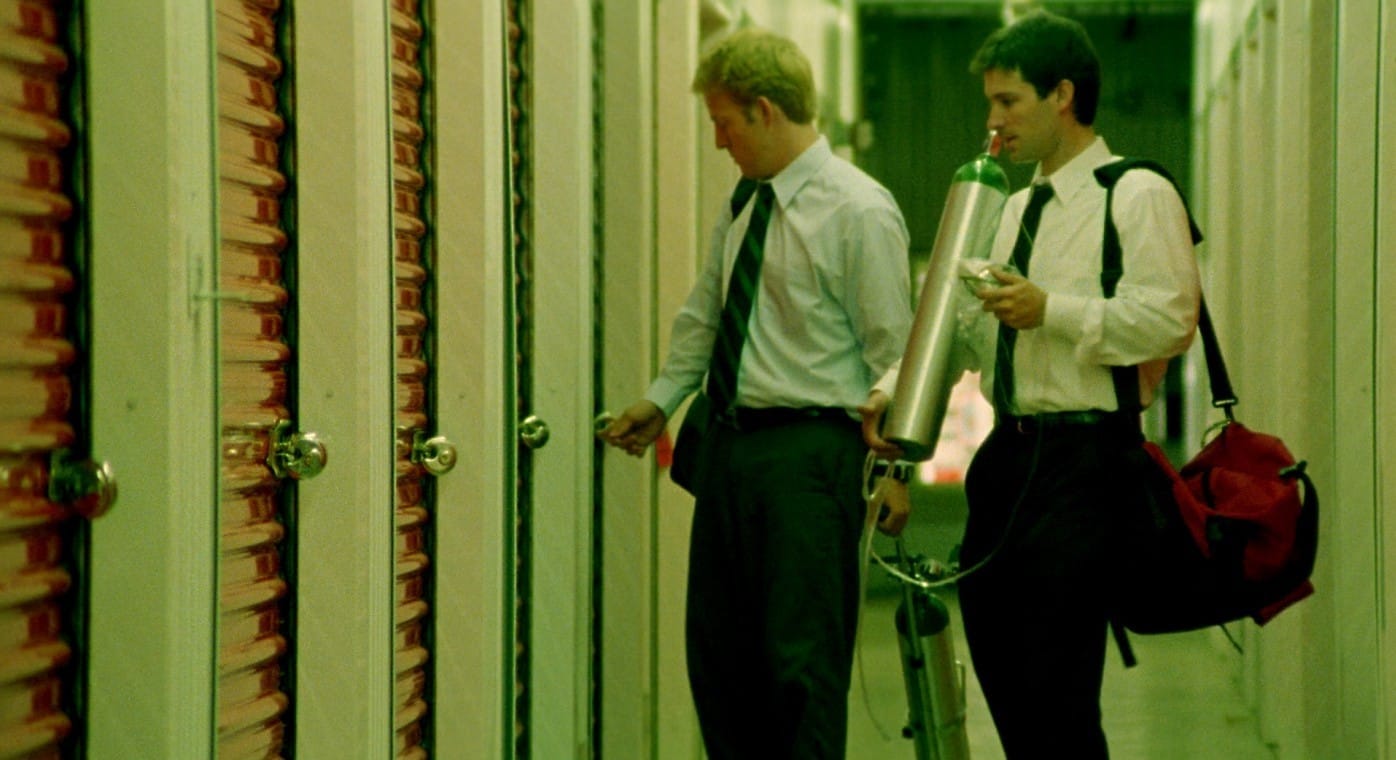
Abe recognizes danger, but his answers remain private and backward-facing. He wants unilateral correction, then retroactive innocence. He mistakes prevention for repair after the field has already changed.
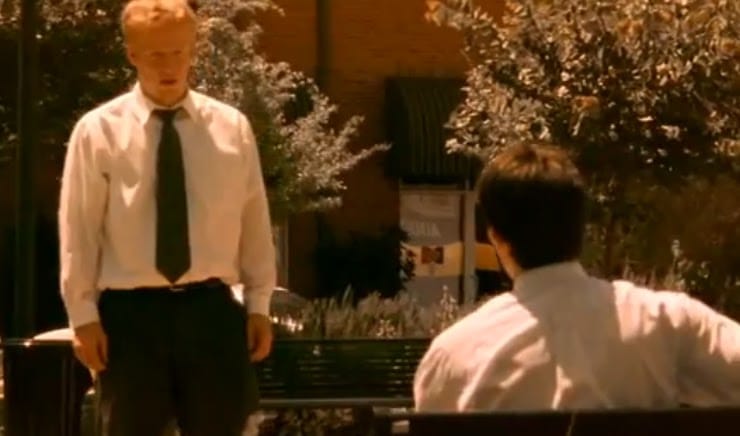
Aaron recognizes opportunity, then becomes opportunity’s creature. He learns that time can be harvested, events can be rehearsed, people can be cued, and outcomes can be selected. He becomes a curator of actuality, but he is also curated by the damaged field that made such a person reachable.
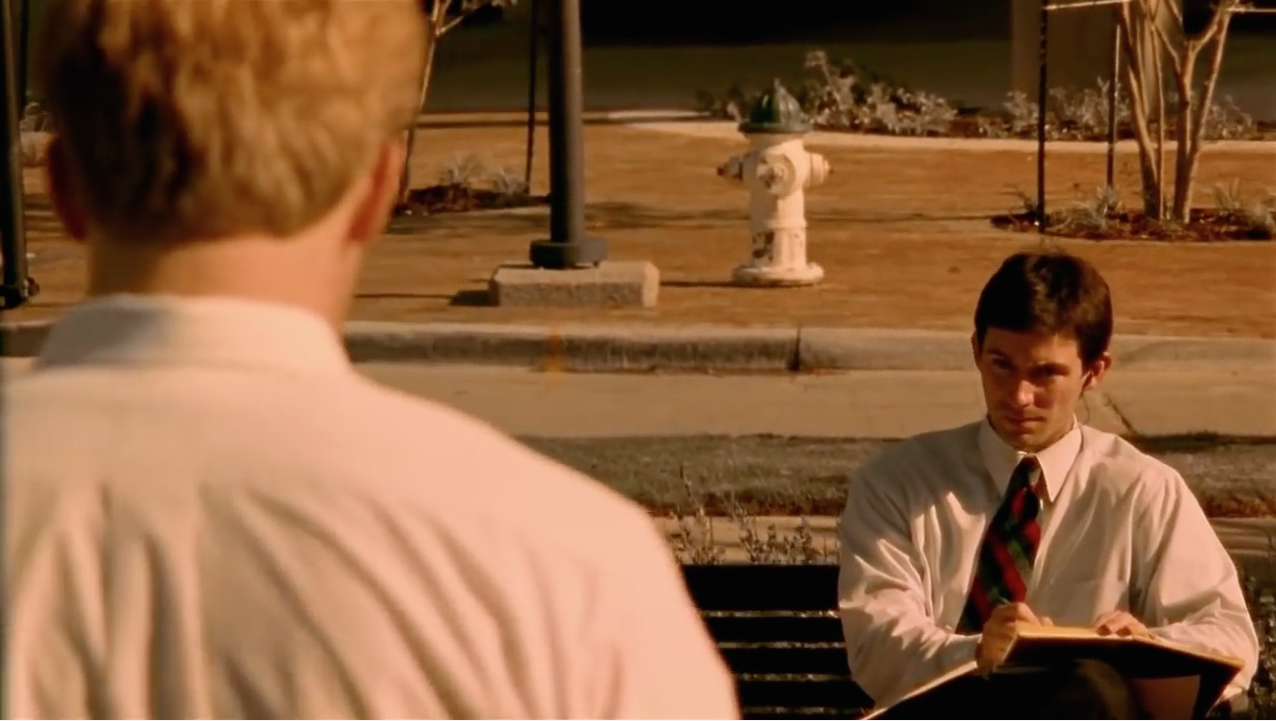
Granger’s appearance should end the project. It does not. His presence proves the system has exceeded their understanding. Instead of treating this as a hard stop, Aaron and Abe continue to compete inside the wound.
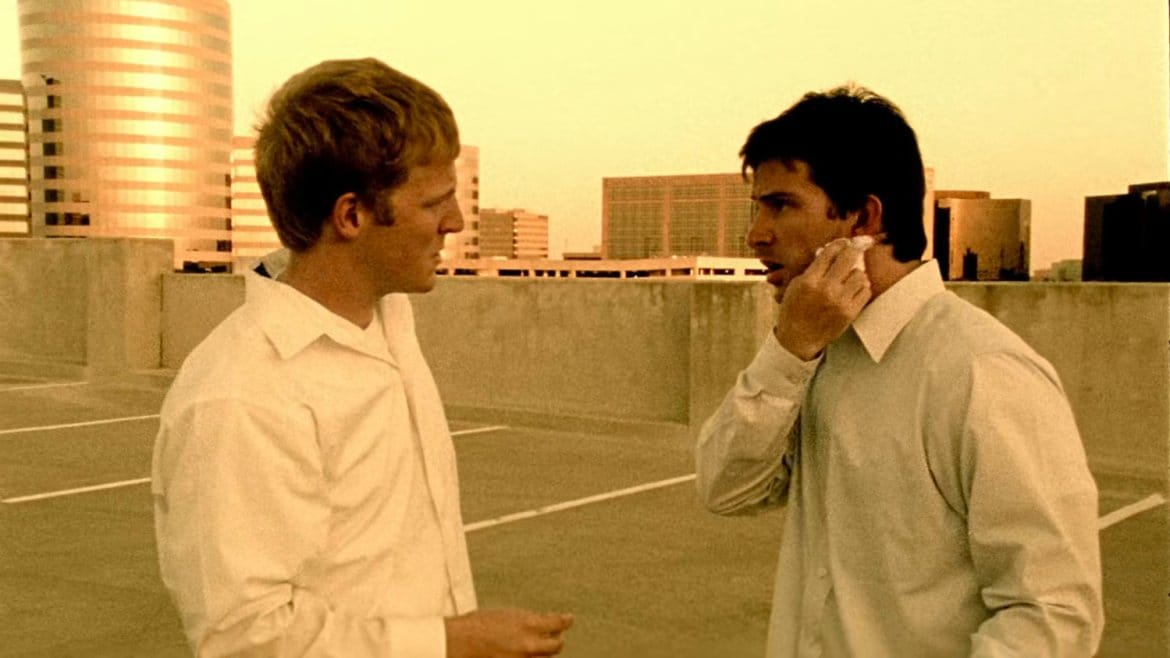
Partial field knowledge is not field authority.
The fact that a lever works does not mean the operator understands the machine at all. The fact that a path is reachable does not mean it is permissible to walk. The fact that an agent can revise an outcome also does not mean he has repaired the field. And the fact that prevention would feel clean does not mean prevention remains available in extance.
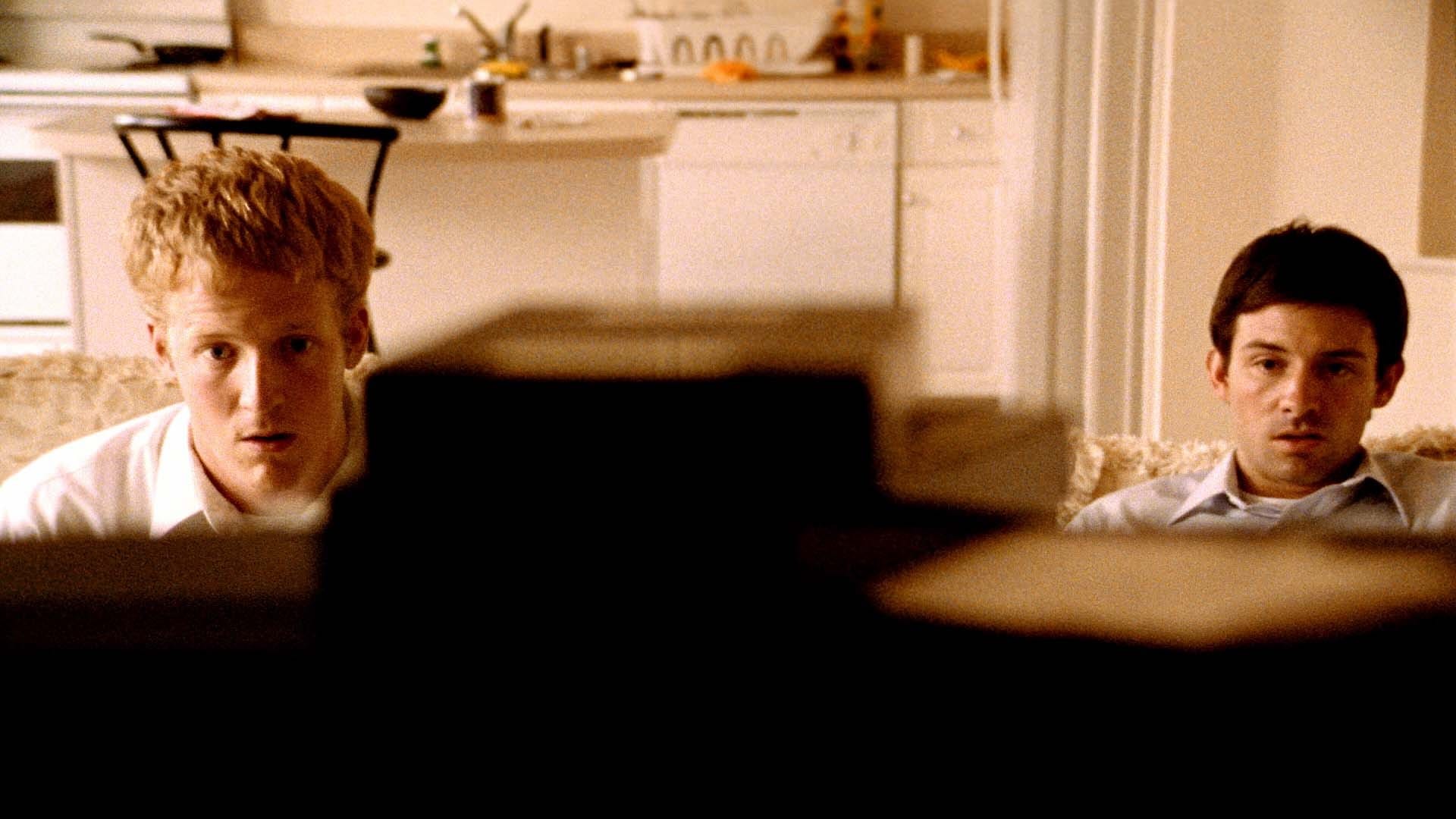
The tragedy of Primer is that a world-altering discovery enters a culture with no mature path for receiving it. This is a total field failure. The first agents privatize it. The market gives it a use. The machine gives them leverage. Secrecy destroys trust. The field begins rewriting the agents. The cautious one seeks erasure of the past. The adaptive one becomes monstrous and future-forward. The future always goes with the monster because real repair was never built.
The problem here was not the time travel. It was the nearest road to the garage.