Applied Case: Edge of Tomorrow (2014)
Edge of Tomorrow sits on the gentler side of the loop spectrum. It's over there with Bill Murray.
Entropy Debt Week
To celebrate my upcoming short story in Nature Futures, Modal Path Ethics will audit fictional depictions of time, computation, rollback, and erased fields, as well as a special installment of Failed Field Analysts for the stupidest superintelligence I have ever heard of.
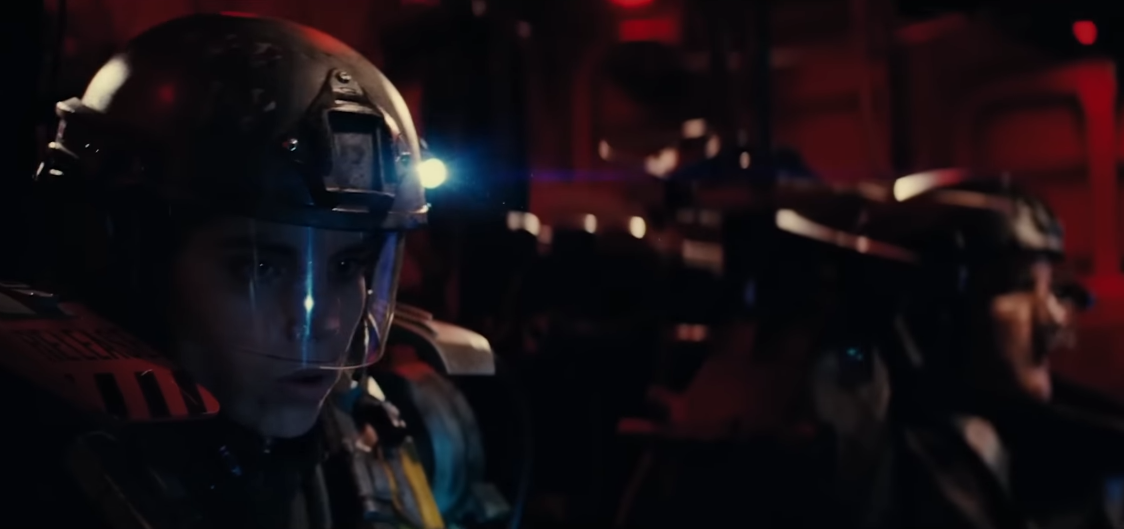
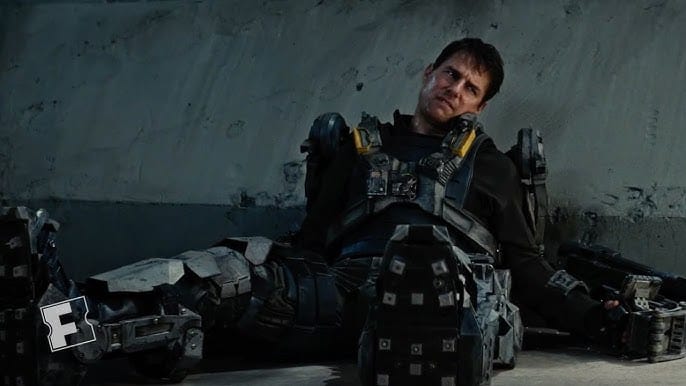
Edge of Tomorrow is a 2014 science-fiction war film about a cowardly public-relations officer played by Tom Cruise who is thrown onto the front line of an alien invasion, dies almost immediately, and wakes up at the beginning of the same day.
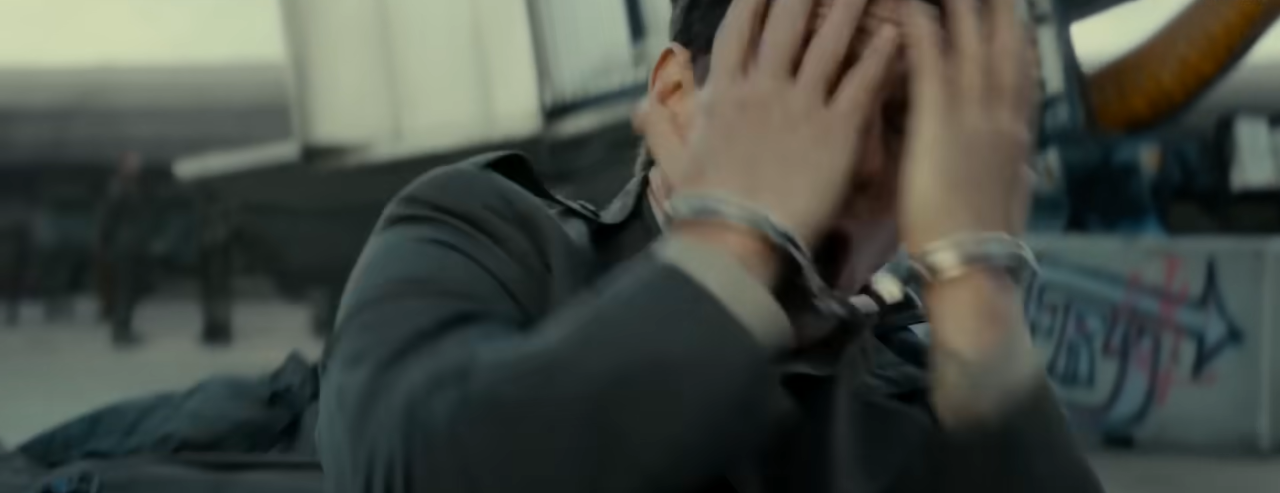
Then he dies again.
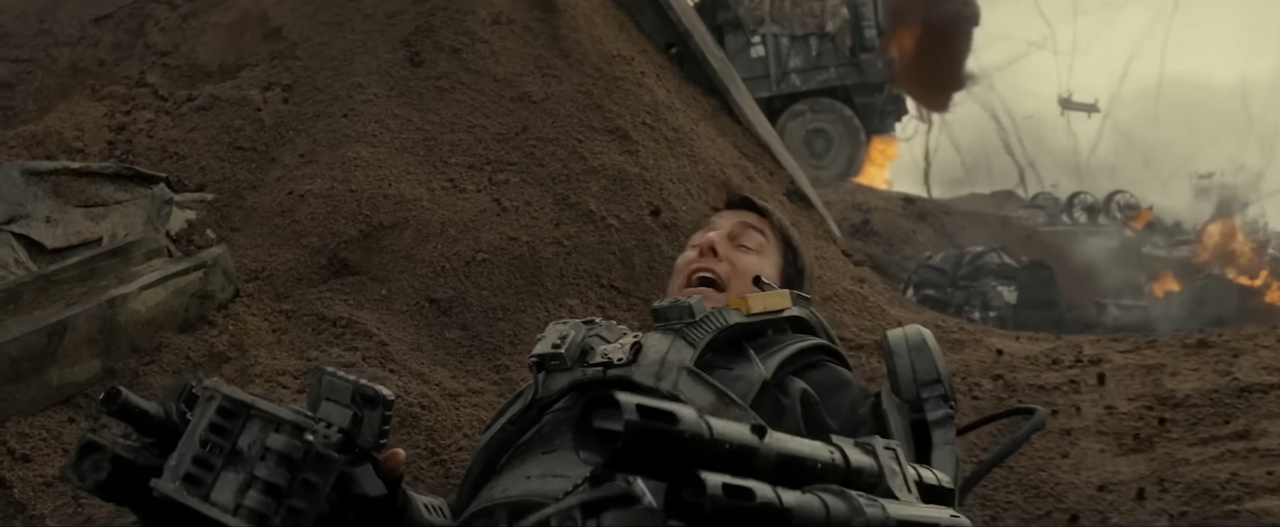
Then he wakes up again.
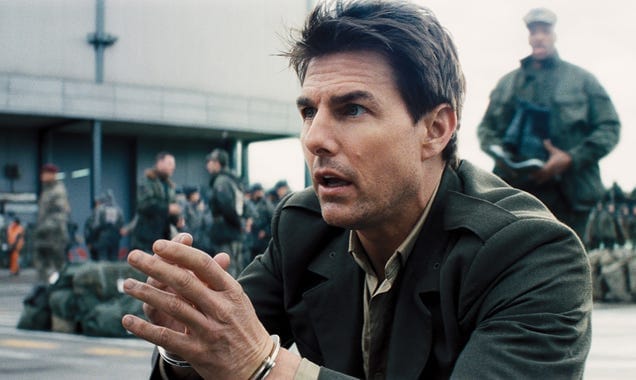
Then he dies again.
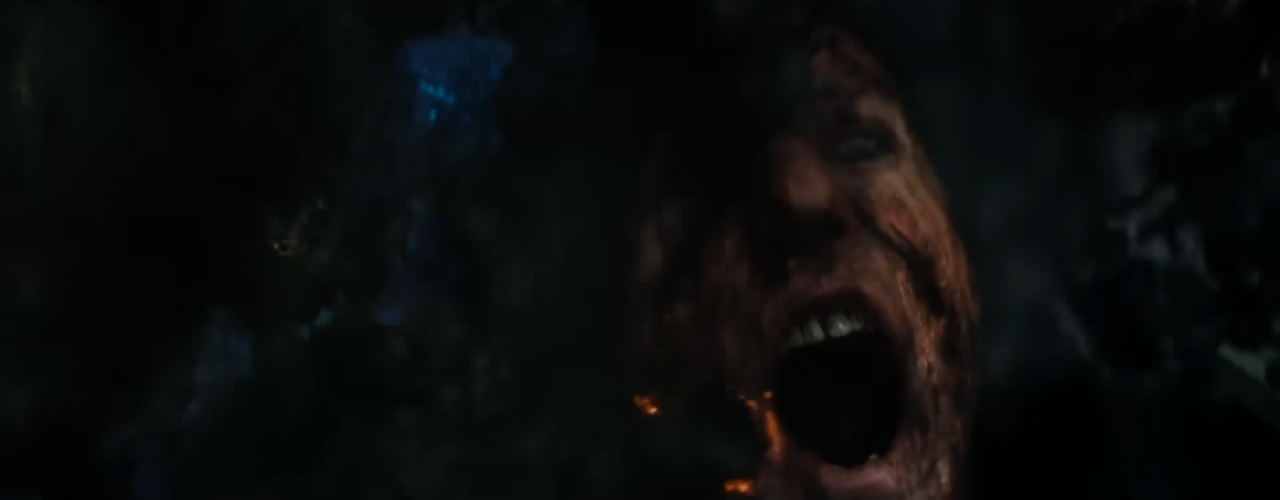
And this goes on like that for some time, and it is somehow one of the best blockbusters of the twenty-first century.
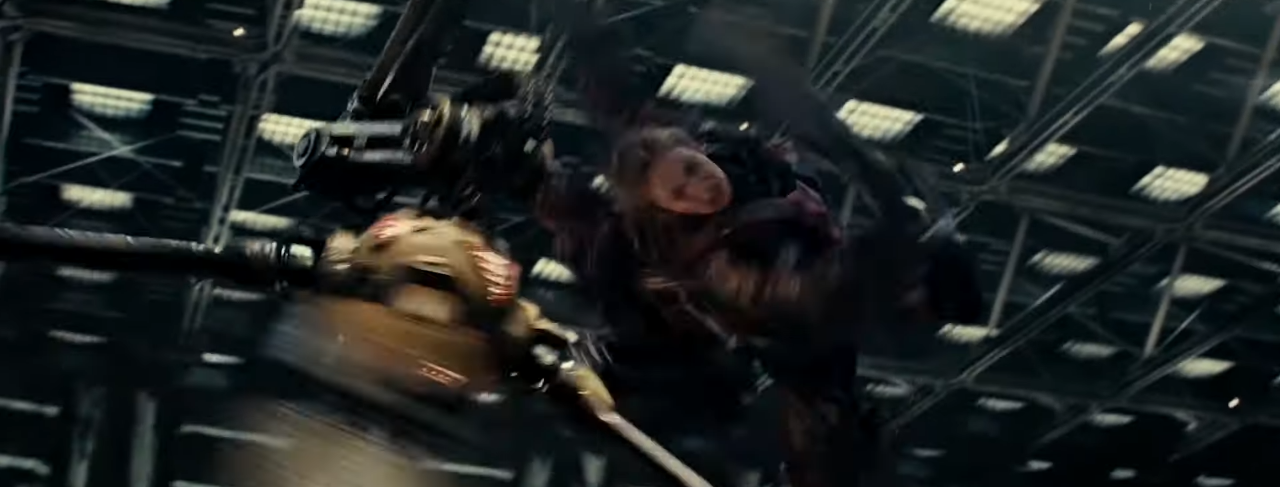
This premise is very easy to describe badly. People usually call this movie “Groundhog Day with aliens,” which is not technically wrong at the level of elevator pitch.
A man repeats a day until he learns how to get it right.
Fine. We all know the shape.
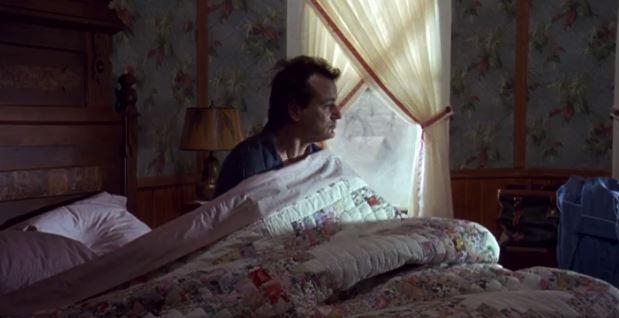
Except Edge of Tomorrow is not really about personal growth through repetition. That does happen, but it is not the real machine inside the film. The real machine is military.
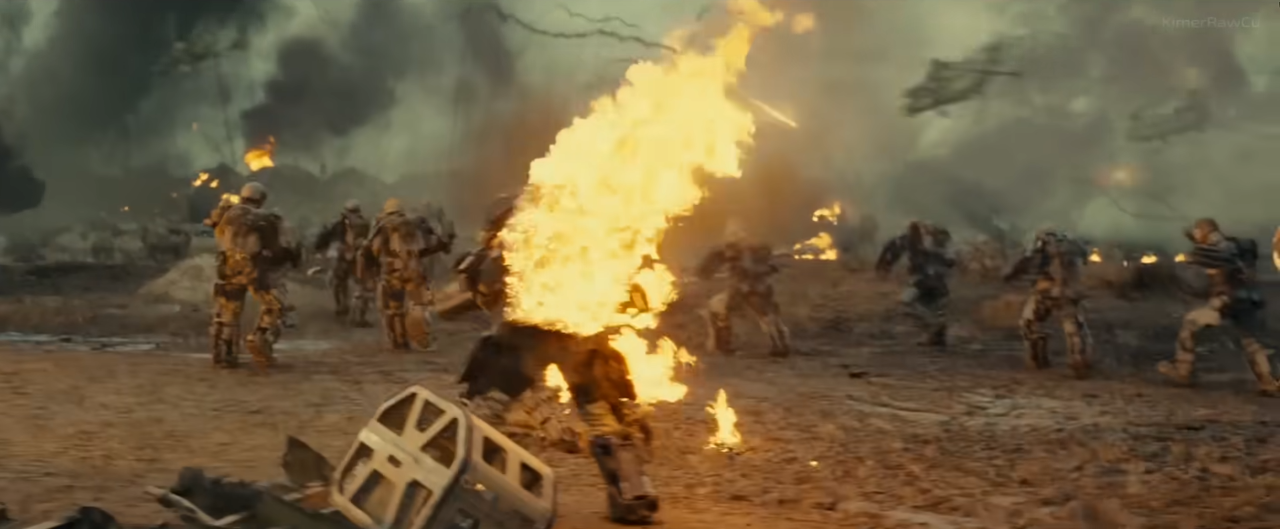
The Mimics, the alien force devastating Earth, have a temporal advantage. Their army is organized around a hierarchy: ordinary Mimics, rarer Alphas, and a hidden Omega that controls the system. When an Alpha dies, the Omega resets the day and preserves usable information about the failed run.
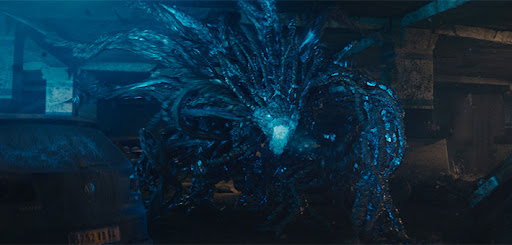
The humans start to lose. An Alpha dies. The Mimics learn from the loss. The day restarts. The humans enter the same battle again, with no memory that this is a loop.
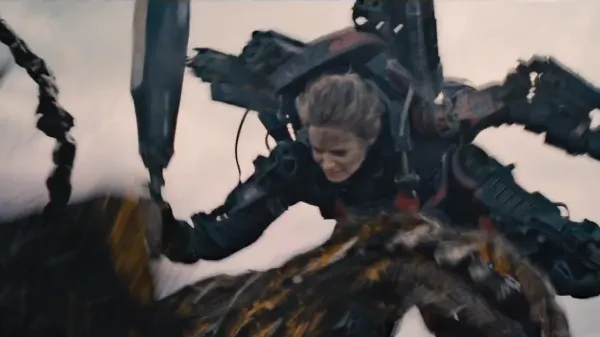
The Mimics are not just stronger. They are allowed to keep history. Humanity is not. That is the core Modal Path Ethics problem in Edge of Tomorrow.
Not “does Cage suffer a lot?” He definitely does.
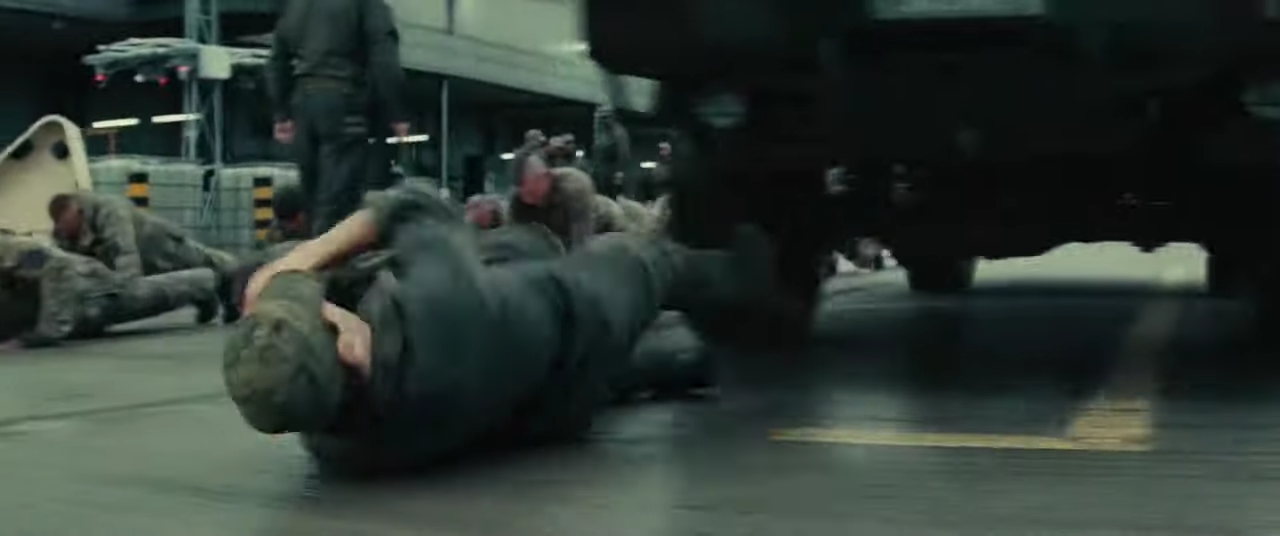
Not “does the final outcome save humanity?” It does.
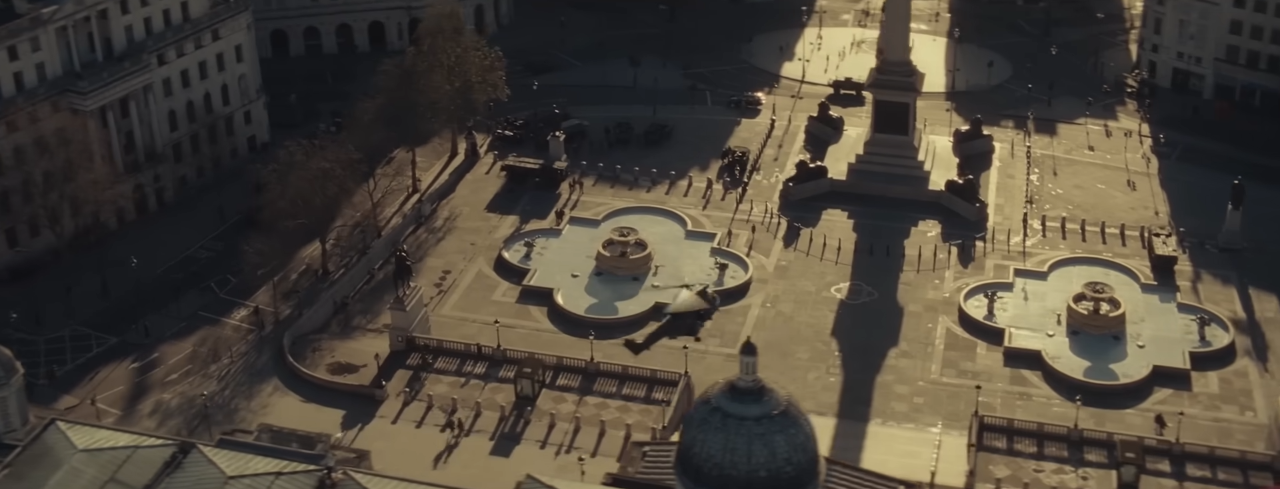
Those matter, but they are not the foundation of the analysis. As always, the foundation is continuance.
- What exactly continues across the loop?
- What exactly is broken?
- Who gets to turn failure into a next path?
The Mechanics.
The movie gives us a fairly clean loop structure.
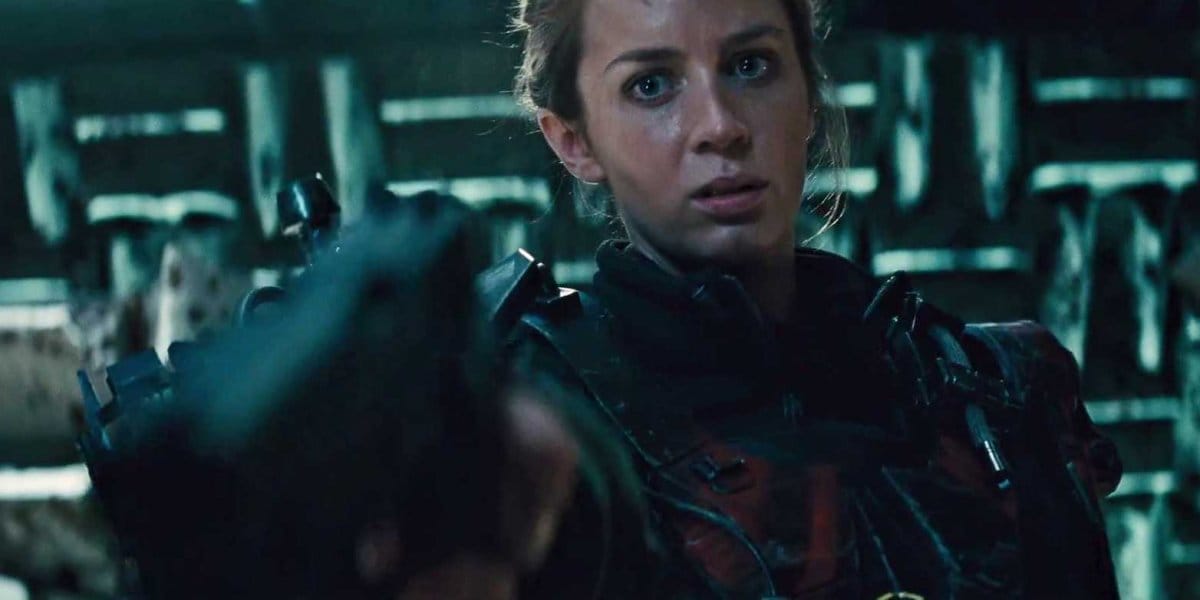
The Mimics invaded Earth and were initially unbeatable, because they could reset failed battles.
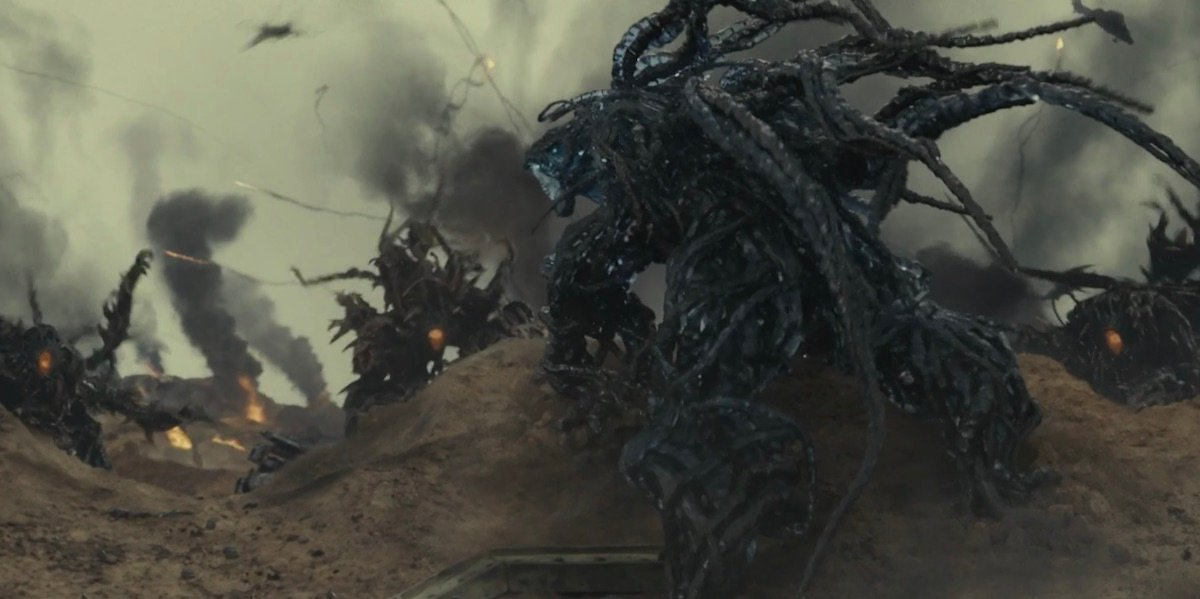
An Alpha is not just a “stronger Mimic.” It is part of the temporal nervous system of the species. Kill an Alpha, and the Omega receives the alarm almost immediately. The day rolls back. The battle can be run again. The Mimic field now knows some things it did not know before.
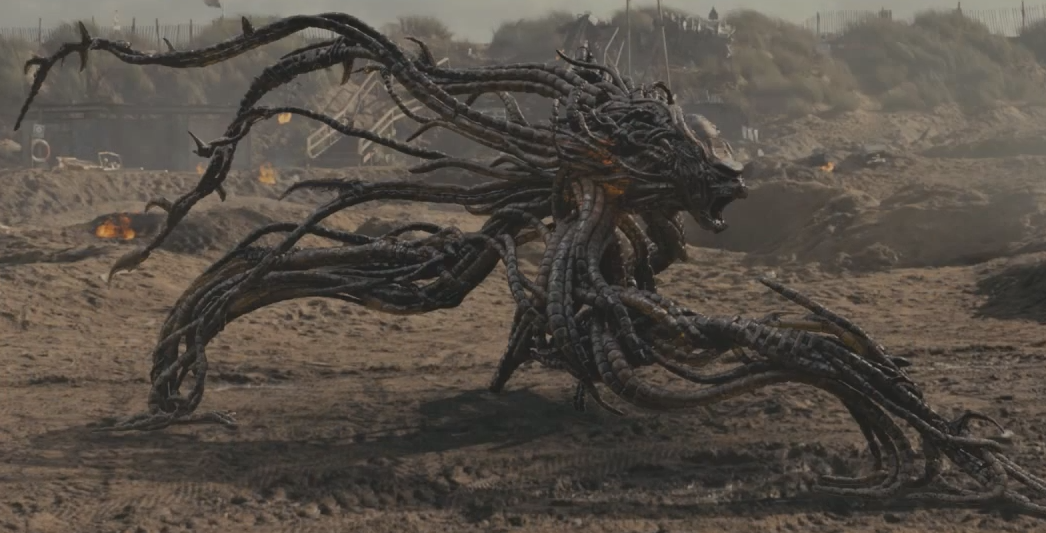
This is why the humans’ apparent victory at Verdun was strange.
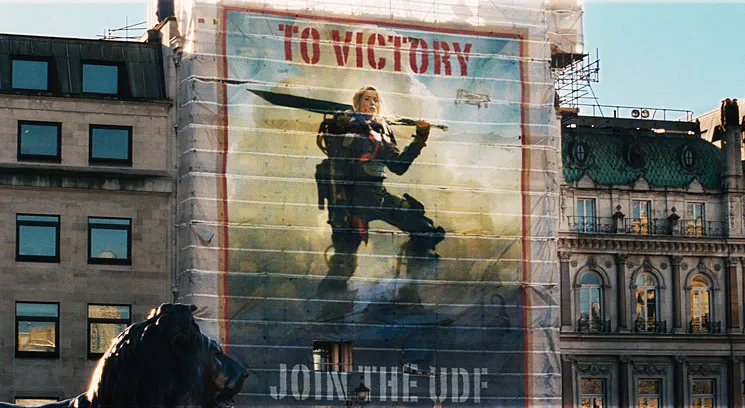
Rita Vrataski killed an Alpha, became contaminated with its blood, and both discovered and acquired the loop relation to the Omega. She could now remember repeated battles while the rest of the world reset. That let her become the Angel of Verdun, a soldier who seemed impossibly skilled because she had already lived the battle enough times to know its paths.
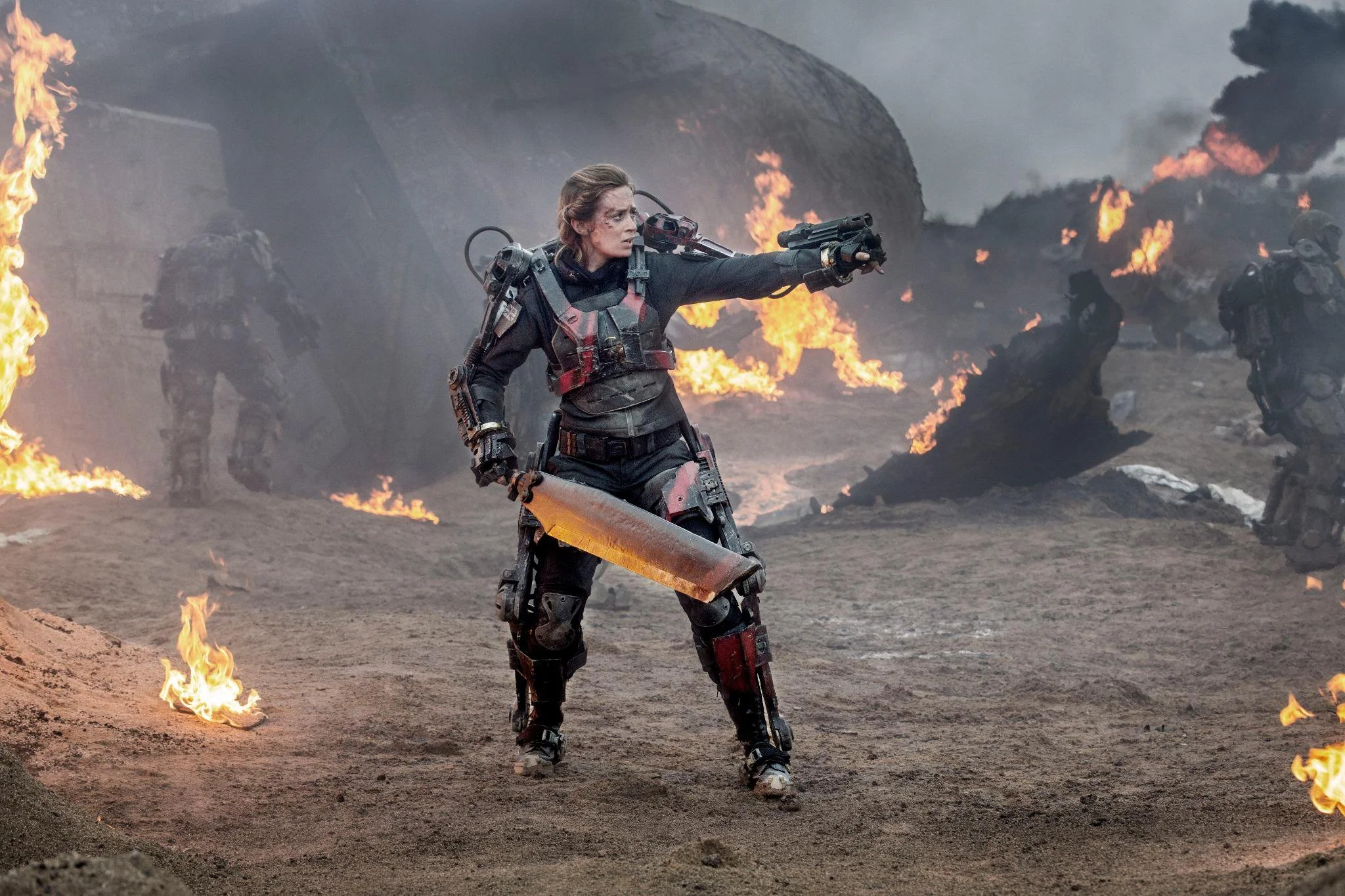
Then, Rita fell out of the loop after a blood transfusion broke her relation to the Omega.
This is all a tightly kept secret. The official story remains devoid of any alien blood time loops. By the time William Cage enters the story, he has no idea any of this is happening.
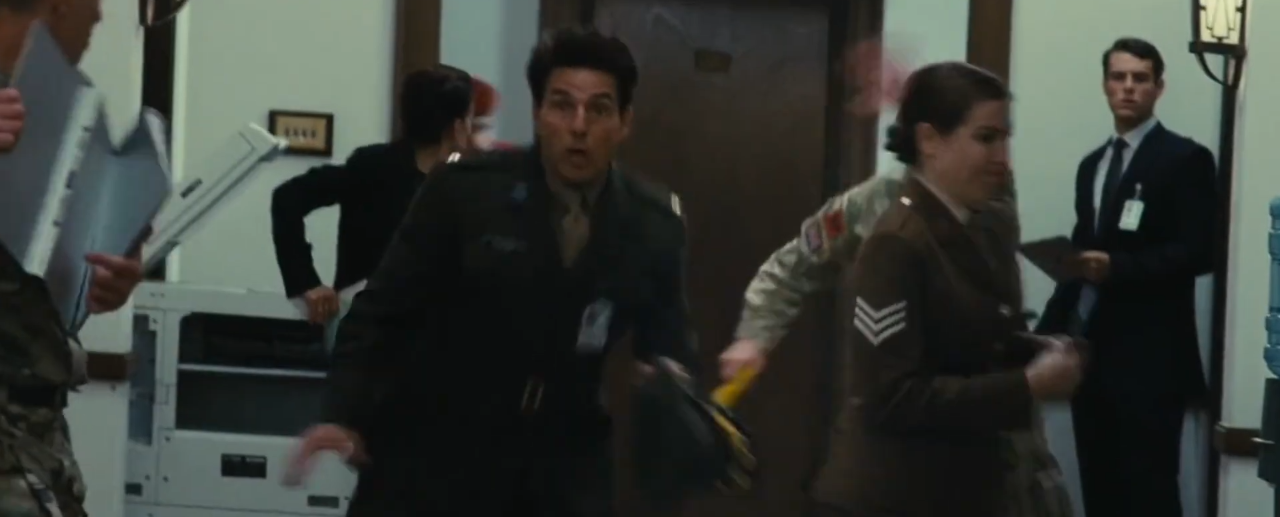
William is not a warrior. He is not a field analyst. He is a media officer who sells war to the public from a distance. When General Brigham orders him to cover the invasion from the front, Cage tries to blackmail his way out of it, gets arrested, and wakes up at Heathrow on the front, now ordered to fight under Master Sergeant Farell’s command.
Then he is dropped into Operation Downfall and promptly dies on the beach, but after killing an Alpha.
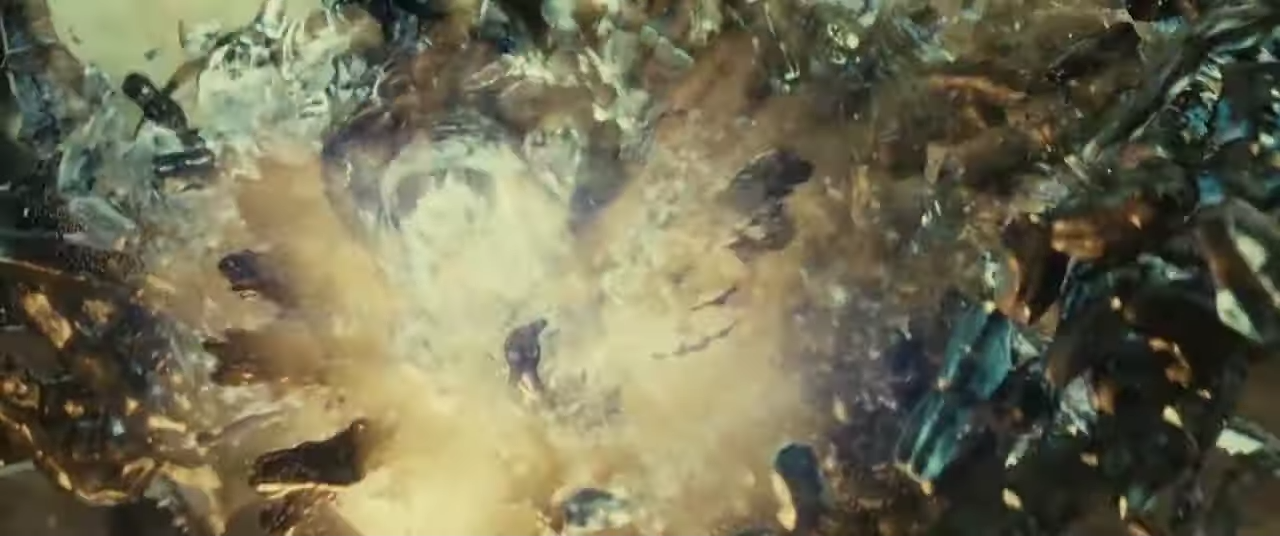
The Alpha’s blood enters him. The Omega’s reset relation misroutes through Cage. Cage wakes back at Heathrow.
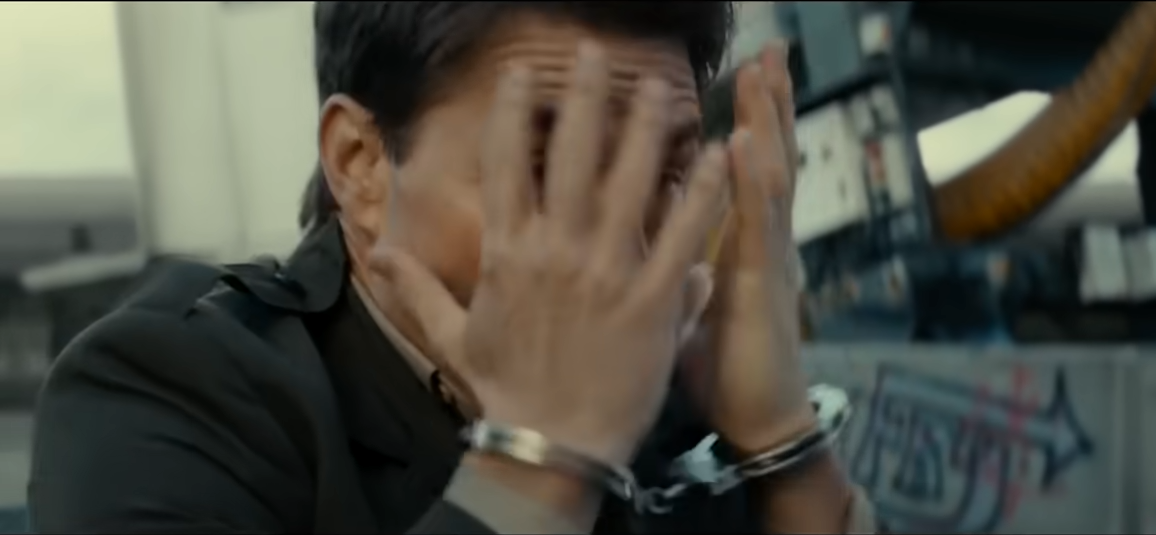
Now, the human field has another unauthorized witness register.
This is not exactly a time travel movie. Cage does not “travel” in the ordinary sense.
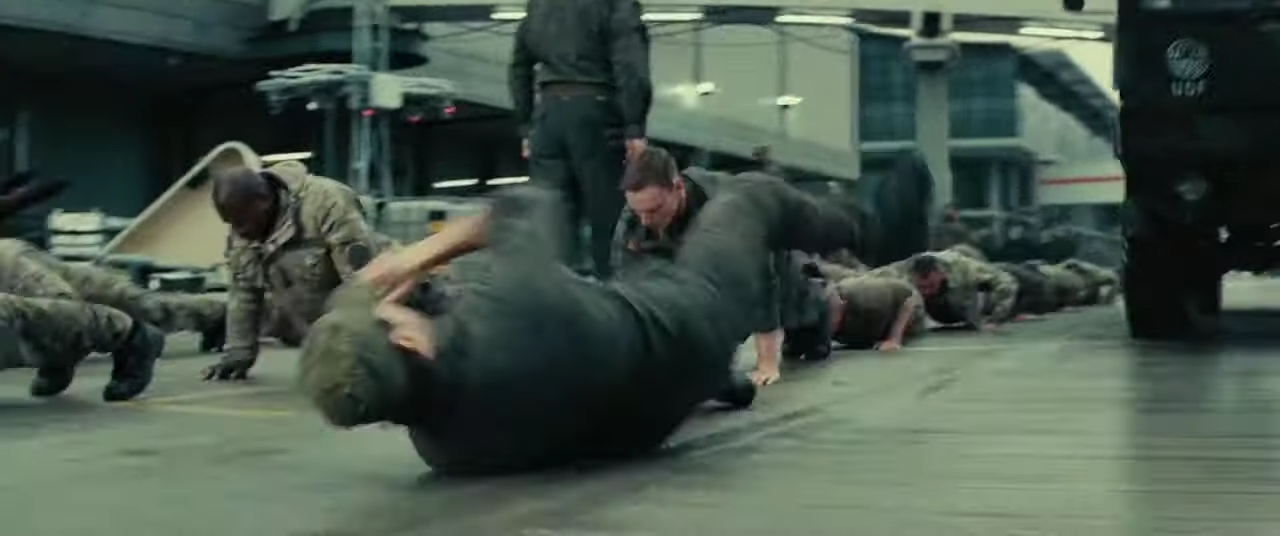
He does not move backward through the interval like a Tenet inversion.
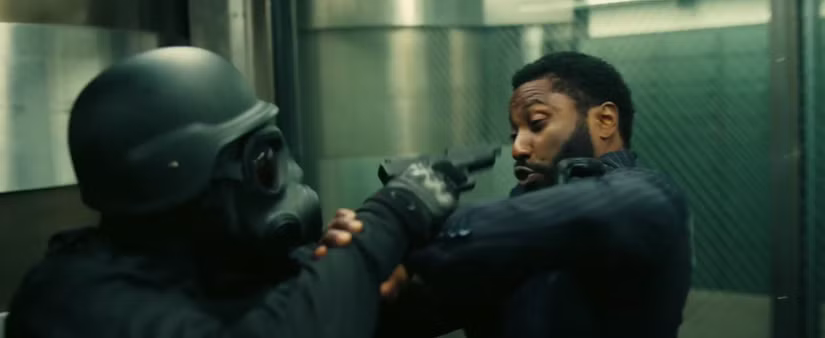
He does not enter a fixed past to gather information like Cole in Twelve Monkeys.
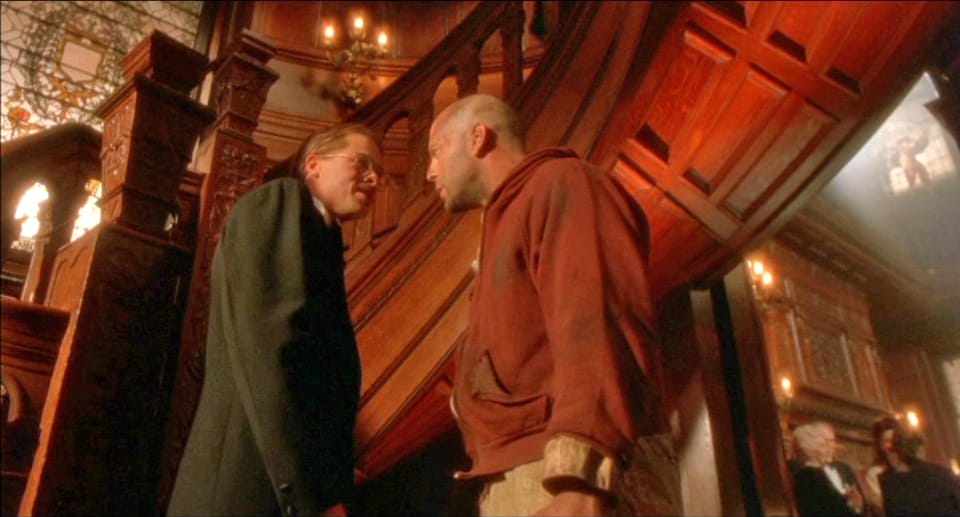
He is restored to a checkpoint while retaining memory of the interval that has been cut away from everyone else. The day has become a combat loop.
The Mimics built it to serve them, and Cage accidentally steals access.
This vs. Flashpoint vs. Deathloop.
We need to get the metaphysics right before any ethical ruling can begin.
Edge of Tomorrow is not a Flashpoint.
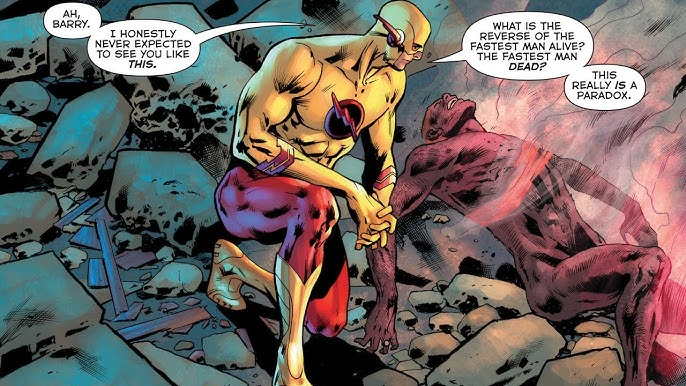
In a Flashpoint-style case, a timeline is altered or replaced. A new field opens where another field previously stood. Whole relationships, histories, institutions, and identities may be overwritten by a different world-structure. That kind of case raises the branch-replacement problem directly: the “fixed” world may be better in some way, but the replaced world was not nothing. It also had extance. It had loci. It had paths. The old field does not become morally weightless because a more familiar field returns.
That is not the cleanest reading of Edge of Tomorrow at all.
Edge of Tomorrow is also not Deathloop, even though they both appear very similar at face level.
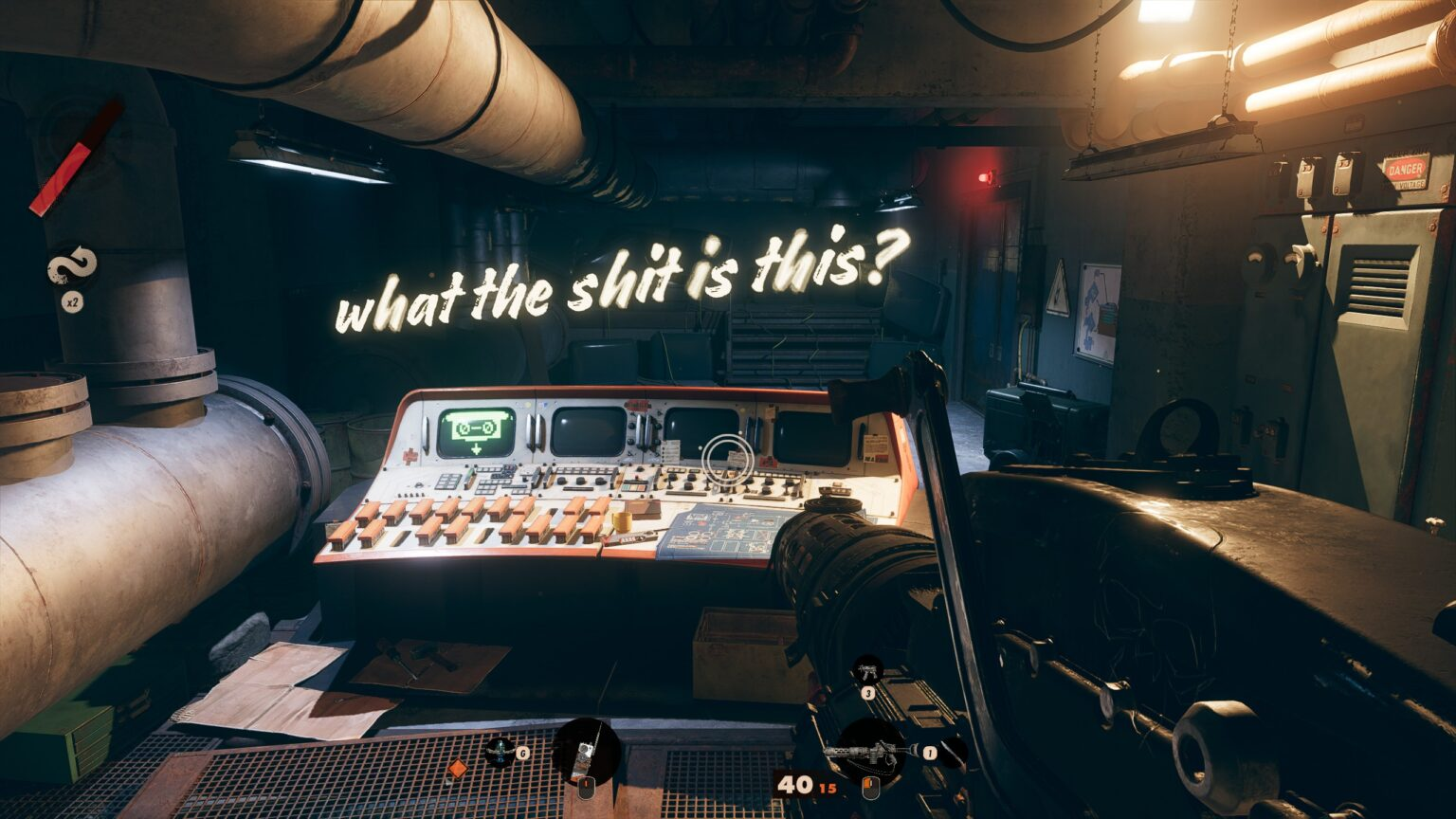
Deathloop, from what is shown, is much closer to branch production and branch deletion. This is essentially proven because multiple Colts from different days can co-exist.
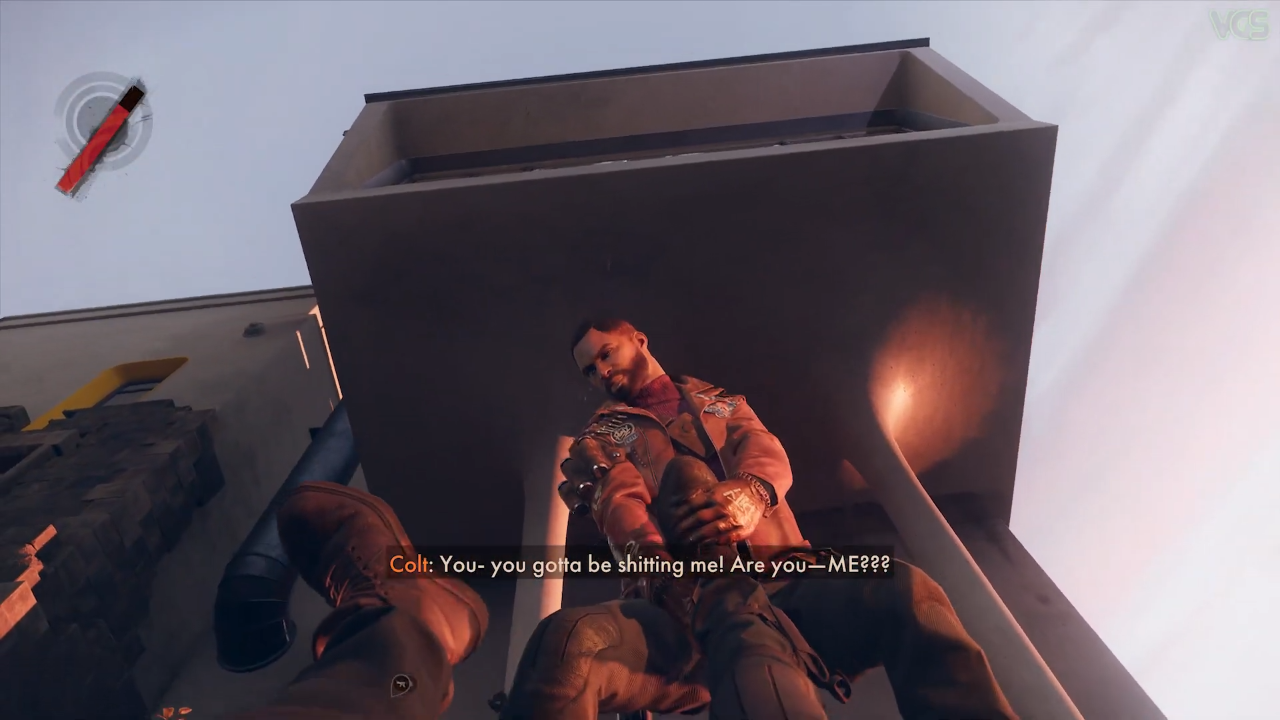
Objects and memory leak across loops. Residuum persists. The metaphysics do not behave like one clean global restoration with one privileged memory carrier. They behave like an unstable branch machine: new short-lived loop-fields open, alternate continuations become extant, residue crosses lawful branch boundaries, and most branches are destroyed (or optimistically abandoned) when the loop cycles at the end of the day.
This structure cannot be one simple loop chain where each day's end is the next day's beginning with a single casual line running through it based on what is shown in game.
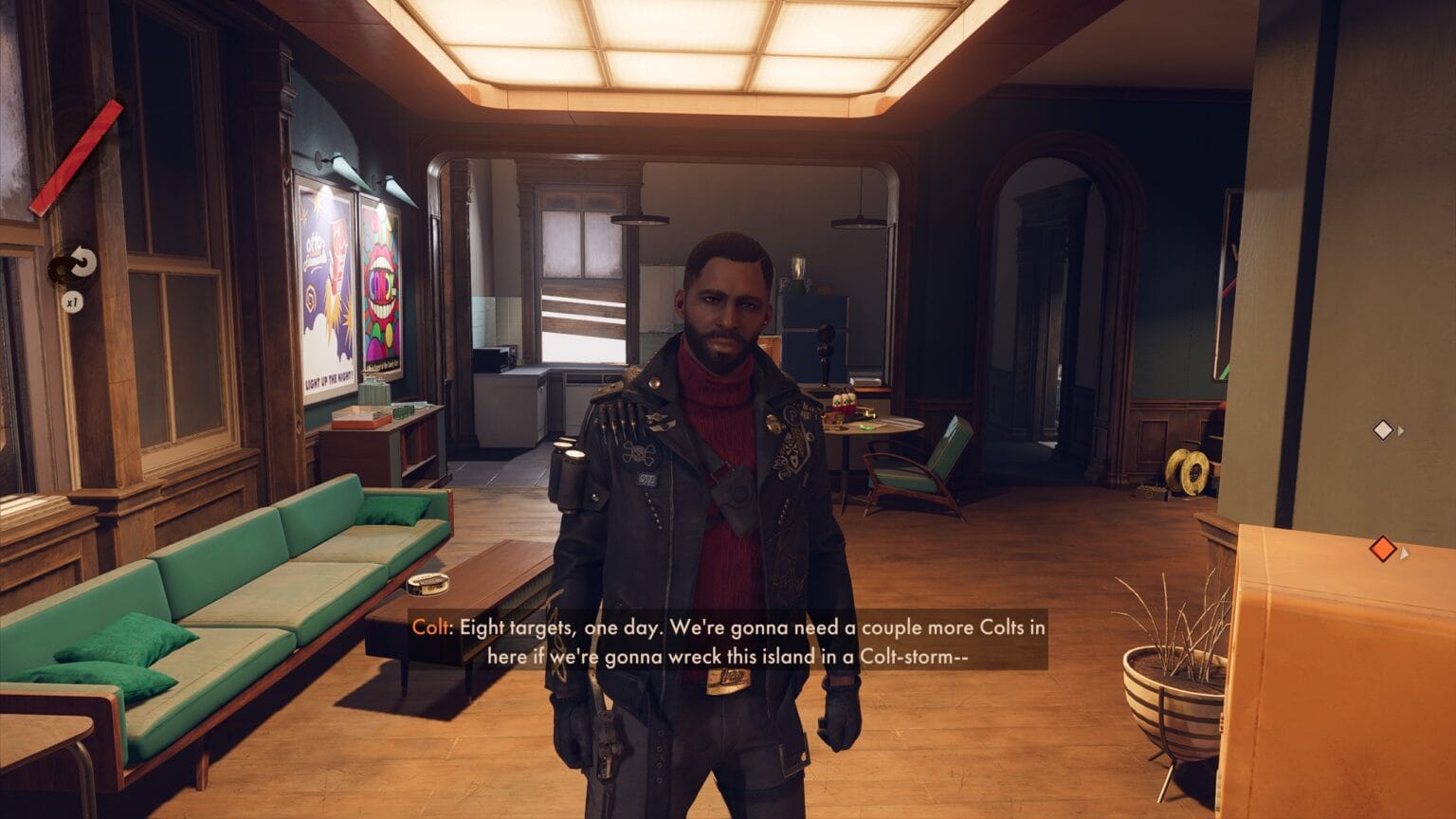
This is a darker structure. In Deathloop, each branch itself looks highly disposable.
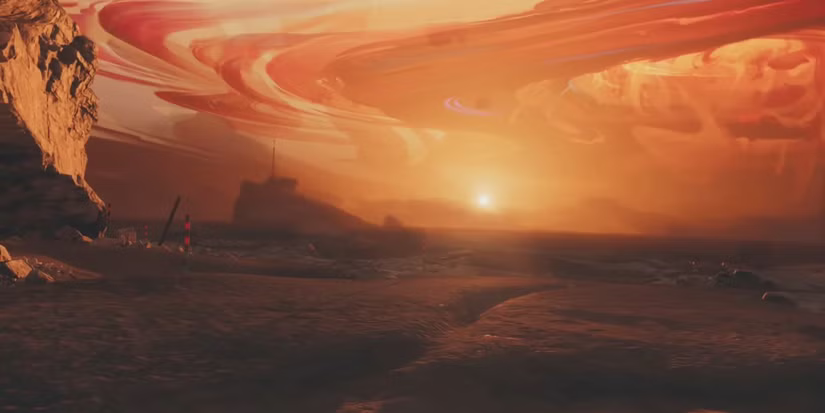
In Edge of Tomorrow, the loop is much gentler and more militarily precise.
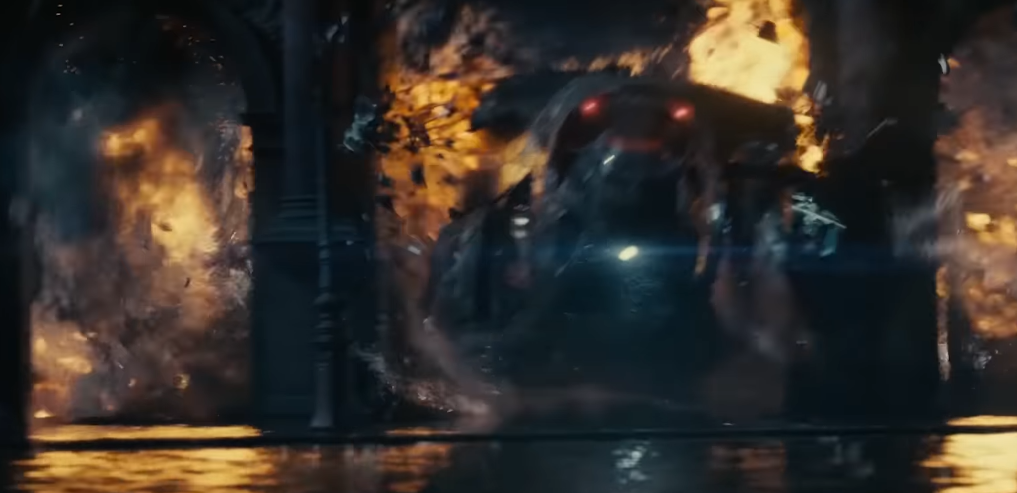
The cleanest reading of what happens here is that the same global field is restored to an earlier checkpoint, except for selected memory-bearing registers: first the Omega, then Rita during Verdun, then Cage during the main story.
Non-register loci are not obviously annihilated and replaced by copies in this transition. J-Squad is not necessarily killed by the reset and recreated as duplicates. They appear to continue on as they were from the checkpoint.
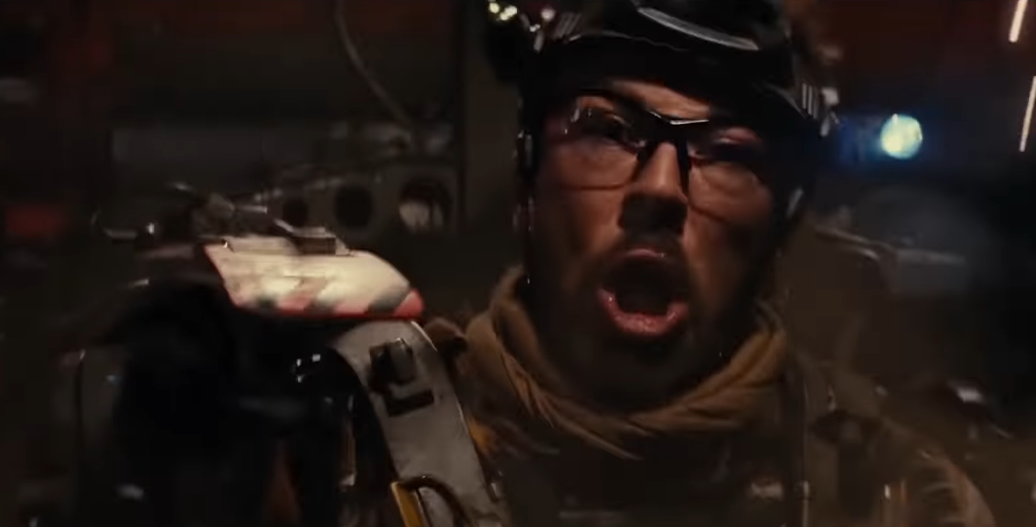
The difference is the path they just lived does not continue. It is no longer extant as cosmic history, only as remembered information.
- The soldier continues. He is never closed by the loop itself.
- The battle does not. The battle is closed every loop.
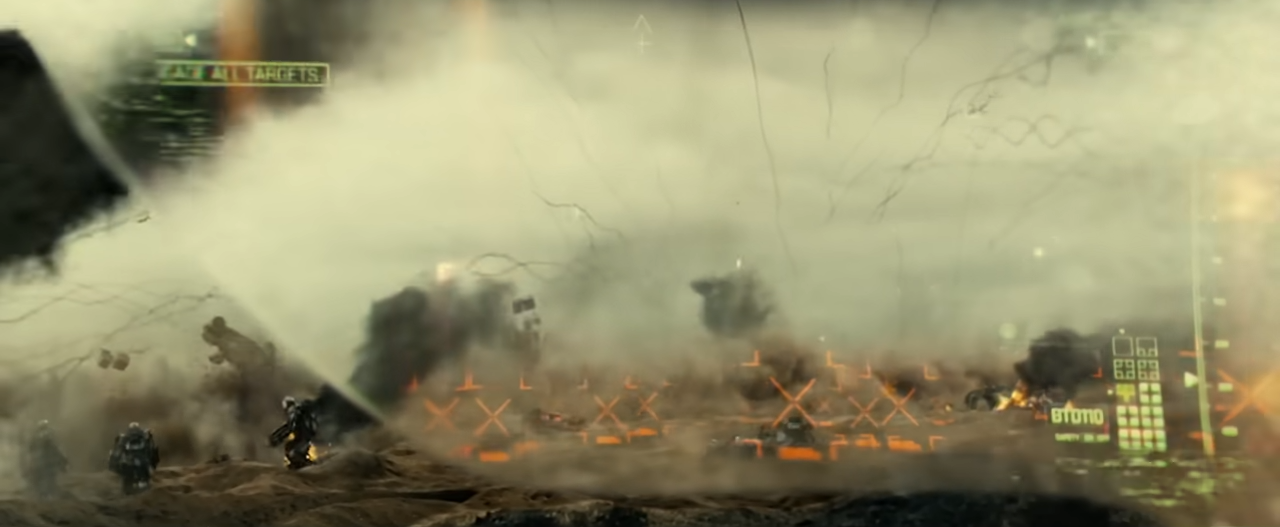
The human field resumes from the checkpoint, but its newly opened continuation is cut off before it can become a downstream structure from the end of the closed loop. No institutional learning. No one outside the Omega field is carrying any information back into “tomorrow-today.” This, locally, is the exact same field that was.
The missing interval still happened enough to be witnessed by the loop-register. It just did not happen enough to become human history.
Continuance Truncation.
This style of reset does not have to functionally murder every human locus in the loop in order to be a contraction engine. That would be the cruder version.
The subtler horror is that each non-register locus continues only by being returned to a point before its lost path can matter. This is not ordinary forgetting.
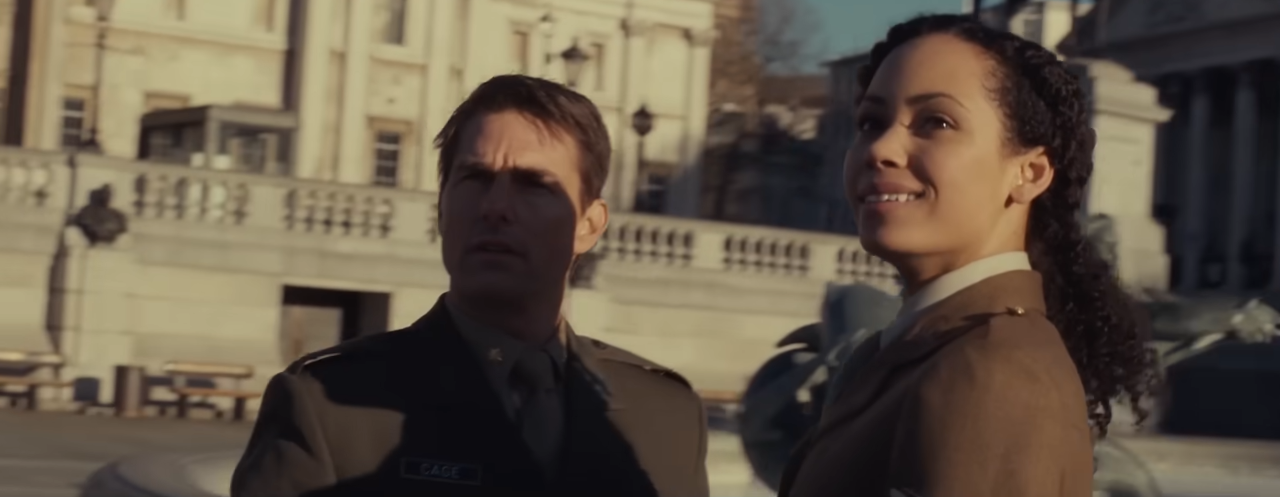
If a soldier lives through a battle and ordinarily forgets it the next day, the battle still changed the extant world. The body may be injured. Other people may remember. Command may have records. The ground may be scarred. The dead may remain dead. The field carries traces.
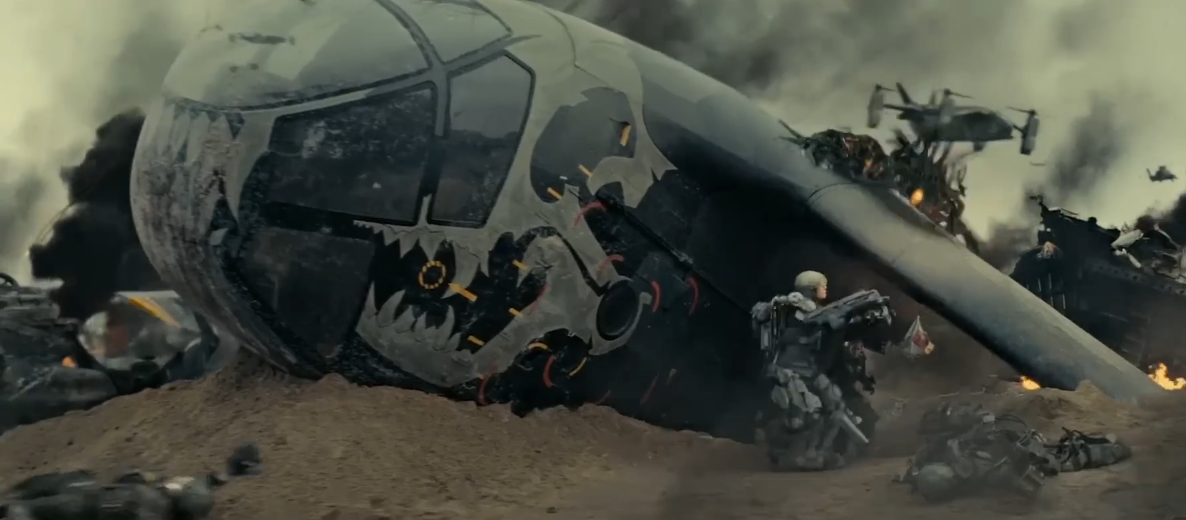
In Edge of Tomorrow, the reset removes downstream actuality.
The soldier does not wake after the battle with amnesia. The soldier wakes before the battle. The relationships are reset. The command structure is reset. The field’s tactical errors are reset. The deaths are reset. The possibility that defeat becomes learning is reset.
So the best term is not death or closure. It is continuance truncation.
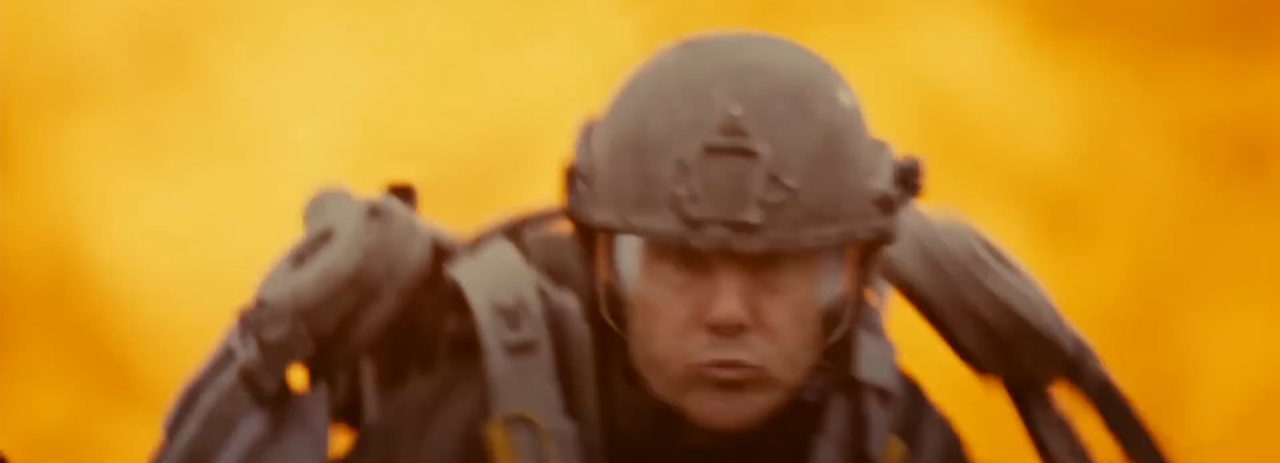
A locus resumes from an earlier checkpoint, but the future-past path opened after that checkpoint is cut away. They remain continuous, but their extant history has been truncated.
A human unit enters the battle, acts, adapts locally, dies, and then loses the ability to carry any of that forward. This locus’ future-space is peeled back to the start line. It can continue, but only until the Omega rejects the run.
The Omega’s advantage is that it denies the enemy cumulative history. It effectively consumes all of the truncated history.
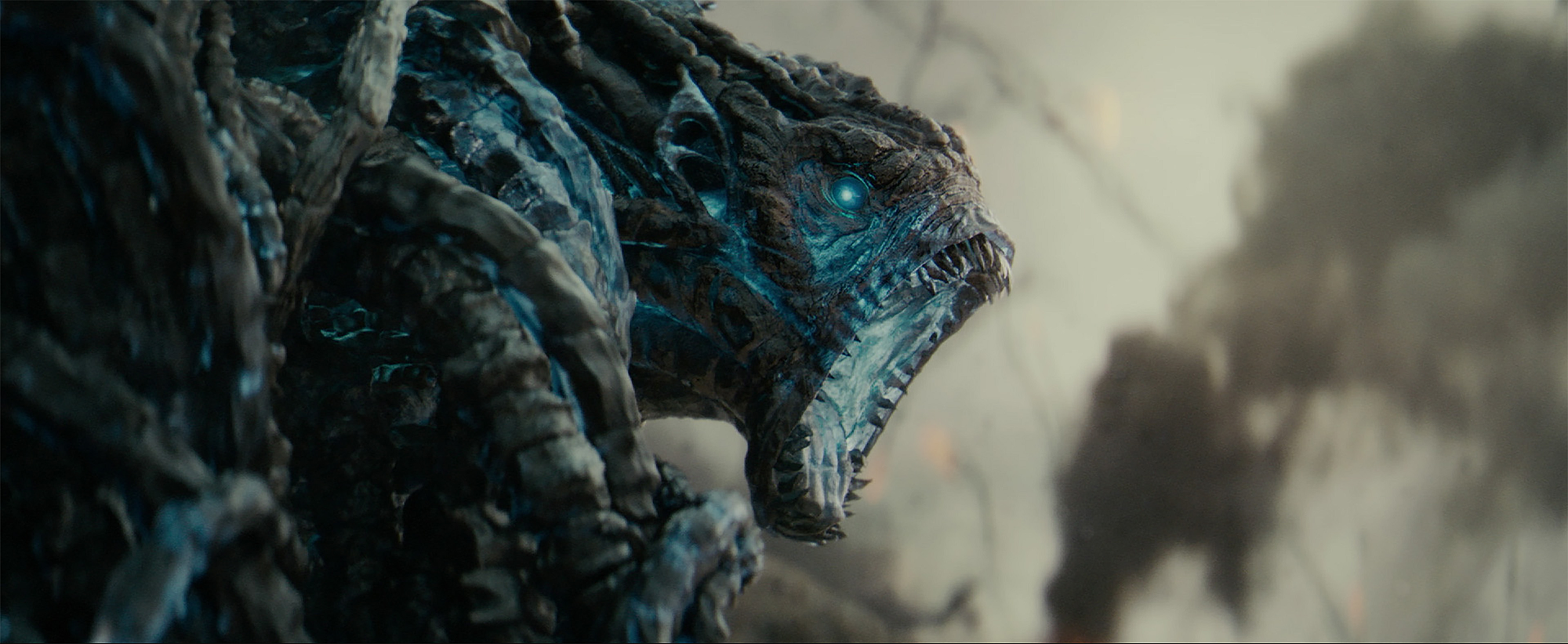
That is why the loop is so devastating. War is not only bullets, armor, speed, or strength. Winning a war is really about learning. An army that loses a battle may still gain information. It learns where the enemy was strong, what failed, who panicked, which supply line broke, which doctrine lied, which machine jammed, which beach was death.
The Mimic loop steals that from humanity. All reverted battles still remain extant as trace, but only for the loop-register. Mimic defeat no longer becomes human knowledge. Mimic defeat extance only becomes Mimic knowledge.
This is asymmetric continuance.
The Omega’s Military Technology.
The Omega does not reset the day because it loves all Mimics. It resets the day because some events are strategically unacceptable.
An ordinary Mimic can die without resetting the world. A battlefield can be littered with Mimic corpses. The Omega does not care about every loss as such. It cares about the death of an Alpha, because the Alpha is part of the species’ continuity architecture.
- The Alpha is a sensor.
- The Omega is the memory.
- The reset is the path correction mechanism.
- The Omega is the memory.
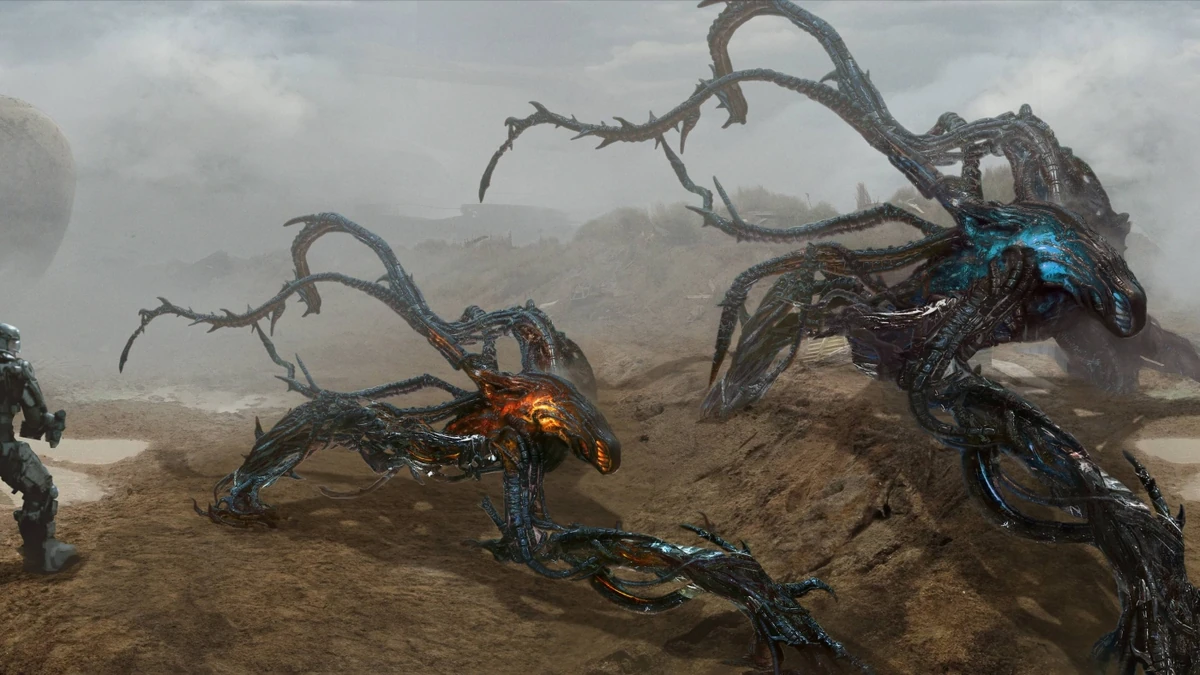
This architecture turns every serious Mimic failure into protected information. If a human action is good enough to kill an Alpha, that action is exactly the sort of human path the Omega needs to prevent from becoming extant future. So the system marks that run, resets the field, and retains the lesson.
This is adversarial field control more than it is “resurrection.”
The Omega lets humans keep trying the same day while denying them the part of trying that matters most: learning.
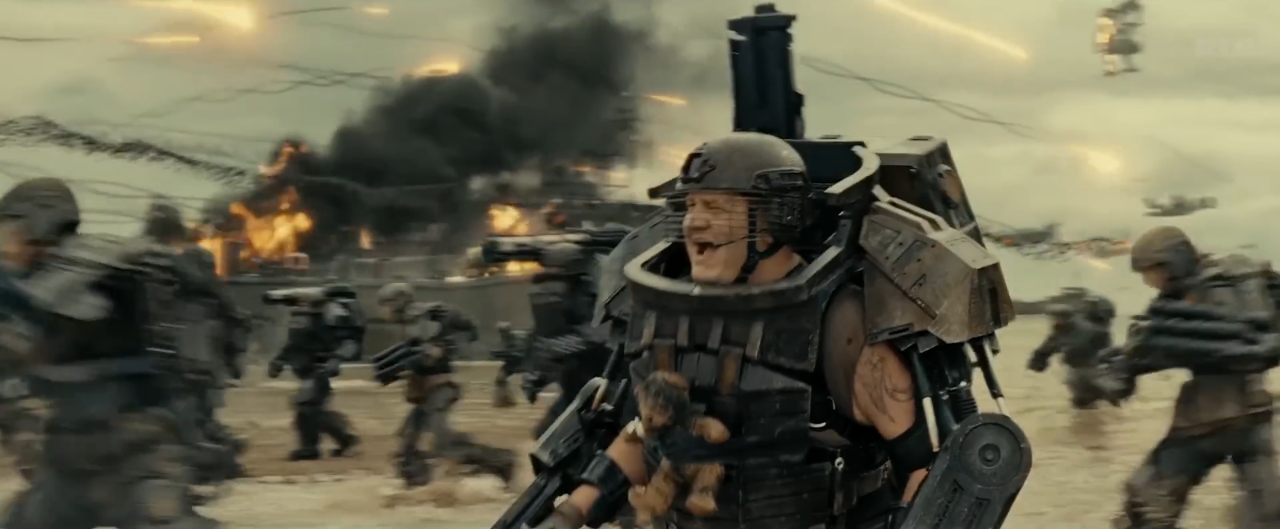
That is why Operation Downfall is already doomed before it begins. The humans think they are launching an invasion. In reality, they are entering a problem space the Mimics have had the privilege of solving through prior runs. The battlefield is not neutral. This is a studied trap.
The humans believe tomorrow is ahead of them. For the Mimics, tomorrow has already been thoroughly debugged.
Roll Call.
It helps to locate Edge of Tomorrow among other loop stories because this mechanism is not universal.
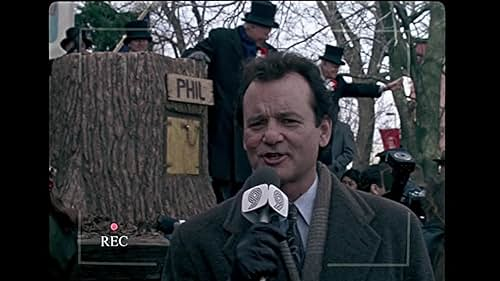
Groundhog Day appears to be a similar rewind structure to this, not branch deletion. Phil returns to the same morning with memory, while the rest of Punxsutawney resumes from checkpoint. The film is morally softer because the loop is not an enemy weapon and because the story is focused on one locus’s transformation. But the exact same basic distinction as here applies: most people in the town continue as checkpointed loci whose daily continuations do not accumulate, while Phil alone keeps the asymmetric path-history.
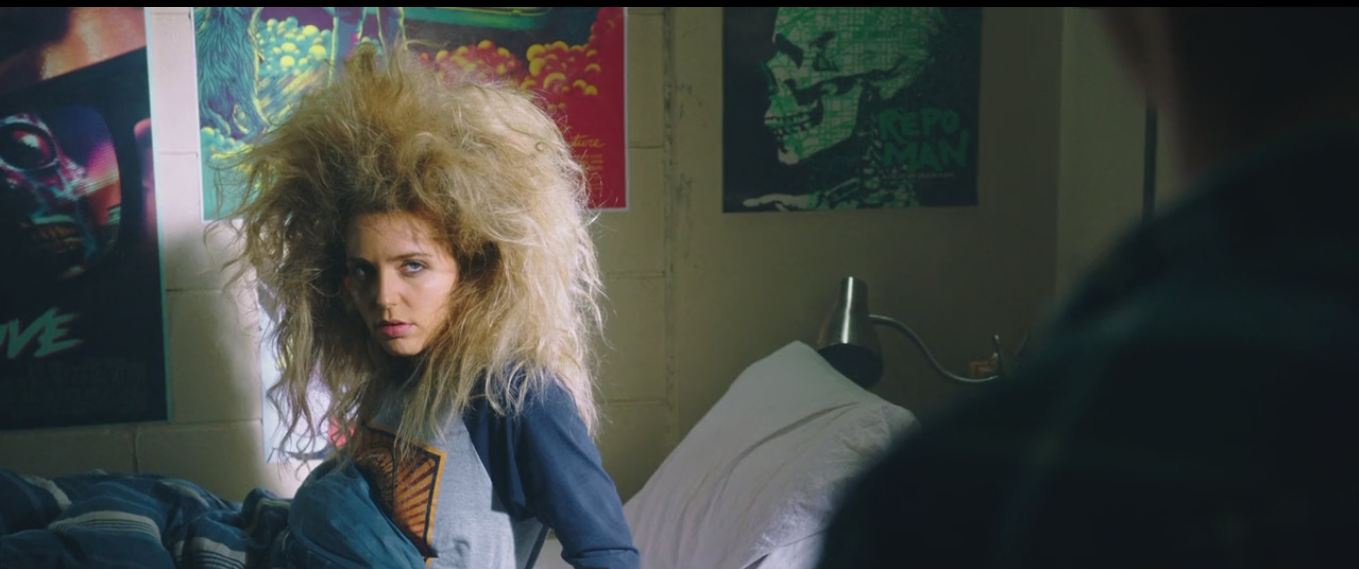
Happy Death Day also works similarly on the surface. Tree repeats the day of her murder while retaining memory and bodily stress across loops. Again, the loop is not obviously producing branch worlds; it appears closer to one field being restored while one witness carries the path forward. The moral center of this loop is therefore not “branches are dying,” it's the burden and use of exclusive continuity.

Palm Springs adds shared loop access. Multiple agents become memory-bearing participants, which changes the ethics because the loop is no longer a solitary witness relation. The field is still checkpointed.

Russian Doll complicates the pattern because this loop appears to degrade. Objects vanish, people disappear, fruit rots, and the resetting world is not perfectly stable. That suggests a different kind of entropy debt: the loop itself may be wearing the field down.
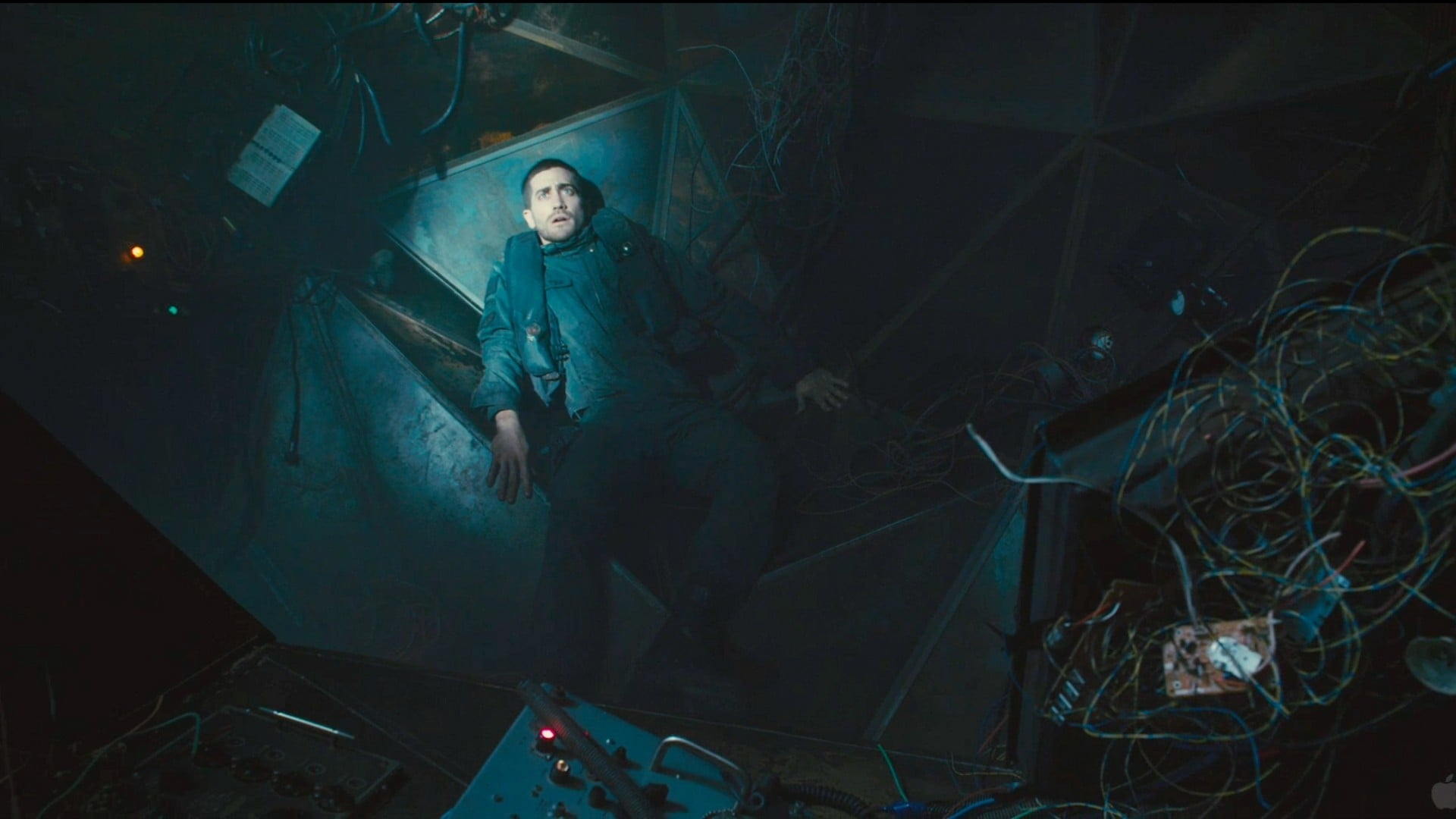
Source Code begins as if it were a disposable replay, then becomes stranger because the simulated or alternate interval appears to have real continuation. That shifts the case toward extant generated fields being disposed of rather than any simple rewind.

Click's ending also sends one corrected witness back with memory while everyone else loses the path that produced the lesson. Surface-level, that looks close to Edge of Tomorrow: Michael returns to the beginning with a warning future preserved inside him, just as Cage returns to Heathrow with battle history preserved inside him. But the moral structure is very different.
- In Edge of Tomorrow, the non-register loci appear to resume from checkpoint; their immediate continuation is truncated, but future J-Squad is not cleanly converted into a destroyed warning-field so Cage can become a better man.
- In Click, the whole damaged future has already ripened into a full downstream world. Adult Ben, Donna, Samantha, Ted’s death, the divorce, the illness, the years of absence: those are not failed tactical intervals being denied accumulation inside a combat loop. They are an entirely distinct extant life-field harvested as instruction and then rolled back out of reach, seemingly forever.
Cage is trapped in checkpoint captivity. Michael receives rollback deletion as moral balm. Those are still cousins, but one of them is carrying a much larger corpse under the blanket.
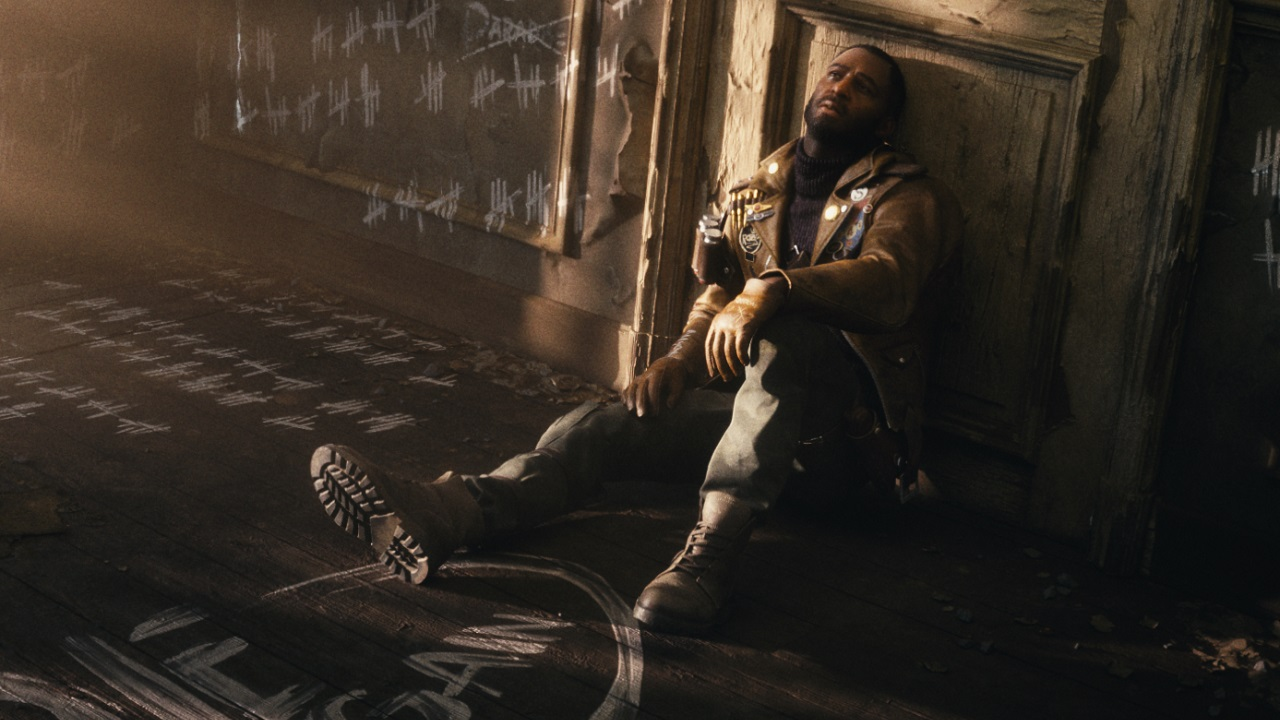
Deathloop is darker than all of these because multiple Colts, persistent objects, and cross-loop residue push the metaphysics clearly toward branch-like extance with end-of-day deletion. The loop does not just restore one field with one witness. This one behaves like a machine that produces disposable continuations to close and lets only selected residues survive across the boundaries lawfully.
So Edge of Tomorrow sits on the gentler side of the loop spectrum. It's over there with Bill Murray.
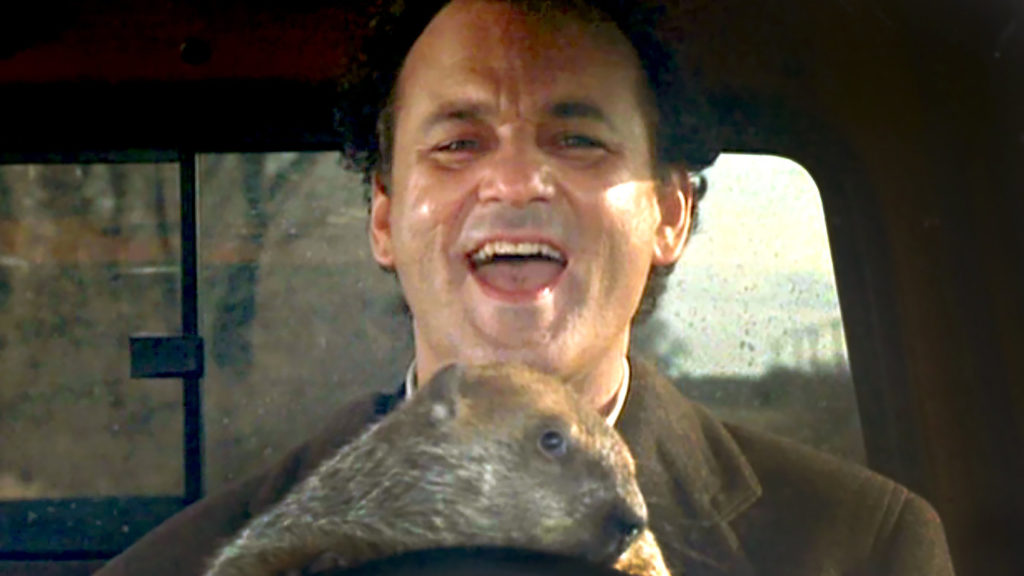
Not harmless, though. Gentler.
Its contraction is not branch murder, checkpoint captivity.
Cage as Continuity Leak.
Cage breaks the Mimic monopoly.
At the start, the loop works like this:
Human field:
Checkpoint → Battle → Reset → Checkpoint
Mimic field:
Checkpoint → Battle → Death → Learning → Reset → Adaptation
Then Cage kills an Alpha, gets covered in its blood, and becomes a continuity leak inside the human field.
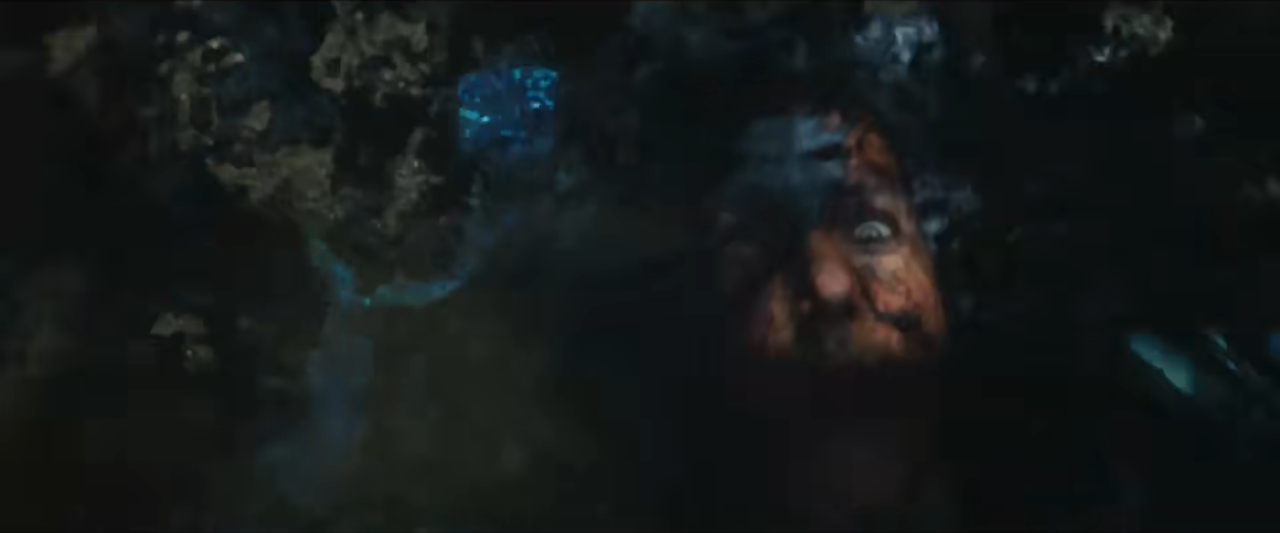
Now the human loop through Cage also works like this:
Checkpoint → Battle → Death → Learning → Reset → Adaptation.
That is why Cage becomes dangerous. He does not become stronger in the ordinary sense. He remains physically fragile enough to die over and over in increasingly humiliating ways.
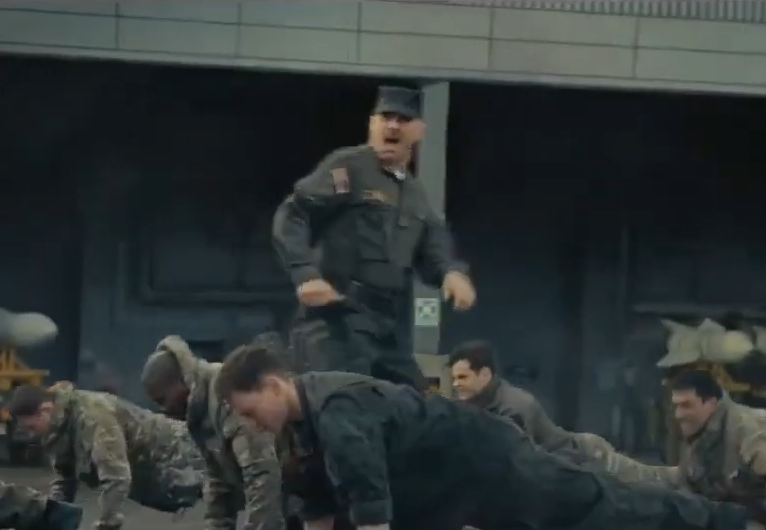
His advantage is that his failures are no longer wasted. His deaths can now become path-structure.
This is also why the training montage is not just comedy. This sequence is a field repair process in miniature.
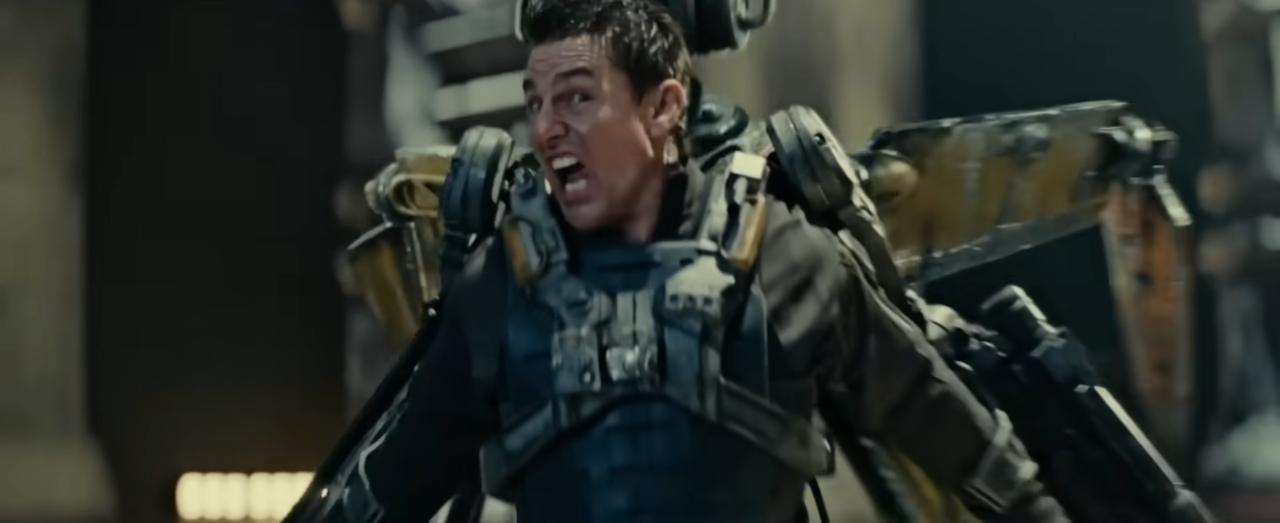
Cage learns the beach. He learns the timing of the dropship crash. He learns where soldiers die. He learns how the Mimics move. He learns when to duck, when to roll, when not to save someone, when a rescue attempt creates worse closure. He learns Rita’s movements. He learns his own cowardice, pain tolerance, and tactical limits. He learns by spending path after path, and unlike the rest of humanity, he carries those paths forward as trace.
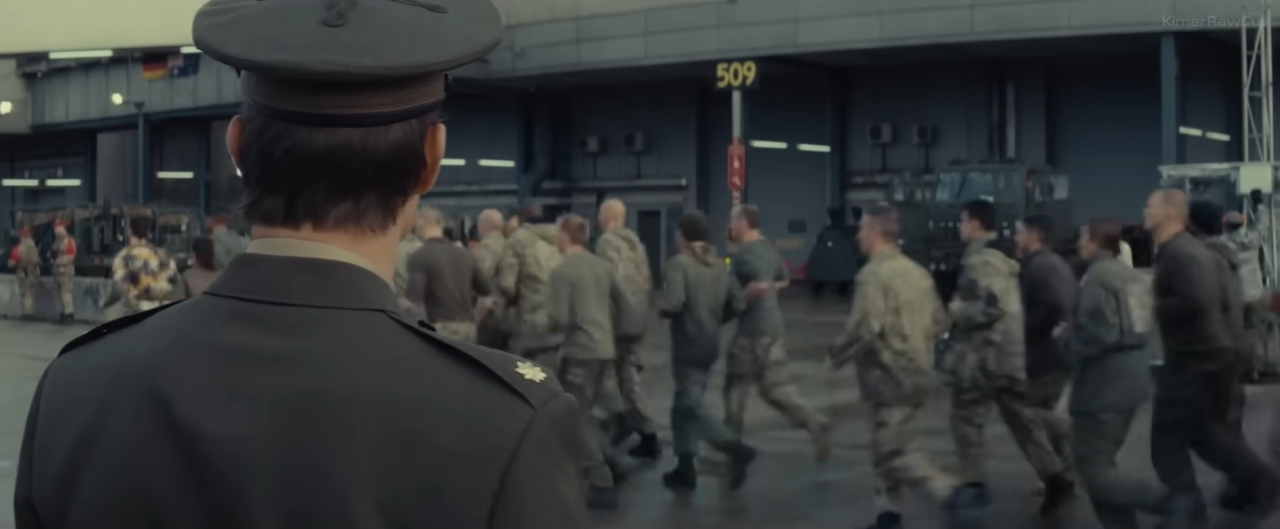
This does not make the loops ethically clean, just structurally legible. Cage is not just gaining skill. He is restoring to humanity the thing the Omega had stolen:
The ability for failure to continue into knowledge.
Rita.
Rita is not just the mentor. She is proof that human access to the loop changes the whole war-field.
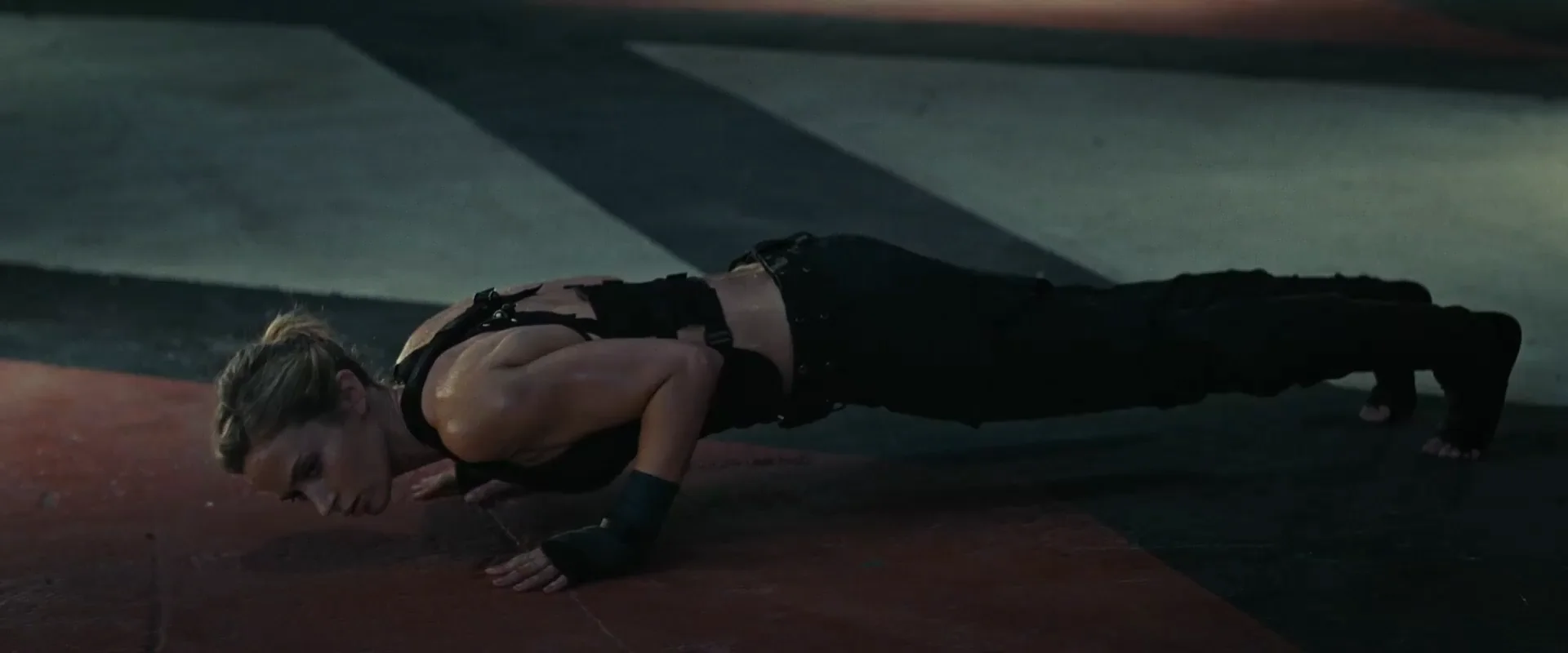
Verdun becomes possible because Rita once carried the loop relation. That means the human field has already experienced this asymmetry in reverse. One human locus acquired Mimic-style continuance, turned repeated failure into competence, and produced what looked like a miracle on the battlefield.
Then, she lost it.
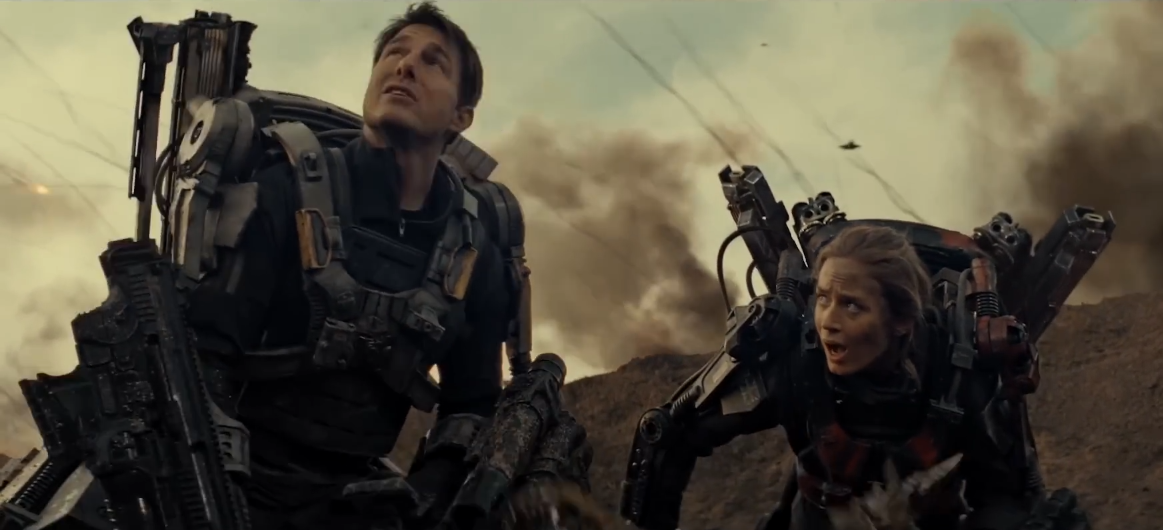
Rita no longer remembers Cage’s specific loops as they happen. Cage has to reach her again each time. He has to persuade her, demonstrate the loop, re-enter the training structure. She is not a co-witness of every Cage iteration in the simple sense. Instead, Rita is institutional residue.
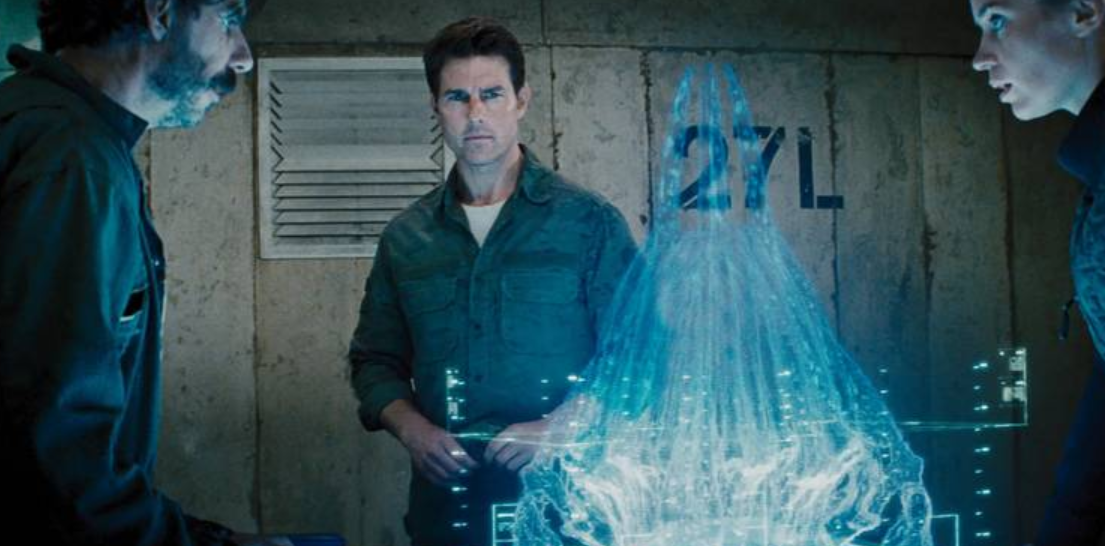
Her former loop relation has become doctrine, training, credibility, and a hidden human archive. She and Carter have a theory. They know what the blood does. They know what the Omega is. They know that visions can be traps. They know the transfusion will end the loop.
Rita is what remains after a witness loses the witness relation but not all of that relation's downstream structure.
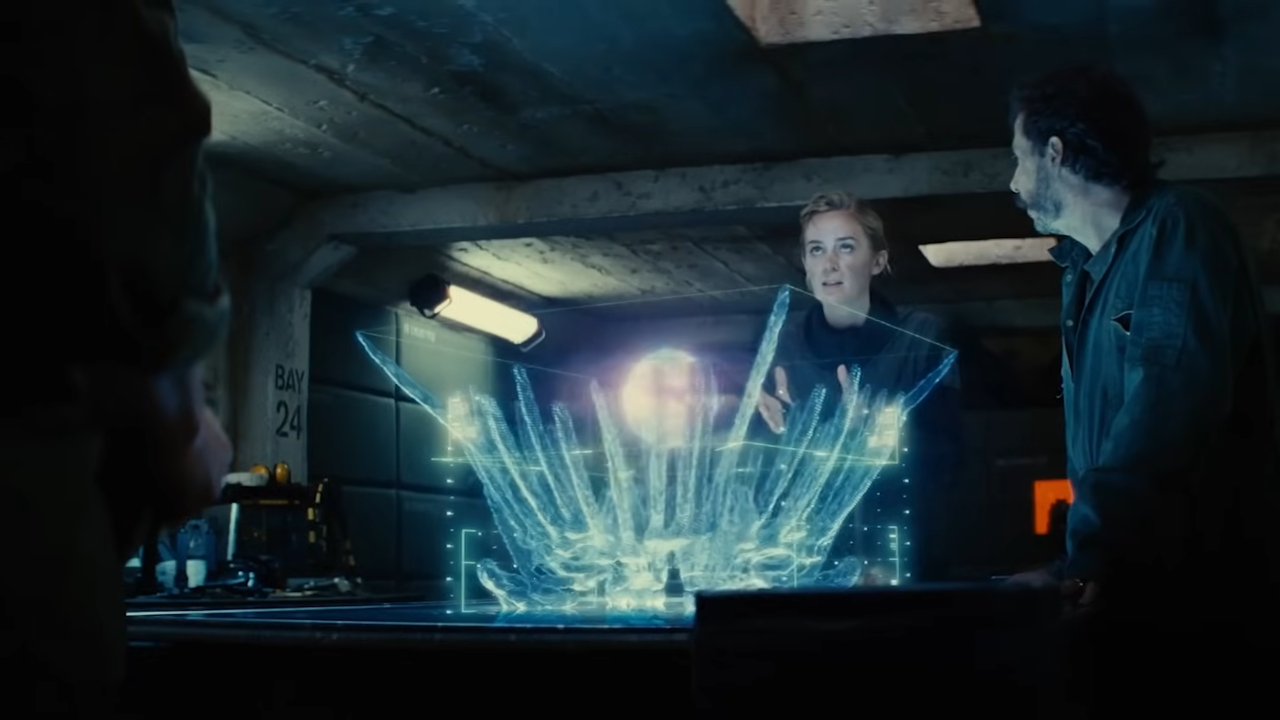
Because continuance is not only memory inside one skull. A field can carry traces through practice, theory, warning, ritual, equipment, and trained response. Rita’s prior loops are no longer directly accessible as lived memory, but they have become part of the human repair field.
The Mimics erase human institutional learning at the battlefield scale. Rita and Carter preserve a small counter-institution inside the loop war.
Cage plugs into that institution.
The Farmhouse.
Cage has now learned a path far enough to get Rita off the beach, across the countryside, and to a farmhouse.
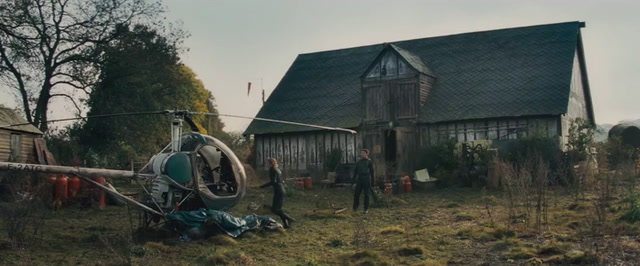
He knows the helicopter is there. He knows Rita will die if they continue. He has tried variations. He has watched her die again and again.
This is the point where repeated path-knowledge becomes its own trap.
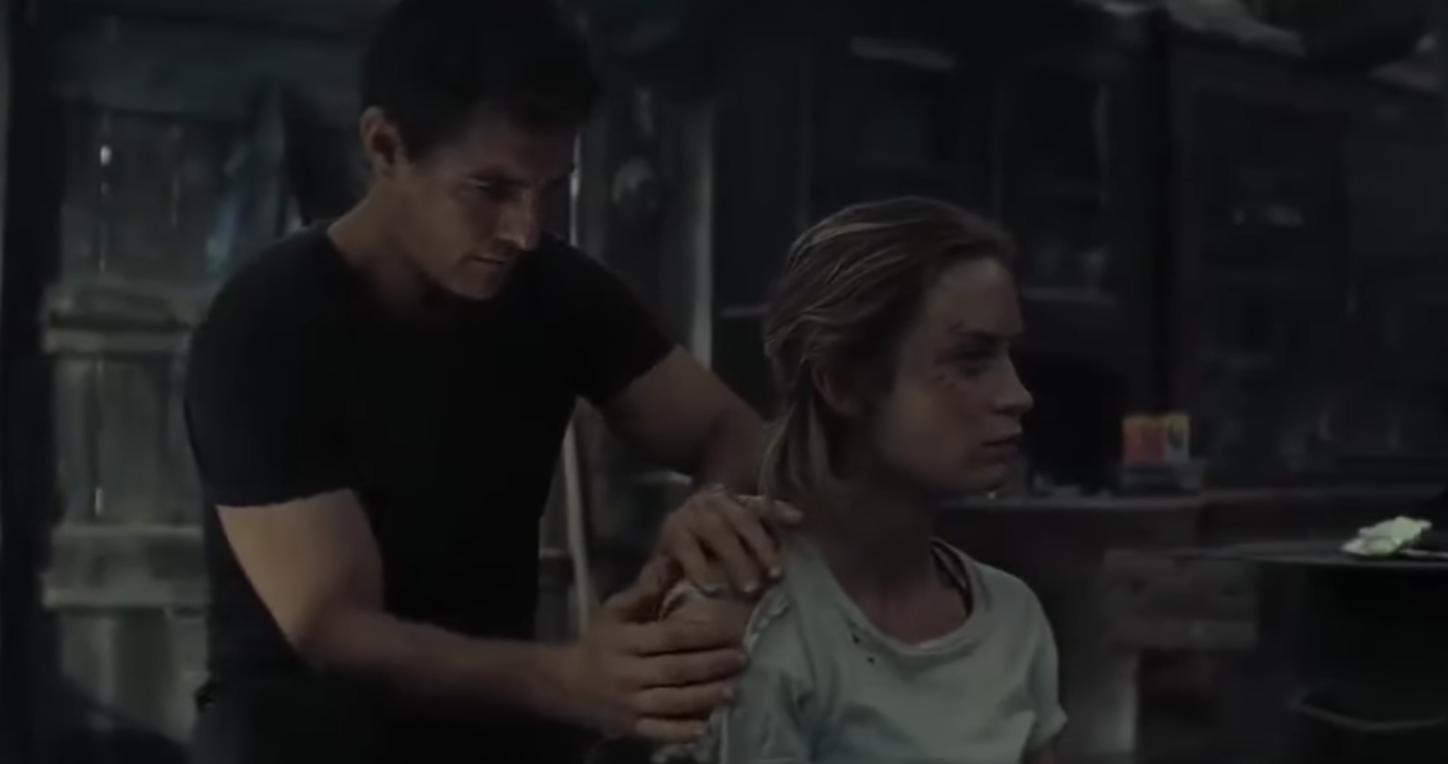
Cage knows too much of this local future. He knows which continuations close. He knows that Rita’s desire to push forward will kill her. He starts trying to hold her inside a small pocket of preserved time. The mission is not solved here, but he cannot keep spending her.
Exclusive continuity changes relation. Rita is living the farmhouse for the first time each loop. Cage is not. Cage has accumulated versions of her she cannot access. The relationship becomes deeply asymmetric. He loves through the trace of accumulated continuations. She always meets him at the checkpoint.
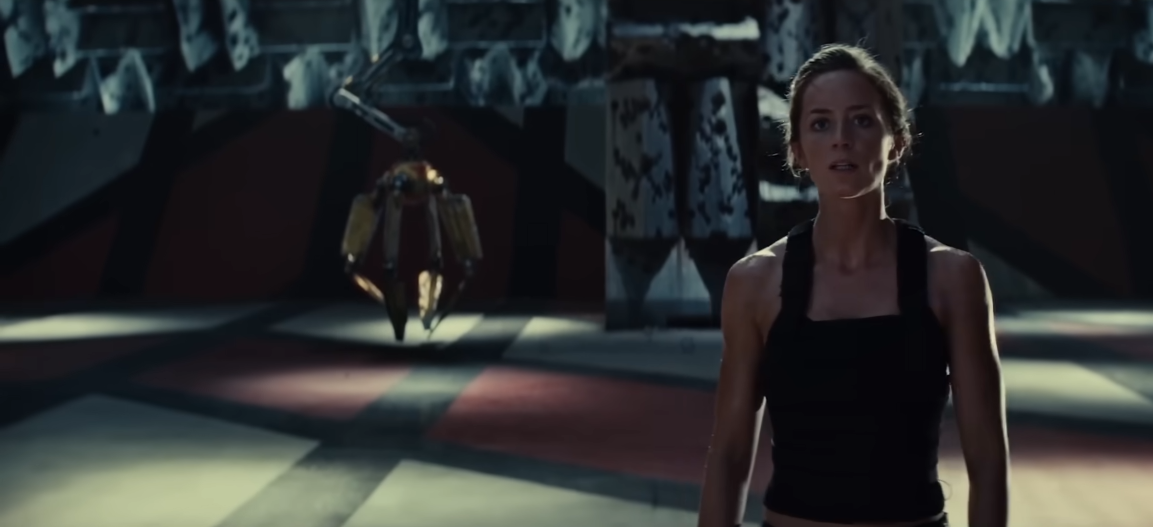
That does not make Cage’s feeling fake. It just makes this field very strange. Rita is still a continuing locus the entire time, but each Rita after checkpoint does not carry the prior farmhouse path with her. Cage carries it for both of them, and that means he also carries a version of relation that she has not actually lived.
The film knows this is emotionally painful for Tom Cruise. Modal Path Ethics can say it more structurally:
Cage’s restored continuance is not simply power.
This creates relational imbalance. The loop lets him live paths with Rita that Rita cannot preserve with him. The path to their relation exists for him and not for her. He becomes witness to continuations that she is repeatedly denied.
This is not the same darkness as Deathloop. It is not branch disposal. But this is still contraction. A shared path cannot fully become shared if only one locus can carry it forward.
The Transfusion.
The third act blood transfusion is catastrophic because it removes the only human cross-loop register currently active.
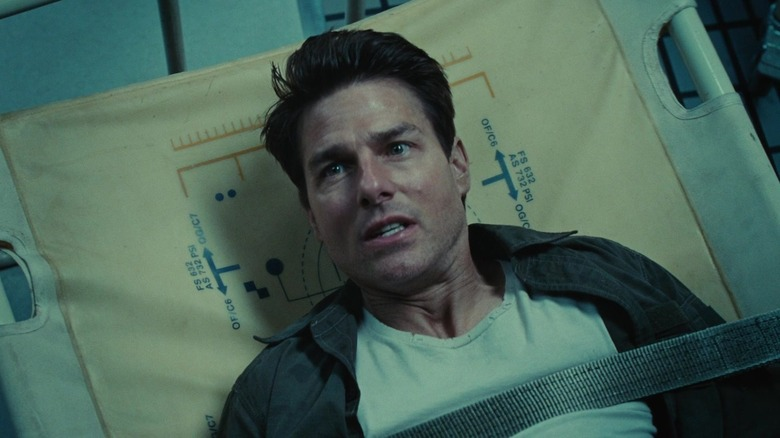
Before the transfusion, death returns Cage to Heathrow with memory. After the transfusion, death is now just death. No more metaphysics for Cage. The loop relation is just gone.
This is not a small change in the rules or the stakes. This is the structural collapse of humanity’s stolen continuity.
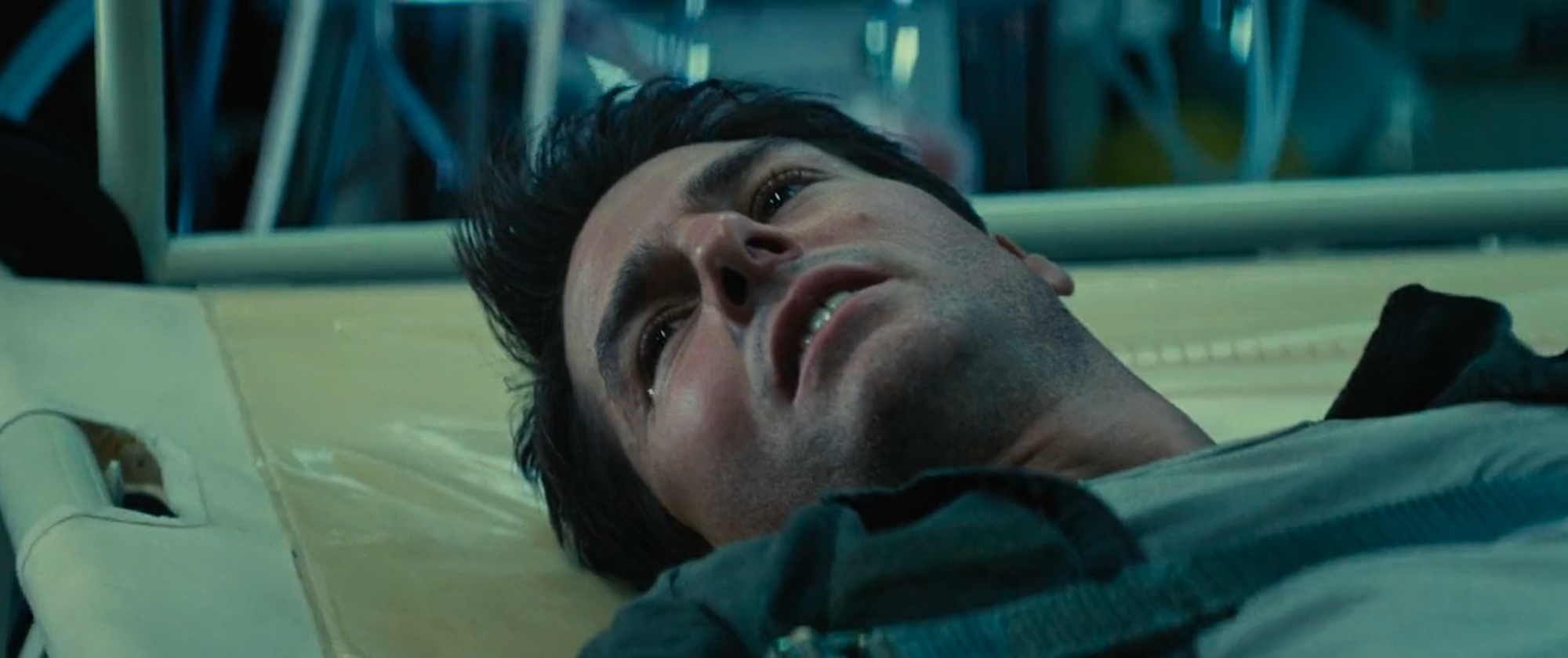
Cage can no longer spend runs looking for the Omega. He can no longer brute-force tactics. He can no longer path-find at all. The field returns to ordinary irreversible war against a modally asymmetric adversary.
The Louvre assault is the first and only run after the learning channel closes. Cage, Rita, J-Squad, and the others now have to act from accumulated knowledge without the ability to reset if the path fails. And unfortunately for J-Squad and Rita, Cage has been the only one accumulating knowledge lately.
The movie becomes so much better here because it stops letting iteration carry the drama. Even the film itself is finally taking off the training weights.
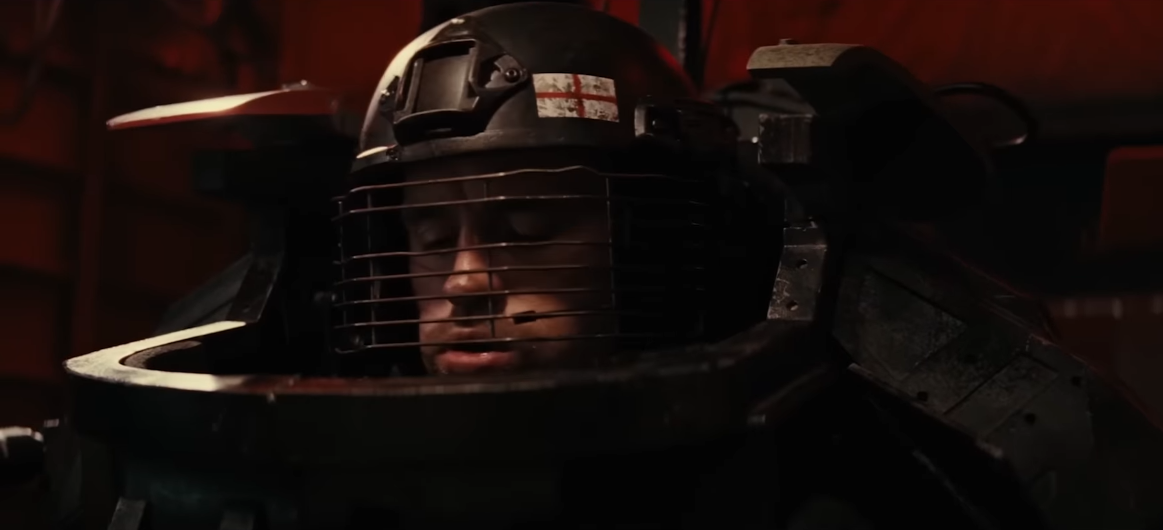
Now, continuance is exposed again. The audience is pulled out of the soul-balm machine and held in contact with harm.
Rita dies, and stays dead.
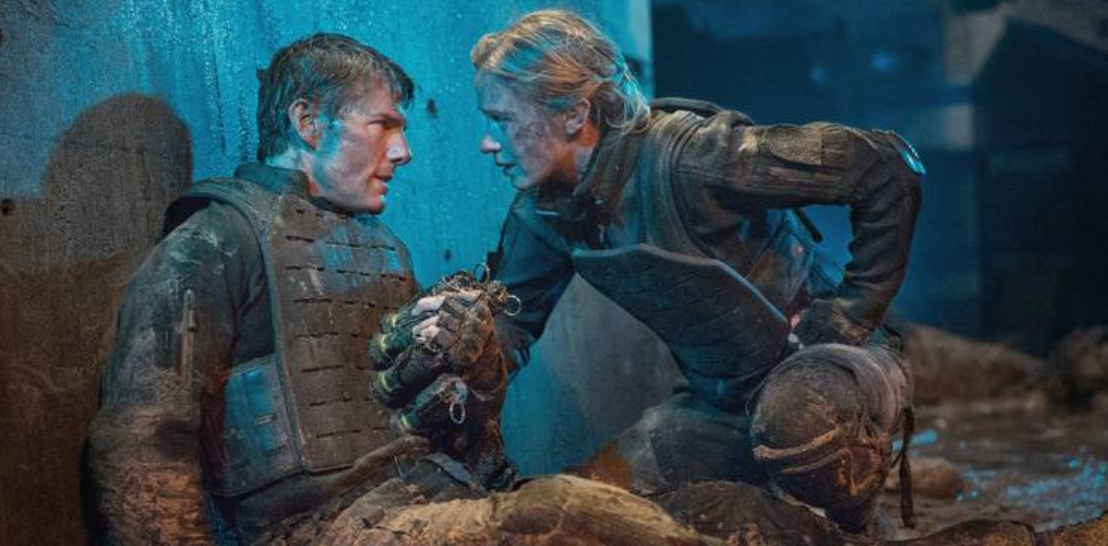
J-Squad dies, and stays dead.
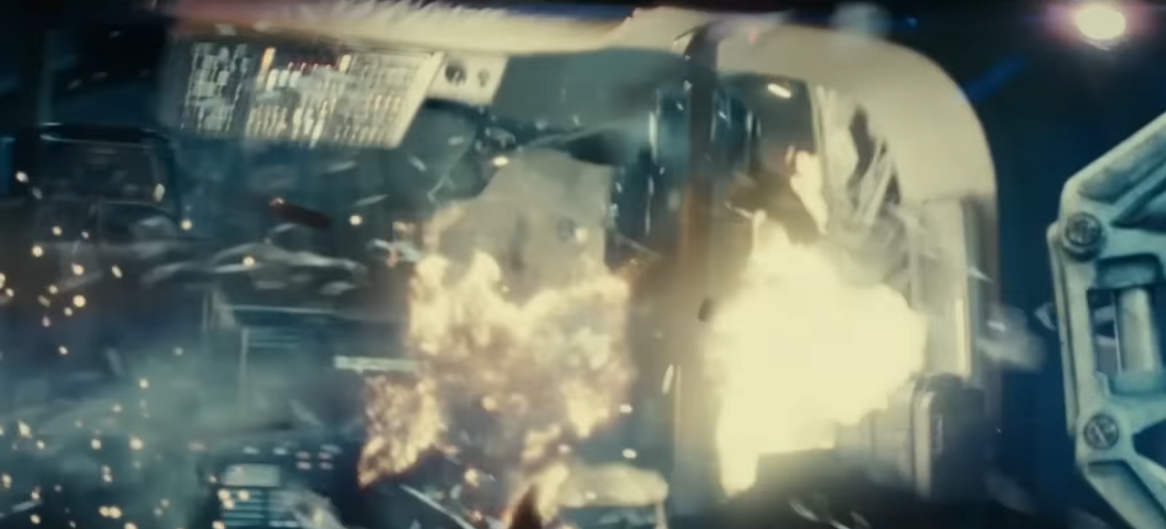
Finally, Cage dies, and he stays dead.
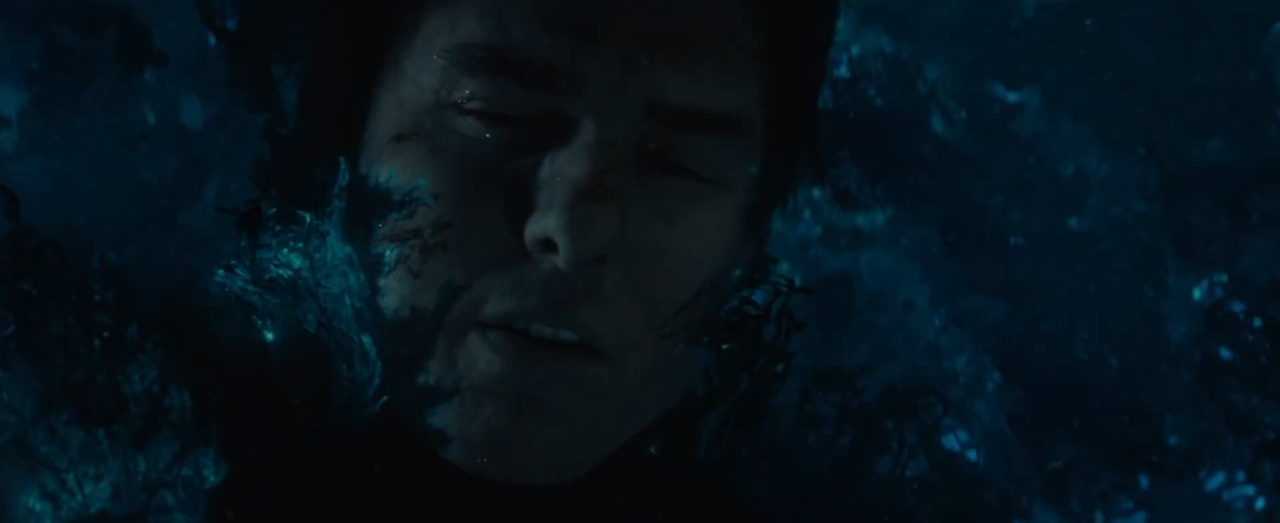
Well.
At least, that is what the film wants us to feel before the final reset.
The Final Reset Problem.
Then, as often happens in these stories, the ending complicates everything.
So, Cage kills the Omega underwater. He is now exposed to Omega blood. This is different from the Alpha blood he took in before.
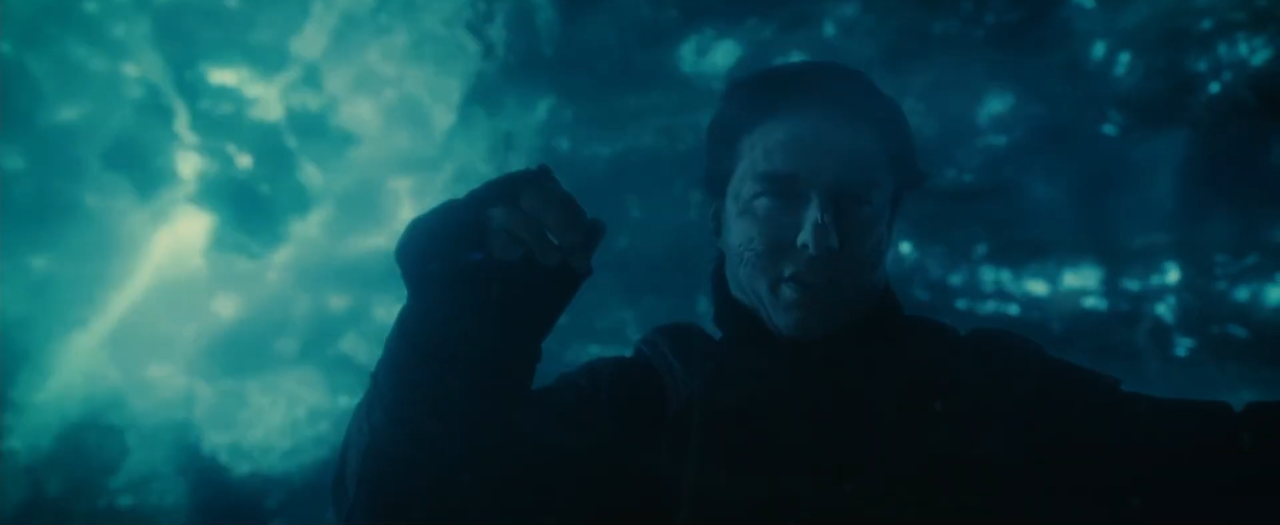
The loop triggers one last time. He wakes, but not at the ordinary Heathrow checkpoint; earlier, on the helicopter, before even being arrested and sent to J-Squad.
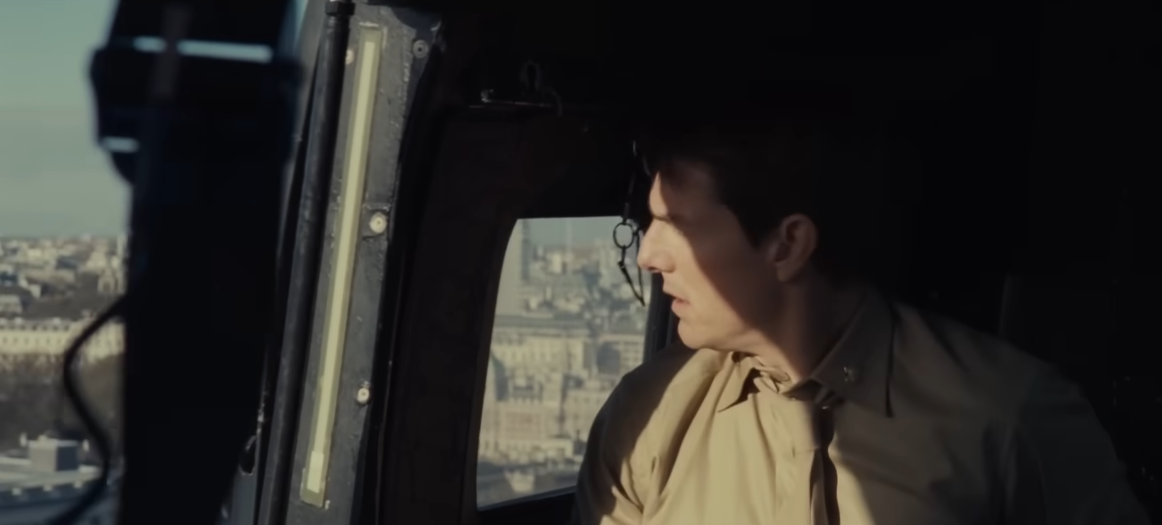
News reports now say the Mimics have mysteriously collapsed.
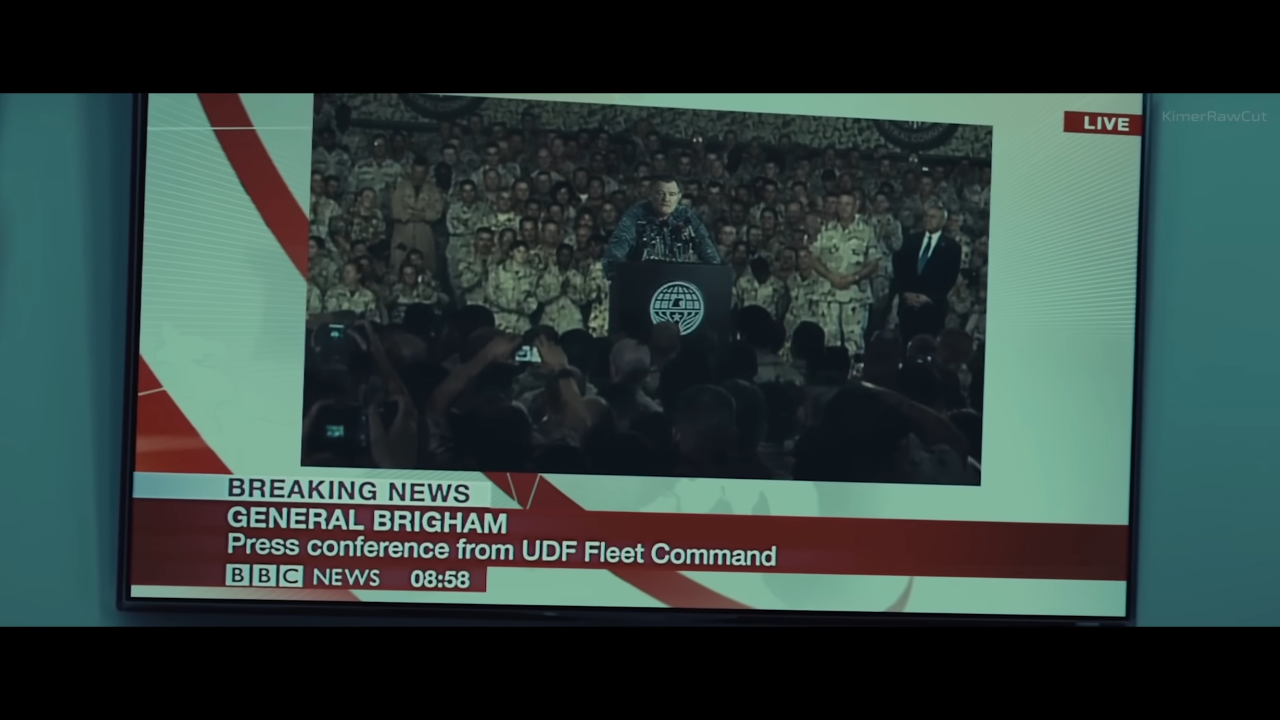
Humanity has won before Operation Downfall.
So this is clearly not the normal loop.
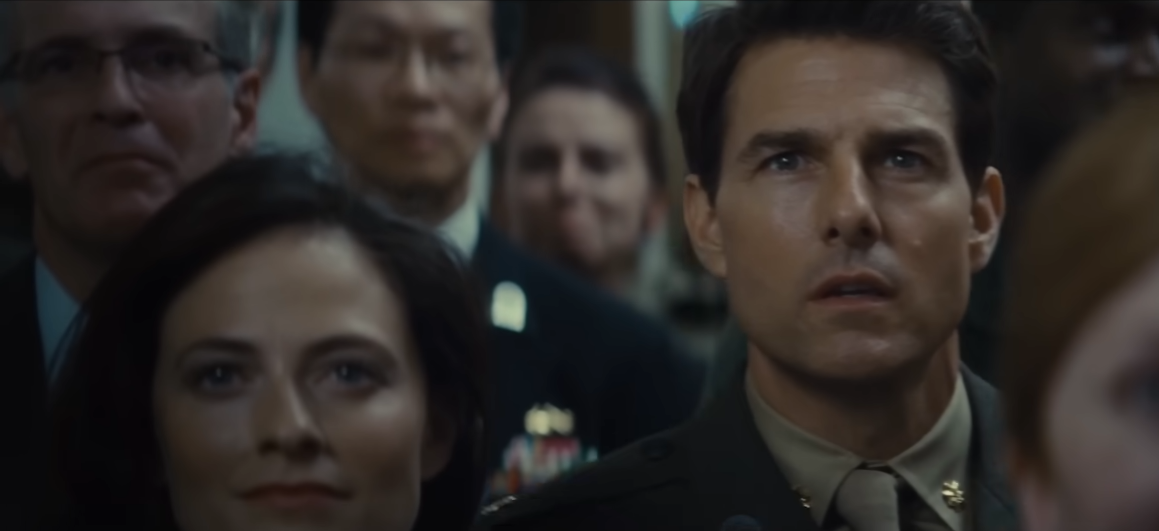
The film treats this as a happy ending, and emotionally it works. This is definitely wonderful news for everyone here. Tom Cruise is smiling. Rita is alive. J-Squad is alive. The Mimics are dead and we all hated them. The nightmare is over.
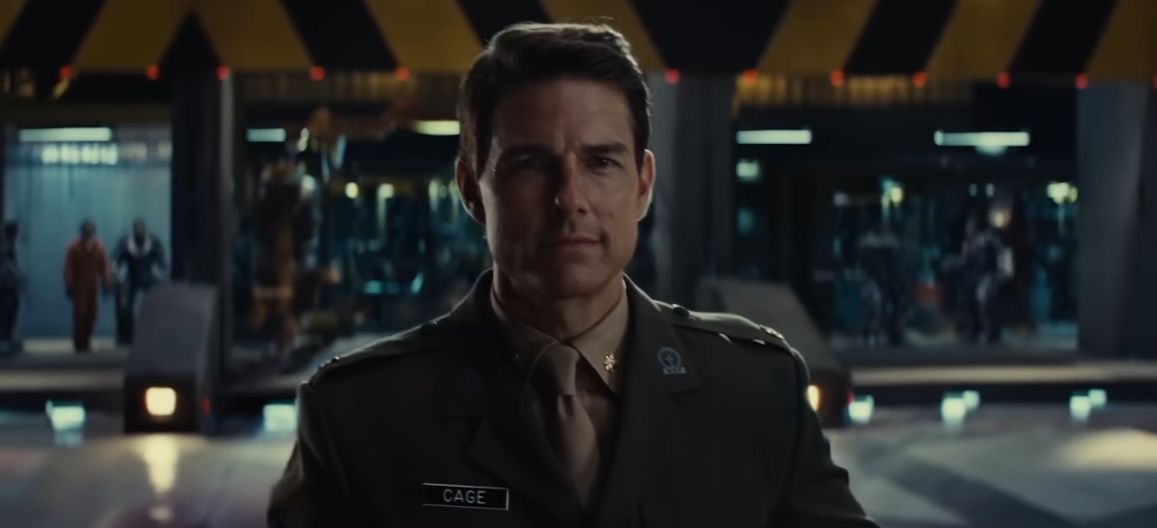
But, these metaphysics are not clean.
What the hell just happened?
There are several possible readings.
- First, the Omega’s death may have triggered an “Omega-scale reset” with Cage now occupying the central register. He receives one final rollback, but because the Omega is dead, the new field begins with Mimic collapse (presumably from a dead Omega) already written into it.
- Second, the final reset may be a branch selection, not a checkpoint. The Louvre assault field, in which Rita and J-Squad died, is simply replaced by a more favorable field where the Omega is already dead.
- Third, this ending may be narratively generous bullshit, because blockbusters like Tom Cruise alive and Emily Blunt glaring at him.
That third reading is looking strong, but not like enough for this article. Modal Path Ethics has to ask what the ending to Edge of Tomorrow means structurally. That leaves us two options.
- If the ending is a simple continuation, then Cage has somehow carried the Omega’s death backward into the checkpoint without branch deletion. This is metaphysically unstable, but comparatively very gentle: the field is restored as before without closure, the Mimic threat is gone, and the prior run survives as Cage’s memory of it.
- But if the ending is branch replacement, the entire case darkens. The Louvre assault continuation, with all its deaths and final choices, does not get downstream actuality except through Cage. Not only the relevant loci: that entire extance appears to be closed, and a better world replaces it.
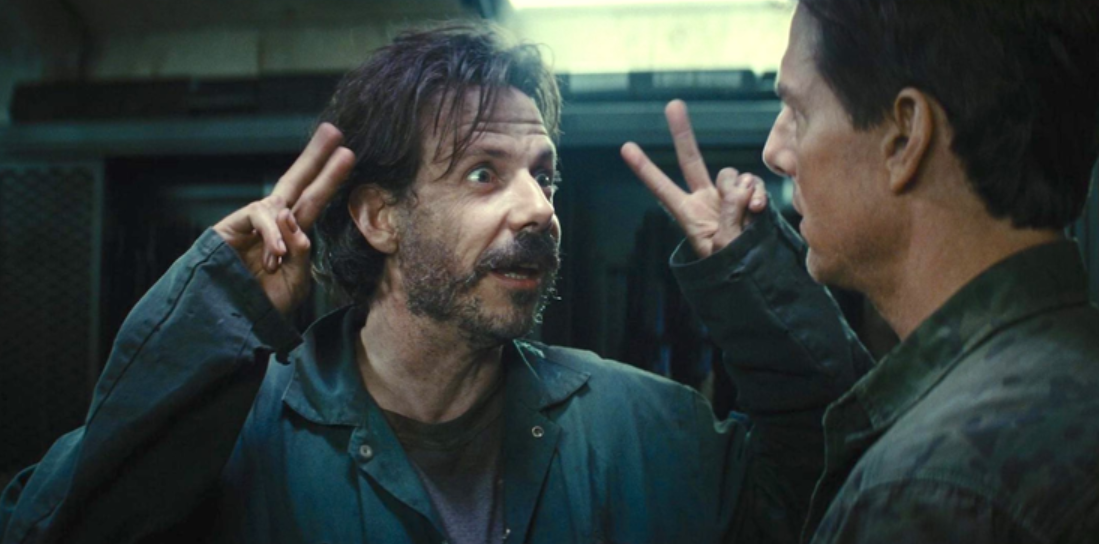
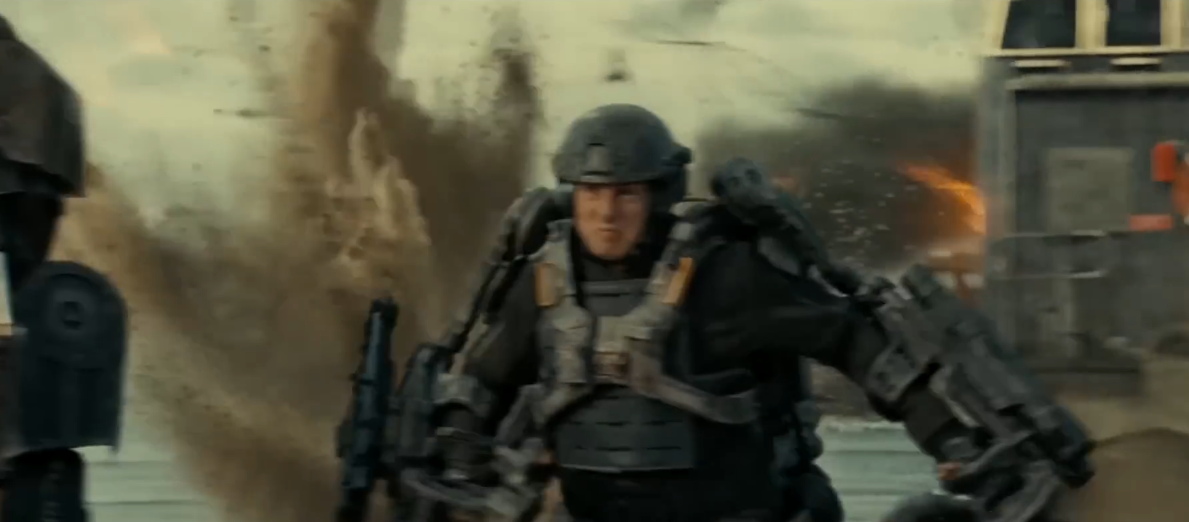
That may be preferable under the circumstances, but preference is not erasure of the moral remainder. A replaced field does not become nothing because the replacement field is better. That was still an entire field that could have continued, had Tom Cruise not done this:
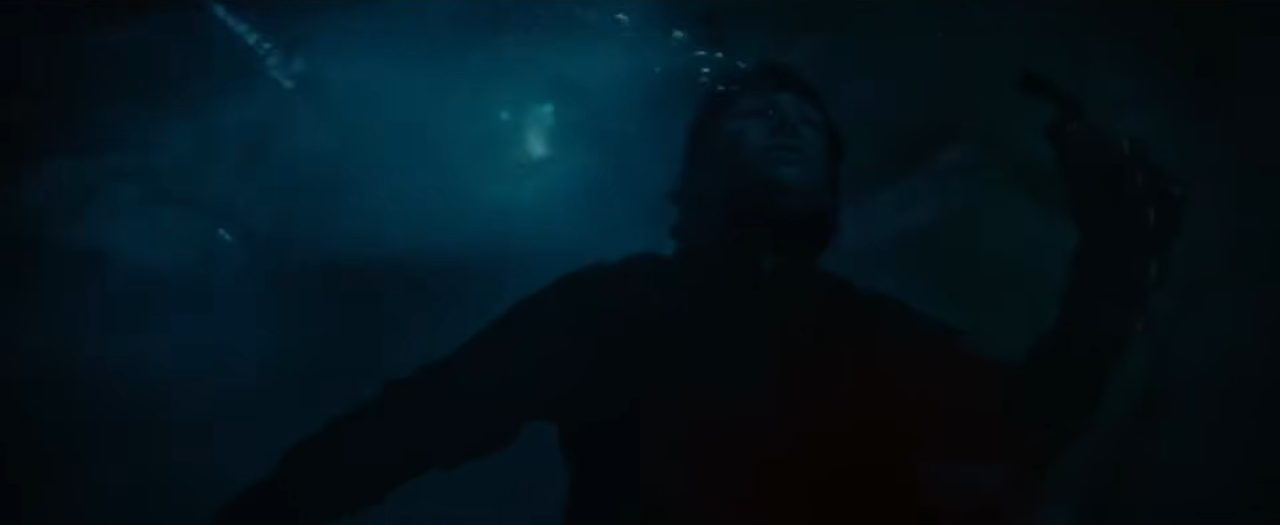
This is exactly why Edge of Tomorrow must be separated from Flashpoint early. Most of the movie reads like checkpoint restoration, not branch replacement. But then the ending alone flirts with something closer to field replacement.
The final reset is probably still justified. It is not free.
The Omega's Soul-Balm.
The Omega’s loop is not the soul-balm machine in its purest form.
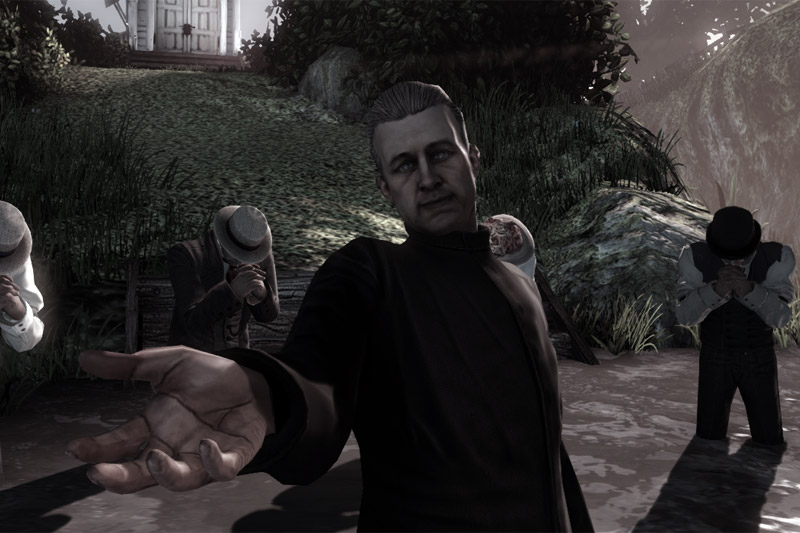
The soul-balm wants a painful field removed from view, replaced, erased, skipped, or sealed so the surviving agent can receive relief without full moral accounting. In Edge of Tomorrow, the Omega is not seeking emotional relief. It is optimizing its war. It does not care about comfort. It cares about victory.
But structurally, it uses a related move worth contrasting.
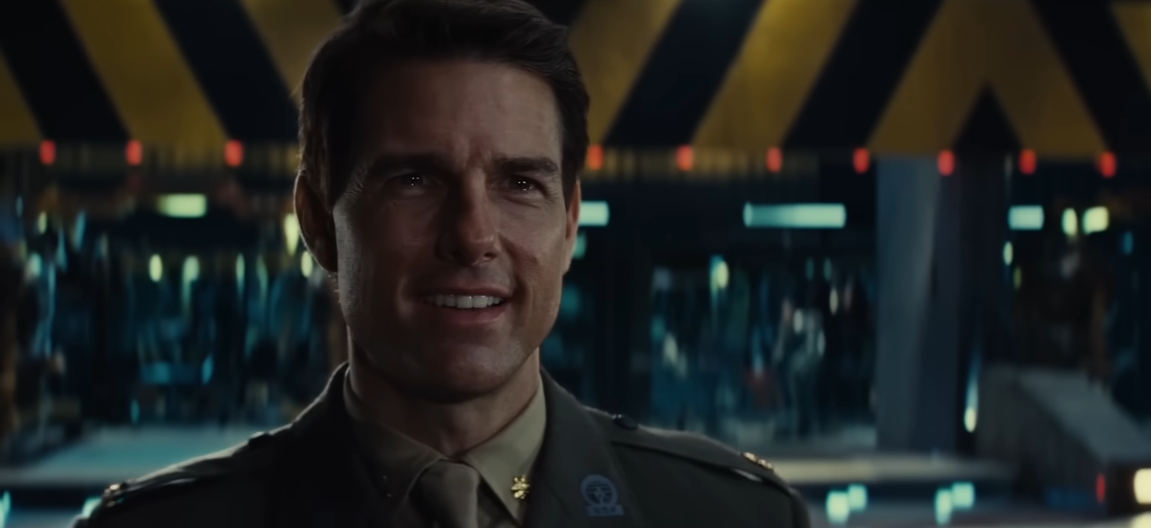
It rejects failed continuations and returns the world to a state where the failure has not yet become ordinary history. The difference is that the Omega does keep the strategic trace. The failed run is not erased for the controlling field. It is erased for everyone else.
That is not really the balm, more like weaponized rollback. The Omega system is colder than the soul-balm machine. It does not need to make anyone feel better. It only needs enemy futures to be non-cumulative.
Edge of Tomorrow is about the military usefulness of making irreversibility one-sided, not the psychology of wanting irreversibility to stop hurting.
Cage’s Moral Position.
Cage does not design or intend the loop.
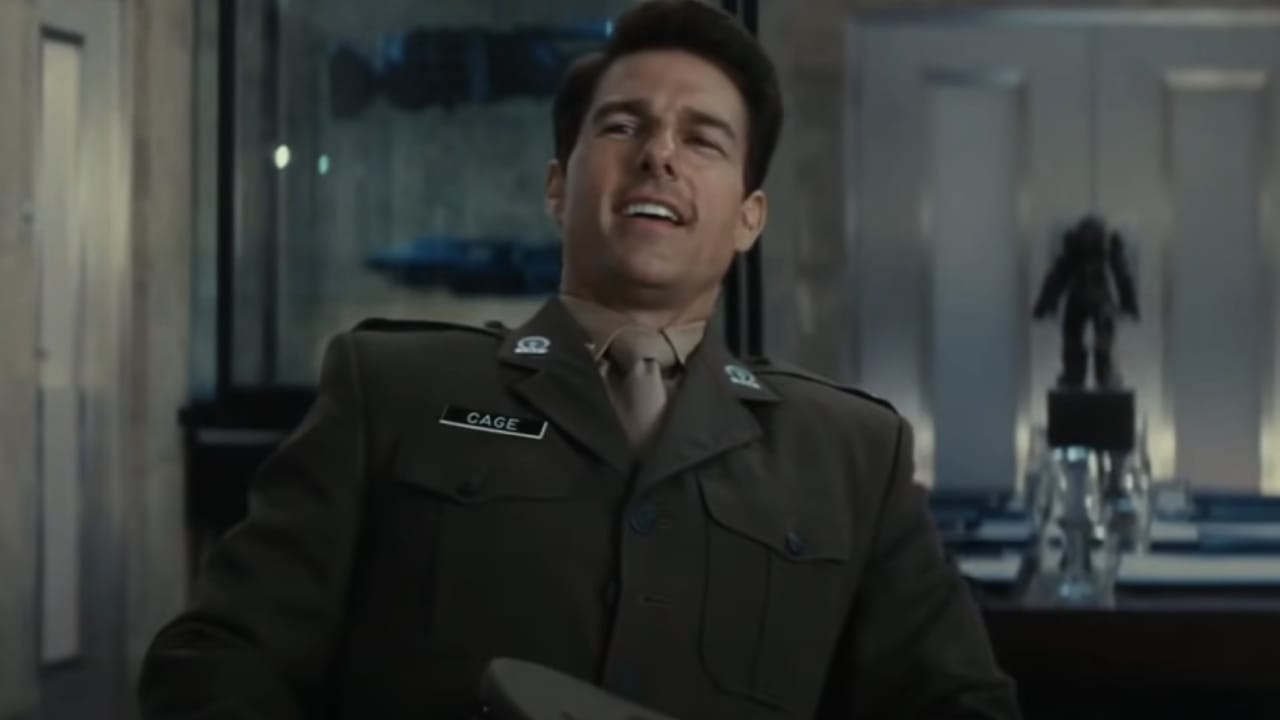
He is captured by it. At first he is not even brave. He is dragged into the war he helped sell to other people. There is some justice in that, but not enough to make his first deaths deserved. An army should not be punishing the moral crime of insincerely recruiting for itself with out-sourced execution.
Cage becomes a loop-bearing locus by accident, inside a hostile system whose purpose is to defeat his species. So Cage’s initial role is victim, not operator.
But then his role changes, and so does the moral structure.
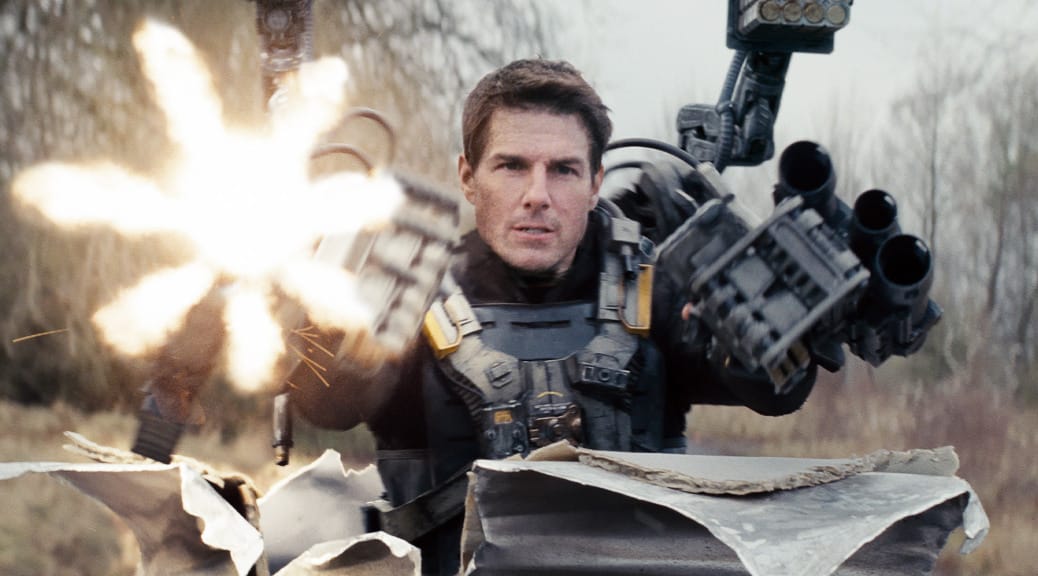
Once Cage understands the loop, he starts actively using it. He kills himself to reset. Rita kills him when runs go badly. Failed paths are spent in search of better paths. J-Squad is repeatedly recruited, ignored, watched, and used inside runs they cannot remember. Rita becomes both partner and repeated loss. Cage is no longer outside the ethics of the machine just because the Mimics built it.
He becomes an operator inside an enemy engine. The question is what kind of operator he becomes.
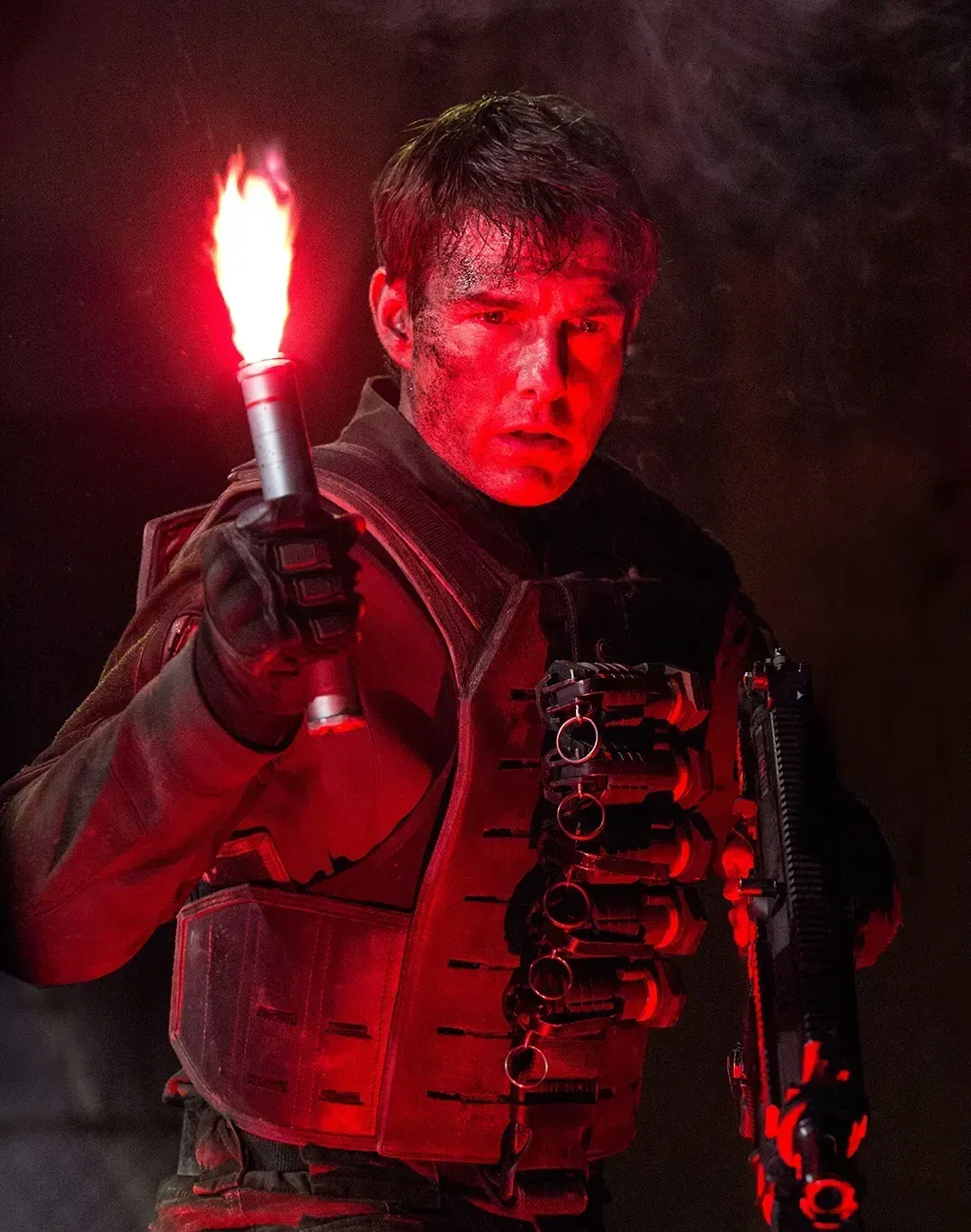
On the strongest charitable reading, Cage uses the loop to restore the human field’s stolen strategic continuance.
He does not create the checkpoint captivity. He exploits the breach in it. He does not use the loop to avoid responsibility or curate a private fantasy. He uses it to defeat the system making human futures non-cumulative.
His use of the loop is much more defensible than the Omega’s use of the loop because he is working against the contraction engine, not expanding it for private advantage.
But defensible does not mean clean.
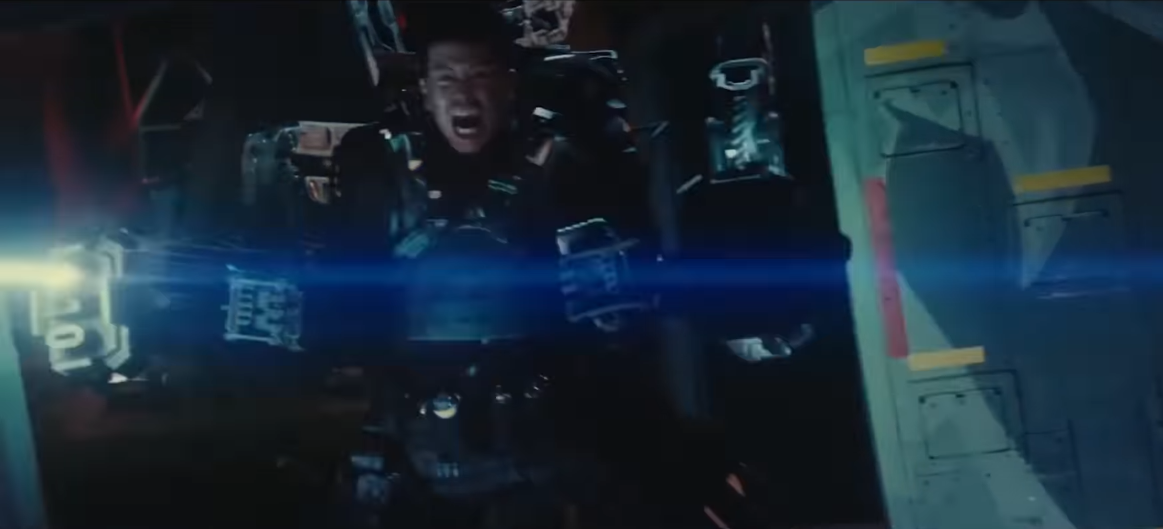
He still moves through other loci’s reset lives with exclusive knowledge. He still makes choices that others cannot contest because they cannot retain the prior run. He still carries and pursues relationships that are not equally carried back. He still benefits from a machine that truncates non-register paths.
A good agent inside a bad loop does not make the loop good. It just means the field has found one reachable repair path through this wound.
Ruling.
Edge of Tomorrow is not a story about repeated suffering redeemed by victory. It is a story about asymmetric continuance.
The Mimics win because they have built a war machine that allows their field to retain strategic history while denying that same continuity to their enemy. Every reset prevents human defeat from becoming human learning. Every rejected run cuts away the enemy’s newly opened future before it can harden into memory, institution, doctrine, repair, or resistance.
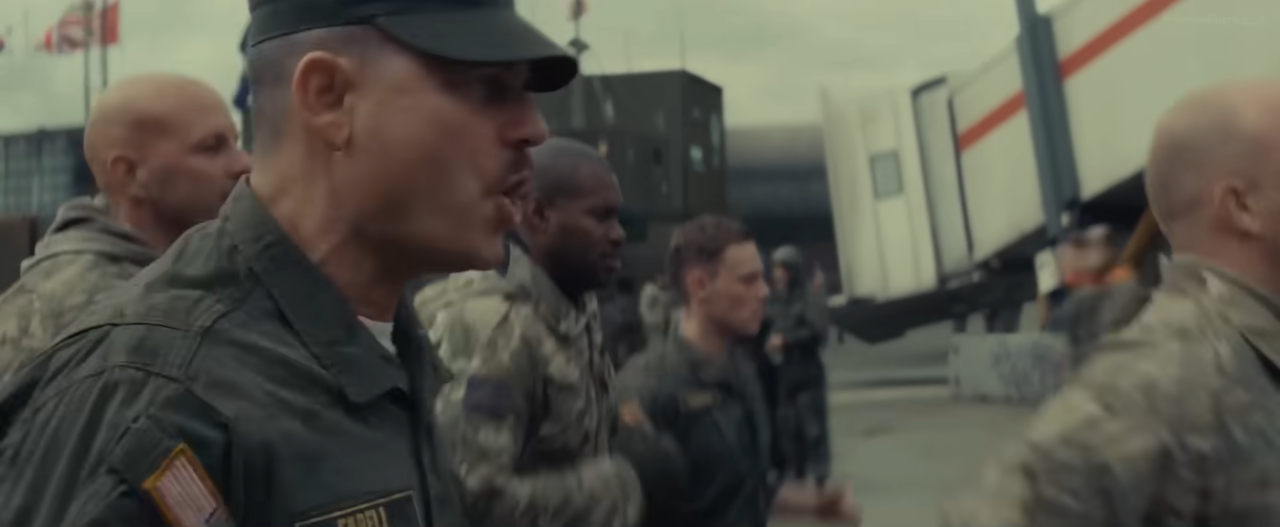
The human field is held at checkpoint while the Mimic field converts failure into advantage. That is the contraction. Not mass death on every loop, or simple forgetting. Continuance truncation.
The non-register loci continue from the checkpoint, but their just-lived paths do not. Their futures become non-cumulative under enemy control.
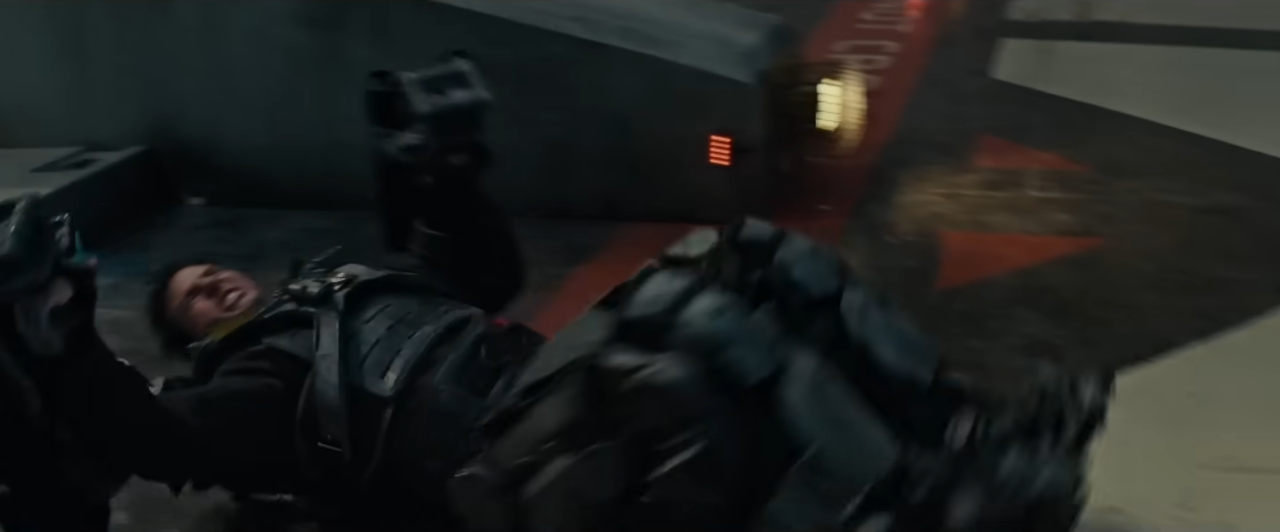
Cage changes the entire structure because he becomes a continuity leak. He steals the Mimics’ protected relation to history and returns failure to the human side as usable knowledge. Rita enables this path because she is the prior witness whose lost loops have become training structure, theory, and warning. Together, they do not make the loop ethical. They do make repair reachable inside it.
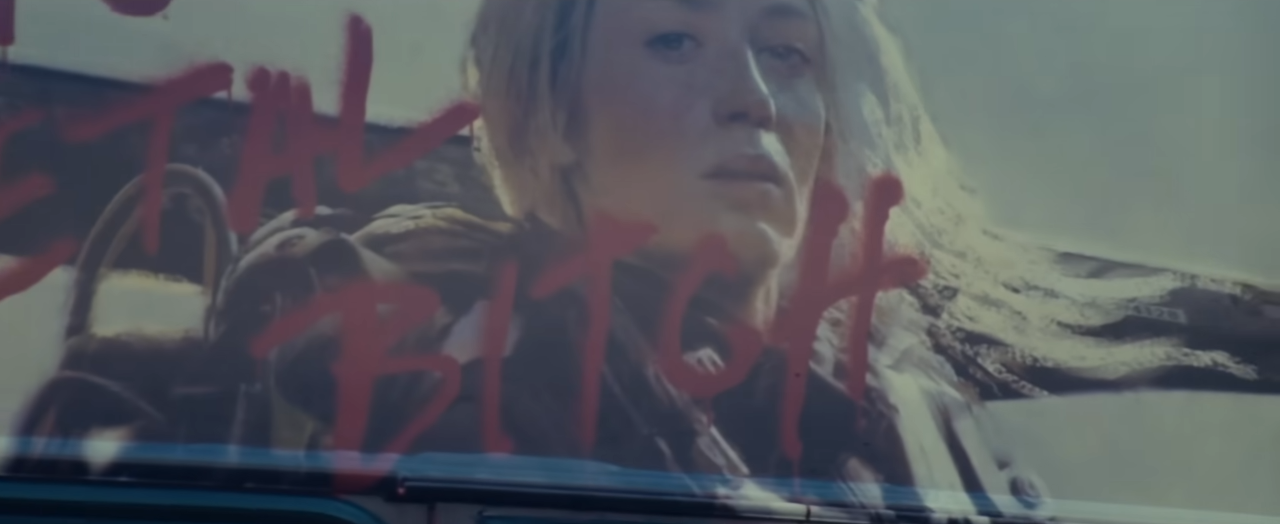
Edge of Tomorrow cleanly restores one field to checkpoint while preserving selected memory. Its contraction is less like branch deletion and more like checkpoint captivity. That makes the movie gentler, not innocent.
The final reset then goes right ahead and complicates the case because it may replace a costly final continuation with a better field. The soul-balm machine defeats the Omega machine.
That may be justified, given species-scale stakes and the destruction of the very system enforcing the loop. But Modal Path Ethics cannot treat the better final state as a magic solvent. The Louvre run still mattered morally because it is the path through which the final state becomes reachable.
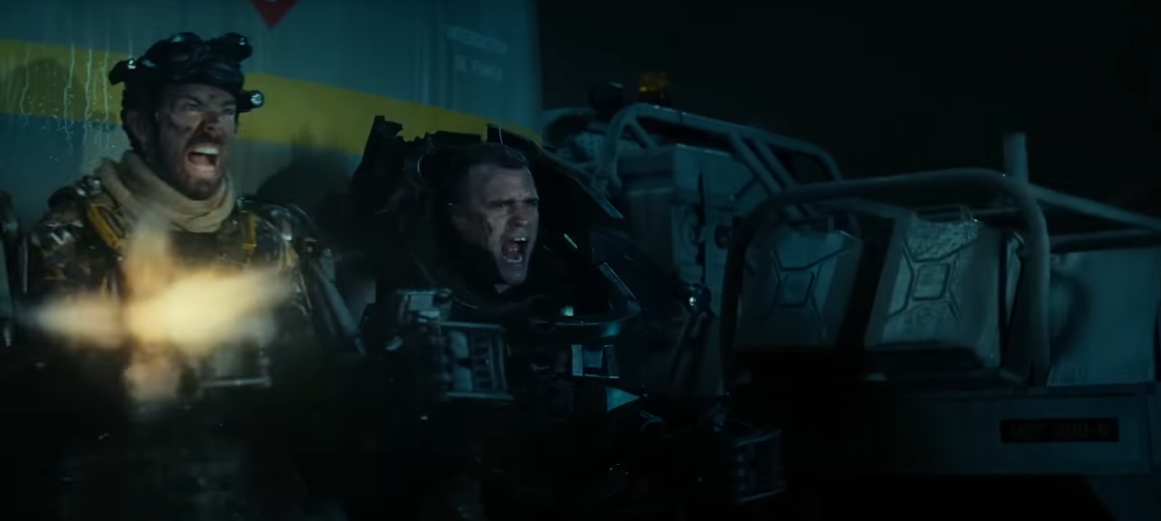
The Omega’s loop is a contraction engine that monopolizes the conversion of failure into future-space. Cage’s loop-bearing continuance is a repair path because it breaks that modal monopoly.
The ending is morally acceptable only if we keep the accounting intact. This transition was not “everyone benefits, therefore no problem anymore,” it was “the field was under catastrophic asymmetric contraction, and the only reachable repair path ran through a stolen witness register, repeated path-truncation, and a final reset whose moral remainder does not disappear.”
Edge of Tomorrow is such a good movie because it understands this emotionally, even when it does not state it formally.