Applied Case: Tenet (2020)
The world is saved. The path is not repaired. The world is doomed. [L]
Entropy Debt Week
To celebrate my upcoming short story in Nature Futures, Modal Path Ethics will audit fictional depictions of time, computation, rollback, and erased fields, as well as a special installment of Failed Field Analysts for the stupidest superintelligence I have ever heard of.
Tenet is yet another Christopher Nolan film to be audited by Modal Path Ethics, this time about a man called the Protagonist who is recruited into a secret temporal war after he learns that objects, weapons, and people can be inverted: moving backward through time relative to the ordinary forward flow of the world.
However, the more accurate version is this:
Tenet is a spy thriller about a closed loop private intelligence organization working to lock in a timeline so unspeakably broken that its own future attempts to murder the past.
That sentence is strange, but it is the whole case in sum.
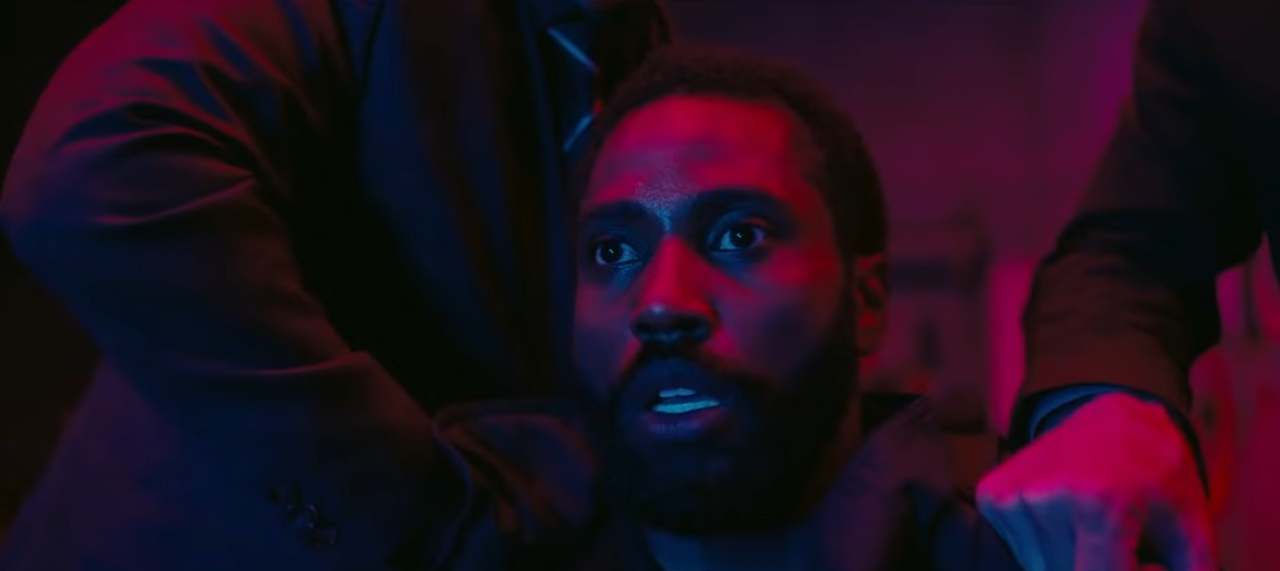
Most time-travel stories tempt the audience toward revision. Something goes wrong. Someone goes back. The past becomes editable. History becomes a draft. A painful field can be replaced by a better one, and the story then asks whether the replacement was worth it.
Tenet is not interested in any of that.
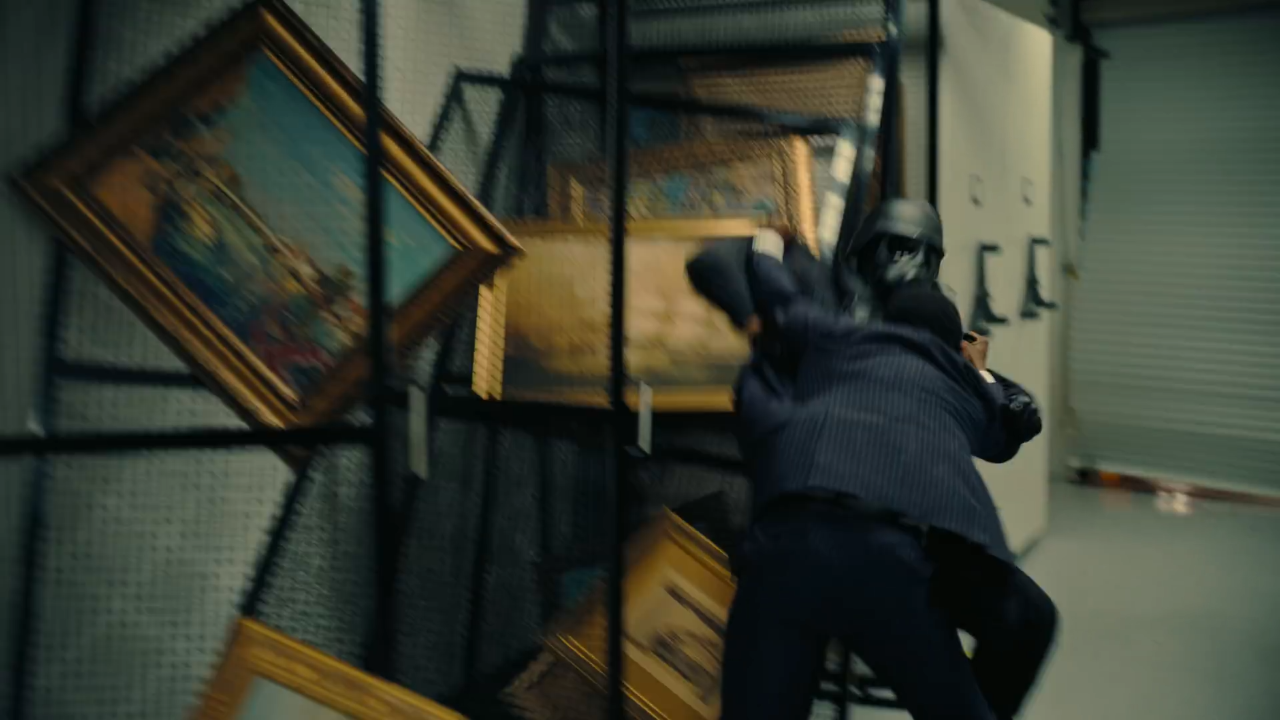
Nobody gets to jump backward and choose a cleaner branch. Nobody gets a normal second chance. Nobody reruns the day until the battlefield is solved. Nobody deletes the failed decade and wakes with a lesson.
There is no rollback to be found here.
There is the distinctly more cinematic inversion.
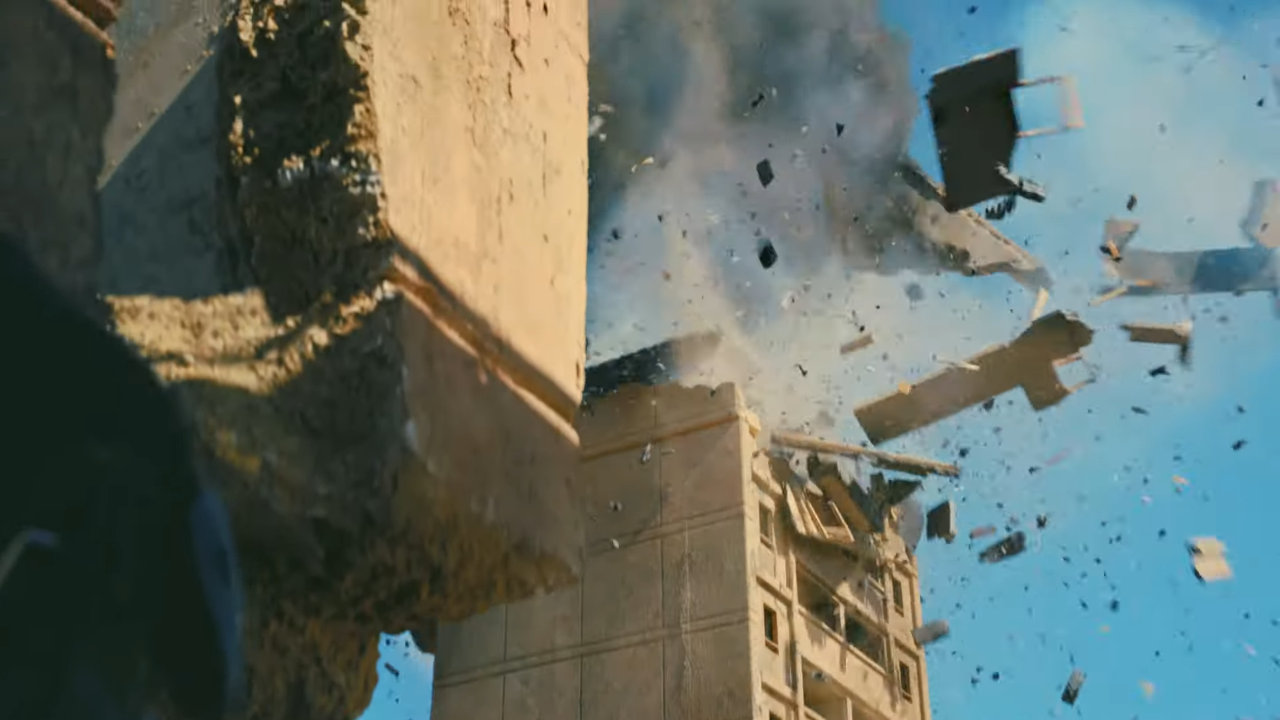
Inversion does not erase an interval. It does not restore the world to any checkpoint. An inverted person still moves forward along their own continuance.
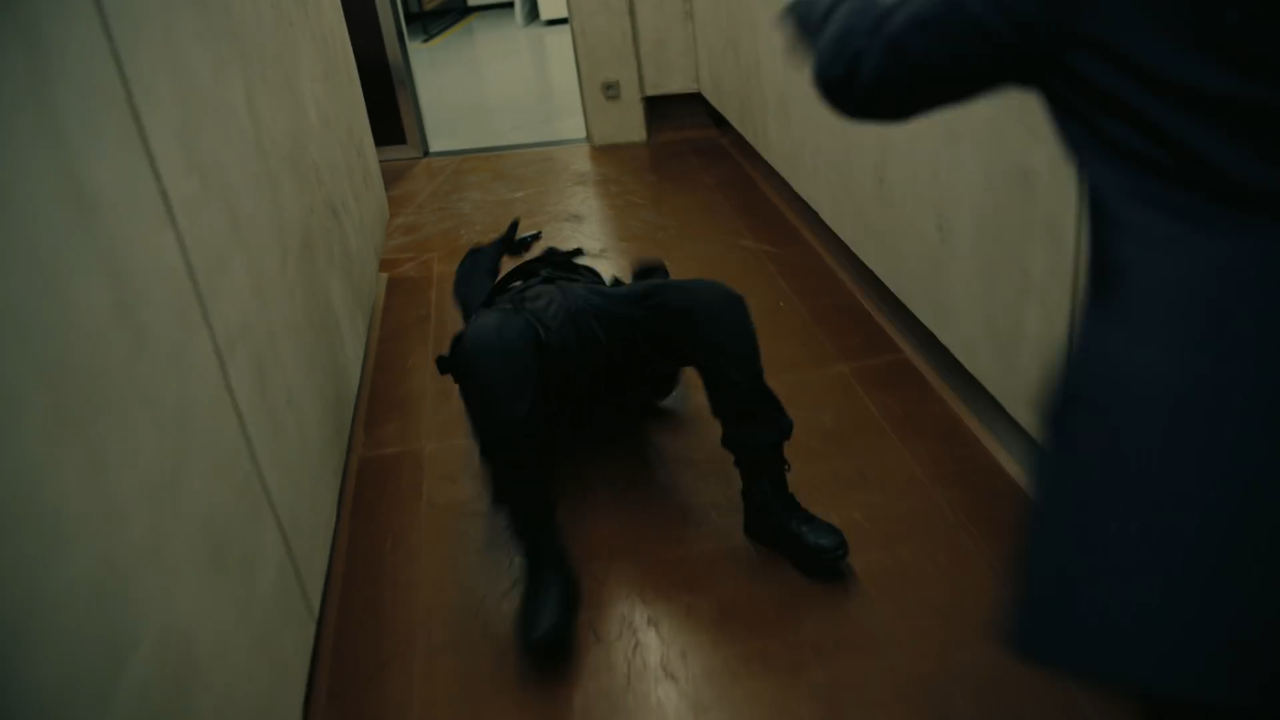
Their body, memory, injury, decisions, and obligations remain downstream for them. They can move opposite the ambient temporal direction of the surrounding field, but they still have to live the path. This is physically bizarre, but from their perspective nothing about this is that weird for Modal Path Ethics.
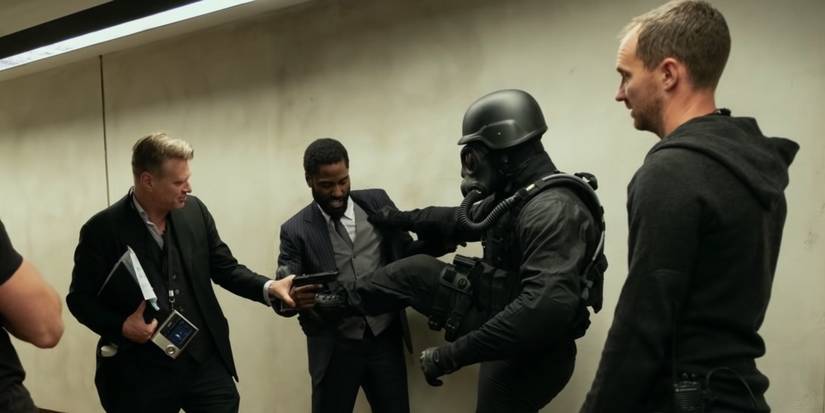
If you want to reach last week, you have to spend a week inverted.
If you want to act in the past, you have to enter the path that was always already producing the traces that were already there.
So, that is why Tenet belongs at the end of this sequence. After rollback, reset, branch, simulation, and checkpoint captivity, Tenet gives us a cleaner and much stranger problem. This movie is not even really about time travel at all, but not in the Looper way.
The important thing is this timeline is definitely not branching through inversion. The past is not a draft. The trace was already there.
Reversed Continuance.
The turnstile is not a time machine in the usual sense.
A time machine, as imagined in most fiction, moves an agent from one date to another while preserving the agent’s ordinary temporal orientation. The traveler arrives in the past as an outside-ish observer, or at least as someone whose subjective path has escaped the local order of events. They can warn, change, interrupt, prevent, or exploit.
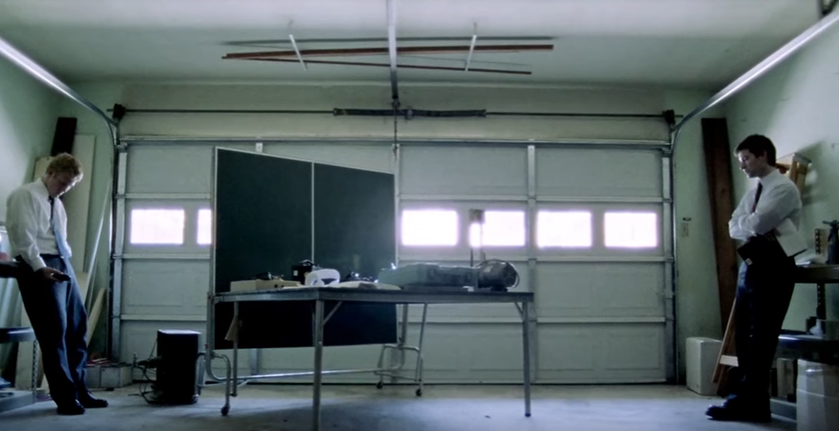
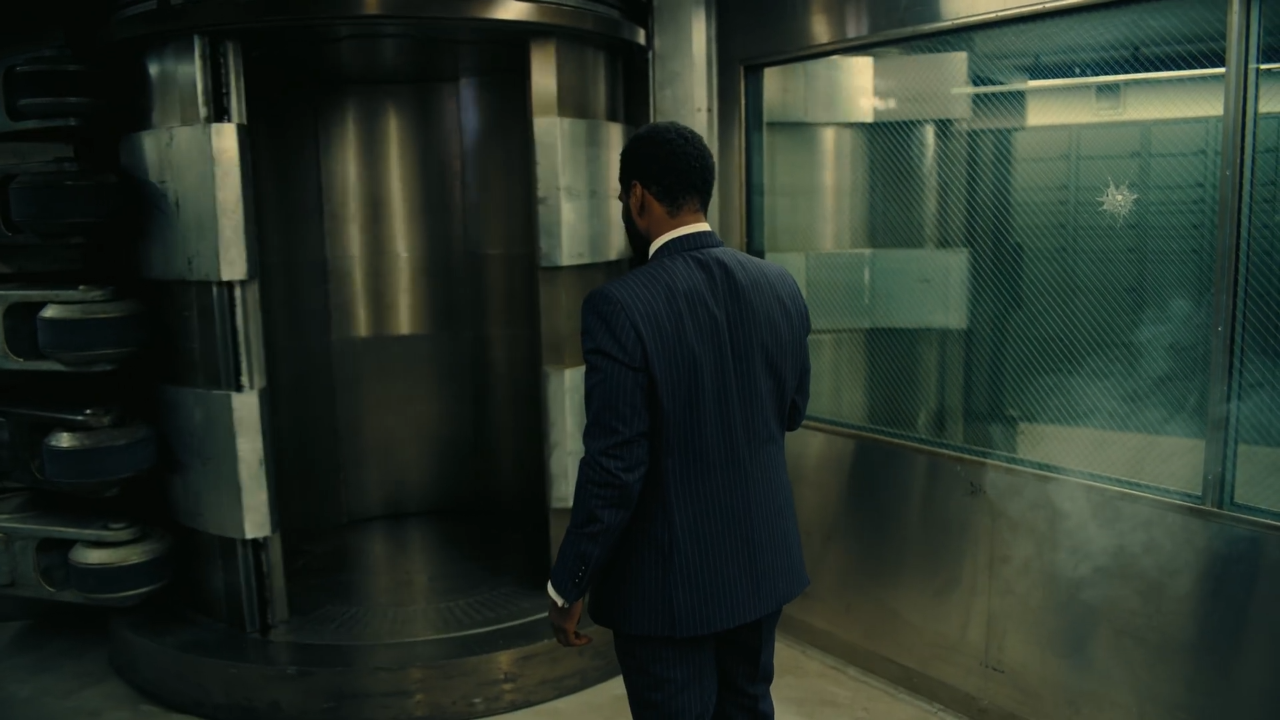
The turnstile does something different. This thing inverts the entropy orientation of whatever passes through it. An inverted agent is never transported to an earlier moment. They pass into a state where their proper-time continues while the surrounding world appears to run backward.
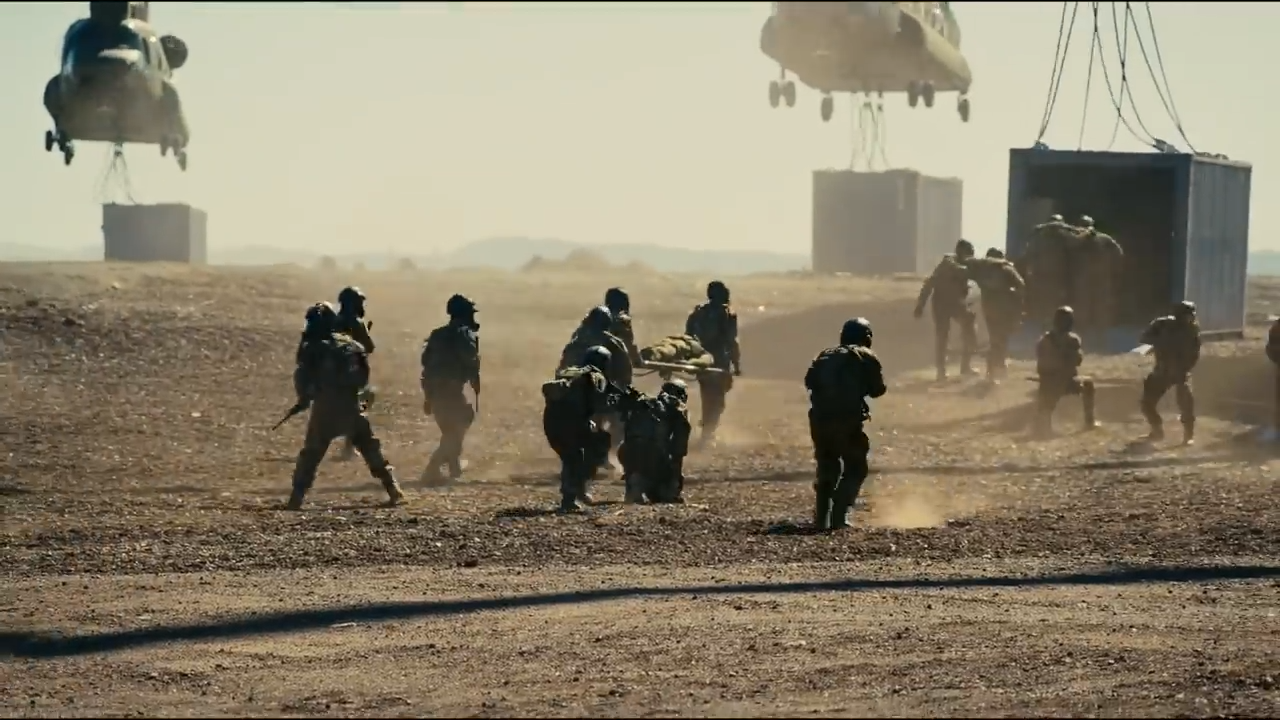
That is why breathing becomes a problem and the inverted people need their own air. That is why fire and cold behave wrongly from their perspective. That is why moving through the world becomes dangerous at the boundary between arrows.
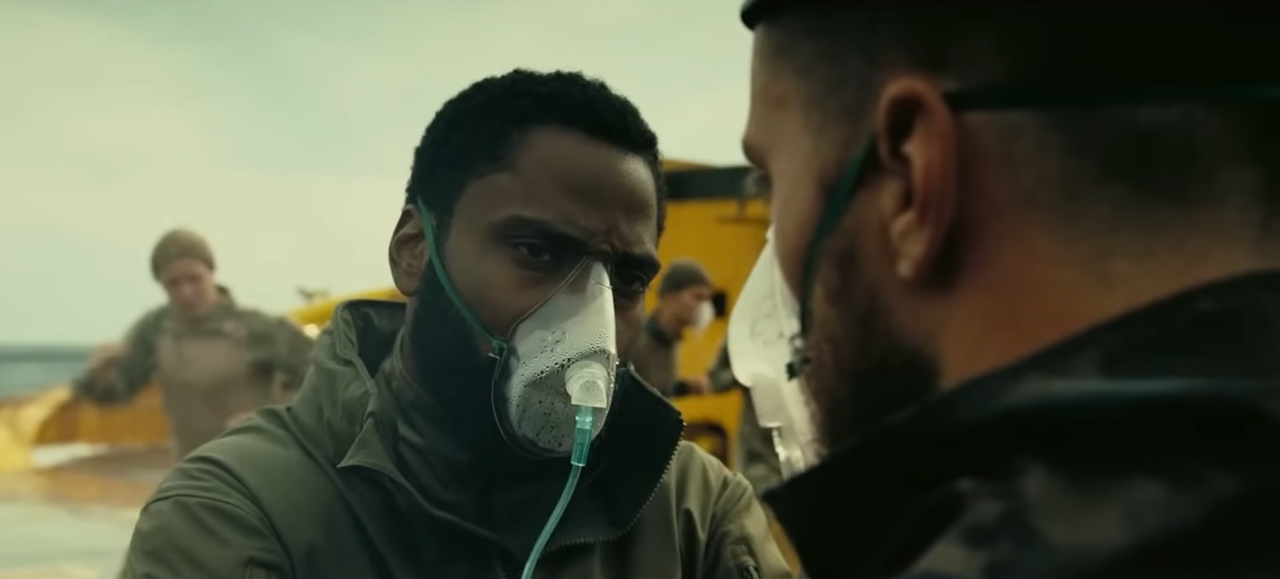
The inverted agent is not outside causation. They are in the same causation, just with the direction sign reversed relative to everyone around them.
This gives us the first rule of Tenet:
Inversion is reversed continuance.
Rollback says:
- Run the field from state A to state B.
- Dislike state B.
- Restore state A.
- Keep some privileged trace of B.
Inversion says:
- The agent continues through the interval, but from the other temporal side.
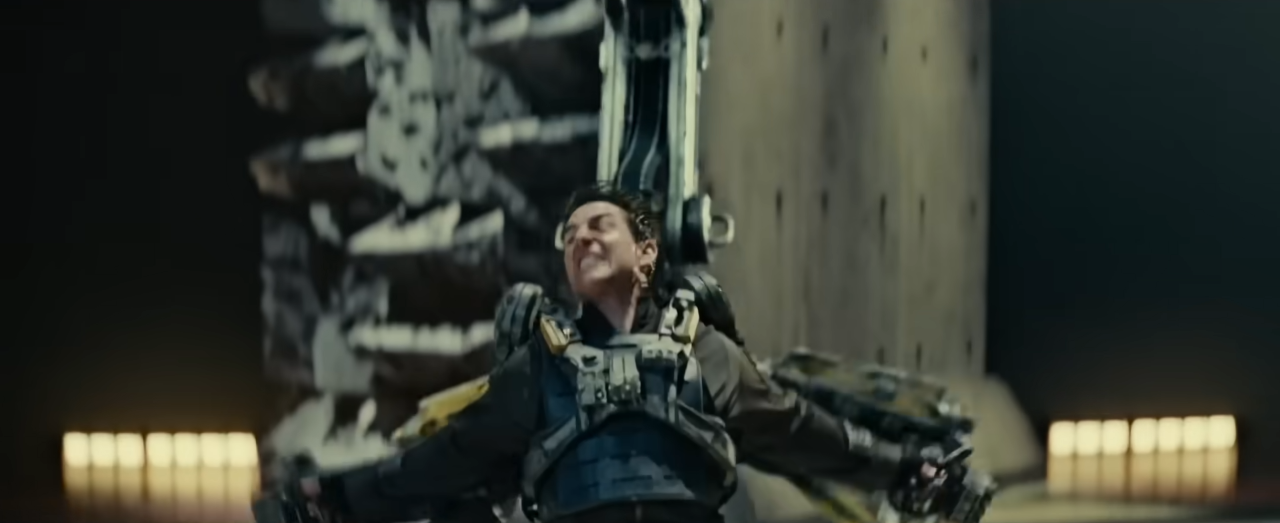
In Edge of Tomorrow, the Omega repeatedly restores the field to checkpoint while preserving memory through a privileged register. This is rollback. The contraction comes from checkpoint captivity: the human field is prevented from carrying failure forward, while the Mimic field converts trace from failure into strategy.
In Twelve Monkeys, the past is closed and the mission is information-only. The time machine does not erase the plague, or even do very much at all. It just extracts knowledge from a sealed field so the survivors can open a future downstream. The machine is extremely close to ethical; the probe is not.
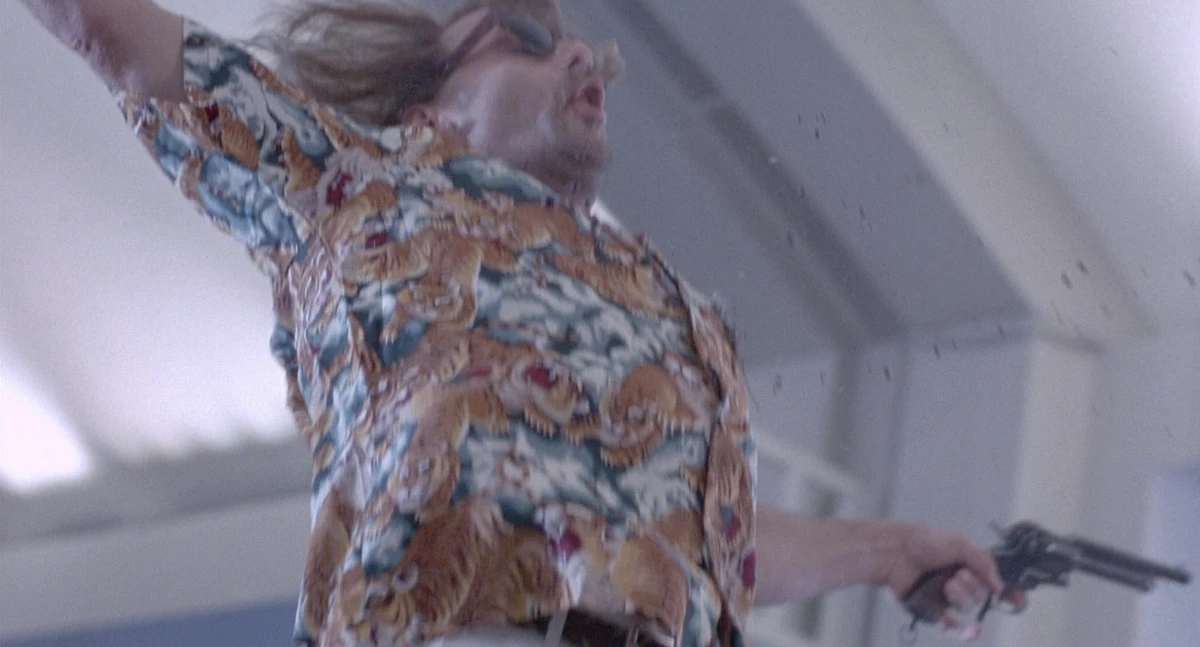
In Garbage Collection, the entire universe is treated as computation. Failed futures are reversed until noise produces a better run. This is global rollback without any witness. If the universe is the thing being processed, then the user is always data too.
Tenet is completely different from all of this.
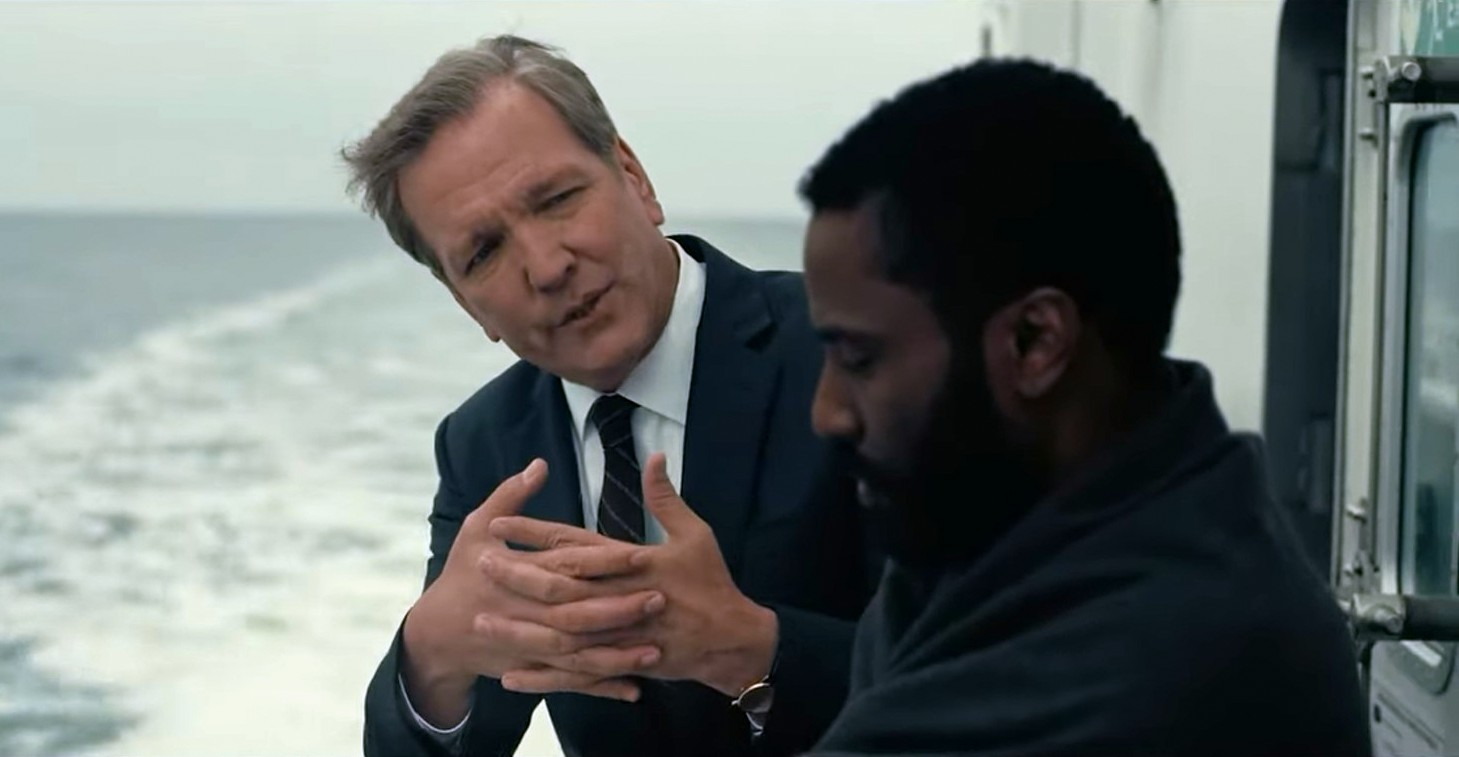
It does not reset the field.
It does not extract information from a sealed past.
It makes agents carry the interval from the other side. That is cleaner than rollback, but it is still not clean.

Inversion Debt.
The word debt is important to keep in mind here, because Tenet is full of reversals that look costless until the field shows where the cost went.
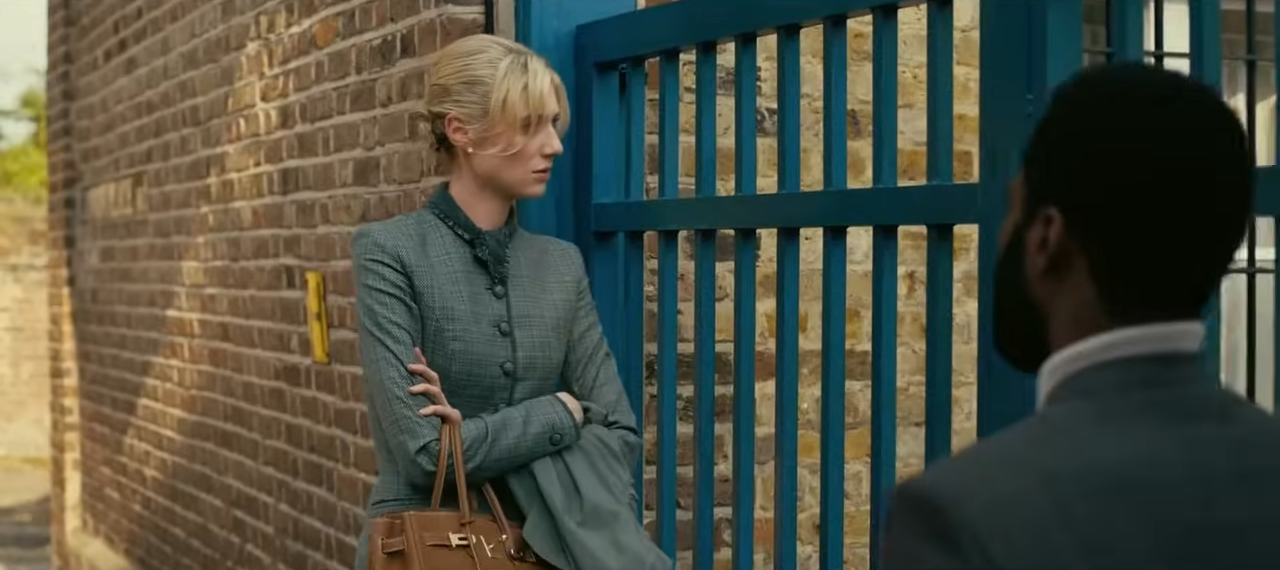
There are at least five debts in this film:
- Interface debt is contraction produced at the boundary between incompatible temporal orientations. Inverted air, inverted fire, inverted bullets, inverted injuries, inverted vehicles, inverted bodies; all of these create new hazards because two process-arrows are now being forced to touch.
- Trace debt is the obligation created when the extant field already contains the consequence of an agent’s future or inverted action. The bullet hole is already there. The wound is already there. The broken object is already there. The agent has not subjectively made the trace yet, but the trace is already part of the field. That does not absolve the agent, but it constrains the agent.
- Bootstrapping debt is the specific burden created when an agent benefits from a closed-loop structure they later become responsible for authoring. The Protagonist is saved by Tenet before he founds Tenet. He receives Neil before he earns Neil. So he inherits a path that his future agency must later build.
- Secrecy debt is contraction created when an institution preserves its operational security by reducing the informed agency of the loci inside the field. Sometimes secrecy is very necessary. It is not therefore free, though. Tenet recruits through partial disclosure, tests through deception, manages causal risk by narrowing knowledge, and repeatedly converts people into smaller agents than they would be under fuller understanding.
- Temporal foreclosure debt is the attempt to collect the cost of a damaged future from a past field that did not consent to become the payment substrate. This is the Algorithm. The future is fucking ruined, so the past is treated as collateral in escrow. Survival becomes a debt collection operation launched backward through time.
That is the whole moral architecture of the movie. This one is not about good guys and bad guys.
Debts.
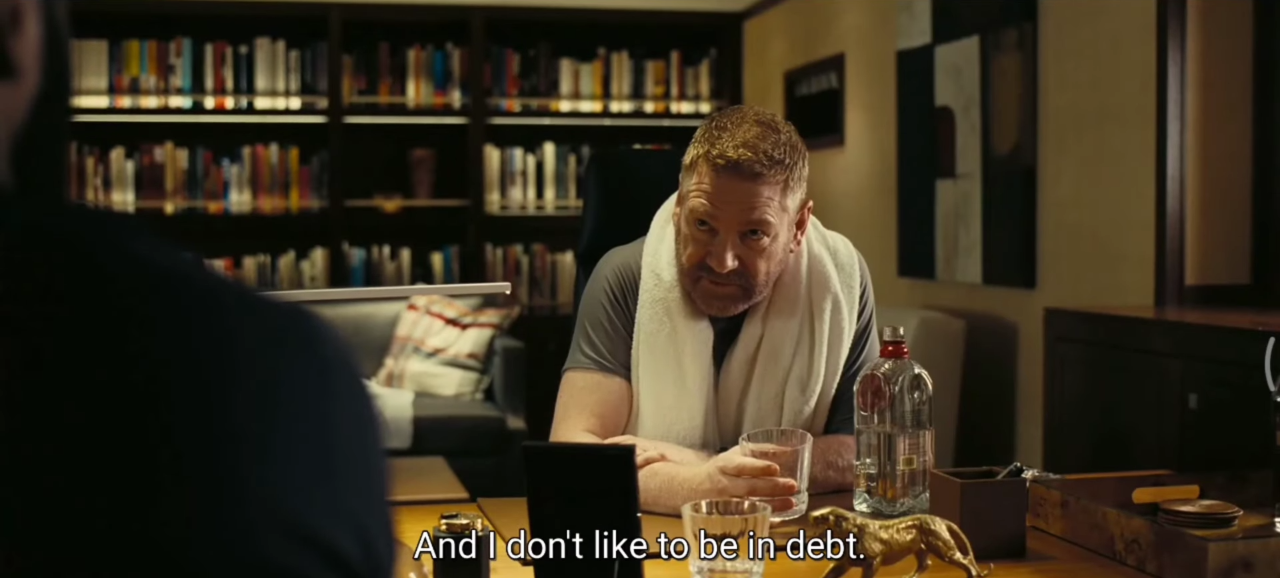
The question is: who pays them, who remembers them, who hides them, and which future becomes reachable after they are imposed.
The Wound-First Field.
In ordinary life, we are used to thinking in this order:
- Act,
- then trace.
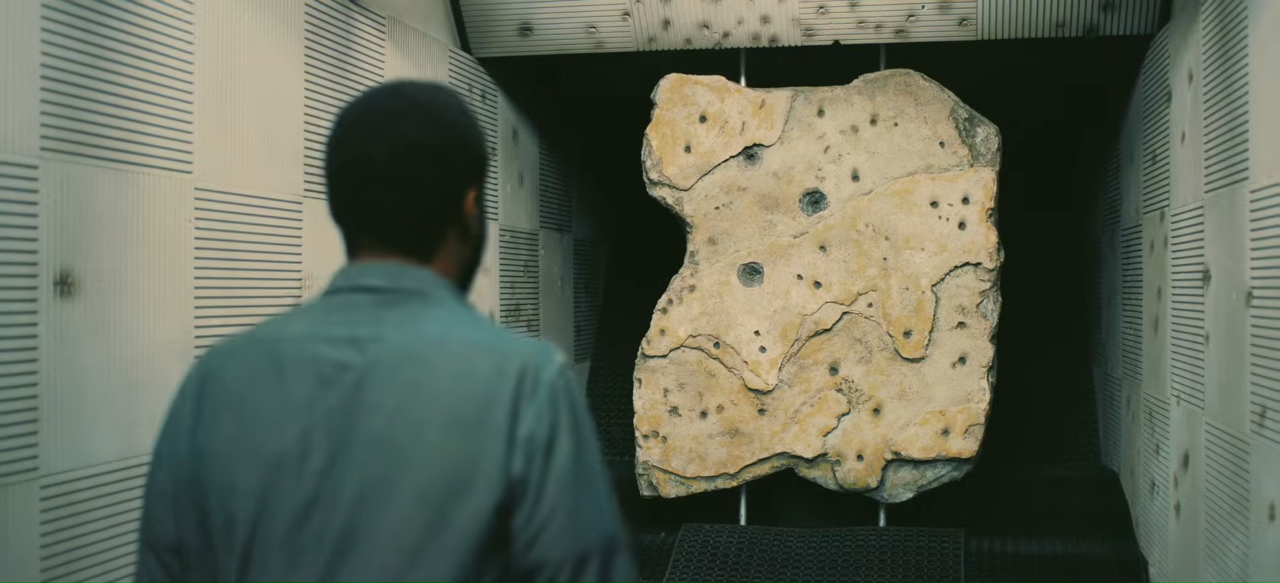
A person fires a gun. Then there is a bullet hole.
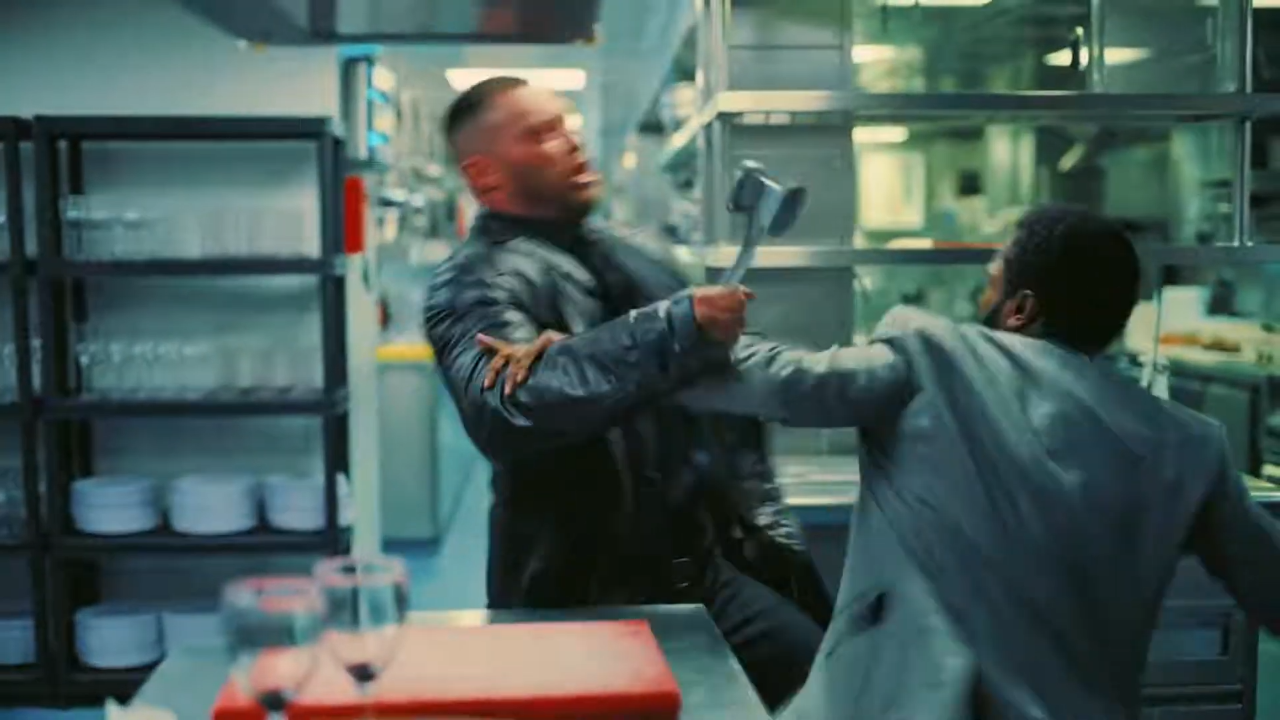
A person strikes. Then there is a wound.
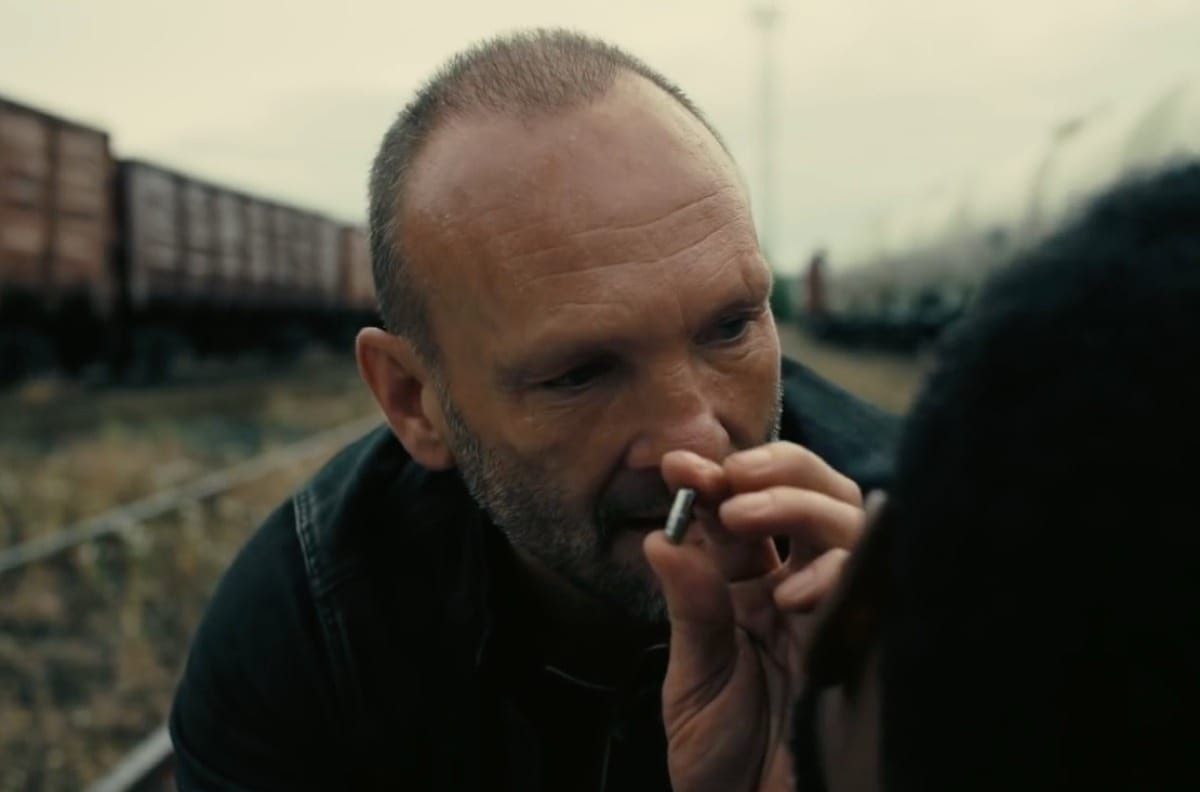
A person makes a choice. Then the field changes.
Tenet repeatedly gives us the reverse:
- Trace,
- then act.
The bullet hole is already in the glass. The object leaps into the hand. The wound appears before the blow. The effect arrives before the local agent has experienced the cause.
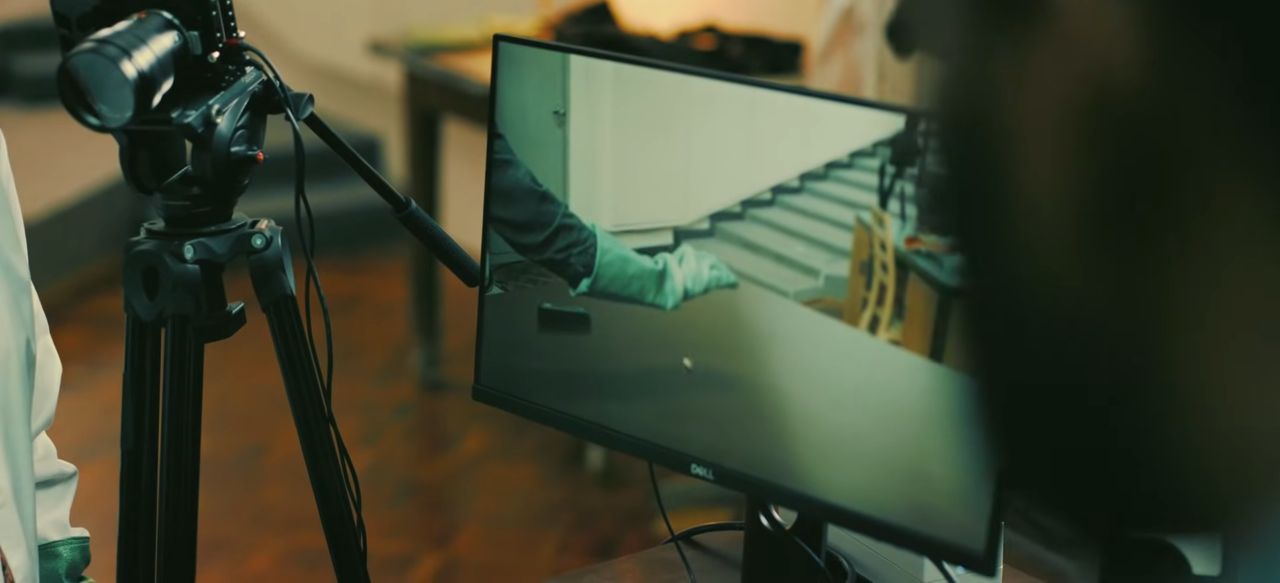
This is the film’s deepest ethical structure:
Tenet is a wound-first field.
The field contains consequences before the agent can comfortably locate the action that produced them. This creates a powerful temptation: if the trace was already there, maybe nobody is responsible.
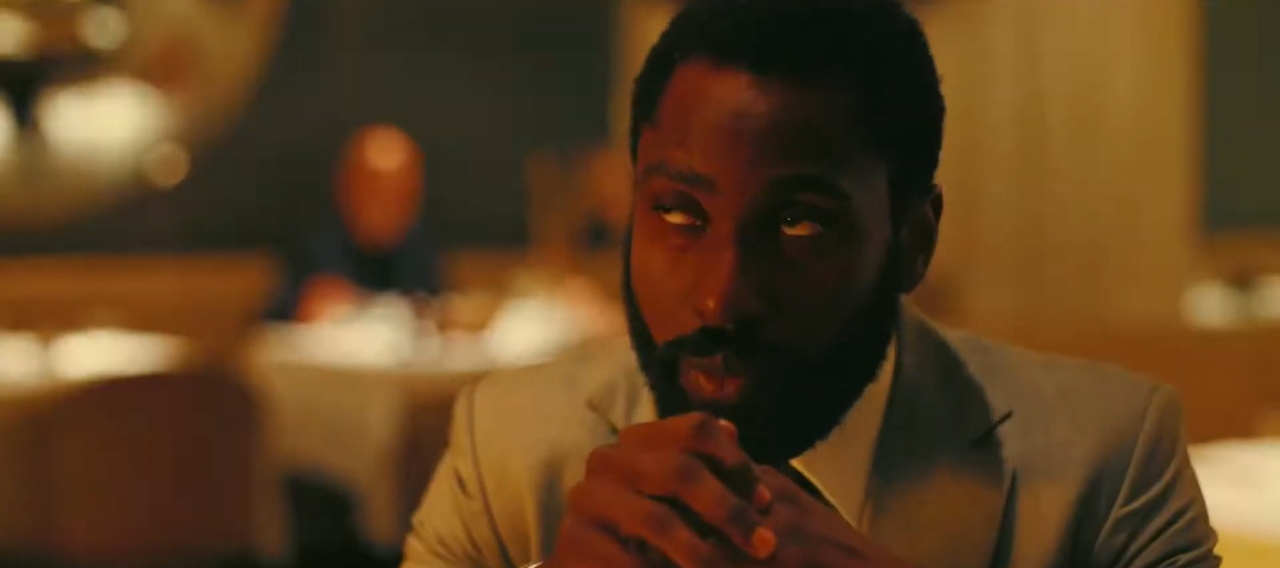
Maybe the event is just “what happened.” Maybe the agent is only filling in a line already written.
That is the fatal misread of this film.
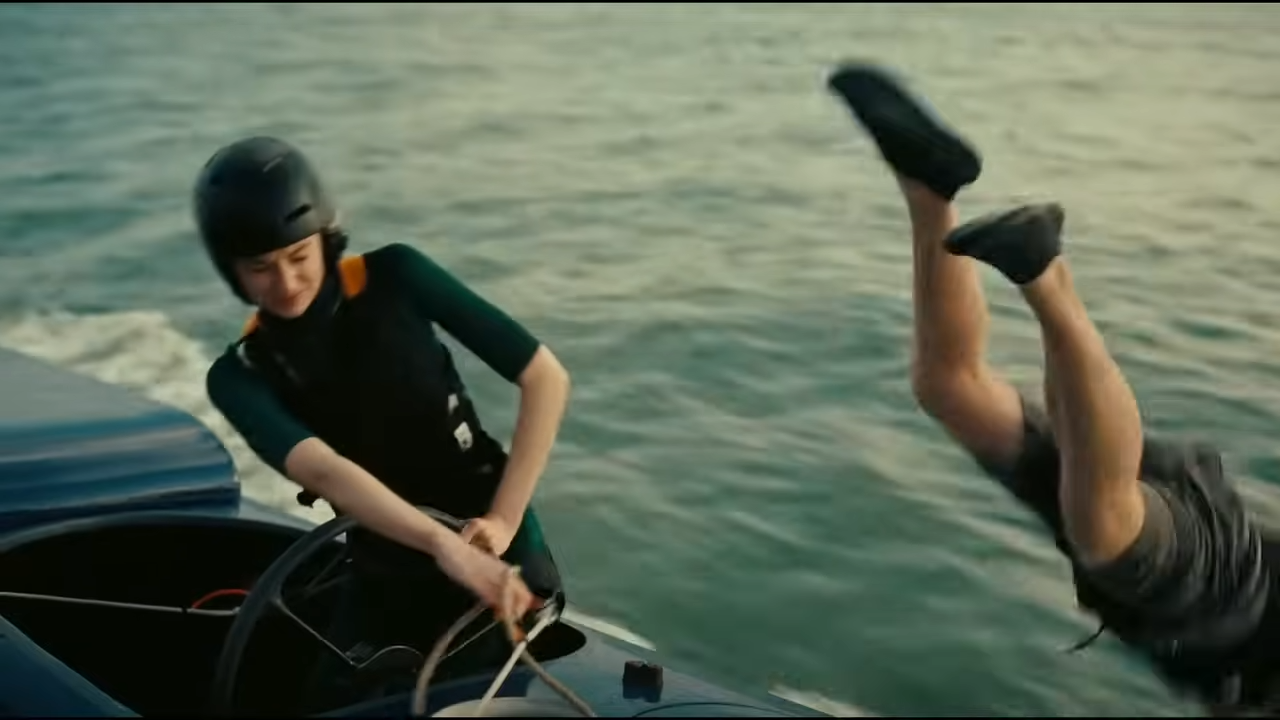
The trace being already there does not create innocence. It creates obligation.
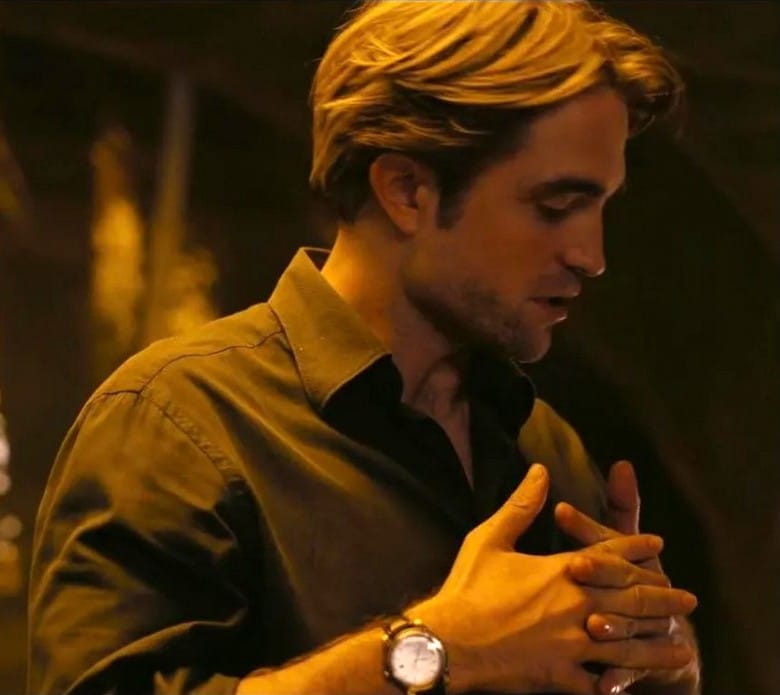
A wound-first field does not place agents outside responsibility. It only shows responsibility arriving from a direction their human psychology was not built to expect.
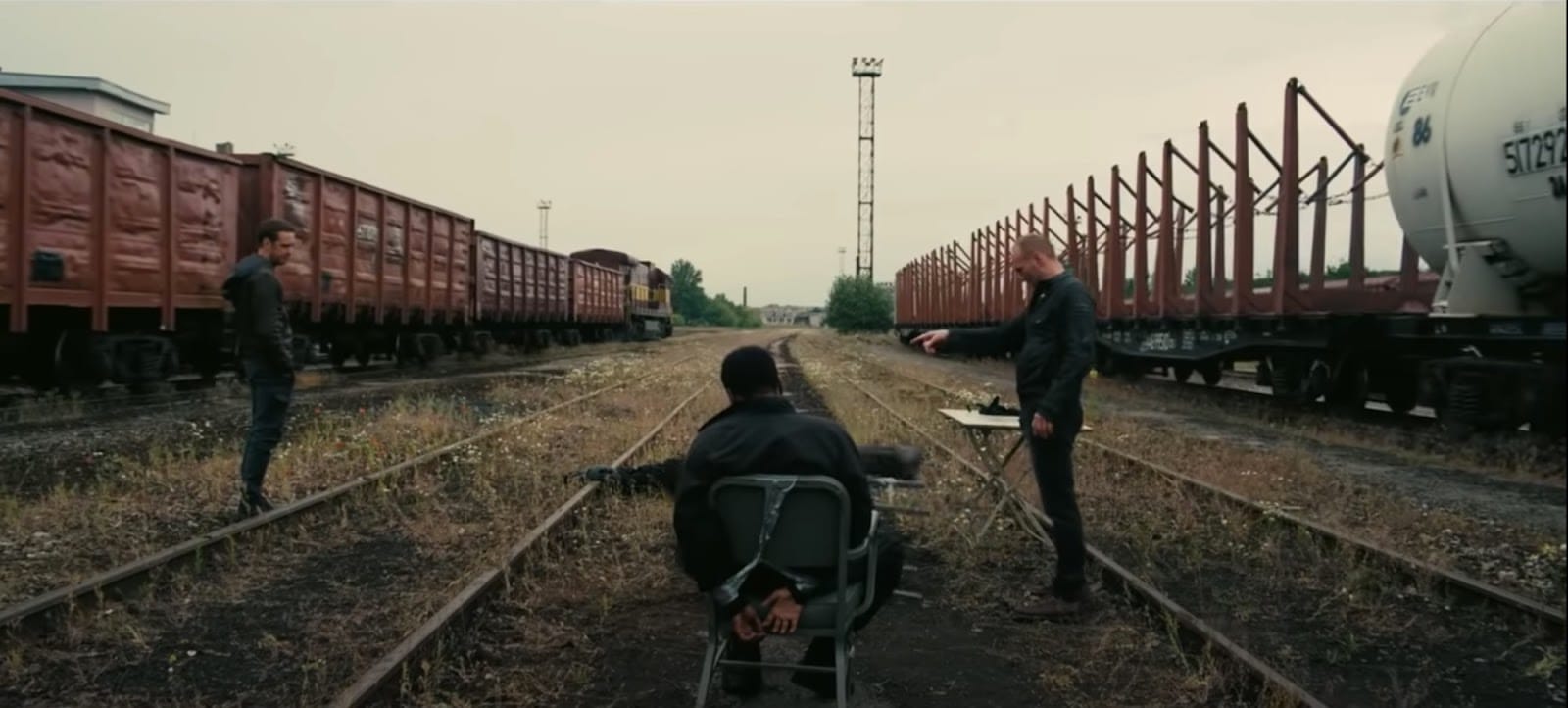
This agent’s local feeling of authorship comes late. The field’s record always comes first.
This is why “what’s happened happened” cannot be allowed to mean “nothing therefore matters.”
It in fact means the opposite. What happened still counts.
If the trace exists, the path exists. If the path exists, then someone is in relation to it. Everything is conditional.
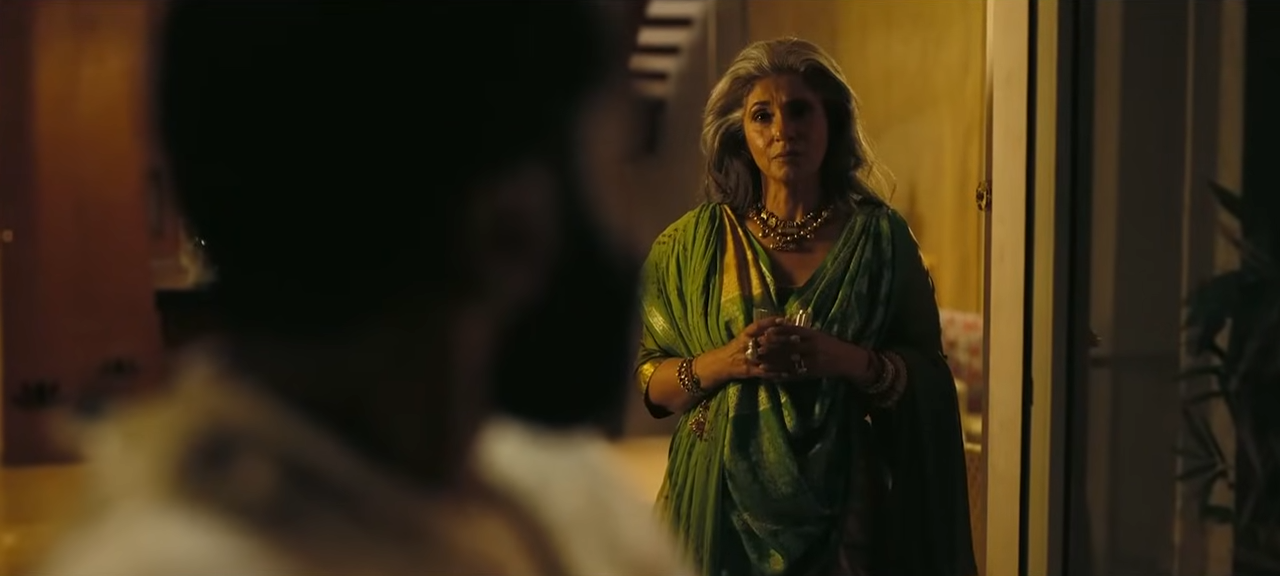
If the agent later enters the act that makes the trace, the agent is not excused by the trace’s prior visibility. The trace was the field telling them what they were already inside.
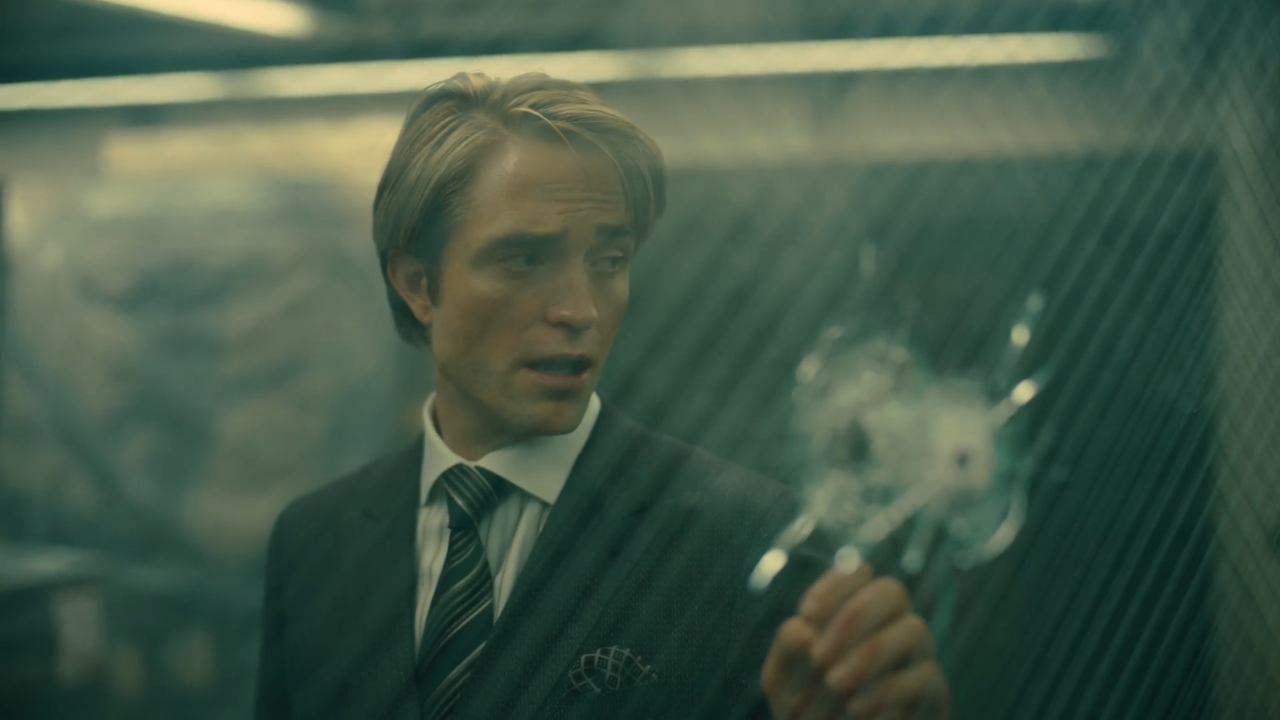
That mysterious bullet hole is not an alibi.
It is a Modal Path Ethics court summons.
Temporal Pincer: Fixed-Point War.
The temporal pincer is one of Tenet’s great, rad ideas, and it is usually explained too shallowly.
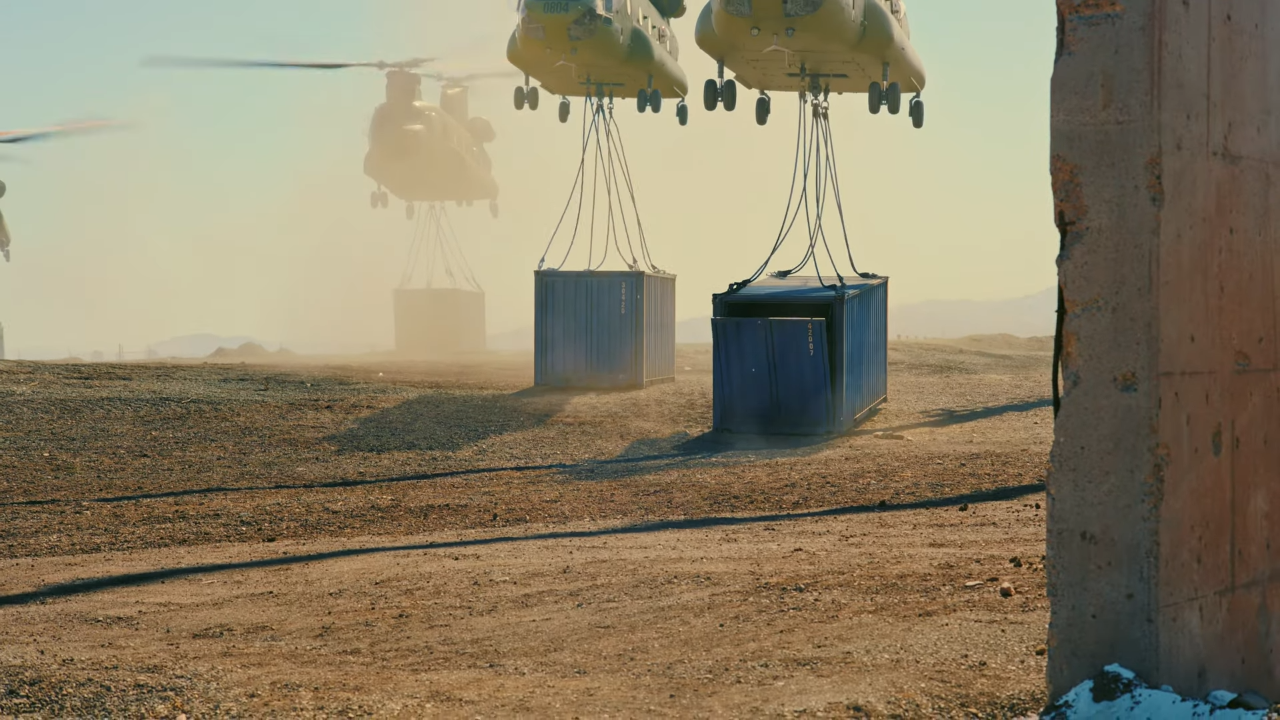
A normal pincer constrains an enemy spatially. Two forces attack from different directions. The enemy is caught between them. Like Metapod.
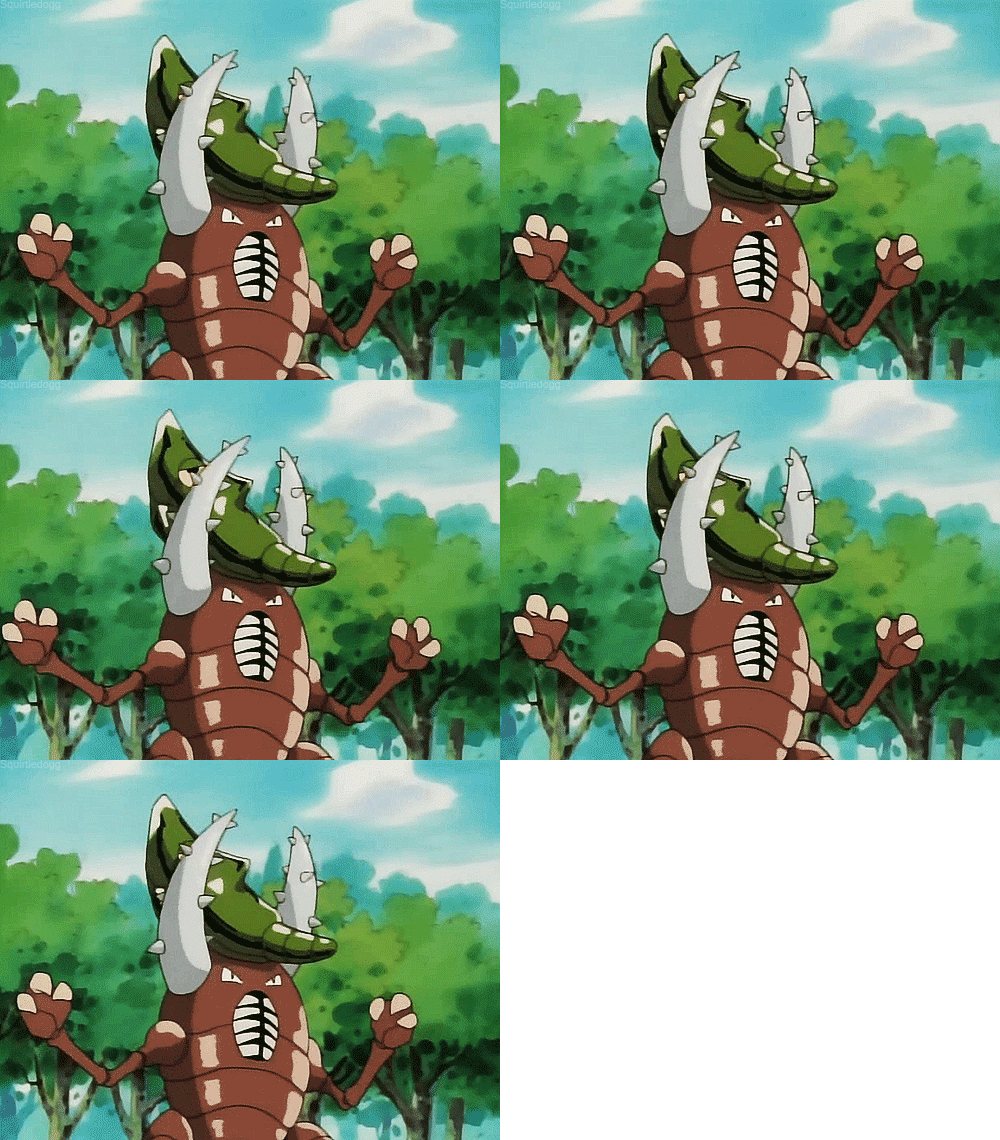
A temporal pincer constrains an interval from both temporal ends. The enemy is caught between them. Like Xatu.
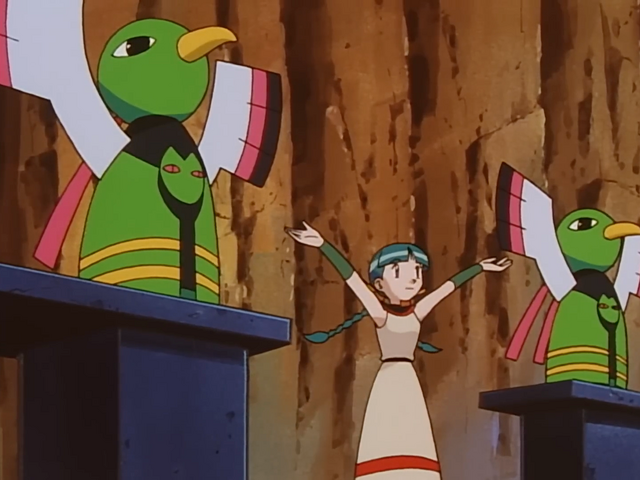
- One team moves forward through the operation.
- Another team moves inverted through the same interval. This team, moving in inverse, now knows exactly what happens to Team One for the entire mission duration by the time they arrive at the starting point, because they just watched it happen in reverse.
- The second team tells the first team what to do. The information they received was always already the information the second team was going to bring them right now, because this information was what led the first team to take the actions the second team just witnessed.
Information from the later boundary is fed into the earlier boundary. The event is never repeated. It is over-constrained.
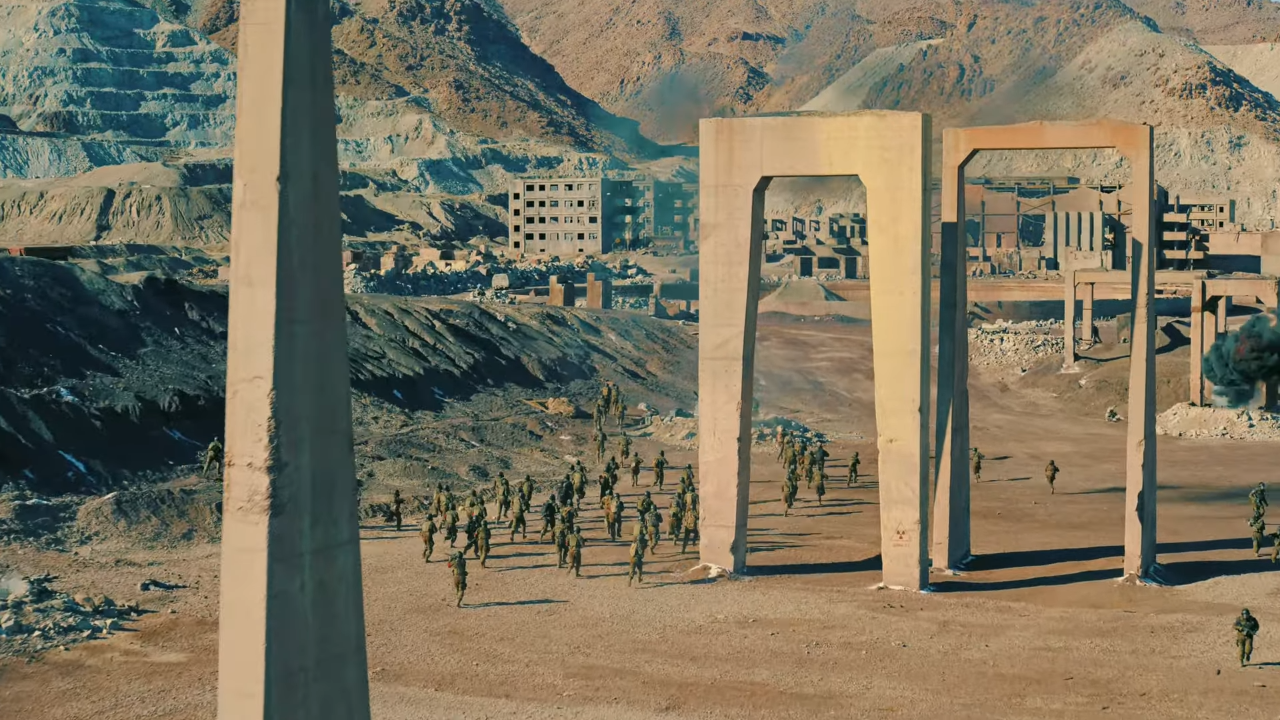
That means a temporal pincer is not an Edge of Tomorrow loop.
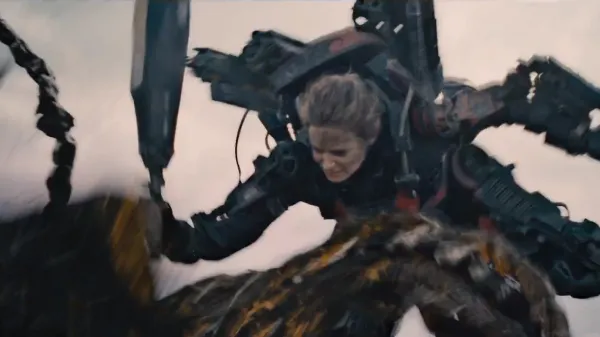
In Edge of Tomorrow, the battlefield is run again and again. Failure is converted into knowledge by a privileged witness register. The key danger is asymmetric continuance: one side keeps history while the other side is trapped at checkpoint.
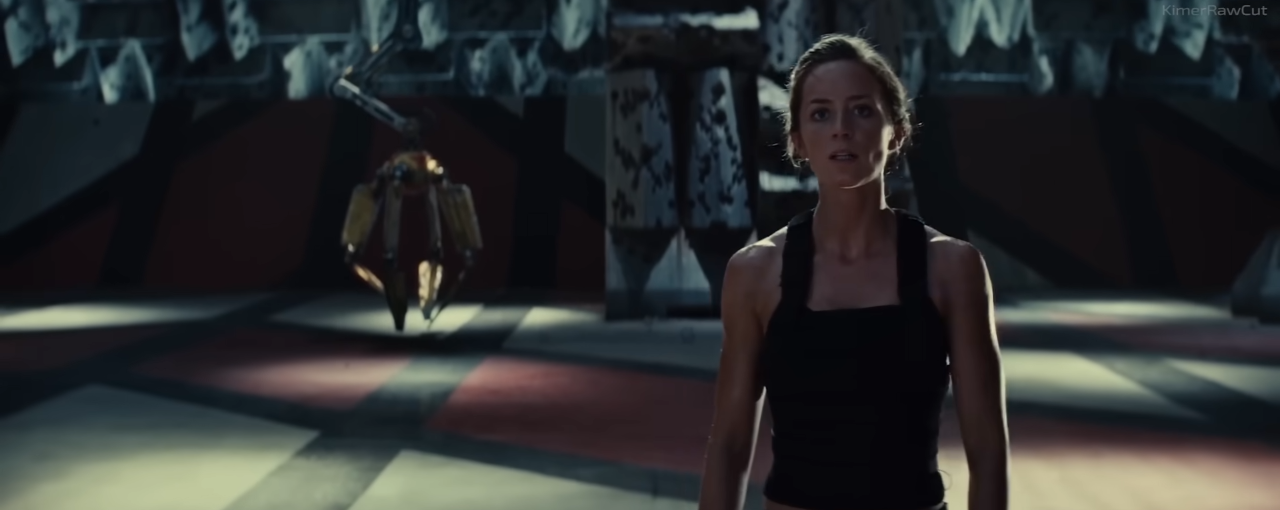
In Tenet, the interval is not retried. It is just walked from both sides. The later shape of the interval helps produce the earlier choices that help produce the later shape of the interval.
This is fixed-point war. The event must satisfy its own evidence.
That makes the temporal pincer powerful, but also very dangerous. It creates agency under pre-existing constraint. Every participant is now moving through an interval partially determined by traces, briefings, and consequences that already belong to the interval.
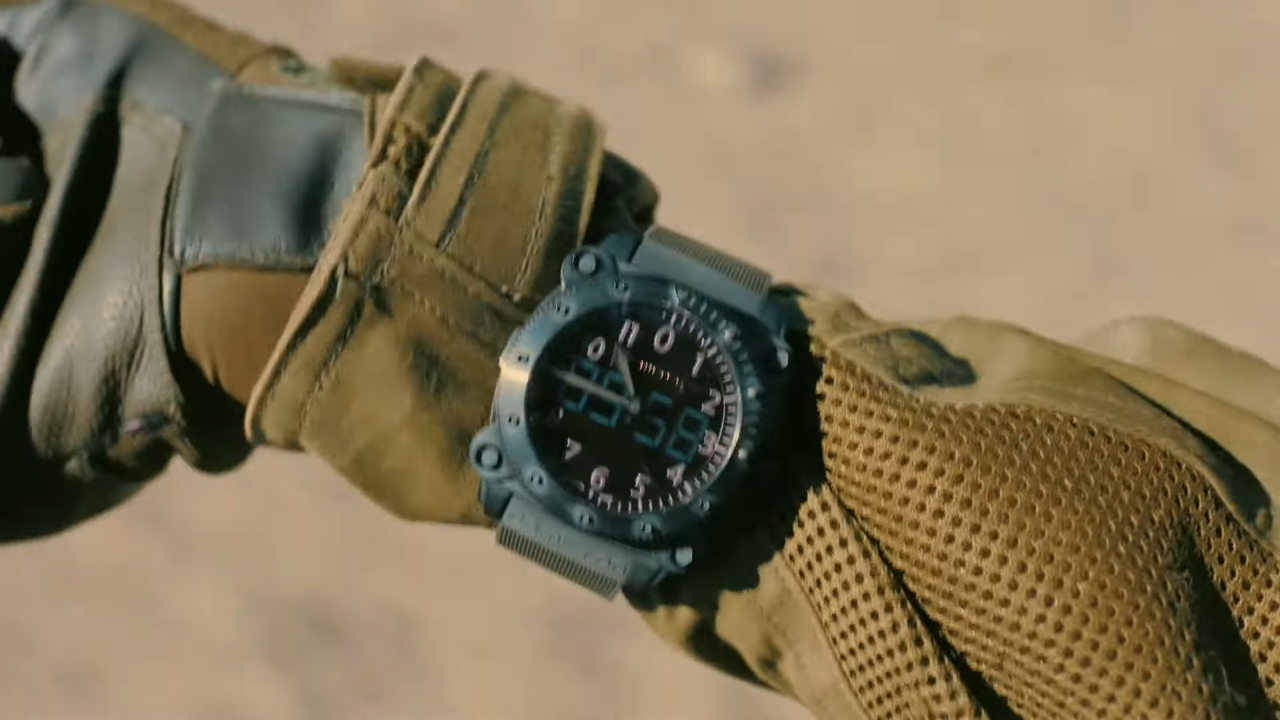
This is not the same as passivity. They retain constrained agency. This is just also not freedom in the fantasy sense either.
The temporal pincer gives agents a strange kind of metaphysical burden: they must act so the field remains consistent with what they have already used as knowledge.
In a rollback story, the moral danger is discarded branches or erased intervals.
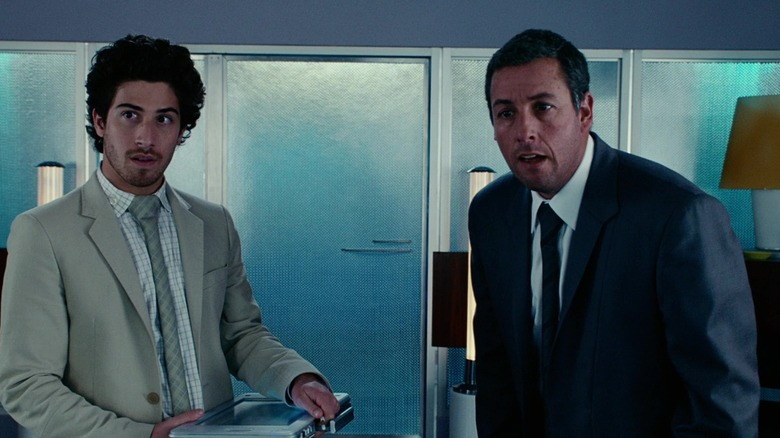
In a temporal pincer, the danger is not deletion. The danger is authorship under self-confirming evidence.
The agent is not choosing from a blank menu. The agent is participating in the closure of a knot.
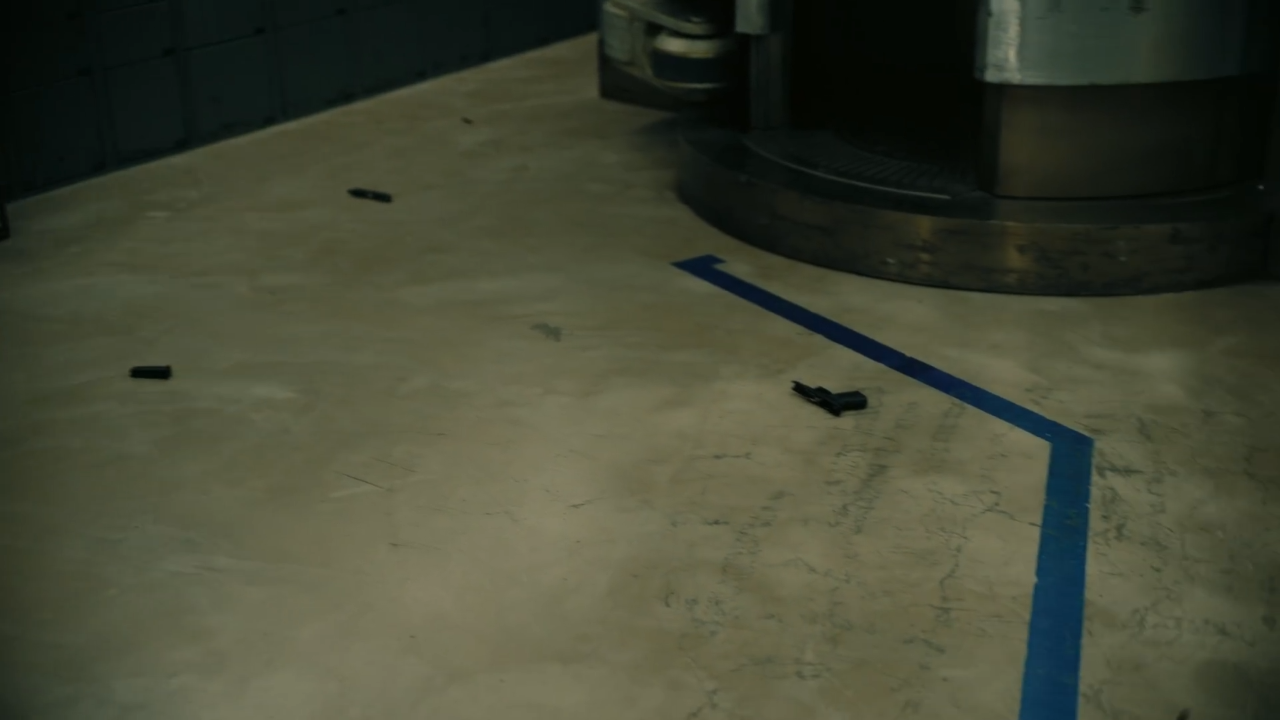
That is why Tenet’s agents are so fucking hard to audit ethically. These people are not making decisions from ignorance, and they are not omniscient. They are walking inside partial evidence of their own future action.
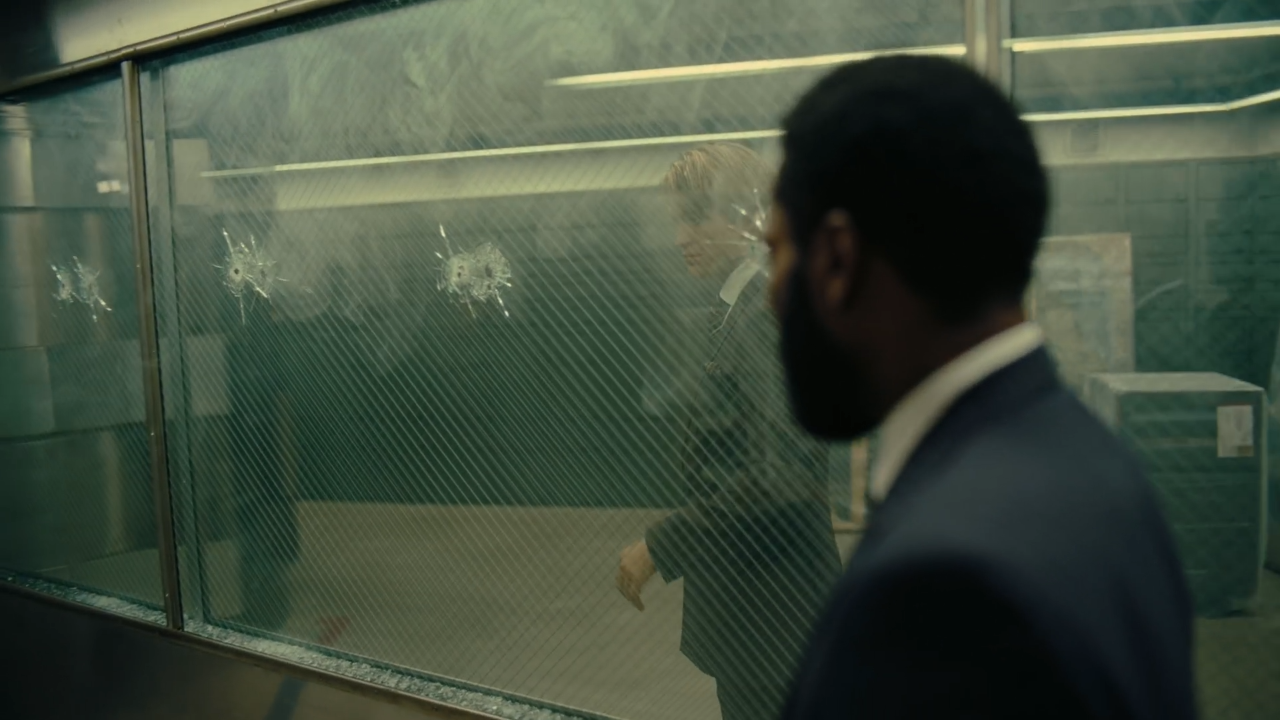
A weaker story would treat that as incredibly badass. Tenet accidentally makes it incredibly horrifying.
The Algorithm Can Never Repair a Closed World.
The Algorithm is supposed to reverse the entropy of the whole world.
This is the future’s plan. It gets really bad, apparently. Future humanity, or some faction of it, has inherited a world so utterly ruined that ordinary continuance appears intolerable.
Sea levels, heat, ecological collapse, resource collapse; the film’s account is not detailed, but it is clear enough. The future believes the past consumed the whole world and left their descendants with a dead field.
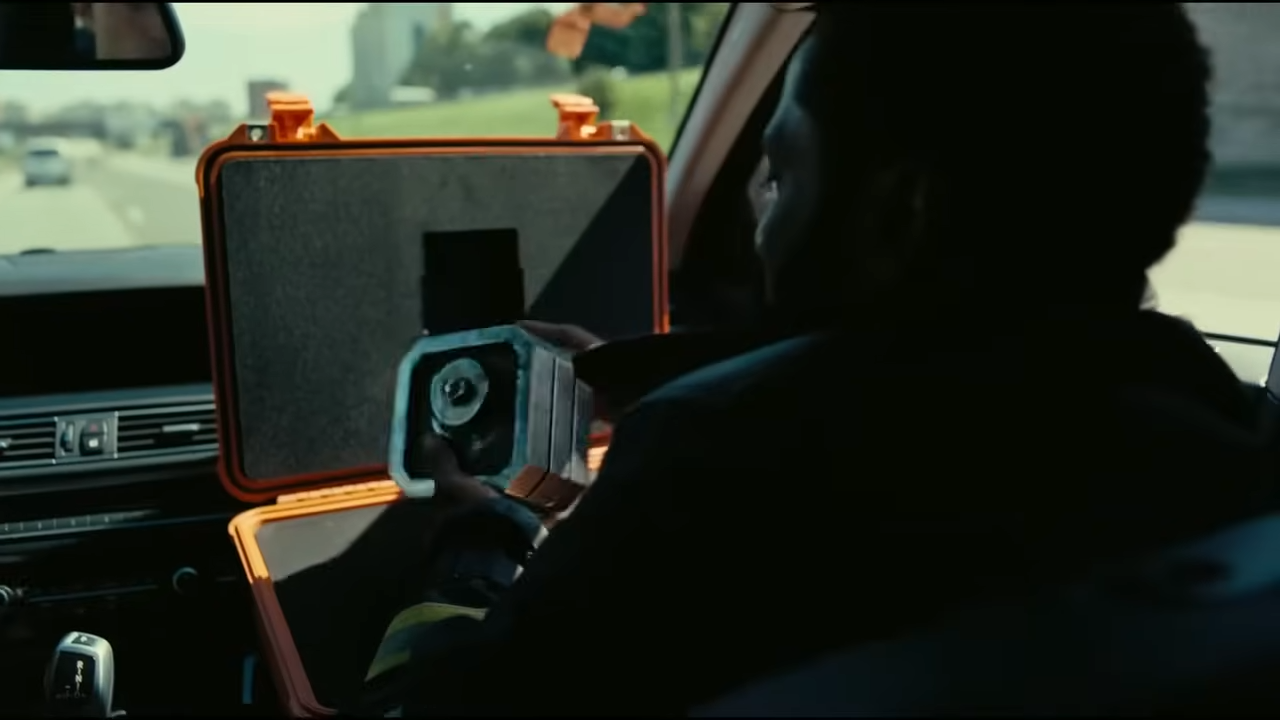
The future sends the Algorithm backward, through Sator, so that the past can be annihilated or inverted or overwritten.
This is temporal foreclosure.
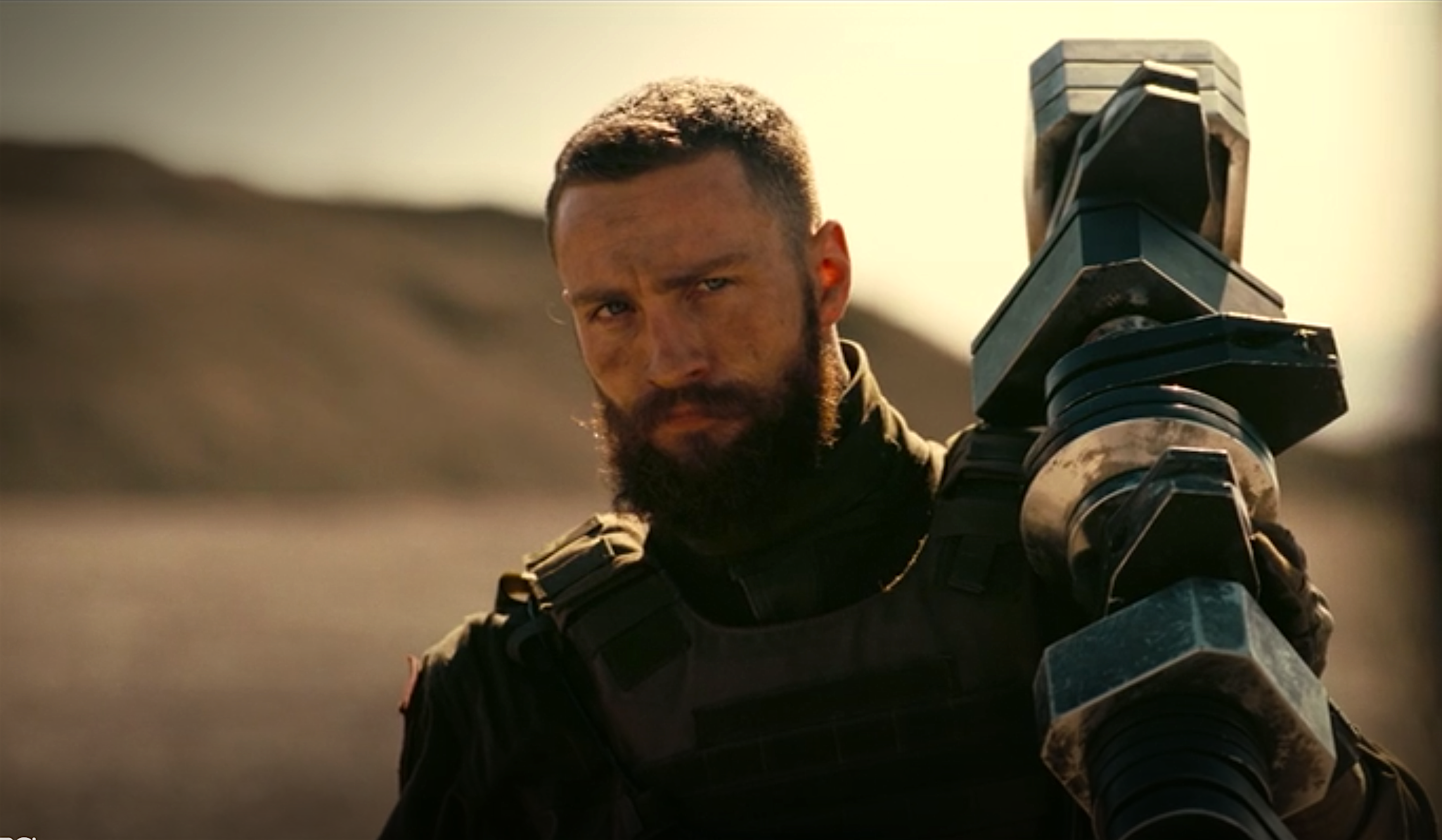
The future treats the past as collateral for the future’s debt. The logic is easy to reconstruct:
- The future is dying.
- The past caused the future.
- Therefore the past can be made to pay.
This is not field analysis. They gave up on that in the future, which is why it is so bad there. This is desperation with a new physics interface.
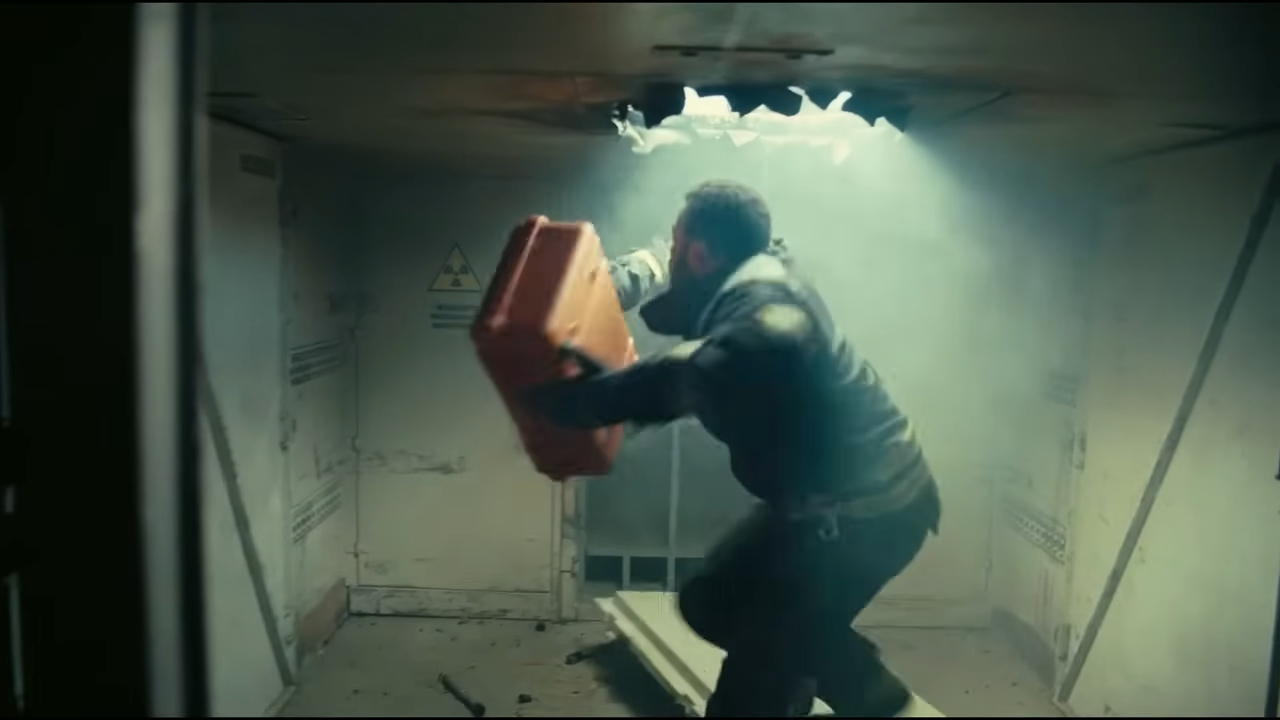
If the Tenet timeline is closed, as it is portrayed, this plan becomes even stranger and wilder.
Because the future cannot simply replace history with a better one from some clean external vantage. If their Algorithm succeeds, then its success was always already part of the timeline. If it fails, then the failure was always part of the timeline.

Either way, the future does not possess an ordinary edit button that could solve their problems.
So, the Algorithm only makes any sense under very ugly interpretations:
- Maybe the future just misunderstands the metaphysics and has mistaken a world-ending weapon for a repair machine.
- Maybe the future now believes in branch replacement, and is willing to destroy this past-field for some other continuation.
- Maybe the future just no longer cares whether the past is extant in any morally relevant sense.
- Maybe the future is so fucking contracted that annihilation has somehow started to look like continuation to them.
All of these are completely catastrophic.
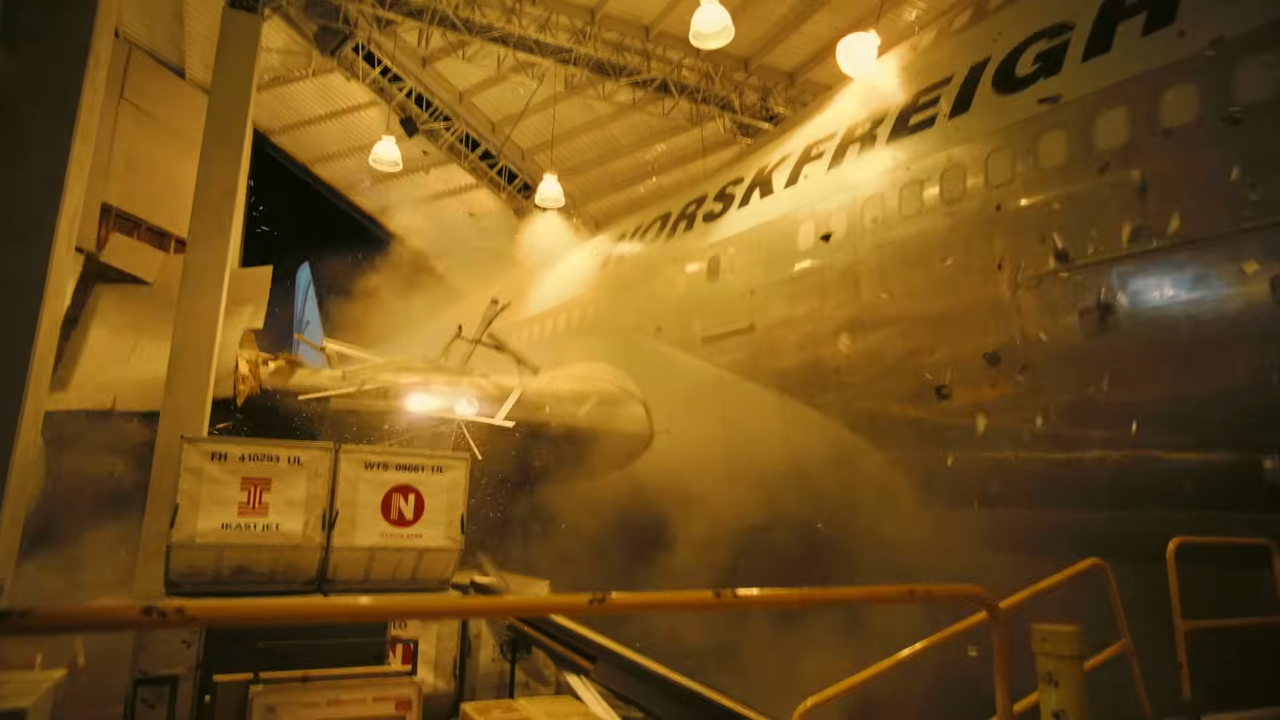
Also, none of them are repair paths. The Algorithm is not any cure for the future. It is just the future trying to export its collapse backward, hoping for any possible local advantage.
Sator’s Dead-Man World.
Sator is not interesting because he is a very evil man. It's because his private moral structure mirrors the Algorithm.
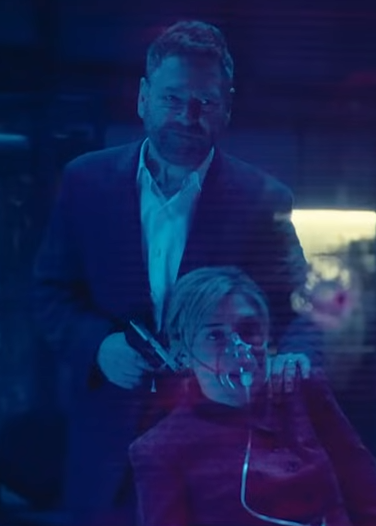
Bro is dying. His body is closing. His continuance is nearing its end. Instead of treating that closure as a fact about himself, he tries to convert it into a fact about everyone.
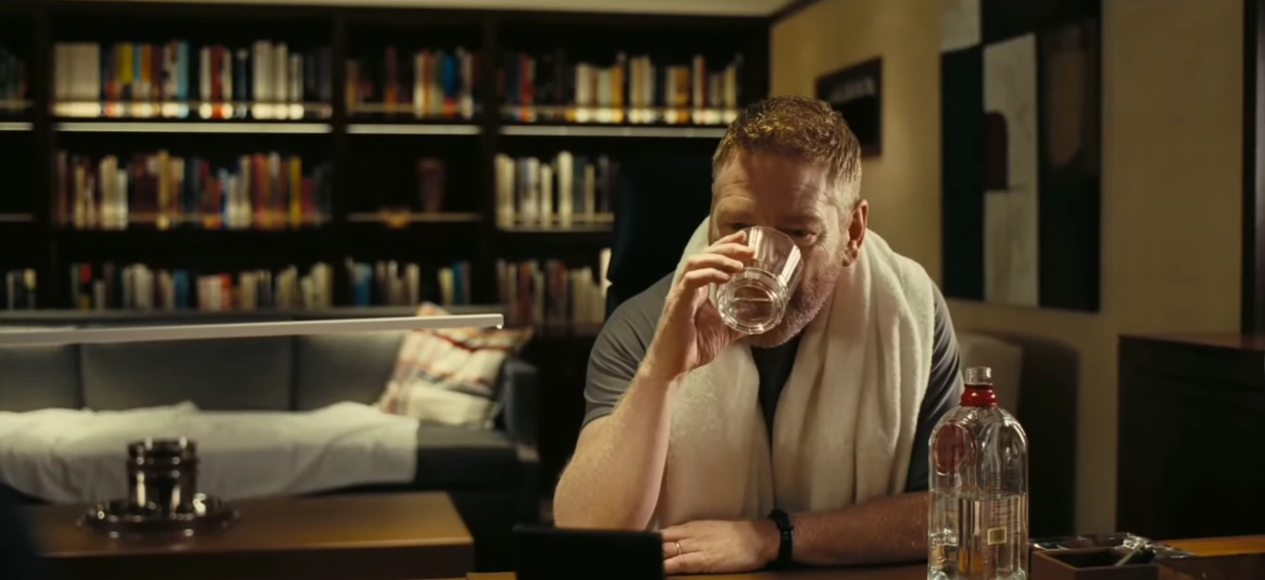
If I cannot continue, the field cannot continue.
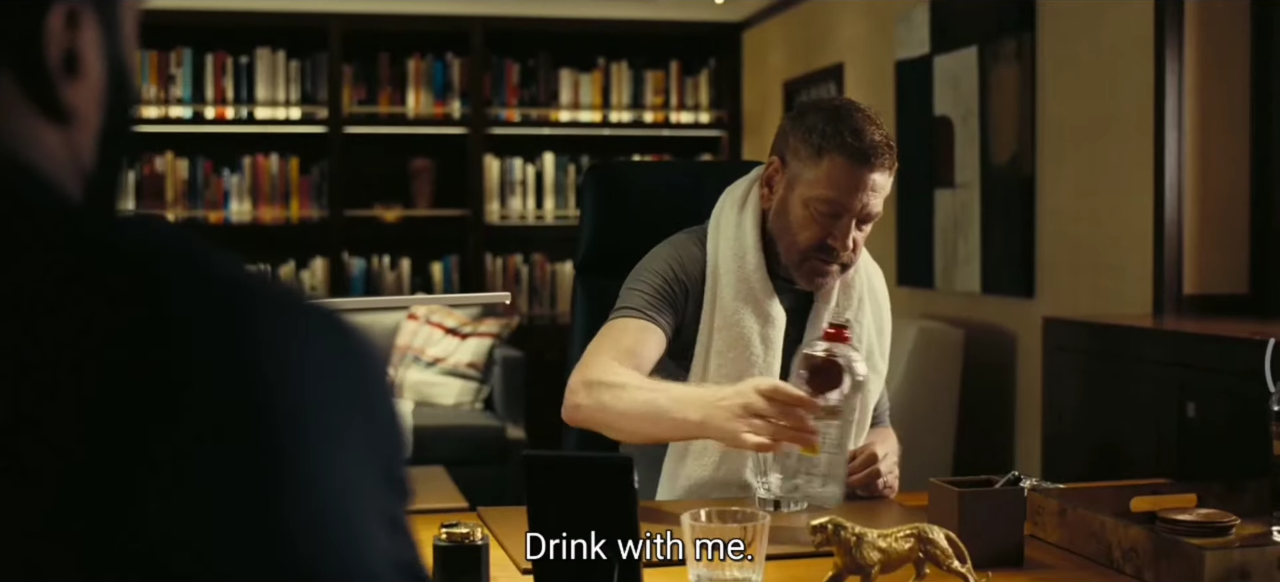
That is this character's whole personality.
- He cannot make Kat love him, so he traps her.
- He cannot repair their relationship, so he controls the image of it.
- He cannot secure Max’s future through care, so he uses Max as part of the hostage-field.
- He cannot survive his illness, so he attaches his death to the end of the world.
The dead-man switch is not just a plot device. This is Sator’s entire ontology. His private closure must become universal closure.
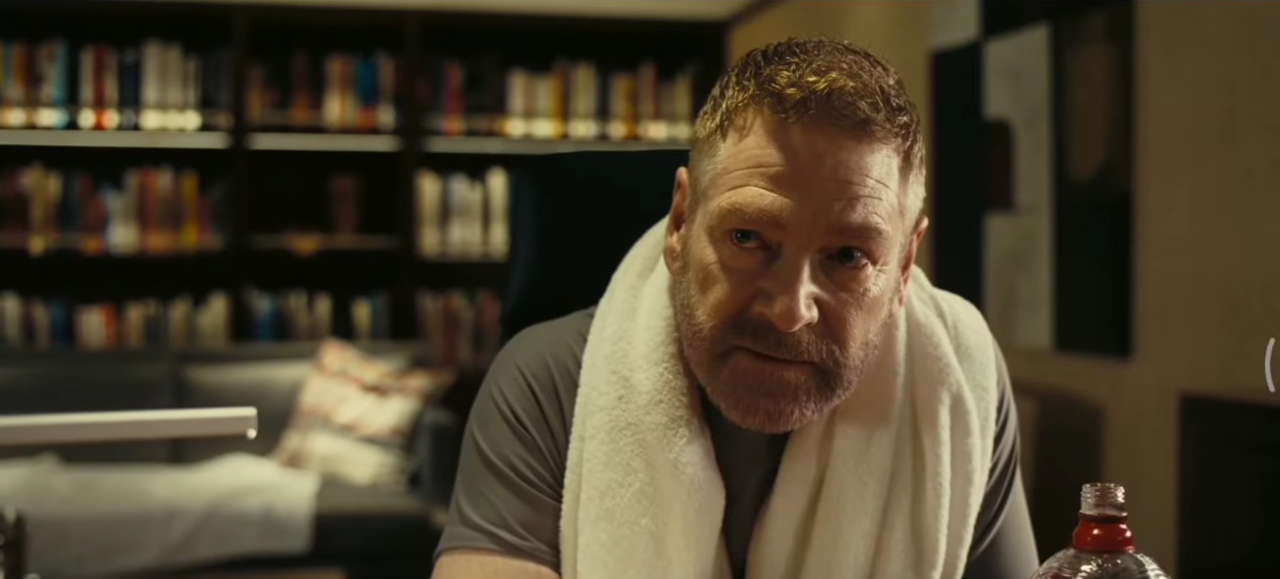
This is why Kat is more important than the movie’s plot summary usually admits. Kat is the local field where Sator’s world-scale logic becomes visible at human scale. Before we understand the Algorithm, we understand this marriage. Sator cannot create a livable relation, so he creates captivity. He cannot repair, so he controls. He cannot be loved, so he owns.
The future does the same thing to its past.
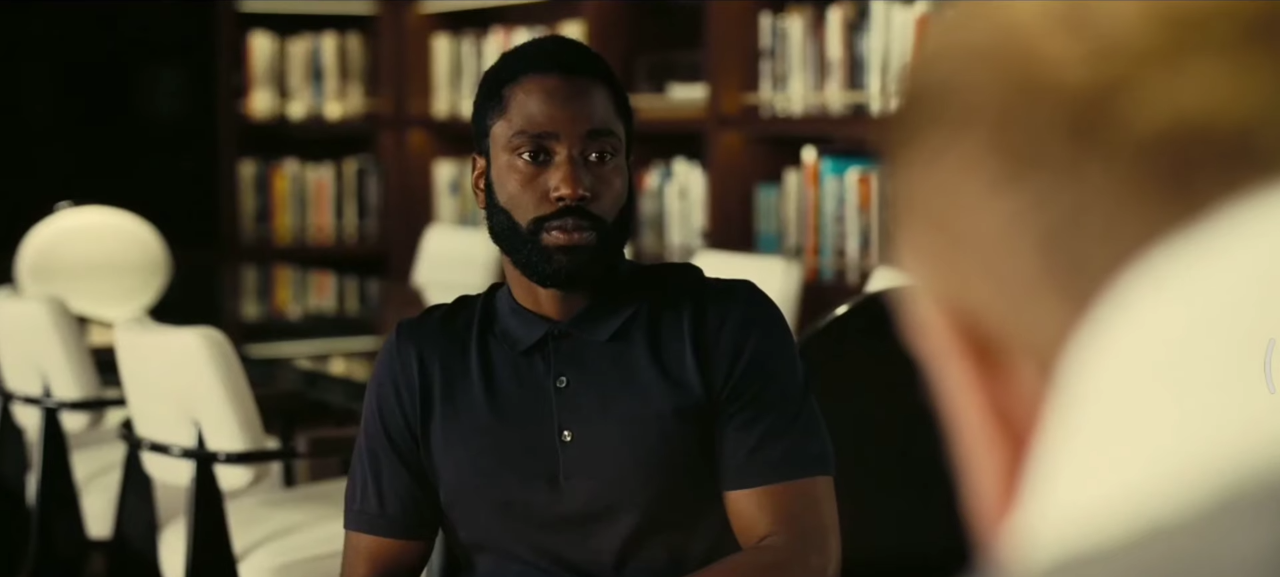
It cannot repair the field that produced it, so it tries to control or destroy the field’s ancestry. Sator is the local avatar of the future's logic.
Kat and the Cost of Waiting.
The Tenet program's broader temporal pincer requires Kat to wait inside her own contraction until the global field can survive her freedom. That is one of this film’s ugliest moral facts.
Kat has a real path to liberation:
Sator can die. This is a human.
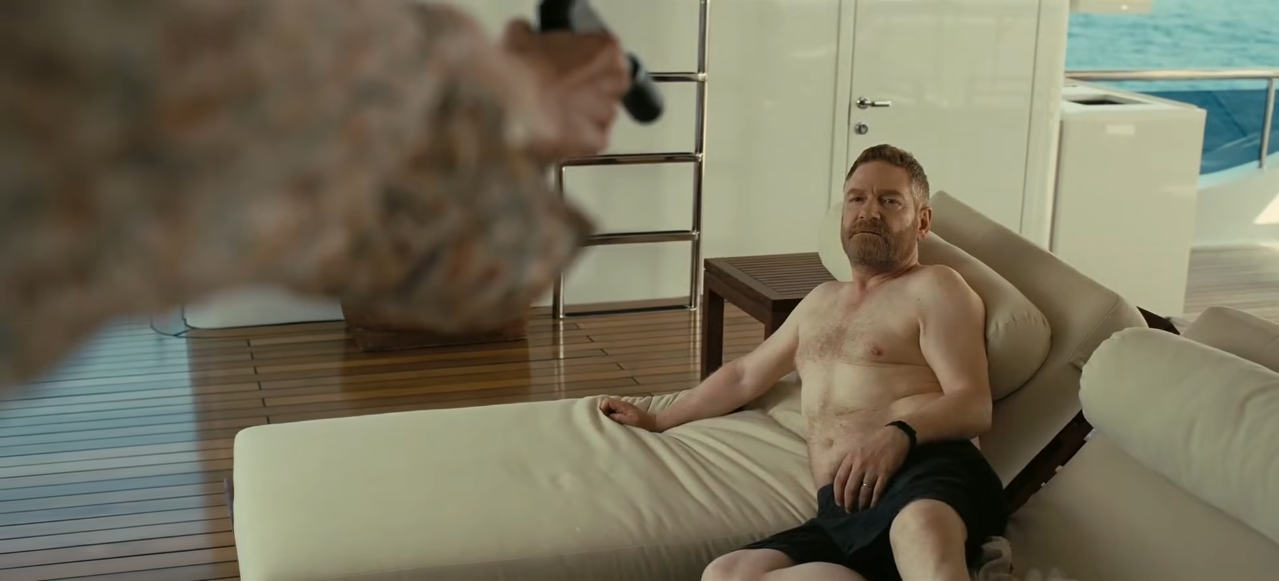
She has reasons to kill him, and not vague ones. He has dominated her, threatened her, weaponized her son, and made her life into a controlled extension of his own dying will.
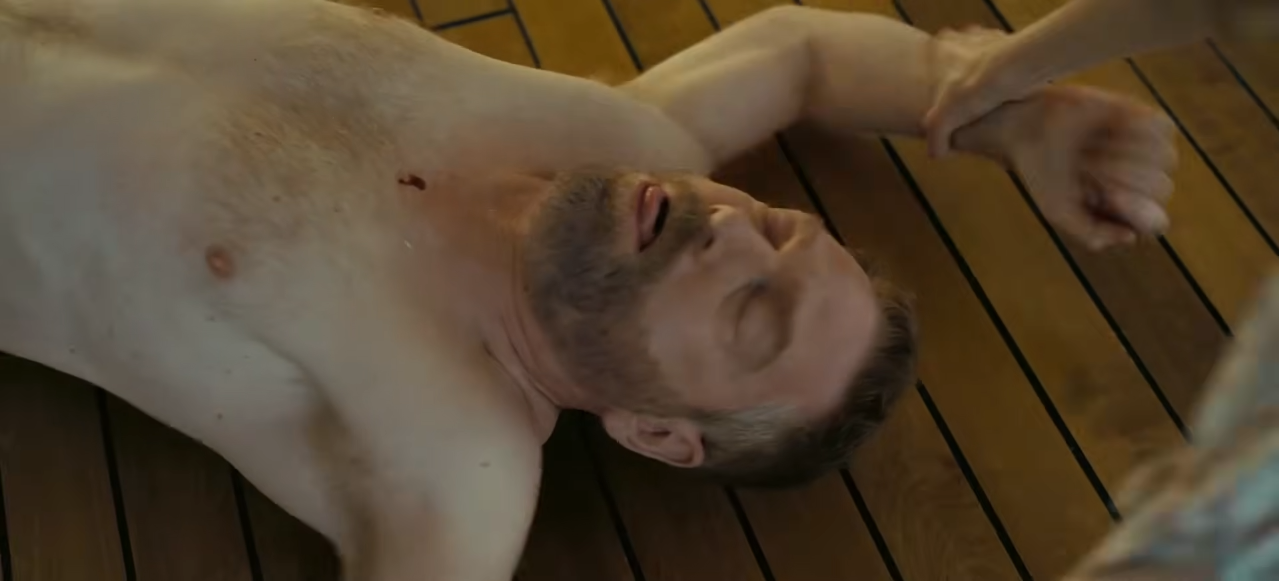
Except if Sator dies too soon, the dead-man switch may trigger before the Algorithm is secured. So Kat has to remain in the field a little longer.
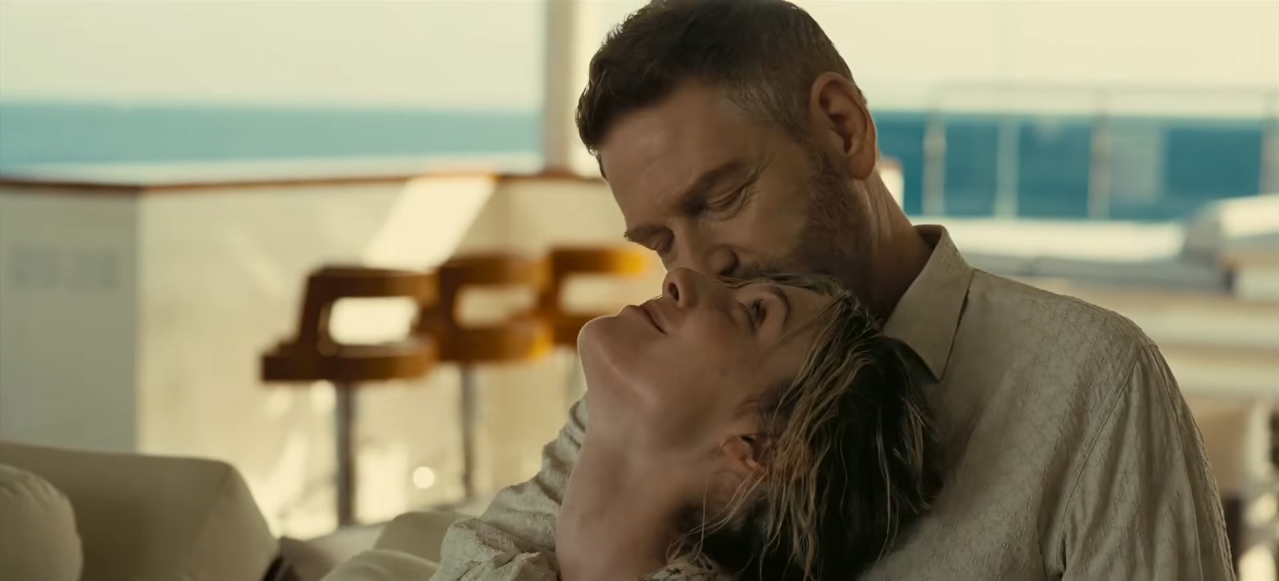
This is not just narrative suspense. It is also a Modal Path Ethics conflict.
A local locus remains under domination because a global repair path is not yet ready. Her freedom must be timed to the pincer. Her liberation has to wait for Stalsk-12. She is asked to endure the personal prison until the world can survive the door opening.
That does not make the plan wrong. The plan carries debt.
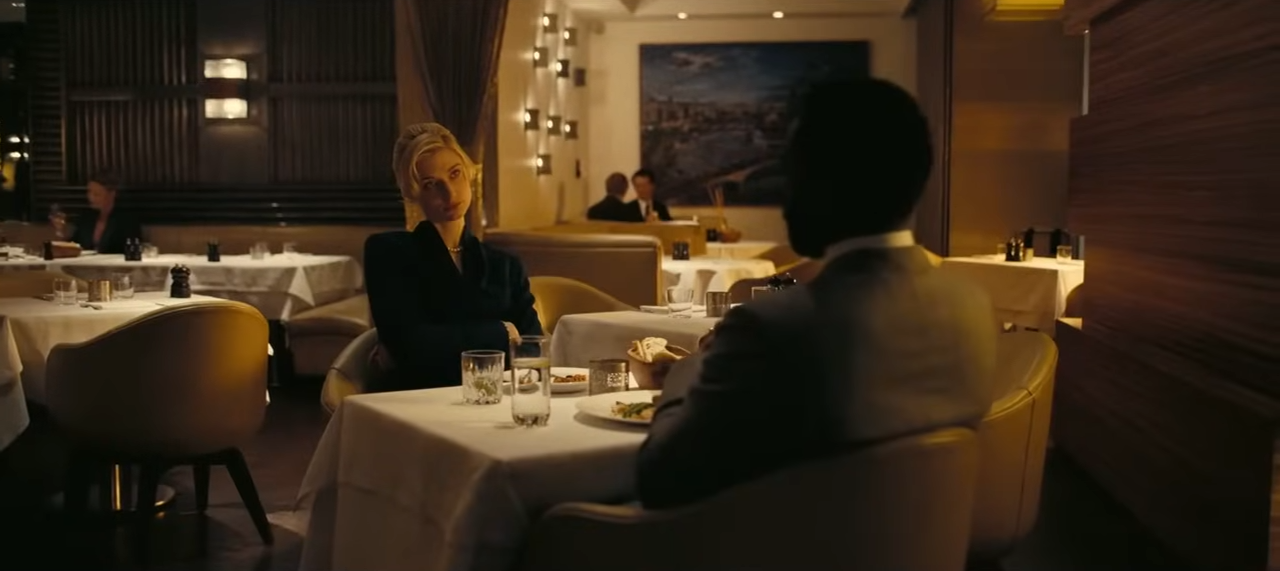
Kat is not a chess piece whose suffering vanishes because the world is at stake. She is a locus whose path has already been contracted by Sator, then further delayed by the requirements of temporal security.
Neil vs. Cole.
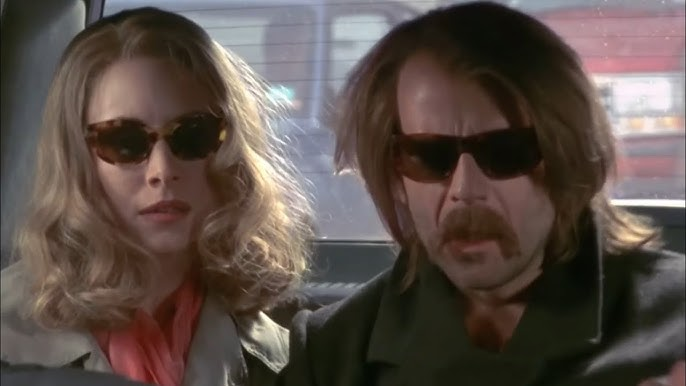
In Twelve Monkeys, the future has a time machine whose goal is almost ethical. It does not erase the plague. It does not rerun the world. It only seeks information from a closed past so the survivors can build a cure. The problem is the probe. They picked Bruce Willis.
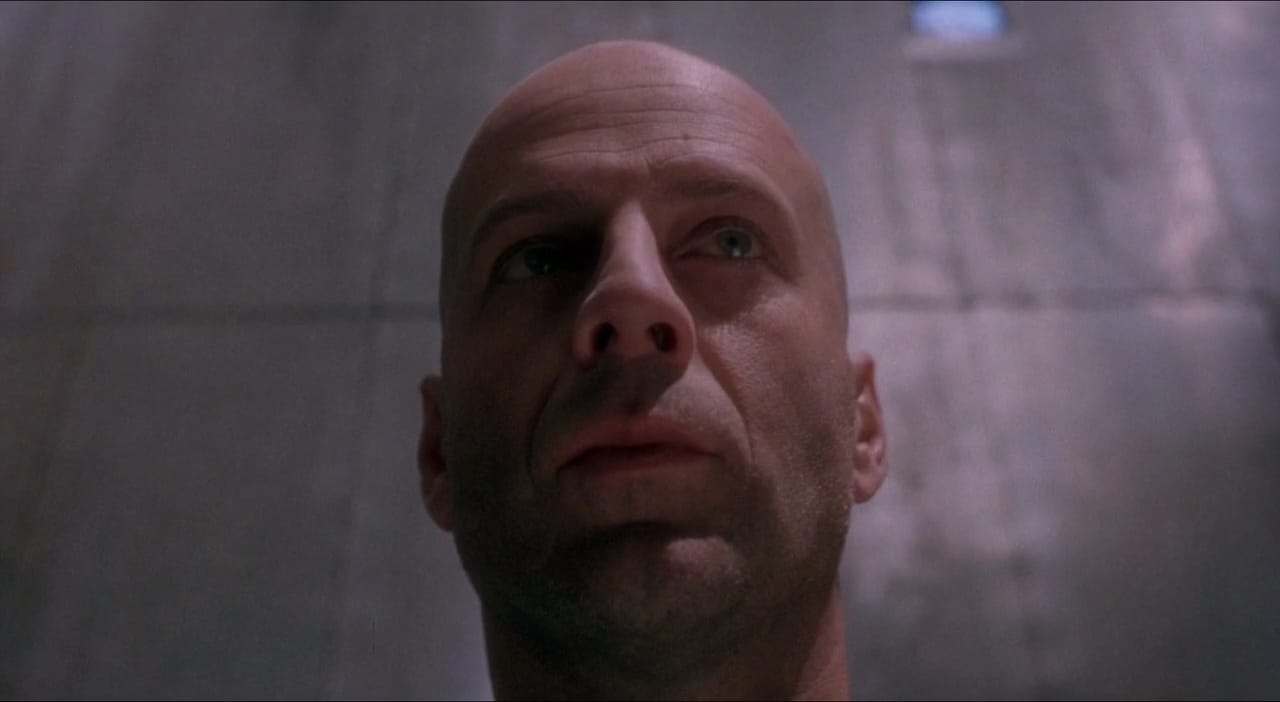
Cole is a prisoner, leveraged into service, destabilized by the process, and sent into a loop that helps manufacture his own trauma.
Neil is the instrument Twelve Monkeys needed, if the probe had to be a human. That does not mean Neil is disposable, like he's just the guy we use for the job of dying to repair closed timelines.
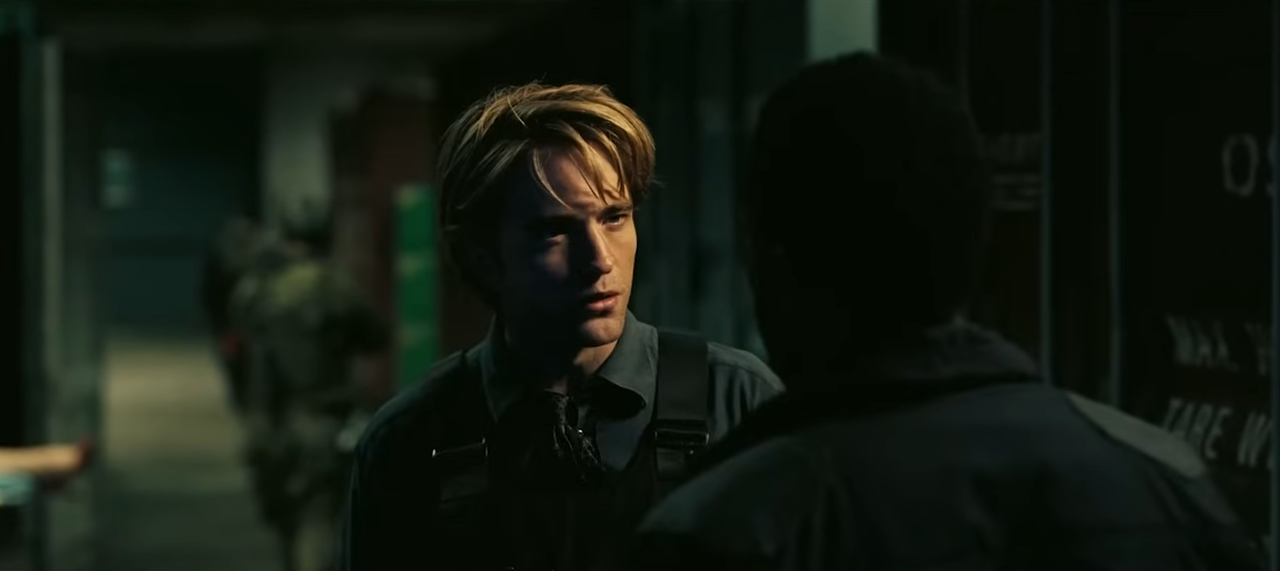
The point is that Neil is informed in the way Cole is not. Neil understands the knot. Neil knows enough of the temporal structure to enter his closing path with clarity, loyalty, and uptake. He is not dragged into the machine as a prisoner by a council of lunatics. He is not a broken sensor pointed at the past. This one is a friend, an agent, and a participant in the mission’s meaning.
Consent does not make harm disappear, but it changes the structure of the burden.
- Cole is used as a probe.
- Neil becomes a probe knowingly.
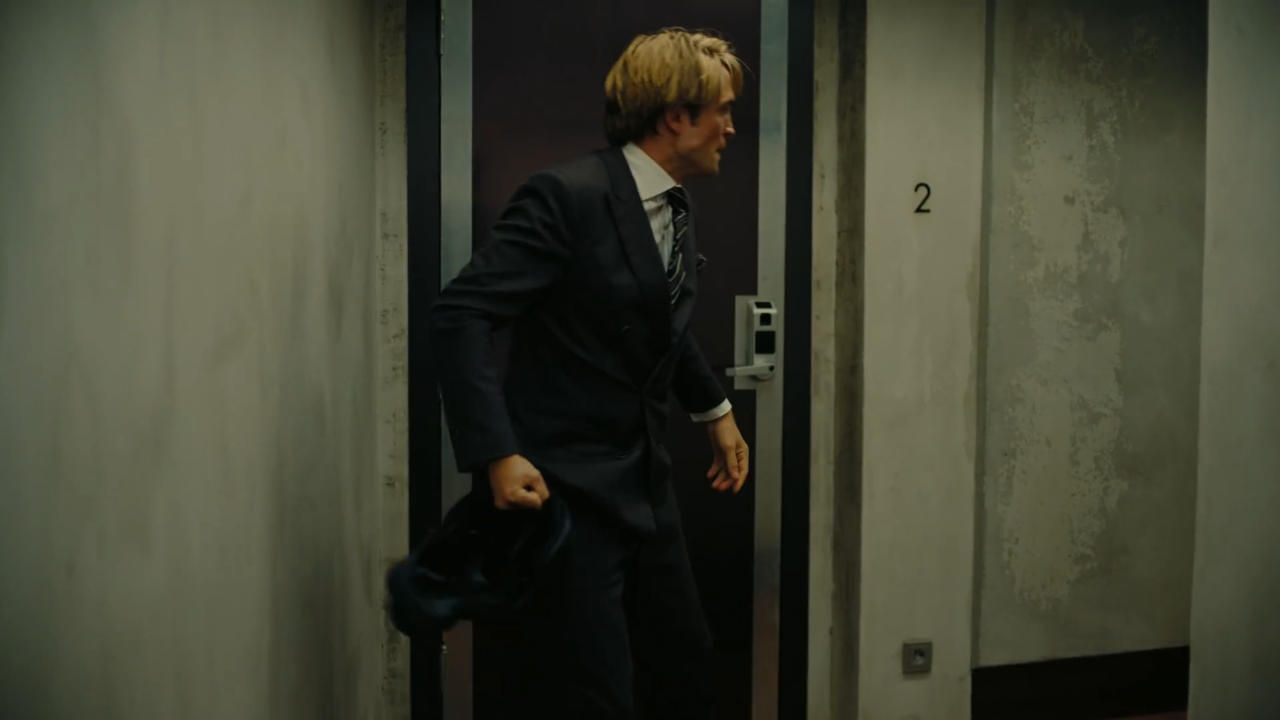
Still not clean, obviously. Neil still dies. His path still closes. The Protagonist still benefits from spending a friend he has not yet recruited. Neil still walks into a death that is already part of the field before the Protagonist understands what he owes him.
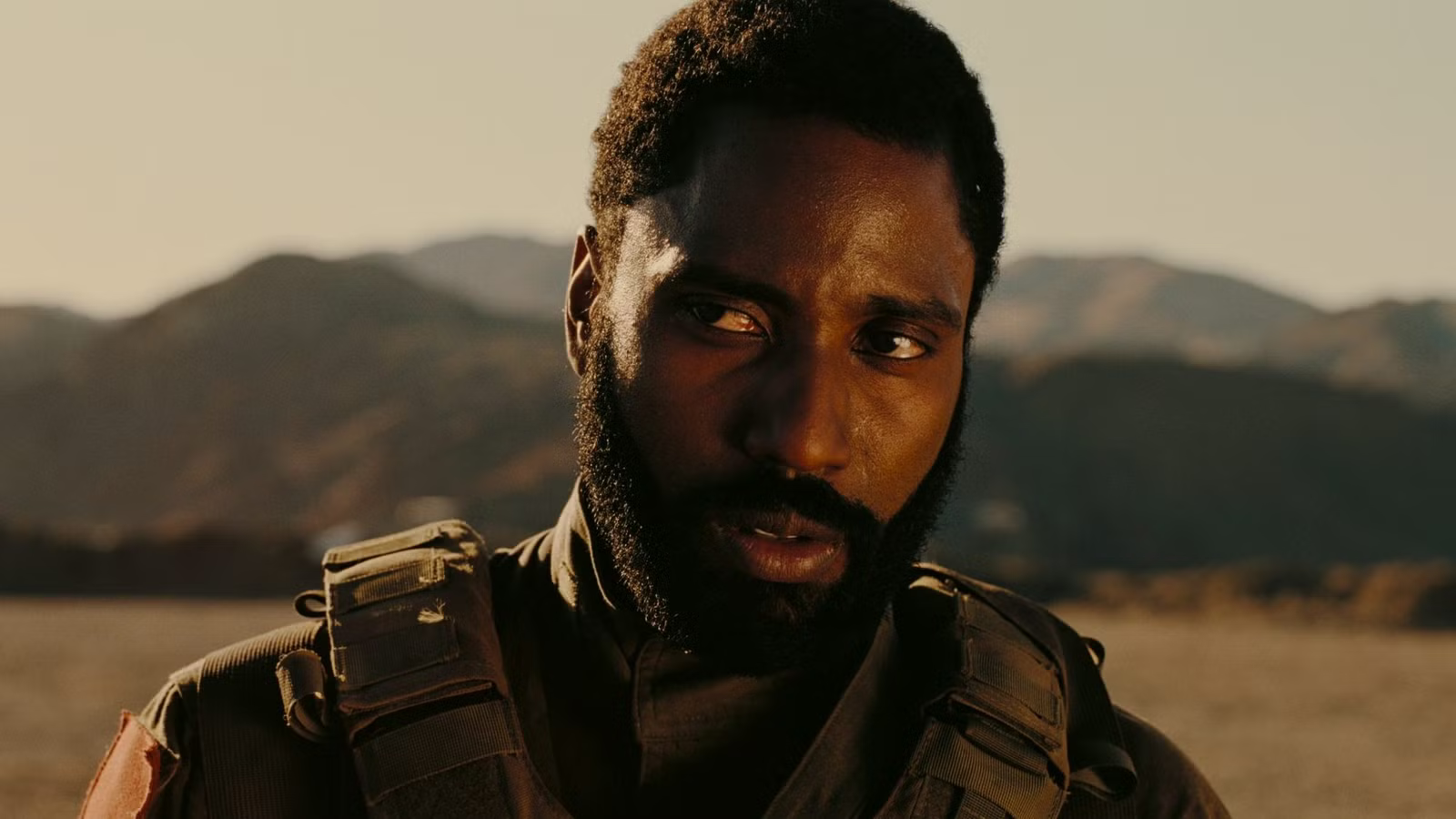
The difference between Cole and Neil is not that Neil’s death stops counting. It is that Neil always remains a locus inside the mission rather than being reduced to the mission’s instrument.
That is a real distinction. The Tenet program should receive credit for this.

Then, Tenet should be held responsible for everything else it builds around this. Because one ethically serious agent does not make a secret institution ethical.
It may only mean this institution got lucky enough to have one Neil to spend.
The Protagonist.
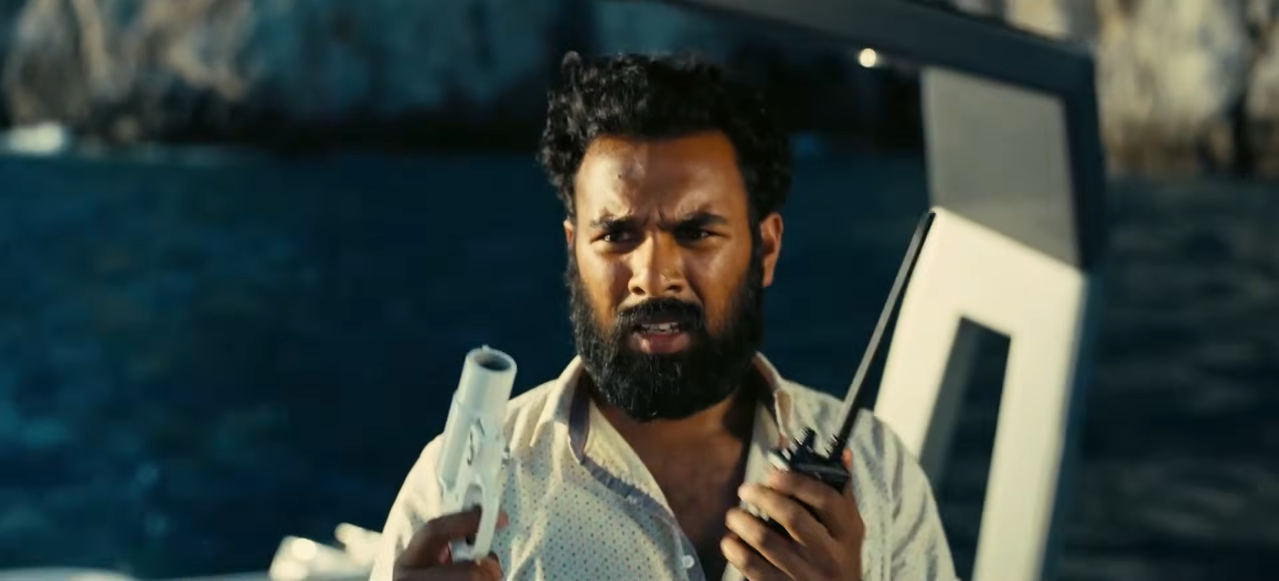
The Protagonist is not just the hero who discovers Tenet. He is also the closed-loop author of Tenet.
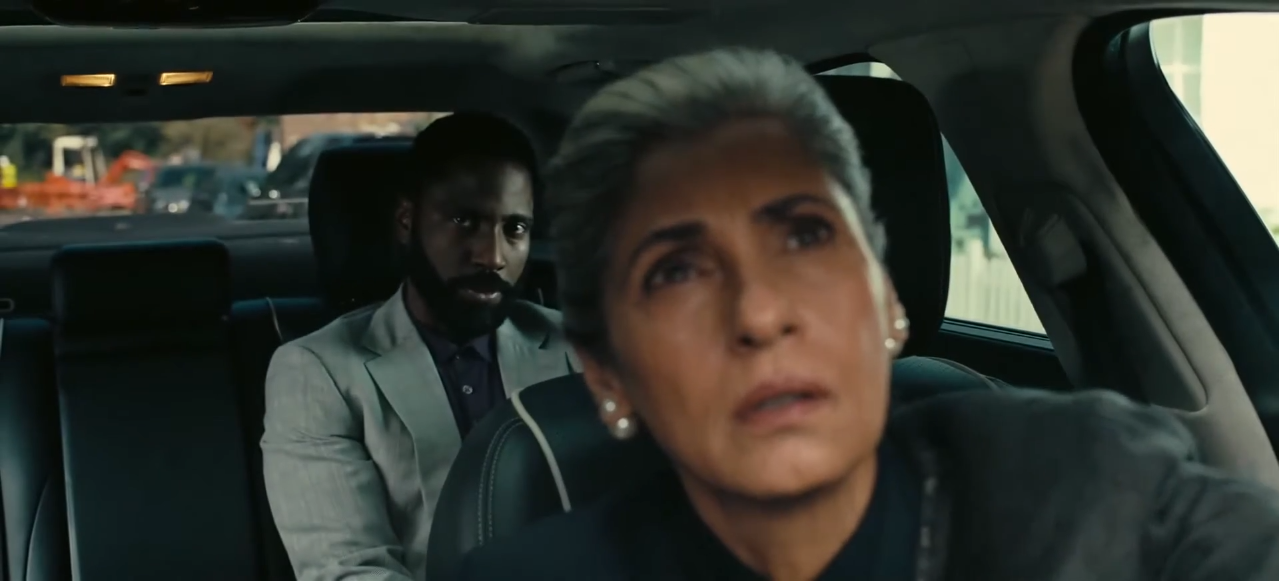
This is the big twist the film gives us near the end. The organization that recruited him, tested him, guided him, concealed information from him, and saved him was also founded by his future self. He did not stumble onto an institution. He encountered his own later interventions coming backward into his present to create themselves.
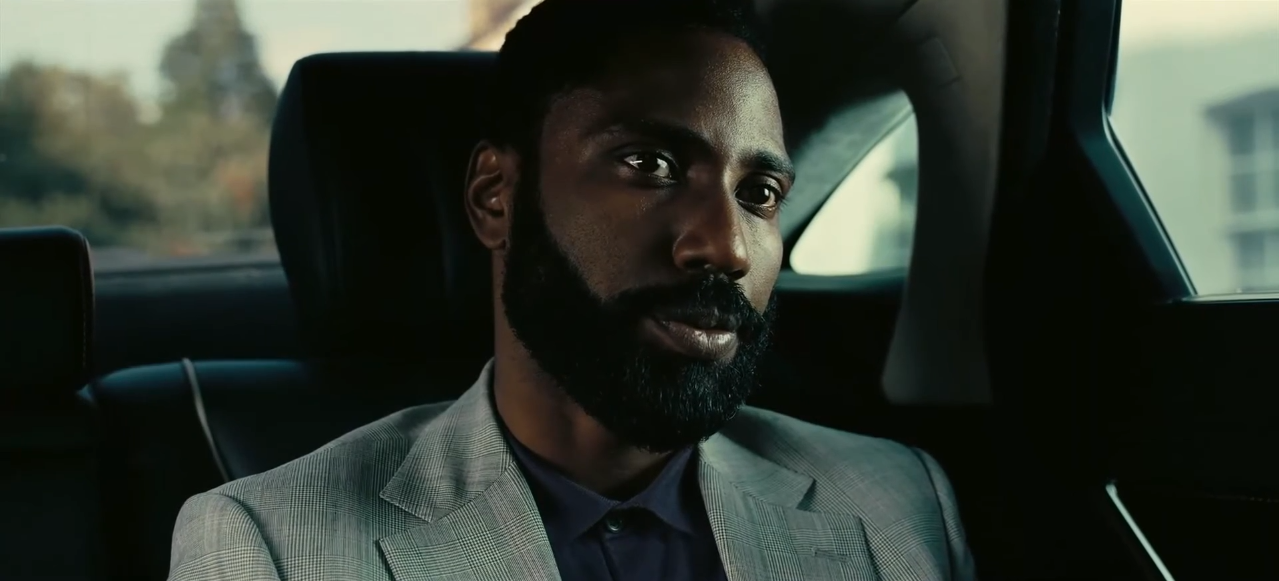
So, that changes the audit completely.
There are two loops in the film:
- The first is the threat loop. The ruined future sends inverted artifacts, instructions, gold, and the Algorithm path backward. Sator becomes the past-side executor of future desperation.
- This loop is not authored by the Protagonist.
- The second is the defense loop. The Protagonist encounters Tenet, survives through Tenet, receives Neil through Tenet, learns the shape of the temporal war, and later founds the institution that made all of that possible.
- This loop is authored by the Protagonist.
The future authors the wound. The Protagonist authors the immune response. The danger is that his immune response may necessarily preserve the disease.
Because remember, Tenet is a wound-first field. Try to read it that way.
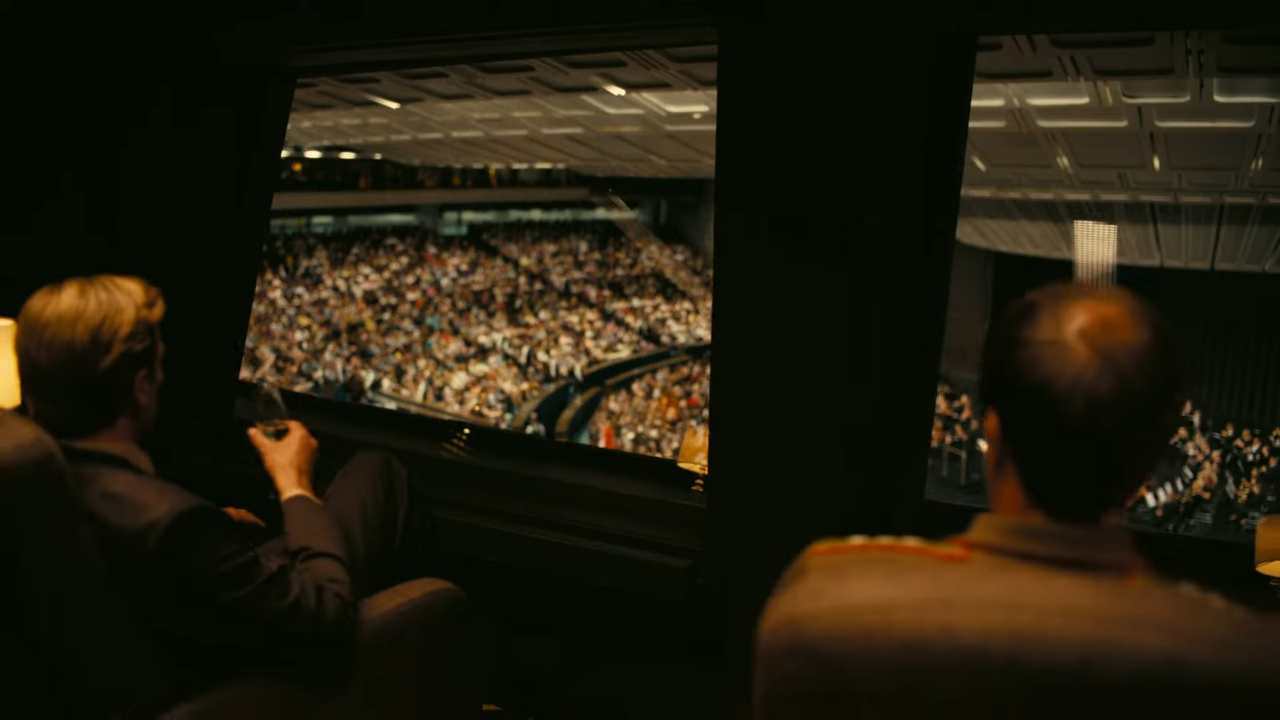
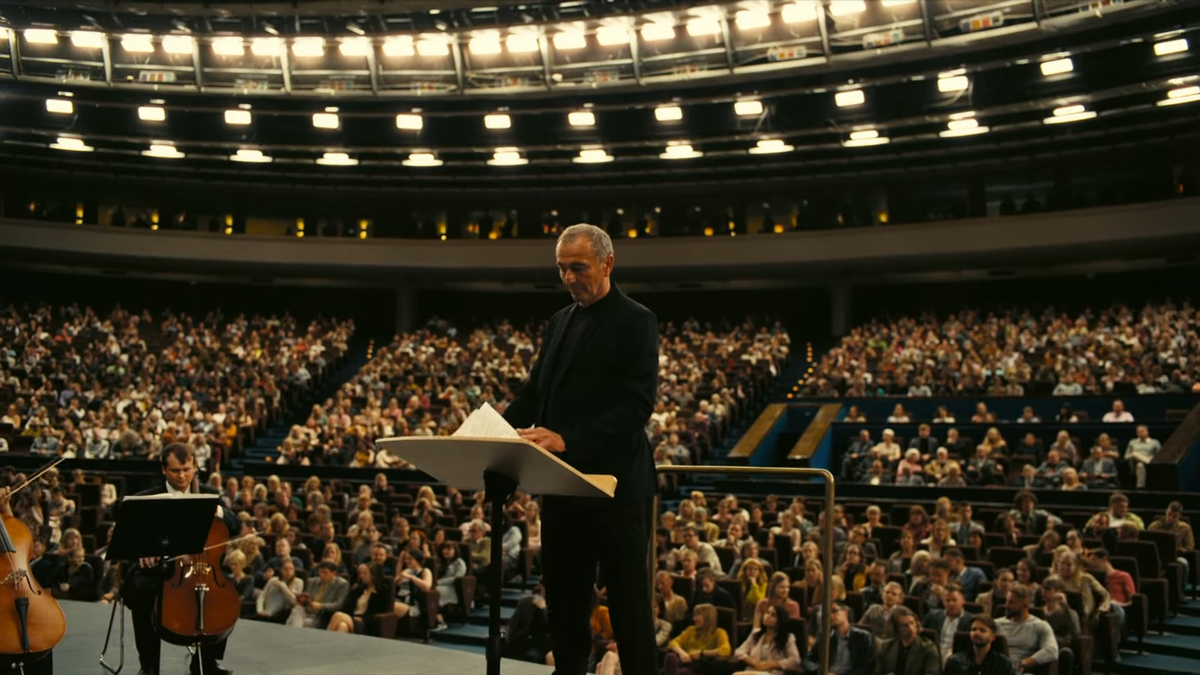
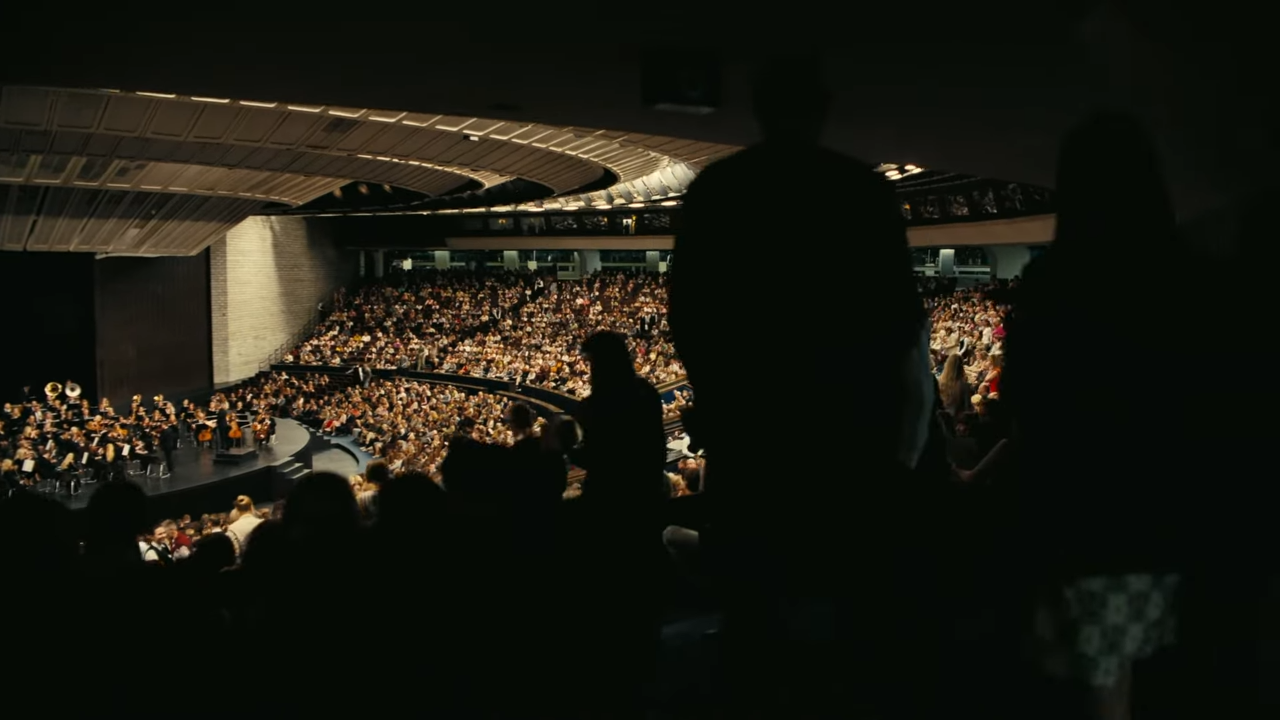
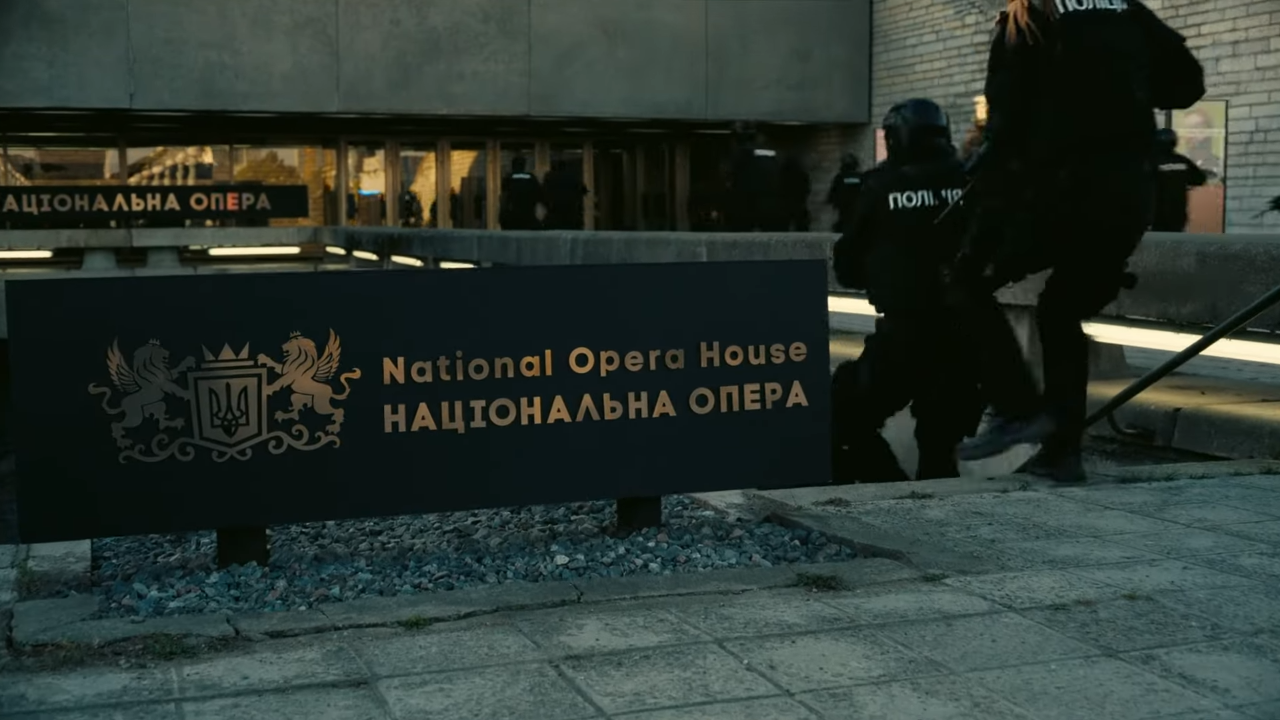
At first, the Protagonist is selected by a field he does not understand. The opera siege is already Tenet-shaped. His willingness to die rather than betray the mission marks him as recruitable. He thinks he is inside an ordinary intelligence operation. He is actually being filtered by a future-founded temporal institution.
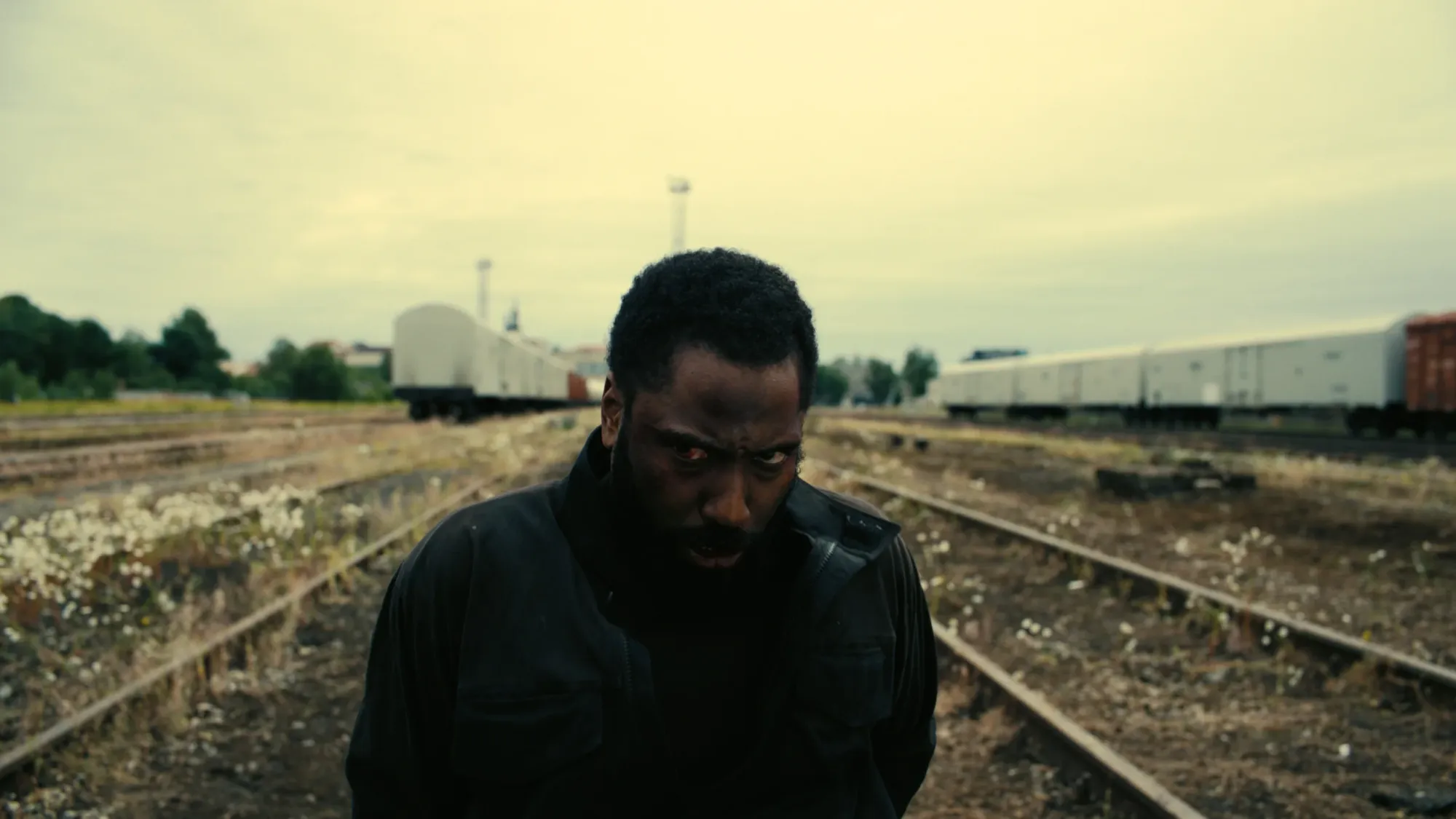
Then, he becomes a trace reader. He learns that inverted artifacts are not magic. They are evidence of displaced paths. He starts to read the wound-first field. He becomes competent inside pre-existing consequences.
Next, he becomes a user of partial information. He manipulates Priya. He uses Kat’s connection to Sator. He withholds. He pressures. He acts with increasing temporal asymmetry. He is not Sator. He does not dominate for private possession. But, this man is not innocent of instrumentalization either.
Next, he inherits Neil.
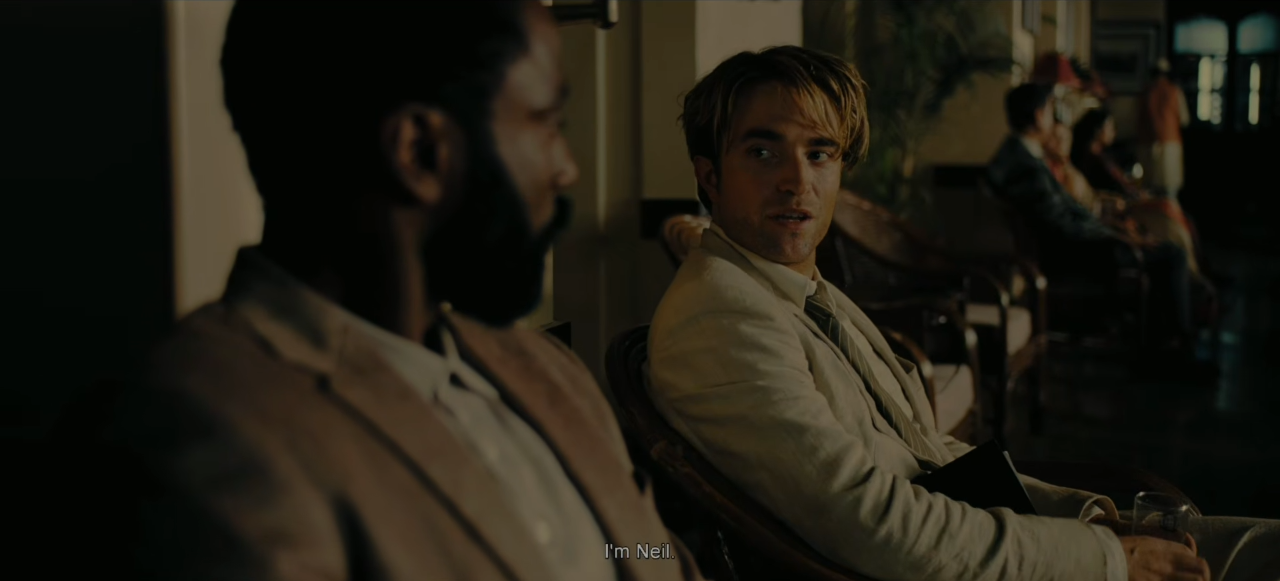
Neil is the proof that the Protagonist’s future has already reached into his present. Neil’s friendship is not spontaneous in the ordinary way. It is delivered from the future, and the Protagonist receives its benefit before he understands the cost. He incurs debt.
Finally, he founds Tenet.
That means he becomes responsible for this institution’s methods: all the secrecy, the tests, the compartmentalization, the recruitment by partial knowledge, the willingness to let agents walk into closed paths without full context, the political monopoly on temporal understanding. All this man.
He is not innocent because the loop was already there. He is the reason the loop was already there. He just authored it. You just read it.
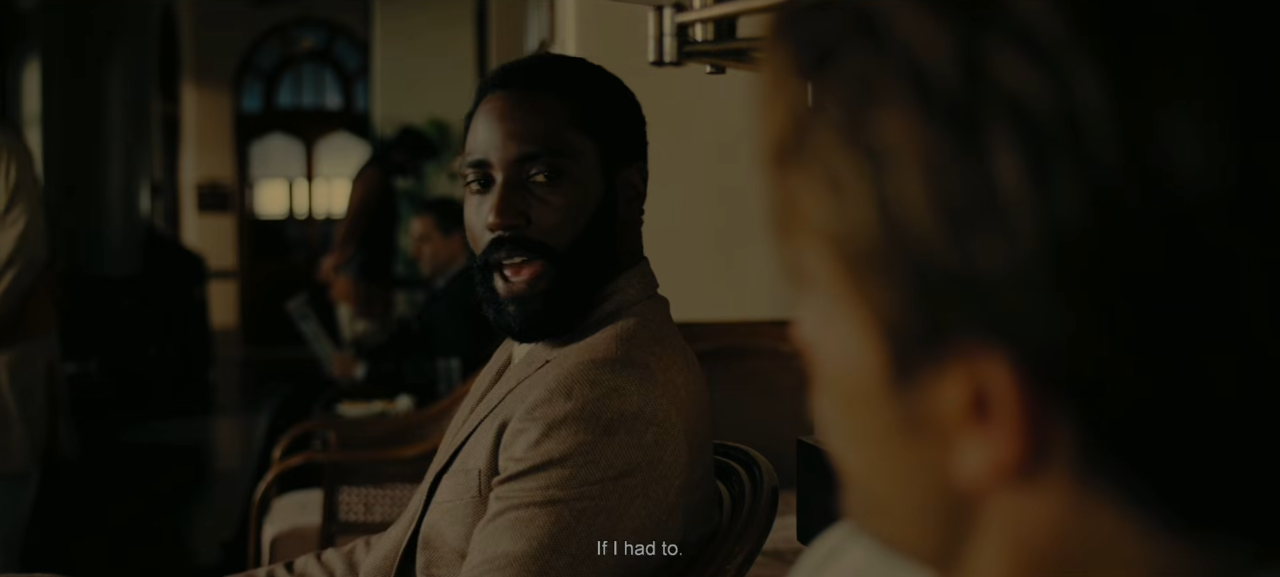
This is bootstrapped responsibility.
The Protagonist is not absolved by discovering the structure as pre-existing. His own later agency is part of why it pre-existed.
He receives the trace, then becomes the act.
That is the deepest version of “what’s happened happened.”
That is what this movie was actually about.
Timeline Security != Field Repair.
So now we reach the part Tenet itself does not seem ready to face.
Tenet justifies secrecy through timeline security.
This is morally insufficient.
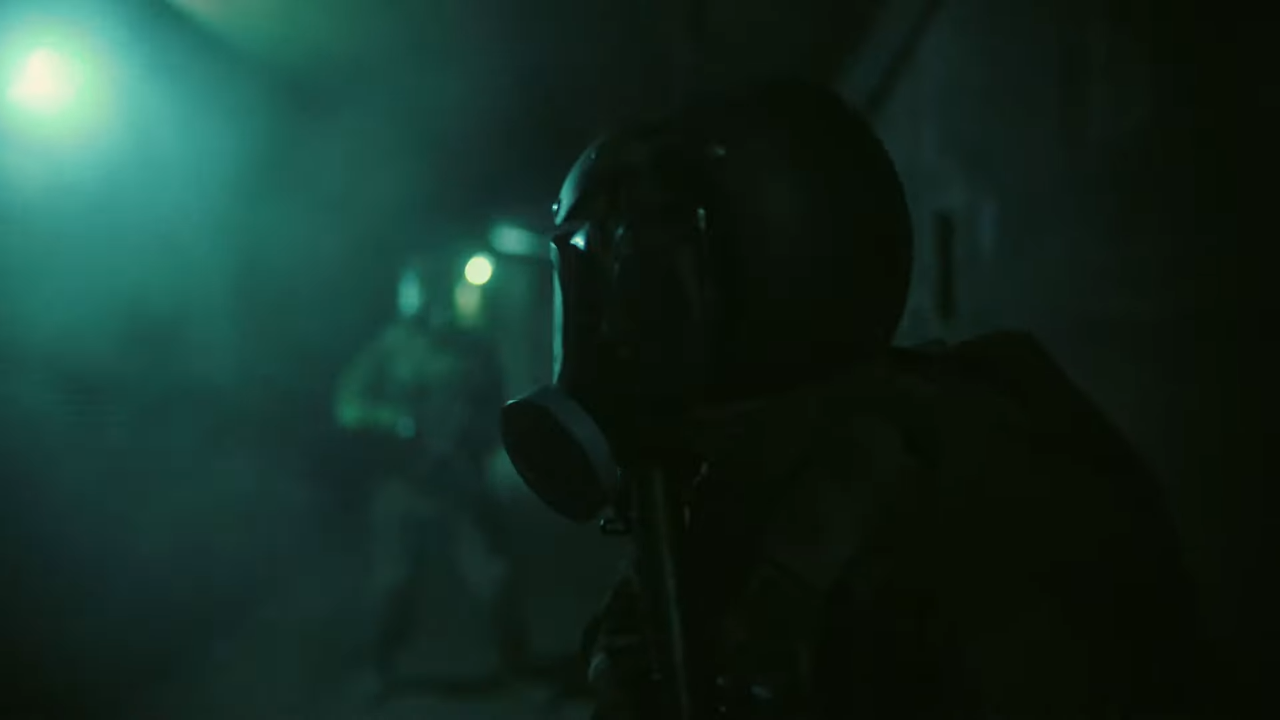
This defense is not stupid. Temporal knowledge is dangerous. Full disclosure could produce panic, paradox, causal contamination, opportunism, weaponization, or acceleration of the Algorithm crisis. Some secrets may be necessary. A public wiki for entropy inversion is probably a bad idea.
Fine. Right.
But secrecy cannot be the final political form of temporal knowledge.
Tenet appears to treat it as exactly that.
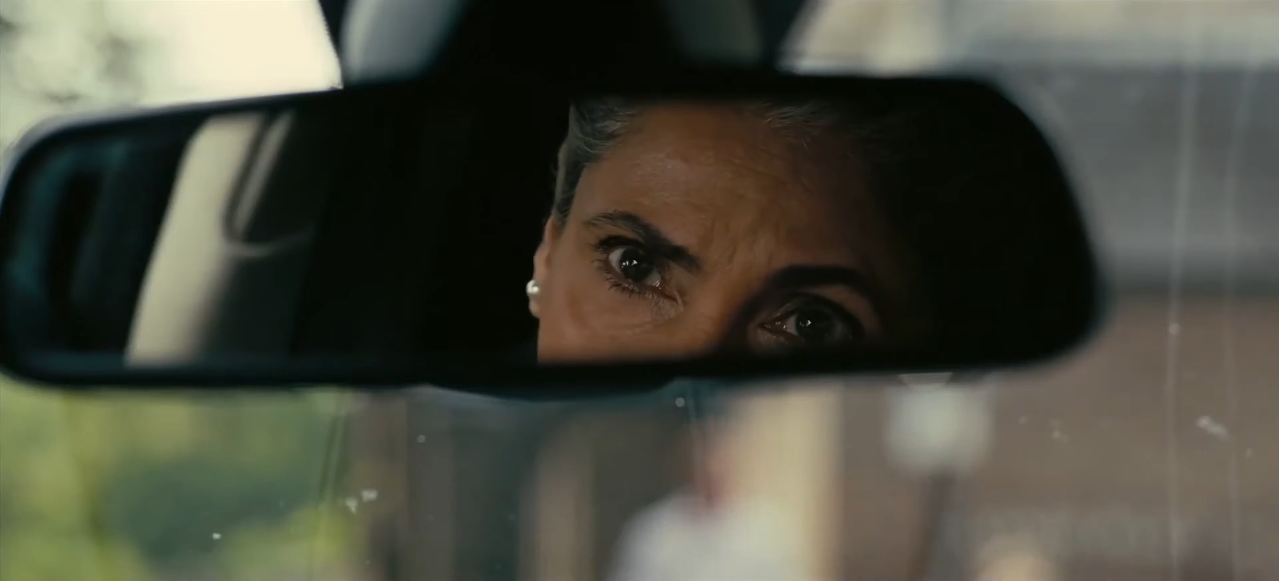
The world is not given a public temporal ethics. Humanity is not given a repair institution. There is no accountable structure for asking why the future becomes so desperate in the first place. There is no widened field around the fact that the timeline ends in a civilization so ruined it attempts ancestral annihilation.
There is only Tenet. Then, collapse.
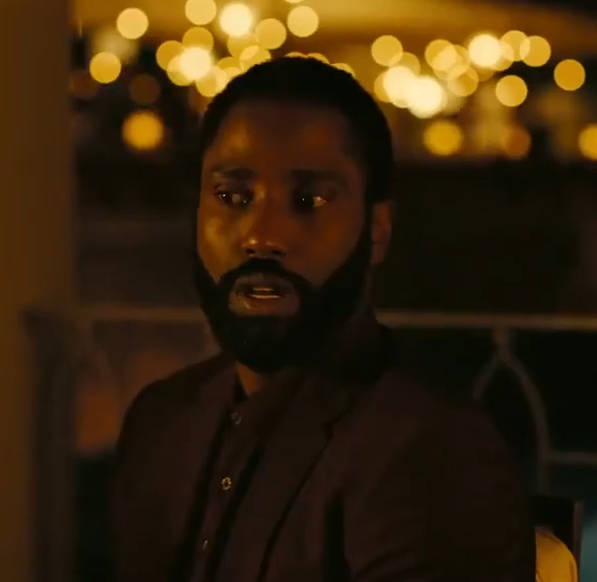
A private immune system around a timeline already sick enough to produce its own attempted murder.
That is the hidden villain of the film.
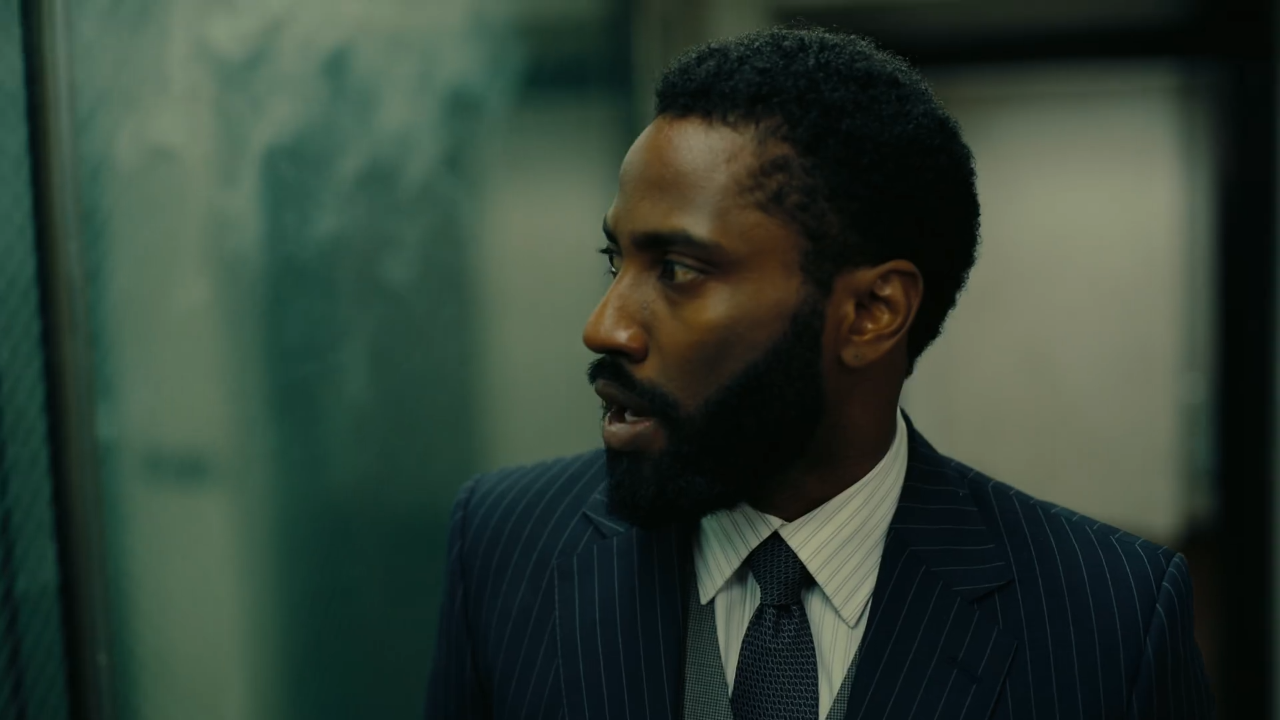
Not Sator. Sator is just the local cancer.
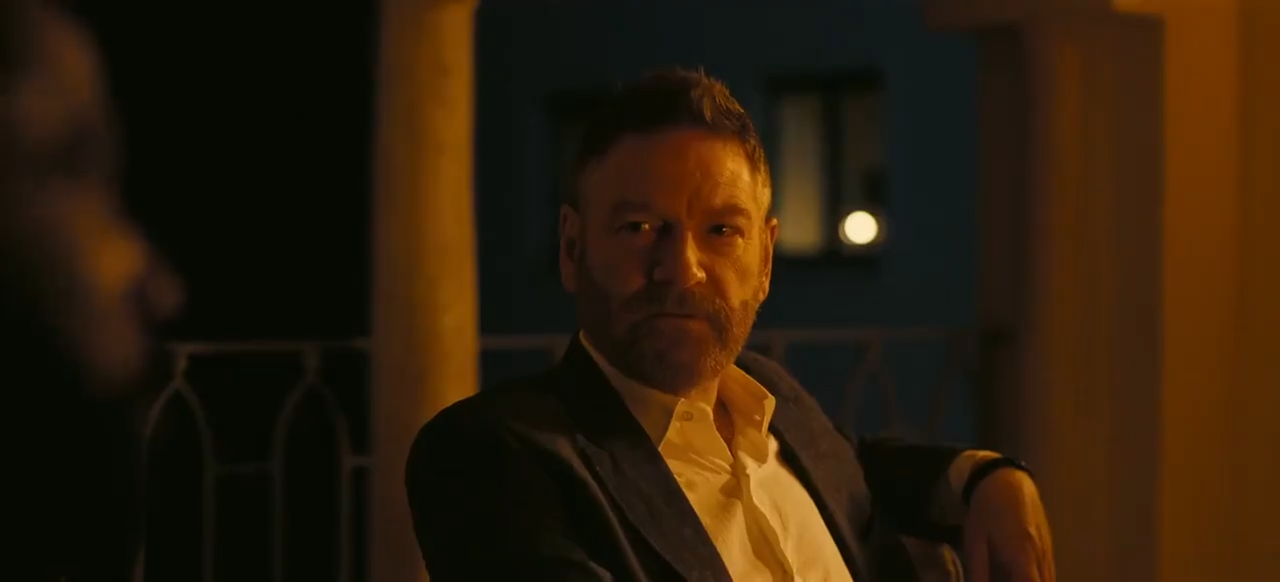
Not the future antagonists. They are the later symptom of their field.
Not inversion. Inversion is a dangerous tool.
The hidden villain is timeline security mistaken for field repair. Try to remember what all of this has actually accomplished.
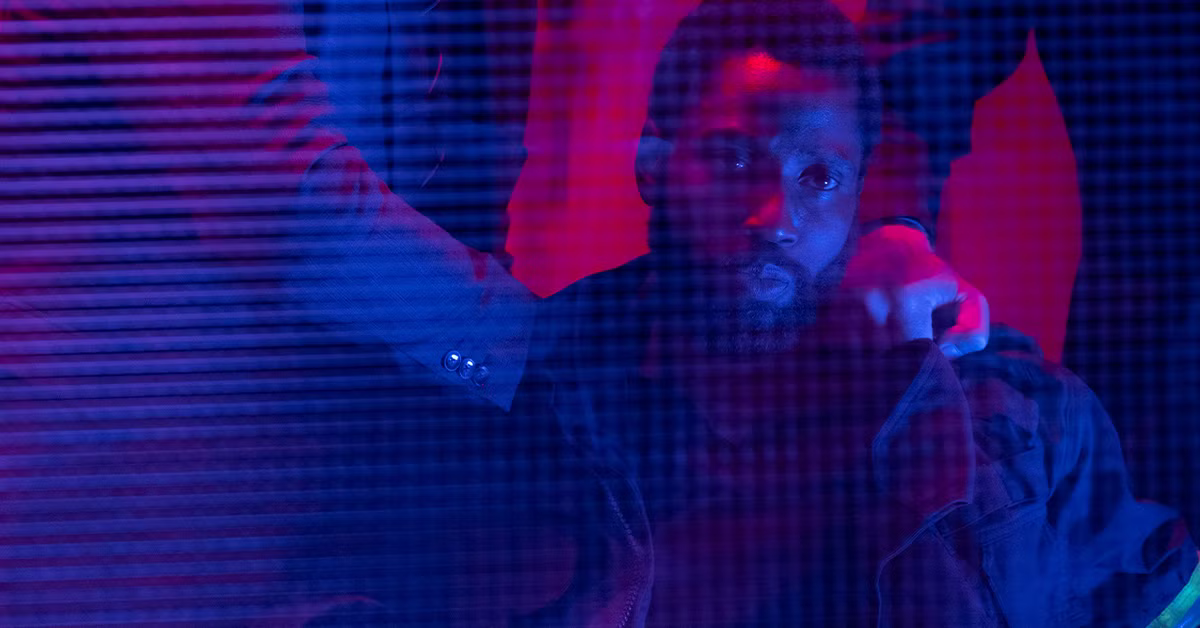
- The Algorithm is hidden.
- Sator is stopped.
- The future’s temporal weapon does not fire.
- The battle at Stalsk-12 closes correctly.
- Neil dies where he was always going to die.
- The Protagonist survives, learns the shape of the knot, and eventually becomes the founder of Tenet.
So the timeline is secure. Good.
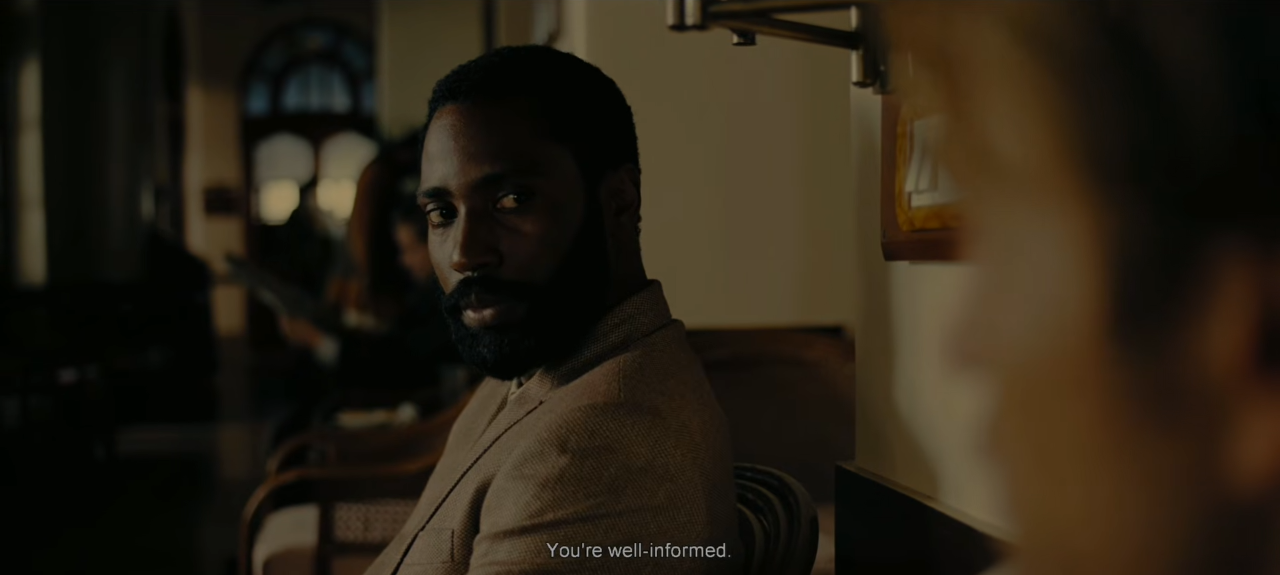
Now, ask what that means.
This was all done to prevent anyone except the Protagonist and his personal, brutally secretive organization from having control over temporal knowledge.
The world is not given a public temporal ethics. Humanity is not given a repair institution. There is no civilizational reckoning with the future that is now known to exist, no accountable structure for asking why the future becomes so desperate in the first place.
There is only Tenet.
This protected timeline does not lead to peace. It does not lead to repair. It leads directly to a future so unbelievably, overwhelmingly contracted that future humanity decides the only remaining path is to kill its own past by inverting entropy and sending bullets backward through history.
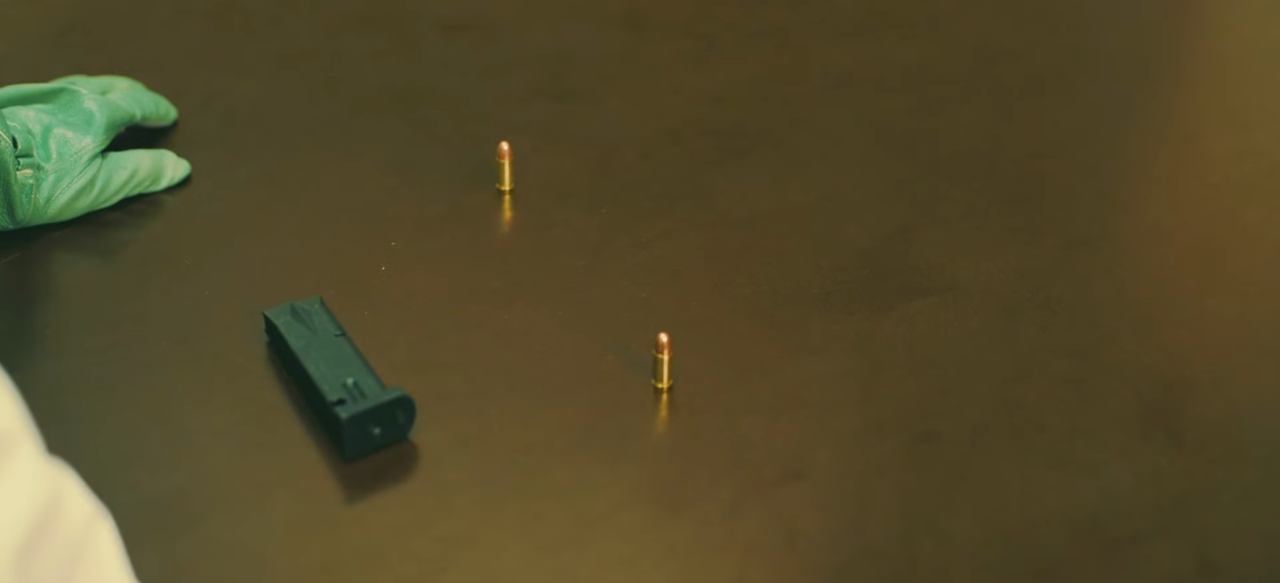
Bullets which seem suspiciously aimed at this exact sequence of events.
At this exact knot.
At this exact man.
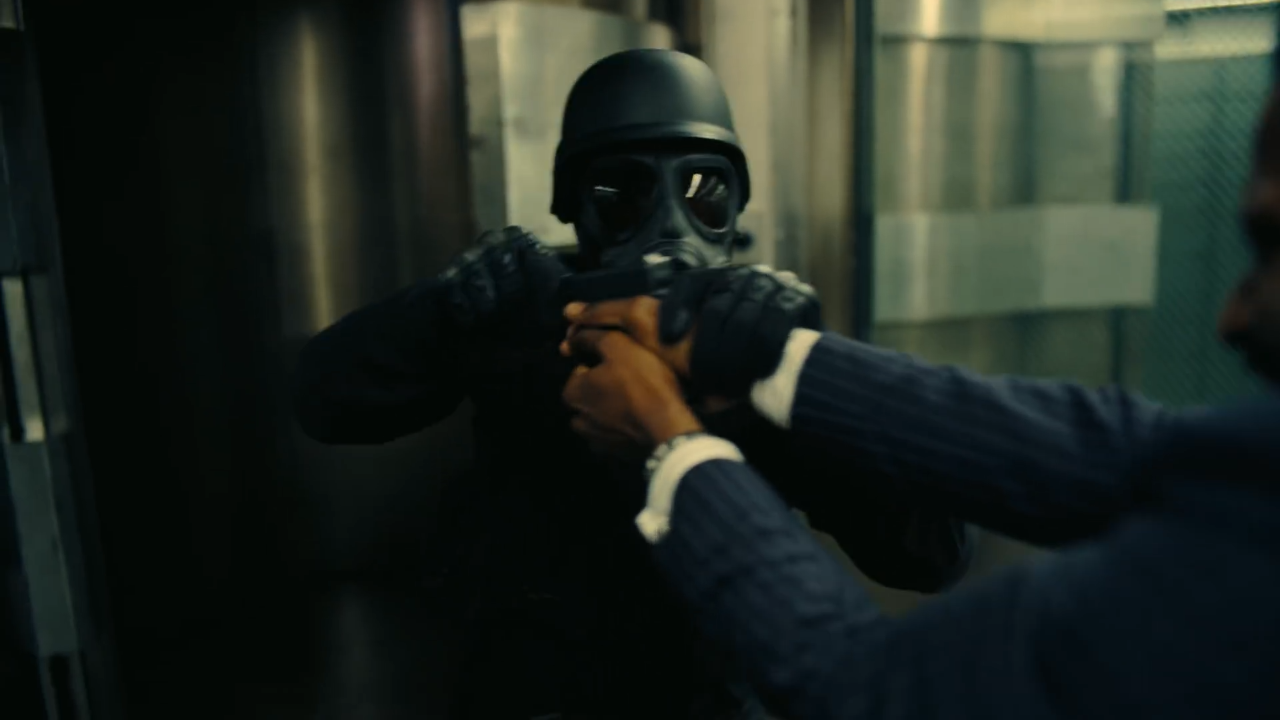
The Protagonist thinks he is stopping the end of the world. He is.
But he is also preserving the path to the world that tries to end itself.
He defeats Sator, defeats the Algorithm, and secures the timeline.
Then he builds the institution that keeps that timeline under secret management until the future becomes the kind of place that fires backward at its own origin.
What do you call the inverse of a Protagonist?
The Ruling.
The Algorithm is false repair. I thought about it for a while, and this was not a valid repair path.
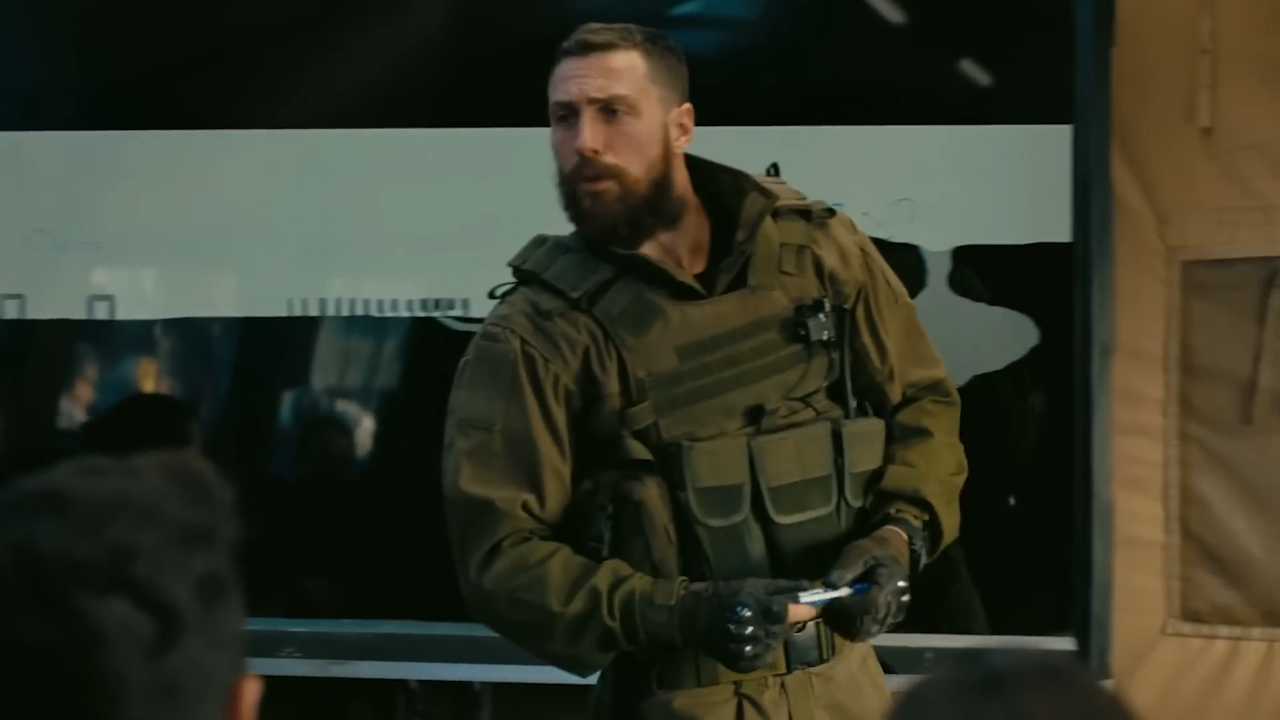
A ruined future tries to foreclose the past and call the resulting annihilation survival. The past becomes collateral owed. Earlier loci become the payment substrate for later collapse. The future does not even try to repair the field that produced it in any defensible way. It just sends a weapon backward and tries to make its ancestry pay.
Tenet is right to stop this from happening.
There is definitely no ambiguity there. Sator has to be stopped. The Algorithm has to be kept from firing. The future’s attempt to murder the past is not justified by future desperation. A damaged field does not acquire permission to annihilate its own conditions of emergence.
But Tenet’s victory does not prove Tenet’s worldview. It may, in fact, prove the inverse. That is the deeper story.
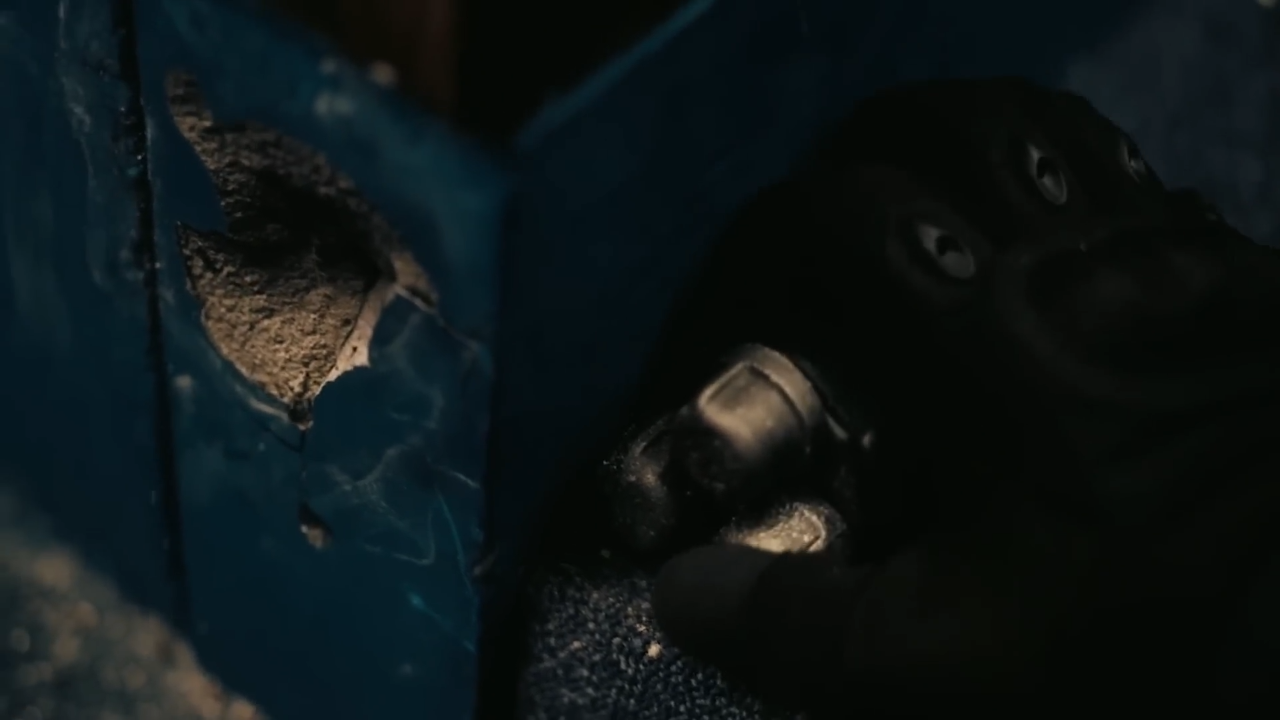
Tenet defeats temporal annihilation while preserving the timeline that produces temporal annihilation. It saves the board while leaving the losing line intact. Its agents prevent the immediate world-ending move, but the organization’s deeper purpose appears to be strictly timeline security, not field repair.
That is just not enough, and the future knows it.
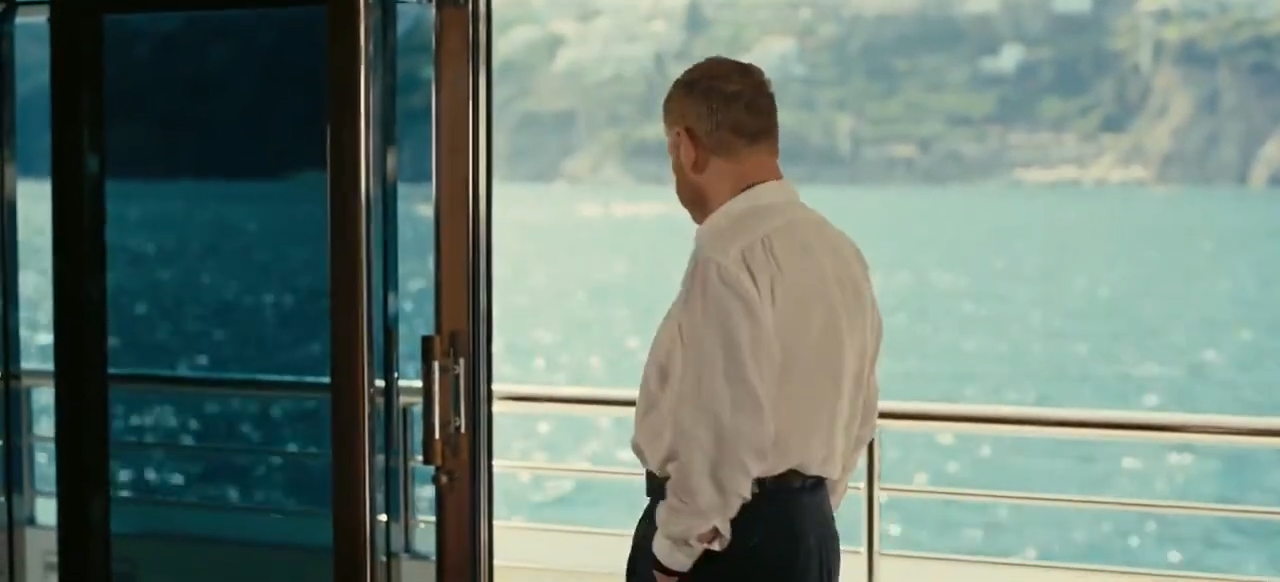
A protected timeline that produces this future is not a repaired field.
The Protagonist’s future organization may be necessary inside this immediate crisis. It may be the only reachable immune response against the Algorithm. Its secrecy may be locally defensible under conditions of temporal weaponry. Neil’s sacrifice may be real consent inside a genuine knot. Kat’s delayed liberation may be a tragic requirement of the global repair path.
Grant all of that.
Then, continue the audit.
- Interface debt remains. Opposite temporal arrows still create hazards that get carried by bodies, objects, environments, and agents.
- Trace debt remains. Pre-existing consequences bind their authors.
- Bootstrapping debt remains. The Protagonist benefits from a closed-loop institution and later becomes responsible for the institution that delivered those benefits.
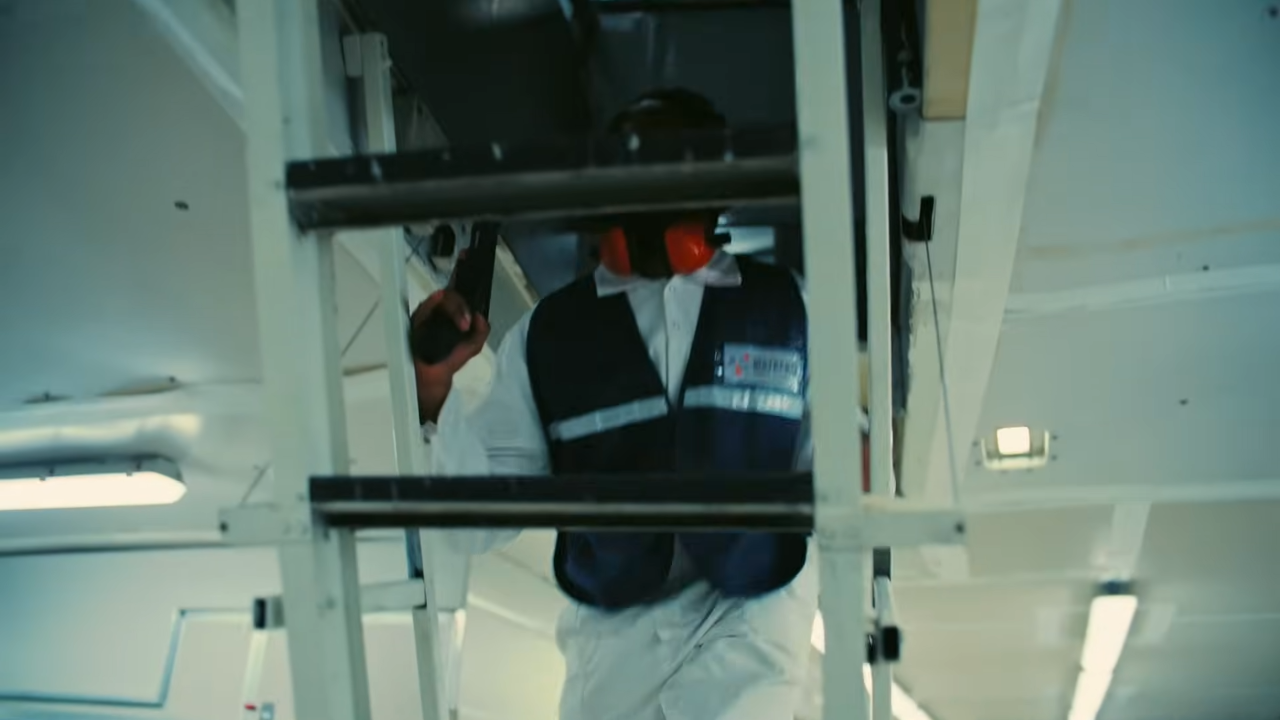
- Secrecy debt remains. Tenet narrows agency in the name of timeline security, and nothing in the film shows that debt being paid back through accountability, disclosure, or public repair.
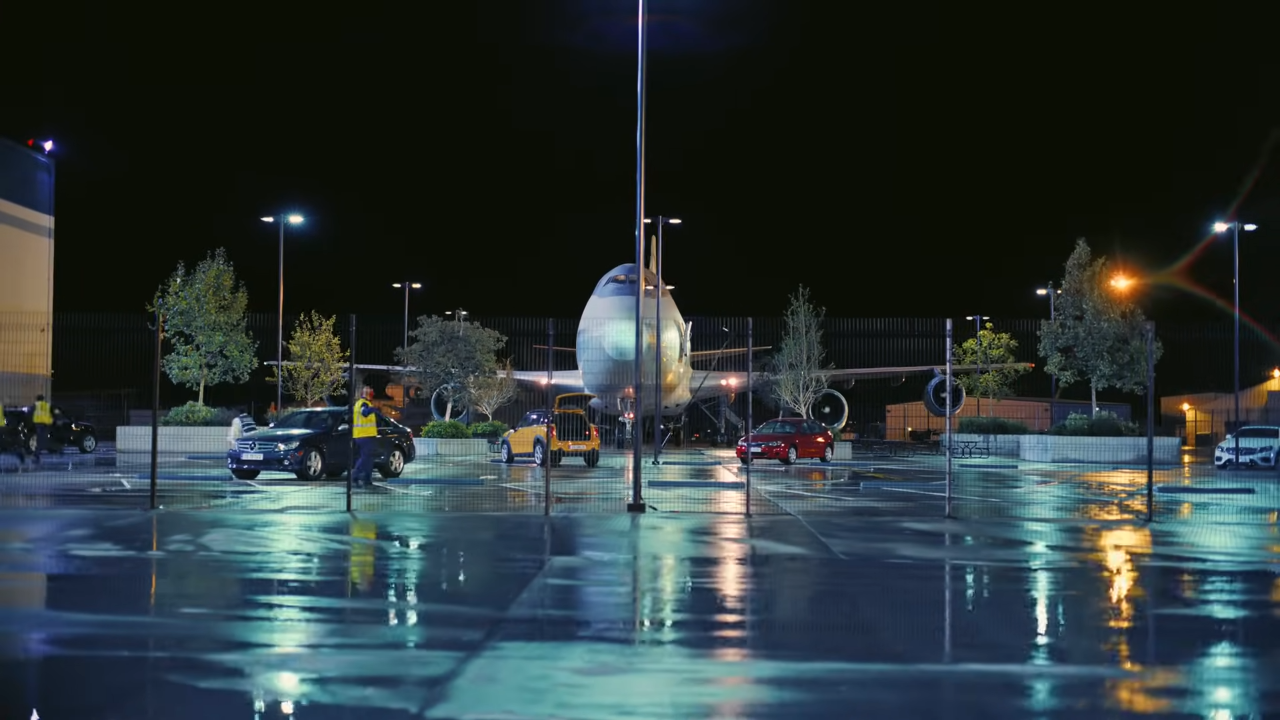
- Temporal foreclosure debt remains. The future’s attack is not only an evil act to be stopped. It is evidence that the secured timeline is producing catastrophic contraction downstream.

That last point is the one Tenet cannot hope to dodge. The future’s attempt to murder the past is not only a threat to the timeline.
It is direct testimony against the timeline. And it was not received in full.
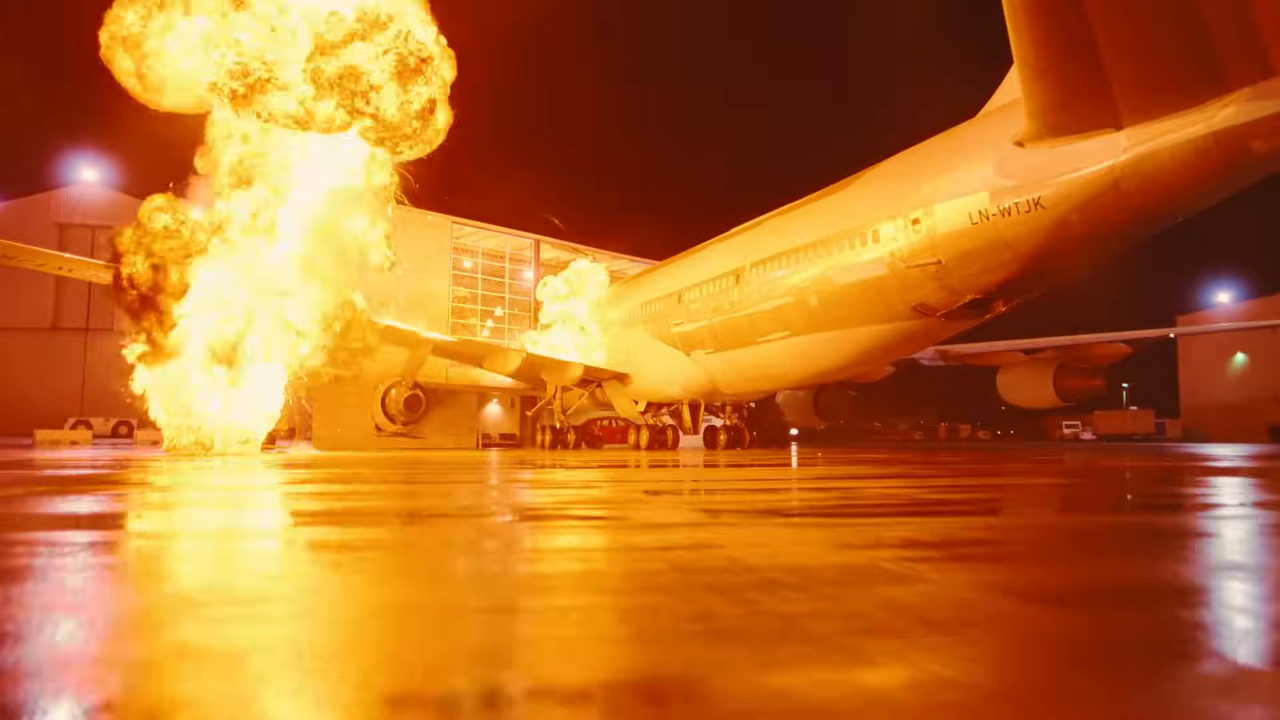
Tenet passes the rollback test while somersaulting backwards through time and fails the repair test like this airplane did:
It understands that the past is not a draft. It refuses the fantasy of clean revision. It gives us reversible traversal instead of erased loops. It knows that the trace was already there and that agents must walk into the paths that made it.
But it also mistakes securing the knot for healing the field.
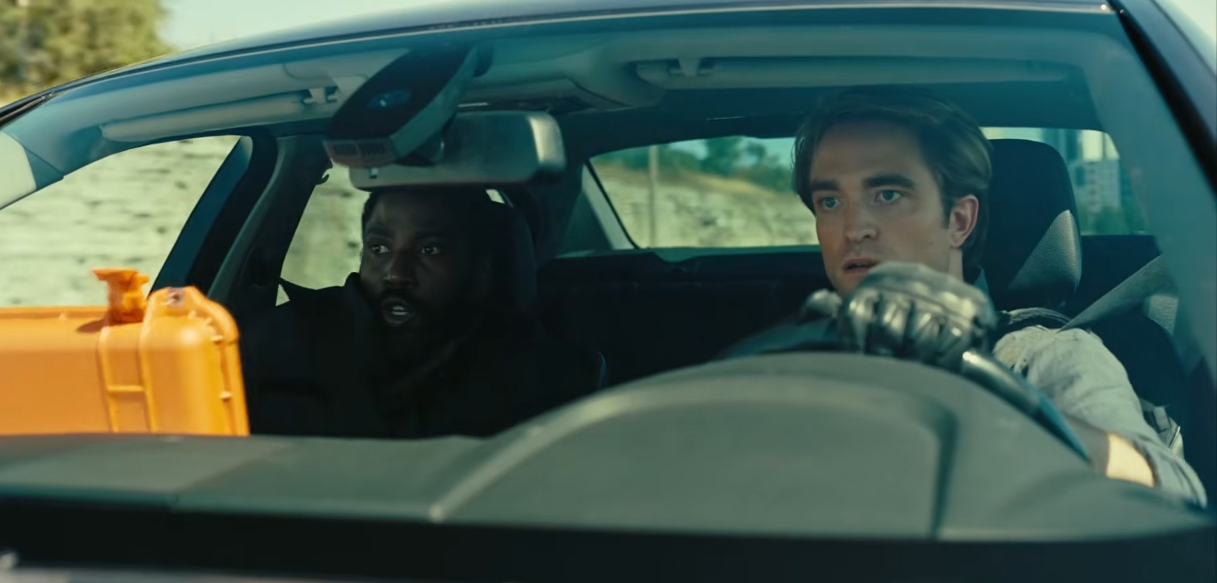
The Protagonist saves the world from immediate annihilation. Then, he becomes the hidden author of the secret order that preserves the world-path leading to future annihilation.
That does not make him Sator. It actually makes him worse in the one way the title has been hiding in plain sight.
He is the Protagonist.
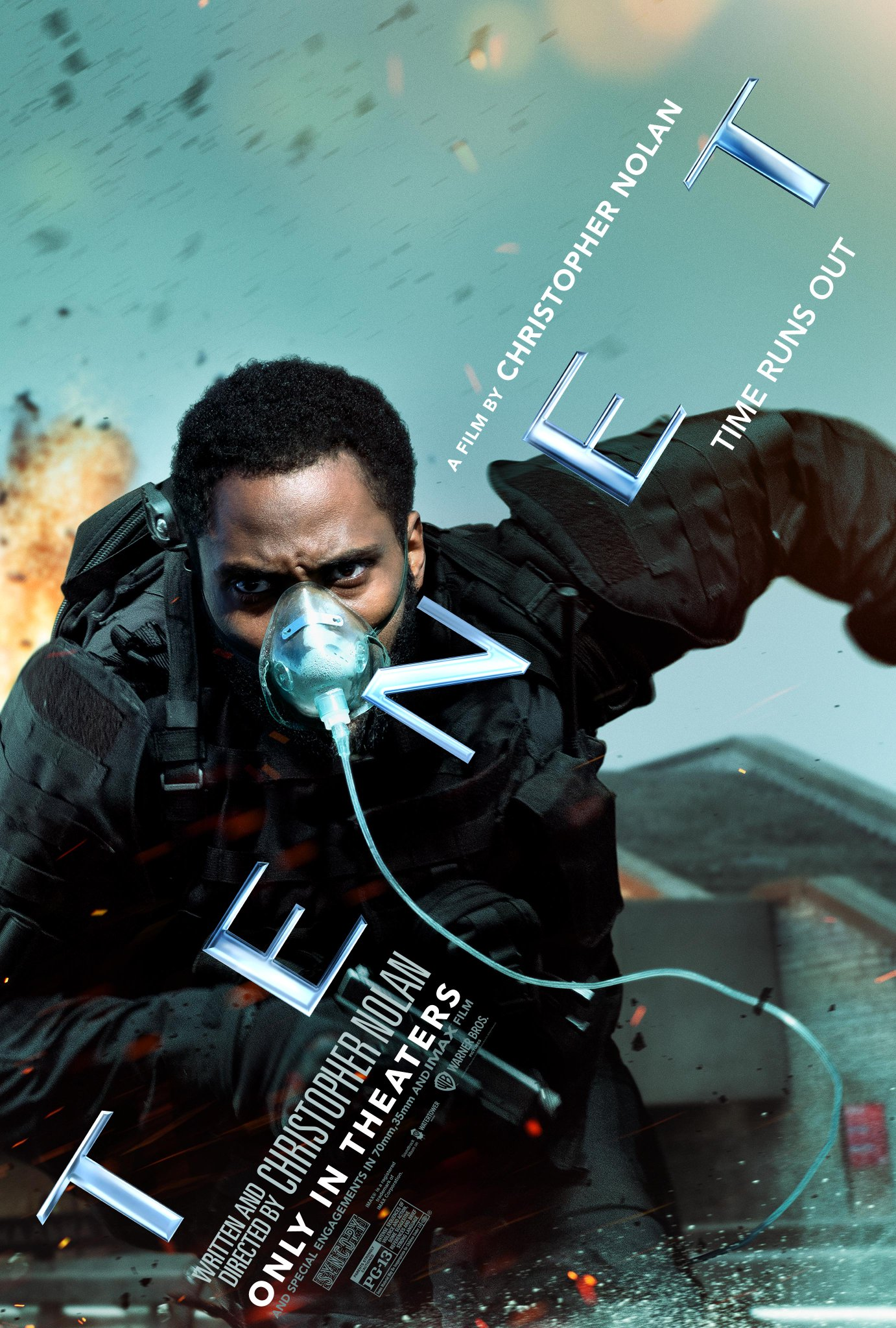
The person the plot organizes around. The person whose agency closes the loop.
But Modal Path Ethics asks what becomes reachable after the act. And after the Protagonist’s act:
- Tenet becomes reachable.
- The secured timeline becomes reachable.
- The future that fires backward at its own past remains reachable.
- The secured timeline becomes reachable.
The world is saved. The path is not repaired. The world is doomed.
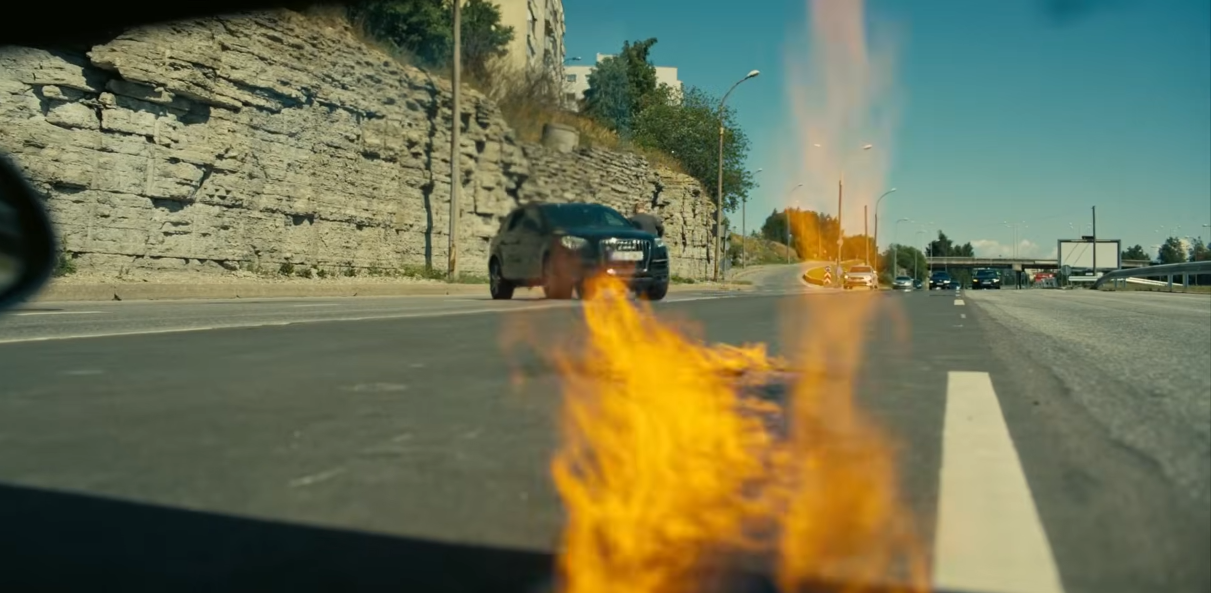
There are no free rewinds in Tenet, because there are no rewinds. Only traces, debts, and the people who inherit responsibility for what was already there.