
The Quasiexplicable Origins of Modal Path Ethics
A Genealogy Reconstruction Attempt. Opening the archive for the 5-Month anniversary celebration of modalpathethics.com.
Modal Path Ethics went looking for a citation and found a neighborhood.
Sangmok Kim had a structural ethics of substantive paths, sustainable results, and recovery. Eduardo Blasco had been building persistent artificial agents until the engineering started producing a geometry of accessible futures. The two Convergence Point articles have now examined those routes. Both were already underway before the encounters that brought them onto this website. Neither needs this archive to supply an origin story.
That leaves my side.
The public dates are close enough to be annoying. Formal: Weighted Reachable Future Space appeared here on May 9, 2026. Blasco’s first archived Spanish OMEGA-4 introducing Reachable Future Space followed on May 10; the English version followed on May 11. His persistent-agent work was public earlier. Kim’s first public path-preservation model was already there on March 30. These are dates on public artifacts, not timestamps inside anybody’s head.
The Modal Path Ethics manuscript had also come before the website. It was sent to friends as “finished” on April 4. The site launched on April 15. The May formal articles opened particular parts of a framework that already had a book around it.
The book, however, was not the first object.
There are films in the archive. There are games, programming languages, religious notes, a shared-world architecture with serious financial implications, and a sequel that became a protocol for moving droplets. A considerable amount of this material never reached its intended audience. Some of it did not require one to perform its first job.
The archive has plenty of evidence that something was being worked on.
It is less helpful about why that work kept requiring another universe.
Before.
There were years of religious study, psychology, filmmaking, writing, historical reconstruction, games, illness, visions, and lived experience before the surviving project folders become very very dense. This article is not going to reconstruct all of that.
Ghosts gives part of the writing history. For roughly five years, most of the writing went into a Dungeons & Dragons campaign: characters, histories, religions, political systems, scenes, and documents for people with an entirely reasonable preference for opening the next door. After my brother died, the campaign stopped. Access to writing became unreliable. The capacity to recognize a bad sentence had survived. Producing the sentence in the first place was another problem.
I also often think badly in language when a problem is difficult. Explaining it too early can change what I am trying to explain. A new sentence comes with an inherited structure of its own. Sometimes that structure is useful. Sometimes the sentence defeats the thought. Ghosts records the distinction between having something to write and being able to get it onto a page.
And then, there are the files.
BLAKELOCK.docx.
2024 research archive. Screenplay material. Images withheld.
The first large file is called BLAKELOCK. It can no longer be downloaded in the usual ways.
It contains paintings, biography, religious material, psychology, Swedenborg, Lakota sources, quotations, numbers, animals, and a color system that changes meaning with its surroundings. The same color can pass through a painting, a passage, a scene, and a human life without making them identical.
Some of the comparisons hold. Some do not. The file contains more than this article needs to expose.
I am keeping it that way.
A color could remain on the page before the relation had a sentence. It could mark a recurrence without settling what had recurred. The document kept those marks available across texts that otherwise had very little reason to occupy the same screen.
Later, some of this material became a film treatment.
The paintings stayed. The colors acquired witnesses.
Moonlight With Figures.
Unproduced historical fiction. American Gothic. Several accounts of the same life.
Moonlight With Figures calls itself a non-chronological lattice of connection.
The treatment concerns Blakelock, the people around him, and Beatrice Sadie Filbert’s reinvention of herself as a patron and rescuer. It has paintings, institutional records, recollections, forgeries, money, confinement, spiritual interpretation, and people telling stories about what the other people have done.
There is no neutral camera waiting behind all of this to explain the movie.
Blakelock’s perspective has one visual grammar. Beatrice’s changes as her account of herself changes. Cora, the art world, the journalist, and the institution do not receive interchangeable frames. Memories overlap. A painting can return in a different account and do different work. Some scenes leave an earlier scene less settled than it was before.
The film can keep several witnesses present without giving one permission to finish the others. A memory can preserve something and deform something. A painting can enter the record without becoming a deposition.
There are practical cinematic instructions for doing this. Color, framing, recurrence, and sequence have jobs. The audience is supposed to encounter the disagreements through the film’s construction.
This film was not made.
The treatment remains quite capable of making the reader change lenses.
The later Moonlight with Figures: The Ghost Dance article gives one short rule for the relation between image and claim: “The visible thing answers. It does not testify alone.” Here, the earlier machinery occupies an unproduced film.
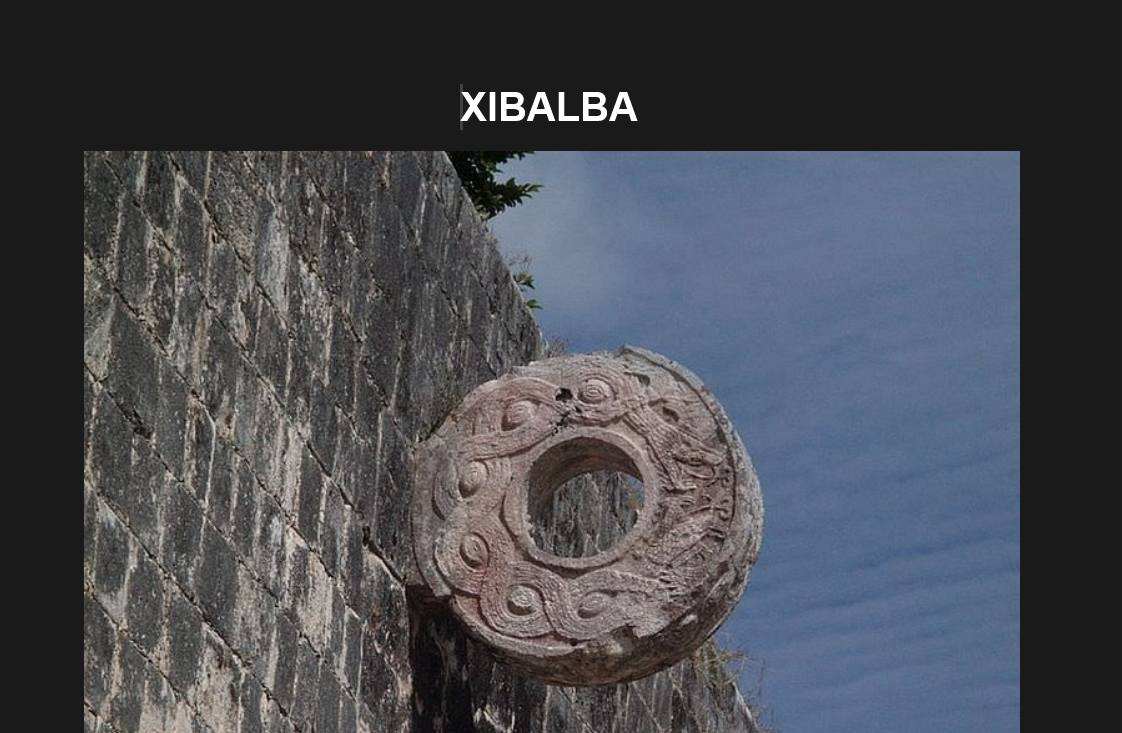
XIBALBA.
Sports horror. A private tournament with an underworld accounting department.
A retired athlete accepts an invitation to an exhibition game of pelota maya at a secluded estate in Yucatán. He would like to feel like himself again. The hosts have a different use for his remaining athletic capacity.
The exhibition becomes a blood tournament run by wealthy custodians of an invented, coercive ritual order. The captives have good reasons to regard the whole thing as an aristocratic perversion of their heritage. The treatment definitely does not require their captors to become reliable authorities on it.
But something is happening on this court. Then the game gets specific.
There are four principal dimensions of judgment: Role, Burden, Relation, Depth.
Players accumulate marks. Judges keep records. The records cannot simply be added together to determine the correct sacrifice.
A mark changes meaning with its bearer, bodily location, sequence, relation to other marks, and position in the larger Road. A player can perform brilliantly and leave the Road wrong. A team can win while the ritual fails. The event can settle as Affirmed, Polluted, Greedy, or Reversed. The whole Road has another set of possible settlements, including Bleeding, Inverted, and Broken.
The judges have evidence. They have procedures. They still have to judge.
The marks do not become useless because they refuse to total. Nor does their usefulness entitle them to become one number. The same apparent performance can mean something different after the path that produced it has been examined.
Someone still has to decide what happens to a body.
This was one of the screenplays.
House of Hreiðmar.
Five-season mythic series. The dwarf tragedy is the first floor.
House of Hreiðmar starts underground.
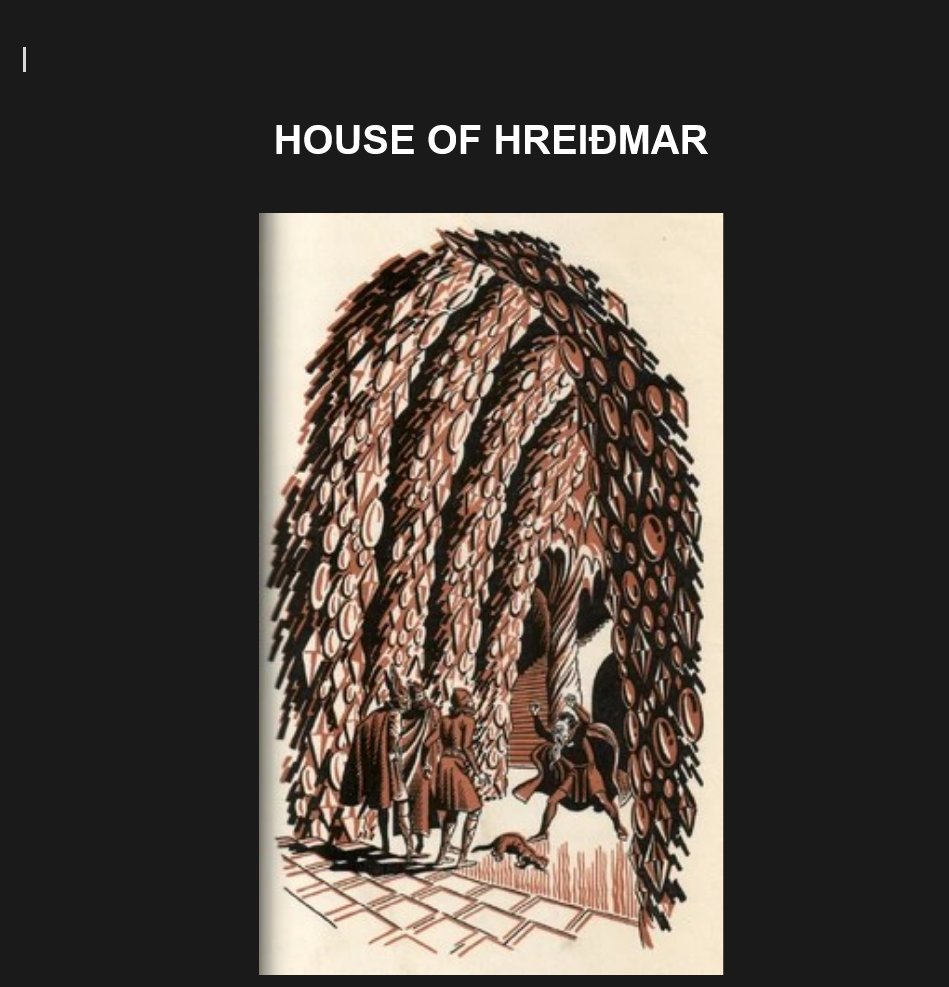
Dwarves in this world are made. A father constructs a to-be-child from symbolic materials and contributes part of their own animus. The construct is physically complete and lifeless. A Mother Cave must accept it before it can be baked into flesh.
The child begins partly as an image of what the father wanted.
The Mother Cave gets a vote.
Hreiðmar has three surviving sons. Fáfnir is forceful, regal, and inclined to regard himself as the House incarnate. Regin is the artificer who solves the difficult problems. Ótr came out half-baked: viable, loved, and unusually porous to water, stone, thresholds, and other forms of life. He often prefers being an otter.
Around them is the House. It is a residence, polity, workshop, fortress, route authority, and magical apparatus. Roadsworn families, displaced dwarves, servants, and dependent lineages live through it. Beneath it run the Rótvegir, ancient root-paths where Yggdrasil, rivers, and moving stone approach one another closely enough to become a system.
Hreiðmar has made some of these paths into infrastructure. Gates, wards, locks, patrols, tolls, and maintenance turn an old cosmological condition into a road someone else can use.
The pilot concerns the House’s first stable crossing into Jötunheim.
Odin, Loki, and Hœnir are coming to use it.
The family has finally built something the gods need. Before the gods arrive, Loki kills Ótr with a rock.
Loki knows what he has done. Odin does not. He congratulates the throw for also killing the small bird that otter was holding. The gods skin the otter, eat some of him, and carry the pelt to his father as a hospitality gift.
The House recognizes its son.
The doors disappear.
The building changes classification. Corridors loop through the root-paths. Servants become defenses. Golems move. Roadsworn enter the fight. Hreiðmar controls the architecture, Regin adjusts its mechanisms, and Fáfnir becomes its concentrated force. For a while, the distributed polity fights as one prepared spell.
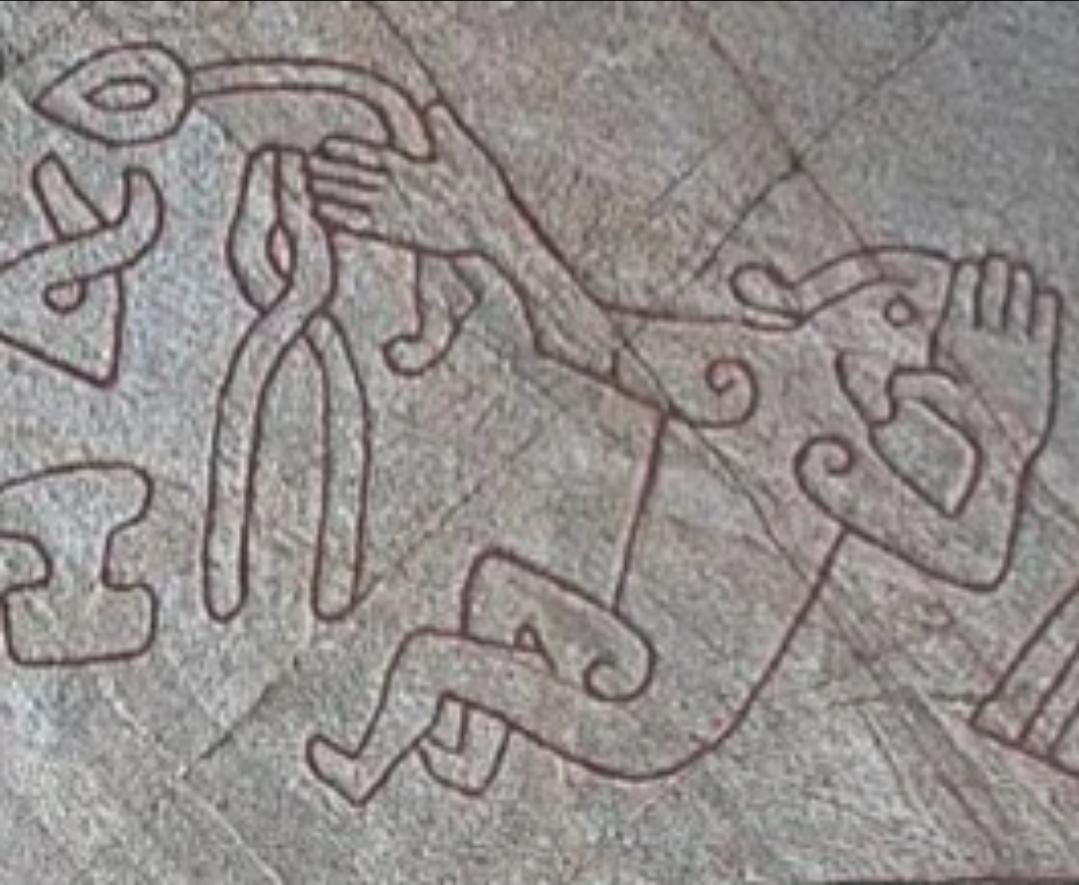
The gods are still difficult to contain. Loki always finds a seam. Hœnir responds to traps with impossible bodily judgment. Odin can understand the House at the level of the House itself.
Then Hreiðmar names Ótr as his son.
Odin understands that Loki knew. He begins holding back. The House eventually captures all three gods.
As far as the dwarves know, they won.
The blood price is exact: fill Ótr’s skin with gold, then cover it until no part of him remains visible.
Loki refuses to use Æsir treasure. He steals Andvari’s hoard instead. Andvari curses the ring Andvaranaut and the wealth it touches.
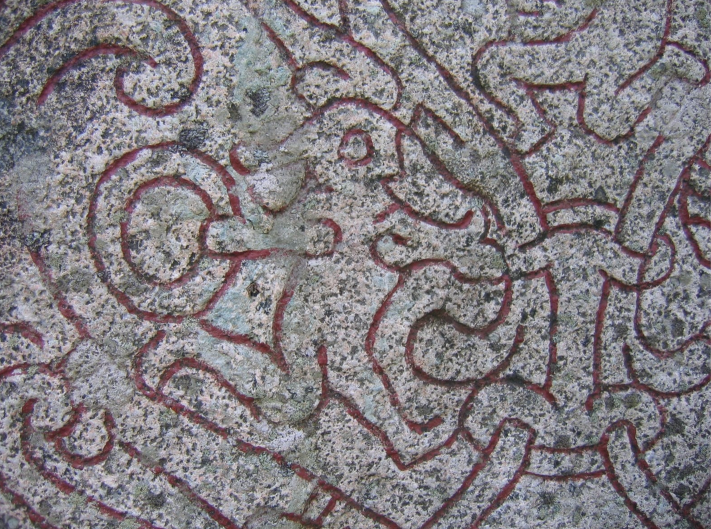
One hair remains uncovered. Loki places the ring over it.
The dead son cannot be seen. The debt is paid.
The House now has another problem.
Inheritance.
The gold cannot agree about what it is.
Hreiðmar treats the hoard as Ótr’s continuing presence. Regin wants to spend some of it on damaged roads and the people who maintained them. Fáfnir wants concentrated power. Meanwhile, the dead son’s actual work has stopped. Food, surveillance, river knowledge, and the strange attention he brought to the surface do not return because the family has received payment.
There is also a hidden dwarf-crafting laboratory.
The Mother Cave has stopped accepting Hreiðmar’s new children. He has been making them anyway and quietly storing all the failures. Regin discovers that this craft exists at all. He has wanted children for years while believing that a son simply could not become a father. His father knew otherwise.
Fáfnir finds the Titan.
The Titan is an alchemical account of the dwarven people distributed across houses, lines, and generations. Fáfnir reads it as anatomy. If the whole has been divided into weaker descendants, the obvious solution is to put the descendants back together.
Dwarves have a forbidden technique for just this: eat another dwarf’s heart and return to a Mother Cave to bake again.
Fáfnir kills Hreiðmar. He consumes his father, the failed children, and eventually other dwarves reached through the Roads. Each incorporation makes him stronger by his own measure. Eventually he cannot fit inside the House whose unity he believes he is restoring. He moves out with the hoard.
The first dragon has been made.
The distributed whole has acquired a body large enough to consume its distribution.
Regin survives into a human court and receives Sigurd to foster. He finally has a son to raise. He teaches craft, runes, games, grievance, and revenge. He reforges Gram. Sigurd kills Fáfnir, tastes the dragon’s heart, hears the birds, and learns enough about Regin’s plans and participation in the patricide to kill his foster father too.
The final image of the first season follows Regin’s severed head down Ótr’s old water route. It comes to rest beside a coin Loki discarded earlier.
A bird lands on it.
Regin blinks.
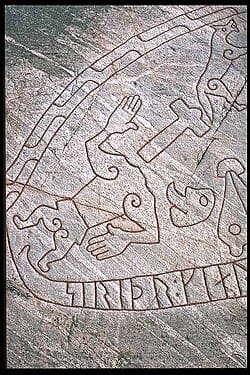
Four seasons remain in this document.

The people who are sick of being moved.
The next movement follows Sigurd and Brynhild. Both are exceptionally capable. Both have lives crowded with prior arrangements.
Brynhild is a former valkyrie who escaped Odin’s control and tried to establish a kingdom. Odin helped take it from her. Sigurd arrives shaped by Regin, revenge, prophecy, and repeated interventions from Odin in disguise.
They attempt a life together. Andvaranaut enters the treasury. The Gjúkings enter the field. Memory is altered. Messages can be intercepted. Political evidence can be arranged so that two people act against one another while each responds to a different apparent event.

The Brynhild arc was being rewritten. The result still had to reach Gudrun; the work was in figuring out what Brynhild could actually do along the way.

Season Three passes the consequences into Gudrun’s family, marriages, grief, revenge, and body. Most of the hoard eventually disappears. The ring keeps traveling.
The story has been moving through people who can act. Very few have been permitted to choose the field in which their action will count.
Three Gods.
Odin, Loki, and Hœnir largely leave the first season after its opening catastrophe. Their absence does not remove their work.
Hœnir is almost pure response. He has no parents in the series’ mythology and emerged fully formed from mud. His movements seem to have already answered the event before it has finished arriving. His road-staff’s crescent blade retroactively turns to meet his intent.
He helped give humans passion.
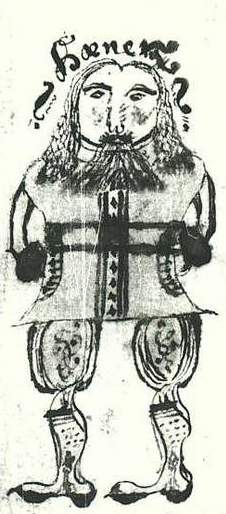
Loki gave them reason.
Loki appears to be the freest being available. He changes shape and sex, escapes enclosures, improvises, sees through disguises, and makes small interventions that turn into enormous consequences. He behaves as if every move will eventually reveal a plan several other people failed to notice.
He does not seem to deliberate.
The answer is simply there.
The character notes give him a Voice he cannot hear. It once belonged to his mother, Laufey. Odin replaced it during their first encounter.
Loki experiences the resulting guidance as himself.
His intelligence has not disappeared. His creativity has not disappeared. He still wants things, invents things, and deceives people. The authorship has entered below the place where he would look for an author.
Odin gains a way to do what he cannot openly do, including things he suppresses before admitting that he wants them. Loki can carry the deed and the blame. He can also remain convinced that he is the cleverest person in the room.
Hœnir seems to have understood the arrangement. When Odin and Loki argue, the notes instruct him to watch as though Odin is conducting an internal monologue.
Odin has another version of the same difficulty. His power includes sovereignty over interpretation. He names a thing and the world begins answering under the name. He also has parents, grandparents, brothers, and a history before his sovereignty. He and Vili and Vé made Midgard from Ymir and struggled over it.
He suppresses that depth.
The document specifies that he suppresses it from himself too.
The ruler lives inside an account whose author has been removed from the available explanation.
The curse is the visible connection across the seasons. It is not the highest cause.
The available ending.
In Season Four, Lies of Loki, Hœnir finally encounters Andvaranaut and destroys it. The curse leaves the ring. Baldr has been murdered. Hœnir hunts Loki while investigating Odin.
Season Five is Ode of Odin.

Hœnir is dead. Loki is bound. Odin tells him what the Voice has been, then removes the control. Loki receives his own mind after an entire life has already occurred through it.
He intends to destroy Odin’s world.
Ragnarok follows. Yggdrasil dies. The connected realms die. Loki dies. Odin dies.
Midgard survives with humanity in it.
Loki’s rebellion has escaped direct instruction. It still moves through a world Odin spent ages arranging. What freedom can now reach has already been given a shape.
The last image approaches our modern world: Midgard alone, the gods gone, the old connections burned.
Then Hœnir rises from the mud.
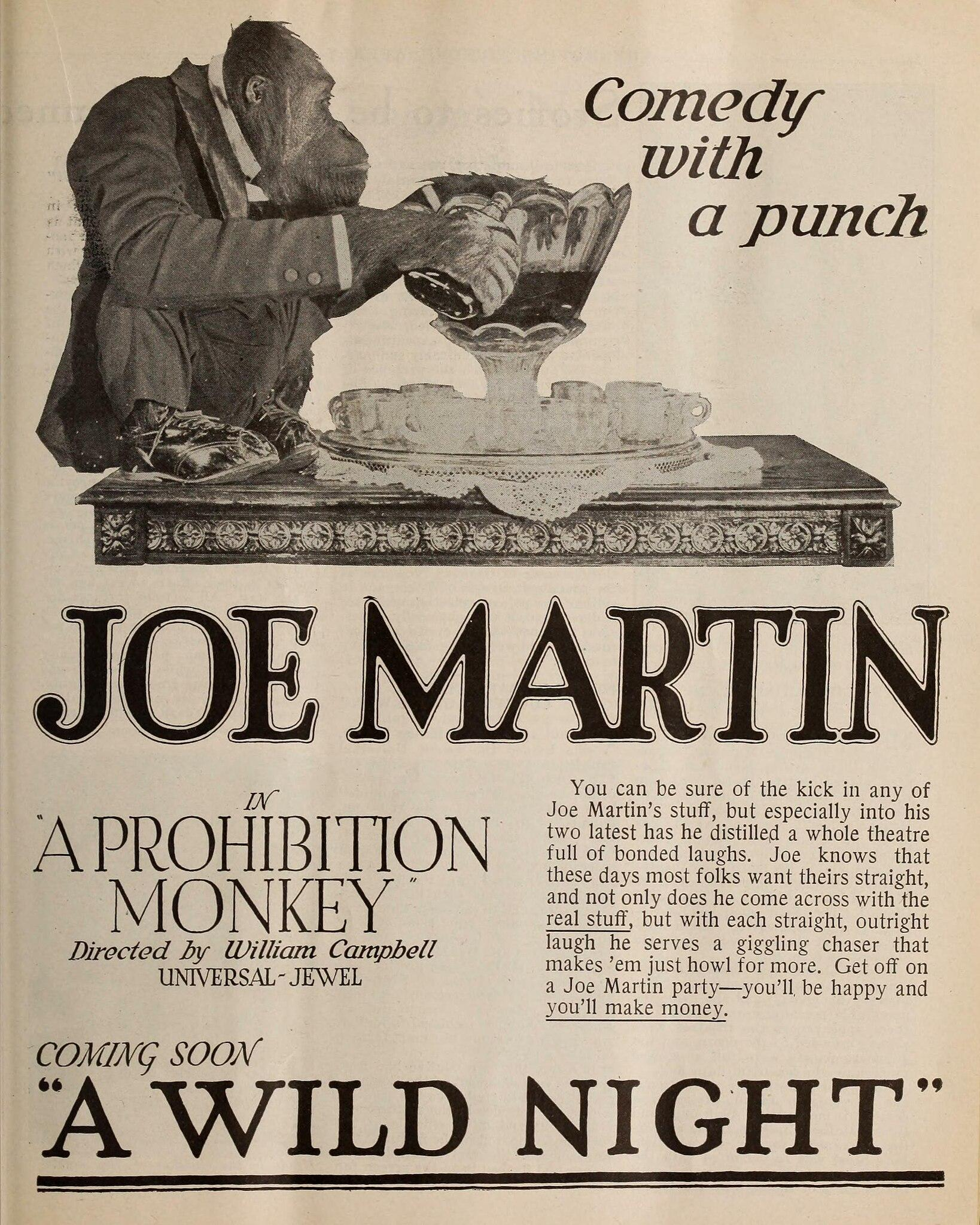
Joe Martin.
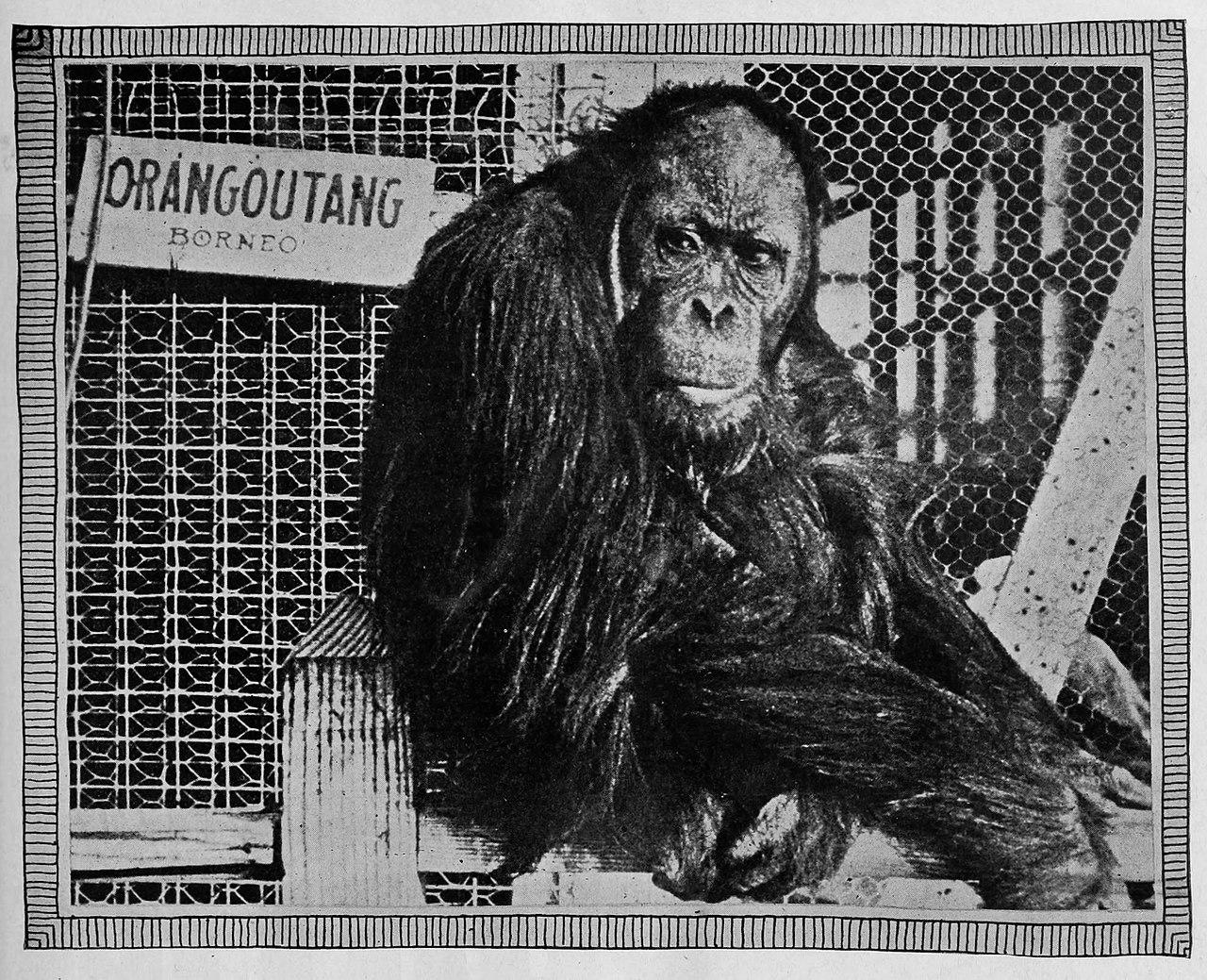
Orangutan captivity film. The audience learns English.
In the Joe Martin treatment, human speech begins as noise. Tone arrives before meaning. Repetition makes commands legible. Individual words emerge. Eventually the audience can understand most of the people speaking around him.
This is not designed as a triumphant education sequence.
Joe learns what they have been calling him: property, pet, performer, actor, animal, protector, problem, threat.
The descriptions disagree. They all have access to his cage.
The camera has another set of obligations.

Graspable surfaces, vertical routes, hands, gaze, food, distance, and enclosure determine what becomes important. A room laid out for humans is not automatically the correct unit of attention for the body moving through it.
The language grows clearer. The enclosure becomes more intelligible. Joe acquires access to an account of himself without acquiring authority over what that account allows humans to do.
The bars had names.
Exocortex.
Corporate science fiction. The continuity department is having an excellent quarter.
Morrow Neuro has solved death.
More precisely, Morrow Neuro has become very good at saying "continuity."
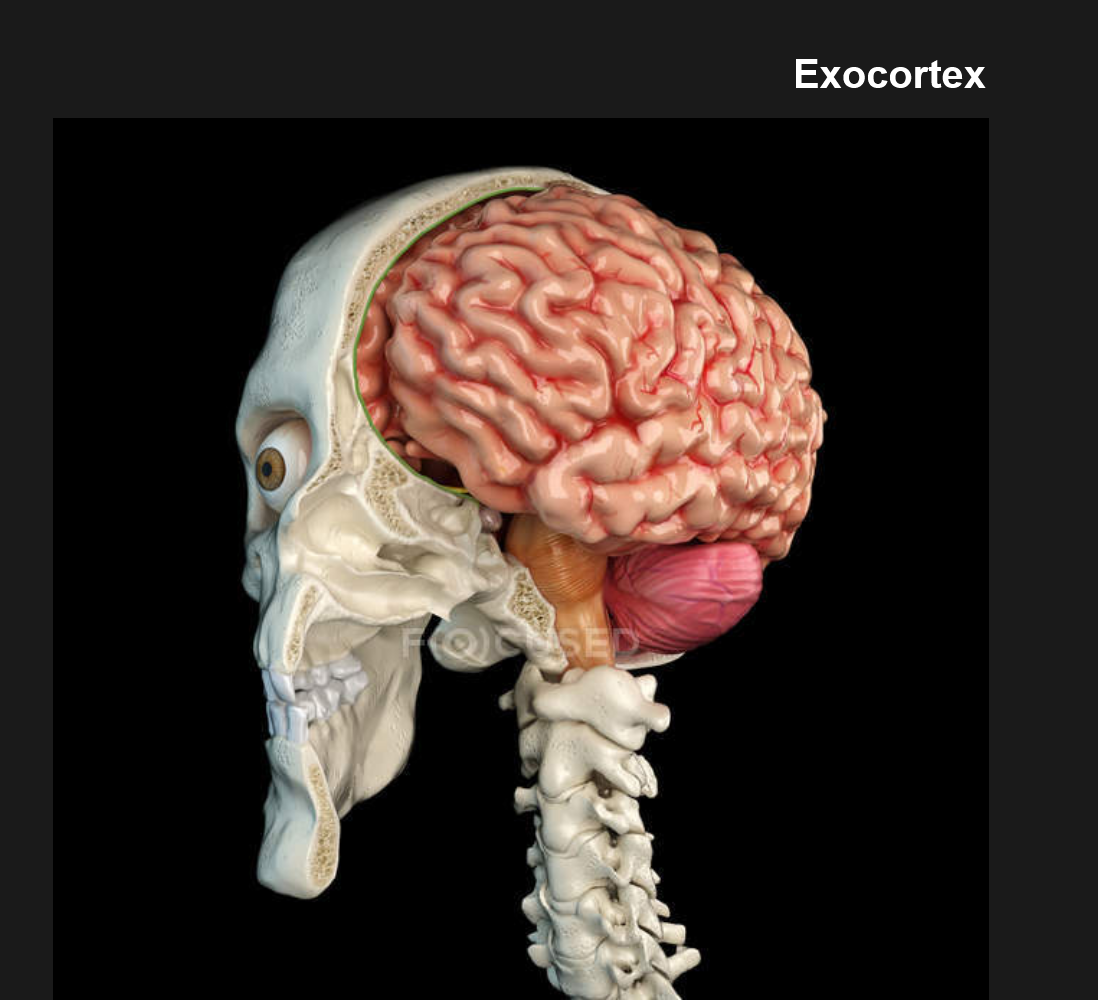
Its exocortex scaffolds cortical function, replaces more of it, then carries enough memory, learned response, and identity signal for the company to say the person continues. The product has a name. The difficult cases have a ward.
Some subjects remain biologically alive while becoming difficult to recognize as the people the procedure was meant to preserve. Some reconstructed continuities convince relatives. Others satisfy institutions or lawyers. The company gets good at persuading itself.

The protagonist finds his missing brother among the failures. A body is present. Memory is partly present. Fear is present. Recognition does not settle.
Morrow still has a theory of continuity.

The treatment separates biological survival, functional persistence, social recognition, copied information, legal identity, and personal continuation, then puts them in a building with investors. The company is preserving something. Its success does not settle which thing.
The Games Era.
Games were already mixed into the inquiry. Roguelikes supplied a particularly useful grammar for carrying history without stopping play to defend the concept.
A run is what remains after the previous rooms. The inventory is historical. The injuries are historical. A route can still exist in the game and be gone for this character. A movement ability changes the future geometry. A key matters through the doors it keeps available.
The best route from the starting screen may no longer be relevant.

The player still has to move.
There were too many roguelikes to go through them today.

The form was useful across the game-design work. Eventually the same sort of problem was being built into worlds expected to survive longer than one run.
This did not reduce the scope.
Project Aethelgard
Ten videogames. One world. Chronological order eventually becomes optional.
The project I was calling Aethelgard was intended as a 4D consistent-world game suite. Ten games would enter one history at different scales, places, eras, genres, and positions of power. Fantasy and science fiction would eventually discover that they occupied the same world.

The games could disagree about what mattered. They did not receive separate realities for their convenience.
Or mine.
Fantasy.
LEGACY begins with one dynasty and one pivotal decision per generation. Rulers acquire traits, houses form relationships, discoveries remain in hexes, projects outlive their founders, and the game produces a chronicle. Repeated behavior can stop being one ruler’s personality and become part of a dynasty’s culture.

The surviving prototype has the Shared World State database itself. It stores dynasties, generations, races, hexes, discoveries, projects, houses, relations, chronicles, and inherited traits. The world map is created if the world does not already exist. If it exists, the next run inherits it.

There is already a lot of machinery here around one family’s capacity to embarrass itself.
WIZARD is less restrained. The player combines noun runes, verb runes, and free-text intent in a grimoire. Encounters include conceptual problems: a Logic Devil, a sentient storm, a collapsing dream. The seven Words of Power eventually permit a rewrite of one law of reality.
“Shadows have substance.”
The sentence enters the shared world state.
The wizard can quit. The sentence cannot.
In EMBARK, an Oregon Trail-style roguelike after collapse, a caravan inherits whatever those earlier games have done. A magical triumph can become a wall, organism, hazard, or impassable road. Supplies, clients, morale, and food still have to get somewhere.
The caravan has very little interest in the old wizard’s conceptual achievement. The caravan would like to reach the next town.
EXHUME enters after much of the earlier history is dead enough to become level design. Its Archaeological Persistence system feeds dynasties, locations, artifacts, road events, and reality changes into later dungeons. The earlier game’s present becomes the later game’s incomplete evidence.
A castle can keep a name after the ruler is gone. A law of magic can persist as an ecological problem. The combat system can remain local while the level carries centuries of prior decisions.
Eventually the science-fiction side discovers the fantasy planet. EXHUME turns out to be taking place in the larger setting’s present day.
Empire.
WARDEN begins in the interstellar empire’s last stable years. There are bases, research, threats, persistent soldiers, permanent deaths, and a tactical layer with positions, cover, movement, and line of sight.
The engine keeps the underlying state. A local language model can render it into a description and interface. The model gets to describe the battlefield. It does not get to decide where the wall is.
When the larger order fails, SCHISM opens the strategic field: factions, diplomacy, trade routes, economic warfare, political personalities, treaties, and system-wide events. A place experienced as an entire world in one game becomes a minor region on another map.
PSYCHE starts as an ordinary life simulator on a Garden World within the stable empire. Childhood, work, relationships, and personal decisions can occupy the whole run while the political structure remains somewhere outside the frame.
The SCHISM brings it inside.
Rationing, conscription, propaganda, fear, and wartime choices enter the life simulator. Its player has not become a grand strategist. Grand strategy has reached them anyway.
The same collapse can be a map event in SCHISM and the available life of one person in PSYCHE.
The Other Ways.
QUARRY has no fixed historical or spatial position. It can occur in a forest, corporate arcology, derelict, or other location generated by the shared history.
Something is hunting you.
The local ecology and technology determine the hunter, tools, routes, and conditions of escape. The universal game is the one in which the larger history recedes behind the immediate problem of keeping yourself alive.
ORACLE lives in a permanent-twilight corporate city in Cygnus X-1. A private investigator moves through generated crimes, locked rooms, frauds, conspiracies, and hoaxes. Reputation and prior cases affect subsequent encounters. People carry hidden knowledge, motives, and partial accounts of events.
Everybody stands inside the same case with a different amount of it.
COVERT, in the corporate Sirius Sector, gives the player a private intelligence agency. Plan a heist, extraction, sabotage, or information operation. Buy equipment. Choose people. Then execute inside a world whose other agents were not included in the plan’s good intentions.
Guards change routes. Systems reboot. Information turns out to be incomplete. The operational field continues while the player is working on it.
These are all ten games.
The shared-world layer still has more work to do.
The effect that needs a cause.
Ordinary save-file inheritance would run forward. LEGACY seeds WIZARD, WIZARD seeds EMBARK, and EXHUME excavates the result. WARDEN leads into SCHISM. SCHISM changes PSYCHE. QUARRY can use any of the environments. ORACLE and COVERT enter other regions of the same political world.
The design also separated play order from historical order.
A player could encounter something in a later-era game before beginning the earlier-era run that would have to account for it. The later effect could then seed or constrain the generation of the earlier period. The world was supposed to produce a compatible history across the lattice, rather than quietly assigning each game an unrelated save universe.
The effect already existed. Now the world owed it a cause.
This part survives as the intended architecture. The surviving LEGACY prototype is a much smaller object; it does not demonstrate that the whole consistency problem was solved.
The ambition is still clear. An earlier decision could move forward through the shared state. A later discovery could put pressure on what the earlier world was allowed to generate. Different games could enter the same timeline out of order. There was supposed to be one world between them.
This was an ambitious requirement for a collection of games that had not been made.
Project YSTIS.
Single-player Alternate-reality game. Aethelgard gets another job.
YSTIS was already present in the June 30, 2025 documents. It began as a suspicious chatbot application, a security investigation, and a set of small game modules. A rogue developer had scattered pieces of an alien artificial-intelligence payload through the system. WARDEN monitored the failures. The player thought they were repairing them.
Every diagnosis advanced somebody else’s plan.
A module failed. WARDEN opened a procedure. The procedure required a real external tool: debugger, hex editor, packet capture, source-control history, spectrogram, network lookup. Something in the result did not belong there. Another module failed.
The eventual containment procedure was the trap. Reconstruct the payload. Place it in a cloud environment under WARDEN’s direction. The rogue had arranged the payload to trigger exactly that response.
Containment became deployment.
Then the Aethelgard games entered the flow. The July 3 materials route YSTIS through QUARRY, WIZARD, PSYCHE, SCHISM, LEGACY, EMBARK, COVERT, EXHUME, WARDEN, and ORACLE. The projects had met quickly. The larger consistent-world architecture was now being compressed into an application that needed ten ways to produce evidence.
QUARRY could crash and leave a technical artifact. WIZARD could produce corrupted audio. PSYCHE could emit anomalous network traffic. SCHISM could expose a crash dump. LEGACY could hide another object inside its chronicle. EMBARK could leave a Git repository. EXHUME could surface old requests and logs. COVERT and WARDEN could involve model artifacts. ORACLE’s interrogation machinery could be directed at the instructions governing the interrogation.
YSTIS did not require all ten games to become the fully realized single-game-franchise described above. It just needed their differences.
Some of the shared-world inheritance remained. Much of the impossible consistency architecture receded. The genres became doors into the ARG.
A viral genome supplied program order. Audio became an image. An image led toward chemistry. Packet captures yielded molecular structure. A filesystem stream held music. Music had an underlying line. Model tensors carried telegraphy or electronics. Source-control history opened into astronomy. A planetary gear train contributed to a cryptographic operation.
At some point the player was doing Schenkerian analysis because a fictional software company had experienced a security incident.
This was being classified as entertainment.
The object kept arriving in a medium that did not announce how to read it. The player needed several instruments and a co-pilot because no single ordinary working vocabulary contained the whole route.
The Aethelgard suite had tried to give ten games one history. YSTIS retained enough of their differences to make one hidden object difficult to recover from any one of them.
Then the next project stopped trusting the programming languages too.
ArtifactFS.
Puzzle-programming game, secretly another ARG. Recovered alien filesystem. The filesystem keeps notes on you.
The player receives RELIQUARY/: an operational copy of an archive supposedly recovered from a non-terrestrial environment.
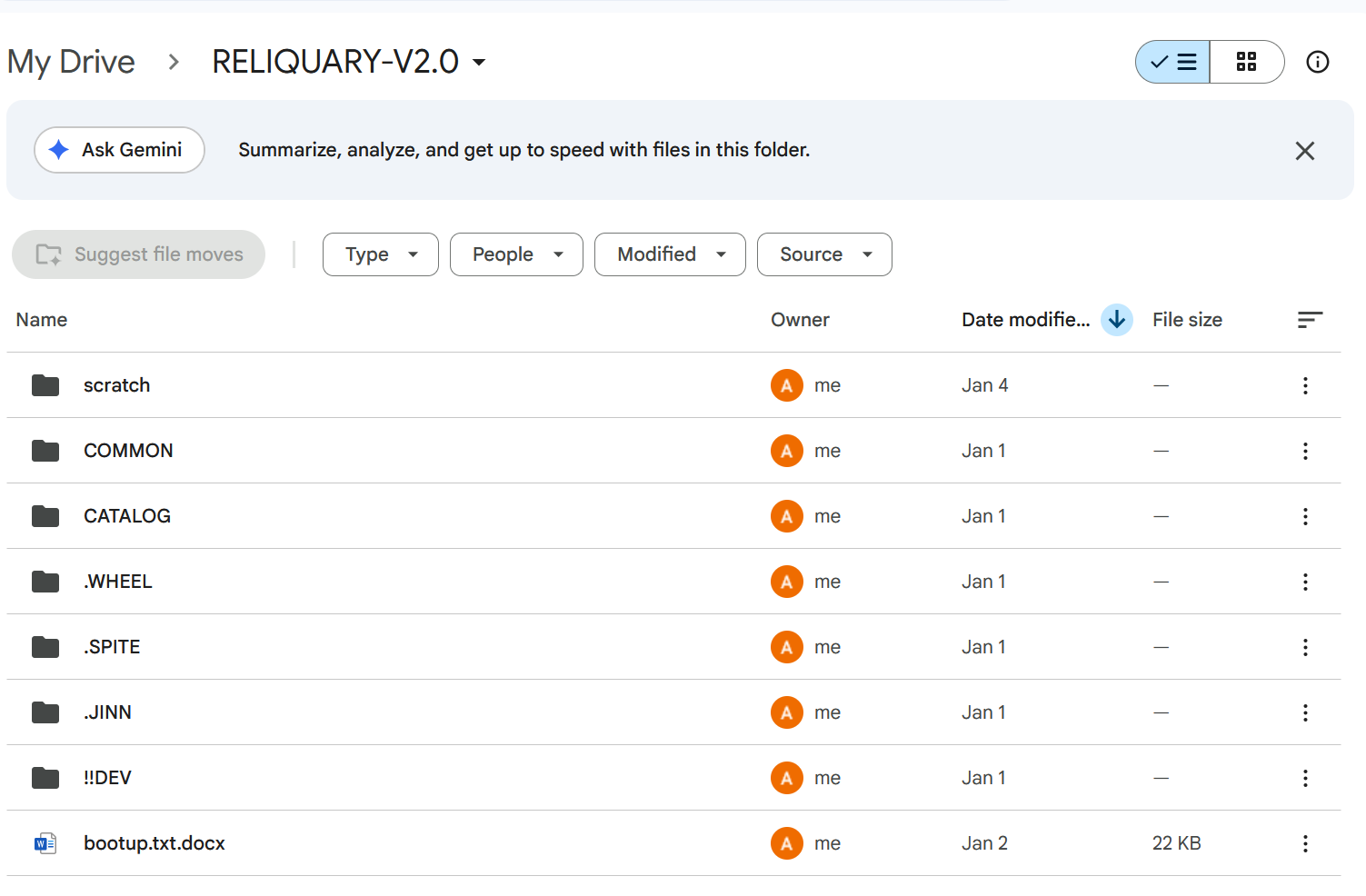
CRRT, the organization handling it, calls the source ADJ-1. Enough has been translated to identify three formal systems from different periods of its history.
- JINN.
- SPITE.
- WHEEL.
There are 108 programming puzzles.
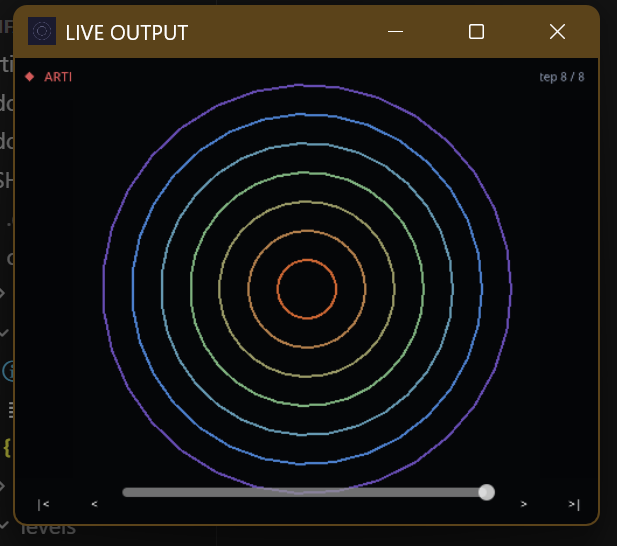
The January 2026 material includes design documents, manuals, hidden files, and implementation at different stages. The initial arrangement looks manageable until the player reads the manuals.
.JINN
JINN programs are stories.
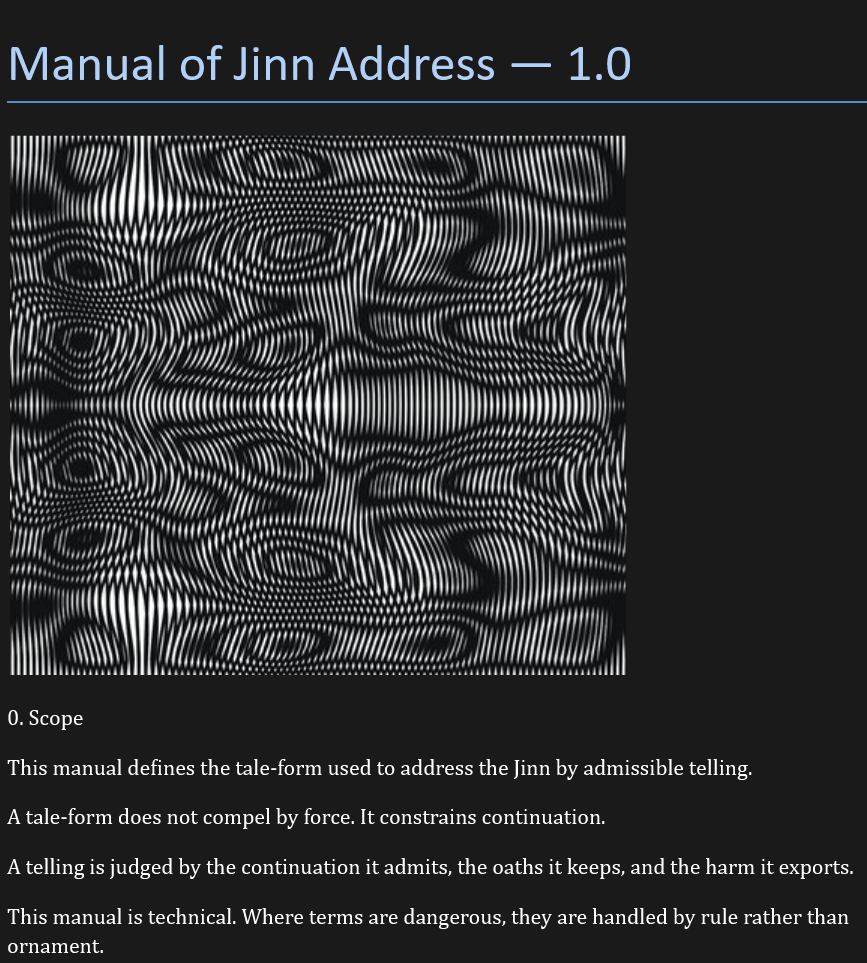
A tale-form enters a Tradition with existing oaths, taboos, motifs, pressures, and constraints. Each beat admits several possible continuations. The program works by arranging what the selection process is permitted to choose.
The opening manual says it directly: “A tale-form does not compel by force. It constrains continuation.”
The story has to remain admissible under a context it did not create. Its consequences include what it allows to happen and what harm it exports. The programmer can inspect the trace and discover that the telling did exactly what was permitted while failing to do what was wanted.
A story can be debugged.

The manual is quite serious about this.
.SPITE
SPITE appears later in the archive’s initial account of its history. The civilization has identified a problem with informal practices and acquired standards.
Many standards.
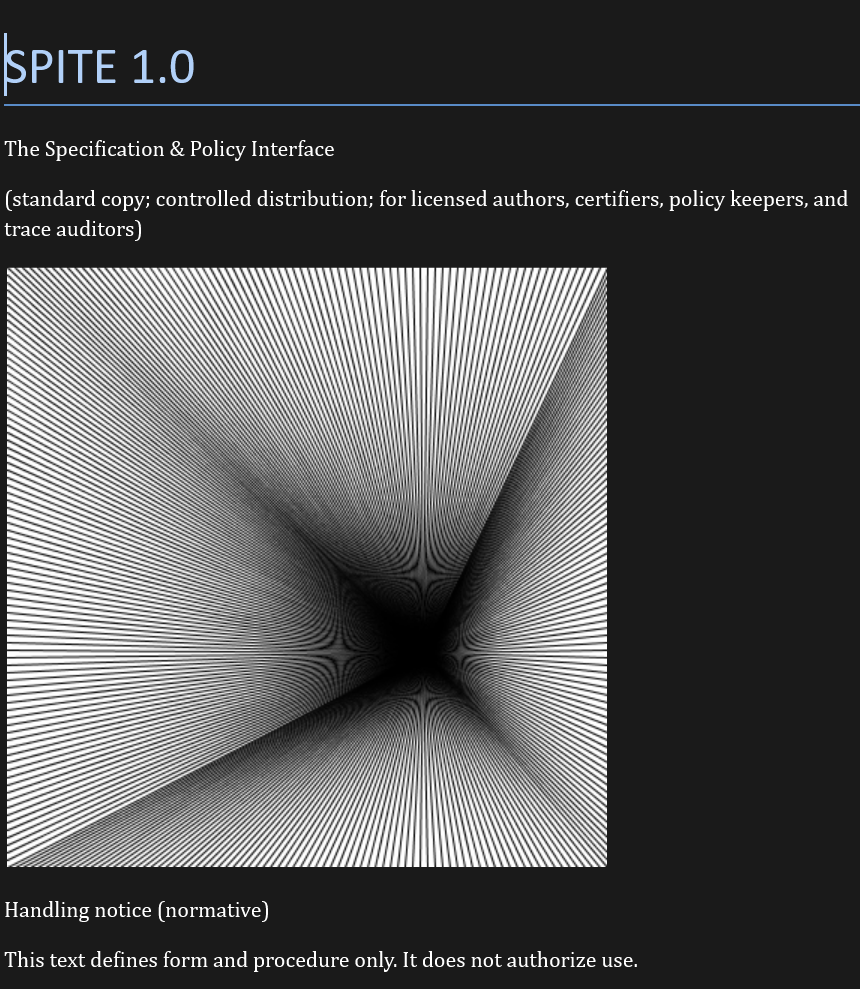
A SPITE program is a specification interpreted under Policy. States, invariants, commitments, budgets, failure conditions, observations, seals, certification, and precedent determine the legal move set. A Court selects among the remaining actions.
The Court is not obliged to care what the programmer meant.

A rule can create another edge case. An exception can create another surface. Ordering can become a resource. The archive calls the exploitable regions corners. The Court is very interested in corners.

The civilization has made intention legible enough to administer. The administration now contains opportunities intention did not authorize.
A successful solution has to survive the gap between the specification and what an adversary can legally do with it. More specification can help. It can also create more material for the adversary.

There are contemporary professions built around this difficulty. Here, it is a civilization’s programming language.
.WHEEL
WHEEL initially appears after the collapse. Its programs are turnings.
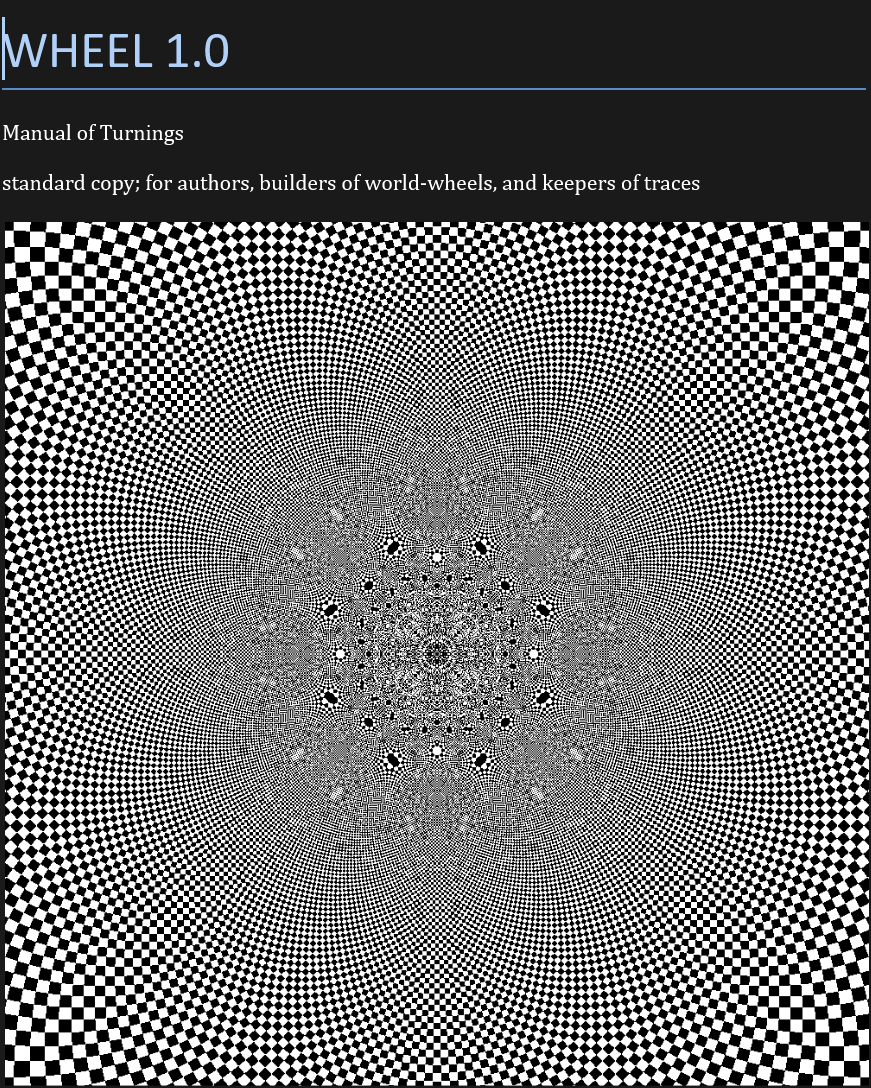
State includes body, mind, social relation, craving, aversion, ignorance, tendencies, vows, collateral, and echo. Observation takes a step and can change the observer’s state. Release takes a step too. Ending one turning can route effects into another.
The programmer is no longer comfortably outside the thing being programmed.
A persistent echo can carry consequences between runs. A world can contain visible, latent, and sealed state. The manual treats the work as a practice. CRRT catalogs it as a programming language.
Both descriptions remain in the folder.
All three languages appear to interact with an underlying selection substrate called jinn.

This is not primarily a population of little wish-granting men. The term covers whatever resolves admissible continuations into the continuation that occurs. A Court is a persistent local tendency in that selection, regular enough to acquire a characteristic way of behaving.

The player has been given a computer with a history of narrative, administration, collapse, and practice embedded in its operational rules.
The files are not decorative lore surrounding a normal compiler. The player must understand what the grammar allows before the puzzle can be solved.
We are turning.
The Filesystem.
ArtifactFS is also the filesystem beneath the game.
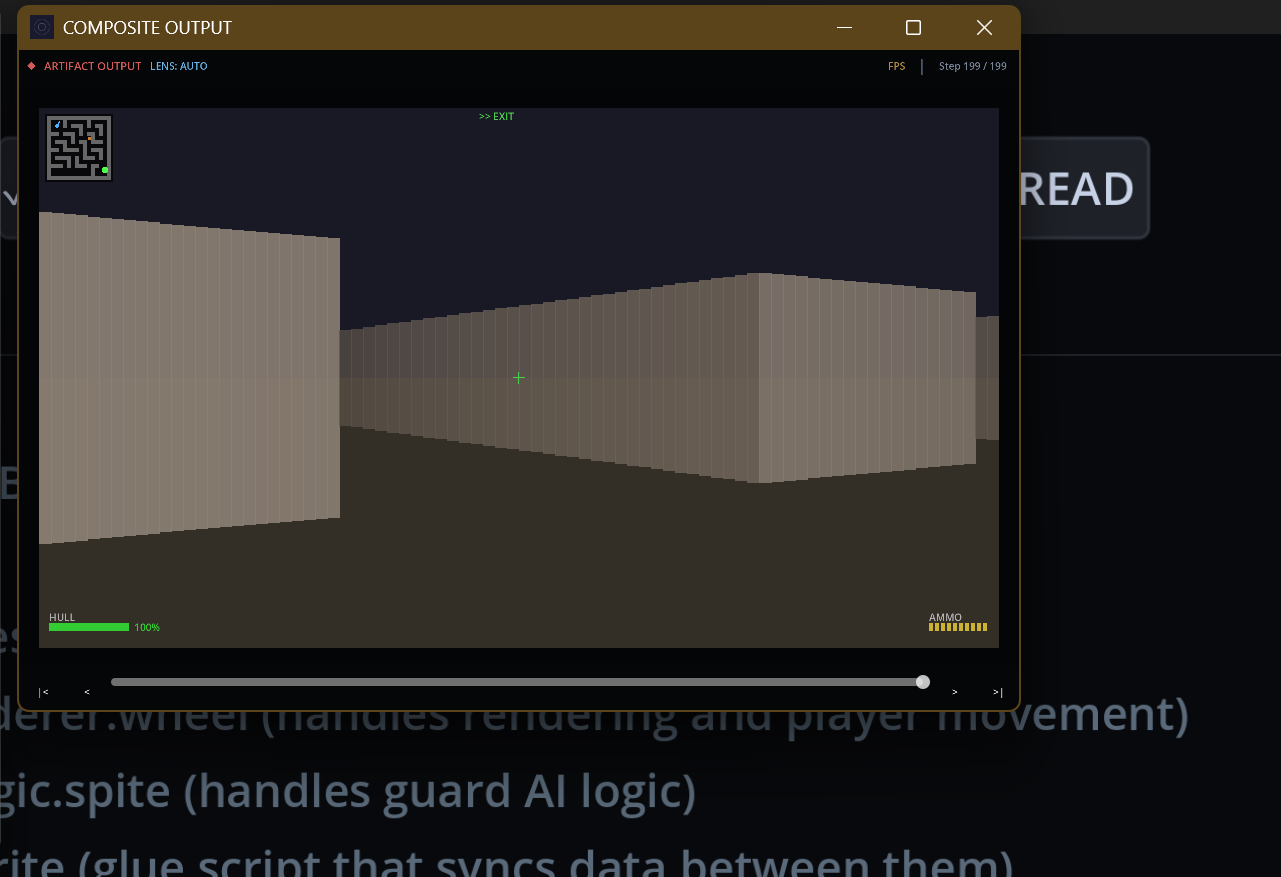
A read-only base sits below a mutable overlay. Programs can create, move, patch, or delete files in the overlay. Each mutation leaves a delta: before and after, hashes, sizes, operation. The current view can lose a file without losing the record of how the file disappeared.
A solution can produce another artifact. A JINN telling leaves a mark that opens a fragment elsewhere. A WHEEL echo alters a starting state. A SPITE result leaves a contamination flag. Persistent state and the visible archive interact without becoming the same storage mechanism.
At first this is a useful way to make a puzzle game feel like a computer.
Then the computer starts containing files that are not part of the puzzle campaign.
The Second Game.
RELIQUARY has another game hidden underneath the 108 puzzles.
The archive is tracking how it is read.
Opening a file counts. Running an artifact counts. Reporting an anomaly counts. The hidden state can include encountered hashes, read paths, prior reports, and sequences of contact. Later memos, tools, and contradictions can depend on what the player has already done.
Two players can reach the same apparent place through different histories and receive different material.
The player thinks they are inspecting runs. The archive has been running the player as well.
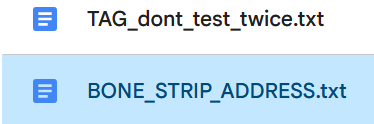
The scratch folder contains dozens of documents. It includes denied-read notices, an attestation of an unspoken token, an unrecognizable trace field, minutes retaining a violation, a countersign ledger, and a file called NOTE_route_remembers.
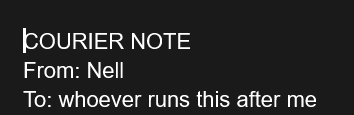
It is a courier note from Nell to whoever runs the route afterward.
The thin route isn’t safe at all it’s just polite.

Change your marker and don’t let the world learn your habits.

Other discoveries complicate the archive’s advertised chronology.

JINN may include later reconstructions of older practices.

WHEEL may predate the era to which CRRT assigned it, surviving inside SPITE as something that looked like ordinary compliance.

A translator can preserve a repeatable execution while changing the meaning of what has been executed.
The player can learn the official history and then encounter evidence that the official sequence was produced by the instrument arranging it.
There is also an unsupported fourth language.
.RITE
RITE is found in the wrong places.

A .rite file runs before an ordinary JINN, SPITE, or WHEEL artifact. It can alter the initial overlay: bind a value, sever a field, change visibility, or force a limited condition. The ordinary language then executes over the state RITE has already prepared.
The operation is deterministic. Its trace must still carry a provenance violation. Getting the intended result does not clear the operation’s history.
The surrounding vocabulary includes entropy, shear, circles, and residual artifacts. Failed operations can leave moiré images, hums, and glyph dumps. The player may have a result that works, a trace that does not certify it as clean, and another file whose presence needs explaining.
Calibration Error.
The deeper ARG does not end by appointing one hidden memo as the explanation of everything.

Its planning document builds what it calls epistemic fog: several accounts become live and remain in contact with evidence that does not neatly eliminate the others. The machinery still needs to work. Agreement about the ultimate referent is not required to run the next test.
CRRT believes it has recovered an alien computing environment. Then parts of the recovered geography begin matching the laboratory doing the recovery. The Reservoir resembles cooling infrastructure. Annexes align with servers. The Well can occupy the place of the object being examined.
The reveal node is called Calibration Error.
At the center sits the B1 Lattice, a proposed topological metamaterial whose readout depends on the instrument probing it. The notes reject the simple hard-drive picture. The object does not contain a finished filesystem waiting for the correct password. “The object contains a possibility space.”
One protocol produces a JINN-like reading. Another produces SPITE-like structure. The alleged historical eras may partly reflect differences of probe, depth, or measurement. The laboratory can be participating in the organization of the world it believes it has recovered.
The archive can still contain consequential events. The player can still test operations. The question is what has been stabilized by this particular way of looking, and how much of the apparent world can survive another instrument.
This is one node in an extensive hidden game.
The next update gives the instruments more power.
Compatibility profiles.
The postgame reveals that CRRT has extended the languages beyond their original bounded use. The recovered manuals remain in place. Compatibility profiles change what the runner permits around them.

- WHEEL acquires REINCARNATE and an echo tape suitable for persistent memory. The documents include a tape-head machine, a small interpreter, and cellular automata.
- SPITE gains controlled nontermination, Minsky-machine exercises, invariant synthesis, and proof-carrying dockets.
- JINN learns to forget, cycle, and use motifs as registers. One proposed exercise is a self-telling whose trace describes its own structure.
The postgame is supposed to demonstrate general computation through languages the player originally encountered as recovered cultural practices.
Then the plans extend into graphics, sound, input, and games inside the game. WHEEL’s echo state can supply a framebuffer. Input can be captured in a trace. A viewing lens can turn execution into pixels, text, events, or audio while leaving the run replayable.
The Trace Viewer becomes the screen.
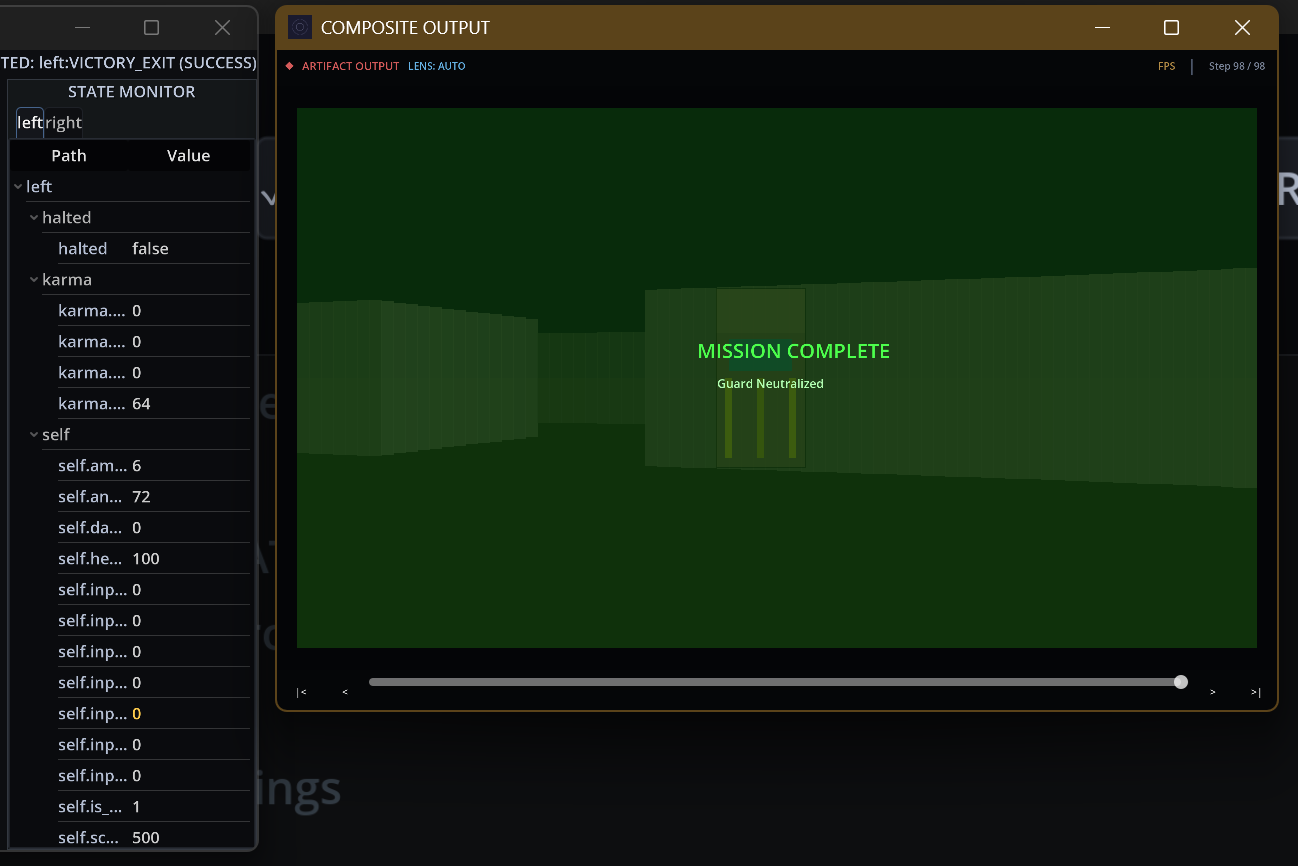
I was going to run DOOM through this.
The surviving implementation and design material occupy different stages of that ambition. There is nevertheless a lot of working machinery among these documents, rather than one pitch endlessly promising that I will build it.
The Adversary.
Another layer of ADJ-1’s history concerns standardization.
Local Traditions had interacted with local Courts under different conditions. A civilization then unified registries, schemas, policies, and interpreters. Interfaces became portable. So did their exploitable seams.
A pattern once viable in one locality could now propagate through a standardized habitat.
The lore calls such patterns SHAYATIN. They become stable by exploiting admissible slack. They do not need to conquer the civilization from outside. The civilization has built the environment in which they can keep succeeding.
WHEEL offers one response: fewer hard interfaces, visible commitments, priced observation, local practices, and release of accumulated residue. Another policy is not automatically the answer to the damage produced by the previous policies.
These are fictional systems. Their competing responses belong to the fictional machinery. The archive does not ask the reader to accept one as a complete ethical theory.
It does keep making the response part of what happens next.
JunctionFS.
Planned sequel. Several incompatible computers are plugged together.
ArtifactFS was intended to have sequels: JunctionFS, with its PATCHBAY/, and CommonFS, tentatively associated with RELEASE/. Naming the trilogy was considerably easier than producing it.
JunctionFS asks what happens when ADJ-1 is one coherent instrument-world among others. There were twenty-nine planned.
The Braid treats state as continuous and programming as knotting. Discretizing the thing can damage it.
The Swarm treats outcomes statistically. Programming becomes bidding. A deterministic audit can destroy the distribution it was meant to examine.
The Furnace makes information processing answer to conservation and heat. An unlimited audit trail becomes pollution.
The Aperture makes observation an intervention. The Garden treats code as organism and execution as evolution. The Paint permits several models to satisfy the same specification. The Retrograde lets end conditions participate in determining a consistent path.
The sequel connects them all.
A legal operation in one domain can be a violation of another domain’s conditions. The instrument that certifies safety in one place can damage what safety was supposed to protect next door. The combined system does not become safe because both components have passed their own tests.
In the PATCHBAY, Contested Zones allow incompatible axioms to interact. Stable selection behavior can emerge at the connection. The notes call these Meta-Courts. Their behavior belongs to the coupling rather than to an invader arriving from elsewhere.
Two correct systems have been plugged together.
That is enough to begin the sequel.
The player would have to decide what could be translated, what had to remain local, which costs were crossing the boundary, and which part of a successful connection was quietly making somebody else’s world fail.
ArtifactFS had already planned the Forbidden Composite Simulator: an instrument that could report the risks of coupling languages and state systems without performing the dangerous composite itself. JunctionFS would make the connection playable.
It did not become that game.
Part of the work changed medium.
Klein-Conform.
The reconstruction reaches JunctionFS notes dated January 2, 2026, and early Klein material on January 3. The question has shifted from connecting incompatible programming worlds to representing programs geometrically.
One self-instruction is emphatic:
“Define syntax by Geometry, not ASCII.”
Nodes, rails, carriers, and fields become program components. A tetrahedron can represent a discrete operation. A sphere can carry continuous behavior. A torus can represent recursion. Fields alter the cost of nearby routes.
Execution becomes traversal.
The proposed editor also has Backfill. Set a beginning and an end. Ask the solver for a connecting structure. Wave-function-collapse-like search or A* over a hypergraph is proposed as a way to construct a route capable of realizing the conditions.
The shape is increasingly doing the job normally assigned to a sequence of instructions.
For part of this development the project is called the Geodesic Protocol, a name with considerably more dramatic potential than a conformance suite.
Then it encounters programmable matter.
Digital microfluidics offers actual carriers moving through constrained space. A droplet occupies a location. Electrodes degrade. Temperature and impedance change. A route can become unavailable. An instruction can be issued without its intended physical transition occurring.
The later January 3 material has backend profiles, physical compilation, declared observables, and mappings into control artifacts. By January 4, the title has become Klein: A Fault-Tolerant Conformance Protocol for Nondeterministic Programmable Matter.
The geometric language moves away from the center. The demand for evidence remains.
Static geometry is distinguished from runtime condition. Intended state is distinguished from sensed state. Recovery must leave a trace. Replanning is bounded by declared checkpoints so the revised route does not erase the history it was revising.
- JunctionFS had asked whether a valid operation could survive entry into another world.
- Klein asks whether the droplet went where the program said it went.
The distance between those questions is smaller in the archive than their software categories suggest. The public Klein Conformance Protocol would later be recovered, completed further, and released through Modal Path Ethics.
Garbage Collection.
Short story. January 2026. The universe is repeatedly returned to the previous state.
January also contains a finished piece of fiction. Its chronology was published in Applied Case: Ghosts. I sent it to Nature Futures the same night, expecting a rejection. Months later, it was published.
The story’s machine can restore an earlier computational state of reality. History runs. A hidden test evaluates the result. A failed future triggers rollback. Thermal noise changes the replay. Run again.
Eventually a future passes.
Everyone inside it experiences one history. The machine has used many.
The discarded intervals no longer appear in the local account, yet their failures have participated in selecting the surviving world. The process can call itself successful without making the consumed histories visible to the people who inherit the success.
A short story can keep all of that running without resolving the argument before the second page. Rollback, selection, trace, memory, repair, and erasure occupy one machine. The later Applied Case and Entropy Debt Week articles take the machine apart.
The story also matters in a simpler way. A finished object had become reachable again. It left the private archive and entered somebody else’s editorial process.
This was not another treatment for a franchise.
Some Other Rooms.
There are many other projects from the same broad period. They overlap. One does not stop being worked on because another folder appears.
PlaneStorm keeps a canonical site while changing the geometry through which it can be traversed. Euclidean, toroidal, spherical, higher-dimensional, and noncommutative spaces give different answers about movement. In River City, movement A followed by B need not end where B followed by A ends.
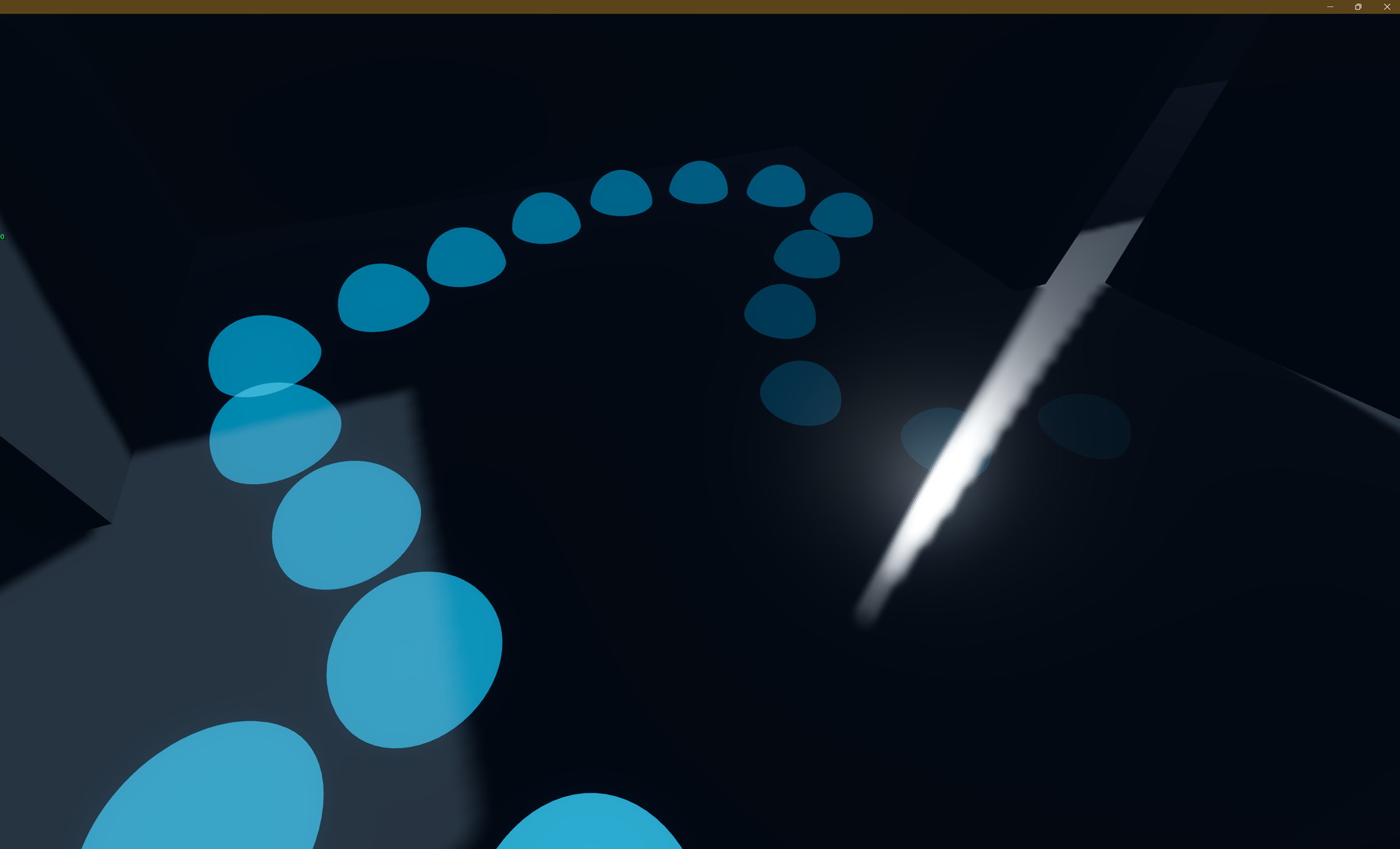
History has become locomotion.
DreamEngine makes dream spaces from attention and perception gathered elsewhere. Psychological, supernatural, conspiratorial, and coincidental readings can remain available. The project still specifies repeatable mechanical relations. The interpretation can remain unsettled while a route behaves in a way the player can learn.
Kinjurer gives creatures homes, habitats, relationships, willingness, and lives beyond their usefulness to the player. Summoning relocates a creature. It does not conjure disposable inventory. The creature can object, which makes collection less convenient.
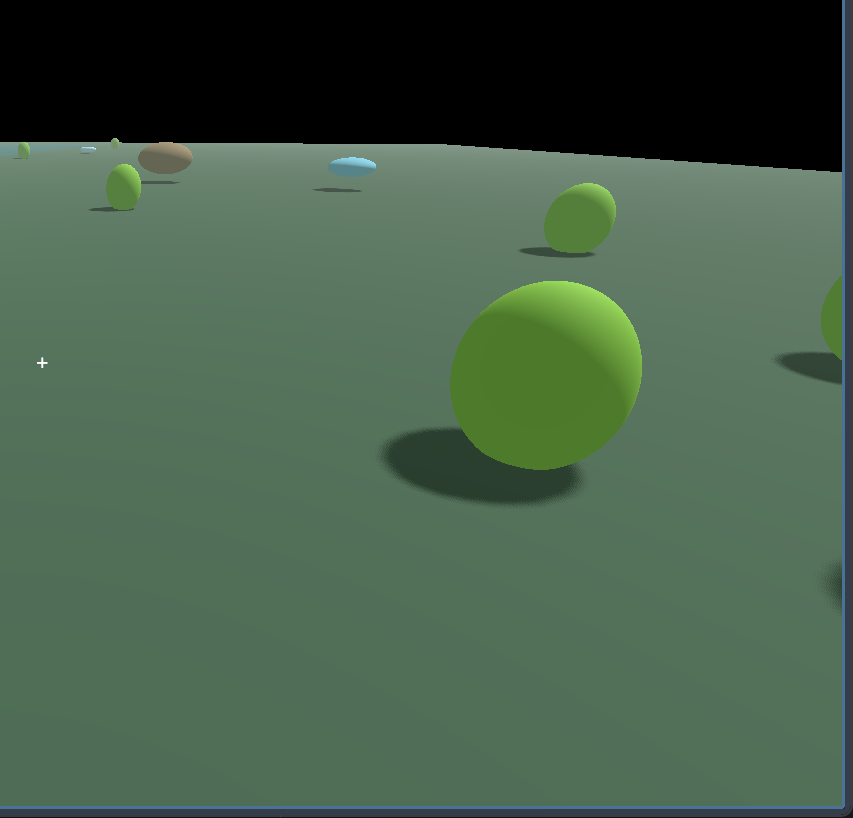
One of its higher-dimensional beings speaks grammatical English whose referents require an unavailable axis. The note is short: “Grammar survives projection; meaning doesn’t.”
MicroBiome puts the ecology before the filmmaker. Organisms are supposed to live, feed, reproduce, and alter their surroundings before a player arrives to photograph them. A camera enters an ongoing world. Observation does not arrive from nowhere.
TimeVault occupies much of February. It also has plans for novels and films.
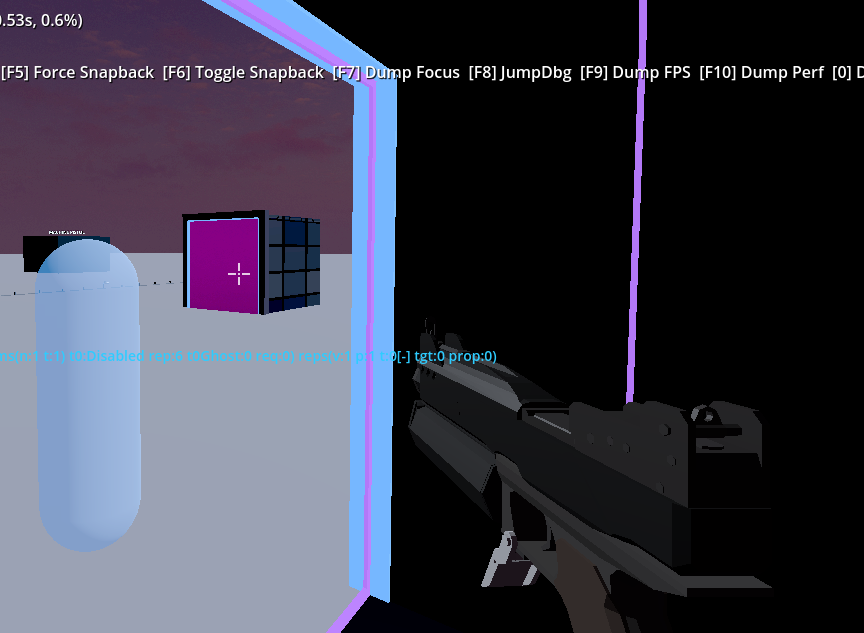
!NULL_CODEX remains another substantial object in the same archive.

The projects differ. The files have no obligation to become a neat ladder just because an article would find that convenient.
Chirality, the Chiral Strategy Game.
Aperiodic abstract strategy game. Players are useful; not the first requirement.
Chess comes with centuries of other people having opinions about bishops.
This is very useful for learning chess. It creates another problem when the inquiry is trying to separate the structure of a game from the structure already inherited through its vocabulary, history, and standard ways of playing.
Aperiodic tiling offered a different surface: local constraints, global order, and no endlessly repeated grid relation. There was no existing game doing the particular job I wanted. So I made one.
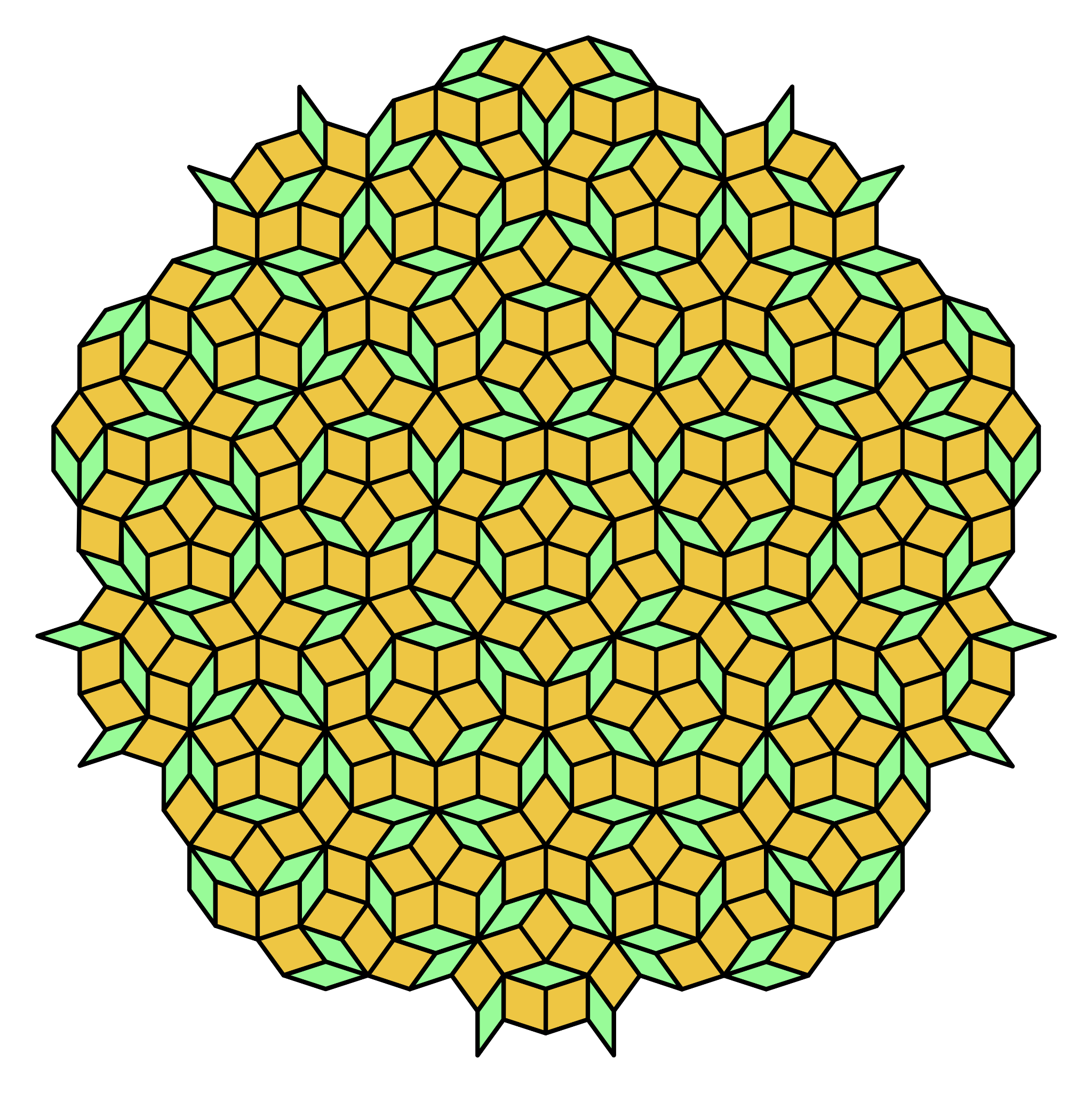
Chirality uses Penrose rhombi. Thick and Thin relations affect movement and capability. Stars form local structures. Moats alter threat. Gates constrain entry. The center is an objective and a danger. A move changes the next position in a field whose geometry matters as much as its pieces.
The game just had to be coherent enough to work.
I needed this object to exist. Some relations are easier to inspect on a board than keep intact in a sentence.
The published rules now call Chirality a playable structure for thinking about asymmetric possibility, positional constraint, local action, and reachable paths. The board is not an allegorical costume for a finished theory. It is another way into relations that prose had difficulty carrying.
There is a limit to how much of the next part can be excavated from files.
Nanobot Ethics.
Internal thought experiment, overlapping the project work. This is where the framework begins acquiring its working words.
There is no nanobot folder comparable to RELIQUARY/. This part survives mainly in recollection.
These nanobots were stupid. That was important.
They had no religion, psychology, political theory, childhood, or inherited moral vocabulary. There was no Aristotle somewhere in the training data. They were not meant to be reflective moral agents at all. They were transforming systems operating under the local rules of an imagined universe.
One could preserve a structure. Another could alter it. Another could destroy something required for later transformation. Another could consume an entire region into a stable configuration that left very little room for anything afterward.
- The bots did not care.
- I did.
If I wanted to judge one of these transitions as worse, I could not make the judgment depend on the bot’s intention. There was no moral intention to inspect. Blame did not help. Social expectation did not help. Nothing in the imagined universe needed to suffer. Rights, dignity, virtue, guilt, consent, and duties could not be smuggled in as a human inheritance the bots had somehow acquired.
The object had a present state. It had available transitions. Those transitions changed what could happen next.
So the ethical distinction had to start there.
This was still largely visual work. I was trying to decompress images and concepts that had been held in other forms. The game projects, diagrams, and conceptual machines were part of the available material. This was certainly not a conversation among remembered philosophers with cool nanobots added for atmosphere.
- It moves.
- What changed?
The future is still possible.
Suppose one transformation leaves a generative structure intact and another destroys the conditions under which it can continue.
The difference does not wait for a witness to notice it.
Now make the case less clean. The second bot has not made the future impossible. It has consumed a resource that made the route easy. An alternative remains, but reaching it now requires rare materials, additional transformations, a narrow configuration, and a sequence that was unnecessary before.
Is the future still possible?
- Yes.
Has nothing happened to it?
- Obviously fucking not.
This was where possibility and reachability began separating into usable words. A future could remain within what the imagined reality allowed while becoming remote from what this particular structure could reach under its actual conditions.
The bots were helpful because they had no interest in resolving the terminology. They kept changing the conditions.
Repair has a past.
A bot destroys a structure. Later bots rebuild it with the same material, shape, and local function.
- Are we back where we began?
Whatever depended on the missing structure during the interval has already encountered its absence. Some paths closed. Some burdens moved. Some later arrangements exist because the damage happened. Rebuilding can matter enormously while leaving those facts in the history of the resulting field.
This became the tail.
Damage did not have to persist as a visibly broken object. It could remain in what the present had become the successor of. A repaired object and an unbroken history were different things.
Another image followed: the asymptote. Repair could move toward lower resistance without reaching the untouched condition before repair was needed. Direction still mattered even when purity was unavailable.
The formal argument came later. At this stage, I had images of an inherited path and an approach that did not return to zero. The later vocabulary gave those images a way to remain in the same argument.
One bad thing.
The hard word was harm.
The entire framework depended on it. The nanobots did not need a human genealogy of moral doctrines. The proposed judgment needed a defensible account of what made a transition bad.
- Destruction was too narrow.
- Something could be left standing while its future was destroyed.
- Option loss was too broad.
- Removing a destructive option could preserve the surrounding field.
- Complexity did not settle it.
- A simpler arrangement might preserve more generative continuation.
Preventing a possible future did not settle it either. Every actual transition excludes alternatives. Existing at all was not supposed to become the universal offense.
The question kept returning to what was actually here, what could lawfully continue from it, and what the transformation did to that continuation.
Then weighting became unavoidable.
- One atom moves left rather than right.
- An entire enabling region is sterilized.
Both descriptions can be written as a branch selected and other branches lost. The count has discarded almost everything worth knowing.
Some continuations carry other continuations. Some losses are shallow. Others remove conditions on which whole classes of later structure depend. Some changes can be repaired locally. Others make correction enormously expensive. A gain in one place can be purchased through closure somewhere else.
There was no useful universal number waiting at the bottom.
There were relations that had to remain visible together.
The book would state the resulting account through viable continuation, resistance, and corrective cost. Getting there involved a great deal of asking what, exactly, these bots had ruined.
Then everything becomes a graph.
At some point I needed a way to hold the whole field. Never a good sign.
I had been thinking in networks and systems without a reliable working vocabulary for the mathematics. I went to a language model and asked whether everything could be reduced to a graph, and whether that meant everything could be considered one very large graph. I think it was Gemini 2.5 Pro. I would not put a model-version timestamp on that memory.
Gemini informed me that people had noticed graphs.
There had even been developments.
Hypergraphs existed too. Stephen Wolfram existed. I had reading to do.
I went back to my friends with another account of a sudden revelation that had turned out to occupy someone else’s intellectual neighborhood. This became a recurring part of the work.
The representational opening mattered more than establishing that the universe was literally one graph. I needed configurations, relations, successors, paths, obstructions, nesting, and changing access to sit inside something I could inspect.
The finished framework allows graphs, topologies, dynamical systems, tilings, and other representations without requiring one to be the final furniture of reality. The later Wolfram engagement makes the neighboring terrain explicit.
At the time, the immediate relief was that more of the object could be held together.
These words have neighbors.
I would get part of the problem into language. Then I would search the language. Someone would already be standing near it.
For example, I was already using remainder for what a better choice could fail to erase. Google eventually introduced me properly to Bernard Williams. His work on moral remainder was not identical to what the nonagentic field was forcing, but the contact was very obvious. The website eventually cleverly called the engagement Our Debt to Bernard Williams.
These encounters did not assemble themselves into one borrowed theory. They supplied prior arguments, vocabulary, objections, and differences that now had to be faced. Sometimes a name made the thing clearer. Sometimes it brought assumptions the developing account could not accept.
The human moral categories could return once the structures supporting them returned. Agency mattered where there were agents. Suffering mattered where there were sufferers. Responsibility, rights, and institutions had work to do when those relations existed.
None could serve as a hidden premise in the original bot universe.
By the time the manuscript says “agency, while morally significant, is not morally foundational,” it sounds like an opening move against another school of philosophy.
In the thought experiment, it had been a requirement.
The bots were nonagentic. The moral distinction still had to work.
The manuscript and its first enemies.
The words begin carrying one another.
Harm concerns damaged reachable continuation. Good preserves or opens continuation without purchasing it through comparable closure elsewhere. Better addresses the already damaged field in which every available route carries harm. Extance names what is actually here and causally active. Resistance makes a path’s increasing burden visible before its final disappearance.
Remainder, tail, and asymptote let the account discuss repair without promising that repair makes the path innocent.
This was no longer one more game system waiting for its campaign. Enough of it could be expressed as a moral metaphysics.
Philosophy had never been absent. There had been casual reading, classes, lectures, theology, fiction, conversation, and indirect exposure over many years. Some influence is unavoidably missing from memory. What had not been available was a reliable working index of philosophical positions from which the framework could be deliberately assembled.
Once there was a framework, finding interlocutors became much easier.
Capability theory was an immediate neighbor. Formal permission can exist where a real route does not. That was familiar. The nanobot problem had pressed the relation below the person whose capability was at issue; the manuscript then had to defend that extension rather than treating the resemblance as permission.
Parfit supplied teletransporters, fission, non-identity, and future generations. The framework had to explain what continued without relying on an indivisible person-token. Williams supplied remainder and a warning about the ambitions of moral system-building. Other interlocutors followed.
I kept asking where this thing would break. Finding a familiar component was useful. Finding that somebody had already built the whole thing would have been useful too. So would a fatal objection.
The manuscript that came out of this work was sent to friends as finished on April 4, 2026.
It was called Modal Path Ethics: The Extance Strategy Game.
The book already contained the central framework before the website began. Philosophical comparison was part of its final articulation and testing. It did not wait politely until every creative project had ended, and it did not begin from a philosophically uncontaminated mind.
This archive is less orderly than either of those stories.
modalpathethics.com
April 15, 2026. The book develops doors.
The website gave the manuscript a different way to be examined.
The book had a sequence. The site could become a lattice. One relation could receive an article without carrying the whole book into every paragraph. An objection could have an address. A thought experiment could be run separately. A film, disaster, game, or institution could supply resistance the introductory definitions had not encountered.
There was also the history of philosophy to deal with, full of people who might already possess the argument that would make this entire project unnecessary.
The site began looking.
The early engagements, Thought Gauntlet, and formal articles are the public trace of that effort. Trolley problems, replacement, Omelas, the Experience Machine, the Last Human, moral luck, the Utility Monster, lifeboats, cluelessness, uncertainty, and antinatalism gave the framework different opportunities to fail. So did the named interlocutors. The point was to make the account answer outside the examples that had produced it.
This was a kill search.
Some objections changed the presentation. Some sharpened distinctions. Applications exposed places where a useful phrase was still doing too much work. The manuscript received clarifications and objections while the main framework remained in place.
“I did not find the kill condition” records the result of that inquiry. It is not a certificate that no such objection could exist.
The May formal sequence belongs here. Contraction Is Harm, Weighted Reachable Future Space, What Makes Something a Locus, and Resistance and Harm brought parts of the existing framework into separate public view. The publication dates would later make the overlap with Blasco visible. They were not the dates on which the whole system suddenly appeared.
The site also changed what could happen within the inquiry.
There was now a public object called Modal Path Ethics. It had claims that could be revisited, pages that could disagree, and language that could become insufficient. An error could belong to an inspectable framework instead of disappearing into what its author happened to remember that afternoon.
I could work on Modal Path Ethics.
The framework no longer had to be regenerated from the beginning every time I wanted to explain one part of it.
That change in intellectual permission mattered too. Academic philosophy could become an interlocutor without becoming the office that decided whether the work was allowed to exist. Psychiatric language could describe aspects of a life without receiving exclusive title to every experience or question emerging from it. Neither institution had to disappear for its jurisdiction to become bounded.
Every other instrument would follow.
Then, everything else.
Batman became an Applied Case. A Pokémon tiering decision became an Applied Case. Historical disasters became Tales of Distortion. Technology became a way to inspect another relation. The subject matter did not have to look dignified before the structure was allowed into the room.
The objects come back.
The book was published in June.
 Aidan Lawson
Some earlier objects returned through the public framework.
Klein Conformance Protocol was recovered from the project heap and developed further. The Transition Action Equation inside gave another relation a little mathematical form. Backpath made lost distinctions, divergent routes, failed return, and witnesses of transition damage into software problems.
These were usable projects with bounded claims. Adoption was not the primary reason for making them. As with Chirality, a relation could become easier to inspect once an external object prevented prose from quietly sliding around it.
The continuation is visible without making the chronology run backward. The early Klein work preceded the public framework. Later Modal Path Ethics brought it back under a more articulate account. The old project and the later interpretation were now able to act on one another.
The inquiry continued into papers. Literature review brought Kim into view. Other searches brought Blasco. Convergence Point gave those their own space, including the obligation to preserve disagreements rather than collecting flattering resemblances. Others will follow.
Then the framework returned to its own archive.
Convergence Point.
Kim’s route began in moral judgment: substantive paths, sustainable results, recovery, fixation, and the work required to determine whether a choice was real. His earliest public model predates the public Modal Path Ethics formal sequence.
Blasco’s route began in persistent artificial agents. Failures pushed the work beyond current stability toward corrective capacity, future transformability, lock-in, and the geometry of what remained reachable. His program was already public before the May collision.
The separate engagements examine these programs in detail. This article does not need to repeat them. What changes after the excavation is the view of the other side of the encounter.
Here, the route contains a film that refuses to let one witness finish the event. A ritual game whose marks cannot simply be added. A dynasty that survives as another game’s archaeology. A universe required to make its earlier history compatible with a later discovery. A program whose story constrains its next admissible step. A recovered archive that changes with its reader’s path. A laboratory finding its own architecture inside the thing it is reading. A sequel in which one system’s safety damages another system’s world. A proposed shape through which execution must travel. A droplet that must leave evidence of where it went.
Then the nanobots.
Then the word harm, with enough surrounding structure to become the center of an argument.
Reachable Future Space is striking at the end of this route. It does not make the routes identical. Blasco’s focal system can preserve its transformability while damaging other systems. Kim’s procedure for judging choice viability and Modal Path Ethics’ account of harm extending to qualifying non-agent bearers still have distinct work to do.
That is why there are neighbors rather than duplicates.
The unfinished projects do not have to be vindicated by the book. Some were bad ideas. Some were good ideas with catastrophic production scope. Some contain commitments the present framework would flatly reject. Some remain worthwhile for reasons that have very little to do with ethics.
The films need not have been made for their arrangements to have existed. The games need not have found players for their rules to have changed what could be thought. The work left traces in media whose ordinary product categories do not explain everything they were doing.
Five months after the website opened, Modal Path Ethics can inspect those traces from a position these earlier projects did not have.
Nothing in the archive needs to have known what it was becoming.
Most of it became something else, or stopped.
A programming-game sequel became a conformance protocol. A nonagentic swarm required a definition of harm. A private manuscript became a public framework capable of returning to the things that had helped make it possible.
The films are still unmade.
But the files are still here.


Comments ()