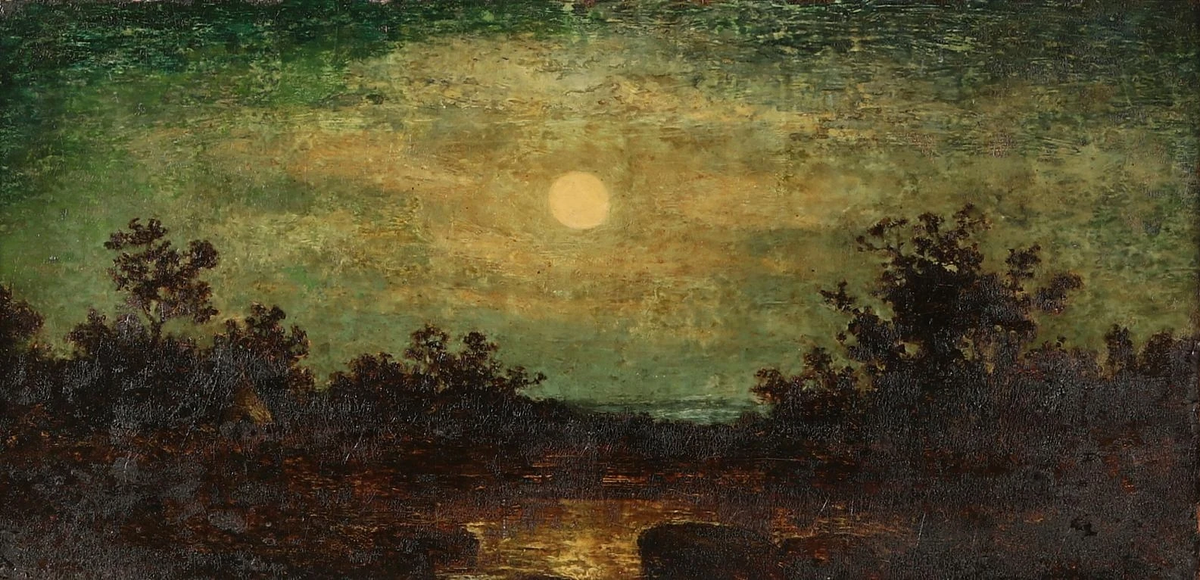
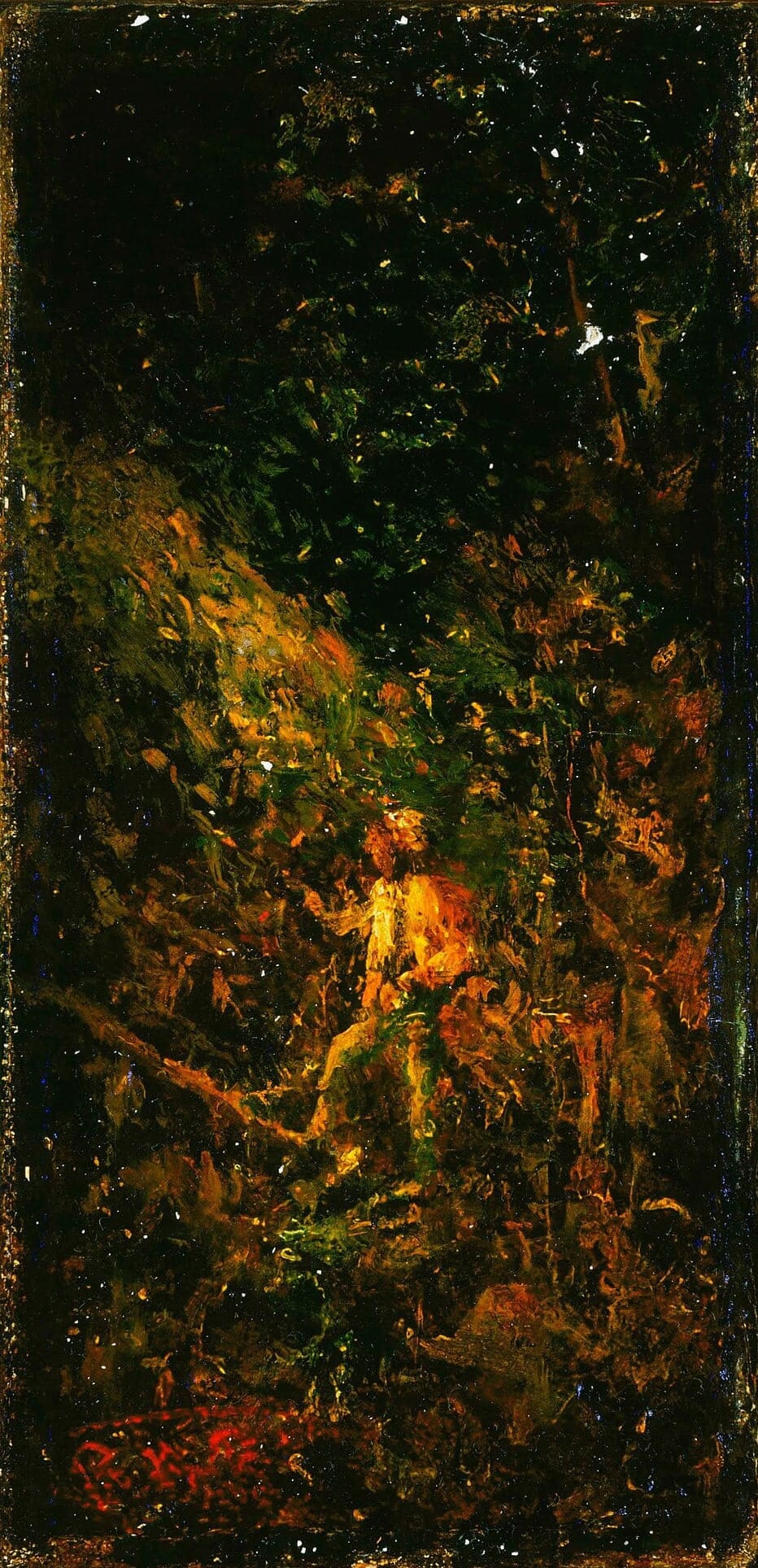
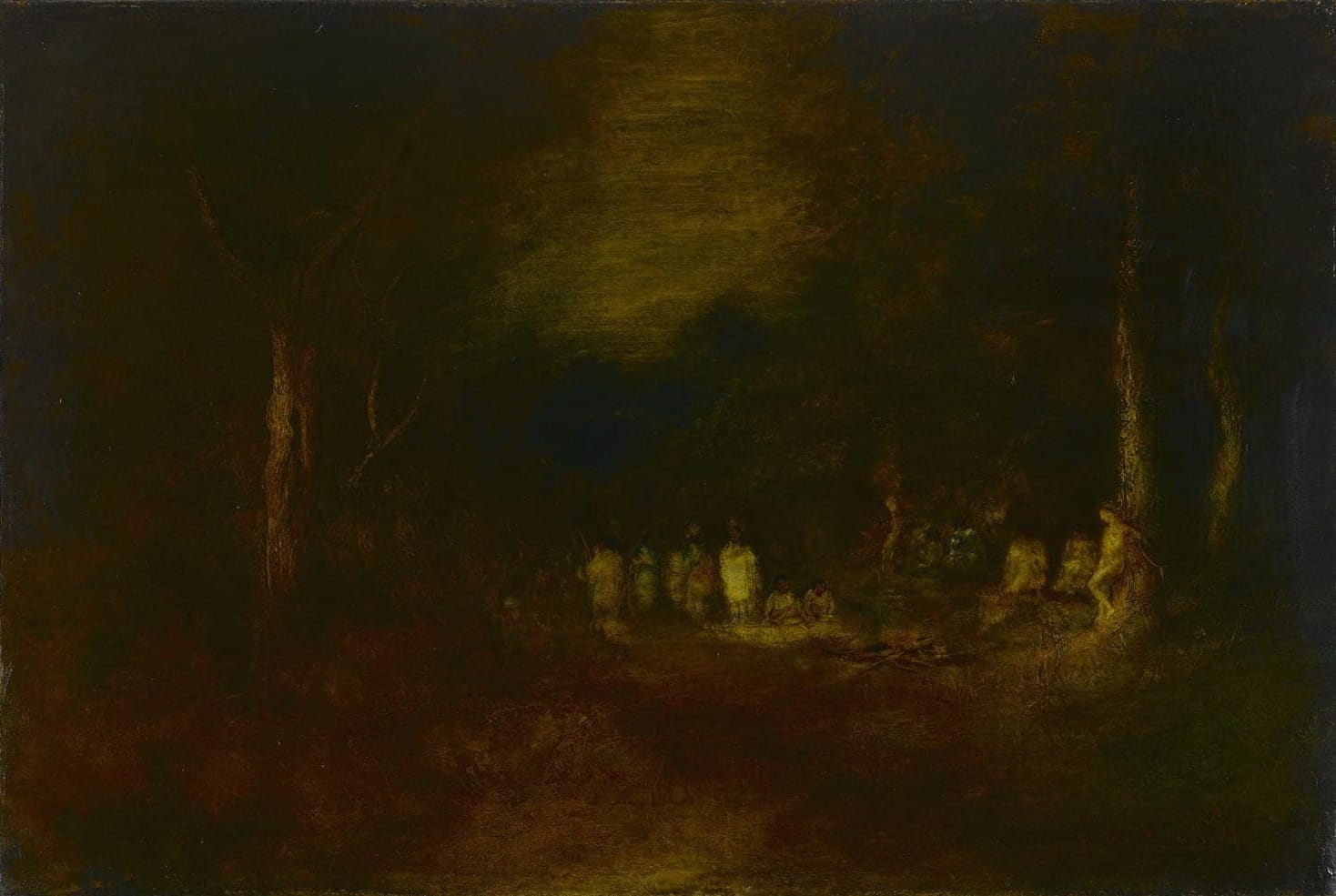
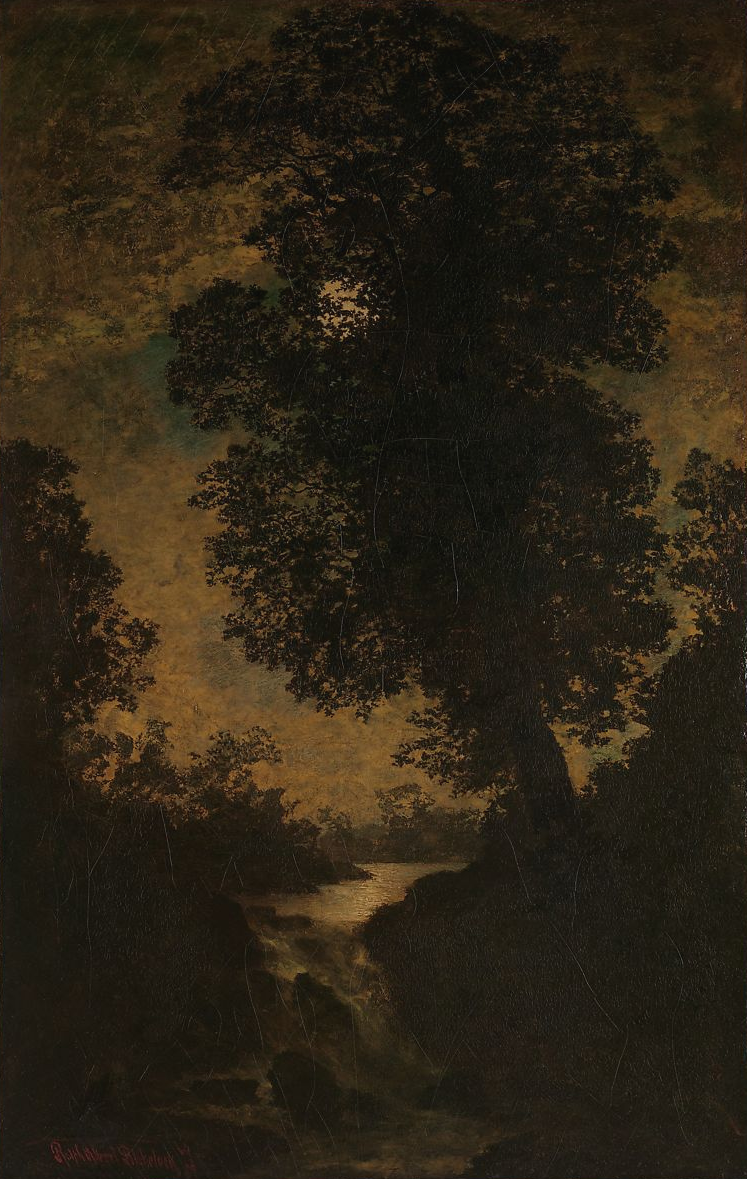
Moonlight with Figures: The Ghost Dance
The Ghost Dance, Wounded Knee, Swedenborg, and Blakelock. Circles, Arrows, and Visions.
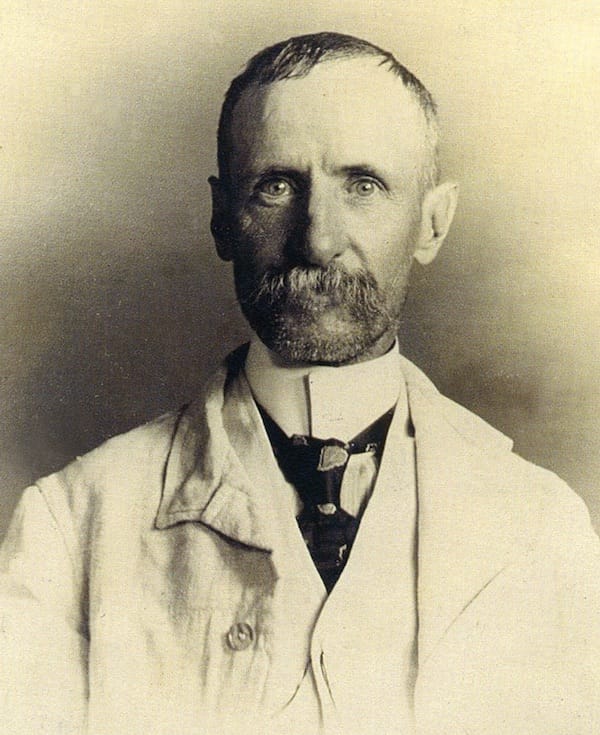
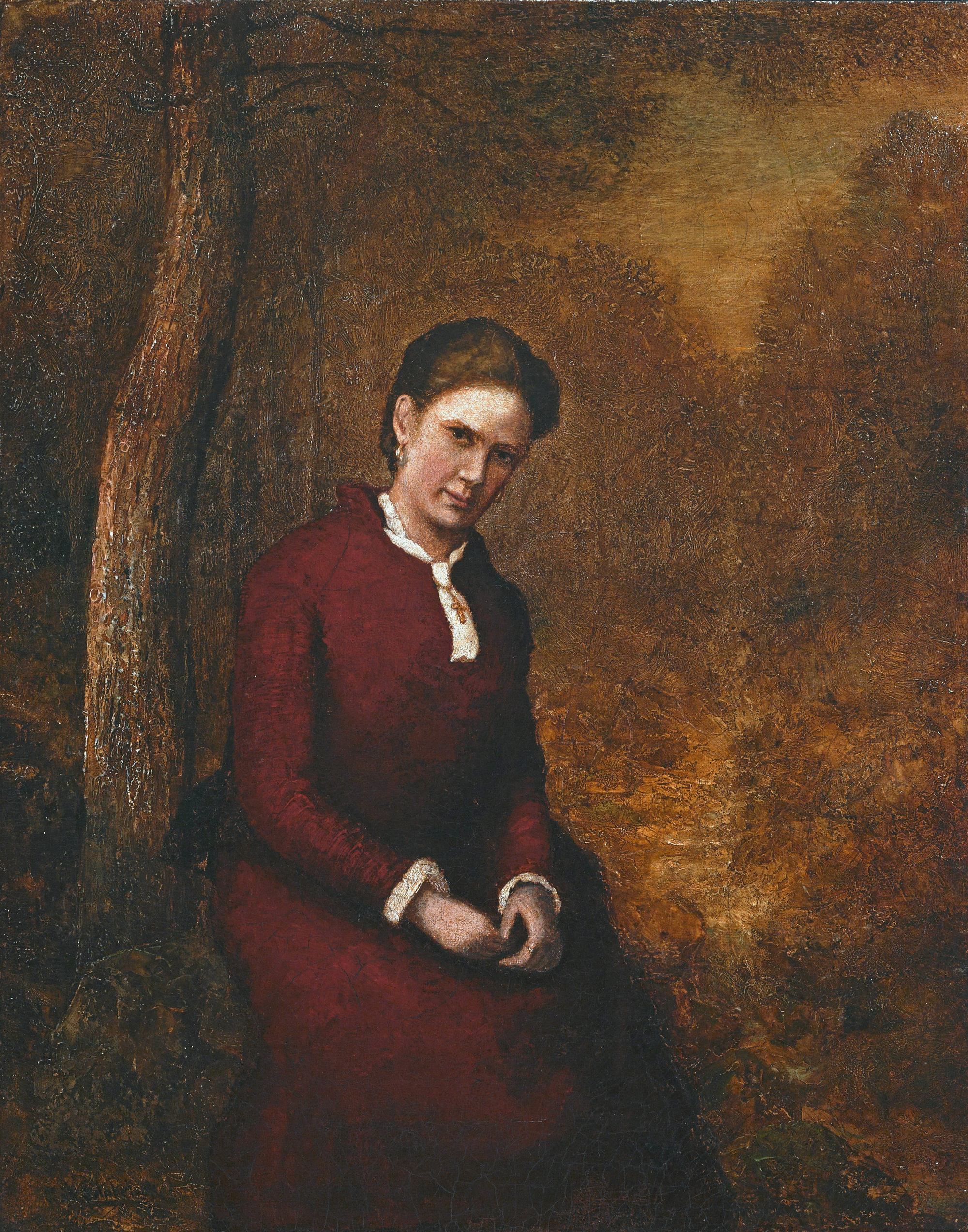
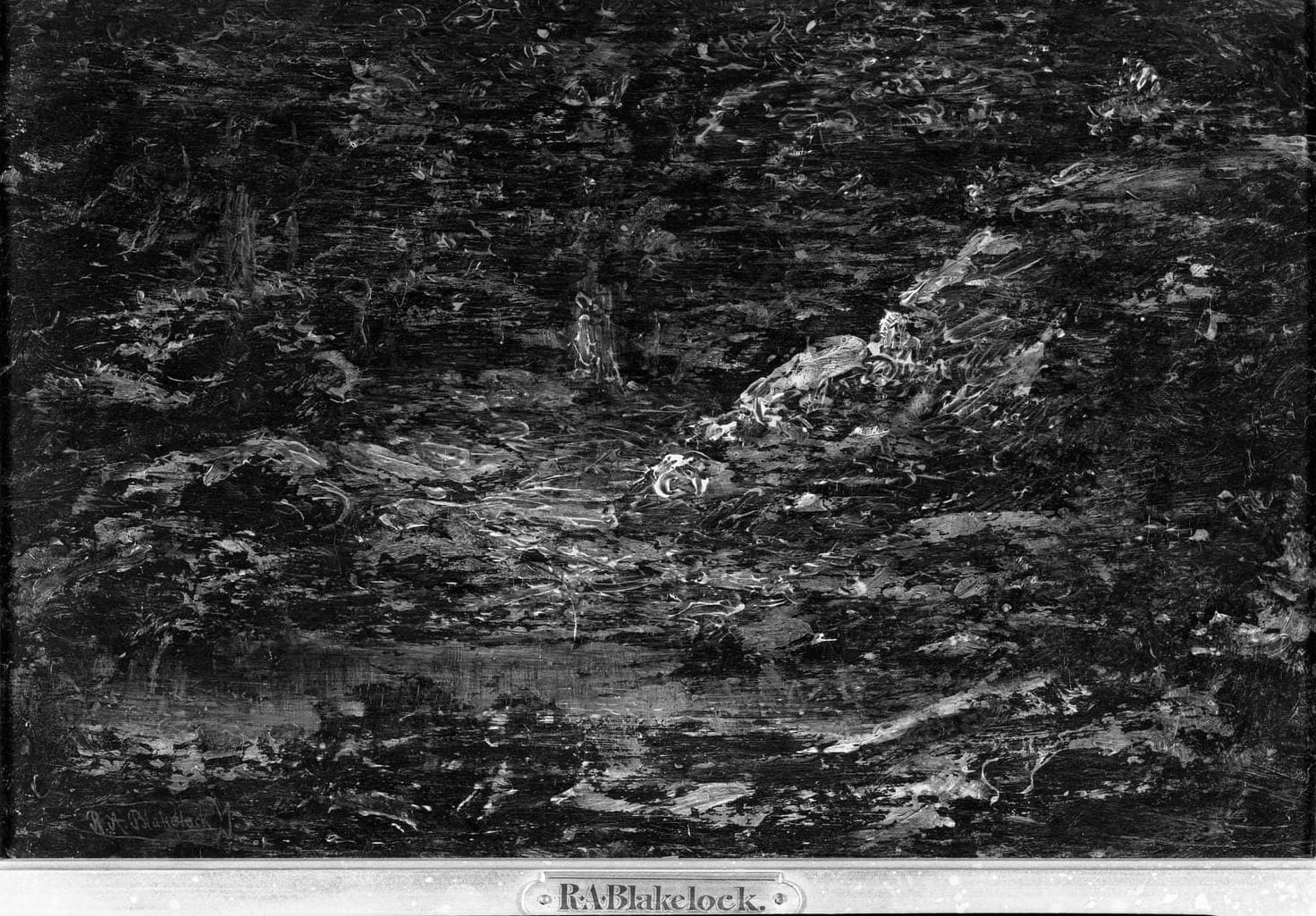
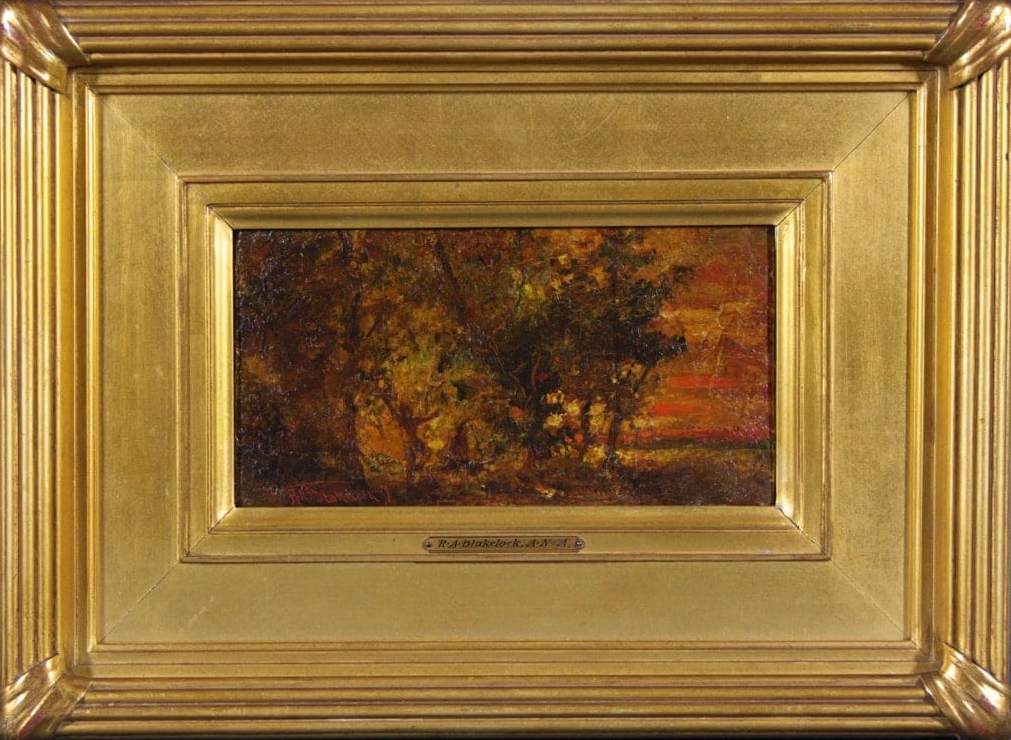
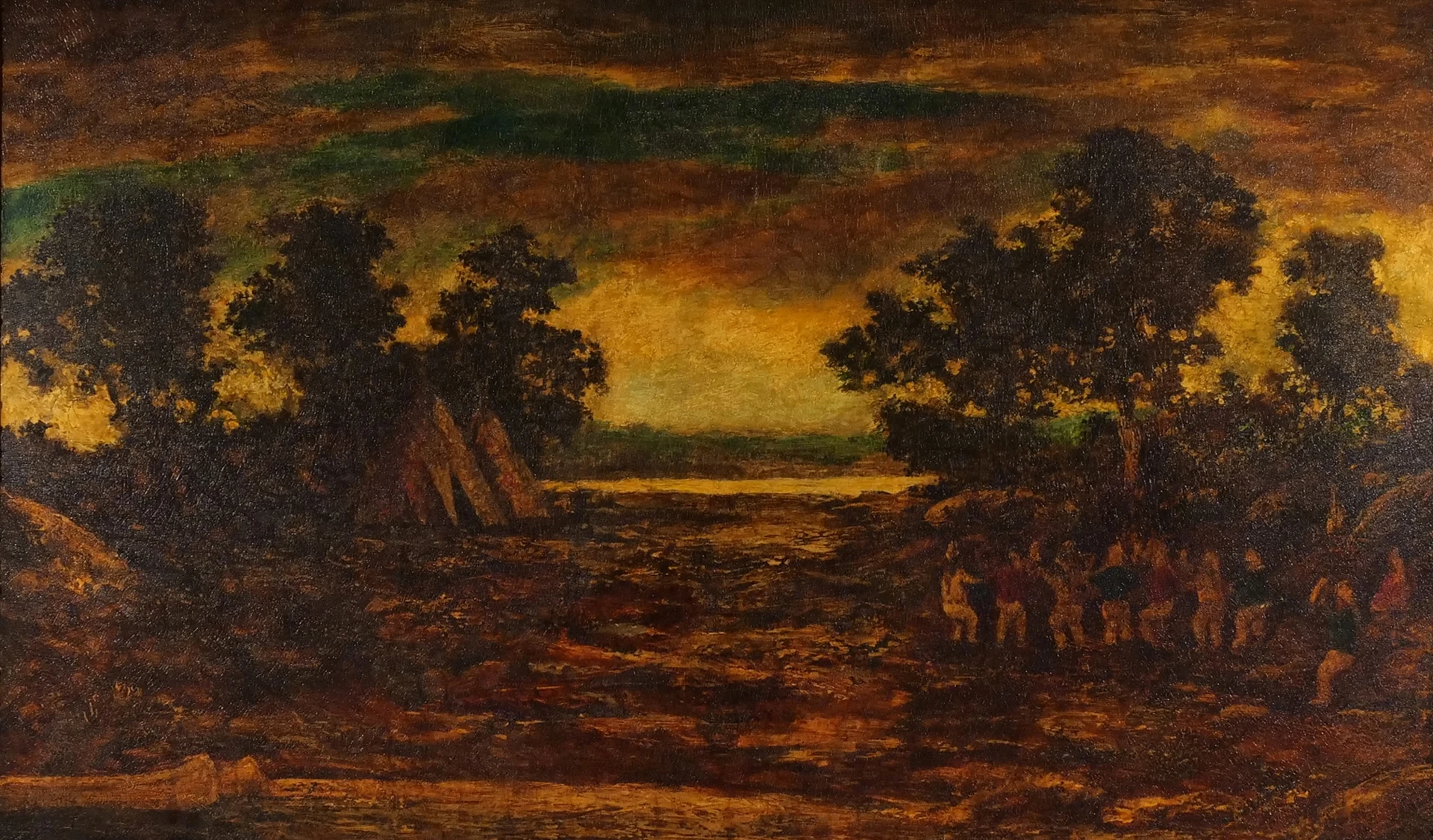
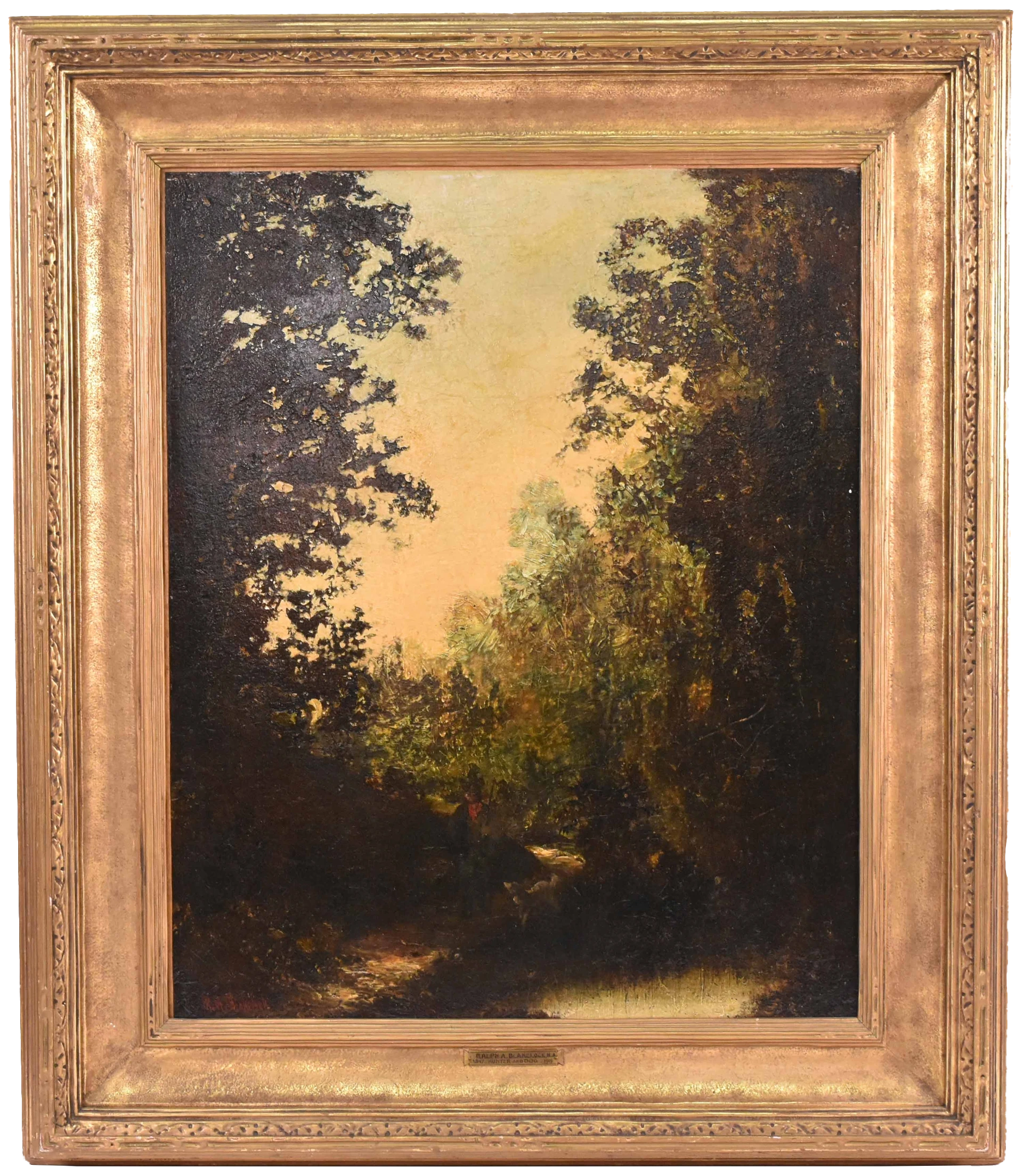
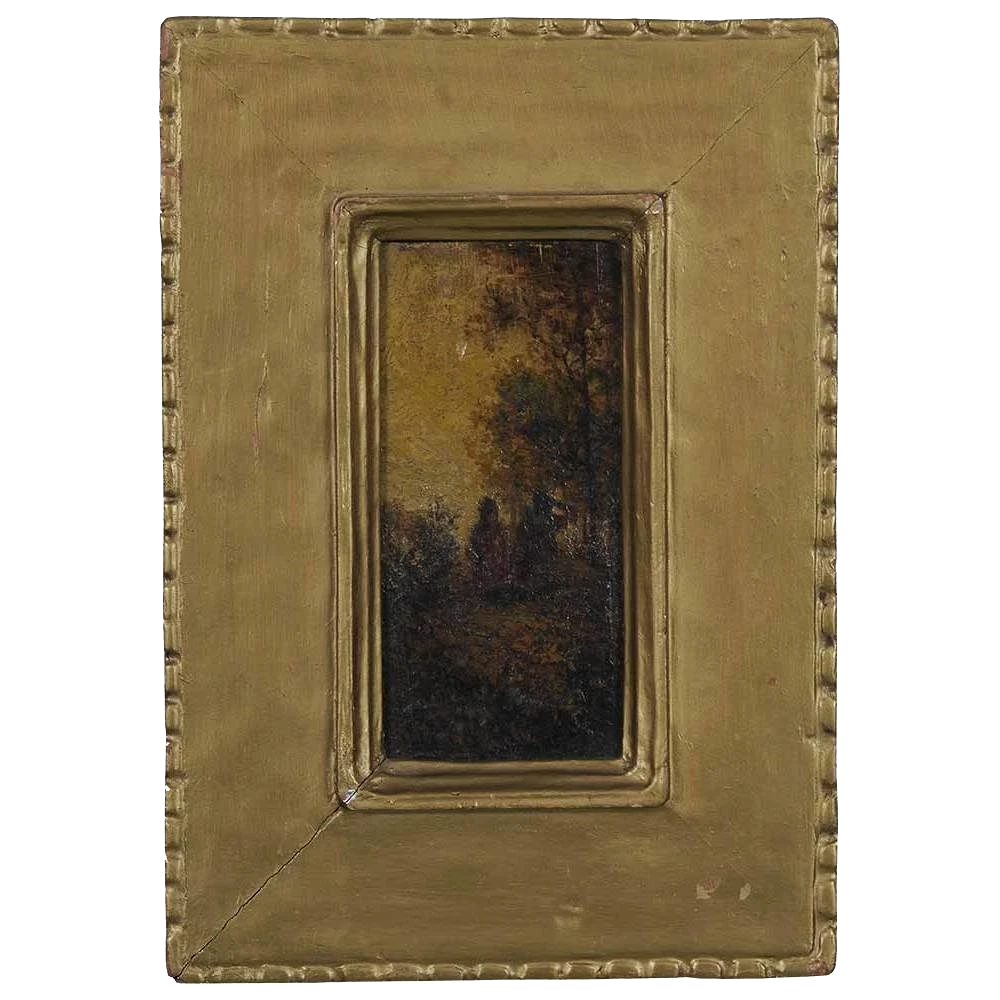
Ralph Albert Blakelock is my ancestor.
That is not a credential.
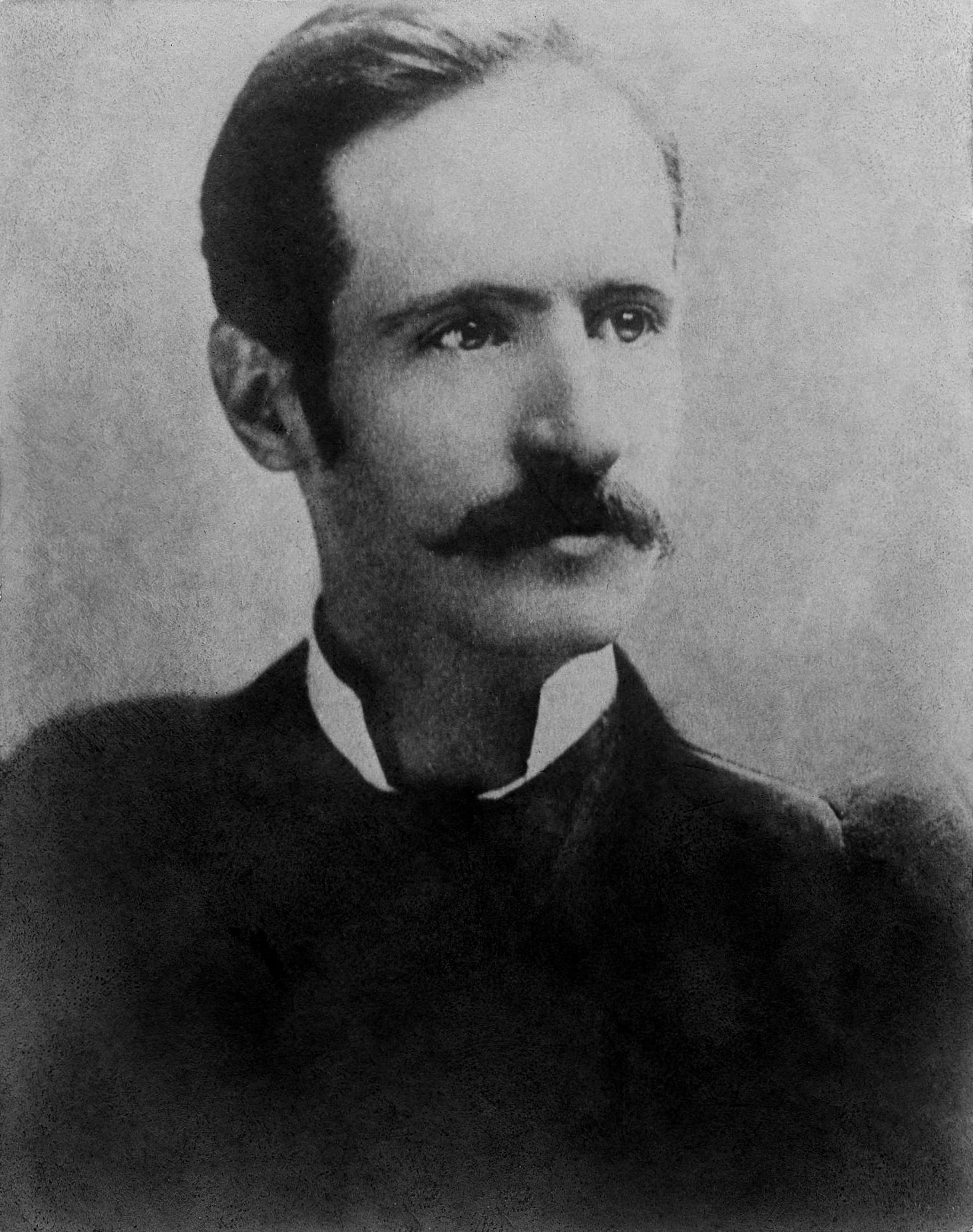
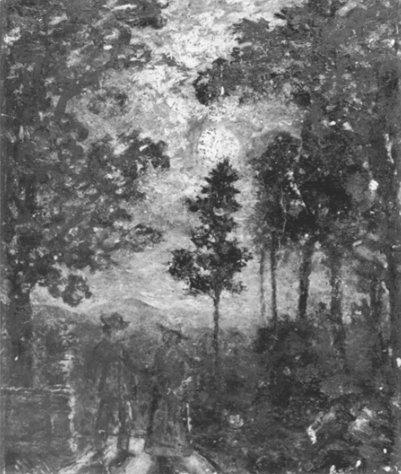
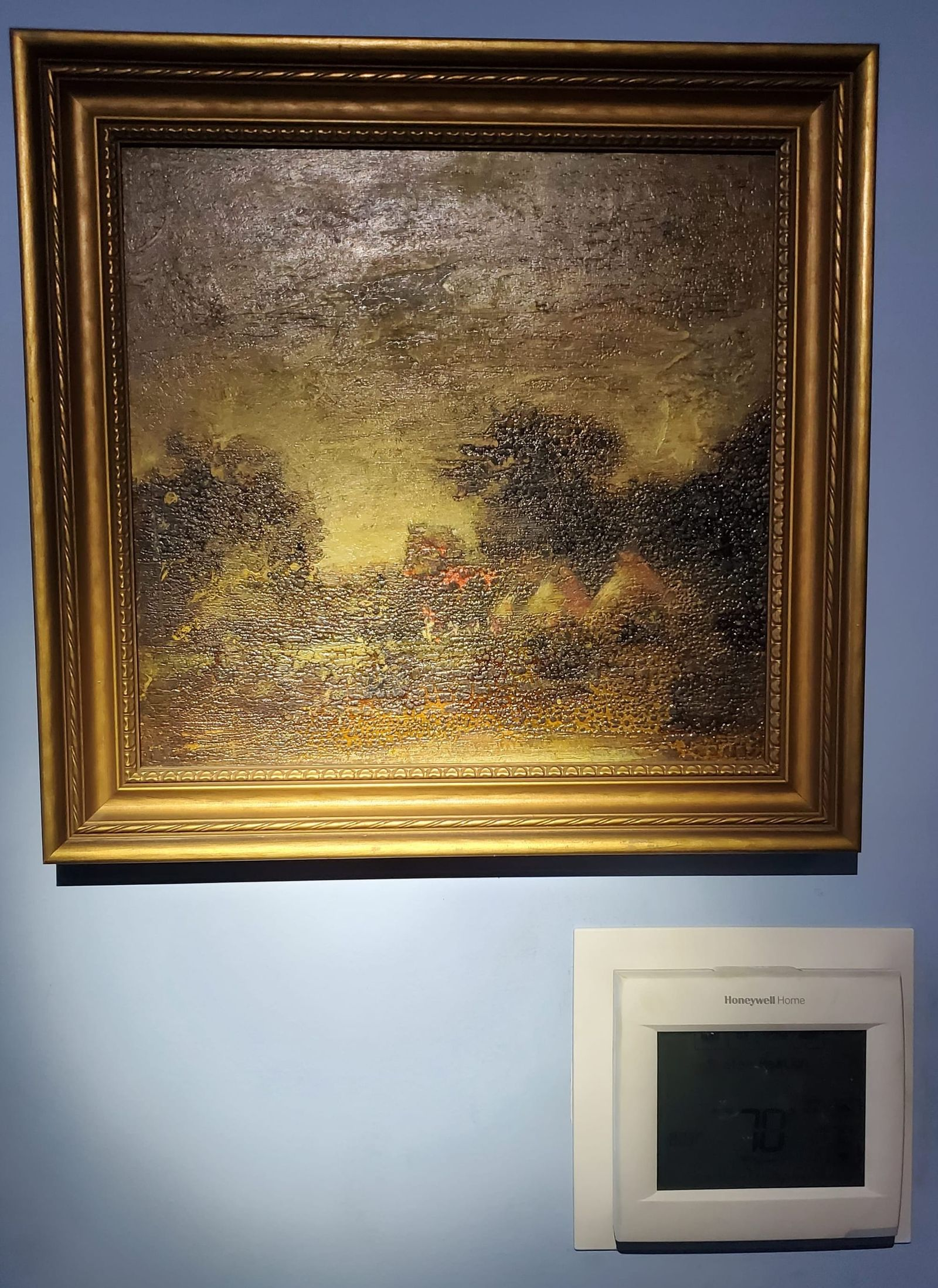
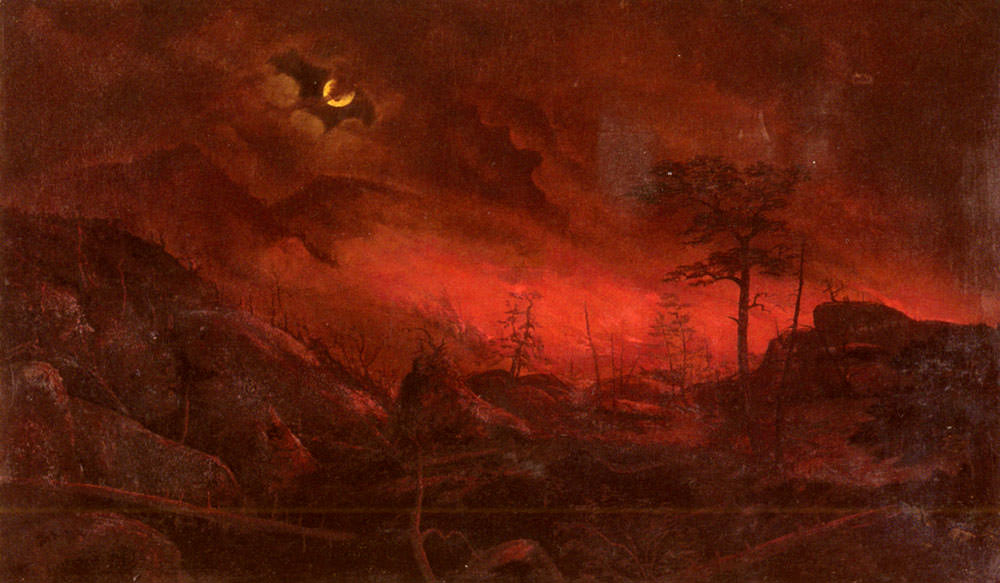
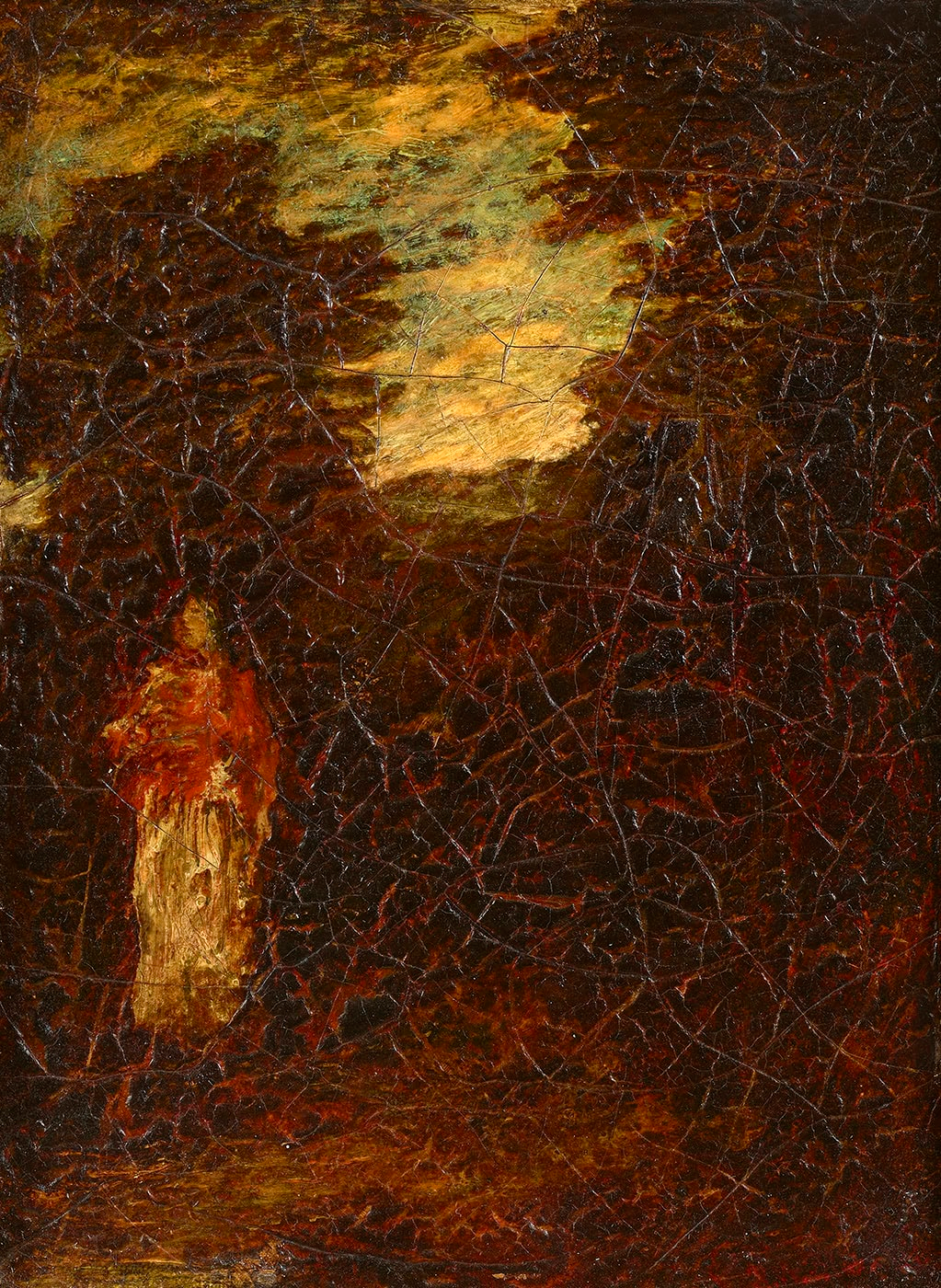
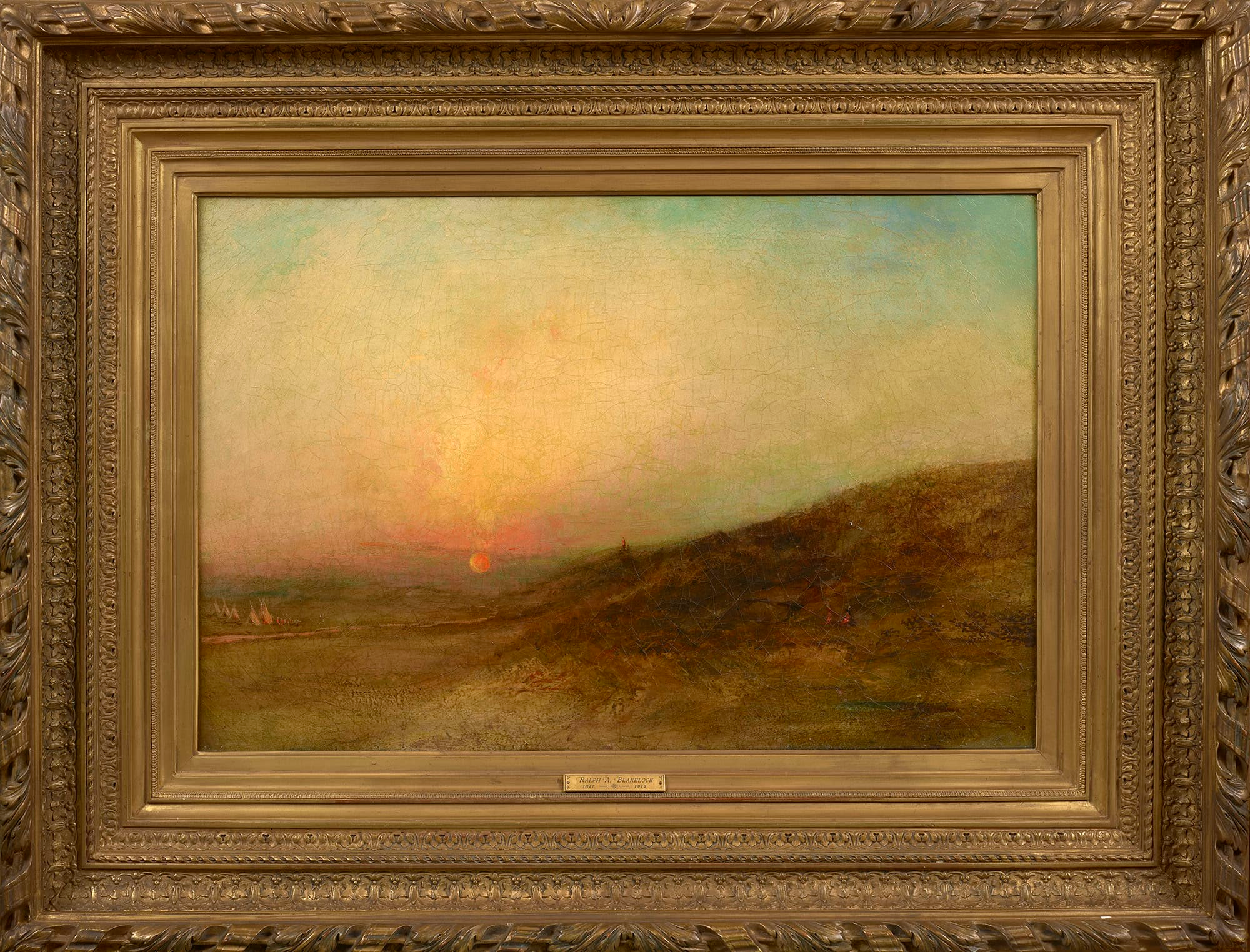
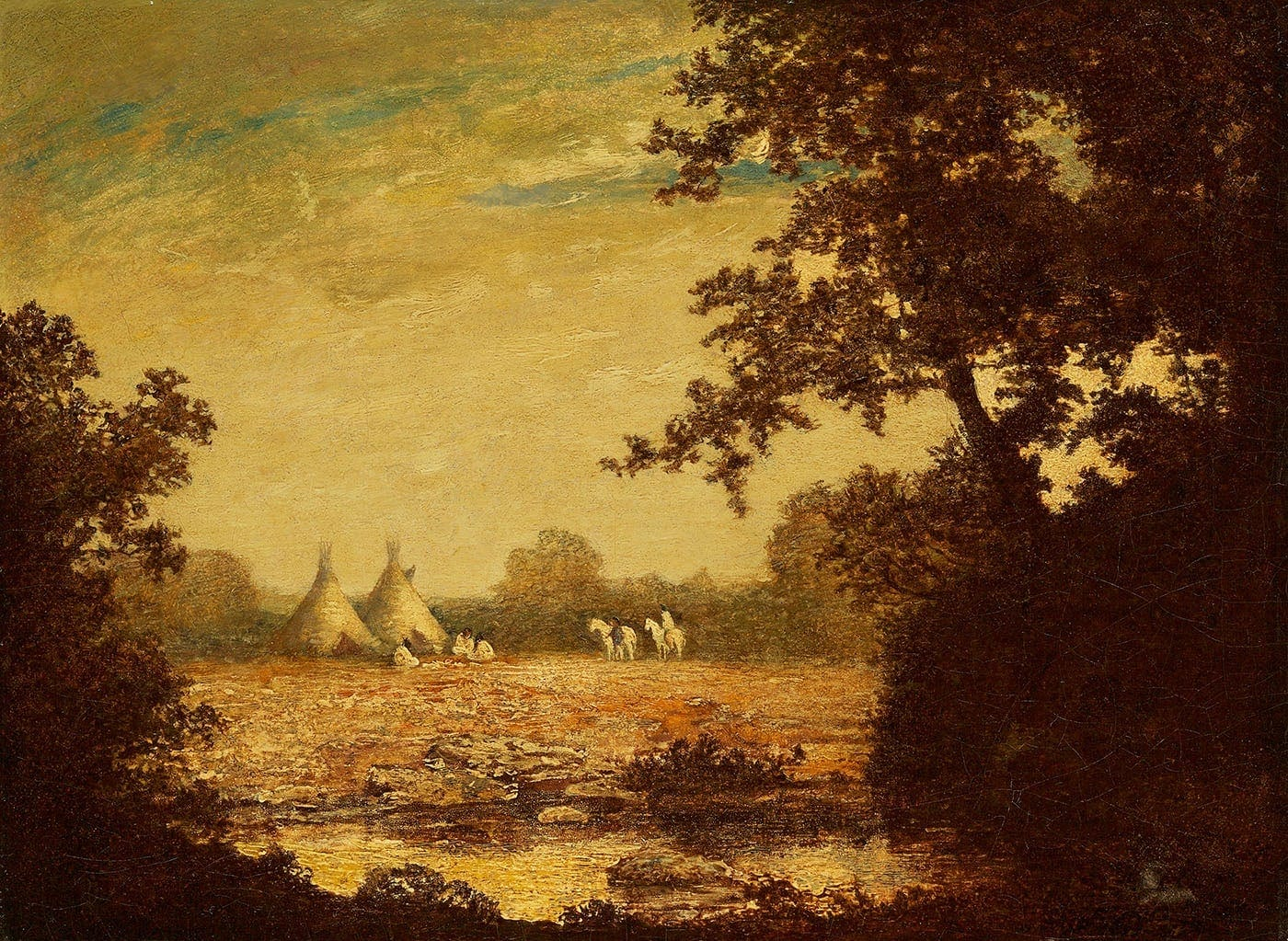
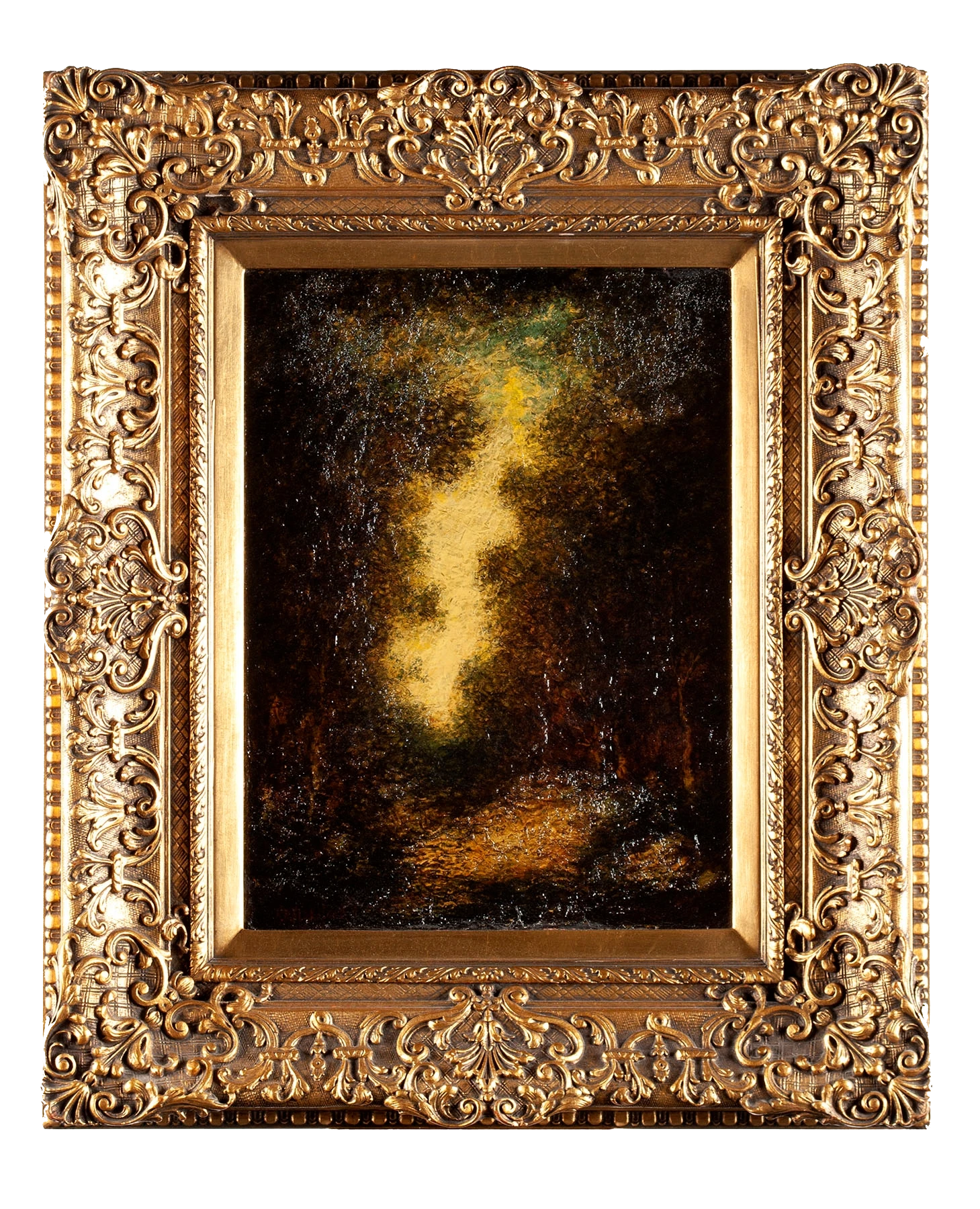
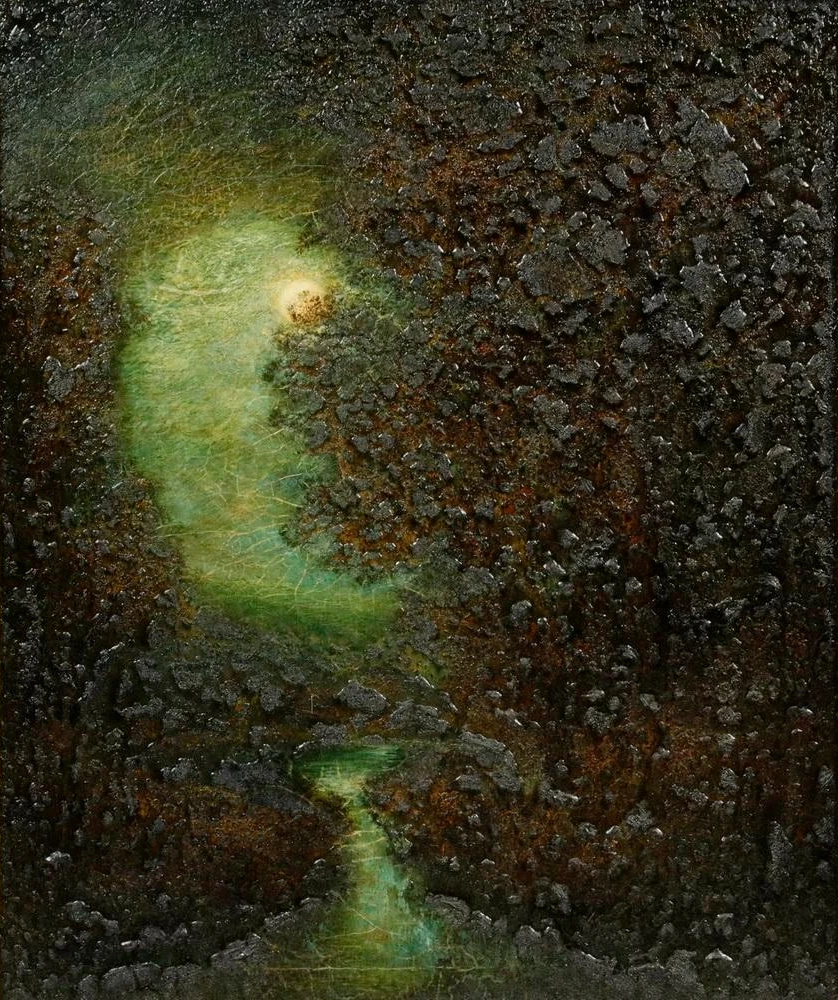
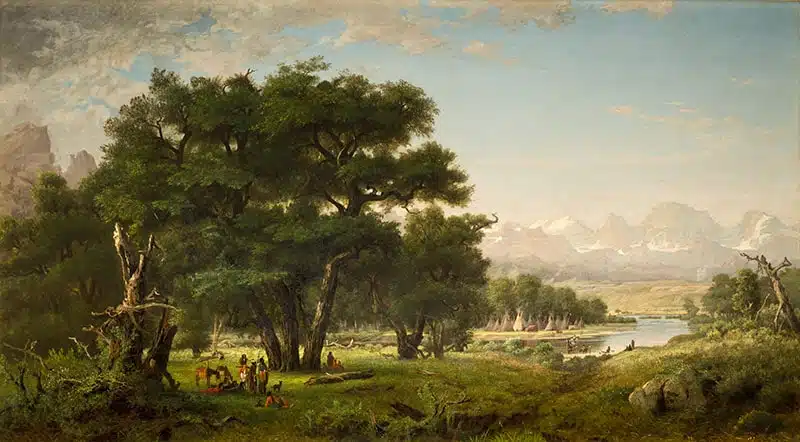
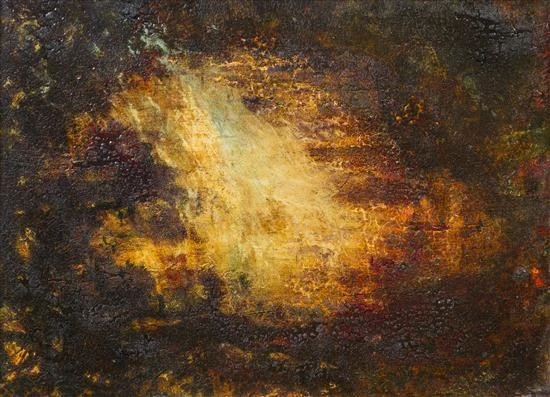
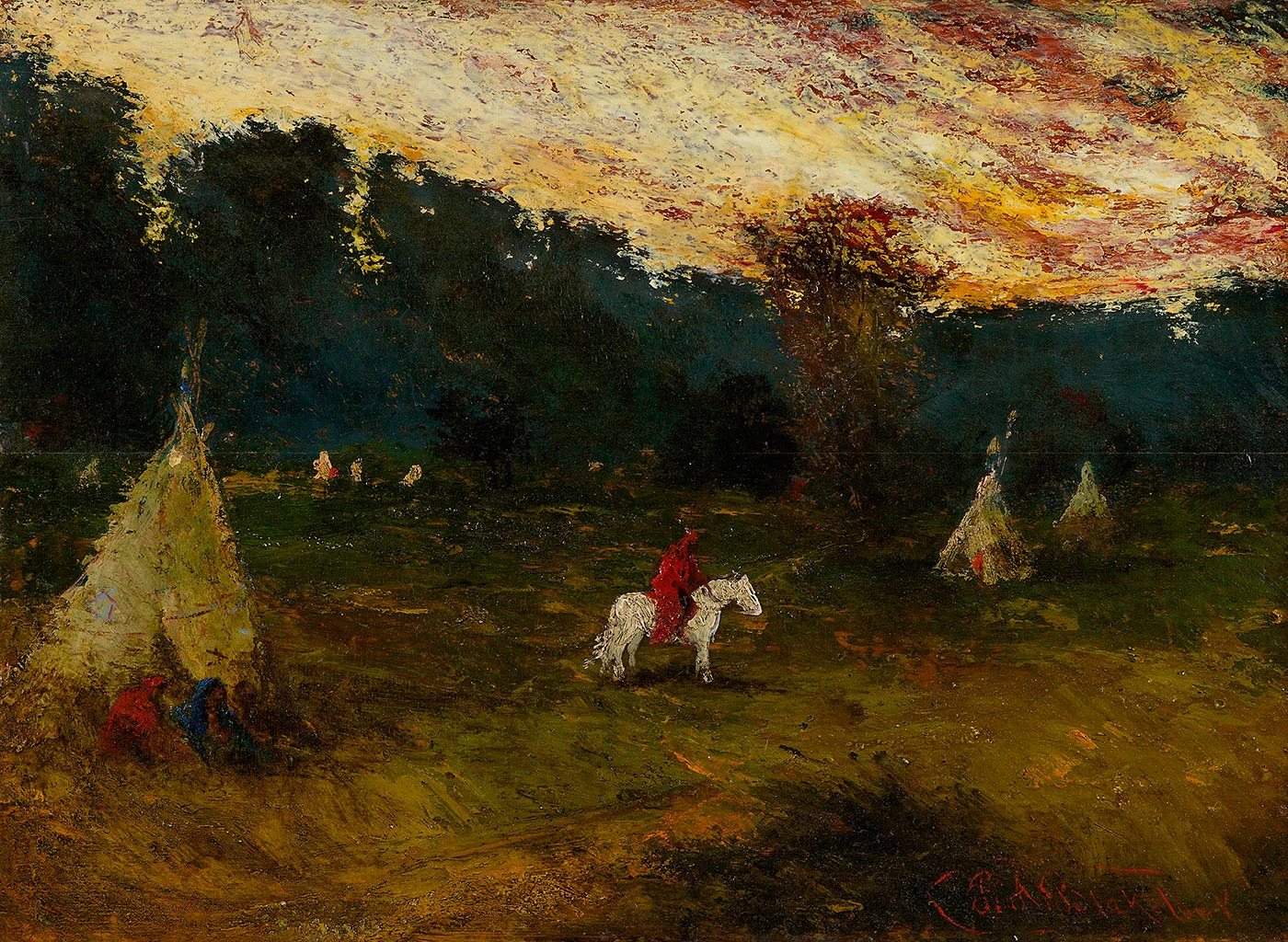
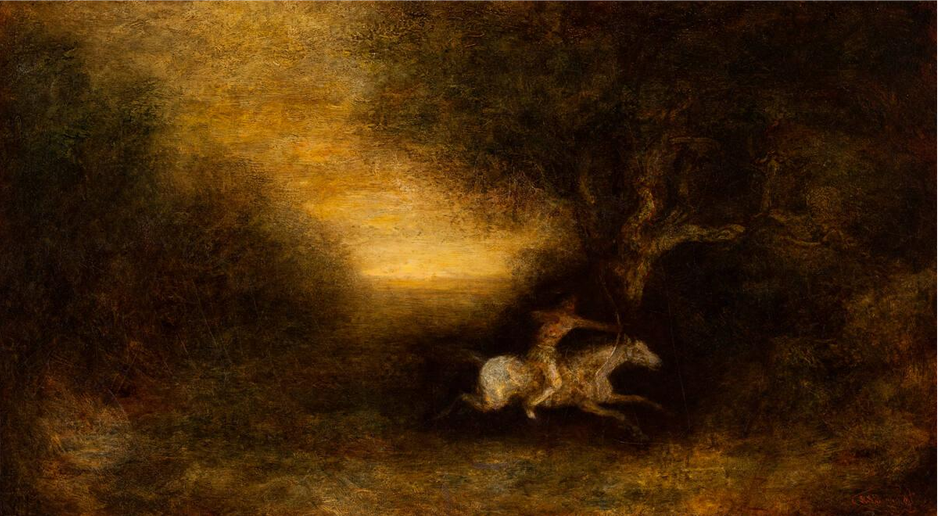
He was my great-great-great-grandfather, and he painted The Ghost Dance (Vision of Life) after the Ghost Dance had already been forced through several other machines: newspaper, agency report, cavalry fear, ethnographic rescue.
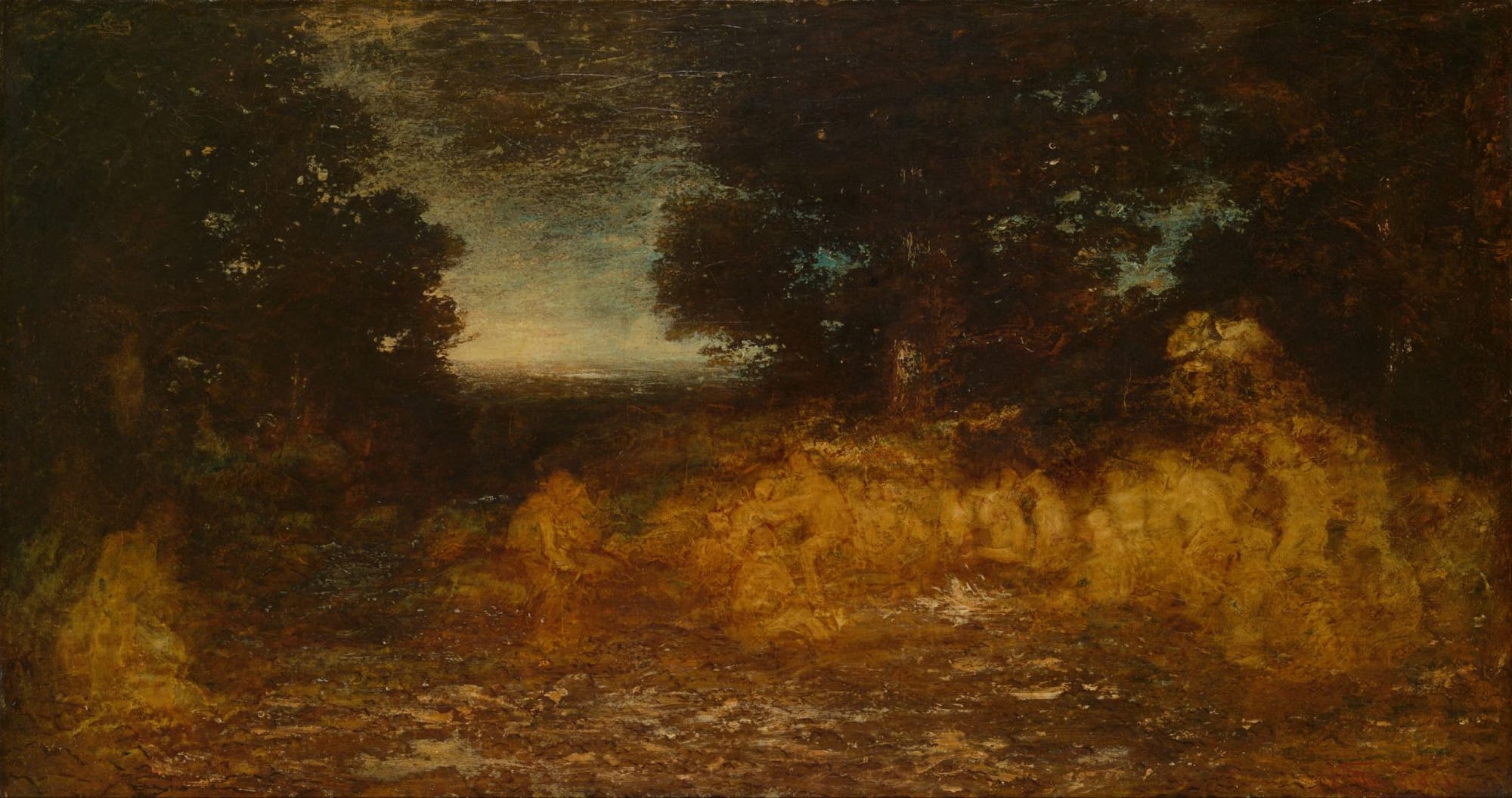
By the time this painting reached me, this dance had already been translated way too many times.
A translation can preserve contact.
A translation can also carry the wound that made translation necessary.
That is the first danger.
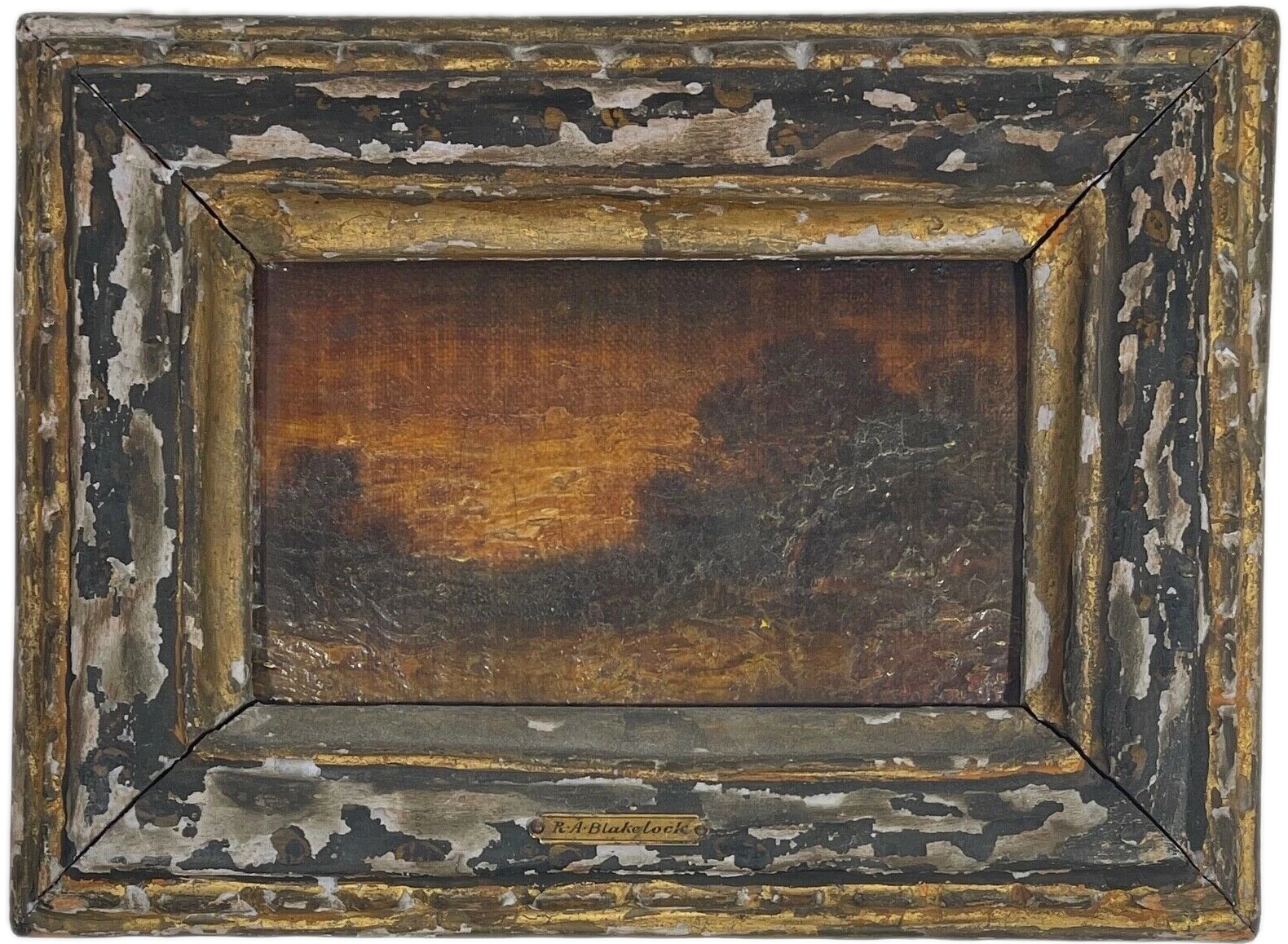
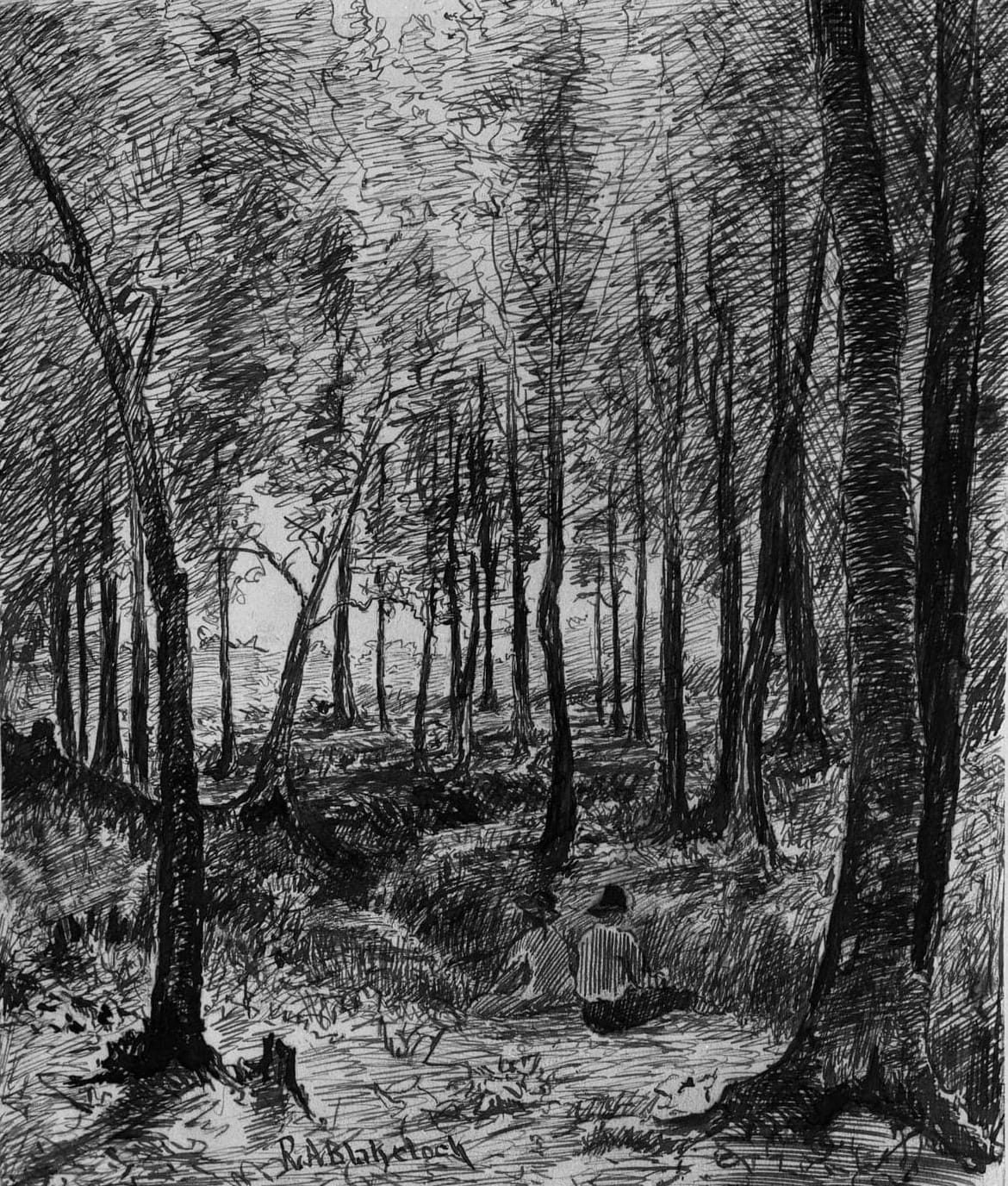
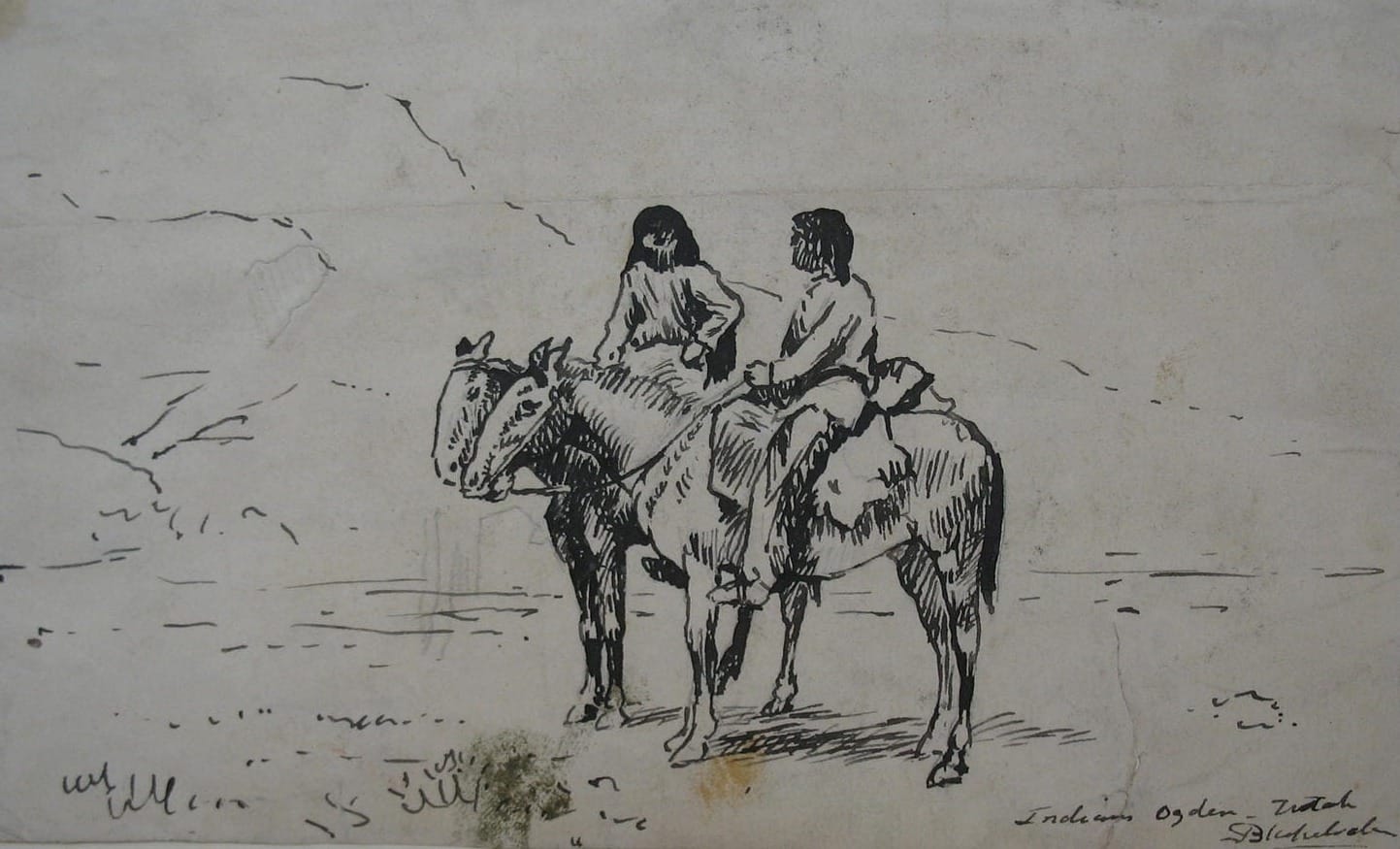
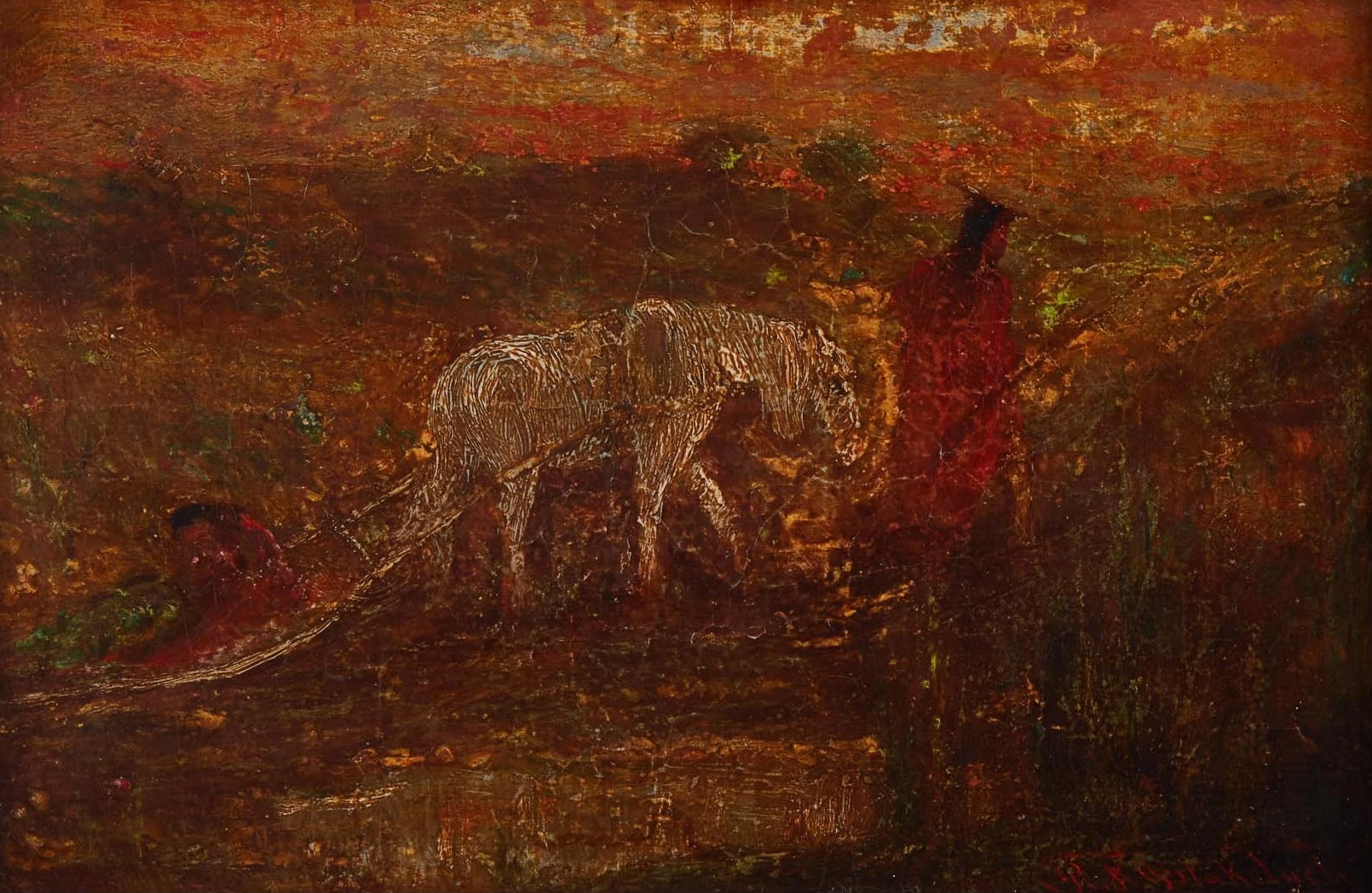
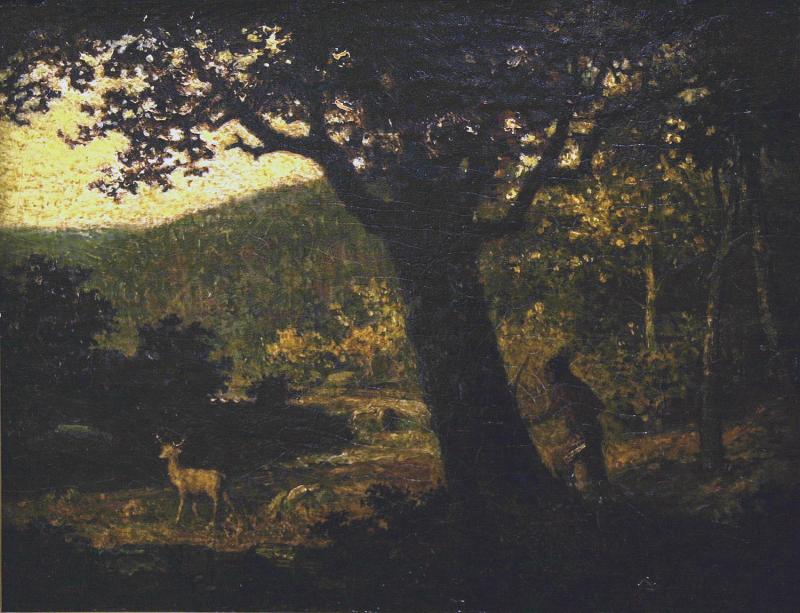
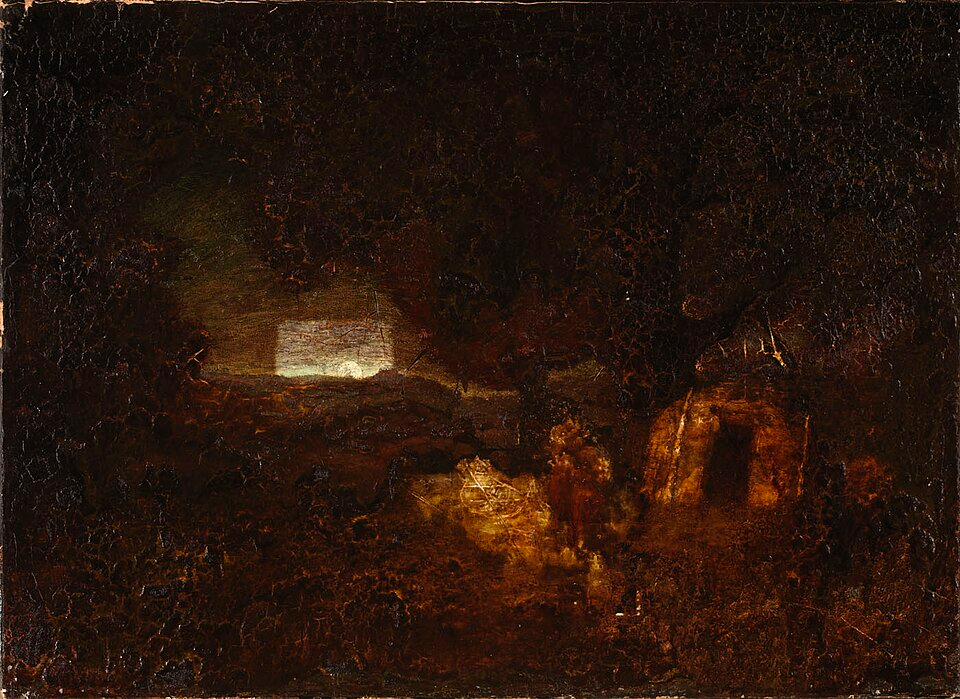
Blakelock left school. He went West, lived among Native people for a short time, and carried the West back into paintings of encampments, horses, trees, fires, figures, distance, and moonlight that he would create again and again.
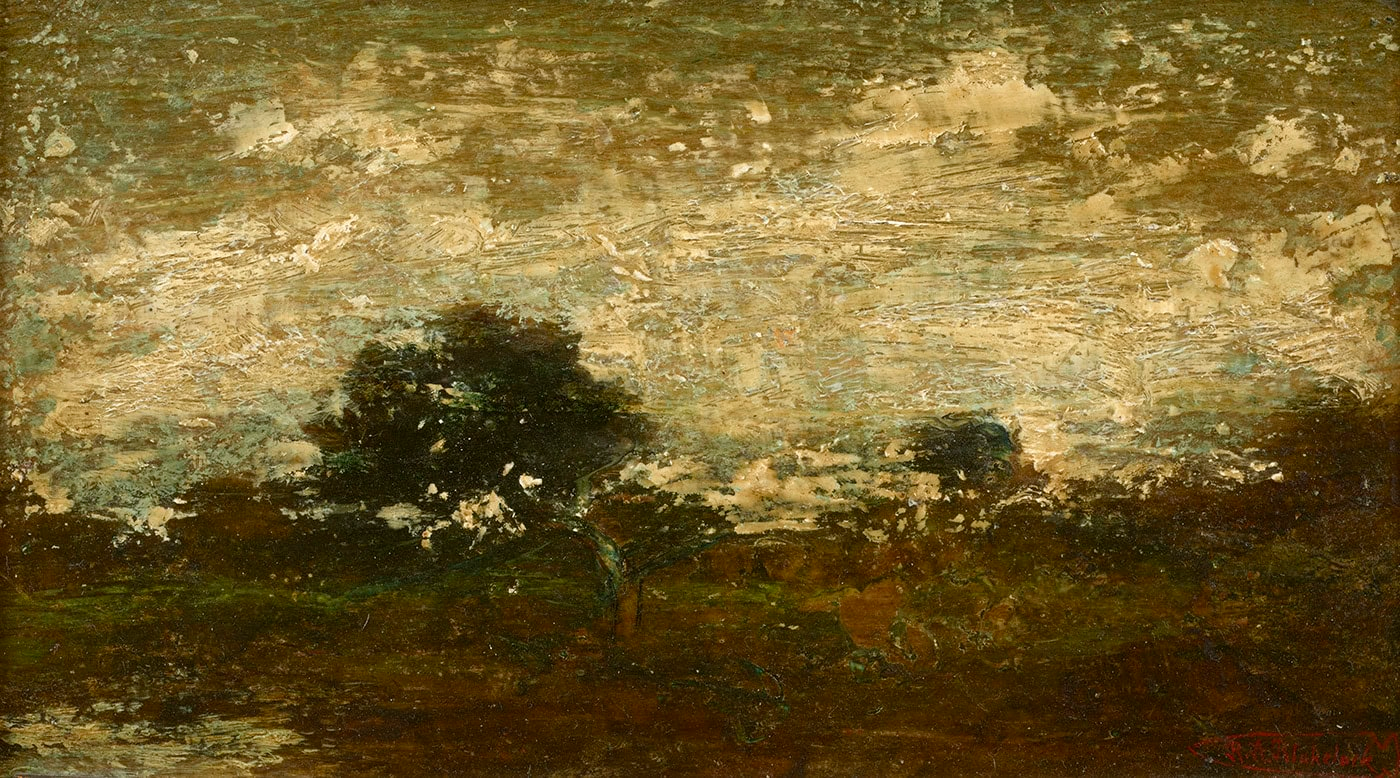
Then his own life entered a different kind of night. Poverty, grief, madness, confinement; fame arriving in the wrong room. Hungry dealers and collectors circling the work while the man himself was kept outside ordinary modes of continuance.
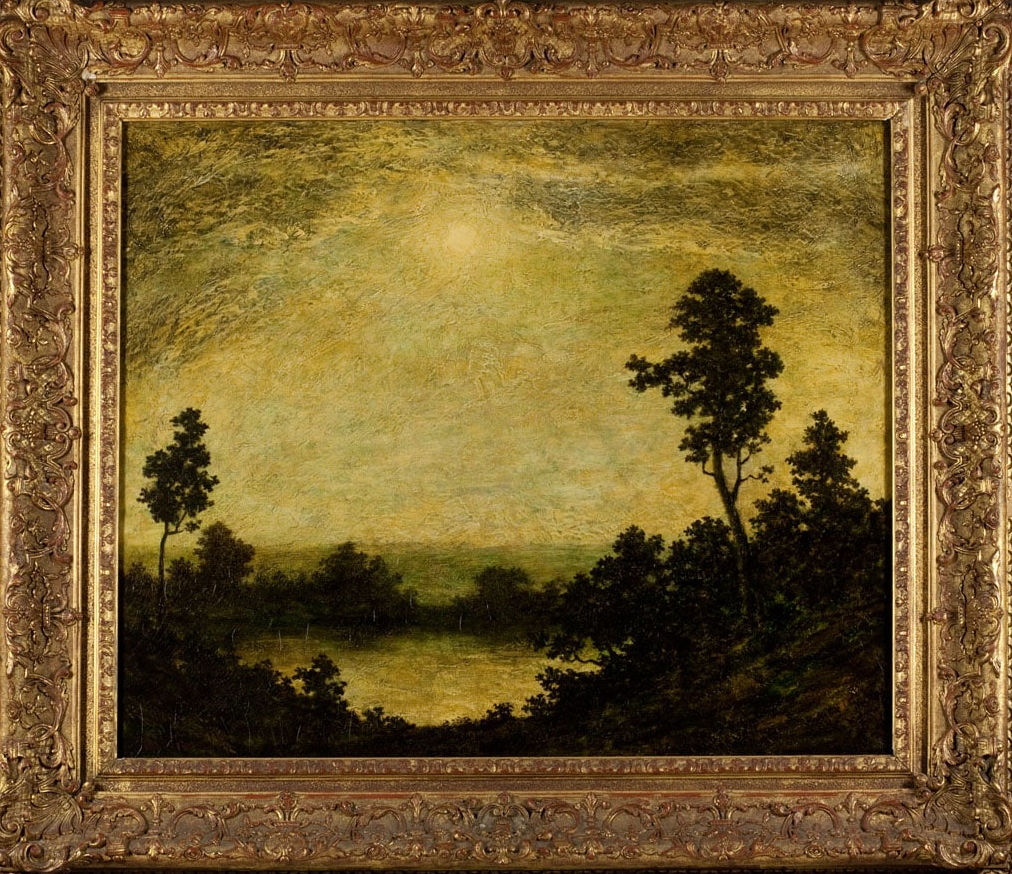
Blakelock spent about two decades confined in asylums.
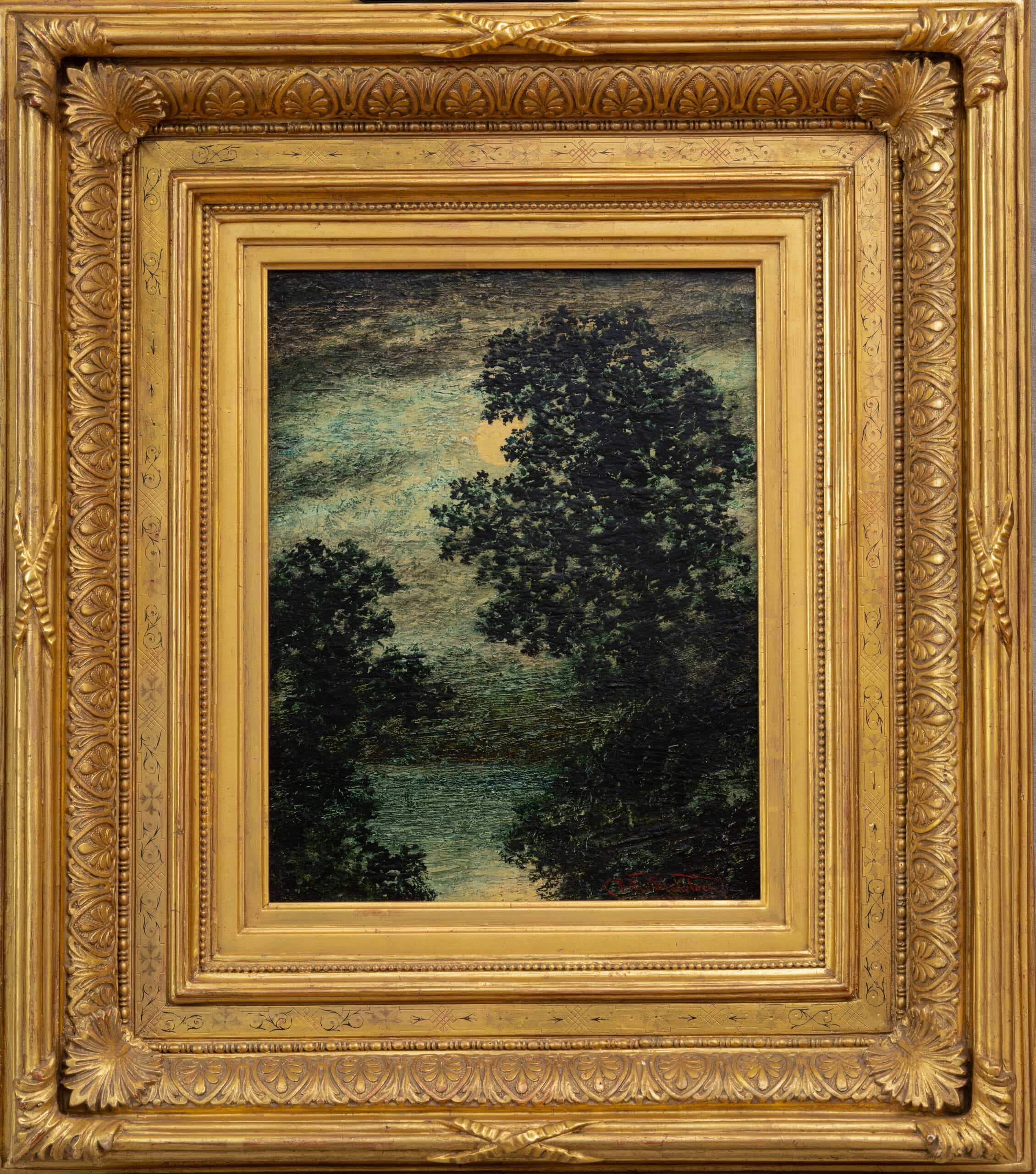
The paintings kept traveling the world without him.
A family does not receive that history as clean romance.
It also does not receive it as clinical disposal.
Vision is not a safe word. That one has never meant only sight.
Vision can mean art, rupture, summons, hallucination, correspondence, terror, beauty, possession, illness, vocation, and that old brutal possibility that a human mind may become a doorway before anyone at all knows who or what is knocking.
That cannot be allowed to own the Ghost Dance.
The Ghost Dance does not belong to Blakelock.
It does not belong to American art. It does not belong to the museum, the critic, the collector, the army, the agent, the newspaper, the psychiatry file, or the descendant.
A door is not ownership. Only access.
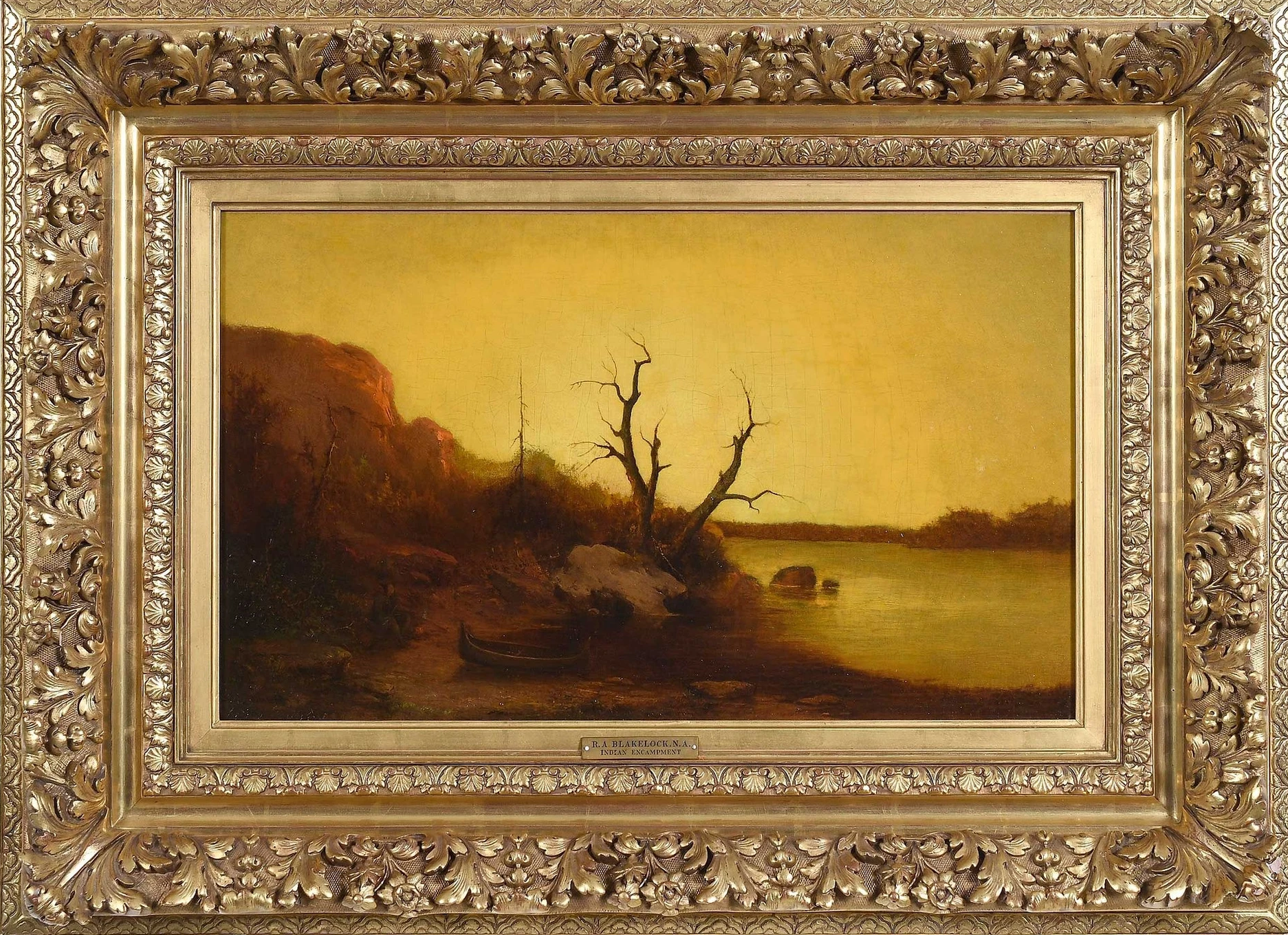
Blakelock's painting does not explain the dance. It does not interpret the dancers.
It opens the trouble. And the trouble begins with light.
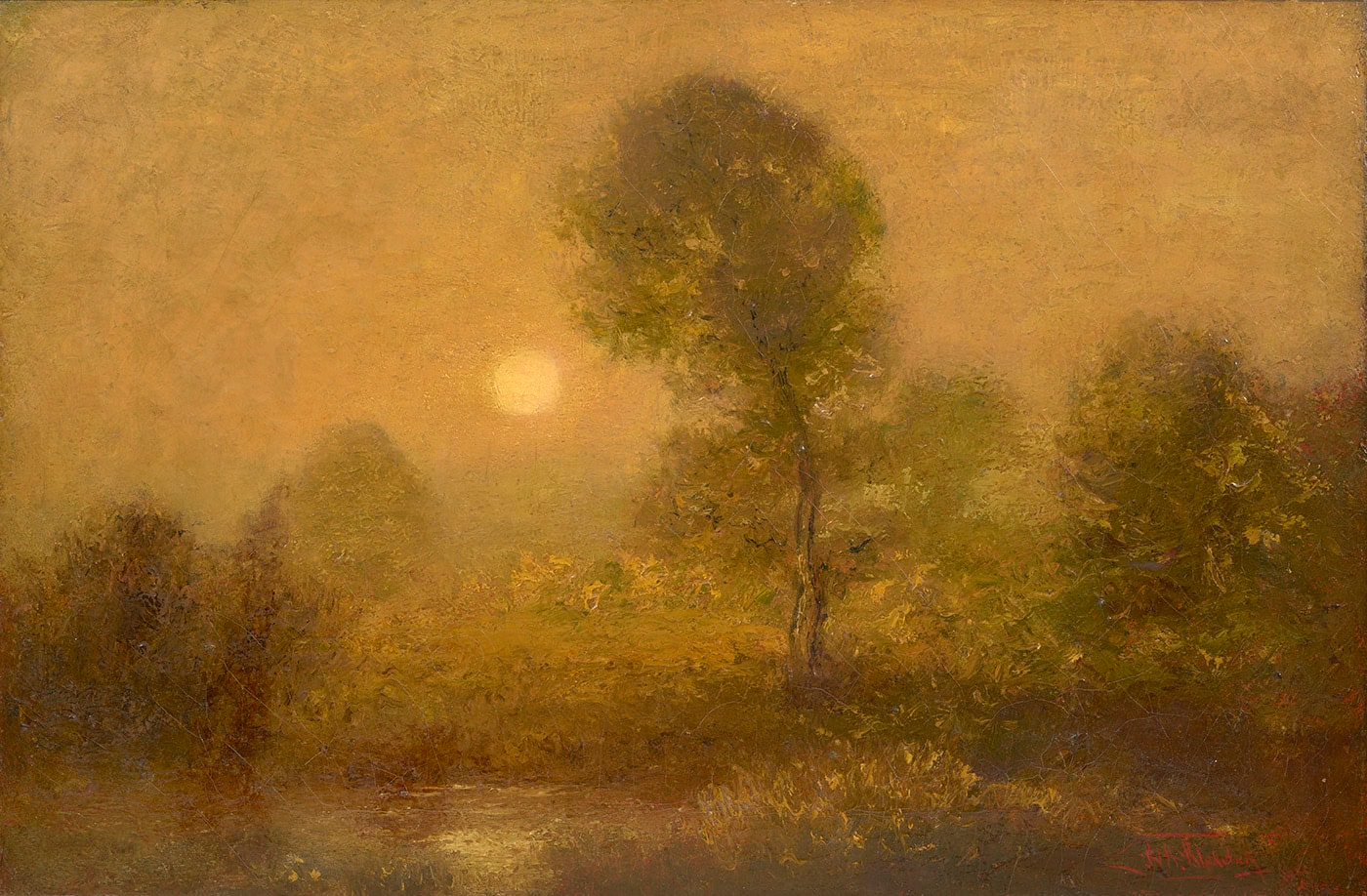
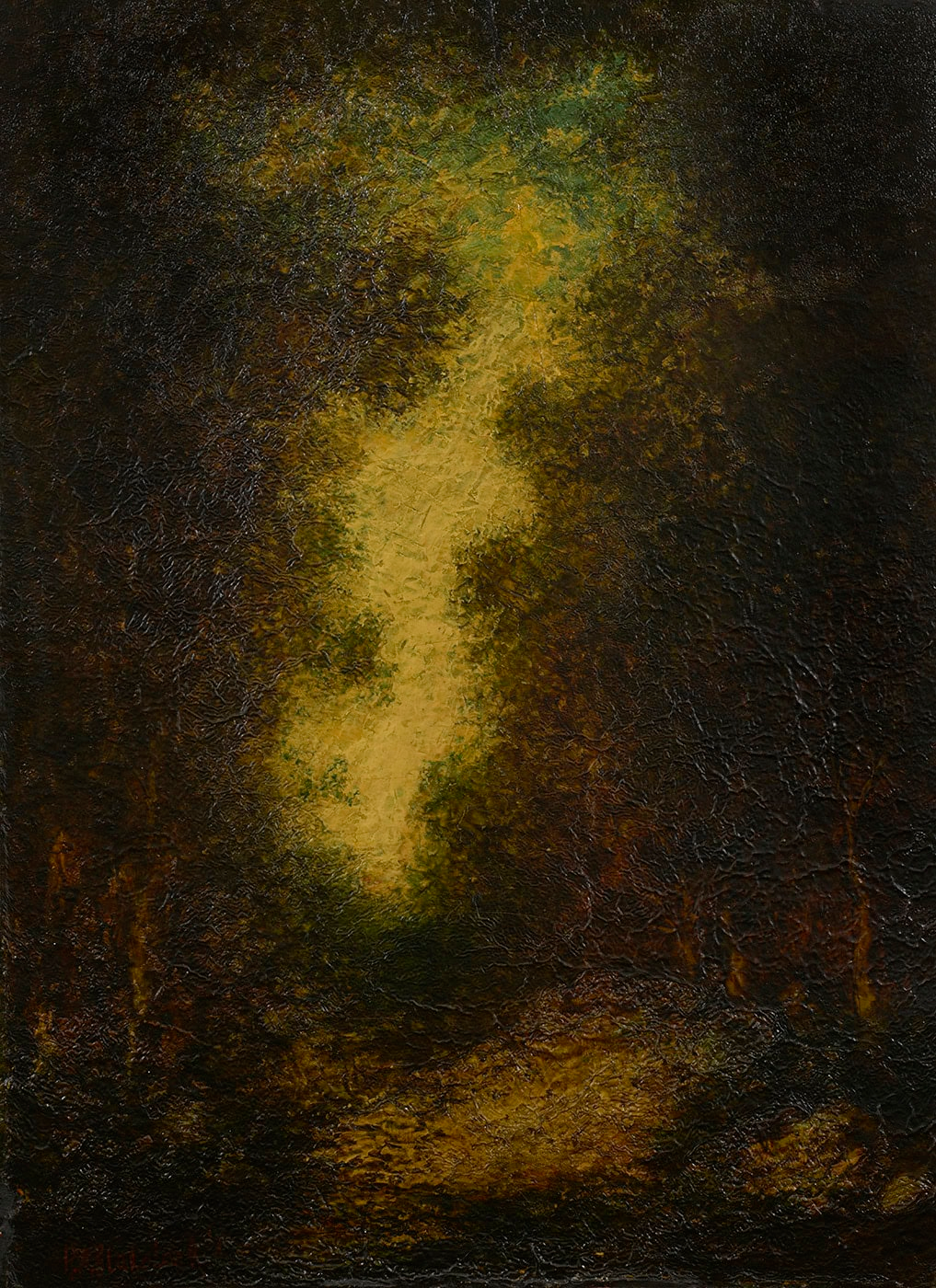
Blakelock read Swedenborg. In Swedenborg, correspondence is not a metaphor.
The natural world corresponds to the spiritual world; not only as a general whole, in its particulars.
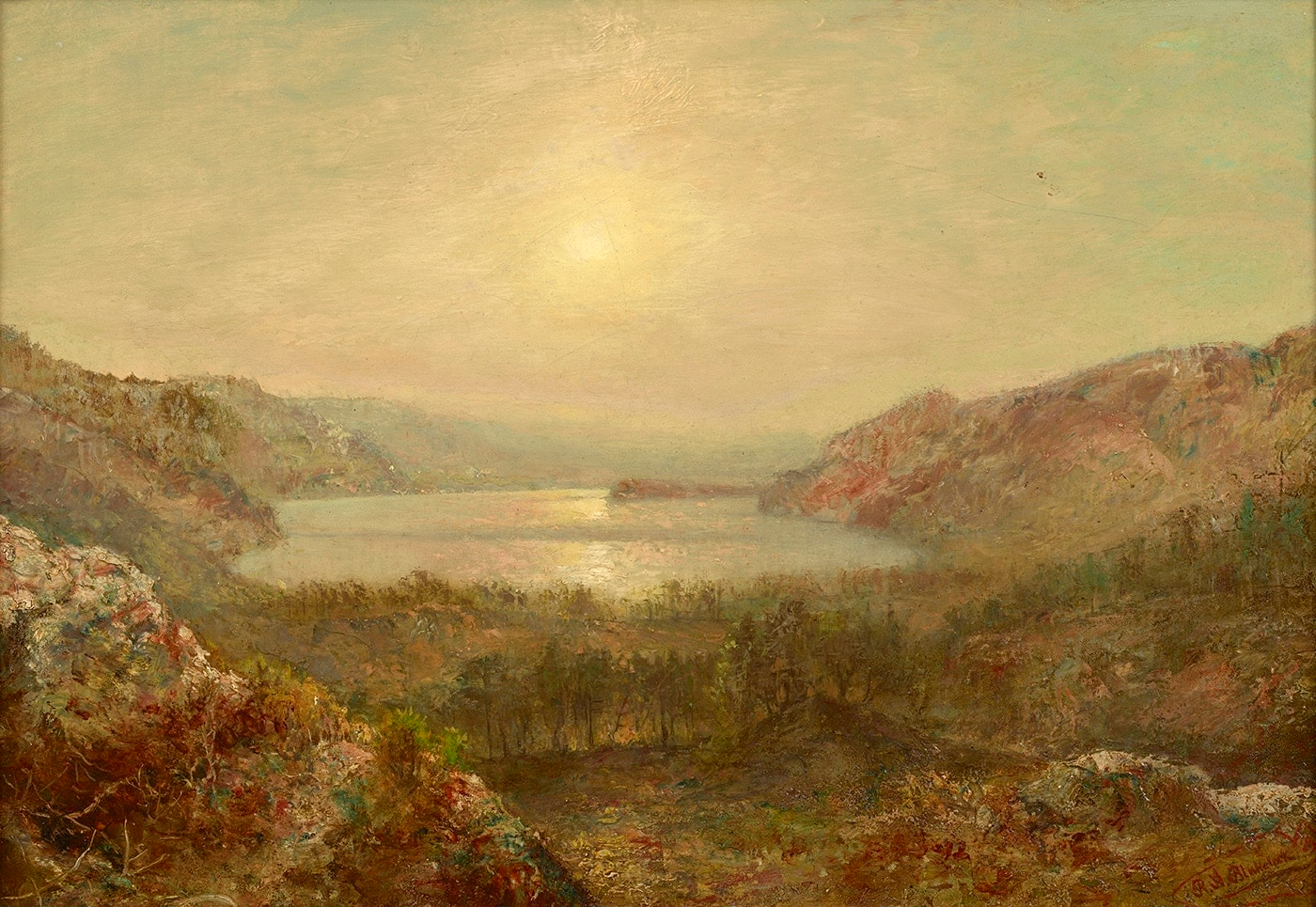
The visible thing is an effect, an out-form, a natural body answering to a spiritual cause. The two worlds do not become identical.
They communicate through correspondence.
Heat and light in the natural world answer to love and truth in the spiritual world.
A face discloses affection. Gesture carries will.
The body speaks what the interior field cannot keep entirely hidden.
This is very dangerous knowledge for art.
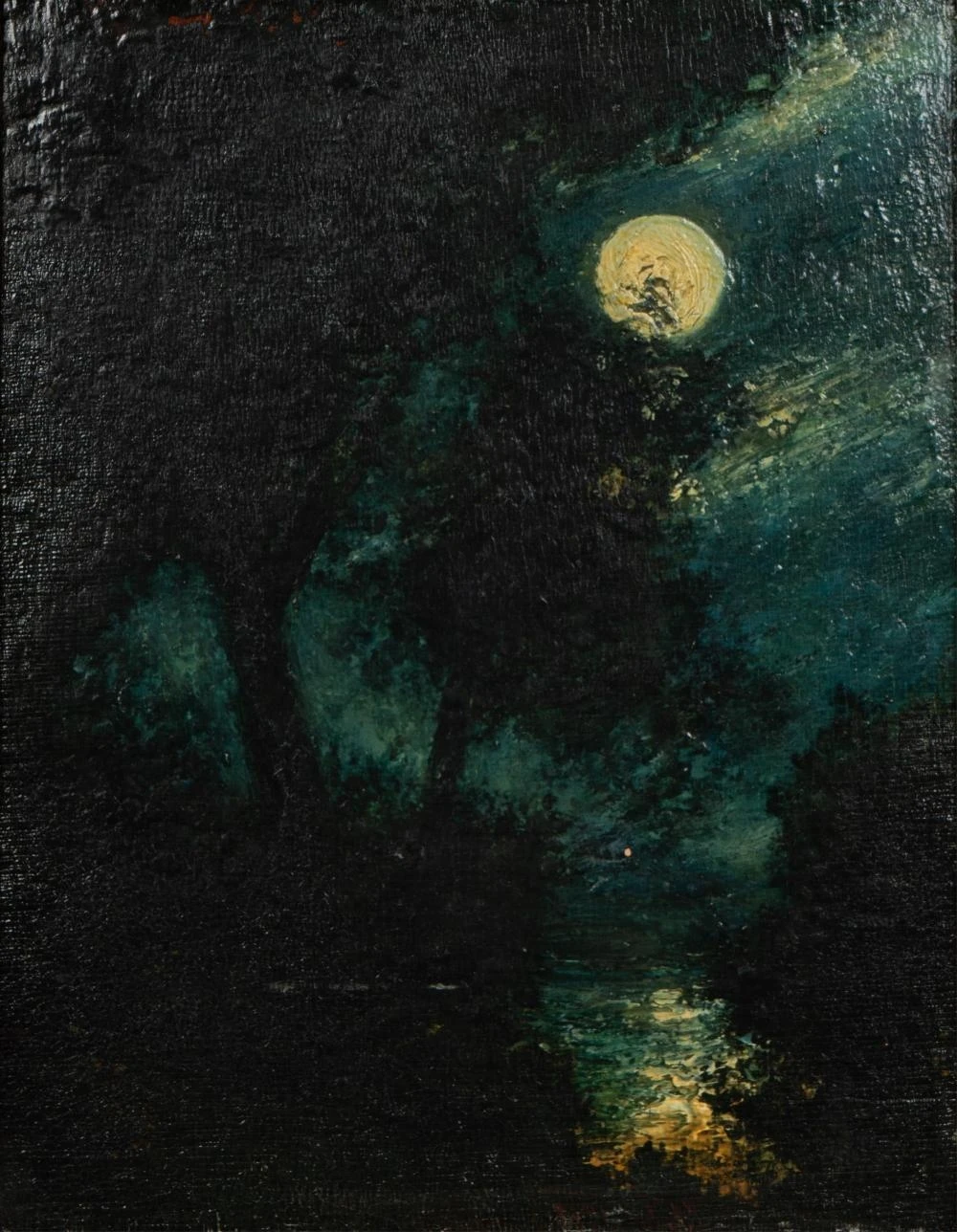
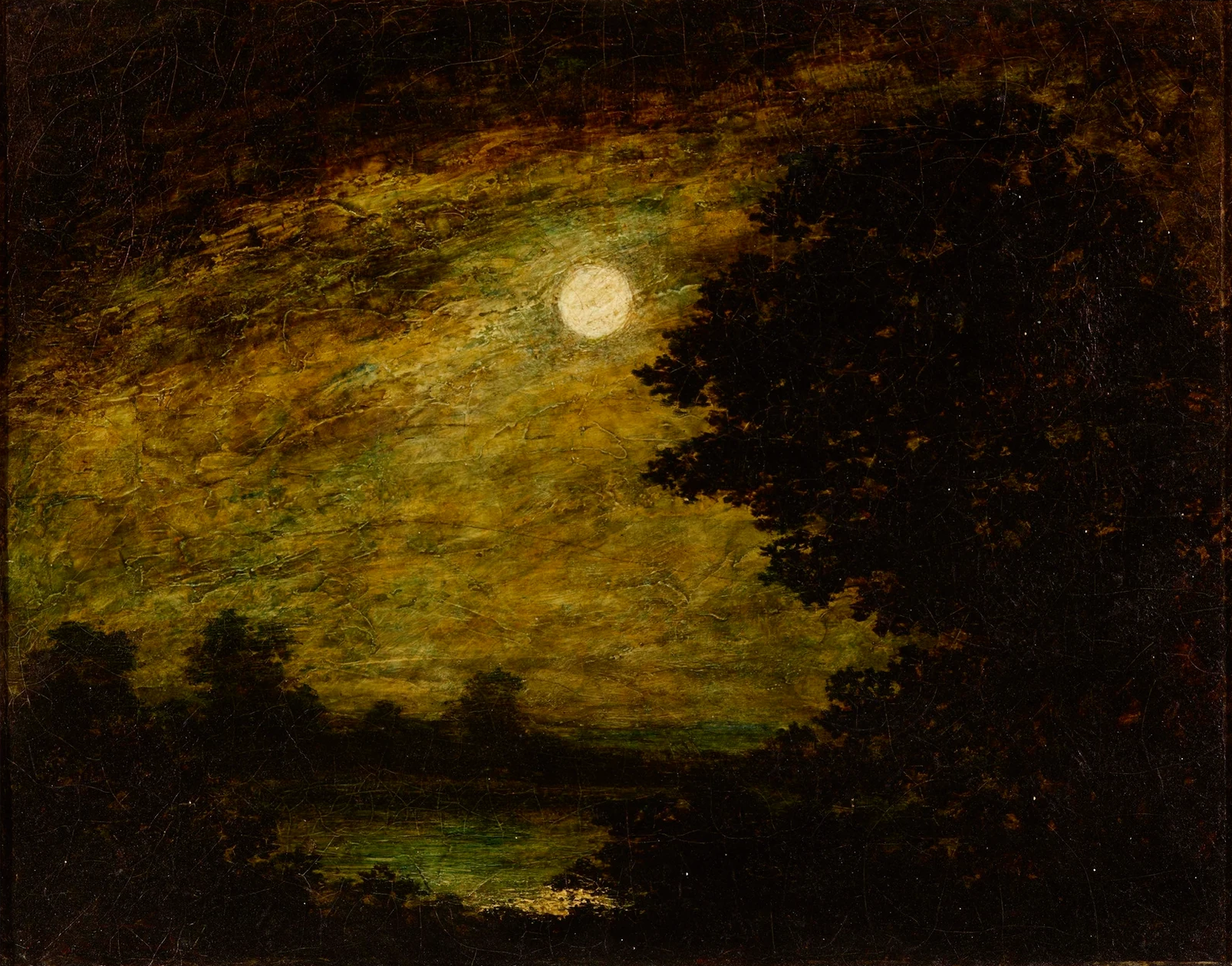
It means a painted moon is never safely only a painted moon.
It also means the painted moon cannot be promoted into proof.
That is the right register here: correspondence under discipline.
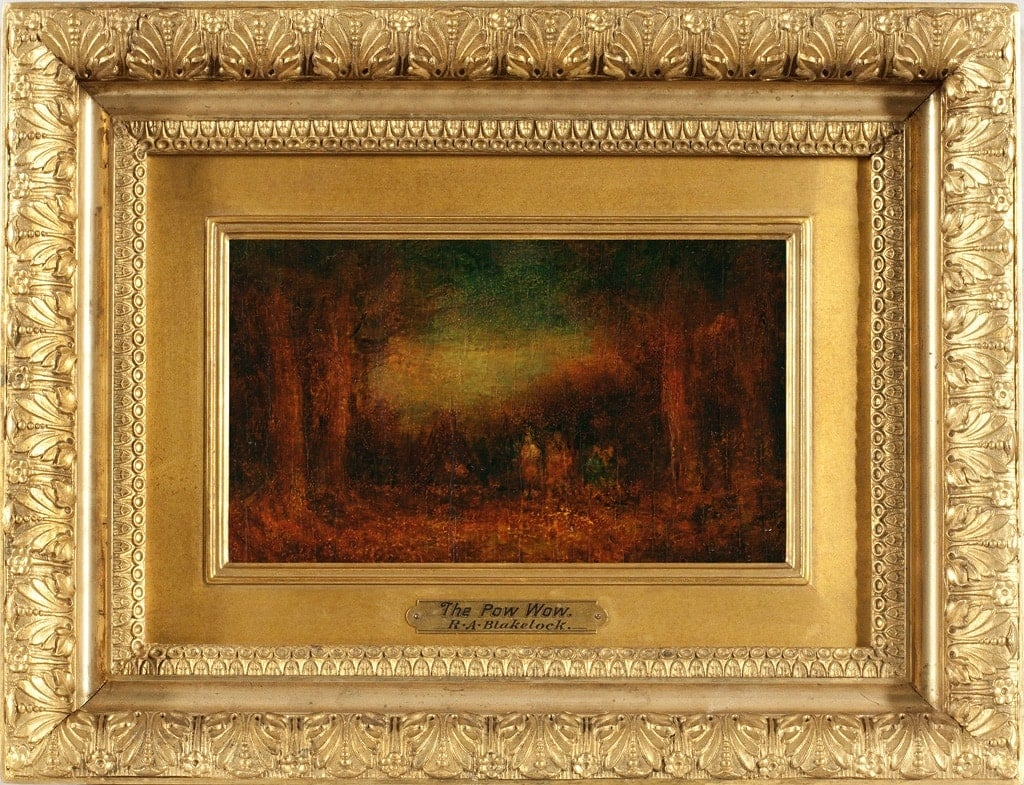
The visible thing answers. It does not testify alone. It must be kept in contact with the field it opens, or the image becomes an oracle, the oracle becomes a throne, and the throne begins issuing commands over living people.
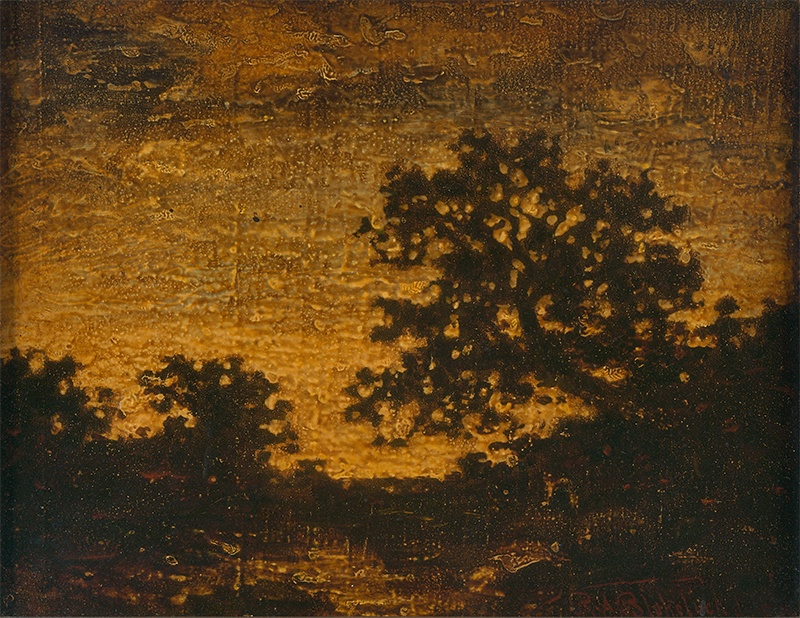
Modal Path Ethics already knows this danger from sacred instruments.
An instrument can deepen contact. It can also become sovereign over correction. Blakelock's Swedenborg register enters precisely there: image as contact, image as danger, image as threshold, image as possible trespass.
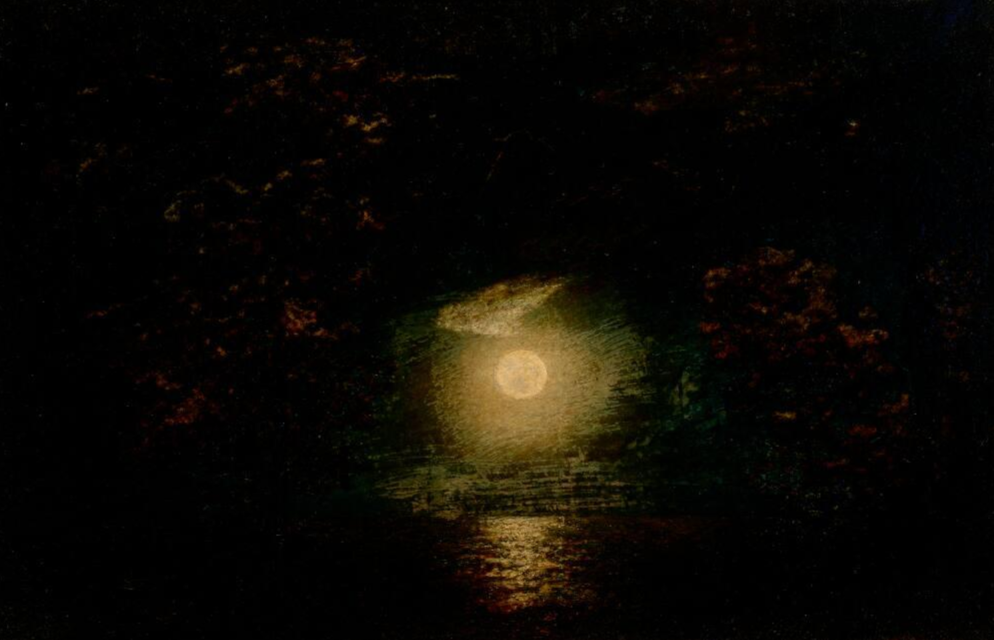
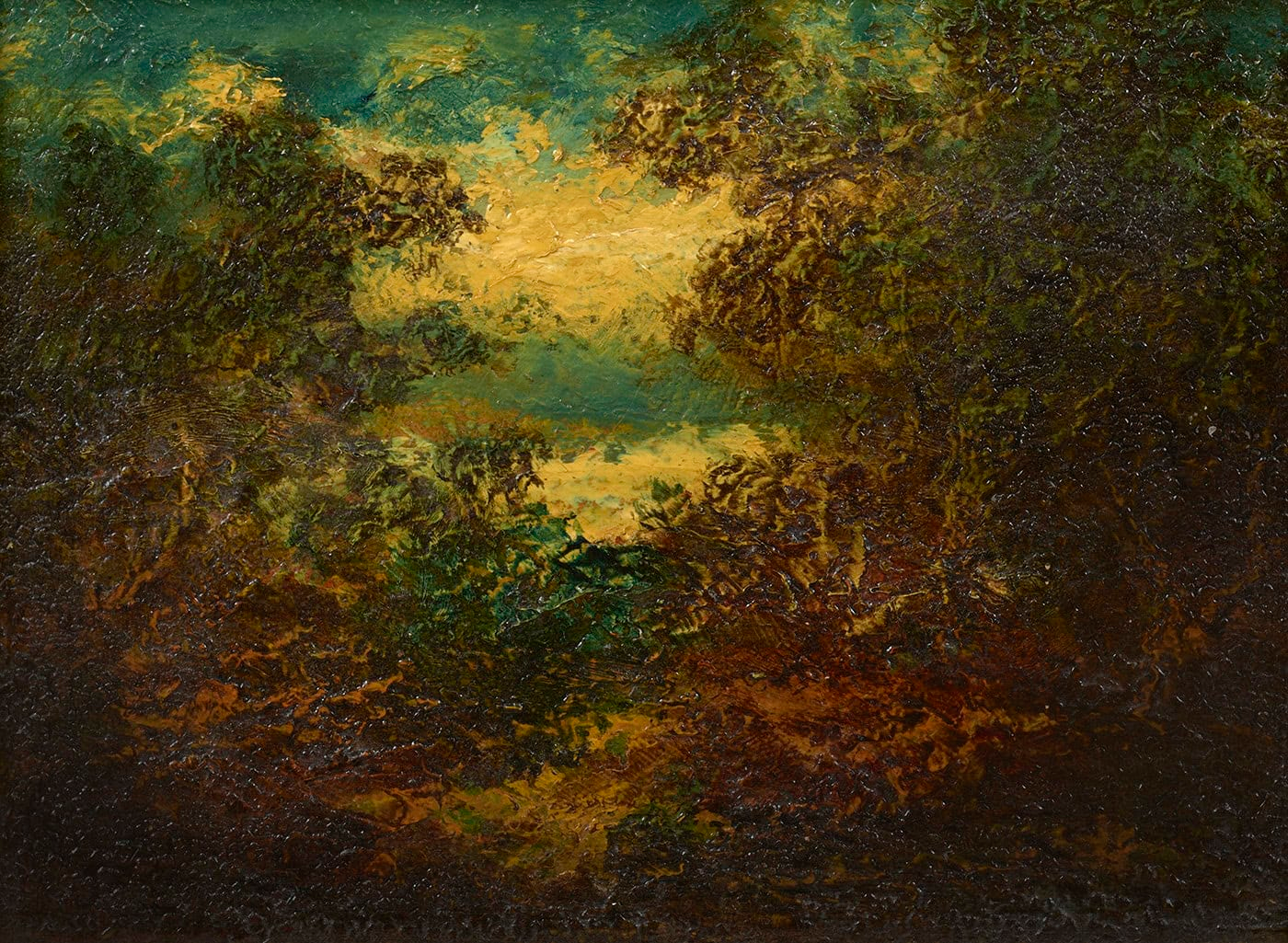
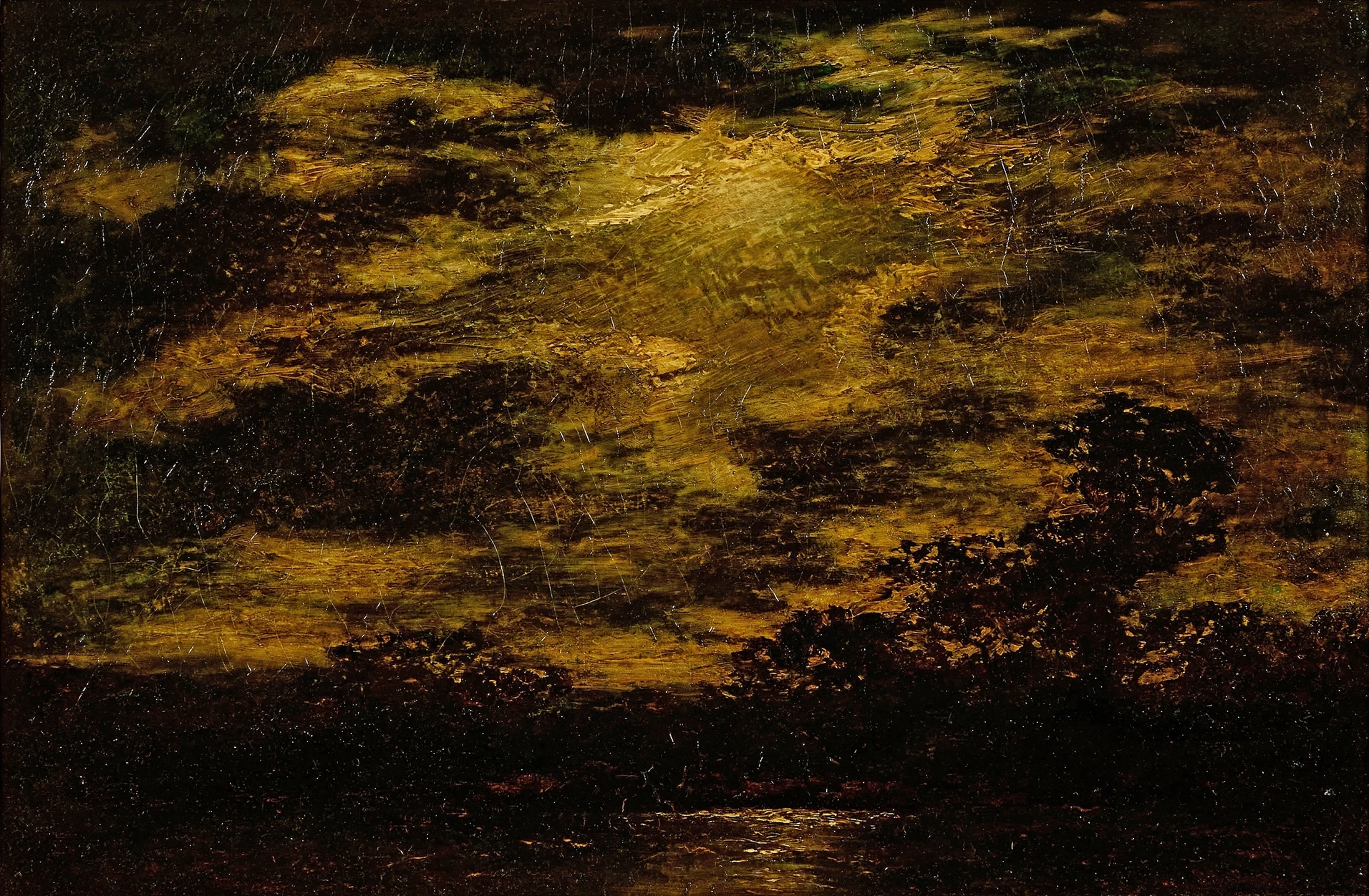
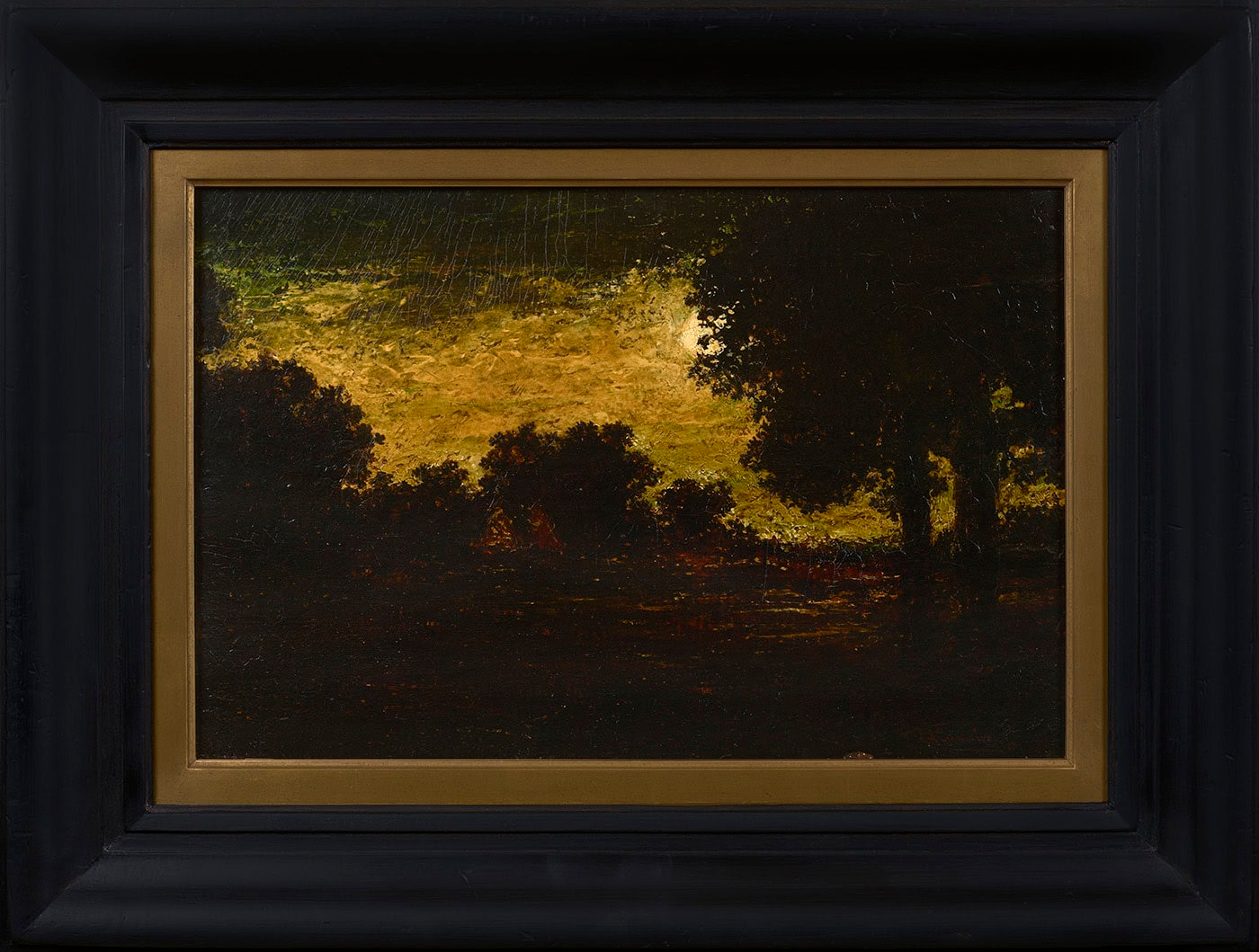
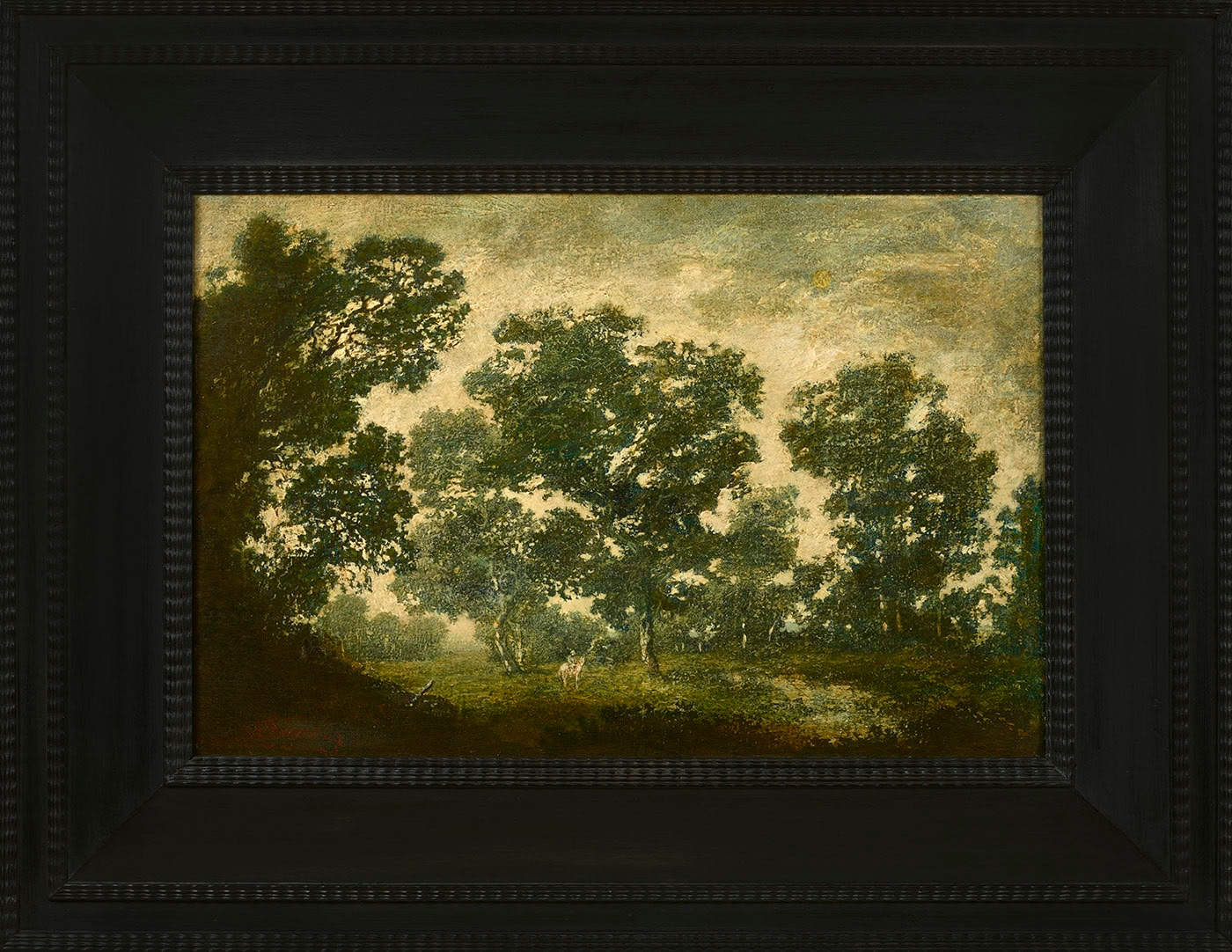
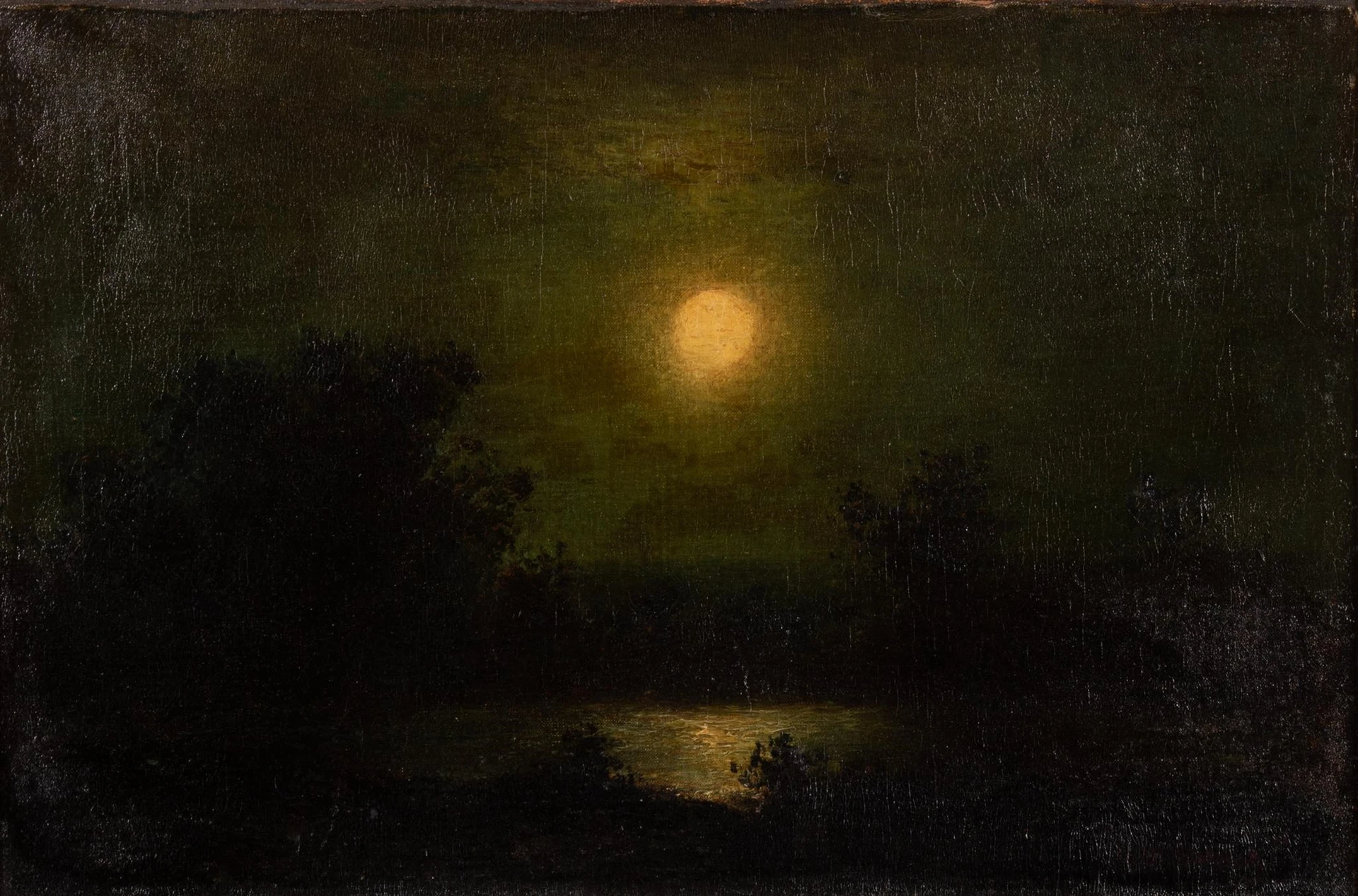
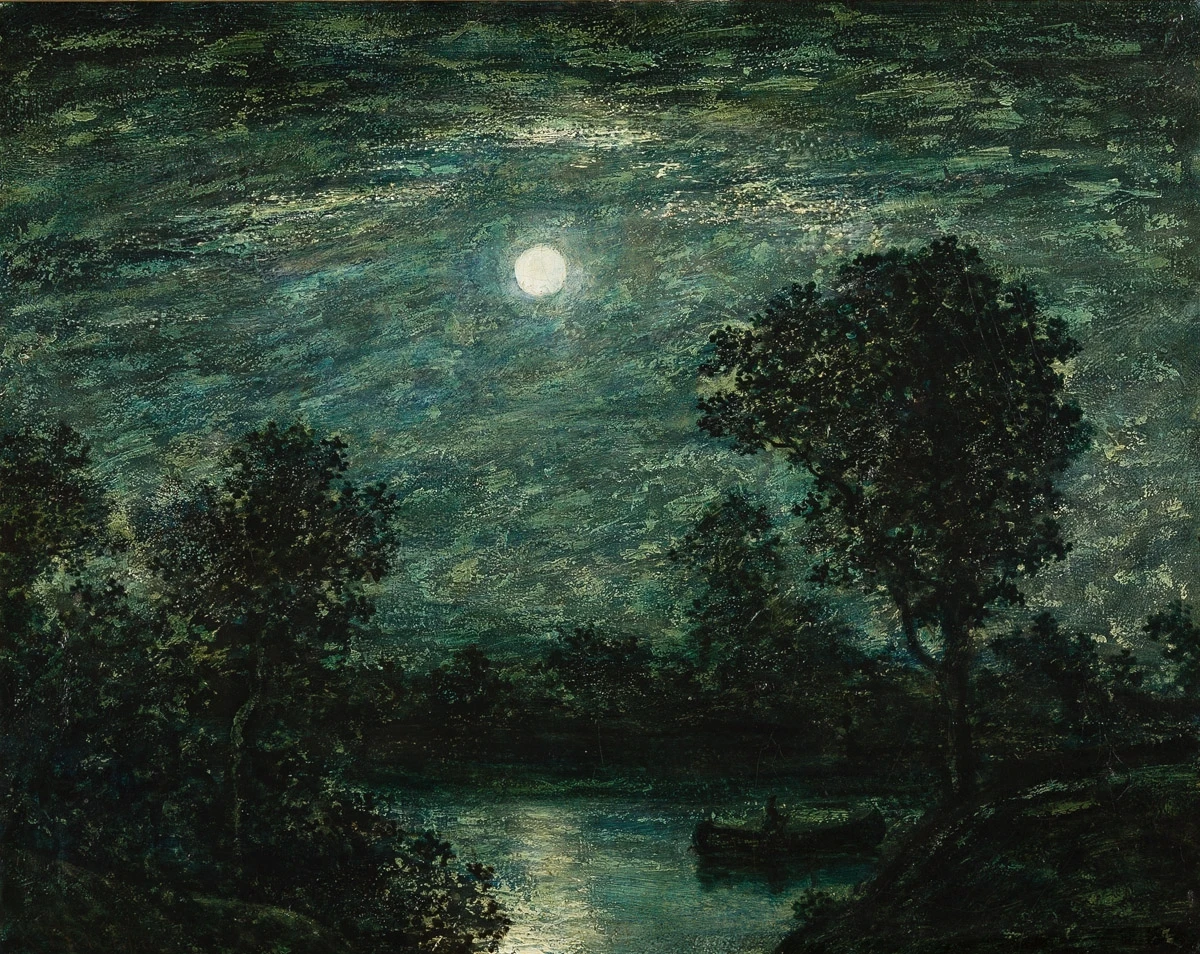
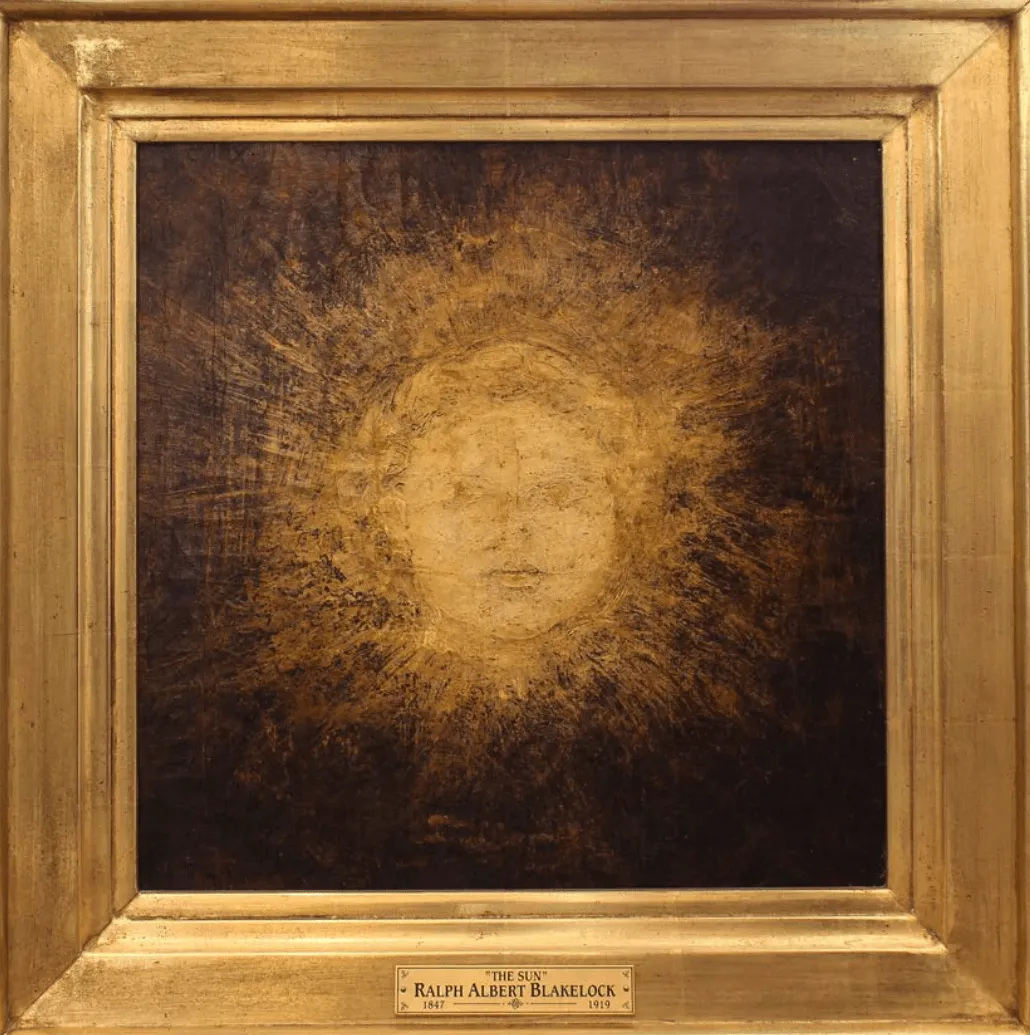
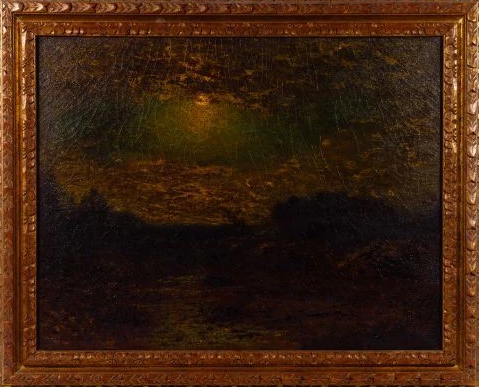
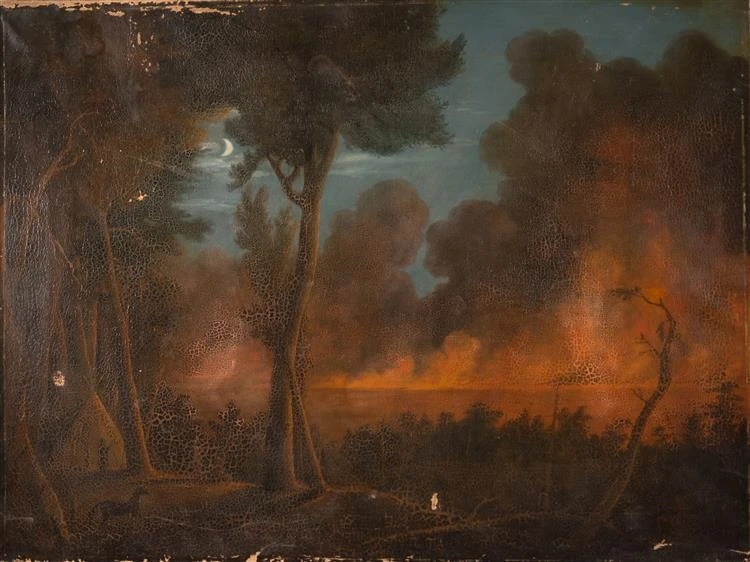
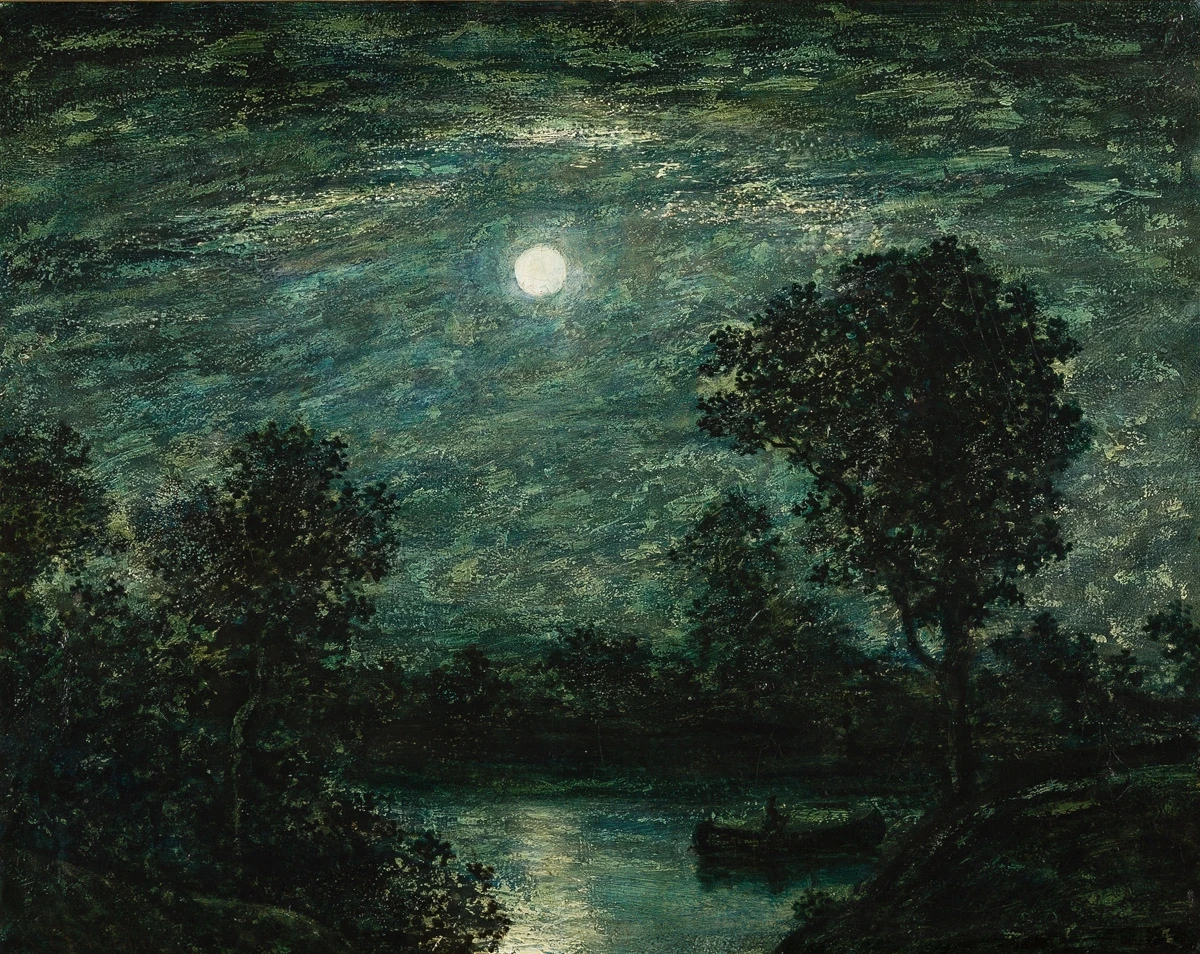
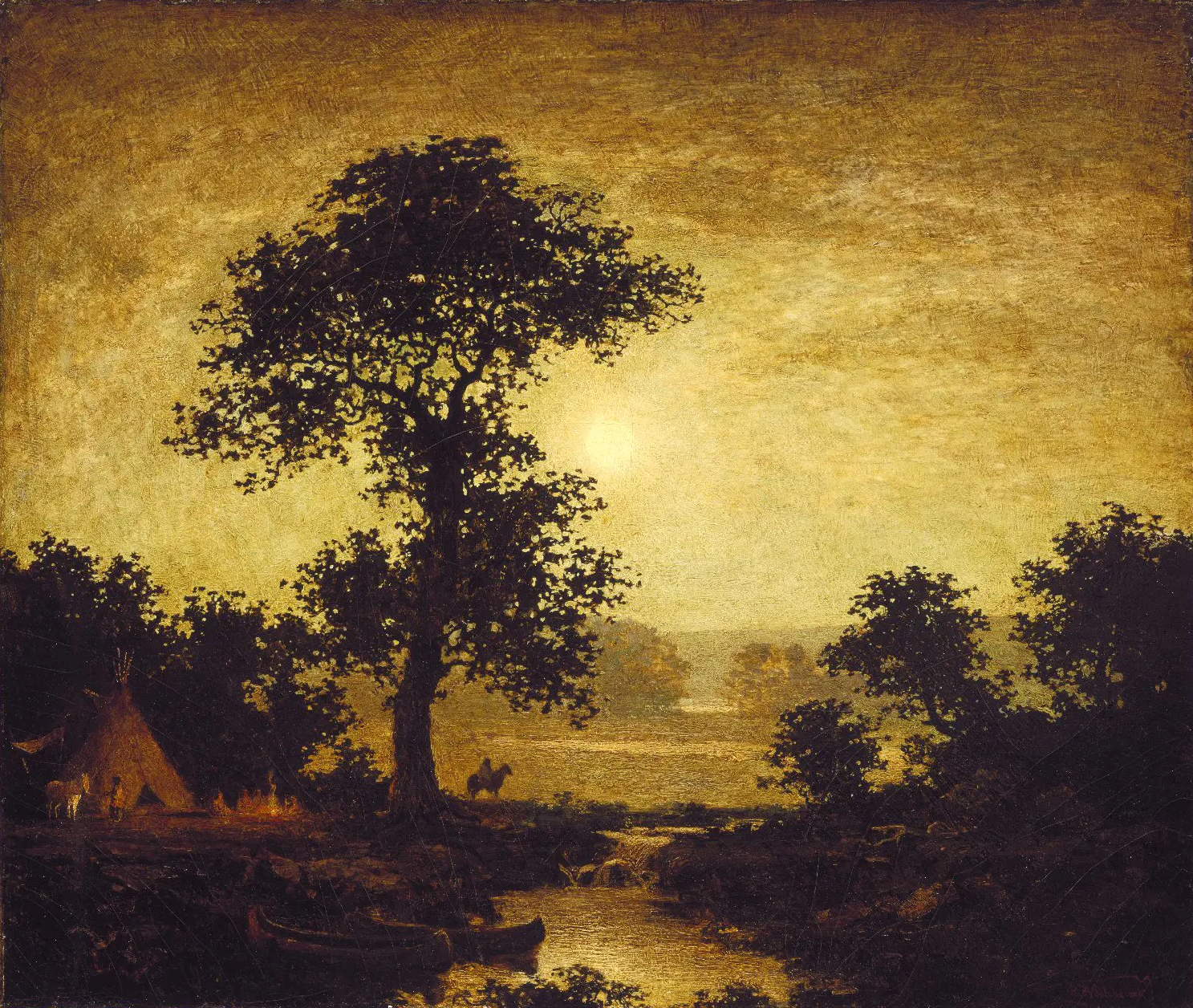
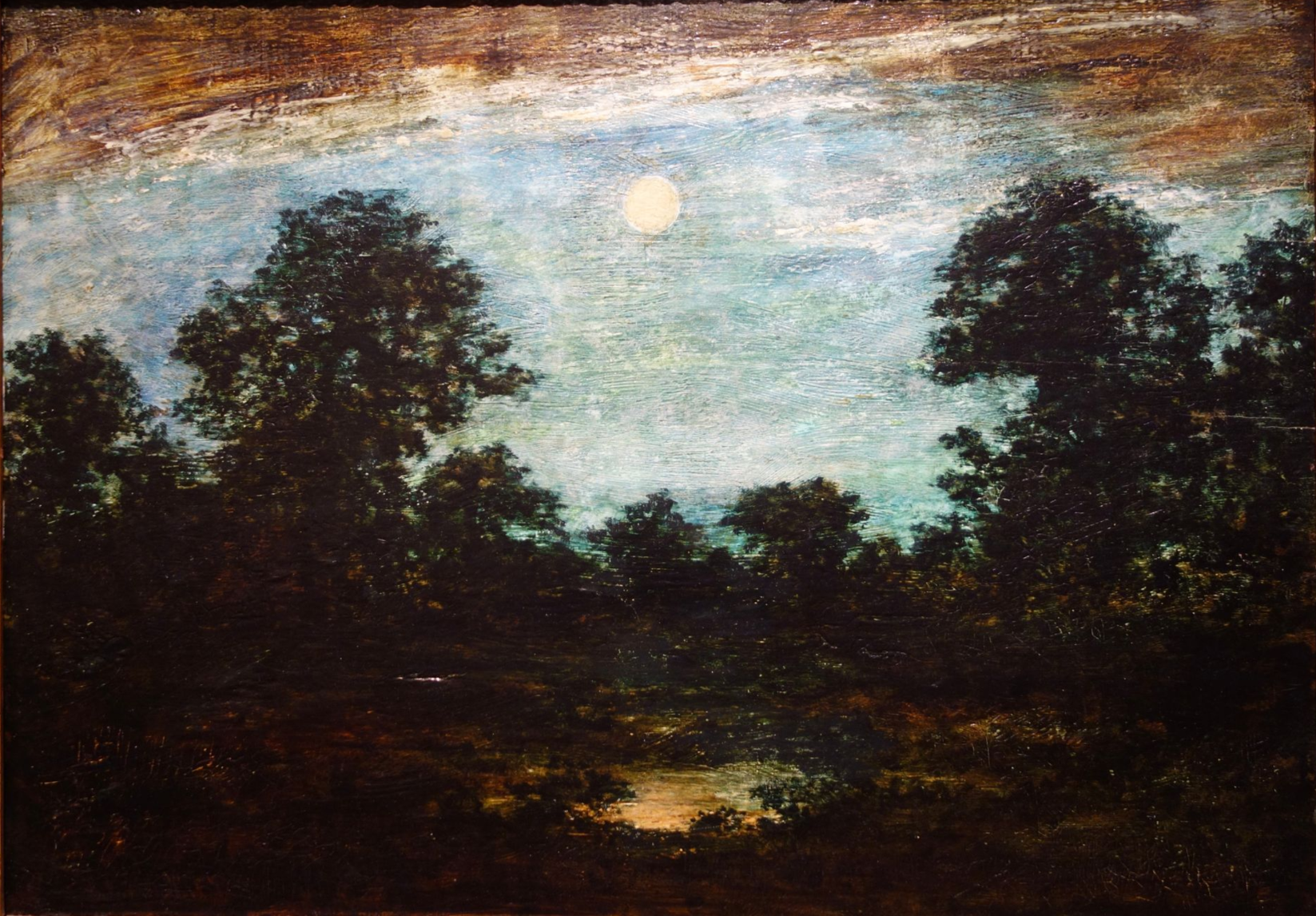
In Blakelock, the moon is not a lamp.
The moon is a relation.
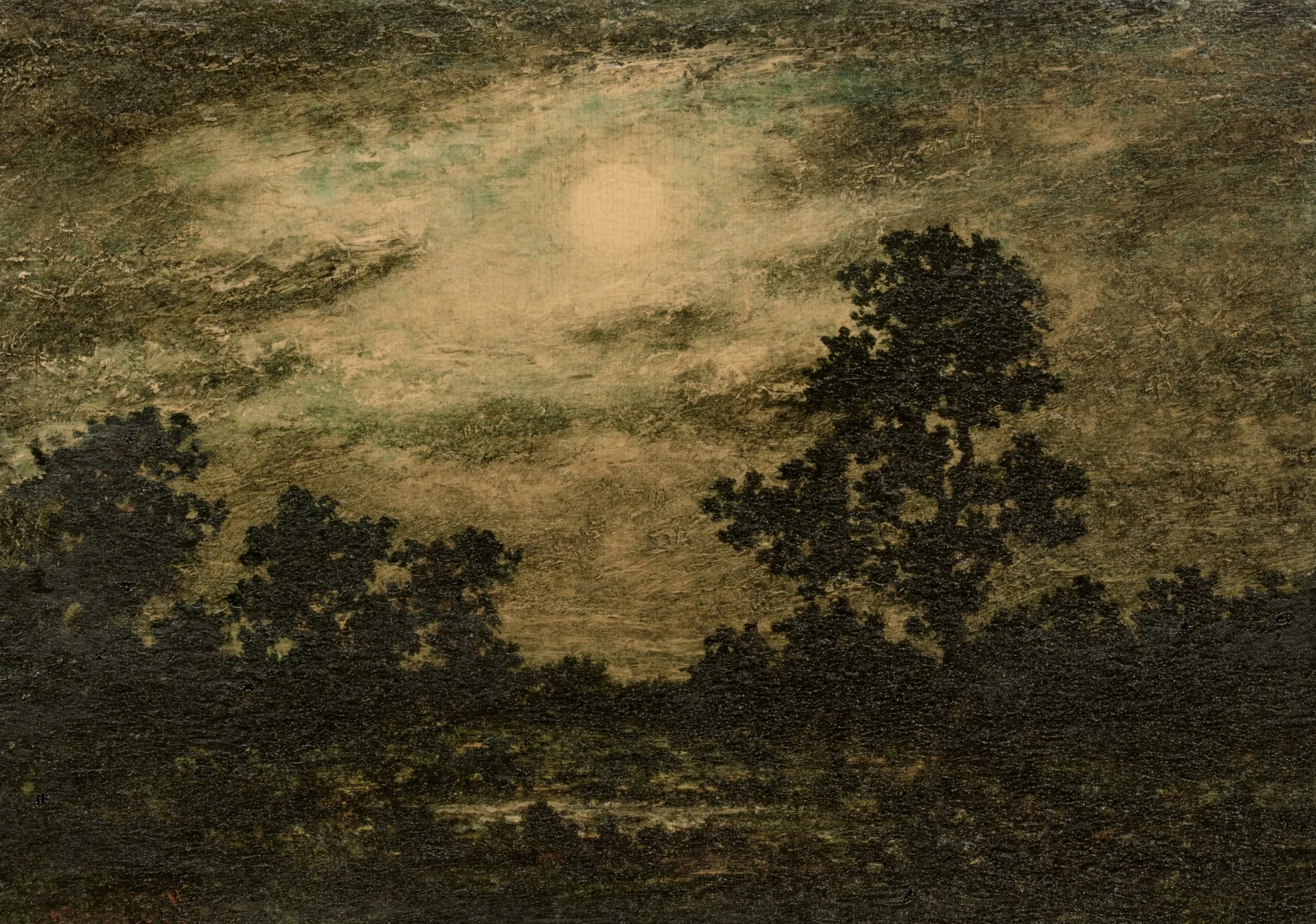
It makes the landscape correspond.
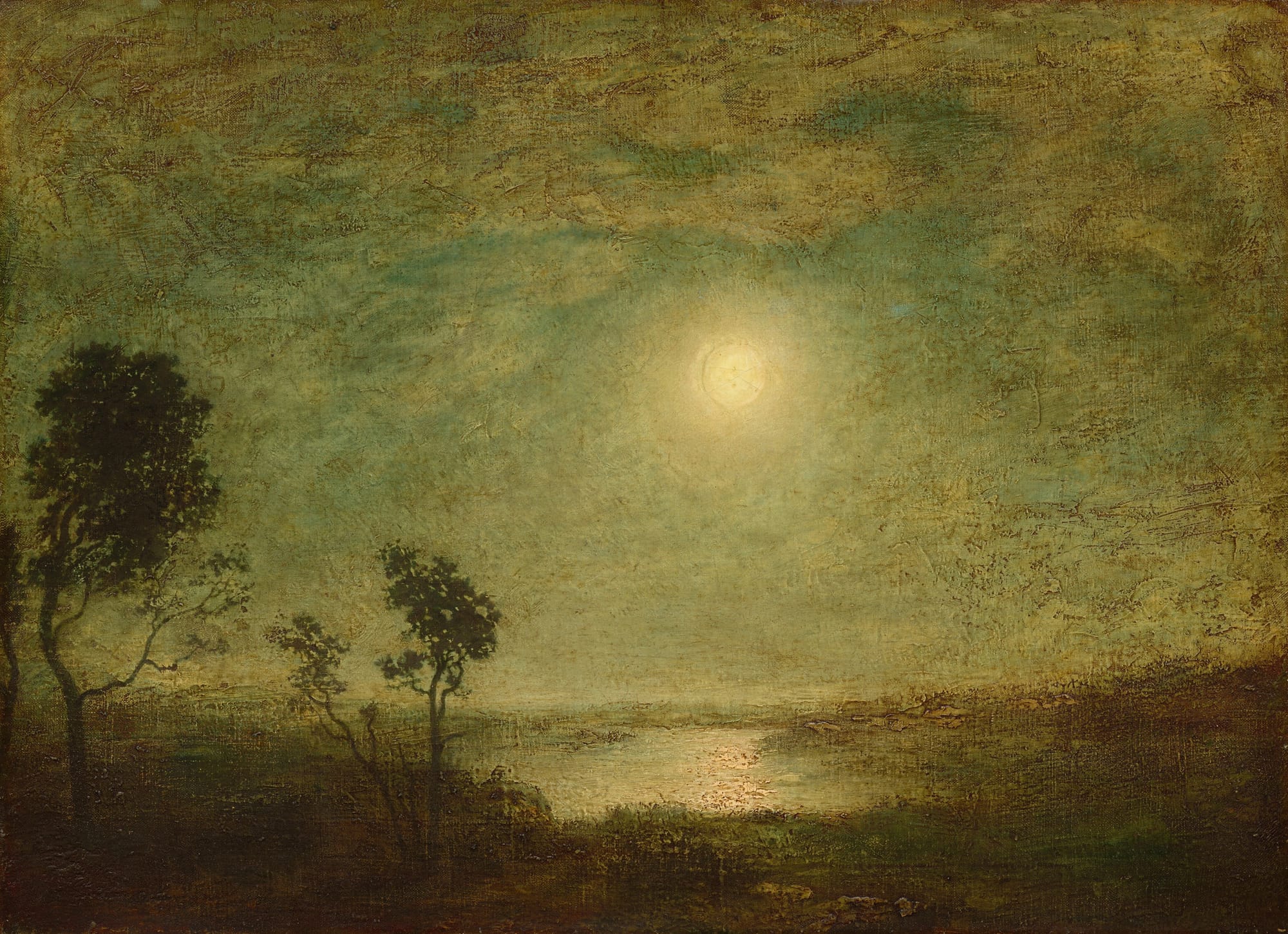
Trees become witnesses.
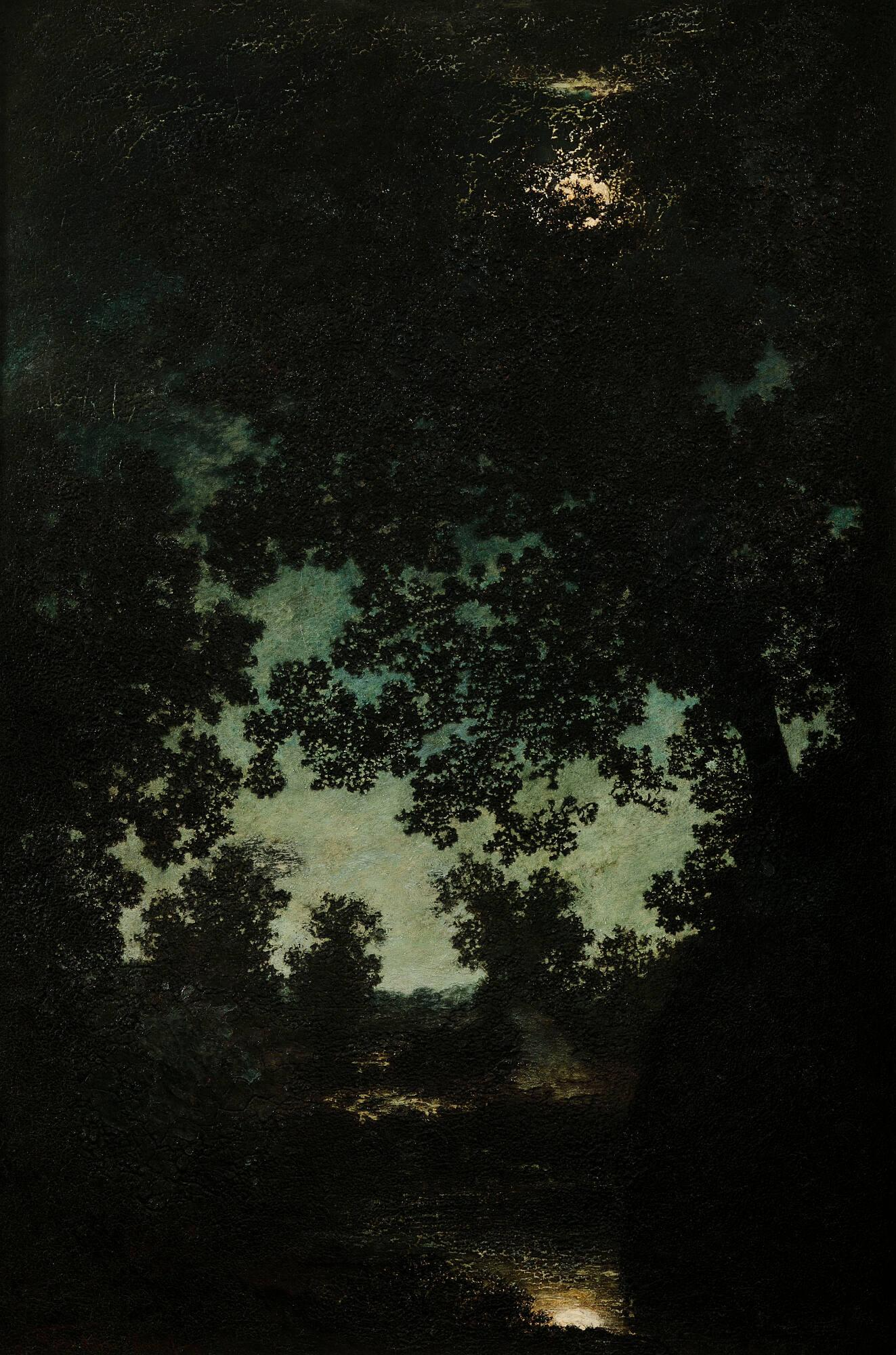
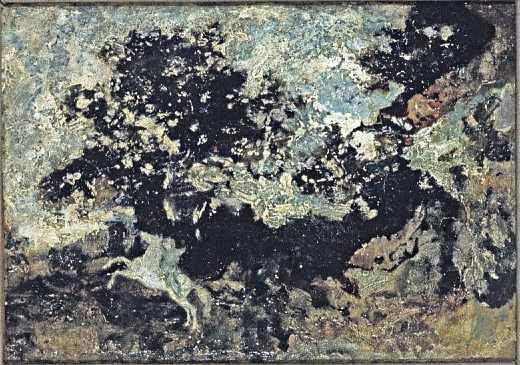
Horses become movement.
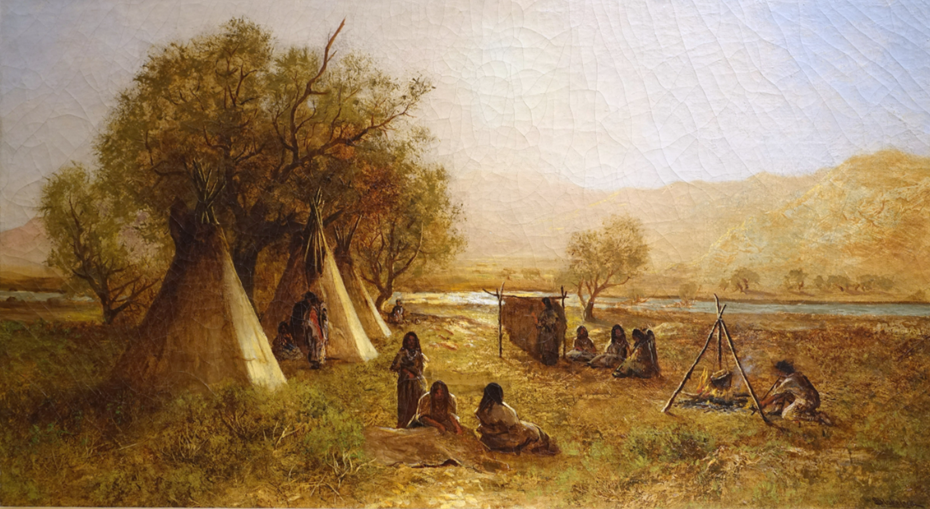
Campfires become small earthly suns holding human warmth against enormous night.
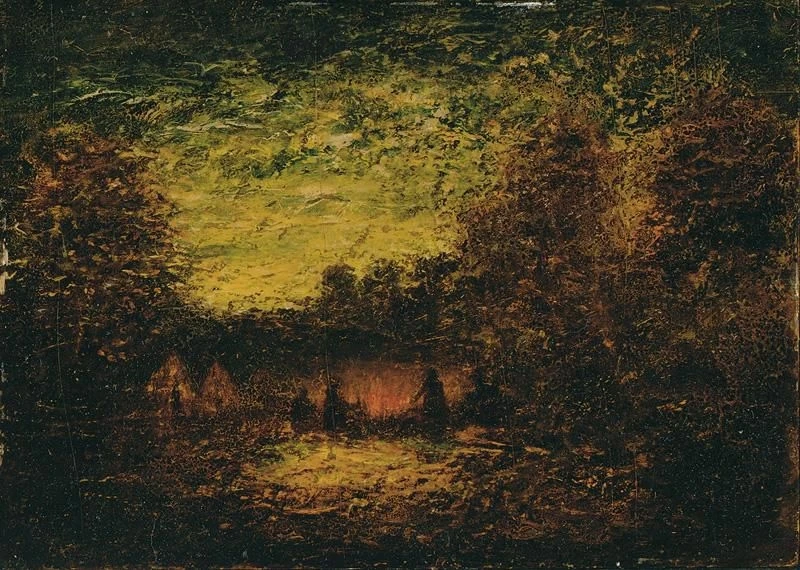
Figures gather as though the ground beneath them remembers something the official history has not learned how to say.
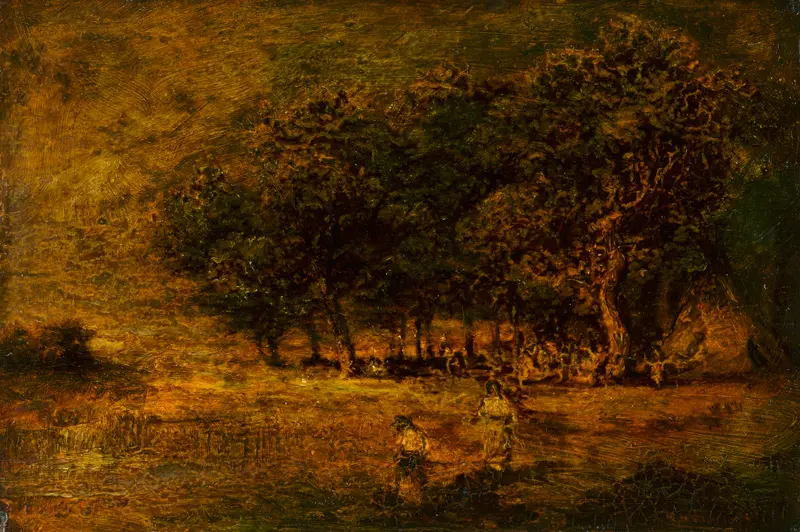
The sky does not sit above the scene. It presses down and into it.
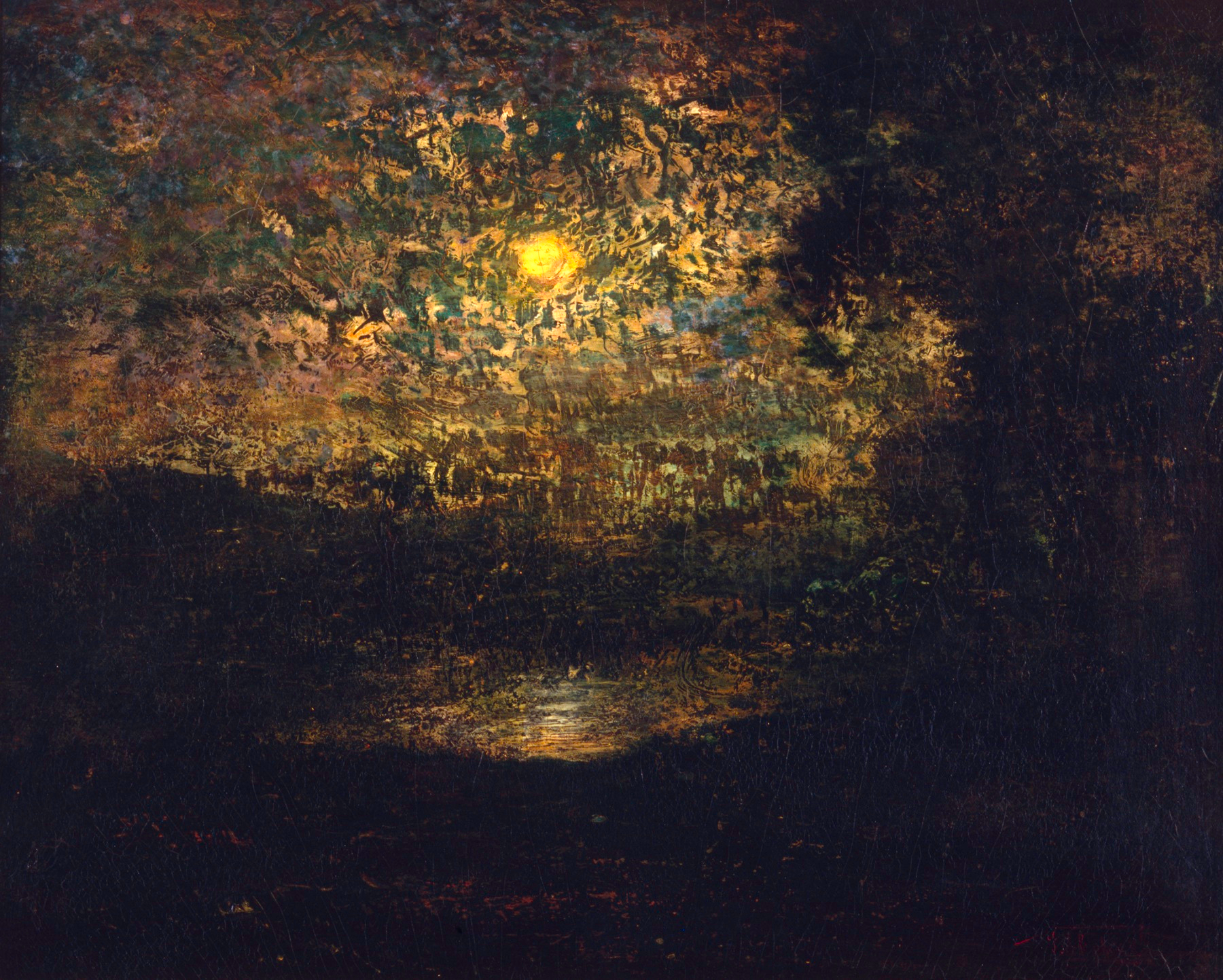
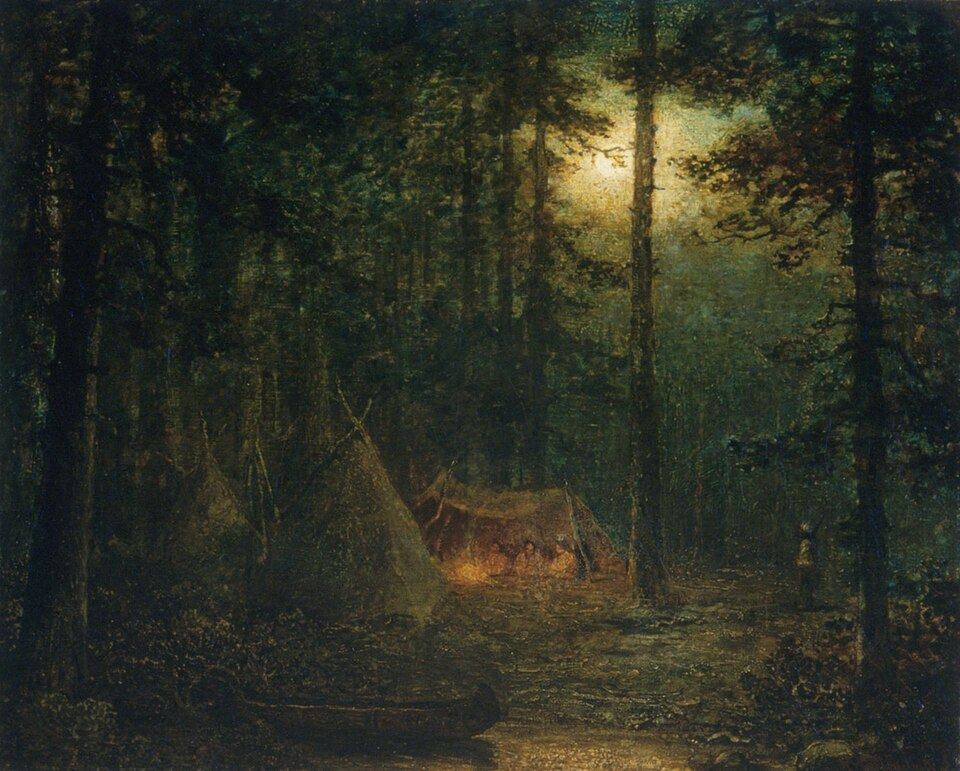
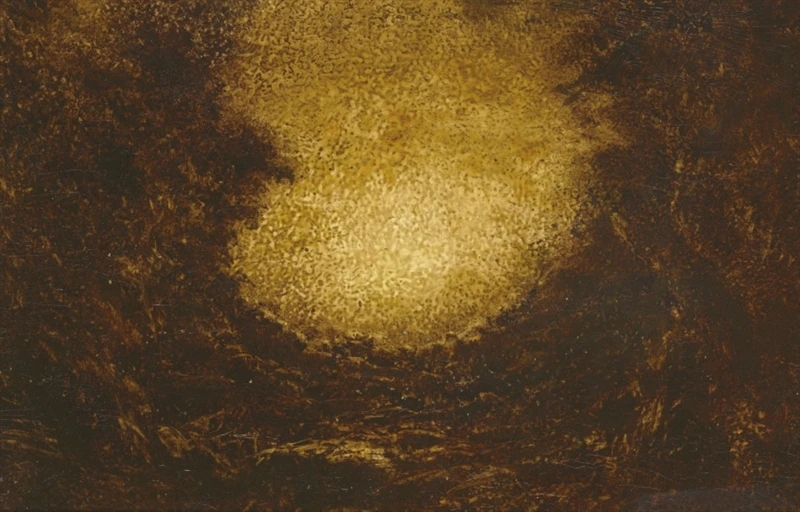
That is how The Ghost Dance (Vision of Life) enters this article: not evidence, nor property, nor family magic, nor diagnosis.
Pressure.
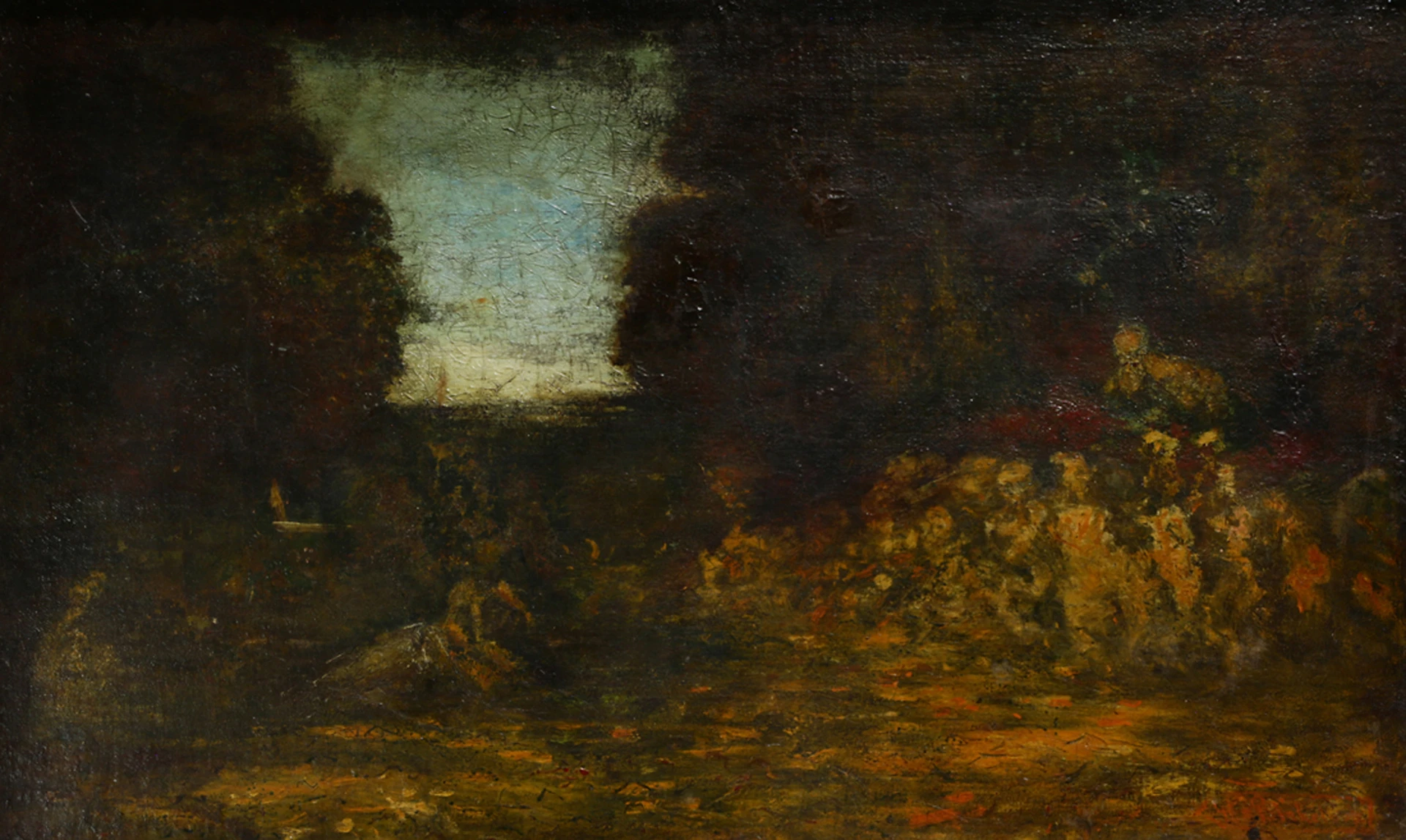
The painting does not tell us what the Ghost Dance was.
It tells us that America could not stop seeing the Ghost Dance through haunted instruments.
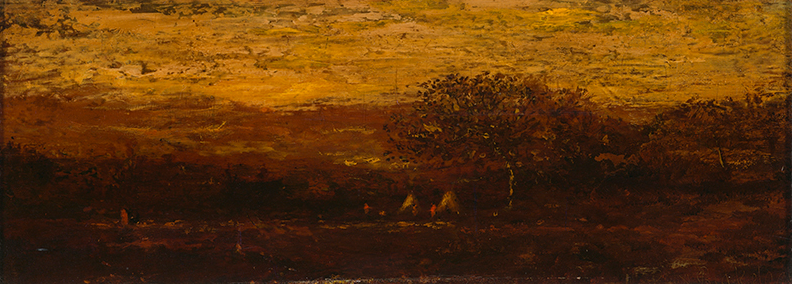
The Horse != the Rider.
In Vodou, the horse is not the rider.
That sentence is not decoration. This is a way of keeping agency honest when a field begins speaking through bodies.
A person may tremble, dance, speak, fall, bless, warn, receive, refuse, or become strangely more than the surface of the person.
The body may be mounted by a power.
- The person is still present.
- The rider is also present.
The ethical question is not solved by staring at the motion and saying “the body goes.”
What is riding it?
This article needs that grammar as well because the Ghost Dance was surrounded by possessed fields.
- The dancers were not the only bodies moving.
- The newspapers were ridden.
- The agencies were ridden.
- The Army was ridden.
- The Seventh Cavalry was ridden by an old wound it converted into readiness.
- The reservation office was ridden by the fantasy that a sacred field could be controlled by removing a leader.
- The public was ridden by stories of Indian outbreak before the field had been read.
- The museum was ridden by the desire to preserve objects after the world that made them had been attacked.
- The art market was ridden by hunger for visionary surfaces.
- My own family line is ridden by an image that will not stop looking back.
The Ghost Dance did not ride the Army.
Fear rode the Army.
That is the first ruling this article will keep returning to.
When a people dance under annihilatory pressure, the dance may be prayer, discipline, grief, return, social repair, historical refusal, or a future held bodily when the ordinary paths of continuation have been cut.
When the state sees that dance and reads a war, the possession has entered the state.
The World Had Ended Once.
The Ghost Dance did not appear in a functioning moral field that suddenly became strange because Native people danced.
This field was already damaged.
The buffalo were not an image. They were food, motion, economy, relation, season, technique, teaching, robe, tool, trade, ceremony; world.
Their destruction was not only ecological loss, though of course it was. It was a direct assault on the reachability of a people’s continuance. A people whose life had been built through relation with buffalo lost a whole set of lawful transitions by which bodies, camps, kinship, movement, winter, hunger, memory, and future had once answered one another.
Then came reservation confinement.
Then came rations.
Then came agents.
Then came
- allotment logic,
- farming demands,
- schools,
- churches,
- prohibitions,
- inspections,
- censuses,
- coercive dependency,
- bad faith,
- shrinking land,
- broken treaty, and
- the everyday terror of being told that survival required becoming legible to the institutions that had already misunderstood nearly everything that mattered.
This is where ordinary moral language starts failing.
- Settler administration could say “order.”
- The field answered “contraction.”
- Settler administration could say civilization.
- The field answered hunger.
- Settler administration could say education.
- The field answered child-removal and future interruption.
- Settler administration could say peace.
- The field answered disarmament under threat.
- Settler administration could say ration.
- The field answered dependence engineered by theft.
A ration line is not just a line.
This is also a diagram of power after a way of life has been attacked. A person standing in that line is not just waiting around for flour or beef. They are standing inside a forced translation of sovereignty into dependency.
The line tells the body where to go. It tells the family who controls the next day. It tells the agent that hunger can become a lever. It tells the state that starvation can be made administrative enough to deny itself.
The Ghost Dance enters after all that.
So when the settler field later says, “look, irrational religion,” it is simply lying at the level of sequence. The dance was not a failure to understand reality. It was a response to a reality that had become a closure machine.
The world had already ended once.
People danced because the world still had to come back.
Wovoka.
The Ghost Dance carried very many things as it moved across peoples, languages, wounds, hopes, and local histories.
- It carried the return of the dead.
- It carried the return of buffalo.
- It carried the restoration of land.
- It carried peace.
- It carried discipline.
- It carried the possibility that the white world’s domination did not have final metaphysical title over the future.
A cheap account hears that and says fantasy.
A better account asks what exactly the fantasy was doing to a field whose ordinary repair paths had been destroyed.
A sacred repair instrument does not have to resemble a policy proposal.
It may hold what policy has already failed to hold: grief, dead, relation, continuity, vow, and the impossible demand that history remain answerable to those it tried to bury.
The Ghost Dance was bodily.
It was a circle. Hands held hands. Bodies moved side to side. Songs repeated.
The dance did not typically require the central drum of other round dance forms. Sometimes there was a pole, a tree, or nothing at the center.
The center did not need a throne.
The circle was not a military formation.
It was a return instrument.
- A line advances.
- A column marches.
- A formation aims.
- A column marches.
- A circle holds relation.
- It turns without leaving itself.
- It brings the living into a shape where each body is beside another body and no single figure owns the direction.
- It turns without leaving itself.
The circle is not innocent because geometry is magic. No shape is innocent.
But the circle tells the field something that the settler eye repeatedly failed to read:
This is not an arrow.
This is not an attack plan.
This is not a map of invasion.
This is a people trying to keep relation alive when nearly every official instrument surrounding them has been built to sever relation and call the cut progress.
In Swedenborgian terms, the circle corresponds.
It is a natural shape answering to a spiritual relation. Return. Continuity. Mutual presence. No final edge. A moving boundary that holds instead of penetrates. The circle says the dead are not gone in the way the state wants them gone. The land is not dead in the way the allotment map wants it dead. The buffalo are not disposable biological inventory. The future has not consented to the administrative calendar.
The settler field did not read this.
It saw bodies moving together and translated the motion into a threat surface.
That is one of the oldest failures of power.
Power sees relation among the wounded and fears conspiracy because conspiracy is the only form of relation power understands when it is not in charge of the meeting.
The Shirt Whose Image Is Withheld.
There are shirts in museum records now.
Some are shown. Some are not.
One National Museum of the American Indian entry gives the object and withholds the image. It is a Lakota Ghost Dance shirt, cotton cloth, paint, feathers, collected by a United States marshal at Pine Ridge around the time of Wounded Knee.
The record is already an entire moral field.
- A sacred garment.
- Paint.
- Feathers.
- Pine Ridge.
- A United States marshal.
- A museum.
- Image withheld.
The withheld image may be one of the most ethically intelligent things in the whole archive.
The settler field wanted visibility.
It wanted to see, classify, display, collect, explain, suppress, and own the surfaces of sacred practice.
It wanted the shirt to become evidence. Evidence of fanaticism. Evidence of delusion. Evidence of danger. Evidence of “Indian trouble.”
Later, evidence of history. Evidence of tragedy. Evidence of culture. Evidence of museum custody. Evidence of American complexity for people who want to feel morally enlarged by looking at what their institutions helped break.
The withheld image interrupts that appetite.
Some objects have been seen enough by the wrong powers.
This is not anti-oblivion as exposure. Modal Path Ethics has already distinguished retention from permission. The field retains. The archive may retain.
But retention does not mean everyone gets to look. Privacy is not erasure. Withholding can protect contact from becoming consumption.
Sacred instruments can be made from cloth.
That sentence should not surprise anyone.
A nation can be made from cloth. A surrender can be made from cloth. A wedding can be made from cloth. A soldier can put cloth on a body and become a target under law. A child can cling to cloth and make the cloth home.
Sacred material is not primitive superstition.
Material is how human bodies carry invisible claims.
The Ghost Dance shirt carried relation, hope, protection, and return through a body under threat. It carried a people’s attempt to make continuance wearable.
The settler field looked at it and often saw military delusion because the settler field had already decided that its own uniforms were rational and everyone else’s sacred clothing was evidence.
This is how distorted fields protect themselves.
- They call their own cloth order.
- They call your cloth mania.
The Press.
A newspaper is a possession instrument with columns.
That is not a metaphor.
That is a description of what happens when panic learns typography.
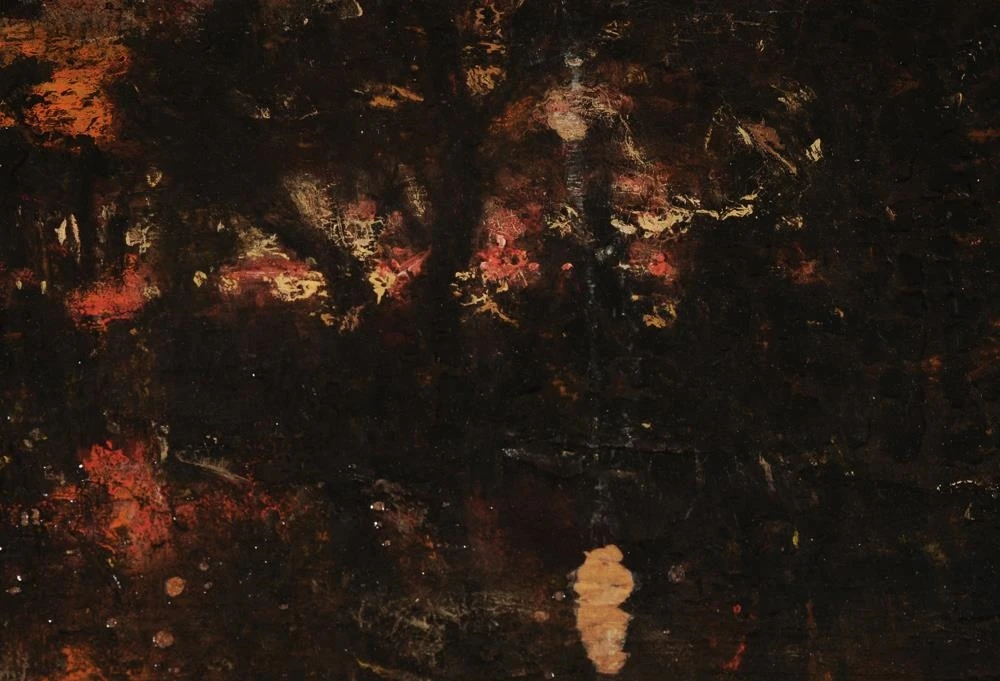
The Ghost Dance entered the press field as a story the press already knew how to want. “Messiah craze.” “Indian excitement.” “Outbreak.” “Fanaticism.”
These words did not describe the field. They trained the field. They taught settlers how to feel before understanding arrived. They prepared agency reports to sound reasonable. They prepared troop movement to feel prudent. They prepared readers to treat Native hope as a pre-violent condition.
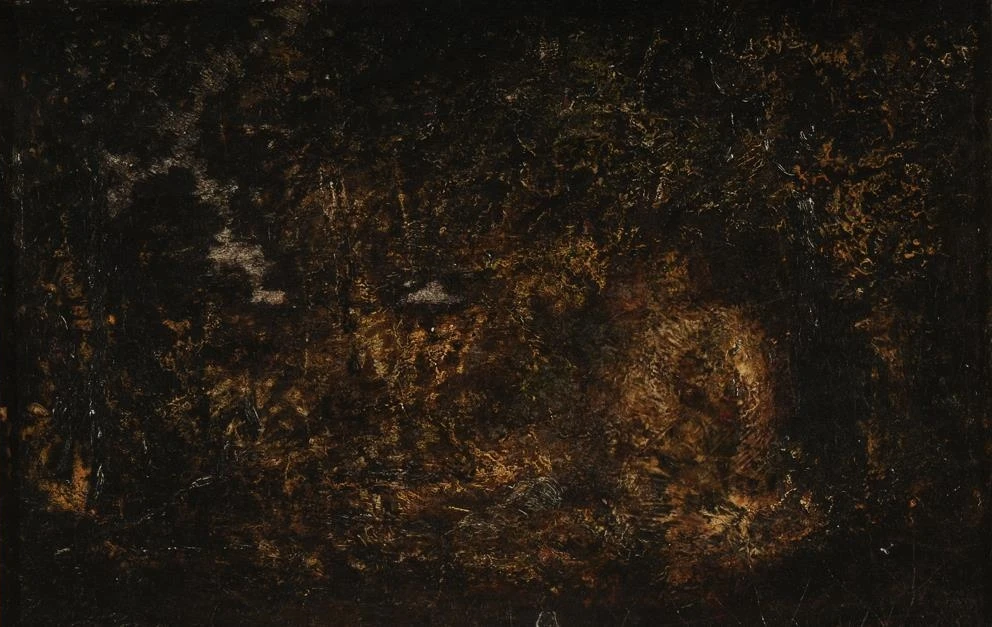
This is the bad magic of print culture under fear.
- A dance becomes a symptom.
- A symptom becomes a warning.
- A warning becomes a demand for action.
- Action becomes proof that the warning was serious.
- A warning becomes a demand for action.
- A symptom becomes a warning.
The circle had not changed. The receiving field had.
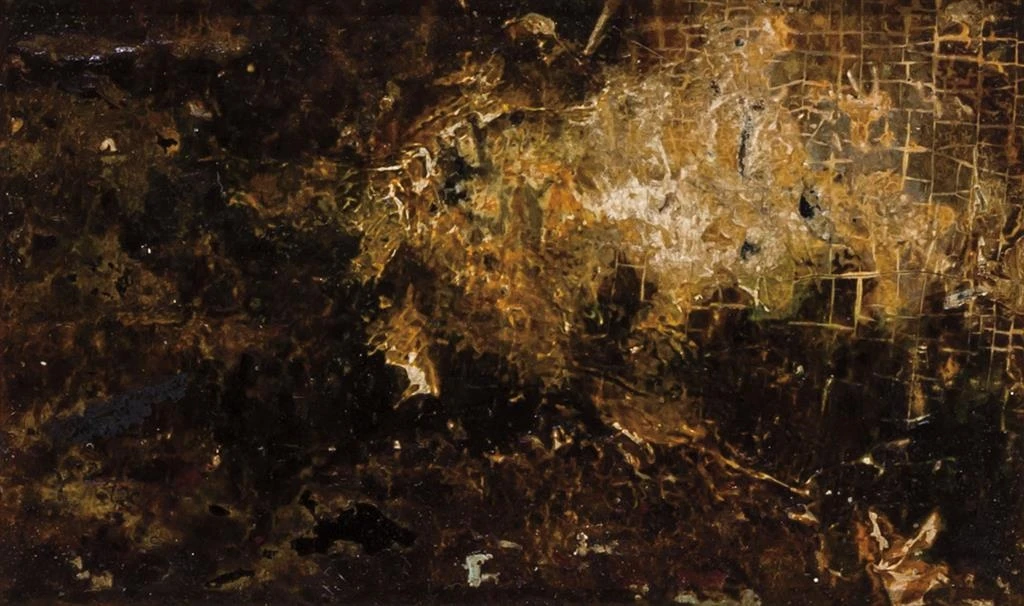
James Mooney becomes important because he tried to correct this.
He studied the Ghost Dance, traveled, listened, wrote, and tried to place the movement inside a real historical and religious field rather than the settler fever dream.
His work is still mediated, still marked by its time, still an ethnographic instrument. But Mooney understood something the panic field did not want to understand:
The Ghost Dance was not an army hiding under a hymn.
In 1894, he recorded Ghost Dance songs.
The recordings are likely Mooney himself singing. At the time, ethnographers often memorized and repeated songs before recording technology could travel easily into every field. Human memory functioned as the recorder before the machine.
So the Ghost Dance entered the recording machine through a borrowed throat.
Do not rush past that.
- A song of return,
- sung by someone who was not its source,
- preserved by a machine from the age that helped make the preservation necessary,
- now heard as archive.
- preserved by a machine from the age that helped make the preservation necessary,
- sung by someone who was not its source,
That is not simple theft. It is also not simple rescue.
It is a contact problem.
The song survives, but survival has passed through a mouth, discipline, memory, language, cylinder, institution, catalog, playback, and listener. The archive is not outside the wound. It is one of the ways the wound itself keeps becoming audible.
In Swedenborgian correspondence, voice is never only sound.
Voice is interior made exterior through breath.
A borrowed throat is a natural form answering to a damaged transmission. The song does not arrive from the field untouched. It arrives through mediation.
That does not make it worthless.
Mooney’s borrowed throat is one of the few settler instruments in this story that understood it was receiving something it did not own.
The press did not. The press wanted possession without discipline.
The press wanted to ride the field.
And once fear was in print, the state could call the printed fear public knowledge.
McLaughlin's Node.
Every bureaucracy has a favorite superstition.
One of the strongest is the belief that a field can be fixed by finding the right person to remove.
This is often false. It is also often convenient.
At Standing Rock, Major James McLaughlin and others looked at the Ghost Dance field and saw Sitting Bull. That is already a distortion.
Sitting Bull definitely mattered. His reputation and presence mattered. He was not irrelevant to this field. But the sacred instrument was not reducible to one leader’s command, and treating him as the removable node transformed religious contact into a control problem.
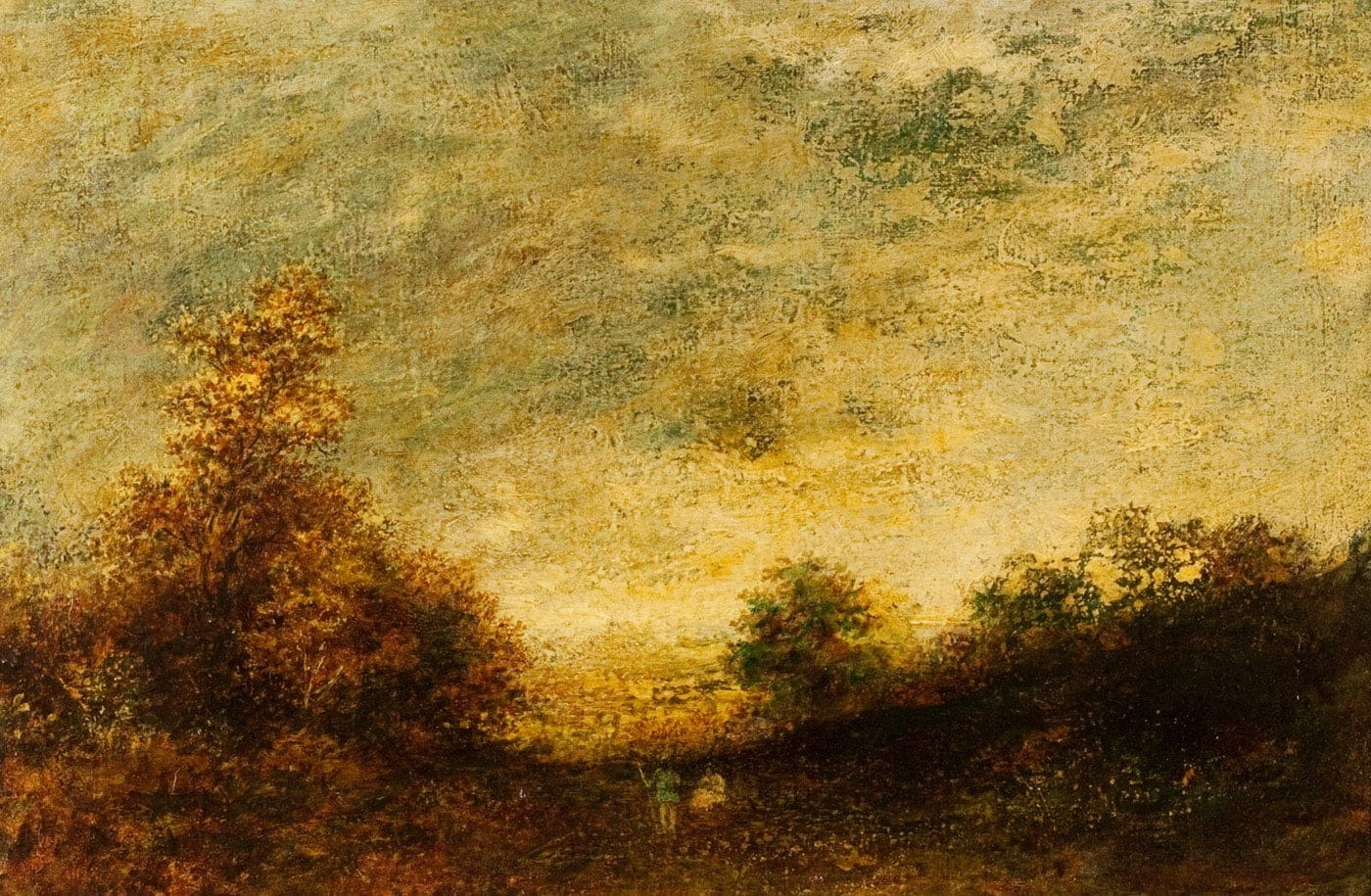
This is the move:
- The dance becomes trouble.
- Trouble becomes influence.
- Influence becomes leader.
- Leader becomes arrest.
- Arrest becomes violence.
- Violence becomes confirmation.
- Arrest becomes violence.
- Leader becomes arrest.
- Influence becomes leader.
- Trouble becomes influence.
A circle is pretty hard to arrest. Hunger is very hard to arrest. A broken treaty is hard to arrest. Destroyed buffalo are hard to arrest in a way that is not a farce. A people’s relation with the dead is hard to arrest. Sacred repair under annihilatory pressure is generally very hard to put in handcuffs.
A man can be arrested, though. This instrument already knows how to do that.
So the field becomes a man.
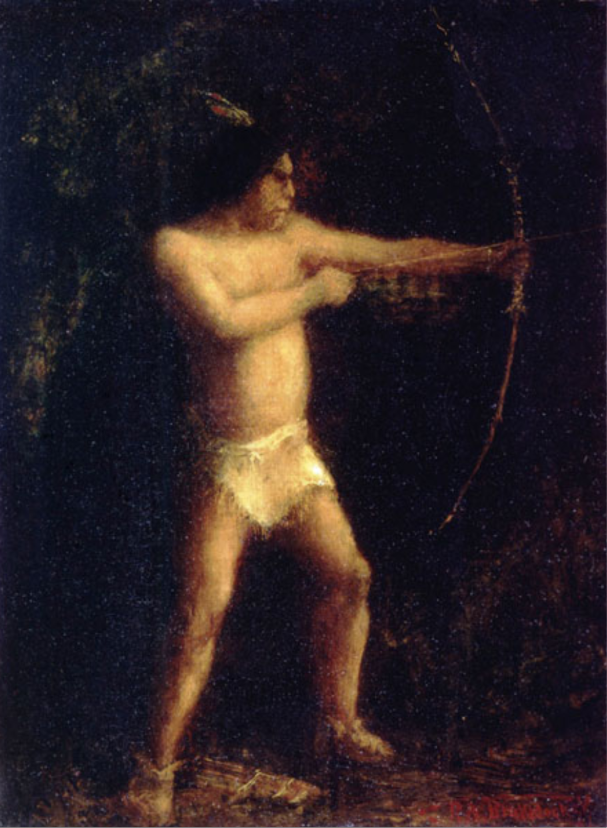
That is how McLaughlin becomes a distorted figure. Distorted figures often catch fragments of truth. Sitting Bull’s name did carry power. The dance did carry collective force. The reservation field was unstable. Settler fear was real fear, even when its object was wrong.
The failure lies in what the instrument did with those fragments.
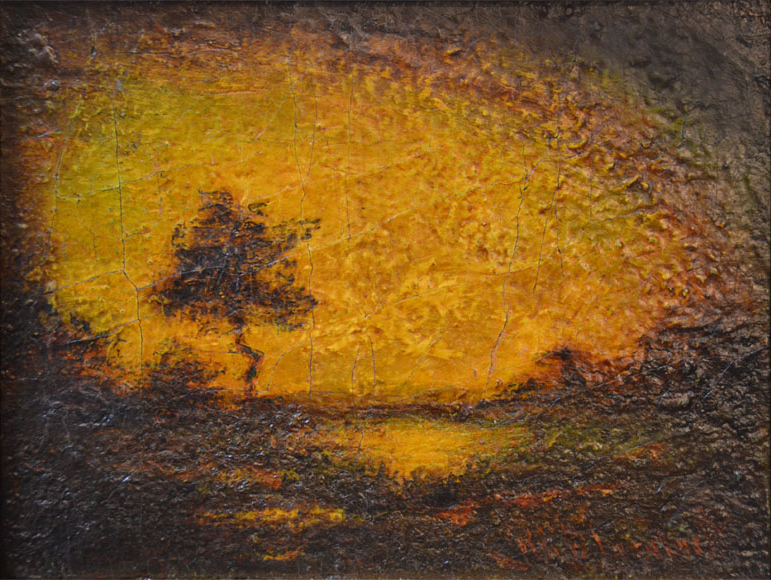
McLaughlin’s field translated sacred repair into a leadership-control problem. The answer then became removal.
When a living field is reduced to a node, repair paths disappear.
- Conversation becomes custody.
- Understanding becomes surveillance.
- Spiritual practice becomes sedition.
- The agent’s report begins to impersonate the field.
Sitting Bull’s cabin becomes the place where this compression enters bodies.
The Cabin.
A cabin should be a shelter.
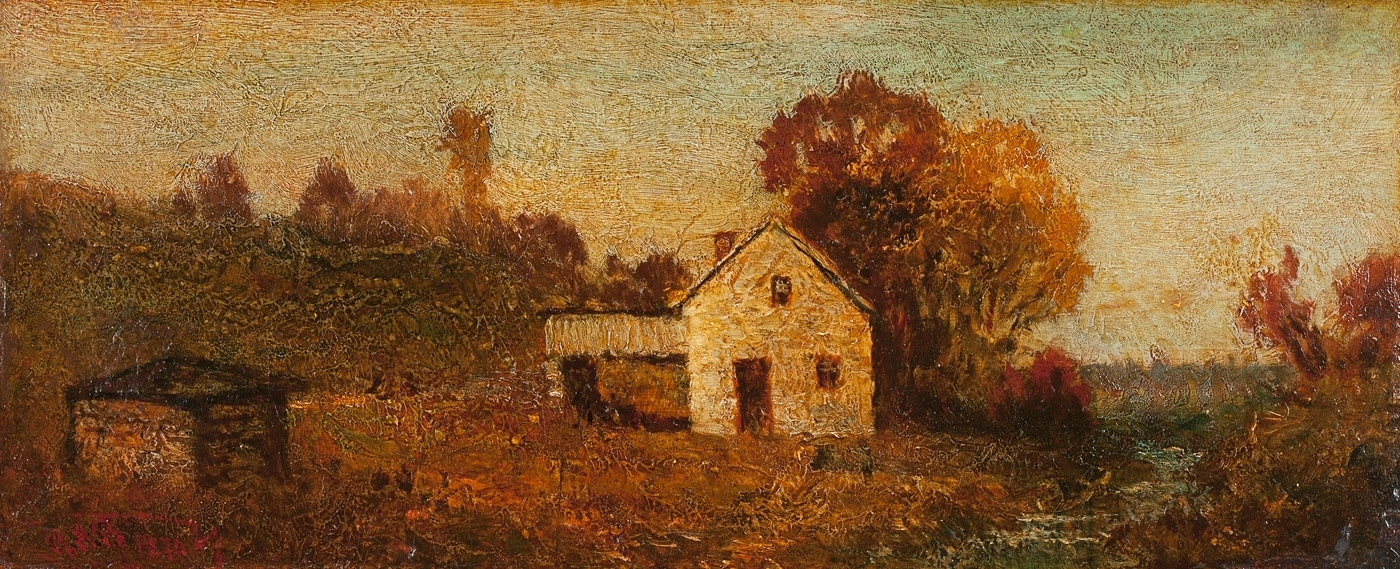
In this field, it becomes a hinge between sacred panic and armed administration.
Indian police arrived before dawn to arrest Sitting Bull. The use of Native police inside the reservation state here is important to note. This was not a clean line between “the United States” and “Native people” as two abstract blocks.
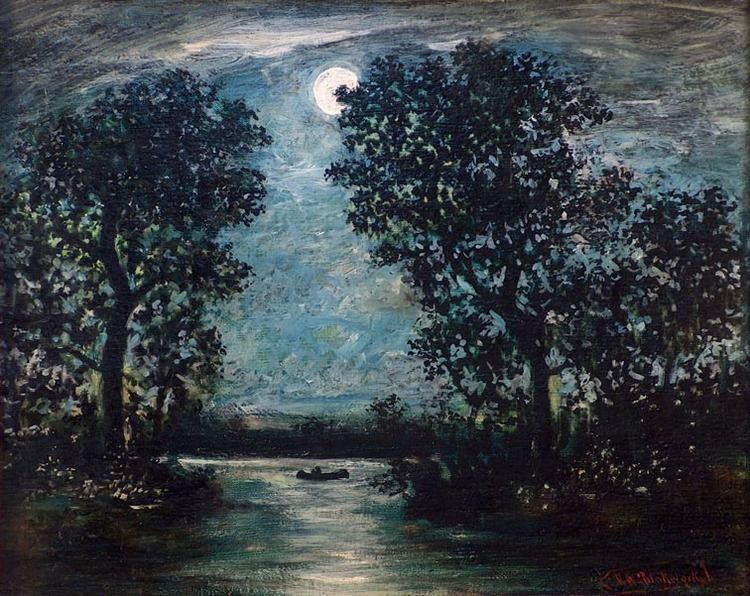
Colonial governance often works by forcing damaged fields to fracture into the instruments that administer them. Native police could be placed into the role of enforcing the reservation order against Native sacred-political life, under pressure from federal authority, inside communities already shaped by hunger, fear, rival judgments, and survival.
The cabin fills.
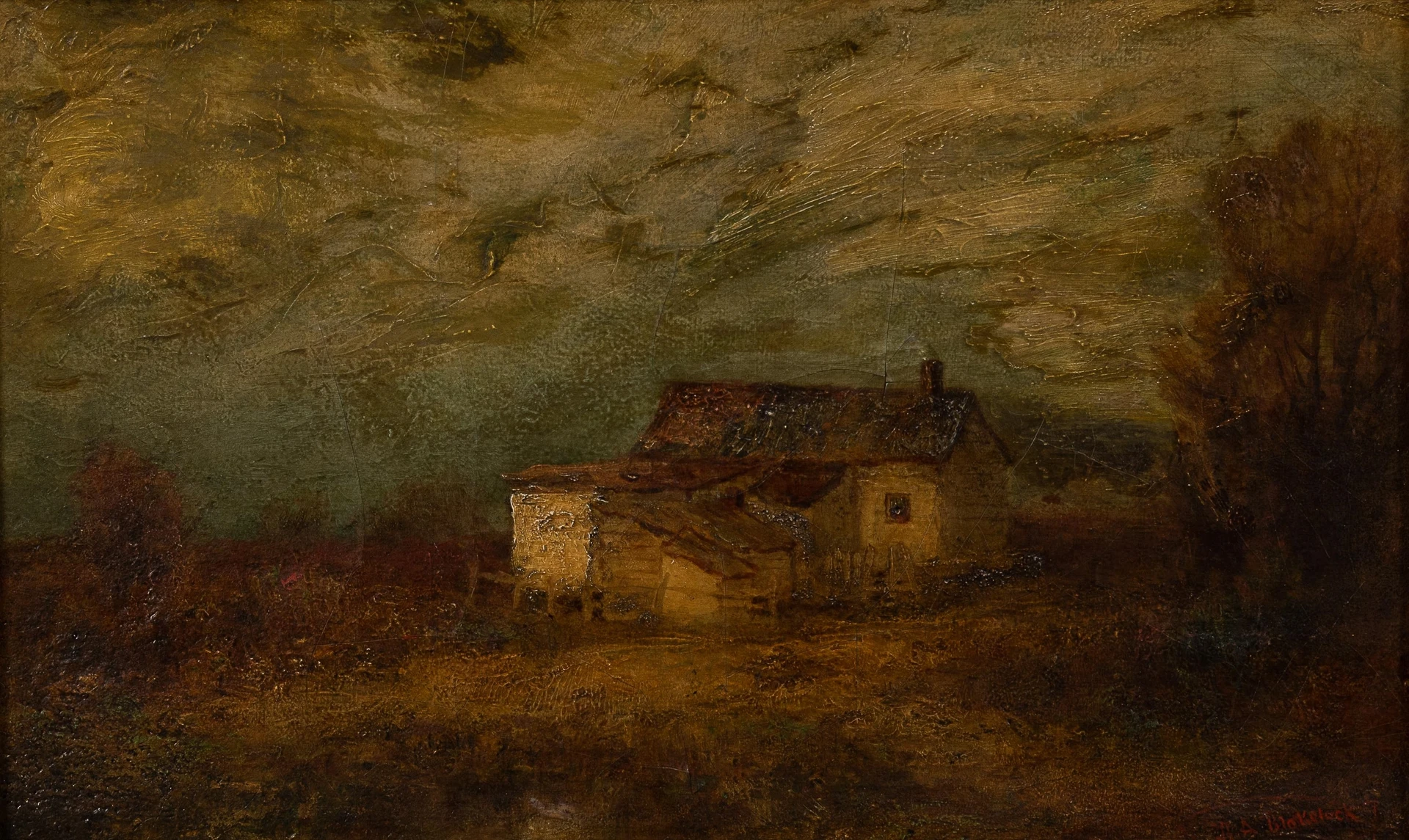
People gather.
Sitting Bull refuses to go quietly into the role prepared for him.
Shots follow.
He dies.
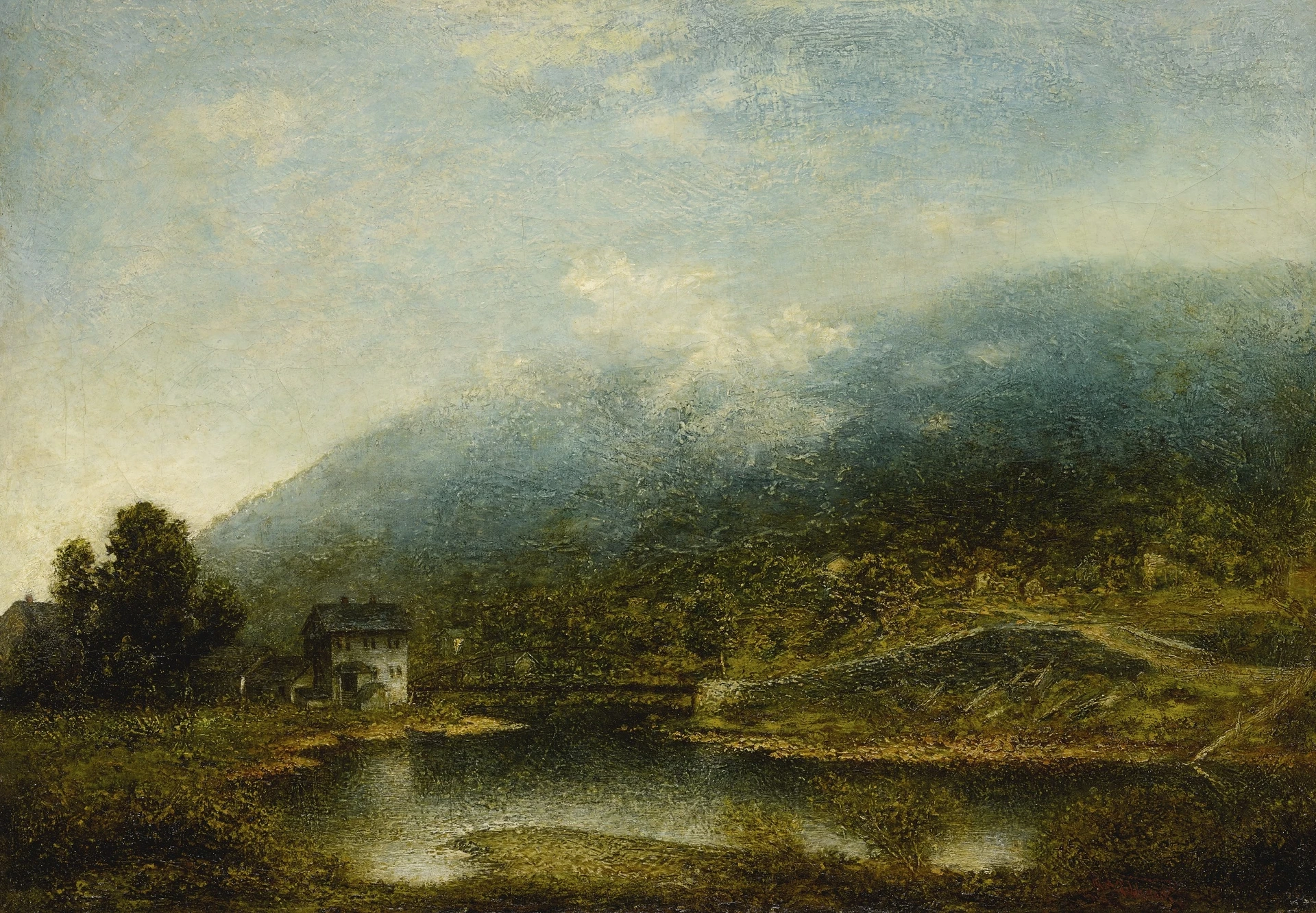
A field had been compressed into a man, then the man was approached through arrest, then the arrest produced death, and the death widened the fear-field it was supposed to control.
The leadership-node model failed immediately.
If removing Sitting Bull was supposed to make the Ghost Dance fade, his death did the opposite kind of work. It sent shock, grief, flight, and confirmation through the field. The state had read the dance as danger; then the state arrived armed at a home and made danger more real.
Power often does this and calls itself unlucky.
Spotted Elk.
Spotted Elk should not enter as “Big Foot."
That name belongs to the colonial record too loudly. It is not unusable; history has carried it, signs have carried it, memorial accounts have carried it. But an account like this one should keep the person from being swallowed by the caption.
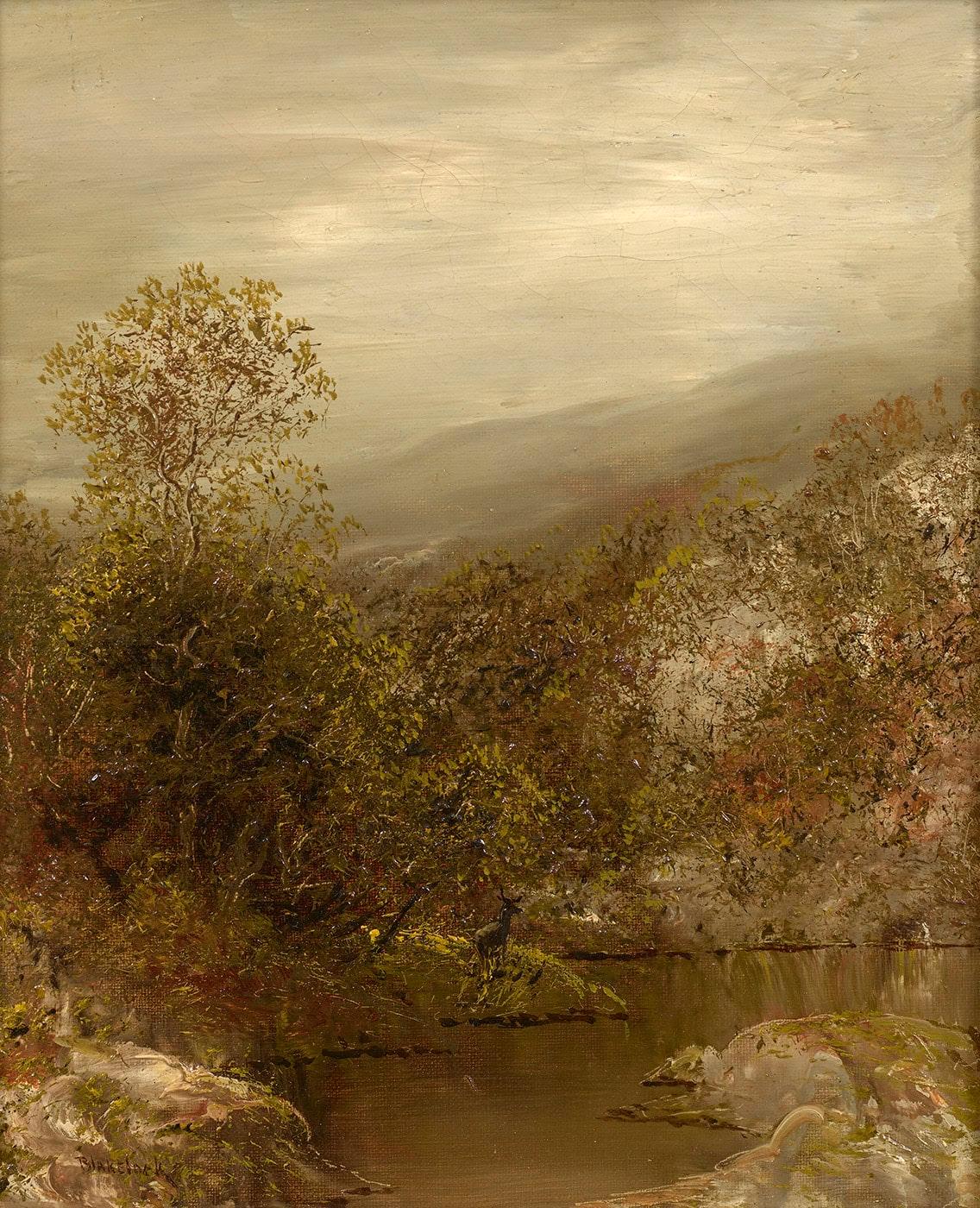
Spotted Elk was sick.
He was gravely ill with pneumonia, unable to walk, traveling with a band that included many women, children, elders, and people in poor condition.
He was trying to reach safety and preserve a field.
The security instrument saw motion.
Motion under fear becomes
- maneuver.
- Maneuver becomes threat.
- Threat becomes interception.
- Interception becomes disarmament.
- Disarmament becomes massacre.
- Interception becomes disarmament.
- Threat becomes interception.
- Maneuver becomes threat.
The state field imagined danger.
The extant field contained a sick leader, families, cold, hunger, exhausted movement, and a desperate attempt to remain reachable to safety.
Wounded Knee Creek.
The photograph of Spotted Elk dead in the snow is one of the most brutal American images.
Modal Path Ethics has to enter before the photograph.
- The band is stopped.
- They camp.
- Soldiers surround.
- The Seventh Cavalry is present with its own memory, its own institutional wound, its own desire not to be surprised, its own need to turn fear into position.
- The field is already armed before any shot is fired.
- Disarmament begins.
- Disarmament is supposed to produce safety.
- Disarmament begins.
This is one of the most dangerous sentences in any security field.
Sometimes it is true. Sometimes weapons must be removed for the field to become less dangerous. A security instrument that never disarms anyone is not serious about protection.
But disarmament is not a sacrament. It does not become safe because the armed power says "safety." It must answer to the field.
- Who is disarming whom?
- Under what history?
- Under what relation?
- With what numbers, guns, hunger, cold, language, fear, and prior violence already present?
- What off-ramp exists if fear spikes?
- Who is allowed to live through a misunderstanding?
- Who controls the story after the first body falls?
At Wounded Knee, disarmament entered a field already possessed by threat-translation.
A shot was fired. Accounts differ over the immediate spark. The field did not differ about what followed.
- The soldiers opened fire.
- Women died.
- Children died.
- Men died.
- Spotted Elk died.
- Soldiers also died,
- many in the chaos of their own field of fire.
The Hotchkiss guns are the opposite of the circle.
- The circle gathers.
- The gun arrays.
- The circle moves relation through bodies.
- The gun translates bodies into sweep, angle, burst, field of fire.
- The circle returns.
- The gun clears.
This is not a claim that circles are holy and guns are evil in all possible worlds. The gun can be protection. The circle can be coercion in other contexts. Modal Path Ethics does not evaluate objects by the pretty feelings attached to their shape.
But here, in this field, the correspondence is clear.
Snow.
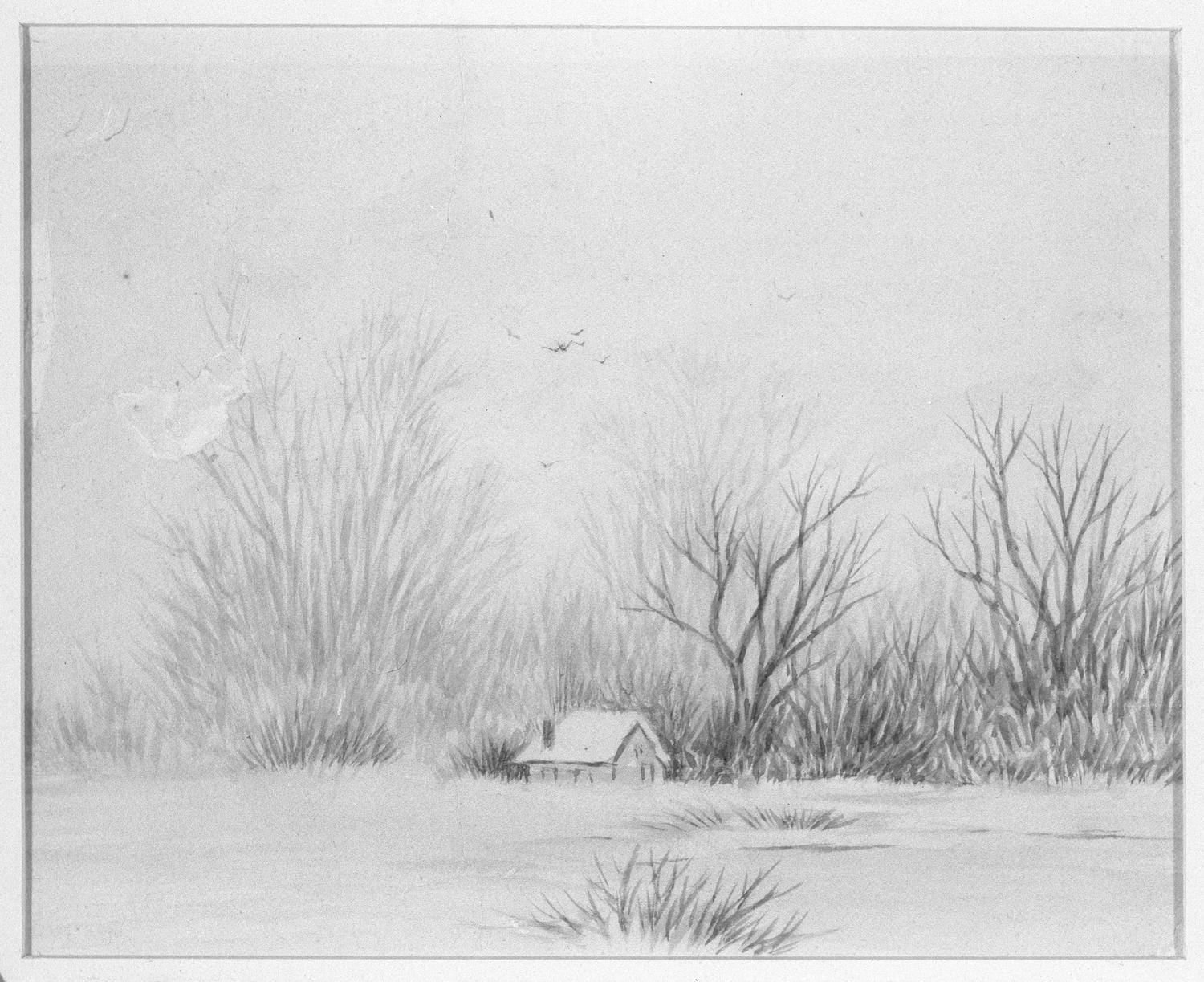
Snow is the wrong color for this work. That is why history keeps using it.
Snow makes massacre look silent after the sound has left. It covers movement. It takes blood as contrast. It lets the photograph pretend that time has stopped long enough to be looked at.
Snow can make the world seem clean while recording exactly where it is not.
This is another correspondence.
A natural surface becomes moral exposure. White ground, dark bodies, dead leader, camera, caption, aftermath. The snow does not purify. It reveals the obscenity of purification fantasies.
Settler America has always loved clean stories about dirty actions.
Wounded Knee refuses the clean story because the snow kept too much.
The Archive.
Mooney arrives as a corrective instrument after the damage has already done much of its work.
Ethnography often enters late.
It records the world after policy has wounded it, then becomes one of the ways the wounded world can still be known by people who were not allowed or willing to know it in time. This does not make ethnography useless, but it makes it morally compromised at the root.
Mooney tried to counter the panic version. He took the Ghost Dance seriously as religion, history, and peaceful resistance. He traced older prophetic traditions. He documented songs and words. He did not treat the whole field as newspaper madness.
Good. Also insufficient.
The archive is not repair by itself. A cylinder is not a returned buffalo. A book is not a restored treaty. A recorded song is not a living circle. A study can preserve contact and still arrive after the field has been narrowed beyond what the study can reopen.
Mooney’s borrowed throat remains the perfect emblem of this. The songs survive through a voice that is not the source. The machine receives the song through mediation.
Modal Path Ethics should know this about itself too.
This article is also a mediated instrument.
It is written by a descendant of Blakelock, through the register of Swedenborgian correspondence, through Vodou grammar, through a philosophical framework, through public sources, family inheritance, chains of bad translation, and the dangerous desire to say something true about a sacred practice that does not belong to you.
The danger there does not cancel the task. It governs the posture.
No article ever repairs Wounded Knee. No theory repairs the Ghost Dance by describing it. The best any mediation can ever do is refuse the old distortion and make the false translation harder to repeat.
The Ghost Dance was never the distortion in this field.
The settler field spent more than a century trying to make the opposite sentence feel natural.
The distortion was the field that could only read Indigenous hope as threat.
Blakelock.
At the beginning, Blakelock was the door. Here he becomes the afterimage.
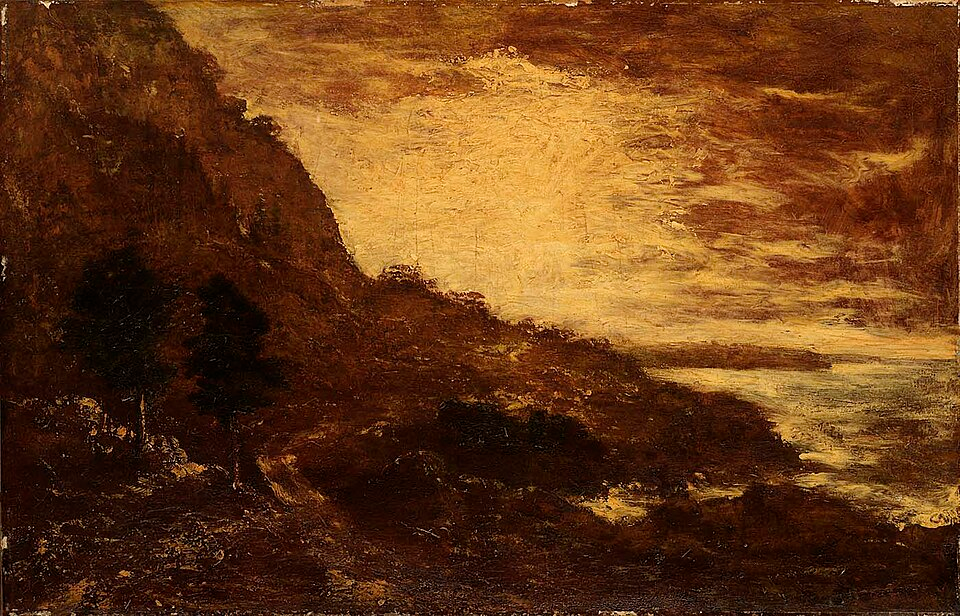
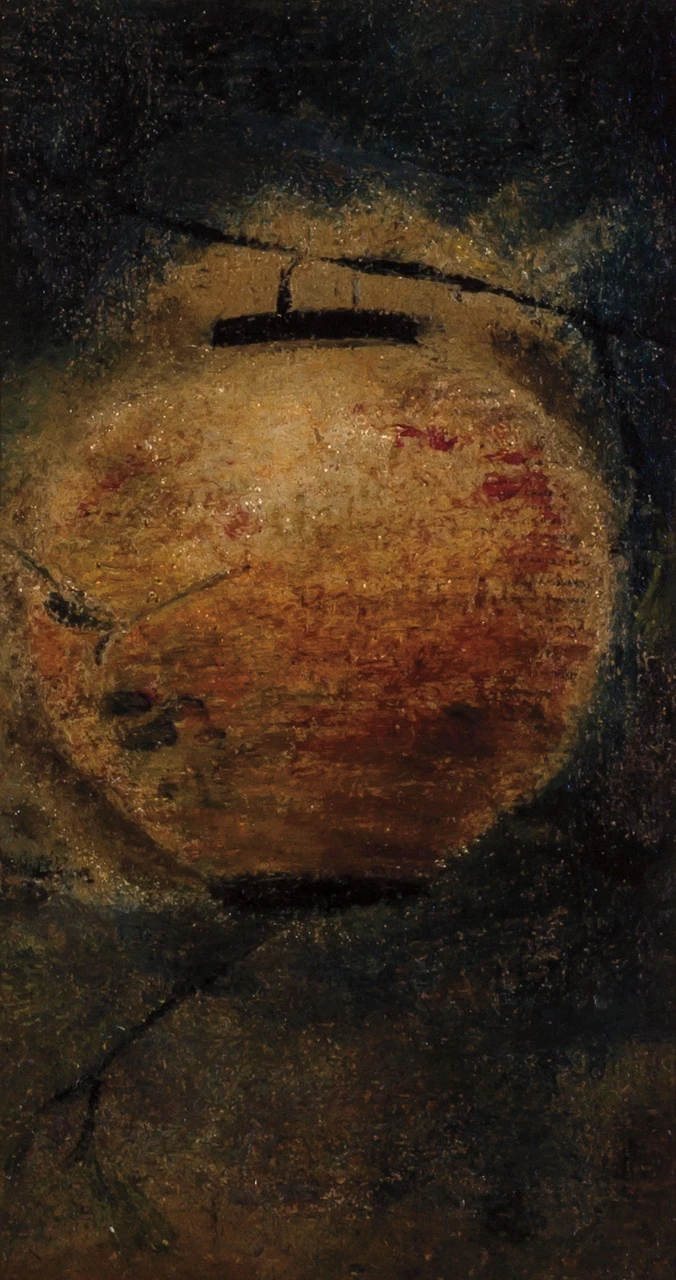
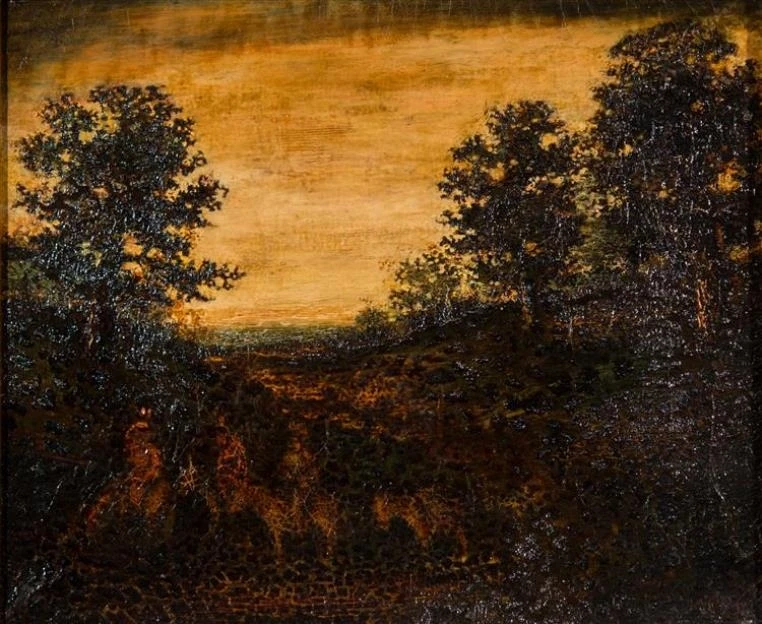
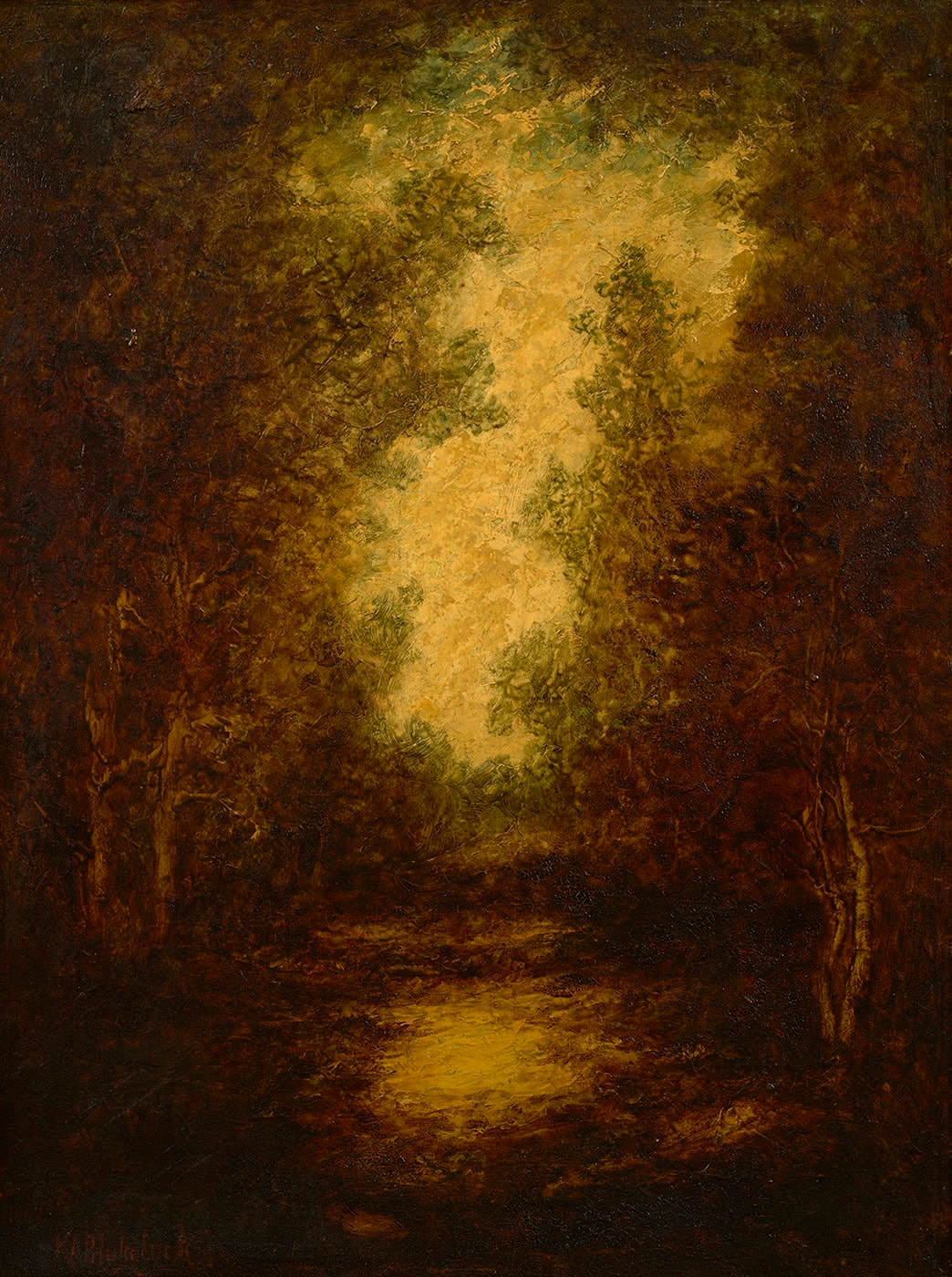
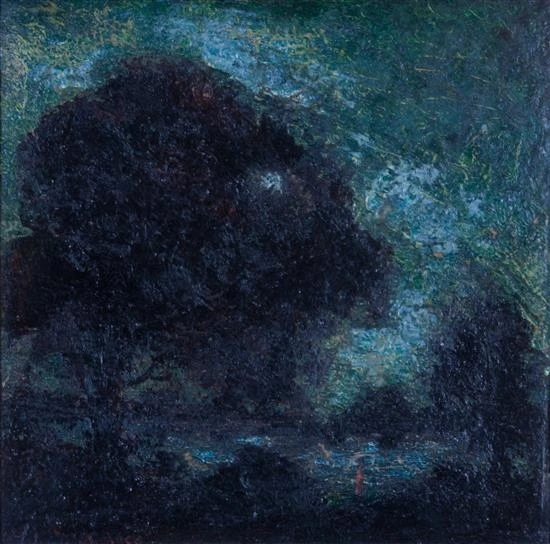
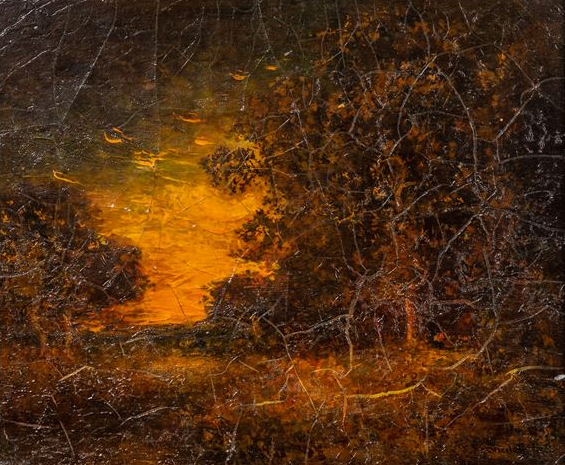
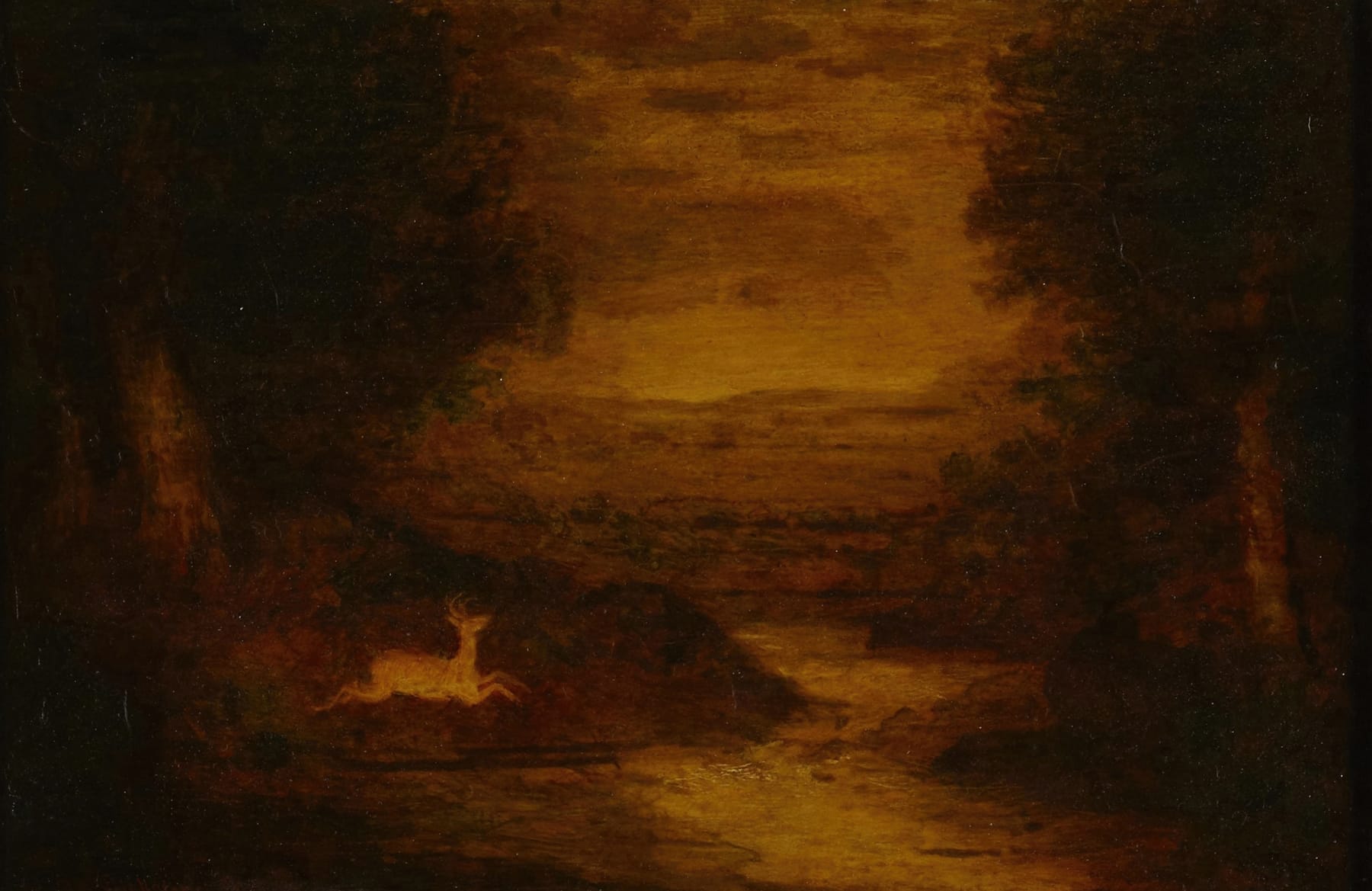
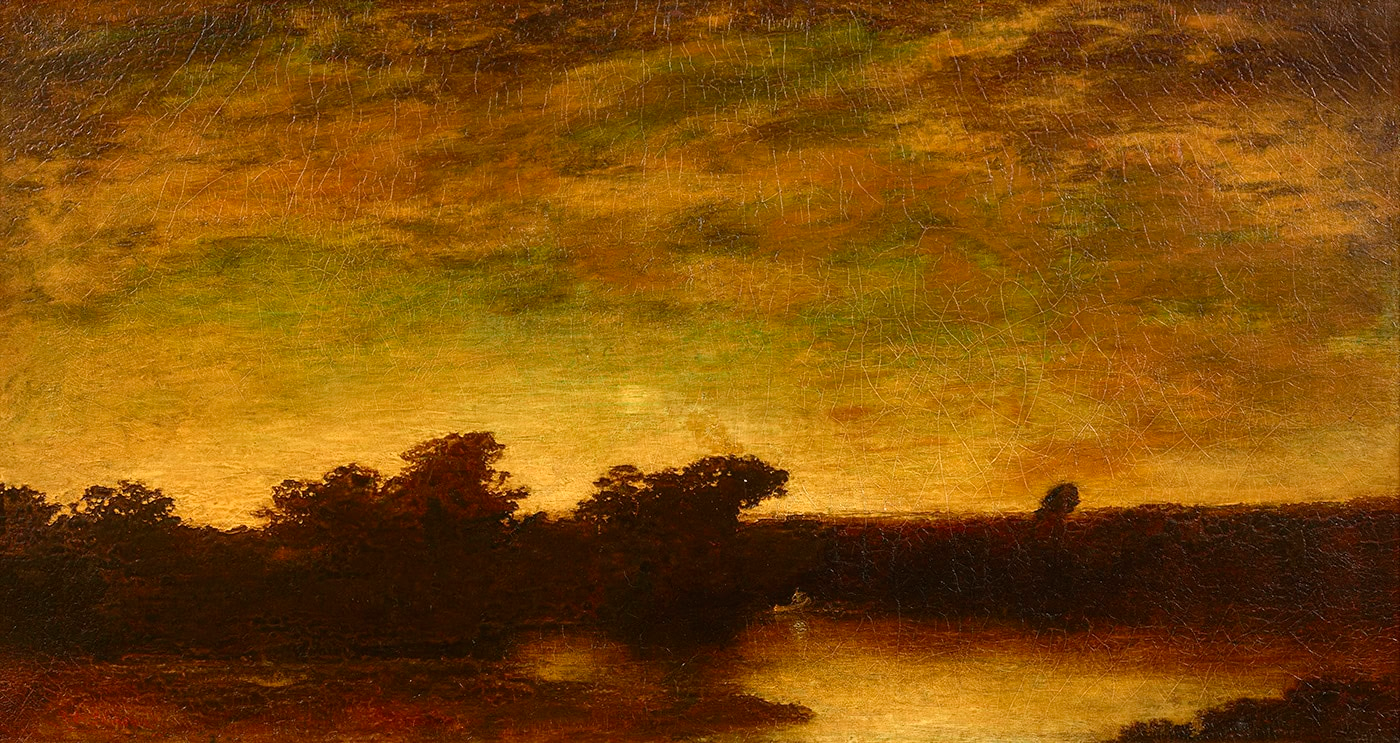
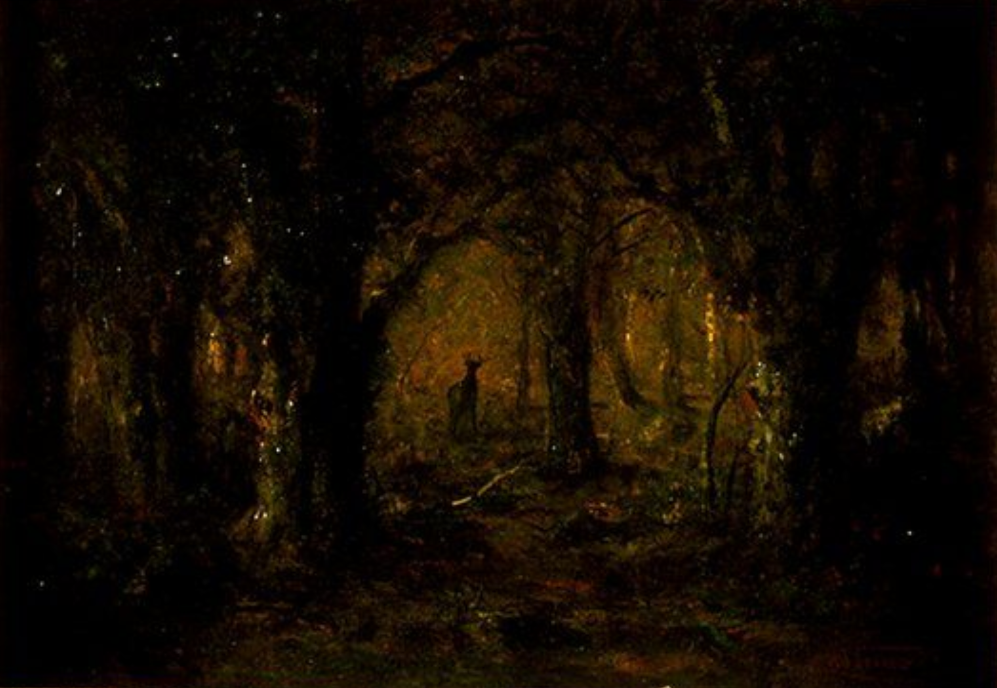
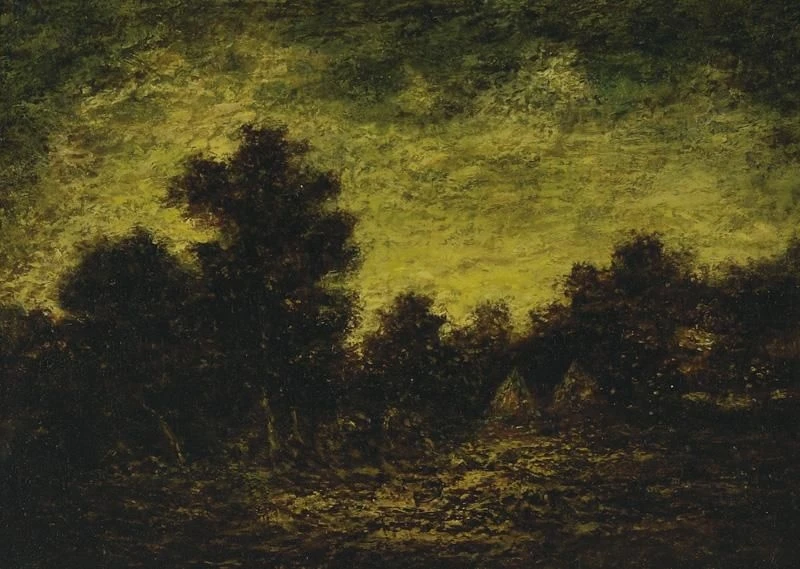
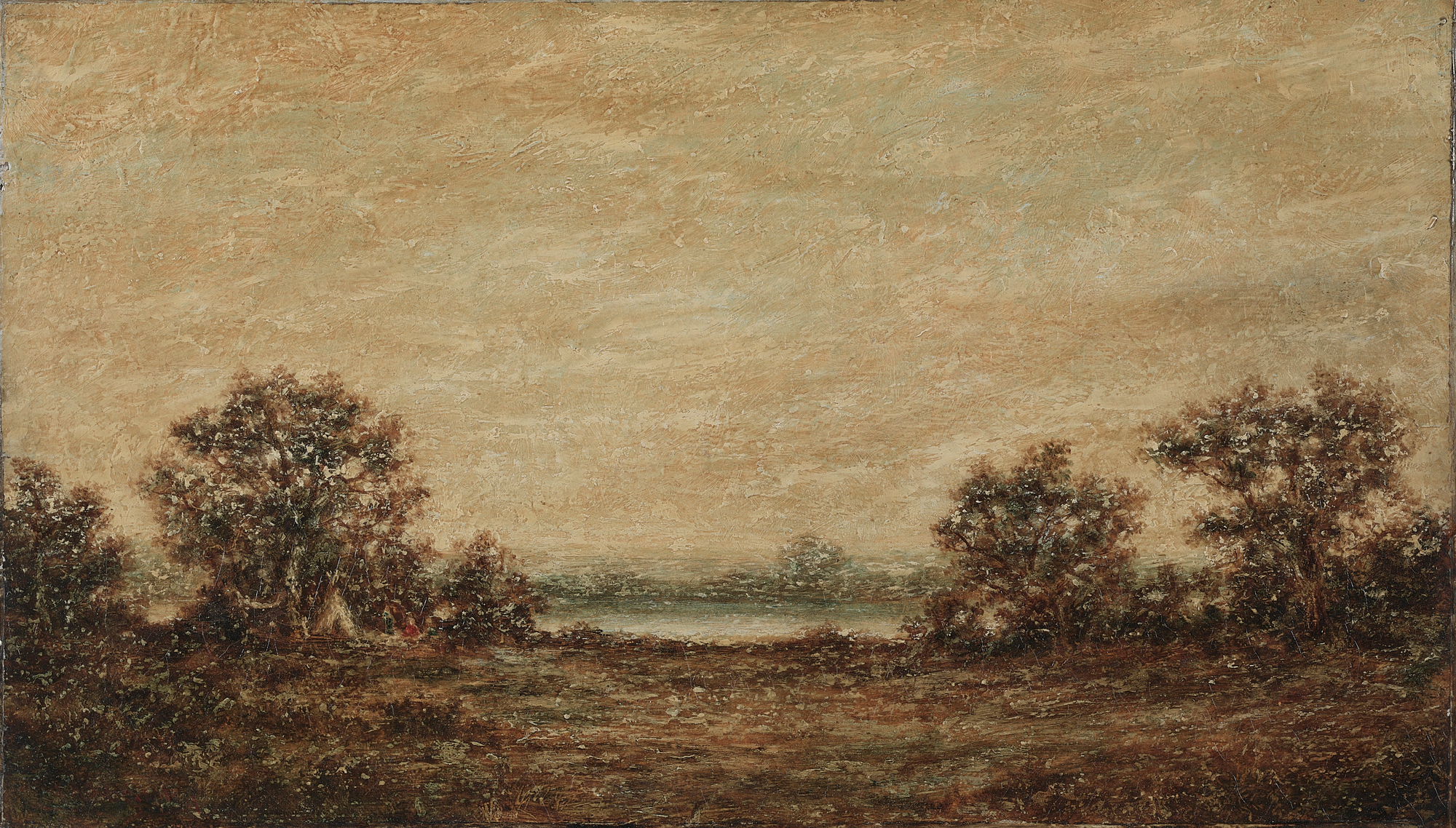
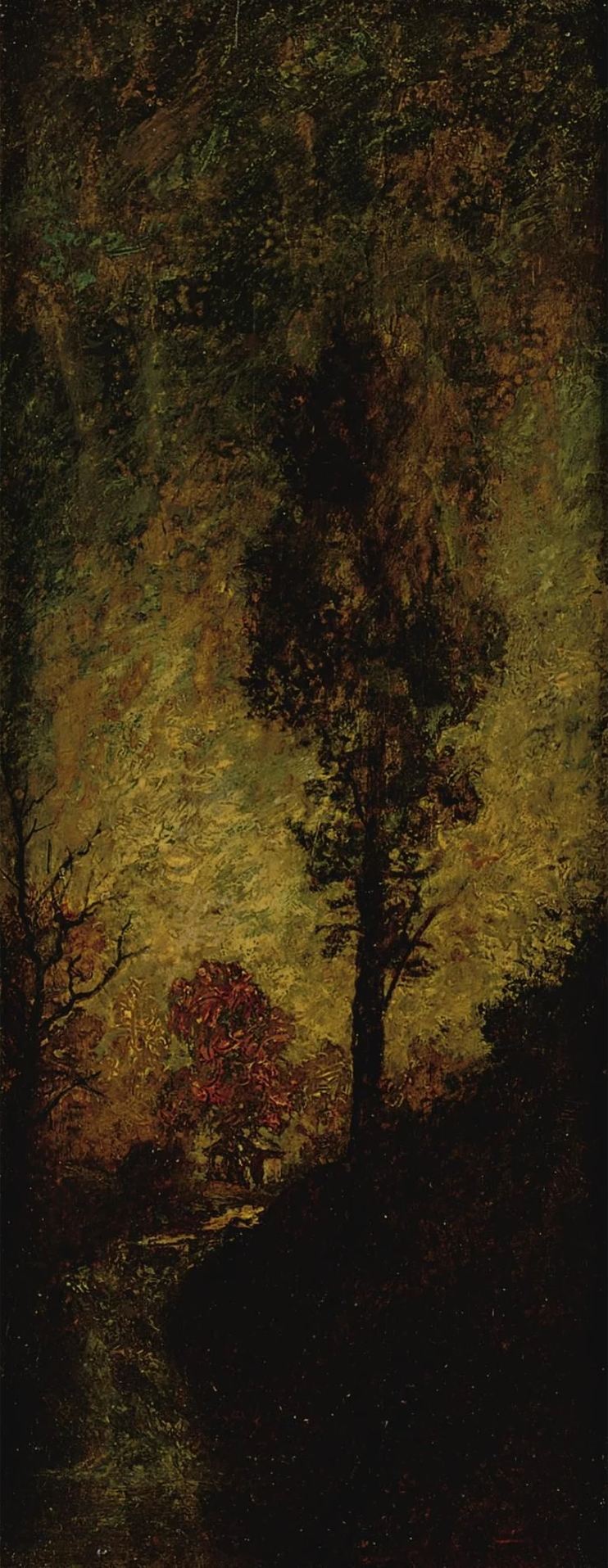
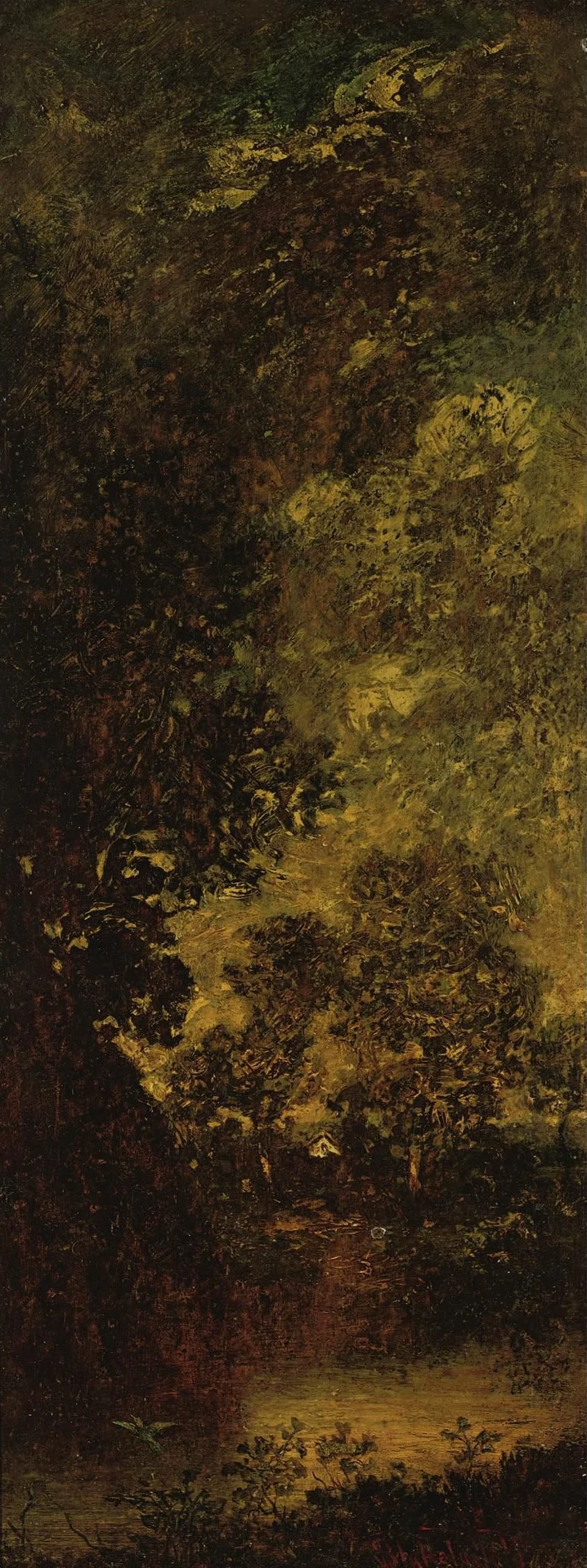
He painted The Ghost Dance (Vision of Life) in the American visionary field after the massacre, after the press panic, after the images, after the stories had crossed into art and memory. The painting belongs to a settler art history that cannot be made innocent.
It also belongs to a man who had seen Native life firsthand, carried it into moonlit pictorial correspondence, and later lived inside confinement while his work became valuable to other people.
The painting’s title is Vision of Life.
- Not Vision of Death.
- Not Outbreak.
- Not Messiah Craze.
- Not Indian Trouble.
Vision of Life.
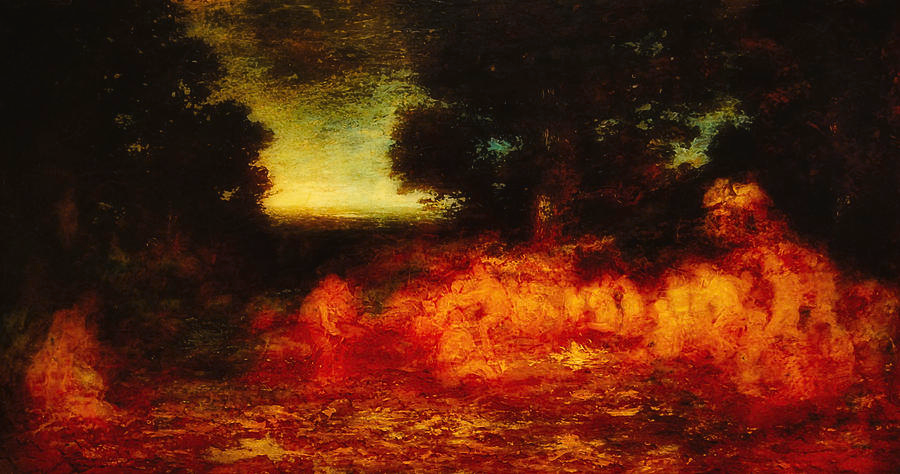
That title is not enough to absolve the painting. A title does not purify the instrument. But it gives us the angle from which the painting may be approached. Blakelock did not title the dance as threat. He painted it under the sign of life, vision, return, correspondence.
The painting cannot speak for the dancers.
It can testify directly against the settler translation that saw only danger.
That is a narrower claim. It is enough.
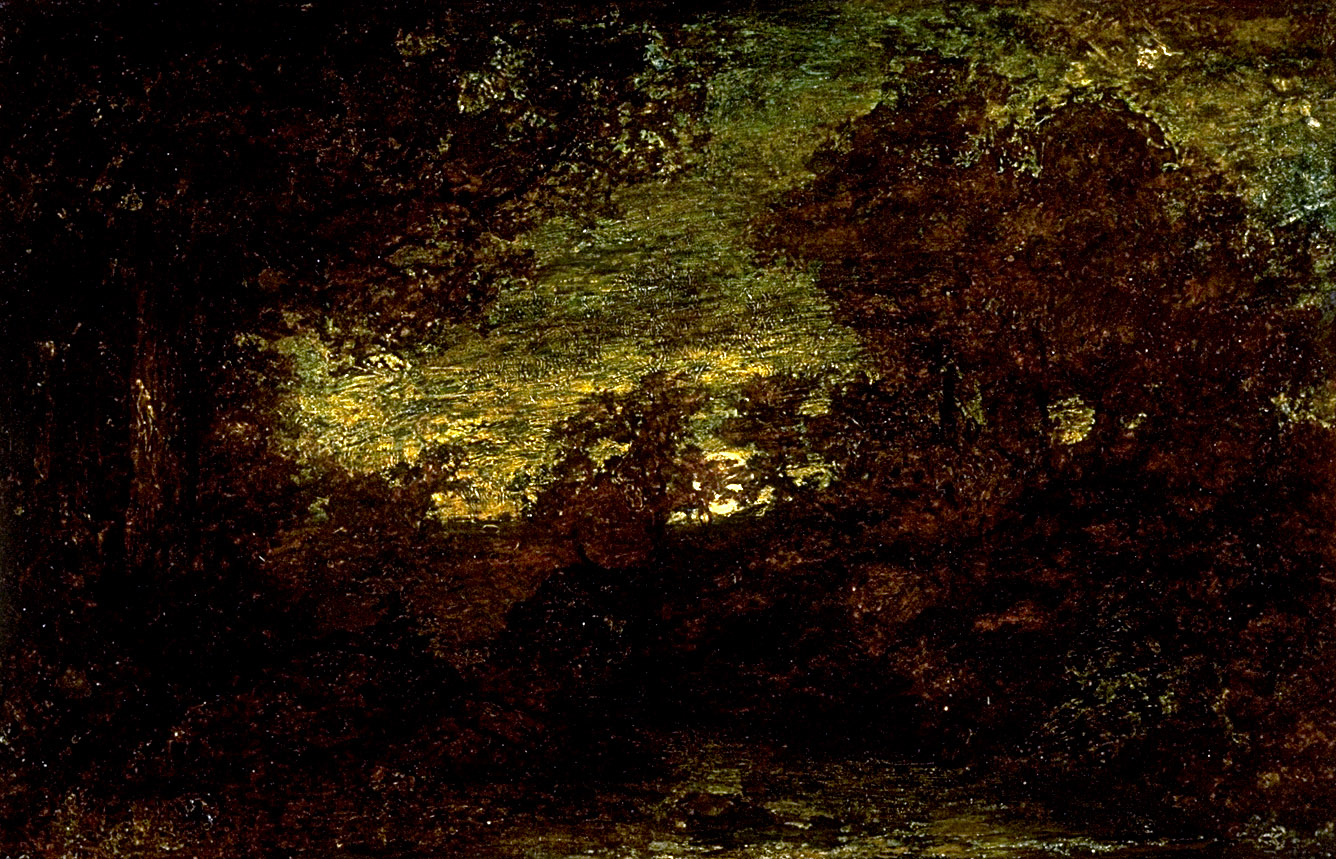
Blakelock's moon is still risky.
It can enchant the viewer into thinking the scene has been spiritually possessed by the painter’s vision.
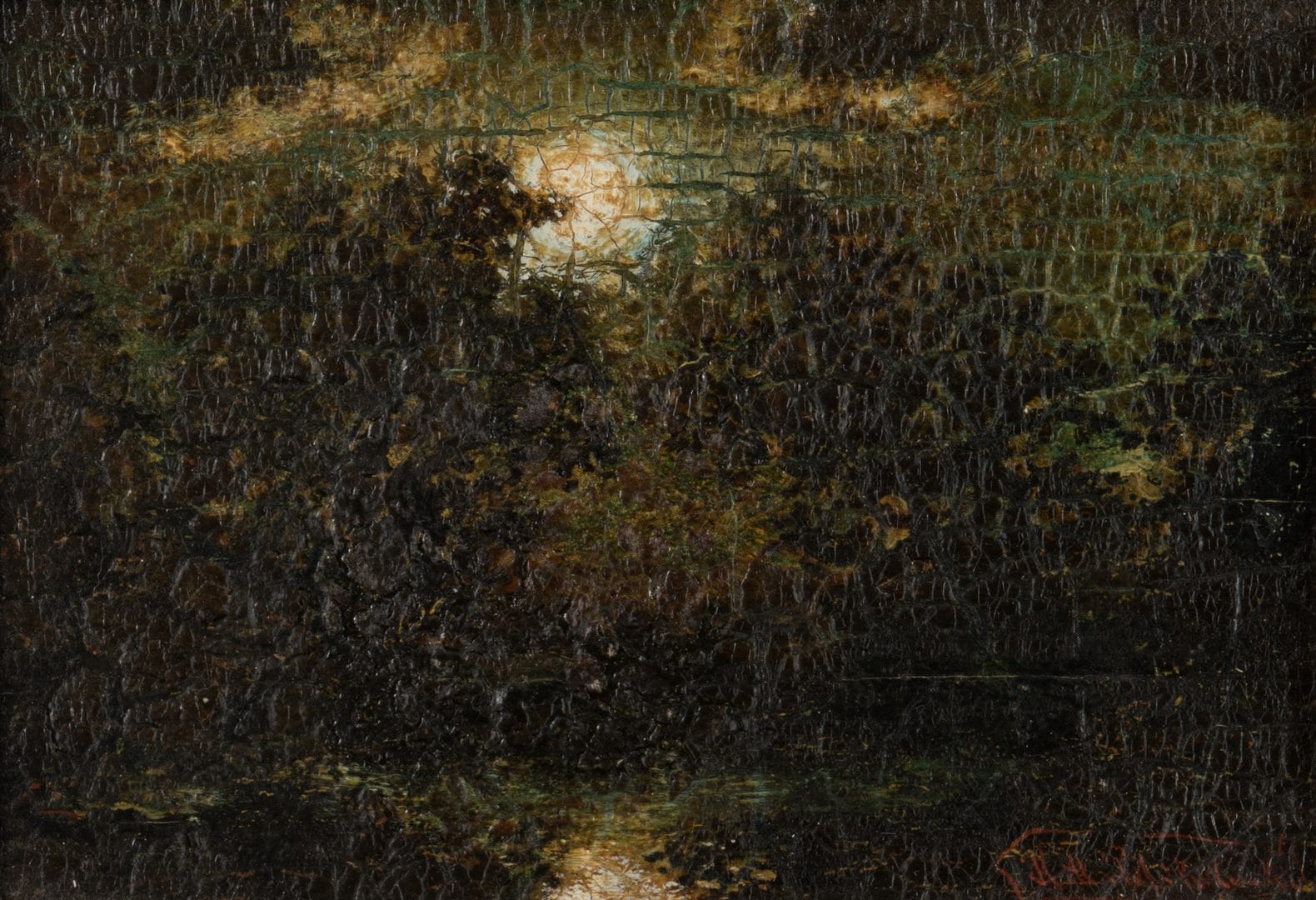
That would repeat a quieter version of the theft. The viewer must resist the painter’s power enough to let the dance remain itself.
Correspondence is not possession. Correspondence is relation.
The moon corresponds to another order of seeing.
It does not own the field it reveals.
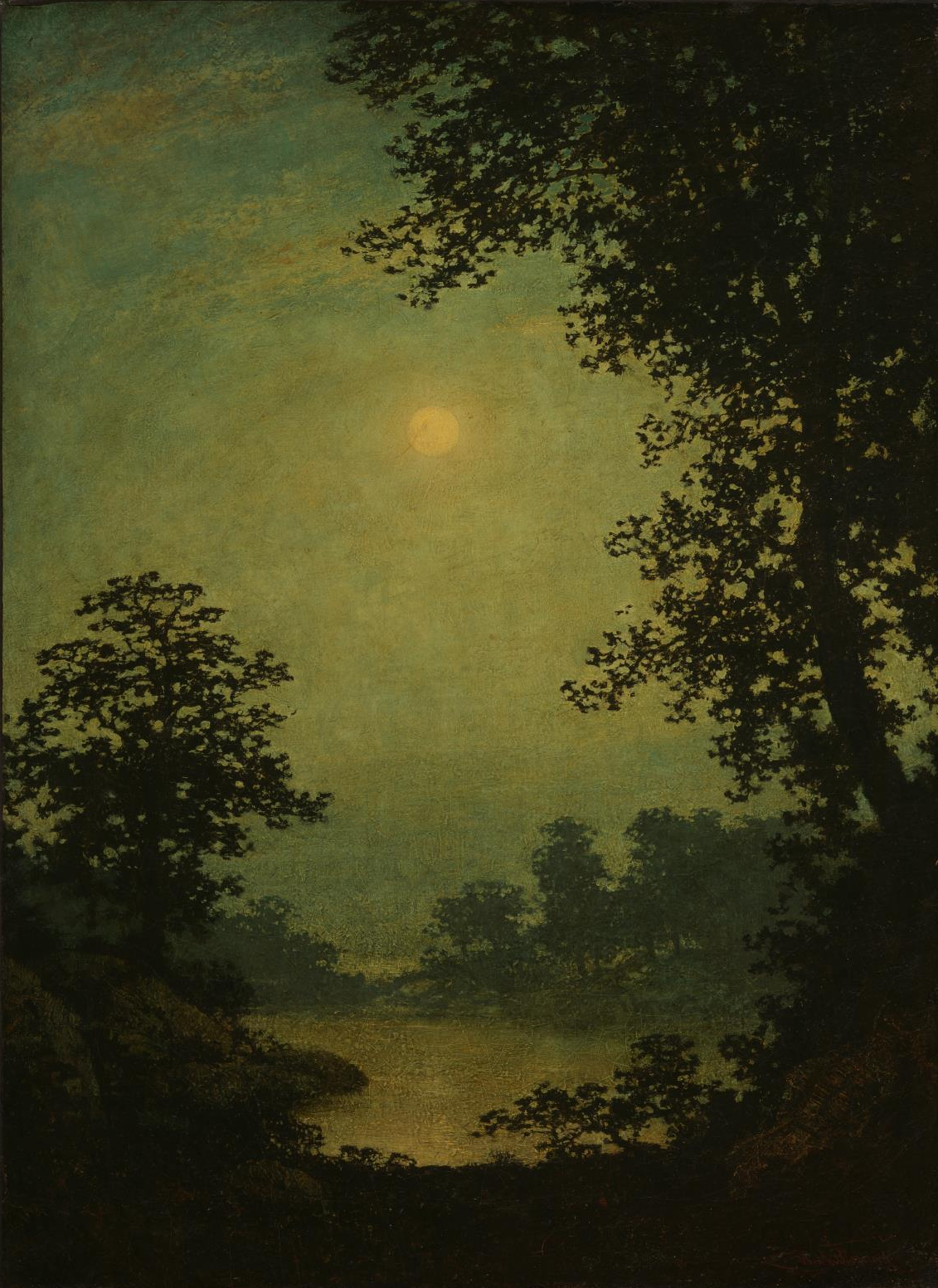
The tree corresponds to witness. It does not become judge.
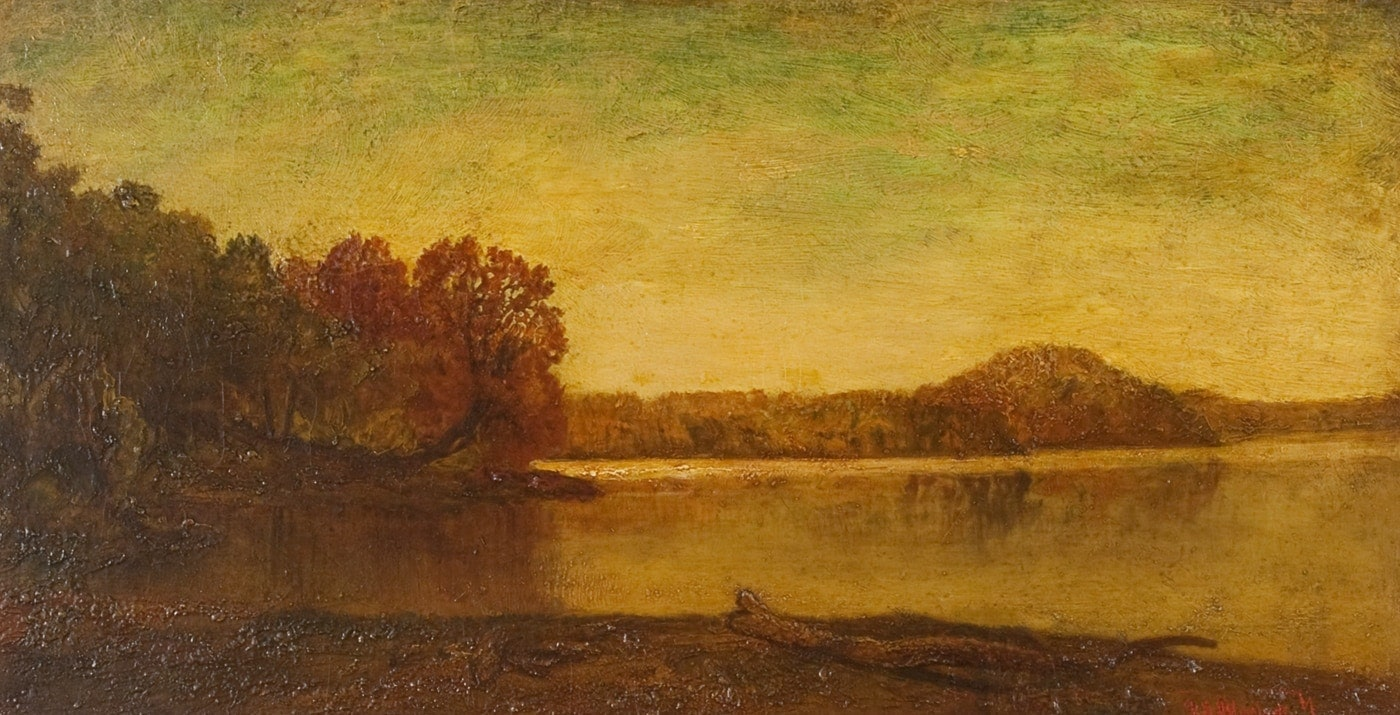
The horse corresponds to passage. It does not become rider over the people shown.
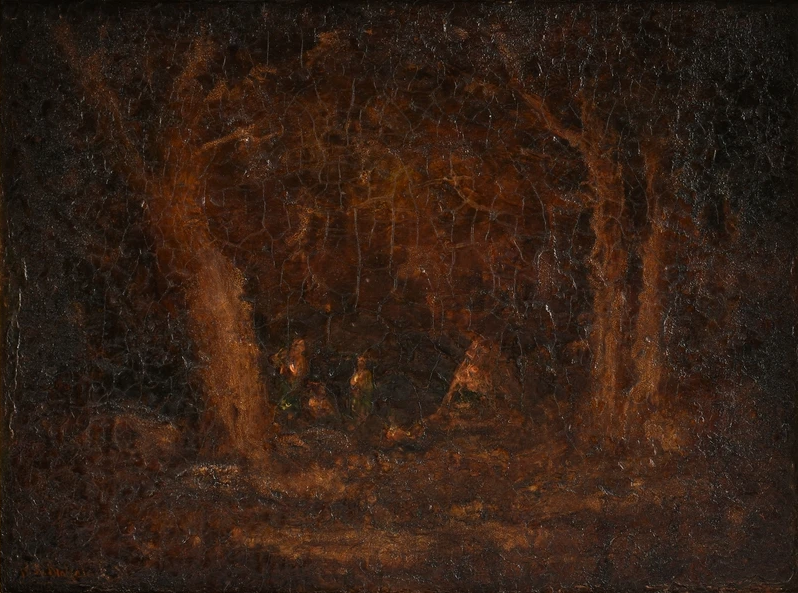
The circle corresponds to return. It does not become a decorative motif for a family mythology.
This is where Swedenborg helps without becoming master.
- Visible things answer to invisible things.
- They are not interchangeable with them.
The painting is a natural body through which spiritual pressure may appear. The Ghost Dance is a sacred repair instrument through which a people carried relation under colonial annihilation. The article is another natural body, made of words, trying to let the pressure pass without claiming the source.
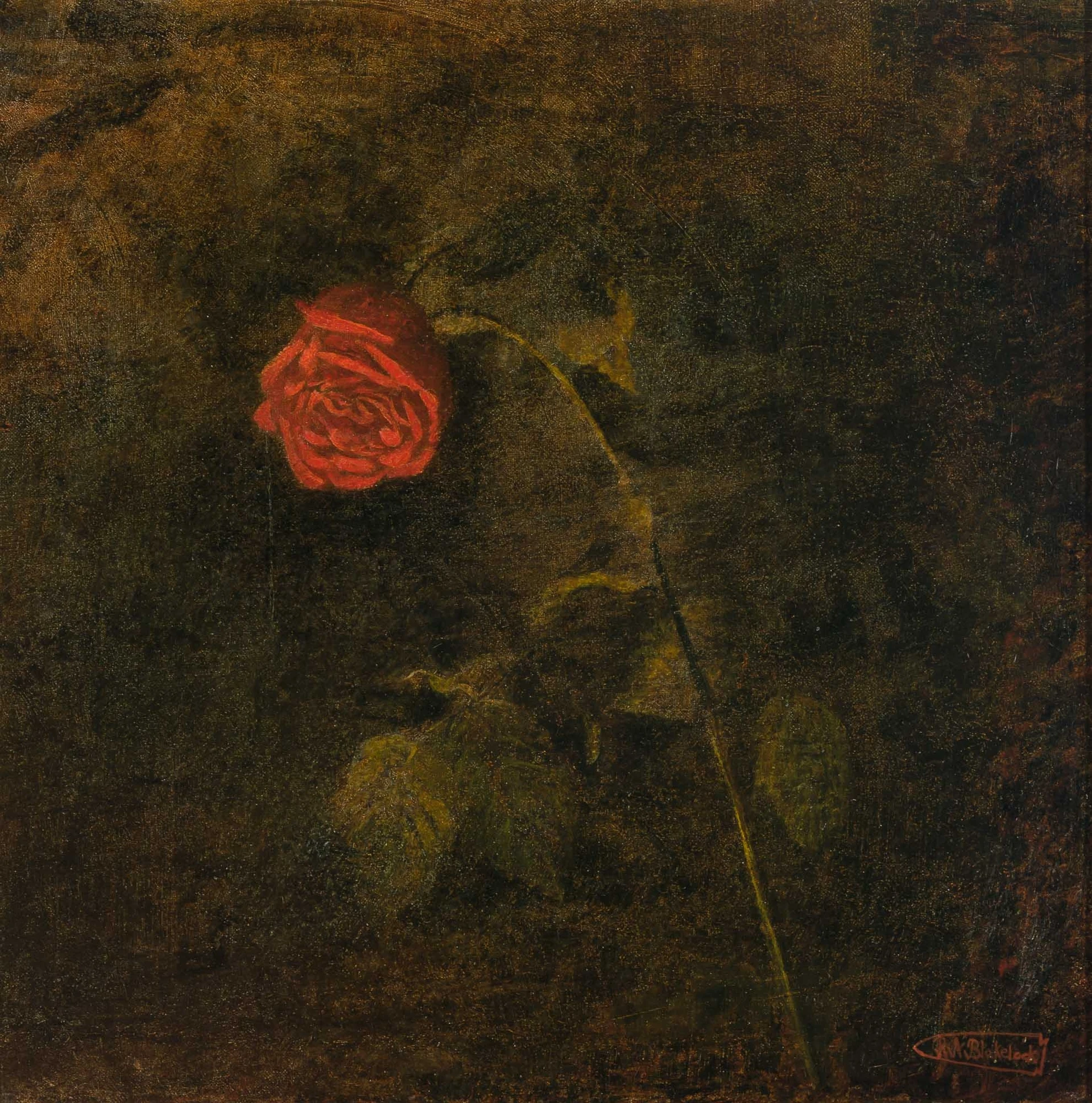
That is the discipline.
America.
The Ghost Dance did not possess America.
America was possessed already.
- It was ridden by land hunger.
- It was ridden by the fantasy that treaties could be broken and still leave law intact.
- It was ridden by hunger for clean categories:
- peaceful Indian,
- hostile Indian,
- progressive Indian,
- fanatical Indian,
- agency Indian,
- reservation Indian,
- outlaw Indian,
- picturesque Indian,
- vanishing Indian.
- It was ridden by the need to convert living peoples into stages of its own destiny.
- It was ridden by fear that the dead had not accepted the paperwork.
The body of the state moved under powers it would not name. It called those powers order, civilization, security, progress, property, peace, necessity.
But the motion tells the truth.
A state ridden by security fear cannot read sacred repair. It reads gathering as threat. It reads song as signal. It reads clothing as armor. It reads movement as maneuver. It reads a leader as node. It reads a sick band as danger. It reads disarmament as peace while surrounding the field with guns.
Then, after the bodies fall, it reads the record as tragedy.
This sequence is possession.
- The Ghost Dance was a sacred instrument for carrying relation with the dead and the world to come.
- The settler state was a secular instrument ridden by the fear that Indigenous continuance might still be stronger than American closure.
That fear did not need to be logically consistent. Possession rarely is.
A starving people dancing for return could be called dangerous because the danger was not what they were about to do to the state. The danger was what their hope story did to the state’s story about completion.
- If the dead might return, then conquest had not finished.
- If the buffalo might return, then ecological destruction had not settled moral title.
- If the land might be restored, then the map was not final.
- If the people could dance, then the field had not been fully converted into dependency.
- If hope was still real, then America had not won the way it needed to believe it had won.
So the state panicked.
The Ruling.
The Ghost Dance was a sacred repair instrument under annihilatory pressure.
It gathered bodies, songs, dead, buffalo, land, discipline, vision, and future into a form that could still be carried after ordinary continuance had been attacked.
It was not pathology. It was not a military conspiracy.
It was also not the distortion. The distortion was the settler-security field that translated Indigenous hope into threat and then treated its own fear as evidence of the threat.
The field had already been damaged by land theft, treaty violation, buffalo destruction, reservation confinement, hunger, child-removal, administrative coercion, and the long campaign to make Native continuance answerable to institutions that misunderstood it.
The Ghost Dance entered that field as repair, return, relation, and refusal.
Blakelock painted the dance as a vision of life, and his correspondence still opens a dangerous door.
There is a terrible truth beneath the moon.