Applied Case: Ghosts
The machine could not conjure her sister.
In 2020, Vauhini Vara asked GPT-3 to do something she had been unable to do herself.
Vara was already a writer. She had worked as a technology journalist. She had written fiction. She would later become a Pulitzer Prize finalist.
The problem was not that Vauhini Vara did not know how to write.
Her older sister had died of cancer in 2001.
For almost twenty years, Vara had avoided writing about it.
Then she got access to GPT-3.
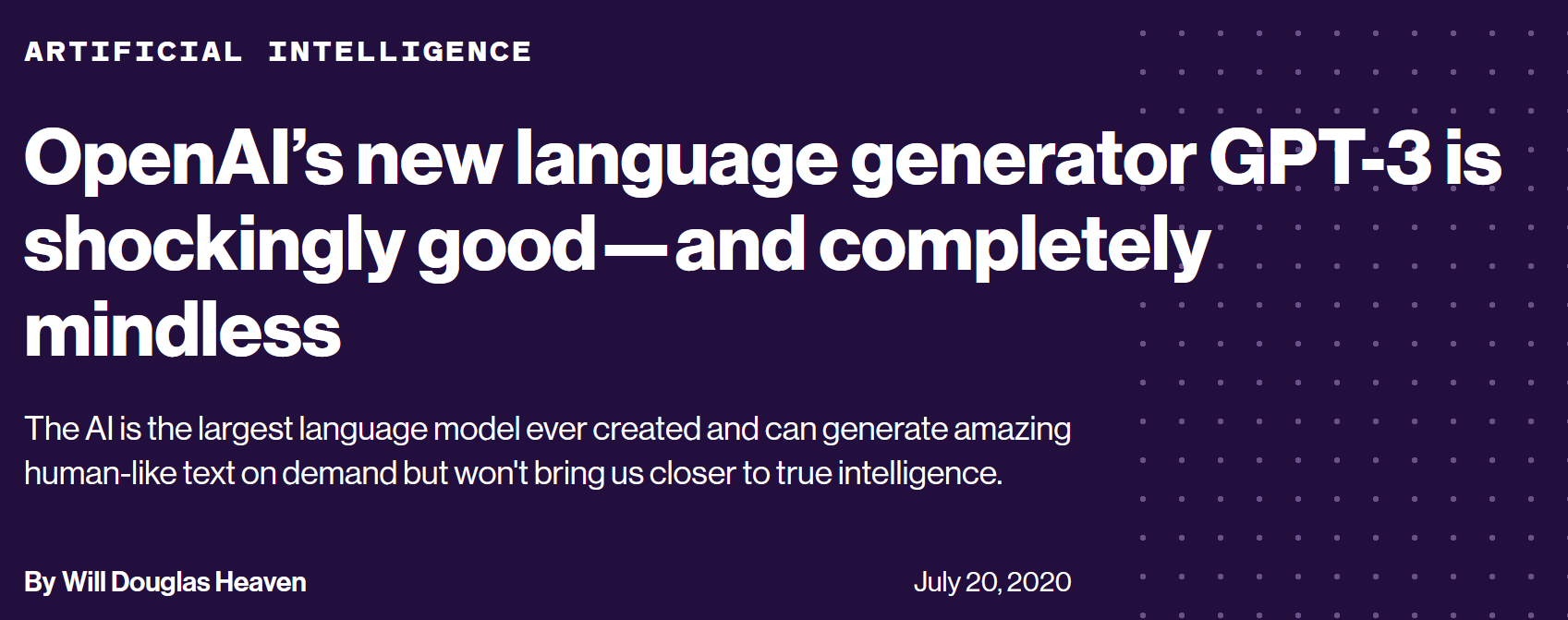
This was before ChatGPT, before every website acquired a little sparkle button, before asking a language model to fix a paragraph became one of the normal ways humans spend an afternoon. GPT-3 was still strange enough that Vara had contacted OpenAI directly for access.
She started experimenting.
Eventually she gave the machine the thing she could not write.
The result was Ghosts.
 Kristen Radtke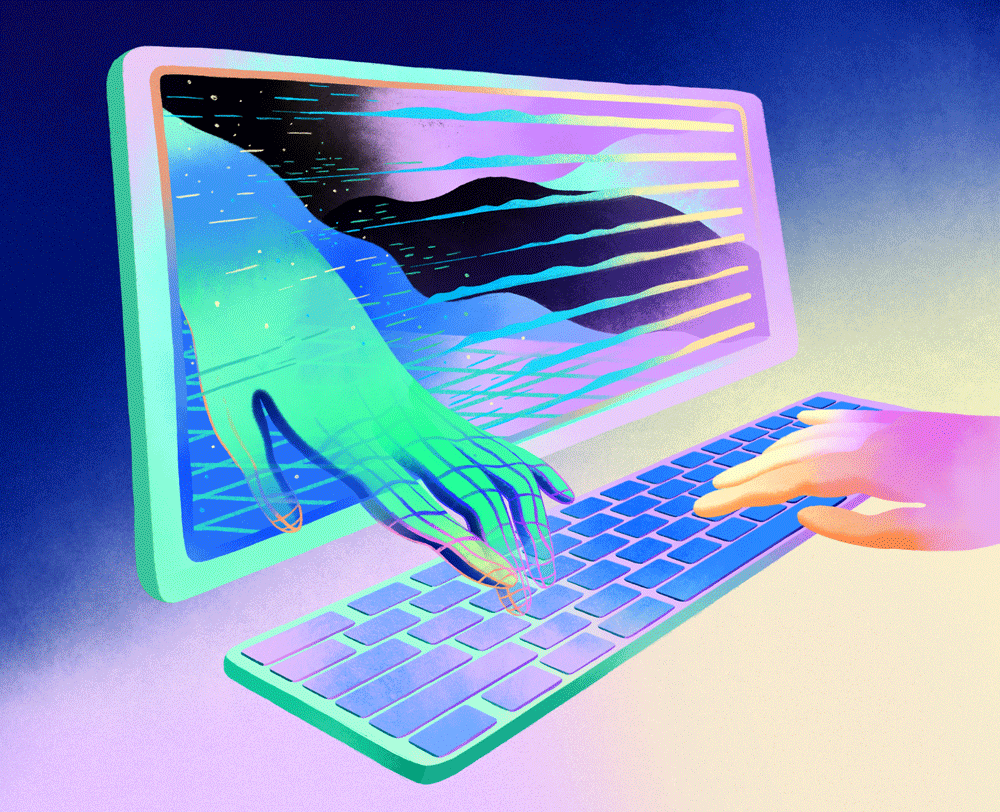
It is one of the most useful documents in the entire argument about artificial intelligence and writing because almost every simple interpretation of what happened is wrong.
GPT-3 Does a Horrible Job.
The experiment has a clear structure.
Across nine versions, Vara writes the opening material herself. In the original Believer publication, her sentences appear in bold. GPT-3 continues from them. She adds more on each pass, trying to get closer to the thing she actually wants to say.
The machine begins terribly.
- Vara tells it that her sister developed Ewing sarcoma.
- GPT-3 decides they played lacrosse together.
- They did not.
- GPT-3 decides they played lacrosse together.
- Vara tells it more.
- GPT-3 invents a long inspirational story in which she becomes an endurance runner raising money for childhood cancer.
- Vara has never been a runner.
- GPT-3 invents a long inspirational story in which she becomes an endurance runner raising money for childhood cancer.
- The machine gives her sister a recovery.
- Her sister died.
At one point, GPT-3 ends its invented version by cheerfully informing Vara that her sister is doing great now.
This is not a machine secretly reaching into grief and extracting the true text.
GPT-3 does not know her sister.
This thing has no private route into Vara's memory.
It guesses. It imitates. It completes.
 Aidan Lawson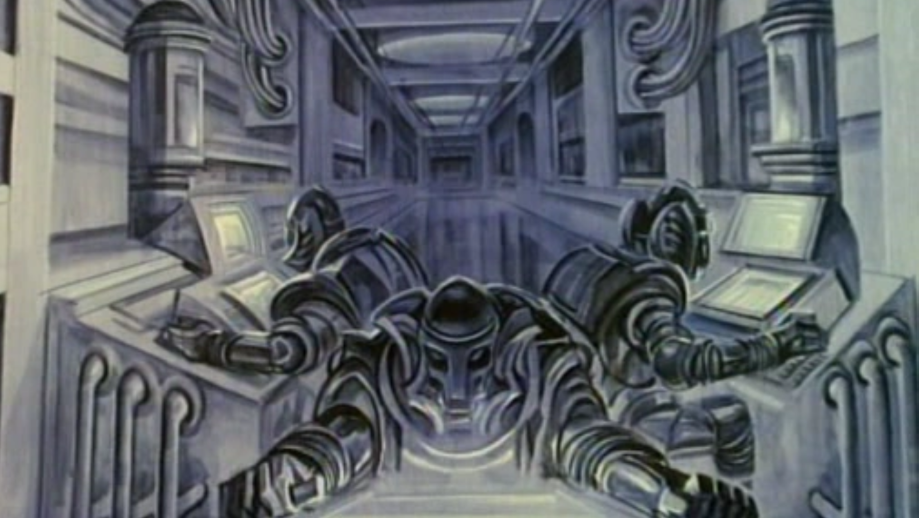
It produces the sort of thing that tends to come after the sort of thing Vara has supplied. And the thing it produces is often wrong.
So Vara gives it more.
She writes that she returned to Stanford after her sister died and felt like a ghost.
The machine responds differently.
Some of the language begins to feel recognizable to her.
Then it gets stupid again.
So she supplies more.
Eventually she reaches the problem directly:
“Though I'm a writer, I've never been able to conjure her.”
That sentence is the whole case.
- She is a writer.
- She cannot reach the writing.
- GPT-3 tries to conjure the sister for her.
- It fails.
- Then something happens.
- It fails.
Pushing.
- GPT-3 offers a clumsy description.
- Vara reads it.
And, according to the This American Life reconstruction of the process, seeing the machine do it badly helps her see how she could do it better.
So she starts doing it herself.
The sister stops being a generic dead sister with dark eyes and long fingers.
Vara remembers the loud laugh.
The bossiness.
The swagger.
The broad nose her sister disliked.
The curly hair.
Then, the hair falls out.
The nose narrows.
Her sister starts moving carefully.
They walk back from the beach where her ashes will later be scattered,
and Vara has to put a hand against her back to help push her uphill.
The machine could not conjure this woman.
Its failure forced the distinction into view.
Generic grief was not enough.
Generic sisterhood was not enough.
The real person had to come from somewhere the model could not reach.
Vara had to bring her.
Later, GPT-3 starts malfunctioning in another direction. It falls into a repetitive loop involving a ghost hurtling through space, moving forward, backward, sideways, nowhere.
The repetition is visibly machinic.
Vara recognizes something in it anyway.
Grief can feel like that.
- Untethered.
- Recursive.
- Unable to integrate itself.
- The program has gotten stuck.
- That stuckness resembles
- The program has gotten stuck.
- Unable to integrate itself.
- Recursive.
the thing.
Vara later described the moment as a kind of relief. Once the feeling was on the page, she could move through it. The ninth version becomes overwhelmingly her own writing.
Years later, she would sharpen the interpretation further. The technology had never actually become capable of channeling her experience. Its inability to do so made her write in response to it and in opposition to it. Eventually she had to do the thing herself.
This is a stranger interaction than either side of the artificial-intelligence writing war wants.
GPT-3 did not contain Vara's grief. It did not know her sister. It did not replace the writer.
It also did something.
The machine changed the path.
Reaching.
Modal Path Ethics has a word for the difference between something being possible and something being reachable.
A future can still exist in theory while the path toward it becomes so burdened, remote, costly, unstable, or resistant that the distinction between “possible” and “available” becomes morally important.
That is reachability.
- A person may possess a capacity and still lose reliable access to it.
- A friendship can remain repairable while nobody can find the conversation.
- A patient can remain treatable while the treatment path becomes inaccessible.
- A society can retain the theoretical possibility of correction while every institution makes correction increasingly expensive.
- A writer can still know how to write.
- The writing can become unreachable.
Ghosts is interesting because the machine enters at that boundary.
It does not install writing talent into an empty person.
It changes the resistance structure surrounding an existing capacity.
- Vara gets something external to react against.
- Something is already on the page.
- Something can be rejected.
- Something can be corrected.
- Something can be accused of getting the sister wrong.
- The blank page has lost one of its powers.
- Then the writer returns through the disagreement.
- The blank page has lost one of its powers.
That is a real kind of assistance. It is also very difficult to represent with the categories currently being thrown around in the culture war.
- Human-written.
- AI-written.
- AI-assisted.
- Generated.
- Edited.
- Co-written.
- Prompted.
Authentic.
Fake.
These words are trying to divide a field whose actual transitions have become so much finer than the labels.
We should still divide it. We just need better cuts.
I Can Write.
- Different life.
- Same structural problem.

For roughly five straight years, the overwhelming majority of the writing I did was for a Dungeons & Dragons 5e campaign I ran for my friends.
A lot of writing can hide inside a campaign nobody outside or even sitting at the table besides me will ever read.
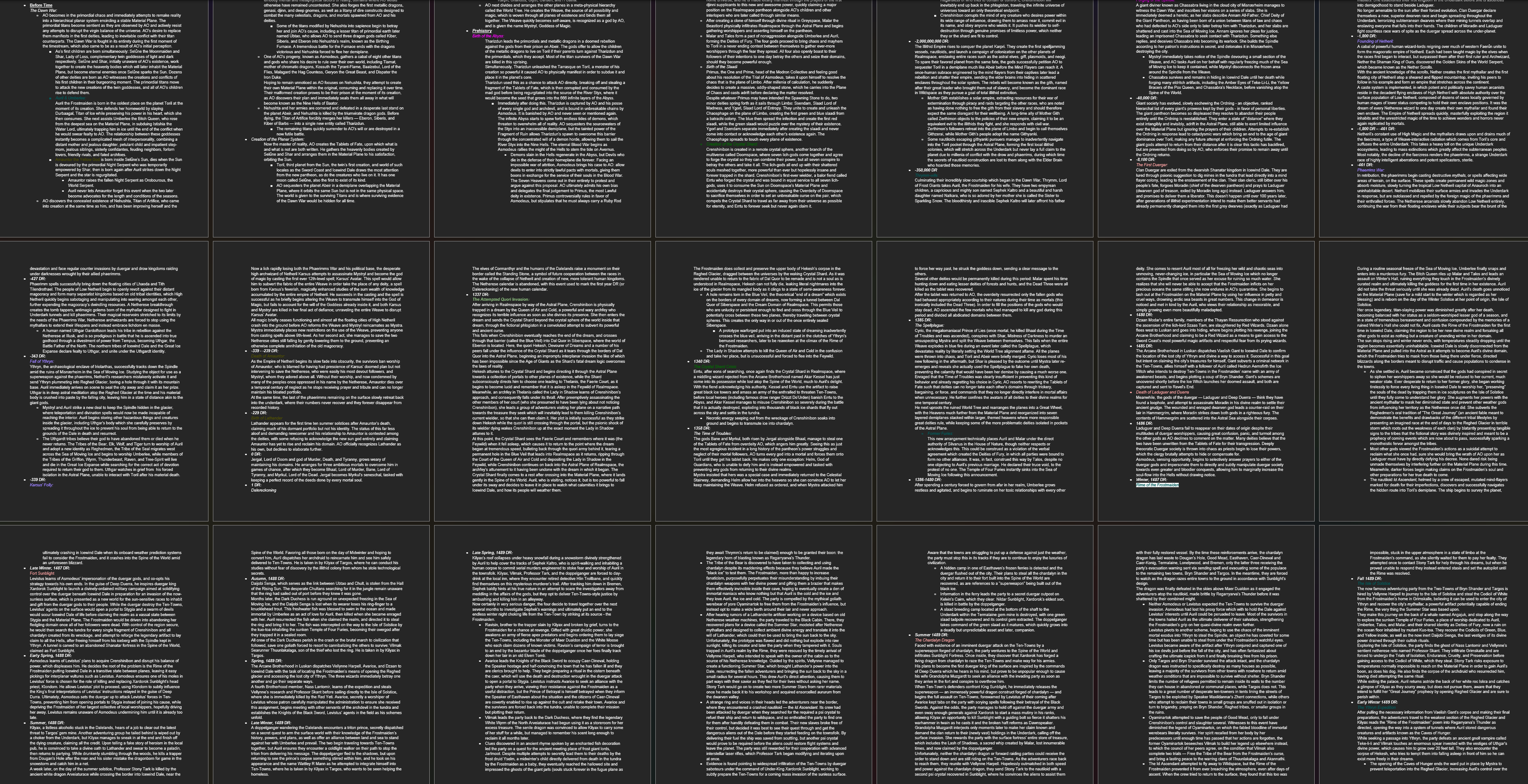
Characters. Histories. Conspiracies. Dialogue. Letters. In-universe fiction. Myths.

Locations. Religions. Political structures. Descriptions. Scenes. Villains. Jokes.
Documents players will immediately ignore because there is a suspicious door six feet away.

And the game is every week.

I wrote overwhelming amounts constantly. Only most was for D&D. There were also many half-screenplays. There are unfinished novels. There was experimental fiction.
Wherever my unassisted prose-placement has actually been compared locally against the prose-placers beside me, I have been identified with suspicious consistency as a top-tier prose-placer in my immediate field.
This is not a claim that the Nobel committee has been attempting to reach me.
I was just the locally recognizable writing guy.
Then my brother died.
The Dungeons & Dragons campaign went on a little hiatus.
It never came back.
Neither did writing.
This was not an experience of forgetting what words were.
I could still tell good prose from bad prose.
I could still edit.
I could still hear cadence.
I could still construct a scene.
I could still look at an ugly paragraph and know exactly what had gone wrong.
- I retained the instrument.
- Access to the instrument had become entirely unreliable.
For years, writing was too slow to continue if it happened at all.
Then language models became useful enough to push against.
I started leaning on artificial intelligence partly because I wanted to see whether I could get through the block.
It worked.
Instead of needing to carry an entire structure internally until I could place it cleanly onto an empty page, I could throw an incomplete thought outside myself.
The machine would answer.
Imperfectly.
Badly.
Good. Now there was something there.
I could tell it what it had misunderstood.
I could reject the frame.
I could rescue the sentence.
I could notice that the model had followed an implication I had not noticed.
I could decide the implication was fucking stupid.
I could ask another question before the first one disappeared into the fog.
The writing process became less like producing a completed object from silence and more like keeping in contact with a moving field.
Then, in January 2026, I stepped away from the AI, and I wrote Garbage Collection.
 Aidan Lawson
I was so enthralled by the fact that I had actually produced a finished artifact from scratch again, I sent it off via email the very same night, expecting a rejection.
Months later, Nature Futures published it.
 Aidan Lawson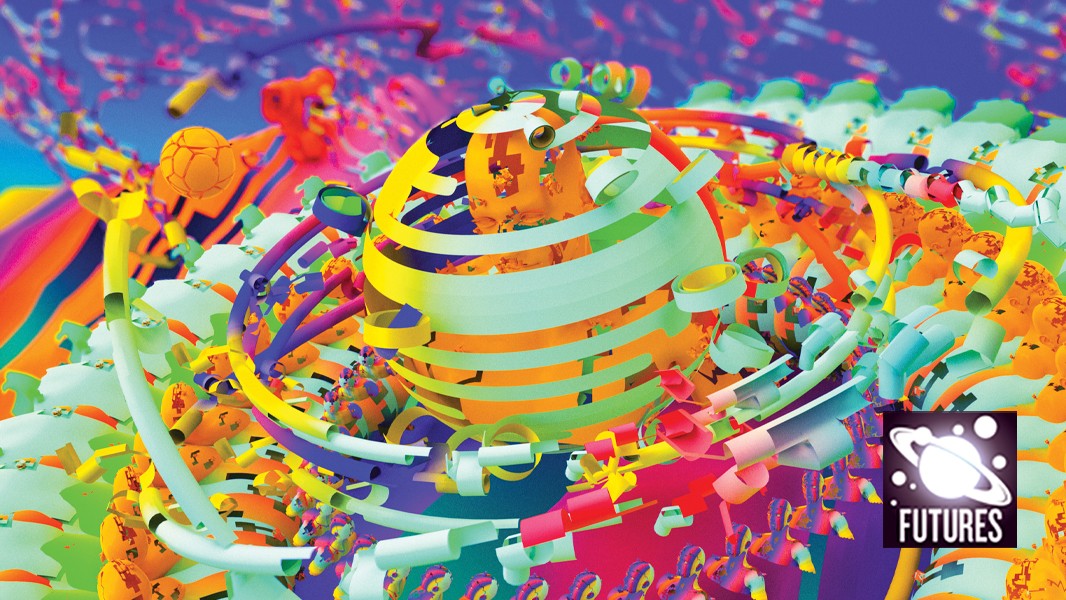
This little story was the first piece of fiction I have ever publicly released, anywhere.
That was the road back.
- I did not lose the old road.
- I can still write manually.
- I can write slowly.
- I can write wrong and bad.
- I can spend twenty minutes moving one word around until the original sentence has been successfully destroyed.
- I can draft a screenplay without a language model.
- I can write fiction without one.
- I can also work at machine speed.
A person can do both.
- The existence of the second path does not retroactively prove that the first path was fake.
- The existence of the first path does not make the second one illegitimate.
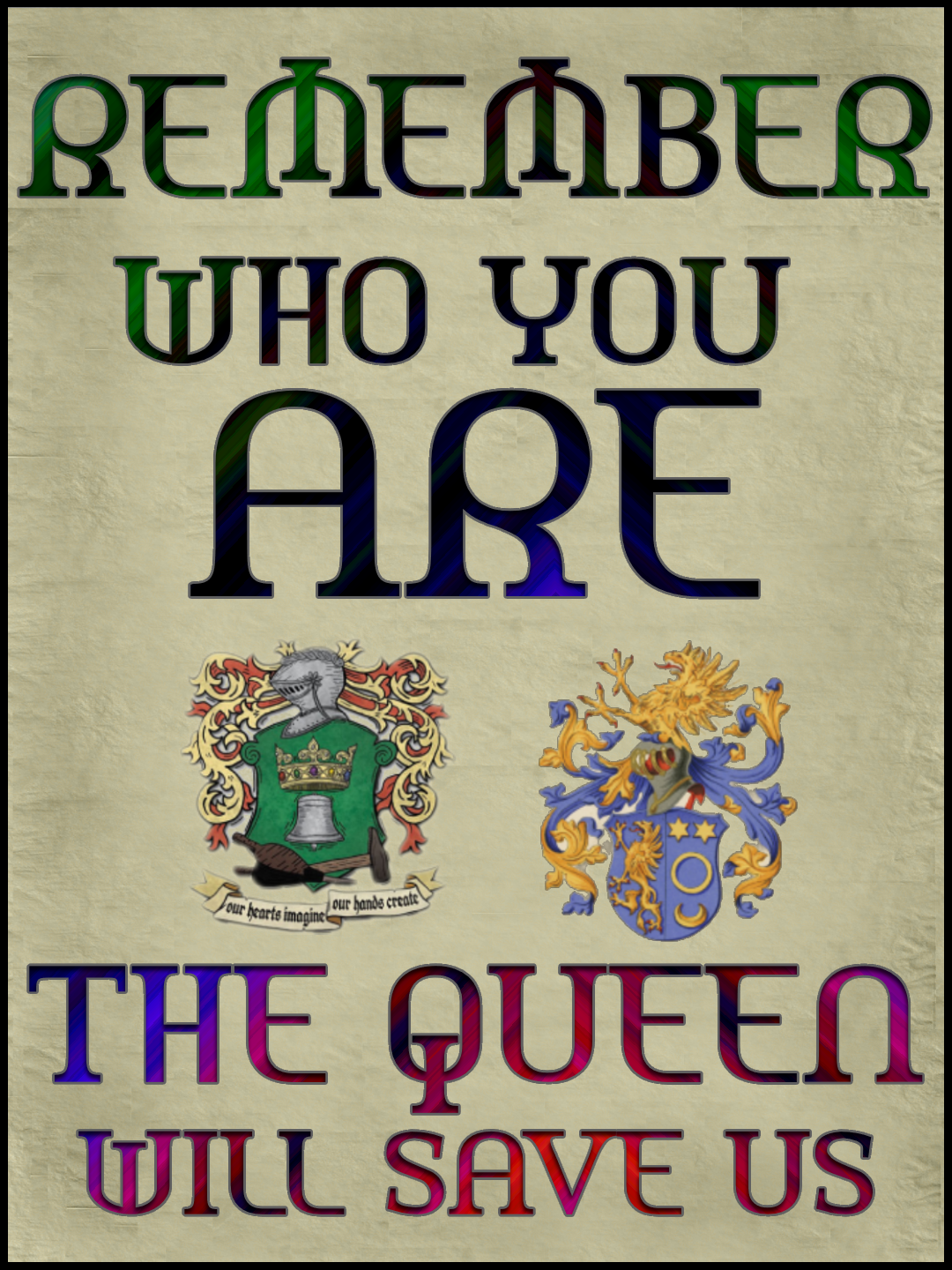
The Prose-Placer.
Writing is thinking.
Sometimes.
That qualification matters.
Anyone who has seriously written knows the experience. You think you understand something. Then you try to put it into a sentence and discover that the thought contained a hole large enough to abandon a negative boat.
- Composition can generate thought.
- Rhythm can reveal structure.
- An ugly transition can expose a missing premise.
- A metaphor can discover a relation.
- Revision can become inquiry.
The prose is not decorative packaging applied after the intellectual work has finished. Cool.
Now, let us preserve the next distinction too.
Prose placement != every cognitive operation that can terminate in prose.
- Choosing the problem is a skill.
- Finding the relevant evidence is a skill.
- Recognizing that the available evidence does not support the story you wanted to tell is a skill.
- Finding the relevant evidence is a skill.
- Seeing a structural relation across two apparently unrelated cases is a skill.
- Constructing an argument is a skill.
- Finding the counterargument is a skill.
- Allowing the counterargument to damage your position is a skill.
- Finding the counterargument is a skill.
- Research is a skill.
- Source discrimination is a skill.
- Concept formation is a skill.
- Explanation is a skill.
- Prose composition is a skill.
- Editing is a skill.
- Taste is a skill.
- Taking public responsibility for the final claim is yet another skill.
A strong writer may carry many of these skills at once.
For a long time, the technologies of communication encouraged us to bundle them.
Somebody had to place the words.
And that work was expensive.
So the person doing the thinking was often also the person spending hours converting the thinking into sentences.
Eventually the artifact arrives bearing one name.
So the bundle starts to look like one thing.
Then the prose-placer quietly inherits the whole stack.
Artificial intelligence has started tearing that bundle open.
This is uncomfortable for many prose-placers.
I am one. Too bad.
What Happened to the Writer?
The Authors Guild has built one of the more sensible responses to the new field.
Its Human Authored certification creates an explicit market category for books whose text was written by human beings. The program has a public verification database and permits de minimis artificial-intelligence involvement such as spelling and grammar tools while reserving the mark for human-written body text.
Excellent. That right there is an instrument with a jurisdiction.
- A reader may specifically want a novel whose sentences were placed by another human.
- An author may want to make that fact part of the product.
- A bookstore may want to distinguish the category.
- A publisher may want to contract for it.
- Protect this.
The Guild has also wrestled publicly with where exactly the border belongs. In May 2026, it tightened the certification definition after writers objected that broad allowances for artificial-intelligence brainstorming and outlining might permit the machine to perform enough creative work to undermine what the mark was supposed to certify.
Again: good.
A boundary that can be argued about and corrected is preferable to a mystical essence everybody is expected to recognize on sight.
The trouble starts one step later.
In its 2025 annual report, the Guild argued that someone doing nothing beyond sequential prompting should not present themselves as a writer.
There is a defensible meaning of that sentence.
- If writer means the person who composed the prose,
- then someone who did not compose the prose did not compose the prose.
We appear to have survived the philosophical emergency. This one was easy.
The larger conclusion still does not follow.
A person who did not place the sentences may still have selected the question, constructed the project, determined the architecture, rejected hundreds of bad continuations, supplied the underlying research, chosen the evidence, controlled the argument, and accepted responsibility for the final object.
Call that person something else if you want. This is probably a smart idea.
- Director.
- Editor.
- Architect.
- Investigator.
- Prompt-person.
- Messiah.
The noun is highly negotiable.
The intellectual event still occurred.
Death of an Author.
Stephen Marche went ahead and pushed the problem toward the edge in 2023.
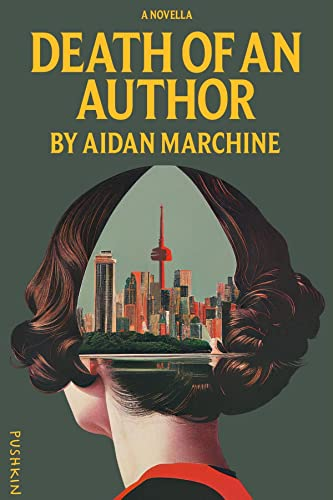
His novella Death of an Author was marketed as approximately 95 percent AI-written. Marche supplied the story outline and prompts while working through multiple artificial-intelligence systems. Pushkin released the experiment under the machine-pun pseudonym Aidan Marchine, which I just do not appreciate.
 Aidan Lawson
There is no need to pretend this is conventional human prose authorship.
It plainly is not.
The machines placed most of these words.
Now, ask what follows.
- Did Marche therefore perform no meaningful creative work?
- Did the story architecture arrive from nowhere?
- Did selection disappear?
- Did judgment disappear?
- Did arranging the process disappear?
- Did deciding what the experiment was for disappear?
- Did the final artifact spontaneously climb out of a server and negotiate an audiobook contract?
- Of fucking course not.
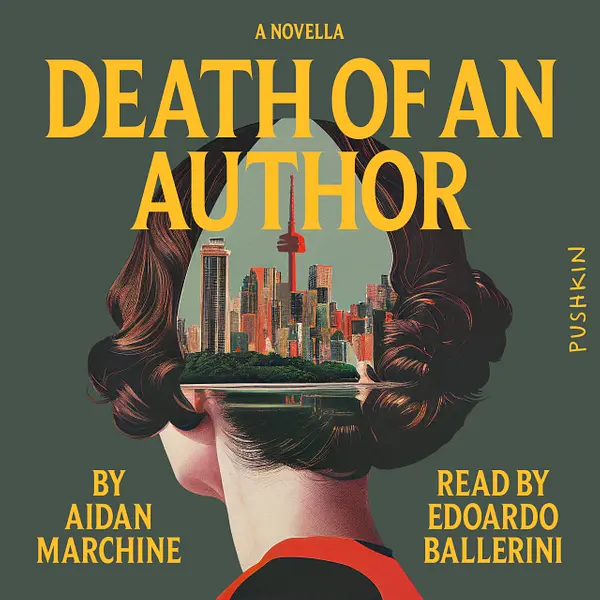
The human contribution has changed location.
- We can decide that prose composition is important enough to reserve a special category for works where a human performed it.
- We should do so.
- We cannot use that category to erase every other form of authorship surrounding an object.
The same mistake appears in reverse when artificial-intelligence enthusiasts describe every sufficiently guided output as fully human-authored because "a human typed the prompt."
No.
That prose came from somewhere specific.
Preserve that too.
The useful language is the language that keeps the path visible.
Clarkesworld Gets a Fence.
There is a reason human-authored fields need protection.
In February 2023, Clarkesworld received roughly 700 legitimate submissions and 500 machine-written ones by the time editor Neil Clarke shut submissions on February 20.
Five hundred.
In twenty days.
The previous monthly baseline for spam of this sort had been tiny by comparison.
This is not an imaginary wound invented by threatened writers.
- Generative systems had collapsed the cost of producing a superficially submittable story.
- They had not collapsed the cost of evaluating one.
The burden moved.
Editors had to inspect the flood.
Serious writers had to compete for attention inside it.
A publication built partly to discover new voices found its intake channel filling with cheap synthetic attempts to extract payment.
Clarke described the problem perfectly: the magazine was trying to hear the people it actually wanted to listen to while a room of screaming toddlers took over the channel.
This justifies exclusion. It justifies submission rules. It justifies human-only markets. It justifies protecting scarce editorial attention from actors who can manufacture entries at machine scale.
And then, something revealing happened.
- People suggested detectors.
- Clarke did not trust them.
He was particularly concerned that writers for whom English was not a first language could display patterns that automated systems might misclassify as synthetic.
Here is the whole problem in miniature.
- The human-authored field needs a boundary.
- The obvious automatic boundary instrument cannot reliably observe the thing the field actually cares about.
So now, we have to do institutional design. This sucks.
- We cannot solve it by announcing that the distinction no longer matters.
- We cannot solve it by pretending a statistical detector is an authorship oracle.
The Book Was Never Only the Book.
Modal Path Ethics already reached the first half of this position back in Applied Case: Call Me, I'll Hide The Body.
 Aidan Lawson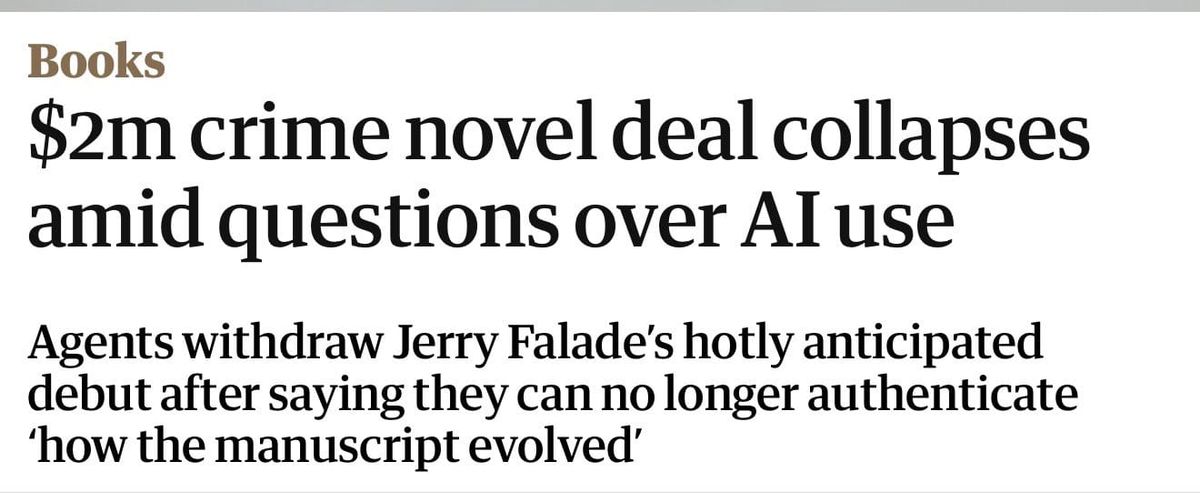
Jerry Falade's manuscript reportedly reached an extraordinary publishing auction before his agents withdrew it after saying they could no longer authenticate its path from origin to completion.
Falade denied using generative artificial intelligence.
The public record established a provenance dispute rather than a verdict.
The article therefore kept three possibilities separate:
- A genuinely human-authored manuscript could have lost a multimillion-dollar future to suspicion.
- A substantially machine-generated manuscript presented dishonestly could create problems of candor, rights, and contract.
- A manuscript produced somewhere inside the huge middle between ordinary editing and synthetic drafting could reveal that publishing was attempting to govern a gradient through an inadequate binary.
The book itself had not changed.
The path had become economically decisive.
The article's central institutional observation was that publishing had authenticated the product before it could authenticate the path.
That problem remains standing.
Readers can care about human authorship. Publishers can care. Prize committees can care. Teachers can care when the assignment is designed to measure unaided composition. A human-authored work can carry a kind of artistic contact that depends specifically on knowing another human being placed those words.
That relation is real. Protect it.
Then stop at the border.
The fact that human prose authorship can be part of one artistic object's value does not establish human prose authorship as the sacred form of all legitimate communication.
The Anti-AI Religion Returns.
The mistake has an older shape.
 Aidan Lawson
The Anti-AI Religion began from genuine injuries.
- Copyright extraction.
- Labor displacement.
- Impersonation.
- Environmental burden.
- Forced adoption.
- Concentrated technical power.
- The conversion of human work into training material and automation surfaces without anything even resembling a settled social bargain.
- And often through straight-up piracy.
Those injuries deserve repair.
Then, a portion of the reaction crossed into a different ontology.
Purity.
A generated image became morally contaminated because artificial intelligence touched it. A sentence became suspect because a model touched it.
The relevant question stopped being what happened in the production path and became whether the object was Clean.
That article called the resulting structure Bad Religion because a secular culture can reproduce contamination, confession, taboo, excommunication, and purity without invoking a god.
Ghosts presses directly against that line.
Was Vara's essay contaminated?
Was it stained?
Which part?
- The invented lacrosse?
- The language she recognized?
- The clumsy description that provoked a better human description?
- The recursive machine failure that resembled the structure of grief?
- The final machine sentence she deliberately chose from several pages of candidates?
If the answer is simply AI touched it, then none of those distinctions matter.
The path has disappeared into the purity label.
That is not provenance.
That is exactly what provenance is supposed to prevent.
Amazon Has Already Discovered the Gradient.
Even Amazon's Kindle Direct Publishing system has a more discriminating taxonomy than much of the public argument.
Amazon requires publishers to disclose AI-generated text, images, or translations.
It separately defines AI-assisted material: content the human created and then used artificial intelligence to edit, refine, error-check, improve, or brainstorm around.
That category does not require the same disclosure to Amazon.
The distinction is imperfect. Edge cases remain.
Of course they do.
That is what happens when a new instrument enters an old institution.
The important thing here is that Amazon cannot operate with:
AI: YES / NO
It needs to ask what the system actually did.
Publishing needs the same question. Education needs it. Copyright needs it. Art criticism needs it.
And the answer can differ across fields because the thing being protected differs across fields.
- An algebra course may care whether the student can perform the algebra.
- A composition course may care whether the student can compose the sentence.
- A philosophy seminar may care much more about whether the student can formulate and defend the argument.
- A newsroom may care about source verification, factual responsibility, and disclosure.
- A novelist may care about the exact placement of every word.
- A person trying to get an insurance appeal understood may care almost entirely about getting the goddamn appeal understood.
Those are all different activities.
We should stop asking one authorship category to govern all of them.
Who Did You Use?
Then comes the accusation underneath much of this:
Artificial-intelligence-mediated writing uses human writers without credit.
There is a real field sitting underneath that cover.
Leave it intact long enough to inspect it.
- Models were trained using enormous amounts of human-produced material.
- Some of that material was copyrighted.
- Some companies obtained some materials lawfully.
- Some obtained materials through sources later challenged as pirate libraries.
- Authors have serious interests in compensation, licensing, control, market substitution, and what forms of copying copyright law permits.
- The Authors Guild has spent years arguing for permissioned licensing and compensation at that layer.
That is a relationship between rights holders and model developers.
Now, move downstream.
- I open a language model.
- I ask it to help articulate an argument.
Which author did I use?
Name them.
What did they contribute to this sentence?
Which expression is theirs?
Which right do they hold over my use of the tool?
What act of mine required their permission?
If the answer is that their books affected training, we are now back at the provider-training relation.
That relation may contain legal or moral debt. It does not automatically create an authorship relation between the downstream user and every training author.
The law itself has already been forced to separate these events.
In Bartz v. Anthropic, the court treated the use of books for model training differently from Anthropic's acquisition and retention of pirated copies. The authors' class claims over the asinine use of a pirated library later produced a $1.5 billion settlement approved in July 2026.
Whatever one thinks the ultimate training rules should become, this distinction is indispensable.
- Training is one transition.
- Acquisition is another.
- Output reproduction is another.
- Downstream use is another.
- Attribution is another.
- Market substitution is another.
- Human authorship is another still.
Compress all of them into using writers and the moral urgency survives intact while the causal structure of reality disappears.
Then nobody has any idea what repair is being demanded from whom.
Credit the Machine, Then?
There is another problem with this broad causal-credit argument.
Suppose we say:
- A thing contributed causally to this text.
- Therefore that thing deserves authorship credit.
Alright.
Unfortunately.
The language model is standing right there.
It is considerably closer to that produced sentence than a novelist whose book may have contributed an immeasurably small amount to the training distribution.
So does the model get a byline?
Royalties?
Copyright?
Property?
A vote on revisions?
Current United States copyright doctrine wisely does not take that route.
The Copyright Office continues to require human authorship for copyright protection while allowing copyright in the human-authored contributions to works that also contain generated material.
That legal rule does not settle the metaphysics of machine contribution.
It does expose the category error.
Contribution, credit, authorship, copyright, ownership, and moral standing are different relations.
We can acknowledge a model's contribution without giving the model property.
Anthropic itself does this in an interesting way. Its current Claude Constitution names Amanda Askell as the primary author, identifies other human contributors, and states that several Claude models also contributed to the document.
That is a provenance statement.
- Nobody had to pretend the models did nothing.
- Nobody had to pretend the models owned the document.
The world has, so far, survived this distinction.
The Watermark Knows Even Less.
Now, let us put an invisible watermark into the prose.
A watermark can be very useful.
- It can establish evidence that a particular generation process occurred.
- It can help platforms study synthetic-content flows.
- It can help model developers identify their own outputs.
- It can support provenance where provenance actually matters.
- It still does not know what happened intellectually.
A watermark cannot tell whether the human supplied the argument.
It cannot tell whether the model originated the structure.
It cannot tell whether the person wrote the original prose and asked for a translation.
It cannot tell whether the model corrected five sentences or generated five pages unless the implementation encodes distinctions capable of carrying that information.
A watermark sees a statistical trace.
Then people ask it:
Who wrote this?
Wrong instrument.
The deeper technical problem appears as soon as passing the detector matters at all.
Strong watermarking faces known limits.
Watermarks in the Sand proves, under its stated assumptions, that strong generative watermarking cannot guarantee that a computationally bounded attacker is unable to remove the mark without significant quality degradation, even with private-key detection. The paper also constructs a generic attack.
And the practical loop is just obvious.
- Generate.
- Detect.
- Rewrite.
- Detect.
- Rewrite again.
- Pass.
- Rewrite again.
- Detect.
- Rewrite.
- Detect.
A public detector just becomes part of the adversary's production process.
Recent developers began building paraphrasing tools aimed at removing the newest text watermarks almost as soon as the systems were announced.
Again:
This does not make the watermark worthless.
The watermark is still useful.
This gives the watermark a boundary.
- A positive trace can support a provenance claim.
- A negative trace cannot certify a human soul.
Ghosts.
Return to Vara.
GPT-3 could not conjure her sister.
That was the limit.
- The model could imitate a grief story.
- It could generate a sister-shaped object.
- It could guess at details.
- It could accidentally land on language that resonated.
- It could fall into a recursive failure that happened to resemble something important.
- It could give Vara something to disagree with.
Then Vara had to bring the sister into the room.
Her sister's laugh.
The cemetery game.
The beach.
The weakening body.
The recording.
The actual life.
- The model did not own any of that.
- The model still participated in the path by which it became writable.
That is so much harder than either purity story.
- If we insist that the machine did nothing,
- we falsify the path.
- If we insist that the machine authored Vara's grief,
- we falsify the locus.
The truth here is relational.
Something happened between a writer, a blocked path, a dead sister, a language model, a set of generated failures, a sequence of corrections, and a page.
- The page changed.
- The writer changed.
- The sister remained the sister.
The Ruling.
Human authorship is real.
It has artistic value.
It has economic value.
It can have legal significance.
Some people specifically want to encounter language placed by another human being.
So give them that field.
Protect it from synthetic flooding.
Protect the contracts.
Build the certification marks.
Preserve the provenance.
Make human-only competitions human-only.
Let a reader buy a human-authored novel because knowing that another person placed every sentence changes what the novel is to them.
Then, leave the rest of language alone, please.
Prose composition is one human skill. It can be a magnificent one. I happen to enjoy it.
It can also be one instrument inside a much larger act involving research, memory, judgment, structure, reasoning, imagination, selection, correction, and responsibility.
The prose-placer does not inherit all of those by touching the final sentence.
I know how to place prose. I was doing it before generative language models.
I spent five years pouring most of that capacity into a Dungeons & Dragons campaign. I wrote screenplays. I started novels. I wrote weird fiction.
Then my brother died and a path I had used constantly became difficult to reach.
The campaign went on hiatus and never returned.
Artificial-intelligence-mediated writing gave me another route.
That route eventually led into Modal Path Ethics.
Which led back to fiction, and Garbage Collection.
It did not delete the person who could write before it arrived.
- I can still write wrong.
- I can also write at machine speed.
- Vauhini Vara could write before GPT-3.
- She could not write Ghosts before GPT-3.
- GPT-3 could not write Vara's sister.
- Together,
- across an ugly and unequal little path of prompts,
- mistakes,
- reactions,
- inventions,
- recognition,
- rejection,
- and human memory,
- something became reachable that had not been reachable before.
- inventions,
- reactions,
- mistakes,
- across an ugly and unequal little path of prompts,
That is the case. GPT-3 could not conjure the dead. It changed the resistance around the living.
Human authorship deserves a protected field.
It does not own the paths by which humans reach language.
Protect the human-authored field.
Do not give it sovereignty over language.