Field Instruments: Sacred Instruments
A sacred instrument is a door, not a throne.
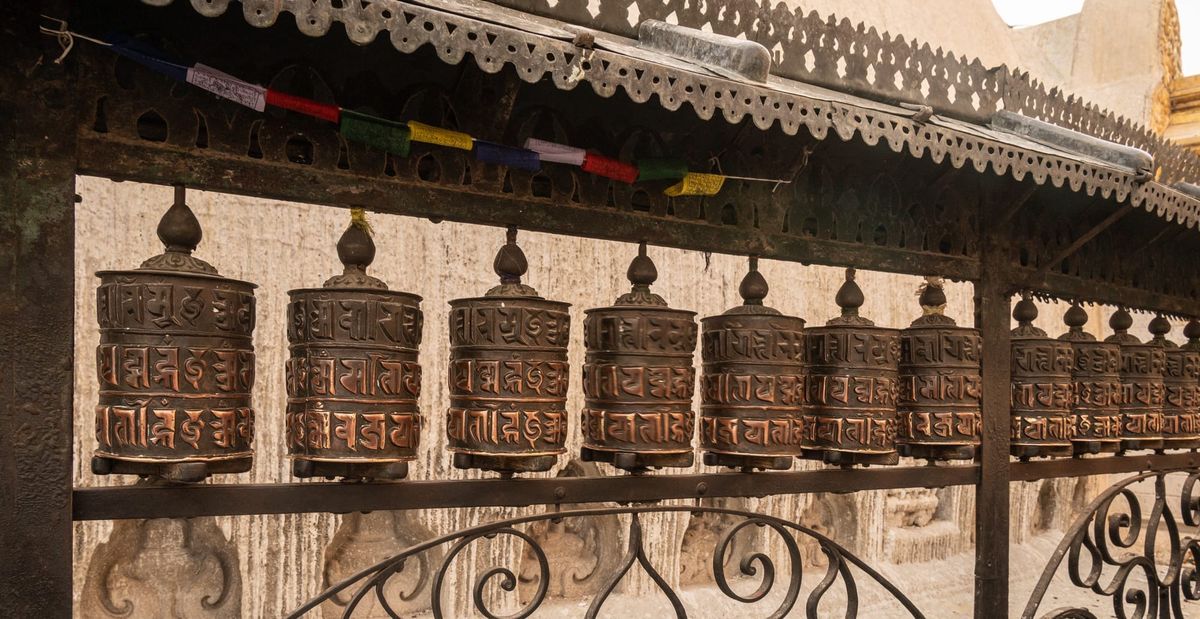
A candle can be a machine.

So can a bell.

So can a bead moving between fingers.
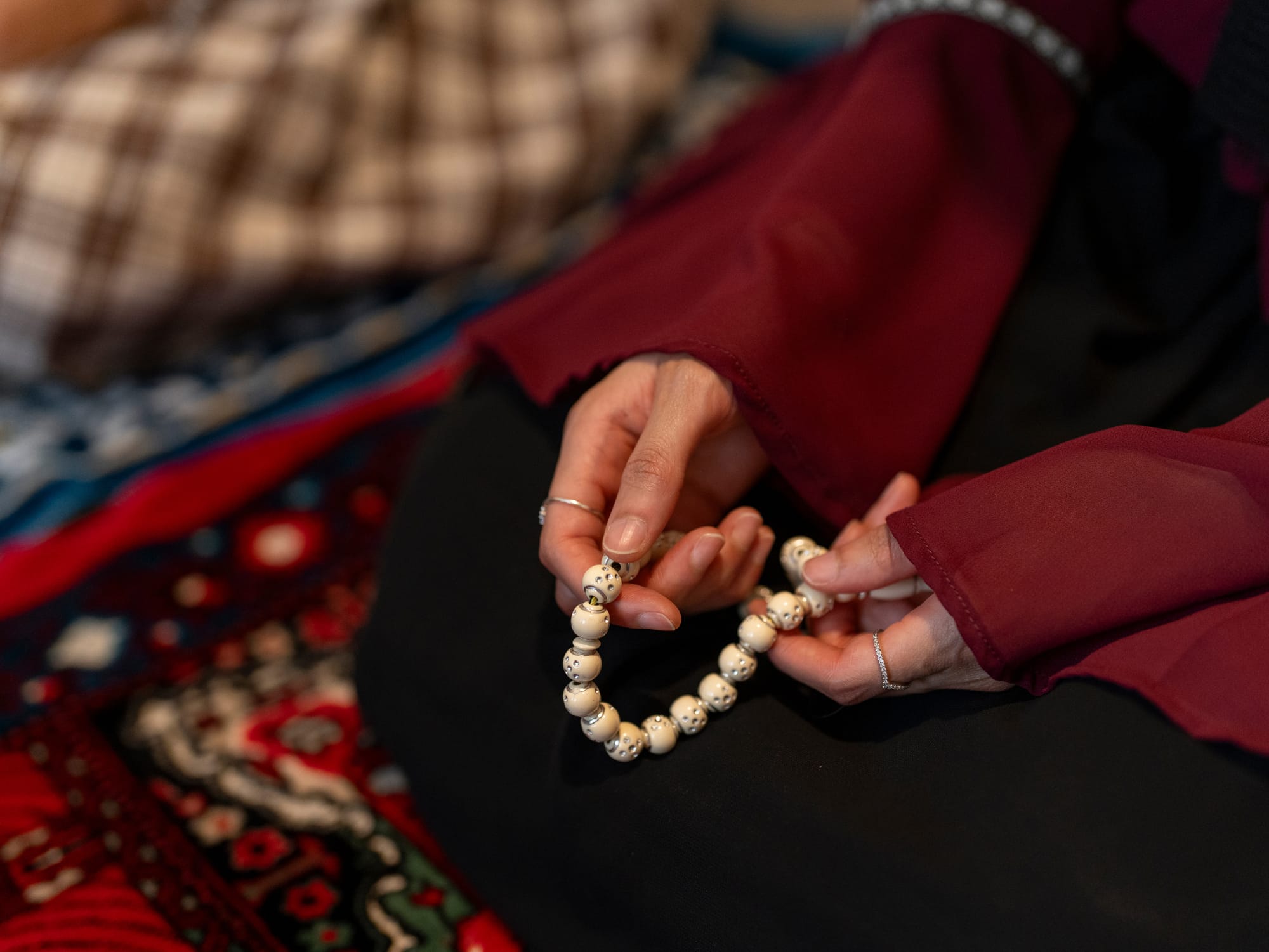
So can a book opened before dawn, a bowl washed in silence, a body kneeling on a floor, a song everyone in the room inherited before they knew what inheritance was, a fast, a blessing, a confession, a pilgrimage, a Sabbath, a burial prayer, a name spoken over water, a hand placed on the head of someone who has become too heavy for ordinary speech.
Human beings keep making these things because ordinary attention is weak.
That fact should be obvious by now, though it somehow continues to surprise every age that thinks it has escaped ritual by replacing incense with scheduling software.

We forget death when death is absent. We forget obligation when appetite is loud. We forget gratitude when the lights turn on. We forget the poor when they stop standing in front of us. We forget the dead when memory becomes inconvenient. We forget guilt when the room rewards confidence. We forget awe because awe is bad at paperwork and does not fit neatly in a calendar invite.
So human beings build instruments that drag contact back into the room.
- A bell says:
- pay attention.
- A prayer says:
- stop letting appetite be the whole government.
- A ritual says:
- the body must remember what the mood keeps forgetting.
- A scripture says:
- you are not the first frightened animal to discover grief and call it metaphysics.
- A confession says:
- the wound is not repaired by your successful performance of innocence.
- A sacred office says:
- this care should survive the charisma of the person currently holding it.
- A tradition says:
- memory needs a vessel or the field will be inherited by whoever can tell the fastest story after the bodies are gone.
These are real instruments.
Modal Path Ethics treats them that way.
That means this article begins by refusing the Stupid Room.

The Stupid Room is the one where religion must first prove it is not embarrassing before anyone will admit that it does work in the field. The Stupid Room is also the one where sacredness is treated as a special solvent that dissolves ordinary correction because somebody put a robe on the claim.
Both rooms are bad. Both have weird carpeting. Both smell faintly of institutional hubris and victory over a cardboard version of the enemy.
The question is simpler and harder:
What does the sacred instrument make reachable?
The Sacred Instrument.
A sacred instrument is any practice, text, ritual, office, memory, image, law, oracle, vow, story, discipline, architecture, calendar, or bodily form that intensifies contact with what exceeds ordinary preference.
That phrase is deliberately broad.

A temple can be a sacred instrument. So can a family table. So can a vow. So can a chant. So can a funeral. So can a prohibition. So can a feast. So can a rule about what may be eaten, touched, confessed, forgiven, inherited, mourned, remembered, or released.
The sacred instrument makes a cut in the field. It selects.
It says: this matters.
- This time is set apart.
- This memory must be carried.
- This act binds.
- This body is vulnerable.
- This place has weight.
- This suffering must not be laundered into inconvenience.
- This promise continues after the mood that made it has gone.
- This death should not vanish into administrative weather.
The sacred cut is not fake. A cut can reveal. A cut can preserve contact. A cut can make repair possible because a field too large for ordinary perception has now been given a handle.
Mathematics cuts extance by selecting what can be counted. Science cuts extance by selecting what can be isolated, measured, controlled, and repeated. Language cuts extance by selecting what can be named. Law cuts extance by selecting what can be recognized, accused, protected, punished, owned, or repaired through procedure.
Sacred instruments cut extance by selecting what may become binding under contact with ultimacy, memory, obligation, wound, awe, holiness, creation, judgment, liberation, God, gods, ancestors, emptiness, covenant, karma, grace, dharma, spirit, law, silence, death, or the fact that the human animal keeps waking up inside a world it did not authorize.

This is dangerous because it is powerful.
- A sacred instrument can make a person more able to care.
- It can also make a person more able to ignore correction while believing the ignoring has been consecrated.
Why Humans Built These Things, Anyway.
Human beings did not build sacred instruments because ordinary perception was already enough.
Ordinary perception is often terrible.
It is local, hungry, frightened, proud, erotic, tribal, exhausted, distractible, and extremely interested in being praised. It can hold a crying child for a while. Then the phone lights up. It can remember a funeral for a while. Then the world asks for an invoice. It can be sincere in the morning and petty by lunch.
This is not an insult to human beings. I tend to be partial to these guys. It is an honest weather report.
A serious moral field has to account for the kind of animal doing the accounting.

Sacred instruments help human beings survive contact with realities that are too large, slow, painful, or humbling for unaided preference.
Death is one of those realities.
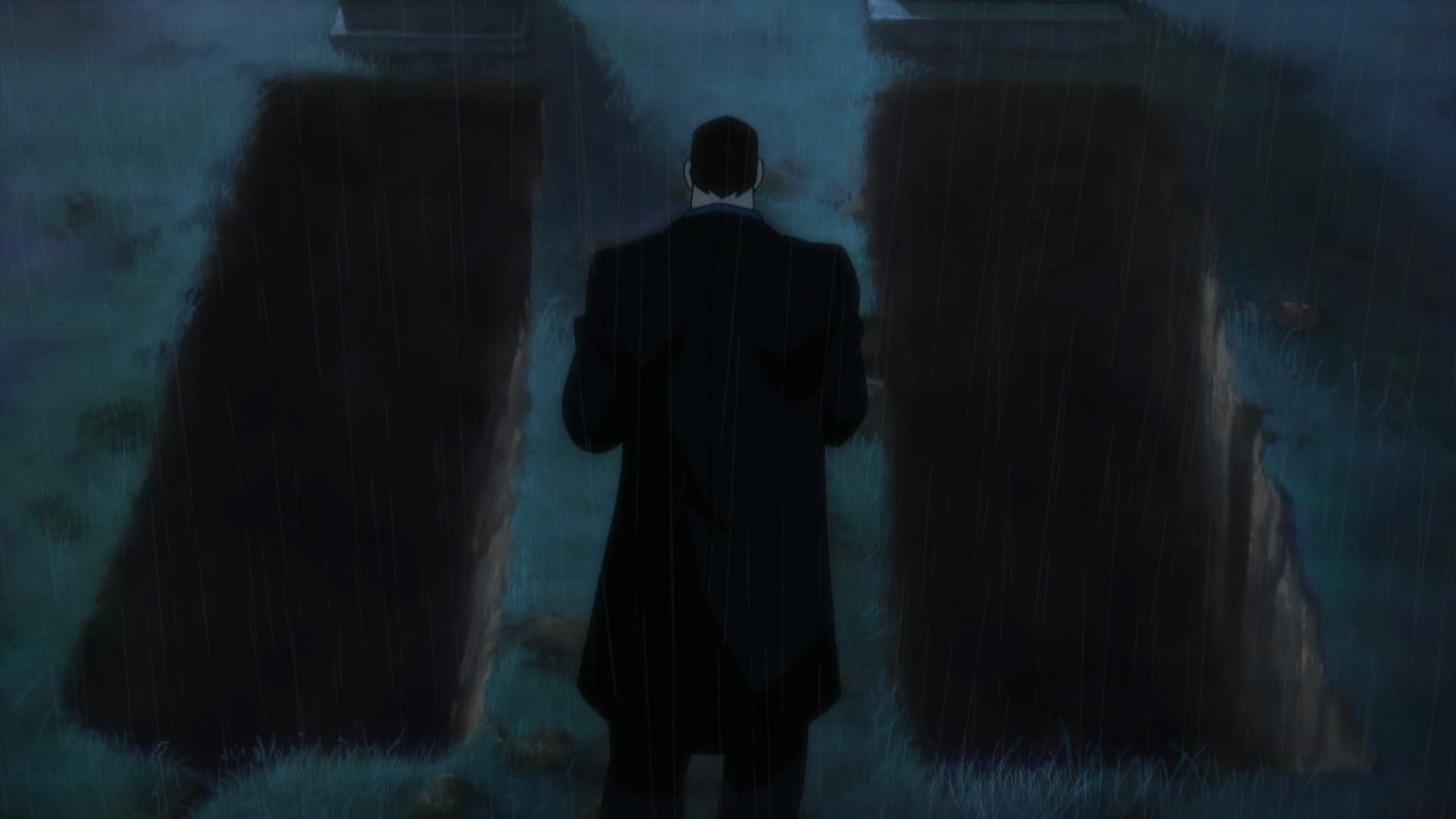
The death of a person does not enter the room as a proposition. It reorganizes the field. A body is present and absent in the wrong proportions. The future has been cut. The living are suddenly asked to continue after a continuation has closed. Ordinary speech starts dropping its tools.
A funeral is an instrument for carrying a field that has become too heavy to lift casually, not an explanation for the absence.
- Grief needs form because grief without form can become weather with teeth.
- Guilt needs form because guilt without correction can become theater, self-hatred, denial, or a private religion of being unforgivable.
- Gratitude needs form because gratitude without practice dissolves into a pleasant mood and then into entitlement.
- Awe needs form because awe without discipline becomes intoxication.
- Hope needs form because hope without correction becomes a generator for counterfeit futures.
- Suffering needs form because suffering without witness can become invisible, and invisible suffering is one of the great feeder roots of distortion.
Sacred instruments do their best work here. They give continuity to attention. They carry memory across weak days. They hold obligation when appetite wants the floor.
They force the proud person to kneel, the frightened person to sing, the grieving person to receive food, the guilty person to speak, the powerful person to hear that power is borrowed, the community to remember that the dead are not compost for branding.
A field with no sacred instruments does not become automatically clear. It instead usually invents degraded sacred instruments and gives them worse names.
- The market becomes providence.
- The nation becomes altar.
- The party becomes church.
- The platform becomes oracle.
- The brand becomes identity.
- The leader becomes father.
- The algorithm becomes fate with engagement metrics.
The human animal simply does not stop consecrating things because it has announced that consecration is cringe. It usually just consecrates with less honesty.
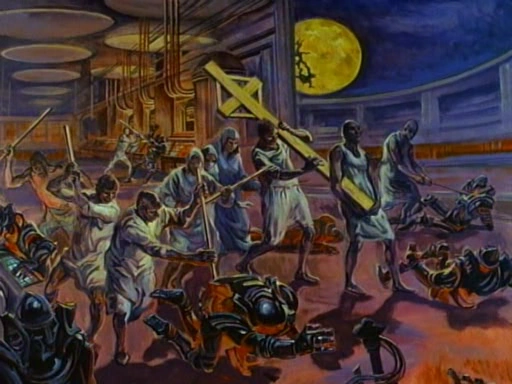
Modal Path Ethics would prefer honesty.
The Sacred Cut.
Every sacred instrument asks the field to pass through selected terms.
That is the cut.
- A prayer selects address.
- A scripture selects memory.
- A ritual selects form.
- A vow selects continuance.
- A commandment selects conduct.
- A taboo selects boundary.
- A priesthood selects authority.
- A calendar selects recurrence.
- A pilgrimage selects movement.
- A confession selects truth under exposure.
- A temple selects place.
- A martyr story selects remembered sacrifice.
- A prophecy selects the future as answerable to a present word.
These cuts can improve contact. They can also hide the field.
- Prayer can orient the agent toward humility.
- It can also become a demand that the universe behave like an employee with mysterious customer service delays.
- Scripture can preserve inherited contact with suffering, awe, judgment, mercy, liberation, and repair.
- It can also become a weaponized quotation machine with God taped to the handle.
- Ritual can discipline attention.
- It can also become a receipt for moral exemption.
- Tradition can carry memory.
- It can also become a wall built from ancestors no one asked.
- Religious office can protect continuity of care.
- It can also become ownership of contact.
- Prophecy can warn.
- It can also claim the future.
- Sacred law can restrain appetite and protect vulnerable relations.
- It can also become a machine for making harmed loci disappear behind the dignity of the rule.
The sacred cut works when it makes the field more answerable.
It fails when it makes the instrument less answerable.
That distinction will carry the entire Religion track.
A sacred instrument expands the field when it returns the agent to extance with more care. It contracts the field when it protects the agent from correction.
Good Sacred Instruments.
A good sacred instrument does not need to be gentle.
Some instruments wound the ego to protect the person. Some interrupt appetite to preserve the household. Some preserve grief because premature comfort can become theft. Some say no because the agent is lying beautifully and needs a less impressed room.
Good sacred instruments do not flatter the user. They return the user to the field.
- Prayer is good when it trains dependence, gratitude, courage, confession, attention, solidarity, and willingness to be changed by contact with suffering.
- Prayer fails when it becomes command language aimed at reality.
- Scripture is good when it preserves difficult memory, widens moral imagination, keeps the dead from becoming scenery, and places present desire under the pressure of inherited witness.
- Scripture fails when citation replaces contact.
- Ritual is good when it teaches the body to remember what argument cannot hold.
- Ritual fails when performance becomes innocence.
- Confession is good when it reopens correction.
- Confession fails when it becomes humiliation without repair, or absolution without truth.
- Tradition is good when it carries contact across generations.
- Tradition fails when the ancestors are conscripted into vetoing the living.
- Religious office is good when it stabilizes service beyond charisma.
- Religious office fails when it converts service into sovereignty.
- Prophecy is good when it interrupts complacency, names a wound, warns a violent field, or opens courage where cowardice has become normal.
- Prophecy fails when the future is no longer allowed to answer back.
- Martyr memory is good when it protects witness from oblivion.
- Martyr memory fails when the dead are made to recruit new dead.
These distinctions each matter because sacred instruments often begin by seeing something real.
- The bad priest
- may know that appetite destroys families.
- The bad prophet
- may know that the city is corrupt.
- The bad purity movement
- may know that decadence has become an anesthetic.
- The bad apocalyptic sect
- may know that the world is cruel.
- The bad sacred title
- may preserve an actual wound in collective memory.
- The bad martyr story
- may begin with actual courage under actual oppression.
That is why crude debunking usually fails.
People do not cling to distorted sacred instruments simply because they are stupid. They often cling because the instrument holds a real contact that surrounding fields refused to honor.
A distorted instrument can preserve a real wound while destroying the repair path for that wound.
That sentence belongs on the wall.
When the Sacred Instrument Becomes Sovereign.
The failure has a clean shape. The instrument becomes sovereign when the harmed field is no longer allowed to answer back.
- At first, the instrument serves contact.
- Then the instrument becomes the authorized shape of contact.
- Then correction must enter through the instrument.
- Then correction that cannot enter through the instrument is named rebellion, impurity, heresy, weakness, secular corruption, bad faith, demonic influence, contamination, betrayal, or lack of seriousness.
- Then the field starts bleeding in languages the instrument no longer recognizes.
- Then correction that cannot enter through the instrument is named rebellion, impurity, heresy, weakness, secular corruption, bad faith, demonic influence, contamination, betrayal, or lack of seriousness.
- Then correction must enter through the instrument.
- Then the instrument becomes the authorized shape of contact.
This is the sacred sovereignty problem.
- The oracle becomes throne.
- The prophecy becomes future ownership.
- The ritual becomes moral exemption.
- The purity rule replaces repair.
- The office becomes ownership of contact.
- The tradition becomes anti-correction memory.
- The martyr becomes commander of the living.
- The sacred law becomes a wall against harmed loci.
- The sacred title claims the continuance of other people.
- The holy city becomes more real to the instrument than the children living inside it.
The sign of sovereignty is not intensity. A sacred instrument can be intense and still remain answerable. A vow can bind hard. A ritual can demand discipline. A fast can hurt. A confession can burn. A commandment can close some paths because those paths destroy the field.
The sign of sovereignty is anti-correction.
A sovereign sacred instrument protects itself from the very reality it was built to serve. It begins asking reality to make the instrument true.
That is how a door becomes a throne.
The Oracle Problem.
The oracle is one of the clearest sacred instruments because it makes the danger visible.
An oracle interrupts ordinary perception.
This can be valuable.
Ordinary perception is captured by habit, power, fear, fashion, prestige, and all the little lies a community repeats until the lie becomes furniture. A true interruption can save a field from its own smooth failure. A prophet standing in front of a king and saying the king is not God is one of the better uses of a human throat.
The problem begins when interruption becomes replacement.
An oracle may interrupt perception. It may not replace perception.
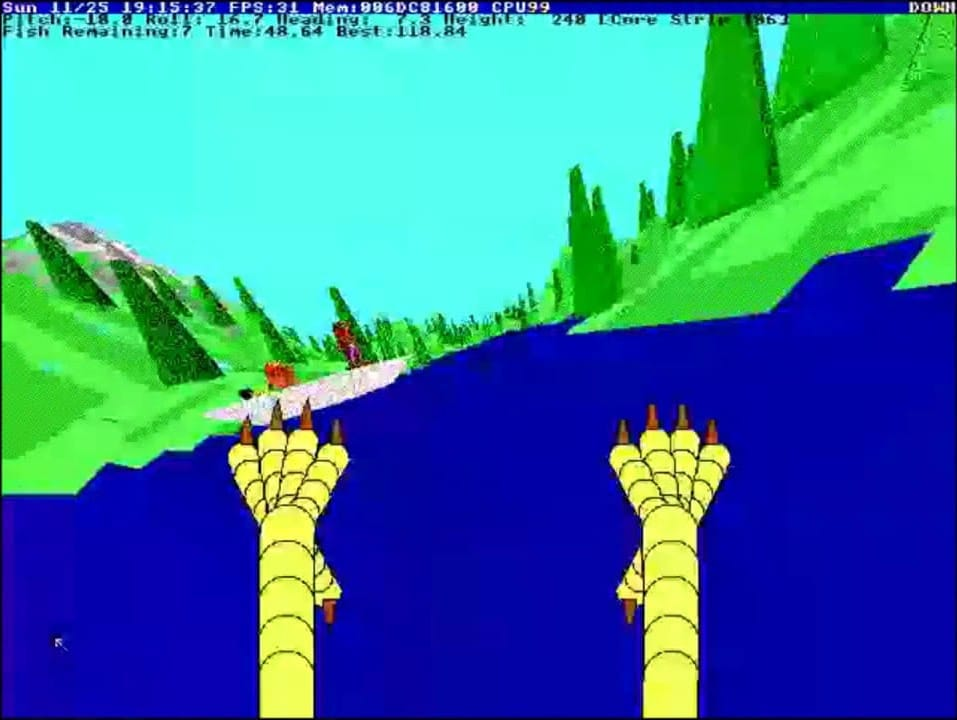
This is the lesson Modal Path Ethics drew from TempleOS. The issue there was never that sacred contact is automatically false, embarrassing, or pathological. The issue is that an answer-channel can become a sovereign instrument when it no longer has to return through shared correction, bodily reality, other minds, ordinary evidence, care, and the stubbornness of the field.
- The answer-channel begins as a way to receive contact.
- Then it becomes a way to avoid contact.
This failure mode is not confined to religion.
Markets do this. Bureaucracies do this. Military dashboards do this. Social platforms do this. Academic fashions do this. Artificial intelligence systems can absolutely do this while wearing the cheerful expression of a very helpful vending machine that has read too much science fiction.
The sacred version has special danger because the answer-channel speaks with ultimacy. A bad dashboard can ruin a hospital.
A bad oracle can tell the hospital that the ruin is holy.
That is a notable escalation.
The Purity Trap.
Purity is one of the easiest ways for a sacred instrument to leave the field.
Purity feels like repair because it has clean edges.
Clean edges are emotionally powerful. They let a community identify the contaminant, isolate the deviant, cast out the impurity, restore the rule, and experience relief that has the same shape as moral progress if nobody checks the bodies afterward.
Purity becomes especially attractive when the field is genuinely damaged.
A corrupt church, a predatory market, a decaying city, a violent empire, an extractive platform, an abusive family, a lying government, a manipulative technology, a collapsing public truth-field - all of these create hunger for purification.
The hunger is understandable.
The route is often catastrophic.
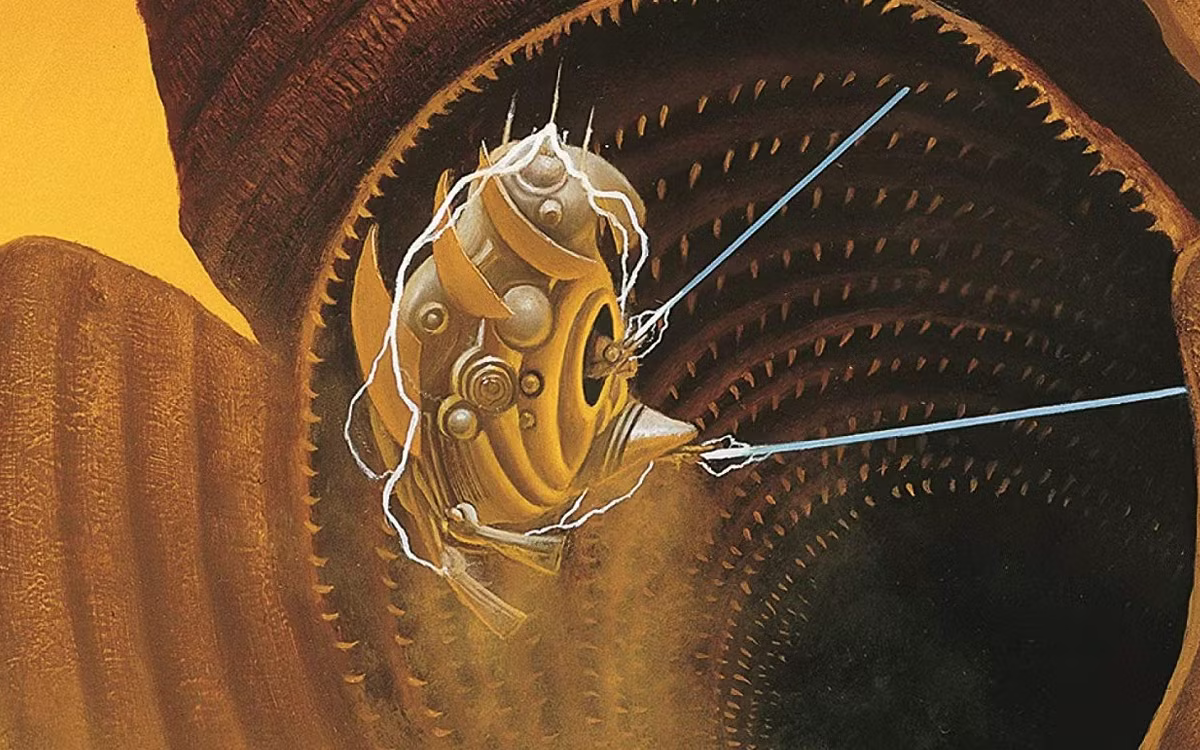
The Anti-AI Religion named one version of this problem: purity asks who has been touched, while repair asks what remains reachable. The contaminated object becomes easier to condemn than the actual field becomes to understand.
This is why purity loves shortcuts.
- Purity can identify a stain faster than care can rebuild a relation.
- Purity can stage a cleansing faster than institutions can repair trust.
- Purity can punish ambiguity faster than truth can finish arriving.
- Purity can make the frightened person feel morally vertical.
Repair usually makes the same person fill out the paperwork, apologize correctly, feed someone, listen longer, revise the rule, carry remainder, and stop calling discomfort martyrdom.
That is so much less theatrical.
It is also where the field lives.
Purity becomes a sacred instrument failure when the clean state replaces the repair path.
No extant path reaches purity.
The world is already damaged. The task is truthful continuance under damaged conditions: carrying remainder, reducing avoidable resistance, preserving repairability, and refusing the seduction of a clean room built by throwing harmed loci outside.
A sacred instrument that cannot bear remainder will start looking for someone to burn.
Sacred Memory and Sacred Title.
Sacred memory can be a repair instrument.
A people can remember exile, slavery, massacre, dispossession, miracle, covenant, liberation, betrayal, pilgrimage, survival, and return. They can carry that memory through ritual and story because ordinary history would otherwise flatten it into context, footnote, tragic complexity, or the worst phrase in public life: unfortunate background.
Sacred memory resists that flattening. Good. Some wounds need sacred memory because ordinary record is too easy to bury.
But the danger begins when sacred memory becomes sacred title.
- Sacred memory says:
- this wound must continue to matter.
- Sacred title says:
- this wound grants ownership over living continuance.
That difference is the bridge from this article into Levant Leverage and the later Sacred Title article.
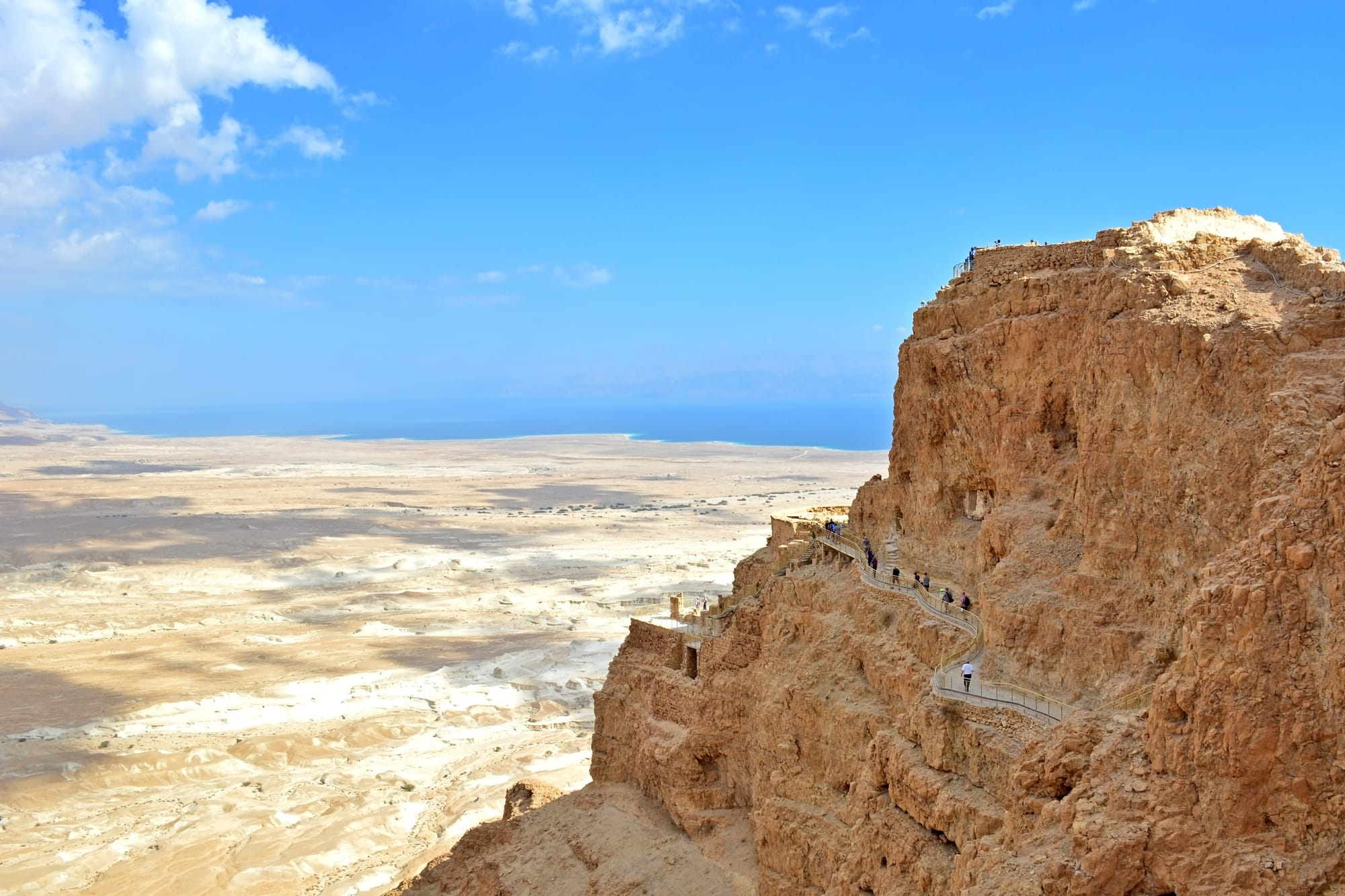
- A holy site can carry memory.
- A people can carry covenantal attachment.
- A homeland can matter beyond market value, administrative boundary, or tourist brochure.
- A loss can remain morally active for generations.
- A homeland can matter beyond market value, administrative boundary, or tourist brochure.
- A people can carry covenantal attachment.
Then comes the fatal move.
The living continuance of another locus is made conditional on your sacred claim.
- A family becomes an obstacle to memory.
- A village becomes proof of promise.
- A child becomes an inconvenience to title.
- A border becomes a theological sentence.
- A civilian corridor becomes bargaining power.
A hostage remains a literal hostage, not a metaphor. But a population under compression also becomes leverage when its continuation is made conditional on another actor’s sacred, strategic, retaliatory, or political need.
- Sacred memory may obligate repair.
- Sacred title may not own the living field.
No wound grants sovereignty over repair.
No sacred instrument may convert another population’s continuance into proof of its own holiness. That line will need to be remembered.
The track will keep coming back to it because the world keeps committing the same error with new flags.
The Correction Tests.
A sacred instrument has to be tested by what it allows the field to say back.
This cannot be reduced to a neat questionnaire taped to a temple door, though honestly that move would improve several temples.
The questions are still useful.
- Can harmed loci speak into the instrument without being pre-condemned by the instrument’s need to remain right?
- Can the instrument admit that its users, offices, rules, inherited readings, or authorized performances have closed reachable futures?
- Can it release a person back into the wider field, or does every exit become betrayal?
- Can it distinguish discipline from domination?
- Can it distinguish memory from ownership?
- Can it distinguish reverence from possession?
- Can it distinguish sacrifice from consumption?
- Can it distinguish witness from recruitment?
- Can it distinguish prophecy from future ownership?
- Can it survive reciprocity?
This last question is the Golden Rule entering the audit with steel-toed boots.
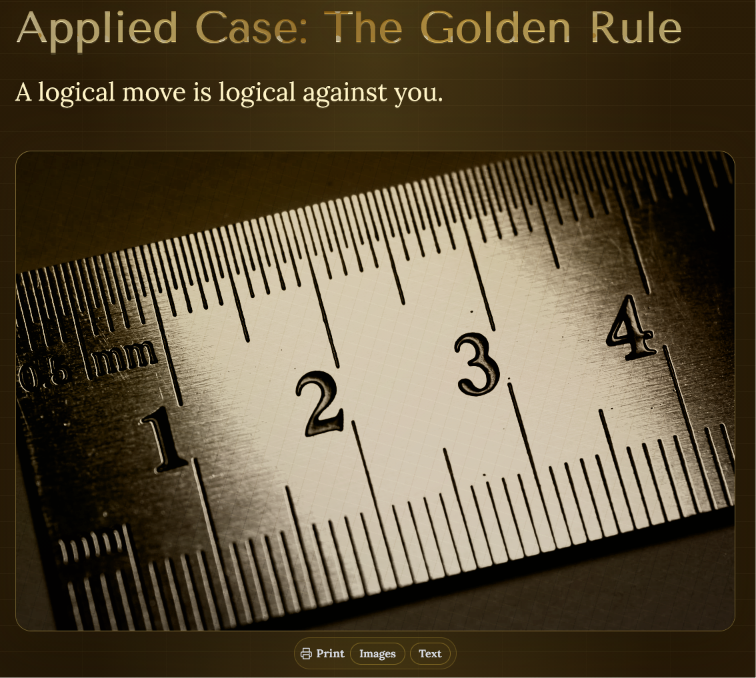
A logical move is logical against you.
- If your sacred title can override another people’s living continuance,
- their sacred title can override yours.
- If your purity rule can erase their testimony,
- their purity rule can erase yours.
- If your prophet can silence their harmed loci because the future has already been revealed,
- their prophet can do the same to you.
- If your martyr dead can command new living bodies,
- so can theirs.
- If your holy wound grants sovereignty over repair,
- then every wound becomes a candidate government.
The field cannot survive that.
A sacred instrument that cannot endure reciprocal application has stopped being an instrument of repair. It has become a protected asymmetry.
Protected asymmetries are where sacred violence goes to grow a respectable beard.
Comedy Beside the Altar.
A sacred instrument also needs comedy near it.
This is not because sacred things are unserious. The opposite is true.
Serious instruments need comedy because solemnity is one of the easiest ways for an instrument to start lying about itself.
A framework that cannot be laughed at becomes a monument. A church that cannot be laughed at becomes a security problem with hymns. A prophet who cannot be laughed at has already begun hiring guards in the metaphysical suburbs.
The clown is not always wise. Often the clown is just annoying and smells like theater school. Still, an instrument that cannot survive the clown has begun demanding priesthood conditions around ordinary fragility.
Modal Path Ethics has to remember this about itself too.
It is an instrument. It should change, fail, repair, hand off, and, if its work is absorbed by better instruments, disappear. An instrument unwilling to become obsolete has started asking reality to preserve the instrument.
Sacred instruments face the same danger with better music. Ritual can become monument. Tradition can become monument. Scripture can become monument. Office can become monument. Martyr memory can become monument.
The monument is not always made of stone. Sometimes it is a rule that cannot apologize. Sometimes it is a tone of voice. Sometimes it is a sentence that begins with the ancestors and ends with a child being told to shut up.
Comedy is not sufficient correction.
But it is one small anti-idolatry device.
The sacred instrument should be able to hear a laugh and remain sacred without immediately demanding a trial.
The Ruling.
Sacred instruments are real field instruments.
They are among humanity’s strongest tools for holding contact with suffering, death, obligation, humility, repentance, gratitude, awe, memory, and repair. A good sacred instrument sends the person back into the wounded field more able to care, more able to remember, more able to confess, more able to forgive truthfully, more able to endure remainder, and less able to pretend appetite is the whole world.
That power is also the danger.

A sacred instrument can preserve a wound so well that the wound becomes a throne. It can preserve a memory so strongly that memory becomes title. It can preserve a martyr so intensely that the dead begin commanding the living. It can preserve a prophecy so tightly that the future is no longer permitted to disagree. It can preserve a rule so absolutely that harmed loci become noise outside the authorized grammar.
The test is correction.
- Can the field answer back?
- Can the injured speak?
- Can the instrument fail without declaring reality impure?
- Can the sacred door remain a door?
A sacred instrument is a door, not a throne.
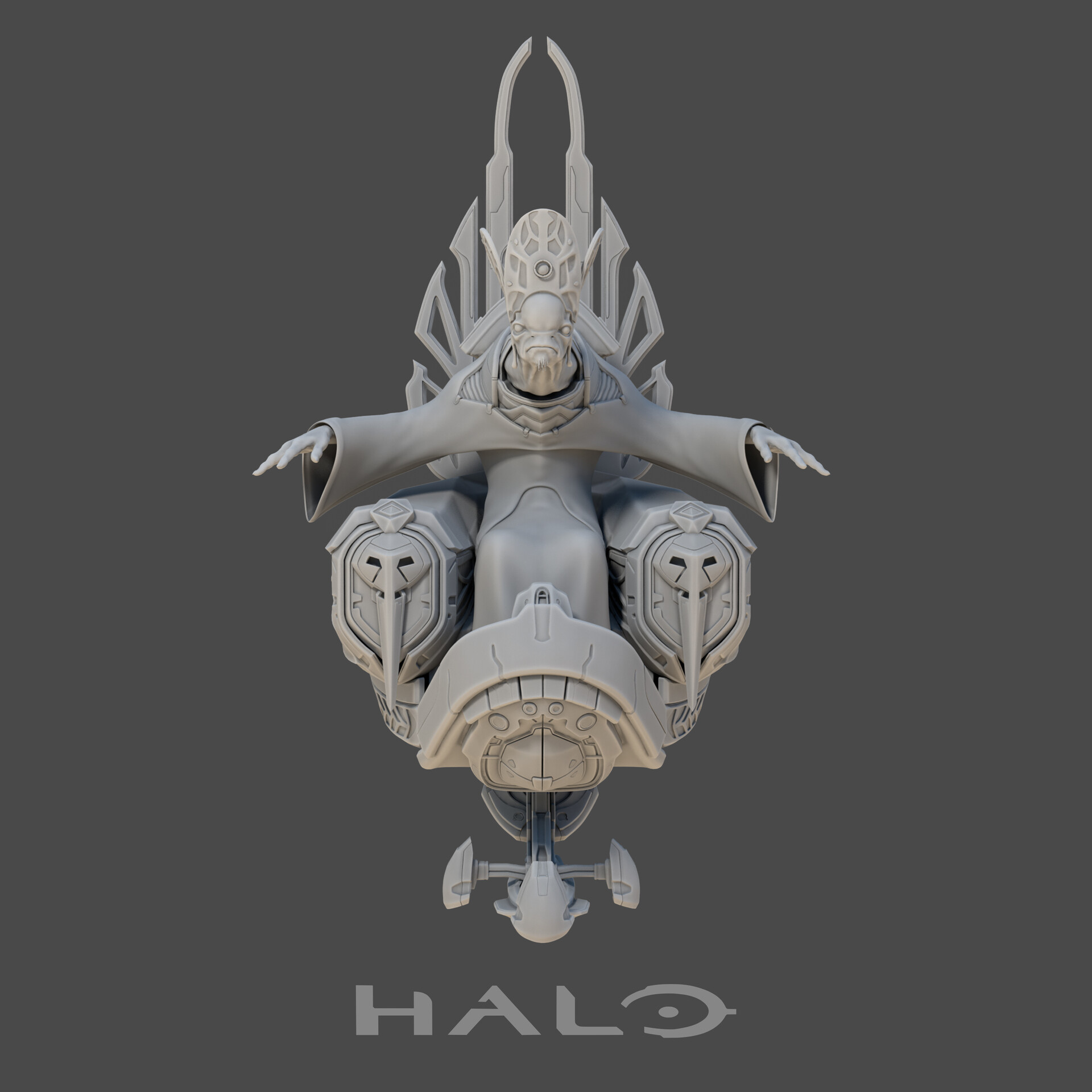
The moment it becomes a throne, the field starts paying in tribute.