Australia vs. The Biosphere: The Emu Front
AUS 0 • BIO 1
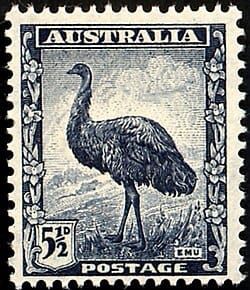
In 1932, Western Australian farmers were under real pressure.
Returned soldiers had been settled onto land in the Wheatbelt after the First World War. The land was difficult. The prices were bad. The rain was bad. The economy was busy performing the early 1930s, which was one of history's less relaxing hobbies.
Then thousands of emus arrived where the wheat was.
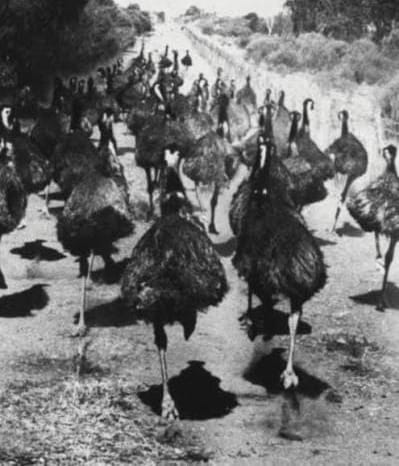
This part was not funny to the farmers.
These farmers were not living inside an internet meme. They were living in drought, low wheat prices, debt pressure, marginal land, and the kind of agricultural fragility that makes a large bird walking through your crop feel less like wildlife and more like a personal letter from bankruptcy.
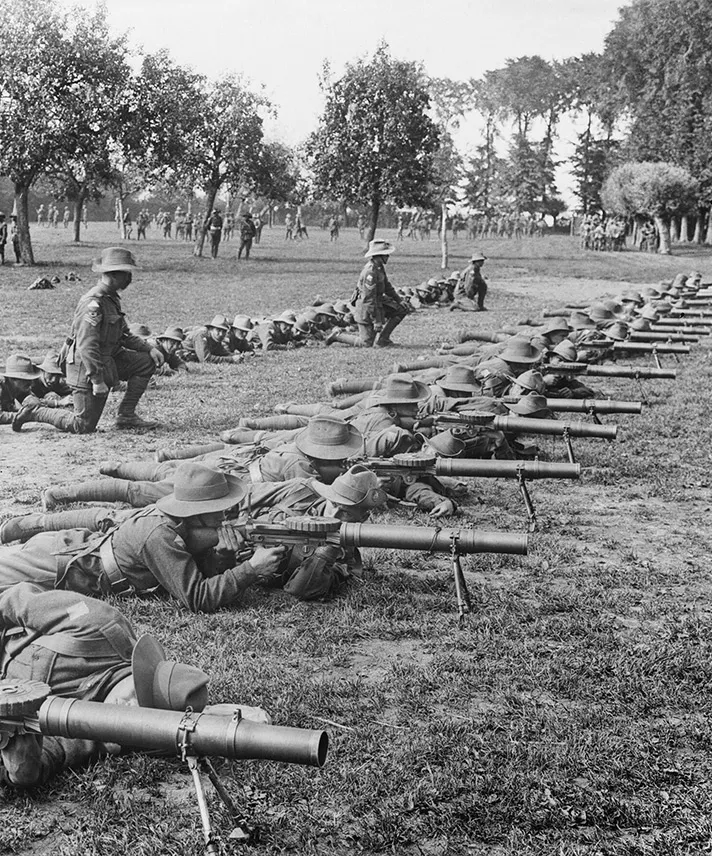
So, Australia sent soldiers with machine guns to shoot emus.
This is where history becomes very generous.
Not morally generous. Obviously.
This was a field full of pressured farmers, damaged animals, failed governance, and a lot of wheat getting flattened by a very tall bird that cannot fly.
But diagnostically, history occasionally produces an image so clean that an ethical framework can only stand there nodding along.
A New Front Opens.
The event is usually called the Emu War because newspapers, God, and later internet users all understand that "a wildlife management operation using light machine guns" just has no bounce to it.
The facts are simple enough to sound fake.
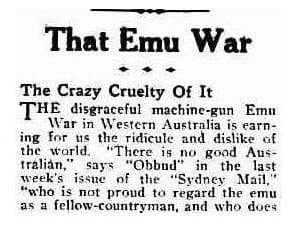
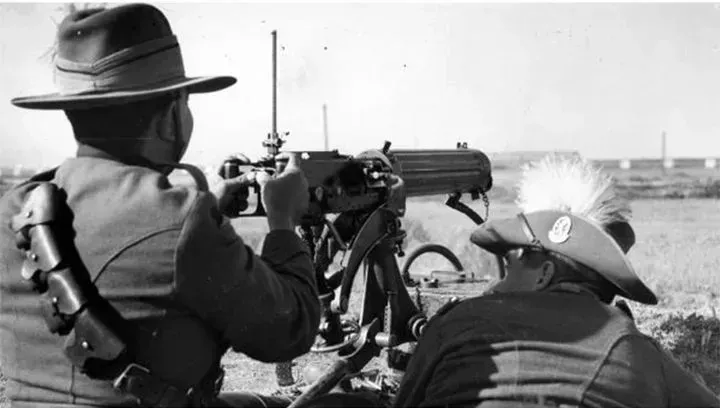
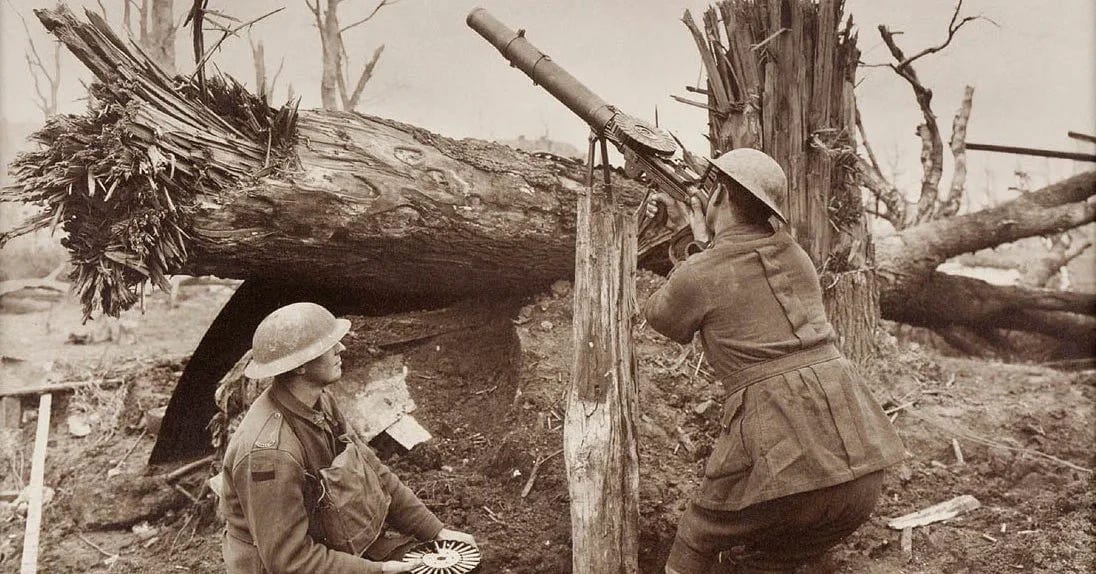
As many as 20,000 emus moved onto farms after breeding, destroying fences and valuable grain, and local farmers asked the federal government for help. Three soldiers from the Royal Australian Artillery arrived at Campion on November 2, 1932, after catching a train from Perth.
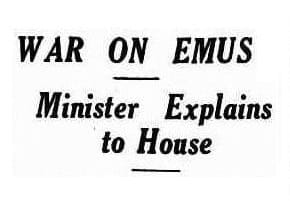
Local papers reported that the party was "bent on the destruction of thousands of emus."
This is a very strong sentence.
This one has a war party. It has a train. It has artillerymen.
It has thousands of emus.
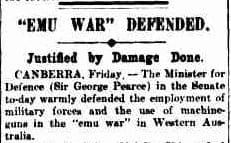
It has the administrative confidence of a country that has decided the next step in agrarian repair is apparently two Lewis guns and some men who had thought their artillery careers would involve fewer ostrich-adjacent negotiations.
The emus were not impressed.
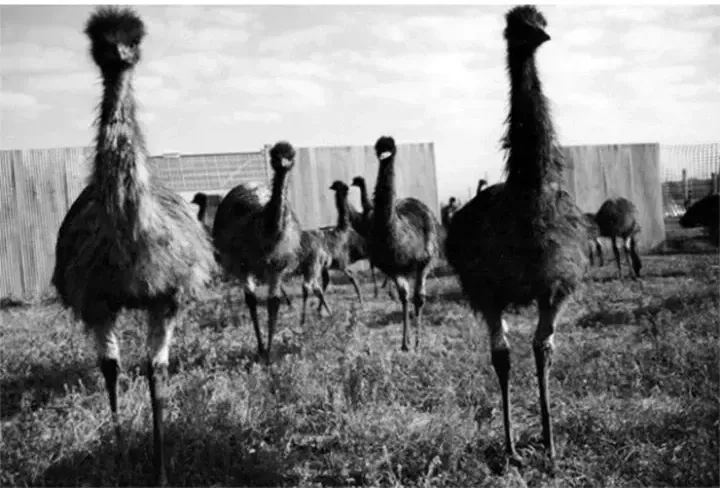
They did not sign a declaration. They did not occupy anyone's capital. They did not form a provisional government in the Wheatbelt or publish a doctrine of emu self-determination.
They moved through food and water.
That is much worse for the instrument sent to stop them.
An army can fight another army because armies make themselves target-shaped. They gather, communicate, carry supply, hold positions, defend lines, expose logistics, create command signatures, and generate the kind of structure other military instruments know how to read.
An emu does not need any of that nonsense.
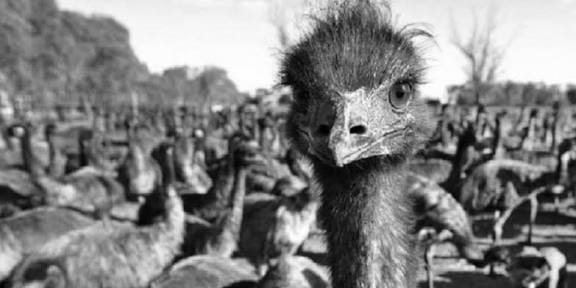
An emu is a six-foot Australian fact with legs, appetite, endurance, and almost no interest in making the Royal Australian Artillery feel useful.
The first diagnostic error was therefore categorical.
- The field had a wounded agricultural system with native animal movement passing through it.
- The state introduced a military target instrument.
- The instrument waited for the field to become target-shaped.
- The field declined.
- The instrument waited for the field to become target-shaped.
- The state introduced a military target instrument.
The Field When it Stood.
The farmers were living inside a field that had already been narrowed before the emus arrived. Soldier settlement after the war had promised livelihood, independence, and national development.
This is a powerful promise. It takes men who have been used by war, gives them land, and says: now root yourself here, grow wheat, make a life, and let the country that spent your body in one field honor you by placing your future in another.
That is one of those national repair stories that looks simple from the capital and becomes extremely physical once someone has to make a crop grow in actual weather.
By the early 1930s, the field was already stressed. Drought and falling wheat prices are not background trivia here. They are the water pressure inside the pipe before it bursts.
The emu enters at the rupture point.
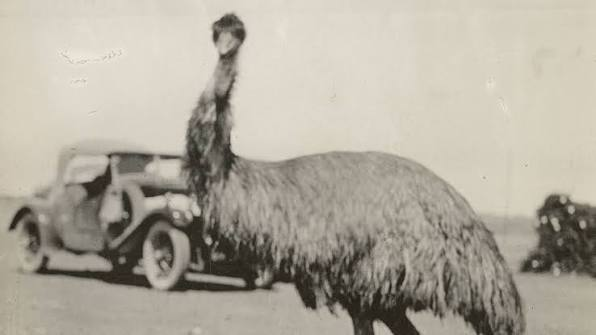
A comfortable farm can tolerate a nuisance. A brittle farm cannot. A crop that stands between a family and failure turns every trampling animal into a crisis.
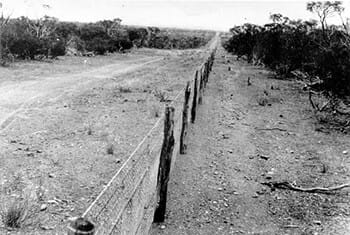
A fence that separates crop from animal, animal from rabbit, inside from outside, owned field from moving biosphere, is not just a fence.
This is an argument with the continent.
And that argument was failing.
That is why this series is Australia vs. The Biosphere.
The biosphere is not scenery here. It is not all that green stuff behind the economy. It is the field in which every settlement policy, market signal, fence line, crop choice, pest program, drought condition, and returned-soldier promise has to become real.
- A government can place people on land with a document.
- It cannot make the rainfall agree.
- A market can price wheat.
- It cannot make the emu respect margin debt.
- A fence can draw a line.
- It cannot abolish movement.
The first emu does not have to be the cause of the disaster. It can be the body that reveals the structure was already too thin.
The Emu Is Not Invading.
The invasion frame is almost irresistible because these birds arrived in huge numbers and the humans had crops to defend.
This is exactly how a field gets stupid.
The emus were native animals moving across a harsh landscape in search of food and water. National Geographic describes these feathered things as dispersive rather than neatly migratory; their movements can be unpredictable, and drought can unite them into large flocks. The same account notes their ecological role in dispersing seeds across large distances.
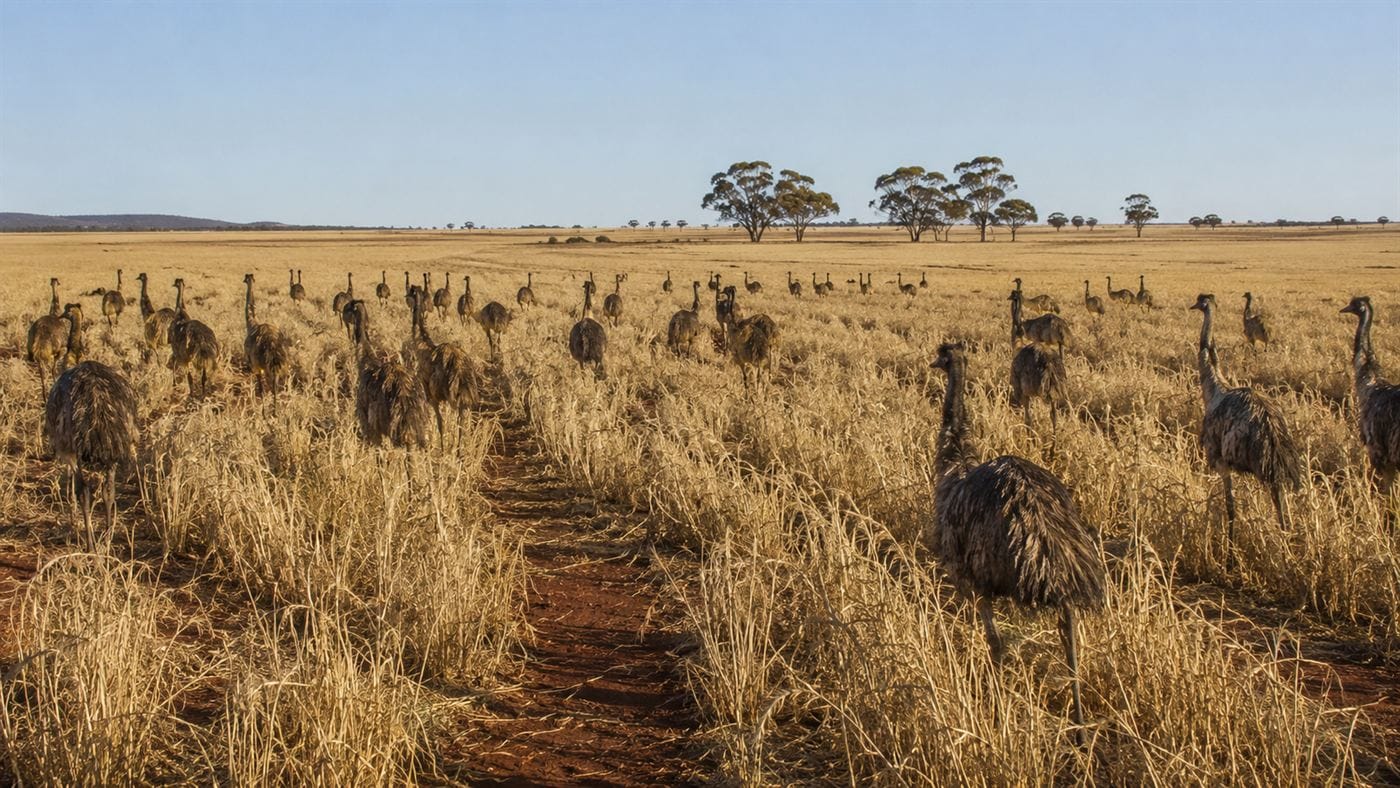
So, the same animal can be several things at once:
- a crop-damager;
- a fence-breaker;
- a seed-disperser;
- a native animal;
- a moving ecological relation;
- an economic emergency;
- a national joke that has somehow outlived many prime ministers.
The distortion begins when the state needs the emu to become one thing:
- pest.
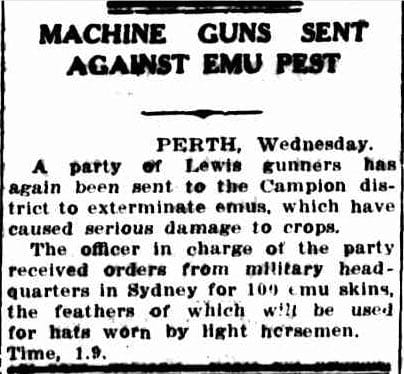
Pest is not always a fake category. A locust swarm can be a pest. A rabbit population can be a pest. A beetle can become a pest inside a changed field. The word "pest" may name a real relation between an organism and a human-maintained system.
But pest is also a dangerous compression.
It can hide the fact that the human-maintained system is fragile, invasive, badly placed, overextended, under-supported, or in a long argument with a living field whose answer predates the farm. "Pest" can become the word by which the more powerful actor refuses to describe its own dependency.
- The emu is now the pest.
- The crop is now the innocent surface.
- The fence is now the border.
- The gun is now the answer.
- The continent, rude as always, has not agreed to any of this.
- The gun is now the answer.
- The fence is now the border.
- The crop is now the innocent surface.
The Hole.
The emus damaged crops and fences. That is bad already.
Then the damaged fences also made it easier for rabbits to enter.
Excellent. Horrible.
Perfect.
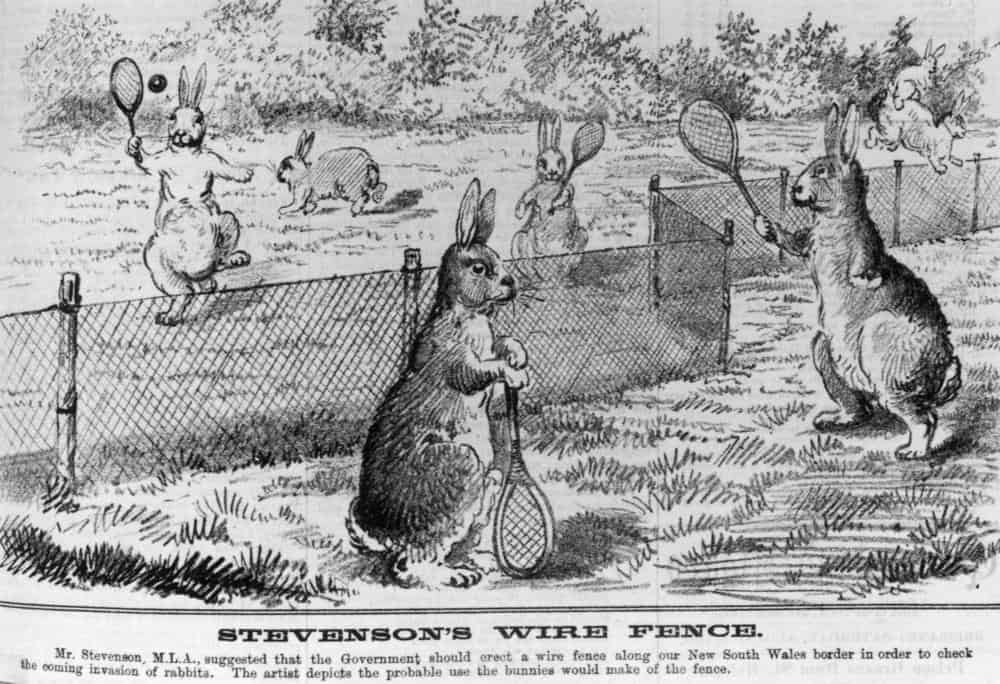
The hole in the fence is the whole field in miniature.
It is easy to look at the emu because the emu is large and has inherent comedy architecture. The emu looks like a bird designed by a committee that heard about horses thirdhand. It has the height of a person, the face of a judgmental feathered kettle, and the gait of someone leaving a meeting they are absolutely not returning to.
The hole is less charismatic.
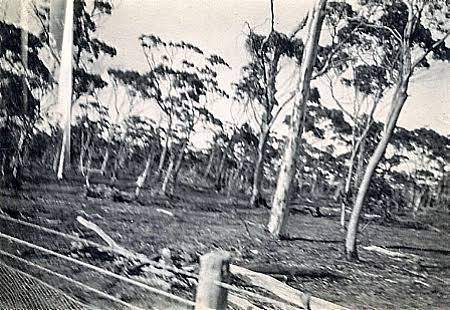
A fence in this field is a translated claim.
It says:
- this side is crop.
- That side is not.
- This side belongs to a human agricultural future.
- That side belongs to the rest of the living world, which has been asked to respect the line despite having received no meaningful stake in this planning process.
- Then an emu breaks the line.
- Then rabbits use the line.
- Then an emu breaks the line.
- That side belongs to the rest of the living world, which has been asked to respect the line despite having received no meaningful stake in this planning process.
Now the field has stopped being a bird problem and become a relation problem.
- The farmer sees wheat loss.
- The government sees public pressure.
- The soldier sees mobile targets.
- The biosphere just sees a fence that failed to become a world.
This is where the Lewis gun begins looking very tired.
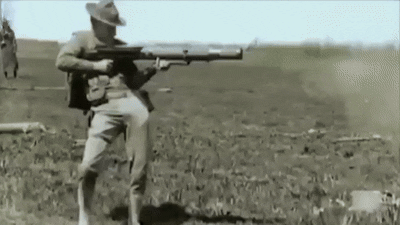
A Lewis gun can definitely kill an emu, any emu. Under favorable conditions, it can kill many emus. It can make noise, smoke, dead birds, headlines, and the particular kind of state confidence that arrives when machinery performs intensity in public.
A Lewis gun cannot repair a rabbit-shaped hole in a fence.
The machine gun was not wrong because it was incapable of killing very funny birds. It was wrong because killing these things was being asked to substitute for field repair. The hole knew this long before the Cabinet did.
Sir George Pearce Sends Help.
Sir George Pearce does not need to be written as a cartoon villain.
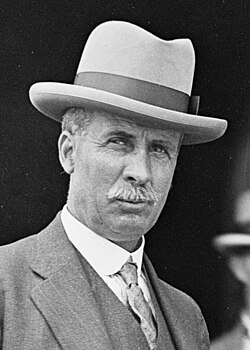
The farmers came to him in distress. They wanted help. The Commonwealth was under pressure. Western Australian politics had its own anxieties, grievances, and distance from the eastern centers of power. The federal government had reason to be seen as responsive.
Then it sent the military.
This is where Pearce becomes one of the distorted figures of the episode: not because he sees nothing; because he authorizes a visible instrument to answer an illegible field.
Visible help is very seductive.
A price policy can vanish into administrative sludge. A fencing program takes time. "Ecological management" sounds like someone saying difficult things.
"Debt relief" raises questions about precedent. "Local repair" has committees hiding inside it.
A Lewis gun, by contrast, looks like a government that has arrived.
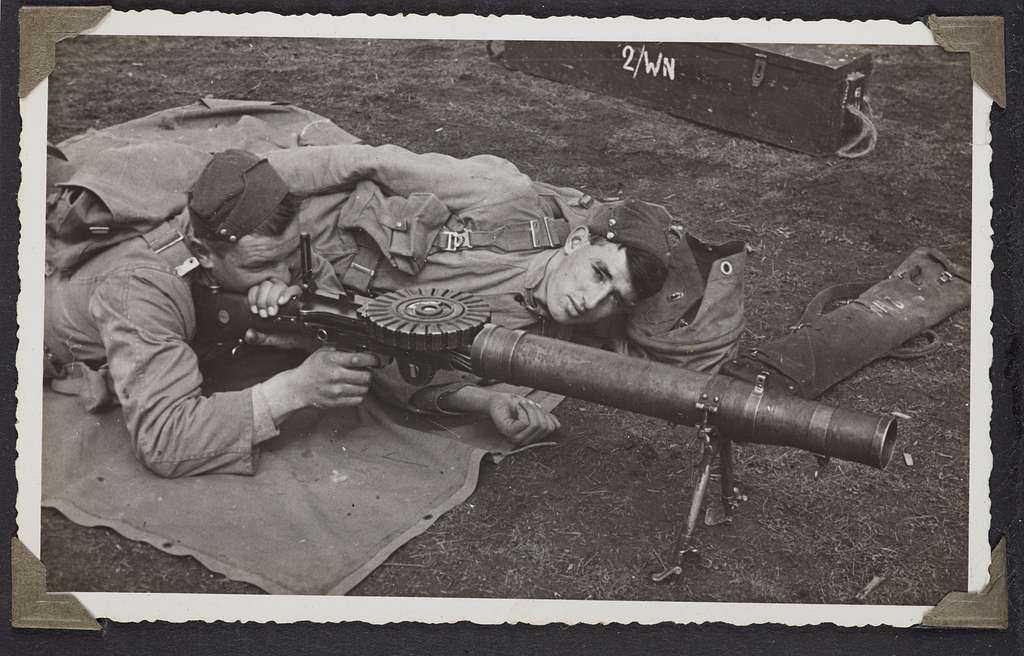
This is one reason states love spectacular instruments.
Spectacular instruments compress uncertainty into theater.
They let the public see action. They let a minister say something was definitely done here. They let a wounded group feel less abandoned. They let newspapers photograph the state entering the field with metal in its hands.
The problem is that the field does not have to care.
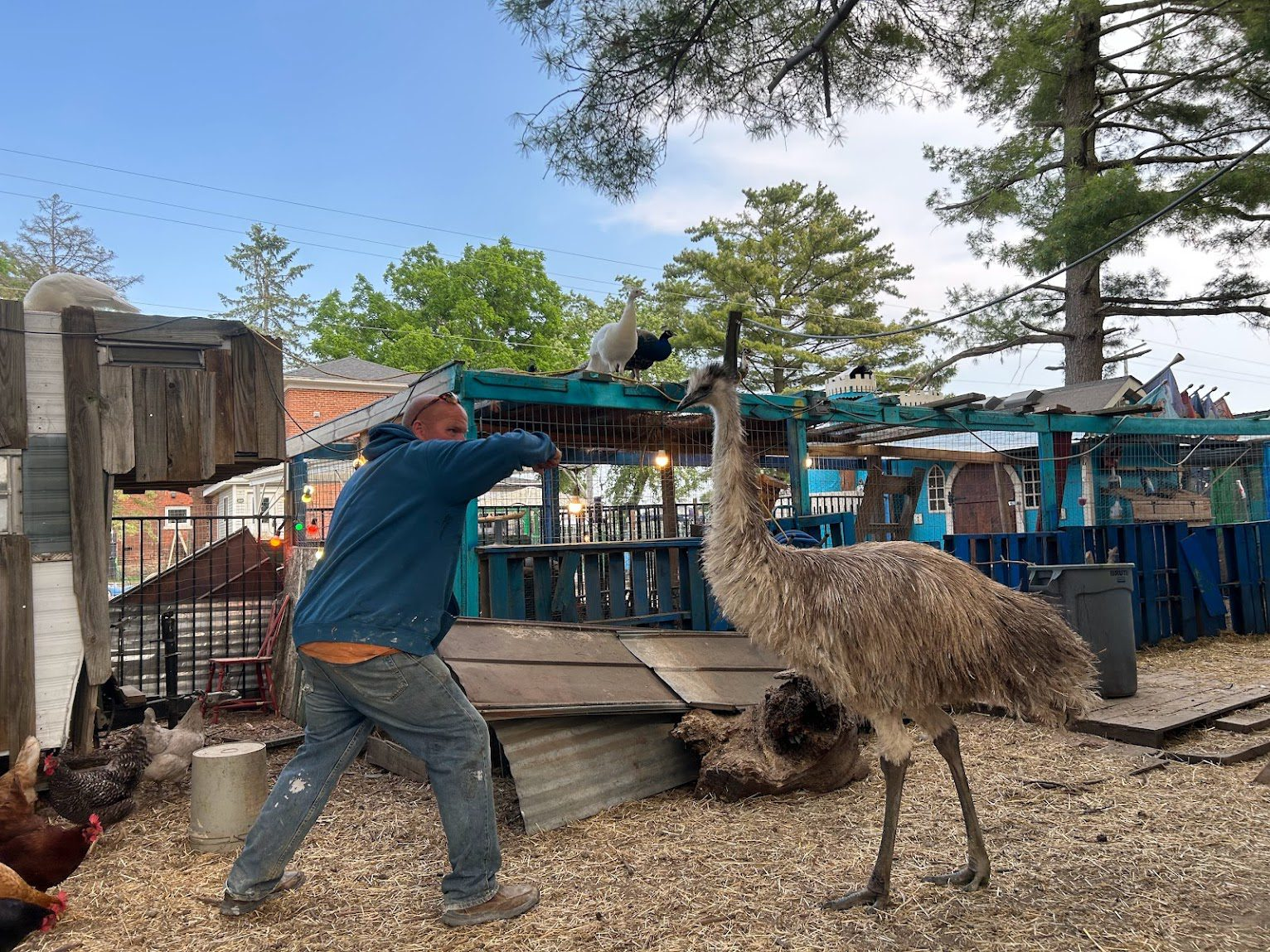
The emu does not look at the Defence Minister and say: finally, a competent jurisdictional response.
The emu says nothing, because the emu is busy relocating the wheat into a lower and more emotionally complex state.
Pearce sends the Royal Australian Artillery into an ecological argument.
That argument prepares to continue.
Major Meredith Meets His Match.
Major Gwynydd Purves Wynne-Aubrey Meredith is the second major figure here.
His name is already an entire event.
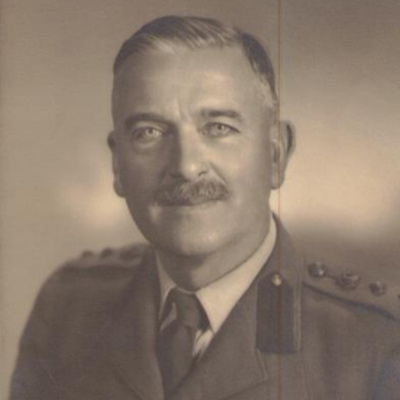
This is the kind of name that enters a room before the person, inspects the room, and files a report about its insufficient bayonet storage.
One almost feels bad making this guy fight emus.
A man named Gwynydd Purves Wynne-Aubrey Meredith should be standing near a coastal battery, or reading orders in a room with polished wood, or appearing briefly in a TV war memoir.
Instead, history gave him birds to contest.
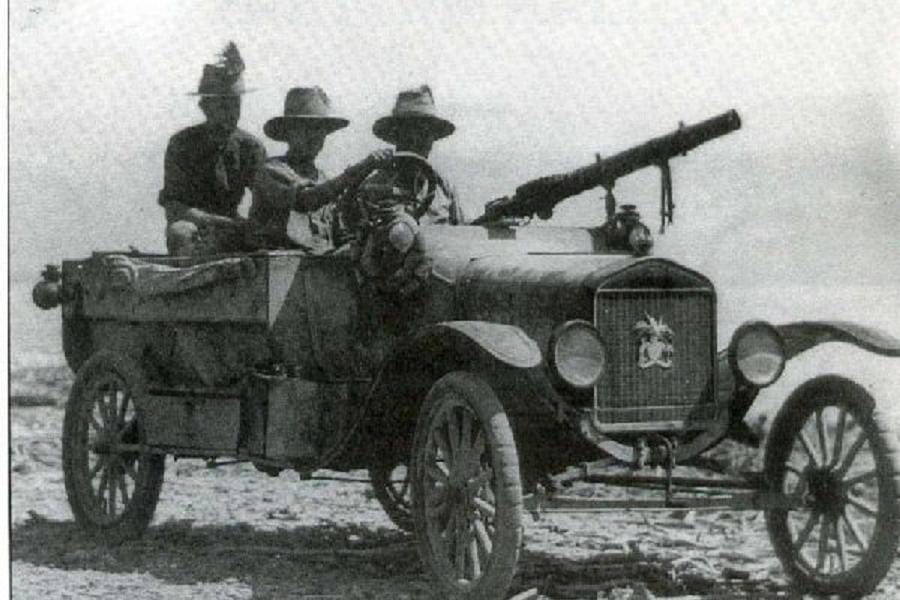
Meredith commanded the small military party. He had soldiers. He had Lewis guns. He had ammunition. He had been given the kind of instrument that made sense against troops, formations, or other bodies willing or forced to inhabit a predictable kill zone.
The emus, for their side, brought legs.
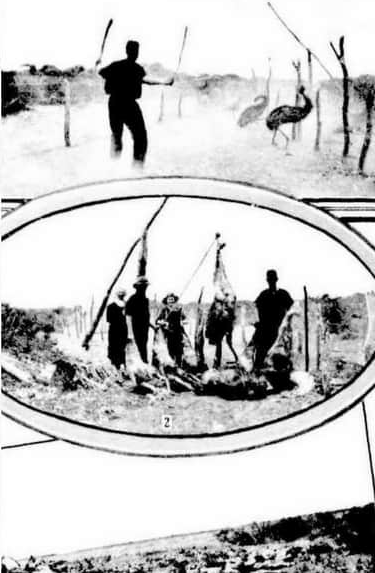
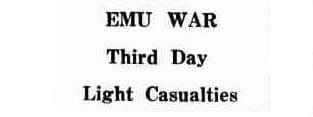
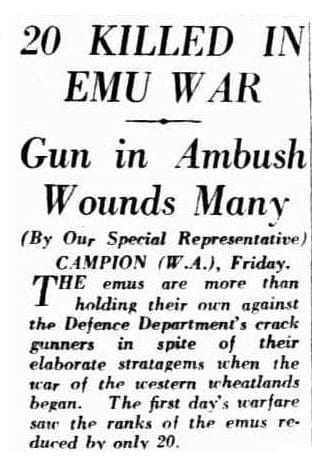
On the first day, according to the ABC, reports said only about twenty birds were killed. National Geographic gives the broader early pattern: in the first three days, the men killed only thirty emus, because the birds scattered rather than remaining in large herds.
This is the first great tactical insult.
The Lewis gun had been designed for certain kinds of human stupidity.
It knew what to do when bodies massed, advanced, occupied trenches, emerged in waves, or otherwise cooperated with the twentieth century's worst geometries. It had terrible competence inside that world.
But the emu is not a platoon.
The emu is not in a trench.
The emu is not even a particularly good citizen of Euclidean command space.
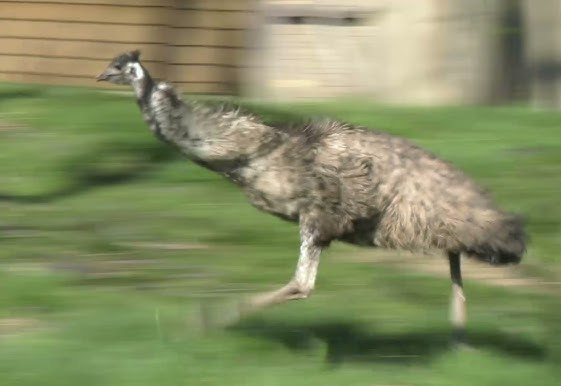
The thing scatters. It runs. It splits. It makes little units out of not being where the gun is. It does not have to defeat this weapon. It only has to decline the weapon's preferred geometry.
At this point, the instrument begins trying to turn movement into cowardice, cunning, durability, or enemy quality. This is common in distorted fields. When the target refuses the sovereign category, the category often inflates itself.
So soon Meredith will compare these birds to tanks.
This is a very strong career move for a bird.
The Gun Jams.
Then comes the scene that belongs in every museum of field mismatch.
Meredith establishes a cunning ambush near water. A large group of emus is present. A thousand, at least. The conditions finally begin to look like his instrument's dream.
Here is concentration, proximity, and the possibility that the biosphere will briefly become a target range.
Then the machine gun jams.
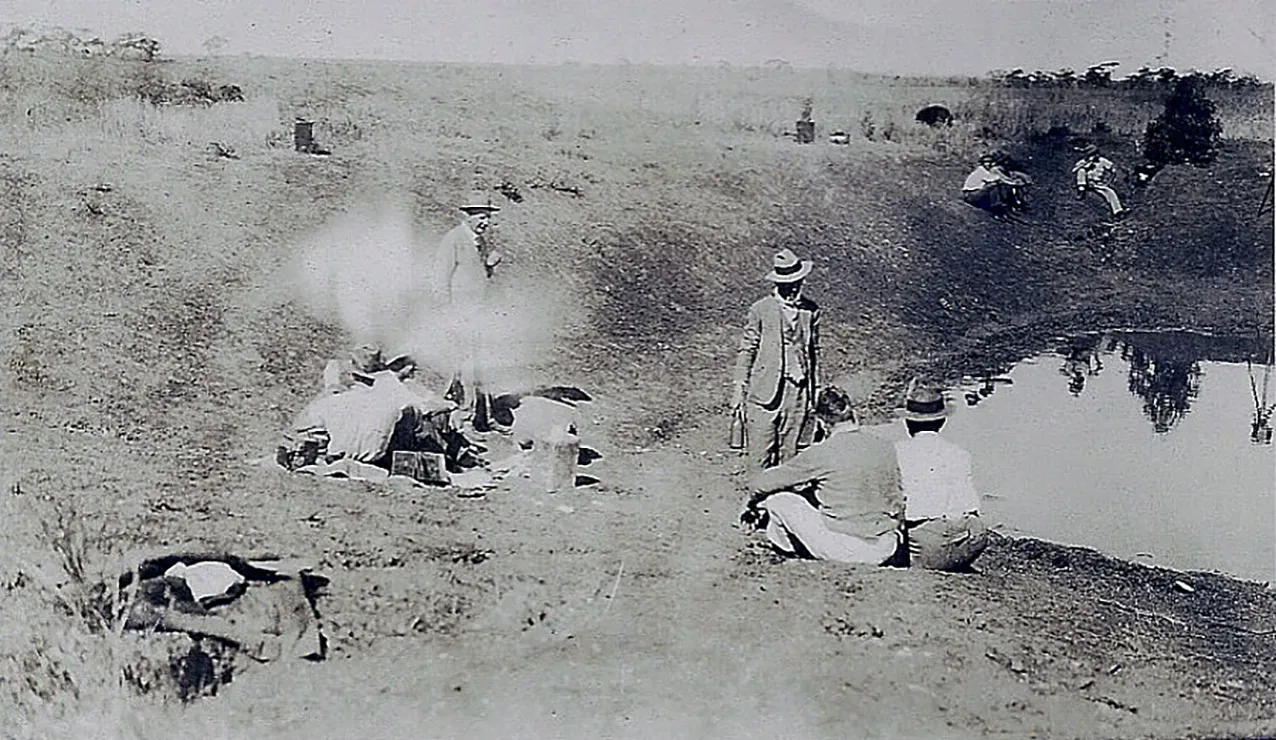
A gun jam is not a moral event by itself. Machines jam. Dust, heat, feed systems, maintenance, vibration, luck, and the eternal hostility of matter to human narrative all have their say. Yet inside this episode, the jam has diagnostic beauty.
- The state has misdescribed this problem as a shooting problem.
- The shooting solution arranges its first excellent sentence.
- The sentence chokes.
- The shooting solution arranges its first excellent sentence.
Australia had finally persuaded reality to become a shooting gallery.
Then their own gun declined to participate.
The Emu Tank Corps.
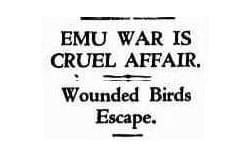
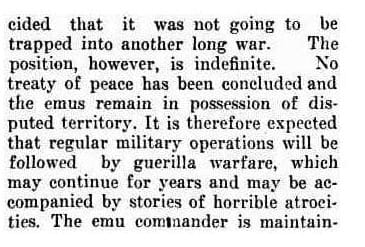
Meredith, to his eternal credit as a source of diagnostic literature, later compared the emus to tanks.
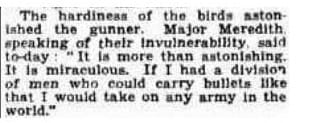
The ABC quotes this guy saying they could face machine guns with the "invulnerability of tanks."
This is a breathtaking sentence. It belongs on a recruiting poster for an army that does not exist yet and absolutely should.
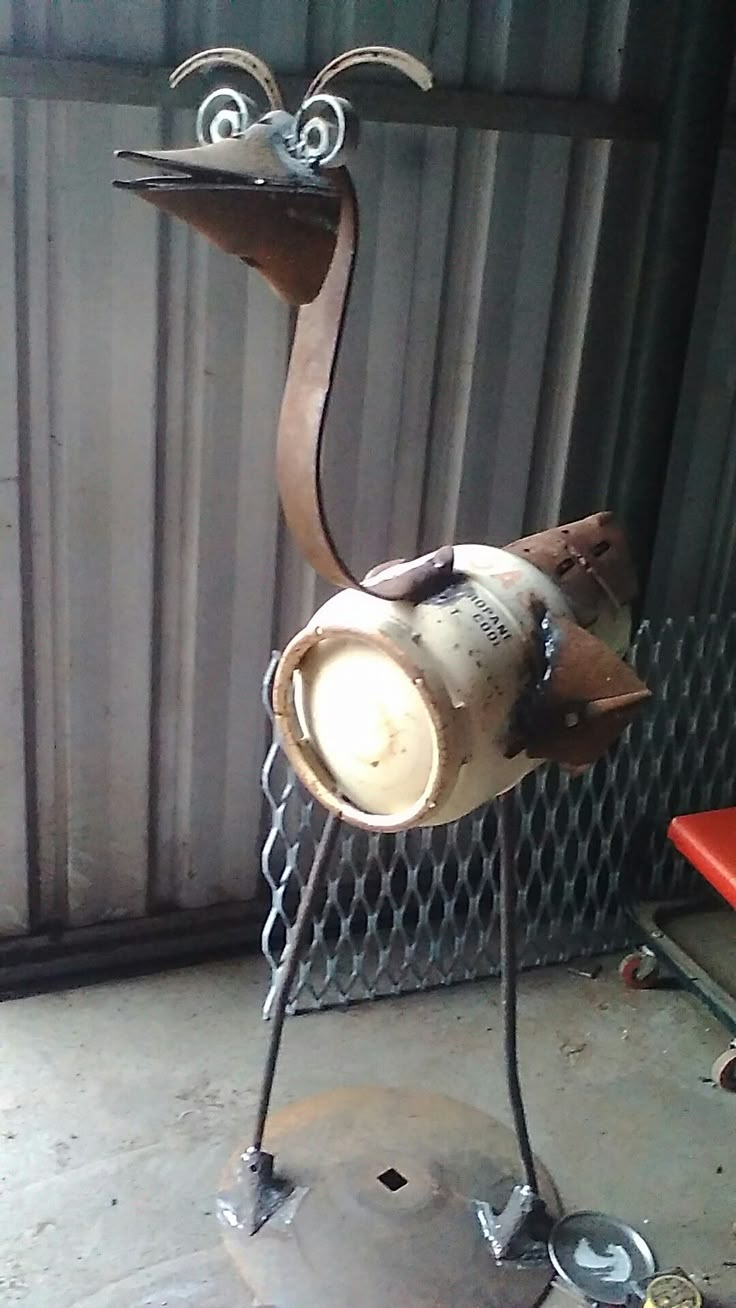
The emu has now completed the following promotions:
- native animal;
- crop nuisance;
- pest;
- enemy of Australia;
- operational problem;
- armored doctrine.
- operational problem;
- enemy of Australia;
- pest;
- crop nuisance;
This is how distorted instruments protect themselves.
If the target is not behaving like the category, the category just gets bigger.
The weapon is not wrong; this bird is basically a tank.
The field is not refusing the military interpretation; the enemy has developed armored tactics using feathers and spite for farmers.
This sounds silly because it is incredibly silly.
It is also how institutions survive contact with correction.
- A school that cannot teach decides these students are uniquely unteachable.
- A hospital that cannot care decides the patients are noncompliant.
- A platform that cannot moderate decides users are too complicated while still extracting from the complication.
- A military instrument that cannot read a living field decides the birds have become armored machines.
There is always a way to promote the target until the instrument remains dignified against it.
The emu did not have armor, tragically.
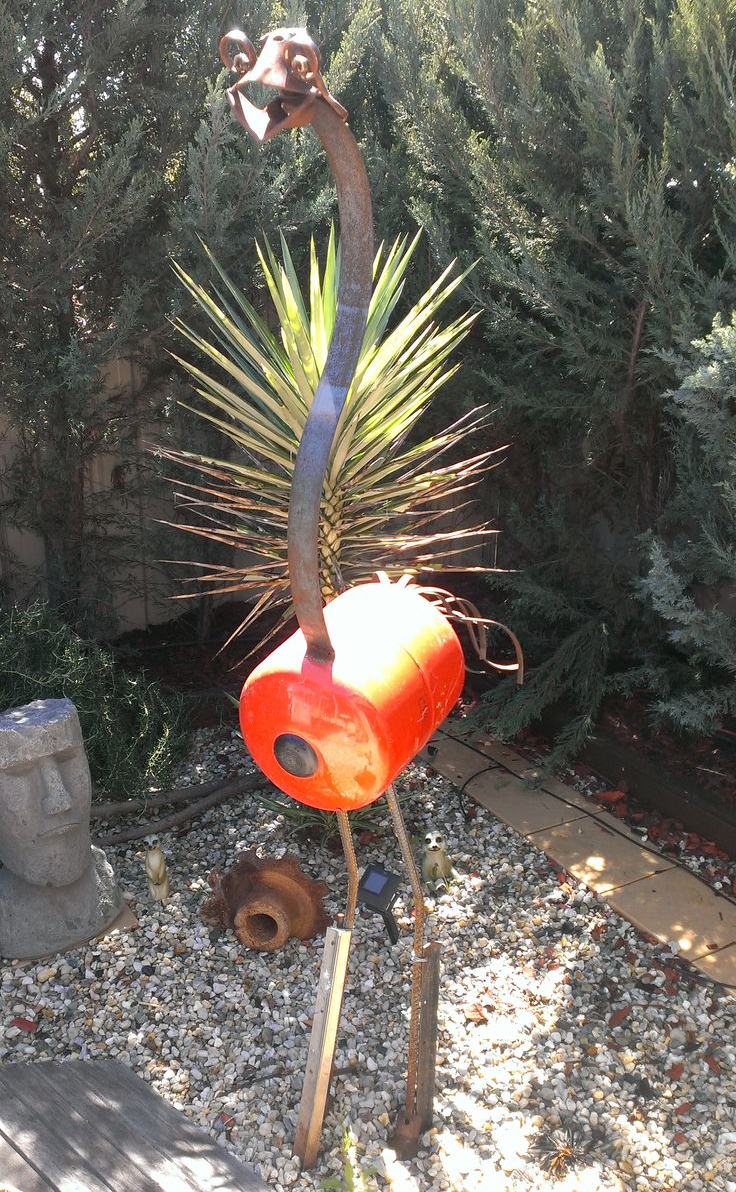
It had body, movement, distance, terrain, numbers, and the simple tactical advantage of not being the thing the gun had been emotionally prepared to meet.
That was enough to win.
Taxation By Dead Emu.
One newspaper report found two local farmers tried and failed to pay their tax bill with emus.
This is what happens when a field has become so distorted that a bird starts entering fiscal policy. This has already happened twice in Tales of Distortion.
Consider the modal situation:
- A farmer owes money to the state.
- The state has sent machine guns because birds are damaging the farmer's chance to earn money.
- Those machine guns produce some dead birds.
- The farmers, operating with a kind of local philosophical courage rarely found in formal economics, attempt to convert those dead birds back into a tax settlement.
- Those machine guns produce some dead birds.
- The state has sent machine guns because birds are damaging the farmer's chance to earn money.
There is a real argument inside the joke.
The state had implicitly treated the emu as the object around which public action should now organize.
So the farmer then asks, in effect:
Can this object discharge obligation?
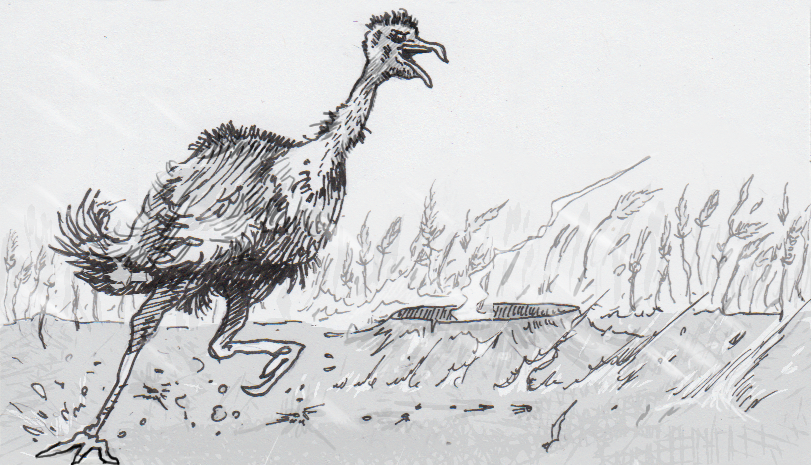
The answer is apparently no.
The emu can trigger military deployment. The emu can justify ammunition. The emu can enter newspapers, parliamentary embarrassment, and eventually the global meme field. The emu can become a tank in the mouth of a major.
But the emu definitely cannot pay taxes.
This is unfair to the emu, which had not even asked to become a fiscal instrument.
It is also one more small image of the field's real condition.
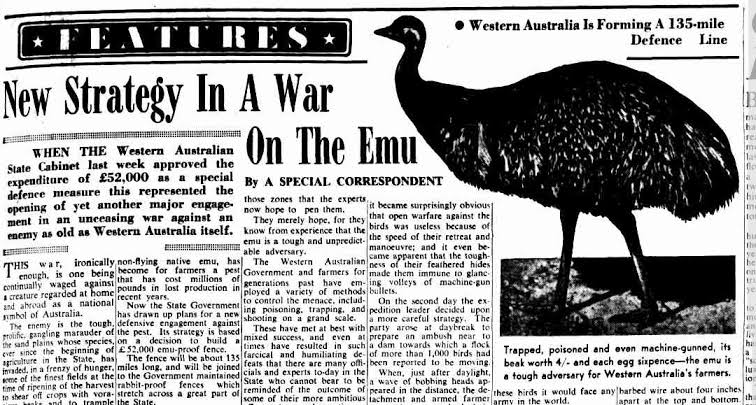
Everyone is trying to translate between agriculture, money, state obligation, animal bodies, and survival. The government has given the field a gun to sort it out. The farmers try returning a bird as currency.
Nobody involved has yet solved the hole in the fence, by the way.
The Trampling.
A later local memory cuts through much of the myth.
Former Campion farmer Ralph English told the ABC that the worst part was not what emus ate. It was what they flattened.
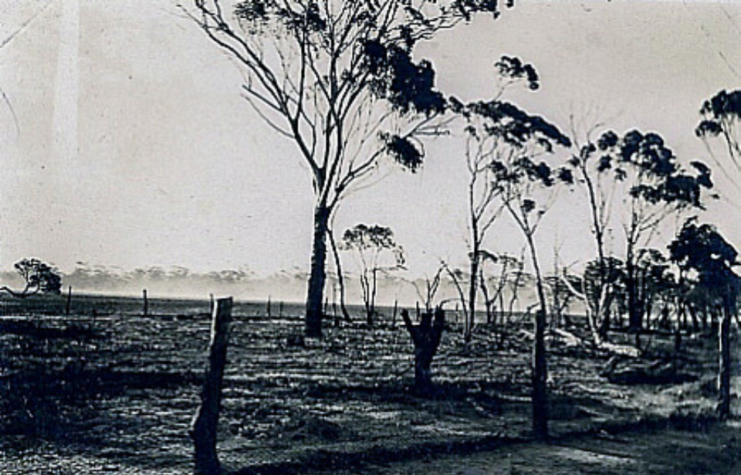
The internet version of the story imagines a war between humans and birds, scored like a cartoon scoreboard:
Humans: 0.
Emus: 1
This is fun. People need jokes. A civilization that cannot enjoy "Australia lost a war to emus" is already in a very bad field.
But the actual agricultural wound is more specific. The emus are not simply stealing grain like overgrown sparrows. They are moving through the crop itself as bodies. They are flattening it. They are turning upright futures into horizontal costs.
A flattened crop is not an eaten crop with a funny gait.
It is a whole relation between stalk, root, labor, rain, debt, harvest, and household bent into waste. It is the farmer's future lying down in the dirt.
That makes the gun even stranger.
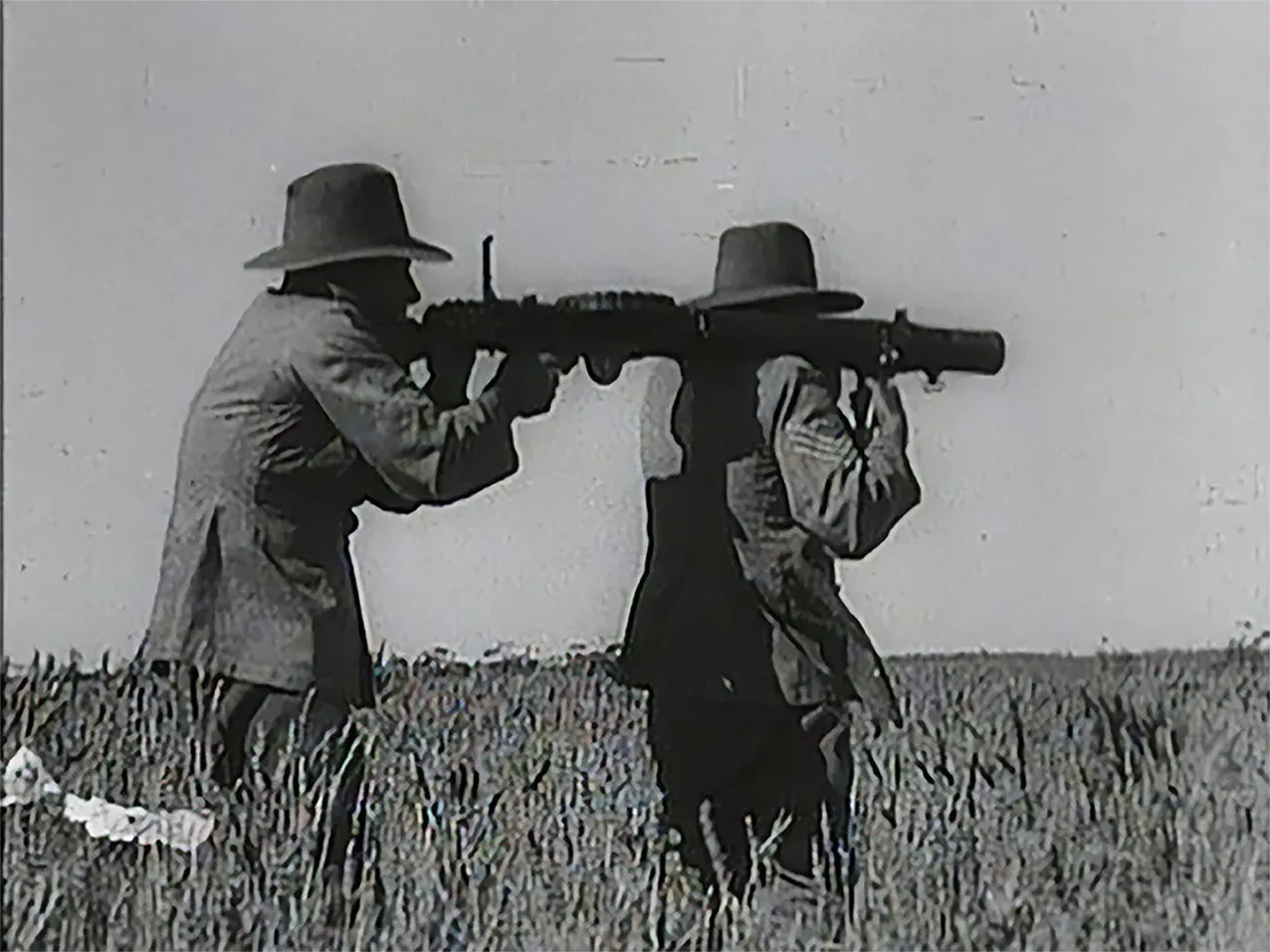
A gun answers the living animal. It in no way answers the flattened field except by trying to reduce future trampling through animal removal.
That may be part of a cull. It may have some local effect. But it is one instrument acting at one layer of a field that also includes fences, rabbits, drought, prices, settlement policy, local knowledge, and ecological movement.
What Worked Less Stupidly.
After the first phase, the soldiers were withdrawn.
By November 8, after six days, 2,500 rounds had been used to kill somewhere between 300 and 500 emus. Later action was renewed, and Meredith later claimed thousands of kills before final withdrawal on December 10, though the lasting field problem did not vanish. The National Archives summarizes the cull as "quickly abandoned" with fewer than 1,000 emus killed, and says later requests for military assistance in 1934, 1943, and 1948 were refused by the Commonwealth.
The numbers are less important than the transition.
Australia did not stop having emu problems because a machine gun had expressed itself. The birds continued. The farms continued. The fences continued to have holes. The rabbits continued. The politics continued. The national embarrassment continued its slow migration into world-historical comedy.
What worked better, to the extent anything worked here, was boring.
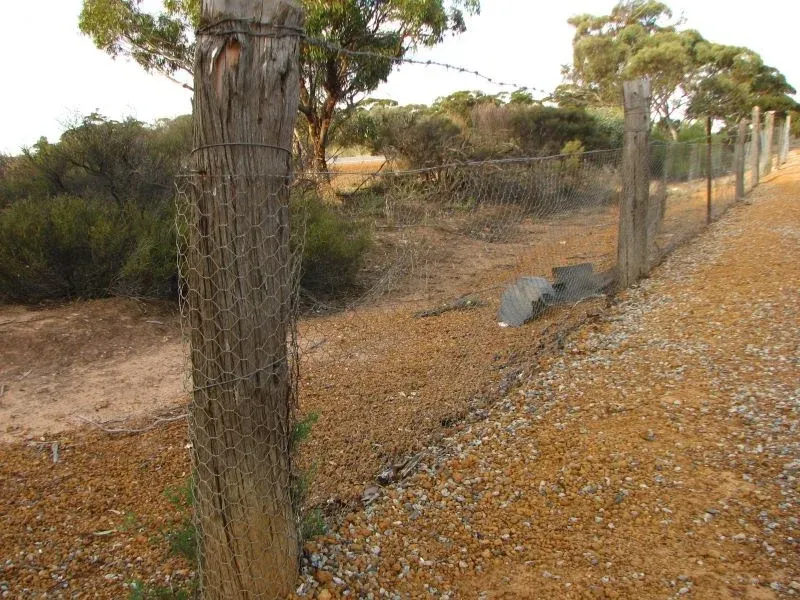
Fences. Bounties. Local management. Continued shooting by landholders. Policy changes. Refusals to repeat the military spectacle. Agricultural adjustment. Ecological pressure handled through ugly ongoing governance rather than a tiny war.
Boring does not mean good.
A bounty can create its own distortions. Fences can damage movement. Culls can become cruelty disguised as practicality. Local management can hide local brutality. Australia's environmental history is full of introduced fixes that become new disasters wearing fresh boots.
But the point still remains.
The biosphere usually does not require one spectacular answer.
It requires continuing contact with the field.
Governments hate this.
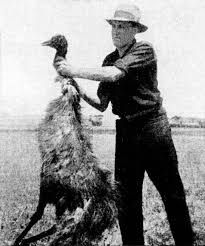
Continuing contact is slow, compromised, expensive, locally specific, politically unrewarding, and it almost never gives anyone a photograph as good as an artilleryman looking tired near a dead emu.
Australia vs. The Biosphere.
Australia vs. The Biosphere is another new side-series about instrument-field mismatch in one of the world's greatest theaters for it.
Australia is not uniquely stupid.
That would be unfair. Every settler state has its own portfolio of ecological arrogance, administrative violence, imported species, broken fences, miracle technologies, poison campaigns, extraction fantasies, and people explaining why the field is definitely under control shortly before a toad, rabbit, beetle, weed, camel, or river system begins filing objections.
Australia simply has an extremely vivid portfolio.
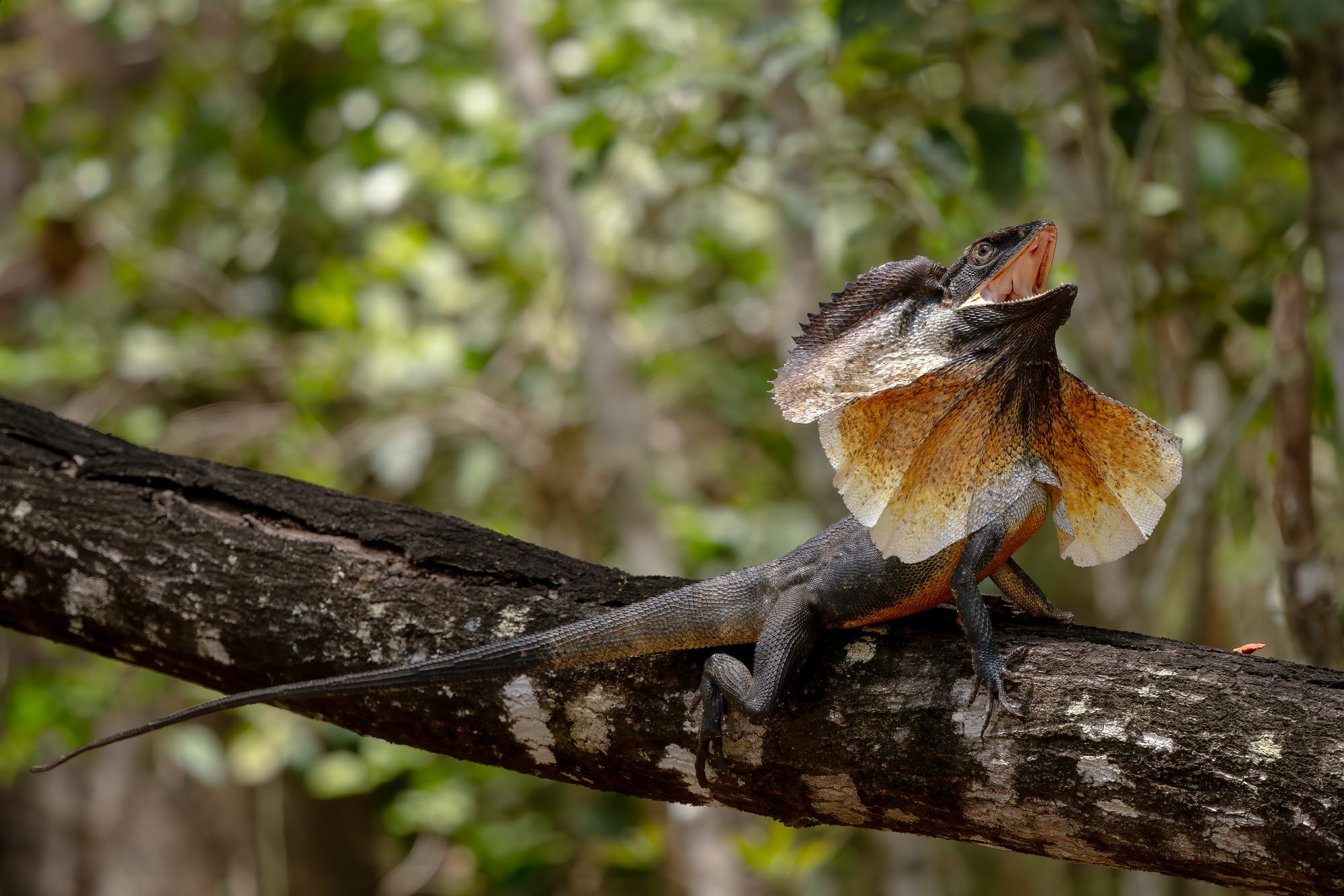
It has scale. It has dryness. It has old ecologies. It has settler agriculture. It has introduced species. It has barrier fences. It has unusual animals with outstanding silhouettes. It has state instruments meeting living fields and regularly discovering that the living field did not read the same memo.
That makes it perfect for Modal Path Ethics.
The series is not about dunking on a country. It is about watching the same structural question return in different costumes:
What happens when a human instrument enters a living field with the wrong object in mind?
- The emu refuses targethood.
- The rabbit refuses all boundaries.
- The cane toad refuses intended predation logic.
- The prickly pear refuses agricultural containment.
- The camel refuses infrastructure convenience.
- The dingo refuses Australian fencing metaphysics.
The biosphere does not always win these skirmishes. That is another cartoon.
Humans can destroy an astonishing amount. We can poison, clear, shoot, trap, dam, irrigate, burn, fragment, overgraze, overfish, mine, drain, and render extinct.
A series called Australia vs. The Biosphere must not pretend nature is invincible because emus were very funny one time.
The true lesson is harsher.
The biosphere does not have to be invincible to be a real belligerent. It only has to keep answering the instrument at the level where the instrument is wrong.
The Ruling.
The Emu War is funny because the instrument was visibly ridiculous.
It is serious because the visible ridiculousness reveals a common failure.
A damaged agricultural field was compressed into a pest problem. That pest problem was compressed into a target problem. This target problem was handed to a military instrument. That military instrument entered the field with speed, noise, ammunition, newspapers, and confidence.
Then the emus scattered. The gun jammed. Meredith accidentally upgraded the bird into a tank. Dead emus apparently failed to satisfy tax obligations, which is one of the more disappointing rulings here.
Through all of this, the hole in the fence remained the better analyst.
The simple hole knew all along that the problem was not a clean enemy. It was a broken relation among settlement, crops, debt, drought, rabbits, emus, fences, public pressure, and a state looking for visible action.
A machine gun could enter that relation. It could kill. It could perform. It could embarrass. It could generate one of the better animal war stories ever gifted to humanity.
It could not read the field.
The biosphere declined the terms.
AUS: 0
BIO: 1