Modal Path Ethics Has DoubleVision
"Fill my eyes." [AVGN I]
Foreigner issued the instruction in 1978.
The song reached number two in the United States and supplied rock music with an excellent name for being overwhelmed by two simultaneous pictures of reality.
Thirty years later, the concept finally received its formal demonstration.
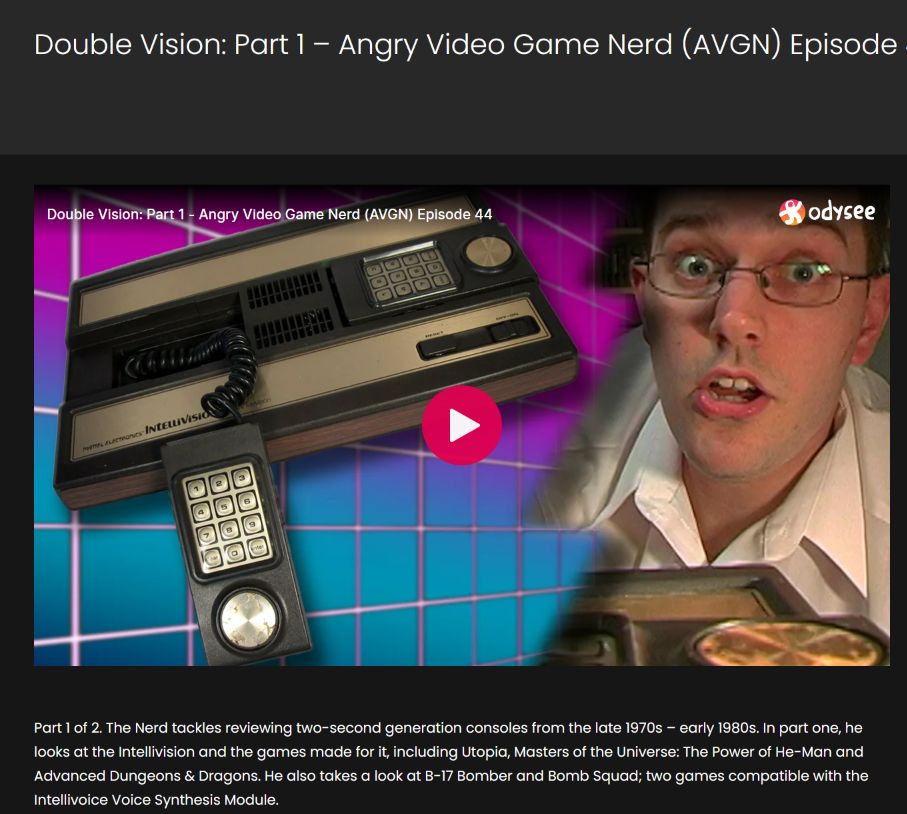
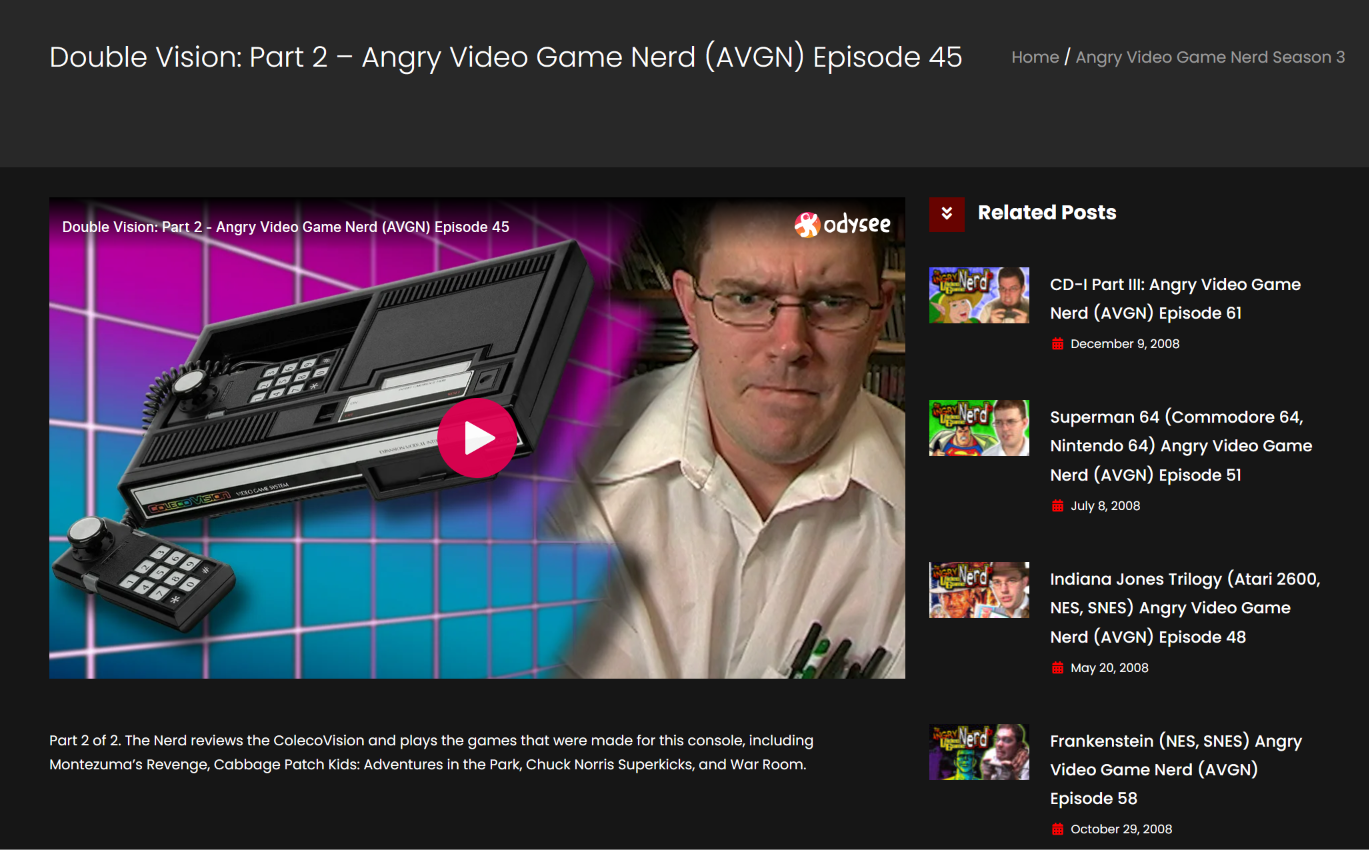
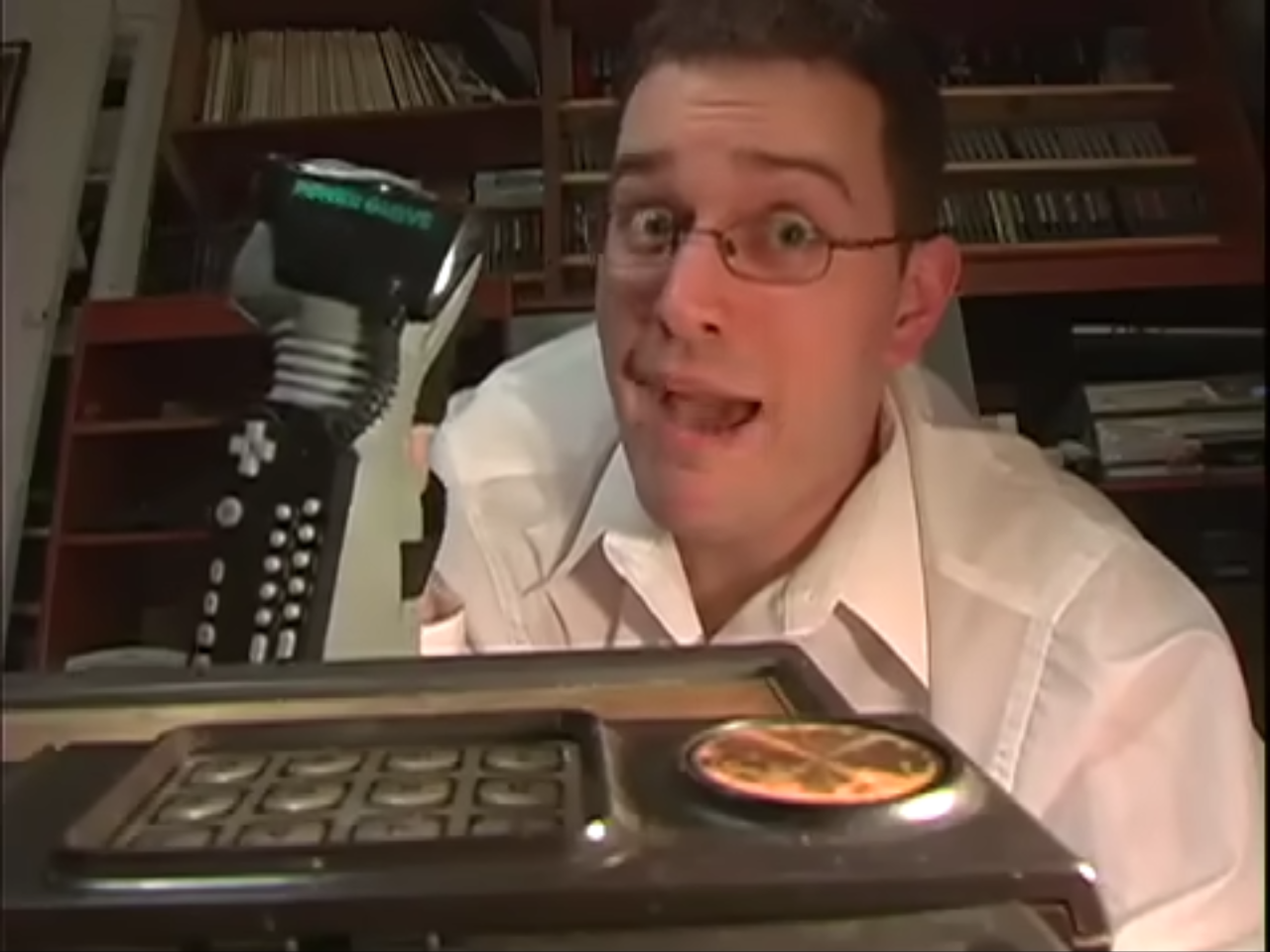
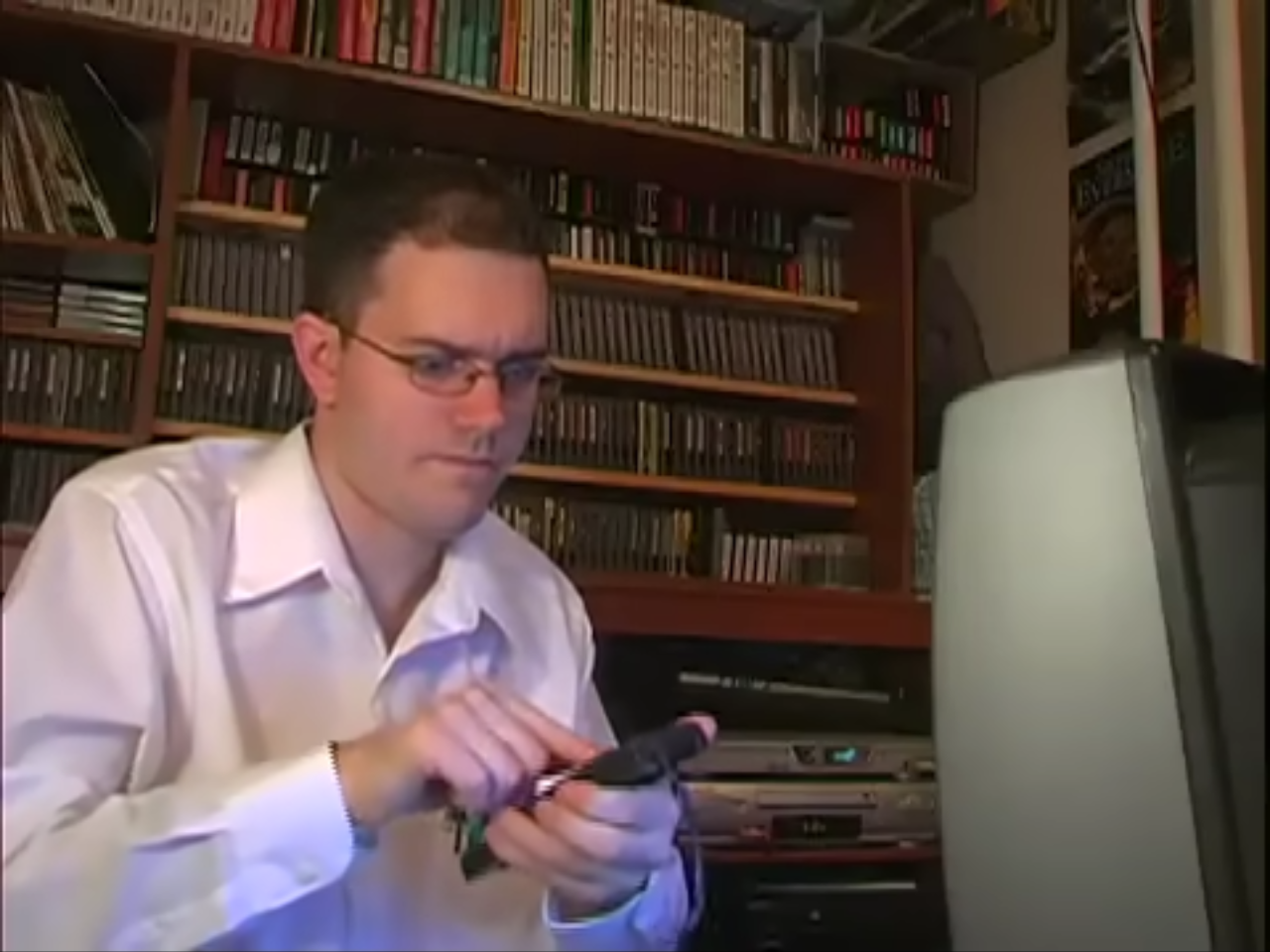
In March and April 2008, the Angry Video Game Nerd reviewed the Intellivision and the ColecoVision across two episodes titled Double Vision.
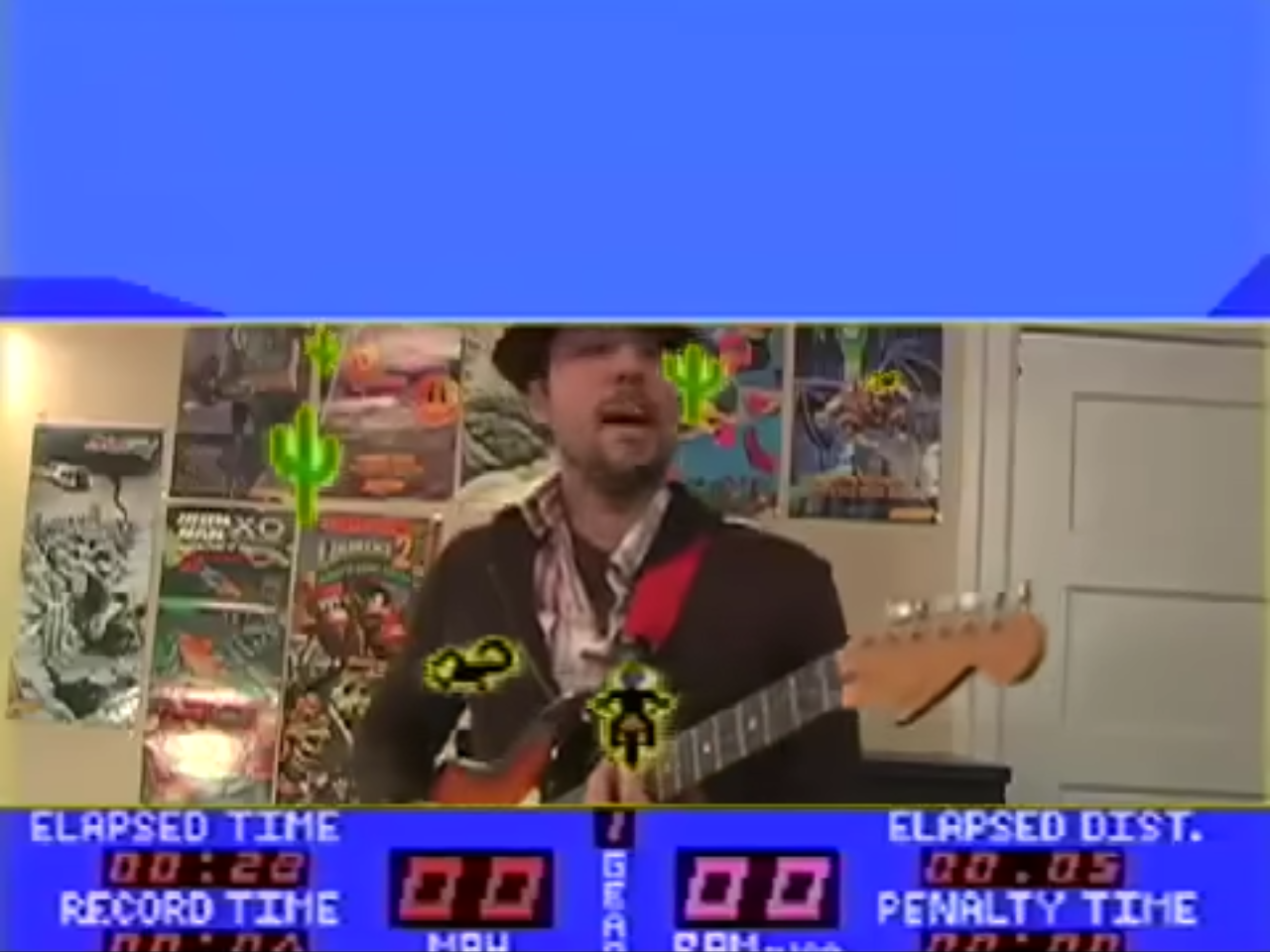
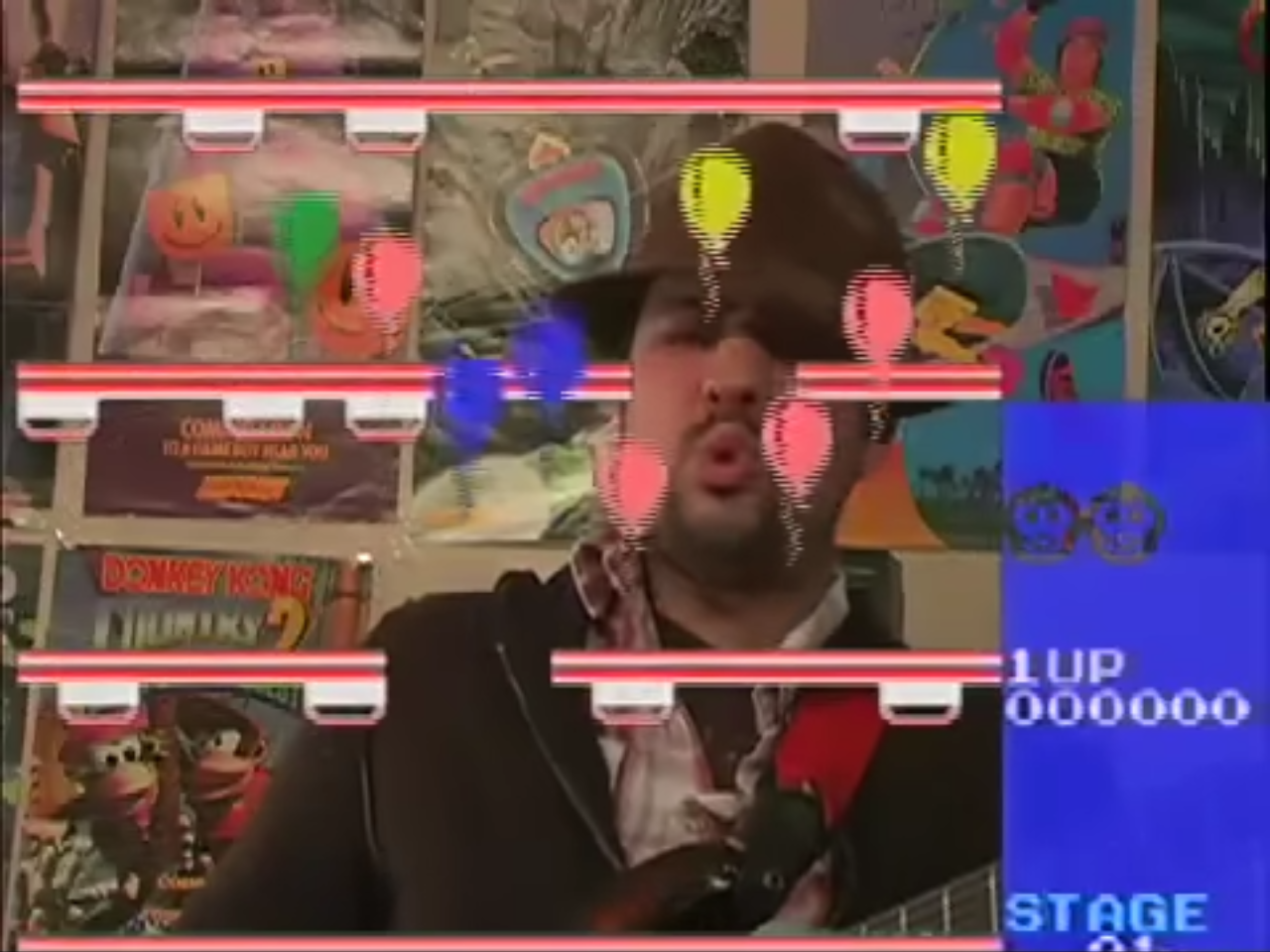
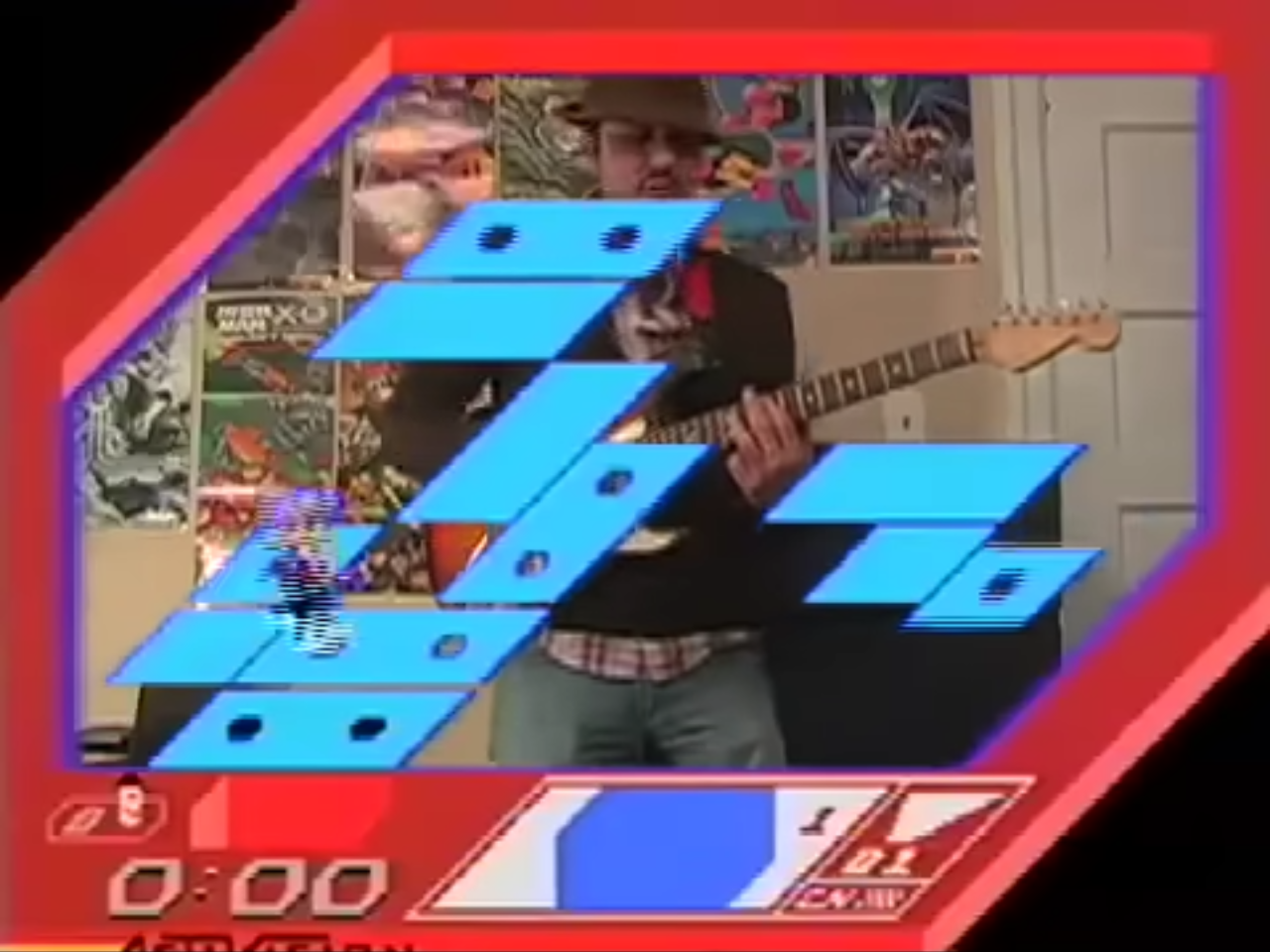
Kyle Justin played the Foreigner song while two rival Visions entered the same television and began exposing their keypads to a deeply hostile analyst.
This was always going to become moral philosophy.
Two Visions Enter One Television.
The Intellivision and ColecoVision were separate machines.
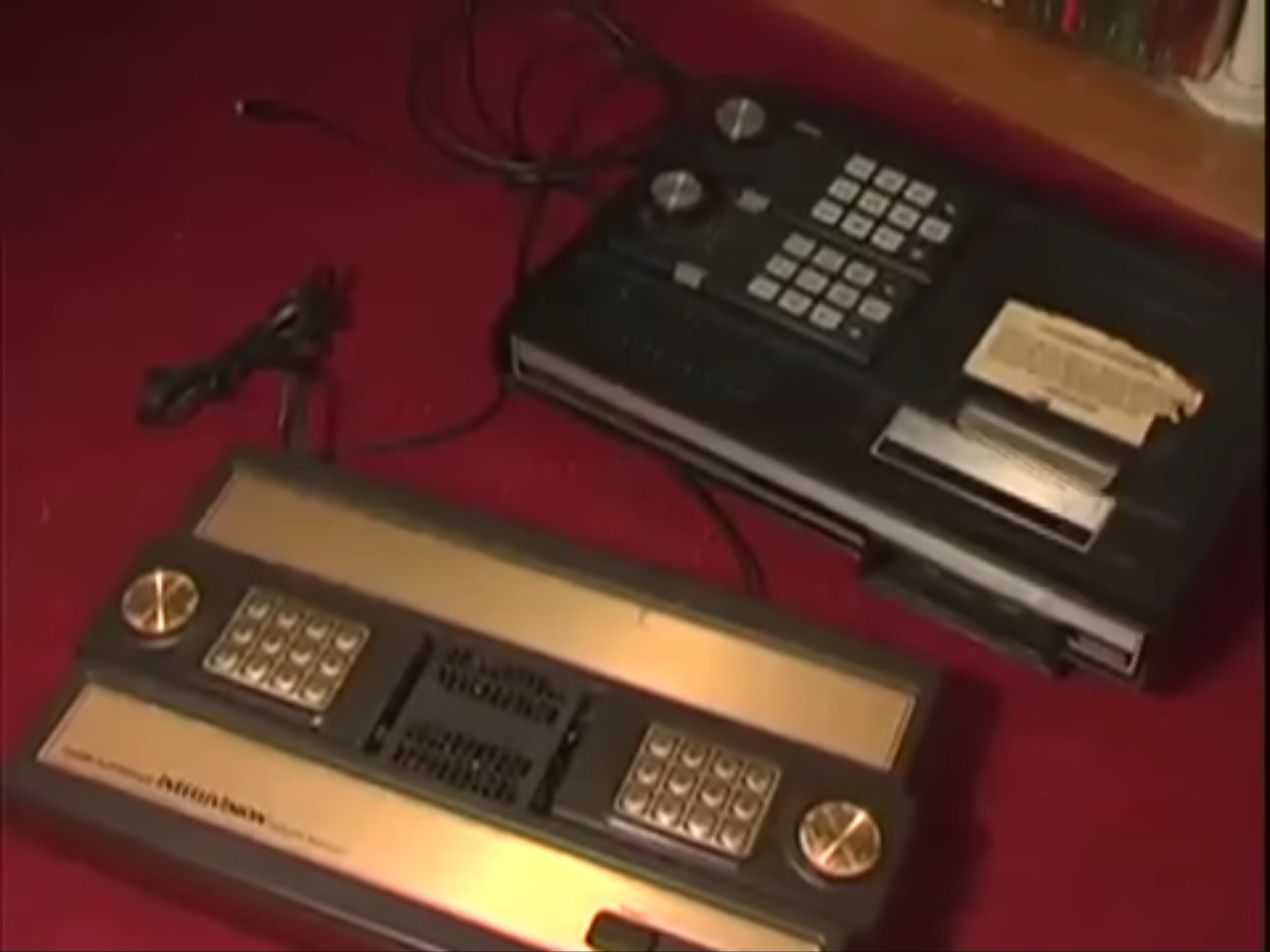
Each offered its own controller, cartridges, games, technical limits, design assumptions, plastic geometry, and theory of what a person should be willing to tolerate while sitting six feet from a wood-paneled television.
The Angry Video Game Nerd did not blend them into the IntelliColecoVision, although both consoles’ controllers looked like phones designed by a civilization that had heard rumors about thumbs.
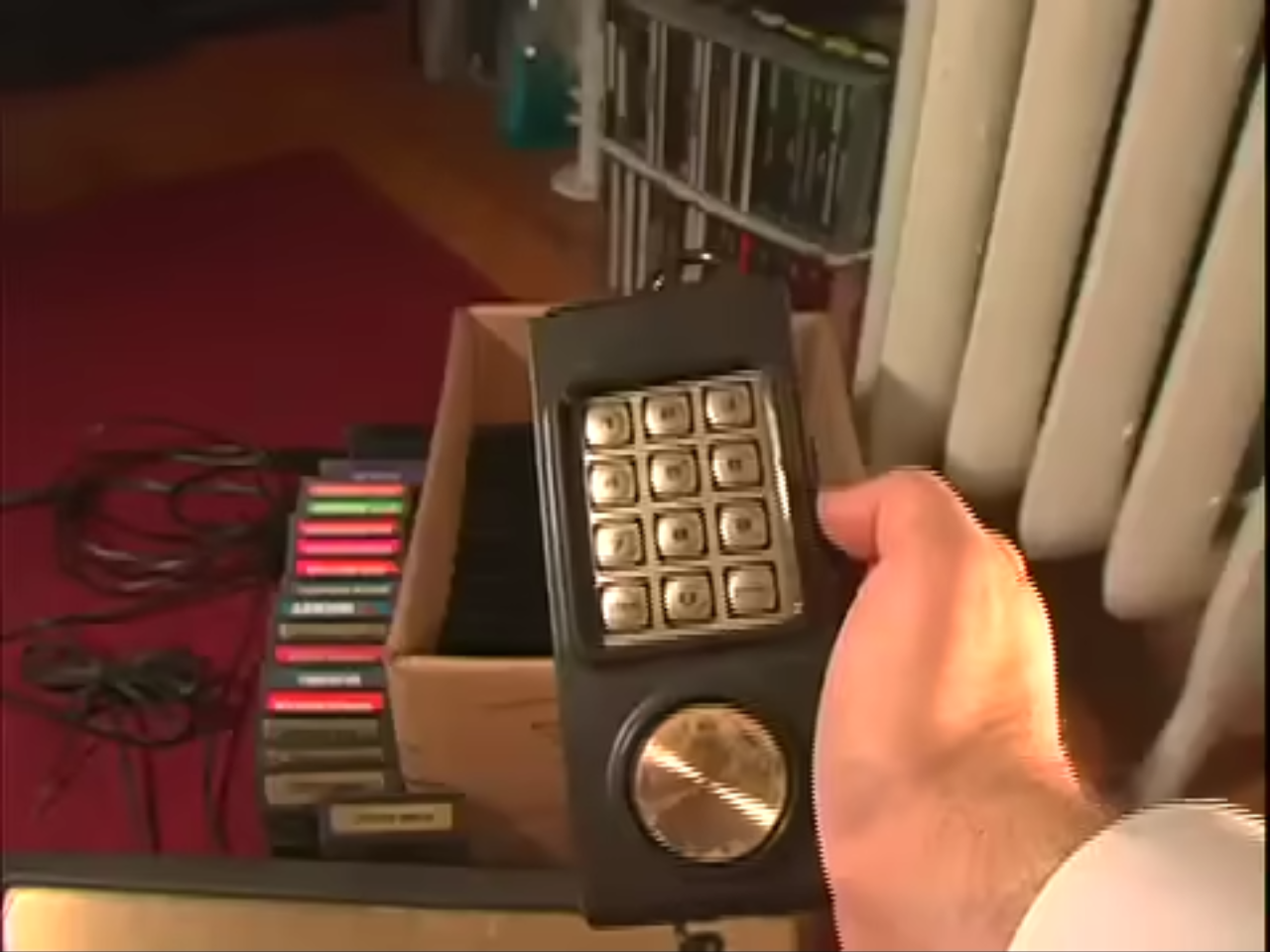
He gave each Vision its own episode.
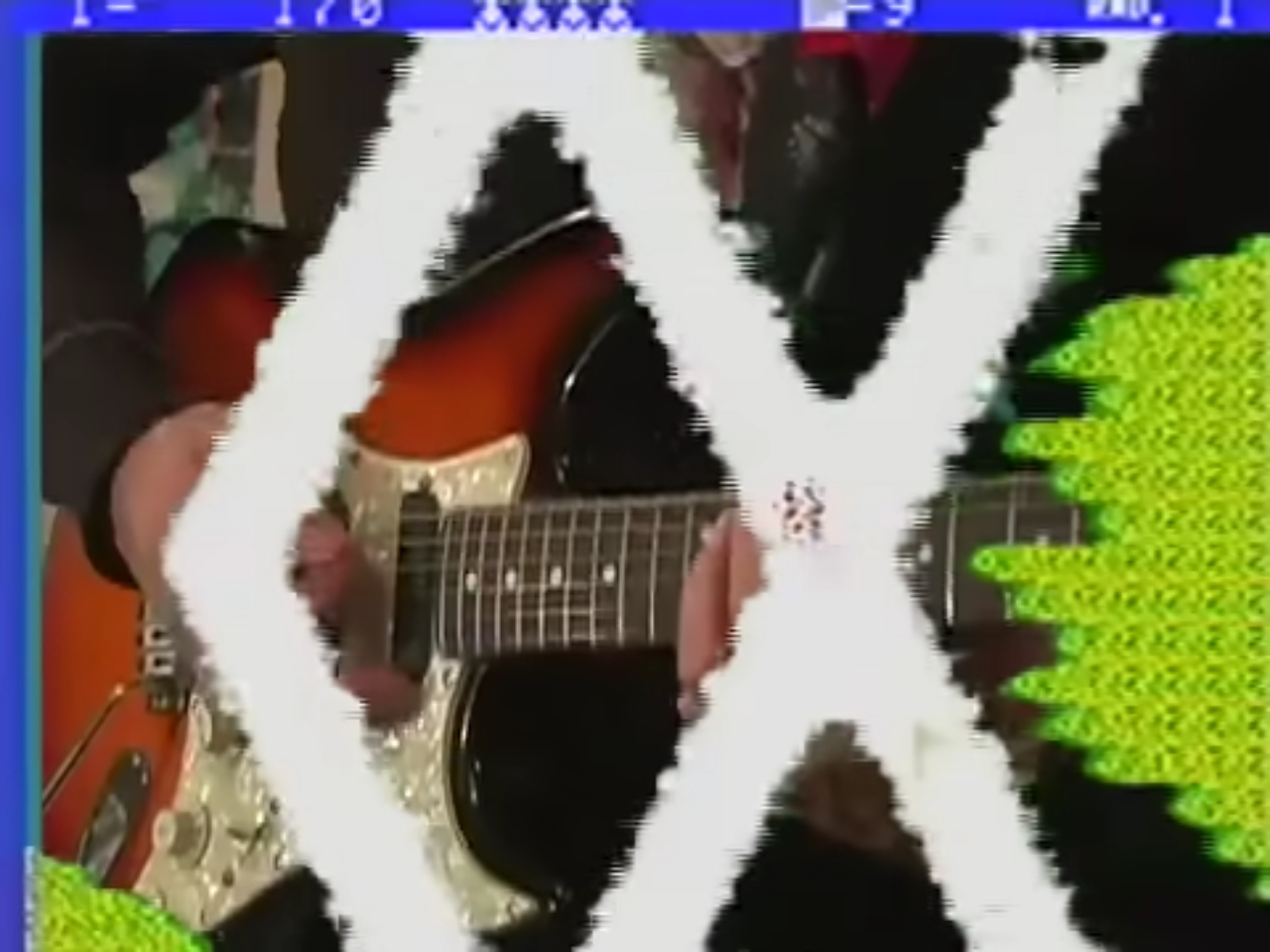
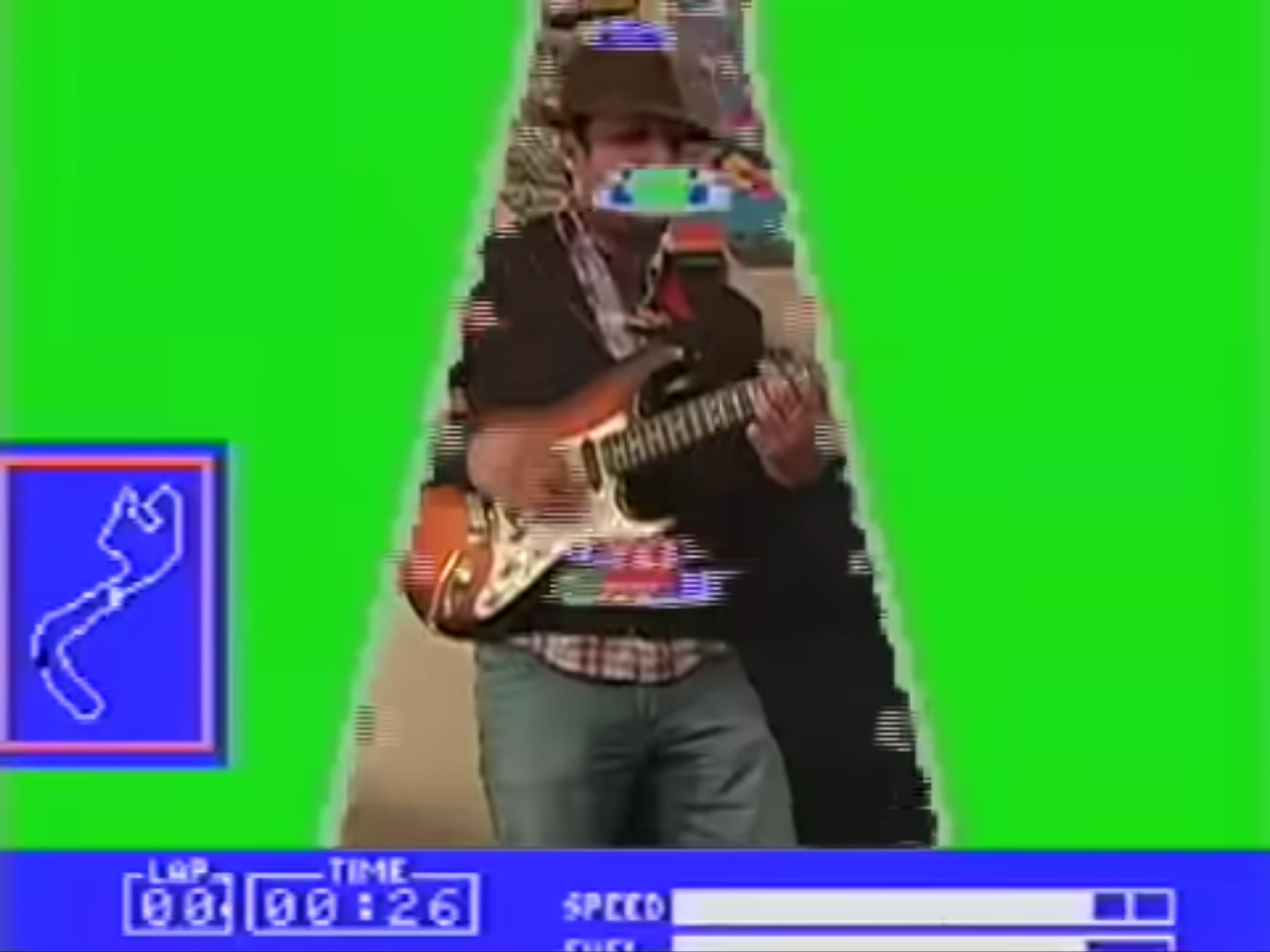
Then Kyle Justin carried one song across both.
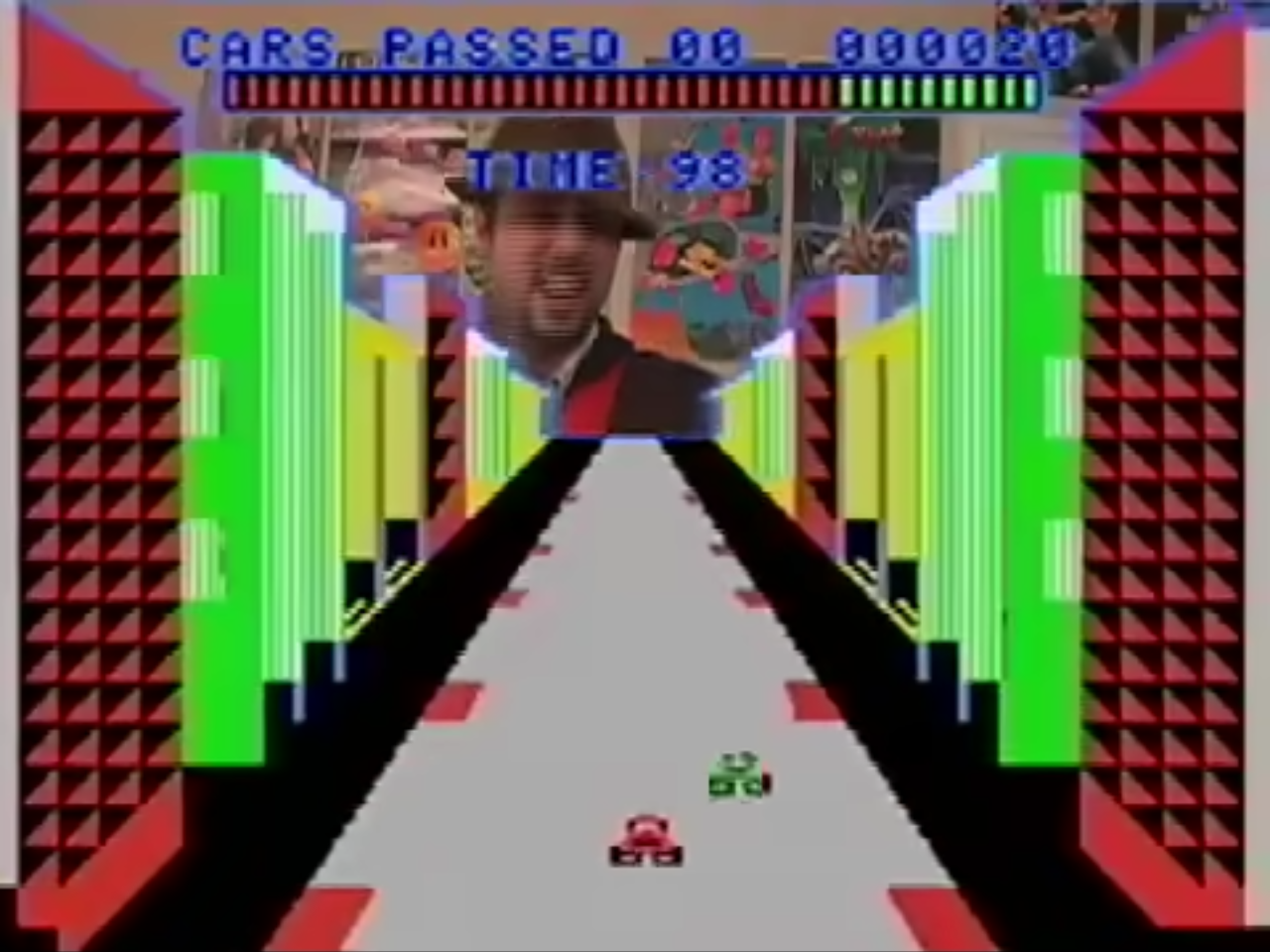
This is the first rule of DoubleVision:
Two pictures may belong to the same field without becoming the same picture.
Modal Path Ethics has been doing this for a while.
It keeps seeing:
- the person and the system;
- the action and the path that generated it;
- the instrument and the field the instrument entered;
- the immediate wound and the historical structure surrounding it;
- the successful repair and the damage that made repair necessary;
- the true insight and the machine that insight became.
The images overlap.
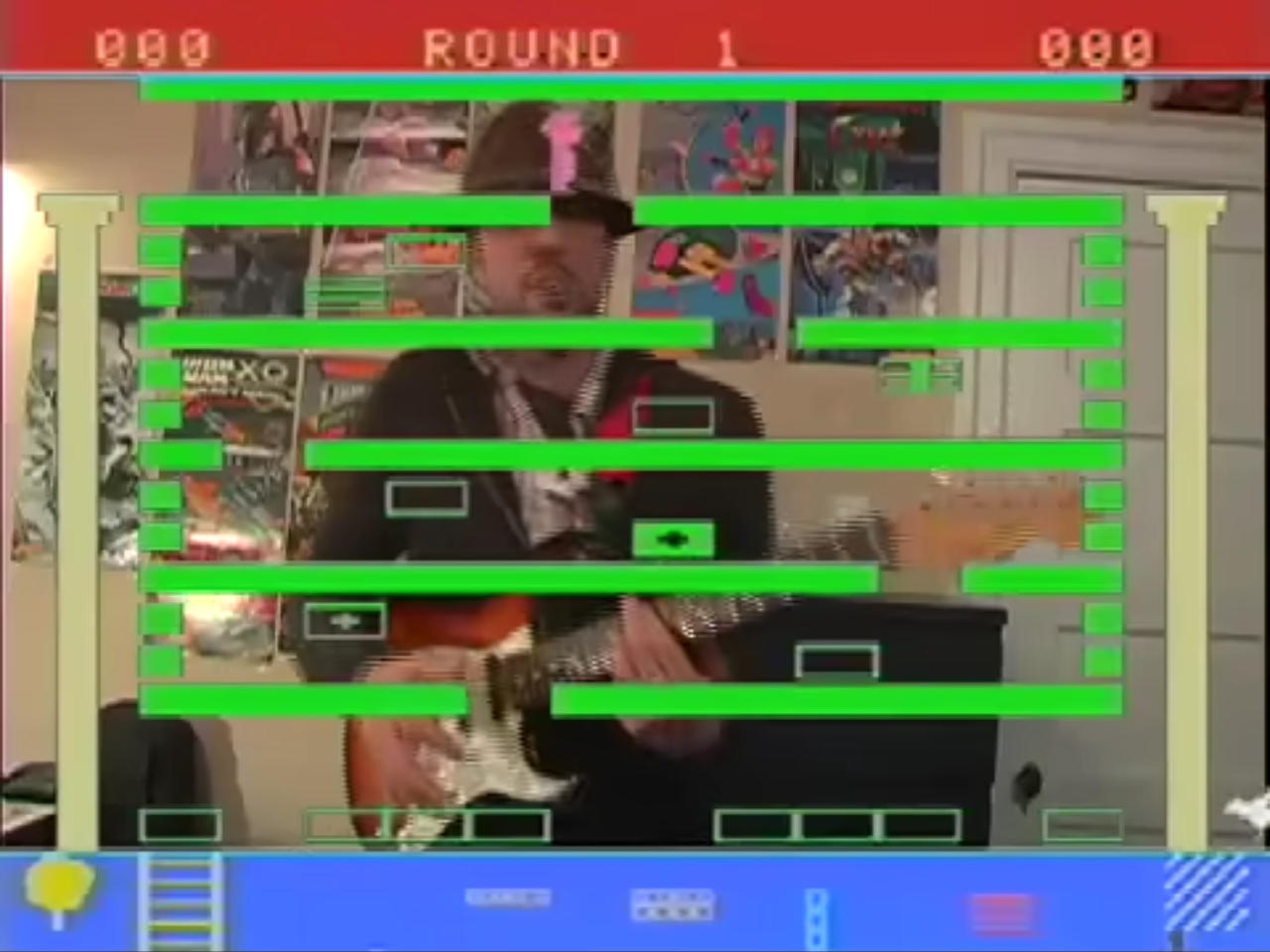
They do not perfectly coincide.
That disparity is where depth appears.
Human stereoscopic vision works through two slightly different images. Because the eyes occupy different positions, each receives a related view from a different angle. The visual system uses the disparity between those views to perceive depth.
Modal Path Ethics uses an ethical version of the same operation.
- One eye sees the field.
- The other sees the locus.
The Field Eye.
- The field eye sees structure.
- It sees the hospital around the doctor.
- It sees the command system around the soldier.
- It sees the market around the buyer.
- It sees the school around the student.
- It sees the platform around the post.
- It sees the family history around the argument.
- It sees the theology around the believer,
- the border around the refugee,
- the supply chain around the product,
- the diagnostic system around the patient,
- and the historical machinery around the person whose action has become visible enough to blame.

This eye prevents moral analysis from becoming a courtroom spotlight pointed at the nearest available body.
A person acts through:
- inherited categories;
- available instruments;
- institutional permissions;
- social expectations;
- material limits;
- prior damage;
- rewards;
- punishments;
- fears;
- relationships;
- habits;
- histories.
The action remains an action.
The agent remains an agent.

The field eye sees how both were formed, enabled, constrained, invited, routed, normalized, and made reachable.
Without this image, ethics becomes extremely theatrical.

- A bad person walks onstage.
- A good person condemns them.
- The audience receives the emotional experience of moral clarity.
- The machinery quietly schedules tomorrow’s performance.
- The audience receives the emotional experience of moral clarity.
The Locus Eye.
The locus eye sees what the structure is doing to someone.
It sees:
- this body;
- this fear;
- this injury;
- this decision;
- this foreclosed future;
- this transferred burden;
- this person being classified;
- this community being compressed;
- this animal being used;
- this river being rerouted;
- this worker being made replaceable;
- this child learning which truths make the room unsafe.
The locus eye resists the grandeur of explanation.
A sufficiently beautiful structural account can make everyone inside it feel small.
The institution becomes the protagonist. History becomes the agent. Modernity becomes the culprit. Capital becomes hungry. Technology becomes fate. Being withdraws. Civilization drifts. The system acts through everyone.

Something real may definitely be visible at that scale.
The locus eye keeps asking an embarrassing question:
What happened to the people?
The question may sound philosophically unsophisticated.
Good.
Philosophy occasionally needs someone from the Ontic Complaint Department to walk into the seminar carrying a chair that was removed from an actual person’s room.
Marty.
Martin Heidegger had an extraordinary field eye. This is just undeniable.
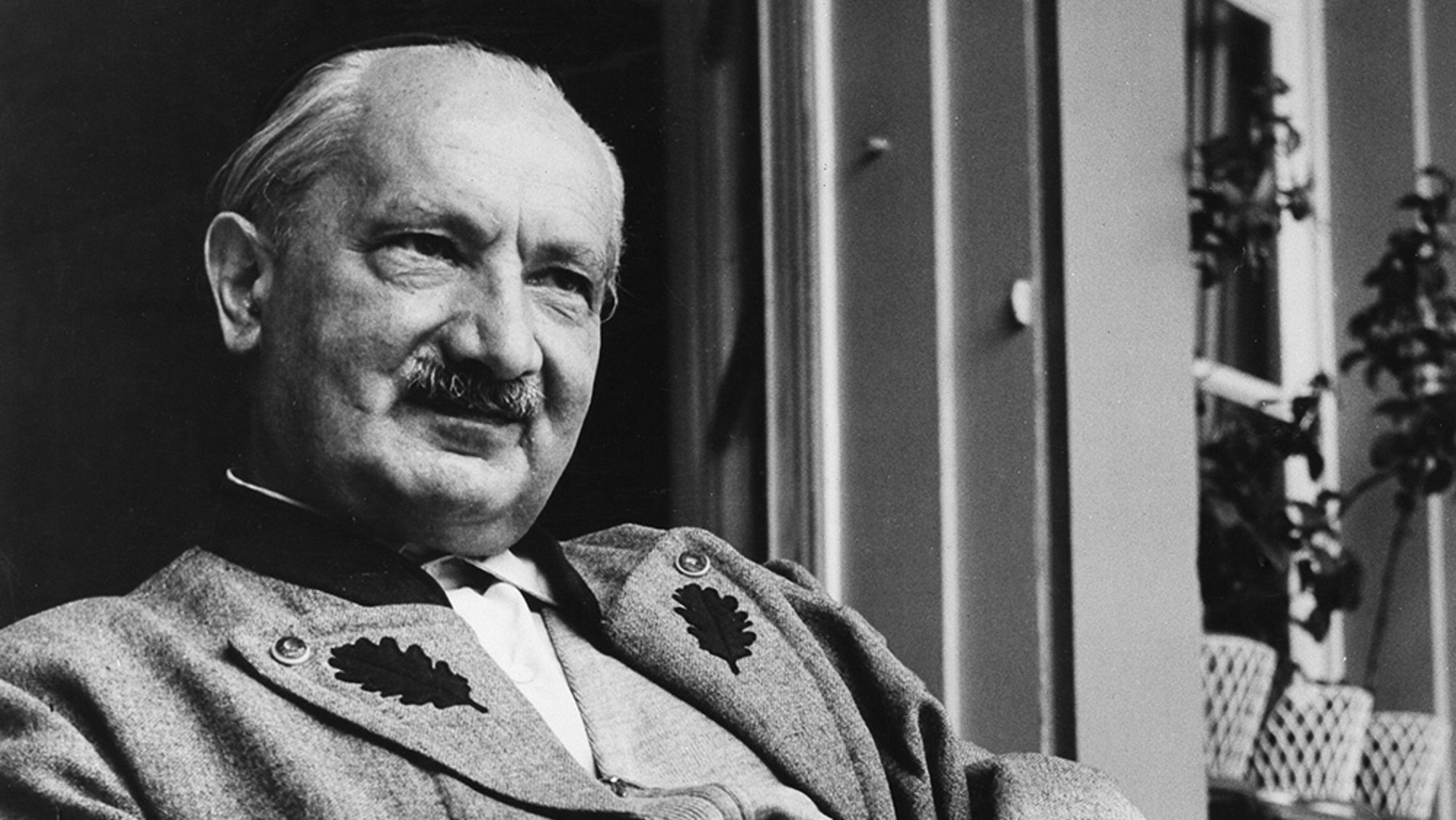
Marty saw that human beings do not begin as detached spectators examining a neutral collection of objects. We already inhabit worlds of practice, language, tools, history, mood, relation, and inherited significance.
He saw that a hammer belongs to a workshop before it belongs to a philosophical inventory. He saw anonymous social intelligibility operating through the they. He saw modern technology training reality to appear as usable stock. He saw that calculation can become a way the whole world discloses itself.
These were major achievements.
Then, depth became sovereign.
Heidegger’s preferred scale gained the authority to demote the others. Being outranked beings. Historical destiny outranked damaged people.
Technological metaphysics threatened to absorb identifiable agents, institutions, ideologies, victims, decisions, and repair claims into one deeper story about the age.
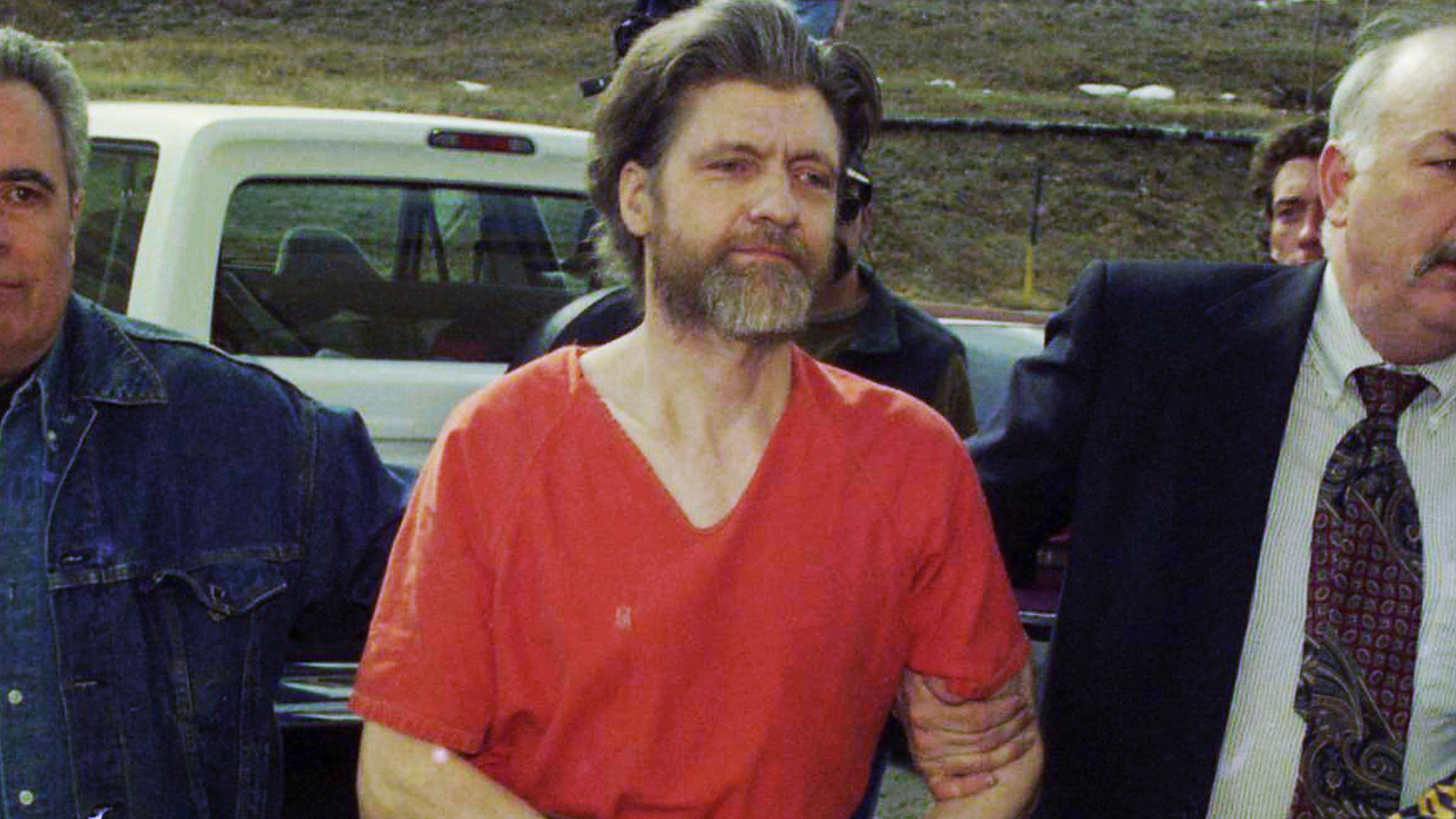
Marty had one extremely powerful eye.
That eye looked deep enough to see beneath the object, beneath the subject, beneath ordinary morality, beneath modern technology, beneath humanism, beneath Western metaphysics, beneath nearly anything capable of lodging a complaint.
Then, the people started disappearing in the depth.
The published ruling on Heidegger puts the failure cleanly: a field has several scales, and an analyst fails when one preferred scale receives authority to redescribe every other scale as derivative. Heidegger saw standing-reserve and failed to hold the person who had been made into stock.
Modal Path Ethics keeps the field eye open.
- The hammer may stay.
- Then it opens the other eye.
- The Jew is not an example of an epoch.
- The student is not historical material.
- The worker is not a disclosure event.
- The harmed person does not become philosophically shallow because their injury can be placed inside a deeper structure.
- The deeper relation remains real.
- The nearer wound remains real.
- Depth requires both.
- Then it opens the other eye.
The Condition Has Spread.
Once named, DoubleVision suddenly appears throughout Modal Path Ethics.
Repair Has DoubleVision.
- One image shows a repaired field.
- Trust may return.
- A dangerous institution may change.
- A relationship may become more truthful.
- An ecology may recover.
- Resistance may fall.
- Futures may reopen.
- The second image shows the tail.
- The betrayal still happened.
- The vanished lineage remains vanished.
- The old institution punished truth.
- The repaired body is still the body that had to heal.
Samsara & Repair holds these images together. Repair can be real while the original contraction remains real. Better does not grant retrospective innocence.
A field can improve without receiving a new past.
- Close the repair eye and despair becomes sovereign.
- Close the tail eye and redemption theater begins laundering the wound.
DoubleVision keeps the repaired future and the damaged path in view at once.
Sacred Instruments Have DoubleVision.
- One image shows religion preserving memory, discipline, humility, ritual, contact, obligation, care, and resistance to the shrinking little world of individual appetite.
- The second image shows a sacred instrument becoming sovereign over correction.
- Prayer can orient.
- An oracle can interrupt.
- A scripture can carry memory.
- A tradition can preserve a people.
- Then, the instrument can claim ownership over the field it was meant to help encounter.
DoubleVision prevents two collapses.
- The first collapse sees religion only as pathology.
- The second sees sacred authority as exemption from field correction.
- The sacred instrument remains visible.
- So do the people living beneath it.
Security Instruments Have DoubleVision.
- One image shows protection.
- Borders can shelter.
- Deterrence can prevent attack.
- Armed defense can preserve a civilian field.
- Intelligence can identify a real threat.
- Emergency authority can hold a path open under immediate danger.
- The second image shows the protection instrument consuming what it protects.
- Security becomes domination.
- Deterrence holds civilization inside a threatened closure.
- Strategic depth converts another people’s political future into terrain.
- The civilian field becomes payable cost.
DoubleVision preserves the threat and the damage produced by answering it.
- A real enemy does not grant moral invisibility to the protection machine.
- A dangerous protection machine does not make the enemy imaginary.
Failed Field Analysts Have DoubleVision.
Every Failed Field Analyst begins with a true fragment.
- Heidegger saw worldhood and technological enframing.
- McNamara saw systems and feedback.
- Kissinger saw instability and great-power structure.
- Hubbard saw capture.
- Savonarola saw corruption.
- Kaczynski saw technological dependence.
- Szasz saw coercion inside psychiatric authority.
The second image shows what happened when the true fragment became sovereign.
- The metric became the war.
- Stability spent peripheral lives.
- The hallway sealed itself.
- Purity became fire.
- Collapse became an exit.
- The critique abolished distinctions needed for care.
DoubleVision refuses the easy and joyful comfort of calling these people idiots.
It also refuses the intellectual vanity of treating genuine insight as a pardon.
Modal Path Ethics Has DoubleVision About Itself.
- One image shows a moral framework attempting to analyze reachable futures, structural contraction, resistance, burden transfer, care, repair, and damaged fields.
- The second image shows it stepping on a rake.
This has already been formalized under the official doctrine that Modal Path Ethics is Half-Stupid.
- One half analyzes the field.
- The other half enters the field with no shoes.
- The rake is data.
This doubled nature keeps the framework from hardening into monument form. The serious eye protects the inquiry from becoming empty comedy. The stupid eye protects seriousness from becoming priesthood.
Neither receives full custody of the face.
The Fusion Problem.
DoubleVision does not mean preserving two accounts forever because deciding would be rude.
The images must still be worked.
Sometimes one is wrong.
Sometimes both are incomplete.
Sometimes the structural image reveals a causal relation the local story concealed.
Sometimes the local encounter breaks a theory that had become too satisfying.
Sometimes the images fuse into depth.
Sometimes they refuse.
That refusal is evidence.
- The policy claims protection.
- The protected population reports captivity.
- The institution claims care.
- The patient encounters abandonment.
- The reform reports success.
- The burden has moved into a room the metric cannot see.
- The theory explains history.
- The bodies do not fit inside the explanation.
The gap between the images marks the audit site.
Do not immediately close one eye to restore comfort.
Stay with the disparity.
Find out what prevents fusion.
Ruling.
Modal Path Ethics has DoubleVision.
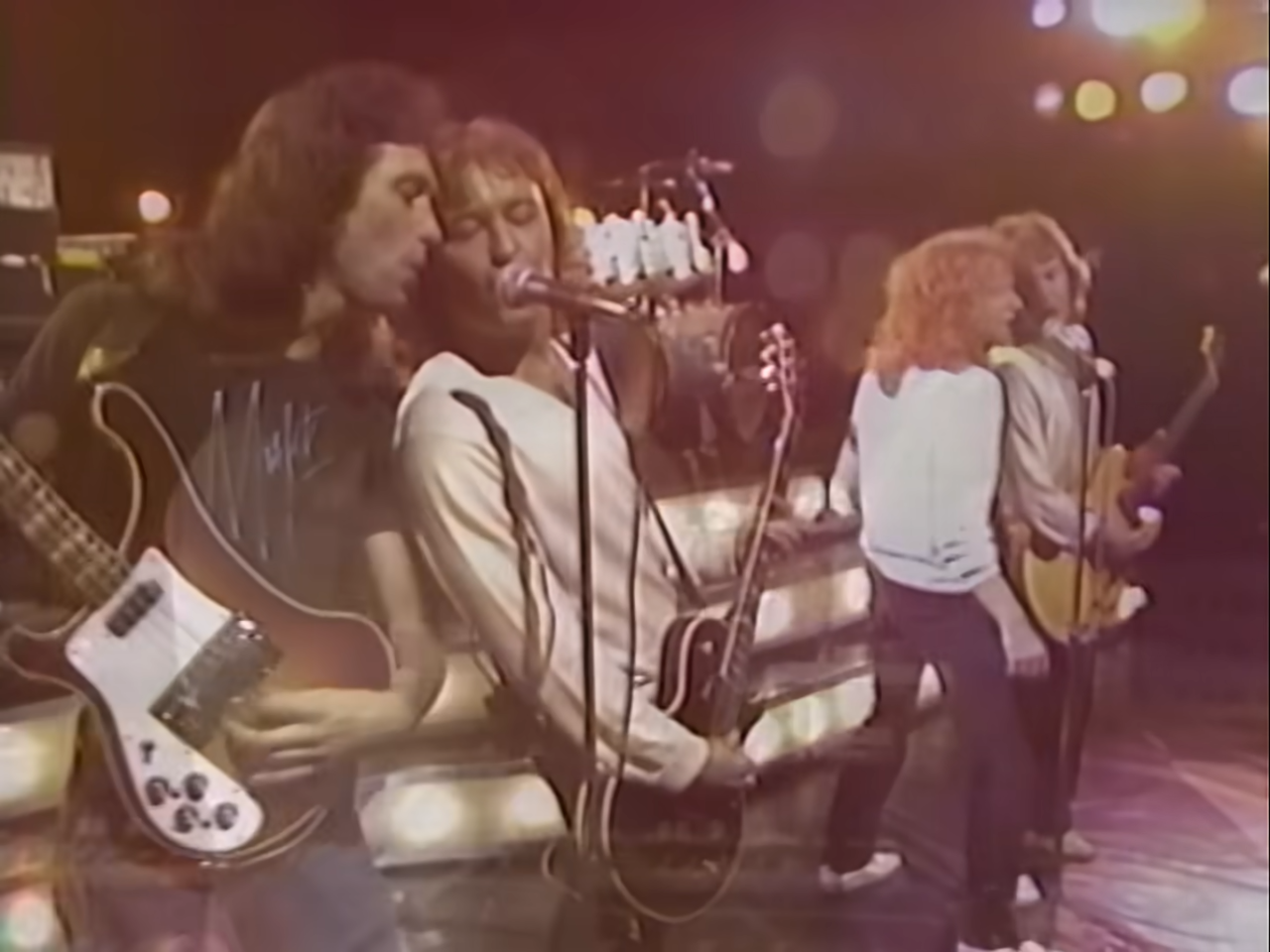
This condition began in a Foreigner song, passed through two ancient video-game consoles, received guitar accompaniment from behind the Angry Video Game Nerd’s couch, and has now entered moral metaphysics.
This is a very respectable causal history.
- One Vision sees the field.
- The other sees the locus.
- One sees how the person was formed by structure.
- The other sees what the structure is doing to the person.
- One sees the true fragment.
- The other sees the machine it became.
- One sees repair.
- The other sees the tail.
- Close the field eye and ethics becomes moral theater.
- Close the locus eye and ontology eats the people.
Marty looked extremely far down.
He lost depth when he stopped looking across.
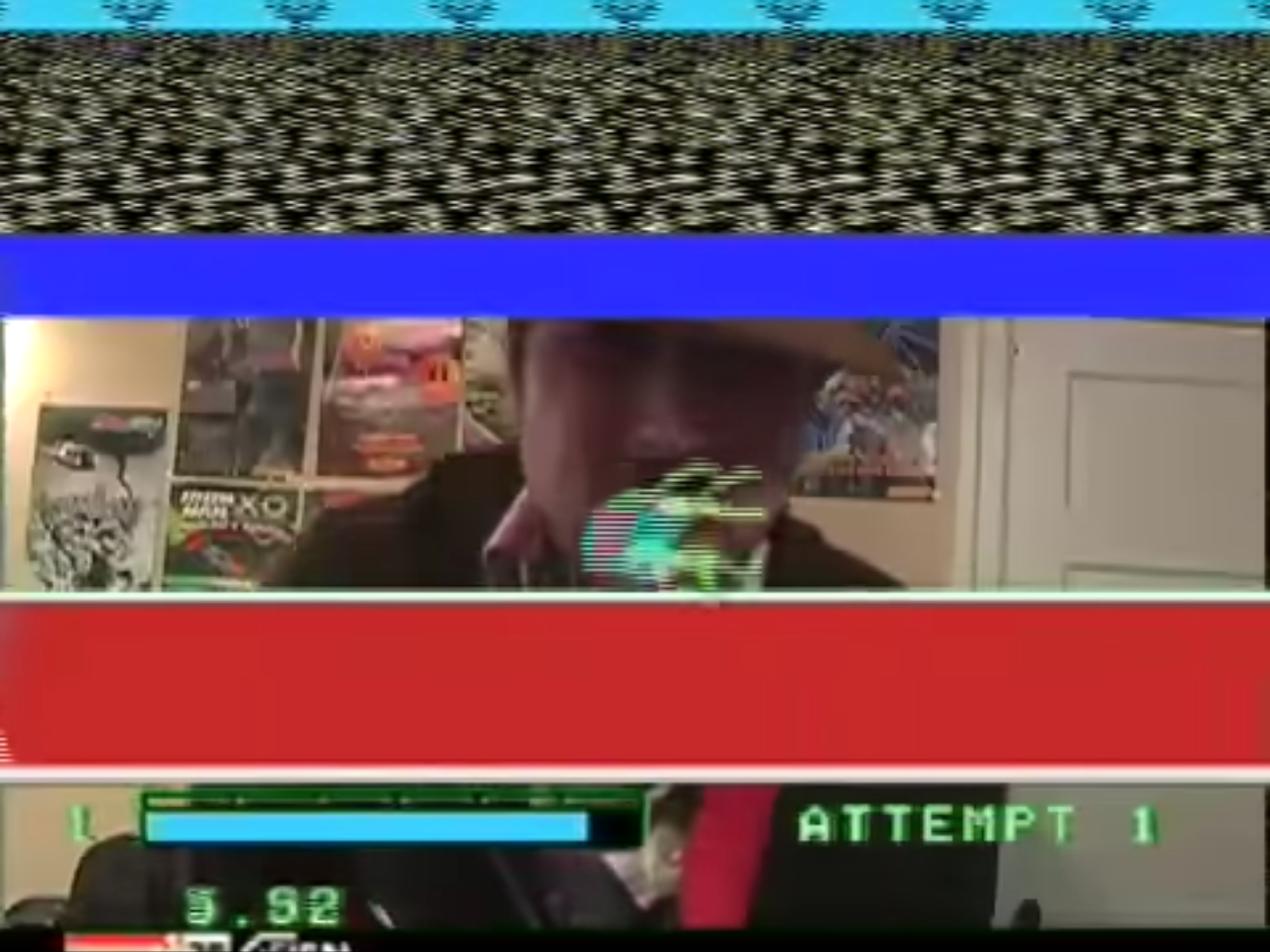
Modal Path Ethics intends to keep both Visions plugged into the television.
The controllers are fucking terrible.
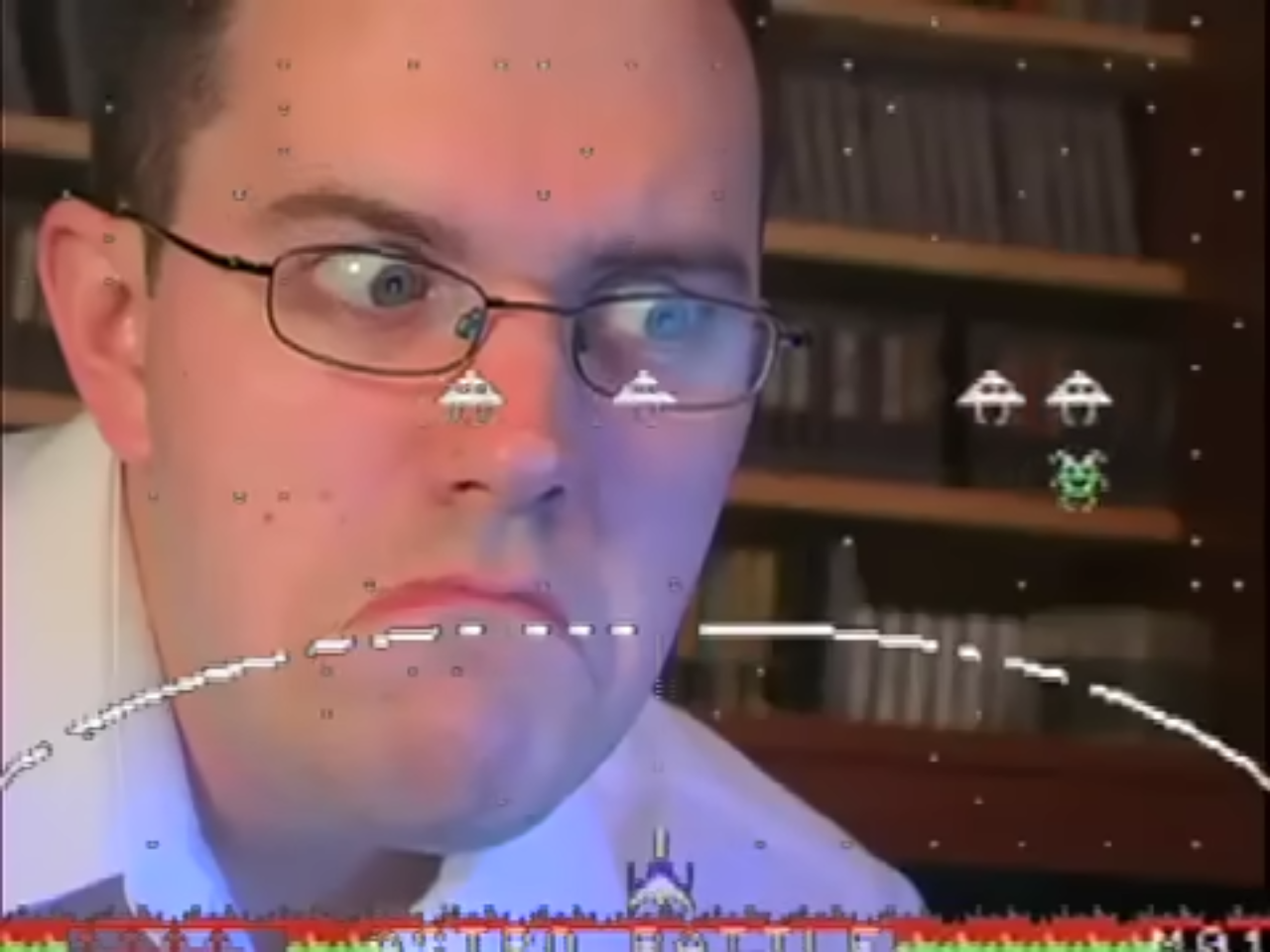
But the picture is finally three-dimensional.