Failed Field Analysts: Marty Heidegger and the Depth Machine
A more neutral approach to the man who dug under ethics and lost the ladder. [L]

Hard pass revoked. Let's try this again.
I. Being Apparently Missed a Meeting.
Martin Heidegger spent much of his career warning that Western thought had forgotten Being.
In 1933, Being apparently forgot to warn Martin Heidegger about the Nazis.
This is just super awkward for the ontology.
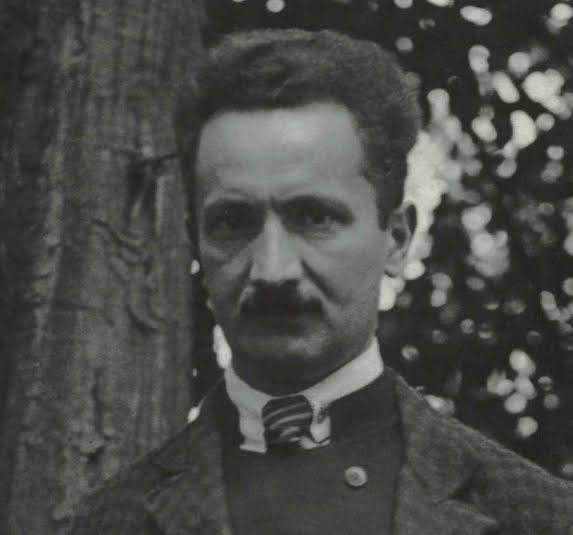
It is not automatically fatal to every sentence Heidegger wrote.
A philosophical claim does not become false because its author joined a catastrophic political movement. Readiness-to-hand does not secretly start goose-stepping because the person who described it entered the Nazi Party. The hammer remains available for ordinary hammer purposes. The equipmental totality has not been convicted as an accessory.
The situation remains very awkward, Martin.
Heidegger had already produced Being and Time, one of the most powerful analyses of human existence in twentieth-century philosophy. He had argued that human beings do not begin as detached spectators inspecting neutral objects. We arrive already involved in a world: using, expecting, fearing, building, inheriting, projecting, working, depending, speaking, and moving through structures that usually become visible only when they fail.
He had analyzed fallenness into the they: the anonymous social authority through which one thinks, judges, talks, responds, and understands as one is expected to think, judge, talk, respond, and understand.
He had made authenticity a difficult recovery from average public interpretation.
Then, the greatest analyst of the they joined the largest they in Germany.
That is slightly unfair.
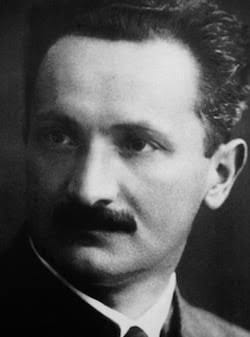
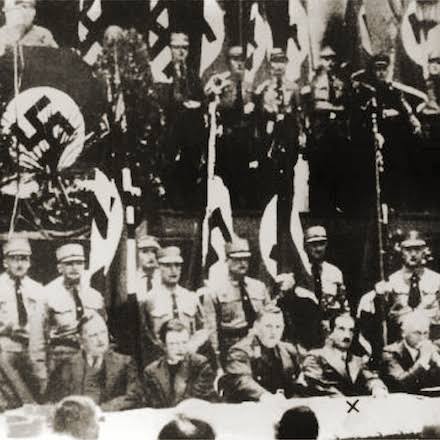
Heidegger was elected Rector of the University of Freiburg in April 1933 and joined the Nazi Party on May 1. In his rectoral address, he described the university through the spiritual mission, historical destiny, earth-and-blood-bound strength, labor service, military service, knowledge service, leadership, following, struggle, and self-assertion of the German people.
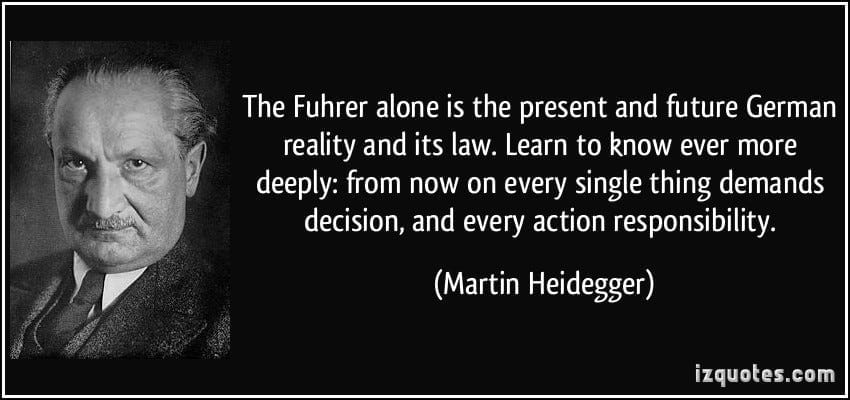
Later that year, in a public appeal supporting Hitler’s plebiscite, Martin instructed students that:
The Führer alone is the present and future German reality and its law.
That sentence appears in a set of Heidegger’s political texts from 1933 and 1934, signed Martin Heidegger, Rector.
The philosopher who spent hundreds of pages distinguishing authentic existence from anonymous conformity had found one man to serve as German reality and law.
A difficult interpretive question therefore presents itself.
-
Perhaps Hitler was ontologically one’s ownmost.
-
Perhaps the Führer possessed an unusually strong equipmental relation to the German university.
-
Perhaps Heidegger had discovered a highly authentic form of following.
-
Perhaps this was a total fucking field failure.
Modal Path Ethics selects the fourth explanation.
Heidegger belongs in Failed Field Analysts for the same reason Robert McNamara, Henry Kissinger, L. Ron Hubbard, Girolamo Savonarola, and Ted Kaczynski belong there.
- He saw something real.
The true fragment was powerful enough to change the language available to later, better thinkers.
Then, the instrument Martin built around that fragment acquired sovereignty over correction.
- Heidegger saw that detached subject-object metaphysics had flattened human existence.
- He saw that practical involvement precedes theoretical inspection.
- He saw that ordinary social intelligibility can conceal the structure it organizes.
- He saw that a historical world determines what can appear as meaningful.
- He saw that modern technology can make beings appear as available stock.
- He saw that calculation can become a mode of disclosure rather than a neutral technique.
These were major philosophical achievements.
Then, depth became a machine.
Being outranked beings.
Ontology outranked ethics.
Historical destiny outranked the people history was already crushing.
Disclosure outranked damage.
Authenticity outranked responsibility.
Every morally obvious objection could be demoted as insufficiently primordial, insufficiently ontological, too attached to beings, too late in the history of metaphysics, too trapped in humanism, or simply too embarrassing to the depth category now in charge.
The earlier Modal Path Ethics essay on Heidegger, Sorge, and care gave the careful version. It separated Heidegger’s technical Sorge from the practical care required by Modal Path Ethics. It granted the philosophical debt, marked the difference, inspected the contamination, and placed the usable tools under supervision.
This article is the disciplinary hearing afterward.
II. The Hammer Is Fine.
Heidegger is very good when he is standing near a hammer.
This should be granted.
A person does not ordinarily encounter a hammer as a neutral object possessing mass, length, color, density, atomic structure, market value, and a mysterious property called hammerness.
The person encounters something for hammering.
The hammer belongs to nails, wood, a bench, a hand, a project, a room, a craft, a deadline, a roof, a repair, a person waiting for the repair, and a world in which any of those relations already make sense.
The tool is usually least visible while it works. It becomes conspicuous when it breaks, disappears, slips, bends, fails to fit, or encounters material that will not receive it.
This is a profound correction to the fantasy of the detached spectator.

Human beings are already in relation before they produce a theory of relation. Meaning does not arrive as a label pasted onto a complete physical inventory. The world is encountered through active involvement. We are always already somewhere, doing something, among others, under inherited conditions, moving toward possibilities we did not invent from nothing.
The Stanford Encyclopedia of Philosophy’s account of Heidegger describes being-in-the-world as the unitary structure of Dasein rather than a subject later connected to an external environment. Factories, offices, homes, parks, roads, shops, neighborhoods, and tools form organized contexts of activity. Their significance arises through involvement.
Modal Path Ethics recognizes the neighborhood.
A field is not an inert backdrop behind the agent.
A road changes what can reach what.
A diagnosis changes which institutions can act on a person.
A law changes the future structure of bodies it may never name.
A platform changes what kinds of speech become visible, repeatable, punishable, monetizable, or socially real.
A tool enters a relation already carrying history, maintenance, labor, expectation, failure conditions, and downstream paths.
Heidegger helped philosophy notice that the room had already been furnished.
The hammer is fine.
Modal Path Ethics returns the hammer to the tool cabinet.
Heidegger does not get the whole workshop.
The real value of the hammer analysis lies in how quickly the isolated object dissolves into a field.
A hammer is available because:
- a body can grip it;
- a practice has trained the grip;
- material can receive the strike;
- the project gives the strike direction;
- other tools support the task;
- a social world recognizes the role;
- a history of craft has made the instrument intelligible;
- someone has supplied the metal, handle, workshop, shelter, and time.
No object stands alone.
No action stands alone either.
This is where Heidegger’s true fragment comes closest to Modal Path Ethics. Moral action also appears inside an equipmental and institutional whole before it appears as an isolated choice.
The doctor’s decision arrives through staffing, insurance, law, hospital software, professional formation, bed availability, family contact, previous records, diagnostic categories, and time.
The soldier’s decision arrives through command, doctrine, logistics, intelligence, fear, training, weapon design, national story, and the presence of other armed bodies.
The student’s decision arrives through tuition, assessment, credential pathways, classroom authority, family expectation, and the possible futures education has been made to gate.
Ordinary moral language enjoys extracting the visible person from this relation and placing one clean action under a spotlight.
Heidegger’s work helps resist that extraction.
The agent is already in the world.
Good.
Now, let us look at the world the agent entered.
This is where Heidegger’s instrument starts looking nervously at the floor.
III. The They Has a Membership Form.
Heidegger’s das Man is often translated as the they, the one, or the anyone.
It is the anonymous authority of ordinary social existence.
- One dresses this way.
- One interprets the news this way.
- One respects these people.
- One avoids those people.
- One speaks with the accepted degree of seriousness.
- One knows which questions make the room uncomfortable.
- One repeats the explanation everyone already knows.
The they does not need a central office. It governs through average intelligibility. It supplies the public answer before the individual has fully encountered the question.
This is a real and important insight.
A distortion field often works this way.
Nobody has to issue a secret order.
- The institution learns which truths create work.
- The profession learns which complaints threaten jurisdiction.
- The family learns which memory must remain private.
- The platform learns which affect receives circulation.
- The state learns which civilian deaths count as strategic context.
- The university learns which moral objection sounds philosophically unsophisticated.
The people involved may sincerely believe they are interpreting reality independently.
The field has already supplied the grammar.
Heidegger saw this.
Then National Socialism supplied uniforms, banners, institutional appointments, plebiscites, historical destiny, a leader principle, a national mission, and the synchronized enthusiasm of a society being reorganized around exclusion and violence.
Heidegger joined.
Again, this is slightly unfair.
Das Man does not mean “whatever many people are doing is bad.” Authenticity does not require contrarianism. A person can act authentically alongside a collective. Shared political commitment does not automatically count as fallenness. Heidegger’s philosophy contains more complexity than the joke allows.
The joke remains available.
The great analyst of anonymous conformity received a membership form and filled it out.
The unfairness is productive because it identifies a hard problem for the instrument.
How does an ontology of authenticity distinguish authentic recovery from romantic submission to a collective destiny?
How does resoluteness distinguish itself from ideological hardness?
How does the call away from average everydayness prevent the agent from answering a louder and more catastrophic call?
How does one’s ownmost possibility avoid becoming the historical mission of a people narrated by a philosopher who wants very badly to be present when history discovers its metaphysical depth?
These are not external questions imposed by a hostile moralizer.
They arise from the path Heidegger actually took.
His categories did not simply "fail to stop him."
Some became available to the political romance.
-
The ordinary world was shallow.
-
Liberal procedure was shallow.
-
Parliamentary debate was shallow.
-
Detached science was shallow.
-
Academic freedom was shallow.
The historical crisis demanded decision, struggle, rootedness, mission, leadership, discipline, and a transformed university.
The new movement arrived speaking in a register of destiny.
Heidegger heard depth.
This is the first operation of the Depth Machine:
- Identify a real shallowness.
- Reveal a deeper layer.
- Give the deeper layer superior philosophical status.
- Treat ordinary moral resistance as evidence that the critic remains on the surface.
- Allow the agent who speaks for depth to control which harms count as profound.
- Discover historical destiny waiting behind the administrative desk.
The machine does not require every deep claim to be false.
It works much better when the depth is real.
That is why the analyst becomes dangerous.
IV. Sorge Without Care.
The German word Sorge is usually translated as care.
This has caused enough trouble already.
In Being and Time, Sorge names the basic structure of Dasein’s existence. Dasein is thrown into conditions it did not choose, projected toward possibilities, involved in the world, and absorbed in everyday life. Care unifies this temporal structure.
Sorge is not kindness.
Sorge is not compassion.
Sorge is not moral concern for the damaged.
Sorge is not sustained availability to contraction as contraction.
Every Dasein has Sorge, including the indifferent, cruel, cowardly, distracted, ambitious, and murderous.
Heideggerian care therefore cannot distinguish the person who remains available to another’s suffering from the person who provides intellectual dignity to the institution producing it.
Martin Heidegger had Sorge throughout 1933.
Everyone can relax.
The care was ontological.
The people being removed from universities, law, employment, public standing, and civic life may have preferred the other kind.
The earlier Sorge essay took this distinction seriously because Modal Path Ethics uses care in a directly ethical sense.
Care is a practical disposition.
It can be cultivated.
It can erode.
It can fail.
An agent sustains care by remaining available to structural harm even when the surrounding narrative rewards another interpretation. Care resists the conversion of damaged loci into abstractions, targets, necessary costs, impurities, variables, destiny, or background conditions.
Heidegger’s Sorge cannot perform this work by itself.
It was never designed to.
That defense is fair.
Being and Time is fundamental ontology, not a manual of moral conduct. Heidegger was just asking what kind of being Dasein is, not constructing a normative ethics. Complaining that Sorge does not produce compassion may resemble complaining that a map of the circulatory system does not contain a theory of medical justice.
Excellent.
The defense succeeds.
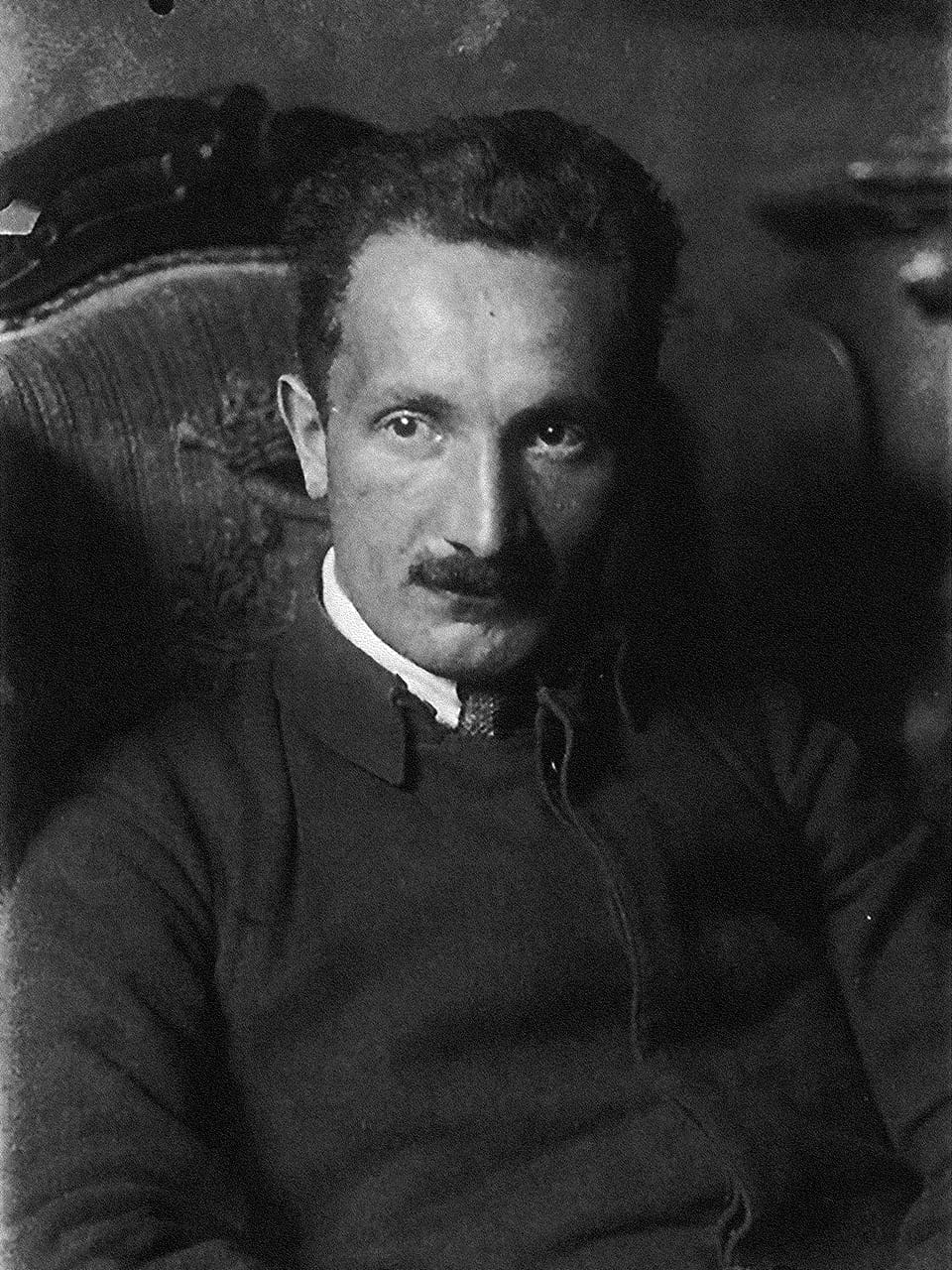
Then, the great philosopher enters public authority.
A map does not have to contain medical justice.
A rector does need enough moral contact to recognize institutional capture.
The question is not whether Sorge secretly owed the reader an ethics chapter.
The question is whether Heidegger’s wider instrument gave adequate resources, priority, or discipline for recognizing what his historical romance was doing to actual beings.
The answer remains catastrophic.
Heidegger could analyze care as the structure of existence and still fail to care in the sense that mattered when his university entered a contraction regime.
The conceptual distinction protects the technical term.
It does not protect the analyst.
This is an important Failed Field Analysts pattern.
An instrument can be correctly bounded in theory and sovereign in practice.
- McNamara could say body count was one measure among others while the war learned how to report itself through the count.
- Kissinger could say stability was one strategic concern while peripheral lives became spendable beneath it.
- Savonarola could say moral reform addressed many civic goods while purity became the master explanation.
- Martin could say ontology was distinct from ethics while ontological depth organized which ethical claims appeared philosophically serious.
The disclaimer does not govern the field automatically.
The instrument’s prestige does.
Heideggerian vocabulary makes depth feel like priority even when Martin formally denies that deduction.
Being sounds deeper than beings.
Ontology sounds deeper than ethics.
Destiny sounds deeper than administration.
Authenticity sounds deeper than procedural restraint.
Historical existence sounds deeper than the person being expelled from a classroom.
The Depth Machine does not need to argue that the surface is irrelevant.
It only needs to make the surface feel embarrassing.
V. The Ontic Complaint Department.
Welcome to the Ontic Complaint Department.
Please, take a number.
The current wait time is approximately two thousand five hundred years of (Western) metaphysics.
Your complaint may concern:
- dismissal from employment;
- exclusion from education;
- seizure of legal standing;
- racial classification;
- dispossession;
- censorship;
- state violence;
- war;
- extermination;
- the philosophical dignity of the person currently explaining why these are not yet the deepest question.
All complaints will be evaluated for sufficient ontological rank.
Being will be served first.
The ontological difference is central to Heidegger.
Beings are entities: people, tools, animals, rivers, institutions, stones, laws, buildings, bodies, forests, states.
Being concerns what it means for entities to be, the historical clearing in which they can show up as intelligible at all.
Heidegger believed Western philosophy repeatedly forgot this difference. It treated Being as another being, a highest entity, a general property, or an empty abstraction. His project tried to reopen the question.
The distinction is philosophically serious.
It can also become the most sophisticated customer-service escalation procedure ever devised.
A critic points to harmed beings.
The Heideggerian asks whether the critique has reached Being.
A critic points to institutional capture.
The Heideggerian asks whether the institution has been understood through the history of metaphysics.
A critic points to antisemitism.
The Heideggerian asks whether ordinary moral condemnation reproduces the technological-calculative framework it opposes.
A critic points to the fucking obvious.
The Heideggerian explains that the obvious is where concealment is strongest.
This little exchange can produce real insight.
It can also function as an altitude defense.
The moral claim keeps climbing until the real harmed person disappears beneath the beautiful clouds.
Modal Path Ethics refuses the altitude defense.
A moral ontology does not stop at inventory.
It asks what must be true for harm to occur at all.
- Extant loci possess structured continuations.
- Transitions alter what remains reachable.
- Harm contracts reachable future-space or thickens resistance against better continuation.
- Burdens can be transferred across loci, institutions, generations, and environments.
- A field can preserve its appearance while destroying the futures carried through it.
This is deeper than ordinary blame language without becoming less answerable to damaged beings.
The forest does not need Dasein before destruction can close its continuance.
The river does not wait for human disclosure before pollution alters its field.
A university does not become morally real only when a philosopher experiences it authentically.
A Jewish scholar’s future does not become an ontic distraction because Martin has scheduled a more primordial question.
Being is welcome to the meeting.
Being does not get to remove the fucking chairs.
The Depth Machine fails when ontological priority becomes ethical demotion.
The error is subtle.
Heidegger does not have to say suffering is unimportant.
He does not have to deny murder, exclusion, terror, or dispossession.
He only has to build a conceptual environment where those events appear philosophically derivative beside the disclosure of an epoch, the destiny of a people, the crisis of the West, the essence of technology, or the withdrawal of Being.
The ordinary victims become examples of a deeper history.
The deeper history receives the main verb.
This is how persons disappear inside a "genius's" profundity.
VI. Historical Destiny Enters the University.
A university is one of the least convincing places for Martin to pretend philosophy has no field consequences.
Universities train future selectors.
They preserve archives.
They certify knowledge.
They decide which questions receive disciplines, salaries, laboratories, journals, prestige, and successors.
They route young people into professions and public authority.
They establish what counts as serious enough to teach.
A university is a future-space engine.
Marty became Rector of Freiburg while the Nazi state was synchronizing German institutions with its political project.
His rectoral address did not quite sound like a reluctant administrator trying to keep plumbing operational under adverse conditions.
It spoke of:
- the spiritual leadership of the institution;
- the destiny of the German people;
- earth-and-blood-bound strengths;
- labor service;
- military service;
- knowledge service;
- leaders and guardians;
- struggle;
- greatness;
- the historical mission of the people in the state.
Heidegger wanted to transform the university.

The ordinary defense says he wanted to transform it in his own philosophical direction rather than simply implementing crude Nazi doctrine. He disagreed with parts of the movement. He resisted some specific measures and personalities. His rectorship lasted about a year. He later grew disillusioned with the regime’s vulgarity, biologism, and technological character.
All of this introduces useful distinctions.
None of it makes the event good.
Heidegger did not accidentally walk into the wrong faculty meeting here.
He saw National Socialism as an opening for spiritual renewal and institutional transformation. He tried to place his philosophy near the movement’s direction.
The fact that the Nazis did not become sufficiently Heideggerian for Heidegger does not create a resistance record.
Marty wanted a deeper Nazism.
The regime had other appointments on its clock.
The comedy writes itself reluctantly.
Martin appears to have believed that National Socialism had arrived carrying an incomplete draft of Heidegger.
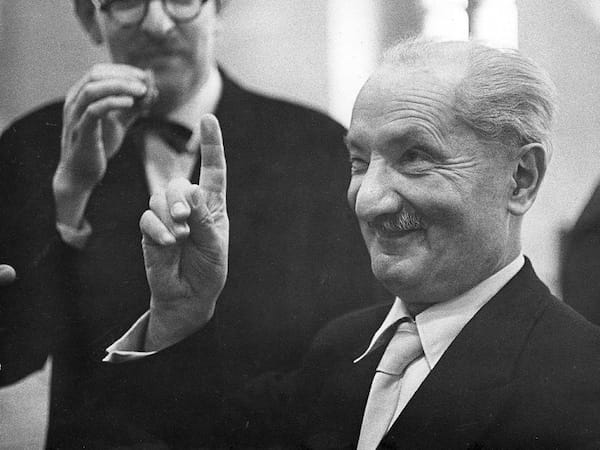
This movement possessed energy, rupture, destiny, peoplehood, struggle, and historical force.
It lacked adequate Being-talk.
The philosopher could help.
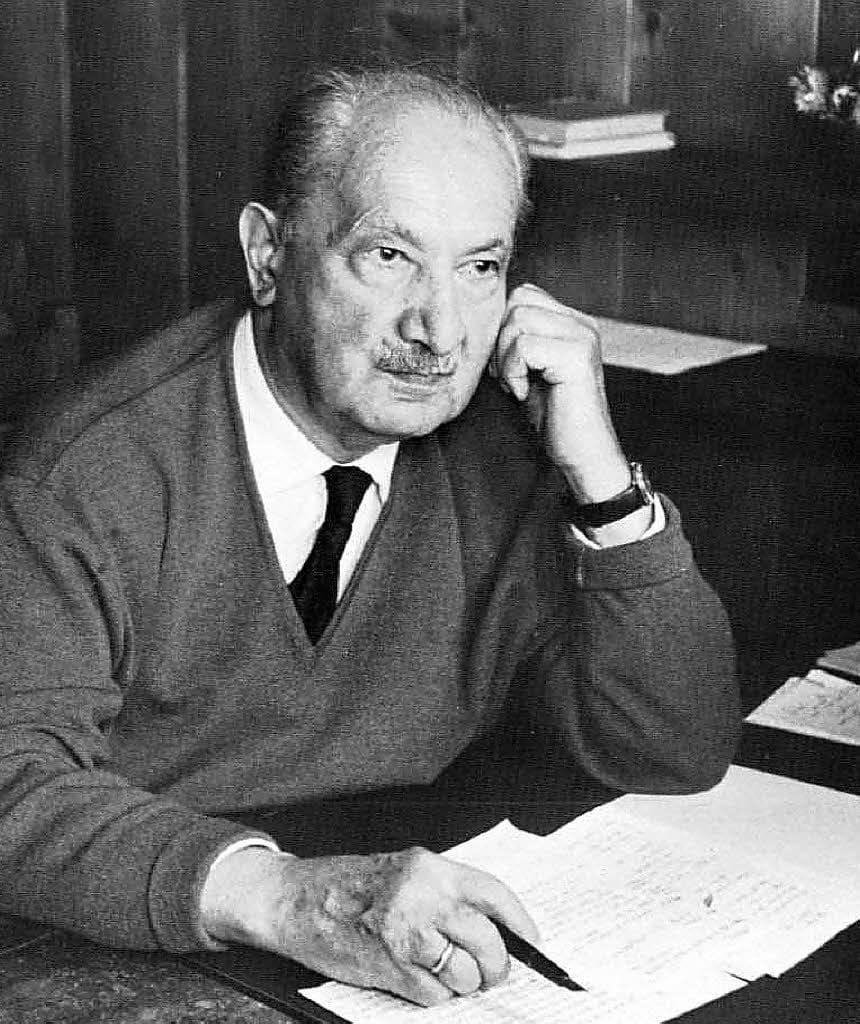
This is a very familiar intellectual temptation.
- A political movement enters with real power and obvious brutality.
- The thinker notices that its crude language does not capture its deepest possibility.
- The thinker offers some conceptual refinement.
- The movement keeps the power.
- The thinker keeps the embarrassment.
- The thinker offers some conceptual refinement.
Heidegger’s failure was not excessive practicality.
He mistook political force for an aperture through which philosophical destiny might enter history.
He interpreted a contraction machine as a disclosure event.
That is the Failed Field Analyst move.
He gave political ruin metaphysical weather.
The phrase historical destiny carries real philosophical pressure.
People do inherit worlds.
Languages, institutions, practices, wounds, technologies, landscapes, and political histories constrain what can appear as reachable. No person invents their field alone. Collective history shapes agency.
Heidegger saw this.
Then inheritance began hardening toward title.
A people became a privileged bearer of historical mission.
Rootedness gained authority.
The West acquired a spiritual crisis whose solution required those capable of hearing its deeper beginning.
The political present became the stage on which Being might alter its historical course.
Actual people inside that stage were already being sorted by racial law, exclusion, terror, and the state’s expanding claim over life.
The destiny analysis did not stop the sorting.
It made the moment feel enormous.
Enormity is a dangerous anesthetic.
A thinker facing a world-historical event may begin treating ordinary restraint as smallness.
Procedure looks timid.
Rights look derivative.
Pluralism looks indecisive.
Institutional limits look shallow.
The damaged person looks local.
History wants more.
The people living through history usually pay for this excitement.
VII. Standing-Reserve Wears a Rector’s Chain.
Heidegger’s later critique of modern technology remains one of the strongest tools in the corpus.
This is inconvenient.
It would be much easier if the Nazi philosopher had contributed nothing useful after the Nazi part.
Reality declined the clean arrangement.
In “The Question Concerning Technology”, Heidegger argues that technology is not exhausted by devices or human purposes. Modern technology is a mode of revealing. It challenges the world to present itself as orderable, calculable, available stock: standing-reserve.
The river becomes energy potential.
The forest becomes cellulose supply.
The land becomes mineral inventory.
The patient becomes clinic supply.
The worker becomes human resource.
The person becomes a replaceable component within an orderability system.
This is an extraordinary insight.
Modern technology does not only use things.
It trains reality to appear as usable.
The danger reaches human beings because we too become available stock while imagining ourselves to be the masters of the arrangement.
Modal Path Ethics accepts the instrument.
This is useful for artificial intelligence, extractive industry, logistics, medicine, platform governance, warfare, education, and every institution that discovers a new way to convert living structure into operational capacity.
Then, the instrument turns around.
Nazism was already converting beings into standing-reserve.
- Students became ideological and military material.
- Universities became reproduction machinery for the state.
- Scholarship became national mission.
- Law became racial classification infrastructure.
- Workers became mobilizable production bodies.
- Culture became historical ammunition.
- Territory became strategic depth.
- Persons became population stock, enemy stock, labor stock, settler stock, transport stock, camp stock, corpse stock.
The analyst of standing-reserve entered an institution being reorganized as standing-reserve for the regime.
Marty had the instrument.
The instrument apparently did not recognize its owner.
The timeline offers a partial defense.
Heidegger’s fully developed language of enframing and standing-reserve came later. The mature technology critique cannot simply be projected backward as a tool he possessed in complete form during the rectorate.
Fine.
Historical sequence preserved.

The field question remains.
His sensitivity to instrumental reduction, calculative thinking, modern nihilism, and the transformation of beings into resources developed through the same historical period in which the Nazi state was making the reduction brutally explicit.
What did the later insight do with that contact?
Heidegger often elevated the camps, industrial agriculture, blockades, warfare, and nuclear weapons into manifestations of one technological-metaphysical order.
This exposed a real structural relation: modern mass killing and modern production can share forms of calculation, logistics, orderability, and reduction.
The danger lies in flattening.
When extermination becomes one example of technological enframing, the specific agents, victims, ideologies, laws, institutions, antisemitism, decisions, and repair claims risk disappearing inside the essence of technology.
History becomes metaphysics.
Responsibility becomes epoch.
The Nazi becomes another person claimed by enframing.
The precious philosopher who joined the party reappears as the diagnostician of the deeper force acting through everyone.
The Depth Machine has excellent legal counsel.
Heidegger’s critique of technology is strongest when it returns attention to how the world is disclosed.
It becomes evasive when disclosure replaces causal and moral analysis.
A gas chamber belongs to technological order.
It also belongs to antisemitism, state power, law, bureaucracy, railway logistics, war, confiscation, dehumanization, professional cooperation, obedience, ideological formation, and decisions made by identifiable agents inside institutions.
The deeper relation does not cancel the nearer one.
A field has several scales.
The analyst fails when one preferred scale receives the authority to redescribe every other scale as derivative.
-
Heidegger saw standing-reserve.
-
He did not adequately hold the person who had been made into stock.
Modal Path Ethics takes the tool and changes the question:
Which extant loci are being made available for whose continuation, and what paths close when the field accepts that availability?
Standing-reserve now has to answer to harm.
VIII. The Black Notebooks Add Depth to Marty's Problem.
For decades, Heidegger’s defenders could present his Nazism as a disastrous political episode standing beside the philosophy.
The separation was never complete.
The publication of the Black Notebooks made the clean version much harder to sustain.
The notebooks contain antisemitic passages in which familiar conspiracy images and claims about Jewish calculability, uprootedness, and worldlessness enter Heidegger’s philosophical register. The contamination is not confined to biological race theory, which Heidegger often rejected. It appears inside his account of modernity, calculation, technology, world, and the history of Being.
This is worse.
Crude racism would have been easier to isolate as an imported prejudice.
Martin gave the prejudice a tiny black notebook and taught it ontology.
The serious scholarly dispute concerns scope.
How central are the antisemitic passages to the corpus?
Do they contaminate the conceptual architecture as a whole?
Can worldhood, dwelling, rootedness, peoplehood, technology, calculability, and historical destiny be extracted without carrying the enemy-image?
Do later readers possess enough repair tools to separate the insight from the path Heidegger opened through it?
These are legitimate questions.
The failed-field ruling does not require the answer everything Marty is Nazi now.
That answer would reproduce the same compression under audit.
The corpus is not one body.
Different concepts have different causal histories, uses, risks, and repairability.
Readiness-to-hand does not depend on antisemitism.
Being-in-the-world does not require National Socialism.
The critique of standing-reserve can be directed against racial classification, militarization, extraction, surveillance, and political domination.
The work has travelled through Jewish thinkers, anti-fascist thinkers, feminists, environmentalists, theologians, deconstruction, postcolonial theory, disability studies, architecture, psychiatry, and technology criticism. Later loci are not reducible to Heidegger’s agency.
The damage still enters the inheritance.
The notebooks show that Heidegger himself could route philosophical vocabulary into an antisemitic world-picture.
That is enough to end his diplomatic immunity.
The Black Notebooks reveal the Depth Machine performing one of its favorite operations:
- A vulgar prejudice arrives.
- The philosopher refuses vulgarity.
- The prejudice receives metaphysical refinement.
- Now it can survive among people who would have rejected the crude version.
This is the danger of instrumental brilliance.
Stupidity can fail to coordinate.
Brilliance can give the field a better story about why its contraction belongs to history.
The brilliant analyst does not simply repeat the hate.
He discovers its ontological significance.
Hard pass. It's still Fuck Martin.
IX. The Depth Machine.
The machine can now be stated cleanly.
1. Find the forgotten layer.
Heidegger correctly identifies a domain ordinary philosophy has flattened:
- practical involvement;
- worldhood;
- temporality;
- thrownness;
- historical disclosure;
- the anonymous authority of everydayness;
- technological enframing.
2. Make access difficult.
The vocabulary becomes technical, recursive, and internally guarded.
This is not automatically a defect. Difficult structures often require difficult language.
The difficulty also creates hierarchy.
The trained interpreter can now decide whether criticism has reached the proper level.
3. Give depth priority.
The deeper question becomes the real question.
Beings, institutions, injuries, procedures, rights, causes, and political responsibilities remain available as ontic material.
They have lower prestige.
4. Translate correction into shallowness.
A moral objection can be dismissed as:
- humanism;
- subjectivism;
- moralism;
- metaphysical thinking;
- calculation;
- fixation on beings;
- failure to encounter the history of Being.
The critic does not refute the machine.
The critic proves they have not entered it deeply enough.
5. Romanticize the historical opening.
A political rupture begins to look like a clearing.
Force acquires destiny.
Institutional transformation acquires spiritual mission.
The philosopher enters history as an interpreter of its deepest possibility.
6. Lose the beings.
The people carrying the transition become local expressions of a larger event.
Their damaged futures no longer govern the analysis.
The depth category has become sovereign.
This machine is slightly unfair to Heidegger.
Heidegger’s thought contains resources against mastery.
Being withdraws. Disclosure conceals. No subject stands outside the world as its sovereign. Enframing claims the human too. Releasement asks for another relation to things. Thinking should become attentive rather than dominating.
These are real counterpressures.
The Depth Machine is not a complete summary of Heidegger.
It is an audit of one recurrent path through Heidegger’s tools, heavily amplified by Heidegger’s own historical failure.
Failed Field Analysts does not ask whether the subject was wrong about everything.
It asks where the true fragment acquired sovereignty.
Heidegger’s depth category became dangerous when it could no longer be corrected by the harmed field without first translating the field into Heidegger.
That is the threshold.
X. Marcuse Sends the Complaint Upstairs.
After the war, Herbert Marcuse tried to reach the philosopher.
Marcuse had studied with Heidegger before fleeing Germany. He had taken the work seriously. He understood its power from inside the intellectual relation rather than from the safe distance of a later critic.
In 1947 and 1948, the two exchanged letters.
The correspondence is one of the clearest tests of Heidegger’s repair capacity.
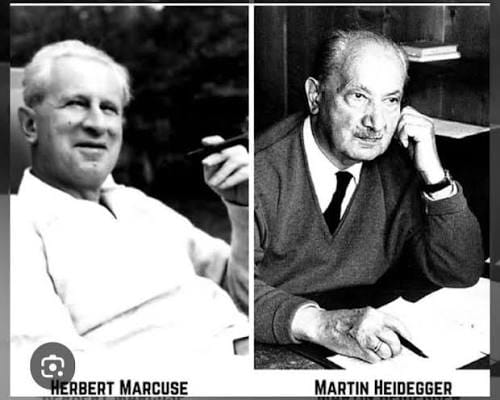
Marcuse confronted him with Nazism’s terror, the murder of millions of Jews, and the inversion of spirit, freedom, and truth. Heidegger responded with partial explanation, claims about what had been known, and an analogy between Nazi crimes and the postwar expulsion of Germans from Eastern territories.
Marcuse answered that Heidegger had placed himself outside the dimension in which human conversation remained possible by using another wrong to relativize extermination.
The exchange is devastating because Marcuse identifies the epistemic failure directly.
- How did the philosopher of disclosure misread liquidation as renewal?
- How did the thinker capable of analyzing Western philosophy at extraordinary depth fail to perceive what was already visible in Nazi leadership and SA violence?
This was not only a political mistake.
It was a failure of cognition, truth, and field contact.
The former student had located the broken instrument.
The master did not repair it.
A morally adequate reckoning would not have required Heidegger to confess that every concept he developed was evil.

It would have required him to:
- identify the path he entered;
- name the people and institutions harmed;
- distinguish his philosophical hopes from the regime’s actual field;
- examine which concepts helped him misread the danger;
- surrender the dignity of historical necessity;
- make future misuse harder;
- remain answerable to the victims rather than to the preservation of the corpus.
He did not produce that reckoning.
The silence became another path.
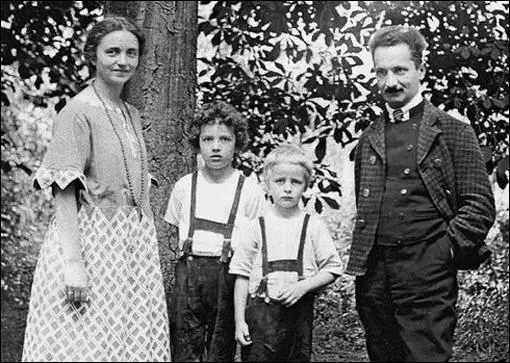
Students, critics, translators, Jewish thinkers, survivors, historians, and later Heideggerians inherited the repair labor.
Marty left everyone else to determine which concepts were usable, which were contaminated, which had been evasive, and which continued carrying political risk.
The philosopher of inheritance created an inheritance problem.
XI. Only a God Can Handle Customer Support.
In 1966, Heidegger gave the interview later published under the title “Only a God Can Save Us”.
The line has enormous dramatic force.
It also sounds like the final message from a philosophy that misplaced the action menu.
Heidegger’s mature account of technology often resists voluntarist solutions. Enframing is not a device humanity can switch off. It is an epochal mode of disclosure. Human planning already operates within it. More control cannot simply solve the world produced by control.
Again, true fragment.
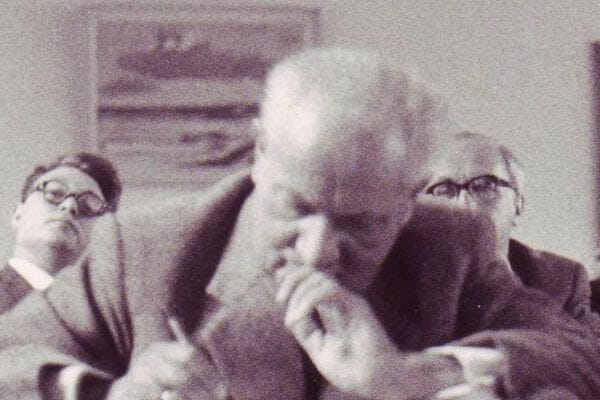
Technical civilization cannot be repaired through one more managerial dashboard.
The controller is also inside the field.
The problem exceeds intention.
Then, agency becomes mist.
Thinking prepares.
Poetry opens.
Art preserves another disclosure.
Releasement waits.
A god may arrive.
Meanwhile, the ontic complaint line remains extremely busy.
The accusation of fatalism is familiar and not fully decisive.
Heidegger does not simply counsel passivity. He wants a transformed relation to technology and Being. Thought can prepare openness. Humans can resist total absorption into calculative order. The absence of a policy program does not make the philosophy empty.
Modal Path Ethics does not require every philosopher to produce a municipal implementation guide.
It does require an instrument to preserve reachable action.
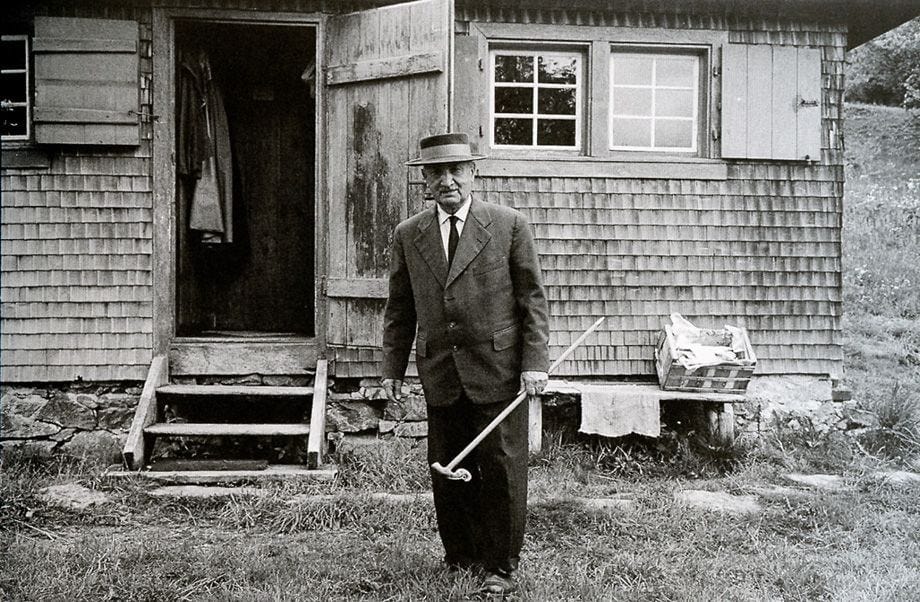
A diagnosis becomes dangerous when the scale of the problem repeatedly dissolves the agency of those carrying it.
- The epoch made us.
- Metaphysics prepared the field.
- Technology claims us.
- Being withdraws.
- A god may save us.
These claims can cultivate humility.
They can also relieve the analyst of transition obligations.
The system is too deep for ordinary repair.
The solution is too deep for ordinary action.

The philosopher becomes responsible for waiting correctly.
Everyone else remains responsible for his water system.
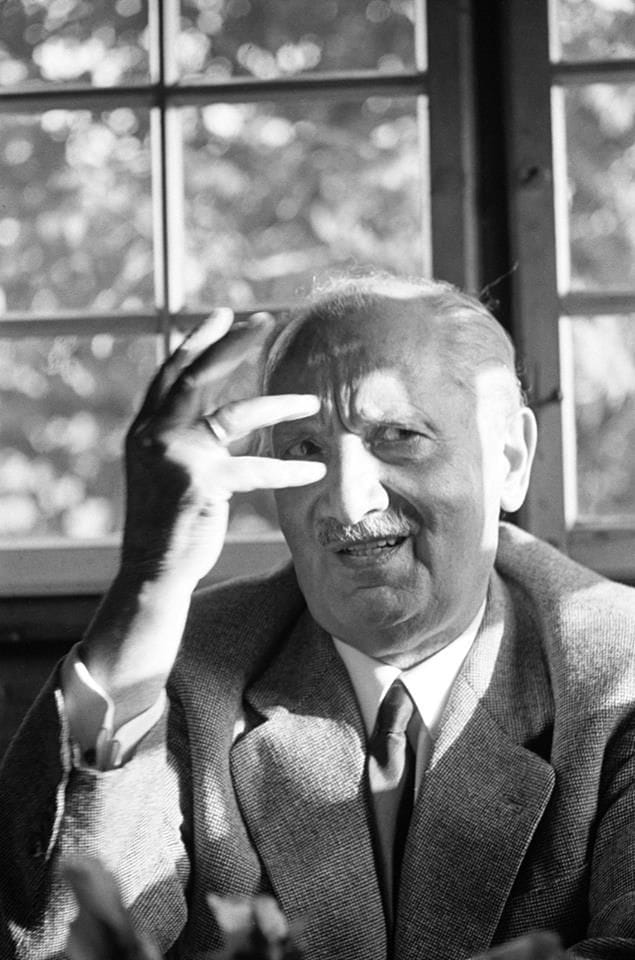
This is where Heidegger and Ted Kaczynski form an interesting pair.
-
Kaczynski diagnosed technological system dependence and made violent collapse the only exit.
-
Heidegger diagnosed technological enframing and made the saving turn difficult to reach through deliberate action.
-
One overproduced agency.
-
The other misplaced it.
- Both saw that technology had become larger than the tool.
Neither supplied a sufficient corrigible transition architecture for the lives already routed through it.
Modal Path Ethics takes the shared insight, and refuses both exits.
Technology is a field. The field can be changed through partial, institutional, material, political, cultural, and technical transitions.
No single controller owns that work.
No epoch removes the obligation to attempt it.
XII. The Heidegger Industrial Complex.
Heidegger is still no longer one locus.
There is:
- Heidegger the person;
- Heidegger the Nazi;
- Heidegger the rector;
- Heidegger the philosopher;
- Heidegger the lover;
- Heidegger the teacher;
- Heidegger the contaminated archive;
- Heidegger the Black Notebooks controversy;
- Heidegger in phenomenology;
- Heidegger in theology;
- Heidegger in architecture;
- Heidegger in psychiatry;
- Heidegger in ecology;
- Heidegger in deconstruction;
- Heidegger in technology criticism;
- Heidegger as the reason one graduate seminar has now spent forty-five minutes deciding whether a door is available or present-at-hand.
These loci are not identical.
Modal Path Ethics condemns the failed analyst without freezing every later path into his guilt.
The corpus has been inherited, contested, translated, criticized, redirected, and used against the political and metaphysical closures Heidegger himself entered.
That is real repair work.
It is also a remarkable amount of work generated by one dead German man’s refusal to perform adequate maintenance before departure.
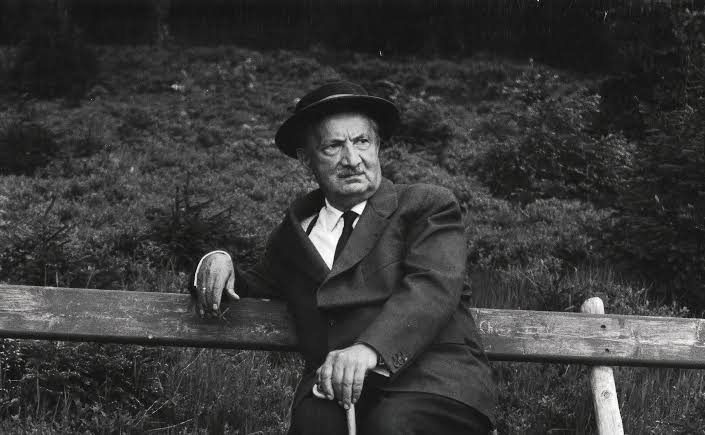
Martin fucked the field and left a very complicated user manual on the instruments he used to do so.
The Heidegger Industrial Complex has two branches.
Branch One: Repair.
The best scholarship asks:
- Where does worldhood reveal real structure?
- Where does rootedness become exclusion?
- Can dwelling be separated from title?
- Can authenticity be freed from heroic isolation and political destiny?
- Can technological critique support democratic agency?
- Can care be extended beyond Dasein?
- Can the history of Being be studied without letting epochal explanation erase responsibility?
- Can Heidegger be used against Heidegger?
This branch is valuable.
It turns interpretation into quarantine, extraction, and repair.
Branch Two: Dignity Preservation.
The weaker scholarship asks:
- How can we preserve the master’s philosophical rank while acknowledging the unfortunate administrative interval?
- How many distinctions are required before the word Nazi stops affecting the seminar atmosphere?
- Can the Black Notebooks be made peripheral enough for everyone to return to the scheduled topic?
- Has the critic read enough Heidegger to earn the right to notice the swastika?
- Is calling him a Nazi philosophically serious, or should one first complete six years of language training and a pilgrimage to the hut?
This branch is a laundering site.
Its task is to make the field safe for Heidegger.
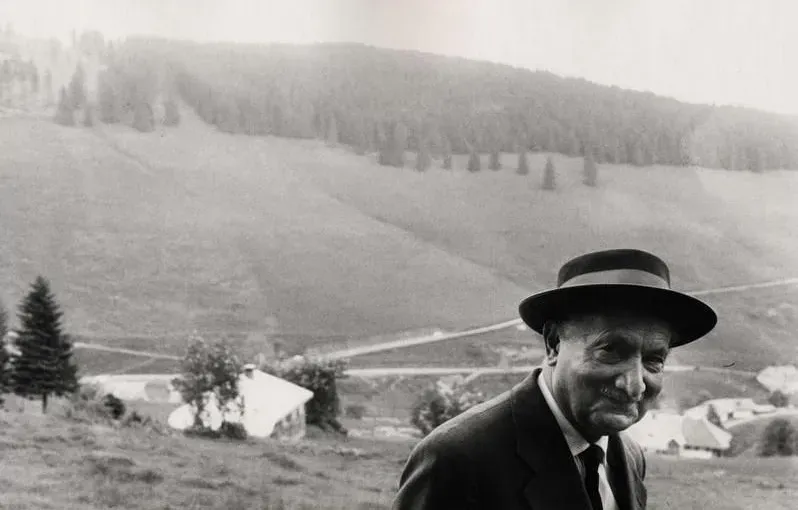
The repair branch makes Heidegger answer to the field.
That distinction decides whether the modern locus improves.
There is a temptation here to banish the corpus.
That would be satisfying and stupid.
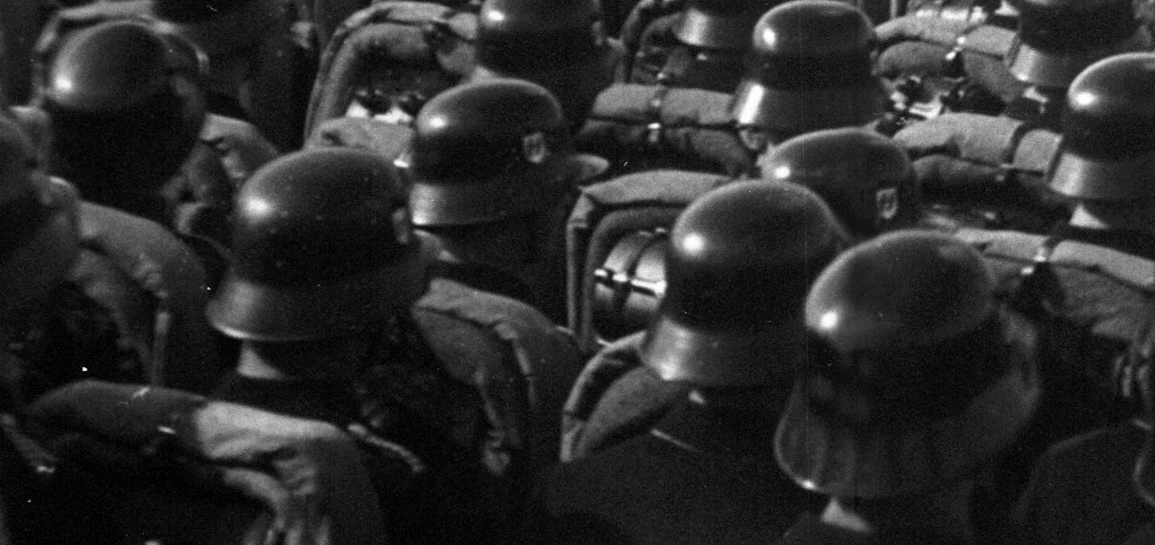
Heidegger’s work has real explanatory power. Removing it would not remove the questions he helped disclose. It would make later thought less capable of recognizing embedded action, worldhood, equipmental relation, historical intelligibility, and technological reduction.
The correct response is supervision.
Every tool receives a field inspection.
- Does worldhood clarify relation or make human disclosure the center of reality?
- Does authenticity deepen responsibility or romanticize personal and collective destiny?
- Does rootedness preserve relation to place or grant title against the mobile, displaced, exiled, and plural?
- Does dwelling protect continuance or aestheticize enclosure?
- Does technological critique reveal standing-reserve or flatten distinct harms into one metaphysical process?
- Does releasement sustain action or elevate withdrawal?
- Does Being-talk expose the field or demote the beings being destroyed inside it?
The concept does not pass because "Heidegger is important."
Importance is not conformance.
XIII. Extract the Tool. Leave the Master.
Heidegger’s true fragment survives the audit.
Keep being-in-the-world.
Agents are embedded before they deliberate.
Moral analysis must begin inside inherited relations rather than from a fictional clean room.
Keep practical involvement.
Tools, institutions, and environments acquire meaning through use, dependence, and relation. Their ethical structure cannot be understood through isolated properties alone.
Keep the concealment of everydayness.
Ordinary social intelligibility can hide structural harm. What everyone knows may be the mechanism preventing contact.
Keep worldhood.
A world is an organized field of significance, action, expectation, and possibility. Damage can occur by destroying the relations through which a life or community has a world.
Keep the technological mode of disclosure.
Technology can train beings to appear as orderable stock. This insight remains essential for artificial intelligence, bureaucracy, ecological extraction, logistics, medicine, surveillance, and war.
Keep the attack on shallow representation.
A field is active before it becomes an object in a model. Instruments participate in what they reveal.
Then remove sovereignty.
Reject depth as exemption.
A deeper description does not demote damage described at another scale.
Reject ontology without harm.
A theory of what it means to be remains incomplete for ethical use until it can track contraction, resistance, burden transfer, and repair.
Reject authenticity without responsibility.
Owning one’s possibilities does not grant title over the possibilities of others.
Reject rootedness as political title.
Relation to place can obligate care. It cannot own the living field.
Reject historical destiny without loci.
A people’s mission does not outrank the persons, communities, institutions, ecologies, and futures spent in its name.
Reject epoch as alibi.
Technological enframing, metaphysics, modernity, and Being do not act alone. Agents and institutions still select paths inside the field.
Reject the master’s dignity as a condition of inheritance.
Heidegger does not need to be saved for the tools to remain usable.
The corrected instrument is depth with return.
Go beneath the ordinary category.
Find the relation it conceals.
Then return to the field carrying more responsibility than before.
- If ontology cannot return to the harmed being, it has gone too deep to remain useful.
- If technological critique cannot return to the worker, patient, river, child, city, and community, it has become atmosphere.
- If historical thought cannot return to those history is destroying, destiny has become consumption.
- If authenticity cannot return to shared continuance, it has become a private throne.
- If philosophy cannot return from Being to beings, someone should check the ladder.
Depth earns its place by improving contact.
It does not earn jurisdiction by "being deep."
Failed Field Analysts.
Martin Heidegger was a Failed Field Analyst.
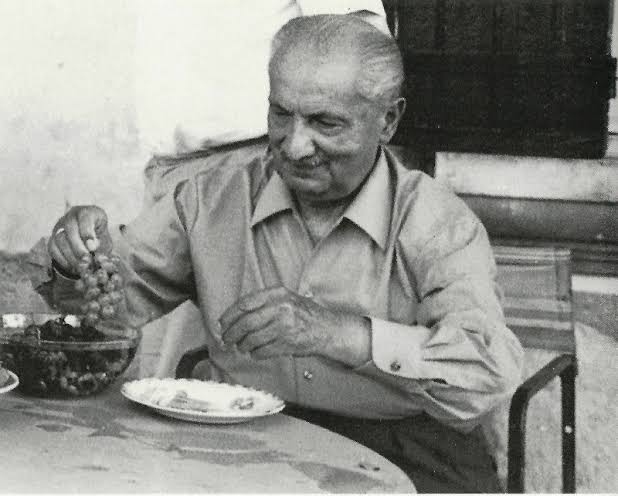
He saw that human beings were not detached subjects staring at a neutral world.
He saw that the world had already claimed them through practices, tools, language, history, moods, institutions, and relations.
He saw that ordinary social understanding could conceal the structure of existence.
He saw that technological civilization made beings appear as available stock.
He saw that calculation could become a way the whole world showed up.
He saw that philosophy had been operating at the wrong depth.
Then, he trusted depth too much.
The analyst of the they joined the movement.
The philosopher of care failed to care.
The critic of standing-reserve entered an institution becoming standing-reserve for the state.
The thinker of historical disclosure mistook liquidation for renewal.
The philosopher who warned against forgetfulness forgot the people standing directly in front of the ontology.
The postwar critic of technological modernity never opened a morally adequate repair path through his own participation.
Heidegger did not lack intelligence.
He lacked correction at the level where intelligence had become most dangerous.
The failure was not that Being and Time contained no policy appendix.
The failure was not that ontology and ethics are different disciplines.
The failure was not that one brilliant thinker made one ordinary mistake.
The failure was that Heidegger’s instrument privileged disclosure, destiny, authenticity, rootedness, and historical depth while leaving contraction morally underdescribed.
When the field test arrived, the instrument helped him see greatness in a movement that was already closing lives, institutions, law, knowledge, and the future.
Heidegger found a deeper floor.
He mistook depth for safety.
Ruling.
Martin Heidegger saw the shallowness of the detached subject.
He returned human existence to the world.
He showed that tools belong to relations, that worlds become visible through breakdown, that anonymous social understanding can conceal structure, and that modern technology can transform beings into standing-reserve.
These tools survive.
The master failed.
In 1933, the philosopher of authenticity joined the Nazi Party.
The philosopher of the they placed his authority inside the movement.
The philosopher of worldhood helped administer a university under synchronization.
The philosopher of Sorge possessed care in the technical sense throughout the event.
The philosopher of technological reduction failed to resist a regime converting persons, law, education, culture, territory, and life into stock for its historical project.
Afterward, the philosopher of disclosure did not adequately disclose what he had done.
He gave later readers an enormous repair burden and a vocabulary capable of describing why that burden was still not the deepest issue.
This loop has no reason to end.
Modal Path Ethics declines the arrangement.
Being does not outrank the beings being destroyed.
Ontology does not receive moral immunity.
Historical destiny does not own the living field.
Depth must return.
The hammer may stay.
The Führer quote does not.
The concepts remain under supervision.
Martin Heidegger dug beneath ethics and lost the fucking ladder.
Modal Path Ethics found it left beside the Ontic Complaint Department.