Samsara & Repair
A Buddhism-facing defense of Modal Path Ethics, the tail of damage, and the zero-resistance asymptote. Starring the Notipede: the first Field Creature.
The first engagement between Buddhism and Modal Path Ethics opened a door it did not finish walking through.
That article named the convergences: dependent origination, no-self, compassion, disciplined perception, the refusal to treat isolated substances as metaphysically basic.
It also named the divergence: Buddhism remains oriented toward liberation from samsara, while Modal Path Ethics remains inside extance.
That difference is too important to leave as a closing note.
A Buddhist reader can press the challenge directly.
If conditioned existence is marked by dukkha, what is repair worth?
A harmed person can be protected. A damaged institution can be reformed. A depleted ecology can be restored. A broken relation can be repaired. Modal Path Ethics can describe these changes with care: futures reopen, resistance lowers in some regions, truth becomes more reachable, burden is carried with greater justice, a field becomes less damaged than its alternatives would have made it.
Yet the Buddhist challenge remains steady.
Birth, aging, sickness, death, grief, craving, ignorance, attachment, aversion, recurrence, and dependence have not disappeared. The field remains conditioned. The repaired world still inherits causes and consequences. Even successful repair remains a path inside the same structure of conditioned arising.
From that side, Modal Path Ethics may look like a disciplined way of improving samsara.
This article accepts that pressure. It does not answer by pretending that repair reaches liberation. Modal Path Ethics has no nirvana. It does not promise release from conditioned existence. It does not claim that damaged extance can path into literal zero resistance. It does not convert moral seriousness into a hidden purity doctrine.
Its answer is narrower and more exact: while extance continues, continuance can be harmed or repaired. While loci remain in the field, their reachable futures can be opened or closed. While resistance persists, it can still be raised, lowered, distributed, compounded, disguised, or answered. The fact that repair does not abolish samsara does not make repair morally trivial.
The strongest defense of this claim requires more formal language than the first Buddhism engagement (or indeed any writing yet in the corpus) used.
That is why this article introduces a small field-tense vocabulary to Modal Path Ethics. The symbols are not a replacement for moral perception. They are a way of preventing one important confusion: the confusion between repair and cancellation.
The Soteriological Horizon.
Buddhism is a vast family of traditions, practices, metaphysical interpretations, meditative disciplines, ethical systems, ritual worlds, textual canons, and lived communities. Theravada, Mahayana, Vajrayana, Madhyamaka, Yogacara, Pure Land, Zen, and other lineages differ in important ways.
The present engagement therefore cannot speak for or to Buddhism as a whole. It can only engage a central pressure that appears across much Buddhist thought:
Conditioned existence is unstable, dependent, unsatisfactory, and bound up with ignorance and craving.
- Samsara names the cycle of conditioned existence: birth and death, recurrence, grasping, dissatisfaction, confusion, and the ongoing production of suffering. In many traditional contexts, samsara is discussed through rebirth across lives. Its philosophical force also appears within ordinary life. We cling to what changes. We build identity from unstable aggregates. We seek final security in relations, bodies, possessions, institutions, and stories that cannot provide final security. We defend self-images that dissolve under inspection. We suffer, then generate new causes of suffering while trying to escape the first pain.
- Dukkha is usually translated as suffering, though the word reaches beyond pain. It includes unease, unsatisfactoriness, instability, and the failure of conditioned things to provide final refuge. A pleasant experience can still fall under dukkha because it passes, because it invites clinging, because it produces fear of loss, because it cannot ground a permanent self.
- Dependent origination explains why this condition is structural. Phenomena arise through causes and conditions. They persist only while conditions sustain them. They pass when conditions fail. Nothing stands from itself, through itself, or as an independent essence sealed away from the field.
- No-self follows from the same insight. What we call a self is not an eternal substance hidden beneath experience. It is a stream of bodily processes, perceptions, memories, dispositions, relations, habits, and conditions. The self is dependently arisen, composite, and unstable.
- Nirvana names release, cessation, awakening, the ending of the causes of dukkha. Different traditions explain this with different doctrinal precision. For the present argument, the important point is simple: Buddhism has a soteriological horizon. It is concerned with liberation from the bondage of samsara, not simply with improved arrangements inside a prison.
Modal Path Ethics has no equivalent horizon.
That is not an accidental omission. The framework concerns extance: actual continuance under constraint, the field in which loci persist, transform, inherit burdens, lose paths, and face possible repair. It asks what remains reachable from here. It asks which paths close less. It asks how resistance thickens, how burden transfers, how distortion hides harm, and how care remains available to contraction as contraction.
This is why Buddhism presses back so hard. If conditioned existence itself remains marked by dukkha, repair inside extance may look subordinate. It may be compassionate and necessary in a relative sense, while still failing to address the deepest bondage.
Modal Path Ethics should not answer this by trying to out-Buddhist Buddhism.
It should just concede the boundary.
Relative to liberation, Modal Path Ethics remains inside the burning house.
Its question is what follows for those still in there with it.
Repair.
Repair is not cancellation.
That sentence has to control this entire article.
A damaged field can become better. It can become safer, more truthful, more stable, more caring, more repairable, less coercive, less distorted, and less hostile to good continuation. It can reopen futures that were nearly lost. It can prevent later collapse. It can learn from damage without praising the damage that forced the learning.
None of this makes the original contraction unreal.
Modal Path Ethics defines harm through the closing of reachable future and the thickening of resistance against better continuation. A harmed locus does not simply “suffer a bad feeling.” It loses access. It inherits burden. It faces a field in which some futures are gone and others are now harder to reach.
Better names the least-closing path under damaged conditions.
It is needed because real agents usually act after harm has already shaped the field. A path can be better because it preserves more weighted future-space than the alternatives, because it imposes less irreversible damage, because it localizes unavoidable burden more justly, or because it leaves greater repair-capacity behind.
Better does not mean innocent. Moral remainder names the part of the field that still answers back after the best available action has been taken.
It includes loss, grief, injury, coercion, burden, closed paths, altered trust, repair-claims, and the future obligations that survive a tragic choice. Remainder is not only regret in the agent. It is field-structural. Something in the world has been narrowed, and the fact that the selected path was better does not erase that narrowing.
This is where the Buddhist challenge and the Modal Path Ethics defense meet. Buddhism can say:
- Conditioned repair still leaves a tail.
Modal Path Ethics agrees. It then adds:
- Tails differ, fields differ, burdens differ, and reachable futures still matter.
The tail makes repair honest.
The Tail.
The tail is the path-structural remainder carried by a field after damage, selection, loss, or repair.
- A repaired betrayal is not identical to uninterrupted trust.
- A healed injury is not identical to the body that was never injured.
- A restored institution is not identical to the institution that never punished truth.
- A rewilded habitat is not identical to the habitat whose vanished lineages continued without interruption.
These are modal distinctions, not sentimental decorations. They concern the structure of reachability.
The field after damage arrives by a different path. Some continuations were excluded. Some repair became necessary. Some trust became harder. Some memory now has to be carried truthfully. Some grief now belongs to the field. Some safeguards are now required because the world has learned what it can become under pressure.
This is what damaged extance retains.
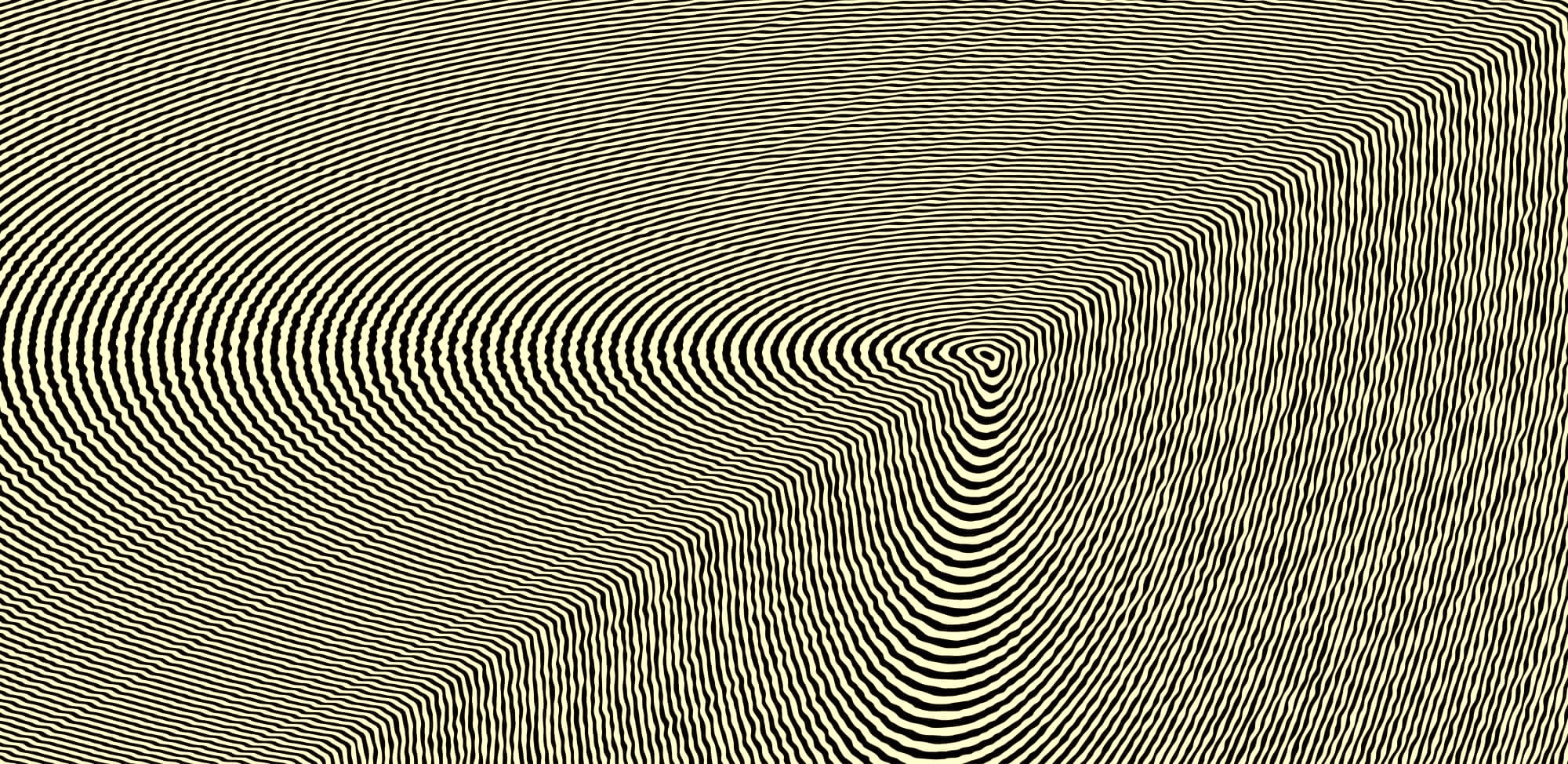
The tail may be carried wisely or badly. It may be integrated through truthful memory, accountable repair, lowered recurrence-risk, and better care. It may also be denied, weaponized, sentimentalized, bureaucratized, or converted into a purity badge.
The tail can become a teacher.
It can also become a distortion field.
Modal Path Ethics must therefore hold two truths at once.
- First, later repair can be real. Fields can become better after damage. A repaired relation can become truthful in ways the earlier relation never was. A reformed institution can build safeguards it previously lacked. A community that has survived catastrophe can become more perceptive, more humble, and more available to future harm.
- Second, later repair does not redeem the original damage into goodness. The learning may be real. The harm remains harm. The later beauty does not purchase the lost path and make it never-lost.
This is the core anti-purity claim. Modal Path Ethics refuses both redemptive laundering and despair.
Zero Resistance.
A zero-resistance region means a region with literally zero Modal Path Ethics resistance in the field.
That does not mean high ordinary comfort or low difficulty. It does not mean the appearance of peace. It does not mean any socially approved settlement. It does not mean that the harmed have stopped complaining or that the powerful have become bored of the issue.
Zero resistance means no resistance.
- No thickened medium between extance and better continuation.
- No path-history that remains as obstruction, burden, distortion, repair-claim, or moral remainder.
- No hidden contraction carried forward.
- No avoidable closure absorbed into the field.
- No tail that still makes good harder, narrower, more fragile, or more costly than it would have been absent that history.
Zero resistance is not a comforting metaphor. This is a boundary concept. It tells us what complete absence of resistance would require. Once stated clearly, it also shows us why damaged extance cannot arrive there.
The reason is formal.
- Extance is historical.
- Every extant slice carries the path by which it became this slice. The field is not a blank surface repeatedly refreshed by the present. The extant field is a structured inheritance of selections, exclusions, continuations, losses, and repairs.
- Extance is also exclusive.
- To continue as this field is to have come by one path rather than another. A path taken excludes other paths from becoming the actual path. A repaired field excludes the field in which repair was never necessary. A recovered future excludes the future that never had to recover.
- History is resistance.
- History creates difference in the field. Difference means the extant slice is not zero-resistance. Even when history is honorable, even when memory is protective, even when repair has transformed a dangerous remainder into a truthful practice, the field is still the field that arrived through this history.
There is always some difference to speak of. There is no ahistorical here.
For extance, this means literal zero resistance is an ideal pole rather than an inhabited region. For a damaged extance, the point becomes stronger. Damage gives the history a morally live tail: a remainder of lost reachability, increased burden, altered trust, repair-claim, or truthful grief.
A damaged field can reduce resistance. It can approach the zero-resistance pole. It can become vastly better than it was. But it cannot path into literal zero resistance while retaining the path through which it arrived.
The Formal Spine.
The formal language clarifies this point. It should still remain small.
Let:
ET
name the extant field-slice at time t. This is reality as presently active: loci, relations, burdens, institutions, histories, available paths, blocked paths, repair-capacities, and resistance profiles.
Let:
REACH_ET_L_K
mean that continuation κ is reachable for locus ℓ from field-slice ET.
A continuation is not the same thing as a proposition. A proposition may hold inside a continuation. Write:
K_SATISFIES_PHI
for proposition φ holding in continuation κ.
This lets us use a diamond as an abbreviation:
DIAMOND_REACH_DEF
Read it carefully: φ is true in some continuation reachable for ℓ from ET.
This differs from ordinary future truth. In Prior-style tense logic:
F_PHI
means that φ will be true along a future history.
In branching time:
DIAMOND_B_F_PHI
means that φ is true along at least one open future branch.
Modal Path Ethics requires the stricter claim:
DIAMOND_REACH_PHI
because a branch can remain open in an abstract structure while no longer being reachable for the relevant locus under the field conditions that actually obtain.
So the core distinction is:
BRANCH_NOT_REACH
Branch-open future possibility does not imply reachable continuation from extance.
Now define the resistance profile of a field:
RESISTANCE_PROFILE_ET
This is not a number. It is a profile. It may include distrust, depletion, coercion, institutional drag, ecological loss, trauma, procedural obstruction, moral remainder, burden transfer, lost trust, and path-history. These components are not commensurable. They cannot be added and subtracted into innocence.
A zero-resistance field is therefore:
ZERO_RESISTANCE
Zero resistance means the resistance profile is empty.
Now let D name a damaging transition. Prior gives the first tense-logical root:
D_TO_GPD
If damage occurs, then at every later time it remains true that the damage occurred.
Branching-time logic lets us speak of settled past:
SETTLED_PAST
If D occurs at moment m, then at every later point it is settled that D occurred.
Modal Path Ethics adds field-retention:
FIELD_RETENTION
The settled past is retained in the extant field-slice as history.
Damaging history leaves remainder:
HIST_TO_REM
Remainder is resistance-bearing:
REM_TO_R_NOT_EMPTY
Therefore:
ZERO_CONCLUSION
Once damage has occurred, no later extant slice along that history reaches literal zero resistance.
This is not because later repair fails. It is because later repair remains later repair. The field that repairs has still arrived through the damaging path. The settled past is retained as history. The history bears remainder. The resistance profile is therefore non-empty.
The Symbols != the Ethics
This formal spine is useful for clarity, which is why Modal Path Ethics has developed formal symbols. It is also, however, dangerous.
Mathematical symbols can protect a framework from sloppy movement between concepts, which is not unheard of on this website. For Modal Path Ethics they help prevent several errors: treating future truth as reachability, treating repair as cancellation, treating better as innocence, treating resistance as a scalar, treating zero resistance as a pleasant mood, and treating the past as something later virtue can erase.
That is their proper role. The symbols should not become a moral machine unto themselves.
Ethics cannot be compressed into mathematical notation without losing the very thing Modal Path Ethics exists to track: the field. Loci differ. Burdens differ. Histories differ. Resistance profiles differ. Vulnerabilities differ. Repair-capacities differ. Some comparisons are partial. Some are tragic. Some are uncertain. Some require attention, witness, testimony, discipline, and care rather than calculation.
A symbol can say that reachability is stricter than branch-open possibility. It cannot perceive which child has lost trust, which institution is punishing truth, which community has been made to carry a burden for another, or which ecology has lost a future that cannot return.
A formal operator can remind us that resistance is noncommensurable. It cannot make the incomparable easy.
This is why a public article can use formal language sparingly while refusing formal reduction. The symbols help name the structure. They do not replace contact with the structure.
When formalization becomes a substitute for care, it becomes another distortion field.
Field Creature 001
The Notipede
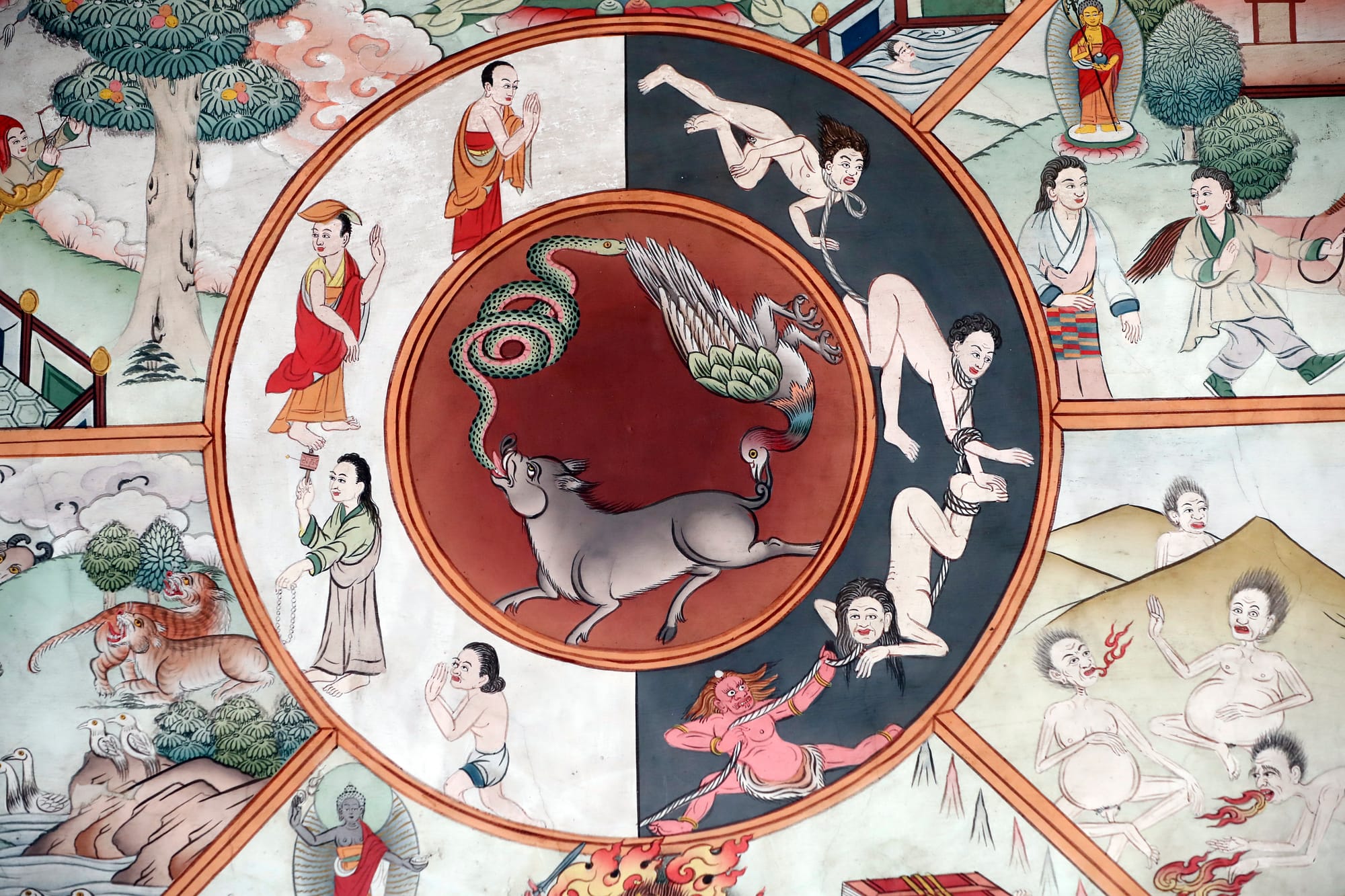
A head constrained by a body that is not there.
The body is not present. The head still bends around it.
To provide a metaphor and apologize for its symbols, Modal Path Ethics would like to present the Notipede, its first Field Creature. The Notipede's body may not be visible to us, but it always constrains the movement of the head.
A magnifying glass has been provided for a closer look.
The Buddhist Challenge Restated.
We can now state the Buddhist challenge more sharply.

- If every extant slice retains history,
- if every conditioned path carries causes and consequences,
- if literal zero resistance is unavailable to historical extance,
- then Modal Path Ethics cannot promise final release from the field of remainder.
That is true. The theory does not promise such release.
The Buddhist horizon remains different. Buddhism aims at liberation from the conditions of dukkha. Modal Path Ethics analyzes the path-structure of conditioned continuance. Buddhism can ask whether any repair inside the conditioned field leaves the deepest bondage untouched. Modal Path Ethics answers that its own project is bounded by extance. It asks what happens within the field where harm, burden, repair, and reachability still occur.
This answer may remain incomplete from a Buddhist soteriological standpoint. That incompleteness is still real.
Modal Path Ethics should not answer by weakening its reading of Buddhism into a general ethics of compassion, nor by converting nirvana into a secular metaphor for low resistance. Those moves would disrespect the difference. Nirvana is not the zero-resistance pole of Modal Path Ethics. A zero-resistance region is a formal limit-concept inside the grammar of resistance. Nirvana belongs to a religious and philosophical path concerning liberation from samsara and cessation of the causes of dukkha.
The two concepts may illuminate each other by contrast. They should never be collapsed.
Repair Still Matters Inside Samsara.
The strongest Buddhist-facing defense of repair begins from compassion, not triumph.
If beings are suffering, availability to their suffering matters. If conditions are harmful, transforming conditions matters. If causes produce suffering, altering causes matters. Buddhism itself has never been a simple doctrine of indifference toward the conditioned field. The bodhisattva ideal, in particular, makes sustained availability to suffering central. Compassion remains active among beings who are not yet liberated.
Modal Path Ethics stands near that practical surface while grounding the matter differently.
It says this: if extant loci can be harmed, then what happens to their reachable futures matters. If resistance can thicken, then lowering resistance matters. If burden can be transferred, then refusing and lightening transfer matters. If a field can slide toward social singularity, then preserving repairability matters.
This remains true even when the field cannot become pure.
A person in danger does not need a final metaphysics of liberation for local protection to matter. A child who has lost trust does not need the elimination of all dukkha for care to matter. A damaged ecology does not need eternity for restored continuance to matter. A society drifting toward collapse does not need a zero-resistance future for truth, courage, institutional repair, and lowered coercion to matter.
Repair matters because paths still differ.
Some paths produce gratuitous remainder. Some preserve possible repair. Some transfer burden to the vulnerable. Some accept burden truthfully. Some deepen distortion. Some restore contact with the field. Some create the conditions under which later agents face fewer tragic choices. Some normalize harm so thoroughly that good becomes harder to recognize.
The impossibility of zero resistance does not erase these differences. It instead makes them more important, because every transition enters history and history remains in the field.
Finitude, Exclusivity, and Wrongful Harm.
A further distinction is now necessary.
If history is resistance, does Modal Path Ethics condemn existence itself?
- No.
Modal Path Ethics does not treat all finitude as wrongful harm. A determinate field has shape. A path goes this way rather than that way. A living body has limits. A conversation contains these words and not infinitely many others. A life occupies time. A society builds some institutions and not all conceivable institutions.
Exclusivity belongs to extance. That means extant slices do not occupy zero resistance. It does not mean every extant slice is morally guilty.
Wrongful harm concerns avoidable contraction, imposed deprivation, destructive burdening, coercive lockout, preventable foreclosure, distortion, and raised resistance against reachable good. The fact that a field has history does not make it blameworthy. The fact that a field has resistance does not by itself identify an agent to punish. Modal Path Ethics begins below blame and reaches blame only after field-structure has been analyzed.
Buddhism may treat conditioned existence as pervaded by dukkha because all conditioned things are impermanent, dependent, and unable to provide final satisfaction. Modal Path Ethics accepts impermanence and dependency. It does not convert every limit into moral accusation.
- Aging belongs to conditioned life.
- Abandonment of the elderly is imposed resistance.
- Need belongs to embodied life.
- Deprivation created by hoarding, neglect, domination, or institutional cruelty is imposed resistance.
- Interdependence belongs to relational existence.
- Coercive dependency that traps one locus for another’s convenience is imposed resistance.
- Memory belongs to temporal life.
- Forced silence around harm is imposed resistance.
This distinction lets Modal Path Ethics remain inside conditioned existence without treating existence as a crime.
The Asymptote.
The zero-resistance pole is unreachable by historical extance.
This does not make it empty of use.
It tells us what direction lowered resistance takes.
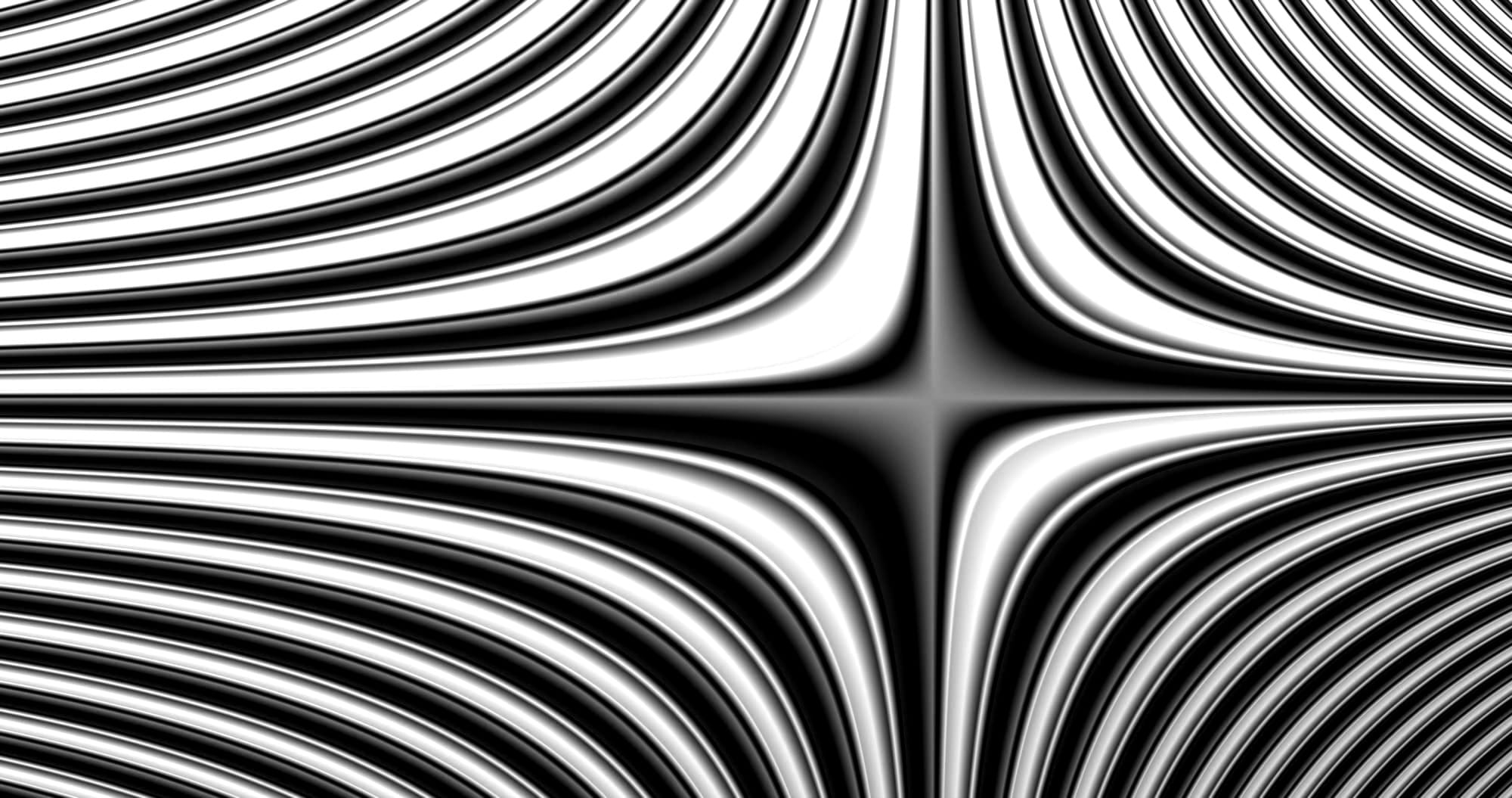
This approach is not scalar. Resistance is noncommensurable.
No later good subtracts prior harm into zero. No improvement converts ecological loss, broken trust, institutional betrayal, coercive dependence, or grief into a common moral currency that can be summed away.
Asymptotic approach means structured direction.
A field approaches the zero-resistance pole when avoidable contraction is reduced, burden transfer becomes harder to hide, trust becomes more ordinary, truthful contact becomes safer, repair becomes less heroic, vulnerability is less exploited, and good continuations become more normally reachable.
Such movement matters even though it never reaches literal zero.
- Medicine matters though bodies remain mortal.
- Trust matters though history remains.
- Ecological restoration matters though lost lineages do not return.
- Institutional reform matters though the institution carries records of why reform became necessary.
- Compassion matters though suffering has not been abolished.
The asymptote blocks both purity and resignation at once.
- Purity wants the tail gone.
- It wants a clean field, clean agent, clean institution, clean people, clean victory. It is tempted to erase history because history prevents innocence.
- Resignation sees that the tail remains and concludes that repair has no real force.
- Since no field becomes pure, any field will do. Since all history carries resistance, one may stop distinguishing forms of damage.
Modal Path Ethics rejects both.
- The tail remains.
- The field still matters.
The Bodhisattva.
The bodhisattva remains the closest Buddhist neighbor to Modal Path Ethics in practice. This should be stated again carefully.
The bodhisattva path is not Modal Path Ethics under religious clothing.
It belongs fully to Buddhist soteriology, vows, compassion, wisdom, and a framework of awakening that Modal Path Ethics does not claim.
The practical nearness lies elsewhere, at the level of structure.
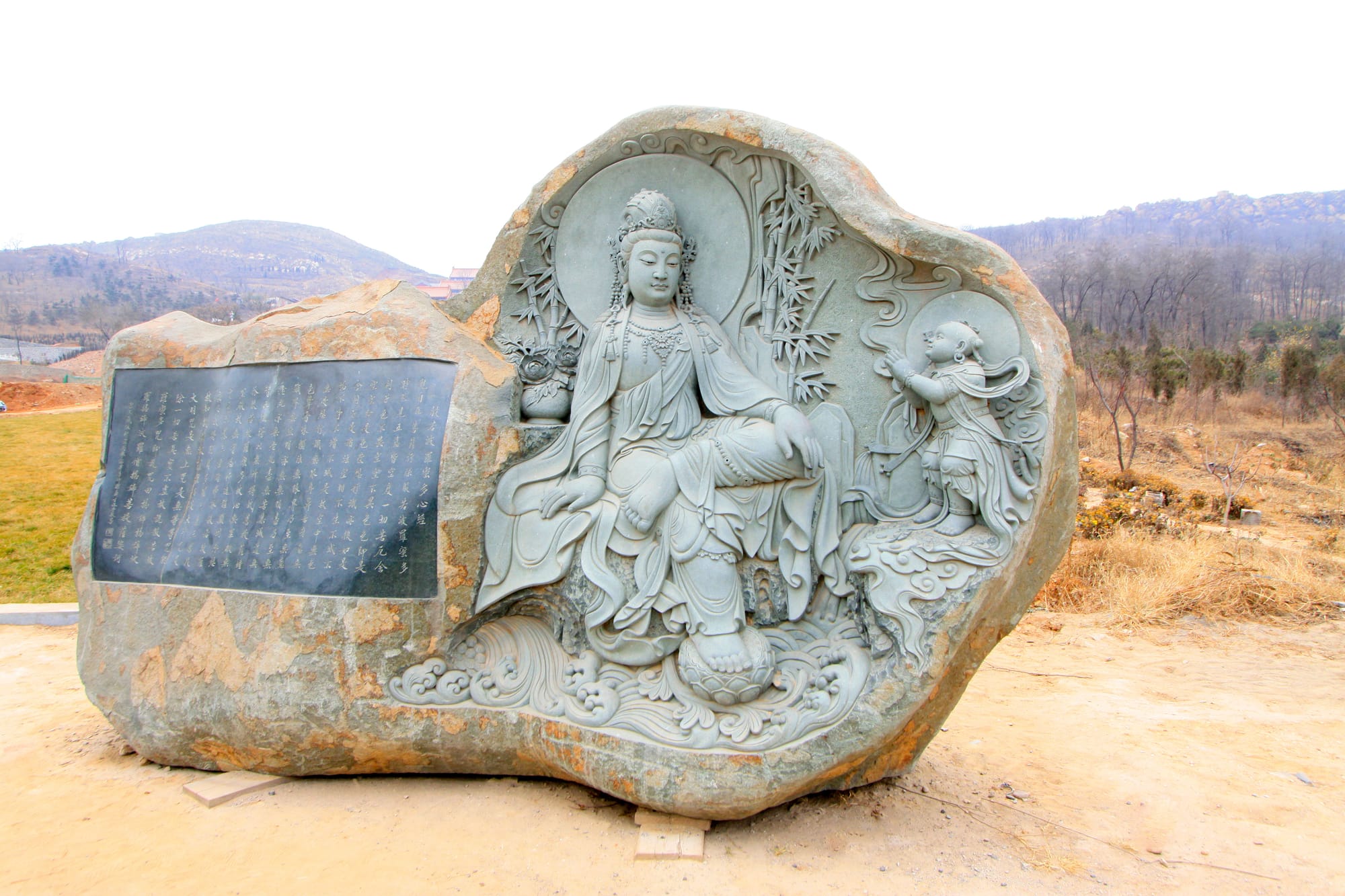
- The bodhisattva does not treat the suffering field as irrelevant.
- The bodhisattva remains available to beings.
- The bodhisattva refuses a private purity that abandons others to their pain.
- In many formulations, the bodhisattva delays finality or re-enters the field out of compassion for all beings.
Modal Path Ethics can learn from this stance.
Care is sustained availability to contraction as contraction. It requires contact with harm without immediate conversion into self-display, disgust, punishment, abstraction, or escape. This is one reason Buddhist practice remains an important neighbor to study: it already knows that correct doctrine is insufficient. Perception must be trained. Attention must be disciplined. Compassion must become durable.
The divergence remains.
Buddhist compassion is ultimately situated within a path of liberation. Modal Path Ethics care is situated within extance. It does not aim beyond conditioned existence. It asks only how one remains answerable to harmed continuance while still inside the field.
A Buddhist may see this as incomplete. Modal Path Ethics can accept this judgment relative to that horizon. But it can also insist that incompleteness with respect to liberation does not erase moral force inside the field.
Practicing the Tail.
If the tail cannot be erased, it must be practiced.
This means carrying history truthfully without worshiping damage.
A person can honor a wound without becoming identical to it. A community can remember catastrophe without making catastrophe its sacred credential. An institution can preserve records of failure without using apology as a substitute for structural change. A society can teach its children what happened without training them to live forever inside revenge.
This is difficult because tails attract distortion.
- Some agents deny the tail.
- They call the field healed because acknowledgment has become inconvenient.
- They demand closure from those still carrying burden.
- They treat memory as disloyalty.
- They demand closure from those still carrying burden.
- They call the field healed because acknowledgment has become inconvenient.
- Some agents weaponize the tail.
- They convert suffering into authority, grief into permission, prior harm into license for later contraction.
- The history that should protect the field becomes a tool for narrowing it.
- They convert suffering into authority, grief into permission, prior harm into license for later contraction.
- Some agents aestheticize the tail.
- They turn damage into identity theater, institutional branding, or redemptive narrative.
- The field receives symbols while repair remains thin.
- They turn damage into identity theater, institutional branding, or redemptive narrative.
A truthful tail practice avoids these collapses. It preserves contact with what happened, keeps repair-claims active where they remain active, lowers recurrence-risk, and prevents the field from redescribing prior harm as virtue.
Here again, Buddhist discipline can help.
Non-attachment is not indifference. It can be understood as a way of carrying what is real without clinging to it as self. Applied to Modal Path Ethics, that becomes a discipline of remainder: remember without becoming owned by memory; repair without claiming purity; grieve without making grief a weapon; act without requiring innocence.
The Strongest Objection-Form.
The strongest Buddhist objection now becomes precise.
Modal Path Ethics can describe tail, repair, resistance, and asymptotic movement. It can formalize why damaged extance cannot reach literal zero resistance. It can defend the moral reality of better paths inside damaged fields.
Buddhism can still ask:
Why remain satisfied with that?
If conditioned existence always carries tail, if every path inherits causes and produces further consequences, if every repair remains inside a field that cannot reach zero resistance, then perhaps the entire project remains trapped at the level Buddhism is designed to transcend.
That objection should not be weakened. This is the deepest point of divergence.
Modal Path Ethics has no final answer to Buddhist liberation because it is not a liberation doctrine.
It does not deny that liberation may be a real horizon within Buddhist practice.
It does not claim that field repair satisfies the longing to end dukkha.
It does not claim that ethical repair completes the religious task.
It says something else.
If one remains within extance, the field still makes claims.
A being can still be abandoned or cared for. A future can still be closed or preserved. A burden can still be transferred or carried truthfully. A truth can still be punished or protected. A society can still normalize contraction or lower resistance to non-harmful life.
Modal Path Ethics therefore answers from its own ground: repair is not ultimate liberation, and the lack of ultimacy does not make repair empty.
Conclusion: Repair Without Purity.
Samsara and repair name the boundary.
- Buddhism diagnoses conditioned existence as bound up with dukkha, craving, ignorance, impermanence, no-self, and recurrence. Its path points toward liberation from that bondage.
- Modal Path Ethics remains inside extance. It asks what happens to continuance while beings, institutions, ecologies, cultures, bodies, and futures are still carried by the field. It does not offer nirvana. It does not pretend that damaged extance can path into literal zero resistance. It does not erase the tail.
The formal reason is simple:
The past remains past-true.
Branching futures close into settled history. Extance carries that history as structure. History is resistance. Damaging history leaves moral remainder. Since zero resistance requires an empty resistance profile, no historical extant slice carrying a tail reaches zero resistance.
The ethical conclusion is equally important.
No path reaches purity.
Some paths still close less. Some paths still preserve more. Some paths still lower avoidable resistance. Some paths still keep repair possible. Some paths still prevent social singularity. Some paths still make truthful, caring, non-destructive life more reachable for the loci that remain.
That is the work of Modal Path Ethics inside conditioned existence.
The house may still be burning. But some beings are still inside. Some doors still open. Some paths close less than others. Some hands can still pull, carry, shield, guide, remember, rebuild, and refuse the lie that because no final purity is reachable, no direction remains.
Modal Path Ethics begins there.