
Henri Bergson and the Vault of Glass
Guardians make their own fate.
Modal Path Ethics has entered the Vault of Glass carrying something that will not be coming back out.
A tree.
You know the tree.
- Here is the present.
- Here are the branches.
Some remain open. Some become difficult. Some close. Harm removes reachable future. Good preserves it. Better finds a route through the damaged remainder.
This is an extremely useful picture.
Henri Bergson would like to know why the future has already been furnished.
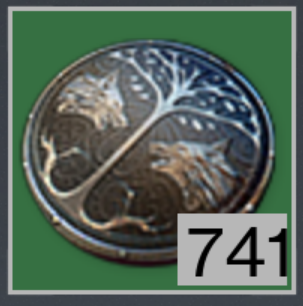
This is less useful.
Bergson does not arrive with the ordinary objection that we cannot predict which branch will occur. Of course we cannot. The entire point of a branching picture is usually that several things might happen.
His attack lands one floor below that.
Why assume those completed branches existed in advance as possibilities at all?
What if genuinely new reality is actually new?
What if the great work of art does not sit invisibly inside a cupboard marked POSSIBLE ART until somebody retrieves it?
What if becoming sometimes creates the possibility along with the reality?
Bergson once answered somebody who asked him to imagine the great dramatic work of the future:
“If I knew what was to be the great dramatic work of the future, I should be writing it.”
His point was deeper than uncertainty. Once something new exists, we can project its image backward and say that it had been possible all along. Bergson thought this could invert the real order of creation.
- The actuality arrives first.
- Our intellect then supplies its retrospective shadow.
Modal Path Ethics has spent months discussing futures as though reality were standing at a branching menu.
Bergson has found the menu.
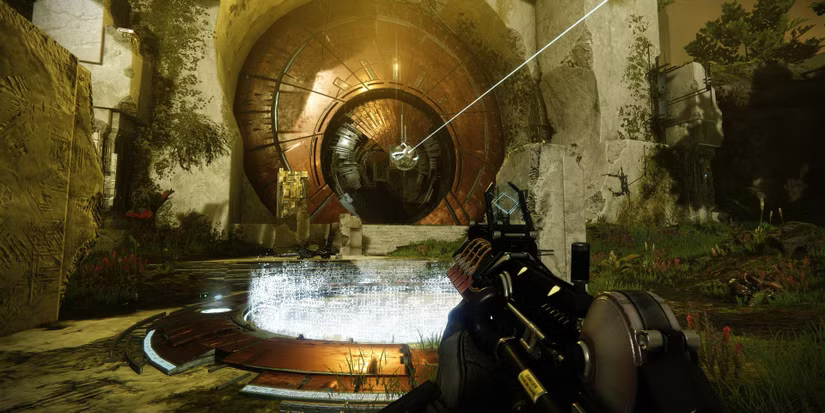
The Vault is opening.
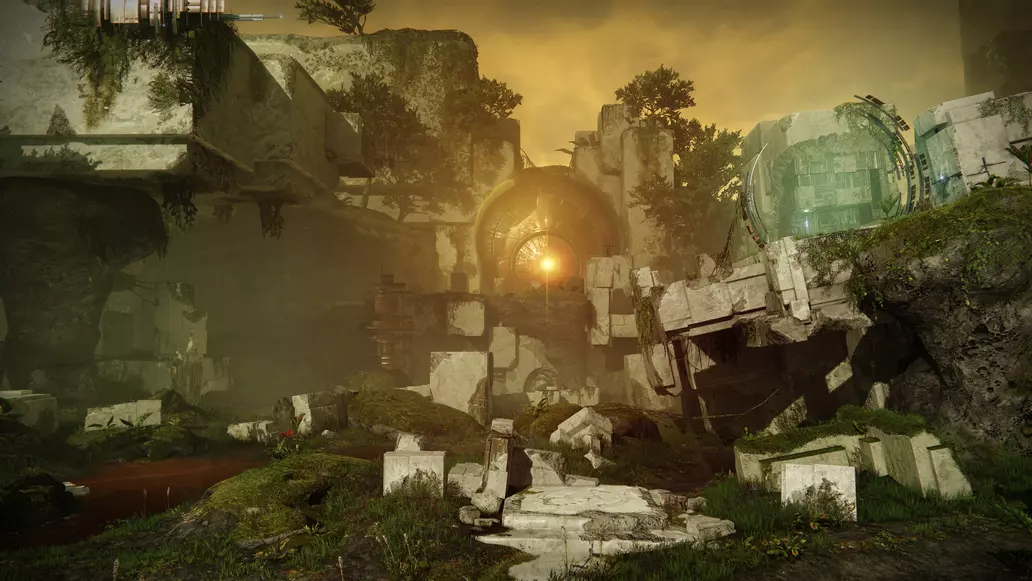
>OPEN THE VAULT<
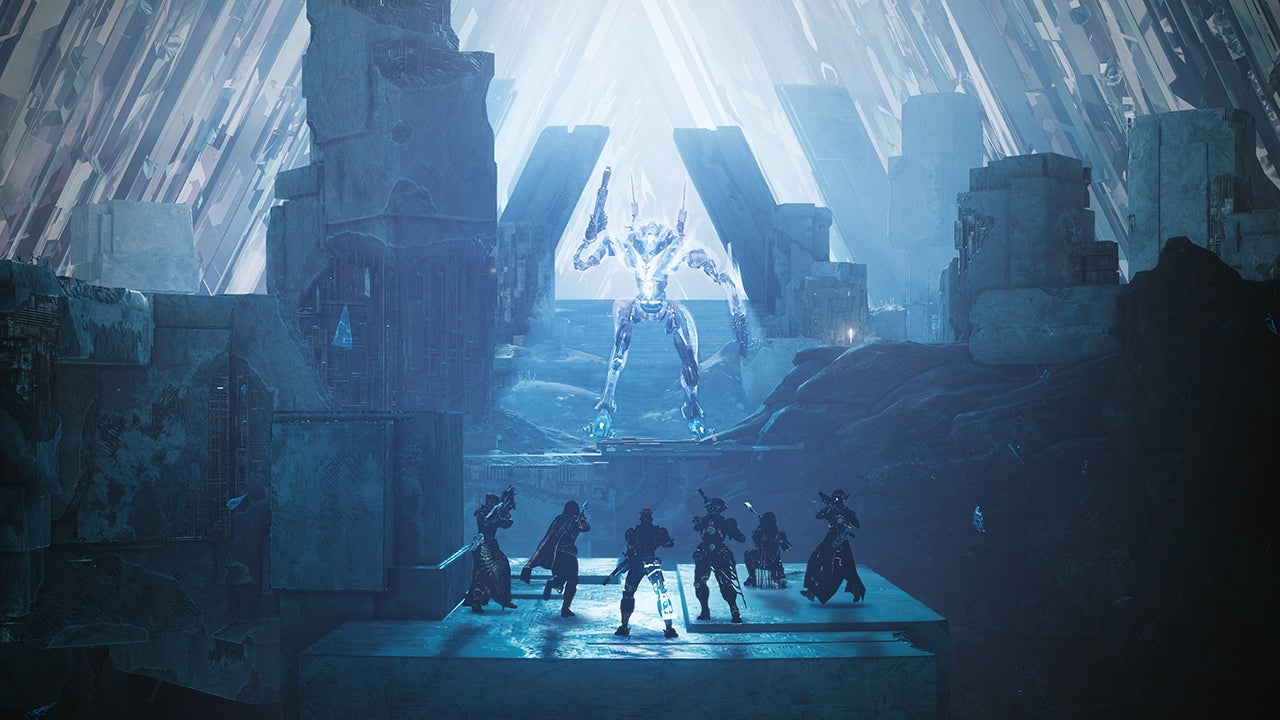
- Six Guardians stand on plates.
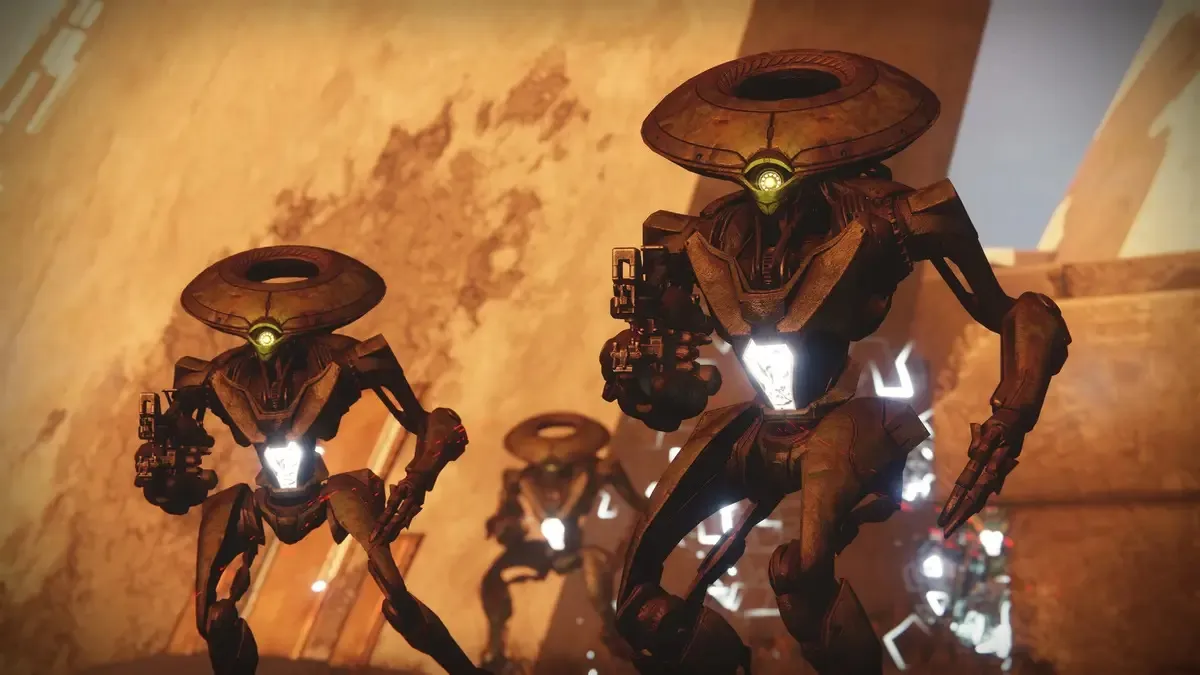
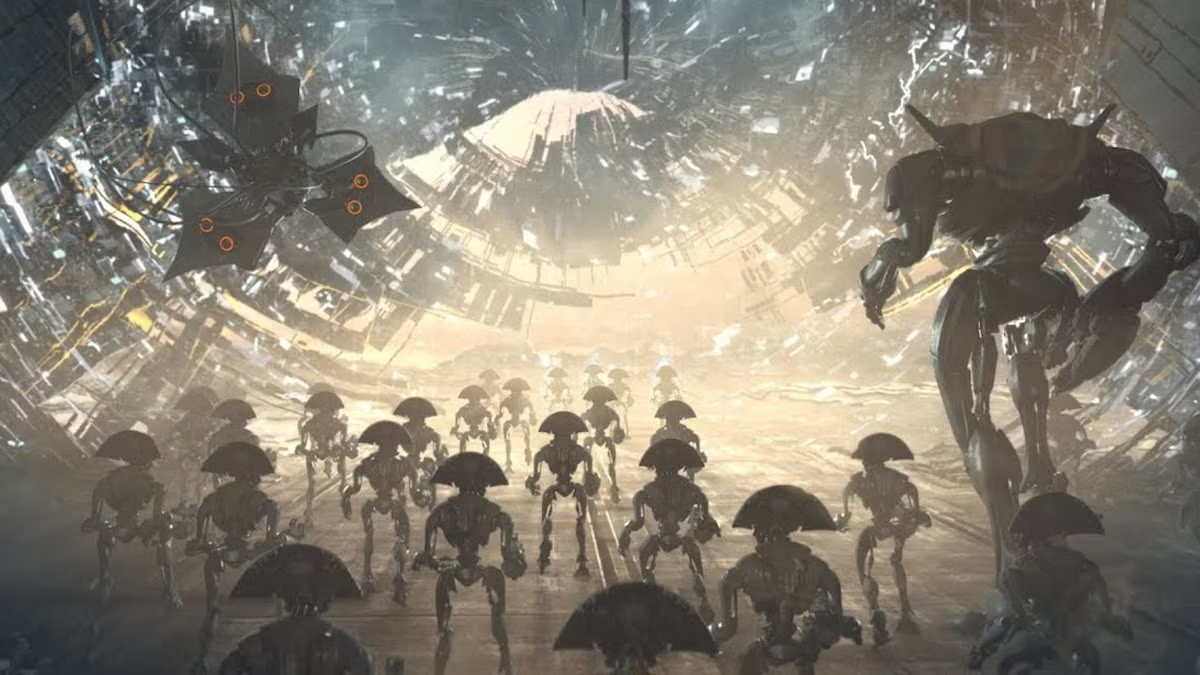
- Vex arrive.
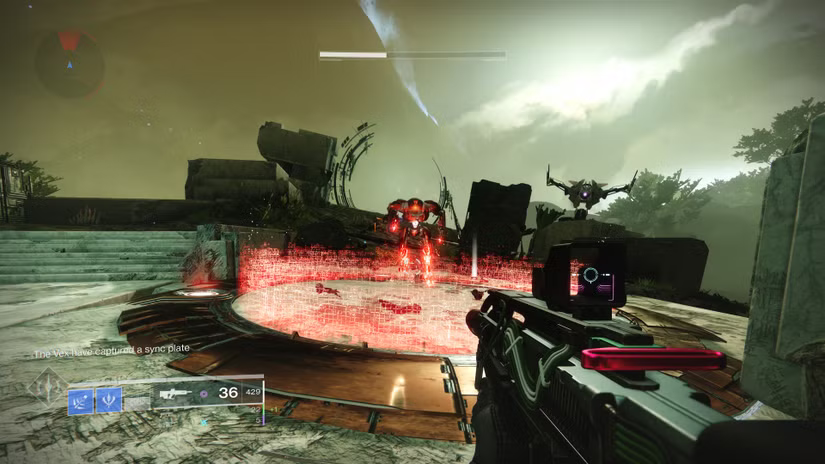
The first job is embarrassingly simple: hold enough ground for the Spire to form.
Before we defend anything, Bergson gets his strongest case.
Imagine somebody twenty years from now creates an art form that does not exist today.
We do not know its name.
We do not know its medium.
Perhaps its tools do not exist either.
Maybe it emerges from some later technology combined with a social practice nobody has invented and an aesthetic problem nobody currently knows how to formulate.
Afterward, historians will become insufferable.
There will be a forgotten installation from 2031.
A half-read paper.
A musician who almost did something similar.
A visual language that suddenly looks prophetic.
Then the story gets very clean.
- Everything was leading here.
- The possibility existed.
- History selected it.
- The possibility existed.
Bergson says we may have performed a trick.
The new thing changed what its antecedents looked like.
- Reality arrived.
- Then reality taught us how to describe the possibility that supposedly preceded it.
This is what later interpreters call Bergson's attack on the retrograde movement of the true: the tendency to take what has become real and cast its image backward into the past as though that complete possibility had already been waiting there.
That attack does not apply equally to every use of possibility.
- If I have four legal options under a statute,
- listing them is fine.
- If a chess position has thirty legal moves,
- count away.
- If an engineer is comparing six known bridge designs,
- nobody needs to summon the metaphysics police.
Bergson's target becomes dangerous where creation is being treated as though it were fabrication: where something genuinely novel is pictured as a completed design awaiting realization. Bergson explicitly distinguishes those cases from relatively closed systems where mathematical treatment and repeatable structure are useful.
That gives Modal Path Ethics nowhere to hide behind the word “model.”
The question is whether we accidentally promoted one into the future itself.
The plates are active.
Hold them.
THE CONFLUXES
>Becoming Is Not Selection.<
Now Bergson attacks the other half of the picture.
The problem is not only the branching future.
Look backward.
We often imagine time as a sequence:
- State one.
- State two.
- State three.
- State four.
- State three.
- State two.
Each state sits there cleanly enough to inspect. Something changes between them. We call that time.
Bergson spent an extraordinary amount of philosophical energy being irritated by this.

In Time and Free Will, he argued that we habitually spatialize duration. We take succession and represent it as if successive moments were objects laid beside one another. That makes measurement and analysis possible, and those instruments are useful. It can also alter the thing being represented.
Experienced duration, for Bergson, is continuous and heterogeneous. Earlier states penetrate later ones. A melody does not first exist as isolated sounds which consciousness subsequently glues together. Its earlier notes remain active in how the later note is heard. The succession belongs to the whole progression.
This is why his philosophy keeps reaching for movement before positions.
- A moving body can be assigned locations along a line.
- The movement is not identical to the collection of locations.
- A life can be described at ages ten, twenty, thirty, and forty.
- The life is not assembled from four photographs.
- A damaged institution can be measured before and after a crisis.
- The crisis does not therefore exist as an empty connector between two databases.
This should hurt Modal Path Ethics.
Instead, something strange happens.
The Conflux is still standing.
Because one of the framework's deepest commitments has always been that the present field is historically arrived.
Damage leaves a tail.
Repair does not make the damage unhappen.
A restored institution is not equivalent to an institution that was never broken. Trust rebuilt after betrayal is not the trust before betrayal. An ecology restored after collapse is not a timeline in which collapse never occurred.
The present contains its path.
Bergson and Modal Path Ethics reach this point from very different directions, but they are suddenly staring at the same problem.
The error would be treating an analytic snapshot as reality's own mode of existence.
So stop doing that.
We can cut the field for analysis.
- Before the intervention.
- After the intervention.
- Before the injury.
- After the injury.
- Before the law.
- After the law.
The cut is ours.
Reality does not contain the dotted line.
A CT scan can take slices through a living body without implying that the body is secretly a stack of PNG files.
That is the status of every temporal slice in Modal Path Ethics from here forward.
- Useful instrument.
- Wrong sovereign.
The Conflux survives.
THE ORACLES
>The Future Rewrites the Evidence.<
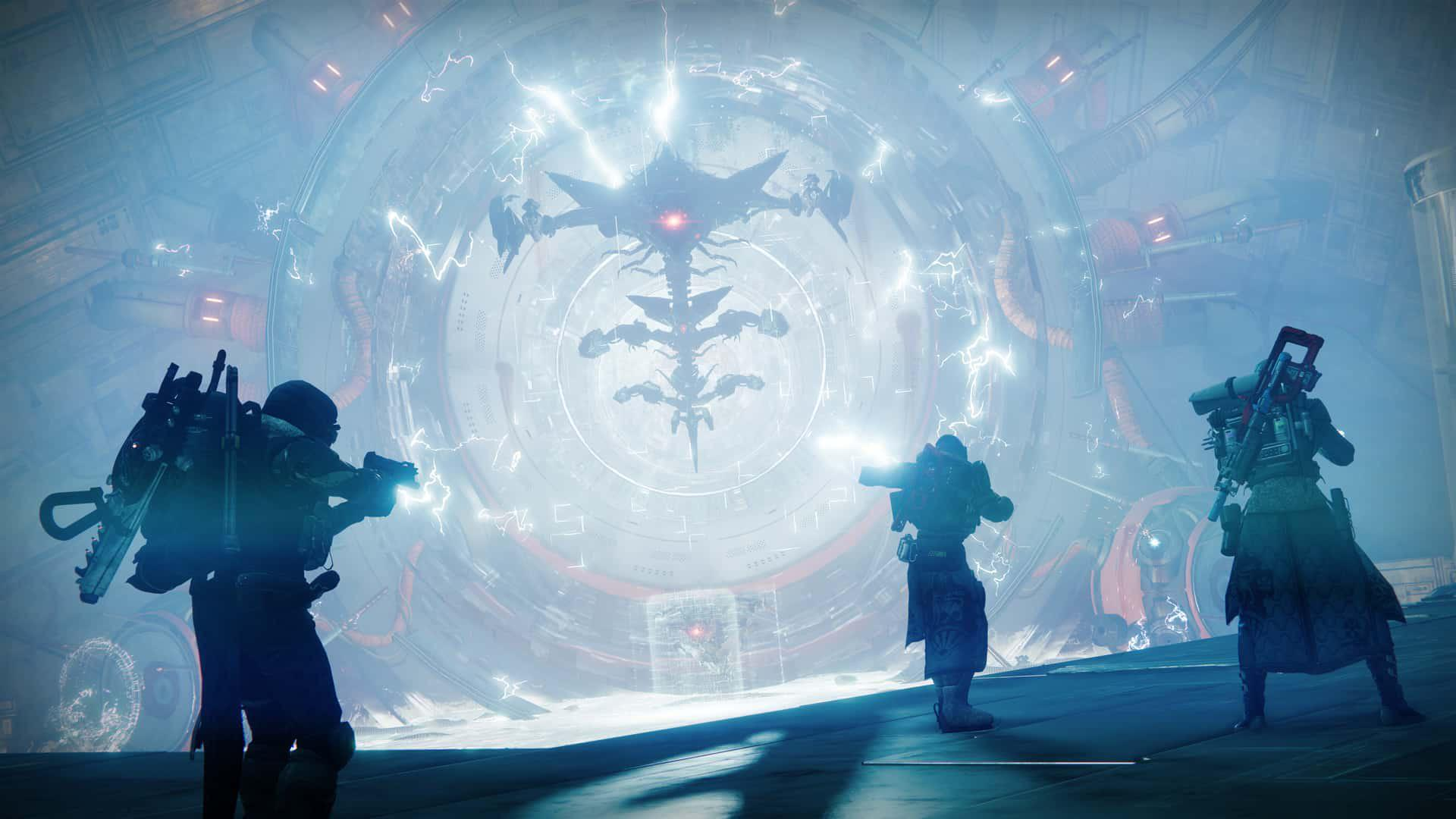
The Oracles have started singing.
This is where Bergson becomes very dangerous.
A person becomes a marine biologist.
Now look backward.
- The childhood fascination with tide pools.
- The aquarium trip.
- The science teacher.
- The dead fish brought home in a bucket when everyone begged her not to.
The whole childhood begins to arrange itself.
Clearly, she was on the path.
Then take the same twelve-year-old and let another twenty years happen.
She becomes a composer.
Now, suddenly,
- the grandmother's piano.
- The strange sensitivity to sound.
- The school performance.
The marine biology phase becomes that weird childhood thing with crabs.
The later life does not physically alter the earlier event.
It changes which structure we can now recognize in it.
Historical explanation is full of this.
- A revolution makes old pamphlets look like precursors.
- A scientific breakthrough makes an ignored anomaly look like the clue everyone missed.
- A new institution creates a lineage for itself.
- An artist changes which dead artists appear to have been waiting for them.
This is useful, also dangerous.
Modal Path Ethics cannot look backward from a realized outcome and casually populate earlier reality with a finished ghost of that outcome.
“She lost the future where she became a marine biologist.”
Did she?
Maybe. Maybe the relevant loss was much more basic.
Maybe she lost stable education.
Or mobility. Or time. Or health. Or trust.
Or access to the sea.
Freedom from coercive control. A functioning route into higher education. The ability to choose work later without an abusive person controlling the money.
Those are all real.
We do not need to know which eventual life they would have generated.
This is the first major raid mechanic.
Do not confuse retrospective intelligibility with prior inventory.
The future can reveal what earlier structures enabled without proving that the completed future was sitting there in finished form.
The Oracles have given us the sequence.
Shoot them in order.
THE TEMPLAR
>Break the Tree<
The Templar is immune.
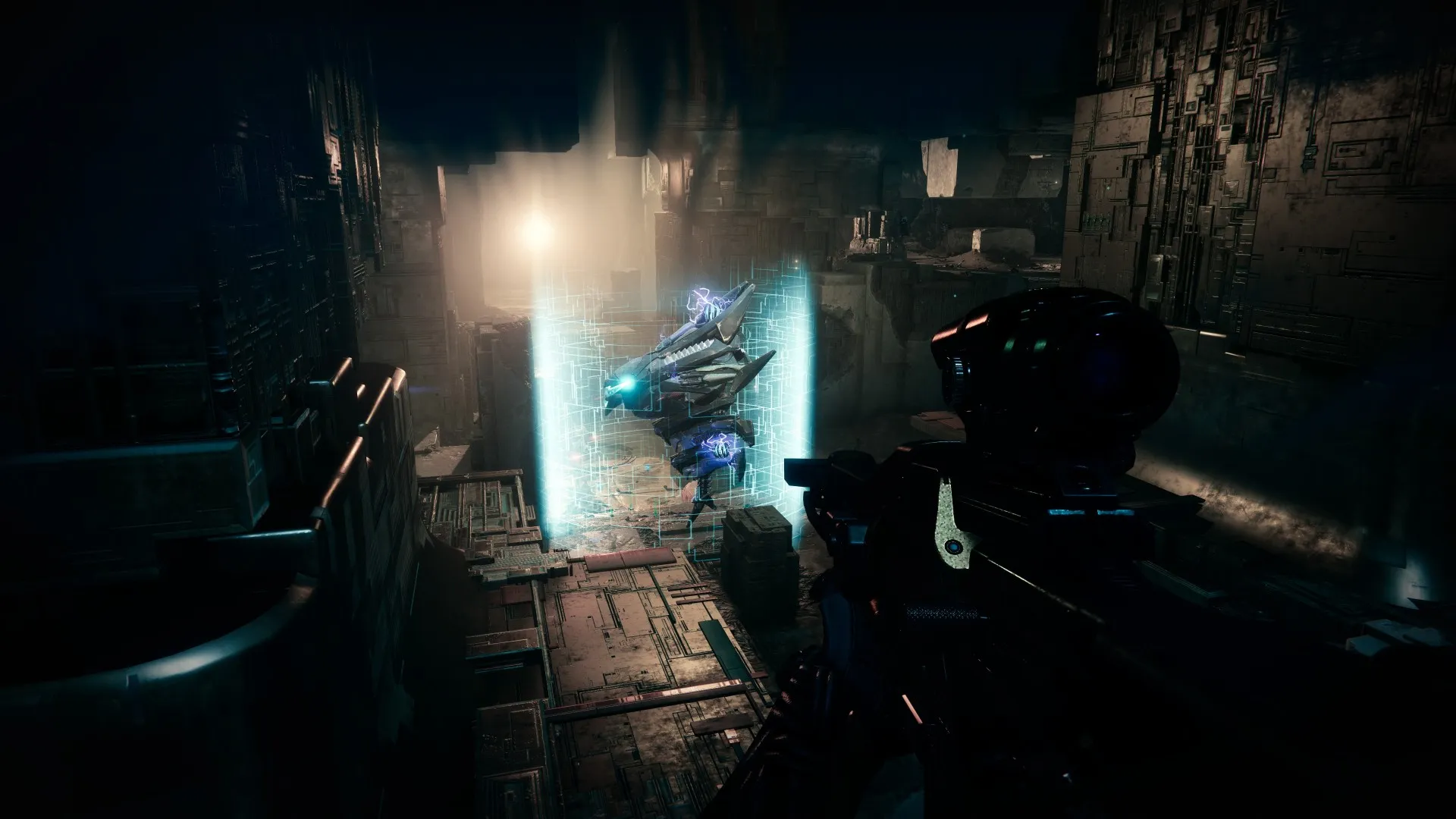
Of course it is.
We brought the wrong weapon.
For months, a tree has been doing useful work for Modal Path Ethics.
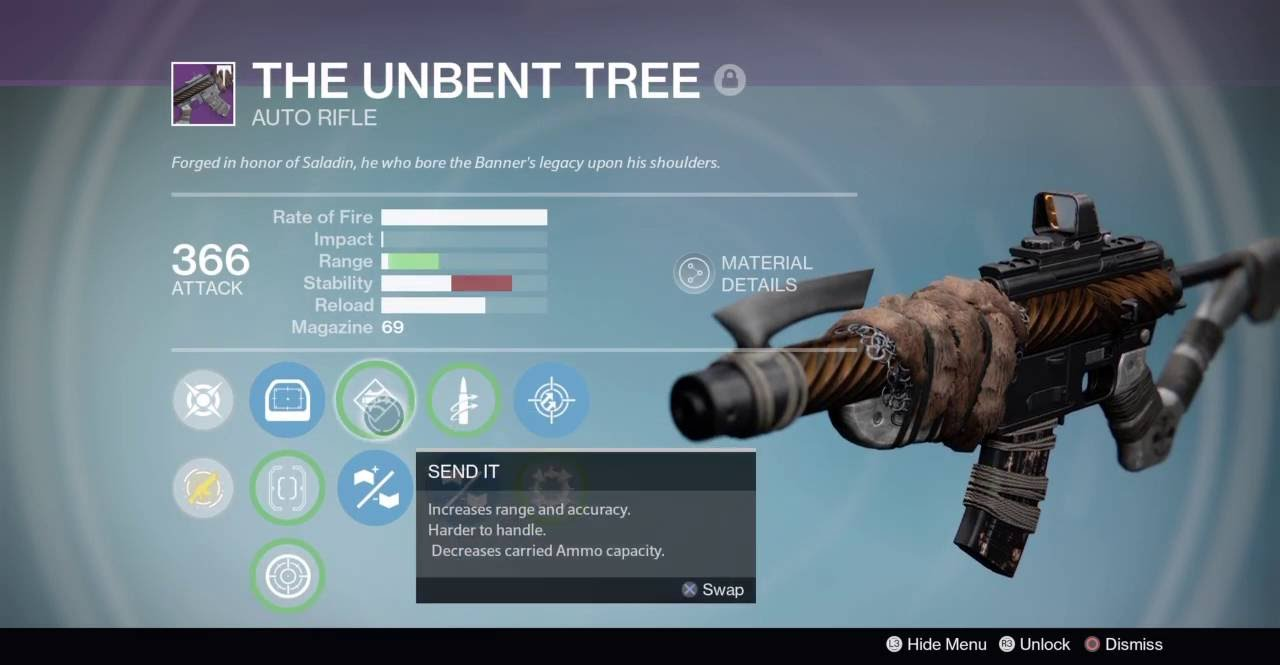
That tree told us that formal permission is different from practical access.
It told us that an action can close something that mattered, that resistance can make a path effectively unreachable before the path disappears altogether, and that history affects what remains available.
It taught us to look past the present snapshot.
Excellent instrument. Now put it down.
The Aegis is simpler.
Modal Path Ethics requires an extant field capable of further continuation, not a pre-existing possibility space.
That is enough.
Take a child.
The child possesses no completed inventory of future lives.
The child possesses
- a body.
- A nervous system.
- Memory.
- Language.
- Relationships.
- Time.
- Developing competence.
- Material supports.
- Social access.
- A capacity to learn.
- A capacity to form relationships that do not yet exist.
- A capacity to encounter ideas nobody around the child presently knows.
- A capacity to participate in institutions that may themselves change.
- A capacity to produce novelty.
These are present facts.
Now, injure them.
- Destroy the hearing.
- Destroy the safe home.
- Destroy the school.
- Destroy the language community.
- Destroy the legal exit.
- Damage the memory.
- Confine the child.
- Make every later institution reachable only through the person doing the harm.
We still do not know the lost life.
We know something real was damaged.
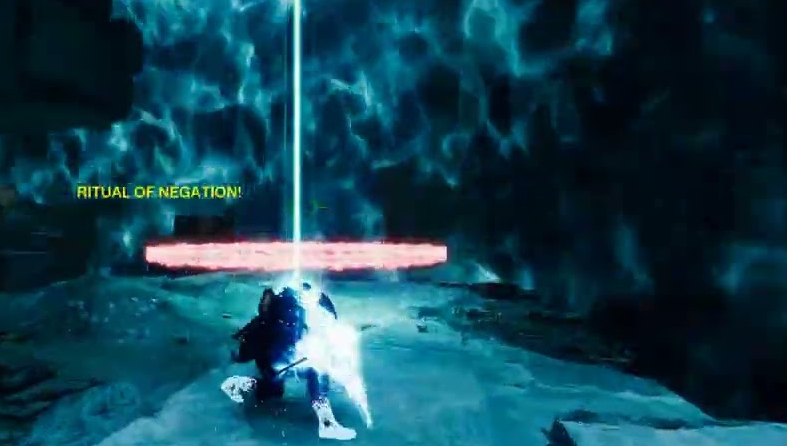
The Templar's shield breaks here.
Because the moral object never had to be a completed future state.
The morally relevant object can be the organization through which further continuation remains possible.
The future may be genuinely creative.
The present can still carry more or less capacity to enter it.
That is reachability after Bergson.
Reachability does not mean:
This completed future object exists invisibly ahead.
It means:
From this actual locus, under these actual conditions, continuation remains genuinely supported.
- The child can continue.
- The language can continue.
- The institution can continue.
- The ecosystem can continue.
And because continuation includes development, adaptation, recombination, learning, and creation, what emerges later need not have been specifiable in advance.
The tree was never the territory.
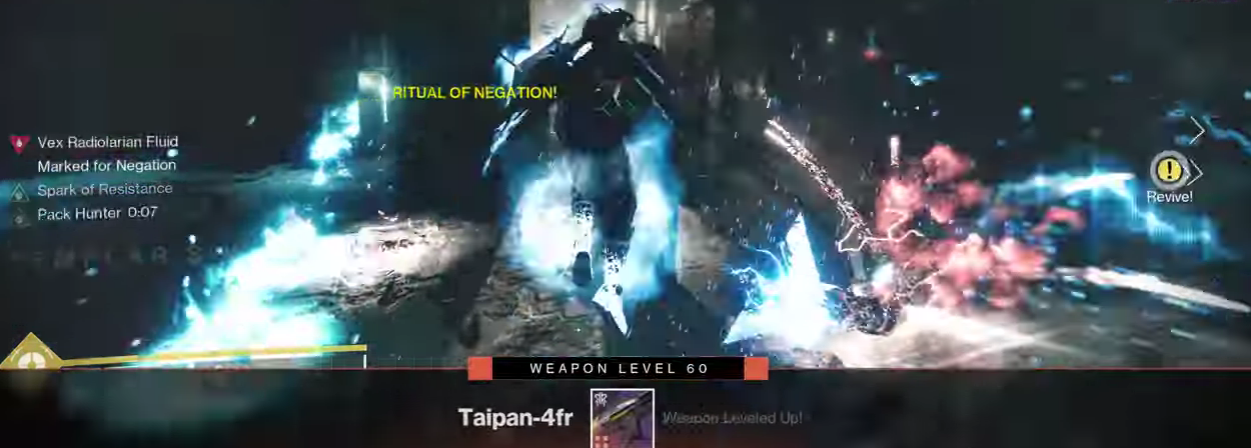
Templar down.
THE GORGON'S LABYRINTH
There is one object we should bring into the Gorgon's Labyrinth.
Possibility Space.
Walk quietly.
Look at nothing.
Make no sudden movements.
Nope.
The Gorgon saw it.
POSSIBILITY SPACE WAS LOST TO THE DARK CORNERS OF TIME.
Gone.
Fuck.
What?
Right. More precisely:
Possibility space is no longer foundational ontology for Modal Path Ethics.
That phrase remains useful in bounded contexts.
- A game has a possibility space.
- A design problem can have a modeled possibility space.
- A known set of interventions can be compared.
- A court may have a determinate set of remedies.
- A patient may have several medically available treatment routes.
- A logistics system may enumerate feasible schedules.
Use the phrase. Draw the branches. Run the search. Count the nodes.
Those are instruments.
The mistake was asking reality as a whole to behave like the game tree.
Modal Path Ethics has spent most of its life disciplining instruments that become sovereign over the fields they were designed to read.
It would be embarrassing to grant sovereign immunity to its own favorite diagram.
Bergson's attack therefore gives possibility space a jurisdiction.
- It may represent presently discriminable alternatives under a model.
- It may not announce that every novel future already exists as one of those alternatives.
That is enough.
- The Gorgons erased the metaphysical version.
- All the useful information survived.
Suspiciously convenient.
THE GATEKEEPERS
>What Can Be Reachable If It Does Not Exist Yet?<
The obvious objection is waiting at the portals.
If the future does not already exist as a set of alternatives, how can Modal Path Ethics say some future is reachable?
Reachable what?
This is where the theory either becomes coherent or starts doing hand gestures.
Start with the easy cases.
- A patient can reach a clinic.
- A community can reach an appellate court.
- A bird population can still reproduce.
- A worker can actually use an exit clause.
- A spacecraft can return to Earth.
- A government can replace an officeholder.
Those continuations can be described in advance.
No philosophical emergency.
Now, move to the harder cases.
- A child can continue developing without anyone knowing what adult capacities will emerge.
- An ecosystem can retain adaptive and reproductive structures without anyone being able to enumerate its future configurations.
- A research field can retain the ability to discover something that no researcher currently knows how to describe.
- A political system can preserve correction routes that later participants use in ways its designers never anticipated.
- A language can generate sentences that have never been spoken.
- A culture can generate practices that do not currently exist.
The present field contains generative structure.
That phrase does not need promotion into some glorious new capitalized ontology. It means exactly what it sounds like.
Structures through which further continuation can be generated.
Memory can do this.
Trust can do this.
Reproductive capacity can do this.
Institutional competence can do this.
Education can do this.
Infrastructure can do this.
Legal standing can do this.
Ecological relation can do this.
An archive can do this.
An interface can do this.
A functioning mechanism of correction can do this.
Destroy one of these and the damage can propagate far beyond any individual future we know how to name.
The current harm thesis already reached the correct formulation:
An actual transition harms an extant locus insofar as it nontrivially degrades a structurally significant continuation or enabling structure genuinely reachable from that locus.
There is the portal.
Notice what we did not need:
- A list of all eventual outcomes.
- A metaphysical warehouse.
- An unborn person waving from branch 6,493.
- A completed picture of the thing that would eventually emerge.
- The enabling structure exists now.
- The damage happens now.
- Bring the Relic through.
Gatekeeper down.
THE RELIC
>Contraction Without a Warehouse<
We can now say what contraction was trying to describe all along.
It was never branch subtraction. That was the picture.
The concept underneath it was damage to organized continuability.
The newer Modal Path Ethics harm work already distinguishes three important forms.
- A continuation can be foreclosed:
- something genuinely supported from here stops being reachable.
- A continuation can remain reachable while resistance thickens:
- the route becomes slower, more dangerous, more expensive, more humiliating, more fragile, more dependent, or more difficult to repair.
- And an actual transition can damage continuation-generating structure itself:
- the memory, capacity, relation, infrastructure, reproductive mechanism, adaptive machinery, trust, competence, record, or correction route through which families of later continuations could emerge.
That third form is the one Bergson forces into the center.
Burn a seed bank.
Which forest did you destroy?
We do not know.
Perhaps none of its descendants would have become a forest. Perhaps some genetic line would have become useful in a climate we cannot yet model. Perhaps one would have resisted a disease that does not exist yet. Perhaps future breeders would have crossed it with a variety that will itself emerge from an unexpected mutation.
You do not have to furnish the hypothetical forest.
The seeds are burning.
A real generative structure is being destroyed.
The loss is real before the future acquires a name.
That sentence should survive this raid:
A future does not have to pre-exist in order for the conditions of its emergence to be destroyed.
We have the Relic.
Time to meet Atheon.
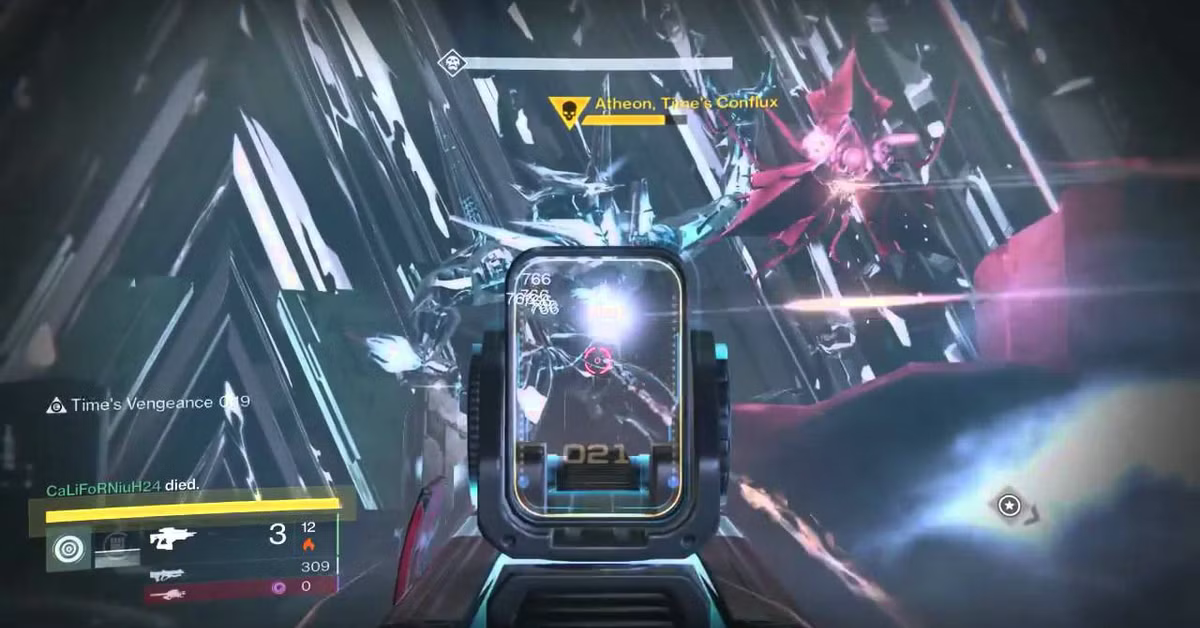
ATHEON, TIME'S CONFLUX
Atheon is waiting where past, present, and future have been made navigable architecture.
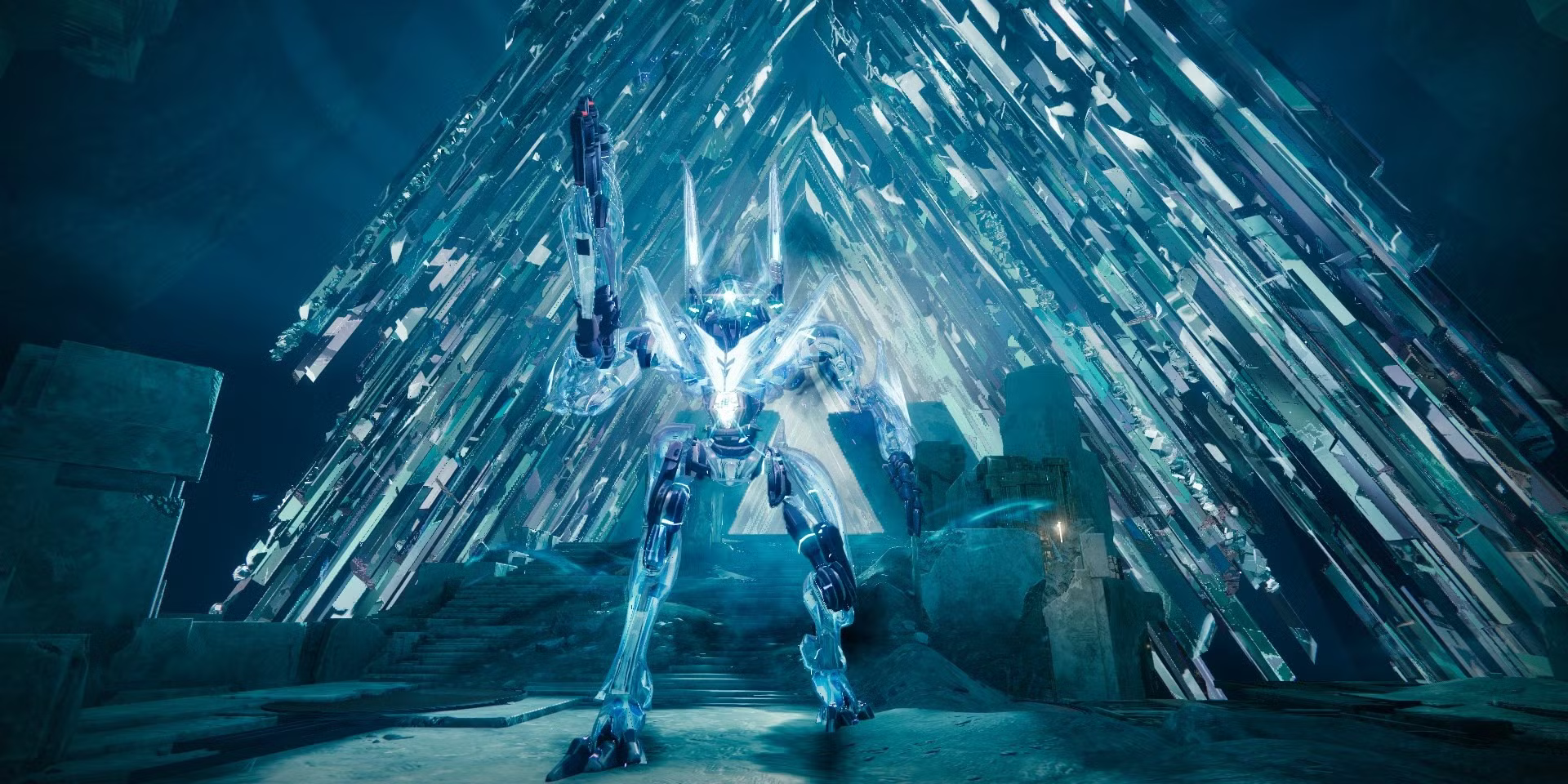
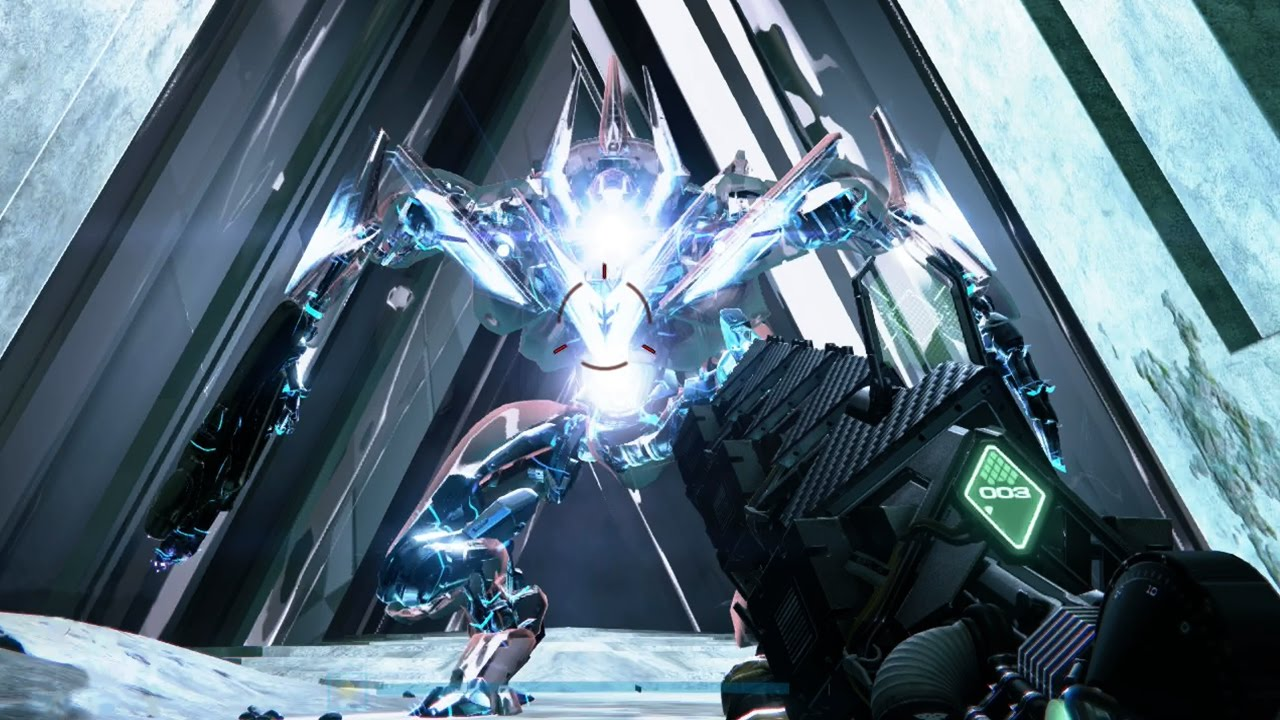
The Vault of Glass fantasy is exactly the temptation Bergson is warning about: time rendered as a structure one could traverse, control, sort, predict, and ultimately make answer to a system. Guardians are thrown through temporal gates, Gatekeepers obstruct passage, Oracles dictate sequences, and Atheon sits at the end as Time's Conflux. The mechanics themselves turn temporal relation into navigable space.
Bergson has been waiting eighty years to yell at this raid.
Give him Atheon.
His strongest attack now lands cleanly.
- If genuine novelty occurs,
- the future cannot be completely contained inside the present as one already constituted option among others.
- Otherwise novelty becomes revelation.
- The painter did not create the painting.
- The painting had already been filed.
- The scientist did not discover an unforeseen relation.
- Reality rolled the branch we already had.
- The evolving organism did not enter a new relation.
- A possibility acquired a timestamp.
Creative becoming disappears.
Bergson's Creative Evolution attacks both mechanism and rigid finalism for versions of this reason. A world whose future is fully implicit in the past and a world whose completed future already governs its development both leave too little room for actual creation.
Accept the attack.
- Reality may create.
- The future need not be completely present in advance.
Now, answer the ethical question.
Can an unknown future still be damaged before it arrives?
Yes.
Because novelty does not emerge from nowhere.
Creation occurs through an extant field.
- A composer needs a living body.
- A culture needs transmission.
- A scientific field needs instruments, memory, criticism, and people capable of using them.
- An ecosystem needs relations capable of reproducing and reorganizing.
- A child needs some path through development.
- A democracy needs actual routes by which evidence, dissent, correction, replacement, and new political forms can reach institutional force.
Destroy those structures and you do not need to know exactly which future was waiting on the other side.
Nothing was waiting.
Something was still able to arrive.
That is what changed.
Atheon loses immunity.
DAMAGE PHASE: THE NON-PLANET.
Take the argument as far away from human preference as possible.
A young planetary system.
- No organisms.
- No minds.
- No hopes.
- No suffering.
- No future scientist standing around complaining that her branch has been closed.
There is a disk of matter organized in a way capable of further planetary development.
Then, something strips it.
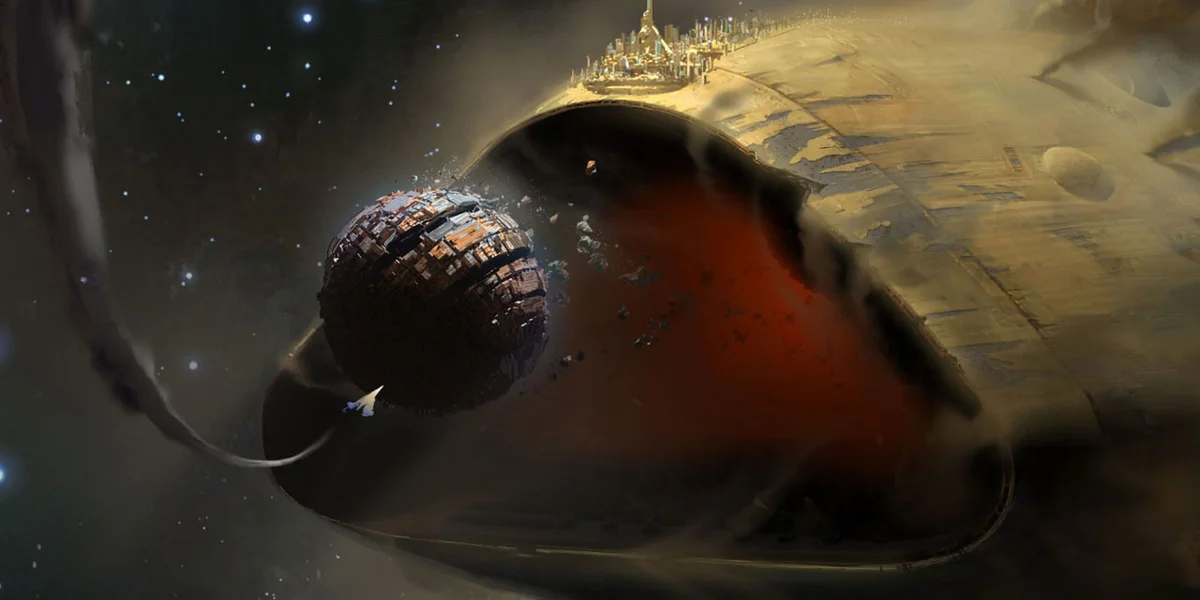
The structure is gone.
Older Modal Path Ethics language can make this sound unnecessarily haunted.
Think of the whole unavailable planet.
Bergson can attack every picture you might paint on it.
- Which life?
- Which ecosystem?
- Which civilization?
- Were they real possibilities before the processes capable of producing them had even occurred?
Fair.
Erase them.
The argument remains.
- The disk existed.
- The material relations existed.
- Planet-forming capacity existed.
- The material relations existed.
- An actual transition degraded that structure.
The exact downstream continuation was unknown and perhaps unknowable in principle because later novelty would depend upon processes that had not yet occurred.
None of that restores the disk.
This actually makes pre-life harm even cleaner.
The moral claim was never hanging on ghost inhabitants of hypothetical planets.
It begins with what happened to an extant structure.
The present field lost generative depth.
The same move scales upward.
- A species need not have its future mutations listed.
- A language need not have its future sentences listed.
- A child need not have a future profession selected.
- A civilization need not know its next institution.
The structures through which each continues can still be strengthened, burdened, damaged, or destroyed.
The future is allowed to surprise us.
The harm is allowed to happen before it does.
TIME'S VENGEANCE.
Everybody shoot.
ATHEON FALLS
Bergson emerged from the Vex Network to destroy one bad picture.
The future is not a completed menu.
Time is not a row of frozen states.
Retrospective explanation does not prove that every realized novelty existed beforehand as a finished possibility.
A model of alternatives remains a model.
None of this destroys Modal Path Ethics.
It pulls the framework closer to extance.
The primitive moral question was never:
- How many possible future objects still exist?
The current theory asks something more defensible:
- What did this actual transition do to the organized continuation of this actual bearer?
Did it destroy an available continuation?
Did it increase the resistance through which the locus now has to move?
Did it damage the structures through which repair, adaptation, development, relation, learning, reproduction, correction, or further creation could occur?
Those questions survive genuine novelty.
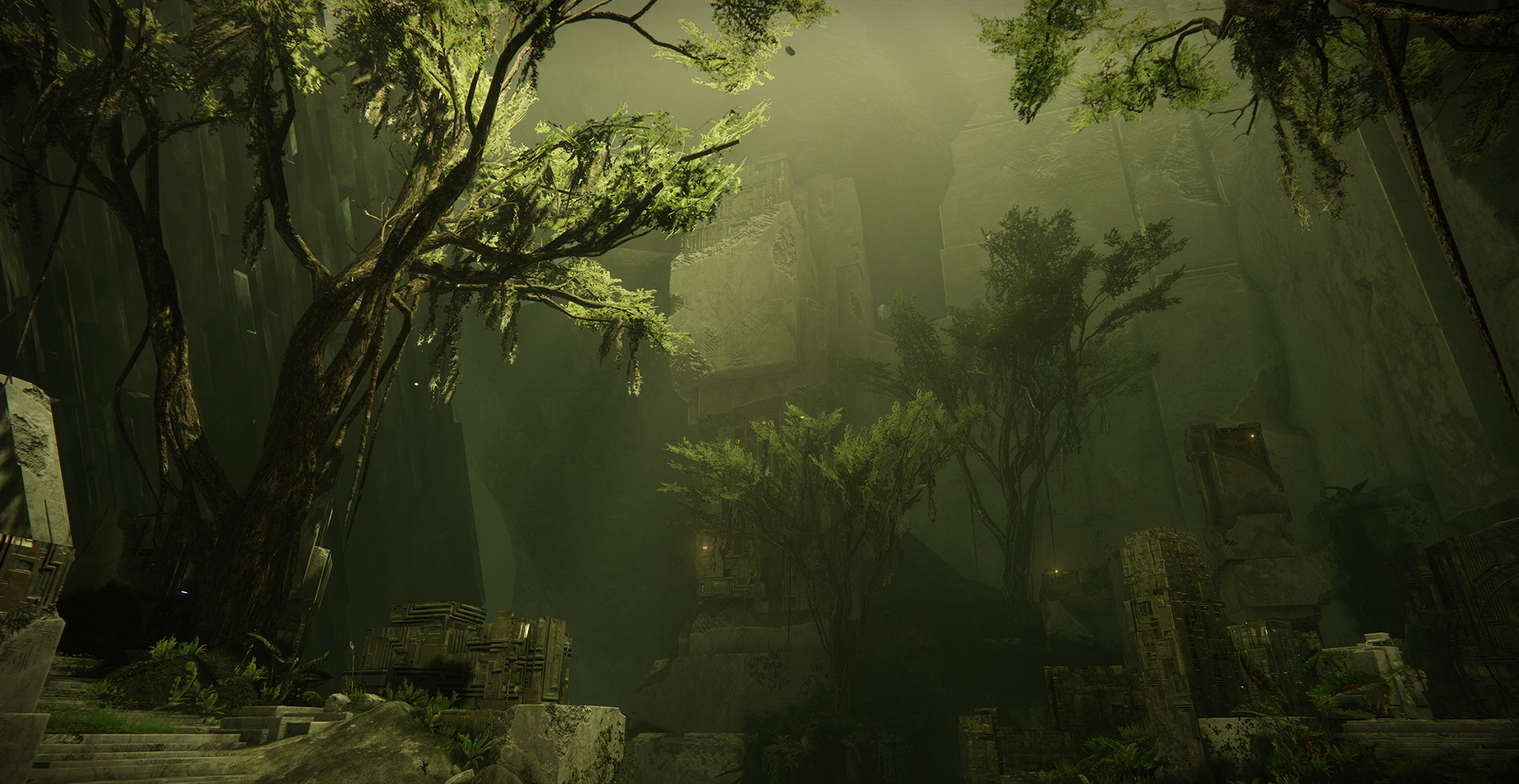
In fact, genuine novelty increases their importance. If we cannot know everything a living field may become, then preserving its capacity to continue cannot depend upon having imagined every worthy outcome in advance.
A society that protects only the futures it can already name will eventually confuse imagination with jurisdiction.
A research institution that preserves only known research programs will prevent discovery.
A culture that protects only established forms will make novelty arrive as trespass.
And a child allowed only the futures adults have successfully pictured for them has been handed a catalog instead of a life.
This is where Bergson's attack turns into an ethical resource.
The unknown future is not empty. It is unfinished.
There is a difference.
RAID LOOT
We are leaving with much less equipment than we brought.
- Extance survives:
- reality as active, historically arrived, and still capable of change.
- Loci survive:
- organized bearers whose continuation can be affected.
- Reachability survives:
- a relation between an extant locus, its actual conditions, and the continuation those conditions genuinely support.
- Contraction survives:
- damage to organized continuability through foreclosure, thickened resistance, or damage to structures through which further continuation can emerge.
The tail survives too.
Bergson's account of duration helps explain why it should.
The past is not another current object sitting beside the present. Yet the present has become what it is through a history that cannot simply be removed from it.
Bergson describes duration through the conservation and continuation of the past into the present; Modal Path Ethics independently needs the same broad temporal refusal for repair, remainder, and historical damage.
That is enough.
No new symbolic system. No replacement calculus.
No need to formalize a second Vault around the first.
And one piece of old vocabulary has lost its privileged status.
Possibility space is now model language.
Use it where the model earns it.
Do not confuse it with the future.
THE VAULT IS STILL THERE
There is a reason the Vault of Glass makes such a good setting for this.
The Vex dream is legibility carried all the way down.
- Time becomes architecture.
- Possibility becomes tractable.
- Difference becomes sequence.
- Possibility becomes tractable.
Reality becomes something sufficiently understood that the correct machine can occupy all of its exits.
That is terrifying partly because it sounds like competence.
Bergson's answer is that becoming keeps exceeding the picture.
The reality that arrives contains something the anticipation did not.
Duration is lived before it is divided.
Creation adds something.
The actual can teach us how poor our earlier representations were.
Modal Path Ethics should want that future.
A framework dedicated to preserving continuation has no business demanding that continuation submit a complete itinerary before departure.
We do not need omniscience to identify damage.
We need enough contact with extance to recognize when an actual transition is destroying what another locus requires to continue.
Sometimes we will know the destination.
Sometimes we will know the route.
Sometimes all we will know is that something living, adaptive, reparative, creative, or historically continuous still has room to become more than our model contains.
That room is not a little future object.
It is not a ghost.
It is not a branch hanging invisibly ahead.
It is something much harder to govern and much easier to destroy.
A field still capable of becoming.
Bergson can keep the tree.
- The future does not have to be written in order to be reachable.
- A future does not have to pre-exist for the conditions of its emergence to be destroyed.
The future was never stored in the Vault.
We were protecting the door.

Comments ()