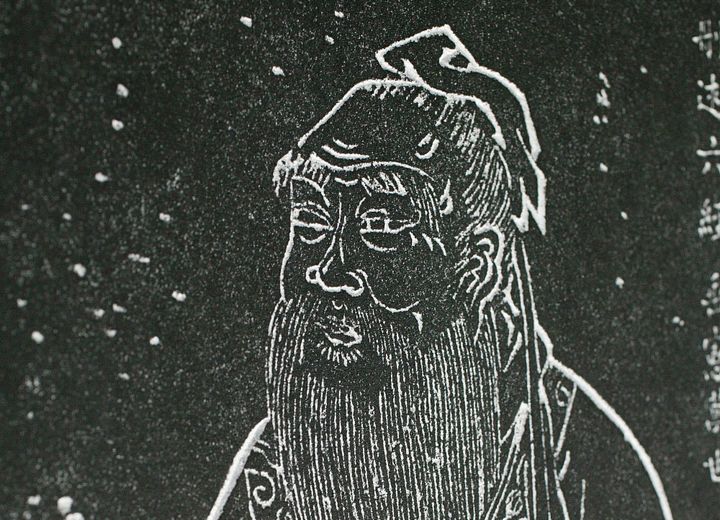
MODAL KOMBAT: Kit Fine and the Four-Headed Problem
I hit an egg with a shovel. The metaphysical consequences are immediate.

Leafos has entrusted me with the remains of Jardiniero’s once-glorious garden on Piñata Island.
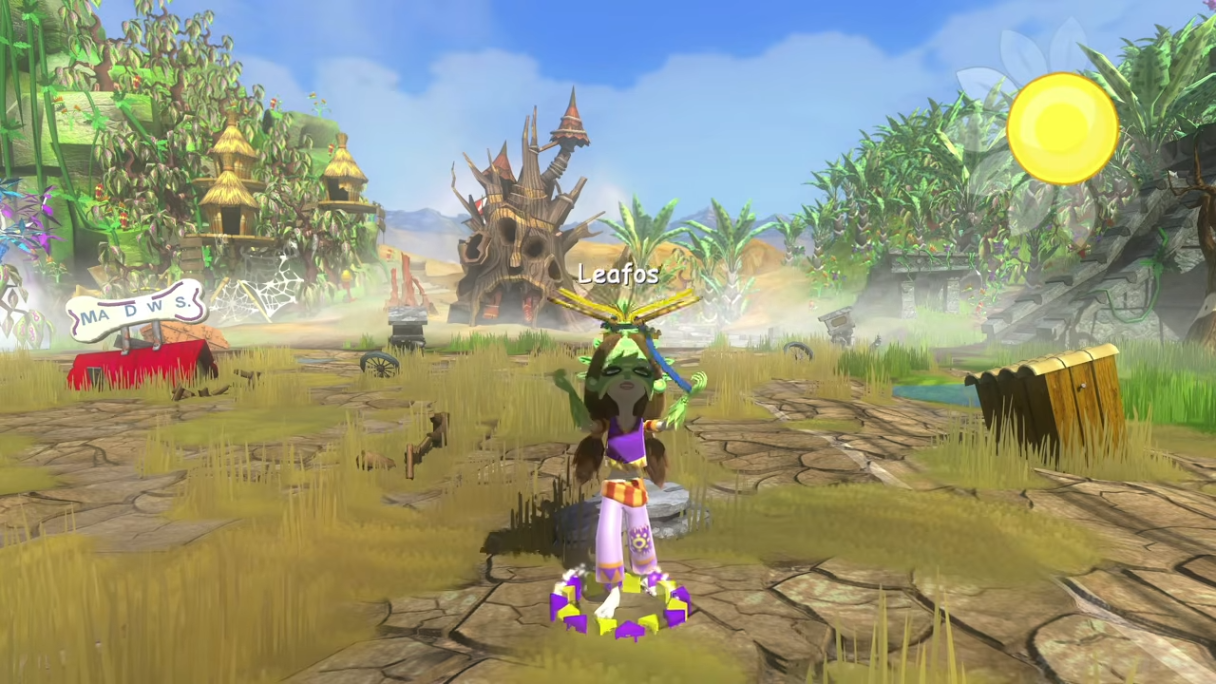
There is garbage everywhere. There is a little patch of dirt. A Whirlm is making an effort. Seedos keeps appearing with plants that will presumably improve the situation here somehow once I stop killing the plants I already have.
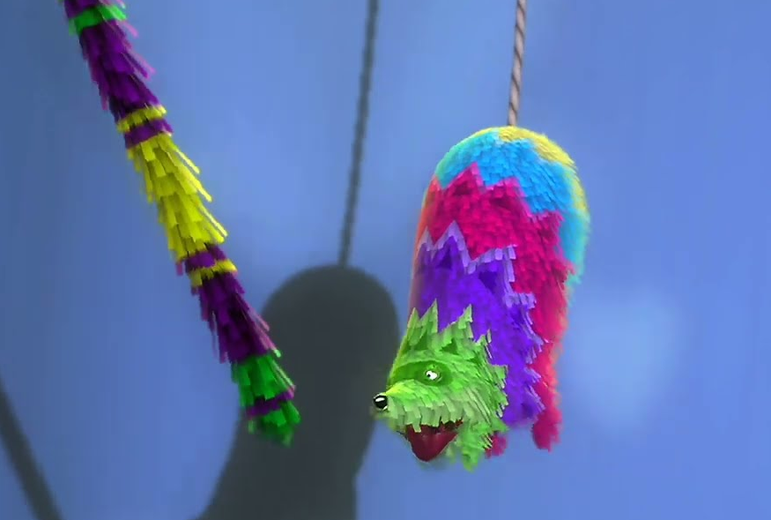
Above it all rises Piñata Central, whose business model involves raising living candy animals, launching them into birthday parties, and repairing them after children beat them apart with sticks.
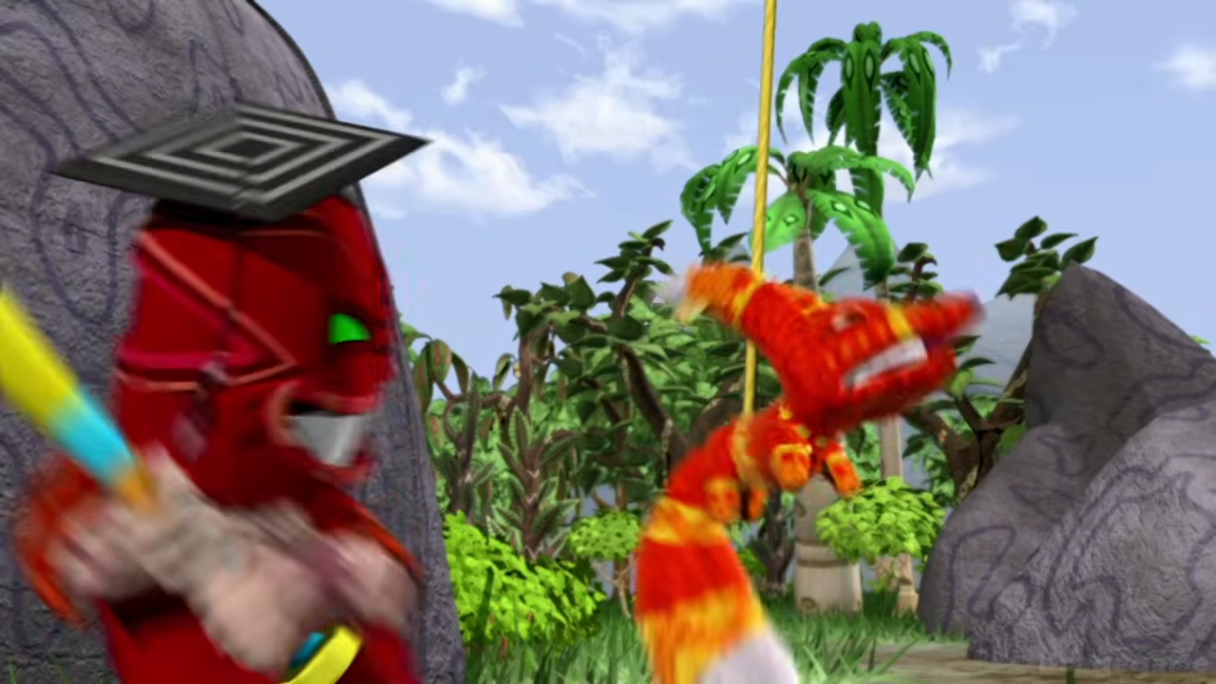
I am apparently in charge of animal welfare.
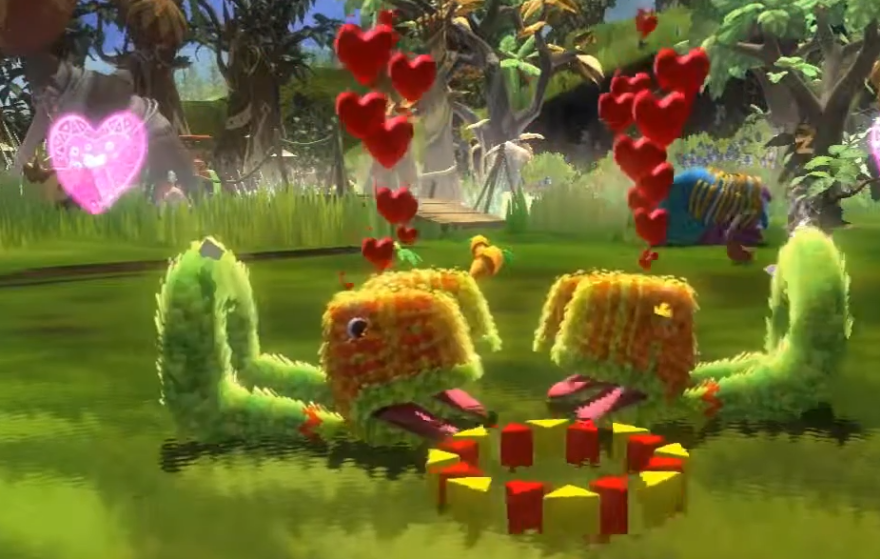
I have two Syrupents. I have persuaded them to romance.
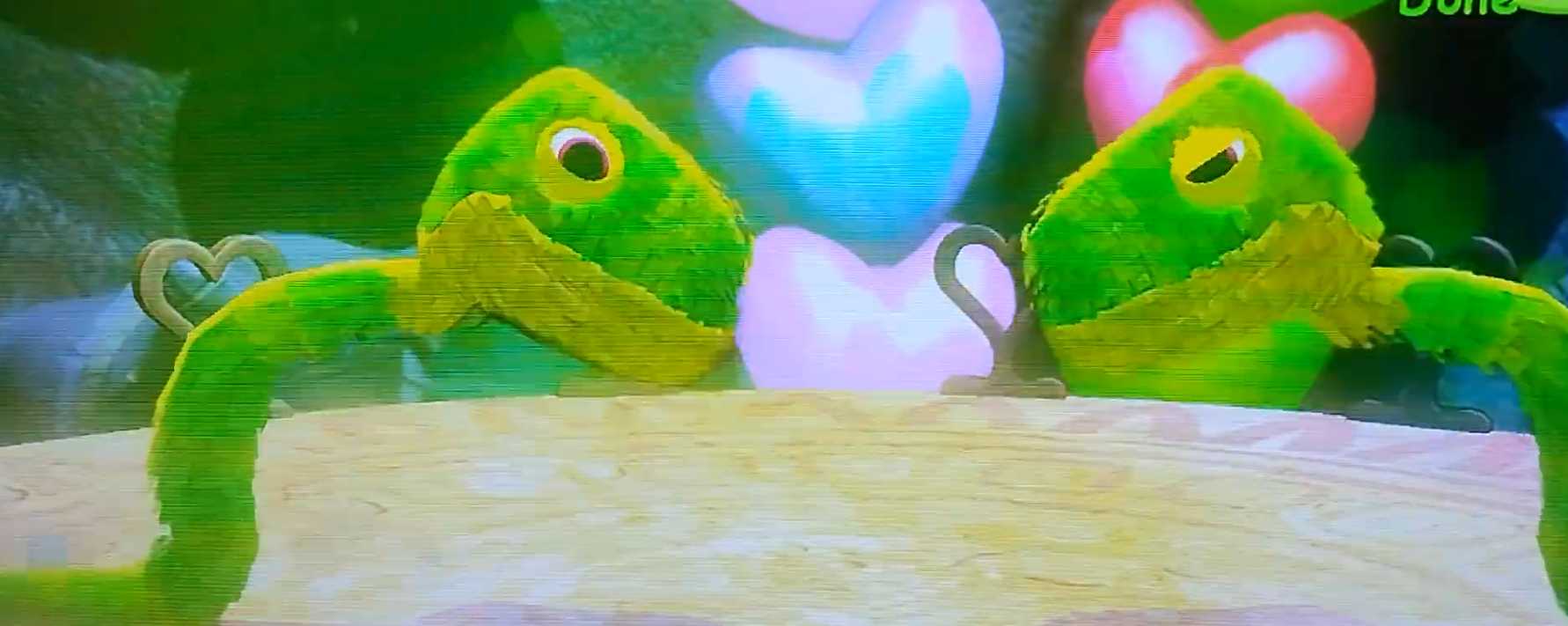
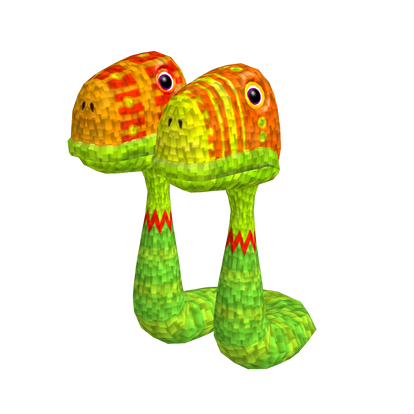
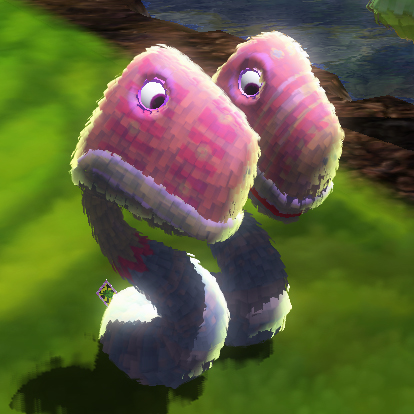
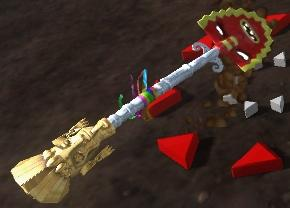
Storkos has delivered the egg. It is down there, bouncing in the grass, counting down to the moment when I can strike it with a shovel and obtain a Twingersnap, a snake with a head on each end.
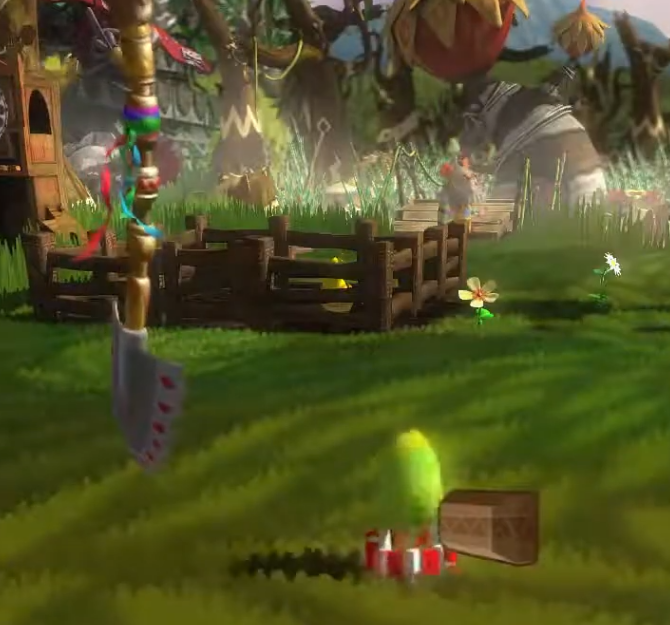
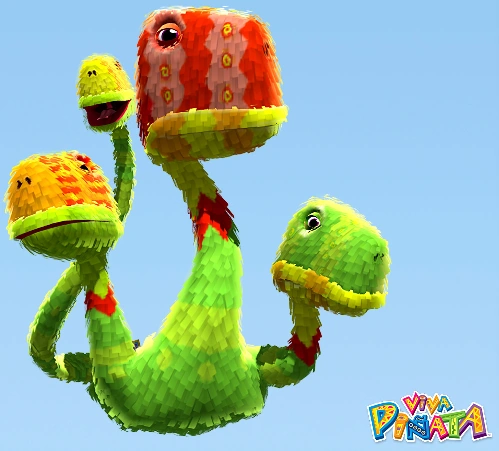
If I repeat this little trick again with two Twingersnaps, I can get a Fourheads.
This animal has four heads, including one where its tail was apparently meant to go.
It is difficult to imagine a clearer developmental research program than this.
Kit Fine arrives just before the third bounce.
What, exactly, is the thing you are about to hit with a shovel?
The egg, Kit.
The shell?
The developing creature?
The offspring?
The bearer of the development?
The object you are saying will continue through this transition?
I have about three seconds to decide whether to answer all that or hit it.
The Mother Does Not Become the Baby.
The first problem is easy to get wrong.
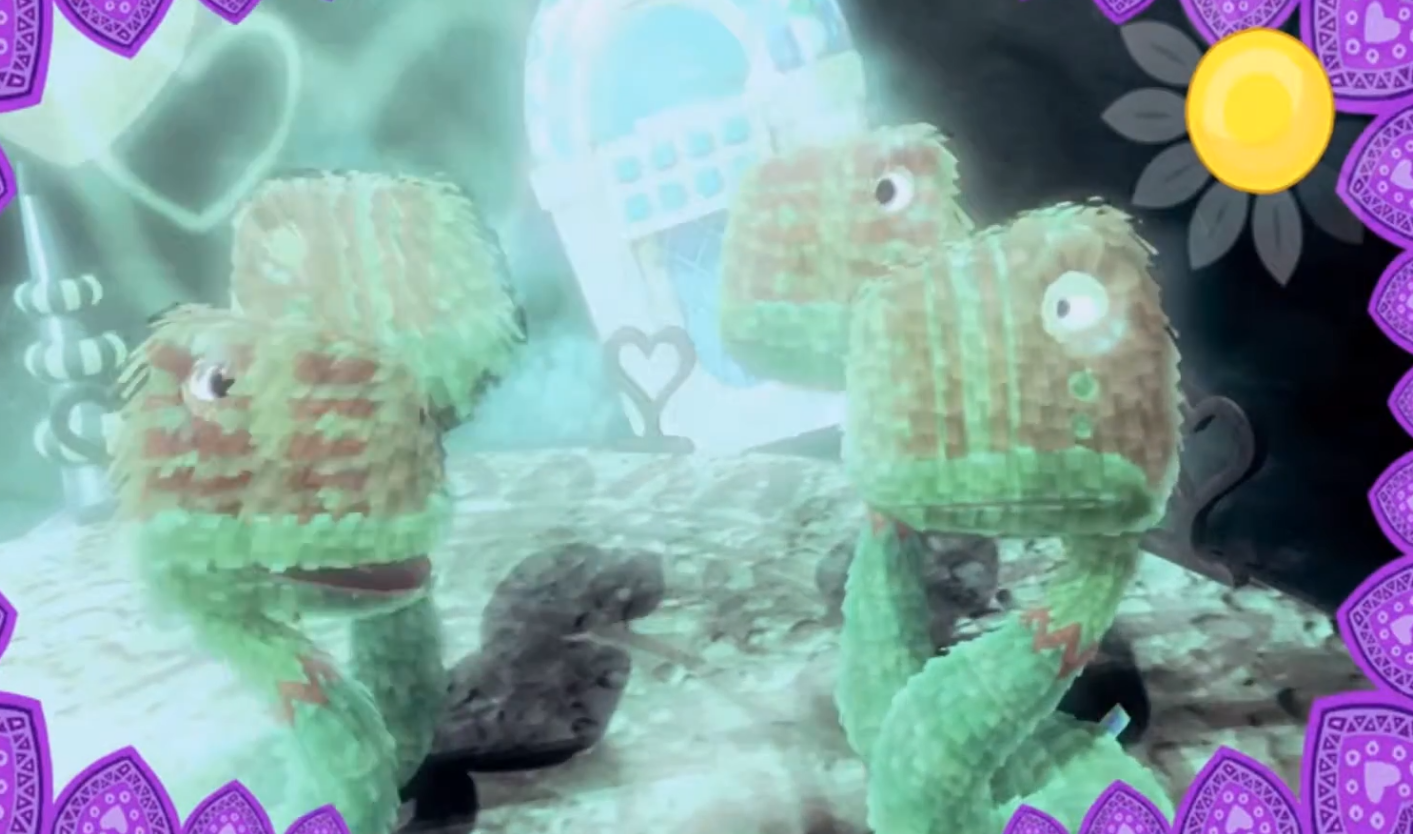
Some Viva Piñata guides file Twingersnap and Fourheads under evolutions. If that description were sufficient, a player might imagine that an adult Syrupent grows a second head after an exciting afternoon of gardening.
But no. It does not. In the original 2006 game,
- two Syrupents romance;
- their egg is struck at the appropriate late bounce;
- a Twingersnap hatches.
- their egg is struck at the appropriate late bounce;
Two Twingersnaps can later produce an egg that hatches into a Fourheads by the same intervention. The parents remain the parents. The new resident is offspring.
Rare invented a breeding rule in which a carefully timed shovel strike produces a hydra full of candy. It did not invent a rule under which the parent becomes its child.
This is crucial for our investigation of Modal Path Ethics.
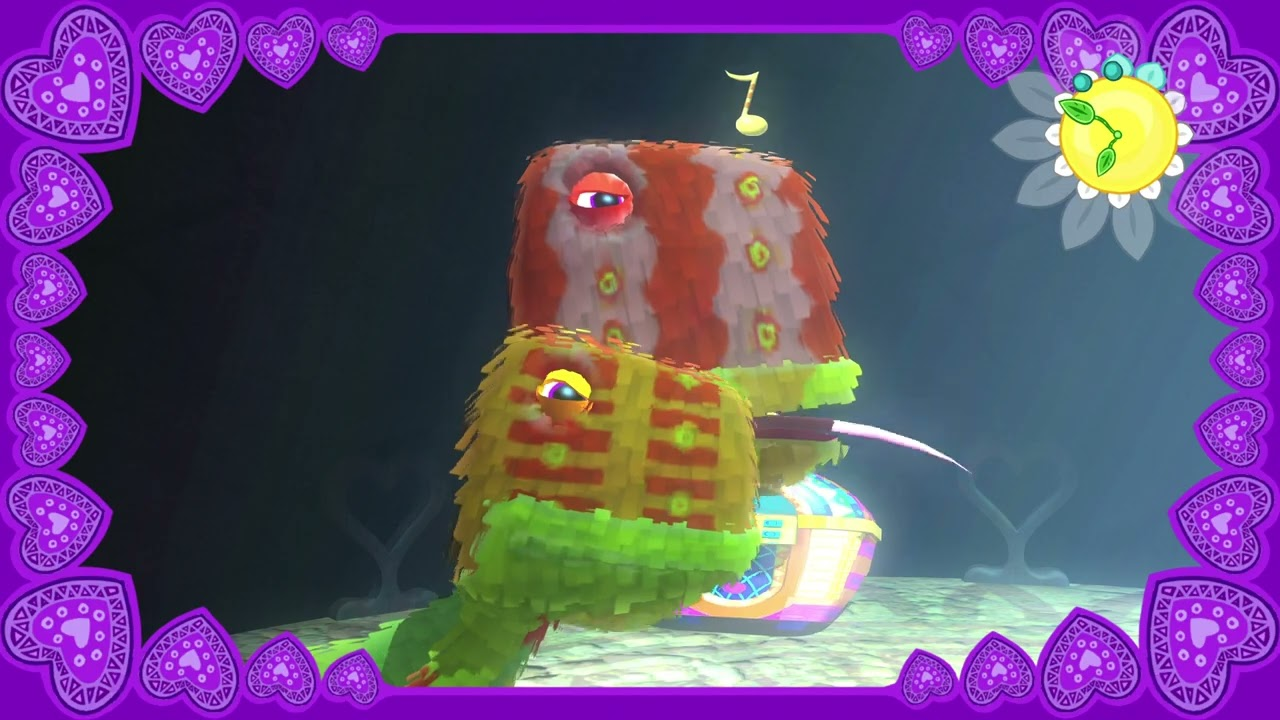
A child has an actual causal history running through its parents. It may inherit their materials, capacities, and conditions of development. That genealogy does not make the child numerically identical to either parent. A successor relation establishes something important without establishing that the two related objects are one and the same.
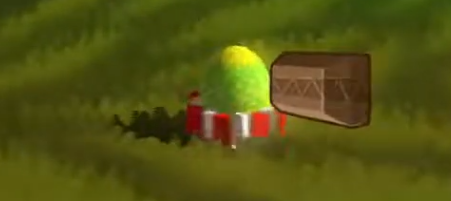
The egg complicates the case again. Ordinary speech lets egg refer to a shell, a reproductive unit, or the developing organism inside. These may have different conditions of persistence. The intervention can alter what hatches without settling, by itself, which pre-hatching entity is identical to the post-hatching one.
- Storkos can tell me where that egg came from.
- The game's code can tell me which piñata will come out.
- Neither is a general philosophical theorem about individuation.
Fine nods. Of course.
The egg bounces.
We are already behind schedule.
Socrates Would Not Survive This Garden
I would like to introduce Fine as a new antagonist. Unfortunately, the first Modal Path Ethics book already discusses him in Appendix A, under “Kit Fine and the Metaphysics of Essence.” He was invited to the garden.
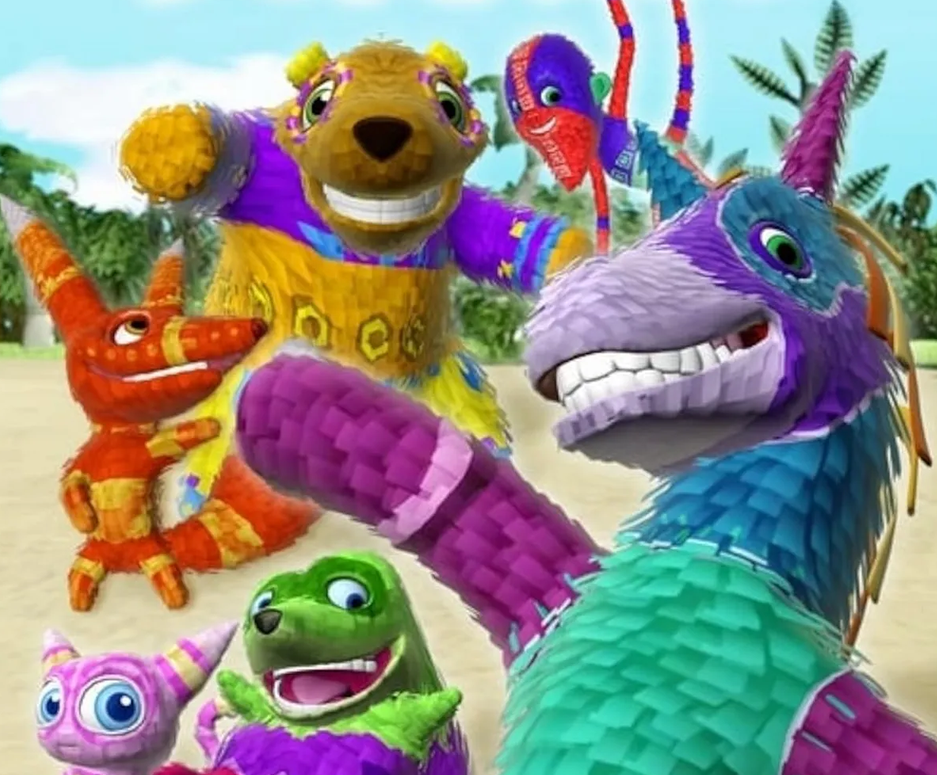
In Essence and Modality (1994), Fine argues against recovering the nature of a thing from a complete list of what is necessarily true of it. Necessity and essence do not do the same explanatory work.
Take Socrates and the singleton set containing Socrates.
- The singleton has Socrates as its member essentially.
- Socrates does not have membership in that particular set as a fact constitutive of his nature.
The necessary relation, understood under the relevant assumptions, does not point in the same explanatory direction for the man and the set. Even worse, mathematical necessities can hold in every world in which Socrates exists without becoming facts about what Socrates essentially is.

The older book acknowledged the warning. The thing comes first in the explanation of its relevant modal truths. An inventory of possibilities cannot manufacture the nature of its bearer.
Since then the framework has acquired far stronger machinery.
The September preprint, Harm as Contraction of Reachable Continuation v1.2, defines an extant locus as a diachronically integrated causal organization with a nonredundant successor structure at the relevant grain. Hoel sharpened the higher-level causal question; Simondon demanded a history of individuation; Bergson complicated the assumption of a precompleted possibility inventory; Malabou challenged identity through destructive change; Patañjali forced legitimate grain selection; and the October work distinguished continuation at one grain from termination at another.
So Fine does not get a cheap win by discovering that a Whirlm is more than a list of possible future Whirlms. Of course it is.
He asks the harder question.
When you trace a successor structure, what licenses you to say this very bearer survives it?
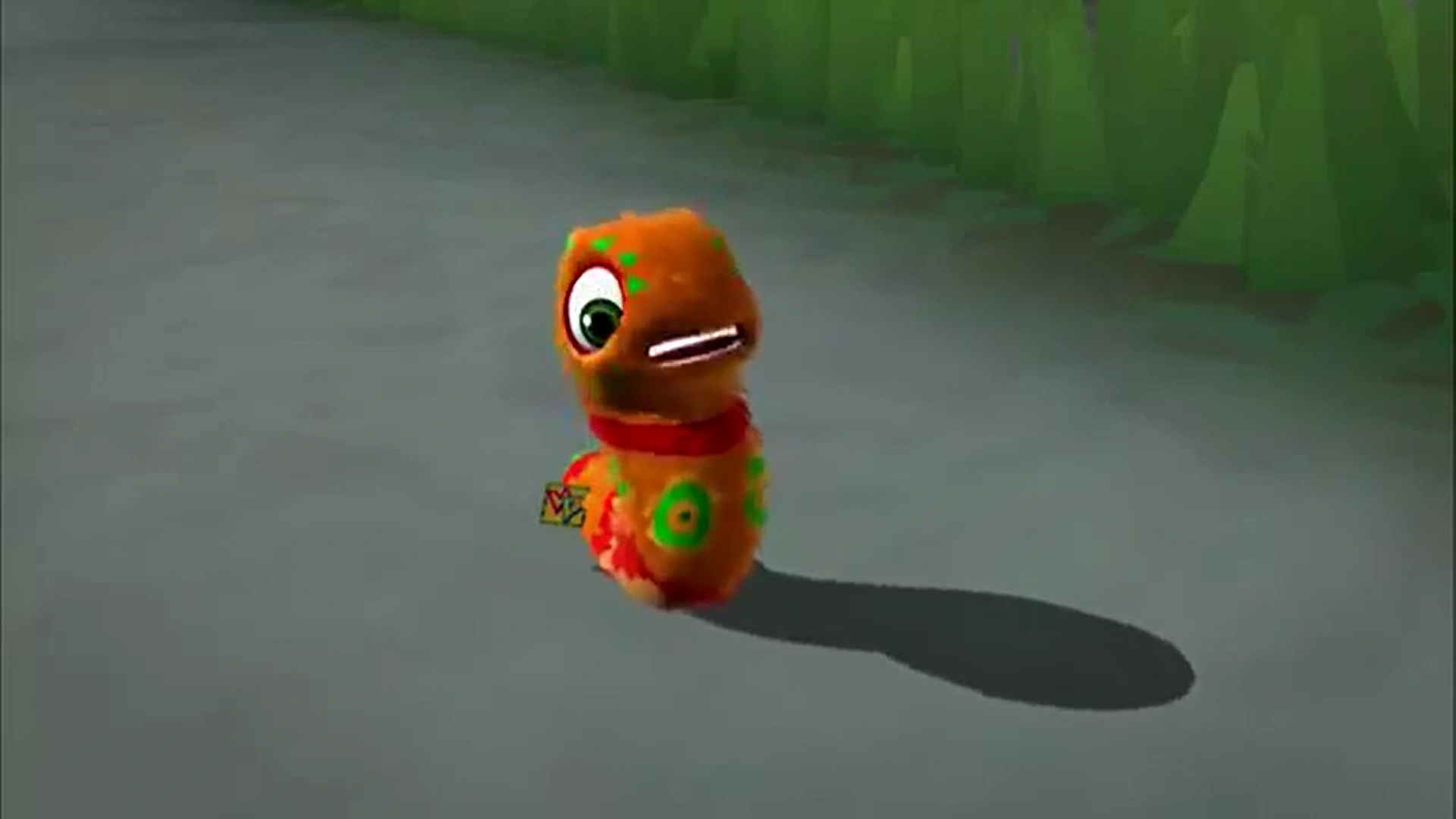
- I point toward the Whirlm.
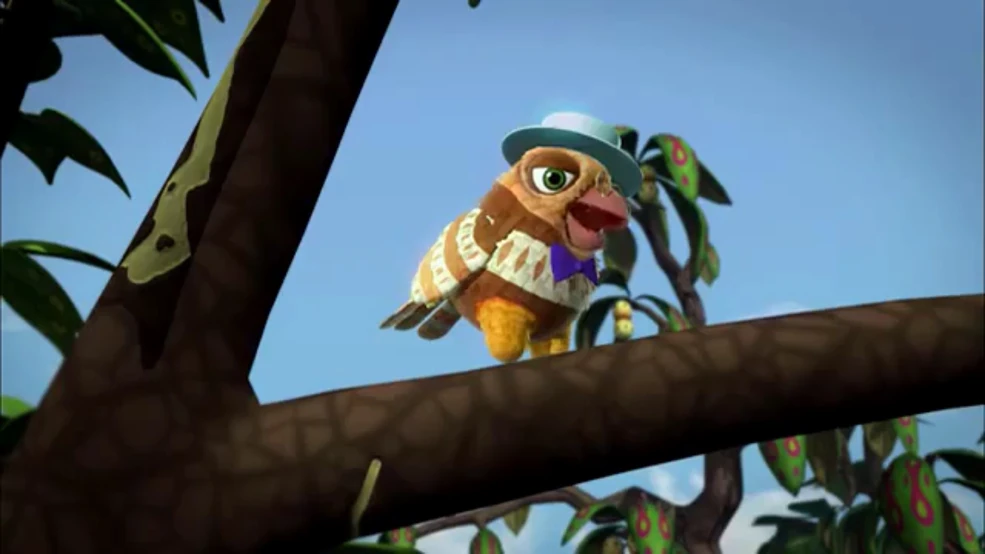
- A Sparrowmint has just eaten it.
Excellent timing.
The Garden Is a Field, Not a Guest List
The garden already has several different relations operating at once.
A Whirlm helps attract Sparrowmints. A Sparrowmint can then devour a Whirlm that never hurt anyone. Bunnycombs want carrots. Buzzlegums take an interest in buttercups. Some piñatas appear at the edge of the garden; some visit; some eat the right things and become residents. Others remain wild despite standing three feet away from a perfectly good house.
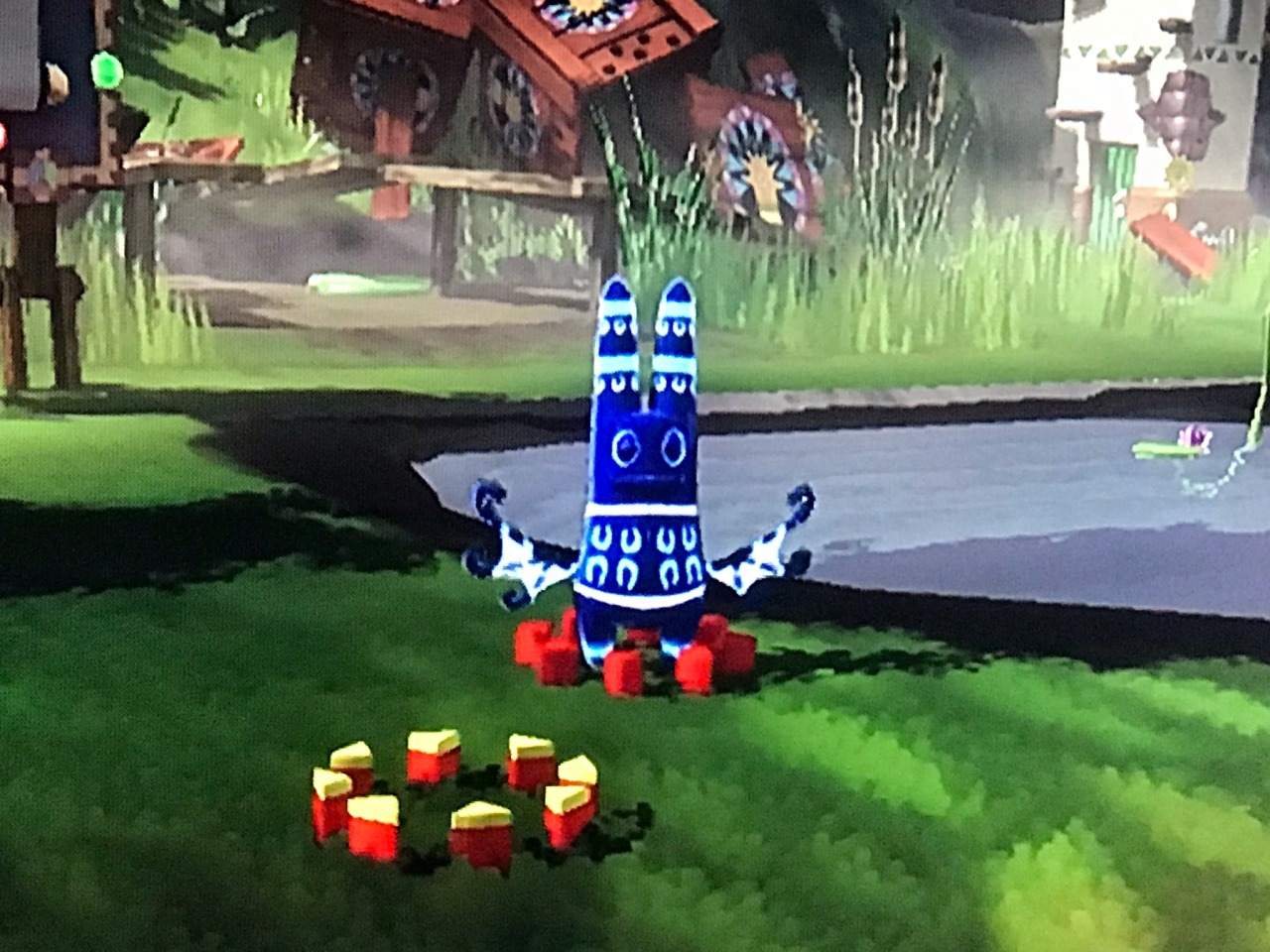
Those distinctions are written into the game's rules. The Journal records separate appear, visit, resident, and romance requirements. Becoming a resident changes what the gardener can do with the individual creature. It is not a universal judgment about the worth of celebratory wildlife.
Research shows real ecosystems and institutions are not coded like Viva Piñata. The game supplies finite authored rules, courtesy of Rare. Still, the distinction is useful. Inventorying the current creatures does not tell us everything about their available continuation. Food, territory, water, breeding conditions, predator relations, and support from the gardener determine what the resident can actually do next.
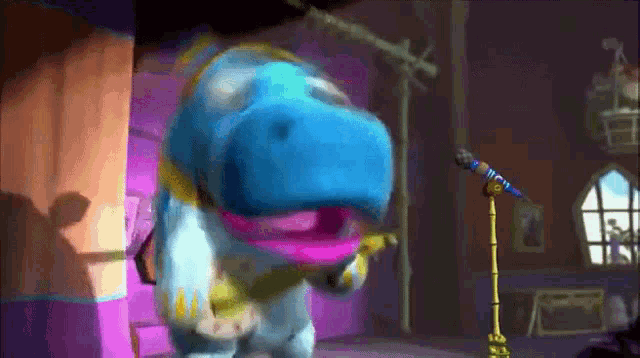
Replace a pond with grass and a Sweetooth may lose the environment it needs. Build the right house and new breeding becomes possible. A Chippopotamus can demand an absurd amount of water and space, changing which other arrangements fit in the garden. The same garden population can occupy very different continuation fields. That is already the sort of thing the harm paper calls field-relative reachability. A path can exist on the menu while the support needed to traverse it has vanished.
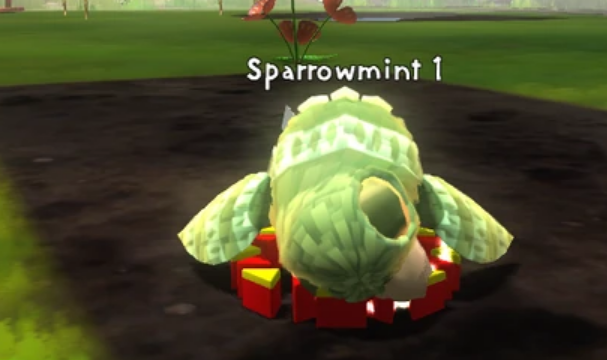
Fine's point reaches a different target. Even if I correctly identify a causally integrated garden, and even if I correctly model the routes available to its occupants, I still have yet to prove every assertion about which individual or institution remains numerically the same across the transition.
The living arrangements and histories matter. They may still not answer every identity question without further work.
Leafos is handing me another shovel upgrade.
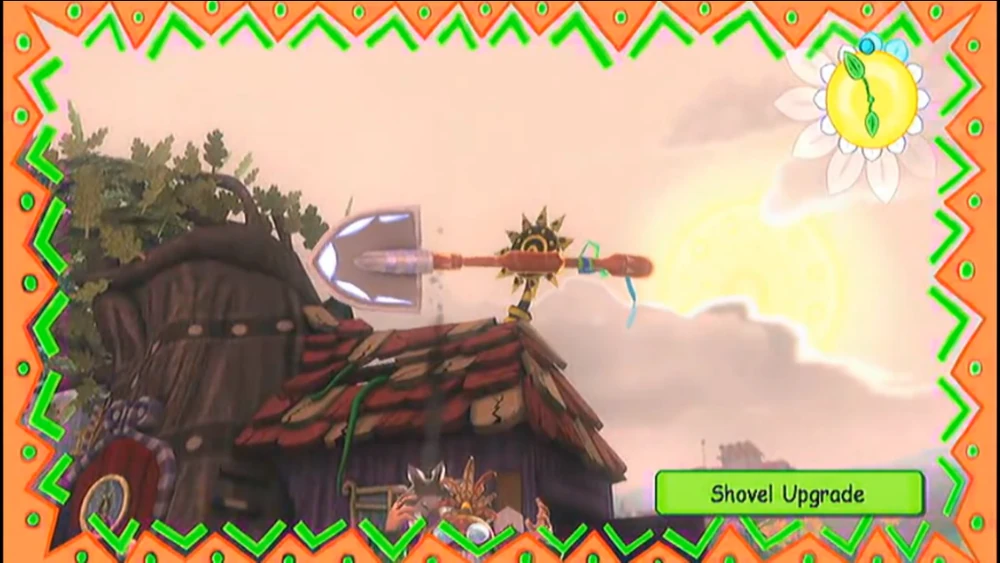
Not helping.
The Shovel: a Developmental Instrument
At the third large bounce, I hit the Syrupent egg.
Out comes a Twingersnap.
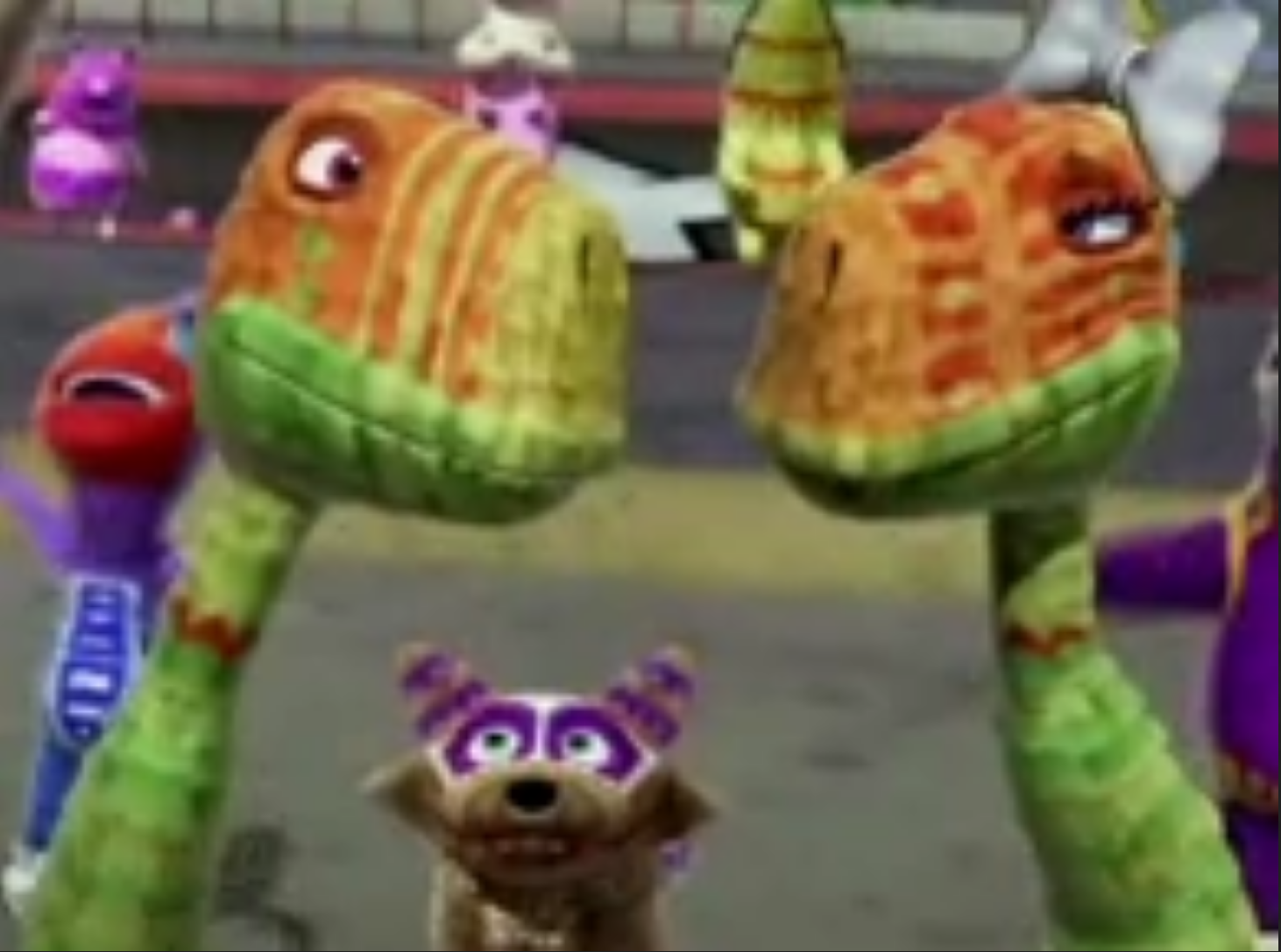
I am now responsible for a creature that can look directly at itself from either end.
Later I repeat the intervention on a Twingersnap egg and get Fourheads. Three heads face forward, and the fourth occupies the tail end. If a philosophical problem can be improved by placing a head on a tail, Rare has put in the work.
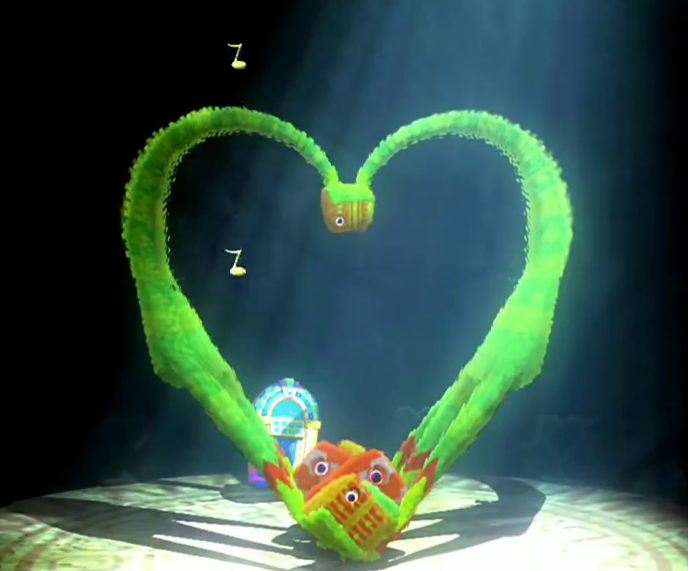
We now have at least four separate questions:
- how many anatomical heads are present;
- how many game-managed residents are present;
- how many independently integrated causal organizations are present; and
- how many beings, if any, possess forms of experience significant to moral status.
- Fourheads is one piñata according to the game's rules.
- It has four heads according to the artist.
- No inference about the number of candy-rich minds in a hypothetical hydra follows from those facts.
Nor does the egg intervention collapse the parent and offspring into one individual. The parents provided a lineage; a new bearer hatched.
Part-count, reproductive descent, type membership, and numerical identity are different relations.
Now I would like to make the opposite kind of alteration.
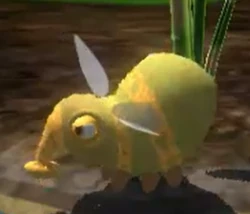
Feed a Sparrowmint a Buttercup...
- A Sparrowmint eats a buttercup and becomes a Candary.
- A Newtgat eats a chili and becomes a Salamango.
- A Quackberry eats a gooseberry and becomes a Juicygoose.
- A Horstachio can be made into a Zumbug by eating a blackberry and a daisy.
- A Lickatoad can eat a nightshade berry and,
- if struck with the shovel while affected,
- become a Lackatoad rather than fall sick.
- if struck with the shovel while affected,
Those kinds of things happen every day.
The Taffly requires a more involved procedure.

Direct it through a torch so that it ignites, then douse it with the watering can before it becomes sick. The resulting resident is a Reddhott.

These are transformations of existing game residents, unlike the Twingersnap and Fourheads offspring-egg rules. They also differ from simple color variants. A Sparrowmint can become purple after eating a thistle flower without thereby becoming a different species, obviously. Not every changed property changes the piñata's kind, and a changed kind need not establish a new numerical individual.
The game's implementation tracks continuity through these transformations in its own way. That tells us how the fictional mechanism functions. It does not necessarily settle all metaphysical criteria for persistence under radical biological change.
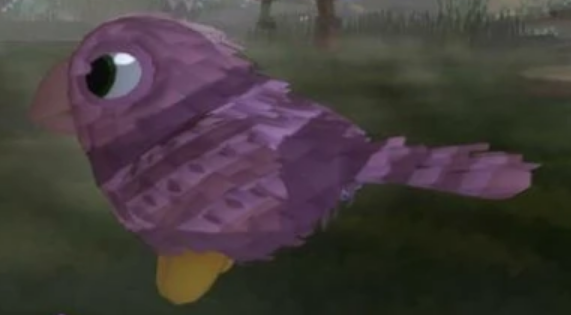
An organism can survive a devastating change of capacities and mode of life; some organizations can terminate while others continue at different legitimate grains. Historical descent is necessary evidence in many cases, but it does not by itself make a transformed entity numerically identical at every grain.
Fine is not arguing that the Reddhott must be a new individual. Nor is he insisting that the name change kills the Taffly. He asks what the identity claim rests on, apart from the convenience of saying it evolved.
- The game says “Reddhott.”
- The garden says “fire.”
- Doc Patchingo is going to make a fortune.
The Sour Piñata Has Changed Its Mind.
Night falls.
The sour piñatas arrive.
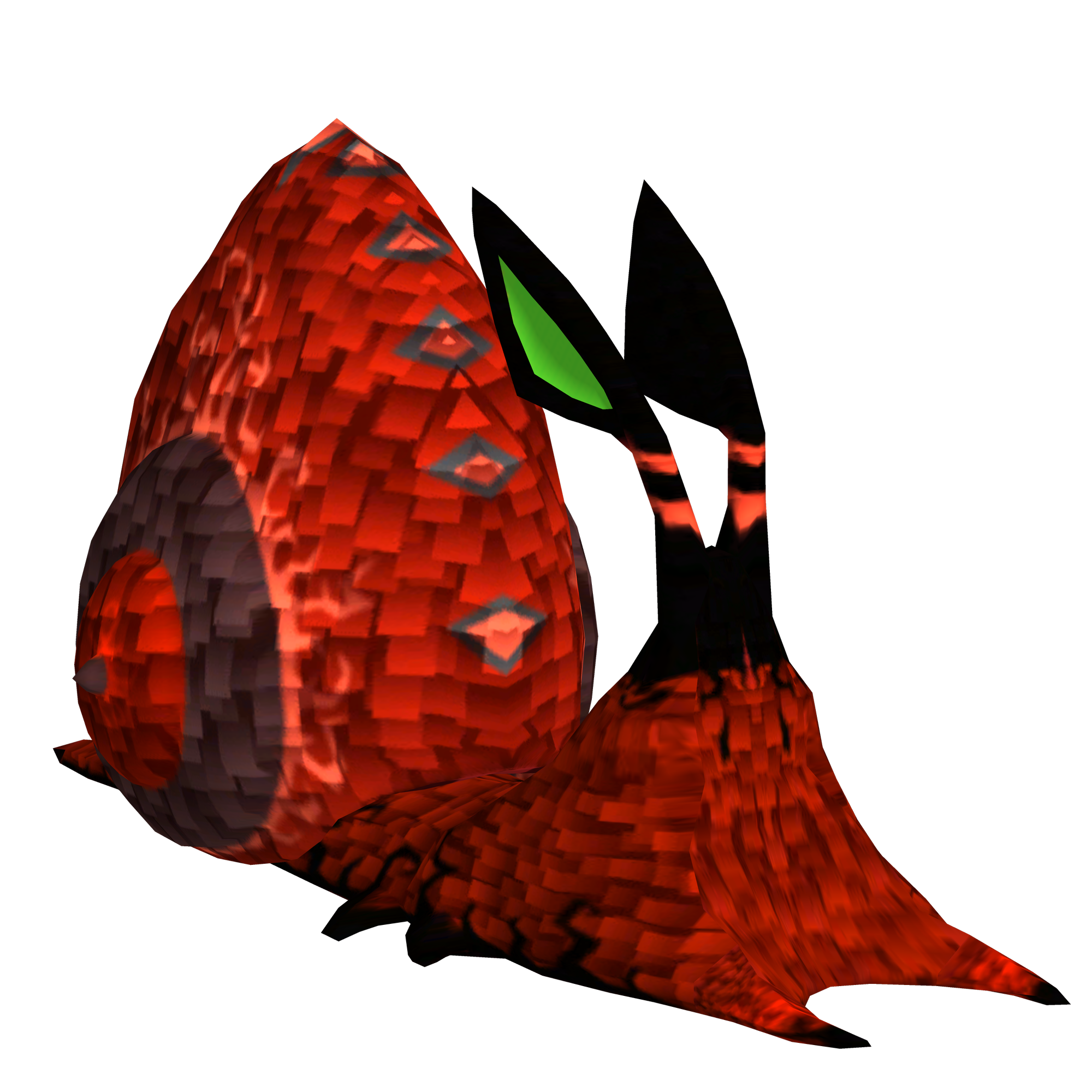
A Sour Shellybean can be transformed into an ordinary Shellybean after eating an apple seed. A Sour Crowla can be tamed through a birdbath and medicine. A Sour Bonboon can become an ordinary Bonboon after losing a fight to a member of the Syrupent family, including that thing I recently made with the shovel.
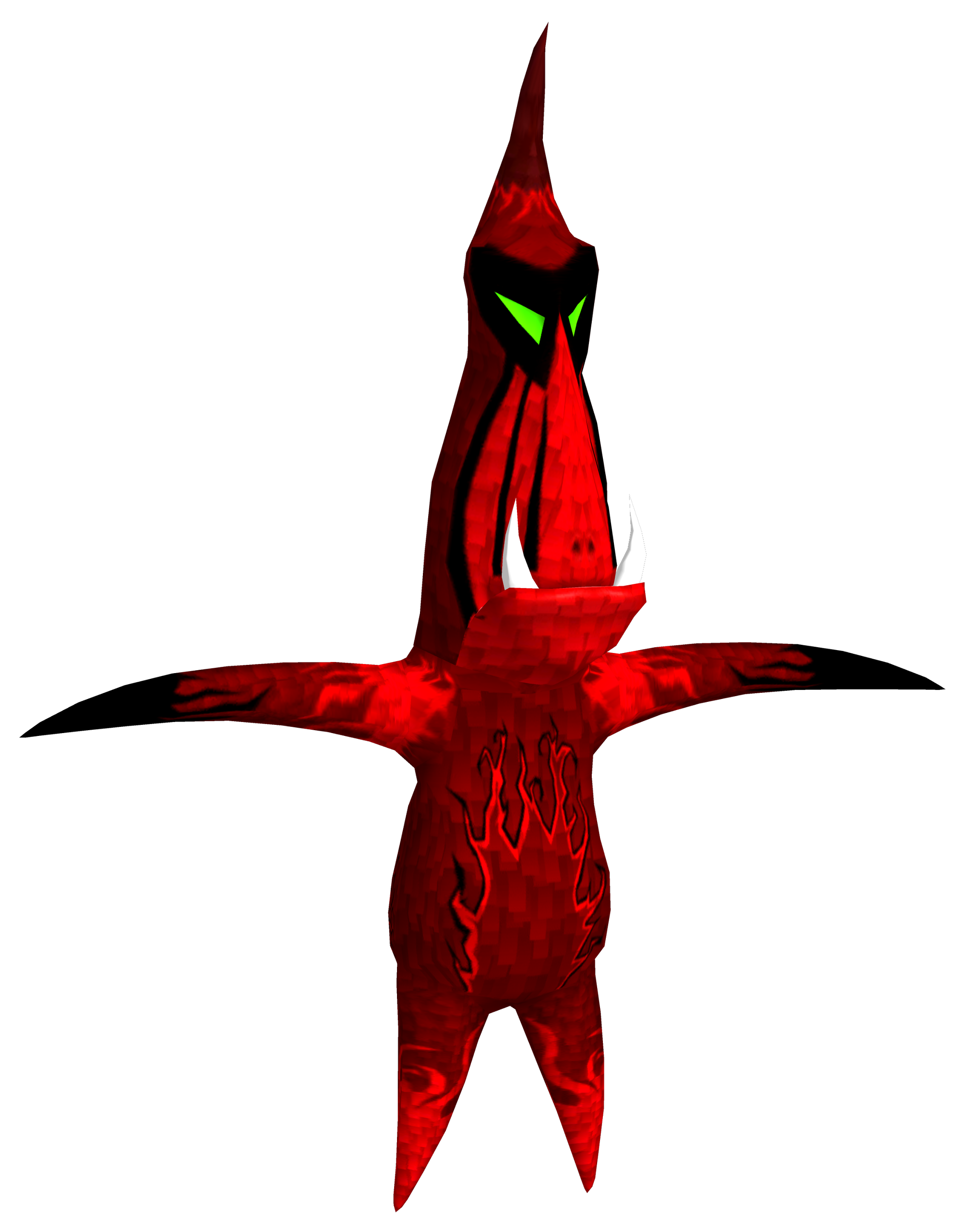
The game assigns these visitors different behavior and requirements from their tamed counterparts. It calls them sour; it also provides routes by which the current creature changes category and begins participating differently in the garden.
Notice the temptation: from the label change, infer that the bad creature has disappeared and a new good creature has arrived.
But a change of status, habits, relationships, or classification does not by itself settle whether a numerically new bearer exists. The game's conversion rules concern the same targeted creature. A real account would still have to investigate the organization being transformed.
There is also a moral trap here. The Sour Mallowolf can be converted by eating a Pigxie.
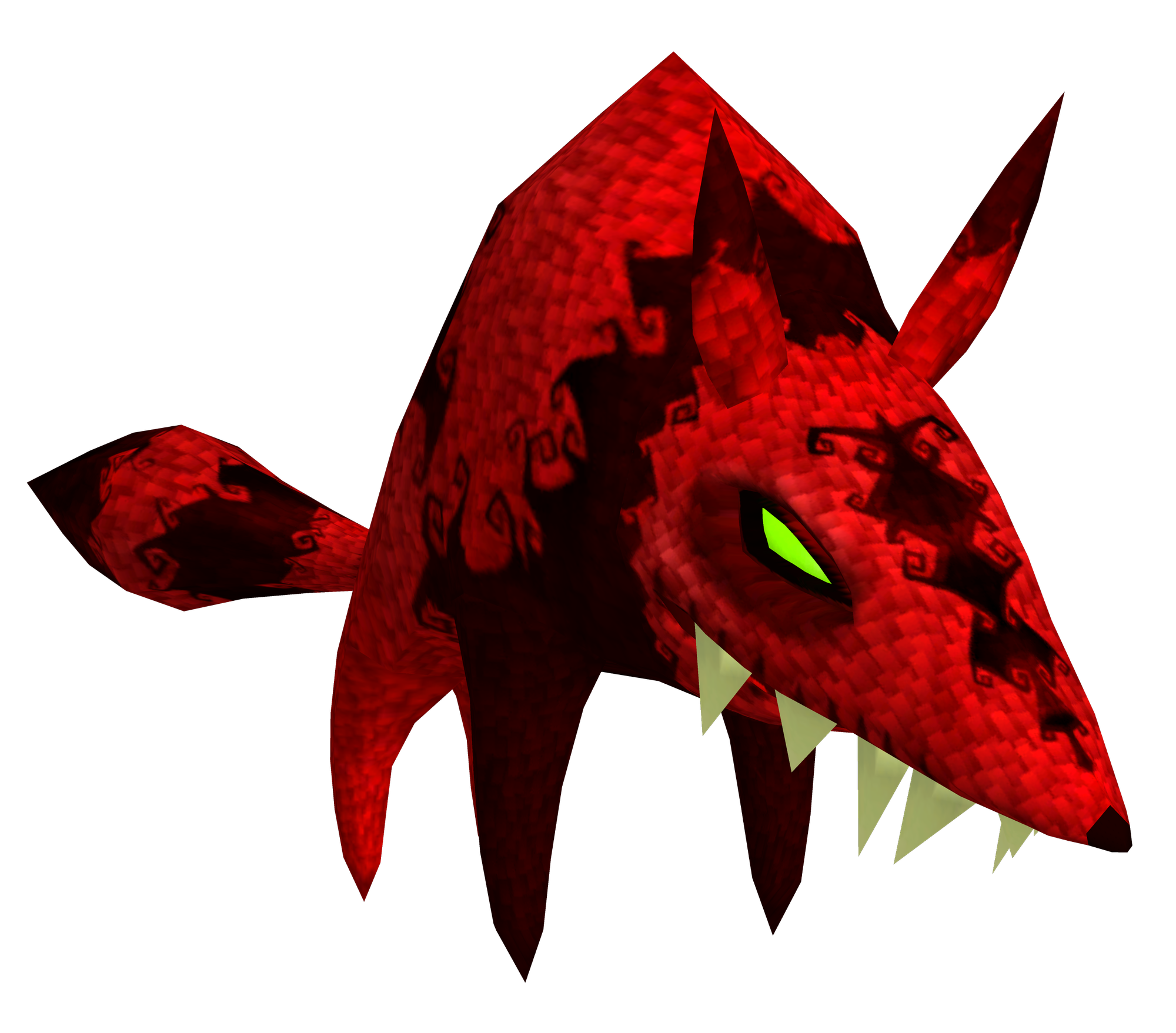
The resulting Mallowolf may be a more manageable garden resident. That does not erase the cost borne by whatever Pigxie was consumed. Modal Path Ethics has a category for this: a beneficial local transition can contain a harm-token elsewhere. Improvement of one locus or field is no permission to erase the losses of another.
The label tamed is a useful game status. It does not convert the whole transaction into an unqualified moral good.
Fine has no objection. His argument concerns the identity-bearing relations.
I am the one who apparently has to keep explaining why the maintenance of a functional garden is not a universal defense to eating the garden.
Willy Builder Offers Me a Mystery Home.
A Rashberry and a Swanana are now in the garden.
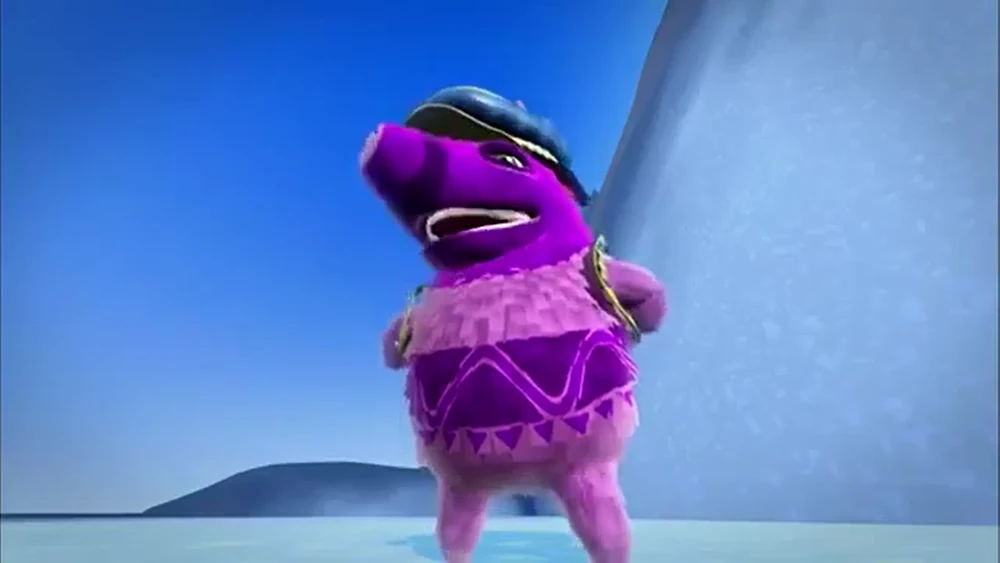
The Rashberry is a pig.
The Swanana is a swan.
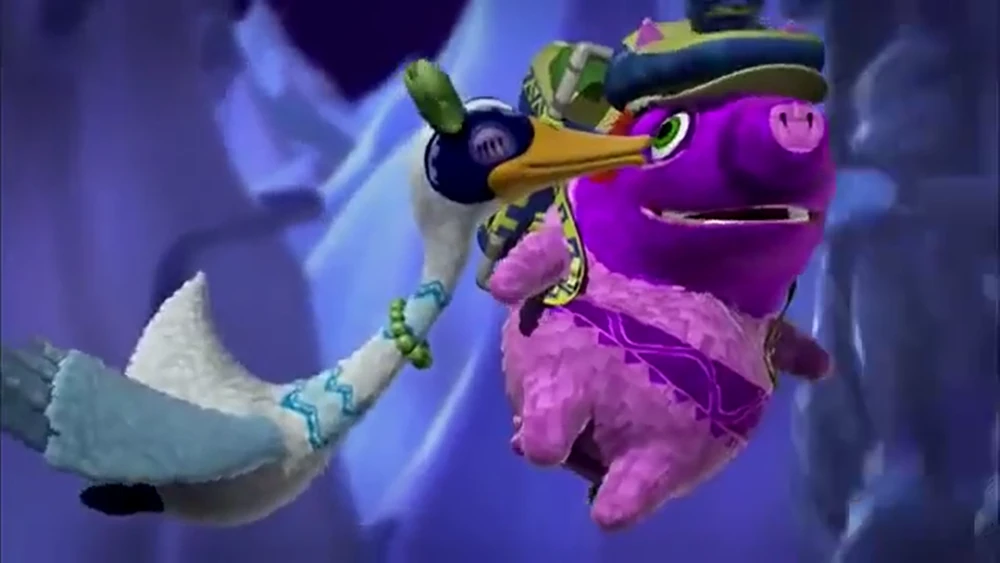
They are residents of different species. The normal romance machinery has specific requirements for each.
Willy Builder is selling something called a Mystery Home.
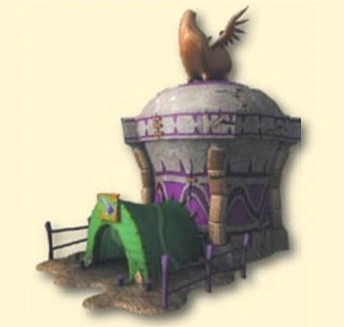
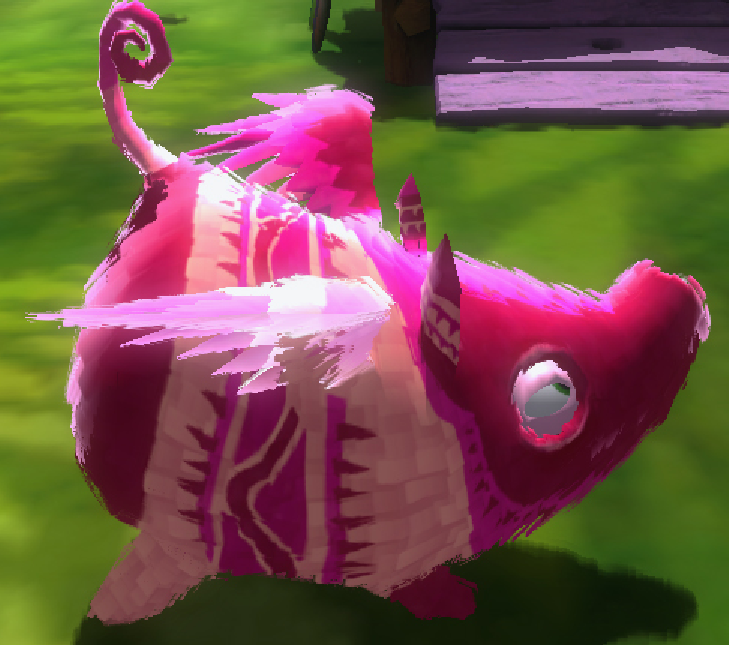
Build it, satisfy the relevant conditions, and these two very different piñatas can romance. Their offspring is a Pigxie: a winged pig with the look of a creature whose existence was authorized at the end of a long committee meeting.
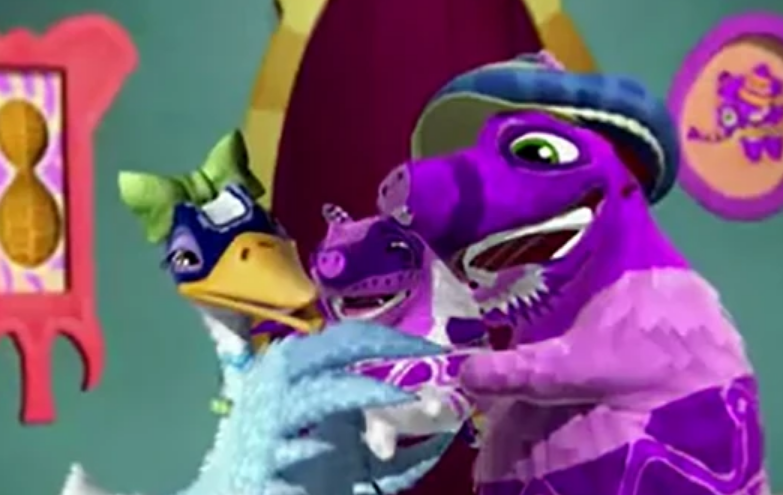
A new offspring emerges through a joint reproductive history. The game has given us a cross-species route to a new bearer.
Now imagine treating a family or institution as though it were numerically identical to any resulting descendant. The causal genealogy can be perfectly established and still fail to license the identity claim.
The Pigxie belongs to a line. It is a particular resident. It also has a home whose design combines elements of its parents' houses. That visual inheritance does not turn three creatures and a building into one object.
The Sour Mallowolf is looking at it.
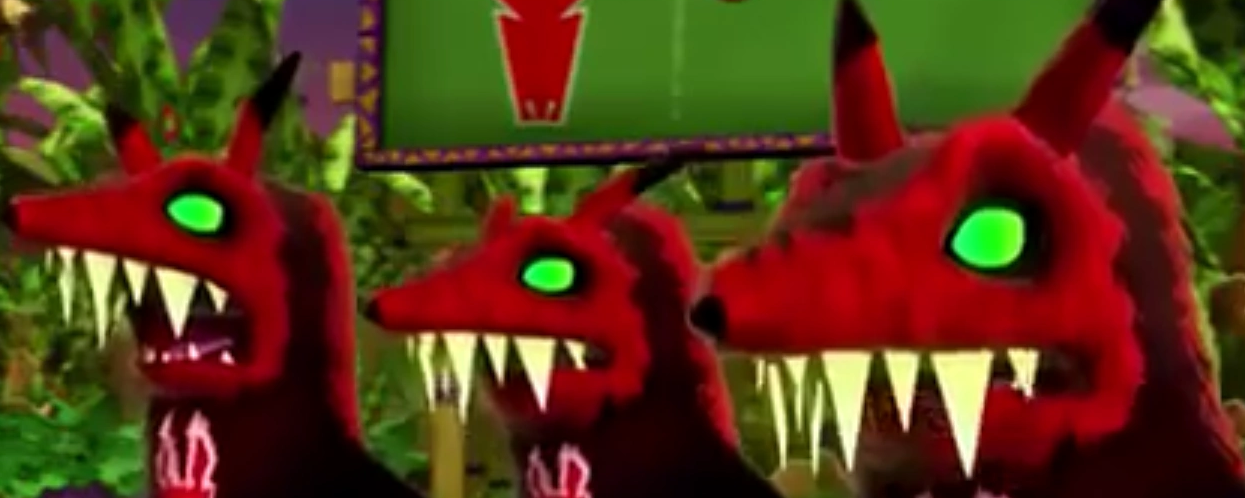
It would prefer not to discuss ethics for the next thirty seconds.
Fine points at the abomination.
And if that Pigxie is replaced by another Pigxie, have you restored the same individual?
No.
We may have restored a breeding function, population count, or some garden-level capacity. If the earlier Pigxie was destroyed, the later specimen's existence would not make that destruction unoccur.
We have now separated succession from identity, without requiring a claim that the replacement is worthless.
Good. Progress.
The Sour Mallowolf has eaten the Pigxie.
The One Egg That Does Not Come from Romance
I need something more manageable.
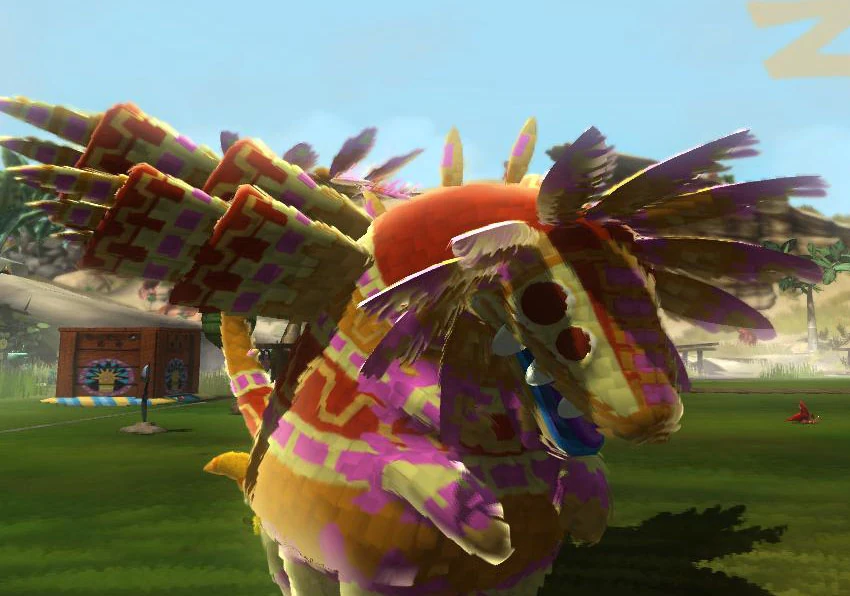
I hire Diggerlings to work the mine. Eventually they find a Dragonache egg. There is only one Dragonache egg available per garden in the original game; the creature cannot romance to produce more. A Cluckles can hatch it. Where it hatches matters: dry soil yields a gold Dragonache, ordinary soil a brown one, water a blue one, sand yellow, and grass a green one.
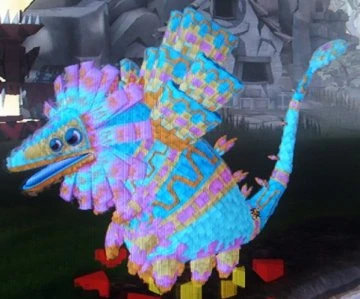
This is an extraordinary amount of local structure for an egg the game will not let me mass-produce.
Several things have to be distinguished. The kind Dragonache can have different appearances under different hatching conditions. A particular egg has an actual history. The rule limiting the garden to one Dragonache egg is an authored limit on reproduction. None of these alone constitutes a general theory of what makes a particular creature the same individual through time.
The Dragonache helps us expose the reverse error as well. A unique access route does not automatically confer moral priority on whatever uses it. Nor would two similar-looking Dragonaches in two gardens become numerically identical because they share the same appearance.
Fine now wants a committee. I ask why.
He says it will make the problem worse.
Two Committees. Five Members.
Nobody Gets Out.
Fine's The Identity of Social Groups (2020) is an even stronger challenge to the locus work than his famous Socrates example.
He develops a theory of embodiment.
- A rigid embodiment is a structured whole in which constituent things stand in relations.
- A variable embodiment is one object manifested through potentially changing structured arrangements across time or counterfactual circumstances.
Two committees can have exactly the same people and remain different committees. The membership roster underdetermines their identity because the constituent relations can differ. Conversely, one committee may survive replacement of every member.
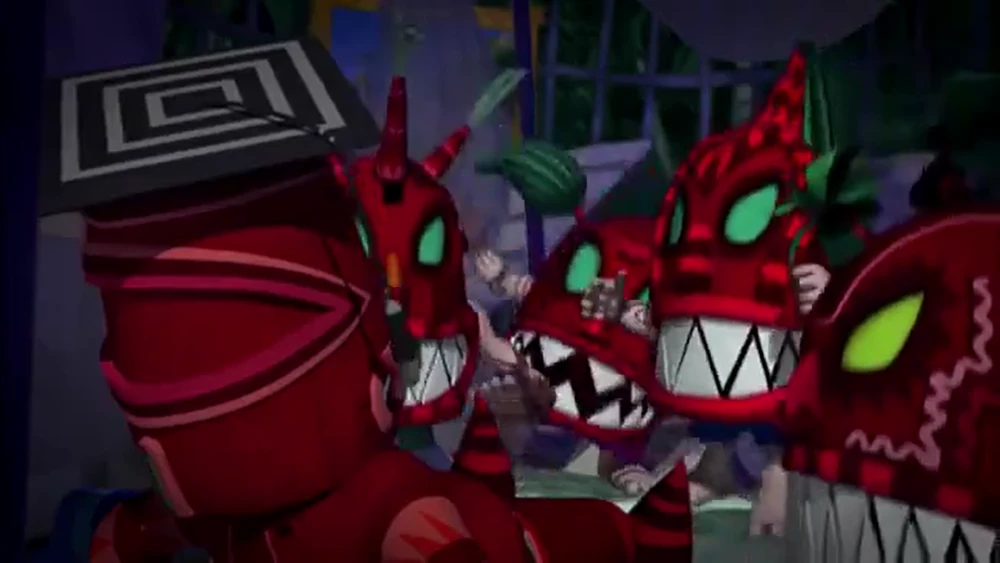
Fine's example of the Inconstants is particularly unwelcome. The society changes its internal structure radically each year. This can be part of how the society continues, rather than evidence that a new society appears annually.
The claim is stronger than saying groups are complicated. Fine is asking what constitutes this particular social group, including those relations and practices through which its current embodiment belongs to an identity that survives change.
We can see why a parts list fails even in my cool garden. Two gardens containing the same species in the same numbers may have different histories, dependencies, water arrangements, breeding relations, shovels, and routes of recovery. Yet this simulated habitat is not a human social group constituted through intention, recognition, and collective practice.
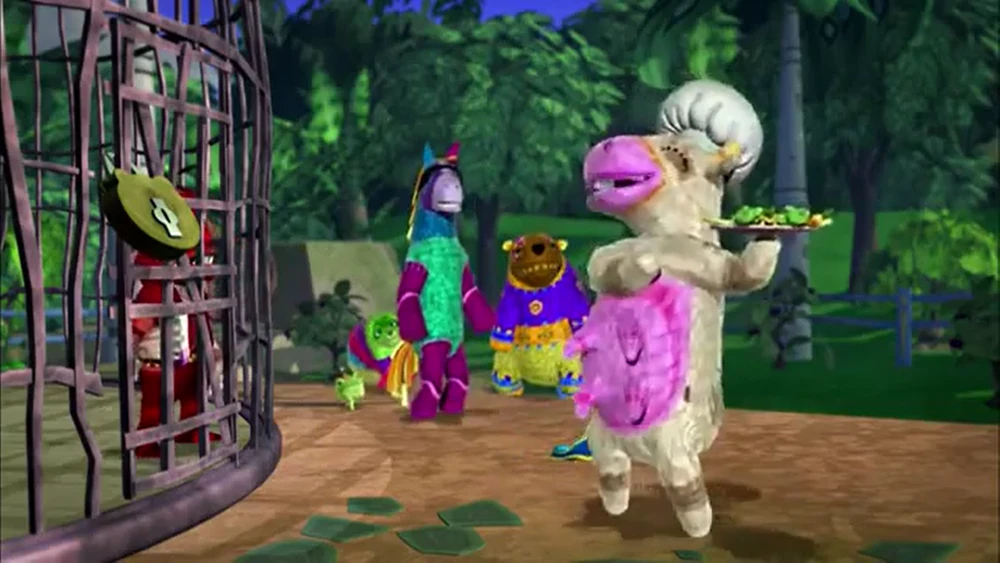
It can illuminate the mistake of equating present contents with a whole. It does not demonstrate Fine's account of social ontology.
Fine goes further.
Imagine a grievance committee whose continued existence requires the department to renew its authorization after a year. The renewal is not permission for any committee of equivalent competence to operate. It is a decision that this committee continue.
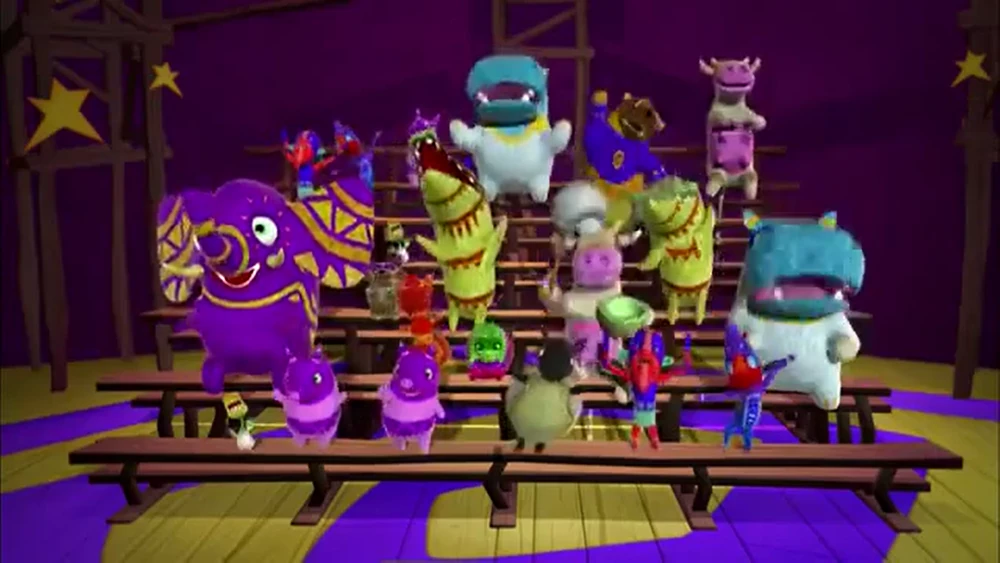
Sometimes acts that help constitute a social object refer to the very object being constituted or preserved. Fine calls attention to identity-based holism. There may be no replacement of the relevant social description by an inventory of independently specified people that preserves exactly the same claim.
Modal Path Ethics has already insisted that institutions need actual causal organization and history; names do not create loci by fiat. Fine is not claiming that a name or charter automatically manufactures a moral patient or grants a right to rule. Constitutive recognition can be real without being infallible, legitimate, or entitled to erase dissenting facts.
But the committee example defeats an easier shortcut.
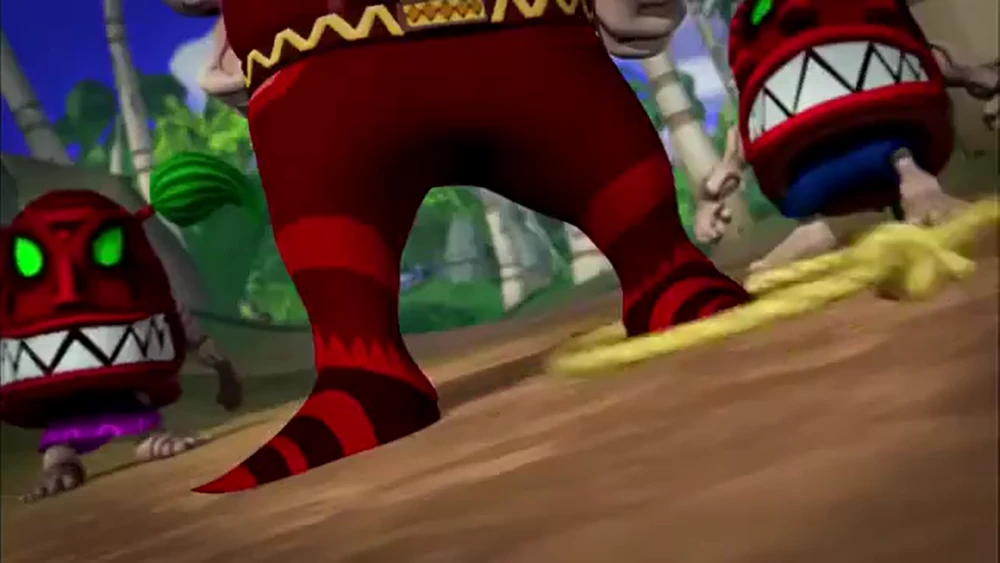
Reproducing the personnel, offices, files, and measured outputs does not by itself prove that the same constituted institution survived.
That is a specific limit on what the current locus diagnostic can establish without further identity evidence.
Piñata Central Sends the Same Resident Back
Fine returns to the large building above the garden.
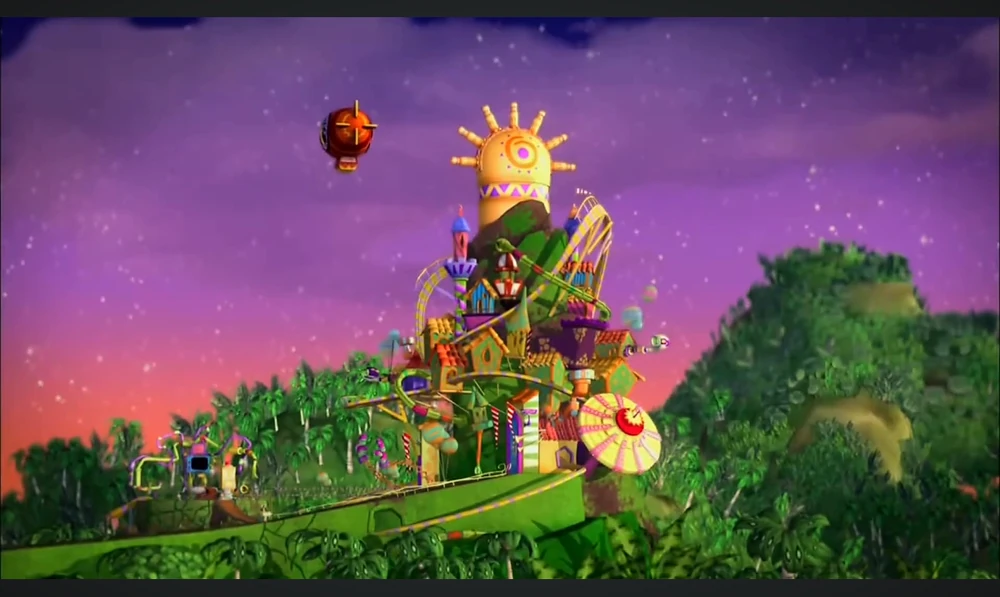
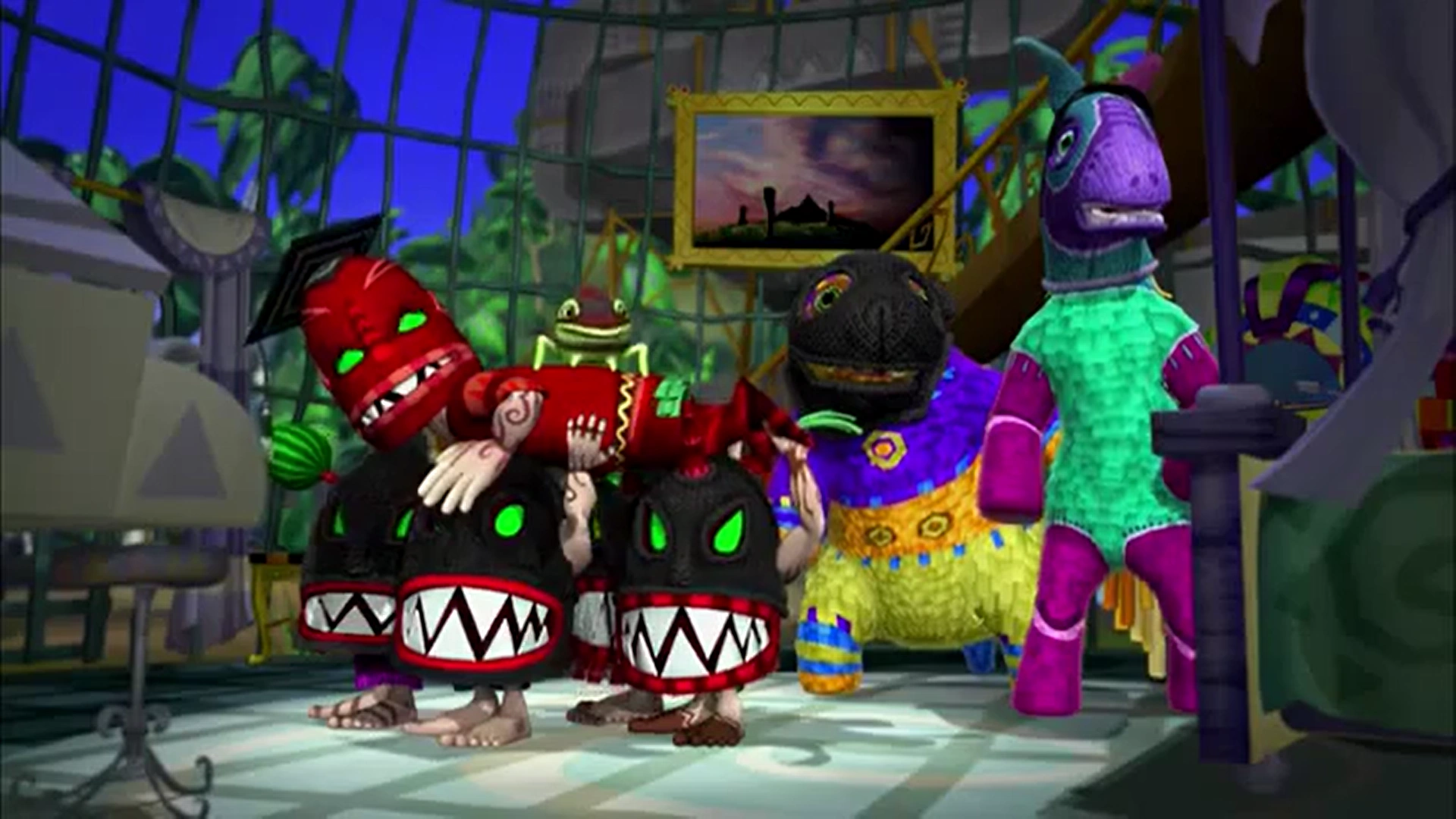
Piñata Central is receiving requests for party animals. A selected garden resident can be boxed and sent away. At the party it is struck and it is struck and its candy is enjoyed. Piñata Central handles repairs after the event. The resident returns to the garden.

Rare's lead designer Gregg Mayles described this return loop in a 2006 interview. The in-game lore specifies the processing and repairs, and the factory-challenge mechanics return the dispatched piñata to the player's garden.
Now we have an extremely effective fictional experiment.
Is the repaired resident numerically identical to the one that left?

The game's narrative and mechanics treat it as returning. That is authoritative evidence of the intended fictional continuity, but does not specify a complete metaphysics of personal identity, and does not establish anything about real animals being smashed and rebuilt.
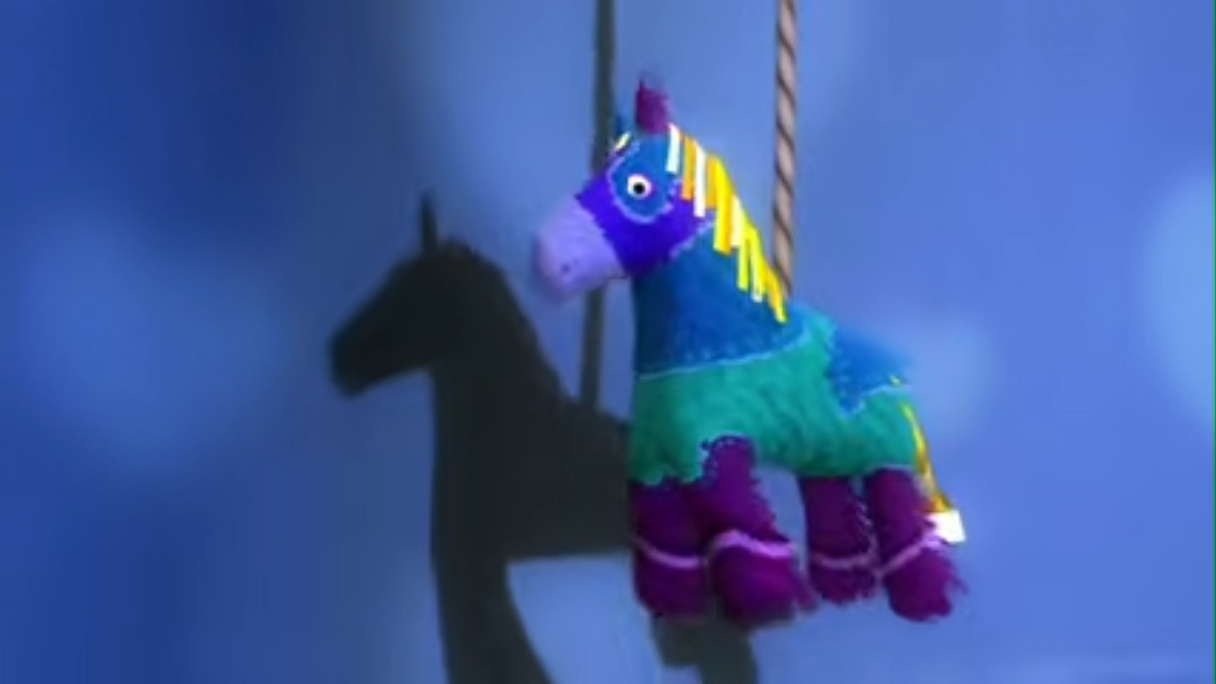
At least three continuities may be involved:
- physical material is repaired or replaced;
- a functional, party-ready creature returns;
- and the game retains a particular resident's history through the excursion.
Those descriptions can come apart in an actual case.
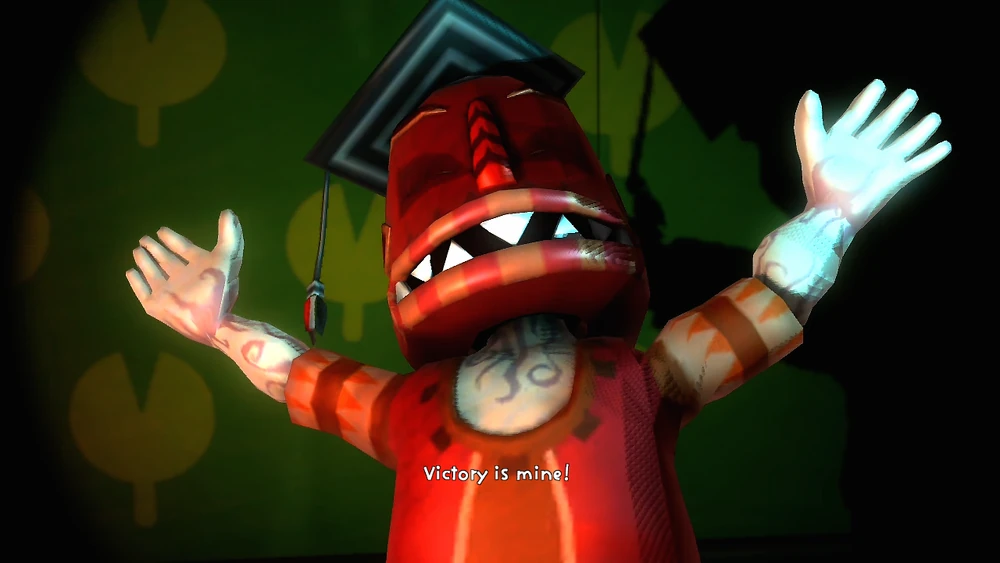
Contrast Professor Pester (who can enter the garden and break a valuable piñata) with Piñata Central's organized party-and-repair process.

Contrast Doc Patchingo—who can treat a sick resident—with Dastardos, who arrives when sickness is left too long and breaks it. In the game's rules, some transitions preserve a continuing resident, some destroy one, and some offer repair before a deadline.
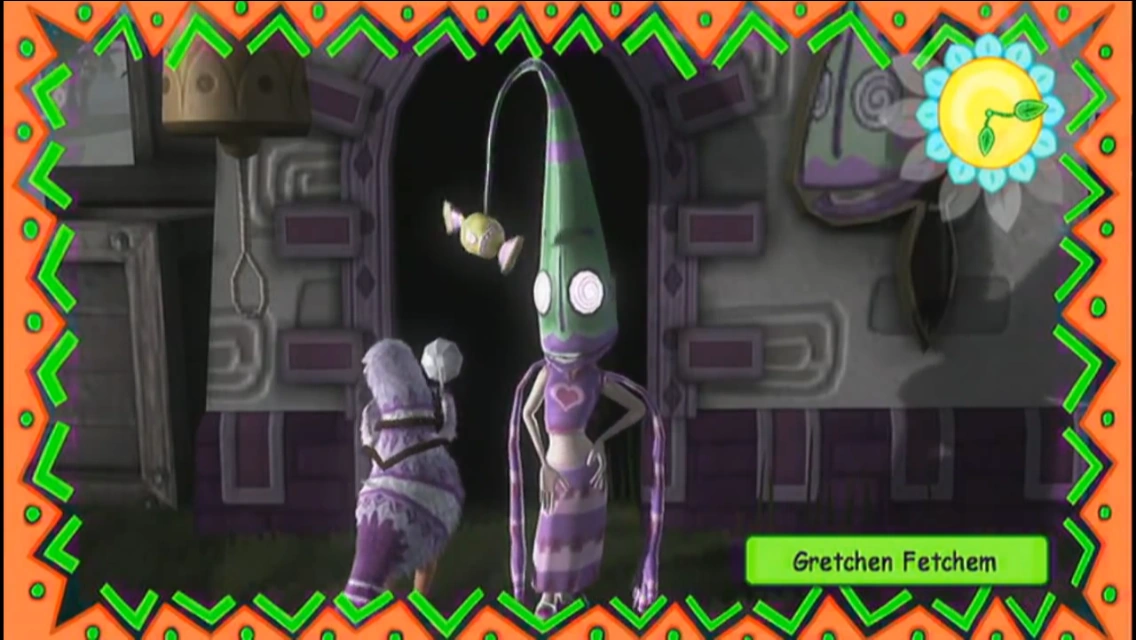
Gretchen Fetchem can procure another specimen of a species already established in your garden. The replacement might restore useful capacities. It is still another specimen. A restored population total is no proof that the lost resident returned.
And the distinction is not erased because the preceding destructive act was permitted by a party business, or because the resulting garden operates at full capacity.
The game provides a marvelous fictional case of repair, replacement, and identity carrying different implications.
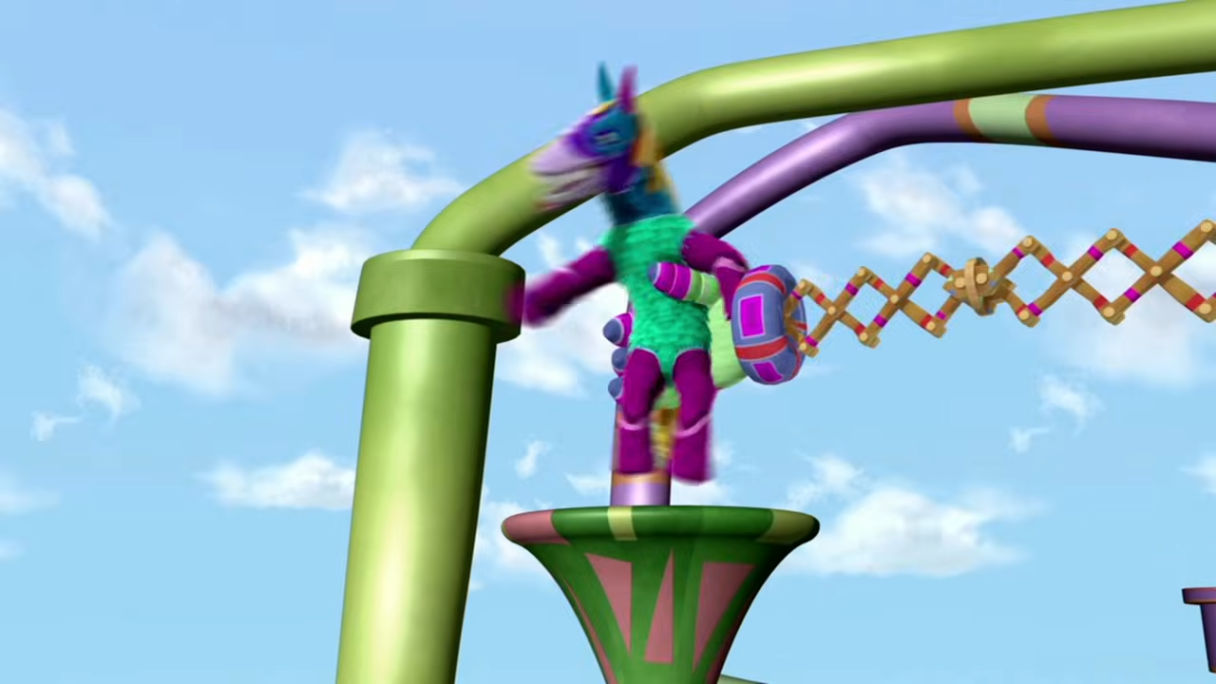
Fine's point persists outside it: which identity-bearing relation survives is a further question from what functions are again available.
Name The Bearer
The problem is now structural.
Modal Path Ethics identifies extant loci through historically integrated causal organizations at justified grains. Then it evaluates whether actual transitions degrade significant reachable continuations belonging to those loci. The Continuance Principle makes that degradation a pro tanto harm on a defended, contestable normative bridge.
Fine detects a possible slide between the two steps.
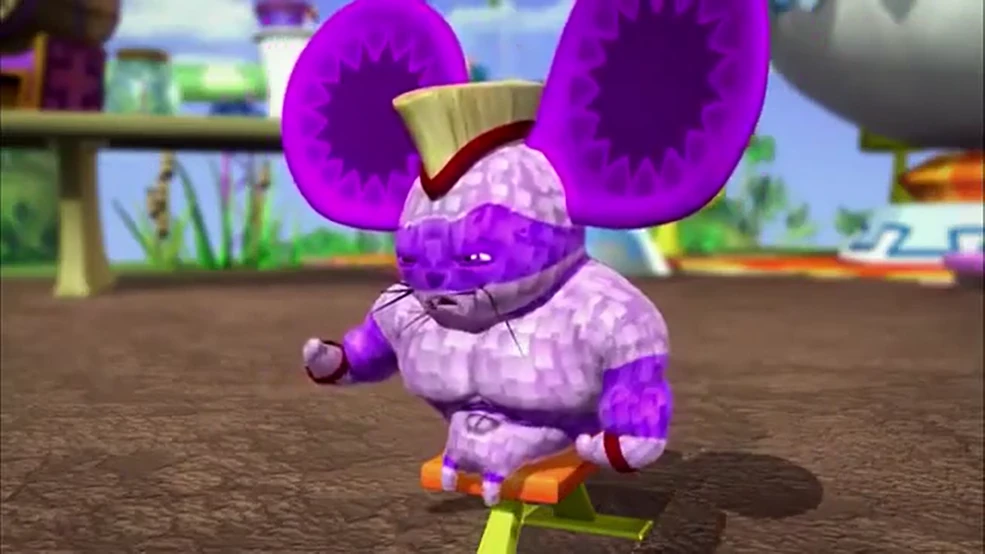
If we identify a bearer by its successor structure, and then use the continuation of that structure as sufficient proof that this same bearer survived, the answer may be doing some of the work in selecting the object.
It does not follow that the locus diagnostic is useless or viciously circular in every application. Historical causal integration, characteristic successors, resistance to perturbation, and losses under dissolution can give excellent evidence of real organizational bearership. The October Patañjali correction made that point carefully and refused to let analysts select whichever grain produces their preferred moral verdict.
But Fine asks for one more discipline at the point where the stronger identity claim matters.
What makes the later organization this very bearer, rather than a child, copy, reconstituted successor, replacement, or new organization with similar capacities?
The answer can vary by domain. Biological persistence may turn on an actual living organism's integrated development. A social group's identity may involve historically constituted roles, recognitions, permissions, and acts of renewal. A technical system may have reproducible functions without preserving the original artifact or source record. A legal office can end while the service it previously carried continues.
There does not need be one universal test. But the investigator must declare what supports the particular claim instead of promoting causal descent, resemblance, shared membership, or matching output into numerical identity by default.
The practical distinction is between bearership, persistence, reproduction, substitution, and function. These relations can overlap. They are not interchangeable.
- Does the Pigxie continue after a party and repair?
- Within this game, the return loop says yes.
- Did its Rashberry and Swanana parents become that Pigxie?
- No.
- Does another Pigxie restore the one the Sour Mallowolf just ate, again?
- It restores one possible species-level continuation, not that poor lost individual's history.
- Does Fourheads have four morally independent subjects because it has four heads?
- The game supplies no warrant for that inference.
- Does a transformed Taffly automatically cease to be its prior individual when the menu calls it Reddhott?
- Again, the label is not the argument.
Those different answers require more than an exhaustive option list.
Who Was Harmed?
Now, the ethical consequence.
Suppose I strike the Syrupent egg too early and destroy the developing process.
In the game's authored sequence, the prospective hatching route is gone. In a corresponding real case, whether there was harm under the Continuance Principle would depend on identifying a presently extant locus, establishing that the threatened developmental continuation was actually supported, and showing nontrivial significant damage to that bearer. No imagined future adult needs to be entered as a present victim simply to describe the loss of an actual generative structure.
Suppose I strike at the intended time, and a Twingersnap rather than a Syrupent hatches.
An alternative developmental outcome went unactualized. That fact alone does not establish harm. The September paper explicitly distinguishes specification from contraction. A different branch is not automatically a wounded branch.
Suppose a Reddhott survives its Firebrand transformation but retains a loss from the on-fire event.
Survival does not erase the loss.
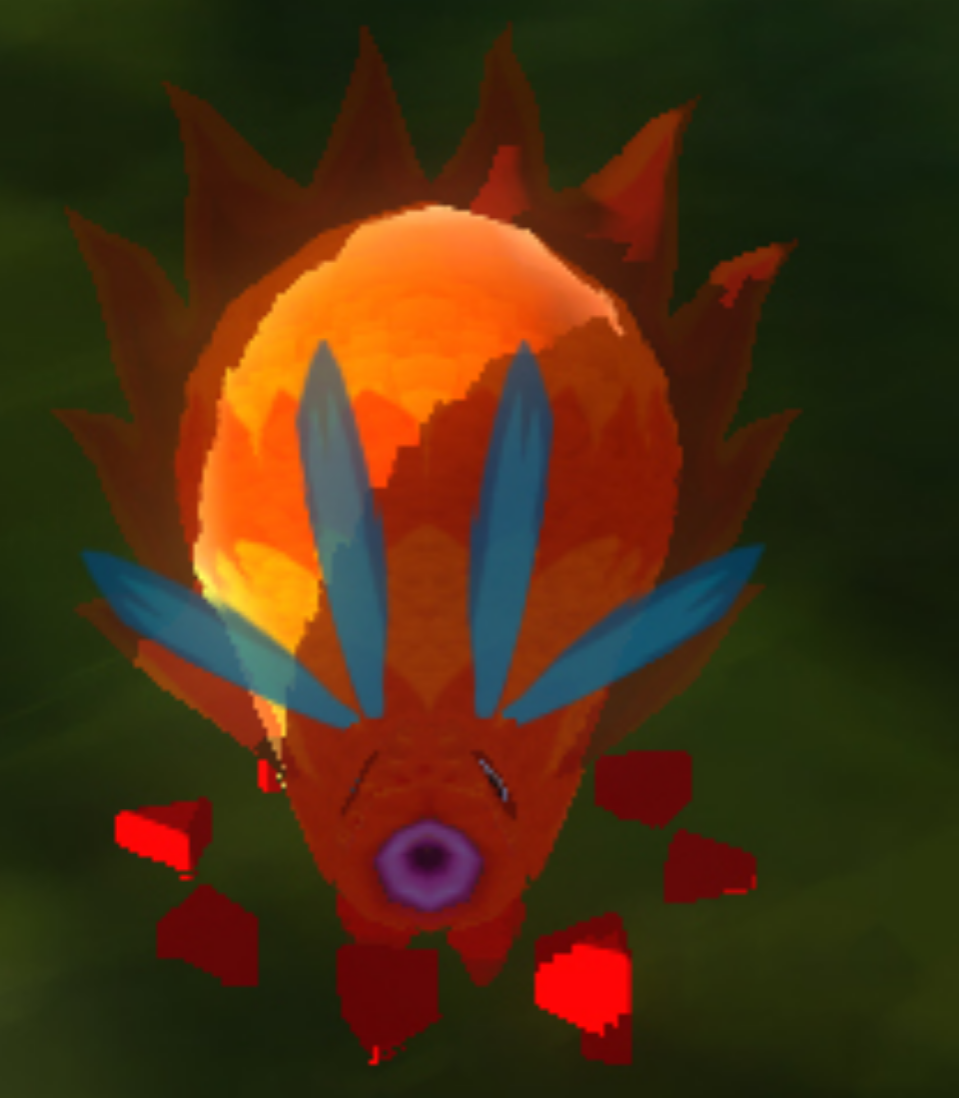
Suppose a Sour Mallowolf becomes tame after consuming an innocent Pigxie.
Its new behavior does not erase the Pigxie's destruction.
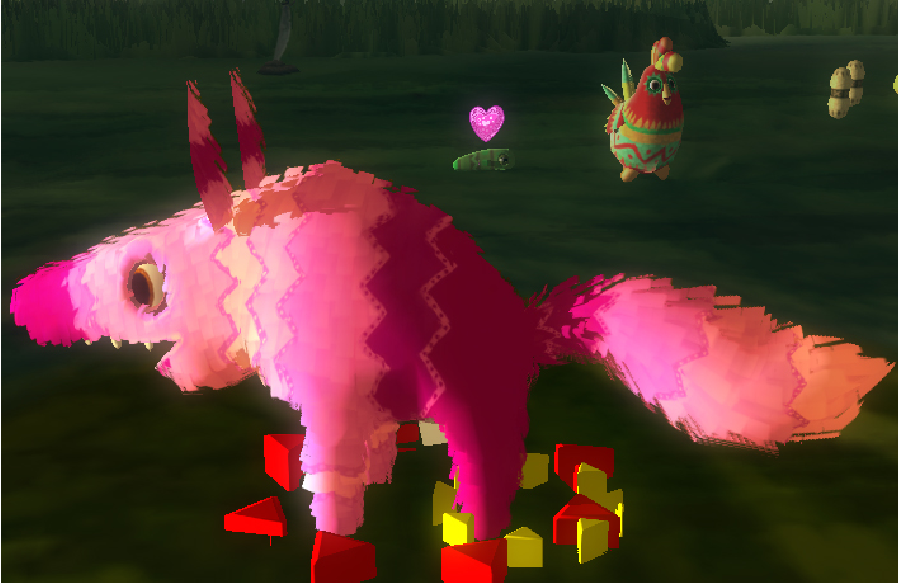
Suppose Piñata Central repairs a resident after a party.
Repair may restore capacities while leaving the historical transition intact.
These are not moral conclusions supplied by game coding. They illustrate the separations that real analysis must preserve.
And there is an institutional analogue. Imagine an emergency clinic loses its legal and organizational identity under a genuine abolition and succession process. A successor keeps the rooms, equipment, staff, and patient access functioning. The continuity of care may be a major good, but it would be a mistake to say the old clinic therefore persisted numerically. It would be equally mistaken to say all patients were deprived of care because the office's identity ended. Obligations arising before the transition may also survive under particular legal or institutional rules; functional similarity alone cannot decide their status.
The point of distinguishing the objects is to diagnose the transition accurately, including cases in which the carrier, function, and duties come apart.
Fine cannot obtain from an unresolved numerical identity question that no one was harmed. A patient can lose records or access while lawyers debate corporate continuity. A child can lose a caregiver while a family category changes. An ecology can lose reproductive support while scientists disagree about the best taxonomic description of a lineage.
Equally, Modal Path Ethics cannot award itself a precise identity verdict because an organized continuation was observed at a convenient grain.
Sometimes the correct result is UNKNOWN.
That does not empty the field. It records where the identification work remains unfinished.
THE RULING.
Kit Fine gets in a hit.
Not the 1994 lesson the original book already acknowledged. We do not recover essence from necessity by adding more worlds, and that has not been the framework's standing position for months. The September paper deliberately grounded loci in history and causal organization. The October Patañjali encounter then made grain-relative continuation answerable to tests of actual integration and loss of characteristic successors.
Fine's 2020 account still exposes a boundary: good evidence of a locus and its successor relations does not always settle the numerical identity of the locus across reproduction, replacement, fusion, institutional reconstitution, or radical change. The identity of some social groups can involve constitutive histories and acts that refer to that particular group, beyond any substitute inventory of its current members and tasks.
So separately record continuity of function and continuity of obligation. Do not invent a universal persistence algorithm; do not turn unclear identity into proof that actual injury disappeared.
The normative bridge remains independently contestable. Fine has not refuted the claim that damaging a structurally significant continuation of an extant locus is pro tanto harm. He has shown that some applications cannot declare victory until they establish more carefully whose continuation they are describing.
I return to the garden.
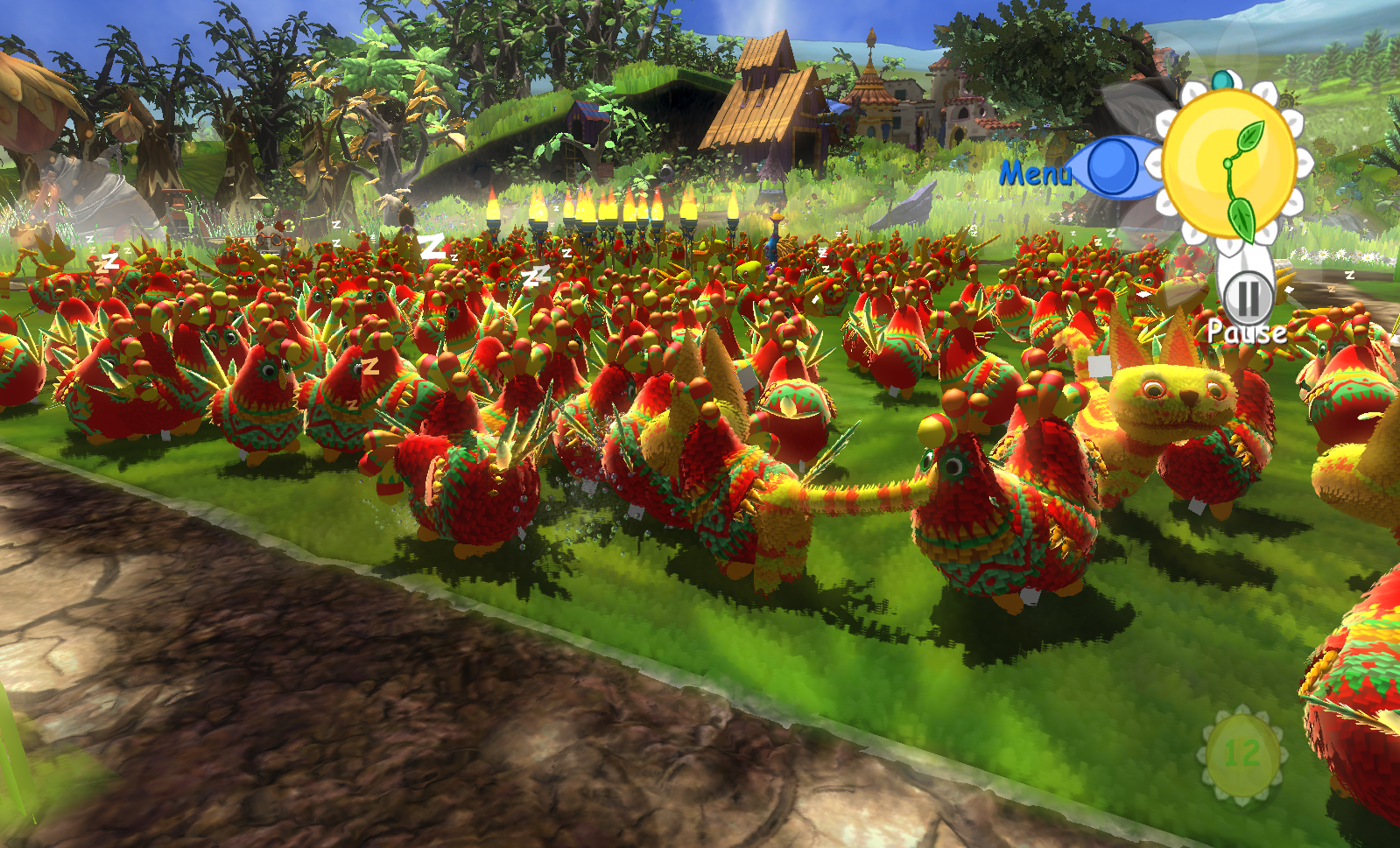
Fine asks whether it is still the same garden.
I think about the original garden. Its new residents. Its lost residents. The replaced soil. The altered relations. The renewed work. The things nobody can return.
Then I look down.
My shovel is still in my hand.
Sources and further reading.
- Kit Fine, “Essence and Modality” (1994); Kit Fine, “The Identity of Social Groups” (2020), especially the discussions of embodiment, mixed character, the Inconstants, and identity-based holism.
- Rare, Viva Piñata (Xbox 360, 2006); Gregg Mayles, interview on Piñata Island and returning party piñatas (2006); classic evolution and timed-egg requirements; original-game character, species, and garden guide; Piñata Central's factory-challenge and repair lore; Pigxie and Mystery Home; Dragonache; classic sour species taming requirements.