Australia vs. the Biosphere: The Rabbit Fence
AUS 0 • BIO 2
Last time, a hole in the fence understood the field better than a Lewis gun.
This time, Modal Path Ethics has returned to inspect the fence.
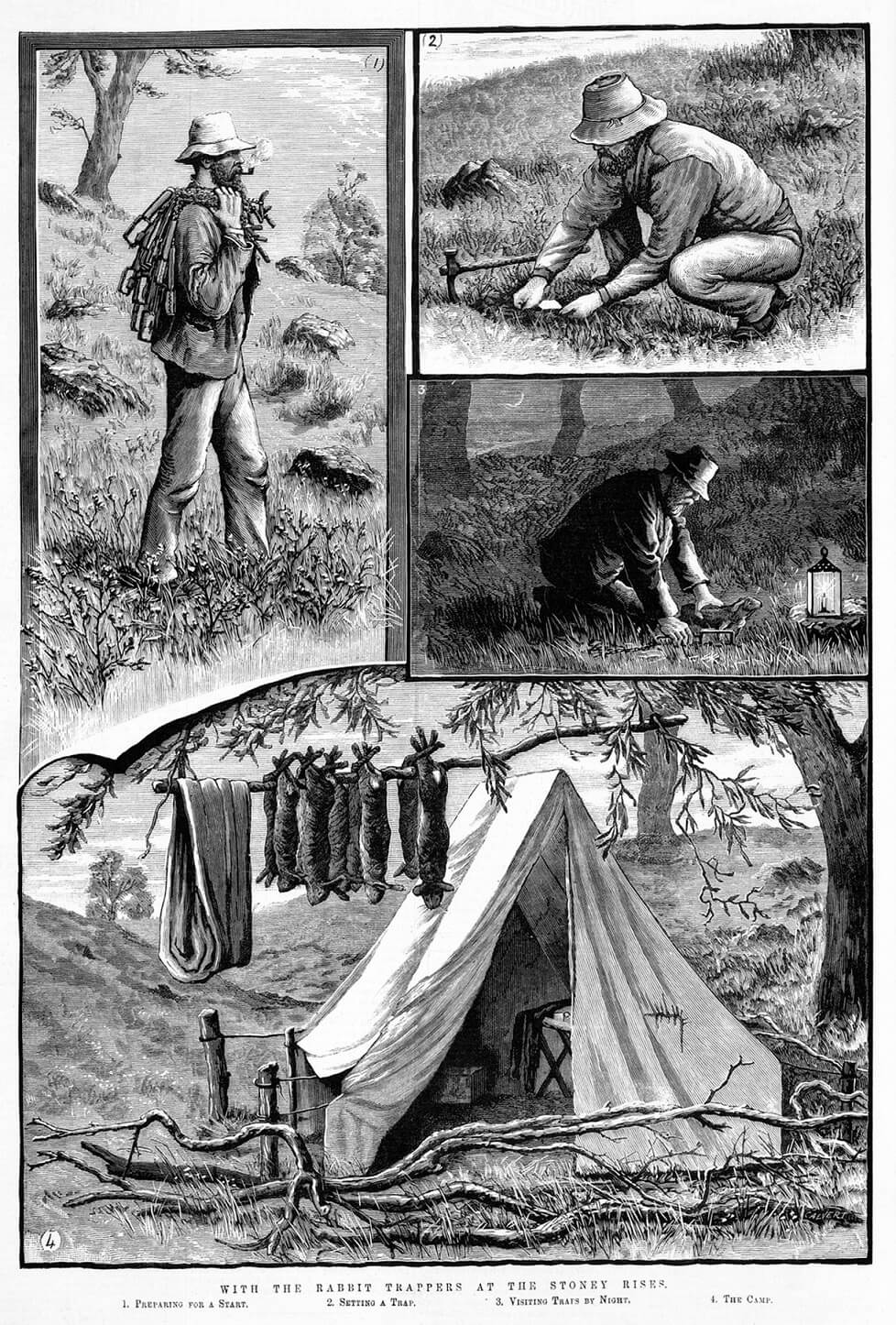
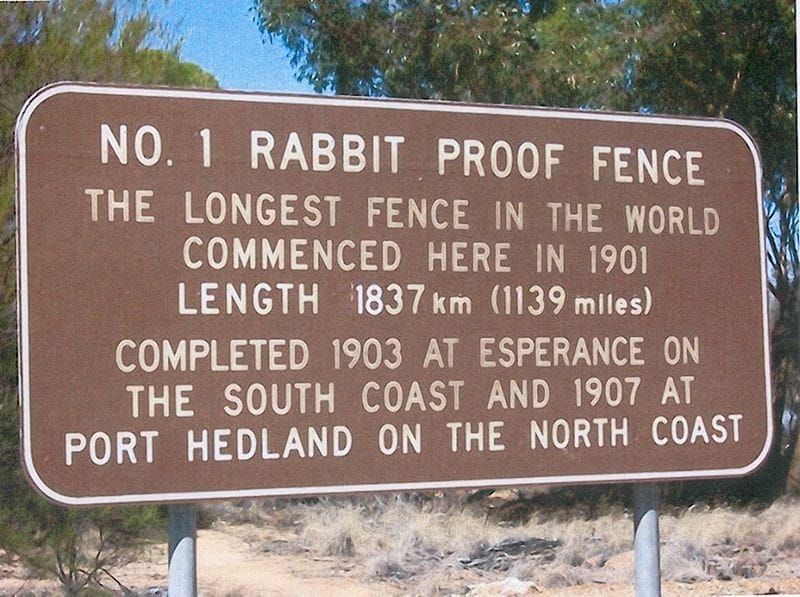
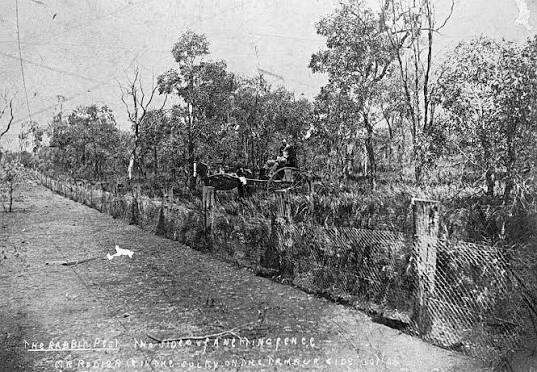
Western Australia began constructing Rabbit-Proof Fence No. 1 in 1901. It would eventually cross about 1,834 kilometres of country from the Southern Ocean to the northwest coast. Surveyors went ahead. Clearing parties followed. Wire, posts, gates, wells, huts, trap yards, camels, horses, men, money, and a frankly unreasonable amount of administrative confidence moved into the line.
Then, in 1902, rabbits were found west of it.
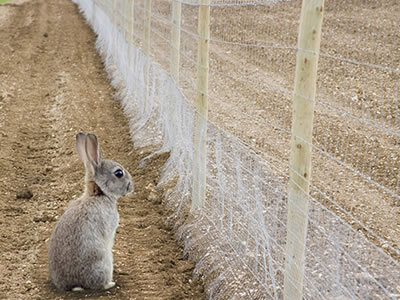
- The fence was not finished.
- The rabbit had already crossed the answer.
Western Australia responded by building another fence farther west. Then another line joined the system. By 1907, the three fences ran for more than 3,200 kilometres across the state.
This is a great human achievement in exactly the way a beautifully engineered emergency staircase attached to the wrong building is a great human achievement.
The fence was real. The work was serious. The threat was real. The people who surveyed, built, supplied, and maintained the line accomplished something enormous under very hard conditions.
The rabbit was still already inside.
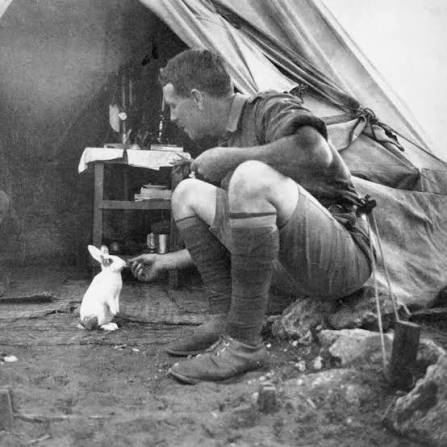
The Rabbit-Proof Fence was a serious instrument built in the wrong tense.
◆ ◆ ◆
Australia Imports a Small Piece of Home.
The European rabbit did not enter Australia as an enemy.
It entered as familiarity.
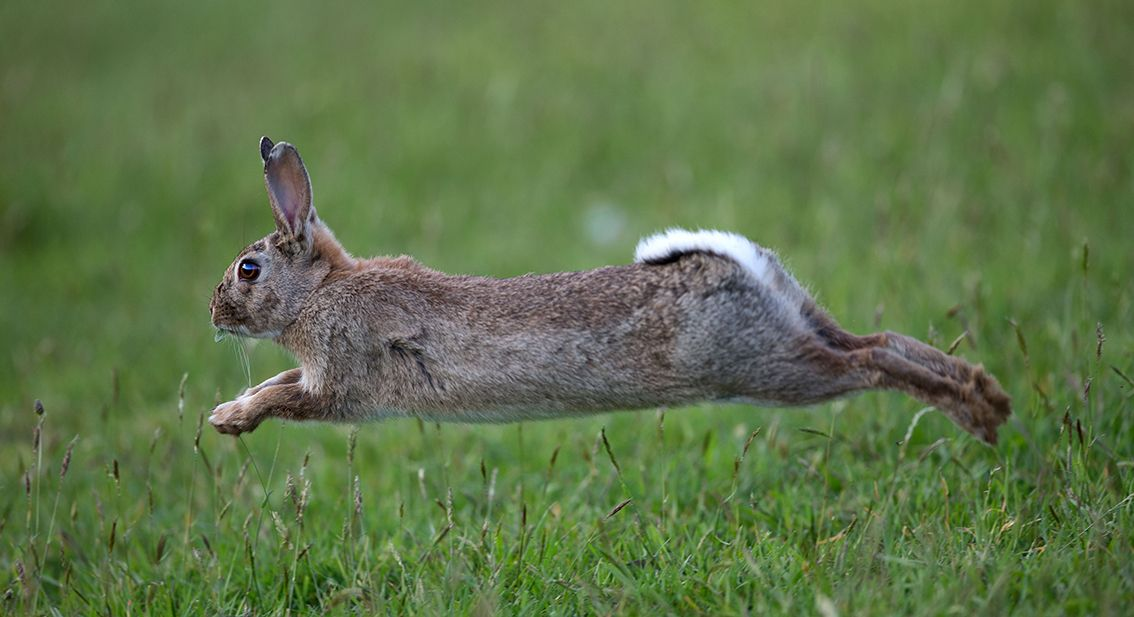
Rabbits had arrived with Europeans before 1859, usually in controlled domestic populations that remained locally contained. The population that transformed the continent is associated with Thomas Austin’s estate at Barwon Park in Victoria. A shipment from England included wild European rabbits. Austin released a small group for sport on Christmas Day.
This looked like a minor colonial pleasure.
The landscape was unfamiliar. The animal was familiar. Hunting rabbits could make a distant place feel slightly more like the country the settler remembered.
This is one of the oldest colonial operations:
- bring the known thing into the unknown field;
- call the known thing comfort;
- discover later that the field has been changed by the attempt to avoid changing oneself.
Within seven years, hunters at Barwon Park killed thousands of rabbits. The figure did not represent control. It represented scale arriving early enough to be mistaken for abundance.
The rabbits found food, ground cover, reproductive opportunity, and a continent without the exact ecological relations that had constrained them elsewhere. They spread through human land use, fragmented habitats, pasture, crops, water points, cleared country, and every condition that made the settler field easier for rabbits to inhabit.
- Australia imported a small piece of home.
- Home began eating the continent.
This sentence is funny until the native vegetation begins disappearing.
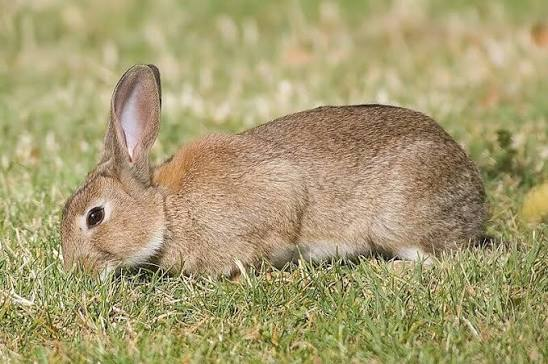
The rabbit was never a clean agent in this story. It did not arrive as the biosphere’s heroic representative. It became an introduced ecological force whose expansion damaged farms, stripped plant communities, accelerated erosion, competed with native animals, and made other extinctions easier.
The rabbit field harmed the biosphere.
That is important for the scoreboard later.
The biosphere does not need to be morally pure in order to decline the terms of a bad instrument. A living field can answer a failed intervention by becoming worse.
◆ ◆ ◆
The Grey Front.
By the late nineteenth century, eastern Australia already knew what rabbits could do.
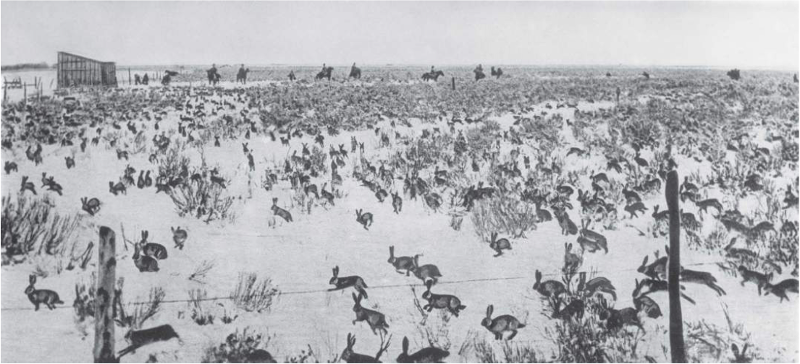
The animals had moved through productive country with extraordinary speed. Local reductions achieved through shooting, trapping, poisoning, fumigation, and warren destruction often failed to persist. A population could be cut down and then return through reproduction, recolonization, or the simple fact that rabbits did not recognize the property boundary on which the control effort had ended.
The language hardened accordingly.
The rabbit became a plague, menace, invasion, scourge, army, front.
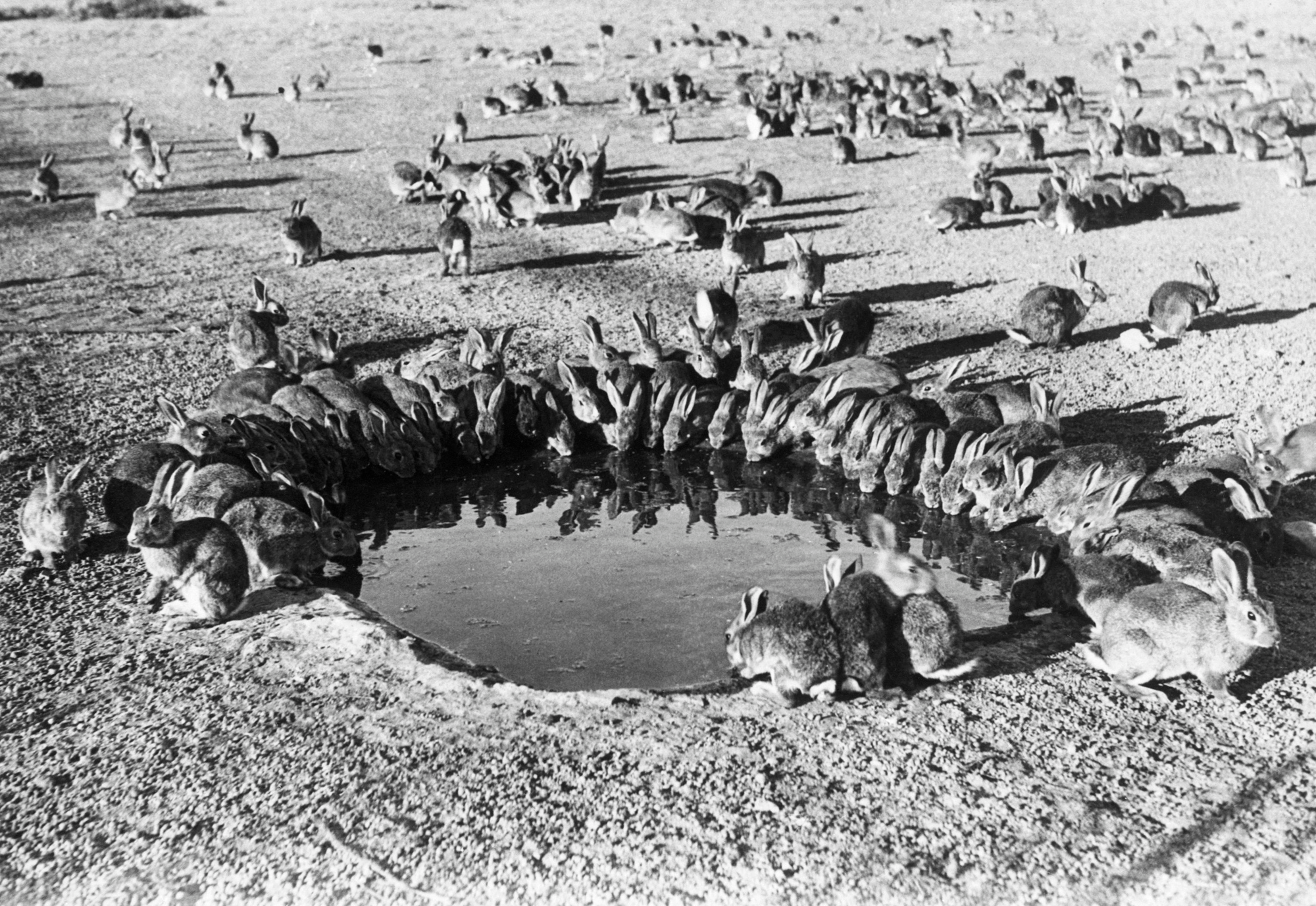
War language made emotional sense. Farmers watched land lose carrying capacity. Crops disappeared. Pasture was eaten close to the ground. Soil loosened. Native plants failed to regenerate. The damage spread faster than the responsible institutions could agree on how responsibility should be divided.
A rabbit population is difficult for government because it is made from countless small bodies performing ordinary animal actions.
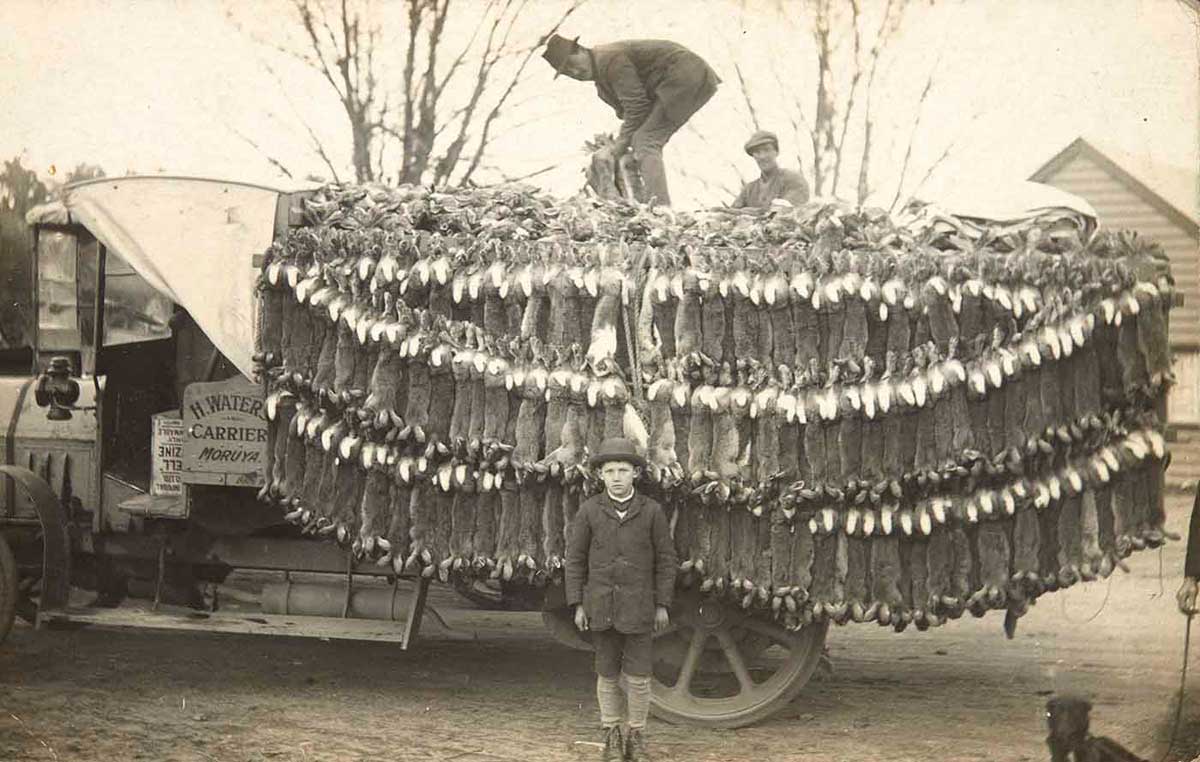
No individual rabbit has to understand the campaign.
No rabbit has to receive an order, hold a position, defend a supply line, or remain loyal to the other rabbits. The enemy population advances without command because reproduction, food, shelter, and movement perform the work that command would otherwise have to organize.
- The human field sees an enemy.
- The rabbit field sees grass and time.
By the 1890s, rabbits had crossed the Nullarbor and entered Western Australia. The threat was no longer theoretical. Agricultural districts to the west faced a real moving pressure.
A response was required. The question was what kind.
A very long fence now entered the room and cleared its throat.
◆ ◆ ◆
Arthur Mason Finds the Front.
In 1896, Western Australia sent surveyor Arthur Mason southeast to determine how far the rabbits had reached and how quickly the population was moving.
Mason saw the danger clearly enough.
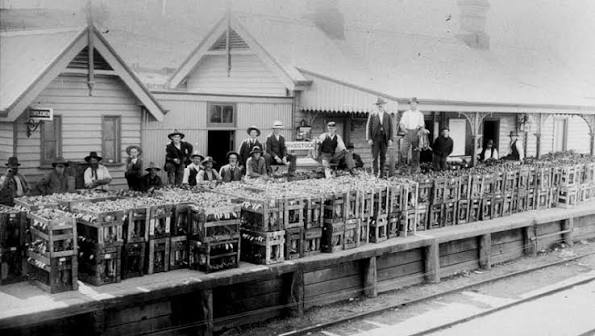
He reported that rabbits were travelling west and could overrun the southern parts of the colony. He proposed a system of barrier fences supported by boundary riders and other control methods.
That proposal cannot be dismissed as simple stupidity.
Mason was trying to move the state ahead of a moving population. A fence placed before the front could slow crossings, concentrate inspection, support poisoning and trapping, and protect agricultural country while rabbit numbers were attacked on the exposed side.
This was a coherent control model.
It also contained the seed of the distortion.
Mason saw a moving front and gave it a line.
The line could function only while it remained ahead of the rabbits. If the rabbits crossed the projected route before construction was complete, the instrument would change moral and technical status.
It would no longer be a barrier protecting unoccupied country.
It would become an enormous fence under construction through a rabbit field.
This distinction is easy to state from the future. It was harder to maintain inside a government that needed to turn reports, surveys, appropriations, procurement, transport, labor, and construction into one continuous action.
- A rabbit can cross a mile today.
- A state has to approve the mile first.
In 1901, a royal commission recommended immediate construction. Alfred Canning was commissioned to survey the route. The barrier moved from proposed instrument to state project.
The state was now racing a population with paperwork, camels, wire, and hope.
The population did not know it was in a race.
This gave it a considerable administrative advantage.
◆ ◆ ◆
Australia Draws a Line Across the Continent.
The Rabbit-Proof Fence is easy to remember as a line on a map.
That memory is insulting to the work.
A line on a map weighs nothing. This line required more than three thousand kilometres of survey and construction across scrub, sand, rock, grassland, heat, cold, flies, drought, flood, fire, and long intervals where every useful material had to be brought from somewhere else.
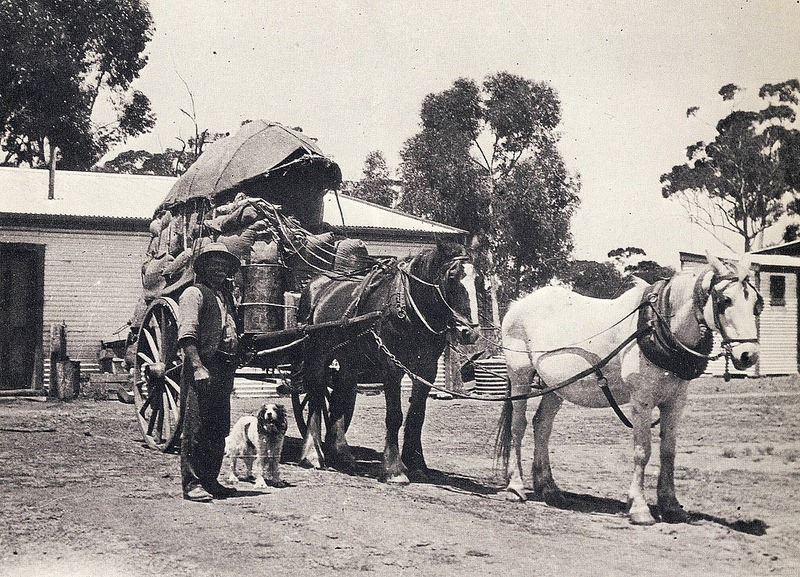
Canning’s survey parties used camels because the route crossed dry country where ordinary transport could not be trusted. Construction proceeded in sections. The ground had to be cleared. Posts had to be cut locally or hauled from depots. Wire and netting had to be imported, shipped to ports, transferred to railheads, loaded onto animal teams, dragged into remote country, unloaded, stretched, buried, joined, gated, and repaired almost immediately.
The fence included more than fence.
It required:
- wells and water catchments;
- huts and maintenance depots;
- gates where roads crossed;
- trap yards along the line;
- cleared strips for patrol and fire protection;
- transport routes for men, animals, wire, food, tools, and replacement parts;
- an administrative structure capable of returning to the same damaged section after the opening ceremony had gone home.
The construction workforce moved through some of the hardest terrain available to the state. Camels carried the supply field. Horses and donkeys pulled equipment. Men cut paths, sharpened axes, sank posts, buried the lower edge of the netting, and turned a political sentence into an object that could cut a horizon.
The cost became enormous. Even the official construction total omitted surveying and the long maintenance tail.
This was not a lazy state gesture.
This was a continental mobilization against an animal weighing a few pounds.
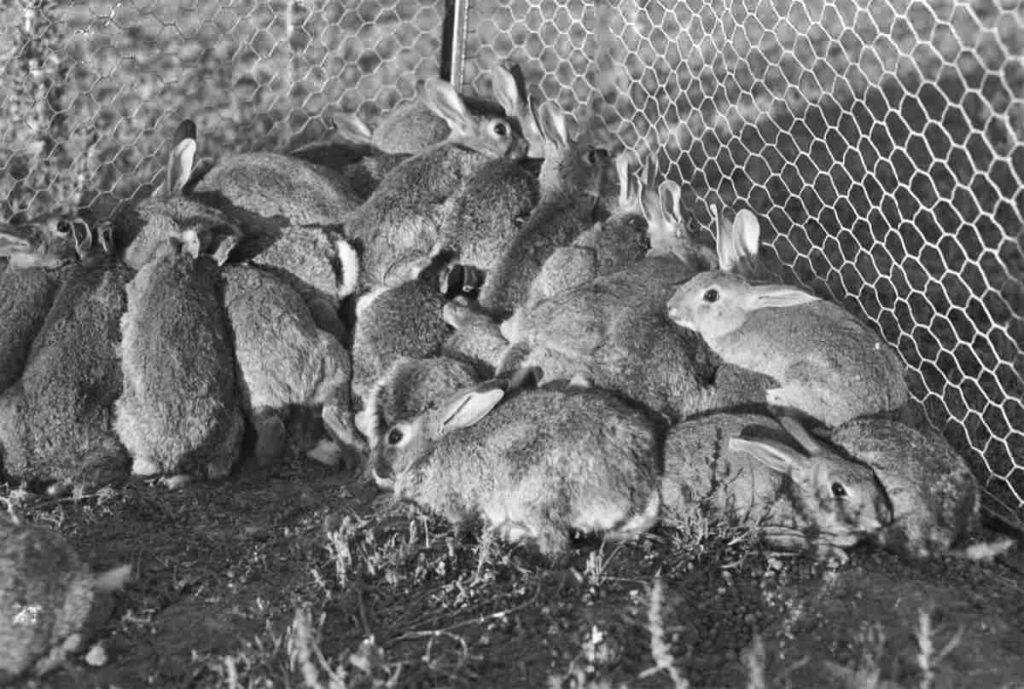
That scale difference is comic. The labor is not.
People built the fence with real competence. The instrument failed at a level that competence alone could not solve.
The continent was difficult to cross because the continent was real.
The rabbit was difficult to stop for the very same reason.
◆ ◆ ◆
The Rabbit Was Already Inside.
Construction of Fence No. 1 began in 1901.
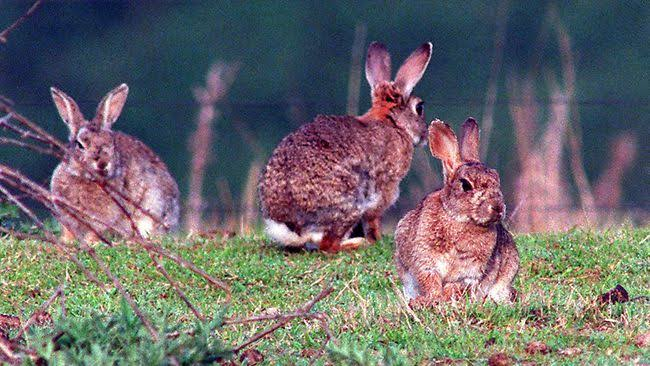
By 1902, rabbits had already been found west of its intended line.
The state had designed a division:
- rabbit country to the east;
- protected country to the west;
- wire between them.
The rabbits had entered the protected side while the protection still existed partly as survey pegs and future tense.
This was the key correction event. The field had answered.
The state did update. It did not blindly continue as though nothing had happened. Fence No. 2 was built farther west, roughly parallel to the first across much of its length. Fence No. 3 later ran westward from the system toward the coast.
The second fence deserves two readings.
- The first is charitable and accurate.
The state received new information and changed the plan. It moved the barrier toward country that remained protectable. It tried to preserve agricultural futures that the first line could no longer secure.
- The second reading is also accurate.
Fence No. 2 was a 1,166-kilometre confession.
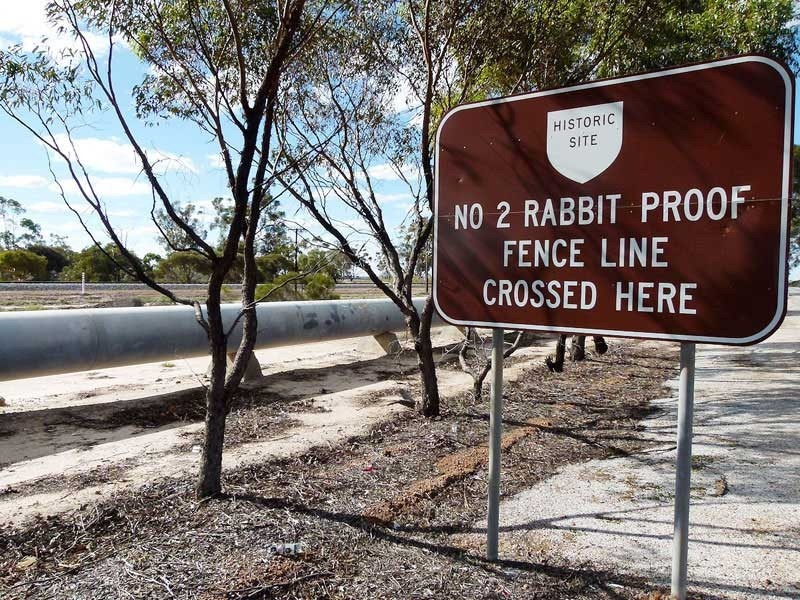
The first answer had lost the race before the state completed writing it into the land.
Western Australia responded to the rabbits crossing the first projected line by placing another projected line behind it.
This is adaptation. This is also boundary retreat wearing a tool belt.
The governing model remained stable:
- the problem is over there;
- protection is over here;
- draw the line between them;
- when the problem appears over here, redraw the line.
The fence imagination moved west because the rabbits had already done so.
By 1907, the three-fence system stretched more than 3,200 kilometres.
The rabbit had crossed the theory.
◆ ◆ ◆
The Fence Was Built in the Wrong Tense.
A fence answers a spatial question.
Where must the body cross?
The rabbit field was answering temporal questions.
- How quickly can this population reproduce?
- How long does construction take?
- How often does the barrier fail?
- How long does a breach remain undiscovered?
- How far can rabbits disperse before the next inspection?
- How rapidly does a local crossing become a population west of the line?
- How many seasons pass while the state still speaks of completion?
The fence occupied kilometres.
The rabbit occupied generations.
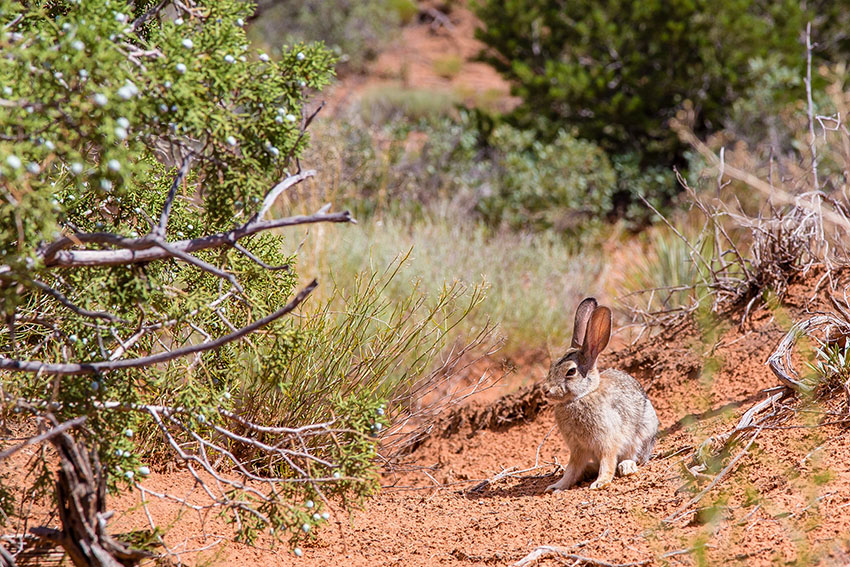
Surveyors had to find the route. Legislators had to approve money. Wire had to arrive by ship. Supplies had to be moved inland. Workers had to clear each section. Posts had to be placed. Netting had to be attached and buried. Gates had to be constructed. Wells had to be found or made.
Rabbits continued being rabbits during all of this.
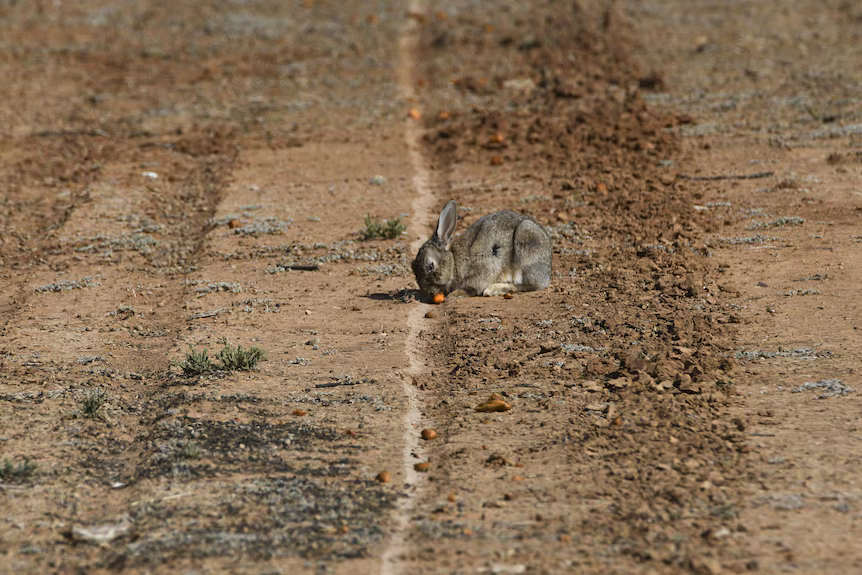
The instrument was spatial while the field was temporal.
It was fixed while the field reproduced.
It was linear while the field was distributed.
It was expensive to complete while crossing was cheap.

It depended on continuous maintenance while public memory wanted a finished object.
The fence carried a future-tense declaration:
This will be the place where the rabbit stops.
The rabbit remained in the present.
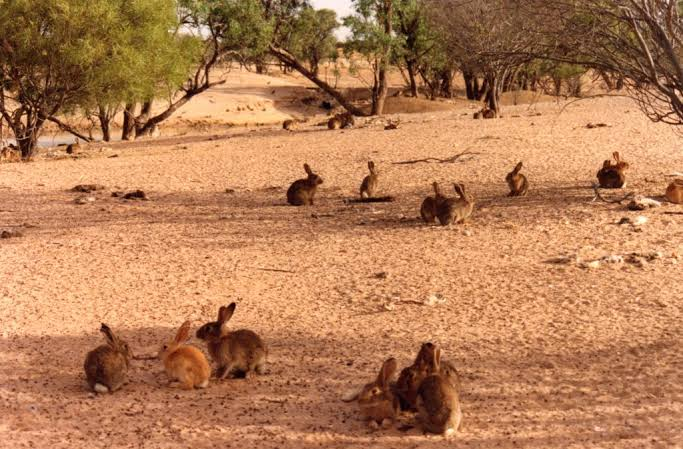
This does not mean no fence could work anywhere. Small, well-maintained fencing could protect local areas. A line could delay movement. It could guide patrols, concentrate control, and buy time.
The distortion appeared when delay was mistaken for solution and line integrity was mistaken for population governance.
- A fence can govern crossing.
- A fence cannot govern reproduction from three hundred kilometres away.
The rabbit field had grown larger than the fence imagination.
◆ ◆ ◆
The Completed Fence Was a Photograph.
The fence appears complete from far enough away.
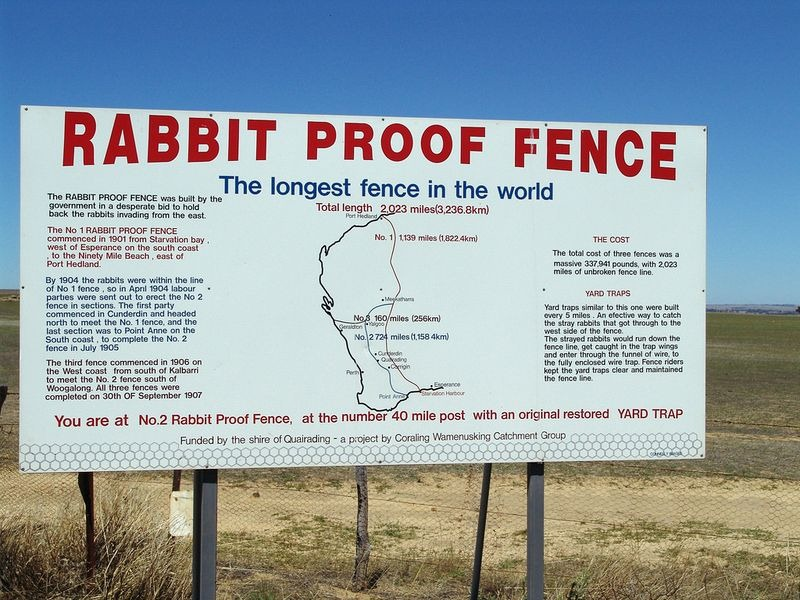
It begins on one coast. It ends on another. The map gives it a color. The project receives a completion date. The state can point to the line and announce that the instrument now exists.
Then a gate is left open.
Then sand piles against the wire.
Then a flash flood cuts the base.
Then fire damages posts.
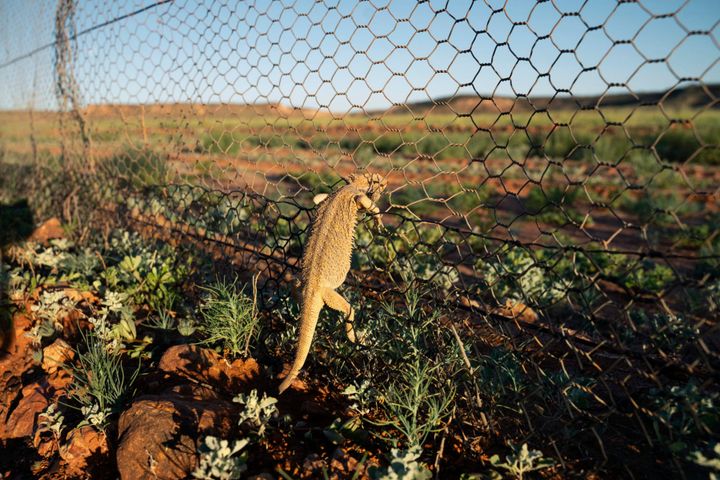
Then termites eat timber. A kangaroo hits the netting. An emu knocks through. A wombat or rabbit digs. Vegetation grows into the line. A road crossing introduces a gate, and the gate introduces one human being who is absolutely certain someone else closed it.
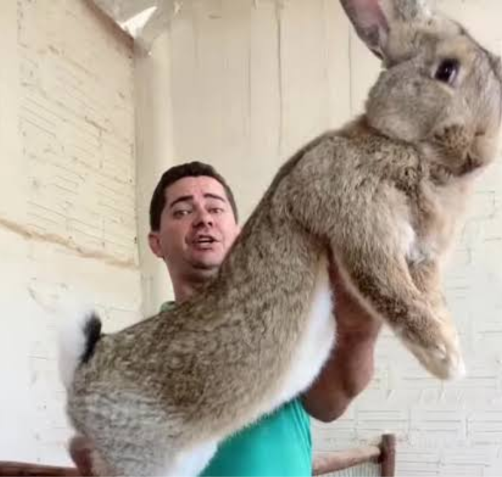
The continent begins editing the project.
Fence maintenance required boundary riders to patrol immense stretches, often alone or in pairs. Huts and water points had to support them. Riders travelled by horse, camel, bicycle, and later motor vehicle. They cleared vegetation, repaired breaks, checked gates, maintained trap yards, laid bait, read rain gauges, and searched for the small local defect through which a continental policy could begin leaking.
The boundary riders understood the fence better than the monument did.
They knew:
- the fence was always becoming broken;
- a section that had been repaired yesterday could fail tomorrow;
- every gate was a permanent exception inside the theory of an unbroken line;
- distance converted small maintenance delays into ecological opportunity;
- completion did not remove the need for contact;
- the instrument existed only through return.
The completed fence was a photograph.
The real fence was maintenance.
This is a recurring institutional error. A society funds construction as visible action and then treats maintenance as the disappointing afterlife of the real achievement.
The bridge is celebrated when opened. The inspection budget becomes negotiable.
The hospital wing gets a plaque. Staffing becomes an efficiency problem.
The archive receives a building. Preservation becomes invisible labor.
The fence reaches the coast. The boundary rider is left with three hundred kilometres, a bicycle, weather, and the consequences of everyone calling the job finished.
The line was not an object. It was a continuing relation among wire, soil, weather, animals, gates, labor, water, transport, and attention.
- The state could build the object once.
- But it had to rebuild the relation forever.
◆ ◆ ◆
The Hole Returns.
The hole in the fence has now appeared twice in this series.
This is beginning to look intentional.
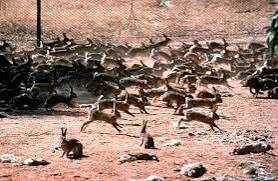
In the Emu Front, the hole revealed the relation among drought, wheat, emus, rabbits, settlement, debt, and military response.
Here, the hole reveals the asymmetry inside continental exclusion.
- The fence had to win everywhere.
- The rabbit field only had to win somewhere.
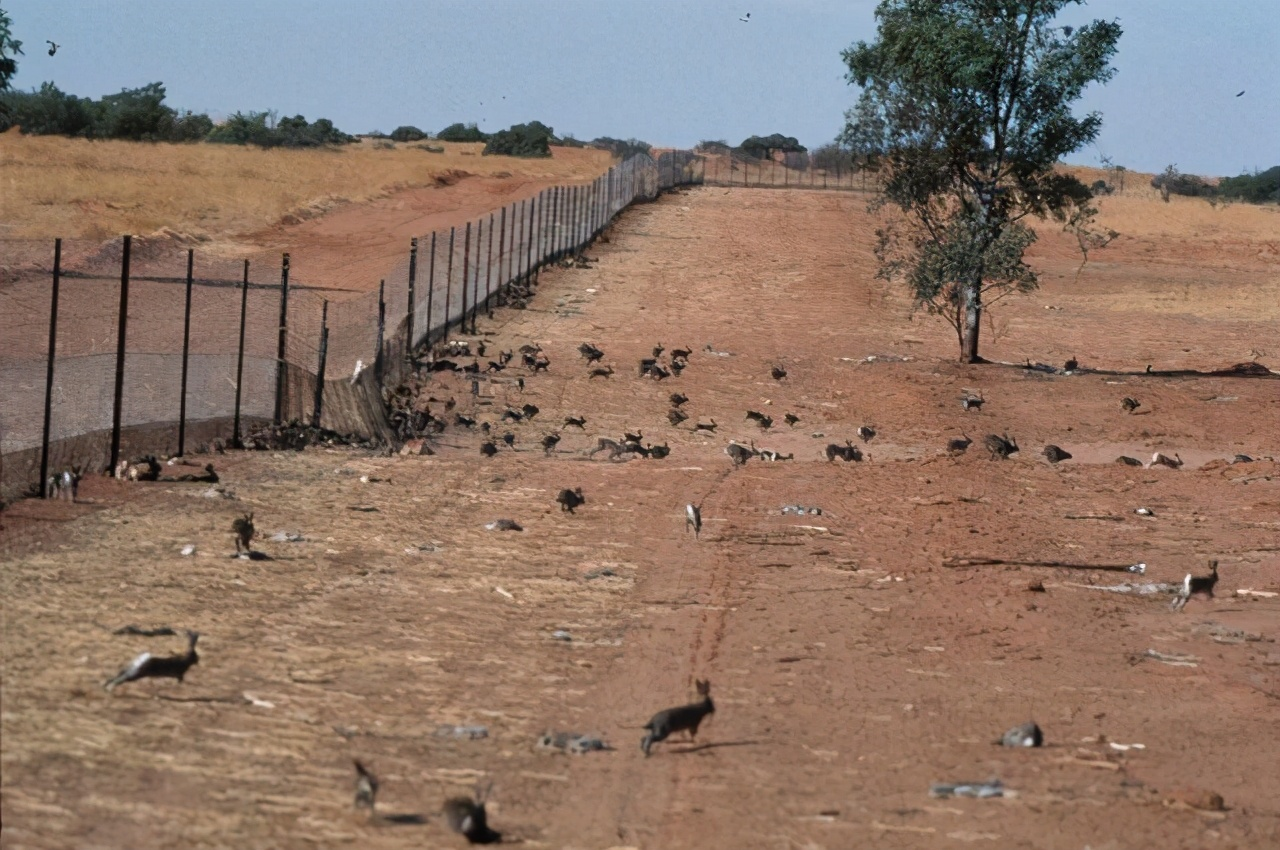
A functioning barrier required thousands of kilometres of intact wire, buried edges, sound posts, cleared access, controlled gates, working patrols, available water, replacement materials, and enough time for a breach to be found before crossings became locally established.
The rabbit field required an opening and opportunity.
- The opening could be small.
- The opportunity could be brief.
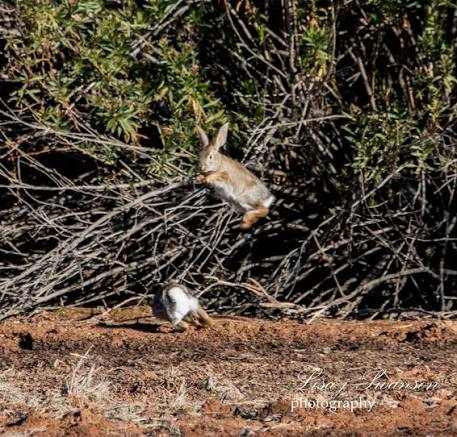
A gate left open for part of a day did not have to destroy the entire fence in order to defeat the fence’s total claim. A washout did not have to be spectacular. A burrow did not need parliamentary approval. A delayed patrol did not look like policy failure while it was happening.
The fence’s weakness lived in the distance between local defect and central knowledge.
By the time the state learned that rabbits were west of the line, the relevant transition might already have happened:
- crossing;
- concealment;
- reproduction;
- dispersal;
- new local field.
The fence could be repaired.
The crossing could not be uncrossed.
This is why the hole was the better analyst here.
It did not say fences never work. It said this fence could not become sovereign over the field simply by becoming long.
- Length magnified the instrument.
- Length also magnified every maintenance obligation, gate exception, communication delay, weather event, and unseen breach.
The larger the answer became, the more places reality could answer back.
◆ ◆ ◆
The Fence Changes Enemies.
The Rabbit-Proof Fence did not disappear when it failed to permanently exclude rabbits.
It changed jobs.
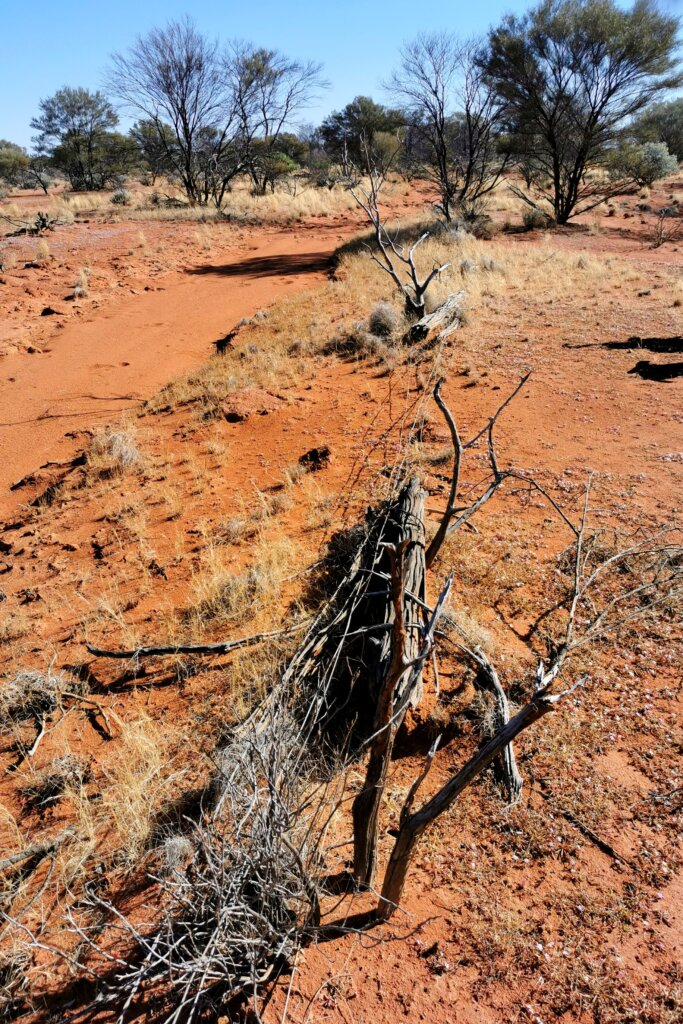
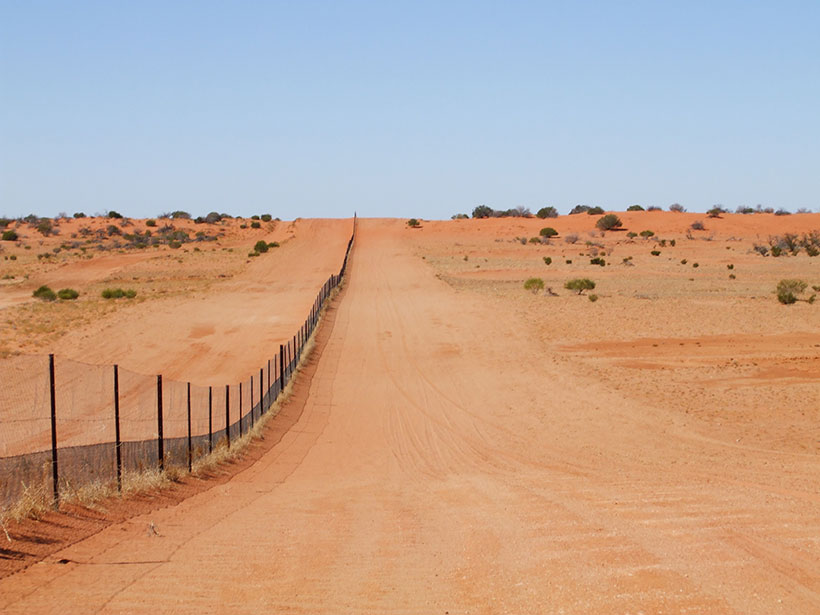
Parts of the system continued as property boundaries and regional barriers. Sections were maintained, modified, abandoned, incorporated into new lines, or redirected toward other animals. The Rabbit-Proof Fence became the State Vermin Barrier Fence, the Emu Fence, and eventually the State Barrier Fence.
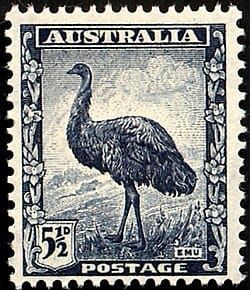
Today, parts of its descendant system still restrict the movement of wild dogs and help reduce the agricultural effects of major emu migrations.
This can be read as repair.
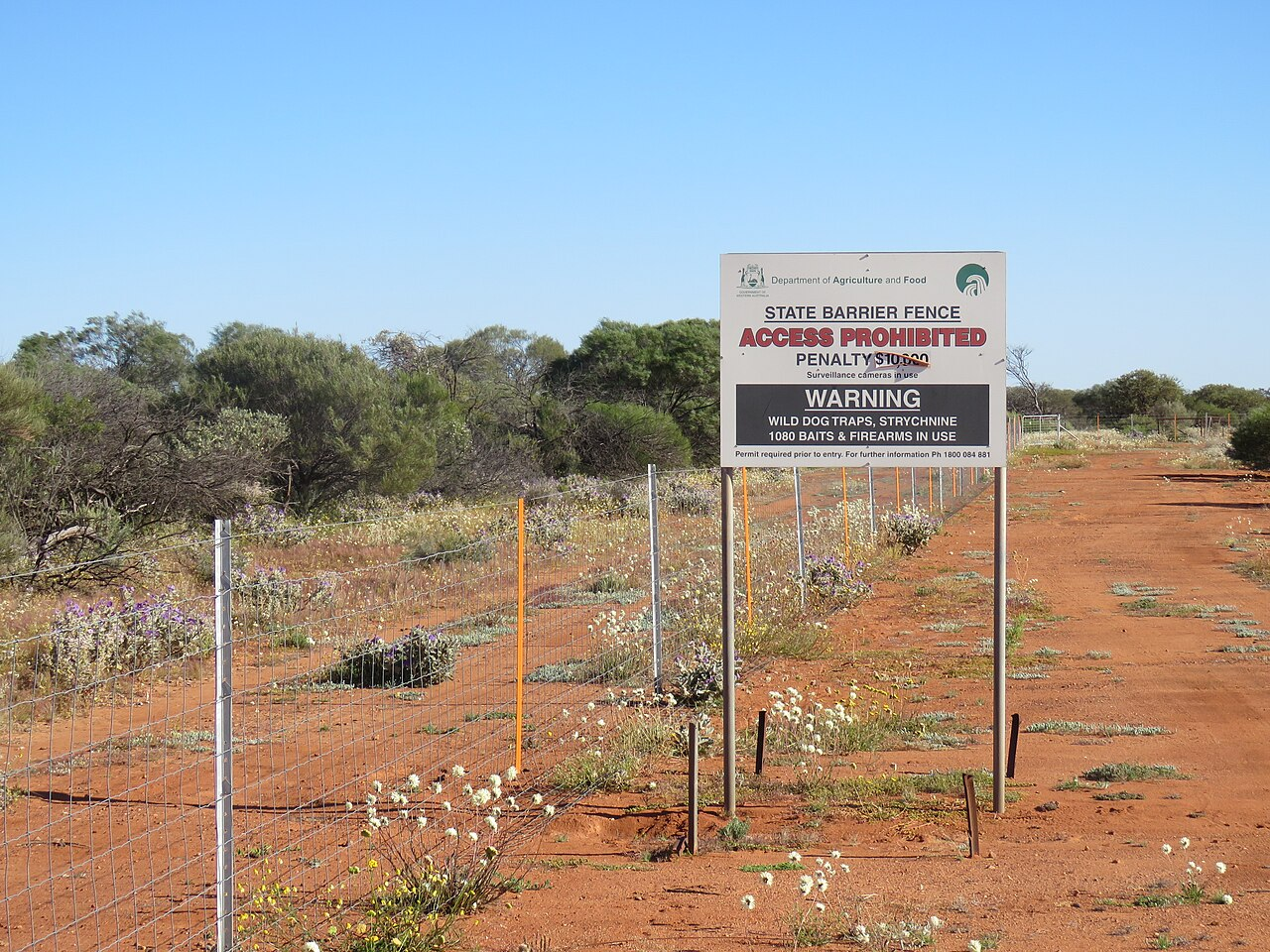
An instrument that fails one total claim may retain local capabilities. Wire still alters movement. Existing infrastructure can be adapted rather than discarded. A fence that could not keep rabbits out of Western Australia could still help hold a line against particular movements under narrower conditions.
Good. The instrument was forced to become less sovereign and more specific.
There is another reading.
An instrument can survive correction by finding a new target.
- Rabbit fence.
- Vermin fence.
- Emu fence.
- Wild-dog barrier.
- State barrier.
The names keep changing because the line keeps entering new relations with the animals around it.
Each target can be real. Dingoes and wild dogs can kill livestock. Emu migrations can damage crops. Foxes can damage native fauna. Goats and camels can alter vegetation and water points.
The danger lies in letting the line decide the whole meaning of each relation.
Once a barrier exists, movement begins to appear as violation.
- The animal on the wrong side becomes a breach.
- The ecological role on the far side becomes easier to forget.
The fence solved absolutely none of this by surviving. It remained an instrument capable of useful work and fresh distortion. This is where Australia vs. the Dingo Fence waits patiently behind a very long roll of wire.
The rabbit fence did not become useless when it lost its first war.
It became available for the next one.
◆ ◆ ◆
The Line Becomes a Road Home.
In 1931, the fence entered another history entirely.
Molly Craig, Daisy Kadibil, and Gracie Fields were Aboriginal girls taken from their families at Jigalong under Western Australia’s forced-removal regime and transported more than two thousand kilometres south to the Moore River Native Settlement.
The removal field had its own maps, offices, titles, permissions, classifications, vehicles, dormitories, police, protectors, records, and moral language. It called captivity welfare.
The girls escaped.
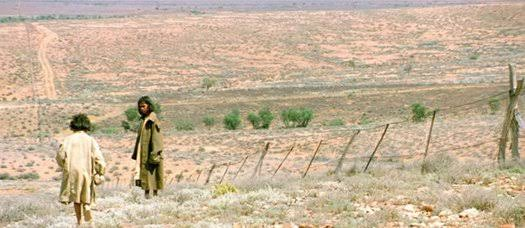
They began the journey north toward home. Gracie was later recaptured. Molly and Daisy continued. During the later part of the route, the Rabbit-Proof Fence gave them a continuous geographic trace toward Jigalong.
The categories here must remain exact.
The girls were not rabbits crossing a state line. Their forced removal does not exist to complete an ecological metaphor. The state had captured children through a racist administrative instrument.
They used one piece of state infrastructure against another. That is the object.
- The fence had been built to control movement.
- Molly read it as orientation.
The line meant:
- continuity through immense distance;
- a direction that could be followed when maps and official transport belonged to the pursuing state;
- a material trace connecting unfamiliar country to a known home;
- an affordance the builders had created without owning every future use.
The fence did not rescue the girls.
They rescued themselves through courage, knowledge, endurance, relation, and a line the state had put into the land for another purpose.
The fence did not become good.
It became usable against the field that had captured them.
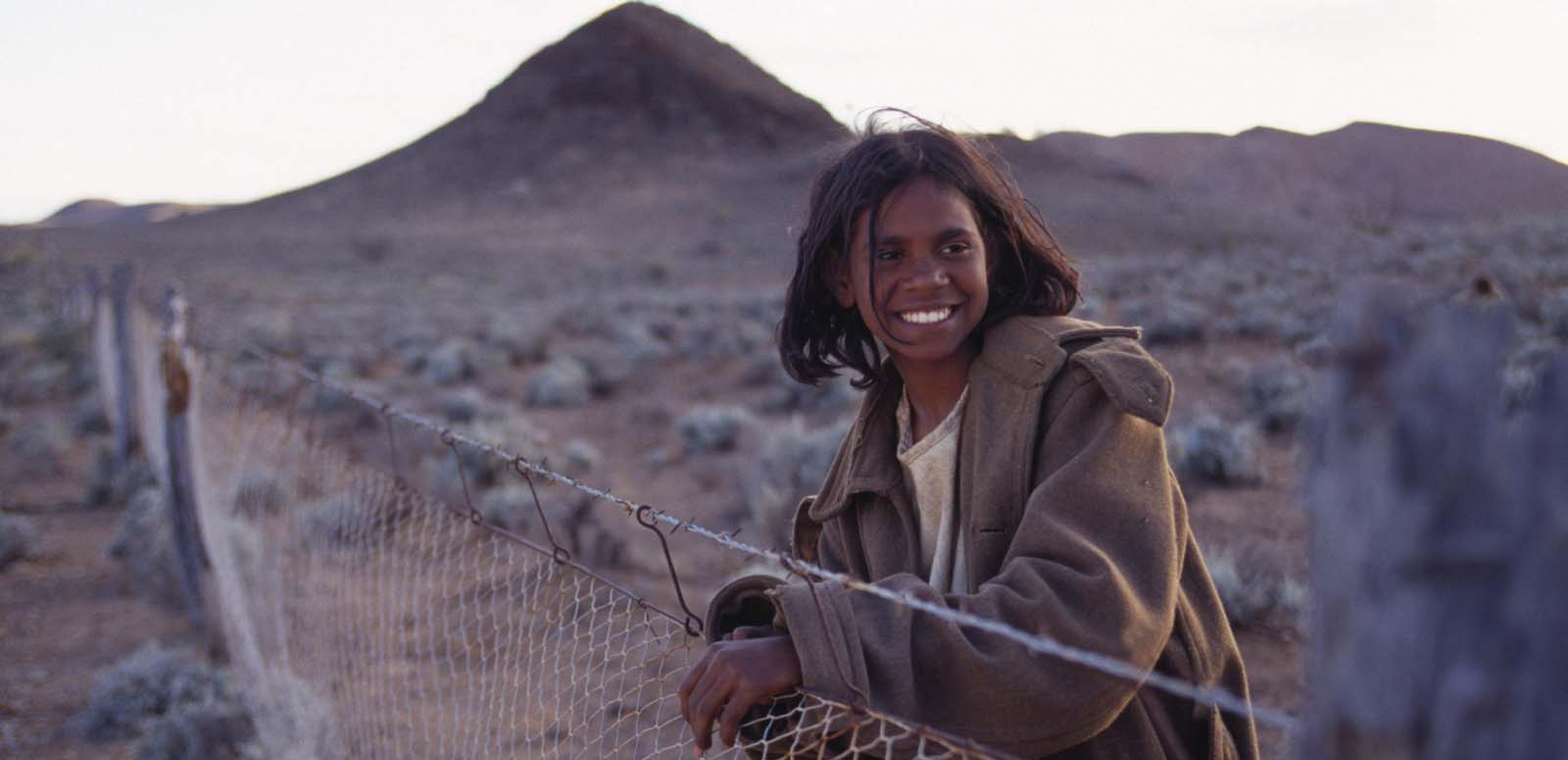
This is a powerful reversal because infrastructure always exceeds intention.
A road built for extraction can carry organizers.
A file created for control can become evidence.
A network built for command can carry refusal.
A fence built to tell living bodies where they may not go can become the path by which two children find their way home.
The state made a boundary.
Molly Craig made it a direction.
◆ ◆ ◆
What the Fence Could Do.
The easiest version of this article would end by laughing at fences.
That would waste the instrument.
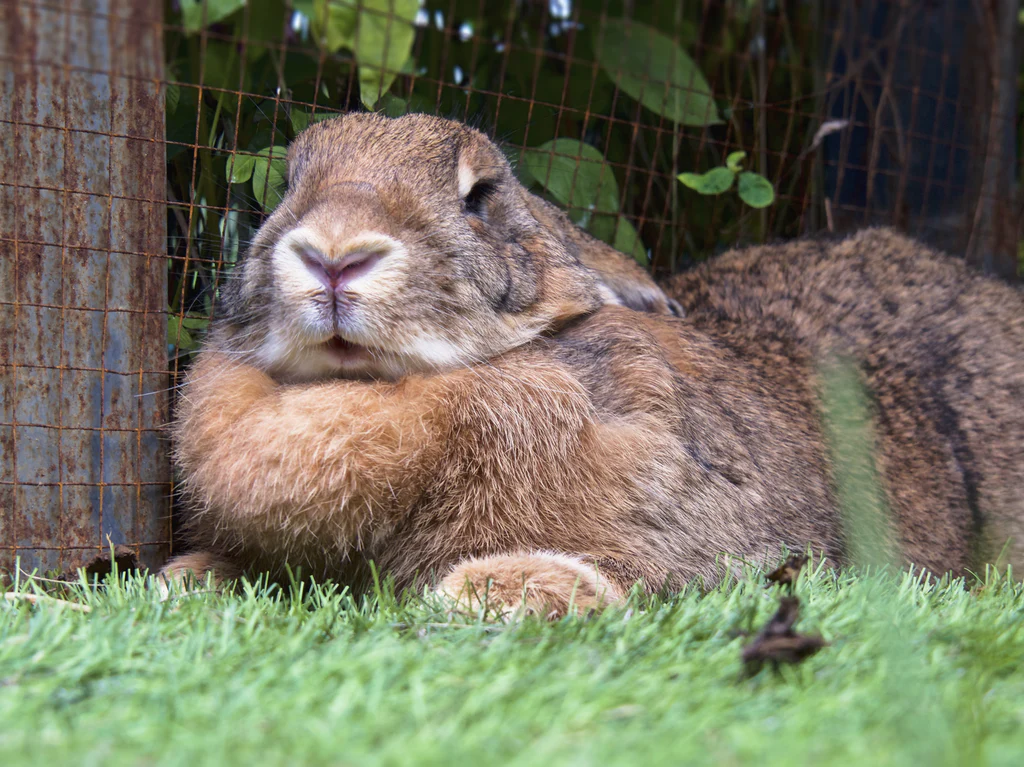
Fences can work.
They can protect a field at local scale. They can slow animal movement, redirect it, concentrate inspection, create trap points, reduce repeated incursions, support coordinated control, and buy time for other interventions. Later uses of the State Barrier Fence show that long barriers can still carry practical value when their target, maintenance regime, surrounding controls, and geographic function are specified honestly.
The failure was totalization.
Three levels should be kept separate.
Local barrier competence.
Wire can alter movement through a particular place.
This is real.
System competence.
Wire joined to inspection, repair, gates, trapping, population control, habitat knowledge, landholder coordination, and continuing field intelligence can support a real management system.
This is also real.
Sovereign fence fantasy.
Completion of the line is treated as completion of the problem.
This is where the instrument loses contact.
- The Rabbit-Proof Fence could delay.
- It could not turn delay into eradication by becoming longer.
- It could mark a region.
- It could not make every rabbit remain on the historical side of that mark.
- It could support control.
- It could not replace control.
Later rabbit management entered other parts of the field: warrens, disease, reproduction, landholder coordination, baiting, habitat, and persistence. Those interventions brought their own harms, brutalities, resistance effects, and failures. Biological control did not produce innocence. Rabbits adapted. Populations returned. The work continued.
That continuing work is the whole point here. The biosphere rarely ever accepts a final answer because living systems keep generating new states.
An instrument survives by remaining answerable to those states.
A fence becomes useful when it knows it is a fence.
◆ ◆ ◆
The Biosphere Wins Badly.
AUS 0 • BIO 2
This does not award moral victory to the rabbit.
The rabbits were introduced. Their expansion devastated native plant and animal continuance. They contributed to erosion, habitat loss, competition, agricultural collapse, and a long Australian history of increasingly violent control.
The native biosphere did not defeat the state through rabbits and collect a clean point.
The biosphere absorbed damage from both sides of the event.
- Settler agriculture changed the field.
- Imported rabbits changed it again.
- The fence fragmented movement and land access.
- Control campaigns added poison, disease, trapping, shooting, ripping, and new rounds of intervention.
This score is diagnostic.
BIO receives a point whenever the living field exposes the instrument’s false object.
- The emu exposed target logic.
- The rabbit exposed boundary logic.
The fact that the exposure also damaged the biosphere is part of the indictment, not a reason to erase the field’s answer.
A failed instrument does not always fail safely.
Sometimes reality corrects the model by allowing the damage to continue until the mismatch becomes undeniable.
The biosphere declined the terms.
The biosphere also paid for the refusal.
◆ ◆ ◆
The Ruling.
Australia imported the rabbit as familiarity, leisure, and sport.
The imported animal became a continental ecological force.
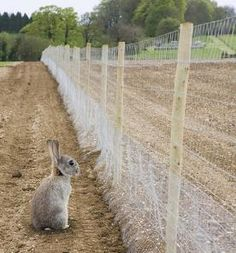
Western Australia received a real threat. Arthur Mason saw the moving front and proposed a line ahead of it. Alfred Canning and the survey parties found the route. Construction crews turned policy into thousands of kilometres of wire, posts, buried netting, gates, wells, huts, trap yards, roads, and labor.
Then the rabbits appeared west of the fence before the fence was complete.
The state built another line. Then another.
The achievement became larger while the governing model remained the same.
The fence was serious. It could delay movement. It could protect local fields. It could organize patrol, maintenance, and later uses. Its descendant still performs real work.
It failed when the state asked a maintained boundary to become a completed answer to a reproductive field.
- The fence occupied space.
- The rabbits occupied time.
The state needed the wire to hold everywhere. The rabbit field needed one opening, one delayed repair, one gate, one washout, one local interval in which crossing could become continuation.
Boundary riders spent decades discovering that the monument was actually a maintenance obligation.
The instrument later changed names and enemies. It became useful in new relations and dangerous in new ways.
Then the same line entered the forced-removal field. Molly Craig, Daisy Kadibil, and Gracie Fields escaped Moore River. Gracie was recaptured. Molly and Daisy followed the material trace north and made home reachable again.
A state instrument exceeded the state’s intention.
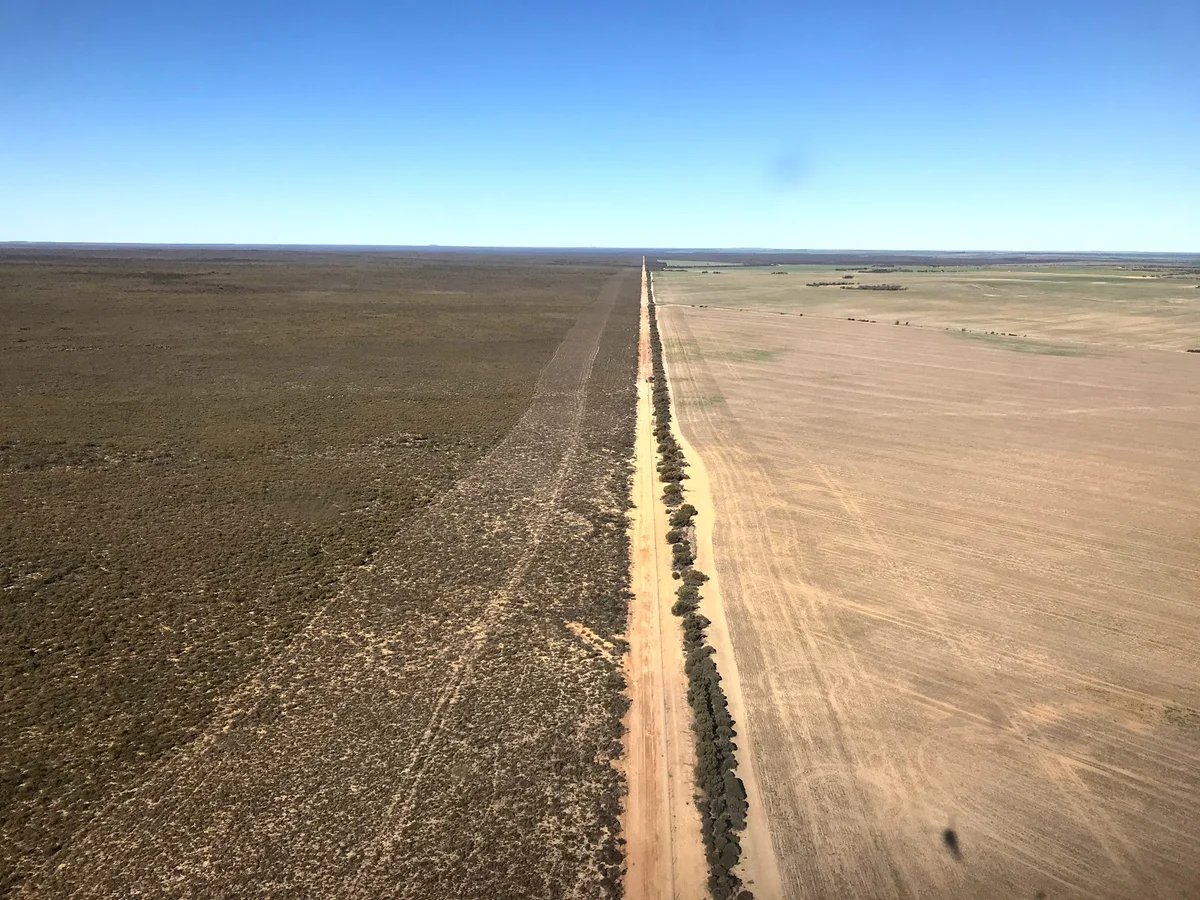
The Rabbit-Proof Fence did not fail because boundaries never work.
It failed because Australia treated a maintained relation as a finished object, a delay as a solution, and a line across the continent as authority over the living processes on both sides.
Australia drew a boundary and asked the rabbit to remain on the historical side of it. By the time the line reached the coast, the rabbit had already crossed the theory.
The biosphere declined the terms.
AUS: 0
BIO: 2