Applied Case: The Diesel Finds Another Route
The diesel is available again. The question is what future was bought with it.

The Nord Stream pipelines are still broken.
 Aidan Lawson

The money has found another way through.
On October 9, 2026, Donald Trump announced a diesel agreement with Vladimir Putin. Russia would supply more than 300,000 metric tons immediately, with millions more promised afterward.
The United States Treasury issued General License 135, authorizing transactions involving Russian-origin diesel through April 7, 2027. The license retains specific financial restrictions. The wider Russian sanctions regime remains in place.
Still, Washington has reopened a commercial route that American policy had been trying to close.
There are two stated reasons.
- American diesel is extraordinarily expensive.
- And the administration hopes that giving Russia an economic incentive will bring Putin back to peace negotiations.
- The first is a real problem.
- The second requires us to remember three other problems.
The Price Came From Somewhere.
The United States is fighting a war with Iran.
The Strait of Hormuz remains severely disrupted. Shipping, refining, insurance, and fuel distribution have absorbed months of instability. American diesel prices reached a record national average of $6.53 per gallon on September 22.
Transportation became more expensive. Agriculture became more expensive. Food became more expensive.
These are actual burdens on people who did not get to vote on the military strategy governing the Strait.
Applied Case: Iran and the Nuclear Threshold followed this very problem outward from the nuclear facilities.
 Aidan Lawson
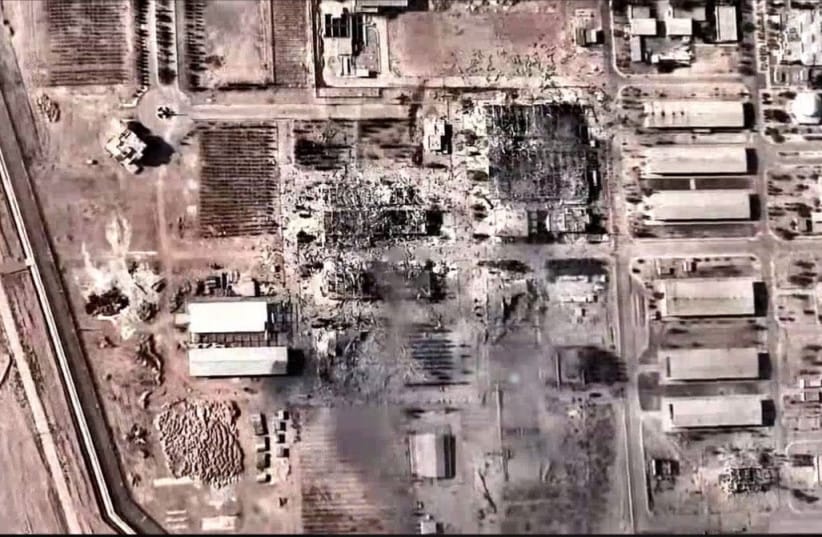
The United States and Israel had sought to prevent a nuclear-armed Iran. Iran had used nuclear latency as leverage and the possibility of a future deterrent. The attacks damaged facilities while also degrading the international verification relationship. The conflict then spread into shipping, energy, regional security, and ordinary civilian continuance.
The article identified the Strait as a particularly dangerous instrument.
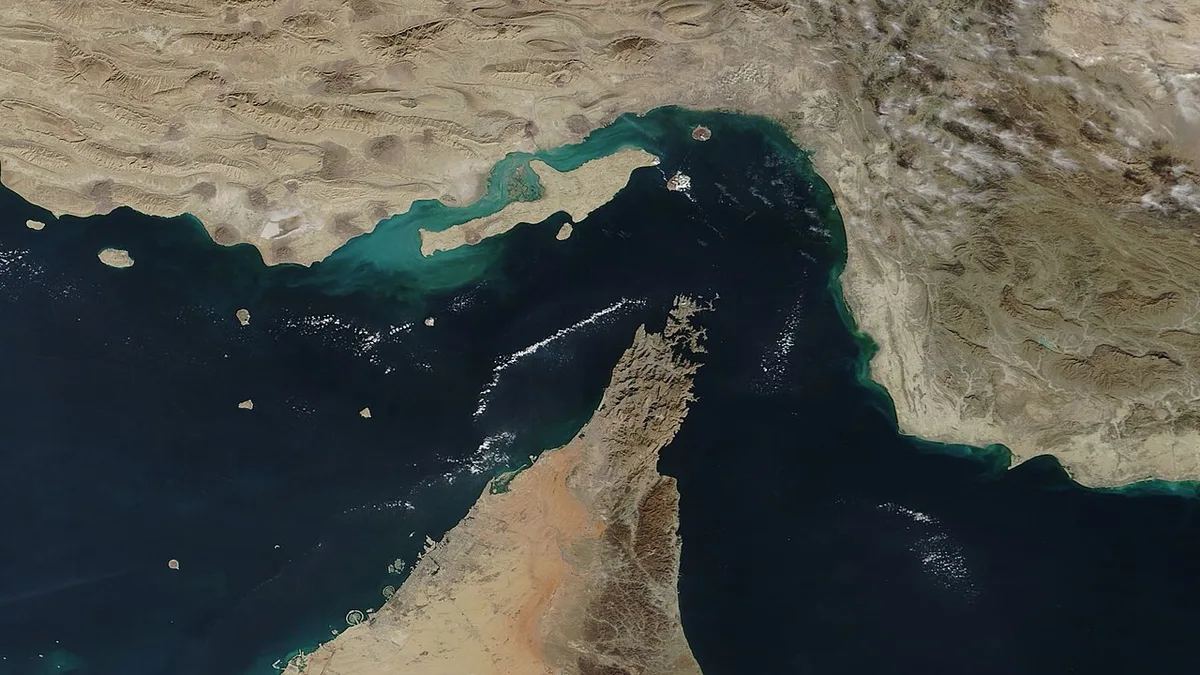
The world had built a vast energy relationship through a narrow maritime passage. Iran could impose enormous costs by threatening that passage. The states attempting to restore navigation could also deepen the war through the measures chosen to reopen it.
The costs would travel far beyond the belligerents. They have.
Now Washington is seeking relief from Russia.
This could be defensible. American households, truckers, farmers, and businesses do not forfeit their claims to affordable energy because their government entered a war. But what does the proposed transaction actually repair?
The Associated Press reports substantial expert skepticism that the Russian volumes will materially lower fuel prices. Much of the difficulty concerns unavailable Middle Eastern refining capacity and constrained global distribution. Redirecting existing Russian diesel can shift customers without creating equivalent new supply.
The promised price relief is still an empirical question.
This is already familiar from the Iran article. European governments once tried to preserve the JCPOA's economic exchange through lawful trading mechanisms after the United States restored sanctions. Permission did not guarantee a functioning commercial route.
A government can open a door.
That does not establish how much fuel will come through it.
The Fourth Line Returns.
Applied Case: Nord Stream examined the opposite operation.

The Nord Stream gas pipelines had already stopped delivering fuel when explosives destroyed three of their four strings in September 2022. Germany had halted Nord Stream 2's certification. Nord Stream 1 was at zero flow.
The explosions therefore changed the future more than the immediate supply. Reopening the damaged lines now required physical repair in addition to political agreement.
The fourth string survived. Years later, Russia could still offer to use it, and Europe could still refuse through its laws and institutions.
Ukraine had a legitimate security interest in preventing Russian energy revenue from supporting the invasion. Its exposure did not automatically give it ownership of every future German energy decision.
Now reverse the scene.
America has its own serious energy exposure. Russian diesel is available. Washington can change its commercial permissions.
Unlike the damaged Nord Stream strings, this route can be reopened through law.
The United States has done so.
There is nothing intrinsically wrong with a state reconsidering a sanction. Sanctions are instruments for producing consequences. They require continuing justification, evidence, and a route to revision.
The question is whether this revision preserves the purpose for which the instrument was created.
The diesel sales may generate revenue for Russia while Russia continues attacking Ukraine.
Meanwhile, Washington has been asking Kyiv to stop striking Russian refineries.
Those strikes require their own audit. A refinery's contribution to military action, the advantage expected from an attack, the effects on civilians, and the available alternatives all matter. Ukraine's defensive purpose cannot automatically settle the legality or wisdom of each target.
But American energy exposure cannot settle it either.
- The global price of diesel creates an American interest in the target.
- It does not automatically confer American jurisdiction over Ukraine's military decisions.
This was the exact distinction Nord Stream attempted to preserve.
Security exposure creates standing.
Strategic title requires more.
The Buffer Has Reappeared.
Applied Case: Russia and the Buffer Wound reached the same problem from Moscow.
 Aidan Lawson
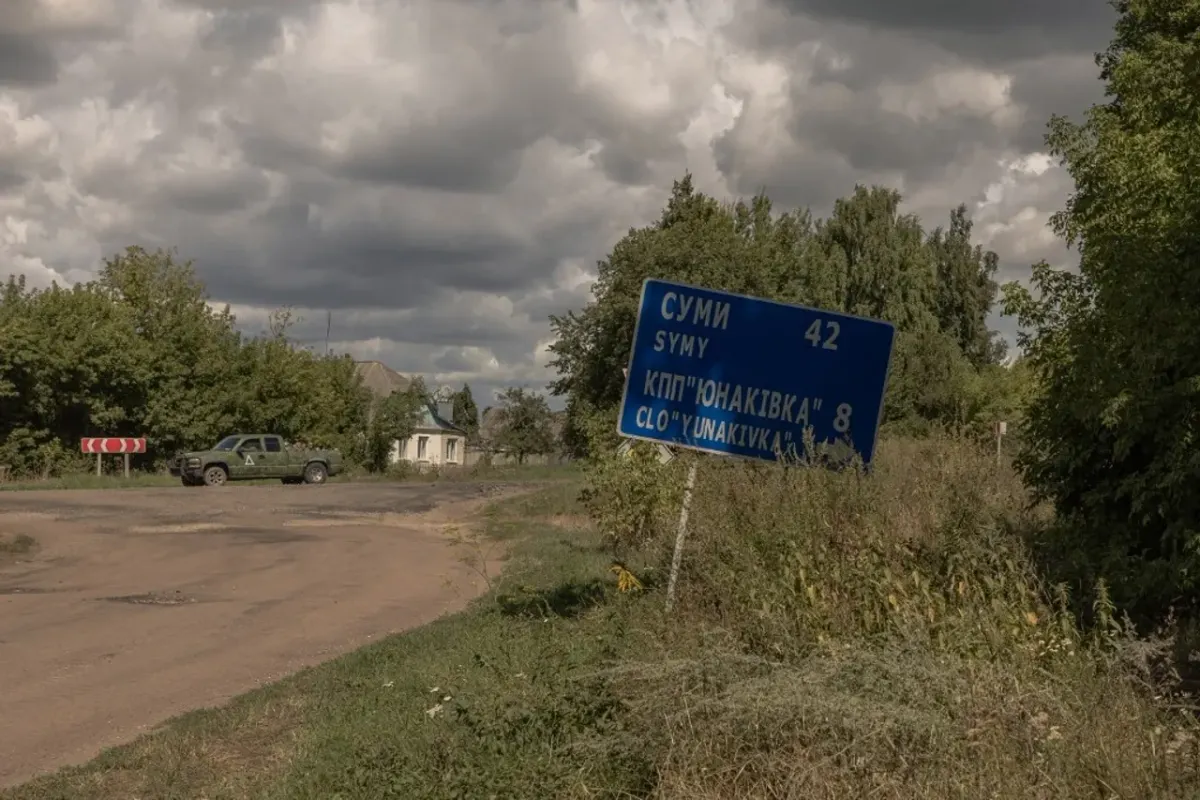
Russia has real security concerns.
Neighboring military alliances, missile deployments, intelligence systems, foreign bases, and force posture can change Russian security.
That exposure gives Russia a claim to negotiation.
It does not give Russia jurisdiction over Ukraine.
The article also developed a repair architecture. Sanctions relief should be connected to verified steps: ceasefire compliance, withdrawal, monitoring, civilian returns, reciprocal military limits, and restoration of the damaged field.
This is where the diesel agreement becomes particularly difficult.
According to Reuters, American negotiators described the agreement as an effort to soften Moscow's position. They also asked Ukrainian officials to stop striking Russian refineries. Kyiv made no formal commitment at that meeting, though it indicated openness to a reciprocal energy ceasefire.
A real reciprocal agreement could have value.
Russian strikes against Ukrainian energy infrastructure are a major civilian threat. An enforceable reduction in attacks could preserve lives, heating, electricity, economic activity, and a wider path toward negotiations.
But as of October 16, no verified reciprocal arrangement has emerged from the diesel concession.
Russia has continued attacking Ukrainian energy infrastructure. Ukraine has resumed refinery strikes. Trump's announced energy truce did not become a confirmed agreement between the belligerents.
And Putin has now described a Russian security zone inside Ukraine as non-negotiable.
There is the buffer wound, still open.
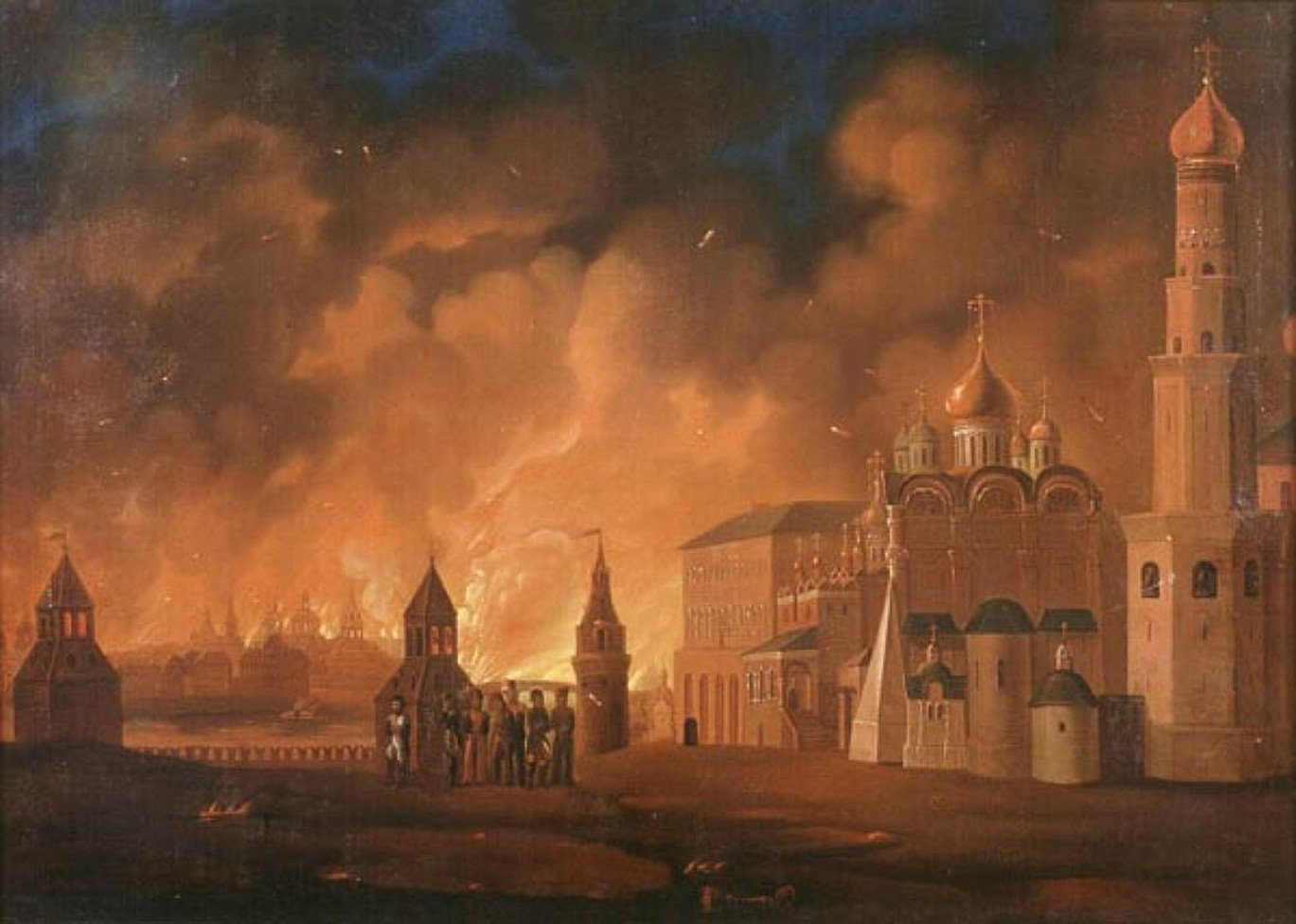
- The United States offers an economic concession to induce negotiation.
- Russia continues asserting authority over Ukrainian territory.
- Ukraine is asked to reduce military pressure on Russian energy capacity.
- Russia continues asserting authority over Ukrainian territory.
This relationship has not yet produced the reciprocal correction it was supposed to purchase.
The Exchange Must Actually Exist.
The Iran article already supplied another warning.
The Joint Comprehensive Plan of Action worked where it made a narrow exchange inspectable. Iran accepted limits and verification. Sanctions relief was tied to performance. The United States later withdrew despite International Atomic Energy Agency reporting that Iran was implementing its nuclear commitments.
That damaged the credibility of future restraint.
Now, Washington is using sanctions relief in the opposite direction: permitting Russian energy revenue in the hope that Moscow will become more willing to negotiate.
The lesson travels.
An economic concession can be a useful peace instrument.
Its value depends on the corresponding transition.
A ceasefire must occur.
Attacks must stop.
Monitoring must reach the affected places.
A promise must become something another institution can verify.
And the parties whose survival is being negotiated must remain capable of refusing the bargain.
Otherwise the exchange is asymmetrical.
- One side receives permission to trade.
- The other receives a prediction about what might happen next.
The Ruling.
The diesel deal has a defensible objective. Fuel prices, shipping, and inflation all matter. Diplomacy with Russia is necessary. Sanctions should be capable of revision when revision can produce a better path.
Those facts deserve recognition.
And so do the others.
- Iran's nuclear threshold and the war around it have contributed to a global energy crisis.
- Russia's invasion has made energy revenue part of a continuing war.
- Ukraine's attacks on Russian energy infrastructure create costs that travel beyond the battlefield.
- American commercial decisions affect the resources available to both countries.
None of these relations exists alone.
The three earlier applied cases reached different places through the same discipline.
- Iran showed that attacking a danger can destroy the verification needed to control what remains.
- Russia showed that security vulnerability does not create jurisdiction over another country's future.
- Nord Stream showed that an exposed state may have powerful reasons to close a dangerous energy route without automatically acquiring title to its permanent destruction.
The diesel agreement now tests all three.
- If the new authorization materially relieves civilian energy burdens and helps produce a reciprocal, independently verifiable peace,
- its costs may be justified.
- If it supplies Russia with revenue,
- produces negligible price relief,
- and makes Ukrainian defense more difficult
- without altering Russian conduct,
- it has transferred burdens while leaving the originating dangers in place.
- without altering Russian conduct,
The distinction is pretty observable.
We do not need to guess which president privately desires peace.
We need to see what the arrangement makes possible.
What fuel actually arrives?
What prices actually change?
What attacks actually stop?
What verified concession has Russia made?
And can Ukraine still refuse to become the instrument through which other countries purchase relief?
- The Nord Stream fourth line remained available for a future decision.
- The Iranian verification relation needs to become available again.
- The Russian peace process needs to become something Ukraine can survive.
Now the diesel is available again too.
The question is what future was bought with it.
Sources and related reading
- U.S. Treasury — General License 135, October 9, 2026
- Associated Press — Experts skeptical that Russian diesel will meaningfully lower prices
- Reuters — U.S. hopes the diesel deal will soften Moscow's position
- Reuters — Zelenskyy condemns the deal as Russia insists on a security zone
- U.S. Senate Foreign Relations Committee — Bipartisan challenge to the legality of Russian diesel imports